search
Top Animals to Spot in Lake Mburo National Park

Top Animals to Spot in Lake Mburo National Park

By Family holidays, Luxury holidays, Safari holidays, Travel stories and blogs, Uganda travel guides, Wildlife holidays

Top Animals to Spot in Lake Mburo National Park

Into the Wild Heart of Uganda

A safari in Uganda is often imagined as a journey through vast savannahs teeming with elephants, lions, and herds of buffalo. While these images capture the majesty of African wilderness, there exists a park that redefines what a safari can mean. Lake Mburo National Park, though the smallest savannah park in Uganda, holds within its compact landscapes an astonishing diversity of wildlife. It is here that travelers encounter animals rarely seen in other parts of the country, creating an experience both unique and unforgettable.

Set amidst rolling hills, scattered acacia woodlands, and shimmering lakes, Lake Mburo offers encounters with species that capture the imagination of every visitor. From the elegance of zebras grazing in the plains to the power of buffaloes wallowing in swamps, every corner of the park reveals new wonders. To explore Lake Mburo is to witness how Uganda’s wilderness thrives in harmony with its cultural backdrop.

This guide explores the top animals to spot in Lake Mburo National Park, examining their characteristics, habitats, and roles within the ecosystem, while also revealing what makes the park such an exceptional place for wildlife viewing.

The Distinctive Zebra of Lake Mburo

One of the most iconic sights in Lake Mburo is the Burchell’s zebra, whose black-and-white stripes ripple across the park’s open plains. Unlike in other Ugandan parks, zebras thrive in large herds here, offering unforgettable safari encounters.

The zebras are often observed grazing in the savannah, where their stripes create dazzling patterns against the golden grasses. Scientists believe these stripes not only serve as camouflage but also play a role in temperature regulation and in deterring biting insects. In Lake Mburo, zebras form social herds led by stallions, and their interactions offer visitors a glimpse into the intricate dynamics of the animal kingdom.

The presence of zebras also enhances the park’s uniqueness, as Lake Mburo is one of the very few places in Uganda where they can be seen in abundance. To ride alongside them on a horseback safari or to encounter them during a game drive is to experience the park’s magic in its purest form.

The Graceful Impala: An Exclusive Resident

Among the treasures of Lake Mburo is the impala, a species found nowhere else in Uganda. Known for its elegance and speed, the impala is often seen bounding across the grasslands, its reddish-brown coat glowing under the African sun.

Impalas are medium-sized antelopes that live in herds, with males often displaying dramatic leaps and jousts during the mating season. These displays, characterized by high jumps and fierce locking of horns, reveal the impala’s vitality and strength. Visitors who chance upon such moments during a safari witness not only an animal but a performance of nature’s resilience.

The exclusivity of impalas in Lake Mburo makes them a signature species of the park. For many travelers, the sight of an impala herd is a reminder of the park’s irreplaceable ecological importance and its role in conserving species diversity in Uganda.

The Majestic Eland: Africa’s Largest Antelope

Among the giants of Lake Mburo’s grasslands is the eland, the largest antelope in Africa. Towering and muscular, elands are distinguished by their spiral horns and distinctive dewlap hanging from the throat. Despite their size, they are remarkably agile, capable of leaping over fences and obstacles with surprising grace.

Elands are often found grazing in open plains or resting in shaded woodlands. Their diet consists of grasses, leaves, and fruits, making them vital players in maintaining the ecological balance of the park. Observing elands in Lake Mburo is a reminder of nature’s grandeur, for their sheer size and calm presence inspire awe in every traveler.

Lake Mburo is one of the few places in Uganda where elands can be reliably spotted, and their presence solidifies the park’s reputation as a sanctuary for unique and rare species.

The Enigmatic Leopard

While Lake Mburo lacks large prides of lions that dominate other Ugandan parks, it compensates with the stealth and beauty of the leopard. These elusive cats are often sighted during night game drives, their glowing eyes piercing the darkness as they move silently through the woodlands.

Leopards in Lake Mburo are solitary hunters, relying on stealth and strength to capture prey. Their adaptability allows them to hunt impalas, bushbucks, and smaller mammals, making them one of the park’s apex predators. The opportunity to encounter a leopard in the wild is often described as the pinnacle of safari experiences, and Lake Mburo provides a relatively high chance of such encounters, particularly at dawn and dusk.

The presence of leopards also ensures that the park maintains its wild edge, reminding visitors that the balance between predator and prey defines the essence of African ecosystems.

The Buffalo: Power in Numbers

No safari in Lake Mburo would be complete without encountering the African buffalo. Known for their imposing horns and formidable presence, buffaloes are found in herds that roam the park’s wetlands and grasslands.

Buffaloes are social animals, often moving in large groups for protection. Their unpredictable temperament makes them both fascinating and dangerous, reinforcing the respect that humans and other animals hold for them. Herds can be seen wallowing in muddy swamps to cool their bodies or grazing in the plains during the cooler hours of the day.

For travelers, the sight of a buffalo herd is a reminder of raw strength and unity, embodying the resilience of Uganda’s wilderness.

The Hippopotamus and Crocodile of Lake Mburo

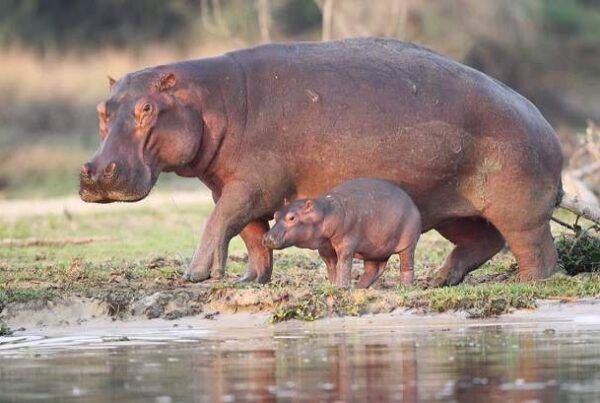
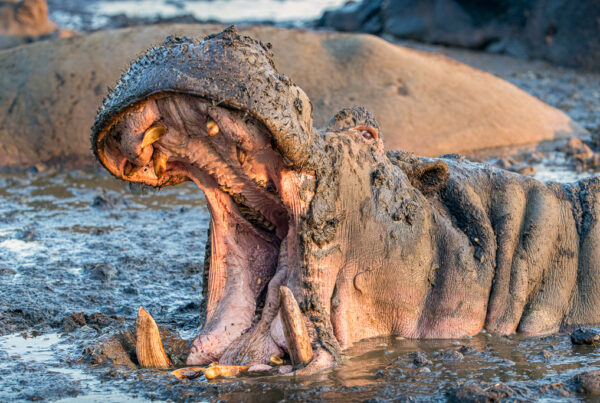
The shimmering waters of Lake Mburo are home to two of Africa’s most iconic aquatic animals—the hippopotamus and the Nile crocodile. Hippos are commonly observed during boat safaris, where their massive bodies emerge from the water and their characteristic grunts echo across the lake. At night, they leave the water to graze along the shorelines, offering visitors a chance to witness their dual existence between land and water.

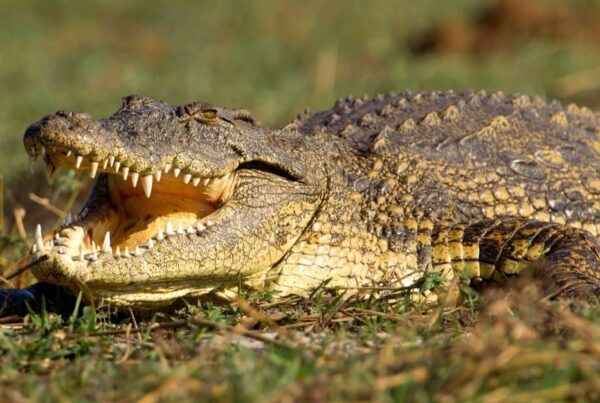
Crocodiles, on the other hand, lie in wait along the lake’s edges, their reptilian forms blending seamlessly into the mud. Silent and patient, they strike with sudden ferocity, reminding travelers of nature’s raw power. Boat safaris on Lake Mburo reveal these creatures in their natural element, completing the park’s diverse mosaic of wildlife encounters.

The Warthog: Nature’s Comical Survivor

Adding a touch of humor to the safari is the warthog, often seen trotting away with its tail held upright like a flag. With their protruding tusks and rugged appearance, warthogs may not match the elegance of antelopes, yet they hold a special charm.

Warthogs are resilient survivors, able to thrive in harsh conditions by feeding on grasses, roots, and even bark. Their habit of kneeling on their forelegs while grazing adds to their distinctive character. In Lake Mburo, warthogs are frequently spotted near lodges and along roadsides, bringing smiles to travelers and reminding them of the lighter side of the wild.

The Giraffe: Tall Giants of the Savannah

Though a more recent introduction to the park, the Rothschild’s giraffe has become one of Lake Mburo’s star attractions. Translocated from northern Uganda as part of conservation efforts, these towering animals now roam the park’s woodlands and savannahs, adding grace and majesty to the landscape.

Giraffes are browsers, feeding on the leaves of acacia trees with their long tongues and necks. Their calm demeanor and towering presence make them a highlight for every safari, especially as they move slowly across the horizon, silhouetted against the sky.

The successful establishment of giraffes in Lake Mburo underscores the park’s role in Uganda’s broader conservation story, showcasing how ecosystems can be enriched and preserved through careful planning.Top Animals to Spot in Lake Mburo National Park

Birdlife: The Feathered Wonders

Beyond mammals, Lake Mburo is a sanctuary for over 350 bird species, making it a paradise for birdwatchers. Among its most notable residents are the African fish eagle, often seen perched majestically near the lake, and the elusive shoebill stork, which draws ornithologists from across the globe.

The park is also home to the papyrus gonolek, red-faced barbet, and a rich variety of waterfowl. The presence of both savannah and wetland habitats allows for a diversity of birdlife rarely matched in parks of similar size. For travelers with an eye for detail, the birdlife of Lake Mburo adds a layer of richness to the safari that complements the larger animals.

The Smaller Mammals: Hidden Gems of the Park

While larger animals capture the headlines, Lake Mburo also shelters a wealth of smaller mammals that reward patient observation. Bushbucks emerge gracefully from the thickets, their spiral horns and white markings catching the eye. Duikers, shy and elusive, dart through the undergrowth, offering fleeting glimpses of their delicate forms.

Monkeys, including vervets and baboons, add liveliness to the park, their antics both entertaining and insightful into primate behavior. These smaller animals, often overlooked, contribute to the ecological tapestry of Lake Mburo, ensuring that every safari reveals surprises.

The Ecological Balance of Predator and Prey

What makes Lake Mburo exceptional is not simply the variety of animals but the interplay between predator and prey, grazer and browser, aquatic and terrestrial species. Zebras and impalas shape the grasslands through their grazing, while buffaloes and hippos influence wetlands. Leopards regulate populations of smaller mammals, while crocodiles dominate aquatic food chains.

This intricate web of life creates a balanced ecosystem, sustained by the park’s lakes, grasslands, and woodlands. For travelers, understanding these relationships deepens the safari experience, transforming it from a series of sightings into a narrative of survival, adaptation, and coexistence.

Best Time to Spot Animals in Lake Mburo

Wildlife can be seen throughout the year, but the dry seasons from June to August and December to February are particularly rewarding, as animals gather around water sources and visibility increases. Early mornings and late afternoons offer the most activity, with predators on the move and grazers feeding before the heat of the day.

The wet seasons, while more challenging for game drives, bring lush greenery and an abundance of birdlife. Calving seasons for antelopes often coincide with the rains, offering dramatic scenes of life and vulnerability in the wild. Each season offers its own rewards, ensuring that no two visits to Lake Mburo are ever the same.

A Safari Unlike Any Other

Lake Mburo National Park is a place where every encounter feels personal and every sighting carries meaning. From the exclusivity of impalas to the majesty of elands, from the playful warthogs to the stealthy leopards, the park presents a safari experience rich in variety and intimacy. Its compact size, far from being a limitation, ensures that travelers enjoy closer and more frequent encounters with wildlife, making it a jewel among Uganda’s protected areas.

For travelers seeking to discover the top animals of Lake Mburo National Park, the journey promises more than just sightings. It offers an immersion into the rhythm of the wilderness, a chance to witness the intricate balance of ecosystems, and an opportunity to connect with Uganda’s natural heritage in a profound way.

To transform this vision into reality, travelers are encouraged to book their African tours and safaris with WildHorn Africa, a trusted partner in curating unforgettable journeys into the wild heart of Uganda.

Luxury and Adventure: Why Kidepo is a Safari of a Lifetime

Luxury and Adventure: Why Kidepo is a Safari of a Lifetime

By Travel stories and blogs, Adventure holidays, Luxury holidays, Safari holidays, Uganda travel guides, Wildlife holidays

Luxury and Adventure: Why Kidepo is a Safari of a Lifetime

The Hidden Gem of Africa’s Wilderness

Tucked away in the far northeastern corner of Uganda, where sweeping savannah plains kiss rugged mountain ridges, lies Kidepo Valley National Park—a destination often described as the country’s most untamed wilderness. Unlike its more famous East African counterparts, Kidepo has remained relatively untouched by mass tourism, preserving a raw authenticity that transforms every visit into an extraordinary discovery. Here, luxury and adventure are not opposites but two sides of the same coin, blending seamlessly to create an experience that lingers in memory long after the journey has ended.

It is in Kidepo that the essence of safari is redefined. The thrill of traversing landscapes teeming with wildlife is combined with the elegance of staying in exclusive lodges that offer world-class comfort against the backdrop of breathtaking views. Each sunrise over the Narus Valley, each sunset painting the rugged mountains in shades of gold and crimson, brings not only the promise of adventure but also the luxury of solitude. To set foot in Kidepo is to embark on a journey where wilderness is celebrated and indulgence is harmoniously woven into the rhythm of nature.

The Allure of Remoteness

Kidepo’s greatest allure lies in its remoteness. Nestled between the borders of South Sudan and Kenya, it is separated from the busier safari circuits of East Africa, giving it a sense of mystery and exclusivity. The journey itself is an adventure, whether by road across scenic landscapes or by charter flight that unveils the park’s vast expanse from above. The remoteness creates an atmosphere where every wildlife sighting feels intimate, every encounter with culture feels authentic, and every moment of solitude feels sacred.

This isolation has preserved the park in a way that few destinations can boast. Unlike the Serengeti or Masai Mara, where vehicles often converge around predator sightings, Kidepo offers the luxury of space. Travelers find themselves alone on sweeping plains, their only companions the herds of buffalo, elephants moving gracefully in the distance, and lions perched majestically on rocky outcrops. It is this rare blend of wilderness and privacy that elevates Kidepo to the status of a lifetime safari.

Wildlife Encounters in Untamed Landscapes

The Diversity of Species

A safari in Kidepo is defined by the sheer diversity of its wildlife. The park is home to more than seventy species of mammals and over four hundred species of birds, many of which cannot be easily spotted elsewhere in Uganda. Vast herds of buffalo, sometimes numbering in the thousands, dominate the valleys, while elephants traverse the open plains with a grandeur that speaks of timeless survival. Predators thrive here as well, with lions, leopards, and cheetahs representing the dramatic side of the wilderness.

What sets Kidepo apart, however, are its unique species. The greater kudu, lesser kudu, and cheetah—animals rarely found in other Ugandan parks—roam freely here, alongside the ostrich that adds to the park’s semi-arid character. The rare aardwolf and bat-eared fox also inhabit the region, making Kidepo a haven for enthusiasts seeking unusual wildlife sightings.

The Narus and Kidepo Valleys

Two valleys shape the rhythm of wildlife encounters: the Narus Valley, known for its year-round water sources, and the Kidepo Valley, characterized by seasonal rivers and vast grasslands. The Narus Valley serves as the focal point for game drives, where herds gather to graze and predators lurk nearby. In contrast, the Kidepo Valley offers dramatic scenery and the allure of solitude, with sweeping plains that stretch toward the horizon. These contrasting environments provide a safari experience that is both varied and immersive, ensuring that each drive unveils a new dimension of the wilderness.

Adventure Beyond the Game Drive

Walking Safaris

Adventure in Kidepo extends beyond the confines of vehicles. Walking safaris, guided by experienced rangers, immerse visitors in the landscape at a pace that allows for deeper connection. Every footprint, every bird call, and every rustle in the grass becomes magnified, turning the wilderness into a living classroom. Walking amid towering borassus palms or across sunlit plains offers an intimacy with nature that few experiences can rival.

Mountain Treks and Cultural Journeys

The adventure continues with treks up the Morungole Mountains, where the elusive Ik people reside. These journeys combine physical challenge with cultural discovery, as travelers ascend into remote villages that reveal traditions preserved for centuries. Such treks highlight the richness of Kidepo, where landscapes, wildlife, and human stories converge into a tapestry of adventure.Luxury and Adventure: Why Kidepo is a Safari of a Lifetime

The Indulgence of Luxury in the Wild

Exclusive Lodges and Camps

Luxury in Kidepo is not about opulence detached from the wilderness but about comfort that harmonizes with the environment. A select number of lodges and tented camps provide exclusive accommodation, where panoramic views of valleys and mountains are framed by elegant design. Spacious suites, often adorned with natural materials, blend seamlessly with the landscape while offering the modern amenities travelers expect.

The luxury of these lodges lies not only in their comfort but also in their intimacy. With fewer guests, the atmosphere is personalized, ensuring privacy and attentive service. Dining under starlit skies, swimming in infinity pools that overlook herds of wildlife, and waking to the sounds of nature outside one’s tent all contribute to an experience where indulgence is intertwined with authenticity.

Gastronomy in the Wilderness

Culinary experiences in Kidepo elevate the safari beyond adventure. Gourmet meals prepared with fresh, locally sourced ingredients are served against the backdrop of breathtaking landscapes. Dining becomes an event, whether through bush breakfasts in the Narus Valley, sundowners on rocky outcrops, or candlelit dinners in the seclusion of camp. The fusion of fine dining with wild settings captures the essence of Kidepo’s luxury—refined experiences crafted within the heart of nature.

The Fusion of Adventure and Luxury

The brilliance of Kidepo lies in how adventure and luxury are seamlessly fused. After a day of thrilling game drives and invigorating treks, travelers return to lodges that envelop them in comfort. The transition from rugged exploration to serene indulgence creates a rhythm that defines the safari. In Kidepo, the boundary between luxury and adventure dissolves, leaving an experience that feels both exhilarating and restorative.

This balance is rarely found elsewhere. In busier safari destinations, luxury often comes at the expense of authenticity, while adventure can sometimes feel stripped of comfort. Kidepo achieves what few places do: the ability to offer both without compromise. It is this unique equilibrium that makes the park a safari of a lifetime.

Cultural Encounters that Deepen the Journey

Adventure in Kidepo is not limited to wildlife but extends into the lives of the communities that surround the park. The Karamojong pastoralists, with their manyattas, traditional dances, and cattle-centered culture, provide insight into a way of life that has endured despite modern pressures. Visitors are welcomed into villages, where songs and stories reveal a worldview shaped by resilience and tradition.

Equally enriching are visits to the Ik people in the Morungole Mountains. Their agricultural practices, distinct language, and rituals create a contrast with the pastoralists of the plains. These cultural encounters add depth to the safari, reminding travelers that wilderness is not only about animals but also about the people who coexist with it. The blending of cultural exploration with wildlife adventure enhances Kidepo’s uniqueness, ensuring that the safari touches both the heart and the mind.

The Solitude That Defines Luxury

In a world where travel often feels crowded, solitude has become the ultimate luxury. Kidepo delivers this in abundance. Vehicles are rarely seen during game drives, ensuring that wildlife encounters feel private and unhurried. Landscapes stretch endlessly, uninterrupted by human development. Even lodges are designed to maximize seclusion, offering spaces where the silence of the savannah becomes a form of indulgence.

This solitude fosters reflection, creating an atmosphere where the rhythms of nature can be fully absorbed. It is not only the grandeur of wildlife that leaves an impression but also the quiet moments—the call of distant birds at dawn, the glow of firelight against a dark sky, the stillness of valleys bathed in moonlight. Such solitude is rarely found in mainstream safari destinations, making Kidepo a true sanctuary for those seeking both luxury and meaning.

The Role of Seasonality in Crafting Experiences

Seasonality adds yet another layer of richness to Kidepo safaris. During the dry season, animals concentrate around water sources, making the Narus Valley a stage for dramatic encounters. In the wet season, the park transforms into a lush haven, with vibrant greenery and migratory birds adding life to the plains. Each season offers unique perspectives, ensuring that no two safaris are ever the same.

The shifting seasons also influence cultural experiences, with ceremonies and traditions tied to cycles of rain and pasture. Visitors who time their journeys carefully may witness festivals, dances, and rituals that add cultural depth to the safari. In this way, seasonality ensures that luxury and adventure in Kidepo are continually redefined by nature and culture alike.

Conservation and Sustainability in the Luxury Safari

Luxury in Kidepo is increasingly being defined by sustainability. Lodges are built with eco-friendly designs, minimizing impact while maximizing harmony with the environment. Community tourism initiatives ensure that local people benefit from safari activities, creating incentives for conservation. By staying in these lodges and engaging with community programs, travelers become part of a sustainable model that safeguards both wildlife and culture.

Adventure in Kidepo is thus tied not only to personal discovery but also to collective responsibility. Every journey contributes to the preservation of ecosystems and the empowerment of communities, ensuring that the park’s magic endures for generations. This awareness deepens the meaning of luxury, making it not only about indulgence but also about participation in a larger purpose.

Why Kidepo Stands Above Other Safari Destinations

Comparisons with the Serengeti, Masai Mara, or Kruger often arise, yet Kidepo distinguishes itself through its combination of exclusivity, diversity, and authenticity. While other destinations may offer vast migrations or high-density wildlife, few can match Kidepo’s balance of adventure, cultural immersion, and luxury wrapped in solitude.

In Kidepo, there are no crowds, no intrusive commercialization, and no dilution of wilderness. The experience feels personal, tailored, and transformative. For discerning travelers seeking a safari that transcends the ordinary, Kidepo stands as the pinnacle of Africa’s hidden treasures.

A Safari of a Lifetime

The promise of luxury and adventure is rarely fulfilled in perfect harmony, yet Kidepo Valley National Park achieves this with effortless grace. Its landscapes evoke awe, its wildlife excites, its cultures inspire, and its lodges indulge. To journey into Kidepo is to embrace an experience where the spirit of the wild is encountered in its purest form while being cradled in comfort that heightens the magic of every moment.

For those seeking not just a safari but a safari of a lifetime, Kidepo offers the ultimate answer. The park’s remoteness, exclusivity, and authenticity ensure that the adventure feels personal, while its luxury lodges and cultural depth transform it into a journey of both body and soul.

To craft such an unforgettable experience with expertise and care, it is strongly recommended that travelers book their Africa tours and safaris with WildHorn Africa, a trusted guide to journeys that honor both the wilderness and the communities that make Kidepo a destination like no other.

Rare Animal Species Found in Kidepo Valley National Park

Rare Animal Species Found in Kidepo Valley National Park

By Travel stories and blogs, Safari holidays, Uganda travel guides, Wildlife holidays

Rare Animal Species Found in Kidepo Valley National Park

A Wilderness of Secrets

Across the wild landscapes of Africa, there are protected areas celebrated for their abundance of lions, elephants, and buffalo, and there are others whispered about for their hidden treasures. In the far northeastern corner of Uganda, tucked between rugged mountains and sweeping valleys, lies Kidepo Valley National Park, a sanctuary that belongs to the latter category. Unlike the more frequented national parks of East Africa, Kidepo is not only defined by its remoteness but also by the rarity of the animal species that call it home. It is a place where elusive predators roam the plains, where unusual birds stride across arid savannahs, and where wildlife encounters are imbued with a sense of discovery.

To step into Kidepo is to walk into one of the last authentic wildernesses of Africa, where silence reigns and solitude heightens the magic of every sighting. The park covers 1,442 square kilometers of valleys, escarpments, and savannah grasslands, yet its true wealth lies not in size but in uniqueness. The list of animals that thrive here cannot easily be matched elsewhere in Uganda, which makes the park a magnet for naturalists, researchers, and adventurous travelers seeking to witness the rarest creatures of the continent.

The Distinction of Rarity in Kidepo

Rarity in Kidepo is not simply a matter of population numbers; it is also about geographical exclusivity and ecological significance. Species that are absent from Uganda’s more accessible parks, such as Murchison Falls, Queen Elizabeth, or Bwindi, are found here in abundance. The park acts as a meeting point between East African and semi-arid savannah ecosystems, blending characteristics of the Sahel with those of the Great Rift Valley. This ecological crossroad has allowed Kidepo to host animals not typically associated with Uganda, thereby elevating its importance as a conservation stronghold for rare species.

It is in this context that the narrative of Kidepo unfolds—not as a place of common encounters but as a wilderness where the unexpected becomes the highlight. The experience of sighting a cheetah sprinting across the Narus Valley or witnessing ostriches striding through the dry plains becomes not merely a safari activity but a story of privilege, for such encounters remain possible in few corners of the country.

Predators of the Rare Frontier

The Cheetah: Uganda’s Elusive Sprinter

Among the most remarkable species found in Kidepo is the cheetah, a predator of extraordinary speed and grace. Now absent from most of Uganda’s landscapes, the cheetah finds one of its last refuges in Kidepo Valley. Its presence in the park transforms every game drive into a potential encounter with rarity.

The Narus Valley, with its open grasslands, provides the ideal terrain for the cheetah’s famous bursts of speed, reaching up to 112 kilometers per hour. Photographers and researchers alike travel to Kidepo in search of this elusive cat, as it embodies both vulnerability and resilience. Its rarity is accentuated by the fact that populations across Africa are declining due to habitat loss and human-wildlife conflict, yet in the seclusion of Kidepo, the species endures.

The Striped Hyena: A Shadow of the Night

While spotted hyenas are common across much of Uganda, the striped hyena is a species encountered only in the wilderness of Kidepo. It is a shy, nocturnal creature, more elusive than its spotted counterpart, with a distinct appearance marked by vertical stripes on its body and a mane of coarse fur that rises when threatened.

Unlike the boisterous clans of spotted hyenas, the striped hyena leads a more solitary existence. It is often sighted under the cover of darkness, moving silently across the plains in search of carrion. For wildlife enthusiasts, catching sight of this enigmatic scavenger is a rare privilege, made possible only by the park’s unique ecology and isolation.

Ungulates of Uniqueness

The Greater Kudu: A Regal Rarity

The greater kudu, one of Africa’s most striking antelopes, finds a rare haven in Kidepo. With its spiraled horns and majestic stature, it is considered one of the most photogenic antelopes of the continent. While Uganda boasts many antelope species, the greater kudu remains confined to this remote park, a fact that elevates Kidepo’s importance for safari-goers seeking diversity.

The rocky outcrops and wooded savannahs of the park form ideal habitats for this antelope. Its rarity in Uganda ensures that every sighting is celebrated, and the elegant curves of its horns often become iconic images from Kidepo photography safaris.

Roan Antelope and Eland: Giants of the Plains

Two other antelope species lend further uniqueness to the park: the roan antelope and the eland. The roan, with its long backward-curving horns and distinctive facial markings, is one of Africa’s largest and rarest antelopes. In Uganda, it is found almost exclusively in Kidepo, making the park a vital refuge for its survival.

The eland, another rare species in Uganda, adds both scale and rarity to the safari experience. As the largest antelope in the world, it can weigh up to 900 kilograms, yet its graceful movements across the grasslands are a testament to its adaptability. Its presence in Kidepo underlines the park’s role as a sanctuary for species whose range has shrunk elsewhere.

Avian Treasures of the Wild NorthRare Animal Species Found in Kidepo Valley National Park

The Ostrich: A Giant Strider of the Plains

No bird embodies rarity in Kidepo more vividly than the ostrich, the world’s largest bird. Absent from other Ugandan parks, it strides across the semi-arid expanses of the Kidepo Valley, its long neck and powerful legs silhouetted against the horizon. Its presence offers an avian spectacle that is as much about scale as it is about uniqueness.

The ostrich thrives in this environment because of the openness of the plains, where it can use its speed to evade predators. For birdwatchers, the opportunity to see the ostrich in Uganda exists only here, a fact that cements the park’s significance as a birding destination of international repute.

The Kori Bustard and Secretary Bird: Icons of the Grassland

Alongside the ostrich, two other birds elevate the park’s status: the Kori bustard and the secretary bird. The bustard, considered one of the heaviest flying birds in the world, is often spotted walking with deliberate grace across the Narus Valley. Its rarity, combined with its sheer size, makes it a prized sighting for birders.

The secretary bird, with its long legs and distinctive crest of feathers, is equally captivating. Known for its unusual hunting technique of stomping snakes and other small animals, it is a bird that embodies both elegance and ferocity. Its presence in Kidepo reinforces the park’s reputation as a home for extraordinary avian species.

Reptilian Rarities

The Nile Crocodile: Survivor of the Kidepo River

Though Nile crocodiles are widespread across Africa, their occurrence in the seasonal rivers of Kidepo takes on a rare significance due to the arid nature of the landscape. In the dry months, when water becomes scarce, these reptiles retreat into deeper pools of the Kidepo and Narus rivers. Observing them in this harsh environment highlights their resilience, as survival demands adaptation to one of Uganda’s most challenging ecosystems.

The Ecological Importance of Rare Species

The presence of rare animals in Kidepo Valley National Park is not merely a matter of safari fascination; it holds profound ecological importance. Each rare species contributes to the delicate balance of the ecosystem. The cheetah maintains the health of herbivore populations by preying on the weak, the ostrich disperses seeds across vast distances, and the hyena ensures the landscape remains free of carrion that could otherwise spread disease.

By protecting these rare species, Kidepo also preserves the ecological integrity of Uganda’s northern frontier. Their survival ensures that future generations inherit a landscape not diminished in richness but strengthened by the continued presence of the unusual and extraordinary.

The Experience of Rarity for Visitors

The encounter with rare species in Kidepo cannot be compared to ordinary wildlife sightings. To see an elephant in a savannah may inspire awe, but to witness a cheetah sprinting across the Narus Valley or an ostrich striding through the arid plains evokes a deeper sense of privilege. It is the knowledge that these encounters are possible in only one corner of Uganda that makes them unforgettable.

For travelers, these sightings transform a safari into a story worth retelling. The rarity of the species ensures that memories remain vivid, photographs become treasured, and the journey acquires a uniqueness that no other park in the country can replicate.

Conservation Challenges and Hope

The rarity of these animals also makes them vulnerable. Human-wildlife conflict, poaching, and the pressures of climate change threaten the delicate balance that allows them to survive. Yet hope persists in the efforts of the Uganda Wildlife Authority and conservation organizations working tirelessly to safeguard the park. Anti-poaching patrols, community engagement programs, and habitat restoration initiatives have been implemented to ensure that the cheetah continues to run, that the ostrich continues to stride, and that the striped hyena continues to roam the night.

The future of Kidepo’s rare species is therefore not a matter of fate alone but of deliberate human effort. Through conservation and responsible tourism, their survival can be assured, and the park can remain a sanctuary where rarity thrives.

A Sanctuary of the Extraordinary

Kidepo Valley National Park stands as a sanctuary of the extraordinary, where rare animal species continue to define the essence of wilderness. From the sprinting cheetah to the solitary striped hyena, from the towering ostrich to the regal greater kudu, the park shelters species whose presence cannot be casually encountered elsewhere in Uganda. Every safari through its valleys becomes a journey into rarity, every sighting a privilege, and every memory a treasure.

For travelers who seek not just the ordinary but the remarkable, not just the common but the rare, Kidepo offers a safari that transcends expectation. Its uniqueness lies not only in its landscapes but in the lives of the rare creatures that inhabit them, ensuring that a visit is remembered as an encounter with the very essence of Africa’s hidden wilderness.

To transform the dream of experiencing these rare animals into reality, it is strongly recommended that visitors book their Africa tours and safaris with WildHorn Africa, a trusted partner dedicated to delivering seamless, professional, and authentic journeys into Uganda’s most extraordinary wilderness.

Why Kidepo Valley National Park is Uganda’s Hidden Safari Gem

Why Kidepo Valley National Park is Uganda’s Hidden Safari Gem

By Travel stories and blogs, Family holidays, Luxury holidays, Safari holidays, Uganda travel guides, Wildlife holidays

Why Kidepo Valley National Park is Uganda’s Hidden Safari Gem

Unearthing Uganda’s Untamed Treasure

In the heart of northeastern Uganda lies a sanctuary that whispers the allure of untouched wilderness and pristine landscapes. Kidepo Valley National Park has long remained a secret whispered among seasoned travelers, a hidden gem awaiting discovery. Unlike the more frequented parks of Uganda, Kidepo captivates with a raw, almost mystical wilderness that seems suspended in time. Its isolation has preserved a richness that few other African destinations can rival, creating an intimate and authentic safari experience that lingers in memory long after the journey ends.

This hidden gem has often been overlooked, yet it embodies the quintessence of Africa’s wild heart. From expansive savannahs to jagged mountain ranges, and from rare wildlife encounters to interactions with vibrant indigenous cultures, Kidepo presents a symphony of experiences that transcend ordinary safari expectations. The park stands as an emblem of untouched nature, inviting explorers to delve into a world where adventure, discovery, and tranquility coalesce seamlessly.

Geographical Marvel: Nature’s Untouched Canvas

Kidepo Valley National Park is uniquely positioned in Uganda’s remote northeastern corner, bordering South Sudan and Kenya. Its geographic isolation has safeguarded it from the influx of mass tourism, allowing the ecosystem to thrive in a state of near-perfect balance. The park’s topography is breathtakingly diverse. Rolling plains stretch into the horizon, interrupted by rocky outcrops and the dramatic Imatong Mountains, which pierce the skyline in jagged, majestic formations. Rivers such as the Narus and Kidepo meander through the valleys, nourishing a patchwork of habitats that host an extraordinary range of flora and fauna.

The climate of Kidepo enhances its allure, with a semi-arid environment that fosters a delicate balance between savannah, woodland, and mountainous terrain. The park is bathed in golden sunlight for much of the year, and its dramatic sunsets cast long shadows over the plains, painting an unforgettable tableau that captivates every visitor. Unlike more heavily trafficked parks, where wildlife has grown accustomed to human presence, Kidepo’s isolation ensures that encounters with its inhabitants are raw, unmediated, and profoundly moving.

Wildlife Encounters: The Untamed Heart of Kidepo

Kidepo Valley National Park is distinguished by its remarkable biodiversity, much of which thrives due to the park’s isolation and careful conservation management. Predators, herbivores, and a myriad of avian species inhabit its sweeping landscapes, offering a spectacle that can only be described as pure African wilderness.

Among the park’s most iconic residents are lions and cheetahs, which roam the savannah with an air of regal authority. Leopards are also present, though their elusive nature often renders them almost mythical to visitors. Elephant herds traverse the plains with quiet grace, while buffaloes move in stately clusters, embodying the raw strength and resilience of Africa’s wild heritage. The presence of endangered species such as the African wild dog underscores the park’s ecological importance, offering wildlife enthusiasts a rare opportunity to witness creatures seldom seen elsewhere.

Birdlife in Kidepo is equally extraordinary, with over 475 species recorded within its boundaries. From the flamboyant carmine bee-eater to the stately martial eagle, the avian diversity enriches the safari experience, creating moments of awe as rare species take flight against the park’s vast sky. The careful preservation of this ecosystem ensures that each encounter feels authentic, unspoiled by habituation to human presence.

Cultural Richness: Where Wilderness Meets Tradition

Beyond its ecological wonders, Kidepo Valley National Park is deeply intertwined with the culture and heritage of the local Karamojong communities. These pastoralist people have inhabited the region for centuries, living in harmony with the land and preserving traditions that are intimately connected to the park’s landscapes. Visitors to Kidepo often find themselves immersed in this cultural tapestry, gaining insight into the daily lives, rituals, and artistry of a people whose identity is inseparable from the wild environment they inhabit.

Cultural experiences in the park are subtle yet profoundly enriching. The intricate beadwork, traditional dances, and oral histories of the Karamojong offer perspectives that extend beyond conventional tourism. Interactions with these communities highlight a symbiotic relationship between humans and nature, where survival, respect, and reverence for the land are deeply embedded in daily life. These encounters add layers of depth to the safari experience, ensuring that every visit is not only about witnessing wildlife but also about understanding the human stories that unfold alongside it.Why Kidepo Valley National Park is Uganda’s Hidden Safari Gem

Safari Experiences: Authenticity Beyond Compare

What sets Kidepo Valley National Park apart from other African safari destinations is the authenticity of the experiences it offers. Unlike heavily commercialized parks where game drives can feel routine, Kidepo retains a sense of intimacy and adventure that is increasingly rare in modern tourism. Safaris are conducted in small groups, often with guides who possess unparalleled knowledge of the terrain, wildlife behaviors, and local culture. This allows for encounters that feel personal and deeply engaging, whether it involves observing a lion pride at rest, tracking a leopard through rocky hills, or witnessing a herd of elephants crossing the plains.

Game drives in Kidepo are complemented by walking safaris, offering a chance to explore the land on foot under the guidance of experienced rangers. These excursions reveal subtle details that vehicles often miss: the delicate tracks of a predator, the faint rustle of a warthog in the underbrush, or the intricate patterns of vegetation shaped by centuries of ecological interplay. The park’s terrain is varied enough to accommodate diverse safari experiences, ranging from riverbank explorations to mountain treks, each promising moments of discovery and connection with nature.

Night safaris in Kidepo offer a different kind of thrill. Under the expansive canopy of stars, the nocturnal life of the park comes alive. Predators prowl, owls and nightjars take flight, and the subtle symphony of insects creates a soundtrack that immerses visitors in the profound rhythms of the wilderness. This duality of day and night experiences ensures that the park is alive with activity at all hours, each moment offering a unique glimpse into the untamed world.

Landscape and Scenery: A Photographer’s Paradise

For those drawn to photography and visual storytelling, Kidepo Valley National Park is a paradise that rewards patience and skill. Its landscapes shift dramatically with the seasons, offering ever-changing canvases of color, texture, and light. The savannah glows with golden hues during the dry season, while the rainy months transform the plains into lush, verdant expanses teeming with life. Rivers swell and sparkle under the sun, and the rugged mountains stand in sharp contrast to the soft curves of the valleys below.

The park’s vistas are not only visually stunning but also emotionally evocative. Sunrise over the Imatong Mountains creates a spectacle of light and shadow, while sunsets along the Narus River imbue the plains with a sense of serenity and grandeur. These landscapes have inspired countless photographers, nature enthusiasts, and artists, drawn by the park’s ability to evoke both awe and contemplation. Every corner of Kidepo holds the potential for a perfect moment, a frame that captures the essence of untamed Africa.

Conservation Efforts: Safeguarding a Wilderness

The significance of Kidepo Valley National Park extends beyond tourism; it is a cornerstone of Uganda’s conservation efforts. Its remote location has historically shielded it from human encroachment, but ongoing management practices are crucial in maintaining the park’s delicate ecosystems. Anti-poaching initiatives, habitat restoration projects, and community engagement programs work in tandem to ensure that Kidepo remains a sanctuary for both wildlife and culture.

Conservation in Kidepo is approached with a holistic mindset, recognizing the interconnectedness of species, habitats, and human communities. Efforts to monitor wildlife populations, maintain water sources, and prevent illegal hunting are coupled with educational initiatives that engage local populations. This approach fosters stewardship and ensures that the park’s ecological integrity is preserved for future generations, allowing travelers to experience a wilderness that remains largely unspoiled.

Accessibility and Travel: A Journey Worth the Effort

While Kidepo’s isolation contributes to its allure, it also presents challenges in terms of accessibility. Reaching the park requires careful planning, as it is situated several hours from Uganda’s main urban centers. However, the journey itself becomes part of the adventure, with scenic drives through remote villages, vast plains, and rugged terrain setting the stage for what awaits. Air travel is available to nearby airstrips, providing a quicker, more comfortable route into the heart of the park.

Upon arrival, visitors are greeted by a sense of tranquility rarely experienced in more frequented destinations. Accommodations range from luxury lodges to more rustic campsites, each designed to harmonize with the environment and provide comfort without compromising authenticity. Staying within or near the park allows travelers to fully immerse themselves in the rhythms of the landscape, from the early morning calls of wildlife to the quiet evenings under an expansive African sky.

Seasons and Timing: Experiencing Kidepo at Its Best

The best time to experience Kidepo Valley National Park is determined by one’s interests and priorities. The dry season, typically from December to February and June to August, is ideal for game viewing as animals congregate around shrinking water sources. Vegetation is sparse, enhancing visibility and making wildlife easier to spot. The rainy season, though more challenging for travel, transforms the park into a lush, vibrant ecosystem, offering spectacular photography opportunities and a chance to witness the renewal of life.

Each season presents its own unique charm, and a carefully planned visit can reveal the full spectrum of Kidepo’s beauty. Wildlife behavior, migratory patterns, and landscape dynamics shift throughout the year, ensuring that no two visits are ever the same. Travelers who embrace these seasonal nuances are rewarded with a depth of experience that is rare in more predictable safari destinations.

Why Kidepo Stands Apart: A Hidden Gem Defined

What ultimately defines Kidepo Valley National Park as Uganda’s hidden safari gem is the unparalleled sense of authenticity, isolation, and wonder it offers. Unlike parks that have been commercialized to accommodate mass tourism, Kidepo retains an aura of discovery and adventure. Every moment spent in the park is imbued with the sense that one has entered a realm where nature reigns supreme, untainted and commanding respect.

The combination of diverse wildlife, dramatic landscapes, cultural richness, and meticulous conservation ensures that Kidepo is not merely a safari destination but a journey into the very essence of Africa’s wild spirit. It is a place where visitors are invited to step away from the predictable and into the extraordinary, where memories are forged in the company of nature’s most majestic creatures and timeless vistas.

Embarking on the Kidepo Experience

Kidepo Valley National Park represents a pinnacle of what African safaris can offer—untouched wilderness, extraordinary wildlife encounters, and profound cultural experiences, all wrapped in the serene beauty of Uganda’s northeastern frontier. Its hidden nature has preserved a sense of authenticity and intimacy that few other destinations can match, making it a treasure for those willing to venture off the beaten path.

For travelers seeking more than a typical safari, Kidepo Valley National Park promises an encounter with the raw, unspoiled essence of Africa. It is a sanctuary where nature and culture converge, and where every moment offers the possibility of discovery and awe.

To fully experience the magic of Kidepo, book your Africa tours and safaris with WildHorn Africa, a trusted partner dedicated to creating immersive, responsible, and unforgettable journeys. Their expertise ensures that every visitor can explore Kidepo’s hidden wonders while contributing to the preservation of this extraordinary national treasure.

Wildlife of Kidepo: What You’ll See on Safari

Wildlife of Kidepo: What You’ll See on Safari

By Travel stories and blogs, Family holidays, Luxury holidays, Safari holidays, Uganda travel guides, Wildlife holidays

Wildlife of Kidepo: What You’ll See on Safari

The Untamed Symphony of Kidepo

Nestled in the remote northeastern corner of Uganda lies a sanctuary where nature unfolds in its purest form. Kidepo Valley National Park, often described as Uganda’s most untouched wilderness, offers an encounter with Africa that feels raw, unmediated, and profoundly moving. Unlike the more frequented national parks, Kidepo’s seclusion has preserved a rare authenticity, creating a safari experience where every sighting feels personal, every encounter unforgettable.

Within this hidden gem, wildlife thrives against a backdrop of majestic savannahs, rocky mountains, and meandering rivers. The park is a living mosaic of ecosystems, where predators roam freely, herbivores graze peacefully, and birds fill the sky with a kaleidoscope of color. This article explores the rich biodiversity of Kidepo, offering a window into the extraordinary species that inhabit this remote corner of Uganda, and providing insight into what visitors can expect during a safari in this untamed land.

Geography and Habitat: Nature’s Perfect Stage

The abundance of wildlife in Kidepo is intimately linked to its unique geography. The park spans over 1,400 square kilometers, bordered by South Sudan to the north and Kenya to the east, creating an isolated ecosystem that has been protected from the pressures of mass tourism and human encroachment. Its terrain is diverse, ranging from flat savannahs to rugged hills and mountains, with the Imatong and Kidepo ranges forming dramatic backdrops to open plains.

Rivers, such as the Narus and Kidepo, flow through these landscapes, providing essential water sources for both wildlife and local pastoralist communities. Seasonal variations in rainfall create a dynamic environment, where dry periods concentrate animals near permanent waterholes, while the wet season transforms the plains into lush pastures teeming with life. This mosaic of habitats allows a wide array of species to coexist, making Kidepo one of the most ecologically diverse regions in Uganda.

Predators of Kidepo: The Kings and Queens of the Savannah

The predator population in Kidepo is a testament to the park’s thriving wilderness. Lions are among the most iconic of these inhabitants, roaming the savannahs with a sense of authority and grace. Lion prides are often observed during early morning or late afternoon, their movements deliberate as they patrol their territory. Encounters with these magnificent cats are considered the pinnacle of any safari experience in Kidepo, as the animals are largely undisturbed by human presence, allowing natural behaviors to be observed authentically.

Leopards are also present, though more elusive and primarily nocturnal. Their stealth and adaptability have allowed them to thrive in the rocky outcrops and dense woodland areas of the park. A sighting of a leopard, often perched on a tree or stalking prey, is considered a rare and exhilarating experience, a true highlight for wildlife enthusiasts and photographers alike.

Cheetahs, celebrated for their speed and elegance, inhabit the open plains of Kidepo. These predators are observed hunting during the cooler hours of the day, relying on their exceptional agility and keen eyesight. Hyenas, both spotted and striped varieties, contribute to the predator hierarchy, their scavenging and hunting behaviors playing a critical role in maintaining ecological balance. Each predator in Kidepo demonstrates the delicate interplay of survival, strategy, and adaptation that defines life in the wild.Wildlife of Kidepo: What You’ll See on Safari

Herbivores and Grazers: The Heartbeat of the Plains

The herbivore population in Kidepo forms the backbone of its ecosystem, supporting predators and maintaining the health of the environment. Elephants traverse the plains in quiet majesty, often in small family groups, their presence a reminder of Africa’s grandeur and resilience. These giants are most often seen near rivers and waterholes, where their movements shape the landscape and influence the distribution of other species.

Buffalo herds, formidable and social, wander the savannah with a slow but deliberate pace. Their interactions are governed by complex social structures, and their grazing patterns are essential in maintaining the balance between vegetation growth and predator dynamics. Giraffes, with their towering necks and graceful strides, feed on acacia trees and offer striking visual spectacles against the park’s golden plains. Zebras and antelopes, including species such as hartebeest, oribi, and the endemic Uganda kob, add vibrancy and dynamism to the landscape, their movements creating a rhythm that resonates across the savannah.

The presence of rare species such as the African wild dog further underscores the ecological significance of Kidepo. These elusive predators are rarely seen, yet their survival is indicative of a well-preserved habitat, where competition, predation, and biodiversity are carefully balanced.

Avian Diversity: The Skies Alive with Color

Kidepo’s wildlife is not limited to land-based species; its skies are alive with remarkable birdlife. Over 475 species have been recorded, making it a haven for ornithologists and enthusiasts. Large raptors, such as martial eagles and secretary birds, patrol the skies and plains, while smaller species add splashes of color and movement.

The carmine bee-eater, with its vivid red plumage, is often observed near riverbanks, diving and swooping with remarkable agility. Hornbills, starlings, and weavers populate the woodlands, their behaviors reflecting complex social structures and ecological interactions. Seasonal migration patterns bring additional diversity, with birds arriving from distant regions to exploit the park’s rich resources. The presence of these species enhances the safari experience, providing opportunities for both observation and photography, and emphasizing the interconnectedness of Kidepo’s ecosystem.

Aquatic and Nocturnal Wildlife: Hidden Dimensions

While much attention is often given to large terrestrial animals, Kidepo’s rivers and seasonal water sources support a variety of aquatic life. Crocodiles and hippos inhabit deeper pools, their behaviors largely hidden during daylight hours but critical in shaping the riparian ecosystems. These water-based species contribute to the park’s food chains and influence the distribution of other wildlife, particularly herbivores that rely on water access.

Nocturnal wildlife adds an additional layer of intrigue. Small mammals, owls, and nocturnal predators emerge under the cover of darkness, creating a hidden world that complements daytime safari observations. Night drives in Kidepo allow visitors to witness this dimension of wildlife behavior, providing a holistic understanding of the park’s biodiversity and ecological complexity.

Interactions Between Species: Nature’s Delicate Balance

One of the most remarkable aspects of Kidepo’s wildlife is the interplay between species. Predator-prey dynamics are observed in real time, with lions, leopards, and cheetahs influencing the movement and behavior of herbivores. Elephants, through their grazing and migration patterns, alter the vegetation structure, which in turn affects the availability of resources for smaller herbivores and birds. These interactions are a testament to the intricate web of life that sustains Kidepo’s wilderness.

Symbiotic relationships are also observed, particularly among bird species and large mammals. Oxpeckers feeding on ticks from buffalo and giraffes exemplify the mutual benefits that arise from close ecological connections. These subtle behaviors, often overlooked by casual observers, enrich the safari experience, revealing the complexity and intelligence of nature in action.

Cultural Context: Wildlife and Human Coexistence

The presence of wildlife in Kidepo is inseparable from the region’s cultural heritage. The Karamojong communities have coexisted with the park’s wildlife for centuries, developing pastoralist practices that respect the rhythms of nature. Livestock grazing is carefully managed to minimize conflicts with wild herbivores, and local knowledge contributes to conservation efforts by tracking animal movements and monitoring species health.

Visitors often gain insight into this harmonious coexistence through guided tours and cultural experiences. Traditional stories, rituals, and practices highlight a worldview in which humans are part of, rather than separate from, the natural world. This perspective deepens the appreciation of Kidepo’s wildlife, framing every encounter as part of a broader narrative of ecological and cultural interdependence.

Safari Experiences: Observation and Immersion

The wildlife of Kidepo is best experienced through immersive safari activities. Game drives, conducted by skilled guides, provide opportunities to observe large predators, herbivores, and birds in their natural habitats. Walking safaris allow for closer observation of tracks, signs, and smaller species, offering a more intimate connection with the environment.

Photography in Kidepo is particularly rewarding due to the park’s light, landscapes, and diversity of species. Early mornings and late afternoons provide soft, golden lighting, enhancing both the aesthetic quality and the emotional impact of wildlife encounters. Every moment spent observing the animals is enriched by the knowledge that these interactions occur in an environment largely untouched by human interference.

Night drives offer a contrasting experience, revealing the nocturnal habits of predators, small mammals, and insects. The sounds of the night—roaring lions, rustling grasses, and distant calls of nocturnal birds—create an immersive soundscape that complements the visual splendor of the park. These experiences collectively ensure that every visitor engages with the full spectrum of Kidepo’s wildlife.

Conservation and Preservation: Protecting the Legacy

The thriving wildlife of Kidepo is a direct result of ongoing conservation efforts. Anti-poaching initiatives, habitat management, and collaboration with local communities have ensured that the park remains a sanctuary for threatened and endangered species. The African wild dog, cheetah, and certain bird species benefit directly from these protective measures, highlighting the importance of sustained and informed conservation practices.

Education and community engagement are central to Kidepo’s preservation strategy. By fostering awareness and stewardship among local populations, the park ensures that wildlife remains a valued resource rather than a source of conflict. This approach safeguards the ecological integrity of Kidepo, allowing future generations to experience the same richness of wildlife that visitors witness today.

Why Kidepo is Unique: A Safari Unlike Any Other

Kidepo Valley National Park distinguishes itself from other safari destinations through its combination of isolation, biodiversity, and authenticity. While other parks may offer frequent sightings of common species, Kidepo provides rare encounters, a sense of wilderness, and an environment where human presence is minimal. Every safari here is shaped by the unpredictability of the wild, creating experiences that are both thrilling and deeply moving.

The diversity of habitats, from open plains to rocky hills, ensures that every species can be observed in its natural context. The combination of predators, herbivores, birds, and aquatic life creates a comprehensive and interconnected ecosystem, offering visitors the opportunity to witness the full complexity of African wildlife in one location.

Experiencing Kidepo’s Wildlife

Kidepo Valley National Park represents the pinnacle of Uganda’s natural heritage, offering an unparalleled window into the continent’s wild heart. From majestic predators and gentle giants to vibrant birdlife and elusive nocturnal species, every aspect of the park’s wildlife contributes to an experience that is immersive, educational, and profoundly inspiring.

For travelers seeking a safari that transcends ordinary expectations, Kidepo provides a rare opportunity to engage with nature in its purest form. The park’s isolation, coupled with its ecological richness, ensures that every encounter feels intimate, authentic, and memorable.

To fully explore and appreciate the wildlife of Kidepo, book your Africa tours and safaris with WildHorn Africa, a trusted partner dedicated to crafting immersive, responsible, and unforgettable journeys. Their expertise allows travelers to experience the extraordinary wildlife of Kidepo while supporting the conservation of this remarkable natural treasure.

Wildlife Safari on the Nile in Murchison Falls

Wildlife Safari on the Nile in Murchison Falls

By Travel stories and blogs, Family holidays, Luxury holidays, Safari holidays, Uganda travel guides, Wildlife holidays

Wildlife Safari on the Nile in Murchison Falls

A River That Holds the Soul of the Wilderness

There are rivers that carve landscapes, rivers that sustain civilizations, and rivers that whisper legends. Yet, among them, the Nile River stands unparalleled, not merely as the world’s longest river but as a lifeline of stories, cultures, and ecosystems that stretch across continents. Nowhere does the Nile speak more powerfully to the soul of the wild than within Murchison Falls National Park, where it crashes through a narrow gorge to create the most powerful waterfall on Earth. Here, the river becomes more than a current of water; it transforms into the stage of a wildlife safari unlike any other in Africa.

The wildlife safari on the Nile in Murchison Falls is an experience where land and water merge into one. It is not confined to the savannah plains nor restricted to forest pathways. Instead, it flows with the river, unveiling dramas of survival, moments of serenity, and spectacles of nature that unfold against the eternal backdrop of rushing waters and endless horizons. Every bend of the Nile within the park reveals a new chapter: pods of hippos grunting in unison, crocodiles basking with prehistoric stillness, elephants descending majestically to drink, and birds filling the skies with vibrant motion.

This is not an ordinary safari. It is an encounter with a river that commands reverence, a wilderness that thrives along its banks, and a waterfall that symbolizes both destruction and renewal. To embark on a Nile safari in Murchison Falls is to step into the heartbeat of Africa, where each moment tells a story written by the river itself.

The River That Defines Murchison Falls

To understand the wildlife safari on the Nile, one must first appreciate the river’s role in shaping the identity of Murchison Falls National Park. Flowing from Lake Victoria, the Nile journeys northward, carving its way through Uganda in a relentless rhythm that has defined ecosystems and cultures for millennia. When it reaches the park, it divides the land into contrasting habitats: the northern banks dominated by savannah grasslands and the southern regions covered in woodland and forest.

At the heart of the park, the river narrows dramatically into a six-meter gorge before exploding in a thunderous cascade to form Murchison Falls. This force of water, compressed and released with extraordinary power, not only defines the park’s name but also influences the patterns of life around it. The spray nourishes riverine vegetation, the flow creates fertile banks, and the constant supply of water ensures the survival of countless species.

Thus, the Nile is not simply a river within the park; it is the lifeblood of Murchison Falls, the foundation upon which the entire safari experience rests.

Wildlife Along the Nile: A Symphony of Species

The Nile provides a gathering place for some of Africa’s most iconic wildlife. Unlike the savannah drives, where animals are often spotted in the distance, the safari along the river brings travelers face to face with the raw intimacy of life at the water’s edge.

Pods of hippos dominate the river, their massive bodies submerged by day while only eyes and ears betray their presence above water. Their grunts form a constant chorus, sometimes humorous, sometimes intimidating, but always unforgettable. At dusk, these giants emerge to graze on the floodplains, transforming the riverbanks into living pastures.

Crocodiles, survivors of prehistoric ages, line the sandy shores. Motionless in the sun, they appear like statues, yet with terrifying swiftness they remind travelers of their predatory nature. Watching one slip silently into the water is to witness a moment of quiet menace that only the Nile can create.

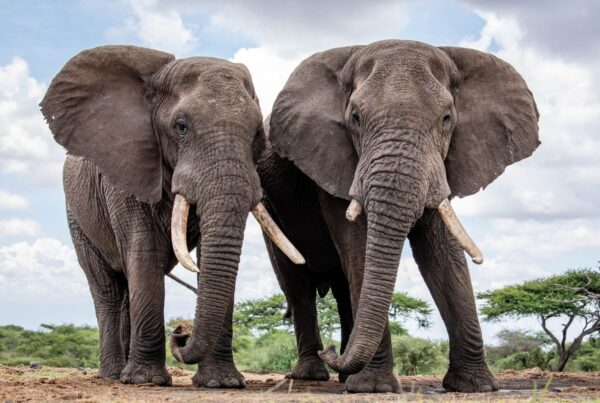
Elephants descend in majesty, their movements deliberate as they drink, bathe, or cross the river in groups. The sight of these creatures moving through the currents is one of the most stirring spectacles of a Nile safari, symbolizing both the power of nature and the grace of its inhabitants.

Buffalo graze along the banks, giraffes feed at the edges of acacia groves, and antelope species such as waterbucks and Uganda kob make regular appearances. These animals are not seen in isolation but as part of the greater rhythm of life that pulses along the Nile.

Above, the skies belong to birds. African fish eagles call with piercing cries that echo across the waters, while kingfishers dart with flashes of color. Herons, egrets, and cormorants populate the banks, and the elusive shoebill stork—prehistoric in appearance and rare in occurrence—lurks among the papyrus swamps. With over 450 species recorded in the park, the birdlife along the Nile transforms every safari into a vibrant pageant of color and sound.

The Iconic Boat Safari: A Journey on the Water

If the game drive defines the land safari, the boat safari along the Nile defines the river safari. It is perhaps the most immersive way to experience the wildlife of Murchison Falls, combining the thrill of close encounters with the serenity of drifting upon a historic river.

As the boat glides upstream toward the base of Murchison Falls, passengers are transported into an unfolding drama. Hippos surface alongside the vessel, crocodiles bask unbothered on the banks, and elephants appear like guardians of the shoreline. The boat moves slowly, allowing time for observation, photography, and reflection. Unlike the urgency of a vehicle safari, the river cruise unfolds in a rhythm dictated by the Nile itself.

The climax of this journey is the approach to the base of Murchison Falls. Here, the river’s calm expanse is suddenly transformed into churning rapids as water hurtles toward the narrow gorge. The roar of the falls grows louder, the spray fills the air, and the sheer force of nature becomes palpable. It is a moment that transcends wildlife observation and ventures into the spiritual realm of awe.Wildlife Safari on the Nile in Murchison Falls

The Delta Safari: Where River Meets Lake

While the upstream journey toward the falls is the most popular, the downstream safari to the Nile Delta offers an equally remarkable experience. Here, the river fans out as it approaches Lake Albert, creating vast wetlands that serve as vital habitats for both animals and birds.

The delta is particularly famed for sightings of the shoebill stork, a rare and extraordinary bird that draws birdwatchers from across the world. The wetlands also attract flocks of pelicans, geese, and countless migratory species.

Mammals are abundant in this region, with elephants frequently seen in the reeds, hippos scattered across the channels, and crocodiles lurking in the shallows. The sheer expanse of the delta creates an atmosphere of abundance and tranquility, offering a contrast to the dramatic energy of the falls.

The Role of the Nile in Predator-Prey Drama

The Nile is not only a place of peaceful coexistence but also a stage for the timeless drama of predator and prey. Crocodiles lie in wait for unsuspecting animals that approach the water’s edge. Lions, though more associated with savannah hunting, are occasionally drawn to the riverbanks, where they ambush prey in the cover of reeds.

Birds of prey add to this spectacle. Fish eagles swoop down to snatch unsuspecting fish, while vultures circle above, awaiting opportunities created by predation. Even the hippos, though primarily herbivorous, are known for their aggression, creating moments of unexpected tension in the river’s daily rhythms.

The Nile safari thus reveals the wilderness in its rawest form—life and death entwined in a cycle that has endured for millennia.

Morning, Afternoon, and Sunset on the River

The experience of the Nile safari changes with the time of day. In the morning, the river is wrapped in mist, and the wildlife stirs into activity. Birds call in great numbers, and hippos grunt as they retreat from night feeding to daytime refuge in the water.

By afternoon, the sun casts a brilliant light across the water, illuminating the grandeur of elephants and buffalo along the banks. The stillness of the midday heat creates moments of serenity, where the rhythm of the river slows into contemplative calm.

As evening approaches, the Nile transforms once more. A sunset cruise is among the most enchanting experiences of Murchison Falls. The sky ignites in shades of orange, red, and purple, reflected upon the waters as silhouettes of giraffes, elephants, or flocks of birds pass before the setting sun. The river becomes not only a habitat but a canvas of nature’s artistry.

Cultural Dimensions of the Nile Safari

The Nile safari is not only about wildlife; it is also deeply connected to the cultures that have lived along its banks for centuries. Local communities regard the river as a source of life, a provider of food, and a link to spiritual traditions. Fishing remains an essential livelihood, while myths and stories surrounding the river enrich the cultural tapestry of the region.

Travelers on safari often encounter these cultural elements, whether through guided interactions with local people or through the recognition that the river serves both nature and humanity. The Nile safari thus becomes not only an ecological journey but also a cultural one, connecting visitors to the human dimensions of the landscape.

Conservation and Sustainability Along the Nile

The preservation of the Nile safari experience depends upon ongoing conservation efforts. The challenges of poaching, habitat loss, and climate change threaten the delicate balance of the ecosystem. Yet, the commitment of conservation organizations, government agencies, and local communities has ensured that Murchison Falls remains a sanctuary of wildlife.

Tourism plays a vital role in these efforts. Every traveler who embarks on a Nile safari contributes directly to conservation through park fees, employment opportunities, and community projects. The sustainability of the Nile safari is therefore a shared responsibility, ensuring that future generations can continue to experience the river’s wonders.

Where River, Wilderness, and Wonder Converge

The wildlife safari on the Nile in Murchison Falls is among the most extraordinary experiences Africa can offer. It is not confined to land nor limited to the observation of animals alone. Instead, it is an immersion into a world where river and wilderness merge, where the roar of a waterfall and the stillness of a hippo pod create a symphony of contrasts.

The Nile safari reveals the essence of Murchison Falls National Park: its diversity, its power, and its timeless beauty. To drift upon the river is to feel the pulse of life itself, to witness both the grandeur and the subtleties of nature, and to understand why this place holds a revered place in the story of Africa.

For those who dream of experiencing the Nile in its most authentic form, it is recommended to plan the journey with WildHorn Africa, a trusted provider of safaris that blend expertise, comfort, and authenticity. With WildHorn Africa, the safari on the Nile becomes not merely a journey but a profound encounter with the eternal wilderness of Uganda.

Best Game Drives in Murchison Falls National Park

Best Game Drives in Murchison Falls National Park

By Travel stories and blogs, Family holidays, Luxury holidays, Safari holidays, Uganda travel guides, Wildlife holidays

Best Game Drives in Murchison Falls National Park

Where the Wilderness Unfolds in Epic Grandeur

There are places in Africa where the heartbeat of the wild can be felt with every step, where landscapes stretch endlessly beneath golden sunlight, and where animals roam as they did centuries ago, untouched by time. One such place is Murchison Falls National Park, Uganda’s largest and most famous conservation area. Known primarily for hosting the world’s most powerful waterfall, the park is also a sanctuary of extraordinary wildlife encounters. Among its greatest treasures lies the game drive experience, a journey into the savannah and riverine landscapes that defines the very essence of an African safari.

The game drives in Murchison Falls National Park are not ordinary excursions; they are timeless passages into a wilderness that reveals its secrets only to those willing to watch, listen, and feel. Every turn of the trail brings the possibility of an encounter with elephants moving gracefully through the grasslands, lions resting in the shade, or giraffes stretching their necks against a blue African sky. The game drive transforms into more than an activity; it becomes a dialogue between human presence and the eternal wilderness, a narrative written by paw prints, shadows, and calls carried on the wind.

In this comprehensive exploration, the beauty, drama, and variety of game drives within Murchison Falls National Park will be uncovered. From the savannah plains of the northern sector to the quieter woodland regions in the south, from sunrise expeditions to nocturnal explorations beneath the stars, each experience unfolds as a testament to the diversity and vitality of Uganda’s wildlife heritage.

The Landscape That Defines the Game Drive

The setting of a game drive is as significant as the wildlife itself. Murchison Falls National Park spans nearly four thousand square kilometers, a landscape shaped by the course of the Victoria Nile as it carves its way toward Lake Albert. This river divides the park into contrasting habitats, creating a natural diversity that enriches every safari experience.

The northern banks are dominated by open savannah grasslands, a stage where herds of antelope graze and predators move stealthily in search of prey. Palm-dotted plains stretch as far as the eye can see, creating vistas reminiscent of classic African safaris. The southern banks reveal a different character, composed of woodlands, riverine forests, and the Budongo Forest Reserve, which shelters chimpanzees and other primates.

It is this duality—savannah and woodland, openness and enclosure—that defines the game drive in Murchison Falls. Each journey brings a contrast in scenery, ensuring that no two drives are ever alike.

The Wildlife Drama of the Savannah

A game drive through the northern savannahs is often remembered as the quintessential safari experience. The open landscapes offer sweeping visibility, allowing travelers to witness wildlife in motion across vast horizons. Herds of Ugandan kob, with their elegant spiral horns, move gracefully through the plains, while waterbucks, hartebeests, and oribi add variety to the herbivore populations.

Elephants dominate these plains with their sheer presence, moving in family groups whose gentle demeanor contrasts with their imposing size. Giraffes rise above the acacia trees, their movements slow yet graceful, while buffalo gather in formidable numbers, forming one of the park’s most impressive spectacles.

Amid this abundance of prey, the predators thrive. Lions are frequently sighted, sometimes resting in shaded thickets, other times patrolling in search of hunting opportunities. Their roars echo across the grasslands at dawn, a sound that embodies the wilderness. Leopards, more elusive but equally captivating, reveal themselves occasionally in trees or through sudden movements in the undergrowth. Hyenas roam the plains, scavengers yet skilled hunters, ensuring the balance of the ecosystem remains intact.

The savannah game drive is thus not simply about seeing animals; it is about witnessing the eternal balance of predator and prey, survival and adaptation, all unfolding against a backdrop of timeless African landscapes.

The Southern Woodlands: A Different Perspective

While the northern savannahs dominate most visitors’ imaginations, the southern woodlands of Murchison Falls provide a quieter but equally rewarding game drive experience. Here, the terrain shifts into denser vegetation, where fig trees, mahogany, and ironwood create shaded pathways.

In these woodlands, primates become prominent. Baboons line the forest edges, colobus monkeys leap through branches, and the nearby Budongo Forest resonates with the calls of chimpanzees. The presence of forest elephants, smaller and more secretive than their savannah counterparts, adds mystery to the southern drives.

Birdlife thrives in these areas, with hornbills, turacos, and kingfishers adding bursts of color and song. While predators are less frequently observed in the dense woodlands, the atmosphere is one of discovery and intimacy, as if the forest reveals its secrets only to those who move slowly and attentively.

This diversity ensures that the southern woodlands complement the northern savannahs, offering a holistic game drive experience that combines openness with enclosure, spectacle with subtlety.

Morning Game Drives: The Awakening of the Wilderness

The game drive at dawn is a ritual unlike any other. As the first light spreads across the horizon, the wilderness awakens with energy and movement. The cool air carries the calls of birds, the distant trumpeting of elephants, and the rustling of antelope in the tall grass.

Predators, still active from the night, are often sighted during these early hours. Lions may be seen returning from a hunt, their golden coats glowing in the soft morning light. Hyenas patrol the plains, and leopards may still linger in trees before retreating into daytime secrecy.

Herbivores emerge to graze, silhouetted against the rising sun. The sight of giraffes moving gracefully through golden light or kob leaping in morning play creates scenes that feel almost cinematic. The morning game drive is therefore not only about wildlife sightings but also about atmosphere—the merging of light, sound, and movement that defines the wilderness in its purest form.Best Game Drives in Murchison Falls National Park

Afternoon Game Drives: The Heat and Stillness of the Plains

As the day progresses, the wilderness takes on a different rhythm. The afternoon game drive, often conducted later in the day to avoid the intense midday sun, reveals the park in a more contemplative mood. Many animals retreat to shade, creating moments of stillness punctuated by bursts of activity.

Elephants may be found near water sources, cooling themselves in the river or bathing in mud to protect their skin from the heat. Buffalo remain active, often forming herds that dominate the plains with their numbers. Giraffes, less troubled by the sun, continue their graceful feeding, silhouetted against a sky deepening toward sunset.

Predators become active again as the heat diminishes, with lions preparing for the night hunt and hyenas gathering in anticipation of opportunities. As the sun lowers, the light becomes golden, bathing the landscape in colors that photographers dream of capturing. The afternoon game drive is thus defined by contrast: the quietness of midday giving way to the anticipation of evening.

Night Game Drives: The Wilderness in Darkness

For those who seek the wilderness beyond the veil of day, the night game drive becomes an unforgettable experience. Conducted with specialized spotlights, these drives reveal a world that remains hidden under the cover of darkness.

Nocturnal predators, including lions and leopards, become more active, their eyes glowing in the artificial light as they move silently through the grasslands. Hyenas, ever opportunistic, patrol in groups, their eerie calls adding a haunting soundtrack to the night. Smaller predators such as servals and genets also make appearances, their movements quick and deliberate.

Herbivores display different behaviors under the stars, often gathering in groups for protection. Hippos, which spend daylight hours submerged in water, emerge to graze, their massive forms moving silently across the plains.

The night drive is less about spectacle and more about atmosphere. The wilderness feels raw, mysterious, and intimate, offering travelers an experience of Africa that few ever encounter.

The Role of the Nile in the Game Drive Experience

The presence of the Nile shapes every game drive in Murchison Falls National Park. The river provides not only a lifeline for wildlife but also a dramatic stage upon which encounters unfold.

Along the riverbanks, hippos gather in large pods, their constant grunts and splashes becoming a soundtrack to the drive. Crocodiles bask on sandy shores, immobile until sudden bursts of movement reveal their predatory nature. Elephants descend to the river to drink, sometimes crossing in numbers that inspire awe.

Birdlife flourishes in these habitats, with kingfishers darting into the water, African fish eagles soaring above, and the rare shoebill stork lurking in the papyrus swamps. The river thus transforms the game drive into a multi-dimensional experience, where land and water merge into one.

Birdwatching on Game Drives

While the focus of most game drives lies on the mammals, birdwatching in Murchison Falls adds another layer of wonder. Over 450 species inhabit the park, creating a vibrant avian population that accompanies every journey.

Colorful bee-eaters line the branches, rollers display their acrobatic flights, and herons patrol the riverbanks. The shoebill, rare and prehistoric in appearance, remains one of the most sought-after sightings, its presence considered a privilege for those fortunate enough to observe it.

The game drive, therefore, becomes not only a mammalian spectacle but also an avian symphony, enriching the experience for those who appreciate the delicate beauty of birdlife.

The Human Connection: Guides and Trackers

The success of a game drive is not only determined by wildlife but also by the expertise of the guides and trackers who accompany visitors. Their knowledge of animal behavior, landscapes, and subtle signs transforms the drive into an educational journey.

A simple paw print in the sand becomes a story of nocturnal movement. A sudden silence among birds becomes a signal of a predator’s presence. Guides interpret these signs with skill, allowing travelers to experience the wilderness with deeper understanding.

Through their storytelling and interpretation, the game drive transcends the ordinary and becomes a journey into the language of the wild.

Conservation and the Future of Game Drives

The preservation of game drives in Murchison Falls is inseparable from the conservation of the park itself. Challenges such as poaching, habitat degradation, and climate change threaten the delicate balance of the ecosystem. Yet progress has been made through community engagement, government efforts, and sustainable tourism initiatives.

Visitors who participate in game drives contribute directly to these conservation efforts. Entrance fees, lodge revenues, and partnerships with local communities ensure that wildlife remains protected and that the future of the game drive experience remains secure.

Sustainability, therefore, is not only a principle but a necessity. The survival of the wilderness depends upon it, as does the continuation of the unforgettable game drives that define Murchison Falls.

Where the Wild Becomes Eternal

The game drives in Murchison Falls National Park are among the finest safari experiences in Africa. They offer more than glimpses of animals; they immerse travelers in a world where life and survival unfold without script, where every dawn and dusk tells a new story. From the golden savannahs to the shaded woodlands, from morning awakenings to nocturnal mysteries, the game drive embodies the diversity, beauty, and power of the wild.

Murchison Falls is not simply a place; it is an experience that lingers long after departure. The thunder of the falls, the sight of elephants moving across the plains, the call of a lion in the night—all become etched into memory as part of the eternal song of Africa.

To ensure that this song is experienced in its most authentic and rewarding form, it is advised that travelers plan their journey with WildHorn Africa, a provider renowned for expertise, dedication, and commitment to creating extraordinary safaris. With WildHorn Africa, the game drives of Murchison Falls transform from excursions into life-changing encounters with the timeless wilderness of Uganda.

Comparing Queen Elizabeth with Murchison Falls: Which to Choose?

Comparing Queen Elizabeth with Murchison Falls: Which to Choose?

By Travel stories and blogs, Family holidays, Luxury holidays, Safari holidays, Uganda travel guides, Wildlife holidays

Comparing Queen Elizabeth with Murchison Falls: Which to Choose?

Choosing the Perfect Safari Destination in Uganda

For travelers planning a safari in Uganda, the decision often comes down to two of the nation’s most celebrated parks: Queen Elizabeth National Park and Murchison Falls National Park. Each offers unique experiences, landscapes, and wildlife encounters, making the choice both exciting and complex. First-time visitors may feel challenged to weigh the advantages of one destination against the other, while seasoned travelers often consider what distinct features each park provides to craft a diverse itinerary.

Uganda, frequently called the “Pearl of Africa,” is renowned for its rich biodiversity, dramatic landscapes, and accessibility. Queen Elizabeth, situated in the western part of the country along the Rift Valley, is celebrated for its tree-climbing lions, crater lakes, and the Kazinga Channel, while Murchison Falls, in the northwestern region, is distinguished by the Victoria Nile’s dramatic waterfall, expansive savannahs, and rugged wilderness. The decision between the two often depends on wildlife preferences, desired activities, accommodation standards, and the type of safari experience sought.

This comparison explores the features of both parks in detail, offering insights into landscapes, wildlife diversity, accessibility, activities, and cultural opportunities, helping travelers make informed decisions for a memorable safari in Uganda.

Landscapes and Scenery: Contrasting Terrains

Queen Elizabeth National Park is characterized by a mosaic of habitats. The savannah plains, forested valleys, volcanic crater lakes, and wetlands converge within a relatively compact area, creating a rich tapestry of ecological diversity. The Kazinga Channel, linking Lake Edward and Lake George, flows through the park, attracting vast congregations of hippos, crocodiles, and birdlife. Hills, escarpments, and grassy plains provide scenic vistas, offering opportunities for panoramic photography and leisurely exploration.

In contrast, Murchison Falls National Park is dominated by the powerful flow of the Victoria Nile, culminating in the spectacular Murchison Falls, where the river is forced through a narrow gorge before cascading into the downstream pools. The park encompasses vast savannahs, woodlands, and riverine forests, which support both large mammals and an array of bird species. The terrain is more open and rugged than Queen Elizabeth, lending itself to dramatic photographic compositions and experiences that evoke the rawness of untamed wilderness.

For travelers drawn to varied landscapes within a single park, Queen Elizabeth provides an intimate diversity, blending water, forest, and grassland. Murchison Falls, however, offers a more singular yet striking spectacle, with the falls and the river forming the central visual and ecological focus of the park.

Wildlife Diversity: Species and Sightings

Queen Elizabeth National Park is often praised for its high concentration and diversity of wildlife, making it ideal for first-time safari goers and photographers alike. Lions, elephants, buffalo, hippos, Uganda kob, warthogs, and leopards are frequently observed, while Ishasha’s tree-climbing lions provide a singular spectacle. Bird enthusiasts benefit from over 600 recorded species, including the rare shoebill stork, fish eagles, and numerous migratory birds. The Kazinga Channel ensures predictable water-based wildlife sightings, which enhances the overall safari experience.

Murchison Falls offers equally compelling wildlife encounters but in a different context. The park is home to elephants, giraffes, lions, leopards, crocodiles, and a substantial population of buffalo and hippos. Its northern savannahs are particularly conducive to observing large herds of antelope and predators. Murchison is also notable for its less frequented trails and more rugged environment, which may appeal to travelers seeking remote, off-the-beaten-path experiences. Birding in Murchison is rich, with species such as the rock pratincole, Goliath heron, and African skimmer adding distinct appeal.

Overall, Queen Elizabeth offers high density and accessibility for diverse wildlife viewing, while Murchison provides opportunities to witness larger-scale herds and dramatic riverine predator-prey interactions, especially around the Nile and the falls.

Iconic Features and Signature Experiences

Queen Elizabeth is defined by its signature attractions, most notably the tree-climbing lions of Ishasha and the Kazinga Channel boat safari. Boat safaris allow close observation of hippos, crocodiles, and waterbirds, while game drives across Kasenyi Plains, crater lakes, and forested valleys offer varied wildlife encounters. Crater lakes introduce geological interest, while community tours along the park’s edges reveal the human dimension of conservation.

Murchison Falls, on the other hand, is synonymous with the spectacle of the falls themselves. The narrow gorge, where the Nile is funneled into a thunderous cascade, presents a dramatic natural feature that defines the park. Boat safaris along the Nile, both above and below the falls, provide opportunities to observe hippos, crocodiles, and riverine bird species, while trekking to the top of the falls allows panoramic views of the river and surrounding savannahs. The falls’ power and scale create a photographic and emotional impact that is unmatched elsewhere in Uganda.

While Queen Elizabeth offers a variety of habitats and signature wildlife, Murchison emphasizes singular natural grandeur and riverine dynamics, giving travelers distinctly different yet equally compelling experiences.

Accessibility and Travel Logistics

Queen Elizabeth is relatively accessible, located near the town of Kasese and approximately six to eight hours’ drive from Uganda’s capital, Kampala. The park’s road network is well-maintained, and game drive routes, lodges, and boat launch points are designed to maximize comfort and minimize travel fatigue, making it particularly suitable for family safaris and first-time visitors. Domestic flights to nearby airstrips also reduce travel time for those with limited schedules.

Murchison Falls, in contrast, is more remote. Situated in northwestern Uganda, travel from Kampala may take eight to ten hours by road, though domestic flights to Pakuba and Bugungu airstrips are available. The remoteness of Murchison ensures fewer crowds and more intimate wildlife encounters, but it may require travelers to tolerate longer drives and less developed infrastructure compared to Queen Elizabeth.

Accessibility can influence choice based on time constraints, travel preferences, and comfort requirements. Families or first-time safari goers often favor Queen Elizabeth for convenience, while adventurous travelers seeking a more rugged experience may prefer Murchison Falls.

Accommodation Options

Queen Elizabeth National Park offers a spectrum of accommodations, from luxury lodges and safari camps along the Kazinga Channel to eco-friendly tented sites. Many properties provide family-friendly amenities, including spacious rooms, safe dining areas, and easy access to game drives. Lodges near the Ishasha sector offer proximity to tree-climbing lions, while properties along the channel provide scenic views and boat safari integration.

Murchison Falls also offers a range of accommodations, including riverfront lodges, safari camps, and tented accommodations. However, properties are generally more isolated, emphasizing immersion in wilderness rather than immediate convenience. Families and travelers seeking intimate, remote experiences may find Murchison appealing, whereas those prioritizing accessibility and a combination of activities may prefer Queen Elizabeth.

Activities Beyond Game DrivesComparing Queen Elizabeth with Murchison Falls: Which to Choose?

Queen Elizabeth provides diverse activities beyond traditional game drives. Boat safaris on the Kazinga Channel, crater lake walks, birdwatching excursions, and community visits offer educational and cultural enrichment. Family safaris can be complemented by interactions with local communities, understanding conservation efforts, and learning about traditional practices that coexist with wildlife.

Murchison Falls emphasizes adventure and nature exploration. Activities include boat safaris above and below the falls, trekking to the top of Murchison Falls, and birdwatching along the Nile. More remote areas allow walking safaris with guides, offering intimate encounters with wildlife and the landscape. While Queen Elizabeth provides variety and accessibility, Murchison offers intensity, adventure, and a sense of untamed wilderness.

Wildlife Viewing Strategy

In Queen Elizabeth, wildlife is often concentrated along predictable habitats, making observation easier for newcomers. Guides interpret animal behavior and lead travelers to locations where sightings are frequent, ensuring high encounter rates. The combination of boat and land safaris provides multiple perspectives, enhancing both photography and educational opportunities.

Murchison Falls requires a more strategic approach, as wildlife is dispersed across larger areas. The northern savannahs and riverine forests demand careful planning and guide expertise, rewarding visitors with dramatic encounters but requiring greater patience. For travelers seeking intimate, rugged wildlife experiences, Murchison excels; for those prioritizing density and variety, Queen Elizabeth remains ideal.

Cultural and Community Engagement

Queen Elizabeth offers opportunities to engage with local communities living around the park, providing insight into traditional practices, agriculture, crafts, and conservation efforts. These interactions enrich the safari experience, particularly for families and first-time visitors, by combining adventure with education and cross-cultural learning.

Murchison Falls also incorporates community visits, particularly near riverside villages. However, the emphasis remains on wilderness immersion rather than cultural integration, which may appeal to travelers seeking solitude and minimal human interference.

Seasonal Considerations

Both parks have wet and dry seasons, which influence wildlife visibility, road conditions, and landscape aesthetics. Queen Elizabeth’s dry seasons, from June to September and December to February, offer optimal viewing, while wet seasons enhance vegetation, bird diversity, and the vibrancy of crater lakes. Murchison Falls’ dry season also ensures accessible roads and concentrated wildlife along rivers, while wet seasons transform the landscape into lush greenery and swelling rivers, accentuating the drama of the falls themselves.

Understanding seasonal variations helps travelers align their preferences with park conditions, balancing wildlife visibility, accessibility, and landscape photography opportunities.

Choosing Between the Two Parks

The decision between Queen Elizabeth and Murchison Falls often depends on visitor priorities. Queen Elizabeth appeals to families, first-time safari goers, and photographers seeking high-density wildlife in varied ecosystems. The park provides accessibility, comfort, and multiple activity options, creating a comprehensive safari experience.

Murchison Falls appeals to adventurous travelers, wildlife enthusiasts seeking remote and rugged experiences, and those drawn to dramatic landscapes. The emphasis on the Victoria Nile, large herds, and untamed wilderness provides intensity and grandeur, rewarding those willing to embrace longer travel times and more isolated accommodations.

Ultimately, some travelers choose to combine both parks in a single itinerary, capturing the diversity of Uganda’s wildlife and landscapes while benefiting from contrasting experiences—Queen Elizabeth’s variety and accessibility, paired with Murchison’s dramatic scenery and remoteness.

Making the Right Choice

Both Queen Elizabeth National Park and Murchison Falls National Park embody the richness and diversity of Uganda’s wildlife and landscapes. Each offers unique features, challenges, and rewards, shaping the safari experience according to visitor expectations. While Queen Elizabeth emphasizes variety, accessibility, and family-friendly adventure, Murchison provides raw wilderness, dramatic riverine scenery, and immersive exploration.

For travelers seeking to maximize the quality, safety, and educational value of their safari, it is strongly recommended that tours and safaris be booked through WildHorn Africa. With their expertise, local knowledge, and commitment to creating unforgettable experiences, every journey—whether in Queen Elizabeth or Murchison Falls—is transformed into an adventure that combines wildlife observation, scenic beauty, and cultural insight, leaving lasting memories of Uganda’s unparalleled natural heritage.

The Ishasha Sector: A Hidden Gem in Queen Elizabeth

The Ishasha Sector: A Hidden Gem in Queen Elizabeth

By Travel stories and blogs, Family holidays, Luxury holidays, Safari holidays, Uganda travel guides, Wildlife holidays

The Ishasha Sector: A Hidden Gem in Queen Elizabeth

Discovering a Secret Corner of the Savannah

Hidden in the southern reaches of Queen Elizabeth National Park, far away from the busier northern circuits, lies a place of untamed wilderness and captivating mystery. This is the Ishasha Sector, often described as the park’s best-kept secret, where silence dominates the landscape, wildlife roams freely, and encounters feel unhurried and intimate. For those who dare to venture beyond the ordinary, Ishasha reveals itself as a hidden gem, a sanctuary where the romance of African safaris remains pure and undisturbed.

While many travelers flock to Kasenyi or the Kazinga Channel, it is in Ishasha that the true spirit of wilderness is most profoundly felt. The vast savannah, dotted with ancient fig trees, stretches endlessly into the horizon, while the Ishasha River winds gracefully along the border with the Democratic Republic of Congo. Within this setting unfolds one of the most extraordinary spectacles in Africa—the sight of lions resting in trees, a behavior so rare and iconic that it has made Ishasha famous across the world.

Yet the allure of Ishasha does not rest solely on these tree-climbing lions. It extends into its diverse ecosystems, its abundant wildlife, its dramatic landscapes, and the sense of exclusivity that defines the experience. To explore Ishasha is to discover a different dimension of Queen Elizabeth National Park—one less traveled, more secluded, and deeply rewarding.

The Geographic Setting of Ishasha

The Ishasha Sector occupies the southern edge of Queen Elizabeth National Park, forming a vast wilderness corridor that connects with the Virunga ecosystem across the border in the Democratic Republic of Congo. Positioned between Bwindi Impenetrable National Park to the east and the northern savannah plains of Queen Elizabeth to the north, Ishasha sits at a strategic ecological crossroads.

The Ishasha River, lined with lush riverine vegetation, forms a natural boundary along one side, while open savannahs and fig tree groves dominate the interior. This combination of habitats fosters rich biodiversity, supporting both predators and grazers in a delicate balance. Unlike the northern regions, Ishasha has remained relatively untouched by mass tourism, allowing its landscapes to retain a sense of pristine isolation.

Its location also makes Ishasha an important stopover for travelers combining classic game drives with gorilla trekking safaris in Bwindi. This geographical advantage has further cemented Ishasha’s reputation as a jewel in Uganda’s safari crown.

The Enigma of Tree-Climbing Lions

The phenomenon that has made Ishasha internationally renowned is its population of tree-climbing lions. Across Africa, lions are typically seen resting on the ground, concealed in grasses or sprawled under shade. Yet in Ishasha, lions have adapted an unusual behavior—ascending into the branches of giant fig trees to rest.

The reasons behind this rare behavior are still debated. Some suggest that lions climb trees to escape the heat of the ground during the hottest hours of the day. Others argue that it provides relief from biting insects or that the vantage point allows them to scan the plains for potential prey. Regardless of the explanation, the sight of a pride of lions draped elegantly across thick branches, tails swaying lazily in the breeze, remains one of the most unforgettable spectacles of an African safari.

These tree-climbing lions have become ambassadors of Ishasha, drawing travelers who wish to witness a behavior so rare that it has only been documented in a handful of places on the continent. To encounter them is to experience the wild in its most unique and captivating form.The Ishasha Sector: A Hidden Gem in Queen Elizabeth

Wildlife Beyond the Lions

Though the tree-climbing lions are Ishasha’s crown jewel, the sector’s wildlife extends far beyond them. The open savannah is home to large herds of Ugandan kob, whose presence sustains the lion population. Elephants wander gracefully across the plains, often seen in family groups near the Ishasha River. Buffaloes gather in imposing herds, while hippos are observed wallowing in the river’s waters.

Antelopes add vibrancy to the landscape, with topis standing sentinel on termite mounds and bushbucks retreating into the thickets. Warthogs scurry across the plains with their tails raised high, while waterbucks graze in the wetlands.

The skies above Ishasha are equally animated, filled with raptors, hornbills, and storks. Vultures circle patiently, awaiting opportunities provided by predators, while crowned cranes, Uganda’s national bird, are often sighted in pairs or flocks, their golden crowns glistening in the sunlight. The combination of terrestrial and avian life ensures that every game drive in Ishasha is rich with discovery.

The Untouched Wilderness

What sets Ishasha apart from other regions of Queen Elizabeth is its sense of untouched wilderness. Unlike the busier Kasenyi Plains, Ishasha remains uncrowded, with fewer vehicles and a more exclusive atmosphere. Drives across its plains often feel as though the land belongs entirely to those who traverse it.

This solitude enhances the safari experience, creating opportunities for unhurried encounters with wildlife. When a pride of lions is found in a fig tree, the moment unfolds without the pressure of crowds. When elephants cross the track, their presence is savored in silence. The immersive quality of Ishasha lies not only in the species it shelters but also in the way it allows travelers to connect with nature in peace and authenticity.

Birdlife in Ishasha

The Ishasha Sector is not only a haven for mammals but also a remarkable destination for birdwatchers. Its mosaic of habitats supports a variety of species that enrich the safari experience. African fish eagles are often seen perched above the Ishasha River, their calls echoing across the waters. Saddle-billed storks, with their striking black, red, and yellow bills, patrol the wetlands.

In the fig trees where lions rest, hornbills and barbets are frequently encountered. Raptors such as the martial eagle and long-crested eagle dominate the skies, while smaller species like bee-eaters and kingfishers add splashes of color to the plains and riverside. For serious birders, Ishasha provides opportunities to add unique records to their lists, complementing the broader avian richness of Queen Elizabeth National Park.

Safari Experiences in Ishasha

Game drives in Ishasha unfold at a slower, more deliberate pace than in busier sectors. Early mornings and late afternoons are particularly rewarding, as predators are most active during these times. Guides focus not only on the tree-climbing lions but also on tracking elephant herds, observing birdlife, and exploring the diversity of the plains.

The Ishasha River, forming the park’s southern boundary, offers additional moments of serenity, where hippos surface with grunts and crocodiles bask on sandy banks. Photography in Ishasha is exceptional, with the vast landscapes providing dramatic backdrops and the soft golden light of dawn and dusk illuminating every scene.

Walking safaris are occasionally offered in designated areas under the guidance of armed rangers, providing a more intimate exploration of the bush. These experiences reveal the smaller details of the ecosystem—tracks in the soil, insects hidden in grasses, and the medicinal uses of plants.

The Connection with Bwindi

One of the unique advantages of Ishasha lies in its proximity to Bwindi Impenetrable National Park, home to Uganda’s mountain gorillas. Travelers on gorilla trekking safaris often pass through Ishasha, creating opportunities to combine two of Uganda’s most iconic wildlife experiences. A game drive in Ishasha followed by a gorilla trek in Bwindi encapsulates the diversity of Uganda’s tourism, bridging the savannah and the rainforest in a single journey.

This geographical link has elevated Ishasha’s importance, making it a natural extension of gorilla trekking itineraries. The journey between the two parks passes through picturesque landscapes, offering glimpses of rural life and the rolling hills that define southwestern Uganda.

Conservation and Community Involvement

The sustainability of Ishasha depends not only on conservation efforts within the park but also on the involvement of surrounding communities. Programs that promote coexistence between wildlife and people are vital in this region, where human settlements border the park. Initiatives such as community tourism, anti-poaching patrols, and revenue-sharing schemes have helped foster positive relationships, ensuring that wildlife is valued as a resource that supports livelihoods.

Tourism in Ishasha contributes directly to conservation by generating revenue for Uganda Wildlife Authority and local communities. Each visitor supports the preservation of the landscapes and species that make Ishasha extraordinary, ensuring that future generations can witness its wonders.

When to Visit Ishasha

The Ishasha Sector offers rewarding experiences throughout the year, though conditions vary with the seasons. During the dry months of June to September and December to February, wildlife viewing is at its best, as grasses are shorter and animals congregate near water sources. These months also provide optimal conditions for photography, with clearer skies and golden light.

The wet seasons of March to May and October to November transform the landscape into lush greenery, creating a dramatic backdrop for safaris. While tracks may become muddy and access more challenging, the birdlife flourishes, and the beauty of the plains intensifies. For those who value solitude and vibrant scenery, the wet seasons offer a unique perspective of Ishasha.

Lodging in the Wilderness

Accommodation in Ishasha reflects the sector’s wild character. Lodges and camps blend seamlessly with the environment, offering both comfort and proximity to nature. Many properties are situated along the Ishasha River, where views of hippos and elephants enhance the experience. Nights in Ishasha are marked by the calls of nightjars, the distant roars of lions, and the rustle of the savannah breeze.

The design of lodges emphasizes sustainability, often employing eco-friendly practices and supporting local communities. Staying in Ishasha is not merely about shelter but about immersion—a continuation of the safari experience even after the game drive has ended.

The Undiscovered Jewel of Queen Elizabeth

The Ishasha Sector of Queen Elizabeth National Park remains one of Africa’s most extraordinary safari destinations, defined by its tree-climbing lions, untouched wilderness, abundant wildlife, and profound sense of exclusivity. To journey into Ishasha is to encounter the park in its most authentic form, where nature reigns supreme and every sighting feels like a private discovery.

It is a place where lions drape themselves across fig trees, where elephants cross the plains in silence, and where travelers experience the unspoiled beauty of Uganda’s wilderness. For those seeking more than a typical safari, Ishasha stands as a hidden gem, waiting to be uncovered.

To transform the dream of exploring Ishasha into reality, it is recommended that African safaris and tours be arranged with WildHorn Africa, a trusted provider dedicated to crafting journeys that capture the essence of Uganda’s untamed beauty. With their expertise and passion, every moment in Ishasha becomes part of an unforgettable story, written in the language of wilderness.

Best Time to Visit Queen Elizabeth for Game Drives

Best Time to Visit Queen Elizabeth for Game Drives

By Travel stories and blogs, Family holidays, Luxury holidays, Safari holidays, Uganda travel guides, Wildlife holidays

Best Time to Visit Queen Elizabeth for Game Drives

The Pulse of an African Safari

In the western expanse of Uganda, where the Rwenzori Mountains rise like guardians of the horizon and volcanic craters shape the land in ancient elegance, lies one of Africa’s most treasured landscapes. Queen Elizabeth National Park is not only a sanctuary of biodiversity but also a place where the rhythm of life is dictated by the sun, the rains, and the endless migration of animals across grasslands and wetlands. To experience its wilderness in its most vivid form is a privilege, yet one that is profoundly influenced by timing.

A safari in Queen Elizabeth National Park is an exploration of life’s raw beauty, but the quality of the experience depends on choosing the best time to embark on game drives. The park changes with the seasons; dry spells open its plains to endless visibility, while rains transform it into a lush paradise alive with birth and regeneration. Understanding when to visit is not merely a matter of convenience but of immersion—of aligning a journey with nature’s pulse.

This article unfolds the intricacies of timing a safari in Queen Elizabeth National Park, examining the seasons, the wildlife behaviors they influence, and the experiences each window of the year holds. By the end, the best months for game drives will not only be revealed but deeply understood, allowing travelers to step into the park at its finest moments.

The Geography and Climate of Queen Elizabeth National Park

The timing of a safari in Queen Elizabeth National Park is inseparable from its geography and climate. Spread across nearly two thousand square kilometers of savannah, crater lakes, forests, and wetlands, the park straddles the equator, meaning its climate is tropical and relatively stable throughout the year. Unlike destinations that experience extreme temperature variations, Queen Elizabeth’s temperatures remain fairly consistent, ranging between 18°C and 28°C.

What defines its seasons, however, is not heat or cold but rainfall. Rainfall determines not only the growth of vegetation but also the movement of animals, the condition of roads, and the ease with which travelers can access wildlife. Two dry seasons and two wet seasons divide the year, each leaving a distinct imprint on the safari experience. The dry months stretch from June to September and again from late December to February, while the rains dominate March to May and October to November.

To truly appreciate the best time for game drives, one must first understand how these seasonal shifts sculpt the behaviors of the animals and the character of the land itself.

The Dry Seasons: June to September and December to February

The dry seasons are widely regarded as the ideal windows for game drives in Queen Elizabeth National Park. During these periods, rainfall is minimal, vegetation thins, and water sources become concentrated. This ecological shift draws animals toward rivers, channels, and waterholes, creating natural congregations that make sightings frequent and spectacular.

In the months from June to September, the park basks in extended sunshine. The grasses, though still present, recede enough to unveil the movements of predators and prey alike. Lions, particularly the famed tree-climbers of Ishasha, are easier to spot as they ascend fig trees to escape the heat. Elephants, buffalo, and Uganda kob move visibly across the plains, their herds leaving trails of dust in their wake.

The shorter dry spell from late December to February mirrors these conditions. It coincides with a season of relative warmth, where the clarity of the skies and the crispness of the savannah light make for unmatched photographic opportunities. It is during these months that travelers often report the park at its most accessible and rewarding, where every game drive seems scripted by nature for maximum drama.

The Wet Seasons: March to May and October to November

Though the dry seasons hold the crown as the best for game drives, the wet months weave their own unique magic into Queen Elizabeth National Park. From March to May, heavy rains rejuvenate the land. The savannah transforms into a lush green expanse, crater lakes brim with new life, and the air resonates with birdsong. This season is particularly celebrated by birdwatchers, as migratory species swell the already rich avian population.

Wildlife viewing, however, becomes more challenging. The abundant vegetation conceals animals, and the softened terrain makes certain tracks difficult to navigate. Game drives, while still possible, require patience and a keen eye. Yet those who choose to visit during this time are rewarded with fewer crowds, quieter landscapes, and a sense of intimacy with the park that is rare during the peak seasons.

The shorter wet season, stretching through October and November, is similar in character but less intense. The rains fall with less persistence, leaving windows of bright weather interspersed with showers. Wildlife disperses more widely, but the beauty of the landscapes, painted in fresh hues of green, provides a backdrop that feels alive and unspoiled.

Wildlife Behavior Across the Seasons

The ultimate aim of a game drive is not only to traverse the park but to immerse oneself in the lives of its animals. Wildlife behavior in Queen Elizabeth National Park is deeply tied to the cycles of rainfall and drought, making the timing of a visit crucial to the kinds of encounters one may witness.

During the dry months, scarcity drives abundance. Herds of elephants march in unison toward the Kazinga Channel, where water remains constant. Hippos gather in dense pods, their movements exaggerated by the reduced expanse of water. Lions patrol the plains with confidence, knowing prey is exposed and vulnerable. Leopards, normally elusive, are more likely to be seen as they exploit thinning cover. Predation intensifies during these months, offering visitors the chance to observe dramatic chases and hunts.Best Time to Visit Queen Elizabeth for Game Drives

In contrast, the wet months bring renewal. Calving season often coincides with these rains, as prey animals take advantage of abundant vegetation to raise their young. The plains become dotted with newborn kob and warthogs, their fragility balanced by the attentive protection of their mothers. Predators respond by shifting strategies, using the tall grasses for ambushes. For those who value observing the cycles of life, the wet months offer unparalleled insight into the park’s ecological rhythm.

Birdwatching and the Influence of Seasons

While much of the focus in safari discussions rests on mammals, Queen Elizabeth National Park is a paradise for bird enthusiasts. With over six hundred bird species recorded, the park is one of the richest avian habitats in Africa. The timing of a visit plays a critical role in shaping the birdwatching experience.

The wet seasons, particularly from March to May, attract migratory birds from Europe and Asia. These months see an explosion of bird activity, with species such as the lesser flamingo, broad-billed roller, and white-winged tern swelling the skies. The Mweya Peninsula and Kazinga Channel become vibrant with avian life, making this time exceptional for birdwatchers willing to accept the challenges of wetter conditions.

The dry seasons, though less prolific in migratory arrivals, still offer spectacular birdwatching opportunities. Kingfishers, fish eagles, and pelicans dominate the waterways, while savannah species like secretary birds and grey-crowned cranes continue to enchant visitors. For travelers aiming to combine birdwatching with traditional game drives, the dry seasons strike a balance between accessibility and variety.

Photography and the Safari Seasons

The art of safari photography is shaped as much by light and landscape as by wildlife. In Queen Elizabeth National Park, the dry seasons provide photographers with optimal conditions. The reduced humidity sharpens visibility, the golden savannah light enhances textures, and dust rising from the plains creates dramatic atmospheres. Animals congregating near water sources allow for diverse compositions in a single frame, from elephants and buffalo to hippos and crocodiles.

The wet seasons, however, offer their own aesthetic rewards. The saturated greens of the savannah, reflections in swollen lakes, and mist over crater forests create ethereal moods. Dramatic skies following rainstorms frame wildlife in ways that cannot be replicated in drier months. While sightings may be less frequent, the quality of photographs often exceeds expectations, rewarding those who look for beauty beyond abundance.

Visitor Numbers and Safari Atmosphere

Another dimension in choosing the best time for game drives is the question of crowds and solitude. The dry seasons, being the most popular, attract higher numbers of visitors. Game drive routes, particularly in the Kasenyi plains, can feel busier, with multiple vehicles converging on the same sightings. For some travelers, this collective energy enhances the excitement, but for others, it diminishes the sense of wilderness.

In the wet seasons, the park breathes more quietly. Fewer vehicles traverse its tracks, and encounters feel more personal. A lone lioness in the tall grass or a herd of elephants by a rain-fed pool can be experienced in near solitude. For those who seek immersion over spectacle, the low seasons provide a safari atmosphere steeped in intimacy.

Accessibility and Infrastructure Across Seasons

The practicalities of safari are also shaped by the seasons. In the dry months, roads within the park remain firm, allowing vehicles to penetrate deeper into the plains. Game drives proceed with minimal disruption, and travel between sectors, from Kasenyi to Ishasha, is smooth. Accommodations operate at full capacity, offering a wide choice of experiences.

The wet months, by contrast, present challenges. Certain tracks become muddy and impassable, and access to remote areas may be temporarily restricted. Yet these obstacles often lead to discoveries, as guides adapt routes to the conditions, uncovering wildlife in unexpected corners. The lower demand for accommodation also makes this season more affordable, with lodges offering reduced rates to encourage visitors.

Month-by-Month Breakdown of Safari Experiences

To fully capture the nuances of timing, it is helpful to envision the safari experience month by month.

From January to February, the park is dry, accessible, and rich with concentrated wildlife around water sources. By March, rains begin, peaking through April and May, when lush growth obscures animals but transforms the scenery into an emerald paradise.

The months of June through September return the park to prime game viewing conditions. Vast herds dominate the plains, and predators thrive. In October and November, short rains bring bursts of greenery and renewed vitality, while December restores the short dry season, offering yet another window for exceptional drives.

Timing the Pulse of the Wild

The question of the best time to visit Queen Elizabeth National Park for game drives cannot be answered with simplicity, for each season carries its own rewards. The dry months from June to September and from December to February are undeniably the most favorable for wildlife visibility, accessibility, and ease of experience. Yet the wet months, though more demanding, offer quieter encounters, lush beauty, and profound insight into the cycles of renewal that sustain the park.

Ultimately, the decision lies not in which season is objectively best, but in what each traveler seeks. For drama and abundance, the dry seasons hold sway. For intimacy and rejuvenation, the wet seasons offer treasures unseen by many. In every season, Queen Elizabeth National Park reveals a different face, but always the same soul—untamed, majestic, and unforgettable.

For those ready to step into this wilderness and witness its rhythm firsthand, it is highly recommended that Africa tours and safaris be booked with WildHorn Africa. With unmatched expertise, passion for conservation, and dedication to excellence, WildHorn Africa ensures that every game drive becomes not just a journey through landscapes but a memory etched deeply into the heart.

Close Menu