
An unforgettable memory: gorilla trekking in Bwindi is not formed in haste, nor is it easily described in a single photograph or sentence. It is shaped by anticipation, effort, silence, and an emotional encounter that unfolds deep within one of Africa’s most ancient rainforests. Bwindi Impenetrable National Park is not merely a destination; it is a living archive of evolutionary history, a sanctuary for one of the world’s rarest primates, and a place where human presence is carefully woven into nature rather than imposed upon it. Gorilla trekking here is widely regarded as one of the most powerful wildlife experiences on Earth, leaving a lasting imprint on every traveler fortunate enough to undertake it.
Bwindi’s mountain gorillas are not observed from a distance through binoculars or vehicles. They are met face to face, at eye level, in their natural habitat. This immediacy transforms the experience from observation into connection. An unforgettable memory: gorilla trekking in Bwindi is therefore defined not only by what is seen, but by what is felt: humility, respect, awe, and a renewed understanding of humanity’s place within the natural world.
The Setting of an Unforgettable Memory: Gorilla Trekking in Bwindi
Bwindi Impenetrable National Park is located in southwestern Uganda, along the edge of the Albertine Rift. Recognized as a UNESCO World Heritage Site, the park protects one of the oldest and most biologically diverse rainforests in Africa. The forest has survived climatic shifts for over 25,000 years, allowing countless species to evolve and coexist within its dense vegetation.
The terrain of Bwindi is steep, rugged, and richly forested. Thick undergrowth, towering trees, and mist-covered valleys create an atmosphere that feels both primeval and sacred. This environment plays a crucial role in shaping an unforgettable memory: gorilla trekking in Bwindi, as the journey itself becomes part of the experience. Every step through the forest reinforces the sense of entering a space governed by natural laws older than human history.
Why Bwindi Is Central to Gorilla Conservation
Bwindi is home to nearly half of the world’s remaining mountain gorilla population. These gorillas belong to a critically endangered subspecies whose survival depends on strict conservation measures, habitat protection, and responsible tourism. Gorilla trekking in Bwindi is not a casual activity; it is a carefully regulated conservation program designed to balance access with protection.
An unforgettable memory: gorilla trekking in Bwindi is inseparable from this conservation framework. Gorilla permits are limited each day, group sizes are small, and encounters are time-restricted. These controls ensure that gorillas experience minimal stress while generating sustainable revenue that supports park management, veterinary care, and community development. Every trekker becomes a participant in conservation rather than a passive visitor.
The Journey to Bwindi and the Sense of Arrival
Reaching Bwindi is itself a journey that heightens anticipation. Whether traveling by road through rolling highlands and rural villages or arriving via domestic flights followed by scenic transfers, the sense of remoteness grows steadily. The absence of urban distractions signals a transition from modern life into a wilderness shaped by time and resilience.
As travelers approach Bwindi, the landscape changes dramatically. Cultivated hills give way to dense forest walls, and cooler mountain air replaces lowland heat. This gradual transition prepares both body and mind for the experience ahead. The realization that an unforgettable memory: gorilla trekking in Bwindi is about to unfold creates a quiet excitement that words rarely capture.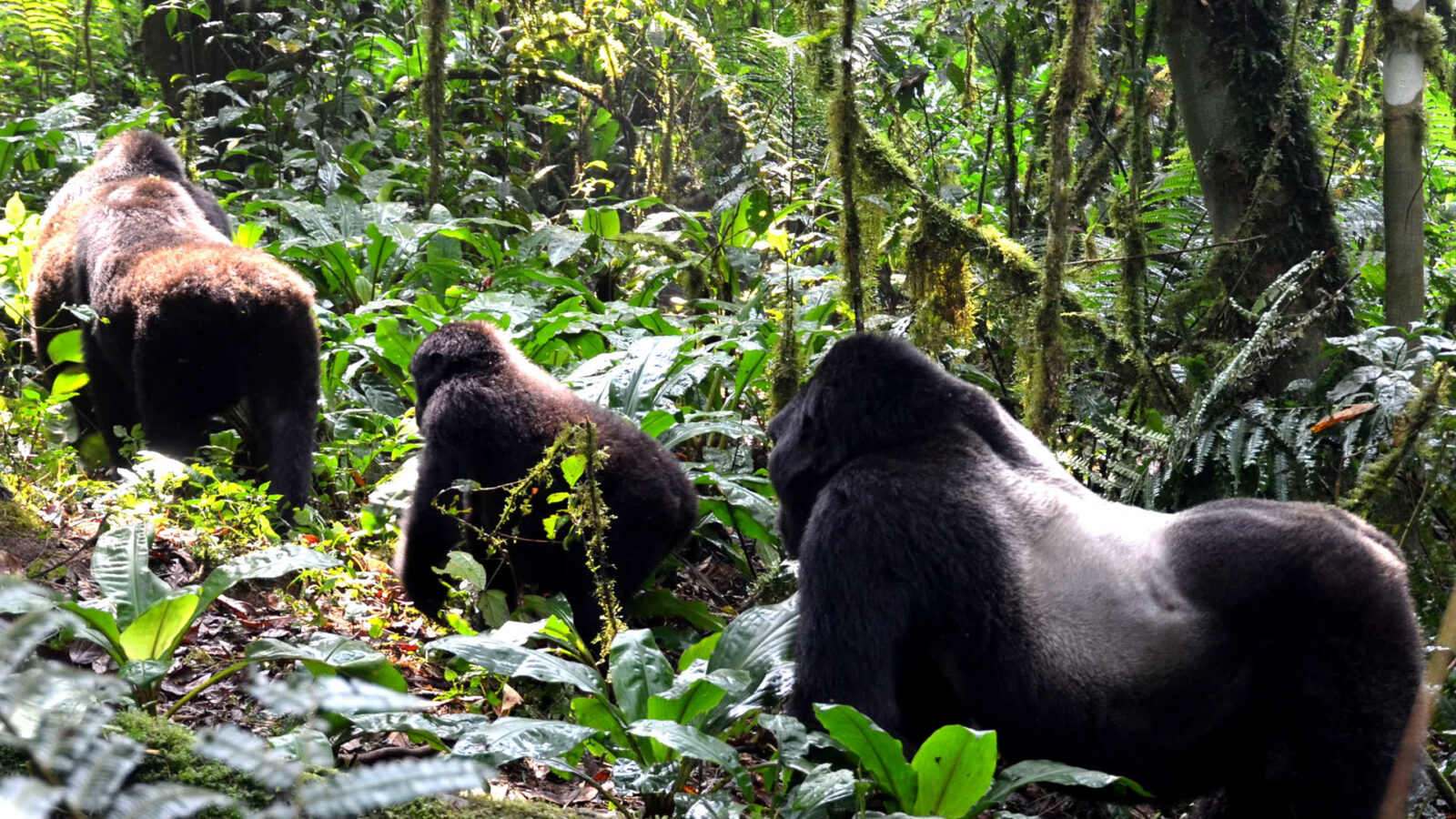
The Gorilla Trekking Briefing and Preparation
Each gorilla trekking day begins with an early morning briefing at the park headquarters. Rangers explain trekking protocols, gorilla behavior, and safety guidelines. This briefing is not procedural formality but an educational moment that sets the tone for respectful engagement with wildlife.
Trekkers are assigned to specific gorilla families based on fitness levels, group size, and gorilla location. Bwindi is divided into multiple trekking sectors, each offering access to habituated gorilla groups. The allocation process ensures that every unforgettable memory: gorilla trekking in Bwindi is tailored to both visitor capability and conservation needs.
Entering the Forest: The Physical and Emotional Journey
The trek into the forest varies in duration and difficulty. Some treks last less than an hour, while others may take several hours of hiking through steep slopes, muddy trails, and thick vegetation. This physical challenge is an integral part of the experience, reinforcing the value of the encounter that awaits.
As trekkers move deeper into Bwindi, the forest closes in, amplifying sounds of insects, birds, and distant primates. The air is heavy with moisture, and shafts of sunlight filter through the canopy. This immersive environment heightens awareness and presence. An unforgettable memory: gorilla trekking in Bwindi is forged as much through this journey as through the encounter itself.
The Moment of Encounter with Mountain Gorillas
The first sight of a mountain gorilla is often sudden and profoundly moving. There is no dramatic reveal or staged introduction. Gorillas emerge naturally from the forest, feeding, resting, or interacting as if humans were simply another quiet presence.
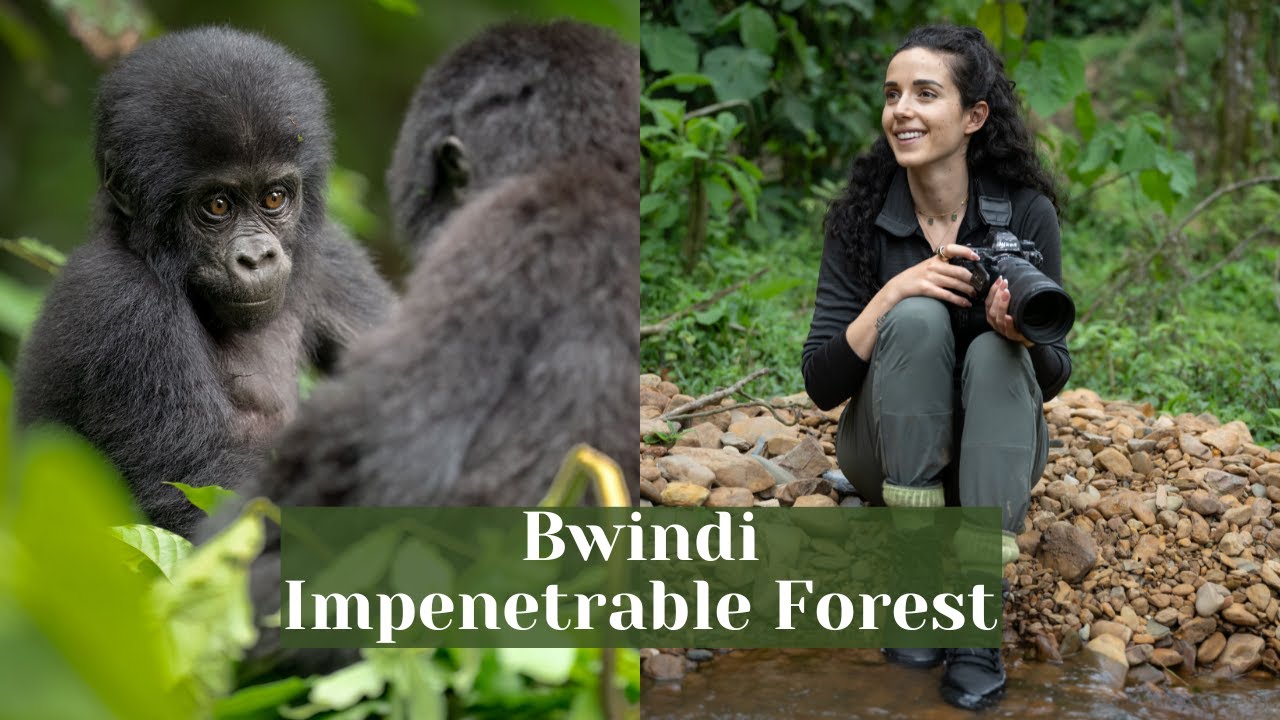
Standing just meters away, trekkers observe gorillas at close range. The details are striking: expressive eyes, powerful limbs, gentle gestures between family members. Young gorillas play and tumble, mothers nurse their infants, and silverbacks maintain watchful calm. In these moments, an unforgettable memory: gorilla trekking in Bwindi takes shape through silence and shared space rather than spectacle.
Understanding Gorilla Behavior During the Encounter
Gorilla trekking is guided by expert trackers and rangers who interpret gorilla behavior throughout the encounter. Visitors learn to recognize signs of comfort, curiosity, and hierarchy within the group. Gorillas are intelligent, social beings whose interactions mirror aspects of human family life.
Observing these dynamics adds depth to the experience. The hour spent with gorillas passes quickly, yet it leaves a lasting impression. An unforgettable memory: gorilla trekking in Bwindi is enriched by understanding, transforming the encounter from a visual experience into an educational and emotional one.
The Role of Silence and Respect
Silence is a defining element of gorilla trekking in Bwindi. Visitors are encouraged to speak softly, avoid sudden movements, and maintain a respectful distance. This restraint fosters a sense of reverence and intimacy rarely found in wildlife tourism.
The absence of noise allows trekkers to attune themselves to the forest and its inhabitants. This quiet connection deepens the emotional impact of the experience. An unforgettable memory: gorilla trekking in Bwindi is often remembered not for dramatic action, but for moments of stillness and mutual awareness.
Bwindi’s Biodiversity Beyond Gorillas
While gorillas are the primary focus, Bwindi’s ecological richness extends far beyond a single species. The forest supports numerous primates, including chimpanzees, colobus monkeys, and baboons. Birdlife is exceptionally diverse, with many Albertine Rift endemics found nowhere else in the world.
This biodiversity reinforces the significance of Bwindi as a conservation area. An unforgettable memory: gorilla trekking in Bwindi is situated within a broader ecosystem that highlights the interconnectedness of species and habitats.
Community and Conservation Interdependence
The success of gorilla trekking in Bwindi is closely tied to local communities. Revenue from permits supports education, healthcare, and livelihood projects in surrounding villages. Community members are employed as guides, porters, and conservation staff, creating a shared interest in protecting the forest.
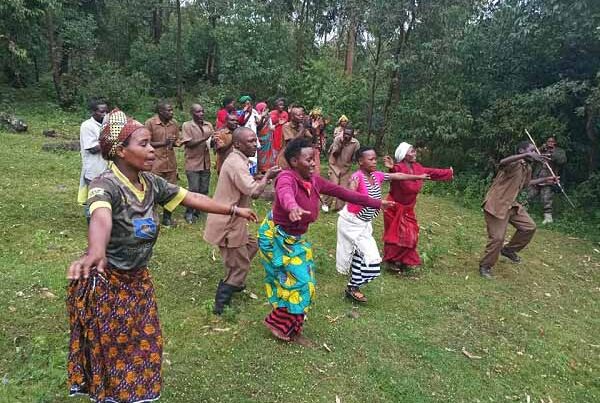
Visitors often encounter local culture through village walks, storytelling, and community initiatives. These interactions contextualize the experience, reminding travelers that an unforgettable memory: gorilla trekking in Bwindi exists because of collaboration between people and nature.
Emotional Impact and Personal Transformation
Many travelers describe gorilla trekking in Bwindi as life-changing. The proximity to gorillas challenges assumptions about humanity’s separation from the natural world. The experience fosters empathy, respect, and a deeper appreciation for conservation.
An unforgettable memory: gorilla trekking in Bwindi often becomes a reference point for future travel, reshaping expectations and values. It encourages reflection on environmental responsibility and the privilege of witnessing rare wildlife in its natural habitat.
Seasonal Influences on the Gorilla Trekking Experience
Gorilla trekking in Bwindi is available year-round, though conditions vary by season. Drier months offer easier hiking conditions, while wetter periods bring lush vegetation and fewer visitors. Regardless of timing, gorilla sightings are consistent due to the park’s habituation program.
Understanding seasonal differences allows travelers to plan effectively. Each season contributes unique elements to an unforgettable memory: gorilla trekking in Bwindi, whether through landscape changes, light conditions, or forest atmosphere.
Physical Preparation and Accessibility
While gorilla trekking requires moderate fitness, it is accessible to a wide range of travelers. Porters are available to assist with equipment or provide support on challenging terrain. This inclusivity ensures that age and physical ability do not preclude participation.
Preparation enhances enjoyment and safety. Proper footwear, hydration, and pacing contribute to a positive experience. An unforgettable memory: gorilla trekking in Bwindi is best achieved when physical readiness aligns with mental openness.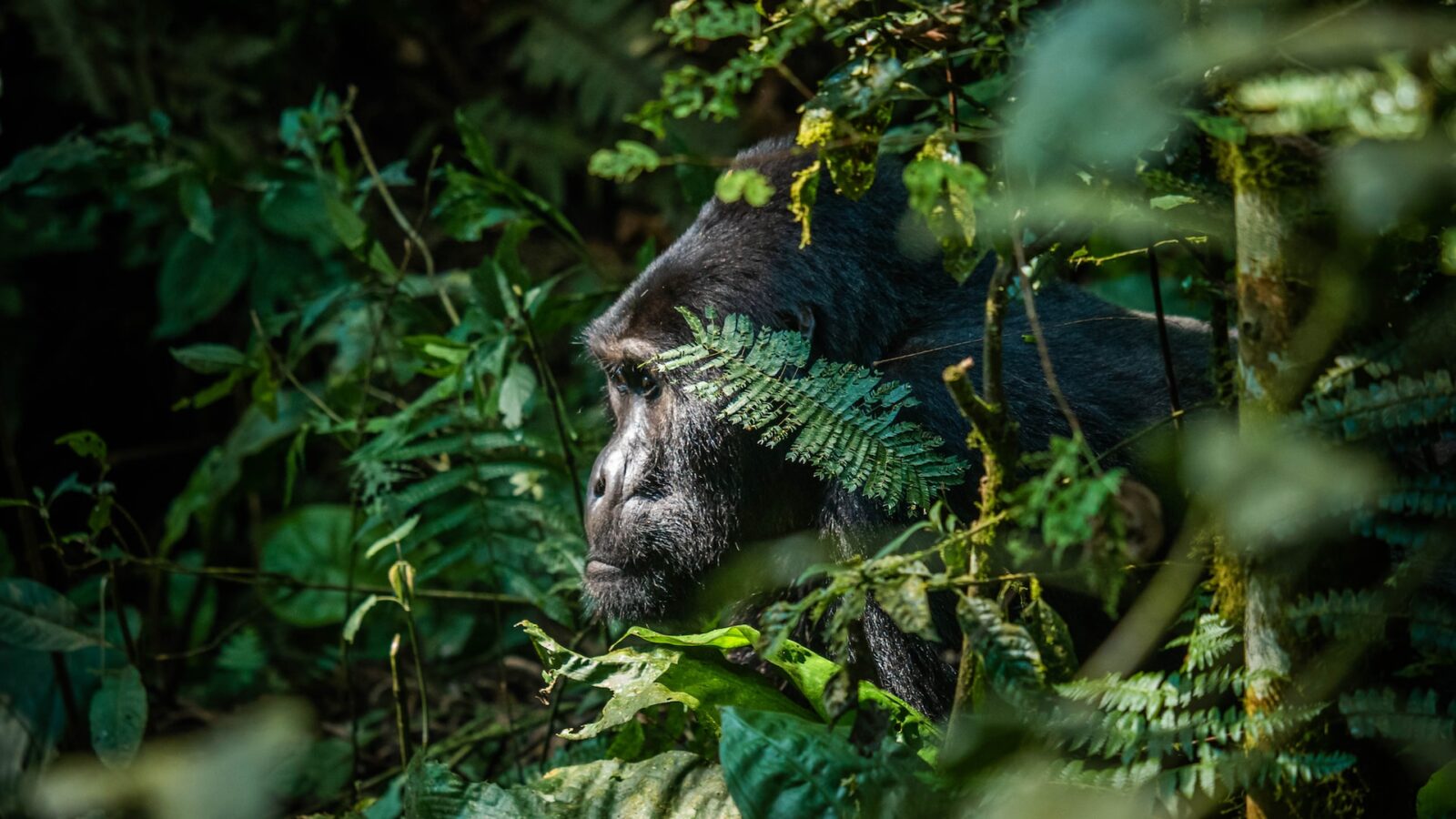
Ethical Tourism and Visitor Responsibility
Gorilla trekking operates under strict ethical guidelines. Visitors must be free from illness, maintain distance, and follow ranger instructions. These measures protect gorillas from disease transmission and stress.
By adhering to these protocols, visitors uphold the integrity of the experience. An unforgettable memory: gorilla trekking in Bwindi is grounded in respect, ensuring that future generations can share the same privilege.
Why Bwindi Leaves a Lasting Impression
Bwindi’s power lies in its authenticity. The forest is not curated for comfort or spectacle. It remains wild, challenging, and deeply alive. Gorilla trekking here demands patience and humility, rewarding travelers with an encounter that feels earned rather than presented.
An unforgettable memory: gorilla trekking in Bwindi endures because it engages the senses, the intellect, and the emotions simultaneously. It is a reminder of what remains possible when conservation, community, and responsible tourism align.
The Enduring Legacy of Gorilla Trekking in Bwindi
As global pressures on wildlife increase, Bwindi stands as a model of successful conservation through tourism. Gorilla populations have stabilized and grown, communities benefit economically, and visitors depart as ambassadors for conservation.
An unforgettable memory: gorilla trekking in Bwindi therefore extends beyond individual experience. It contributes to a broader narrative of hope, demonstrating that coexistence between humans and endangered wildlife is achievable.
Why Gorilla Trekking in Bwindi Is Truly Unforgettable
In a world of fleeting experiences and digital distractions, gorilla trekking in Bwindi offers something rare and enduring. It demands presence, respect, and effort, rewarding travelers with a connection that transcends photography and memory.
An unforgettable memory: gorilla trekking in Bwindi is not defined by luxury or convenience, but by authenticity and meaning. It is a journey into one of Earth’s last great forests, an encounter with a species that mirrors humanity in profound ways, and an experience that reshapes how travelers see the natural world long after they leave the forest behind.