
A Zambia safari is a return to the roots of African wildlife exploration. It is defined not by crowds or spectacle, but by depth, patience, and an unfiltered connection to nature. Zambia is widely regarded as one of Africa’s most authentic safari destinations, a place where wildlife encounters unfold quietly and landscapes remain largely untouched by mass tourism. Here, safaris are about understanding ecosystems, reading tracks in the dust, listening to alarm calls, and moving through wilderness at nature’s pace.
What sets a Zambia safari apart is its philosophy. Zambia pioneered some of Africa’s most immersive safari styles, particularly the walking safari, and continues to prioritize low-impact, conservation-driven tourism. Vast protected areas, minimal development, and a strong guiding culture combine to create safari experiences that feel exploratory rather than orchestrated. A safari in Zambia is not rushed; it is reflective, educational, and deeply rewarding for travelers seeking authenticity.
Understanding the Character of a Zambia Safari
A Zambia safari is shaped by rivers, floodplains, woodlands, and seasonal wetlands that support diverse wildlife populations. Unlike destinations dominated by open savannah alone, Zambia’s ecosystems are closely tied to water systems, particularly the Luangwa and Zambezi river basins. These rivers influence wildlife movement, predator behavior, and seasonal concentration, creating dynamic safari conditions throughout the year.
Another defining feature of Zambia safaris is exclusivity without extravagance. While high-quality lodges exist, luxury is understated and focused on location, guiding, and access rather than opulence. The emphasis remains firmly on wildlife and wilderness. Strict park regulations, limited lodge density, and controlled visitor numbers ensure that safari experiences remain intimate and environmentally responsible.
Zambia is also known for its rigorous guide training standards. Many of Africa’s most respected professional guides are trained or certified in Zambia, reinforcing the country’s reputation for interpretation-driven safaris that prioritize learning and conservation understanding.
South Luangwa National Park and the Birthplace of the Walking Safari
The heart of Zambia’s safari identity lies in South Luangwa National Park, one of Africa’s most celebrated wildlife areas and a benchmark for immersive safari travel.
River-Based Ecosystems and Wildlife Concentration
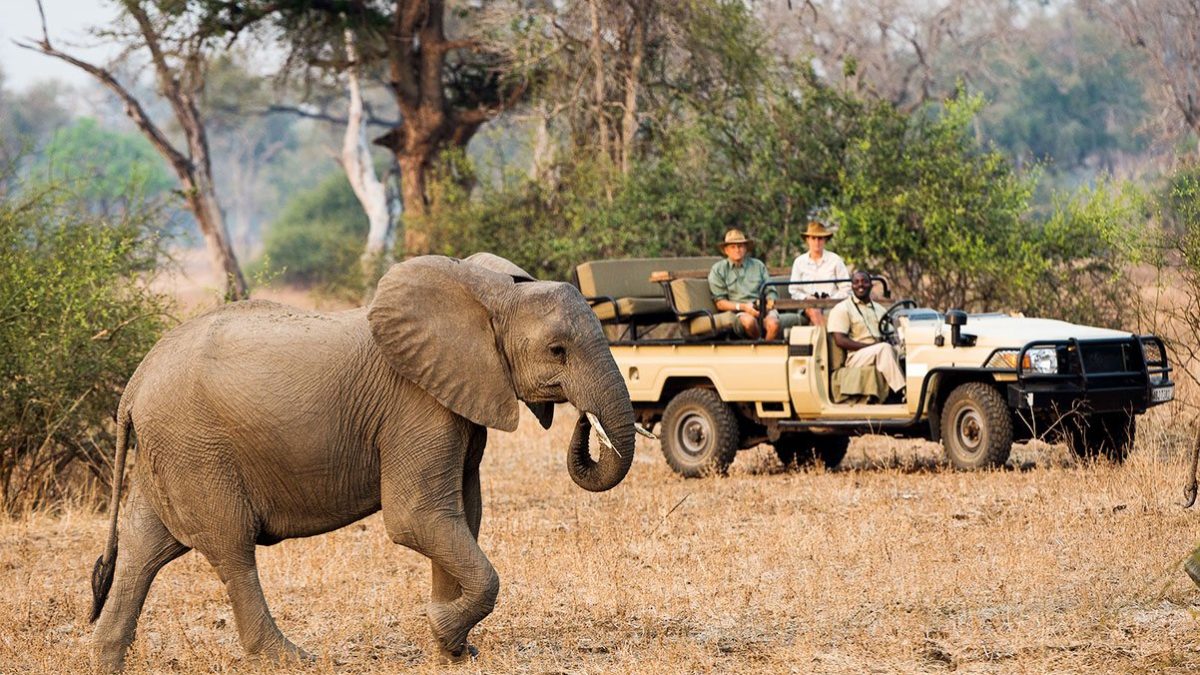
South Luangwa is defined by the Luangwa River, a lifeline that sustains wildlife during the dry season. As surrounding areas dry out, animals converge along the riverbanks, creating exceptional viewing opportunities. Elephants, buffalo, hippos, crocodiles, and a wide range of antelope species are commonly encountered, followed closely by predators.
Lions in South Luangwa are particularly well studied, offering insight into pride structure, hunting strategies, and territorial behavior. Leopards thrive in the park’s riverine forests and are frequently sighted, making South Luangwa one of Africa’s most reliable destinations for leopard encounters.
Walking Safaris and Ecological Immersion
South Luangwa is internationally recognized as the birthplace of the walking safari. This safari style emphasizes interpretation over speed, allowing travelers to explore ecosystems on foot under the guidance of highly trained professionals. Walking safaris reveal details often missed from vehicles, such as tracks, plant adaptations, insect life, and subtle animal behavior.
A Zambia safari that includes walking experiences fosters a deeper understanding of ecological relationships and reinforces respect for wildlife and habitat. These safaris are conducted with strict safety protocols and conservation ethics, ensuring minimal disturbance to animals.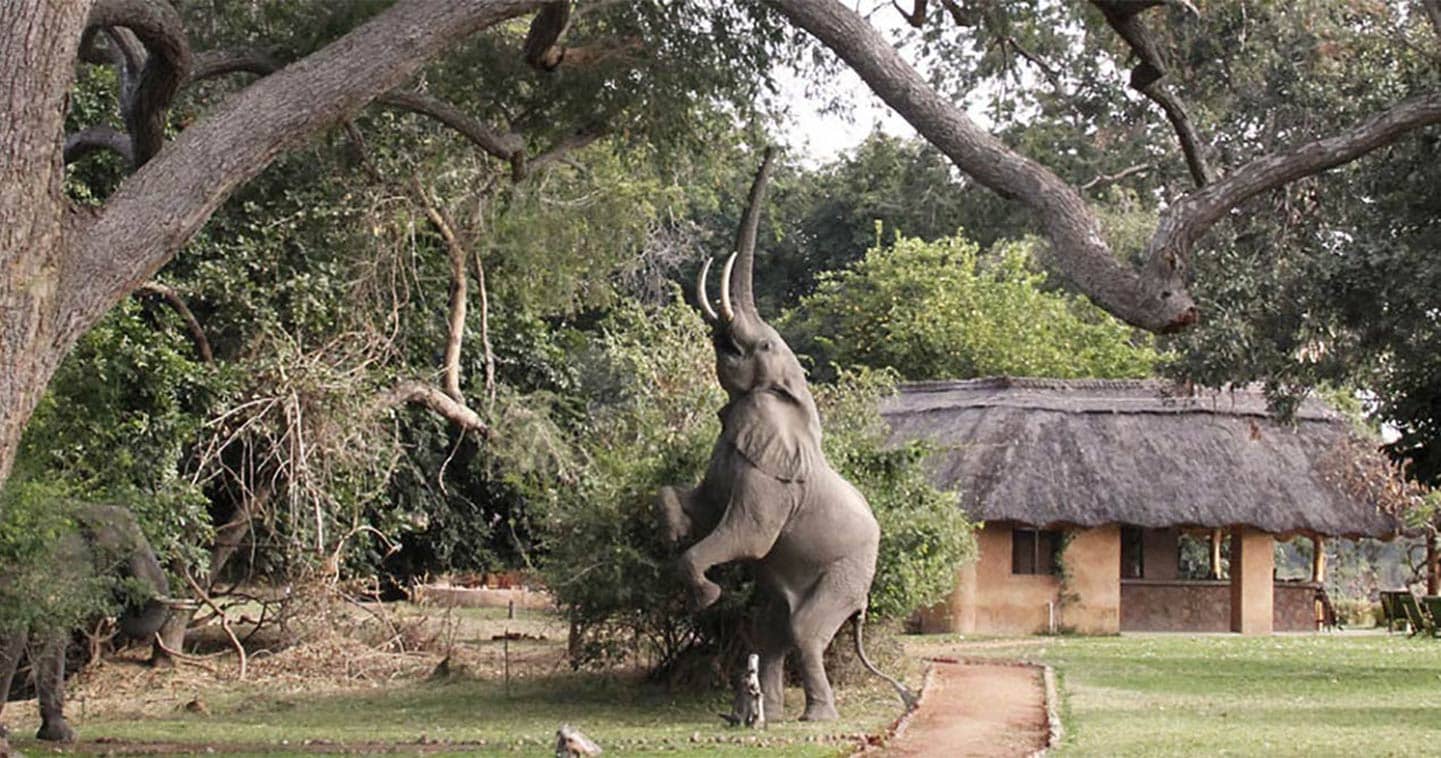
Lower Zambezi National Park and Riverine Safaris
Another cornerstone of the Zambia safari experience is Lower Zambezi National Park, located along the Zambezi River opposite Zimbabwe’s Mana Pools.
The Zambezi River as a Wildlife Corridor
The Zambezi River shapes every aspect of safari life in this park. Its floodplains, channels, and islands attract elephants, buffalo, antelope, and predators that follow prey movements along the river. Hippos and crocodiles dominate the waterways, while birdlife flourishes year-round.
A Zambia safari in the Lower Zambezi often combines game drives with boat safaris and canoeing, offering diverse perspectives on wildlife behavior. These water-based activities allow close yet respectful observation, particularly during the dry season when wildlife concentrates along the riverbanks.
Wilderness and Low Visitor Density
Lower Zambezi remains lightly visited compared to more famous safari destinations elsewhere in Africa. Limited lodge development and controlled access preserve the park’s wilderness character. Safari experiences here emphasize solitude, soundscapes, and extended observation rather than high-speed touring.
Kafue National Park and Vast, Untouched Landscapes
For travelers seeking scale and remoteness, Kafue National Park represents one of Africa’s great wilderness areas.
Diversity of Habitats
Kafue is one of the largest national parks in Africa, encompassing a wide range of ecosystems including miombo woodlands, open plains, wetlands, and river systems. This diversity supports an impressive array of wildlife, including lions, leopards, cheetahs, African wild dogs, elephants, and numerous antelope species.
The park’s sheer size allows wildlife to disperse naturally, resulting in fewer vehicles and a stronger sense of exploration. A Zambia safari in Kafue rewards patience and curiosity, revealing wildlife encounters that feel discovered rather than expected.
Busanga Plains and Seasonal Transformation
Within Kafue, the Busanga Plains stand out as a seasonal wetland that transforms dramatically during the dry season. As floodwaters recede, grasses emerge, attracting large herds of herbivores and the predators that follow them.
This seasonal concentration creates exceptional game viewing while illustrating how water cycles drive wildlife movement. A Zambia safari that includes the Busanga Plains offers insight into ecological processes that shape entire landscapes.
North Luangwa and True Wilderness Safaris
North Luangwa National Park represents Zambia’s most remote and least visited safari destination, appealing to experienced travelers seeking untouched wilderness.
Conservation Success and Rewilding
North Luangwa has been the focus of significant conservation investment, including successful reintroduction of black rhinos. These efforts demonstrate how long-term protection and low-impact tourism can restore wildlife populations in remote regions.
A Zambia safari in North Luangwa emphasizes walking safaris and limited vehicle use, creating an experience rooted in exploration and ecological understanding rather than convenience.
Exclusivity Through Remoteness
Access to North Luangwa is highly controlled, with very few lodges and strict visitor limits. This exclusivity is not driven by luxury pricing alone but by logistical and conservation considerations. The result is one of Africa’s most pristine safari environments.
Wildlife Diversity on a Zambia Safari
Zambia supports exceptional wildlife diversity across its protected areas. Large mammals such as elephants, buffalo, giraffes, and hippos are widespread, while predators including lions, leopards, cheetahs, and African wild dogs thrive in suitable habitats.
Zambia is particularly important for leopard conservation, with several parks offering some of the highest leopard sighting success rates in Africa. Birdlife is equally impressive, especially along river systems where migratory species join resident populations.
A Zambia safari encourages travelers to appreciate biodiversity as a whole, from apex predators to insects, plants, and birds that form the foundation of ecosystem health.
Safari Styles Unique to Zambia
Zambia offers one of Africa’s most diverse ranges of safari styles, each contributing to a deeper understanding of wildlife.
Walking safaris remain the defining experience, emphasizing awareness, interpretation, and respect for nature. Vehicle-based game drives complement these experiences, particularly in larger parks where covering distance is essential.
Boat safaris and canoeing on rivers such as the Zambezi provide intimate encounters with aquatic wildlife, while night drives reveal nocturnal species and predator behavior rarely seen during the day.
This diversity of safari styles makes Zambia particularly appealing to travelers seeking more than standard game drives.
Conservation and Community in Zambia Safaris
Conservation lies at the core of Zambia’s safari industry. Tourism revenue supports anti-poaching units, wildlife monitoring, habitat restoration, and community development initiatives. Many safari operations work closely with local communities, providing employment, education, and infrastructure support.
Community involvement is essential in a country where wildlife often ranges beyond park boundaries. A Zambia safari contributes directly to building tolerance for wildlife and reducing human–wildlife conflict through shared economic benefits.
Zambia’s conservation success stories, particularly in parks such as South Luangwa and North Luangwa, demonstrate the effectiveness of long-term, low-impact tourism models.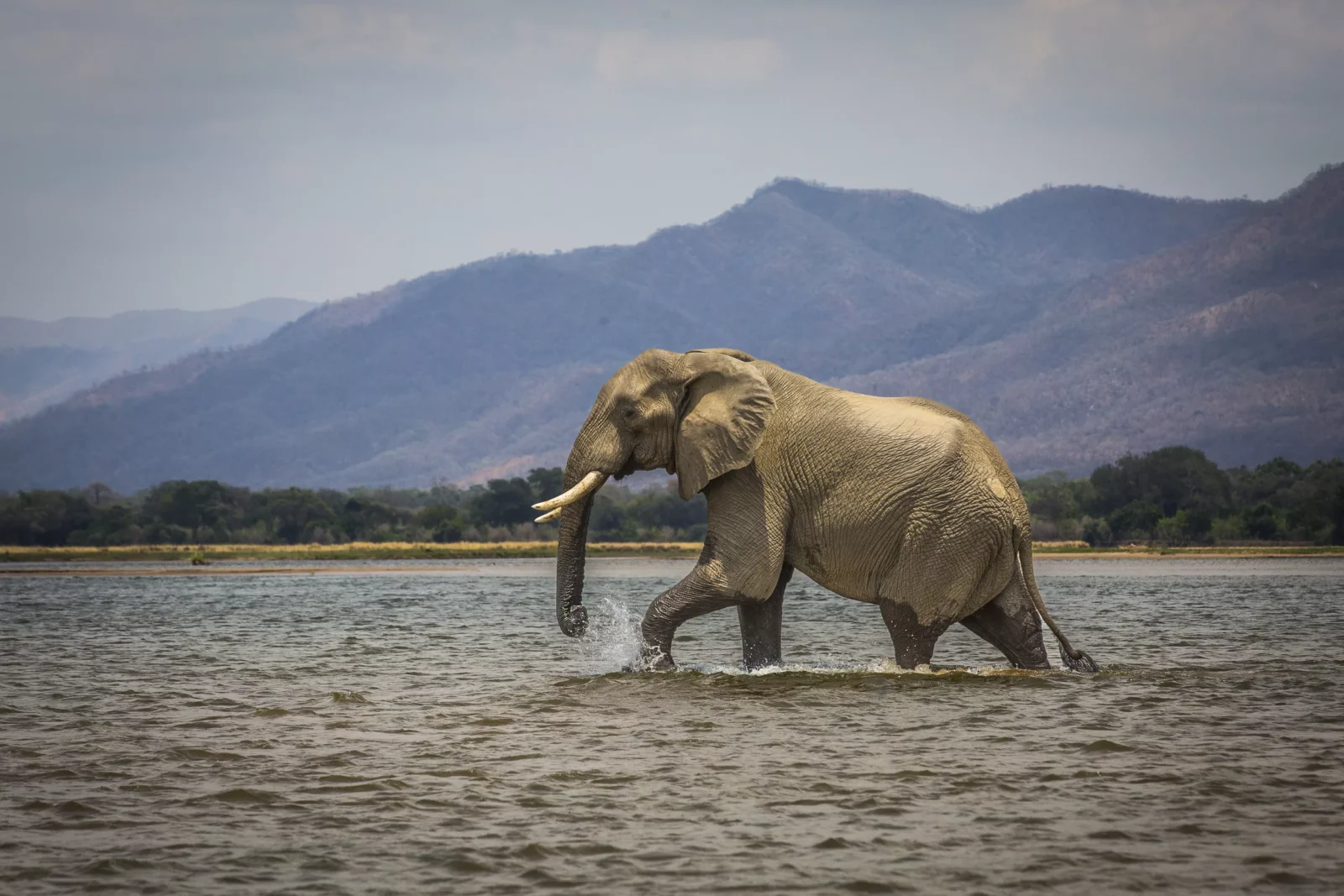
Seasonal Dynamics and Planning a Zambia Safari
Seasonality strongly influences Zambia safaris. The dry season concentrates wildlife along rivers and water sources, creating excellent game viewing conditions. Walking safaris are most common during this period due to accessibility and visibility.
The wet season transforms landscapes, bringing lush vegetation, breeding activity, and migratory birdlife. While some areas become inaccessible, the ecological richness of this period offers rewarding experiences for travelers focused on photography and birding.
Understanding Zambia’s seasonal rhythms allows travelers to plan safaris that align with personal interests and ecological conditions.
Who a Zambia Safari Is Best Suited For
A Zambia safari appeals to travelers seeking depth, authenticity, and meaningful engagement with nature. It is particularly suited to repeat safari visitors, conservation-minded travelers, photographers, and those interested in walking safaris and interpretation-driven experiences.
While Zambia is accessible remember, it remains less commercial than some safari destinations, making it ideal for those who value wilderness quality over convenience.
Why the Zambia Safari Remains One of Africa’s Best-Kept Secrets
The Zambia safari remains one of Africa’s most respected yet understated wildlife experiences because it prioritizes substance over show. Wildlife encounters are genuine, landscapes are vast, and tourism operates within ecological limits.
In a world where safari destinations face increasing pressure from overdevelopment, Zambia stands as a reminder of what responsible safari tourism can achieve. Its parks remain wild, its wildlife populations resilient, and its safari experiences deeply rewarding.
A Zambia safari is not about how many animals you see in a day, but about how deeply you understand the land you are traveling through. It is an invitation to slow down, observe, and reconnect with nature in its most honest form.