search
Local's Guide: Ziwa Rhino Sanctuary family holiday with limited time

Local’s Guide: Ziwa Rhino Sanctuary family holiday with limited time

By Family holidays, Travel guides, Travel stories and blogs, Uganda travel guides

Local’s Guide: Ziwa Rhino Sanctuary Family Holiday with Limited Time

Where Conservation Meets Family Adventure

Tucked away in the heart of Uganda, just a few hours from Kampala, lies Ziwa Rhino Sanctuary, a haven where endangered southern white rhinoceroses are given a safe refuge to thrive. For many families, the sanctuary offers a rare opportunity to witness these majestic creatures in the wild, while at the same time enjoying a holiday filled with education, bonding, and adventure. For those with limited time, this destination provides the perfect balance between accessibility and immersion, ensuring that even a short visit feels rich and rewarding.

Unlike lengthy safaris that require days of travel, Ziwa has become a convenient escape for families eager to experience Uganda’s wildlife without straying too far from the capital. It is a place where children can marvel at their first sightings of rhinos, where parents can relax amidst serene landscapes, and where the family as a whole can reconnect with nature while learning about the importance of conservation. This guide presents insights drawn from a local’s perspective, offering a practical yet profound way to experience a family holiday at Ziwa with limited time.

Why Ziwa Rhino Sanctuary is Ideal for Families

Ziwa Rhino Sanctuary is unique in that it blends conservation with accessibility. It is the only place in Uganda where rhinos can be observed in their natural habitat, and unlike other wildlife reserves where viewing is often from vehicles, Ziwa allows families to walk on foot with trained rangers, creating a truly personal experience.

For children, this proximity to nature leaves a lasting impression. The sheer size and calm majesty of a rhino grazing nearby sparks awe, while the rangers’ explanations about rhino behavior, conservation, and threats provide an educational element that feels alive rather than abstract. Parents appreciate that the sanctuary is safe, well-managed, and designed to accommodate shorter stays, making it possible to visit in a day or over a weekend without compromising on depth of experience.

The sanctuary is not limited to rhinos alone. It also shelters a wealth of other wildlife, from antelopes and monkeys to a diverse array of bird species. This diversity ensures that even younger members of the family remain engaged, as there is always something new to spot or learn. With its relatively compact setting, Ziwa is approachable for families who may find longer safaris overwhelming for children.

Crafting a Family Holiday with Limited Time

When time is limited, every moment must be thoughtfully planned to maximize enjoyment without rushing. A family holiday at Ziwa Rhino Sanctuary unfolds best when structured around the sanctuary’s core experiences while leaving space for relaxation and bonding.

Arrival is often best timed in the morning, allowing families to begin with a rhino tracking session. Guided by experienced rangers, families are led into the savannah landscapes where rhinos roam freely. This activity is carefully tailored to different age groups, ensuring that children feel engaged and secure. For families, this is the heart of the experience—the opportunity to walk quietly together, listening to the rustle of grass, spotting birds in the trees, and then finally encountering rhinos at close range. The wonder in a child’s eyes at such a sight often becomes the highlight of the entire trip.

After rhino tracking, families may spend time exploring the sanctuary’s birding trails, particularly rewarding for those who enjoy photography. The sanctuary is home to more than 300 bird species, including the rare shoebill stork, a sight that captures the imagination of both adults and children alike. Even if birding is not a primary interest, the walk itself offers a chance for families to stretch, converse, and enjoy the sanctuary’s quiet beauty.

Meals can be enjoyed at the sanctuary’s lodge or picnic areas, where parents can relax while children play in safe surroundings. With limited time, afternoons are best spent either on a second guided activity, such as a nature walk to discover smaller wildlife, or simply unwinding as a family while absorbing the peaceful rhythm of the sanctuary.

Balancing Education and Adventure

For families, Ziwa Rhino Sanctuary is more than just a sightseeing trip—it is a chance to instill values of conservation and respect for wildlife. Children are often fascinated by the rangers’ stories, whether about how rhinos communicate, why they graze the way they do, or how poaching once brought them to the brink of extinction in Uganda. These lessons are absorbed more vividly when experienced in the field than when read in a classroom, and they often spark questions that lead to deeper conversations within the family.

At the same time, adventure remains a core theme of the holiday. Walking on foot through wild terrain gives children a sense of exploration, while the unpredictability of spotting animals keeps everyone engaged. The sanctuary provides just enough challenge to feel adventurous while maintaining the safety and supervision necessary for families with younger children.

Packing Essentials for a Family with Limited Time

Packing for a short family holiday at Ziwa is not about carrying excess luggage but rather ensuring comfort and readiness for a few key experiences. Lightweight, breathable clothing in natural tones is best, especially since rhino tracking often takes place in open savannah where sun exposure can be strong. Comfortable walking shoes are essential for both adults and children, as the terrain can vary.

Protection from the elements is equally important. Sunscreen, hats, and insect repellent should always be included, while reusable water bottles ensure hydration during guided walks. For families with young children, small snacks, wipes, and light jackets for cooler mornings or evenings add convenience. A camera or binoculars, while not essential, enhances the experience, allowing families to capture memories or observe birds and wildlife more closely.

By packing thoughtfully, families can focus less on discomfort and more on the joy of discovery, ensuring that even with limited time, the holiday feels seamless and enjoyable.

When to Visit with the Family

The sanctuary is open year-round, yet certain times provide a more rewarding experience for families with limited time. The dry seasons, from December to February and June to August, are particularly favorable, as the trails remain firm and wildlife viewing is more predictable. During these months, the comfort of walking is enhanced, making rhino tracking easier for children and older family members alike.

The wet seasons, though more challenging, also bring lush greenery and unique photographic opportunities. Families visiting during this period are advised to prepare with waterproof clothing and appropriate footwear. Regardless of the season, mornings and late afternoons remain the most ideal times for activities, as temperatures are cooler and wildlife is more active.

Why a Short Visit Still Matters

Families often assume that limited time might restrict the depth of a safari experience, yet Ziwa Rhino Sanctuary proves otherwise. Even a day trip can provide meaningful wildlife encounters, educational insights, and opportunities for family bonding. The sanctuary’s compact design allows key activities to be enjoyed without the need for extensive travel or long itineraries.

More importantly, a short visit introduces children to conservation in a tangible way, planting seeds of awareness that may grow for a lifetime. For parents, the joy lies in watching their children connect with nature while creating shared memories that extend beyond the holiday.

Creating Lasting Family Memories with WildHorn Africa

For families eager to enjoy Ziwa Rhino Sanctuary without the stress of planning, WildHorn Africa offers the perfect solution. With expertise in curating family-friendly experiences, WildHorn Africa ensures that even limited time is transformed into a journey of discovery and connection. From arranging guided rhino tracking sessions tailored to families, to providing comfortable transport and well-thought-out itineraries, every detail is managed with precision.

By booking with WildHorn Africa, families are assured that their holiday will be both enriching and seamless, allowing them to focus entirely on enjoying the sanctuary’s wonders together. Whether it is a single day escape from Kampala or a weekend retreat, WildHorn Africa crafts experiences that balance adventure, education, and relaxation, creating memories that endure long after the journey ends.

Packing Essentials — Queen Elizabeth National Park wildlife photography tips for adventure seekers

Packing Essentials — Queen Elizabeth National Park wildlife photography

By Travel stories and blogs, Safari holidays, Travel guides, Uganda travel guides, Wildlife holidays

Packing Essentials — Queen Elizabeth National Park Wildlife Photography Tips for Adventure Seekers

A Thrill Where Nature Meets the Lens

In the heart of western Uganda lies Queen Elizabeth National Park, a wilderness famed for its sprawling savannahs, shimmering crater lakes, and unparalleled wildlife diversity. To the adventure seeker, it is more than a destination—it is a stage where stories of the wild unfold in real time. And for the wildlife photographer, whether seasoned or aspiring, this park is a living gallery waiting to be captured.

The experience of photography in such a pristine wilderness is unlike any other. It demands patience, precision, and above all, preparation. Every photograph taken becomes not just an image but a testimony to a fleeting encounter—be it the stealth of a leopard in a fig tree, the intensity of a lion’s gaze, or the elegance of elephants crossing the Kazinga Channel’s banks. Yet the success of such an expedition is often determined not only by skill but also by what has been carried along. The essence of packing essentials cannot be overstated, for they form the unseen foundation upon which every image is built.

Why Queen Elizabeth National Park is a Photographer’s Haven

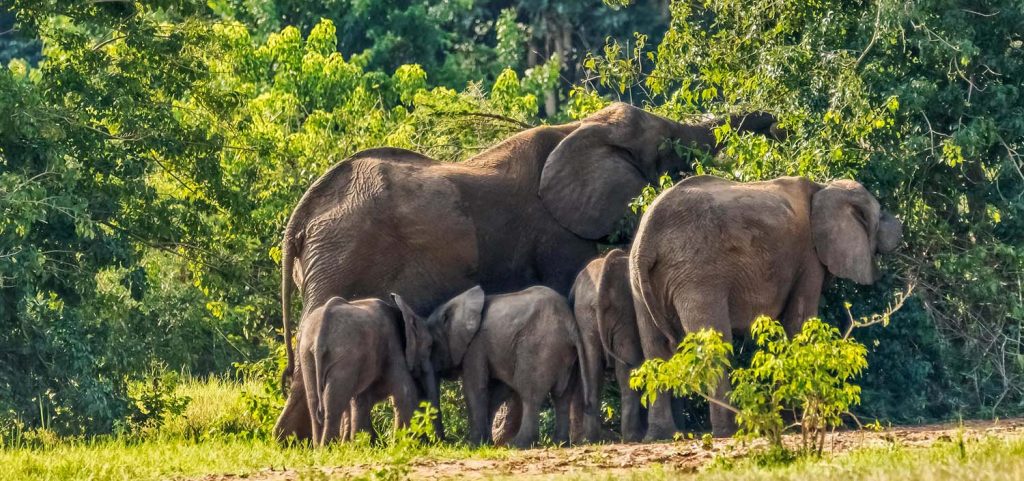
Queen Elizabeth National Park stretches over 1,978 square kilometers, boasting one of the most diverse ecosystems in Africa. The Kazinga Channel teems with hippos and crocodiles, while the open Kasenyi plains burst into life with antelope herds and their ever-watchful predators. The dense Maramagambo forest whispers secrets of rare birds and primates, while the Ishasha sector remains the iconic home of the famous tree-climbing lions.

Such ecological variety ensures that the photographer’s lens never rests idle. With over 95 mammal species and 600 recorded bird species, the park offers a subject at every turn. The shifting landscapes, from golden savannahs to lush wetlands, present constant changes in light, texture, and mood. A trip here is not just a safari but an artistic pilgrimage, where the wilderness becomes both muse and masterpiece.

The Philosophy of Packing for the Wild

The art of packing for a wildlife photography safari is not about excess but about intention. Adventure seekers must understand that every item carried into the park should serve a purpose, balancing practicality with the demands of creativity. It is not merely about filling a bag; it is about curating a set of tools that allow the story of the wild to be told in its truest form.

Clothing forms the first layer of preparation. Breathable, lightweight fabrics in neutral tones blend seamlessly into the environment, avoiding unnecessary attention from wildlife while offering comfort in Uganda’s equatorial climate. The mornings can be crisp and cool, while midday stretches into dry heat, making layered attire a subtle necessity. A wide-brimmed hat provides protection against the harsh sun, while sturdy boots ensure stability in uneven terrain.

Adventure seekers know that protection against elements is not negotiable. Sunscreen, lip balm, and eco-friendly insect repellent create an invisible shield, allowing the photographer to focus on the subject rather than discomfort. A scarf or lightweight shawl often doubles as both dust protection on game drives and a versatile wrap for sudden weather changes. These details may appear small, yet they form the backbone of endurance during long hours in the wild.

The Camera as a Companion

At the core of every packing list lies the camera. In Queen Elizabeth National Park, where opportunities appear suddenly and unpredictably, the camera is not merely equipment—it is a companion. Adventure seekers often prefer DSLR or mirrorless systems equipped with telephoto lenses, which capture distant predators without intrusion. A lens in the range of 100–400mm or beyond ensures that subjects remain close even when distance must be respected.

Yet flexibility remains key. A wide-angle lens allows the landscape to speak as powerfully as the animals themselves. The crater lakes, the Kazinga Channel, and the vast Kasenyi plains deserve frames that celebrate their grandeur. Carrying extra batteries and memory cards is equally critical, as power outlets in the field are scarce and the regret of a missed shot can be profound.

A sturdy tripod or monopod proves invaluable for stabilizing long lenses, particularly during low-light hours when wildlife becomes most active. Early mornings and late evenings, known as golden hours, cast enchanting hues across the landscape, and stability ensures that every frame emerges sharp and professional. The adventure seeker must remember that photography here is not a passive act; it is a pursuit that demands readiness at every turn.

Luxury Meets Practicality in Photography Gear

While functionality guides most packing decisions, luxury adventure seekers often pursue gear that balances high performance with refined design. Camera bags designed with weather-resistant materials, padded compartments, and sleek finishes not only protect valuable equipment but also maintain a sense of style. Reusable stainless-steel water bottles, discreet hydration packs, and compact high-protein snacks elevate the comfort of long drives, ensuring stamina without sacrificing elegance.

Binoculars, often overlooked, complement the camera perfectly. While the camera captures the image, binoculars allow observation, anticipation, and framing before the shutter is pressed. For bird photography, particularly along the Kazinga Channel or in Maramagambo Forest, this pairing becomes indispensable.

Essentials Beyond Photography

Photography is only one part of the adventure. Packing for Queen Elizabeth National Park also requires consideration for the full safari experience. Travel documents, permits, and personal identification must always be accessible. A small journal or notebook, though seemingly old-fashioned, allows reflections and notes that enrich the storytelling process when images are later curated.

Health and safety items form an unseen yet crucial part of packing. A personal first-aid kit, rehydration salts, and prescribed medications create a layer of preparedness against the unexpected. Wet wipes and hand sanitizers, particularly in the dusty or humid conditions of the park, offer small comforts that prevent distractions from the creative process.

The Art of Staying Ready in the Field

Even with the most carefully packed items, success in wildlife photography at Queen Elizabeth National Park depends on the art of staying ready. Game drives move at unpredictable rhythms. A lion may appear lounging on a tree branch in Ishasha or a herd of elephants may suddenly cross the track near Mweya. Adventure seekers must carry essentials in a manner that allows instant access—cameras at the ready, lenses prepared, and personal items organized for quick retrieval.

The ability to transition smoothly from photographing hippos in the Kazinga waters to capturing the delicate flight of a bee-eater requires not only technical skill but also logistical foresight. Packing, therefore, is not just about carrying things; it is about organizing them into a workflow that allows creativity to flourish without interruption.

When to Pack for the Perfect Light

Timing defines much of the photographic journey in Queen Elizabeth National Park. The dry seasons from June to August and December to February are often favored, as wildlife congregates around water sources, creating concentrated opportunities for photography. Clearer skies and manageable road conditions enhance both game drives and camera stability.

Yet the wet seasons, while more challenging, provide lush backdrops of vibrant green, dramatic cloudscapes, and the possibility of capturing rare behavioral scenes. For the adventure seeker, each season offers distinct photographic rewards, and packing must reflect the chosen time. Waterproof covers for cameras, quick-drying clothing, and protective cases become more critical during the rains, while breathable fabrics and dust protection dominate the dry months.

The Narrative Beyond Equipment

At its core, wildlife photography in Queen Elizabeth National Park is about narrative. Packing essentials ensure readiness, but the soul of the experience lies in the patience to wait for the perfect frame, the humility to observe without intrusion, and the awareness that every image captured is part of a larger conservation story.

Adventure seekers are not merely visitors but custodians of memory, using their images to inspire others about the value of protecting these landscapes. Each packed item, whether as simple as sunscreen or as advanced as a telephoto lens, contributes to this mission, enabling the photographer to stand at the intersection of art, adventure, and advocacy.

Crafting a Journey of Elegance and Discovery with WildHorn Africa

A journey into Queen Elizabeth National Park, whether for photography or pure adventure, becomes most rewarding when guided by experts who understand both wilderness and luxury. This is where WildHorn Africa steps in, curating experiences that allow travelers to focus solely on the beauty of the wild while every detail of logistics and comfort is seamlessly handled.

By entrusting the journey to WildHorn Africa, adventure seekers are assured that their photographic safari will unfold as a narrative of sophistication, safety, and authenticity. From the moment the first bag is packed to the final image captured against an African sunset, WildHorn Africa ensures that no detail is overlooked.

The call of Queen Elizabeth National Park is one that resonates deeply with those who crave both adventure and artistry. To answer it fully, the essentials must be chosen with intention, the camera must be wielded with passion, and the journey must be entrusted to those who craft memories with precision. With WildHorn Africa, every frame becomes not just a picture but a timeless story of Africa itself.

Best Time to Visit for game drive in Kibale National Park for avid hikers

Best Time to Visit for game drive in Kibale National Park for avid hikers

By Travel stories and blogs, Primate holidays, Travel guides, Uganda travel guides

Best Time to Visit for Game Drive in Kibale National Park for Avid Hikers

The Call of Kibale’s Wilderness

The heart of Uganda beats strongest in its wilderness, and nowhere is this more evident than in Kibale National Park, a lush haven renowned for its primate population, vibrant birdlife, and breathtaking landscapes. For the avid hiker and passionate safari-goer, Kibale is more than just a park; it is an immersive journey into one of Africa’s most treasured ecosystems. While chimpanzee tracking has long been the park’s signature activity, its enchanting game drives and forest trails offer remarkable opportunities to experience both wildlife encounters and the tranquility of untouched nature. Yet, like any destination that depends heavily on seasonal rhythms, the timing of a visit is a decisive factor that shapes the entire experience. Understanding the best time to embark on a game drive and hiking adventure in Kibale National Park is therefore crucial for travelers eager to maximize every moment of their expedition.

The Climate and Seasonal Rhythms of Kibale

The climatic rhythm of Kibale National Park mirrors that of most equatorial forests, defined not by dramatic temperature swings but by alternating wet and dry seasons. Nestled in western Uganda, near Fort Portal, the park experiences warm daytime temperatures ranging between 24 to 30 degrees Celsius, with cooler evenings that dip to around 14 to 18 degrees Celsius. This pleasant climate makes hiking feasible almost year-round, but the degree of comfort, accessibility of trails, and density of wildlife sightings vary greatly with the rains.

The dry seasons, stretching from December to February and again from June to September, are often considered the most favorable periods for hiking and game drives. The forest floor remains relatively firm, the trails are less slippery, and the tall grasses that sometimes obscure wildlife thin out, making animal sightings more frequent. Conversely, the wet seasons, occurring from March to May and from late September to November, drench the park with heavy rains that breathe life into its lush vegetation but also complicate the logistics of exploration. While this time may pose challenges for trekkers, it reveals a different kind of charm in Kibale, with verdant growth, blooming flowers, and increased bird activity.

Hiking in the Dry Season, A Time of Ease and Discovery

For hikers seeking ease and safety on the trails, the dry season is often regarded as the golden window. The footpaths meandering through Kibale’s forests remain more navigable, allowing for long hours of exploration without the constant risk of slipping in mud. The sunlight filtering through the canopies illuminates the forest floor, creating a spectacular play of shadows and light that heightens the immersive experience. Game drives conducted during these months are often rewarded with increased wildlife visibility, as animals such as forest elephants, buffalos, and bushbucks emerge more openly in search of waterholes that remain accessible.

The dry months are also ideal for avid hikers who intend to extend their treks beyond the usual chimpanzee tracking trails. The Kibale crater lakes region, with its rolling hills and scenic volcanic formations, can be explored more thoroughly in this season. Long treks across this landscape become less exhausting when not compounded by the humidity and challenges of wet, sticky mud. The presence of primates, particularly red colobus monkeys, grey-cheeked mangabeys, and black-and-white colobus, is heightened by their greater activity in the warmth of clear mornings.

The Wet Season, A Wilderness in Full Bloom

While many travelers instinctively shy away from wet-season travel, Kibale offers a unique invitation for those who wish to experience the forest in its most intimate and authentic state. The rains breathe vigor into the park’s vegetation, turning the forest into an emerald sanctuary of thick foliage and cascading streams. Hikers who brave this season encounter a setting that is raw and deeply enchanting, albeit more physically demanding. The trails become slick, requiring careful navigation, and game drives may demand greater patience due to animals retreating into the thick undergrowth.

Yet for the passionate hiker, this challenge is matched by rare rewards. The wet season marks the arrival of migratory birds, making it an excellent period for ornithologists and photography enthusiasts. The vibrant plumage of species like the African pitta and great blue turaco adds color to the misty green backdrop. Furthermore, primates remain highly active, and the chimps—though sometimes elusive—can still be tracked with the guidance of skilled rangers. For those who seek a deeper connection with nature, the solitude offered by fewer tourists in the wet season creates a more personal and meditative hiking experience.

Balancing Wildlife Sightings with Hiking Comfort

Choosing the best time to visit Kibale National Park ultimately depends on whether the visitor values comfort in hiking conditions or the richness of seasonal biodiversity. The dry season guarantees better conditions for long hikes and more accessible game drives, ensuring less fatigue and greater safety. The wet season, though more demanding, reveals an intensity of ecological beauty unmatched by any other time, with flourishing vegetation, abundant birdlife, and a sense of exclusivity.

For hikers who are avid explorers of both wildlife and landscapes, the June to September period is often regarded as the optimal balance, offering a compromise between accessibility and abundance of sightings. This time coincides with Uganda’s broader tourism peak, ensuring that accommodations and safari services are fully operational. However, those who seek solitude, unhurried exploration, and a chance to witness the forest’s renewal may find the months of April and November unexpectedly rewarding, despite the challenges presented by rains.

The Role of Game Drives in a Hiker’s Journey

Although Kibale is most celebrated for its primate encounters on foot, game drives play a complementary role in completing the hiker’s journey. The savanna-forest mosaic on the park’s fringes provides a landscape where terrestrial animals thrive. Buffaloes, duikers, and occasionally elephants can be sighted, while the birdlife along swampy stretches enhances the diversity of the experience. When conducted in the dry season, these drives unfold seamlessly, as the roads remain firm and traversable. In the wet months, they transform into more unpredictable adventures, often requiring skilled guiding and a flexible schedule.

For hikers who wish to combine strenuous forest treks with more relaxed wildlife viewing, game drives act as a counterbalance, allowing time for recovery while still immersing in the park’s rich biodiversity. Understanding the best time to engage in these drives is therefore as essential as planning for the hikes themselves, and aligning them with seasonal conditions ensures that no aspect of Kibale’s beauty is missed.

A Timeless Call to the Wild

Kibale National Park is a place where the rhythm of nature dictates the traveler’s journey, and the decision of when to visit shapes every memory created along its trails. For avid hikers, the dry season presents the most reliable and comfortable conditions, while the wet season offers unmatched vibrancy and solitude. Both periods hold unique treasures, and the choice between them lies in the balance between physical comfort and the desire for raw, untamed encounters with nature.

Whichever season is chosen, one truth remains constant: Kibale’s forest is alive with secrets waiting to be discovered. The whispering canopies, the calls of primates echoing through the trees, and the thrill of a game drive through its mosaic landscapes form a tapestry of experiences that linger long after the journey ends.

For travelers ready to embark on this unforgettable adventure, the expertise of a trusted safari operator ensures that every detail is seamlessly arranged. Booking your African tours and safaris through WildHorn Africa guarantees not only professional guidance but also the opportunity to experience Kibale National Park at its fullest, in whichever season you choose to heed the forest’s timeless call.

Top 10 Experiences — Ssese Islands wildlife photography tips with kids

Top 10 Experiences — Ssese Islands wildlife photography tips with kids

By Travel stories and blogs, Travel guides, Uganda travel guides

Top 10 ExperiencesSsese Islands Wildlife Photography Tips with Kids

A Journey into Untamed Beauty with Family

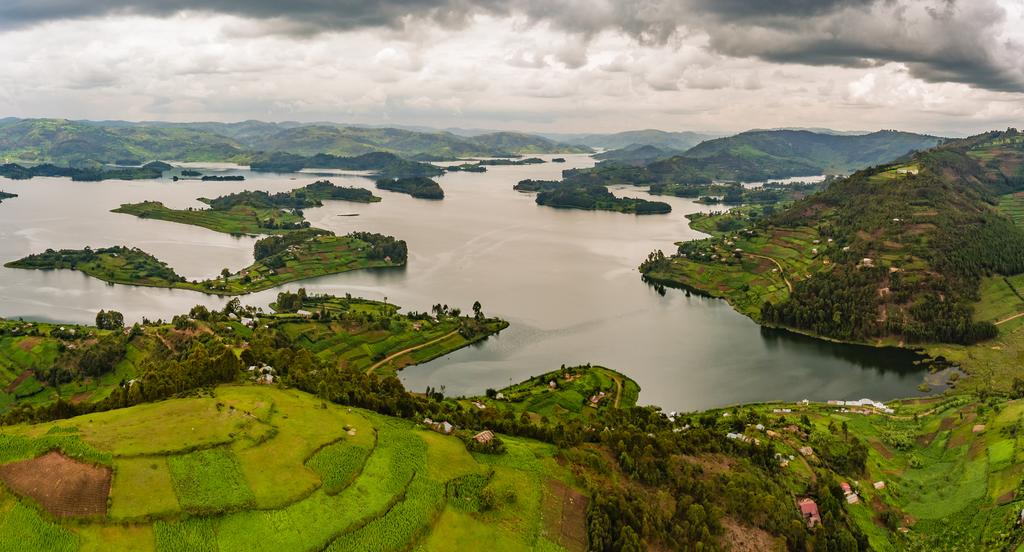
Hidden in the quiet waters of Lake Victoria, the Ssese Islands remain one of Uganda’s most enchanting treasures. They are a cluster of lush, palm-fringed isles where wildlife thrives undisturbed and where families can experience both adventure and serenity. For parents traveling with children, the Ssese Islands present not just a holiday retreat but a chance to capture breathtaking moments through the lens. The art of wildlife photography with kids becomes more than snapping pictures; it transforms into an educational and bonding journey where patience, discovery, and creativity merge seamlessly.

What makes this experience particularly unique is how the Ssese Islands combine untouched wilderness with child-friendly exploration. Families are encouraged to slow down, to observe carefully, and to translate the wonders of nature into powerful visual memories. Each moment spent with a camera in hand is an opportunity to inspire young minds, cultivate an appreciation for conservation, and nurture storytelling skills that extend far beyond the islands themselves.

Discovering the Islands’ Natural Canvas

The Ssese archipelago, comprising about 84 islands, is richly endowed with dense forests, sandy beaches, and varied ecosystems. Every setting offers a different backdrop for wildlife photography. The sound of hornbills echoing through treetops, the stealthy rustle of vervet monkeys in the canopy, and the distant sight of otters slipping into the waters are experiences that frame a natural canvas waiting to be photographed.

For children, the act of photographing such scenes provides a tactile and memorable way of connecting with the environment. Rather than simply being spectators, they are active participants, using their cameras or even basic mobile devices to capture what excites them most. The lens becomes a bridge between imagination and reality, allowing them to interpret nature from their perspective.

Building Patience through Wildlife Encounters

Wildlife rarely moves according to human schedules. A kingfisher may perch only for a moment, while a butterfly’s delicate landing on a flower might vanish in seconds. For children learning photography, this unpredictability teaches patience. Waiting quietly for the right shot becomes an exercise in mindfulness and appreciation.

Parents often discover that these photographic pauses allow children to observe more keenly than they otherwise would. A walk through the forests of Bugala, the largest of the Ssese Islands, can turn into a rewarding quest where stillness leads to discovery. The patience required to capture wildlife develops into an essential skill, preparing young photographers not just for photography, but for life’s larger lessons.

Embracing Light and Shadow in the Tropics

The equatorial position of the Ssese Islands gives rise to dramatic light conditions. Early mornings paint the skies with soft hues, ideal for photographing calm scenes of fishing villages and flocks of birds. Afternoons, though harsher in brightness, bring playful contrasts of light and shadow through forest canopies. Teaching children how to adapt to these shifting conditions helps them understand photography beyond its technical side.

Instead of adjusting endless camera settings, children can learn how positioning themselves differently changes the mood of an image. A monkey photographed against backlight in the forest creates an entirely different story than the same monkey in direct sunshine. It is in these playful experiments that young photographers discover the storytelling power of light.

Storytelling through the Lens

Every photograph holds the potential of a story. Parents guiding children on the Ssese Islands can encourage them to look beyond the animal itself and notice its surroundings, interactions, and behavior. A heron lifting into flight with the glimmering lake beneath tells a story of freedom, while a group of monkeys sharing fruit expresses community.

The more children are reminded that photography is about storytelling, the more they begin to frame moments thoughtfully. They may capture not only wildlife but also the harmony of island life—fishermen returning at dusk, villagers preparing meals by the shoreline, or children playing beside their homes. These images reveal a cultural layer that enriches wildlife photography and preserves human narratives alongside nature.

Respecting Wildlife and Instilling Conservation

Wildlife photography on the Ssese Islands is not only about aesthetics; it is also an opportunity to teach respect for animals. Children, in their excitement, may wish to get closer than is safe. Parents have the responsibility of guiding them into responsible practices—maintaining distance, keeping quiet, and never disturbing the natural rhythm of wildlife.

Through this practice, conservation values are naturally instilled. Each photograph becomes a gentle reminder that animals thrive best when observed, not disturbed. Children learn that their role as photographers is not to control or interfere, but to celebrate the magnificence of life that exists independently of human presence.

Turning Mistakes into Learning

Not every photograph will be perfect. Some will be blurry, poorly lit, or mistimed. On the Ssese Islands, where surprises abound, missed shots are inevitable. Yet these imperfections become teaching tools. Children learn resilience as they try again, discovering that photography is as much about the process as it is about the results.

When reviewed later, these mistakes often bring laughter and insight. A blurred photograph of a monkey leaping might remind a family of the moment’s excitement more than a technically perfect image would. These lessons ensure that the journey itself remains valuable, rather than only the final picture.

Exploring the Shores and Waters

The wildlife of the Ssese Islands is not confined to the forests. Along the shores, children encounter unique photographic opportunities. Pied kingfishers hovering over the water, fish eagles swooping down with precision, and the occasional otter breaking the surface create moments of dynamic action. Even simple details, such as shells on the beach or crabs scuttling in the sand, provide subjects for children to experiment with.

Boat rides further expand the photographic scope. Families drifting on the lake at sunset witness scenes where birds return to roost and golden light reflects upon the rippling waters. These experiences present children with chances to practice timing, framing, and perspective while immersed in a tranquil yet lively environment.

Bonding through Shared Creativity

Perhaps the most profound experience of wildlife photography on the Ssese Islands with children is the bond it creates. Parents and children collaborate, exchange tips, and celebrate each other’s captures. In the evenings, reviewing photographs together becomes a cherished family ritual. Stories unfold around each image, and memories are revisited even before the journey concludes.

Photography thus transcends its technical dimension, transforming into a shared language of discovery. Families return from the Ssese Islands not only with images stored on devices but also with an enduring connection built on creativity, patience, and appreciation for the natural world.

Leaving with a Legacy of Inspiration

The Ssese Islands are not merely a destination; they are an inspiration. Every moment spent with a camera in hand, every photograph taken by a child, becomes part of a legacy that shapes their view of the world. Parents realize that the gift of photography goes beyond images; it equips children with attentiveness, imagination, and a love for both wildlife and culture.

As the islands fade into the distance upon departure, families carry with them not just photographs but a renewed understanding of how fragile and beautiful nature remains. The lessons learned here echo in future travels, classrooms, and daily life, shaping young minds to value conservation, creativity, and storytelling.

Your Family’s Next Adventure Awaits

The Ssese Islands are a destination where nature, photography, and family come together in perfect harmony. For those seeking experiences that go beyond leisure, this is where unforgettable stories are captured, where children grow through creativity, and where families bond in the serenity of Uganda’s natural heart.

For travelers inspired to create their own stories and embark on tailored adventures across Uganda and Africa, it is recommended that tours be booked through WildHorn Africa. With expert guidance, families can be assured of safe, enriching, and unforgettable journeys that celebrate both wildlife and culture.

Kampala Game Drive: Hidden Gems for adventure seekers

Kampala Game Drive: Hidden Gems for adventure seekers

By Travel stories and blogs, Safari holidays, Travel guides, Uganda travel guides, Wildlife holidays

Kampala Game Drive: Hidden Gems for Adventure Seekers

Where Urban Life Meets Untamed Wilderness

In the heart of Uganda, Kampala thrives as a vibrant capital city defined by bustling markets, historical landmarks, and cultural rhythms that draw countless visitors each year. Yet beyond the urban tapestry of this lively hub lies a side of Kampala often overlooked—hidden gems of wildlife experiences that combine the thrill of a safari with the convenience of a city escape. For the curious traveler who longs to embrace both modern adventure and nature’s call, a Kampala game drive opens the gateway to a world where savannahs, forests, and waterways unfold in striking harmony.

The idea of embarking on a game drive without venturing far from the capital may appear surprising, yet Kampala’s strategic position provides effortless access to sanctuaries, reserves, and landscapes teeming with life. Here, adventure seekers are rewarded not only with sightings of wild animals but also with experiences that immerse them in Uganda’s identity as the Pearl of Africa. The hidden gems surrounding Kampala are not just about game drives; they are about discovery, reflection, and the exhilaration of connecting with unspoiled nature only steps away from city life.

The Proximity of Wilderness to Kampala

Kampala’s appeal as a starting point for wildlife exploration lies in its accessibility. From the city’s core, a short journey leads to landscapes where elephants roam freely, birds decorate the skies, and antelopes graze peacefully on open plains. Unlike the extended travel required to reach some of East Africa’s most famous reserves, Kampala provides adventure seekers with the unique privilege of quick access to untamed spaces without compromising the authenticity of the experience.

The surrounding game reserves and sanctuaries combine both diversity and intimacy. These settings allow travelers to avoid the crowds often associated with larger parks while still enjoying moments of closeness with wildlife. In these hidden corners, the drama of predator and prey, the stillness of wetlands, and the symphony of bird calls create an environment where each drive is transformed into a story.

The Thrill of Game Drives Beyond the Ordinary

The experience of a game drive near Kampala differs from that of well-known safari circuits. Here, the emphasis is on intimacy rather than scale. The landscapes, while less expansive, provide concentrated opportunities for sightings and photography. Adventure seekers can witness a herd of buffalo crossing a dusty path, a troop of playful monkeys leaping from tree to tree, or the elegant stride of giraffes silhouetted against a golden horizon.

Every turn of the track holds a surprise. The unpredictability of wildlife ensures that no two drives are alike. Families may encounter curious warthogs grazing near the roadside, while birdwatchers delight in spotting rare species that thrive in Uganda’s tropical environment. The magic lies in the fact that such moments unfold within reach of Kampala, allowing visitors to immerse themselves in the raw beauty of nature without days of travel.

Hidden Gems for Wildlife Enthusiasts

One of the greatest treasures near Kampala is Mabira Forest, a lush sanctuary located on the route toward Jinja. Known for its thick canopy, it offers sightings of primates such as grey-cheeked mangabeys and red-tailed monkeys. Birders discover endless fascination here, with vibrant species like the Nahan’s francolin and purple-throated cuckoo-shrike adding bursts of color to the green backdrop.

Further afield, Lake Mburo National Park emerges as another hidden gem accessible from Kampala. Its mix of wetlands, woodlands, and savannahs provides habitats for zebras, elands, hippos, and a remarkable array of birdlife. The park’s compact size allows for rewarding game drives where wildlife encounters are frequent, offering photographers and nature lovers endless opportunities to capture iconic images.

For those intrigued by the conservation journey, Ziwa Rhino Sanctuary stands as a testament to Uganda’s commitment to reviving species once lost. Here, rhinos are observed in their natural habitat, providing an unforgettable experience that blends adventure with education. These encounters, set within serene landscapes, remind adventure seekers that a game drive near Kampala is not solely about recreation—it is also about understanding the delicate balance of wildlife preservation.

The Role of Adventure in Cultural Discovery

A Kampala game drive is not limited to wildlife alone; it is also a journey into Uganda’s cultural heartbeat. The communities surrounding these natural sanctuaries offer glimpses into traditional life, music, and cuisine. After a drive, travelers may find themselves welcomed into a village for storytelling or dance, extending their adventure beyond nature and into the realm of human connection.

These cultural experiences enhance the meaning of the journey, grounding the thrill of wildlife encounters in the context of Uganda’s heritage. The photographs captured along the way—children waving by the roadside, artisans crafting handmade wares, or families preparing meals—add depth to the adventure, revealing that the hidden gems near Kampala are as much about people as they are about animals.

Photography and the Art of Capturing the Wild

For adventure seekers, the camera often becomes a faithful companion during game drives. The hidden gems near Kampala are particularly suited for photography, offering light conditions and landscapes that range from dense forest canopies to open savannah plains. The golden light of dawn and dusk accentuates textures, while the reflections on crater lakes and wetlands add layers of drama to every image.

The challenge of photographing wildlife is part of the adventure. Birds in mid-flight, elephants in motion, or the still gaze of a lion demand patience, precision, and attentiveness. Each successful shot becomes a reward not only for technical skill but also for the traveler’s willingness to immerse themselves fully in the environment. For families traveling together, photography transforms into a shared activity, where every member contributes their perspective, ensuring that the collective memory of the adventure is preserved in diverse and colorful ways.

Sustainability and the Future of Game Drives

The hidden gems accessible from Kampala also embody a larger narrative—the story of conservation and sustainable tourism. Sanctuaries and parks near the city are part of a broader effort to balance the growing need for economic development with the urgent necessity of protecting ecosystems. Each traveler who embarks on a game drive contributes to this mission, as park fees and guided tours directly support conservation initiatives.

For adventure seekers, there is comfort in knowing that their pursuit of excitement has a lasting impact. Observing a herd of impalas or the slow movement of a monitor lizard becomes not only a personal thrill but also a contribution to the survival of species and habitats that define Uganda’s natural wealth. In this way, a game drive near Kampala is more than an escape—it is participation in the protection of one of Africa’s greatest treasures.

The Transformative Nature of Hidden Adventures

Adventure seekers who step away from the familiar rhythms of Kampala’s urban life find themselves transformed by the hidden gems that surround the city. The thrill of discovery, the serenity of nature, and the richness of cultural encounters combine to create an experience that resonates long after the journey ends. What begins as a simple game drive often becomes a story of renewal, where travelers reconnect with the natural world and discover a deeper sense of belonging to the landscapes they explore.

The sense of wonder is amplified by the knowledge that these experiences are accessible without venturing far from the capital. It is the unexpected proximity of wilderness to city life that defines Kampala’s hidden gems, proving that adventure is never out of reach.

Begin Your Kampala Game Drive with WildHorn Africa

The Kampala Game Drive experience offers a rare blend of convenience, adventure, and discovery. From Mabira’s dense forests to Lake Mburo’s open plains and Ziwa’s conservation sanctuary, the hidden gems around the city reveal themselves as sanctuaries of both wildlife and cultural heritage. For the traveler who seeks excitement beyond the ordinary, these adventures redefine what it means to explore Uganda.

To fully embrace the richness of this experience, it is highly recommended to book tours and safaris with WildHorn Africa. With their expertise in crafting seamless journeys, commitment to responsible travel, and ability to reveal the best-kept secrets of Uganda’s wilderness, WildHorn Africa ensures that every game drive near Kampala becomes more than an adventure—it becomes a memory preserved for a lifetime.

The Budget-Friendly Ideas: game drive at Bwindi Impenetrable Forest for long-stay travelers

The Budget-Friendly Ideas: game drive at Bwindi Impenetrable Forest for long-stay travelers

By Primate holidays, Safari holidays, Travel guides, Travel stories and blogs, Uganda travel guides

The Budget-Friendly Ideas: Game Drive at Bwindi Impenetrable Forest for Long-Stay Travelers

Where Adventure Meets Affordability

The idea of venturing deep into the legendary Bwindi Impenetrable Forest often conjures images of luxury safaris, exclusive lodges, and costly permits. However, beneath this perception lies a reality that is far more inclusive and accessible. For long-stay travelers, especially those seeking to balance adventure with budget-conscious decisions, Bwindi is a sanctuary where nature’s wonders can be embraced without excessive expenditure. The forest, widely recognized as a UNESCO World Heritage Site and home to half of the world’s mountain gorilla population, also presents opportunities for game drives and wildlife experiences that remain surprisingly budget-friendly.

By carefully exploring affordable alternatives, extending stays to reduce per-day costs, and embracing locally rooted experiences, long-term travelers discover that Bwindi can indeed be enjoyed without exhausting financial resources. This guide seeks to highlight practical and enriching ways to experience game drives in Bwindi while keeping costs manageable, all while maintaining the essence of an authentic wilderness journey.

Understanding Bwindi: Beyond the Gorillas

Most conversations about Bwindi are dominated by gorilla trekking, an activity that often requires significant financial commitment. While it remains a pinnacle of wildlife tourism, it is only a fraction of what this ancient forest offers. The game drives and broader forest exploration provide unique perspectives of wildlife that go beyond gorillas, offering sightings of forest elephants, duikers, bush pigs, primates, and a rich variety of birdlife.

For long-stay travelers, the essence of experiencing Bwindi lies in slowing down and diversifying activities. By spreading out explorations over several days, the forest unveils layers of ecological diversity that are often missed during short, rushed visits. This slow approach not only enriches the journey but also aligns perfectly with budget-friendly planning.

Game Drives in Bwindi: The Overlooked Opportunity

Though Bwindi is more famously celebrated for its dense canopies and trekking trails, its surrounding zones and buffer areas create opportunities for game drives that reveal the park’s hidden inhabitants. The forest edge and connecting savannah landscapes often act as corridors for animals that migrate between different ecosystems.

These drives offer sightings of primates such as L’Hoest’s monkeys and colobus monkeys, alongside antelopes grazing quietly in forest glades. Bird enthusiasts also find game drives to be rewarding, as the park boasts over 350 species, including Albertine Rift endemics that are rarely seen elsewhere. For budget-conscious long-stay visitors, these drives provide excellent value, as they require less financial input than specialized trekking permits while still yielding memorable encounters with Uganda’s biodiversity.

How Long-Stay Travelers Benefit from Budget Planning

Staying longer in Bwindi has undeniable advantages. While short-term visitors often spend heavily on compressed experiences, those who choose extended stays discover that costs can be spread out more effectively. Lodges and community guesthouses frequently offer discounted rates for longer stays, while self-catering options reduce daily expenses significantly.

Game drives can be interspersed with free or low-cost activities such as community walks, cultural exchanges, and forest edge hikes, all of which enrich the overall journey. By alternating high-cost experiences like gorilla trekking with budget-friendly game drives and birding, travelers maintain a sustainable financial rhythm without compromising on the depth of the adventure.

The Role of Community-Based Tourism

One of the most effective ways to enjoy Bwindi on a budget is by engaging with community-led tourism initiatives. Villages surrounding the park offer guided nature walks, traditional performances, storytelling sessions, and opportunities to learn about local crafts. These activities are affordable and often contribute directly to conservation efforts by supporting local livelihoods.

For long-stay travelers, weaving these experiences into the itinerary transforms the journey into more than just wildlife viewing. It becomes a cultural immersion where personal connections are formed, and conservation gains tangible meaning. Game drives thus complement this immersion, providing windows into the wildlife, while community activities reveal the human stories interwoven with the forest.

Choosing Budget-Friendly Accommodation

Accommodation in Bwindi ranges from high-end luxury lodges to modest community guesthouses. For long-stay travelers seeking affordability, guesthouses, bandas, and mid-range eco-lodges provide excellent alternatives. Many of these establishments are strategically located near trailheads and park entrances, ensuring easy access to game drives and guided activities.

Some lodges also offer packages that include meals, guiding services, or discounted excursions for long-term guests. By carefully selecting accommodation that aligns with both budget and location, travelers ensure that they maximize time spent in the wilderness while minimizing unnecessary expenses.

When to Visit for Affordable Game Drives

Seasonality plays an important role in shaping both the experience and the budget. The dry seasons between June and September, and again between December and February, are considered peak months, attracting high visitor numbers and increased accommodation rates. However, long-stay travelers willing to embrace the quieter wet seasons often discover reduced costs and more personalized encounters.

Game drives during the rainy months may present challenges with muddy tracks, yet they also offer lush scenery, dramatic skies, and abundant wildlife sightings. For budget-conscious visitors, this trade-off often proves worthwhile, as expenses are reduced while the experience remains rich and memorable.

Capturing Bwindi on a Budget: Photography Opportunities

For wildlife photographers, Bwindi offers endless possibilities. Game drives through the forest’s edges create opportunities for capturing animals in motion, framed against dramatic backdrops of mist-shrouded hills. Long-stay travelers benefit particularly here, as extended time allows for patience and repeated attempts at perfect shots.

Photography does not always require expensive gear. With careful use of natural light, creativity in framing, and the advantage of time, even modest equipment can produce stunning results. The budget-friendly approach lies not in what is carried but in how moments are sought and framed, making every drive an opportunity for artistry.

Practical Tips for Managing Costs

Success in experiencing Bwindi on a budget lies in preparation and flexibility. Packing essentials such as reusable water bottles, energy snacks, and weather-appropriate clothing reduces the need for constant purchases. Traveling in groups also allows for cost-sharing on game drives, guiding fees, and accommodation, creating a balance between affordability and comfort.

Another budget-friendly idea is to arrange logistics in advance through trusted operators who understand local pricing and can secure favorable deals. For long-stay travelers, this ensures that the overall journey remains well-organized and free from unnecessary surprises.

Why Bwindi Remains Worthwhile for Budget Travelers

At first glance, Bwindi may appear as a destination reserved for high-budget adventurers. However, by embracing game drives, community tourism, affordable accommodation, and long-stay strategies, the forest becomes accessible to those who prioritize value over extravagance. The reward lies not only in the money saved but also in the deeper connection formed through extended engagement with the landscape and its people.

The budget-friendly approach transforms Bwindi into a place where every day offers something new, whether it is the quiet observation of forest elephants, the call of a rare bird, or the warm welcome of a local community. For long-stay travelers, this is more than a journey; it is a relationship with the forest that grows richer over time.

Embracing Bwindi Without Excess

The game drive experience at Bwindi Impenetrable Forest reveals that luxury is not the only path to meaningful adventure. Long-stay travelers, armed with budget-friendly ideas and a willingness to immerse themselves fully, discover that the forest’s treasures are equally available to those who tread carefully with their finances. By blending affordability with curiosity, Bwindi becomes not just a place to visit but a place to inhabit, even if only for a while.

To ensure a seamless and rewarding journey, it is recommended that travelers partner with experts who understand the balance between cost and experience. Booking African tours and safaris through WildHorn Africa provides long-stay explorers with the confidence that every detail, from game drives to accommodation, will be managed thoughtfully, leaving more space for what truly matters—the wonder of Bwindi itself.

How to wildlife photography tips in Kidepo Valley National Park — Local's Guide on a budget

How to wildlife photography tips in Kidepo Valley National Park — Local’s Guide on a budget

By Travel stories and blogs, Safari holidays, Travel guides, Uganda travel guides, Wildlife holidays

How to Wildlife Photography Tips in Kidepo Valley National Park — Local’s Guide on a Budget

Framing the Wild Heart of Uganda

Deep in the northeastern corner of Uganda lies Kidepo Valley National Park, a destination often hailed as the most remote yet most rewarding of all the country’s protected areas. Its vast golden savannas stretch endlessly beneath jagged mountain ranges, while herds of wildlife roam freely in an atmosphere of untouched wilderness. For photographers, the park is a dream come true. Every horizon seems to hold a scene worth capturing, every sunrise paints the land in colors beyond imagination, and every encounter with wildlife is raw, authentic, and unscripted.

For those traveling on a budget, Kidepo might seem like an unattainable paradise, reserved for luxury adventurers with deep pockets. Yet the reality is different. With careful planning and local knowledge, the park opens itself generously to budget travelers who wish to master wildlife photography without spending extravagantly. This guide provides practical insight, local tips, and creative approaches that empower travelers to frame Kidepo’s magnificence while remaining mindful of cost.

The Photographic Richness of Kidepo Valley

The park is home to a unique composition of landscapes and wildlife that distinguishes it from other Ugandan destinations. Its isolation has preserved habitats in pristine condition, where species such as cheetahs, ostriches, and bat-eared foxes roam alongside lions, elephants, and buffalo. The Narus Valley, where water remains during the dry season, becomes a photographic stage where large herds gather, offering endless opportunities for wide-angle shots of wildlife against expansive plains.

The Kidepo Valley itself, though more arid, captivates photographers with its dramatic scenery. The seasonal Kidepo River cuts through the valley, lined with doum palms that stand tall like sentinels of the desert. Sunsets here are spectacular, with silhouettes of giraffes or ostriches creating compositions that even the most advanced photographer could not script. These settings allow budget travelers to maximize their photography, as no expensive equipment or guided tours are required to appreciate the grandeur—patience and timing are often enough.

Timing and Light: The Photographer’s Essential Tools

In wildlife photography, timing is everything, and in Kidepo, this truth is amplified. The early mornings and late afternoons present the most favorable light. At dawn, soft golden tones blanket the plains, turning even the simplest composition into a masterpiece. Wildlife is most active in these hours, with predators returning from hunts and herbivores grazing in the cool air. For budget-conscious travelers, mornings also allow longer hours of exploration before the harsh midday sun demands rest.

Evenings present equally rewarding conditions. As the sun lowers, shadows grow longer, and the landscape transforms into a canvas of orange and crimson hues. Herds moving gracefully across the horizon provide dramatic silhouettes that are easily captured even with modest cameras. The mid-day hours, though harsh for photography, can still be useful for experimenting with black-and-white shots, focusing on details like textures of elephant skin or the feathers of ostriches. Local guides often emphasize patience—waiting at a waterhole for the perfect light and animal movement can yield far better photographs than hurried drives across the plains.

Composition and Storytelling: Capturing More than Images

True wildlife photography in Kidepo goes beyond snapping pictures of animals; it is about telling stories of survival, beauty, and wilderness. Local photographers often encourage travelers to think in terms of narrative rather than isolated shots. A herd of buffalo silhouetted against Mount Morungole tells a story of scale and resilience. A close-up of a lion’s gaze framed against the golden grasslands conveys power and dominance. A wide-angle shot of children playing at a village edge with distant giraffes grazing nearby connects people and wilderness in a shared story of coexistence.

Travelers on a budget often make the mistake of over-focusing on big game, but local wisdom suggests shifting attention to smaller subjects as well. Ground squirrels darting across the savanna, hornbills perched on acacia trees, or even the textures of cracked earth in the dry season provide diversity in photography. These details enrich the overall photographic collection, turning it into a multi-layered narrative of Kidepo rather than a repetitive series of animal portraits.

Budget-Friendly Photography Tips: Local Insights

One of the most practical advantages of photographing in Kidepo is that luxury equipment is not always necessary. Many of the park’s most iconic photographic moments rely on composition, light, and patience rather than the latest technology. Locals often advise budget travelers to prioritize basic but essential tools: a reliable camera body, a zoom lens capable of at least 200mm reach, and spare memory cards. Even smartphones, when used creatively with natural light and thoughtful composition, can produce powerful images of the landscapes.

Hiring a local ranger for a guided walk is an affordable way to increase photographic opportunities. Rangers are familiar with animal movements and can position travelers closer to scenes that may otherwise be missed. Their stories about the animals and landscapes often inspire fresh angles and perspectives, ensuring that photographs are more meaningful.

For those unable to afford multiple game drives, choosing one well-timed excursion—early morning or late afternoon—often yields the best results. In between drives, walking within designated safe areas or photographing near lodges offers chances to capture birds, smaller wildlife, and sweeping landscapes without additional costs. Local advice also emphasizes conserving resources: charging equipment during generator hours at lodges, storing batteries properly, and backing up photos regularly to avoid costly mishaps.

The Role of Patience: Waiting for the Perfect Frame

Wildlife photography in Kidepo cannot be rushed. The remoteness of the park ensures that animals are less accustomed to vehicles, often making them more cautious. Solo or budget travelers may not have the luxury of chasing every sighting, but patience becomes the most valuable tool. Waiting quietly by the Narus Valley waterholes often rewards photographers with intimate moments: elephants playing in the mud, antelopes cautiously approaching to drink, or lions lounging in the shade nearby.

Local guides often advise practicing the art of “anticipating behavior.” By watching carefully, photographers can predict when a bird is about to take flight, when a giraffe is lowering its head to drink, or when a lion cub is about to pounce on its sibling in play. Anticipation, rather than rapid shooting, creates images that capture action in its peak moment and reduces the need for expensive high-speed cameras.

Balancing Cost with Experience: Making Every Shilling Count

Traveling to Kidepo Valley on a budget demands thoughtful planning, but the rewards are immense. Group transport or shared tours from Kampala significantly reduce costs, and many budget-friendly lodges around the park provide affordable yet comfortable stays. The sanctuary of the park itself requires no extravagance to be appreciated—the wildlife, the landscapes, and the light provide all the luxury needed for meaningful photography.

Local communities around the park also play a role in budget travel. Interacting with them provides cultural photography opportunities, as traditional dances, homesteads, and markets add a human dimension to the photographic journey. Supporting community-run initiatives not only stretches the budget but also enriches the storytelling aspect of the photographic collection.

Capturing Kidepo’s Spirit on a Budget

Kidepo Valley National Park remains one of Africa’s most spectacular yet least crowded destinations, offering wildlife photographers the chance to capture scenes of raw wilderness without distraction. For those on a budget, the park proves that extraordinary photography is not dependent on luxury spending but on creativity, patience, and a willingness to embrace the rhythm of nature. From golden light bathing the Narus Valley to dramatic encounters with lions, elephants, and ostriches, every moment in Kidepo holds potential for timeless images.

Travelers who approach photography with a storyteller’s eye rather than a consumer’s mindset will find that Kidepo gives generously. Every captured frame becomes not just a picture but a memory, a lesson, and a tribute to the enduring beauty of Uganda’s wild northeast.

To ensure that this adventure is not only budget-friendly but also expertly guided, it is recommended that travelers plan their safari through professionals who understand both the land and its rhythms. Booking African tours and safaris with WildHorn Africa guarantees not only affordability but also access to skilled guides, thoughtful itineraries, and a chance to unlock the full photographic potential of Kidepo Valley National Park.

Semuliki National Park: Photo Essay to game drive for weekenders

Semuliki National Park: Photo Essay to game drive for weekenders

By Travel stories and blogs, Safari holidays, Travel guides, Uganda travel guides, Wildlife holidays

Semuliki National Park Photo Essay to Game Drive for Weekenders

Where the Wild Meets the Lens

Hidden within the depths of Uganda’s western frontier, Semuliki National Park unfolds as an enigmatic paradise where tropical rainforests, river valleys, and vast savannahs converge to create a canvas of breathtaking beauty. For the weekender with a passion for both photography and exploration, this park presents a rare opportunity—an arena where the camera captures more than just images, but the very spirit of the wild.

Unlike the well-trodden paths of other Ugandan parks, Semuliki exudes an untouched charm, a wilderness where every corner whispers stories of biodiversity and culture. The allure lies in its rawness; an authentic, less commercialized haven where encounters with nature feel deeply personal. For those embarking on a weekend escape, a photo essay transforms into a living narrative, seamlessly blending into the thrill of game drives, birdwatching, and cultural encounters.

The Landscape That Frames the Lens

Semuliki National Park lies along the floor of the Albertine Rift, a geological wonder that has carved landscapes of immense drama and diversity. As lenses are raised towards the horizon, the backdrop is no ordinary view. Towering Rwenzori ranges loom majestically to the northeast, while the Congo’s Ituri forest stretches unseen across the border to the west. The park itself is blanketed by one of Africa’s oldest rainforests, a living relic that has stood resilient through climatic shifts for centuries.

In a weekend exploration, every photograph taken becomes a testimony to this complexity of ecosystems. From swampy valleys rich with birdlife to hot springs that bubble mysteriously in Sempaya, the park offers an ever-changing palette of textures and tones. The dense vegetation allows beams of golden sunlight to filter through, creating dramatic lighting that photographers dream of. Here, the camera is not just an accessory but an extension of the eye, documenting what the human mind struggles to fully absorb.

Wildlife Encounters Through a Photographer’s Lens

The essence of a photo essay at Semuliki is embodied in its extraordinary wildlife diversity. Unlike larger parks dominated by vast savannah herds, Semuliki’s treasures reveal themselves more intimately. On a game drive, the shutter clicks capture images of forest elephants, often distinguished by their smaller size and darker hides, appearing like elusive shadows among the dense foliage. Buffaloes roam gracefully across the plains, while waterbucks and duikers provide moments of quiet grace against the green backdrop.

Bird photography, however, remains the park’s crown jewel. Over 440 species have been recorded, making Semuliki a sanctuary for birders armed with cameras. The sought-after shoebill stork, with its prehistoric bill and statuesque stance, commands the marshlands, offering iconic images for those fortunate enough to spot it. Equally captivating are the hornbills, turacos, and vibrant bee-eaters, which transform the rainforest canopy into a kaleidoscope of colors. Every captured frame becomes a visual symphony, narrating the richness of Semuliki’s avian kingdom.

Predators, though less frequently seen, add intensity to the weekend adventure. Leopards may be glimpsed with patience, their stealthy movements captured fleetingly through the lens. Night game drives, permitted in certain areas, allow cameras to capture the secretive nocturnal world—genets, civets, and owls emerging from the shadows.

The Cultural Frame: Bamba and Batwa Communities

No photo essay of Semuliki would be complete without acknowledging its cultural tapestry. Alongside the natural splendor live the Bamba and Batwa people, custodians of traditions that echo through generations. For weekenders seeking to balance wildlife photography with cultural storytelling, moments spent among these communities create deeply human frames.

Photographs taken here are not mere portraits; they are windows into ancestral heritage. The Bamba, known for their farming traditions, embody resilience in the fertile yet challenging landscapes. The Batwa, often referred to as forest keepers, reveal connections to the rainforest that stretch back centuries. Capturing their dances, crafts, and daily lives enriches a photo essay with narratives that go beyond wildlife, reminding the traveler that Semuliki is not only about species conservation but also cultural preservation.

The Sempaya Hot Springs: Nature’s Living Canvas

Among Semuliki’s most photogenic wonders are the Sempaya Hot Springs, often called the “male” and “female” springs, which draw awe for both their mystique and visual drama. The steam rising from the earth, set against lush vegetation, creates surreal imagery that blends science, culture, and natural beauty. Local traditions weave myths around these bubbling cauldrons, making them not only geological marvels but also cultural icons.

For photographers, these springs offer opportunities to experiment with light, steam, and motion. In the early morning hours, when mist dances with sunlight, the springs take on an almost spiritual quality, allowing images that seem painted rather than captured. For weekenders with limited time, these springs provide an essential stop where memory cards fill quickly with unforgettable visuals.

The Game Drive Experience for Weekenders

A weekend in Semuliki often centers on the game drive experience, where open trails carve through forested areas and savannah landscapes. Unlike the sprawling savannahs of Queen Elizabeth or Murchison Falls, Semuliki’s drives are defined by intimacy and surprise. Vehicles move quietly along narrow tracks, and the sudden appearance of a forest elephant or a troop of baboons transforms the moment into a heart-racing encounter.

For photographers, these drives are not rushed. Each pause becomes an opportunity to frame the subject with patience, to wait for the perfect alignment of light and movement. Even the stillness of the forest holds photographic potential, where macro lenses capture the intricate details of butterflies, insects, and flora that thrive within this ancient ecosystem. A weekend here ensures that even short drives produce galleries of timeless images, each narrating a different dimension of the park.

When to Capture the Essence of Semuliki

Timing defines the success of both photo essays and game drives. The dry seasons, from December to February and June to August, offer clearer skies, firmer trails, and increased visibility of wildlife. For photographers, these months also provide the best natural lighting conditions, with softer sunrises and sunsets casting warm tones across the rainforest and savannah.

Yet the wet season, often avoided by casual travelers, should not be dismissed. The rains drape the park in a deep green vibrancy, and dramatic cloud formations dominate the skies. Though roads become challenging, the photographs captured during these months carry a richness that is unmatched. For a weekender willing to embrace unpredictability, the wet season transforms into a rewarding photographic challenge.

The Narrative Beyond the Lens

A photo essay created in Semuliki National Park is never just a collection of images. It is a story told through lenses, a reflection of nature’s grandeur and the resilience of communities that live alongside it. The game drives add dynamism to this narrative, while cultural experiences ground it in human connection. Together, they create a holistic weekend escape where every moment is both lived and documented.

The uniqueness of Semuliki lies in its ability to feel timeless, as though the forest and its creatures exist outside the rhythms of modern life. For the traveler, this timelessness becomes a gift—an invitation to step away from routine and immerse oneself in a world where beauty reigns untamed.

A Gateway to Luxury and Conservation with WildHorn Africa

For those inspired to transform their weekend escape into a curated journey of elegance, WildHorn Africa stands as the ideal companion. With expertise in blending luxury with adventure, WildHorn Africa ensures that every photo essay and game drive in Semuliki becomes an experience tailored to sophistication and authenticity. Their dedication to detail transforms a simple weekend getaway into a seamless narrative of comfort, exclusivity, and discovery.

By choosing WildHorn Africa, travelers not only embrace Uganda’s hidden gems but also contribute to sustainable tourism that preserves the beauty of places like Semuliki for generations to come. A photo essay in this national park deserves more than spontaneity; it deserves the careful orchestration of experts who understand the language of the wild.

Weekend Itinerary: Ziwa Rhino Sanctuary packing list for long-stay travelers

Weekend Itinerary: Ziwa Rhino Sanctuary packing list for long-stay travelers

By Travel stories and blogs, Travel guides, Uganda travel guides

Weekend Itinerary: Ziwa Rhino Sanctuary Packing List for Long-Stay Travelers

A Gateway to Uganda’s Conservation Heartland

Nestled in the vast savannah plains of central Uganda, Ziwa Rhino Sanctuary is more than a tourist destination; it is a powerful symbol of conservation and renewal. Established to reintroduce and protect the white rhinoceros after its disappearance from Uganda in the 1980s, the sanctuary has grown into a living success story. It is here that long-stay travelers can immerse themselves in an authentic wildlife experience while also contributing to the preservation of a critically endangered species.

A weekend itinerary at Ziwa Rhino Sanctuary is not a simple escape from urban life; it is an opportunity to merge leisure with learning, and adventure with responsibility. To make the most of this journey, travelers—especially those planning extended stays—need to prepare thoroughly. The sanctuary’s environment demands both comfort and adaptability, and a carefully curated packing list becomes essential. It ensures that time spent on the ground is less about what was forgotten and more about fully embracing the rare encounters and natural wonders that await.

Understanding the Sanctuary Experience

The Ziwa Rhino Sanctuary, located about 180 kilometers north of Kampala along the route to Murchison Falls National Park, covers an expanse of over 70 square kilometers. Its semi-wild conditions provide rhinos with space to roam freely, while visitors can track them on guided walks. Beyond rhinos, the sanctuary is home to more than 300 bird species, antelopes, bushbucks, hippos, and a rich diversity of flora.

A weekend itinerary typically involves arriving on a Friday evening, settling into the sanctuary’s lodge or guest accommodations, and beginning activities the following morning. Rhino tracking is the highlight, but bird watching, canoe rides through the Lugogo Wetland, and nature walks add depth to the experience. By Sunday evening, travelers depart not only with photographs but with a deeper understanding of Uganda’s ongoing conservation efforts.

For long-stay visitors, the sanctuary becomes more than a quick getaway. It transforms into a base for relaxation, exploration, and even volunteer opportunities. Days are unhurried, yet rich with activities that require both physical readiness and mental curiosity. With this backdrop in mind, preparing the right packing list ensures that extended weekends unfold with ease.

The Importance of Proper Preparation

Traveling into a semi-wild environment demands foresight. Ziwa is located in a region where weather patterns, terrain, and wildlife activity shape daily routines. A packing list for long-stay travelers should not only cover essentials for comfort but should also align with principles of safety and respect for nature. Unlike short visits where improvisation is easier, extended stays make preparation indispensable.

Packing the right gear is not merely about convenience. It is about ensuring that wildlife encounters are conducted respectfully, that weather changes do not disrupt itineraries, and that physical health remains safeguarded throughout. Proper preparation also reduces unnecessary reliance on local resources, allowing the sanctuary to remain focused on conservation rather than visitor resupply.

Clothing for Comfort and Protection

Ziwa’s climate is tropical, marked by warm days, cooler nights, and occasional rains. Clothing, therefore, must balance comfort with protection. Lightweight but sturdy trousers and long-sleeved shirts are advisable for tracking activities. They shield travelers from thorny vegetation, insects, and the sun’s intensity. Neutral colors are preferred, as they blend better with the environment and avoid startling wildlife.

Evenings at the sanctuary tend to cool down, making light sweaters or jackets useful for night gatherings around the lodge or outdoor dinners. Comfortable walking shoes are essential for rhino tracking and forest walks. For extended stays, additional pairs help ensure dryness and hygiene, especially after wet-weather activities. Hats, sunglasses, and breathable fabrics complete the attire that sustains both practicality and ease.

Essentials for Wildlife Encounters

At the core of a weekend itinerary in Ziwa lies the anticipation of meeting rhinos in their natural environment. For such moments, binoculars and cameras become vital tools. A camera with a good zoom lens allows travelers to capture the imposing grace of rhinos without needing to encroach upon their comfort zone. Children and novice photographers can be encouraged to carry simpler devices, turning the experience into an inclusive family activity.

Bug repellent is a necessity, given the sanctuary’s wetland zones and the presence of mosquitoes. Sunscreen ensures protection from the equatorial sun, particularly during midday walks. Reusable water bottles help maintain hydration while reducing plastic waste, aligning with conservation practices promoted within the sanctuary. A small backpack to carry these essentials during daily activities keeps travelers organized and mobile.

Health and Personal Care Items

Long-stay travelers benefit greatly from careful attention to health. A personal first-aid kit with basic supplies—bandages, antiseptic wipes, and pain relief medication—ensures immediate responses to minor injuries or discomfort. Prescription medications should always be carried in sufficient supply, as access to pharmacies near the sanctuary is limited.

Hygiene items, including biodegradable soap, hand sanitizer, and wet wipes, are indispensable. Extended stays mean regular exposure to outdoor activities where quick refreshment options are not always available. For travelers planning to stay multiple weekends or to combine Ziwa with nearby destinations such as Murchison Falls, maintaining consistency in personal care sustains comfort throughout the journey.

Navigating Weather and Terrain

The unpredictability of tropical weather demands foresight. Compact raincoats or ponchos are invaluable, especially during tracking sessions when showers may arrive unannounced. Waterproof covers for backpacks and cameras protect equipment from sudden downpours.

The terrain, while generally accessible, includes grasslands, wetlands, and occasional bushy sections. Long-stay travelers who anticipate exploring all corners of the sanctuary benefit from durable walking gear and protective socks. A torch or headlamp is highly recommended for evening use, as sanctuary lodges often prioritize eco-friendly lighting that may not fully illuminate outdoor paths.

Cultural Respect and Community Interaction

Though primarily visited for wildlife, Ziwa is also a place of cultural exchange. Local guides, rangers, and community members are integral to the sanctuary’s success. Packing modest clothing for interactions beyond tracking activities reflects respect for local traditions. Carrying a notebook or journal enriches the experience, allowing travelers to record not only wildlife sightings but also stories and insights shared by guides.

Small tokens of appreciation, such as environmentally friendly gifts or educational materials, can be meaningful for communities near the sanctuary, though they should always be offered with sensitivity and respect for established practices.

Sustaining Long-Stay Travel

Extended weekends at Ziwa are best sustained by balancing exploration with relaxation. Books, travel journals, or simple games can make evenings restful after long tracking days. Charging equipment, power banks, and adaptors should be part of the packing list to ensure cameras and phones remain ready. While connectivity is limited in some areas, this digital pause often becomes an advantage, encouraging deeper immersion into the natural surroundings.

Reusable essentials—such as refillable bottles, eco-friendly bags, and solar lamps—contribute to sustainable living during the stay. Travelers who prepare with such items not only ease their own experience but also support the sanctuary’s mission of promoting environmental responsibility.

The Weekend Itinerary in Practice

A typical weekend begins on Friday with arrival and settling into the lodge. Saturday unfolds with rhino tracking in the morning, birding or wetland canoe rides in the afternoon, and a relaxed evening around the sanctuary grounds. Sunday often includes a guided nature walk, moments of photography, and reflection before departure.

For long-stay travelers, this itinerary expands over successive weekends. Each return visit unveils new wildlife behavior, seasonal changes, and evolving personal experiences. With the right preparation, every day at Ziwa becomes not just a routine but a fresh chapter in a continuing journey of discovery and conservation.

Prepare, Experience, and Preserve

The Ziwa Rhino Sanctuary is more than a stopover; it is a sanctuary where conservation triumphs and travelers become active witnesses to the return of Uganda’s rhinos. A well-prepared packing list ensures that long-stay weekends are not hindered by oversight but are instead enriched by readiness, comfort, and respect for both wildlife and community.

For those inspired to craft their own itineraries across Uganda and the wider African landscape, it is highly recommended to book with WildHorn Africa. With their expertise in guided tours and safaris, every journey is curated to balance adventure with responsibility, ensuring that travelers leave with both memories and a deeper commitment to the natural world.

Frequently Asked Questions: Ziwa Rhino Sanctuary chimpanzee tracking for weekenders

Frequently Asked Questions: Ziwa Rhino Sanctuary chimpanzee tracking for weekenders

By Travel stories and blogs, Primate holidays, Safari holidays, Travel guides, Uganda travel guides

Frequently Asked Questions: Ziwa Rhino Sanctuary Chimpanzee Tracking for Weekenders

Where Wilderness Meets Curiosity

The call of the wild often stirs a unique sense of wonder, and few places in Uganda capture this spirit more vividly than Ziwa Rhino Sanctuary. Widely celebrated as the only place where rhinos are being reintroduced to the Ugandan wilderness, the sanctuary also surprises many visitors with experiences that go beyond rhino tracking. Among these lesser-known adventures lies the opportunity for chimpanzee tracking, an activity that gives weekenders a chance to connect with primates while immersing themselves in the sanctuary’s diverse ecosystem.

For those planning a short escape from the bustle of city life, questions often arise about the experience, its accessibility, and what it entails. This guide seeks to provide clarity by addressing the most pressing questions through detailed insights, ensuring that travelers are well-prepared for a weekend of discovery. By the end, it becomes clear that Ziwa Rhino Sanctuary is not simply about rhinos; it is a holistic encounter with Uganda’s wildlife that enriches both the spirit and the camera roll.

Is Chimpanzee Tracking Really Possible at Ziwa Rhino Sanctuary?

Many visitors assume that Ziwa offers rhino tracking alone. However, the sanctuary, covering over 70 square kilometers, has evolved into a multi-faceted conservation haven. Chimpanzees, though not present in the same densities as in Kibale or Budongo forests, have gradually become part of the sanctuary’s narrative. Their presence highlights the sanctuary’s diversity, where wetlands, woodlands, and savannahs create a complex mosaic of habitats.

Chimpanzee tracking here may not match the scale of larger primate reserves, but it offers something unique. It is intimate, quiet, and personalized, allowing weekenders to encounter primates in a space that is far less crowded than Uganda’s more famous chimpanzee destinations. This makes Ziwa an unexpected gem for those wishing to combine the thrill of rhino conservation with the playful energy of primates.

How Challenging Is Chimpanzee Tracking for Weekenders?

A common concern among weekend travelers is whether chimpanzee tracking requires significant physical endurance. In Ziwa, the activity is designed with accessibility in mind. Trails meander through manageable woodlands and gentle terrain, making the experience approachable for most visitors, including families and older travelers.

Unlike gorilla trekking, which can be physically demanding and lengthy, chimpanzee tracking at Ziwa is comparatively lighter. Walks generally last between one to three hours, depending on the location of the chimps and the pace of the group. For weekenders seeking to balance relaxation with adventure, the activity provides just the right blend of exertion and enjoyment.

When Is the Best Time to Track Chimpanzees at Ziwa?

Chimpanzee tracking is an activity that thrives on timing. The early mornings are particularly rewarding, as primates are more active during the cooler hours of the day. Weekenders are advised to plan their tracking experiences around sunrise when chimps engage in social interactions, foraging, and playful antics that create unforgettable photographic opportunities.

Seasonal variations also play a role. During the dry seasons between December and February, and again from June to September, trails are easier to navigate and visibility within the forest is clearer. However, the wet seasons between March and May or October and November have their own charm, with lush greenery and dramatic forest backdrops adding depth to the experience. Weekenders with flexible schedules may find these quieter months rewarding, as fewer visitors mean more personalized encounters.

What Wildlife Encounters Complement Chimpanzee Tracking?

One of the frequently asked questions revolves around what else can be seen beyond chimpanzees. Ziwa Rhino Sanctuary is, after all, a conservation stronghold where multiple species thrive. While the highlight is undeniably the chance to see rhinos in their natural environment, the sanctuary is also home to over 300 species of birds, countless reptiles, antelopes, and smaller mammals.

Chimpanzee tracking often brings unexpected encounters with vervet monkeys, red-tailed monkeys, or even the shy bushbucks grazing quietly in the undergrowth. The sanctuary’s wetland areas, including the Lugogo swamp, also offer the chance to spot the elusive shoebill stork, a bird prized by ornithologists worldwide. For weekenders seeking to diversify their safari photography, these additional sightings enrich the portfolio of memories created within the sanctuary.

Is It Suitable for Families or Children?

Weekenders traveling with children often wonder if chimpanzee tracking is appropriate for younger explorers. Ziwa has cultivated a reputation for being family-friendly, and this extends to primate tracking as well. While certain minimum age requirements may apply to ensure safety and reduce disturbance to the primates, families with older children often find the experience deeply rewarding.

Children have the unique ability to engage with the playful nature of chimpanzees, often showing a natural fascination with their behaviors. Guides at Ziwa are trained to keep groups safe, patient, and informed, which ensures that younger participants are both entertained and educated. For families wishing to combine wildlife adventure with environmental learning, the sanctuary offers a balanced weekend escape.

What Should Be Carried for the Experience?

Though chimpanzee tracking at Ziwa is relatively short and accessible, preparation remains essential. Sturdy footwear is recommended due to uneven trails, while lightweight clothing in neutral colors allows for comfort and better blending with the environment. Water, insect repellent, and sun protection are indispensable, especially during the dry seasons.

Photography enthusiasts are encouraged to carry cameras with adequate zoom capabilities. The woodlands often present opportunities where light filters beautifully through the canopy, demanding thoughtful composition. However, even simple smartphones can capture powerful moments when paired with patience and creativity. Weekenders need not invest heavily in gear to enjoy meaningful photographic keepsakes.

How Do Chimpanzee Encounters Compare with Other Destinations?

Visitors familiar with Kibale or Budongo may wonder whether Ziwa’s chimpanzee encounters stand up to these larger sanctuaries. While Ziwa does not boast the same population density, what it offers is intimacy and exclusivity. Fewer groups mean less disturbance and more space to observe primates behaving naturally. For weekenders with limited time, this becomes an advantage, as there is less logistical complexity and more focus on the actual experience.

Moreover, combining chimpanzees with rhino tracking creates a dual adventure that is unavailable elsewhere in Uganda. The sanctuary thus stands out as a destination where weekend travelers can immerse themselves in two flagship species within the same landscape, all while remaining close to Kampala and major road networks.

Why Choose Ziwa for a Weekend Escape?

The essence of Ziwa Rhino Sanctuary lies in its balance between conservation and accessibility. Weekenders often face the challenge of finding meaningful wildlife encounters within short timeframes, and Ziwa fulfills this need with grace. The chance to see rhinos, track chimpanzees, and explore rich biodiversity all within a single weekend sets the sanctuary apart.

Accommodation options around the sanctuary cater to varying budgets, ensuring that visitors can enjoy a comfortable stay without excessive expense. Local guides and rangers bring depth to the experience through their knowledge, stories, and commitment to conservation, transforming each encounter into both an adventure and a lesson.

A Sanctuary of Discovery for Weekenders

Ziwa Rhino Sanctuary remains more than a destination for rhino conservation. For weekend travelers seeking to expand their horizons, the opportunity to track chimpanzees introduces a refreshing layer of diversity. Questions about accessibility, timing, and family suitability find reassuring answers in the sanctuary’s thoughtful design and welcoming spirit.

By merging the thrill of rhinos with the intimacy of primate encounters, Ziwa crafts an experience that is immersive yet manageable within the short span of a weekend. The sanctuary stands as a reminder that Uganda’s wildlife treasures are not reserved for lengthy safaris alone; they can also be embraced in quick, rewarding escapes.

To make the most of such unique adventures, it is advised that travelers plan with experts who understand both the sanctuary and its surrounding attractions. Booking African tours and safaris with WildHorn Africa ensures that every weekend journey is enriched with expertise, comfort, and unforgettable encounters with Uganda’s wild heritage.

Close Menu