search
Top 10 Best Things To Do in St Lucia (KZN, South Africa)

Top 10 Best Things To Do in St Lucia (KZN, South Africa)

By South Africa travel guides, Travel guides, Travel stories and blogs

Top 10 Best Things To Do in St Lucia (KZN, South Africa)

Tucked away in the northeastern reaches of KwaZulu-Natal, where the Indian Ocean meets wild estuaries and dense mangrove swamps, lies a destination that captivates without ever trying too hard. St Lucia, a small coastal town bordering one of the most biodiverse environments in southern Africa, is the gateway to the iSimangaliso Wetland Park, a UNESCO World Heritage Site of unparalleled ecological richness. It is not just a place to visit—it is a place to awaken the senses.

In St Lucia, the line between civilization and wilderness is exquisitely thin. Hippos roam the streets at night with casual authority. Crocodiles bask just meters from riverbanks. Tropical birds provide the morning soundtrack, while the scent of salt and earth drifts through the air. This is Africa, raw and close, where human presence seems delicately balanced with nature’s wild rhythm.

Travelers who arrive here expecting a quiet beach town quickly discover that St Lucia offers one of the most immersive, adventure-rich, and visually stunning experiences in South Africa. From its labyrinth of estuaries to its sprawling savannahs and subtropical coastlines, it presents a menu of activities that reflects the very best of land, sea, and wildlife. The following are the ten most unforgettable experiences awaiting visitors to this remarkable destination.

Cruising the Hippo-Infested Waters of the St Lucia Estuary

The St Lucia Estuary is the pulsing heart of this region, and its vast, brackish waters support one of the largest populations of hippos and Nile crocodiles in Africa. A guided boat cruise through this network of waterways is not simply a scenic journey—it is an immersion into a living ecosystem where predatory reptiles glide silently beneath the surface and hippos grunt their dominance from the shallows.

Flamingos, fish eagles, and kingfishers complete the tableau, while mangroves and reeds sway in the wind. The sunsets reflected across the water transform each cruise into a cinematic experience. This activity is as much about intimate observation as it is about grandeur, offering a tranquil, yet thrilling introduction to the town’s wild edge.

Venturing Into the Wilds of iSimangaliso Wetland Park

Spanning over 3,000 square kilometers, the iSimangaliso Wetland Park is the crown jewel of St Lucia’s natural offerings. This protected area is home to eight interlinked ecosystems, from coral reefs and dunes to swamps, savannah, and coastal forests. A visit to the park reveals a spectacular fusion of biodiversity, where elephants, leopards, rhinos, and marine life coexist in breathtaking harmony.

Game drives through the park’s western shores reveal plains dotted with zebra, buffalo, and antelope, while the eastern side opens up to Lake St Lucia, a shimmering expanse teeming with aquatic life. What makes iSimangaliso so unique is its range—it is a place where one can start the morning tracking rhinos and end the day snorkeling with tropical fish. It is not a park to simply drive through; it is a park to lose yourself in, layer by ecological layer.

Walking with Giants on a Guided Safari

While many game parks in South Africa offer vehicle-based safaris, St Lucia distinguishes itself through its walking experiences, which allow for a closer, more tactile connection to the land. Under the guidance of expert trackers and rangers, visitors can explore the forested dunes and open plains on foot, observing the signs, scents, and sounds of the bush that are often missed from a vehicle.

There is something profoundly humbling about being on foot in big game territory. Every rustle becomes sharper, every footprint tells a story. These walks are not just about seeing animals—they are about understanding the intricate ecological relationships that bind them to their environment.

Trekking the Coastal Forests and Dune Systems

One of the lesser-known gems of St Lucia is its vast network of coastal forest trails and vegetated dunes, some of which date back thousands of years. These trails invite explorers into shaded corridors filled with ancient fig trees, delicate orchids, and the calls of Samango monkeys.

The juxtaposition of dense green forest opening suddenly onto white sand dunes and crashing surf is a reminder of the geological drama and timeworn beauty of this region. Hikes here are meditative and rich in natural history, often led by guides who interpret the environment with precision and passion.

Basking in the Beauty of Cape Vidal

Located within the iSimangaliso Wetland Park, Cape Vidal offers one of the most pristine and sheltered beaches along the KZN coast. Fringed by coastal forest and lapped by warm Indian Ocean waters, this stretch of coastline is both a haven for marine life and a paradise for visitors.

The area is perfect for snorkeling, with reefs protecting the bay and offering glimpses of parrotfish, moray eels, and anemones in vivid color. Inland, bush pigs and antelope graze near campgrounds, while whale sightings are common offshore during the migration season. Cape Vidal is where bush meets beach, and where the pace of life slows into something elemental.

Spotting Turtles on a Moonlit Night

Between November and March, the beaches of St Lucia become the stage for one of nature’s most ancient rituals—the nesting of loggerhead and leatherback turtles. Under the moonlight and guided by trained conservationists, visitors have the rare privilege of witnessing these giants haul themselves ashore to lay eggs, or hatchlings begin their perilous journey to the sea.

These guided night excursions are strictly regulated to protect the turtles, ensuring both a low-impact and deeply moving experience. It is a stark, beautiful reminder of the fragility of life and the cycles that have continued uninterrupted for millennia.

Indulging in Birdwatching Paradise

St Lucia is a global hotspot for birdwatchers, home to over 530 bird species thanks to its range of ecosystems. From pelicans and storks around the estuary to the elusive African finfoot and Narina trogon in the forests, the avian diversity is nothing short of extraordinary.

Birding here is not confined to remote locations—it’s an activity that begins the moment one wakes. The town itself is alive with birdsong, and even casual observers are quickly drawn into the spectacle of flight and color that surrounds them. Guided birding tours offer deeper insight, introducing visitors to the region’s rarer and endemic species.

Exploring the Town and Its Vibrant Local Culture

While nature reigns supreme in St Lucia, the town itself holds charm and vibrancy. Despite its small size, it hosts a surprising number of excellent restaurants, cafes, and craft markets, where local Zulu artisans sell handmade wares, woven baskets, beadwork, and carved sculptures.

Evenings often include storytelling around fire pits, traditional drumming performances, or a quiet meal under the stars. The town’s laid-back yet lively atmosphere reflects its unique position—a human outpost at the edge of one of Africa’s most enchanting wildernesses.

Diving into Deep Sea Adventures and Ocean Safaris

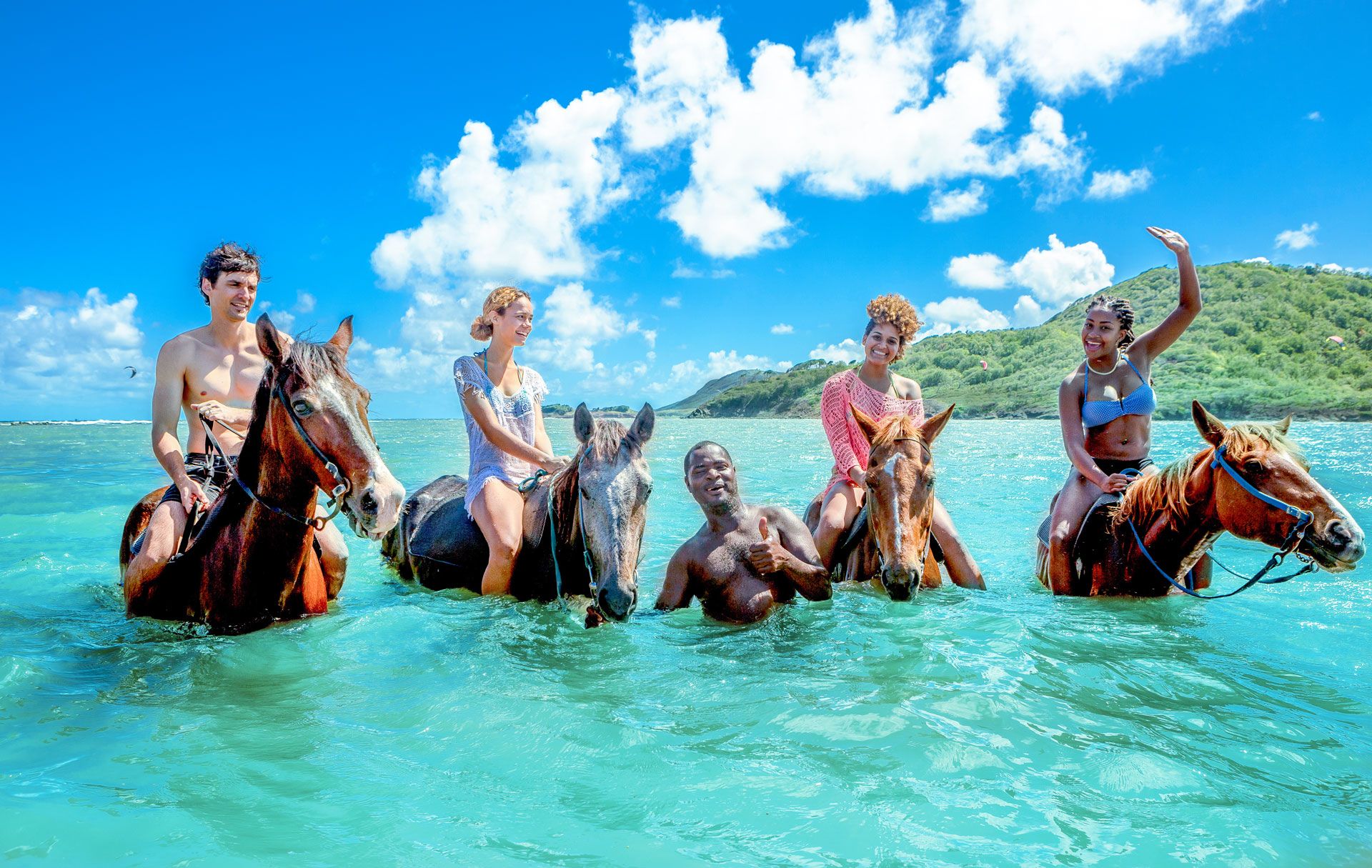
The marine life off the coast of St Lucia is as compelling as the wildlife on land. Ocean safaris launch from nearby beaches, offering the chance to encounter humpback whales, dolphins, and whale sharks in their natural habitat. The nutrient-rich waters of the Indian Ocean support vast marine biodiversity, making boat-based excursions thrilling and rewarding.

For the more adventurous, scuba diving and deep-sea fishing are also on offer, revealing underwater worlds as teeming and vivid as the terrestrial ones. It is this seamless access to land and ocean experiences that makes St Lucia a complete destination—one that never asks you to choose between wilderness and water.

Experiencing the Pulse of Zululand

Just beyond St Lucia lies the cultural heartland of Zululand, where traditions are proudly upheld and history is deeply rooted. Cultural tours allow guests to visit authentic Zulu homesteads, witness tribal dances, and learn about ancestral rituals and modern adaptations. These encounters, led by local guides, create powerful bridges of understanding and connection.

The Zulu people are known not only for their strength and heritage but also for their hospitality. Visitors come away not only with knowledge but with emotional resonance, having been welcomed into a world that still honors the spiritual and communal pillars of African identity.

Experience St Lucia with WildHorn Africa

St Lucia is not a destination to simply tick off a list—it is a place to feel, breathe, and absorb. It offers a rare combination of adventure, tranquility, biodiversity, and culture in one compact and enchanting region. From the roar of hippos to the whisper of turtle tracks in the sand, from dune-clad forests to ocean swells, St Lucia invites the traveler into nature’s rhythm.

To uncover the magic of this destination in the deepest and most meaningful way, it is essential to travel with insight, respect, and purpose. WildHorn Africa, known for curating immersive, tailor-made African journeys, offers expertly guided tours and safaris that unveil St Lucia’s secrets with authenticity and care.

Whether your heart beats for wildlife, waves, wetlands, or human connection, let WildHorn Africa design your journey to St Lucia—where the wild welcomes you home.
Top 10 Best Things To Do in Namibia

Top 10 Best Things To Do in Namibia

By Namibia travel guides, Travel guides, Travel stories and blogs

Top 10 Best Things To Do in Namibia

Where the Sand Whispers and the Sky Stretches Forever

In the heart of southern Africa lies a land shaped by time, carved by wind, and illuminated by stars so clear they seem painted by hand. Namibia, a country unlike any other, stirs the soul with its vast, otherworldly landscapes and quiet, dramatic beauty. Here, space is not just geographical—it is emotional. It is a place where travelers rediscover silence, stand in awe of nature’s scale, and feel small in the best possible way.

While Namibia is often described by its deserts and dunes, it offers far more than sand and stillness. It is a destination where raw adventure and refined beauty coexist, where wildlife roams freely across endless plains, and where ancient cultures continue to shape the rhythm of daily life. Those who venture into Namibia are not simply visiting a country—they are stepping into an elemental world, one where the boundaries between earth, sky, and self blur into something unforgettable.

To understand Namibia is to experience its diversity firsthand. From salt pans glowing under the midday sun to shipwrecks lost in coastal mists, from red sand dunes that shift like living creatures to stargazing under skies untouched by city light—Namibia reveals itself in layers, each more mesmerizing than the last. The journey that follows will uncover the ten most compelling and awe-inspiring things to do in this wild and wonderful land.

Witnessing the Surreal Beauty of Sossusvlei

Among Namibia’s most iconic sights, the towering red dunes of Sossusvlei in the Namib-Naukluft National Park are a testament to nature’s artistic flair. Rising more than 300 meters high, these sculpted giants shift with the wind and light, creating a dramatic and ever-changing canvas. At dawn, when the sun’s first rays strike the dune crests, the landscape ignites in hues of burnt orange, deep crimson, and gold, captivating photographers and dreamers alike.

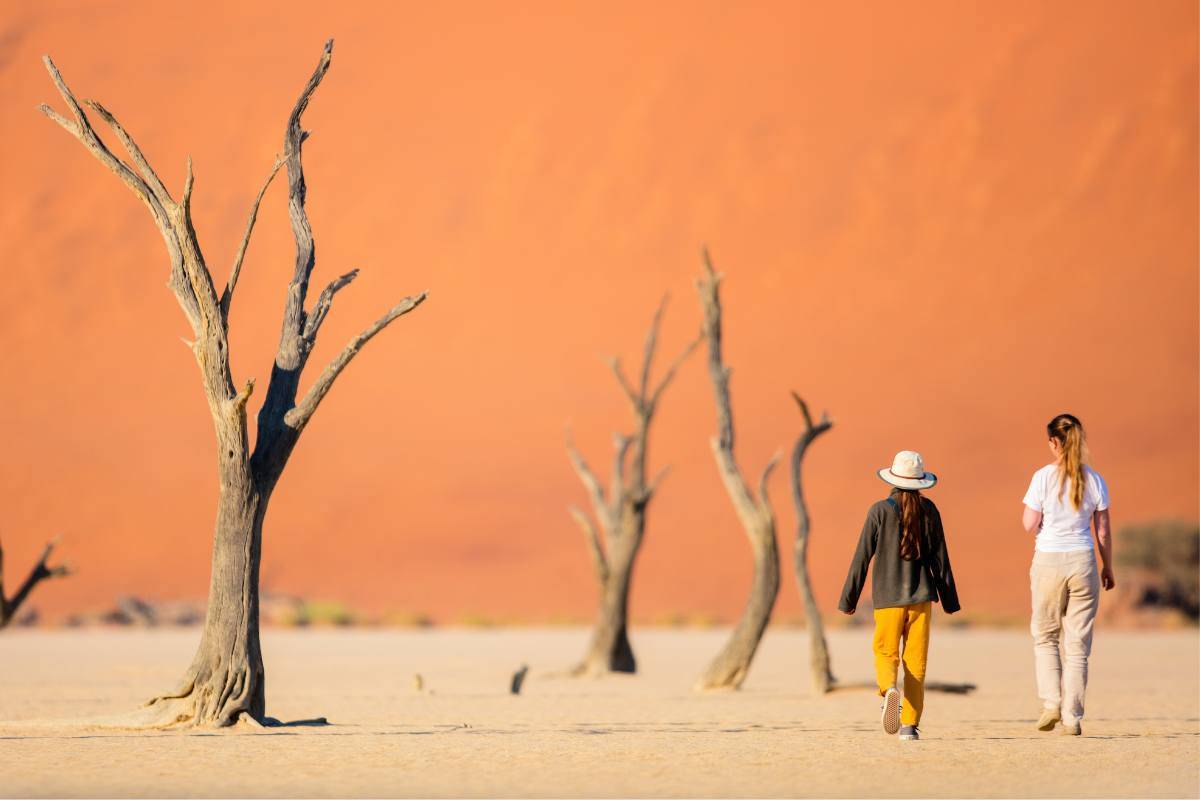
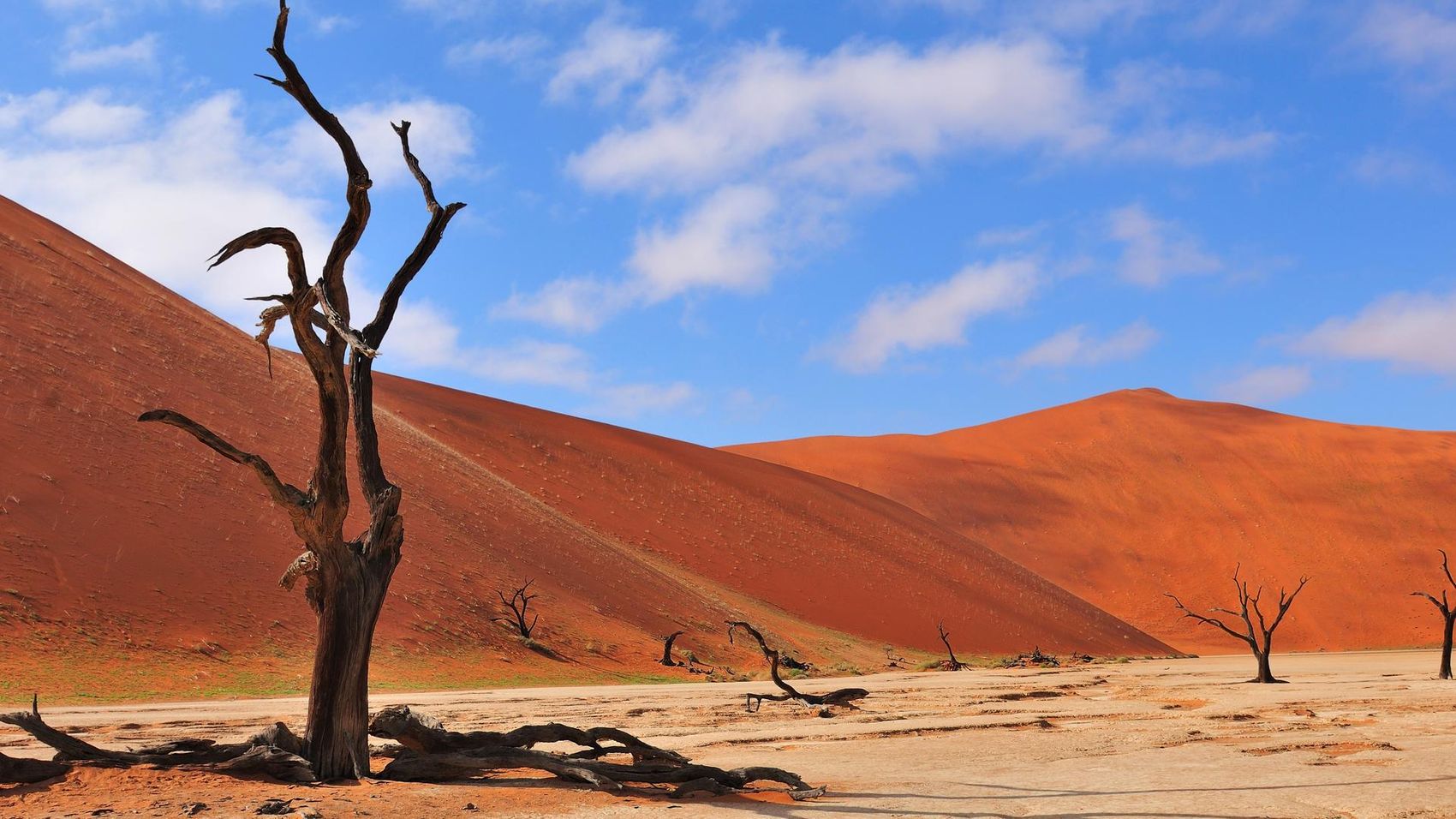
Reaching Sossusvlei often involves a drive across ancient salt pans and camelthorn-strewn plains. The most famous dune, Dune 45, invites climbers to ascend its sharp ridge and absorb panoramic views that seem to stretch into eternity. Nearby, the eerie landscape of Deadvlei, with its sun-blackened tree skeletons frozen in time against white clay and red dunes, offers a haunting visual spectacle that feels like stepping onto another planet.

Exploring the Wildlife Haven of Etosha National Park

Etosha, which means “Great White Place,” is one of Africa’s most remarkable national parks—not just for its immense salt pan that dominates the center, but for the way wildlife congregates dramatically around its natural and manmade waterholes. In this arid terrain, the scarcity of water creates a theater of survival, drawing lions, elephants, rhinos, giraffes, and antelope into striking proximity.

Game drives in Etosha offer exceptional chances to witness predator-prey dynamics and the intimate behaviors of animals surviving in harsh conditions. During the dry season, the park becomes a living documentary, with entire herds descending on the few water sources in scenes of tension, vitality, and raw beauty. Unlike other parks where dense vegetation obscures sightings, Etosha’s openness offers unmatched clarity and scale.

Uncovering the Mysteries of the Skeleton Coast

Stretching along the Atlantic Ocean, the Skeleton Coast earns its name from the bleached whale bones and rusted shipwrecks that litter its shores. This remote region, once feared by sailors as a graveyard of lost vessels, is now revered for its stark beauty and haunting solitude. The fog-drenched coastline, whipped by cold sea winds and framed by shifting dunes, offers a surreal, cinematic experience that few places on Earth can match.

Access to the Skeleton Coast often requires small aircraft flights or guided 4×4 expeditions, adding a sense of exclusivity and adventure. Along the way, visitors encounter seal colonies, desert-adapted elephants, and the surreal sight of abandoned diamond mining camps slowly reclaimed by sand. This is Namibia at its most elemental—where decay, beauty, and silence converge.

Discovering the Cultural Legacy of the Himba People

In the remote northwestern region of Kaokoland, the Himba people continue to live in accordance with ancestral traditions, largely untouched by modern influence. Recognized by their distinctive ochre-stained skin, elaborate hairstyles, and handmade jewelry, the Himba offer a window into a culture defined by resilience, pride, and harmony with nature.

Visiting a Himba village, when done respectfully and with the guidance of experienced local interpreters, becomes a profound cultural exchange. Guests are introduced to their homes, rituals, beliefs, and social structures. The experience is not one of spectacle, but of insight—an opportunity to better understand Namibia’s human heritage, not only its landscapes.

Experiencing Adventure in Swakopmund

Where the desert meets the sea, the coastal town of Swakopmund offers a playful counterbalance to Namibia’s wild interior. German colonial architecture lines palm-shaded streets, while the cool Atlantic breeze creates a refreshing climate ideal for both relaxation and adventure.

This lively town has become Namibia’s unofficial adventure capital, offering activities that include sandboarding down towering dunes, quad biking across desert expanses, skydiving over the coast, and kayaking with seals. At the same time, art galleries, seaside cafes, and seafood restaurants invite slower explorations of its unique cultural blend. Swakopmund is where the traveler’s journey pauses briefly to savor contrast, comfort, and community.

Admiring the Petroglyphs of Twyfelfontein

Among Namibia’s many UNESCO World Heritage Sites, Twyfelfontein stands as a monument to human creativity etched in stone. Thousands of years ago, the San people carved a gallery of rock engravings into the red sandstone of this desert valley. Today, these ancient petroglyphs serve not only as archaeological treasures but as enduring testaments to early storytelling and spiritual expression.

Walking among these engravings, one sees giraffes, elephants, lions, and abstract symbols—each telling stories of migration, ritual, and belief. The silence that surrounds them adds gravity to their presence. This is not just an attraction; it is a reverent experience of time suspended, where travelers walk in the footprints of Namibia’s first artists.

Climbing the Peaks of Spitzkoppe

Known as the “Matterhorn of Namibia,” the granite peaks of Spitzkoppe rise dramatically from the flat desert floor, creating a silhouette that seems carved by giants. This geological marvel, formed over 700 million years ago, offers not only visual drama but also exceptional opportunities for rock climbing, photography, and stargazing.

As the sun sets, the rocks glow with an ethereal orange, casting long shadows and revealing ancient San rock paintings hidden within natural arches. By night, the remoteness of Spitzkoppe reveals a cosmic canopy of stars, untouched by artificial light, making it one of Namibia’s finest places for celestial contemplation.

Gliding Over the Namib in a Hot Air Balloon

For those who wish to experience Namibia’s desert from a new perspective, a hot air balloon safari over the Namib Desert delivers moments of sheer magic. At sunrise, as the balloon gently ascends, the endless waves of sand dunes stretch to the horizon, painted gold by morning light.

The silence of flight, interrupted only by the occasional hiss of the burner, offers a meditative experience unlike any other. From this height, the patterns of wind, shadow, and animal tracks become visible as artworks upon the sand. Upon landing, a champagne breakfast in the desert completes what is often described as the most memorable morning of any Namibian adventure.

Encountering Desert-Adapted Wildlife in Damaraland

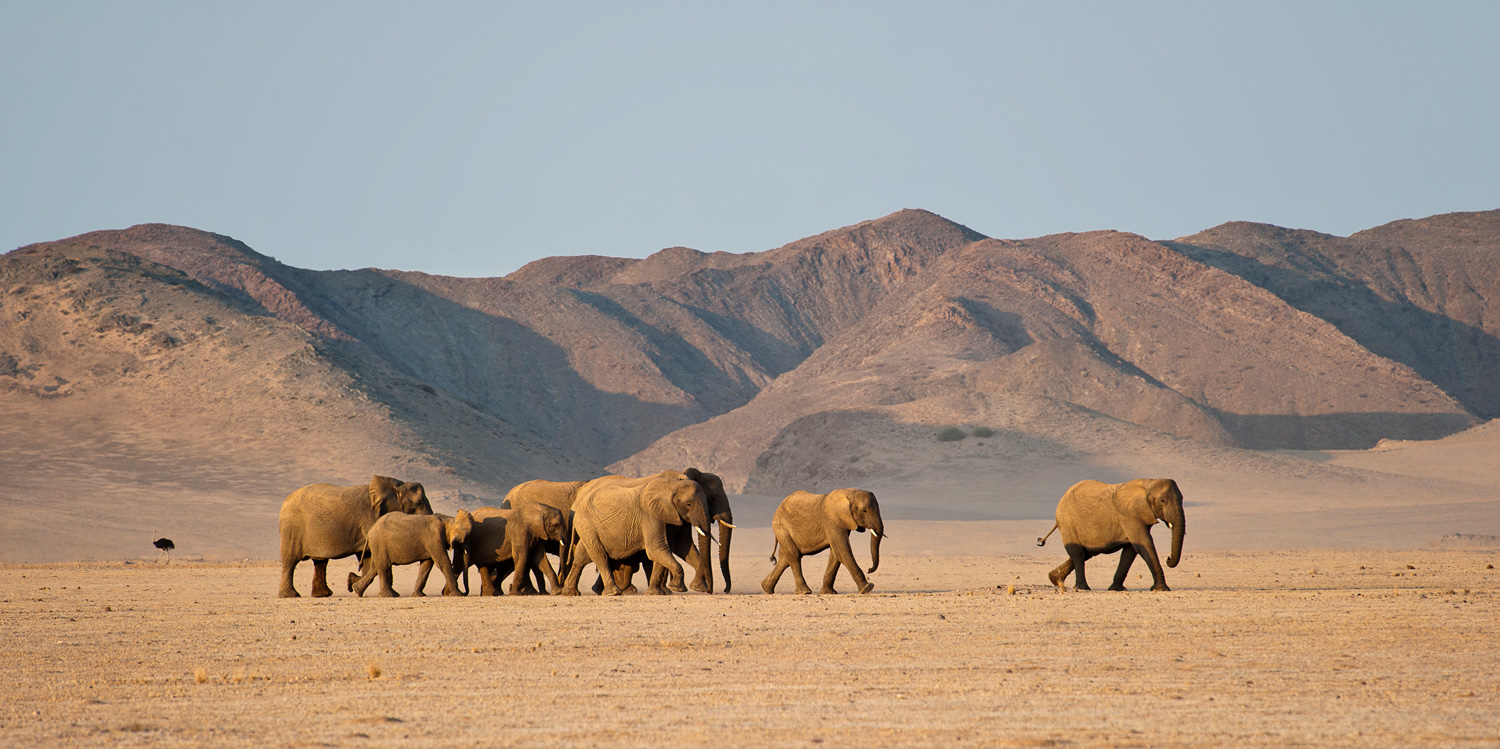
In one of Namibia’s most rugged and remote regions, Damaraland, survival itself is a marvel. Here, wildlife has adapted to extreme conditions with grace and tenacity. Desert-adapted elephants, lions, rhinos, and antelope roam freely across the dry riverbeds and rocky valleys, their movements dictated by ancient instincts and scarce resources.

Tracking these animals, often with expert guides from local conservancies, offers an intimate, low-impact safari experience. The lack of fences and the vastness of the landscape make every sighting feel like a privilege. More than just game viewing, this is an education in coexistence, resilience, and the quiet dignity of nature.

Discover Namibia with WildHorn Africa

The true beauty of Namibia is not only found in its dunes, wildlife, or culture—it is revealed in how those elements come together in a journey that feels both grounding and transformative. To experience this magical country in all its complexity and serenity requires more than a map. It requires vision, planning, and a deep understanding of the land’s spirit.

WildHorn Africa, with its commitment to creating authentic, immersive, and personalized African journeys, stands as the perfect partner in crafting your Namibian adventure. From tailor-made safaris through Etosha to exclusive desert escapes in Sossusvlei, every itinerary is designed to capture the essence of Namibia while honoring your pace, preferences, and dreams.

Book your Namibian experience today with WildHorn Africa—and allow the desert to speak to you, the stars to guide you, and the wild to leave its mark upon your heart.

10 Interesting Namib Desert Facts

10 Interesting Namib Desert Facts

By Namibia travel guides, Travel guides, Travel stories and blogs

10 Interesting Namib Desert Facts

In the southwestern corner of Africa, where the land melts into an endless horizon of ochre and gold, lies a desert unlike any other. The Namib Desert, with its towering red dunes, fossilized trees, and wind-sculpted valleys, evokes awe not just for its beauty, but for its profound mystery. Though seemingly barren at first glance, the Namib breathes with hidden life and ancient rhythms. It is a place where time seems paused, where the earth tells stories that began millions of years ago, and where survival dances on the edge of impossibility.

Far from being a lifeless wasteland, the Namib is a living monument to resilience and adaptation, shaped by forces both fierce and subtle. Beneath its vast skies and sun-scorched sands, lie astonishing ecological marvels and geological wonders. The desert’s landscapes captivate scientists, adventurers, and dreamers alike, offering a glimpse into the raw majesty of nature untouched.

To explore the Namib Desert is to step into a realm of paradoxes: a place both ancient and ever-changing, lifeless in appearance yet rich in biological ingenuity. The following compilation reveals ten fascinating facts about the Namib Desert, not just as isolated curiosities, but as interconnected elements of a land that continues to surprise and inspire those who journey across its timeless dunes.

The Namib: The Oldest Desert on Earth

The Namib holds the extraordinary distinction of being the oldest desert on the planet. Scientific estimates suggest that arid conditions have persisted here for at least 55 to 80 million years, making it far older than the Sahara or the Gobi. While other deserts have come and gone through climatic shifts and glacial cycles, the Namib has remained a constant dry zone, shaped by the cold Benguela Current and the presence of the Atlantic Ocean.

This immense age has allowed for the evolution of unique flora and fauna not found anywhere else on Earth. The Namib’s longevity is not only a geological marvel but also a living laboratory, offering insights into how ecosystems adapt over millennia to extreme conditions.

Home to the World’s Tallest Sand Dunes

Within the heart of the Namib, particularly in the iconic region of Sossusvlei, rise some of the highest sand dunes on the planet. These red giants, including the famous Big Daddy and Dune 7, soar to heights of over 300 meters (nearly 1,000 feet). Sculpted by relentless winds and shifting currents, these dunes are in a constant state of transformation, despite their apparent permanence.

The rich red-orange color of the dunes is due to the oxidation of iron within the sand, acting like rust over time. This vibrant pigmentation, paired with the stark contrasts of the blue sky and white salt pans, creates a dreamlike visual spectacle that draws photographers and travelers from around the world.

A Fog-Driven Ecosystem

Despite receiving less than 10 millimeters of rainfall annually in some areas, the Namib supports life thanks to a surprising ally—fog. Driven inland by the cool Benguela Current off the Atlantic coast, thick fog banks drift over the desert in the early morning, providing precious moisture to plants, insects, and animals.

Many species, including the fog-basking beetle, have adapted ingenious ways to harvest moisture directly from the air. By tilting their bodies into the fog-laden wind, they collect water droplets that run down into their mouths. This ethereal fog is not merely atmospheric—it is a lifeline, sustaining life in a place where rain rarely falls.

An Ecosystem Rich in Endemic Species

The Namib Desert is one of the most biologically unique deserts on the planet, home to over 200 endemic species that exist nowhere else. This includes the legendary Welwitschia mirabilis, a plant often referred to as a “living fossil,” known for its bizarre appearance and ability to live for over 1,000 years.

Other endemic species include the Namib Desert gecko, the cartwheeling spider, and the golden mole, each adapted to survive extreme temperatures, minimal water, and harsh terrain. These organisms are not only scientifically significant—they are symbols of evolutionary brilliance, showcasing nature’s endless ingenuity.

A Desert Born from the Sea

Unlike many deserts shaped by continental forces, the Namib’s existence is intricately linked to the cold Atlantic Ocean. The Benguela Current cools the air, limiting rainfall inland and creating the hyper-arid conditions that define the region. Coastal deserts like the Namib are extremely rare and are shaped by oceanic influences that regulate temperature and wind patterns in profound ways.

The presence of fog, the wind-carved sand formations, and the unique dune ecosystems are all products of this oceanic interaction. In many ways, the Namib can be seen as a desert sculpted by the sea, a meeting point of elemental extremes.

A Desert of Skeletons and Shipwrecks

The Namib’s coastline is known as the Skeleton Coast, a name evoking both dread and fascination. This desolate stretch of land has claimed countless ships over centuries, their rusting skeletons still visible along the shore, buried in shifting sands. The combination of thick fog, rough seas, and uncharted shallows has turned this coastline into a maritime graveyard.

The eerie beauty of these wrecks, combined with whale bones, sun-bleached skulls, and abandoned settlements, paints a haunting picture of isolation and impermanence. Yet, it also draws the curious and the brave, offering raw, untamed wilderness for those seeking solitude and silence on the edge of the earth.

Namib’s Hidden Rivers and Subterranean Life

Although the Namib appears dry on the surface, seasonal rivers such as the Kuiseb and Tsauchab occasionally flow after rare rains, carving deep canyons and supporting brief explosions of life. Below the surface, ancient aquifers and underground streams sustain vegetation like the camelthorn tree, whose roots can reach more than 60 meters deep.

Some areas bloom spectacularly after rainfall, revealing ephemeral wildflowers and temporary grasslands that feed insects and antelope. These fleeting transformations are short-lived but dramatic, turning the barren into the beautiful with almost magical speed.

A Dark Sky Haven for Stargazing

Due to its remoteness, lack of light pollution, and crystal-clear air, the Namib Desert offers one of the best stargazing experiences on Earth. The NamibRand Nature Reserve, in particular, has been designated as a Gold Tier International Dark Sky Reserve, recognizing its unparalleled night skies.

Under the canopy of the Milky Way, travelers can witness celestial events, shooting stars, and constellations with breathtaking clarity. The silence of the desert enhances the experience, transforming each night into a cosmic symphony of silence and starlight.

Cultural Roots in an Ancient Land

The Namib is not only a wilderness of natural phenomena—it is also a cultural landscape, once home to indigenous groups like the San people, whose rock engravings and stone tools are still found in caves and on remote plateaus. These early inhabitants adapted to desert life with profound knowledge of plants, animal behavior, and weather patterns.

Even today, the Topnaar people, a Nama-speaking community, continue to live along the Kuiseb River, harvesting desert melons and practicing traditional desert survival techniques. The Namib’s cultural legacy reminds modern visitors that this land has been known, traversed, and honored for thousands of years.

A Destination of Rare Beauty and Global Significance

The Namib Desert has not only captured the imagination of explorers, filmmakers, and conservationists—it has earned recognition as a UNESCO World Heritage Site, due to its unique geological features and ecological significance. Its landscapes have served as the backdrop for iconic films, scientific research, and conservation studies that stretch across disciplines.

Its role in climate research, desert ecology, and sustainable tourism continues to expand. And yet, despite its fame, the Namib retains its quiet mystery. It never shouts, never boasts—it simply exists, vast and unyielding, inviting those who venture into its domain to listen, learn, and be humbled.

Experience the Magic of the Namib with WildHorn Africa

The Namib Desert is more than a destination; it is a testament to the enduring power of nature, a canvas of extremes that reveals itself slowly to those with the curiosity and reverence to explore. From climbing the blood-red dunes of Sossusvlei to tracing the ghostly shipwrecks of the Skeleton Coast, each journey into this desert promises moments of silence, beauty, and revelation.

For those ready to walk among ancient sands, witness rare wildlife, and discover the secrets of Earth’s oldest desert, WildHorn Africa stands ready to guide you. With bespoke safari itineraries, expert guides, and a passion for conservation, WildHorn Africa crafts immersive experiences that honor both the land and the life it supports.

Book your Namib Desert adventure today with WildHorn Africa—and discover a world where the desert speaks in whispers, and the past still lingers on the wind.

Top 10 Destinations in Southern Africa

Top 10 Destinations in Southern Africa

By South Africa travel guides, Travel guides, Travel stories and blogs

Top 10 Destinations in Southern Africa

In a world brimming with postcard-perfect places, Southern Africa stands apart. It is not merely seen—it is felt. This is a region where deserts sing, rivers thunder, wildlife roams freely, and cultures pulse with ancient rhythm and warmth. It’s a land where every horizon promises discovery, and every journey plunges deep into the extraordinary.

Southern Africa is more than a compass point; it is a living mosaic of contrasts. Here, one can transition from the arid otherworldliness of Namibia’s dunes to the lush wetlands of Botswana’s Okavango Delta, from the cosmopolitan energy of Cape Town to the remote sanctuaries of Zimbabwe’s national parks. The region’s raw beauty and ecological diversity are matched only by the stories etched into its landscapes—stories of survival, transformation, and cultural richness.

In this feature, ten of the most spectacular and soul-stirring destinations in Southern Africa are explored in depth. Each one is celebrated not for its popularity, but for its ability to move, challenge, and inspire those who venture there. From wilderness to cityscape, from coastline to canyon, these destinations represent the best of Southern Africa, and reveal why this part of the world continues to draw intrepid travelers year after year.

Cape Town, South Africa – A City Between Oceans and Mountains

Cape Town has long been revered as one of the most stunning cities on Earth, and rightly so. Cradled between the Atlantic Ocean and the towering Table Mountain, this cosmopolitan hub blends natural beauty with cultural vibrance in ways few cities can match. It is a place where colonial architecture meets vibrant townships, where world-class vineyards lie minutes from urban life, and where penguins waddle across pristine beaches.

From the panoramic views atop Table Mountain, accessible via a cable car or a vigorous hike, to the rolling vineyards of Stellenbosch and the dramatic coastline of Cape Point, the city offers a tapestry of experiences. Its culinary scene is bold and eclectic, its history deeply layered, and its scenery impossible to forget.

Okavango Delta, Botswana – Africa’s Pulsing Wetland Wilderness

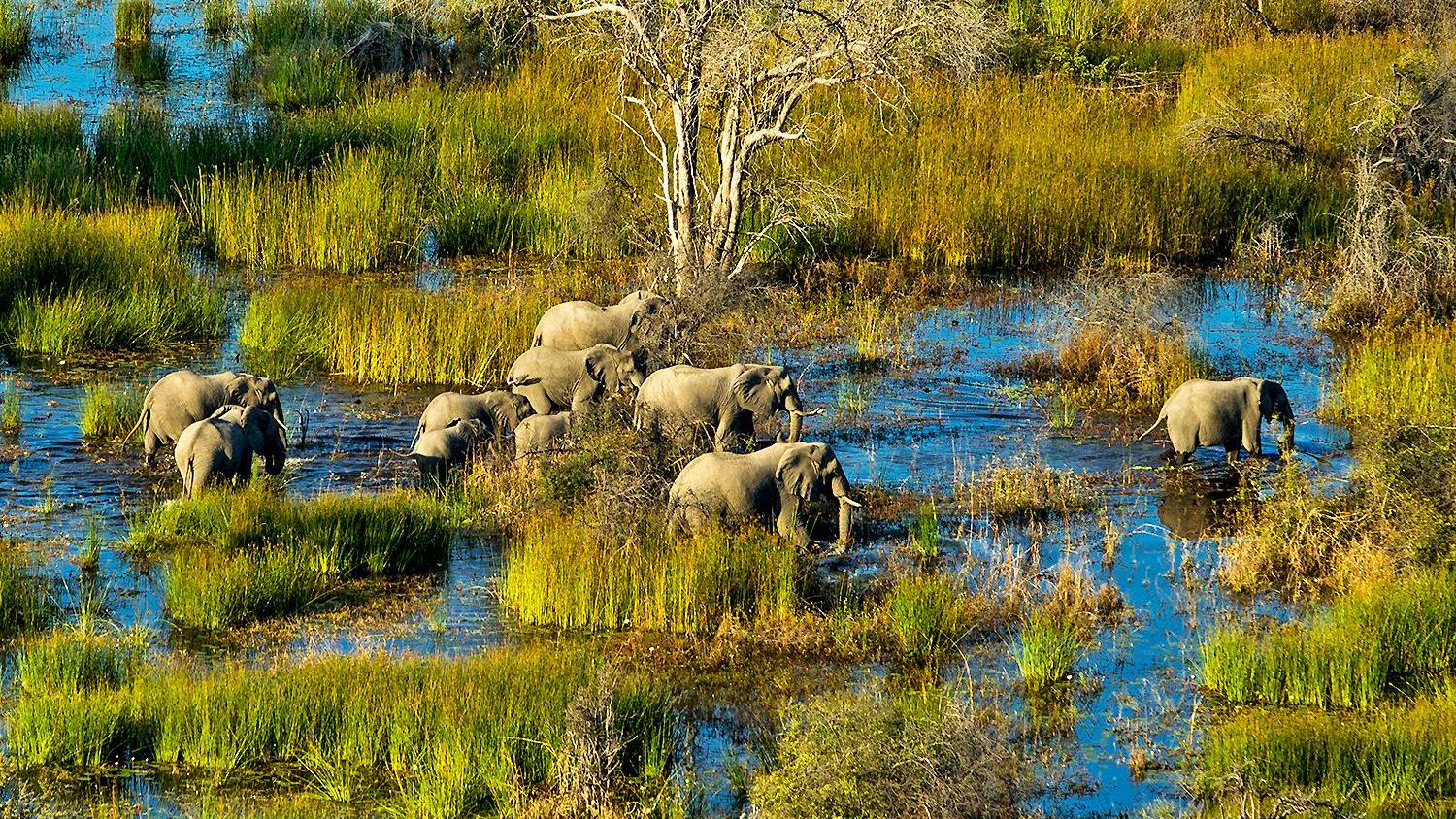
In the northwestern corner of Botswana lies a destination that defies the logic of deserts. The Okavango Delta, one of the world’s largest inland deltas, is a waterlogged paradise that breathes life into an otherwise arid region. Fed by rivers that flow not to the sea but into the sands of the Kalahari, the delta offers one of the most biodiverse and unspoiled safari experiences on the continent.

Game viewing here is immersive and surreal. Safaris are conducted in traditional mokoro canoes, gliding silently past elephants, hippos, and crocodiles. Birdlife is abundant, and predators roam freely. The seasonal floods shape the land and the rhythm of life itself. In the Okavango, visitors are not merely observing nature—they are surrounded by it, absorbed in its ever-shifting moods and melodies.

Victoria Falls, Zimbabwe/Zambia – The Smoke That Thunders

Few natural wonders leave such an indelible impact as Victoria Falls. Known locally as Mosi-oa-Tunya, the “Smoke That Thunders,” this massive curtain of falling water is one of the most dramatic and powerful sights on Earth. Shared by both Zimbabwe and Zambia, the falls are a sensory assault of spray, sound, and scale.

But the wonder extends far beyond the falls themselves. The surrounding region offers a wide array of adventures, from whitewater rafting and bungee jumping to river cruises and rainforest hikes. Wildlife-rich national parks lie nearby, and cultural heritage runs deep. Whether seen from the air during a helicopter ride or from the misty trails at its base, Victoria Falls commands a reverence that transcends photographs.

Namib Desert, Namibia – Timeless Sands of Fire and Silence

The Namib Desert, believed to be the oldest desert in the world, is a land sculpted by wind and time. Its hauntingly beautiful landscapes—vast red dunes, bleached clay pans, and fossilized trees—are both surreal and sublime. The desert’s soul is perhaps best experienced in Sossusvlei, where the world’s tallest dunes rise in waves of burning color under a boundless sky.

Despite its dryness, life thrives here through remarkable adaptations. From oryxes and geckos to fog-harvesting beetles, the Namib hosts a range of desert specialists. Under the cloak of night, its skies become a cathedral of stars, untouched by light pollution. The desert’s silence is not empty; it is profound, a reminder of nature’s quiet power and ancient patience.

Kruger National Park, South Africa – The Classic African Safari

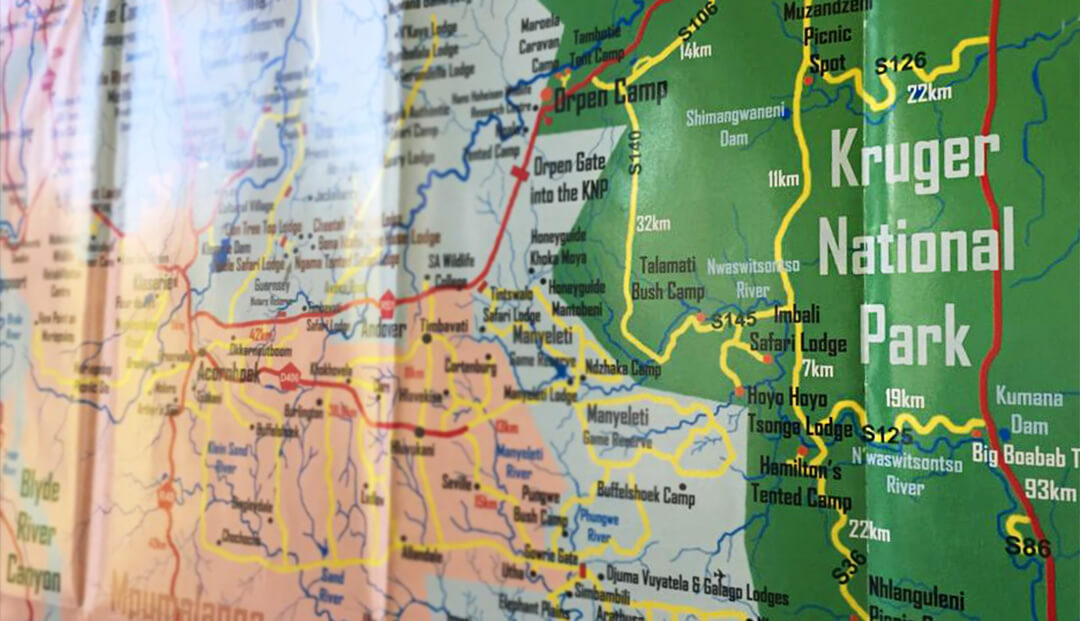
Few names resonate with safari lovers as much as Kruger National Park. Spanning nearly 20,000 square kilometers, it is one of the largest and most celebrated game reserves in Africa. Here, the Big Five—lion, leopard, elephant, rhino, and buffalo—roam in their natural element, alongside hundreds of other species.

Kruger’s appeal lies not just in the diversity of its wildlife, but in the variety of experiences it offers. From self-drive safaris and luxury lodges to walking trails and conservation tours, every visitor can find their ideal rhythm. This is a place where nature unfolds on a grand scale, and where every bend in the road could bring an unforgettable encounter.

Bazaruto Archipelago, Mozambique – Island Bliss in the Indian Ocean

Off the coast of Mozambique lies a string of islands where turquoise waters lap against untouched white sands, and coral reefs teem with life. The Bazaruto Archipelago is a sanctuary of marine biodiversity and a haven for those seeking peace, beauty, and aquatic exploration.

Snorkeling and diving here reveal kaleidoscopic reefs, manta rays, whale sharks, and even the elusive dugong. Traditional dhow sails glide across the water, and the only sounds are the whispering winds and gentle waves. This is Southern Africa’s best-kept coastal secret, where time slows and nature sings.

Hwange National Park, Zimbabwe – Giants of the Wilderness

Zimbabwe’s largest national park, Hwange, offers a safari experience rich in both scale and intimacy. Known for its immense elephant herds, some numbering in the hundreds, it provides a compelling alternative to more crowded reserves. The park’s varied ecosystems—from open savannah to dense woodlands—support a wide variety of predators, antelope, and birdlife.

Game viewing in Hwange feels personal. It’s not just about the animals seen, but the unfiltered wildness that surrounds every moment. Campfires crackle under starlit skies, and the distant call of a lion may be the last sound heard before sleep. It is here that one feels truly immersed in Africa’s primal rhythm.

Chobe National Park, Botswana – Elephants and Endless Skies

In Botswana’s north, where the land kisses Namibia and Zimbabwe, lies Chobe National Park, home to one of the densest elephant populations on the planet. The Chobe River, flowing lazily through the landscape, becomes the stage for one of Africa’s most cinematic spectacles—herds of elephants bathing, playing, and crossing the water at sunset.

Boat safaris here are a revelation. From the gentle ripple of water beneath a vessel to the low trumpets of calves in the distance, every moment is rich with presence. Lions, buffalo, hippos, and crocodiles complete the cast. The skies, vast and ever-changing, provide the perfect canopy for this theatre of the wild.

Lesotho – The Mountain Kingdom of Southern Africa

Completely landlocked within South Africa, the kingdom of Lesotho offers something entirely different: high-altitude beauty and cultural depth. Its rugged peaks, clear rivers, and terraced valleys offer a sense of remoteness that is both rare and refreshing.

Traditional Basotho culture thrives here, from distinctive architecture to time-honored rituals. Whether exploring on horseback or hiking along mountain trails, visitors experience a connection to a timeless and fiercely independent culture. Lesotho is not just high in elevation—it is high in authenticity and untouched charm.

The Kalahari – A Desert That Teems with Life

Spanning parts of Botswana, Namibia, and South Africa, the Kalahari Desert is often misunderstood. It is not a sea of sand, but a semi-arid savannah where life pulses beneath the surface. The region’s red sands and golden grasses conceal a complex ecosystem, home to meerkats, cheetahs, and the remarkable San people, among the world’s oldest surviving cultures.

The Kalahari invites quiet discovery. Unlike the dramatic drama of other parks, its rewards come through patience, attentiveness, and deep connection. It is a place where silence reigns, where the wind carries ancient stories, and where the horizon stretches without end.

Begin Your Southern Africa Journey with WildHorn Africa

To experience the true depth, diversity, and soul of Southern Africa requires more than a map. It requires knowledgeable guidance, immersive planning, and a passion for authentic travel. This is where WildHorn Africa steps in—not merely as a tour operator, but as a partner in crafting journeys that transform.

Whether you’re dreaming of a luxury safari in the Okavango Delta, a walking tour through Kruger, or a star-studded escape in Namibia, WildHorn Africa delivers experiences rooted in expertise, sustainability, and wonder.

Book your Southern Africa adventure today with WildHorn Africa—and let the journey into one of the world’s most astonishing regions begin with meaning, majesty, and memory.

10 of the Safest Places To Visit in Africa in 2025 - 2026

10 of the Safest Places To Visit in Africa in 2025 – 2026

By Travel guides, Travel safety, Travel stories and blogs

10 of the Safest Places To Visit in Africa in 2025 – 2026

Explore the Continent Without Fear — Where Beauty and Security Coexist

Africa Awaits: Safe, Stunning, and More Inviting Than Ever (Safest Places To Visit in Africa)

There’s a common misconception that traveling to Africa is inherently risky—a narrative largely shaped by outdated headlines and exaggerated myths. But the truth is that Africa is not just safe to visit—it’s one of the most welcoming and awe-inspiring destinations in the world. With 54 countries spanning mountains, deserts, jungles, beaches, and savannahs, the continent offers a tapestry of cultures, languages, and natural wonders that can’t be matched anywhere else.

As the world moves into 2025, travel across Africa is more secure, accessible, and enjoyable than ever before. Many countries have significantly invested in their tourism infrastructure, enhancing both safety and sustainability. Whether you’re a solo traveler, a family with children, or an adventure seeker craving unique experiences, you can find safe and spectacular places in Africa that offer both peace of mind and heart-pounding adventure.

In this article, we reveal ten of the safest and most captivating destinations across the continent. Each place combines low crime rates, political stability, well-developed tourism systems, and remarkable natural or cultural attractions. And yes—Uganda, the Pearl of Africa, proudly takes its place among them.

Safest Places To Visit in Africa #Safest Places To Visit in Africa Safest Places To Visit in Africa

1. Rwanda – The Rising Star of African Safety and Sustainability

Once scarred by history, Rwanda has transformed itself into one of Africa’s safest and most organized nations. With its clean cities, strict anti-corruption policies, and strong community policing, Rwanda is a beacon of progress in Central Africa. Kigali, the capital, is praised for its cleanliness and order, offering vibrant culture, thoughtful memorials, and friendly locals.

Outside the city, Rwanda’s Volcanoes National Park offers life-changing gorilla trekking in a setting of volcanic peaks and dense forests. The country’s dedication to conservation and tourism safety is unmatched, making Rwanda a serene and secure destination for eco-conscious travelers.

2. Botswana – Peaceful Wilderness and Responsible Tourism

In the heart of Southern Africa lies Botswana, a country widely regarded as one of the most stable and secure nations on the continent. It boasts a long-standing democracy, low crime rates, and exceptional conservation efforts, particularly in areas like the Okavango Delta and Chobe National Park.

Botswana limits mass tourism in favor of high-quality, low-impact travel. This ensures not only a more exclusive safari experience but also safer conditions for visitors. Whether you’re exploring the salt pans of Makgadikgadi or gliding silently through the Delta’s channels, you’ll find both tranquility and security in every moment.

3. Mauritius – Island Safety with a Touch of Paradise

Set in the turquoise waters of the Indian Ocean, Mauritius is more than a postcard-perfect island—it’s one of the safest and most harmonious places to visit in Africa. With a diverse population, efficient transport systems, and an extremely low crime rate, Mauritius is perfect for families, honeymooners, and solo travelers alike.

The island offers a blend of cultures, tropical beaches, lush interiors, and warm hospitality. Whether you’re snorkeling off coral reefs, hiking in Black River Gorges, or exploring bustling markets in Port Louis, Mauritius provides peace of mind with every wave and breeze.

4. Namibia – Vast Landscapes and Quiet Confidence

For travelers seeking space, solitude, and silence, few destinations rival Namibia. This Southwestern African country is famous for its striking deserts, coastal dunes, and unique wildlife, but it’s also known for being one of Africa’s most politically stable and safest nations.

The capital, Windhoek, and other towns like Swakopmund are orderly and tourist-friendly. Crime is minimal, and the roads are among the best maintained in Africa. From the eerie beauty of Deadvlei to the wild terrain of Etosha National Park, Namibia invites you to explore nature’s grandeur without worry.

5. Ghana – West Africa’s Gateway of Peace and Culture

Ghana is a shining star in West Africa, known not only for its rich cultural heritage and coastal castles but also for its peaceful political climate and welcoming society. With a long tradition of democratic governance and active civil society, Ghana has become a model for stability in the region.

Accra, the lively capital, pulses with music, art, and cuisine, while Cape Coast tells stories of Africa’s history and resilience. Inland, national parks like Mole offer safari opportunities without crowds. Ghana’s warmth isn’t just in the climate—it’s in the smiles of its people and the ease of moving through a country that feels like home.10 of the Safest Places To Visit in Africa in 2025 - 2026

6. Uganda – The Pearl of Africa Shining Brighter Than Ever

Winston Churchill once called Uganda the Pearl of Africa, and today it continues to live up to that name. With its incredible biodiversity, verdant landscapes, and friendly locals, Uganda is also one of the safest and most welcoming destinations in East Africa.

Tourism in Uganda is tightly regulated, especially in national parks where gorilla and chimpanzee trekking are among the most sought-after experiences in the world. Security is high in areas like Bwindi Impenetrable Forest, Queen Elizabeth National Park, and Murchison Falls, where tourists can safely enjoy breathtaking wildlife and natural spectacles.

Kampala, the capital, is a buzzing metropolis with growing infrastructure and a dynamic cultural scene. With its mix of adventure, culture, and genuine hospitality, Uganda provides a travel experience that is both enriching and secure.

7. Morocco – Gateway to Africa with a Safe, Exotic Flair

Positioned in North Africa, Morocco has long been a favorite among global travelers for its exotic cities, dramatic mountains, and sweeping deserts. It is also widely recognized as one of Africa’s safest travel destinations, thanks to well-developed tourism infrastructure and effective policing in key areas.

Wander through the labyrinthine souks of Marrakesh, ride camels across the Sahara, or surf along the Atlantic coast—all in the knowledge that Morocco takes the safety of its guests seriously. The country also ranks high in global travel advisories, with low levels of violent crime and a strong emphasis on tourism security.

8. Seychelles – Serenity in the Indian Ocean (Safest Places To Visit in Africa)

A tropical haven of 115 islands, Seychelles is known for its idyllic beaches, coral reefs, and peaceful ambiance. As a politically stable and economically prosperous island nation, it offers travelers a worry-free environment where natural beauty reigns supreme.

Mahé, Praslin, and La Digue islands are the most popular, with eco-luxury resorts and pristine marine parks attracting visitors from around the globe. Crime is virtually nonexistent, and the country’s small population contributes to its peaceful and safe atmosphere. In Seychelles, the only thing you need to worry about is which beach to explore next.

9. Tanzania – Safe Safari Paradise with a Cultural Soul

Home to the Serengeti, Mount Kilimanjaro, and Zanzibar, Tanzania is one of Africa’s most iconic safari destinations. It also enjoys a strong reputation for traveler safety, with stable governance and effective tourism regulation, especially in national parks and coastal resorts.

From the annual wildebeest migration to the spice-scented streets of Stone Town, Tanzania offers a diversity of experiences in a secure environment. Locals are famously warm and respectful, and tourism professionals take pride in providing a smooth and safe journey. For those seeking both thrill and peace of mind, Tanzania offers the best of both worlds.

10. Zambia – Remote Luxury with a Peaceful Core

Zambia may not be the first name that comes to mind when planning a trip to Africa, but it is increasingly recognized as a hidden gem of peace and beauty. With stable politics, low crime rates in tourist zones, and one of the warmest populations on the continent, Zambia is a joy to explore.

The country’s crown jewel is the Lower Zambezi and South Luangwa National Parks, where intimate lodges and authentic safaris abound. Visitors can also witness the grandeur of Victoria Falls, known locally as Mosi-oa-Tunya, in a setting that is both thrilling and carefully managed for safety. In Zambia, adventure and tranquility flow together like the mighty Zambezi River.

Explore Africa Safely and Stylishly with WildHorn Africa

Africa in 2025 is not only a dream destination—it is a safe, vibrant, and life-affirming continent that welcomes the curious traveler with open arms. From the misty forests of Uganda to the golden deserts of Namibia and the sparkling shores of Mauritius, each destination offers more than beauty. It offers confidence, comfort, and security.

At WildHorn Africa, we understand that your travel experience is not just about where you go—it’s how you get there, who guides you, and how protected and pampered you feel every step of the way. Our tailor-made safaris, cultural experiences, and coastal escapes are built on years of expertise and local partnerships, ensuring you travel not only safely but meaningfully.

Whether you dream of walking with gorillas, lounging on a hidden island beach, or riding across sunlit plains, let WildHorn Africa design your journey—a journey that is safe, seamless, and spectacular.

Safest Places To Visit in Africa #Safest Places To Visit in Africa Safest Places To Visit in Africa

Top 12 Best Places To See Rhinos on Safari in Africa

Top 12 Best Places To See Rhinos on Safari in Africa

By Travel guides, Travel stories and blogs

Top 12 Best Places To See Rhinos on Safari in Africa

Few creatures stir the soul and command respect like the African rhinoceros. With prehistoric features, powerful frames, and a quiet grace, these ancient mammals symbolize both the strength and fragility of the continent’s wildlife. Today, encountering rhinos in the wild has become one of the most rare and coveted experiences in African safaris—not just because of their grandeur, but because of their tragic decline. Poaching, habitat loss, and human conflict have pushed these animals to the brink, making each sighting deeply poignant and unforgettable.

In this sacred pursuit of seeing rhinos roam free, Africa’s wilderness still offers havens where both black and white rhinos are protected, thriving, and accessible to those willing to journey into the heart of conservation. While their numbers may have diminished, the efforts to safeguard these majestic giants are stronger than ever, and in specific corners of the continent, visitors can still encounter rhinos in their natural habitat under the watchful care of dedicated guardians.

This in-depth guide explores the top 12 best places to see rhinos on safari in Africa—locations where the ancient rhythm of survival continues, and where travelers become witnesses to a living legacy that is as powerful as it is endangered.

1. Hluhluwe–iMfolozi Park, South Africa – The Birthplace of Rhino Conservation

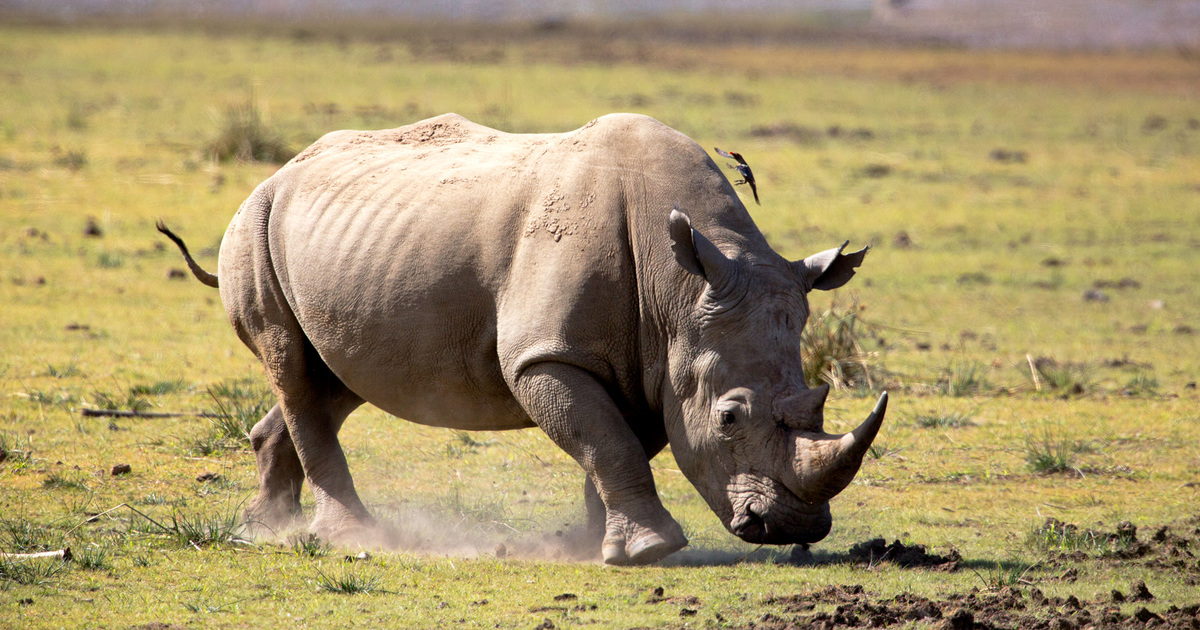
No conversation about rhino safaris begins without acknowledging Hluhluwe–iMfolozi Park, located in South Africa’s KwaZulu-Natal province. Revered as the oldest proclaimed game reserve in Africa, this landscape played a vital role in rescuing the southern white rhino from extinction during the 20th century. Today, the park remains a stronghold for both white and black rhinos, offering a rewarding safari experience amidst its rolling hills and acacia-dotted savannahs.

Visitors to Hluhluwe–iMfolozi are often rewarded with regular rhino sightings, thanks to the park’s high population density and dedicated anti-poaching units. The landscape’s unique blend of river valleys and open plains enhances visibility, making it one of the most accessible places to spot rhinos in the wild.

2. Ol Pejeta Conservancy, Kenya – East Africa’s Leading Rhino Sanctuary

In the shadow of Mount Kenya lies Ol Pejeta Conservancy, a place where rhino conservation meets modern innovation. This 90,000-acre private conservancy is home to the largest population of black rhinos in East Africa and is globally recognized as the last sanctuary for the world’s two remaining northern white rhinos.

What sets Ol Pejeta apart is not just the density of rhinos, but the powerful story it tells. Armed with cutting-edge technology, canine units, and rigorous monitoring systems, the conservancy represents a modern conservation model, where safari tourism directly supports endangered species protection.

Visitors can engage in educational wildlife encounters, including visiting the rhino cemetery and learning about the challenges faced by the rangers. The presence of both white and black rhinos in such proximity offers a rare and deeply moving experience.

3. Etosha National Park, Namibia – A Desert Refuge for the White Rhino

In the arid wilderness of northern Namibia, Etosha National Park rises as a desert-adapted Eden where wildlife congregates around shimmering salt pans and life-giving waterholes. Among the elephants, lions, and giraffes, the southern white rhino quietly claims its place as one of the park’s signature species.

The unique geography of Etosha makes it ideal for self-drive safaris, where rhinos are frequently observed near waterholes—especially in the dry season. These dramatic scenes, often unfolding against a stark, sun-baked backdrop, create some of the most photogenic rhino encounters in Africa.

Etosha also protects a modest population of black rhinos, which are more elusive but equally iconic. The park’s commitment to conservation and its infrastructure make it a prime destination for rhino enthusiasts and photographers alike.

4. Ziwa Rhino Sanctuary, Uganda – Rhino Tracking on Foot

Nestled between Kampala and Murchison Falls National Park, Ziwa Rhino Sanctuary has become Uganda’s beacon of rhino hope. After years of local extinction, rhinos are being reintroduced here under a protected, well-managed initiative.

What makes Ziwa unique is the opportunity it offers for on-foot rhino tracking—a guided, immersive experience that allows visitors to walk within close range of white rhinos in the company of expert rangers. This intimate, low-impact encounter transforms the typical game drive into something deeply personal.

The sanctuary is also a key component of Uganda’s conservation story, acting as the first step in the broader goal of reintroducing rhinos into national parks across the country.

5. Lewa Wildlife Conservancy, Kenya – Luxury and Legacy

Renowned for its holistic conservation approach and high-end lodges, Lewa Wildlife Conservancy in northern Kenya is a UNESCO World Heritage Site and a celebrated stronghold for both black and white rhinos.

Surrounded by dramatic landscapes and ancient cultural heritage, Lewa offers exclusive safari experiences that blend wildlife viewing with conservation education. Its success story is one of collaboration between local communities, private enterprise, and conservationists—a triad that has brought rhinos back from the brink.

Here, sightings are frequent, and the setting is sublime. The chance to witness rhinos grazing on golden plains under Mount Kenya’s snowy crown is something few destinations can rival.

6. Kruger National Park and Its Private Reserves, South Africa – Africa’s Iconic Big Five Destination

Kruger National Park, one of Africa’s most famous safari destinations, continues to be a vital refuge for white and black rhinos, despite facing intense poaching pressures in recent years. The park, along with its adjoining private reserves like Sabi Sand, Timbavati, and Manyeleti, provides diverse opportunities to observe rhinos in the wild.

The private reserves in particular offer more intimate and guided experiences, often allowing off-road tracking and night drives, which increase chances of close-up sightings. The presence of skilled rangers and trackers ensures that every encounter is meaningful and responsibly managed.

7. Mkomazi National Park, Tanzania – A Rare Conservation Frontier

Though lesser known than the Serengeti or Ngorongoro Crater, Mkomazi National Park in northern Tanzania has quietly become a crucial site for black rhino conservation. With the establishment of a specialized rhino sanctuary within its borders, Mkomazi represents a new chapter in Tanzania’s effort to restore its rhino population.

Visitors can tour the sanctuary in guided vehicles and observe rhinos in a semi-wild setting, supported by robust fencing and round-the-clock monitoring. This controlled environment ensures safety for the rhinos while allowing for authentic encounters.

8. Phinda Private Game Reserve, South Africa – Where Conservation Meets Community

Situated in KwaZulu-Natal, Phinda Private Game Reserve has long been a pioneer in habitat restoration and wildlife reintroduction, including black and white rhinos. Managed by &Beyond, Phinda combines luxurious safari experiences with serious conservation science.

Its varied ecosystems—from coastal forest to mountain bushveld—support a high rhino density, and guests are often treated to extraordinary sightings with the guidance of expert rangers. Phinda also supports local communities through conservation-linked livelihoods, ensuring that protecting rhinos becomes everyone’s mission.

9. Matobo National Park, Zimbabwe – Sacred Hills and Stone Giants

Tucked among the granite kopjes of southern Zimbabwe lies Matobo National Park, where history, culture, and wildlife intersect. This UNESCO World Heritage Site is home to one of the highest concentrations of black and white rhinos in Zimbabwe.

The landscape here is surreal—rugged, spiritual, and dotted with ancient San rock art. Rhino tracking is conducted on foot, creating an adrenaline-fueled yet respectful proximity that few safari experiences can match.

10. Okavango Delta, Botswana – Waterways and Wilderness

Though not traditionally known for rhinos, the Okavango Delta has seen successful reintroduction efforts in select private concessions, where both black and white rhinos are now present. These areas, often managed by high-end lodges, allow guests to explore flooded channels and remote islands by mokoro (dugout canoe) and 4×4 vehicles.

The presence of rhinos in such an aquatic, lush ecosystem makes for unusual and striking contrasts—a white rhino grazing alongside elephants and hippos in a palm-fringed delta is an image of Africa at its wildest and most poetic.

11. Lake Nakuru National Park, Kenya – Flamingos and Rhinos in Harmony

Famed for its vibrant flocks of flamingos, Lake Nakuru is also one of Kenya’s premier locations for viewing both black and white rhinos. The park’s compact size and relatively open terrain increase the likelihood of sightings.

Nakuru serves as a critical rhino breeding ground, protected under vigilant park security. Combining birdlife with endangered mammals, the park offers a rewarding safari that balances beauty and biodiversity.

12. Meru National Park, Kenya – The Wild Return of the Rhinos

Once devastated by poaching, Meru National Park has staged a remarkable recovery and now boasts a thriving rhino sanctuary. This rugged, remote landscape—made famous by Joy Adamson’s Born Free—is again a place where rhinos roam free.

Its low visitor numbers ensure a secluded experience, and the landscape, rich with rivers and volcanic soil, creates a cinematic backdrop for rhino tracking. The park’s story is one of resilience and rebirth, mirroring the journey of the rhinos that now call it home.

Secure Your Place in the Legacy of Africa’s Rhinos with WildHorn Africa

To see a rhino in the wild is to witness a living relic of Earth’s ancient past—and to participate, however briefly, in the efforts to protect that legacy. These majestic creatures, once widespread, now depend on the few sanctuaries where they are fiercely guarded and lovingly preserved.

For travelers seeking to encounter rhinos in meaningful, responsible, and unforgettable ways, WildHorn Africa stands ready to craft bespoke safaris to the continent’s finest rhino habitats. With expert planning, conservation-driven itineraries, and access to exclusive reserves, WildHorn Africa ensures that your journey contributes to the protection of what matters most.

Book your African safari with WildHorn Africa today—and become part of the extraordinary story of rhino survival.

Why Visit South Africa in the Winter Season (May to September)

Why Visit South Africa in the Winter Season (May to September)

By South Africa best time to visit, South Africa travel guides, Travel guides, Travel stories and blogs

Why Visit South Africa in the Winter Season (May to September)

South Africa is a country known for its dramatic contrasts, where desert landscapes meet wild coastlines, bustling cities give way to ancient mountains, and cosmopolitan culture flourishes beside untamed wilderness. While the allure of summer is undeniable, those who venture into this magnificent country during its lesser-known winter months, from May to September, find themselves wrapped in an entirely different and deeply rewarding experience.

Contrary to common perceptions, winter in South Africa is not a season of dormancy, but a time of extraordinary opportunity. With its mild temperatures, clear blue skies, peak wildlife sightings, and a drop in tourist footfall, the country reveals a softer, quieter, and more intimate side. It’s when the bush breathes more openly, the coast whispers with migrating whales, and each sunrise carries with it the clarity of crisp, cool air.

Those who travel during this period are often greeted not by crowds, but by unfiltered access to nature’s theatre. It is in these months that the landscape unveils its bare beauty, wildlife becomes bolder, and authentic encounters emerge without distraction. This is the soul of South Africa, revealed through the lens of its winter season.

A Safari Enthusiast’s Dream Realized

For wildlife lovers, winter in South Africa offers the most optimal and exhilarating game-viewing conditions. As the rains of the summer months recede, the grasslands thin, and watering holes become critical lifelines in the bushveld, resulting in spectacular concentrations of animals around these limited resources. Predators are more active and visible, their movements no longer hidden by thick vegetation, while prey species gather in predictable patterns, increasing the chances of witnessing dramatic wildlife interactions.

This seasonal transformation is most profoundly experienced in iconic locations such as Kruger National Park, the Sabi Sands Game Reserve, and Madikwe, where early morning and late afternoon game drives become windows into raw and unfiltered wilderness. Lions can often be seen warming themselves in the golden dawn light, elephants gather in large matriarchal herds at dwindling water sources, and leopards make more frequent appearances as they navigate open terrain.

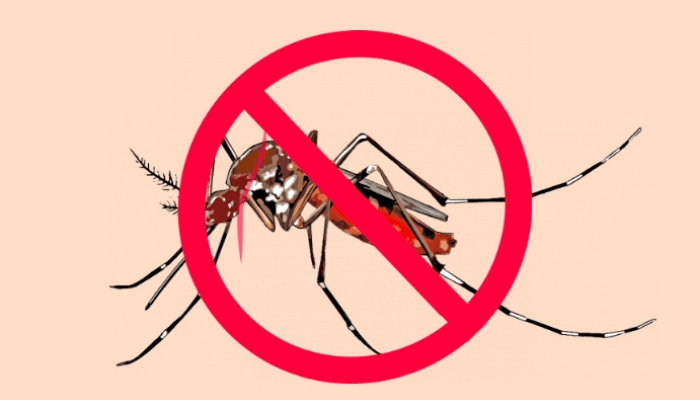
What makes winter even more remarkable for safaris is the comfort it offers to the traveler. Daytime temperatures remain pleasantly warm, while mornings and evenings are cool enough to enjoy hot drinks beside the campfire without discomfort. Insects are fewer, particularly mosquitoes, reducing the need for constant repellent or anti-malarial precautions in some regions. With fewer visitors in the parks, vehicles are less crowded, meaning more time at sightings and deeper engagement with expert guides.

Crystal Clear Skies and Comforting Climate

Unlike the humid, stormy months of summer, South Africa’s winter brings with it dry air, abundant sunshine, and stable weather. From the bushveld to the Cape, days are defined by a refreshing coolness and exceptional clarity, making it a photographer’s dream and a hiker’s paradise. The highveld regions—Johannesburg, Pretoria, and the plateau—offer blue skies and low humidity, while the Western Cape experiences a Mediterranean-style winter with intermittent rain that only enhances the region’s lush beauty and wine-rich valleys.

Temperatures in most areas range from 10°C in the early morning to 23–25°C during the day, striking the perfect balance between crisp freshness and warmth. The drier climate means fewer storms and muddy roads, making self-drive safaris and road trips safer and more enjoyable. Whether ascending the trails of Table Mountain, exploring the rugged terrain of the Drakensberg Mountains, or wandering through sleepy coastal towns along the Garden Route, winter proves itself to be a season built for exploration without exhaustion.

The Ocean Comes Alive: Whale Watching Season

Along the southern coast, from June through September, an entirely different natural drama unfolds as Southern Right Whales migrate to the waters off South Africa’s shoreline to calve and nurse their young. This annual migration brings these majestic creatures incredibly close to shore, particularly around Hermanus, Gansbaai, and the Western Cape’s De Hoop Nature Reserve.

Travelers during winter have the rare chance to witness breaching whales from clifftop paths or on gentle boat cruises, often just meters from land. Their impressive size, grace, and power are on full display, creating moments of awe that rival even the most thrilling land-based safari. The whale season coincides beautifully with the safari season, allowing for a unique “bush and beach” experience—spotting lions in the morning and whales by sunset.

This marine migration is not limited to whales alone. Dolphins dance in the waves year-round, and great white sharks continue to patrol the coastline. For the marine enthusiast or the traveler seeking contrast, winter in South Africa offers a dynamic duality—one part savannah, one part sea.

Peaceful Roads, Open Trails, and Authentic Encounters

One of the greatest rewards of visiting South Africa in winter is the sense of space and serenity. With local school holidays limited and international tourist arrivals lower, even the most popular destinations—the Cape Winelands, Kruger National Park, the Panorama Route, and the Eastern Cape—are refreshingly uncrowded. This allows for deeper immersion in the destinations themselves, as experiences unfold without haste or interference.

Restaurants, wine farms, and lodges welcome travelers with more personalized attention, while scenic spots such as Blyde River Canyon or Chapman’s Peak Drive can be enjoyed in near solitude. Hikers on the Otter Trail or Cederberg mountains find their paths less trodden, and historic towns like Franschhoek and Stellenbosch feel more like living heritage sites than tourist hubs.

This seasonal quiet enhances every journey. It fosters the kind of travel where stories are shared over fires, where guides linger longer with guests, and where every encounter—whether with a cheetah on the hunt or a winemaker in her vineyard—feels like a moment meant only for you.

Culture, Cuisine, and Fireside Warmth

Winter in South Africa is not simply a nature lover’s paradise—it is a time when the country’s cultural richness and culinary excellence come into full expression. Across cities and towns, fireplaces crackle in cozy cafes, local chefs serve up seasonal dishes using traditional winter ingredients, and communities host winter festivals that celebrate music, art, and shared history.

The Cape’s wine estates are especially magical during this season. Rolling vineyards blush with dormant hues of orange and gold, cellar tours become more intimate, and tastings take place beside roaring hearths. Hearty stews, roasted meats, and classic South African favorites like bobotie and malva pudding warm both body and soul.

In the townships and rural communities, the storytelling tradition thrives in winter. Xhosa, Zulu, Sotho, and Tswana narratives are shared with greater intimacy, and travelers who engage with cultural guides find their experiences enriched with depth and context. The chill in the air, rather than deterring connection, draws people closer to one another and to the country itself.

Winter as a Time of Presence and Perspective

Traveling through South Africa during the winter season becomes more than a holiday—it becomes a deeply reflective experience. The pace slows. The distractions diminish. The land speaks louder in its quietness, and every detail—the crunch of dry grass underfoot, the pink glow of a winter sunset, the silhouette of a kudu against a cloudless sky—registers more fully.

It is during this season that travelers find both wonder and stillness. It is when the stories of the land feel clearer, when the wildlife moves with ancient purpose, and when the people who call South Africa home extend their warmth most naturally.

Winter in South Africa is not a compromise—it is a privilege often missed by those seeking only summer sunshine. It is a time that rewards the curious, the patient, and those willing to embrace a deeper kind of travel.

Explore South Africa’s Winter with WildHorn Africa

For those drawn to South Africa’s subtler seasons, for travelers seeking wildlife without crowds, landscapes without haze, and stories without filters, the winter months from May to September offer a journey rich in meaning and memory. To navigate this window of opportunity with expertise, insight, and tailored care, one need look no further than WildHorn Africa.

WildHorn Africa specializes in personalized African tours and safaris, designed to bring travelers into close communion with the land, its people, and its untamed beauty. Whether it’s a luxury winter safari, a cultural wine route tour, or a multi-region journey through the Cape, the bush, and the coast—each experience is curated with thoughtfulness, comfort, and purpose.

Book your South African winter escape with WildHorn Africa today—and let the quiet season reveal its extraordinary voice.

Gorilla Permit Uganda 2025 – Everything You Need to Know

Gorilla Permit Uganda 2025 – Everything You Need to Know

By Travel guides, Travel stories and blogs, Uganda travel guides

Gorilla Permit Uganda 2025 – Everything You Need to Know

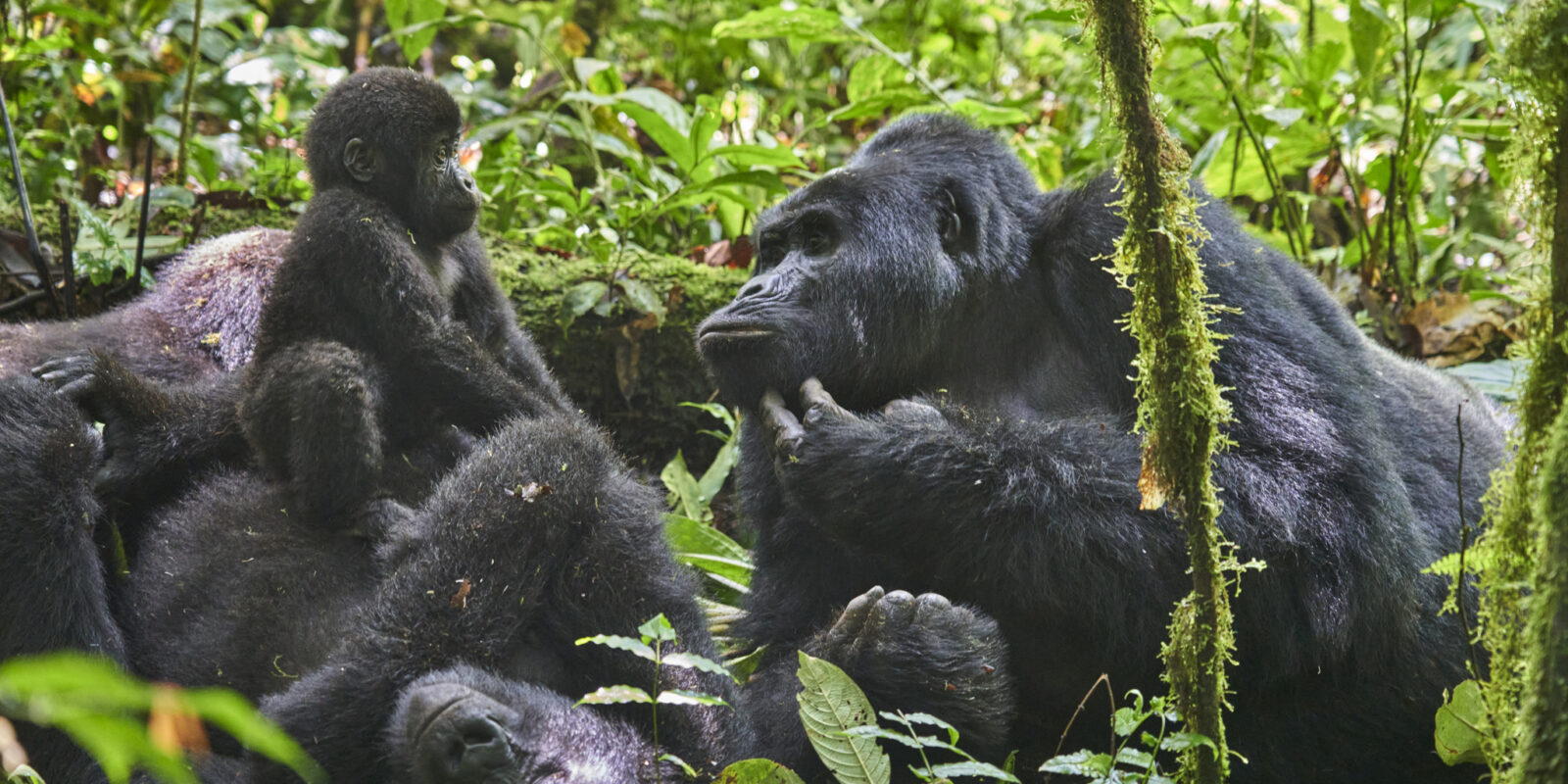
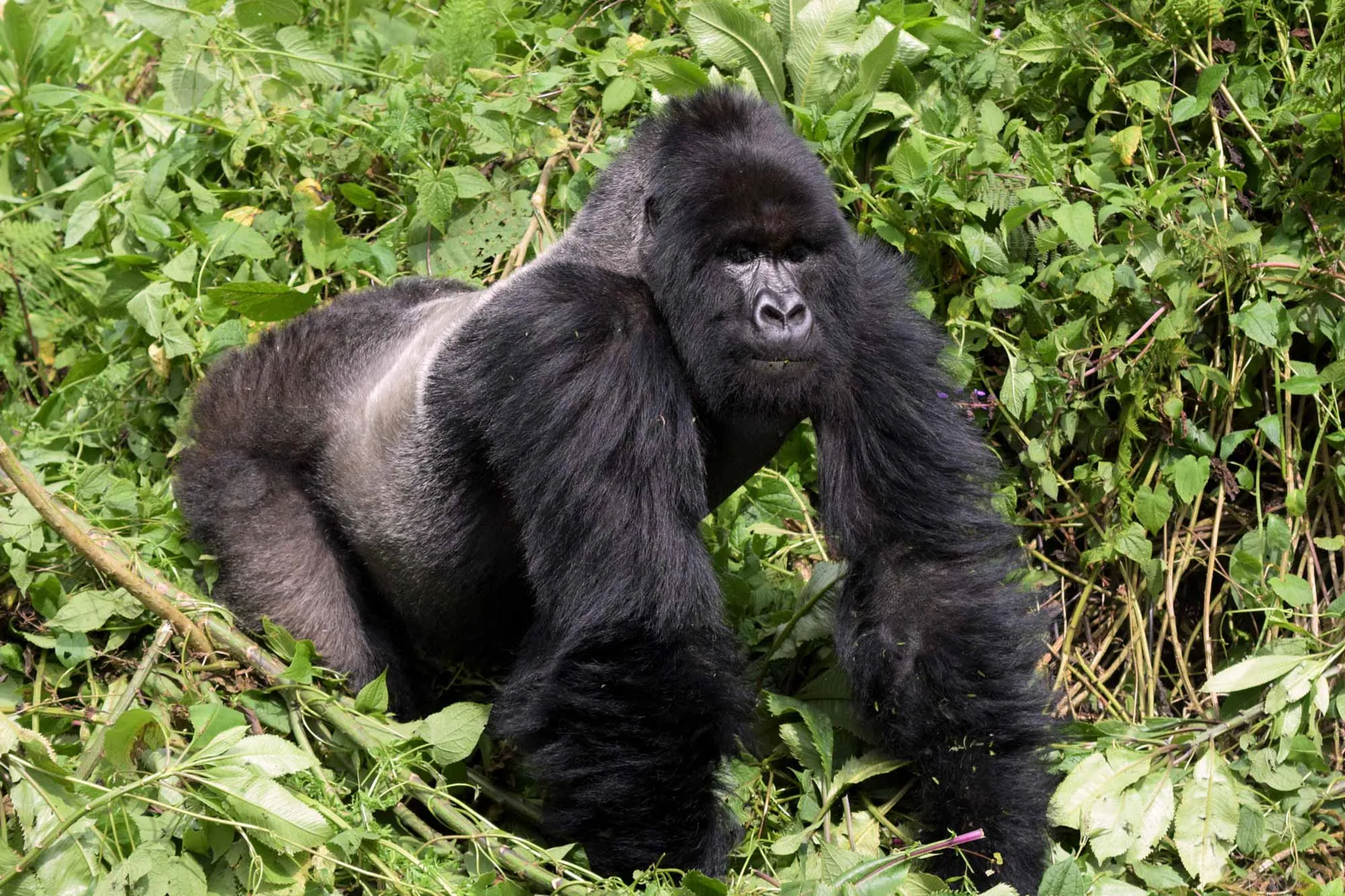
Deep in the emerald jungles of East Africa, hidden beneath the mist-laden canopy of ancient rainforest, lives one of the world’s most awe-inspiring creatures—the mountain gorilla. These magnificent primates, sharing over 98% of human DNA, are not only symbols of strength and kinship, but also powerful reminders of the delicate balance between wildlife and human existence. Nowhere is this connection more profoundly felt than in the lush highlands of Uganda, where gorilla trekking offers one of the rarest and most emotionally charged wildlife encounters on Earth.

In 2025, the opportunity to observe these critically endangered animals remains a privilege tightly regulated by Uganda’s wildlife authorities. The gorilla permit, your passport to the forest kingdom, is not just a ticket—it is a critical component of conservation, controlling human interaction while directly funding the protection of these majestic creatures. Understanding how the system works, what it costs, and how to prepare for this life-changing experience is essential for every responsible traveler.

This in-depth guide unveils everything you need to know about the Uganda gorilla permit in 2025, from permit types and prices to booking procedures, trekking regulations, and conservation impact. It is your complete reference for planning a journey into the wild that promises not only stunning memories but meaningful purpose.

Understanding the Gorilla Permit: More Than Just Access

The gorilla permit is a document issued by the Uganda Wildlife Authority (UWA), granting permission to participate in a guided trek to observe a specific gorilla family in its natural habitat. These treks take place in the Bwindi Impenetrable National Park and Mgahinga Gorilla National Park, the only two places in Uganda where mountain gorillas are found.

Each permit allows for a one-hour encounter with a habituated gorilla family, following hours of guided trekking through rugged terrain and dense vegetation. The permits are limited in number, with only eight visitors allowed per gorilla group per day, ensuring that the experience remains intimate and minimally disruptive to the animals.

In 2025, as in previous years, obtaining a permit is mandatory and should be regarded as the cornerstone of your travel plans. It is advisable to understand not only the logistics but also the conservation ethos behind the system, which is designed to safeguard the gorillas, empower local communities, and preserve their fragile environment.

Gorilla Permit Cost in Uganda – 2025 Pricing and Structure

As of 2025, the official cost of a standard Uganda gorilla permit is structured as follows:

For foreign non-residents, the permit is priced at $800 USD per person.
For foreign residents holding valid work permits or residency status within East Africa, the cost is $700 USD.
For East African citizens, the fee is 300,000 Ugandan shillings.

This pricing remains consistent with Uganda’s efforts to balance global tourism appeal with conservation funding and local affordability. It should be noted that this fee covers the trekking experience only—it does not include transport, accommodation, porter services, or gratuities. However, what it does include is invaluable: a trained UWA guide, park entrance, one hour with the gorillas, and a lifetime of memories.

For those seeking a more extended and immersive experience, gorilla habituation permits are also available, granting up to four hours with a semi-habituated gorilla group. This unique opportunity is currently offered only in the Rushaga sector of Bwindi, and the 2025 cost is $1,500 USD per person for foreign non-residents.

Where to Trek – The Gorilla Sectors of Uganda

Uganda’s gorilla population is spread across two national parks, but the majority reside in the sprawling forest of Bwindi Impenetrable National Park, which is divided into four tracking sectors: Buhoma, Ruhija, Nkuringo, and Rushaga. Each sector hosts several habituated gorilla families, and the choice of location influences not only the trekking difficulty but also the lodging and logistical arrangements.

Mgahinga Gorilla National Park, located near the borders of Rwanda and the Democratic Republic of Congo, offers a smaller but equally rewarding experience, with one habituated gorilla family known as Nyakagezi, which has become known for its stable home range and photographic accessibility.

When booking a permit, the specific park and sector are assigned. This decision should align with your travel itinerary, accommodation availability, and physical readiness, as some sectors involve steeper or longer hikes than others.

Booking Your Gorilla Permit – Timing and Process

Due to limited availability and high demand—especially during peak seasons from June to September and December to Februaryearly booking is essential. Permits can be secured up to two years in advance, and reputable tour operators or licensed travel agents are often used to facilitate the process.

While direct booking through the Uganda Wildlife Authority is possible, most travelers find it more convenient to go through a trusted safari provider who manages not only the permit reservation but also accommodation, transportation, and local logistics. Doing so ensures that your permit matches your trek location and schedule, minimizing the risk of misalignment.

Full payment is required at the time of booking, and permits are non-refundable and non-transferable, unless UWA policies are updated in the future. It is therefore crucial to finalize travel dates and arrangements before confirming your permit.

What to Expect on Trekking Day – From Trailhead to Encounter

Gorilla trekking begins early in the morning, with visitors arriving at their respective sector’s park headquarters for a briefing by UWA rangers. Here, groups are assigned based on fitness levels, and important guidelines are shared regarding wildlife behavior, photography etiquette, and health protocols.

Trekking time can range from one to six hours, depending on the gorilla group’s location. The terrain is steep, slippery, and at times dense, making sturdy footwear, rain gear, and physical preparedness essential. Porters are available for hire, offering assistance and supporting local livelihoods at the same time.

Once the gorilla family is found, trekkers are allowed exactly one hour in their presence. This is the moment when time seems to slow, and the world narrows to the quiet breathing, expressive eyes, and gentle movements of a creature so closely related to us, yet so profoundly wild. It is an experience marked not by adrenaline, but by humility, wonder, and quiet reverence.

Conservation Impact – Your Permit as a Force for Good

Every dollar spent on a gorilla permit goes far beyond a moment of wildlife observation. A significant portion of permit revenue is directed towards conservation initiatives, including habitat protection, veterinary care, anti-poaching patrols, and community development. In fact, a share of the funds is invested directly into the neighboring communities, incentivizing locals to become stewards rather than adversaries of wildlife.

This model of sustainable tourism has been credited with the gradual increase in mountain gorilla populations, a rare success story in the realm of endangered species conservation. Uganda’s approach proves that when tourism is done thoughtfully, it becomes a powerful conservation tool, benefitting both the environment and the people who depend on it.

Health and Ethical Considerations – Trekking With Responsibility

To protect the gorillas from disease—especially respiratory infections that can be transmitted from humans—strict health protocols are in place. Visitors showing signs of illness may be denied access on the day of the trek. It is also required to maintain a minimum distance of seven meters from the gorillas, avoid flash photography, and observe all behavioral instructions provided by the guide.

These regulations are not inconveniences but necessary guardianships of a species that survives under constant threat. Respecting these rules ensures that your encounter contributes positively to the continued survival of the mountain gorillas.

Make It Unforgettable with WildHorn Africa

A gorilla trek in Uganda is not just a holiday; it is a pilgrimage into one of nature’s last sacred sanctuaries. It requires careful planning, guided expertise, and thoughtful execution. That is why partnering with a trusted safari company like WildHorn Africa makes all the difference.

WildHorn Africa specializes in crafting tailored gorilla trekking adventures, combining responsible tourism with authentic cultural immersion and seamless travel logistics. From securing your gorilla permit and arranging expert-guided treks to offering luxury lodge accommodations and immersive safari extensions, WildHorn Africa ensures that your journey is meaningful, ethical, and entirely unforgettable.

Book your Uganda gorilla safari with WildHorn Africa today—and step into the rainforest realm of the gentle giants with the guidance of those who know it best.

Top 8 Best Malaria-free Game Reserves in South Africa

Top 8 Best Malaria-free Game Reserves in South Africa

By South Africa travel guides, Travel guides, Travel safety, Travel stories and blogs

Top 8 Best Malaria-Free Game Reserves in South Africa

Discover Wild Africa Without the Worry (Malaria-Free Game Reserves in South Africa)

Experience the Thrill of Safari, Without the Risk of Malaria

South Africa has long been a top-tier safari destination, celebrated for its diverse ecosystems, spectacular wildlife, and world-class hospitality. Yet for many travelers—especially families with children, the elderly, or those seeking a more relaxed health-conscious experience—one factor often creates hesitation: malaria. Fortunately, South Africa offers a unique advantage compared to many other African nations. It is home to several malaria-free game reserves, allowing you to fully enjoy the safari of your dreams without the need for anti-malarial medication or the concern of mosquito-borne illness.

These regions not only offer safety from malaria but also provide exceptional wildlife viewing, Big Five encounters, luxurious lodges, and varied landscapes—from rugged mountains to wide-open plains. Whether you’re a first-time safari-goer or a seasoned wildlife enthusiast, South Africa’s malaria-free reserves ensure you don’t have to sacrifice thrill for comfort. Each destination is a testament to conservation, safety, and immersive wilderness experiences.

Below, we explore the top eight best malaria-free game reserves in South Africa. These are the wild places where you can feel completely at ease, knowing that the only thing buzzing around your head will be excitement.

Malaria-Free Game Reserves in South Africa #Malaria-Free Game Reserves in South Africa Malaria-Free Game Reserves in South Africa

Madikwe Game Reserve – The Ultimate Malaria-Free Big Five Safari

Located on the border with Botswana in South Africa’s North West Province, Madikwe Game Reserve is one of the country’s largest and most prestigious malaria-free reserves. Spanning over 75,000 hectares, it offers an exceptional safari experience with the full Big Five—lion, leopard, elephant, rhino, and buffalo—thriving in a rich ecosystem. What sets Madikwe apart is not only its biodiversity but also its commitment to sustainable tourism and community development.

The reserve was once farmland and has been successfully restored into an ecologically balanced wilderness through one of the largest game relocation projects in Africa. Visitors can expect intimate safari experiences, expert rangers, and luxurious lodges with family-friendly accommodations. Its remote location ensures low tourist density, making Madikwe a haven for those seeking both exclusivity and malaria-free exploration.

Pilanesberg National Park – Safari Meets Accessibility

Just a few hours’ drive from Johannesburg and adjacent to the famous Sun City resort, Pilanesberg National Park offers a thrilling safari within a malaria-free zone. Situated in an ancient volcanic crater, its unique geology supports a dramatically diverse range of habitats, from bushveld to rocky outcrops and open grasslands.

The park is home to over 7,000 animals including the Big Five, cheetah, hyena, and a wide array of antelope and bird species. Pilanesberg is particularly appealing to families and first-time visitors, thanks to its accessibility, well-maintained infrastructure, and a variety of accommodations that range from rustic camps to luxury lodges. Guided drives, hot-air balloon safaris, and birding excursions make this one of South Africa’s most dynamic malaria-free options.

Waterberg Biosphere – Untamed Beauty in Limpopo

Recognized as a UNESCO Biosphere Reserve, the Waterberg region in Limpopo Province offers one of South Africa’s most scenic and unspoiled malaria-free safari experiences. The area is characterized by rugged mountains, sprawling savannahs, and hidden valleys teeming with wildlife, creating a dramatic backdrop for game viewing.

The biosphere includes several private reserves, each offering personalized, off-the-beaten-path safari adventures. Notable among them is the Welgevonden Game Reserve, which is home to the Big Five and known for its conservation-first philosophy. The Waterberg’s remoteness ensures an authentic wilderness experience, where travelers can explore on foot, by vehicle, or horseback—all without concern for malaria. It’s a destination that blends adventure with tranquility, perfect for those who want to immerse themselves in nature without compromise.

Addo Elephant National Park – Eastern Cape Excellence

In the heart of the Eastern Cape, just a short distance from the coastal city of Port Elizabeth (Gqeberha), lies the Addo Elephant National Park—a conservation marvel and one of the country’s most successful malaria-free safari parks. Originally established to protect the dwindling elephant population, Addo is now home to over 600 elephants, along with lion, black rhino, buffalo, leopard, and even the Great White Shark and Southern Right Whale—making it one of the few places in the world where you can potentially see the “Big Seven.”

The park is well-suited for self-drive safaris as well as guided tours, and it offers a wide range of accommodation styles. Addo is especially attractive to families and self-guided travelers who seek a safe, flexible, and immersive safari experience in a malaria-free environment.

Shamwari Private Game Reserve – Luxury and Conservation in Harmony

Also located in the Eastern Cape, Shamwari Private Game Reserve is a flagship destination for malaria-free safaris that combine luxurious accommodation with meaningful conservation efforts. The reserve spans 25,000 hectares and is home to the Big Five as well as cheetahs, zebras, hippos, and a stunning variety of birds.

Shamwari has won numerous awards for both its eco-tourism and wildlife conservation initiatives. Its lodges are world-class, with options tailored to families, couples, and luxury seekers. Guests can also visit the Born Free Big Cat Sanctuary and the Wildlife Rehabilitation Centre to learn more about the reserve’s impactful work. Shamwari proves that malaria-free safaris can still deliver the thrill of the wild with the comforts of refined hospitality.

Kariega Game Reserve – Coastal Wilderness and River Adventures

Situated near Kenton-on-Sea, Kariega Game Reserve is a family-owned, malaria-free private reserve that stretches across lush valleys, grassy plains, and two major rivers—the Kariega and Bushman. This rare combination of ecosystems makes Kariega an excellent location for both land and water-based wildlife experiences, including river cruises, canoeing, and fishing alongside traditional game drives.

Kariega is home to the Big Five and prides itself on intimate safari encounters, knowledgeable guides, and a wide range of lodges from rustic to luxurious. Its proximity to the coast also means that you can pair a safari adventure with a beach holiday, all without ever entering a malaria-risk zone.

Sanbona Wildlife Reserve – Safari with a Sense of Solitude

Nestled in the Little Karoo of the Western Cape, Sanbona Wildlife Reserve offers an otherworldly landscape that blends semi-desert terrain with rare wildlife and profound silence. Once farmland, this massive reserve has been transformed into a sanctuary for free-roaming wildlife, including white lions, elephants, rhinos, and various antelope species.

Sanbona’s focus on conservation and low-impact tourism makes it an ideal choice for those seeking a malaria-free wilderness experience steeped in solitude and reflection. With only a few exclusive lodges spread across 58,000 hectares, guests are guaranteed privacy and uninterrupted views of the majestic mountains and wide open plains. Sanbona is where silence is golden, and nature speaks in whispers.

Tswalu Kalahari Reserve – Desert Luxury at Its Finest

In the vast reaches of the Northern Cape lies Tswalu Kalahari Reserve, South Africa’s largest privately owned game reserve. Spanning over 110,000 hectares of arid savannah, red dunes, and rocky escarpments, Tswalu offers a completely unique malaria-free safari experience.

This is not a place for the typical safari—it’s a destination for those seeking rare species, private guides, and ultra-luxurious lodges with personalized service. Wildlife sightings include black-maned Kalahari lions, aardvarks, pangolins, and meerkats. With an emphasis on conservation science and exclusivity, Tswalu represents a safari on your terms—safe, secluded, and deeply transformative.

Your Malaria-Free Safari Begins with WildHorn Africa

Traveling to Africa shouldn’t be about worrying over vaccinations or medication—it should be about experiencing a continent of awe-inspiring beauty, culture, and wildlife with absolute peace of mind. South Africa’s malaria-free game reserves prove that safety and adventure can go hand-in-hand, offering some of the most diverse and luxurious safari options in the world.

At WildHorn Africa, we specialize in curating tailor-made safari experiences that match your dreams with your lifestyle. Whether you’re a family looking for a child-friendly adventure, a honeymooner chasing luxury under the stars, or a solo explorer seeking connection with the wild, we guide you every step of the way.

From the rugged cliffs of the Waterberg to the river valleys of the Eastern Cape and the red sands of the Kalahari, let WildHorn Africa help you discover the magic of malaria-free safari travel—safely, seamlessly, and spectacularly.

Malaria-Free Game Reserves in South Africa #Malaria-Free Game Reserves in South Africa Malaria-Free Game Reserves in South Africa

Top 6 Best Private Game Reserves Bordering Kruger National Park

Top 6 Best Private Game Reserves Bordering Kruger National Park

By South Africa travel guides, Travel guides, Travel stories and blogs

Top 6 Best Private Game Reserves Bordering Kruger National Park. Where the Wild Roams Freely, and Luxury Meets Wilderness

There is a primal magic in South Africa’s Lowveld region, where the horizon stretches endlessly and the sun blazes over thorny acacias and golden grasslands. Nestled within this untamed majesty lies the Kruger National Park, one of the most revered wildlife sanctuaries on Earth. But while the park is a marvel in itself, a quieter, more exclusive experience awaits on its fringes. Along the western border of Kruger, a number of private game reserves unfold like hidden gems, offering world-class safaris, intimate lodges, and close-up wildlife encounters that feel more personal and raw than anything found in the public sector.

These private reserves share unfenced borders with Kruger, allowing animals to roam freely between the public and private lands. However, they maintain limited vehicle access, off-road tracking privileges, and strict conservation policies, which translates into unparalleled viewing experiences for guests. Travelers drawn to these wild corners aren’t just chasing the Big Five—they are seeking a deeper connection with Africa’s wilderness, paired with top-tier comfort.

What follows is an immersive look into the top six private game reserves that border Kruger National Park, each promising an experience that is both thrillingly wild and luxuriously secluded.

1. Sabi Sand Game Reserve – The Pinnacle of Prestige (Best Private Game Reserves)

Regarded as the crown jewel among private reserves in South Africa, Sabi Sand is synonymous with luxury, exclusivity, and legendary leopard sightings. Covering roughly 65,000 hectares, the reserve is home to some of the most celebrated safari lodges in Africa, such as Singita, Londolozi, and Sabi Sabi.

Sabi Sand’s reputation has been meticulously built over decades. The reserve benefits immensely from its long-standing conservation efforts and the fact that many of its lodges have been owned and operated by the same families for generations. The result is not just an extraordinary game-viewing experience, but a deeply rooted cultural and ecological story that guests become part of.

What sets Sabi Sand apart is its allowance of off-road driving, which ensures that once a leopard or lion is spotted, the safari vehicle can veer off the path for a closer and more intimate encounter. The rangers and trackers here are among the best trained in the continent, and they often know individual animals by name or family lineage.

2. Timbavati Private Nature Reserve – The Wild Heart of the Lowveld

Directly adjoining Kruger’s central region, Timbavati is a haven for those seeking rugged authenticity with a touch of understated elegance. Known for its white lions, which have become almost mythical in status, Timbavati spans over 53,000 hectares and houses an extraordinary variety of ecosystems.

Unlike the polished lodges of Sabi Sand, Timbavati offers a more earthy, grounded experience, though without compromising comfort. Game drives here are quiet and purposeful, with a strong focus on sustainable tourism and conservation. The reserve participates actively in research and anti-poaching efforts, and its lodges often support community development programs.

Because of the reserve’s size and habitat diversity, wildlife encounters are frequent and varied. Guests might find themselves tracking elephants through mopane thickets in the morning and watching wild dogs in pursuit by dusk.

3. Klaserie Private Nature Reserve – Remote and Untamed

Adjoining Timbavati to the west, Klaserie offers what is perhaps the most uncommercialized safari experience bordering Kruger. Covering a staggering 60,000 hectares, this reserve is the epitome of seclusion. Game viewing is no less spectacular here, but the experience feels more raw, quiet, and deeply immersive.

The lodges in Klaserie are often small, family-run operations, ensuring that visitors receive highly personalized service. Here, it’s not uncommon to go on a game drive and not see another vehicle for hours. The emphasis lies in ethical wildlife viewing, and many lodges employ expert guides who involve guests in conservation practices and environmental education.

Klaserie’s terrain is wild and diverse, hosting everything from large herds of buffalo to elusive leopards and rhinos. Night drives here are exceptional, revealing the seldom-seen nocturnal creatures of the African bush, under skies blazing with stars.Top 6 Best Private Game Reserves Bordering Kruger National Park

4. Manyeleti Game Reserve – The Hidden Gem of Authenticity

If there is a reserve that can be described as Kruger’s best-kept secret, it would undoubtedly be Manyeleti. Situated between Sabi Sand and Timbavati, and covering over 23,000 hectares, this reserve is wholly owned by the Mnisi community, making it a unique example of community-based conservation.

Manyeleti, meaning “Place of Stars” in Shangaan, lives up to its name. Far removed from tourist crowds, the reserve is characterized by pristine wilderness and rich cultural storytelling. Lodges here operate with community partnerships, ensuring that tourism directly benefits local development and environmental stewardship.

Wildlife abounds, from majestic elephants to lion prides that dominate the open plains. Unlike more developed reserves, Manyeleti remains largely unspoiled, making it perfect for travelers seeking solitude, authenticity, and purpose in their travels.

5. Balule Nature Reserve – The Conservation Corridor

Part of the Greater Kruger conservation initiative, Balule spans roughly 40,000 hectares and is one of the most ecologically diverse reserves bordering the park. Its terrain transitions from riverine forests to open savannah, drawing in a wide array of species year-round.

Balule’s strength lies in its commitment to anti-poaching, habitat restoration, and education. Its proximity to the Olifants River ensures regular sightings of aquatic birds, hippos, and crocodiles, while inland areas teem with giraffes, hyenas, and big cats.

This reserve strikes a balance between luxury and accessibility, with lodges catering to various budgets without compromising on quality or game viewing. Because of its active wildlife corridors, Balule is also a fantastic destination for birders and photographers.

6. Thornybush Game Reserve – Elegance in the Wild

Lying adjacent to Timbavati, Thornybush is often celebrated for its sophisticated safari offerings and exceptional hospitality. Though slightly smaller at around 14,000 hectares, the reserve punches above its weight when it comes to game viewing and service quality.

Thornybush is renowned for high-density predator sightings, particularly lion, cheetah, and leopard. The guides here are storytelling experts, weaving the landscape’s narrative into every game drive. Many lodges boast spa treatments, gourmet cuisine, and infinity pools overlooking waterholes.

What makes Thornybush especially appealing is its dedication to inclusive travel. The reserve actively supports female guides, eco-tourism education for local youth, and rewilding initiatives, making it a forward-thinking player in South Africa’s private reserve network.

The Unrivaled Allure of the Private Kruger Experience

While Kruger National Park remains a vital pillar of South Africa’s conservation landscape, the private reserves bordering it elevate the safari experience to another level. Here, intimacy replaces mass tourism, and bespoke experiences replace rigid schedules. Whether one dreams of tracking lions across golden plains or sipping sundowners as elephants bathe below, these private sanctuaries deliver in ways that feel both personal and unforgettable.

The true beauty of these private game reserves lies in their ethos of conservation, community, and quiet excellence. Travelers do not merely pass through; they participate in a delicate balance of life, culture, and wild rhythm that defines the African bush.

Make It Your Story—With WildHorn Africa (Best Private Game Reserves)

To turn this dream into a living, breathing experience, it is strongly recommended that travelers plan their safari with experts who understand the terrain, the wildlife, and the nuances that make each reserve unique. WildHorn Africa, a trusted name in bespoke African travel, offers handcrafted safari itineraries, personalized guidance, and access to the most coveted lodges in Kruger’s private reserves.

From first-time visitors to seasoned adventurers, WildHorn Africa ensures that every journey is seamless, unforgettable, and purpose-driven. Let your story begin in the heart of Africa’s wild soul—where the roar of lions is your morning anthem, and the stars your silent witness.

Book your private safari experience with WildHorn Africa today—and step into the untamed elegance of Kruger’s private frontier.

Close Menu