search
All-inclusive Safari: Getting It All

All-inclusive Safari: Getting It All

By Travel guides, Travel stories and blogs

All-Inclusive Safari: Getting It All

Discover the Ultimate Safari Experience

Imagine standing on the sun-drenched plains of the Serengeti, witnessing a lioness stalk her prey, or drifting silently past a herd of elephants bathing in the Chobe River. Now, imagine doing all this without worrying about logistics, unexpected costs, or where your next meal is coming from. This is the all-inclusive safari experience — the ultimate blend of adventure, luxury, and peace of mind.

An all-inclusive safari goes beyond just sightseeing. It wraps your entire African journey into a seamless, immersive package. From your first airport pickup to your final sunset over the savanna, it ensures that every detail is handled with precision and care.

What Is an All-Inclusive Safari?

An all-inclusive safari is a travel package that bundles together accommodation, meals, transport, activities, park fees, and often guided tours into one price. It’s a comprehensive travel solution that minimizes stress, maximizes value, and elevates your experience.

What It Typically Covers:

  • Luxury or mid-range lodges/camps with amenities
  • Three meals daily, often with drinks
  • Game drives and other guided activities (e.g., walking safaris, boat rides)
  • Airport transfers and in-country transport
  • Park and conservation fees
  • Expert guides and rangers

Many providers also include extras like laundry services, cultural experiences, and even spa treatments depending on the package.

Why Choose an All-Inclusive Safari?

1. Stress-Free Planning

Safari travel can be complicated. From figuring out park entry costs to coordinating flights and finding reliable guides, the logistics can overwhelm even seasoned travelers. All-inclusive safaris eliminate this complexity.

With one booking, everything is arranged. You know where you’re staying, what you’re eating, and what you’ll be doing each day. This allows you to focus solely on the experience.

2. Better Budgeting

It may seem more expensive at first glance, but an all-inclusive safari is often more economical in the long run. You avoid unexpected costs like transport between lodges or surprise park fees. What you see upfront is typically what you pay.

3. Time Optimization

Time is precious on safari. Every hour matters. All-inclusive packages are designed by experts who understand local distances, wildlife behaviors, and the best times to explore. This means more game viewing and less guesswork.

4. Access to Prime Experiences

Top safari operators have established relationships with the best lodges, rangers, and parks. This gives you access to:

  • Private reserves with fewer crowds
  • Night game drives (not always allowed in national parks)
  • Off-the-beaten-path adventures others might miss

5. Personalized Service

All-inclusive doesn’t mean cookie-cutter. Many packages are customizable based on interests (photography, birding, big cats, cultural visits) and travel style (family-friendly, honeymoon, solo travel).

Types of All-Inclusive Safaris

1. Luxury Lodge Safaris

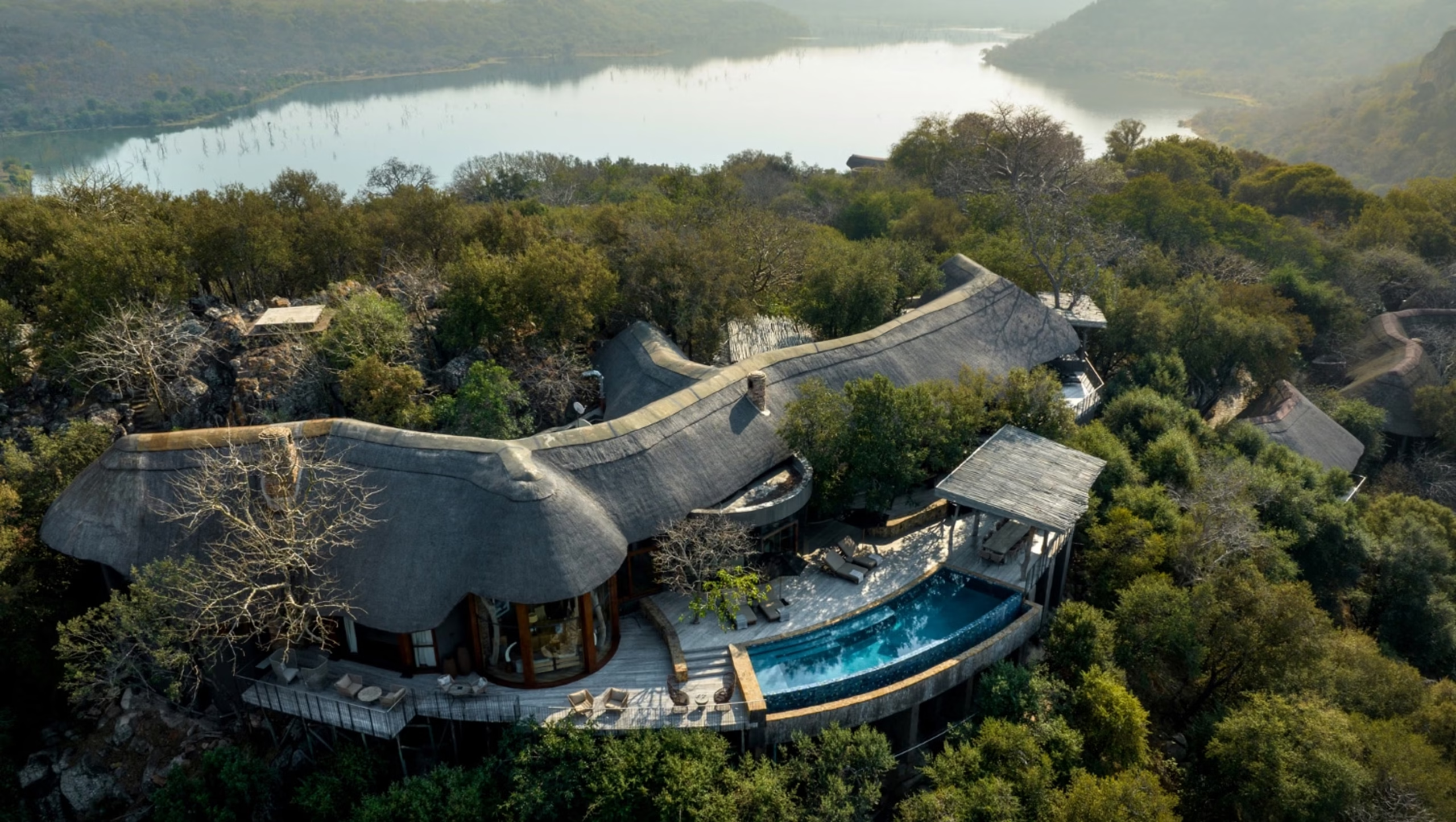
Stay in 5-star accommodations with private decks, gourmet meals, and personal butlers. Think air-conditioned suites in the bush, infinity pools with views of grazing zebras, and fine wines at sunset.

2. Mobile Tented Safaris

For those who want intimacy with nature without sacrificing comfort. These safaris involve fully furnished tents with real beds, en-suite bathrooms, and a dedicated team that moves your camp as you explore different regions.

3. Fly-In Safaris

Ideal for covering vast distances. Skip the bumpy roads and fly between top destinations like the Masai Mara, Okavango Delta, and Victoria Falls. Often more expensive, but ideal for time-limited or high-end travelers.

4. Group Safaris

Great for social travelers or those on a tighter budget. Share costs and experiences with like-minded adventurers. These often include set itineraries, but still offer plenty of quality and comfort.

Destinations That Shine with All-Inclusive Safaris

1. Tanzania

  • Serengeti National Park for the Great Migration
  • Ngorongoro Crater for dense wildlife populations
  • Tarangire and Lake Manyara for elephants and flamingos

2. Kenya

  • Masai Mara for big cats and wildebeest crossings
  • Amboseli for elephants and Mount Kilimanjaro views
  • Samburu for rare species like Grevy’s zebra and gerenuk

3. Botswana

  • Okavango Delta for water safaris and pristine beauty
  • Chobe National Park for massive elephant herds
  • Moremi Reserve for predator sightings

4. South Africa

  • Kruger National Park with luxury lodges and Big Five game
  • Sabi Sands for premium private reserves
  • Addo Elephant Park for family-friendly options

Key Considerations Before Booking

1. Seasonality

Africa’s wildlife varies with the seasons. For example, the Great Migration in the Serengeti peaks between June and October, while the Okavango Delta is best visited in the dry season, May to October.

2. Health & Safety

Make sure your tour operator includes:

  • Emergency evacuation coverage
  • First-aid trained guides
  • COVID-19 safety protocols
  • Advice on necessary vaccinations and medications

3. Group Size and Travel Style

Do you want a private, intimate experience, or are you open to group travel? All-inclusive packages come in all sizes and formats.

4. Conservation Impact

Choose operators that are committed to sustainability and local communities. A good all-inclusive safari should contribute to conservation, employ locals, and minimize environmental footprints.

Conclusion: The Smart, Stress-Free Way to Safari

An all-inclusive safari is more than just convenience — it’s a passport to the most exhilarating, transformative, and luxurious African adventures. From the moment you land, every detail is handled, leaving you free to watch the drama of nature unfold.

Whether you’re chasing the Big Five, photographing flamingos at dawn, or listening to hyenas under a star-lit sky, you deserve a safari that lets you fully immerse in the magic of the wild.

Book with Confidence – Choose WildHorn Africa

When you’re ready to embark on the journey of a lifetime, trust the experts. WildHorn Africa specializes in crafting unforgettable, all-inclusive safari experiences tailored to your interests and budget. With deep local knowledge, elite partnerships, and a passion for conservation, WildHorn Africa ensures that your safari is not just a trip – it’s a story you’ll tell forever.

Book your African adventure today with WildHorn Africa – and get it all.
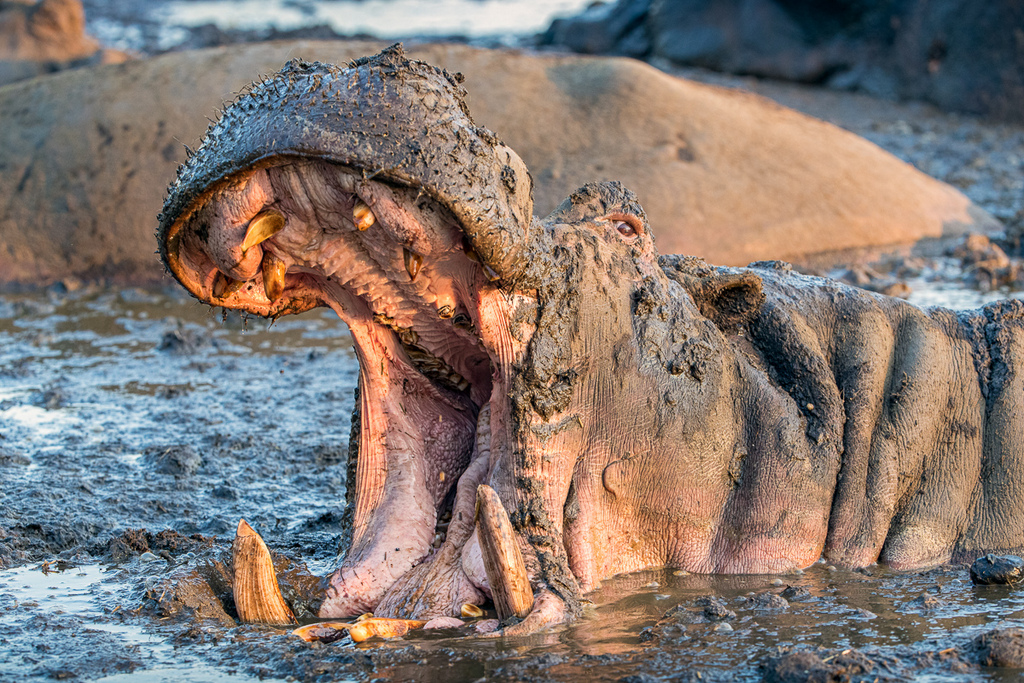
Hippos in Katavi National Park

Hippos in Katavi National Park

By Tanzania travel guides, Travel guides, Travel stories and blogs


Hippos in Katavi National ParkUnveiling the wild, thunderous heart of Tanzania’s hidden gem

Introduction to the Hippos in Katavi National Park

Deep in the remote western reaches of Tanzania lies Katavi National Park—a place largely untouched by mass tourism.
But within its untouched wilderness, one creature dominates both the landscape and the drama of survival: the hippopotamus.
In Katavi, hippos are not just present—they are a force of nature.

Known for harboring some of the largest congregations of hippos in Africa, Katavi provides a rare glimpse into the raw, untamed behavior of these semi-aquatic giants.
When dry season shrinks the rivers and wallows into muddy puddles, thousands of hippos are squeezed together, igniting spectacles of dominance, bellowing contests, and violent battles.

This article dives into the lives of these incredible creatures and their unique relationship with one of Tanzania’s least-explored parks.

Table of Contents

1. The Habitat: Katavi’s Natural Arena

Katavi National Park spans over 4,400 square kilometers of miombo woodlands, seasonal rivers, floodplains, and swamps.
Central to this ecosystem are the Katuma River, Lake Katavi, and Lake Chada, which serve as critical water sources for the region’s wildlife—especially hippos.

During the wet season, these water bodies expand, allowing hippos to spread across the park in dispersed pods. However, in the dry season (May–October),
water recedes dramatically. As lakes shrink and rivers dry into shallow pools, hundreds of hippos converge into constricted mudholes, often lying stacked
against each other in extraordinary densities.

2. Massive Populations and Congregation Behavior

Katavi is believed to harbor one of the densest hippo populations in Africa, with counts reaching upwards of 4,000 individuals during the dry season.
In some wallows, it’s not uncommon to see over 200 hippos packed into a single muddy pool.

This unique spectacle makes Katavi famous among documentary filmmakers and wildlife enthusiasts alike. The congregations aren’t merely a display of abundance;
they become a microcosm of complex social behaviors—from nurturing calves to brutal territorial disputes.

3. Dry Season Drama: Aggression and Survival

As space and water diminish, tensions rise. Dominant males defend their patches of wallow with ferocity and relentless aggression.
Fights erupt frequently—characterized by open-mouthed displays, head-ramming, and vicious biting. The soundscape of grunts, bellows, and splashes echoes across the plains.

These conflicts can leave participants with deep wounds and tusk-inflicted scars, and fatalities are not uncommon.
Calves and weaker adults are at constant risk of injury or displacement, often forced to the fringes of wallows where dehydration and predation threats increase.

This seasonal violence is not cruelty—it’s a survival mechanism deeply embedded in hippo social structure. Only the strongest males maintain
mating privileges and control over prime territory.

4. Ecological Role and Coexistence with Other Species

Despite their fierce behavior, hippos play an essential ecological role. Their dung helps fertilize the aquatic ecosystem, nourishing fish populations and algae.
Moreover, as hippos wallow and move through channels, they shape the hydrology of rivers and wetlands, creating pathways that benefit many other species.

Birds like egrets and oxpeckers often accompany them, feeding on parasites and insects. In times of extreme heat, crocodiles are sometimes seen sharing pools with hippos—an uneasy yet necessary coexistence driven by drought.

5. What Visitors Can Expect (Hippos in Katavi National Park)

Katavi remains one of the most remote and least-visited parks in Tanzania. This seclusion offers a safari experience like no other—raw, intimate, and truly wild.
During the dry season, hippo sightings are virtually guaranteed, with game drives along the Katuma River and Chada floodplain offering dramatic scenes of crowded pools and boisterous behavior.

Unlike in more touristic parks, visitors here may have entire herds of hippos to themselves—accompanied by thousands of buffalo, elephants, and lion prides.
Wildlife here behaves more naturally, unbothered by frequent human presence.

For photographers, conservationists, or anyone seeking a deeper connection to Africa’s wild heart, watching hippos in Katavi is nothing short of unforgettable.

Conclusion of the Hippos in Katavi National Park

The hippos of Katavi National Park are more than a wildlife attraction—they are symbols of resilience, dominance, and ecological harmony.
Their behavior offers a window into the fierce beauty of nature, where survival depends on strength, cooperation, and adaptation.

For those willing to venture off the beaten track, Katavi rewards with scenes that are as primal as they are profound.
To witness the hippos here is to experience Africa at its most authentic and awe-inspiring.

Hippos in Katavi National Park #Hippos in Katavi National Park Hippos in Katavi National Park

5 Fascinating Facts About Gemsbok (Oryx Gazella)

5 Fascinating Facts About Gemsbok (Oryx Gazella)

By Travel guides, Travel stories and blogs

5 Fascinating Facts About Gemsbok (Oryx gazella)

The Desert King of Elegance and Endurance

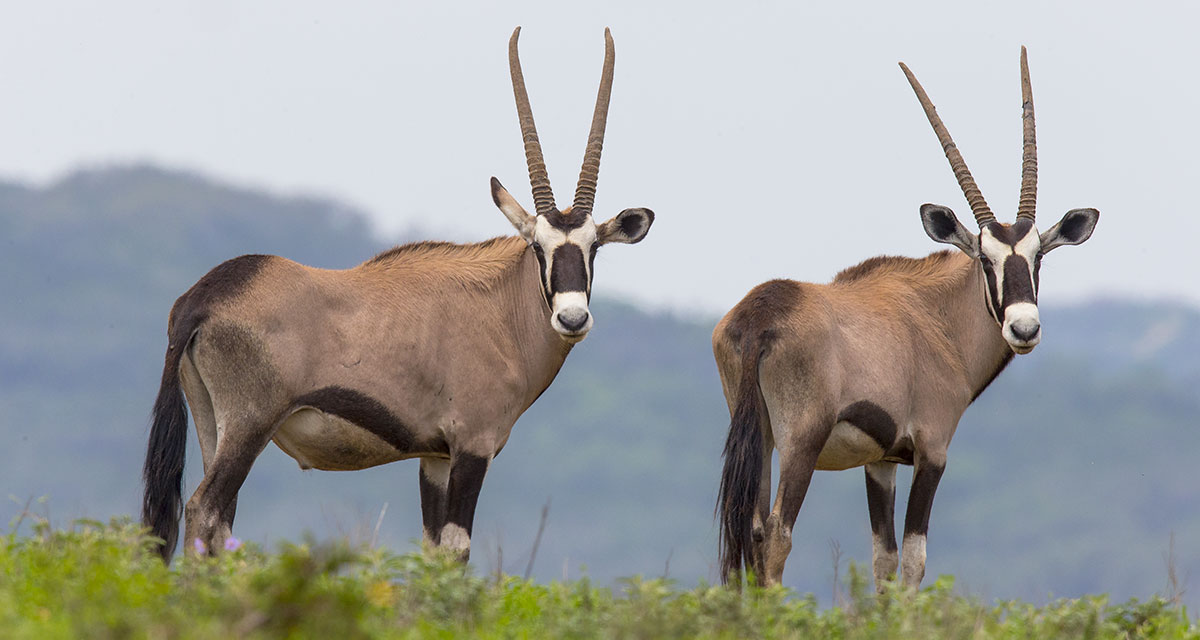
With its sleek, muscular build, striking black-and-white facial markings, and long, spear-like horns, the Gemsbok (Oryx gazella) is not only one of the most visually captivating antelopes in Africa, but also a symbol of survival and strength in some of the harshest environments on Earth.

Thriving in deserts and arid regions where few others dare roam, this majestic antelope has evolved to meet extreme heat and scarce resources head-on. But there’s more to the Gemsbok than meets the eye. Beneath its graceful exterior lies a creature of remarkable adaptability, clever defense mechanisms, and social complexity.

Let’s dive into five astonishing facts about the Gemsbok that reveal why it deserves far more attention than it often receives.

Facts About Gemsbok

1. Built for the Desert: The Gemsbok’s Survival Engineering

The Gemsbok is a master of adaptation. Native to southern Africa’s deserts and dry savannas, including the Kalahari and Namib deserts, this antelope has developed specialized physiological mechanisms to cope with high temperatures and low water availability.

Water Independence {Facts About Gemsbok}

Unlike many other animals, Gemsboks can go weeks without drinking water. Instead, they extract moisture from their food, which includes tough desert grasses, wild melons, and underground tubers. Their kidneys are highly efficient, producing concentrated urine to retain as much fluid as possible.

Cooling the Brain

The Gemsbok has a remarkable thermoregulatory system. A network of blood vessels known as the carotid rete mirabile cools blood before it reaches the brain, allowing the Gemsbok to survive in temperatures that would otherwise cause heatstroke.

This evolutionary masterpiece enables the animal to function in midday heat that can soar above 45°C (113°F) – a true testament to desert resilience.

2. Horns of Defense and Status (Facts About Gemsbo)

Perhaps the most iconic feature of the Gemsbok is its impressive, straight horns, which can grow up to 85 centimeters (33 inches) in both males and females. These horns are not just for show; they play crucial roles in defense, social hierarchy, and mating.

Lethal Weapons

Gemsboks use their horns to fend off predators, including lions and hyenas. There are documented cases where lions have been fatally gored by Gemsbok defending themselves or their young. The horns’ length and sharp tips make them powerful tools of survival and deterrence.

Social Signaling

Within herds, horn size and symmetry can signify dominance and maturity. Although physical battles are rare, individuals will spar with locked horns in controlled displays to establish hierarchy without serious injury.

This use of weaponry for both defense and diplomacy is a fascinating example of evolutionary dual-purpose design.

3. Striking Appearance with Purpose

The Gemsbok is arguably one of the most aesthetically stunning antelopes in the animal kingdom. Its sharp black-and-white facial markings, contrasting with a greyish-tan body and black stripes along its flanks and legs, give it an almost regal presence.

Camouflage and Communication

The bold patterns serve more than decorative purposes. The facial markings help with species recognition and communication, especially from a distance. Meanwhile, the body stripes act as a form of disruptive camouflage that breaks up the animal’s outline against the dappled light of desert environments.

The markings may also reflect thermal advantages, helping the Gemsbok regulate heat absorption by breaking up the body surface exposed to sunlight.

4. A Social Yet Independent Herd Animal

Gemsboks are highly adaptable in their social behavior. They can live in small family groups, large mixed herds, or even solitary for long stretches, depending on environmental conditions and availability of resources.

Flexible Social Structure

Herds typically consist of 10 to 40 individuals, including both males and females, but they can swell to over 100 during migrations or in resource-rich areas. This flexibility is a key to their survival in unpredictable desert ecosystems.

Gender Dynamics and Leadership

Interestingly, in Gemsbok society, dominant females often take leadership roles, guiding the herd and choosing grazing paths. Males may maintain territories and protect access to females, but they typically do not dictate herd movement.

The ability of Gemsbok to shift social patterns according to ecological pressures is a testament to their behavioral intelligence.

5. A Keystone Species and Ecosystem Contributor

Despite being overshadowed by larger or more predatory animals, the Gemsbok plays a vital role in the ecosystems it inhabits.

Maintaining Grassland Balance

As grazers, Gemsboks help maintain the health and balance of grassland ecosystems. Their grazing encourages regrowth, controls invasive plant species, and supports nutrient cycling. This helps create habitats suitable for smaller herbivores and ground-dwelling birds.

Prey and Predator Dynamics

Though equipped with formidable defenses, Gemsbok are an essential part of the desert food web. Predators such as lions, leopards, and African wild dogs rely on antelope populations like the Gemsbok to sustain their numbers. The balance between predator and prey ensures biodiversity and ecological stability.

Their scavenged carcasses also provide nutrients to a variety of secondary consumers, from vultures to jackals.

Final Thoughts: Gemsbok, A Desert Marvel Worthy of Admiration

The Gemsbok (Oryx gazella) is far more than a decorative figure on the arid African horizon. It is a creature of biological brilliance, visual elegance, and survival mastery. From its heat-defying physiology to its powerful horns and intricate social behavior, the Gemsbok represents the spirit of adaptation and endurance in one of Earth’s toughest climates.

By studying and appreciating animals like the Gemsbok, we gain deeper insight into the delicate balance of life that deserts and drylands maintain. These antelopes remind us that beauty, strength, and resilience often go hand in hand in the natural world.

See the Gemsbok in Its Natural Habitat with WildHorn Africa

To witness the majesty of the Gemsbok firsthand, there is no substitute for an authentic African safari. WildHorn Africa specializes in crafting unforgettable journeys into the continent’s most breathtaking wilderness areas — including the deserts of Namibia and Botswana, where the Gemsbok reigns supreme.

With expert guides, eco-conscious planning, and tailor-made itineraries, WildHorn Africa ensures that your safari experience is immersive, enriching, and unforgettable.

Book your African adventure today with WildHorn Africa – and meet the desert’s most majestic antelope in person.

Facts About Gemsbok #Facts About Gemsbok Facts About Gemsbok

5 Fascinating Facts About the Klipspringer

5 Fascinating Facts About the Klipspringer

By Travel guides, Travel stories and blogs


5 Fascinating Facts About the KlipspringerDiscover the incredible secrets of Africa’s agile mountain antelope.

Introduction to the Facts About the Klipspringer

In the rocky hills and rugged cliffs of eastern and southern Africa, a small, nimble antelope balances with astonishing precision—often seeming to defy gravity.
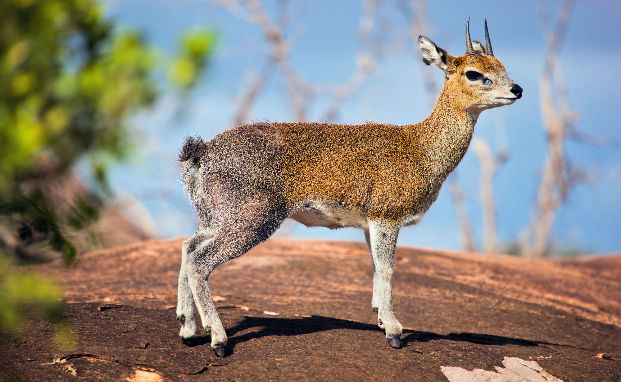
This elusive creature is the klipspringer (Oreotragus oreotragus), a species whose name literally means “rock jumper” in Afrikaans.

Despite its modest size, the klipspringer is packed with fascinating adaptations that make it a true marvel of mountain survival.
Its unique features and behaviors set it apart from other antelopes and make it a highlight for wildlife enthusiasts and naturalists.
Below are five deeply fascinating facts about this sure-footed sentinel of the cliffs.

Table of Contents

1. The Master of Vertical Terrain

The klipspringer thrives where few animals dare to tread—on steep, rocky outcrops and mountainous slopes.
These antelopes are exceptionally agile, capable of bounding up vertical faces and hopping between narrow ledges with ease.
Their compact bodies and short legs give them superior balance and maneuverability in rugged landscapes.

Unlike most antelopes that prefer open plains or forests, klipspringers specialize in elevated, rocky environments
where predators find it difficult to follow. This niche specialization helps them avoid lions, leopards, and wild dogs,
though they still have to watch out for eagles and caracals.

2. Hooves Made for Precision

One of the klipspringer’s most unique features is its specialized hooves. Unlike the wide hooves of plains-dwelling antelopes,
the klipspringer’s hooves are small, cylindrical, and rubbery-textured at the base.
These hooves allow the animal to stand on the very tips—like a ballet dancer en pointe.

This anatomical trait enables klipspringers to grip even the tiniest protrusions on rock surfaces, making them
one of the most agile antelopes in Africa. Their confident ability to walk along cliff edges just inches wide has fascinated biologists and safari-goers alike.

3. Monogamous and Loyal Mates (Facts About the Klipspringer)

In a departure from the harems and solitary lifestyles common in many antelope species, klipspringers form monogamous pairs that stay together year-round.
These pairs maintain a small territory, which they mark and defend cooperatively against intruders.

The pair rarely stray far from each other, often within just a few meters. While one forages, the other acts as a lookout on a higher perch.
If a predator approaches, the lookout gives a sharp, alarmed whistle and both disappear into the rocks in seconds.
This partnership-based survival strategy enhances their chances of evading danger in treacherous terrain.

4. Camouflage and Seclusion: Survival by Stealth

In addition to their rocky agility, klipspringers benefit from excellent natural camouflage.
Their yellowish-gray to olive-brown fur blends seamlessly with the granite and sandstone surfaces they inhabit.
When motionless, they are almost invisible to both predators and observers.

Klipspringers are primarily crepuscular—active during the early morning and late afternoon—when light levels are low, reducing the chances of being seen.
They also rely on stealth over speed; when threatened, they rarely run far, instead using sharp turns and narrow ledges to escape into difficult terrain.

5. A Unique Coat Unlike Any Other Antelope

One of the klipspringer’s most extraordinary features is its hollow, brittle fur.
Unlike the dense, solid hairs of other antelope, each hair on a klipspringer is tubular and spongy, providing insulation and cushioning.

This adaptation serves multiple purposes. It protects the skin from sharp rocks, helps with thermoregulation in exposed highlands,
and also acts as shock absorption during falls or rough landings. Interestingly, this fur texture gives the animal a “fluffy” appearance from a distance,
though it is quite coarse to the touch.

These unique hairs even help repel water and can trap a layer of air close to the body, assisting the klipspringer in maintaining body temperature across
the wide range of climates found in rocky highlands.

Conclusion of the Facts About the Klipspringer

The klipspringer may be small in size, but it is immense in character and evolutionary design.
From its precise hooves to its hollow fur and tight-knit relationships, this antelope exemplifies nature’s ability
to craft specialists for extreme environments.

Often overlooked on the safari trail, the klipspringer is a reminder that not all wildlife wonder lies in big size or brute strength—some of the most
fascinating adaptations are built for the cliffs, where survival hangs by a hoof.

Facts About the Klipspringer #Facts About the Klipspringer Facts About the Klipspringer

10 Things You Must Pack for Your Safari

10 Things You Must Pack for Your Safari

By Travel guides, Travel stories and blogs


10 Things You Must Pack for Your Safari

Heading to the African wild? Whether you’re exploring the sun-drenched savannas of the Serengeti, drifting through the Okavango Delta, or witnessing the Great Migration in the Masai Mara—one thing is clear: your packing list can make or break your safari experience.

This is no ordinary trip. On safari, you’re exposed to unique climates, terrain, and wildlife. You need to be prepared for early mornings, intense midday heat, dusty roads, and maybe even a surprise thunderstorm. But don’t worry—we’ve compiled the ultimate, no-fluff guide on the 10 essential things you must pack for your safari to ensure you’re comfortable, safe, and fully ready for the adventure of a lifetime.

1. Neutral-Colored Clothing: Blend In, Stay Comfortable

Leave the flashy reds, blues, and whites at home. Earth tones like khaki, olive, brown, and beige help you blend with your surroundings and avoid drawing unwanted attention from wildlife (and biting insects).

Opt for lightweight, breathable, and moisture-wicking fabrics. Pack:

  • Long-sleeved shirts (for sun and insect protection)
  • Convertible cargo pants or trousers
  • Shorts for camp downtime
  • A light fleece or jacket for chilly mornings

Remember: some game drives start before sunrise, and temperatures can vary drastically.

2. Sturdy Walking Shoes or Safari Boots {Pack for Your Safari}

Whether you’re in a game drive vehicle or on a guided walking safari, your feet need support. Choose closed-toe, breathable hiking shoes or boots with good grip.

Don’t forget to break them in before the trip to avoid blisters. Also bring a pair of comfortable sandals or slip-ons for evenings at the lodge or tented camp.

3. Sun Protection: Hat, Sunglasses, Sunscreen

The African sun is intense. Prolonged exposure can ruin your experience if you’re not protected. Pack:

  • A wide-brimmed hat (preferably one with a chin strap to stay secure during drives)
  • Polarized sunglasses to reduce glare and improve wildlife visibility
  • High-SPF sunscreen that’s sweat- and water-resistant

Protect your skin, protect your eyes—enjoy the landscape without discomfort.

4. Binoculars: Your Window to the Wild

A quality pair of binoculars can transform your safari. Spotting a leopard lounging in a tree or identifying bird species perched far away becomes possible.

Don’t rely solely on your guide’s equipment—pack your own. Look for 8×42 or 10×42 binoculars for the best balance between magnification and field of view.

5. Camera Gear (or Smartphone with Zoom)

You’ll want to capture those once-in-a-lifetime moments. Whether you’re a DSLR user or prefer smartphones, here’s what to pack:

  • A camera with optical zoom (300mm+ is ideal)
  • Extra memory cards and backup batteries
  • A soft camera bag to protect gear from dust

And yes—modern smartphones with quality zoom can take incredible photos too, especially during golden hour. Just don’t forget to bring a power bank!

6. Insect Repellent and Anti-Malarial Medication

Malaria and other insect-borne illnesses are risks in many safari regions. Consult your doctor before travel about vaccinations and malaria prophylaxis.

Bring a strong DEET-based insect repellent (or natural alternative with citronella/eucalyptus oil), and apply it religiously at dusk and dawn. You’ll also want:

  • Anti-itch cream (like hydrocortisone)
  • Anti-histamines
  • Travel-size mosquito net (if not provided by your lodge)

7. Daypack or Soft Duffel Bag

Luggage restrictions on safari flights are no joke—often just 15kg per person in soft-sided bags. Choose a durable, soft duffel bag with minimal structure for your main gear.

You’ll also need a lightweight daypack to carry your essentials on game drives:

  • Water bottle
  • Snacks
  • Camera/binoculars
  • Notebook/journal

8. Travel Documents and Copies

Before heading off the grid, make sure you’ve packed:

  • Passport (with at least 6 months’ validity)
  • Visa documents (depending on destination)
  • Yellow fever certificate (some countries require it)
  • Travel insurance papers

Pro tip: Keep digital copies of all documents stored securely online and a printed backup in your bag.

9. Personal Medications and First Aid Essentials

Pharmacies may be few and far between in the bush. Always carry:

  • Prescription medication (with original labels)
  • Anti-diarrheal tablets and rehydration salts
  • Painkillers (ibuprofen/paracetamol)
  • Band-aids, antiseptic wipes, tweezers

Also useful: motion sickness tablets if you’re prone to bumpy drives.

10. Sense of Adventure and Respect for Nature

The most important thing you can pack? An open heart and curious spirit. A safari isn’t just a sightseeing trip—it’s an immersion into one of Earth’s last great wildernesses.

Respect animals’ space, listen to your guides, and engage with the local communities you meet. The memories you create will be as wild and vast as the savanna itself.

Make Every Moment Count—Travel with WildHorn Africa

Now that you know what to pack, it’s time to choose the right team to take you into the heart of Africa’s wild. WildHorn Africa specializes in curated, immersive safari experiences across East and Southern Africa.

Whether you’re seeking budget-friendly bush adventures or five-star luxury lodges, they craft journeys that are authentic, sustainable, and unforgettable.

Book Your Safari with WildHorn Africa Today

Pack for Your Safari #Pack for Your Safari Pack for Your Safari

A Wildebeest River Crossing in the Serengeti

A Wildebeest River Crossing in the Serengeti

By Tanzania travel guides, Travel guides, Travel stories and blogs


A Wildebeest River Crossing in the SerengetiWitness one of the planet’s most breathtaking and perilous wildlife spectacles — where survival, instinct, and sheer numbers converge on the banks of East Africa’s most iconic rivers.

Introduction to A Wildebeest River Crossing in the Serengeti

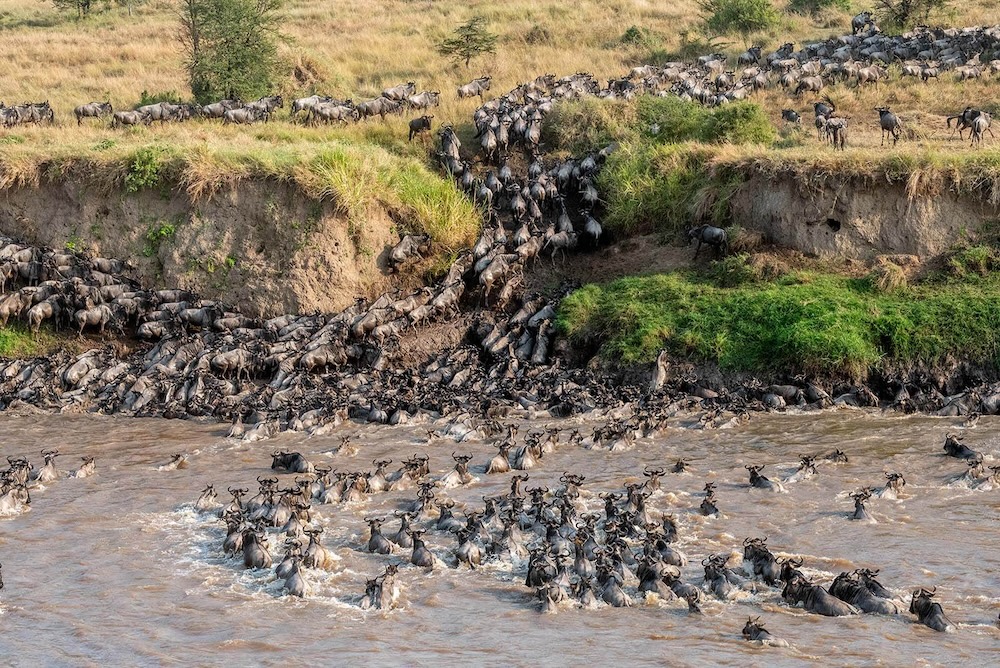
There are few sights on Earth that can match the drama, scale, and raw energy of a wildebeest river crossing in the Serengeti-Mara ecosystem. Every year, over 1.5 million wildebeests—joined by hundreds of thousands of zebras and gazelles—embark on a relentless journey in pursuit of greener pastures. This is the Great Migration, one of nature’s greatest spectacles and a defining experience of African wildlife.

But within this epic journey lies its most heart-stopping moment: the crossing of crocodile-infested rivers like the Mara and Grumeti. Here, instinct collides with danger, and chaos becomes choreography. This article takes a deeper look into this thrilling chapter of the migration and why it remains a must-see on any African safari.

Understanding the Great Migration

The Annual Cycle of Life and Death

The Great Migration is a continuous, clockwise cycle of movement through the Serengeti in Tanzania and the Maasai Mara in Kenya. It’s not a one-time event, but a year-round progression dictated by rainfall patterns and grazing availability.

Wildebeests move from the southern Serengeti calving grounds in January–March toward the north, eventually reaching the Mara River region around July to September. It is here that one of nature’s greatest dramas unfolds: the wildebeest river crossing.

The River Crossing: Nature’s Ultimate Gamble

A Game of Instinct vs. Peril

When wildebeests reach the banks of the Mara River, they hesitate. The water is not just a barrier; it is a predator’s playground. Nile crocodiles, some measuring over 16 feet in length, lie in wait. The steep embankments, strong currents, and stampeding herds add to the peril.

Yet the wildebeests cross, compelled by the promise of lush grazing grounds on the other side. Driven by instinct and the overwhelming urge to follow the herd, thousands plunge into the water, creating a frenzied scene of noise, splashing, panic, and courage.

The Role of Crocodiles

Crocodiles play a vital ecological role in these crossings. As apex predators, they target the weak, the injured, and the inexperienced. Although tragic, these kills are part of the ecosystem’s balance—sustaining predators and preventing overgrazing.

Danger From Within

Not all casualties are due to predators. Many wildebeests die from drowning, exhaustion, or trampling during stampedes. The panic of thousands trying to cross simultaneously leads to bottlenecks, with some animals being crushed or swept away by currents.

Timing and Location: When and Where to Witness It

While nature follows its own unpredictable schedule, July through October typically offers the best chance to witness a crossing. Key river crossing points include:

  • Mara River (Northern Serengeti/Maasai Mara): The most iconic crossing with high crocodile activity.
  • Grumeti River (Western Corridor): Crossings begin earlier in the season, around May to June.

However, crossings can happen sporadically and unpredictably. It’s not uncommon for herds to gather at the riverbank for hours—or even days—before deciding to cross. This unpredictability adds to the suspense and awe of witnessing the event firsthand.

Beyond the Wildebeest: A Wildebeest River Crossing in the Serengeti

Zebras and Gazelles

Wildebeests don’t migrate alone. They are often accompanied by zebras and Thomson’s gazelles. Zebras help lead the way by remembering routes and water points from previous years, while gazelles often follow for safety in numbers.

Predators on the Trail

Lions, hyenas, cheetahs, and leopards shadow the migration, knowing that the mass movement offers prime hunting opportunities. The drama of the river crossing continues on land, where exhausted or separated individuals fall prey.

Conservation and the Future of the Migration

Despite its grandeur, the Great Migration faces numerous threats:

  • Human encroachment: Expanding agriculture and fencing disrupt migration corridors.
  • Climate change: Altered rainfall patterns impact grazing and water availability.
  • Infrastructure projects: Roads and dams may hinder animal movement if not planned responsibly.

Conservationists, governments, and safari operators must collaborate to protect this global natural heritage. Sustainable tourism, research, and policy advocacy are crucial to maintaining the integrity of this phenomenon for generations to come.

Why Seeing It Live Is Unforgettable

No documentary or photograph can prepare you for the sensory overload of a wildebeest crossing. The earth trembles under their hooves. The air is thick with dust and tension. The sounds—bellows, splashes, growls—resonate deep in your chest.

It’s a moment of raw, unscripted nature, where you bear witness to the ancient pulse of the wild. Each crossing is different, shaped by the conditions, the players, and chance. That’s why many seasoned travelers say this is the greatest wildlife experience on Earth.

Embark on Your African Safari With WildHorn Africa

If you dream of witnessing the thunderous wildebeest river crossings or exploring the endless plains of the Serengeti, look no further than WildHorn Africa.

As specialists in authentic, expertly guided safaris, WildHorn Africa crafts tailor-made experiences that connect you to the soul of Africa. From luxury lodges to mobile tented camps, from sunrise game drives to intimate riverbank stakeouts, your adventure will be crafted with care, respect for nature, and deep local knowledge.

Book your unforgettable safari today with WildHorn Africa — and become part of the legend of the Serengeti.

A Wildebeest River Crossing in the Serengeti #A Wildebeest River Crossing in the Serengeti

5 Fascinating Facts About the African Elephant

5 Fascinating Facts About the African Elephant

By Travel guides, Travel stories and blogs


5 Fascinating Facts About the African ElephantUncover the grandeur, intelligence, and mystery of Earth’s largest land mammal

Introduction to the Facts About the African Elephant

Towering over the African savannas and forests, the African elephant is more than just a giant—it’s a keystone species, an icon of wilderness, and a marvel of evolution.
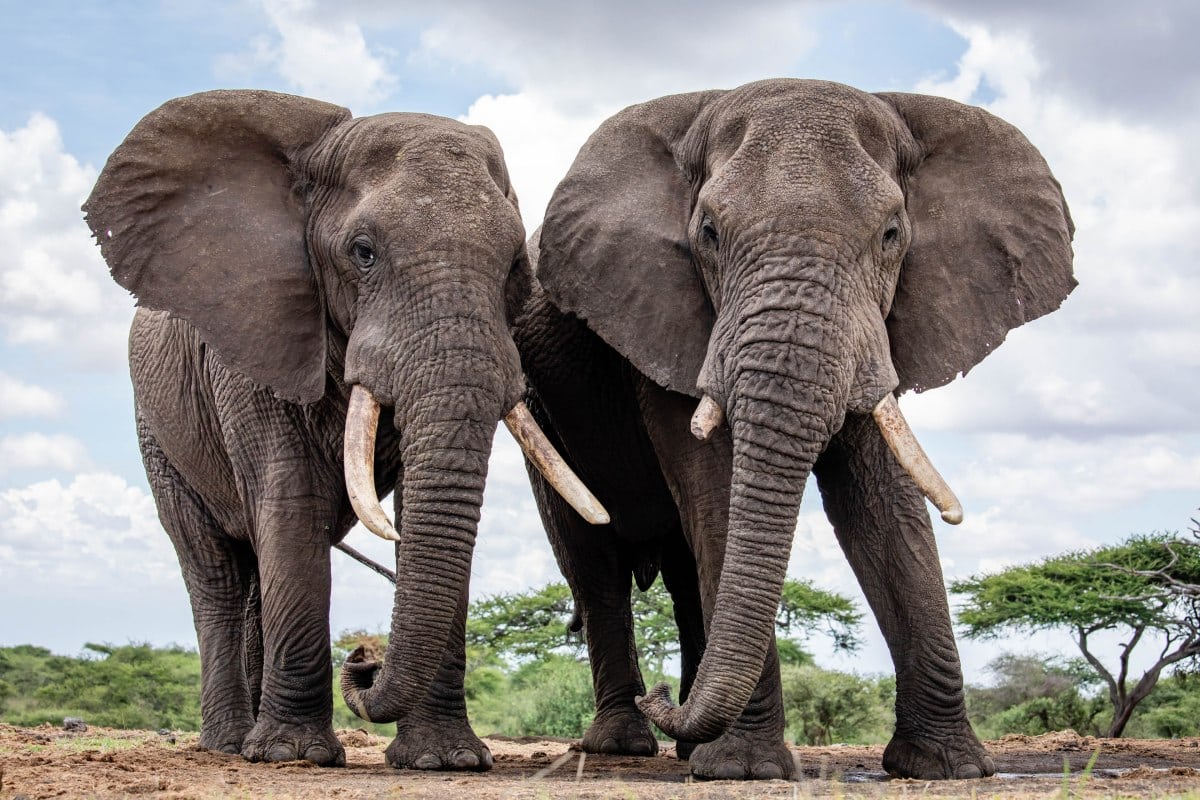
These majestic creatures represent power, intelligence, and community, making them one of the most fascinating animals on the planet. With ears like sails, tusks that shape landscapes,
and a memory that rivals humans, African elephants continue to captivate scientists and wildlife lovers alike.

In this article, we delve into five remarkable facts about the African elephant, uncovering what makes them both biologically unique and culturally significant.

1. The Largest Land Mammal on Earth

The African elephant holds the title of the largest terrestrial animal alive today. Adult males, also called bulls, can weigh up to 6,800 kilograms (15,000 pounds)
and stand over 3.5 meters (11.5 feet) tall at the shoulder.

There are two subspecies: the Savanna (or Bush) elephant (Loxodonta africana)—larger and more widely distributed—and the Forest elephant
(Loxodonta cyclotis), which is smaller and adapted to life in Central and West Africa’s dense forests.

Despite their massive size, elephants move with surprising grace and can walk silently for kilometers each day in search of food and water.

2. Remarkably Intelligent and Social Creatures

African elephants possess exceptional intelligence, comparable to that of great apes and dolphins. Their brains weigh over 5 kilograms (11 pounds) and feature a highly
developed neocortex, which governs problem-solving and emotional response.

Elephants are capable of grief, empathy, self-recognition, and long-term memory. They form deep family bonds, particularly among females who live in matriarchal groups led by the oldest female.
Calves are raised communally, and members often stop to comfort or protect injured or deceased companions.

In addition to their emotional intelligence, elephants are skilled communicators. They use infrasound frequencies to communicate across distances of several kilometers,
coordinating movements and maintaining social contact.

3. Their Tusks Are More Than Just Teeth

An elephant’s tusks are actually elongated incisor teeth that continue growing throughout their lives. Both male and female African elephants have tusks, unlike their Asian relatives,
where only some males do.

Tusks serve many vital functions. Elephants use them to dig for water and minerals, strip bark from trees, lift heavy objects, and as formidable weapons during fights.
Sadly, their ivory also makes them a target for poaching, contributing to significant population declines.

Tusks are also an indicator of age and status within elephant society, with older individuals often bearing larger, more worn tusks that reflect a life of survival and experience.

4. Architects of the Ecosystem (Facts About the African Elephant)

African elephants are sometimes referred to as ecosystem engineers due to the transformative role they play in shaping their habitats.
By knocking down trees, elephants create open spaces in savannas, promoting grass growth that benefits other herbivores. In forests, they clear pathways and help maintain biodiversity.

Their dung not only disperses seeds but also provides nourishment for beetles, fungi, and other decomposers. Water holes dug by elephants during dry seasons
often serve as critical hydration points for other animals.

Without elephants, entire ecosystems can become unbalanced, highlighting their vital role in maintaining the health and diversity of African landscapes.

5. Facing the Threats of Poaching and Habitat Loss

Despite their grandeur, African elephants face increasing threats from poaching, habitat destruction, and human-wildlife conflict.
Over the past century, their population has been reduced dramatically due to the illegal ivory trade and shrinking habitats caused by agriculture and development.

Conservation efforts are underway across Africa, including anti-poaching patrols, protected area designations, and wildlife corridors.
Many countries have implemented strict ivory bans and invested in community-based conservation programs that encourage coexistence.

Protecting elephants is not only about preserving a species—it’s about sustaining entire ecosystems and cultural heritages. Their survival is intricately tied
to Africa’s environmental and economic future.

Conclusion of the Facts About the African Elephant

The African elephant is an extraordinary creature—giant in form, grand in mind, and vital in function. From their complex societies to their ecological significance,
they embody the intricate balance of the natural world.

As we strive to conserve and understand them, we are reminded that protecting elephants means protecting the broader web of life they support.
In every trumpet, tusk, and trail, the African elephant leaves a legacy of awe and purpose—a legacy we must ensure endures for generations to come.

Facts About the African Elephant #Facts About the African Elephant Facts About the African Elephant

5 Fascinating Facts About the Secretary Bird (Sagitarius Serpentarius)

5 Fascinating Facts About the Secretary Bird (Sagitarius Serpentarius)

By Travel guides, Travel stories and blogs


5 Fascinating Facts About the Secretary Bird (Sagittarius serpentarius)Graceful, fierce, and utterly unique – discover Africa’s raptor that walks the savannah like a legend

Introduction to the Facts About the Secretary Bird

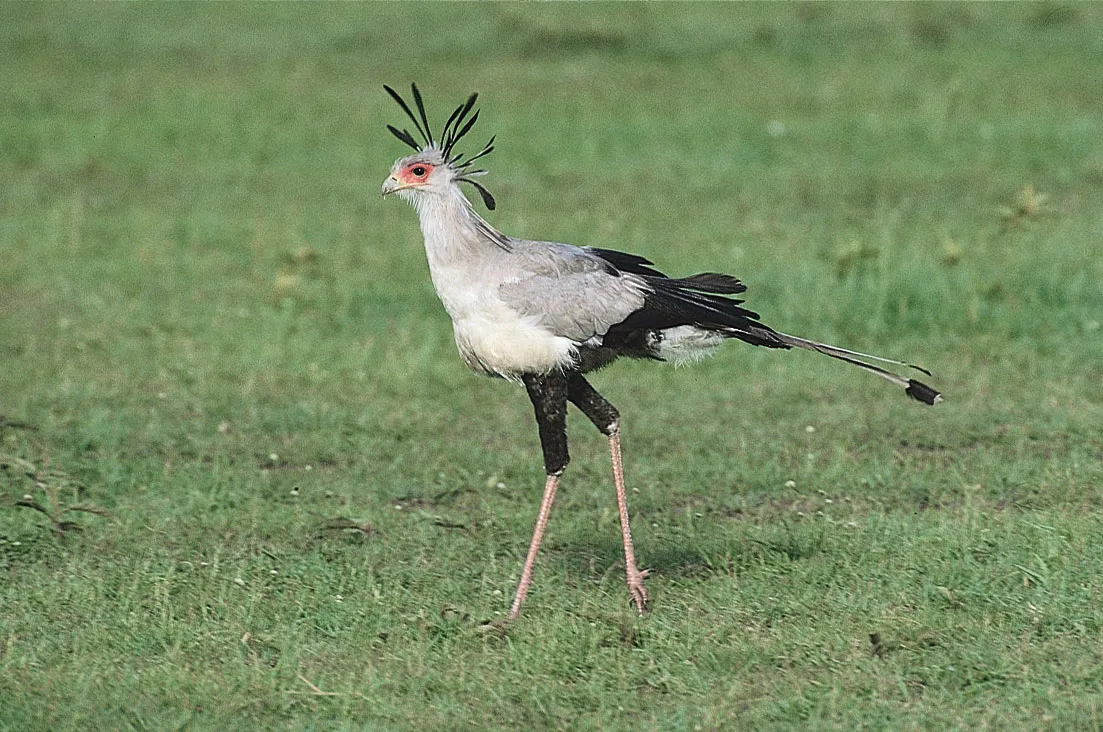
With long stilt-like legs, an eagle’s fierce gaze, and a striking crest of quill-like feathers, the Secretary Bird is one of Africa’s most recognizable and extraordinary birds.
Named perhaps for its resemblance to a Victorian-era clerk with pen-like feathers behind the ears, this terrestrial raptor is anything but desk-bound.

Roaming the grasslands of sub-Saharan Africa, the Secretary Bird is a master predator that prefers to walk rather than fly—and it has one particular enemy: snakes.
But there’s much more to this fascinating bird than meets the eye. In this article, we explore five incredible facts that showcase why Sagittarius serpentarius
deserves your admiration and attention on your next African safari.

1. The Secretary Bird Is a Terrestrial Raptor

Unlike most birds of prey, the Secretary Bird spends the majority of its life on the ground. It can walk up to 30 kilometers (18 miles) a day in search of prey,
using its long, crane-like legs to stalk the savannah. Although it has powerful wings and can fly well, it only takes to the air when absolutely necessary.

This ground-dwelling behavior is a remarkable evolutionary adaptation, allowing it to efficiently scan and hunt in open grasslands, where small mammals, birds, and reptiles abound.

2. A Snake-Slayer with Precision Strikes

The Secretary Bird is best known for its snake-hunting prowess. It is one of the few birds that actively seeks out and kills venomous snakes,
including cobras, puff adders, and mambas.

It uses a deadly combination of speed, accuracy, and powerful kicks to deliver fatal blows. Each strike, measured at over 195 Newtons of force,
is delivered with such precision that it can crush a snake’s skull or spine. In fact, its legs are so well adapted that they have built-in protection against venomous bites.

Once the snake is immobilized, the bird swallows it whole or tears it apart with its beak—one of nature’s most dramatic predator-prey dynamics.

3. Distinctive Appearance and Imposing Size

Standing up to 1.3 meters (4.3 feet) tall, the Secretary Bird is among the tallest birds of prey in the world. Its wingspan can reach over 2 meters (6.6 feet),
though its wing muscles are relatively small compared to other raptors.

Its plumage is mostly grey and white, with contrasting black flight feathers and crest. The feathered crest, often likened to quill pens, gives the Secretary Bird its name.
Its face is bare and brightly colored in orange and yellow hues, making it unmistakable in the wild.

Its long tail and dramatic gait add to its theatrical appearance, making it one of Africa’s most photogenic and symbolic birds.

4. Symbol of Power and Prestige (Facts About the Secretary Bird)

The Secretary Bird holds deep symbolic value across Africa. It is the national emblem of Sudan and appears prominently on the South African coat of arms,
representing vigilance, strength, and the power to strike decisively when necessary.

In many cultures, the bird’s ability to kill snakes makes it a protector—a living guardian of fields and villages. Farmers often welcome its presence,
as it helps control populations of pests and dangerous reptiles.

This high regard has contributed to the bird’s protection and its revered status in both folklore and modern national identity.

5. A Conservation Concern in a Changing Landscape

Despite its fame, the Secretary Bird faces growing threats from habitat loss, agriculture, and fire regimes that alter its preferred open-grassland environments.
The species is now listed as Vulnerable on the IUCN Red List, with population numbers in decline across much of its range.

Conservationists are working hard to preserve protected areas and raise awareness about the importance of grassland ecosystems.
Organizations across Africa, including birding groups and ecotourism operators, are also helping to fund conservation through responsible tourism.

Every sighting of a Secretary Bird in the wild is a reminder of Africa’s complex biodiversity—and a call to action to protect it for future generations.

Conclusion of the Facts About the Secretary Bird

The Secretary Bird is not just another predator—it is a biological marvel, cultural icon, and ecological sentinel.
With its unmatched ability to stalk prey on foot, its regal appearance, and its fearsome reputation among snakes, the bird is a must-see for any wildlife enthusiast.

Witnessing this majestic creature stride across the savannah is a moment that stays with you—a vivid slice of untamed Africa.

Plan Your Encounter with the Wild

Want to see the incredible Secretary Bird up close in its natural habitat? Book your African safari today with WildHorn Africa—your trusted guide to unforgettable
wildlife encounters, expert-led tours, and immersive experiences across the continent’s most iconic landscapes.

WildHorn Africa offers curated adventures tailored to your interests—whether birdwatching, photography, big game, or cultural exploration.
Don’t just dream it—experience Africa the WildHorn way.

Facts About the Secretary Bird #Facts About the Secretary Bird

5 Fascinating Facts About the Spotted Hyena

5 Fascinating Facts About the Spotted Hyena

By Travel guides, Travel stories and blogs


5 Fascinating Facts About the Spotted HyenaNature’s most misunderstood predator unveiled.

Introduction

When you hear the word “hyena,” what comes to mind?
Perhaps an eerie laugh echoing through the savannah or a cunning scavenger lurking in the shadows?
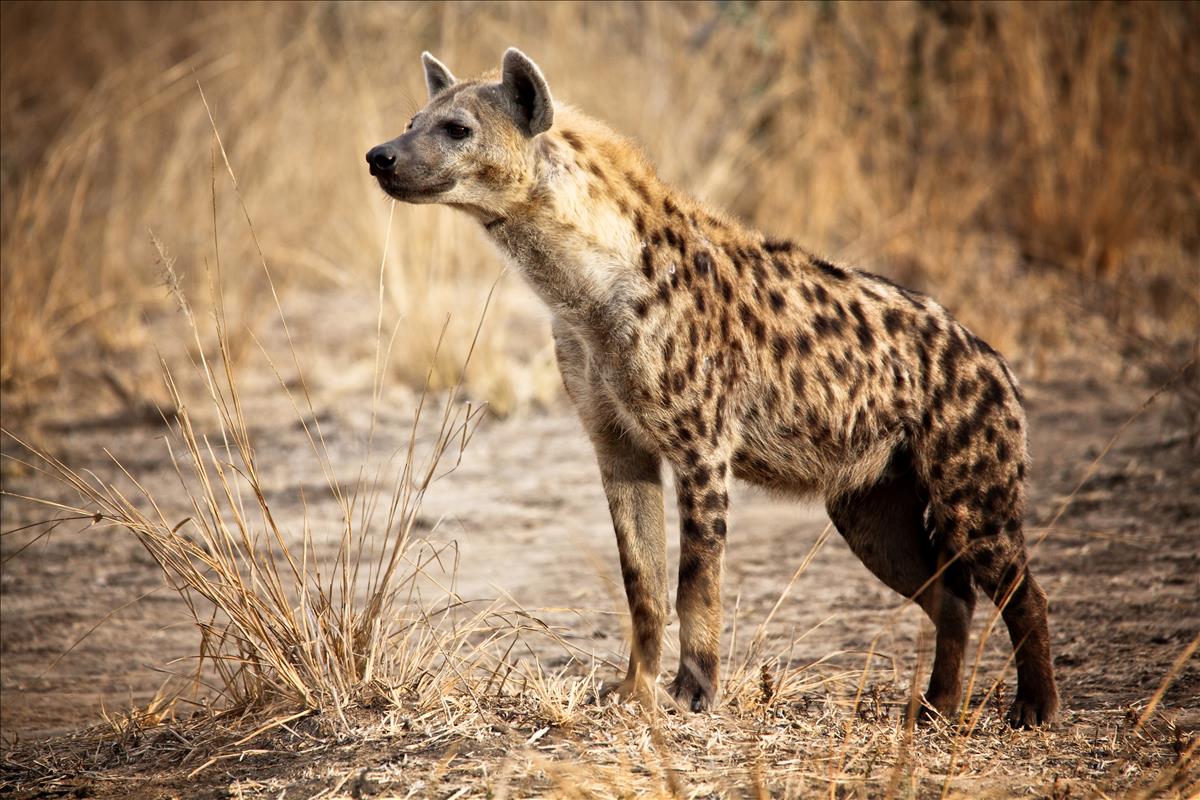
The spotted hyena—also known as the Crocuta crocuta—is often misjudged and wrapped in myth.
But the truth? It’s one of the most intelligent, strategic, and powerful predators on Earth.

Let’s uncover the truth with these five astonishing facts that will change how you view this remarkable carnivore forever.

Table of Contents

1. Matriarchal Power: Female Hyenas Reign Supreme

In the world of spotted hyenas, females dominate males—socially, physically, and hierarchically.
The clan is led by an alpha female who holds the highest status, and even the lowest-ranking female
ranks above the highest-ranking male.

Female hyenas are larger and more aggressive than males, and they inherit their rank from their mothers.
This unusual matriarchal society challenges traditional views of animal dominance and makes hyena society one of the most
complex among mammals.

2. Not Just Scavengers: They’re Skilled Hunters

While hyenas are often portrayed as mere scavengers, this is a gross misconception.
Spotted hyenas are apex predators and can hunt alone or in coordinated packs.

In fact, studies show that up to 70% of their food comes from their own kills.
They chase down prey like wildebeest, zebras, and antelopes, using endurance and teamwork to exhaust and corner their targets.
Their success rate can even rival that of lions.

3. Their Laugh Is a Language

That infamous “laugh” isn’t a sign of amusement—it’s a sophisticated form of communication.
Spotted hyenas emit a range of vocalizations, and their high-pitched giggle is used to express
social status, distress, or submission.

Each hyena’s laugh is unique and can reveal its age and rank within the clan. It’s a form of vocal ID in the wild.

4. One of the Most Powerful Jaws in the Animal Kingdom

The spotted hyena possesses one of the most powerful bites of any land mammal, capable of exerting over
1,000 psi (pounds per square inch). This jaw strength allows them to crush and digest bones—a feat few predators can manage.

Their digestive system is so efficient that they leave behind very little after a meal, often only hair and hooves.
This contributes greatly to ecosystem cleanup and nutrient cycling.

5. Highly Intelligent and Social Creatures

Spotted hyenas have large frontal cortexes in their brains, comparable to those of primates.
This makes them incredibly intelligent—capable of problem-solving, learning from experience, and using strategic social manipulation.

They live in complex social groups of up to 80 individuals, with each member knowing its place and relationship within the clan.
Their social intelligence rivals that of some apes and dolphins.

Conclusion

The spotted hyena is far more than its eerie laugh and mythological reputation.
With their matriarchal hierarchy, hunting prowess, and intellectual abilities,
these animals are true wonders of the wild.
It’s time we gave the spotted hyena the respect it deserves—not as a scavenger, but as one of nature’s most fascinating survivors.


5 Fascinating Facts About the African Rock Python

5 Fascinating Facts About the African Rock Python

By Travel guides, Travel stories and blogs


5 Fascinating Facts About the African Rock PythonA deep dive into Africa’s largest, boldest, and most misunderstood serpent.

Introduction to the Facts About the African Rock Python

Few creatures stir the imagination and fear of the wild quite like a python—and none in Africa command more awe than the
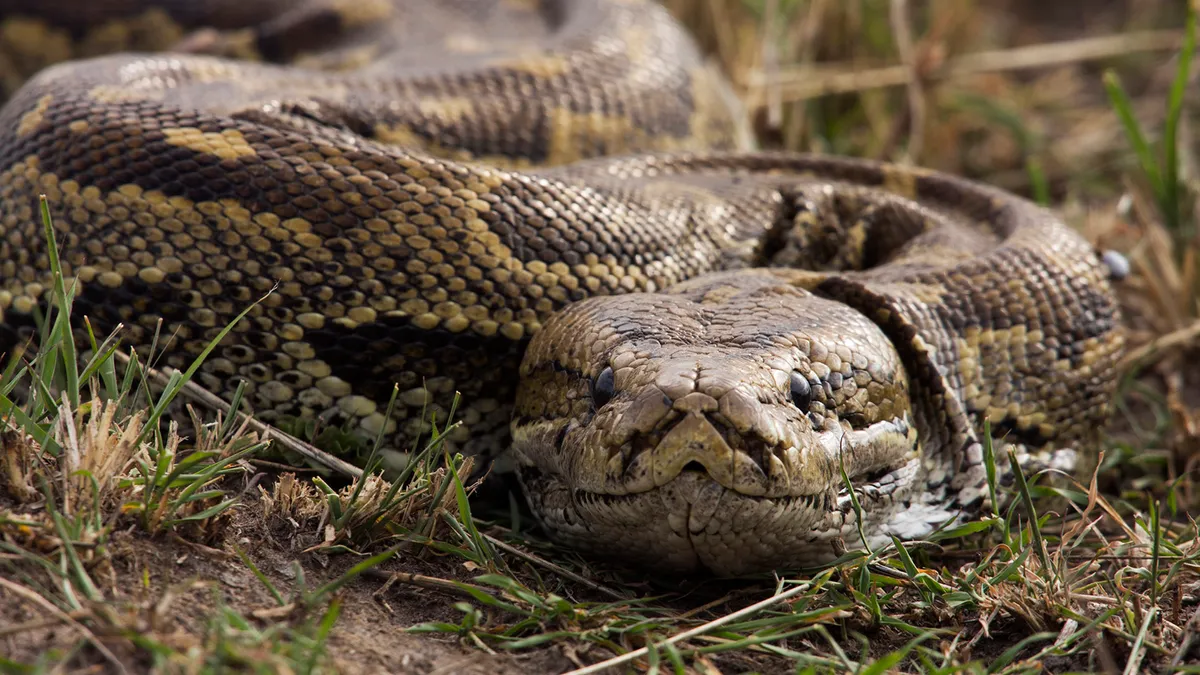
African rock python (Python sebae). As the continent’s largest snake, this reptile is wrapped in both
myth and mystery, often portrayed as a silent hunter capable of incredible strength and cunning. But there’s more to this
cold-blooded giant than just fearsome looks.

Beneath its patterned scales lies a species of biological marvels, intricate behaviors, and critical ecological roles.
Whether you’re a wildlife enthusiast or just curious about Africa’s reptiles, these five facts will give you a whole new appreciation
for this powerful predator.

Table of Contents

1. Africa’s Largest Snake by Length and Bulk

The African rock python is a giant among snakes. Adults typically reach lengths of 3 to 5 meters (10–16 feet),
though some individuals have been recorded exceeding 6 meters. Its body is heavily built, making it not just the longest but also
one of the heaviest snakes on the continent, with large specimens weighing over 90 kilograms (200 pounds).

Its impressive size allows it to subdue a wide range of prey and makes it one of the most formidable non-venomous snakes in the world.

2. A Master Constrictor with Crushing Power (Facts About the African Rock Python)

Unlike venomous snakes that inject toxins, the African rock python is a constrictor. It kills its prey by wrapping
its powerful coils around the animal and tightening its grip with each exhalation. This pressure cuts off circulation, causing
cardiac arrest within minutes.

Its prey includes a wide variety of animals, from rodents and birds to antelopes, monkeys, and even crocodiles.
Yes—this python has been documented overpowering small crocodiles using sheer muscle power. After the kill, the snake swallows
its prey whole, aided by its expandable jaws and stretchy ligaments.

3. It Swims, Climbs, and Ambushes With Precision

The African rock python is a highly versatile predator. Despite its size, it is an excellent swimmer and is
commonly found near rivers, swamps, and wetlands. It also climbs trees in search of birds or arboreal mammals.

Pythons rely on stealth and ambush rather than speed. Their camouflaged scales help them blend seamlessly
into the environment, where they wait for hours or even days near trails or waterholes. When the moment is right, they strike
with blinding speed.

Their hunting success is greatly aided by heat-sensing pits on their upper lips, which detect infrared radiation
from warm-blooded prey, even in complete darkness.

4. A Rare Example of Maternal Care in Reptiles

Most reptiles lay their eggs and abandon them—but not the African rock python. Females exhibit maternal behavior that
is rare among snakes. After laying between 20 to 100 eggs in a burrow or termite mound, the mother coils around them to
protect and incubate them for about 90 days.

During this time, she will hiss loudly and strike at intruders. When the hatchlings emerge, she may even remain nearby
for a short period to guard them. This level of parental investment is uncommon in snakes and speaks to the python’s
unique survival strategy.

5. Misunderstood but Vital to the Ecosystem

Despite their reputation, African rock pythons are not aggressive unless threatened. Most incidents involving humans
are due to fear, not actual attacks. These snakes are shy and prefer to avoid confrontation.

Ecologically, they play a crucial role in controlling populations of rodents and small mammals, acting as a natural form of
pest control. Without them, certain prey species could overpopulate and disrupt the ecological balance.

Sadly, the python faces increasing threats from habitat loss, poaching, and persecution. In some areas,
it is hunted for its skin or meat, while in others, it is killed out of fear. Conservationists are working to change
perceptions and protect this misunderstood predator.

Conclusion of the Facts About the African Rock Python

The African rock python is not a monster of folklore—it is a biological masterpiece. With its immense strength,
complex behaviors, and ecological significance, it deserves both respect and protection.
Far from being just a giant snake, it is a symbol of the wild’s balance and power.

By understanding and appreciating this extraordinary reptile, we not only reduce fear but also
strengthen efforts to conserve Africa’s natural heritage.


Close Menu