search
Sipi Falls Tours near Mount Elgon National Park

Sipi Falls Tours near Mount Elgon National Park

By Travel stories and blogs, Adventure holidays, Uganda travel guides

Sipi Falls Tours near Mount Elgon National Park

The Call of Uganda’s Cascading Gem

Amidst the rolling foothills of eastern Uganda, on the edge of the great Mount Elgon, lies one of Africa’s most enchanting natural spectacles—Sipi Falls. Few landscapes combine such dramatic beauty with cultural intimacy, where waterfalls tumble gracefully down sheer cliffs, fertile valleys stretch endlessly below, and communities welcome travelers into their daily rhythms of life. For those who journey to this remote corner of Uganda, Sipi Falls offers far more than picturesque scenery. It is a destination that stirs the spirit, inviting visitors to walk gently into a world where nature and tradition exist in delicate harmony.

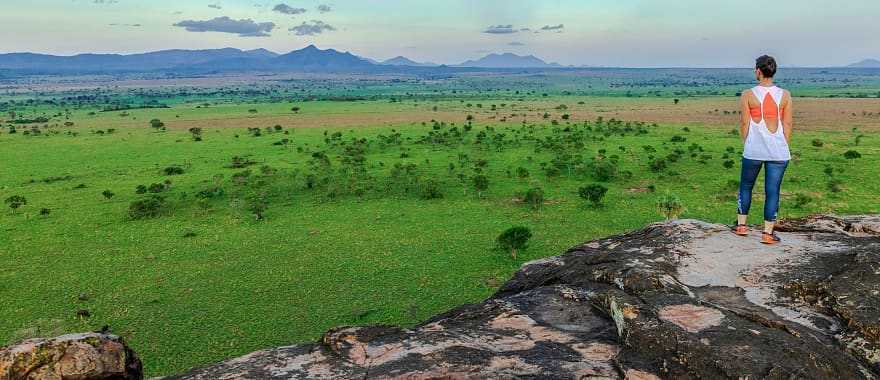
The falls, a collection of three striking cascades, are framed by verdant hillsides, rich coffee plantations, and views stretching across the distant plains of Karamoja. Yet beyond their visual grandeur lies an experience layered with meaning: the chance to trek along hidden trails, to learn the secrets of Arabica coffee cultivation, to encounter the stories of the Sabiny and Bagisu peoples, and to rest in the cool spray of Uganda’s highland air.

To embark on a tour of Sipi Falls is to step into a narrative shaped by water, culture, and history, woven together in a setting that remains mercifully untouched by mass tourism. It is a place where travelers find not only natural beauty but also moments of reflection, peace, and authentic connection.

Location and Setting: The Gateway to Mount Elgon

Sipi Falls is located in Kapchorwa District, eastern Uganda, at the edge of Mount Elgon National Park. This strategic position makes it both a destination in its own right and a natural starting or ending point for treks up Mount Elgon. The falls lie at an altitude of around 1,775 meters above sea level, a height that ensures cool, refreshing air and panoramic views.

The setting is defined by its geography. The cliffs from which the waterfalls plunge are remnants of volcanic activity that shaped the Mount Elgon region millions of years ago. Beneath these cliffs, fertile soils support lush vegetation, particularly coffee plantations that produce some of Uganda’s finest Arabica beans. To the east, the plains of Karamoja extend into the horizon, their vast openness contrasting with the intimacy of the waterfalls’ valley. To the west, the slopes of Mount Elgon rise steadily, their forests providing a dramatic backdrop.

This position at the crossroads of mountain and plain makes Sipi Falls a place of convergence—not only of landscapes but of cultures, histories, and experiences. It is both a tranquil retreat and a vibrant gateway, linking the majesty of Mount Elgon with the broader story of Uganda’s eastern frontier.

The Falls: Nature’s Triple Wonder

The allure of Sipi lies primarily in its three magnificent waterfalls, each with its own personality and charm, yet collectively forming a spectacle that is greater than the sum of its parts.

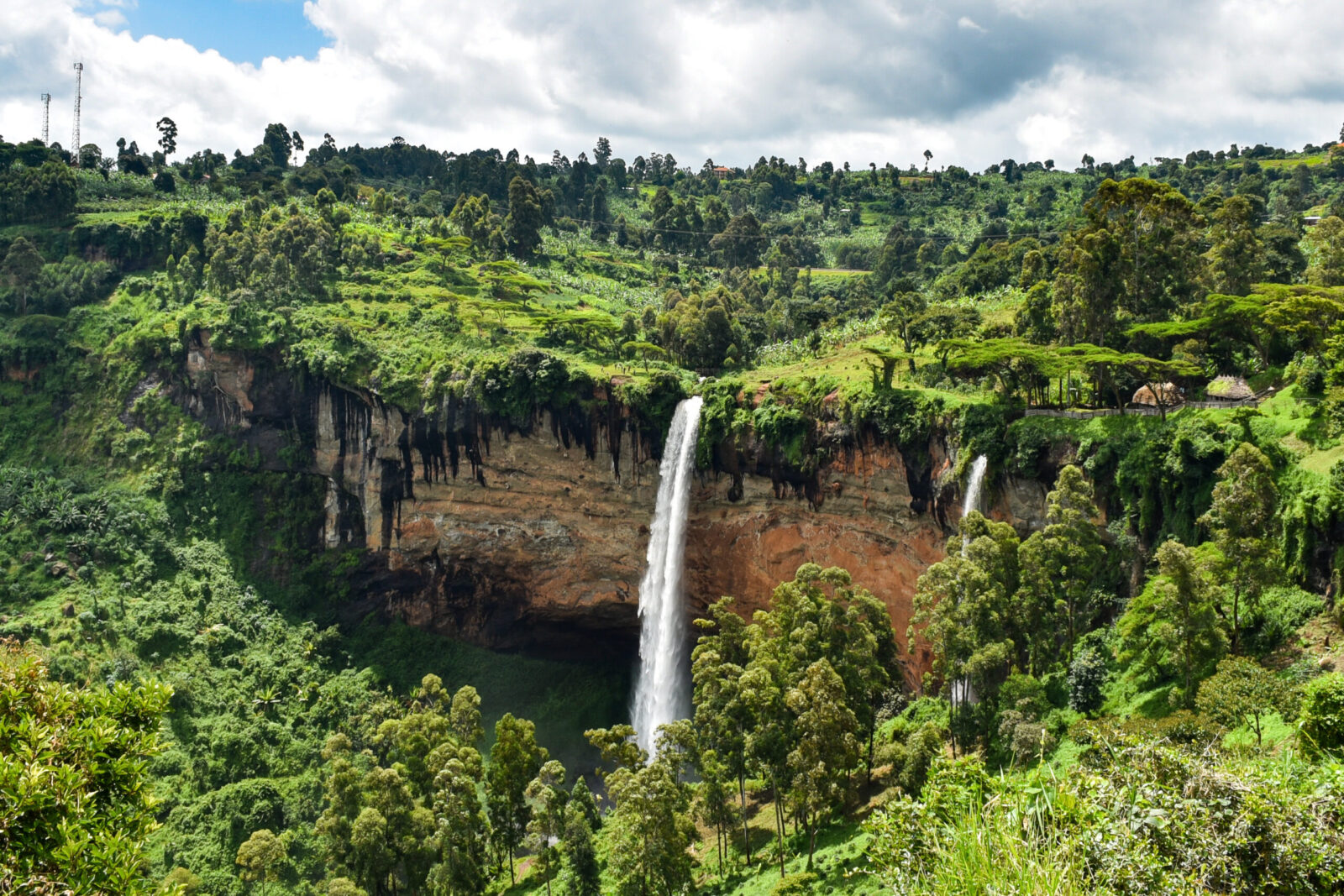
The main waterfall, often referred to simply as Sipi, plunges an astonishing 100 meters into a pool below, its roar echoing across the valley. This cascade is the most photographed and the most iconic, a dramatic curtain of water framed by sheer cliffs and lush greenery. Its power is mesmerizing, and its spray cools the air even on the warmest afternoons.

The second waterfall, slightly smaller, falls from a height of around 85 meters. Unlike the first, it is set deeper into the landscape, creating a secluded feel. It is often reached by winding trails through farms and villages, giving travelers the opportunity to experience not only the natural wonder but also the human life that thrives around it.

The third waterfall, approximately 65 meters high, is the most tranquil of the three. Nestled in a quieter corner, it invites contemplation, the kind of place where the rhythm of falling water blends seamlessly with birdsong and rustling leaves.

Together, these waterfalls form the essence of Sipi, a symphony of movement and sound that shifts with the seasons. During the rainy months, the falls surge with immense power, their torrents crashing into the pools below. In the drier months, they become gentler, their beauty revealed in delicate veils of water shimmering in the sunlight.Sipi Falls Tours near Mount Elgon National Park
Hiking and Trekking Around Sipi Falls

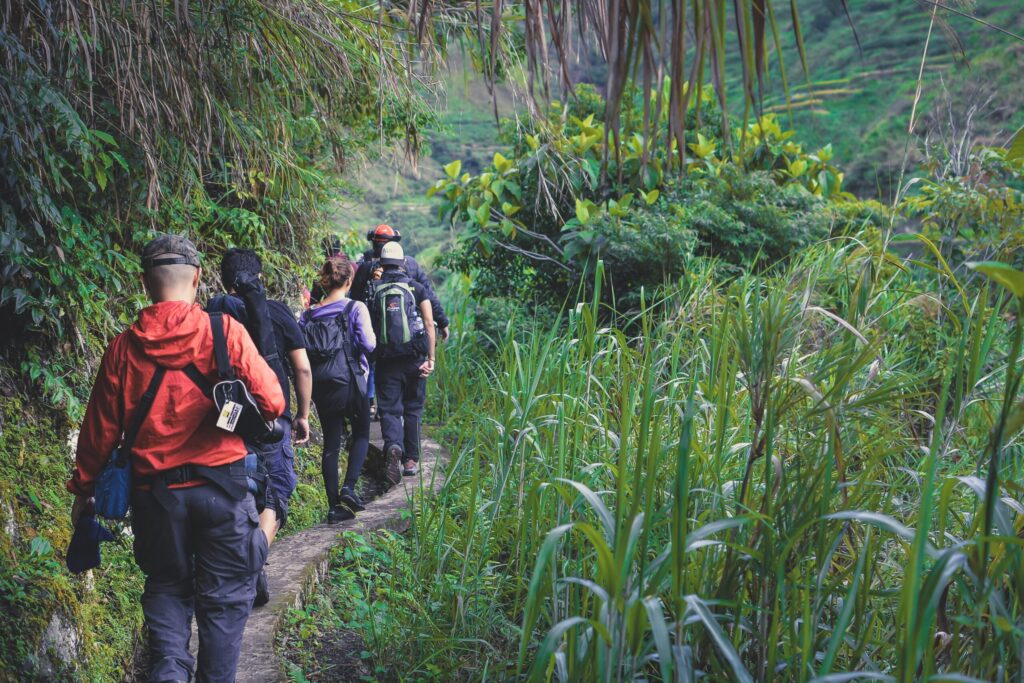
To experience Sipi Falls fully, one must walk its trails. Hiking around the falls is less about conquering steep heights and more about embracing a landscape of subtle wonders. Local guides, many of whom grew up in the villages surrounding the waterfalls, lead visitors along paths that weave through farms, banana plantations, and coffee gardens. The hikes vary in length and intensity, from short strolls to longer treks that link all three waterfalls.

Each trail offers more than scenic views. Along the way, hikers encounter hidden caves, some of which were once used as shelters during times of conflict or as storage places for harvests. The cliffs reveal layers of volcanic history, their rocky faces telling silent stories of the mountain’s ancient eruptions. Wildflowers bloom in unexpected corners, and birds flit through the air, adding flashes of color to the green canvas.

For those who seek more extended adventures, Sipi Falls also serves as the starting point for treks up Mount Elgon. The Sipi Trail, in particular, provides a gradual approach to the mountain’s higher reaches, offering a natural progression from the waterfalls’ foothills into the moorlands and ultimately toward Wagagai Peak.

Trekking in Sipi is not only physical but also profoundly sensory. The cool mist of the waterfalls refreshes tired hikers, the smell of fresh coffee beans drying in the sun lingers in the air, and the distant laughter of children playing in the villages reminds one that life here flows with the same vitality as the falls themselves.

Cultural Encounters: The People of Sipi

No tour of Sipi Falls is complete without engagement with the people who call this region home. The Sabiny and Bagisu communities form the cultural heart of Kapchorwa District, each bringing unique traditions and ways of life that enrich the visitor experience.

The Bagisu, known for their agricultural skills, are especially famous for their imbalu circumcision rituals, a traditional rite of passage that transforms boys into men through ceremonies of music, dance, and community celebration. While deeply rooted in cultural heritage, the imbalu rituals also attract interest from visitors who are welcomed to observe the dances and songs, though with respect for their significance.

The Sabiny, who occupy much of the highland area, are renowned for their hospitality and resilience. Their farms, often terraced into the hillsides, provide coffee, bananas, and vegetables that sustain families and markets alike. Folklore and oral traditions are strong among the Sabiny, with elders passing down stories that explain the origins of the waterfalls, the spirits believed to inhabit the cliffs, and the customs that guide daily life.

Visitors are often invited into homes to learn about coffee cultivation, from planting and harvesting to roasting and brewing. These encounters reveal the deep connection between the land and the people, showing how the waterfalls not only shape the landscape but also sustain livelihoods and identities.

Coffee Tourism: The Taste of Sipi

One of the most distinctive aspects of a Sipi Falls tour is the chance to explore the world of Arabica coffee, which thrives in the volcanic soils of Mount Elgon’s slopes. Coffee farming here is more than an economic activity; it is a cultural practice handed down through generations.

Guided coffee tours take visitors from the plantation to the cup. Farmers explain the delicate process of growing Arabica beans at high altitudes, where the cool climate and rich soil create conditions ideal for quality coffee. Visitors witness the careful picking of ripe red cherries, the washing and drying processes, and the traditional methods of roasting over open fires.

The highlight comes when guests brew and taste the coffee themselves, often in the very homes of the farmers. The experience is intimate and personal, a chance to appreciate the labor and love that go into every cup. Beyond flavor, coffee tourism supports local livelihoods, allowing farmers to share their knowledge while earning directly from visitors.

The story of Sipi coffee is inseparable from the story of the waterfalls. Both are products of the same mountain, nourished by its volcanic soils and abundant rainfall. Together, they symbolize the union of natural beauty and human industry that defines the region.

Adventure Beyond the Falls

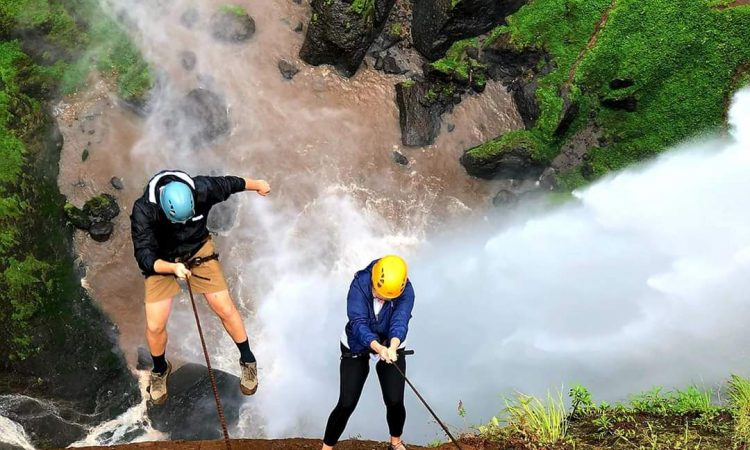
While the waterfalls remain the centerpiece, Sipi offers much more for those with time to explore. The cliffs around the falls have become a favored spot for rock climbing, providing thrilling experiences for adventurers who wish to challenge themselves while overlooking sweeping valleys.

Nature walks in the surrounding hills reveal a diversity of flora and fauna, from colorful orchids to shy duikers. Birdwatching is another highlight, as the area forms part of Mount Elgon’s broader ecosystem, home to over 300 bird species. The sight of the endangered lammergeyer soaring above the cliffs or the sound of a turaco calling from the trees adds depth to the experience.

Cultural trails connect visitors with villages where crafts, music, and dances are shared openly. Some tours extend toward the Karamoja plains, offering a glimpse into the pastoralist cultures that inhabit Uganda’s semi-arid northeast. This juxtaposition of landscapes—lush waterfalls and arid plains—within a short distance underscores the extraordinary diversity of the Sipi region.

Best Time to Visit Sipi Falls

The beauty of Sipi is that it can be visited year-round, though conditions vary with the seasons. Uganda’s climate is governed by two main rainy seasons, from March to May and October to December. During these months, the waterfalls swell with dramatic force, creating spectacular displays but also making some trails slippery. The rains, however, bring with them lush vegetation, misty mornings, and an atmosphere of renewal.

The dry seasons, from June to August and December to February, offer clearer skies and more stable conditions for hiking, rock climbing, and longer treks. The falls remain impressive, though less thunderous, and the trails are easier to navigate. Nights at Sipi are cool throughout the year due to its altitude, so visitors should always prepare for chilly evenings regardless of the season.

For those seeking photography opportunities, the dry season offers better visibility, while the rainy season provides more dramatic flows of water. Ultimately, each season carries its own charm, ensuring that Sipi’s appeal endures across the year.

The Experience: Serenity and Discovery

What makes a visit to Sipi Falls unforgettable is not just the waterfalls themselves but the holistic experience they create. Time here unfolds at a slower pace. Mornings may begin with the golden light of sunrise illuminating the cliffs, followed by walks through coffee farms where the scent of drying beans lingers in the air. Afternoons may be spent hiking to one of the cascades, standing in the spray as rainbows dance in the mist. Evenings often bring the quiet joy of watching the sun set over the Karamoja plains, the sky painted in hues of orange and red.

This rhythm allows for reflection, for a reconnection with nature that is increasingly rare in modern life. Unlike more commercialized destinations, Sipi retains an authenticity that speaks to those who seek not crowds but connection, not hurried itineraries but moments of stillness. Whether experienced in solitude or shared with companions, the falls leave an indelible impression on the heart.

Sipi Falls, the Jewel of Eastern Uganda

Sipi Falls is not merely a destination; it is an experience of harmony between nature and culture, a place where waterfalls, mountains, farms, and communities converge in a symphony of beauty. Its triple cascades enchant the eye, its trails invite exploration, its coffee tells a story of resilience, and its people welcome visitors with warmth.

Positioned at the threshold of Mount Elgon National Park, Sipi stands as both a tranquil retreat and a vibrant gateway, offering travelers the chance to immerse themselves fully in the landscapes and traditions of eastern Uganda.

For those seeking to discover the full magic of Sipi Falls and beyond, it is highly recommended to arrange tours and safaris through WildHorn Africa, a trusted guide to Africa’s treasures. With their expertise, journeys into Uganda’s hidden gems become seamless, meaningful, and truly unforgettable.
Photography in Mount Elgon National Park

Photography in Mount Elgon National Park

By Travel stories and blogs, Adventure holidays, Special offers, Uganda travel guides

Photography in Mount Elgon National Park

Capturing the Untamed Spirit of Mount Elgon

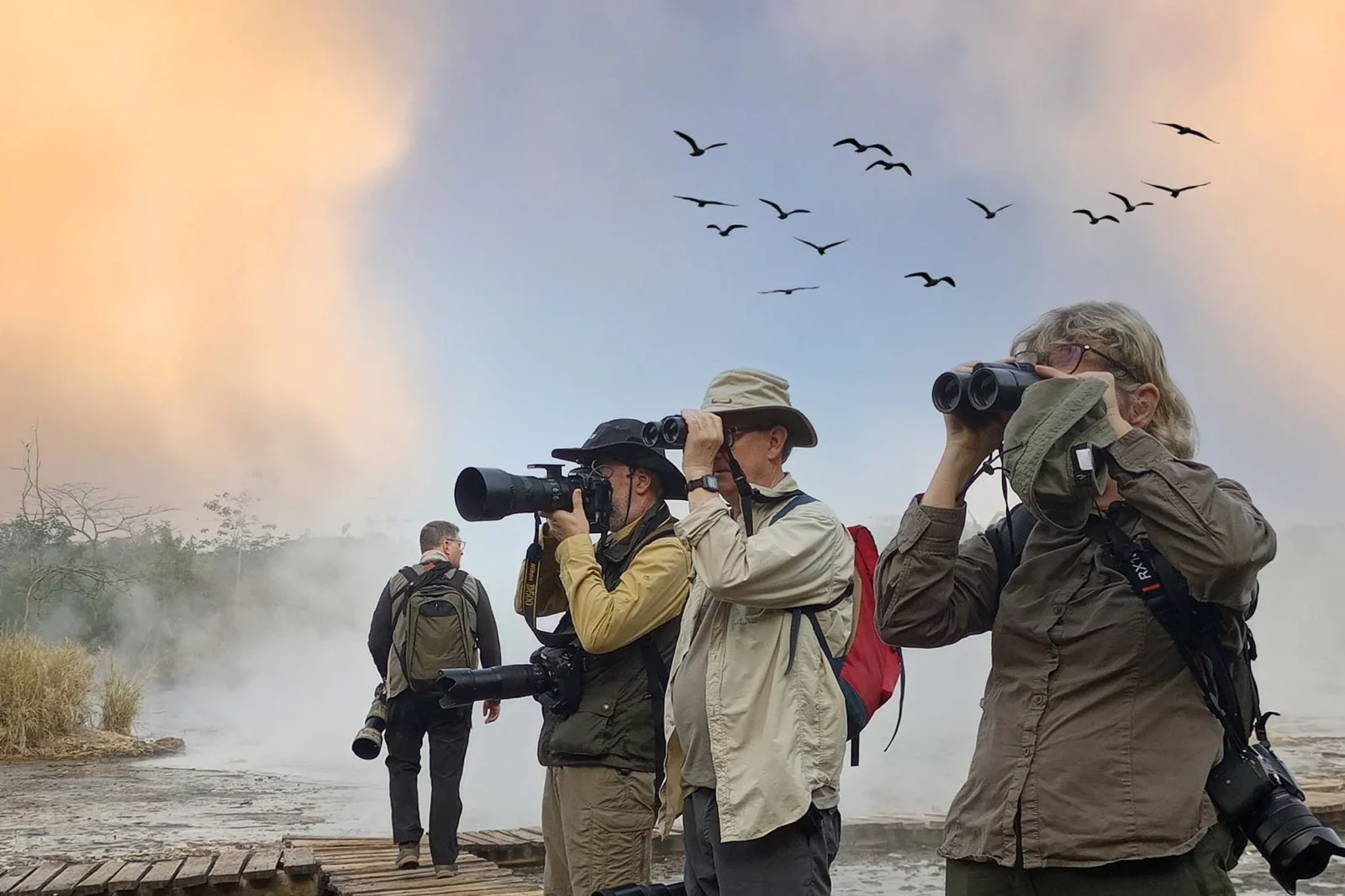
In the far eastern reaches of Uganda, where mist drapes valleys and waterfalls thunder into deep gorges, lies Mount Elgon National Park, a place of both majesty and mystery. It is a land where landscapes are painted in broad, sweeping strokes of volcanic ridges and lush forests, where elephants carve paths into caves and where cultural rhythms echo against the mountain slopes. For travelers and photographers alike, Mount Elgon is not simply a trekking destination; it is a canvas upon which light, life, and history converge.

To photograph this park is to attempt the impossible task of translating an experience into stillness. Every sunrise paints the caldera with hues of gold, every waterfall reflects the power of geological time, and every face encountered among the Bagisu and Sabiny communities carries stories as timeless as the mountain itself. Yet for those who dare to look through the lens, Mount Elgon rewards with images that evoke emotion and preserve memory.

This article explores the art and experience of photography in Mount Elgon National Park, tracing the possibilities and challenges that come with capturing its landscapes, wildlife, cultural heritage, and fleeting moments of light. It is a journey through the visual soul of one of Africa’s oldest mountains, crafted for those who wish to see and record more deeply.

The Landscape: A Photographer’s Canvas

The Caldera’s Vast Beauty

At the heart of Mount Elgon lies its defining feature—the world’s largest volcanic caldera, stretching over 60 kilometers in diameter. Photographers ascending to Wagagai Peak or the rim of the caldera are rewarded with sweeping panoramas that challenge the limits of any lens. The vastness is best captured during the early morning or late afternoon, when shadows add depth and the shifting light paints contours across the ridges.

The caldera’s interior, with its grasslands, small lakes, and moorlands, contrasts with the rugged cliffs that surround it. Wide-angle photography emphasizes the sense of space, while telephoto lenses allow for detailed studies of its geological textures. In every frame, the caldera embodies both the violence of ancient eruptions and the tranquility of present-day silence.

Waterfalls as Natural Masterpieces

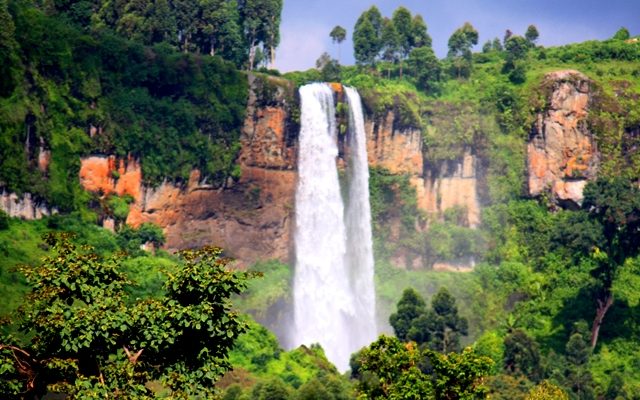
Mount Elgon’s foothills are adorned with waterfalls, none more iconic than Sipi Falls, a series of cascades dropping dramatically from basalt cliffs. For photographers, these falls are endlessly versatile subjects. Long exposure techniques transform the torrents into silky ribbons of white, while fast shutter speeds capture the sheer force of their descent.

Mist rising from the falls catches the light in surprising ways, especially at sunrise or sunset when golden hues filter through droplets, sometimes creating rainbows that arc across the gorge. Beyond Sipi, lesser-known waterfalls such as Simba and Chebonet Falls provide quieter scenes where photographers can work without distraction.

Forests and Moorlands: Layers of Texture

Ascending the slopes of Mount Elgon is akin to traveling through different worlds. Lush montane forests dominate the lower elevations, their canopies alive with green layers that soften light into gentle tones. Photographers find ample opportunity to experiment with compositions where vines, mosses, and tree trunks create natural patterns.

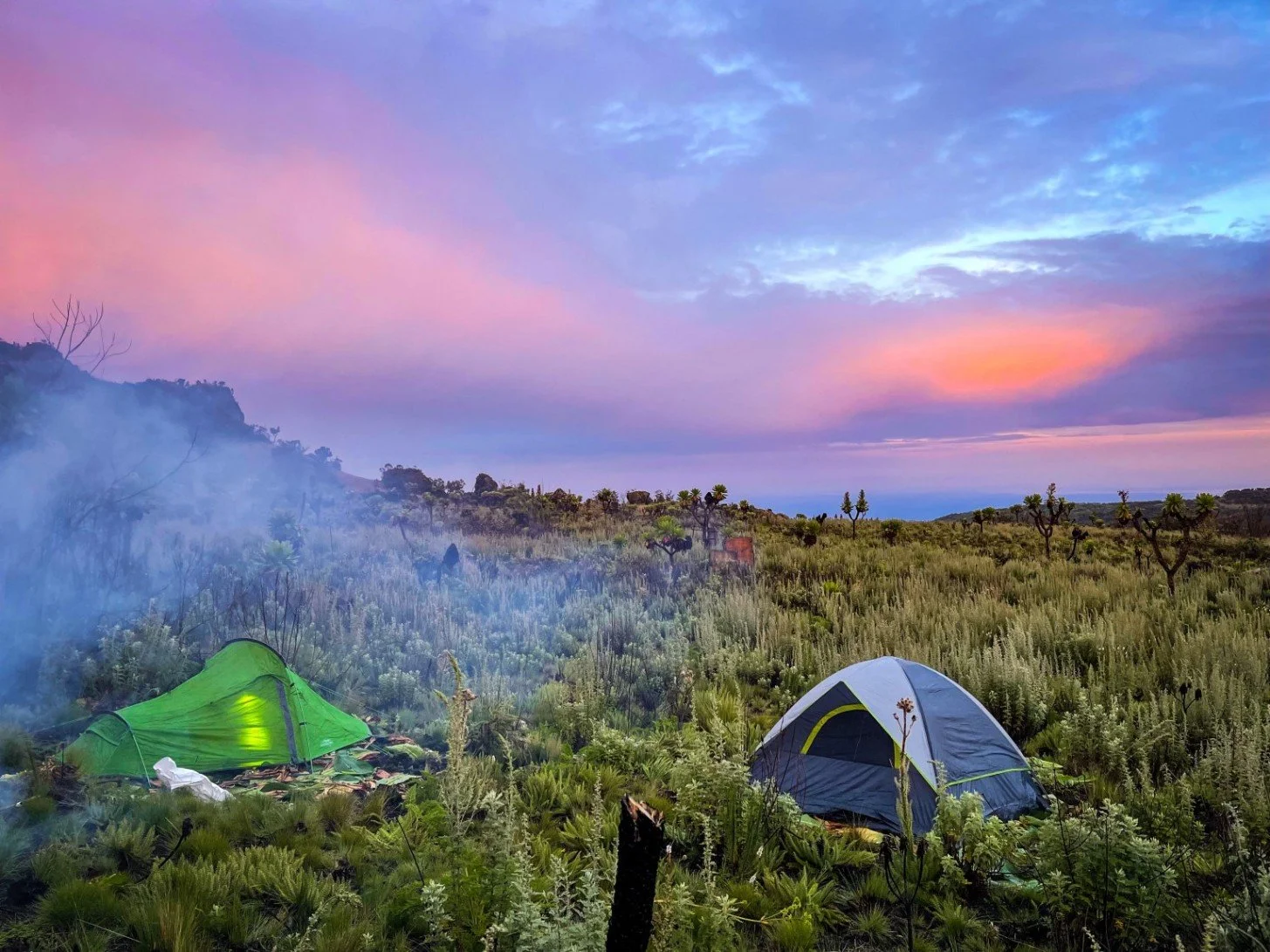
Higher up, the vegetation thins into moorlands, where giant lobelias and groundsels rise like sculptures from the earth. These surreal plants, often photographed against moody skies, give images a prehistoric atmosphere. The stark beauty of the moorlands is most evocative when mist curls through valleys, creating depth and drama within the frame.

Wildlife Photography: Silent Encounters

The Elephants of the Caves

Among the most extraordinary photographic subjects in Mount Elgon are the cave elephants, known for their unusual behavior of mining salt from the walls of caverns. Capturing these giants within the darkness of caves such as Kitum or Kapkwai is a challenge that rewards patience and skill. Low-light photography requires careful adjustments, yet the resulting images tell rare stories of adaptation and survival.

Elephants emerging from the shadows, tusks gleaming against mineral walls, provide photographs of haunting beauty. They embody both the strength of Africa’s wildlife and the delicate balance of ecosystems where geology and biology intertwine.

Birds of the Highlands

Mount Elgon is home to over 300 bird species, making it a paradise for bird photographers. The endangered lammergeyer, with its massive wingspan, can sometimes be seen soaring across ridges, while turacos, sunbirds, and hornbills bring flashes of color to forested areas. Capturing these birds demands both telephoto lenses and an attuned awareness of their habits.

The key lies in patience—waiting for the moment when a sunbird hovers near a flower, or when a raptor arcs against the mountain sky. The diversity of avian life ensures that each trek in the park offers new photographic opportunities.

Smaller Subjects, Greater Details

Beyond the large mammals and birds, the park teems with smaller subjects often overlooked yet equally compelling. Chameleons camouflaged against branches, butterflies shimmering in sunlight, and frogs hidden in damp undergrowth all provide chances for close-up photography. Such images, intimate in scale, balance the grandeur of landscapes with the subtlety of details.Photography in Mount Elgon National Park

Light and Atmosphere: The Photographer’s Challenge

Photography in Mount Elgon is as much about light as it is about subject. The equatorial sun rises quickly, casting harsh light by mid-morning, which challenges those seeking balanced exposures. Early mornings and late afternoons, however, offer golden tones that accentuate contours and textures.

Mist, a frequent companion on the mountain, softens scenes into dreamlike compositions. Photographers who embrace the unpredictability of weather discover that clouds and fog add atmosphere, transforming even ordinary scenes into works of mystery. Night photography, though less common due to logistical challenges, reveals skies ablaze with stars, unobscured by urban light pollution.

Cultural Photography: Portraits of Heritage

The Bagisu and the Imbalu Tradition

The Bagisu people, also known as the Bamasaba, inhabit the western slopes of Mount Elgon. Their Imbalu circumcision ceremonies, performed every two years, are vibrant cultural expressions filled with dance, drumming, and symbolism. For photographers, capturing these ceremonies requires sensitivity and respect, as they are deeply significant rites of passage.

Images of painted faces, dancers in traditional regalia, and processions of singing youth convey both cultural pride and communal identity. Such photographs preserve not only moments of celebration but also the resilience of traditions carried through generations.

The Sabiny and Their Mountain Life

On the northern slopes live the Sabiny people, whose farming practices and village life reflect deep connections to the land. Portraits of farmers working on terraced hillsides, women tending to coffee plants, and children playing against mountain backdrops illustrate the symbiosis between culture and environment.

Photographing communities around Mount Elgon requires not only technical skill but also trust and relationship-building. When approached with respect, portraits become collaborative acts, capturing dignity and humanity rather than reducing subjects to stereotypes.

Photography as a Conservation Tool

Images of Mount Elgon’s landscapes and wildlife do more than decorate albums; they serve as powerful instruments of conservation. Photographs shared globally inspire awareness of the park’s beauty and fragility, attracting visitors who contribute to its protection through tourism revenue.

Documenting endangered species such as the lammergeyer or the cave elephants provides valuable visual records for scientists and policymakers. Meanwhile, showcasing the cultural richness of the Bagisu and Sabiny communities reminds audiences that conservation must also respect human heritage.

In this way, photography becomes both art and advocacy, a bridge between remote ecosystems and global audiences.

Challenges of Photography in Mount Elgon

Photographing Mount Elgon is not without obstacles. The weather can shift suddenly, drenching equipment in rain or obscuring views in thick fog. The terrain demands stamina, as reaching the most photogenic sites often requires long treks through steep or muddy paths.

Technical challenges also abound. Low-light conditions in caves or forests test the limits of camera sensors, while wide landscapes can overwhelm compositions without careful framing. Wildlife photography requires patience and often long waits, as animals rarely appear on cue.

Yet it is precisely these challenges that make successful photographs of Mount Elgon so rewarding. Each image becomes not only a visual record but also a testament to persistence and connection with place.

Practical Considerations for Photographers

Planning a photography trip to Mount Elgon requires forethought. The dry seasons of June to August and December to February provide clearer skies and easier trekking conditions, making them optimal for both landscape and wildlife photography. Rainy seasons, however, offer lush greenery and dramatic waterfalls, rewarding those willing to work with challenging light.

Accommodation ranges from lodges near Sipi Falls to campsites within the park. Local guides are invaluable, both for navigating trails and for providing cultural context that enriches photographic storytelling. Respect for local communities and natural habitats ensures that photography remains ethical and sustainable.

Through the Lens of Mount Elgon

To photograph Mount Elgon National Park is to encounter more than scenery; it is to witness a dialogue between earth, sky, wildlife, and humanity. Every frame tells part of a larger story—the story of an ancient volcano softened by time, of elephants venturing into darkness for salt, of waterfalls plunging endlessly, of cultures rooted in resilience, and of light that shifts with every passing hour.

For photographers, Mount Elgon offers not just images but experiences—moments where the lens becomes a bridge between perception and preservation. To walk its trails with a camera is to embrace both challenge and inspiration, knowing that each photograph has the power to carry the mountain’s spirit far beyond its slopes.

For those wishing to capture this untamed beauty, it is recommended to arrange photography-focused treks and broader safari experiences through WildHorn Africa, a specialist in curating journeys across Uganda and beyond. With expert knowledge, cultural connections, and a commitment to meaningful exploration, WildHorn Africa ensures that photography in Mount Elgon becomes not just an act of seeing, but an act of truly understanding.

Safari in Congo

Safari in Congo

By Travel stories and blogs, Congo travel guides

Safari in Congo: Entering Africa’s Last True Wilderness

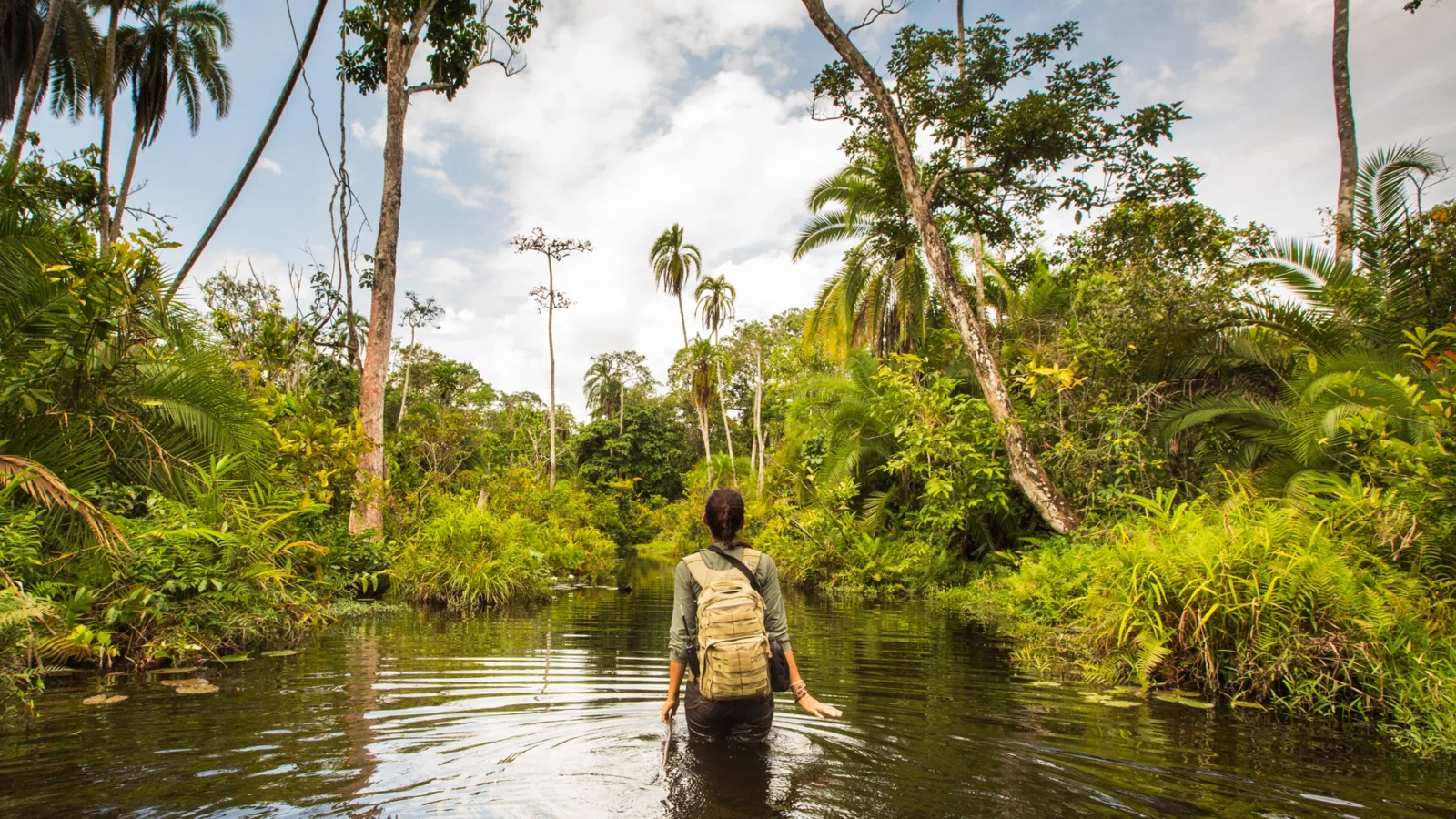
A Safari in Congo is not shaped by expectation, convenience, or spectacle; it is defined by immersion into one of the most untouched and biologically rich regions left on Earth. From the dense emerald canopy of the Congo Basin rainforest to the echoing calls of primates hidden deep within the jungle, Congo offers a safari experience unlike any other on the continent. This is a destination where nature remains dominant, where wildlife exists beyond the influence of mass tourism, and where every journey feels like a genuine expedition rather than a routine itinerary.

Often overlooked in favor of more familiar safari destinations, Congo represents the last frontier of African safaris. It is here that ancient forests stretch endlessly, rivers carve paths through primordial landscapes, and rare species survive in environments largely unchanged for thousands of years. A Safari in Congo is therefore not simply about wildlife viewing; it is about discovery, endurance, and a deeper engagement with nature in its rawest form.

Understanding the Unique Identity of a Safari in Congo

The concept of a Safari in Congo differs fundamentally from the classic savannah safari associated with East or Southern Africa. Rather than open plains and vast herds, Congo’s safari experience is centered around tropical rainforests, wetlands, and remote wilderness areas where biodiversity thrives beneath dense vegetation. Wildlife encounters are more intimate, often unfolding quietly and unexpectedly within the shadows of towering trees.

Congo’s safari identity is built on conservation, scientific research, and controlled eco-tourism. Visitor numbers are intentionally limited, access is carefully regulated, and the emphasis is placed on sustainability rather than volume. As a result, a Safari in Congo is experienced as a privilege, offering rare access to ecosystems that remain largely inaccessible to the wider world.

The Congo Basin: The Heart of a Safari in Congo

At the core of any Safari in Congo lies the Congo Basin, the second-largest rainforest on the planet after the Amazon. Covering vast portions of Central Africa, this ecosystem plays a critical role in global climate regulation and biodiversity preservation. Within its boundaries exists an extraordinary concentration of life, much of which remains undocumented or poorly understood.

The forests of the Congo Basin are characterized by dense vegetation, high humidity, and complex ecological layers. From the forest floor to the upper canopy, life thrives in interconnected systems. A Safari in Congo within this environment is therefore defined by exploration, patience, and expert interpretation, as wildlife is often heard before it is seen.

Republic of the Congo vs Democratic Republic of the Congo

When discussing a Safari in Congo, it is essential to distinguish between the Republic of the Congo and the Democratic Republic of the Congo. While both countries share similar ecosystems and wildlife, safari tourism has developed more prominently in the Republic of the Congo due to greater accessibility and focused conservation initiatives.

The Republic of the Congo has positioned itself as a leader in low-impact, high-conservation safari tourism, particularly within its protected national parks. The Democratic Republic of the Congo, although possessing immense ecological value, remains more challenging for tourism due to infrastructure limitations and political complexity. As a result, most organized safari experiences are currently concentrated in the Republic of the Congo.

Odzala-Kokoua National Park: The Crown Jewel of a Safari in Congo

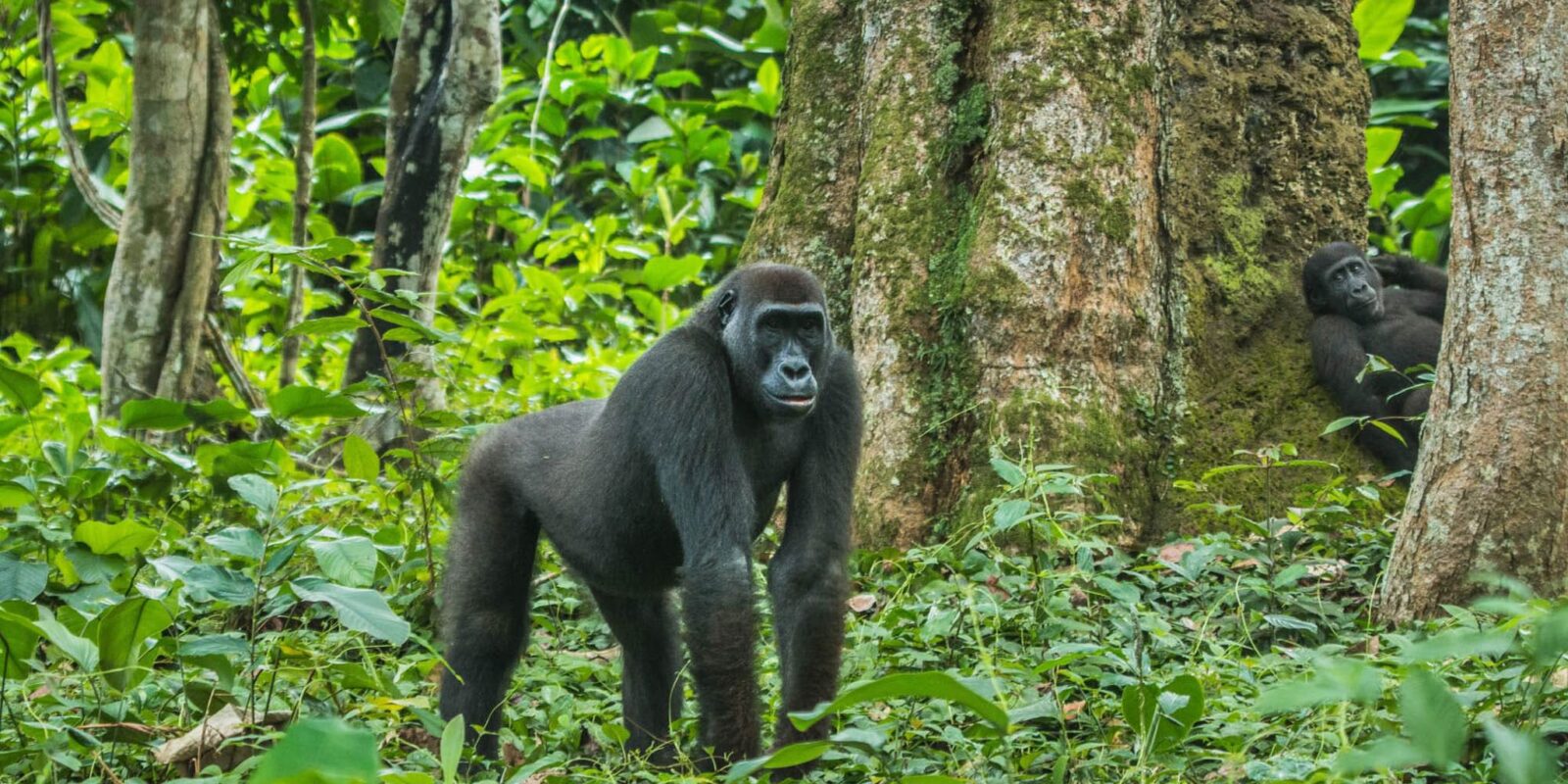
Odzala-Kokoua National Park stands as the most iconic destination for a Safari in Congo. One of Africa’s oldest national parks, Odzala encompasses vast tracts of pristine rainforest, savannah clearings, and river systems that support remarkable biodiversity. The park is internationally recognized for its population of western lowland gorillas, making it a premier destination for gorilla trekking.

A Safari in Congo within Odzala is characterized by diversity of experience. Forest walks, river excursions, and guided tracking sessions combine to create a holistic understanding of the ecosystem. Unlike traditional safaris dominated by vehicles, Odzala emphasizes exploration on foot and by water, allowing for a deeper sensory connection with the environment.

Western Lowland Gorillas: A Defining Encounter

One of the most compelling reasons to undertake a Safari in Congo is the opportunity to encounter western lowland gorillas in their natural habitat. These gentle primates inhabit dense rainforest environments, where they live in family groups led by dominant silverbacks. Observing gorillas in the wild offers a profound and humbling experience, defined by quiet observation and respect.

Gorilla trekking in Congo is conducted under strict guidelines to ensure minimal disturbance. Small group sizes, limited viewing time, and expert guides ensure that encounters remain ethical and sustainable. A Safari in Congo centered around gorilla tracking is often described as transformative, offering rare insight into one of humanity’s closest relatives.Safari in Congo

Forest Clearings and the Phenomenon of Bai

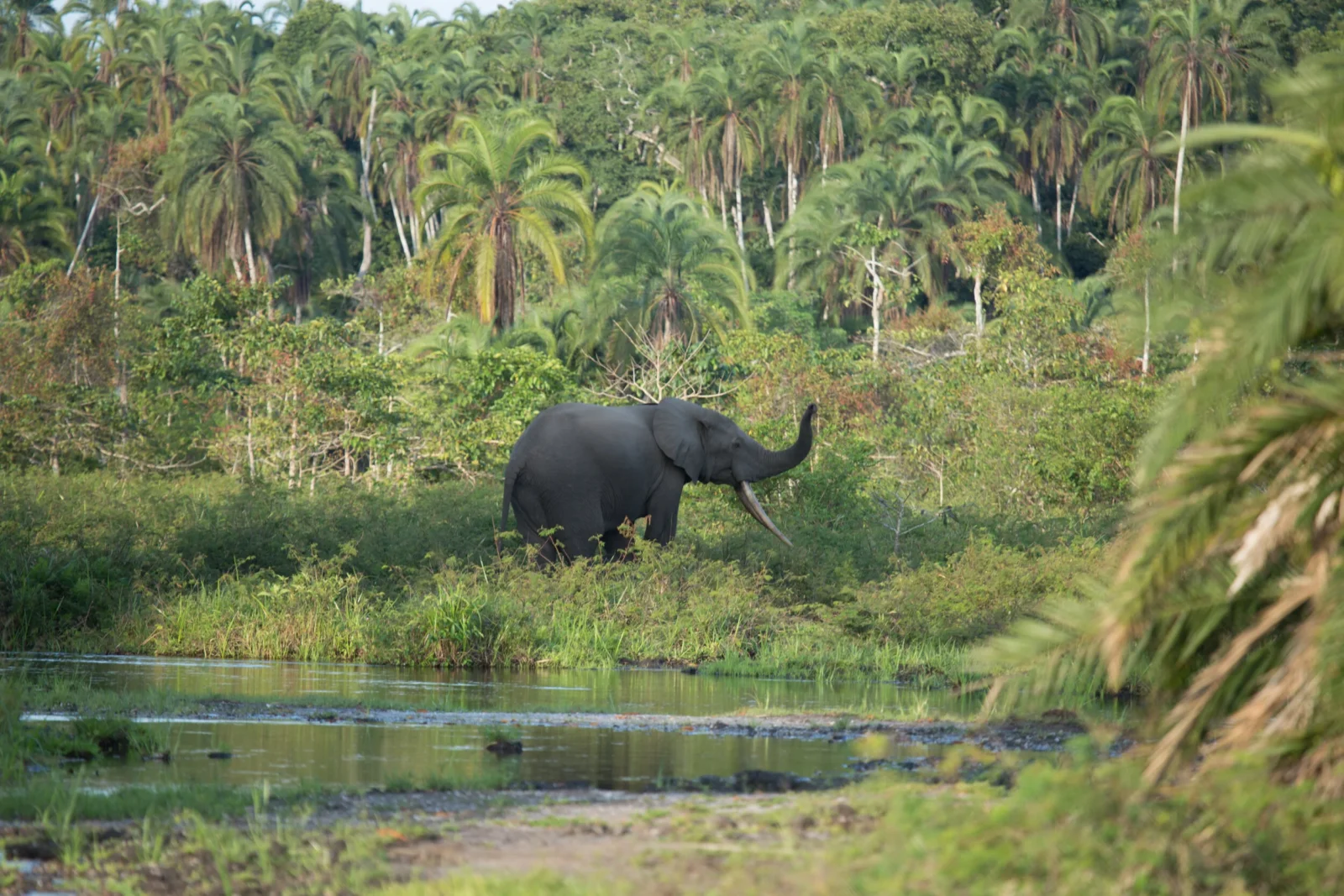
Unique to a Safari in Congo is the phenomenon of forest clearings known as bai. These natural open spaces, often formed by mineral-rich soils, attract a wide range of wildlife seeking essential nutrients. Elephants, buffalo, sitatunga, and numerous bird species congregate in these clearings, creating extraordinary wildlife viewing opportunities within the heart of the forest.

Langoué Bai, located within Odzala-Kokoua National Park, is among the most celebrated of these clearings. From raised observation platforms, visitors on a Safari in Congo can witness complex social interactions as animals emerge from the forest. These moments offer a rare window into behavior that would otherwise remain hidden beneath the canopy.

Forest Elephants: Giants of the Jungle

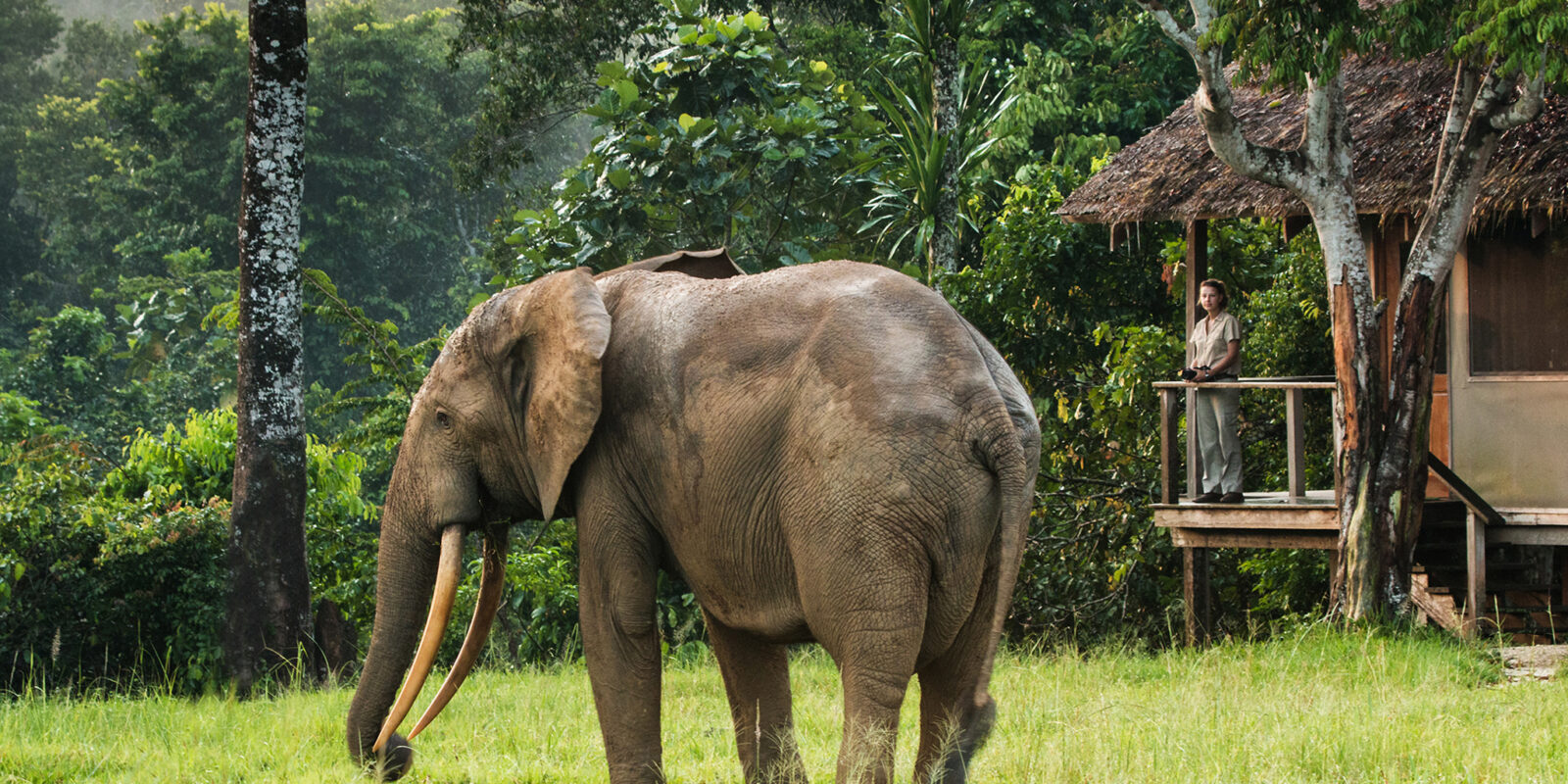
A Safari in Congo also offers the chance to encounter forest elephants, a distinct and smaller species adapted to life within dense rainforest environments. Unlike their savannah counterparts, forest elephants navigate narrow pathways through thick vegetation, playing a vital role in seed dispersal and forest regeneration.

Observing forest elephants during a Safari in Congo is an experience marked by subtlety rather than scale. Their presence is often announced by rustling foliage or distant sounds, creating moments of anticipation and awe. These encounters highlight the intricate balance between species and habitat that defines Congo’s ecosystems.

Biodiversity Beyond the Iconic Species

While gorillas and elephants often dominate attention, a Safari in Congo reveals an astonishing breadth of biodiversity that extends far beyond these iconic species. Chimpanzees, forest buffalo, bongos, and sitatungas inhabit the region, each adapted to the challenges of rainforest life. Smaller mammals, reptiles, and amphibians thrive within the forest’s complex structure.

Birdlife is particularly rich, with hundreds of species recorded across Congo’s protected areas. From colorful turacos to elusive forest hornbills, avian diversity adds depth and vibrancy to a Safari in Congo. Insects, plants, and fungi further contribute to ecological richness, underscoring the scientific importance of the region.

Safari Activities Unique to Congo

A Safari in Congo is defined by experiences that differ markedly from conventional safaris. Walking safaris form a central component, guided by expert trackers and naturalists who interpret signs often invisible to the untrained eye. These walks foster a heightened awareness of the forest’s rhythms, sounds, and subtle movements.

River safaris along slow-moving waterways provide another distinctive perspective. Traveling by boat through forest-lined rivers allows for observation of wildlife drawn to water sources, while also revealing the interconnectedness of aquatic and terrestrial ecosystems. Night walks further expand the experience, unveiling nocturnal species and behaviors rarely encountered elsewhere.Safari in Congo

The Role of Scientific Research in a Safari in Congo

Scientific research plays a critical role in shaping the structure and philosophy of a Safari in Congo. Many protected areas serve as living laboratories where conservationists study primate behavior, forest dynamics, and climate resilience. Safari tourism is often integrated with these research efforts, ensuring that visitor presence contributes to long-term ecological understanding.

Guides involved in a Safari in Congo frequently possess backgrounds in conservation biology or ecology, allowing for detailed interpretation of the environment. This emphasis on education elevates the safari experience, transforming it into an opportunity for learning as well as observation.

Luxury Redefined in the Context of a Safari in Congo

Luxury within a Safari in Congo is expressed through exclusivity, authenticity, and thoughtful design rather than opulence. Lodges are strategically positioned to minimize environmental impact while offering comfort in remote settings. Natural materials, open-air designs, and seamless integration with the surrounding forest define accommodation standards.

Service is highly personalized, with small guest numbers ensuring attentive guiding and tailored experiences. A Safari in Congo therefore redefines luxury as access to rare environments, expert knowledge, and moments of solitude within vast wilderness rather than conventional indulgence.

Community Engagement and Conservation Partnerships

Local communities play a vital role in the success of a Safari in Congo. Many conservation initiatives prioritize employment, education, and skill development for surrounding populations, ensuring that wildlife protection aligns with human well-being. Community involvement fosters stewardship and reduces pressure on natural resources.

Cultural interactions during a Safari in Congo are approached with respect and sensitivity. Opportunities to learn about traditional forest knowledge, music, and daily life provide valuable context for understanding the human dimension of conservation. These engagements reinforce the idea that preserving Congo’s wilderness requires collaboration between people and nature.

Seasonality and Timing a Safari in Congo

The timing of a Safari in Congo significantly influences the overall experience. The dry seasons, typically occurring between June and September and again from December to February, are considered optimal for travel. During these periods, forest trails are more accessible, and wildlife movement becomes more predictable.

The rainy seasons, while more challenging, offer their own rewards. The forest becomes lush and vibrant, birdlife peaks, and ecological processes unfold dramatically. A Safari in Congo during this time is often quieter, appealing to travelers seeking solitude and immersion rather than ease.

Safety, Accessibility, and Practical Considerations

A Safari in Congo requires careful planning due to the remote nature of the destination. Access is typically achieved via charter flights and guided transfers, ensuring safety and efficiency. Health precautions, including vaccinations and fitness considerations, are an essential part of preparation.

Safari operators adhere to strict safety protocols, particularly during walking safaris and gorilla treks. The presence of experienced guides and trackers ensures that encounters with wildlife are conducted responsibly. As a result, a Safari in Congo is experienced with confidence, despite the challenges inherent in exploring remote environments.Safari in Congo

Why a Safari in Congo Stands Apart

What ultimately distinguishes a Safari in Congo is its authenticity. This is not a destination shaped for mass consumption, but a region that demands curiosity, patience, and respect. The rewards are profound, offering access to ecosystems that remain among the least disturbed on Earth.

A Safari in Congo appeals to travelers seeking depth over convenience, understanding over spectacle, and connection over consumption. It represents a return to the original spirit of safari, where exploration and learning form the foundation of the journey.

The Enduring Significance of a Safari in Congo

In a world where wilderness is increasingly fragmented, a Safari in Congo stands as a testament to what remains possible when conservation is prioritized over exploitation. It offers a rare opportunity to witness nature operating on its own terms, guided by ancient rhythms and delicate balances.

For those willing to venture beyond familiar paths, a Safari in Congo delivers an experience of unparalleled richness and meaning. It is not simply a journey into the forest, but an encounter with one of Earth’s last great wild places, preserved not for spectacle, but for survival.

Safari in Botswana

Safari in Botswana

By Botswana travel guides, Travel stories and blogs

Safari in Botswana: Where Wilderness Still Rules

A Safari in Botswana is not merely a journey into the wild; it is an immersion into one of the last great untouched ecosystems on Earth. From the moment the first dust trail rises behind a safari vehicle or the soft splash of a mokoro glides through crystal-clear channels, Botswana reveals itself as a destination where nature remains dominant, unfiltered, and profoundly authentic. Unlike many safari destinations shaped by mass tourism, Botswana has intentionally preserved exclusivity, conservation, and ecological balance. This deliberate approach has elevated the country into a global benchmark for high-quality safari experiences, where wildlife encounters are intimate, landscapes are pristine, and silence often speaks louder than words.

Renowned for its vast protected areas, extraordinary biodiversity, and conservation-led tourism model, Botswana offers a safari experience defined by depth rather than spectacle alone. Each region tells a different story, each season transforms the land in dramatic ways, and each encounter feels unrepeatable. A Safari in Botswana is therefore understood not as a single experience, but as a collection of moments that linger long after the journey ends.

Understanding the Essence of a Safari in Botswana

The concept of a Safari in Botswana is deeply rooted in preservation, patience, and respect for the natural world. Tourism has been developed under a “high-value, low-impact” philosophy, ensuring that wildlife habitats remain undisturbed while visitors are offered exceptional, personalized experiences. As a result, large crowds are absent, and encounters with animals often unfold in quiet isolation, creating an atmosphere of authenticity rarely found elsewhere.

Botswana’s safari identity is further shaped by its diverse ecosystems. From permanent wetlands to arid deserts, the country encompasses dramatic contrasts that support a remarkable range of species. These landscapes are not staged or artificially enhanced; they exist as they have for centuries, shaped by water, climate, and time. A Safari in Botswana is therefore experienced as an exploration of raw nature, rather than a curated attraction.

Botswana’s Commitment to Conservation and Sustainable Tourism

One of the defining factors that distinguishes a Safari in Botswana from other African safari destinations is the country’s unwavering commitment to conservation. Approximately forty percent of Botswana’s land has been set aside as national parks, game reserves, and wildlife management areas. This extensive protection has allowed animal populations to thrive while maintaining ecological integrity.

Hunting bans, strict tourism regulations, and controlled lodge development have reinforced Botswana’s reputation as a conservation leader. Safari operators are required to adhere to rigorous environmental standards, and many lodges operate on renewable energy while actively supporting local communities. Through this model, a Safari in Botswana contributes directly to wildlife protection and sustainable livelihoods, creating a symbiotic relationship between tourism and conservation.Safari in Botswana

The Iconic Landscapes That Define a Safari in Botswana

The Okavango Delta: A Living Miracle

At the heart of any Safari in Botswana lies the Okavango Delta, one of the most extraordinary ecosystems on the planet. This vast inland delta, formed by seasonal floodwaters from Angola, transforms the Kalahari Desert into a lush oasis teeming with life. As the waters spread across the plains, islands emerge, channels expand, and wildlife congregates in astonishing numbers.

A Safari in Botswana within the Okavango Delta is characterized by water-based exploration. Mokoro excursions provide a serene perspective, allowing wildlife to be observed at eye level without engine noise. Game drives reveal predators such as lions and leopards navigating flooded terrain, while elephants wade effortlessly through deep channels. The Delta’s dynamic nature ensures that no two safaris are ever the same.

Chobe National Park: Land of Giants

Chobe National Park represents another cornerstone of a Safari in Botswana. Known for hosting one of the largest elephant populations in Africa, Chobe offers dramatic wildlife concentrations along the Chobe River. During the dry season, herds gather in vast numbers, creating scenes of extraordinary scale and intensity.

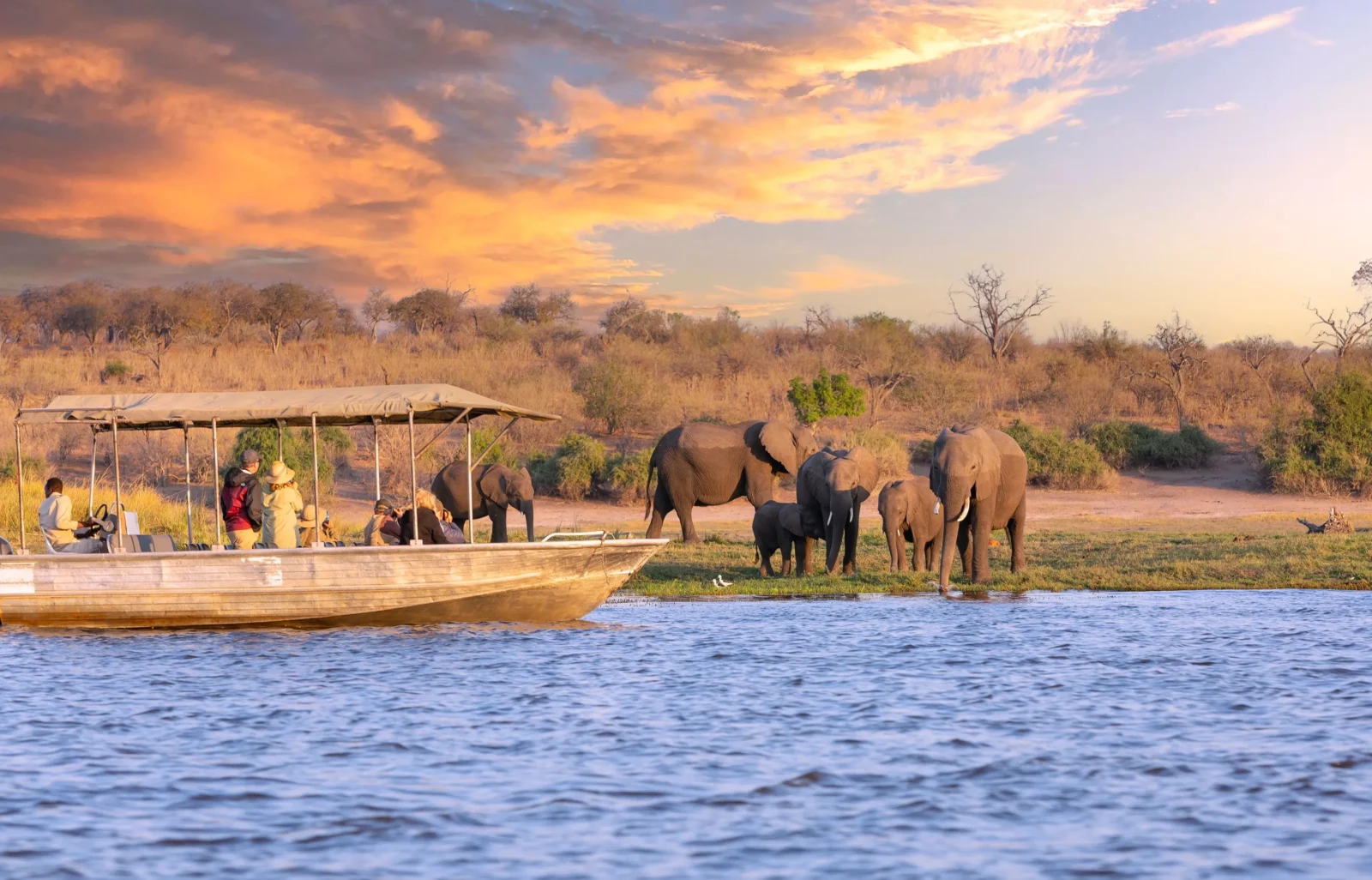
River safaris form a defining feature of this region, offering close encounters with elephants, buffalo, hippos, and crocodiles. Sunset cruises reveal wildlife bathed in golden light, while predators stalk prey along the riverbanks. A Safari in Botswana within Chobe is therefore marked by abundance, movement, and spectacle.

Moremi Game Reserve: The Predator’s Domain

Situated within the eastern Okavango Delta, Moremi Game Reserve is widely regarded as one of Africa’s most rewarding safari areas. Its diverse habitats include floodplains, lagoons, forests, and savannah, supporting an exceptional density of wildlife.

Predator sightings are particularly frequent, with lions, cheetahs, leopards, and African wild dogs regularly observed. A Safari in Botswana through Moremi is often defined by thrilling game drives, where dramatic interactions unfold against ever-changing landscapes. The reserve’s strict conservation policies ensure that these encounters remain intimate and ethically managed.

The Kalahari Desert: Beauty in Extremes

While often overshadowed by wetter regions, the Kalahari Desert plays a vital role in shaping the identity of a Safari in Botswana. Far from barren, this vast semi-arid landscape supports resilient species adapted to harsh conditions. During the rainy season, the desert undergoes a remarkable transformation as grasses emerge and wildlife migrates into the area.

The Central Kalahari Game Reserve offers a safari experience marked by isolation and raw beauty. Black-maned lions, oryx, and meerkats inhabit this region, while vast open spaces create a profound sense of scale. A Safari in Botswana within the Kalahari is characterized by silence, solitude, and a deeper appreciation of survival and adaptation.

Wildlife Encounters That Define a Safari in Botswana

A Safari in Botswana is internationally celebrated for the quality and diversity of its wildlife encounters. The country supports healthy populations of the Big Five, along with numerous other species rarely seen elsewhere. African wild dogs, often elusive in other regions, thrive in Botswana’s protected areas. Large herds of elephants roam freely across borders, reflecting successful transboundary conservation initiatives.

Birdlife is equally impressive, with over five hundred species recorded. From fish eagles calling across waterways to vibrant bee-eaters nesting in riverbanks, a Safari in Botswana appeals strongly to bird enthusiasts. Seasonal migrations further enhance biodiversity, ensuring that wildlife encounters remain dynamic throughout the year.

Safari Experiences Beyond the Traditional Game Drive

While game drives remain central to a Safari in Botswana, the country offers a wide range of alternative safari activities that deepen the overall experience. Walking safaris provide an opportunity to engage with the landscape on foot, guided by expert trackers who interpret subtle signs often missed from vehicles. These walks foster a heightened awareness of ecology, tracks, and plant life.

Water-based safaris offer a contrasting perspective, particularly within the Okavango Delta. Quiet exploration by mokoro or motorboat allows for close observation of aquatic species and birds, creating a sense of tranquility that defines many Botswana safaris. Night drives, permitted in private concessions, reveal nocturnal species and behaviors rarely witnessed during daylight hours.Safari in Botswana

Seasonality and Timing a Safari in Botswana

The timing of a Safari in Botswana plays a crucial role in shaping the experience. The dry season, typically spanning from May to October, is widely regarded as the best period for wildlife viewing. During this time, animals concentrate around permanent water sources, and vegetation thins, improving visibility.

The wet season, from November to April, offers a different but equally compelling safari experience. Landscapes become lush, migratory birds arrive, and many animals give birth, attracting predators. A Safari in Botswana during this period is often quieter, with fewer visitors and dramatic photographic opportunities defined by green horizons and expansive skies.

Luxury and Exclusivity in a Safari in Botswana

Botswana has earned a global reputation for offering some of the most exclusive safari accommodations in Africa. Lodges and camps are designed to blend seamlessly into their surroundings while providing exceptional comfort and service. Many properties operate with limited guest numbers, ensuring privacy and personalized attention.

Luxury within a Safari in Botswana is expressed not through excess, but through thoughtful design, expert guiding, and immersive experiences. Outdoor baths overlooking floodplains, private plunge pools, and candlelit dinners beneath the stars are commonly integrated into the safari experience. This approach reinforces Botswana’s identity as a destination where refinement complements wilderness rather than overshadowing it.

Cultural Connections and Community Engagement

Although wildlife forms the central focus of a Safari in Botswana, cultural heritage remains an integral component of the experience. Encounters with local communities, including the San people, offer insight into traditional knowledge systems and sustainable living practices developed over generations.

Many safari operators actively support education, healthcare, and employment initiatives within surrounding communities. Through these partnerships, a Safari in Botswana contributes to social development while fostering mutual respect between visitors and residents. Cultural engagement is therefore approached with sensitivity, ensuring authenticity and dignity are preserved.

Safety, Accessibility, and Travel Infrastructure

Botswana is widely regarded as one of Africa’s safest safari destinations. Political stability, low population density, and well-regulated tourism contribute to a secure travel environment. Safari logistics are carefully managed, with light aircraft transfers connecting remote camps and minimizing environmental impact.

Professional guides undergo rigorous training and possess extensive knowledge of wildlife behavior and safety protocols. As a result, a Safari in Botswana is experienced with confidence, allowing visitors to fully immerse themselves in the natural surroundings without unnecessary concern.Safari in Botswana

Why a Safari in Botswana Remains Unmatched

A Safari in Botswana stands apart due to its unwavering commitment to authenticity, conservation, and quality. Rather than offering mass tourism experiences, Botswana has preserved its wilderness by prioritizing sustainability and exclusivity. This approach has ensured that wildlife thrives, landscapes remain unspoiled, and visitors experience nature in its purest form.

The emotional impact of a Safari in Botswana often extends beyond wildlife sightings. It is found in moments of stillness, in vast horizons untouched by development, and in the realization that such places continue to exist. This profound connection to nature is what ultimately defines Botswana as one of the world’s most exceptional safari destinations.

The Enduring Power of a Safari in Botswana

In an era where untouched wilderness is increasingly rare, a Safari in Botswana offers something profoundly valuable. It provides access to ecosystems that function as they have for millennia, guided by a national philosophy that places conservation above commercial gain. Each safari becomes a personal journey into landscapes shaped by water, dust, and time.

For those seeking more than observation, for those drawn to authenticity, and for those who value nature preserved rather than packaged, a Safari in Botswana represents the pinnacle of safari travel. It is not simply a destination to be visited, but an experience to be felt, remembered, and respected.

Rare Mountain Gorilla Twins Born in Virunga National Park | Conservation Hope

A Rare Sign of Hope: Mountain Gorilla Twins Born in Virunga National Park

By Congo travel guides, Travel stories and blogs

A Rare Sign of Hope: Mountain Gorilla Twins Born in Virunga National Park

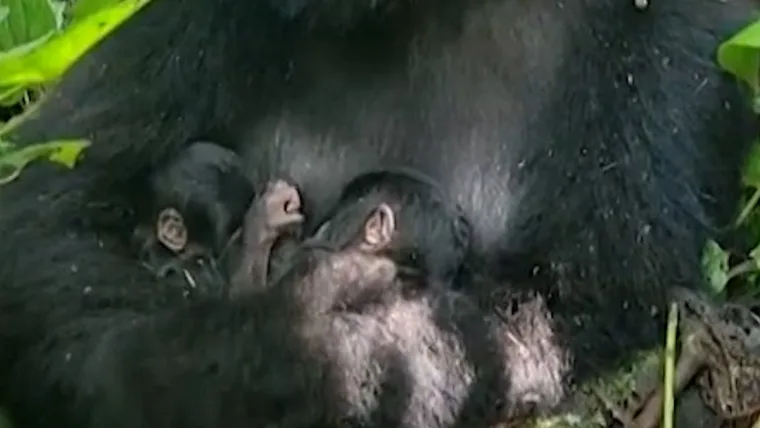
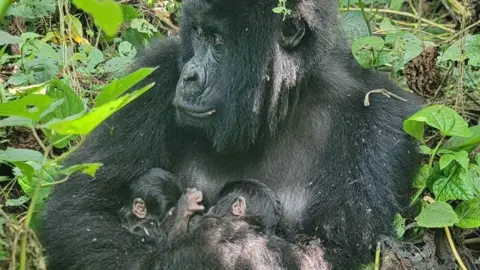
In the mist-covered forests of eastern Democratic Republic of Congo, conservationists have received extraordinary news: a female mountain gorilla has given birth to twins inside Virunga National Park. In a world where mountain gorillas number just over a thousand individuals, the birth of any infant is important. The arrival of twins, however, is nothing short of remarkable.

Wildlife authorities monitoring the gorilla groups in Virunga confirmed that the mother, a mature female named Mafuko, was recently observed carrying two healthy infants. Initial observations suggest both newborns are male. For conservationists who have spent decades battling extinction-level threats, this rare event has become a powerful symbol of resilience.

Why Mountain Gorilla Twins Are So Rare

Mountain gorillas are among the slowest-reproducing mammals on Earth. Females typically reach reproductive maturity at around ten years of age and give birth only once every four to six years. Unlike many other species, they almost always deliver a single infant.

Twin births occur in far less than one percent of documented mountain gorilla pregnancies. The reasons are biological and ecological: producing, nursing, and protecting two infants at once places enormous strain on a mother whose survival is already tightly linked to food availability, forest stability, and group protection.

In the dense montane forests of the Virunga Massif, where gorillas navigate steep terrain and thick vegetation, caring for two infants simultaneously is an immense challenge. Each baby depends completely on its mother for warmth, milk, movement, and protection during its early months of life.

A Mother with a History Marked by Conflict

Mafuko’s story adds deeper emotional weight to the event. Conservation records indicate that she lost her own mother years ago during violent human activity in the region. Armed conflict has long been one of the most serious threats facing Virunga’s wildlife, with gorillas sometimes caught in the crossfire of human instability.

Despite this traumatic beginning, Mafuko survived, integrated into her family group, and reached adulthood. Her ability to give birth—let alone to twins—demonstrates not only biological strength but also the importance of long-term conservation protection that allows gorillas to recover from early-life trauma.

For park rangers and researchers, Mafuko represents a generation of gorillas that have grown up under intense pressure yet continue to reproduce against the odds.Rare Mountain Gorilla Twins Born in Virunga National Park | Conservation Hope

The Enormous Challenge of Raising Twins

While the birth of twins is a cause for celebration, experts remain cautious. Twin gorillas face significantly lower survival rates than single infants.

A mother must:

  • Produce enough milk for two infants

  • Carry or closely supervise both while moving

  • Protect them from accidents, illness, and social stress

Mountain gorillas usually move on all fours, meaning one arm is often occupied when carrying a baby. With twins, mothers must alternate carrying or allow one infant to cling independently earlier than usual, increasing risks.

Nutrition also becomes critical. Forest food availability must be sufficient for Mafuko to meet her increased energy demands. Any disruption—such as illness, injury, or habitat disturbance—could affect the twins’ chances of survival.

The Role of the Silverback and the Gorilla Family

In mountain gorilla society, the dominant silverback plays a crucial role in infant survival. He provides protection from predators, rival males, and internal group conflict. Observations over decades show that silverbacks who are tolerant, gentle, and attentive toward infants tend to lead more stable groups.

Young gorillas often climb, tug, and play around the silverback, learning social cues and gaining confidence. For twins, this social environment can be particularly important, as it reduces stress on the mother and increases overall group cohesion.

Researchers will be closely monitoring how the silverback and other group members interact with the twins over the coming months.

Conservation Success Against Overwhelming Odds

Mountain gorillas were once predicted to vanish entirely. In the late 20th century, their population dropped below 300 individuals due to:

  • Poaching

  • Habitat loss

  • Disease

  • Armed conflict

Today, they are one of the only great ape subspecies whose numbers are slowly increasing. This recovery is the result of:

  • Daily patrols by park rangers

  • Veterinary interventions for injured or sick gorillas

  • Strict anti-poaching enforcement

  • Community engagement and ecotourism

Virunga National Park rangers operate under extreme conditions, often risking their lives to protect wildlife. The birth of twins stands as a quiet reward for decades of sacrifice and persistence.

What the Birth Means for the Species

From a scientific perspective, the twins represent more than a heartwarming story. They indicate:

  • Successful reproduction in a stable habitat

  • Adequate nutrition and social structure

  • Effective long-term protection measures

While two infants will not dramatically change population numbers, each birth contributes to genetic diversity and demographic stability. In small populations, every individual matters.

For conservationists, such events reinforce the importance of sustained protection rather than short-term interventions.

A Powerful Emotional Connection

Mountain gorillas have long captivated humans because of their familiarity. Their expressive faces, close family bonds, and nurturing behavior mirror aspects of human society. Seeing a mother cradle two newborns in the wild evokes empathy that transcends borders and politics.

This emotional connection has played a major role in global conservation support. Images and stories from Virunga continue to inspire funding, awareness, and political attention toward protecting one of Africa’s most biologically rich yet vulnerable regions.

Looking Ahead: Hope Mixed with Caution

The coming months will be critical. Rangers and researchers will quietly observe, ensuring minimal disturbance while documenting the twins’ development. If both infants survive their first year—a period of highest mortality—it will mark a truly extraordinary conservation milestone.

Regardless of the outcome, the birth itself is already meaningful. It proves that even in landscapes shaped by conflict and uncertainty, nature can still produce moments of profound hope.

As conservationists often remind the world: mountain gorillas are not saved yet—but they are surviving, and sometimes, they even thrive.

The birth of rare mountain gorilla twins in Virunga National Park is more than an unusual biological event—it is a testament to resilience, protection, and the fragile success of conservation. In a region where wildlife faces relentless pressure, two tiny lives have emerged as symbols of what is still possible when commitment outweighs conflict.

For now, all eyes remain on Mafuko and her twins, quietly navigating the forest, carrying with them the hopes of a species that continues to defy extinction.

Adventure Tours in Semuliki National Park

Adventure Tours in Semuliki National Park

By Travel stories and blogs, Adventure holidays, Family holidays, Safari holidays, Uganda travel guides

Adventure Tours in Semuliki National Park

Semuliki National Park, nestled in the remote Bwamba County of Bundibugyo District in western Uganda, offers an unparalleled adventure experience. Often overshadowed by more renowned parks, Semuliki stands as a testament to Africa’s rich biodiversity and cultural heritage. This park, established in 1993, is a sanctuary for a myriad of species, many of which are rare or endemic to the region. Its significance is underscored by its designation as a UNESCO Biosphere Reserve, highlighting its global ecological importance.

Ecological Significance

A Confluence of Biomes

Semuliki’s unique position at the intersection of the Guinea-Congo and East African biomes results in a rich tapestry of flora and fauna. This convergence has led to the park hosting species that are typically found in Central Africa, making it a critical area for biodiversity conservation. The park’s landscape is characterized by flat to gently undulating terrain, with elevations ranging from 670 to 760 meters above sea level. This topography, combined with an average annual rainfall of 1,500 mm, creates ideal conditions for the thriving ecosystems within.

Rainforest Ecosystem

As East Africa’s only lowland tropical rainforest, Semuliki’s vegetation is predominantly medium-altitude moist evergreen to semi-deciduous forest. The dominant tree species is the Uganda ironwood (Cynometra alexandri), which forms the backbone of the forest structure. Interspersed among these are various other tree species, including swamp forest communities, which contribute to the park’s rich plant diversity. The forest’s dense canopy and layered understory provide habitats for a multitude of species, both flora and fauna.

Adventure Activities in Semuliki National Park

Birdwatching: A Haven for Avian Enthusiasts

Semuliki is a birdwatcher’s paradise, with over 441 recorded bird species, representing 40% of Uganda’s total bird species and 66% of the forest bird species found in the country. Among these are 35 Guinea-Congo forest biome species, such as the spot-breasted ibis and Hartlaub’s duck, which are rare in East Africa. The park also hosts 12 species with extremely restricted ranges, including the Western bronze-naped pigeon and yellow-throated cuckoo. Additionally, 23 Albertine Rift endemic species have been recorded, adding to its global birding significance.

Nature Walks and Trails: Immersing in the Wilderness

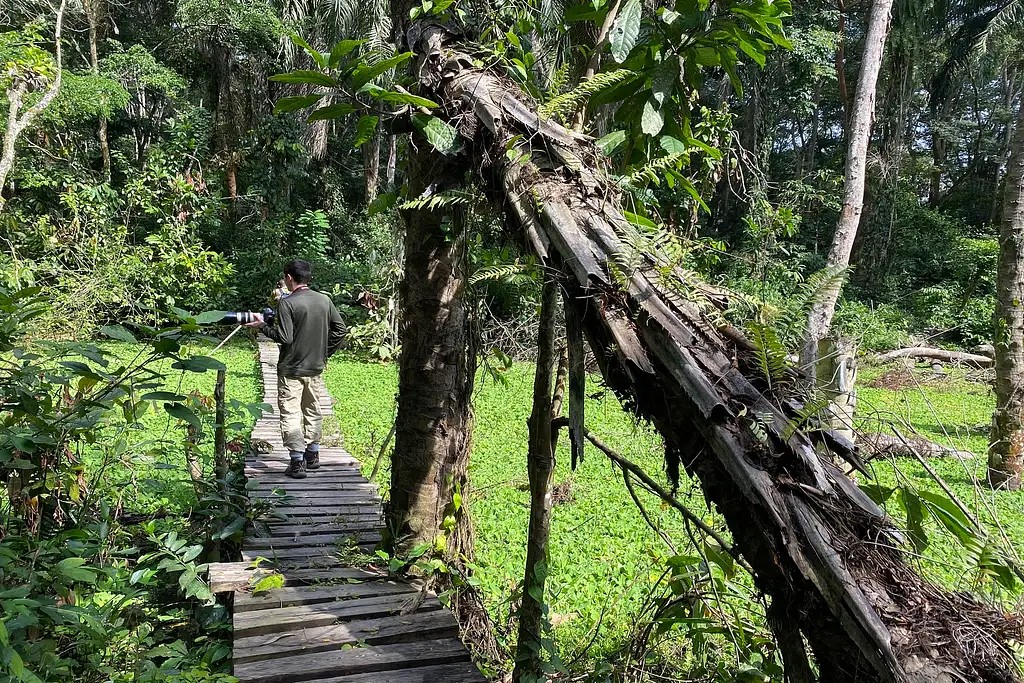
Exploring Semuliki on foot allows visitors to immerse themselves in the forest’s sights and sounds. Trails such as the Kirumia Trail offer opportunities to observe wildlife, including primates and butterflies, and to learn about the park’s flora. Night walks are also available, providing a chance to see nocturnal species like bush babies and civets.Adventure Tours in Semuliki National Park

Cultural Experiences: Engaging with the Batwa Community

Visitors to Semuliki can engage with the local Batwa community, gaining insights into their traditional lifestyles and crafts. The Batwa people have a deep connection to the forest, and their knowledge and practices offer valuable perspectives on sustainable living and conservation.

Hot Springs Exploration: Sempaya Hot Springs

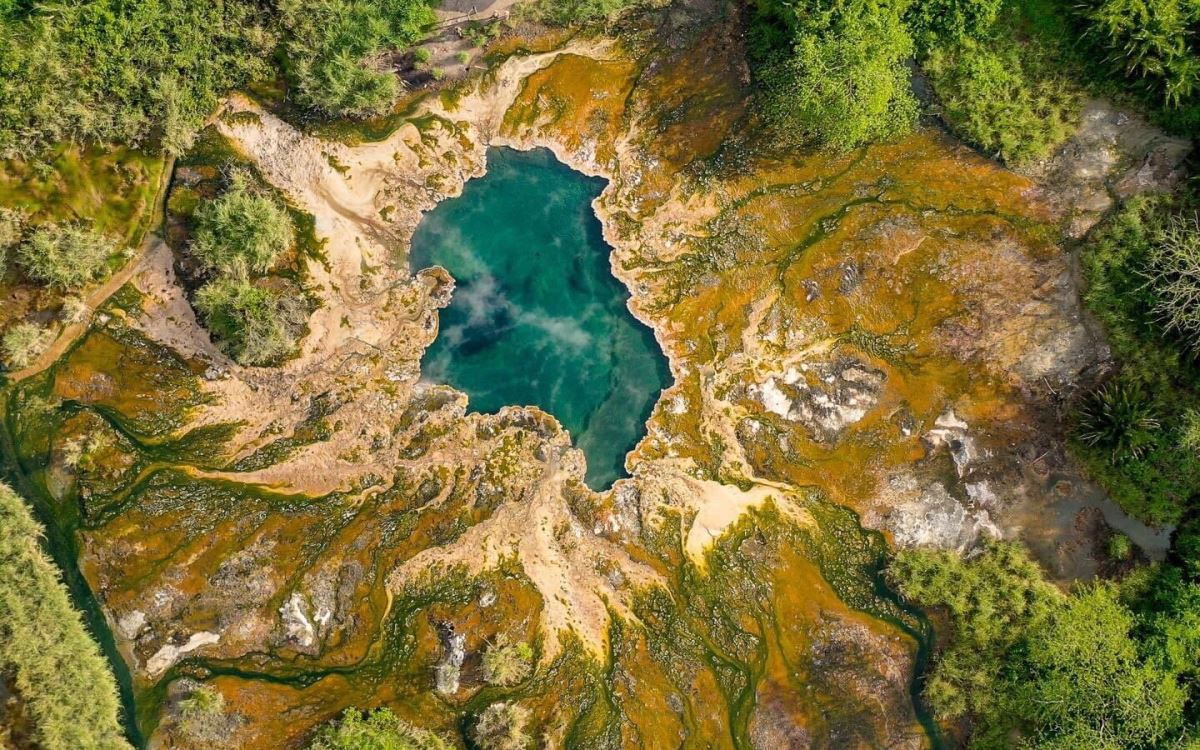
The Sempaya Hot Springs, consisting of the male (Bintente) and female (Nyansimbi) springs, are among the most famous attractions in Semuliki National Park. Visitors can witness the boiling geysers and even cook plantains and eggs in the hot waters, offering a unique and memorable experience.

Boat Rides on the Semuliki River: Exploring the Waterways

The Semuliki River meanders through the park, forming ox-bow lakes in some places. Boat rides on the river provide opportunities to observe aquatic life and bird species, such as the papyrus gonolek and caruthers’s cisticola, which are recorded in the surrounding swamps.

Chimpanzee Trekking: Encountering Our Closest Relatives

Semuliki offers chimpanzee trekking experiences, allowing visitors to observe these intelligent primates in their natural habitat. The park’s dense forests provide a suitable environment for chimpanzees, and trekking expeditions are guided by experienced rangers who ensure safety and provide informative insights into the species’ behavior and ecology.

Hiking to Nyaburogo Gorge: Scenic Views and Adventure

For those seeking more strenuous activities, hiking to Nyaburogo Gorge offers challenging terrain and rewarding views. The hike provides opportunities to observe diverse plant species and wildlife, making it a fulfilling adventure for nature enthusiasts.

Conservation Efforts and Challenges

Biodiversity Conservation

Semuliki’s rich biodiversity has attracted the attention of conservationists worldwide. Efforts are underway to protect the park’s unique ecosystems through sustainable tourism, research, and community engagement. The Uganda Wildlife Authority (UWA) plays a pivotal role in these initiatives, working closely with local communities and international partners to ensure the park’s long-term preservation.

Human-Wildlife Conflict

Despite conservation efforts, challenges persist. Human-wildlife conflict remains a significant issue, with local communities sometimes coming into conflict with wildlife over resources. Encroachment and illegal activities, such as poaching and logging, also threaten the park’s integrity. Addressing these challenges requires a collaborative approach that balances conservation goals with the needs and livelihoods of local communities.

Climate Change

Climate change poses an emerging threat to Semuliki’s ecosystems. Shifts in rainfall patterns and temperatures can affect species distributions and the timing of biological events, such as flowering and breeding. Monitoring and adaptive management strategies are essential to mitigate these impacts and ensure the resilience of the park’s ecosystems.

Accommodation and Accessibility

Accommodation options within and around Semuliki National Park cater to various preferences and budgets. Options range from luxury lodges to budget-friendly campsites, ensuring that visitors have comfortable stays while exploring the park’s attractions. Access to the park is facilitated through well-maintained roads, and guided tours are available to enhance the visitor experience.

Semuliki National Park is a hidden gem in Uganda’s vast array of protected areas. Its unique blend of flora, fauna, and cultural heritage makes it a must-visit destination for nature enthusiasts and adventure seekers alike. Whether you’re an avid birdwatcher, a wildlife photographer, or someone seeking to connect with nature, Semuliki offers experiences that are both enriching and unforgettable.

For those planning to explore the wonders of Semuliki and beyond, consider booking your Africa tours and safaris through WildHorn Africa. Their expert guides and tailored itineraries ensure that your journey through Uganda’s natural treasures is both seamless and memorable.

Night Safaris in Semuliki National Park

Night Safaris in Semuliki National Park

By Travel stories and blogs, Luxury holidays, Safari holidays, Uganda travel guides, Wildlife holidays

Night Safaris in Semuliki National Park. The Enchantment of Semuliki After Dark

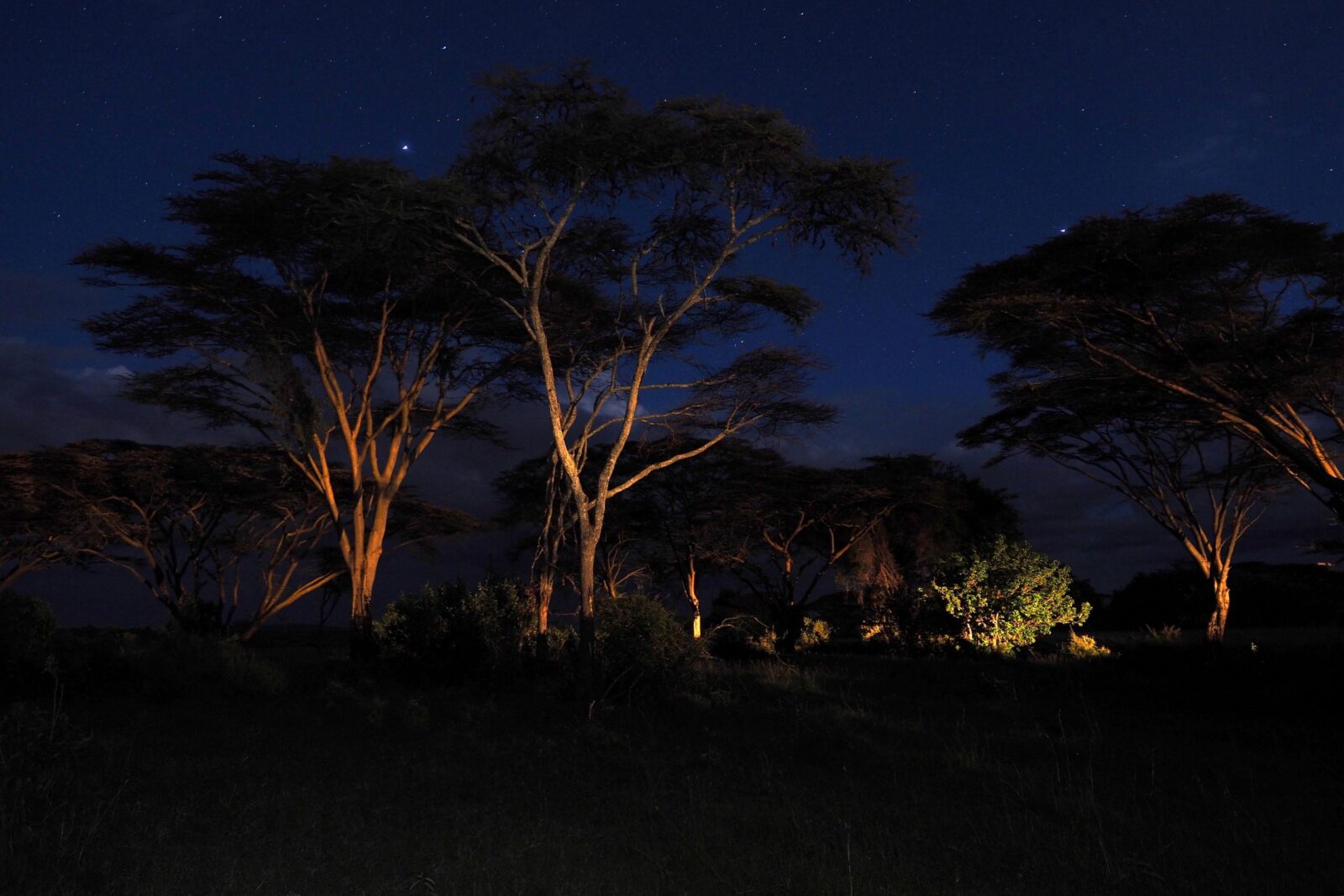
As the sun dips below the horizon, Semuliki National Park transforms into a realm of mystery and allure. Located in western Uganda, this park is renowned for its rich biodiversity and unique ecosystems. While daytime safaris offer glimpses of its vibrant wildlife, the true magic unfolds under the cover of night. Night safaris in Semuliki provide an unparalleled opportunity to witness the park’s nocturnal inhabitants in their natural habitat.

The Allure of Nocturnal Wildlife

The Nighttime Transformation

As dusk settles over Semuliki, the forest comes alive with sounds and movements that are absent during the day. Nocturnal creatures emerge from their hiding spots, engaging in behaviors that are seldom observed by daytime visitors. The park’s diverse habitats, ranging from tropical rainforests to savannah grasslands, support a wide array of nocturnal species.

Notable Nocturnal Species

  • Pottos: These slow-moving primates are known for their distinctive method of locomotion and are often spotted during night walks.

  • Bush Babies: Small, agile primates with large eyes, bush babies are a highlight for many night safari enthusiasts.

  • White-tailed Mongoose: This elusive mammal is frequently encountered during night drives, often foraging along the park’s trails.

  • Leopards: Semuliki’s leopards are primarily nocturnal hunters, making night safaris an ideal time to spot these elusive big cats.

  • Civets and Genets: These small carnivores are often seen prowling the underbrush during the night, hunting for small prey.

  • Owls and Nightjars: The park’s skies host various owl species and nightjars, which are active during the night, offering excellent birdwatching opportunities.

The Night Safari Experience

Guided Night Drives

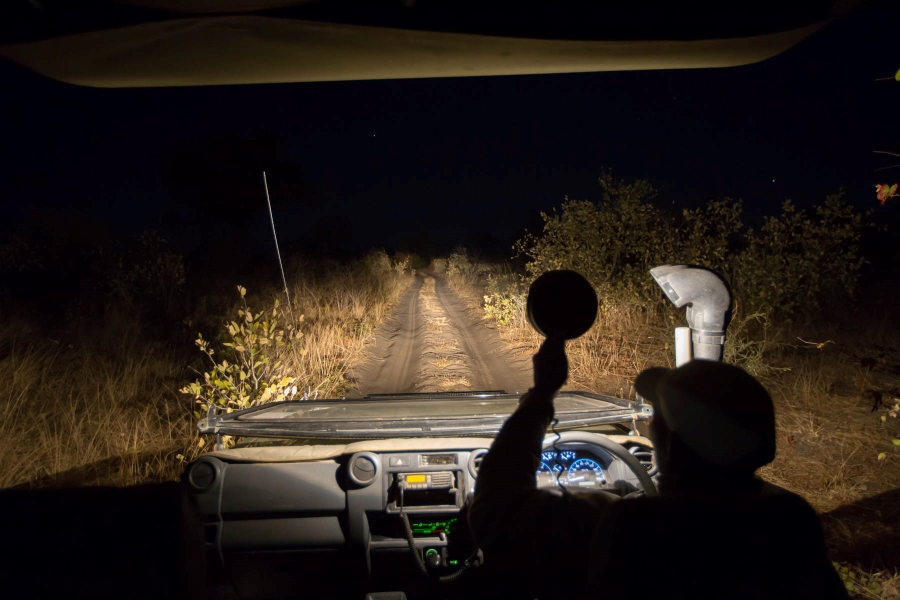
Embarking on a guided night drive is the most common way to explore Semuliki’s nocturnal wildlife. Equipped with powerful spotlights, experienced guides lead visitors through designated trails, enhancing the chances of wildlife sightings. These drives typically last between one to two hours and are conducted in the evening after dinner.

Night Nature Walks

For those seeking a more intimate experience, night nature walks offer a chance to explore the park’s trails on foot. Accompanied by a knowledgeable guide, visitors can observe the subtle sounds and movements of the forest at night. These walks provide a unique perspective on the park’s ecosystem, allowing for close encounters with nocturnal species and a deeper understanding of their behaviors.

Safety and Preparation

While night safaris in Semuliki are generally safe, it’s essential to adhere to safety guidelines. Traveling with a certified guide ensures not only safety but also enriches the experience with informative commentary. It’s advisable to wear long sleeves and trousers to protect against insects and to carry insect repellent. Bringing a flashlight is recommended, although guides typically provide adequate lighting.

The Ecological Significance of Night Safaris

Understanding Nocturnal Behaviors

Night safaris offer invaluable insights into the behaviors and activities of nocturnal species. Observing animals in their natural nighttime routines helps researchers and conservationists understand their roles within the ecosystem, their feeding habits, and their interactions with other species.

Conservation Awareness

Participating in night safaris raises awareness about the importance of preserving nocturnal habitats. Many of Semuliki’s nocturnal species are sensitive to environmental changes, and understanding their needs is crucial for effective conservation efforts. By supporting sustainable tourism practices, visitors contribute to the ongoing protection of these unique ecosystems.Night Safaris in Semuliki National Park

The Best Time for Night Safaris

Optimal Seasons

The dry seasons, typically from December to February and June to July, are considered the best times for night safaris in Semuliki. During these periods, the park’s trails are more accessible, and the chances of spotting nocturnal wildlife are higher. The clear skies during these months also enhance the stargazing experience, adding another layer of wonder to the night safari.

Weather Considerations

While the dry seasons are ideal, Semuliki’s weather can be unpredictable. It’s essential to check weather forecasts before planning a night safari, as rain can make trails slippery and challenging to navigate. Even during the dry seasons, occasional showers can occur, so it’s advisable to carry waterproof gear and be prepared for sudden changes in weather conditions.

Accommodation Options Near Semuliki

Semuliki Safari Lodge

Located within the park’s boundaries, Semuliki Safari Lodge offers luxury accommodations with stunning views of the surrounding wilderness. The lodge provides guided night drives and nature walks, ensuring guests have a comprehensive safari experience.

Ntoroko Game Lodge

Situated near Lake Albert, Ntoroko Game Lodge offers a more rustic experience with comfortable amenities. The lodge organizes night safaris and cultural encounters, providing guests with a blend of wildlife and local culture.

Camping Options

For adventurous travelers, camping within the park offers an immersive experience. Several campsites are available, providing basic facilities and the opportunity to sleep under the stars, surrounded by the sounds of the African wilderness.

Cultural Experiences Complementing Night Safaris

Interaction with Local Communities

Engaging with the local communities near Semuliki enhances the safari experience. Visitors can learn about traditional customs, participate in cultural dances, and gain insights into the daily lives of the indigenous people. These interactions foster a deeper connection to the region and its heritage.

Traditional Storytelling

Evenings around the campfire often feature traditional storytelling sessions, where elders share myths, legends, and histories of the land. These narratives provide context to the natural surroundings and offer a rich cultural perspective on the area.

The Future of Night Safaris in Semuliki

Sustainable Tourism Practices

As interest in night safaris grows, it’s crucial to implement sustainable tourism practices to minimize environmental impact. Guided tours should adhere to established trails to prevent habitat disruption, and noise levels should be kept to a minimum to avoid disturbing wildlife. Educating visitors on responsible behavior ensures that Semuliki’s nocturnal ecosystems remain intact for future generations.

Research and Conservation Initiatives

Ongoing research and conservation efforts are essential to understanding and protecting Semuliki’s nocturnal wildlife. Collaborations between local communities, conservation organizations, and researchers help develop strategies to mitigate threats such as poaching and habitat loss. Supporting these initiatives through eco-tourism contributes to the long-term preservation of the park’s unique biodiversity.

Embracing the Night in Semuliki

Night safaris in Semuliki National Park offer an extraordinary opportunity to witness the hidden world of nocturnal wildlife. From the elusive bush babies to the majestic leopards, the park’s nighttime inhabitants provide a captivating glimpse into the complexity of African ecosystems. By participating in these safaris, visitors not only experience the thrill of discovery but also contribute to the conservation of one of Uganda’s most unique natural treasures.

For an unforgettable adventure that combines the thrill of night safaris with the rich cultural heritage of Uganda, consider booking your African tours and safaris through WildHorn Africa. Their expertise and commitment to sustainable tourism ensure a memorable and responsible travel experience.

Unique Safari Lodges in Semuliki National Park

Unique Safari Lodges in Semuliki National Park

By Travel stories and blogs, Adventure holidays, Honeymoon holidays, Luxury holidays, Primate holidays, Safari holidays, Uganda travel guides, Wildlife holidays

Unique Safari Lodges in Semuliki National Park: A Gateway to Uganda’s Hidden Wilderness

Nestled in the western reaches of Uganda, Semuliki National Park stands as a testament to the country’s rich biodiversity and untamed landscapes. Encompassing approximately 220 square kilometers, this park is the easternmost extension of the vast Ituri Forest of the Congo Basin, making it one of Africa’s oldest and most ecologically significant rainforests. Its unique position offers a blend of Central African flora and fauna, creating a haven for wildlife enthusiasts and photographers alike.

For those seeking an immersive experience, the lodges within and around Semuliki National Park provide more than just accommodation—they offer a gateway to the heart of the wilderness. These establishments are thoughtfully designed to harmonize with the natural surroundings, ensuring minimal environmental impact while delivering unparalleled comfort and service.

Semuliki Safari Lodge: A Sanctuary in the Wild

Overview

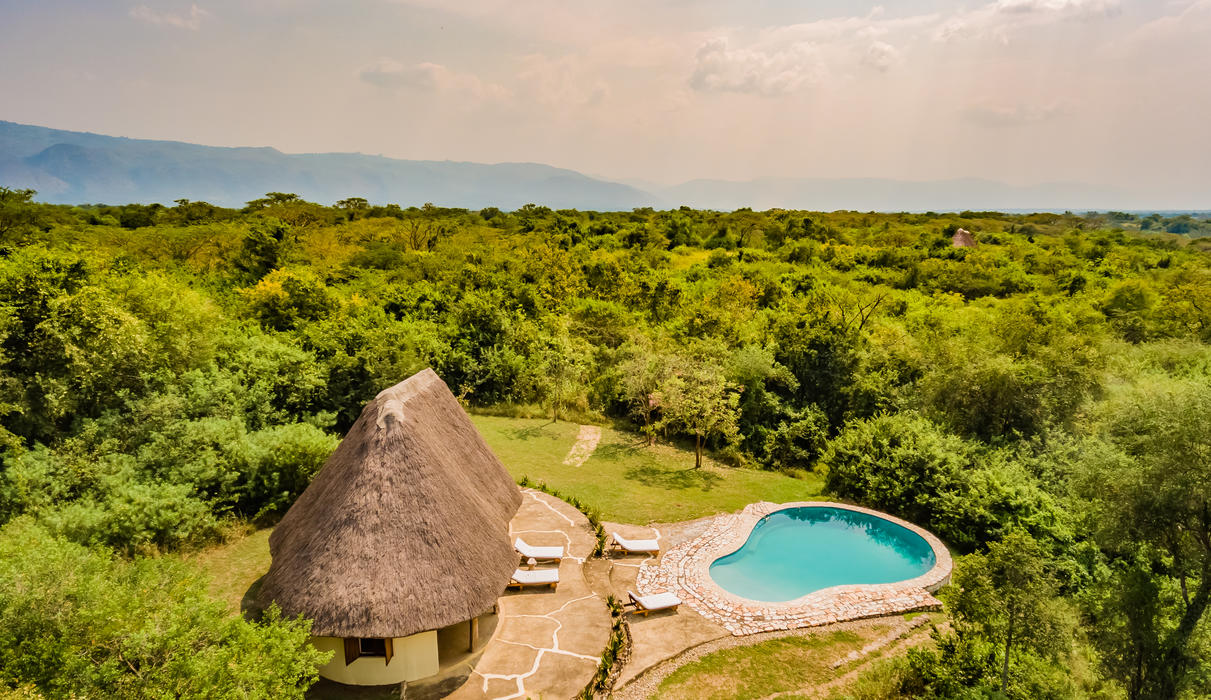
Semuliki Safari Lodge is a premier luxury accommodation located within the Toro-Semuliki Wildlife Reserve. Constructed using locally sourced materials, the lodge seamlessly blends traditional African architecture with modern comforts. Its strategic location offers guests direct access to the park’s diverse ecosystems, from dense rainforests to open savannahs.

Accommodation

The lodge boasts eight spacious tented suites, each elevated on wooden platforms to provide panoramic views of the surrounding wilderness. These suites are tastefully furnished with king-sized beds, en-suite bathrooms, and private verandas. The interiors reflect a fusion of rustic charm and elegance, featuring handcrafted furniture and local artworks.

Dining and Amenities

Guests can indulge in gourmet meals at the lodge’s open-air dining area, where dishes are prepared using fresh, locally sourced ingredients. The bar offers a selection of fine wines and spirits, perfect for unwinding after a day of exploration. Additional amenities include a swimming pool, spa services, and a well-stocked library.

Activities

Semuliki Safari Lodge offers a range of activities tailored to nature enthusiasts. Guided game drives provide opportunities to spot the park’s diverse wildlife, including elephants, buffaloes, and various antelope species. Birdwatching excursions are particularly rewarding, with over 400 bird species recorded in the park. Guests can also embark on nature walks, boat trips along the Semuliki River, and cultural visits to nearby Batwa communities.Unique Safari Lodges in Semuliki National Park

Kirimia Guesthouse: A Homely Retreat

Overview

Located near the Kirimia trailhead, Kirimia Guesthouse offers a more intimate and budget-friendly option for travelers. This guesthouse provides basic yet comfortable accommodations, making it ideal for those seeking a closer connection to nature without compromising on essential amenities.

Accommodation

The guesthouse features several self-contained rooms, each equipped with basic furnishings and private bathrooms. While the decor is simple, the rooms are clean and well-maintained, ensuring a restful stay.

Dining and Amenities

Meals are served in a communal dining area, where guests can enjoy home-cooked dishes prepared with locally sourced ingredients. The guesthouse also offers guided walks to the nearby hot springs and forest trails, allowing guests to immerse themselves in the park’s natural beauty.

National Park Bandas and Campsite: Embracing the Outdoors

Overview

Managed by the Uganda Wildlife Authority, the National Park Bandas and Campsite offers a more rustic and adventurous experience for visitors. Situated midway between Sempaya and Ntandi, this facility caters to campers and those preferring a more direct interaction with the environment.

Accommodation

The Bandas are simple, self-contained units that provide basic shelter for guests. For those opting for a more traditional camping experience, the campsite offers designated areas equipped with fire pits and shared facilities. This setup is perfect for travelers looking to experience the park’s wilderness up close.

Activities

Guests can embark on guided walks to the Sempaya hot springs, explore the forest trails, or participate in birdwatching sessions. The proximity to the park’s core areas ensures that visitors have ample opportunities to witness the diverse flora and fauna of Semuliki National Park.

Choosing the Right Lodge for Your Safari

When planning a visit to Semuliki National Park, selecting the appropriate lodge is crucial to ensure a memorable experience. Consider the following factors:

  • Budget: Determine your budget to narrow down accommodation options.

  • Amenities: Identify the amenities that are most important to you, such as Wi-Fi, air conditioning, or spa services.

  • Activities: Choose a lodge that offers activities aligned with your interests, whether it’s birdwatching, game drives, or cultural experiences.

  • Accessibility: Consider the lodge’s proximity to park entrances and key attractions to maximize your time spent exploring.

Immersing Yourself in Semuliki’s Wonders

Semuliki National Park offers a unique blend of natural beauty, rich biodiversity, and cultural heritage. The lodges within and around the park provide diverse options to suit various preferences and budgets. Whether you opt for the luxury of Semuliki Safari Lodge, the homely charm of Kirimia Guesthouse, or the adventurous spirit of the National Park Bandas and Campsite, each accommodation offers a gateway to the park’s wonders.

To ensure a seamless and enriching safari experience, it is advisable to book your accommodation and safari activities through reputable tour operators. WildHorn Africa specializes in crafting personalized African safari experiences, ensuring that your journey through Semuliki National Park is both memorable and transformative.

Semuliki National Park Safari Itinerary Ideas

Semuliki National Park Safari Itinerary Ideas

By Travel stories and blogs, Adventure holidays, Primate holidays, Safari holidays, Uganda travel guides

Semuliki National Park Safari Itinerary Ideas

Semuliki National Park, nestled in the remote Bwamba County of Bundibugyo District in western Uganda, offers an unparalleled adventure experience. Often overshadowed by more renowned parks, Semuliki stands as a testament to Africa’s rich biodiversity and cultural heritage. This park, established in 1993, is a sanctuary for a myriad of species, many of which are rare or endemic to the region. Its significance is underscored by its designation as a UNESCO Biosphere Reserve, highlighting its global ecological importance.

Day 1: Journey to Semuliki National Park

Departure from Kampala

The adventure begins with an early morning departure from Kampala, Uganda’s bustling capital. Travelers embark on a scenic drive through the verdant countryside, passing by the bustling town of Mityana and the serene landscapes of Fort Portal. The journey offers glimpses of rural Ugandan life, with lush plantations and traditional homesteads dotting the landscape. Upon reaching Fort Portal, a brief stop allows for refreshments and a chance to stretch before continuing the journey towards Semuliki.

Arrival and Check-in

Upon arrival at Semuliki National Park, guests check into their chosen accommodations. Options range from luxury lodges to more modest guesthouses, each offering a unique experience. The lodges are strategically located to provide easy access to the park’s main attractions, ensuring that guests can immerse themselves in the natural beauty and tranquility of the area.

Evening Game Drive

As dusk falls, guests embark on a guided night game drive. Equipped with spotlights, the safari vehicle traverses the park’s trails in search of nocturnal wildlife. This is an opportunity to observe species that are elusive during daylight hours, such as leopards, bush babies, and various nocturnal birds. The night air is filled with the sounds of the forest, creating an atmosphere of mystery and excitement.

Day 2: Exploration of Semuliki’s Wonders

Morning Chimpanzee Trekking

The day begins with an early breakfast before heading to the park’s headquarters for a briefing on chimpanzee trekking guidelines. Accompanied by experienced guides, guests venture into the forest in search of chimpanzee troops. The trek offers insights into the behavior and social structures of these intelligent primates, as well as the opportunity to observe other wildlife and plant species that inhabit the forest. The dense canopy and rich biodiversity make each moment in the forest a discovery.

Afternoon Game DriveSemuliki National Park Safari Itinerary Ideas

After a leisurely lunch, guests embark on an afternoon game drive. The park’s diverse habitats support a wide range of wildlife, including forest elephants, buffaloes, and various antelope species. Bird enthusiasts will find delight in the park’s avian diversity, with over 400 bird species recorded, including the rare hornbills and the elusive shoebill stork. The game drive offers ample opportunities for photography and wildlife observation.

Visit to Sempaya Hot Springs

In the late afternoon, a visit to the Sempaya Hot Springs is scheduled. The hot springs are a geological wonder, with boiling geysers that shoot steam and hot water into the air. The male spring, Bintente, has a diameter of 12 meters, while the female spring, Nyasimbi, is a boiling geyser that can reach temperatures of up to 103°C. Local traditions involve cooking food in the hot springs, adding a cultural dimension to the visit.

Day 3: Cultural Immersion and Departure

Batwa Cultural Experience

The final day offers a cultural immersion experience with the Batwa community. The Batwa, often referred to as the “Pygmies,” are indigenous people who have historically lived in the forests. Visitors have the opportunity to learn about their traditional lifestyles, including hunting techniques, medicinal plant knowledge, and cultural rituals. This interaction provides a deeper understanding of the human connection to the forest and the challenges faced by indigenous communities in a changing world.

Return Journey

After the cultural experience, guests begin their journey back to Kampala. The drive retraces the scenic route, offering a final opportunity to absorb the landscapes and rural life of western Uganda. Upon arrival in Kampala, the safari concludes, leaving guests with memories of a unique and enriching adventure.

Extended Itinerary Options

4-Day Safari: Deeper Exploration

For those seeking a more in-depth experience, a 4-day safari allows for additional activities and relaxation. The extra day can be utilized for extended game drives, additional cultural interactions, or simply unwinding at the lodge. This extended itinerary provides a more leisurely pace, ensuring that guests can fully immerse themselves in the park’s offerings.

5-Day Safari: Combination with Kibale National Park

A 5-day safari combines the wonders of Semuliki with the primate-rich Kibale National Park. After exploring Semuliki, guests travel to Kibale for chimpanzee trekking and a visit to the Bigodi Wetland Sanctuary. This combination offers a diverse range of experiences, from forest treks to wetland birdwatching, enriching the overall safari experience.

Semuliki National Park offers a unique blend of wildlife, culture, and natural beauty, making it a must-visit destination for adventurous travelers. Whether on a short 3-day itinerary or an extended safari, visitors are guaranteed an enriching experience that connects them with the heart of Africa.

For those planning to explore the wonders of Semuliki and beyond, consider booking your Africa tours and safaris through WildHorn Africa. Their expert guides and tailored itineraries ensure that your journey through Uganda’s natural treasures is both seamless and memorable.

Conservation Challenges in Semuliki National Park

Conservation Challenges in Semuliki National Park

By Travel stories and blogs, Adventure holidays, Family holidays, Safari holidays, Uganda travel guides, Wildlife holidays

Conservation Challenges in Semuliki National Park

Semuliki National Park, located in western Uganda, stands as a testament to the country’s rich biodiversity and ecological significance. Spanning approximately 220 square kilometers, it is one of Uganda’s most biologically diverse protected areas. The park is renowned for its unique lowland tropical rainforest, which harbors species that are rare or absent in other parts of East Africa. Despite its ecological importance, Semuliki National Park faces numerous conservation challenges that threaten its delicate ecosystems and the myriad species it supports.

Habitat Loss and Fragmentation

One of the most pressing threats to Semuliki National Park is habitat loss and fragmentation. Human activities such as agriculture, logging, and infrastructure development have led to the encroachment into the park’s boundaries. This encroachment not only reduces the size of the park but also fragments its habitats, making it difficult for wildlife to move freely and access resources. The park’s proximity to the Democratic Republic of Congo (DRC) further exacerbates this issue, as cross-border activities contribute to the degradation of the forest. Efforts to address habitat loss require coordinated conservation strategies that involve both Ugandan and Congolese authorities.

Poaching and Illegal Wildlife Trade

Poaching remains a significant challenge in Semuliki National Park. Illegal hunting activities target various species, including elephants, chimpanzees, and antelopes, driven by the demand for bushmeat and animal parts. The park’s location near human settlements increases the risk of poaching, as local communities often rely on the park’s resources for sustenance. Additionally, the illegal wildlife trade poses a threat to species such as the African green pigeon, which is considered a delicacy by some local communities. Conservation efforts must focus on strengthening law enforcement and promoting alternative livelihoods for communities to reduce dependence on poaching.

Climate Change and Environmental Stressors

Climate change introduces additional stressors to Semuliki National Park’s ecosystems. Changes in rainfall patterns, increased temperatures, and the frequency of extreme weather events can alter the distribution of species and the structure of habitats. For instance, shifts in temperature and precipitation can affect the breeding cycles of amphibians and the availability of food for various animals. These environmental changes may lead to a mismatch between species’ ecological requirements and the available conditions, potentially resulting in population declines.Conservation Challenges in Semuliki National Park

Community Engagement and Livelihoods

The relationship between local communities and Semuliki National Park is complex. Historically, conservation efforts have often excluded local communities, leading to resentment and non-compliance with park regulations. The eviction of indigenous groups, such as the Batwa, from the park has further strained relations. To address these issues, conservation strategies must prioritize community engagement, ensuring that local populations benefit from the park’s resources through sustainable practices. Programs that promote eco-tourism, sustainable agriculture, and alternative livelihoods can empower communities and foster a sense of ownership and responsibility towards conservation.

Transboundary Conservation Challenges

Semuliki National Park’s location along the border with the DRC introduces transboundary conservation challenges. The park is contiguous with Virunga National Park in the DRC, creating a shared ecosystem that requires coordinated management efforts. However, political instability, differing conservation priorities, and limited resources complicate collaborative initiatives. Effective transboundary conservation requires diplomatic engagement, joint patrols, and shared research initiatives to address common threats and ensure the protection of the entire ecosystem.

Conservation Initiatives and Strategies

In response to these challenges, various conservation initiatives have been implemented in Semuliki National Park. The Uganda Wildlife Authority (UWA) has increased anti-poaching patrols and established community conservation programs to involve local populations in park management. Collaborations with non-governmental organizations and international partners have facilitated habitat restoration projects and environmental education campaigns. Additionally, the promotion of sustainable tourism has generated revenue that supports conservation activities and provides economic incentives for communities to protect the park’s resources.

Semuliki National Park is a vital ecological asset that faces numerous conservation challenges. Addressing these issues requires a multifaceted approach that combines habitat protection, law enforcement, community engagement, and climate change adaptation. By fostering collaboration among local communities, governmental agencies, and international partners, Semuliki National Park can be preserved for future generations. Visitors to the park play a crucial role in supporting conservation efforts through responsible tourism and advocacy. Their engagement not only contributes to the park’s sustainability but also enhances their understanding and appreciation of Uganda’s rich natural heritage.

For those interested in exploring the wonders of Semuliki National Park and contributing to its conservation, consider booking your Africa tours and safaris through WildHorn Africa. Their expert-guided tours offer immersive experiences that highlight the park’s biodiversity and conservation efforts, ensuring that your visit supports sustainable practices and local communities.

Close Menu