search
Chimpanzee Tracking in Kibale National Park: A Complete Guide

Chimpanzee Tracking in Kibale National Park: A Complete Guide

By Travel stories and blogs, Primate holidays, Safari holidays, Uganda travel guides

Chimpanzee Tracking in Kibale National Park: A Complete Guide

The Allure of Uganda’s Primate Paradise

In the heart of Uganda’s lush western highlands lies Kibale National Park, a sanctuary renowned for its primate diversity and verdant landscapes. Often referred to as the “primate capital of the world”, Kibale is home to over 13 species of primates, with chimpanzees as its most celebrated residents. The forested expanse of approximately 795 square kilometers provides a sanctuary where these intelligent and socially complex creatures thrive amidst tropical rainforest, swamp forests, and grassland clearings.

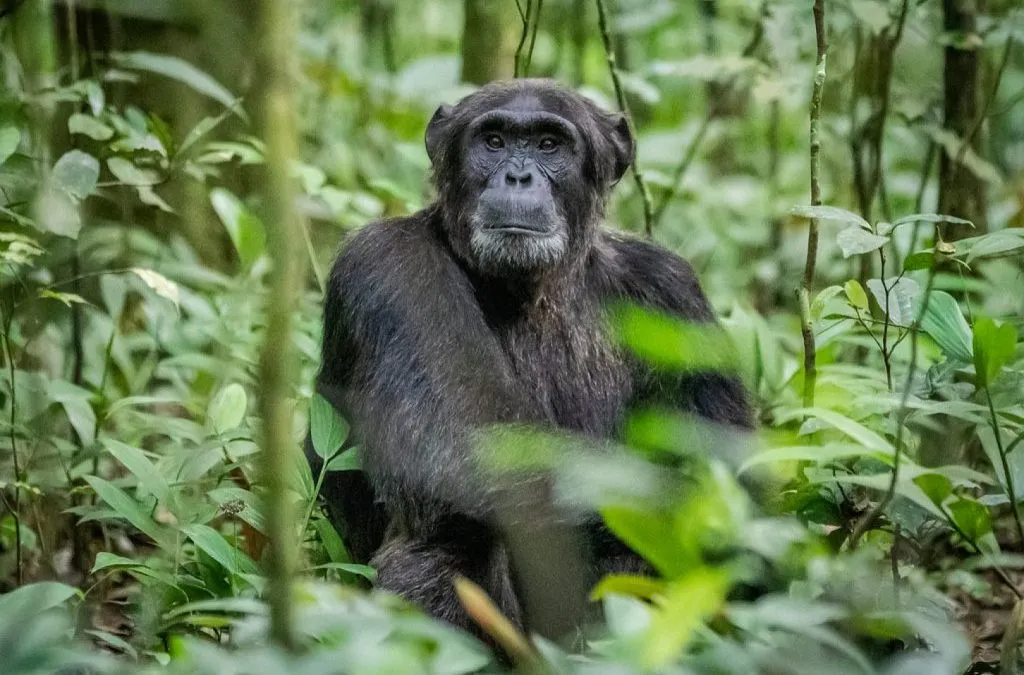
Chimpanzee tracking in Kibale National Park offers an extraordinary opportunity for visitors to observe our closest living relatives in their natural habitat. Unlike watching chimpanzees in captivity, tracking in Kibale allows for the experience of witnessing their behaviors—nest building, foraging, grooming, and social interactions—in the wild. The process is not only an adventure but a profound window into the complexity of primate societies and the intricate ecosystems that support them.

This guide provides a comprehensive overview of chimpanzee tracking in Kibale, exploring the park’s ecology, planning considerations, trekking routes, wildlife encounters, conservation context, and practical advice for travelers. By understanding the process in depth, visitors can maximize both safety and enjoyment while contributing to the ongoing protection of these remarkable primates.

Location and Accessibility

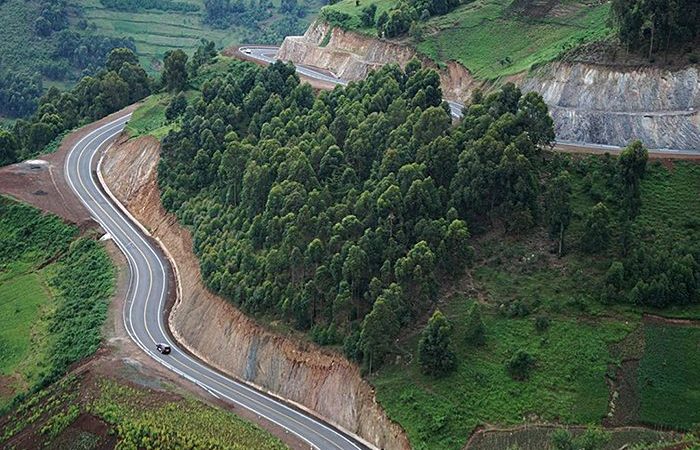
Kibale National Park is situated in western Uganda, near the town of Fort Portal in Kabarole District. The park is accessible by road from major Ugandan cities, with Kampala being the most common starting point. The journey covers roughly 300 kilometers southwest of the capital, typically taking 5 to 6 hours by road, depending on traffic and weather conditions. Roads are generally well-maintained, though mountainous terrain near the park can introduce winding stretches requiring careful navigation.

Fort Portal serves as a gateway town, providing accommodation, dining, and logistical support for visitors preparing for chimpanzee tracking. From Fort Portal, the park’s headquarters and designated trailheads are accessible via short drives, where permits and ranger briefings are conducted before treks begin.

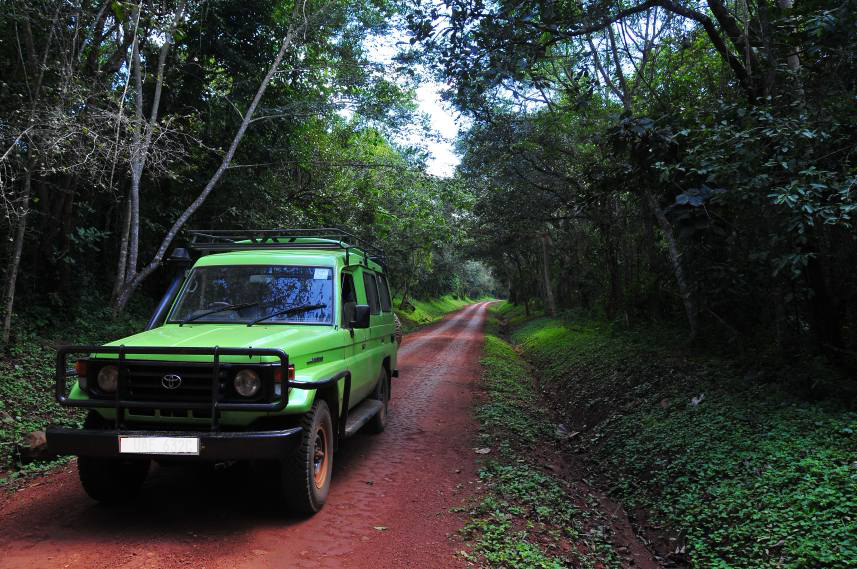
For travelers seeking time efficiency, private vehicles, 4×4 safari vans, and organized tour transfers are preferred. The park is also reachable from Queen Elizabeth National Park, forming part of a larger western Uganda safari circuit that allows integration of primate trekking with wildlife safaris in savannah and wetlands ecosystems.

Ecological Significance of Kibale National Park

Kibale is ecologically remarkable, supporting tropical rainforest, swamps, grasslands, and riparian forests. These habitats are home to chimpanzees, colobus monkeys, baboons, and numerous other primates. The diversity of flora and fauna is attributed to the park’s location within the Albertine Rift, a biodiversity hotspot recognized for high levels of endemism.

The forest canopy provides a complex vertical habitat, allowing species to occupy distinct ecological niches. Chimpanzees primarily use the upper and mid-canopy for foraging, while smaller primates navigate lower branches and forest floor vegetation. The park’s rivers and swamp forests sustain amphibians, birds, and mammals, contributing to a dynamic ecosystem in which chimpanzees are both predators and seed dispersers.

By preserving Kibale, Uganda maintains critical corridors for wildlife movement and genetic exchange between primate populations, ensuring long-term ecological resilience. The park’s biodiversity also supports research and eco-tourism, linking conservation with education and sustainable economic development.

Chimpanzee Behavior and Social Structure

Chimpanzees are highly intelligent, social animals living in fission-fusion communities, typically numbering 50 to 100 individuals. Within these groups, smaller subgroups may travel and forage independently, merging with others at various times. Hierarchies are established, with dominant males exerting influence over group dynamics, but cooperation, grooming, and play are central to social cohesion.

Chimpanzee tracking allows observation of these behaviors firsthand. Feeding is a dominant activity, with chimpanzees consuming fruits, leaves, seeds, and occasionally insects. Nest-building for night-time rest is observed in tall trees, demonstrating remarkable ingenuity and adaptation to the forest environment. Vocalizations, gestures, and facial expressions convey complex communication, providing visitors with insights into primate intelligence and emotional expression.

Understanding these behaviors is essential for ethical tracking. Rangers ensure that visitors maintain appropriate distances, minimize noise, and follow strict protocols, allowing chimpanzees to act naturally while preventing stress or disease transmission.

Planning a Chimpanzee Trek

Permits and Timing

Chimpanzee tracking in Kibale is regulated, requiring permits issued by the Uganda Wildlife Authority (UWA). Permits are typically purchased in advance and are limited per day to minimize human impact on chimpanzee groups. Prices vary for residents and international visitors, with permits granting guided access to habituated chimpanzee communities.

Trekking is conducted in the morning when primates are most active. Early starts are recommended, with park rangers providing briefings on trail protocols, safety measures, and wildlife etiquette. Preparation includes hydration, appropriate clothing, and readiness for variable weather conditions, particularly in rainforest environments prone to sudden rainfall.

Physical Preparation and Fitness

Chimpanzee tracking ranges in difficulty from moderate to challenging, depending on terrain and group locations. Trails wind through dense forests, across swampy areas, and up gentle slopes, requiring stamina, agility, and balance. Visitors are advised to wear sturdy walking shoes or boots with good grip, layered clothing, and rain protection. Trekking poles may assist in navigating muddy or uneven sections.

Physical fitness contributes to enjoyment and safety, as treks may last 2 to 6 hours depending on chimpanzee movements. Breaks are incorporated for hydration, observation, and photography, ensuring that both visitors and wildlife are minimally disturbed.Chimpanzee Tracking in Kibale National Park: A Complete Guide
The Trekking Experience: Step by Step

Orientation and Ranger Briefing

Upon arrival at the designated trailhead, visitors are briefed by trained rangers who provide instructions on maintaining distance, minimizing noise, and recognizing chimpanzee behaviors. Safety measures and emergency procedures are discussed, ensuring that the trek proceeds smoothly. Guides also provide insights into forest ecology, species identification, and the conservation context of the chimpanzees.

Entering the Forest

The trek begins along well-established trails through tropical rainforest. The forest canopy is dense, with light filtering through epiphytes, vines, and towering trees. Sounds of birds, insects, and distant chimpanzee calls create an immersive natural environment. Rangers lead the group, alert to chimpanzee movements, potential hazards, and ecological features of interest.

Locating Chimpanzee Communities

Chimpanzees are located based on ranger knowledge, previous sightings, and daily tracking reports. Habituated communities are accustomed to human observers but remain cautious. Upon sighting, groups are observed from a safe distance, typically 7 meters or more, to prevent disturbance. Activities such as feeding, grooming, or nest-building provide intimate glimpses into chimpanzee life, often lasting an hour before rangers guide visitors back along the trail.

Observing and Photographing

Observation emphasizes patience and respect. Visitors are encouraged to remain quiet, avoid sudden movements, and photograph wildlife responsibly. The forest setting provides dynamic opportunities for capturing behaviors, social interactions, and environmental context. Rangers provide interpretive commentary, enriching understanding of chimpanzee ecology, intelligence, and social complexity.

Flora and Fauna Along the Trail

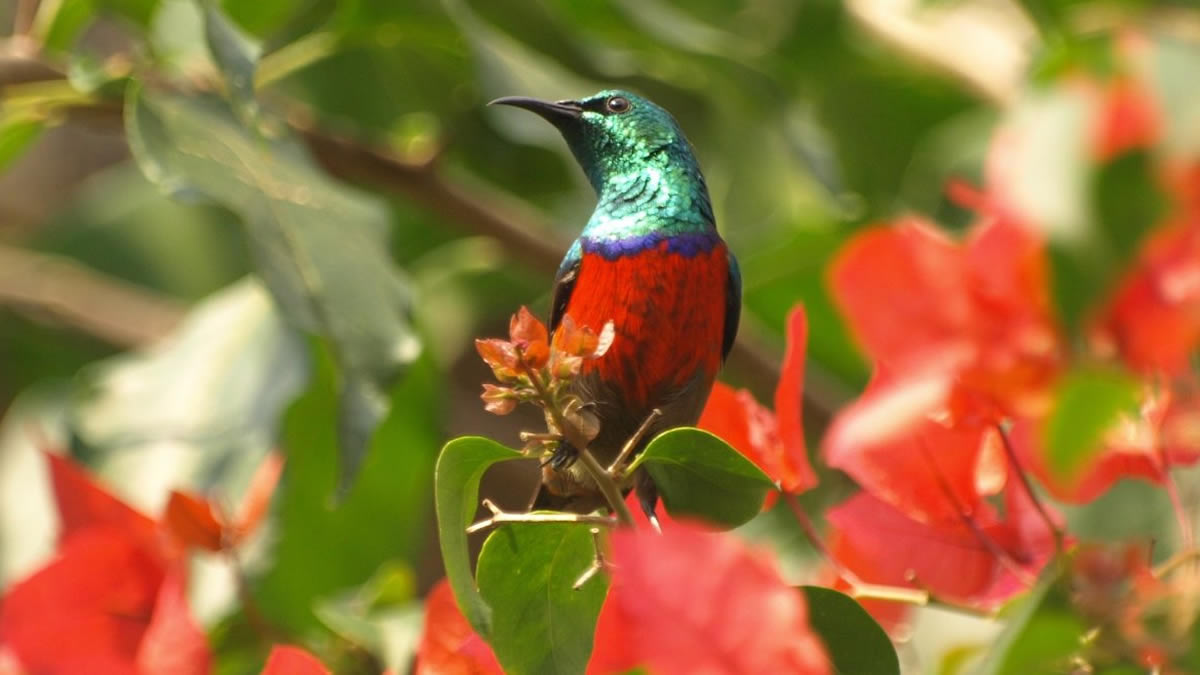
While chimpanzees are the focal point, trekking in Kibale exposes visitors to a diverse array of wildlife. Other primates, including red-tailed monkeys, black-and-white colobus, and olive baboons, are frequently encountered. Birds such as the African green broadbill, African pitta, and various sunbirds add color and movement to the experience.

The forest flora is equally remarkable. Giant fig trees, mahogany, and ironwood provide structural canopy, while ferns, orchids, and ground-level plants support insect and small mammal populations. Streams and swampy areas sustain amphibians and provide drinking sources for wildlife. Every step reveals interactions between species, illustrating the intricate web of life in Kibale’s rainforest.

Conservation and Ethical Considerations

Chimpanzee tracking is intertwined with conservation and research objectives. The presence of visitors generates revenue that funds park management, ranger patrols, and anti-poaching initiatives. Permits are limited to reduce human impact, and strict hygiene protocols prevent disease transmission to primates, who are highly susceptible to human-borne pathogens.

Research programs in Kibale monitor chimpanzee health, social dynamics, and habitat conditions, guiding management decisions and informing global scientific understanding. Community engagement ensures that surrounding populations benefit from tourism, reducing pressures on forest resources and fostering support for conservation initiatives.

Safety and Practical Tips

Visitors are advised to carry water, light snacks, insect repellent, and first-aid essentials. Clothing should be long-sleeved and layered to adapt to humidity and temperature fluctuations. Rain gear is recommended, as tropical rainfall is frequent. Rangers ensure adherence to safety protocols, including maintaining distance from wildlife and remaining on designated trails.

Photography should respect chimpanzee welfare, avoiding flash and sudden movements. Patience and attentiveness maximize both safety and the opportunity for meaningful observation.

Complementary Activities in Kibale

Beyond chimpanzee tracking, visitors can engage in guided nature walks, birdwatching excursions, and community visits to learn about local Batwa or Bakiga cultures. These activities complement primate observation, providing a holistic understanding of Kibale’s ecological and cultural context. Trails lead to crater lakes, scenic viewpoints, and swamp forests, offering additional perspectives on the rainforest ecosystem.

Integration with other national parks, such as Queen Elizabeth or Bwindi, allows for extended safari circuits, combining primate trekking with savannah wildlife observation, gorilla tracking, and scenic exploration of Uganda’s diverse landscapes.

A Transformative Encounter

Chimpanzee tracking in Kibale National Park is more than a tourist activity; it is an immersive experience in intelligence, social complexity, and ecological interdependence. Observing these remarkable primates in their natural habitat deepens understanding of evolution, behavior, and conservation challenges. Every trek emphasizes patience, respect, and appreciation for the delicate balance that sustains life in Uganda’s rainforest.

For travelers seeking to experience chimpanzee tracking safely, responsibly, and comprehensively, it is recommended that African tours and safaris be arranged through WildHorn Africa. Their expertise ensures access to habituated chimpanzee communities, seamless logistics, and enriched educational experiences, making the journey in Kibale both transformative and unforgettable.
Hiking Mount Gahinga: A Guide for Trekkers

Hiking Mount Gahinga: A Guide for Trekkers

By Travel stories and blogs, Adventure holidays, Safari holidays, Uganda travel guides

Hiking Mount Gahinga: A Guide for Trekkers

Where Volcanoes Whisper to the Sky

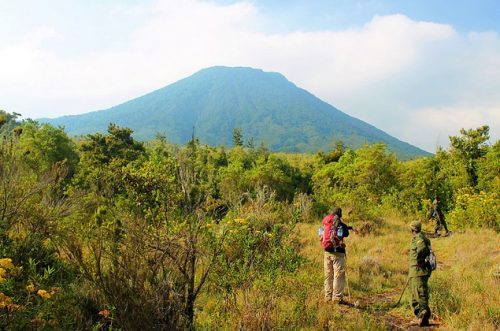
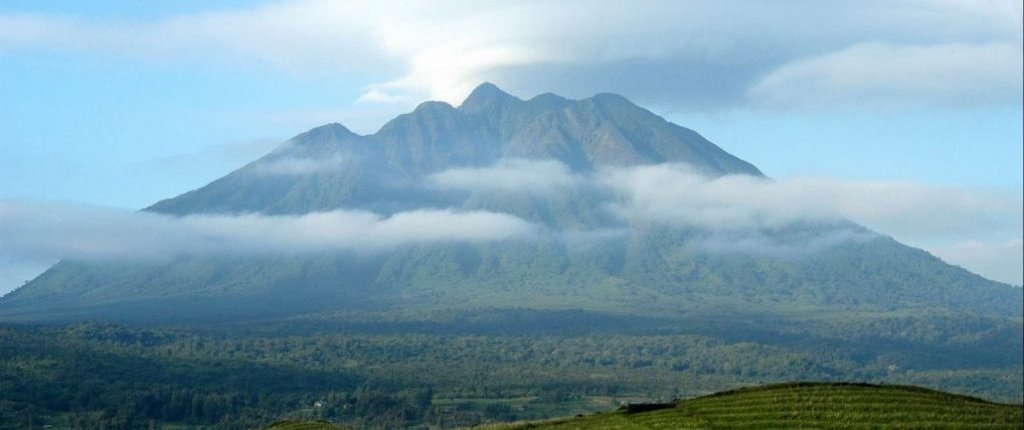
In the far reaches of southwestern Uganda, a land of mystery and wonder unfolds, where clouds gather in silence above towering peaks and emerald forests guard secrets of ancient times. This is the land of the Virunga Volcanoes, a chain of majestic giants straddling Uganda, Rwanda, and the Democratic Republic of Congo. Among them rises Mount Gahinga, a dormant volcano of extraordinary beauty and intrigue, whose slopes cradle stories of nature, resilience, and adventure.

Though often overshadowed by its larger counterparts, Sabinyo and Muhabura, Mount Gahinga offers trekkers one of the most rewarding and intimate hiking experiences in East Africa. Its name, which means “pile of stones” in the local language, echoes both its physical form and the symbolic strength of the communities that thrive at its base. To hike Mount Gahinga is to traverse bamboo forests alive with golden monkeys, to ascend into misty montane woodlands, and to stand in awe before a summit crater where alpine vegetation paints the sky.

For trekkers seeking more than physical challenge, hiking Mount Gahinga delivers a profound journey into the heart of the Virunga highlands. It is a trail that blends adventure with cultural discovery, ecological wonder with spiritual reflection. Here, the mountain is not merely a geographical entity but a living presence that rewards patience, endurance, and curiosity.

Location and Setting: The Jewel of Mgahinga Gorilla National Park

Mount Gahinga forms part of Mgahinga Gorilla National Park, Uganda’s smallest national park yet one of its most diverse and enchanting. Located in Kisoro District at Uganda’s southwestern frontier, the park covers just 33.7 square kilometers, but within this compact area lie ecosystems of immense ecological value. Gahinga rises to an altitude of about 3,474 meters above sea level, standing between Mount Muhabura to the east and Mount Sabinyo to the west.

The mountain’s strategic location in the Virunga Conservation Area creates an ecological continuum with Rwanda’s Volcanoes National Park and Congo’s Virunga National Park. Wildlife moves freely across these borders, and the habitats are seamlessly connected, making Gahinga part of a transboundary sanctuary for gorillas, golden monkeys, and an array of bird species.

Trekkers who journey here are immersed not only in Uganda’s landscapes but also in a regional mosaic of cultures, histories, and natural wonders. This geographical positioning gives Mount Gahinga a unique character, where every step carries echoes from across three nations and where the summit becomes a vantage point of international horizons.

Historical and Cultural Significance

Beyond its physical majesty, Mount Gahinga is woven deeply into the cultural fabric of the Batwa and Bakiga peoples. For the Batwa, who once thrived as forest dwellers and hunter-gatherers, Gahinga and its bamboo forests were vital sources of food, shelter, and spiritual grounding. The mountain and its caves held sacred importance, serving as spaces for rituals, storytelling, and communion with ancestral spirits.

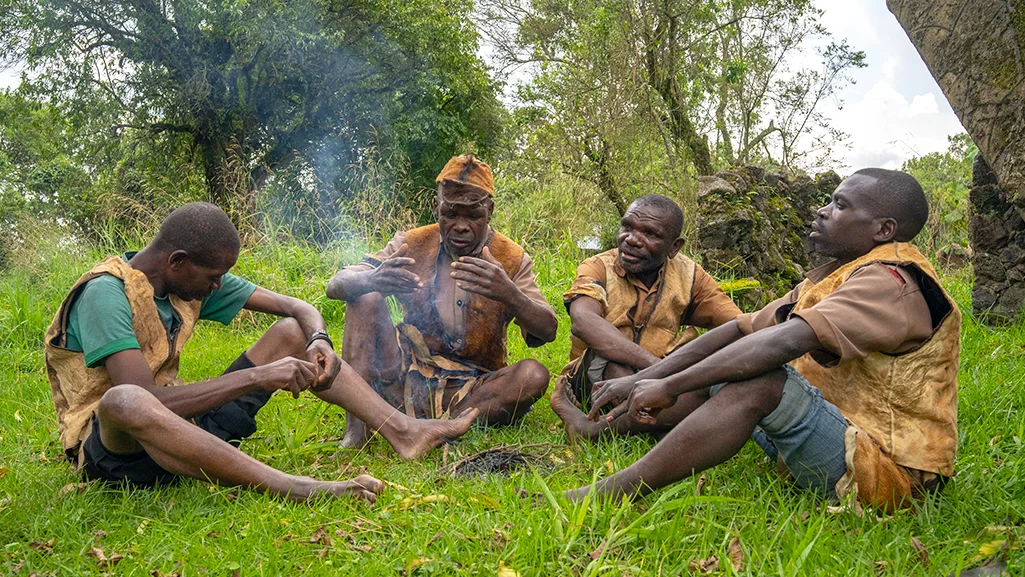
Today, though the Batwa no longer live in the forest, their heritage endures through cultural trails and storytelling. Hiking Mount Gahinga often brings encounters with Batwa guides who share their deep ecological knowledge, pointing out medicinal plants, edible roots, and animal tracks that once guided their survival. This cultural dimension adds depth to the trekking experience, transforming it from a mere physical endeavor into a journey through memory and identity.

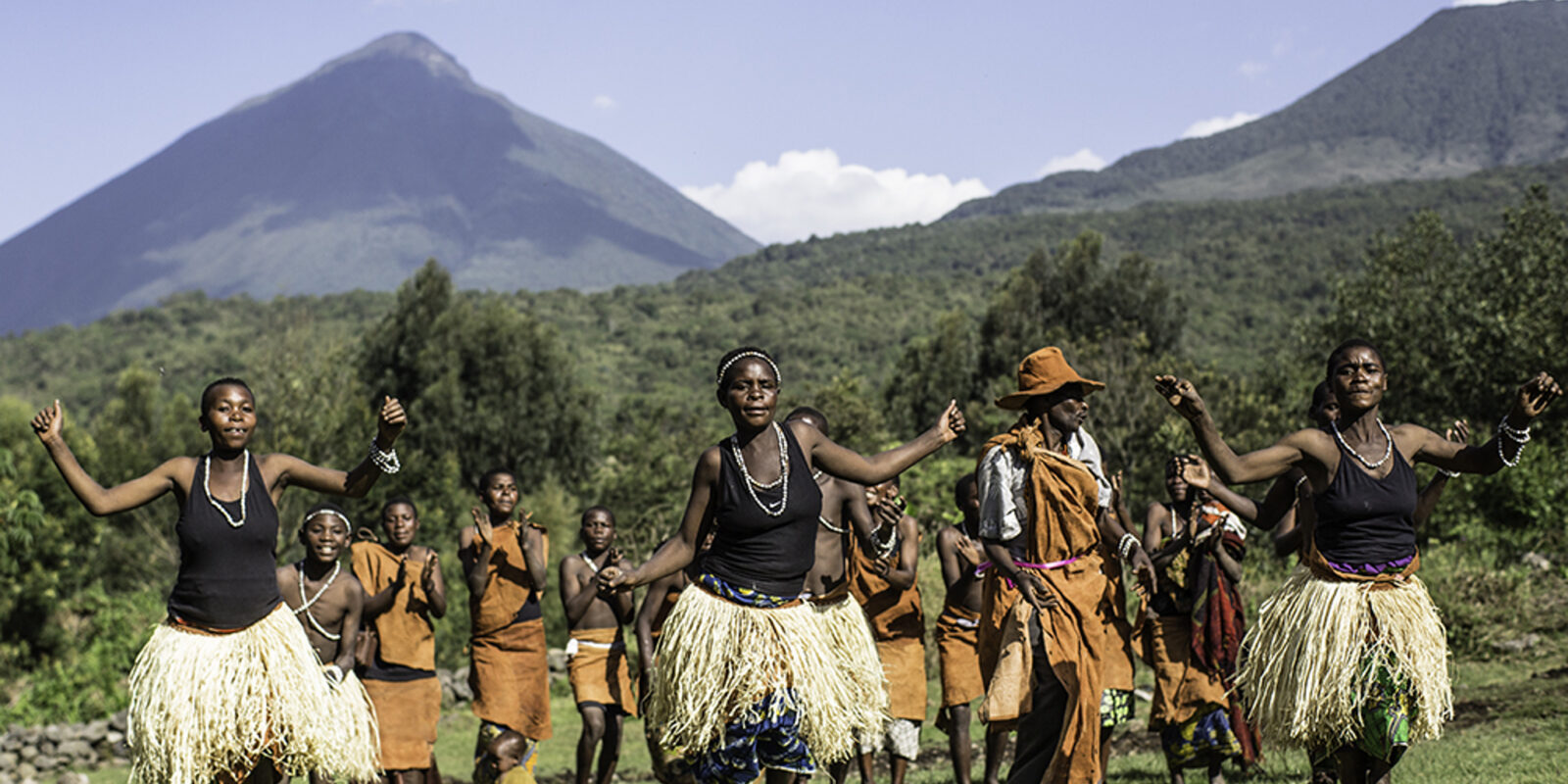
For the Bakiga and Bafumbira communities living in the highlands, Mount Gahinga also represents resilience. Terraced farmlands climb its lower slopes, testifying to generations of adaptation to challenging terrains. Songs, dances, and oral traditions surrounding the mountain reflect both reverence and interdependence. Thus, every trekker ascending Gahinga participates in a silent dialogue with the communities that hold it dear.

The Hiking Experience: From Bamboo to Alpine Heights

The Trailhead at Ntebeko

Hiking Mount Gahinga begins at the Ntebeko Visitor Center, the main gateway into Mgahinga Gorilla National Park. Here, trekkers are welcomed by park rangers who provide orientation, safety instructions, and guidance for the journey ahead. The atmosphere at the trailhead is charged with anticipation, as mist swirls over the peaks and the sound of distant bird calls filters through the air.

The ascent is typically a six to eight-hour round trip, depending on pace, weather conditions, and time spent at the summit. While considered moderate compared to the more challenging climbs of Sabinyo or Muhabura, Gahinga’s hike demands stamina, patience, and respect for high-altitude conditions.

Through the Bamboo Zone

The first segment of the hike winds through a dense bamboo forest, a habitat that shelters the park’s famous golden monkeys. Their playful movements and vibrant golden-orange fur often catch the eye of observant trekkers. The bamboo zone, found at altitudes between 2,200 and 2,800 meters, also hosts birds such as the Dusky Turtle Dove and the White-starred Robin, creating a lively soundscape that accompanies the steady rhythm of footsteps.

This section of the trail is shaded and relatively gentle, making it a perfect introduction to the hike. Yet beneath its calm beauty lies ecological importance, as bamboo provides essential resources for gorillas and other wildlife.

The Montane Forests

Beyond the bamboo, the trail enters the montane forest zone, where towering trees, moss-covered branches, and a profusion of ferns and lichens create a mystical atmosphere. The air grows cooler, and the trail steeper, requiring measured effort. Here, the vegetation thickens, and occasional clearings reveal glimpses of the volcanic peaks above.

Birdlife becomes abundant, with species such as the Rwenzori Turaco flashing crimson wings across the canopy, while sunbirds dart among flowers. This section reminds trekkers that hiking Gahinga is as much about immersion in biodiversity as it is about reaching the summit.

The Alpine Moorlands

As altitude increases, the forest gives way to alpine moorland vegetation, where giant lobelias and groundsels dominate the landscape. These surreal plants, adapted to extreme conditions, appear almost otherworldly, turning the slopes into a botanical wonderland. The climb here is steeper, and the air thinner, but the dramatic scenery inspires resilience.

The silence of the highlands is profound, broken only by wind and the occasional call of a mountain bird. Every step carries a sense of approaching the pinnacle of both landscape and personal endurance.

The Summit Crater

Reaching the summit of Mount Gahinga is an unforgettable reward. At its top lies a giant swampy crater, stretching about 180 meters in diameter and covered with alpine vegetation. Mist drifts across its surface, and the tranquility is striking, as though the crater were a secret kept by the mountain.

From the summit, panoramic views extend across Uganda, Rwanda, and the Democratic Republic of Congo. On clear days, trekkers may see the chain of Virunga Volcanoes unfolding in grandeur, their peaks piercing the sky in solemn majesty. Standing here, the sense of being on a geographical and cultural crossroads becomes palpable, as horizons blur into shared landscapes.Hiking Mount Gahinga: A Guide for Trekkers

Flora and Fauna Encounters

Hiking Mount Gahinga offers more than physical achievement; it opens a portal into the ecological wealth of the Virunga region. The mountain shelters diverse flora and fauna adapted to its altitudinal zones.

In the bamboo and montane forests, golden monkeys and occasionally mountain gorillas may be encountered. While gorilla tracking is a separate activity requiring special permits, their presence highlights the importance of Gahinga as part of the gorillas’ range. Small mammals such as duikers and bushbucks also inhabit the slopes, though sightings are less common.

The birdlife is particularly rich, with over 180 species recorded in the park. Trekkers may glimpse Albertine Rift endemics like the Rwenzori Batis, Regal Sunbird, or Dusky Crimsonwing. The higher moorlands add botanical diversity, with giant lobelias standing like sentinels above the mist.

Every ecological encounter deepens the trekking experience, reminding visitors that the mountain is a living ecosystem where each plant, bird, and animal contributes to its vitality.

Challenges and Rewards of the Trek

Hiking Mount Gahinga is not without its challenges. The steep sections demand endurance, and the high altitude can cause fatigue or shortness of breath. Weather conditions are unpredictable, with sudden rains and mists reducing visibility and making trails slippery. Sturdy boots, layered clothing, and determination are essential companions.

Yet these challenges are balanced by profound rewards. The solitude of the trail allows reflection, while the beauty of the bamboo forests and alpine moorlands inspires awe. Reaching the summit brings not only physical accomplishment but also emotional fulfillment, as trekkers stand amidst volcanic majesty and gaze upon landscapes that stretch across nations.

For many, the greatest reward lies not in the summit itself but in the journey—the laughter shared with guides, the songs of birds at dawn, the whispers of wind through bamboo, and the resilience discovered within.

Best Time to Hike Mount Gahinga

Mount Gahinga can be hiked throughout the year, though conditions vary by season. The dry months from June to August and December to February offer the most favorable conditions, with clearer skies, drier trails, and enhanced visibility. These months are particularly recommended for trekkers seeking panoramic views at the summit.

The rainy seasons from March to May and September to November bring challenges of muddy trails, heavy mists, and slippery slopes. However, they also transform the landscapes into lush green havens, with intensified bird activity and abundant flowers. Trekkers who venture during the rains often encounter fewer crowds, experiencing the mountain in greater solitude.

Ultimately, the choice of season depends on the balance between comfort and adventure sought by the trekker.

Cultural Encounters Along the Journey

Hiking Mount Gahinga also brings opportunities for cultural immersion. Many treks are enriched by interactions with Batwa guides, whose ecological knowledge turns the journey into a living classroom. Stories of ancestral practices, songs performed in caves, and demonstrations of survival skills weave culture seamlessly into the adventure.

Trekkers may also extend their journeys to nearby villages, where Bakiga and Bafumbira families welcome visitors into homesteads. Here, traditional meals are shared, dances performed, and stories exchanged, creating bonds of humanity that complement the majesty of the mountain.

These cultural encounters remind hikers that Gahinga is not only a natural monument but also a cultural landscape, where people and mountain have been bound together for generations.

Preparing for the Hike

Preparation is crucial for a successful hike. Physical readiness ensures endurance for steep ascents, while mental resilience helps overcome unpredictable conditions. Essential gear includes waterproof boots, layered clothing, rain jackets, gloves, and walking sticks. Early starts maximize daylight and wildlife encounters, while carrying sufficient water and snacks sustains energy.

Equally important is the presence of local guides and rangers, whose expertise ensures safety and enriches the journey. Their knowledge of flora, fauna, and cultural heritage transforms the hike into an educational and meaningful experience.

The Timeless Call of Mount Gahinga

To hike Mount Gahinga is to enter a realm where natural beauty and cultural heritage converge in breathtaking harmony. The journey from bamboo forests alive with golden monkeys to alpine moorlands crowned by a crater summit offers not only physical challenge but also emotional and spiritual enrichment. The mountain’s slopes tell stories of resilience, biodiversity, and human connection, creating an adventure that transcends ordinary trekking.

In Mgahinga Gorilla National Park, Gahinga stands as a symbol of both ecological wonder and cultural identity. For trekkers seeking a journey that is as intimate as it is awe-inspiring, Gahinga offers an unforgettable path through landscapes of timeless majesty.

For those inspired to undertake this extraordinary adventure, it is recommended that African tours and safaris be arranged through WildHorn Africa, a trusted partner in crafting authentic, seamless, and transformative journeys. With their expertise, hiking Mount Gahinga becomes not only a trek but a life-changing encounter with the heart of the Virunga highlands.

How to Get to Mgahinga from Kampala and Kigali

How to Get to Mgahinga from Kampala and Kigali

By Travel stories and blogs, Primate holidays, Safari holidays, Uganda travel guides

How to Get to Mgahinga from Kampala and Kigali

Journey to the Heart of Uganda’s Wilderness

Tucked away in the southwestern corner of Uganda, where the Virunga Volcanoes rise dramatically into mist-shrouded skies, lies Mgahinga Gorilla National Park. This park, though Uganda’s smallest, has earned global recognition for its mountain gorillas, golden monkeys, and unique ecosystems that range from bamboo forests to Afro-alpine moorlands. For travelers seeking encounters with wildlife, breathtaking volcanic landscapes, and cultural immersion, Mgahinga offers experiences that are both rare and unforgettable.

Accessing this remote sanctuary, however, requires thoughtful planning. Whether journeying from Kampala, Uganda’s bustling capital, or Kigali, Rwanda’s vibrant hub, travelers must navigate long distances, variable road conditions, and multiple modes of transport. The journey itself becomes an integral part of the adventure, offering glimpses into Uganda’s rolling highlands, terraced farmlands, and the lifestyles of communities that inhabit the Virunga region.

This guide provides a comprehensive overview of how to reach Mgahinga from Kampala and Kigali, detailing transportation options, routes, travel times, and practical considerations. By understanding the journey in depth, travelers can prepare adequately, ensuring that their adventure begins smoothly and sets the stage for a seamless experience in one of Africa’s most enchanting landscapes.

Understanding the Geography and Location

Mgahinga Gorilla National Park is located in Kisoro District, at the intersection of Uganda, Rwanda, and the Democratic Republic of Congo. Its proximity to the Virunga Volcanoes enhances both its ecological importance and the complexity of access. The park’s rugged terrain and mountainous setting mean that travel involves navigating steep slopes, winding roads, and, in some cases, unpaved tracks.

From Kampala, the park lies approximately 500 kilometers to the southwest. The journey traverses central Uganda’s lush plains, the rolling hills of Western Uganda, and the Kisoro highlands. From Kigali, the distance is considerably shorter, roughly 180 kilometers to the northwest, yet the route involves border formalities and highland driving. Each origin presents unique logistical considerations, making an understanding of routes, transport options, and travel conditions essential for a successful journey.

Traveling from Kampala: Uganda’s Capital to the Highlands

Road Travel: The Scenic and Accessible Option

Travel from Kampala to Mgahinga is most commonly undertaken by road. The journey begins on well-paved highways that traverse central Uganda’s fertile plains. The route initially passes through Mbarara, the commercial heart of western Uganda, offering travelers a glimpse of Uganda’s economic vibrancy and regional culture. Markets, roadside eateries, and expansive agricultural landscapes punctuate the journey, providing both sustenance and context for the countryside.

As the drive continues, the landscape gradually transitions from plains to rolling hills, with tea and banana plantations signaling entry into the highlands. The ascent into Kisoro District is marked by increasingly winding roads and elevated terrain, where panoramic vistas of valleys, volcanic peaks, and terraced fields become frequent companions. Drivers navigate these roads with care, particularly during the rainy season when slippery conditions and occasional landslides can occur.

Road travel from Kampala to Mgahinga generally requires 8 to 10 hours, depending on traffic, weather, and stops along the way. While long, this route offers the advantage of flexibility, allowing travelers to stop for photographs, refreshments, and exploration of key towns such as Kabale, known for its scenic beauty and local culture.

Domestic Flights: A Time-Saving Alternative

For travelers seeking to reduce travel time, domestic flights from Kampala to Kisoro Airport provide a faster, more comfortable option. Several Ugandan airlines operate scheduled flights between Entebbe International Airport or Kampala’s airport hubs and Kisoro, covering the distance in approximately 1 hour.

Upon arrival in Kisoro, ground transport is required to reach Mgahinga, which lies about 35 kilometers from the town center. Transfers can be arranged through lodges or tour operators, ensuring smooth continuation of the journey. Flight options are particularly suitable for travelers with limited time or those who wish to avoid long road journeys on mountainous terrain.

Practical Considerations for Road Travel

Travelers opting for road travel are advised to consider several factors. Roads may be affected by seasonal rains, particularly in the highland sections near Kisoro. Vehicles with high clearance or 4×4 capabilities are preferred for comfort and safety. Adequate planning for meals, rest stops, and fuel is recommended, as services become less frequent in remote stretches.

Permits and park fees for Mgahinga are typically arranged in advance but can be facilitated by tour operators. Booking in advance ensures timely access to gorilla trekking, golden monkey tracking, or hiking experiences, and prevents delays upon arrival.

Traveling from Kigali: Crossing Borders into Uganda

The Route Through Rwanda

For travelers originating from Kigali, Rwanda’s capital, the journey to Mgahinga involves both scenic travel and border crossing procedures. The route proceeds from Kigali through Huye and Nyungwe regions, entering Uganda via the Katuna/Gatuna border post, one of the main points of entry into Kisoro District.

The journey covers approximately 180 kilometers but typically requires 5 to 6 hours, accounting for border formalities. Passengers experience gradual elevation gains, lush tea plantations, and rural landscapes indicative of Rwanda’s highland regions. The approach to the Ugandan border is marked by rolling hills and panoramic views of the Virunga range, offering travelers their first glimpse of the mountains that dominate Mgahinga’s horizon.

Border Procedures and Documentation

Crossing from Rwanda into Uganda requires valid passports, and travelers may need visas depending on nationality. Border checks involve customs and immigration procedures, with officials verifying documents and occasionally inspecting vehicles. It is recommended that travelers carry multiple copies of identification and permits for smooth processing.

Tour operators often facilitate border crossings, providing guidance and arranging transportation that aligns with park entry schedules. This ensures that travelers experience minimal delays and that permits for gorilla trekking or other park activities are confirmed upon entry.How to Get to Mgahinga from Kampala and Kigali

Ground Transport in Kisoro District

Once across the border, the journey continues by road to Mgahinga Gorilla National Park. Kisoro town serves as the logistical hub, where vehicles equipped for highland terrain are available. Roads in this section become narrower and steeper, winding through volcanic landscapes, terraced farmlands, and small villages. Professional drivers familiar with the region enhance both safety and enjoyment, ensuring travelers arrive at lodges or park headquarters prepared for trekking or exploration.

Modes of Transportation: Vehicles, Flights, and Transfers

Private Vehicles and Safari Vans

Private vehicles or safari vans are frequently used for journeys from both Kampala and Kigali. These provide flexibility in scheduling, comfort during long drives, and the ability to stop at scenic points along the way. Safari vans are preferred for group tours, offering space for luggage, photographic equipment, and travelers’ personal items.

Domestic Flights and Charter Options

For time-conscious travelers, domestic flights to Kisoro complement ground transfers. Some operators offer charter services, allowing travelers to tailor schedules, avoid road delays, and enjoy aerial views of the Virunga landscape. Upon landing, transfers are arranged directly to lodges or park headquarters, integrating convenience with efficiency.

Motorcycles and Local Transport

While less common for international tourists, motorcycles and local minibuses are occasionally used for shorter transfers within Kisoro District. These options are typically utilized by locals or adventurous independent travelers seeking immersive experiences. Safety and comfort considerations make them less suitable for first-time international visitors or those carrying significant luggage.

Scenic Highlights Along the Journey

Travel to Mgahinga is more than a transit; it is an immersion in the beauty of southwestern Uganda and northern Rwanda. From Kampala, travelers pass through fertile valleys, small villages, and tea plantations that define the western highlands. Kabale’s panoramic hills and terraced farmland provide striking photographic opportunities, while Lake Bunyonyi’s tranquil waters offer a scenic pause.

From Kigali, the approach includes sweeping vistas of Rwanda’s highlands, Nyungwe forested landscapes, and rolling hills leading to the Ugandan border. The Virunga Volcanoes gradually appear on the horizon, building anticipation and framing the journey as an integrated experience of East Africa’s natural splendor.

The journey itself serves as a prelude to the park’s attractions, offering a narrative of cultural, agricultural, and ecological significance that enriches the arrival experience.

Preparing for the Journey

Effective planning enhances comfort, safety, and enjoyment during travel to Mgahinga. Travelers are advised to pack water, snacks, rain gear, and essential documents for border crossings. Comfortable clothing suitable for changing elevations and variable weather is recommended, particularly for road travel through highlands and mountainous terrain.

Tour operators provide guidance on timing, vehicle types, and itinerary integration, ensuring that arrival aligns with park opening hours, trekking permits, and lodge check-ins. Planning in advance mitigates potential delays caused by road conditions, traffic, or border processing, allowing the journey to unfold smoothly.

Integrating Travel with Safari and Trekking Experiences

The journey to Mgahinga is inseparable from the experiences that await within the park. Timely arrival ensures participation in gorilla trekking, golden monkey tracking, or hiking excursions. Early arrivals allow acclimatization to the high-altitude environment, orientation with guides, and preparation for demanding treks.

Travel logistics are also integrated with accommodation. Many lodges in and around Mgahinga coordinate transfers from Kisoro or border posts, providing seamless transitions from journey to experience. This integration enhances convenience, safety, and the overall quality of the safari or trekking adventure.

Accessing Adventure and Wilderness

Traveling to Mgahinga Gorilla National Park from Kampala or Kigali is a journey that combines planning, endurance, and appreciation for East Africa’s landscapes. Whether traversing Uganda’s western highlands, Rwanda’s volcanic highlands, or navigating border formalities, each kilometer brings travelers closer to a sanctuary of ecological and cultural significance. The roads, flights, and transfers are not merely means of movement but integral threads in the narrative of the adventure.

For travelers seeking a seamless, safe, and immersive experience, it is recommended that African tours and safaris be arranged through WildHorn Africa. Their expertise ensures that travel logistics are handled efficiently, allowing visitors to focus on the awe-inspiring encounters, breathtaking landscapes, and transformative adventures that define Mgahinga Gorilla National Park.

Luxury Safari Lodges in Mgahinga Gorilla National Park

Luxury Safari Lodges in Mgahinga Gorilla National Park

By Travel stories and blogs, Luxury holidays, Primate holidays, Safari holidays, Uganda travel guides

Luxury Safari Lodges in Mgahinga Gorilla National Park

Where Wilderness Meets Indulgence

In the remote southwestern reaches of Uganda, where the Virunga Volcanoes rise dramatically into skies wrapped in silver mist, a sanctuary of unmatched beauty awaits. Mgahinga Gorilla National Park, though the smallest of Uganda’s national parks, holds treasures of profound significance. It is home to the endangered mountain gorilla, the elusive golden monkey, and rare bird species found only within the Albertine Rift. Its landscapes of bamboo forests, alpine moorlands, and volcanic slopes tell tales of ancient earth movements and living ecosystems that pulse with life.

While the park attracts adventurers seeking the thrill of gorilla trekking and mountain hiking, it also appeals to travelers who seek comfort, exclusivity, and a deeper communion with nature without surrendering to the harshness of the wilderness. This is where luxury safari lodges around Mgahinga come into focus, redefining the experience of African safaris by offering sanctuaries of elegance amidst untamed beauty.

These lodges are not simply places to rest after a day of exploration; they are extensions of the wilderness itself. They blend architecture with landscape, comfort with authenticity, and indulgence with conservation. To stay in a luxury lodge in Mgahinga is to awaken to the calls of turacos echoing through bamboo forests, to savor meals crafted from farm-fresh produce, to watch the sun sink behind volcanic peaks from the warmth of a private deck, and to rest beneath soft linens after evenings warmed by fireside storytelling.

For discerning travelers, luxury safari lodges in Mgahinga Gorilla National Park represent the perfect union of adventure and comfort. They transform a journey into an immersive narrative where the spirit of the wild is complemented by the pleasures of fine living.

The Setting: A Canvas of Natural Grandeur

Mgahinga Gorilla National Park lies in Uganda’s Kisoro District, at the confluence of borders with Rwanda and the Democratic Republic of Congo. Covering just 33.7 square kilometers, the park may appear modest in size, yet it encompasses ecosystems of astonishing richness. Within its bounds rise three of the Virunga Volcanoes—Mount Gahinga, Mount Sabinyo, and Mount Muhabura—each cloaked in diverse vegetation zones that ascend from bamboo forests to alpine moorlands.

Luxury lodges around Mgahinga are positioned within this dramatic landscape, often perched on ridges or nestled against the foothills of volcanoes. Their locations provide guests with sweeping views of the Virunga chain, Lake Mutanda’s shimmering waters, and the terraced farmlands of Kisoro. Each sunrise reveals a scene of serenity, while each sunset paints volcanic silhouettes against fiery skies.

The lodges’ architectural designs often reflect harmony with this setting, using natural materials such as stone, timber, and thatch to blend seamlessly with the environment. Interiors draw inspiration from local art and traditions, creating spaces that feel both luxurious and rooted in cultural authenticity.

Architectural Grandeur and Comfort

One of the defining features of luxury safari lodges around Mgahinga is their architectural elegance. These lodges are built to evoke a sense of place while offering world-class amenities. Large windows and expansive verandas capture panoramic views, while open-plan designs bring nature into every corner of the living space.

Rooms are typically spacious, adorned with handcrafted furniture, woven textiles, and décor inspired by Uganda’s artistic traditions. Four-poster beds draped with mosquito nets stand as centerpieces, ensuring both comfort and romance. Bathrooms often feature stone-clad showers, deep soaking tubs, and eco-friendly fittings, demonstrating a blend of indulgence and sustainability.

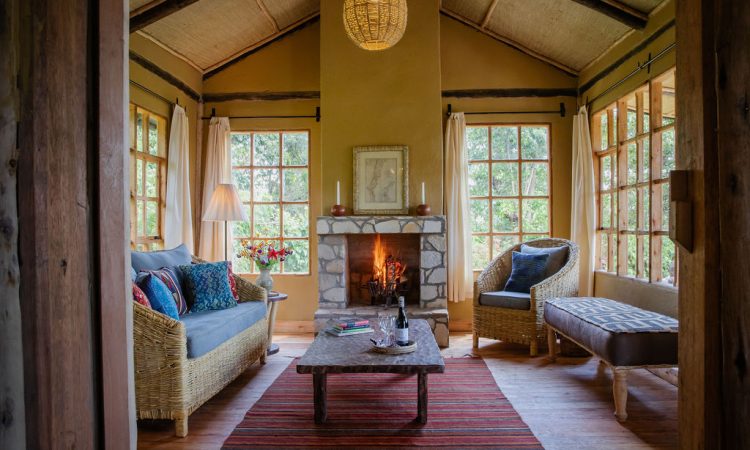
Fireplaces warm common areas during chilly highland evenings, while private decks allow guests to sip morning coffee as mist lifts from the volcanoes. The atmosphere is one of tranquility, where every detail is curated to create a seamless flow between luxury and wilderness.

Culinary Excellence: Dining in the Highlands

Food is central to the luxury experience, and lodges around Mgahinga elevate dining into a journey of its own. Meals are often prepared using ingredients sourced from local farms and gardens, ensuring freshness and supporting community livelihoods. Chefs craft menus that balance international flavors with Ugandan specialties, offering guests opportunities to savor dishes infused with authenticity.

Breakfasts often begin with freshly baked bread, tropical fruits, and aromatic Ugandan coffee. Lunches may feature light but flavorful meals enjoyed on open terraces overlooking the volcanoes. Evenings culminate in multi-course dinners, often accompanied by fine wines or locally inspired cocktails. Guests may dine under the stars, around crackling campfires, or within elegant dining halls illuminated by candlelight.

For many, these meals are not only sustenance but also celebrations of place and culture, made more meaningful by the warm hospitality of local staff whose stories and songs enrich the atmosphere.

Exclusive Experiences Offered by Luxury Lodges

Luxury safari lodges around Mgahinga are not simply accommodations; they are curators of experiences. Guests are invited to embark on gorilla treks, golden monkey tracking, birding walks, or hikes up volcanic slopes, often accompanied by expert guides who enrich the journeys with knowledge of ecology and culture.

Within the lodges themselves, experiences extend to wellness and relaxation. Some lodges feature spa services, where massages using locally sourced oils help weary trekkers rejuvenate. Others offer yoga sessions in serene outdoor settings, allowing guests to connect mind and body with the rhythms of nature.

Cultural performances by local communities may also be arranged, with evenings filled with dance, drumming, and storytelling. These experiences provide insights into the heritage of the Batwa, Bakiga, and Bafumbira people, making every stay an immersion into both wilderness and culture.Luxury Safari Lodges in Mgahinga Gorilla National Park

Conservation and Sustainability: Lodges with a Purpose

Luxury in Mgahinga is not defined solely by opulence but also by responsibility. Many of the lodges embrace sustainable practices, recognizing that the preservation of the park’s fragile ecosystems and the well-being of its surrounding communities are integral to their mission.

Eco-friendly architecture minimizes environmental impact, with designs that harness solar power, recycle water, and reduce waste. Some lodges invest directly in conservation programs, supporting anti-poaching patrols or funding research initiatives aimed at protecting gorillas and other endangered species.

Equally important is community engagement. By employing local staff, sourcing produce from nearby farms, and promoting community-based tourism initiatives, luxury lodges ensure that tourism benefits are shared widely. Guests are often encouraged to participate in community visits, where they witness firsthand the impact of tourism on education, healthcare, and livelihoods.

In this way, luxury lodges in Mgahinga embody a model of travel where indulgence aligns with ethical stewardship.

The Spirit of Seclusion and Exclusivity

One of the greatest appeals of luxury lodges in Mgahinga is their sense of exclusivity. Unlike larger safari destinations, Mgahinga receives fewer visitors, and its lodges reflect this intimacy. With a limited number of cottages or suites, each guest is assured privacy, space, and personalized attention.

The atmosphere is one of seclusion, where silence is broken only by bird calls, rustling leaves, or the distant echoes of a drum from a nearby village. For honeymooners, families, or solo travelers seeking retreat, these lodges offer havens of peace that feel removed from the chaos of the wider world.

Such exclusivity enhances the experience of gorilla trekking, golden monkey tracking, and volcanic hikes, as guests return not to crowded resorts but to sanctuaries designed for reflection and renewal.

Seasonal Splendor: When to Visit in Luxury

Stays in luxury lodges around Mgahinga can be enjoyed throughout the year, but the experience varies with the seasons. The dry months from June to August and December to February are considered the best times to visit, with clearer skies, more accessible trails, and enhanced wildlife viewing opportunities. During these months, evenings around lodge campfires or on private terraces are particularly enchanting, with starlit skies providing natural theater.

The wet seasons from March to May and September to November, while more challenging for trekking, bring their own allure. The landscapes turn vividly green, waterfalls swell, and birdlife flourishes. Lodges become sanctuaries from the rain, where roaring fireplaces, cozy lounges, and warm meals create cocoon-like comfort. For guests seeking intimacy and solitude, these months offer a quieter, more contemplative experience.

Thus, whether in sunshine or rain, luxury lodges ensure that every visit to Mgahinga is framed in comfort and beauty.

The Broader Significance of Luxury Tourism in Mgahinga

Luxury lodges are more than mere accommodations; they represent a new chapter in the story of tourism in Uganda. By attracting discerning travelers, they elevate the profile of Mgahinga as a world-class destination. Their presence helps generate revenue that supports both conservation and development, proving that luxury and sustainability can coexist.

They also redefine the narrative of African safaris. While traditional safaris often conjure images of savannah plains and big game, Mgahinga offers an alternative: a highland sanctuary where gorilla encounters, volcanic hikes, and cultural immersions unfold in tandem with indulgence. Luxury lodges make this alternative accessible, comfortable, and unforgettable.

The Symphony of Wilderness and Luxury

Luxury safari lodges in Mgahinga Gorilla National Park stand as sanctuaries where wilderness and indulgence meet in harmony. They are places where travelers awaken to mist rising over volcanoes, spend days trekking among gorillas or golden monkeys, and return to evenings filled with fine dining, warmth, and serenity. They embody not only comfort but also responsibility, ensuring that tourism benefits conservation and communities alike.

To stay in such lodges is to experience Mgahinga at its fullest, with every sense engaged, every comfort provided, and every moment infused with the grandeur of the Virunga highlands. For those who dream of journeys that combine adventure with refinement, these lodges offer more than accommodation; they offer transformation.

For travelers inspired to indulge in this rare blend of wilderness and luxury, it is recommended that African tours and safaris be arranged through WildHorn Africa, a trusted partner in curating authentic, seamless, and memorable experiences. With their expertise, every stay in a luxury lodge around Mgahinga becomes not just a holiday but a life-changing encounter with the soul of Africa.

Packing List for Mgahinga Gorilla Trekking

Packing List for Mgahinga Gorilla Trekking

By Travel stories and blogs, Primate holidays, Safari holidays, Uganda travel guides

Packing List for Mgahinga Gorilla Trekking

Preparing for a Once-in-a-Lifetime Adventure

Hidden in the mist-clad Virunga Volcanoes of southwestern Uganda, Mgahinga Gorilla National Park is a sanctuary where travelers come face-to-face with one of the world’s most extraordinary creatures—the endangered mountain gorilla. Trekking through dense bamboo forests and climbing rugged volcanic slopes in search of these gentle giants is an experience that transcends ordinary travel. It is a profound journey of discovery, one that leaves lasting memories imprinted in the heart.

Yet, the magic of this adventure does not unfold by chance. The success of gorilla trekking in Mgahinga is shaped by preparation, both physically and practically. Among the most important aspects of preparation is the packing list. Unlike ordinary safaris where game drives unfold on open savannahs, gorilla trekking demands endurance, resilience, and readiness to embrace unpredictable terrain and weather. Carrying the right essentials not only ensures comfort and safety but also enhances the depth of the experience, allowing trekkers to focus fully on the awe-inspiring encounter with gorillas rather than discomfort or avoidable obstacles.

This detailed guide provides a comprehensive overview of what to pack for gorilla trekking in Mgahinga. Each item is explained not as a mere accessory but as a vital component in the narrative of the journey, enabling trekkers to immerse themselves in the wilderness while remaining prepared for its challenges.

Understanding the Terrain and Climate of Mgahinga

Before considering what to pack, it is crucial to understand the environmental conditions of Mgahinga. Nestled in Uganda’s Kisoro District, the park covers an area of 33.7 square kilometers but rises dramatically into high-altitude ecosystems. Trekking trails weave through bamboo forests, montane woodlands, and Afro-alpine zones, often climbing steep volcanic slopes.

The climate is largely influenced by altitude, with temperatures cooler than in most parts of Uganda. Days are mild, but mornings and evenings can be chilly, especially at higher elevations. Rainfall is frequent and often unpredictable, even during the dry seasons. The ground can quickly become slippery, and trails may be obscured by mist.

Packing for Mgahinga must therefore balance protection against rain, warmth for cooler temperatures, comfort for long treks, and resilience for rugged conditions. The terrain does not forgive unpreparedness, and weather changes in moments, so every item carried must serve a clear purpose.

Clothing: Dressing for the Trek

Clothing forms the foundation of any gorilla trekking packing list, and choices must be guided by functionality rather than fashion. The goal is to remain comfortable, dry, and protected throughout the trek.

Lightweight but sturdy trousers are preferred over shorts because they shield the legs from stinging nettles, thorny undergrowth, and insect bites. Long-sleeved shirts provide similar protection for the arms while keeping the body cool in humid conditions. Fabrics that are breathable and quick-drying prove invaluable, as sweat and unexpected rain are constant companions in Mgahinga’s highlands.

A waterproof jacket is indispensable. Sudden downpours are common, and without proper rain gear, trekkers may find themselves drenched and shivering, conditions that diminish both comfort and stamina. Jackets with hoods and sealed seams create an effective barrier against the elements.

Layering is another key consideration. The mornings are often cold, with mist rolling across volcanic slopes, but temperatures rise as trekking intensifies. Carrying a fleece or sweater to wear beneath a rain jacket provides warmth that can be adjusted as the day progresses.

Comfortable socks paired with sturdy hiking boots form the bedrock of trekking attire. Boots should have strong ankle support, reliable grip for muddy slopes, and be broken in before arrival to prevent blisters. Gaiters add extra protection by keeping mud, stones, and insects from entering boots during steep climbs.

Hats and gloves may also be necessary, particularly during cooler months. A wide-brimmed hat shields against both sun and drizzle, while gloves protect hands when gripping branches or trekking poles.

Footwear: Anchoring the Experience

The importance of proper footwear cannot be overstated. Gorilla trekking involves navigating trails that shift between rocky ascents, muddy descents, and slippery bamboo groves. The wrong footwear can transform a remarkable adventure into an ordeal.

Sturdy hiking boots are considered essential. They provide stability on uneven ground, reduce the risk of ankle injuries, and offer traction on slippery paths. Waterproof boots are recommended because trails often become waterlogged during rains. Comfort is equally critical, as treks may last several hours, requiring boots that fit well and allow for natural movement.

Lightweight sandals or slippers, while not suited for the trek itself, prove useful after returning to the lodge. They offer relief for tired feet and allow boots to dry in preparation for the following day. In this way, footwear choices should balance functionality for the trek and comfort for recovery.Packing List for Mgahinga Gorilla Trekking

Gear and Equipment: Tools of the Trek

Beyond clothing and footwear, a range of essential gear contributes to a successful trek in Mgahinga.

A durable backpack is necessary to carry water, snacks, rain gear, and personal items. Backpacks with padded straps and waterproof linings ensure comfort and resilience. Some trekkers prefer daypacks with hydration systems, enabling easy access to water without the need to stop frequently.

Trekking poles prove invaluable on Mgahinga’s steep volcanic slopes. They reduce strain on knees, provide balance on slippery paths, and assist in navigating difficult terrain. While not always required, those who carry poles often find the trek more manageable and less physically taxing.

Gloves serve dual purposes—offering warmth in cold conditions and protecting hands when using poles or steadying oneself against trees.

Binoculars are highly recommended, as Mgahinga is not only home to gorillas but also to golden monkeys, diverse birdlife, and sweeping views across the Virunga Volcanoes. Observing distant wildlife or appreciating details of the landscape enhances the depth of the trekking experience.

A rain cover for backpacks ensures that contents remain dry even during heavy downpours, while waterproof bags for electronics such as cameras and phones prevent costly damage.

Hydration and Nutrition: Sustaining Energy

Trekking in Mgahinga is physically demanding, often lasting several hours depending on the movement of the gorilla families. Maintaining hydration and energy levels is vital.

Carrying sufficient drinking water is essential. Hydration packs or reusable water bottles ensure steady intake, reducing fatigue and keeping trekkers alert. Dehydration at high altitudes can quickly drain energy, so water should be consumed regularly even before thirst sets in.

Snacks such as energy bars, dried fruits, or nuts provide quick sources of fuel. They are compact, lightweight, and packed with nutrients, making them ideal for long treks. Consuming small portions during breaks helps sustain stamina without overburdening the body.

In some cases, packed lunches may be provided by lodges, particularly for longer treks. These meals complement personal snacks and provide the nourishment needed for sustained endurance.

Photography Essentials: Capturing Memories

For many travelers, gorilla trekking is a once-in-a-lifetime experience, and documenting it becomes a priority. However, the forest environment demands thoughtful preparation for photography.

A good-quality camera with a zoom lens allows for close-up shots of gorillas while maintaining the recommended distance for safety. Lightweight cameras are preferred, as heavy equipment becomes cumbersome during steep climbs. Extra batteries and memory cards are essential, as opportunities for charging in the forest are nonexistent.

Waterproof cases or dry bags protect cameras from sudden rain or mist, while lens cloths ensure clarity despite humidity. While photography is encouraged, it is always done respectfully, avoiding flash to prevent disturbing the gorillas.

For those less inclined toward professional photography, modern smartphones can still capture remarkable images if kept dry and secure. Ultimately, the goal is to preserve the memories without compromising the encounter itself.

Health and Safety Items: Protecting the Trekker

Health and safety are paramount during gorilla trekking. The remoteness of Mgahinga means that preparation for minor health concerns must be taken seriously.

Insect repellent is essential, as mosquitoes and other insects are present in forested areas. Sunscreen, despite the cool climate, is equally important, as high-altitude sun can cause burns.

A small first-aid kit containing plasters, antiseptic cream, pain relievers, and any personal medication ensures that minor injuries or discomforts can be managed promptly.

Face masks have become part of gorilla trekking protocols to prevent transmission of illnesses from humans to gorillas, whose populations remain vulnerable. Lightweight, breathable masks are recommended for comfort.

Gloves, long socks, and protective clothing also reduce exposure to insects, nettles, and thorny plants along the trail.

Optional but Useful Additions

While the essentials cover most needs, certain items enhance comfort and enrich the trekking experience.

A walking stick, sometimes provided at the start of the trek, offers additional support on steep or slippery trails. Wet wipes and hand sanitizers prove useful for personal hygiene, particularly during breaks. A notebook or journal allows travelers to record observations, reflections, and emotions stirred by the encounter.

Lightweight binoculars enhance birdwatching opportunities, as Mgahinga is renowned for species such as the Rwenzori turaco and crowned hornbill. Extra clothing to change into after the trek ensures comfort during the return to the lodge.

Packing Philosophy: Travel Light, Pack Right

The essence of preparing for Mgahinga lies not in carrying everything imaginable but in selecting items that truly matter. Overpacking burdens the trekker and complicates movement, while underpacking leaves one exposed to avoidable discomforts. The packing list for Mgahinga gorilla trekking is therefore an exercise in balance—carrying what is necessary, leaving behind what is not, and ensuring that every item serves a clear purpose.

Experienced travelers often speak of a deeper truth: that thoughtful packing enhances mindfulness. When burdens are light and essentials are secured, the focus shifts to the forest, the wildlife, and the life-changing encounter with gorillas. This simplicity amplifies the wonder of the journey.

Packing for the Extraordinary

Gorilla trekking in Mgahinga is not an ordinary adventure; it is an experience that stirs the soul and connects travelers with one of the most extraordinary species on earth. Preparing for this journey requires careful thought, with each item in the packing list contributing to comfort, safety, and immersion. From sturdy boots that anchor every step to waterproof jackets that shield against sudden rain, from cameras that capture fleeting moments to masks that protect gorillas’ health, every choice plays a role in shaping the experience.

To pack for Mgahinga is to honor both the wilderness and oneself, creating conditions where the adventure unfolds without unnecessary obstacles. It is to step into the Virunga highlands ready not only to trek but to witness, to learn, and to be transformed.

For travelers seeking to turn this preparation into reality, it is recommended that their African tours and safaris be arranged through WildHorn Africa, a trusted partner in curating seamless, authentic, and unforgettable experiences. With their expertise, every trek in Mgahinga becomes not just a journey but a profound chapter in the story of life.

Mgahinga vs Bwindi: Which is Better for Gorilla Trekking?

Mgahinga vs Bwindi: Which is Better for Gorilla Trekking?

By Travel stories and blogs, Primate holidays, Uganda travel guides

Mgahinga vs Bwindi: Which is Better for Gorilla Trekking?

The Quest for an Unforgettable Gorilla Encounter

In the misty highlands of southwestern Uganda, where lush forests embrace the slopes of ancient volcanoes, the chance to come face to face with a mountain gorilla remains one of the most sought-after adventures in the world. These gentle giants, critically endangered and found only in the Virunga Massif and Bwindi Impenetrable Forest, symbolize both the fragility and resilience of the natural world. For travelers drawn to Uganda, two iconic destinations emerge as the gateways to this encounter: Mgahinga Gorilla National Park and Bwindi Impenetrable National Park.

The question that echoes among wildlife enthusiasts, photographers, and conservation-minded travelers is simple yet profound: which park offers the better gorilla trekking experience? The answer, however, cannot be reduced to a single choice. Each park carries its own allure, challenges, and rewards, shaped by geography, biodiversity, and culture. While Mgahinga offers intimacy with landscapes of volcanic majesty and cultural encounters with the Batwa, Bwindi offers vastness, diversity, and multiple trekking options.

This comparative exploration aims to unravel the essence of both parks, examining their history, ecosystems, gorilla families, trekking experiences, and surrounding attractions. By the end, travelers will be able to discern which destination aligns most with their personal sense of adventure, while appreciating that both contribute profoundly to the conservation of mountain gorillas and the empowerment of local communities.

Location and Accessibility

Mgahinga Gorilla National Park: The Jewel of the Virunga Volcanoes

Mgahinga Gorilla National Park lies in the far southwestern corner of Uganda, within Kisoro District, covering 33.7 square kilometers. It is the smallest of Uganda’s national parks but forms part of the larger Virunga Conservation Area shared with Rwanda’s Volcanoes National Park and the Democratic Republic of Congo’s Virunga National Park. Its location is defined by three dormant volcanoes—Mount Sabinyo, Mount Gahinga, and Mount Muhabura—whose slopes are draped with bamboo and montane forests.

Accessibility to Mgahinga is facilitated by road journeys of approximately nine hours from Kampala through Kabale and Kisoro, with scenic views of terraced hills and crater lakes along the way. Alternatively, travelers can opt for domestic flights from Entebbe or Kajjansi to Kisoro airstrip, followed by a short drive to the park’s Ntebeko Visitor Center, the gateway to trekking adventures.

Bwindi Impenetrable National Park: The Vastness of the Jungle

Bwindi Impenetrable National Park, a UNESCO World Heritage Site, sprawls across 321 square kilometers in the districts of Kanungu, Kabale, and Kisoro. Known for its dense and ancient rainforest, which dates back over 25,000 years, Bwindi is home to nearly half of the world’s remaining mountain gorillas. Unlike Mgahinga, its terrain is characterized by steep ridges, valleys, and thick vegetation, earning it the name “impenetrable.”

Travelers access Bwindi through four main trailheads: Buhoma in the north, Ruhija in the east, Rushaga in the south, and Nkuringo also in the south. Road journeys from Kampala take about eight to nine hours, while flights from Entebbe or Kajjansi land at Kihihi or Kisoro airstrips, with subsequent transfers to the chosen sector.

Gorilla Populations and Families

Mgahinga Gorilla National Park: The Nyakagezi Family

Mgahinga is home to a single habituated gorilla family known as the Nyakagezi group. This family, though smaller in number compared to Bwindi’s multiple groups, is famed for its stability and accessibility. Comprising several silverbacks, females, and infants, the Nyakagezi group often remains within Ugandan borders, offering consistent trekking opportunities, unlike in the past when it occasionally crossed into Rwanda or the Democratic Republic of Congo.

The presence of multiple silverbacks in the group adds to the fascination, as visitors witness intricate social dynamics rarely observed elsewhere. Trekking in Mgahinga thus provides intimacy, as all trekking permits are allocated to this single group, ensuring that encounters are focused and often less crowded.

Bwindi Impenetrable National Park: Diversity of Gorilla Families

Bwindi offers a more extensive array of habituated gorilla groups, numbering over 20 families distributed across its four sectors. This diversity translates into a wider range of trekking opportunities, with different terrains, distances, and family compositions. Visitors can choose treks depending on their fitness levels, time preferences, or the unique behaviors of specific families.

The abundance of gorilla groups also increases permit availability, making Bwindi the more accessible option for larger numbers of travelers. Each encounter, however, remains strictly regulated, with only eight visitors allowed per family per day, preserving the quality of the experience while minimizing stress on the gorillas.

Trekking Experience

Trekking in Mgahinga: Intimacy Amid Volcanoes

Gorilla trekking in Mgahinga is shaped by the park’s volcanic landscape. Trails wind through bamboo forests, montane woodlands, and open clearings, offering expansive views of the Virunga volcanoes. The trek is often less strenuous compared to Bwindi, though the altitude can present challenges for some.

Because only one family is habituated, trekking groups are limited, and the atmosphere is intimate. Encounters with the Nyakagezi group are immersive, with fewer visitors competing for space and photographers finding unobstructed opportunities to capture close moments. The backdrop of volcanic peaks adds a dramatic aesthetic, creating a sense of grandeur that defines the Mgahinga experience.

Trekking in Bwindi: Immersion in the Impenetrable Forest

Trekking in Bwindi is a test of endurance and reward. The thick undergrowth, steep ridges, and unpredictable terrain demand physical fitness and patience. However, the journey through Bwindi’s ancient rainforest is an experience in itself, revealing rare bird species, forest elephants, and unique plant life along the way.

Encounters with gorilla families in Bwindi are shaped by the density of the vegetation, often requiring visitors to maneuver through foliage for clear views. Yet this immersion in raw wilderness makes the moment of contact even more profound. Bwindi’s diversity of gorilla groups also means that each trek can be unique, whether observing playful infants in Ruhija or dominant silverbacks in Nkuringo.Mgahinga vs Bwindi: Which is Better for Gorilla Trekking?

Surrounding Attractions and Activities

Mgahinga: Beyond Gorillas

Mgahinga offers more than gorillas. Visitors can embark on hikes to the summits of Mount Sabinyo, Mount Muhabura, or Mount Gahinga, each rewarding climbers with panoramic views of the Virunga ranges and neighboring countries. The park is also home to golden monkeys, another rare primate species that can be tracked alongside gorillas.

The Batwa Trail provides a cultural dimension, where indigenous Batwa guides lead travelers through their ancestral forest, demonstrating hunting techniques, herbal medicine, and storytelling. This cultural immersion distinguishes Mgahinga, blending natural and human heritage in a single journey.

Bwindi: Diversity of Experiences

Bwindi complements gorilla trekking with rich birding opportunities, being home to over 350 species, including numerous Albertine Rift endemics. Community walks in Buhoma or Nkuringo introduce visitors to local crafts, dances, and rural life, while forest walks reveal waterfalls and hidden trails.

The park’s designation as a UNESCO site underscores its ecological importance, making it appealing not only for gorilla enthusiasts but also for naturalists seeking broader biodiversity experiences. Luxury lodges, midrange accommodations, and budget-friendly camps dot the park’s periphery, ensuring that every traveler finds a suitable base.

Permit Availability and Costs

Both Mgahinga and Bwindi are managed by the Uganda Wildlife Authority, and permits for gorilla trekking are priced uniformly. As of recent years, the cost of a permit in Uganda stands at USD 700 per person for foreign non-residents, USD 600 for foreign residents, and UGX 250,000 for East African citizens.

In Mgahinga, permits are limited to the single Nyakagezi group, which means availability is constrained but encounters are more intimate. In Bwindi, the larger number of habituated groups increases the overall number of permits, providing greater flexibility in planning. For travelers with tight schedules or larger groups, Bwindi often proves more practical.

Best Time to Visit

Both parks can be visited year-round, though conditions vary by season. The dry months from June to August and December to February are favored for trekking, as trails are less slippery and navigation is easier. These months also align with peak tourist seasons, when demand for permits and accommodations is high.

The wet months of March to May and September to November bring heavier rainfall, making treks more challenging but also more rewarding for those who prefer solitude and lush scenery. Gorilla sightings remain consistent regardless of season, as the families do not migrate but remain within the forests.

Comparing the Experiences

When weighing Mgahinga against Bwindi, the decision often rests on personal preference. Mgahinga offers intimacy, fewer crowds, and the dramatic setting of volcanoes, with the added bonus of golden monkeys and Batwa cultural experiences. Its single gorilla family, however, limits permit numbers and variety. Bwindi, on the other hand, offers vastness, diversity, and a wider range of trekking options, making it more reliable for securing permits and ensuring encounters. Its terrain, while more challenging, adds to the sense of immersion in a primeval wilderness.

Neither park is superior in absolute terms. Both are treasures in their own right, complementing rather than competing with each other. For travelers with time, experiencing both parks creates the ultimate gorilla trekking adventure, combining the intimacy of Mgahinga with the grandeur of Bwindi.

Conservation and Community Impact

Both parks stand as pillars of gorilla conservation and community empowerment. Permit revenues are shared with local communities, funding schools, healthcare, and infrastructure, while employment opportunities in guiding, hospitality, and crafts uplift livelihoods.

Mgahinga’s Batwa Trail underscores the integration of cultural heritage into conservation, while Bwindi’s multiple community-based initiatives highlight the role of ecotourism in rural development. Supporting either park contributes to the survival of mountain gorillas and the dignity of human communities, making every permit purchased a step toward sustainable futures.

Choosing the Right Path

The choice between Mgahinga Gorilla National Park and Bwindi Impenetrable National Park is not one of superiority but of alignment with personal travel aspirations. Those seeking solitude, intimacy, and the drama of volcanic landscapes may find Mgahinga irresistible. Those desiring variety, broader accessibility, and immersion in a vast primeval forest may gravitate toward Bwindi.

In the end, both parks deliver on the promise of an unforgettable gorilla trekking experience, where the gaze of a silverback or the playfulness of an infant leaves indelible memories. They remind travelers that beyond the trek lies a larger narrative of conservation, resilience, and shared human responsibility.

For those inspired to embark on this life-changing journey, it is recommended that African tours and safaris be arranged through WildHorn Africa, a trusted partner in crafting authentic, seamless, and transformative travel experiences. With their expertise, every trek—whether in Mgahinga, Bwindi, or both—becomes not just an adventure but a story of connection with nature and humanity.

Cultural Tours around Mgahinga Gorilla National Park

Cultural Tours around Mgahinga Gorilla National Park

By Travel stories and blogs, Family holidays, Primate holidays, Safari holidays, Uganda travel guides

Cultural Tours around Mgahinga Gorilla National Park

Beyond Gorillas, Into the Soul of the Highlands

In the mist-laden highlands of southwestern Uganda, where the Virunga Volcanoes rise with timeless grandeur and the forests hum with the songs of birds and whispers of ancient winds, lies Mgahinga Gorilla National Park. Known internationally as a sanctuary for the endangered mountain gorilla, the park has long drawn visitors who dream of standing in awe before these gentle giants. Yet, while gorilla trekking remains a highlight, there exists another treasure, often less celebrated but equally profound: the rich cultural heritage of the people who live around the park.

To venture into Mgahinga is not only to marvel at gorillas, golden monkeys, and alpine vegetation, but also to step into a human landscape shaped by centuries of tradition, resilience, and identity. The cultural tours around Mgahinga open a window into the lives of communities whose roots run deep in the soil of the Virunga. These experiences, from Batwa heritage trails to local homestead visits, craft markets, music, and dances, transform a wildlife journey into a holistic immersion in nature and culture.

It is within these encounters that travelers discover that Mgahinga is more than a park. It is a living tapestry of people and traditions interwoven with landscapes of extraordinary beauty. Cultural tours become the threads that connect conservation with humanity, creating journeys that linger long after the mountains are left behind.

The Human Landscape around Mgahinga

The lands surrounding Mgahinga Gorilla National Park are home to diverse communities, each contributing to the cultural richness of the region. The most renowned among them are the Batwa, the forest’s original inhabitants, often referred to as pygmies. Alongside them live the Bakiga and Bafumbira, agricultural communities who settled in the highlands centuries ago.

The Batwa once thrived as hunter-gatherers in the forests that now form Mgahinga and Bwindi. They lived in harmony with the land, hunting small game, gathering honey, and using herbal medicines. The forest was their home and their spiritual anchor. However, when national parks were established in the early 1990s, the Batwa were evicted from their ancestral forests in a bid to conserve endangered gorillas and other wildlife. This displacement led to hardship, yet it also spurred cultural revival initiatives such as the Batwa Trail, which now allows visitors to understand their traditions and struggles.

The Bakiga and Bafumbira, known for their agricultural skills, cultivate the terraced hills that frame the park. Their traditions revolve around farming, family, and community life. Their songs, dances, and hospitality reflect the resilience of people who thrive in the high-altitude environment of southwestern Uganda. To engage with them is to glimpse rural Uganda at its most authentic.

The Batwa Trail: Walking in the Footsteps of Forest Dwellers

Perhaps the most compelling cultural experience around Mgahinga is the Batwa Trail. This guided journey, led by Batwa elders and community members, takes visitors into the heart of their ancestral forest, retracing steps once walked for survival and spiritual connection.

The trail begins at the park’s Ntebeko Visitor Center and winds through bamboo forests and montane vegetation. Along the way, Batwa guides demonstrate hunting techniques, fire-making without matches, and the use of medicinal plants. They share stories of how their ancestors lived in the forest, survived on its resources, and revered it as a sacred home.

One of the highlights of the trail is the Garama Cave, a vast lava-tube cave that once served as a refuge and a ceremonial site. Inside the dark chamber, Batwa women perform haunting songs that echo against the stone walls, telling stories of loss, endurance, and hope. The experience is both moving and transformative, offering visitors not only cultural education but also emotional connection.

The Batwa Trail symbolizes resilience, as it allows the Batwa to reclaim their identity while also creating economic opportunities through cultural tourism. It reminds every visitor that conservation must walk hand in hand with the dignity and well-being of indigenous peoples.

Homestead Visits: Immersions in Daily Life

Cultural tours around Mgahinga often extend beyond organized trails into the warm embrace of local families. Homestead visits offer opportunities to share in the rhythms of rural life, where visitors participate in farming, cooking, and household activities.

A visit may begin with an introduction to terraced farming, where bananas, beans, and potatoes grow on steep slopes ingeniously carved into steps. Guests may join in harvesting or planting, learning how agriculture sustains highland communities. Inside the home, traditional meals are prepared, often centered on staples like matoke (steamed bananas), sweet potatoes, or posho, served with rich sauces.

Evenings around homesteads often include storytelling, where elders recount folktales, myths, and proverbs passed through generations. Children gather, songs are sung, and dances are performed, creating an atmosphere of shared humanity. These visits offer a perspective on resilience, showing how communities thrive in balance with limited resources and challenging terrains.

Craftsmanship and Local Markets

The communities around Mgahinga are also known for their artisanal crafts, which serve both practical and artistic purposes. Baskets woven from banana fibers, pottery molded from local clay, and beads crafted from seeds and stones are displayed in village markets. Each piece tells a story, reflecting both creativity and tradition.

Visitors who purchase these crafts contribute directly to local livelihoods, empowering artisans, especially women, to sustain their families. The act of supporting local markets transforms tourism into a cycle of cultural preservation and economic sustainability. For the traveler, these items become not just souvenirs but tangible reminders of connections forged with the people of the Virunga highlands.Cultural Tours around Mgahinga Gorilla National Park

Music, Dance, and Oral Traditions

Music and dance are central to cultural tours around Mgahinga. Whether during Batwa performances in the forest or Bakiga and Bafumbira community celebrations, the rhythm of drums, the energy of dances, and the harmony of voices embody the spirit of the people.

Songs often carry messages of resilience, unity, and the bond between humans and nature. Traditional dances, performed with vigor and expressive gestures, celebrate harvests, marriages, and communal achievements. For visitors, joining in these dances creates moments of shared joy, breaking barriers of language and culture.

Oral traditions complement these performances, as stories reveal worldviews shaped by nature. Tales of animals, spirits, and ancestors provide insights into cultural philosophies, offering lessons about morality, respect, and community. Such encounters transform cultural tours into profound exchanges of wisdom.

Spirituality and Sacred Landscapes

The landscapes around Mgahinga are not only physical but also spiritual. Communities attribute sacred value to certain hills, caves, and forests, viewing them as abodes of spirits or sites of ancestral power. The Batwa, for instance, saw the Garama Cave as more than a refuge—it was a ceremonial site where rituals were conducted.

Engaging with these spiritual narratives allows visitors to perceive the landscape not merely as a geographical entity but as a cultural and sacred space. It underscores the depth of the human-nature relationship, where mountains and forests are revered not only for their resources but also for their spiritual presence.

Integrating Culture with Conservation

Cultural tours around Mgahinga highlight the intricate relationship between conservation and community well-being. The creation of the park initially brought challenges for local communities, particularly the Batwa. Yet through tourism initiatives, these challenges are being transformed into opportunities.

Revenue-sharing schemes, community-based tourism projects, and cultural initiatives provide local people with economic incentives to protect wildlife and ecosystems. When visitors pay for cultural tours, attend performances, or purchase crafts, they directly support community livelihoods. This integration of culture and conservation ensures that protecting gorillas and forests also preserves the dignity of the people who live alongside them.

Seasonal Considerations for Cultural Tours

Cultural tours around Mgahinga can be enjoyed year-round, though the atmosphere varies with the seasons. During the dry months from June to August and December to February, access to villages and trails is easier, and outdoor performances and activities are more vibrant. The clearer skies also enhance views of the Virunga volcanoes, adding scenic grandeur to cultural experiences.

The wet seasons from March to May and September to November bring challenges of muddy paths and unpredictable weather, but they also create lush landscapes. Agricultural activities intensify during these months, offering visitors deeper engagement with farming practices. For travelers seeking authenticity, rainy-season visits often provide raw, unfiltered glimpses of daily life.

The Broader Impact of Cultural Tourism

Cultural tours around Mgahinga extend beyond personal enrichment; they contribute to larger social transformations. By valuing indigenous knowledge, oral traditions, and artisanal skills, cultural tourism combats marginalization and fosters pride within local communities.

For the Batwa, guiding visitors along the Batwa Trail rekindles identity and creates spaces for cultural revival. For the Bakiga and Bafumbira, showcasing farming, crafts, and dances strengthens community cohesion while diversifying income sources. For conservationists, cultural tourism builds bridges between people and protected areas, ensuring that conservation goals align with human aspirations.

Thus, every cultural tour becomes a chapter in a broader story of survival, resilience, and coexistence.

The Human Heartbeat of Mgahinga

While Mgahinga Gorilla National Park is world-renowned for its gorillas and volcanic landscapes, its cultural tours reveal another dimension of its magic. To walk with the Batwa, to share a meal in a homestead, to dance with local communities, or to purchase a handwoven basket is to touch the human heartbeat of the Virunga highlands.

These encounters remind travelers that conservation is not only about protecting forests and wildlife but also about safeguarding the traditions, livelihoods, and dignity of the people who have long coexisted with these landscapes. Cultural tours transform a visit to Mgahinga from an extraordinary wildlife adventure into a holistic journey of nature and humanity intertwined.

For those inspired to experience this rare blend of culture and wilderness, it is recommended that African tours and safaris be arranged through WildHorn Africa, a trusted partner in curating authentic, seamless, and transformative journeys. With their expertise, cultural tours around Mgahinga become not only experiences to remember but also meaningful contributions to conservation and community well-being.

Wildlife Encounters in Mgahinga Beyond Gorillas

Wildlife Encounters in Mgahinga Beyond Gorillas

By Travel stories and blogs, Primate holidays, Safari holidays, Uganda travel guides

Wildlife Encounters in Mgahinga Beyond Gorillas

Discovering the Hidden Treasures of Mgahinga

While mountain gorillas dominate the global spotlight, Mgahinga Gorilla National Park harbors a wealth of wildlife that extends far beyond these iconic primates. Nestled in Uganda’s southwestern highlands, this park, though compact in size, is a treasure trove of biodiversity. The Virunga Volcanoes that frame Mgahinga provide a unique combination of montane forests, bamboo thickets, and afro-alpine moorlands, creating habitats for rare and endemic species.

For the adventurous traveler, the allure of Mgahinga is not limited to gorilla trekking. Every step along its trails offers opportunities to witness golden monkeys, elusive duikers, a variety of bird species, and other mammals that thrive in these high-altitude ecosystems. The park’s biodiversity is a testament to the resilience of life in these volcanic highlands and reflects decades of conservation and habitat management.

This article explores the rich tapestry of wildlife encounters in Mgahinga beyond gorillas, providing a detailed guide to the species, habitats, and experiences that define the park’s ecological richness. By understanding what lies beyond the gorilla, travelers gain a holistic perspective of Mgahinga’s significance, enhancing both appreciation and engagement during their visit.

Golden Monkeys: The Playful Residents of Bamboo Forests

The golden monkey, a striking primate endemic to the Virunga region, represents one of the most rewarding wildlife encounters in Mgahinga beyond gorillas. These monkeys are distinguished by their golden-orange fur, expressive faces, and energetic behaviors. They inhabit bamboo forests on the mid-slopes of the Virunga volcanoes, where their diet consists largely of bamboo shoots and leaves.

Golden monkey tracking has been developed as a regulated tourism activity, allowing visitors to observe these animals in their natural habitat. The tracking is conducted under strict guidelines to prevent stress to the monkeys while providing educational and photographic opportunities. Observing golden monkeys as they leap gracefully among bamboo stalks and engage in social interactions demonstrates not only their adaptability but also the complexity of Mgahinga’s montane ecosystems.

The presence of golden monkeys also underscores the importance of habitat conservation. Bamboo forests are essential not only for these primates but for a wide range of other species. Their protection has been prioritized alongside gorilla conservation, reflecting a holistic approach to biodiversity management within the park.

Small Mammals: The Subtle Inhabitants

Beyond primates, Mgahinga supports a variety of small mammals that contribute to the ecological balance of the park. Species such as bushbucks, duikers, and civets inhabit the undergrowth, bamboo forests, and forest edges. While these animals are more elusive than gorillas, they play vital roles in seed dispersal, vegetation management, and as prey for larger predators.

Hikers may encounter duikers cautiously emerging from the undergrowth, their movements swift and alert. Bushbucks, often found near water sources, exhibit adaptability to both forested and open habitats. Civets, nocturnal in nature, are rarely seen during daytime treks but their presence is indicated through tracks and droppings, reflecting the richness of Mgahinga’s mammalian diversity.

These small mammals contribute to the narrative of Mgahinga as a living ecosystem. Observing them, even indirectly, provides insights into predator-prey dynamics, forest health, and the subtle interactions that maintain ecological equilibrium.

Birdlife: A Paradise for Ornithologists

Mgahinga Gorilla National Park is recognized as a birdwatcher’s paradise, hosting over 180 species of birds, many of which are endemic to the Albertine Rift. The park’s varied altitudinal zones—from bamboo thickets to afro-alpine moorlands—support species with specialized habitat requirements.

The Rwenzori turaco, with its vibrant plumage, is frequently observed in montane forests, while the black-and-white-casqued hornbill occupies higher forest canopies. Other notable species include the blue-headed sunbird, scarlet-tufted sunbird, and the African broadbill. Birdwatching in Mgahinga is both rewarding and educational, as species distributions provide clues to habitat quality, climate adaptation, and ecosystem interactions.

Guided birding tours are available for those wishing to explore these avian communities in depth. Expert guides identify calls, behaviors, and nesting patterns, enriching the visitor experience. For photographers, the diversity of plumage, motion, and landscape provides unparalleled opportunities to capture the essence of Mgahinga’s ecosystems.

Reptiles and Amphibians: Hidden Ecological Players

The park’s reptile and amphibian species, while less conspicuous, play essential roles in maintaining ecological balance. Chameleons, skinks, and snakes are present in forested areas, contributing to insect population control and serving as prey for birds and small mammals. Amphibians, including various frog species, inhabit streams, ponds, and moist forest floors, providing indicators of environmental health due to their sensitivity to water quality and habitat integrity.

During rainy seasons, the calls of frogs become prominent, adding an auditory dimension to the park’s wildlife encounters. Observing these species requires patience and awareness, yet their presence enriches understanding of Mgahinga’s complexity and the intricate interactions that sustain its ecosystems.

Insect Life and Pollinators: Unsung Ecological Contributors

Insects, often overlooked, form the backbone of Mgahinga’s ecological networks. Butterflies, bees, beetles, and other pollinators maintain plant reproduction, while ants and termites contribute to soil aeration and nutrient cycling. The park’s high-altitude meadows and forest edges provide breeding grounds for diverse insect communities.

Butterflies such as the African emperor and swallowtail species are commonly seen along trails, adding visual vibrancy to hikes. Bees contribute to pollination of wildflowers and cultivated crops in surrounding communities, illustrating the interconnectedness of conservation and local livelihoods. Observing these small but vital creatures highlights the complexity of ecosystems beyond the more visible megafauna.Wildlife Encounters in Mgahinga Beyond Gorillas

Large Mammals Beyond Gorillas

Though Mgahinga is dominated by gorillas, larger mammals such as buffaloes, elephants, and occasionally leopards have been reported in the region. Their presence is sporadic, yet they underscore the park’s role as a refuge within a transboundary conservation area. Buffaloes are primarily grazers in high-altitude grasslands, while elephants occasionally move through corridors connecting Mgahinga with larger ranges in Rwanda and Congo.

Leopards, elusive and nocturnal, are rarely observed directly but are integral to maintaining predator-prey balance. Their tracks, scat, and sightings by rangers provide evidence of their ongoing presence. Such apex predators are indicators of ecosystem health, revealing the successful conservation of both prey species and habitat integrity.

Ecosystem Diversity and Habitat Zones

The variety of wildlife in Mgahinga is directly linked to the park’s diverse ecosystems, which range from bamboo forests to afro-alpine moorlands. Bamboo zones support golden monkeys and small mammals, while montane forests shelter birds, civets, and duikers. Higher elevations with afro-alpine vegetation provide refuge for rare plant species and occasional large mammals.

Wetlands, streams, and crater lakes contribute to aquatic biodiversity, supporting amphibians, insects, and a range of vegetation that sustains herbivores and attracts predators. This mosaic of habitats allows for multiple wildlife encounters within a compact area, making Mgahinga a unique ecological microcosm.

The Role of Conservation in Wildlife Protection

Wildlife encounters beyond gorillas are made possible through dedicated conservation efforts. Anti-poaching patrols, habitat restoration, and community engagement ensure that species such as golden monkeys, birds, and small mammals thrive alongside gorillas. Research programs monitor population dynamics, health, and habitat conditions, informing adaptive management strategies.

Community participation is central, with local people benefiting from tourism, conservation education, and sustainable livelihoods. These measures reduce human-wildlife conflict and foster a culture of stewardship, ensuring that encounters with diverse species remain accessible and sustainable.

Photography and Observation Tips

Wildlife observation in Mgahinga requires patience, awareness, and respect. Binoculars are highly recommended for birdwatching and spotting elusive mammals, while cameras with zoom lenses allow close-up photography without disturbing animals. Early morning and late afternoon provide the best opportunities, as wildlife is most active during these periods.

Trail etiquette emphasizes quiet movement, minimal noise, and adherence to ranger instructions. Maintaining distance from wildlife, avoiding flash photography near sensitive species, and respecting habitats ensures both visitor safety and ecological protection.

Integrating Wildlife Encounters with Trekking and Ecotourism

Wildlife observation in Mgahinga can be seamlessly integrated with trekking, hiking, and cultural experiences. Golden monkey tracking, guided birdwatching, and nature walks provide structured opportunities for encounters beyond gorillas. Combining these activities with cultural engagement in Batwa communities or scenic hikes in volcanic landscapes creates a multi-dimensional experience that emphasizes both ecological and cultural richness.

The revenue generated from these activities supports conservation, research, and community initiatives, reinforcing the symbiotic relationship between wildlife protection and tourism development.

Beyond the Gorilla—A Symphony of Life

Mgahinga Gorilla National Park offers experiences that extend far beyond mountain gorillas. The park’s golden monkeys, small mammals, birds, amphibians, insects, and occasional large mammals collectively paint a picture of ecological richness and resilience. Each encounter provides insights into evolutionary adaptation, species interactions, and the impact of conservation measures on biodiversity preservation.

For travelers seeking to immerse themselves fully in Uganda’s highland wilderness, experiencing wildlife beyond gorillas provides a more comprehensive understanding of Mgahinga’s ecological significance. To ensure a seamless, safe, and enriching journey, it is recommended that African tours and safaris be booked via WildHorn Africa. Their expertise ensures access to both iconic gorilla encounters and the broader wildlife spectrum, creating transformative experiences within this exceptional national park.

Hiking Mount Muhabura in Mgahinga Gorilla National Park

Hiking Mount Muhabura in Mgahinga Gorilla National Park

By Travel stories and blogs, Adventure holidays, Family holidays, Safari holidays, Uganda travel guides

Hiking Mount Muhabura in Mgahinga Gorilla National Park

The Call of the Virunga Giant

Rising majestically above the lush landscapes of southwestern Uganda, Mount Muhabura commands attention as the highest peak in Mgahinga Gorilla National Park. Its summit, standing at approximately 4,127 meters above sea level, pierces the clouds and offers panoramic views that stretch across Uganda, Rwanda, and the Democratic Republic of Congo. This dormant volcano, part of the renowned Virunga Volcanoes, has long captivated adventurers, naturalists, and trekkers seeking both challenge and unparalleled beauty.

Hiking Mount Muhabura is not merely an excursion but a profound journey through varied ecosystems, from dense bamboo forests to afro-alpine moorlands, all of which harbor unique wildlife and endemic species. Every step along its slopes is imbued with ecological, cultural, and geological significance, making the climb as intellectually rewarding as it is physically demanding. For those drawn to the extraordinary, the Muhabura trek promises encounters with mountain gorillas’ habitats, golden monkeys, and landscapes shaped over millennia by volcanic activity.

This guide provides a comprehensive exploration of Mount Muhabura trekking, detailing its routes, ecological significance, preparation, and the transformative experience it offers.

Location and Geographical Significance

Mount Muhabura is strategically located in Kisoro District, forming the eastern boundary of Mgahinga Gorilla National Park. Its name, meaning “The Guide” in the local Rukiga language, reflects its role as a landmark in the region, guiding travelers across the highlands of southwestern Uganda. The mountain is part of the Virunga Conservation Area, a transboundary network of protected areas that connect Uganda, Rwanda, and Congo, providing continuity for wildlife and ecological processes.

Its slopes descend into rich bamboo forests, while its upper reaches are dominated by afro-alpine vegetation and rugged volcanic scree. The mountain’s crater, filled with a swampy depression at the summit, adds to its geological fascination and serves as an ecological niche for high-altitude flora. Muhabura’s position between Mount Sabinyo to the west and Rwanda’s volcanoes to the east ensures that its ecological corridors remain critical for the movement of wildlife, including gorillas and golden monkeys.

Historical and Cultural Context

Muhabura has long been revered by local communities, particularly the Batwa, Bakiga, and Bafumbira peoples. For the Batwa, who traditionally lived in and around the forests, the mountain was a source of sustenance, spiritual connection, and medicinal plants. Rituals were performed on its slopes, and its caves served as sacred sites where ancestral spirits were honored.

For the Bakiga and Bafumbira, Muhabura represented both challenge and sustenance. Terraced farming on its lower slopes demonstrated ingenuity in adapting to volcanic soils and steep gradients. Folktales and songs about the mountain have been passed down through generations, embedding Muhabura deeply into the region’s cultural consciousness.

Visitors who hike Muhabura today are not only engaging with a physical landscape but also traversing a living cultural narrative. Knowledge of local history, customs, and ecological practices enriches the trekking experience, allowing a profound appreciation of how humans and nature have coexisted in these highlands.

The Trekking Experience: Routes and Terrain

Trailhead and Initial Ascent

Hiking Mount Muhabura typically begins at the Ntebeko or Mgahinga Park Headquarters, where rangers provide orientation, permits, and briefing on safety protocols. The climb is classified as challenging, requiring a reasonable level of physical fitness, endurance, and acclimatization to high-altitude conditions.

The initial section of the trail passes through bamboo forests, a habitat crucial for golden monkeys. The forest floor is often soft with fallen leaves, and the air carries the earthy scent of moss and damp wood. The bamboo provides both ecological significance and natural shelter, and hikers are often treated to the sight of golden monkeys leaping gracefully among the stalks.

This part of the hike is gradual, allowing trekkers to warm up while observing small mammals and diverse birdlife. Instructors advise careful footing, as rain can make the trails slippery and uneven.

Montane Forests and Steep Gradients

Beyond the bamboo, the trail transitions into montane forests, where moss-draped trees, ferns, and epiphytes dominate. Here, the terrain becomes steeper, and trekkers encounter occasional clearings that offer breathtaking views of the Virunga peaks. Golden monkeys may be spotted feeding on bamboo shoots or fruits, and the songs of endemic birds provide a natural soundtrack for the climb.

The montane forests play an essential ecological role, acting as water catchments and providing habitat for diverse wildlife. The physical challenge of climbing through this zone is balanced by the immersion in a rich, living ecosystem that exemplifies the beauty and resilience of Uganda’s highlands.

Afro-Alpine Moorlands and Summit Approach

Above 3,200 meters, afro-alpine moorlands dominate the landscape. Giant lobelias, groundsels, and hardy shrubs create a surreal, almost otherworldly environment. The trail becomes steeper and rockier, demanding careful footing and frequent rest breaks. The air grows thinner, and the cold intensifies, emphasizing the importance of layered clothing and proper preparation.

The final approach to the summit crater is the most strenuous segment. Hikers ascend volcanic scree slopes, navigating loose stones and steep gradients. The crater itself, partially filled with swampy vegetation, presents a dramatic, tranquil contrast to the arduous climb. Upon reaching the summit, trekkers are rewarded with panoramic views of three countries, the Virunga chain, and the forests below. Clear days reveal Rwanda’s Lake Burera and Congo’s distant highlands, making the ascent a visual and emotional triumph.Hiking Mount Muhabura in Mgahinga Gorilla National Park

Flora and Fauna Along the Trail

Muhabura’s slopes host remarkable biodiversity. In the bamboo and montane zones, the endangered golden monkey thrives, while occasional sightings of duikers, bushbucks, and other small mammals add to the encounter. Birdwatchers may identify Rwenzori turacos, Dusky Crimsonwings, and other Albertine Rift endemics.

At higher altitudes, afro-alpine species adapted to cold, thin air dominate. Giant lobelias and groundsels not only contribute to the mountain’s visual appeal but also serve as indicators of ecosystem health. Lichens, mosses, and ferns create microhabitats for invertebrates and smaller organisms. Conservation and trekking are therefore intertwined, with visitors encouraged to respect habitats while enjoying the richness of life along the trail.

Physical and Mental Preparation

Mount Muhabura is a demanding climb, requiring both physical fitness and mental endurance. Pre-trek preparation is advised, including cardiovascular training, leg strengthening, and practice on uneven terrain. Hikers are encouraged to acclimatize by spending time at higher altitudes in the days preceding the trek.

Mental preparation is equally important. The trail can be physically exhausting, and sudden weather changes may introduce additional stress. Maintaining a steady pace, conserving energy, and focusing on breathing are strategies recommended by guides. Persistence, patience, and respect for the mountain’s power are essential components of a successful ascent.

Gear and Equipment

Trekking Mount Muhabura requires specific equipment tailored to high-altitude, wet, and variable conditions. Durable, waterproof hiking boots with ankle support are essential, complemented by gaiters to prevent mud or debris from entering. Layered clothing—including moisture-wicking base layers, insulating fleeces, and waterproof outer jackets—is advised to adapt to changing weather.

Backpacks should accommodate water, snacks, rain covers, cameras, and personal items. Trekking poles provide stability on steep or loose terrain, reducing strain on knees and improving balance. Gloves, hats, and warm socks protect extremities, while binoculars enhance wildlife observation. Emergency and first-aid supplies are recommended, particularly for high-altitude conditions where minor injuries or altitude-related issues can become significant.

Best Time to Climb Mount Muhabura

Mount Muhabura can be climbed throughout the year, though conditions vary seasonally. The dry months from June to August and December to February offer clear skies, stable trails, and optimal visibility from the summit. These periods are preferred by trekkers seeking panoramic photography opportunities and minimal interruptions from rainfall.

The rainy seasons from March to May and September to November bring challenges of slippery trails, mist, and reduced visibility. However, they also transform the landscape into vibrant green, with rivers and waterfalls at their fullest. Fewer visitors during these months provide a sense of solitude, making the climb more intimate and reflective.

Safety Protocols and Ranger Support

Climbing Mount Muhabura is undertaken with the guidance of trained park rangers, who ensure both visitor safety and wildlife protection. Rangers provide orientation, trail assistance, and emergency response if necessary. Gorilla and golden monkey habitats are strictly regulated to prevent disturbances, and protocols ensure that human interaction does not compromise ecological integrity.

Safety measures include maintaining a safe distance from wildlife, adhering to trail markers, wearing masks near gorilla zones, and following instructions regarding sudden weather events. These precautions enhance both visitor experience and conservation outcomes.

The Transformative Experience

Beyond physical challenge, hiking Mount Muhabura offers a transformative journey. The climb engages the body, mind, and senses, while the summit instills a profound sense of accomplishment and connection with nature. Observing the interplay of ecosystems, the resilience of wildlife, and the scale of the Virunga Volcanoes fosters reflection on humanity’s place within the natural world.

Cultural engagement with local guides and communities enriches the experience further, emphasizing the interconnectedness of humans and the environment. The trek becomes a narrative of endurance, discovery, and reverence, leaving an enduring impression on every participant.

A Journey Worth Every Step

Mount Muhabura stands as both a challenge and a reward, a gateway to adventure, ecological insight, and cultural immersion. Its trails wind through bamboo forests, montane woodlands, and afro-alpine moorlands, culminating in a summit that offers unparalleled panoramic views. Every aspect of the trek, from preparation to ascent, fosters a deeper appreciation of Mgahinga Gorilla National Park’s ecological and cultural significance.

For travelers inspired to undertake this extraordinary climb, it is recommended that African tours and safaris be booked via WildHorn Africa, a trusted partner in curating seamless, safe, and transformative experiences. With their expertise, hiking Mount Muhabura becomes more than a physical achievement—it becomes a journey into the heart of Africa’s wild beauty, history, and enduring spirit.

Birding in Mgahinga Gorilla National Park

Birding in Mgahinga Gorilla National Park

By Travel stories and blogs, Primate holidays, Safari holidays, Special offers, Uganda travel guides

Birding in Mgahinga Gorilla National Park

Where Volcanoes Meet the Songs of Birds

At the extreme southwestern tip of Uganda, nestled against the borders of Rwanda and the Democratic Republic of Congo, rises a landscape unlike any other. Here, the Virunga Volcanoes dominate the skyline, cloaked in mist and draped with lush forests that echo with the calls of countless creatures. While Mgahinga Gorilla National Park has long been celebrated as one of the rare sanctuaries where mountain gorillas roam, it holds another treasure often overlooked by visitors: its exceptional birdlife. With its unique mix of Afro-montane and Albertine Rift ecosystems, the park is regarded as one of the most rewarding birding destinations in Africa.

For the keen birder, Mgahinga is a paradise of diversity. Its relatively compact size conceals an astonishing variety of habitats, from bamboo forests and montane woodlands to alpine moorlands and open volcanic slopes. Within these habitats thrive species found nowhere else in Uganda, including several Albertine Rift endemics. As flocks rise through the misty canopy and rare songbirds dart between bamboo stems, the park unfolds as a living symphony where every call and flash of color narrates the story of resilience and adaptation.

To immerse oneself in birding in Mgahinga Gorilla National Park is to step beyond the boundaries of typical safaris. It is to seek beauty not in size or grandeur but in subtlety, sound, and the patient reward of observation. It is an experience that transforms the park into an open-air museum of wings, where each encounter deepens both appreciation for biodiversity and respect for the fragile ecosystems that sustain it.

Location and Setting: A Meeting Point of Borders and Biomes

Mgahinga Gorilla National Park occupies a modest 33.7 square kilometers in the Kisoro District of southwestern Uganda. Despite its small size, it is strategically positioned at the heart of the Virunga Conservation Area, which extends into Rwanda’s Volcanoes National Park and the Democratic Republic of Congo’s Virunga National Park. Its altitude ranges from 2,227 meters to 4,127 meters above sea level, encompassing three prominent volcanoes: Mount Sabinyo, Mount Gahinga, and Mount Muhabura.

This high-altitude terrain creates a mosaic of habitats that host a rich bird population. The lower slopes are dominated by bamboo forests, which gradually give way to montane forests, tree heaths, and eventually alpine vegetation near the peaks. Each elevation band harbors a distinct bird community, ensuring that birders exploring different trails encounter varied species.

Mgahinga’s location within the Albertine Rift Valley makes it particularly important for bird conservation. The Albertine Rift is one of Africa’s most significant biodiversity hotspots, home to more than 40 endemic bird species. For birders seeking these endemics, Mgahinga stands as one of the few accessible locations where sightings are almost guaranteed.

Bird Diversity: A Symphony of Species

Mgahinga Gorilla National Park hosts more than 180 bird species, many of which are Albertine Rift endemics. This diversity is impressive for a park of its size and reflects the ecological richness of its habitats. Among the most notable species are the Rwenzori Turaco, with its brilliant crimson wings; the Kivu Ground Thrush, whose elusive nature excites even seasoned birders; and the Dusky Turtle Dove, whose soft calls resonate through the forests.

Other iconic species include the White-starred Robin, Cape Robin-chat, and the striking Olive Thrush. In the bamboo zones, the Yellow-crowned Canary and Dusky Crimsonwing can often be seen, while higher altitudes reward patient birders with sightings of the Scarlet-tufted Malachite Sunbird feeding on giant lobelias.

For those specifically pursuing Albertine Rift endemics, Mgahinga offers opportunities to observe species such as the Rwenzori Batis, Archer’s Robin-chat, Regal Sunbird, and the Ruwenzori Double-collared Sunbird. Each sighting is more than a checkmark on a list; it is a moment of discovery within an environment shaped by millions of years of geological and ecological evolution.

Birding Trails in Mgahinga

The Gorge Trail Between Mount Sabinyo and Mount Gahinga

One of the most rewarding birding routes in the park is the Gorge Trail, which cuts through a deep valley between Mount Sabinyo and Mount Gahinga. This trail traverses montane forests rich with birdlife and provides excellent opportunities to encounter species such as the Rwenzori Turaco, Dusky Turtle Dove, and Mountain Yellow Warbler. The valley’s cool, sheltered environment amplifies bird calls, creating an immersive soundscape that enhances the birding experience.

The Bamboo Trail

The bamboo zone, situated on the lower slopes of the volcanoes, is another prime birding habitat. Here, birders often find the Dusky Crimsonwing, White-starred Robin, and Cape Robin-chat. The density of bamboo requires patience and attentiveness, but the rewards are numerous, as many Albertine Rift endemics prefer this habitat.

The Sabinyo Gorge

This gorge is a magnet for rarities and is especially famous for sightings of the Rwenzori Turaco. The gorge is also frequented by other forest specialists, including the Olive Pigeon and Speckled Mousebird, whose presence adds variety to the birding checklist.

Higher Altitudes and Alpine Zones

Above the tree line, the vegetation shifts to moorland and alpine habitats, where species such as the Scarlet-tufted Malachite Sunbird thrive. These altitudes provide not only unique birding opportunities but also sweeping views across Uganda, Rwanda, and the Democratic Republic of Congo.Birding in Mgahinga Gorilla National Park

Best Time for Birding in Mgahinga

Birding in Mgahinga can be undertaken throughout the year, but the optimal periods are during the dry seasons from June to August and December to February. During these months, trails are more accessible, and visibility is higher due to reduced rainfall. Birds are more active and vocal in the mornings, particularly during the breeding season when calls are used to establish territories and attract mates.

The rainy seasons, from March to May and September to November, bring challenges with muddy trails and misty conditions. However, these months also coincide with increased food availability, which draws birds into more visible areas. Migratory species are often present during these times, adding to the richness of the birding experience.

Birding and Conservation

Birding in Mgahinga extends beyond recreation; it plays a critical role in conservation. The presence of birdwatchers contributes to the park’s eco-tourism revenue, which supports both wildlife protection and community development. Local communities benefit directly through employment as guides, porters, and hospitality staff, creating incentives for sustainable conservation practices.

The park’s significance for Albertine Rift endemics underscores its global conservation value. By protecting Mgahinga, Uganda safeguards not only mountain gorillas but also irreplaceable bird species found nowhere else. Birding tourism thus amplifies awareness and resources for protecting these fragile ecosystems.

Cultural Dimensions: The Batwa Connection

Birding in Mgahinga is not only about natural encounters; it is also enriched by cultural experiences with the Batwa people, the forest’s original inhabitants. The Batwa have long coexisted with the birdlife of the Virunga forests, incorporating birds into their folklore, songs, and ecological knowledge. Many Batwa guides bring unique perspectives to birding, sharing insights into how specific species were indicators of weather changes, hunting conditions, or spiritual significance.

The Batwa Trail, which can be combined with birding excursions, provides opportunities to connect birdwatching with human heritage. This dual experience emphasizes that conservation is holistic, embracing both biodiversity and cultural identity.

Comparing Mgahinga with Other Birding Destinations

While Uganda offers renowned birding locations such as Queen Elizabeth National Park, Mabamba Swamp, and Bwindi Impenetrable National Park, Mgahinga distinguishes itself by its concentration of Albertine Rift endemics and its dramatic volcanic landscapes. Unlike larger parks, Mgahinga’s compact size allows birders to explore multiple habitats within a single day, maximizing opportunities for sightings.

The presence of gorillas, golden monkeys, and the Batwa Trail makes Mgahinga a multidimensional destination, where birding can be combined with primate tracking and cultural encounters. This synergy elevates the park from a single-purpose visit to a holistic ecological and cultural journey.

Preparing for Birding in Mgahinga

A successful birding experience in Mgahinga requires preparation. Early morning starts are crucial, as birds are most active at dawn. Patience is essential, as many species are cryptic and require careful listening and observation. Binoculars and spotting scopes enhance visibility, while knowledgeable local guides greatly increase the chances of identifying rare or elusive species.

The varying altitudes demand physical readiness, as some trails involve steep climbs. Weather can shift quickly in the highlands, so waterproof clothing and sturdy footwear are recommended. With proper preparation, birding in Mgahinga becomes not only rewarding but also transformative, revealing the park’s hidden treasures in full.

The Transformative Nature of Birding in Mgahinga

Birding in Mgahinga is more than a checklist pursuit; it is a transformative encounter with nature. Each sighting becomes a story, whether it is the flash of crimson from a turaco’s wing, the delicate whistle of a robin-chat, or the sun glinting off the feathers of a sunbird. These moments immerse visitors in a world often overlooked on traditional safaris, shifting attention from charismatic megafauna to the subtler marvels of avian life.

In the silence of the forest, punctuated by calls and songs, birders often discover a deeper connection to the environment. Mgahinga invites reflection, reminding visitors that biodiversity thrives in layers, and that protecting birds is as crucial as protecting gorillas.

Wings of Wonder in the Virunga Highlands

Birding in Mgahinga Gorilla National Park stands as one of Uganda’s most rewarding and enriching experiences. Its blend of volcanic landscapes, diverse habitats, Albertine Rift endemics, and cultural heritage offers a holistic adventure that resonates long after the journey ends. To walk the trails of Mgahinga with binoculars in hand is to enter a realm where every sound carries meaning, and every flutter of wings unveils a story of survival and beauty.

The park’s small size belies its immense significance, making it an indispensable destination for serious birders and curious travelers alike. It is not merely a place to see birds; it is a sanctuary where conservation, culture, and natural wonder converge.

For those inspired to witness this symphony of wings firsthand, it is recommended that African tours and safaris be arranged through WildHorn Africa, a trusted partner in delivering authentic and seamless journeys. With their expertise, every birding adventure in Mgahinga becomes part of a larger story of discovery, conservation, and awe.

Close Menu