search
The Narus and Kidepo Valleys: Safari Highlights Explained

The Narus and Kidepo Valleys: Safari Highlights Explained

By Travel stories and blogs, Adventure holidays, Safari holidays, Uganda travel guides, Wildlife holidays

The Narus and Kidepo Valleys: Safari Highlights Explained

Journey into Uganda’s Remote Wilderness

In the northeastern reaches of Uganda, where the landscape stretches unbroken and the horizon meets jagged mountains, two extraordinary valleys unfold in all their untamed splendor. The Narus and Kidepo Valleys, within the confines of Kidepo Valley National Park, present a safari experience unlike any other in East Africa. Unlike the busier parks of Uganda, these valleys are largely untouched, where wildlife roams freely across savannahs, rocky outcrops, and riverine landscapes, creating scenes of raw and uninterrupted beauty.

A safari here is not merely an excursion; it is a journey into a world where every moment reflects the complexity, vibrancy, and resilience of nature. From vast herds of antelopes grazing under the watchful eyes of predators to the delicate balance of ecosystems that sustain both flora and fauna, the Narus and Kidepo Valleys offer travelers the opportunity to experience Africa in its most authentic form. This article explores the highlights of these iconic valleys, examining the landscapes, wildlife, seasonal patterns, and cultural context that make them essential destinations for serious safari enthusiasts.

Geography and Landscape: Nature’s Contrasting Canvas

The Narus and Kidepo Valleys are separated by distinctive terrain, each offering unique ecological and scenic features. The Narus Valley, situated in the southern part of the park, is characterized by wide, open plains, punctuated by acacia trees and seasonal riverbeds. This valley is relatively flat, allowing for extensive visibility of wildlife, making it an ideal location for game drives and wildlife photography. The Narus River, which flows seasonally, provides critical water sources that concentrate animal activity during dry periods, enhancing the safari experience.

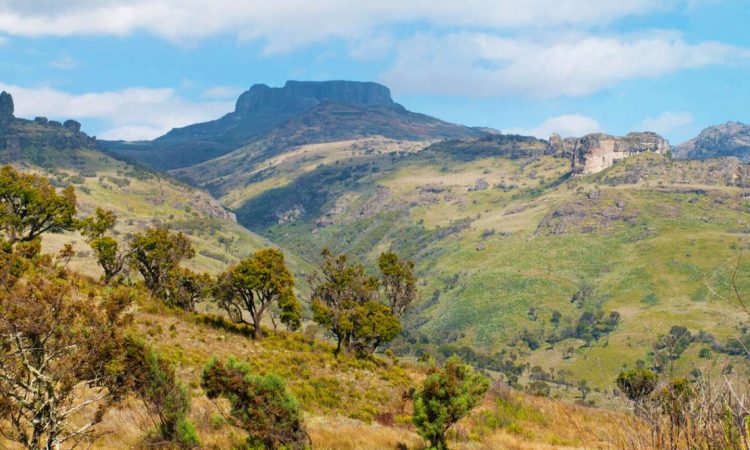
In contrast, the Kidepo Valley lies to the north and is dominated by rugged hills, rocky outcrops, and the dramatic Kidepo Mountains. The valley is narrower than Narus, creating a more enclosed ecosystem where wildlife interactions can be observed at close range. The Kidepo River traverses this valley, shaping vegetation patterns and supporting diverse aquatic habitats. These contrasting landscapes offer visitors the chance to experience two ecologically distinct regions within a single park, each contributing to a fuller understanding of Uganda’s wilderness.

Wildlife Highlights: A Symphony of Diversity

Predators in the Valleys

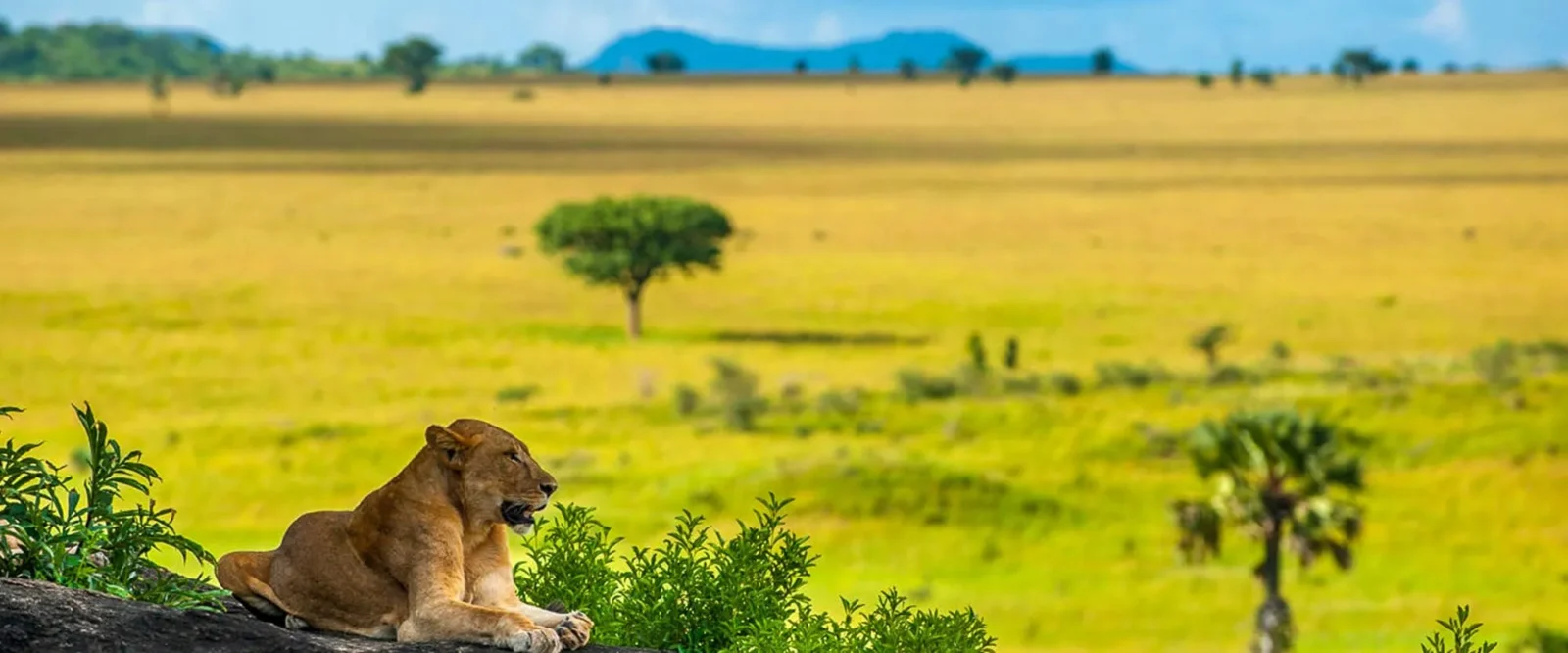
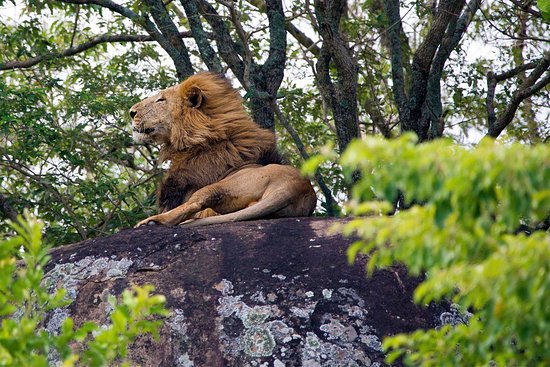
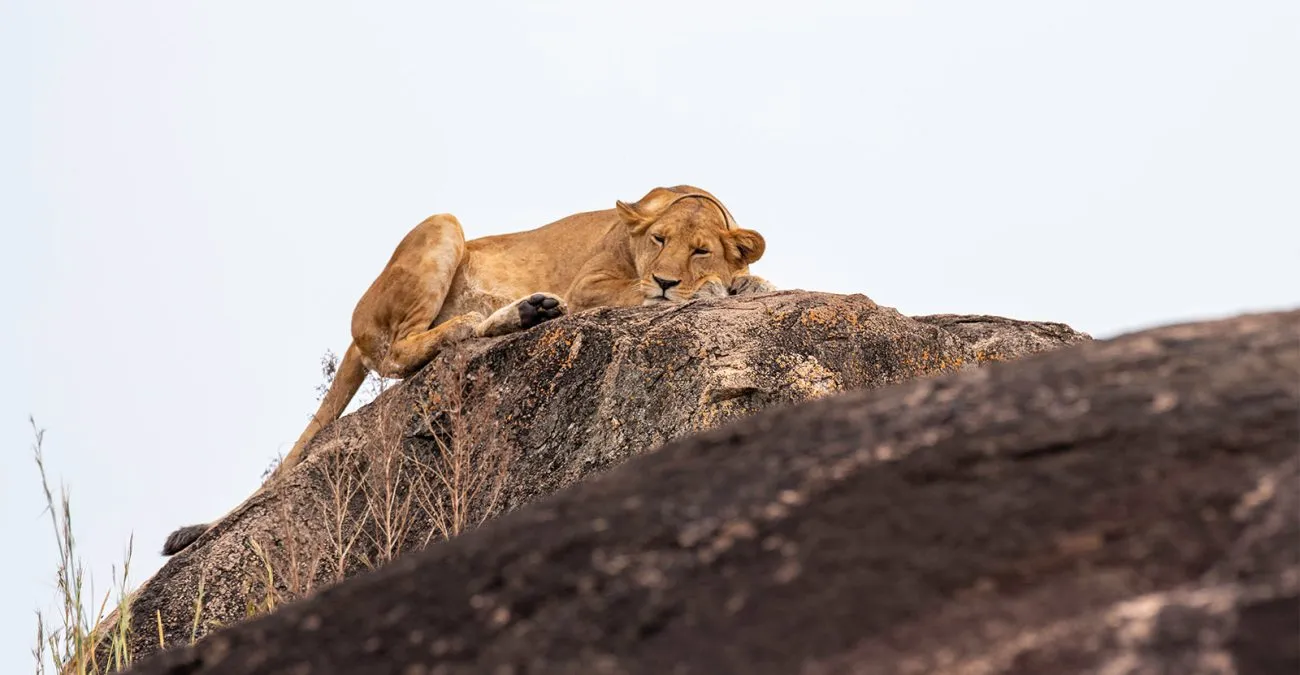
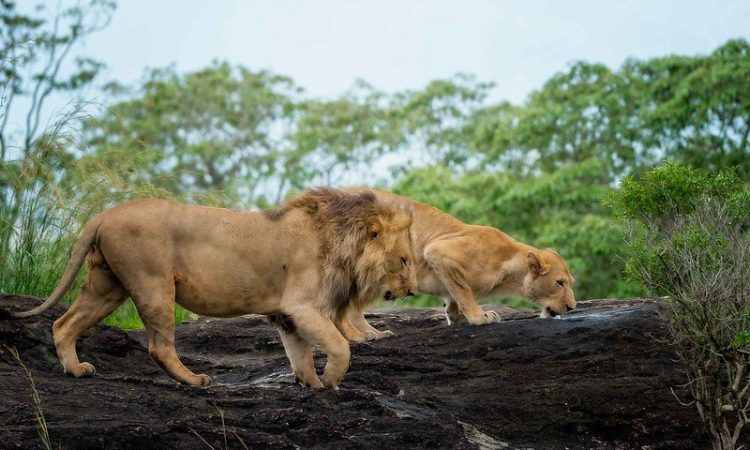
Predators dominate the ecological hierarchy in both valleys, and encounters with them are among the most sought-after experiences in Kidepo. Lions, often observed in prides resting under acacia trees or patrolling their territories, are a symbol of the park’s untamed wilderness. Their movements are dictated by the availability of prey, making seasonal patterns in the valleys critical to observing natural hunting behavior.

Leopards inhabit the rocky outcrops of the Kidepo Valley, their elusive nature making sightings rare but profoundly rewarding. Cheetahs, though less common, are occasionally seen in the open plains of Narus, using the sparse vegetation to stalk and ambush their prey. Hyenas, both spotted and striped varieties, contribute to the predator dynamic, their scavenging habits complementing hunting activity and maintaining ecological balance. Observing these species in their natural environment reveals the intricate interplay of predation, competition, and survival.

Herbivores and Grazing Patterns

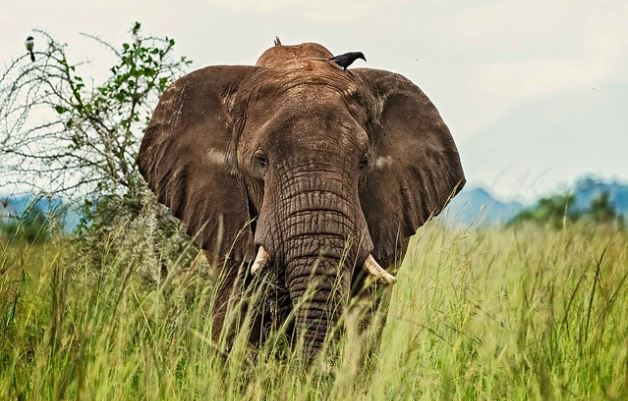
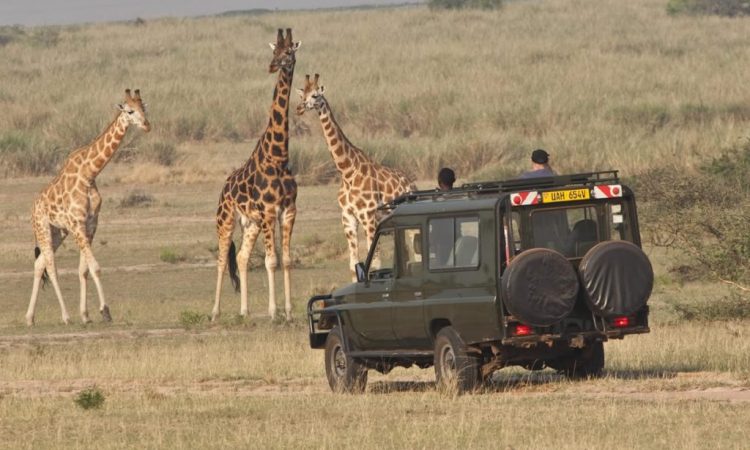
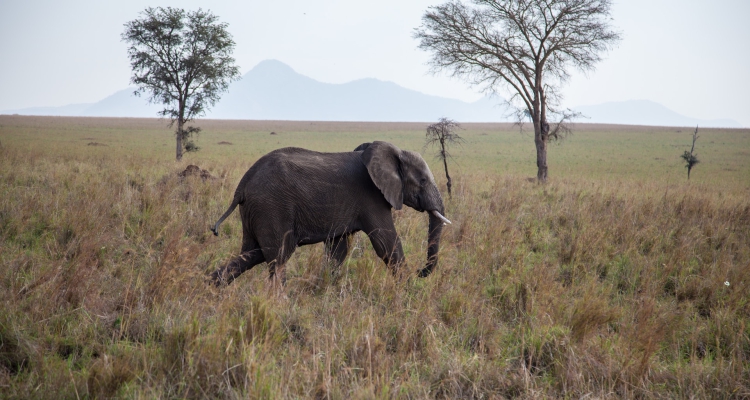
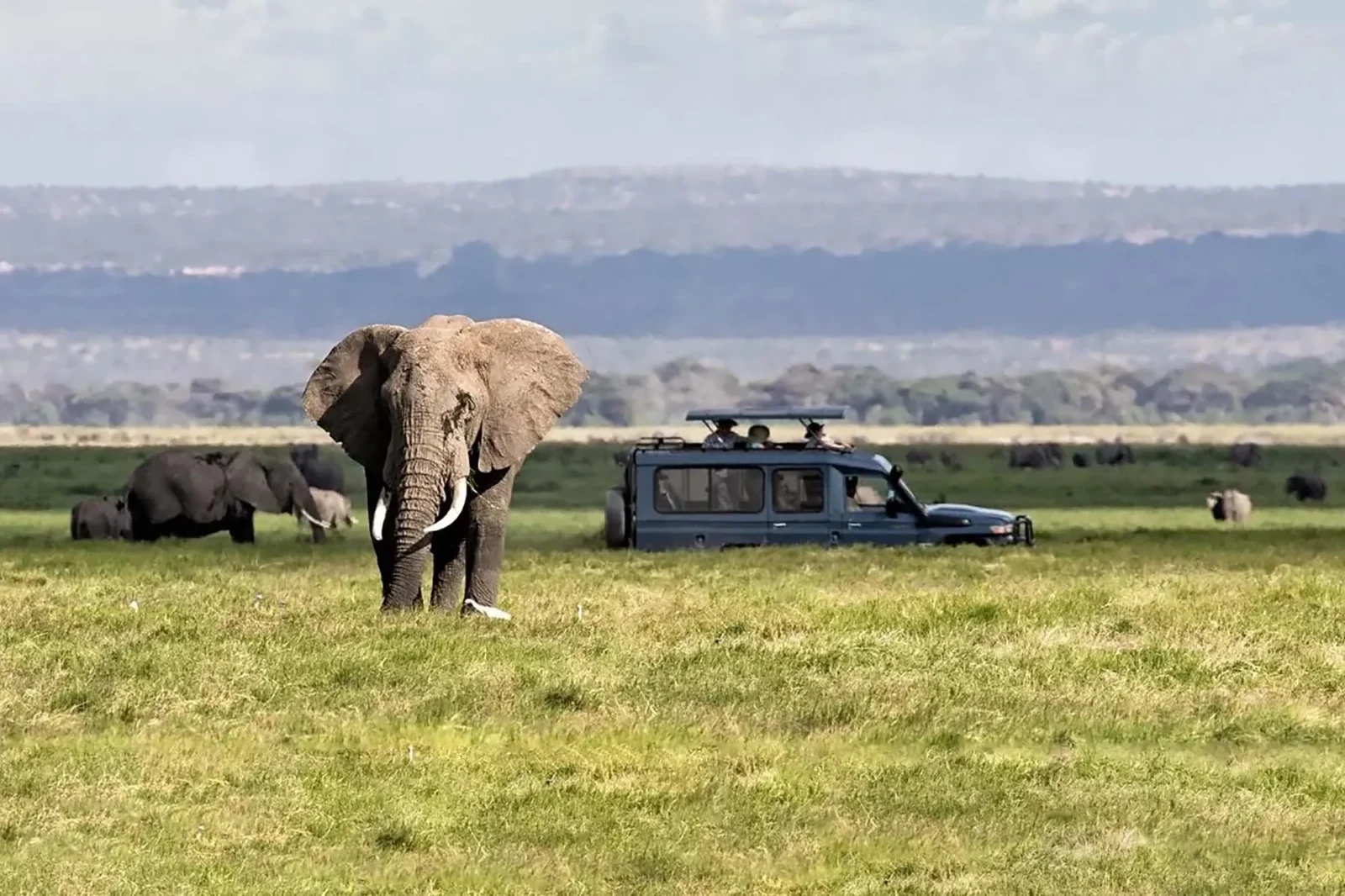
Herbivores form the backbone of the valleys’ ecosystems. Elephants roam both valleys, often moving between the Narus and Kidepo regions in search of food and water. Their presence shapes vegetation patterns and influences the movements of smaller species. Buffalo herds graze in the plains of Narus, their social structures observable in group interactions, while giraffes feed on acacia foliage, providing striking visual contrasts against the golden savannah.

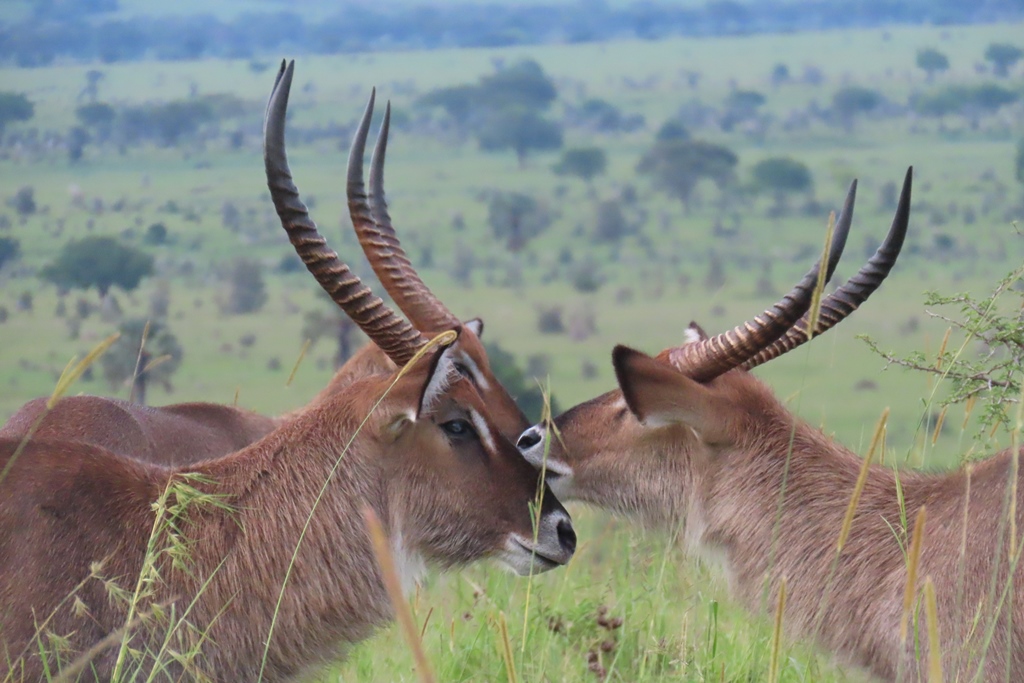
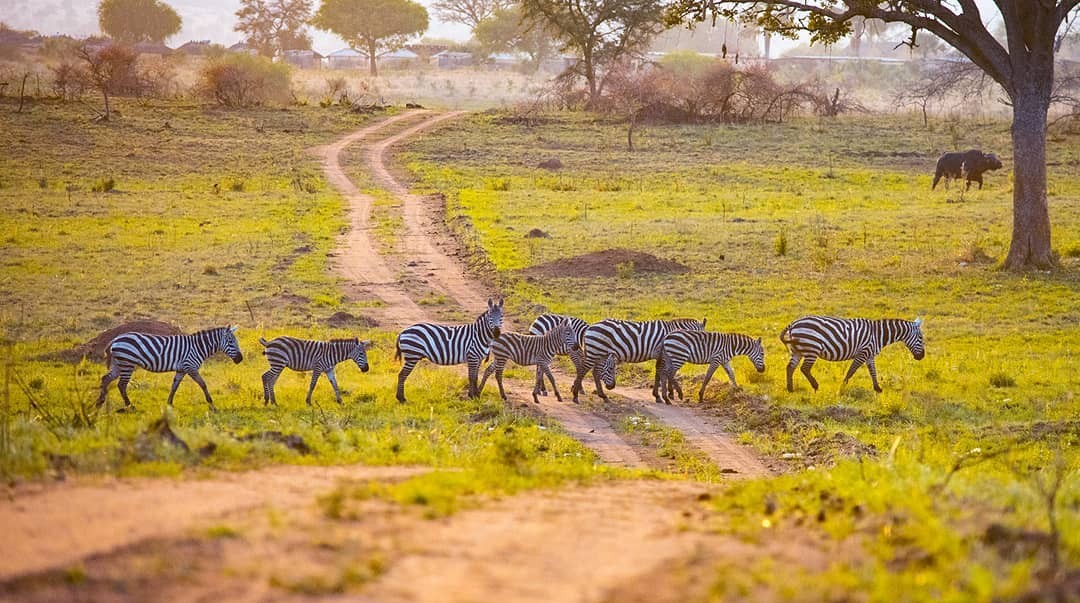
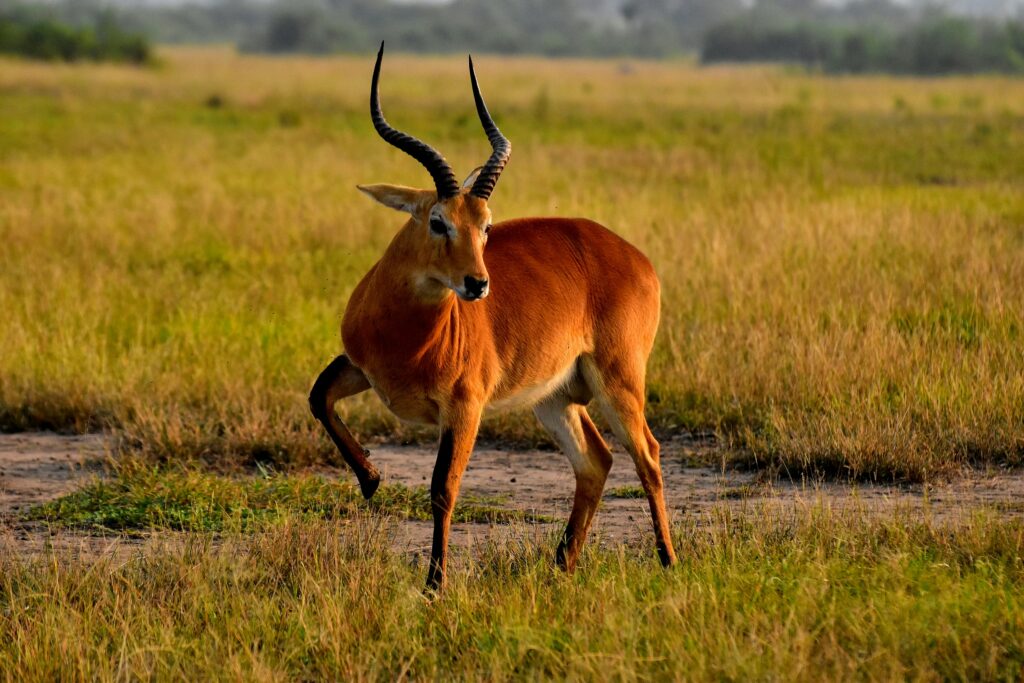
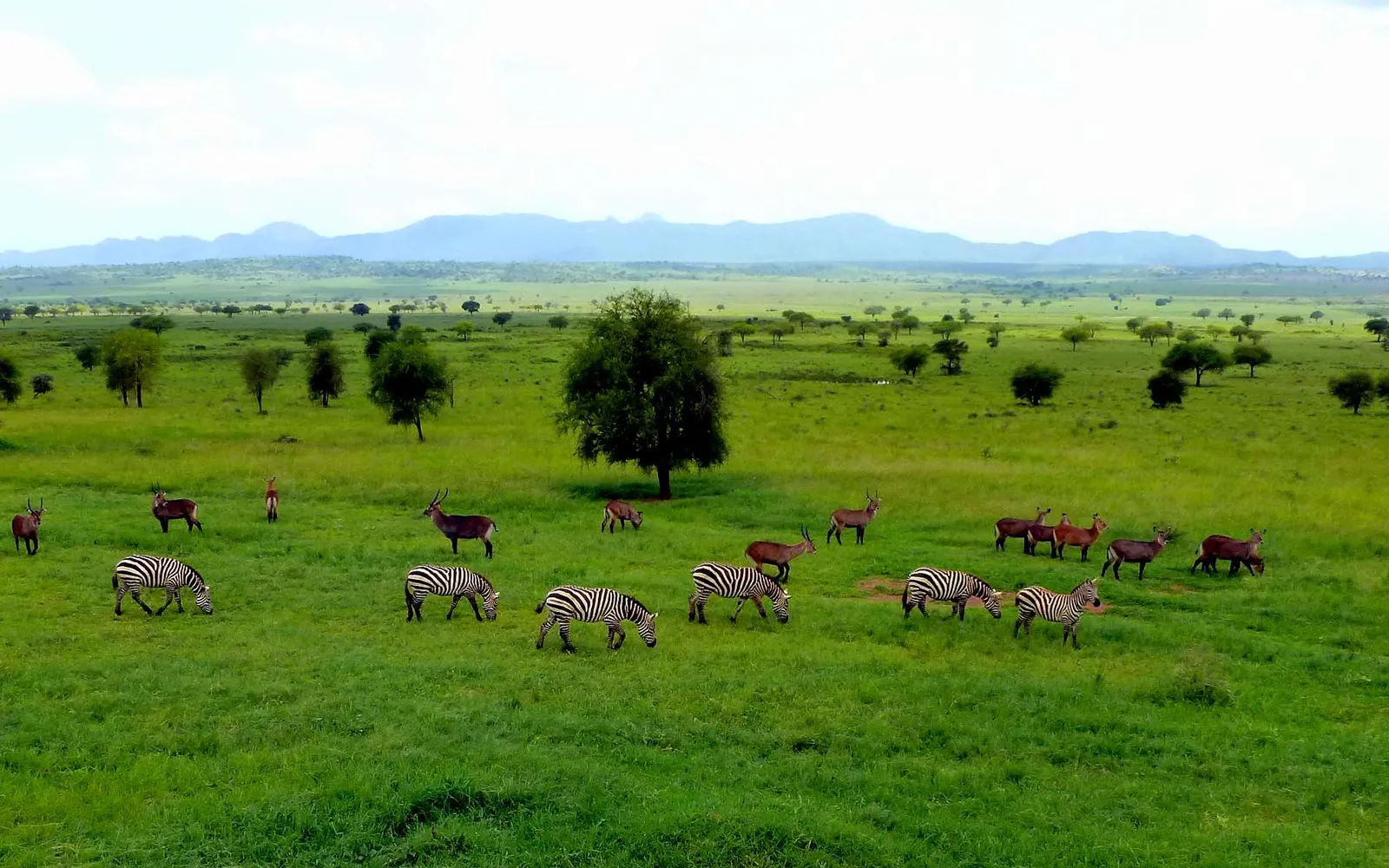
Antelopes, including Uganda kob, hartebeest, and oribi, move gracefully across the valleys, their grazing patterns influencing predator strategies. Zebras add dynamic visual interest, often mingling with other herbivores, creating mixed-species herds that enhance both survival and viewing opportunities. Seasonal dispersal and congregation around water sources create varying safari experiences, highlighting the complexity and adaptability of wildlife in the region.

Birdlife and Aerial Perspectives

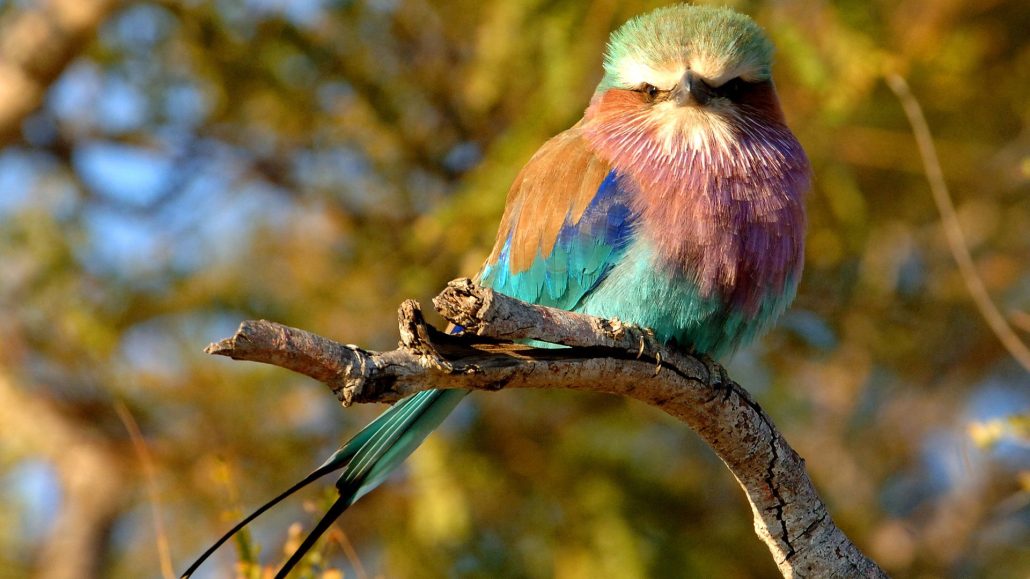
The Narus and Kidepo Valleys are renowned for their exceptional bird diversity, with over 475 species recorded in the park. Raptors such as martial eagles and bateleur eagles patrol the skies, while secretary birds traverse the plains in search of small mammals and insects. The valleys also host a variety of colorful passerines, including bee-eaters, hornbills, and weaver birds, each contributing to the vibrancy and ecological richness of the park.

Birdwatchers are particularly rewarded during seasonal migrations, when additional species arrive from across Africa, exploiting temporary water sources and abundant vegetation. The combination of resident and migratory species ensures year-round activity, making the valleys a critical site for ornithological observation.

Seasonal Dynamics: Timing for Maximum Safari Impact

The experience of the Narus and Kidepo Valleys is profoundly influenced by seasonal changes. During the dry season, typically between December and February and June to August, wildlife concentrates near permanent water sources. This behavior creates predictable opportunities for observing large herds, predator-prey interactions, and social behaviors among herbivores. The dry season also offers improved road conditions, facilitating access to remote areas and allowing longer game drives.

The wet season, occurring from March to May and September to November, transforms the valleys into verdant landscapes. Rivers swell, vegetation flourishes, and wildlife disperses across a broader area. While this can make sightings less predictable, it provides a unique opportunity to witness calving periods, juvenile animal development, and vibrant migratory bird activity. Photographers and nature enthusiasts may find the wet season particularly rewarding for its lush scenery, reflective water bodies, and dramatic landscapes.The Narus and Kidepo Valleys: Safari Highlights Explained
Scenic and Photographic Opportunities

Both valleys offer unparalleled photographic opportunities. The Narus Valley, with its expansive plains and unobstructed sightlines, is ideal for capturing large herds, predator hunts, and sunsets that bathe the savannah in golden light. The flat terrain allows for dramatic perspectives, emphasizing the scale and majesty of the landscape.

In contrast, the Kidepo Valley’s rugged terrain provides intimate vistas where rocky outcrops, rivers, and dense vegetation create layered compositions. Predators and herbivores can often be observed interacting closely with their environment, making for striking wildlife photography that blends natural behavior with stunning backdrops. Seasonal variations further enhance these opportunities, ensuring that each visit offers unique visual experiences.

Cultural Context: The Karamojong Connection

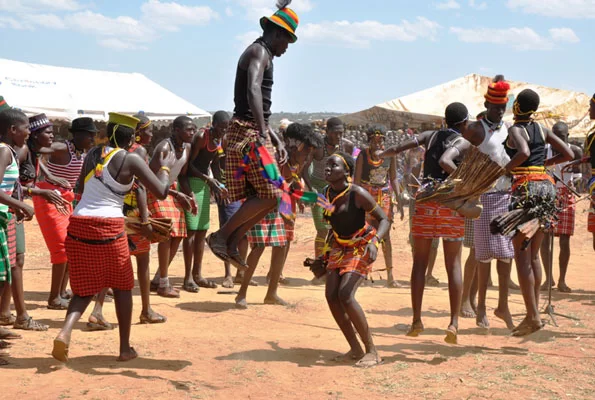
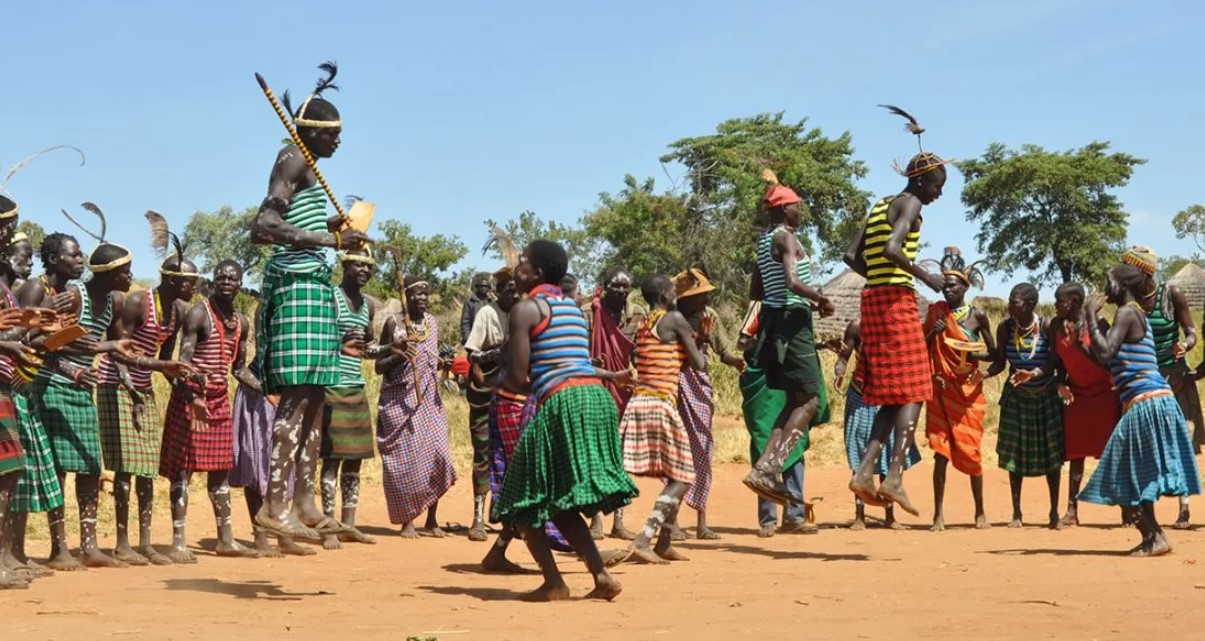
The Narus and Kidepo Valleys are not solely defined by their natural attributes; they are also home to the Karamojong people, whose traditional pastoralist lifestyle has coexisted with the region’s wildlife for centuries. Visitors may observe communities managing cattle, constructing homesteads, and engaging in cultural ceremonies. These interactions provide a complementary dimension to the safari experience, highlighting the interdependence of humans and the ecosystem.

Understanding the cultural practices of the Karamojong enhances appreciation for the valleys’ ecological balance. Traditional knowledge about animal behavior, seasonal grazing patterns, and natural resource management contributes to both community resilience and wildlife conservation. Guides often facilitate respectful interactions, ensuring that cultural engagement is meaningful, ethical, and informative.

Walking Safaris and Immersive Experiences

Walking safaris are particularly rewarding in the Narus and Kidepo Valleys. Under the guidance of skilled rangers, travelers can explore areas inaccessible by vehicle, observe tracks and signs of wildlife, and gain insights into the subtle dynamics of the ecosystem. The experience allows for intimate encounters with flora, fauna, and microhabitats that might otherwise be overlooked.

Night walks reveal another dimension of the valleys’ wildlife. Nocturnal species, from small mammals to predatory cats, become active, and the sounds of the night—the roar of lions, the rustle of antelope, and the calls of nocturnal birds—create a symphony of life that underscores the richness of the ecosystem.

Riverine Ecosystems: Narus and Kidepo Rivers

The Narus and Kidepo rivers are lifelines that sustain both wildlife and local communities. During the dry season, animals congregate along these rivers, making them focal points for observation. Elephants and buffaloes are often seen drinking and bathing, while crocodiles and hippos inhabit deeper pools, demonstrating the diversity of aquatic life.

Rivers also support riparian vegetation, which provides shelter and foraging opportunities for herbivores and smaller species. Birds are particularly abundant near water sources, where insects and fish attract a wide array of species. The rivers contribute to the ecological complexity of the valleys, emphasizing the importance of water as a critical resource in shaping animal behavior and landscape features.

Conservation and Ecological Significance

The Narus and Kidepo Valleys are integral to Kidepo Valley National Park’s ecological integrity. Anti-poaching initiatives, habitat management, and community engagement have preserved the park’s biodiversity. The presence of predators, herbivores, and rare species such as African wild dogs and cheetahs is a direct result of these conservation efforts.

The park’s remoteness has allowed ecosystems to function relatively undisturbed, creating opportunities for researchers and travelers to observe natural processes. Seasonal migrations, predator-prey dynamics, and interspecies interactions can be studied and appreciated in situ, emphasizing the importance of protected wilderness areas for ecological balance and biodiversity preservation.

Visitor Logistics and Accessibility

Access to the Narus and Kidepo Valleys is facilitated by both road and air. Overland travel requires 4×4 vehicles due to varying road conditions, particularly in the rainy season. Air travel provides a faster alternative, with flights from Entebbe International Airport to local airstrips near Kidepo offering convenience and aerial perspectives of the landscape.

Lodges and safari camps within and near the valleys provide accommodations that blend comfort with immersion in the wilderness. Guided game drives, walking safaris, and cultural interactions are arranged to maximize exposure to both wildlife and landscape highlights, ensuring that visitors gain a comprehensive and engaging experience.

Experiencing the Valleys in Full

The Narus and Kidepo Valleys present an unparalleled safari experience that combines breathtaking landscapes, diverse wildlife, and cultural richness. From predator-prey interactions to riverine ecosystems, from expansive plains to rugged hills, every aspect of the valleys contributes to a journey that is immersive, educational, and unforgettable.

For travelers seeking to explore Uganda’s most remote and spectacular wilderness, the expertise of professional safari operators is invaluable. To experience the full splendor of the Narus and Kidepo Valleys with comfort, guidance, and respect for the environment, book your Africa tours and safaris with WildHorn Africa, a trusted partner dedicated to creating immersive, responsible, and unforgettable journeys into one of Uganda’s most extraordinary natural treasures.
Birdwatching in Kidepo: Uganda’s Remote Paradise

Birdwatching in Kidepo: Uganda’s Remote Paradise

By Travel stories and blogs, Safari holidays, Special offers, Uganda travel guides, Wildlife holidays

Birdwatching in Kidepo: Uganda’s Remote Paradise

A Hidden Haven for Bird Enthusiasts

Nestled in the rugged northeastern corner of Uganda, Kidepo Valley National Park is widely celebrated for its dramatic landscapes and abundant wildlife, yet it is equally a sanctuary for birdwatchers seeking rare and diverse avian species. This remote wilderness, far from the bustling tourist circuits of the country, is a haven where over 475 species of birds have been recorded. From the open savannahs and riverine forests to rocky hills and acacia woodlands, the park’s varied habitats provide a unique opportunity for birdwatching in pristine conditions.

Unlike more frequented birding sites, Kidepo offers a sense of solitude and authenticity. Here, species interactions occur in their natural environment, undisturbed by human activity, allowing for a deeply immersive experience. This article explores the intricacies of birdwatching in Kidepo, highlighting the park’s habitats, key species, seasonal dynamics, conservation significance, and practical tips for travelers seeking to witness Uganda’s remote avian paradise.

Geography and Habitat Diversity: Foundations of Avian Abundance

Kidepo Valley National Park is characterized by contrasting landscapes that provide habitats for a broad range of bird species. The Narus and Kidepo Valleys are central to this diversity, featuring open plains, riverine forests, and rocky outcrops. The Narus Valley, with its expansive savannah and seasonal Narus River, supports large congregations of water-dependent species, while the Kidepo Valley’s rugged hills and Kidepo River ecosystem host forest-dwelling and cliff-nesting birds.

Acacia woodlands and riverine thickets create microhabitats where smaller passerines thrive, offering visitors opportunities to observe elusive species in quiet, shaded environments. Seasonal wetlands, ephemeral pools, and termite mounds further diversify the ecological niches, attracting waders, herons, and insectivorous birds that exploit these temporary resources. The remarkable habitat variety in Kidepo underpins the richness of its avian population, making it a premier destination for ornithologists and nature enthusiasts alike.

Bird Species Diversity: An Ornithologist’s Dream

Raptors and Birds of Prey

Kidepo’s skies are dominated by an array of raptors, including eagles, vultures, hawks, and kites. Martial eagles, the largest in Africa, patrol the plains with imposing grace, while bateleur eagles perform aerial acrobatics above open grasslands. African harrier-hawks and tawny eagles are observed hunting small mammals and reptiles, reflecting the predatory hierarchy within the park.

Vultures, both white-backed and Rüppell’s griffon, are vital scavengers, maintaining ecological balance by consuming carrion. The presence of these raptors underscores the health of Kidepo’s ecosystems, as top predators often indicate robust food chains and minimal human disturbance. Observing these species provides insight into avian behavior, hunting strategies, and ecological interdependence.

Waterbirds and Wetland Specialists

The Narus and Kidepo Rivers, along with seasonal pools, support an impressive variety of waterbirds. Herons, egrets, storks, and ibises forage along riverbanks, while African jacanas walk effortlessly across floating vegetation. Migratory species such as the common sandpiper and the grey-headed gull exploit seasonal wetlands, adding to the dynamic richness of the park’s avifauna.

Hippos, crocodiles, and other aquatic species create additional ecological niches, supporting fish-eating birds such as kingfishers, goliath herons, and African fish eagles. These interactions illustrate the complex food webs present in Kidepo and the interdependence between aquatic ecosystems and bird populations.

Savannah and Grassland Specialists

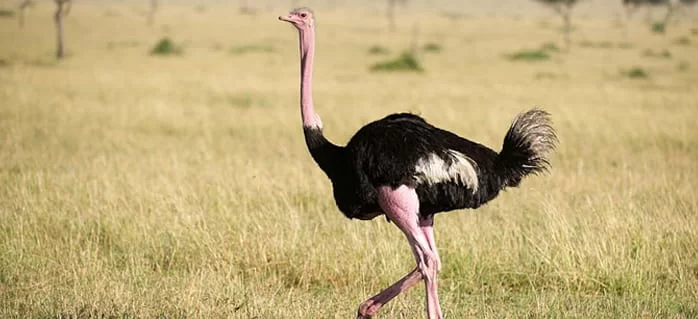
The open savannahs of the Narus Valley host species adapted to life on the plains. Ostriches, long-tailed cisticolas, and African pipits are common, while secretary birds stride confidently in search of snakes and insects. Species such as the kori bustard, one of the heaviest flying birds in the world, are occasionally observed, creating unforgettable encounters for birdwatchers and photographers.

Mixed-species flocks of weavers, larks, and hornbills navigate acacia trees and shrubs, providing opportunities to observe social behavior, foraging techniques, and vocal communication. These grassland specialists are intricately adapted to the semi-arid conditions of the region, demonstrating remarkable resilience and ecological efficiency.

Forest and Woodland Birds

Though Kidepo is dominated by savannah, patches of woodland and riparian forests provide critical habitats for forest-dwelling species. Turacos, hornbills, and various sunbirds inhabit these areas, while warblers and flycatchers exploit the dense undergrowth for insects. The diversity of habitats ensures that both novice and expert birdwatchers can encounter species that are otherwise rare or localized elsewhere in Uganda.

Forest specialists, such as the African grey hornbill, exhibit intricate nesting and foraging behaviors, highlighting the importance of microhabitats in sustaining biodiversity. Observing these species in their natural environments reinforces the value of habitat preservation and ecological management.

Seasonal Dynamics: Timing Your Birdwatching Safari

Seasonal changes profoundly affect bird activity and visibility in Kidepo. During the dry season, from December to February and June to August, water sources become focal points for congregating species. Migratory waders, waterfowl, and raptors can often be observed at rivers and waterholes, providing predictable opportunities for sightings and photography. The dry landscape also improves visibility, allowing unobstructed observation of ground-dwelling and flying birds.

In contrast, the wet season, from March to May and September to November, brings lush vegetation and ephemeral water bodies. Migratory species arrive in response to increased food availability, while resident birds disperse across the park, exploiting abundant resources. Although sightings may be less predictable, the wet season allows for the observation of breeding behavior, fledglings, and courtship displays, offering a unique perspective on avian life cycles.Birdwatching in Kidepo: Uganda’s Remote Paradise

Migration and Rare Species

Kidepo’s remoteness and diverse habitats make it an important site for migratory species. European and Asian migrants pass through during specific periods, including waders, raptors, and passerines. These migrations create peaks in biodiversity, drawing birdwatchers eager to document rare or unusual species.

Locally restricted species, such as the Archer’s lark and the Heuglin’s masked weaver, are also observed, adding to the park’s ornithological significance. The combination of migratory influx and endemic populations ensures that every visit to Kidepo offers novel birdwatching opportunities, making it an essential destination for serious birders.

Photography and Observation Techniques

Birdwatching in Kidepo requires patience, observation, and appropriate equipment. Binoculars, spotting scopes, and cameras with telephoto lenses are indispensable for capturing distant or fast-moving species. The open plains of Narus allow for unobstructed photography of large raptors and ground-dwelling birds, while woodland areas require careful tracking and stealth to avoid disturbing sensitive species.

Early morning and late afternoon are optimal for observation, as birds are most active during cooler parts of the day. Guides provide invaluable assistance, pointing out elusive species, identifying calls, and suggesting vantage points for photography. Knowledge of bird behavior, seasonal patterns, and habitat preferences enhances the quality of observation and ensures that experiences are both educational and rewarding.

Ecological and Conservation Significance

Birdwatching in Kidepo is more than a recreational activity; it is an entry point into understanding ecological health and conservation priorities. The diversity of avian species reflects the integrity of habitats, the availability of food and water, and the effectiveness of anti-poaching and habitat management efforts. Raptors, waterbirds, and woodland species serve as ecological indicators, signaling the overall condition of the park’s ecosystems.

Conservation efforts in Kidepo, including habitat protection, anti-poaching patrols, and community engagement, have allowed avian populations to thrive despite the region’s remoteness and challenging conditions. Birdwatchers, by observing and documenting species, contribute indirectly to awareness and support for these conservation initiatives, reinforcing the connection between tourism and environmental stewardship.

Practical Tips for Birdwatching in Kidepo

Preparation is essential for a successful birdwatching safari. Visitors are advised to bring field guides, binoculars, and cameras, and to wear neutral-colored clothing to blend with the environment. Patience and quiet observation are critical, as many species are shy or highly mobile.

Engagement with experienced local guides enhances both the educational and ethical dimensions of birdwatching. Guides provide insights into species identification, ecological roles, and conservation challenges, ensuring that travelers gain a holistic understanding of the park’s avian diversity. Adequate hydration, sun protection, and navigation awareness are also essential, given Kidepo’s remote location and semi-arid climate.

Combining Birdwatching with Safari Highlights

While Kidepo is renowned for its bird diversity, its larger wildlife populations provide additional context and excitement. Observing elephants, lions, buffaloes, and antelopes alongside bird activity illustrates the interconnectedness of the ecosystem. Raptors often hunt in response to prey movement, waterbirds interact with mammals along riverbanks, and forest species benefit from insect populations maintained by herbivore activity. This combination of avian and terrestrial wildlife enhances the educational and aesthetic value of every safari day.

Walking safaris, game drives, and river excursions can be timed to maximize both bird and mammal encounters, allowing travelers to experience the full ecological tapestry of the park. These multi-layered experiences transform birdwatching from a niche pursuit into an immersive exploration of Uganda’s wild northeast.

Uganda’s Remote Birding Paradise

Kidepo Valley National Park is a remote paradise for birdwatchers, offering unparalleled opportunities to observe, photograph, and study avian species in unspoiled habitats. From majestic raptors and elegant waterbirds to colorful passerines and elusive woodland species, the park’s avian diversity is extraordinary. Seasonal changes, habitat variety, and conservation success make Kidepo a dynamic and continually rewarding destination for both casual birders and serious ornithologists.

For travelers seeking an immersive, educational, and unforgettable birdwatching experience, the expertise of professional safari operators is invaluable. To explore Kidepo’s remote birding paradise with knowledgeable guides, seamless logistics, and ethical wildlife engagement, book your Africa tours and safaris with WildHorn Africa, ensuring an expertly curated journey into one of Uganda’s most spectacular and isolated wilderness areas.

A Cultural Safari with the Karamojong near Kidepo

A Cultural Safari with the Karamojong near Kidepo

By Travel stories and blogs, Safari holidays, Uganda travel guides

A Cultural Safari with the Karamojong near Kidepo

Experiencing the Heartbeat of Uganda’s Northeast

In the remote and rugged landscapes of northeastern Uganda, where vast savannahs meet jagged mountains, lies an opportunity for travelers to experience something beyond traditional safari adventures. Here, the wilderness is not only defined by lions, elephants, and antelopes but also by the rich cultural heritage of the Karamojong people. A cultural safari near Kidepo Valley National Park is a journey into a world where traditions have been preserved for centuries, and where human life and wildlife coexist in a delicate balance.

Unlike conventional safaris, where the focus is primarily on observing wildlife, a cultural safari with the Karamojong offers insights into social structures, rituals, and everyday life in a semi-arid landscape that has shaped human resilience and ingenuity. The Karamojong communities have maintained a lifestyle deeply rooted in pastoralism, art, and oral traditions, making them an integral part of the region’s identity. This article explores the cultural richness of the Karamojong, the immersive experiences available to travelers, and the unique ways in which culture and nature intersect in one of Uganda’s most remote regions.

Geography and Context: The Land That Shapes Culture

The Karamojong inhabit the semi-arid region of northeastern Uganda, encompassing areas surrounding Kidepo Valley National Park. The landscape is defined by rocky hills, sprawling plains, and seasonal rivers, with the Narus and Kidepo Rivers providing essential water sources for both humans and wildlife. This environment has profoundly influenced the Karamojong way of life, encouraging practices that balance survival, sustainability, and respect for nature.

The semi-arid climate, characterized by dry and wet seasons, dictates the rhythm of daily life. During the dry season, pastoralist communities move livestock strategically to access water and pasture, while the wet season brings grazing abundance and opportunities for communal agricultural activities. Understanding this geography is essential to appreciating the deep connection between the Karamojong and their environment, a connection that forms the foundation of the cultural safari experience.

The Karamojong People: Guardians of Tradition

The Karamojong are a Nilotic ethnic group whose identity is closely intertwined with livestock herding. Cattle are not merely economic assets; they are symbols of wealth, social status, and spiritual significance. The management of herds is guided by centuries-old knowledge, passed down through generations, encompassing grazing patterns, disease prevention, and water management.

Social structures within Karamojong communities are organized around clans, age sets, and gender roles, each carrying specific responsibilities and traditions. Elders hold authority and are regarded as custodians of history and culture, guiding younger generations in rituals, conflict resolution, and community decisions. The respect accorded to elders and the adherence to traditional knowledge systems are central to understanding the Karamojong way of life.

Women play vital roles in the community, managing household duties, food preparation, and traditional crafts. Beadwork, leatherwork, and weaving are practiced not only as forms of artistry but also as cultural expressions that reflect identity, status, and social connections. The intricate patterns, colors, and techniques used in Karamojong crafts are recognized as some of the most refined in East Africa, and they offer travelers a tangible link to the people’s heritage.

Cultural Immersion: Experiences for Travelers

A cultural safari with the Karamojong allows travelers to engage in immersive experiences that go beyond passive observation. Visitors may spend time in homesteads, observing daily routines, learning about traditional food preparation, and participating in communal activities. Interaction with children and youth provides insights into educational practices, games, and the transmission of cultural values.

Rituals and ceremonies offer profound windows into Karamojong spirituality and social life. Initiation ceremonies, traditional dances, and communal gatherings are conducted with careful attention to ancestral practices and symbolism. These events are not staged for tourists; rather, they are genuine expressions of identity, offering travelers the rare opportunity to witness living traditions that have endured through centuries.

Music and dance play central roles in Karamojong culture. Rhythmic chanting, drumming, and song accompany dances that mark significant life events, including marriages, harvests, and initiations. Participation in these activities, when permitted, allows travelers to experience the vibrancy and emotional resonance of the community firsthand. Guides facilitate respectful engagement, ensuring that visitors observe protocols and contribute to a mutually enriching experience.

Traditional Knowledge and Survival Skills

The Karamojong have developed a profound understanding of the land, animals, and climate, skills that have been refined over generations. Knowledge of edible plants, water sources, and natural remedies is integrated into daily life, reflecting an intimate connection with the environment. Travelers on cultural safaris often learn about these practices, gaining insights into how communities thrive in semi-arid conditions where resources are scarce.

Animal husbandry techniques are central to Karamojong expertise. Herding strategies, disease management, and migration patterns are taught to younger generations as a matter of survival and social continuity. Observing and sometimes participating in these practices allows travelers to appreciate the depth of traditional knowledge and the ingenuity required to sustain life in challenging ecosystems.A Cultural Safari with the Karamojong near Kidepo

Cattle and Social Economy

Cattle are the cornerstone of Karamojong society, influencing social interactions, economic exchange, and spiritual life. The size and health of a herd determine wealth and social standing, while livestock transactions, including bride price payments and trade, shape community relationships. Herding is not merely an economic activity but a cultural practice embedded with rituals, songs, and proverbs that communicate values, history, and aspirations.

Travelers on cultural safaris gain insights into the centrality of cattle, observing the careful management of herds, communal grazing systems, and the ceremonial aspects associated with livestock. Understanding this relationship between humans and animals enriches the safari experience, highlighting the complex interplay between culture, economy, and ecology.

Interactions with Wildlife: Coexistence in the Wild

The proximity of Kidepo Valley National Park adds a unique dimension to cultural safaris with the Karamojong. Wildlife is an ever-present factor, influencing grazing strategies, settlement patterns, and risk management. Elephants, antelopes, lions, and other species often move through areas where communities live, necessitating knowledge of animal behavior and mitigation practices to prevent conflicts.

Travelers may observe these interactions, gaining an understanding of how human communities and wildlife coexist in a shared landscape. This perspective enhances appreciation of Kidepo’s conservation significance and underscores the resilience and adaptability of the Karamojong people.

Cuisine and Traditional Practices

Food preparation is a daily ritual that reflects both resourcefulness and cultural identity. Traditional dishes, often based on millet, sorghum, maize, and occasionally meat or dairy, are prepared using methods passed down through generations. Visitors may participate in the preparation of meals, learning about techniques, flavors, and the communal aspects of dining.

Crafts, including beadwork and leatherwork, are produced with remarkable skill and attention to detail. These crafts are not merely decorative but convey stories, social roles, and status. Travelers can engage with artisans, gaining insights into techniques, symbolism, and the cultural significance of materials and designs. These experiences create a multi-sensory understanding of Karamojong culture, blending visual, tactile, and gustatory learning.

Seasonal Life and Cultural Cycles

The lives of the Karamojong are attuned to seasonal rhythms. Dry and wet seasons dictate herd movements, agricultural activities, and social events. The dry season often involves longer cattle migrations and preparation for scarcity, while the wet season brings abundance, communal celebrations, and agricultural planting. Travelers visiting at different times of the year may witness distinct aspects of daily life and cultural expression, emphasizing the dynamic nature of tradition in response to environmental conditions.

Understanding these cycles allows travelers to contextualize observed practices, from livestock management and food preparation to ceremonial gatherings and conflict resolution. The cultural safari becomes an opportunity to witness resilience, adaptability, and continuity in action, providing profound insight into the relationship between humans, environment, and wildlife.

Guided Cultural Safaris: Enhancing Understanding

Guided cultural safaris are essential for ensuring respectful and meaningful engagement. Knowledgeable guides facilitate introductions, explain customs, and interpret the significance of observed practices. They ensure that visitors observe social protocols, avoid intrusive behaviors, and gain a deeper understanding of the interconnectedness of Karamojong life with the surrounding ecosystem.

Guides often provide historical context, explaining how colonial legacies, regional conflicts, and conservation policies have influenced cultural practices. This framing allows travelers to appreciate both continuity and adaptation in Karamojong society, enhancing the educational value of the safari while respecting community autonomy.

Photography and Documentation

Photography during cultural safaris requires sensitivity and awareness. While many Karamojong communities are open to sharing aspects of daily life, permission must be sought, and ethical considerations observed. Photographs are not merely souvenirs; they document living traditions and human interactions with the landscape. Travelers are guided to capture images respectfully, ensuring that cultural integrity is preserved while still creating meaningful visual records.

Photography provides a complementary dimension to the safari experience, allowing travelers to reflect on and share the richness of Karamojong culture with broader audiences. When conducted thoughtfully, it enhances understanding and appreciation rather than imposing on the community.

Conservation and Cultural Preservation

The cultural safari is intrinsically linked to broader conservation efforts. The preservation of Karamojong traditions aligns with the conservation of Kidepo Valley National Park, as both depend on sustainable interactions with the environment. Tourism initiatives, when managed responsibly, provide income that supports community development, cultural preservation, and environmental protection.

Visitors gain insight into the symbiotic relationship between culture and conservation, observing how community knowledge contributes to wildlife management, natural resource stewardship, and ecological balance. This understanding transforms the safari from a passive experience into an informed engagement with sustainable practices.

Immersing in Karamojong Life

A cultural safari with the Karamojong near Kidepo Valley National Park offers a profoundly enriching experience that blends wildlife observation, cultural immersion, and ecological understanding. Travelers are not merely spectators but participants in a living landscape, witnessing centuries-old traditions, seasonal rhythms, and resilient ways of life.

To fully experience this unique dimension of Uganda’s northeast, the guidance and expertise of professional safari operators are invaluable. Every aspect of travel, from transportation and accommodation to cultural engagement and ethical interaction, can be facilitated to ensure a meaningful, respectful, and unforgettable experience.

For those seeking to combine the majesty of Kidepo’s wildlife with the vibrancy and depth of Karamojong culture, book your Africa tours and safaris with WildHorn Africa, a trusted partner dedicated to creating immersive, responsible, and unforgettable journeys through one of Uganda’s most remarkable regions.

Why Kidepo Valley National Park is Uganda’s Hidden Safari Gem

Why Kidepo Valley National Park is Uganda’s Hidden Safari Gem

By Travel stories and blogs, Family holidays, Luxury holidays, Safari holidays, Uganda travel guides, Wildlife holidays

Why Kidepo Valley National Park is Uganda’s Hidden Safari Gem

Unearthing Uganda’s Untamed Treasure

In the heart of northeastern Uganda lies a sanctuary that whispers the allure of untouched wilderness and pristine landscapes. Kidepo Valley National Park has long remained a secret whispered among seasoned travelers, a hidden gem awaiting discovery. Unlike the more frequented parks of Uganda, Kidepo captivates with a raw, almost mystical wilderness that seems suspended in time. Its isolation has preserved a richness that few other African destinations can rival, creating an intimate and authentic safari experience that lingers in memory long after the journey ends.

This hidden gem has often been overlooked, yet it embodies the quintessence of Africa’s wild heart. From expansive savannahs to jagged mountain ranges, and from rare wildlife encounters to interactions with vibrant indigenous cultures, Kidepo presents a symphony of experiences that transcend ordinary safari expectations. The park stands as an emblem of untouched nature, inviting explorers to delve into a world where adventure, discovery, and tranquility coalesce seamlessly.

Geographical Marvel: Nature’s Untouched Canvas

Kidepo Valley National Park is uniquely positioned in Uganda’s remote northeastern corner, bordering South Sudan and Kenya. Its geographic isolation has safeguarded it from the influx of mass tourism, allowing the ecosystem to thrive in a state of near-perfect balance. The park’s topography is breathtakingly diverse. Rolling plains stretch into the horizon, interrupted by rocky outcrops and the dramatic Imatong Mountains, which pierce the skyline in jagged, majestic formations. Rivers such as the Narus and Kidepo meander through the valleys, nourishing a patchwork of habitats that host an extraordinary range of flora and fauna.

The climate of Kidepo enhances its allure, with a semi-arid environment that fosters a delicate balance between savannah, woodland, and mountainous terrain. The park is bathed in golden sunlight for much of the year, and its dramatic sunsets cast long shadows over the plains, painting an unforgettable tableau that captivates every visitor. Unlike more heavily trafficked parks, where wildlife has grown accustomed to human presence, Kidepo’s isolation ensures that encounters with its inhabitants are raw, unmediated, and profoundly moving.

Wildlife Encounters: The Untamed Heart of Kidepo

Kidepo Valley National Park is distinguished by its remarkable biodiversity, much of which thrives due to the park’s isolation and careful conservation management. Predators, herbivores, and a myriad of avian species inhabit its sweeping landscapes, offering a spectacle that can only be described as pure African wilderness.

Among the park’s most iconic residents are lions and cheetahs, which roam the savannah with an air of regal authority. Leopards are also present, though their elusive nature often renders them almost mythical to visitors. Elephant herds traverse the plains with quiet grace, while buffaloes move in stately clusters, embodying the raw strength and resilience of Africa’s wild heritage. The presence of endangered species such as the African wild dog underscores the park’s ecological importance, offering wildlife enthusiasts a rare opportunity to witness creatures seldom seen elsewhere.

Birdlife in Kidepo is equally extraordinary, with over 475 species recorded within its boundaries. From the flamboyant carmine bee-eater to the stately martial eagle, the avian diversity enriches the safari experience, creating moments of awe as rare species take flight against the park’s vast sky. The careful preservation of this ecosystem ensures that each encounter feels authentic, unspoiled by habituation to human presence.

Cultural Richness: Where Wilderness Meets Tradition

Beyond its ecological wonders, Kidepo Valley National Park is deeply intertwined with the culture and heritage of the local Karamojong communities. These pastoralist people have inhabited the region for centuries, living in harmony with the land and preserving traditions that are intimately connected to the park’s landscapes. Visitors to Kidepo often find themselves immersed in this cultural tapestry, gaining insight into the daily lives, rituals, and artistry of a people whose identity is inseparable from the wild environment they inhabit.

Cultural experiences in the park are subtle yet profoundly enriching. The intricate beadwork, traditional dances, and oral histories of the Karamojong offer perspectives that extend beyond conventional tourism. Interactions with these communities highlight a symbiotic relationship between humans and nature, where survival, respect, and reverence for the land are deeply embedded in daily life. These encounters add layers of depth to the safari experience, ensuring that every visit is not only about witnessing wildlife but also about understanding the human stories that unfold alongside it.Why Kidepo Valley National Park is Uganda’s Hidden Safari Gem

Safari Experiences: Authenticity Beyond Compare

What sets Kidepo Valley National Park apart from other African safari destinations is the authenticity of the experiences it offers. Unlike heavily commercialized parks where game drives can feel routine, Kidepo retains a sense of intimacy and adventure that is increasingly rare in modern tourism. Safaris are conducted in small groups, often with guides who possess unparalleled knowledge of the terrain, wildlife behaviors, and local culture. This allows for encounters that feel personal and deeply engaging, whether it involves observing a lion pride at rest, tracking a leopard through rocky hills, or witnessing a herd of elephants crossing the plains.

Game drives in Kidepo are complemented by walking safaris, offering a chance to explore the land on foot under the guidance of experienced rangers. These excursions reveal subtle details that vehicles often miss: the delicate tracks of a predator, the faint rustle of a warthog in the underbrush, or the intricate patterns of vegetation shaped by centuries of ecological interplay. The park’s terrain is varied enough to accommodate diverse safari experiences, ranging from riverbank explorations to mountain treks, each promising moments of discovery and connection with nature.

Night safaris in Kidepo offer a different kind of thrill. Under the expansive canopy of stars, the nocturnal life of the park comes alive. Predators prowl, owls and nightjars take flight, and the subtle symphony of insects creates a soundtrack that immerses visitors in the profound rhythms of the wilderness. This duality of day and night experiences ensures that the park is alive with activity at all hours, each moment offering a unique glimpse into the untamed world.

Landscape and Scenery: A Photographer’s Paradise

For those drawn to photography and visual storytelling, Kidepo Valley National Park is a paradise that rewards patience and skill. Its landscapes shift dramatically with the seasons, offering ever-changing canvases of color, texture, and light. The savannah glows with golden hues during the dry season, while the rainy months transform the plains into lush, verdant expanses teeming with life. Rivers swell and sparkle under the sun, and the rugged mountains stand in sharp contrast to the soft curves of the valleys below.

The park’s vistas are not only visually stunning but also emotionally evocative. Sunrise over the Imatong Mountains creates a spectacle of light and shadow, while sunsets along the Narus River imbue the plains with a sense of serenity and grandeur. These landscapes have inspired countless photographers, nature enthusiasts, and artists, drawn by the park’s ability to evoke both awe and contemplation. Every corner of Kidepo holds the potential for a perfect moment, a frame that captures the essence of untamed Africa.

Conservation Efforts: Safeguarding a Wilderness

The significance of Kidepo Valley National Park extends beyond tourism; it is a cornerstone of Uganda’s conservation efforts. Its remote location has historically shielded it from human encroachment, but ongoing management practices are crucial in maintaining the park’s delicate ecosystems. Anti-poaching initiatives, habitat restoration projects, and community engagement programs work in tandem to ensure that Kidepo remains a sanctuary for both wildlife and culture.

Conservation in Kidepo is approached with a holistic mindset, recognizing the interconnectedness of species, habitats, and human communities. Efforts to monitor wildlife populations, maintain water sources, and prevent illegal hunting are coupled with educational initiatives that engage local populations. This approach fosters stewardship and ensures that the park’s ecological integrity is preserved for future generations, allowing travelers to experience a wilderness that remains largely unspoiled.

Accessibility and Travel: A Journey Worth the Effort

While Kidepo’s isolation contributes to its allure, it also presents challenges in terms of accessibility. Reaching the park requires careful planning, as it is situated several hours from Uganda’s main urban centers. However, the journey itself becomes part of the adventure, with scenic drives through remote villages, vast plains, and rugged terrain setting the stage for what awaits. Air travel is available to nearby airstrips, providing a quicker, more comfortable route into the heart of the park.

Upon arrival, visitors are greeted by a sense of tranquility rarely experienced in more frequented destinations. Accommodations range from luxury lodges to more rustic campsites, each designed to harmonize with the environment and provide comfort without compromising authenticity. Staying within or near the park allows travelers to fully immerse themselves in the rhythms of the landscape, from the early morning calls of wildlife to the quiet evenings under an expansive African sky.

Seasons and Timing: Experiencing Kidepo at Its Best

The best time to experience Kidepo Valley National Park is determined by one’s interests and priorities. The dry season, typically from December to February and June to August, is ideal for game viewing as animals congregate around shrinking water sources. Vegetation is sparse, enhancing visibility and making wildlife easier to spot. The rainy season, though more challenging for travel, transforms the park into a lush, vibrant ecosystem, offering spectacular photography opportunities and a chance to witness the renewal of life.

Each season presents its own unique charm, and a carefully planned visit can reveal the full spectrum of Kidepo’s beauty. Wildlife behavior, migratory patterns, and landscape dynamics shift throughout the year, ensuring that no two visits are ever the same. Travelers who embrace these seasonal nuances are rewarded with a depth of experience that is rare in more predictable safari destinations.

Why Kidepo Stands Apart: A Hidden Gem Defined

What ultimately defines Kidepo Valley National Park as Uganda’s hidden safari gem is the unparalleled sense of authenticity, isolation, and wonder it offers. Unlike parks that have been commercialized to accommodate mass tourism, Kidepo retains an aura of discovery and adventure. Every moment spent in the park is imbued with the sense that one has entered a realm where nature reigns supreme, untainted and commanding respect.

The combination of diverse wildlife, dramatic landscapes, cultural richness, and meticulous conservation ensures that Kidepo is not merely a safari destination but a journey into the very essence of Africa’s wild spirit. It is a place where visitors are invited to step away from the predictable and into the extraordinary, where memories are forged in the company of nature’s most majestic creatures and timeless vistas.

Embarking on the Kidepo Experience

Kidepo Valley National Park represents a pinnacle of what African safaris can offer—untouched wilderness, extraordinary wildlife encounters, and profound cultural experiences, all wrapped in the serene beauty of Uganda’s northeastern frontier. Its hidden nature has preserved a sense of authenticity and intimacy that few other destinations can match, making it a treasure for those willing to venture off the beaten path.

For travelers seeking more than a typical safari, Kidepo Valley National Park promises an encounter with the raw, unspoiled essence of Africa. It is a sanctuary where nature and culture converge, and where every moment offers the possibility of discovery and awe.

To fully experience the magic of Kidepo, book your Africa tours and safaris with WildHorn Africa, a trusted partner dedicated to creating immersive, responsible, and unforgettable journeys. Their expertise ensures that every visitor can explore Kidepo’s hidden wonders while contributing to the preservation of this extraordinary national treasure.

Best Time to Visit Kidepo Valley National Park

Best Time to Visit Kidepo Valley National Park

By Travel stories and blogs, Safari holidays, Uganda travel guides, When to go, Wildlife holidays

Best Time to Visit Kidepo Valley National Park

Unlocking the Secrets of Uganda’s Hidden Safari Jewel

In the remote northeastern corner of Uganda, a wilderness of unmatched beauty and unspoiled landscapes unfolds. Kidepo Valley National Park stands as a testament to the raw and untamed splendor of Africa, where vast savannahs meet jagged mountains, and wildlife roams in a state of perfect equilibrium. Its isolation has preserved an authenticity increasingly rare in modern safari destinations, offering travelers experiences that are both intimate and transformative.

Understanding the optimal time to visit Kidepo is essential for maximizing both wildlife encounters and the appreciation of its landscapes. While the park can be explored year-round, subtle variations in climate, wildlife behavior, and vegetation dramatically influence the safari experience. This article examines the intricacies of Kidepo’s seasons, climate patterns, wildlife activity, and environmental factors, providing a comprehensive guide for those seeking to immerse themselves fully in one of Uganda’s most extraordinary national parks.

Geography and Climate: Foundations of the Safari Experience

Kidepo Valley National Park spans approximately 1,400 square kilometers in a region bordering South Sudan and Kenya. Its semi-arid climate creates a delicate ecological balance, characterized by distinct wet and dry seasons. The terrain varies from flat plains to rocky outcrops and mountainous regions, with rivers such as the Narus and Kidepo providing essential lifelines for wildlife and vegetation.

The climate plays a pivotal role in shaping the park’s wildlife activity and vegetation cover. Temperatures remain warm throughout the year, often ranging between 20°C and 35°C, though evenings can be cooler in the higher altitudes. Rainfall is seasonal, influencing river flow, plant growth, and animal movement. Understanding these climatic dynamics is fundamental in determining the best periods to visit, as they directly affect visibility, accessibility, and the overall safari experience.

Dry Season: The Pinnacle of Wildlife Viewing

The dry season, which typically occurs between December and February and again from June to August, is considered the most favorable period for wildlife observation in Kidepo. During this time, vegetation thins, water sources become concentrated, and animals gather around rivers and waterholes, creating unparalleled opportunities for game viewing.

Elephants, buffaloes, zebras, and antelopes are often seen in close proximity, moving purposefully in search of water and grazing grounds. Predators, including lions, leopards, and cheetahs, are more easily tracked due to the sparse vegetation and predictable movements of their prey. The dry season also enhances photographic opportunities, as unobstructed views across the golden savannahs allow for dramatic shots of wildlife against striking landscapes.

The dry season is also characterized by stable weather conditions, with minimal rainfall and sunny days providing ideal conditions for game drives, walking safaris, and aerial excursions. Travel logistics are generally simpler during this period, as roads are less likely to be affected by flooding or mud, allowing access to more remote parts of the park.

Wet Season: Lush Landscapes and Vibrant Ecosystems

The wet season, occurring primarily from March to May and September to November, transforms Kidepo into a lush and vibrant ecosystem. Rainfall rejuvenates the savannahs, fills rivers and waterholes, and stimulates the growth of vegetation, creating landscapes of extraordinary beauty. This period is ideal for those seeking immersive nature photography and the opportunity to witness the park in a state of renewal.

Wildlife behavior during the wet season differs markedly from the dry months. Herbivores are dispersed across the park, grazing on the abundant foliage, which can make animal sightings more challenging but also more rewarding when encounters occur. Predators adapt by following seasonal migrations and focusing on concentrated prey in certain areas. Birdlife is particularly abundant during this period, as migratory species arrive to exploit the flourishing resources, adding a spectacular dimension to the safari experience.

While the wet season may present logistical challenges, including occasional muddy tracks and difficult road conditions, these obstacles are counterbalanced by the park’s serene and unspoiled ambiance. Fewer tourists visit during this time, providing a sense of exclusivity and immersion in the wilderness that is difficult to experience during the dry season.

Wildlife Patterns: Timing for Maximum Encounters

Kidepo’s wildlife behavior is intrinsically linked to seasonal changes, making timing a crucial factor in planning a safari. During the dry season, animals congregate around permanent water sources, resulting in predictable sightings of elephants, buffaloes, zebras, and antelopes. Predators, in turn, are more active in these areas, offering rare opportunities to witness hunting behavior and interspecies interactions.

In the wet season, the dispersal of animals across the park requires greater patience and tracking skills, but it provides insight into the full spectrum of ecological dynamics. Calving periods for certain species, such as zebras and antelopes, often coincide with the wet months, allowing visitors to observe young animals navigating the savannah and interacting with their herds. Birdwatchers, in particular, benefit from seasonal migrations, witnessing rare and colorful species that enhance the richness of the safari experience.

Understanding these patterns allows travelers to align their visit with personal priorities, whether the goal is wildlife photography, predator observation, birdwatching, or a tranquil immersion in nature. Each season offers distinct advantages, and careful planning ensures that the safari experience is both rewarding and memorable.Best Time to Visit Kidepo Valley National Park

Temperature and Comfort: Planning Around the Climate

Temperature variations in Kidepo influence not only wildlife behavior but also visitor comfort and activity scheduling. During the dry season, daytime temperatures are warm, with cool mornings and evenings that are ideal for game drives. In contrast, the wet season brings higher humidity and occasional heavy rainfall, which can affect comfort levels and outdoor activities.

Travelers are advised to consider these climatic factors when selecting the timing of their visit. Lightweight, breathable clothing is recommended for warmer months, while layered attire is beneficial for early morning or late evening excursions. Footwear suitable for both dry and wet conditions enhances mobility during walking safaris and exploration of rugged terrain. By planning around the climate, visitors can optimize their experience, ensuring comfort while engaging fully with the park’s natural splendor.

Scenic Variations: Landscapes Through the Seasons

The visual character of Kidepo Valley National Park is profoundly influenced by seasonal shifts. During the dry months, the park’s savannahs take on golden hues, with dramatic shadows cast across rocky outcrops and mountains. The starkness of the landscape highlights the silhouettes of wildlife, creating iconic vistas that are both breathtaking and memorable. Sunsets during this period are particularly striking, painting the plains in rich shades of orange, red, and purple.

In the wet season, the park is transformed into a verdant paradise. Rivers and streams swell, vegetation flourishes, and flowers bloom, creating a dynamic and vibrant backdrop for wildlife observation. The interplay of light on green foliage, combined with the movements of grazing herbivores and hunting predators, produces a living canvas that delights both photographers and nature enthusiasts. Seasonal changes in scenery underscore the park’s diversity and reinforce the importance of timing in shaping the overall experience.

Accessibility Considerations: Travel Logistics and Road Conditions

Kidepo’s remote location, while contributing to its untouched character, also impacts accessibility. During the dry season, roads are generally passable, allowing vehicles to reach even the park’s most secluded areas. Air travel to nearby airstrips provides an alternative route, reducing travel time and offering aerial perspectives of the park’s vast landscapes.

During the wet season, heavy rainfall can render certain routes challenging, particularly those traversing unpaved tracks and river crossings. Travelers are advised to plan for potential delays, engage experienced guides, and consider vehicles equipped for off-road conditions. Despite these challenges, the wet season rewards visitors with fewer crowds, vibrant landscapes, and opportunities to witness the park’s renewal, making careful planning essential for a fulfilling experience.

Cultural and Seasonal Festivals: Enhancing the Safari Experience

The timing of a visit to Kidepo can also influence opportunities for cultural engagement. The Karamojong communities that inhabit the surrounding regions maintain seasonal practices and ceremonies tied to livestock management, harvest cycles, and traditional rituals. Visitors during certain periods may witness these events, gaining insight into the deep connection between local culture and the natural environment.

Seasonal festivals provide a complementary layer to the wildlife safari, emphasizing the coexistence of humans and nature in this unique ecosystem. These interactions enrich the understanding of Kidepo, highlighting that the park is not merely a wildlife sanctuary but a living landscape where ecological and cultural narratives intertwine.

Wildlife Conservation Timing: Observing Ecological Management

Seasonal timing also intersects with conservation activities within the park. Anti-poaching patrols, ecological surveys, and habitat management efforts are conducted throughout the year but are particularly visible during certain seasons. Visitors arriving during these periods may gain insight into the behind-the-scenes work that ensures Kidepo’s ecosystems remain protected and thriving.

Understanding the timing of these conservation efforts allows travelers to witness the interplay between human intervention and natural processes. Observing rangers at work, monitoring species, or participating in guided educational tours enhances appreciation for the delicate balance required to maintain such a diverse and isolated wilderness.

Photography and Filming: Capturing Kidepo at Its Finest

Photographers seeking to capture the essence of Kidepo must consider seasonal variations carefully. The dry season offers clarity and dramatic contrasts, perfect for wildlife portraits and landscape shots. The golden light of morning and evening accentuates textures, shapes, and movements, creating images of exceptional visual impact.

The wet season, with its lush greenery, flowing rivers, and active birdlife, provides opportunities for dynamic and colorful compositions. Water reflections, flowering vegetation, and migratory species add depth and vibrancy to photographs. By aligning visits with personal photographic goals, travelers can ensure that Kidepo is experienced and documented at its most compelling.

Optimal Timing: Balancing Wildlife, Weather, and Accessibility

In balancing all factors—wildlife visibility, climate, scenic beauty, accessibility, and cultural opportunities—the dry season emerges as the most recommended period for first-time visitors seeking comprehensive safari experiences. It offers predictable wildlife sightings, favorable travel conditions, and dramatic landscapes that embody the quintessential African safari.

For those with specific interests, however, the wet season may be preferable. Birdwatchers, photographers, and travelers seeking fewer crowds and a serene, immersive environment will find the rainy months particularly rewarding. Understanding personal priorities and aligning them with seasonal characteristics ensures that every visit to Kidepo Valley National Park is optimized for enjoyment, discovery, and lasting memories.

Experiencing Kidepo at Its Most Magical

Kidepo Valley National Park is a sanctuary of extraordinary biodiversity, dramatic landscapes, and cultural richness. Its seasonal rhythms dictate wildlife behavior, scenic beauty, and visitor experiences, making the timing of a visit a crucial element in planning a safari. Whether during the dry months of concentrated wildlife activity or the lush, vibrant wet season, Kidepo offers encounters with nature that are immersive, educational, and profoundly moving.

For travelers seeking a safari that transcends ordinary experiences, Kidepo Valley National Park provides an unparalleled window into Uganda’s wild heart. To ensure a seamless and expertly guided exploration of this hidden treasure, book your Africa tours and safaris with WildHorn Africa, whose expertise guarantees responsible, immersive, and unforgettable journeys through one of the continent’s most remarkable wildernesses.

How to Reach Kidepo Valley National Park from Kampala

How to Reach Kidepo Valley National Park from Kampala

By Travel stories and blogs, Safari holidays, Uganda travel guides, Wildlife holidays

How to Reach Kidepo Valley National Park from Kampala

Journey to Uganda’s Hidden Wilderness

Kidepo Valley National Park, located in the remote northeastern corner of Uganda, is often described as the country’s most untouched and spectacular safari destination. Its isolation has preserved an authenticity that is increasingly rare in modern safari tourism. From the expansive savannahs to the dramatic rocky mountains, and from rare wildlife encounters to encounters with vibrant Karamojong culture, Kidepo is a sanctuary that rewards those willing to traverse the distance from Uganda’s bustling capital, Kampala.

The journey to Kidepo is more than a simple transfer from point A to point B; it is an adventure in itself, a transition from urban life to a wild, untamed landscape. Travelers seeking to explore this hidden gem must navigate significant distances, varying terrains, and sometimes unpredictable conditions. Understanding the routes, transport options, and logistical considerations is essential to ensure a safe, comfortable, and rewarding experience. This article provides a comprehensive guide to reaching Kidepo Valley National Park from Kampala, examining road travel, air travel, seasonal considerations, and preparatory recommendations for a seamless journey into Uganda’s wild northeast.

Geography and Distance: Understanding the Terrain

Kidepo Valley National Park is situated approximately 520 kilometers northeast of Kampala. Its location, bordering South Sudan to the north and Kenya to the east, positions it as one of Uganda’s most remote national parks. The terrain between Kampala and Kidepo varies significantly, transitioning from urban infrastructure to rolling hills, semi-arid plains, and eventually the rugged landscapes of Karamoja.

This geographic context is vital for planning the journey. Travelers must account for long distances, the condition of rural roads, and the relative scarcity of services along certain stretches. The park’s remoteness, while contributing to its appeal, also requires careful preparation, making route planning and timing critical components of the travel experience.

Road Travel from Kampala: The Overland Adventure

The overland journey from Kampala to Kidepo is an experience that immerses travelers in the changing landscapes of Uganda. The primary route typically follows the Kampala–Mbale–Moroto corridor, covering approximately 520 kilometers and requiring an average travel time of 10 to 12 hours under favorable conditions.

The journey begins with the urban sprawl of Kampala, transitioning into rolling hills and fertile farmlands as the road passes through districts such as Soroti and Mbale. These regions offer glimpses of rural Ugandan life, with small towns, agricultural fields, and market centers lining the road. Beyond Mbale, the landscape becomes progressively semi-arid, reflecting the unique environment of the Karamoja region, where Kidepo is located.

Road conditions in Uganda can be variable. While major highways are paved and maintained, secondary and rural roads may be uneven, with potholes and occasional washouts, especially during the rainy season. For overland travel to Kidepo, 4×4 vehicles are highly recommended to navigate rough patches, rocky terrain, and seasonal river crossings safely. Travel times may extend during periods of heavy rainfall, and flexibility is advised to accommodate unforeseen delays.

Along the route, travelers may pass through towns such as Moroto and Narus, which serve as gateways to Kidepo Valley National Park. These towns provide opportunities for rest stops, refueling, and essential provisions before entering the more isolated areas closer to the park. Guides familiar with the route and local conditions are invaluable, ensuring that the journey is both safe and informative, as they share insights into local culture, geography, and wildlife.

Air Travel: A Faster, More Comfortable Option

For travelers seeking to minimize travel time and avoid the challenges of road travel, air travel provides a convenient and increasingly popular alternative. Domestic flights operate from Kampala’s Entebbe International Airport to airstrips near Kidepo Valley National Park, significantly reducing the journey to approximately one to two hours.

Flights are often scheduled with smaller aircraft, offering aerial views of Uganda’s diverse landscapes. From the air, travelers can observe the contrast between lush central regions, semi-arid northeast, and the rugged mountains surrounding Kidepo. Upon landing at local airstrips, transfers by 4×4 vehicles are typically arranged to reach lodges and safari camps within the park.

Air travel not only saves time but also enhances comfort and accessibility, particularly for those with limited schedules or who prefer to avoid extended overland travel. Coordination with safari operators and advance booking are advised, as flights are often limited and subject to weather conditions, particularly during the rainy season when visibility can be affected.

Seasonal Considerations: Planning Around Weather and Terrain

The timing of travel from Kampala to Kidepo significantly influences both road and air travel. During the dry season, roads are more accessible, rivers are lower, and travel times are generally predictable. This period is ideal for those planning overland safaris, as vehicles can navigate rural tracks with relative ease, and wildlife viewing en route becomes more straightforward.How to Reach Kidepo Valley National Park from Kampala

Conversely, during the wet season, which occurs from March to May and September to November, travel conditions can be challenging. Heavy rains can render some secondary roads impassable, particularly those crossing rivers or areas with poor drainage. Air travel may also be affected by cloud cover and storms, necessitating flexibility in scheduling and contingency planning. Despite these challenges, the wet season offers dramatic scenery, vibrant landscapes, and opportunities to witness the park in its lushest, most vibrant state.

Accommodation and Logistics Along the Route

For overland travelers, planning overnight stops along the route enhances comfort and ensures a manageable pace. Towns such as Mbale and Moroto provide accommodation options ranging from basic lodges to more refined hotels, allowing travelers to rest before continuing toward Kidepo. These stops also facilitate vehicle checks, refueling, and supply replenishment, critical considerations given the park’s remote location.

Travelers are encouraged to prepare essentials such as water, snacks, medical supplies, and navigation tools. While local services are available along major towns, resources become scarce as the journey progresses toward the park, making preparation a key factor in a successful trip. Experienced safari guides often provide logistical support, ensuring vehicles are equipped and travelers are briefed on road conditions, wildlife encounters, and cultural sensitivities.

Cultural Insights: Traveling Through Karamoja

The journey from Kampala to Kidepo is not only a physical transition but also a cultural one. The Karamoja region, through which travelers pass, is home to the Karamojong people, who have inhabited this semi-arid landscape for centuries. Travelers may observe traditional homesteads, livestock herding, and vibrant local markets along the way.

Interactions with local communities provide context for understanding the region’s heritage, lifestyle, and relationship with the land. Respectful engagement is encouraged, as cultural practices and traditional norms are deeply rooted. Guides play a critical role in facilitating these experiences, offering explanations and ensuring that encounters are conducted sensitively and safely.

Wildlife Encounters En Route

Even before reaching Kidepo Valley National Park, wildlife can be observed along certain stretches of the journey. Savannas and semi-arid regions may host antelopes, monkeys, and bird species, providing early glimpses of the biodiversity that awaits within the park. Travelers may also witness the seasonal movement of animals, particularly during the dry months when wildlife is concentrated around water sources. These encounters enhance anticipation and set the stage for the immersive safari experience that Kidepo promises.Safety and Travel Tips

Traveling to Kidepo requires careful consideration of safety and preparation. Reliable transportation, preferably 4×4 vehicles for overland journeys, is essential. Travelers should be briefed on road conditions, seasonal challenges, and emergency procedures. Access to medical facilities is limited in the region, making first aid supplies and contingency planning vital.

Travelers are advised to carry identification, travel permits, and necessary documents, particularly when crossing regional boundaries or accessing park areas. Coordination with local authorities, guides, and safari operators ensures compliance with regulations and enhances the overall safety and enjoyment of the journey.

Arrival at Kidepo Valley National Park

Upon arrival, the transition from journey to safari is immediate. The park’s landscape opens with rolling plains, rocky outcrops, and the iconic mountains that define Kidepo’s scenery. Lodges and camps within or near the park provide accommodations that blend comfort with immersion in the wilderness, allowing travelers to experience wildlife and natural beauty at close range.

Game drives, walking safaris, and cultural interactions become accessible immediately, facilitated by guides who are intimately familiar with the park’s geography, wildlife, and cultural context. This seamless integration of travel and safari ensures that the journey from Kampala culminates in a rich and rewarding exploration of Uganda’s hidden gem.

Planning the Perfect Journey

Reaching Kidepo Valley National Park from Kampala is a journey that demands preparation, patience, and a spirit of adventure. Whether undertaken by road or air, the journey is an essential component of the safari experience, offering insights into Uganda’s landscapes, culture, and wildlife along the way.

For travelers seeking a comprehensive, seamless, and expertly guided experience, the services of professional safari operators are invaluable. Every aspect, from transport arrangements and accommodation logistics to wildlife tracking and cultural engagement, can be facilitated to ensure a safe and memorable journey.

To explore Kidepo Valley National Park with ease, comfort, and expert guidance, book your Africa tours and safaris with WildHorn Africa, a trusted provider dedicated to creating immersive, responsible, and unforgettable journeys into one of Uganda’s most remote and spectacular wilderness areas.

A Photographer’s Paradise: Capturing Murchison Falls National Park.

A Photographer’s Paradise: Capturing Murchison Falls National Park

By Travel stories and blogs, Family holidays, Luxury holidays, Safari holidays, Special offers, Uganda travel guides, Wildlife holidays

A Photographer’s Paradise: Capturing Murchison Falls National Park

Where Every Frame Tells a Story

In the heart of northern Uganda, where the River Nile surges through a narrow gorge before plunging in a thunderous cascade, a landscape of unparalleled beauty and raw power unfolds. This is Murchison Falls National Park, a sanctuary where wildlife thrives amidst dramatic rivers, lush savannahs, and verdant forests. For photographers, it is more than a destination; it is a living canvas, where every moment, every angle, and every encounter holds the potential for a perfect shot.

The park’s iconic waterfall, which forces the Nile through a seven-meter-wide chasm before descending into a mist-filled pool, serves as both subject and backdrop for countless photographic opportunities. Yet Murchison Falls is more than its waterfall. The park’s ecosystems host an extraordinary diversity of wildlife, from elephants and lions to hippos and crocodiles, while over 450 bird species provide bursts of color and movement that challenge even the most skilled photographer. Capturing the essence of this park requires understanding not only composition and light but also the rhythms of wildlife and the nuances of Uganda’s climate.

This guide explores the art of photographing Murchison Falls National Park, covering the best locations, techniques, timing, and equipment, offering photographers—from enthusiasts to professionals—a comprehensive roadmap for capturing this East African paradise.

Understanding the Landscape: The Foundation for Photography

To capture Murchison Falls successfully, it is essential to first understand the landscape. The park encompasses savannah plains, riverine forests, wetlands, and the dramatic Nile Gorge. Each ecosystem provides different photographic opportunities and challenges.

The savannah plains, stretching across the northern and southern sectors, are ideal for wide-angle shots that showcase large herds of elephants, buffaloes, and Uganda kobs against sweeping horizons. Early mornings and late afternoons produce soft, golden light, enhancing the warm tones of the grass and accentuating shadows.

Riverine forests and wetlands offer intimate and dynamic compositions, where birds, primates, and smaller mammals can be photographed in their natural habitats. Here, patience is rewarded, as shafts of sunlight penetrate the canopy, illuminating subjects in a natural spotlight.

The Nile Gorge and Murchison Falls themselves demand dramatic perspectives, with mist, water flow, and rock formations creating both technical challenges and artistic possibilities. The contrast between the power of falling water and the serenity of the surrounding forest provides a narrative of energy and tranquility, which can be captured through careful framing, exposure adjustments, and timing.

Timing Your Photography: Seasons and Light

In photography, timing is crucial. In Murchison Falls, the dry and wet seasons influence both wildlife behavior and photographic conditions. The dry season, from December to February and June to September, allows for easier access to roads and game drives, making wildlife more concentrated near permanent water sources. This results in clearer compositions and higher probabilities of capturing iconic animals such as lions, giraffes, and elephants in natural, unobstructed settings.

The wet season, from March to May and October to November, transforms the park into a lush green haven. The challenge of photographing animals in denser foliage is offset by vibrant colors, flowing rivers, and increased activity among birds and smaller species. Migratory birds arrive during these months, offering unparalleled opportunities for ornithological photography.

The golden hours of early morning and late afternoon are critical for all seasons. Low-angle light creates dramatic contrasts, highlights textures in the landscape, and provides soft illumination for wildlife, reducing harsh shadows and overexposure. Midday light, while harsher, can be used creatively to capture the sparkle of the Nile or the mist rising from Murchison Falls.

Wildlife Photography: Patience and Precision

Murchison Falls’ wildlife is abundant and diverse, making it a paradise for photographers seeking both grandeur and subtlety. Elephants, often observed in large herds, provide dramatic opportunities when photographed against open plains or silhouetted at sunset. Lions and leopards require stealth and timing, as they are most active during early mornings and late evenings.

Smaller species, such as Uganda kobs, hartebeests, and warthogs, offer opportunities for dynamic action shots, capturing movement and social interactions. Primates, including baboons and vervet monkeys, can be found in forested areas, allowing photographers to practice framing and depth of field to highlight individual behaviors within the group.

Bird photography is particularly rewarding, as the park hosts over 450 species. Raptors, waterfowl, and colorful passerines provide both action and detail shots. The shoebill stork, one of Uganda’s most iconic birds, presents a coveted subject, best captured in its wetland habitats during calm mornings when the bird is stationary and reflective waters enhance the composition.A Photographer’s Paradise: Capturing Murchison Falls National Park.

Techniques for Capturing the Falls and River Landscapes

Murchison Falls and the Nile Gorge are dynamic subjects that require specific techniques. Long exposure photography can transform the torrent of falling water into a silky, ethereal effect, while careful use of filters can balance exposure between bright skies and darker riverbanks. Wide-angle lenses are recommended for capturing the scale of the gorge and surrounding landscapes, emphasizing the contrast between the immense waterfall and the smaller, yet vibrant, details of the flora and fauna.

Aerial photography via drones or hot air balloons provides a unique vantage point, allowing for panoramic compositions that reveal the interplay between the river, wildlife, and vegetation. Balloon safaris are particularly effective during dry seasons, when visibility is optimal and animals are concentrated in easily observable areas.

Equipment Considerations

Photographers visiting Murchison Falls are advised to bring versatile equipment to accommodate diverse subjects. Telephoto lenses, ideally 300mm or longer, are essential for wildlife photography, allowing close-up shots without disturbing animals. Wide-angle lenses, ranging from 14mm to 35mm, are recommended for landscapes, river vistas, and waterfall compositions.

Tripods are crucial for long exposures and low-light conditions, especially near the falls or during early morning and late evening game drives. Filters, including polarizers and neutral density filters, help manage glare, enhance color saturation, and allow for creative exposure effects.

Drones can offer aerial perspectives, though their use must comply with park regulations and local laws. Backup batteries and memory cards are strongly advised, as the abundance of photographic opportunities can quickly deplete resources.

Composition and Storytelling

Effective wildlife and landscape photography requires more than technical skill—it requires storytelling. Murchison Falls provides abundant material to weave narratives: a lion surveying the plains at sunrise, hippos submerged in the calm river, or elephants drinking along the Nile at dusk. The key is to consider foreground, midground, and background, using natural elements such as trees, rocks, and water reflections to create depth and context.

Capturing behavior is as important as capturing beauty. Documenting hunting sequences, social interactions among elephants, or bird feeding behaviors adds life to images and provides insight into the ecosystems within the park. The interplay of light, movement, and environment is central to creating compelling photographs that convey both the grandeur and subtlety of the African wilderness.

Lodges and Photography Access

Strategically located lodges enhance photographic opportunities. Many luxury and mid-range lodges are positioned along the River Nile, providing sunrise and sunset vistas directly from accommodations. These lodges often offer guided excursions tailored for photographers, including early morning boat cruises, specialized game drives, and access to hidden viewpoints near Murchison Falls.

The combination of expert guides, lodge proximity, and infrastructure ensures that photographers can maximize their time in the field, capturing fleeting wildlife moments and dynamic landscapes without compromising safety or comfort.

Conservation and Ethical Photography

Ethical considerations are paramount in photographing Murchison Falls. Maintaining distance from wildlife, avoiding disturbance during critical behaviors such as feeding or breeding, and respecting park regulations are essential. Photography should enhance appreciation of the environment rather than interfere with it.

Many lodges and safari operators actively support conservation initiatives, encouraging guests to engage responsibly with wildlife and local communities. Ethical photography not only preserves the park’s integrity but also ensures that future visitors can experience the same abundance and beauty.

Planning Your Photographic Safari

A successful photographic safari in Murchison Falls requires meticulous planning. Selecting the best season, understanding animal behavior, coordinating accommodations, and hiring knowledgeable guides all contribute to the quality of the photographic experience. The dry season may favor wide-angle shots of large mammals, while the wet season enhances birding and lush landscape photography.

Photographers should allocate sufficient time for early morning and late afternoon excursions, allowing for soft light and dynamic animal activity. Boat cruises and hot air balloon safaris provide complementary perspectives, expanding the range of subjects and angles available for capture.

Immortalizing the Wild

Murchison Falls National Park is more than a destination; it is a photographer’s paradise, where every frame tells a story of power, grace, and ecological diversity. From the roaring falls to the sweeping savannahs, from intimate wildlife interactions to dramatic river landscapes, the park offers endless opportunities to capture the essence of Africa.

To ensure a seamless and enriching experience, it is highly recommended to book safaris through WildHorn Africa. With expertise in crafting personalized photographic itineraries, guided excursions, and access to prime locations, WildHorn Africa allows photographers to focus on their craft while experiencing the unparalleled beauty of Murchison Falls. Through their guidance, every moment in the park can be transformed into a striking visual narrative that will be cherished for a lifetime.

Wildlife of Kidepo: What You’ll See on Safari

Wildlife of Kidepo: What You’ll See on Safari

By Travel stories and blogs, Family holidays, Luxury holidays, Safari holidays, Uganda travel guides, Wildlife holidays

Wildlife of Kidepo: What You’ll See on Safari

The Untamed Symphony of Kidepo

Nestled in the remote northeastern corner of Uganda lies a sanctuary where nature unfolds in its purest form. Kidepo Valley National Park, often described as Uganda’s most untouched wilderness, offers an encounter with Africa that feels raw, unmediated, and profoundly moving. Unlike the more frequented national parks, Kidepo’s seclusion has preserved a rare authenticity, creating a safari experience where every sighting feels personal, every encounter unforgettable.

Within this hidden gem, wildlife thrives against a backdrop of majestic savannahs, rocky mountains, and meandering rivers. The park is a living mosaic of ecosystems, where predators roam freely, herbivores graze peacefully, and birds fill the sky with a kaleidoscope of color. This article explores the rich biodiversity of Kidepo, offering a window into the extraordinary species that inhabit this remote corner of Uganda, and providing insight into what visitors can expect during a safari in this untamed land.

Geography and Habitat: Nature’s Perfect Stage

The abundance of wildlife in Kidepo is intimately linked to its unique geography. The park spans over 1,400 square kilometers, bordered by South Sudan to the north and Kenya to the east, creating an isolated ecosystem that has been protected from the pressures of mass tourism and human encroachment. Its terrain is diverse, ranging from flat savannahs to rugged hills and mountains, with the Imatong and Kidepo ranges forming dramatic backdrops to open plains.

Rivers, such as the Narus and Kidepo, flow through these landscapes, providing essential water sources for both wildlife and local pastoralist communities. Seasonal variations in rainfall create a dynamic environment, where dry periods concentrate animals near permanent waterholes, while the wet season transforms the plains into lush pastures teeming with life. This mosaic of habitats allows a wide array of species to coexist, making Kidepo one of the most ecologically diverse regions in Uganda.

Predators of Kidepo: The Kings and Queens of the Savannah

The predator population in Kidepo is a testament to the park’s thriving wilderness. Lions are among the most iconic of these inhabitants, roaming the savannahs with a sense of authority and grace. Lion prides are often observed during early morning or late afternoon, their movements deliberate as they patrol their territory. Encounters with these magnificent cats are considered the pinnacle of any safari experience in Kidepo, as the animals are largely undisturbed by human presence, allowing natural behaviors to be observed authentically.

Leopards are also present, though more elusive and primarily nocturnal. Their stealth and adaptability have allowed them to thrive in the rocky outcrops and dense woodland areas of the park. A sighting of a leopard, often perched on a tree or stalking prey, is considered a rare and exhilarating experience, a true highlight for wildlife enthusiasts and photographers alike.

Cheetahs, celebrated for their speed and elegance, inhabit the open plains of Kidepo. These predators are observed hunting during the cooler hours of the day, relying on their exceptional agility and keen eyesight. Hyenas, both spotted and striped varieties, contribute to the predator hierarchy, their scavenging and hunting behaviors playing a critical role in maintaining ecological balance. Each predator in Kidepo demonstrates the delicate interplay of survival, strategy, and adaptation that defines life in the wild.Wildlife of Kidepo: What You’ll See on Safari

Herbivores and Grazers: The Heartbeat of the Plains

The herbivore population in Kidepo forms the backbone of its ecosystem, supporting predators and maintaining the health of the environment. Elephants traverse the plains in quiet majesty, often in small family groups, their presence a reminder of Africa’s grandeur and resilience. These giants are most often seen near rivers and waterholes, where their movements shape the landscape and influence the distribution of other species.

Buffalo herds, formidable and social, wander the savannah with a slow but deliberate pace. Their interactions are governed by complex social structures, and their grazing patterns are essential in maintaining the balance between vegetation growth and predator dynamics. Giraffes, with their towering necks and graceful strides, feed on acacia trees and offer striking visual spectacles against the park’s golden plains. Zebras and antelopes, including species such as hartebeest, oribi, and the endemic Uganda kob, add vibrancy and dynamism to the landscape, their movements creating a rhythm that resonates across the savannah.

The presence of rare species such as the African wild dog further underscores the ecological significance of Kidepo. These elusive predators are rarely seen, yet their survival is indicative of a well-preserved habitat, where competition, predation, and biodiversity are carefully balanced.

Avian Diversity: The Skies Alive with Color

Kidepo’s wildlife is not limited to land-based species; its skies are alive with remarkable birdlife. Over 475 species have been recorded, making it a haven for ornithologists and enthusiasts. Large raptors, such as martial eagles and secretary birds, patrol the skies and plains, while smaller species add splashes of color and movement.

The carmine bee-eater, with its vivid red plumage, is often observed near riverbanks, diving and swooping with remarkable agility. Hornbills, starlings, and weavers populate the woodlands, their behaviors reflecting complex social structures and ecological interactions. Seasonal migration patterns bring additional diversity, with birds arriving from distant regions to exploit the park’s rich resources. The presence of these species enhances the safari experience, providing opportunities for both observation and photography, and emphasizing the interconnectedness of Kidepo’s ecosystem.

Aquatic and Nocturnal Wildlife: Hidden Dimensions

While much attention is often given to large terrestrial animals, Kidepo’s rivers and seasonal water sources support a variety of aquatic life. Crocodiles and hippos inhabit deeper pools, their behaviors largely hidden during daylight hours but critical in shaping the riparian ecosystems. These water-based species contribute to the park’s food chains and influence the distribution of other wildlife, particularly herbivores that rely on water access.

Nocturnal wildlife adds an additional layer of intrigue. Small mammals, owls, and nocturnal predators emerge under the cover of darkness, creating a hidden world that complements daytime safari observations. Night drives in Kidepo allow visitors to witness this dimension of wildlife behavior, providing a holistic understanding of the park’s biodiversity and ecological complexity.

Interactions Between Species: Nature’s Delicate Balance

One of the most remarkable aspects of Kidepo’s wildlife is the interplay between species. Predator-prey dynamics are observed in real time, with lions, leopards, and cheetahs influencing the movement and behavior of herbivores. Elephants, through their grazing and migration patterns, alter the vegetation structure, which in turn affects the availability of resources for smaller herbivores and birds. These interactions are a testament to the intricate web of life that sustains Kidepo’s wilderness.

Symbiotic relationships are also observed, particularly among bird species and large mammals. Oxpeckers feeding on ticks from buffalo and giraffes exemplify the mutual benefits that arise from close ecological connections. These subtle behaviors, often overlooked by casual observers, enrich the safari experience, revealing the complexity and intelligence of nature in action.

Cultural Context: Wildlife and Human Coexistence

The presence of wildlife in Kidepo is inseparable from the region’s cultural heritage. The Karamojong communities have coexisted with the park’s wildlife for centuries, developing pastoralist practices that respect the rhythms of nature. Livestock grazing is carefully managed to minimize conflicts with wild herbivores, and local knowledge contributes to conservation efforts by tracking animal movements and monitoring species health.

Visitors often gain insight into this harmonious coexistence through guided tours and cultural experiences. Traditional stories, rituals, and practices highlight a worldview in which humans are part of, rather than separate from, the natural world. This perspective deepens the appreciation of Kidepo’s wildlife, framing every encounter as part of a broader narrative of ecological and cultural interdependence.

Safari Experiences: Observation and Immersion

The wildlife of Kidepo is best experienced through immersive safari activities. Game drives, conducted by skilled guides, provide opportunities to observe large predators, herbivores, and birds in their natural habitats. Walking safaris allow for closer observation of tracks, signs, and smaller species, offering a more intimate connection with the environment.

Photography in Kidepo is particularly rewarding due to the park’s light, landscapes, and diversity of species. Early mornings and late afternoons provide soft, golden lighting, enhancing both the aesthetic quality and the emotional impact of wildlife encounters. Every moment spent observing the animals is enriched by the knowledge that these interactions occur in an environment largely untouched by human interference.

Night drives offer a contrasting experience, revealing the nocturnal habits of predators, small mammals, and insects. The sounds of the night—roaring lions, rustling grasses, and distant calls of nocturnal birds—create an immersive soundscape that complements the visual splendor of the park. These experiences collectively ensure that every visitor engages with the full spectrum of Kidepo’s wildlife.

Conservation and Preservation: Protecting the Legacy

The thriving wildlife of Kidepo is a direct result of ongoing conservation efforts. Anti-poaching initiatives, habitat management, and collaboration with local communities have ensured that the park remains a sanctuary for threatened and endangered species. The African wild dog, cheetah, and certain bird species benefit directly from these protective measures, highlighting the importance of sustained and informed conservation practices.

Education and community engagement are central to Kidepo’s preservation strategy. By fostering awareness and stewardship among local populations, the park ensures that wildlife remains a valued resource rather than a source of conflict. This approach safeguards the ecological integrity of Kidepo, allowing future generations to experience the same richness of wildlife that visitors witness today.

Why Kidepo is Unique: A Safari Unlike Any Other

Kidepo Valley National Park distinguishes itself from other safari destinations through its combination of isolation, biodiversity, and authenticity. While other parks may offer frequent sightings of common species, Kidepo provides rare encounters, a sense of wilderness, and an environment where human presence is minimal. Every safari here is shaped by the unpredictability of the wild, creating experiences that are both thrilling and deeply moving.

The diversity of habitats, from open plains to rocky hills, ensures that every species can be observed in its natural context. The combination of predators, herbivores, birds, and aquatic life creates a comprehensive and interconnected ecosystem, offering visitors the opportunity to witness the full complexity of African wildlife in one location.

Experiencing Kidepo’s Wildlife

Kidepo Valley National Park represents the pinnacle of Uganda’s natural heritage, offering an unparalleled window into the continent’s wild heart. From majestic predators and gentle giants to vibrant birdlife and elusive nocturnal species, every aspect of the park’s wildlife contributes to an experience that is immersive, educational, and profoundly inspiring.

For travelers seeking a safari that transcends ordinary expectations, Kidepo provides a rare opportunity to engage with nature in its purest form. The park’s isolation, coupled with its ecological richness, ensures that every encounter feels intimate, authentic, and memorable.

To fully explore and appreciate the wildlife of Kidepo, book your Africa tours and safaris with WildHorn Africa, a trusted partner dedicated to crafting immersive, responsible, and unforgettable journeys. Their expertise allows travelers to experience the extraordinary wildlife of Kidepo while supporting the conservation of this remarkable natural treasure.

Guide to Fishing Safaris on the Nile in Murchison Falls

Guide to Fishing Safaris on the Nile in Murchison Falls

By Travel stories and blogs, Adventure holidays, Family holidays, Luxury holidays, Safari holidays, Special offers, Uganda travel guides

A Guide to Fishing Safaris on the Nile in Murchison Falls

Casting into the Heart of Africa

There are few places in the world where adventure, wilderness, and water meet in such a powerful embrace as along the River Nile in Uganda’s Murchison Falls National Park. Here, where the world’s longest river surges through a narrow gorge before exploding into a thunderous cascade, lies one of Africa’s most thrilling yet often overlooked experiences—fishing safaris on the Nile.

Fishing in Murchison is not a casual pastime. It is a journey into the primal forces of nature, where the angler’s patience is tested by waters alive with some of the world’s most formidable freshwater fish. The mighty Nile perch, often weighing over 100 kilograms, lurks in these depths, daring those with courage to pit their strength against its relentless power. Alongside it thrive catfish of monstrous size, tilapia, and tigerfish, creating a fishing arena unlike any other.

Yet a fishing safari here is not only about the catch. It is a profound immersion into the wild rhythms of Uganda. The banks of the river teem with hippos basking in the sun, crocodiles lazing in the shallows, and elephants coming to drink. Overhead, fish eagles circle and swoop, their cries echoing across the water. Every cast, every moment, is infused with the raw essence of the African wilderness.

This guide delves deeply into the world of fishing safaris on the Nile at Murchison Falls, unveiling the history, the techniques, the species, the seasons, and the unparalleled experience that awaits those who seek to conquer the waters of this legendary river.

The Legacy of Fishing on the Nile

Fishing on the Nile is steeped in a legacy as ancient as civilization itself. The Nile has been a lifeline for communities for thousands of years, feeding kingdoms and shaping cultures. Ancient Egyptians revered the river not only as a source of sustenance but also as a sacred gift from the gods, teeming with life.

In the modern era, Murchison Falls has become a renowned destination for sport fishing, attracting adventurers from across the globe. Tales of legendary catches—Nile perch of staggering weight and catfish of monstrous size—have elevated this region to iconic status among anglers. It is not unusual for fishing enthusiasts to recount their battles with fish that dragged boats or snapped rods, stories that echo the drama of this powerful river.

The legacy is one of endurance and respect. To fish the Nile is to engage with history, to touch waters that have nourished civilizations, and to embrace the challenge of a river that is both bountiful and formidable.

The River Setting: Nature’s Arena

The setting of fishing safaris in Murchison Falls National Park is unlike any other. The River Nile cuts through the heart of the park, forming a lifeline of water amid vast savannahs, dense forests, and rolling grasslands. At the center of this dramatic landscape stands the Murchison Falls, where the river is squeezed through a gorge only seven meters wide before crashing down in a thunderous plunge.

Fishing is typically conducted along the riverbanks downstream of the falls and in various stretches where the current eases and the waters deepen. These sections provide perfect conditions for Nile perch and catfish, which thrive in the oxygenated waters and rocky pools. Anglers find themselves casting lines while surrounded by the calls of wildlife, the snorts of hippos, and the rustling of elephants along the shores.

It is a setting that is both exhilarating and humbling, where the river becomes both ally and adversary. The constant presence of wildlife adds layers of unpredictability and wonder, reminding anglers that they are part of a much larger wilderness system.

The Prize Catch: Nile Perch and Beyond

The undisputed star of fishing safaris in Murchison Falls is the Nile perch. Known for its size and strength, this giant can grow to over two meters in length and weigh more than 100 kilograms. Landing one is a feat of endurance, requiring not only strength but also skill and patience. The fight between angler and perch is legendary, with stories of hour-long battles where the outcome remains uncertain until the very end.

But the Nile perch is not the only prize. The river is also home to catfish of enormous proportions, some weighing up to 50 kilograms. These bottom-dwelling giants provide a different kind of challenge, testing the resilience of both tackle and angler. Tigerfish, with their razor-sharp teeth and aggressive strikes, add excitement and unpredictability, while tilapia provide a lighter but rewarding catch.

Each species presents a unique challenge and thrill, ensuring that fishing safaris on the Nile are never monotonous. Whether chasing the legendary perch, wrestling with catfish, or marveling at the ferocity of tigerfish, every cast holds the promise of adventure.Guide to Fishing Safaris on the Nile in Murchison Falls

The Techniques: How Fishing is Done

Fishing on the Nile at Murchison Falls demands both traditional skill and modern technique. Anglers typically employ two main approaches: casting and trolling.

Casting involves standing along the rocky banks or fishing platforms and hurling lures or baited hooks into the turbulent waters where fish often lurk. It is an intimate method, requiring precision and patience as the lure dances in the current, tempting the giants below.

Trolling, on the other hand, involves fishing from boats that slowly move through deeper sections of the river. Lures are dragged behind, mimicking the movement of prey. This method covers more ground and is particularly effective in reaching the larger Nile perch that patrol the depths.

Both methods require sturdy equipment, for the fish of the Nile are no ordinary opponents. Rods must withstand immense pressure, reels must hold strong, and lines must be heavy-duty. The moment a giant Nile perch strikes, the river becomes a battlefield, testing the resolve of the angler and the strength of the gear.

The Seasons: Best Time for Fishing

Fishing in Murchison Falls can be enjoyed year-round, but certain seasons offer better conditions and higher chances of success. The dry seasons, running from December to February and June to September, are considered the best. During these months, the water levels are lower, visibility improves, and fish are more concentrated in specific areas.

The wet seasons, from March to May and October to November, bring heavier rains and rising water levels. While fishing is still possible, the challenge increases as the river swells and the currents become stronger. However, the lush landscapes and abundance of birdlife during these months provide their own allure.

Ultimately, the choice of season depends on the balance between challenge and comfort. Dedicated anglers often relish the unpredictability of the wet season, while others prefer the relative ease and higher success rates of the dry months.

The Safari Dimension: More than Fishing

A fishing safari in Murchison Falls is not confined to the river alone. It is part of a larger safari experience that encompasses the richness of the entire park. After a morning on the river, anglers often embark on game drives, exploring the savannahs where lions, leopards, elephants, giraffes, and buffalo roam.

Boat cruises to the base of Murchison Falls offer another perspective, where the sheer force of the waterfall can be experienced up close, and wildlife such as crocodiles and hippos are seen in abundance. Birdwatchers are equally enthralled, with over 450 species recorded in the park, from the iconic shoebill stork to colorful kingfishers.

This blend of fishing and safari creates an adventure unlike any other, where each day is filled with variety. The exhilaration of battling a Nile perch can be followed by the serenity of watching giraffes at sunset or the majesty of elephants crossing the plains.

Safety and Responsibility

Fishing on the Nile requires a deep respect for both the river and its inhabitants. The waters are home not only to fish but also to hippos and crocodiles, whose presence demands constant vigilance. Professional guides ensure that anglers remain safe, offering instruction, supervision, and support throughout the experience.

Equally important is the commitment to sustainability. Many lodges and operators practice catch-and-release fishing, particularly for Nile perch, ensuring that the species continues to thrive in these waters. Anglers are encouraged to respect regulations, use proper equipment, and prioritize the health of the fish and the ecosystem.

This balance between adventure and responsibility ensures that fishing safaris remain sustainable, allowing future generations to share in the thrill of casting into the waters of the Nile.

The Lodge Experience: Luxury and Adventure Combined

The fishing safari experience is elevated by the comfort and elegance of the lodges and camps that line the Nile. These accommodations range from luxury lodges with sweeping river views to intimate tented camps that immerse guests in the sounds of the wild.

After a long day battling the giants of the river, guests return to lodges where fine dining, comfortable suites, and serene settings await. Stories of the day’s battles are shared around campfires, accompanied by the distant roar of the falls and the nocturnal calls of the wild.

The combination of thrilling adventure by day and indulgent relaxation by night makes fishing safaris in Murchison Falls truly exceptional.

A Journey Beyond the Catch

Fishing safaris on the Nile in Murchison Falls National Park are not merely about the act of fishing. They are about immersing oneself in a setting where nature’s drama unfolds with every moment, where the thrill of the catch is matched by the majesty of the landscape, and where adventure is deepened by the presence of Africa’s greatest wildlife.

To cast a line in these waters is to engage with history, to test one’s strength against legendary fish, and to embrace the wild spirit of Uganda. It is an experience that lingers long after the rods are packed away, leaving memories as powerful as the falls themselves.

For travelers seeking not just a fishing trip but an unforgettable African safari, it is strongly recommended to plan the journey through WildHorn Africa. With expertise in crafting personalized experiences, WildHorn Africa ensures that every detail—from fishing expeditions to wildlife safaris and luxury lodge stays—is perfectly arranged. With their guidance, the Nile becomes more than a river; it becomes a stage for adventure, elegance, and lifelong memories.

Murchison Falls vs Kidepo Valley: Which Safari is Right for You?

Murchison Falls vs Kidepo Valley: Which Safari is Right for You?

By Travel stories and blogs, Family holidays, Luxury holidays, Safari holidays, Uganda travel guides, Wildlife holidays

Murchison Falls vs Kidepo Valley: Which Safari is Right for You?

The Ultimate Ugandan Safari Dilemma

Uganda, often referred to as the Pearl of Africa, is home to some of the continent’s most spectacular wildlife destinations. Among these, Murchison Falls National Park and Kidepo Valley National Park stand out for their unique ecosystems, diverse wildlife populations, and immersive safari experiences. Yet choosing between these two iconic parks is not always straightforward. Each offers distinct landscapes, wildlife encounters, and adventure opportunities, and the decision hinges on personal preferences, travel style, seasonal considerations, and desired intensity of experience.

Murchison Falls, dominated by the mighty Nile River and its cascading falls, combines riverine and savannah ecosystems, creating a dramatic backdrop for game drives, boat cruises, birdwatching, and photography. Kidepo Valley, in contrast, is a remote, untamed wilderness, characterized by arid savannahs, rugged mountains, and intimate wildlife encounters far from crowds. Understanding the differences, advantages, and unique features of each park is essential for crafting an itinerary that aligns with both expectations and interests.

This guide examines the landscape, wildlife, accessibility, accommodation, and safari experiences offered by Murchison Falls and Kidepo Valley, providing readers with a comprehensive comparison to determine which safari destination best suits their aspirations.

Landscapes and Ecosystems

Murchison Falls National Park is defined by diverse terrain. The northern savannah plains stretch across rolling hills, punctuated by woodland patches and seasonal waterholes. The River Nile carves a dramatic gorge, culminating in the spectacular Murchison Falls, where water is forced through a narrow seven-meter-wide channel before plunging into a mist-filled pool. Wetlands, riverine forests, and escarpments provide additional habitats, supporting a wide range of wildlife species. This variety of ecosystems allows for multi-faceted safari experiences, from boat-based wildlife viewing to traditional game drives and walking excursions.

Kidepo Valley National Park, by contrast, is defined by remoteness and rugged wilderness. Located in northeastern Uganda, it is composed of open savannahs, grassy plains, acacia-studded hills, and the dramatic peaks of the Imatong Mountains. Seasonal rivers, ephemeral wetlands, and rocky outcrops shape the landscape, creating distinct microhabitats for wildlife. The park’s isolation from major urban centers and minimal tourist infrastructure results in a sense of untouched wilderness, where wildlife roams freely with little human interference.

The landscapes of the two parks dictate the type of photographic opportunities, game drive experiences, and overall safari ambiance. Murchison Falls offers dramatic river vistas and dense wildlife clusters, while Kidepo Valley provides expansive, open vistas and intimate encounters with fewer tourists.

Wildlife Diversity and Viewing Opportunities

Wildlife is the centerpiece of any safari, and both parks excel in unique ways. Murchison Falls supports an abundant and diverse population of large mammals. Elephants, lions, giraffes, buffaloes, and Uganda kobs populate the northern savannahs, while hippos and crocodiles dominate the Nile River and wetlands. Predators, including lions and leopards, are regularly encountered, particularly near water sources. Birdlife is equally impressive, with over 450 species recorded, ranging from raptors and waterfowl to the elusive shoebill stork.

Kidepo Valley, though smaller and more remote, offers exceptionally intimate wildlife encounters. Large herds of elephants, buffaloes, and oribi graze peacefully in the open plains, while predators such as lions, cheetahs, and leopards can be spotted hunting or resting in secluded areas. Kidepo is renowned for its populations of African wild dogs, a species rarely seen elsewhere in Uganda. Birdwatchers also benefit from the park’s diversity, with over 400 species recorded, including raptors and unique arid-zone birds.

The key difference lies in density and accessibility. In Murchison Falls, wildlife is often concentrated near water sources, making sightings frequent and predictable. In Kidepo Valley, wildlife is dispersed across vast plains, offering fewer but more exclusive and undisturbed encounters, ideal for travelers seeking solitude and authenticity.

Safari Experiences and Activities

Murchison Falls offers a wide range of safari activities that appeal to diverse interests. Game drives in the northern savannahs allow for the observation of large herds and predator-prey interactions, while boat cruises along the Nile provide unique perspectives of the falls, riverine wildlife, and bird species. Walking safaris and guided nature walks allow for detailed study of flora, smaller mammals, and birdlife, while hot air balloon safaris offer panoramic aerial views of the Nile, the falls, and surrounding landscapes. The combination of water-based and land-based experiences ensures a dynamic and varied safari.Murchison Falls vs Kidepo Valley: Which Safari is Right for You?

Kidepo Valley emphasizes remote exploration and adventure. Game drives are conducted across wide plains and rugged hills, often without encountering other tourists. Walking safaris offer the chance to track wildlife on foot, observe birds in their natural habitats, and experience the park’s landscapes intimately. Cultural visits to local Karamojong communities can be incorporated, providing insights into traditional lifestyles, rituals, and crafts. The remoteness of Kidepo creates a sense of untamed wilderness, where encounters with wildlife feel personal and unmediated.

For photographers, Murchison Falls provides dramatic compositions of waterfalls, rivers, and abundant wildlife, while Kidepo Valley offers pristine landscapes, uninterrupted vistas, and candid wildlife behavior. Both parks demand patience and attentiveness, but the resulting images differ in style—Murchison emphasizing grandeur and dynamism, Kidepo emphasizing intimacy and authenticity.

Accessibility and Travel Considerations

Accessibility is a significant factor when choosing between the two parks. Murchison Falls is relatively easy to reach from Kampala, with a drive of approximately 5-6 hours or short domestic flights to nearby airstrips. Roads within the park are generally navigable, particularly in the dry season, allowing for organized game drives and boat excursions with minimal logistical challenges.

Kidepo Valley, in contrast, is remote and rugged, located over 500 kilometers from Kampala. Access requires domestic flights to Moroto or via long overland journeys on rough roads, making it less accessible for travelers with limited time or preference for comfort. The remoteness, however, enhances its appeal for adventurous travelers seeking isolation, uninterrupted wilderness, and authentic encounters with wildlife and local communities.

Seasonal considerations also affect access. During the wet season, certain roads in Kidepo may become difficult to navigate, while Murchison Falls remains largely accessible due to established infrastructure and proximity to major towns.

Accommodation Options

Murchison Falls offers a wide range of accommodation choices, from luxury lodges overlooking the Nile and falls to mid-range lodges and tented camps. Many lodges provide inclusive safari packages, guided excursions, and amenities designed for comfort and convenience. This accessibility enhances the appeal for families, first-time safari-goers, and photographers seeking multiple vantage points.

Kidepo Valley’s accommodations are fewer and more rustic, consisting primarily of tented camps and lodges integrated into the natural landscape. These lodges prioritize eco-friendly design, seclusion, and proximity to wildlife, offering an immersive experience at the expense of certain comforts. Travelers to Kidepo must be prepared for simpler infrastructure, limited connectivity, and self-sufficiency, making it ideal for those seeking adventure rather than luxury.

Seasonal and Wildlife Timing Considerations

Both parks offer distinct experiences depending on the season. In Murchison Falls, the dry season (December–February, June–September) concentrates wildlife near permanent water sources, improving visibility and photographic opportunities. The wet season brings lush greenery, flowing rivers, and migratory birds, enhancing birdwatching and landscape photography but potentially complicating access to some areas.

Kidepo Valley’s wildlife is highly visible during the dry season, when animals gather near water points, while the wet season disperses wildlife across the plains and increases vegetation density. The dry season also ensures that roads and trails remain passable, crucial for both game drives and walking safaris.

Comparing the Safari Experience: Luxury vs Wilderness

Murchison Falls is often described as a versatile safari destination, offering adventure, comfort, and photographic opportunities. The combination of riverine and savannah landscapes allows for a variety of activities suitable for families, photographers, and first-time safari-goers. Its infrastructure, lodges, and guided experiences provide a structured yet immersive safari.

Kidepo Valley, by contrast, embodies untamed wilderness and solitude. Its remoteness, sparse tourism, and expansive landscapes appeal to travelers seeking an authentic African experience, where wildlife encounters are intimate, and the sense of adventure is heightened. Kidepo demands adaptability and resilience, rewarding those who prioritize raw experiences over luxury or convenience.

Choosing the Right Safari

The choice between Murchison Falls and Kidepo Valley ultimately depends on personal preferences, time availability, and desired safari style. Murchison Falls is ideal for travelers seeking a balance of comfort, diverse activities, and concentrated wildlife encounters, with opportunities for photography, boat excursions, and cultural experiences. Kidepo Valley appeals to those seeking solitude, adventure, and intimate encounters with wildlife in a pristine, remote wilderness.

For travelers who wish to explore either or both parks while ensuring a seamless and responsible safari experience, booking through WildHorn Africa is highly recommended. Their expertise in itinerary planning, guided excursions, and sustainable tourism practices ensures that visitors maximize wildlife encounters, capture unforgettable moments, and contribute positively to Uganda’s conservation efforts. By choosing WildHorn Africa, every safari becomes not only an adventure but a meaningful connection with Uganda’s natural and cultural heritage.

Close Menu