search
A Photographer’s Guide to Gorilla Safaris in Bwindi

A Photographer’s Guide to Gorilla Safaris in Bwindi

By Travel stories and blogs, Primate holidays, Uganda travel guides

A Photographer’s Guide to Gorilla Safaris in Bwindi

Capturing the Majesty of Mountain Gorillas

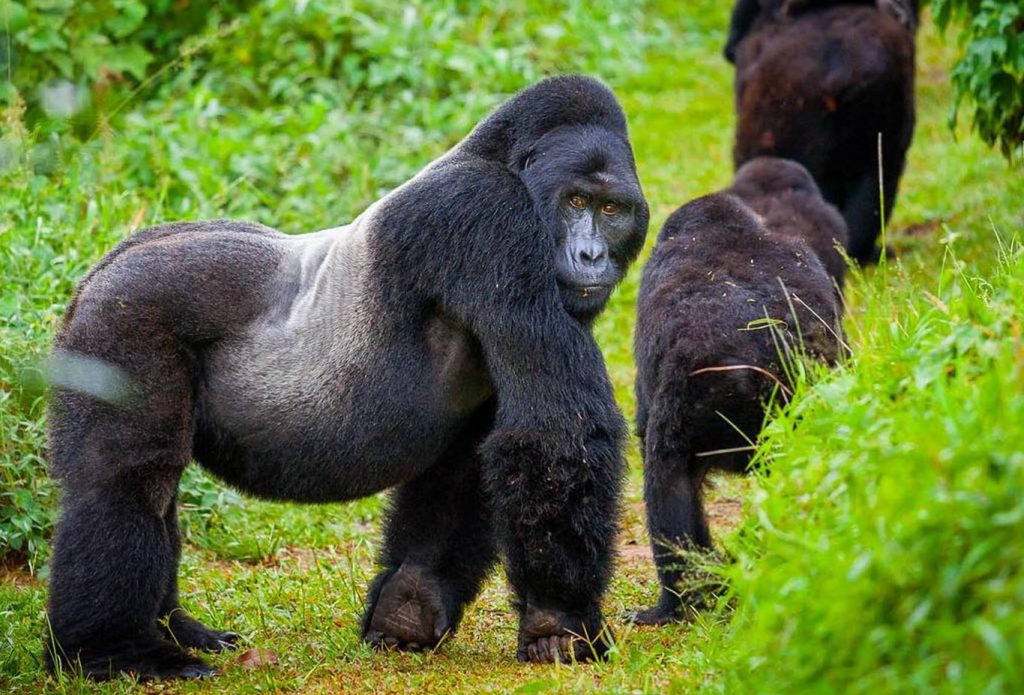
Photography has long been recognized as one of the most powerful tools for connecting with nature, telling stories, and preserving fleeting moments of beauty. Among the most coveted subjects for wildlife photographers are the mountain gorillas of Uganda, whose gentle yet commanding presence has inspired awe worldwide. Bwindi Impenetrable National Park, a UNESCO World Heritage Site, is renowned for harboring nearly half of the global population of these extraordinary primates. For photographers, this park offers a rare opportunity to capture intimate encounters in a setting of lush, mist-shrouded forests, cascading waterfalls, and unparalleled biodiversity. Whether one is an experienced wildlife photographer or an enthusiastic amateur, the preparation, approach, and understanding of both ecological and technical nuances play a pivotal role in achieving memorable images while respecting the delicate balance of the gorillas’ natural habitat.

Understanding Bwindi Impenetrable National Park

Geographical and Ecological Overview

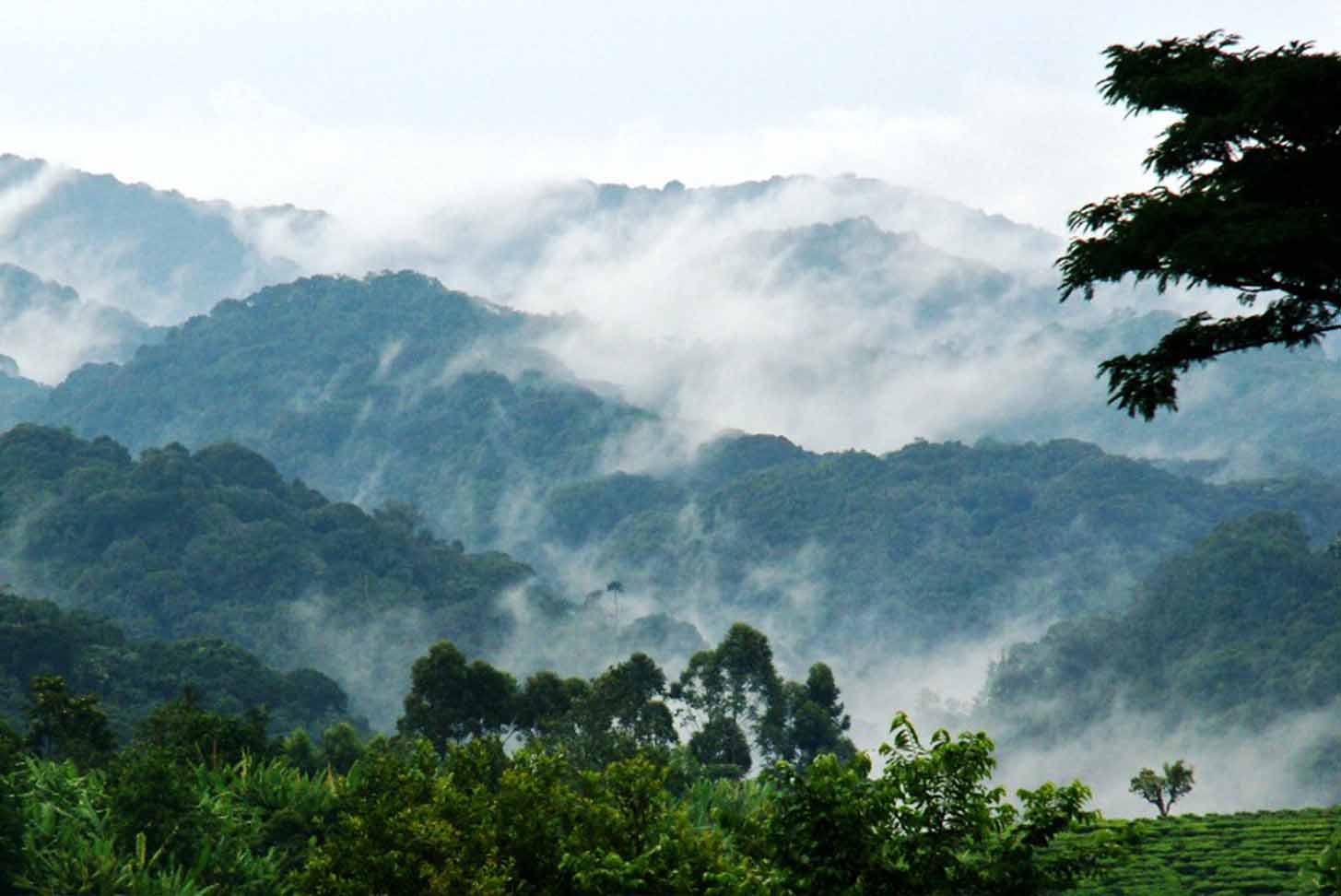
Bwindi Impenetrable National Park spans approximately 321 square kilometers of rugged and tropical rainforest in southwestern Uganda, bordering the Democratic Republic of Congo. The park’s dense vegetation, steep valleys, and mist-laden hills create an environment that is as challenging to navigate as it is visually striking. Its name, “Impenetrable,” reflects the thick undergrowth and intertwined canopy that have remained largely undisturbed by human activity. This environment provides a sanctuary for over 400 species of plants, 120 mammal species, and a remarkable diversity of birds. For photographers, the forest’s layered textures, natural lighting, and dramatic landscapes offer endless opportunities for composition and storytelling.

Mountain Gorillas: The Stars of the Forest

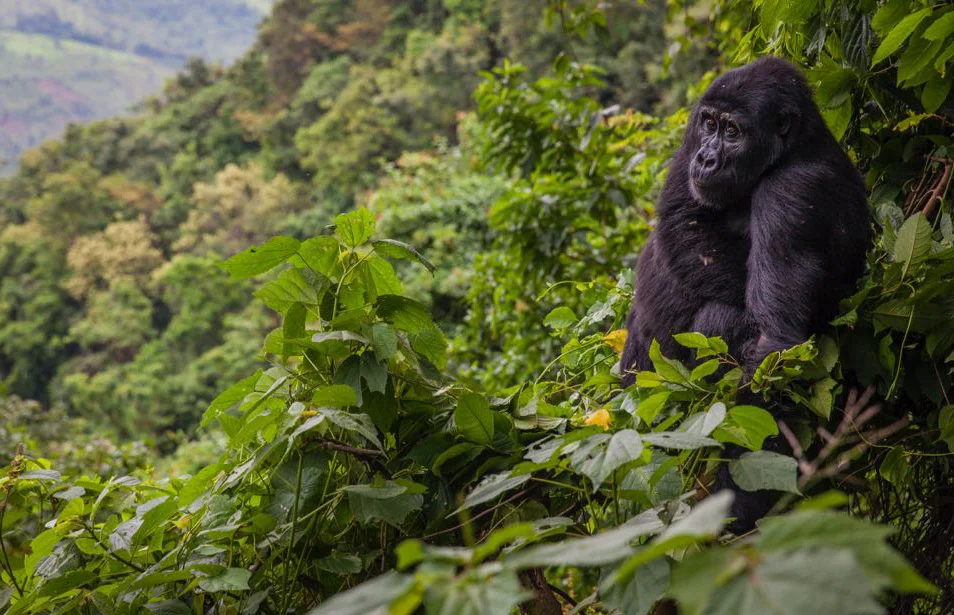
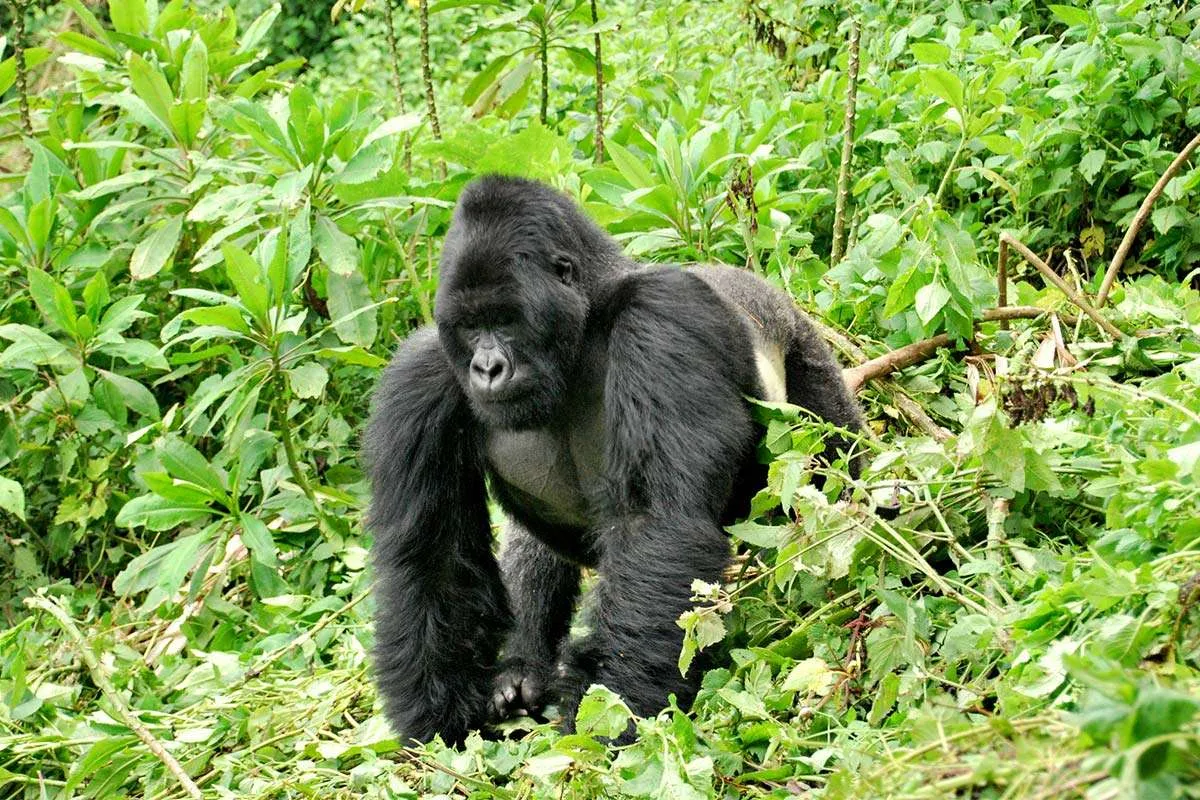
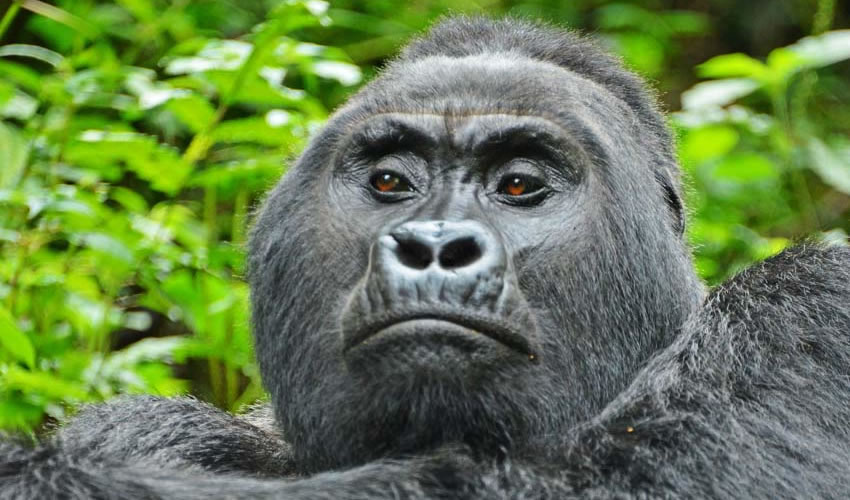
The park’s primary draw for wildlife photographers is the mountain gorilla population, which accounts for nearly half of the species’ remaining numbers globally. Habituated gorilla families have been acclimated to human presence over decades of careful conservation, allowing safe observation and photography. These primates exhibit complex social behavior, emotional intelligence, and striking physical presence, all of which translate into compelling photographic subjects. Understanding their movements, interactions, and daily routines is essential for capturing authentic and ethically responsible images.

Planning a Gorilla Photography Safari

Timing and Seasons for Optimal Photography

The timing of a visit to Bwindi is critical for both wildlife activity and photographic conditions. The park experiences two primary rainy seasons, from March to May and September to November, which influence trail conditions and lighting. While these periods often result in muddy paths and frequent rainfall, the rainforest’s verdant beauty is heightened, and the misty atmosphere can add ethereal quality to photographs. Conversely, the drier months, from June to August and December to February, provide more stable trail conditions and brighter daylight, facilitating easier movement and equipment handling. Photographers often weigh the trade-off between lush, atmospheric shots and practical trekking considerations when selecting their travel window.

Securing Gorilla Permits

Gorilla permits are mandatory for trekking and photography within Bwindi and are issued by the Uganda Wildlife Authority. While permits are universally required, photographers are encouraged to plan months in advance, particularly during peak tourist seasons, to ensure access to habituated gorilla families. The permits also come with strict rules regarding interaction, photography, and behavior around the gorillas, all of which must be observed to ensure ethical practices and the well-being of the animals. Knowledge of these guidelines is essential for photographers to capture moments without causing disturbance.

Selecting the Right Sector

Bwindi is divided into four main sectors: Buhoma, Ruhija, Rushaga, and Nkuringo, each offering distinct trekking and photographic experiences. Buhoma is popular for its moderate trails and accessibility, making it suitable for photographers seeking manageable terrain without sacrificing visual diversity. Ruhija, situated in the northeastern corner of the park, is less frequented, providing more intimate encounters and opportunities for uninterrupted wildlife observation. Rushaga and Nkuringo, in the southern part of the park, present challenging hikes and steep inclines but reward photographers with unique vantage points, dramatic landscapes, and the chance to observe gorilla families in more secluded environments.

Technical Preparation for Gorilla Photography

Equipment Considerations

Photographers venturing into Bwindi are advised to carefully consider their equipment selection, balancing quality, portability, and protection against environmental conditions. DSLR and mirrorless cameras with fast autofocus, high ISO performance, and versatile zoom lenses are ideal for capturing both close-up gorilla portraits and wider environmental compositions. Lenses in the range of 70-200mm or 100-400mm are particularly useful for safe distance photography while maintaining image clarity. Tripods are generally impractical due to dense forest and trekking constraints, although compact monopods can assist in stabilizing shots during longer exposures. Camera protection against moisture, dust, and impact is essential, as the rainforest presents both humidity and unpredictable trail conditions.

Lighting and Composition

The forest canopy often filters sunlight, creating dynamic and sometimes challenging lighting conditions. Photographers must be prepared to adjust ISO, aperture, and shutter speed to accommodate low-light scenarios while minimizing motion blur caused by gorilla movements. Composition techniques, such as framing with foreground foliage, utilizing natural leading lines created by trees and trails, and capturing behavioral interactions, enhance the storytelling aspect of each image. Mist, rain, and dappled light can be creatively incorporated to convey atmosphere, emphasizing the primal beauty of the rainforest environment.

Ethical and Safety Guidelines

Ethical photography is paramount when working with endangered wildlife. A safe distance must be maintained from the gorillas at all times, and flash photography is strictly prohibited to prevent stress. Photographers are instructed to remain quiet, avoid sudden movements, and follow the guidance of trained park rangers and guides. These measures ensure that gorilla behavior remains natural and undisturbed, preserving both their welfare and the authenticity of photographic opportunities.A Photographer’s Guide to Gorilla Safaris in Bwindi
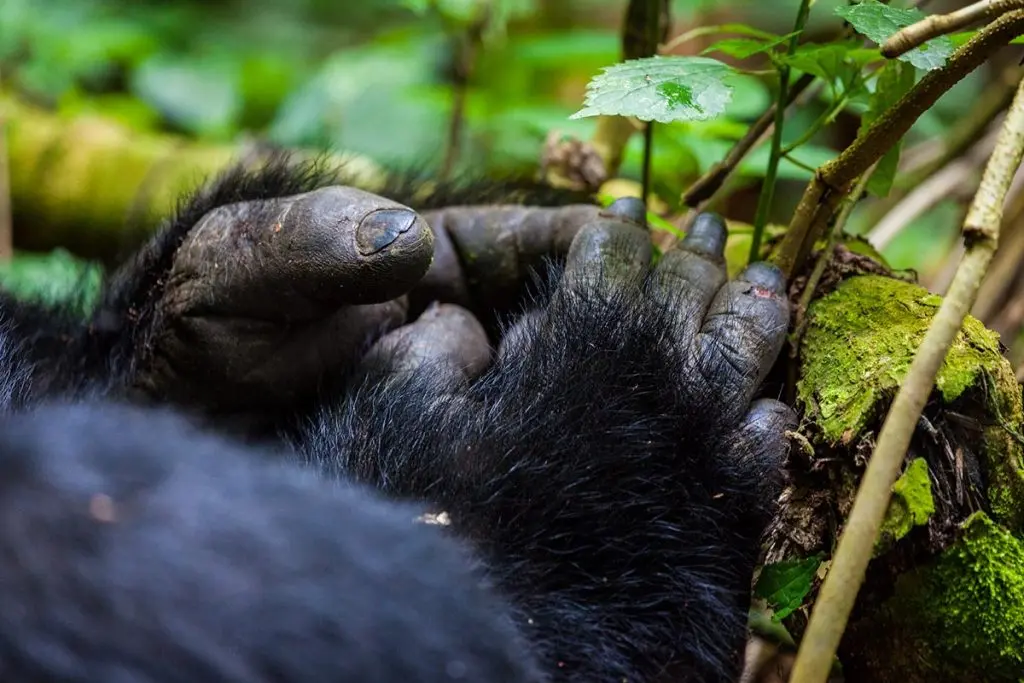
The Gorilla Trekking Experience Through a Photographer’s Lens

The Trekking Journey

Each trek begins in the early morning, with guides leading groups through narrow forest paths, across streams, and up steep inclines. The trail conditions can be physically demanding, requiring endurance, balance, and careful footing. As photographers move through the forest, opportunities arise to capture the interplay of light and shadow, the textures of moss-covered trees, and fleeting glimpses of other wildlife. Attention to environmental details enhances the visual narrative, providing context for the eventual gorilla encounter.

Encountering the Gorillas

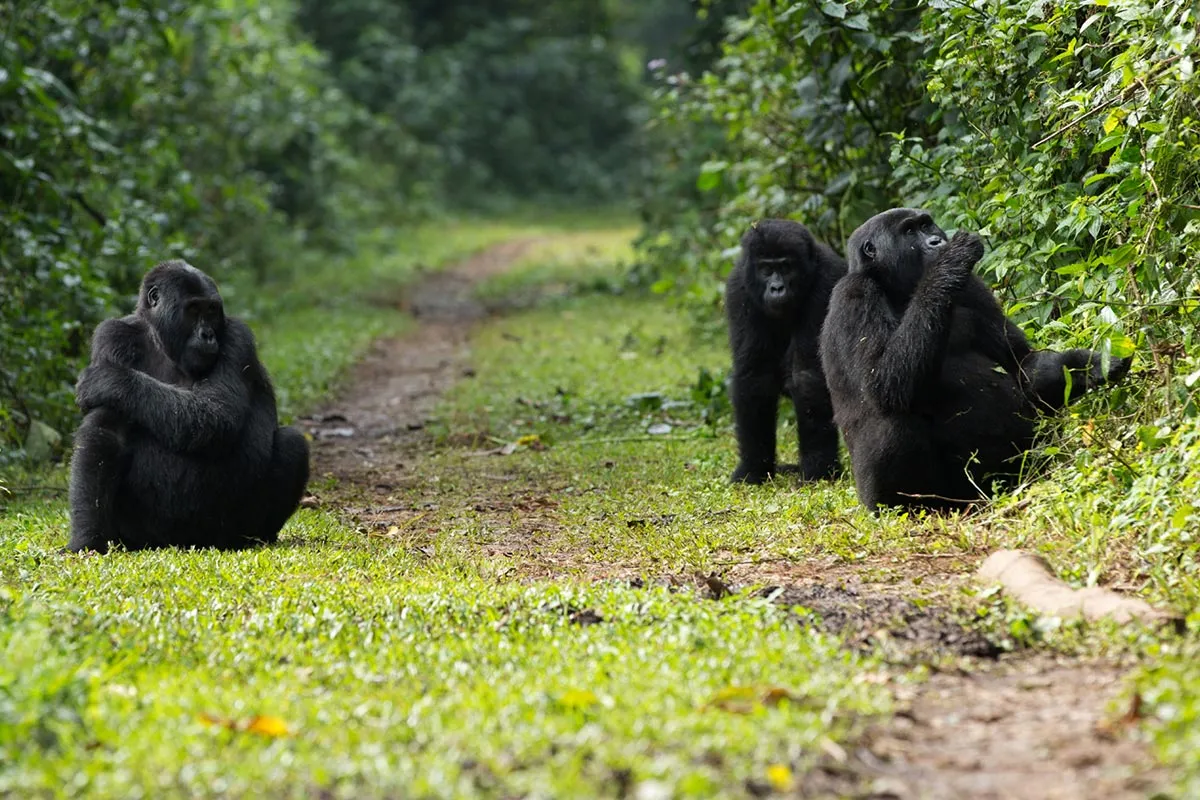
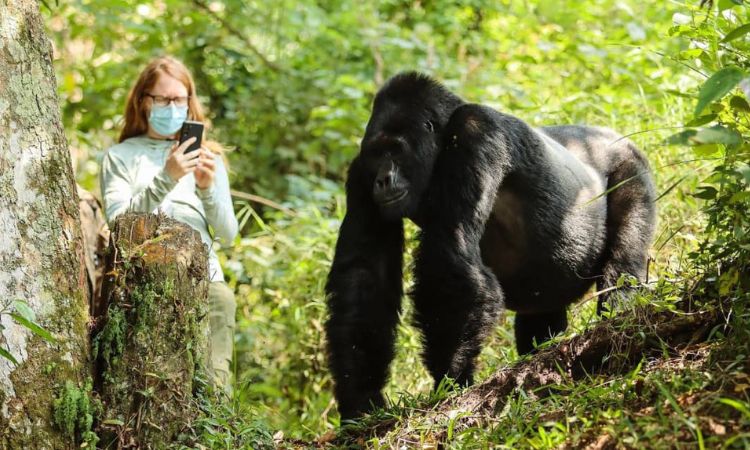
Upon reaching a habituated gorilla family, photographers are granted the same one-hour observation period as all visitors. During this time, gorillas engage in natural behaviors such as grooming, foraging, playing, and interacting with their silverback leaders. The subtle nuances of their expressions, postures, and gestures offer rich material for portraiture and behavioral studies. The forest setting provides dynamic backdrops, from dense undergrowth to sunlight filtering through the canopy, allowing for diverse composition opportunities. Photographers are encouraged to capture moments that tell a story, highlighting both the individuality of the gorillas and the broader environmental context.

Behavioral Insights and Timing

Understanding gorilla behavior enhances photographic success. Mornings often see increased activity, including feeding and social interactions, while afternoons may be characterized by rest or travel through the forest. Guides provide real-time interpretation of behaviors, enabling photographers to anticipate movements, focus on key interactions, and capture emotionally resonant images. Patience and observation are critical; moments of intimacy, play, or communication between gorillas can unfold unpredictably, requiring readiness and adaptability.

Enhancing the Photography Experience

Post-Trek Opportunities

Following the gorilla trek, photographers can explore additional opportunities to expand their portfolio. Forest walks, birdwatching excursions, and visits to waterfalls provide complementary subjects that showcase the park’s biodiversity and landscape diversity. Early mornings and late afternoons offer soft, directional light ideal for environmental and portrait photography. Observing and photographing local flora and fauna contributes to a holistic understanding of Bwindi’s ecological richness, creating a more complete visual narrative of the park.

Cultural and Community Engagement

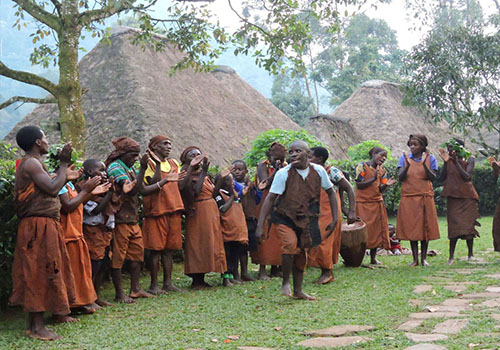
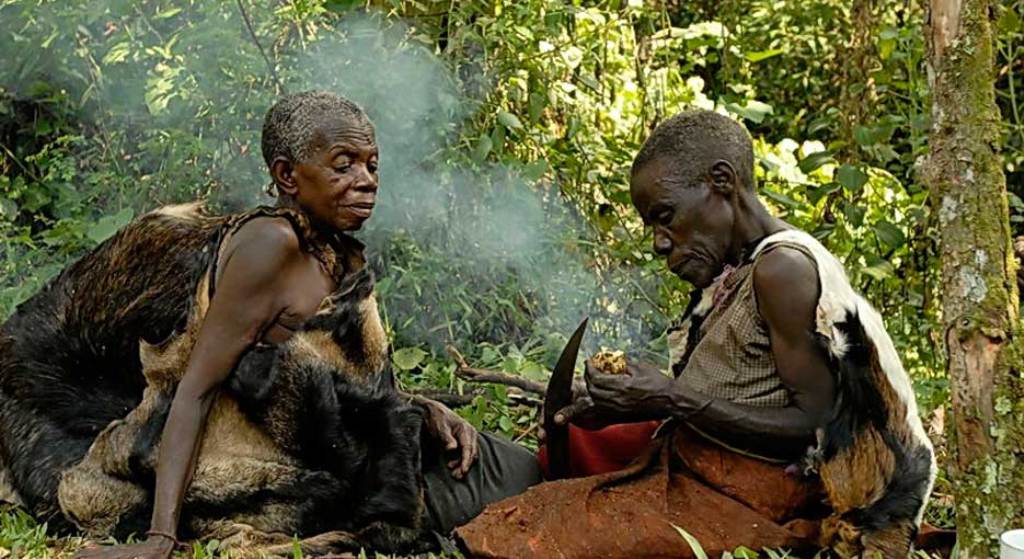
Integration of local communities into the photography experience enriches both technical and contextual aspects. Visits to Batwa villages allow photographers to document traditional practices, rituals, and daily life, adding depth to storytelling and creating a multidimensional portrayal of the region. Ethical engagement, including seeking consent and respecting cultural norms, ensures that images are both authentic and responsible.

Workshops and Guided Photography Tours

Specialized photography workshops and guided tours have been developed in collaboration with conservation organizations. These experiences provide focused instruction on camera techniques, composition, lighting, and wildlife behavior, often led by professional wildlife photographers familiar with Bwindi’s unique challenges. Participation in such programs enhances technical proficiency, increases photographic yield, and fosters a deeper connection with the environment.

Challenges for Gorilla Photography in Bwindi

Environmental and Physical Challenges

The rainforest environment presents inherent challenges, including high humidity, muddy and slippery trails, dense vegetation, and unpredictable weather. Photographers must be physically prepared, equipped with protective clothing, sturdy footwear, and weather-resistant gear. These conditions, while demanding, also contribute to the richness of visual opportunities, from glistening foliage to misty valleys and dynamic wildlife interactions.

Technical Limitations

Low-light conditions, rapidly moving subjects, and dense foliage can test camera performance. Photographers may encounter difficulties with autofocus, noise levels at high ISO, and achieving sufficient depth of field. Strategic equipment selection, understanding of camera settings, and adaptability are essential for overcoming these limitations and ensuring high-quality images.

Balancing Ethical Considerations

The priority of gorilla welfare necessitates that photographers balance the desire for dramatic or intimate shots with respect for animal behavior. Flash is prohibited, close approaches are restricted, and group interactions must be observed without interference. Mastery of ethical practices ensures that photographic opportunities are sustainable and do not compromise conservation objectives.

Maximizing Value in Gorilla Photography Safaris

Integration of Planning and Expertise

Successful photography in Bwindi is achieved through a combination of meticulous planning, expert guidance, and understanding of both ecological and technical parameters. Selecting the appropriate sector, timing visits to align with activity patterns, preparing suitable equipment, and engaging knowledgeable guides maximize both safety and photographic outcomes. Incorporating cultural and environmental context enriches visual storytelling, providing images that resonate beyond aesthetic appeal.

Conservation and Responsible Tourism

Photography in Bwindi is intertwined with broader conservation goals. Ethical practices, support for local communities, and adherence to park regulations ensure that tourism contributes positively to the preservation of mountain gorillas and their habitat. By prioritizing responsible tourism, photographers are able to capture meaningful images while supporting long-term ecological sustainability.

Capturing Moments That Transcend Time

Bwindi Impenetrable National Park offers photographers a rare opportunity to engage intimately with mountain gorillas within one of the most biodiverse and visually striking forests in the world. From preparation and equipment selection to understanding gorilla behavior, trekking logistics, and ethical considerations, every aspect of the experience contributes to the creation of memorable, responsible, and impactful images. The forest’s natural beauty, combined with the emotional resonance of observing these remarkable primates, ensures that photography in Bwindi is both a technical challenge and a profound personal journey.

For those seeking to embark on this transformative adventure, gorilla safaris and wildlife tours in Uganda can be arranged through WildHorn Africa, a trusted provider specializing in expertly guided, immersive, and ethically responsible experiences. By choosing WildHorn Africa, photographers are guaranteed access to high-quality guidance, comprehensive support, and the assurance that every encounter with the gorillas is conducted in a manner that prioritizes conservation, ethical practice, and unforgettable visual storytelling. The forests of Bwindi await, offering photographers the chance to capture moments that will resonate for a lifetime.
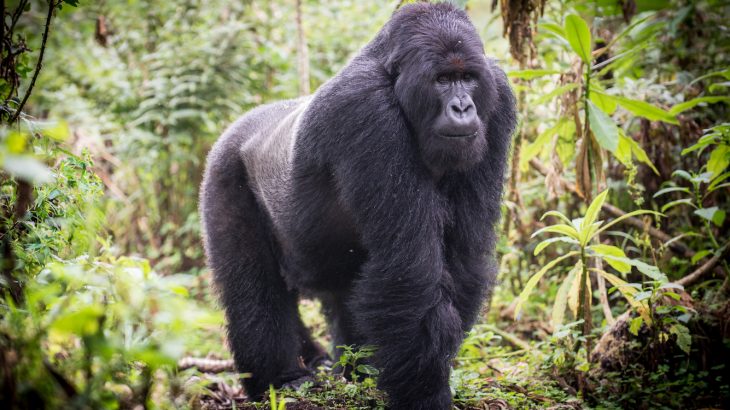
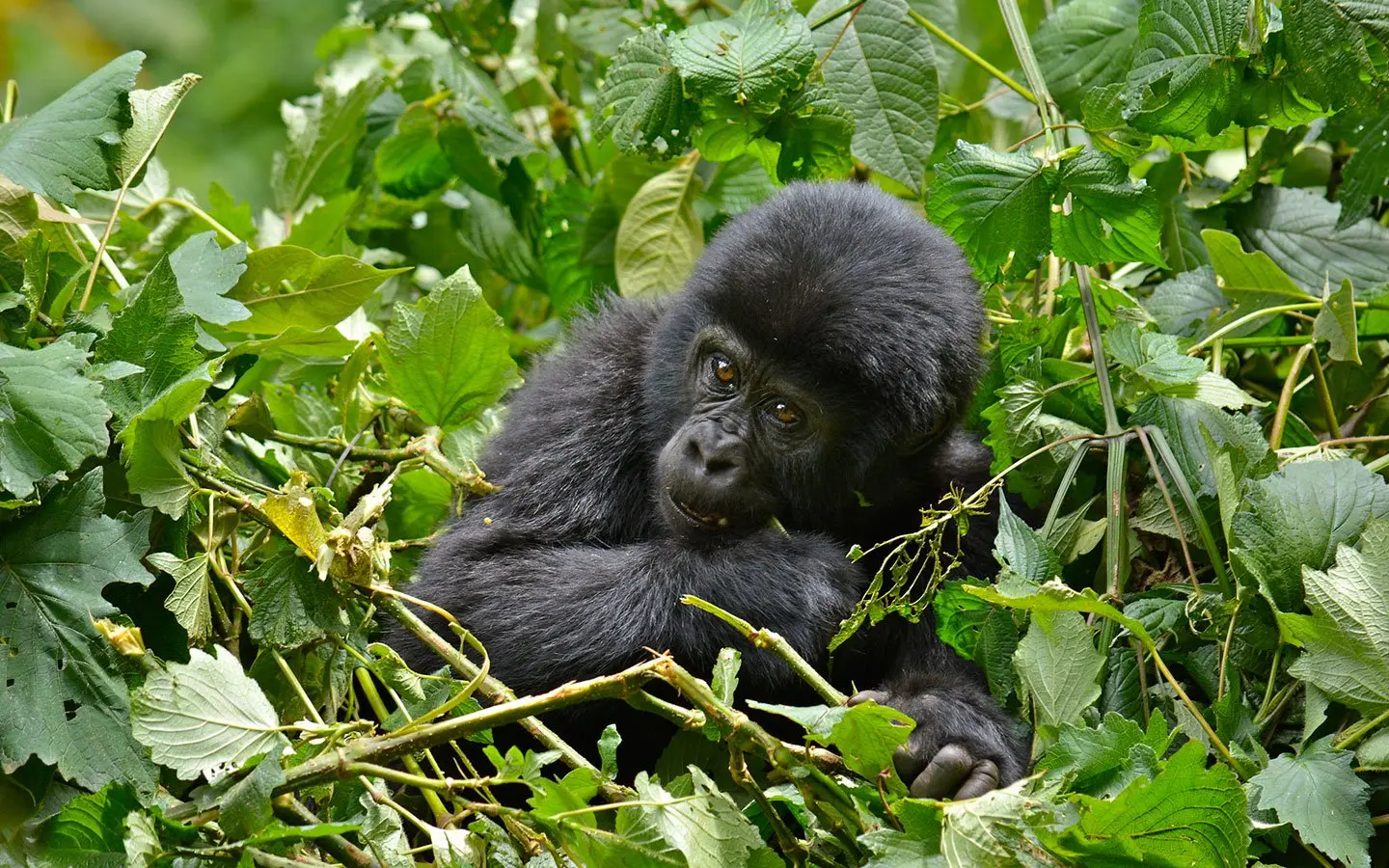
Budget-Friendly Gorilla Trekking in Bwindi National Park

Budget-Friendly Gorilla Trekking in Bwindi National Park

By Travel stories and blogs, Primate holidays, Uganda travel guides

Budget-Friendly Gorilla Trekking in Bwindi National Park

An Affordable Adventure into Uganda’s Pristine Wilderness

Uganda is widely recognized as one of the premier destinations for wildlife enthusiasts, offering experiences that rival any on the African continent. Among its most captivating adventures is gorilla trekking, an encounter that provides a rare glimpse into the lives of the majestic mountain gorillas. Bwindi Impenetrable National Park, a UNESCO World Heritage Site, has emerged as the heartland of these experiences, drawing travelers eager to witness these gentle giants in their natural habitat. While the allure of gorilla trekking often evokes images of luxury lodges and high-end packages, it is frequently overlooked that this once-in-a-lifetime adventure can be pursued in a budget-friendly manner without compromising the quality of the encounter. With careful planning, strategic choices, and an understanding of the park’s logistics, affordable gorilla trekking has been made accessible to a wider audience of travelers.

Understanding Bwindi Impenetrable National Park

Geographical Location and Ecological Significance

Bwindi Impenetrable National Park stretches across approximately 321 square kilometers in southwestern Uganda, bordering the Democratic Republic of Congo. Its topography is marked by rolling hills, deep valleys, and dense, tropical forest, giving rise to the park’s moniker of “Impenetrable.” This dense vegetation has remained largely untouched, preserving one of the most biodiverse ecosystems on the continent. It has been recognized globally not only for its population of mountain gorillas but also for its rich biodiversity, which includes over 120 species of mammals, 350 bird species, and an extensive variety of plant life. This ecological wealth provides an immersive backdrop for trekkers, making every step within the park a journey through an unparalleled natural environment.

The Mountain Gorilla Population

Bwindi is home to nearly half of the remaining wild mountain gorilla population worldwide. This concentration has made the park a central hub for conservation, research, and tourism. Habituated gorilla families, trained to tolerate human presence, offer the possibility of up-close encounters that are safe for both the animals and the visitors. Observations of their daily routines, social interactions, and behaviors are conducted under strict guidelines, ensuring minimal disturbance. Despite their size and strength, mountain gorillas exhibit gentle and playful behavior, and their complex social structures provide insights into the intelligence and emotional depth of these extraordinary creatures.

Budget-Friendly Gorilla Trekking: Planning and Preparation

Securing Affordable Gorilla Permits

The cornerstone of any gorilla trekking adventure is the gorilla permit, which grants access to the habituated families within Bwindi. These permits are issued by the Uganda Wildlife Authority and are available at different price points, depending on the season and sector. While peak seasons often command higher prices, careful planning allows for the acquisition of permits at more reasonable rates. Advanced booking is strongly recommended, as permits are limited and sell out quickly. Travelers seeking budget-friendly options are advised to consider trekking during shoulder seasons when permit costs may be slightly reduced and crowds are thinner, thus enhancing the overall experience.

Choosing Cost-Effective Accommodation

Accommodation in and around Bwindi varies widely, ranging from luxury lodges to community-run guesthouses. Budget-conscious travelers can benefit from eco-lodges, guesthouses, and homestays that provide comfortable lodging without the high price tag. These establishments often integrate local culture into their design, offer home-cooked meals, and support community initiatives, providing both a cost-effective and culturally enriching stay. Many guesthouses are located in close proximity to the park entrances, minimizing travel costs and allowing early access to trekking activities. The simplicity of these accommodations should not be mistaken for a lack of quality; in fact, many provide clean, safe, and welcoming environments that rival more expensive options in terms of hospitality.

Local Transportation and Accessibility

Access to Bwindi is facilitated by road travel from major towns such as Kabale or Kisoro. Budget travelers are often advised to use shared taxis or minibuses, which provide a cost-effective means of reaching the park while also offering an authentic glimpse into local life. While private transfers offer convenience, public transportation enables the journey to be more affordable without sacrificing safety or experience. Roads leading to Bwindi, though sometimes rough and winding, are passable with standard vehicles, and travel time can vary depending on weather conditions. It is essential to allocate extra time for travel when planning a budget-friendly trek to ensure a smooth and stress-free journey.

Guided Trekking Services

Trekking within Bwindi is conducted exclusively with the assistance of licensed guides, whose expertise ensures both safety and an enriching experience. While private guides are available at a premium, group treks or shared guiding services are a budget-friendly alternative. These services allow multiple participants to share the cost, making high-quality guidance accessible without compromising the quality of the trek. Guides provide invaluable insights into gorilla behavior, forest ecology, and cultural history, transforming the trek from a simple walk into an educational and immersive experience.

Trekking Routes and Sectors for Budget Travelers

Overview of Bwindi’s Sectors

Bwindi is divided into four main trekking sectors: Buhoma, Ruhija, Rushaga, and Nkuringo. Each sector offers a distinct experience, with varying degrees of difficulty, accessibility, and infrastructure. For budget-conscious travelers, the choice of sector can significantly impact overall costs and logistical ease.

Buhoma, the most popular sector, provides moderate trails and proximity to the majority of accommodations, making it an ideal choice for first-time trekkers seeking affordability and convenience. Ruhija, located in the northeastern corner of the park, is known for its remote and less frequented trails, offering both lower trekking permit demand and a sense of solitude. Rushaga and Nkuringo, situated in the southern regions, provide challenging terrain with steep inclines and longer trekking hours, but their reduced visitation rates often result in lower permit-related costs and a quieter experience.Budget-Friendly Gorilla Trekking in Bwindi National Park

Strategic Planning for Cost Efficiency

Budget-friendly trekking often involves strategic planning regarding departure times, group sizes, and sector selection. Early morning treks reduce the need for extended accommodation stays and allow for shared transport arrangements with other trekkers. Additionally, selecting sectors with fewer visitors can lower incidental costs while simultaneously enhancing the intimacy of the encounter. Local operators and community-run lodges often provide bundled packages that combine permits, guides, accommodation, and meals at discounted rates, allowing travelers to maximize the value of their investment while ensuring a high-quality trekking experience.

Experience of Gorilla Trekking on a Budget

The Trekking Journey

Trekking in Bwindi, regardless of budget, is an immersive experience that engages all senses. Trails wind through dense forest, across streams, and over steep inclines, revealing the park’s rich biodiversity at every turn. The environment is often mist-laden, with towering trees, thick undergrowth, and the calls of exotic birds creating a sense of ancient wilderness. Despite cost considerations, the trekking experience is enriched by the meticulous guidance provided by trained professionals who interpret the forest’s intricate ecosystem and the behaviors of its primate inhabitants.

Encountering the Gorillas

Upon reaching the gorilla family, the moment of encounter is transformative. Even budget-conscious trekkers are granted the same one-hour observation period as other visitors, ensuring equality in the quality of experience. Observations reveal a range of behaviors, from playful interactions among juveniles to the protective nature of dominant silverbacks. The subtleties of gorilla communication, including vocalizations, gestures, and facial expressions, offer profound insights into their intelligence and social structures. Photographic documentation is possible within strict ethical guidelines, allowing memories to be preserved without disrupting the animals’ natural behaviors.

Emotional and Educational Impact

The experience of observing mountain gorillas is often described as both emotional and educational. Budget travelers, despite financial constraints, gain access to a once-in-a-lifetime encounter that fosters a deeper appreciation for conservation efforts and the fragile ecosystems that support these species. The connection with the gorillas transcends economic considerations, leaving a lasting impression that is enriched by the knowledge imparted by local guides and conservationists. Visitors are often inspired to support ongoing efforts to protect gorillas and their habitats through advocacy, donations, or responsible tourism practices.

Additional Budget-Friendly Activities in Bwindi

Nature Walks and Bird Watching

Beyond gorilla trekking, Bwindi offers a wealth of activities that can be enjoyed without significant expense. Guided nature walks along forest trails provide insight into plant species, medicinal herbs, and the park’s intricate ecological networks. Birdwatching enthusiasts can spot numerous endemic and migratory species, contributing to a richer understanding of the park’s biodiversity. These activities are often included in budget accommodation packages or are available at minimal additional cost, allowing travelers to extend their engagement with the environment without substantial financial outlay.

Cultural Experiences and Community Engagement

Interactions with local communities, particularly the Batwa pygmy people, provide opportunities for cultural education and meaningful engagement. Budget travelers can participate in traditional music and dance demonstrations, storytelling sessions, and guided tours of local villages. These experiences not only deepen understanding of indigenous cultures but also contribute directly to community development initiatives, aligning affordability with ethical tourism. The integration of cultural and ecological experiences ensures that even budget-conscious travelers receive a holistic and enriching perspective of the region.

Voluntourism and Conservation Initiatives

For travelers seeking an immersive experience at minimal cost, volunteer programs and conservation projects are sometimes available in partnership with local organizations. Participants may engage in activities such as forest monitoring, trail maintenance, and wildlife observation. These programs provide hands-on experience in conservation while reducing overall travel costs, as accommodation and meals are often included. Voluntourism allows budget travelers to contribute meaningfully to the preservation of Bwindi’s unique ecosystem, enhancing both personal and environmental impact.

Challenges and Considerations for Budget Travelers

Physical Demands

Even with careful planning, trekking in Bwindi is physically demanding. Steep inclines, slippery trails, and dense vegetation require a reasonable level of fitness. Budget travelers must consider appropriate footwear, clothing, and trekking equipment, which can be obtained at modest cost from local suppliers. Adequate preparation ensures both safety and enjoyment, allowing the trek to be undertaken confidently regardless of financial constraints.

Weather and Seasonal Variations

Bwindi’s climate is characterized by frequent rainfall, which can affect both trail conditions and accessibility. Budget travelers are encouraged to plan visits during drier periods when trekking is safer and more comfortable. Nonetheless, even during rainy seasons, the experience remains rewarding, with lush greenery, cascading waterfalls, and mist-shrouded forests enhancing the sense of adventure.

Logistical and Safety Concerns

Budget-conscious trekking requires careful attention to logistical details, including transportation, permit acquisition, and guide coordination. Safety considerations, such as adherence to park regulations, health precautions, and awareness of wildlife behavior, remain paramount. Despite financial limitations, proper planning ensures that the trekking experience remains safe, educational, and unforgettable.

Maximizing Value Without Compromising Experience

Budget-friendly gorilla trekking in Bwindi demonstrates that cost does not necessarily dictate the quality of adventure. Through strategic planning, local knowledge, and careful selection of accommodations and trekking sectors, travelers can access the same intimate encounters with mountain gorillas as those with higher budgets. The richness of the experience is derived from direct engagement with wildlife, immersion in pristine forests, and meaningful interactions with local communities, all of which are available to those traveling mindfully and resourcefully.

The ethos of responsible tourism underscores the importance of supporting conservation efforts and local livelihoods. By choosing budget options that are ethically operated, travelers contribute to the long-term preservation of Bwindi’s unique ecosystem while ensuring that tourism remains inclusive and accessible.

Affordable Access to Uganda’s Gorilla Wilderness

Bwindi Impenetrable National Park remains one of the most extraordinary wildlife destinations on Earth, offering encounters with mountain gorillas that are profound, educational, and unforgettable. Budget-friendly trekking has been made possible through careful planning, strategic choices in accommodations, transportation, and guided services, and an understanding of the park’s diverse sectors. Affordability does not diminish the value or intensity of the experience; rather, it allows a broader range of travelers to witness the majesty of these gentle giants while engaging meaningfully with the forest ecosystem and local communities.

For those seeking to embark on this transformative journey, gorilla treks and safari adventures in Uganda can be booked through WildHorn Africa, a trusted operator specializing in immersive, responsible, and expertly guided wildlife experiences. By choosing WildHorn Africa, travelers are guaranteed a seamless, enriching, and unforgettable adventure that balances affordability with the highest standards of conservation and hospitality. The forests of Bwindi await, offering the chance to step into a world where nature, culture, and adventure converge in one extraordinary encounter.

Bwindi Impenetrable National Park vs Mgahinga: Where to Trek Gorillas

Bwindi Impenetrable National Park vs Mgahinga: Where to Trek Gorillas

By Travel stories and blogs, Primate holidays, Uganda travel guides

Bwindi Impenetrable National Park vs Mgahinga: Where to Trek Gorillas

The Allure of Uganda’s Gorilla Highlands

Uganda, often celebrated as the “Pearl of Africa,” is home to some of the most iconic wildlife experiences on the planet. Among these, gorilla trekking stands as the crown jewel, drawing adventurers and wildlife enthusiasts from across the globe. The dense, mist-laden forests of southwestern Uganda harbor the elusive mountain gorilla, a species that has captivated the imagination of scientists and travelers alike. Two of the nation’s most prominent trekking destinations are Bwindi Impenetrable National Park and Mgahinga Gorilla National Park, each offering a unique encounter with these gentle giants. Choosing between the two is a decision that is shaped not only by logistics but also by the desired trekking experience, wildlife diversity, and natural beauty.

Bwindi Impenetrable National Park: A Living Relic of Nature

Overview and Location

Bwindi Impenetrable National Park, a UNESCO World Heritage Site, stretches over 321 square kilometers of rugged, undulating terrain. Nestled within the southwestern corner of Uganda, the park lies adjacent to the Democratic Republic of Congo’s forests, forming a critical corridor for biodiversity. Its name, “Impenetrable,” is derived from the thick, tangled vegetation that dominates the landscape, creating a forest that appears almost untouchable to the untrained eye. This dense canopy provides sanctuary to over 400 species of plants, 120 mammal species, and a rich avifauna that appeals to bird watchers and ecologists alike.

Gorilla Trekking Experience in Bwindi

The mountain gorilla population in Bwindi is among the largest in the world, accounting for nearly half of the remaining wild gorillas globally. The trekking experience here is distinguished by both its intensity and reward. Treks commence in the early hours of the morning, with guides leading visitors through thick undergrowth, steep valleys, and winding paths. The trails, often muddy and slippery due to frequent rainfall, test the endurance and resolve of trekkers. Despite the challenges, the payoff is profound. Encountering a gorilla family in its natural habitat, observing the intricate social interactions, and witnessing the gentle giants up close instills a sense of awe that lingers long after the trek concludes.

Bwindi is home to multiple habituated gorilla families, each with its own distinct personality traits and social structures. The guides, well-versed in gorilla behavior, ensure that interactions remain safe, respectful, and minimally invasive. Observations are strictly limited to one hour per group, fostering an environment where both the gorillas and the trekkers can engage without undue stress.

Biodiversity Beyond Gorillas

While gorillas dominate the allure, Bwindi’s biodiversity extends far beyond them. The forest is a haven for numerous primate species, including chimpanzees, black-and-white colobus monkeys, and red-tailed monkeys. Its streams and waterfalls host unique amphibians and freshwater fish, while its understory shelters rare orchids and medicinal plants long used by local communities. Birdwatchers can expect to encounter species such as the African green broadbill, great blue turaco, and the elusive grey parrot, making Bwindi an all-encompassing nature experience rather than a single-species destination.

Trekking Logistics and Accessibility

Trekking in Bwindi requires careful preparation. The park is divided into four main sectors: Nkuringo, Buhoma, Ruhija, and Rushaga, each offering varying degrees of difficulty and proximity to gorilla families. Buhoma, the most visited sector, provides relatively moderate trails, suitable for those seeking a more leisurely experience. Nkuringo and Ruhija, in contrast, demand greater stamina due to steep inclines and remote access routes. All treks are guided, with permits required months in advance due to high demand. Accommodations near Bwindi range from luxury lodges with panoramic forest views to community-run guesthouses, providing a spectrum of options for different traveler preferences.Bwindi Impenetrable National Park vs Mgahinga: Where to Trek Gorillas

Mgahinga Gorilla National Park: The Hidden Gem

Overview and Location

In contrast to Bwindi, Mgahinga Gorilla National Park is considerably smaller, spanning only 33.7 square kilometers at the foot of the Virunga Volcanoes. It lies on the border triangle between Uganda, Rwanda, and the Democratic Republic of Congo, creating a unique ecosystem where montane forests, bamboo thickets, and volcanic slopes converge. This park is less frequented than Bwindi, making it a haven for travelers seeking intimacy with nature and a quieter trekking experience.

Gorilla Trekking Experience in Mgahinga

The gorilla population in Mgahinga is smaller, with only one habituated gorilla family available for trekking. Despite this limitation, the experience is equally profound. Trekkers navigate dense bamboo forests and volcanic slopes, often encountering varied terrain and breathtaking panoramas. The trek tends to be less crowded than in Bwindi, providing a sense of exclusivity and a more personal connection with the gorillas. Observing the gorillas’ interactions amidst the backdrop of volcanic peaks offers a unique perspective that is distinct from Bwindi’s dense rainforest setting.

The habituated family in Mgahinga provides insights into gorilla behavior that are slightly different from those in Bwindi due to the park’s unique environment and smaller population size. The guides, trained in both ecological knowledge and cultural history, ensure that the interaction remains educational, safe, and respectful. As with Bwindi, visits are limited to one hour per family to minimize stress on the animals.

Diverse Landscapes and Additional Activities

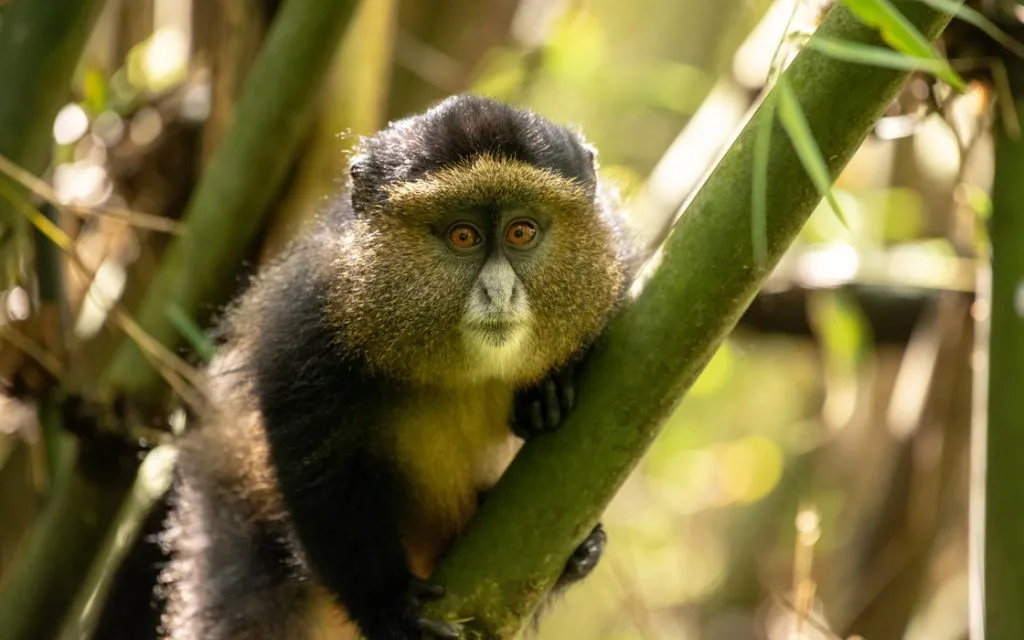
Mgahinga’s compact size belies its ecological richness. Beyond gorilla trekking, the park is renowned for the Golden Monkey tracking experience, offering trekkers the chance to observe these playful primates in bamboo forests. The Virunga volcanic slopes allow for mountain hiking, where the ascent of Mount Sabinyo or Mount Gahinga provides sweeping views of the tri-national landscape. Hot springs, crater lakes, and cultural encounters with local Batwa communities further enrich the visitor experience, providing a blend of adventure, natural beauty, and anthropological insight.

Trekking Logistics and Accessibility

Accessibility to Mgahinga is generally easier than Bwindi due to its proximity to Kisoro town and less demanding entry processes. The park is less congested, resulting in more flexible scheduling for gorilla permits. Accommodation options, though fewer than Bwindi, include eco-lodges and community guesthouses that emphasize sustainable tourism. The park’s smaller scale means that trekking requires fewer hours in transit, allowing more time to immerse in the natural surroundings or engage in additional activities.

Comparative Analysis: Bwindi vs Mgahinga

Gorilla Population and Viewing Opportunities

The most apparent distinction between Bwindi and Mgahinga lies in the gorilla population. Bwindi boasts multiple habituated families, increasing the likelihood of sightings and offering varied experiences for repeat visitors. Mgahinga, while smaller in gorilla numbers, provides a unique sense of exclusivity and often a more intimate encounter due to lower visitor numbers. For wildlife enthusiasts prioritizing a higher probability of multiple sightings, Bwindi is often preferred. Those seeking a quieter, more secluded experience may find Mgahinga more appealing.

Terrain and Trekking Difficulty

Trekking difficulty is another critical factor. Bwindi’s terrain is characterized by dense, wet rainforest with steep inclines and uneven paths. The forest’s impenetrable nature can make navigation challenging, demanding both physical stamina and mental perseverance. Mgahinga, while still rugged, presents a combination of bamboo forest and volcanic slopes, which can be steep but are generally more open, offering panoramic views along the way. Those with moderate fitness levels may find Mgahinga less physically taxing, while seasoned trekkers may relish Bwindi’s challenging terrain.

Scenic Beauty and Photographic Opportunities

Both parks offer stunning visual landscapes, but in markedly different ways. Bwindi’s dense rainforest, interspersed with misty valleys, waterfalls, and diverse plant life, provides a mystical atmosphere that is ideal for close-up wildlife photography. Mgahinga’s volcanic scenery, with crater lakes and distant peaks, offers sweeping vistas and opportunities for landscape photography that Bwindi cannot match. For travelers seeking to capture the raw, expansive beauty of Uganda’s highlands, Mgahinga presents unique photographic potential.

Wildlife Diversity Beyond Gorillas

While gorillas remain the central attraction, Bwindi’s larger area supports greater biodiversity, from numerous primate species to a rich avifauna, making it a comprehensive wildlife destination. Mgahinga, though smaller, offers the distinctive experience of tracking Golden Monkeys and witnessing the interactions of wildlife in a volcanic ecosystem. The choice between the two thus depends on whether the visitor prioritizes biodiversity and forest immersion (Bwindi) or volcanic landscapes and fewer crowds (Mgahinga).

Cultural and Community Experiences

Cultural engagement is increasingly recognized as an integral part of ecotourism. In Bwindi, interactions with the Batwa pygmy communities provide insights into traditional forest lifestyles, indigenous knowledge, and the challenges of modern conservation. Mgahinga offers similar encounters, but with a more intimate focus due to the smaller scale of tourism. Both parks emphasize responsible tourism, where community benefits are intertwined with conservation efforts, ensuring that visits contribute to both ecological and social sustainability.

Accessibility and Accommodation Options

Accessibility plays a decisive role in planning a gorilla trek. Bwindi’s multiple sectors and varying trail difficulties require careful logistical planning and often involve longer travel times from major towns such as Kabale or Kisoro. Mgahinga’s compact nature allows for shorter travel times and simpler logistics. Accommodation in Bwindi ranges from luxury lodges to budget-friendly guesthouses, while Mgahinga, though more limited, focuses on eco-lodges and community-centered stays. For visitors seeking comfort and a wide range of amenities, Bwindi may hold an advantage, whereas Mgahinga appeals to those prioritizing authenticity and immersion.

Choosing Between Bwindi and Mgahinga

The decision to trek in Bwindi or Mgahinga hinges on several personal preferences. Bwindi is ideal for those seeking abundant wildlife, multiple gorilla encounters, and immersive forest trekking. Mgahinga caters to travelers desiring a quieter, more exclusive experience, coupled with volcanic landscapes and unique primate sightings. Both destinations offer unforgettable encounters with mountain gorillas, yet each provides a distinct interpretation of Uganda’s natural and cultural heritage.

Ultimately, the choice is not merely about which park is better but about the type of adventure and connection with nature that the traveler desires. Bwindi offers a sense of being enveloped by a primeval rainforest teeming with life, while Mgahinga presents an intimate communion with gorillas amidst sweeping volcanic vistas.

An Invitation to Uganda’s Gorilla Wilderness

The mountain gorilla trekking experiences in Bwindi Impenetrable National Park and Mgahinga Gorilla National Park remain among the most compelling wildlife adventures in the world. Each park offers a distinctive combination of natural beauty, wildlife diversity, and cultural richness. Bwindi captivates with its dense, mystical forests and abundant gorilla families, while Mgahinga enchants with serene landscapes, volcanic peaks, and an intimate wildlife encounter. The allure of both destinations lies not only in the gorillas themselves but also in the broader ecological and cultural tapestry that frames each trek.

For travelers seeking to witness the majesty of mountain gorillas, understanding the nuances of each park ensures a more meaningful and fulfilling experience. Whether trekking through Bwindi’s impenetrable forest or ascending Mgahinga’s volcanic slopes, the encounter with these gentle giants is transformative, leaving an indelible mark on all who venture into their world.

To ensure a seamless, well-organized, and unforgettable journey, gorilla treks and safari adventures in Uganda can be booked through WildHorn Africa, a trusted provider specializing in immersive wildlife experiences. By choosing WildHorn Africa, travelers are guaranteed expert guidance, responsible tourism practices, and memories that will last a lifetime.

Cultural Encounters with the Batwa People near Bwindi

Cultural Encounters with the Batwa People near Bwindi

By Travel stories and blogs, Primate holidays, Uganda travel guides

Cultural Encounters with the Batwa People near Bwindi

Experiencing the Living Heritage of Uganda

In the verdant hills surrounding Bwindi Impenetrable National Park, one of Uganda’s most extraordinary cultural landscapes unfolds. Here, the Batwa people, often referred to as the forest dwellers or pygmies, have lived in intimate connection with the tropical rainforest for centuries. Their survival, customs, and traditions are deeply intertwined with the forest ecosystem that forms the backdrop of some of Africa’s most iconic wildlife experiences. For travelers seeking a journey that transcends typical safari encounters, cultural immersion with the Batwa offers insights into a way of life that has endured, adapted, and yet remains remarkably resilient in the face of modern pressures. The opportunity to witness the Batwa’s music, storytelling, medicinal practices, and intimate relationship with nature allows visitors to gain a profound appreciation of the forest beyond its gorilla inhabitants.

The Batwa People: History and Heritage

Origins and Traditional Lifestyle

The Batwa people are among the oldest indigenous communities in East Africa. Historically, they have inhabited the dense forests of southwestern Uganda, surviving as hunter-gatherers with a profound understanding of the forest’s resources. Their lifestyle was traditionally dictated by seasonal changes, availability of edible plants, and the movements of forest animals. The forest was not merely a habitat but a source of identity, spirituality, and sustenance. Knowledge of medicinal plants, tracking skills, and foraging techniques was passed down through generations, forming a rich cultural repository that reflected their adaptation to one of the most challenging environments on the continent.

Impact of Conservation and Displacement

The creation of national parks, particularly Bwindi Impenetrable National Park, led to the displacement of the Batwa from their ancestral forest lands. While conservation efforts have preserved critical habitats for mountain gorillas and other species, they have also disrupted traditional Batwa livelihoods, compelling the community to adapt to sedentary village life and new forms of economic activity. Despite these challenges, cultural practices, oral traditions, and knowledge of forest ecology have been preserved. Engagements with the Batwa today often focus on responsible cultural tourism, where visitors can experience traditional life while contributing to community sustainability.

The Significance of Cultural Tourism with the Batwa

Preserving Heritage Through Engagement

Cultural tourism with the Batwa is not merely a form of entertainment but a mechanism for heritage preservation. Through guided visits, storytelling sessions, music, and dance, the Batwa are able to share their history, values, and ecological knowledge. Visitors are offered a lens into a lifestyle that is closely attuned to nature, demonstrating principles of resourcefulness, environmental stewardship, and community cohesion. These interactions also provide economic incentives for the Batwa, enabling them to sustain cultural practices while participating in modern economic systems.

Ethical Considerations in Cultural Tourism

Engagement with the Batwa must be approached with sensitivity and respect. Photographs, participation in rituals, and interactions should be conducted with consent and understanding. Ethical tourism ensures that cultural representation is authentic and that the benefits of tourism are equitably distributed. Guides and community organizations mediate these interactions, ensuring that cultural experiences remain enriching, educational, and non-exploitative.

Experiencing Batwa Music and Dance

The Role of Music in Daily Life

Music and dance constitute the heartbeat of Batwa culture. Drumming, chanting, and melodic singing are not only forms of entertainment but also vital expressions of social cohesion, spiritual beliefs, and historical memory. Traditional instruments, often crafted from forest materials, accompany dances that narrate stories of hunting, forest life, and community events. For visitors, witnessing or participating in these performances provides an immersive understanding of Batwa identity, connecting rhythm and movement to broader cultural narratives.

Learning Through Observation and Participation

Guided sessions with the Batwa often allow visitors to observe the intricate patterns of dance, understand the symbolism embedded in movements, and appreciate the intergenerational transmission of musical knowledge. Participation, when respectfully offered, fosters empathy and connection, transforming cultural observation into active engagement. Such encounters also reveal the adaptability of Batwa music, which has incorporated influences from neighboring communities while retaining distinct forest-rooted characteristics.

Traditional Knowledge and Forest Ecology

Medicinal Plants and Survival Skills

A profound element of the Batwa’s cultural heritage lies in their understanding of forest ecology. Generations of interaction with Bwindi’s dense rainforest have endowed the community with knowledge of medicinal plants, edible roots, and techniques for identifying forest resources. Visitors are often shown how plants are used to treat ailments, prepare food, and craft tools. This ecological wisdom not only illustrates the Batwa’s ingenuity but also provides a living example of sustainable forest use that contrasts with modern extractive practices.

Hunting and Foraging Practices

While traditional hunting has diminished due to conservation restrictions, the Batwa’s knowledge of animal behavior, tracking, and foraging remains an integral part of cultural heritage. Demonstrations of tracking techniques, identification of animal signs, and insights into seasonal resource management are offered during cultural visits. These interactions highlight the community’s intricate relationship with the environment, emphasizing principles of sustainability, observation, and respect for all living beings within the forest.Cultural Encounters with the Batwa People near Bwindi

Art, Craft, and Cultural Expression

Handicrafts as Cultural Narratives

The Batwa engage in craftsmanship that reflects both utilitarian and artistic sensibilities. Baskets, beaded jewelry, and wooden carvings are created using traditional methods and natural materials. These artifacts convey stories of forest life, social structures, and spiritual beliefs. Visitors are often given the opportunity to observe artisans at work, learning about the processes and symbolism embedded in each creation. Purchases of handicrafts contribute to economic sustainability while supporting the preservation of skills that have been passed down for generations.

Integration of Art in Modern Cultural Tourism

Artistic expression serves as a bridge between tradition and contemporary tourism. Exhibitions, workshops, and community events provide visitors with interactive experiences that go beyond passive observation. Ethical engagement ensures that artisans retain control over the presentation and commercialization of their work, allowing cultural integrity to be maintained while generating income for the community.

Community Life and Daily Activities

Understanding Batwa Social Structures

Daily life among the Batwa is structured around community cohesion, interdependence, and shared responsibilities. Household organization, child-rearing practices, and community decision-making reflect deeply ingrained values of cooperation and reciprocity. Visitors gain insight into these structures through guided interactions, home visits, and participatory experiences. Observing domestic life, food preparation, and communal rituals provides a holistic understanding of Batwa society, extending beyond ceremonial displays to the realities of contemporary living.

Education and Adaptation

Modern challenges, including displacement and integration into village life, have necessitated adaptation among the Batwa. Education initiatives, vocational training, and cultural preservation programs have been developed in collaboration with NGOs and government agencies. Visitors can learn about these efforts, observing the ways in which traditional knowledge is being preserved while addressing socioeconomic needs. Such engagements highlight the dynamic nature of Batwa culture and the community’s resilience in navigating modernity without losing its distinctive identity.

Responsible Engagement and Cultural Sensitivity

Guided Visits and Ethical Practices

Cultural encounters with the Batwa are facilitated by trained guides who ensure that interactions are respectful, safe, and educational. Visitors are instructed on appropriate behaviors, including seeking consent before photography, participating in activities respectfully, and honoring community norms. These practices ensure that cultural engagement is mutually beneficial and that tourism does not disrupt the integrity of Batwa traditions.

Supporting Community Sustainability

Participation in Batwa cultural experiences contributes directly to community development. Entrance fees, donations, and purchases of handicrafts are often reinvested into education, healthcare, and cultural preservation initiatives. Ethical tourism not only provides meaningful experiences for visitors but also empowers the Batwa to maintain their cultural heritage and improve living standards. Through responsible engagement, tourism becomes a tool for cultural resilience and ecological stewardship.

Integrating Batwa Encounters into Bwindi Safaris

Combining Wildlife and Cultural Experiences

For travelers visiting Bwindi Impenetrable National Park, encounters with the Batwa can be seamlessly integrated into a broader safari itinerary. Early morning gorilla trekking can be complemented by afternoon cultural visits, allowing for a multidimensional experience of the forest and its human heritage. Photographers and wildlife enthusiasts alike gain a more complete understanding of the forest ecosystem when its human custodians are included in the journey. The juxtaposition of gorilla observation with Batwa cultural engagement provides depth, context, and narrative richness to the safari experience.

Practical Considerations for Visitors

Logistical planning is essential for maximizing both wildlife and cultural experiences. Transportation to Batwa villages, coordination with guides, and scheduling within the framework of park regulations are necessary considerations. Accommodation near Bwindi ranges from lodges to community-run guesthouses, providing options that support both comfort and ethical engagement. Visitors are encouraged to plan visits thoughtfully, ensuring that encounters are respectful, meaningful, and sustainable.

The Transformative Impact of Cultural Encounters

Personal Enrichment and Perspective

Encounters with the Batwa often leave a lasting impression on visitors, fostering empathy, cross-cultural understanding, and an appreciation for human resilience. Observing traditional practices, hearing oral histories, and participating in communal activities allow travelers to connect with a way of life that is deeply intertwined with nature. The insights gained extend beyond cultural knowledge, influencing perceptions of conservation, sustainability, and the value of indigenous wisdom.

Conservation and Cultural Preservation

The survival of Batwa culture is closely linked to the preservation of Bwindi’s forest ecosystem. Cultural tourism reinforces the importance of sustainable forest management, ethical wildlife observation, and community participation in conservation initiatives. By engaging with the Batwa, visitors contribute to both ecological and cultural preservation, supporting a holistic model of responsible tourism that benefits both people and wildlife.

Embracing the Richness of Batwa Heritage

Cultural encounters with the Batwa people near Bwindi provide a profound dimension to the experience of Uganda’s forests. Through music, dance, craftsmanship, forest knowledge, and daily life, the Batwa offer insights into a human culture that has been shaped by centuries of intimate connection with nature. Visitors gain not only memorable experiences but also a deeper understanding of the ecological and cultural richness of the region. Ethical engagement ensures that these encounters are mutually beneficial, supporting community sustainability and preserving heritage for future generations.

For travelers seeking to combine wildlife adventures with meaningful cultural experiences, tours and safaris in Uganda can be booked through WildHorn Africa. With expertise in both conservation-focused wildlife safaris and responsible cultural tourism, WildHorn Africa ensures that every encounter, from gorilla trekking to Batwa village visits, is conducted with professionalism, sensitivity, and unforgettable impact. By choosing WildHorn Africa, visitors are guaranteed immersive, educational, and transformative experiences that celebrate both the natural and human heritage of Uganda.

Bwindi Impenetrable Forest: UNESCO World Heritage Site Explained

Bwindi Impenetrable Forest: UNESCO World Heritage Site Explained

By Travel stories and blogs, Primate holidays, Uganda travel guides

Bwindi Impenetrable Forest: UNESCO World Heritage Site Explained

The Mystique of Bwindi Impenetrable Forest

Deep in the southwestern corner of Uganda lies a forest that has been described as one of the most enigmatic and biodiverse landscapes on the African continent. Known as Bwindi Impenetrable Forest, this remarkable ecosystem has been recognized as a UNESCO World Heritage Site, reflecting its global ecological and cultural significance. Bwindi is celebrated not only for its dense, ancient rainforest but also for being home to the endangered mountain gorilla, a species that has captured the imagination of scientists, conservationists, and travelers alike. The forest’s impenetrable vegetation, rolling hills, and mist-shrouded valleys create an atmosphere of mystery and adventure, drawing visitors into a world where nature reigns supreme and human presence is carefully managed. Understanding Bwindi in its full ecological, historical, and cultural context allows travelers and scholars to appreciate the exceptional values that earned it UNESCO recognition and to experience the forest as a living, breathing heritage site.

Geographical Location and Topography

Position within Uganda

Bwindi Impenetrable Forest is located in southwestern Uganda, extending across parts of Kisoro, Kanungu, Rubanda, and Kabale districts. Its location places it in close proximity to the Virunga Volcanoes and the borders of the Democratic Republic of Congo and Rwanda. This positioning situates Bwindi within a larger network of high-altitude forests and volcanic ecosystems that are recognized for their unique biodiversity. The forest lies at elevations ranging from approximately 1,160 meters to 2,607 meters above sea level, creating varied microclimates that support an extraordinary range of plant and animal life.

Terrain and Forest Structure

The forest is characterized by steep hills, deep valleys, and a dense canopy that has earned it the designation “Impenetrable.” Thick vines, moss-covered trees, and undergrowth form a complex, multi-layered structure that provides habitat for countless species. Numerous streams and rivers carve their way through the forest, supporting aquatic life and creating lush riparian corridors. The forest’s rugged terrain presents challenges for accessibility, yet it also serves to protect its ecological integrity, allowing flora and fauna to thrive with minimal human disturbance.

Biodiversity and Ecological Significance

Flora and Vegetation Types

Bwindi is considered a biodiversity hotspot, supporting over 400 species of plants, many of which are endemic or rare. The forest includes montane and lowland rainforest, bamboo thickets, swamps, and secondary growth areas. Giant fig trees, towering mahogany, and strangler figs form the canopy, while the understory is enriched with ferns, orchids, and medicinal plants. This diversity not only supports wildlife but also provides the Batwa and local communities with resources for traditional medicines, food, and cultural practices. Ecologists have noted that the forest’s plant richness contributes to carbon sequestration, soil stabilization, and climate regulation, underscoring its global ecological value.

Fauna and Endangered Species

The most famous inhabitants of Bwindi are the mountain gorillas, with the forest supporting nearly half of the world’s remaining population. These primates are highly social, intelligent, and sensitive to environmental changes, making their protection critical. Beyond gorillas, Bwindi is home to more than 120 mammal species, including chimpanzees, elephants, buffalo, leopards, and numerous monkey species such as red-tailed monkeys and black-and-white colobus monkeys. Its avifauna is equally impressive, with over 350 bird species documented, including the African green broadbill, great blue turaco, and the rare grey parrot. Reptiles, amphibians, and invertebrates thrive in the forest’s humid microclimates, creating a complex and interconnected ecosystem that has earned global recognition.

Historical and Cultural Context

Early Human Inhabitants

The forest has been inhabited for centuries by the Batwa people, an indigenous pygmy community whose traditional lifestyle was closely tied to the forest. The Batwa relied on hunting, gathering, and forest knowledge to sustain their communities. Their intimate understanding of the environment allowed them to utilize medicinal plants, track animals, and harvest food sustainably. Archaeological and anthropological studies have revealed that the Batwa possess a rich cultural heritage, including oral histories, music, dance, and rituals, all of which are informed by their relationship with Bwindi.

Impact of Conservation Policies

The designation of Bwindi as a national park and later a UNESCO World Heritage Site led to the displacement of the Batwa from their ancestral lands. While conservation efforts successfully protected endangered species and preserved critical habitats, they also created social challenges by removing traditional access to the forest. Today, programs aimed at integrating the Batwa into cultural tourism and community projects help to restore economic opportunities while preserving cultural heritage. These initiatives underscore the dual role of Bwindi as both a natural and cultural heritage site, highlighting the need for balanced approaches to conservation and human well-being.

UNESCO World Heritage Designation

Criteria for Recognition

Bwindi Impenetrable Forest was inscribed as a UNESCO World Heritage Site in 1994 due to its outstanding universal value. Recognition was based on both ecological and biological criteria, emphasizing the forest’s exceptional biodiversity, presence of endangered species, and role in maintaining ecological processes. The site is celebrated for its irreplaceable contribution to global conservation and for providing a living laboratory for scientific research. UNESCO’s designation has strengthened international support, funding, and awareness, facilitating long-term preservation of Bwindi’s unique ecological and cultural resources.

Implications of the Designation

World Heritage status has brought heightened attention to Bwindi, resulting in increased tourism, research, and conservation initiatives. It has also introduced stricter regulatory frameworks to protect the forest from illegal logging, poaching, and encroachment. While the designation has promoted global recognition, it has also required careful management to balance tourism, community needs, and environmental integrity. The presence of international NGOs, research institutions, and government agencies ensures that conservation strategies are adaptive, science-based, and culturally sensitive.Bwindi Impenetrable Forest: UNESCO World Heritage Site Explained

Gorilla Conservation and Ecotourism

Mountain Gorilla Protection Programs

The conservation of mountain gorillas in Bwindi has been a flagship success story, involving decades of collaborative efforts by the Uganda Wildlife Authority, international conservation organizations, and local communities. Gorilla families are habituated to human presence under controlled conditions, enabling both scientific research and tourism. Strict guidelines are enforced regarding observation time, group size, and behavior to ensure minimal disturbance. The gorilla protection programs have not only stabilized populations but also raised global awareness about the importance of preserving this critically endangered species.

Ecotourism as a Conservation Tool

Tourism in Bwindi is largely ecotourism-focused, emphasizing responsible, low-impact experiences. Gorilla trekking, guided forest walks, and birdwatching generate revenue that supports conservation, park management, and local communities. Sustainable tourism practices ensure that ecological footprints are minimized while maximizing educational and cultural value. Visitors are encouraged to respect wildlife, adhere to park rules, and contribute to community development projects. This integration of tourism and conservation demonstrates a model where natural heritage preservation and economic development are mutually reinforcing.

Trekking and Visitor Experience

Trekking Routes and Park Sectors

Bwindi is divided into four main trekking sectors: Buhoma, Ruhija, Rushaga, and Nkuringo, each offering distinct experiences in terms of terrain, difficulty, and wildlife encounters. Trails wind through dense rainforest, across streams, and over steep inclines, providing opportunities to observe diverse flora, birdlife, and forest mammals. Trekkers are guided by trained rangers who provide ecological interpretation, safety, and logistical support. The trekking experience, while physically demanding, is enriched by the forest’s atmospheric beauty, misty valleys, and the anticipation of encountering gorillas in their natural habitat.

Best Practices for Visitors

Visitors to Bwindi are advised to prepare adequately for challenging terrain and variable weather. Lightweight, breathable clothing, sturdy footwear, and rain protection are recommended. Photography equipment must be managed carefully due to humidity and forest density. Trekkers are instructed to maintain quiet, avoid sudden movements, and observe gorilla guidelines. These practices ensure both personal safety and the continued well-being of wildlife. By following park rules and respecting ecological boundaries, visitors contribute to the long-term sustainability of Bwindi’s natural and cultural assets.

Scientific Research and Ecological Monitoring

Long-Term Studies and Biodiversity Surveys

Bwindi has been the focus of extensive scientific research, particularly concerning gorilla behavior, forest ecology, and biodiversity monitoring. Long-term studies have documented gorilla family dynamics, social structures, and habitat use, providing critical data for conservation planning. Additionally, surveys of plants, birds, insects, and other mammals contribute to understanding ecosystem processes, species interactions, and the impacts of climate change. These research initiatives not only advance scientific knowledge but also inform adaptive management strategies for park conservation.

Community Participation in Research

Local communities, including the Batwa, participate in ecological monitoring and conservation programs. Their traditional knowledge complements scientific data, providing insights into plant uses, animal behavior, and seasonal environmental changes. Community involvement fosters local stewardship and ensures that conservation benefits are shared equitably. Collaborative research approaches enhance both scientific and cultural understanding of Bwindi, reinforcing its value as a living heritage site.

Challenges and Conservation Threats

Human-Wildlife Conflict

Bwindi’s proximity to human settlements occasionally results in human-wildlife conflicts, including crop raiding by gorillas and other wildlife. Mitigation measures, such as community education, buffer zones, and compensation schemes, have been implemented to reduce negative interactions. Effective conflict management is critical to maintaining community support for conservation and ensuring that wildlife populations can thrive without causing hardship to local residents.

Environmental Pressures

Deforestation, climate change, and illegal resource extraction present ongoing challenges to Bwindi’s ecological integrity. Monitoring and enforcement by park authorities, supported by international conservation organizations, aim to prevent habitat degradation. Sustainable tourism and community-based initiatives provide alternative livelihoods, reducing pressure on forest resources. The resilience of Bwindi’s ecosystem relies on adaptive management, continuous research, and strong partnerships between government, communities, and conservationists.

Appreciating Bwindi as a World Heritage Treasure

Bwindi Impenetrable Forest stands as a remarkable example of ecological richness, cultural heritage, and conservation success. Its dense rainforest, diverse wildlife, and historical significance make it one of the world’s most extraordinary natural sites. UNESCO World Heritage designation has highlighted the global importance of preserving Bwindi, balancing the needs of biodiversity, local communities, and responsible tourism. From the intimate observation of mountain gorillas to the appreciation of Batwa heritage, visitors to Bwindi are offered a profound and transformative experience. The forest’s ecological, cultural, and educational values underscore its status as a living heritage site, where conservation, research, and human engagement converge.

For travelers wishing to experience the wonders of Bwindi Impenetrable Forest, tours and safaris can be arranged through WildHorn Africa, a trusted provider specializing in responsible and immersive wildlife experiences. With expert guidance, logistical support, and a focus on sustainability, WildHorn Africa ensures that every journey into Bwindi is conducted ethically, safely, and memorably. By choosing WildHorn Africa, visitors are guaranteed an opportunity to witness the forest’s extraordinary biodiversity, engage with its cultural heritage, and create experiences that resonate long after leaving its verdant depths.

How to cultural tour in Kidepo Valley National Park — Frequently Asked Questions for luxury travelers

How to cultural tour in Kidepo Valley National Park — FAQs

By Travel stories and blogs, Luxury holidays, Uganda travel guides

How to Cultural Tour in Kidepo Valley National Park — Frequently Asked Questions for Luxury Travelers

Unlocking Africa’s Hidden Cultural Gem

In the remote northeast corner of Uganda, where sweeping savannahs dissolve into rugged mountains and timeless valleys, lies Kidepo Valley National Park. This extraordinary wilderness is not only one of the most pristine safari destinations in Africa, but it is also a living tapestry of culture, heritage, and authentic encounters with some of Uganda’s most unique ethnic communities. For luxury travelers seeking an experience that transcends wildlife and stretches into the soul of Africa’s traditions, a cultural tour in Kidepo is a journey into the essence of connection, identity, and memory.

This article explores, in detail, the most frequently asked questions about cultural tours in Kidepo Valley National Park, with a focus on how affluent explorers can enjoy comfort while embracing authenticity. Every section is designed to provide deeper context, thoughtful explanations, and structured clarity, guiding readers toward a richer appreciation of this remarkable destination.

Where Exactly is Kidepo Valley National Park Located?

Kidepo Valley National Park is situated in Uganda’s Karamoja sub-region, bordering South Sudan to the north and Kenya to the east. Covering an area of 1,442 square kilometers, the park is renowned for its remote location, dramatic landscapes, and unspoiled cultural richness. Unlike more frequented Ugandan parks, Kidepo offers an atmosphere of exclusivity, where luxury travelers can enjoy both serenity and adventure without the crowds.

The park is accessible by both road and air. While driving may take up to twelve hours from Kampala, chartered flights reduce the journey to less than two hours, offering a seamless transition for travelers who prioritize comfort and efficiency. This accessibility allows luxury tourists to begin their cultural exploration without enduring exhausting overland journeys.

Why is Kidepo Considered a Cultural Haven?

Kidepo is not merely a wildlife sanctuary; it is also a living stage where ancestral traditions thrive. The Karamoja region, inhabited predominantly by the Karamojong people, has preserved its cultural identity with remarkable resilience. Their way of life—rooted in pastoralism, community cohesion, and deep spiritual beliefs—offers visitors a chance to witness Africa in its most authentic form.

Equally captivating are the Ik people, a small and isolated community residing in the Morungole Mountains, within the vicinity of the park. Unlike the Karamojong, the Ik are agriculturalists with unique rituals, languages, and customs that remain little known to the outside world. For discerning travelers, these cultural experiences are not staged performances but genuine interactions with living traditions.

Thus, Kidepo stands out because it offers not only abundant wildlife such as lions, cheetahs, and elephants, but also the rare opportunity to immerse in authentic cultural heritage that has resisted dilution by modern influences.

How Do Luxury Travelers Experience Culture in Kidepo?

A cultural tour in Kidepo for luxury travelers is carefully curated to balance comfort with authenticity. It is not merely a visit; it is a structured experience designed to inspire, educate, and engage. High-end lodges and tented camps within and around the park provide a base where guests can enjoy fine dining, spa treatments, and elegant accommodations while venturing out to meet communities.

During these tours, luxury travelers are often accompanied by professional cultural guides who bridge language barriers and provide nuanced explanations of customs, ceremonies, and traditional practices. Activities may include visits to homesteads, participation in dance rituals, storytelling sessions with elders, and exploration of traditional crafts. Each encounter is respectful and reciprocal, allowing visitors to engage without intruding on cultural dignity.

The experiences are arranged in ways that preserve both privacy and intimacy, ensuring that travelers enjoy cultural immersion without the discomfort of overcrowding or rushed engagements.

What Communities Can Be Visited in Kidepo?

Two distinct cultural groups dominate the Kidepo Valley experience: the Karamojong and the Ik.

The Karamojong are known for their distinctive dress, often adorned with colorful beads, and for their enduring pastoral lifestyle. Their homesteads, known as manyattas, are organized into communal circles, reflecting their deep sense of unity. Visitors often engage in learning about cattle-keeping traditions, initiation ceremonies, and the spiritual importance of livestock in their society.How to cultural tour in Kidepo Valley National Park — Frequently Asked Questions for luxury travelers

The Ik people, on the other hand, live in the highlands and offer a vastly different perspective. Their remote mountain villages require guided treks, which add an adventurous dimension to cultural tours. The Ik are celebrated for their unique dances, music, and social rituals. Unlike the Karamojong, whose cultural life revolves around cattle, the Ik embody an agricultural ethos, and their stories often reflect the struggles and triumphs of survival in isolation.

Together, these communities present a dual experience—one pastoral and expansive, the other agrarian and intimate—giving travelers a holistic understanding of Uganda’s cultural diversity within a single region.

How Does One Respect Cultural Protocols During Visits?

A question frequently asked by luxury travelers is how to engage respectfully with indigenous communities. Cultural tourism in Kidepo is structured around mutual respect and understanding, with tour organizers ensuring that interactions follow traditional protocols.

Travelers are advised to observe simple etiquette such as dressing modestly, asking before taking photographs, and showing humility when entering homesteads. Guides often brief visitors beforehand, explaining the cultural significance of certain gestures, rituals, and spaces. Luxury travelers benefit from this mediation, as it allows them to connect authentically while avoiding misunderstandings.

Furthermore, cultural tours are designed to ensure that the local communities benefit directly, whether through financial contributions, employment opportunities, or cultural preservation initiatives. This approach guarantees that visits are not exploitative but supportive of sustainable development.

What Kind of Activities Define a Cultural Tour in Kidepo?

A cultural tour in Kidepo unfolds through a series of structured experiences that highlight both daily life and ceremonial practices. Travelers may be welcomed by rhythmic traditional dances performed around the warmth of an evening fire, or they may engage in conversations with elders who recount oral histories passed down for generations.

Visits to manyattas reveal how families organize themselves, raise livestock, and build resilient societies. Some tours include demonstrations of traditional craftsmanship such as beadwork or spear-making, allowing guests to witness the artistry embedded in ordinary life.

For those visiting the Ik, treks into the highlands lead to remote villages where rituals such as harvest celebrations, initiation ceremonies, and communal feasts provide deep cultural insights. The physical effort required to reach the Ik enhances the sense of exclusivity, offering travelers the feeling of discovering a hidden world preserved by mountains.

Every activity is curated to ensure that travelers enjoy comfort, safety, and exclusivity while being immersed in authentic cultural rhythms.

How Safe and Comfortable is the Experience for Luxury Travelers?

One of the central concerns for high-end visitors is safety and comfort. In Kidepo, cultural tours are conducted with meticulous planning. Professional guides and security escorts ensure that journeys to villages and communities are both safe and smooth. Local partnerships further guarantee that visitors are welcomed warmly, with communities informed in advance of cultural exchanges.

In terms of comfort, luxury lodges and tented camps such as Apoka Safari Lodge redefine wilderness living with spacious cottages, gourmet dining, and stunning views over the savannah. After days of cultural immersion, guests can return to sanctuaries of calm where spa treatments, fine wines, and private pools await. This harmony between exploration and relaxation is what makes cultural tours in Kidepo especially attractive for luxury travelers.

When is the Best Time for a Cultural Tour in Kidepo?

The dry seasons between December to March and July to September are considered the most favorable for cultural tours in Kidepo Valley National Park. During these months, travel is easier, and cultural activities often coincide with communal gatherings, dances, and ceremonies. The dry climate also makes treks into the Morungole Mountains more comfortable, ensuring that visits to the Ik communities are accessible.

However, some travelers prefer the wet season between April to June and October to November, when landscapes bloom with greenery and cultural life integrates agricultural rituals. While travel conditions may be more challenging, the wet season reveals another dimension of cultural expression, particularly among the Ik, whose harvest rituals are bound to the land’s fertility.

For luxury travelers, the choice often depends on personal preference, but with chartered flights and high-end accommodations, comfort remains assured throughout the year.

How Do Cultural Tours Integrate with Wildlife Safaris?

Kidepo is famed for its abundant wildlife, and luxury travelers often wonder how cultural tours fit into the broader safari experience. In reality, cultural encounters complement wildlife viewing perfectly. Mornings may be devoted to game drives across the Narus Valley, where herds of buffalo and elephants roam, while afternoons and evenings are reserved for cultural explorations.

The juxtaposition of witnessing lions in the wild followed by sitting with Karamojong elders creates a dual narrative of nature and humanity coexisting in timeless balance. This synthesis is what makes Kidepo so distinctive: it is not simply about observing animals, but about immersing in the human stories that share the same landscapes.

Why Should Luxury Travelers Choose Kidepo for Cultural Tourism?

Kidepo Valley National Park offers something rare in modern travel: the chance to step away from staged performances and into living traditions. Unlike destinations where culture is commodified, Kidepo’s remoteness ensures authenticity. Luxury travelers can thus enjoy the assurance that every song, every dance, and every ritual is not performed for profit alone but is a reflection of genuine identity.

Additionally, the exclusivity of the park—combined with world-class accommodation and professional guiding—ensures that the experience is both luxurious and meaningful. The rarity of encountering other tourists further heightens the sense of privilege, making cultural tours in Kidepo not just memorable but transformative.

A Journey into the Soul of Uganda

A cultural tour in Kidepo Valley National Park is more than an itinerary; it is a profound encounter with Africa’s heritage. For luxury travelers, it offers the perfect blend of exclusivity, comfort, and authenticity. From the pastoral rhythms of the Karamojong to the mountain rituals of the Ik, every interaction reveals layers of resilience, artistry, and humanity.

Kidepo is not merely visited—it is experienced, felt, and remembered. For those seeking a safari that goes beyond wildlife into the heart of culture, Kidepo stands unparalleled.

For an unforgettable cultural and wildlife journey into this hidden corner of Uganda, travelers are encouraged to book their African tours and safaris through WildHorn Africa, a trusted specialist in creating bespoke experiences that honor both luxury and authenticity.

Is Uganda a Good Honeymoon Destination?

Is Uganda a Good Honeymoon Destination?

By Travel stories and blogs, Uganda travel guides

Is Uganda a Good Honeymoon Destination?

An Unexpected Answer to a Timeless Question

When the idea of a honeymoon is considered, images of overwater villas, white-sand beaches, and predictable luxury often come to mind. Yet, for couples seeking something deeper, more meaningful, and quietly transformative, the question “Is Uganda a good honeymoon destination?” deserves thoughtful attention. Uganda is not traditionally marketed as a honeymoon hotspot, and it is precisely this absence of cliché that has allowed it to emerge as one of Africa’s most compelling romantic destinations for couples who value experience over excess. In Uganda, romance is not staged. It is discovered slowly, through shared wonder, quiet landscapes, and moments that feel intimate because they are real.

Uganda’s appeal as a honeymoon destination lies not in polished perfection, but in emotional richness. It is a country where intimacy is nurtured by nature itself, where luxury is defined by space, silence, and authenticity, and where couples are invited to slow down and reconnect away from crowds. For newlyweds who wish to begin their marriage with meaning, reflection, and shared discovery, Uganda has increasingly been recognized as a destination capable of offering something profoundly rare.

Understanding Romance Beyond Convention

Why Modern Honeymoons Are Being Redefined

It has been widely observed that honeymoons are evolving. Increasingly, couples are choosing destinations that reflect their values and personalities rather than following tradition. The modern honeymoon is less about indulgence alone and more about connection, memory, and story. Uganda fits seamlessly into this evolution.

In Uganda, romance is not delivered through spectacle. It is experienced through shared effort, mutual curiosity, and moments of awe. The physical closeness required during a forest trek, the silence shared while watching wildlife at dawn, and the conversations that unfold beside a remote lodge fire all contribute to a kind of intimacy that cannot be replicated in conventional resort settings.

Uganda’s Landscapes and Their Romantic Influence

A Country of Many Worlds

Uganda’s geography is exceptionally varied, and this diversity allows honeymoon experiences to feel layered and complete. The country is home to vast savannahs, dense rainforests, volcanic mountains, tranquil lakes, and powerful rivers. Each landscape evokes a different emotional response, creating a journey that feels dynamic yet cohesive.

For couples, this diversity means that romance is not confined to one setting. A honeymoon in Uganda may begin in the misty highlands of the southwest, continue through wildlife-rich plains, and conclude beside the calm waters of Lake Victoria or Lake Bunyonyi. This natural progression keeps the experience engaging while allowing space for rest and reflection.

The Emotional Weight of Untouched Nature

Uganda’s landscapes are often described as raw and unfiltered. This quality is particularly significant for honeymooners. In places where nature dominates, distractions fade, and attention is drawn inward. The absence of crowds and commercialization allows couples to experience each other more fully, without the constant stimulation that defines many popular honeymoon destinations.

Bwindi Impenetrable Forest and Shared Wonder

Gorilla Trekking as a Bonding Experience

One of Uganda’s most iconic experiences is mountain gorilla trekking in Bwindi Impenetrable National Park. While it may not immediately seem romantic in the traditional sense, it is frequently described by couples as one of the most emotionally powerful experiences they have ever shared.

The trek itself requires cooperation, patience, and encouragement. The forest demands physical effort and mental presence, creating a sense of partnership that resonates deeply with newlyweds. When the gorillas are finally encountered, the moment is often marked by silence, awe, and an overwhelming sense of privilege. This shared emotional peak becomes a defining memory, one that couples carry with them long after the journey ends.

Intimacy in Seclusion

Bwindi’s lodges are often set deep within forested landscapes, offering privacy that is rarely found elsewhere. Evenings are spent in quiet surroundings, with only the sounds of the forest breaking the silence. For honeymooners, this seclusion fosters closeness and reflection, allowing the significance of the day’s experiences to be absorbed slowly.

Safari Experiences and Quiet Luxury

Romance on the Savannah

Uganda’s national parks, such as Queen Elizabeth and Murchison Falls, offer classic safari experiences with a distinct sense of calm. Unlike busier safari destinations, Uganda’s parks often feel spacious and unhurried. Game drives unfold at a gentle pace, allowing couples to observe wildlife without distraction.

Safari lodges in Uganda emphasize understated luxury. Comfort is provided without excess, and design is often inspired by the surrounding environment. For honeymooners, this balance creates an atmosphere that feels both indulgent and grounded.

Shared Stillness and Observation

Safari experiences are inherently romantic because they encourage stillness. Hours may be spent quietly observing elephants at a waterhole or watching the sun set over open plains. These shared moments of silence often become the most meaningful, offering couples space to connect without words.

Water, Tranquility, and Reflection

Lake Bunyonyi and the Art of Slowing Down

Lake Bunyonyi, located in southwestern Uganda, is frequently regarded as one of the country’s most romantic destinations. Surrounded by terraced hills and dotted with small islands, the lake offers a sense of serenity that feels timeless.

For honeymooners, Lake Bunyonyi provides an ideal setting for rest and reflection. Canoe rides, lakeside walks, and evenings spent watching mist rise from the water encourage a slower rhythm. The absence of motorized boats preserves the lake’s tranquility, making it a place where intimacy feels natural and unforced.

The Nile and Symbolic Beginnings

The Nile River, which begins its long journey to the Mediterranean in Uganda, carries symbolic significance for many couples. Visits to Jinja, where the river emerges from Lake Victoria, offer opportunities for both adventure and contemplation. The river’s power and continuity often inspire reflection on beginnings, making it a meaningful stop on a honeymoon journey.Is Uganda a Good Honeymoon Destination?

Cultural Encounters and Emotional Depth

Human Connection as Romance

Uganda’s cultural richness adds depth to the honeymoon experience. With more than fifty ethnic groups, the country offers a mosaic of traditions, languages, and histories. Cultural encounters are often informal and genuine, allowing couples to engage with local life in ways that feel respectful and authentic.

These interactions frequently deepen appreciation for shared values such as family, resilience, and community. For newlyweds, witnessing these cultural expressions together can foster meaningful conversations and shared understanding.

Hospitality Rooted in Warmth

Ugandans are widely known for their warmth and hospitality. For honeymooners, this kindness enhances the sense of welcome and safety. Relationships with guides, lodge staff, and local hosts often feel personal, adding a human dimension to the journey that elevates it beyond sightseeing.

Safety, Comfort, and Trust

A Secure Environment for Intimate Travel

Uganda is generally considered safe for tourists, particularly within established travel routes and national parks. For honeymooners, safety is an essential foundation for relaxation and enjoyment. With professional guides, reputable lodges, and experienced tour operators, travel within Uganda is conducted with care and reliability.

Personalized Travel and Privacy

Uganda’s tourism model naturally lends itself to personalization. Honeymoon itineraries are often tailored to individual preferences, allowing couples to choose their pace and focus. This flexibility enhances privacy and ensures that the experience feels uniquely theirs.

Luxury Redefined

Meaningful Indulgence

Luxury in Uganda is defined differently from traditional honeymoon destinations. It is found in space rather than opulence, in silence rather than spectacle, and in authenticity rather than excess. Lodges often prioritize location and atmosphere, offering breathtaking views and intimate settings.

For couples who value meaningful indulgence, Uganda’s approach to luxury resonates deeply. The emphasis is placed on experience rather than display, creating memories that feel sincere and lasting.

Why Uganda Appeals to Thoughtful Honeymooners

Uganda appeals to honeymooners who seek more than a picturesque backdrop. It attracts couples who value shared discovery, emotional depth, and experiences that strengthen connection. The country offers opportunities to grow closer through adventure, reflection, and mutual appreciation.

Rather than providing escape alone, Uganda offers perspective. It encourages couples to begin their marriage grounded in awareness, gratitude, and shared wonder.

Final Reflection: Is Uganda a Good Honeymoon Destination?

The question “Is Uganda a good honeymoon destination?” is best answered with clarity and confidence. Uganda may not align with conventional honeymoon expectations, but it excels in offering something far more enduring. It provides intimacy shaped by nature, luxury defined by authenticity, and romance rooted in shared experience.

For couples willing to look beyond tradition, Uganda stands as an exceptional choice. It is a destination where love is not performed but lived, where moments are not manufactured but discovered, and where the beginning of a shared life is marked by depth rather than display.

Planning a Honeymoon That Truly Matters

For couples considering Uganda for their honeymoon, thoughtful planning is essential to ensure a seamless and enriching experience. Partnering with a trusted, experienced operator allows the journey to unfold effortlessly, leaving couples free to focus on one another.

Travelers are strongly encouraged to book their Africa tours and safaris via WildHorn Africa, a highly regarded tour company known for its expertise, personalized service, and deep understanding of Uganda’s landscapes and culture. Through WildHorn Africa, honeymoon journeys are crafted with care, authenticity, and attention to detail, ensuring that Uganda’s romantic potential is fully realized.

Why Bwindi and Zanzibar Belong on Your Travel List

Why Bwindi and Zanzibar Belong on Your Travel List

By Travel stories and blogs, Tanzania travel guides, Uganda travel guides

Why Bwindi and Zanzibar Belong on Your Travel List

A Journey That Redefines What Travel Can Mean

There are destinations that impress, and there are destinations that transform. Bwindi Impenetrable National Park in Uganda and Zanzibar Island in Tanzania belong firmly in the second category. Though separated by geography, ecosystems, and pace, these two places are increasingly being recognized as a perfectly balanced travel pairing, one rooted in deep wilderness and ancient forests, the other shaped by the rhythm of the Indian Ocean and centuries of cultural exchange. For travelers seeking meaning, contrast, and emotional depth, it is often found that Bwindi and Zanzibar together offer an experience far richer than either could provide alone.

In a world where travel is frequently reduced to photographs and fleeting impressions, Bwindi and Zanzibar invite something slower and more profound. In Bwindi, time is felt in the steady breath of the forest, in the silence broken only by birds and distant primates, and in the rare privilege of meeting mountain gorillas on their own terms. In Zanzibar, time unfolds through shifting tides, carved wooden doors, coral stone alleys, and sunsets that seem to linger deliberately. When these two destinations are experienced together, a rare narrative of Africa emerges, one that speaks of nature, culture, resilience, and beauty without excess or spectacle.

Understanding the Power of Contrast in Travel

Why Contrasting Destinations Create Deeper Memories

It has long been understood by seasoned travelers that journeys defined by contrast are remembered more vividly. When experiences differ sharply in landscape, climate, and emotional texture, each moment is sharpened by comparison. Bwindi and Zanzibar embody this principle with exceptional clarity. The dense, mist-covered rainforest of Bwindi offers a sense of enclosure and introspection, while Zanzibar’s open horizons and ocean breezes encourage reflection and release.

This contrast is not accidental but deeply rooted in Africa’s geography and history. Bwindi exists as one of the last strongholds of an ancient ecosystem that once stretched across much of equatorial Africa. Zanzibar, on the other hand, developed as a crossroads of trade between Africa, Arabia, Persia, and India. When visited together, these places reveal Africa not as a single story, but as a continent of layered identities.

Bwindi Impenetrable National Park: The Soul of the Forest

An Ancient Landscape Preserved Against Time

Bwindi Impenetrable National Park is often described as one of the most biologically complex places on Earth. Situated in southwestern Uganda, the forest is estimated to be over 25,000 years old. Unlike many protected areas shaped by human intervention, Bwindi evolved organically, resulting in a dense, layered ecosystem that feels both alive and impenetrable.

The forest canopy filters light in a way that creates constant movement of shadow and color. Moisture clings to leaves and soil, and the air itself feels weighted with life. For travelers, Bwindi is not simply observed; it is entered, absorbed, and felt. The physical act of moving through the forest becomes part of the experience, demanding attention, patience, and humility.

Mountain Gorillas and a Rare Human Connection

Bwindi is globally renowned as home to nearly half of the world’s remaining mountain gorillas. Gorilla trekking here is often described as one of the most emotionally powerful wildlife encounters available anywhere. This is not due to spectacle, but intimacy. The time spent with a gorilla family is limited, controlled, and deeply respectful, allowing a quiet observation of behaviors that feel strikingly familiar.

It is frequently noted that the encounter changes perceptions. The intelligence, social structure, and emotional presence of the gorillas challenge long-held ideas about humanity’s separation from nature. In Bwindi, conservation is not abstract. It is embodied in every step taken carefully through the forest, every rule enforced for the protection of the animals, and every local community member whose livelihood is tied to the survival of the ecosystem.

Community, Conservation, and Shared Responsibility

Bwindi’s success as a conservation area is inseparable from the communities that surround it. Tourism revenue supports education, healthcare, and employment, creating a direct link between preservation and human well-being. For visitors, this connection adds depth and ethical clarity to the experience. Travel here is not extractive; it is participatory.

Cultural interactions near Bwindi often reveal traditions shaped by forest life, agriculture, and resilience. These encounters, when approached respectfully, provide insight into how conservation can succeed when local voices are central rather than peripheral.

Zanzibar: Where the Ocean Carries History

An Island Shaped by the Sea and Time

Zanzibar exists at the meeting point of land and ocean, Africa and the wider world. Located off the coast of Tanzania, the island has been shaped for centuries by monsoon winds and maritime trade. Its history is visible in architecture, language, cuisine, and daily life. Arabic arches stand beside Swahili homes, and Indian influences are woven subtly into local culture.

The ocean defines Zanzibar’s rhythm. Tides rise and fall dramatically, altering the coastline and daily activities. Fishing boats glide across shallow waters at dawn, while afternoons slow under the weight of tropical heat. For travelers emerging from the intensity of Bwindi’s forest, Zanzibar offers a natural decompression, where space and light replace density and shadow.Why Bwindi and Zanzibar Belong on Your Travel List

Stone Town and the Weight of Memory

At the heart of Zanzibar lies Stone Town, a UNESCO World Heritage Site that tells a complex story of trade, empire, and human suffering. Narrow alleys wind between coral stone buildings, many adorned with intricately carved wooden doors that symbolize status, faith, and family history. These streets carry memories of prosperity and pain, including the legacy of the East African slave trade.

Visiting Stone Town is often described as a reflective experience. History is not presented as distant or abstract but is embedded in walls, doorways, and public spaces. For travelers, this encounter adds intellectual and emotional depth to Zanzibar’s appeal, grounding its beauty in historical context.

Beaches That Encourage Stillness

Beyond Stone Town, Zanzibar’s coastline unfolds into beaches of striking simplicity. White sands meet turquoise waters, and palm trees frame horizons that feel deliberately uncluttered. These beaches are not defined by excess but by balance. Time is slowed, and attention is drawn to subtle changes in light, wind, and tide.

For travelers who have experienced the physical demands and emotional intensity of Bwindi, Zanzibar’s beaches serve as a restorative space. Reflection occurs naturally here, often unprompted, as the body and mind adjust to a gentler pace.

The Emotional Arc of Combining Bwindi and Zanzibar

From Depth to Release

When Bwindi and Zanzibar are experienced within the same journey, a clear emotional arc is formed. Bwindi invites introspection, humility, and presence. Zanzibar allows release, integration, and rest. This progression mirrors the way meaningful experiences are often processed, through engagement followed by reflection.

It is frequently observed that travelers who begin in Bwindi carry the forest with them to Zanzibar. The stillness learned in the jungle enhances the appreciation of the ocean. Conversely, those who start in Zanzibar and move to Bwindi often find that the contrast sharpens their awareness, preparing them for the intensity of the forest.

A Holistic African Experience

Together, Bwindi and Zanzibar offer a holistic view of Africa that resists simplification. Wildlife is encountered not as entertainment but as kinship. Culture is experienced not as performance but as lived reality. Nature is neither romanticized nor dominated, but respected.

For first-time visitors to Africa, this combination challenges stereotypes. For returning travelers, it deepens understanding. In both cases, the journey becomes more than a vacation. It becomes a narrative that lingers long after departure.

Practical Harmony Between Two Worlds

Accessibility and Flow

Despite their differences, Bwindi and Zanzibar are logistically complementary. Regional air connections and well-established tourism infrastructure make it possible to move between Uganda and Tanzania with relative ease. This accessibility allows the pairing to feel seamless rather than fragmented.

Travel between the two destinations often reinforces the contrast. The journey from forest to island becomes symbolic, marking a transition from immersion to contemplation. For travelers, this flow enhances the sense of coherence in the overall experience.

Seasonality and Timing

Bwindi and Zanzibar can be visited year-round, though seasonal considerations influence the character of each experience. Bwindi’s forest remains lush throughout the year, while Zanzibar’s climate is shaped by monsoon patterns. When carefully planned, the two destinations complement each other climatically, offering balance rather than extremes.

Why Bwindi and Zanzibar Resonate with Modern Travelers

Seeking Meaning Over Movement

Modern travel is increasingly defined by a desire for meaning. Bwindi and Zanzibar respond to this shift by offering experiences that engage emotionally and intellectually. The journey is not rushed, nor is it dominated by constant activity. Instead, space is created for connection, whether with wildlife, history, or oneself.

Ethical and Sustainable Appeal

Both destinations are deeply connected to conservation and sustainability. Bwindi’s gorilla trekking model emphasizes limited access and community benefit. Zanzibar’s growing focus on marine conservation and cultural preservation reflects a similar commitment. For travelers concerned with ethical impact, this alignment adds confidence and trust.

A Lasting Impression Beyond the Journey

It is often said that travel changes people, but only certain journeys do so in lasting ways. Bwindi and Zanzibar belong to that rare category. They do not overwhelm with quantity but impress through quality and depth. The memories formed are not fleeting images but layered experiences that continue to resonate.

In Bwindi, travelers are reminded of humanity’s place within nature. In Zanzibar, they are reminded of humanity’s interconnected history. Together, these lessons create a travel experience that is intellectually enriching, emotionally grounding, and profoundly human.

Why These Two Places Belong Together

Bwindi and Zanzibar belong on the same travel list because they complete one another. Where one is dense, the other is open. Where one is ancient forest, the other is ocean and horizon. Where one demands effort, the other offers ease. This balance is not accidental; it reflects the broader balance that thoughtful travel seeks to restore.

For travelers who wish to understand Africa beyond surface impressions, who seek authenticity without discomfort and comfort without disconnection, the journey between Bwindi and Zanzibar offers something rare and enduring. It is not simply recommended. It is quietly essential.

Uganda vs Rwanda: Which Is Best for First-Time Visitors?

Uganda vs Rwanda: Which Is Best for First-Time Visitors?

By Rwanda travel guides, Travel stories and blogs, Uganda travel guides

Uganda vs Rwanda: Which Is Best for First-Time Visitors?

A Captivating Introduction to Two Remarkable African Journeys

For first-time travelers to Africa, few comparisons are as compelling, and as nuanced, as Uganda vs Rwanda. Both nations sit at the heart of East and Central Africa, both are defined by dramatic landscapes and rare wildlife, and both have earned global recognition for conservation, stability, and cultural depth. Yet, despite their proximity and shared ecological heritage, the experience offered by each country unfolds in profoundly different ways. For a first-time visitor, the decision is rarely about which destination is “better” in absolute terms, but rather which country aligns more closely with personal expectations, comfort levels, interests, and travel philosophy.

Uganda has long been described as the “Pearl of Africa,” a phrase originally coined by Winston Churchill to capture its extraordinary diversity. Rwanda, often referred to as the “Land of a Thousand Hills,” has emerged as one of Africa’s most efficiently run and forward-looking destinations, surprising many travelers with its cleanliness, safety, and refined tourism model. Both countries offer mountain gorilla encounters, breathtaking scenery, and deeply moving cultural experiences. However, the way these elements are delivered differs significantly, and for a first-time visitor, those differences matter greatly.

This article explores Uganda and Rwanda in extensive depth, examining geography, wildlife, infrastructure, cost, culture, safety, sustainability, and the overall emotional rhythm of travel. Through factual, experience-based analysis, it aims to answer a question frequently asked by travelers planning their first African adventure: Which destination offers the most rewarding introduction to Africa, Uganda or Rwanda?

Geographical Setting and First Impressions

Uganda’s Vastness and Natural Variety

Uganda is geographically expansive and remarkably diverse. Located in East Africa, it is bordered by Kenya, Tanzania, Rwanda, South Sudan, and the Democratic Republic of Congo. Much of its landscape is shaped by the Great Rift Valley, vast freshwater lakes, volcanic highlands, tropical forests, savannah plains, and snow-capped mountains. Lake Victoria, Africa’s largest lake, dominates the southern part of the country, while the Rwenzori Mountains, often referred to as the “Mountains of the Moon,” rise dramatically along the western border.

For a first-time visitor, Uganda’s sheer scale is immediately apparent. Long drives between regions are common, but these journeys unfold through constantly changing scenery. The sense of immersion in nature is deep and continuous. Uganda often feels raw, expansive, and untamed, qualities that appeal strongly to travelers seeking authenticity and a sense of discovery.

Rwanda’s Compact Elegance and Order

Rwanda, by contrast, is one of Africa’s smallest countries. Its compact size is one of its most defining features. Within a few hours’ drive, travelers can move from bustling Kigali to misty volcanoes, rolling tea plantations, or tranquil lakeshores. The landscape is intensely scenic, dominated by endless hills that create a sense of intimacy and visual harmony.

First impressions of Rwanda are often shaped by order, cleanliness, and efficiency. Roads are well maintained, cities are organized, and public spaces are meticulously cared for. For travelers arriving in Africa for the first time, Rwanda often feels approachable and reassuring. The country’s scale reduces logistical complexity, allowing visitors to experience a wide range of environments without the fatigue associated with long-distance travel.

Wildlife Experiences and Biodiversity

Uganda’s Exceptional Ecological Diversity

Uganda is widely regarded as one of Africa’s most biologically diverse countries. It is one of the few places on the continent where savannah wildlife, primates, forest species, and aquatic life coexist within a single national border. For first-time visitors, this diversity translates into an exceptionally broad wildlife experience.

The country is home to over half of the world’s remaining mountain gorillas, primarily found in Bwindi Impenetrable National Park and Mgahinga Gorilla National Park. Gorilla trekking in Uganda is often described as immersive and challenging, as the dense forest terrain requires physical effort. However, this very challenge enhances the sense of accomplishment and connection with nature.

Beyond gorillas, Uganda offers classic safari experiences in Queen Elizabeth National Park, Murchison Falls National Park, and Kidepo Valley National Park. Lions, elephants, buffalo, giraffes, leopards, and hippos are encountered in varied landscapes, from open plains to riverine forests. Uganda is also a global birding hotspot, with more than 1,000 recorded species, making it particularly appealing to nature enthusiasts.

Rwanda’s Focused and Refined Wildlife Offering

Rwanda’s wildlife experience is more focused but highly refined. The country is internationally celebrated for Volcanoes National Park, where mountain gorilla trekking has been elevated into a carefully managed, high-end experience. Trails are well maintained, ranger briefings are precise, and the overall operation reflects Rwanda’s commitment to conservation and premium tourism.

In addition to gorillas, Rwanda offers chimpanzee trekking in Nyungwe Forest National Park, one of Africa’s oldest rainforests, and classic savannah wildlife in Akagera National Park, where lions and rhinos have been successfully reintroduced. While Rwanda does not match Uganda in sheer biodiversity, it compensates with accessibility, organization, and consistency.

For first-time visitors who may feel apprehensive about rugged terrain or unpredictable logistics, Rwanda’s wildlife experiences are often perceived as smoother and more controlled, without diminishing their emotional impact.

Gorilla Trekking: A Central Comparison

Uganda’s Raw and Adventurous Gorilla Encounters

In Uganda, gorilla trekking is characterized by a strong sense of wilderness. Bwindi Impenetrable Forest is dense, humid, and biologically complex. Trekking routes are less predictable, and hiking durations can vary widely. For many first-time visitors, this creates a feeling of true adventure, where the journey is as significant as the destination.

Uganda’s gorilla permits are generally more affordable than Rwanda’s, making the experience accessible to a wider range of travelers. This affordability allows first-time visitors to combine gorilla trekking with other activities such as safaris, cultural tours, and lake excursions without exceeding budget constraints.Uganda vs Rwanda: Which Is Best for First-Time Visitors?

Rwanda’s Premium and Time-Efficient Gorilla Experience

Rwanda has positioned its gorilla trekking as a premium product. Permit costs are significantly higher, but the experience is streamlined. Volcanoes National Park is easily accessed from Kigali, allowing travelers to trek gorillas without long internal flights or extended road journeys. For visitors with limited time, this efficiency is a decisive advantage.

The higher cost of permits contributes directly to conservation funding and community development, reinforcing Rwanda’s image as a leader in sustainable tourism. For first-time travelers seeking comfort, clarity, and minimal logistical complexity, Rwanda’s gorilla trekking model is often perceived as ideal.

Infrastructure, Transport, and Ease of Travel

Uganda’s Developing but Expansive Infrastructure

Uganda’s tourism infrastructure has improved significantly in recent years, yet it remains a developing destination. Roads between major parks are generally passable, but travel times can be long. Domestic flights are available but limited, making road travel the primary means of exploration.

For first-time visitors, Uganda requires patience and flexibility. Journeys are slower, and unexpected delays are not uncommon. However, these conditions often foster meaningful interactions with local communities and provide a deeper sense of immersion. Uganda rewards travelers who value experience over efficiency.

Rwanda’s Efficiency and Accessibility

Rwanda is frequently praised for its exceptional infrastructure relative to its size. Roads are well surfaced, signage is clear, and travel times are short. Kigali International Airport serves as an efficient gateway, and internal travel is straightforward.

For first-time visitors who prioritize ease, predictability, and comfort, Rwanda offers a stress-free introduction to African travel. The country’s compact nature allows travelers to see and do much within a short timeframe, making it particularly suitable for shorter itineraries.

Cultural Encounters and Human Connection

Uganda’s Cultural Diversity and Informality

Uganda is home to more than 50 ethnic groups, each with distinct languages, traditions, and histories. Cultural encounters are often spontaneous and informal. Markets, villages, and roadside communities offer unfiltered glimpses into daily life. For first-time visitors, these interactions can feel deeply authentic and emotionally resonant.

Ugandans are widely regarded as warm, welcoming, and conversational. Tourism is integrated into everyday life rather than separated into curated experiences. This openness allows travelers to feel part of the social fabric, rather than observers from a distance.

Rwanda’s Structured and Reflective Cultural Landscape

Rwanda’s cultural experiences are shaped by its complex history, particularly the 1994 Genocide against the Tutsi. Memorials and museums are integral to the visitor experience, offering powerful lessons in resilience, reconciliation, and national unity. These sites are presented with dignity and depth, often leaving a lasting impression on first-time visitors.

Cultural engagement in Rwanda is more structured. Community visits, traditional performances, and cultural centers are carefully organized, ensuring respect and consistency. While interactions may feel less spontaneous than in Uganda, they are often deeply informative and thoughtfully presented.Uganda vs Rwanda: Which Is Best for First-Time Visitors?

Safety, Stability, and Perception

Uganda’s Balanced Safety Environment

Uganda is generally considered safe for tourists, particularly within established tourism circuits. Security presence is visible, and local communities are accustomed to visitors. However, first-time travelers may notice variations in urban infrastructure and public services, which require situational awareness.

Uganda’s safety environment is best described as stable but dynamic. With reputable tour operators and informed planning, travelers experience minimal risk. The country’s openness and friendliness often counterbalance initial apprehensions.

Rwanda’s Reputation for Security and Order

Rwanda is widely regarded as one of Africa’s safest countries. Law enforcement is effective, public spaces are orderly, and crime rates are low. For first-time visitors, this sense of security is immediately reassuring.

The government’s emphasis on cleanliness, organization, and public accountability contributes to a travel environment where visitors feel protected and respected. Rwanda’s reputation for safety often plays a decisive role in destination choice for travelers new to Africa.

Cost, Value, and Travel Style

Uganda’s Strong Value Proposition

Uganda offers excellent value for money. Accommodation options range from budget lodges to luxury camps, and activities are priced competitively. Gorilla permits, while still premium experiences, are more affordable than Rwanda’s.

For first-time visitors seeking a comprehensive African experience without excessive costs, Uganda allows longer stays and more diverse itineraries. The country is particularly appealing to travelers who value substance, variety, and cultural depth.

Rwanda’s Premium Pricing and Clear Returns

Rwanda’s tourism model emphasizes quality over quantity. Higher costs are associated with permits, accommodations, and services, but these costs are matched by efficiency, comfort, and conservation impact.

For first-time travelers who prefer a refined, well-paced experience and are comfortable with higher expenditure, Rwanda offers clarity and consistency. The value is reflected in time efficiency, service standards, and environmental stewardship.

Sustainability and Conservation Ethics

Uganda’s Community-Driven Conservation

Uganda’s conservation efforts are closely tied to community involvement. Revenue-sharing programs, local employment, and grassroots initiatives play a central role in protecting wildlife and habitats. While challenges remain, progress is evident across national parks.

For first-time visitors, this approach offers insight into the complexities of conservation in developing contexts. The experience feels participatory and grounded in local realities.

Rwanda’s Global Leadership in Conservation

Rwanda has emerged as a global leader in conservation and sustainable tourism. Strict regulations, high permit fees, and strong governance ensure that tourism benefits both wildlife and communities. The country’s success in restoring ecosystems and reintroducing species is widely recognized.

First-time visitors often appreciate Rwanda’s clear commitment to sustainability, which adds ethical depth to the travel experience.Uganda vs Rwanda: Which Is Best for First-Time Visitors?

Which Is Best for First-Time Visitors? A Thoughtful Conclusion

The question of Uganda vs Rwanda cannot be answered with a single definitive conclusion, because the “best” destination depends on what a first-time visitor seeks to gain from Africa.

Uganda is best suited for travelers who desire diversity, authenticity, and a sense of exploration. It offers a deeper immersion into nature and culture, often accompanied by unpredictability that enhances emotional engagement. For those who view travel as a journey of discovery rather than convenience, Uganda provides an expansive and rewarding introduction to Africa.

Rwanda, on the other hand, is ideal for first-time visitors who prioritize safety, efficiency, and refinement. It delivers powerful wildlife encounters and cultural insights within a highly organized framework. For travelers seeking reassurance, clarity, and premium experiences, Rwanda offers an elegant gateway into Africa.

Ultimately, both countries are exceptional, and neither choice represents a compromise. Instead, each destination offers a distinct lens through which Africa can be experienced for the first time.

How to eco-lodge reviews in Bududa — How to Get There for birders

How to eco-lodge reviews in Bududa — How to Get There for birders

By Travel stories and blogs, Uganda travel guides

How to Eco-Lodge Reviews in Bududa — How to Get There for Birders

Birdwatching in Uganda’s Hidden Highlands

Perched on the lush slopes of the Mount Elgon highlands, Bududa District is a sanctuary for birders seeking rare sightings, dramatic landscapes, and immersive ecological experiences. The region’s steep ridges, verdant valleys, and pristine forests create a habitat for a remarkable variety of bird species, including sunbirds, turacos, hornbills, and the endemic Mount Elgon francolin. For luxury travelers with a passion for ornithology, the allure of Bududa extends beyond sightings to the experience of staying in eco-lodges that merge comfort, sustainability, and immersion in nature.

The challenge for birders has historically been access and accommodations, as much of Bududa’s terrain is rugged and remote. However, a growing number of eco-lodges now provide refined amenities, guided tours, and strategically located observation points, allowing visitors to enjoy both high-end hospitality and proximity to diverse avian habitats. This article explores how to access Bududa, evaluate eco-lodges, and plan a birding-focused itinerary for travelers seeking both comfort and ecological engagement.

Understanding Bududa: Geography and Avian Diversity

Bududa District lies along the eastern slopes of Mount Elgon, where rainfall is abundant and vegetation dense. The topography alternates between steep cliffs, terraced farmland, and undisturbed forest patches, creating microhabitats that support diverse bird populations. The combination of altitude, moisture, and forest cover enables migratory species and endemic birds to thrive, making the region a magnet for birdwatchers.

The forests of Mount Elgon are home to species such as the blue-headed sunbird, yellow-throated greenbul, and the elusive Abyssinian ground thrush. Wetlands and riverine systems in Bududa attract waterbirds, kingfishers, and bee-eaters, while open farmland and hedgerows provide hunting grounds for raptors. Birders often find that the variety of species encountered changes subtly with the seasons, providing opportunities for both repeat visits and comprehensive documentation.

For luxury travelers, Bududa offers a combination of natural wonder and refined comfort, allowing mornings to be spent observing birdlife and afternoons enjoying gourmet meals, spa treatments, or private verandas overlooking the highlands.

The Rise of Eco-Lodges in Bududa

Eco-lodges in Bududa have emerged as integral components of sustainable tourism, combining high-quality accommodations with conservation-conscious operations. Lodges are typically constructed from local materials such as timber, bamboo, and thatch, and are designed to minimize environmental impact. Energy-efficient systems, rainwater harvesting, and waste management practices are often implemented, ensuring that luxury coexists with ecological responsibility.

Inside these lodges, travelers are greeted with modern amenities including en-suite bathrooms, private terraces, observation decks, and curated birding guides. Rooms are positioned to maximize views of the forest and valleys, allowing early-morning or late-evening birdwatching from the comfort of the accommodation. Dining focuses on locally sourced produce, incorporating traditional flavors with contemporary techniques, offering a gastronomic complement to the natural experiences.

Eco-lodges also provide specialized birding packages, including guided walks, binoculars, and expert interpretation of species behaviors, ensuring that both amateur and experienced ornithologists can optimize their visits.

How to Get to Bududa: Accessibility for Luxury Travelers

Reaching Bududa requires careful planning due to its mountainous terrain and limited transport infrastructure. The nearest major cities, Mbale and Kampala, provide access points for both domestic and international travelers. From Kampala, a private vehicle journey of approximately six to seven hours traverses the central and eastern highlands, offering views of rolling hills, terraced farmland, and glimpses of Mount Elgon.

For luxury travelers, private transfers are preferred, allowing comfort, flexibility, and scenic stops along the route. Air travel to Mbale Airport followed by a short drive to Bududa is an alternative, reducing transit time and allowing early arrival at eco-lodges. Roads vary in condition depending on season; the dry months of December to February and June to September provide smoother travel, while rainy seasons may require vehicles with four-wheel-drive capability.

Upon arrival, lodges are typically located within walking distance of forest edges, streams, or wetlands, ensuring immediate immersion in bird-rich environments. Expert lodge staff assist with orientation, trail selection, and itinerary planning to maximize birding opportunities while maintaining comfort and convenience. How to eco-lodge reviews in Bududa — How to Get There for birders

Evaluating Eco-Lodges for Birding: Key Considerations

When reviewing eco-lodges in Bududa, luxury travelers are encouraged to evaluate a combination of location, amenities, services, and sustainability practices. The proximity of the lodge to prime birding sites directly influences both convenience and the quality of wildlife encounters. Observation decks, private gardens, and riverfront access provide enhanced opportunities for early morning sightings without the need for extensive travel.

Service quality is equally important, with trained staff assisting in route selection, bird identification, and photography. Specialized packages often include guides who are knowledgeable in the habits, calls, and seasonal patterns of local species, elevating the educational and recreational value of the stay.

Sustainability initiatives are critical for eco-conscious travelers. Lodges that incorporate solar energy, composting systems, and local community engagement demonstrate a commitment to preserving the very habitats that attract visitors. Luxury travelers find that such integration of comfort, ethics, and immersion significantly enhances the overall experience.

Seasonal Birding in Bududa

Birdwatching in Bududa is influenced by the region’s wet and dry seasons, which dictate both bird activity and accessibility of trails. The dry season is ideal for extended walks, easier navigation of steep paths, and clearer visibility for photography. Many species congregate near water sources, allowing concentrated observation of multiple species in one location.

During the wet season, the forest becomes dense, foliage is lush, and migratory species arrive in greater numbers. Observation points may be more challenging to access, but the richness of species and behaviors often compensates for logistical difficulties. Luxury lodges adapt by offering indoor observation rooms, canopy decks, and guided excursions that ensure continued access to prime birding locations while maintaining guest comfort.

Suggested Itinerary for Birders in Bududa

A one-week birding itinerary can be designed to balance intensive observation, leisure, and cultural engagement. Mornings are often dedicated to guided forest walks, river explorations, and visits to wetlands where rare species congregate. Afternoons may include lodge-based relaxation, photography review sessions, or spa treatments designed to complement the intensity of morning excursions.

Evenings are ideal for reflective observation and educational briefings, where guides provide updates on species spotted, seasonal behaviors, and ecological context. Meals are carefully timed to allow flexibility, often incorporating packed breakfasts or picnics in forest clearings for uninterrupted observation sessions.

Community interactions can be included, with visits to local Batwa settlements or villages, providing insight into traditional uses of forest resources, bird names in local languages, and conservation practices rooted in cultural knowledge. This integration enriches the birding experience, allowing travelers to appreciate both the ecology and human dimensions of Bududa’s landscapes.

The Luxury Traveler’s Perspective

Luxury birders in Bududa benefit from the combination of comfort, curated experiences, and intimate access to wildlife. Unlike mass tourism destinations, the region provides a sense of exclusivity, with trails, observation points, and lodges designed for minimal disturbance and maximum immersion.

Private guides and small group sizes ensure personalized attention, allowing travelers to optimize sightings, photography, and learning. Gourmet meals, high-end accommodations, and environmentally sensitive infrastructure contribute to a seamless experience where luxury and adventure coexist. The result is a journey that engages the senses, stimulates intellectual curiosity, and fosters a connection to nature and culture that lingers beyond the trip.

Conservation and Ethical Considerations

Eco-lodges in Bududa emphasize sustainable tourism and conservation engagement. Birders are encouraged to follow ethical practices, such as maintaining distance from nests, minimizing noise, and respecting local flora and fauna. Lodges often support reforestation projects, wildlife monitoring, and community education, ensuring that tourism revenue contributes directly to habitat protection and sustainable development.

For luxury travelers, this integration of ethics, conservation, and comfort enhances the experience, allowing participation in responsible tourism that supports both biodiversity and local livelihoods. Engaging with these initiatives provides an additional layer of meaning to the birding journey, aligning leisure with impact.

Challenges and Recommendations for Travel

While Bududa offers unparalleled birding opportunities, travelers are advised to prepare for mountainous terrain, variable weather, and limited infrastructure. Appropriate footwear, insect repellents, and layered clothing are recommended for comfort and safety. Private transport and guided services are strongly advised to navigate steep roads and forested trails efficiently.

Luxury lodges often provide equipment, such as binoculars, spotting scopes, and photographic guidance, ensuring that birders can maximize their observational experience. Advanced planning is critical, particularly for peak birding seasons or groups seeking specialized guided tours, to secure accommodations and ensure a curated experience tailored to preferences and skill levels.

Bududa as a Luxury Birding Destination

Bududa represents a rare convergence of biodiversity, scenic beauty, and high-end hospitality, making it an ideal destination for birders seeking a luxury experience. Eco-lodges provide both comfort and immersion, while guided excursions, seasonal planning, and ethical tourism practices ensure that travelers engage meaningfully with the environment.

From the moment of arrival to the final observation session, the journey in Bududa is structured to offer a balance of adventure, reflection, and indulgence, providing memories that endure long after departure. The region’s combination of endemic species, migratory visitors, and culturally informed guides ensures that each trip is unique, educational, and luxurious.

For travelers seeking to experience Bududa’s avian wonders with seamless planning, refined comfort, and expert guidance, it is highly recommended to book Africa tours and safaris with WildHorn Africa, whose attention to detail and dedication to luxury travel guarantees an unforgettable birding escape.

Close Menu