
Africa wildlife safaris remain the most immersive way to encounter the planet’s richest concentration of free-roaming megafauna, dramatic ecosystems, and living conservation stories. Across savannas, floodplains, deserts, rainforests, and montane habitats, wildlife exists not as a spectacle behind barriers but as a complex, self-regulating system shaped by seasons, migration, and ancient predator–prey relationships. This article presents a comprehensive, factual, and authoritative exploration of Africa wildlife safaris, explaining what defines them, where they unfold, how they are experienced, and why they matter to conservation and communities—while guiding travelers toward informed, responsible planning.
Understanding Africa Wildlife Safaris
 What Defines an Africa Wildlife Safari
An Africa wildlife safari is a guided journey into protected landscapes where animals live and move freely within their natural ranges. Unlike zoo-based viewing, safaris emphasize ecological context, ethical distances, expert interpretation, and minimal interference. Vehicles, boats, walking routes, and in some regions small aircraft, are tools to access wildlife while respecting habitats and regulations set by park authorities.
Why Africa Is Unmatched
Africa hosts the world’s largest terrestrial mammal migrations, the highest diversity of large predators, and intact ecosystems where ecological processes remain visible. Seasonal rainfall patterns create pulses of life that dictate movement and behavior, producing encounters that are never staged and rarely repeated in the same way.
The Geography of Africa Wildlife Safaris
East Africa: The Theater of Migration
East Africa is globally synonymous with classic safari imagery. Vast plains support enormous herbivore biomass, which in turn sustains apex predators.

In Serengeti National Park, annual rainfall drives the Great Migration, a cyclical movement of wildebeest, zebra, and gazelle that attracts lions, cheetahs, hyenas, and crocodiles. The neighboring Maasai Mara National Reserve receives the migration seasonally, concentrating wildlife along river corridors. The Ngorongoro Crater offers dense year-round game within a volcanic amphitheater, while Amboseli National Park is celebrated for large elephant herds framed by Mount Kilimanjaro.
Southern Africa: Water, Wilderness, and Scale
Southern Africa emphasizes hydrology-driven ecosystems, large private concessions, and varied terrain.

The Okavango Delta transforms floodwater into a mosaic of channels and islands, enabling boat-based safaris alongside traditional game drives. Kruger National Park combines extensive road networks with high biodiversity, while Hwange National Park is known for elephant concentrations sustained by pumped waterholes. Etosha National Park centers wildlife viewing around saline pans and permanent water points in an arid landscape.
Central Africa: Rainforest Rarity
Central Africa offers low-density tourism and rare species adapted to equatorial forests.

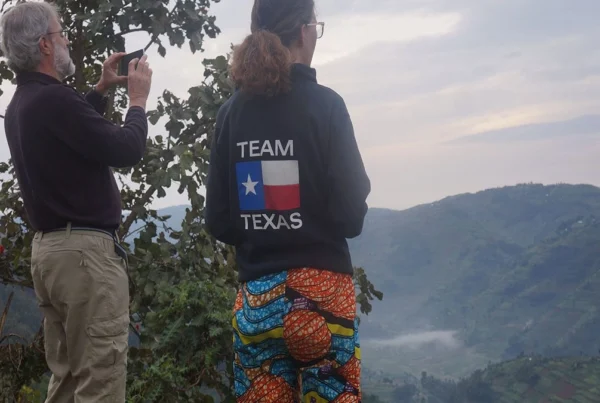
In Bwindi Impenetrable National Park and Volcanoes National Park, controlled trekking permits allow close observation of mountain gorillas under strict protocols. Odzala-Kokoua National Park protects forest elephants and western lowland gorillas within swamp-forest mosaics.
Iconic Wildlife of Africa Wildlife Safaris
The Big Five and Beyond
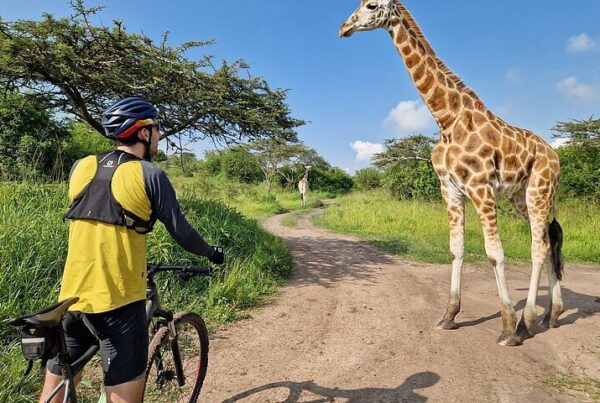
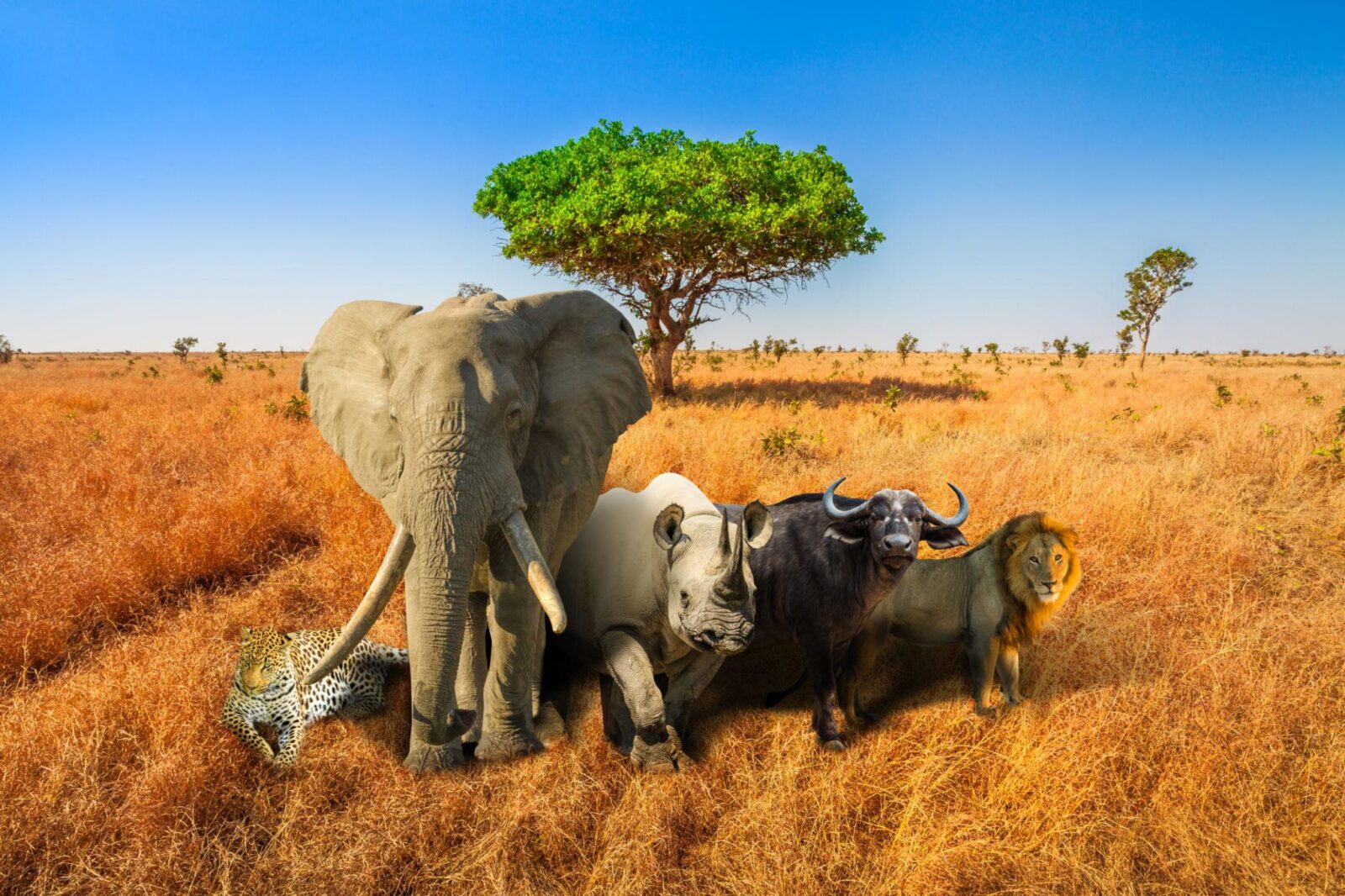
The Big Five—lion, leopard, elephant, buffalo, and rhinoceros—remain a benchmark due to their historical difficulty to hunt and modern conservation value. Yet Africa wildlife safaris extend far beyond this set. Cheetahs demonstrate extreme speed on open plains; African wild dogs exhibit complex social hunting; giraffes shape savanna vegetation; hippos engineer waterways; and a vast array of antelope fill specialized niches.

Birdlife and Biodiversity
Africa supports over 2,300 bird species. Wetlands attract storks and herons; raptors patrol thermals; endemic species evolve in isolated habitats. Birding safaris reveal ecosystem health and seasonal change, often complementing mammal viewing.
Safari Experiences Explained
Game Drives
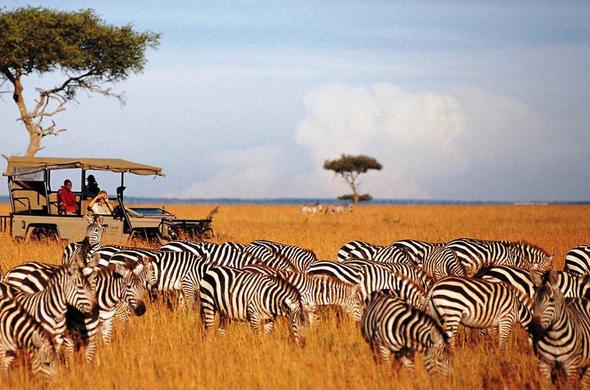
Day and night game drives are the backbone of Africa wildlife safaris. Diurnal drives prioritize visibility and behavior interpretation, while nocturnal excursions—where permitted—reveal secretive species such as aardvarks, genets, and leopards.
 Walking Safaris
On foot, sensory awareness heightens. Guides interpret tracks, dung, and plant use, explaining risk management and animal behavior. Walking safaris emphasize ecology and respect rather than proximity.
Boat and Canoe Safaris
Rivers and deltas introduce aquatic perspectives. Silent approaches reduce disturbance, offering close observation of birds, crocodiles, and semi-aquatic mammals.
Primate Tracking
Primate safaris require permits and strict time limits. Encounters with gorillas and chimpanzees are regulated to protect health and behavior, with proceeds funding conservation and community programs.
Seasons and Timing
Dry Season Advantages
Dry months concentrate wildlife near water, improving visibility and predator action. Vegetation thins, and roads remain passable, making this period ideal for first-time safari travelers.

Green Season Rewards
The wet or green season brings calving, migratory birds, and dramatic landscapes. Fewer vehicles and favorable rates reward patient observers, while photographic opportunities expand with lush backdrops.
Accommodation and Comfort
Safari Lodges and Camps
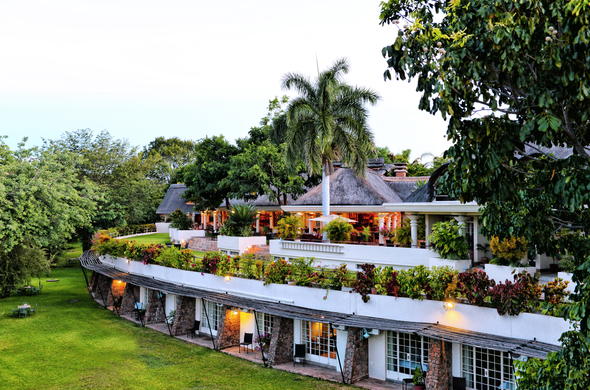
Accommodation ranges from mobile tented camps that follow wildlife movements to permanent lodges with strong architectural integration. Comfort levels vary, but quality guiding, location, and ethical operations are decisive factors.
Private Conservancies
Private concessions adjacent to national parks allow flexible activities, limited vehicle numbers, and night drives, often enhancing wildlife encounters while supporting land-use models that benefit local communities.
Conservation and Community Impact
How Africa Wildlife Safaris Support Conservation
Park fees, concession leases, and permit revenues fund anti-poaching units, habitat management, and scientific monitoring. Tourism presence deters illegal activity and justifies land protection in national budgets.

Community Partnerships
Responsible safari operators employ local staff, source supplies regionally, and invest in education and healthcare. Revenue-sharing agreements link wildlife protection to tangible community benefits, aligning conservation with livelihoods.
Ethics, Safety, and Responsible Travel
Ethical Viewing
Maintaining distance, respecting speed limits, and limiting vehicle numbers protect animal welfare. Reputable guides prioritize animal behavior over close approaches and adhere to park codes.
Traveler Safety
Africa wildlife safaris operate under professional risk management. Briefings, trained guides, and established protocols ensure safety while preserving authentic experiences.
Planning an Africa Wildlife Safari
Choosing Destinations
Selection depends on target species, travel style, budget, and seasonality. A balanced itinerary may combine open savannas with wetlands or forests to maximize ecological diversity.
Logistics and Expertise
Professional planning coordinates permits, transfers, and accommodation, aligning routes with seasonal wildlife movements. Expert guidance transforms sightings into understanding.
The Enduring Appeal of Africa Wildlife Safaris
Africa wildlife safaris endure because they reveal nature at scale and in motion. They connect travelers to ecological processes older than recorded history while supporting modern conservation and community resilience. Each journey contributes to a broader effort to protect landscapes where wildlife still shapes the land—and where human presence, when responsible, sustains that balance.