search
Wildlife Photography Tips at Ziwa Rhino Sanctuary: Safety Guide for photographers

Wildlife Photography Tips at Ziwa Rhino Sanctuary: Safety Guide for photographers

By Travel stories and blogs, Travel guides, Uganda travel guides

Wildlife Photography Tips at Ziwa Rhino Sanctuary: Safety Guide for Photographers

Where Conservation Meets the Lens

There is perhaps no greater thrill for a wildlife photographer than the opportunity to capture rare and endangered animals in their natural habitat. Among Uganda’s many treasures, the Ziwa Rhino Sanctuary stands as a beacon of hope, conservation, and discovery. Nestled along the Kampala–Gulu highway in Nakasongola District, this sanctuary is the only place in Uganda where visitors can encounter wild rhinos up close. For photographers, Ziwa provides a rare stage where artistry, patience, and respect for nature meet. Yet, photographing rhinos is not only about technical skill—it is about safety, awareness, and ethical engagement with the environment.

First-time photographers who enter the sanctuary often arrive with eager anticipation, cameras in hand and hearts racing. But the beauty of this sanctuary demands far more than enthusiasm. It requires a balance between artistic pursuit and personal safety. The following guide explores in detail how photographers can navigate Ziwa Rhino Sanctuary with skill, confidence, and care, ensuring that every captured image honors both wildlife and human responsibility.

Understanding the Landscape of Ziwa Rhino Sanctuary

The sanctuary covers over 70 square kilometers of lush savannah and woodland vegetation, offering a secure environment for rhinos to thrive. Established as part of a national effort to reintroduce rhinos after extinction in the wild, Ziwa is home to both black and white rhinos, alongside a diverse array of wildlife including antelopes, bushbucks, monkeys, and an impressive array of bird species.

For photographers, this landscape provides multiple opportunities. The open savannah allows for wide-angle shots of rhinos grazing under acacia trees, while the thickets present challenges that demand patience and creative framing. The presence of wetlands adds to the diversity of photographic compositions, often reflecting the silhouettes of these gentle giants at dawn and dusk. However, this very diversity also demands an understanding of terrain, animal behavior, and guided exploration, all of which ensure both safety and photographic success.

Safety as the Foundation of Photography

It is often said that the most powerful wildlife photographs are taken by those who respect distance, silence, and the natural rhythm of animals. At Ziwa Rhino Sanctuary, this philosophy becomes non-negotiable. Rhinos, despite their calm appearance, are powerful animals capable of great speed and aggression when threatened. A photographer’s safety begins with following the guidance of trained rangers who accompany every trek.

Approaching rhinos without permission or ignoring safety protocols can turn a photographic moment into danger. The sanctuary’s rangers are trained not only to protect visitors but also to interpret rhino behavior, signaling when it is safe to capture images and when it is time to step back. Photographers must therefore view their camera not as a shield but as a tool that requires responsible use. Remaining calm, composed, and quiet during encounters ensures that rhinos remain undisturbed, allowing authentic and natural photographs to be captured.

The Art of Preparation: Gear and Positioning

Wildlife photography at Ziwa is not simply about pointing and clicking. It is about preparation that merges technical skill with environmental awareness. Carrying long telephoto lenses enables photographers to capture close-up details—such as the rugged texture of rhino skin or the softness of a calf’s gaze—while maintaining a safe distance. Tripods or monopods provide stability for low-light shots, especially during dawn and dusk when wildlife is most active.

Equally important is positioning. Moving silently and maintaining a low profile minimizes disturbance. Photographers are encouraged to crouch or remain at angles that do not challenge or provoke the rhinos. Shadows, wind direction, and background elements must all be considered to create compositions that are both safe and visually compelling. Preparation also extends to carrying sufficient batteries, memory cards, and protective coverings for gear, as the sanctuary’s weather can shift quickly from bright sunshine to sudden rain.

Reading Animal Behavior Through the Lens

Perhaps the most overlooked aspect of wildlife photography is the ability to interpret animal behavior. At Ziwa, rangers consistently emphasize the importance of observing before photographing. Rhinos communicate through body language: ears twitching, nostrils flaring, or tails flicking may indicate alertness or agitation. Understanding these signals ensures that a photographer does not intrude at critical moments.

Calves, often shielded by their mothers, must be approached with extreme caution, as maternal instincts can trigger defensive reactions. Patience becomes the photographer’s greatest ally. Sometimes the most extraordinary shots arise not from chasing a scene but from waiting silently, allowing the rhinos to move naturally into frame. By respecting behavior, photographers not only capture better images but also contribute to ethical storytelling that honors the sanctuary’s mission.

The Role of Light and Time

Ziwa Rhino Sanctuary offers a canvas where light transforms each moment into a masterpiece. Early mornings often bring soft golden hues that highlight the rhinos’ silhouettes against misty backdrops. Midday presents harsher light, demanding careful adjustment of settings to avoid overexposed images. Evenings deliver dramatic skies where shadows dance across the savannah, creating opportunities for breathtaking compositions.

Choosing the right time for photography is not just about aesthetics but also about safety. Morning and evening treks are often cooler, reducing animal agitation and ensuring a calmer atmosphere for observation. Photographers who align their work with these natural rhythms not only achieve stunning results but also ensure encounters occur in safer, more predictable conditions.

Balancing Creativity with Conservation Ethics

Wildlife photography is not an isolated pursuit of beauty; it carries the weight of responsibility. At Ziwa Rhino Sanctuary, each photograph becomes a voice in the story of conservation. By portraying rhinos with dignity and respect, photographers contribute to awareness campaigns that strengthen support for their protection.

Ethical practice demands that no shot is worth endangering either the photographer or the animal. Baiting, loud noises, or invasive movements are prohibited, as they compromise the sanctuary’s core mission. Photographers are encouraged to allow their images to tell stories of harmony rather than disturbance, showcasing rhinos in ways that inspire admiration and advocacy. This alignment between creativity and conservation not only produces meaningful art but also strengthens the global narrative of saving endangered species.

Immersing in the Full Experience

While rhinos remain the central attraction, Ziwa offers far more for photographers willing to explore beyond the giants. Over 300 bird species, including the shoebill stork, present unique opportunities for bird photography. Wetlands, forests, and open plains each reveal ecosystems that enrich the portfolio of any photographer. By diversifying subjects, visitors ensure that their time in the sanctuary is maximized, capturing not just rhinos but the interwoven fabric of life that defines Uganda’s wilderness.

Immersion also involves learning from rangers and community members whose stories bring depth to the photographs. Understanding the cultural and ecological significance of the sanctuary adds narrative power to images, transforming them from simple snapshots into testimonies of conservation success.

Best Practices for First-Time Visitors

For those setting foot in Ziwa Rhino Sanctuary for the first time, the journey is both humbling and exhilarating. Patience, preparation, and guidance form the backbone of success. The sanctuary’s rules are designed not to limit creativity but to protect both wildlife and visitors. By embracing these guidelines, photographers discover that safety enhances, rather than hinders, creativity.

Every detail, from walking softly on the trails to silencing camera shutters when necessary, becomes part of a greater discipline. This discipline fosters images that are not only striking but also respectful, reminding the world that art and safety coexist in the heart of conservation.

Capturing the Spirit of Ziwa Safely

The art of photographing wildlife at Ziwa Rhino Sanctuary is not defined solely by lenses or camera settings. It is defined by awareness, patience, and respect. Photographers who enter this sanctuary with humility discover that safety and artistry move hand in hand. Each image captured becomes a reflection of Uganda’s commitment to conservation and a personal testament to the beauty of coexistence.

Ziwa teaches that the best photographs are born when the photographer becomes invisible, allowing the rhinos to reveal themselves naturally. Through guided treks, patient observation, and ethical practice, first-time and seasoned photographers alike find the sanctuary to be both a challenge and a gift.

For those inspired to begin this journey, the most rewarding experiences are achieved when safaris are arranged with trusted experts. It is therefore highly recommended to book African tours and safaris through WildHorn Africa, a dedicated partner in creating safe, memorable, and transformative wildlife experiences.

Where to Stay to Gorilla Trekking

Budongo Forest: Where to Stay to Gorilla Trekking with Limited Time

By Travel stories and blogs, Primate holidays, Travel guides, Uganda travel guides

Budongo Forest: Where to Stay to Gorilla Trekking with Limited Time

A Forest Escape for the Time-Conscious Traveler

Nestled within the expansive landscapes of northwestern Uganda lies Budongo Forest, a natural jewel draped in dense mahogany trees and the songs of countless birds. For most travelers, the name Budongo conjures images of rich biodiversity, especially its famed chimpanzee populations. Yet, for those who arrive with limited time, the forest offers more than a fleeting glimpse into primate life—it serves as a perfect springboard for gorilla trekking adventures in the wider region.

The challenge for many visitors is balancing short schedules with a desire for immersive experiences. In this sense, knowing where to stay becomes the bridge between possibility and fulfillment. Budongo Forest is not just a place to pass through; it is a destination where the right accommodation transforms a constrained itinerary into a memorable journey.

Budongo Forest: The Gateway to Gorilla Adventures

Positioned on the southern edge of Murchison Falls National Park, Budongo is one of the largest natural forests in East Africa. Its vastness provides shelter to chimpanzees, forest elephants, antelopes, and over 360 species of birds. Although gorillas do not inhabit Budongo itself, its location strategically situates travelers within a wider corridor of primate tourism.

For time-sensitive travelers, Budongo’s greatest advantage lies in its proximity to Uganda’s gorilla strongholds, such as Bwindi Impenetrable National Park and Mgahinga Gorilla National Park. While reaching these locations requires additional travel, staying in Budongo allows visitors to combine chimpanzee tracking with gorilla trekking in a compact, carefully managed itinerary. The forest thus becomes an essential base for those who wish to maximize limited days without sacrificing depth of experience.

The Importance of Choosing the Right Stay

When time is restricted, the choice of accommodation is not merely a matter of comfort—it becomes a logistical strategy. The right lodge in Budongo ensures that travelers are well-positioned to embark on chimpanzee treks at dawn, while also allowing efficient transfers toward gorilla trekking hubs.

Accommodation in and around Budongo Forest ranges from eco-lodges tucked under dense canopies to mid-range retreats designed for both relaxation and exploration. Each stay immerses visitors in the forest’s rhythm, where the nights are filled with the distant calls of primates and mornings are greeted by sunrays piercing through towering mahoganies. For travelers on short itineraries, this immersion means that even downtime between treks becomes part of the adventure.

Staying Within the Heart of the Forest

For travelers who prioritize intimacy with nature, staying inside Budongo Forest offers a truly transformative experience. Eco-lodges located within the reserve are designed with minimal environmental footprint while maximizing the sensory connection to the wild. Nights here are spent in the company of cicadas and nocturnal animals, while mornings bring the chatter of chimpanzees echoing across the canopy.

By staying within the forest itself, visitors are afforded quicker access to chimpanzee tracking excursions, reducing transit time and allowing every hour to count. For travelers pressed for time, such efficiency ensures that days are spent in exploration rather than on the road. Moreover, these accommodations often provide guided nature walks, birding tours, and forest interpretation sessions that add layers of meaning to the overall journey.

Staying at the Edge of Budongo: Balancing Comfort and Access

For some travelers, staying just outside the forest provides a balance between natural immersion and broader accessibility. Lodges and guesthouses along the periphery of Budongo combine forest proximity with easier road connections toward southern Uganda, where gorilla trekking takes place.

This positioning is particularly valuable for travelers who aim to link experiences within Murchison Falls National Park—such as game drives or Nile boat cruises—with primate encounters. By basing themselves at the edge of Budongo, visitors retain both the convenience of road transfers and the charm of forest-inspired stays. For short itineraries, this balance often proves ideal, enabling a swift transition from savannah to rainforest.

The Connection Between Budongo and Gorilla Trekking Destinations

A crucial question arises for time-limited travelers: how does one combine Budongo with gorilla trekking? Though gorillas are not resident in Budongo, the forest serves as a practical stopover on a north-to-south or south-to-north safari route. From Budongo, road transfers toward Bwindi Impenetrable National Park can be planned strategically, ensuring that even short trips encompass both chimpanzee and gorilla experiences.

Travelers who stay in Budongo can track chimpanzees in the morning and then continue their journey southward toward gorilla trekking bases. While the drive may take several hours, the reward lies in the seamless weaving of two primate encounters into a condensed timeline. For those who seek both depth and efficiency, this arrangement proves invaluable.

Short-Stay Itineraries Built Around Budongo

Imagine a traveler with just five days in Uganda. By staying in Budongo, the itinerary could begin with chimpanzee tracking in the forest, followed by a game drive in Murchison Falls and a scenic journey south toward Bwindi. With careful planning, gorilla trekking can be achieved within this timeframe, proving that limited schedules do not preclude profound experiences.

Accommodations within Budongo ensure that the first half of this journey is immersed in forest life, while subsequent transfers connect the traveler to Uganda’s gorilla heartlands. In this way, Budongo acts as the gateway through which short itineraries become achievable without feeling rushed or superficial.

Cultural and Community Dimensions of Staying in Budongo

Beyond logistics, the accommodations around Budongo carry cultural depth. Many lodges partner with local communities, employing residents and integrating cultural activities into the visitor experience. Travelers may find themselves learning about traditional forest uses, tasting local cuisine, or engaging in storytelling sessions around evening fires.

For long journeys condensed into limited days, such cultural connections enrich the trip by providing layers beyond wildlife encounters. The stay itself becomes a bridge between people and nature, ensuring that even short visits carry depth and resonance.

Seasonal Considerations for Accommodation Choices

The question of where to stay also depends on seasonal patterns. During the rainy months, internal forest tracks may become more challenging, making stays at the forest edge more practical. In drier months, staying deeper within the forest becomes easier, allowing visitors to immerse more fully without concern for access.

For time-limited travelers, these seasonal considerations are crucial, as unexpected delays can significantly impact a short itinerary. Thus, choosing accommodation that aligns with both season and schedule is essential for ensuring smooth and fulfilling experiences.

The Transformative Nature of a Well-Planned Stay

Ultimately, the decision of where to stay in Budongo is less about luxury and more about purpose. For travelers with ample time, choices may be flexible. But for those with limited days, every detail matters. The right lodge can shorten transfer times, maximize tracking opportunities, and provide cultural enrichment that complements wildlife encounters.

Staying in Budongo ensures that the journey is not fragmented but integrated—where forest nights, chimpanzee mornings, and gorilla treks align seamlessly into a narrative of discovery. Even when time is short, the forest provides a depth that lingers long after departure.

Turning Limited Time into Limitless Experience

Budongo Forest stands as more than a destination; it is a gateway that allows chimpanzee tracking and gorilla trekking to coexist in even the shortest of itineraries. With its strategic location, immersive accommodations, and seamless links to Uganda’s gorilla strongholds, it transforms limited time into an experience of limitless meaning.

By choosing carefully where to stay, travelers ensure that every hour in Uganda carries weight and wonder. The forest becomes both a home and a passage, where schedules shrink but experiences expand.

To ensure that this delicate balance is achieved with expertise, travelers are encouraged to book their safaris with WildHorn Africa, a trusted guide in crafting journeys that weave efficiency with authenticity. With their support, even the briefest stay in Budongo opens into the vastness of Uganda’s primate kingdom.

Chimpanzee Tracking at Source of the Nile: Solo Traveler Guide for foodies

Chimpanzee Tracking at Source of the Nile: Solo Traveler Guide for foodies

By Travel stories and blogs, Primate holidays, Travel guides, Uganda travel guides

Chimpanzee Tracking at Source of the Nile: Solo Traveler Guide for Foodies

A Journey Beyond the Ordinary

The allure of Uganda is often whispered through its lush landscapes, its ancient rivers, and the extraordinary wildlife that roams freely across its national parks. Among the many wonders that the country offers, chimpanzee tracking at the Source of the Nile stands out as an immersive experience that transcends ordinary travel. For the solo traveler with a passion for culinary discovery, this journey is uniquely enchanting, offering an interplay between adventure, wildlife, and gastronomy that few destinations can rival. The experience is not merely a safari; it is a complete sensory journey, a combination of heart-stopping encounters with our closest primate relatives and the rich flavors of local Ugandan cuisine.

The Source of the Nile: A Scenic Starting Point

The adventure begins at the Source of the Nile in Jinja, a site steeped in history and natural beauty. Here, the mighty Nile emerges from the vast Lake Victoria, flowing onward in a journey that has fascinated explorers and scientists for centuries. The location, framed by verdant landscapes and gentle rolling hills, sets the perfect stage for solo travelers seeking both reflection and adventure. The area is tranquil yet vibrant, offering quiet moments along the riverbanks as well as opportunities to engage with local culture and gastronomy. Cafes and small eateries along the river serve fresh fish and local delicacies, allowing travelers to fuel themselves with flavors unique to Uganda before venturing into the forested trails where chimpanzees reside.

The Chimpanzee Encounter: Immersion in the Wild

Chimpanzee tracking in Budongo Forest Reserve or the nearby Mabira Forest is an unforgettable component of the journey. These forests, characterized by dense canopies, towering mahogany trees, and vibrant undergrowth, provide the perfect habitat for chimpanzees, whose social structures and playful behaviors captivate observers. Solo travelers are often advised to maintain a respectful distance while remaining observant, allowing the chimpanzees to reveal their natural behaviors without disruption. The tracking experience is guided by trained rangers whose deep understanding of chimpanzee habits ensures both safety and enrichment. Every rustle in the underbrush and every distant call brings anticipation, transforming the forest into a stage where the drama of wildlife unfolds intimately for the observer.

The journey through these forests demands both physical stamina and patience. Trekking paths wind through uneven terrain, often dampened by the rainforest’s frequent rains, requiring travelers to be prepared with appropriate gear. Yet, the reward of observing chimpanzees in their natural habitat is unmatched. Young chimpanzees swing effortlessly from branch to branch, while elders navigate the forest floor with deliberate movements. Solo travelers are given time to reflect on the intelligence and emotional depth of these creatures, forging a connection that resonates far beyond the jungle.

Gastronomic Delights for Solo Travelers

While the forest provides a feast for the eyes and the spirit, Uganda’s culinary landscape satisfies the palate. In Jinja and its surrounding areas, food markets brim with an array of fresh produce, from tropical fruits like jackfruit and passion fruit to freshly caught Nile perch. Local dishes such as matoke—steamed green bananas mashed with spices—and luwombo, a traditional dish cooked in banana leaves, provide solo travelers with an authentic taste of Ugandan culture. Street-side vendors and small cafes offer opportunities to engage with local chefs, who often share stories about their ingredients and cooking techniques, creating a sense of connection beyond the simple act of eating. For the solo traveler, these meals are more than sustenance; they are a gateway into understanding the daily rhythms and cultural nuances of Ugandan life.

The integration of food into the travel experience becomes particularly vivid after a morning of strenuous trekking. Many lodges and riverside restaurants offer farm-to-table experiences, where ingredients are sourced from local farmers and prepared with care. This focus on freshness and sustainability enhances the overall experience, merging adventure with culinary indulgence. Solo travelers are encouraged to sample the wide range of flavors, from mildly spiced stews to freshly pressed fruit juices, allowing the journey to engage all senses simultaneously.

Cultural Interactions Along the Nile

Solo travel in Uganda offers more than natural and culinary delights. Along the Nile, communities remain deeply connected to the river and its resources. Local artisans craft jewelry and pottery, often reflecting symbols of wildlife and historical narratives. Markets bustle with vibrant colors and aromas, creating a sensory tapestry that solo travelers can explore at a leisurely pace. Engaging with local vendors and community members often results in unexpected learning moments, revealing the interplay between Uganda’s natural environment and the daily lives of its people. These interactions are not mere tourist encounters; they offer insights into the resilience, creativity, and hospitality that define Ugandan society.

Planning the Solo Adventure

Preparation for chimpanzee tracking and the associated culinary exploration demands careful consideration. Solo travelers are advised to schedule their visits during the dry season, when trekking paths are less slippery and wildlife sightings are optimal. Lightweight, moisture-wicking clothing and sturdy trekking boots are essential, while insect repellent and a reliable rain jacket ensure comfort in the unpredictable rainforest climate. Solo travelers are encouraged to travel lightly but thoughtfully, balancing the need for preparedness with the desire for spontaneity. The guidance of local rangers is invaluable, offering insights into both chimpanzee behavior and safe navigation through the dense forest.

In addition to trekking gear, planning should incorporate culinary exploration. Identifying eateries known for authentic local cuisine ensures that each meal contributes meaningfully to the solo travel experience. Engaging with chefs and vendors not only enhances the gastronomic journey but also supports local businesses, fostering sustainable tourism practices that benefit both visitors and host communities.

The Reflective Solo Experience

Perhaps the most profound aspect of this journey lies in its potential for introspection. Solo travelers, unbound by the dynamics of a group, can move at a self-determined pace, lingering at moments of natural beauty or pausing to savor the flavors of a freshly prepared meal. The solitude allows for reflection on the interconnectedness of humans, wildlife, and the environment, creating a travel experience that resonates deeply long after the trek is completed. Observing chimpanzees in their natural habitat becomes a mirror, highlighting both the similarities and differences between human and primate societies, and inspiring a renewed appreciation for the natural world.

Embark on a Transformative Journey

Chimpanzee tracking at the Source of the Nile offers a unique convergence of adventure, culinary exploration, and personal reflection. For the solo traveler with an appetite for both discovery and flavor, this experience is unparalleled. Uganda’s lush landscapes, vibrant cultures, and rich culinary traditions provide a backdrop for an immersive journey where each step and each bite contributes to a story of connection, wonder, and self-discovery. Solo travel here transcends mere sightseeing, transforming into a holistic experience that engages mind, body, and spirit.

For travelers seeking to embark on this remarkable journey, it is highly recommended to book tours and safaris with WildHorn Africa, whose expertise ensures safe, seamless, and enriching experiences across Uganda’s most iconic landscapes. Their guided chimpanzee tracking excursions and curated culinary experiences offer solo travelers the perfect balance of adventure, culture, and flavor, creating memories that last a lifetime.

Lake Mburo National Park: How to Travel Responsibly to game drive in 2025

Lake Mburo National Park: How to Travel Responsibly to game drive in 2025

By Travel stories and blogs, Safari holidays, Travel guides, Uganda travel guides, Wildlife holidays


In 2025, the idea of safari has shifted from simply observing animals to
embracing a deeper understanding of conservation, culture, and sustainability.
Among Uganda’s celebrated destinations, Lake Mburo National Park
stands as a perfect embodiment of this change. Known for its expansive savannahs,
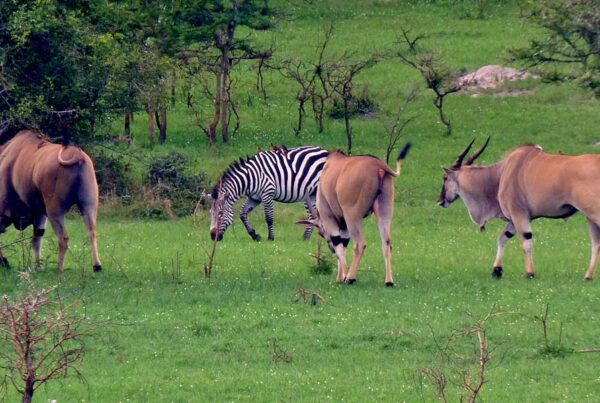
rolling hills, and an abundance of wildlife including zebras, impalas, elands, and
hippos, the park has become more than a game drive destination. It is a living
classroom where travelers are invited to explore responsibly, leaving behind
positive footprints rather than heavy marks on the ecosystem.For first-time visitors and seasoned adventurers alike, the call to travel
responsibly is no longer optional; it is the foundation of modern exploration.
This article unveils how to approach Lake Mburo National Park with respect,
awareness, and sustainability, ensuring that the beauty of this reserve remains
unspoiled for generations yet to come.

Understanding the Unique Character of Lake Mburo

Unlike Uganda’s larger parks such as Murchison Falls or Queen Elizabeth,
Lake Mburo National Park is smaller, covering about 260 square
kilometers. Yet, its compact size is its greatest gift to travelers, as it allows
more intimate encounters with wildlife and landscapes. The park is dominated by
five lakes, acacia woodlands, and grasslands that create ideal habitats for a
variety of species. Its biodiversity is striking, offering opportunities to spot
creatures rarely seen elsewhere in Uganda such as the impala and the slender
mongoose.

To understand the park’s character is to recognize its fragility. Smaller
ecosystems are more vulnerable to disruption, making responsible tourism an
essential approach. Every vehicle that enters, every footprint left behind, and
every photograph taken contributes to the story of how Lake Mburo is preserved or
disturbed. Traveling responsibly here means adopting a mindset that values both
immediate experience and long-term protection.

Responsible Game Drives in 2025

Game drives at Lake Mburo National Park remain the central attraction, offering
visitors the chance to witness herds of zebras grazing against golden backdrops,
giraffes stretching gracefully into treetops, and elands moving with calm majesty.
However, the true essence of these drives in 2025 lies in the principle of
responsibility. Drivers and guides are increasingly trained to
reduce off-road driving, minimize noise, and maintain safe distances from
animals. Photographers and wildlife enthusiasts are encouraged to remain quiet,
respecting the natural rhythms of the park’s residents.

Traveling responsibly during game drives also means embracing slower journeys.
By observing patiently rather than chasing sightings, visitors allow animals to
behave naturally, which not only results in more authentic encounters but also
reduces stress on wildlife. In 2025, the value of a game drive is measured not by
the number of animals spotted but by the quality of moments spent in harmony with
nature.

Minimizing Environmental Impact

One of the greatest challenges of modern tourism is the environmental strain it
places on delicate ecosystems. At Lake Mburo National Park, this strain is
addressed through deliberate visitor awareness. Responsible travelers are now
called to minimize waste, reduce plastic use, and adopt eco-friendly alternatives
throughout their journey. Lodges around the park have embraced sustainable
practices, offering solar energy, biodegradable materials, and community-driven
initiatives that directly benefit conservation.

The role of each traveler is to align with these efforts. Carrying reusable
water bottles, respecting park boundaries, and choosing accommodation that
prioritizes sustainability are small yet significant contributions. The combined
effort of visitors and management ensures that Lake Mburo continues to thrive in
the face of rising tourist numbers.

Cultural Sensitivity and Community Engagement

Beyond the wildlife, Lake Mburo National Park is deeply intertwined with the
lives of the Banyankole pastoralists, a community whose
traditions and livelihoods revolve around cattle rearing. In 2025, responsible
travel demands engagement with these communities in respectful and meaningful
ways. Visiting cultural centers, supporting local crafts, and learning about the
famous Ankole long-horned cattle contribute to both cultural preservation and
economic empowerment.

Cultural sensitivity requires approaching communities not as spectacles but as
partners in conservation. The success of Lake Mburo’s conservation efforts lies
in the delicate balance between wildlife and people, and travelers who recognize
this balance help strengthen it. Thus, every responsible game drive is also an
act of cultural appreciation and solidarity.

Timing and Preparation for Responsible Travel

The question of when to travel is essential for those who wish to minimize their
impact. The dry seasons, occurring from June to September and December to
February, remain the most popular times for game drives. While wildlife sightings
are easier during these months, increased tourist activity can strain resources.
Some responsible travelers now choose the green seasons, when the park is lush,
tranquil, and less crowded. The rains create a rejuvenated landscape, and the
fewer vehicles present reduce disturbance to animals.

Preparation for a responsible safari extends beyond packing gear. It involves
mental readiness to embrace unpredictability, patience to wait for natural
encounters, and discipline to follow the guidance of rangers and conservationists.
Visitors who arrive with this mindset contribute not only to their own experience
but also to the sanctuary’s sustainability.

The Future of Responsible Safari at Lake Mburo

In 2025, responsible tourism is not just a concept but a necessity. The future of
Lake Mburo National Park depends on how visitors today choose to engage with it.
Every decision, from the route taken during a game drive to the lodge selected for
an overnight stay, influences the park’s preservation. With global climate
challenges intensifying, smaller ecosystems like Lake Mburo require even greater
care, making responsible travel a shared duty rather than an individual choice.

The vision for Lake Mburo is one where travelers and wildlife coexist in balance,
where local communities benefit from tourism, and where each photograph taken is a
reminder of the park’s resilience. This vision can only be achieved when visitors
embrace responsibility as the guiding principle of their journeys.

Embracing Responsibility in Every Journey

A journey to Lake Mburo National Park in 2025 is more than a
safari; it is a commitment to traveling with integrity, respect, and awareness.
Responsible game drives are not about ticking off animal sightings but about
weaving oneself gently into the fabric of an ecosystem that has survived for
centuries. By minimizing environmental impact, respecting cultural heritage, and
aligning with conservation values, every visitor plays a part in safeguarding this
extraordinary sanctuary.

For travelers seeking to make their African safari both unforgettable and
responsible, it is highly recommended to plan and book with
WildHorn Africa, a trusted partner in delivering experiences
that honor both adventure and conservation. Through their expertise, journeys to
Lake Mburo National Park become not only memories but also contributions to a
sustainable future.

Cultural Tour at Ziwa Rhino Sanctuary: 7-Day Itinerary for honeymooners

Cultural Tour at Ziwa Rhino Sanctuary: 7-Day Itinerary for honeymooners

By Travel stories and blogs, Honeymoon holidays, Travel guides, Uganda travel guides

Cultural Tour at Ziwa Rhino Sanctuary: 7-Day Itinerary for Honeymooners

A Romantic Escape into the Heart of Uganda

For couples seeking an extraordinary beginning to their lifelong journey together, Uganda offers a destination where romance, adventure, and culture seamlessly blend. The Ziwa Rhino Sanctuary, located in the heart of the country, is renowned as the only home of wild rhinos in Uganda, and yet it offers far more than wildlife encounters. It presents a sanctuary of serenity, a hub of cultural immersion, and a gateway into experiences that perfectly suit the intimacy of a honeymoon. A seven-day itinerary at this remarkable site provides newlyweds with the opportunity to balance adventure with relaxation, while exploring cultural traditions that deepen their connection to the land and to each other.

This journey is not simply a holiday; it is a narrative of love, discovery, and shared wonder, crafted in one of Africa’s most treasured natural landscapes.

Day 1: Arrival and Settling into the Rhythm of Nature

The honeymoon experience begins with arrival at Ziwa Rhino Sanctuary, where couples are welcomed by the lush greenery and tranquil ambiance of the reserve. The sanctuary’s accommodations are designed to complement the environment, with thatched lodges and eco-friendly cottages that blend privacy with comfort. From the moment of arrival, the sense of seclusion sets the stage for romance, allowing couples to step away from the noise of everyday life.

The first evening is often reserved for rest and reflection, with couples encouraged to enjoy leisurely walks along the sanctuary’s paths or to savor a candlelit dinner under the stars. The rhythm of nature becomes the backdrop, with the sounds of crickets and rustling leaves adding a natural symphony to the honeymoon’s opening chapter.

Day 2: Rhino Trekking and Wildlife Discovery

The second day brings the highlight of the sanctuary experience—rhino trekking. Guided by professional rangers, couples embark on foot safaris that lead directly into the habitats of the southern white rhinos. Observing these majestic creatures up close is an awe-inspiring moment, enhanced by the intimacy of the experience. Walking side by side through the savannah, hand in hand, honeymooners share the thrill of seeing rhinos grazing or nursing their young, their power and grace a striking reminder of the richness of Uganda’s natural heritage.

Beyond rhinos, the sanctuary hosts a variety of wildlife, including antelope species, monkeys, and over three hundred bird species. The rangers enrich the trek by sharing stories of conservation, explaining the sanctuary’s pivotal role in protecting Uganda’s rhino population and reintroducing them into the wild. For couples, these treks symbolize more than wildlife observation—they embody the themes of protection, partnership, and care that resonate deeply during a honeymoon.

Day 3: Birding and Nature Walks

Ziwa Rhino Sanctuary is celebrated as one of the most rewarding birding destinations in Uganda, and the third day is dedicated to this pursuit. Couples are guided along wetland areas and woodland trails where rare species such as the shoebill stork, one of the world’s most sought-after birds, can be spotted. The experience of quietly waiting for a shoebill to emerge from papyrus reeds is both suspenseful and rewarding, and when seen, the moment lingers in memory.

Birding at Ziwa is not a hurried activity; it is contemplative and immersive, perfectly suited to couples seeking unhurried connection. Each call, each flash of color, and each graceful flight becomes a shared discovery. The remainder of the day may include guided nature walks, where butterflies, reptiles, and diverse plant species are introduced, offering couples the chance to appreciate the sanctuary’s ecological richness together.

Day 4: Cultural Engagement with Local Communities

A cultural tour forms the centerpiece of the honeymoon, and on the fourth day couples are introduced to the local communities surrounding Ziwa Rhino Sanctuary. Visits to nearby villages provide opportunities to engage with traditional Ugandan life. Couples may be welcomed with music and dance performances that showcase the rhythms and stories of the region. These performances are not mere entertainment; they are expressions of identity and heritage that immerse visitors in the heart of Ugandan culture.

The day also introduces couples to traditional crafts, such as basket weaving and bead making, which they can learn directly from local artisans. Engaging in these activities together provides a playful and collaborative experience, while also offering insights into the artistry that sustains community livelihoods. Culinary traditions are also explored, with couples invited to participate in preparing local dishes, guided by village elders. The act of cooking together, tasting unfamiliar spices, and sharing meals with the community weaves cultural learning with romance, enriching the honeymoon with authenticity.

Day 5: Relaxation and Private Exploration

After days filled with exploration, the fifth day allows couples to enjoy relaxation and solitude. The sanctuary offers quiet trails for private walks, serene spaces for picnics, and shaded areas for reflection. Couples can choose to spend their day lounging by their lodge, enjoying panoramic views of the savannah, or engaging in photography sessions that capture both wildlife and romantic moments.

The slower pace of the day provides a valuable opportunity for couples to reflect on their journey, deepen their bond, and appreciate the beauty of stillness in nature. For many, this interlude becomes one of the most cherished elements of the itinerary, as it balances adventure with peace and intimacy.

Day 6: Adventure Beyond the Sanctuary

While the sanctuary itself provides ample activity, the sixth day invites couples to explore the wider region. Excursions may include trips to nearby cultural landmarks, forest reserves, or scenic sites where Mount Elgon’s landscapes provide breathtaking backdrops. Couples can embark on light hikes, discover hidden waterfalls, or engage in storytelling sessions with local guides who share legends tied to the land.

These excursions extend the honeymoon experience beyond the sanctuary, providing variety while reinforcing the themes of discovery and togetherness. The thrill of exploring new places, encountering unexpected sights, and navigating unfamiliar paths together strengthens the sense of shared adventure that defines a honeymoon.

Day 7: Reflection and Departure

The final day at Ziwa Rhino Sanctuary is reserved for reflection. Couples may choose to revisit their favorite activity, whether it is a short morning walk to glimpse rhinos once more or a final breakfast shared under the open sky. The sanctuary, with its tranquility and beauty, leaves a lasting impression, and couples often find themselves reflecting not only on the memories created but also on the values of conservation and cultural connection that the journey has highlighted.

Departure is tinged with nostalgia but also with gratitude, as the sanctuary becomes etched into the couple’s shared story. The experience of seven days at Ziwa Rhino Sanctuary is not easily forgotten; it becomes a chapter of their relationship that remains vivid, cherished, and deeply symbolic of their union.

The Transformative Power of a Cultural Honeymoon

A honeymoon at Ziwa Rhino Sanctuary offers more than leisure. It provides a profound blend of wildlife encounters, cultural immersion, and romantic seclusion. Each day balances excitement with reflection, adventure with intimacy, and learning with relaxation. The sanctuary’s unique position as both a conservation hub and a cultural gateway ensures that honeymooners leave not only with cherished memories but also with deeper appreciation for Uganda’s heritage and biodiversity.

For couples, this itinerary embodies the values of partnership, exploration, and respect for the natural world—values that mirror the foundations of marriage itself. It is an experience that shapes not just a holiday but the very outlook with which couples begin their life together.

Begin Your Journey with WildHorn Africa

The Cultural Tour at Ziwa Rhino Sanctuary presents the ideal seven-day itinerary for honeymooners, offering romance, adventure, and cultural depth in perfect balance. From intimate rhino treks to immersive cultural exchanges, from tranquil evenings to exhilarating excursions, every moment is crafted to strengthen bonds and create timeless memories.

For couples wishing to embark on this remarkable journey, it is highly recommended to book tours and safaris with WildHorn Africa. With expertise in crafting tailored experiences, WildHorn Africa ensures that honeymooners enjoy seamless logistics, professional guidance, and access to the most enriching encounters Uganda has to offer. Their dedication to excellence guarantees that each honeymoon becomes not just a trip, but the beginning of a shared story of love, discovery, and adventure.

Festival Guide at Mgahinga Gorilla National Park: Top Restaurants for culture lovers

Festival Guide at Mgahinga Gorilla National Park: Top Restaurants for culture lovers

By Travel stories and blogs, Primate holidays, Travel guides, Uganda travel guides

Festival Guide at Mgahinga Gorilla National Park: Top Restaurants for Culture Lovers

Where Gastronomy Meets Tradition

Tucked within the misty slopes of the Virunga Mountains lies Mgahinga Gorilla National Park, a haven known for its majestic gorillas, golden monkeys, and breathtaking volcanic landscapes. Beyond its natural allure, the park is increasingly becoming a space where cultural festivals and culinary experiences converge. For the culture lover, a visit to Mgahinga during festival times offers more than encounters with wildlife; it opens the door to a rich blend of food, music, dance, and storytelling.

What makes this destination particularly enchanting is the way that food is woven into the celebration of heritage. Dining becomes an act of cultural immersion, where every dish narrates history and every flavor preserves identity. For the visitor eager to combine wildlife encounters with cultural indulgence, knowing which restaurants and eateries to explore adds depth to the overall journey.

Mgahinga Festivals: A Cultural and Culinary Window

Festivals at Mgahinga are designed not merely as celebrations but as windows into the lives of the Batwa and Bakiga communities who inhabit the surrounding regions. Traditional dances, drumming, and storytelling provide the rhythm, while culinary traditions set the stage for sensory journeys. Local delicacies made from millet, beans, and bananas are often served during these festivals, creating an atmosphere where culture is tasted as much as it is seen or heard.

Restaurants in and around the park seize this opportunity to amplify cultural dining. Menus are often crafted to reflect local celebrations, with chefs paying homage to regional ingredients. The dining spaces become more than places to eat; they are cultural theaters where food complements the vibrancy of festival life.

The Role of Food in Cultural Exploration

For the cultural traveler, food is never a passive element. It is a storytelling tool, an archive of traditions passed down through generations. In Mgahinga, local dishes connect visitors to the land through flavors derived directly from fertile volcanic soils. Sweet potatoes, beans, and smoked meats speak of agricultural practices, while banana-based drinks tell stories of social gatherings and rituals.

When paired with the rhythms of festival drumming or the movements of traditional dances, dining becomes part of the cultural performance. Restaurants around Mgahinga elevate this experience by providing settings where authentic flavors and cultural narratives intertwine seamlessly.

Dining Inside the Park: Immersion at Its Purest

Inside Mgahinga Gorilla National Park itself, accommodation lodges often host cultural dining experiences, especially during festival seasons. Meals served in these lodges draw upon both local and international influences, allowing culture lovers to enjoy regional delicacies without sacrificing comfort.

A stay inside the park ensures that festival evenings flow naturally into cultural feasts. Campfires often become the centerpiece of dining, where visitors gather for freshly prepared dishes while local performers showcase songs and dances. In such settings, food ceases to be an isolated experience and instead becomes part of a communal celebration of heritage.

Culinary Experiences at the Park’s Edge

For travelers wishing to explore more structured dining, the restaurants located at the periphery of Mgahinga present themselves as gateways to cultural immersion. These establishments are typically family-owned, meaning that recipes reflect generations of tradition. Meals are prepared slowly, with an emphasis on authenticity rather than convenience.

Here, culture lovers can expect to be guided through the dining experience, with hosts often explaining the origins of dishes, the significance of certain ingredients, and the customs surrounding their preparation. During festivals, the atmosphere in these restaurants heightens, as live music and storytelling performances often accompany the meals. It is not uncommon for guests to be invited to join dances or sample locally brewed drinks as part of the overall cultural engagement.

Festival-Inspired Dining Themes

During major cultural festivals, restaurants around Mgahinga curate special menus inspired by the festivities. These themes may highlight traditional Batwa foods, such as roasted roots and wild honey, or Bakiga staples like millet bread and local vegetables. Chefs work closely with community elders to ensure that these meals not only taste authentic but also carry the symbolic meaning intended during cultural rituals.

For culture lovers, this thematic dining provides an educational opportunity. Every dish becomes a lesson in resilience, adaptation, and celebration. By partaking in these festival-inspired feasts, visitors gain insights into how food plays a central role in shaping identity and community life.

The Interplay Between Local and Global Flavors

Interestingly, restaurants around Mgahinga also experiment with fusion cuisine, blending global techniques with local ingredients. During festivals, this interplay becomes especially evident, as international visitors inspire chefs to craft menus that speak to diverse palates while retaining cultural integrity. For example, traditional plantain may be paired with modern sauces, or locally sourced fish may be prepared using international grilling methods.

Such innovation ensures that while the dining experience remains rooted in culture, it also evolves to meet contemporary expectations. Culture lovers thus find themselves enjoying meals that feel both timeless and modern, much like the festivals themselves.

The Social Aspect of Festival Dining

Food at festivals in Mgahinga is rarely consumed in isolation. It is a social glue, binding together communities and visitors in shared celebration. Restaurants echo this communal aspect by creating dining spaces that encourage interaction. Long wooden tables, communal serving bowls, and shared drinks symbolize the interconnectedness of cultural life.

For the culture lover, this communal dining becomes as significant as the meals themselves. Conversations with locals over roasted meats, laughter shared while sipping banana beer, and stories exchanged during dessert embody the very essence of cultural immersion. In these spaces, barriers dissolve, and authentic connections flourish.

Cultural Lessons Learned Through Dining

Each restaurant visit around Mgahinga during festival time functions as a cultural classroom. One learns that the use of sorghum flour reflects historical adaptations to the volcanic soils, or that banana wine has long symbolized friendship and hospitality. The act of tasting becomes inseparable from the act of learning, making dining a holistic cultural education.

Restaurants often complement this educational aspect with performances, exhibits, or talks, ensuring that every meal enriches the traveler not just physically but intellectually and emotionally. Such layers of meaning transform dining from a necessity into an act of cultural preservation and appreciation.

Why Restaurants Matter for Culture Lovers at Mgahinga

In a landscape dominated by wildlife encounters and scenic hikes, restaurants around Mgahinga play a unique role. They anchor the cultural dimension of the journey, ensuring that travelers engage not only with the forest’s biodiversity but also with its human heritage. For culture lovers, these dining experiences are not secondary to the gorilla treks or golden monkey sightings; they are complementary, adding flavor and depth to the adventure.

A Feast Beyond the Plate

Mgahinga Gorilla National Park offers more than trekking trails and wildlife wonders; it presents an immersive tapestry of food, culture, and celebration. For culture lovers, the festival atmosphere, combined with carefully curated dining experiences, ensures that every meal becomes a story, every flavor a memory, and every restaurant a gateway to deeper understanding.

Choosing where to dine during festival times is not simply about satisfying hunger but about entering into the heart of cultural heritage. The restaurants in and around Mgahinga embody this philosophy, turning each dish into an act of storytelling and each gathering into a communal celebration.

To ensure that these rich experiences are seamlessly woven into an itinerary, travelers are encouraged to book their cultural safaris with WildHorn Africa, a trusted partner in designing journeys that combine wildlife exploration with authentic cultural immersion. With their expertise, every festival, every flavor, and every story at Mgahinga becomes a timeless memory.

gorilla trekking at Entebbe

The Family-Friendly Activities: gorilla trekking at Entebbe to add to your bucket list

By Travel stories and blogs, Family holidays, Travel guides, Uganda travel guides

The Family-Friendly Activities: Gorilla Trekking at Entebbe to Add to Your Bucket List

An Adventure for the Whole Family

Uganda, often called the Pearl of Africa, is home to some of the most breathtaking wildlife encounters in the world. Among these, gorilla trekking near Entebbe stands out as a once-in-a-lifetime adventure that can be shared across generations. Families traveling together are afforded a unique opportunity to witness the majesty of these gentle giants in their natural habitat while experiencing the rich cultural and natural landscapes that surround them. The journey is not merely an excursion; it is an immersive experience that merges wildlife observation, education, and the serenity of Uganda’s pristine forests into a single, unforgettable adventure.

Why Gorilla Trekking is Ideal for Families

Gorilla trekking has become a hallmark of Uganda’s wildlife tourism, drawing visitors from across the globe. The activity is ideally suited for families because it combines adventure, education, and accessibility. Children and adults alike are captivated by the social dynamics of gorilla families, observing how mothers care for their young and how silverbacks assert their leadership with calm authority. The guided walks through dense forests are paced to accommodate varying levels of stamina, ensuring that even younger family members can participate without feeling rushed or overwhelmed. Solo travelers and parents alike often remark on the life lessons learned during these treks, as the behavior of gorillas subtly mirrors the values of family, cooperation, and social bonds.

The trails leading to gorilla habitats are not only scenic but also provide educational opportunities. Rangers accompanying families share detailed information about the gorillas’ feeding habits, social structures, and conservation challenges. These insights foster a deeper understanding of wildlife preservation and environmental responsibility, making the trek a meaningful experience beyond mere sightseeing. For children, this blend of observation and education can ignite a lifelong curiosity about animals and ecosystems, creating memories that endure far beyond the family vacation.

The Scenic Route from Entebbe

The journey to the gorilla trekking sites begins in Entebbe, a town famous for its tranquil lakeside views and vibrant biodiversity. The drive to the gorilla habitats winds through lush landscapes, rolling hills, and charming villages, offering families a chance to immerse themselves in Uganda’s natural beauty. Along the way, stops at local markets and small eateries allow for tasting traditional Ugandan dishes such as matoke, posho, and freshly smoked fish. These meals provide a tangible connection to the local culture, and for families, they represent an opportunity to share new tastes and culinary experiences together.

The transition from urban Entebbe to the remote forests where gorillas reside is gradual, allowing families to adjust to the rhythm of nature. The roads, lined with towering trees and vibrant flora, set the stage for the adventure that awaits, instilling a sense of anticipation that intensifies as the forest canopy comes into view. This journey alone, often overlooked by travelers in a rush, is filled with scenic beauty that frames the gorilla trek as part of a broader narrative of discovery.

Gorilla Trekking Experience: Close Encounters with Wildlife

Upon arrival at the trekking sites, typically in Bwindi Impenetrable Forest or Mgahinga Gorilla National Park, families are guided through the dense rainforest by highly trained rangers. The gorilla tracking experience is conducted with a focus on safety, sustainability, and respect for the wildlife. Observations are conducted at a close distance, allowing families to see the intricate behaviors of the gorilla family units without disturbing their natural routines. Children are often mesmerized by the playful antics of young gorillas, while adults appreciate the wisdom and authority exhibited by mature silverbacks. The visual and emotional intensity of these encounters fosters a profound sense of respect for wildlife and an appreciation for the delicate balance between humans and nature.

The trek itself is an adventure of both endurance and discovery. Paths can be uneven and steep, requiring careful navigation through undergrowth and occasional streams. Yet, the experience is structured in such a way that families of varying ages can participate, often breaking the journey into manageable segments and allowing for pauses that provide opportunities for observation and reflection. These moments, when the gorillas are quietly observed through the greenery, become the heart of the experience, combining awe, wonder, and contemplation.

Educational Opportunities and Family Bonding

The gorilla trekking experience is enriched by its educational component, which is particularly valuable for families. Rangers offer detailed explanations about gorilla behavior, diet, and conservation status, highlighting the threats these magnificent creatures face due to habitat loss and poaching. Children and adults are encouraged to ask questions, fostering interactive learning that strengthens the family’s engagement with the environment. This knowledge not only enhances the trekking experience but also instills values of environmental stewardship that can extend into everyday life.

Shared experiences, such as spotting a silverback or observing a mother gorilla with her infant, create bonding moments that are difficult to replicate elsewhere. Families often find themselves discussing the intricacies of gorilla social interactions, comparing them to human families, and reflecting on the lessons that can be drawn from observing these remarkable animals. The trek thus becomes a vehicle for both connection and education, forging deeper family ties in the process.

Complementary Activities Around Entebbe

While the highlight of the journey is undeniably the gorilla encounter, the areas surrounding Entebbe offer a variety of family-friendly activities that can complement the trekking adventure. Boat rides on Lake Victoria provide opportunities for bird watching, while visits to local botanical gardens and wildlife sanctuaries expose children to a diverse range of flora and fauna. Families can also engage in cultural experiences, such as participating in traditional music and dance performances or exploring small craft markets that showcase local artistry. These activities enrich the trip, offering a balanced itinerary that combines adventure, learning, and relaxation.

Gastronomy also plays a central role in these complementary activities. Sampling local street food or enjoying meals prepared from fresh, locally sourced ingredients allows families to explore Uganda’s culinary heritage in a way that is interactive and enjoyable. Cooking demonstrations and visits to local farms further expand the family’s understanding of Ugandan culture, making the travel experience immersive and multidimensional.

Planning and Preparation for Families

Preparation for gorilla trekking near Entebbe requires careful attention to logistics, equipment, and safety. Families are advised to schedule their visits during the dry season, when trails are more navigable and the likelihood of wildlife sightings is higher. Clothing should be lightweight yet durable, including long sleeves and trousers to protect against insects and vegetation, along with sturdy walking shoes suitable for uneven terrain. Essential items such as water bottles, insect repellent, and rain gear ensure comfort throughout the trek. Additionally, families should engage with certified guides and rangers, whose expertise ensures safe navigation, educational enrichment, and compliance with conservation protocols.

Travel planning should also consider dietary needs and preferences, particularly for younger family members. Identifying restaurants and lodges that offer nutritious and familiar options alongside traditional Ugandan cuisine can enhance the overall experience, ensuring that the family is well-nourished and comfortable throughout the journey.

The Transformative Impact of Gorilla Trekking

The experience of observing gorillas in their natural habitat offers more than momentary excitement. For families, it fosters an appreciation for wildlife conservation, strengthens intergenerational bonds, and provides lessons in empathy, patience, and observation. The emotional impact of encountering these intelligent and expressive creatures is profound, leaving lasting memories that shape perspectives on nature and humanity. Children often return from the trek inspired by the gorillas’ social behaviors, and adults reflect on the broader implications for environmental stewardship and family values.

The trek is a narrative of connection, not only with wildlife but also with each other. Shared awe, collective reflection, and the challenges of navigating the forest together contribute to a sense of accomplishment and cohesion that enhances the family’s travel experience. The lessons learned and memories created during this journey remain deeply ingrained, long after the family has returned home.

A Must-Do Family Adventure

Gorilla trekking near Entebbe is an extraordinary family-friendly activity that combines adventure, education, and cultural immersion into one transformative experience. From the serene landscapes of Entebbe to the dense rainforests where gorillas reside, every element of the journey has been designed to inspire wonder, facilitate learning, and strengthen family bonds. This experience transcends traditional tourism, offering families a rare opportunity to connect with both nature and one another in a meaningful and unforgettable way.

For families seeking to add an unparalleled adventure to their bucket list, it is highly recommended to book tours and safaris with WildHorn Africa, whose professional guidance ensures a safe, seamless, and enriching experience. Their expertise in organizing gorilla trekking excursions, combined with carefully curated itineraries around Entebbe, provides families with the perfect balance of excitement, education, and comfort, making Uganda a destination that will be remembered for a lifetime.

Top 10 Experiences: Mgahinga Gorilla National Park seasonal guide for birders

Top 10 Experiences: Mgahinga Gorilla National Park seasonal guide for birders

By Travel stories and blogs, Travel guides, Uganda travel guides

Top 10 Experiences: Mgahinga Gorilla National Park Seasonal Guide for Birders

Where the Skies Sing with Life

Tucked away in the extreme southwest corner of Uganda lies a mystical wilderness where mountains pierce the clouds, bamboo forests whisper with the wind, and vibrant birdcalls echo through the valleys. Mgahinga Gorilla National Park, though smaller than many of Uganda’s protected areas, is a sanctuary of unmatched richness for birders. Its diverse habitats—ranging from montane forests to alpine zones—create a paradise where birdlife flourishes in every season.

For birdwatchers, Mgahinga is not simply a destination but a living stage where some of Africa’s most fascinating avian performers can be seen against dramatic volcanic backdrops. With more than 180 recorded bird species, including Albertine Rift endemics, the park offers opportunities that shift with the turning of the seasons. This seasonal guide unveils ten experiences that birders should not miss, ensuring that every visit—whether in the lush rains or the bright dry months—becomes a deeply rewarding adventure.

January to March: The Season of Clear Skies and Vibrant Song

At the start of the year, Mgahinga greets visitors with cool mornings and clear views of the Virunga volcanoes. For birders, these months bring an abundance of activity, as the park resonates with the calls of species marking their territories. Forest trails reveal Rwenzori turacos, their crimson wings flashing vividly as they glide from branch to branch.

The dry conditions make trekking easier, and birders often find themselves rewarded with sightings of the Dusky Crimsonwing, one of the most sought-after Albertine Rift endemics. The interplay of bright sunshine and lush greenery sets the perfect stage for bird photography, allowing birders to capture species in striking detail. For groups, this season creates harmony, as sightings are frequent and energy levels are sustained without the challenge of heavy rain.

April to May: The Reign of the Rains

As April arrives, so do the rains, transforming Mgahinga into a carpet of green. For birders, this is a season of patience and resilience. The trails grow slippery, and mist often rolls through the valleys, yet the reward lies in the sheer abundance of life. Birds respond to the rains with heightened breeding activity, making their plumage brighter and their calls more pronounced.

The elusive Kivu Ground Thrush is often encountered during these months, and the Mountain Yellow Warbler becomes a familiar sight in the forest undergrowth. Although the weather may test determination, this season is one of discovery, as rarer species emerge, less disturbed by heavy tourist numbers. For serious birders, April and May offer unmatched opportunities to deepen field records and observe behaviors that remain hidden during drier months.

June to August: The Golden Season for Birders

With the rains subsiding, Mgahinga ushers in its most popular birding season. Clear skies, moderate temperatures, and manageable trails combine to create near-perfect conditions. Birders find the forests alive with movement, as both resident species and migratory birds fill the canopy with activity.

This period often reveals the striking Blue-headed Sunbird, feeding actively among flowering plants, while the Collared Apalis moves nimbly through the mid-canopy. Treks to higher altitudes, though challenging, reward birders with sightings of the Scarlet-tufted Sunbird, which frequents the alpine zones near the summit of Mount Gahinga and Mount Sabinyo. The combination of accessibility and abundance makes this season ideal for both casual observers and professional ornithologists.

September to November: The Return of Rains and Rare Encounters

As the short rains arrive, Mgahinga shifts once more into a realm of mist and renewal. Birders visiting during these months are greeted by fresh foliage and heightened breeding activity, particularly among smaller forest birds. The rains, though less intense than those in April, still demand careful preparation, yet they enrich the birding experience with sightings of species less commonly observed in other months.

The Ruwenzori Batis, with its sharp black-and-white plumage, is often encountered in the mid-altitude forests, while the White-starred Robin adds a splash of color to the undergrowth. The quieter tourist season ensures that birders enjoy more intimate encounters with both the birds and the solitude of the park, making this time particularly attractive for those seeking a more meditative experience.

December: A Month of Celebration and Abundance

December brings with it the drier season once again, coinciding with holiday periods when many travelers make their way to Mgahinga. For birders, this is a time when the park becomes a festive stage, with mixed flocks of species moving together in search of food. Trails are easily navigated, and opportunities for photography abound.

Notable sightings often include the Olive Pigeon perched in the high branches and the Yellow-crowned Canary singing cheerfully from open glades. The vibrancy of December birding, combined with the festive energy of the season, makes it a particularly rewarding time for groups and families seeking shared experiences in the wild.

Trekking Through Habitats: From Bamboo to Alpine Zones

Across all seasons, Mgahinga’s unique habitats shape the birding experience. The bamboo forests are home to the Dusky Turtle Dove and the Striped Breasted Tit, while the montane woodlands harbor rarities like the Red-throated Alethe. Higher up, alpine vegetation provides opportunities to spot species rarely seen elsewhere, such as the Lagden’s Bush-shrike.

For birders, each habitat becomes a world of its own, with seasonal changes influencing which species dominate the scene. This variety ensures that no two visits to Mgahinga are ever the same, as the interplay of weather, vegetation, and migration constantly reshapes the avian tapestry.

The Role of Seasons in Migratory Patterns

One of the great rewards of birding in Mgahinga lies in observing not just resident species but also migratory patterns. During certain months, Palearctic migrants join the resident birdlife, creating moments of surprise for keen observers. Species such as the Black Kite and European Bee-eater make seasonal appearances, adding diversity to checklists.

The timing of these migrations highlights the importance of planning visits with seasonal awareness. Birders who align their trips with migratory windows not only increase their chances of varied sightings but also gain deeper insight into the interconnectedness of global ecosystems.

Cultural Layers: Birding Beyond Birds

While the primary attraction may be the birds themselves, Mgahinga also offers cultural dimensions that enrich the birding experience. The Batwa community, once forest dwellers, share knowledge of the land that deepens the understanding of bird habitats. Local guides, often raised in the shadow of the Virunga volcanoes, bring cultural narratives that connect bird behavior to broader ecological and social stories.

Seasonal festivals and community markets in the Kisoro area add another layer to birding trips, as travelers find themselves immersed not only in the calls of birds but also in the rhythms of local life. This fusion of culture and ecology ensures that birding at Mgahinga is never a narrow pursuit but part of a broader journey into heritage and identity.

Practical Insights for Seasonal Birding

Though each season brings distinct advantages, preparation remains the thread that unites successful birding experiences. Dry months favor lightweight clothing and wide-brimmed hats, while rainy months require waterproof boots and ponchos. Insect repellent, binoculars, and cameras are essentials regardless of the time of year.

Group dynamics also play an important role, as the pace and enjoyment of birding are determined by collective preparedness. Guides recommend early starts, as mornings often present the most active bird activity. Regardless of season, patience, attentiveness, and respect for the environment remain the core essentials for birders seeking meaningful encounters.

Seasons of Endless Song

Every season at Mgahinga Gorilla National Park unveils a different chapter in the story of birdlife. From the vibrant calls of January to the lush breeding activity of April, from the golden clarity of June to the festive abundance of December, birders are assured that their journey will always reveal something extraordinary. The park is not merely a destination but a timeless stage where the skies themselves seem to sing.

For those eager to transform birdwatching dreams into reality, careful planning with a trusted safari expert is the key to unlocking these seasonal wonders. To ensure that every trek, every sighting, and every moment is guided with expertise, travelers are encouraged to book their African adventures with WildHorn Africa. With their commitment to detail and authenticity, each season at Mgahinga becomes not just a visit, but an unforgettable story etched in the memory of every birder.

Luxury Picks: Ziwa Rhino Sanctuary budget travel guide for groups

Luxury Picks: Ziwa Rhino Sanctuary budget travel guide for groups

By Travel stories and blogs, Luxury holidays, Safari holidays, Travel guides, Uganda travel guides, Wildlife holidays

Luxury Picks: Ziwa Rhino Sanctuary Budget Travel Guide for Groups

Discovering Affordable Luxury in the Wild

There is a certain magic that unfolds when a group embarks on a journey together. Laughter becomes louder, memories multiply, and each shared experience deepens the bonds of friendship and kinship. In Uganda, this magic reaches its peak at the Ziwa Rhino Sanctuary, a unique conservation haven where endangered white rhinos roam freely across vast savannah plains. For those traveling in groups, the sanctuary provides a chance not only to witness the majesty of these creatures but also to do so in comfort and affordability.

What surprises many is that the sanctuary, often celebrated as a luxury pick for wildlife enthusiasts, also lends itself to budget-conscious travelers. Groups find themselves immersed in the richness of Uganda’s biodiversity without compromising their financial plans. The journey to Ziwa proves that luxury and affordability are not contradictions but can exist in harmony, offering unforgettable moments at a fraction of the expected cost. This guide explores the sanctuary through the lens of budget travel for groups, revealing how shared experiences can transform into a tapestry of luxury woven with simplicity.

The Unique Appeal of Ziwa Rhino Sanctuary

Situated approximately 180 kilometers from Kampala along the Gulu Highway, Ziwa Rhino Sanctuary holds a distinct position in Uganda’s conservation story. It stands as the sole home of wild rhinos in the country, marking a critical step in the reintroduction of these magnificent animals after decades of absence. For groups visiting the sanctuary, the narrative is not just about rhinos but also about resilience, renewal, and collective responsibility.

The sanctuary’s landscapes extend beyond rhinos alone. Its mosaic of savannah woodlands, wetlands, and grasslands creates a haven for more than 300 bird species and numerous mammals. The opportunity to observe shoebill storks in their natural wetlands or antelopes grazing alongside warthogs makes the experience dynamic and layered. Group travelers find this diversity particularly rewarding, as it ensures that every individual discovers something memorable, whether their passion lies in wildlife tracking, photography, or simply the quiet beauty of the wilderness.

Group Travel, The Blend of Budget and Luxury

Traveling in groups has long been recognized as a cost-effective approach to exploration. Shared accommodation, transport, and guided tours allow expenses to be distributed, lowering the overall cost per traveler. At Ziwa Rhino Sanctuary, this principle works beautifully. Lodges and camps within and around the sanctuary offer accommodation that caters to both comfort and affordability, ensuring that groups can enjoy spacious settings without straining their budget.

The notion of luxury in budget travel emerges not from opulence but from experience. Walking side by side with an armed ranger while tracking rhinos on foot offers an intimacy with nature that no high-end lodge can replicate. For groups, the sense of exclusivity comes not from lavish facilities but from the privilege of sharing extraordinary moments together. Watching rhinos graze calmly, feeling the ground vibrate with their movements, and capturing photographs at close range create an emotional richness that outshines material luxury.

The Immersive Rhino Tracking Experience

At the heart of every visit to Ziwa lies the rhino tracking experience, an activity that transforms into a profound adventure when shared in groups. Guided by expert rangers, travelers are led into the sanctuary’s open plains, where rhinos are tracked on foot. The careful whispers of the ranger, the rustle of grass underfoot, and the sudden appearance of these colossal creatures in their natural element produce a thrill that is both humbling and exhilarating.

For groups, this tracking adventure fosters unity. Every step becomes a shared heartbeat, every sighting a collective triumph. The group dynamic also ensures that each traveler sees the encounter through different eyes—some may focus on the grandeur of the rhinos, others on the delicate balance of the ecosystem around them. Together, these perspectives weave a fuller, richer narrative of the sanctuary’s significance.

Beyond Rhinos, Activities that Enrich the Group Experience

While rhino tracking forms the core of the sanctuary’s appeal, groups discover that Ziwa’s offerings extend further. Guided birdwatching excursions introduce visitors to rare species such as the shoebill stork, a prized sighting for any birder. Canoe rides through wetlands reveal the subtler beauty of aquatic plants and hidden wildlife, while night walks allow adventurers to listen to the nocturnal symphony of the wild.

The sanctuary’s strategic location also makes it a perfect stopover en route to Murchison Falls National Park, enabling groups to create itineraries that blend multiple experiences. In this way, the sanctuary serves as both a destination and a bridge, linking travelers to Uganda’s broader treasures. Each of these activities, while modestly priced, offers a richness of engagement that elevates the entire journey, making it feel luxurious despite its accessibility.

Accommodation Choices, Comfort on a Budget

The concept of accommodation at Ziwa Rhino Sanctuary is guided by simplicity and sustainability. Lodges and bandas offer clean, comfortable rooms where groups can rest after days filled with exploration. Campsites provide a closer-to-nature alternative, where evenings around the fire are spent sharing stories under the brilliance of Uganda’s night skies.

What groups soon realize is that luxury resides not in marble floors or ornate furnishings but in the atmosphere created. The hospitality of local staff, the meals prepared with care, and the opportunity to awaken to the sounds of birdsong or the distant calls of nocturnal animals define the sanctuary’s charm. These accommodations, though modest in design, fulfill the essential promise of travel: comfort, safety, and immersion in the environment.

The Social Bond of Shared Exploration

One of the most profound rewards of group travel at Ziwa is the strengthening of social bonds. Tracking rhinos together, celebrating sightings, or sharing meals creates moments of laughter and connection. Around a campfire, under the glow of lantern light, conversations flow freely as the day’s experiences are relived. Friendships deepen, families grow closer, and teams build a collective memory that lingers long after the journey ends.

These shared encounters embody the essence of luxury—intangible treasures that no material possession can match. Group dynamics transform the sanctuary from a destination into an experience layered with camaraderie, unity, and discovery.

Sustainability, Traveling with Purpose

Budget travel at Ziwa Rhino Sanctuary does not imply compromise; it instead reflects a responsible choice. The funds contributed by visitors directly support the sanctuary’s conservation efforts, ensuring the protection of rhinos and the ecosystems they inhabit. Groups are reminded that their presence contributes to a larger mission, turning their adventure into an act of stewardship.

This realization adds a deeper dimension to the experience. Observing a rhino grazing peacefully becomes more than a thrill—it becomes a testament to the success of conservation and the shared responsibility of humanity to safeguard nature. For groups, the understanding that their affordable journey carries such impact is perhaps the greatest luxury of all.

Begin Your Affordable Luxury Journey with WildHorn Africa

The Ziwa Rhino Sanctuary reveals itself as a destination where luxury and budget coexist, creating opportunities for groups to engage deeply with wildlife, culture, and conservation without stretching their resources. The sanctuary proves that true richness is found not in extravagance but in the profound simplicity of shared encounters with nature. From rhino tracking to birdwatching, from evenings around campfires to the unspoken unity of a group standing together in awe, the experiences at Ziwa are woven into memories of timeless value.

For groups eager to embark on such a journey, it is highly recommended to book tours and safaris with WildHorn Africa. Their expertise ensures that every detail—from transport and accommodation to guided adventures—is seamlessly arranged. With WildHorn Africa, the path to Ziwa becomes more than a trip; it becomes a carefully curated experience where budget-conscious choices lead to unforgettable luxury in the wild.

How to chimpanzee tracking in Ssese Islands — Insider Tips with limited time

How to chimpanzee tracking in Ssese Islands — Insider Tips with limited time

By Travel stories and blogs, Primate holidays, Travel guides, Uganda travel guides

How to Chimpanzee Tracking in Ssese Islands — Insider Tips with Limited Time

Discovering the Hidden Primate Paradise

The Ssese Islands, an archipelago nestled within the serene waters of Lake Victoria, are often celebrated for their scenic beaches, palm-lined shores, and tranquil atmosphere. Yet beyond the postcard-perfect vistas lies a lesser-known adventure: chimpanzee tracking. For travelers constrained by limited time, the islands offer a rare combination of accessibility, biodiversity, and cultural immersion. Experiencing these primates in their natural habitat is not only thrilling but also illuminates the delicate balance between human activity and wildlife conservation.

Unlike mainland chimpanzee destinations, the Ssese Islands present a unique opportunity to observe primates in a restricted yet richly biodiverse environment, making them ideal for short but intense wildlife excursions. Insider strategies and careful planning allow visitors to maximize their limited hours, ensuring both meaningful encounters and efficient travel.

Understanding Chimpanzee Habitats on the Islands

Chimpanzees on the Ssese Islands inhabit densely forested regions, often near freshwater sources and elevated terrain. These forests, while smaller than those of Kibale or Budongo, maintain a surprising level of biodiversity. Travelers are advised to familiarize themselves with the behavioral patterns of chimpanzees, as the species exhibits daily routines influenced by food availability, weather, and social hierarchies.

During early mornings, the primates tend to be most active, leaving nests and moving through trees in search of fruit and foliage. Late afternoons see them preparing for rest in constructed nests, creating ideal windows for observation. With limited time, visitors are encouraged to schedule tracking during these periods to optimize sightings.

Planning for a Short but Effective Visit

Time constraints often raise questions about how to structure a chimpanzee tracking trip efficiently. The key is to prioritize accessibility and guided expertise. Travel arrangements typically begin with a boat transfer from the mainland, followed by a short ride to forested entry points where chimpanzee families are known to reside.

Professional guides are indispensable in this context. Their knowledge of the islands’ terrain, chimpanzee behaviors, and seasonal variations enables them to locate primates quickly, minimizing time lost during wandering. Guides also provide insights into forest ecology, conservation efforts, and the cultural significance of the islands to local communities, enhancing the educational value of the tracking experience.

Essential Preparations for Limited-Time Travelers

Chimpanzee tracking, even for short visits, demands thoughtful preparation. Lightweight, breathable clothing in muted tones is preferred to avoid attracting undue attention from wildlife, while sturdy footwear ensures safety on uneven and sometimes muddy terrain. Insect repellent is essential, as the islands’ tropical climate supports high insect activity, particularly near water bodies.

Visitors are also encouraged to carry reusable water bottles and light snacks, maintaining energy levels without relying on plastic disposables. Photography enthusiasts often bring telephoto lenses to capture natural behaviors from a safe distance, while binoculars allow for observing chimpanzees in the forest canopy. Preparing these essentials beforehand ensures that even a half-day or one-day excursion remains productive and fulfilling.

The Tracking Experience: What to Expect

Once in the forest, the trek begins with quiet observation and attentive listening. Chimpanzees communicate through vocalizations, gestures, and movements that signal location, mood, and hierarchy within their group. Tracking involves following these cues while maintaining respectful distance, allowing the animals to behave naturally.

Short-duration treks often last between two to four hours, offering enough time to observe feeding, grooming, and social interactions. The islands’ compact forest areas mean that sightings are frequent, though patience is required. Guides continuously interpret behaviors, enriching the experience by explaining familial structures, mating patterns, and foraging habits.

Conservation Awareness During the Visit

Chimpanzee tracking on the Ssese Islands is closely linked to ongoing conservation efforts. Population monitoring, habitat preservation, and anti-poaching measures are central to protecting the primates’ fragile ecosystem. Visitors are encouraged to respect forest rules, avoid littering, and adhere to guidance provided by rangers.

Even a short visit contributes to conservation when fees support research initiatives, ranger salaries, and habitat maintenance. Travelers gain not only memorable encounters but also the knowledge that their presence reinforces protection measures for these endangered primates.

Integrating Cultural Engagements

While the islands are primarily valued for natural beauty, they are also home to communities whose lives intersect with forest habitats. Short visits can include cultural interactions, such as learning about traditional forest use, medicinal plants, and the islands’ historical role in local livelihoods. Guides often introduce travelers to village crafts, culinary practices, and folklore, connecting the wildlife experience to a broader cultural narrative.

This integration is especially valuable for limited-time visitors, as it ensures that every hour contributes to both ecological understanding and human appreciation. Meals featuring local produce—such as freshly caught fish, cassava-based dishes, or tropical fruits—provide another layer of cultural immersion, complementing the trekking adventure.

Timing and Seasonal Considerations

Seasonality affects chimpanzee activity and accessibility on the islands. The wet season, occurring from March to May and September to November, results in denser vegetation, which can make trekking more challenging but provides abundant food sources for primates. The dry season, spanning December to February and June to August, allows for easier movement on trails but may require longer treks to locate the animals due to sparser feeding zones.

Travelers with limited time are advised to consult local guides regarding the optimal period for chimpanzee sightings. By aligning short visits with favorable conditions, the probability of rewarding encounters is maximized.

Safety and Ethical Guidelines

Ethical considerations are central to chimpanzee tracking, particularly in small island ecosystems. Maintaining a safe distance, minimizing noise, and avoiding direct contact are crucial to prevent stress or disease transmission to primates. Visitors are also advised not to feed the animals, as human food can disrupt natural foraging behaviors.

Safety extends to physical preparedness as well. Trails may be uneven, slippery, or overgrown, requiring caution. Adhering to guide instructions ensures that the adventure is both secure and respectful, creating a positive experience for both humans and wildlife.

Making the Most of Limited Time

For travelers constrained by tight schedules, strategic planning is essential. Combining early morning treks with mid-morning cultural visits, followed by lunch featuring local cuisine and a brief afternoon exploration of surrounding forests or beaches, ensures that every hour contributes to a fulfilling itinerary.

Efficiency is enhanced when accommodations are chosen close to forest entry points or near dock areas for rapid transfers. Even within a single day, a well-structured visit can provide intimate chimpanzee encounters, cultural immersion, and scenic exploration, making the Ssese Islands a rare destination where limited time does not compromise quality.

An Island Adventure with Lasting Impressions

Chimpanzee tracking on the Ssese Islands offers adventure seekers a unique blend of wildlife observation, cultural engagement, and natural beauty, all within a framework suited for limited time. Every step taken on these islands is an opportunity to witness intelligence, social complexity, and the delicate balance between humans and primates.

For travelers seeking to make the most of short visits while ensuring meaningful and responsible encounters, planning, guidance, and cultural sensitivity are paramount. To guarantee a seamless experience where logistics, conservation, and adventure are expertly managed, trips are best arranged through WildHorn Africa, whose expertise ensures that every chimpanzee encounter, cultural interaction, and island exploration becomes a memory that endures far beyond the journey.

Close Menu