search
5 Fascinating Facts About the Spotted Hyena

5 Fascinating Facts About the Spotted Hyena

By Travel guides, Travel stories and blogs


5 Fascinating Facts About the Spotted HyenaNature’s most misunderstood predator unveiled.

Introduction

When you hear the word “hyena,” what comes to mind?
Perhaps an eerie laugh echoing through the savannah or a cunning scavenger lurking in the shadows?
The spotted hyena—also known as the Crocuta crocuta—is often misjudged and wrapped in myth.
But the truth? It’s one of the most intelligent, strategic, and powerful predators on Earth.

Let’s uncover the truth with these five astonishing facts that will change how you view this remarkable carnivore forever.

Table of Contents

1. Matriarchal Power: Female Hyenas Reign Supreme

In the world of spotted hyenas, females dominate males—socially, physically, and hierarchically.
The clan is led by an alpha female who holds the highest status, and even the lowest-ranking female
ranks above the highest-ranking male.

Female hyenas are larger and more aggressive than males, and they inherit their rank from their mothers.
This unusual matriarchal society challenges traditional views of animal dominance and makes hyena society one of the most
complex among mammals.

2. Not Just Scavengers: They’re Skilled Hunters

While hyenas are often portrayed as mere scavengers, this is a gross misconception.
Spotted hyenas are apex predators and can hunt alone or in coordinated packs.

In fact, studies show that up to 70% of their food comes from their own kills.
They chase down prey like wildebeest, zebras, and antelopes, using endurance and teamwork to exhaust and corner their targets.
Their success rate can even rival that of lions.

3. Their Laugh Is a Language

That infamous “laugh” isn’t a sign of amusement—it’s a sophisticated form of communication.
Spotted hyenas emit a range of vocalizations, and their high-pitched giggle is used to express
social status, distress, or submission.

Each hyena’s laugh is unique and can reveal its age and rank within the clan. It’s a form of vocal ID in the wild.

4. One of the Most Powerful Jaws in the Animal Kingdom

The spotted hyena possesses one of the most powerful bites of any land mammal, capable of exerting over
1,000 psi (pounds per square inch). This jaw strength allows them to crush and digest bones—a feat few predators can manage.

Their digestive system is so efficient that they leave behind very little after a meal, often only hair and hooves.
This contributes greatly to ecosystem cleanup and nutrient cycling.

5. Highly Intelligent and Social Creatures

Spotted hyenas have large frontal cortexes in their brains, comparable to those of primates.
This makes them incredibly intelligent—capable of problem-solving, learning from experience, and using strategic social manipulation.

They live in complex social groups of up to 80 individuals, with each member knowing its place and relationship within the clan.
Their social intelligence rivals that of some apes and dolphins.

Conclusion

The spotted hyena is far more than its eerie laugh and mythological reputation.
With their matriarchal hierarchy, hunting prowess, and intellectual abilities,
these animals are true wonders of the wild.
It’s time we gave the spotted hyena the respect it deserves—not as a scavenger, but as one of nature’s most fascinating survivors.


5 Fascinating Facts About the African Rock Python

5 Fascinating Facts About the African Rock Python

By Travel guides, Travel stories and blogs


5 Fascinating Facts About the African Rock PythonA deep dive into Africa’s largest, boldest, and most misunderstood serpent.

Introduction to the Facts About the African Rock Python

Few creatures stir the imagination and fear of the wild quite like a python—and none in Africa command more awe than the
African rock python (Python sebae). As the continent’s largest snake, this reptile is wrapped in both
myth and mystery, often portrayed as a silent hunter capable of incredible strength and cunning. But there’s more to this
cold-blooded giant than just fearsome looks.

Beneath its patterned scales lies a species of biological marvels, intricate behaviors, and critical ecological roles.
Whether you’re a wildlife enthusiast or just curious about Africa’s reptiles, these five facts will give you a whole new appreciation
for this powerful predator.

Table of Contents

1. Africa’s Largest Snake by Length and Bulk

The African rock python is a giant among snakes. Adults typically reach lengths of 3 to 5 meters (10–16 feet),
though some individuals have been recorded exceeding 6 meters. Its body is heavily built, making it not just the longest but also
one of the heaviest snakes on the continent, with large specimens weighing over 90 kilograms (200 pounds).

Its impressive size allows it to subdue a wide range of prey and makes it one of the most formidable non-venomous snakes in the world.

2. A Master Constrictor with Crushing Power (Facts About the African Rock Python)

Unlike venomous snakes that inject toxins, the African rock python is a constrictor. It kills its prey by wrapping
its powerful coils around the animal and tightening its grip with each exhalation. This pressure cuts off circulation, causing
cardiac arrest within minutes.

Its prey includes a wide variety of animals, from rodents and birds to antelopes, monkeys, and even crocodiles.
Yes—this python has been documented overpowering small crocodiles using sheer muscle power. After the kill, the snake swallows
its prey whole, aided by its expandable jaws and stretchy ligaments.

3. It Swims, Climbs, and Ambushes With Precision

The African rock python is a highly versatile predator. Despite its size, it is an excellent swimmer and is
commonly found near rivers, swamps, and wetlands. It also climbs trees in search of birds or arboreal mammals.

Pythons rely on stealth and ambush rather than speed. Their camouflaged scales help them blend seamlessly
into the environment, where they wait for hours or even days near trails or waterholes. When the moment is right, they strike
with blinding speed.

Their hunting success is greatly aided by heat-sensing pits on their upper lips, which detect infrared radiation
from warm-blooded prey, even in complete darkness.

4. A Rare Example of Maternal Care in Reptiles

Most reptiles lay their eggs and abandon them—but not the African rock python. Females exhibit maternal behavior that
is rare among snakes. After laying between 20 to 100 eggs in a burrow or termite mound, the mother coils around them to
protect and incubate them for about 90 days.

During this time, she will hiss loudly and strike at intruders. When the hatchlings emerge, she may even remain nearby
for a short period to guard them. This level of parental investment is uncommon in snakes and speaks to the python’s
unique survival strategy.

5. Misunderstood but Vital to the Ecosystem

Despite their reputation, African rock pythons are not aggressive unless threatened. Most incidents involving humans
are due to fear, not actual attacks. These snakes are shy and prefer to avoid confrontation.

Ecologically, they play a crucial role in controlling populations of rodents and small mammals, acting as a natural form of
pest control. Without them, certain prey species could overpopulate and disrupt the ecological balance.

Sadly, the python faces increasing threats from habitat loss, poaching, and persecution. In some areas,
it is hunted for its skin or meat, while in others, it is killed out of fear. Conservationists are working to change
perceptions and protect this misunderstood predator.

Conclusion of the Facts About the African Rock Python

The African rock python is not a monster of folklore—it is a biological masterpiece. With its immense strength,
complex behaviors, and ecological significance, it deserves both respect and protection.
Far from being just a giant snake, it is a symbol of the wild’s balance and power.

By understanding and appreciating this extraordinary reptile, we not only reduce fear but also
strengthen efforts to conserve Africa’s natural heritage.


5 Fascinating Facts About the Ground Hornbill

5 Fascinating Facts About the Ground Hornbill

By Travel guides, Travel stories and blogs


5 Fascinating Facts About the Ground HornbillA deep dive into the life of Africa’s charismatic and endangered bird of thunder.

Introduction to the Facts About the Ground Hornbill

Towering over the African savannah with their vivid red faces and booming voices, ground hornbills are unlike any other birds.
These striking black-feathered giants are members of the hornbill family, but they defy the norms of their tree-dwelling relatives by spending most of their lives on foot.
With their intelligent eyes, methodical hunting style, and thunderous calls that echo for miles, ground hornbills are both captivating and critical to their ecosystems.

Yet despite their majesty, these birds are increasingly rare, threatened by habitat destruction and changing cultural perceptions.
Let’s uncover the secrets behind this incredible species with five in-depth, factual insights into the life of the ground hornbill.

Table of Contents

Facts About the Ground Hornbill

1. The Largest Hornbills on Earth

The Southern ground hornbill (Bucorvus leadbeateri) is not only the largest hornbill in Africa—it is the largest hornbill species in the world.
Adults stand nearly 1 meter (3.3 feet) tall, with wingspans of up to 1.8 meters (6 feet).

Their impressive size is matched by their imposing appearance. With jet-black plumage, long lashes, and vibrant red facial and throat skin (blue in juveniles),
they command immediate attention in the open grasslands and savannahs they inhabit. Their strong, downward-curving bills serve as versatile tools for hunting and defense.

2. Walking Predators with a Carnivorous Diet

While many hornbills feed on fruit and insects in treetops, ground hornbills are carnivorous hunters that forage primarily on the ground.
They consume a wide range of prey including insects, snakes, lizards, amphibians, tortoises, small mammals, and even birds.

Their hunting style is deliberate and cooperative. Groups often move in coordinated fashion, covering ground methodically and using their powerful beaks to dig, stab, and pry open prey.
This unique foraging behavior is an example of their advanced intelligence and social cooperation.

3. A Thunderous Voice that Travels for Kilometers

One of the most remarkable traits of the ground hornbill is its booming call, which sounds more like a deep drumbeat or thunderclap than a bird’s voice.
This call can travel up to 3 kilometers across the savannah, and is often used to communicate across vast distances between family groups or to declare territory.

The species has a unique inflatable throat sac (more prominent in males) that resonates the sound, acting like a built-in amplifier.
These vocalizations are heard primarily at dawn and dusk, serving as a natural alarm clock in the African bush.

4. Lifelong Bonds and Cooperative Parenting (Facts About the Ground Hornbill)

Ground hornbills live in tightly knit family units usually consisting of a dominant breeding pair and several helper birds, often previous offspring.
These groups exhibit strong social cohesion and remarkable cooperative breeding behavior, where non-breeding individuals assist in raising chicks.

Breeding is infrequent—females may lay only one or two eggs every three to nine years. Usually, only one chick survives, as the stronger often outcompetes the weaker.
The helpers assist in feeding and protecting the young during the lengthy development phase, which may take up to a year before full independence.

This long parental investment and slow reproduction rate contribute to the species’ vulnerability.

5. Endangered Icons with Cultural Significance

Despite their majesty and ecological role, ground hornbills are classified as Vulnerable by the IUCN, with some regional populations considered Critically Endangered.
Threats include habitat loss, persecution, and power line collisions. Their slow reproduction rates only exacerbate their decline.

Culturally, ground hornbills are woven into African mythology. In many traditions, they are seen as omens of rain or messengers from the ancestors.
While some cultures protect them, others historically viewed them with fear or suspicion, leading to their persecution.

Conservation programs today are focused on education, captive breeding, reintroduction, and cultural dialogue to ensure these iconic birds continue to thrive in the wild.

Conclusion of the Facts About the Ground Hornbill

Ground hornbills are more than just large birds with a loud voice—they are intelligent, complex, and ecologically vital species.
Their behaviors—from carnivorous hunting to cooperative parenting—challenge our perceptions of bird life.
But their declining numbers also remind us of our responsibility to preserve Africa’s wild treasures.

By learning more about these unique birds and supporting conservation efforts, we help protect not just a species, but the cultural and biological diversity they represent.

Facts About the Ground Hornbill #Facts About the Ground Hornbill Facts About the Ground Hornbill

The top 10 Africa Wildlife Safaris and Holiday Destinations

The top 10 Africa Wildlife Safaris and Holiday Destinations

By Travel guides, Travel stories and blogs No Comments

What are the top 10 Africa Wildlife Safaris and Holiday Destinations? Where to go on your safari to Africa?

Africa is synonymous with wild beauty, untamed landscapes, and an array of wildlife that calls this vast continent home. For those seeking an unforgettable adventure, an Africa wildlife safari offers the ultimate experience. Whether you’re looking for the Big Five, primate encounters, or stunning vistas, Africa’s safari destinations are as diverse as the animals that roam its vast plains. In this blog post, we explore the top ten destinations where you can enjoy the very best of African wildlife safaris and holidays.

1. Serengeti National Park, Tanzania

The Serengeti is one of the world’s most famous wildlife sanctuaries, known for its stunning landscapes and incredible wildlife. The park is best known for the Great Migration, when millions of wildebeest and zebras move across the plains in search of greener pastures. As you embark on a Serengeti safari, you’ll also encounter the Big Five, cheetahs, giraffes, and abundant birdlife. Whether you visit during the migration or not, Serengeti offers a year-round wildlife experience that will leave you in awe.

2. Kruger National Park, South Africa

Kruger National Park is one of Africa’s largest and most iconic safari destinations, offering a wealth of opportunities to see Africa’s diverse wildlife. A Kruger safari is an exceptional choice for first-time safari-goers and seasoned travelers alike, as the park is home to the Big Five, as well as cheetahs, leopards, and hundreds of bird species. The park’s accessibility, luxury lodges, and range of activities make it an ideal location for a well-rounded wildlife holiday.

3. Maasai Mara, Kenya

Kenya’s Maasai Mara is another renowned destination that offers some of the most thrilling wildlife experiences in Africa. Best known for hosting the Great Migration, where over a million wildebeest, zebras, and gazelles cross the Mara River, Maasai Mara also provides excellent opportunities for sightings of predators like lions, leopards, and cheetahs. The park is also rich in culture, offering visitors a chance to learn about the Maasai people, making this destination perfect for those seeking a blend of wildlife and cultural immersion.

4. Chobe National Park, Botswana

Chobe National Park is famous for its large elephant population and its ability to provide some of the best wildlife safaris in Africa. Chobe is a great destination for those who are particularly interested in seeing elephants, as the park is home to the largest concentration of elephants in Africa. Along with elephants, visitors can also encounter buffalo, lions, and a wide variety of bird species. The Chobe River provides a unique safari experience, offering boat safaris that give you the chance to observe wildlife from a completely different perspective.

5. Volcanoes National Park, Rwanda

For those seeking a unique primate holiday, Rwanda’s Volcanoes National Park offers the opportunity to track mountain gorillas in their natural habitat. A gorilla trekking safari is a once-in-a-lifetime experience that will bring you face-to-face with these majestic creatures in the misty forests of the Virunga Mountains. Along with gorillas, the park is also home to golden monkeys and a variety of bird species, making it a prime destination for those interested in primate conservation and wildlife experiences.

6. Okavango Delta, Botswana

The Okavango Delta is one of the world’s largest inland deltas and a UNESCO World Heritage Site. This unique wetland ecosystem provides a habitat for a variety of wildlife, including lions, elephants, buffalo, and hippos. A safari in the Okavango Delta offers visitors the opportunity to explore the area by boat, mokoro (traditional dugout canoe), and on foot, providing a diverse and immersive experience. The delta is also an incredible birdwatching destination, attracting numerous species, making it a must-visit for avid birders.

7. Bwindi Impenetrable Forest, Uganda

Bwindi Impenetrable Forest is another premier destination for gorilla trekking in Africa. Located in southwestern Uganda, this UNESCO World Heritage Site is home to almost half of the world’s remaining mountain gorillas. Trekking through the dense forest to observe these gentle giants in their natural environment is an extraordinary experience. Uganda also offers opportunities to see other wildlife, including chimpanzees, forest elephants, and a variety of bird species.

8. Etosha National Park, Namibia

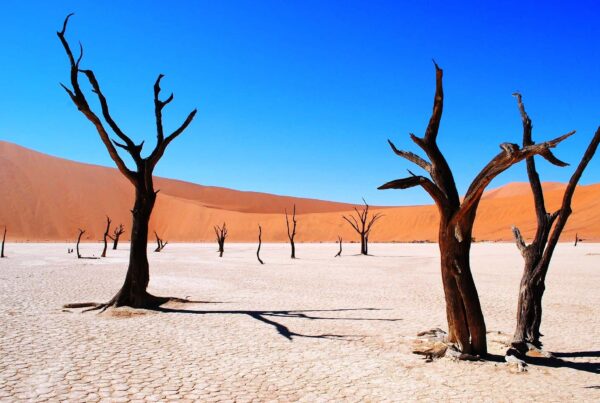
Etosha National Park in Namibia offers a completely different safari experience compared to other African destinations. The park is centered around the Etosha Pan, a massive salt flat that provides dramatic backdrops for wildlife sightings. The park is home to a range of animals, including the Big Five, as well as oryx, springbok, and zebras. The unique landscape and waterholes make Etosha one of the best places in Africa to observe wildlife, especially in the dry season when animals gather around the water sources.

9. South Luangwa National Park, Zambia

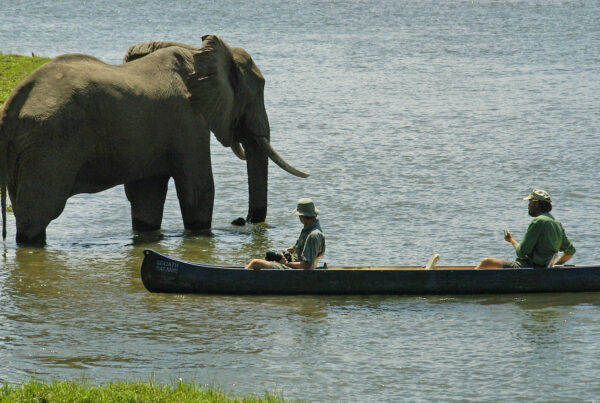
South Luangwa National Park is a premier safari destination known for its exceptional walking safaris. This park offers a more intimate wildlife experience, where visitors can explore the African wilderness on foot with experienced guides. South Luangwa is home to a large population of leopards, elephants, lions, and hippos, as well as countless bird species. Its remote and pristine nature makes it an ideal choice for those seeking a more off-the-beaten-path safari adventure.

10. Ngorongoro Crater, Tanzania

The Ngorongoro Crater, a UNESCO World Heritage Site, is one of the most unique places in the world for a wildlife safari. This massive caldera is home to a diverse range of wildlife, including the Big Five, as well as flamingos, wildebeest, and hyenas. The crater’s rich ecosystem provides a year-round haven for wildlife, and it’s an excellent location for those who want to experience a high-density safari with the opportunity to see a wide variety of animals in one day.

Focus Keyword: Africa wildlife safaris
Meta Description: Discover the top 10 Africa wildlife safaris and holiday destinations, from the Serengeti’s Great Migration to gorilla trekking in Uganda. Plan your dream safari today!

This blog highlights the best safari destinations across Africa for unforgettable wildlife experiences, each offering its own unique landscape and animal encounters. Whether you’re seeking a traditional safari experience or something more specialized like primate holidays or hiking safaris, Africa has something for every traveler.

Top 10 Activities While on Safari

Top 10 Activities While on Safari

By Travel guides, Travel stories and blogs


Top 10 Activities While on SafariBeyond game drives lies a world of exhilarating, soul-stirring, and eye-opening safari experiences you’ll never forget.

Introduction to the Top 10 Activities While on Safari

When people think of an African safari, their minds often jump to the image of a lion lounging beneath an acacia tree or elephants silhouetted against the sunset. While such scenes are truly iconic, there is so much more to a safari than just spotting wildlife from a vehicle.

The modern safari is an immersive experience, combining adventure, education, culture, and connection with nature. Whether you’re a first-time visitor or a seasoned traveler, these top 10 safari activities promise to elevate your journey from ordinary to unforgettable.

1. Classic Game Drives

The backbone of any safari, the classic game drive offers the thrill of encountering Africa’s legendary wildlife up close — lions, leopards, rhinos, elephants, buffalo, and more. Conducted in open 4×4 vehicles and guided by expert trackers, game drives offer optimal chances to witness the famed Big Five and a host of other species.

The early morning and late afternoon are prime times, as animals are more active in the cooler hours. It’s also when the light is best for photography.

2. Walking Safaris

Experience the wilderness on foot with a walking safari. Led by armed guides and trackers, this activity reveals the subtle details often missed from a vehicle — tracks, scat, medicinal plants, insects, and birdlife.

It’s not just about what you see, but how you feel: exposed, alert, connected. A walking safari immerses you in the rhythms of nature and offers a heightened sense of respect for the wild.

3. Hot Air Balloon Safaris

There’s nothing quite like soaring silently over the savannah at dawn during a hot air balloon safari. Watch the sun rise over the Serengeti or Maasai Mara as herds of wildebeest, zebras, and elephants graze below.

The experience typically ends with a champagne breakfast in the bush — a memory that will linger long after your safari ends.

4. Night Game Drives

When the sun sets, a different world awakens. Night game drives reveal Africa’s nocturnal creatures: porcupines, civets, bush babies, and elusive predators like leopards and hyenas.

Using red or dim lights to avoid disturbing wildlife, these drives offer an entirely different perspective on the bush. The darkness sharpens your senses — every sound and movement becomes more dramatic.

5. Cultural Encounters

A safari is not just about animals. It’s about people too. Visiting local communities like the Maasai, Samburu, or Hadzabe offers insight into Africa’s deep cultural heritage and traditional ways of life.

Learn about cattle herding, beadwork, song and dance, and daily survival in the wilderness. These experiences foster cultural appreciation and respect, and often directly benefit the communities involved.

6. Bird Watching , Top 10 Activities While on Safari

Africa is a birder’s paradise with over 2,300 bird species across the continent. Whether you’re an avid birder or just curious, the diversity of plumage, calls, and behavior is staggering.

From lilac-breasted rollers and crowned cranes to the mighty African fish eagle, birdwatching on safari adds color, melody, and a new dimension to your game viewing.

7. Canoe and Boat Safaris

Rivers and lakes offer a serene — and sometimes thrilling — vantage point for wildlife watching. Canoe and boat safaris in places like the Okavango Delta, Zambezi River, or Lake Naivasha put you eye-level with hippos, crocodiles, and water birds.

The gentle pace and proximity to the water create a unique, meditative safari experience often missed on land.

8. Photographic Safaris

Whether you’re a seasoned photographer or an enthusiastic amateur, a photographic safari is your chance to capture the magic of Africa. Many operators offer guides who are also professional wildlife photographers, with vehicles modified for optimal angles and stability.

You’ll gain technical skills and artistic inspiration while documenting lions mid-yawn or elephants silhouetted at sunset.

9. Bush Dining and Sundowners

Dining in the wild is one of safari’s great pleasures. Bush breakfasts, sundowners, and candlelit dinners under the stars offer gourmet experiences in the most unexpected locations.

As the sun dips below the horizon and the sky ignites with stars, you’ll toast to nature with a gin and tonic in hand — surrounded by the sounds of the African night.

10. Conservation Experiences

More safaris are integrating hands-on conservation experiences, allowing travelers to directly support wildlife protection. You may track rhinos with anti-poaching rangers, visit wildlife rehabilitation centers, or meet researchers studying elephant behavior.

These experiences deepen your understanding of the challenges facing African wildlife and turn your trip into a force for good.

Book Your Safari Adventure with WildHorn Africa

Ready to embark on the adventure of a lifetime? Let WildHorn Africa craft your dream safari. With deep local knowledge, custom itineraries, and a passion for authentic experiences, WildHorn Africa ensures your journey is seamless, safe, and unforgettable.

Whether you want to witness the Great Migration, track gorillas in the jungle, or sleep under canvas in the savannah, WildHorn Africa will bring your safari dreams to life.

Contact WildHorn Africa today — your wild African story starts here.

Top 10 Activities While on Safari #Top 10 Activities While on Safari Top 10 Activities While on Safari

5 Fascinating Facts About the Aardvark

5 Fascinating Facts About the Aardvark

By Travel guides, Travel stories and blogs


5 Fascinating Facts About the AardvarkUnveiling the secrets of Africa’s elusive “earth pig”.

Introduction

When you think of African wildlife, giants like elephants or predators like lions might come to mind.
But hidden in the quiet of the night, an unsung wonder roams the savannas, forests, and bushlands:
the Aardvark. With a pig-like snout, rabbit-like ears, and a tail resembling a kangaroo’s, the aardvark is a
true biological mystery. It belongs to an order all its own—Tubulidentata—and its name means “earth pig” in Afrikaans.

Despite its awkward appearance, the aardvark is a specialized and skilled survivor. Here are five
astonishing facts that shine a light on one of Africa’s most secretive mammals.

Table of Contents

1. The Aardvark Is a Species All on Its Own (Facts About the Aardvark)

The aardvark doesn’t belong to any family of pigs, rodents, or anteaters—even though it resembles all three.
It is the only living species in its order, Tubulidentata, a lineage that dates back over 50 million years.

This evolutionary isolation makes the aardvark an incredibly unique mammal, not closely related to any other living animal.
Its closest living relatives are surprisingly elephants, manatees, and tenrecs, all members of the Afrotheria clade.

That evolutionary distinctiveness alone makes the aardvark a living fossil and an animal of high scientific interest.

2. Master of Digging and Burrow Engineering

If there were an award for Earth’s best digger, the aardvark would win hands down. It is capable of excavating extensive burrows
with its strong claws and powerful limbs, creating underground systems that may span up to 10 meters in length.

These burrows are not only used for shelter but also play a crucial role in temperature regulation and protection from predators.
Aardvarks are known to dig new burrows almost every night if disturbed or if conditions change.

What’s more, once abandoned, these burrows are repurposed by other wildlife, including porcupines, warthogs, wild dogs, and snakes—making aardvarks ecosystem engineers.

3. A Night Owl With a Taste for Termites

Aardvarks are strictly nocturnal. They emerge after sunset and travel great distances—sometimes up to 15 kilometers in one night—in search of their preferred food: termites and ants.

Their long, sticky tongue (which can extend up to 30 centimeters) allows them to slurp up thousands of insects in minutes.
Aardvarks can consume over 50,000 termites in a single night—a feat made possible by their specialized tongues and strong sense of smell.

Unlike other ant-eating mammals, aardvarks are selective. They often ignore soldier ants and focus on easier prey,
using a methodical and energy-efficient approach to feeding.

4. Unique Teeth Without Enamel

The aardvark’s teeth are unlike those of any other mammal. Rather than having a crown, root, and enamel coating,
aardvark teeth are composed of tiny, hexagonal tubes of dentin, with no enamel at all.

These teeth wear down constantly from consuming gritty soil and insects but are continuously regrown from the base,
similar to the way rodent teeth work.

Aardvarks also have no incisors or canines—just a set of cheek teeth at the back used to grind their food,
which is mostly softened insect pulp.

5. Vital to the Ecosystem

Though solitary and rarely seen, the aardvark has a profound impact on its environment.
Its digging behavior improves soil health and aeration, allowing for the growth of grasses and other plants.

The aardvark is also the primary disperser of the aardvark cucumber (Cucumis humifructus), a fruit that depends entirely on
aardvarks for seed dispersal. The aardvark eats the cucumber, digests the pulp, and deposits the seeds in its droppings.

By providing shelter and food for other species, and maintaining balance in insect populations, the aardvark is a keystone species
in the ecosystems where it dwells.

Conclusion on the Facts About the Aardvark

Mysterious, solitary, and unlike anything else on Earth, the aardvark is a marvel of evolution and ecological balance.
From its unique biological lineage to its critical role in soil and species diversity, the aardvark is a reminder that even the least famous creatures
can be the most fascinating.

As conservation efforts grow across Africa, understanding the role of underrepresented animals like the aardvark is
essential. Because protecting this quirky “earth pig” means protecting entire ecosystems in return.


The Budget-Friendly Ideas: travel safety tips at Jinja for adventure seekers

The Budget-Friendly Ideas: travel safety tips at Jinja for adventure seekers

By Travel stories and blogs, Adventure holidays, Bucket list holidays, Family holidays, Safari holidays, Uganda travel guides

The Budget-Friendly Ideas: Travel Safety Tips at Jinja for Adventure Seekers

Where Adventure Meets Affordability

There is a special energy that radiates from Jinja, a lakeside town in eastern Uganda, celebrated globally as the adventure capital of East Africa. Situated at the point where Lake Victoria releases its waters to form the mighty Nile, Jinja has become a hub for thrill-seekers who crave activities such as white-water rafting, bungee jumping, quad biking, kayaking, and sunset cruises. Its vibrancy is amplified by cultural experiences, lively nightlife, and a welcoming atmosphere that makes every traveler feel at home.

Yet for those drawn by the promise of adrenaline, Jinja offers more than thrills. It offers affordability. Budget-conscious travelers often assume that safety and security are luxuries reserved for premium travel. In reality, Jinja demonstrates that careful preparation and informed choices can allow adventure seekers to experience its wonders with confidence and without overspending. Safety here is not about extravagance but about awareness, responsibility, and the ability to enjoy every activity within one’s means.

This guide explores in depth the budget-friendly safety tips that long-stay adventurers and short-term explorers alike need to know when traveling to Jinja. It blends practical insights with cultural awareness, ensuring that affordability and security are balanced seamlessly to create the ideal adventure experience.

Jinja — The Heartbeat of Adventure

To understand why safety tips are essential, one must first appreciate the character of Jinja itself. The town is a blend of history and modernity, where colonial architecture lines streets filled with cafes, markets, and guesthouses. Beyond the town center lies the Source of the Nile, a point of symbolic and geographical importance that has lured explorers for centuries.

Adventure dominates the traveler’s imagination in Jinja. From the thunderous rapids of the Nile that attract rafters from across the globe, to the quiet allure of horseback safaris through rolling countryside, the destination caters to all levels of adrenaline. Yet every adventure carries inherent risks, especially when pursued with limited budgets where shortcuts may tempt travelers into unsafe decisions.

Safety, therefore, becomes the silent companion of adventure — one that ensures each experience is memorable for the right reasons.The Budget-Friendly Ideas: travel safety tips at Jinja for adventure seekers

Budget Travel and Safety — Striking the Balance

Budget travel is often misunderstood as synonymous with compromise. While costs can be reduced through strategic choices, safety should never be sacrificed. In Jinja, the balance is possible because the town itself is structured around tourism. Adventure operators, guesthouses, and restaurants are accustomed to hosting international visitors and have adapted their services to meet a wide range of budgets without discarding essential safety standards.

For adventure seekers, the priority lies in identifying trustworthy providers. Affordability must never mean recklessness. The challenge is to allocate resources wisely: to invest in areas where safety is non-negotiable, such as rafting or bungee jumping, while economizing on other areas such as accommodation or dining without risking health or comfort.

This mindset allows travelers to engage deeply with Jinja’s offerings while ensuring that every thrill remains secure.

Road Safety — Reaching Jinja Securely

The journey to Jinja is itself an adventure. Located roughly 80 kilometers east of Kampala, the town is accessible by road in about two to three hours. For budget travelers, public buses, shared taxis, or minibuses known as matatus are the most affordable means of transport. However, safety must remain a priority when choosing road transport.

Vehicles should be selected based on reputation and condition rather than the lowest fare. Overcrowding is common in cheaper services, and this increases risks. For those on tighter budgets, reputable bus companies provide safer alternatives without significant additional expense. Traveling during daylight is strongly recommended, as roads are easier to navigate and emergency response is quicker if needed.

Long-stay adventurers often find value in hiring motorcycles (boda bodas) for short distances once in Jinja. While inexpensive, they present risks if drivers are unlicensed or if helmets are not provided. Choosing safer operators, even at a slightly higher price, ensures peace of mind.

Adventure Activities — Budget Choices with Safety in Mind

White-Water Rafting

The Nile’s rapids are Jinja’s crown jewel, attracting rafters from across the globe. While several companies offer budget rafting packages, safety standards must guide the choice. Licensed operators provide helmets, life jackets, safety kayakers, and experienced guides who know how to navigate the river’s powerful currents. Though these companies may charge more than unlicensed alternatives, the additional cost is an investment in survival and enjoyment.

Budget-friendly does not mean unsafe rafting; it means selecting half-day trips instead of full-day packages or sharing transport with groups rather than booking privately. The thrill of conquering Grade V rapids is the same, but with safety uncompromised.

Bungee Jumping

Jinja’s bungee jump is one of Africa’s most iconic experiences, offering a plunge from a towering platform toward the Nile. Here, safety is paramount, as the activity relies on equipment and expertise. Budget travelers should never be tempted by unauthorized operators or shortcuts. Instead, they can reduce costs by combining bungee jumping with other adventure activities in packaged deals offered by reputable companies, ensuring affordability without losing professional standards.The Budget-Friendly Ideas: travel safety tips at Jinja for adventure seekers

Quad Biking and Horseback Riding

Exploring the countryside on quad bikes or horseback is a popular activity. Budget-conscious travelers can economize by choosing shorter sessions, which still provide immersion into rural life and spectacular views. Safety is assured when operators provide helmets, instruction, and supervision. For horseback safaris, well-trained horses and knowledgeable guides ensure security for both beginners and experienced riders.

Kayaking and Canoeing

For those who prefer quieter adventures, kayaking on calmer sections of the Nile offers affordability and safety. Budget travelers can often share equipment or guides with others, reducing expenses. The crucial point is to ensure that equipment is well maintained and that flotation devices are always provided.

Accommodation — Safe and Affordable Retreats

Jinja offers a spectrum of accommodation, from high-end lodges to modest guesthouses. Budget travelers need not compromise safety for cost. Many guesthouses and eco-lodges around the lake and town provide clean rooms, mosquito nets, and secure environments at affordable rates.

For families or solo adventurers, accommodations with 24-hour reception and secure storage for valuables enhance peace of mind. While dormitory options are popular with backpackers, private rooms in mid-range guesthouses often strike the perfect balance between affordability and safety, especially for those staying longer.

Dining and Food Safety

Food in Jinja reflects Uganda’s culinary vibrancy, blending traditional dishes with international influences. For budget travelers, street food is tempting, yet hygiene must remain the top consideration. Reputable local restaurants often provide inexpensive meals prepared under safer conditions. Dishes such as luwombo, matoke, rolex, and grilled tilapia are not only affordable but also safe when purchased from trusted providers.

For adventure seekers staying longer, self-catering is another safe and budget-friendly option. Fresh produce from local markets allows travelers to enjoy Ugandan flavors while maintaining control over preparation standards.

Health and Wellness — Priorities for Adventure Seekers

Adventure activities exert physical demands, and maintaining health is essential for safety. Budget-conscious travelers must prioritize hydration, malaria prevention, and personal hygiene. Affordable bottled water is widely available, and lodges often provide safe drinking supplies.

Travelers should carry basic first aid kits, including plasters, antiseptics, and insect repellents, which are inexpensive yet invaluable. Long-stay visitors benefit from registering with local clinics, ensuring access to medical services if needed.

Fitness should also be considered. Adventure seekers on limited budgets may not afford extensive recovery treatments, making it important to listen to the body, avoid overexertion, and allow rest between high-energy activities.

Cultural Awareness and Personal Safety

Jinja is a welcoming town, with communities accustomed to hosting international visitors. Still, cultural awareness enhances both safety and enjoyment. Dressing modestly when visiting markets or villages, greeting people respectfully, and supporting local artisans foster goodwill and reduce misunderstandings.

Budget travelers should remain mindful of personal belongings, especially in crowded areas. Affordable safes in guesthouses or discreet money belts provide security for passports and cash. Nightlife in Jinja is lively, but moderation ensures safety. Choosing popular, reputable venues and traveling in groups at night minimizes risks.

Environmental Safety — Protecting Nature and Oneself

Budget-friendly travel often aligns naturally with sustainability. At Lake Victoria and the Nile, adventure seekers should avoid littering, use eco-friendly sunscreen, and respect wildlife habitats. Many eco-lodges and tour operators encourage responsible practices, often at no additional cost.

For safety, avoiding swimming in unfamiliar stretches of the Nile is vital, as currents are unpredictable. Designated swimming areas provided by lodges offer safe alternatives without expense.

Children and families benefit from the lake’s safer zones, where life jackets and supervision transform aquatic fun into secure adventure.

Psychological Comfort for Budget Travelers

Adventure is as much psychological as physical. Budget travelers sometimes fear that lower spending equates to higher risk. In Jinja, this perception can be dispelled through careful choices. Confidence is built by selecting reputable operators, preparing thoughtfully, and recognizing that safety does not require extravagance but intentionality.

Long-stay travelers often find reassurance in building relationships with local providers, staff, and fellow adventurers. Over time, familiarity with routines, cultural rhythms, and town structure creates psychological safety that allows for deeper immersion.

The Legacy of Safe Budget Travel in Jinja

For adventure seekers, the ultimate memory of Jinja lies not in costs or risks but in the exhilaration of its landscapes and activities. White-water rafting on the Nile, jumping into its depths, or gliding across its calm stretches are experiences that linger for a lifetime. Safety ensures those memories remain positive, while affordability ensures that they are accessible to all who dream of them.

The legacy of budget-friendly safety in Jinja is a reminder that luxury lies not only in expensive indulgence but in the freedom to explore responsibly. Every traveler who engages wisely leaves with not only stories of adventure but also lessons in resilience, balance, and cultural respect.

Travel Safely with WildHorn Africa

For adventure seekers who wish to explore Jinja’s thrills with confidence, WildHorn Africa provides curated experiences that balance affordability with uncompromised safety. Their expertise ensures that even budget-conscious travelers enjoy secure activities, reputable lodges, and guided itineraries tailored to both excitement and responsibility.

From arranging white-water rafting with licensed operators to securing affordable yet comfortable accommodations, WildHorn Africa transforms a trip to Jinja into an adventure where safety and affordability are perfectly aligned. By traveling with them, adventurers not only safeguard their journeys but also contribute to sustainable tourism that empowers local communities.

In 2025 and beyond, Jinja remains the beating heart of adventure in Uganda. With WildHorn Africa, travelers can embrace its thrills without hesitation, confident that every step, paddle, and jump is guided by expertise, responsibility, and care.

Solo Traveler Guide: Mgahinga Gorilla National Park birding safari for luxury travelers

Solo Traveler Guide: Mgahinga Gorilla National Park birding safari for luxury travelers

By Travel stories and blogs, Adventure holidays, Bucket list holidays, Luxury holidays, Safari holidays, Uganda travel guides

Solo Traveler Guide: Mgahinga Gorilla National Park Birding Safari for Luxury Travelers

A Symphony of Wings in the Mountains

For the solo traveler, luxury is not always defined by grandeur or company. Often, it is the profound silence, the stillness of wild landscapes, and the privilege of observing life in its purest forms that creates the truest sense of indulgence. Few places embody this kind of refined solitude as perfectly as Mgahinga Gorilla National Park, a gem tucked away in Uganda’s Virunga Mountains. While the park is globally recognized for its endangered mountain gorillas, it also holds another secret for those who travel with patience and curiosity: an extraordinary birding safari that ranks among the most captivating in East Africa.

In 2025, as luxury travel continues to embrace meaningful, experiential journeys, Mgahinga emerges as a sanctuary where the world’s most discerning solo adventurers can indulge their senses. With over 180 bird species, including several Albertine Rift endemics found nowhere else on Earth, the park offers an unrivaled combination of exclusivity, biodiversity, and serenity. For the solo luxury traveler, birding here is more than a checklist of species. It is a poetic dialogue with the wild — one in which every call, wingbeat, and flash of color becomes part of a deeply personal journey.

This guide unpacks that journey in full, weaving together the natural heritage of Mgahinga, the rhythms of birding safaris, and the elements of luxury that elevate the experience into something timeless.

Mgahinga Gorilla National Park — Uganda’s Smallest Treasure

At only 33.7 square kilometers, Mgahinga Gorilla National Park may be Uganda’s smallest protected area, yet its significance far outweighs its size. It forms part of the larger Virunga Conservation Area, which spans Uganda, Rwanda, and the Democratic Republic of Congo, safeguarding a unique volcanic landscape. The park is framed by three towering extinct volcanoes: Mount Muhabura, Mount Gahinga, and Mount Sabyinyo, each cloaked in montane forests, bamboo zones, and afro-alpine vegetation.

This compactness works in favor of the solo traveler. Trails are more intimate, ecosystems overlap seamlessly, and the density of birdlife is heightened by the park’s altitudinal gradients. Birding here is not fragmented but concentrated, allowing for diverse encounters within manageable hikes. For those traveling alone, this accessibility enhances comfort while preserving the sense of adventure.Solo Traveler Guide: Mgahinga Gorilla National Park birding safari for luxury travelers

The Birds of Mgahinga — A Living Collection

Mgahinga’s location in the Albertine Rift makes it one of the richest birding destinations in Africa. The forested slopes and bamboo thickets provide habitat for rare and endemic species, drawing enthusiasts from across the globe. Among its stars are the Rwenzori turaco, with its striking green and crimson plumage, the white-starred robin, the dusky crimsonwing, and the elusive grauer’s swamp warbler.

For solo luxury travelers, the joy lies in the exclusivity of these sightings. Unlike busier parks, Mgahinga offers birding safaris where moments are rarely shared with crowds. When a scarlet-tufted sunbird darts across alpine meadows or a regal crowned crane lifts gracefully into the air, the experience feels deeply personal, as though the wild is performing only for the traveler’s eyes.

Each species is part of a living story that connects ecosystems across borders. Migratory birds from distant continents mingle with endemic species, creating a dynamic tableau where every sighting becomes both a discovery and a connection to broader global rhythms.

Why Solo Travelers Find Luxury in Birding

Traveling alone is often misunderstood as a lack of company, but in truth, it is an intimate form of indulgence. In Mgahinga, birding as a solo traveler provides an unhurried, deeply immersive experience. Without the distractions of group itineraries, every sound, color, and movement in the forest can be absorbed fully.

Luxury here is not measured by extravagance but by exclusivity — the freedom to choose when to pause, when to linger, and when to move on. A solo traveler can spend an hour in a single clearing waiting for a rare bird without pressure, savoring the silence broken only by the forest’s chorus.

Moreover, birding aligns with the contemplative nature of solo journeys. Observing the delicate flight of a bar-tailed trogon or listening to the call of the mountain masked apalis is not simply an observation; it is a meditation. It nurtures patience, heightens awareness, and transforms the journey into an inner as much as an outer exploration.

The Structure of a Birding Safari in Mgahinga

A birding safari in Mgahinga unfolds as a carefully orchestrated rhythm. Days often begin at dawn, when birds are most active. The crisp mountain air carries layers of sound — whistles, chirps, and trills that serve as nature’s morning symphony. Guides, skilled in both sight and sound recognition, lead travelers along trails such as the Gorge Trail between Mount Gahinga and Mount Sabyinyo, renowned for its richness of species.

Midday often slows as birds retreat into shade, allowing for rest and reflection. Luxury travelers use this time to retreat to lodges, where panoramic views of volcanic slopes provide a stage for raptors and other high-soaring species. Afternoons bring renewed activity, with expeditions into bamboo zones or montane forest edges.

For solo travelers, the structure is tailored with flexibility. Without the constraints of larger groups, itineraries can shift to suit personal pace and interest. If the traveler desires to focus on high-altitude specialties or to spend hours perfecting photography of a single species, the schedule accommodates such indulgence.

Seasons and Timing in 2026

Birding in Mgahinga is rewarding year-round, but 2026’s best seasons align with Uganda’s broader climate patterns. The dry months — from December to February and June to September — are most favorable for hiking, as trails remain manageable and skies clear, enhancing visibility. These months also coincide with breeding seasons for many species, increasing the vibrancy of sightings.

The wet seasons, from March to May and October to November, create challenges with muddy paths and mist-covered slopes. Yet they also bring advantages. Migratory birds arrive during these months, swelling the diversity of species. Forests grow lush and resonant, with calls amplified by rain-washed air. For the solo traveler seeking solitude, wet seasons also mean fewer visitors, ensuring almost private access to the park’s treasures.

In 2025, the choice of timing depends on personal priorities: ease of trekking versus intimacy of atmosphere, endemic breeding displays versus migratory influxes. Each season offers its own palette of luxury.

Lodges of Refinement — Where Luxury Meets Wilderness

For solo luxury travelers, the choice of lodge is as important as the trails themselves. Mgahinga’s proximity to Kisoro town and its scenic landscapes offers several high-end options where hospitality mirrors the forest’s serenity.

Lodges here blend natural materials with modern refinement, offering panoramic views of the Virunga volcanoes, private cottages with fireplaces, and wellness experiences that complement the physical demands of birding safaris. Fine dining celebrates both Ugandan flavors and international sophistication, often paired with wines that turn every evening into a celebration of discovery.

For solo travelers, luxury lodges provide more than comfort. They create spaces of companionship when desired — through conversations with staff, guides, or fellow travelers — and solitude when needed, with private decks and serene landscapes. This balance ensures that the traveler never feels isolated but always feels in control of their experience.

Photography — Crafting a Visual Narrative

Birding safaris in Mgahinga are as much about storytelling as they are about observation. Photography transforms fleeting moments into lasting narratives. Yet capturing birds in dense forest requires skill, patience, and awareness of light. The dappled canopy often creates challenging conditions where timing and readiness make the difference between a blurred wing and a masterpiece.

For solo luxury travelers, guides often double as photography assistants, pointing out opportunities and advising on positioning. Lodges increasingly offer photography workshops, enabling travelers to refine their craft. The reward is a portfolio of images that not only documents species but conveys the atmosphere of the journey — mist rising from volcanic slopes, the vibrant flash of a turaco’s wings, or the stillness of bamboo groves under soft light.

Luxury here is not simply in owning high-end equipment but in having the time, guidance, and perspective to use it meaningfully.

Wellness and Reflection in the Wild

Beyond birds, Mgahinga offers a setting where wellness thrives. Hiking through mountain air, listening to the forest’s natural symphony, and pausing to reflect in secluded clearings become acts of restoration. For solo travelers, these moments are heightened by the absence of distraction.

Lodges complement this natural wellness with spa treatments using local botanicals, yoga sessions against the backdrop of volcanic peaks, and cuisine that nourishes both body and spirit. Luxury is thus defined not only by sightings but by balance — the merging of exploration and restoration, of effort and ease.Solo Traveler Guide: Mgahinga Gorilla National Park birding safari for luxury travelers

Cultural Encounters — The Human Dimension

No safari in Mgahinga is complete without acknowledging its cultural context. The Batwa pygmies, indigenous to this forest, now share their heritage through guided experiences. Solo travelers often find these encounters deeply moving, as they reveal human stories of resilience, adaptation, and identity.

Learning traditional songs, listening to oral histories, or watching demonstrations of forest survival techniques adds depth beyond birding. For the solo luxury traveler, private cultural interactions provide intimacy and respect, ensuring the experience is authentic and meaningful. These encounters remind visitors that Mgahinga’s richness lies not only in its birds but also in the people who have lived alongside them for generations.

Conservation and Responsibility

By 2025, conservation remains central to Mgahinga’s story. Tourism revenues directly fund protection of habitats, anti-poaching patrols, and community initiatives. Solo travelers, through their permits and lodge stays, become part of this larger conservation narrative.

Luxury travel here is not about excess but about responsibility with privilege. Knowing that one’s presence contributes to safeguarding endangered species and supporting local communities is itself a form of indulgence. For many, this knowledge elevates the experience from personal pleasure to shared legacy.

Beyond Birding — Complementary Adventures

Though birding is the focus, Mgahinga offers complementary activities that enrich the solo traveler’s journey. Gorilla trekking remains the park’s most iconic activity, while golden monkey tracking provides another rare primate encounter. Volcano hikes, such as scaling Mount Sabyinyo, offer panoramic views across three countries, turning every step into a photographic triumph.

These complementary adventures create a holistic itinerary where birding is part of a broader exploration of the Virunga landscape. Luxury lies in the ability to choose — to craft a personal journey where each day balances discovery, challenge, and restoration.

The Lasting Legacy of a Solo Birding Safari

When the solo traveler departs Mgahinga, the memory carried is not only of species listed or photographs captured but of transformation. Birding here is more than observation; it is immersion. Each call heard, each wing observed, and each silence felt contributes to a narrative of connection.

The legacy of such a safari is twofold. For the traveler, it is an enriched awareness of life’s subtleties, an appreciation of patience, and a collection of stories that can be retold for a lifetime. For the park and its communities, it is the support that sustains conservation and cultural resilience. In this exchange, solo luxury travel becomes a dialogue — personal, responsible, and unforgettable.

Experience with WildHorn Africa

For those who aspire to embrace Mgahinga Gorilla National Park in all its birding splendor, WildHorn Africa offers the expertise and refinement required. Specialists in designing bespoke luxury safaris, WildHorn Africa ensures that solo travelers receive the attention, flexibility, and exclusivity that define their journeys.

From securing expert birding guides and arranging luxury lodge stays to curating cultural interactions with care, their itineraries balance comfort with authenticity. With WildHorn Africa, a solo traveler’s birding safari becomes not only seamless but transformative, ensuring that every detail reflects both indulgence and responsibility.

In 2025, Mgahinga awaits with its symphony of wings, its volcanic grandeur, and its cultural soul. And with WildHorn Africa, the solo luxury traveler discovers that the truest indulgence lies in traveling deeply, responsibly, and meaningfully, one bird at a time.

The Complete Guide: gorilla trekking at Bwindi Impenetrable Forest in 2025-2026

The Complete Guide: gorilla trekking at Bwindi Impenetrable Forest in 2025-2026

By Travel stories and blogs, Adventure holidays, Bucket list holidays, Luxury holidays, Primate holidays, Safari holidays, Uganda travel guides

The Complete Guide: gorilla trekking at Bwindi Impenetrable Forest in 2025-2026.

A Journey into the Heart of the Wild

There are few experiences in the world that embody the true essence of adventure and intimacy with nature more profoundly than gorilla trekking. In 2025, as travel evolves toward deeper, more meaningful encounters, Bwindi Impenetrable Forest in Uganda remains the pinnacle of such journeys. Nestled in the southwestern corner of the country, this UNESCO World Heritage Site stands as one of the last sanctuaries of the critically endangered mountain gorilla, a species whose resilience and beauty continue to inspire travelers and conservationists alike.

To step into Bwindi is to embrace a wilderness so rich and untouched that its very name, impenetrable, evokes mystery and awe. Towering trees, tangled vines, and dense undergrowth conceal not only gorillas but also countless other species, from forest elephants and chimpanzees to hundreds of bird species that make this one of Africa’s most celebrated ecosystems. For the modern traveler, and especially for those seeking luxury escapes, gorilla trekking here in 2025 is more than an activity — it is a profound dialogue with nature, a chance to witness life in its rawest and most vulnerable form, and a commitment to responsible, transformative travel.

This guide offers an in-depth exploration of everything one needs to know, from the history and ecology of Bwindi to the logistics, seasons, and luxury touches that elevate the experience.

Bwindi Impenetrable Forest — A Living Tapestry of Biodiversity

Spanning over 321 square kilometers, Bwindi is part of the Albertine Rift Valley, one of the most biologically diverse regions on earth. Its altitude ranges from 1,160 to 2,607 meters, creating a mosaic of habitats that sustain a vast range of flora and fauna. Ancient by any standard, this forest has stood for more than 25,000 years, surviving geological upheavals and climate shifts to become a sanctuary of resilience.

Beyond gorillas, Bwindi shelters more than 120 mammal species, 350 bird species, and an array of butterflies and reptiles. Its flora is equally rich, with over 200 tree species and 100 fern species. The forest is not simply a backdrop for trekking; it is a vibrant world where every step reveals layers of ecological wonder.

To the people of Uganda, Bwindi is more than wilderness. It is a cultural and spiritual heritage, linked to the Batwa pygmies, indigenous forest dwellers whose ancestral ties to the land run deep. For the traveler in 2025, encountering Bwindi means entering a living tapestry where conservation, culture, and biodiversity weave a story far greater than any one trek.The Complete Guide: gorilla trekking at Bwindi Impenetrable Forest in 2025-2026

Mountain Gorillas — The Beating Heart of Bwindi

The mountain gorilla (Gorilla beringei beringei) is the undeniable star of Bwindi. Unlike lowland gorillas found in other parts of Africa, mountain gorillas cannot survive in captivity, making encounters in the wild their only possibility. An estimated population of around 1,050 mountain gorillas exists globally, with nearly half residing in Bwindi.

These creatures are organized into habituated groups, each led by a dominant silverback who commands authority with strength and wisdom. Their social structures, behaviors, and familial bonds often mirror those of humans, deepening the sense of kinship felt during encounters. Watching them groom one another, play, or forage in the forest underscores both their vulnerability and their resilience.

By 2025, conservation efforts in Uganda have achieved remarkable success. Gorilla numbers have steadily risen thanks to strict protection, community engagement, and tourism revenues reinvested into preservation. For travelers, this means that every permit purchased contributes directly to ensuring the survival of these magnificent primates.

Preparing for Gorilla Trekking in 2025

A trek in Bwindi is no casual stroll; it is an immersive experience demanding physical readiness, patience, and an open spirit. The trails often involve steep climbs, thick undergrowth, and unpredictable weather. Yet these very challenges form part of the luxury of the experience, for what is rare and demanding is often the most rewarding.

In 2025, preparations begin long before setting foot in the forest. Gorilla trekking permits, regulated by the Uganda Wildlife Authority, remain limited to protect the animals and their habitat. Securing these permits well in advance is essential, especially during peak seasons. Each trek is carefully structured, with groups limited to a small number of visitors accompanied by expert rangers and trackers.

The luxury traveler benefits from personalized support — private briefings, expert guides, and curated itineraries that ensure the experience unfolds seamlessly. Whether through specialized gear, concierge assistance, or wellness preparations, the emphasis is on maximizing comfort without diminishing authenticity.

The Trekking Experience — Step by Step

The day of the trek begins at dawn. Guests gather at designated starting points within Bwindi’s four trekking sectors — Buhoma, Ruhija, Rushaga, and Nkuringo. Each sector offers unique terrain, habituated groups, and perspectives on the forest.

After an orientation led by rangers, groups set off into the dense undergrowth. The trek may last from one hour to several, depending on the gorillas’ movements. Paths are carved through thick vegetation, often requiring determination and endurance. Yet every pause brings encounters with other wildlife — birds darting through the canopy, butterflies gliding in dappled sunlight, or the occasional glimpse of monkeys swinging through branches.

And then comes the moment of arrival. The first sight of a gorilla group is indescribable. A silverback may sit calmly, surveying his family with quiet authority. Females may nurse their young, while juveniles tumble in playful mischief. Cameras click, but silence often dominates, as travelers realize they are in the presence of something profoundly rare.

Visits are restricted to one hour to minimize disturbance, yet that hour feels timeless. It is not a performance staged for human eyes but a glimpse into the authentic rhythm of gorilla life. Luxury here is not in gilded surroundings but in the privilege of intimacy with the wild.

Seasons and Timing — When to Visit in 2025

Uganda’s climate allows gorilla trekking year-round, but the dry seasons from June to September and December to February are generally preferred. During these months, trails are more manageable, visibility is higher, and the likelihood of prolonged rain is reduced.

The wet seasons, spanning March to May and October to November, present more challenges — muddy trails, slippery slopes, and heavier rainfall. Yet they also bring advantages: lush greenery, fewer visitors, and often more affordable rates for accommodation. For photographers, the soft light of the rainy season offers unparalleled opportunities.

In 2025, the choice of timing depends not only on logistics but also on intention. Those seeking comfort and ease may prefer dry months, while those craving intimacy and atmosphere may find the wet season more rewarding. Luxury operators increasingly tailor experiences to match these preferences, ensuring that each traveler’s vision of the trek is fulfilled.

Luxury Lodges — Refined Sanctuaries at the Edge of Wilderness

No guide to gorilla trekking would be complete without acknowledging the luxury lodges that frame the experience. Nestled near each sector of Bwindi, these lodges combine world-class hospitality with a deep respect for the environment.

Architectural designs often mirror the forest, with stone, wood, and thatch blending into the landscape. Interiors balance rustic charm with refined comfort — private decks overlooking mist-covered valleys, spa treatments using local botanicals, and gourmet dining that celebrates both Ugandan flavors and international sophistication.

For the luxury traveler, these lodges are not mere accommodations but sanctuaries of restoration. After hours in the forest, they provide space to reflect, relax, and rejuvenate. Evenings often feature storytelling around a fire, private dinners under starlit skies, or wellness rituals that reconnect body and spirit.

Photography and Memory-Making

Gorilla trekking in 2025 is as much about creating memories as it is about living the moment. Photography plays a central role, yet capturing gorillas in dense forest requires skill and awareness. Low light, movement, and the need for discretion present challenges that reward patience and preparation.

Beyond gorillas, the forest itself offers endless subjects. The textures of ancient trees, the iridescence of birds, and the play of light through the canopy create images as captivating as the animals themselves. For luxury travelers, professional photography guides are often available, ensuring that each frame reflects both artistry and authenticity.

Yet the most profound memories often transcend photographs. They reside in the silence when gorilla eyes meet human eyes, in the sound of rain dripping through the canopy, or in the collective breath held as a silverback moves past. These moments, though difficult to capture on film, remain etched in the traveler’s spirit.The Complete Guide: gorilla trekking at Bwindi Impenetrable Forest in 2025-2026

Conservation and Responsibility

By 2025, gorilla trekking is inseparable from the narrative of conservation. Every permit purchased contributes to the protection of gorillas and the empowerment of surrounding communities. Revenues fund anti-poaching patrols, veterinary interventions, and habitat preservation. Equally significant, they support education, healthcare, and livelihoods for local people, ensuring that conservation is not seen as an external imposition but as a shared benefit.

Luxury travel plays a crucial role here. High-value, low-impact tourism ensures that fewer visitors create greater contributions. Travelers are increasingly aware that their indulgence must also be responsibility, and operators emphasize eco-conscious practices — from minimizing plastic to supporting reforestation projects.

For the traveler in 2025, the greatest luxury is knowing that their presence safeguards rather than exploits. Gorilla trekking becomes not only an encounter with wildlife but a commitment to a global conservation legacy.

The Role of Culture — The Batwa Experience

While gorillas dominate attention, the cultural dimension of Bwindi is equally enriching. The Batwa pygmies, once forest dwellers, now engage visitors through cultural encounters that preserve and share their heritage. Storytelling, dance, and demonstrations of traditional forest survival skills provide insight into a way of life intricately tied to the land.

For luxury travelers, private and respectful interactions with the Batwa offer depth beyond wildlife. They remind visitors that conservation is not only about animals but also about people whose identities are woven into the forest. The photo essay of Bwindi, therefore, is incomplete without the human story.

Beyond the Trek — Expanding the Journey

Though gorilla trekking is the centerpiece, Bwindi offers more. Nature walks, birding expeditions, and waterfall hikes provide additional layers of exploration. The surrounding regions — Lake Bunyonyi with its island-studded waters, or Queen Elizabeth National Park with its savannah wildlife — complement the forest experience, creating itineraries of remarkable diversity.

Luxury travelers often craft journeys that begin with urban indulgence in Kampala, flow into the wilderness of Bwindi, and conclude with serene relaxation by Uganda’s lakes or rivers. In 2025, travel is less about isolated activities and more about holistic narratives that engage mind, body, and spirit.

The Lasting Legacy of Bwindi in 2025

When the trek ends and travelers leave Bwindi, what remains is more than photographs or stories. It is a profound transformation. To look into the eyes of a gorilla is to recognize kinship, to feel humility, and to understand the fragile interconnectedness of life. The impenetrable forest, though dense and challenging, reveals truths about resilience, patience, and beauty that linger long after departure.

For the luxury traveler, this legacy is not indulgence alone but meaning. Bwindi in 2025 stands not just as a destination but as a pilgrimage of the heart, where the rarest of wildlife encounters becomes a mirror reflecting our shared humanity.

Curated Gorilla Safaris with WildHorn Africa

For those ready to embrace the ultimate luxury escape into the wild, WildHorn Africa offers unmatched expertise in curating gorilla trekking journeys. From securing permits and arranging private guides to selecting lodges that balance indulgence with authenticity, WildHorn Africa ensures that every step of the journey is elevated to perfection.

With a commitment to sustainability and cultural respect, their itineraries transform gorilla trekking into more than an excursion — they become transformative experiences where luxury and conservation walk hand in hand. By booking with WildHorn Africa, travelers not only secure the best logistical support but also ensure their presence contributes meaningfully to the protection of gorillas and the empowerment of local communities.

In 2025, Bwindi Impenetrable Forest awaits with its timeless secrets and unforgettable encounters. And with WildHorn Africa, every trek becomes a story of luxury, responsibility, and discovery that will define a lifetime of travel memories.

How to Festival Guide in Ssese Islands — Frequently Asked Questions for Groups

How to Festival Guide in Ssese Islands — Frequently Asked Questions for Groups

By Travel stories and blogs, Adventure holidays, Bucket list holidays, Luxury holidays, Safari holidays, Uganda travel guides

How to Festival Guide in Ssese Islands — Frequently Asked Questions for Groups

Where Celebration Meets Paradise

The word festival conjures images of music, laughter, shared meals, and cultural rhythms that transform ordinary spaces into extraordinary experiences. Now imagine such celebrations unfolding not in crowded city streets, but on the serene shores of one of Africa’s most enchanting destinations — the Ssese Islands. Scattered across the northwestern corner of Lake Victoria, this archipelago of eighty-four islands is a sanctuary of palm-lined beaches, emerald forests, and gentle waters. For groups traveling together, the Ssese Islands offer an unmatched setting for festivals that combine community spirit with the beauty of nature.

From small private gatherings to larger cultural or musical events, the islands have grown into a discreet hub for celebrations. Their remoteness adds exclusivity, while their accessibility ensures that travelers are never isolated. Yet for groups planning to attend or host a festival here, questions inevitably arise: when is the best time, how does one prepare, what traditions are respected, and how can safety and affordability be balanced?

This guide, written with both the detail of local knowledge and the eye of a traveler, addresses these questions in depth. Structured as a frequently asked questions exploration, it equips groups with the information needed to enjoy Ssese festivals fully, responsibly, and luxuriously.

What Makes the Ssese Islands Ideal for Festivals?

The Ssese Islands are more than just a collection of landmasses on Lake Victoria; they are a landscape infused with tranquility and cultural heritage. Festivals here benefit from natural settings that lend themselves to celebration. Beaches stretch wide, providing open-air venues for concerts, dances, or bonfire nights. Forest clearings allow intimate gatherings under starlit skies, while resorts and eco-lodges offer the infrastructure required for organized events.

The islands’ diversity also enhances festivals. Some islands, such as Bugala, are larger and better developed, catering to larger groups with hotels, restaurants, and transport facilities. Others, more secluded, allow groups to create private and exclusive retreats where music blends with the sound of waves and laughter echoes through the night.

For groups, the Ssese Islands provide the rare balance of isolation and connection — isolated enough to create privacy and intimacy, yet connected enough to ensure comfort and accessibility.How to Festival Guide in Ssese Islands — Frequently Asked Questions for Groups

When Is the Best Time for Festivals in the Ssese Islands?

The question of timing is central for groups planning festivals. Uganda’s equatorial climate shapes the rhythm of life, with two dry seasons — December to February and June to September — considered most favorable for outdoor events. These months offer clear skies, minimal rainfall, and calm lake waters, ensuring that beach parties, open-air concerts, and group excursions unfold without weather-related disruptions.

During the rainy seasons — March to May and October to November — the islands take on a different character. Lush greenery intensifies, and the air becomes charged with vitality. While heavy rains can affect outdoor gatherings, they also create a sense of intimacy, making indoor festivals in lodges or under tents particularly atmospheric. For smaller groups seeking exclusivity, the rainy months often provide reduced accommodation costs and fewer competing events, enhancing affordability.

Ultimately, the timing depends on the group’s priorities: sunlit openness of the dry months or the cozy vibrancy of the rainy seasons. Both create unforgettable festivals, though in different ways.

How Do Groups Travel Safely to the Ssese Islands?

Travel to the Ssese Islands begins with a journey across Lake Victoria. The most common entry point is Nakiwogo Landing Site in Entebbe, from where ferries and boats depart to Bugala Island, the archipelago’s largest and most accessible island. Public ferries provide affordable transport, while private charters offer convenience and exclusivity for groups.

Safety during travel is paramount. Groups are advised to choose licensed operators who provide life jackets and adhere to weather advisories. Larger ferries offer stability, while speedboats shorten travel times but require greater attentiveness to conditions. For groups traveling during festivals, advance booking ensures seats, as demand rises sharply during peak celebrations.

Upon arrival at Bugala, smaller boats can transfer groups to other islands, depending on the chosen festival venue. Patience and planning are essential, as lake transport operates on schedules that are flexible rather than rigid. The journey itself, however, is part of the celebration, offering breathtaking views of Uganda’s great inland sea.

What Accommodations Suit Festival Groups?

Festivals in the Ssese Islands vary widely in scale, and so do the accommodations. Groups attending larger festivals often find Bugala Island’s resorts ideal, with their capacity for hosting events and their facilities such as bars, pools, and beachfront dining. These resorts provide convenience for both day and night gatherings, ensuring that groups can celebrate without concern for transport.

For smaller groups or private festivals, eco-lodges and guesthouses on less populated islands provide more intimate spaces. These lodges, often built with local materials and designed with sustainability in mind, allow groups to customize their celebrations while enjoying exclusive privacy. Camping is another option, especially during music or cultural festivals, where tents line the beaches and nights are spent under the stars.

Budget does not need to compromise safety or comfort. The islands host a wide range of accommodations, from luxury lodges to modest guesthouses, ensuring that groups of varying sizes and financial capacities can find suitable options.

What Are the Cultural Norms During Festivals?

Festivals on the Ssese Islands, while open and joyous, remain grounded in local traditions. Respect for the communities that host these events is essential. Music, dance, and storytelling are integral parts of island culture, and many festivals incorporate local performers whose rhythms and narratives enrich the celebrations.

Groups are encouraged to participate actively yet respectfully, joining dances, learning songs, or sampling traditional dishes such as smoked fish and matoke. Photography is welcomed, but consent should always be sought, particularly during intimate cultural displays.

Alcohol consumption, while common at festivals, should be enjoyed with moderation, ensuring that celebrations remain harmonious rather than disruptive. The cultural essence of Ssese festivals lies in community and togetherness, values that groups should embrace as part of their experience.

How Can Groups Stay Safe During Festivals?

Safety during festivals encompasses several dimensions: health, security, and environmental responsibility.

Health safety begins with water. While bottled and filtered water are widely available at resorts and lodges, groups should avoid consuming untreated lake water. Mosquitoes are common in the islands, so repellents and nets are essential. For groups engaging in swimming or water sports, designated safe zones are recommended, as currents in some areas can be unpredictable.

Security is generally strong, as communities in Ssese Islands are accustomed to tourism. However, groups should remain vigilant with personal belongings, especially during crowded events. Valuables are best left in lodge safes or kept discreetly during outings. Traveling in groups at night adds an extra layer of reassurance, ensuring that festival celebrations flow smoothly.

Environmental safety is equally important. Festivals should respect the islands’ fragile ecosystems by minimizing waste, using reusable containers, and supporting eco-conscious operators. Leaving the beaches and forests as pristine as they were found ensures that future travelers can enjoy the same beauty.

What Activities Complement Festivals for Groups?

Festivals in the Ssese Islands are not limited to music or dance alone. They often integrate outdoor activities that enhance group bonding and adventure. Fishing excursions on Lake Victoria allow groups to experience traditional livelihoods, while guided forest walks reveal the islands’ biodiversity, from monkeys to colorful birdlife.

Boat rides between islands provide opportunities for exploration, with each island offering unique legends and landscapes. Historical sites, such as traditional shrines and colonial-era remnants, allow groups to deepen their cultural knowledge. For those seeking relaxation, beaches offer tranquil settings for swimming, volleyball, or simply basking in the sun.

The key for groups is balance — alternating high-energy festival nights with restorative days ensures that the overall experience remains joyful rather than exhausting.

Are Festivals Affordable for Groups?

Cost is one of the most common questions for groups, especially those planning multi-day celebrations. The Ssese Islands accommodate a wide spectrum of budgets. Ferry fares are modest, group accommodations often provide discounts, and local meals remain affordable. For groups with higher budgets, private charters, luxury lodges, and premium dining elevate the festival into indulgence.

What makes the Ssese Islands particularly attractive is that affordability does not eliminate authenticity. Groups celebrating on modest budgets can still enjoy beaches, cultural performances, and bonfires without compromise. The value lies not in extravagance but in the shared joy of community, nature, and rhythm.

How Do Seasons Influence Festivals?

Seasonality plays a defining role in shaping festivals in the Ssese Islands. During the dry seasons, open-air concerts, beach gatherings, and large-scale events flourish. Warm nights extend celebrations into dawn, with minimal disruptions. For photographers, these months offer crisp clarity for documenting group moments.How to Festival Guide in Ssese Islands — Frequently Asked Questions for Groups

During rainy seasons, festivals shift tone. Tents, lodges, and indoor spaces become central, creating cozy atmospheres where drumming and dancing continue despite the rain. Smaller group festivals often thrive during these months, benefiting from reduced crowds and enhanced intimacy. Rain itself adds drama, transforming bonfires into symbols of resilience and togetherness.

Groups are advised to align their festival goals with seasonal characteristics. Large-scale gatherings shine in the dry months, while private or smaller festivals find unique charm in the rainy seasons.

What Lasting Impact Do Festivals in the Ssese Islands Create?

Festivals here are not fleeting; they leave legacies. For groups, the memories extend beyond music or dance to include moments of connection — laughter around bonfires, shared meals, sunrise swims, or conversations under starlit skies. The islands imprint themselves through sensory richness, where every sound, taste, and sight becomes part of a collective memory.

For local communities, festivals create livelihoods, strengthen cultural pride, and foster exchange. For travelers, they provide not only joy but also lessons in sustainability, cultural respect, and the value of shared human experiences.

Celebrate with WildHorn Africa

For groups planning to embrace the magic of Ssese Island festivals, WildHorn Africa offers the expertise and precision needed to transform plans into seamless realities. Their bespoke itineraries balance luxury, authenticity, and affordability, ensuring that every group finds its rhythm in paradise.

From arranging safe transport across Lake Victoria to securing accommodations that fit both budget and comfort, WildHorn Africa ensures that festivals unfold without worry. Their local knowledge guarantees that cultural encounters remain respectful, while their logistical support ensures that celebrations remain joyful rather than stressful.

By booking through WildHorn Africa, groups do not merely attend festivals; they become part of a living story, where Lake Victoria’s islands, Uganda’s traditions, and the spirit of community converge. In 2025 and beyond, the Ssese Islands remain one of East Africa’s most extraordinary festival destinations. With WildHorn Africa, groups can celebrate with confidence, safety, and style, knowing that their experience is guided by experts who understand both the land and the rhythm of its people.

Close Menu