
Budget African safaris prove that experiencing Africa’s extraordinary wildlife and landscapes does not require luxury-level spending. At their core, safaris are about nature, not opulence, and some of the most authentic wildlife encounters on the continent are accessible to travelers working within realistic financial limits. Budget safaris open the door to Africa’s national parks, savannahs, forests, and wetlands, allowing travelers to witness free-roaming wildlife, dramatic ecosystems, and conservation success stories without sacrificing quality or ethical standards.
A well-planned budget safari is not a lesser version of a luxury experience; it is a different style of travel, grounded in simplicity, shared adventure, and deeper connection to place. By understanding how safari costs are structured, where value-driven destinations are located, and how conservation-based tourism works at different price levels, travelers can enjoy meaningful and responsible African safaris at accessible prices.
Understanding What Budget African Safaris Truly Mean
Budget African safaris are defined by smart choices rather than compromises. Wildlife sightings, ecosystem integrity, and guiding expertise remain central, while accommodation, transport, and itinerary design are simplified. Budget safaris prioritize national parks over private reserves, shared vehicles over private use, and comfortable but basic lodges or camps instead of high-end luxury properties.
Importantly, budget does not mean unsafe or unethical. Many African countries maintain strict safari regulations, professional guiding standards, and conservation frameworks that apply across all safari categories. Budget safaris operate within these same systems, ensuring wildlife protection and visitor safety.
The key difference lies in scale and style. Budget safaris often involve group travel, longer road transfers, scheduled departures, and fixed itineraries. These elements reduce costs while still providing access to exceptional wildlife destinations.
Why Budget Safaris Play a Vital Role in Conservation
Budget African safaris contribute significantly to conservation by widening access to wildlife tourism. Park entry fees, guide employment, local accommodation use, and transport services generate revenue that supports protected area management and community livelihoods.
In many African countries, domestic and regional tourism relies heavily on budget safari models. This steady flow of visitors sustains conservation even during periods when international luxury travel slows. Budget travelers therefore play an important role in keeping parks operational, rangers employed, and conservation funding consistent.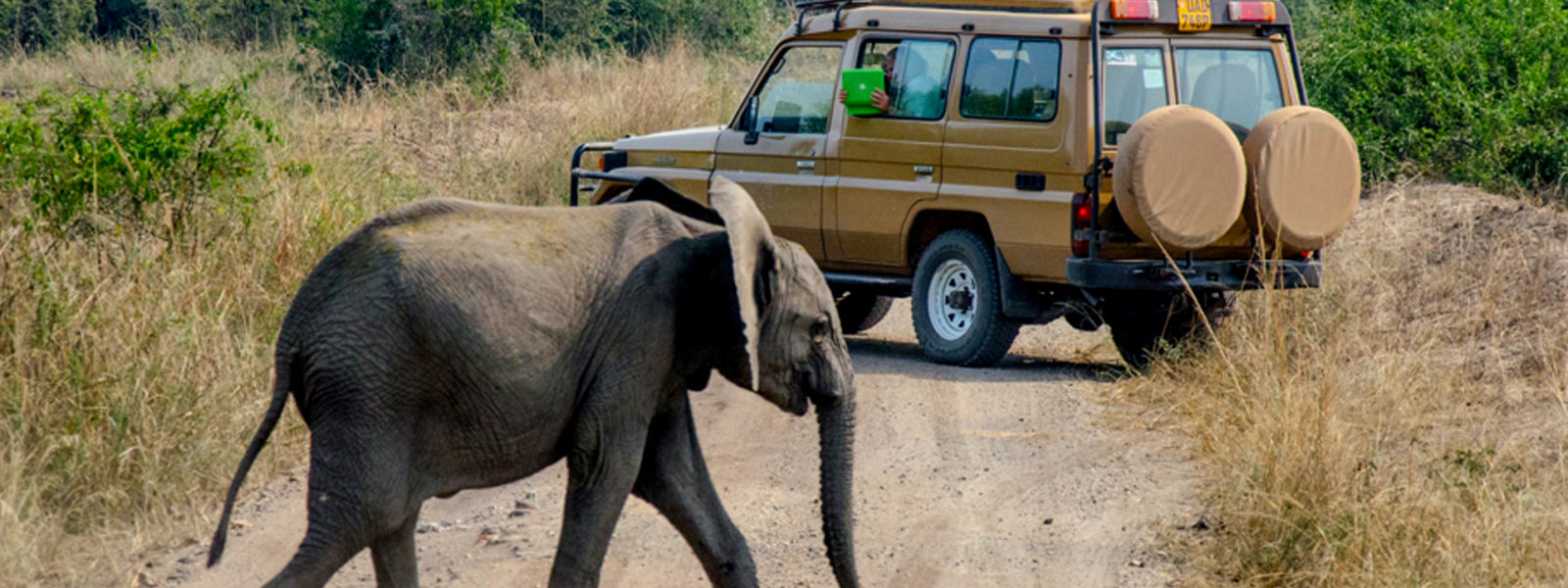
East Africa as a Stronghold for Budget Safaris
East Africa is one of the most budget-friendly safari regions in Africa due to its well-developed tourism infrastructure, competitive pricing, and wide range of accommodation options.
Uganda and Affordable Wildlife Diversity
Uganda stands out as one of Africa’s best destinations for budget safaris because of its diverse wildlife offerings and relatively moderate park fees. The Queen Elizabeth National Park offers classic savannah wildlife, including elephants, buffalo, lions, and abundant birdlife, often at a fraction of the cost of more famous parks elsewhere.
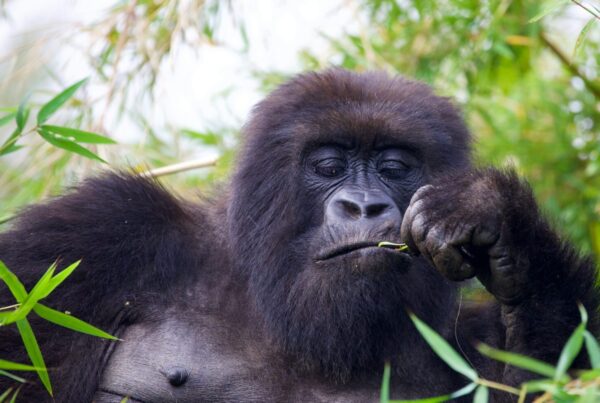
In addition, Uganda provides access to primate tracking experiences that are globally unique. Chimpanzee tracking in forest reserves offers high educational value and strong conservation impact. While gorilla trekking permits are costly due to strict conservation controls, Uganda remains the most affordable country globally for mountain gorilla experiences when compared to neighboring destinations.
Kenya and Scalable Budget Safari Options
Kenya has long been associated with safari travel, and its extensive road networks and accommodation range make it suitable for budget travelers. The Maasai Mara National Reserve is often perceived as expensive, but budget safaris operate through group tours, seasonal pricing, and tented camps located outside the main reserve boundaries.
Kenya’s conservancy system also allows travelers to access wildlife-rich areas at varied price points. Shared game drives and overland safari vehicles help reduce costs while maintaining excellent wildlife viewing opportunities.
Tanzania and Seasonal Budget Safaris
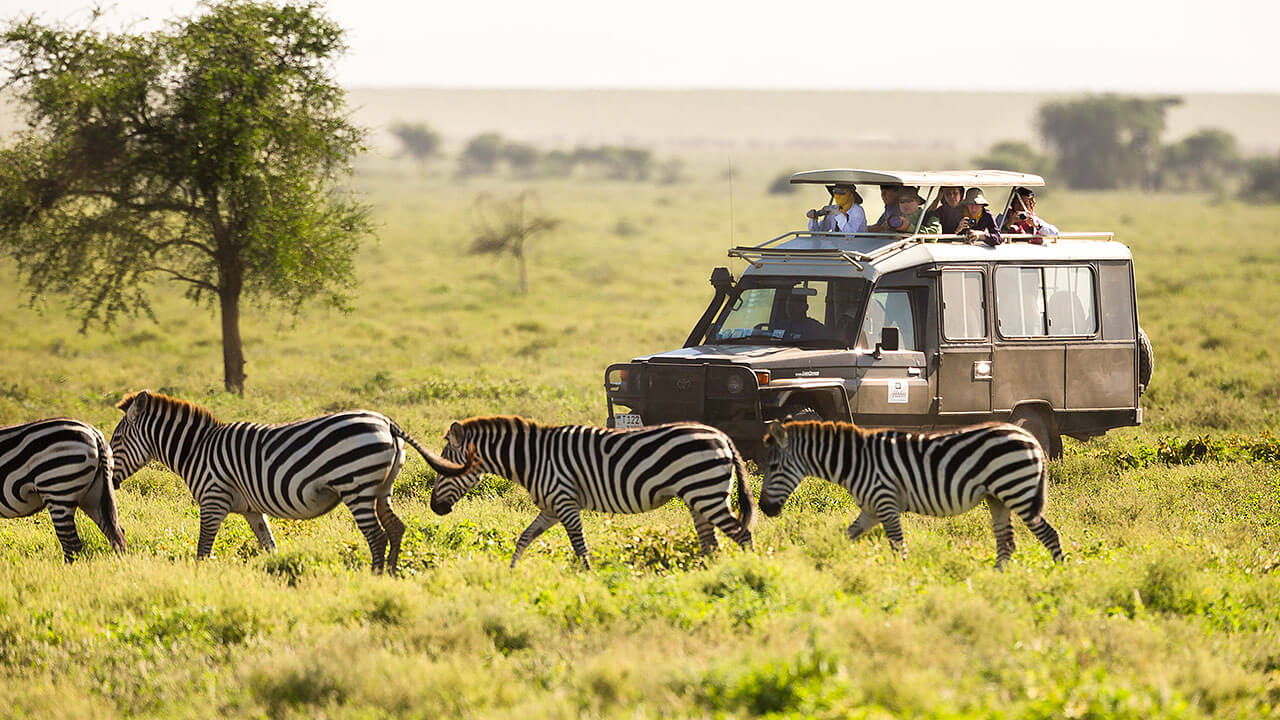
Tanzania is often associated with premium safaris, but budget options exist, particularly during shoulder and green seasons. The Serengeti National Park remains accessible to budget travelers through group camping safaris and scheduled itineraries.
Public campsites and basic lodges within or near parks allow travelers to experience world-class wildlife without luxury pricing. While road travel distances can be long, these journeys often become part of the adventure, offering insight into rural life and landscapes.
Southern Africa and Value-Driven Safari Destinations
Southern Africa offers several destinations where budget safaris deliver exceptional wildlife experiences supported by strong conservation management.
South Africa and Self-Drive Budget Safaris
South Africa is one of the most budget-accessible safari destinations in Africa due to its infrastructure and self-drive options. The Kruger National Park is globally unique in allowing visitors to explore a Big Five ecosystem independently.
Affordable rest camps, well-maintained roads, and clear signage make Kruger ideal for travelers seeking flexibility and cost control. Budget travelers can choose self-catering accommodation, reducing food costs while still enjoying daily wildlife encounters.
Zambia and Emerging Budget Opportunities
Zambia has traditionally attracted mid-range and luxury safari travelers, but budget options are expanding. The South Luangwa National Park offers affordable lodges and seasonal camps, particularly outside peak months.
Walking safaris and shared game drives reduce operational costs while delivering high-quality wildlife experiences. Zambia’s focus on interpretation and guiding ensures that even budget safaris retain strong educational value.
Zimbabwe and Cost-Effective Wilderness Safaris
Zimbabwe offers some of Southern Africa’s most underrated budget safari experiences. The Hwange National Park supports vast elephant populations and healthy predator systems, with park fees and accommodation costs lower than many neighboring countries.
Budget lodges and community-run camps provide access to wildlife-rich areas while supporting local economies. Zimbabwe’s guiding tradition remains one of the strongest in Africa, enhancing the value of budget safaris.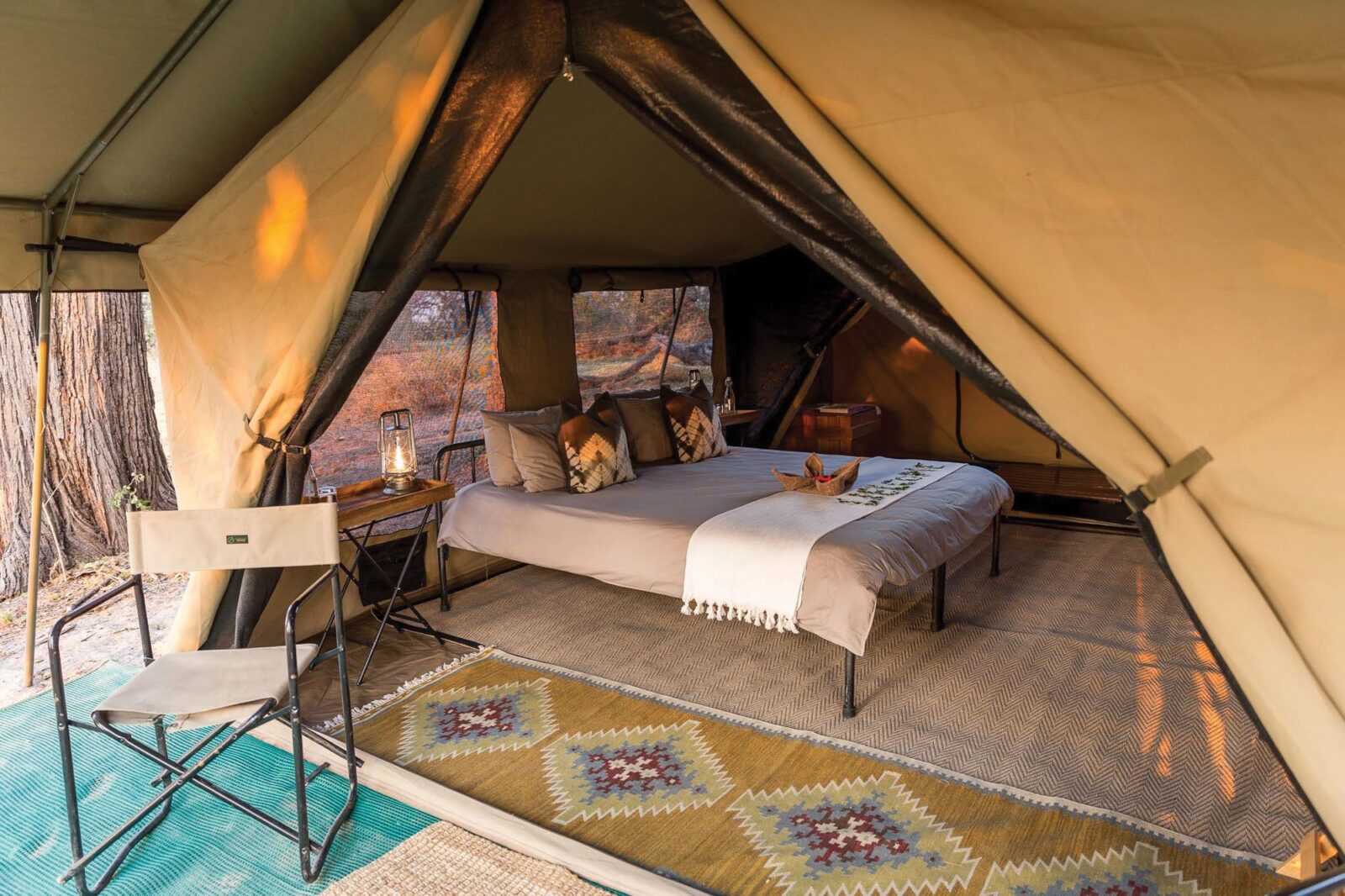
Types of Budget African Safaris
Budget African safaris come in several formats, each offering different advantages. Group safaris are the most common, allowing travelers to share transport and guiding costs. These safaris follow fixed itineraries and departure dates, making them predictable and affordable.
Camping safaris represent another popular budget option. These trips involve mobile tents, shared facilities, and camp staff who handle logistics. Camping allows travelers to stay inside or close to national parks, maximizing wildlife exposure while minimizing accommodation costs.
Overland safaris cater to longer journeys across multiple countries. While basic in comfort, they offer extensive coverage and strong social experiences at relatively low daily rates.
Accommodation Styles in Budget Safaris
Accommodation is one of the primary cost variables in safari travel. Budget safaris typically use basic lodges, tented camps, guesthouses, or public campsites. These facilities prioritize cleanliness, safety, and location over luxury features.
Many budget lodges are locally owned and staffed, ensuring that tourism revenue supports surrounding communities. While amenities are simple, proximity to wildlife areas often compensates, allowing early morning and late afternoon game drives.
Transport and Logistics in Budget Safaris
Budget safaris rely heavily on road transport, which reduces costs compared to internal flights. While road journeys can be long, they offer scenic views and cultural insight. Safari vehicles used on budget trips are usually shared 4x4s or minibuses adapted for wildlife viewing.
Scheduled departures reduce logistical expenses and allow operators to plan efficiently. This model benefits travelers by lowering costs while maintaining operational reliability.
Wildlife Experiences on Budget Safaris
Wildlife encounters on budget safaris are not inherently inferior to those on luxury safaris. Animals do not differentiate between traveler categories, and national parks host the same wildlife regardless of accommodation level.
What differs is exclusivity and flexibility. Budget safaris may involve sharing sightings with more vehicles and following fixed schedules. However, for many travelers, the thrill of seeing elephants, lions, or giraffes in the wild outweighs these limitations.
Seasonal Travel and Cost Reduction
Seasonality plays a major role in budget safari pricing. Low and shoulder seasons offer reduced accommodation rates and park fees, while wildlife viewing often remains excellent. Green seasons bring lush landscapes, newborn animals, and fewer visitors.
Understanding seasonal patterns allows budget travelers to maximize value while avoiding peak pricing. Many experienced safari travelers intentionally choose off-peak periods to balance cost and experience.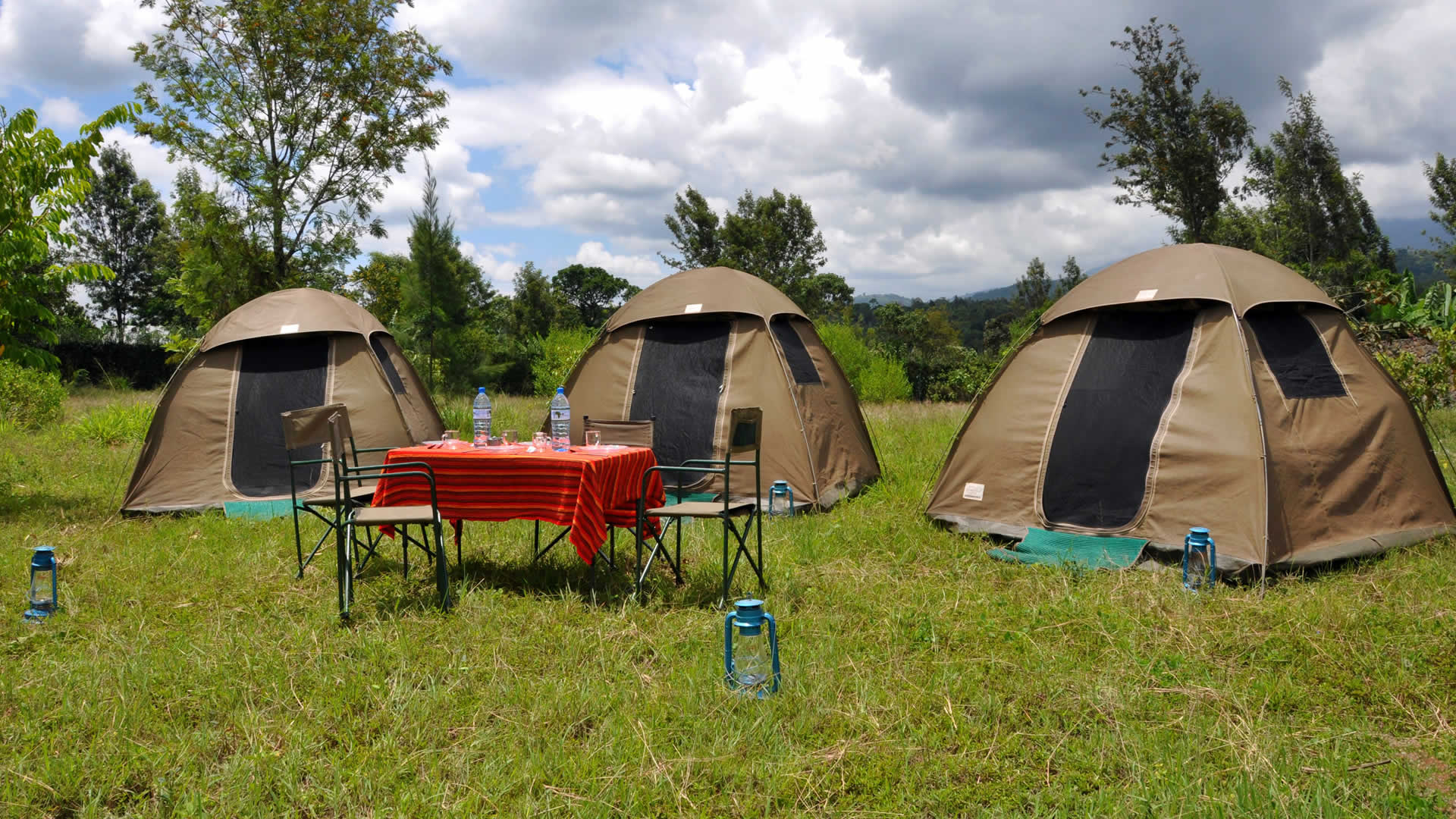
Budget Safaris and Community Tourism
Community-based tourism is closely linked to budget safari travel. Many affordable lodges and camps operate in partnership with local communities, providing employment, education funding, and infrastructure development.
Budget safaris often include cultural visits, guided village walks, or craft markets that enhance understanding of local livelihoods. These interactions add depth to the safari experience while distributing tourism benefits more widely.
Planning a Successful Budget African Safari
Successful budget safaris require realistic expectations and informed planning. Travelers should prioritize wildlife destinations over accommodation luxury, choose reputable operators, and understand what is included in the price.
Clear communication about park fees, meals, transport, and guiding helps avoid unexpected costs. Flexibility with travel dates and destinations often leads to better value and availability.
Who Budget African Safaris Are Best Suited For
Budget African safaris appeal to adventurous travelers, students, families, solo explorers, and anyone seeking authentic wildlife experiences without unnecessary extravagance. They are particularly well-suited to first-time safari travelers who value learning and discovery over exclusivity.
These safaris also attract repeat visitors who prioritize conservation impact and destination depth over luxury amenities.
Why Budget African Safaris Remain Essential
Budget African safaris ensure that wildlife tourism remains inclusive and sustainable. By making safaris accessible to a broader audience, they strengthen conservation funding, support local economies, and foster global appreciation for Africa’s natural heritage.
In a world where wilderness is under constant pressure, budget safaris play a crucial role in maintaining protected areas through consistent visitor engagement. They prove that meaningful safari experiences are defined not by price, but by place, purpose, and respect for nature.