search
3-Day Itinerary: Mgahinga Gorilla National Park cultural tour for adventure seekers

3-Day Itinerary: Mgahinga Gorilla National Park cultural tour for adventure seekers

By Travel stories and blogs, Uganda travel guides

3-Day Itinerary: Mgahinga Gorilla National Park Cultural Tour for Adventure Seekers

Where Adventure Meets Heritage

The journey to Mgahinga Gorilla National Park is not only about the thrill of standing face-to-face with the rare mountain gorillas but also about immersing oneself in the cultural wealth of the Virunga region. Adventure seekers are often drawn to the park for its rugged volcanic terrain and wildlife encounters, but the cultural dimension makes every visit far more profound. Over the course of three days, travelers discover how gorilla trekking, Batwa heritage, and natural exploration weave together into a tapestry of both excitement and learning. This itinerary is designed for those who wish to combine the physical challenge of trekking with the depth of cultural interaction, making every moment an opportunity to connect with the land and its people.

Day 1: Arrival and Cultural Immersion in Kisoro

The adventure begins upon arrival in Kisoro, a vibrant town located at the foot of the Virunga volcanoes. Travelers often find themselves captivated by the dramatic backdrop of rolling hills, misty peaks, and a landscape alive with activity. This first day is deliberately paced to allow time for acclimatization while providing an introduction to the cultural spirit of the region.

A visit to a local cultural center introduces guests to the Batwa community, one of the oldest indigenous groups of central Africa. Once forest dwellers, the Batwa share stories of their ancient connection to the gorilla forests, narrating tales of survival, spiritual rituals, and medicinal practices rooted in the natural environment. Their dances, songs, and oral traditions are performed not as staged entertainment but as a living memory of their past. For adventure seekers, engaging with the Batwa is a profound reminder that the park’s identity is inseparable from its people.

Meals on the first day are typically prepared using fresh produce grown on the fertile volcanic soils of Kisoro. Visitors may savor matoke bananas, beans, and local stews, offering a warm culinary welcome to Uganda’s southwestern corner. By evening, the anticipation for the trekking experience begins to build, as guides provide orientation on what lies ahead.

Day 2: Gorilla Trekking in the Misty Forests

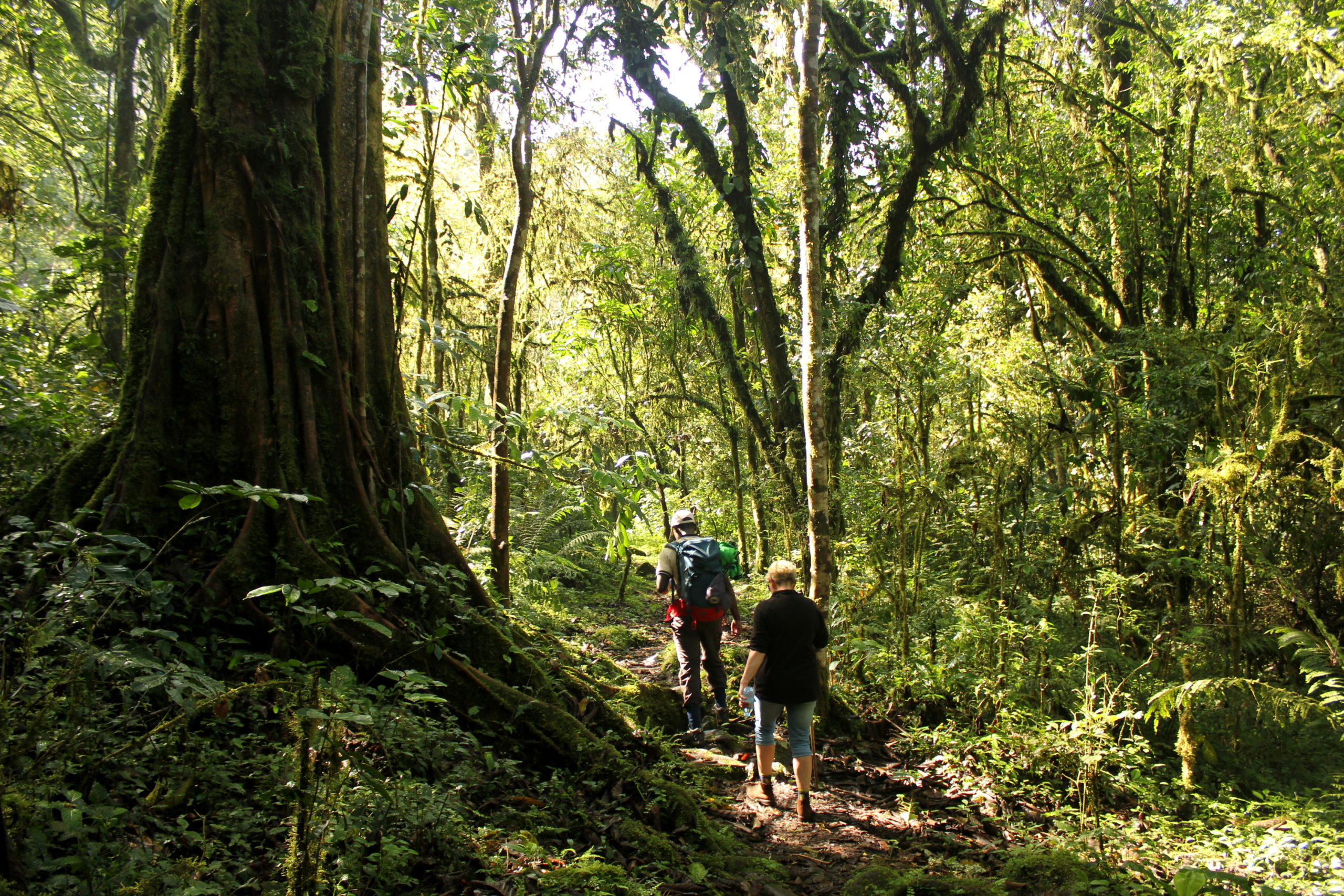
The second day is the heart of the itinerary, as travelers set out on a gorilla trekking adventure within the park. Rising early, groups gather at Ntebeko Visitor Center, where experienced rangers provide briefing on trekking rules, conservation efforts, and what to expect during the journey. The trek itself is as much about the journey as the destination, taking adventurers through tangled vegetation, bamboo stands, and the volcanic slopes of the Virungas.

The effort is rewarded by the extraordinary moment of encountering a gorilla family. Sitting quietly in their natural habitat, these gentle giants display a mix of power and tenderness, reminding visitors of the fragility of their existence. Observing their interactions, from mothers nursing infants to dominant silverbacks maintaining order, creates memories that remain etched for a lifetime.

Following the trek, travelers often return for a period of rest before venturing into another layer of the park’s cultural experience. The Batwa Trail is a guided walk that retraces the footsteps of the Batwa people through their ancestral forest. Here, knowledge about medicinal plants, hunting techniques, and spiritual rituals comes alive in the very places where the Batwa once lived. Adventure seekers not only gain physical endurance through trekking but also mental enrichment by experiencing a culture that defines the park’s soul.

Evenings after the trek are usually spent reflecting around a fireplace or enjoying cultural performances arranged by local groups. For many, the bond formed between gorilla encounters and cultural storytelling is the highlight of the entire trip.

Day 3: Volcano Hike and Scenic Exploration

The final day is designed for travelers who wish to conclude their visit with a sense of conquest. Mgahinga is part of the Virunga volcano chain, and its three peaks—Mount Muhabura, Mount Gahinga, and Mount Sabyinyo—offer exhilarating hiking opportunities. Adventure seekers often choose a climb up Mount Sabyinyo, whose summit offers a unique geographical vantage point. Standing here places travelers at the intersection of three nations: Uganda, Rwanda, and the Democratic Republic of Congo.

The hike itself is demanding, with rugged trails and steep ascents, but the reward is a panoramic view of the region that captures forests, lakes, and distant peaks. It is a moment of triumph that seals the adventure, complementing the cultural and wildlife experiences of the previous days.

For those who prefer a less strenuous finale, guided nature walks through the park’s diverse habitats reveal golden monkeys, exotic birds, and unique flora. These explorations provide opportunities for photography, quiet reflection, and deeper understanding of the park’s biodiversity.

The cultural layer continues on the final day with opportunities to explore Kisoro’s bustling markets. Here, travelers encounter stalls filled with fresh produce, handcrafted items, and local fabrics, making it possible to carry a piece of Toro and Virunga culture home. Culinary experiences continue to shine, with roasted maize, grilled meats, and tropical fruits providing a flavorful conclusion to the journey.

Cultural Depth Beyond Adventure

What makes this three-day itinerary remarkable is the balance it strikes between physical adventure and cultural engagement. Gorilla trekking satisfies the longing for wildlife encounters, volcanic hikes fulfill the spirit of conquest, and Batwa interactions root the experience in human history. Adventure seekers leave not only with photographs and stories but also with a profound sense of connection to a land where people and nature are bound together.

Every cultural performance, every shared meal, and every trek into the forest layers meaning onto the journey. Mgahinga Gorilla National Park becomes more than just a destination; it transforms into a living classroom where adventure educates and culture inspires.

Practical Reflections for Adventure Seekers

Undertaking such an itinerary requires both preparation and openness. The rugged terrain of the park demands physical fitness, while the cultural immersion requires sensitivity and respect. Yet, it is precisely this combination of challenge and humility that makes the experience so transformative.

Seasonal variations also play a role, with dry months providing clearer hiking conditions and rainy months offering lush scenery and a sense of intimacy with the forest. Regardless of timing, the itinerary ensures that the spirit of adventure is met with cultural encounters that enrich the soul.

A Journey of Adventure and Culture

A three-day cultural tour at Mgahinga Gorilla National Park is more than an itinerary; it is a narrative that blends the thrill of gorilla encounters, the challenge of volcanic hikes, and the inspiration of cultural immersion. For adventure seekers, it represents a journey into both the wilderness and the heritage of Uganda’s Virunga region. Every path walked, every meal shared, and every story heard contributes to a deeper understanding of the harmony between people and nature.

For those eager to experience such transformative adventures, the journey is best entrusted to experts who understand both the logistics and the cultural nuances of the region. To ensure a seamless experience where every detail is handled with care, travelers are encouraged to arrange their safaris through WildHorn Africa, whose commitment to authenticity ensures that every adventure in Mgahinga is not only memorable but truly life-changing.
The One Week Plan: game drive at Jinja for first-time visitors

The One Week Plan: game drive at Jinja for first-time visitors

By Travel stories and blogs, Adventure holidays, Safari holidays, Travel guides, Uganda travel guides, Your first safari

The One Week Plan: Game Drive at Jinja for First-Time Visitors

Where the Nile Meets Adventure

For those setting foot in Uganda for the very first time, the city of Jinja unfolds as a destination that is both enthralling and timeless. Resting on the northern shores of Lake Victoria, Jinja is famously celebrated as the Source of the River Nile and often referred to as the adventure capital of East Africa. Yet, beneath its reputation for adrenaline-filled activities lies a treasure of serene landscapes, cultural encounters, and thrilling wildlife experiences that can be savored through a carefully structured one-week plan. For first-time visitors, a game drive in Jinja and its surroundings becomes a gateway to understanding Uganda’s rich biodiversity while absorbing the rhythmic pace of life that makes this town unique.

A week-long stay in Jinja does not simply mean filling days with activities; it represents an immersion into the land’s heartbeat. It is a chance to explore lush game sanctuaries, marvel at rolling hills by the riverbanks, and appreciate encounters with both wildlife and people. The following structured plan brings together a well-rounded experience of game drives, excursions, and cultural immersion that makes Jinja not just a stopover but a true highlight of an African safari.

Understanding Jinja’s Unique Safari Appeal

When compared to Uganda’s famed national parks such as Queen Elizabeth or Murchison Falls, Jinja may not immediately spring to mind as a game drive hub. However, its surrounding reserves and sanctuaries offer wildlife encounters that are accessible yet deeply rewarding. The proximity to Kampala and Entebbe makes it an ideal choice for first-time travelers who seek both wildlife experiences and urban comfort. The landscapes here are defined by green plains, acacia-dotted savannahs, and riverbanks where birdlife flourishes, making the region ideal for both exploration and relaxation.

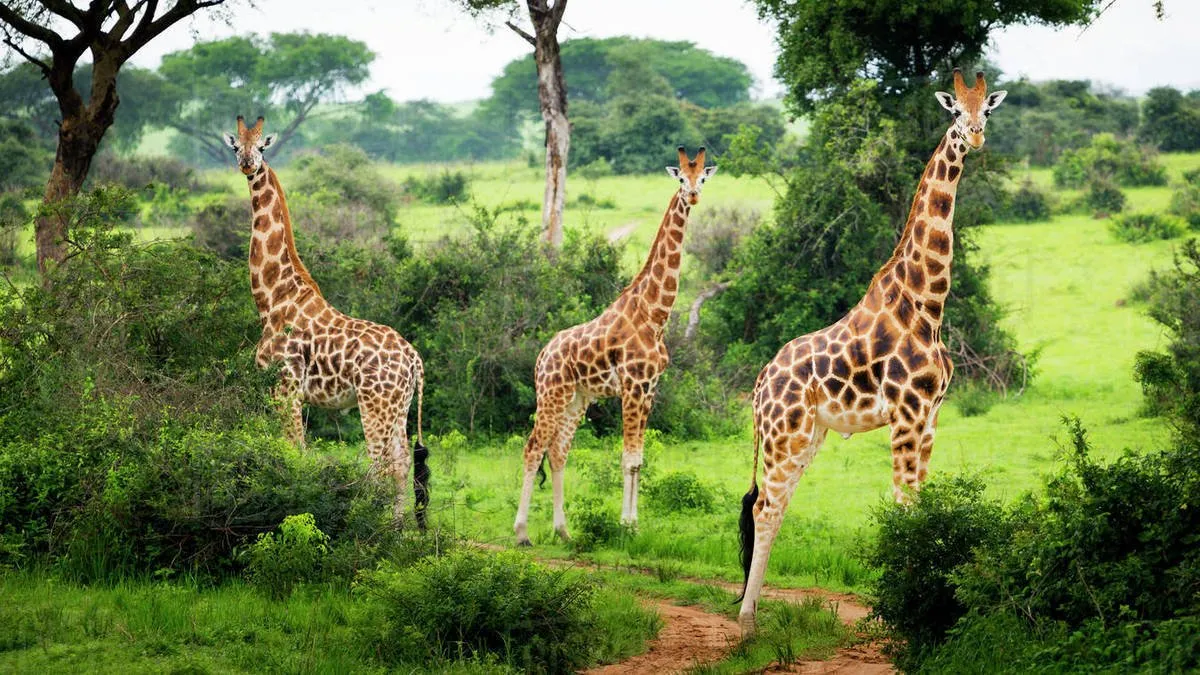
Visitors soon discover that Jinja offers more than thrill-seeking sports; it also provides a slower rhythm through which nature can be observed in its pristine form. Wildlife reserves around Jinja are habitats for giraffes, zebras, antelopes, and several primate species, while the skies are often alive with the calls of kingfishers, herons, and African fish eagles. This balance of land and water life elevates a game drive here into a multifaceted experience.

The First Encounter: Settling Into Jinja

The first day of arrival in Jinja often carries with it a sense of anticipation. The town’s atmosphere is defined by colonial-era architecture, bustling markets, and views of the River Nile as it journeys from Lake Victoria. Settling into a riverside lodge or a luxury camp becomes the beginning of a week that promises both adventure and tranquility.

Travelers are introduced to the town’s essence through guided evening walks or boat rides on the Nile. These early hours create a necessary bridge between urban life and the wilderness that awaits in the coming days. The gentle sound of the river, combined with glimpses of hippos and vibrant birdlife, sets the tone for the safari adventure.

Immersion Through Game Drives

The following days of the week are designed around structured game drives into nearby wildlife sanctuaries and community-managed reserves. The morning drives are particularly rewarding, with wildlife most active at sunrise. First-time visitors are often struck by the stillness of the plains, broken only by the movement of giraffes feeding on acacia leaves or zebras grazing in herds.

Afternoons are ideal for drives that weave closer to the riverbanks, where the fusion of water and land habitats creates sightings of crocodiles, monitor lizards, and a dazzling range of bird species. The calls of the African grey parrot and the sight of bee-eaters hovering over riverbanks add a distinct charm to these drives. The presence of local guides enriches the experience, as stories of conservation and community coexistence bring meaning to each sighting.

Night drives, though optional, introduce an entirely different perspective. With the aid of spotlights, nocturnal animals such as civets, bush babies, and even leopards can be encountered. This immersion completes the rhythm of safari life, ensuring that wildlife is appreciated in all its diurnal cycles.

The Cultural Tapestry of Jinja

A week in Jinja is not limited to game drives alone. The cultural backdrop of the region adds layers of depth to the visitor’s journey. The Basoga people, indigenous to the Busoga Kingdom, form an essential part of Jinja’s identity. Engaging in cultural experiences, whether through traditional dance performances or visits to community projects, offers an insight into the local way of life.

Markets in Jinja reveal Uganda’s agricultural richness, with stalls brimming with bananas, pineapples, cassava, and spices. The aroma of street foods, especially roasted plantain and tilapia freshly caught from Lake Victoria, creates a sensory experience that remains etched in memory. A game drive in Jinja is thus not only about wildlife but also about appreciating the harmony between people and the land.

A Balance of Adventure and Serenity

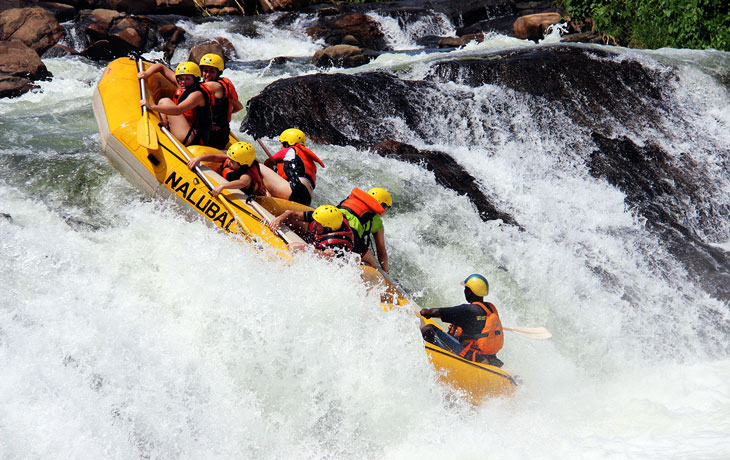
While the core of this one-week plan emphasizes game drives, Jinja’s reputation as an adventure hub cannot be overlooked. Days between wildlife excursions can be balanced with white-water rafting on the Nile, kayaking, or bungee jumping for the daring. Conversely, visitors seeking calm may indulge in sunset cruises, bird-watching walks, or meditation by the riverbanks.

This rhythm of alternating between adrenaline and serenity ensures that the week remains dynamic without overwhelming the traveler. Each day unfolds like a page in a storybook, with the Nile as a constant companion weaving through all experiences.

Reflections on the Final Days

As the week draws to a close, there is often a shift in the visitor’s perspective. What once seemed like a simple destination on the map now becomes a mosaic of impressions: the gentle gaze of giraffes during game drives, the laughter of children in village paths, the thunder of the Nile’s rapids, and the quiet glow of sunset over Lake Victoria.

The final day allows for reflective boat rides, a leisurely city tour, or a return to favorite spots discovered earlier in the week. Jinja, in its subtle yet powerful way, imprints a lasting connection with the traveler, preparing them for future journeys into Uganda’s broader landscapes.

Best Time to Embark on the Jinja Safari Plan

For first-time visitors, the timing of this one-week plan carries importance. The dry seasons, typically between June to September and December to February, are the most favorable for game drives. Wildlife sightings become easier as vegetation thins, and roads are more accessible. However, the green seasons, with their lush vegetation and fewer tourists, create equally rewarding experiences for those who prefer a quieter journey.

Jinja’s temperate climate ensures that, regardless of the month, the region remains welcoming. Even during the rainy months, the showers are often brief, leaving behind fresh landscapes and an atmosphere of renewal.

Crafting Memories in Jinja

A one-week plan in Jinja for first-time visitors is far more than a checklist of activities. It is an orchestrated journey that combines wildlife, culture, adventure, and reflection. Game drives form the backbone of this experience, while the town’s character and its people weave around it to create a complete narrative.

Every moment, from the quiet of dawn drives to the vibrancy of local markets, builds towards an experience that is both memorable and transformative. For those stepping into Uganda for the first time, Jinja becomes the perfect prologue to Africa’s greater story.

To ensure that every detail of such a journey is thoughtfully arranged, it is highly recommended to plan and book African tours and safaris through WildHorn Africa, a trusted partner in curating unforgettable experiences across the continent.

How to wildlife photography tips in Mabira Forest — Top Restaurants for honeymooners

How to wildlife photography tips in Mabira Forest — Top Restaurants for honeymooners

By Travel stories and blogs, Travel guides, Uganda travel guides

How to Wildlife Photography Tips in Mabira Forest — Top Restaurants for Honeymooners

Where Romance Meets the Wilderness

In the heart of Uganda, where lush canopies whisper ancient secrets and sunlight filters through dense greenery, the Mabira Forest emerges as a sanctuary for both nature lovers and dreamers. For couples seeking a honeymoon that transcends the conventional, this destination offers an intoxicating mix of adventure and intimacy. Beyond the enchanting walks and wildlife encounters, it is the art of wildlife photography that becomes the tool to preserve those magical memories. In Mabira, every photograph tells a love story written against the backdrop of untamed wilderness.

Yet, the allure of the forest extends beyond its biodiversity. After the exploration of hidden trails and moments spent in silence waiting for the perfect shot, the experience is completed by visits to top restaurants nearby, where local and international cuisines nourish both body and soul. This seamless blend of photography and culinary delight elevates a honeymoon into an unforgettable celebration of love, art, and taste.

The Enchanting Landscape of Mabira Forest

Stretching across more than 300 square kilometers, Mabira Forest is one of the largest remaining rainforests in Uganda, located conveniently between Kampala and Jinja. Its towering trees, meandering streams, and dense undergrowth create a dramatic setting where nature’s grandeur is on full display. For honeymooners, the forest’s atmosphere resonates with mystery and romance, offering a perfect escape from the hurried pace of daily life.

Within this vibrant ecosystem reside over 300 bird species, numerous butterflies, and a variety of primates, including the endangered Ugandan mangabey. Such biodiversity transforms Mabira into a paradise for photographers, where each walk into the forest holds the potential for remarkable captures. Couples find themselves not only exploring together but also pausing in reverence as the forest reveals its subtle wonders.

Wildlife Photography as a Honeymoon Activity

While some honeymoons may revolve around beaches or luxury resorts, Mabira offers something profoundly unique: the chance to practice wildlife photography as a shared experience. Photographing elusive birds, playful monkeys, or the delicate wings of butterflies becomes a metaphor for love itself—requiring patience, attentiveness, and the joy of discovery.

For couples, the act of waiting together in silence for that perfect moment sharpens the bond between them. The photograph captured becomes more than an image; it becomes a tangible memory of time shared in harmony with nature. The challenges of low light under the canopy or the fleeting movements of animals are overcome through teamwork, where one partner may focus on spotting while the other adjusts the lens. In this way, wildlife photography becomes not only a hobby but also a celebration of partnership.

Practical Photography Tips for Couples in Mabira

The dense and shaded environment of Mabira presents both challenges and rewards for photographers. The forest demands careful attention to detail, but it offers unmatched opportunities for those who take the time to master its nuances.

Couples are encouraged to adapt to low-light conditions by using higher ISO settings and steady tripods, which help capture sharp images beneath the canopy. The use of longer lenses allows for unobtrusive photography of primates and birds without disturbing their natural behaviors. Honeymooners often find joy in experimenting with angles and perspectives, capturing not only wildlife but also each other immersed in the forest’s beauty.

Close-up photography of butterflies, leaves, and forest textures adds variety to the portfolio, ensuring that the photographic story of Mabira is diverse and vibrant. Beyond technical adjustments, patience remains the greatest tool—waiting quietly for moments when wildlife appears naturally, rewarding the couple with candid scenes that reflect the soul of the forest.

The Romantic Dimension of Photography in the Forest

Photography in Mabira is not only about wildlife documentation but also about romance. Couples often turn the camera on each other, capturing tender moments framed by the grandeur of nature. A walk along the forest trails becomes a gallery of portraits set against emerald backdrops, while canoe rides along streams offer chances for reflective photographs where love and landscape merge seamlessly.

These images become more than souvenirs; they are eternal reminders of a honeymoon spent not in staged luxury but in genuine encounters with the wild. The process of capturing these moments together fosters intimacy, as each photo carries the story of patience, collaboration, and discovery.

Culinary Pleasures After the Forest Adventure

After a day of trekking through the forest and waiting for wildlife sightings, couples find themselves drawn to the warmth of top restaurants near Mabira. These establishments complement the adventure with culinary indulgence, transforming the honeymoon into a holistic experience.

Many restaurants along the Jinja Highway and in nearby towns offer menus that celebrate both Ugandan flavors and international delicacies. Couples savor fresh tilapia caught from Lake Victoria, tender goat stews infused with spices, or plates of matoke served with rich groundnut sauce. For those seeking lighter fare, fruit platters featuring tropical mangoes, pineapples, and passion fruits provide refreshing sweetness after the exertion of photography.

International options also abound, ensuring that couples can enjoy pastas, grilled meats, or continental breakfasts while still basking in the atmosphere of the region. Dining after photography sessions not only nourishes the body but also creates a rhythm of reflection, where the day’s images are reviewed and memories recounted over candlelit tables.

Why Restaurants Near Mabira Are Perfect for Honeymooners

The charm of dining near Mabira lies not only in the food but in the ambiance. Many restaurants are surrounded by lush greenery, offering open-air seating where couples can continue to feel connected to nature even as they dine. The gentle evening breezes, the sounds of crickets, and the distant rustle of leaves create an atmosphere that feels both wild and intimate.

Some establishments take pride in crafting romantic settings specifically tailored for honeymooners. Private corners, soft lighting, and attentive service ensure that couples feel celebrated. Meals become more than sustenance; they turn into rituals of love, marking the end of adventurous days with flavors that linger long after the plates are cleared.

The Perfect Blend of Adventure and Indulgence

What makes Mabira such a compelling honeymoon destination is the seamless balance between adventure and indulgence. The days are filled with the thrill of discovery—tracking birds, photographing primates, and walking hand in hand along forest trails. The evenings, however, are reserved for indulgence, as top restaurants present feasts that reflect the region’s abundance. This balance allows couples to experience both the raw energy of the wild and the soothing pleasures of fine dining.

The harmony of these experiences ensures that the honeymoon remains both exciting and restorative. Every photograph captured and every meal shared adds another layer to the memory, transforming a week in Mabira into a narrative of romance, exploration, and culinary delight.

Sustainability and Responsible Travel

Engaging with Mabira through photography and dining also encourages responsible travel practices. By choosing local restaurants, couples support communities around the forest, ensuring that conservation and development proceed hand in hand. Practicing ethical photography, where animals are observed without intrusion, preserves the integrity of the ecosystem.

For honeymooners, this dimension of responsibility enriches the experience. Their journey is not only about love for each other but also about respect for the land that hosts them. Such mindfulness ensures that Mabira remains a haven for future couples seeking romance in the wild.

Begin Your Journey with WildHorn Africa

The Mabira Forest offers honeymooners a rare opportunity to merge adventure with intimacy, where wildlife photography becomes a shared art and dining becomes a romantic celebration. The forest’s majesty provides endless subjects for the camera, while nearby restaurants complete the experience with flavors that nourish love as deeply as they satisfy appetite.

For couples seeking a honeymoon that is distinctive, immersive, and unforgettable, it is highly recommended to plan and book their African tours and safaris with WildHorn Africa. With their expertise, every detail—from guided photography sessions to curated dining experiences—is seamlessly arranged, ensuring that love and adventure are celebrated in perfect harmony.

Weekend Escape at Ziwa Rhino Sanctuary: Solo Traveler Guide with kids

Weekend Escape at Ziwa Rhino Sanctuary: Solo Traveler Guide with kids

By Travel stories and blogs, Safari holidays, Uganda travel guides, Wildlife holidays

Weekend Escape at Ziwa Rhino Sanctuary: Solo Traveler Guide with Kids

The Sanctuary Where Adventure and Tranquility Meet

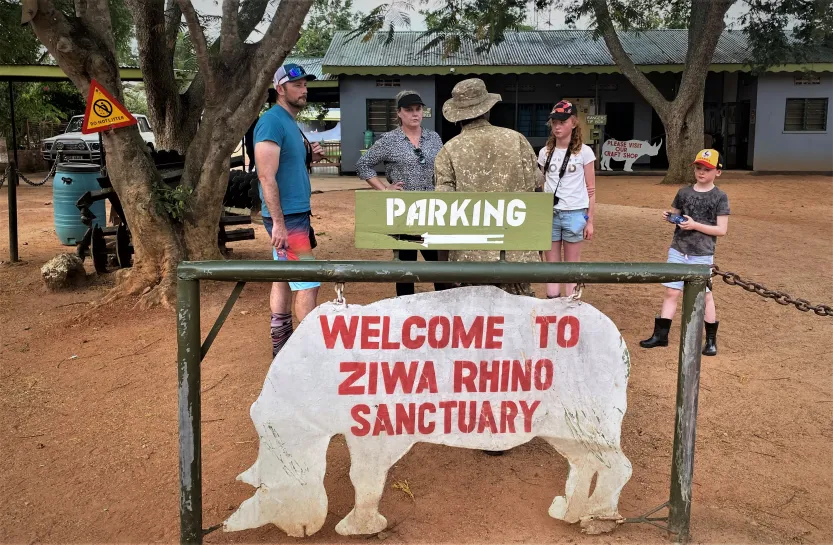
There are few destinations in Uganda that balance conservation, adventure, and family-friendly experiences quite like Ziwa Rhino Sanctuary. Nestled along the Kampala–Gulu highway, this conservation haven is not only a refuge for Uganda’s endangered rhinos but also a perfect retreat for travelers seeking peace in the wild. For solo travelers, it promises a rare opportunity to step into a safe yet thrilling wilderness, while for those accompanied by children, it offers a rich blend of education, recreation, and unforgettable encounters with nature. The sanctuary becomes more than just a stopover for rhino tracking—it transforms into a weekend escape that rejuvenates the spirit, teaches valuable lessons, and strengthens bonds with nature’s wonders.

Location and Accessibility: A Convenient Wilderness Gateway

The sanctuary is strategically located about 180 kilometers north of Kampala, making it easily accessible within three to four hours of road travel. Its position along the highway leading to Murchison Falls National Park gives it added importance as both a stopover and a destination in itself. For the solo traveler, this proximity ensures convenience and security, while for families with children, the relatively short travel time allows for an enjoyable journey without fatigue. The road trip itself is scenic, with rolling landscapes, roadside markets, and glimpses of rural Uganda offering context to the adventure awaiting at Ziwa.

Experiencing the Sanctuary: A Haven of Rhinos and More

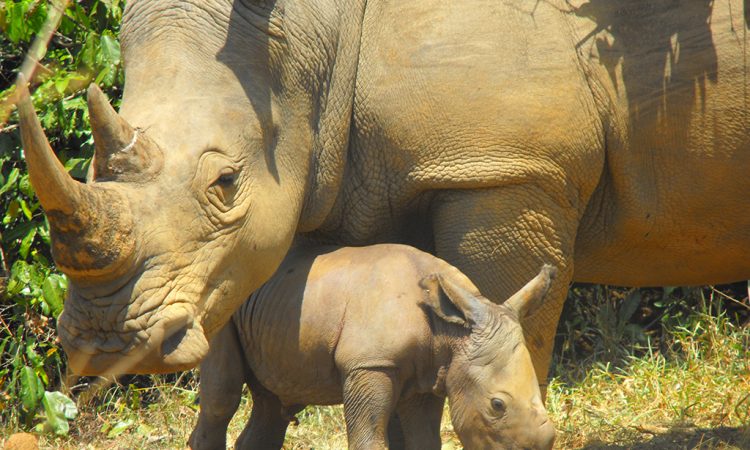
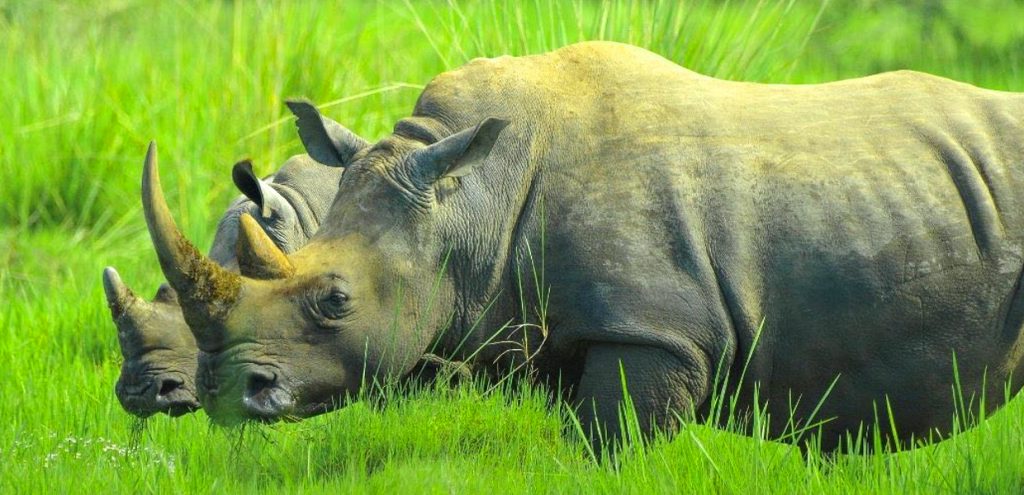
At the heart of Ziwa lies its greatest treasure: the white rhinoceros, reintroduced after decades of extinction in Uganda. Walking safaris led by trained rangers provide close-up encounters with these gentle giants, an experience that resonates differently with every traveler. Solo adventurers often find themselves mesmerized by the majesty of these animals in silence, while children are enthralled by the rangers’ engaging stories of rhino behavior, adaptation, and conservation.

Beyond the rhinos, the sanctuary reveals a landscape alive with other forms of wildlife. Bird enthusiasts are often delighted by the presence of the rare shoebill stork, among more than 300 bird species recorded in the sanctuary. Antelopes grazing peacefully, monitor lizards basking in the sun, and smaller mammals such as bushbucks and oribis enrich the photographic opportunities. For those traveling with children, the diversity of animals becomes a living classroom, turning each walk into an immersive nature lesson.

Activities Tailored for Solo Travelers

For the solo traveler, Ziwa Rhino Sanctuary is an arena where independence is balanced with safety and companionship. The guided rhino tracking walks offer both solitude and structure, allowing moments of quiet reflection in nature while still benefiting from the expertise of trained guides. Canoe rides through the Lugogo Swamp present a serene opportunity for wildlife photography, birdwatching, and mindfulness as the waters glide silently under the paddle.

Evenings at the sanctuary are particularly enchanting for the solo traveler. As dusk falls, the sounds of nature become more pronounced, with crickets, frogs, and distant animal calls composing a natural symphony. Whether seated in a lodge garden or taking a quiet stroll under the starlit sky, solitude is enriched by a sense of connection to the earth. For many solo travelers, it is these tranquil moments—far from the bustle of modern life—that remain the most treasured memories of their weekend escape.

Experiences Designed for Kids and Families

While solo travelers find peace and reflection, children discover excitement, curiosity, and joy. Ziwa Rhino Sanctuary has been deliberately developed as a safe environment for families. Rhino tracking becomes an adventure filled with questions, laughter, and awe as children encounter one of the “Big Five” animals in a close but controlled environment. The guides are skilled in tailoring their explanations to young audiences, ensuring that every encounter is not only entertaining but also educational.

Canoe rides and nature walks further enhance the family experience, offering chances to spot colorful birds and smaller wildlife. Many families also find joy in simply exploring the sanctuary grounds, where children can run freely within secure areas and play against the backdrop of nature’s beauty. Lodges and campsites within the sanctuary provide family-friendly amenities, ensuring that parents and children alike feel comfortable and cared for. Even meal times become part of the adventure, with outdoor dining experiences bringing families closer together under open skies.

A Balance of Conservation and Education

What sets Ziwa apart is not only its role in protecting rhinos but also its mission to educate visitors about conservation. For solo travelers, the sanctuary provides insight into the delicate balance of ecosystems and the immense efforts required to protect endangered species. For children, the lessons are more tangible—seeing a rhino up close, understanding why it must be protected, and learning how human actions impact wildlife. These experiences nurture a sense of responsibility and empathy that extends beyond the sanctuary visit.

The rangers themselves become storytellers, weaving together tales of resilience, conservation battles, and the sanctuary’s future goals. For families, these narratives often spark meaningful conversations long after the trip, leaving children inspired by the possibility of becoming protectors of nature.

Best Time to Visit: When the Sanctuary Shines Brightest

Though Ziwa Rhino Sanctuary welcomes visitors year-round, the experience is significantly shaped by seasonal rhythms. The dry seasons, stretching from December to February and again from June to September, provide the most favorable conditions for tracking rhinos and exploring trails with children. The grass is shorter, visibility is better, and walking paths remain firm, making family excursions safer and more enjoyable.

During the wet seasons, from March to May and October to November, the sanctuary bursts into lush greenery, and wildlife viewing becomes more intimate against the backdrop of fresh landscapes. For families, this period provides cooler temperatures and fewer crowds, though it may also demand greater preparedness for muddy trails. Solo travelers often find the wet season appealing for the solitude it offers, as fewer visitors mean more time to linger in silence and reflection.

Accommodation and Luxury Comforts

Ziwa Rhino Sanctuary caters to a range of travelers, from budget-conscious adventurers to those seeking luxury comfort. Lodges and guesthouses located within or near the sanctuary provide well-furnished rooms, secure environments, and attentive service that ensures a stress-free stay. Solo travelers benefit from the peace of private rooms and serene settings, while families enjoy spacious accommodations designed to host both adults and children.

Evenings are often enriched by campfires, storytelling, and the shared company of fellow travelers, though privacy remains respected for those who desire it. For children, these evenings often become magical experiences—listening to stories of wildlife under a starlit African sky while the gentle sounds of the bush echo in the distance.

A Weekend to Remember at Ziwa

A weekend escape at Ziwa Rhino Sanctuary is more than just a getaway; it is a holistic journey where conservation, adventure, and family bonding merge into one. For the solo traveler, it becomes a sanctuary of reflection, solitude, and personal discovery. For families with children, it evolves into a playground of nature where education, laughter, and awe blend seamlessly. The rhinos, the landscapes, the guided experiences, and the serene accommodations together form a mosaic of memories that remain etched in the hearts of visitors long after they have returned home.

Every moment spent at Ziwa reminds travelers of the fragility and strength of nature, as well as the responsibility each individual holds in protecting it. Choosing this sanctuary for a weekend escape ensures not just entertainment, but participation in a greater story of wildlife conservation.

For those inspired to embark on this remarkable adventure, the experience can be elevated further through the expertise of seasoned safari professionals. Booking your African tours and safaris through WildHorn Africa guarantees not only comfort and safety but also a meticulously curated journey that ensures every moment at Ziwa Rhino Sanctuary is treasured.

Weekend Itinerary: Fort Portal wildlife photography tips for families

Weekend Itinerary: Fort Portal wildlife photography tips for families

By Travel stories and blogs, Travel guides, Uganda travel guides

Weekend Itinerary: Fort Portal Wildlife Photography Tips for Families

Capturing Memories in the Pearl of Africa

In the lush highlands of western Uganda, Fort Portal stands as a jewel of beauty and adventure, renowned for its verdant landscapes, captivating wildlife, and breathtaking views of the Rwenzori Mountains. For families who cherish travel, the town offers far more than scenic charm; it is a gateway to wildlife-rich reserves and cultural encounters that promise unforgettable moments. When approached with a camera in hand, a weekend in Fort Portal becomes not only an excursion but a creative journey where memories are preserved through the art of photography.

Wildlife photography here is not restricted to professionals. Families with varying levels of experience are welcomed into a setting where curiosity and patience are rewarded. The itinerary is crafted to guide families through a balanced blend of exploration, relaxation, and practical photography tips that ensure each moment is transformed into a timeless image.

Day 1: Arrival and Introduction to Fort Portal

The weekend itinerary begins with the family’s arrival in Fort Portal, a town often described as the cleanest and most serene in Uganda. Surrounded by crater lakes, tea plantations, and rolling hills, the journey to Fort Portal is itself a photographic opportunity, with roadside markets, children playing in villages, and expansive greenery framing the route. Families are encouraged to settle into accommodations that blend comfort with proximity to nature, setting the stage for an immersive experience.

The first afternoon is best spent exploring the town’s vibrant atmosphere. Markets filled with colorful produce, crafts, and traditional attire provide both cultural encounters and photographic inspiration. Families are encouraged to capture candid moments of daily life, practicing composition and lighting techniques in less demanding conditions before venturing into wildlife reserves. As evening descends, the setting sun behind the Rwenzori Mountains creates a dramatic canvas, ideal for experimenting with silhouettes and golden-hour photography.

Day 2 Morning: Wildlife Exploration in Kibale National Park

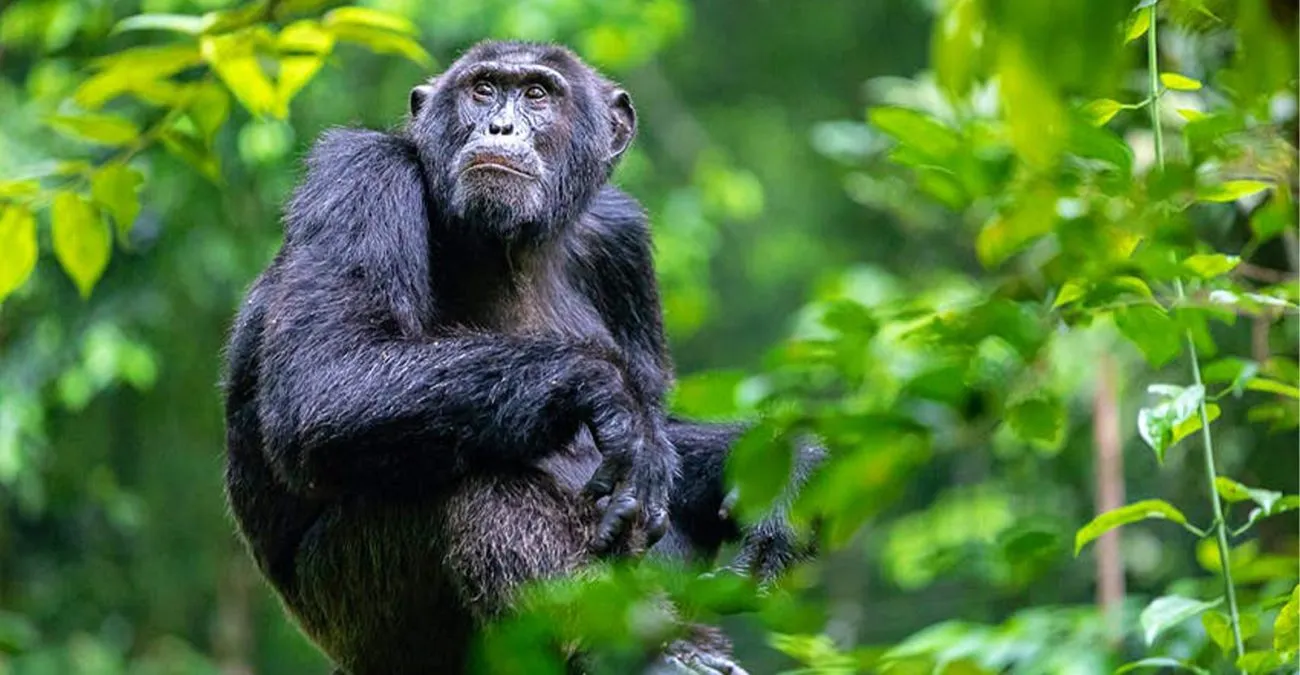
The second day brings the heart of the itinerary—a family wildlife adventure in Kibale National Park, located just outside Fort Portal. The park is celebrated for its population of chimpanzees, alongside colobus monkeys, red-tailed monkeys, and countless bird species. For families, this environment offers both adventure and learning opportunities, as rangers guide them through dense forests while explaining the behaviors and habitats of its inhabitants.

Wildlife photography in Kibale requires patience and attentiveness. Families are advised to maintain quiet observation, allowing animals to behave naturally while adjusting camera settings to capture movement under the dim forest canopy. Children can be introduced to simple tips such as steadying hands, focusing on the eyes of the subject, and appreciating the interplay between light and shadow. The challenge of photographing chimpanzees as they swing through trees becomes a thrilling game that both adults and children can enjoy, each click of the shutter preserving a fleeting moment of energy and grace.

Day 2 Afternoon: Birding and Landscape Photography

As the family exits Kibale, the afternoon presents opportunities for bird photography and wide-angle shots of crater lakes and surrounding landscapes. The Fort Portal region is known as a paradise for birders, with species such as the great blue turaco, African grey parrot, and sunbirds frequently sighted. Capturing birds requires patience, yet families often find joy in waiting together, watching quietly as colors flash between branches. The act of birding becomes both a recreational activity and a lesson in attentiveness for children, reinforcing the value of observation in photography and life.

The crater lakes, with their mirror-like reflections of surrounding hills, provide opportunities for landscape photography. Families can experiment with framing foreground elements, such as flowers or trees, to add depth to their images. These sessions not only improve photographic skills but also encourage families to see the landscape as more than scenery—it becomes a canvas of shapes, textures, and contrasts waiting to be preserved.

Day 2 Evening: Cultural Experiences and Low-Light Photography

Evenings in Fort Portal often bring cultural performances and culinary experiences. Traditional music and dance provide lively scenes where families can practice capturing motion in low-light conditions. The vibrancy of costumes and the energy of drumming create images that burst with color and rhythm. For children learning photography, this is a chance to understand how slower shutter speeds or higher ISO settings can preserve moments of movement without losing the essence of the scene.

Dinner, often prepared with local ingredients such as matoke, groundnut sauce, and fresh tilapia, becomes another opportunity to practice photography before eating. Families can document meals together, preserving not only the taste of the food but the shared joy of dining in a new cultural context. These simple, shared acts of photographing and reflecting elevate the evening from a routine to an artistic and communal moment.

Day 3 Morning: Safari Adventure in Semuliki National Park

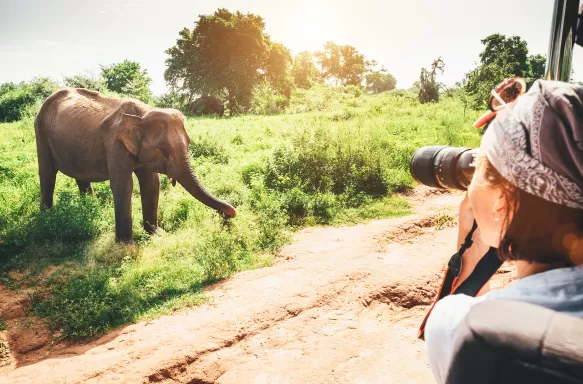
The third day of the itinerary introduces families to Semuliki National Park, accessible from Fort Portal and famed for its diverse ecosystems and unique wildlife. The game drive through Semuliki offers sightings of elephants, buffalo, and smaller mammals, alongside countless bird species and butterflies. This is a moment where families can practice long-range photography, using zoom lenses to capture animals at a respectful distance.

The open landscapes and savannah-like environments create natural lighting conditions that are more forgiving than the forest, making it easier for children and beginners to capture sharp, vibrant images. Tips such as framing animals against the horizon, waiting for natural behavior, and using the rule of thirds are introduced during these drives, turning the safari into both an adventure and a photography workshop.

Day 3 Afternoon: Hot Springs and Final Reflections

After the game drive, a visit to Sempaya Hot Springs offers a different photographic challenge. The steaming pools and bubbling water provide dramatic imagery, with mist rising against the backdrop of forested hills. Families often experiment with macro photography here, focusing on textures, colors, and close-up details. The springs also serve as a place of cultural significance, with stories shared by guides about their role in local traditions. Capturing these moments blends natural wonders with cultural storytelling, ensuring that the family’s photo album reflects the full depth of their experience.

As the afternoon fades, families are encouraged to review their photographs together, reflecting on their favorite images and the stories behind them. This collective reflection transforms the weekend into more than a trip; it becomes a narrative of shared learning, discovery, and creativity.

Practical Photography Insights for Families

Photography in Fort Portal is most rewarding when approached with patience and mindfulness. Families are advised to focus on storytelling rather than perfection, capturing not only wildlife but also the emotions, interactions, and candid expressions that define the trip. Simple techniques, such as using natural light effectively, keeping cameras steady, and waiting for subjects to move naturally, allow even beginners to produce meaningful images. For children, the emphasis on storytelling rather than technical precision ensures that photography remains fun and accessible.

Photography also becomes a tool for bonding. Parents and children can compare images, share tips, and encourage one another, turning the act of documenting into an act of connection. The camera thus becomes more than an instrument; it becomes a medium through which families communicate, reflect, and create lasting memories.

The Transformative Role of Photography in Family Travel

A weekend in Fort Portal demonstrates that photography is not merely about images but about perspective. By viewing wildlife, landscapes, and culture through the lens of a camera, families are encouraged to slow down, observe more deeply, and appreciate the subtleties of the world around them. Each photograph becomes a moment of mindfulness, a pause in time that preserves both the beauty of Uganda and the emotions of the family members who experienced it.

The act of photography enriches the journey, turning every walk, drive, and meal into an opportunity for creativity and expression. For children, it fosters attentiveness and patience; for parents, it offers reflection and artistic fulfillment. Together, these elements transform the trip into a family experience that is remembered not only in memory but also in tangible images that can be shared for years to come.

Begin Your Family Adventure with WildHorn Africa

The Weekend Itinerary in Fort Portal offers families an unforgettable combination of wildlife, culture, and photography. From the forests of Kibale to the crater lakes and the savannah of Semuliki, each moment provides opportunities for discovery and artistic expression. Families return home not only with photographs but with stories, skills, and connections that extend the impact of the journey beyond its duration.

To ensure that these experiences are seamless, safe, and enriching, it is highly recommended to book tours and safaris with WildHorn Africa. Their expertise in designing family-friendly itineraries, combined with professional guidance in both wildlife and cultural encounters, guarantees that every family adventure in Fort Portal becomes a celebration of togetherness, creativity, and the timeless beauty of Uganda.

Wildlife Photography Tips at Ziwa Rhino Sanctuary: Safety Guide for photographers

Wildlife Photography Tips at Ziwa Rhino Sanctuary: Safety Guide for photographers

By Travel stories and blogs, Travel guides, Uganda travel guides

Wildlife Photography Tips at Ziwa Rhino Sanctuary: Safety Guide for Photographers

Where Conservation Meets the Lens

There is perhaps no greater thrill for a wildlife photographer than the opportunity to capture rare and endangered animals in their natural habitat. Among Uganda’s many treasures, the Ziwa Rhino Sanctuary stands as a beacon of hope, conservation, and discovery. Nestled along the Kampala–Gulu highway in Nakasongola District, this sanctuary is the only place in Uganda where visitors can encounter wild rhinos up close. For photographers, Ziwa provides a rare stage where artistry, patience, and respect for nature meet. Yet, photographing rhinos is not only about technical skill—it is about safety, awareness, and ethical engagement with the environment.

First-time photographers who enter the sanctuary often arrive with eager anticipation, cameras in hand and hearts racing. But the beauty of this sanctuary demands far more than enthusiasm. It requires a balance between artistic pursuit and personal safety. The following guide explores in detail how photographers can navigate Ziwa Rhino Sanctuary with skill, confidence, and care, ensuring that every captured image honors both wildlife and human responsibility.

Understanding the Landscape of Ziwa Rhino Sanctuary

The sanctuary covers over 70 square kilometers of lush savannah and woodland vegetation, offering a secure environment for rhinos to thrive. Established as part of a national effort to reintroduce rhinos after extinction in the wild, Ziwa is home to both black and white rhinos, alongside a diverse array of wildlife including antelopes, bushbucks, monkeys, and an impressive array of bird species.

For photographers, this landscape provides multiple opportunities. The open savannah allows for wide-angle shots of rhinos grazing under acacia trees, while the thickets present challenges that demand patience and creative framing. The presence of wetlands adds to the diversity of photographic compositions, often reflecting the silhouettes of these gentle giants at dawn and dusk. However, this very diversity also demands an understanding of terrain, animal behavior, and guided exploration, all of which ensure both safety and photographic success.

Safety as the Foundation of Photography

It is often said that the most powerful wildlife photographs are taken by those who respect distance, silence, and the natural rhythm of animals. At Ziwa Rhino Sanctuary, this philosophy becomes non-negotiable. Rhinos, despite their calm appearance, are powerful animals capable of great speed and aggression when threatened. A photographer’s safety begins with following the guidance of trained rangers who accompany every trek.

Approaching rhinos without permission or ignoring safety protocols can turn a photographic moment into danger. The sanctuary’s rangers are trained not only to protect visitors but also to interpret rhino behavior, signaling when it is safe to capture images and when it is time to step back. Photographers must therefore view their camera not as a shield but as a tool that requires responsible use. Remaining calm, composed, and quiet during encounters ensures that rhinos remain undisturbed, allowing authentic and natural photographs to be captured.

The Art of Preparation: Gear and Positioning

Wildlife photography at Ziwa is not simply about pointing and clicking. It is about preparation that merges technical skill with environmental awareness. Carrying long telephoto lenses enables photographers to capture close-up details—such as the rugged texture of rhino skin or the softness of a calf’s gaze—while maintaining a safe distance. Tripods or monopods provide stability for low-light shots, especially during dawn and dusk when wildlife is most active.

Equally important is positioning. Moving silently and maintaining a low profile minimizes disturbance. Photographers are encouraged to crouch or remain at angles that do not challenge or provoke the rhinos. Shadows, wind direction, and background elements must all be considered to create compositions that are both safe and visually compelling. Preparation also extends to carrying sufficient batteries, memory cards, and protective coverings for gear, as the sanctuary’s weather can shift quickly from bright sunshine to sudden rain.

Reading Animal Behavior Through the Lens

Perhaps the most overlooked aspect of wildlife photography is the ability to interpret animal behavior. At Ziwa, rangers consistently emphasize the importance of observing before photographing. Rhinos communicate through body language: ears twitching, nostrils flaring, or tails flicking may indicate alertness or agitation. Understanding these signals ensures that a photographer does not intrude at critical moments.

Calves, often shielded by their mothers, must be approached with extreme caution, as maternal instincts can trigger defensive reactions. Patience becomes the photographer’s greatest ally. Sometimes the most extraordinary shots arise not from chasing a scene but from waiting silently, allowing the rhinos to move naturally into frame. By respecting behavior, photographers not only capture better images but also contribute to ethical storytelling that honors the sanctuary’s mission.

The Role of Light and Time

Ziwa Rhino Sanctuary offers a canvas where light transforms each moment into a masterpiece. Early mornings often bring soft golden hues that highlight the rhinos’ silhouettes against misty backdrops. Midday presents harsher light, demanding careful adjustment of settings to avoid overexposed images. Evenings deliver dramatic skies where shadows dance across the savannah, creating opportunities for breathtaking compositions.

Choosing the right time for photography is not just about aesthetics but also about safety. Morning and evening treks are often cooler, reducing animal agitation and ensuring a calmer atmosphere for observation. Photographers who align their work with these natural rhythms not only achieve stunning results but also ensure encounters occur in safer, more predictable conditions.

Balancing Creativity with Conservation Ethics

Wildlife photography is not an isolated pursuit of beauty; it carries the weight of responsibility. At Ziwa Rhino Sanctuary, each photograph becomes a voice in the story of conservation. By portraying rhinos with dignity and respect, photographers contribute to awareness campaigns that strengthen support for their protection.

Ethical practice demands that no shot is worth endangering either the photographer or the animal. Baiting, loud noises, or invasive movements are prohibited, as they compromise the sanctuary’s core mission. Photographers are encouraged to allow their images to tell stories of harmony rather than disturbance, showcasing rhinos in ways that inspire admiration and advocacy. This alignment between creativity and conservation not only produces meaningful art but also strengthens the global narrative of saving endangered species.

Immersing in the Full Experience

While rhinos remain the central attraction, Ziwa offers far more for photographers willing to explore beyond the giants. Over 300 bird species, including the shoebill stork, present unique opportunities for bird photography. Wetlands, forests, and open plains each reveal ecosystems that enrich the portfolio of any photographer. By diversifying subjects, visitors ensure that their time in the sanctuary is maximized, capturing not just rhinos but the interwoven fabric of life that defines Uganda’s wilderness.

Immersion also involves learning from rangers and community members whose stories bring depth to the photographs. Understanding the cultural and ecological significance of the sanctuary adds narrative power to images, transforming them from simple snapshots into testimonies of conservation success.

Best Practices for First-Time Visitors

For those setting foot in Ziwa Rhino Sanctuary for the first time, the journey is both humbling and exhilarating. Patience, preparation, and guidance form the backbone of success. The sanctuary’s rules are designed not to limit creativity but to protect both wildlife and visitors. By embracing these guidelines, photographers discover that safety enhances, rather than hinders, creativity.

Every detail, from walking softly on the trails to silencing camera shutters when necessary, becomes part of a greater discipline. This discipline fosters images that are not only striking but also respectful, reminding the world that art and safety coexist in the heart of conservation.

Capturing the Spirit of Ziwa Safely

The art of photographing wildlife at Ziwa Rhino Sanctuary is not defined solely by lenses or camera settings. It is defined by awareness, patience, and respect. Photographers who enter this sanctuary with humility discover that safety and artistry move hand in hand. Each image captured becomes a reflection of Uganda’s commitment to conservation and a personal testament to the beauty of coexistence.

Ziwa teaches that the best photographs are born when the photographer becomes invisible, allowing the rhinos to reveal themselves naturally. Through guided treks, patient observation, and ethical practice, first-time and seasoned photographers alike find the sanctuary to be both a challenge and a gift.

For those inspired to begin this journey, the most rewarding experiences are achieved when safaris are arranged with trusted experts. It is therefore highly recommended to book African tours and safaris through WildHorn Africa, a dedicated partner in creating safe, memorable, and transformative wildlife experiences.

Where to Stay to Gorilla Trekking

Budongo Forest: Where to Stay to Gorilla Trekking with Limited Time

By Travel stories and blogs, Primate holidays, Travel guides, Uganda travel guides

Budongo Forest: Where to Stay to Gorilla Trekking with Limited Time

A Forest Escape for the Time-Conscious Traveler

Nestled within the expansive landscapes of northwestern Uganda lies Budongo Forest, a natural jewel draped in dense mahogany trees and the songs of countless birds. For most travelers, the name Budongo conjures images of rich biodiversity, especially its famed chimpanzee populations. Yet, for those who arrive with limited time, the forest offers more than a fleeting glimpse into primate life—it serves as a perfect springboard for gorilla trekking adventures in the wider region.

The challenge for many visitors is balancing short schedules with a desire for immersive experiences. In this sense, knowing where to stay becomes the bridge between possibility and fulfillment. Budongo Forest is not just a place to pass through; it is a destination where the right accommodation transforms a constrained itinerary into a memorable journey.

Budongo Forest: The Gateway to Gorilla Adventures

Positioned on the southern edge of Murchison Falls National Park, Budongo is one of the largest natural forests in East Africa. Its vastness provides shelter to chimpanzees, forest elephants, antelopes, and over 360 species of birds. Although gorillas do not inhabit Budongo itself, its location strategically situates travelers within a wider corridor of primate tourism.

For time-sensitive travelers, Budongo’s greatest advantage lies in its proximity to Uganda’s gorilla strongholds, such as Bwindi Impenetrable National Park and Mgahinga Gorilla National Park. While reaching these locations requires additional travel, staying in Budongo allows visitors to combine chimpanzee tracking with gorilla trekking in a compact, carefully managed itinerary. The forest thus becomes an essential base for those who wish to maximize limited days without sacrificing depth of experience.

The Importance of Choosing the Right Stay

When time is restricted, the choice of accommodation is not merely a matter of comfort—it becomes a logistical strategy. The right lodge in Budongo ensures that travelers are well-positioned to embark on chimpanzee treks at dawn, while also allowing efficient transfers toward gorilla trekking hubs.

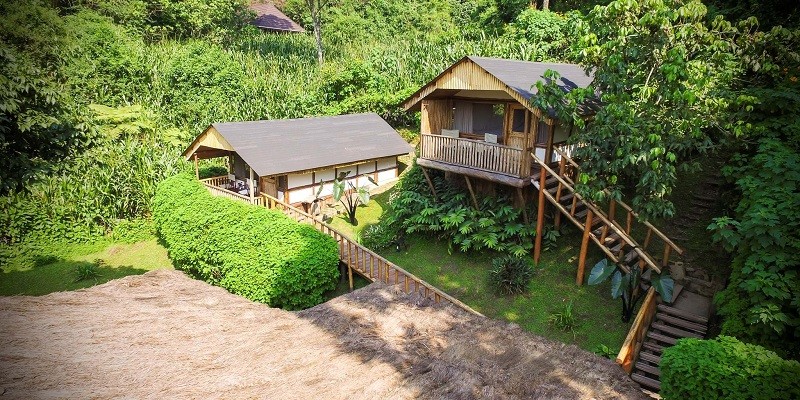
Accommodation in and around Budongo Forest ranges from eco-lodges tucked under dense canopies to mid-range retreats designed for both relaxation and exploration. Each stay immerses visitors in the forest’s rhythm, where the nights are filled with the distant calls of primates and mornings are greeted by sunrays piercing through towering mahoganies. For travelers on short itineraries, this immersion means that even downtime between treks becomes part of the adventure.

Staying Within the Heart of the Forest

For travelers who prioritize intimacy with nature, staying inside Budongo Forest offers a truly transformative experience. Eco-lodges located within the reserve are designed with minimal environmental footprint while maximizing the sensory connection to the wild. Nights here are spent in the company of cicadas and nocturnal animals, while mornings bring the chatter of chimpanzees echoing across the canopy.

By staying within the forest itself, visitors are afforded quicker access to chimpanzee tracking excursions, reducing transit time and allowing every hour to count. For travelers pressed for time, such efficiency ensures that days are spent in exploration rather than on the road. Moreover, these accommodations often provide guided nature walks, birding tours, and forest interpretation sessions that add layers of meaning to the overall journey.

Staying at the Edge of Budongo: Balancing Comfort and Access

For some travelers, staying just outside the forest provides a balance between natural immersion and broader accessibility. Lodges and guesthouses along the periphery of Budongo combine forest proximity with easier road connections toward southern Uganda, where gorilla trekking takes place.

This positioning is particularly valuable for travelers who aim to link experiences within Murchison Falls National Park—such as game drives or Nile boat cruises—with primate encounters. By basing themselves at the edge of Budongo, visitors retain both the convenience of road transfers and the charm of forest-inspired stays. For short itineraries, this balance often proves ideal, enabling a swift transition from savannah to rainforest.

The Connection Between Budongo and Gorilla Trekking Destinations

A crucial question arises for time-limited travelers: how does one combine Budongo with gorilla trekking? Though gorillas are not resident in Budongo, the forest serves as a practical stopover on a north-to-south or south-to-north safari route. From Budongo, road transfers toward Bwindi Impenetrable National Park can be planned strategically, ensuring that even short trips encompass both chimpanzee and gorilla experiences.

Travelers who stay in Budongo can track chimpanzees in the morning and then continue their journey southward toward gorilla trekking bases. While the drive may take several hours, the reward lies in the seamless weaving of two primate encounters into a condensed timeline. For those who seek both depth and efficiency, this arrangement proves invaluable.

Short-Stay Itineraries Built Around Budongo

Imagine a traveler with just five days in Uganda. By staying in Budongo, the itinerary could begin with chimpanzee tracking in the forest, followed by a game drive in Murchison Falls and a scenic journey south toward Bwindi. With careful planning, gorilla trekking can be achieved within this timeframe, proving that limited schedules do not preclude profound experiences.

Accommodations within Budongo ensure that the first half of this journey is immersed in forest life, while subsequent transfers connect the traveler to Uganda’s gorilla heartlands. In this way, Budongo acts as the gateway through which short itineraries become achievable without feeling rushed or superficial.

Cultural and Community Dimensions of Staying in Budongo

Beyond logistics, the accommodations around Budongo carry cultural depth. Many lodges partner with local communities, employing residents and integrating cultural activities into the visitor experience. Travelers may find themselves learning about traditional forest uses, tasting local cuisine, or engaging in storytelling sessions around evening fires.

For long journeys condensed into limited days, such cultural connections enrich the trip by providing layers beyond wildlife encounters. The stay itself becomes a bridge between people and nature, ensuring that even short visits carry depth and resonance.

Seasonal Considerations for Accommodation Choices

The question of where to stay also depends on seasonal patterns. During the rainy months, internal forest tracks may become more challenging, making stays at the forest edge more practical. In drier months, staying deeper within the forest becomes easier, allowing visitors to immerse more fully without concern for access.

For time-limited travelers, these seasonal considerations are crucial, as unexpected delays can significantly impact a short itinerary. Thus, choosing accommodation that aligns with both season and schedule is essential for ensuring smooth and fulfilling experiences.

The Transformative Nature of a Well-Planned Stay

Ultimately, the decision of where to stay in Budongo is less about luxury and more about purpose. For travelers with ample time, choices may be flexible. But for those with limited days, every detail matters. The right lodge can shorten transfer times, maximize tracking opportunities, and provide cultural enrichment that complements wildlife encounters.

Staying in Budongo ensures that the journey is not fragmented but integrated—where forest nights, chimpanzee mornings, and gorilla treks align seamlessly into a narrative of discovery. Even when time is short, the forest provides a depth that lingers long after departure.

Turning Limited Time into Limitless Experience

Budongo Forest stands as more than a destination; it is a gateway that allows chimpanzee tracking and gorilla trekking to coexist in even the shortest of itineraries. With its strategic location, immersive accommodations, and seamless links to Uganda’s gorilla strongholds, it transforms limited time into an experience of limitless meaning.

By choosing carefully where to stay, travelers ensure that every hour in Uganda carries weight and wonder. The forest becomes both a home and a passage, where schedules shrink but experiences expand.

To ensure that this delicate balance is achieved with expertise, travelers are encouraged to book their safaris with WildHorn Africa, a trusted guide in crafting journeys that weave efficiency with authenticity. With their support, even the briefest stay in Budongo opens into the vastness of Uganda’s primate kingdom.

Chimpanzee Tracking at Source of the Nile: Solo Traveler Guide for foodies

Chimpanzee Tracking at Source of the Nile: Solo Traveler Guide for foodies

By Travel stories and blogs, Primate holidays, Travel guides, Uganda travel guides

Chimpanzee Tracking at Source of the Nile: Solo Traveler Guide for Foodies

A Journey Beyond the Ordinary

The allure of Uganda is often whispered through its lush landscapes, its ancient rivers, and the extraordinary wildlife that roams freely across its national parks. Among the many wonders that the country offers, chimpanzee tracking at the Source of the Nile stands out as an immersive experience that transcends ordinary travel. For the solo traveler with a passion for culinary discovery, this journey is uniquely enchanting, offering an interplay between adventure, wildlife, and gastronomy that few destinations can rival. The experience is not merely a safari; it is a complete sensory journey, a combination of heart-stopping encounters with our closest primate relatives and the rich flavors of local Ugandan cuisine.

The Source of the Nile: A Scenic Starting Point

The adventure begins at the Source of the Nile in Jinja, a site steeped in history and natural beauty. Here, the mighty Nile emerges from the vast Lake Victoria, flowing onward in a journey that has fascinated explorers and scientists for centuries. The location, framed by verdant landscapes and gentle rolling hills, sets the perfect stage for solo travelers seeking both reflection and adventure. The area is tranquil yet vibrant, offering quiet moments along the riverbanks as well as opportunities to engage with local culture and gastronomy. Cafes and small eateries along the river serve fresh fish and local delicacies, allowing travelers to fuel themselves with flavors unique to Uganda before venturing into the forested trails where chimpanzees reside.

The Chimpanzee Encounter: Immersion in the Wild

Chimpanzee tracking in Budongo Forest Reserve or the nearby Mabira Forest is an unforgettable component of the journey. These forests, characterized by dense canopies, towering mahogany trees, and vibrant undergrowth, provide the perfect habitat for chimpanzees, whose social structures and playful behaviors captivate observers. Solo travelers are often advised to maintain a respectful distance while remaining observant, allowing the chimpanzees to reveal their natural behaviors without disruption. The tracking experience is guided by trained rangers whose deep understanding of chimpanzee habits ensures both safety and enrichment. Every rustle in the underbrush and every distant call brings anticipation, transforming the forest into a stage where the drama of wildlife unfolds intimately for the observer.

The journey through these forests demands both physical stamina and patience. Trekking paths wind through uneven terrain, often dampened by the rainforest’s frequent rains, requiring travelers to be prepared with appropriate gear. Yet, the reward of observing chimpanzees in their natural habitat is unmatched. Young chimpanzees swing effortlessly from branch to branch, while elders navigate the forest floor with deliberate movements. Solo travelers are given time to reflect on the intelligence and emotional depth of these creatures, forging a connection that resonates far beyond the jungle.

Gastronomic Delights for Solo Travelers

While the forest provides a feast for the eyes and the spirit, Uganda’s culinary landscape satisfies the palate. In Jinja and its surrounding areas, food markets brim with an array of fresh produce, from tropical fruits like jackfruit and passion fruit to freshly caught Nile perch. Local dishes such as matoke—steamed green bananas mashed with spices—and luwombo, a traditional dish cooked in banana leaves, provide solo travelers with an authentic taste of Ugandan culture. Street-side vendors and small cafes offer opportunities to engage with local chefs, who often share stories about their ingredients and cooking techniques, creating a sense of connection beyond the simple act of eating. For the solo traveler, these meals are more than sustenance; they are a gateway into understanding the daily rhythms and cultural nuances of Ugandan life.

The integration of food into the travel experience becomes particularly vivid after a morning of strenuous trekking. Many lodges and riverside restaurants offer farm-to-table experiences, where ingredients are sourced from local farmers and prepared with care. This focus on freshness and sustainability enhances the overall experience, merging adventure with culinary indulgence. Solo travelers are encouraged to sample the wide range of flavors, from mildly spiced stews to freshly pressed fruit juices, allowing the journey to engage all senses simultaneously.

Cultural Interactions Along the Nile

Solo travel in Uganda offers more than natural and culinary delights. Along the Nile, communities remain deeply connected to the river and its resources. Local artisans craft jewelry and pottery, often reflecting symbols of wildlife and historical narratives. Markets bustle with vibrant colors and aromas, creating a sensory tapestry that solo travelers can explore at a leisurely pace. Engaging with local vendors and community members often results in unexpected learning moments, revealing the interplay between Uganda’s natural environment and the daily lives of its people. These interactions are not mere tourist encounters; they offer insights into the resilience, creativity, and hospitality that define Ugandan society.

Planning the Solo Adventure

Preparation for chimpanzee tracking and the associated culinary exploration demands careful consideration. Solo travelers are advised to schedule their visits during the dry season, when trekking paths are less slippery and wildlife sightings are optimal. Lightweight, moisture-wicking clothing and sturdy trekking boots are essential, while insect repellent and a reliable rain jacket ensure comfort in the unpredictable rainforest climate. Solo travelers are encouraged to travel lightly but thoughtfully, balancing the need for preparedness with the desire for spontaneity. The guidance of local rangers is invaluable, offering insights into both chimpanzee behavior and safe navigation through the dense forest.

In addition to trekking gear, planning should incorporate culinary exploration. Identifying eateries known for authentic local cuisine ensures that each meal contributes meaningfully to the solo travel experience. Engaging with chefs and vendors not only enhances the gastronomic journey but also supports local businesses, fostering sustainable tourism practices that benefit both visitors and host communities.

The Reflective Solo Experience

Perhaps the most profound aspect of this journey lies in its potential for introspection. Solo travelers, unbound by the dynamics of a group, can move at a self-determined pace, lingering at moments of natural beauty or pausing to savor the flavors of a freshly prepared meal. The solitude allows for reflection on the interconnectedness of humans, wildlife, and the environment, creating a travel experience that resonates deeply long after the trek is completed. Observing chimpanzees in their natural habitat becomes a mirror, highlighting both the similarities and differences between human and primate societies, and inspiring a renewed appreciation for the natural world.

Embark on a Transformative Journey

Chimpanzee tracking at the Source of the Nile offers a unique convergence of adventure, culinary exploration, and personal reflection. For the solo traveler with an appetite for both discovery and flavor, this experience is unparalleled. Uganda’s lush landscapes, vibrant cultures, and rich culinary traditions provide a backdrop for an immersive journey where each step and each bite contributes to a story of connection, wonder, and self-discovery. Solo travel here transcends mere sightseeing, transforming into a holistic experience that engages mind, body, and spirit.

For travelers seeking to embark on this remarkable journey, it is highly recommended to book tours and safaris with WildHorn Africa, whose expertise ensures safe, seamless, and enriching experiences across Uganda’s most iconic landscapes. Their guided chimpanzee tracking excursions and curated culinary experiences offer solo travelers the perfect balance of adventure, culture, and flavor, creating memories that last a lifetime.

Lake Mburo National Park: How to Travel Responsibly to game drive in 2025

Lake Mburo National Park: How to Travel Responsibly to game drive in 2025

By Travel stories and blogs, Safari holidays, Travel guides, Uganda travel guides, Wildlife holidays


In 2025, the idea of safari has shifted from simply observing animals to
embracing a deeper understanding of conservation, culture, and sustainability.
Among Uganda’s celebrated destinations, Lake Mburo National Park
stands as a perfect embodiment of this change. Known for its expansive savannahs,
rolling hills, and an abundance of wildlife including zebras, impalas, elands, and
hippos, the park has become more than a game drive destination. It is a living
classroom where travelers are invited to explore responsibly, leaving behind
positive footprints rather than heavy marks on the ecosystem.For first-time visitors and seasoned adventurers alike, the call to travel
responsibly is no longer optional; it is the foundation of modern exploration.
This article unveils how to approach Lake Mburo National Park with respect,
awareness, and sustainability, ensuring that the beauty of this reserve remains
unspoiled for generations yet to come.

Understanding the Unique Character of Lake Mburo

Unlike Uganda’s larger parks such as Murchison Falls or Queen Elizabeth,
Lake Mburo National Park is smaller, covering about 260 square
kilometers. Yet, its compact size is its greatest gift to travelers, as it allows
more intimate encounters with wildlife and landscapes. The park is dominated by
five lakes, acacia woodlands, and grasslands that create ideal habitats for a
variety of species. Its biodiversity is striking, offering opportunities to spot
creatures rarely seen elsewhere in Uganda such as the impala and the slender
mongoose.

To understand the park’s character is to recognize its fragility. Smaller
ecosystems are more vulnerable to disruption, making responsible tourism an
essential approach. Every vehicle that enters, every footprint left behind, and
every photograph taken contributes to the story of how Lake Mburo is preserved or
disturbed. Traveling responsibly here means adopting a mindset that values both
immediate experience and long-term protection.

Responsible Game Drives in 2025

Game drives at Lake Mburo National Park remain the central attraction, offering
visitors the chance to witness herds of zebras grazing against golden backdrops,
giraffes stretching gracefully into treetops, and elands moving with calm majesty.
However, the true essence of these drives in 2025 lies in the principle of
responsibility. Drivers and guides are increasingly trained to
reduce off-road driving, minimize noise, and maintain safe distances from
animals. Photographers and wildlife enthusiasts are encouraged to remain quiet,
respecting the natural rhythms of the park’s residents.

Traveling responsibly during game drives also means embracing slower journeys.
By observing patiently rather than chasing sightings, visitors allow animals to
behave naturally, which not only results in more authentic encounters but also
reduces stress on wildlife. In 2025, the value of a game drive is measured not by
the number of animals spotted but by the quality of moments spent in harmony with
nature.

Minimizing Environmental Impact

One of the greatest challenges of modern tourism is the environmental strain it
places on delicate ecosystems. At Lake Mburo National Park, this strain is
addressed through deliberate visitor awareness. Responsible travelers are now
called to minimize waste, reduce plastic use, and adopt eco-friendly alternatives
throughout their journey. Lodges around the park have embraced sustainable
practices, offering solar energy, biodegradable materials, and community-driven
initiatives that directly benefit conservation.

The role of each traveler is to align with these efforts. Carrying reusable
water bottles, respecting park boundaries, and choosing accommodation that
prioritizes sustainability are small yet significant contributions. The combined
effort of visitors and management ensures that Lake Mburo continues to thrive in
the face of rising tourist numbers.

Cultural Sensitivity and Community Engagement

Beyond the wildlife, Lake Mburo National Park is deeply intertwined with the
lives of the Banyankole pastoralists, a community whose
traditions and livelihoods revolve around cattle rearing. In 2025, responsible
travel demands engagement with these communities in respectful and meaningful
ways. Visiting cultural centers, supporting local crafts, and learning about the
famous Ankole long-horned cattle contribute to both cultural preservation and
economic empowerment.

Cultural sensitivity requires approaching communities not as spectacles but as
partners in conservation. The success of Lake Mburo’s conservation efforts lies
in the delicate balance between wildlife and people, and travelers who recognize
this balance help strengthen it. Thus, every responsible game drive is also an
act of cultural appreciation and solidarity.

Timing and Preparation for Responsible Travel

The question of when to travel is essential for those who wish to minimize their
impact. The dry seasons, occurring from June to September and December to
February, remain the most popular times for game drives. While wildlife sightings
are easier during these months, increased tourist activity can strain resources.
Some responsible travelers now choose the green seasons, when the park is lush,
tranquil, and less crowded. The rains create a rejuvenated landscape, and the
fewer vehicles present reduce disturbance to animals.

Preparation for a responsible safari extends beyond packing gear. It involves
mental readiness to embrace unpredictability, patience to wait for natural
encounters, and discipline to follow the guidance of rangers and conservationists.
Visitors who arrive with this mindset contribute not only to their own experience
but also to the sanctuary’s sustainability.

The Future of Responsible Safari at Lake Mburo

In 2025, responsible tourism is not just a concept but a necessity. The future of
Lake Mburo National Park depends on how visitors today choose to engage with it.
Every decision, from the route taken during a game drive to the lodge selected for
an overnight stay, influences the park’s preservation. With global climate
challenges intensifying, smaller ecosystems like Lake Mburo require even greater
care, making responsible travel a shared duty rather than an individual choice.

The vision for Lake Mburo is one where travelers and wildlife coexist in balance,
where local communities benefit from tourism, and where each photograph taken is a
reminder of the park’s resilience. This vision can only be achieved when visitors
embrace responsibility as the guiding principle of their journeys.

Embracing Responsibility in Every Journey

A journey to Lake Mburo National Park in 2025 is more than a
safari; it is a commitment to traveling with integrity, respect, and awareness.
Responsible game drives are not about ticking off animal sightings but about
weaving oneself gently into the fabric of an ecosystem that has survived for
centuries. By minimizing environmental impact, respecting cultural heritage, and
aligning with conservation values, every visitor plays a part in safeguarding this
extraordinary sanctuary.

For travelers seeking to make their African safari both unforgettable and
responsible, it is highly recommended to plan and book with
WildHorn Africa, a trusted partner in delivering experiences
that honor both adventure and conservation. Through their expertise, journeys to
Lake Mburo National Park become not only memories but also contributions to a
sustainable future.

Cultural Tour at Ziwa Rhino Sanctuary: 7-Day Itinerary for honeymooners

Cultural Tour at Ziwa Rhino Sanctuary: 7-Day Itinerary for honeymooners

By Travel stories and blogs, Honeymoon holidays, Travel guides, Uganda travel guides

Cultural Tour at Ziwa Rhino Sanctuary: 7-Day Itinerary for Honeymooners

A Romantic Escape into the Heart of Uganda

For couples seeking an extraordinary beginning to their lifelong journey together, Uganda offers a destination where romance, adventure, and culture seamlessly blend. The Ziwa Rhino Sanctuary, located in the heart of the country, is renowned as the only home of wild rhinos in Uganda, and yet it offers far more than wildlife encounters. It presents a sanctuary of serenity, a hub of cultural immersion, and a gateway into experiences that perfectly suit the intimacy of a honeymoon. A seven-day itinerary at this remarkable site provides newlyweds with the opportunity to balance adventure with relaxation, while exploring cultural traditions that deepen their connection to the land and to each other.

This journey is not simply a holiday; it is a narrative of love, discovery, and shared wonder, crafted in one of Africa’s most treasured natural landscapes.

Day 1: Arrival and Settling into the Rhythm of Nature

The honeymoon experience begins with arrival at Ziwa Rhino Sanctuary, where couples are welcomed by the lush greenery and tranquil ambiance of the reserve. The sanctuary’s accommodations are designed to complement the environment, with thatched lodges and eco-friendly cottages that blend privacy with comfort. From the moment of arrival, the sense of seclusion sets the stage for romance, allowing couples to step away from the noise of everyday life.

The first evening is often reserved for rest and reflection, with couples encouraged to enjoy leisurely walks along the sanctuary’s paths or to savor a candlelit dinner under the stars. The rhythm of nature becomes the backdrop, with the sounds of crickets and rustling leaves adding a natural symphony to the honeymoon’s opening chapter.

Day 2: Rhino Trekking and Wildlife Discovery

The second day brings the highlight of the sanctuary experience—rhino trekking. Guided by professional rangers, couples embark on foot safaris that lead directly into the habitats of the southern white rhinos. Observing these majestic creatures up close is an awe-inspiring moment, enhanced by the intimacy of the experience. Walking side by side through the savannah, hand in hand, honeymooners share the thrill of seeing rhinos grazing or nursing their young, their power and grace a striking reminder of the richness of Uganda’s natural heritage.

Beyond rhinos, the sanctuary hosts a variety of wildlife, including antelope species, monkeys, and over three hundred bird species. The rangers enrich the trek by sharing stories of conservation, explaining the sanctuary’s pivotal role in protecting Uganda’s rhino population and reintroducing them into the wild. For couples, these treks symbolize more than wildlife observation—they embody the themes of protection, partnership, and care that resonate deeply during a honeymoon.

Day 3: Birding and Nature Walks

Ziwa Rhino Sanctuary is celebrated as one of the most rewarding birding destinations in Uganda, and the third day is dedicated to this pursuit. Couples are guided along wetland areas and woodland trails where rare species such as the shoebill stork, one of the world’s most sought-after birds, can be spotted. The experience of quietly waiting for a shoebill to emerge from papyrus reeds is both suspenseful and rewarding, and when seen, the moment lingers in memory.

Birding at Ziwa is not a hurried activity; it is contemplative and immersive, perfectly suited to couples seeking unhurried connection. Each call, each flash of color, and each graceful flight becomes a shared discovery. The remainder of the day may include guided nature walks, where butterflies, reptiles, and diverse plant species are introduced, offering couples the chance to appreciate the sanctuary’s ecological richness together.

Day 4: Cultural Engagement with Local Communities

A cultural tour forms the centerpiece of the honeymoon, and on the fourth day couples are introduced to the local communities surrounding Ziwa Rhino Sanctuary. Visits to nearby villages provide opportunities to engage with traditional Ugandan life. Couples may be welcomed with music and dance performances that showcase the rhythms and stories of the region. These performances are not mere entertainment; they are expressions of identity and heritage that immerse visitors in the heart of Ugandan culture.

The day also introduces couples to traditional crafts, such as basket weaving and bead making, which they can learn directly from local artisans. Engaging in these activities together provides a playful and collaborative experience, while also offering insights into the artistry that sustains community livelihoods. Culinary traditions are also explored, with couples invited to participate in preparing local dishes, guided by village elders. The act of cooking together, tasting unfamiliar spices, and sharing meals with the community weaves cultural learning with romance, enriching the honeymoon with authenticity.

Day 5: Relaxation and Private Exploration

After days filled with exploration, the fifth day allows couples to enjoy relaxation and solitude. The sanctuary offers quiet trails for private walks, serene spaces for picnics, and shaded areas for reflection. Couples can choose to spend their day lounging by their lodge, enjoying panoramic views of the savannah, or engaging in photography sessions that capture both wildlife and romantic moments.

The slower pace of the day provides a valuable opportunity for couples to reflect on their journey, deepen their bond, and appreciate the beauty of stillness in nature. For many, this interlude becomes one of the most cherished elements of the itinerary, as it balances adventure with peace and intimacy.

Day 6: Adventure Beyond the Sanctuary

While the sanctuary itself provides ample activity, the sixth day invites couples to explore the wider region. Excursions may include trips to nearby cultural landmarks, forest reserves, or scenic sites where Mount Elgon’s landscapes provide breathtaking backdrops. Couples can embark on light hikes, discover hidden waterfalls, or engage in storytelling sessions with local guides who share legends tied to the land.

These excursions extend the honeymoon experience beyond the sanctuary, providing variety while reinforcing the themes of discovery and togetherness. The thrill of exploring new places, encountering unexpected sights, and navigating unfamiliar paths together strengthens the sense of shared adventure that defines a honeymoon.

Day 7: Reflection and Departure

The final day at Ziwa Rhino Sanctuary is reserved for reflection. Couples may choose to revisit their favorite activity, whether it is a short morning walk to glimpse rhinos once more or a final breakfast shared under the open sky. The sanctuary, with its tranquility and beauty, leaves a lasting impression, and couples often find themselves reflecting not only on the memories created but also on the values of conservation and cultural connection that the journey has highlighted.

Departure is tinged with nostalgia but also with gratitude, as the sanctuary becomes etched into the couple’s shared story. The experience of seven days at Ziwa Rhino Sanctuary is not easily forgotten; it becomes a chapter of their relationship that remains vivid, cherished, and deeply symbolic of their union.

The Transformative Power of a Cultural Honeymoon

A honeymoon at Ziwa Rhino Sanctuary offers more than leisure. It provides a profound blend of wildlife encounters, cultural immersion, and romantic seclusion. Each day balances excitement with reflection, adventure with intimacy, and learning with relaxation. The sanctuary’s unique position as both a conservation hub and a cultural gateway ensures that honeymooners leave not only with cherished memories but also with deeper appreciation for Uganda’s heritage and biodiversity.

For couples, this itinerary embodies the values of partnership, exploration, and respect for the natural world—values that mirror the foundations of marriage itself. It is an experience that shapes not just a holiday but the very outlook with which couples begin their life together.

Begin Your Journey with WildHorn Africa

The Cultural Tour at Ziwa Rhino Sanctuary presents the ideal seven-day itinerary for honeymooners, offering romance, adventure, and cultural depth in perfect balance. From intimate rhino treks to immersive cultural exchanges, from tranquil evenings to exhilarating excursions, every moment is crafted to strengthen bonds and create timeless memories.

For couples wishing to embark on this remarkable journey, it is highly recommended to book tours and safaris with WildHorn Africa. With expertise in crafting tailored experiences, WildHorn Africa ensures that honeymooners enjoy seamless logistics, professional guidance, and access to the most enriching encounters Uganda has to offer. Their dedication to excellence guarantees that each honeymoon becomes not just a trip, but the beginning of a shared story of love, discovery, and adventure.

Close Menu