search
Top 10 Best African Safari Parks & Destinations of 2025 - 2026

Top 10 Best African Safari Parks & Destinations of 2025

By Travel guides, Travel stories and blogs

Top 10 Best African Safari Parks & Destinations of 2025
An Immersive Journey into the Wild Heart of Africa

Discovering Africa’s Untamed Majesty

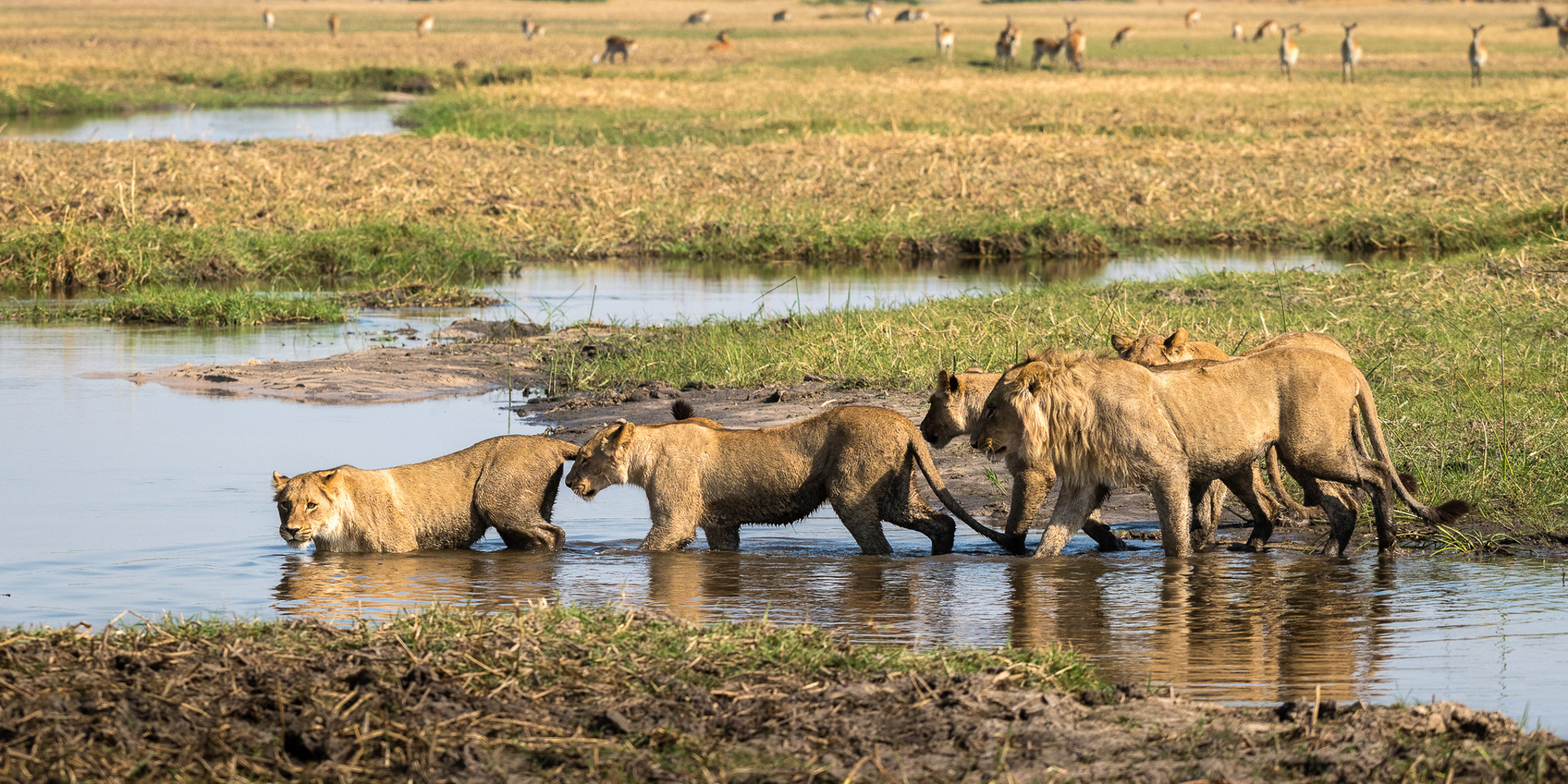
Africa remains the eternal heartbeat of the wild, where vast savannahs melt into dense jungles, arid deserts breathe under golden sunsets, and life unfolds in primal rhythm. In 2025, safari enthusiasts are rediscovering the continent’s wild allure, drawn to destinations that have become legends in the world of travel. These locations offer not only sightings of the Big Five, but deeply immersive experiences that bridge culture, conservation, and untouched nature.

From the plains of East Africa to the forests of Central and Southern Africa, the continent’s safari destinations have evolved into more than just wildlife-viewing areas. They now stand as living theaters of biodiversity, cultural epicenters, and strongholds of conservation. Travelers in 2025 are seeking destinations that evoke awe, ignite curiosity, and leave a lasting impact. As such, the top ten African safari destinations have been selected for their distinct ecosystems, rich wildlife densities, luxurious yet sustainable lodgings, and the ability to evoke something truly transformative.

Serengeti National Park – Tanzania’s Timeless Wilderness

No mention of African safaris is complete without the Serengeti—a name that conjures images of golden grasslands teeming with life. In 2025, it continues to reign as one of the most iconic destinations in the world. Its prominence is not solely attributed to its fame but to the Great Migration, an annual spectacle involving over two million wildebeest, zebras, and gazelles moving in a synchronized rhythm across the plains.

Visitors who find themselves on the open Serengeti plains often witness dramatic predator-prey interactions, as lions, cheetahs, and crocodiles lie in wait. The northern Serengeti, particularly near the Mara River, remains a focal point for thrilling river crossings that captivate the spirit. The seamless integration of luxury lodges with eco-conscious practices allows travelers to engage with the wild without intruding upon it.

Maasai Mara National Reserve – Kenya’s Crown Jewel

Connected to the Serengeti ecosystem but distinct in its character, Kenya’s Maasai Mara serves as a canvas of pure drama. In 2025, it remains the best place to spot big cats, including prides of lions and elusive leopards. Its landscapes are dotted with acacia trees and rolling hills, painted in gold during sunrise and sunset.

The Maasai people still live within and around the reserve, offering travelers an authentic cultural immersion unmatched elsewhere. Game drives with experienced Maasai guides reveal not only wildlife, but the age-old relationship between people and nature. With carefully managed tourism policies and increasing emphasis on community-based conservation, the Mara balances human presence and environmental integrity.

Okavango Delta – Botswana’s Living Mosaic

Where rivers disappear into desert, life flourishes. This paradox is perfectly embodied by the Okavango Delta, a UNESCO World Heritage Site that pulses with floodwaters each year, transforming Botswana’s Kalahari into a lush paradise. In 2025, the Okavango’s biodiversity and exclusivity have solidified its reputation as a high-end, low-impact safari destination.

Travelers explore by traditional mokoro canoes, drifting silently past elephants wading through lilies and antelopes leaping across channels. The delta is one of the few places in Africa where safaris are conducted both on water and land, offering a dynamic viewing experience. With the rise of tented eco-camps and strict visitor limits, the area has been preserved as a pristine sanctuary of serenity and spectacle.

Kruger National Park – South Africa’s Ecological Powerhouse

As one of the oldest and most established safari parks, Kruger National Park in South Africa stands as a symbol of accessibility, biodiversity, and comfort. In 2025, it continues to attract both first-time safari-goers and seasoned adventurers due to its diverse ecosystems and expansive infrastructure.

Stretching nearly 20,000 square kilometers, Kruger is home to an astounding variety of wildlife, including rare species such as the African wild dog and black rhino. With paved roads, rest camps, and luxury private concessions, Kruger offers a tailored experience—whether one seeks rustic self-drive safaris or fully guided photographic journeys. Its advanced conservation programs and anti-poaching units have made it a model for other parks across Africa.

Etosha National Park – Namibia’s Salt Pan Sanctuary

In the stark yet stunning landscapes of Namibia, Etosha National Park reveals a world of contrast. Dominated by the vast Etosha salt pan, which shimmers under the desert sun, the park is a magnet for wildlife, especially during the dry months when animals congregate at waterholes.

In 2025, Etosha’s self-drive safari model and minimal crowds continue to appeal to independent travelers. The clarity of visibility across the open plains makes animal tracking a rewarding experience, as elephants, giraffes, lions, and even black rhinos can often be spotted from miles away. The park’s ethereal landscape creates a unique visual atmosphere, offering photographers an almost surreal canvas.

Bwindi Impenetrable Forest – Uganda’s Primal Eden

Deep within the emerald rainforests of Uganda, the Bwindi Impenetrable Forest remains one of the last strongholds of the endangered mountain gorilla. In 2025, the opportunity to trek through this ancient forest and come face to face with gorilla families in their natural habitat remains an emotional and transformative experience.

Bwindi is not just a sanctuary for gorillas, but a biodiversity hotspot teeming with birds, butterflies, and rare flora. Conservation tourism has provided crucial funding for both wildlife protection and local community development. Permits remain limited to ensure minimal impact, making each trek a highly exclusive and meaningful journey into the heart of nature.

South Luangwa National Park – Zambia’s Wild Masterpiece

Often considered Zambia’s hidden treasure, South Luangwa has gained global recognition in 2025 for its unspoiled beauty and raw authenticity. Known as the birthplace of the walking safari, it offers a unique approach—experiencing the bush on foot under the guidance of expert rangers.

The Luangwa River weaves through the park, drawing animals of all kinds. The high concentration of leopards, along with herds of elephants and vibrant birdlife, makes it a magnet for wildlife enthusiasts and photographers. Its remoteness and focus on conservation-based tourism provide a deeply personal connection with nature, far from the crowds and mainstream routes.

Volcanoes National Park – Rwanda’s Conservation Triumph

In the misty mountains of northern Rwanda, Volcanoes National Park offers one of the most intimate and rare wildlife experiences on the planet. Home to several habituated families of mountain gorillas, the park has become a symbol of ecological rebirth and peace following the nation’s past.

In 2025, Volcanoes National Park is celebrated not only for its gorilla encounters but also for its highly sustainable tourism model. A significant portion of permit revenues supports local communities and gorilla conservation. Trekking here is often described as life-altering, as travelers ascend volcanic slopes in silence before locking eyes with a creature that shares nearly 98% of our DNA.

Chobe National Park – Botswana’s Elephant Empire

In the northeast corner of Botswana lies Chobe National Park, a sanctuary famed for its dense elephant population, which has grown to over 120,000 in recent years. The Chobe River, especially during the dry season, draws enormous herds to its banks, creating a natural spectacle of epic proportions.

By 2025, boat safaris have become the favored way of exploring Chobe, offering unique vantage points of elephants swimming, crocodiles sunning, and hippos emerging from the depths. The park also boasts diverse landscapes—from swamps and floodplains to dry woodlands—each supporting a distinct set of species. Chobe’s proximity to Victoria Falls adds another layer to its allure, allowing travelers to combine dramatic wildlife with one of the world’s most powerful waterfalls.

Ngorongoro Crater – Tanzania’s Natural Amphitheater

Often referred to as the world’s largest intact volcanic caldera, Ngorongoro Crater remains a unique safari destination in 2025. Its enclosed ecosystem acts like a natural zoo, home to a stunning concentration of wildlife, including the endangered black rhino and a rare population of lions adapted to life within the crater.

Travelers are mesmerized not only by the abundance of animals but also by the sheer beauty of the crater itself. Misty crater rims give way to a lush green basin filled with acacia trees, soda lakes, and open plains. The experience is deeply cinematic, with nature unfolding like a perfectly orchestrated scene under the watchful gaze of the ancient crater walls.

Your Journey Begins With WildHorn Africa

While these ten safari destinations represent the pinnacle of African wilderness in 2025, the experience itself is only as powerful as the guides who bring it to life. Booking through a trusted operator ensures that your adventure is seamless, ethical, and unforgettable.

WildHorn Africa, with its profound expertise, tailor-made itineraries, and commitment to conservation, has become the go-to partner for travelers seeking not just a safari—but a soul-stirring journey. Whether your heart is set on gorilla trekking in Uganda, river cruising in Botswana, or lion tracking in Kenya, WildHorn Africa curates your safari with passion, knowledge, and care.

Step into the wild. Let your adventure begin with WildHorn Africa.
10 Beautiful Islands off the Coast of Africa

10 Beautiful Islands off the Coast of Africa

By Travel guides, Travel stories and blogs

10 Beautiful Islands off the Coast of Africa
A Journey into the Hidden Paradises of the Continent’s Waters

The Allure of Africa’s Islands: A Seaside Revelation of Wonder

Beyond its sweeping savannahs, dramatic deserts, and towering mountain ranges, Africa’s coastal waters conceal some of the most breathtaking island escapes on Earth. While the mainland dazzles with wildlife and culture, the islands scattered off the shores of the continent offer an entirely different yet equally mesmerizing narrative—one composed of coral-fringed beaches, turquoise waters, ancient cultures, volcanic peaks, and marine-rich biodiversity.

In the years ahead, as travelers increasingly seek meaningful escapes that combine natural splendor with cultural authenticity, the islands of Africa are being elevated from hidden gems to global icons of tranquil luxury and eco-conscious adventure. Each island presents a distinct personality—a unique expression of the continent’s diversity wrapped in oceanic beauty. From the azure waters of the Indian Ocean to the volcanic archipelagos of the Atlantic, these island sanctuaries provide unforgettable experiences that feel untouched by time, yet vividly alive in spirit.

As travel reawakens with a deeper sense of purpose, the islands off Africa’s coast are emerging as timeless, soul-stirring destinations where relaxation, discovery, and sustainability converge in breathtaking harmony.

Zanzibar, Tanzania – The Spice Island’s Captivating Charm

Floating just off the coast of Tanzania, the island of Zanzibar has long been a cultural and maritime crossroad. Known widely as the “Spice Island,” Zanzibar enchants visitors with its ancient Stone Town, where winding alleys and intricately carved doors whisper tales of centuries-old trade and cultural exchange. The island’s soul is rooted in a blend of Arab, Swahili, Indian, and African influences, creating an intoxicating mix of architecture, cuisine, and music.

The beaches here offer powdery white sand and crystalline waters, while the coral reefs teem with life—ideal for snorkeling and diving. Sunset dhow cruises, visits to spice plantations, and encounters with red colobus monkeys in Jozani Forest further enrich the experience. Zanzibar is not merely a beach destination—it is a living island steeped in history and mystery.

Mauritius – A Mosaic of Culture and Color

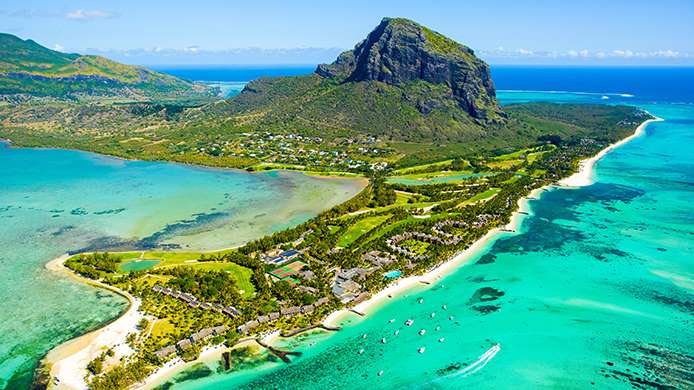
Positioned in the Indian Ocean east of Madagascar, Mauritius is an island defined by luxury, tranquility, and exceptional natural beauty. Surrounded by coral reefs and lagoons, the island’s beaches are among the world’s most photographed, but its interior reveals just as much allure, with verdant sugarcane fields, volcanic peaks, and enchanting waterfalls.

Mauritius is equally famed for its multicultural identity, where Creole, Indian, Chinese, and French traditions coalesce into a vibrant tapestry. Visitors are drawn to its diverse cuisine, friendly locals, and world-class resorts. Yet beneath its polished surface lies a profound ecological story, seen in efforts to protect native species like the pink pigeon and ebony forest. Whether hiking the trails of Black River Gorges National Park or relaxing on a catamaran, Mauritius offers an island experience that is as deep as it is dazzling.

Seychelles – Eden in the Indian Ocean

Renowned for its otherworldly beauty, Seychelles is a 115-island archipelago northeast of Madagascar that has become synonymous with pristine beaches, lush nature, and exclusive escapes. The granitic islands of Mahé, Praslin, and La Digue feature dramatic rock formations, powder-white beaches like Anse Lazio, and rare endemic flora, including the famed Coco de Mer palm.

The islands are celebrated not only for their aesthetics but for their unwavering commitment to conservation. Vast marine parks, turtle nesting beaches, and coral reef restorations reflect a conscious effort to maintain ecological harmony. For travelers in search of privacy, elegance, and untouched natural splendor, Seychelles remains an exquisite retreat where serenity is assured, and nature is revered.

Madagascar – An Island Continent of Evolutionary Wonders

Lying off Africa’s southeastern coast, Madagascar is not simply an island—it is a biological marvel. As the world’s fourth-largest island, it boasts a level of biodiversity found nowhere else on the planet. From lemurs and chameleons to towering baobabs and unique spiny forests, Madagascar’s flora and fauna offer a living laboratory of evolutionary intrigue and ecological uniqueness.

The coastal regions, particularly in the north around Nosy Be and the south near Ifaty, showcase coral reefs, whale migrations, and crystalline lagoons. Madagascar’s culture is equally diverse, reflecting centuries of African, Asian, and Austronesian influences. While it may be less polished than other island destinations, its raw, untamed nature and sense of mystery reward the curious traveler with unforgettable experiences.

São Tomé and Príncipe – The Africa You Didn’t Know Existed

Off the coast of Central Africa, tucked in the Gulf of Guinea, lies the twin-island nation of São Tomé and Príncipe, one of the least visited yet most enchanting places on Earth. These islands offer a pristine blend of volcanic peaks, rainforest canopies, black-sand beaches, and colonial charm, all wrapped in a peaceful, unhurried atmosphere.

Often described as Africa’s best-kept secret, the islands are a haven for birdwatchers, hikers, and lovers of slow travel. Coffee and cocoa plantations from Portuguese colonial times are being revived into eco-lodges and agritourism sites. With few crowds, warm-hearted locals, and a setting that feels plucked from a dream, São Tomé and Príncipe provides a luxurious simplicity that speaks directly to the soul.

Comoros – The Forgotten Archipelago of Perfume and Volcanoes

Floating between Mozambique and Madagascar, the Comoros Islands offer a kaleidoscope of color, fragrance, and culture. Known as the “Perfume Islands” for their ylang-ylang plantations and vanilla fields, Comoros is an underexplored gem where traditional Swahili and Islamic cultures flourish amid volcanoes and coral seas.

Its main islands—Grande Comore, Mohéli, and Anjouan—each boast distinct personalities. Mohéli, in particular, stands out as a marine sanctuary, where sea turtles nest undisturbed and humpback whales glide by. Despite its lack of infrastructure compared to more touristy destinations, Comoros charms precisely because of its authenticity and lack of commercialization, offering a rare glimpse into island life untouched by mass tourism.

Canary Islands, Spain (Off the Northwest African Coast)

Although politically part of Spain, the Canary Islands rest off the northwest coast of Africa and share deep geographic and ecological ties with the continent. With dramatic volcanic landscapes, black and golden sand beaches, and a spring-like climate year-round, the Canaries are a paradise for both adventurers and beach lovers.

Islands like Tenerife, Lanzarote, and La Palma offer stargazing, surfing, hiking, and even wine tasting, all against backdrops that range from lunar lava fields to lush laurel forests. While the islands enjoy modern infrastructure, efforts are growing to preserve the unique Canarian ecosystems and support sustainable tourism models. The Canaries promise diversity, energy, and escapism in a surprisingly accessible setting.

Djerba, Tunisia – Where Mythology Meets the Mediterranean

Off the coast of Tunisia lies the island of Djerba, long believed to be the land of the Lotus-Eaters from Homer’s Odyssey. Today, this island mixes Berber heritage, Jewish history, and Arab culture in a mosaic that is both spiritual and scenic.

Its whitewashed domes, ancient synagogues, traditional markets, and palm-lined beaches offer a captivating juxtaposition of past and present. While Djerba remains a popular domestic destination, its global visibility is steadily rising, especially as travelers seek cultural richness combined with coastal tranquility. With artisanal crafts, Mediterranean cuisine, and hospitable locals, Djerba is poised to surprise those who venture to its shores.

Bioko Island, Equatorial Guinea – A Rugged Island Frontier

Located in the Gulf of Guinea, Bioko Island belongs to Equatorial Guinea and offers a rugged and verdant terrain brimming with biodiversity. Volcanic mountains, black-sand beaches, and dense rainforests define the landscape, while the capital city, Malabo, reflects a blend of colonial Spanish and African cultures.

The island is known for its primate diversity, particularly in protected areas like Pico Basilé National Park. Though travel to Bioko remains less common due to its political complexities, those who do make the journey are rewarded with a raw, mysterious island experience that feels worlds away from the ordinary.

Embark on Your Island Odyssey with WildHorn Africa

The islands off the coast of Africa are not mere extensions of the continent—they are profound destinations in their own right, each offering a distinct rhythm, voice, and vision of paradise. From the whispering mangroves of Madagascar to the volcanic peaks of São Tomé, and from the perfume-laced air of Comoros to the polished shores of Mauritius, the islands of Africa promise serenity, discovery, and transformation.

To explore these unique enclaves with depth, comfort, and authenticity, travelers are encouraged to place their journeys in the hands of experts. WildHorn Africa, a premier travel partner specializing in African experiences, offers customized island itineraries that balance luxury with sustainability, and adventure with cultural reverence.

Whether you dream of diving into coral gardens, walking barefoot across ancient sands, or engaging with island cultures that have stood the test of time, WildHorn Africa ensures that your voyage is seamless, enriching, and unforgettable. The islands are calling—answer their song with purpose, guided by those who know Africa best.

10 Most Beautiful & Interesting Places To Visit in South Africa

10 Most Beautiful & Interesting Places To Visit in South Africa

By South Africa travel guides, Travel guides, Travel stories and blogs

10 Most Beautiful & Interesting Places To Visit in South Africa
An Immersive Journey into the Heart of the Rainbow Nation

A Land Beyond Imagination

Tucked away on the southernmost tip of the African continent lies a country of spectacular beauty, diverse cultures, and breathtaking contrasts. South Africa, known as the Rainbow Nation, has long held a unique allure for travelers seeking both natural wonders and rich historical narratives. From vibrant cities and coastal paradises to untamed wilderness and cultural landmarks, South Africa offers a mosaic of experiences unlike any other place on earth.

This isn’t merely a destination; it’s a journey that shapes your soul, a discovery that lingers long after the trip is over. While countless places in South Africa are deserving of exploration, certain locations have consistently stood out for their beauty, significance, and unforgettable charm.

Cape Town – Where Mountains Kiss the Sea

Few cities in the world offer a setting as dramatic and awe-inspiring as Cape Town. Nestled between the majestic Table Mountain and the deep blue waters of the Atlantic Ocean, this city is often described as one of the most beautiful urban centers on the planet. Visitors have found themselves enchanted by the way nature and modern life merge effortlessly here.

The flat-topped Table Mountain dominates the skyline, inviting travelers to ascend its summit for panoramic views of the city and ocean. Beneath it, the Victoria & Alfred Waterfront buzzes with energy, offering world-class shopping, dining, and entertainment, while only a short drive away lies Cape Point, where rugged cliffs dive into swirling seas, marking the meeting point of the Indian and Atlantic Oceans.

But Cape Town isn’t just about its vistas. Its neighborhoods, such as Bo-Kaap, with its kaleidoscopic houses and rich Cape Malay heritage, reveal deep cultural roots and historic resilience. The city’s pulse beats to the rhythm of diversity, and every street corner tells a story.

Kruger National Park – The Wild Heart of Africa

In the northeastern reaches of the country, an ancient wilderness awakens with the sun each day. Kruger National Park, one of the largest and most famous game reserves in Africa, serves as a sanctuary to an astonishing variety of wildlife. Here, the Big Five—lion, leopard, elephant, buffalo, and rhino—can be spotted roaming freely across open savannahs and dense bushveld.

This isn’t just a safari destination; it’s a living ecosystem teeming with life, mystery, and primal beauty. Travelers are often left breathless as they witness herds of elephants marching across dry riverbeds or hear the distant roar of lions echoing through the night. The park has long stood as a symbol of conservation and biodiversity, drawing nature enthusiasts and photographers from all corners of the globe.

With expertly guided game drives, luxury lodges nestled in nature, and an aura of untouched beauty, Kruger offers an encounter with Africa in its purest form.

Garden Route – A Coastal Tapestry of Wonders

Stretching along the southern coastline, the Garden Route unravels like a scenic dream, winding through lush forests, pristine beaches, and charming coastal towns. Travelers who have ventured along this iconic route have found themselves entranced by the diversity of landscapes and experiences it unveils.

From the tranquil lagoons of Knysna, bordered by ancient indigenous forests, to the adrenaline-filled adventures in Tsitsikamma National Park, the route is a sensory feast. The coastal cliffs, framed by crashing waves, provide a backdrop to some of South Africa’s most picturesque hiking trails and suspension bridges. In towns like Plettenberg Bay and Wilderness, golden beaches stretch endlessly, kissed by the gentle surf of the Indian Ocean.

It’s a journey that seamlessly blends relaxation and excitement, all set to the soundtrack of birdsong and ocean breezes.

Drakensberg Mountains – The Peaks of Enchantment

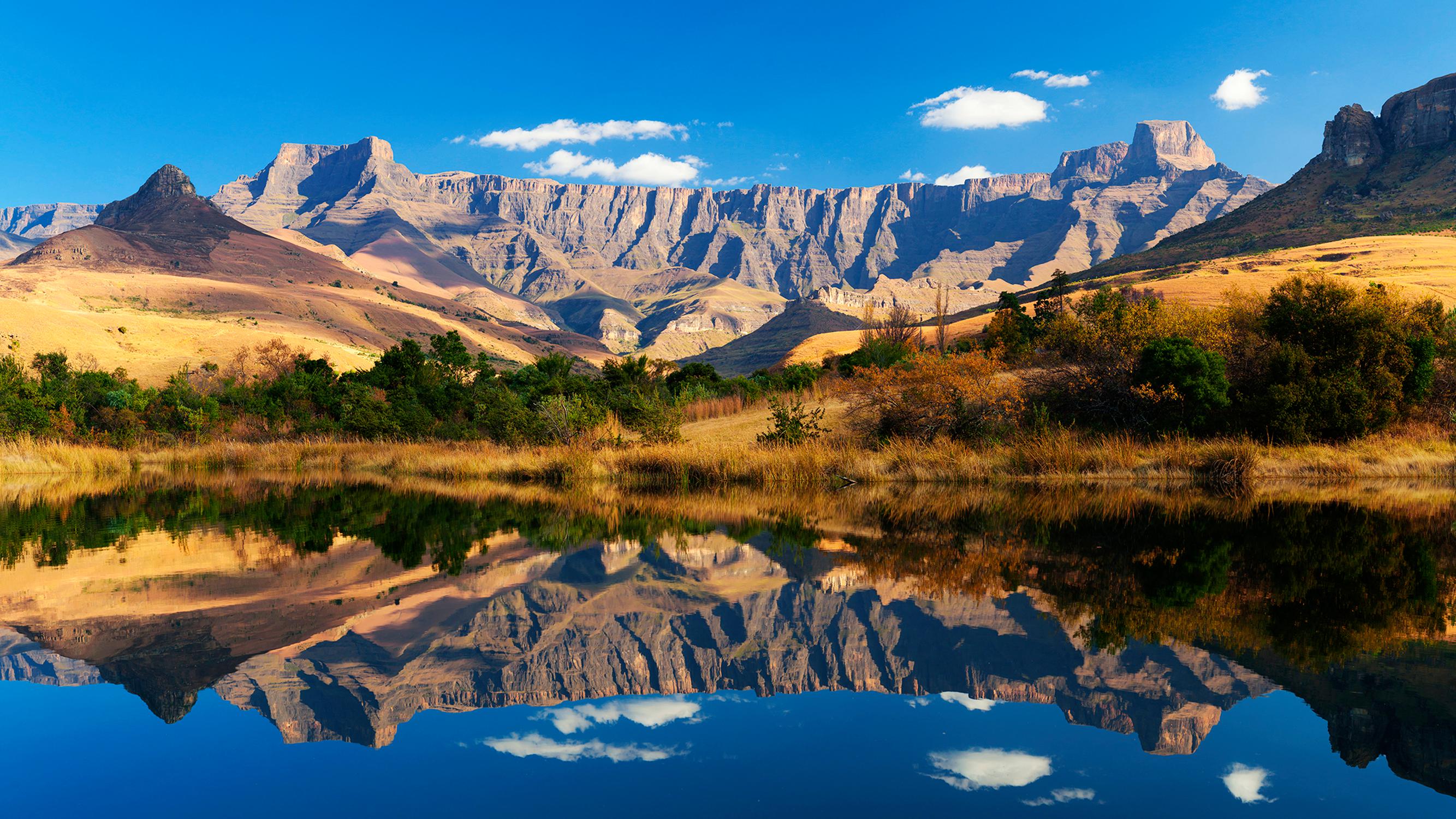
Soaring dramatically across KwaZulu-Natal and the Free State, the Drakensberg Mountains command attention with their rugged majesty. Known in Zulu as uKhahlamba, or “Barrier of Spears,” these ancient peaks form the highest range in Southern Africa, and have inspired awe for centuries.

Cloaked in myth and natural splendor, this UNESCO World Heritage Site is home to thunderous waterfalls, deep valleys, and some of the world’s most important San rock art sites. Hikers and climbers have long been drawn to its formidable trails, where alpine flora and indigenous wildlife abound.

Within its folds lie places like Royal Natal National Park, where the famous Amphitheatre cliff face rises like a fortress against the sky, and Cathedral Peak, where serenity and challenge coexist in sublime balance.

Blyde River Canyon – The Grand Gorge of the South

Often overlooked but no less impressive, the Blyde River Canyon in Mpumalanga offers some of the most dramatic scenery in South Africa. As the third-largest canyon in the world and one of the greenest, it presents a landscape carved by time and veiled in mist.

Here, towering cliffs plunge into deep river valleys, and features like God’s Window, Three Rondavels, and Bourke’s Luck Potholes have left visitors spellbound by their sheer magnificence. The canyon seems to breathe with history and geological wonder, each formation whispering stories of ancient earth movements and the relentless power of water.

Whether viewed from lofty lookouts or explored via winding mountain roads, the Blyde River Canyon is a natural marvel that remains etched in memory.

Robben Island – A Testament to Triumph

In the cold waters off Cape Town’s coast lies a place of deep sorrow and ultimate redemption. Robben Island, now a World Heritage Site, once held Nelson Mandela for 18 of his 27 imprisoned years, and today stands as a powerful symbol of South Africa’s journey from apartheid to democracy.

Guided by former prisoners, visitors have walked its stark corridors and peered into the tiny cell that once confined a global icon. But beyond its painful past, Robben Island speaks of human resilience, the pursuit of justice, and the enduring power of forgiveness.

It’s a pilgrimage into the soul of South Africa—one that leaves no visitor untouched.

Stellenbosch & Winelands – The Taste of Sophistication

Not far from Cape Town, the rolling hills of the Cape Winelands reveal a landscape of indulgent beauty and refined taste. Anchored by towns such as Stellenbosch, Franschhoek, and Paarl, this region is revered not only for its award-winning wines but also for its Cape Dutch architecture, culinary artistry, and mountain-framed vineyards.

Wine estates dating back to the 17th century welcome guests with cellar tours, gourmet tastings, and stunning views. The blend of European heritage with South African terroir creates a sensory experience of elegance and tradition.

It’s a place where life slows down, flavors linger, and every sip tells a story.

Johannesburg – A City of Gold and Grit

While not traditionally praised for natural beauty, Johannesburg commands attention for its cultural richness and urban energy. Born from the gold rush and shaped by history, Jo’burg is a city that refuses to be ignored.

Modern skyscrapers tower over bustling markets, while areas like Soweto bear the scars and triumphs of the struggle against apartheid. Museums such as the Apartheid Museum and Constitution Hill present unflinching narratives, ensuring history is neither forgotten nor repeated.

Yet Johannesburg is not only about the past. It’s a hub of fashion, music, and art, where innovation and creativity pulse through streets once marked by strife.

Addo Elephant Park – The Gentle Giants’ Sanctuary

In the Eastern Cape, a quieter but equally profound wildlife experience awaits in Addo Elephant National Park. Originally established to protect the last remaining elephants in the region, it has blossomed into a thriving conservation area now home to the Big Seven—including whales and sharks off its marine-protected coast.

The elephants of Addo, known for their calm demeanor and close-up encounters, offer an intimate safari experience. Rolling hills, thickets, and open plains create an ideal habitat for both predators and prey, giving visitors a rounded sense of the South African wild.

Unlike the crowds of larger parks, Addo whispers rather than roars, making its magic all the more personal.

The Wild Coast – Where Nature Remains Untamed

Far from the beaten path lies the Wild Coast, a rugged stretch of Eastern Cape shoreline where cliffs plunge into wild surf and green hills roll into the horizon. This is where time seems to slow and the modern world retreats, allowing raw nature and traditional Xhosa culture to flourish undisturbed.

The Hole in the Wall, a dramatic rock formation carved by the ocean, stands as a symbol of this land’s unique power and legend. Villages with thatched huts dot the landscape, cows wander freely along empty beaches, and river estuaries flow into the sea with graceful indifference.

For those who seek something real, unfiltered, and deeply moving, the Wild Coast delivers a journey that touches both earth and spirit.

Discover South Africa – Let the Journey Begin

To travel through South Africa is to navigate a tapestry of contrasts—where landscapes vary dramatically from one province to the next, and where history, culture, and nature intertwine with rare harmony. It is a country that demands exploration, that inspires awe, and that transforms all who walk its paths.

For those yearning to witness these marvels in the most immersive, expertly guided, and personalized way, your African adventure awaits.

Book your unforgettable safari or cultural journey through WildHorn Africa today, and let the wonder of South Africa unfold in ways you’ll never forget.

10 Best-value Luxury Lower Zambezi Lodges & Camps

10 Best-value Luxury Lower Zambezi Lodges & Camps

By Travel guides, Travel stories and blogs, Zambia travel guides

10 Best-value Luxury Lower Zambezi Lodges & Camps

An Unrivaled Blend of Wilderness and Elegance

In the vast expanse of southern Africa, where the mighty Zambezi River gently carves its way through the wilderness, a hidden jewel of African luxury has emerged. The Lower Zambezi National Park, nestled between the rugged escarpment and the river’s edge, offers not only a sanctuary for abundant wildlife but also a secluded haven for discerning travelers. Here, a select collection of luxury lodges and camps has redefined the very essence of value-for-money safari experiences, combining the allure of untamed nature with the comfort of world-class hospitality.

The Allure of the Lower Zambezi

This enchanting region stands apart not merely for its thriving populations of elephants, leopards, lions, and buffalo, but for its dramatic riverine beauty and the immersive intimacy it offers. The lodges and camps scattered across the park’s landscape are strategically located to provide both unparalleled wildlife viewing and exclusive luxury. Each accommodation blends seamlessly into its environment, crafted with natural materials, designed to be eco-sensitive, and elevated by exceptional service.

What distinguishes these destinations is not merely the opulence but their commitment to authenticity, sustainability, and a deeper connection to the land and its people. In the Lower Zambezi, luxury is not about excess—it’s about experience.

Chiawa Camp: Pioneering Luxury with a Soul

The story of Chiawa Camp is one of vision and dedication. As one of the first camps established in the park, it has set a benchmark in refined wilderness living. Nestled beneath a grove of mahogany trees, its spacious tents offer river-facing decks and handcrafted furniture, complemented by fine dining under the stars. What elevates Chiawa is its deep-rooted conservation ethos and its genuine community partnerships, creating a balance between luxury and purpose.

Sausage Tree Camp: Where Design Meets Wild Beauty

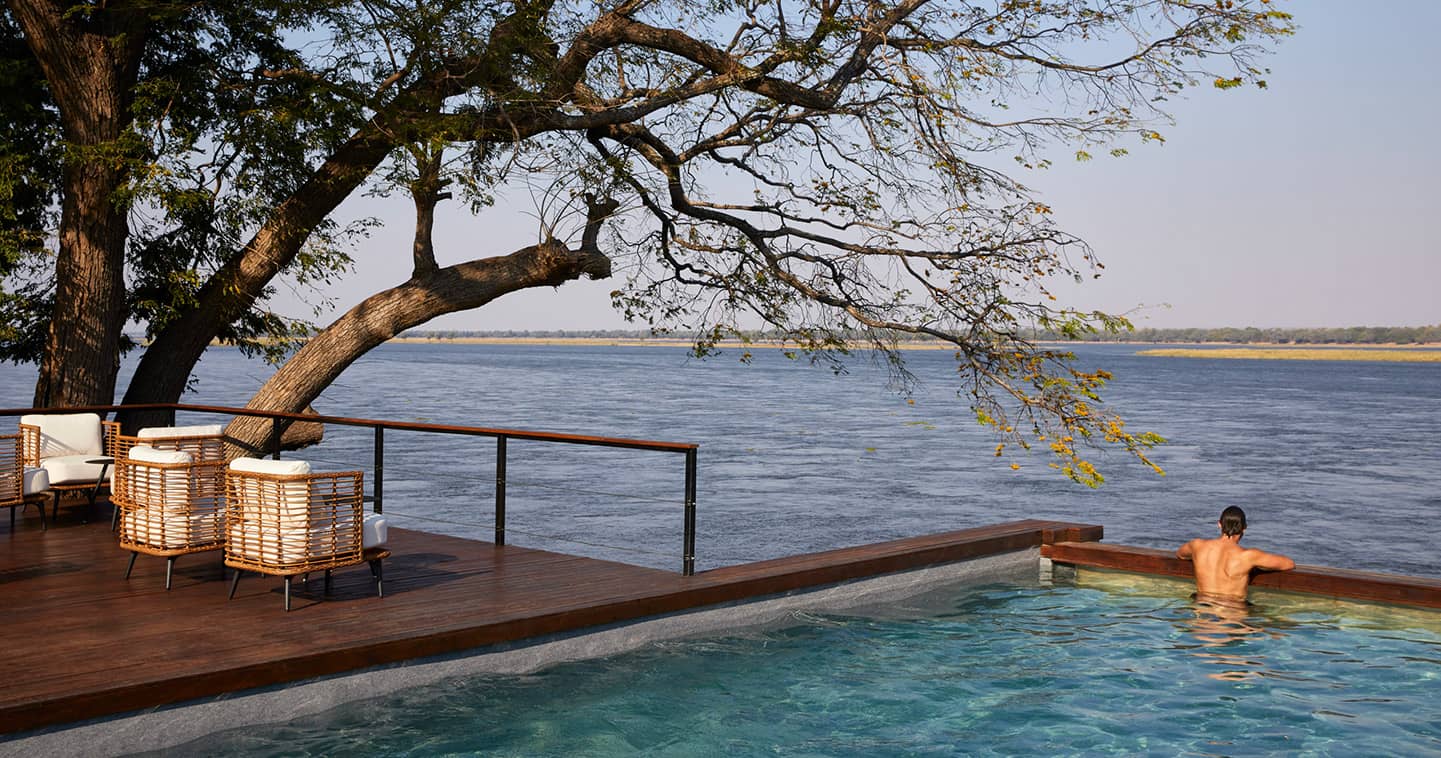
Situated along the tranquil Zambezi waterfront, Sausage Tree Camp is a blend of minimalist elegance and raw African charm. Its signature white Bedouin-style tents, each with private plunge pools, invite an atmosphere of serenity and indulgence. Canoeing safaris, game drives, and walking excursions are curated to match guests’ preferences, offering flexibility rarely found in traditional safari models. Here, luxury whispers rather than shouts.

Old Mondoro: Rustic Refinement for the True Safari Purist

For those seeking a more grounded yet equally luxurious encounter with the wild, Old Mondoro offers an experience that is as intimate as it is authentic. With only a handful of chalets overlooking a bustling lagoon, this camp promises close encounters with elephants and leopards, often from the comfort of your room. The ambiance is one of understated elegance, where the sounds of nature replace the distractions of modern life.

Royal Zambezi Lodge: Majestic Views and Timeless Hospitality

Positioned just outside the park boundaries on a private concession, Royal Zambezi Lodge exudes a classic African charm combined with modern comforts. Its expansive suites, outdoor bathtubs, and thatched roofs create an oasis for relaxation after adventurous days in the bush. With an award-winning spa, gourmet cuisine, and sunset cruises, the lodge presents a holistic safari experience where indulgence meets authenticity.

Anabezi Luxury Tented Camp: Seclusion in Style

Tucked away at the remote eastern end of the park, Anabezi Camp captures the spirit of the wild with luxurious flair. Elevated on stilts to offer panoramic views of the Zambezi floodplains, its canvas-and-wood suites are designed for both comfort and immersion. Guests often awaken to the grunts of hippos and the calls of fish eagles. The camp’s emphasis on privacy, coupled with its exceptional guiding, crafts a safari that is deeply personal.

Baines’ River Camp: A Colonial Homestead on the Banks of the Zambezi

Named after the famed explorer Thomas Baines, this elegant camp evokes the grandeur of a bygone era. Baines’ River Camp merges Edwardian aesthetics with African hospitality, offering activities that range from tiger fishing to cultural excursions. With its riverside location and tailored service, guests are afforded both adventure and relaxation in equal measure.

Time + Tide Chongwe River House: Artistic Architecture in the Wild

A masterpiece of organic architecture, Chongwe River House is perhaps the most visually arresting lodge in the region. Sculpted from local materials, it feels more like an artwork than a building. The house, ideal for families or private groups, comes with a dedicated team including a private chef, guide, and house staff. Luxury here is defined by bespoke experiences and architectural wonder.

Zambezi Grande: Elegant Exclusivity Meets Riverside Charm

A relative newcomer, Zambezi Grande Private Game Experience offers a fresh perspective on luxury in the bush. Its contemporary decor, coupled with nods to traditional Zambian design, provides a unique ambiance. The camp’s focus on culinary excellence, paired with thrilling safari activities and community engagement programs, ensures an enriching stay that appeals to both comfort-seekers and conscious travelers.

Tusk and Mane: Wild Luxury in its Purest Form

Offering a raw and immersive encounter with nature, Tusk and Mane’s mobile safari camps redefine what luxury means. With lightweight, semi-permanent setups that move between remote sites, the emphasis is placed on experience over extravagance. Each stay is tailored, deeply wild, and yet serviced with the kind of precision and care found in top-tier lodges. It’s ideal for those who seek off-the-grid exclusivity without compromising on quality.

Chongwe River Camp: Intimate Charm with a Scenic Backdrop

A sister to the River House, Chongwe River Camp is set at the confluence of the Chongwe and Zambezi Rivers, a location that yields extraordinary wildlife activity. With its open-air bathrooms, alfresco dining, and relaxed atmosphere, it embodies the unpretentious side of luxury. The staff’s warmth and attention to detail ensure that guests feel not only welcomed but deeply cared for.

Beyond Luxury: The Value That Truly Counts

While each of these lodges and camps offers distinct aesthetics and amenities, they share a common philosophy: luxury is not merely about lavish surroundings, but about creating transformative experiences. The value here is measured in memories made during golden-hour game drives, in the quiet moments shared with nature, and in the personal touches that make every stay unforgettable.

The Lower Zambezi is more than a destination—it is a feeling, a rhythm, a retreat into the soul of Africa. With fewer crowds, exceptional wildlife, and a strong conservation ethos, this corner of Zambia continues to draw those who seek meaning in their adventures.

Embark on Your African Journey with WildHorn Africa

To truly experience the magic of the Lower Zambezi, one must travel with those who understand its depths. WildHorn Africa crafts bespoke safari experiences that align with your dreams, guiding you to the region’s best-kept secrets with professionalism and heart. From luxurious lodges to immersive cultural journeys, every detail is handled with expertise.

Let your adventure begin not just with a destination, but with the right partner. Book your African safari with WildHorn Africa and step into a world where luxury and wilderness unite effortlessly.

Top 10 Best-value Lodges and Camps in and Around Samburu

Top 10 Best-value Lodges and Camps in and Around Samburu

By Kenya travel guides, Travel guides, Travel stories and blogs

Top 10 Best-Value Lodges and Camps in and Around Samburu
Where Wilderness Meets Affordable Luxury in Northern Kenya

A Journey to the Untamed North

Far removed from the well-worn safari trails of southern Kenya, the Samburu region emerges as a rugged jewel waiting to be discovered. Here, amidst the golden savannahs, acacia-dotted plains, and craggy hills, a raw and radiant version of Africa flourishes. This is a land where traditional Samburu culture breathes deeply alongside untamed wilderness, and where rare wildlife such as the Grevy’s zebra, reticulated giraffe, and the elusive beisa oryx roam freely. The landscapes, remote and otherworldly, shimmer beneath the equatorial sun, evoking a primal connection between nature and soul.

But perhaps what makes Samburu especially alluring is its understated charm—luxury here does not shout, it whispers. In contrast to the glitz of more frequented reserves, Samburu’s best lodges and camps focus on authenticity, personalized experiences, and seamless integration with the natural environment. What’s more, travelers have consistently been amazed to discover that these gems offer exceptional value without compromising comfort or experience. Whether perched along the banks of the Ewaso Ng’iro River or nestled within rocky outcrops, these accommodations provide gateways to unforgettable encounters with Samburu’s unique ecosystem and people.

Saruni Samburu – Elevated in Every Sense

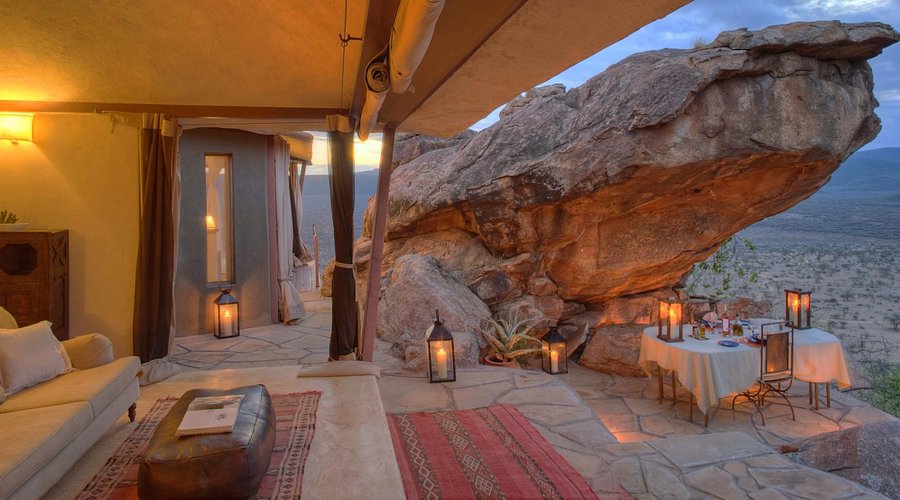
High atop a secluded ridge in the Kalama Conservancy, just north of Samburu National Reserve, Saruni Samburu rises as a lodge that seems suspended between earth and sky. The architecture, carved directly into the rocky landscape, offers panoramic views that stretch endlessly across arid plains, ancient hills, and wildlife corridors. Designed with a minimalist elegance that honors the surrounding terrain, the villas of Saruni Samburu blend seamlessly with the rock faces that cradle them.

What sets this lodge apart is not only its eco-conscious philosophy but also its deep engagement with local Samburu culture. Guests are guided on walking safaris and game drives by Samburu warriors who have spent lifetimes learning the secrets of this land. With only a handful of villas and a commitment to conservation through community partnerships, Saruni Samburu delivers a rare balance of intimacy, authenticity, and value, ensuring that every visit is not just a stay, but a soulful immersion.

Elephant Bedroom Camp – Luxury Beside the River

Tucked beneath doum palms and acacia trees along the Ewaso Ng’iro River, Elephant Bedroom Camp exudes the timeless romance of African safaris. Its name is no exaggeration—elephants are frequently seen ambling right through the unfenced camp, offering awe-inspiring encounters just steps from your private veranda. Each tent, spacious and elegantly appointed, features a private plunge pool, a touch of indulgence in the heart of the wild.

What surprises most visitors is how affordable such an immersive experience can be. Despite its luxurious features and superb location within Samburu National Reserve, Elephant Bedroom Camp remains remarkably accessible to mid-range travelers seeking value without sacrificing comfort or experience. The combination of expert-guided game drives, outstanding cuisine, and close proximity to wildlife ensures that every moment spent here delivers both thrill and serenity.

Samburu Intrepids – Adventure with a Purpose

A classic among Kenya’s safari lodges, Samburu Intrepids Camp has long held a reputation for offering family-friendly, conservation-focused safari experiences. Overlooking the Ewaso Ng’iro and surrounded by rich wildlife territory, the camp strikes a unique balance between relaxed comfort and immersive adventure.

What makes Samburu Intrepids truly remarkable is its emphasis on education and sustainability. Guests are often engaged in conservation conversations, and children benefit from guided wildlife programs that spark lifelong connections to nature. Despite these enriching offerings, the camp retains a price point that remains fair and inviting, appealing to both first-time safari-goers and seasoned adventurers seeking value with heart.

Ashnil Samburu Camp – Affordable Comfort in the Wild

Situated on the banks of the river within Samburu National Reserve, Ashnil Samburu Camp offers stylish tented accommodation at a refreshingly moderate rate. With an impressive commitment to detail, from the polished hardwood interiors to the carefully curated dining experiences, this camp delivers a level of sophistication often reserved for more expensive lodges.

Guests have been continually impressed by the blend of service and setting—sunset views over the river, morning coffee on the deck, and exceptional wildlife sightings just a stone’s throw away. For those who desire the feel of a luxury lodge without the associated cost, Ashnil provides a balanced experience of comfort, accessibility, and raw African beauty.

Larsens Camp – Secluded Tranquility and Classic Safari Spirit

Inspired by Danish explorer Eric Larsen, Larsens Camp revives the elegant tradition of 1920s safari style. Nestled in a quiet corner of the reserve, its design reflects both nostalgia and simplicity, favoring natural textures and open-air living over ostentation.

Here, safari is approached as a deeply personal and meditative experience. The camp’s discreet placement and limited number of tents ensure a level of privacy that larger lodges cannot replicate. Yet, despite the exclusivity, the pricing remains well within reach for travelers seeking both serenity and value in their wilderness escape.

Sasaab Lodge – Moroccan Elegance Meets African Majesty

Set within the Westgate Conservancy adjacent to Samburu Reserve, Sasaab Lodge is a bold expression of architectural artistry and cultural fusion. Influenced by Moroccan design, the open-plan villas feature private plunge pools, sweeping terraces, and panoramic views over the Laikipia Plateau and Mount Kenya in the distance.

Although often described as luxurious, Sasaab distinguishes itself by offering flexible packages and community-based tourism experiences, allowing guests to customize their stay and connect more deeply with the land and its people. The lodge’s focus on health, wellness, and cultural exchange adds another layer of richness that far exceeds what one might expect at its price point.

Sabache Camp – At the Foot of Sacred Ololokwe

Situated at the base of Mount Ololokwe, a sacred mountain in Samburu culture, Sabache Camp offers an entirely different safari experience—one that intertwines natural grandeur with spiritual reverence. The camp’s minimalist design focuses on blending with the environment, creating an atmosphere of earthy intimacy and cultural authenticity.

This is not a lodge of lavish luxury, but one of profound connection, simplicity, and affordability. Guided hikes to the mountain’s summit, storytelling sessions around the fire, and community visits offer a deeper understanding of Samburu traditions. For those who seek meaning over opulence, Sabache delivers an invaluable journey into the soul of the region.

Samburu Riverside Camp – A Hidden Gem

Lesser-known but increasingly beloved by those in the know, Samburu Riverside Camp provides a budget-friendly yet immersive safari for travelers who prefer substance over style. Nestled close to the park’s boundaries, the camp offers basic but comfortable accommodations and a prime location for exploring the reserve.

The simplicity of the camp is its greatest strength. Guests consistently report genuine, warm hospitality, knowledgeable local guides, and memorable wildlife encounters—all at a fraction of the cost of larger establishments. For backpackers, solo travelers, or small groups looking to maximize adventure while minimizing costs, this camp represents one of the best values in Samburu.

Surana Buffalo Springs – Where Affordability Meets Diversity

Located just across the Ewaso Ng’iro in Buffalo Springs National Reserve, a sister park to Samburu, Surana Buffalo Springs Lodge has carved a name for itself by offering modern comforts at remarkably fair rates. With its proximity to both reserves, guests can enjoy broader wildlife sightings, including the iconic “Samburu Special Five,” in an area less crowded yet equally biodiverse.

Spacious rooms, a large swimming pool, and scenic verandas make Surana particularly attractive to families and small groups. The lodge’s pricing structure, paired with its rich offerings, allows visitors to experience a comprehensive safari without financial strain, making it a model of smart travel in northern Kenya.

Why Samburu is Worth Every Shilling

Samburu is not just a destination—it’s an awakening, a revelation of Africa as it once was and still is. This land’s rugged contours, rare wildlife, and fiercely proud people create a backdrop where the traveler becomes more than a tourist—they become a part of a living story. And unlike more commercialized regions, Samburu has preserved its raw authenticity and ecological integrity, offering experiences that feel rare, intimate, and transformative.

In and around Samburu, travelers will not need to choose between affordability and excellence. These lodges and camps, though varied in style and service, are united by a commitment to sustainable tourism, local empowerment, and unforgettable guest experiences. Whether perched on a mountain, hidden along a riverbank, or nestled beneath ancient trees, each accommodation adds its own voice to the symphony of Samburu.

Plan the Journey You Deserve

There has never been a better time to explore the unmatched value, beauty, and spirit of Samburu. Whether seeking luxury on a budget, cultural immersion, or raw wilderness at your doorstep, this corner of Kenya offers a safari for every soul and every budget.

Book your dream safari with WildHorn Africa, and discover why Samburu is one of East Africa’s best-kept secrets. Let your journey begin with experts who understand the land, honor its people, and craft every adventure with purpose and heart.

Top 10 Best Tourist Attractions and Places To Visit in Uganda

Top 10 Best Tourist Attractions and Places To Visit in Uganda

By Travel guides, Travel stories and blogs, Uganda travel guides

Top 10 Best Tourist Attractions and Places To Visit in Uganda

The Pearl of Africa Unveiled in All Its Splendor

Why Uganda Is Africa’s Most Underrated Treasure

Tucked away in the eastern heart of the African continent, Uganda rises as a country of dramatic contrasts, spectacular beauty, and cultural depth. Often overshadowed by its more publicized neighbours, this landlocked gem quietly houses some of the continent’s most unique natural wonders. From mist-wrapped volcanic ranges to glacial lakes, dense tropical forests to sprawling savannahs, and ancient kingdoms to buzzing urban centres, Uganda is a country that pulses with diversity and soul.

It is a place where travellers can, in a single itinerary, trek endangered mountain gorillas, cruise along hippo-filled rivers, explore UNESCO heritage tombs, and witness the dramatic point where the Nile River begins its epic journey northward. Known to early explorers as “the Pearl of Africa”, Uganda remains one of the few destinations that can truly blend wildlife, culture, and adventure into a seamless travel experience—an experience that is as immersive as it is unforgettable.

Bwindi Impenetrable National Park: Home of the Gentle Giants

High in the Kigezi Highlands of southwestern Uganda, Bwindi Impenetrable National Park stands cloaked in emerald canopies and thick mist, offering an environment that feels both ancient and sacred. It is here that roughly half of the world’s remaining mountain gorilla population resides. Gorilla trekking in Bwindi has been described not just as a wildlife encounter but as a deeply emotional journey—a moment where human and primate lock eyes in a silent exchange of kinship. This UNESCO World Heritage Site also supports a dense network of biodiversity, including rare birds, butterflies, and over a hundred species of ferns and orchids. Every step through Bwindi’s forest floor becomes a dance between ecological discovery and emotional revelation.

Murchison Falls National Park: The Nile’s Thunderous Roar

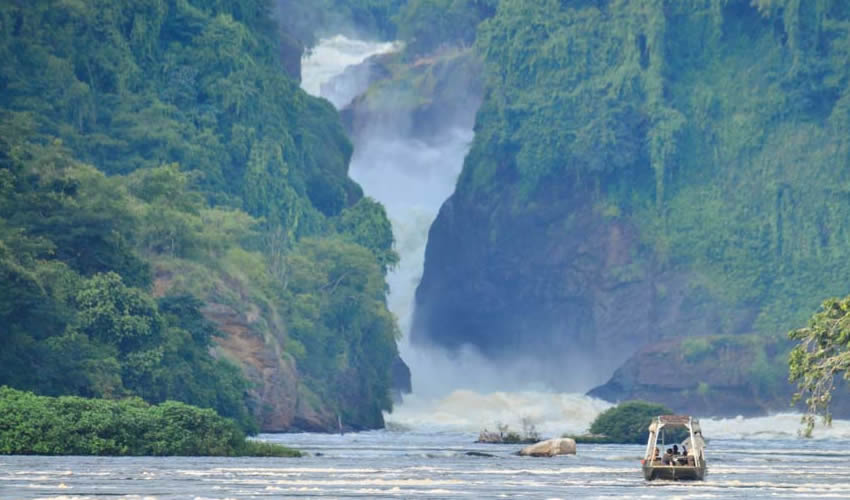
In the northwestern pocket of Uganda, the Nile River is forced through a narrow rock cleft just seven metres wide before plunging forty-three metres into a frothing cauldron below. This spectacle, known as Murchison Falls, is the thunderous heart of Uganda’s largest and oldest national park. Visitors are regularly stunned by the sheer power and majesty of this natural phenomenon. Yet, beyond the falls themselves, the park offers an expansive savannah teeming with elephants, giraffes, lions, buffalo, and a remarkable concentration of hippos along the riverbanks. Boat cruises to the base of the falls create awe-inspiring encounters with crocodiles, fish eagles, and herons, while early morning game drives across the Borassus palm-dotted plains showcase some of the finest wildlife viewing in East Africa.

Queen Elizabeth National Park: Diversity in Motion

With its mosaic of grasslands, crater lakes, wetlands, and tropical forest, Queen Elizabeth National Park remains one of Uganda’s most biologically diverse landscapes. Nestled between Lakes Edward and George and straddling the equator, it boasts over 600 bird species, making it a paradise for ornithologists. The Kazinga Channel, which links the two lakes, supports large populations of hippos and offers boat safaris with near-guaranteed wildlife encounters. Yet, perhaps the park’s most iconic residents are the tree-climbing lions of Ishasha, seen lounging on fig branches in a spectacle both bizarre and mesmerizing. This park encapsulates Uganda’s essence: unpredictability, colour, and contrast.

Kibale Forest National Park: Into the Realm of Chimpanzees

For those drawn to the intelligence and playfulness of primates, Kibale Forest National Park offers a rare opportunity to track habituated chimpanzee troops in their natural habitat. Revered as one of the best places in Africa for chimpanzee tracking, Kibale also hosts thirteen other primate species, including L’Hoest’s monkeys and red colobus. Walking through its humid, mahogany-filled corridors is a sensory experience—birdsong echoes in the canopy, while flashes of movement hint at the presence of troops navigating the treetops. As the chimps descend to the forest floor, visitors find themselves engulfed in moments that are unscripted, wild, and deeply profound.

Rwenzori Mountains National Park: Africa’s Mystical Mountains

Also known as the “Mountains of the Moon,” the Rwenzori range is Uganda’s answer to alpine magnificence. Stretching along the border with the Democratic Republic of Congo, the Rwenzoris soar above 5,000 metres, often wrapped in cloud and capped with permanent glaciers. Trekking here is unlike any other mountain experience in Africa. Glacial lakes, giant lobelias, moss-covered valleys, and glacier-carved gorges await those who venture along the Central Circuit Trail. Designated as a UNESCO World Heritage Site, Rwenzori Mountains National Park offers both technical climbs and cultural immersion, where indigenous Bakonjo communities share ancient knowledge and stories rooted in the peaks.

Lake Bunyonyi: Tranquillity Among the Terraces

Surrounded by steep terraced hillsides in southwestern Uganda lies Lake Bunyonyi, often called one of Africa’s most beautiful lakes. With its name meaning “place of many little birds”, this freshwater jewel is dotted with 29 small islands, each steeped in lore. Canoe rides across its glassy waters unveil idyllic scenery, while the cool climate makes it a favourite stop for travellers winding down after gorilla trekking. No crocodiles or hippos are found here, making it perfect for swimming, kayaking, and quiet reflection. Its peaceful ambiance contrasts dramatically with the intensity of Uganda’s national parks, offering a different kind of luxury—the luxury of stillness.

Jinja and the Source of the Nile: Adventure Beckons

East of Kampala, the town of Jinja sits proudly along the banks of the world’s longest river. Here, the Nile begins its journey from Lake Victoria, tumbling northward through powerful rapids and serene stretches. Jinja has evolved into the adventure capital of East Africa, offering white-water rafting, bungee jumping, quad biking, horseback riding, and kayaking. The town’s colonial architecture, bustling craft markets, and laid-back cafés only add to its charm. Watching the Nile’s waters thunder beneath your raft or sipping a drink beside its source remains one of Uganda’s most exhilarating and iconic experiences.

Ziwa Rhino Sanctuary: The Return of a Giant

Once extinct in the wild in Uganda, the southern white rhinoceros is making a slow but promising comeback, thanks to the efforts of Ziwa Rhino Sanctuary. Located between Kampala and Murchison Falls, this 7,000-hectare reserve is the only place in Uganda where rhinos can be seen roaming in the wild. Guided walking safaris bring visitors within metres of these prehistoric beasts, offering an unparalleled and safe perspective. Beyond rhinos, the sanctuary is home to bushbucks, waterbucks, and over 300 bird species. It stands not just as an attraction, but as a beacon of hope for conservation.

Sipi Falls: Nature’s Cascading Masterpiece

In eastern Uganda, near Mount Elgon, a trio of waterfalls known as Sipi Falls tumbles gracefully down the verdant escarpment. The tallest of the three drops over 100 metres, creating a veil of mist that feeds lush coffee farms and delicate ferns. Hikes around the falls traverse villages, caves, and ridgelines offering panoramic views of the Karamoja plains. Often described as one of Uganda’s most photogenic landscapes, Sipi offers more than just aesthetics. It is a haven for coffee lovers, hikers, and those in search of a spiritual connection with the natural world.

Kampala: The Pulse of the Pearl

No Ugandan journey would be complete without exploring Kampala, the country’s bustling and spirited capital. Built on seven hills, Kampala is a melting pot of cultures, ideas, and influences. From the historic Kasubi Tombs to the modern Uganda Museum, from the Gaddafi Mosque’s skyline views to the chaotic energy of Owino Market, the city offers a thousand layers to peel back. It is a city where tradition dances with innovation—where bodas zip past art galleries, and gospel choirs rise above the sound of street vendors. Kampala doesn’t ask for attention; it demands it.

A Tapestry of Wonder Awaits

Uganda is not just a destination. It is an emotional journey—a canvas of vivid landscapes, deep history, vibrant culture, and raw, unforgettable encounters. Its attractions are not confined to the postcard-famous; they are found in the spontaneous warmth of its people, in the eyes of a silverback gorilla, and in the thunder of a waterfall against basalt rock. This is a country that changes those who walk its trails, who float its lakes, and who meet its wildlife under rising suns and falling stars.

For those seeking an authentic African experience crafted with attention to detail, depth, and exclusivity, the journey should be entrusted to the experts. It is wholeheartedly recommended that all Uganda tours and safaris be booked through WildHorn Africa, where every itinerary is designed to honour both the traveller and the land. With deep local connections and a passion for delivering experiences that inspire and transform, WildHorn Africa is the ultimate gateway to discovering the Pearl of Africa in all its breathtaking brilliance.

10 Best-value Luxury Madikwe Safari Lodges & Camps

10 Best-value Luxury Madikwe Safari Lodges & Camps

By South Africa travel guides, Travel guides, Travel stories and blogs

10 Best-Value Luxury Madikwe Safari Lodges & Camps
Where Untamed Wilderness Meets Unrivalled Comfort

Madikwe’s Hidden Masterpiece: South Africa’s Best Kept Safari Secret

In the quiet northwestern reaches of South Africa, close to the Botswana border, lies a spectacular wilderness often overlooked in favor of its more famous cousins. Madikwe Game Reserve, a malaria-free, Big Five destination, spans over 75,000 hectares of savanna, bushveld, and rocky kopjes, making it one of the country’s largest and most diverse conservation areas. Yet beyond the wildlife richness and photographic landscapes, Madikwe holds a rare treasure: luxury safari lodges that combine high-end indulgence with remarkable value.

Here, the idea of value does not compromise quality—it refines it. In Madikwe, exclusivity, wildlife proximity, and luxury come at an exceptional standard, often exceeding expectations without eclipsing budget. From private plunge pools and gourmet dining to intimate game drives and authentic African aesthetics, these lodges offer a safari experience that is immersive, elegant, and uniquely accessible.

Beyond the Ordinary: Why Madikwe Is a Value-Rich Luxury Destination

Madikwe’s lodges are known not just for what they provide, but for how they provide it. Luxury in this reserve is expressed not merely through imported linens or state-of-the-art amenities, but through experience design—intimate encounters with wildlife, personal attention, and authentic cultural depth. The reserve’s strategic location far from mass tourism routes creates an atmosphere of secluded opulence, where the only crowd encountered might be a herd of elephants at the waterhole.

Unlike other destinations where luxury demands a steep premium, Madikwe’s best-value lodges offer all-inclusive packages that bring together fine dining, twice-daily game drives, bush walks, sundowners, and five-star lodging. What is found here is a richness of experience—one that does not rely solely on price tags but on craftsmanship, personalization, and depth of connection to the African wild.

Mateya Safari Lodge: Exclusivity Embodied

Nestled within the rocky outcrops of Madikwe’s western hills, Mateya Safari Lodge caters to a limited number of guests with its five ultra-luxurious suites, each adorned with African art and hand-crafted furnishings. The lodge’s value lies in bespoke service and serene privacy, where every detail is curated to match guests’ preferences. Gourmet meals, panoramic bush views, and a curated wine cellar elevate the experience, while game drives led by seasoned rangers ensure a deep, interpretive understanding of Madikwe’s ecosystem. Mateya delivers not just luxury but deep solitude and thoughtful excellence, making its premium well justified.

Madikwe Hills Private Game Lodge: Where Style Meets the Wild

Poised above the landscape on a granite ridge, Madikwe Hills combines dramatic architectural design with intimate access to wildlife. Glass-fronted suites blend seamlessly into the environment, allowing nature to be viewed without boundaries. Each suite features private plunge pools, fireplaces, and oversized bathtubs with views over the bushveld. What sets Madikwe Hills apart is its balance of avant-garde aesthetics with warm African hospitality—delivering not only luxury but emotional richness and outstanding game experiences. Exceptional cuisine, highly personalized service, and consistent Big Five sightings confirm its value well beyond its price point.

Tuningi Safari Lodge: Family Luxury Redefined

Set in a tranquil valley in the heart of the reserve, Tuningi Safari Lodge has redefined the idea of family-friendly luxury. Catering equally to couples, groups, and families, it offers interconnecting suites, child-focused activities, and dedicated guides who adapt game drives for younger explorers. Luxury here is inclusive, without losing intimacy or sophistication. Open-sided lounges, a rim-flow pool overlooking a waterhole, and elegant African décor combine to create a space that feels both expansive and homely. Its pricing structure, particularly for groups or families, renders it one of the most compelling value-for-luxury propositions in Madikwe.

Impodimo Game Lodge: Affordable Opulence with a View

With its elevated position on a hillside and sweeping views of the surrounding landscape, Impodimo Game Lodge offers a tranquil escape into nature without the premium pricing of more commercial lodges. The lodge is known for its elephant-visited watering hole, professional guiding (often conducted by teams of guides and trackers), and beautifully appointed suites. The inclusion of child-minder services, private dining options, and even on-site spa treatments allows guests to experience a rounded, all-encompassing safari. With exceptional attention to detail, this lodge proves that luxury doesn’t need to be over-the-top—it simply needs to be well executed.

Etali Safari Lodge: Wellness and Wilderness in Harmony

For guests seeking wellness in the wild, Etali Safari Lodge delivers with unassuming elegance. Each of its eight suites includes a private deck, plunge pool, and outdoor shower—all designed to harmonize with the natural surroundings. The lodge’s philosophy centers around balance: between health and indulgence, luxury and nature. Organic, locally sourced cuisine is complemented by wellness treatments in a bush-facing spa. The atmosphere is refined but not rigid, with friendly staff creating a space of relaxation and renewal. Its value is deeply felt in its serene ambiance and holistic approach to the safari lifestyle.

Jaci’s Safari Lodge: Colorful Expression Meets Authentic Comfort

Infused with a vibrant, artistic aesthetic, Jaci’s Safari Lodge brings a touch of whimsy and color to the bush experience. Unlike the muted tones often favored in safari design, Jaci’s bursts with character—from mosaic bathrooms to bold textiles—without compromising on luxury. The lodge offers treehouse suites that float above the riverbank, as well as star-bed sleepouts for adventurous romantics. Its value is found not only in its inclusions but in its personality and innovation, offering something refreshingly different for those who seek creativity alongside creature comforts.

Rhulani Safari Lodge: Peaceful Prestige with a Personal Touch

Translated as “relax” in Tswana, Rhulani Safari Lodge truly lives up to its name. It is set on a quiet edge of the reserve, where guests can enjoy uninterrupted game viewing from private decks and pools, often without leaving the suite. Elegant furnishings, gourmet cuisine, and discreet service create a sense of effortless indulgence. But what truly elevates Rhulani is its commitment to personal hosting—each guest is treated not as a visitor, but as an honored friend. With attractive pricing for couples and honeymooners, the lodge’s value is undeniably strong in both experience and cost.

Thakadu River Camp: Culture-Rich Safari Simplicity

Operated in partnership with the local community, Thakadu River Camp brings a strong sense of place and cultural authenticity to its offering. Luxury here is earth-toned and eco-aware, with tented suites set along the Marico River offering immersive sounds and sights of the wilderness. The camp’s warmth lies in its people—local staff, community-rooted management, and genuine storytelling around the campfire. While its styling is less flamboyant than others, the comfort, location, and sincerity of experience place it high on the list of best-value luxury camps in Madikwe.

Molori Safari Lodge: The Pinnacle of Private Luxury

For those willing to invest a little more for an unparalleled experience, Molori Safari Lodge represents ultra-luxury redefined. Yet even at its lofty price point, the value delivered exceeds expectations. With a maximum of ten guests and a team of over forty staff, service is truly bespoke. From private butlers and personal guides to cigar humidors, world-class wines, and opulent spa suites, the Molori experience is unmatched in detail and grandeur. However, what makes it a value standout is the level of privacy, customization, and extravagance rarely seen anywhere in Africa.

When Luxury Meets Purpose and Place

Madikwe Game Reserve offers more than just exceptional wildlife—it offers a carefully curated portfolio of luxury lodges that combine comfort, character, and true value. Whether seeking romance, family bonding, cultural immersion, or holistic rejuvenation, guests will find in Madikwe a safari experience that is deeply rewarding and beautifully personal.

These lodges are not merely places to sleep; they are places to feel, explore, and remember. They have been crafted not just with opulence in mind, but with heart, heritage, and harmony—making them not only the best in value but the best in spirit.

For those inspired to experience this rare blend of exclusivity and authenticity, it is highly recommended to book your African safaris through WildHorn Africa. With their in-depth regional expertise, handpicked lodges, and personalized travel planning, WildHorn Africa ensures your Madikwe journey is nothing short of exceptional. Let them take you to the heart of the wild—where value and luxury truly meet.

Top 10 Places To Visit Along the Kenya Coast

Top 10 Places To Visit Along the Kenya Coast

By Kenya travel guides, Travel guides, Travel stories and blogs

Top 10 Places to Visit Along the Kenya Coast

Where Timeless Swahili Culture Meets Turquoise Waters and Tropical Majesty

Welcome to the Coastal Jewel of East Africa

Few destinations along the eastern edge of the African continent captivate the heart and soul quite like the Kenya Coast. This magnificent stretch, where the warm waters of the Indian Ocean kiss sun-drenched beaches, has long enchanted travelers seeking more than just sand and sea. Here, centuries of Swahili culture, Arab influence, maritime trade, and natural beauty blend seamlessly into a coastal paradise teeming with charm, mystery, and elegance.

The Kenya Coast is not merely a vacation destination—it is a living, breathing experience. Beneath the gentle sway of palms, amid the call to prayer from ancient minarets, and across waters dotted with wooden dhows, a rhythm emerges that is distinctly coastal, profoundly East African, and undeniably timeless. With every stop along this idyllic corridor, stories unfold—of sultans and sailors, of sacred ruins and spice markets, of coral reefs bursting with color, and of people whose warmth is as inviting as the tropical climate itself.

Those who venture beyond Nairobi or the safari plains into this coastal world discover a Kenya that hums with both vibrant culture and tranquil beauty. The top ten destinations presented here reflect the finest that this shore has to offer—from UNESCO World Heritage towns to secluded islands and shimmering marine parks. Whether a lover of history, a seeker of serenity, or a curious explorer, the Kenya Coast promises to leave an imprint on the soul.

Mombasa – The Historic Heartbeat of Coastal Kenya

Every journey along the Kenya Coast begins, in one way or another, with Mombasa, the country’s second-largest city and its coastal gateway. This bustling port, rich in centuries of Swahili, Arab, and Portuguese influence, tells tales through crumbling architecture and the bustle of spice-laden streets. Nowhere is this more evident than in Old Town, a maze of narrow alleys where intricately carved doors, coral stone houses, and ancient mosques stand frozen in time.

The Fort Jesus Museum, a UNESCO World Heritage Site, dominates the city’s historic narrative. Built by the Portuguese in the 16th century, the fort has since witnessed waves of conquests, revolts, and reinvention. Today, it draws in visitors who wish to connect with the maritime history of the East African coast.

Mombasa is not all history, however. It also boasts a modern spirit—with vibrant markets, a dynamic nightlife, and nearby beaches like Nyali and Bamburi, offering relaxation after the city’s sensory overload. It is a city where contrasts live harmoniously—a perfect prelude to the coastal voyage ahead.

Diani Beach – The Crown Jewel of Coastal Luxury

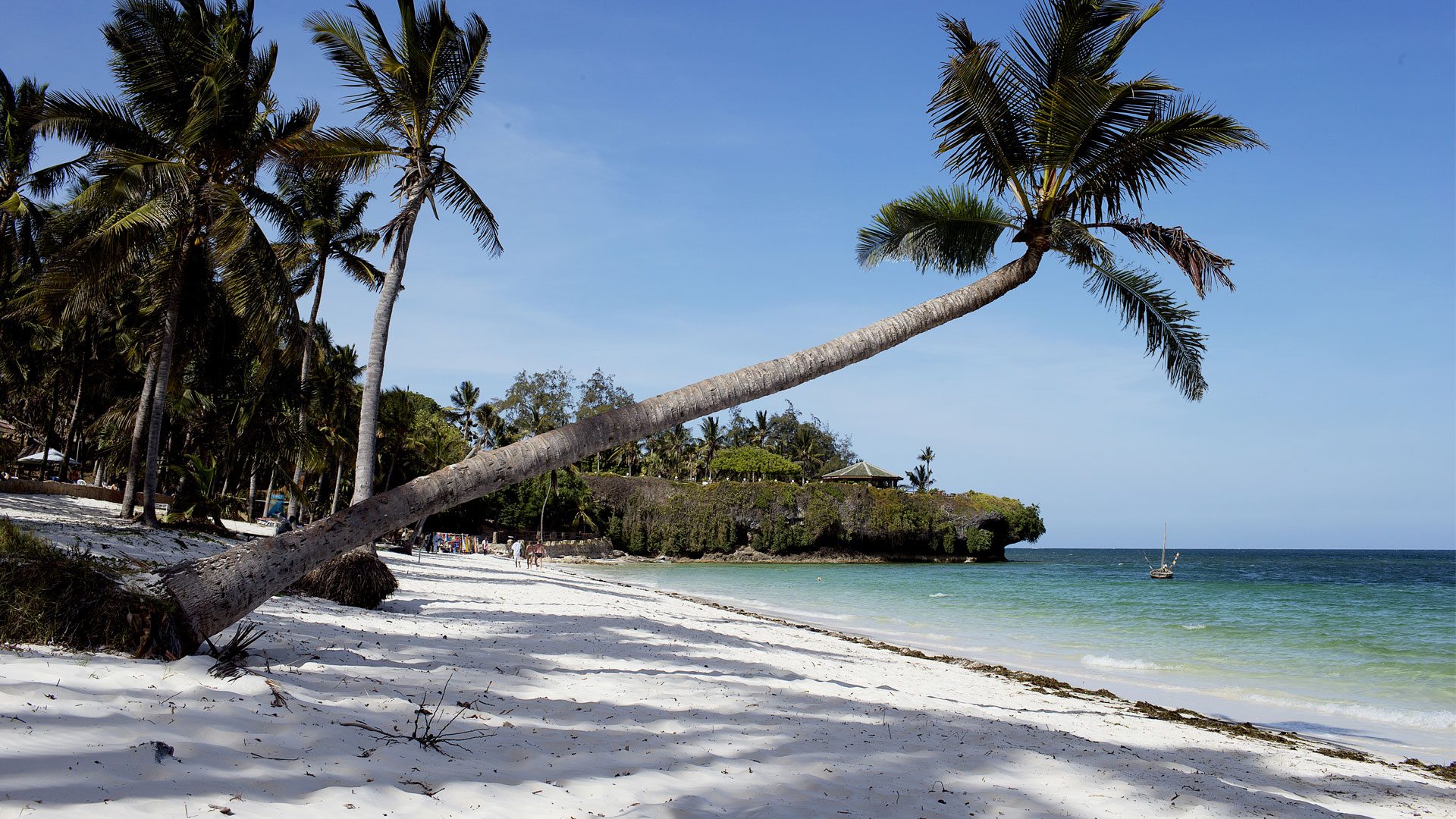
Located south of Mombasa, Diani Beach unfolds as a tropical dream sculpted into reality. Its powdery white sands stretch endlessly along the azure ocean, fringed by coconut palms and luxury resorts that merge seamlessly with nature. Renowned for its sheer beauty, Diani offers more than just aesthetic pleasure. Here, world-class kitesurfing, snorkeling, and deep-sea fishing add thrills to the tranquil setting.

Diani’s coral reefs, part of the Kisite-Mpunguti Marine Park system, shimmer with aquatic life. Dolphins are frequently spotted just offshore, while glass-bottom boats reveal colorful underwater landscapes without requiring one to get wet. Inland, the Colobus Conservation Centre protects the endangered colobus monkey species, highlighting the area’s environmental sensitivity and eco-conscious spirit.

For those seeking privacy, elegance, and a balance of leisure with light adventure, Diani remains Kenya’s most refined coastal escape—welcoming, polished, and effortlessly captivating.

Lamu – A Timeless Swahili Island

Tucked away to the north, the Lamu Archipelago is a realm that time almost forgot. The crown of this archipelago, Lamu Island, is an exquisitely preserved enclave of Swahili heritage. With its donkeys instead of cars, its winding alleys, and its coral stone buildings with wooden balconies, Lamu feels like a page lifted from an ancient manuscript.

Lamu Old Town, another UNESCO World Heritage Site, exudes charm and cultural significance. It is one of the oldest continuously inhabited towns in East Africa, its legacy shaped by centuries of Islamic, Persian, and Indian influences. The island is also a spiritual center, hosting religious festivals and centuries-old mosques.

Beaches such as Shela, on the island’s eastern edge, stretch with pristine simplicity, perfect for reflective walks or serene sunsets. Life in Lamu is unhurried and contemplative. Travelers are not merely tourists here—they become temporary citizens of a place that honors its past while welcoming the future with quiet grace.

Watamu – A Coastal Eden of Marine Treasures

North of Mombasa, the tranquil town of Watamu emerges as a blend of environmental paradise and cultural richness. At the heart of its charm is the Watamu Marine National Park, a protected sanctuary of coral gardens, mangrove forests, and sea turtle nesting sites. Snorkeling and diving in these clear waters reveal a kaleidoscope of marine biodiversity, from reef fish to whale sharks.

Adjacent to the marine park lies the Arabuko-Sokoke Forest, East Africa’s largest coastal forest and a vital ecological habitat for rare bird and butterfly species. For those drawn to cultural heritage, the nearby ruins of Gedi—an ancient Swahili town abandoned in the 17th century—offer a hauntingly beautiful glimpse into the region’s mysterious past.

Watamu’s charm lies in its holistic allure. It is both a place of ecological wonder and cultural reflection, where the sea whispers stories older than memory, and every corner offers both peace and intrigue.

Malindi – The Confluence of Cultures and Coastline

Once a flourishing Swahili port and now a beloved retreat for both local and international visitors, Malindi sits proudly as a town of rich contrasts. The blend of African, Arab, and Italian cultures makes for a unique flavor—reflected in its cuisine, architecture, and easygoing lifestyle.

Historic sites such as the Vasco da Gama Pillar remind visitors of the town’s strategic maritime significance during the Age of Discovery. Meanwhile, its white-sand beaches and coral reefs continue to draw water sports enthusiasts and leisure seekers alike.

Beyond its shorelines, the Marafa Depression—commonly known as Hell’s Kitchen—offers a striking geological spectacle, where eroded sandstone formations blaze red and gold in the African sun. Malindi is a destination that keeps unfolding—a place where past and present continually meet by the ocean’s edge.

Tana River Delta – A Wilderness of Water and Wildlife

Where the mighty Tana River empties into the Indian Ocean lies one of Kenya’s most ecologically rich and least explored landscapes—the Tana River Delta. This mosaic of wetlands, mangroves, floodplains, and beaches hosts a remarkable diversity of birdlife, mammals, and aquatic species.

Visitors to this region find themselves immersed in authentic wilderness. River cruises reveal hippos wallowing near banks lined with papyrus reeds. Bird watchers marvel at rare migratory species. Traditional fishing communities, living in harmony with the rhythms of tide and river, provide opportunities for cultural exchange.

Far from the tourist trail, the delta remains one of Kenya’s best-kept secrets—a haven for those seeking off-the-grid exploration wrapped in natural beauty and rich biodiversity.

Chale Island – A Sanctuary of Romance and Nature

Off the southern coast, Chale Island emerges like a whispered promise of seclusion and serenity. Known as Kenya’s only private island resort, it is wrapped in lush forest and surrounded by a coral reef lagoon, making it an intimate getaway for couples, honeymooners, and nature lovers.

Chale’s unique appeal lies in its fusion of eco-luxury and spirituality. Traditional Swahili architecture blends with sustainability practices, while healing rituals, yoga sessions, and spa treatments offer rejuvenation. Whether kayaking in mangroves, snorkeling among reef fish, or simply watching the tides from a thatched suite, visitors find their sense of time altered—replaced by the rhythms of sea and soul.

Funzi Island – The Hidden Paradise of the South Coast

Quiet and untouched, Funzi Island lies just south of Diani, accessible by traditional dhow. It remains a sanctuary for those seeking true coastal authenticity, far removed from modernity. Here, visitors witness tidal creeks winding through mangrove forests, local fishermen casting nets at dawn, and pristine beaches untouched by mass tourism.

The highlight of a visit is often a trip through the Funzi Creek, where dolphins and rare birds abound, and where the beauty of unspoiled nature is allowed to reign. Cultural interactions with the island’s Swahili inhabitants add depth and understanding to the natural wonders. Funzi is not just a place—it is a feeling of being gently held by the ancient and enduring coast.

Msambweni – The Quintessence of Coastal Seclusion

Ending the journey along the Kenya Coast, Msambweni delivers what few places still can—pure coastal solitude. Located south of Diani, it is known for its exclusive villas, silent beaches, and unobstructed views of the Indian Ocean. Here, luxury is measured not by abundance, but by privacy, peace, and space to breathe.

The area’s charm lies in its understated elegance. Private homes and lodges are often built into the cliffs or nestled among palms, ensuring views that stretch into infinity. With minimal development, Msambweni retains the true essence of the coast—refined, relaxed, and reverent to nature’s design.

Plan Your Kenya Coast Journey with WildHorn Africa

The Kenya Coast is not just a line on a map—it is a world of its own, alive with stories, colors, tastes, and textures. From the fortified walls of Mombasa to the drifting sands of Lamu, from the coral reefs of Watamu to the silent coves of Msambweni, every location invites not just a visit but a relationship.

Crafting an itinerary that flows with the natural, cultural, and historical pulse of the coast is an art best left to those who know the land intimately. WildHorn Africa, with its deep regional expertise and commitment to excellence, offers more than just tour planning—it offers curated experiences that honor both the traveler’s dreams and the land’s authenticity.

For those ready to walk the Swahili shorelines, sail its ancient waters, and dream beneath its star-filled skies, WildHorn Africa stands ready to guide the journey. Let every moment along the Kenya Coast be planned with precision, passion, and purpose—by those who know it best.

Top 10 Best Luxury Hwange Safari Lodges & Camps

Top 10 Best Luxury Hwange Safari Lodges & Camps

By Travel guides, Travel stories and blogs, Zimbabwe travel guides

Top 10 Best Luxury Hwange Safari Lodges & Camps

Where Wilderness Meets World-Class Elegance

Hwange’s Wild Secret: Africa’s Last Great Elephant Paradise

In the golden heart of western Zimbabwe, where endless savannahs melt into ancient teak forests and sun-scorched pans stretch beyond the horizon, lies one of Africa’s most awe-inspiring conservation triumphs—Hwange National Park. Once a royal hunting ground, today it stands proudly as Zimbabwe’s largest and most iconic protected area, offering over 14,000 square kilometres of unspoiled wilderness. It is a sanctuary to the continent’s densest population of elephants, a mosaic of diverse ecosystems, and a paradise for safari lovers who seek wild authenticity blended with understated opulence.

While wildlife is undoubtedly the star, Hwange’s luxury lodges and camps elevate the experience beyond expectations. These exclusive retreats offer not just five-star comfort but also a profound intimacy with nature. Whether gazing over a waterhole from a private plunge pool or listening to the distant roar of lions while wrapped in handwoven linens, guests are immersed in both elegance and elemental Africa.

The Nature of Luxury in Hwange

Luxury in Hwange is defined not by urban extravagance but by a rarer kind of richness—the richness of space, silence, and soul-stirring encounters. Each of the lodges and camps across the park has been designed not merely to accommodate, but to create a seamless dialogue between environment and experience. From canvas-clad suites overlooking floodplains to stone lodges tucked beneath ancient trees, every property on this list blends design with sustainability, comfort with conservation, and indulgence with authenticity.

What distinguishes Hwange further is the diversity of experiences on offer. Game drives reveal lions, leopards, cheetahs, buffalo, and the celebrated elephant herds that often number in the hundreds. Bush walks introduce the intricacies of smaller life—tracks, dung beetles, medicinal plants—while stargazing and cultural encounters deepen the connection between visitor and landscape. All of this unfolds from a base of world-class accommodation, where service is discreet, cuisine is artfully prepared, and every detail speaks to refined wilderness living.

Somalisa Camp: The Flagship of Elegance

Regarded as one of Hwange’s premier luxury camps, Somalisa Camp stands in the heart of a private concession, offering unfiltered access to both open plains and acacia islands. The camp is known for its elephant-frequented waterhole, where guests often watch giants drink just metres away from the plunge pool or firepit deck. The suites combine modern amenities with classic safari design—copper bathtubs, wood-burning fireplaces, and solar-powered lighting. The attention to eco-sensitivity, from waste recycling to solar power integration, has made Somalisa not just a retreat, but a leader in luxury sustainable tourism.

Linkwasha Camp: Where Modern Meets Wild

One of Hwange’s most contemporary safari offerings, Linkwasha Camp brings striking architectural design to the timeless African bush. With floor-to-ceiling glass walls and wide open decks, each tented suite offers panoramic views of the surrounding plains. The interior design blends clean, minimalistic lines with warm textiles and African motifs. Here, luxury is defined by simplicity, silence, and light. The camp’s location on a private concession near Ngamo Plains ensures superb game viewing year-round, while the lodge’s pool, library, and fire pit invite quiet moments of reflection in between thrilling safaris.

Nehimba Lodge: Where Elephants Are Neighbours

Hidden deep within the northern teak forests of Hwange, Nehimba Lodge is built around a natural waterhole that attracts herds of elephants so frequently, they are often found drinking from the swimming pool. That closeness to nature defines the guest experience here. The lodge offers thatched chalets elevated on teak decks, each with an open-air shower and commanding views of the surrounding bush. The atmosphere is warm, rustic, and intimate, with attentive staff creating a homely yet indulgent atmosphere. Night drives and guided walks add depth to the safari adventure.

The Hide Safari Camp: A Hwange Institution

With a legacy of excellence and a reputation built over decades, The Hide Safari Camp continues to set the standard for immersive, yet luxurious, safari stays. Located on the eastern edge of the park, this family-run camp features spacious tented suites with classic decor and private verandas. One of its standout features is the underground photographic hide, positioned right at the waterhole, offering an unobstructed view of animals from ground level. Dinners beneath baobabs, morning bush walks, and an impeccable guiding team ensure that the experience here is as personal as it is professional.

Davison’s Camp: Remote Comfort and Untouched Beauty

Tucked away in the private Linkwasha Concession, Davison’s Camp remains one of the most authentic and best-value luxury options in Hwange. Its traditional safari tents exude charm, while the service remains attentive and heartfelt. This is a camp for those who value wildlife above glamour, though without sacrificing comfort. Game viewing is superb, particularly in the dry season when large herds congregate at waterholes. The intimate camp size and strong emphasis on conservation enhance the sense of connection between guest and wilderness.

Bomani Tented Lodge: Luxury with a Community Heart

Located near the southeastern border of Hwange, on a private concession outside the park, Bomani Tented Lodge offers a perfect blend of seclusion, comfort, and cultural immersion. Raised platforms and thatched roofs bring a sense of traditional elegance, while large glass windows invite the landscape indoors. What sets Bomani apart is its proximity to local communities, which enables unique cultural visits, school tours, and storytelling evenings. The lodge’s dedication to both wildlife conservation and local empowerment reflects a luxury that gives back as much as it offers.

Camelthorn Lodge: Forest Serenity and Architectural Grace

Nestled in a grove of mature camelthorn trees, Camelthorn Lodge offers a unique architectural style, with stone villas replacing traditional canvas tents. Each forest villa features floor-to-ceiling windows, fireplaces, private courtyards, and en-suite bathrooms. This is a lodge built for year-round comfort, especially during the cooler months. Located near the Ngamo Plains, game viewing is exceptional, and the lodge offers direct access to the Ngamo Railway Siding Elephant Hide, a raised platform perfect for intimate wildlife photography. Here, safari elegance meets true bush originality.

Little Makalolo: Intimacy on the Plains

For travellers seeking an intimate, small-camp safari experience, Little Makalolo offers just six tented suites, each beautifully appointed with en-suite bathrooms and outdoor showers. The camp overlooks a busy waterhole that draws a steady stream of wildlife, making in-camp sightings frequent and thrilling. Despite its size, the service is five-star, and the guiding is top-tier. With access to a private concession, night drives and walking safaris offer a more comprehensive and adventurous take on Hwange. The experience is quiet, personal, and profoundly memorable.

Verney’s Camp: A New Classic in a Timeless Wilderness

Among Hwange’s newer luxury entries, Verney’s Camp has quickly earned admiration for its location in a secluded part of the park. Set within a beautiful teak forest and overlooking a natural pan, the camp was designed to tread lightly on the land, with solar-powered energy and eco-conscious practices. Each tented suite feels more like a boutique hideaway than a traditional safari tent. Guests often enjoy morning coffee to the soundtrack of francolins calling and elephants moving through misty grasslands. The understated elegance of the camp, paired with the genuine hospitality of its staff, marks it as a rising star.

A Journey That Leaves a Legacy

Hwange’s luxury lodges and camps are more than just places to stay—they are places that tell stories. Stories of elephants arriving at dusk, of lion tracks in the sand at dawn, of guides whose eyes read the bush like a book, and of chefs who plate the soul of Zimbabwe in every dish. Each lodge offers a different chapter in the same wild novel, one defined by nature’s rhythm and man’s reverent touch.

The blend of wilderness and world-class hospitality has created in Hwange a destination that is both grounding and transcendent. It is not only one of Africa’s premier safari parks but a refuge for those who seek meaning and beauty, comfort and adventure, in equal measure.

For those longing to experience this untamed corner of Africa in ultimate style, it is strongly encouraged to book their safari through WildHorn Africa. With expert knowledge, curated itineraries, and privileged partnerships with Hwange’s finest lodges, WildHorn Africa ensures that every journey becomes a seamless and unforgettable masterpiece of African travel. Whether you’re chasing elephants at twilight or sipping wine beneath a canvas of stars, let WildHorn Africa be the gateway to your Hwange story.

Guide to Visiting Mafia Island (Tanzania) – All You Need To Know

Guide to Visiting Mafia Island (Tanzania) – All You Need To Know

By Tanzania travel guides, Travel guides, Travel stories and blogs

Guide to Visiting Mafia Island (Tanzania) – All You Need To Know

An Island Whose Name Sparks Curiosity

It is often assumed that the Indian Ocean has surrendered all its secrets, yet a quieter melody is still being played on the coral-fringed shores of Mafia Island. Situated approximately 120 kilometres south of Dar es Salaam and embraced by warm, plankton-rich currents, the island has long been celebrated for its raw authenticity, vibrant marine life, and uncluttered beaches. The sensation of stepping onto its small airstrip is regularly described as an awakening; time, it is said, is slowed, and daily routines are reset to the rhythm of tides and trade winds. A visit is therefore embraced not merely as a holiday but as an immersion in a living cultural and ecological mosaic.

Setting and Historical Resonance

A landscape shaped by ancient coral uplift has been fused with centuries of Swahili, Omani, German, and British influence, leaving ruins, mosques, and colonial-era buildings scattered between coconut groves and mango trees. The legendary trading settlement of Kua on nearby Juani Island was once controlled by sultans whose wealth was drawn from ivory, spices, and gold. Those ruins can still be explored, and their silent archways continue to be caressed by monsoon breezes carrying echoes of sailors’ voices. Because the island remained relatively remote after Tanzanian independence, a distinctive coastal culture has been preserved, and traditional wooden dhows are still built and sailed along the shoreline.

Journeying to the Archipelago

Access has been traditionally viewed as part of the adventure itself. The swiftest approach is achieved by light aircraft, with scheduled flights from Dar es Salaam that usually require no more than thirty minutes, a duration preferred by most visitors because the crossing of the Rufiji Delta is afforded spectacular perspective from the air. Upon arrival at Kilindoni, transfers are generally arranged by individual lodges, while three-wheeled tuk-tuks and shared dalla-dallas provide economical connections to the eastern village of Utende where the celebrated Mafia Island Marine Park begins.

Timing the Escape

Climate patterns dictate two rainy seasons: the shorter showers between November and December and the longer deluge from late March through May. The drier spell from late July to mid-October has been favoured by photographers for its golden light and calm seas. The calendar’s most coveted window, however, spans October to March, when migratory whale sharks are lured by plankton blooms to feed in the shallow channel west of the island. During this period, morning excursions are arranged by locally licensed operators whose skippers have sensibly adopted a code that prohibits touching, flash photography, and engine revving near these gentle giants.

Accommodation and Essential Expenses

A lodging spectrum ranges from family-run guest houses in Kilindoni to eco-chic beach lodges and boutique tented camps on the protected shorelines of Utende and Chole Bay. Because every bed situated within marine park boundaries confers privileged entry to coral gardens only minutes from the beach, a conservation fee is collected daily. The charge, administered by the Tanzania Marine Parks Authority, is funnelled directly into reef-monitoring patrols, turtle-nest surveillance, and community outreach programmes, which means that each overnight stay is aligned with tangible ecological benefit.

Exploring the Marine Park

Established in 1995, the Mafia Island Marine Park has been praised for balancing community fisheries with strict no-take zones that harbour over 400 fish species, myriad hard and soft corals, and regular turtle nesting sites. Divers are routinely astonished by the dramatic walls of Kinasi Pass, where schools of barracuda swirl beyond gorgonian fans, while snorkellers glide above bommies only five metres deep—granting even novice swimmers encounters with clownfish, leaf scorpionfish, and hawksbill turtles. Because currents can become swift on spring tides, dives are planned in concert with the lunar cycle, and surface intervals are often spent picnicking on sand-banks that appear briefly before being reclaimed by the sea. Conservation guidelines suggest reef-safe sunscreen, controlled buoyancy, and camera strobes rather than continuous lights to protect delicate polyps.

Beyond the Reef: Land and Culture

The interior of Mafia Island is traversed by dirt tracks where baobab silhouettes watch over cassava fields, and visits to subsistence farms are arranged by guides who translate discussions on coconut tapping and traditional medicine. Birdlife, including Madagascar bee-eaters, is observed at dawn along mangrove creeks, while sunset dhow cruises are arranged on request. On neighbouring Chole Island, centuries-old limestone warehouses are smothered by strangler figs, their roots weaving a tapestry of Swahili architecture and coastal jungle; evening ghost crabs skitter across pathways as flying foxes wheel overhead. Respectful photography is encouraged only after consent has been sought, since elders remain custodians of oral histories linking these ruins to the wider Indian Ocean trade network.

Practical Matters

Entry visas can be secured online prior to arrival or upon landing at Julius Nyerere International Airport; a single-entry permit currently carries a cost for most nationalities. Yellow fever proof is rarely requested unless travellers have transited endemic countries, but hepatitis A vaccination and antimalarial prophylaxis are recommended, even though no local malaria cases have been reported in recent years. Electrical sockets follow the British three-pin standard, and reliable Wi-Fi is still confined to mid- and top-tier lodges, rendering offline maps and pre-downloaded e-readers sensible preparations. Cash withdrawals are limited to a solitary ATM in Kilindoni, and transactions within the park are predominantly conducted in Tanzanian shillings or U.S. dollars. Mobile coverage is patchy; therefore, arrangements with drivers and dive shops are best confirmed a day in advance.

Responsible Footprints

Because ecosystems remain fragile, footwear free of sand and disinfected gear are encouraged before boarding boats, reducing the risk of invasive species. Single-use plastics have been officially banned, and refill stations have been installed at airports and reception desks. Gifts for schools are appreciated but are asked to be channelled through registered NGOs to ensure equitable distribution. Photographs of children should always be taken only after parental permission, a practice that has been formally requested by community leaders.

Departing Reflections

A journey across Mafia Island is remembered as a study in contrasts: sun-drenched decks giving way to cool depths where whale sharks glide; tangled mangroves bordering dusty villages where Swahili melodies drift from radio speakers; fortified coral walls standing silent while freedivers drift silently past. The pace is unforced, and the experience is defined not by itineraries checked but by moments absorbed—an orange dawn observed through dhow sails, a reef discovered by torchlight, a spice-scented curry tasted under lantern glow. In leaving, travellers often remark that the island has not so much been visited as entrusted for a brief time, its rhythms laid upon their own.

It is therefore fitting that future explorations of this maritime sanctuary are planned with specialists whose relationships with local guides, lodge owners, and conservation bodies are both longstanding and harmonious. For that reason, it is confidently recommended that Africa tours and safaris be booked through WildHornAfrica, where bespoke itineraries are crafted, logistics are seamlessly handled, and every encounter with Mafia Island’s magic is elevated from memorable to truly transformational.

Close Menu