search
Top 10 Best Zimbabwe Luxury Safari Camps & Lodges

Top 10 Best Zimbabwe Luxury Safari Camps & Lodges

By Travel guides, Travel stories and blogs, Zimbabwe travel guides

Top 10 Best Zimbabwe Luxury Safari Camps & Lodges
Where Untamed Beauty Meets Unmatched Elegance

The Heart of Southern Africa’s Wild Majesty

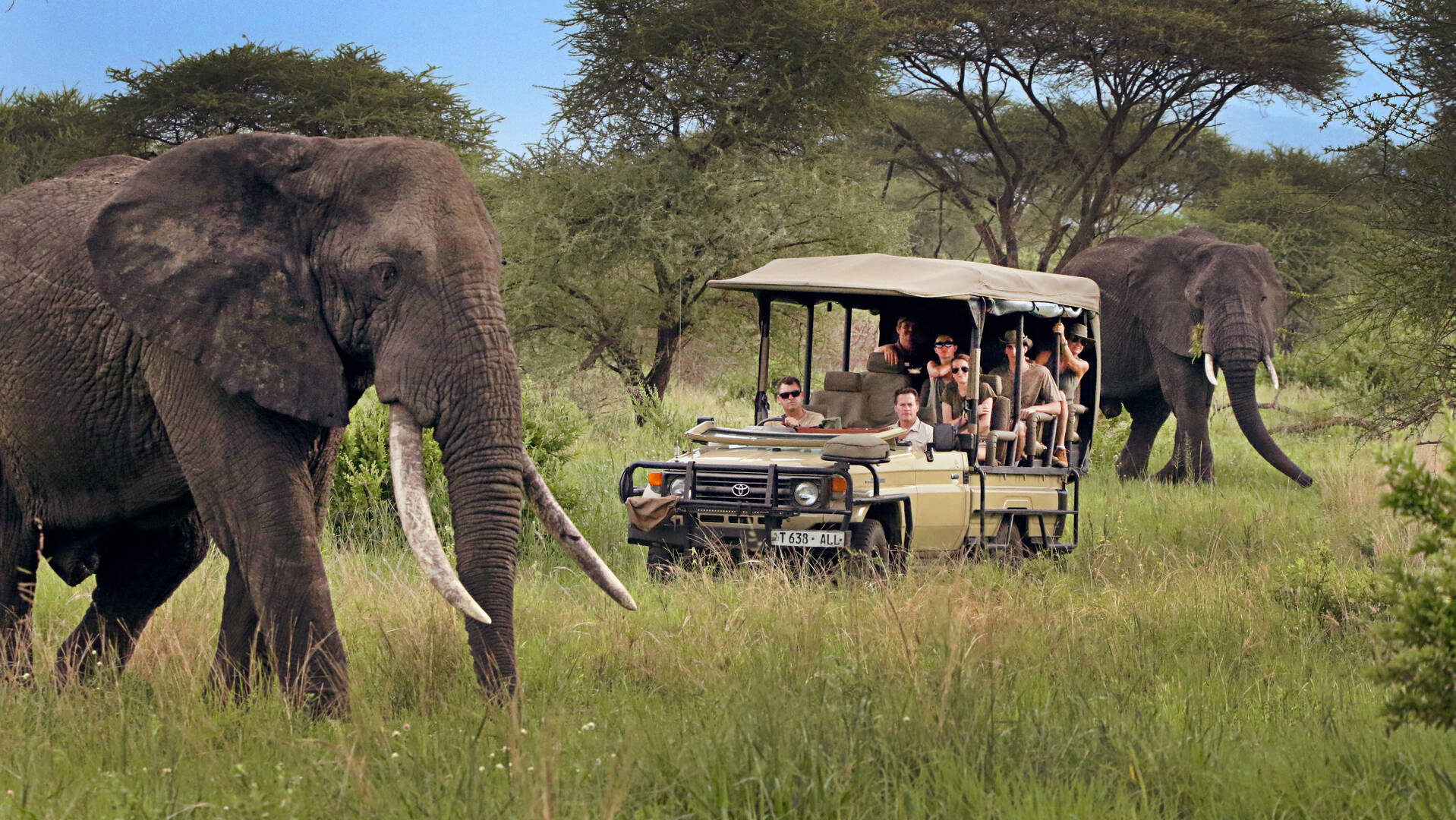
Nestled in the soul of Southern Africa, Zimbabwe stands as one of the continent’s most captivating safari destinations. Often overshadowed by its more publicized neighbors, it remains an unspoiled gem—a country of vast wilderness, thundering waterfalls, and raw, soulful beauty. Beyond the grandeur of Victoria Falls lies an awe-inspiring world where untamed national parks cradle the most refined expressions of luxury. Here, opulence and wilderness coexist, offering discerning travelers not just comfort, but a deeply immersive journey into Africa’s wild heart.

Luxury safaris in Zimbabwe aren’t defined merely by plush furnishings or gourmet cuisine. Instead, they are shaped by the power of location, exquisite design blending with the natural world, and an unwavering commitment to conservation and authenticity. The top camps and lodges in Zimbabwe don’t just host guests—they awaken them to Africa’s soul, infusing every sunrise, game drive, and silent starlit night with purpose and presence.

Matetsi Victoria Falls: Elegance on the Edge of Thunder

Set on a vast private reserve near the world-famous Victoria Falls, Matetsi Victoria Falls redefines what it means to experience safari luxury on the Zambezi River. Sprawled across 55,000 hectares of private wilderness, this lodge combines contemporary African design with timeless tranquility. The suites, crafted with natural materials and a minimalist ethos, offer floor-to-ceiling views of the river, inviting guests into an intimate dance with the surrounding wild.

While the thunder of the Falls lies just a short drive away, the true rhythm of Matetsi is found in its game drives, river cruises, and guided walks. Here, every moment is steeped in grandeur—not the grandeur of excess, but of elemental beauty. Cuisine, service, and privacy are woven seamlessly into an experience that honors both land and luxury.

Singita Pamushana: Zimbabwe’s Crown Jewel

Deep within the untouched landscapes of Malilangwe Wildlife Reserve, Singita Pamushana Lodge rises like a fortress of refinement. It is not just one of Zimbabwe’s finest luxury lodges—it is a benchmark for safari excellence across Africa. Anchored on sandstone hills above a tranquil lake, the lodge is an ode to Zimbabwean culture, infused with bold colors, traditional patterns, and panoramic views.

The surrounding reserve—home to a thriving population of endangered black rhino, elephant herds, leopards, and African wild dogs—ensures unforgettable wildlife encounters. But what truly sets Pamushana apart is its vision. Managed under a long-term conservation model, this lodge is not only a sanctuary for guests but a guardian of future generations of flora and fauna. It is where lavish living and lasting impact align.

Linkwasha Camp: Contemporary Luxury in Hwange’s Wild Soul

Positioned within Hwange National Park, Zimbabwe’s largest and most wildlife-rich reserve, Linkwasha Camp offers a sleek, modern contrast to its rugged surroundings. Here, a minimalist design ethos meets unfiltered wilderness, with expansive glass and canvas suites giving way to uninterrupted views of Hwange’s plains and pans.

From the shaded comfort of a private plunge pool, elephants are often seen roaming just meters away. The camp’s proximity to a prolific waterhole makes it one of the best locations in the park for in-camp wildlife viewing. Though modern in look, Linkwasha never feels disconnected from its roots. Every meal, every activity, and every interaction is deeply grounded in the heritage of the land and the heartbeat of the bush.

Bumi Hills Safari Lodge: Luxury Overlooking Lake Kariba

Perched high above the shimmering expanse of Lake Kariba, Bumi Hills Safari Lodge offers a safari experience layered with breathtaking water vistas, rich wildlife sightings, and indulgent tranquility. The lodge’s location, elevated on a remote hilltop, ensures panoramic views that stretch endlessly across the lake and into Zambia beyond.

It is a place where traditional game drives are complemented by sunset cruises, fishing excursions, and cultural visits to nearby Tonga communities. The infinity pool seems to spill into the horizon, while suites are adorned with handcrafted details and gentle earthy tones. At Bumi Hills, luxury becomes a reflection of the lake’s eternal calm, offering guests a uniquely aquatic twist on the classic safari.

Somalisa Camp: Hwange’s Eco-Chic Sanctuary

In the heart of Hwange National Park, where ancient acacia trees whisper secrets of centuries past, Somalisa Camp emerges as a trailblazer in eco-conscious luxury. With a design that blends canvas, wood, and copper elements, the camp honors both tradition and innovation. Here, sustainability isn’t a feature—it’s a philosophy. Solar power, water recycling, and locally sourced materials form the foundation of a camp that seeks harmony, not domination.

Its location near a perennial waterhole attracts a constant stream of elephants, often seen up close as they drink and bathe. Game drives delve deep into Hwange’s diverse ecosystems, while evenings at the camp unfold under vast starlit skies, surrounded by silence and storytelling. Somalisa is not just a camp—it is a conversation between man and nature, crafted with integrity and grace.

Amalinda Lodge: A Spiritual Safari in the Matobo Hills

Set amidst the spiritual landscape of the Matobo Hills, a UNESCO World Heritage Site, Amalinda Lodge is unlike any other. Carved into granite boulders that have stood for millennia, the lodge exudes an ancient energy. The rooms, built around natural rock formations, feel like sacred sanctuaries—organic, intimate, and deeply connected to place.

While wildlife sightings include rhinos, leopards, and a rich variety of birds, the true magic of Amalinda lies in its sense of history. Visitors walk in the footsteps of San bushmen, explore ancient cave paintings, and absorb the myths of these revered hills. It is a lodge where luxury is defined not just by comfort, but by meaning—an emotional safari into the past and into oneself.

Verney’s Camp: Classic Safari in a Private Wilderness

Located in a remote concession within Hwange, Verney’s Camp delivers a truly authentic yet refined safari experience. Tented suites are nestled discreetly beneath mopane trees, offering front-row seats to the rhythms of the bush. Elephants dominate the landscape here, and the absence of mass tourism allows for intimate encounters with nature.

The camp reflects classic safari romance, with lantern-lit dinners, crackling fire pits, and thoughtful hospitality. Everything at Verney’s is designed to make guests feel like privileged participants in the story of the land—never intruders, always guests of the wild. It is a timeless retreat, built on the belief that luxury lies in experience, not extravagance.

Zambezi Sands River Camp: Where the River Sings

On the banks of the mighty Zambezi River, inside Zambezi National Park, Zambezi Sands River Camp offers a water-rich safari escape, where the river itself becomes the protagonist. Guests awaken to the call of fish eagles and fall asleep to the symphony of frogs and flowing water. The luxury tents, set on raised decks, allow for immersive views of riverine life.

Activities here are diverse—canoeing, game drives, walking safaris, and romantic sundowners by the water. The camp is a sanctuary for both body and spirit, inviting guests to surrender to the rhythms of the river, while indulging in impeccable service and intimate luxury.

Chilo Gorge Safari Lodge: On the Edge of Gonarezhou’s Wild Heart

Situated on the escarpment overlooking the Save River and the vast wilderness of Gonarezhou National Park, Chilo Gorge Safari Lodge brings travelers to one of Zimbabwe’s last great frontiers. It is a place of immense space, ancient baobabs, and raw, untamed beauty. The lodge, perched high above the valley, offers unmatched views and an almost spiritual sense of isolation.

Gonarezhou, often called the “Place of Elephants,” is Zimbabwe’s most remote and wild park. Chilo Gorge invites guests into this untouched world with respect and reverence. Every suite is designed to reflect the surrounding environment, and every experience—from walking safaris to community visits—is designed to honor the deep, sacred relationship between land, wildlife, and people.

A Journey Into Africa’s Soul, Refined

To explore Zimbabwe through these luxury safari camps and lodges is not simply to visit a country. It is to enter into a living, breathing relationship with Africa itself. Each destination—whether set by a river, hidden in granite hills, or elevated above endless plains—offers more than high-thread-count linens and fine dining. It offers truth. It offers awe. It offers a chance to remember one’s place in the circle of life.

Zimbabwe’s finest lodges don’t attempt to tame the wild. They celebrate it. They whisper it gently into the hearts of their guests, reminding them that true luxury is not in the walls we build, but in the worlds we are allowed to witness.

Let WildHorn Africa Craft Your Luxury Safari Dream

For those ready to step into Zimbabwe’s most exclusive and soulful safari experiences, WildHorn Africa stands ready to guide you. With expertly tailored itineraries, insider knowledge, and a passion for authentic luxury, WildHorn Africa transforms your journey into something unforgettable.

Whether it’s a honeymoon under the stars, a family adventure with legacy, or a solo escape into the wilderness, trust WildHorn Africa to make every moment exceptional. Let the wild call, and let WildHorn answer.

Book your next luxury African safari with WildHorn Africa—where your story meets the heart of Africa.
Gorilla Trekking: Uganda Versus Rwanda, Which Is Better?

Gorilla Trekking: Uganda Versus Rwanda, Which Is Better?

By Rwanda travel guides, Travel guides, Travel stories and blogs, Uganda travel guides

Gorilla Trekking: Uganda Versus Rwanda, Which Is Better?
Unveiling the Great Primate Adventure in Africa’s Wild Heart

A Legendary Encounter Awaits

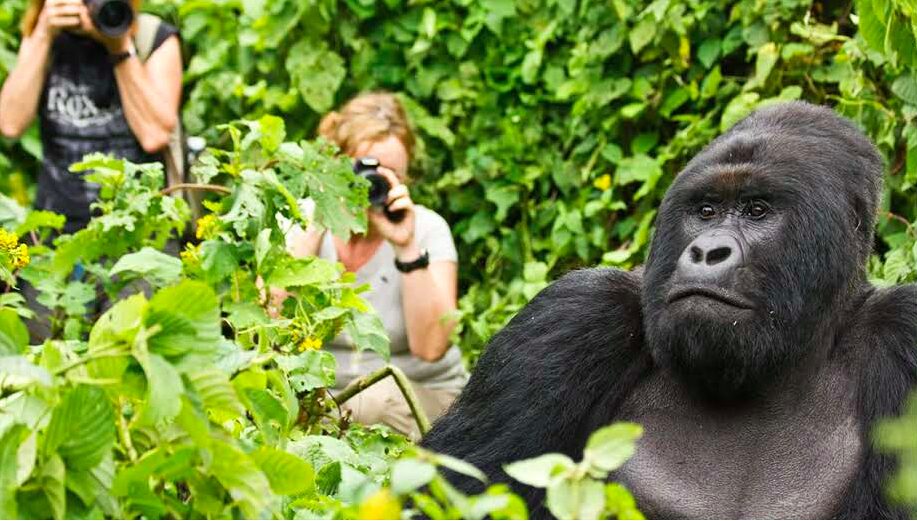
Few wildlife experiences on Earth rival the heart-stirring moment of coming face-to-face with a mountain gorilla in its natural habitat. In the mist-veiled forests of East Africa, these gentle giants—critically endangered and fiercely protected—have found sanctuary in two extraordinary countries: Uganda and Rwanda. Here, dense jungles echo with birdsong, tangled vines drape ancient trees, and in the stillness of morning, a gorilla family may quietly appear from the undergrowth, their eyes meeting yours with unsettling familiarity.

For those drawn to this primal journey, a question inevitably arises: Uganda or Rwanda—where is gorilla trekking truly better? Each destination boasts its own allure, shaped by geography, logistics, cost, and experience. To answer this with clarity, one must look beyond the surface and into the real depth of what defines a gorilla trekking adventure.

Gorilla Trekking in Uganda: The Wild and Immersive Journey

In Uganda, gorilla trekking is offered primarily in two regions: Bwindi Impenetrable National Park and the Mgahinga Gorilla National Park. Bwindi, the more renowned of the two, is a UNESCO World Heritage Site—a labyrinth of biodiversity, cloaked in mist and mystery. Within its rugged terrain lie approximately half of the world’s remaining mountain gorillas. The forest is ancient, thick with tangled vegetation and steep ridges that test both endurance and spirit.

Trekking in Uganda is often described as more challenging yet deeply rewarding. The trails are longer, the terrain more varied, and the gorilla families more spread out. However, these very factors contribute to a raw and immersive wilderness experience, often lasting several hours, sometimes through thick foliage and undulating terrain. The moment a gorilla group is found, all fatigue is forgotten as one witnesses intimate interactions—a mother cradling her infant, a silverback watching silently, the gentle sounds of a family going about their day.

Uganda also offers a rare opportunity known as the Gorilla Habituation Experience. Unlike standard treks, where visitors spend a strict one hour with the gorillas, the habituation experience allows up to four hours in the presence of a group that is being slowly acclimated to human presence. It is a deeper, more scientific and observational engagement, ideal for those seeking extended and meaningful encounters.

Gorilla Trekking in Rwanda: Refined, Accessible, and Efficient

Rwanda’s gorilla trekking takes place exclusively in Volcanoes National Park, a dramatic landscape of dormant volcanoes, mossy trees, and high-altitude bamboo forests. The experience here is known for being more accessible and physically manageable, with many of the gorilla families located within a relatively short hiking distance from the trailheads.

The infrastructure in Rwanda is widely considered more developed and luxury-oriented. Roads from the capital, Kigali, are smooth and well-maintained, allowing travelers to reach Volcanoes National Park in under three hours—making same-day treks possible and appealing to high-end travelers or those on a tighter schedule. Lodges in the region, such as Singita and One&Only, reflect Rwanda’s conscious pivot toward ultra-luxury ecotourism, with a focus on comfort, exclusivity, and conservation.

While the trek might be physically easier, the emotional resonance remains powerful. The gorillas in Rwanda are well habituated, and viewing conditions are often excellent, allowing for unobstructed photographs and closer interactions. The experience is highly organized, with professional guides and stringent protocols, creating a polished encounter that appeals to travelers seeking a seamless and premium adventure.

Cost and Permit Prices: A Defining Difference

One of the most significant differences between Uganda and Rwanda is the price of the gorilla trekking permits. Rwanda’s permit stands at a considerably higher cost, positioning the experience as a luxury product designed for conservation funding and high-end tourism. Uganda, by contrast, offers a more affordable permit without sacrificing the richness of the experience.

This price gap can be a determining factor for many travelers. In Uganda, the lower cost allows greater flexibility to combine the gorilla trek with other adventures—such as game drives in Queen Elizabeth National Park, boat safaris along the Kazinga Channel, or even chimpanzee trekking in Kibale Forest. The overall travel budget can thus accommodate a broader itinerary without diminishing quality.

While Rwanda’s higher pricing helps fund conservation and local community development, it may also limit the trek to a smaller audience. However, for those able to afford it, the refinement and ease of access make it a compelling choice, especially for short trips.

Scenic Diversity and Wildlife Extensions

Uganda offers a compelling advantage in terms of scenic and ecological variety. Beyond gorillas, its national parks teem with classic African wildlife—lions, elephants, hippos, and leopards. Visitors can enjoy traditional safaris in the savannah, river cruises along crocodile-filled waterways, and hikes to the thunderous Murchison Falls. The landscape shifts dramatically between regions—rolling hills, crater lakes, rainforests, and expansive wetlands—creating a holistic and diverse safari circuit.

Rwanda, while more compact, is rapidly expanding its wildlife offering. The reintroduction of lions and rhinos to Akagera National Park and the rich chimpanzee population of Nyungwe Forest reflect Rwanda’s ambition to create a “Big Five” safari experience. However, given its smaller size, the diversity of experiences is more limited compared to Uganda’s multi-layered options.

Cultural Connection and Conservation Ethos

Both Uganda and Rwanda have placed conservation at the heart of their tourism strategies, but they manifest it differently. Rwanda’s approach is centralized and state-directed, resulting in streamlined policies, high-impact community programs, and tightly regulated visitor numbers. The tourism model is designed to deliver luxury with purpose—contributing significantly to reforestation, anti-poaching, and community empowerment.

Uganda, on the other hand, presents a grassroots-driven conservation model, with numerous partnerships between local communities, NGOs, and government entities. Cultural engagement is deeply woven into the trekking experience—visitors often interact with Batwa communities, local guides, and community-run initiatives, enriching their understanding of the human-gorilla relationship. The experience in Uganda tends to feel more personal, less formal, and culturally immersive.

Accessibility and Travel Logistics

For ease of travel, Rwanda holds a logistical edge. With its modern airport in Kigali and the short drive to Volcanoes National Park, travelers can fly in and out within a few days. This makes Rwanda ideal for weekend getaways or business travelers seeking a swift nature immersion.

Uganda’s trekking regions, especially Bwindi, require longer travel times by road or expensive internal flights, often taking a full day to reach. However, this journey unveils some of the most dramatic and untouched landscapes in East Africa, making the trip itself part of the adventure. The remoteness of Uganda’s gorilla regions fosters a sense of discovery and authenticity that is unmatched.

So, Which Is Better? The Verdict Is in the Experience

Choosing between gorilla trekking in Uganda or Rwanda is not a matter of better or worse, but rather one of travel personality and purpose. Those seeking wilderness immersion, affordability, and cultural depth may find Uganda’s offering unbeatable. The treks are adventurous, the rewards are great, and the broader safari circuit is immensely fulfilling.

Travelers desiring ease of access, polished luxury, and high-end sustainability may be drawn to Rwanda, where the experience is beautifully choreographed yet no less emotional. The shorter treks and elegant lodges make it a haven for discerning travelers who prefer comfort without compromise.

Ultimately, the gorilla encounter itself—whether in Uganda or Rwanda—is profoundly humbling. The shared gaze with a silverback, the quiet rustle of forest leaves, and the knowledge that such a moment supports vital conservation efforts are what make this journey unforgettable.

Embark on Your Primate Adventure with WildHorn Africa

Regardless of destination, planning a gorilla trekking safari requires expert knowledge, local insight, and a trusted partner to navigate permits, logistics, and accommodation. WildHorn Africa stands as that partner, committed to crafting bespoke gorilla trekking experiences in both Uganda and Rwanda.

With a network of luxury eco-lodges, expert guides, and conservation-first travel ethos, WildHorn Africa ensures that your journey is immersive, meaningful, and seamlessly executed. Whether you dream of scaling the misty trails of Bwindi or walking the emerald slopes of the Virungas, WildHorn Africa is ready to turn your dream into reality.

Book your African primate safari today with WildHorn Africa—where passion meets the pulse of the wild.

20 of the Best & Most Beautiful Cities in Africa

20 of the Best & Most Beautiful Cities in Africa

By Travel guides, Travel stories and blogs

20 of the Best & Most Beautiful Cities in Africa
Unveiling the Urban Marvels of a Diverse and Timeless Continent

The Underrated Urban Grandeur of Africa

Africa, often romanticized for its wildlife, vast deserts, rolling savannahs, and ancient heritage, is frequently misunderstood in its urban identity. Yet scattered across this vast and majestic continent are cities that rival global metropolises in culture, beauty, innovation, and heritage. These cities are vibrant hearts beating within nations defined by tradition and transformation, where colonial architecture coexists with futuristic skylines, and where bustling markets hum alongside serene gardens and scenic waterfronts.

The continent is neither monolithic nor uniform; each city offers a reflection of its nation’s spirit, carved through history, shaped by cultures, and refined through resilience. From the green hills surrounding Kigali to the cosmopolitan streets of Cape Town, from the ancient mystique of Cairo to the buzzing energy of Nairobi, Africa’s cities are not only beautiful—they are powerful expressions of the continent’s present and its future.

What follows is an immersive journey through twenty of the most captivating cities across Africa. These urban destinations, chosen for their aesthetic, cultural, historical, and emotional impact, represent the continent’s diverse soul in all its elegance and complexity.

Cape Town, South Africa – Where Oceans and Mountains Meet Majesty

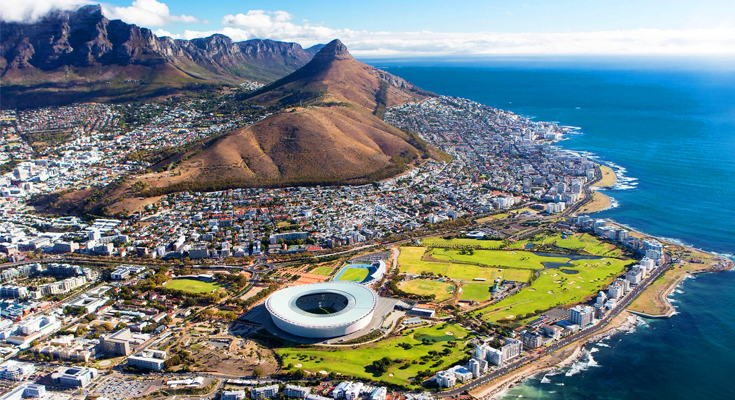
No list of Africa’s beautiful cities can begin without the breathtaking spectacle that is Cape Town. Framed by the towering Table Mountain and cradled by the Atlantic Ocean, this city has long held a reputation as one of the most visually striking urban spaces in the world. Beyond its natural grandeur, Cape Town offers a rare fusion of cultures—Dutch colonial buildings, vibrant Malay quarters, and sophisticated wine estates define a city that moves seamlessly between history and modernity. The harbor shimmers with luxury yachts, while Robben Island stands in somber contrast, a symbol of struggle and triumph. Cape Town’s beauty lies not only in its geography but in its narrative of resilience, diversity, and harmony.

Marrakech, Morocco – The Red City of Eternal Allure

With its ochre-red walls, maze-like medina, and aromatic air infused with spices and incense, Marrakech transcends the ordinary. It is a city that dances between centuries—the ancient souks, palaces, and riads of the past still hum with life in the present. Majorelle Garden, once owned by Yves Saint Laurent, offers serenity amidst the chaos, while Djemaa el-Fna square erupts into a nightly festival of performers, food, and storytelling. The city’s energy is magnetic, its beauty deeply sensorial, and its spirit endlessly alluring.

Kigali, Rwanda – Africa’s Cleanest and Most Progressive Capital

Tucked among rolling hills and lush valleys, Kigali has emerged from a painful past to become a beacon of modern African urbanism. Renowned for its cleanliness, security, and order, the Rwandan capital surprises visitors with its leafy boulevards, manicured parks, and contemporary art spaces. The Kigali Genocide Memorial is both heart-wrenching and powerful, while coffee shops, tech hubs, and eco-hotels signal a city firmly pointed toward the future. Kigali’s beauty lies in its calm, its progress, and its determination to redefine itself through healing and innovation.

Zanzibar City, Tanzania – A Cultural Crossroads on the Indian Ocean

As the capital of the semi-autonomous Zanzibar archipelago, Zanzibar City—and particularly its historic quarter, Stone Town—offers a poetic blend of Swahili, Arab, Indian, and European influences. Winding alleys reveal coral-stone houses with intricately carved doors, and the scent of cloves hangs heavy in the warm ocean air. Fishermen cast nets at dawn, and children play beneath centuries-old minarets. The old town is a UNESCO World Heritage Site, not merely preserved but alive. The island’s unique flavor is embedded in its architecture, music, and cuisine—each element singing of centuries of maritime trade and cultural confluence.

Nairobi, Kenya – The Urban Jungle of Innovation and Wilderness

Nairobi’s reputation as a business hub is well-deserved, but its beauty lies in its paradoxes. It is one of the only cities in the world where skyscrapers share skyline space with wild giraffes. Nairobi National Park sits just beyond the central business district, offering safari experiences within minutes of urban luxury. The city pulses with youthful creativity, from its growing art scene to its tech-driven innovation hubs, earning it the moniker “Silicon Savannah.” Its neighborhoods—from leafy Karen to bustling Westlands—each offer distinct experiences that reflect Kenya’s complexity and charm.

Dakar, Senegal – Where Rhythm, Art, and the Atlantic Collide

Sitting at the westernmost point of the African mainland, Dakar offers a stunning oceanfront skyline, colonial-era architecture, and a fierce dedication to art and music. The African Renaissance Monument rises with dramatic symbolism, while Gorée Island whispers its tragic yet essential stories from the transatlantic slave trade. Dakar’s beaches are kissed by Atlantic waves and animated by local surfers, while its markets overflow with fabrics, sculptures, and spirit. The city’s pulse is fast, but its heartbeat is deeply rooted in culture and creativity.

Cairo, Egypt – A City of Eternal Echoes and Timeless Grace

Cairo’s skyline is marked by mosque minarets, ancient citadels, and distant pyramids—a living museum suspended between antiquity and modern chaos. It is a place where 21st-century megacity dynamics unfold beneath the shadow of some of humanity’s oldest achievements. The Nile River snakes through its heart, offering calm amid frenetic energy. With the Grand Egyptian Museum poised to redefine the global archaeological landscape, Cairo’s significance only deepens. Its beauty, raw and overwhelming, is found in layers—each one revealing a different century, a different story, a different civilization.

Windhoek, Namibia – An Oasis of Order and Elegance

Windhoek, Namibia’s capital, is often described as Africa’s most underrated city, combining European order with African warmth. Its pastel-colored German colonial buildings contrast beautifully with the arid savannah backdrop. Clean, organized, and rich in history, Windhoek offers a gateway to Namibia’s stark beauty, while retaining its own urban appeal. Coffee culture thrives, the streets are walkable, and the sunsets—framed by distant mountains—are nothing short of poetic.

Addis Ababa, Ethiopia – The Diplomatic Heart of the Continent

Home to the African Union and dozens of embassies, Addis Ababa is often referred to as the political capital of Africa. But beyond bureaucracy, the city pulses with history and culture. The National Museum holds the bones of Lucy, the world’s most famous hominid ancestor, while Orthodox churches and jazz clubs offer contrasting yet complementary experiences. Set against a highland backdrop and rich with traditional cuisine and unique coffee rituals, Addis is a city that commands respect while offering profound cultural depth.

Abidjan, Côte d’Ivoire – The Manhattan of West Africa

Glossy skyscrapers, lagoon views, and an unmistakable air of ambition characterize Abidjan, Côte d’Ivoire’s largest city. Known for its high fashion, dynamic nightlife, and French-influenced flair, Abidjan dazzles as a metropolitan giant infused with West African vibrancy. Bridges link districts across the Ébrié Lagoon, while music spills from every corner—from coupé-décalé clubs to traditional drum circles. It is a city alive with rhythm, color, and momentum.

The Remaining Urban Marvels

Other African cities like Johannesburg, Luanda, Accra, Antananarivo, Bujumbura, Maputo, Libreville, Fes, and Gaborone shine with distinct features—each echoing stories of struggle, renaissance, and modernization. Whether through the architectural curves of Maputo’s colonial era, the jazz-infused soul of Johannesburg’s townships, or the royal palaces of Fes, beauty in Africa’s cities transcends visual charm—it is experienced through movement, spirit, and purpose.

Booking Your African Urban Journey with WildHorn Africa

To explore these remarkable cities in their full dimension requires thoughtful planning and deep local knowledge. The logistics, timing, and cultural nuances demand an expert’s touch—a service that WildHorn Africa has perfected with precision and passion. Specializing in immersive travel across the continent, WildHorn Africa ensures that your city experiences are not rushed but thoughtfully curated—from the hidden rooftop bars of Nairobi to the artisan quarters of Marrakesh.

Whether you seek urban safaris, historical journeys, or culture-soaked explorations, WildHorn Africa offers more than itineraries—it offers transformation. Step into the soul of Africa’s cities and allow the continent to reveal its most sophisticated and soulful side.

Book your unforgettable African journey today with WildHorn Africa, and let the cities inspire every step of your adventure.

The Best East African Safari Tours

The Best East African Safari Tours

By Travel guides, Travel stories and blogs

The Best East African Safari Tours
Where Wilderness Roars, Landscapes Breathe, and Adventure Lives Eternal

A Legendary Journey into the Heart of Africa

In the sweeping grasslands, misty mountain ranges, sunlit savannahs, and acacia-fringed rivers of East Africa, the soul of safari was born—and it is here that its legacy continues to inspire awe in every traveler who dares to follow its call. East Africa remains one of the most captivating and diverse safari destinations on the planet, offering a combination of untamed wildlife, ancient cultures, and staggering natural beauty that stirs something primal in all who encounter it.

The name alone conjures visions of endless horizons, towering giraffes silhouetted against blazing sunsets, and lions prowling through the tall golden grasses. It speaks to the rhythm of wildebeest migrations, the spiritual hush of dawn over the Serengeti, and the adrenaline-charged thrill of tracking big cats in remote reserves. But an East African safari is more than just a spectacle; it is a transformative experience, shaped by the land, the wildlife, and the people who call it home.

To explore East Africa is to walk in the footsteps of early explorers, tribal guardians, and nomadic herds. It is to be humbled by the raw power of nature, soothed by the cadence of Swahili greetings, and welcomed into landscapes that have defined the very essence of Africa for generations. The best East African safari tours do not merely show the wilderness—they immerse travelers in it, with authenticity, wonder, and reverence.

Kenya: The Cradle of Classic Safari

As the birthplace of the traditional safari, Kenya continues to hold an exalted position in the hearts of nature lovers, wildlife photographers, and cultural enthusiasts. Its rich biodiversity, striking topography, and iconic reserves make it a cornerstone of East African safari travel.

The Masai Mara, perhaps Kenya’s most celebrated reserve, pulses with life throughout the year but takes on mythical proportions during the Great Migration. Here, the primal drama of predator and prey unfolds daily, as herds of wildebeest, zebra, and gazelle thunder across the plains, shadowed by hungry lions, cheetahs, and hyenas. But beyond the migration, the Mara reveals its subtler charms in intimate encounters, community-led conservancies, and golden hour game drives.

Amboseli, in contrast, unveils a different kind of majesty—elephants marching beneath the snow-capped grandeur of Mount Kilimanjaro, their silhouettes framed in poetic symmetry. The park’s wetlands and grasslands create an irresistible draw for birdlife and photographers alike.

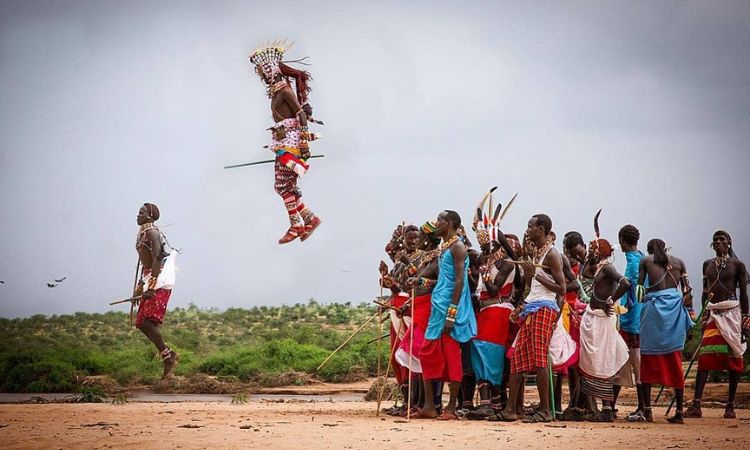
Further north, the rugged landscapes of Samburu offer a raw, elemental beauty rarely seen in tourist brochures. Here, the “Samburu Special Five” and ancient tribes add depth and distinction to every journey. And along the coast, protected marine parks, Swahili towns, and palm-lined beaches extend the safari into a seamless blend of land and sea.

Tanzania: The Soul of Wild Africa

Tanzania, vast and enthralling, possesses some of the most untouched and soul-stirring wilderness on the African continent. It is here, in the endless plains of the Serengeti and the otherworldly Ngorongoro Crater, that nature’s theatre reaches its most poetic and dramatic heights.

The Serengeti alone stands as a titan among safari destinations—an ecosystem so rich in life and movement that every visit becomes a revelation. Its terrain, ranging from acacia-studded savannah to rolling kopjes, is home to Africa’s highest concentrations of predators. This is not merely a place to see wildlife; it is a realm where nature tells its most ancient stories.

To the south, the vast and lesser-known Selous Game Reserve (now part of Nyerere National Park) and the dramatic terrain of Ruaha offer a more remote and raw safari experience, ideal for those seeking deeper connection and fewer crowds. Here, river safaris, walking expeditions, and secluded camps bring guests closer to the rhythms of the wild.

In northern Tanzania, the Ngorongoro Crater presents a world within a world. This collapsed volcanic caldera harbors an incredible density of wildlife within its bowl-shaped walls. The scenic drama is matched by the thrill of spotting endangered black rhino grazing beneath a backdrop of emerald forests and sun-dappled lakes.

To complete the Tanzanian journey, the island of Zanzibar welcomes with its turquoise waters, historic stone towns, and spice-laden breezes—a dreamlike ending to a land-based odyssey.

Uganda: The Land of Primates and Hidden Beauty

Often described as Africa’s best-kept secret, Uganda is a destination that surprises and delights at every turn. Known primarily for its exceptional primate experiences, it has increasingly come to be recognized as a well-rounded safari destination with exceptional diversity.

Bwindi Impenetrable Forest, living up to its name, offers one of the most humbling wildlife encounters on Earth: tracking endangered mountain gorillas through the misty undergrowth of an ancient rainforest. The experience is at once primal and spiritual, a face-to-face moment with creatures so closely related to us, yet profoundly wild.

Chimpanzee trekking in Kibale Forest adds another layer of emotional and ecological depth, revealing the dynamic, vocal, and intelligent behavior of our closest evolutionary relatives. In Queen Elizabeth National Park, tree-climbing lions and crater lakes coexist in surreal beauty, while the Kazinga Channel hosts one of the highest concentrations of hippos in the world.

Murchison Falls, where the Nile explodes through a narrow gorge with thunderous force, showcases yet another facet of Uganda’s wild personality. From water-based safaris to savannah game drives, Uganda’s allure lies in its variety, authenticity, and dramatic terrain.

Rwanda: The Jewel of Sustainable Safari

Rwanda, compact yet charismatic, has emerged as one of the most luxurious and conservation-driven safari destinations in Africa. Though small in size, it offers rich experiences that touch both heart and mind.

Volcanoes National Park is the crown jewel of Rwanda’s tourism—a mystical landscape of volcanic slopes, bamboo forests, and swirling mists that shelter the critically endangered mountain gorilla. Treks here are steep, both physically and emotionally, culminating in deeply moving encounters with gorilla families in their natural habitat.

Akagera National Park has undergone a profound transformation in recent years, evolving from depleted terrain into a thriving Big Five reserve. With its mosaic of wetlands, lakes, savannah, and woodland, it now offers a classical safari experience in a country better known for its gorillas.

Nyungwe Forest, one of Africa’s oldest rainforests, completes the Rwandan circuit with canopy walks, primate treks, and rare bird sightings, offering a more verdant and immersive kind of exploration. Rwanda’s embrace of sustainability, community empowerment, and high-end tourism makes it a beacon for the future of responsible travel in Africa.

Why East African Safaris Remain Unmatched

No other region can match East Africa’s harmonious interplay of diverse ecosystems, abundant wildlife, and rich cultural heritage. It is a place where no two safaris are ever alike, where every sunrise writes a new story, and where the wild still reigns in magnificent freedom.

Travelers are not just spectators here—they become participants in a centuries-old relationship between land, animal, and human. Whether it is the drumming of hooves during the Great Migration, the hush before a leopard emerges from the bush, or the gentle rustle of a gorilla in the undergrowth, every moment pulses with meaning.

It is this unfiltered authenticity, combined with a growing emphasis on conservation, luxury, and personalized experience, that makes the best East African safari tours not just a vacation, but a profound encounter with the essence of life itself.

Discover East Africa with WildHorn Africa

For those who seek the unforgettable, for those drawn by the call of the wild and the allure of discovery, WildHorn Africa offers more than just a safari—it crafts journeys that awaken the spirit and ignite the soul. With unparalleled expertise in curating bespoke East African tours, WildHorn Africa ensures that every detail—from lodge selection to guided experience—is shaped by excellence, sustainability, and deep regional insight.

Whether the dream is to witness the Great Migration, walk among gorillas in the mist, or drift along remote rivers beneath starlit skies, WildHorn Africa is the trusted companion on every path into the wild. For an East African safari tour that leaves a lasting mark on the heart and mind, travelers are encouraged to book their Africa adventures through WildHorn Africa, where every expedition begins with inspiration and ends in lifelong memory.

Top 10 Best Beaches in Kenya

Top 10 Best Beaches in Kenya

By Kenya travel guides, Travel guides, Travel stories and blogs

Top 10 Best Beaches in Kenya: Discover the Hidden Paradise of East Africa

A Coastal Jewel Beckons

Tucked along the glistening coastline of the Indian Ocean, Kenya’s beaches emerge not merely as stretches of sand and sea, but as living poems of nature—where turquoise waters meet powder-soft sands, and where time seems to melt under the golden East African sun. While the country’s majestic savannahs and thriving wildlife reserves often dominate the global imagination, its coastline whispers of a more tranquil magic. The coastal paradise of Kenya is home to some of the finest beaches in the world, each offering a unique blend of culture, history, natural beauty, and serene escape.

A journey along the Kenyan coast is one woven with tales of ancient Swahili cities, of dhows slicing through calm waters, and of coral reefs teeming with vibrant marine life. The beaches here are not just destinations—they are experiences waiting to be lived, deeply and slowly.

Diani Beach: The Crown Jewel of Coastal Kenya

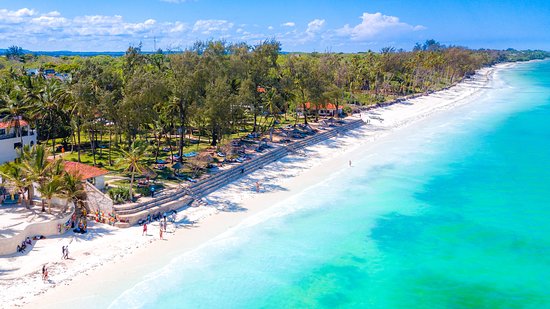
The most celebrated among all, Diani Beach lies gracefully south of Mombasa. Spanning nearly 17 kilometers, Diani is a haven of luxury and natural elegance, where the sea sparkles under an unbroken sun and tall palm trees sway lazily in the breeze. Recognized globally for its pristine shoreline, coral reefs, and warm waters, this beach offers an idyllic blend of seclusion and sophistication. Luxury resorts are tucked discreetly into the greenery, and adventurous spirits find delight in diving, snorkeling, kite surfing, and even skydiving above the coastline.

The atmosphere here is calm but never dull. The town of Diani itself bustles with lively restaurants, boutique shops, and vibrant nightlife, creating a seamless marriage of tropical serenity and cosmopolitan comfort. With its well-developed infrastructure and high-end experiences, Diani remains the undisputed queen of Kenyan beaches.

Watamu Beach: Where Nature Dances with Culture

Further up the coast, Watamu Beach, nestled between Malindi and Kilifi, presents a more untouched face of Kenya’s coastal charm. The beach here is famous for its powdery white sand, gently sloping into the emerald waters, and its close proximity to one of Kenya’s most precious marine treasures: the Watamu Marine National Park. This protected area teems with colorful corals, sea turtles, and myriad fish species—drawing both marine biologists and curious travelers.

Watamu is also a cradle of history and culture. The nearby Gede Ruins—remnants of a 13th-century Swahili town—offer a haunting yet fascinating glimpse into East Africa’s pre-colonial history. The beach thrives in harmony with this cultural richness, making it a place of reflection, beauty, and discovery. It’s more than a destination; it’s an immersion into a slower rhythm of life.

Nyali Beach: The Urban Oasis

Just a few kilometers from Mombasa’s city center lies Nyali Beach, offering a perfect escape for urban explorers who wish to bask in sea breeze without venturing too far. Known for its tranquil ambience and inviting waters, Nyali serves as a hub for water sports enthusiasts, with jet skiing, windsurfing, and snorkeling available right along the shoreline.

What sets Nyali apart is its fusion of city life with beach tranquility. Nearby malls, art galleries, and historical sites—such as Fort Jesus—make it ideal for travelers seeking a diverse experience. It’s where business travelers unwind after meetings, where families gather for sunny picnics, and where romantic strolls along moonlit shores become lifelong memories.

Lamu Island: A Timeless Escape

Far from the mainland’s bustling energy, Lamu Island offers something profoundly different. This UNESCO World Heritage Site is more than a beach—it’s a living museum of Swahili heritage, preserved through centuries of Islamic architecture, stone houses, and narrow winding streets where donkeys still outnumber vehicles.

The beaches of Lamu, particularly Shela Beach, exude an otherworldly serenity. The sand is pale and soft, the waters impossibly blue, and the sunsets paint the sky in rich oranges and pinks. Time moves differently here—slowly, gently. Lamu is not just visited, it is felt. It is a retreat for the soul, where the modern world falls away, leaving only peace and wonder.

Bamburi Beach: Where Adventure Meets Relaxation

To the north of Mombasa, Bamburi Beach stretches out like an open invitation to both rest and recreation. Often favored by families and locals, it balances accessibility with charm. The warm waters make swimming and beach walks delightful, while nearby hotels and resorts cater to all tastes and budgets.

Bamburi is also home to the Mombasa Marine Park, an aquatic sanctuary bursting with coral reefs and aquatic creatures. Glass-bottom boat rides and snorkeling excursions provide glimpses into an underwater world brimming with color and motion. It’s a beach where adventure and leisure intertwine seamlessly.

Tiwi Beach: The Hidden Sanctuary

For those who seek solitude, Tiwi Beach, south of Diani, remains an untouched gem. Less commercialized and often overlooked, this beach is the definition of serenity. The landscape is wild and gentle at once—fringed by coral cliffs and dotted with tidal pools that shimmer with life.

Tiwi offers a more intimate encounter with nature, perfect for travelers who crave moments of quiet, undisturbed by crowds or noise. The few lodges and campsites here encourage deeper connections with the land, the sea, and oneself. Sunrises here are not just seen—they are experienced in profound silence.

Shanzu Beach: The Leisurely Getaway

Shanzu Beach, located just north of Mombasa, is known for its calm waters and scenic surroundings. With fewer visitors compared to its more famous neighbors, Shanzu delivers a relaxed, unhurried atmosphere. Resorts line the shore, their beachfront bars and pools offering panoramic views of the Indian Ocean.

It’s an ideal choice for vacationers looking to enjoy Kenya’s coastal charm without the busyness of more commercial beaches. Whether sipping a cocktail under a palm tree or exploring the coral reefs just offshore, Shanzu provides a leisurely escape that soothes and revitalizes.

Malindi Beach: The Coastal Melting Pot

Malindi, a coastal town with a rich blend of African, Arab, and European influences, presents a beach experience that’s both historical and vibrant. The town has long been a meeting point of cultures, and this is reflected in its architecture, cuisine, and atmosphere. The beach itself is broad and inviting, a canvas of soft sand and gentle surf.

Beyond sunbathing, Malindi offers deep-sea fishing, scuba diving, and dhow excursions. It’s a place of color and contrast, where centuries-old churches stand beside coral stone mosques, and where ancient traditions meet modern luxury. Malindi is where the past and present converge by the sea.

Kilifi Beach: The Untamed Beauty

Halfway between Mombasa and Malindi, Kilifi remains one of Kenya’s most underrated beach destinations. With its dramatic cliffs, winding creeks, and baobab-lined beaches, it offers a wilder, more rugged charm. The Kilifi Creek, a tidal estuary, provides not just scenic beauty but also excellent sailing and kayaking opportunities.

Kilifi is a place for those who value authenticity and natural beauty. The beach is less developed but more intimate, and its magic lies in its raw, untouched character. Here, visitors experience the coast as it once was—quiet, mysterious, and deeply alluring.

Gazi Beach: Where the Forest Meets the Ocean

South of Mombasa, Gazi Beach offers a uniquely ecological twist to the coastal experience. Adjacent to the Gazi Bay mangrove forest, the beach is part of a significant conservation area. The sand is soft, the sea calm, and the surrounding forest hums with biodiversity.

Gazi stands as a symbol of harmony between people and nature. Eco-tourism thrives here, with guided mangrove boardwalks and bird-watching tours adding depth to the coastal stay. It’s not only a place to relax but also to learn and connect with Kenya’s ecological heart.

An Invitation to Discover Africa Differently

Kenya’s beaches are not merely scenic escapes; they are portals into a layered world of beauty, culture, and meaning. Each shoreline tells its own story—from ancient Swahili settlements to coral reefs alive with vibrant life. Whether one seeks adventure, romance, solitude, or spiritual reflection, there is a stretch of Kenyan coast waiting to answer that call.

As the wind whispers through the palms and the waves kiss the shore, one cannot help but feel transformed. This is not just a journey across geography—it is a journey within.

Book Your African Beach Escape with WildHorn Africa

For those inspired to uncover the coastal wonders of Kenya and explore the wild beauty of East Africa, there is no better partner than WildHorn Africa. With expert guides, tailor-made itineraries, and a deep commitment to authentic experiences, WildHorn Africa ensures every journey is memorable, meaningful, and seamless.

From sunrise safaris to sunset beach walks, from coral reef dives to dhow cruises—your African adventure begins here.

Let WildHorn Africa take you beyond the ordinary—into the heart of Africa’s extraordinary.

Top 10 Tourist Attractions in Kenya

Top 10 Tourist Attractions in Kenya

By Kenya travel guides, Travel guides, Travel stories and blogs

Top 10 Tourist Attractions in Kenya. Where Wild Africa Meets Timeless Wonder. There are few destinations on Earth where the ancient rhythms of the natural world continue to pulse as vividly as they do in Kenya. This East African jewel is not merely a country—it is a vast open-air museum, a kingdom of wilderness, history, and culture where landscapes shift from snow-capped mountains to sunlit savannahs, and where majestic wildlife continues to roam freely as they have for centuries.

Often referred to as the cradle of mankind, Kenya captures the imagination with its astonishing ecological diversity and deeply rooted cultural richness. From the volcanic valleys of the Great Rift to the turquoise waters of the Indian Ocean, it is a land that offers an array of experiences so varied and so profound, that one visit is rarely enough. Whether it’s the thundering herds of wildebeest in the Maasai Mara, the serene silence of Lake Naivasha, or the historical corridors of Lamu Island, Kenya presents a journey of constant revelation.

For travelers seeking to understand the true soul of Africa, Kenya remains an essential pilgrimage. Below lies a deeper exploration of the top ten attractions that define Kenya’s allure—each one a testament to the country’s unparalleled natural beauty, cultural complexity, and sense of timeless adventure.

The Maasai Mara National Reserve – The Epic Stage of the Great Migration

At the heart of Kenya’s wildlife legacy lies the Maasai Mara, a name that conjures images of endless plains, acacia-dotted landscapes, and the raw spectacle of nature in motion. It is here that the Great Migration, one of the planet’s most dramatic natural phenomena, unfolds every year. Over a million wildebeest, joined by zebras and gazelles, cross crocodile-infested rivers in pursuit of greener pastures, shadowed closely by predators in patient pursuit.

The Maasai Mara is not just about migration; it is a year-round haven for the Big Five, as well as cheetahs, hyenas, and over 470 bird species. Visitors are often moved not only by the abundance of wildlife but by the presence of the Maasai people, who have shared this land for generations and whose vibrant culture enriches the experience. The reserve remains Kenya’s crown jewel of safari tourism, offering an unforgettable communion with the wild.

Mount Kenya – The Sacred Mountain of Giants

Rising dramatically from the central highlands, Mount Kenya is Africa’s second-highest peak and a UNESCO World Heritage Site. Revered as sacred by the Kikuyu people, its snow-clad summit and forested slopes host a diversity of ecosystems rarely seen in such proximity. From dense bamboo thickets to alpine meadows, the mountain supports rare species such as the giant forest hog, bongo antelope, and African leopard.

While scaling the higher peaks like Batian and Nelion demands technical mountaineering skills, the lower routes offer exquisite trekking experiences, revealing glacial lakes, cascading waterfalls, and astonishing scenery. Mount Kenya is more than a destination; it is a mystical encounter with nature and spirit.

Lake Nakuru National Park – A Canvas of Color and Conservation

In the heart of the Great Rift Valley, Lake Nakuru shimmers like a sapphire surrounded by golden savannah and volcanic cliffs. Known for its once-flourishing populations of flamingos, the lake remains a vital refuge for a host of birdlife, despite shifting water levels in recent years.

More importantly, the park has become one of Kenya’s foremost sanctuaries for rhinos, both black and white, as well as Rothschild’s giraffe and other endangered species. The compact nature of the park allows for exceptional wildlife viewing within a single day’s visit, while its dramatic landscapes—ranging from wooded escarpments to open grasslands—create a stunning backdrop for photographers and naturalists alike.

Amboseli National Park – Elephants Beneath Kilimanjaro’s Gaze

Set against the towering silhouette of Mount Kilimanjaro, just across the border in Tanzania, Amboseli National Park offers perhaps the most iconic vistas in all of East Africa. Here, large herds of African elephants, some of the largest tuskers remaining on the continent, move gracefully through open plains, swampy marshes, and dusty salt pans.

The intimate encounters possible in Amboseli—made possible by the park’s compact size and high animal visibility—offer a deep sense of connection to the land and its majestic inhabitants. With Kilimanjaro looming in the background, wildlife viewing becomes not just a spectacle, but a moment of profound awe.

Lamu Island – The Living Museum of Swahili Culture

Floating on the Indian Ocean off Kenya’s northern coast, Lamu Island is a sanctuary of Swahili tradition, Islamic heritage, and timeless architecture. A UNESCO World Heritage Site, Lamu Town is the oldest continuously inhabited town in Kenya, where winding alleyways, carved wooden doors, and dhows swaying in the harbor paint a picture of a bygone era.

The island is car-free, and life moves slowly to the rhythm of the tides and the calls to prayer from historic mosques. Visitors are enveloped in a sense of peace and cultural depth, whether exploring 14th-century ruins, enjoying fresh seafood by lantern light, or sailing at sunset. Lamu is not just a destination—it is a living embodiment of coastal East African history.

Samburu National Reserve – A Tapestry of Arid Beauty and Rare Wildlife

In Kenya’s northern frontier, Samburu National Reserve reveals a contrasting safari landscape—rugged, arid, and dramatically beautiful. The Ewaso Ng’iro River brings life to this region, drawing animals to its banks and creating the conditions for some of Kenya’s most unique wildlife encounters.

Species not found in the southern parks—such as the Grevy’s zebra, reticulated giraffe, and Somali ostrich—call Samburu home. The cultural presence of the Samburu people, closely related to the Maasai, adds another layer of authenticity and insight. This is safari stripped of polish but filled with raw magic and elemental elegance.

Hell’s Gate National Park – Adventure Amid Geothermal Majesty

True to its dramatic name, Hell’s Gate offers a safari experience unlike any other. Located near Lake Naivasha, the park is characterized by towering cliffs, volcanic gorges, and geothermal activity, all of which create a surreal, cinematic landscape. Unlike most parks, Hell’s Gate can be explored on foot or by bicycle, allowing visitors to walk among giraffes, zebras, and gazelles in complete freedom.

The park’s natural hot springs, ancient cave systems, and geothermal energy projects speak to both earth’s power and Kenya’s innovation, while rock climbers find challenge and thrill on towering formations such as Fischer’s Tower. Hell’s Gate is adventure redefined.

Diani Beach – The Tropical Jewel of Kenya’s South Coast

On the southern coastline lies Diani Beach, a stretch of white sand lapped by turquoise waters and shaded by palm trees. It is here that Kenya’s Indian Ocean identity comes into full bloom—a place where luxury resorts, coral reefs, vibrant nightlife, and cultural excursions coexist in harmony.

Diani is not just for sun-seekers; it also serves as a launch point for marine adventures, including diving, snorkeling, and dhow sailing. Inland, forest sanctuaries like Shimba Hills offer short wildlife excursions. Diani is a celebration of the coast, offering relaxation with a distinctly African soul.

Nairobi National Park – Where Wildlife Meets the Skyline

Just minutes from the bustling city center of Kenya’s capital, Nairobi National Park stands as a testament to urban conservation innovation. Home to lions, rhinos, giraffes, and hundreds of bird species, the park offers real wilderness within sight of Nairobi’s skyline.

Visitors are often stunned by the surreal contrast—zebras grazing against a backdrop of skyscrapers—and by the proximity in which nature and urban life coexist. The park also includes the David Sheldrick Wildlife Trust, which rescues and rehabilitates orphaned elephants, offering a rare chance to see conservation in action.

The Great Rift Valley – Earth’s Most Dramatic Rift

Running like a scar across the Kenyan landscape, the Great Rift Valley is both a geological marvel and a rich cradle of biodiversity. Its chain of lakes—Naivasha, Elementaita, Baringo, and Bogoria—provides sanctuary to flamingos, pelicans, hippos, and diverse waterfowl.

Beyond the birdlife, the valley’s escarpments, volcanic cones, and hot springs make it a visual spectacle. It is also a place of deep anthropological significance, with nearby sites such as Olorgesailie offering fossil records of early human life. The Rift Valley is Kenya’s backbone of history, science, and staggering beauty.

Book Your Kenyan Safari Adventure with WildHorn Africa

In a land as diverse and magnificent as Kenya, the true magic lies not only in the places visited but in how those places are experienced. Planning a journey through Kenya’s national parks, coastal treasures, and cultural corridors requires more than logistics—it demands insight, passion, and connection.

WildHorn Africa is proud to offer tailored journeys through Kenya’s most extraordinary destinations. With hand-picked accommodations, expert guides, and a commitment to ethical, immersive travel, WildHorn Africa ensures each safari, beach holiday, or cultural tour is crafted to leave you not only amazed, but transformed.

From the roar of lions on the Mara plains to the whisper of ocean waves in Lamu, your story in Kenya begins with those who know it best.
Book your East African tour or safari today with WildHorn Africa—and let the soul of Kenya welcome you.

Best Parks & Game Reserves for a Safari Near Mombasa, Kenya

Best Parks & Game Reserves for a Safari Near Mombasa, Kenya

By Tanzania travel guides, Travel guides, Travel stories and blogs

Best Parks & Game Reserves for a Safari Near Mombasa, Kenya. A Wild Frontier Just Beyond the Beach. In the minds of many, Mombasa conjures images of pristine beaches, turquoise waters, and centuries-old Swahili heritage. Yet, hidden just beyond its coastal calm lies a land of raw beauty and ecological spectacle—an untamed wilderness where lions roam under acacia canopies and elephants bathe in red dust. This unexpected duality transforms Mombasa into a rare jewel, where tranquil coastlines blend seamlessly with thrilling safari experiences, creating an unforgettable tapestry of adventure and serenity.

The idea of escaping beach loungers for the sound of crunching bush underfoot might seem improbable for the uninitiated, but those who venture inland from Mombasa discover that some of Kenya’s most remarkable safari destinations are within surprisingly easy reach. These parks and game reserves are not only teeming with life but also offer a deeply immersive experience—less commercialized and often more intimate than the northern counterparts more commonly known to international travelers.

Here, the wilderness remains authentic, the encounters raw and unfiltered, and the memories etched with the kind of intensity that only Africa’s wild heart can offer.

Tsavo East National Park – Where Red Dust Meets Timeless Grandeur

Among Kenya’s most legendary conservation areas, Tsavo East National Park emerges as a formidable expanse of rugged wilderness just a few hours inland from Mombasa. Revered for its massive herds of red-dusted elephants and unbroken savannah horizons, it offers a scale and solitude that resonates with those seeking more than mere sightings—a journey into the pulse of the African bush itself.

This park, one of the oldest in the country, spreads out over vast plains, interrupted by dramatic geological features such as the Yatta Plateau—the longest lava flow in the world. The Galana River snakes through the landscape, drawing life to its banks in scenes that are both tranquil and dramatic. Lions, buffalo, giraffes, zebras, and hippos populate this arena of nature, while over 500 bird species decorate the skies and thickets.

In Tsavo East, nature dictates the rhythm. Every game drive feels like a raw encounter with Earth’s oldest narratives. This is not a place of manicured lodges and tamed wilderness; it is the Africa of dreams and documentaries—wide, wild, and wonderfully unpredictable.

Tsavo West National Park – A Theater of Contrast and Mystery

While Tsavo East boasts openness and simplicity, Tsavo West National Park is a place of layered beauty, where volcanic landscapes, emerald springs, and rocky outcrops offer a more dramatic and moody version of wilderness. Located southwest of Mombasa, this park presents terrain that is far more varied, making every moment of exploration a visual and emotional journey.

The park is perhaps most famed for Mzima Springs, where underground aquifers erupt to the surface in crystal-clear pools that shelter hippos, crocodiles, and shoals of fish visible through underwater viewing chambers. Surrounding these springs are dense riverine forests, a stark contrast to the arid bushland that dominates elsewhere.

Game viewing in Tsavo West is more of a treasure hunt than a parade. Wildlife sightings can be more elusive due to the thick vegetation and hilly terrain, but each sighting feels earned and personal. The Shetani Lava Flow, a massive black river of hardened lava, speaks to the park’s volcanic past, adding a prehistoric ambiance to the landscape. Leopards prowl in the shadows, and elephants emerge suddenly from the forest, their presence both majestic and humbling.

For those who seek a more textured and mysterious safari, Tsavo West stands as an evocative counterpart to its eastern sibling.

Shimba Hills National Reserve – A Jungle in the Sky

Just a short drive from Mombasa’s coastal strip, Shimba Hills National Reserve presents a unique, forested safari experience set atop rolling hills that overlook the Indian Ocean. The climate is cooler, the air saturated with the scent of damp earth and ancient foliage. This reserve offers an unexpected shift from the typical safari terrain, favoring thick vegetation, forest glades, and panoramic vistas.

Known as the last sanctuary of Kenya’s rare sable antelope, Shimba Hills offers a quiet, almost meditative encounter with nature. Elephants are common residents here, navigating the thick undergrowth with surprising grace. Birdlife is abundant, and the symphony of cicadas and birdsong fills the air with a constant reminder of life hidden within the foliage.

Walking trails lead to Sheldrick Falls, a hidden cascade reached through a guided trek beneath the forest canopy. This human-scale safari experience stands in contrast to the vehicle-based explorations of Tsavo, offering tactile immersion and introspection—a chance to hear one’s heartbeat sync with the rhythm of the forest.

Taita Hills Wildlife Sanctuary – Where Luxury Meets Conservation

Adjacent to the Tsavo ecosystem lies the Taita Hills Wildlife Sanctuary, a privately managed reserve that exemplifies the harmonious blend of ecological protection and luxurious safari living. This sanctuary may be smaller in scale, but its significance is mighty. As a crucial wildlife corridor, it shelters diverse species while providing a more controlled and refined safari experience.

The landscape is gently undulating, rising into hills that provide panoramic views of the surrounding wilderness. Wildlife sightings are frequent and intimate. Elephants, lions, giraffes, zebras, and an impressive array of bird species are commonly encountered. Elevated lodges with panoramic decks allow for wildlife viewing from the comfort of elegant suites, often while sipping morning coffee or enjoying a sunset drink.

The sanctuary’s commitment to conservation and community development adds an ethical layer to the experience. Night drives and walking safaris are permitted, offering perspectives rarely available in national parks. For those seeking both comfort and purpose in their safari, Taita Hills becomes a destination of choice.

Arabuko Sokoke Forest Reserve – A Coastal Tapestry of Biodiversity

Northeast of Mombasa near the town of Malindi lies a lesser-known treasure—Arabuko Sokoke Forest Reserve. As the largest surviving fragment of coastal forest in East Africa, this biodiversity hotspot is not defined by big game but by rare species, delicate ecosystems, and astonishing ecological variety.

Arabuko Sokoke serves as a vital habitat for endangered birds like the Clarke’s weaver and Sokoke scops owl, and mammals such as the golden-rumped elephant shrew. The forest is a patchwork of distinct habitats, each supporting a different suite of flora and fauna. Exploration is done primarily on foot, guided by local experts who unveil the secrets hidden beneath the dense canopy.

For nature enthusiasts, researchers, and photographers, this reserve offers an intimate view of East Africa’s fragile coastal ecosystems. It is a place of stillness and subtlety, where the drama lies in detail and discovery.

Why a Safari Near Mombasa Is Worth Every Mile

The idea of combining Kenya’s coast with a world-class safari may once have seemed logistically or thematically challenging, but the truth is quite the opposite. The parks and reserves within reach of Mombasa present a compelling invitation to explore a side of Kenya that is as wild as it is welcoming. From the raw expanses of Tsavo to the mist-cloaked heights of Shimba Hills, and from the conservation-minded luxury of Taita Hills to the biodiversity of Arabuko Sokoke, every destination reveals a new facet of the country’s natural story.

These safaris are not just detours from beach vacations; they are deep, soul-stirring journeys into landscapes where the pulse of the wild can still be felt without compromise. They offer travelers the chance to trade sandals for safari boots, even if only for a few days, and return to the coast with stories that are far more than snapshots.

Start Your Journey with WildHorn Africa

For those ready to explore the extraordinary wilderness that surrounds Kenya’s coastal capital, there exists a guiding hand to shape the perfect adventure. WildHorn Africa specializes in curating tailored safaris that celebrate both the grandeur and the subtlety of this stunning region. With a deep respect for nature, expert knowledge of the terrain, and a passion for authentic storytelling, WildHorn Africa transforms trips into experiences that linger long after the journey ends.

Whether you dream of tracking elephants in Tsavo, wandering forest trails in Shimba Hills, or relaxing at a sanctuary overlooking vast plains, trust that WildHorn Africa will lead you there—with care, integrity, and the kind of insight that only comes from living and breathing the African wild.

To plan your next African adventure and unlock the secrets of safari near Mombasa, book confidently with WildHorn Africa—where every journey begins with wonder and ends in awe.

Masai Mara vs Serengeti – Which Park Should You Choose?

Masai Mara vs Serengeti – Which Park Should You Choose?

By Kenya travel guides, Tanzania travel guides, Travel guides, Travel stories and blogs

Masai Mara vs Serengeti – Which Park Should You Choose?
The Great Safari Dilemma Unpacked

An Epic Safari Decision: Masai Mara or Serengeti?

In the heart of East Africa, two legendary safari destinations stand tall as the paragons of wilderness, drama, and raw beauty—the Masai Mara in Kenya and the Serengeti in Tanzania. For any traveler envisioning the quintessential African safari, the question inevitably arises: which one offers the better experience? This is not merely a comparison of landscapes or wildlife—it is a deeper exploration of ecosystems, seasonal rhythms, cultural touchpoints, and immersive travel styles.

While both regions form part of the same transboundary ecosystem, separated only by a political border, their character, scale, and offerings vary in subtle but meaningful ways. The Masai Mara feels intimate, punchy, and instantly gratifying, whereas the Serengeti breathes with vastness, mystery, and the slow unfolding of nature’s grandeur.

To choose between them is to balance expectations, preferences, and priorities. For some, it may be the spectacle of predators on the hunt. For others, it could be the raw remoteness of the wild. And for many, it lies in the unforgettable moment of watching a million wildebeest thunder across the plains, a spectacle that ties the two parks together in a shared heartbeat known as the Great Migration.

This article unpacks the complex differences and complementary strengths of both destinations—not to declare a winner, but to illuminate which park best aligns with your own African dream.

Location and Accessibility: Convenience vs Immensity

The Masai Mara National Reserve is tucked into the southwestern corner of Kenya, bordering Tanzania, and lies just a short flight or a six-hour drive from Nairobi. Its accessibility has long made it a favorite among first-time safari-goers or those seeking shorter trips with intense wildlife experiences. Charter flights land directly on bush airstrips, placing travelers mere moments away from iconic scenes.

The Serengeti National Park, in contrast, unfolds across northern Tanzania in an endless sprawl that defies quick access. Reaching the heart of the Serengeti often involves flights from Arusha or longer overland journeys that pass through other parks in the Northern Circuit, such as Ngorongoro Crater and Lake Manyara. This relative remoteness adds to its mystique, offering an experience of untamed, uninterrupted wilderness that feels profoundly ancient.

For travelers pressed for time or seeking logistical ease, the Masai Mara may hold the advantage. However, for those craving a journey into Africa’s unfiltered wild, the Serengeti promises unmatched scale and solitude.

Wildlife Viewing: Abundance, Diversity, and Spectacle

Both the Masai Mara and the Serengeti are among the richest wildlife habitats on the planet. Their shared ecosystem allows for free movement of species, and every member of the famed Big Five—lion, leopard, elephant, buffalo, and rhino—can be spotted in either park.

The Masai Mara excels in its density and concentration of big cats, particularly lions, cheetahs, and leopards. The flat, open grasslands make for easier sightings, and predator-prey interactions are witnessed with remarkable frequency. This makes the Mara ideal for travelers interested in photographic opportunities and intense wildlife drama in a more compact area.

The Serengeti, by contrast, delivers a grander narrative. Wildlife is distributed across varying ecosystems—from open savannah to rocky outcrops and woodlands—and sightings require more time and patience. But this patience is often rewarded with profound encounters: vast herds stretching beyond the horizon, lions sprawled across kopjes, elephants navigating ancient migratory routes, and hyenas echoing through the night.

While the Mara offers immediacy, the Serengeti offers epic scale. The former is a thrilling sprint; the latter, a deep-breathing safari novel.

The Great Migration: A Shared Marvel, Differently Experienced

No discussion of these parks is complete without mention of the Great Migration, one of nature’s most awe-inspiring phenomena. More than 1.5 million wildebeest, along with hundreds of thousands of zebras and gazelles, move in a continuous cycle between Tanzania and Kenya, driven by rainfall and grazing needs.

In the Masai Mara, the migration is typically observed between July and October, when animals cross the Mara River in dramatic, high-stakes scenes that have become the stuff of wildlife documentaries. The river crossings, with their lurking crocodiles and stampeding herds, are unforgettable, but confined to a shorter window and a smaller segment of the herd.

In the Serengeti, the migration unfolds across the calendar in different regions of the park. The southern Serengeti becomes a nursery in January to March, with mass calving and predator activity, while the western corridor and northern areas host crossings of the Grumeti and Mara Rivers at various points between May and August.

Thus, while the Masai Mara offers spectacular moments, the Serengeti offers a full-year immersion in the migration’s many chapters. The choice depends on whether one prefers a singular, climactic experience or a broader engagement with the migration’s seasonal rhythm.

Landscape and Atmosphere: Intimacy vs Vastness

The Masai Mara’s landscape is characterized by rolling grasslands, scattered acacia trees, and open plains, making it visually accessible and wildlife-rich. The terrain creates a sense of proximity, both to the animals and to fellow travelers. It is not uncommon to see multiple vehicles converging on a single sighting, especially during peak migration months.

In contrast, the Serengeti’s expanse is jaw-dropping. Its name derives from the Maasai word “Siringet,” meaning “endless plains,” and this description could not be more apt. The landscape varies with altitude and rainfall, from short-grass plains in the south to rugged kopjes in the central Seronera area and riverine forests in the north.

This diversity of ecosystems in the Serengeti lends it a cinematic quality. The isolation, the sweeping views, and the sheer silence of the land evoke a sense of humility and wonder that is rarely matched.

For travelers seeking intimacy and efficiency, the Mara delivers with immediacy. But for those drawn to solitude, variety, and a profound connection with the wild, the Serengeti holds unmatched allure.

Cultural Connections and Local Community Involvement

Both parks are rooted in Maasai heritage, and cultural encounters can be woven into any itinerary. The Masai Mara, with its strong community-run conservancies, offers structured and meaningful interactions with local people. Visits to Maasai villages, storytelling, traditional dance performances, and community-led walking safaris provide insight into their pastoral way of life and co-existence with wildlife.

The Serengeti, being a more strictly regulated national park, places less emphasis on direct cultural encounters within its core zones. However, the broader region—including Ngorongoro and surrounding villages—offers rich cultural tourism, including interactions with the Datoga and Hadzabe peoples. These experiences, while slightly removed from the Serengeti itself, add depth to longer itineraries.

Those seeking more integrated cultural dimensions may find the Masai Mara’s conservancy model more immersive, while those drawn to anthropological depth may benefit from extended travels through northern Tanzania.

Lodging and Safari Styles: Luxury, Authenticity, and Exclusivity

Both destinations cater to a range of budgets, from mobile camps to ultra-luxury lodges. The Masai Mara, with its proximity to Nairobi, features a variety of well-established camps and an impressive network of private conservancies, which limit the number of guests and vehicles, ensuring more exclusive safari experiences.

The Serengeti, given its vastness, accommodates mobile tented camps that follow the migration, as well as permanent lodges located in prime wildlife areas. Many camps operate in the more remote zones of the park, offering seclusion and immersion in the bush without compromising on comfort or service.

The Mara’s conservancies may appeal more to travelers seeking luxury with ethical tourism benefits, while the Serengeti caters to those pursuing adventure, isolation, and long-form safari storytelling.

The Verdict: Which Safari is Right for You?

There is no definitive answer in the Masai Mara vs Serengeti debate—only clarity in personal preference. If time is short, and high-density wildlife viewing with luxurious ease is the goal, the Masai Mara offers immediacy and excitement with a human touch. If you are captivated by the idea of timeless horizons, following the ancient rhythms of the migration across diverse landscapes, and embracing the true scale of the African wilderness, the Serengeti beckons with its epic spirit.

The wisest travelers, however, do not choose—they combine both. Cross-border safaris curated with care allow visitors to witness the shared pulse of this ecosystem, experiencing both the Mara’s electricity and the Serengeti’s grandeur in a single, seamless journey.

Begin Your East African Journey with WildHorn Africa

Whether it’s the thrilling immediacy of the Masai Mara or the awe-inspiring scale of the Serengeti, the safari of your dreams deserves expert planning, insightful guidance, and a deep respect for the land and its people. That’s where WildHorn Africa comes in.

With years of experience designing custom, immersive safaris across East Africa, WildHorn Africa ensures that every traveler is matched with the destinations, accommodations, and experiences that best suit their desires. Their local knowledge, ethical partnerships, and attention to detail turn journeys into lasting legacies.

To make the most of your African adventure—be it in the Masai Mara, the Serengeti, or both—booking through WildHorn Africa ensures that you travel not just smartly, but meaningfully. The journey begins with a single decision. Let it be the right one.

10 Best Value Luxury Greater Kruger Safari Lodges

10 Best-Value Luxury Greater Kruger Safari Lodges

By South Africa travel guides, Travel guides, Travel stories and blogs

Where Wild Majesty Meets Timeless Luxuryin the vast, unspoiled wilderness of South Africa’s Greater Kruger National Park, a world of rare wonder awaits. Here, ancient rhythms of nature echo through the bushveld, lions stalk through the golden grasses, and elephants march to the slow beat of rivers that have flowed for millennia. It is in this dramatic and soul-stirring landscape that a curated collection of luxury safari lodges offers more than just accommodation—they offer transformational experiences.

Far from the crowds and tourist traps, these lodges represent the pinnacle of safari opulence while still delivering authentic immersion into Africa’s raw, untamed beauty. Each property has been carefully selected not simply for grandeur or prestige, but for providing exceptional value without compromising on luxury. From intimate bush villas to private game reserves teeming with the Big Five, these are the lodges where discerning travelers find both serenity and thrill—and always, incredible return on experience.

1. Royal Malewane – Thornybush Private Game Reserve

Luxury in the African wilderness takes on new meaning at Royal Malewane, where colonial elegance meets unfiltered nature. Nestled within the Thornybush Reserve, adjacent to the Kruger’s western boundary, this lodge boasts an unbeatable mix of privacy, exclusivity, and wildlife density. Guests are treated to world-class guiding teams, private plunge pools, and bespoke spa treatments under the open sky. While it commands a premium price, the experience delivered is undeniably rich in value—especially for those seeking personalized, fine-detail service in an awe-inspiring setting.

2. Dulini – Sabi Sand Game Reserve

Sabi Sand is famed for its unrivaled leopard sightings, and within this prestigious private reserve lies Dulini, a haven of refined bush luxury. The lodge’s six suites are built for tranquility, with private decks overlooking a dry riverbed frequented by elephants and nyala. Gourmet cuisine, candlelit dinners beneath jackalberry trees, and expert rangers ensure an all-encompassing sensory safari. What makes Dulini a top value is its perfect balance of sophistication and intimacy, ideal for honeymooners or quiet seekers of the sublime.

3. Makumu Private Game Lodge – Klaserie Private Nature Reserve

Tucked away in the lesser-known but wildlife-rich Klaserie Reserve, Makumu Lodge offers panoramic bush views with no fences separating guests from the wild. Its design, inspired by tribal African themes, blends effortlessly into the landscape, creating a lodge that feels like a natural extension of the terrain. The lodge hosts only twelve guests at a time, which allows for deeply personal encounters with both the bush and the guiding team. The value emerges in the form of exclusivity without extravagance, where every sunrise game drive feels like a private expedition.

4. Simbavati Hilltop Lodge – Timbavati Private Nature Reserve

Perched high above the landscape, Simbavati Hilltop Lodge lives up to its name with breathtaking views over the Nhlaralumi River. Located in Timbavati, home to the legendary white lions, the lodge provides stylish tented accommodations that merge safari romance with contemporary comfort. The use of canvas, wood, and glass enables a seamless interaction between indoor luxury and outdoor wilderness. The affordability of Hilltop, relative to its offerings, makes it a standout for travelers who seek adventure wrapped in beauty and calm.

5. Kambaku River Sands – Timbavati Private Nature Reserve

Immersed in a forested riverine setting, Kambaku River Sands delivers serenity and spectacle in equal measure. Visitors are often stunned as elephants walk right past their rooms, or giraffes appear during a breakfast on the deck. With its focus on community values, excellent cuisine, and well-trained trackers, the lodge gives guests the sense of being part of something greater than tourism—something timeless. Its excellent price-to-experience ratio continues to draw nature lovers looking for authentic luxury without commercial excess.

6. Chacma Bush Camp – Maseke Balule Game Reserve

Though it is one of the more affordable options in the Greater Kruger ecosystem, Chacma Bush Camp refuses to compromise on the essentials: warmth, adventure, and comfort. Found in the Maseke section of Balule Reserve, this camp offers guided walks, traditional boma dinners, and sightings of buffalo, lion, and hyena mere steps from the campfire. Its intimacy—it hosts only a small number of guests—adds to the exclusivity. In terms of value for money, Chacma excels in offering true bush immersion with all the necessary comforts.

7. Africa on Foot – Klaserie Private Nature Reserve

Walking safaris take center stage at Africa on Foot, making it ideal for guests who wish to step beyond the safety of game vehicles and enter the bush on foot, guided by highly trained rangers. This is safari stripped down to its raw, educational essence, yet still buffered by friendly service, clean comforts, and excellent food. It’s one of the few places where luxury is found not in marble bathtubs, but in the thrill of tracking rhinos by footprint and sitting quietly as nature unfolds around you.

8. Elephant Plains – Sabi Sand Game Reserve

Renowned for offering some of the best wildlife photography opportunities, Elephant Plains Lodge punches well above its weight in both comfort and affordability. Positioned along a dry riverbed, its suites and honeymoon chalets enjoy front-row seats to wildlife parades. The Big Five are frequently seen, and the lodge’s safari guides are known for delivering unforgettable sightings with academic insight. Elephant Plains has long been lauded as one of the best-value properties within Sabi Sand—a five-star experience at a three-star rate.

9. Umkumbe Safari Lodge Riverside – Sabi Sand Wildtuin

Where the Sabie River winds its way through the reserve, Umkumbe Safari Lodge Riverside rests in relaxed, elegant harmony. Its location invites constant wildlife traffic—hippos in the water, baboons in the trees, leopards in the reeds. With strong conservation ethics, warm staff, and immersive game drives, Umkumbe creates an atmosphere of belonging in the bush. Its approachable pricing and authentic feel make it a favorite among those who seek comfort without pretension.

10. nThambo Tree Camp – Klaserie Private Nature Reserve

Set on stilts above the savanna, nThambo Tree Camp redefines bush architecture. Each chalet is open to the elements, providing views of distant waterholes and roaming antelope. The guiding is top-notch, and the commitment to eco-sustainability is evident in every operation. What makes this camp stand out is its ability to make guests feel completely connected to nature—while still offering cozy beds, hot showers, and candlelit dinners. It is wild romance made tangible, and an extraordinary experience for its price point.

Why Value and Luxury Can Coexist in the Bush

In the often misunderstood world of high-end safaris, value doesn’t always mean compromise. It can mean more personal experiences, deeper immersion, and a sense of being part of a place, not simply passing through it. Each of the lodges listed above demonstrates how luxury can be reimagined—not as gold-plated excess, but as authentic moments in rare places, wrapped in comfort, privacy, and excellence.

By choosing value-conscious lodges in the Greater Kruger area, travelers don’t just make smart economic decisions—they also support properties that are often deeply invested in conservation and local community upliftment. It’s a win-win for the traveler and the terrain.

Book Your Life-Changing Safari with WildHorn Africa

A journey to Greater Kruger is never just a trip—it’s a pilgrimage into the heart of the wild. And such a journey deserves the care and expertise of those who understand its rhythms best.

WildHorn Africa specializes in tailored safari itineraries that put you in the heart of the action, ensuring each lodge, guide, and game drive is aligned with your desires and expectations. Whether it’s your first time on African soil or your tenth return to the bush, WildHorn Africa offers seamless planning, insider access, and a deep respect for the places and people they work with.

For those ready to trade routine for reverence, and screens for sunsets, the time has come. Book your African safari experience through WildHorn Africa—and let the wilderness welcome you home.

Tourist Attractions in South Africa

Top 15 Best Tourist Attractions in South Africa

By South Africa travel guides, Travel guides, Travel stories and blogs

Top 15 Best Tourist Attractions in South Africa. A Nation of Astonishment and Contrast. South Africa, a country often described as a world in one, holds an unparalleled reputation for captivating travelers with its rich cultural heritage, diverse ecosystems, and thrilling wildlife encounters. From the arid plains of the Karoo to the lush valleys of the Garden Route, from the rhythmic pulse of township life to the stillness of a starlit safari night, South Africa emerges as a canvas painted with vivid experiences.

Nestled at the southern tip of the African continent, this nation has been shaped by centuries of history, vibrant multiculturalism, and an indomitable connection to the land. It is a place where adventure meets introspection, where the ancient coexists with the modern, and where every step uncovers a new story waiting to be told. The journey through South Africa is never linear; it winds through vineyards and valleys, across deserts and oceans, over mountain peaks and into dense bushveld, each transition seamlessly connected yet distinct in flavor.

Tourism in South Africa has not merely been sustained by its visual appeal, but by the emotional resonance it offers. There is a gravity to its landscapes and its people—a magnetism that draws visitors not only to see, but to feel.

Cape Town – The Mother City’s Magnetic Pull

Cape Town, frequently referred to as the Mother City, sits cradled between the towering Table Mountain and the rolling Atlantic Ocean. This iconic destination, with its cosmopolitan charm and breathtaking natural surroundings, has earned its place among the world’s most beloved urban retreats.

The silhouette of Table Mountain stands sentinel over a city that is at once historical and hip. Cable cars ascend its flat summit, revealing a panoramic sweep of the Cape Peninsula and the vibrant sprawl of the city below. At the base, neighborhoods like Bo-Kaap explode in color and culture, while the V&A Waterfront pulses with fine dining, boutique shopping, and maritime energy.

The Cape Winelands lie just beyond the city’s limits, where centuries-old vineyards produce award-winning wines in settings that resemble painted postcards. Coastal drives to places like Chapman’s Peak and the Cape of Good Hope reveal cinematic ocean vistas that linger long in the memory. Cape Town’s blend of nature, culture, and sophistication places it firmly at the heart of South African tourism.

The Garden Route – A Symphony of Scenery

Stretching along the southern coast, the Garden Route is a realm of enchantment where forested mountains meet the sea in perfect choreography. This corridor of biodiversity runs from Mossel Bay through Knysna, Plettenberg Bay, and onward to the Eastern Cape, offering a constantly changing panorama of beaches, cliffs, lakes, and ancient trees.

Dense indigenous forests echo with birdcalls and whispers of wind through giant ferns. Hidden along winding trails, visitors encounter waterfalls, wildlife sanctuaries, and indigenous art enclaves. The lagoons of Knysna, framed by sandstone cliffs and frequented by oysters and otters, provide peaceful retreats and culinary adventures.

The Garden Route is more than a drive; it is a living landscape, alive with the rhythms of nature and human connection. It has become a haven for travelers who seek serenity without forsaking sophistication, a path that seduces all who follow it.

Kruger National Park – Africa’s Wildlife Crown Jewel

In the northeastern reaches of the country lies Kruger National Park, a name that resonates across continents as one of the greatest wildlife destinations on Earth. This vast sanctuary stretches across nearly 20,000 square kilometers, sheltering a mind-boggling variety of fauna and flora, and providing some of the most accessible and authentic safari experiences in Africa.

Kruger’s Big Five—lion, elephant, buffalo, leopard, and rhinoceros—roam freely through its savannahs, forests, and riverine landscapes. But beyond these iconic creatures lies a broader biodiversity unmatched by any other national park on the continent. Each game drive, whether at dawn’s blush or dusk’s hush, reveals dramatic wildlife narratives unfolding in real-time.

Luxury lodges and rustic camps alike exist in harmony with the environment, offering unforgettable nights under star-filled skies, where the roar of a lion or the call of a hyena becomes the soundtrack to adventure. This is the heartland of the safari dream, and it beats strongest in Kruger.

Johannesburg – The Pulse of Modern Africa

Often misunderstood, Johannesburg is not merely a gateway but a vibrant urban core that reveals the modern, beating heart of South Africa. This city, born of gold and shaped by struggle, tells the story of a nation in motion, unafraid to confront its past while racing toward the future.

Its neighborhoods each reflect a different rhythm—Soweto echoing with the legacies of freedom fighters, Maboneng bursting with creativity and culinary innovation, and Sandton gleaming with corporate power and cosmopolitan polish. The Apartheid Museum offers an unflinching and powerful narrative of South Africa’s journey through pain and resilience, while Constitution Hill stands as a beacon of justice and democracy.

Johannesburg challenges expectations and rewards curiosity. It is a city of energy, contrast, and reinvention, where the story of Africa’s largest economy and most dynamic society is being written every day.

Drakensberg Mountains – Cathedral of the Skies

Rising dramatically along the eastern escarpment, the Drakensberg Mountains form a natural cathedral that inspires awe and reflection. Known as uKhahlamba in Zulu—meaning “Barrier of Spears”—these peaks form one of the continent’s most stunning alpine regions.

Jagged ridges, rolling highlands, and crystal-clear rivers make the Drakensberg a sanctuary for hikers, climbers, and spiritual seekers. San rock art sites whisper of ancient civilizations, their paintings preserved in caves hidden among the rocks. The stillness here is profound, broken only by the rush of wind or the chorus of birdsong.

It is in the Drakensberg that nature reveals her more sacred side, and where time seems to dissolve into the landscape. Whether viewed from a chalet balcony or hiked through on foot, these mountains cast a spell that lingers long after departure.

Robben Island – The Soul of a Nation Remembered

Off the coast of Cape Town, Robben Island rises as more than just a landform—it stands as a monument to resilience, endurance, and the long path to freedom. Once used as a prison, it held some of South Africa’s most prominent political prisoners, including Nelson Mandela, whose cell remains a solemn pilgrimage point for visitors today.

Guided tours by former inmates lend unparalleled authenticity and emotion to the experience. The island’s quiet beaches and colonial remnants contrast starkly with its past, making the journey not just historical but deeply human. In walking its paths and listening to its stories, one comes to understand the emotional weight of South Africa’s transformation—a weight carried with grace and unyielding hope.

Blyde River Canyon – A Green Giant Carved in Time

North of the Drakensberg and adjacent to Kruger lies the Blyde River Canyon, one of the world’s largest canyons and the greenest by vegetation. Towering cliffs, dramatic viewpoints, and lush valleys form a geographic marvel that is both visually breathtaking and ecologically vital.

God’s Window, Bourke’s Luck Potholes, and the Three Rondavels offer vantage points that are as poetic in name as they are in appearance. The area forms part of the Panorama Route, a scenic drive that reveals the geological drama and geographic grandeur of South Africa’s interior. The canyon is more than a geological formation; it is a testament to time, water, and elemental transformation.

Why South Africa Stirs the Soul

Few destinations manage to offer such staggering diversity with seamless coherence. South Africa’s magic lies in its contrasts—urban and wild, ancient and contemporary, tranquil and exhilarating. Here, safaris are not just excursions but epiphanies. Coastal drives are not just scenic but spiritual. Cultural interactions are not just polite exchanges but profound dialogues.

Each attraction tells its own story, and yet they all flow into a larger narrative of a country that has endured, evolved, and embraced its multifaceted identity. The warmth of its people, the wildness of its landscapes, and the depth of its history combine to make South Africa not merely a place to visit, but a world to experience.

Begin Your South African Odyssey with WildHorn Africa

For travelers seeking more than a vacation—those who desire immersion, wonder, and meaning—WildHorn Africa offers the ideal gateway into South Africa’s vast and varied offerings. With a team deeply rooted in African travel, WildHorn Africa designs journeys that align with your dreams, exceed expectations, and respect the delicate balance between discovery and preservation.

Whether the itinerary leads to the iconic plains of Kruger, the vineyards of Stellenbosch, or the mountain peaks of the Drakensberg, WildHorn Africa ensures a seamless, safe, and enriching experience. Every detail, from luxury accommodations to expert guides, is curated to connect travelers to the soul of South Africa.

To unlock the magic of this land and allow its spirit to leave a lasting imprint on your heart, book your African tour and safari with WildHorn Africa—where every path leads to wonder.

Close Menu