search
Masai Mara vs Serengeti – Which Park Should You Choose?

Masai Mara vs Serengeti – Which Park Should You Choose?

By Kenya travel guides, Tanzania travel guides, Travel guides, Travel stories and blogs

Masai Mara vs Serengeti – Which Park Should You Choose?
The Great Safari Dilemma Unpacked

An Epic Safari Decision: Masai Mara or Serengeti?

In the heart of East Africa, two legendary safari destinations stand tall as the paragons of wilderness, drama, and raw beauty—the Masai Mara in Kenya and the Serengeti in Tanzania. For any traveler envisioning the quintessential African safari, the question inevitably arises: which one offers the better experience? This is not merely a comparison of landscapes or wildlife—it is a deeper exploration of ecosystems, seasonal rhythms, cultural touchpoints, and immersive travel styles.

While both regions form part of the same transboundary ecosystem, separated only by a political border, their character, scale, and offerings vary in subtle but meaningful ways. The Masai Mara feels intimate, punchy, and instantly gratifying, whereas the Serengeti breathes with vastness, mystery, and the slow unfolding of nature’s grandeur.

To choose between them is to balance expectations, preferences, and priorities. For some, it may be the spectacle of predators on the hunt. For others, it could be the raw remoteness of the wild. And for many, it lies in the unforgettable moment of watching a million wildebeest thunder across the plains, a spectacle that ties the two parks together in a shared heartbeat known as the Great Migration.

This article unpacks the complex differences and complementary strengths of both destinations—not to declare a winner, but to illuminate which park best aligns with your own African dream.

Location and Accessibility: Convenience vs Immensity

The Masai Mara National Reserve is tucked into the southwestern corner of Kenya, bordering Tanzania, and lies just a short flight or a six-hour drive from Nairobi. Its accessibility has long made it a favorite among first-time safari-goers or those seeking shorter trips with intense wildlife experiences. Charter flights land directly on bush airstrips, placing travelers mere moments away from iconic scenes.

The Serengeti National Park, in contrast, unfolds across northern Tanzania in an endless sprawl that defies quick access. Reaching the heart of the Serengeti often involves flights from Arusha or longer overland journeys that pass through other parks in the Northern Circuit, such as Ngorongoro Crater and Lake Manyara. This relative remoteness adds to its mystique, offering an experience of untamed, uninterrupted wilderness that feels profoundly ancient.

For travelers pressed for time or seeking logistical ease, the Masai Mara may hold the advantage. However, for those craving a journey into Africa’s unfiltered wild, the Serengeti promises unmatched scale and solitude.

Wildlife Viewing: Abundance, Diversity, and Spectacle

Both the Masai Mara and the Serengeti are among the richest wildlife habitats on the planet. Their shared ecosystem allows for free movement of species, and every member of the famed Big Five—lion, leopard, elephant, buffalo, and rhino—can be spotted in either park.

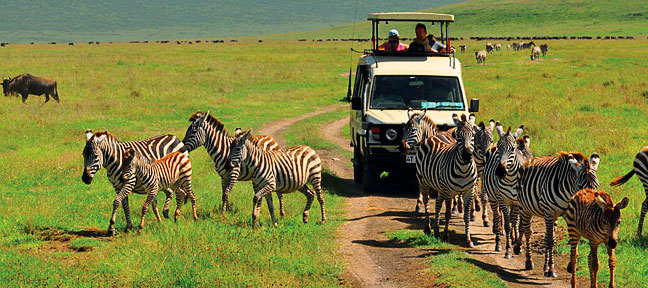
The Masai Mara excels in its density and concentration of big cats, particularly lions, cheetahs, and leopards. The flat, open grasslands make for easier sightings, and predator-prey interactions are witnessed with remarkable frequency. This makes the Mara ideal for travelers interested in photographic opportunities and intense wildlife drama in a more compact area.

The Serengeti, by contrast, delivers a grander narrative. Wildlife is distributed across varying ecosystems—from open savannah to rocky outcrops and woodlands—and sightings require more time and patience. But this patience is often rewarded with profound encounters: vast herds stretching beyond the horizon, lions sprawled across kopjes, elephants navigating ancient migratory routes, and hyenas echoing through the night.

While the Mara offers immediacy, the Serengeti offers epic scale. The former is a thrilling sprint; the latter, a deep-breathing safari novel.

The Great Migration: A Shared Marvel, Differently Experienced

No discussion of these parks is complete without mention of the Great Migration, one of nature’s most awe-inspiring phenomena. More than 1.5 million wildebeest, along with hundreds of thousands of zebras and gazelles, move in a continuous cycle between Tanzania and Kenya, driven by rainfall and grazing needs.

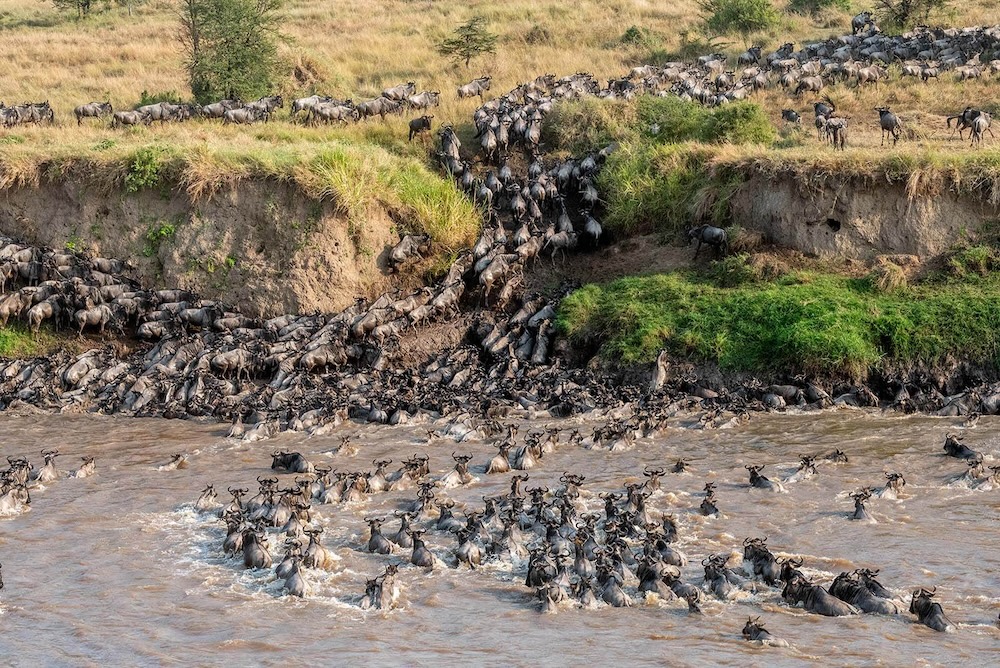
In the Masai Mara, the migration is typically observed between July and October, when animals cross the Mara River in dramatic, high-stakes scenes that have become the stuff of wildlife documentaries. The river crossings, with their lurking crocodiles and stampeding herds, are unforgettable, but confined to a shorter window and a smaller segment of the herd.

In the Serengeti, the migration unfolds across the calendar in different regions of the park. The southern Serengeti becomes a nursery in January to March, with mass calving and predator activity, while the western corridor and northern areas host crossings of the Grumeti and Mara Rivers at various points between May and August.

Thus, while the Masai Mara offers spectacular moments, the Serengeti offers a full-year immersion in the migration’s many chapters. The choice depends on whether one prefers a singular, climactic experience or a broader engagement with the migration’s seasonal rhythm.

Landscape and Atmosphere: Intimacy vs Vastness

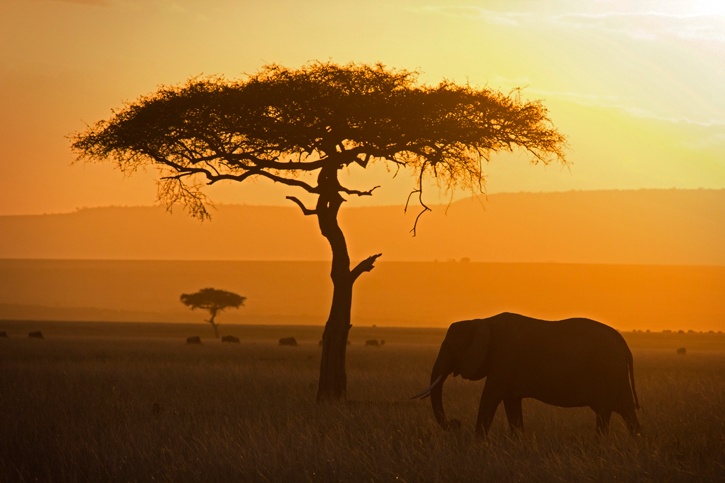
The Masai Mara’s landscape is characterized by rolling grasslands, scattered acacia trees, and open plains, making it visually accessible and wildlife-rich. The terrain creates a sense of proximity, both to the animals and to fellow travelers. It is not uncommon to see multiple vehicles converging on a single sighting, especially during peak migration months.

In contrast, the Serengeti’s expanse is jaw-dropping. Its name derives from the Maasai word “Siringet,” meaning “endless plains,” and this description could not be more apt. The landscape varies with altitude and rainfall, from short-grass plains in the south to rugged kopjes in the central Seronera area and riverine forests in the north.

This diversity of ecosystems in the Serengeti lends it a cinematic quality. The isolation, the sweeping views, and the sheer silence of the land evoke a sense of humility and wonder that is rarely matched.

For travelers seeking intimacy and efficiency, the Mara delivers with immediacy. But for those drawn to solitude, variety, and a profound connection with the wild, the Serengeti holds unmatched allure.

Cultural Connections and Local Community Involvement

Both parks are rooted in Maasai heritage, and cultural encounters can be woven into any itinerary. The Masai Mara, with its strong community-run conservancies, offers structured and meaningful interactions with local people. Visits to Maasai villages, storytelling, traditional dance performances, and community-led walking safaris provide insight into their pastoral way of life and co-existence with wildlife.

The Serengeti, being a more strictly regulated national park, places less emphasis on direct cultural encounters within its core zones. However, the broader region—including Ngorongoro and surrounding villages—offers rich cultural tourism, including interactions with the Datoga and Hadzabe peoples. These experiences, while slightly removed from the Serengeti itself, add depth to longer itineraries.

Those seeking more integrated cultural dimensions may find the Masai Mara’s conservancy model more immersive, while those drawn to anthropological depth may benefit from extended travels through northern Tanzania.

Lodging and Safari Styles: Luxury, Authenticity, and Exclusivity

Both destinations cater to a range of budgets, from mobile camps to ultra-luxury lodges. The Masai Mara, with its proximity to Nairobi, features a variety of well-established camps and an impressive network of private conservancies, which limit the number of guests and vehicles, ensuring more exclusive safari experiences.

The Serengeti, given its vastness, accommodates mobile tented camps that follow the migration, as well as permanent lodges located in prime wildlife areas. Many camps operate in the more remote zones of the park, offering seclusion and immersion in the bush without compromising on comfort or service.

The Mara’s conservancies may appeal more to travelers seeking luxury with ethical tourism benefits, while the Serengeti caters to those pursuing adventure, isolation, and long-form safari storytelling.

The Verdict: Which Safari is Right for You?

There is no definitive answer in the Masai Mara vs Serengeti debate—only clarity in personal preference. If time is short, and high-density wildlife viewing with luxurious ease is the goal, the Masai Mara offers immediacy and excitement with a human touch. If you are captivated by the idea of timeless horizons, following the ancient rhythms of the migration across diverse landscapes, and embracing the true scale of the African wilderness, the Serengeti beckons with its epic spirit.

The wisest travelers, however, do not choose—they combine both. Cross-border safaris curated with care allow visitors to witness the shared pulse of this ecosystem, experiencing both the Mara’s electricity and the Serengeti’s grandeur in a single, seamless journey.

Begin Your East African Journey with WildHorn Africa

Whether it’s the thrilling immediacy of the Masai Mara or the awe-inspiring scale of the Serengeti, the safari of your dreams deserves expert planning, insightful guidance, and a deep respect for the land and its people. That’s where WildHorn Africa comes in.

With years of experience designing custom, immersive safaris across East Africa, WildHorn Africa ensures that every traveler is matched with the destinations, accommodations, and experiences that best suit their desires. Their local knowledge, ethical partnerships, and attention to detail turn journeys into lasting legacies.

To make the most of your African adventure—be it in the Masai Mara, the Serengeti, or both—booking through WildHorn Africa ensures that you travel not just smartly, but meaningfully. The journey begins with a single decision. Let it be the right one.
Top 10 Best Things to Do in Dar es Salaam, Tanzania

Top 10 Best Things to Do in Dar es Salaam, Tanzania

By Tanzania travel guides, Travel guides, Travel stories and blogs

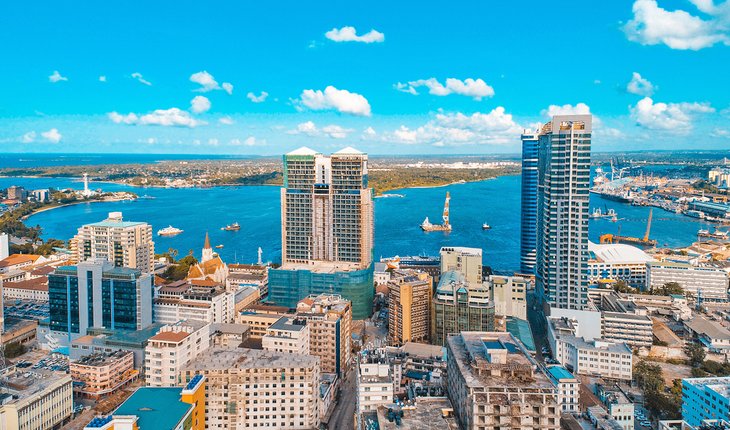
Top 10 Best Things to Do in Dar es Salaam, Tanzania. Where Culture, Coastline, and Charm Collide. In the heart of East Africa, cradled by the Indian Ocean and steeped in centuries of Swahili heritage, Dar es Salaam pulses with a rhythm all its own. Often overlooked by travelers in favor of Tanzania’s better-known national parks or Zanzibar’s beaches, this sprawling coastal city is far more than a gateway—it is a destination in its own right. With its blend of cultures, vibrant markets, sun-drenched seascapes, and warm hospitality, Dar es Salaam reveals itself slowly, rewarding those who dare to look beyond the surface.

In Swahili, “Dar es Salaam” means “Haven of Peace,” and though its streets can be lively and chaotic, there is a deep, steady heartbeat to the city. From early morning fish auctions on the docks to the call to prayer echoing from historic mosques, this city tells the story of Africa’s crossroads of commerce and culture, where tradition and modernity flow together like the tide.

Exploring the Heartbeat of Tanzanian Urban Life

A visit to Dar es Salaam is not defined by checklists or rigid itineraries. It unfolds like a narrative, chapter by chapter. And at its center is the true Tanzanian spirit—colorful, soulful, and inviting. Each corner of this coastal city offers something to discover, whether it’s found in the bustling streets of Kariakoo or on the tranquil shores of Msasani Peninsula.

The best experiences in Dar es Salaam reflect its many layers: African roots, Indian influences, Arab history, colonial legacy, and modern ambitions. These layers are not hidden—they are lived and breathed in daily life, and they reveal themselves through music, architecture, cuisine, art, and everyday interactions.

A Visit to the National Museum and House of Culture

Understanding Dar es Salaam begins with its past. At the National Museum and House of Culture, the tapestry of Tanzania’s journey from pre-colonial societies to independence and modern identity is thoughtfully displayed. Fossils from the cradle of humanity, traditional tribal artifacts, and historical photographs form a compelling narrative that underscores the city’s importance in both regional history and human evolution. This museum, though modest in size, offers powerful insight into the rich cultural context of the city and nation.

Experiencing the Bustle of Kariakoo Market

No visit to Dar es Salaam would be complete without immersion in its most iconic market—Kariakoo. Alive with movement, sounds, and scents, this sprawling bazaar offers everything from local produce and spices to fabrics, electronics, and household goods. Though it may feel overwhelming at first, Kariakoo is a living, breathing representation of urban African commerce at its rawest and most vibrant. Bargaining is expected, and those who enter with curiosity rather than caution are often rewarded with friendly interactions and cultural insights.

Relaxing on Coco Beach

Amid the energy of the city, there are places to unwind, and none are more beloved by locals than Coco Beach on the Msasani Peninsula. Known officially as Oyster Bay Beach, this coastal stretch comes alive in the evenings and on weekends, when families, musicians, food vendors, and young couples gather to enjoy the ocean breeze. Although not ideal for swimming, Coco Beach is perfect for those seeking authentic local leisure and a vibrant, unscripted atmosphere. The beach also serves as a cultural meeting point, where Tanzanian rhythms fill the air and coastal cuisine fills the plates.

Exploring the Architectural Gems of the City Center

The city’s downtown core offers a visual narrative of its colonial past, modern aspirations, and cultural evolution. German, British, and Swahili architectural styles exist side by side, creating a mosaic of time periods and purposes. The Askari Monument, the Azania Front Lutheran Church, and the St. Joseph’s Cathedral are markers of Dar’s layered identity. A walking tour through these sites reveals a quieter, reflective side of the city—where stone facades and palm-lined avenues speak of both struggle and transformation.

Savoring the Flavors of Tanzanian Cuisine

One of Dar es Salaam’s richest offerings is its food. The cuisine is a tapestry woven from Swahili, Indian, Arab, and inland African influences. Street food stands serve up Zanzibar mix, mishkaki (grilled meat skewers), chapati, and spicy samosas. At oceanfront restaurants, fresh seafood is caught daily and grilled to perfection. Dining is not just a necessity here—it is a celebration. Whether found in humble roadside eateries or chic rooftop lounges overlooking the ocean, the food tells a story of history, migration, and innovation.

Taking a Ferry to Bongoyo Island

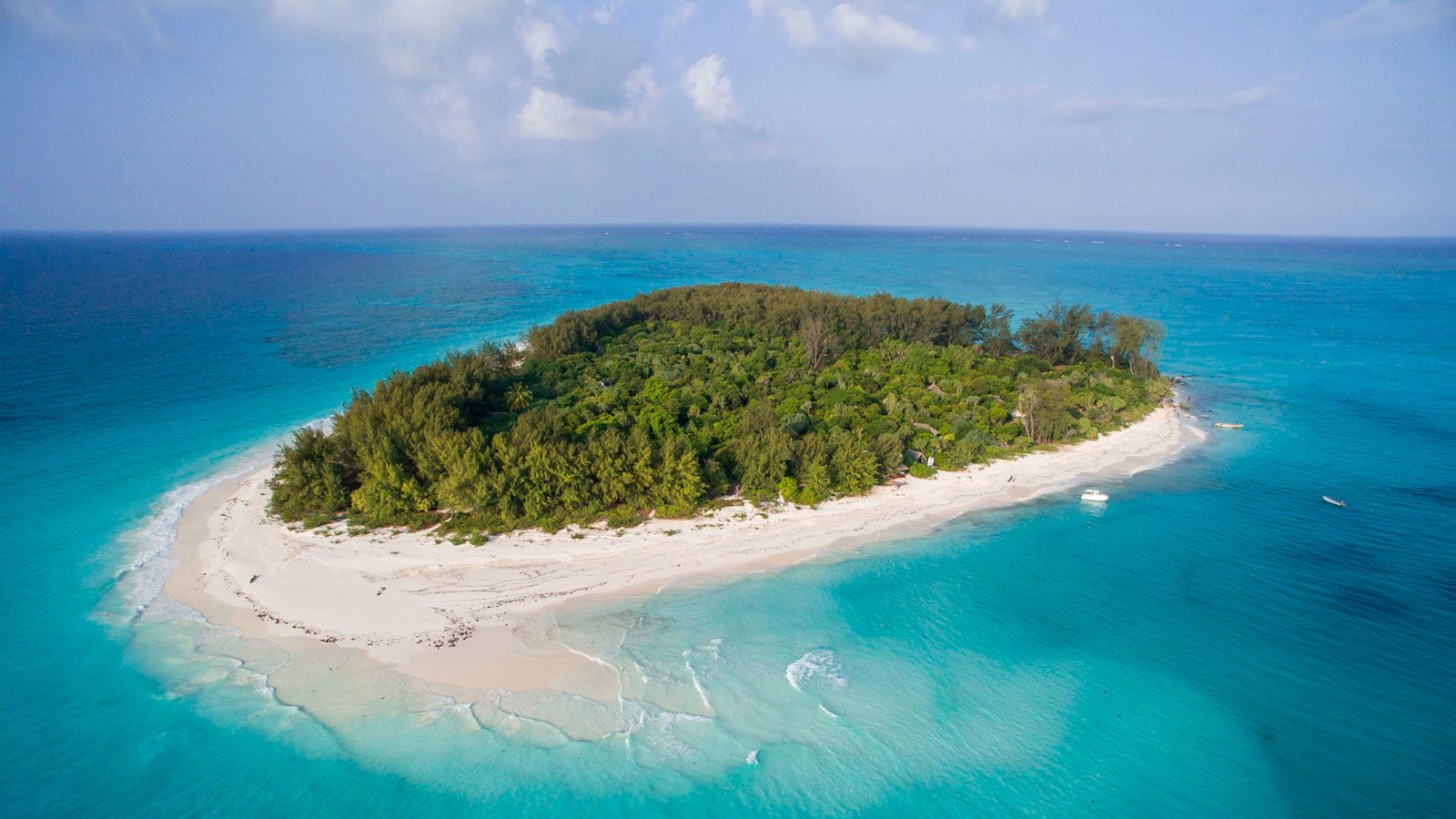
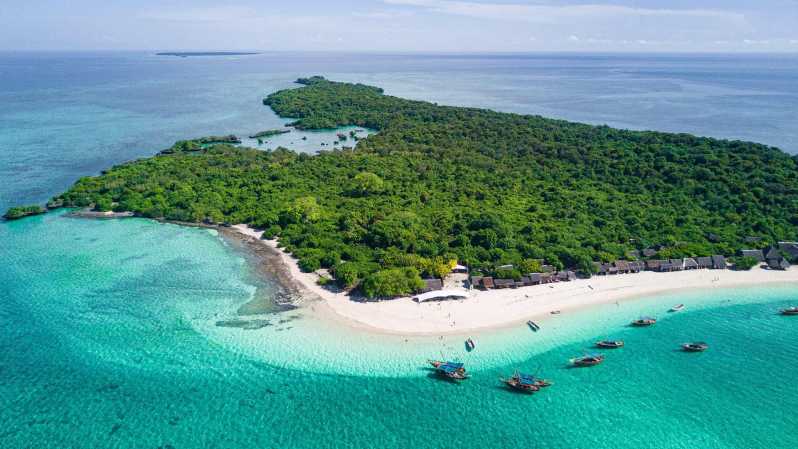
A short ferry ride from the city’s Slipway terminal transports visitors to Bongoyo Island, a marine reserve that feels a world apart from urban life. White sand beaches, clear waters, and shaded banda huts offer a tranquil retreat for sun-seekers and snorkelers. The island’s simplicity is part of its charm—no luxury resorts or tourist gimmicks, just nature and space to breathe. It’s in these untouched stretches of beach that one understands the intimate bond between Dar es Salaam and the sea.

Discovering Tanzanian Art at the Nyumba ya Sanaa

The House of Art, or Nyumba ya Sanaa, is one of Dar’s most compelling artistic spaces. Here, local artisans and painters create and display works that reflect Tanzania’s social consciousness, ancestral narratives, and modern challenges. Traditional Tinga Tinga art—a style born in Dar es Salaam—hangs alongside sculptures and textile pieces, all rich in symbolism. Visitors are often surprised by the depth and diversity of artistic expression found here. Supporting local art is not merely a souvenir hunt; it is a participation in a living cultural legacy.

Immersing in Faith and Ritual at the Kivukoni Fish Market

Beyond the obvious tourist stops, there is something sacred about the rhythm of daily life in Dar es Salaam. Nowhere is this more visible than at the Kivukoni Fish Market, where fishermen bring their night’s catch as the sun rises, and sellers prepare for another day of transactions. This is not simply commerce—it is ritual. The ocean provides, the community gathers, and the process continues. For the visitor, witnessing this scene is an intimate glimpse into coastal life that has changed little for generations.

Crossing to Kigamboni for Panoramic Serenity

Across the ferry from the city center lies Kigamboni, an area still relatively untouched by overdevelopment. Long beaches, hidden resorts, and peaceful fishing villages make it the perfect escape from urban energy. The crossing itself—by boat or via the modern Kigamboni Bridge—offers sweeping views of the harbor and skyline. In Kigamboni, the pace slows, and the horizon widens, reminding travelers that Dar es Salaam is as much about its natural gifts as its cultural ones.

The Pulse of a City in Motion

What makes Dar es Salaam unforgettable is not only what can be seen or tasted but what is felt. It is the warmth of greetings from strangers, the call of the muezzin at dawn, the sway of palm trees against cobalt skies, and the deep-rooted pride of a people forging their own narrative in an ever-changing world.

Dar es Salaam is not a city designed for passive observation—it is made to be experienced fully, openly, and respectfully. Its stories live in conversation, in dance, in prayer, and in every wave that breaks upon its shores. Those who enter with open minds often leave with hearts full and perspectives shifted.

Plan Your Journey with WildHorn Africa

There is no substitute for firsthand discovery, and the best way to experience the magic of Dar es Salaam and the wider wonders of East Africa is through the hands of those who know it best.

WildHorn Africa specializes in tailor-made tours and immersive safaris, blending coastal experiences with bush adventures, and urban insights with cultural depth. Whether you wish to explore Dar es Salaam’s hidden corners, embark on a wildlife expedition through Serengeti, or relax on the shores of Zanzibar, WildHorn Africa delivers journeys that are both luxurious and rooted in authenticity.

When it comes to planning travel that is seamless, meaningful, and unforgettable, WildHorn Africa stands as your trusted companion to East Africa. From the city’s vibrant markets to its quietest beaches, the journey begins the moment you decide to see more, feel more, and live more.

Book your East African tours and safaris today with WildHorn Africa—and let the adventure of a lifetime begin.

Best Islands on the Coast of Tanzania

Best Islands on the Coast of Tanzania

By Tanzania travel guides, Travel guides, Travel stories and blogs

Best Islands on the Coast of Tanzania: The Irresistible Allure of Tanzania’s Coastal Islands

The Tanzanian coast is not merely a meeting point between land and sea—it is a portal into another world, where turquoise waters kiss white sands under the shade of swaying palms, and centuries-old cultures still shape the rhythm of everyday life. Along this dazzling stretch of East Africa, a constellation of islands lies scattered across the Indian Ocean like polished jewels, each carrying a story told through coral stone ruins, dhow sails, clove-scented markets, and barefoot footprints in the sand.

To the uninitiated, these islands may simply appear as tropical escapes. But to the discerning traveler, they are sanctuaries of both natural and cultural richness—ancient trading posts, biodiversity hotspots, spiritual havens, and living archives of the Swahili Coast’s golden age. Whether seeking absolute solitude, underwater adventure, or immersive history, the islands off the coast of Tanzania invite one into a slow, sensual discovery of Africa’s coastal soul.

With landscapes sculpted by monsoons and histories shaped by Persian, Arab, Portuguese, and African traders, each island unveils its own unique identity. Some thrum with life and rhythm; others lull the spirit with silence and serenity. But all share one thing in common: they are places where time slows, where the world feels larger, older, and more beautiful than remembered.

Zanzibar: The Cultural and Historical Crown Jewel

No exploration of Tanzania’s islands can begin without acknowledging Zanzibar, the most renowned and historically significant of all. Known as the Spice Island, Zanzibar is not just one island but an archipelago, with Unguja (the main island) and Pemba forming its cultural core.

Zanzibar’s Stone Town, a UNESCO World Heritage Site, stands as a living monument to centuries of trade and cultural fusion. Narrow alleys echo with the calls of merchants and the laughter of children. Carved wooden doors mark centuries-old homes, and the aroma of cloves, cardamom, and cinnamon drifts through bustling bazaars. It is a place where Swahili, Arab, Indian, and European influences are woven seamlessly into the architecture, cuisine, and customs.

Beyond the town, Zanzibar transforms into a tropical dreamscape. Endless beaches—powdery white and lapped by clear blue waters—stretch along its shores. The eastern coast draws sunseekers and divers to places like Paje and Matemwe, while the north’s Nungwi and Kendwa pulse with beach bars, sunsets, and island energy. Offshore, coral reefs provide exceptional snorkeling and diving, revealing vibrant marine ecosystems teeming with angelfish, turtles, and dolphins.

Despite its growing popularity, Zanzibar retains its enchantment, not only in its natural beauty but in the feeling of walking through history, barefoot and unhurried, between the sand and the spice-scented air.

Pemba Island: A Lush and Mystical Escape

Floating quietly to the north of Zanzibar lies Pemba, Zanzibar’s lesser-known sister and a true hidden gem for those seeking solitude and raw beauty. Known as “The Green Island,” Pemba is defined by its undulating hills, fertile valleys, and dense clove plantations. While less developed than Unguja, this lack of commercialization is precisely what makes Pemba so alluring.

Here, ancient Swahili ruins are hidden in mangrove forests, and the rhythm of life flows slowly through fishing villages and unpaved paths. Pemba’s underwater world is equally mesmerizing, with some of East Africa’s most pristine coral reefs—dive sites like Misali Island are renowned for their crystal visibility and abundance of marine life, from reef sharks to manta rays.

Spiritual and mystical, Pemba is also deeply rooted in traditional beliefs, with local healers and practices still playing a significant role in community life. Visitors are often struck by its otherworldly energy, where every breeze through the trees feels steeped in legend. It is a place for the dreamer, the diver, the poet, and the seeker.Best Islands on the Coast of Tanzania

Mafia Island: The Untouched Eden of Marine Splendor

To the south of Zanzibar, one finds Mafia Island, a name that belies its quiet, untouched nature. As part of the Mafia Archipelago, this island stands as one of the most authentic and biodiverse marine destinations in Africa. Though its name might raise eyebrows, the origin lies in the Swahili phrase “mahali pa afya”—meaning “a healthy dwelling place”—a name that could not be more fitting.

Mafia Island is best known for its marine park, established to protect its rich coral reefs and underwater ecosystems. Divers and snorkelers from around the world are drawn here, particularly between October and March, when whale sharks grace the waters, gliding gracefully through the sea with prehistoric majesty. The coral gardens of Chole Bay are a riot of color and life, while the deeper channels invite more advanced dives.

Unlike its northern counterparts, Mafia is largely undeveloped, with sandy roads, small eco-lodges, and a vibe that feels entirely off-grid and grounded. Traditional dhows still sail by sunset, and islanders live much as they have for generations—through fishing, farming, and storytelling. For travelers in search of purity, wildlife, and peace, Mafia offers a retreat into the soul of the Indian Ocean.

Chumbe Island: A Conservation Success Story

Just off the coast of Zanzibar lies a speck of land that might be small in size but looms large in ecological importance. Chumbe Island Coral Park is a fully protected marine and forest reserve, a pioneering example of eco-tourism and marine conservation done right.

The island is uninhabited by permanent residents and accessible only to a select number of eco-conscious visitors each day. The coral reef sanctuary surrounding the island is considered one of the healthiest in the Indian Ocean, completely undisturbed by fishing or motorized boats. Snorkeling here reveals an underwater garden of rare coral species, reef fish, sea stars, and sponges in dazzling array.

On land, the island hosts a preserved coral rag forest and a population of coconut crabs, the largest land invertebrates in the world. Sustainability is not an option here—it is a way of life, woven into every aspect of the guest experience, from solar-powered lodges to composting toilets.

Chumbe is not for the mass tourist—it is for the traveler who values conservation, intimacy, and the power of simplicity. It is where one goes not to escape the world, but to understand how it can be better protected.

Bongoyo and Mbudya: Dar es Salaam’s Island Getaways

For those spending time in the vibrant city of Dar es Salaam, the nearby islands of Bongoyo and Mbudya provide an accessible and refreshing escape into turquoise waters and coastal tranquility. These small, uninhabited islands are part of a marine reserve just off the coast, reachable by short boat rides.

Despite their proximity to the city, both islands maintain a sense of isolation and natural beauty. White-sand beaches, clear waters, and coral reefs make them ideal for day trips focused on snorkeling, swimming, and sunbathing, while rustic beach huts and local seafood stalls offer simple island pleasures. There are no hotels or permanent settlements—just the rhythm of waves and the scent of grilled fish drifting through the sea breeze.

They may lack the grand narratives of Zanzibar or Mafia, but these islands hold their own magic—an urban exhale, a gentle pause where the pace of city life gives way to the embrace of the ocean.

Fanjove Island: A Private Island Dream Realized

If the idea of having an entire island to yourself feels like a fantasy, Fanjove Island makes that dream reality. Located off the coast near the town of Kilwa, Fanjove is part of a private archipelago and accessible to only a limited number of guests at a time. It is not merely a destination—it is an experience of exclusivity, solitude, and ecological luxury.

The island features only a handful of eco-bungalows built from sustainable materials, with open-air designs that let the sea breeze flow through untouched. The waters around Fanjove are home to dolphins, sea turtles, and even the occasional humpback whale during the migration season. Activities include snorkeling, kayaking, sailing, and stargazing on unpolluted skies.

Fanjove represents the pinnacle of barefoot luxury—where elegance meets isolation, and every detail honors the spirit of the land and sea. For honeymoons, celebrations, or soul-searching solitude, this is where the ocean whispers its softest secrets.

Explore the Islands of Tanzania with WildHorn Africa

To sail through the islands of Tanzania is to journey across history, culture, and pure natural wonder. Each island—whether bustling with heritage or cloaked in silence—offers a unique chapter in the story of Africa’s Indian Ocean coast, shaped by time, tide, and tradition. From the bustling spice-scented alleys of Zanzibar to the tranquil seascapes of Mafia and Fanjove, these islands are not just places—they are transformations in waiting.

To uncover their magic fully, travelers deserve a partner who understands the land, honors its culture, and curates experiences with depth and sensitivity. WildHorn Africa, with its expertise in personalized, eco-conscious African journeys, is perfectly poised to guide your adventure through Tanzania’s island treasures.

Whether you seek adventure or serenity, exploration or relaxation, let WildHorn Africa craft your perfect coastal escape—where the sands are soft, the sea is endless, and every journey begins with the tide.

How Long Does It Take To Climb Mount Kilimanjaro?

How Long Does It Take To Climb Mount Kilimanjaro?

By Tanzania travel guides, Travel guides, Travel stories and blogs

How Long Does It Take To Climb Mount Kilimanjaro? A Dream Worth Climbing

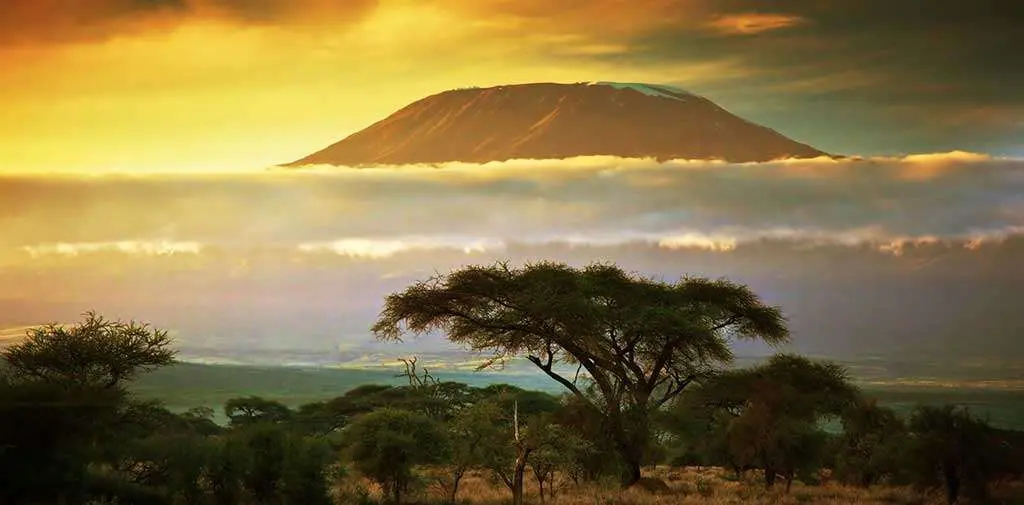
Rising in majestic silence above the plains of Tanzania, Mount Kilimanjaro stands not only as Africa’s highest peak but also as one of the most iconic summits in the world. Crowned with glaciers and often cloaked in clouds, it is the tallest free-standing mountain on Earth, reaching an impressive 5,895 meters (19,341 feet) above sea level. It is a peak that beckons thousands of adventurers every year—novices and seasoned trekkers alike—each drawn by its allure, its challenge, and the dream of standing on the legendary Uhuru Peak.

But beneath its awe-inspiring silhouette lies a crucial question every prospective climber must consider: how long does it really take to climb Mount Kilimanjaro? The answer isn’t as straightforward as it may seem, for it depends on a variety of factors—ranging from route choice, acclimatization needs, and individual fitness, to the underlying goal of a safe, successful summit.

This article ventures deep into the time it truly takes to conquer Kilimanjaro, breaking down its duration, the science behind the climb, and what climbers can expect on this journey to the top of Africa.

Understanding the Climb: More Than Just Days on a Trail

The question of how long it takes to climb Kilimanjaro is not simply a number—it is a consideration of altitude adaptation, physical endurance, and mental preparation. Unlike technical peaks that demand climbing expertise and ropes, Kilimanjaro is considered a non-technical trek, meaning no prior mountaineering skills are required. However, that does not imply it is easy.

What makes Kilimanjaro truly challenging is its rapid ascent through varying climate zones, from equatorial rainforest to alpine desert and finally to glacial arctic conditions. This swift change in altitude within a few days places immense stress on the human body, especially when proper acclimatization is not prioritized.

As a result, climbers are strongly advised to choose longer routes, even if they seem more demanding. Time on the mountain directly correlates with acclimatization, and acclimatization is the key to success. It has been widely reported that shorter climbs have significantly lower summit success rates, often due to altitude sickness, which affects a high percentage of those ascending too quickly.

Route Matters: A Journey Dictated by Pathways

There are several officially established routes to Kilimanjaro’s summit, each with a distinct character and timeline. Some are designed for swift ascents, while others meander more gradually, allowing the body to adjust to the thinning air.

Among the shortest is the Marangu Route, which can be completed in as little as five days, although this timeframe carries a lower summit success rate and greater risk of altitude complications. Most climbers, even on this route, are encouraged to extend their trek to six days for better adjustment.

On the other end of the spectrum lies the Lemosho Route, often completed in seven to eight days. It is widely regarded for its beauty, solitude, and high success rate due to its more gradual ascent profile. Similarly, the Machame Route, also known as the “Whiskey Route,” typically spans six to seven days, offering scenic variation and strong acclimatization opportunities through its climb high, sleep low pattern.

The Rongai, Shira, Umbwe, and Northern Circuit routes vary in length from six to nine days, with the Northern Circuit being the longest and least trafficked—yet offering the highest summit success rate due to its extended duration.

When the question is posed—how long does it take to climb Mount Kilimanjaro—the correct answer is this: it depends on the route chosen, but the optimal range is between 6 to 9 days, with longer durations greatly enhancing chances of success and safety.

The Power of Acclimatization: A Matter of Health and Altitude

What cannot be overstated in any discussion about Kilimanjaro is the importance of acclimatization. The ascent takes climbers from sea-level oxygen concentrations to less than 50% of normal atmospheric oxygen at the summit. Without adequate time to adjust, the risk of Acute Mountain Sickness (AMS) rises dramatically, potentially escalating to serious conditions such as High Altitude Pulmonary Edema (HAPE) or High Altitude Cerebral Edema (HACE).

Routes that offer additional acclimatization days or incorporate climb-high, sleep-low strategies have proven more successful. Such methods allow the body to adapt naturally to altitude changes, reducing physiological strain and enabling climbers to enjoy the journey, rather than merely endure it.

In fact, most reputable guides and operators now emphasize that the question should not be “how quickly can it be done?” but rather “how safely and sustainably can it be achieved?” The mountain is not a race—it is a pilgrimage of endurance, humility, and respect for nature’s extremes.

Fitness and Preparation: Shaping the Timeline from the Ground Up

While time on the mountain is dictated by route and altitude needs, the preparation phase before the climb is equally vital. For those starting their journey from home, physical conditioning should begin at least two to three months in advance, incorporating cardiovascular training, leg strengthening, and long-duration hiking with weight.

The fitter a climber is, the better they can manage the daily trekking distances and elevation gain. Yet even peak fitness does not replace the necessity for altitude acclimatization, which remains non-negotiable regardless of strength or age.

Mental preparedness also plays a key role. The higher one climbs, the more challenging the conditions become. Freezing temperatures, reduced appetite, disrupted sleep, and physical fatigue are common. The ability to stay positive, resilient, and mentally focused contributes as much to summit success as physical strength does.

Summit Day: The Longest and Most Challenging Push

While most days on Kilimanjaro involve moderate trekking of 4 to 7 hours, the final push to the summit is an entirely different challenge. Summit day typically begins around midnight, with climbers ascending slowly in the darkness under starlit skies, often for 6 to 8 hours, before reaching the crater rim and, eventually, Uhuru Peak.

This part of the climb is the most taxing—physically, mentally, and emotionally. Temperatures plummet well below freezing, winds intensify, and oxygen levels drop to their lowest. The ascent is slow and deliberate, and the altitude effects are at their peak.

After summiting, climbers must descend the same day, often trekking a total of 10 to 14 hours before reaching a lower camp. This day, more than any other, highlights the need for proper pacing and adequate acclimatization in the preceding days.

Descent and Reflection: The Journey Down the Mountain

After the summit, the descent takes one to two days, depending on the route. Though physically easier, it places stress on joints and muscles. Many trekkers report the descent as surprisingly demanding, though it is lightened by the psychological elation of having reached the top.

By the time climbers return to the base, they will have spent between six and nine days immersed in the ever-changing beauty of Kilimanjaro’s ecosystems—from jungle to alpine meadows to frozen summit—and every hour spent will have contributed to a profound transformation, both physically and spiritually.

Climbing Kilimanjaro: A Timeless Adventure Requires Timely Planning

To climb Mount Kilimanjaro is to accept a challenge that is both monumental and deeply personal. The time it takes to reach the summit is not measured only in days—but in determination, acclimatization, preparation, and a willingness to embrace the unknown.

For those who dream of standing on Africa’s highest point, the path is there—but it must be walked with patience, humility, and proper planning. The journey cannot be rushed, and the rewards lie not just at the summit, but in every step that leads to it.

Plan Your Ascent with WildHorn Africa

When choosing to take on Kilimanjaro, the guidance of experienced, ethical, and passionate tour operators is essential. For those seeking a seamless, supported, and unforgettable Kilimanjaro climb, WildHorn Africa offers expertly curated trekking itineraries, professional mountain teams, and a commitment to both safety and success.

With WildHorn Africa, climbers are not just clients—they are companions in a journey of transformation. Whether you are planning your first African adventure or adding Kilimanjaro to your bucket list, trust the team that understands the mountain, the land, and the soul of the climb.

Book your Kilimanjaro adventure—and your broader African safari experience—with WildHorn Africa today. Let your journey to the top begin with the people who know the path.

Best Southern Circuit Safaris in Tanzania

Best Southern Circuit Safaris in Tanzania

By Tanzania travel guides, Travel guides, Travel stories and blogs

Best Southern Circuit Safaris in Tanzania

Step Off the Beaten Path: Discover Tanzania’s Untouched Wilderness

When most travelers envision a Tanzanian safari, their minds often drift northward — toward the iconic plains of Serengeti, the majestic Ngorongoro Crater, and the towering presence of Mount Kilimanjaro. While these legendary destinations certainly deserve their fame, there exists another, lesser-known realm in Tanzania — one that remains untouched, raw, and wild. This is the Southern Circuit, a sprawling and pristine ecosystem where safaris unfold in a more intimate, authentic, and adventurous rhythm.

For those seeking to escape the crowds and venture into the soul of East Africa, the Southern Circuit offers the perfect expedition. It is a place where game drives feel like private theatre performances, where rivers breathe life into the land, and where some of the continent’s most elusive and powerful creatures roam with abandon. This is safari in its purest form — immersive, exhilarating, and quietly humbling.

Tanzania’s Southern Circuit includes several vast and ecologically diverse reserves and national parks, most notably Nyerere National Park (formerly part of the Selous Game Reserve), Ruaha National Park, Mikumi National Park, Udzungwa Mountains National Park, and Kitulo Plateau. Together, they form a mosaic of ecosystems ranging from dense woodlands and grassy plains to dramatic escarpments and thriving wetlands. Each park offers unique opportunities for wildlife encounters, dramatic landscapes, and cultural insights — all wrapped in the rich scent of wilderness.

Nyerere National Park: A Safari on Water and Land (Southern Circuit Safaris in Tanzania)

Once part of the colossal Selous Game Reserve, Nyerere National Park stands today as one of Africa’s largest protected wilderness areas. Covering over 30,000 square kilometers, it is a sanctuary where elephants thunder through miombo woodlands, wild dogs stalk silently, and hippos grunt in networks of river channels. This park is defined by the presence of the mighty Rufiji River, which weaves its way through the terrain, creating fertile floodplains, oxbow lakes, and a lifeline for thousands of animals.

What makes Nyerere so special — beyond its vast size and biodiversity — is the unique blend of land and water-based safaris. While traditional game drives offer thrilling encounters with lions, leopards, and antelope, boat safaris on the Rufiji offer a rare perspective. Glide past sunbathing crocodiles, spot kingfishers and fish eagles, and witness elephants bathing at the river’s edge. It’s a slower, quieter experience — but often far more intimate than any chase across the plains.

Another layer of depth is added by walking safaris, led by experienced rangers who read the land like a storybook. Here, every track, broken twig, or distant call becomes a clue — a subtle, visceral dialogue with the wild. Nyerere is not just about what you see. It’s about what you feel, what you hear, and the primal thrill of knowing you are part of the ecosystem, not just a spectator.

Ruaha National Park: Tanzania’s Best-Kept Safari Secret

To the west of Nyerere lies Ruaha National Park, a true gem that rivals even the most renowned parks in Africa. Covering over 20,000 square kilometers, Ruaha is the largest national park in Tanzania — yet it remains one of the least explored by international tourists. This under-the-radar status gives it an air of exclusivity, making every sighting feel personal and unscripted.

Ruaha is a land of drama. The park is crisscrossed by the Great Ruaha River, whose banks draw a wide variety of wildlife, especially during the dry season when water sources dwindle elsewhere. This concentration of life attracts predators in large numbers, making Ruaha one of the best places in Africa to witness raw predator-prey interactions. Lions dominate here, forming some of the largest prides in the world, often 20 or more strong. They share the territory with leopards, cheetahs, hyenas, and the endangered African wild dog.

But the magic of Ruaha doesn’t stop at its carnivores. The park is home to a stunning array of birdlife — over 570 species — as well as iconic megafauna such as buffalo, elephants, giraffes, and an impressive diversity of antelope. The topography is as captivating as the wildlife: baobab-dotted hills, rocky escarpments, sweeping savannahs, and lush riverine forests all combine to create a painter’s palette of landscapes.

Because of its remote nature and limited lodges, safaris in Ruaha feel exclusive, quiet, and profoundly connected. You are not just observing; you are immersed in a space where time slows, and the wilderness speaks in a voice all its own.

Mikumi National Park: The Gateway to the Southern Circuit

For travelers with less time or those beginning their journey from Dar es Salaam, Mikumi National Park serves as a compelling introduction to the Southern Circuit. Located just a few hours’ drive from the capital, Mikumi offers easy accessibility without compromising the wildlife experience.

Often compared to the Serengeti for its wide, open plains, Mikumi teems with zebra, wildebeest, impala, and elephants, which can be seen in dramatic numbers across the Mkata Floodplain. The landscape is framed by the towering Uluguru Mountains to the east and the Lumango Range to the west, giving the park a scenic backdrop that enhances its photographic appeal.

Mikumi is particularly attractive for short, focused game drives. You’re likely to encounter a range of animals within a compact area, making it ideal for families or those new to safari travel. Yet for all its accessibility, Mikumi remains a part of the true southern wilderness, with a feel that is wild, real, and wonderfully unpredictable.

Udzungwa Mountains National Park: A Safari Beyond the Savannah

No exploration of the Southern Circuit would be complete without venturing into Udzungwa Mountains National Park, a biological treasure trove where the safari takes a vertical turn — into misty mountains, hidden waterfalls, and tropical rainforests alive with movement and song. Often called the “Galápagos of Africa” due to its high level of endemic species, Udzungwa is a paradise for hikers, bird watchers, and those looking to connect with a different kind of wilderness.

Unlike the typical game drive-focused parks, Udzungwa is best explored on foot. The park offers a range of hiking trails, from short, scenic walks to challenging treks through dense jungle. These forests are home to rare primates, including the endemic Udzungwa red colobus and Sanje mangabey, as well as a diverse bird population and beautiful butterfly species.

Waterfalls cascade from the cliffs, creating stunning pools and panoramic viewpoints. And while you won’t find lions or elephants here, the magic of Udzungwa lies in its silence, its cool, fragrant air, and the sense that you are walking through a forgotten Eden — lush, serene, and completely unspoiled.

The Allure of the Southern Circuit: Untamed, Uncrowded, Unforgettable

The Southern Circuit of Tanzania is more than just a safari destination — it is an invitation to explore Africa at its most authentic. Here, the game is wild and unhabituated, the landscapes vast and soul-stirring, and the lodges designed to blend seamlessly into the environment. You won’t find convoys of vehicles or queues at lion sightings. Instead, you’ll experience the luxury of solitude, the thrill of discovery, and the profound peace that comes from being surrounded by nature in its purest form.

It is also a region that offers deeper connections — with local communities, untouched ecosystems, and a slower, more meditative pace of travel. The Southern Circuit speaks to those who travel not for spectacle alone, but for meaning, mystery, and movement. It is ideal for seasoned safari-goers seeking something new, for honeymooners in search of seclusion, and for adventurers ready to trade predictability for possibility.

Embark on Your Southern Adventure with WildHorn Africa

Choosing the Southern Circuit is a decision to embrace Africa beyond the brochure. And at WildHorn Africa, we specialize in crafting immersive, tailor-made safari experiences that bring this enchanting region to life.

Our expert guides, intimate camps, and deep understanding of southern Tanzania’s rhythm ensure that your journey will be as rich in insight as it is in adventure. From private boat safaris on the Rufiji to multi-day walking expeditions in Ruaha, we’ll help you explore landscapes and wildlife in ways few others ever experience.

Book your Southern Circuit safari today with WildHorn Africa and step into a realm where the wild still reigns, and every sunrise whispers promise. Let the road less traveled lead you home — to nature, to wonder, and to the timeless beauty of Tanzania’s southern wilds.

Southern Circuit Safaris in Tanzania #Southern Circuit Safaris in Tanzania Southern Circuit Safaris in Tanzania

Top 10 Best Tourist Attractions in Tanzania

Top 10 Best Tourist Attractions in Tanzania

By Tanzania travel guides, Travel guides, Travel stories and blogs

Top 10 Best Tourist Attractions in Tanzania

Unveiling Africa’s Crown Jewel of Natural Wonders

Where Dreams of Wild Africa Become a Vivid Reality

Tanzania is not merely a country—it is a living, breathing theatre of the wild, a realm where nature stages its grandest performances beneath boundless skies. From towering volcanic mountains to golden savannahs, from turquoise coasts to ancient craters teeming with wildlife, Tanzania stands unrivaled as one of Africa’s most mesmerizing travel destinations.

This East African gem is a sanctuary where you can witness the raw essence of nature, meet cultures rooted in centuries-old traditions, and experience the true heartbeat of Africa. Whether you’re an adventurer seeking the summit of Kilimanjaro, a wildlife enthusiast longing for intimate game encounters, or a traveler in search of serene island bliss, Tanzania offers an experience for every soul.

Let us journey deep into the country’s top ten attractions — destinations that don’t just impress, but profoundly transform.

Tourist Attractions in Tanzania #Tourist Attractions in Tanzania  Tourist Attractions in Tanzania

1. Serengeti National Park – The Eternal Plains of Africa

The name Serengeti evokes visions of endless golden plains, thundering herds, and unforgettable predator-prey chases. It is not just a park; it is one of Earth’s greatest wildlife sanctuaries, home to the world-famous Great Migration, where over two million wildebeest, zebras, and gazelles move in epic cycles dictated by nature’s rhythm.

This UNESCO World Heritage Site showcases Africa’s Big Five, including lions, elephants, leopards, rhinos, and buffalos, alongside cheetahs, hyenas, and countless bird species. Game drives across its wide expanses immerse you in scenes so cinematic they border on the surreal. To visit the Serengeti is to witness life, death, and survival in their most primal and beautiful forms.

2. Mount Kilimanjaro – Africa’s Majestic Roof

Rising dramatically above the Tanzanian landscape, Mount Kilimanjaro is the tallest peak in Africa and the highest free-standing mountain in the world. It is both a physical and symbolic beacon—drawing climbers, trekkers, and dreamers from every corner of the globe.

Conquering Kilimanjaro is not only about altitude; it’s about transcendence and inner strength. Its well-trodden routes like the Machame and Marangu trails take you through five ecological zones, from tropical rainforest to alpine desert to glacier-coated summit. Standing atop Uhuru Peak at sunrise, above the clouds, is a moment that etches itself into your soul forever.

3. Ngorongoro Crater – Eden’s Wild Amphitheater

Formed from the remnants of an ancient volcano, the Ngorongoro Crater is a spectacular natural enclosure that shelters one of the densest concentrations of wildlife on the planet. The steep, forested walls of the crater surround a fertile floor where lions, elephants, hippos, zebras, and flamingos roam freely in a near-mythical ecosystem.

The crater is particularly renowned for being the best place in East Africa to spot the endangered black rhino, often alongside majestic tusker elephants and elusive leopards. With its lush landscapes and dramatic scenery, Ngorongoro feels like a window into a primordial world untouched by time.

4. Zanzibar Archipelago – Islands of Spice and Serenity

Off the coast of mainland Tanzania lies Zanzibar, a mystical blend of white-sand beaches, coral reefs, Swahili culture, and Arabian heritage. This Indian Ocean paradise offers both relaxation and revelation. Wander through Stone Town, a UNESCO-listed labyrinth of alleys, minarets, and spice markets. Dive into crystal-clear waters rich with marine life. Or simply recline beneath palm trees as the tide rolls in with whispering grace.

Zanzibar’s mix of culture, cuisine, and coastline makes it not just a tropical escape but a soul-stirring experience steeped in history and hospitality.

5. Tarangire National Park – Land of Giants

While often overshadowed by the Serengeti, Tarangire National Park offers a safari experience that is intimate, rich, and uniquely rewarding. Dominated by ancient baobab trees and vast elephant herds, Tarangire is a sanctuary for wildlife lovers seeking quieter encounters.

Here, the dry season reveals a spectacular gathering of animals along the Tarangire River, attracting predators and prey alike. The park also boasts an exceptional array of birdlife, making it a hidden gem for ornithologists and photographers alike. In Tarangire, every moment is unexpected and deeply immersive.

6. Lake Manyara National Park – The Mirror of Life

Nestled between the escarpment of the Great Rift Valley and the shimmering waters of Lake Manyara, this compact yet diverse park is a mosaic of lush groundwater forests, open plains, and alkaline lake shores. It is most famous for its tree-climbing lions, a phenomenon rarely seen elsewhere.

Lake Manyara also offers sightings of flamingos in vibrant flocks, as well as hippos, elephants, and a wide variety of primates. Despite its smaller size, the park’s dynamic ecosystems make it a microcosm of Tanzanian biodiversity and a perfect introduction to safari.

7. Selous Game Reserve (Nyerere National Park) – Africa’s Hidden Wilderness

Vast and largely untouched, Selous Game Reserve, now part of Nyerere National Park, is one of Africa’s largest and least crowded wilderness areas. With a network of rivers, lakes, and forests, this UNESCO site offers boat safaris, walking tours, and fly-in excursions in settings that feel remote and pristine.

Selous is home to Africa’s largest population of wild dogs, as well as significant numbers of lions, elephants, and hippos. Its solitude offers a unique experience: the raw pulse of Africa without the footprint of mass tourism.

8. Ruaha National Park – Tanzania’s Best-Kept Secret

Often overlooked by mainstream tourists, Ruaha National Park offers raw, rugged, and wild safaris that rival any on the continent. Its vast and remote terrain hosts superb predator action, with large prides of lions and a strong presence of leopards and cheetahs.

Ruaha’s semi-arid ecosystem, dotted with baobabs and intersected by the Great Ruaha River, draws enormous herds of elephants and buffalos, particularly in the dry season. For seasoned safari-goers seeking depth, drama, and solitude, Ruaha is an unmatched destination.

9. Mahale Mountains and Gombe Stream – Chimpanzee Territory

In the remote western reaches of Tanzania, on the shores of Lake Tanganyika, lies the Mahale Mountains and Gombe Stream National Park, famed for their wild chimpanzee populations. These parks offer rare and emotional encounters with our closest animal relatives.

Trekking through dense forest to sit quietly among a troop of chimps is a profound experience, one that blurs the boundary between species and evokes deep reflection. With breathtaking scenery and clear lakeside waters, this region delivers a safari of intellect, intimacy, and awe.

10. Arusha – The Gateway and Gem (Tourist Attractions in Tanzania)

More than just a launching point for safaris, Arusha is a cultural and geographical center teeming with life. Nestled at the foot of Mount Meru, the city is a vibrant blend of traditional Maasai culture, bustling markets, and stunning coffee plantations.

Nearby attractions include Arusha National Park, perfect for walking safaris and canoe excursions, and the Cultural Heritage Centre, where you can explore Tanzania’s diverse ethnic history. Arusha provides not just transit, but a rich and welcoming prelude to the adventures beyond.

Tanzania Awaits – A Land of Majesty and Meaning

Tanzania is more than a destination; it is an awakening of the senses and the soul. From roaring lions to silent sunrises, from ancient volcanoes to coral-strewn islands, every part of this country offers something that touches the heart. Its landscapes are timeless, its people warm, and its wildlife legendary.

Whether you’re climbing a snow-capped summit, tracking a leopard through tall grass, or watching the tide rise over Zanzibar’s coast, Tanzania transforms the ordinary traveler into a lifelong storyteller. The land does not merely impress—it imprints.

Book Your Tanzanian Journey with WildHorn Africa

If Tanzania is calling, answer that call with expertise, care, and passion. WildHorn Africa curates personalized, ethical, and unforgettable safaris tailored to your dreams. With deep local knowledge and a commitment to authentic experiences, WildHorn Africa ensures that every moment—from the crackle of a campfire to the gaze of a lion—is handled with excellence.

Don’t just visit Africa. Live it. Feel it. Remember it. Book your safari adventure now with WildHorn Africa, and let Tanzania change you forever.

Tourist Attractions in Tanzania #Tourist Attractions in Tanzania Tourist Attractions in Tanzania

Frederick Courteney Selous

Frederick Courteney Selous

By Tanzania places to visit, Tanzania travel guides, Travel guides, Travel stories and blogs, Where to go


Frederick Courteney Selous: The Man Who Became a Legend of the African WildernessExplorer, hunter, conservationist, and soldier — the name Selous resonates through African history like the roar of a lion across the plains.

Introduction

When we speak of Africa’s early days of exploration and colonial ambition, few names command the same awe and reverence as Frederick Courteney Selous. His life was not just one of adventure — it was a tapestry woven with courage, discovery, and the profound wilderness spirit of Africa.

Often regarded as the prototype for H. Rider Haggard’s famous character Allan Quatermain, Selous was more than a hunter. He was a naturalist, a chronicler of African geography and wildlife, and eventually, a war hero. His influence on how the world came to view Africa cannot be overstated.

In this article, we journey through the life and legacy of this remarkable man — an icon of Africa’s past and an early voice in the realm of wildlife conservation.

Early Life and African Dreams of Frederick Courteney Selous

Born for the Wild

Frederick Courteney Selous was born on December 31, 1851, in London, into a well-to-do family. From a young age, he displayed a fierce fascination with nature, animals, and the wild. His inspiration came from reading tales of African exploration and hunting, and by his early twenties, Selous had already made up his mind — he was heading to Africa.

Arrival in Africa

In 1871, at just 20 years old, Selous arrived in South Africa. With little money and no fixed employment, he began making his way north toward the vast, untamed wilderness of Matabeleland (in present-day Zimbabwe). His goal? To become an elephant hunter — one of the most dangerous yet lucrative ventures of the time.

Hunter Turned Naturalist

The Great Elephant Hunter

Selous spent nearly two decades traversing Southern Africa, becoming one of the most respected elephant hunters of the age. But unlike many of his contemporaries, he approached his work with method and ethics. He was known for his marksmanship, stamina, and extraordinary bush skills.

However, as the years passed, he began to witness firsthand the devastation that unchecked hunting could cause. This realization slowly transformed him from hunter to advocate for conservation.

Scientific Contributions

Selous documented his expeditions and observations in meticulous detail. His writings, including his most famous book “A Hunter’s Wanderings in Africa” (1881), are still referenced today for their accuracy and descriptive depth. These accounts earned him respect from scientists, geographers, and naturalists across Europe.

In 1893, Selous was awarded the prestigious Founder’s Medal by the Royal Geographical Society for his extensive mapping and exploration of the Zambezi and Matabele regions.

Legacy in Conservation

Early Voice for Wildlife Protection

Selous was a paradox of his time — a hunter who grew to become one of the earliest advocates for the protection of African wildlife. He saw that the immense elephant herds were dwindling, and he called for regulated hunting and habitat preservation decades before such ideas became mainstream.

Selous Game Reserve

Perhaps the greatest testament to his legacy is the Selous Game Reserve in southern Tanzania, named in his honor. Spanning over 50,000 square kilometers, it remains one of the largest and most unspoiled protected areas in Africa and is a UNESCO World Heritage Site.

Service in War

British Intelligence and the First World War

Though in his sixties by the time World War I broke out, Selous volunteered to serve in British East Africa as part of the British intelligence service. He became a captain in the 25th Frontiersmen Battalion of the Royal Fusiliers and participated in grueling campaigns against German forces in Tanzania.

Final Stand and Death

On January 4, 1917, near the Rufiji River in Tanzania, Selous was killed by a German sniper. He was 65. His grave lies near where he fell, marked by a simple stone — a quiet memorial in the land he loved so dearly.

Cultural Influence and Global Recognition

Selous’s fame was widespread even in his own lifetime. H. Rider Haggard, author of King Solomon’s Mines, based his character Allan Quatermain on Selous. His adventures were widely published in European and American newspapers, and even today, his name evokes images of rugged exploration and untamed Africa.

Museums in London and Harare house many of his personal effects, trophies, and journals, keeping his story alive for new generations.

A Timeless Legacy

Frederick Courteney Selous was more than a hunter. He was a man of vision who loved Africa deeply and recognized the need to protect its unique heritage. His transformation from trophy hunter to conservationist reflects the changing human relationship with nature — from exploitation to stewardship.

His life serves as a bridge between the colonial past and the conservation future, reminding us that with knowledge, respect, and humility, we can help protect the wild places that still remain.

Embark on Your Own African Adventure with WildHorn Africa

Inspired by the legendary stories of Africa’s pioneers? Walk in their footsteps and witness the wonders they once did. Whether you seek wildlife encounters, cultural immersion, or the thrill of the unknown, WildHorn Africa is your gateway to unforgettable safari experiences.

Our custom tours are designed with both adventure and conservation in mind, allowing you to explore the same wild landscapes that enchanted explorers like Selous — ethically, sustainably, and in style.

Contact WildHorn Africa today to begin planning your once-in-a-lifetime safari into the heart of Africa.


Hippos in Katavi National Park

Hippos in Katavi National Park

By Tanzania travel guides, Travel guides, Travel stories and blogs


Hippos in Katavi National ParkUnveiling the wild, thunderous heart of Tanzania’s hidden gem

Introduction to the Hippos in Katavi National Park

Deep in the remote western reaches of Tanzania lies Katavi National Park—a place largely untouched by mass tourism.
But within its untouched wilderness, one creature dominates both the landscape and the drama of survival: the hippopotamus.
In Katavi, hippos are not just present—they are a force of nature.

Known for harboring some of the largest congregations of hippos in Africa, Katavi provides a rare glimpse into the raw, untamed behavior of these semi-aquatic giants.
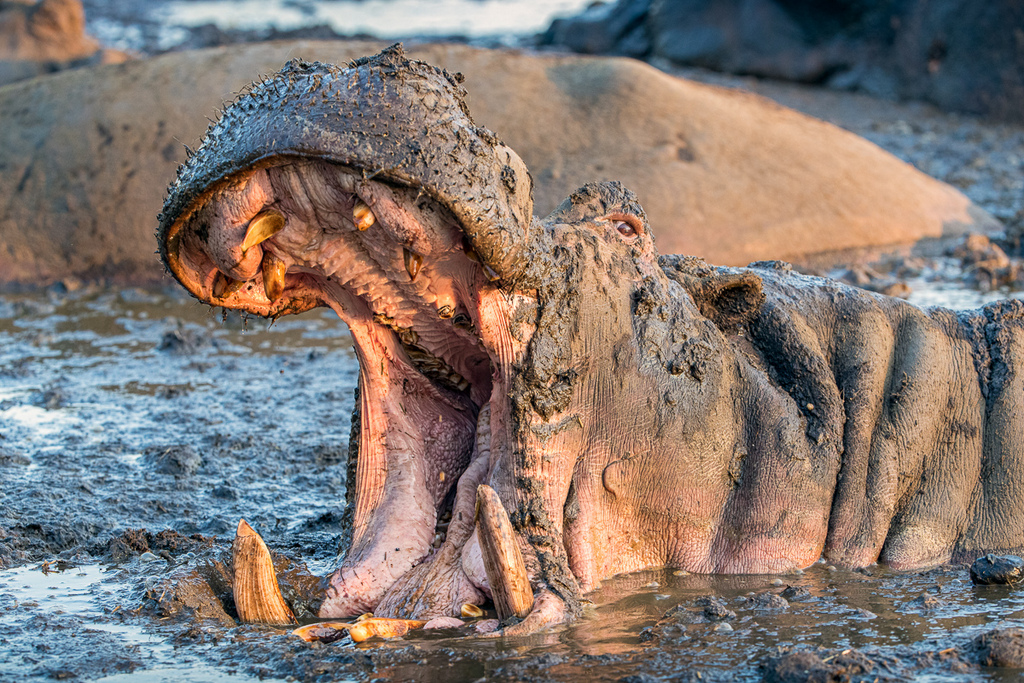
When dry season shrinks the rivers and wallows into muddy puddles, thousands of hippos are squeezed together, igniting spectacles of dominance, bellowing contests, and violent battles.

This article dives into the lives of these incredible creatures and their unique relationship with one of Tanzania’s least-explored parks.

Table of Contents

1. The Habitat: Katavi’s Natural Arena

Katavi National Park spans over 4,400 square kilometers of miombo woodlands, seasonal rivers, floodplains, and swamps.
Central to this ecosystem are the Katuma River, Lake Katavi, and Lake Chada, which serve as critical water sources for the region’s wildlife—especially hippos.

During the wet season, these water bodies expand, allowing hippos to spread across the park in dispersed pods. However, in the dry season (May–October),
water recedes dramatically. As lakes shrink and rivers dry into shallow pools, hundreds of hippos converge into constricted mudholes, often lying stacked
against each other in extraordinary densities.

2. Massive Populations and Congregation Behavior

Katavi is believed to harbor one of the densest hippo populations in Africa, with counts reaching upwards of 4,000 individuals during the dry season.
In some wallows, it’s not uncommon to see over 200 hippos packed into a single muddy pool.

This unique spectacle makes Katavi famous among documentary filmmakers and wildlife enthusiasts alike. The congregations aren’t merely a display of abundance;
they become a microcosm of complex social behaviors—from nurturing calves to brutal territorial disputes.

3. Dry Season Drama: Aggression and Survival

As space and water diminish, tensions rise. Dominant males defend their patches of wallow with ferocity and relentless aggression.
Fights erupt frequently—characterized by open-mouthed displays, head-ramming, and vicious biting. The soundscape of grunts, bellows, and splashes echoes across the plains.

These conflicts can leave participants with deep wounds and tusk-inflicted scars, and fatalities are not uncommon.
Calves and weaker adults are at constant risk of injury or displacement, often forced to the fringes of wallows where dehydration and predation threats increase.

This seasonal violence is not cruelty—it’s a survival mechanism deeply embedded in hippo social structure. Only the strongest males maintain
mating privileges and control over prime territory.

4. Ecological Role and Coexistence with Other Species

Despite their fierce behavior, hippos play an essential ecological role. Their dung helps fertilize the aquatic ecosystem, nourishing fish populations and algae.
Moreover, as hippos wallow and move through channels, they shape the hydrology of rivers and wetlands, creating pathways that benefit many other species.

Birds like egrets and oxpeckers often accompany them, feeding on parasites and insects. In times of extreme heat, crocodiles are sometimes seen sharing pools with hippos—an uneasy yet necessary coexistence driven by drought.

5. What Visitors Can Expect (Hippos in Katavi National Park)

Katavi remains one of the most remote and least-visited parks in Tanzania. This seclusion offers a safari experience like no other—raw, intimate, and truly wild.
During the dry season, hippo sightings are virtually guaranteed, with game drives along the Katuma River and Chada floodplain offering dramatic scenes of crowded pools and boisterous behavior.

Unlike in more touristic parks, visitors here may have entire herds of hippos to themselves—accompanied by thousands of buffalo, elephants, and lion prides.
Wildlife here behaves more naturally, unbothered by frequent human presence.

For photographers, conservationists, or anyone seeking a deeper connection to Africa’s wild heart, watching hippos in Katavi is nothing short of unforgettable.

Conclusion of the Hippos in Katavi National Park

The hippos of Katavi National Park are more than a wildlife attraction—they are symbols of resilience, dominance, and ecological harmony.
Their behavior offers a window into the fierce beauty of nature, where survival depends on strength, cooperation, and adaptation.

For those willing to venture off the beaten track, Katavi rewards with scenes that are as primal as they are profound.
To witness the hippos here is to experience Africa at its most authentic and awe-inspiring.

Hippos in Katavi National Park #Hippos in Katavi National Park Hippos in Katavi National Park

A Wildebeest River Crossing in the Serengeti

A Wildebeest River Crossing in the Serengeti

By Tanzania travel guides, Travel guides, Travel stories and blogs


A Wildebeest River Crossing in the SerengetiWitness one of the planet’s most breathtaking and perilous wildlife spectacles — where survival, instinct, and sheer numbers converge on the banks of East Africa’s most iconic rivers.

Introduction to A Wildebeest River Crossing in the Serengeti

There are few sights on Earth that can match the drama, scale, and raw energy of a wildebeest river crossing in the Serengeti-Mara ecosystem. Every year, over 1.5 million wildebeests—joined by hundreds of thousands of zebras and gazelles—embark on a relentless journey in pursuit of greener pastures. This is the Great Migration, one of nature’s greatest spectacles and a defining experience of African wildlife.

But within this epic journey lies its most heart-stopping moment: the crossing of crocodile-infested rivers like the Mara and Grumeti. Here, instinct collides with danger, and chaos becomes choreography. This article takes a deeper look into this thrilling chapter of the migration and why it remains a must-see on any African safari.

Understanding the Great Migration

The Annual Cycle of Life and Death

The Great Migration is a continuous, clockwise cycle of movement through the Serengeti in Tanzania and the Maasai Mara in Kenya. It’s not a one-time event, but a year-round progression dictated by rainfall patterns and grazing availability.

Wildebeests move from the southern Serengeti calving grounds in January–March toward the north, eventually reaching the Mara River region around July to September. It is here that one of nature’s greatest dramas unfolds: the wildebeest river crossing.

The River Crossing: Nature’s Ultimate Gamble

A Game of Instinct vs. Peril

When wildebeests reach the banks of the Mara River, they hesitate. The water is not just a barrier; it is a predator’s playground. Nile crocodiles, some measuring over 16 feet in length, lie in wait. The steep embankments, strong currents, and stampeding herds add to the peril.

Yet the wildebeests cross, compelled by the promise of lush grazing grounds on the other side. Driven by instinct and the overwhelming urge to follow the herd, thousands plunge into the water, creating a frenzied scene of noise, splashing, panic, and courage.

The Role of Crocodiles

Crocodiles play a vital ecological role in these crossings. As apex predators, they target the weak, the injured, and the inexperienced. Although tragic, these kills are part of the ecosystem’s balance—sustaining predators and preventing overgrazing.

Danger From Within

Not all casualties are due to predators. Many wildebeests die from drowning, exhaustion, or trampling during stampedes. The panic of thousands trying to cross simultaneously leads to bottlenecks, with some animals being crushed or swept away by currents.

Timing and Location: When and Where to Witness It

While nature follows its own unpredictable schedule, July through October typically offers the best chance to witness a crossing. Key river crossing points include:

  • Mara River (Northern Serengeti/Maasai Mara): The most iconic crossing with high crocodile activity.
  • Grumeti River (Western Corridor): Crossings begin earlier in the season, around May to June.

However, crossings can happen sporadically and unpredictably. It’s not uncommon for herds to gather at the riverbank for hours—or even days—before deciding to cross. This unpredictability adds to the suspense and awe of witnessing the event firsthand.

Beyond the Wildebeest: A Wildebeest River Crossing in the Serengeti

Zebras and Gazelles

Wildebeests don’t migrate alone. They are often accompanied by zebras and Thomson’s gazelles. Zebras help lead the way by remembering routes and water points from previous years, while gazelles often follow for safety in numbers.

Predators on the Trail

Lions, hyenas, cheetahs, and leopards shadow the migration, knowing that the mass movement offers prime hunting opportunities. The drama of the river crossing continues on land, where exhausted or separated individuals fall prey.

Conservation and the Future of the Migration

Despite its grandeur, the Great Migration faces numerous threats:

  • Human encroachment: Expanding agriculture and fencing disrupt migration corridors.
  • Climate change: Altered rainfall patterns impact grazing and water availability.
  • Infrastructure projects: Roads and dams may hinder animal movement if not planned responsibly.

Conservationists, governments, and safari operators must collaborate to protect this global natural heritage. Sustainable tourism, research, and policy advocacy are crucial to maintaining the integrity of this phenomenon for generations to come.

Why Seeing It Live Is Unforgettable

No documentary or photograph can prepare you for the sensory overload of a wildebeest crossing. The earth trembles under their hooves. The air is thick with dust and tension. The sounds—bellows, splashes, growls—resonate deep in your chest.

It’s a moment of raw, unscripted nature, where you bear witness to the ancient pulse of the wild. Each crossing is different, shaped by the conditions, the players, and chance. That’s why many seasoned travelers say this is the greatest wildlife experience on Earth.

Embark on Your African Safari With WildHorn Africa

If you dream of witnessing the thunderous wildebeest river crossings or exploring the endless plains of the Serengeti, look no further than WildHorn Africa.

As specialists in authentic, expertly guided safaris, WildHorn Africa crafts tailor-made experiences that connect you to the soul of Africa. From luxury lodges to mobile tented camps, from sunrise game drives to intimate riverbank stakeouts, your adventure will be crafted with care, respect for nature, and deep local knowledge.

Book your unforgettable safari today with WildHorn Africa — and become part of the legend of the Serengeti.

A Wildebeest River Crossing in the Serengeti #A Wildebeest River Crossing in the Serengeti

Tanzania Safari Experiences Post Elections

Tanzania Safari Experiences Post Elections

By Travel stories and blogs, Tanzania travel guides

Tanzania Safari Experiences after Elections

There is a certain rhythm to Tanzania that never wanes—a rhythm beating through its vast savannas, flowing through its volcanic highlands, and whispering across the waters of the Indian Ocean. A land of timeless beauty, where every sunrise over the Serengeti and each sunset along the Ngorongoro rim speaks of resilience and renewal. And when the dust of the political season settles, and the hum of election energy filters into the cadences of everyday life, Tanzania goes back to what it knows best: peace, balance, and nature’s quiet persistence. To travel across Tanzania post-elections is not just to travel across landscapes but to rediscover the country’s enduring calm and its people’s deep pride in harmony.

While the period following elections makes little sense to outsiders, within Tanzania, it is a time for reflection, unity, and restoration. To travelers, it marks one of the most rewarding moments to go on safari: when crowds are fewer, the air is fresh, and the whole country breathes a collective sigh of contentment. A Tanzanian safari post-elections becomes more than an adventure; it’s a lesson in tranquility, a celebration of resilience, and an intimate immersion in the essence of East Africa.

This guide explores the post-election safari experience across Tanzania in all its richness — blending natural wonder with human insight — and reveals why this period offers travelers not only safety and serenity but also a deeper connection to the spirit of the land.

The Calm After the Pulse: Tanzania’s Post-Election Atmosphere

The democratic rhythm of Tanzania, though marked with passion and enthusiasm, always quickly bounces back to a balance. Indeed, the country has been known for a long period as unbothered by political crises, a nation respectful of peace, and a nation interested in moving forward. As soon as the elections are done, a feeling of normalcy cascades down to towns, villages, and even wilderness areas. Going to work, resumption of schools, and tourism-a vital pillar of the Tanzanian economy-resumes with new vigor.

The post-election season has that feel of a collective exhalation of breath. The streets, once lined with banners and colors of the different campaigns, revert to their everyday hues. Markets are abuzz again with peals of laughter, music, and the aroma of spices, while rural roads leading to safari destinations hum quietly with safari jeeps and local commuters.

For visitors, this is a very special time. Infrastructure functions well in the country, parks are operating without disturbances, and there is a feeling of optimism among the citizens. Local communities, traditionally hospitable, are eager to welcome guests back to the heart of their heritage. Guides, lodge staff, and artisans share the same spirit of renewal: proud to show their country in its beauty and stability to the world once again.Tanzania Safari Experiences Post Elections

Why Travel Post Elections: Serenity, Space, and Authenticity

Traveling in Tanzania after elections offers something rare in the world of adventure tourism: serenity paired with authenticity. With the campaign excitement behind them, locals return fully to their crafts, and travelers experience Tanzania at its purest pace.

As the rains progress, the national parks and reserves resume their tranquil rhythm. Vast expanses of Serengeti Plains, usually swarming with tourist convoys during peak months of wildebeest migration, begin to turn intimate. Vehicles crawl through endless grasslands, their direction determined by an elephant track or the distant roar of a lion. Guides have more time for telling stories, and every sighting is deeply personal.

The morning mist seems heavier, the experience quieter, and the wildlife encounters more profound in Ngorongoro Crater. Longer time spent with a pride of lions, seeing the flamingos scatter across Lake Magadi, or simply sitting in awe of the caldera’s vast expanse without the distraction of crowds is possible.

The human side of Tanzania reveals itself in the post-election travel. Villages along the way, through to Karatu and Mto wa Mbu, return to their slow rhythm and grace. Children wave, farmers tend their banana plantations, and local women sell fruits, their laughter ringing across the markets. These are quiet interactions where travelers see the soul of Tanzania: peaceful, elegant, and welcoming.

Political Peace and Natural Continuity

The post-election stability of Tanzania is not an accident; it is a reflection of its history and values. The late Julius Nyerere, the nation’s founding father, laid a strong foundation of unity under the philosophy of Ujamaa — familyhood. That spirit still shapes the country today, especially after elections, when the emphasis shifts toward reconciliation and moving forward together.

This social calm extends naturally into the wilderness, where life flows uninterrupted. Nature does not pause for politics; it thrives. The migration continues across the Serengeti, leopards remain elusive in the shadows of Tarangire’s baobab trees, and herds of buffalo graze peacefully along the rivers of Ruaha.

It remains one of the most predictable and awe-inspiring wildlife theaters on Earth: the Serengeti–Mara ecosystem between Tanzania and Kenya. After elections, as the rainy season refreshes the land, the plains burst into new life. Wildebeests give birth in abundance, predators hunt with renewed vigor, and birdlife flourishes in the wetland areas. For photographers and wildlife enthusiasts, this is paradise: the light is soft, the colors are vivid, and the atmosphere alive with renewal.

The Human Warmth That Defines Tanzania

What makes a Tanzania safari is not just the wildlife, but the people that make it all come to life. Post-election, Tanzanians exude optimism and unity that travelers feel at every turn. The country’s hospitality industry is renowned for excellence, not just in service, but in genuine human connection.

Guides share more than knowledge of animals; they share stories of family, heritage, and pride in their homeland. Their narratives bridge the world between visitor and resident, transforming a simple game drive into a cultural exchange. Lodge hosts, cooks, and rangers operate with renewed enthusiasm, often proud to reassure guests that Tanzania remains one of the most peaceful nations in Africa.

There is also a shared understanding amongst the locals that tourism sustains both conservation and community livelihoods. Every visitor represents not just income, but friendship-a global recognition of Tanzania’s enduring beauty and its ability to thrive harmoniously after political transitions.Tanzania Safari Experiences Post Elections

The Parks That Define Post-Election Travel

After elections, Tanzania’s parks and reserves regain their timeless allure. Each region offers a different rhythm; exploring them reveals a layered understanding of the country’s natural and cultural tapestry.

The Serengeti and Ngorongoro remain the crown jewels of Northern Tanzania, although post-election rains quite often revive the landscape, carpeting it in green. Herds gather along the rivers, predators follow in their wake, and the air hums with life. It is a time of renewal, much like the national mood-one of rebirth and balance.

Farther south, Ruaha National Park and Selous-now Nyerere National Park-offer a glimpse of unmatched solitude for those seeking it. The post-election periods are particularly quiet, offering visitors very personal encounters with nature. Often ecologically sensitive and set apart from others, the lodges offer reconnections to the earth-complete with a chorus of cicadas and elephant silhouettes against the sun as they wander riverbanks at dusk.

Along the coast, Zanzibar welcomes travelers to unwind after their inland adventures. The island, with its fusion of Swahili, Arab, and European influences, embodies Tanzania’s resilience and diversity. Once the hum of the elections fades, Zanzibar’s beaches seem to be even more peaceful: the turquoise water like liquid glass, and the spice markets alive with new energy.

Cultural Reflection: Tanzania’s Spirit of Renewal

One of the rewarding things about post-election travel in Tanzania is how one gets to see cultural resilience firsthand. From the northern Maasai communities down to the Chagga farmers on Mount Kilimanjaro’s slopes, Tanzanians share an unshakable optimism that defines their national character.

Conversations with locals often reveal gratitude — a feeling of gratitude for peace, for work, and for the visitors who return. Resilience comes from deep inside these people, rooted in belief in harmony both with each other and nature.

Visits to the traditional bomas, coffee farms, and participating in a dance ceremony are experiences in culture that continue the spirit of unity into everyday life after the elections. In Tanzania, there is this silent wisdom among its people: life moves on, beauty abounds.

Economic and Conservation Impact of Traveling Post Elections

A trip to Tanzania after elections means much more than a simple personal adventure. It contributes to the economic stability and conservation efforts that keep the nation running. Tourism is one of the biggest employers in Tanzania and a cornerstone in the nation’s conservation model.

By visiting in this period, travelers contribute to sustaining jobs and strengthening community resilience. Each safari booked, each park permit purchased, and every locally crafted souvenir bought furthers a ripple of positivity-from rangers protecting endangered wildlife to children going to school because of tourism-funded initiatives.

National parks depend a great deal on the revenue from visitors that funds anti-poaching patrols, research, and ecological monitoring. When the travelers go back after elections, it signals trust and partnership, ensuring conservation is a shared responsibility globally.

A post-election safari, therefore, will not only be a voyage of discovery but also one of solidarity-an act in support of people and the wilderness that define Tanzania.

The Photography of Stillness: Capturing Tanzania’s Soul

Post-election safaris are most magical for photographers and storytellers, who find the air clear, the light golden, and the landscapes carrying a quiet wisdom. Without larger numbers of tourists, as happens during peak season, the traveler can take the time to frame that perfect shot: a lioness with her cubs, a cheetah scanning the plains, or a herd of giraffes silhouetted against the sunset.

Each frame clicks not only wildlife but mood. There is an unmistakable stillness in the atmosphere immediately following elections — a stillness that reflects both ecological harmony and human renewal. Photographers who venture into Tanzania during this time often find themselves producing some of their best, most emotive, and deeply captured images.

Beyond wildlife, portraits of local life-fishermen in Zanzibar, farmers in Arusha, or Maasai warriors standing proudly against the wind-tell the broader story of a nation both ancient and forward-looking.

The Role of Tour Operators in Postelection Success

Naturally, success of a post-election safari depends to a large extent on the experience and insight of the tour operator. A distinguished leader in East African safaris, WildHorn Africa has built its reputation on crafting seamless journeys that balance comfort and safety with authenticity.

Particularly valuable in post-election Tanzania is the know-how from WildHorn Africa. Its teams are in touch with park authorities, local communities, and conservation partners to make every trip run smoothly. They know which routes are the most scenic and which lodges provide the best combination of tranquility and proximity to wildlife.

Besides being professionals, their guides are custodians of the stories that hold Tanzania together. They know how to turn each moment-a sunrise drive, a quiet river crossing, or nights under the stars-into something meaningful. They bridge cultures so as to ensure that travelers not only see Tanzania but feel it.

Post-election itineraries at WildHorn Africa will plunge the traveler into the country’s reincarnation, from the Serengeti grasslands to the spice-saturated winds of Zanzibar. Guided by the company’s philosophy, which espouses responsible travel, community partnership, and ecological respect, each journey ensures positive impacts on both the guest and the host.

The Spiritual Element of Post-Election Travel

There is something spiritual about crossing Tanzania’s vast expanses once the politicking season is over, as if the landscape itself were exhaling, urging travelers to pause awhile and listen. The first birdsong at dawn, the rustle of wind through the grasses of the savannah, the throb of drums somewhere from a village way out — all these experiences remind the visitors that life, in its essence, is cyclic and resilient.

This spiritual undertone becomes especially powerful in places like Mount Kilimanjaro, where travelers often begin their ascent during the calm months following elections. Standing on Africa’s highest peak, one sees not only the vastness of the land but the unity of a nation moving gracefully through change.

Safaris after elections are not just vacations; they are acts of witnessing: a country renewing itself, communities thriving once more, and the natural world standing constant. Journeys that often continue long after one has left, reminding the traveler that peace, like nature, is something that must be tended.

Reflections on Renewal and Harmony

The safari experience takes on a whole new level of depth as Tanzania settles into its post-election rhythm. It is no longer about seeing the Big Five or even crossing items from a bucket list; it is about understanding harmony-between people and land, past and future, stability and freedom.

Traveling through the Serengeti or sitting quietly beside the Ngorongoro rim, one can’t help but feel a deep respect for the balance that defines Tanzania. The elections, once a source of national energy, fade into the background, leaving a country reconnected with itself. Every journey taken during this period becomes part of that story, reminding one that the best adventures are those which do not simply entertain but enlighten. Book Your Post-Election Adventure with WildHorn Africa For those travelers who seek tranquility, authenticity, and adventure in their travel destinations, WildHorn Africa is a leading name for post-election safaris in Tanzania.

They expertly curate each journey with a local team, paying close attention to every detail for comfort, safety, and connection with the locals. From following the Great Migration across the Serengeti to descending into the Ngorongoro Crater or lazing on the sun-kissed shores of Zanzibar, WildHorn Africa ensures that every moment reflects the true spirit of the country: peaceful, proud, and endlessly inspiring.

Traveling with WildHorn Africa involves more than setting foot in Tanzania; it means becoming part of its continuing saga of survival and rebirth. This operator is committed to sustainability, respect for cultures, and the satisfaction of guests, making each safari one that lives in the heart long after it’s over. Book your African adventure with WildHorn Africa, where every journey is a celebration of peace, every encounter is an homage to nature, and every traveler discovers the true rhythm of Tanzania.

Close Menu