
Finest Safari Experience in the Serengeti as the Definition of Africa’s Wild Grandeur
The Finest safari experience in the Serengeti: Itinerary represents the highest expression of African wildlife travel, where scale, authenticity, and ecological integrity converge. The Serengeti is not merely a safari destination; it is a living system that has functioned uninterrupted for thousands of years. Here, wildlife follows ancient migratory routes, predators rule by instinct rather than spectacle, and landscapes stretch so far that time itself feels altered. A finely structured Serengeti itinerary does more than deliver sightings; it reveals how nature organizes itself when left largely undisturbed.
This itinerary has been designed to honor the Serengeti on its own terms. It is not rushed, not crowded, and not superficial. Each day unfolds with intention, allowing travelers to move gradually through the ecosystem, understand seasonal patterns, and experience the park beyond the famous images. The result is a safari journey that feels expansive, grounded, and profoundly real.
Why the Serengeti Defines the Finest Safari Experience in Africa
The Serengeti occupies a singular position in global conservation and safari history. Its vast plains, kopjes, rivers, and woodlands support one of the most complete terrestrial ecosystems remaining on Earth. Unlike smaller reserves where wildlife is concentrated into limited space, the Serengeti allows animals to disperse naturally, creating sightings that feel organic rather than orchestrated.
The finest safari experience in the Serengeti is defined by this sense of authenticity. Game viewing is not about quantity alone but about context. Observing a lion pride moving across open plains, or watching wildebeest stretch endlessly toward the horizon, offers insight into scale and survival that cannot be replicated elsewhere.
Understanding the Serengeti Ecosystem Before the Journey Begins
A refined Serengeti itinerary begins with understanding the landscape itself. The Serengeti ecosystem spans northern Tanzania and extends into southwestern Kenya, forming a transboundary wilderness shaped by rainfall, volcanic soils, and seasonal cycles. Its name, derived from the Maasai word meaning “endless plains,” accurately reflects its defining feature.
Grasslands dominate much of the region, interspersed with rocky outcrops known as kopjes, river systems, and pockets of woodland. Each habitat supports distinct wildlife behaviors. Predators utilize kopjes as vantage points, herbivores follow nutrient-rich grasses, and rivers act as lifelines during dry periods. The finest safari experience is achieved when the itinerary moves intentionally through these zones rather than remaining static.
The Philosophy Behind the Finest Serengeti Safari Itinerary
This itinerary is structured around depth, patience, and ecological awareness. Rather than attempting to cover every corner of the park, it focuses on selected regions at the right time of year, ensuring meaningful engagement rather than surface-level touring.
Time is treated as an asset. Mornings and evenings are prioritized for wildlife activity, while midday hours are reserved for rest, reflection, and learning. This rhythm mirrors the natural pace of the Serengeti itself and allows travelers to absorb the environment fully.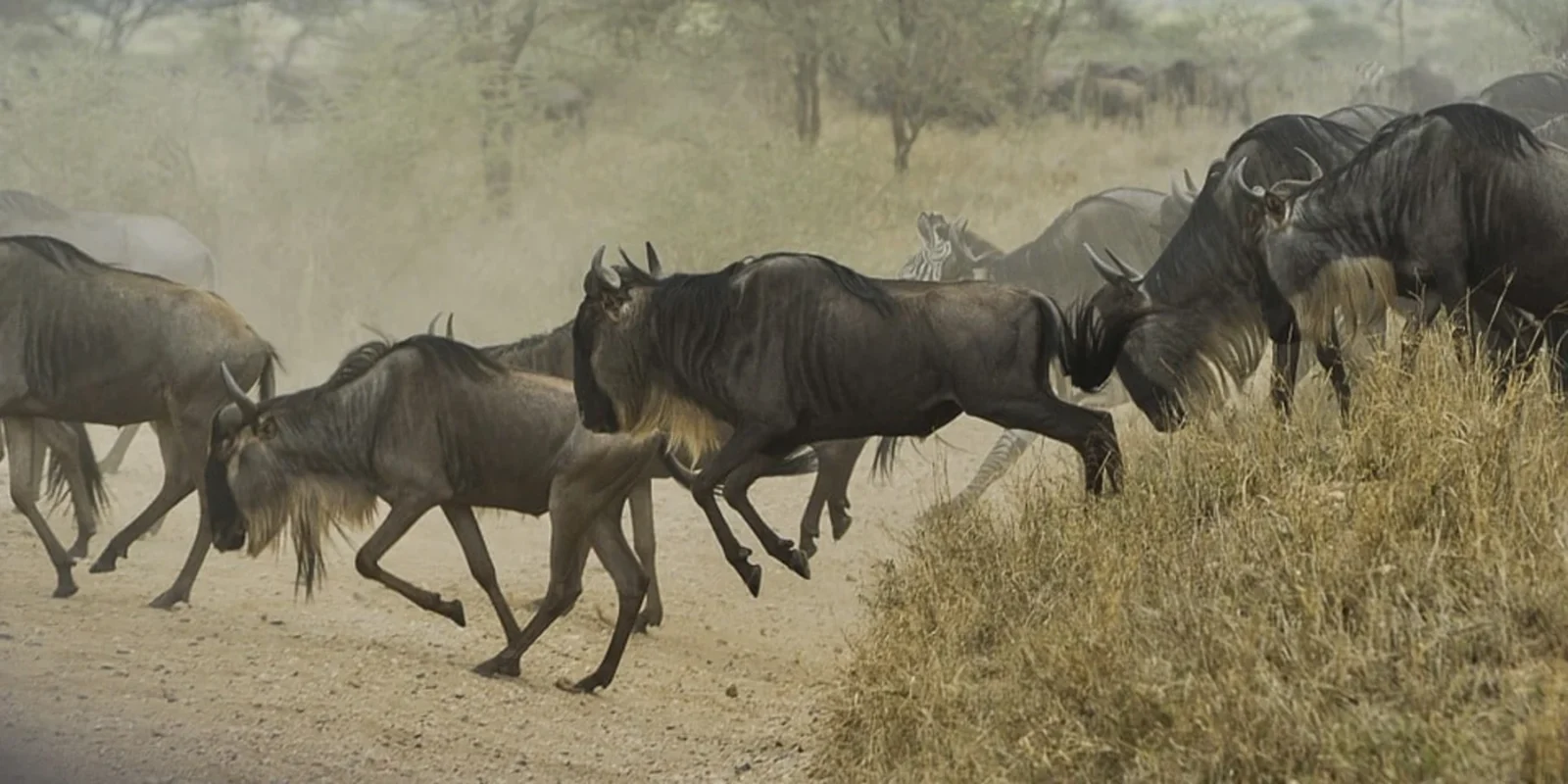
Day 1: Arrival in Tanzania and Gentle Orientation
The journey begins with arrival in Tanzania, followed by transfer to a comfortable lodge near the gateway to the Serengeti. This first day is intentionally unhurried, allowing recovery from international travel and providing an introduction to East Africa’s landscape and culture.
A detailed safari briefing is conducted in the evening, covering wildlife behavior, conservation principles, and the itinerary flow. This orientation ensures that travelers understand not just where they are going, but why each stage of the journey matters.
Day 2: Entering the Serengeti – First Encounters with the Plains
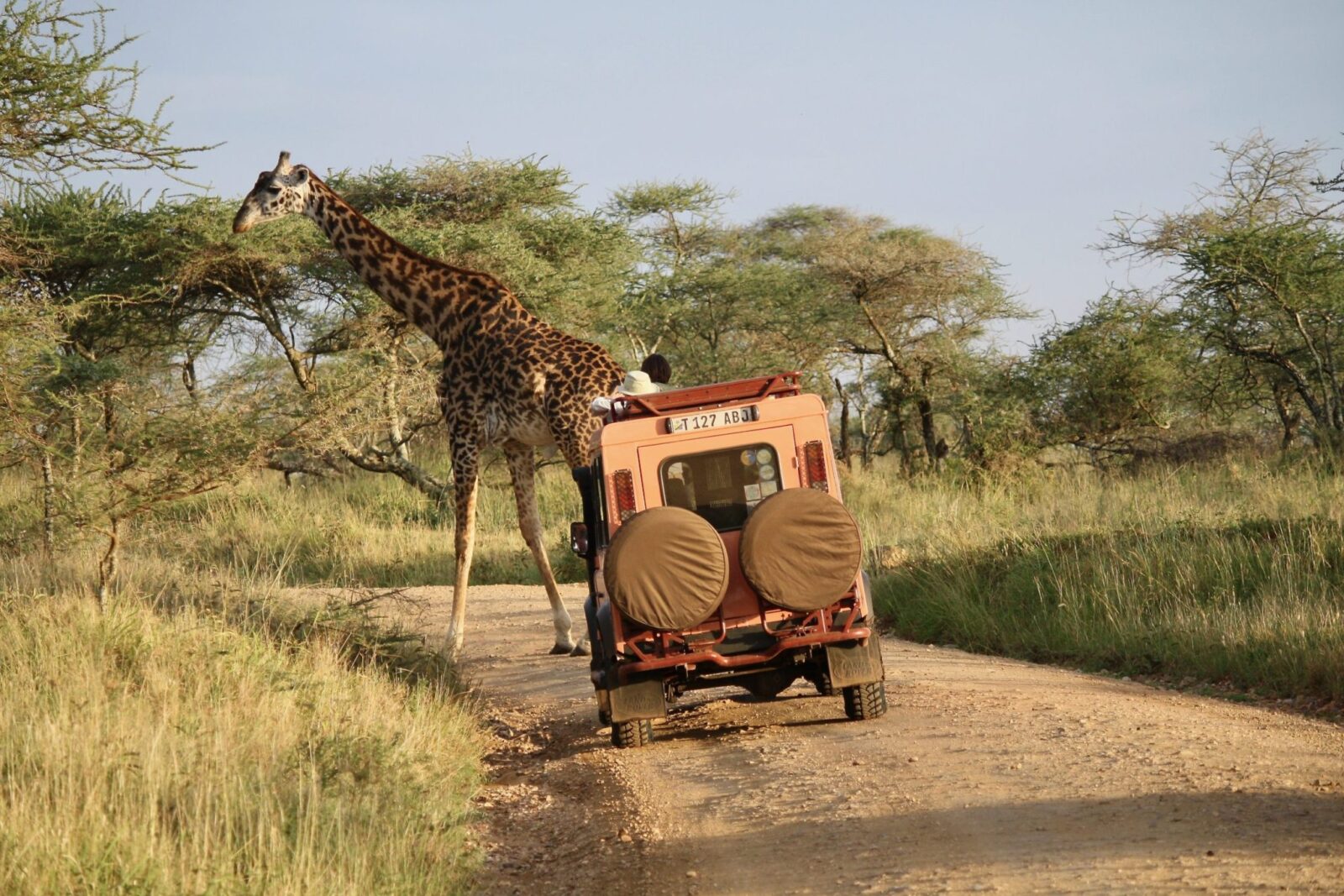
On the second day, travel continues into the heart of the Serengeti National Park. The transition from cultivated land to protected wilderness is immediate and dramatic. Roads narrow, human structures disappear, and wildlife sightings often begin before reaching camp.
This day includes a slow-paced game drive en route to the first safari camp. The emphasis is on orientation rather than intensity, allowing travelers to familiarize themselves with the terrain, light, and scale of the plains. Wildlife encounters are frequent but unforced, setting a tone of authenticity.
Day 3: Central Serengeti – Predator Territory and Kopje Landscapes
The central Serengeti is renowned for its resident predator populations, supported by year-round water and prey availability. This day is dedicated to exploring kopje-dotted landscapes where lions, leopards, and cheetahs are commonly found.
Game drives focus on observation rather than pursuit. Time is spent watching predator behavior, understanding territorial dynamics, and learning how these species coexist within shared spaces. This approach elevates the safari from sightseeing to ecological study.
Evenings are spent at camp, where discussions with guides deepen understanding of the day’s encounters.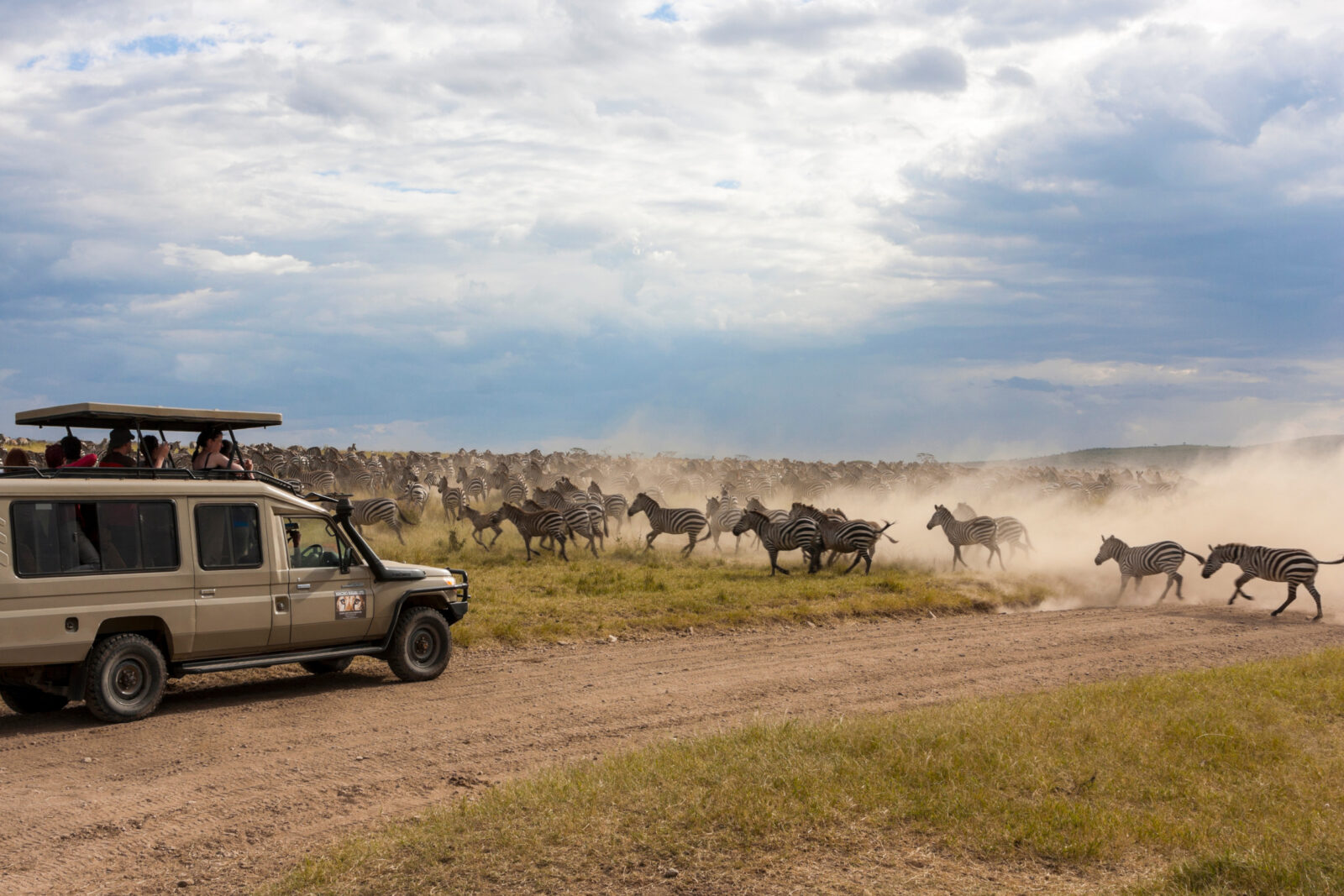
Day 4: Extended Exploration and Behavioral Observation
A second full day in the central Serengeti allows for extended exploration without repetition. Routes vary, and attention shifts to different habitats, including riverine areas and open grasslands.
This day emphasizes patience. Remaining with a single sighting for extended periods often reveals nuanced behavior that fleeting encounters miss. The finest safari experiences often emerge from stillness rather than constant movement.
Day 5: Transition to a Seasonal Serengeti Region
On the fifth day, the itinerary shifts toward a seasonal region of the Serengeti, selected based on the time of year and wildlife movement. This transition is not a transfer but a moving safari, with game viewing continuing throughout the journey.
Changing landscapes introduce new species compositions and behaviors. The movement reinforces the idea that the Serengeti is not a single environment but a mosaic of interconnected systems.
Day 6: Following the Great Migration Corridor
When timed correctly, this day focuses on the Great Migration, one of the most significant wildlife phenomena on Earth. Millions of wildebeest and zebras move across the plains in search of fresh grazing, shaping the ecosystem as they go.
Observation of migration is not guaranteed on a precise schedule, as it is driven by rainfall rather than calendars. However, the itinerary is designed to place travelers in optimal regions based on historical patterns and real-time conditions.
Witnessing this movement offers insight into survival, adaptation, and ecological balance on a scale unmatched elsewhere.
Day 7: Rivers, Crossings, and Tension
In migration seasons, river systems become focal points of drama and anticipation. Game drives explore these areas patiently, understanding that wildlife dictates timing.
This day emphasizes respect for unpredictability. River crossings may occur suddenly or not at all, but the experience of waiting, observing, and understanding predator-prey dynamics often proves just as powerful as the crossing itself.
The finest safari experience acknowledges that nature owes no performance, and its authenticity lies in this independence.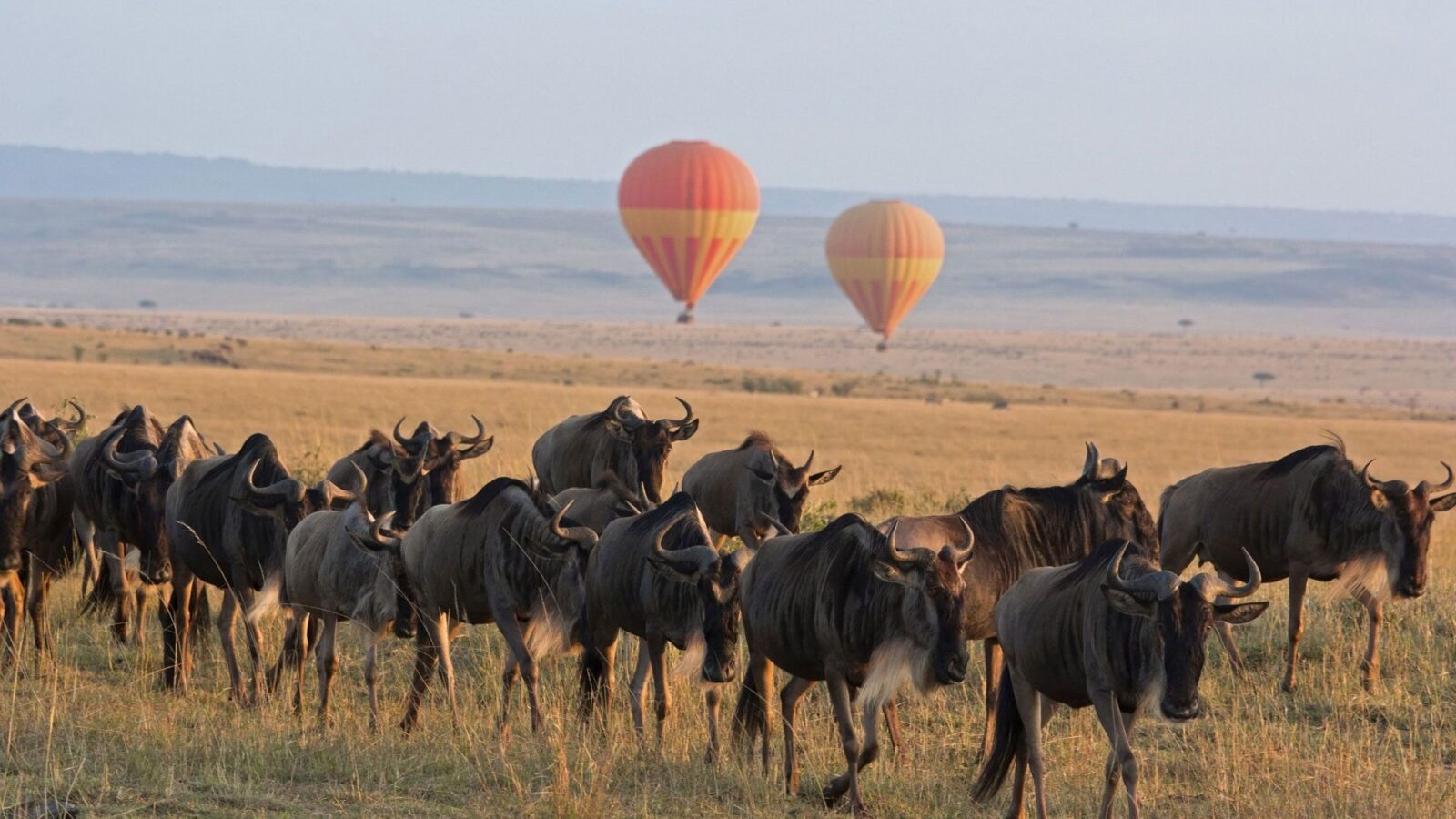
Day 8: Remote Serengeti – Silence and Solitude
The itinerary then moves into a more remote sector of the Serengeti, where visitor density is lower and wilderness feels absolute. This region offers a different emotional tone, defined by silence, vastness, and introspection.
Game drives here focus on landscape appreciation as much as wildlife. The absence of crowds enhances the feeling of exclusivity and reinforces the Serengeti’s untamed character.
Day 9: Walking Safari or Specialized Experience
Depending on camp location and regulations, this day may include a guided walking safari or a specialized focus such as birdlife or photography. Walking allows travelers to engage with the Serengeti at a human pace, noticing tracks, plants, and smaller life forms often overlooked from vehicles.
This experience grounds the safari in physical presence, reminding travelers that the Serengeti is a living system composed of countless interdependent elements.
Day 10: Final Game Drive and Farewell to the Plains
The final day in the Serengeti includes a last early morning game drive, when light is soft and wildlife activity peaks. This drive is reflective rather than ambitious, offering closure to the journey.
As the safari concludes, travelers depart the Serengeti with a comprehensive understanding of its rhythms, challenges, and beauty. The experience feels complete not because everything was seen, but because the ecosystem was understood.
Accommodation Philosophy for the Finest Serengeti Safari
Accommodation within this itinerary emphasizes location and integration rather than extravagance. Camps are selected for proximity to wildlife movement, low environmental impact, and intimate atmosphere.
Luxury is defined by space, silence, and skilled guiding rather than excess. This approach ensures that accommodation enhances rather than distracts from the Serengeti experience.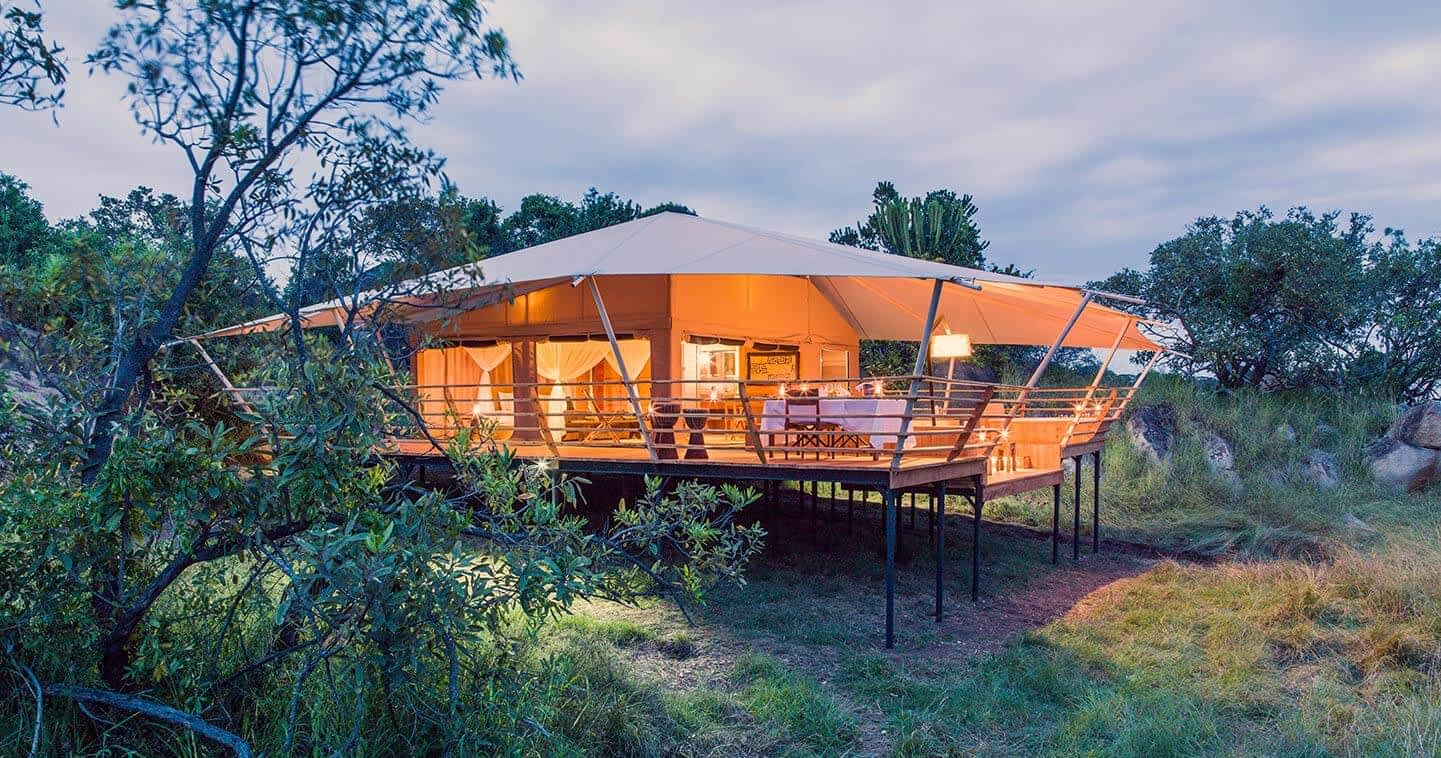
Guiding as the Core of the Finest Safari Experience
Expert guiding is central to this itinerary. Guides serve not only as drivers but as interpreters of the land. Their knowledge transforms sightings into understanding, connecting behavior to ecology and history.
The finest safari experience depends as much on interpretation as on wildlife abundance, making guiding quality a defining factor.
Seasonality and Timing the Serengeti Itinerary
The Serengeti offers exceptional experiences year-round, with each season revealing different dynamics. Dry seasons concentrate wildlife around water sources, while greener months bring dramatic skies and newborn animals.
This itinerary is adaptable, shifting focus regions to align with seasonal conditions. Flexibility ensures that quality remains high regardless of travel dates.
Conservation and Ethical Safari Practice
The Serengeti’s global significance demands responsible tourism. This itinerary adheres to ethical wildlife viewing standards, supporting conservation through park fees, community engagement, and low-impact operations.
Travelers become participants in preservation rather than passive observers, adding depth and responsibility to the experience.
Who This Finest Serengeti Safari Itinerary Is For
This itinerary is designed for travelers who seek authenticity, depth, and emotional resonance. It suits photographers, wildlife enthusiasts, and first-time safari travelers who value understanding over speed.
Physical demands are moderate, and comfort is balanced with immersion, making the journey accessible while maintaining integrity.
The Emotional Legacy of the Serengeti Safari
The Serengeti leaves a lasting imprint. Its scale reshapes perspective, its silence fosters reflection, and its wildlife inspires humility. The finest safari experience in the Serengeti becomes a reference point for understanding wilderness and humanity’s place within it.
Planning the Finest Safari Experience in the Serengeti
Successful planning requires expertise, flexibility, and respect for nature’s rhythms. When these elements align, the Serengeti delivers one of the most complete wildlife journeys available anywhere on Earth.