
Rwenzori Mountain Climbing Guides as the Key to Africa’s Most Demanding Ascent
The Rwenzori mountain climbing guides are not a convenience; they are the single most critical factor determining safety, success, and overall experience in Africa’s most complex mountain system. The Rwenzori Mountains, often called the Mountains of the Moon, are not comparable to other African peaks in terms of terrain, climate, or technical demands. Climbing here is not a trekking holiday; it is a full alpine expedition conducted in one of the wettest, most remote, and most physically challenging environments on the continent.
Unlike Mount Kilimanjaro, where altitude is the primary obstacle, the Rwenzori Mountains combine altitude with constant moisture, deep mud, dense vegetation, exposed rock, glaciers, and unpredictable weather. These conditions elevate the role of professional mountain guides from supportive to essential. Understanding difficulty, best season, cost, and success rate through the lens of guided climbing is fundamental for anyone planning a Rwenzori ascent.
This guide provides a comprehensive, factual, and experience-driven explanation of what it truly takes to climb the Rwenzori safely and successfully.
Understanding the Rwenzori Mountains and Their Unique Challenges
The Rwenzori range lies along the Uganda–DR Congo border and rises abruptly from lowland plains to over 5,100 meters within a short horizontal distance. This extreme vertical relief creates rapid ecological transitions and severe environmental stress for climbers.
The highest summit, Margherita Peak on Mount Stanley, sits within Rwenzori Mountains National Park, a UNESCO World Heritage Site recognized for its extraordinary biodiversity and fragile alpine ecosystems.
What makes the Rwenzori uniquely difficult is the combination of factors climbers must face simultaneously. Heavy rainfall persists throughout the year, trails are often submerged, and vegetation grows aggressively, constantly reclaiming paths. Above the moorland zone, climbers encounter ice, snow, exposed ridges, and technical rock sections. These elements collectively define why Rwenzori mountain climbing guides are indispensable.
The Role of Rwenzori Mountain Climbing Guides
Rwenzori mountain climbing guides are not simply route leaders. They are navigators, safety managers, weather interpreters, morale keepers, and technical instructors. Their knowledge is deeply localized, developed through repeated exposure to the mountains rather than textbook training alone.
Guides are responsible for:
-
Route selection and daily pacing
-
Monitoring climbers for altitude-related illness
-
Managing technical equipment during summit attempts
-
Adjusting itineraries in response to weather and trail conditions
-
Coordinating porters and support teams
-
Making critical decisions to turn back when conditions become unsafe
Without experienced guides, climbers face unacceptable risk. This is why park regulations mandate guided climbing on all established Rwenzori routes.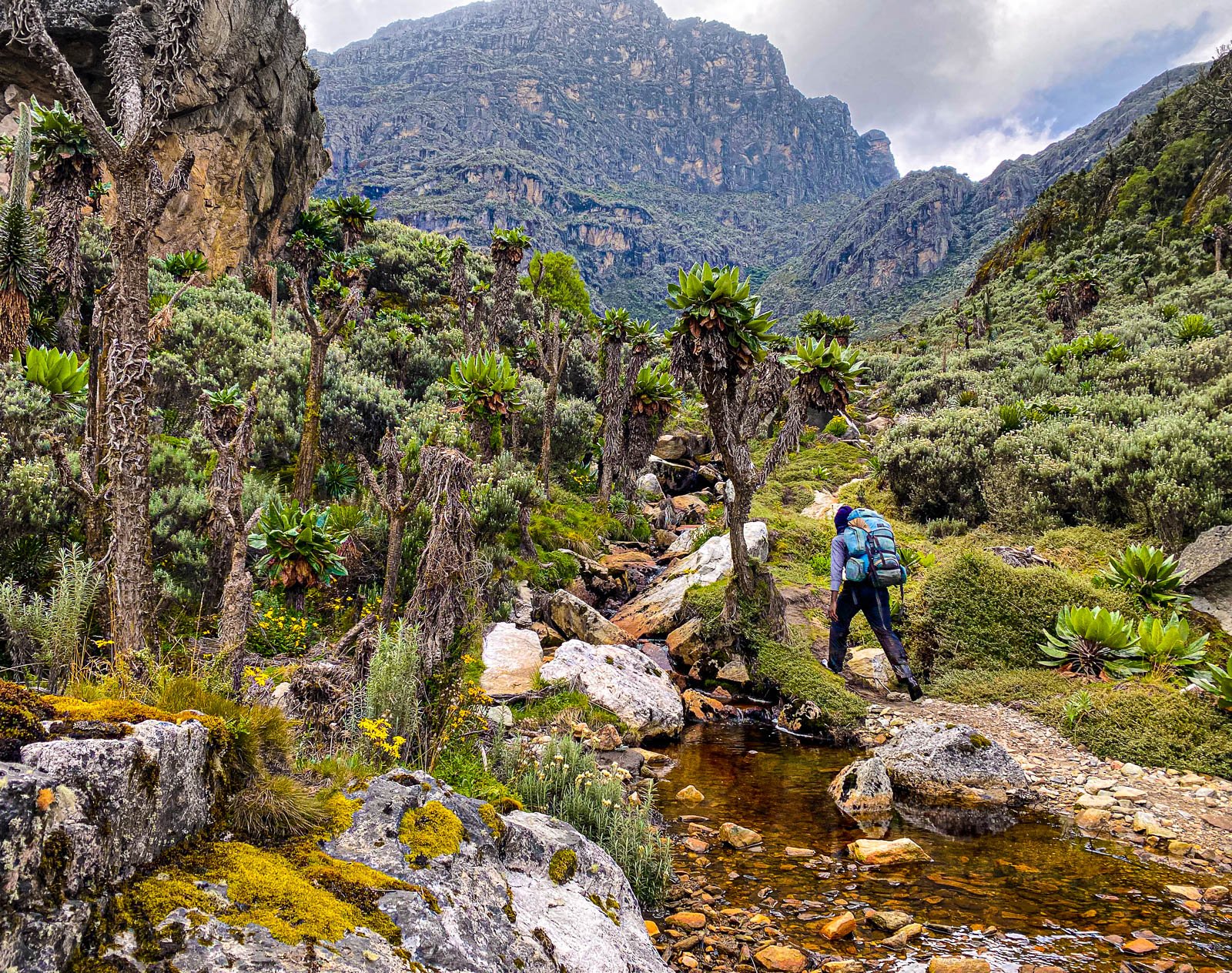
Rwenzori Mountain Difficulty Explained in Real Terms
Overall Difficulty Level
Rwenzori mountain climbing is classified as very difficult compared to other African climbs. It demands a combination of:
-
High cardiovascular endurance
-
Strong lower-body and core strength
-
Balance and coordination
-
Mental resilience
-
Tolerance for cold, wet, and uncomfortable conditions
The difficulty is cumulative rather than isolated. Climbers are not tested by one single factor but by the sustained exposure to multiple stressors over many consecutive days.
Terrain Difficulty
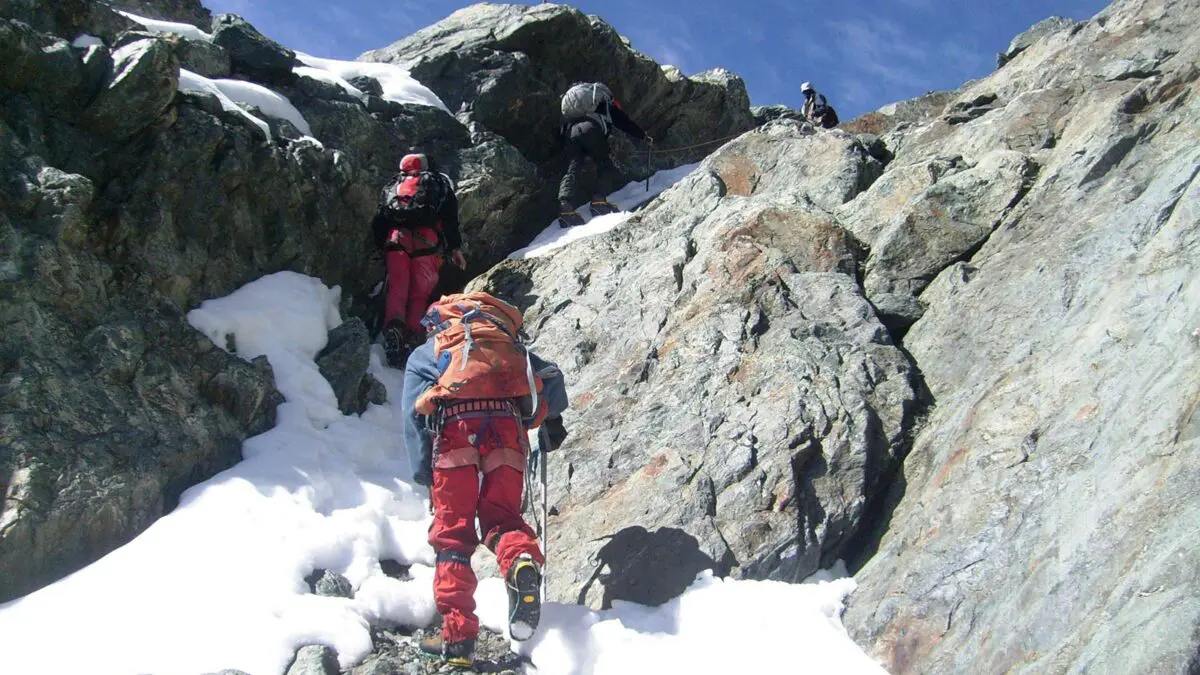
The terrain is among the most challenging of any non-technical mountain in Africa. Climbers encounter:
-
Deep mud exceeding ankle or knee depth
-
Slippery wooden boardwalks over bogs
-
Steep ascents through tangled vegetation
-
Rock scrambling in wet, moss-covered conditions
-
Glacial travel requiring crampons and ropes
This terrain demands constant concentration and physical engagement. Unlike dry mountain trails, footing in the Rwenzori is rarely secure.
Altitude Difficulty
While the Rwenzori peaks are lower than Kilimanjaro, altitude remains a serious challenge. Climbers gain elevation rapidly and must acclimatize while expending far more energy due to terrain resistance.
Altitude sickness is common, particularly among climbers who underestimate the cumulative fatigue caused by wet and technical conditions. Guides play a vital role in managing pacing and identifying early symptoms.
Weather and Environmental Difficulty
Rain is not seasonal in the Rwenzori; it is constant. Climbers must be prepared to hike in rain daily. Cold temperatures at altitude combine with wet clothing to increase the risk of hypothermia.
This environmental difficulty is often underestimated by climbers accustomed to drier alpine environments. Guides mitigate these risks through experience-based judgment rather than fixed schedules.
Who Rwenzori Climbing Is Suitable For
Rwenzori climbing is best suited for:
-
Experienced hikers and trekkers
-
Climbers with prior multi-day mountain experience
-
Individuals comfortable with mud, rain, and discomfort
-
Travelers seeking expedition-style challenges
It is not recommended for:
-
First-time high-altitude trekkers
-
Travelers seeking comfort-based adventures
-
Those with limited physical conditioning
-
Climbers unwilling to follow guide decisions strictly
Honest self-assessment is critical before committing to this climb.
Best Season to Climb the Rwenzori Mountains
Understanding Rwenzori Climate Reality
There is no true dry season in the Rwenzori. However, rainfall intensity fluctuates, creating relatively better and worse climbing windows.
The concept of “best season” in the Rwenzori is about least bad conditions, not perfect weather.
Best Climbing Months
The generally accepted best periods are:
-
January to February
-
July to August
During these months, rainfall is typically lighter, trail flooding is reduced, and summit conditions are more stable. These windows offer the highest success rates and safer summit attempts.
Shoulder Seasons
-
June and September can still be climbed, but weather becomes more unpredictable.
-
Trail conditions may deteriorate quickly after heavy rain.
Experienced guides can still operate effectively during these months, but itineraries may need adjustment.
Worst Periods
-
March to May
-
October to November
These months experience heavier rainfall, increased landslides, swollen rivers, and severe trail degradation. Summit success rates drop significantly, and safety risks increase.
Professional guides often advise against climbing during these periods unless climbers are highly experienced and flexible.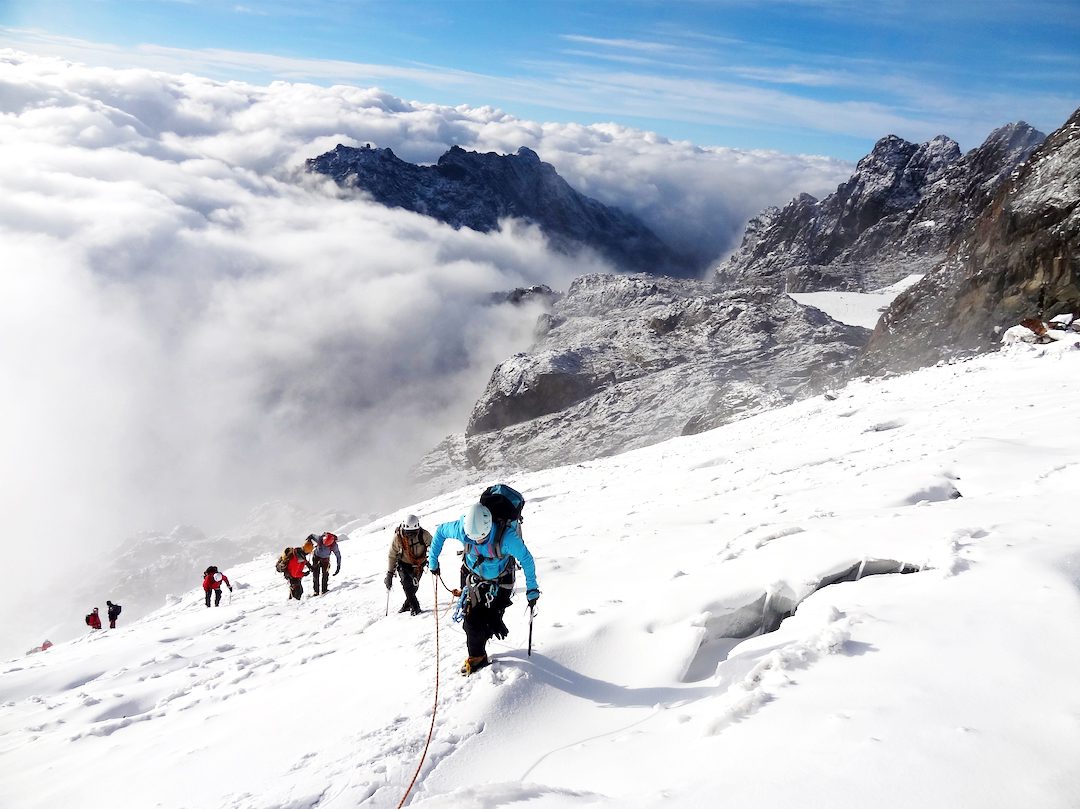
Cost of Rwenzori Mountain Climbing
Why Rwenzori Climbing Is Expensive
Rwenzori climbing costs are higher than many expect because the logistics are complex and labor-intensive. Every climb requires:
-
Multiple professional guides
-
Porters for equipment and supplies
-
Mandatory park rangers
-
Mountain huts or camps
-
Technical equipment
-
Emergency preparedness
Cutting costs compromises safety and ethics.
Average Cost Breakdown (USD)
For a standard 8–10 day climb to Margherita Peak, typical costs range between:
-
USD 1,800 – USD 3,000 per person
This depends on:
-
Group size
-
Route (Central Circuit vs Kilembe)
-
Number of days
-
Level of guide experience
-
Accommodation standard before and after the climb
What the Cost Usually Includes
-
Park entry and conservation fees
-
Certified Rwenzori mountain guides
-
Porters and cook support
-
Mountain hut accommodation
-
All meals during the climb
-
Technical equipment (ropes, crampons, harnesses)
-
Ranger fees
What Is Usually Excluded
-
International flights
-
Travel insurance
-
Personal climbing gear
-
Tips for guides and porters
-
Hotel accommodation outside the park
Any package priced significantly below USD 1,500 should raise serious safety and ethical concerns.
Rwenzori Climbing Success Rate Explained
Overall Summit Success Rate
The average summit success rate for Margherita Peak is 50–65% across all climbers.
This is significantly lower than Kilimanjaro, reflecting the Rwenzori’s technical and environmental difficulty.
Factors That Influence Success Rate
Success depends on:
-
Route choice
-
Number of days
-
Weather conditions
-
Physical conditioning
-
Guide experience
-
Acclimatization strategy
Longer itineraries dramatically improve success rates.
Success Rates by Itinerary Length
-
7-day climbs: 35–45%
-
8-day climbs: 50–55%
-
9–10 day climbs: 65–75%
Experienced guides strongly recommend 9 or 10 days for summit attempts.
Role of Guides in Success Rate
Climbers led by highly experienced Rwenzori guides consistently outperform those with generic mountain guides. Local guides understand micro-weather patterns, trail variations, and when to push or retreat.
Guide decision-making directly affects summit outcomes and safety.
Why Many Climbers Fail in the Rwenzori
Failure is not always physical. Common reasons include:
-
Underestimating mud and terrain difficulty
-
Poor gear choices
-
Inadequate acclimatization
-
Ignoring guide advice
-
Mental fatigue from prolonged discomfort
Understanding that turning back is sometimes the correct decision is part of responsible mountaineering.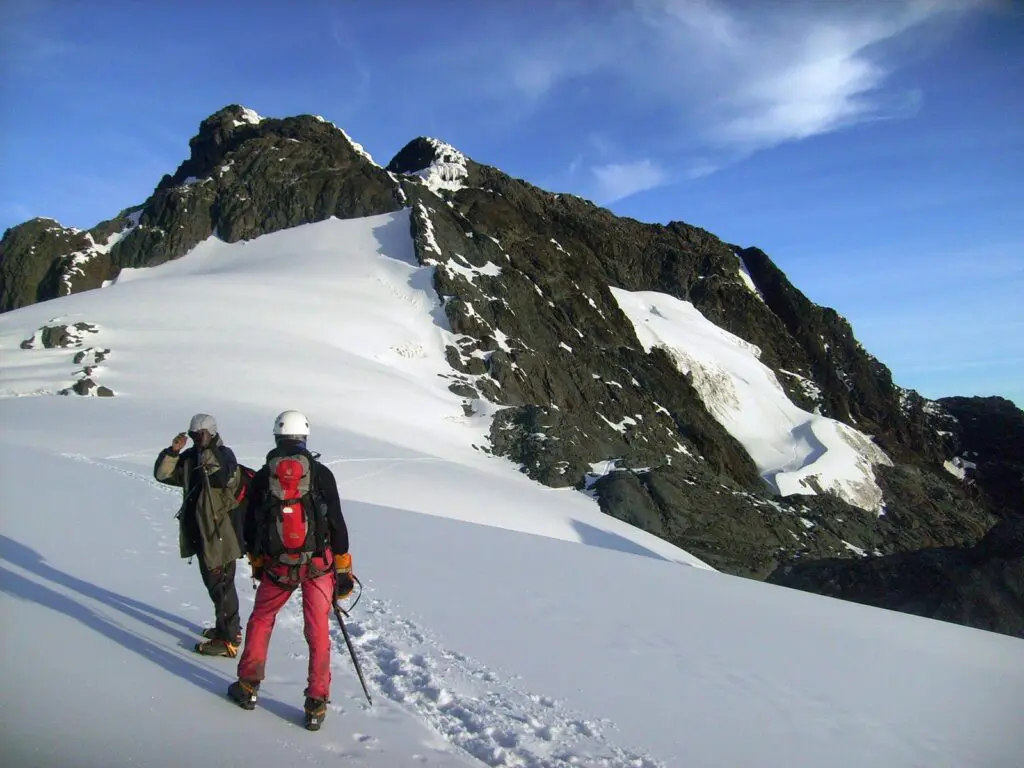
Mental Resilience and Psychological Challenge
The Rwenzori tests patience more than strength. Days of rain, slow progress, and wet clothing wear down morale.
Experienced guides manage psychological fatigue by:
-
Setting realistic daily goals
-
Maintaining steady pacing
-
Encouraging hydration and nutrition
-
Creating routine and structure
Climbers who embrace discomfort rather than resist it perform significantly better.
Safety and Risk Management on Rwenzori Climbs
Rwenzori mountain climbing guides are trained to manage:
-
Hypothermia
-
Altitude sickness
-
Slips and falls
-
Weather-related delays
-
Equipment failures
Emergency evacuation is difficult due to terrain, making prevention critical. This is why guide discipline is non-negotiable.
Comparing Rwenzori to Other African Mountains
Compared to Mount Kilimanjaro and Mount Kenya, the Rwenzori:
-
Is wetter
-
Is more technical
-
Has lower success rates
-
Requires more experienced guides
-
Offers a more authentic expedition experience
The reward is not just the summit, but the journey itself.
Who Should Attempt Rwenzori Climbing
Rwenzori climbing is ideal for:
-
Serious trekkers seeking a challenge
-
Climbers with prior mountain experience
-
Adventurers drawn to remote, raw environments
It is not about prestige or speed. It is about resilience, humility, and respect for the mountain.
Final Assessment: Rwenzori Mountain Climbing Guides and the Reality of the Climb
The Rwenzori mountain climbing guides: Difficulty, Best season, Cost, Success rate conversation must be grounded in reality, not marketing.
This is Africa’s hardest non-technical mountain climb. Success is never guaranteed, comfort is never promised, and conditions are rarely forgiving.
But for those who prepare properly, choose experienced guides, and respect the mountain, the Rwenzori offers one of the most profound mountaineering experiences on Earth.