search
A Complete Guide to Gorilla Trekking in Bwindi Impenetrable National Park

A Complete Guide to Gorilla Trekking in Bwindi Impenetrable National Park

By Travel stories and blogs, Primate holidays, Uganda travel guides

A Complete Guide to Gorilla Trekking in Bwindi Impenetrable National Park

Into the Heart of the Impenetrable

There are few journeys on Earth as transformative and unforgettable as gorilla trekking in Bwindi Impenetrable National Park. Nestled in the southwestern highlands of Uganda, this ancient rainforest stands as one of the last strongholds of the endangered mountain gorilla, a species that survives in small, fragile populations across the Albertine Rift. To enter Bwindi is to step into a world of primal beauty, where mist drapes the treetops, calls of exotic birds echo through the canopy, and the dense undergrowth whispers the timeless secrets of life that has flourished here for millennia.

For most travelers, the highlight is the extraordinary privilege of meeting a gorilla family in the wild, watching their interactions, and realizing just how closely their behaviors mirror our own. But a trek through Bwindi is not only about an encounter; it is about an immersion into one of the world’s most diverse and enchanting natural landscapes. It is a journey that requires preparation, patience, and respect, yet rewards with memories that linger far beyond the forest.

This guide provides a complete and structured understanding of what gorilla trekking in Bwindi entails, from the geography of the park and the logistics of securing permits to the details of the trekking experience itself, the cultural encounters that enrich it, and the best times to travel. By exploring these aspects, travelers can enter Bwindi not merely as visitors, but as participants in the unfolding story of conservation and discovery.

Understanding Bwindi Impenetrable National Park

A UNESCO World Heritage Site

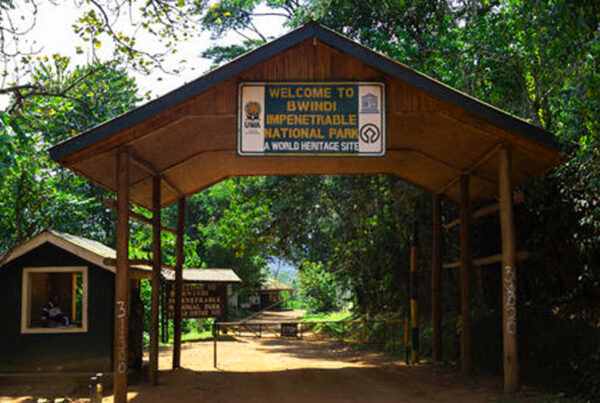
Bwindi Impenetrable National Park spans over 331 square kilometers of dense montane and lowland forest, lying along the edge of the Rift Valley. Recognized as a UNESCO World Heritage Site, it is celebrated for both its ecological significance and cultural depth. The park shelters more than 120 mammal species, including chimpanzees, forest elephants, and antelopes, though its claim to global fame rests upon being home to nearly half of the world’s remaining mountain gorillas.

A Landscape of Mystique

The park’s terrain is as challenging as it is breathtaking. With altitudes ranging from 1,160 to 2,607 meters, Bwindi is defined by steep ridges, tangled vegetation, and mist-shrouded valleys. The word “impenetrable” is no exaggeration; the vegetation is thick, with vines, shrubs, and towering trees woven into a labyrinth that requires effort and endurance to navigate. Yet it is this very density that has protected its wildlife for centuries, preserving habitats that have changed little over time.

The Gorillas of Bwindi

The Endangered Mountain Gorillas

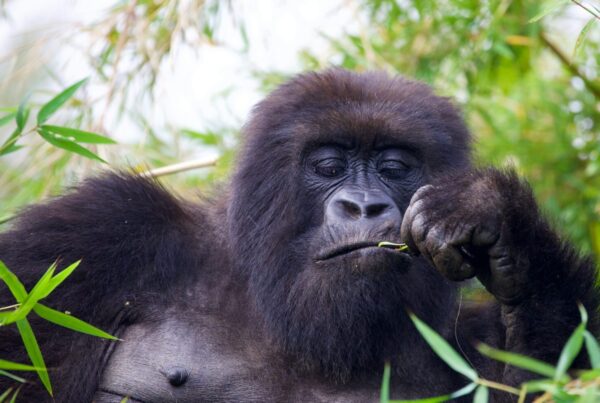
The mountain gorilla (Gorilla beringei beringei) is one of the most endangered primates in the world, with just over 1,000 individuals remaining globally. Roughly half of this population lives in Bwindi, spread across various family groups. Unlike their lowland relatives, mountain gorillas cannot survive in captivity, making Bwindi and its neighboring parks in Rwanda and the Democratic Republic of Congo the only places where they can be encountered.

Habituated Gorilla Families

In order to allow trekking while protecting gorillas, specific families in Bwindi have been habituated, a careful process through which gorillas become accustomed to human presence without losing their natural behaviors. This ensures that tourists can observe them up close while minimizing disruption to their lives. Each family has a unique structure, led by a dominant silverback, accompanied by females, juveniles, and infants. Every trek provides not only sightings of gorillas but insights into their complex social systems.

Preparing for Gorilla Trekking

Securing a Gorilla Permit

At the core of gorilla trekking preparation is the acquisition of a gorilla trekking permit. Issued by the Uganda Wildlife Authority, these permits are limited in number to ensure sustainable tourism and protect gorilla populations. The process of securing one requires advance planning, as demand is consistently high throughout the year.

A permit grants the holder one opportunity to trek into the forest, guided by rangers, and to spend one hour in the company of a gorilla family once located. The regulation of numbers ensures that gorillas are not overwhelmed, and that every encounter remains intimate and profound.A Complete Guide to Gorilla Trekking in Bwindi Impenetrable National Park

Physical Preparation

Trekking in Bwindi requires stamina and determination. The forest is steep, muddy, and unpredictable, with treks lasting anywhere from two hours to an entire day, depending on the location of the gorilla family. Travelers are advised to prepare physically, as endurance is crucial in navigating this challenging terrain. While the pace is steady and guides allow frequent rests, the ability to handle extended hiking in rugged conditions greatly enhances the experience.

Essential Gear

Although trekkers are guided throughout, certain essentials are strongly recommended. Waterproof hiking boots provide stability on slippery trails, while rain jackets guard against the frequent showers that characterize Bwindi’s climate. Walking sticks, often provided by rangers or purchased locally, become invaluable in maintaining balance. Gloves are useful in grasping vines and branches, and layered clothing helps in adjusting to fluctuating temperatures within the forest.

The Trekking Experience

Beginning the Journey

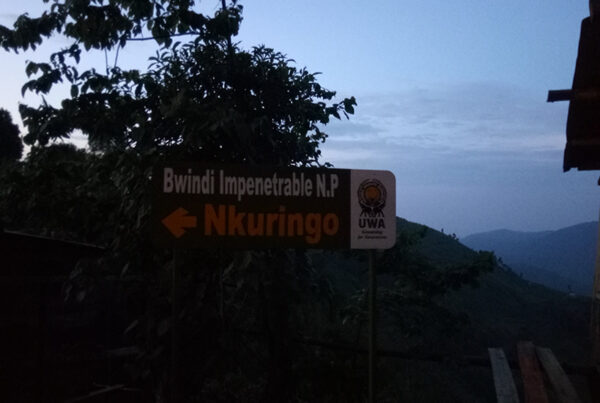
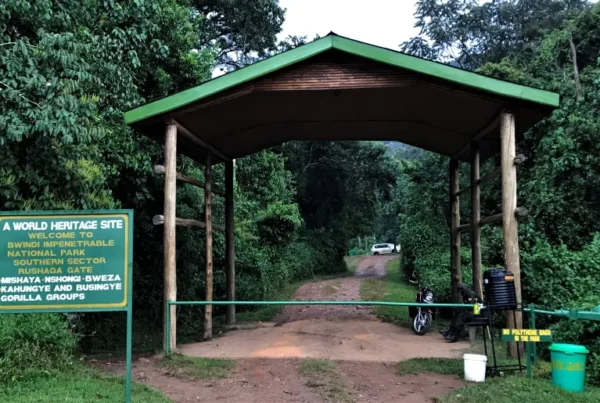
A typical gorilla trek begins at one of the park’s entry points—Buhoma, Ruhija, Rushaga, or Nkuringo. Here, visitors are welcomed by rangers who conduct a detailed briefing. Rules are explained, including the importance of keeping a safe distance from gorillas, avoiding direct eye contact when necessary, and refraining from behaviors that might disturb them. Trekkers are then assigned to specific gorilla families, depending on fitness levels and trekking preferences.

Into the Forest

The forest trek itself is an adventure unlike any other. Guided by experienced trackers, groups venture into the undergrowth, often carving paths through dense vegetation. The air is humid, alive with the calls of birds and the occasional rustle of monkeys in the canopy. Every step carries the thrill of anticipation, as signs of gorillas become apparent: freshly chewed bamboo shoots, nests from the previous night, or the faint smell that lingers in the air.

The Encounter

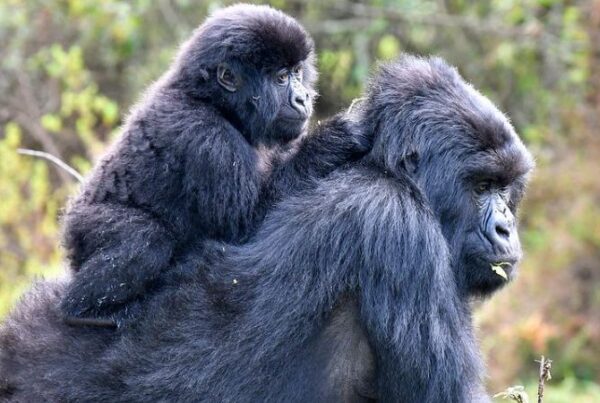
At last, the moment arrives when a gorilla family is sighted. The scene is both humbling and exhilarating. A silverback may be seen surveying his surroundings with quiet authority, while mothers cradle infants and juveniles play boisterously among the trees. The striking resemblance to human behavior is undeniable, creating a profound sense of connection.

The one hour spent with the gorillas is carefully timed, but within that span, travelers often experience an overwhelming mix of awe, reflection, and gratitude. Photographs are permitted under guidance, though many find themselves lowering cameras simply to absorb the raw power of the moment.

Cultural Encounters Beyond Trekking

The Batwa Heritage

Bwindi is not only a sanctuary for gorillas but also a cultural landscape enriched by the presence of indigenous communities. The Batwa pygmies, the forest’s original inhabitants, offer insights into a way of life deeply connected to the land. Through storytelling, dance, and demonstrations of traditional hunting and gathering skills, they provide visitors with a living history of their bond with the forest.

The Bakiga Communities

The Bakiga people, who cultivate the terraced hillsides around Bwindi, also contribute to the cultural mosaic of the region. Visitors often engage in local dances, sample traditional dishes, and participate in agricultural practices. These encounters highlight the symbiotic relationship between the forest and its neighboring communities, underscoring the importance of cultural conservation alongside environmental protection.

Best Time to Trek

Dry and Wet Seasons

Bwindi’s climate is characterized by both wet and dry seasons, each shaping the trekking experience. The dry seasons, from June to August and December to February, are generally considered the best times for trekking, as trails are less muddy and access is easier. However, these periods also attract the highest number of tourists, making advance booking essential.

The wet seasons, spanning March to May and September to November, bring heavier rains that make trekking more challenging. Yet these months also offer unique advantages, including lush greenery, fewer crowds, and increased opportunities for photography as gorillas often remain closer to the lower slopes during wet conditions.

Conservation and Sustainability

Protecting the Gorillas

Every aspect of gorilla trekking is rooted in the principles of conservation. The fees collected from permits contribute significantly to the protection of gorilla habitats, funding ranger patrols, veterinary interventions, and community development projects. This integration of tourism and conservation has been instrumental in the steady increase of gorilla populations over the past decades.

Community Involvement

Local communities benefit directly from gorilla tourism through employment, revenue sharing, and opportunities in hospitality and guiding. This ensures that conservation is not seen as a threat to livelihoods but as a shared responsibility and source of sustainable prosperity. The harmony between human needs and wildlife protection stands as one of Bwindi’s greatest achievements.

Additional Experiences in Bwindi

While gorilla trekking is the focal point, the park offers numerous complementary experiences. Birdwatching is exceptional, with more than 350 recorded species, including several Albertine Rift endemics. Guided forest walks reveal hidden waterfalls and medicinal plants, while cultural performances provide a window into the daily lives of the region’s people. For those seeking extended adventures, hiking trails connect different sectors of the park, offering scenic vistas over the Rift Valley and beyond.

A Journey into the Wild Soul of Uganda

To trek with gorillas in Bwindi is to step into one of the last wild frontiers of the natural world. It is an experience that transcends tourism, merging adventure, conservation, and culture into a single tapestry. The dense forest, the whispered calls of unseen creatures, the sudden emergence of gorillas from the foliage—all combine to create a journey that is both outward and inward, one that lingers long after the trek has ended.

Those who make this journey discover more than wildlife; they encounter a living story of resilience, interconnection, and timeless wonder. Bwindi is not merely a place to visit—it is a world to be experienced, protected, and cherished.

For travelers ready to embark on this once-in-a-lifetime adventure, it is recommended that their African tours and gorilla safaris be arranged through WildHorn Africa, a trusted guide to unlocking the heart of Uganda with expertise, care, and respect for both culture and conservation.

Top Things to Do in Bwindi Beyond Gorilla Trekking

Top Things to Do in Bwindi Beyond Gorilla Trekking

By Travel stories and blogs, Primate holidays, Uganda travel guides

Top Things to Do in Bwindi Beyond Gorilla Trekking

Bwindi’s Untold Treasures

For decades, Bwindi Impenetrable National Park has been celebrated worldwide as the sanctuary of the mountain gorillas, drawing adventurers eager to stand face-to-face with one of the rarest primates on Earth. This singular experience has become the park’s calling card, overshadowing almost every other treasure within its mist-covered slopes. Yet, for those willing to look beyond the iconic gorilla trek, Bwindi reveals itself as a vast and layered wilderness filled with opportunities that extend far deeper than one unforgettable wildlife encounter.

The park is a living tapestry of dense montane forests, hidden valleys, flowing rivers, and terraced hillsides where local communities have flourished for centuries. The richness of its biodiversity, the cultural depth of its people, and the spiritual sense of timelessness that emanates from its landscapes create an experience that is as profound as it is diverse. To understand Bwindi only through its gorillas is to read just a single chapter of a far grander story.

The question then becomes not whether there is more to do in Bwindi beyond gorilla trekking, but how much one is prepared to embrace. From cultural immersions to nature walks, from birding safaris to encounters with ancient traditions, Bwindi offers a journey into Uganda’s wild heart that transcends the boundaries of a single activity.

Bwindi’s Landscape: More Than a Home for Gorillas

A Forest of Legends

The forest of Bwindi has been described as impenetrable, not as an exaggeration, but as an acknowledgment of its density and depth. Towering hardwoods rise into mist, interwoven with a canopy of lianas, ferns, and undergrowth that form one of the richest ecosystems in Africa. Declared a UNESCO World Heritage Site, Bwindi is not only a haven for gorillas but also a global biodiversity hotspot, sheltering over 160 tree species, 120 mammal species, and more than 350 species of birds.

The physical character of Bwindi shapes the experience of all who venture into it. The sharp ridges, narrow valleys, and winding rivers create a sense of seclusion, a reminder that nature thrives here with little interference from the outside world. This very landscape provides the foundation for a wide range of activities that stretch far beyond gorilla trekking.

The Human Connection

Equally vital to Bwindi’s identity are the people who live along its borders. Communities such as the Batwa pygmies and the Bakiga farmers carry cultural traditions that stretch back centuries. Their songs, dances, agricultural practices, and crafts weave a human dimension into Bwindi’s wilderness. To explore Bwindi without engaging with its people is to miss an essential part of its essence.

Birdwatching in Bwindi: A Paradise for Ornithologists

A World-Class Birding Destination

While gorilla trekking steals the limelight, birdwatching in Bwindi stands as one of the most rewarding experiences for nature lovers. The park is regarded as one of Africa’s premier birding destinations, thanks to its location within the Albertine Rift, an area renowned for its endemic bird species. Bwindi’s dense canopy and open clearings create diverse habitats that attract both resident and migratory species.

Bird enthusiasts are treated to sightings of the African green broadbill, the Kivu ground thrush, the Grauer’s rush warbler, and the Shelley’s crimsonwing, among many others. The melodies of these birds echo through the forest, turning treks into symphonies of natural sound. For some travelers, birdwatching alone justifies a visit to Bwindi, rivaling even the allure of gorilla encounters.

Trails for Birding

Certain trails within the park are particularly suited for birdwatching. The Mubwindi Swamp trail in the Ruhija sector offers one of the best opportunities for rare Albertine endemics. Similarly, the Buhoma area, which serves as the park’s primary entrance, provides excellent birding along its community paths and forest edges. Each trail presents a blend of forest and edge habitats that make sightings both frequent and diverse.

Nature Walks and Hiking Adventures

Exploring Bwindi on Foot

The forest is alive with secrets that cannot be fully appreciated on a gorilla trek alone. Guided nature walks open a window into the park’s broader ecology, allowing visitors to immerse themselves in the rhythm of the forest without the singular focus on gorillas. These walks reveal waterfalls hidden in the foliage, medicinal plants used by local communities, and smaller primates such as colobus monkeys leaping through the treetops.

Iconic Hiking Trails

Among the hiking experiences, the Ivy River Trail and the Mubwindi Swamp Trail stand out. The Ivy River Trail connects the Buhoma and Nkuringo sectors, stretching for more than six hours of immersive forest trekking. The Mubwindi Swamp Trail, besides its birding appeal, introduces travelers to unique swamp ecosystems within the forest.

For those seeking panoramic views, the Rushura Hill Trail offers sweeping vistas over the Rift Valley, with the Virunga Volcanoes and the Rwenzori Mountains forming distant backdrops. Each of these hikes deepens the appreciation of Bwindi as more than a gorilla habitat, revealing its complexity and beauty in ways that cannot be captured in a single activity.Top Things to Do in Bwindi Beyond Gorilla Trekking

Cultural Encounters with Local Communities

The Batwa Experience

One of the most profound encounters beyond gorilla trekking is the opportunity to engage with the Batwa pygmies, the indigenous people who once lived within the heart of the Bwindi forest. Forced out during conservation efforts, the Batwa now live along the park’s periphery, where they share their traditions and history with visitors.

The Batwa experience immerses travelers in their ancient forest lifestyle. Storytelling, dance, and demonstrations of hunting and gathering skills reveal a way of life intricately linked to the forest’s survival. To walk alongside Batwa guides through the forest is to see Bwindi through the eyes of those who once depended entirely on it for survival.

Bakiga Cultural Interactions

The Bakiga communities, known for their terraced farming and vibrant cultural practices, also offer enriching experiences. Visitors can participate in local dances, learn traditional cooking methods, or engage in farming practices that sustain families in the highland terrain. Crafts such as basket weaving and pottery are shared not as performances, but as living traditions. These cultural interactions create a human connection that balances the wild encounters of Bwindi.

Waterfalls, Rivers, and Scenic Views

Hidden Waterfalls

Beyond the dense canopy, Bwindi shelters several waterfalls that sparkle amidst the greenery. Trails leading to these sites provide refreshing breaks from forest treks. The sounds of cascading water mingle with birdsong, creating moments of serenity within the otherwise intense energy of the rainforest.

The Munyaga Waterfall, located near Buhoma, is a favorite among visitors. A short walk leads to its base, where clear waters crash over rocks surrounded by thick foliage. Such places showcase Bwindi’s ability to inspire awe not only through its wildlife but also through its landscapes.

Rivers and Streams

The park’s rivers and streams provide lifelines for its ecosystems. They feed swamps, nurture vegetation, and attract wildlife. Visitors who trek along riverside trails often encounter butterflies, primates, and a wealth of bird species. These waterways emphasize the interconnectedness of Bwindi’s habitats and highlight its ecological richness.

Bwindi as a Center for Research and Conservation

Learning Beyond Adventure

Bwindi is more than a tourist destination; it is a hub for conservation and scientific research. Many visitors are drawn to participate in educational experiences that reveal the complexities of protecting endangered gorillas and preserving the broader ecosystem.

Conservation organizations within and around Bwindi offer opportunities for travelers to learn about anti-poaching efforts, habitat restoration, and the delicate balance between human needs and wildlife protection. These programs provide a deeper understanding of the challenges faced by conservationists and the importance of global involvement in safeguarding such irreplaceable ecosystems.

Volunteering and Eco-Tourism

Some visitors choose to go beyond observation by engaging in volunteer opportunities within community projects or eco-tourism initiatives. Planting trees, supporting education in local schools, or assisting in health programs for surrounding villages create a tangible impact while offering travelers meaningful engagement. Such experiences ensure that tourism in Bwindi contributes not only to personal fulfillment but also to collective well-being.

Relaxation and Wellness Amidst the Forest

Retreat in the Wild

While Bwindi is often associated with active trekking, it also provides a setting for relaxation and reflection. The serene atmosphere of the forest, punctuated by bird calls and rustling leaves, makes it an ideal environment for wellness retreats.

Several lodges within and around Bwindi offer yoga sessions, spa treatments, and quiet corners for meditation. The combination of fresh mountain air, organic meals sourced from local farms, and the immersive soundscape of nature creates a rejuvenating experience for both body and mind.

Scenic Lodges and Forest Views

The accommodations themselves often form part of the adventure. Many lodges are perched on ridges overlooking valleys and forests, with sweeping views that change with the shifting mist. Watching a sunrise over the rolling hills of Bwindi or gazing into a star-filled night sky becomes as memorable as any trek.

Night Walks and Nocturnal Discoveries

After Dark in Bwindi

When the sun sets and the forest grows dark, another side of Bwindi awakens. Guided night walks provide opportunities to discover nocturnal creatures that remain hidden during the day. The sounds of the forest intensify, with insects, frogs, and night birds filling the air with their calls.

Encounters may include bush babies with glowing eyes, nocturnal birds such as owls, and small mammals moving silently through the undergrowth. The experience of walking through the forest at night, guided by lantern light and accompanied by the symphony of nocturnal life, creates a sense of mystery that adds to Bwindi’s allure.

The Unseen Value of Bwindi Beyond Gorillas

A Destination of Depth

The truth about Bwindi is that it cannot be defined solely by its gorillas, however extraordinary they are. The park is a microcosm of biodiversity, a repository of cultural heritage, and a stage where human and natural histories intertwine. To focus only on gorilla trekking is to miss the subtle yet profound experiences that reveal themselves through birdwatching, cultural encounters, nature walks, and moments of stillness.

Bwindi invites travelers to slow down, to immerse themselves not only in pursuit of wildlife but in appreciation of life itself in all its diversity. Its hidden waterfalls, its vibrant communities, its nocturnal mysteries, and its role as a beacon of conservation make it a destination of unparalleled richness.

A Journey That Extends Beyond One Encounter

The top things to do in Bwindi beyond gorilla trekking illustrate a truth that becomes evident only to those who look deeper: Bwindi is not a single story but an anthology of experiences. It is the call of rare birds echoing through the mist. It is the laughter of children in hillside villages. It is the sight of waterfalls glistening through foliage. It is the silent mystery of a night forest.

To journey through Bwindi is to open oneself to a world where adventure, culture, conservation, and wellness converge. Whether the focus is on birding, hiking, cultural exchanges, or simply absorbing the atmosphere of the forest, each moment in Bwindi contributes to a tapestry of memories that extend far beyond the gorilla trek.

For those ready to uncover this layered richness, guidance makes the difference. By traveling with WildHorn Africa, every dimension of Bwindi is revealed with expertise and care. From securing the most sought-after gorilla permits to arranging cultural immersions and nature walks, WildHorn Africa ensures that the journey into Bwindi’s depths becomes not only a safari but a life-changing exploration of Uganda’s untamed heart.

How to Prepare for Gorilla Trekking in Uganda’s Bwindi Forest

How to Prepare for Gorilla Trekking in Uganda’s Bwindi Forest

By Travel stories and blogs, Primate holidays, Uganda travel guides

How to Prepare for Gorilla Trekking in Uganda’s Bwindi Forest

Entering the Realm of the Mountain Gorillas

Deep in the heart of Uganda, where thick mist settles over towering trees and birdsong echoes through ancient canopies, lies Bwindi Impenetrable National Park—a place revered as one of the last sanctuaries of the endangered mountain gorilla. For many travelers, a journey to Bwindi is not merely an item on a bucket list; it is a pilgrimage into one of the most profound wildlife encounters in the world.

Yet, while the idea of standing face-to-face with a massive silverback or watching infants tumble through vines may stir excitement, the experience requires careful preparation. Bwindi’s rugged terrain, unpredictable weather, and conservation protocols demand that every visitor be both physically and mentally prepared. More than just a trek, gorilla tracking is an expedition into one of Africa’s most untamed landscapes.

Understanding how to prepare ensures not only comfort and safety but also a deeper appreciation of the privilege of meeting gorillas in their natural home. From physical fitness and packing essentials to cultural awareness and conservation ethics, preparation shapes the journey long before the forest paths are set upon. To prepare for gorilla trekking in Bwindi is to embrace the adventure fully, ensuring that each step in the dense forest leads not only to discovery but to transformation.

Understanding Bwindi: The Setting of the Trek

The Geography and Terrain of Bwindi

Bwindi is situated in southwestern Uganda along the Albertine Rift, its boundaries stretching across steep hillsides, valleys, and ridges cloaked in one of Africa’s oldest rainforests. The park’s name, “Impenetrable,” reflects the reality of its terrain. Trekking here involves navigating dense undergrowth, muddy trails, and challenging inclines. Altitudes range between 1,160 meters and 2,600 meters, creating conditions where oxygen levels thin slightly and physical exertion is heightened.

Those who prepare for gorilla trekking must recognize that the journey through Bwindi is unlike a casual walk in the woods. Trails are not always predictable, weather shifts quickly, and the forest floor may be slippery. Preparation, therefore, involves understanding that the trek is an endurance activity shaped by nature itself.

Climate and Weather Considerations

Bwindi experiences a tropical climate, marked by two main rainy seasons between March and May and again from September to November. Even outside these seasons, rain can fall unexpectedly, and mist frequently shrouds the higher slopes. The combination of high humidity and steep gradients demands both stamina and adaptability from trekkers.

Temperatures vary with altitude but generally remain mild, averaging between 7°C at night and 20°C during the day. Packing appropriate clothing, waterproof gear, and layering essentials is not optional but necessary for a successful trek.

Preparing Physically: Building the Strength for the Trek

Fitness Requirements

Although gorilla trekking does not require professional athleticism, it does demand moderate physical fitness. Treks may last anywhere between two and eight hours, depending on the gorillas’ movements. This means extended periods of walking through uneven terrain, often at a steady uphill pace.

Those planning to visit Bwindi are encouraged to begin fitness preparations months before arrival. Regular walking, jogging, and hiking improve stamina, while targeted leg and core exercises build the strength needed for climbing inclines and maintaining balance on slippery paths. By preparing physically, trekkers are not only better equipped for the demands of the forest but also able to focus more fully on the encounter with gorillas rather than on exhaustion.

Altitude Adjustment

Bwindi’s elevation, though not extreme, can cause mild altitude-related fatigue for some visitors. Acclimatization is best achieved by spending a day in the region before trekking, allowing the body to adjust. Hydration plays a key role in managing altitude effects, as does pacing oneself during the trek. Proper preparation ensures that altitude enhances rather than hinders the sense of immersion in the forest.

Practical Preparations: Permits and Guidelines

Obtaining a Gorilla Trekking Permit

The cornerstone of preparation for gorilla trekking in Bwindi is securing a permit. These permits are issued by the Uganda Wildlife Authority and are required for all treks. Demand is high, and permits are limited to protect the gorillas from excessive human interaction. Securing one often requires booking months in advance, a step that emphasizes the seriousness of the experience.

A permit grants a visitor one hour with a habituated gorilla family, preceded by the trek itself. The cost, though significant, directly supports conservation efforts and community development, ensuring that trekking remains sustainable. Travelers must understand that preparation includes not only financial readiness but also a commitment to conservation values.

Conservation Rules and Visitor Guidelines

Trekking in Bwindi is governed by rules designed to protect both gorillas and humans. A safe distance of seven meters must always be maintained, though curious gorillas sometimes close the gap themselves. Masks may be required to prevent disease transmission, as gorillas are susceptible to human illnesses.

Preparation involves familiarizing oneself with guidelines that include avoiding flash photography, refraining from littering, and maintaining silence when near gorillas. Observing these rules ensures that the experience remains respectful and that the fragile balance of the ecosystem is preserved.How to Prepare for Gorilla Trekking in Uganda’s Bwindi Forest

Packing for the Experience: Essential Gear for Bwindi

Clothing for the Forest Environment

Dressing appropriately is central to preparing for Bwindi. Long-sleeved shirts and trousers are necessary to protect against nettles, insects, and the forest’s dense vegetation. Neutral colors such as greens, browns, or khakis blend with the environment, avoiding unnecessary disturbance to wildlife.

Sturdy hiking boots with good ankle support are indispensable, as slippery paths and steep inclines are common. Waterproof jackets and layers provide comfort against sudden rain and fluctuating temperatures. Hats and gloves add extra protection, particularly in misty or chilly conditions at higher altitudes.

Gear and Personal Essentials

Beyond clothing, several essentials define successful trekking preparation. A small backpack allows trekkers to carry water, snacks, and personal items without difficulty. Walking sticks, often provided by guides, aid balance and reduce fatigue. Insect repellent, sunscreen, and a reusable water bottle are vital for comfort and health.

Binoculars enhance the experience by allowing glimpses of birds and other wildlife along the way, while cameras capture memories of the journey. However, preparation also means being ready to experience moments directly, without the constant lens of technology.

Mental Preparation: Embracing the Experience

Patience and Resilience

A central aspect of preparing for gorilla trekking is cultivating the right mindset. The trek is unpredictable—gorillas move freely, weather shifts suddenly, and paths may take hours before an encounter occurs. Patience and resilience are essential qualities, ensuring that the challenges of the trek are embraced as part of the adventure rather than viewed as obstacles.

Trekkers are encouraged to approach the experience with openness, recognizing that the journey itself is as significant as the destination. The anticipation, the sounds of the forest, and the gradual immersion into the wilderness form part of the transformative experience.

Respect for Wildlife

Mental preparation also involves an appreciation of the privilege of seeing gorillas. These are not zoo animals but wild creatures in their natural habitat. Respect requires quiet observation, humility in the presence of such powerful beings, and awareness that this is their home.

By preparing mentally, trekkers ensure that their behavior enhances rather than detracts from the delicate relationship between humans and gorillas.

Cultural Preparation: Connecting with Communities

The Role of Local Communities

Preparation for gorilla trekking in Bwindi extends beyond the forest to the communities that surround it. Villages near the park are integral to conservation efforts, benefiting from tourism revenue and contributing to sustainable practices. Engaging with local communities, whether through cultural performances, craft markets, or guided walks, enriches the trekking experience.

Travelers who prepare to connect with these communities gain a deeper understanding of how conservation and human livelihoods intersect. It becomes evident that the survival of gorillas is tied not only to forest protection but also to the well-being of people who live alongside them.

The Batwa Experience

Among the most profound cultural encounters is with the Batwa pygmies, the forest’s original inhabitants. For centuries, the Batwa lived as hunter-gatherers, drawing sustenance and spiritual connection from Bwindi. Though relocated when the park was created, their traditions remain alive through storytelling, dance, and demonstrations of forest survival skills.

Preparation for gorilla trekking can include readiness to engage with Batwa culture, allowing visitors to see Bwindi not only as a wilderness but also as a cultural landscape where history, identity, and conservation converge.

The Trekking Day: What to Expect

The Morning of the Trek

Preparation culminates on the morning of the trek. After an early breakfast, trekkers gather at designated starting points such as Buhoma, Nkuringo, Rushaga, or Ruhija. A briefing is given by rangers, covering safety, behavior, and the specifics of the gorilla family to be visited.

Groups are assigned and trackers head into the forest ahead of time to locate the gorillas. Trekkers then follow guides, beginning the journey into the thick forest. The hours that follow are a blend of anticipation, physical exertion, and growing excitement as signs of gorilla presence—nests, droppings, and broken vegetation—appear along the trail.

The Encounter with Gorillas

When the moment arrives, and gorillas are spotted, the atmosphere changes. Voices lower, cameras ready, and every movement becomes deliberate. For one extraordinary hour, trekkers stand in the presence of gorillas, watching their interactions, hearing their vocalizations, and sensing their power and gentleness.

This is the climax of preparation—the moment when every step, every bead of sweat, and every ounce of patience comes together in an unforgettable encounter.

Post-Trek Reflection: Carrying the Experience Forward

Preparation for gorilla trekking does not end when the trek concludes. Reflection is a vital stage, allowing trekkers to process the magnitude of what they have witnessed. Journaling, photography, and storytelling become ways of preserving memories, but so too does a commitment to conservation, ensuring that the privilege is not taken for granted.

Many visitors leave Bwindi with a transformed sense of connection to nature, inspired to support conservation efforts or to advocate for responsible tourism. Preparation, therefore, extends beyond the trek itself to the way in which the experience shapes future actions.

Preparing for a Journey of a Lifetime

Preparing for gorilla trekking in Uganda’s Bwindi Forest is more than packing the right clothes or securing a permit. It is a holistic process that involves physical training, mental readiness, cultural awareness, and a commitment to conservation. To prepare is to honor the journey itself, ensuring that every moment—from the first step into the forest to the final glimpse of a silverback—carries its full weight of meaning.

Those who prepare well are rewarded with an experience that transcends ordinary travel. They encounter not just gorillas but the very essence of wilderness, community, and conservation woven together.

For travelers ready to begin this once-in-a-lifetime journey, expert guidance makes all the difference. By booking with WildHorn Africa, every detail—from permits and accommodations to cultural experiences and conservation practices—is carefully managed. With their professionalism and passion, trekkers are ensured not just a trip, but an unforgettable journey into the misty heart of Bwindi, where preparation meets adventure and memory lasts forever.

Can I track gorillas in Uganda and how does it work?

Can I track gorillas in Uganda and how does it work?

By Travel stories and blogs, Uganda travel guides

Can I Track Gorillas in Uganda and How Does It Work? | Complete 2026 Gorilla Trekking Guide

There are few wildlife encounters on Earth as profound as standing face-to-face with a mountain gorilla in the misty jungles of Uganda. The moment you lock eyes with one of these gentle giants — so intelligent, so powerful, yet astonishingly peaceful — something shifts inside you. This is not merely a wildlife sighting; it is a spiritual awakening, a humbling connection between species separated by millions of years yet bonded by emotion and instinct. Uganda, aptly called the Pearl of Africa, offers the world’s most immersive and authentic gorilla tracking experiences. But for first-time travelers and curious adventurers alike, one question often arises: Can I track gorillas in Uganda, and how does it actually work?

The answer is an emphatic yes — and it is one of the most rewarding experiences any traveler can have. Uganda is home to over half of the world’s remaining mountain gorillas, living in pristine habitats that have remained virtually untouched for centuries. Tracking these magnificent creatures is carefully regulated, ensuring that every visit not only protects the gorillas but also enriches the traveler’s understanding of conservation, wilderness, and humanity’s shared heritage with nature.

This comprehensive guide takes you deep into the heart of Uganda’s gorilla country, exploring how the tracking process works, where it happens, what to expect on the trail, and why this life-changing adventure is worth every step.

Uganda: The Heart of Mountain Gorilla Conservation

To understand gorilla tracking in Uganda, one must first appreciate the country’s unique role in global conservation. The mountain gorilla (Gorilla beringei beringei) is one of the rarest and most endangered primates in the world, found only in two small regions of East-Central Africa — the Virunga volcanic range and the Bwindi Impenetrable Forest. Uganda is blessed to host populations in both of these areas, making it one of the only countries where travelers can witness gorillas in their natural habitat.

Two national parks serve as the sanctuaries for Uganda’s gorillas: Bwindi Impenetrable National Park in the southwest and Mgahinga Gorilla National Park, part of the greater Virunga ecosystem. Together, these parks shelter approximately 500 individual gorillas, representing more than half of the world’s total population. The Ugandan government, through the Uganda Wildlife Authority (UWA), has established rigorous measures to protect these endangered apes and regulate tourism, creating one of the most successful conservation stories in Africa.

Gorilla tracking in Uganda is not a casual activity; it is a deeply structured conservation experience designed to protect the species while offering visitors an unparalleled adventure into the wild. It combines science, respect, patience, and endurance — and the result is an encounter that feels both ancient and intimate.

Where to Track Gorillas in Uganda

The two main destinations for gorilla tracking in Uganda are Bwindi Impenetrable National Park and Mgahinga Gorilla National Park, both located in the mountainous southwestern corner of the country near the borders of Rwanda and the Democratic Republic of Congo. While both parks offer unforgettable experiences, they differ in terrain, accessibility, and atmosphere.

Bwindi Impenetrable National Park: The Crown Jewel of Gorilla Tracking

Spanning more than 320 square kilometers of dense rainforest, Bwindi Impenetrable National Park is a UNESCO World Heritage Site and the epicenter of Uganda’s gorilla tracking experience. The word “impenetrable” perfectly describes the forest’s ancient, tangled vegetation — a lush world of vines, moss-covered trees, and misty ridges that has remained largely unchanged for over 25,000 years.

Bwindi is home to about 20 habituated gorilla families, divided among four main tracking sectors: Buhoma, Ruhija, Rushaga, and Nkuringo. Each sector offers its own distinct terrain, accommodation options, and levels of trekking difficulty. Buhoma, located in the northern part of the park, was the first to open for gorilla tourism in 1993 and remains a favorite for its accessibility and range of lodges. Rushaga and Nkuringo in the south are known for more challenging hikes but equally rewarding encounters, while Ruhija offers breathtaking views and a slightly quieter experience.

Tracking in Bwindi involves navigating steep slopes and thick vegetation, often at altitudes between 1,200 and 2,600 meters. The experience is physically demanding but spiritually enriching. The reward — an hour spent in the company of a gorilla family — makes every drop of sweat worthwhile.

Mgahinga Gorilla National Park: Where Gold Meets Silver

Smaller and more serene, Mgahinga Gorilla National Park lies within the Virunga Mountains, a chain of extinct volcanoes shared by Uganda, Rwanda, and the Congo. Covering only 33.7 square kilometers, Mgahinga may be compact, but it holds extraordinary significance. It is part of the larger Virunga Conservation Area, which also shelters gorillas across the borders.

Mgahinga is home to the Nyakagezi Gorilla Family, famous for its friendliness and tendency to stay within Uganda’s boundaries. The park’s volcanic landscape — with peaks like Mount Sabinyo, Mount Gahinga, and Mount Muhavura — adds dramatic scenery to the tracking experience. In addition to gorillas, visitors may also encounter golden monkeys, another endangered primate species, making Mgahinga the only place in Uganda where both “gold” and “silver” (golden monkeys and mountain gorillas) can be seen in one park.

Tracking in Mgahinga tends to be less strenuous than in Bwindi, thanks to its more open bamboo forests, though the altitude can still make the trek challenging. The experience feels more exclusive due to lower visitor numbers and the breathtaking backdrop of volcanic slopes.Can I track gorillas in Uganda and how does it work?

The Gorilla Tracking Process: How It Works

Tracking gorillas in Uganda is a well-coordinated process that ensures both the safety of the gorillas and the satisfaction of the visitors. The experience typically begins early in the morning, following a mandatory briefing by park rangers.

Each group of trackers is assigned to one habituated gorilla family, with a maximum of eight visitors per group to minimize human impact. The treks are led by experienced guides and armed rangers, accompanied by advance trackers who venture ahead of the group to locate the gorillas using signs such as nests, droppings, footprints, and broken vegetation.

Once the gorillas are located, the guides communicate via radio, and the tourists are guided to the site. The duration of the trek varies — it can take anywhere from 30 minutes to 7 hours, depending on the location of the gorillas that day. The forest’s dense vegetation, unpredictable weather, and steep terrain make the experience physically demanding, but every step brings the anticipation of an unforgettable encounter.

Upon finding the gorilla family, visitors are allowed to spend one hour observing them at close range (usually within 7–10 meters). This hour is strictly timed to prevent stress or behavioral disturbance to the gorillas. During this time, trackers can watch the family interact — mothers nurturing infants, juveniles playing, silverbacks asserting dominance, and others grooming or feeding peacefully.

The experience is emotional and humbling. Many visitors describe it as a once-in-a-lifetime moment that changes their perspective on nature and humanity. Photography is permitted, though flash must be turned off, and visitors are expected to maintain quiet respect throughout the encounter.

The Gorilla Habituation Experience: A Deeper Connection

For those who crave a more immersive and extended experience, Uganda offers something unique — the Gorilla Habituation Experience. This activity, available only in the Rushaga sector of Bwindi, allows visitors to spend up to four hours with a semi-habituated gorilla family under the supervision of researchers, trackers, and conservationists.

Unlike standard trekking, where tourists visit fully habituated groups, habituation participants join the scientific team as they follow and observe gorillas still undergoing the gradual process of becoming accustomed to human presence. This process can take years, and travelers become part of this delicate relationship-building phase.

The Gorilla Habituation Experience provides deeper insight into gorilla behavior, communication, and conservation. It is more physically demanding and limited to a few participants each day, but it offers the rare privilege of witnessing conservation in action — a behind-the-scenes look at the work that makes gorilla tourism sustainable.

Permits: The Key to Gorilla Tracking

Gorilla tracking in Uganda is strictly regulated through a permit system to control visitor numbers and protect the gorillas’ welfare. Every visitor must obtain a permit from the Uganda Wildlife Authority (UWA), which grants access to one of the habituated gorilla families for a specific date and sector.

As of 2025, the standard gorilla tracking permit costs USD 800 per person, while the Gorilla Habituation Experience permit costs USD 1,500. These fees may seem high, but they play a crucial role in conservation. A significant portion of the revenue supports anti-poaching patrols, ranger training, community development, and the maintenance of Uganda’s national parks.

Permits are limited and in high demand, especially during the peak travel seasons of June to September and December to February. Travelers are encouraged to book several months in advance through reputable tour operators such as WildHorn Africa, which handle permit procurement, logistics, and itinerary planning.

Physical Preparation and Trekking Conditions

Gorilla tracking is not a casual stroll — it is an active adventure requiring moderate to high fitness levels. The terrain is steep, uneven, and often muddy due to the region’s equatorial rainfall. Hikes can last several hours, and altitudes above 2,000 meters may challenge even experienced hikers.

Proper preparation enhances the experience. Travelers should wear sturdy hiking boots, long trousers, gaiters, and layered clothing suitable for both humidity and sudden rain. Porters are available at the trailhead for hire, offering invaluable assistance by carrying backpacks or helping with difficult ascents. Hiring a porter not only eases the trek but also provides employment for local community members, reinforcing the link between tourism and livelihood.

Though physically demanding, gorilla tracking is achievable for most healthy travelers. The slow pace, frequent breaks, and encouraging support from guides make the trek as much a journey of endurance as of emotion.

The Role of Conservation and Community Involvement

Uganda’s gorilla tourism is globally recognized as a model of sustainable conservation. It is built on the principle that wildlife must bring tangible benefits to local communities to ensure its long-term protection. A portion of every gorilla permit fee is channeled into community development projects such as schools, clinics, clean water initiatives, and small businesses.

In villages around Bwindi and Mgahinga, community tourism initiatives such as the Batwa Cultural Experience, Bwindi Bar hospitality training, and Handicraft cooperatives provide employment and education opportunities. This inclusive model transforms former hunters into conservation ambassadors, demonstrating how tourism can heal relationships between humans and nature.

As a result, Uganda’s gorilla populations have steadily increased over the past three decades, proving that responsible tourism can indeed save species from extinction.

The Emotional Power of a Gorilla Encounter

No amount of reading or footage can prepare one for the emotional intensity of meeting a gorilla face-to-face. When you reach the family after hours of trekking, the forest falls silent. The silverback sits calmly, exuding power yet serenity. Mothers nurse their infants tenderly, and playful juveniles chase each other through the undergrowth.

You realize that these creatures, despite their size and strength, live by values that mirror our own — family, protection, and harmony. Their gestures, expressions, and vocalizations are uncannily familiar, reminding us of our shared evolutionary journey.

It is not just an encounter with wildlife; it is a moment of reflection. Many travelers leave Bwindi or Mgahinga with tears of awe and gratitude, carrying a renewed sense of responsibility for the natural world. It is this emotional resonance that makes gorilla tracking in Uganda not just a safari activity but a life milestone.

Responsible Travel: Protecting What You Encounter

Gorilla tracking comes with rules designed to protect both humans and gorillas. Visitors are required to maintain a safe distance, avoid direct eye contact with silverbacks, and refrain from touching the gorillas. Because gorillas share 98% of human DNA, they are susceptible to human diseases; hence, visitors showing symptoms of illness may be barred from trekking.

Smoking, eating, or leaving waste in the forest is strictly prohibited, and conversation is kept to whispers near the gorillas. These guidelines ensure minimal disturbance and uphold the sacred balance between observer and observed.

Uganda’s strict code of conduct, combined with ranger expertise and community cooperation, ensures that gorilla tourism continues to thrive without compromising animal welfare.

Beyond the Gorillas: Complementary Experiences

While gorilla tracking is undoubtedly the highlight, Uganda’s southwestern region offers numerous complementary experiences that enrich the journey. Travelers can explore the Queen Elizabeth National Park, located nearby, for classic game drives featuring elephants, lions, leopards, and hippos.

The serene Lake Bunyonyi, known for its dotted islands and tranquil waters, offers relaxation after trekking, while Lake Mutanda provides breathtaking views of the Virunga Volcanoes. Cultural encounters with the Batwa pygmy communities offer deeper insights into forest life before conservation policies transformed it.

Combining gorilla tracking with other Ugandan adventures — from chimpanzee tracking in Kibale Forest to boat safaris on the Nile — creates a well-rounded exploration of the country’s extraordinary biodiversity.

Conclusion: The Journey of a Lifetime

Yes, you can track gorillas in Uganda — and doing so will likely stand among the most transformative experiences of your life. The process is structured yet soulful, demanding yet deeply fulfilling. It represents the best of what modern tourism can be: sustainable, educational, emotional, and transformative.

From the misty ridges of Bwindi to the volcanic slopes of Mgahinga, every step through Uganda’s gorilla country is a reminder of humanity’s place within the web of life. It is a journey that changes not only how you see the world but how you feel within it.

For travelers seeking to make this dream a reality, it is best to book their Africa tours and safaris with WildHorn Africa. With expert guides, seamless logistics, and a commitment to conservation and authenticity, WildHorn Africa ensures that every trek is safe, meaningful, and unforgettable. They transform an ordinary adventure into a story of connection — a story between people, nature, and the last wild gorillas of our planet.

What level of fitness do I need for gorilla trekking in Uganda?

What level of fitness do I need for gorilla trekking in Uganda?

By Travel stories and blogs, Uganda travel guides

What Level of Fitness Do I Need for Gorilla Trekking in Uganda? | Complete 2026 Trekking Preparation Guide

What Level of Fitness Do I Need for Gorilla Trekking in Uganda?

To stand in the misty heart of the African rainforest and lock eyes with a mountain gorilla is one of the most profound experiences on Earth. It is an encounter that transcends adventure, touching something ancient and intimate within the human spirit. Yet, before that breathtaking moment unfolds — before the silence of the jungle and the gentle rustle of leaves reveal a family of gorillas — one must first undertake a journey that demands both physical readiness and emotional endurance. The question often arises among travelers: What level of fitness do I need for gorilla trekking in Uganda?

The answer lies not only in physical strength but in preparation, patience, and mindset. Gorilla trekking is neither an extreme sport nor a casual stroll; it is a challenge woven with awe, resilience, and discovery. It is a journey through unpredictable terrain — steep slopes, tangled vines, and humid air — that tests endurance yet rewards with one of nature’s greatest gifts. Understanding what level of fitness is required allows every traveler to approach this experience with confidence, safety, and respect for the magnificent environment in which it takes place.

This in-depth guide explores the physical demands of gorilla trekking in Uganda, detailing what to expect on the trail, how to prepare, and how travelers of different fitness levels can enjoy this extraordinary adventure without fear or hesitation.

Understanding Gorilla Trekking: More Than a Hike

Before diving into fitness requirements, it’s important to understand what gorilla trekking actually entails. The activity is a guided expedition through the dense rainforests of Bwindi Impenetrable National Park or Mgahinga Gorilla National Park in southwestern Uganda. The goal is to locate a specific habituated family of mountain gorillas — groups that have gradually become accustomed to human presence through years of careful conservation work.

Each trek begins early in the morning, after a briefing at the park headquarters. Visitors are divided into small groups (no more than eight people) and assigned to different gorilla families, each found in varying parts of the forest. Rangers and trackers lead the group through the jungle, navigating natural obstacles like muddy slopes, fallen trees, and thick undergrowth. The duration of a trek can vary significantly — from as little as 30 minutes to as long as 6 or even 8 hours — depending on where the gorillas have moved overnight.

This unpredictability is what makes physical readiness so essential. The forest is not tamed, the trails are not paved, and the experience is meant to feel as natural as possible. The altitude (ranging between 1,200 and 2,600 meters above sea level), humidity, and steep gradients combine to create an environment that is as challenging as it is enchanting. Thus, while almost anyone can take part, a moderate level of fitness is recommended to enjoy the trek comfortably and safely.

The Terrain: What Makes It Demanding

Uganda’s gorilla habitats are among the most biologically rich yet physically demanding environments in Africa. The Bwindi Impenetrable Forest lives up to its name — a vast, ancient jungle where paths wind through dense vegetation and slippery soils. The word “impenetrable” is not poetic exaggeration; it is a reality that every trekker feels underfoot.

The trails are rarely flat. Instead, they rise and fall dramatically as they cut across ridges, valleys, and streams. Trekkers often need to balance on uneven ground, step over roots, and use vegetation for support. During or after rainfall — which can occur unexpectedly in these equatorial regions — the paths become muddy and slick, adding to the challenge.

In Mgahinga Gorilla National Park, the terrain differs slightly but remains equally rewarding. The park sits on the slopes of the Virunga Volcanoes, where the air is cooler but the altitude higher. Hikes here can involve climbing gentle volcanic slopes covered in bamboo forests, which though less dense than Bwindi, still require stamina.

In both locations, trekking is not rushed. Guides set a steady, manageable pace, pausing frequently to allow rest and appreciation of the surroundings. Even those who initially feel challenged often find that the rhythm of the forest itself — its calls, scents, and sounds — provides motivation to keep moving forward.

The Physical Fitness Spectrum: Who Can Go Gorilla Trekking?

The beauty of Uganda’s gorilla trekking experience is its accessibility. It is designed not exclusively for athletes but for ordinary travelers of varied ages and abilities who possess a reasonable level of health and mobility. Many visitors in their 50s, 60s, and even 70s successfully complete the trek every year.

That said, the level of fitness required depends largely on one’s expectations and approach. Those with a moderate level of fitness — capable of walking or hiking for several hours with breaks — will generally manage comfortably. Individuals who engage in light regular exercise such as walking, cycling, or swimming find the trek challenging but achievable.

For travelers with limited mobility or health concerns, the Uganda Wildlife Authority has made special provisions. Sedan chairs, locally known as “gorilla stretchers,” are available in Bwindi and Mgahinga, allowing visitors to be carried by a team of porters through the forest for an additional fee. This service ensures that even those unable to hike long distances can still experience the wonder of seeing gorillas up close.

Ultimately, gorilla trekking is less about athletic ability and more about perseverance, attitude, and adaptability. The terrain can be conquered by anyone who approaches it with patience, determination, and respect for the journey.

Preparing Physically for the Trek

Preparation plays a significant role in making gorilla trekking a comfortable and rewarding experience. Travelers are encouraged to begin light physical conditioning at least a few weeks before their safari.

Walking or hiking on uneven terrain helps build endurance and strengthens leg muscles. Incorporating uphill and downhill training — even simple stair climbing — mimics the movements required in Bwindi’s steep terrain. Cardiovascular exercises like jogging, cycling, or brisk walking improve lung capacity, which becomes useful at higher altitudes.

Stretching and flexibility training also matter. Navigating slippery paths and ducking under vines can strain the back and joints if the body is unprepared. Practicing balance exercises helps minimize fatigue and risk of slips.

In short, the more one prepares physically, the more enjoyable the trek becomes. Travelers who invest in conditioning often report feeling more energized and able to focus on the emotional experience rather than the physical challenge.

The Role of Altitude and Climate

One of the subtle challenges of gorilla trekking is altitude. Bwindi’s elevation ranges between 1,200 and 2,600 meters (3,900 to 8,500 feet) above sea level, while Mgahinga can reach even higher altitudes along its volcanic slopes. At these elevations, the air is thinner, meaning less oxygen per breath. This can lead to mild shortness of breath or fatigue, especially for those not accustomed to hiking in highlands.

Acclimatization happens naturally for most travelers after a few hours, but staying hydrated and pacing oneself is crucial. The humidity of the rainforest compounds this effect, as the air is thick and the body loses water through sweat even when temperatures feel cool.

Rainfall, too, is frequent and unpredictable, especially between March and May and again from September to November. Wet conditions make trails more slippery, which can test stability and stamina. However, the lush greenness of the forest during these months creates an almost mystical atmosphere, and experienced guides adapt routes to ensure safety regardless of weather.

The Importance of Porters and Local Support

One of the most reassuring aspects of gorilla trekking in Uganda is the presence of porters — local men and women trained to assist travelers during the trek. Hiring a porter is highly recommended, even for fit individuals, not only for convenience but also for community support.

Porters can carry backpacks, water, cameras, and other gear, allowing trekkers to focus on balance and movement. They also offer a steadying hand during steep ascents or muddy descents, significantly reducing the risk of falls. Beyond practical help, hiring porters provides direct income to local communities living around the parks, reinforcing their investment in gorilla conservation.

The Uganda Wildlife Authority also provides armed rangers to accompany every group, ensuring both safety from wild animals and reassurance for travelers unfamiliar with the forest environment. These professionals are not just protectors but storytellers, enriching the experience with knowledge of ecology, tracking techniques, and local culture.What level of fitness do I need for gorilla trekking in Uganda?

Managing Energy and Mindset on the Trail

Gorilla trekking is as much a mental journey as it is a physical one. The forest demands patience and adaptability. Some treks end quickly when gorillas are nearby; others require hours of steady movement before the family is located. The unpredictability can test endurance, but the key lies in pacing and mindset.

Rangers maintain a moderate pace, stopping often for rest, hydration, and photos. They also keep morale high with stories and humor, reminding trekkers that every step brings them closer to one of the world’s most extraordinary encounters.

Those who approach the experience with calmness, curiosity, and respect often find the journey itself as fulfilling as the destination. The forest’s sounds — chirping birds, whispering leaves, distant hoots — create a meditative rhythm that helps fatigue fade into fascination.

Fitness in Context: Comparing Uganda to Rwanda and Congo

Uganda’s gorilla trekking is often compared with that of neighboring Rwanda and the Democratic Republic of Congo, and the question of difficulty frequently arises. While all three countries protect the same species of mountain gorilla, Uganda’s terrain tends to be more varied and rugged, especially in Bwindi. The park’s steep slopes and thick vegetation can make treks longer and more challenging than Rwanda’s relatively open Virunga slopes.

However, Uganda offers a broader range of routes and altitude options. Park authorities match visitors to gorilla families based on estimated trek length and difficulty. For instance, older travelers or those with limited fitness may be assigned to groups located closer to the trailhead, ensuring a manageable experience. Conversely, adventurous hikers may opt for more remote families that require longer treks, turning the journey into a full-day expedition.

This flexibility makes Uganda ideal for travelers of all fitness levels — from casual nature lovers to seasoned hikers — while still preserving the authenticity of the experience.

Health Considerations and Safety

Beyond fitness, overall health readiness plays a vital role in gorilla trekking. Travelers with heart conditions, severe asthma, or mobility limitations should consult a physician before the trip. Altitude and humidity can strain the body, especially when combined with exertion.

Vaccinations are mandatory, with Yellow Fever required for entry into Uganda, and other recommended immunizations include Hepatitis A, Typhoid, and Tetanus. Insect repellent, sunscreen, and sufficient hydration are essential on the trail.

For minor injuries like cuts or scrapes, guides carry first-aid kits, and travelers are advised to bring personal medications. Safety briefings at the start of each trek outline behavior near gorillas, emphasizing calmness and quiet observation. Uganda’s track record for visitor safety in gorilla parks is exemplary, thanks to strict regulation and professional ranger teams.

The Reward After the Trek: Meeting the Gorillas

When the journey finally ends and the trackers signal that gorillas are near, exhaustion vanishes. The forest grows still, anticipation quickens, and then — out of the shadows — a black silhouette moves. A silverback appears, massive and majestic, his presence commanding yet peaceful.

For the next hour, fatigue fades into awe. The world seems to shrink to the few meters separating humans and gorillas. Mothers cradle infants, juveniles tumble playfully, and the silverback watches over his family with calm authority. Every sound, every gesture feels sacred.

That moment erases the memory of the climb. The aches in the legs, the sweat on the brow — all dissolve into the realization that you are witnessing something extraordinary, something few people on Earth will ever see. It is the perfect reminder that fitness, while necessary, is only a means to reach the heart of this experience. The true journey is emotional.

Post-Trek Reflection and Recovery

After the trek, most travelers describe a deep sense of fulfillment and gratitude. While physical exhaustion is normal, it is quickly replaced by the exhilaration of achievement. Many lodges around Bwindi and Mgahinga offer massages or relaxation therapies specifically designed for trekkers, allowing muscles to recover while the mind processes the experience.

Hydration, nutrition, and gentle stretching help ease any soreness. Sharing stories around the lodge fire, reviewing photos, and watching the mist roll over the hills create a reflective atmosphere — one that reinforces the sense of accomplishment and wonder that defines gorilla trekking in Uganda.

Why Preparation Matters Beyond Fitness

Fitness for gorilla trekking is not just about surviving the hike; it’s about maximizing the experience. When the body is prepared, the mind is free to absorb the beauty of the surroundings — the scent of wet earth, the songs of tropical birds, the distant drum of waterfalls. When one is physically comfortable, the trek becomes not a challenge to overcome but a journey to savor.

Furthermore, good fitness ensures ethical interaction. The less fatigued one is, the less likely they are to make noise, move abruptly, or inadvertently disrupt the gorillas. Prepared travelers become better stewards of the wilderness, contributing to conservation through responsible behavior.

Conclusion: Fitness as a Gateway to a Life-Changing Experience

The question of what level of fitness is needed for gorilla trekking in Uganda has no single answer because the experience is tailored to human diversity. A basic level of fitness, combined with determination, adaptability, and respect, is enough to make the journey possible for nearly everyone.

Gorilla trekking is not about racing through the forest but about moving in rhythm with it — step by step, heartbeat by heartbeat, until the veil of green parts to reveal one of nature’s most intelligent and gentle beings. It is about surrendering to the terrain, embracing the challenge, and discovering within yourself the strength to reach a moment of pure connection with the wild.

For travelers ready to take that journey, it is best to book their Africa tours and safaris with WildHorn Africa, a trusted expert in crafting personalized and safe gorilla trekking adventures. With experienced guides, seamless logistics, and deep respect for conservation, WildHorn Africa ensures that every traveler — regardless of fitness level — experiences the gorillas of Uganda with comfort, care, and profound awe.

The mountains will test your endurance, but they will also reward you with one of the rarest encounters on Earth — an encounter that speaks not only to the strength of your body but to the resilience of your spirit.

A Photographer’s Guide to Gorilla Safaris in Bwindi

A Photographer’s Guide to Gorilla Safaris in Bwindi

By Travel stories and blogs, Primate holidays, Uganda travel guides

A Photographer’s Guide to Gorilla Safaris in Bwindi

Capturing the Majesty of Mountain Gorillas

Photography has long been recognized as one of the most powerful tools for connecting with nature, telling stories, and preserving fleeting moments of beauty. Among the most coveted subjects for wildlife photographers are the mountain gorillas of Uganda, whose gentle yet commanding presence has inspired awe worldwide. Bwindi Impenetrable National Park, a UNESCO World Heritage Site, is renowned for harboring nearly half of the global population of these extraordinary primates. For photographers, this park offers a rare opportunity to capture intimate encounters in a setting of lush, mist-shrouded forests, cascading waterfalls, and unparalleled biodiversity. Whether one is an experienced wildlife photographer or an enthusiastic amateur, the preparation, approach, and understanding of both ecological and technical nuances play a pivotal role in achieving memorable images while respecting the delicate balance of the gorillas’ natural habitat.

Understanding Bwindi Impenetrable National Park

Geographical and Ecological Overview

Bwindi Impenetrable National Park spans approximately 321 square kilometers of rugged and tropical rainforest in southwestern Uganda, bordering the Democratic Republic of Congo. The park’s dense vegetation, steep valleys, and mist-laden hills create an environment that is as challenging to navigate as it is visually striking. Its name, “Impenetrable,” reflects the thick undergrowth and intertwined canopy that have remained largely undisturbed by human activity. This environment provides a sanctuary for over 400 species of plants, 120 mammal species, and a remarkable diversity of birds. For photographers, the forest’s layered textures, natural lighting, and dramatic landscapes offer endless opportunities for composition and storytelling.

Mountain Gorillas: The Stars of the Forest

The park’s primary draw for wildlife photographers is the mountain gorilla population, which accounts for nearly half of the species’ remaining numbers globally. Habituated gorilla families have been acclimated to human presence over decades of careful conservation, allowing safe observation and photography. These primates exhibit complex social behavior, emotional intelligence, and striking physical presence, all of which translate into compelling photographic subjects. Understanding their movements, interactions, and daily routines is essential for capturing authentic and ethically responsible images.

Planning a Gorilla Photography Safari

Timing and Seasons for Optimal Photography

The timing of a visit to Bwindi is critical for both wildlife activity and photographic conditions. The park experiences two primary rainy seasons, from March to May and September to November, which influence trail conditions and lighting. While these periods often result in muddy paths and frequent rainfall, the rainforest’s verdant beauty is heightened, and the misty atmosphere can add ethereal quality to photographs. Conversely, the drier months, from June to August and December to February, provide more stable trail conditions and brighter daylight, facilitating easier movement and equipment handling. Photographers often weigh the trade-off between lush, atmospheric shots and practical trekking considerations when selecting their travel window.

Securing Gorilla Permits

Gorilla permits are mandatory for trekking and photography within Bwindi and are issued by the Uganda Wildlife Authority. While permits are universally required, photographers are encouraged to plan months in advance, particularly during peak tourist seasons, to ensure access to habituated gorilla families. The permits also come with strict rules regarding interaction, photography, and behavior around the gorillas, all of which must be observed to ensure ethical practices and the well-being of the animals. Knowledge of these guidelines is essential for photographers to capture moments without causing disturbance.

Selecting the Right Sector

Bwindi is divided into four main sectors: Buhoma, Ruhija, Rushaga, and Nkuringo, each offering distinct trekking and photographic experiences. Buhoma is popular for its moderate trails and accessibility, making it suitable for photographers seeking manageable terrain without sacrificing visual diversity. Ruhija, situated in the northeastern corner of the park, is less frequented, providing more intimate encounters and opportunities for uninterrupted wildlife observation. Rushaga and Nkuringo, in the southern part of the park, present challenging hikes and steep inclines but reward photographers with unique vantage points, dramatic landscapes, and the chance to observe gorilla families in more secluded environments.

Technical Preparation for Gorilla Photography

Equipment Considerations

Photographers venturing into Bwindi are advised to carefully consider their equipment selection, balancing quality, portability, and protection against environmental conditions. DSLR and mirrorless cameras with fast autofocus, high ISO performance, and versatile zoom lenses are ideal for capturing both close-up gorilla portraits and wider environmental compositions. Lenses in the range of 70-200mm or 100-400mm are particularly useful for safe distance photography while maintaining image clarity. Tripods are generally impractical due to dense forest and trekking constraints, although compact monopods can assist in stabilizing shots during longer exposures. Camera protection against moisture, dust, and impact is essential, as the rainforest presents both humidity and unpredictable trail conditions.

Lighting and Composition

The forest canopy often filters sunlight, creating dynamic and sometimes challenging lighting conditions. Photographers must be prepared to adjust ISO, aperture, and shutter speed to accommodate low-light scenarios while minimizing motion blur caused by gorilla movements. Composition techniques, such as framing with foreground foliage, utilizing natural leading lines created by trees and trails, and capturing behavioral interactions, enhance the storytelling aspect of each image. Mist, rain, and dappled light can be creatively incorporated to convey atmosphere, emphasizing the primal beauty of the rainforest environment.

Ethical and Safety Guidelines

Ethical photography is paramount when working with endangered wildlife. A safe distance must be maintained from the gorillas at all times, and flash photography is strictly prohibited to prevent stress. Photographers are instructed to remain quiet, avoid sudden movements, and follow the guidance of trained park rangers and guides. These measures ensure that gorilla behavior remains natural and undisturbed, preserving both their welfare and the authenticity of photographic opportunities.A Photographer’s Guide to Gorilla Safaris in Bwindi

The Gorilla Trekking Experience Through a Photographer’s Lens

The Trekking Journey

Each trek begins in the early morning, with guides leading groups through narrow forest paths, across streams, and up steep inclines. The trail conditions can be physically demanding, requiring endurance, balance, and careful footing. As photographers move through the forest, opportunities arise to capture the interplay of light and shadow, the textures of moss-covered trees, and fleeting glimpses of other wildlife. Attention to environmental details enhances the visual narrative, providing context for the eventual gorilla encounter.

Encountering the Gorillas

Upon reaching a habituated gorilla family, photographers are granted the same one-hour observation period as all visitors. During this time, gorillas engage in natural behaviors such as grooming, foraging, playing, and interacting with their silverback leaders. The subtle nuances of their expressions, postures, and gestures offer rich material for portraiture and behavioral studies. The forest setting provides dynamic backdrops, from dense undergrowth to sunlight filtering through the canopy, allowing for diverse composition opportunities. Photographers are encouraged to capture moments that tell a story, highlighting both the individuality of the gorillas and the broader environmental context.

Behavioral Insights and Timing

Understanding gorilla behavior enhances photographic success. Mornings often see increased activity, including feeding and social interactions, while afternoons may be characterized by rest or travel through the forest. Guides provide real-time interpretation of behaviors, enabling photographers to anticipate movements, focus on key interactions, and capture emotionally resonant images. Patience and observation are critical; moments of intimacy, play, or communication between gorillas can unfold unpredictably, requiring readiness and adaptability.

Enhancing the Photography Experience

Post-Trek Opportunities

Following the gorilla trek, photographers can explore additional opportunities to expand their portfolio. Forest walks, birdwatching excursions, and visits to waterfalls provide complementary subjects that showcase the park’s biodiversity and landscape diversity. Early mornings and late afternoons offer soft, directional light ideal for environmental and portrait photography. Observing and photographing local flora and fauna contributes to a holistic understanding of Bwindi’s ecological richness, creating a more complete visual narrative of the park.

Cultural and Community Engagement

Integration of local communities into the photography experience enriches both technical and contextual aspects. Visits to Batwa villages allow photographers to document traditional practices, rituals, and daily life, adding depth to storytelling and creating a multidimensional portrayal of the region. Ethical engagement, including seeking consent and respecting cultural norms, ensures that images are both authentic and responsible.

Workshops and Guided Photography Tours

Specialized photography workshops and guided tours have been developed in collaboration with conservation organizations. These experiences provide focused instruction on camera techniques, composition, lighting, and wildlife behavior, often led by professional wildlife photographers familiar with Bwindi’s unique challenges. Participation in such programs enhances technical proficiency, increases photographic yield, and fosters a deeper connection with the environment.

Challenges for Gorilla Photography in Bwindi

Environmental and Physical Challenges

The rainforest environment presents inherent challenges, including high humidity, muddy and slippery trails, dense vegetation, and unpredictable weather. Photographers must be physically prepared, equipped with protective clothing, sturdy footwear, and weather-resistant gear. These conditions, while demanding, also contribute to the richness of visual opportunities, from glistening foliage to misty valleys and dynamic wildlife interactions.

Technical Limitations

Low-light conditions, rapidly moving subjects, and dense foliage can test camera performance. Photographers may encounter difficulties with autofocus, noise levels at high ISO, and achieving sufficient depth of field. Strategic equipment selection, understanding of camera settings, and adaptability are essential for overcoming these limitations and ensuring high-quality images.

Balancing Ethical Considerations

The priority of gorilla welfare necessitates that photographers balance the desire for dramatic or intimate shots with respect for animal behavior. Flash is prohibited, close approaches are restricted, and group interactions must be observed without interference. Mastery of ethical practices ensures that photographic opportunities are sustainable and do not compromise conservation objectives.

Maximizing Value in Gorilla Photography Safaris

Integration of Planning and Expertise

Successful photography in Bwindi is achieved through a combination of meticulous planning, expert guidance, and understanding of both ecological and technical parameters. Selecting the appropriate sector, timing visits to align with activity patterns, preparing suitable equipment, and engaging knowledgeable guides maximize both safety and photographic outcomes. Incorporating cultural and environmental context enriches visual storytelling, providing images that resonate beyond aesthetic appeal.

Conservation and Responsible Tourism

Photography in Bwindi is intertwined with broader conservation goals. Ethical practices, support for local communities, and adherence to park regulations ensure that tourism contributes positively to the preservation of mountain gorillas and their habitat. By prioritizing responsible tourism, photographers are able to capture meaningful images while supporting long-term ecological sustainability.

Capturing Moments That Transcend Time

Bwindi Impenetrable National Park offers photographers a rare opportunity to engage intimately with mountain gorillas within one of the most biodiverse and visually striking forests in the world. From preparation and equipment selection to understanding gorilla behavior, trekking logistics, and ethical considerations, every aspect of the experience contributes to the creation of memorable, responsible, and impactful images. The forest’s natural beauty, combined with the emotional resonance of observing these remarkable primates, ensures that photography in Bwindi is both a technical challenge and a profound personal journey.

For those seeking to embark on this transformative adventure, gorilla safaris and wildlife tours in Uganda can be arranged through WildHorn Africa, a trusted provider specializing in expertly guided, immersive, and ethically responsible experiences. By choosing WildHorn Africa, photographers are guaranteed access to high-quality guidance, comprehensive support, and the assurance that every encounter with the gorillas is conducted in a manner that prioritizes conservation, ethical practice, and unforgettable visual storytelling. The forests of Bwindi await, offering photographers the chance to capture moments that will resonate for a lifetime.

gorilla trekking at Entebbe

The Family-Friendly Activities: gorilla trekking at Entebbe to add to your bucket list

By Travel stories and blogs, Family holidays, Travel guides, Uganda travel guides

The Family-Friendly Activities: Gorilla Trekking at Entebbe to Add to Your Bucket List

An Adventure for the Whole Family

Uganda, often called the Pearl of Africa, is home to some of the most breathtaking wildlife encounters in the world. Among these, gorilla trekking near Entebbe stands out as a once-in-a-lifetime adventure that can be shared across generations. Families traveling together are afforded a unique opportunity to witness the majesty of these gentle giants in their natural habitat while experiencing the rich cultural and natural landscapes that surround them. The journey is not merely an excursion; it is an immersive experience that merges wildlife observation, education, and the serenity of Uganda’s pristine forests into a single, unforgettable adventure.

Why Gorilla Trekking is Ideal for Families

Gorilla trekking has become a hallmark of Uganda’s wildlife tourism, drawing visitors from across the globe. The activity is ideally suited for families because it combines adventure, education, and accessibility. Children and adults alike are captivated by the social dynamics of gorilla families, observing how mothers care for their young and how silverbacks assert their leadership with calm authority. The guided walks through dense forests are paced to accommodate varying levels of stamina, ensuring that even younger family members can participate without feeling rushed or overwhelmed. Solo travelers and parents alike often remark on the life lessons learned during these treks, as the behavior of gorillas subtly mirrors the values of family, cooperation, and social bonds.

The trails leading to gorilla habitats are not only scenic but also provide educational opportunities. Rangers accompanying families share detailed information about the gorillas’ feeding habits, social structures, and conservation challenges. These insights foster a deeper understanding of wildlife preservation and environmental responsibility, making the trek a meaningful experience beyond mere sightseeing. For children, this blend of observation and education can ignite a lifelong curiosity about animals and ecosystems, creating memories that endure far beyond the family vacation.

The Scenic Route from Entebbe

The journey to the gorilla trekking sites begins in Entebbe, a town famous for its tranquil lakeside views and vibrant biodiversity. The drive to the gorilla habitats winds through lush landscapes, rolling hills, and charming villages, offering families a chance to immerse themselves in Uganda’s natural beauty. Along the way, stops at local markets and small eateries allow for tasting traditional Ugandan dishes such as matoke, posho, and freshly smoked fish. These meals provide a tangible connection to the local culture, and for families, they represent an opportunity to share new tastes and culinary experiences together.

The transition from urban Entebbe to the remote forests where gorillas reside is gradual, allowing families to adjust to the rhythm of nature. The roads, lined with towering trees and vibrant flora, set the stage for the adventure that awaits, instilling a sense of anticipation that intensifies as the forest canopy comes into view. This journey alone, often overlooked by travelers in a rush, is filled with scenic beauty that frames the gorilla trek as part of a broader narrative of discovery.

Gorilla Trekking Experience: Close Encounters with Wildlife

Upon arrival at the trekking sites, typically in Bwindi Impenetrable Forest or Mgahinga Gorilla National Park, families are guided through the dense rainforest by highly trained rangers. The gorilla tracking experience is conducted with a focus on safety, sustainability, and respect for the wildlife. Observations are conducted at a close distance, allowing families to see the intricate behaviors of the gorilla family units without disturbing their natural routines. Children are often mesmerized by the playful antics of young gorillas, while adults appreciate the wisdom and authority exhibited by mature silverbacks. The visual and emotional intensity of these encounters fosters a profound sense of respect for wildlife and an appreciation for the delicate balance between humans and nature.

The trek itself is an adventure of both endurance and discovery. Paths can be uneven and steep, requiring careful navigation through undergrowth and occasional streams. Yet, the experience is structured in such a way that families of varying ages can participate, often breaking the journey into manageable segments and allowing for pauses that provide opportunities for observation and reflection. These moments, when the gorillas are quietly observed through the greenery, become the heart of the experience, combining awe, wonder, and contemplation.

Educational Opportunities and Family Bonding

The gorilla trekking experience is enriched by its educational component, which is particularly valuable for families. Rangers offer detailed explanations about gorilla behavior, diet, and conservation status, highlighting the threats these magnificent creatures face due to habitat loss and poaching. Children and adults are encouraged to ask questions, fostering interactive learning that strengthens the family’s engagement with the environment. This knowledge not only enhances the trekking experience but also instills values of environmental stewardship that can extend into everyday life.

Shared experiences, such as spotting a silverback or observing a mother gorilla with her infant, create bonding moments that are difficult to replicate elsewhere. Families often find themselves discussing the intricacies of gorilla social interactions, comparing them to human families, and reflecting on the lessons that can be drawn from observing these remarkable animals. The trek thus becomes a vehicle for both connection and education, forging deeper family ties in the process.

Complementary Activities Around Entebbe

While the highlight of the journey is undeniably the gorilla encounter, the areas surrounding Entebbe offer a variety of family-friendly activities that can complement the trekking adventure. Boat rides on Lake Victoria provide opportunities for bird watching, while visits to local botanical gardens and wildlife sanctuaries expose children to a diverse range of flora and fauna. Families can also engage in cultural experiences, such as participating in traditional music and dance performances or exploring small craft markets that showcase local artistry. These activities enrich the trip, offering a balanced itinerary that combines adventure, learning, and relaxation.

Gastronomy also plays a central role in these complementary activities. Sampling local street food or enjoying meals prepared from fresh, locally sourced ingredients allows families to explore Uganda’s culinary heritage in a way that is interactive and enjoyable. Cooking demonstrations and visits to local farms further expand the family’s understanding of Ugandan culture, making the travel experience immersive and multidimensional.

Planning and Preparation for Families

Preparation for gorilla trekking near Entebbe requires careful attention to logistics, equipment, and safety. Families are advised to schedule their visits during the dry season, when trails are more navigable and the likelihood of wildlife sightings is higher. Clothing should be lightweight yet durable, including long sleeves and trousers to protect against insects and vegetation, along with sturdy walking shoes suitable for uneven terrain. Essential items such as water bottles, insect repellent, and rain gear ensure comfort throughout the trek. Additionally, families should engage with certified guides and rangers, whose expertise ensures safe navigation, educational enrichment, and compliance with conservation protocols.

Travel planning should also consider dietary needs and preferences, particularly for younger family members. Identifying restaurants and lodges that offer nutritious and familiar options alongside traditional Ugandan cuisine can enhance the overall experience, ensuring that the family is well-nourished and comfortable throughout the journey.

The Transformative Impact of Gorilla Trekking

The experience of observing gorillas in their natural habitat offers more than momentary excitement. For families, it fosters an appreciation for wildlife conservation, strengthens intergenerational bonds, and provides lessons in empathy, patience, and observation. The emotional impact of encountering these intelligent and expressive creatures is profound, leaving lasting memories that shape perspectives on nature and humanity. Children often return from the trek inspired by the gorillas’ social behaviors, and adults reflect on the broader implications for environmental stewardship and family values.

The trek is a narrative of connection, not only with wildlife but also with each other. Shared awe, collective reflection, and the challenges of navigating the forest together contribute to a sense of accomplishment and cohesion that enhances the family’s travel experience. The lessons learned and memories created during this journey remain deeply ingrained, long after the family has returned home.

A Must-Do Family Adventure

Gorilla trekking near Entebbe is an extraordinary family-friendly activity that combines adventure, education, and cultural immersion into one transformative experience. From the serene landscapes of Entebbe to the dense rainforests where gorillas reside, every element of the journey has been designed to inspire wonder, facilitate learning, and strengthen family bonds. This experience transcends traditional tourism, offering families a rare opportunity to connect with both nature and one another in a meaningful and unforgettable way.

For families seeking to add an unparalleled adventure to their bucket list, it is highly recommended to book tours and safaris with WildHorn Africa, whose professional guidance ensures a safe, seamless, and enriching experience. Their expertise in organizing gorilla trekking excursions, combined with carefully curated itineraries around Entebbe, provides families with the perfect balance of excitement, education, and comfort, making Uganda a destination that will be remembered for a lifetime.

Seasonal Highlights for gorilla trekking in Toro Kingdom for foodies

Seasonal Highlights for gorilla trekking in Toro Kingdom for foodies

By Travel stories and blogs, Primate holidays, Travel guides, Uganda travel guides

Seasonal Highlights for Gorilla Trekking in Toro Kingdom for Foodies

When Wildlife Meets Culinary Journeys

Few experiences capture the imagination quite like gorilla trekking in the Toro Kingdom, where misty forests embrace ancient hills and the call of the wild harmonizes with the rhythms of culture. For many, the thrill of standing within arm’s reach of a mountain gorilla is reason enough to journey into this remote corner of Uganda. Yet for food lovers, the experience is made even richer when combined with the seasonal culinary delights of Toro, a kingdom that has long been celebrated for its fertile soils, flavorful produce, and deeply rooted traditions in food preparation.

Travelers who arrive in search of gorillas often leave with more than memories of wildlife encounters; they leave with a palate filled with the tastes of a kingdom that treats food as both nourishment and heritage. This guide explores the seasonal highlights that make Toro a destination where gorilla trekking and food culture intertwine seamlessly.

The Seasonal Rhythm of Gorilla Trekking

The forests of Toro, particularly those stretching into the foothills of the Rwenzori Mountains, host an ever-changing landscape shaped by the cycles of rain and sunshine. Gorilla trekking here is deeply tied to these seasons, as the movements of gorilla families often respond to the abundance of fruit, vegetation, and nesting conditions.

During the rainy seasons, which occur from March to May and again from September to November, the forests grow lush and food becomes plentiful for gorillas. These months see gorilla families moving shorter distances, often lingering in areas of dense fruiting trees, making encounters slightly easier for trackers. The trekking trails, however, become slippery and challenging, requiring determination and endurance from visitors.

In contrast, the dry seasons from December to February and from June to August present clearer trails and easier hikes. Although gorillas may roam further in search of food, the chances of sighting remain high, as experienced guides follow their movements with skill. The drier weather also appeals to food lovers, as harvests during these times provide a colorful array of ingredients that define Toro’s culinary identity.

A Food Lover’s Kingdom: Why Toro Stands Out

The Toro Kingdom, with its capital in Fort Portal, has long been a fertile heartland where volcanic soils nourish an abundance of crops. Known as Uganda’s food basket, this region provides fresh produce throughout the year, ensuring that every season presents a distinct culinary palette. Travelers arriving for gorilla trekking are often astonished to discover that local cuisine is as captivating as the wildlife encounters they came to witness.

Food in Toro is never just about eating; it is about community, tradition, and cultural pride. Meals are often served in communal settings, with dishes crafted from recipes passed down through generations. From the staple matoke bananas to aromatic groundnut stews, from roasted tilapia fresh from crater lakes to vibrant seasonal fruits, the kingdom invites every visitor to embark on a parallel journey of flavors alongside their wildlife adventures.

The Wet Season: A Harvest of Comfort and Abundance

For food lovers, the wet season in Toro coincides with harvest periods that bring forth an abundance of starchy staples and leafy greens. Bananas, a cultural and culinary cornerstone of the Toro people, ripen in great numbers during this season. Steamed in banana leaves and served with richly seasoned sauces, matoke becomes the emblematic dish for travelers returning from forest treks.

This period also offers hearty groundnut stews, often prepared to accompany fresh beans or sweet potatoes. Warm and comforting, these meals are especially cherished after long treks in damp and misty conditions. The wet season is also the time for wild mushrooms, foraged from forest edges and transformed into earthy dishes that highlight the connection between Toro’s people and their environment.

The combination of gorilla trekking in rain-drenched forests and evenings spent enjoying abundant local feasts creates a sense of richness that few destinations can rival.

The Dry Season: A Celebration of Light and Flavor

When the rains subside and the skies clear, the dry season transforms Toro into a landscape of sunlit hills and easy trails. For trekkers, this is the most convenient time to navigate the forest. For food lovers, it is equally a season of joy. Markets burst with tropical fruits such as pineapples, passion fruits, and mangoes, their sweetness a refreshing contrast to the earthy flavors of traditional staples.

Barbecued meats become a central highlight during this time, with goat and beef roasted over open flames in lively gatherings. Visitors often find themselves welcomed into communal feasts where the smoky aroma of roasted meat blends with the laughter of shared experiences. This season also favors lighter meals, from millet bread paired with vegetable stews to tilapia dishes flavored with local herbs, reflecting the brighter, more celebratory mood of the dry months.

Pairing Trekking with Culinary Discovery

A remarkable aspect of gorilla trekking in Toro lies in the ability to combine morning treks with afternoon or evening culinary experiences. Travelers often begin the day in dense forests, following guides through vines and undergrowth until they stand face to face with a gorilla family. After hours spent in awe, the return to civilization is rewarded with meals that express the kingdom’s hospitality.

Food tours in Fort Portal provide opportunities for visitors to learn about Toro’s culinary traditions directly from local chefs and households. Many travelers take part in cooking demonstrations, where they discover the artistry of steaming matoke, grinding millet, or preparing groundnut paste from scratch. These encounters make the culinary journey participatory, allowing foodies to immerse themselves in the culture as much as the cuisine.

Seasonal Festivals and Community Gatherings

Toro’s cultural calendar is also punctuated by festivals that celebrate both the land and its people. During harvest periods, communal feasts and cultural performances highlight the interconnectedness of food, music, and identity. For weekend visitors, these events provide a window into Toro’s heart, where gorilla trekking is complemented by evenings of dance, storytelling, and shared dishes.

The dry season is often a time of cultural gatherings when roads are more accessible, and community events become easier to organize. Travelers fortunate enough to visit during these months often find themselves included in celebrations that showcase Toro’s enduring traditions of generosity and culinary artistry.

Conservation and the Culinary Connection

An overlooked yet significant dimension of Toro’s seasonal highlights is the relationship between conservation and food. The same fertile soils that sustain local agriculture also nurture the forests where gorillas thrive. Communities surrounding gorilla habitats have increasingly embraced sustainable farming practices, ensuring that cultivation does not come at the expense of forest preservation.

By supporting local markets, tasting traditional foods, and engaging with farming communities, travelers indirectly contribute to the conservation of gorilla habitats. This interdependence between culinary culture and wildlife preservation underscores why Toro is more than just a trekking destination; it is a place where every meal tells a story of survival, resilience, and coexistence.

Practical Reflections for Long-Term Memories

For food lovers, the key to appreciating Toro’s seasonal highlights lies in embracing the rhythm of both the forest and the kitchen. Wet seasons provide abundant comfort foods that warm both body and spirit after challenging treks, while dry seasons offer light, celebratory dishes that mirror the ease of hiking under clear skies. Together, these experiences transform a journey into something deeply memorable, where gorilla trekking and culinary exploration merge seamlessly.

The richness of Toro lies in its ability to offer diversity. No two seasons are alike, and no two meals are ever exactly the same. Whether it is the smoky sweetness of roasted bananas in June or the earthy richness of mushroom stews in October, every bite becomes part of a traveler’s memory, forever linked to the gorillas and the kingdom that protected them.

A Kingdom of Seasons and Flavors

The Toro Kingdom invites adventurers and food lovers alike to embark on a journey where gorilla trekking and culinary traditions flow together with the rhythm of the seasons. Each time of year offers something distinct, from the misty abundance of the wet months to the sunlit feasts of the dry ones. What remains constant is the kingdom’s ability to transform a short visit into a lifelong memory.

For travelers eager to weave the thrill of gorilla encounters with the richness of culinary discovery, the Toro Kingdom offers a destination that rewards both the spirit of adventure and the love of flavor. To ensure a seamless journey filled with both wildlife wonder and cultural immersion, visitors are encouraged to arrange their safaris through WildHorn Africa, whose expertise in crafting authentic itineraries ensures that every season in Toro becomes an unforgettable story of food, culture, and wildlife.

The What Not to Miss: gorilla trekking at Lakes George and Edward for weekenders

The What Not to Miss: gorilla trekking at Lakes George and Edward for weekenders

By Travel stories and blogs, Primate holidays, Travel guides, Uganda travel guides

The What Not to Miss: Gorilla Trekking at Lakes George and Edward for Weekenders

A Weekend Escape into the Wild

In Uganda’s western reaches, where volcanic slopes roll into serene waters, lies a paradise that captures the imagination of adventurers and nature lovers alike. Lakes George and Edward, cradled within the embrace of the Albertine Rift Valley and the grandeur of Queen Elizabeth National Park, offer more than scenic beauty. For those with limited time, these twin gems provide a gateway into one of Africa’s most sought-after experiences—gorilla trekking.

For weekend travelers, the promise of encountering mountain gorillas while surrounded by shimmering lakes and expansive savannahs transforms a short holiday into a profound journey. This is not just a casual getaway but an immersion into a world where water, wilderness, and wildlife converge. The experience is one that leaves lasting memories, with every moment shaped by the rhythm of the forest and the call of the wild.

The Setting: Lakes George and Edward

The twin lakes, though joined by the Kazinga Channel, carry distinct identities. Lake George is fed by streams from the majestic Rwenzori Mountains, giving it a backdrop of snow-capped peaks and lush wetlands. Lake Edward, vast and expansive, stretches its waters into the Democratic Republic of Congo, embodying the spirit of Africa’s shared natural heritage.

These waters are lifelines to countless species. Hippos wallow in the shallows, elephants graze by the banks, and an abundance of birdlife paints the skies. Yet, beyond this aquatic spectacle, the region serves as a vital gateway for gorilla trekking excursions. The forests that rise beyond the lakes harbor families of gorillas whose presence draws travelers from across the world. For weekenders, the proximity of these lakes to trekking sites ensures that a short visit does not compromise on depth of experience.

The Trekking Experience: Where Forests Meet Giants

Gorilla trekking in this region unfolds like a carefully orchestrated journey. The day begins with anticipation, as groups assemble under the guidance of expert rangers who brief them on the dos and don’ts of entering gorilla territory. The trek itself winds through dense montane forests, where shafts of light pierce the canopy and the air vibrates with the calls of distant primates.

Every step draws the group deeper into the heart of the gorillas’ world. The effort of navigating steep paths and muddy clearings is soon rewarded with the sight of these gentle giants. Observing a silverback watching over his family, or juveniles tumbling playfully in the undergrowth, is a moment of awe that transcends words. The encounter, lasting only an hour, is one of the most profound wildlife interactions on earth, and for weekenders, it condenses a lifetime memory into a single visit.

The Weekend Advantage: Short Yet Full

For travelers who cannot commit to extended safaris, the weekend escape to Lakes George and Edward provides a balanced alternative. The accessibility of the region allows for quick transfers from major towns such as Fort Portal and Kasese, ensuring that even limited time is maximized.

A weekend itinerary typically combines gorilla trekking with lakeside relaxation. After the intensity of the forest adventure, the calm waters of the lakes offer a serene backdrop for reflection. Sunset boat rides on the Kazinga Channel introduce another dimension of wildlife encounters, as hippos surface in great numbers and birds settle along the shores. In this way, weekenders discover that brevity does not diminish the richness of experience; rather, it sharpens the focus on what truly matters.

What Not to Miss: Highlights Around the Lakes

Beyond gorilla trekking, Lakes George and Edward present experiences that should never be overlooked. The Kazinga Channel boat cruise is an immersion into one of the densest concentrations of wildlife in East Africa. Along the banks, elephants gather in family groups while crocodiles bask in the sun. The sheer abundance creates a spectacle that rivals the forest trek.

The surrounding crater lakes and volcanic landscapes also invite exploration. Short hikes around the region reveal panoramic views that capture the lakes shimmering below against the dramatic backdrop of the Rwenzori Mountains. Local fishing communities add a cultural layer to the journey, offering glimpses into traditions that have been shaped for centuries by life on the water. For weekenders, these experiences amplify the richness of the trip without demanding extended time.

Cultural Encounters: The Human Side of the Wild

The region around Lakes George and Edward is not only a natural wonder but also a cultural mosaic. Communities such as the Bakonzo and Batoro live in harmony with the land, carrying traditions that reflect resilience and a deep connection to the environment. Visits to local markets, interactions with community tourism groups, and tasting dishes prepared from fresh lake fish allow weekenders to understand that the journey is not just about gorillas but also about people.

Food, in particular, becomes a window into culture. Fresh tilapia from the lakes, served with matoke and groundnut sauce, connects visitors to the rhythm of local life. Such encounters add depth to a weekend visit, ensuring that the trip resonates beyond wildlife alone.

Preparing for the Trek: Essentials for Weekenders

Though time is limited, preparation remains central to the success of a gorilla trekking adventure. Comfortable trekking boots are vital for navigating the uneven terrain, while long trousers and shirts provide protection from thorns and insects. Rain jackets are indispensable, as sudden downpours are common in the region. Small essentials such as insect repellent, reusable water bottles, and energy snacks ensure that the trek remains both safe and enjoyable.

For weekend groups, harmony depends on collective preparedness. The pace of the trek is determined by the readiness of the least prepared member, making it important for everyone to carry the necessary items. The success of the weekend hinges on these small details, which transform potential discomfort into seamless adventure.

The Best Time for Weekenders

While gorilla trekking is possible throughout the year, the dry seasons from June to August and December to February offer the most favorable conditions. Trails are less slippery, and the overall experience is more comfortable. However, even in the rainy months, the lushness of the forests and the abundance of wildlife make the journey worthwhile.

For weekenders, the choice of season may also align with cultural festivals or local events in the region, adding another layer of richness to the short trip. Regardless of timing, the essential truth remains that every visit offers something unique, shaped by the unpredictability of wildlife and the shifting moods of the lakes.

The Timeless Encounter in a Weekend

In the delicate balance between time and experience, gorilla trekking at Lakes George and Edward emerges as an unmatched adventure for weekenders. The lakes, with their shimmering beauty, provide a backdrop to one of the most profound encounters with wildlife on earth. The journey condenses exploration, culture, and relaxation into a compact yet deeply rewarding escape.

For those seeking to transform a short holiday into an unforgettable story, the key lies in thoughtful preparation and trusted guidance. To ensure that every moment is maximized, every encounter meaningful, and every memory lasting, travelers are encouraged to plan their safaris with WildHorn Africa. With their expertise, the wonder of gorilla trekking and the beauty of Lakes George and Edward unfold seamlessly, creating a weekend adventure that resonates for a lifetime.

Lake Victoria Gorilla Trekking: Ultimate Checklist for culture lovers

Lake Victoria Gorilla Trekking: Ultimate Checklist for culture lovers

By Travel stories and blogs, Primate holidays, Travel guides, Uganda travel guides

Lake Victoria Gorilla Trekking: Ultimate Checklist for Culture Lovers

Where Wildlife Encounters Meet Cultural Immersion

The allure of Lake Victoria extends far beyond its vast waters and picturesque shores. Hidden within the verdant landscapes surrounding the lake lies a unique opportunity: gorilla trekking combined with cultural exploration. For travelers who value both adventure and heritage, this region offers an immersive experience where the raw power of the mountain gorillas intersects with the rich traditions of the communities that have long called this area home.

Culture lovers are often drawn to Uganda for its diverse social tapestry, ranging from traditional dance and music to local crafts and culinary practices. When paired with the profound encounter of observing gorillas in their natural habitat, Lake Victoria becomes a destination that satisfies both the desire for exploration and the appreciation of cultural depth.

Understanding the Gorilla Trekking Experience Near Lake Victoria

Gorilla trekking near Lake Victoria is conducted in forested regions that serve as corridors between national parks and the lake’s fertile surroundings. These forests are less expansive than those of Bwindi or Mgahinga, yet they maintain a dense canopy, diverse flora, and crucially, a presence of mountain gorillas.

Tracking these gorillas is guided by experienced rangers who monitor the animals’ movements daily. Trekking usually begins in the early morning hours, allowing travelers to encounter gorillas during their most active periods. The experience demands patience and attentiveness, as the gorillas’ social behaviors—feeding, grooming, and playing—offer unparalleled insights into primate life while providing opportunities for observation and photography.

Timing and Seasonal Considerations

The timing of the trek plays a critical role in both the success of sightings and the quality of the cultural experience. The wet season, occurring between March and May and again between September and November, transforms the forest into a lush environment where gorillas have ample access to fruits and vegetation. Trails, however, become more challenging, requiring sturdy footwear and careful navigation.

During the dry season, spanning December to February and June to August, the paths are more accessible, and cultural activities in surrounding communities are often easier to experience. Markets, festivals, and village gatherings are more frequent in these months, providing travelers with richer insights into the local traditions that have evolved alongside the natural environment.

Essential Preparations for Culture-Oriented Travelers

For culture lovers approaching gorilla trekking, preparation extends beyond standard trekking gear. Lightweight, breathable clothing in neutral colors is essential to blend with the forest environment while ensuring comfort. Sturdy hiking boots are recommended to navigate uneven terrain safely.

Travelers are encouraged to carry binoculars, a high-quality camera, and a notebook for capturing both wildlife observations and cultural experiences. Insect repellent and sun protection are also necessary due to the humid climate and varying exposure levels. Local currency is useful for purchasing crafts, food items, or participating in village experiences, which often provide authentic engagement opportunities.

Integrating Cultural Exploration into Gorilla Trekking

Gorilla trekking is complemented by a variety of cultural experiences available in the communities surrounding Lake Victoria. Villages host traditional dances, music performances, and storytelling sessions that offer insights into the historical and spiritual relationship between people and the land. Local artisans showcase crafts, including basket weaving, beadwork, and wood carving, reflecting centuries of skill and creativity.

Food is a crucial aspect of cultural immersion. Travelers can sample traditional dishes, such as fresh tilapia from Lake Victoria, matoke prepared with local herbs, and cassava-based meals. These culinary experiences not only nourish the body but also offer a tangible connection to the traditions and daily lives of the communities who live alongside the gorilla habitats.

The Trekking Day: What to Expect

A typical gorilla trekking day begins with an early briefing by rangers, who explain forest safety, chimpanzee and gorilla behaviors, and the importance of maintaining respectful distance. The trek progresses through dense undergrowth, bamboo thickets, and occasionally, swampy areas, requiring both physical endurance and attention to detail.

Upon locating a gorilla family, travelers are allowed a limited time to observe and photograph. During this period, silence is maintained to prevent disturbance, and careful observation is encouraged to appreciate the social structures of the gorillas. Mothers, infants, and silverbacks provide moments of fascination, each displaying behaviors that reflect intelligence, familial bonds, and adaptability within their environment.

After returning from the trek, cultural interactions can continue with guided village visits, participation in cooking demonstrations, or attendance at local performances. These activities ensure that the day remains balanced between natural exploration and cultural engagement.

Safety and Ethical Guidelines

The protection of gorillas and their habitat is paramount. Visitors are instructed to avoid physical contact, maintain a safe distance, and adhere to the instructions provided by rangers. Meals and snacks should not be shared with wildlife, and waste management practices must be strictly observed to prevent environmental impact.

Ethical engagement also extends to cultural experiences. Travelers are encouraged to approach village interactions with respect, avoid intrusive photography, and participate in activities in a way that supports the community without disrupting daily life. By doing so, the cultural exchange becomes mutually beneficial, fostering awareness and understanding.

Maximizing a Limited-Time Visit

For travelers with constrained schedules, careful planning is essential. Trekking permits should be secured in advance, and itineraries can be designed to combine morning wildlife excursions with afternoon cultural visits. Proximity to accommodation is also important, as staying close to the park or lakeside villages reduces travel time and allows for earlier starts and later participation in cultural events.

Even a two-day visit can be deeply rewarding when structured to include early morning trekking, mid-morning village tours, and evening culinary experiences. This approach ensures that travelers leave with both wildlife encounters and an appreciation for the social and cultural fabric of the Lake Victoria region.

Conservation Awareness and Cultural Responsibility

Participating in gorilla trekking and cultural tours carries a responsibility toward conservation and ethical tourism. Entrance fees and guided tours contribute to habitat protection, community development, and ongoing research efforts. By choosing responsibly managed experiences, travelers support initiatives that safeguard gorilla populations while preserving the cultural integrity of local communities.

Awareness of this interconnectedness enhances the overall experience. Observing gorillas and engaging with communities becomes more than a tourist activity; it transforms into an opportunity to witness and support sustainable coexistence between humans and wildlife.

A Journey Beyond Observation

Gorilla trekking near Lake Victoria is not merely a wildlife excursion; it is a journey that intertwines adventure, culture, and conservation. For culture lovers, it offers an opportunity to witness the majesty of gorillas while simultaneously engaging with the traditions, foods, and arts of communities that have harmoniously coexisted with these forests for generations.

By carefully planning, preparing, and participating with awareness and respect, travelers can maximize their experiences even with limited time. To ensure a seamless and enriching visit that combines all elements of adventure, culture, and ethical engagement, arrangements are best made through WildHorn Africa, whose expertise guarantees that every encounter, every meal, and every cultural interaction becomes a lasting memory of Uganda’s unparalleled natural and social heritage.

Close Menu