
search
Community Tourism Experiences around Kidepo Valley

Community Tourism Experiences around Kidepo Valley

By Travel stories and blogs, Family holidays, Luxury holidays, Safari holidays, Uganda travel guides, Wildlife holidays

Community Tourism Experiences around Kidepo Valley

Beyond the Wilderness of Kidepo

In the far northeastern reaches of Uganda, where rugged mountains enclose vast savannahs and wildlife roams undisturbed, Kidepo Valley National Park has become synonymous with unspoiled wilderness. Yet beyond the dramatic scenery and the wild encounters with lions, elephants, and buffalo, lies a dimension of the Kidepo experience that is far less known but equally captivating. This is the world of community tourism, where the rhythms of pastoralist cultures, the traditions of ancient clans, and the stories of resilient communities shape the very identity of the land.

The Karamojong people, along with neighboring ethnic groups such as the Ik and Dodoth, have inhabited this frontier for centuries. Their way of life, intricately tied to cattle, ceremonies, and survival in a semi-arid landscape, offers a window into traditions rarely encountered in the modern world. Around Kidepo, the wilderness and the communities exist not in isolation but in harmony, forming a relationship that enriches the visitor’s understanding of the park. It is within these communities that the spirit of Uganda’s remote north is revealed, turning a safari into not only an encounter with nature but also with humanity in its most authentic expression.

The Cultural Landscape of Karamoja

The region surrounding Kidepo Valley is known as Karamoja, a vast area inhabited by pastoralist groups whose traditions remain distinct within Uganda. The cultural landscape is shaped by open plains dotted with manyattas—traditional homesteads enclosed by thorn fences. Here, daily life is guided by cattle herding, rituals, and strong community ties.

Visitors who venture beyond the park’s boundaries are introduced to a society where wealth is measured in livestock, where music and dance are woven into communal gatherings, and where oral traditions preserve history. Karamoja has often been portrayed as harsh and remote, yet to those who spend time with its people, it becomes clear that it is a region defined by resilience, generosity, and pride.

The Karamojong: Guardians of Tradition

Cattle at the Heart of Life

The Karamojong are often described as guardians of cattle, for livestock is more than sustenance—it is identity, wealth, and spirituality. Cattle define social status, marriages are negotiated through dowries of livestock, and cultural ceremonies are incomplete without them. Visitors are often struck by how central herds are to daily life, with songs, dances, and even disputes tied to the rhythms of cattle rearing.

Experiences with the Karamojong often involve visits to kraals, where herds are kept, and to manyattas, where life revolves around community cooperation. Travelers are welcomed to observe milking traditions, to understand the symbolism of cattle in rituals, and to listen to elders explain how the animals are woven into stories of origin and ancestry.

Music, Dance, and Rituals

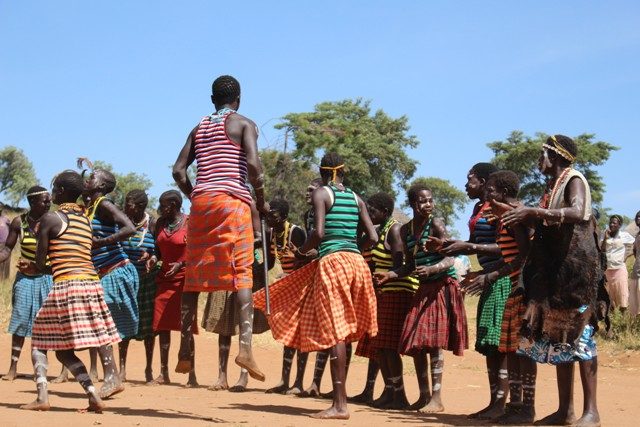
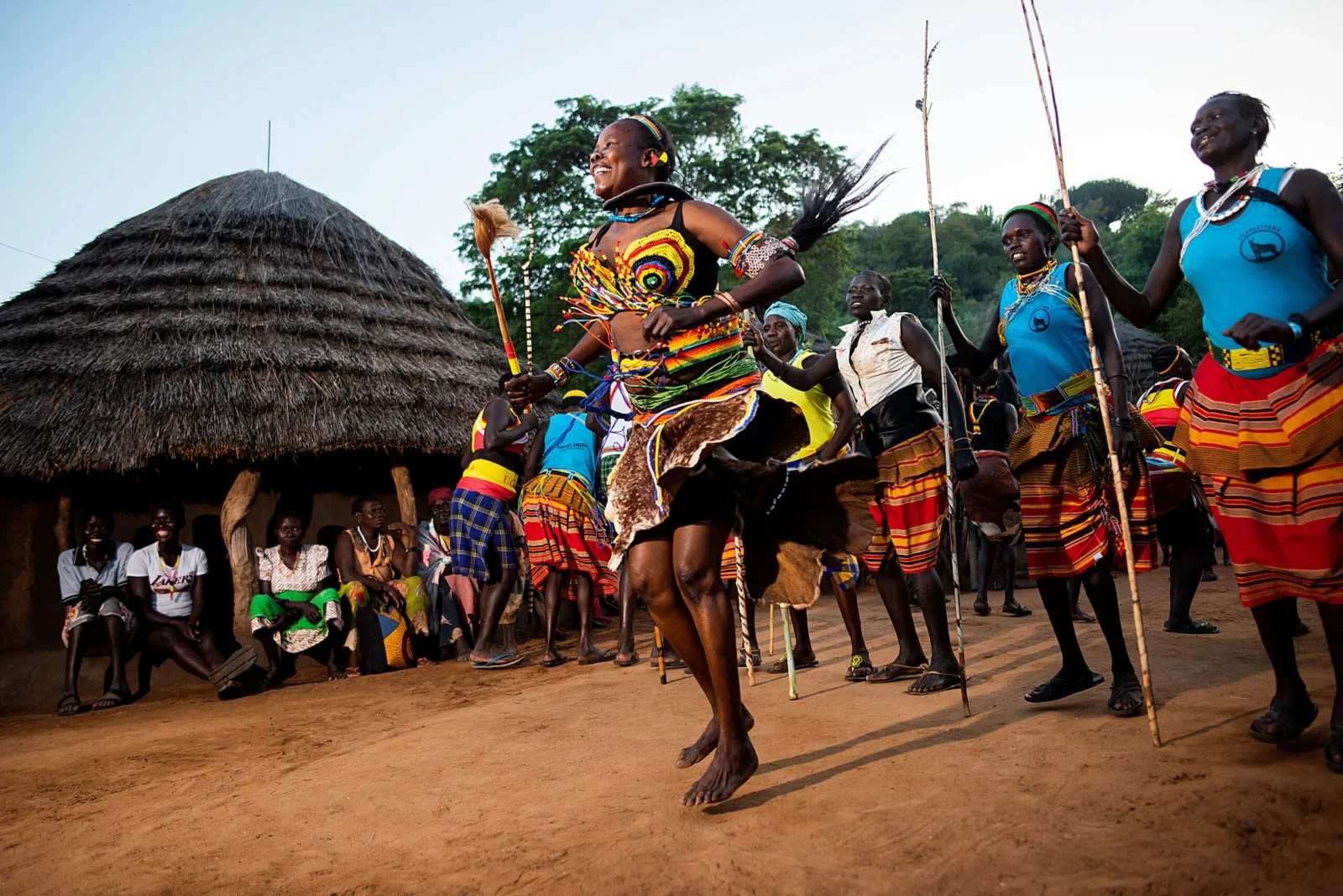
The spirit of the Karamojong is perhaps most vividly expressed through music and dance. Communal performances, often held around fires under the stars, reveal a culture where storytelling is rhythmically transmitted across generations. Men leap high in traditional dances, women sing in harmonious chants, and the beat of drums echoes across the plains. Visitors find themselves not as spectators but as participants, drawn into the energy of performances that connect the present with the ancestors.

The Ik People: A Culture on the Mountains

High in the Morungole Mountains, on the edge of Kidepo, lives the Ik community, one of Uganda’s most unique and least-known ethnic groups. Their remote existence has preserved traditions that differ markedly from their neighbors in the plains. Accessing the Ik requires guided treks up rugged slopes, but the reward is an encounter with a community whose resilience is as inspiring as it is humbling.

The Ik are agriculturalists, cultivating the highland soils in contrast to the pastoral Karamojong. Their villages, perched in isolated ridges, reveal a life of simplicity, where family and communal bonds are central. Visitors who spend time with the Ik are introduced to traditional foods, dances, and the fascinating oral histories that describe their survival in a challenging environment. The Ik experience is often described as transformative, for it offers a perspective on human resilience that complements the grandeur of Kidepo’s landscapes.

Daily Life in Karamoja Villages

Homesteads and Hospitality

Visits to traditional manyattas reveal not only the architecture of Karamojong life but also the hospitality of its people. A manyatta is constructed with careful skill, using local materials to create circular huts enclosed by protective thorn fences. These enclosures provide safety for families and livestock alike, symbolizing the interconnectedness of community life.

Guests are often welcomed warmly, offered local brews such as ajon, and invited to share in meals. The hospitality is not staged for visitors but emerges from a deep cultural tradition of generosity. For many travelers, the moments spent sitting with families, sharing stories, and observing daily routines create memories as enduring as any wildlife sighting.

Craftsmanship and Expression

Artisanship also plays a role in community tourism. Visitors are introduced to crafts such as beadwork, iron-smithing, and leatherwork, which reflect both utility and cultural expression. Beaded necklaces worn during ceremonies carry meanings of status and beauty, while iron tools demonstrate skill that has been passed across generations. Purchasing such crafts directly from artisans not only supports livelihoods but also carries home a tangible reminder of the cultural journey.Community Tourism Experiences around Kidepo Valley
The Role of Storytelling in Cultural Encounters

One of the most profound aspects of community tourism around Kidepo is the role of storytelling. Elders recount histories of migrations, battles, and ancestral traditions, while younger generations share perspectives on modern challenges. These narratives are not only about the past but also about the present realities of climate change, shifting economies, and cultural preservation.

For travelers, these stories transform the perception of Karamoja. What may initially appear as a remote and harsh region is redefined as a place of wisdom, heritage, and survival. In the words and voices of the communities, the land takes on a human dimension that deepens the overall safari experience.

Community Tourism Activities Around Kidepo

Guided Cultural Tours

Organized cultural tours allow visitors to explore manyattas, kraals, and local markets under the guidance of community representatives. These tours are designed not as spectacles but as authentic exchanges. The emphasis is placed on interaction, conversation, and learning rather than on performance, ensuring that both visitors and hosts gain from the experience.

Walking Safaris with Local Guides

In addition to wildlife-focused walking safaris, local guides often lead treks that highlight medicinal plants, traditional survival techniques, and cultural landmarks. Walking with community members adds a new dimension to exploration, for landscapes are interpreted not only as habitats for wildlife but also as homes for people whose traditions are tied to the land.

Cultural Performances

Evening performances of music and dance are often included in community visits. These events are deeply participatory, with visitors encouraged to join in the singing, drumming, and dancing. The connection forged through rhythm and song becomes a highlight of many safaris, reminding travelers that culture, like wilderness, thrives on shared energy.

The Impact of Community Tourism

Economic Empowerment

Community tourism initiatives around Kidepo play a vital role in providing economic opportunities in a region where livelihoods are often vulnerable. Income from cultural visits, craft sales, and guiding supports families and strengthens the sustainability of communities. In this way, tourism becomes a tool for empowerment, creating incentives to preserve traditions while adapting to changing realities.

Conservation and Coexistence

Tourism also strengthens conservation. By creating value in cultural heritage, communities find reasons to engage positively with the protection of Kidepo Valley National Park. The benefits of hosting visitors are often reinvested in education, healthcare, and livestock management, linking community well-being to the preservation of wildlife and landscapes.

Challenges in Community Tourism

While community tourism offers immense potential, challenges remain. Accessibility to remote villages, particularly the Ik on Mount Morungole, requires investment in infrastructure and sustainable practices. Balancing authenticity with tourism expectations can also be delicate, as communities strive to share their culture without altering it to fit visitor preferences.

Furthermore, climate variability poses risks to pastoral livelihoods, making the economic benefits of tourism ever more critical. Sustainable partnerships between communities, park authorities, and tour operators are therefore essential to ensure that community tourism thrives without exploitation or cultural dilution.

Seasonality of Community Experiences

Community encounters, much like wildlife viewing, are influenced by seasonality. During dry months, pastoralists may migrate with their cattle in search of grazing, affecting the dynamics of village life. Ceremonies and festivals also occur at specific times of the year, meaning that the cultural atmosphere can shift with the calendar. Travelers who spend more time in the region or who consult experienced guides often find opportunities to align their visits with these vibrant events, gaining deeper insights into the living traditions of Karamoja.

Integrating Community Tourism with Safari Itineraries

For many travelers, the journey to Kidepo is primarily motivated by wildlife, yet the integration of community tourism transforms the itinerary into something richer. A game drive across the Narus Valley might be followed by an evening in a Karamojong manyatta. A trek to see elephants in the Kidepo Valley may be complemented by a hike to the villages of the Ik. In this integration, the wilderness and the community are not separate attractions but intertwined elements of a single story.

Tour operators increasingly recognize the value of this integration, ensuring that safaris in Kidepo are holistic experiences that reveal both the natural and cultural treasures of Uganda’s remote north.

Human Encounters in the Heart of Wilderness

The grandeur of Kidepo Valley National Park lies not only in its lions on rocky outcrops, its sweeping savannahs, and its rare bird species, but also in the human stories that surround it. The Karamojong, the Ik, and other communities add a dimension of depth that wildlife alone cannot convey. Through community tourism, travelers are not merely observers of landscapes but participants in cultural exchanges that honor resilience, tradition, and identity.

Every handshake, every shared dance, and every story told by firelight enriches the understanding of this remote region. Kidepo becomes not only a wilderness destination but also a cultural frontier where the past and present converge. For those seeking journeys that go beyond the ordinary, community tourism around Kidepo offers an immersion into authenticity that is as unforgettable as the wildlife that roams the valleys.

To ensure that these experiences are planned with respect, authenticity, and comfort, it is strongly recommended that travelers book their Africa tours and safaris with WildHorn Africa, a trusted partner committed to creating meaningful journeys into both the wild and the cultural heart of Uganda’s north.
A Cultural Safari with the Karamojong near Kidepo

A Cultural Safari with the Karamojong near Kidepo

By Travel stories and blogs, Safari holidays, Uganda travel guides

A Cultural Safari with the Karamojong near Kidepo

Experiencing the Heartbeat of Uganda’s Northeast

In the remote and rugged landscapes of northeastern Uganda, where vast savannahs meet jagged mountains, lies an opportunity for travelers to experience something beyond traditional safari adventures. Here, the wilderness is not only defined by lions, elephants, and antelopes but also by the rich cultural heritage of the Karamojong people. A cultural safari near Kidepo Valley National Park is a journey into a world where traditions have been preserved for centuries, and where human life and wildlife coexist in a delicate balance.

Unlike conventional safaris, where the focus is primarily on observing wildlife, a cultural safari with the Karamojong offers insights into social structures, rituals, and everyday life in a semi-arid landscape that has shaped human resilience and ingenuity. The Karamojong communities have maintained a lifestyle deeply rooted in pastoralism, art, and oral traditions, making them an integral part of the region’s identity. This article explores the cultural richness of the Karamojong, the immersive experiences available to travelers, and the unique ways in which culture and nature intersect in one of Uganda’s most remote regions.

Geography and Context: The Land That Shapes Culture

The Karamojong inhabit the semi-arid region of northeastern Uganda, encompassing areas surrounding Kidepo Valley National Park. The landscape is defined by rocky hills, sprawling plains, and seasonal rivers, with the Narus and Kidepo Rivers providing essential water sources for both humans and wildlife. This environment has profoundly influenced the Karamojong way of life, encouraging practices that balance survival, sustainability, and respect for nature.

The semi-arid climate, characterized by dry and wet seasons, dictates the rhythm of daily life. During the dry season, pastoralist communities move livestock strategically to access water and pasture, while the wet season brings grazing abundance and opportunities for communal agricultural activities. Understanding this geography is essential to appreciating the deep connection between the Karamojong and their environment, a connection that forms the foundation of the cultural safari experience.

The Karamojong People: Guardians of Tradition

The Karamojong are a Nilotic ethnic group whose identity is closely intertwined with livestock herding. Cattle are not merely economic assets; they are symbols of wealth, social status, and spiritual significance. The management of herds is guided by centuries-old knowledge, passed down through generations, encompassing grazing patterns, disease prevention, and water management.

Social structures within Karamojong communities are organized around clans, age sets, and gender roles, each carrying specific responsibilities and traditions. Elders hold authority and are regarded as custodians of history and culture, guiding younger generations in rituals, conflict resolution, and community decisions. The respect accorded to elders and the adherence to traditional knowledge systems are central to understanding the Karamojong way of life.

Women play vital roles in the community, managing household duties, food preparation, and traditional crafts. Beadwork, leatherwork, and weaving are practiced not only as forms of artistry but also as cultural expressions that reflect identity, status, and social connections. The intricate patterns, colors, and techniques used in Karamojong crafts are recognized as some of the most refined in East Africa, and they offer travelers a tangible link to the people’s heritage.

Cultural Immersion: Experiences for Travelers

A cultural safari with the Karamojong allows travelers to engage in immersive experiences that go beyond passive observation. Visitors may spend time in homesteads, observing daily routines, learning about traditional food preparation, and participating in communal activities. Interaction with children and youth provides insights into educational practices, games, and the transmission of cultural values.

Rituals and ceremonies offer profound windows into Karamojong spirituality and social life. Initiation ceremonies, traditional dances, and communal gatherings are conducted with careful attention to ancestral practices and symbolism. These events are not staged for tourists; rather, they are genuine expressions of identity, offering travelers the rare opportunity to witness living traditions that have endured through centuries.

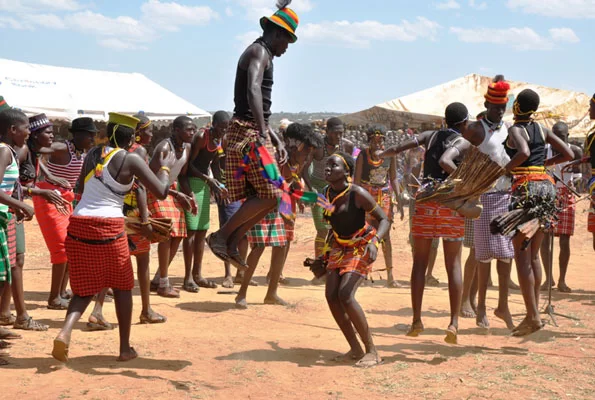
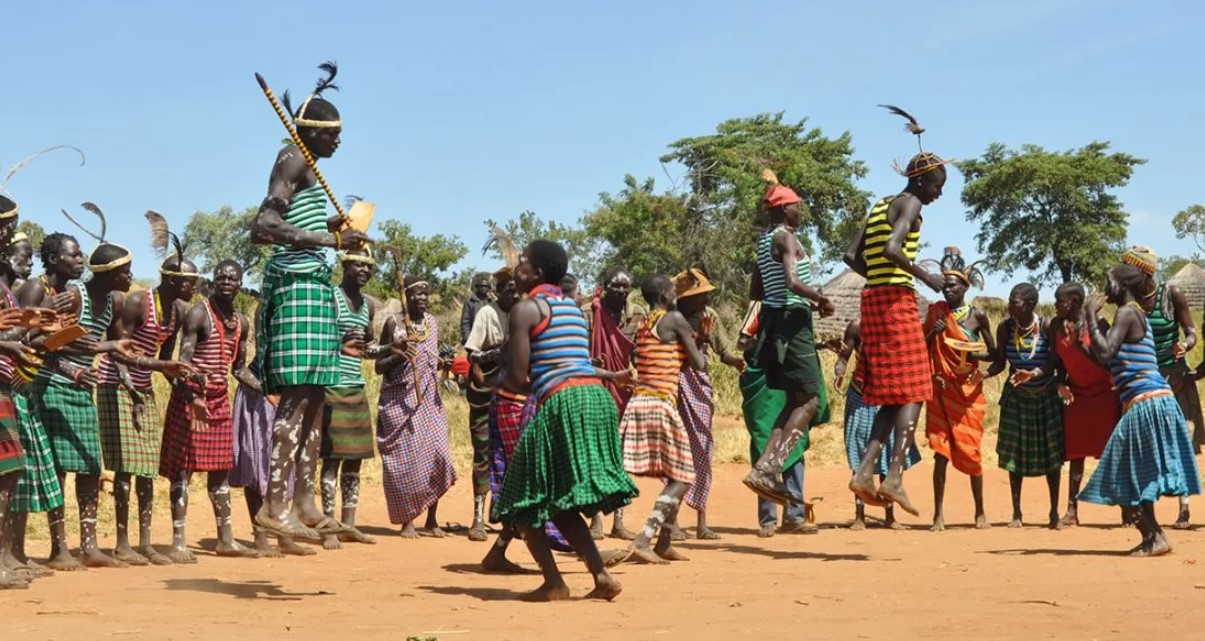
Music and dance play central roles in Karamojong culture. Rhythmic chanting, drumming, and song accompany dances that mark significant life events, including marriages, harvests, and initiations. Participation in these activities, when permitted, allows travelers to experience the vibrancy and emotional resonance of the community firsthand. Guides facilitate respectful engagement, ensuring that visitors observe protocols and contribute to a mutually enriching experience.

Traditional Knowledge and Survival Skills

The Karamojong have developed a profound understanding of the land, animals, and climate, skills that have been refined over generations. Knowledge of edible plants, water sources, and natural remedies is integrated into daily life, reflecting an intimate connection with the environment. Travelers on cultural safaris often learn about these practices, gaining insights into how communities thrive in semi-arid conditions where resources are scarce.

Animal husbandry techniques are central to Karamojong expertise. Herding strategies, disease management, and migration patterns are taught to younger generations as a matter of survival and social continuity. Observing and sometimes participating in these practices allows travelers to appreciate the depth of traditional knowledge and the ingenuity required to sustain life in challenging ecosystems.A Cultural Safari with the Karamojong near Kidepo

Cattle and Social Economy

Cattle are the cornerstone of Karamojong society, influencing social interactions, economic exchange, and spiritual life. The size and health of a herd determine wealth and social standing, while livestock transactions, including bride price payments and trade, shape community relationships. Herding is not merely an economic activity but a cultural practice embedded with rituals, songs, and proverbs that communicate values, history, and aspirations.

Travelers on cultural safaris gain insights into the centrality of cattle, observing the careful management of herds, communal grazing systems, and the ceremonial aspects associated with livestock. Understanding this relationship between humans and animals enriches the safari experience, highlighting the complex interplay between culture, economy, and ecology.

Interactions with Wildlife: Coexistence in the Wild

The proximity of Kidepo Valley National Park adds a unique dimension to cultural safaris with the Karamojong. Wildlife is an ever-present factor, influencing grazing strategies, settlement patterns, and risk management. Elephants, antelopes, lions, and other species often move through areas where communities live, necessitating knowledge of animal behavior and mitigation practices to prevent conflicts.

Travelers may observe these interactions, gaining an understanding of how human communities and wildlife coexist in a shared landscape. This perspective enhances appreciation of Kidepo’s conservation significance and underscores the resilience and adaptability of the Karamojong people.

Cuisine and Traditional Practices

Food preparation is a daily ritual that reflects both resourcefulness and cultural identity. Traditional dishes, often based on millet, sorghum, maize, and occasionally meat or dairy, are prepared using methods passed down through generations. Visitors may participate in the preparation of meals, learning about techniques, flavors, and the communal aspects of dining.

Crafts, including beadwork and leatherwork, are produced with remarkable skill and attention to detail. These crafts are not merely decorative but convey stories, social roles, and status. Travelers can engage with artisans, gaining insights into techniques, symbolism, and the cultural significance of materials and designs. These experiences create a multi-sensory understanding of Karamojong culture, blending visual, tactile, and gustatory learning.

Seasonal Life and Cultural Cycles

The lives of the Karamojong are attuned to seasonal rhythms. Dry and wet seasons dictate herd movements, agricultural activities, and social events. The dry season often involves longer cattle migrations and preparation for scarcity, while the wet season brings abundance, communal celebrations, and agricultural planting. Travelers visiting at different times of the year may witness distinct aspects of daily life and cultural expression, emphasizing the dynamic nature of tradition in response to environmental conditions.

Understanding these cycles allows travelers to contextualize observed practices, from livestock management and food preparation to ceremonial gatherings and conflict resolution. The cultural safari becomes an opportunity to witness resilience, adaptability, and continuity in action, providing profound insight into the relationship between humans, environment, and wildlife.

Guided Cultural Safaris: Enhancing Understanding

Guided cultural safaris are essential for ensuring respectful and meaningful engagement. Knowledgeable guides facilitate introductions, explain customs, and interpret the significance of observed practices. They ensure that visitors observe social protocols, avoid intrusive behaviors, and gain a deeper understanding of the interconnectedness of Karamojong life with the surrounding ecosystem.

Guides often provide historical context, explaining how colonial legacies, regional conflicts, and conservation policies have influenced cultural practices. This framing allows travelers to appreciate both continuity and adaptation in Karamojong society, enhancing the educational value of the safari while respecting community autonomy.

Photography and Documentation

Photography during cultural safaris requires sensitivity and awareness. While many Karamojong communities are open to sharing aspects of daily life, permission must be sought, and ethical considerations observed. Photographs are not merely souvenirs; they document living traditions and human interactions with the landscape. Travelers are guided to capture images respectfully, ensuring that cultural integrity is preserved while still creating meaningful visual records.

Photography provides a complementary dimension to the safari experience, allowing travelers to reflect on and share the richness of Karamojong culture with broader audiences. When conducted thoughtfully, it enhances understanding and appreciation rather than imposing on the community.

Conservation and Cultural Preservation

The cultural safari is intrinsically linked to broader conservation efforts. The preservation of Karamojong traditions aligns with the conservation of Kidepo Valley National Park, as both depend on sustainable interactions with the environment. Tourism initiatives, when managed responsibly, provide income that supports community development, cultural preservation, and environmental protection.

Visitors gain insight into the symbiotic relationship between culture and conservation, observing how community knowledge contributes to wildlife management, natural resource stewardship, and ecological balance. This understanding transforms the safari from a passive experience into an informed engagement with sustainable practices.

Immersing in Karamojong Life

A cultural safari with the Karamojong near Kidepo Valley National Park offers a profoundly enriching experience that blends wildlife observation, cultural immersion, and ecological understanding. Travelers are not merely spectators but participants in a living landscape, witnessing centuries-old traditions, seasonal rhythms, and resilient ways of life.

To fully experience this unique dimension of Uganda’s northeast, the guidance and expertise of professional safari operators are invaluable. Every aspect of travel, from transportation and accommodation to cultural engagement and ethical interaction, can be facilitated to ensure a meaningful, respectful, and unforgettable experience.

For those seeking to combine the majesty of Kidepo’s wildlife with the vibrancy and depth of Karamojong culture, book your Africa tours and safaris with WildHorn Africa, a trusted partner dedicated to creating immersive, responsible, and unforgettable journeys through one of Uganda’s most remarkable regions.

Close Menu