search
Our Expert’s Recommendations for Places to Stay on Safari in Zambia

Our Expert’s Recommendations for Places to Stay on Safari in Zambia

By Travel guides, Travel stories and blogs, Zambia travel guides

Our Expert’s Recommendations for Places to Stay on Safari in Zambia. Where Wild Frontiers and Sophisticated Retreats Converge. In the heart of Southern Africa, Zambia remains one of safari’s best-kept secrets—a land where rivers run wide and free, wildlife thrives undisturbed, and travelers are invited to step off the well-trodden path and into a world of raw authenticity. Unlike its more commercialized neighbors, Zambia offers a genuinely wild safari experience, where luxury is measured not only by thread counts or plunge pools, but by the intimacy of moments shared with nature.

This is a country defined by its natural abundance. From the roaring majesty of Victoria Falls, one of the Seven Natural Wonders of the World, to the lush floodplains of the Lower Zambezi, and the predator-rich valleys of South Luangwa, Zambia speaks to the soul of the true safari enthusiast. It is here, amidst sweeping landscapes and timeless rivers, that some of Africa’s most refined yet grounded safari camps and lodges quietly shine.

For those planning a journey into Zambia’s untamed heart, the selection of where to stay plays a critical role. Our experts have curated a list of exceptional safari accommodations that combine strategic location, superior guiding, conservation commitment, and a sense of place that is both luxurious and unpretentious. Each property chosen not only offers a roof under the stars, but a portal into the rhythm and drama of Africa’s great wilderness.

Time + Tide Chinzombo – South Luangwa National Park

In the storied wilderness of South Luangwa, regarded as one of the most game-rich parks on the continent, Time + Tide Chinzombo stands as a beacon of modern design woven seamlessly into the wild. The camp’s sleek architecture and natural materials reflect a philosophy of eco-luxury, where style serves the environment, not the other way around.

Each villa is equipped with its own private deck and plunge pool, overlooking a bend in the Luangwa River where hippos wallow and elephants cross at dusk. What distinguishes Chinzombo is its balance—offering serene sophistication without losing the tactile connection to the bush. Guests enjoy exclusive access to some of the most productive game areas in the park, guided by some of Zambia’s most seasoned professionals. Walking safaris, for which South Luangwa is globally famed, become deeply immersive when led from this exceptional base.

Sausage Tree Camp – Lower Zambezi National Park

Along the tranquil, wildlife-laden banks of the Zambezi River, Sausage Tree Camp offers a more fluid safari experience—one where the daily rhythm is shaped as much by water as by land. The camp’s position in Lower Zambezi National Park, a UNESCO-recognized ecosystem, means sightings of elephants swimming across the river, leopards stalking at night, and lions basking on sandbanks are routine, not rare.

At Sausage Tree, personalization takes precedence. Each guest is paired with a private guide and vehicle, and the camp’s bush gym, wine cellar, and riverside dining elevate the comfort level without alienating the rawness of the environment. The property’s signature “sunset canoes,” gently drifting past pods of hippos and crocodiles, remain among Zambia’s most ethereal safari moments. This is a place where the river dictates the pace, and guests are invited to let go and move with nature’s current.

Shumba Camp – Kafue National Park

For those drawn to wilder, less-traveled corners, Kafue National Park offers endless horizons and a more exclusive safari experience. At its center lies the Busanga Plains, a seasonal floodplain that bursts into a vibrant mosaic of wildlife during the dry months. It is here that Shumba Camp—meaning “lion” in the local language—claims its position as one of Zambia’s most dramatic stays.

Built on raised wooden platforms to remain above the flooding waters, Shumba provides not only stunning panoramic views but also intimate encounters with Kafue’s diverse fauna, including cheetahs, lions, leopards, and rare antelope species. The guiding is exceptional, and the camp’s efforts toward sustainable operations have made it a flagship of low-impact luxury. When dawn breaks over the misty plains and the silence is broken only by the calls of cranes and lions, guests at Shumba feel they have stepped into a forgotten world untouched by time.

Tena Tena – South Luangwa National Park

If the heart longs for a more traditional, tented safari experience that emphasizes storytelling, solitude, and authenticity, then Tena Tena offers the perfect retreat. Run by the legendary Robin Pope Safaris, this camp embodies the old-world charm of safaris past, with canvas walls, flickering lanterns, and campfire evenings that echo with tales of the bush.

Situated in the remote Nsefu sector of South Luangwa, Tena Tena offers access to areas teeming with wildlife yet free from traffic. The guiding is immersive, the camp atmosphere is communal, and the setting—under a grove of mahogany trees along the Luangwa River—is serene and spellbinding. There is a focus here on slow safari, where the rewards are found in patience, silence, and deep attention. For those seeking connection—both with nature and within—Tena Tena is a place where the bush speaks clearly.

Chongwe River House – Lower Zambezi

For families or private groups seeking total exclusivity without compromise, Chongwe River House presents a unique architectural wonder on the Lower Zambezi’s edge. Sculpted out of locally sourced materials and inspired by natural forms, the house feels like a living sculpture nestled in wilderness. Its flowing walls, open spaces, and stunning river views make it an ideal sanctuary for those desiring privacy, while still enjoying the services of a full safari team, including a private chef and guide.

Game drives, boat safaris, fishing, and canoeing are all part of the experience here. Yet the real magic lies in the house itself—a place where art, luxury, and nature merge seamlessly. It is rare to find such aesthetic ambition in the heart of the wild, and even rarer to find it married so effectively with world-class safari service.

Nsolo Bush Camp – South Luangwa Walking Trails

Those drawn to the purer forms of safari—unplugged, unfiltered, and fiercely wild—will find their home at Nsolo Bush Camp. This is one of the original bush camps in South Luangwa and still one of the most revered. Its rustic chalets, perched above the Luwi River’s dry riverbed, offer minimal distractions and maximum immersion.

The camp is a key part of a legendary walking trail circuit, where guests hike between remote bush camps with expert guides and armed scouts. At Nsolo, wildlife encounters occur not through a window or from a vehicle, but eye-to-eye and heartbeat-to-heartbeat. This is Zambia at its most elemental—a place where each sound in the night, each footprint in the dust, holds ancient meaning.

Why Choosing the Right Camp Matters

In a destination as diverse and ecologically rich as Zambia, the choice of accommodation shapes not just your level of comfort, but your very relationship with the land. Some camps emphasize exclusivity, others prioritize intimacy. Some highlight modern design, others echo safari’s earliest traditions. But the finest lodges all share a core commitment to sustainable tourism, conservation ethics, and the preservation of authentic wilderness experiences.

Zambia’s remoteness ensures that overcrowding is never a concern. Instead, visitors are rewarded with space—space to think, to breathe, to observe. And within this space, the right camp can elevate a safari from memorable to transformational.

Book Your Zambian Safari Journey with WildHorn Africa

As Zambia continues to emerge as one of Africa’s premier safari destinations, the demand for curated, meaningful travel has never been greater. Navigating this untouched terrain requires not only local expertise, but a passion for crafting journeys that are immersive, ethical, and unforgettable.

WildHorn Africa offers travelers a bridge into this world—bringing together the finest camps, expert guides, and personalized service to create bespoke safaris with soul. Whether you’re drawn to the majestic solitude of Kafue, the predator-rich plains of South Luangwa, or the serene waterways of the Lower Zambezi, WildHorn Africa ensures your journey is designed with integrity, insight, and inspiration.

For travelers ready to go beyond the usual and discover Africa’s hidden wild sanctuaries, the path begins here.
Book your Zambia safari through WildHorn Africa—and let the adventure unfold naturally, authentically, and beautifully.
15 Top Places To Visit in Namibia

15 Top Places To Visit in Namibia

By Namibia travel guides, Travel guides, Travel stories and blogs

15 Top Places To Visit in Namibia

In a world of crowded cities and well-trodden tourist paths, Namibia offers something rare—untamed solitude paired with surreal beauty. Stretching along Africa’s southwest coast, this land of shifting sands, craggy mountains, fossilized forests, and endless skies feels almost otherworldly. It is a country where time seems suspended, and nature exists in its most elemental form.

Travelers who venture here do not just visit destinations—they experience landscapes that whisper the ancient language of the earth, sculpted by wind, water, and time itself. From towering dunes that catch fire at sunrise to eerie shipwreck-littered coasts and wildlife-rich savannas, Namibia’s diversity is astounding. Every corner of this country tells a story, and those stories linger long after the journey ends.

What follows is a curated selection of 15 of the most unforgettable places to visit in Namibia—each one offering a unique lens into the soul of this magnificent land.

Sossusvlei: The Icon of Namibia’s Desert Dreams

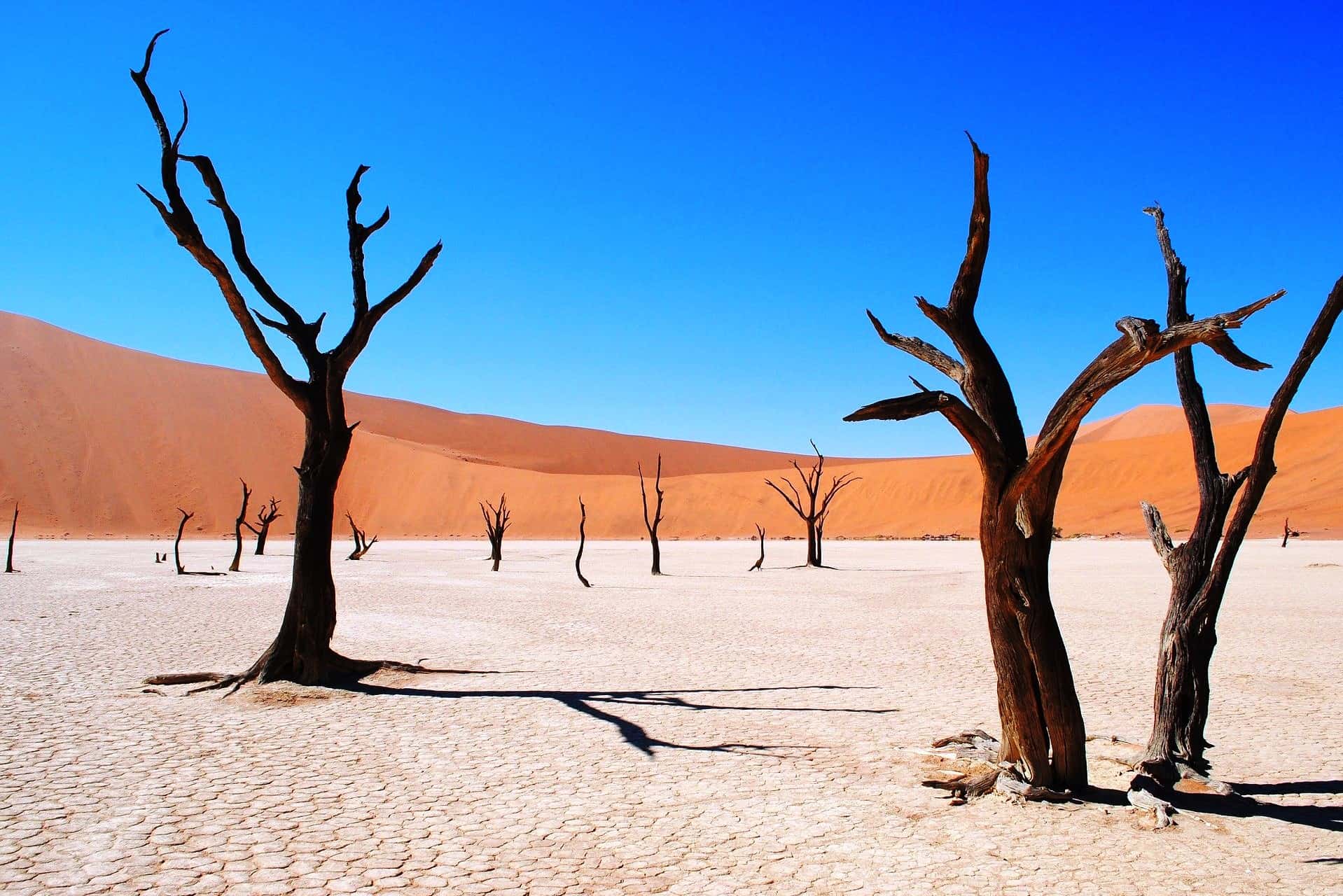
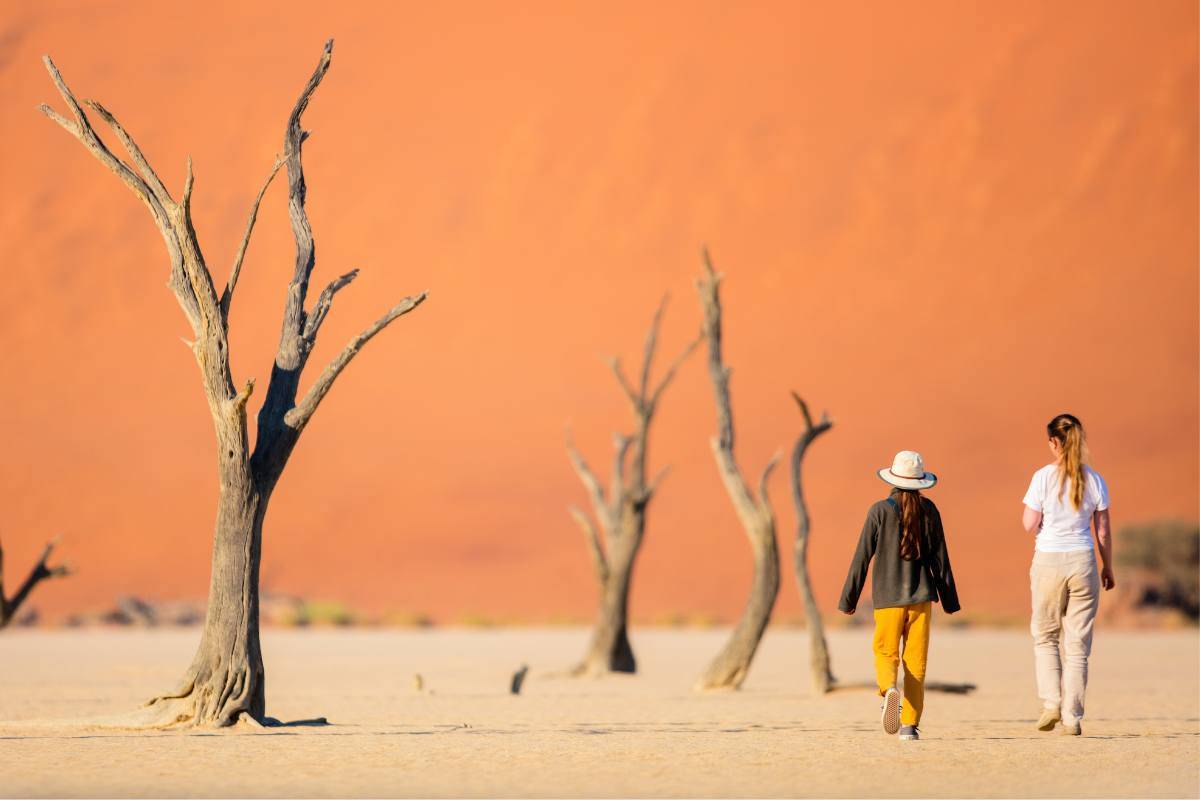
No visit to Namibia would be complete without standing in awe at Sossusvlei, the heart of the Namib Desert and perhaps the country’s most iconic landscape. Here, crimson sand dunes rise more than 300 meters into the sky, creating a vast canvas of color and shadow. At their base lie salt pans where skeleton trees stand like ancient sentinels, most famously captured in the surreal beauty of Deadvlei.

Sunrises and sunsets transform the dunes into glowing sculptures, drawing photographers and adventurers alike. Despite its arid conditions, life persists—oryx, jackals, and lizards navigate the burning sands with quiet resilience. Sossusvlei is not just a destination; it is a testament to nature’s power and artistry.

Etosha National Park: A Wildlife Theater on Salt and Dust

To witness Namibia’s wildlife in concentrated brilliance, Etosha National Park provides a front-row seat to nature’s grand performance. At the center lies the vast Etosha Pan, a shimmering white salt flat so expansive it can be seen from space. During the dry season, animals from all directions converge on the park’s waterholes, creating some of the most dramatic game viewing in Southern Africa.

Elephants, lions, giraffes, rhinos, and a multitude of antelope share the stage, while migratory birds and flamingos arrive with the rains. Unlike more crowded parks elsewhere on the continent, Etosha allows for an intimate safari experience, where quiet moments between predator and prey unfold without interruption.

Swakopmund: Where Adventure Meets the Atlantic

Nestled between towering dunes and the icy Atlantic Ocean, Swakopmund exudes an unlikely but captivating charm. This German-influenced coastal town surprises visitors with its blend of colonial architecture, adrenaline-pumping activities, and seaside tranquility.

Dune boarding, quad biking, and skydiving attract thrill-seekers, while dolphin cruises and desert tours reveal the area’s ecological richness. The juxtaposition of sand and sea is both striking and surreal, and evenings are best spent watching the sun dip into the Atlantic from a beachside café. Swakopmund is a place where modern adventure meets old-world elegance, wrapped in Namibia’s signature silence.

Skeleton Coast: A Wreck-Strewn Realm of Mystery

The northern Atlantic coast of Namibia is known as the Skeleton Coast, a haunting stretch of shoreline defined by shipwrecks, bleached whale bones, and relentless fog. It is both desolate and mesmerizing, offering visitors a glimpse into nature’s raw and ruthless forces.

Accessed primarily by fly-in safaris or guided overland expeditions, this remote region hosts an eerie beauty. Seals gather in the tens of thousands at Cape Cross, while desert-adapted elephants and lions roam the dry riverbeds inland. The Skeleton Coast is where the line between life and death is thin, and where the desert meets the sea in a dramatic, eternal struggle.

Damaraland: Rugged Landscapes and Ancient Stories

In central Namibia, Damaraland stretches out like an untamed canvas of red rocks, twisted hills, and ancient echoes. It is a place where geology and anthropology intersect—a land that preserves both the fossilized past and living traditions.

The towering granite outcrops of Spitzkoppe and Brandberg Mountain rise above the plains, sheltering ancient San rock art that dates back thousands of years. The desert-dwelling elephants and rhinos that survive in this arid landscape speak to nature’s adaptability, while the local Damara communities offer cultural insights rooted in deep ancestral connection. Damaraland is not just remote—it is profoundly spiritual.

Fish River Canyon: Africa’s Grand Chasm

Second in size only to the Grand Canyon, Fish River Canyon is a geological marvel of staggering proportions. Carved over millennia by the Fish River, this 160-kilometer-long chasm offers views that both humble and inspire.

Hiking the canyon, particularly along its multi-day trail, is one of Namibia’s greatest physical challenges—and rewards. The experience is shaped not only by the canyon’s immense scale but by its silence, where only the whisper of wind and the call of raptors disturb the stillness. For those who prefer less strenuous encounters, scenic viewpoints near Hobas Camp provide awe without effort.

Namib-Naukluft National Park: The Soul of the Sand Sea

Among the largest conservation areas in Africa, Namib-Naukluft National Park encapsulates the surreal elegance of Namibia’s deserts. It is home to the world’s oldest desert, where the sands have shifted and whispered for over 55 million years.

The park hosts a mosaic of environments—sand dunes, rocky escarpments, and ephemeral rivers—each alive with endemic species. Hidden within the park lies Sesriem Canyon, a narrow gorge carved by floodwaters, and the haunting beauty of Elim Dune. The Namib-Naukluft is a place to witness nature’s patience and persistence, where time has shaped every grain of sand.

Kolmanskop: A Ghost Town Buried by Time

Near the southern coastal town of Lüderitz lies Kolmanskop, a ghost town swallowed by the sands of the Namib. Once a booming diamond mining settlement, it has since been reclaimed by the desert, its empty houses slowly being filled with dunes.

Walking through Kolmanskop is like stepping into a surreal time capsule. Sunlight filters through broken windows onto wooden floors buried in sand, while faded wallpaper peels from walls that once heard laughter and longing. It is a stark, beautiful reminder that nature always reclaims what man attempts to conquer.

Lüderitz: A Coastal Town Frozen in Time

Perched on the edge of the Atlantic, Lüderitz offers a contrast to Namibia’s inland desolation. With its art nouveau architecture, German street names, and pastel-colored buildings, the town feels curiously out of place yet deeply intriguing.

The surrounding landscape is equally unusual—wind-whipped bays, isolated beaches, and the nearby ghost towns of the Sperrgebiet diamond area. Penguins, flamingos, and seals inhabit the frigid waters, while boat excursions reveal marine biodiversity. Lüderitz is a reminder that Namibia’s soul is not only in its deserts—but also in its oceans.

Caprivi Strip (Zambezi Region): Water in the Wilderness

While Namibia is often associated with arid lands, the northeastern Caprivi Strip, now known as the Zambezi Region, offers a radically different environment. Here, lush floodplains and rivers carve through dense vegetation, attracting wildlife and birdlife unlike anywhere else in the country.

The area is home to national parks such as Bwabwata, Mudumu, and Nkasa Rupara, where elephants, hippos, crocodiles, and buffalo roam freely. This corner of Namibia shares ecological ties with the Okavango Delta and Zambia’s wetland systems, offering a water-rich safari experience in an otherwise dry land.

Waterberg Plateau: Sanctuary in the Sky

Rising dramatically from the surrounding savannah, Waterberg Plateau is both a scenic landmark and a critical conservation zone. Its lush, elevated terrain serves as a refuge for endangered species such as black and white rhinos, sable antelope, and roan.

Walking trails lead to panoramic viewpoints, while guided tours delve into the plateau’s biodiversity and conservation history. Cultural encounters with the Herero people, known for their Victorian-influenced dress, add depth to the experience. The Waterberg is where ecology and culture meet in an inspiring display of preservation and resilience.

Okonjima Nature Reserve: Leopards and Legacy

Midway between Windhoek and Etosha lies Okonjima, a privately run reserve and home to the AfriCat Foundation, an organization dedicated to big cat conservation. Visitors are drawn here for the chance to track leopards and cheetahs on foot or by vehicle in a carefully managed, ethical environment.

The reserve also offers luxurious accommodations and educational programs, ensuring that every visit supports research, rehabilitation, and awareness. Okonjima is where conservation becomes personal, and where every encounter carries meaning beyond the moment.

Windhoek: Namibia’s Capital Heartbeat

While Namibia’s wild spaces steal the spotlight, Windhoek provides a vibrant gateway to the country’s soul. The capital city blends German colonial architecture, African culture, and a growing cosmopolitan energy. Museums, craft markets, and culinary experiences await, offering insight into Namibia’s past and present.

It is a city of contrasts—quiet yet bustling, modern yet traditional. Windhoek is not just a place of arrival or departure; it is a space to understand the people and politics that shape the Namibian identity.

Experience Namibia with WildHorn Africa

To traverse Namibia’s vast and varied landscapes is to witness a country that defies expectations and deepens one’s sense of awe. Each destination reveals a different layer of its soul—from ancient deserts and ghost towns to wetlands alive with sound and color. The journey is not merely visual—it is spiritual, emotional, and deeply personal.

For those ready to embark on a truly transformative adventure, WildHorn Africa crafts tailor-made safari experiences that capture Namibia’s essence with precision and passion. With expert guides, handpicked lodges, and a commitment to responsible travel, WildHorn Africa ensures that your journey through Namibia is not only extraordinary—but unforgettable.

Book your Namibia adventure today with WildHorn Africa—and let the desert, the wildlife, and the wind tell you a story you’ll never forget.

Everything You Need to Know Before Visiting Devil’s Pool Victoria Falls

Everything You Need to Know Before Visiting Devil’s Pool Victoria Falls

By Travel guides, Travel stories and blogs, Zambia travel guides

Everything You Need to Know Before Visiting Devil’s Pool Victoria Falls

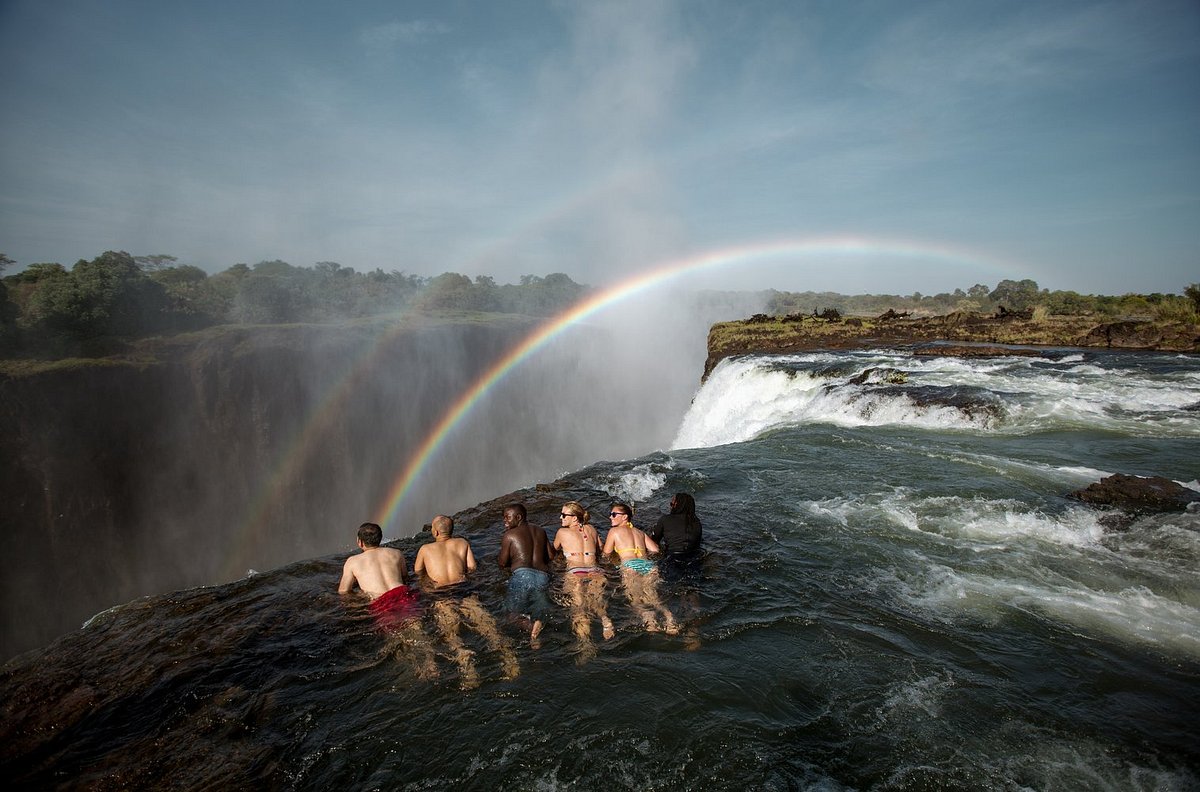
There are places on Earth that defy belief—places so surreal they seem born from myth or dreams. At the edge of Victoria Falls, one of the largest and most powerful waterfalls on the planet, lies one such place: Devil’s Pool. Carved by nature and sculpted over centuries, this adrenaline-pumping natural rock pool sits right at the precipice of the mighty falls, offering a view that is both terrifying and spellbinding. With water rushing past just inches away, visitors who brave the pool find themselves suspended between earth and sky, held safely in a quiet eddy while the Zambezi River plunges over 100 meters into the chasm below.

This once-in-a-lifetime experience has captured the imagination of travelers from around the world. But while Devil’s Pool is one of the most exhilarating attractions in southern Africa, it is not one to approach lightly. A visit to this thrilling site requires not only courage but also a good understanding of timing, safety, logistics, and ethical considerations. To stand on the very lip of Victoria Falls is to stand at the meeting point of nature’s raw power and man’s deepest desire to feel alive.

Where It Is and How It Exists

Devil’s Pool is located on Livingstone Island, situated in the Zambezi River on the Zambian side of Victoria Falls. This remarkable natural formation appears only during a short window of the year—when the water levels of the Zambezi drop low enough to expose a rock ledge that acts as a barrier, preventing swimmers from being swept over the edge.

This unique geological feature has been shaped over millennia by the relentless force of the river. The current, though swift, is diverted in such a way that a calm, almost deceptively serene pool forms at the very brink of the falls. During the dry season, which typically spans from late August to early January, the conditions become ideal for the Devil’s Pool to emerge, allowing access for adventurous swimmers.

The location of the pool offers not only unmatched proximity to the falls, but also panoramic views that stretch into the misty gorge below. The roar of the falling water, the shimmering rainbows in the spray, and the wind that whips through the chasm below all contribute to a sensory experience that is utterly incomparable.

When to Visit: The Window of Opportunity

Timing is everything when it comes to visiting Devil’s Pool. This attraction is strictly seasonal, as high water levels during the wet season (typically from February to July) render the site far too dangerous for visitation. Access is limited to the dry season, when the flow of the Zambezi diminishes and Livingstone Island becomes safe to reach by boat.

Generally, the window to swim in Devil’s Pool begins in late August and continues until the onset of the rains in early January. During these months, the river’s volume recedes just enough to reveal the rocky lip and create the stable conditions needed for safe swimming.

Visitors planning a trip during this time are advised to book in advance, as daily numbers are tightly controlled to ensure both safety and preservation of the site. The experience is offered only through guided tours operated by authorized companies with trained staff and strict safety protocols.

The Experience: From Launch to the Lip

Visiting Devil’s Pool begins with a short but thrilling boat ride from the Zambian bank to Livingstone Island, navigating through narrow channels, past pods of hippos and basking crocodiles. Upon arrival at the island, guests are welcomed by their guides and given a comprehensive safety briefing.

The walk to the pool is guided and cautious, passing over slippery rocks and natural terrain shaped by erosion and moss. Every step is deliberate, every movement accompanied by the hum of falling water in the near distance. As one approaches the pool, the rumble of the falls grows louder, until it becomes a thunderous presence that dominates all else.

Upon entering the water, visitors are assisted by guides who ensure that positioning and balance are carefully maintained. The edge of the pool lies just meters away from the drop-off—a sheer curtain of water that plunges dramatically into the gorge below. Here, on this natural ledge, swimmers can lean out over the edge, gaze into the abyss, and feel the mist rising from one of the planet’s most iconic natural wonders.

Despite the adrenaline rush, the experience remains surprisingly tranquil. The natural rock wall beneath the surface acts as a barrier, while the guides keep a close watch and even assist with photography. Moments spent in Devil’s Pool are short but unforgettable—a blend of primal thrill and serene awe.

Safety First: The Myth and the Reality

Though dramatic and seemingly perilous, Devil’s Pool is considered safe when accessed under proper conditions and with trained supervision. No one is allowed to visit without a licensed guide, and strict safety measures are in place to ensure that risks are minimized.

Still, it is not an adventure for everyone. A basic level of fitness, swimming ability, and comfort with heights is required. The terrain is uneven and slippery, and the emotional intensity of the experience should not be underestimated. Visitors are expected to follow every instruction given by their guides, who are seasoned professionals familiar with both the site and its seasonal variables.

For those who may not feel up to the challenge, simply visiting Livingstone Island without entering the pool offers its own rewards. Viewing the falls from this unique vantage point—where explorer David Livingstone first laid eyes on the falls in 1855—is an experience rich in both history and natural splendor.

Ethical and Environmental Considerations

As with many of the world’s extraordinary places, Devil’s Pool raises important questions about sustainable tourism and environmental impact. The fragile nature of Livingstone Island, coupled with its popularity, demands that visitation be managed with care and respect.

Licensed operators collaborate closely with conservation authorities to limit environmental degradation, and portions of the proceeds from visits support local communities and environmental protection efforts. Responsible tourism practices, including respecting wildlife, minimizing waste, and adhering to cultural protocols, are strongly emphasized.

In this way, the thrill of Devil’s Pool becomes more than a fleeting adventure—it becomes a conscious interaction with a sacred and vulnerable part of our planet.

Cultural Context: Where Legends and Landscapes Meet

For the local Tonga people, Victoria Falls—Mosi-oa-Tunya, the “Smoke That Thunders”—is more than a geographical landmark. It is a place of spirit and legend, revered in traditional beliefs as a manifestation of divine power. Devil’s Pool, though named to evoke the daring nature of its setting, is still held in reverence by many locals who see it as part of the greater soul of the falls.

Understanding and respecting this cultural context adds depth to the experience. Visitors are not merely engaging with an adventure attraction, but with a landscape deeply woven into the spiritual and ancestral identity of southern Africa.

Preparing for the Journey: What You Need to Know

Booking a trip to Devil’s Pool requires preparation, from ensuring the right timing to selecting the appropriate tour operator. Most excursions include transfers from local hotels, a guided island tour, a swim in the pool, and a light meal or refreshment on Livingstone Island.

Visitors are advised to wear swimwear under their clothes, bring a change of clothes, and use reef-safe sunscreen. Footwear that can handle slippery rocks is also essential. Cameras and phones should be waterproofed or handed to guides, who are often happy to capture the perfect shot.

Those arriving from the Zimbabwean side of the falls must cross into Zambia and meet tour operators at designated pickup points. Visas can usually be arranged at the border, but visitors should check current entry requirements in advance.

A Moment at the Edge, A Memory for Life

There are few moments in life that can truly be called unforgettable. A swim in Devil’s Pool is one of them. The blend of terror, tranquility, and transcendence that defines the experience cannot be replicated or described—it must be lived.

To feel the spray on your face, to hear the thunder of water crashing just meters away, and to peer over the precipice into the gorge below is to stand not just at the edge of a waterfall, but at the edge of your own courage.

Make It Seamless, Make It Memorable—With WildHorn Africa

Planning a trip to Devil’s Pool requires attention to detail, expert guidance, and a deep respect for both nature and culture. Whether you seek heart-racing adventure or a soulful encounter with one of Africa’s most iconic landmarks, WildHorn Africa specializes in crafting personalized journeys that elevate every moment.

From booking your seasonal swim to combining it with safari extensions, luxury lodge stays, or cultural excursions, WildHorn Africa ensures that your experience is not only thrilling but thoughtful and transformative. Step to the edge of the world—and let WildHorn Africa lead you there with care, style, and passion.

Because some moments demand more than a guidebook—they demand a trusted hand to hold as you step into the extraordinary.

Planning a Trip To Visit Deadvlei in Namibia

Planning a Trip To Visit Deadvlei in Namibia

By Namibia travel guides, Travel guides, Travel stories and blogs

Planning a Trip To Visit Deadvlei in Namibia

In the vast, arid soul of the Namib Desert lies a place where the sands shift with the wind, but the trees have stood still for nearly a thousand years. Deadvlei, hidden deep within Namibia’s Namib-Naukluft National Park, is not just a location—it is a haunting, otherworldly spectacle, a landscape so surreal and evocative that it has become an icon of Namibia and a global symbol of the sublime power of nature.

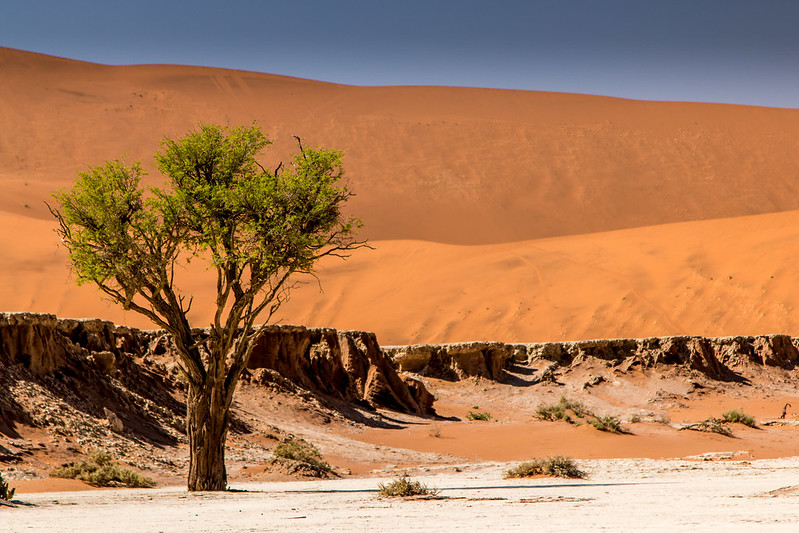
To stand in Deadvlei is to step into a painting rendered by time and shaped by elemental forces. The ground is pale and cracked underfoot, the skeletal trees—blackened by centuries of sun and drought—cast long shadows across the clay pan, and the surrounding dunes rise like flame-colored waves frozen in motion. The silence is absolute. The beauty is overwhelming. This is a place that defies logic and transcends photography. It must be felt, not just seen.

Planning a journey to Deadvlei is not a spontaneous affair. It requires intention, preparation, and respect for the fragile desert environment. Those who seek its secrets must travel far, rise early, and embrace the heat, the dust, and the humbling scale of Namibia’s most dramatic landscape. But for those who make the effort, the reward is a travel experience that is unforgettable, meditative, and soul-stirring.

Understanding the Origins of Deadvlei: Nature’s Monument to Time

Deadvlei—meaning “dead marsh” in Afrikaans—is a clay pan formed when the Tsauchab River once flowed through the desert, feeding shallow pools that nourished camelthorn trees and created a brief oasis in the heart of the Namib. Over time, shifting dunes blocked the river’s path, cutting off the water supply and dooming the trees to die in place. Yet, due to the arid conditions, they never decayed. They were preserved—frozen in time as blackened silhouettes etched against the white clay and red dunes.

These trees, some more than 900 years old, stand like sentinels across the pan. Their gnarled branches stretch skyward as if in silent protest or prayer. Around them, the dunes—some rising over 300 meters—form a natural amphitheater of sculpted sand and shifting shadow. Most famously, Big Daddy, the highest dune in the area, towers over the pan and offers a dramatic vantage point for those who climb it.

The science behind Deadvlei’s formation is fascinating, but it is the emotional and visual impact that stays with visitors long after they’ve left. It is a place of paradox—death and stillness, yet staggering beauty. Silence and isolation, yet profound connection.

How to Get There: Navigating the Desert

Reaching Deadvlei requires strategic planning and physical effort, but the journey itself forms part of the reward. The nearest gateway town is Sesriem, a small settlement that serves as the entrance to the Namib-Naukluft National Park. From Sesriem, travelers must drive into the park at sunrise, when the gates open and the desert begins to awaken.

The initial stretch of the journey is along a well-maintained tar road that leads toward Sossusvlei, the broader area in which Deadvlei is located. This route is visually spectacular, flanked by sweeping dunes bathed in early morning light. However, the last portion of the journey—from the Sossusvlei car park to Deadvlei itself—is along a deep-sand 4×4 track, impassable for standard vehicles. Visitors without 4×4 experience are advised to use the park’s shuttle service or join a guided excursion.

From the 4×4 drop-off point, the final leg is completed on foot. A walk of around one kilometer across open dunes and dry pans leads to Deadvlei. The sand underfoot can be soft and the sun already intense by mid-morning, so timing and preparation are crucial. It is advised that the journey be started as early as possible, ideally arriving at Deadvlei just after sunrise, when the light is golden and the heat still bearable.

When to Visit: Timing the Desert’s Mood

Deadvlei is accessible year-round, but certain seasons and times of day enhance the experience significantly. The cooler months—from May to September—offer milder temperatures, making hiking and photography more comfortable. The skies during these months tend to be clear and crisp, ideal for stargazing and capturing the stark contrasts of light and shadow.

Mornings, especially just after sunrise, are considered the optimal time to visit. At this hour, the low-angle sunlight carves dramatic shadows across the dunes, creating a painterly effect that accentuates the textures of sand, clay, and wood. The black trees against glowing orange dunes and blue skies produce a visual contrast that feels almost unreal.

Midday should be avoided where possible, as the desert heat becomes oppressive, the colors flatten under harsh light, and the physical exertion of walking on sand becomes more strenuous. Evenings bring cooler temperatures and softer light but pose logistical challenges due to the early park closing times.

Preparing for the Desert: Practical Guidance for an Unforgiving Landscape

While Deadvlei is one of the most photogenic places on Earth, it is also an environment of extremes. Visitors must arrive well-prepared for conditions that can shift rapidly and pose real challenges. Clothing should be lightweight but sun-protective, with wide-brimmed hats, sunglasses, and long sleeves essential. Footwear should support walking on both sand and hard-packed clay, and ample water must be carried at all times.

Photography gear, for those hoping to capture the magic, should include a wide-angle lens and neutral density filters for managing the brightness of the desert sun. Tripods can help in the early morning low light, while drone usage is restricted and should be confirmed with park authorities.

Respect for the environment is paramount. Deadvlei’s fragile surface is easily damaged, and the preservation of this site relies on travelers adhering strictly to marked paths and regulations. What makes this place sacred is its stillness, its silence, and its undisturbed state.

The Spiritual Dimension: Why Deadvlei Moves the Soul

More than a destination, Deadvlei is a meditation in stillness. The trees that died and yet refuse to fall seem to echo themes of endurance, silence, and the beauty of decay. The scale of the dunes, the weight of the sky, the whispering wind—together, they conspire to create a deeply reflective atmosphere.

Travelers often speak of the profound quiet, where even the sound of breath feels amplified. This absence of noise allows space for awe, for introspection, and for something rare in modern travel—humility. In Deadvlei, one becomes not the observer of a landscape, but a participant in its silence.

The spiritual impact of Deadvlei cannot be measured in photos or itineraries. It is something that lingers internally, shaping the way one sees beauty, impermanence, and time. And that is perhaps its greatest gift.

Where to Stay: Desert Retreats and Stargazing Sanctuaries

Accommodations around Deadvlei range from rustic campsites in Sesriem to luxury desert lodges that blend seamlessly into the surrounding dunes. Many of these lodges offer guided tours to Deadvlei, ensuring safe transport, early access, and enriched interpretation of the landscape. Some are designed with sustainability in mind, using solar power and water conservation techniques to minimize impact on this delicate ecosystem.

What all have in common is the extraordinary desert night sky, which reveals itself after sunset in a dazzling canopy of stars. In this part of Namibia, far from light pollution, the Milky Way can be seen with startling clarity, creating evenings as unforgettable as the mornings spent wandering through clay and silence.

Discover Deadvlei with WildHorn Africa

A trip to Deadvlei is not just another line on a bucket list—it is a pilgrimage into one of the planet’s most extraordinary landscapes. To walk among its silent trees, climb its fire-red dunes, and witness the dance of light and shadow is to encounter beauty on a mythic scale.

To make the most of such a journey requires more than a GPS and a guidebook. It requires insight, expertise, and a deep respect for the spirit of place. WildHorn Africa, with its passion for crafting immersive and meaningful African experiences, offers tailored journeys that honor the land, its people, and the traveler’s desire for wonder.

Whether as part of a broader Namibian adventure or as a singular destination, let WildHorn Africa guide your journey to Deadvlei—where time stands still, silence speaks, and the desert welcomes you home.

Top 10 Best Things To Do in Uganda

Top 10 Best Things To Do in Uganda

By Travel guides, Travel stories and blogs, Uganda travel guides

Top 10 Best Things To Do in Uganda

There are places in the world that offer beauty. There are places that stir the soul. And then there is Uganda, a land that does both—boldly and quietly—leaving travelers transformed long after they’ve returned home. Nicknamed “The Pearl of Africa” by Winston Churchill, this East African nation is a tapestry of lush rainforests, snow-capped mountains, expansive savannahs, and crater lakes glowing under volcanic ridges. But it is not only the landscape that captivates. It is the rhythm of life, the warmth of the people, the thrum of drums in distant villages, and the wild pulse of nature that echoes through every corner of the country.

What sets Uganda apart is its intimate scale paired with its astonishing diversity. Nowhere else can one paddle alongside otters on a tranquil lake in the morning, trek through jungle to lock eyes with mountain gorillas by noon, and toast the sunset over the Nile by evening. The country offers the best of East and Central Africa condensed into one incredibly rich, accessible, and welcoming destination.

For those seeking a journey that blends adventure with authenticity, and wilderness with cultural immersion, Uganda delivers in ways that few other destinations can. The following are ten of the most unforgettable experiences that await those who choose to step off the beaten path and into Uganda’s extraordinary embrace.

Gorilla Trekking in Bwindi Impenetrable Forest

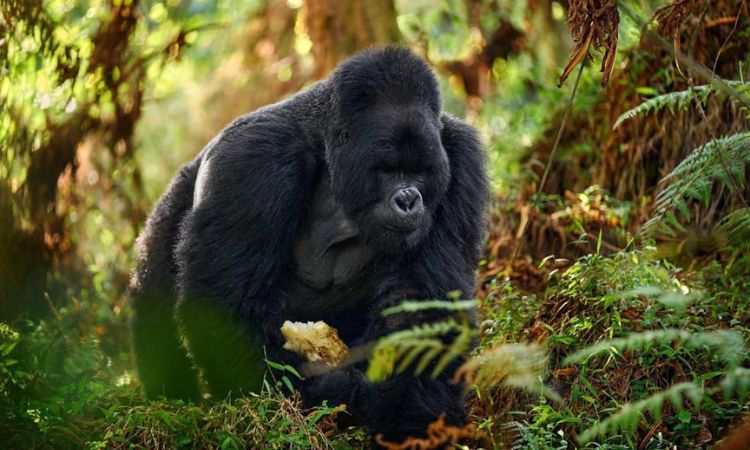
To stand mere meters from a silverback gorilla and his family, deep within the mist-shrouded foliage of Bwindi Impenetrable National Park, is to encounter something profoundly ancient and utterly humbling. Gorilla trekking is Uganda’s most iconic and soul-stirring experience. It is not a passive activity—it is a journey, one that leads through tangled vines, over mossy ridges, and into the heart of the rainforest where only whispers are spoken.

The trek is guided by expert rangers and trackers, whose knowledge of the forest and its primate residents is invaluable. The moment the gorillas are found, the world narrows into a space of silent reverence. The intelligence, emotion, and social intricacy of these great apes become suddenly, and powerfully, real. This is not a zoo. This is one of the last great sanctuaries of these critically endangered animals, and to be among them—even for just an hour—is to understand why conservation here is not just work, but a sacred responsibility.

Exploring Queen Elizabeth National Park’s Wildlife Corridors

While Uganda may be famous for its primates, its big game safari experience is just as compelling. Queen Elizabeth National Park, with its sweeping savannahs, volcanic craters, and shimmering lakes, is one of the most biodiverse reserves in Africa. Here, over 95 species of mammals and more than 600 species of birds make their home.

Game drives wind through grasslands dotted with acacia trees, where elephants graze alongside herds of Uganda kob. Lions—especially the tree-climbing variety of the Ishasha Sector—are often seen lounging in the branches, their golden coats dappled by leaves. Crocodiles and hippos crowd the banks of the Kazinga Channel, which connects Lake Edward and Lake George, and boat safaris here reveal entire worlds unseen from the land.

What makes Queen Elizabeth National Park truly special is its ecological richness paired with minimal crowds, offering a safari experience that feels both personal and pristine.

Journeying to the Source of the Nile in Jinja

The Nile is the longest river in the world, and its mystical source lies quietly in the Ugandan town of Jinja, where Lake Victoria spills into the river’s first stretch. But the calm flow soon transforms into adrenaline-pumping rapids, making this part of the Nile one of the world’s premier locations for whitewater rafting, kayaking, and bungee jumping.

Adventurers are drawn to Jinja for its river-based thrills, but the town also carries a laid-back charm. Colonial architecture, craft markets, and cozy cafes line the streets, while boat rides at sunset offer a serene counterpoint to the river’s raw energy. The fusion of heritage and adventure makes Jinja a must-visit hub for thrill-seekers and culture lovers alike.

Tracking Chimpanzees in Kibale Forest National Park

While gorilla trekking captures the imagination, chimpanzee tracking in Kibale Forest offers a different kind of intimacy. These highly social and intelligent primates live in large, dynamic troops, and tracking them involves immersive jungle treks led by expert guides who understand the nuanced behaviors and vocalizations of these fascinating creatures.

Kibale is not only home to chimpanzees but also to 12 other primate species, making it the primate capital of East Africa. The forest itself is lush and enchanting, with towering fig trees, dense canopies, and a chorus of birdcalls that accompany every step. The moment a chimpanzee is spotted—be it grooming in the trees or thundering past on the forest floor—the experience becomes an unforgettable immersion in one of nature’s most intricate social worlds.

Cruising Through Murchison Falls National Park

Where the Nile narrows to force its waters through a seven-meter gorge, Murchison Falls explodes in a spectacle of foam and roar, sending mist high into the air before the river continues its journey westward. This thunderous display, located within Uganda’s largest national park, is not only breathtaking to witness but sits at the heart of a conservation area teeming with wildlife.

Game drives here reveal lions, elephants, giraffes, and the elusive leopard, while boat safaris to the base of the falls provide a different perspective of the park’s ecological vitality. Along the riverbanks, pods of hippos lounge, crocodiles sun themselves, and bird species dazzle in their variety. Murchison Falls is more than a scenic wonder—it is a crossroads of Africa’s natural power and biological abundance.

Soaking in Serenity at Lake Bunyonyi

Tucked among the rolling hills of southwestern Uganda lies Lake Bunyonyi, a mystical expanse of water dotted with more than 25 islands. Meaning “place of little birds,” Bunyonyi is both poetic and peaceful, offering a gentle respite from the intensity of Uganda’s wildlife adventures.

Its high-altitude setting keeps the climate pleasantly cool, and the lake itself is one of the few in Africa considered safe for swimming. Canoe rides drift between islands rich in history and local legend, while hillside lodges offer panoramic views that stretch into Rwanda. Whether kayaking at sunrise or enjoying fireside storytelling under a starlit sky, Lake Bunyonyi delivers a quiet kind of magic.

Experiencing the Culture and History of Kampala

No visit to Uganda would be complete without time spent in Kampala, the capital and cultural heartbeat of the nation. This dynamic city hums with energy—markets overflow with color and sound, while historical landmarks such as the Kasubi Tombs, Namirembe Cathedral, and Uganda Museum offer portals into the country’s complex and compelling past.

The city’s diverse population brings a rich cultural tapestry to everyday life, from traditional Baganda music and dance to modern art galleries and fusion cuisine. Kampala challenges and charms in equal measure, offering a window into contemporary Africa that is layered, creative, and always evolving.

Venturing into the Rwenzori Mountains: The Mountains of the Moon

For those with a passion for trekking, the Rwenzori Mountains—often called the “Mountains of the Moon”—present a true test of endurance and wonder. Rising to over 5,000 meters, these glacier-capped peaks offer one of Africa’s most challenging and beautiful hikes.

Unlike other mountain ranges, the Rwenzoris are characterized by their unique Afro-alpine vegetation, with giant lobelias and groundsels forming a surreal, dreamlike environment. Multi-day treks through the Rwenzoris reveal an untouched, mystical wilderness, where few travelers tread and where the sense of solitude is profound.

Meeting the People: Community Encounters and Cultural Immersion

Perhaps the most enriching part of any journey to Uganda lies in its people. Across the country, visitors are welcomed into communities that are eager to share their stories, crafts, and traditions. From batwa cultural experiences near Bwindi to homestays in the foothills of Mount Elgon, these moments of human connection add depth and heart to any itinerary.

Drumming circles, traditional cooking lessons, basket weaving workshops, and school visits provide real opportunities for cultural exchange. Far from staged performances, these are genuine, grassroots experiences where hospitality and authenticity flourish.

Discover Uganda with WildHorn Africa

To explore Uganda is to embrace a journey full of wonder, humility, and joy. From the whispering forests of Bwindi to the roaring cascades of Murchison Falls, from the glassy waters of Lake Bunyonyi to the vibrant spirit of Kampala, the country offers an immersive and life-affirming travel experience unlike any other.

Such a journey deserves expert guidance, personalized attention, and deep-rooted local knowledge. That is why travelers are encouraged to book their Uganda tours and safaris with WildHorn Africa, a trusted leader in authentic African travel experiences. Whether seeking adrenaline, peace, culture, or wildlife, WildHorn Africa crafts journeys that honor both the land and the traveler.

Let your journey into Uganda begin with WildHorn Africa—and allow the Pearl of Africa to show you its rare and unforgettable brilliance.

Top 10 Best Rest Camps in Kruger National Park

Top 10 Best Rest Camps in Kruger National Park

By South Africa travel guides, Travel guides, Travel stories and blogs

Top 10 Best Rest Camps in Kruger National Park

The untamed wilds of Kruger National Park, South Africa’s most iconic and expansive protected area, stretch across nearly 20,000 square kilometers of pristine bushveld, river systems, and savannah. Within this ancient and diverse landscape lies an extraordinary network of rest camps—each one unique, deeply connected to the rhythm of the wild, and offering immersive experiences for every kind of traveler.

From riverbanks alive with the trumpet of elephants to predator-rich plains where lions prowl the dusk, Kruger is not merely observed from afar. It is lived from within. And to do so comfortably, safely, and with a sense of place, visitors stay in Kruger’s official rest camps, which have been thoughtfully integrated into the environment without compromising its integrity. These camps provide not just a place to sleep, but a way to exist harmoniously alongside Africa’s greatest wildlife.

Selecting the best among these camps is both an art and a matter of perspective. For those seeking the most rewarding and balanced safari experience, the following ten rest camps stand out—not simply for their location or amenities, but for how they deliver the true essence of Kruger National Park.

Skukuza: The Thriving Pulse of the South

Serving as the administrative headquarters of the park, Skukuza Rest Camp is not only the largest but also the most dynamic of Kruger’s camps. Positioned along the Sabie River, it provides spectacular vantage points from which wildlife can be observed throughout the day. Whether from the riverside restaurant, the lookout deck, or the shaded lawns, encounters with crocodiles, hippos, elephants, and a variety of antelope species are frequent and effortless.

Despite its size, Skukuza retains the magic of the bush. Leopard sightings in the surrounding area are especially common, and the roads that fan out from the camp offer some of the most productive game viewing in the park. Facilities include a well-stocked shop, a museum, a golf course, and even a spa, making Skukuza a hub of activity nestled within the wilderness. It offers an ideal introduction to the Kruger experience—especially for families and first-time safari-goers who desire convenience alongside natural immersion.

Lower Sabie: Where Water Sustains the Wild

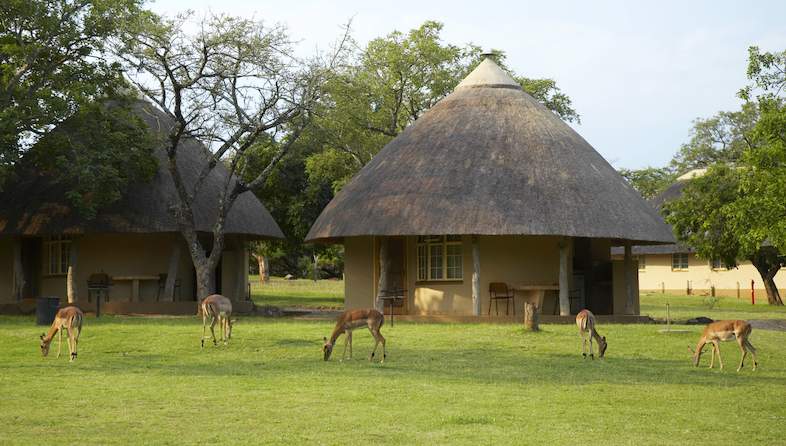
Further downriver lies Lower Sabie Rest Camp, a serene and scenic camp known for its panoramic river views and tranquil energy. Resting along the banks of the Sabie River, this camp enjoys a location that supports one of the richest concentrations of wildlife in the park. Large herds of buffalo, elephant, and impala are commonly seen grazing near the water’s edge, while predators often linger nearby.

The elevated wooden decks of the camp’s main lodge and restaurant provide visitors with the opportunity to enjoy both sunrise coffees and sunset dinners while watching nature unfold below. Accommodations range from air-conditioned bungalows to safari tents, ensuring a diversity of options for every traveler. The area surrounding Lower Sabie is also a haven for birdwatchers, with dozens of species inhabiting the riverine forest and open grasslands.

Satara: The Kingdom of Big Cats

Nestled in the open plains of central Kruger, Satara Rest Camp enjoys a formidable reputation as one of the best areas in Africa for lion and cheetah sightings. The grasslands surrounding the camp provide perfect hunting grounds for these apex predators, and it’s not uncommon for guests to encounter large prides lounging near the road or stalking herds of zebra and wildebeest.

The camp itself is characterized by its traditional rondavel-style architecture, shaded pathways, and communal atmosphere. Despite being well equipped with modern facilities, it retains a rustic charm that reflects the pioneering spirit of early safaris. At night, the air is filled with the sounds of roaring lions and calling hyenas, creating a deeply visceral connection to the land.

Olifants: Perched Above the Wild

Few camps can rival the sheer drama of the views offered at Olifants Rest Camp. Positioned high above the Olifants River on a cliff-top escarpment, this camp provides sweeping vistas that seem to extend endlessly across the landscape. Herds of elephants, hippos in the river, and raptors soaring overhead are all part of the daily visual feast.

The camp is built to accentuate its breathtaking location. Wooden chalets with private balconies allow guests to soak in the landscape in complete privacy. Surrounding terrain varies from open plains to rocky outcrops, supporting a diverse ecosystem. Drives around Olifants reveal not only big game but also rare and specialized species, such as klipspringers and Verreaux’s eagles.

Letaba: A Riverside Refuge for Giants

In the northern reaches of central Kruger lies Letaba Rest Camp, a sanctuary known for its lush riverside vegetation and close proximity to elephant herds. The Letaba River provides a vital water source that draws wildlife year-round, and the camp’s elevated position ensures constant views of the activity below.

Letaba also serves as a center of learning and reflection, with its Elephant Hall Museum celebrating the park’s most famous tuskers and the conservation efforts dedicated to their protection. The camp is tranquil, shaded by large trees, and ideal for birders and those seeking a quieter, more contemplative safari. Its proximity to large herds and scenic routes makes it an essential stop for any thorough exploration of the park.

Berg-en-Dal: Mountains and Memories

At the foot of the Malelane Mountains, Berg-en-Dal Rest Camp blends contemporary comfort with a uniquely rugged landscape. This is one of Kruger’s more modern camps, designed to provide accessibility while respecting the surrounding terrain of dry riverbeds, rolling granite hills, and dense bushveld.

Its southern location places it within one of the park’s most predator-rich areas, where sightings of white rhinos, leopards, and wild dogs are relatively frequent. Berg-en-Dal also offers self-guided walking trails inside the camp, complete with interpretive signage—an opportunity to engage with the flora and smaller fauna without leaving the safety of the perimeter.

Shingwedzi: The Northern Soul of Kruger

Located deep in the northern mopane forests, Shingwedzi Rest Camp exudes a timeless bushveld charm. This region is less trafficked by tourists, offering a sense of solitude and authentic wilderness experience. The surrounding landscape is ideal for large herbivores such as elephants, buffalo, and kudu, while birdlife flourishes along the Shingwedzi River.

The camp’s classic design, sandy pathways, and communal fire areas bring guests back to a simpler era of safari travel, where connection and stillness are prioritized. The sounds of Africa—nightjars calling, lions roaring in the distance, the rustle of wind through mopane leaves—create a deep emotional resonance for those who seek peace as much as adventure.

Punda Maria: Gateway to the Northern Frontier

At the very top of Kruger’s map lies Punda Maria Rest Camp, a small and characterful camp surrounded by some of the most ecologically diverse terrain in the park. It serves as the ideal base for those exploring the remote and mystical far north, including the Luvuvhu River and the famed Pafuri region.

This area supports rare species such as nyala and eland, and is considered one of the best birding locations in Southern Africa. Punda Maria is quieter than other camps, with a focus on immersion rather than activity. Its walking trails and elevated decks invite slow appreciation of the surrounding beauty, where every rustle might be a hornbill or a browsing bushbuck.

Crocodile Bridge: Compact but Wildly Rewarding

Close to the southeastern entrance gate, Crocodile Bridge Rest Camp is compact, efficient, and astonishingly well positioned for game viewing. The area around the camp is one of Kruger’s richest for wildlife sightings, particularly during the dry season when animals are drawn to the nearby Crocodile River.

Despite its size, the camp offers a surprisingly immersive bush experience, with a range of accommodation options and easy access to some of the most productive game drive routes. Its location makes it a favorite among weekend travelers and those seeking a quick but intense encounter with Kruger’s legendary wildlife.

Pretoriuskop: Where History Meets the Hills

The oldest camp in Kruger, Pretoriuskop offers a blend of nostalgia and natural beauty. Located near the park’s southwestern boundary, it is surrounded by rocky granite outcrops and a unique biome that supports rare species not often seen elsewhere in the park, including sable antelope and red duiker.

The camp features historical buildings, lush lawns, and a swimming pool carved into natural rock. Its elevated position and rich biodiversity make it an essential stop for those looking to understand Kruger’s origins and experience a different ecological side of the park.

Plan Your Kruger Adventure with WildHorn Africa

Each of these rest camps is more than a waypoint; it is a window into a unique part of Kruger’s soul. From riverbanks to plains, cliffs to forests, they offer different perspectives on a land that is as dynamic as it is ancient. Choosing where to stay is not just a logistical decision—it shapes the rhythm of the journey, the stories that are gathered, and the moments that linger.

For travelers who seek to explore Kruger National Park in depth, with expert guidance and personalized care, WildHorn Africa crafts custom safari experiences that balance adventure with comfort, immersion with insight. Whether for first-timers or seasoned wildlife lovers, every journey is designed to bring guests closer to the heart of Africa.

Book your unforgettable Kruger experience with WildHorn Africa—where nature becomes your neighbor and the wild becomes your welcome.

Top 15 Best Things to See and Do in Madagascar

Top 15 Best Things to See and Do in Madagascar

By Madagascar travel guides, Travel guides, Travel stories and blogs

Top 15 Best Things to See and Do in Madagascar

Madagascar is not merely a destination—it is a living, breathing anomaly of the natural world, a land that exists in magnificent isolation off the southeastern coast of Africa. Shaped by millions of years of geographic solitude, this fourth-largest island on Earth has become home to a staggering collection of life found nowhere else. With over 90% of its wildlife species endemic to the island, Madagascar is a kaleidoscope of biodiversity, cultural richness, and geological marvels.

To travel to Madagascar is to step into a realm untouched by convention, where lemurs leap through ancient forests, baobab trees rise like sentinels, and coral reefs flourish off white-sand shores. From the haunting spires of Tsingy de Bemaraha to the vibrant street life of Antananarivo, the island invites exploration with every turn. Those who venture here find more than an escape—they find a reconnection with nature, culture, and something far more profound: a world still wild and deeply alive.

The true essence of Madagascar lies not just in its scenery, but in the experiences it offers. Whether walking through rainforests filled with rare creatures, navigating serene riverways, or encountering traditions that have remained unchanged for generations, each moment in Madagascar resonates with depth, color, and authenticity.

Avenue of the Baobabs: Guardians of the Western Sky

On the dusty road between Morondava and Belon’i Tsiribihina stands one of Madagascar’s most iconic landscapes—the Avenue of the Baobabs. These towering, ancient trees, some over 800 years old, line the path like timeless guardians. Their thick trunks and bare branches form surreal silhouettes against the sky, particularly at sunrise and sunset when the light casts an almost magical hue over the landscape.

This natural monument is not only a photographer’s dream but also a powerful reminder of Madagascar’s ecological uniqueness. Revered by local communities and protected by conservation initiatives, the avenue embodies the harmony between natural wonder and cultural reverence.

Tsingy de Bemaraha: The Stone Forest That Defies Imagination

To walk through Tsingy de Bemaraha National Park is to enter a world sculpted not by man, but by time and the elements. This UNESCO World Heritage Site features jagged limestone formations that rise like stone blades into the sky, forming a labyrinthine forest of rock. Suspended walkways and rope bridges stretch across deep canyons, offering thrilling and vertigo-inducing views.

The park is not only a geological marvel but also a haven for endemic species, including several types of lemurs, rare birds, and exotic reptiles. Every step within this dramatic terrain reveals a raw, untouched beauty, where nature reigns supreme and human footprints feel humbly out of place.

Andasibe-Mantadia National Park: Where Lemurs Call from the Mist

In the eastern rainforests of Madagascar, Andasibe-Mantadia National Park emerges as a lush sanctuary where the haunting call of the indri—the island’s largest lemur—echoes through the canopy. This protected area offers an intimate window into Madagascar’s rainforest ecosystem, home to countless endemic species including chameleons, frogs, and orchids.

Guided walks, often undertaken at dawn, provide the best opportunities for wildlife encounters. As the mist rises through the trees and the forest stirs to life, one cannot help but feel deeply connected to the ancient rhythms of the wild.

Nosy Be: An Island Paradise Bathed in Warm Waters

Just off the northwest coast lies Nosy Be, Madagascar’s most celebrated island destination. Known for its palm-lined beaches, turquoise waters, and coral reefs teeming with life, Nosy Be is the heart of the island’s coastal allure. Yet beyond the sun and surf lies a network of islands, including Nosy Komba and Nosy Tanikely, each offering a unique blend of marine biodiversity and cultural charm.

Snorkeling, diving, and sailing excursions reveal an underwater world alive with color, while inland spice plantations and local markets invite cultural immersion. Sunset over Mont Passot, the island’s highest point, offers a panoramic farewell to days that feel almost too magical to be real.

Isalo National Park: The Grand Canyon of Madagascar

In the south, the desert-meets-savanna landscape of Isalo National Park unfolds like a dreamscape of sandstone canyons, natural pools, and sculpted rock formations. This park, often referred to as Madagascar’s answer to the Grand Canyon, offers some of the island’s most dramatic and varied terrain.

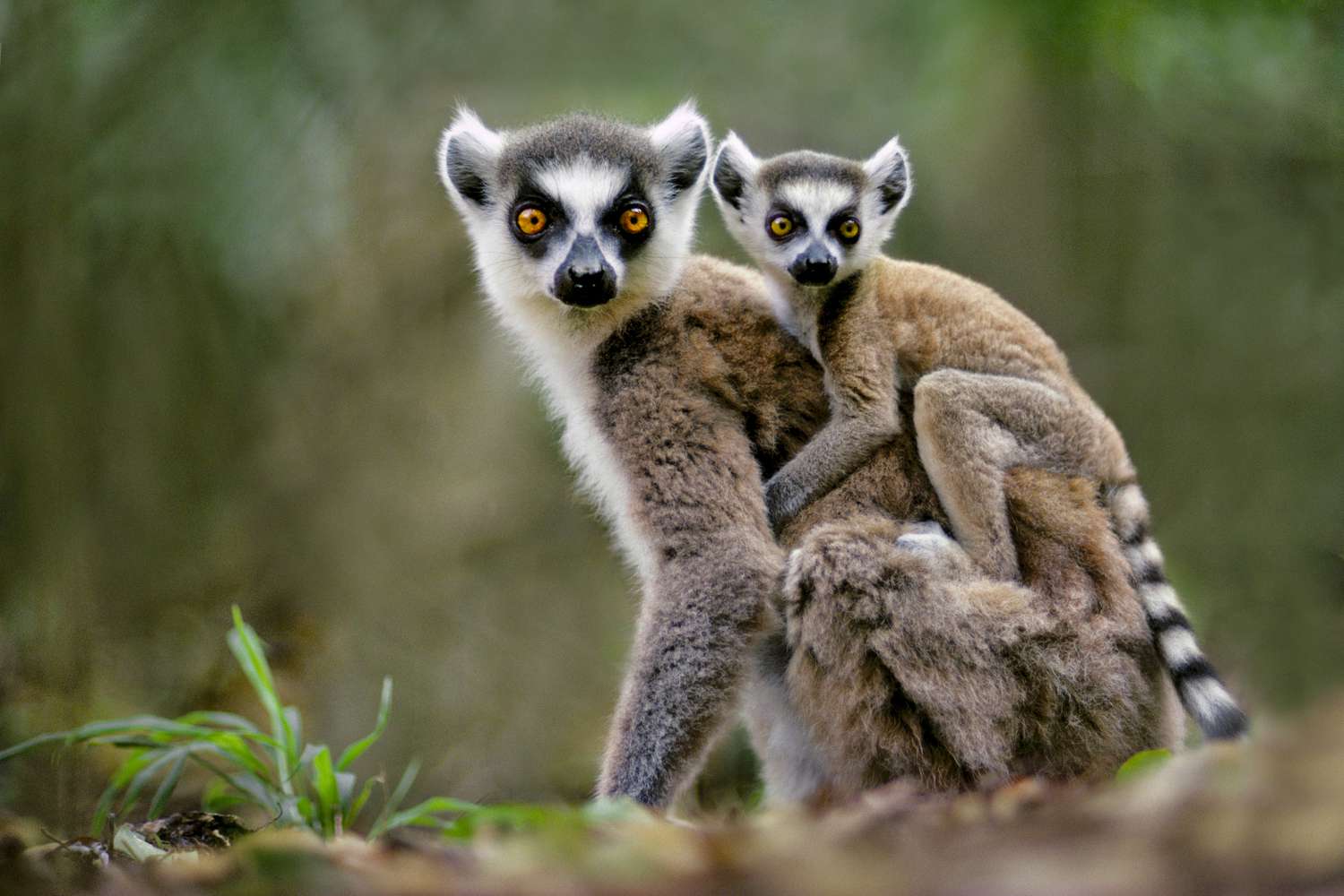
Hiking trails wind through narrow gorges and sun-baked plateaus, leading to hidden waterfalls and cool oases where ring-tailed lemurs gather. The landscape seems to shift with the light, and by dusk, the fiery colors of the cliffs mirror the setting sun, creating an unforgettable visual symphony.

Ranomafana National Park: A Rainforest Brimming with Life

Named after its natural hot springs, Ranomafana is one of Madagascar’s most celebrated rainforests. Located in the southeastern highlands, this park protects a wealth of biodiversity, including the critically endangered golden bamboo lemur. Mist-draped forests, fast-flowing rivers, and diverse terrain make every walk through Ranomafana a voyage into the unknown.

It is a haven for researchers and nature lovers alike, where the silence of the forest is punctuated only by birdsong and the rustling of leaves under curious primates. The experience is immersive, serene, and charged with the energy of ancient ecosystems.

Antananarivo: A Cultural Tapestry Woven with History

Madagascar’s capital, Antananarivo—locally known as Tana—is a bustling city perched on hills and brimming with character. French colonial architecture blends with Malagasy culture, while the markets overflow with color, spice, and life. The Rova, or Queen’s Palace, stands as a historical landmark that echoes the era of the Merina monarchy.

Tana is more than a gateway to the rest of the island; it is a place where modernity and tradition meet, where narrow alleys reveal artisan workshops and cosmopolitan restaurants look out over ancient rooftops. It is a city of contrasts, best explored slowly and curiously.

Ifaty and the Spiny Forest: A Desert of Living Sculptures

On the southwestern coast lies a landscape so alien it feels borrowed from another planet. The Spiny Forest, a unique ecosystem found nowhere else, is home to towering octopus trees, euphorbias, and ancient baobabs. The coastal village of Ifaty serves as the base for exploring this fascinating biome, where endemic birds flit through the prickly branches and local guides share stories rooted in tradition.

Inland treks and visits to local fishing communities reveal a way of life shaped by resilience and respect for the land, while offshore reefs offer vibrant snorkeling opportunities.

Whale Watching in Sainte Marie: A Dance of Giants

From July to September, the warm waters off Île Sainte Marie (Nosy Boraha) become the stage for one of nature’s grandest spectacles—the migration of humpback whales. These majestic creatures arrive to mate, calve, and breach with astonishing grace just meters from the shore.

Boat tours provide safe and respectful viewing, often accompanied by guides who share deep insights into whale behavior. The island itself, once a pirate haven, is rich in history, mystery, and lush vegetation. Watching whales breach under the rising sun is an experience that stirs the soul and lingers in memory.

Masoala National Park: Madagascar’s Wild Frontier

In the remote northeast lies Masoala, Madagascar’s largest protected area and arguably its most pristine. Dense rainforest meets coral reef in a rare fusion of terrestrial and marine biodiversity. Accessible only by boat or bush plane, Masoala feels untouched by time and teems with rare species including the red-ruffed lemur and elusive aye-aye.

Exploration here is for the intrepid. Trails weave through thick jungle, while kayaks glide across forest-fringed bays. The park offers the purest essence of Madagascar’s ecological richness, where every rustle and ripple hints at discovery.

Zafimaniry Villages: Preserving a Vanishing Art

In the highlands of Ambositra lies the world of the Zafimaniry people, guardians of a woodworking tradition recognized by UNESCO as Intangible Cultural Heritage. Their intricate carvings adorn homes, doors, and everyday objects, telling stories of ancestry, spirituality, and survival.

Visiting these villages is a journey into a living cultural landscape, where hospitality is warm, and craftsmanship is sacred. It is a reminder that Madagascar’s magic lies not only in its wilds but in the depth and dignity of its people.

Exploring with Purpose: Let WildHorn Africa Guide Your Path

To truly understand Madagascar is to travel beyond the guidebooks, beyond the headlines, and into a land that still listens to its own heartbeat. Its treasures are not always easy to reach, its roads are often unpaved, and its pace can be unhurried—but therein lies its power. The rewards are profound, the encounters unfiltered, and the memories unforgettable.

For those ready to embark on this transformative journey, it is essential to partner with experts who know the terrain, understand the culture, and value the extraordinary. WildHorn Africa offers curated safaris and bespoke adventures that connect you deeply with the island, its people, and its wild spirit.

Whether drawn by the call of the indri, the mystery of the tsingy, or the serenity of a coral bay, let WildHorn Africa craft your journey into the heart of Madagascar—a land that promises wonder with every step.

Best Islands on the Coast of Tanzania

Best Islands on the Coast of Tanzania

By Tanzania travel guides, Travel guides, Travel stories and blogs

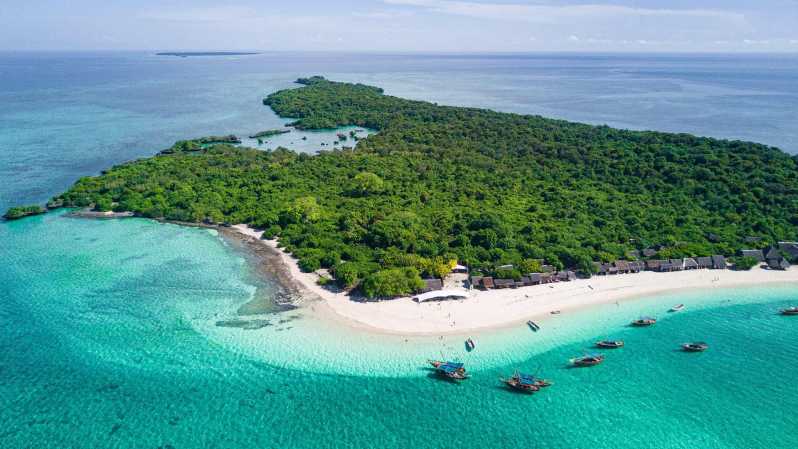
Best Islands on the Coast of Tanzania: The Irresistible Allure of Tanzania’s Coastal Islands

The Tanzanian coast is not merely a meeting point between land and sea—it is a portal into another world, where turquoise waters kiss white sands under the shade of swaying palms, and centuries-old cultures still shape the rhythm of everyday life. Along this dazzling stretch of East Africa, a constellation of islands lies scattered across the Indian Ocean like polished jewels, each carrying a story told through coral stone ruins, dhow sails, clove-scented markets, and barefoot footprints in the sand.

To the uninitiated, these islands may simply appear as tropical escapes. But to the discerning traveler, they are sanctuaries of both natural and cultural richness—ancient trading posts, biodiversity hotspots, spiritual havens, and living archives of the Swahili Coast’s golden age. Whether seeking absolute solitude, underwater adventure, or immersive history, the islands off the coast of Tanzania invite one into a slow, sensual discovery of Africa’s coastal soul.

With landscapes sculpted by monsoons and histories shaped by Persian, Arab, Portuguese, and African traders, each island unveils its own unique identity. Some thrum with life and rhythm; others lull the spirit with silence and serenity. But all share one thing in common: they are places where time slows, where the world feels larger, older, and more beautiful than remembered.

Zanzibar: The Cultural and Historical Crown Jewel

No exploration of Tanzania’s islands can begin without acknowledging Zanzibar, the most renowned and historically significant of all. Known as the Spice Island, Zanzibar is not just one island but an archipelago, with Unguja (the main island) and Pemba forming its cultural core.

Zanzibar’s Stone Town, a UNESCO World Heritage Site, stands as a living monument to centuries of trade and cultural fusion. Narrow alleys echo with the calls of merchants and the laughter of children. Carved wooden doors mark centuries-old homes, and the aroma of cloves, cardamom, and cinnamon drifts through bustling bazaars. It is a place where Swahili, Arab, Indian, and European influences are woven seamlessly into the architecture, cuisine, and customs.

Beyond the town, Zanzibar transforms into a tropical dreamscape. Endless beaches—powdery white and lapped by clear blue waters—stretch along its shores. The eastern coast draws sunseekers and divers to places like Paje and Matemwe, while the north’s Nungwi and Kendwa pulse with beach bars, sunsets, and island energy. Offshore, coral reefs provide exceptional snorkeling and diving, revealing vibrant marine ecosystems teeming with angelfish, turtles, and dolphins.

Despite its growing popularity, Zanzibar retains its enchantment, not only in its natural beauty but in the feeling of walking through history, barefoot and unhurried, between the sand and the spice-scented air.

Pemba Island: A Lush and Mystical Escape

Floating quietly to the north of Zanzibar lies Pemba, Zanzibar’s lesser-known sister and a true hidden gem for those seeking solitude and raw beauty. Known as “The Green Island,” Pemba is defined by its undulating hills, fertile valleys, and dense clove plantations. While less developed than Unguja, this lack of commercialization is precisely what makes Pemba so alluring.

Here, ancient Swahili ruins are hidden in mangrove forests, and the rhythm of life flows slowly through fishing villages and unpaved paths. Pemba’s underwater world is equally mesmerizing, with some of East Africa’s most pristine coral reefs—dive sites like Misali Island are renowned for their crystal visibility and abundance of marine life, from reef sharks to manta rays.

Spiritual and mystical, Pemba is also deeply rooted in traditional beliefs, with local healers and practices still playing a significant role in community life. Visitors are often struck by its otherworldly energy, where every breeze through the trees feels steeped in legend. It is a place for the dreamer, the diver, the poet, and the seeker.Best Islands on the Coast of Tanzania

Mafia Island: The Untouched Eden of Marine Splendor

To the south of Zanzibar, one finds Mafia Island, a name that belies its quiet, untouched nature. As part of the Mafia Archipelago, this island stands as one of the most authentic and biodiverse marine destinations in Africa. Though its name might raise eyebrows, the origin lies in the Swahili phrase “mahali pa afya”—meaning “a healthy dwelling place”—a name that could not be more fitting.

Mafia Island is best known for its marine park, established to protect its rich coral reefs and underwater ecosystems. Divers and snorkelers from around the world are drawn here, particularly between October and March, when whale sharks grace the waters, gliding gracefully through the sea with prehistoric majesty. The coral gardens of Chole Bay are a riot of color and life, while the deeper channels invite more advanced dives.

Unlike its northern counterparts, Mafia is largely undeveloped, with sandy roads, small eco-lodges, and a vibe that feels entirely off-grid and grounded. Traditional dhows still sail by sunset, and islanders live much as they have for generations—through fishing, farming, and storytelling. For travelers in search of purity, wildlife, and peace, Mafia offers a retreat into the soul of the Indian Ocean.

Chumbe Island: A Conservation Success Story

Just off the coast of Zanzibar lies a speck of land that might be small in size but looms large in ecological importance. Chumbe Island Coral Park is a fully protected marine and forest reserve, a pioneering example of eco-tourism and marine conservation done right.

The island is uninhabited by permanent residents and accessible only to a select number of eco-conscious visitors each day. The coral reef sanctuary surrounding the island is considered one of the healthiest in the Indian Ocean, completely undisturbed by fishing or motorized boats. Snorkeling here reveals an underwater garden of rare coral species, reef fish, sea stars, and sponges in dazzling array.

On land, the island hosts a preserved coral rag forest and a population of coconut crabs, the largest land invertebrates in the world. Sustainability is not an option here—it is a way of life, woven into every aspect of the guest experience, from solar-powered lodges to composting toilets.

Chumbe is not for the mass tourist—it is for the traveler who values conservation, intimacy, and the power of simplicity. It is where one goes not to escape the world, but to understand how it can be better protected.

Bongoyo and Mbudya: Dar es Salaam’s Island Getaways

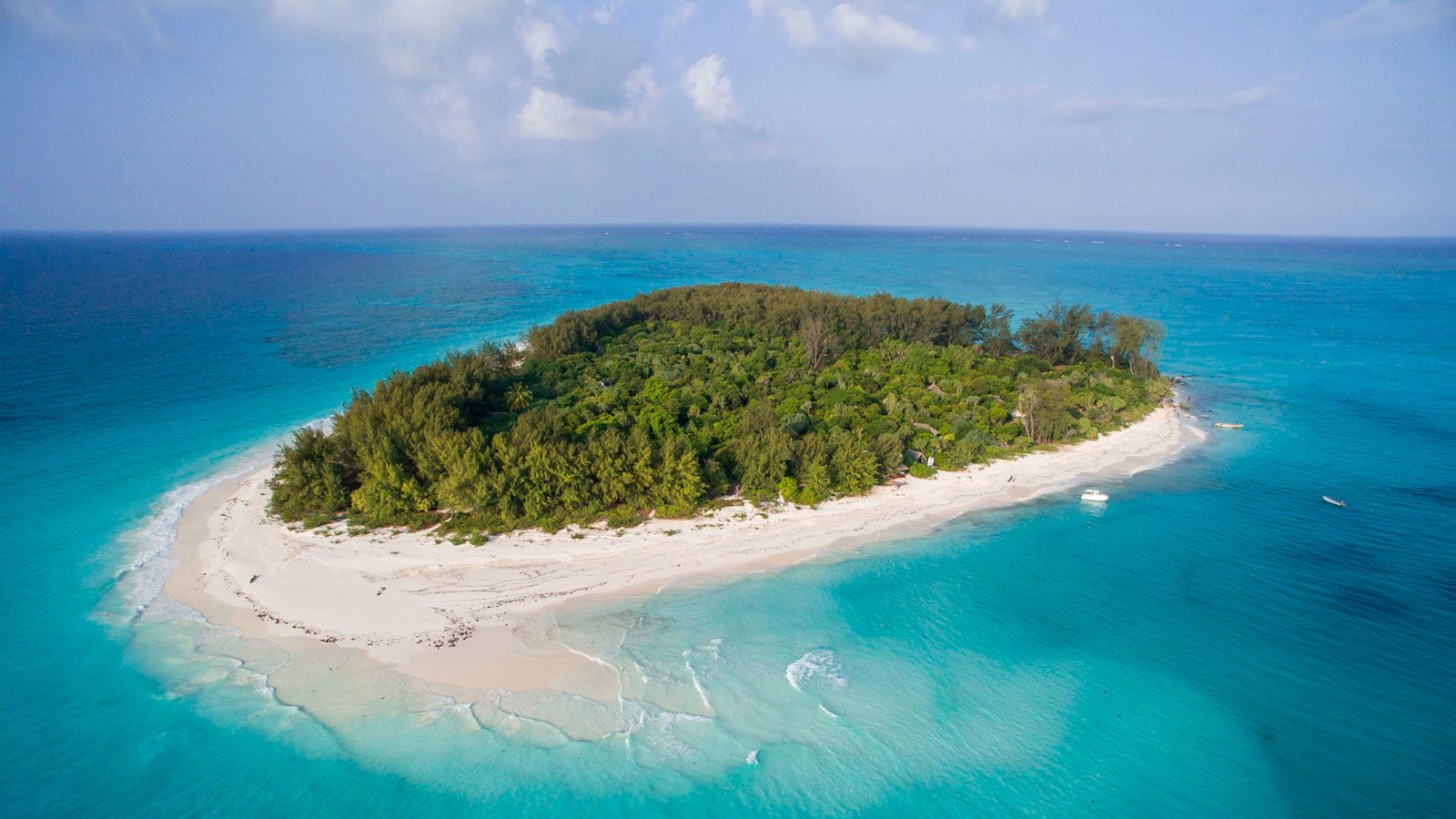
For those spending time in the vibrant city of Dar es Salaam, the nearby islands of Bongoyo and Mbudya provide an accessible and refreshing escape into turquoise waters and coastal tranquility. These small, uninhabited islands are part of a marine reserve just off the coast, reachable by short boat rides.

Despite their proximity to the city, both islands maintain a sense of isolation and natural beauty. White-sand beaches, clear waters, and coral reefs make them ideal for day trips focused on snorkeling, swimming, and sunbathing, while rustic beach huts and local seafood stalls offer simple island pleasures. There are no hotels or permanent settlements—just the rhythm of waves and the scent of grilled fish drifting through the sea breeze.

They may lack the grand narratives of Zanzibar or Mafia, but these islands hold their own magic—an urban exhale, a gentle pause where the pace of city life gives way to the embrace of the ocean.

Fanjove Island: A Private Island Dream Realized

If the idea of having an entire island to yourself feels like a fantasy, Fanjove Island makes that dream reality. Located off the coast near the town of Kilwa, Fanjove is part of a private archipelago and accessible to only a limited number of guests at a time. It is not merely a destination—it is an experience of exclusivity, solitude, and ecological luxury.

The island features only a handful of eco-bungalows built from sustainable materials, with open-air designs that let the sea breeze flow through untouched. The waters around Fanjove are home to dolphins, sea turtles, and even the occasional humpback whale during the migration season. Activities include snorkeling, kayaking, sailing, and stargazing on unpolluted skies.

Fanjove represents the pinnacle of barefoot luxury—where elegance meets isolation, and every detail honors the spirit of the land and sea. For honeymoons, celebrations, or soul-searching solitude, this is where the ocean whispers its softest secrets.

Explore the Islands of Tanzania with WildHorn Africa

To sail through the islands of Tanzania is to journey across history, culture, and pure natural wonder. Each island—whether bustling with heritage or cloaked in silence—offers a unique chapter in the story of Africa’s Indian Ocean coast, shaped by time, tide, and tradition. From the bustling spice-scented alleys of Zanzibar to the tranquil seascapes of Mafia and Fanjove, these islands are not just places—they are transformations in waiting.

To uncover their magic fully, travelers deserve a partner who understands the land, honors its culture, and curates experiences with depth and sensitivity. WildHorn Africa, with its expertise in personalized, eco-conscious African journeys, is perfectly poised to guide your adventure through Tanzania’s island treasures.

Whether you seek adventure or serenity, exploration or relaxation, let WildHorn Africa craft your perfect coastal escape—where the sands are soft, the sea is endless, and every journey begins with the tide.

Top 10 Best Things To Do in St Lucia (KZN, South Africa)

Top 10 Best Things To Do in St Lucia (KZN, South Africa)

By South Africa travel guides, Travel guides, Travel stories and blogs

Top 10 Best Things To Do in St Lucia (KZN, South Africa)

Tucked away in the northeastern reaches of KwaZulu-Natal, where the Indian Ocean meets wild estuaries and dense mangrove swamps, lies a destination that captivates without ever trying too hard. St Lucia, a small coastal town bordering one of the most biodiverse environments in southern Africa, is the gateway to the iSimangaliso Wetland Park, a UNESCO World Heritage Site of unparalleled ecological richness. It is not just a place to visit—it is a place to awaken the senses.

In St Lucia, the line between civilization and wilderness is exquisitely thin. Hippos roam the streets at night with casual authority. Crocodiles bask just meters from riverbanks. Tropical birds provide the morning soundtrack, while the scent of salt and earth drifts through the air. This is Africa, raw and close, where human presence seems delicately balanced with nature’s wild rhythm.

Travelers who arrive here expecting a quiet beach town quickly discover that St Lucia offers one of the most immersive, adventure-rich, and visually stunning experiences in South Africa. From its labyrinth of estuaries to its sprawling savannahs and subtropical coastlines, it presents a menu of activities that reflects the very best of land, sea, and wildlife. The following are the ten most unforgettable experiences awaiting visitors to this remarkable destination.

Cruising the Hippo-Infested Waters of the St Lucia Estuary

The St Lucia Estuary is the pulsing heart of this region, and its vast, brackish waters support one of the largest populations of hippos and Nile crocodiles in Africa. A guided boat cruise through this network of waterways is not simply a scenic journey—it is an immersion into a living ecosystem where predatory reptiles glide silently beneath the surface and hippos grunt their dominance from the shallows.

Flamingos, fish eagles, and kingfishers complete the tableau, while mangroves and reeds sway in the wind. The sunsets reflected across the water transform each cruise into a cinematic experience. This activity is as much about intimate observation as it is about grandeur, offering a tranquil, yet thrilling introduction to the town’s wild edge.

Venturing Into the Wilds of iSimangaliso Wetland Park

Spanning over 3,000 square kilometers, the iSimangaliso Wetland Park is the crown jewel of St Lucia’s natural offerings. This protected area is home to eight interlinked ecosystems, from coral reefs and dunes to swamps, savannah, and coastal forests. A visit to the park reveals a spectacular fusion of biodiversity, where elephants, leopards, rhinos, and marine life coexist in breathtaking harmony.

Game drives through the park’s western shores reveal plains dotted with zebra, buffalo, and antelope, while the eastern side opens up to Lake St Lucia, a shimmering expanse teeming with aquatic life. What makes iSimangaliso so unique is its range—it is a place where one can start the morning tracking rhinos and end the day snorkeling with tropical fish. It is not a park to simply drive through; it is a park to lose yourself in, layer by ecological layer.

Walking with Giants on a Guided Safari

While many game parks in South Africa offer vehicle-based safaris, St Lucia distinguishes itself through its walking experiences, which allow for a closer, more tactile connection to the land. Under the guidance of expert trackers and rangers, visitors can explore the forested dunes and open plains on foot, observing the signs, scents, and sounds of the bush that are often missed from a vehicle.

There is something profoundly humbling about being on foot in big game territory. Every rustle becomes sharper, every footprint tells a story. These walks are not just about seeing animals—they are about understanding the intricate ecological relationships that bind them to their environment.

Trekking the Coastal Forests and Dune Systems

One of the lesser-known gems of St Lucia is its vast network of coastal forest trails and vegetated dunes, some of which date back thousands of years. These trails invite explorers into shaded corridors filled with ancient fig trees, delicate orchids, and the calls of Samango monkeys.

The juxtaposition of dense green forest opening suddenly onto white sand dunes and crashing surf is a reminder of the geological drama and timeworn beauty of this region. Hikes here are meditative and rich in natural history, often led by guides who interpret the environment with precision and passion.

Basking in the Beauty of Cape Vidal

Located within the iSimangaliso Wetland Park, Cape Vidal offers one of the most pristine and sheltered beaches along the KZN coast. Fringed by coastal forest and lapped by warm Indian Ocean waters, this stretch of coastline is both a haven for marine life and a paradise for visitors.

The area is perfect for snorkeling, with reefs protecting the bay and offering glimpses of parrotfish, moray eels, and anemones in vivid color. Inland, bush pigs and antelope graze near campgrounds, while whale sightings are common offshore during the migration season. Cape Vidal is where bush meets beach, and where the pace of life slows into something elemental.

Spotting Turtles on a Moonlit Night

Between November and March, the beaches of St Lucia become the stage for one of nature’s most ancient rituals—the nesting of loggerhead and leatherback turtles. Under the moonlight and guided by trained conservationists, visitors have the rare privilege of witnessing these giants haul themselves ashore to lay eggs, or hatchlings begin their perilous journey to the sea.

These guided night excursions are strictly regulated to protect the turtles, ensuring both a low-impact and deeply moving experience. It is a stark, beautiful reminder of the fragility of life and the cycles that have continued uninterrupted for millennia.

Indulging in Birdwatching Paradise

St Lucia is a global hotspot for birdwatchers, home to over 530 bird species thanks to its range of ecosystems. From pelicans and storks around the estuary to the elusive African finfoot and Narina trogon in the forests, the avian diversity is nothing short of extraordinary.

Birding here is not confined to remote locations—it’s an activity that begins the moment one wakes. The town itself is alive with birdsong, and even casual observers are quickly drawn into the spectacle of flight and color that surrounds them. Guided birding tours offer deeper insight, introducing visitors to the region’s rarer and endemic species.

Exploring the Town and Its Vibrant Local Culture

While nature reigns supreme in St Lucia, the town itself holds charm and vibrancy. Despite its small size, it hosts a surprising number of excellent restaurants, cafes, and craft markets, where local Zulu artisans sell handmade wares, woven baskets, beadwork, and carved sculptures.

Evenings often include storytelling around fire pits, traditional drumming performances, or a quiet meal under the stars. The town’s laid-back yet lively atmosphere reflects its unique position—a human outpost at the edge of one of Africa’s most enchanting wildernesses.

Diving into Deep Sea Adventures and Ocean Safaris

The marine life off the coast of St Lucia is as compelling as the wildlife on land. Ocean safaris launch from nearby beaches, offering the chance to encounter humpback whales, dolphins, and whale sharks in their natural habitat. The nutrient-rich waters of the Indian Ocean support vast marine biodiversity, making boat-based excursions thrilling and rewarding.

For the more adventurous, scuba diving and deep-sea fishing are also on offer, revealing underwater worlds as teeming and vivid as the terrestrial ones. It is this seamless access to land and ocean experiences that makes St Lucia a complete destination—one that never asks you to choose between wilderness and water.

Experiencing the Pulse of Zululand

Just beyond St Lucia lies the cultural heartland of Zululand, where traditions are proudly upheld and history is deeply rooted. Cultural tours allow guests to visit authentic Zulu homesteads, witness tribal dances, and learn about ancestral rituals and modern adaptations. These encounters, led by local guides, create powerful bridges of understanding and connection.

The Zulu people are known not only for their strength and heritage but also for their hospitality. Visitors come away not only with knowledge but with emotional resonance, having been welcomed into a world that still honors the spiritual and communal pillars of African identity.

Experience St Lucia with WildHorn Africa

St Lucia is not a destination to simply tick off a list—it is a place to feel, breathe, and absorb. It offers a rare combination of adventure, tranquility, biodiversity, and culture in one compact and enchanting region. From the roar of hippos to the whisper of turtle tracks in the sand, from dune-clad forests to ocean swells, St Lucia invites the traveler into nature’s rhythm.

To uncover the magic of this destination in the deepest and most meaningful way, it is essential to travel with insight, respect, and purpose. WildHorn Africa, known for curating immersive, tailor-made African journeys, offers expertly guided tours and safaris that unveil St Lucia’s secrets with authenticity and care.

Whether your heart beats for wildlife, waves, wetlands, or human connection, let WildHorn Africa design your journey to St Lucia—where the wild welcomes you home.

Top 10 Best Things To Do in Namibia

Top 10 Best Things To Do in Namibia

By Namibia travel guides, Travel guides, Travel stories and blogs

Top 10 Best Things To Do in Namibia

Where the Sand Whispers and the Sky Stretches Forever

In the heart of southern Africa lies a land shaped by time, carved by wind, and illuminated by stars so clear they seem painted by hand. Namibia, a country unlike any other, stirs the soul with its vast, otherworldly landscapes and quiet, dramatic beauty. Here, space is not just geographical—it is emotional. It is a place where travelers rediscover silence, stand in awe of nature’s scale, and feel small in the best possible way.

While Namibia is often described by its deserts and dunes, it offers far more than sand and stillness. It is a destination where raw adventure and refined beauty coexist, where wildlife roams freely across endless plains, and where ancient cultures continue to shape the rhythm of daily life. Those who venture into Namibia are not simply visiting a country—they are stepping into an elemental world, one where the boundaries between earth, sky, and self blur into something unforgettable.

To understand Namibia is to experience its diversity firsthand. From salt pans glowing under the midday sun to shipwrecks lost in coastal mists, from red sand dunes that shift like living creatures to stargazing under skies untouched by city light—Namibia reveals itself in layers, each more mesmerizing than the last. The journey that follows will uncover the ten most compelling and awe-inspiring things to do in this wild and wonderful land.

Witnessing the Surreal Beauty of Sossusvlei

Among Namibia’s most iconic sights, the towering red dunes of Sossusvlei in the Namib-Naukluft National Park are a testament to nature’s artistic flair. Rising more than 300 meters high, these sculpted giants shift with the wind and light, creating a dramatic and ever-changing canvas. At dawn, when the sun’s first rays strike the dune crests, the landscape ignites in hues of burnt orange, deep crimson, and gold, captivating photographers and dreamers alike.

Reaching Sossusvlei often involves a drive across ancient salt pans and camelthorn-strewn plains. The most famous dune, Dune 45, invites climbers to ascend its sharp ridge and absorb panoramic views that seem to stretch into eternity. Nearby, the eerie landscape of Deadvlei, with its sun-blackened tree skeletons frozen in time against white clay and red dunes, offers a haunting visual spectacle that feels like stepping onto another planet.

Exploring the Wildlife Haven of Etosha National Park

Etosha, which means “Great White Place,” is one of Africa’s most remarkable national parks—not just for its immense salt pan that dominates the center, but for the way wildlife congregates dramatically around its natural and manmade waterholes. In this arid terrain, the scarcity of water creates a theater of survival, drawing lions, elephants, rhinos, giraffes, and antelope into striking proximity.

Game drives in Etosha offer exceptional chances to witness predator-prey dynamics and the intimate behaviors of animals surviving in harsh conditions. During the dry season, the park becomes a living documentary, with entire herds descending on the few water sources in scenes of tension, vitality, and raw beauty. Unlike other parks where dense vegetation obscures sightings, Etosha’s openness offers unmatched clarity and scale.

Uncovering the Mysteries of the Skeleton Coast

Stretching along the Atlantic Ocean, the Skeleton Coast earns its name from the bleached whale bones and rusted shipwrecks that litter its shores. This remote region, once feared by sailors as a graveyard of lost vessels, is now revered for its stark beauty and haunting solitude. The fog-drenched coastline, whipped by cold sea winds and framed by shifting dunes, offers a surreal, cinematic experience that few places on Earth can match.

Access to the Skeleton Coast often requires small aircraft flights or guided 4×4 expeditions, adding a sense of exclusivity and adventure. Along the way, visitors encounter seal colonies, desert-adapted elephants, and the surreal sight of abandoned diamond mining camps slowly reclaimed by sand. This is Namibia at its most elemental—where decay, beauty, and silence converge.

Discovering the Cultural Legacy of the Himba People

In the remote northwestern region of Kaokoland, the Himba people continue to live in accordance with ancestral traditions, largely untouched by modern influence. Recognized by their distinctive ochre-stained skin, elaborate hairstyles, and handmade jewelry, the Himba offer a window into a culture defined by resilience, pride, and harmony with nature.

Visiting a Himba village, when done respectfully and with the guidance of experienced local interpreters, becomes a profound cultural exchange. Guests are introduced to their homes, rituals, beliefs, and social structures. The experience is not one of spectacle, but of insight—an opportunity to better understand Namibia’s human heritage, not only its landscapes.

Experiencing Adventure in Swakopmund

Where the desert meets the sea, the coastal town of Swakopmund offers a playful counterbalance to Namibia’s wild interior. German colonial architecture lines palm-shaded streets, while the cool Atlantic breeze creates a refreshing climate ideal for both relaxation and adventure.

This lively town has become Namibia’s unofficial adventure capital, offering activities that include sandboarding down towering dunes, quad biking across desert expanses, skydiving over the coast, and kayaking with seals. At the same time, art galleries, seaside cafes, and seafood restaurants invite slower explorations of its unique cultural blend. Swakopmund is where the traveler’s journey pauses briefly to savor contrast, comfort, and community.

Admiring the Petroglyphs of Twyfelfontein

Among Namibia’s many UNESCO World Heritage Sites, Twyfelfontein stands as a monument to human creativity etched in stone. Thousands of years ago, the San people carved a gallery of rock engravings into the red sandstone of this desert valley. Today, these ancient petroglyphs serve not only as archaeological treasures but as enduring testaments to early storytelling and spiritual expression.

Walking among these engravings, one sees giraffes, elephants, lions, and abstract symbols—each telling stories of migration, ritual, and belief. The silence that surrounds them adds gravity to their presence. This is not just an attraction; it is a reverent experience of time suspended, where travelers walk in the footprints of Namibia’s first artists.

Climbing the Peaks of Spitzkoppe

Known as the “Matterhorn of Namibia,” the granite peaks of Spitzkoppe rise dramatically from the flat desert floor, creating a silhouette that seems carved by giants. This geological marvel, formed over 700 million years ago, offers not only visual drama but also exceptional opportunities for rock climbing, photography, and stargazing.

As the sun sets, the rocks glow with an ethereal orange, casting long shadows and revealing ancient San rock paintings hidden within natural arches. By night, the remoteness of Spitzkoppe reveals a cosmic canopy of stars, untouched by artificial light, making it one of Namibia’s finest places for celestial contemplation.

Gliding Over the Namib in a Hot Air Balloon

For those who wish to experience Namibia’s desert from a new perspective, a hot air balloon safari over the Namib Desert delivers moments of sheer magic. At sunrise, as the balloon gently ascends, the endless waves of sand dunes stretch to the horizon, painted gold by morning light.

The silence of flight, interrupted only by the occasional hiss of the burner, offers a meditative experience unlike any other. From this height, the patterns of wind, shadow, and animal tracks become visible as artworks upon the sand. Upon landing, a champagne breakfast in the desert completes what is often described as the most memorable morning of any Namibian adventure.

Encountering Desert-Adapted Wildlife in Damaraland

In one of Namibia’s most rugged and remote regions, Damaraland, survival itself is a marvel. Here, wildlife has adapted to extreme conditions with grace and tenacity. Desert-adapted elephants, lions, rhinos, and antelope roam freely across the dry riverbeds and rocky valleys, their movements dictated by ancient instincts and scarce resources.

Tracking these animals, often with expert guides from local conservancies, offers an intimate, low-impact safari experience. The lack of fences and the vastness of the landscape make every sighting feel like a privilege. More than just game viewing, this is an education in coexistence, resilience, and the quiet dignity of nature.

Discover Namibia with WildHorn Africa

The true beauty of Namibia is not only found in its dunes, wildlife, or culture—it is revealed in how those elements come together in a journey that feels both grounding and transformative. To experience this magical country in all its complexity and serenity requires more than a map. It requires vision, planning, and a deep understanding of the land’s spirit.

WildHorn Africa, with its commitment to creating authentic, immersive, and personalized African journeys, stands as the perfect partner in crafting your Namibian adventure. From tailor-made safaris through Etosha to exclusive desert escapes in Sossusvlei, every itinerary is designed to capture the essence of Namibia while honoring your pace, preferences, and dreams.

Book your Namibian experience today with WildHorn Africa—and allow the desert to speak to you, the stars to guide you, and the wild to leave its mark upon your heart.

Close Menu