search
Family-Friendly Activities for game drive in Sipi Falls for birders

Family-Friendly Activities for game drive in Sipi Falls for birders

By Travel stories and blogs, Uganda travel guides

Family-Friendly Activities for Game Drive in Sipi Falls for Birders

Where Families and Birders Find Harmony

On the slopes of Mount Elgon, in eastern Uganda, lies one of Africa’s most enchanting destinations—Sipi Falls. Known for its majestic trio of cascading waterfalls, fertile coffee plantations, and sweeping highland views, Sipi has long drawn travelers seeking serenity and adventure. Yet, hidden within its landscapes is another dimension of discovery: the opportunity for families and birders to enjoy immersive activities that resemble the richness of a game drive experience.

Unlike the savannah parks of Uganda, where lions and elephants dominate the scene, Sipi Falls reveals a subtler wilderness, one woven with colorful birdlife, small mammals, butterflies, and cultural encounters. Families find here a sanctuary that balances adventure with safety, and birders discover an avian paradise where every hour offers new calls, feathers, and flight patterns. To engage in family-friendly game-drive-style explorations at Sipi is to unlock a world that delights children, educates parents, and excites seasoned ornithologists alike.

This article offers a comprehensive exploration of family-friendly activities for game drive experiences at Sipi Falls, focusing on seasonal highlights, birding treasures, and ways families can engage with the natural environment in profound yet accessible ways.

Understanding the Sipi Falls Landscape

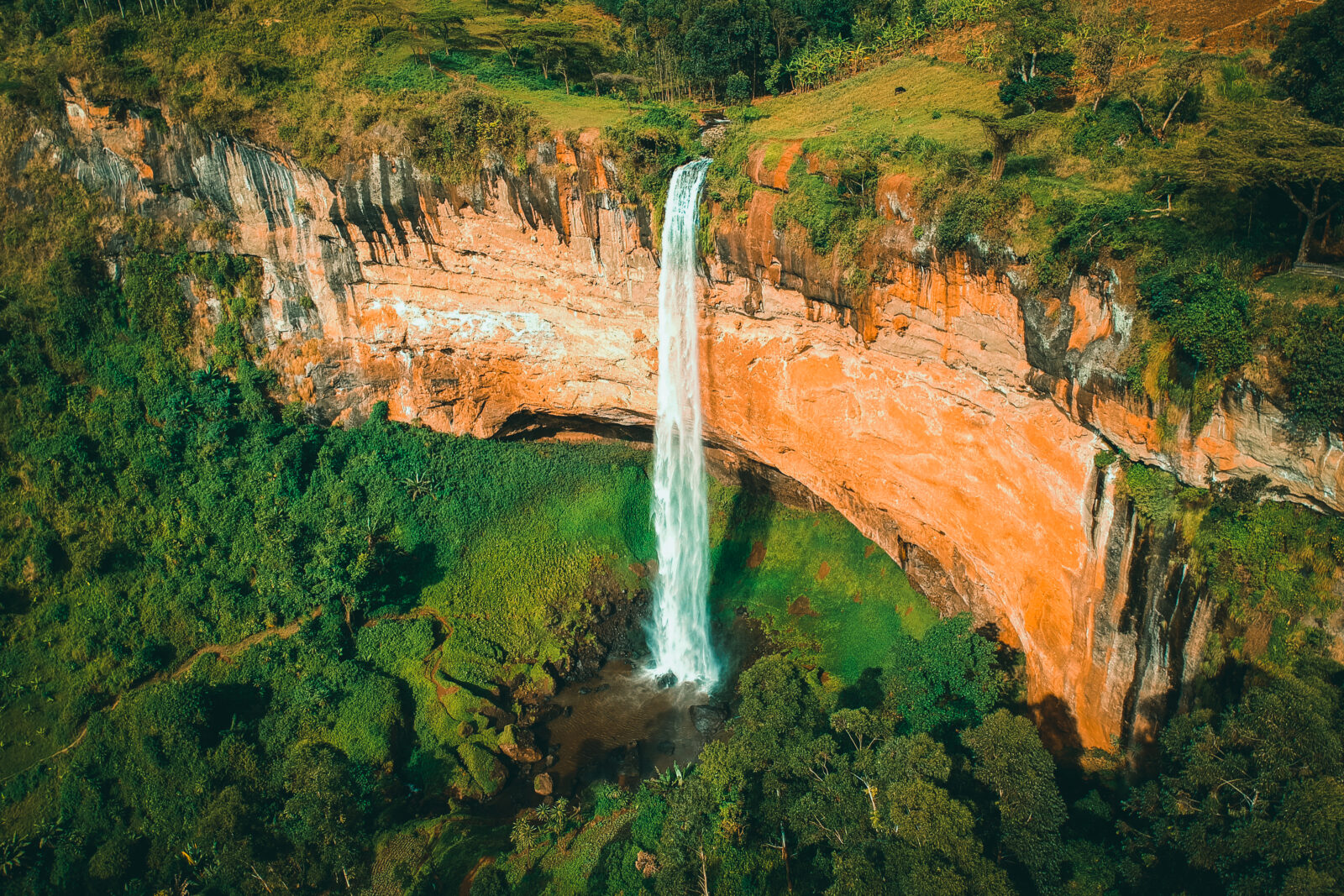
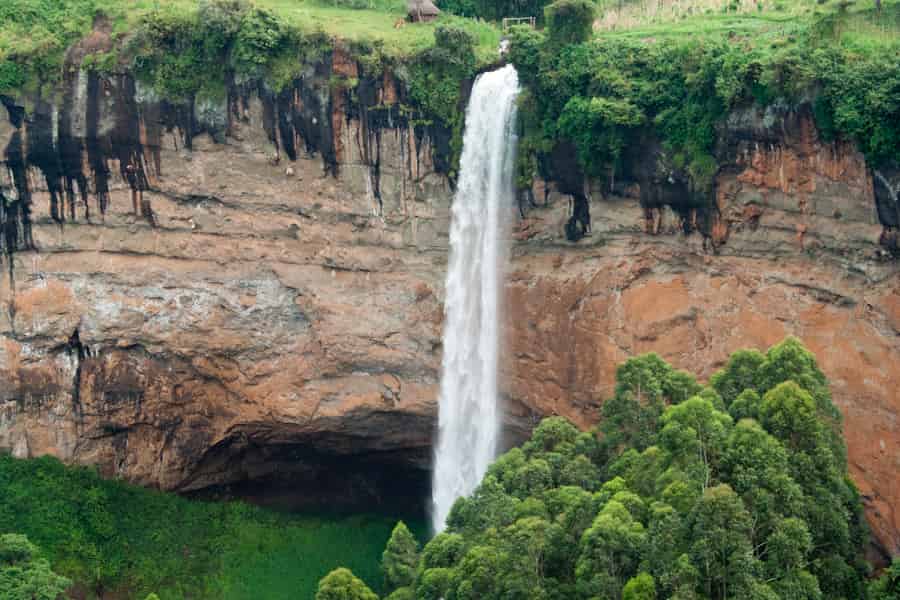
The beauty of Sipi Falls cannot be separated from its setting. Rising at an altitude of about 1,775 meters above sea level, the area benefits from fertile volcanic soils, a temperate climate, and lush vegetation that supports a diversity of life. The three waterfalls—upper, middle, and lower—form the visual centerpiece, but beyond the roaring cascades lies a network of valleys, caves, forests, and farmlands that sustain birds, mammals, and people alike.

For families, this landscape is naturally inviting. The cooler climate makes outdoor exploration comfortable for children, while the relative absence of dangerous predators ensures that activities are safe. Birders, meanwhile, are rewarded with the presence of over 275 bird species recorded in the Mount Elgon region, many of which thrive in the habitats surrounding Sipi.

Exploring these landscapes is akin to embarking on a game drive—though not in a vehicle across vast plains, but on foot, by local transport, or through guided excursions that mimic the thrill of wildlife discovery.

Birding as the Heart of the Game Drive Experience

For birders, Sipi Falls is nothing short of a paradise. The region’s altitudinal range and varied habitats provide sanctuary for both forest specialists and highland species, making every exploration rewarding.

The call of the African blue flycatcher echoes in the forests, while the sight of a black-headed weaver weaving intricate nests along the rivers captivates children and adults alike. The region is also home to the Jackson’s francolin, taciturn turacos, tinkerbirds, and an array of sunbirds whose iridescent plumage glimmers like jewels under the morning light.

Family-friendly birding at Sipi Falls is enhanced by the fact that many species can be seen near farms, gardens, and trails, meaning even short walks with children yield rewarding sightings. Unlike some birding destinations where hours of trekking are required, Sipi allows birders to enjoy a steady rhythm of discovery suitable for all ages.

Family-Friendly Exploration: Activities That Mimic a Game Drive

Guided Nature Walks

Instead of the traditional game-drive vehicle, families at Sipi engage in guided nature walks that function as intimate safaris. Experienced guides lead families through forests, hillsides, and waterfall trails, pointing out birds, butterflies, and small mammals. Children find delight in spotting bright species like the scarlet-chested sunbird or listening to the comical chatter of hornbills.

These walks become more than birding expeditions; they evolve into family adventures where children learn to identify calls, track movements, and appreciate ecosystems. The slow pace ensures that everyone, from toddlers to teenagers, participates actively, transforming the walk into an interactive wildlife classroom.

Coffee Plantation Visits with Birding

The fertile slopes of Sipi Falls are famous for Arabica coffee, and plantation tours often double as birding adventures. As families are guided through the process of coffee cultivation—from planting to roasting—they simultaneously encounter an avian spectacle. Sunbirds dart among the coffee flowers, weavers perch on shade trees, and raptors circle above the hills.

For children, the combination of learning about coffee and spotting birds creates a multi-layered experience that blends culture, agriculture, and ecology. Parents find satisfaction in seeing their children engaged, while birders rejoice in the opportunity to add new species to their checklists without straying far from comfort.

Village Encounters and Cultural Birding

One of the most enriching aspects of a game-drive-style experience at Sipi is the opportunity to integrate cultural encounters with birdwatching. Families are welcomed into local villages, where they learn about Bugisu traditions, taste local foods, and listen to community stories. Birds are ever-present in these settings—perched on thatched rooftops, calling from banana groves, or soaring overhead.

This cultural birding allows children to understand that birds are not only part of natural landscapes but also embedded within human traditions. Local guides often share folklore linked to specific bird species, providing stories that captivate young minds while deepening the birding experience for seasoned enthusiasts. Family-Friendly Activities for game drive in Sipi Falls for birders
Hiking Trails as Family Game Drives

The hills around Sipi Falls offer numerous hiking trails that can be tailored for families. While some trails demand stamina, many shorter routes are perfect for children, offering gradual ascents and rewarding views. These hikes mimic a mini-game drive, with birds, butterflies, and sometimes small mammals appearing along the way.

Birders delight in spotting species such as the bronze sunbird or tropical boubou, while children are often fascinated by colorful butterflies and the playful chatter of vervet monkeys. Each step brings fresh discoveries, echoing the thrill of a savannah game drive where one never knows what lies beyond the next bend.

Waterfall Viewing as Wildlife Moments

The three waterfalls themselves are not merely scenic marvels but also birding hotspots. The spray-filled microhabitats near the falls attract unique species, including swifts and swallows that dart through the mist. Families, often mesmerized by the roar and beauty of the cascades, soon realize that the waterfalls double as stages for avian acrobatics.

Parents can relax as children enjoy the thrill of watching water plunge into deep pools while guides point out birds circling overhead. These shared moments blend awe, education, and recreation, forming memories that resonate long after the visit ends.

Canoeing on Mountain Streams

Though Sipi Falls is not a vast lake destination like Bunyonyi, its surrounding streams and rivers allow for short canoeing experiences that mimic the aquatic side of a game drive. Families can float gently along calm stretches, where birds such as kingfishers and herons dominate the waterside.

The slow pace ensures safety for children while offering birders front-row seats to some of the region’s most photogenic species. Canoeing becomes an act of peaceful exploration, where silence and observation reveal the hidden rhythms of Sipi’s waterways.

Seasonal Birding Highlights for Families

The Dry Season

From December to February and again June to August, the dry seasons provide families with clear skies, open trails, and high visibility for birding. Birds gather near water sources, making sightings frequent and rewarding. Raptors such as the augur buzzard are commonly seen gliding effortlessly above the cliffs.

For families, this season offers the reassurance of predictable weather, ensuring that outdoor activities can be planned with minimal disruption. Children enjoy the uninterrupted opportunities for swimming in safe streams, hiking, and picnicking, while birders revel in steady photographic opportunities.

The Wet Season

The rains that fall between March to May and September to November transform the Sipi landscape into a lush green paradise. This season corresponds with breeding activity for many birds, making it a particularly fascinating time for birders. Nests appear in trees, chicks can be seen learning to fly, and the forests come alive with songs.

Though trails may be slippery, the wet season offers unique experiences for families. Children often find joy in the novelty of sudden showers, while the mist around the waterfalls adds a magical touch to birding excursions. Parents who value fewer crowds also appreciate this season, as it offers a more intimate connection with both birds and landscapes.

Migratory Seasons

Between November and April, migratory species from Europe and Asia arrive, creating additional excitement for birders. Families are introduced to international visitors such as the barn swallow and sandpiper, expanding children’s understanding of how far birds travel. The migratory season transforms Sipi into a global crossroads, where local and foreign species coexist, reinforcing lessons of interconnectedness and adaptation.

Educational Value for Families

Engaging in birding and game-drive-style activities at Sipi Falls has profound educational benefits for children. Through guided walks, cultural encounters, and bird observations, young travelers gain lessons in ecology, conservation, and cultural diversity.

Parents often remark that their children return home with not only memories of waterfalls but also with newfound knowledge—how to identify a bird call, why forests matter, or how communities live sustainably with nature. These lessons, absorbed in the open classroom of Sipi’s landscapes, leave impressions far stronger than textbooks.

Comfort, Safety, and Family Reassurance

For families, the joy of exploration must always be balanced with safety and comfort. Sipi Falls, free of dangerous predators, offers precisely this reassurance. Guides ensure that walks and hikes remain suitable for children, while the cool climate prevents fatigue.

Accommodation in nearby eco-lodges complements these experiences by providing safe spaces for families to rest after their explorations. Meals are fresh, rooms are cozy, and the hospitality of local hosts ensures that children are welcomed warmly, not as distractions but as honored guests.

Birding Photography as Family Storytelling

One of the most rewarding aspects of birding at Sipi is the opportunity for photography, which becomes a form of family storytelling. Parents and children capture moments of discovery—the shimmer of a sunbird, the splash of a waterfall, or the smile of a guide pointing to a rare species.

These images become more than souvenirs; they serve as narratives that families revisit, sparking conversations about conservation, culture, and the adventures they shared. For birders, photography at Sipi also enriches their records, offering images framed not only by birds but by family bonds.

Conservation and Responsibility

Every family-friendly activity at Sipi Falls carries an underlying message of conservation. The region’s communities are deeply involved in preserving bird habitats and natural resources, recognizing that tourism and conservation are inseparable. Families who visit contribute directly to this mission, ensuring that children learn about the responsibilities of travel.

Whether through eco-lodge stays, guided walks, or cultural exchanges, each activity reinforces the idea that enjoying nature also means protecting it. Parents find satisfaction in knowing that their family’s adventure leaves behind a positive footprint.

Why Sipi Falls Should Be on Your Family Birding List

The family-friendly game drive experiences at Sipi Falls redefine what it means to explore Uganda with children and birders in mind. From guided nature walks to cultural birding, from seasonal highlights to educational immersion, the region offers a unique combination of safety, beauty, and discovery.

For birders, Sipi provides an unparalleled opportunity to observe species in diverse habitats without strenuous effort. For families, it offers activities that entertain, educate, and create memories rooted in both nature and culture. The waterfalls, the birds, the trails, and the villages together weave an experience that is as enriching for a child as it is for a seasoned birder.

Sipi Falls deserves a place on every family’s bucket list, not only for its natural wonders but also for the lessons it imparts—lessons of connection, respect, and harmony with the world. To transform this vision into reality, it is recommended that your African journeys be guided by experts who understand the delicate balance between family needs and birding aspirations. For immersive tours and safaris across Uganda and beyond, consider booking through WildHorn Africa, a trusted companion in crafting journeys that inspire, educate, and transform.
Road Trip at Mgahinga Gorilla National Park: Local's Guide for foodies

Road Trip at Mgahinga Gorilla National Park: Local’s Guide for foodies

By Travel stories and blogs, Uganda travel guides

Road Trip at Mgahinga Gorilla National Park: Local’s Guide for Foodies

A Culinary and Wildlife Adventure in Uganda

For travelers with an appetite for both authentic culinary experiences and wildlife adventure, a road trip to Mgahinga Gorilla National Park in southwestern Uganda provides a unique blend of cultural immersion, gastronomic discovery, and ecological exploration. This lesser-known gem of the Virunga volcanic region offers pristine landscapes, dense forests, and an intimate encounter with mountain gorillas, all while providing a vibrant local food scene deeply rooted in community practices.

Unlike conventional tourist itineraries, this journey emphasizes local knowledge, regional flavors, and hands-on engagement. For food enthusiasts, the road trip presents opportunities to savor traditional Ugandan dishes, explore community farms, and participate in cooking demonstrations. For wildlife lovers, it is a chance to traverse volcanic slopes, observe endemic species, and understand conservation dynamics in one of Africa’s most significant ecological hotspots.

Understanding Mgahinga Gorilla National Park

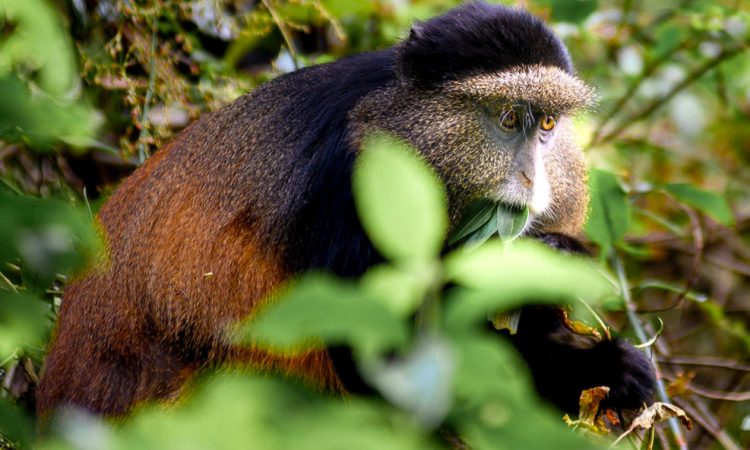
Mgahinga Gorilla National Park is part of the Virunga Conservation Area, characterized by steep volcanic mountains, bamboo forests, and rare wildlife. It shares borders with Rwanda and the Democratic Republic of Congo, creating a transboundary ecosystem critical for the survival of endangered species. The park is home to the iconic mountain gorillas, golden monkeys, and a variety of bird and plant species, making it a biodiversity haven.

For food-focused travelers, the park’s surrounding communities offer a culinary landscape shaped by volcanic soils, traditional agriculture, and seasonal harvests. Cassava, sweet potatoes, millet, and indigenous herbs dominate local cuisine, often combined with river fish, legumes, and seasonal vegetables. Understanding the ecological context provides insight into the interconnectedness of food, culture, and conservation, transforming the road trip into both a sensory and educational experience.

Planning the Road Trip: Routes and Accessibility

The journey to Mgahinga Gorilla National Park typically begins in Kampala or Kabale, with well-maintained roads offering scenic views of Uganda’s southwestern highlands. Travelers are advised to use reliable vehicles suited for mountainous terrain, as the road trip encompasses winding routes, terraced farmlands, and river crossings. Along the way, small towns and roadside stalls offer opportunities to sample fresh produce, traditional snacks, and regional delicacies, providing pauses for both nourishment and cultural engagement.

Local guides are invaluable for navigating routes, providing context about historical landmarks, and recommending culinary stops. Their expertise ensures that travelers experience authentic flavors while adhering to safety and logistical considerations. Timing is crucial; traveling during the dry season enhances accessibility and allows for uninterrupted exploration of both the park and surrounding communities.

Day 1: Arrival and Introduction to Local Cuisine

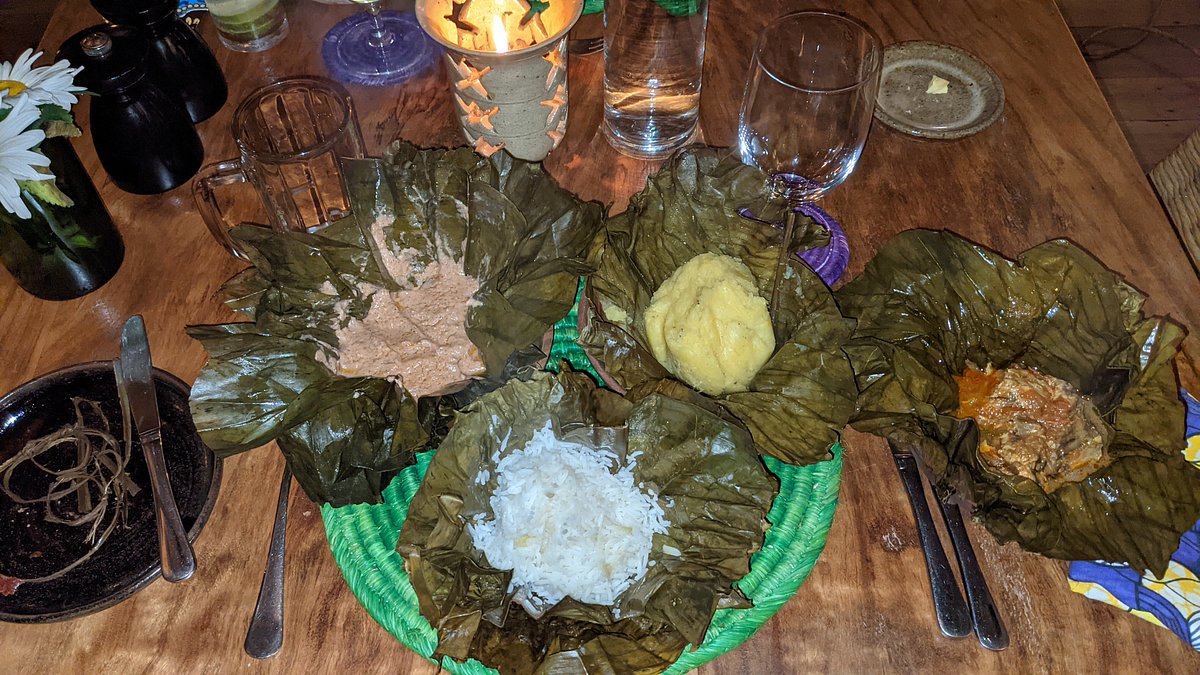
Upon arrival in the park’s vicinity, travelers are welcomed by community-run lodges and eco-friendly accommodations. These establishments often feature kitchens that showcase local ingredients, offering a first taste of the region’s culinary traditions. Guests are introduced to dishes such as matoke, roasted sweet potatoes, groundnut sauce, and fresh river fish, accompanied by traditional beverages brewed from millet or sorghum.

The evening is typically spent in a communal setting where cooking demonstrations and storytelling sessions allow travelers to observe preparation techniques, understand ingredient sourcing, and appreciate the cultural significance of meals. This introduction not only satisfies culinary curiosity but also establishes a foundation for immersive food exploration during the road trip.

Day 2: Exploring Surrounding Communities and Markets

The second day is dedicated to community engagement and market exploration. Travelers visit local villages where small-scale farms and family-run food enterprises offer insight into agricultural practices and dietary habits. Markets provide a lively environment to observe fresh produce, spices, and traditional culinary tools, while interactions with vendors and cooks reveal the stories behind regional recipes.

For food enthusiasts, this day emphasizes hands-on learning, including participation in vegetable harvesting, preparation of local delicacies, and sampling of freshly cooked meals. The focus is on understanding how community life, seasonal cycles, and ecological conditions shape culinary traditions, allowing travelers to connect taste with context and culture.

Day 3: Gorilla Trekking and Forest Immersion

The third day of the road trip introduces gorilla trekking, a highlight of Mgahinga National Park. Guided by expert trackers, travelers navigate dense bamboo and montane forests to locate mountain gorilla families. Ethical guidelines are emphasized to ensure minimal disturbance to wildlife and maximum safety for visitors.

The trek is both physically invigorating and emotionally rewarding, providing close observation of gorilla behavior, social dynamics, and ecological interactions. While the day is focused on wildlife, guides also provide information about edible plants, medicinal herbs, and forest-based ingredients that communities have utilized for generations, linking conservation knowledge with culinary heritage.

Day 4: Culinary Workshops and Foraging Experiences

After the physically demanding trek, the fourth day emphasizes cultural and culinary engagement. Travelers participate in workshops led by local cooks and community elders, exploring the preparation of staple dishes using traditional methods. Activities may include pounding millet, roasting tubers, preparing leafy vegetables, and brewing fermented beverages, all conducted in ways that are both interactive and educational.

Foraging excursions complement workshops, allowing travelers to identify wild edible plants, herbs, and fruits, deepening their understanding of indigenous knowledge and ecological sustainability. These experiences connect culinary practice to environmental stewardship, highlighting the region’s dependence on natural resources and the cultural ingenuity in utilizing them.Road Trip at Mgahinga Gorilla National Park: Local's Guide for foodies

Day 5: Scenic Drives and Cultural Reflection

The final day of the road trip combines scenic drives with reflective cultural engagement. Travelers explore the volcanic slopes, crater lakes, and panoramic highlands surrounding Mgahinga, while stopping at vantage points, villages, and farms for experiential learning. Opportunities arise to taste freshly prepared meals in homesteads, observe traditional storage and preservation methods, and participate in communal meals that showcase regional hospitality.

Throughout the day, reflections are encouraged, integrating insights from gorilla trekking, culinary workshops, and community interactions. This synthesis ensures that the road trip concludes with a comprehensive understanding of local culture, gastronomy, and ecological awareness, leaving travelers with a multidimensional perspective of the region.

Luxury Considerations and Accommodation

Although the road trip emphasizes local engagement and culinary discovery, accommodations are chosen to ensure comfort and high-end amenities for travelers seeking a luxury experience. Eco-lodges, boutique resorts, and private cabins offer panoramic views of the Virunga volcanoes, gourmet dining, and curated services. These establishments balance sustainable design with luxury, allowing travelers to rest in comfort while remaining immersed in the natural and cultural environment.

Personalized arrangements, including private guides, tailored meal plans, and flexible itineraries, enhance the overall experience. Travelers benefit from luxury comfort without compromising authenticity, allowing for both relaxation and meaningful participation in local activities.

Health and Safety Considerations

Safety and well-being are essential components of a successful road trip to Mgahinga. Travelers are advised to maintain vaccinations, carry first aid kits, and follow guidance during trekking and cooking activities. Experienced guides provide protocols for wildlife encounters, forest navigation, and community engagement, ensuring that participants can enjoy activities safely and responsibly.

Accommodations and travel logistics are designed to minimize health risks and provide emergency support, allowing travelers to focus fully on the culinary, cultural, and ecological aspects of the journey without unnecessary concern.

Sustainable and Ethical Travel Practices

A road trip in Mgahinga emphasizes responsible tourism, ethical wildlife interaction, and support for local communities. Culinary activities are conducted in ways that respect traditional knowledge, minimize waste, and promote economic empowerment. Wildlife experiences adhere to strict conservation guidelines, ensuring that gorillas and other species are observed without disruption.

Travelers contribute positively by engaging with local markets, participating in educational initiatives, and supporting eco-friendly accommodations. These practices ensure that the road trip maintains a long-term impact on both the environment and the livelihoods of local communities, aligning luxury travel with ethical responsibility.

Photography and Storytelling Opportunities

For food and wildlife enthusiasts, Mgahinga offers rich opportunities for photography and storytelling. Scenic volcanic landscapes, forest trails, gorilla encounters, and market scenes provide visual narratives that capture the essence of the region. Ethical photography guidelines are emphasized, particularly around wildlife and community interactions, ensuring respect for both cultural norms and ecological sensitivity.

Travelers are encouraged to document experiences through photography, journaling, or digital storytelling, creating lasting memories that reflect the interconnectedness of food, culture, and conservation. These narratives enhance both personal reflection and the sharing of Uganda’s unique heritage with broader audiences.

Seasonal Insights and Timing the Road Trip

Timing the road trip is crucial for maximizing both culinary and wildlife experiences. Dry seasons, typically from December to February and June to August, offer better road conditions, accessible trekking trails, and active wildlife. Certain cultural festivals and harvest periods provide unique culinary experiences, allowing travelers to sample seasonal dishes and participate in community celebrations.

Seasonal planning ensures that activities are not disrupted by adverse weather and that travelers can engage meaningfully with local communities, conservation projects, and gastronomic traditions. Guides and local operators provide detailed recommendations to align travel dates with optimal ecological and cultural conditions.

A Multisensory Journey for Foodies and Adventurers

A road trip at Mgahinga Gorilla National Park combines culinary exploration, cultural engagement, and wildlife adventure, offering food enthusiasts an immersive and educational experience. Travelers savor traditional dishes, participate in community workshops, and trek through forests to observe endangered gorillas, creating a journey that appeals to all senses. The combination of scenic landscapes, hands-on learning, and authentic local encounters ensures that each moment contributes to a comprehensive understanding of the region’s heritage, ecology, and gastronomy.

For those seeking to explore Mgahinga fully while enjoying seamless logistics, curated culinary experiences, and guided wildlife adventures, booking through WildHorn Africa is highly recommended.

The Best Time to Visit: conservation volunteering at Toro Kingdom for luxury travelers

The Best Time to Visit: conservation volunteering at Toro Kingdom for luxury travelers

By Travel stories and blogs, Uganda travel guides

The Best Time to Visit: Conservation Volunteering at Toro Kingdom for Luxury Travelers

Immersive Luxury and Meaningful Conservation

Nestled in the lush landscapes of western Uganda, the Toro Kingdom offers a unique blend of natural beauty, cultural richness, and conservation initiatives. For luxury travelers seeking more than conventional leisure, this region presents an opportunity to engage in high-end conservation volunteering while experiencing the elegance and comfort associated with curated travel. Volunteering in Toro Kingdom is not merely an act of service; it is a fully immersive journey where travelers contribute to the protection of biodiversity, engage with local communities, and witness the delicate balance between tradition and environmental stewardship.

Timing a visit is critical for those wishing to maximize both comfort and effectiveness in conservation work. The best periods align with favorable climatic conditions, active wildlife patterns, and the peak operational schedules of local conservation projects. By understanding these factors, luxury travelers can ensure that their experience is not only impactful but also harmonious with the rhythms of the land, communities, and ecosystems.

Understanding Toro Kingdom: Heritage and Biodiversity

The Toro Kingdom is one of Uganda’s historical monarchies, known for its rich cultural heritage and reverence for natural resources. It spans verdant hills, expansive forests, and fertile river valleys that host diverse flora and fauna, including endemic species and migratory wildlife. The region’s ecological significance has prompted the development of conservation initiatives aimed at protecting wildlife, restoring habitats, and promoting sustainable practices.

Luxury travelers are drawn to Toro Kingdom for both its environmental and cultural appeal. Opportunities to witness traditional ceremonies, visit royal sites, and engage with communities complement the conservation experience, creating a multidimensional journey. The region embodies the integration of heritage, ecology, and high-end experiential travel, providing context for why timing and preparation are essential for a meaningful visit.

Optimal Seasons for Conservation Volunteering

Understanding the seasonal cycles in Toro Kingdom is pivotal for luxury travelers intending to participate in conservation activities. The region experiences a bimodal rainfall pattern, with primary rainy seasons typically occurring from March to May and a shorter rainy period around September to November. Dry seasons, occurring between December and February and June to August, are ideal for volunteer work, as they offer stable weather, accessible terrain, and increased wildlife visibility.

During the dry season, trails are more navigable, river crossings are safer, and forests and savannahs become ideal for tracking wildlife, monitoring habitats, and conducting ecological assessments. Luxury travelers benefit from this timing, as high-end lodges and camps can offer outdoor activities without disruption, ensuring comfort and safety while maintaining immersion in conservation efforts. Additionally, certain conservation projects may intensify monitoring and restoration activities during dry periods, allowing volunteers to contribute more meaningfully.

High-End Accommodation and Sustainable Comfort

Luxury travelers in Toro Kingdom have access to accommodations that balance comfort, elegance, and ecological responsibility. Boutique lodges, eco-luxury camps, and private villas offer amenities such as curated meals, spa services, and guided excursions while emphasizing sustainability and community integration. These lodgings often collaborate with conservation projects, providing proximity to fieldwork sites and facilitating seamless participation in volunteer programs.

Rooms are typically designed to harmonize with the natural environment, offering panoramic views of rolling hills, river valleys, and forests. Travelers can observe wildlife from terraces or infinity pools, enjoy gourmet cuisine prepared from locally sourced ingredients, and access private guides who facilitate both leisure and conservation-focused activities. This integration of luxury and purpose ensures that travelers experience Toro Kingdom in comfort while remaining connected to the environmental and cultural mission of their visit.

Engaging in Conservation Volunteering

Conservation volunteering in Toro Kingdom encompasses a range of activities tailored to the skills and interests of participants. Luxury travelers can engage in habitat restoration, wildlife monitoring, community education, and research support. Volunteers may assist in planting indigenous trees, conducting biodiversity surveys, or participating in anti-poaching initiatives.

Projects are structured to maximize impact while accommodating the needs and expectations of travelers accustomed to high standards of service and comfort. Activities are guided by local conservation experts who ensure ethical practices, safety, and meaningful contribution. Luxury travelers often balance active fieldwork with reflective downtime, allowing for both physical engagement and contemplation of the region’s ecological and cultural significance.

Cultural Integration and Community Engagement

Toro Kingdom is characterized by strong cultural traditions and community-oriented practices, which form an integral part of the conservation experience. Volunteers interact with local residents, learn about traditional agricultural methods, and participate in workshops that connect ecological stewardship with cultural heritage.

These interactions provide insight into the interdependence of people and the environment, demonstrating how cultural practices influence land use, wildlife management, and natural resource conservation. Luxury travelers benefit from curated experiences that facilitate deep cultural understanding, such as attending ceremonies, engaging in storytelling sessions, and observing community rituals, all designed to respect local norms and enhance the volunteer experience.

Photographic Opportunities and Wildlife Observation

For luxury travelers, Toro Kingdom offers unparalleled photographic and observational opportunities. Rolling hills, forested landscapes, and riverine ecosystems create a canvas for wildlife photography, while cultural encounters add depth and narrative to visual documentation. Volunteers may encounter elephants, antelopes, primates, and myriad bird species during field activities, providing rich material for both professional and amateur photography. The Best Time to Visit: conservation volunteering at Toro Kingdom for luxury travelers

Cultural events, community workshops, and conservation projects present additional opportunities to capture authentic interactions and ceremonial practices. Travelers can use guided sessions to enhance their visual storytelling, ensuring that both wildlife and human dimensions of Toro Kingdom are represented in their photographic narratives. The combination of luxury comfort and immersive fieldwork allows for extended photographic exploration without compromising safety or convenience.

Health and Safety Considerations for Luxury Volunteers

Participation in conservation volunteering requires attention to health, safety, and preparedness. Travelers are advised to maintain vaccinations, carry first aid kits, and follow guidance on safe interaction with wildlife and local communities. Luxury accommodations often provide medical support, emergency contacts, and well-trained guides to ensure that volunteers can engage fully and confidently.

Field activities are structured with safety in mind, including protective equipment, guided trails, and supervision by experienced conservation personnel. Travelers are encouraged to balance active participation with periods of rest and reflection, ensuring that the experience is both rewarding and sustainable over the course of their visit.

Sustainable Practices and Ethical Volunteering

Luxury travelers participating in conservation volunteering are encouraged to adhere to ethical and sustainable practices. This includes respecting wildlife, minimizing ecological footprint, supporting local economies, and engaging with communities in culturally appropriate ways. Conservation programs emphasize long-term ecological benefits, ensuring that volunteer contributions align with broader environmental goals.

High-end lodges and projects often integrate sustainability into all aspects of their operations, including energy use, waste management, and sourcing of materials. Travelers benefit from these practices through enhanced comfort, responsible tourism, and meaningful engagement, knowing that their presence contributes positively to the ecological and social fabric of Toro Kingdom.

Timing Cultural and Conservation Events

The best time for luxury travelers to visit Toro Kingdom also aligns with cultural events and conservation milestones. Certain ceremonies, festivals, and community gatherings are scheduled around agricultural cycles and ecological patterns. Participating in these events allows volunteers to observe and contribute to cultural and environmental continuity, enhancing both the personal and communal significance of their visit.

By planning trips to coincide with these periods, travelers can maximize both educational and experiential value, ensuring that their involvement is meaningful and contextual. Curated itineraries often integrate cultural ceremonies, wildlife excursions, and conservation tasks, providing a comprehensive luxury experience with social, ecological, and cultural depth.

Luxury Travel Planning for Toro Kingdom

Effective planning ensures that travelers maximize the benefits of both luxury comfort and conservation engagement. This includes selecting appropriate accommodations, coordinating with conservation organizations, and aligning itineraries with seasonal conditions. Guided travel ensures that logistical challenges are minimized, and that each element of the visit—lodging, fieldwork, cultural interaction, and photography—is seamlessly integrated.

Luxury travelers are encouraged to consult with operators who understand both ecological priorities and high-end travel expectations, ensuring that the visit is efficient, safe, and deeply enriching. This approach allows for tailored experiences that respect individual interests, fitness levels, and cultural curiosity, all while supporting long-term conservation outcomes.

A Transformative Luxury Experience

Toro Kingdom presents a rare opportunity for luxury travelers to combine high-end comfort with meaningful conservation volunteering. By visiting during optimal seasons, engaging in ethical and educational field activities, and immersing oneself in local culture, travelers experience a journey that is both enriching and impactful. Wildlife encounters, cultural ceremonies, and sustainable accommodations combine to create a multidimensional experience that resonates long after departure.

For those seeking to explore Toro Kingdom in style while contributing to ecological and cultural preservation, booking through WildHorn Africa is highly recommended. Their expertise in coordinating luxury itineraries, guided conservation projects, and immersive cultural engagement ensures that every traveler experiences the highest standards of comfort, safety, and meaningful involvement. With WildHorn Africa, Toro Kingdom transforms into a destination where luxury, learning, and conservation converge, providing a truly unforgettable experience in the heart of Uganda.

The Photo Essay: culinary experiences at Sipi Falls to add to your bucket list

The Photo Essay: culinary experiences at Sipi Falls to add to your bucket list

By Travel stories and blogs, Uganda travel guides

The Photo Essay: Culinary Experiences at Sipi Falls to Add to Your Bucket List

Where Scenery Meets Flavor

Few destinations in East Africa captivate the senses with the same intensity as Sipi Falls. Rising gracefully on the foothills of Mount Elgon in eastern Uganda, this spectacular trio of waterfalls is not only a paradise for trekkers, photographers, and nature lovers, but also a sanctuary for food enthusiasts seeking to immerse themselves in culinary traditions that are as colorful as the landscapes themselves. The experience of being at Sipi Falls extends far beyond gazing at cascading waters—it unfolds into a profound journey of taste, aroma, and storytelling through food.

This photo essay delves into the culinary experiences at Sipi Falls that every traveler should add to their bucket list. It offers a glimpse into the delicate blend of local traditions, farm-to-table practices, and food culture that binds the community together. Each meal in Sipi tells a story—of resilience, heritage, and the relationship between people and land. To stand at the edge of the roaring falls while savoring a freshly brewed cup of Arabica coffee or a steaming plate of Ugandan delicacies is to be reminded that travel is not merely about sights, but about connections formed through taste.

The Scenic Canvas of Sipi Falls

To appreciate the culinary experiences at Sipi Falls, one must first understand the stage upon which they unfold. Nestled at an altitude of nearly 1,800 meters above sea level, the region is blessed with fertile volcanic soils, cool mountain breezes, and a climate perfectly suited for the cultivation of crops. Coffee plantations thrive on the slopes, gardens sprout with bananas, cassava, and vegetables, while cattle graze peacefully in the meadows.

It is against this breathtaking backdrop that the food culture of Sipi comes alive. A traveler’s palate is guided not by luxury dining halls, but by farmhouses, village kitchens, and open-air dining experiences where meals are crafted with a balance of authenticity and creativity. Every bite is accompanied by panoramic views of the waterfalls plunging into mist-filled valleys, painting a sensory memory that endures far beyond the journey.

Coffee: The Signature Taste of Sipi Falls

Among the many gastronomic treasures of Sipi Falls, none holds as much prestige as Arabica coffee. Grown on the fertile volcanic slopes of Mount Elgon, the beans are nurtured through centuries-old farming traditions. Coffee here is more than a beverage; it is a cultural symbol that connects families, supports livelihoods, and defines the very identity of the community.

Travelers are often invited into smallholder farms where coffee tours become interactive journeys. The process unfolds step by step—from hand-picking ripe red cherries, pulping them to reveal the beans, fermenting, washing, drying under the sun, and finally roasting them over a wood fire. The aroma of freshly roasted beans fills the air, creating anticipation before the final reward: a steaming cup of coffee brewed in traditional style.

This coffee-tasting ritual is immersive and deeply personal. It allows travelers not only to savor one of Uganda’s finest exports but also to understand the intricate labor and cultural pride behind every cup. The stories told by farmers about their plantations, their struggles with climate, and their hopes for sustainable practices add emotional depth to the sensory delight.

Farm-to-Table Traditions

Beyond coffee, the culinary landscape of Sipi Falls thrives on farm-to-table practices that have long been the heartbeat of the region. Meals are prepared with ingredients sourced directly from the surrounding lands. Fresh vegetables are plucked from gardens, fruits like mangoes and bananas are harvested at peak ripeness, and livestock raised on the pastures contribute to hearty, protein-rich dishes.

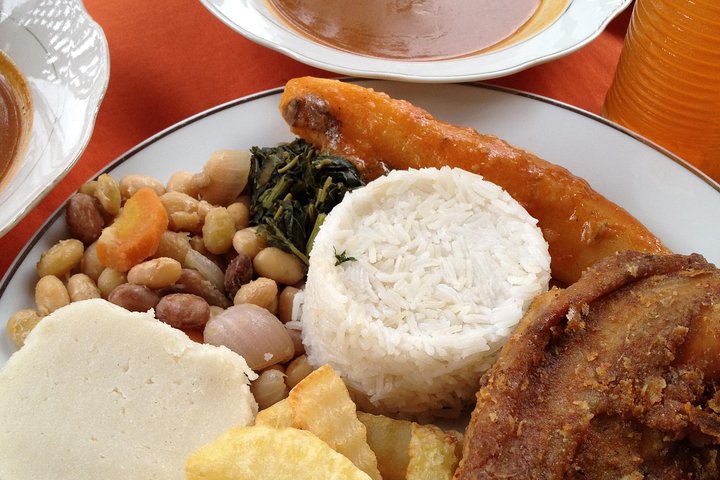
In village kitchens, open fires become the canvas upon which meals are created. Travelers who engage in cultural cooking experiences are often invited to participate in preparing Ugandan staples such as posho (maize meal), matoke (steamed green bananas), and groundnut sauce. These meals, simple in preparation yet rich in flavor, embody the philosophy of freshness and community sharing.

Each dining experience tells a story of sustainability. Food waste is minimal, ingredients are used in their entirety, and cooking methods are designed to preserve natural flavors rather than mask them. This emphasis on authenticity ensures that every meal reflects the unspoiled beauty of Sipi itself.

Culinary Encounters Along the Falls

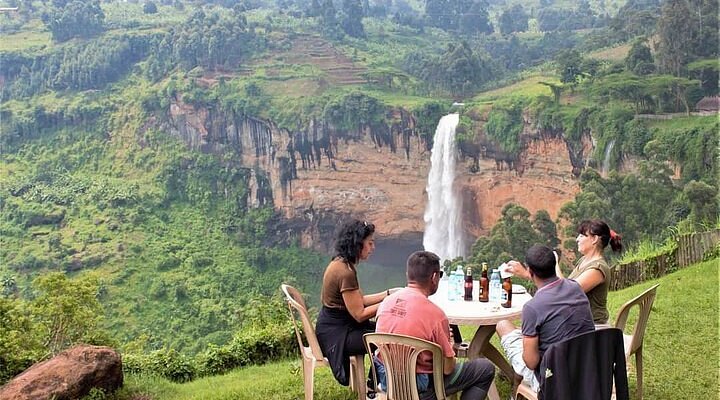
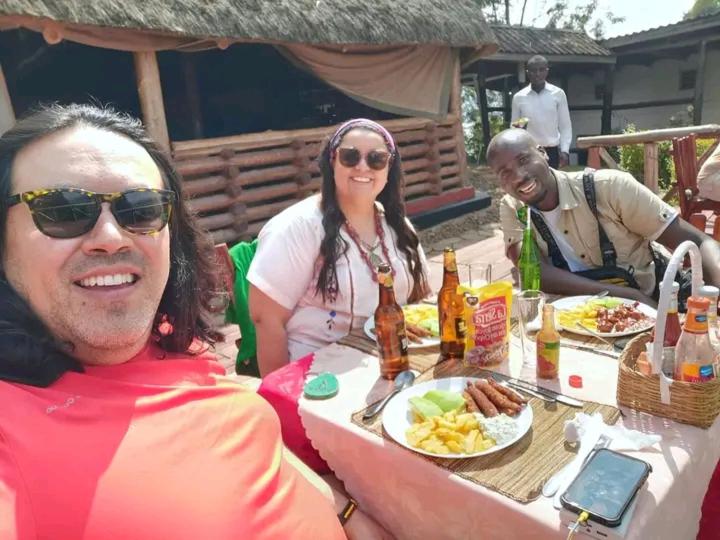
Dining at Sipi Falls is often staged in unforgettable settings. Guests may find themselves enjoying freshly prepared meals under the shade of a banana grove, at the edge of a cliff overlooking the falls, or within rustic lodges designed to blend seamlessly with the environment.

These dining spaces heighten the sense of occasion. Imagine savoring roasted goat skewers while the sound of cascading waters echoes in the background, or sipping a glass of chilled fruit juice made from passion fruits harvested just meters away from where you sit. Meals here are rarely hurried; they are deliberate, unifying experiences that invite reflection and connection.

Cultural performances sometimes accompany evening dinners, where local musicians play traditional instruments as lanterns illuminate the night. In these moments, food becomes more than nourishment; it transforms into a ritual of celebration and togetherness.The Photo Essay: Culinary Experiences at Sipi Falls to Add to Your Bucket List

The Ritual of Shared Meals

In Sipi Falls, meals are not solitary events but communal gatherings. Sharing food is a deeply rooted cultural practice that emphasizes the values of hospitality, generosity, and kinship. Travelers are often welcomed into homes where large servings are placed at the center of the table, inviting everyone to eat together.

This communal dining ritual conveys an unspoken message: food is sacred, not simply for survival but for building connections. Tourists find themselves immersed in conversations with locals, laughing over shared plates, and realizing that the act of eating here is inseparable from the act of belonging.

Indigenous Flavors and Local Specialties

A journey through the food culture of Sipi Falls introduces travelers to a wide spectrum of indigenous flavors. Dishes such as malewa (smoked bamboo shoots), unique to the Bugisu community around Mount Elgon, provide a rare opportunity to taste traditional cuisine prepared with recipes passed down through generations.

Malewa is typically cooked with groundnut paste, creating a dish that is earthy, rich, and reflective of the environment in which it is sourced. Other specialties include stews prepared with goat meat, beans, and fresh vegetables, each carrying the unmistakable freshness of volcanic soil farming. The use of natural spices and herbs enhances flavor while keeping dishes nutritious and unprocessed.

Travelers seeking a deeper engagement often participate in culinary workshops where these traditional recipes are prepared. These sessions go beyond food—they serve as cultural storytelling experiences, where elders explain the origins of dishes and their symbolic role in ceremonies and community life.

The Market Experience: A Feast for the Senses

No culinary exploration at Sipi Falls is complete without a visit to the local markets. These vibrant spaces pulse with energy as farmers, traders, and artisans gather to sell their produce. Stalls overflow with colorful displays of bananas, pineapples, avocados, cassava, and spices. The scent of roasted maize fills the air, and the rhythmic chatter of bargaining creates a dynamic atmosphere.

Markets provide travelers with an intimate understanding of the food economy and the rhythm of daily life in the region. To wander through these stalls is to witness the heartbeat of Sipi’s food culture, where freshness, affordability, and community interaction converge. Photographs captured here encapsulate not only the diversity of ingredients but also the warmth and resilience of the people who cultivate them.

Sipi Falls Lodges: Culinary Hubs for Travelers

Several lodges around Sipi Falls have elevated the culinary experience into a defining feature of their hospitality. These establishments often prioritize locally sourced ingredients, fusing traditional Ugandan recipes with creative presentations designed to appeal to international visitors.

Guests are introduced to multi-course meals where the familiar meets the exotic—vegetable soups prepared with garden herbs, grilled fish from nearby rivers, and desserts featuring tropical fruits. Yet despite this creativity, the lodges maintain fidelity to the authenticity of Ugandan cuisine. Each dish serves as both comfort and adventure, appealing to the curious traveler’s palate.

The presence of skilled chefs who adapt local recipes for global tastes ensures that Sipi Falls is not only a destination for natural beauty but also a rising star in the culinary tourism scene of East Africa.

Culinary Photography: Capturing Memories in Taste

What distinguishes Sipi Falls as a culinary destination is not only the act of eating but also the profound visual storytelling that accompanies it. Photographers find inspiration in the textures of roasted coffee beans, the vibrant colors of fresh produce, and the artistry of food served against the dramatic backdrop of waterfalls.

Food at Sipi is inherently photogenic. Steam rising from a hot meal mirrors the mist of the falls; plates of tropical fruits mirror the rainbow hues that often arc across the waterfalls on sunny days. Every image captured here speaks of abundance, authenticity, and harmony between humans and nature.

Travelers leave with not only full stomachs but also photographic narratives that remind them of flavors long after they have departed. These images serve as visual proof that food at Sipi Falls is an essential part of the travel experience, inseparable from the scenery and the community.

Beyond Taste: Culinary Sustainability at Sipi Falls

In the modern era of global travel, sustainability has become a central concern, and Sipi Falls has embraced this ethos through its culinary practices. The reliance on local produce minimizes environmental impact, while traditional farming techniques protect soil fertility and biodiversity.

Several community initiatives emphasize organic farming, eco-friendly packaging, and waste reduction. The tourism sector collaborates closely with local farmers to ensure that food production benefits the community without degrading the environment. Travelers are therefore not only indulging in culinary pleasures but also contributing to a broader vision of sustainable tourism in Uganda.

This alignment of sustainability and gastronomy reinforces the message that food at Sipi is not just a temporary indulgence but a long-term commitment to preserving both culture and nature.

A Journey That Nourishes the Soul

To partake in the culinary experiences of Sipi Falls is to embark on a journey that transcends food. It is an immersion into the very spirit of the community—a reflection of their heritage, resilience, and hospitality. Every sip of coffee, every plate of malewa, and every shared meal resonates with stories untold, woven into the landscapes of Mount Elgon.

Travelers who venture into this hidden corner of Uganda often describe the experience as transformative. They return home with more than photographs; they carry the memory of flavors, the warmth of friendships forged over meals, and a newfound appreciation for the way food can unite humanity.

Sipi Falls on Your Bucket List

Culinary experiences at Sipi Falls stand as an essential addition to every traveler’s bucket list. To eat here is to engage in a sensory journey that combines taste, sight, sound, and story into a single unforgettable narrative. From the celebrated Arabica coffee plantations to the vibrant local markets, from farm-to-table practices to the communal rituals of shared meals, Sipi Falls transforms dining into a profound cultural exploration.

The waterfalls may be the visual centerpiece of this destination, but it is the food—the way it is grown, prepared, shared, and celebrated—that etches Sipi Falls into memory with unparalleled depth. For those seeking not just to see but to experience Uganda in its most authentic form, the culinary journey at Sipi is indispensable.

To discover these experiences and more, it is recommended that your African adventure be curated with expertise and passion. For the most immersive tours and safaris across Uganda and beyond, consider planning your journey through WildHorn Africa, a trusted guide to crafting unforgettable moments where landscapes, culture, and culinary wonders meet.

Kasubi Tombs: Best Time to Visit to culinary experiences with limited time

Kasubi Tombs: Best Time to Visit to culinary experiences with limited time

By Travel stories and blogs, Uganda travel guides

Kasubi Tombs: Best Time to Visit to Culinary Experiences with Limited Time

Standing as a symbol of Uganda’s regal past, the Kasubi Tombs rise not only as a UNESCO World Heritage Site but as a sanctuary where history, spirituality, and culture converge. Located on the hills of Kampala, this sacred burial ground of the Buganda kings is more than just an architectural wonder. It is a living museum where traditions continue to breathe, where rituals and ceremonies unfold, and where the spirit of Uganda’s largest kingdom is preserved with reverence. For travelers with limited time, the Kasubi Tombs offer an opportunity to experience Uganda’s heritage within hours, leaving an imprint as profound as multi-day safaris or lengthy explorations.

Yet, what many do not realize is that the experience does not end at the gates of this cultural landmark. Surrounding the Kasubi Tombs, Kampala opens its arms with a rich culinary landscape that reflects the pulse of Ugandan life. The city’s food culture, steeped in tradition yet influenced by global flavors, offers a feast that complements the historical exploration. This combination of history and cuisine allows even a short visit to Uganda’s capital to become an immersion into both the tangible and the sensory heritage of the nation.

Thus, for travelers constrained by time yet eager for depth, the question arises: When is the best time to visit the Kasubi Tombs, and how can culinary experiences be woven into the journey? This article delves into the answers, offering a structured pathway to understanding the rhythm of this landmark and its culinary surroundings, all tailored to those with limited hours to spend yet an unlimited curiosity to explore.

Understanding the Kasubi Tombs

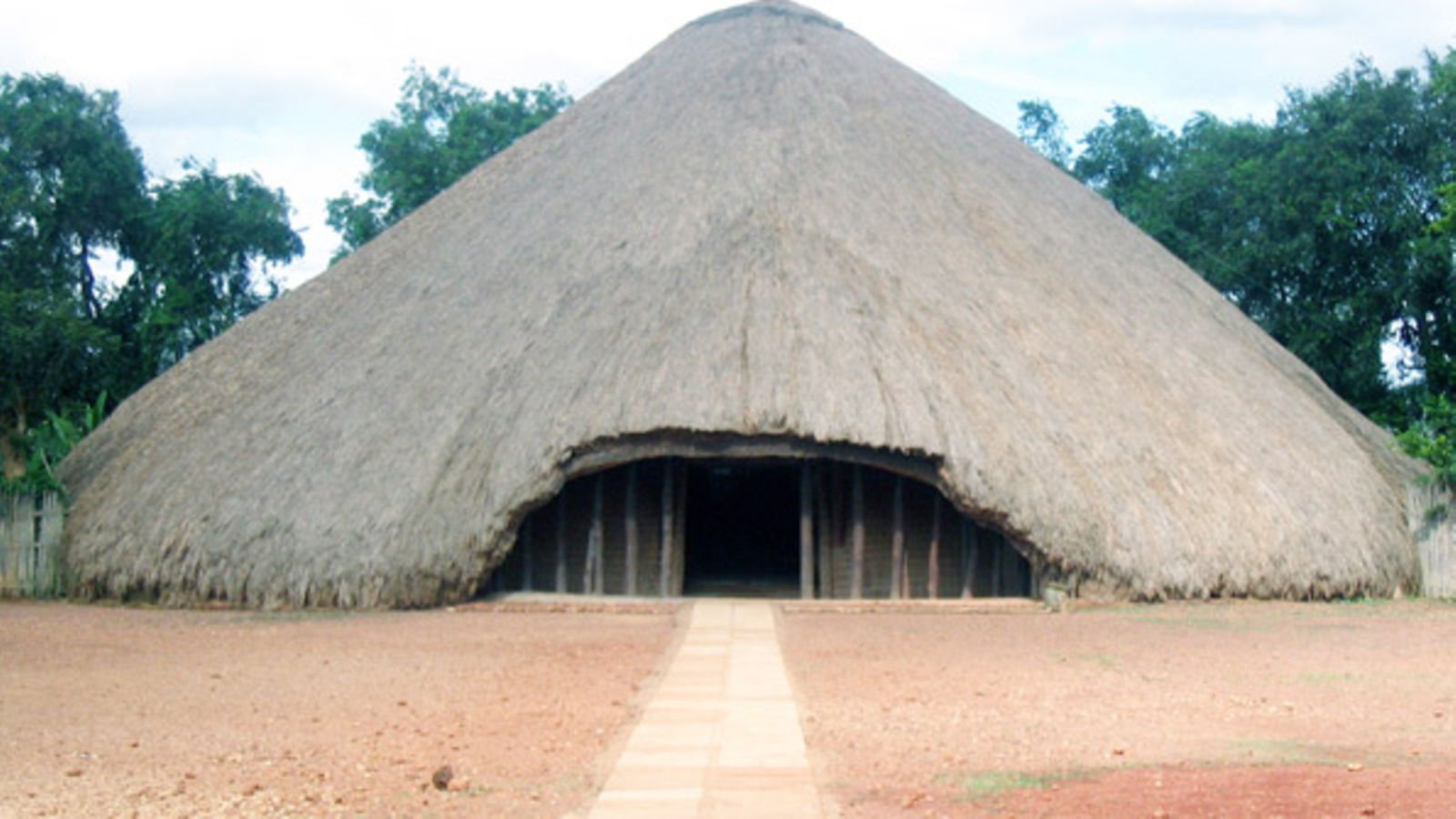
The Kasubi Tombs serve as the burial ground for four Kabakas (kings) of Buganda and members of the royal family. The site, originally a palace built in 1882 by Kabaka Mutesa I, was later transformed into a spiritual resting place, embodying both political authority and cultural continuity. At the center of the complex stands the Muzibu Azaala Mpanga, a monumental thatched structure that serves as the main tomb house.

The design is not accidental but deeply symbolic. The circular layout, the towering thatch roof, and the reed walls all reflect Buganda cosmology. Even the materials—grass, reeds, bark cloth, and wood—are imbued with meaning, symbolizing the connection between the earthly and the spiritual.

Visiting the tombs allows one to step into the legacy of Buganda, experiencing not only architecture but also oral traditions, rituals, and the guardianship of the site by the Nalinya, the spiritual custodian of the tombs. In this way, the Kasubi Tombs are more than a heritage site—they are a living cultural institution.

The Best Time to Visit the Kasubi Tombs

Travelers with limited schedules must time their visits wisely to maximize both cultural immersion and culinary exploration. The dry seasons, which occur from December to February and June to August, are particularly favorable. During these months, Kampala enjoys relatively stable weather, with less rainfall to interrupt travel or outdoor exploration. The grounds of the Kasubi Tombs are easier to navigate, and the city’s markets and restaurants bustle with activity, providing ideal conditions for combining heritage with gastronomy.

Visiting during the morning hours allows for a quieter, more reflective experience within the tombs before the day’s busier crowds arrive. Mornings also coincide with the opening of nearby local markets, where fresh produce is laid out in colorful abundance. This synchronicity creates the perfect bridge between cultural exploration and culinary adventure.

For those visiting during the rainy seasons of March to May or September to November, the tombs remain accessible but with more frequent showers. Interestingly, these months bring lush greenery around Kampala, and the culinary scene reflects seasonal harvests—avocados, mangoes, and jackfruit dominate menus, offering a uniquely Ugandan seasonal taste. Thus, while the dry season offers convenience, the wet season enriches the culinary journey.

Culinary Experiences Around the Kasubi Tombs

Visiting the Kasubi Tombs is not an isolated event; it is part of a wider Kampala experience that pulses with flavor. For travelers who must condense their exploration into a single day or even a few hours, food becomes the perfect companion to culture. Around the tombs, the city offers a range of culinary experiences that reflect the identity of Uganda itself.

The most immediate connection is found in the local food markets. Owino Market, Nakawa Market, and Nakasero Market showcase Uganda’s agricultural richness. Here, one finds matoke piled in generous stacks, cassava roots freshly harvested, groundnuts in baskets, and the fragrant aroma of roasted maize filling the air. These markets are not simply trading spaces but cultural theatres where food, commerce, and social life intertwine.

Beyond the markets, Kampala’s eateries and restaurants add layers to the culinary narrative. Traditional Buganda meals, such as malewa (a delicacy made from smoked bamboo shoots) and luwombo (a stew often cooked in banana leaves), are celebrated for their authenticity. Travelers pressed for time often find joy in sampling these dishes, which require little introduction yet offer deep cultural immersion.Kasubi Tombs: Best Time to Visit to Culinary Experiences with Limited Time

Equally enticing is Uganda’s street food culture, which thrives along Kampala’s busy roads. Rolex—a rolled chapati stuffed with eggs, vegetables, and sometimes meat—has become the city’s iconic fast meal, embodying the ingenuity of Ugandan street chefs. For the traveler leaving the Kasubi Tombs and moving into the bustle of Kampala, grabbing a Rolex becomes both a practical and cultural act. It is quick, flavorful, and deeply rooted in local identity.

The Fusion of History and Taste

What makes the combination of the Kasubi Tombs and Kampala’s food scene so remarkable is the fusion of history and taste. The Tombs tell the story of Buganda’s kingship, authority, and spiritual traditions, while the surrounding culinary landscape tells the story of its people, their creativity, and their daily life. Together, they form a complete picture of Ugandan identity.

Imagine leaving the solemn and symbolic atmosphere of the Muzibu Azaala Mpanga and entering a nearby restaurant that serves traditional Buganda cuisine. The flavors—rich stews, matoke, groundnut sauces—become sensory reflections of the history just witnessed. The transition from the tombs to the table is seamless, turning a short visit into a multidimensional journey.

This interplay between heritage and cuisine is what makes the Kasubi Tombs a unique destination for travelers with limited time. Even in a matter of hours, one can touch both the intangible traditions of kingship and the tangible tastes of Uganda’s living culture.

Maximizing Limited Time

For travelers whose time in Kampala is short, structuring the day becomes essential. Beginning with a morning visit to the Kasubi Tombs ensures a reflective, less crowded exploration. After absorbing the cultural weight of the tombs, the late morning or afternoon can be devoted to culinary experiences. Kampala’s markets and restaurants are conveniently close, allowing for easy transition between heritage and gastronomy.

Even with limited time, one can achieve a balance: spiritual immersion at the tombs, followed by culinary delight in the city. The experience does not demand long itineraries but rather careful planning and an openness to engage with both history and flavor. By approaching the Kasubi Tombs not as a stand-alone attraction but as part of a broader cultural-culinary experience, travelers ensure that every moment, however limited, becomes rich in meaning.

Seasonal Flavors and Cultural Significance

The best time to visit the Kasubi Tombs is also influenced by Uganda’s seasonal food cycles. During the dry seasons, harvests of maize, beans, and bananas dominate, providing the base for many Ugandan meals. Restaurants and local markets during this time offer hearty and filling foods that reflect abundance.

During the rainy seasons, however, a different culinary palette emerges. Fruits such as jackfruit, papaya, and mangoes become more prominent, adding freshness and vibrancy to meals. This seasonal shift not only affects the taste of Kampala but also deepens the understanding of Uganda’s relationship with its land. For the traveler who visits the tombs during these months, the culinary journey is enriched by the season’s bounty, turning a limited stay into a broader exploration of nature’s rhythm.

The Deeper Connection Between Food and Heritage

Food and heritage are inseparable in Uganda, and nowhere is this more evident than in a combined visit to the Kasubi Tombs and Kampala’s culinary scene. The tombs preserve the memory of kings and traditions that shaped Buganda, while the cuisine carries forward the daily practices of its people. Together, they narrate a single story: one of continuity, identity, and cultural pride.

When travelers with limited time choose to combine these experiences, they gain more than just a passing glance at Uganda. They receive a layered understanding, one that speaks not only through architecture and ritual but also through taste and aroma. The Kasubi Tombs provide the cultural framework, and the food gives it substance, creating a journey that lingers far beyond the hours spent.

The Perfect Union of Time, Culture, and Flavor

The Kasubi Tombs are more than a landmark; they are the spiritual and cultural heartbeat of Uganda’s Buganda Kingdom. For those with limited time, visiting them provides an immediate and profound connection to the nation’s heritage. Yet when paired with Kampala’s vibrant culinary landscape, the experience expands into something even greater—an immersion into both the solemn traditions of kingship and the lively creativity of Uganda’s kitchens.

Whether visited during the dry season, when weather eases exploration, or during the rainy season, when culinary bounty flourishes, the Kasubi Tombs and Kampala’s food culture form a perfect union. For travelers who seek depth in short hours, this combination offers the very best of Uganda in concentrated form: history that speaks through monuments and identity that speaks through flavor.

Those planning to embark on such an unforgettable journey should entrust their travels to experts who craft seamless experiences across Uganda. It is therefore recommended to book your African tours and safaris through WildHorn Africa, ensuring that every detail of your cultural and culinary journey—from the Kasubi Tombs to the streets of Kampala—is designed to leave a lasting impression.

Complete Guide for culinary experiences in Kabale for foodies

Complete Guide for culinary experiences in Kabale for foodies

By Travel stories and blogs, Uganda travel guides

Complete Guide for Culinary Experiences in Kabale for Foodies

Discovering the Soul of Kabale Through Its Flavors

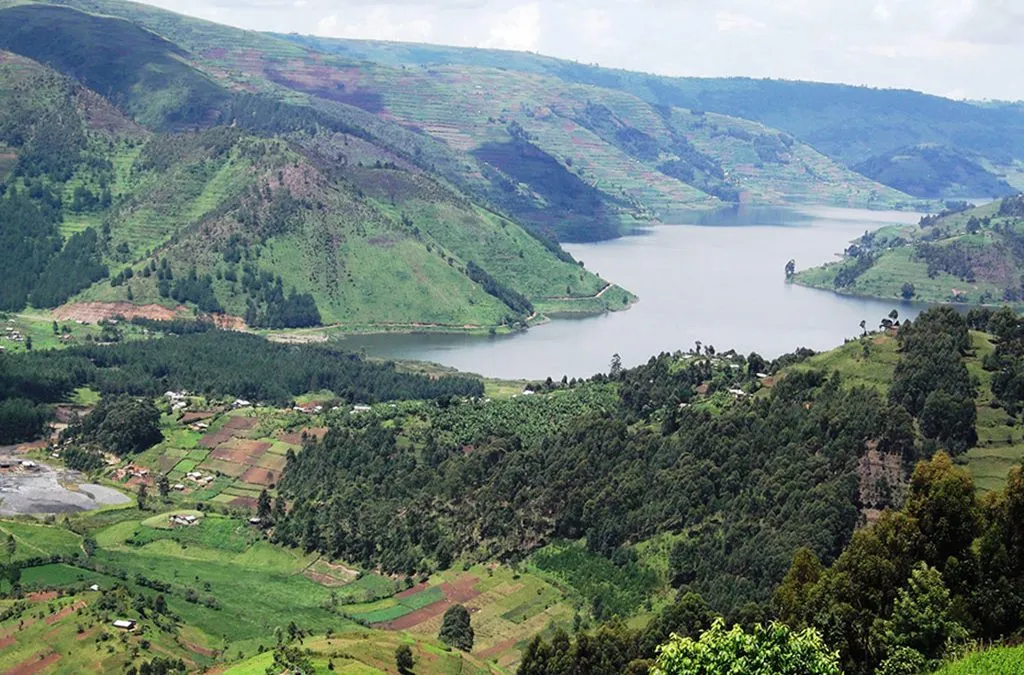
In the far southwestern corner of Uganda, nestled within lush green highlands and kissed by misty winds from Lake Bunyonyi, lies Kabale, a town that has steadily carved its place not only as a gateway to Rwanda and the gorilla parks but also as a rising star in the country’s culinary map. To the casual visitor, Kabale may first impress with its rolling hills and cultural vibrancy, yet beneath this beauty lies a culinary treasure trove waiting to be savored. Food in Kabale is not merely nourishment; it is an expression of tradition, community, and the essence of daily life.

For food lovers who seek to go beyond ordinary dining, Kabale offers a captivating immersion into flavors that reflect Uganda’s heritage, infused with subtle influences from its proximity to Rwanda and Congo. From smoky roadside grills to hearty traditional dishes prepared in clay pots, and from the delicate freshness of organic vegetables grown on terraced farms to the communal experience of sharing a meal, Kabale presents itself as a destination where food becomes an unforgettable journey. This guide unveils everything a passionate foodie needs to know about experiencing Kabale through its culinary heritage.

The Cultural Significance of Food in Kabale

In Kabale, food is not an isolated act but a communal experience deeply rooted in cultural identity. Meals are woven into family life, ceremonies, and even everyday conversations. Visitors who engage with locals soon discover that to understand Kabale is to understand the food that sustains it.

The Bakiga, the dominant ethnic group in Kabale, have historically depended on farming as their lifeline, cultivating sorghum, beans, millet, and Irish potatoes in the fertile volcanic soils. Their culinary traditions reflect this agricultural heritage. Sorghum is brewed into traditional beverages that are central to celebrations, while potatoes, introduced during colonial times, have now become one of the town’s culinary signatures. In the countryside, cooking is still done over wood fires, a method that infuses meals with earthy, smoky flavors rarely replicated in modern kitchens.

Sharing food is considered an act of unity, and visitors who find themselves invited into a Bakiga household are often welcomed with an abundance of dishes prepared with care. Food here tells stories of resilience, identity, and togetherness, allowing a visitor not only to taste Kabale but to feel it.

Traditional Dishes Unique to Kabale

Kabale boasts a distinctive cuisine shaped by its climate, geography, and history. Its cooler highland climate has influenced the cultivation of certain crops, and this, in turn, has defined the meals that locals enjoy. Among the most celebrated dishes are those rooted in simplicity yet bursting with character.

The renowned Irish potatoes of Kabale are widely regarded as some of the finest in Uganda. Their taste is enhanced by the mineral-rich soils of the Kigezi highlands, producing a flavor unmatched elsewhere. Visitors will encounter these potatoes boiled, fried, or roasted, often accompanied by beans stewed in thick gravies.

Obushera, a fermented sorghum porridge, holds pride of place in traditional households. Served cold and slightly tangy, it is a symbol of hospitality and often accompanies community gatherings. The preparation of obushera is meticulous, requiring patience and knowledge passed down through generations.

Another staple is eshabwe, a sauce made from ghee that is often served during important functions. Though it may appear simple, its preparation demands skill, as the butter is carefully churned and blended until it reaches the perfect consistency. Paired with matoke or millet bread, eshabwe represents a culinary delicacy deeply tied to Bakiga heritage.

Stews made from locally sourced beans, peas, and vegetables are cooked slowly to allow the ingredients to meld harmoniously. Meat, though not consumed daily in many rural households, is often prepared for guests or celebrations, with goat and chicken being the most common. Roasted goat ribs or chicken prepared in banana leaves carry flavors that immediately transport one into the heart of Kabale’s food culture.

Influence of Geography and Agriculture

Kabale’s elevation and fertile soils have earned it the nickname “Switzerland of Africa,” and its agricultural abundance shapes much of its cuisine. The terraced hills produce not only Irish potatoes but also cabbages, carrots, and passion fruits, all thriving in the cool climate. This abundance of organic produce gives Kabale’s dishes a freshness that appeals to food lovers.

Lake Bunyonyi, lying just a few kilometers from the town, provides a source of crayfish and fish dishes that supplement the traditional fare. In local restaurants, visitors are often introduced to freshly prepared crayfish stews, which have become a favorite for both Ugandan and international visitors. The lake’s influence on the local diet has expanded Kabale’s culinary identity beyond the highland crops, offering diversity in flavors.

Street Food and Everyday Dining in Kabale

To truly embrace Kabale’s culinary scene, one must wander through its bustling markets and street-side eateries. The atmosphere in Kabale town is alive with the scent of roasting meat and frying chapati, creating a sensory invitation impossible to ignore.

Rolex, Uganda’s iconic street food, has found a special place in Kabale. It is a combination of fried eggs rolled with chapati and often paired with vegetables. Though common across Uganda, the freshness of Kabale’s vegetables elevates the dish, making each bite a vibrant reflection of the land.

Charcoal stoves line the streets in the evening, roasting skewers of beef, chicken, or goat. Locals gather to enjoy this informal dining, often with small cups of local brews. Visitors who partake in these street meals discover not only bold flavors but also the warmth of Kabale’s communal dining culture.

Small family-run eateries serve steaming plates of beans, potatoes, and vegetables at modest prices, offering visitors a chance to eat like a local. Dining in these places provides an authentic glimpse into the rhythm of daily life, far from the polished settings of hotels.

Modern Restaurants and Evolving Culinary Trends

While traditional dishes dominate Kabale’s culinary landscape, the town has also embraced modern dining trends that cater to both locals and international travelers. Restaurants around Lake Bunyonyi and within Kabale town blend Ugandan staples with continental flavors, reflecting the growing influence of global tourism.

Organic and farm-to-table dining has found a niche, with establishments sourcing fresh produce directly from local farmers. This movement has encouraged innovation, where chefs experiment with traditional ingredients to create contemporary dishes. For instance, Irish potatoes may be crafted into gourmet mashed servings accompanied by seasoned crayfish, or millet may be used in baked delicacies appealing to international palates.

The café culture has also grown in Kabale, with establishments serving rich Ugandan coffee paired with pastries that combine Western influences and local creativity. These spaces have become social hubs for young Ugandans and tourists alike, offering a modern complement to the deeply traditional culinary experiences.

Culinary Experiences Around Lake Bunyonyi

No exploration of Kabale’s culinary landscape is complete without a visit to Lake Bunyonyi. Surrounded by terraced hills and dotted with islands, the lake offers a serene backdrop for unforgettable dining experiences. Resorts and lodges around the lake serve freshly caught crayfish, which has become a delicacy strongly associated with Bunyonyi.

Meals by the lakeside often emphasize freshness and simplicity. Grilled fish paired with roasted vegetables and accompanied by tropical fruit juices highlight the natural bounty of the area. Dining while overlooking the tranquil waters creates a multisensory experience that transcends food, allowing the visitor to connect deeply with Kabale’s environment.Complete Guide for culinary experiences in Kabale for foodies

Cultural Festivals and Food Celebrations

Throughout the year, Kabale hosts cultural events where food takes center stage. Festivals celebrating harvests often involve communal feasting, showcasing the richness of local produce. Traditional brews are shared freely, music fills the air, and food becomes a unifying force that draws people together.

Such gatherings provide visitors with opportunities to sample rare traditional dishes not always found in restaurants. They also offer insights into how food plays a role in cultural preservation and identity. Participation in these celebrations allows a foodie to immerse themselves in Kabale’s living traditions, where every flavor carries the weight of heritage.

The Social and Emotional Experience of Eating in Kabale

Dining in Kabale is as much about emotion as it is about taste. The warmth with which locals serve food, the laughter that accompanies shared meals, and the patience with which dishes are prepared create an experience that goes beyond the plate. In Kabale, food is slow, deliberate, and infused with meaning.

Visitors soon realize that meals are not rushed affairs. Instead, they are opportunities to engage, converse, and connect. Whether in a family home, a bustling market, or a lakeside lodge, food always comes with stories—of the land, of ancestors, and of community resilience. For food lovers, these moments become cherished memories, transforming Kabale from a destination into a feeling that lingers long after departure.

Best Time to Experience Kabale’s Culinary Heritage

Kabale can be visited year-round, but the experience of its cuisine is particularly vibrant during harvest seasons when fresh produce floods the markets. The months of June to August and December to February often see a wider variety of fruits and vegetables, making these periods ideal for food lovers.

During cultural festivals, which frequently align with harvest times, the town comes alive with culinary activity. Visitors during these seasons witness the full breadth of Kabale’s food culture, from traditional feasts to modern innovations, creating an enriched culinary journey.

Savoring Kabale’s Flavors with WildHorn Africa

Kabale is far more than a stopover town on the way to gorilla trekking adventures. It is a culinary destination in its own right, offering flavors that speak of history, geography, and community. From the humble Irish potato to the refined eshabwe, from the lively street-side grills to the serene lakeside dinners, every bite in Kabale carries with it the essence of Uganda’s highland spirit.

For food lovers seeking a journey that intertwines culture, flavor, and natural beauty, Kabale provides an experience unmatched in depth and authenticity. To fully embrace the richness of Kabale’s culinary and cultural offerings, it is best explored with the guidance of those who understand the land and its traditions.

For those ready to embark on this unforgettable adventure, it is recommended that you book your African tours and safaris with WildHorn Africa, a trusted partner in curating journeys that combine exploration with authentic cultural immersion. With WildHorn Africa, every meal in Kabale becomes not just food but a story worth savoring.

How to festival guide in Ssese Islands — Frequently Asked Questions for groups

How to festival guide in Ssese Islands — Frequently Asked Questions for groups

By Travel stories and blogs, Uganda travel guides

How to Festival Guide in Ssese Islands — Frequently Asked Questions for Groups

Discover the Pulse of Uganda in the Ssese Islands

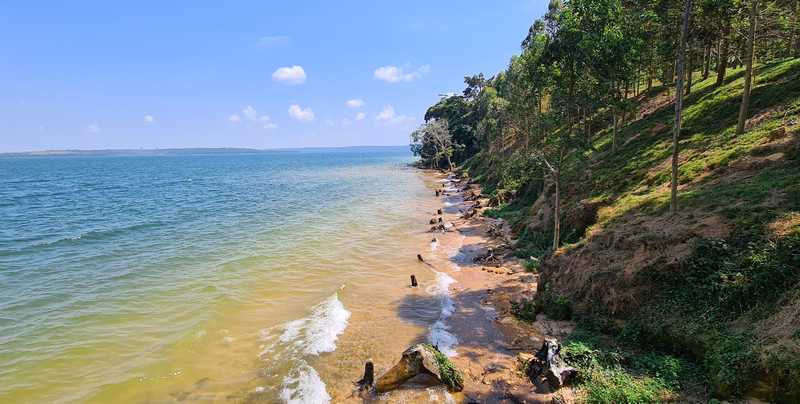
For groups seeking a combination of culture, adventure, and island leisure, the Ssese Islands in Uganda present a captivating destination. Situated in the northwestern shores of Lake Victoria, this archipelago offers pristine beaches, lush tropical vegetation, and vibrant cultural celebrations. Festival experiences in the Ssese Islands are not merely events but immersive encounters where traditions, music, dance, and community converge, creating a dynamic environment for group exploration.

This guide addresses frequently asked questions about attending festivals in the Ssese Islands, providing both practical guidance and contextual insights. By navigating logistical concerns, cultural expectations, and safety considerations, groups can maximize their experience while maintaining comfort, cohesion, and enjoyment. Ssese Islands festivals are ideal for groups seeking to engage with Ugandan culture, experience local traditions firsthand, and participate in a celebration of community and creativity.

Why the Ssese Islands are Ideal for Group Festivals

The Ssese Islands are recognized for their natural beauty and cultural richness, making them a sought-after destination for group travel. Accessibility from Entebbe and Kampala is facilitated by ferry services, speedboats, and chartered vessels, ensuring that large groups can arrive efficiently and safely. Once on the islands, accommodation ranges from lodges and guesthouses to eco-friendly campsites, all capable of hosting group travelers while preserving a sense of intimacy and connection to the natural environment.

Festivals in the Ssese Islands often celebrate local heritage, music, dance, and seasonal rituals. For groups, this offers a rare opportunity to experience community gatherings in an authentic setting, participate in collective dances, enjoy culinary traditions, and observe ceremonies that have been preserved over generations. The combination of active participation, observational learning, and shared enjoyment makes festivals on the Ssese Islands an exceptional choice for group travelers.

Local guides play a pivotal role in facilitating festival experiences for groups. They ensure that attendees navigate the islands effectively, engage respectfully with cultural practices, and benefit from insider knowledge that enriches understanding. Safety, timing, and coordination are also carefully managed, allowing groups to focus on enjoyment rather than logistical challenges.

Frequently Asked Questions: Festival Logistics

How Are Festival Dates Determined?

Festival dates in the Ssese Islands are influenced by traditional calendars, agricultural cycles, and community preferences. Annual music and cultural festivals often coincide with harvest seasons or historical anniversaries, while smaller ceremonies may occur spontaneously. Groups are advised to coordinate travel with local tourism offices or tour operators to ensure participation aligns with official schedules. Flexible planning allows groups to integrate festival attendance into broader itineraries, enhancing both cultural engagement and logistical convenience.

How Can Groups Arrange Accommodation?

Accommodation for groups ranges from eco-lodges to guesthouses, with options to suit various budget levels. Booking in advance is recommended, especially during peak festival seasons, to secure sufficient capacity and proximity to event venues. Lodges often provide communal spaces for group interaction, dining areas that accommodate collective meals, and scenic views that complement festival participation. For budget-conscious groups, campsites with basic amenities are available, offering a close-to-nature experience while maintaining affordability.

What Transportation Options Are Available?

Access to the Ssese Islands is primarily by water transport. Ferry services operate from Entebbe and nearby mainland ports, offering reliable group capacity. Speedboats and chartered vessels are also available for faster travel and flexible itineraries. Once on the islands, local transport options, including motorbikes, bicycles, and walking trails, facilitate movement between accommodation, festival venues, and other attractions. Professional guidance ensures that group movement remains safe, efficient, and well-coordinated.

What Are the Costs Involved?

Festival participation costs vary according to event type, duration, and included services. Some festivals are community-based and free of entry fees, while larger, organized events may include ticketing for performances, cultural activities, or meals. Transportation, accommodation, and additional excursions contribute to overall expenses. Groups can optimize budgets by selecting communal accommodations, booking water transport in advance, and engaging local guides who offer package deals that consolidate festival entry, transportation, and lodging.

Experiencing the Festivals: Cultural Etiquette and Engagement

Participation in Ssese Islands festivals is best approached with respect for local customs and traditions. Attendees are encouraged to dress modestly, follow guidance provided by community leaders, and participate in dances or activities only when invited. Children, elders, and performers are integral to festival dynamics, and groups are advised to observe and interact in ways that reinforce cultural respect. How to festival guide in Ssese Islands — Frequently Asked Questions for groups

Food plays a central role in many festival celebrations. Traditional dishes, prepared from local produce and freshly caught fish, are often shared communally. Groups are encouraged to engage in these culinary experiences, appreciating the significance of each meal within cultural and social contexts. Photographs may be taken with permission, ensuring that documentation respects the privacy and dignity of performers and participants.

Music and dance are prominent features of Ssese Islands festivals. Traditional drumming, singing, and dancing create an immersive sensory experience. Groups are often invited to join in specific dances, guided by community members, allowing for active participation while honoring local traditions. These moments foster cross-cultural understanding and provide memorable shared experiences for group travelers.

Safety Considerations for Groups

Ensuring safety during festival participation requires coordination, preparation, and adherence to local guidelines. Water transport safety is paramount, with life jackets, licensed vessels, and professional operators recommended. Once on the islands, groups should be accompanied by guides familiar with terrain, event schedules, and emergency procedures. Children and vulnerable members should remain under supervision at all times.

Health considerations, including hydration, sun protection, and awareness of local food and water sources, are emphasized. First aid kits and basic medical supplies are advised, and guides provide information on nearby medical facilities. By planning for both environmental and logistical challenges, groups can maximize enjoyment while minimizing risk.

Activities Beyond the Festival

While festivals are the primary focus, the Ssese Islands offer additional attractions and experiences that enrich a group itinerary. Kayaking, snorkeling, fishing, and guided nature walks provide complementary adventures that balance cultural participation with recreational exploration. Scenic viewpoints, beaches, and forested areas allow for relaxation, photography, and informal group activities.

Local markets and artisan villages provide opportunities for purchasing souvenirs, engaging in hands-on crafts, and supporting the island economy. Groups benefit from guided tours that integrate these experiences with festival schedules, ensuring that each day offers a combination of cultural immersion, leisure, and discovery.

Group Planning Tips

Effective planning is critical for successful group festival participation. Advance booking of accommodation, transport, and festival access reduces stress and ensures seamless execution. Clear communication among group members regarding schedules, expectations, and budget fosters cohesion and collective enjoyment.

It is recommended that group itineraries include both structured and flexible components, allowing for spontaneous engagement with festival activities and other attractions. Guides assist in tailoring experiences to group size, interests, and skill levels, enhancing overall satisfaction. Strategic scheduling, such as early morning excursions for wildlife observation or afternoon festival attendance, maximizes the richness of each day.

Challenges and How to Overcome Them

Groups may encounter challenges such as unpredictable weather, crowded festival spaces, or limited infrastructure. Weather in the Ssese Islands can change rapidly, with sudden rain showers impacting outdoor activities. Lightweight rain gear, flexible schedules, and alternative indoor or sheltered activities mitigate disruption.

Festival crowds may require patience and coordination, particularly for large groups. Guides and community organizers assist in navigating congested areas, arranging group seating, and ensuring visibility and participation during performances. Limited infrastructure for sanitation, food preparation, or medical services is addressed through prior planning, preparation of essentials, and reliance on reputable local providers.

Why the Ssese Islands Festivals Are Unforgettable

The Ssese Islands offer a unique fusion of nature, culture, and social engagement. Festivals are dynamic events that invite observation, participation, and reflection, creating a rich tapestry of experiences for groups. Music, dance, culinary traditions, and communal rituals provide immersive opportunities that cannot be replicated in conventional tourist settings.

For group travelers, the combination of structured guidance, local expertise, and authentic cultural engagement ensures that every festival attended becomes a memorable chapter in the collective experience. Interaction with local communities, exploration of the natural environment, and participation in shared traditions foster connections that extend beyond the duration of the visit.

Planning a Successful Group Festival Experience

Attending festivals in the Ssese Islands is both an adventure and an opportunity for cultural enrichment. By addressing frequently asked questions regarding logistics, safety, accommodation, and participation, groups can navigate the islands confidently and enjoyably. Festival experiences become a platform for shared learning, engagement, and memory creation, providing a compelling reason to explore this unique Ugandan destination.

For groups seeking expertly planned, immersive, and seamless festival experiences, it is highly recommended to book Africa tours and safaris through WildHorn Africa. With professional guidance, local expertise, and tailored group itineraries, WildHorn Africa ensures that every aspect of the festival journey—from transportation to accommodation, cultural engagement, and safety—is managed to deliver an unforgettable and enriching experience in the Ssese Islands.

Packing Essentials — Ssese Islands cultural tour for photographers

Packing Essentials — Ssese Islands cultural tour for photographers

By Travel stories and blogs, Uganda travel guides

Packing Essentials — Ssese Islands Cultural Tour for Photographers

Where Culture, Nature, and Photography Collide

Few destinations in East Africa hold the charm, serenity, and cultural richness that the Ssese Islands on Lake Victoria offer. Spread across a cluster of more than eighty-four islands, this archipelago is a breathtaking combination of lush tropical forests, sandy beaches, traditional fishing villages, and deeply rooted cultural heritage. To a photographer, the Ssese Islands are not merely a stop on a journey but a canvas where every angle reveals a story waiting to be captured. Whether the subject is a fisherman casting nets at dawn, a child dancing during a traditional ceremony, or the golden hues of the sun setting over Lake Victoria, the Ssese Islands transform lenses into portals of memory.

For those embarking on a cultural tour of the Ssese Islands, especially photographers seeking to immortalize the journey, the question of what to pack becomes central. Unlike casual travelers who may carry light belongings, photographers must balance equipment, cultural awareness, and practical essentials. Yet packing is not only about cameras and lenses. It is about ensuring comfort, cultural respect, environmental responsibility, and readiness to capture fleeting yet powerful moments.

This guide unfolds with a structured explanation of packing essentials for photographers traveling to the Ssese Islands for cultural tours. It dives into photography gear, clothing, health and safety items, cultural etiquette considerations, accommodation realities, and even culinary explorations—all while highlighting how careful preparation enhances not only the photographs taken but also the depth of the traveler’s engagement.

The Cultural Allure of the Ssese Islands

The Ssese Islands are not solely about tropical beaches and picturesque landscapes. They are also home to communities whose traditions and customs have been shaped by centuries of life on Lake Victoria. Music, dance, and storytelling play a central role in the cultural identity of the islands, with festivals and ceremonies often showcasing drumming, vibrant attire, and oral histories. Fishing remains a way of life, and markets bustle with energy as villagers trade not only fish but also crafts, woven mats, and produce cultivated on the fertile soils.

For photographers, the cultural dimension is as compelling as the natural one. Portraits of fishermen at work, close-ups of artisans weaving crafts, and wide shots of community gatherings bring life into travel photography. Yet these opportunities also demand a sensitivity that cannot be carried in equipment alone. The cultural allure calls for preparation, respect, and readiness to adapt. Packing, therefore, must be approached with the intent to document respectfully while ensuring minimal disruption to the rhythm of island life.

Preparing the Photographer’s Toolkit

The camera equipment carried on a Ssese Islands cultural tour forms the heart of the experience. Yet it is not enough to carry a camera body and a single lens. Photographers must prepare with a versatile yet practical toolkit that enables adaptability across landscapes, cultural moments, and challenging light conditions.

A sturdy camera body that can endure humidity is essential. Lenses must be chosen not only for their creative potential but also for their utility in diverse settings. Wide-angle lenses capture sweeping landscapes and the expansiveness of Lake Victoria, while portrait lenses highlight intimate cultural expressions. Telephoto lenses allow for respectful distance when photographing ceremonies or wildlife. Spare batteries and memory cards are invaluable, as electricity may not always be accessible in remote villages or while out exploring.

Protection for equipment is equally critical. The tropical climate of the Ssese Islands means humidity and sudden rain showers are common. Waterproof camera bags, silica gel packs, and lens cleaning kits must be part of the packing plan. Tripods, although sometimes cumbersome, are necessary for stable night shots of the island skies or long exposures of fishing boats on the water. Yet packing lightly enough to remain mobile across ferries, sandy beaches, and village trails requires balance. Each item must be considered not only for what it enables but also for how it weighs on the overall journey.

Clothing Essentials for Photographers

Clothing on a cultural tour is more than protection from weather—it becomes a medium through which cultural respect and personal comfort are balanced. For the Ssese Islands, lightweight yet modest clothing is advisable. Photographers must often move between natural landscapes and community gatherings, and attire that is breathable, respectful, and adaptable is best suited.

Neutral colors are recommended for blending into cultural events without distracting participants or altering the authenticity of the scene. Bright or overly branded clothing risks drawing attention away from the subjects being photographed. Comfortable walking shoes are vital, as sandy beaches, forest trails, and community paths demand endurance. Rain jackets and quick-drying fabrics prepare photographers for sudden showers without hindering mobility.

For evenings, when cultural gatherings or communal meals may occur, carrying slightly more formal attire conveys respect for hosts. Scarves or shawls also serve multiple purposes, from modesty in cultural contexts to warmth during breezy evenings near the lake. Through clothing, photographers express not only preparedness but also their willingness to engage with dignity.

Health and Safety Provisions

No packing list for long or intensive cultural tours is complete without health and safety essentials. The Ssese Islands, while beautiful, present conditions that demand preparation. Malaria remains a risk, making prophylaxis, insect repellents, and mosquito nets necessary. Sunscreen and wide-brimmed hats protect against strong equatorial sun, particularly during long hours of outdoor photography.

Carrying a small medical kit with antiseptic, bandages, and pain relief ensures readiness for minor injuries or fatigue. Hydration must also be prioritized, with reusable water bottles enabling sustainability while ensuring constant access to safe drinking water. Snacks such as energy bars provide sustenance during long photography sessions when access to meals may be limited.

Safety extends to navigation and communication. Maps, whether digital or physical, help in navigating remote islands, while local SIM cards ensure connection for emergencies or logistical coordination. These essentials transform packing into a safeguard for both health and peace of mind, allowing photographers to focus on cultural and creative pursuits.

Respecting Cultural Etiquette Through Packing

Packing for a cultural tour involves not only physical essentials but also symbolic ones. Certain items, when carried, demonstrate cultural respect and openness. Small gifts, such as notebooks, pens, or simple crafts, may be appreciated by communities who share their time and allow their traditions to be photographed. Carrying a phrasebook or guide to local languages is equally valuable, enabling photographers to greet and thank subjects in their native tongues. Packing Essentials — Ssese Islands cultural tour for photographers

Packing a notebook for journaling reflects an attitude of listening and learning, rather than mere consumption of cultural experiences. Respectful participation requires readiness to sit, observe, and sometimes put the camera aside. Items that foster humility and connection—whether a shared meal, a gesture of appreciation, or a simple smile—become intangible yet essential parts of the packing plan.

Accommodation Realities and Packing Implications

Staying on the Ssese Islands often involves rustic lodges, guesthouses, or eco-friendly accommodations. These settings, while charming, may not provide all the conveniences of urban hotels. Packing must therefore include essentials that compensate for limited infrastructure. Flashlights or headlamps prove vital in areas with intermittent electricity, while portable chargers keep photography gear functional. Lightweight bedding or travel sheets may enhance comfort in modest accommodations.

Packing toiletries with environmental sensitivity is also crucial, as the islands’ ecosystems are delicate. Biodegradable soap, shampoo, and toothpaste ensure that personal hygiene does not compromise the health of Lake Victoria’s waters. For photographers staying longer, laundry provisions such as detergent strips and clotheslines allow self-sufficiency without reliance on facilities that may be limited.

Through such practical inclusions, the packing list transforms into a support system that sustains photographers through both the creative and daily realities of island life.

The Culinary Dimension of Packing

The Ssese Islands offer a culinary experience that is as photographic as it is flavorful. Freshly caught tilapia, grilled to perfection, matoke served with groundnut sauce, and tropical fruits bursting with color become irresistible subjects. Photographers often find themselves capturing not only people but also the artistry of food presentation in markets and homes.

Packing for this dimension involves readiness to engage with food both visually and physically. Carrying cutlery, reusable containers, and water purification tools ensures that meals can be enjoyed safely and sustainably. Travel spices or condiments may enhance meals during remote excursions. Most importantly, an openness to tasting local foods, while respecting dietary customs, allows the culinary journey to complement the photographic one.

Capturing the Night: Special Gear for Photographers

The Ssese Islands at night reveal a different personality. The skies, unspoiled by urban pollution, glisten with stars, while villages may glow softly from lanterns or fires. Cultural gatherings often continue into the evening, with drumming and dance unfolding under moonlight. For photographers, these moments demand specialized gear.

Packing a sturdy tripod becomes indispensable for long exposures. Remote shutter releases prevent blurring, while wide-aperture lenses allow for low-light creativity. Extra lighting, whether portable LED panels or reflectors, provides subtle enhancement without disrupting natural ambiance. For long-stay photographers, experimenting with astrophotography also becomes possible, capturing Lake Victoria under a canopy of stars.

Balancing Creativity with Sustainability

Photographers have a responsibility not only to capture beauty but also to protect it. Packing with sustainability in mind ensures that cultural and environmental integrity is preserved. Reusable water bottles, eco-friendly bags, and waste reduction strategies minimize impact. Batteries must be disposed of properly, and photographers must avoid leaving behind plastic or non-biodegradable materials.

Respect for the cultural environment also guides sustainability. Packing items that reduce intrusion—such as silent shutter cameras or lenses that allow respectful distance—ensures photography does not disrupt rituals or ceremonies. The goal is to create without consuming, to capture without altering, and to leave the Ssese Islands as pristine as they were found.

Packing as a Pathway to Immersion

A cultural tour of the Ssese Islands is not merely a trip; it is a journey into a living mosaic of tradition, nature, and human resilience. For photographers, packing becomes a form of storytelling preparation, where every item carried enables a deeper immersion into the island’s rhythm. Cameras and lenses record moments, but clothing, health provisions, cultural respect, and sustainability practices ensure that those moments are captured with dignity and care.

The essentials extend beyond material possessions to include an attitude of openness, patience, and humility. In this way, packing transforms from a checklist into a philosophy of travel—one that recognizes the interconnectedness of creativity, respect, and responsibility.

For those inspired to embark on this photographic and cultural journey, it is recommended to book your African tours and safaris with WildHorn Africa, a trusted guide committed to delivering authentic, safe, and transformative experiences across Uganda and beyond. With their expertise, a cultural tour of the Ssese Islands becomes more than an expedition—it becomes a lifetime memory immortalized through the lens.

Festival Guide at Source of the Nile: Insider Tips for long-stay travelers

Festival Guide at Source of the Nile: Insider Tips for long-stay travelers

By Travel stories and blogs, Uganda travel guides

Festival Guide at Source of the Nile: Insider Tips for Long-Stay Travelers

There are few places in the world where the majesty of nature and the vibrancy of culture converge as seamlessly as they do at the Source of the Nile in Jinja, Uganda. This legendary location, revered for centuries as the point where the world’s longest river begins its epic journey northwards, is more than just a geographical wonder. It is also a stage for festivals, cultural showcases, music events, and food experiences that capture the beating heart of Uganda. For travelers who are seeking more than a fleeting visit, those who choose to remain longer and immerse themselves deeply, the Source of the Nile becomes a canvas of celebration, discovery, and memory.

Festivals here are not merely performances to be observed; they are living traditions. Drums echo through the night, dances weave stories of kingdoms and heritage, flavors of Ugandan cuisine tempt the senses, and the Nile itself glimmers with symbolic power, reminding every visitor of the deep interconnection between land, water, and people. For long-stay travelers, the appeal of these festivals is enhanced by the opportunity to become part of the rhythm rather than a mere spectator. Yet, this immersion requires guidance—knowledge of when to attend, how to prepare, where to stay, and how to navigate the cultural dynamics respectfully.

This guide unfolds as both an orientation to the festival world of the Source of the Nile and a practical companion for travelers planning extended stays. It moves from the history of Jinja’s celebratory culture to insider tips on accommodations, culinary journeys, health, cultural etiquette, and long-term engagement strategies, offering a roadmap for experiencing this vibrant destination at its fullest.

The Significance of the Source of the Nile

Long before the Nile was a subject of colonial exploration and international fascination, it was revered by the peoples of East Africa as a sacred force of life. Its origins at Jinja were not only geographical but also spiritual, believed to embody creation, fertility, and continuity. Today, while its mythic aura endures, it has also become a hub of tourism, culture, and recreation, drawing travelers from every corner of the globe.

Festivals held here embody this dual identity: they celebrate ancient heritage while embracing modern influences. From traditional dance and storytelling gatherings to international events blending music genres, fashion, and gastronomy, the Source of the Nile has emerged as a cultural crossroad. Long-stay travelers who time their journeys to coincide with these festivals witness the soul of Uganda in a way that short visits rarely allow.

Understanding the Festival Landscape

Festivals at the Source of the Nile are diverse, each carrying its own spirit and purpose. Cultural events celebrate Uganda’s kingdoms and ethnic traditions through music, dance, and storytelling. Music festivals bring together regional and international performers, infusing the riverside with vibrant beats that reflect both heritage and modernity. Food festivals celebrate Ugandan cuisine while incorporating global culinary influences, allowing travelers to experience the flavors of the Nile basin in creative expressions.

Many of these events are seasonal, tied to agricultural rhythms or national holidays. Others are annual spectacles, marked by extensive preparation and attracting international audiences. For long-stay travelers, being present for multiple events offers a layered appreciation, revealing not only the diversity of Uganda’s cultural expressions but also the shared themes of unity, celebration, and reverence for the river itself.

Preparing for a Long Stay

Choosing to remain at the Source of the Nile for weeks or even months requires practical planning. Long-stay travelers must think beyond itineraries that only last a few days. Accommodation becomes central, with considerations of affordability, comfort, and proximity to festival sites. Many travelers opt for guesthouses or riverside lodges, where extended stays come with discounted rates and opportunities to bond with hosts who often share insider festival information.

Budgeting for an extended stay is also important. Festivals involve ticket costs, meals, and transportation, and long-term travelers must allocate resources for daily living in addition to celebratory activities. Safety considerations such as securing reliable transport, ensuring medical readiness, and maintaining communication with family or friends also come to the fore.

Preparedness is not only logistical but also mental. Long-stay travelers must embrace flexibility, as festival schedules may shift and cultural expressions often unfold organically rather than with rigid punctuality. Patience and openness become invaluable companions in navigating the dynamics of celebration along the Nile.

The Foodie Experience at Festival Time

One of the defining elements of festivals at the Source of the Nile is the culinary richness on display. Ugandan cuisine is deeply tied to its agricultural abundance, and festivals become opportunities to taste the country’s food in its most vibrant form. Long-stay travelers are treated to a rotation of dishes that move beyond daily staples to embrace celebratory feasts.

The smoked and grilled tilapia from Lake Victoria and the Nile remains a signature, often seasoned with local spices and served alongside matoke or cassava. Stews rich in groundnut paste, vegetables prepared with simsim, and meats cooked in banana leaves add depth to the dining tables. Festivals also highlight street food culture: skewered meats, roasted maize, and chapati-based rolexes provide quick, satisfying meals that are as much social as they are culinary.

For long-stay travelers, these food encounters become part of daily rhythm. Lodges often organize communal dinners during festival seasons, bringing together guests and locals. Food tours in Jinja town complement the riverside experience, offering exploration of markets where spices, fresh produce, and regional specialties await. The culinary experience thus transforms from indulgence into cultural education, linking taste with history, agriculture, and community life.Festival Guide at Source of the Nile: Insider Tips for long-stay travelers

Immersing in Music and Dance

If food anchors the body during festivals, music and dance anchor the spirit. Traditional drumming groups, with rhythms that have been preserved through generations, provide both entertainment and education. Dances tell stories of harvests, courtship, and spiritual beliefs, performed with passion and precision that captivates audiences.

Long-stay travelers are uniquely positioned to engage beyond observation. Many cultural centers and community groups around Jinja offer opportunities for visitors to learn drumming or join dance rehearsals. Participation allows travelers not only to understand the movements but to feel the cultural resonance within their own bodies. Over weeks, what begins as curiosity often transforms into appreciation, and sometimes even mastery, making long-stay immersion invaluable.

International music festivals also bring eclectic sounds to the riverside, from Afrobeat to reggae, electronic music to jazz. These events create spaces where locals and global citizens gather, united by sound and celebration. For long-stay travelers, attending multiple music-focused events reveals the adaptability of the Source of the Nile as both a sacred stage and a modern festival arena.

Navigating Cultural Etiquette

Engaging with festivals requires not only enthusiasm but also cultural sensitivity. For long-stay travelers, this becomes even more important, as deeper immersion often leads to greater interaction with local communities. Respect for traditions, greetings, and dress codes is fundamental.

During cultural festivals, modest dress is often appreciated, particularly when events involve spiritual or heritage rituals. Greetings, offered with warmth and patience, open doors to richer connections. Photography must always be approached with respect, seeking permission before capturing images of performers or participants.

Language also plays a role in cultural etiquette. While English is widely spoken, learning a few phrases in Luganda or Lusoga can transform interactions. Locals often respond with appreciation when travelers make the effort to engage in their language, however simple the words may be.

For long-stay travelers, cultural etiquette becomes a daily practice. Over time, these small gestures of respect accumulate, turning outsiders into trusted guests who are not only observing but also participating with dignity.

Health and Safety for Extended Stays

Long-stay travel requires careful attention to health and safety. The festive atmosphere can be overwhelming, and without preparation, fatigue or illness may disrupt the experience. Ensuring vaccinations, carrying malaria prophylaxis, and using mosquito repellents are basic but essential steps. Staying hydrated, particularly during outdoor events under the Ugandan sun, is equally important.

Medical facilities are available in Jinja, but long-stay travelers should carry a basic first aid kit for immediate needs. Hygiene practices, such as handwashing before meals and consuming thoroughly cooked food, protect against common illnesses.

Safety during festivals also involves awareness of personal belongings. Crowded events can attract opportunistic theft, and travelers are advised to carry only what is necessary, keeping valuables secure. Group participation enhances safety, and building connections with fellow travelers or locals ensures mutual support.

Balancing Celebration with Reflection

Festivals at the Source of the Nile are not only about excitement but also about reflection. Long-stay travelers have the luxury of alternating between vibrant participation and quiet contemplation. Watching the Nile flow at sunrise after a night of drumming, or sitting quietly with locals to share stories, provides balance that enriches the overall experience.

Many travelers use the Source of the Nile as a base for broader explorations. Day trips to Mabira Forest, rafting adventures along the Nile’s rapids, or cultural visits to Busoga Kingdom enrich the stay while offering respite between festival events. This balance of high-energy participation and restorative exploration ensures sustainability for long-stay experiences.

Insider Tips for Long-Stay Travelers

Remaining at the Source of the Nile for an extended period transforms the traveler into part of the community, but this transformation requires insider strategies. Accommodation close to the river provides immediate access to festival venues but booking early during peak seasons ensures availability. Negotiating long-stay discounts is both possible and advisable.

Building relationships with locals enhances the insider experience. Festival organizers, market vendors, and guesthouse owners often share information about upcoming events, private gatherings, or less-publicized traditions. Long-stay travelers who invest time in these relationships gain access to experiences rarely available to short-term visitors.

Finally, pacing is critical. Festivals are immersive, but energy must be conserved. Long-stay travelers who plan rest days, balance food indulgence with healthy meals, and maintain consistent routines find themselves able to enjoy festivals with sustained enthusiasm.

Long Stays as Pathways to True Immersion

Festivals at the Source of the Nile embody the soul of Uganda: dynamic, welcoming, diverse, and deeply rooted in history. For long-stay travelers, the experience is magnified, offering opportunities not only to witness but to live the rhythms of celebration. Through food, music, dance, cultural etiquette, and reflective balance, the extended journey becomes transformative.

The insider tips of planning carefully, respecting culture, maintaining health, and building relationships ensure that long-stay travelers enjoy both safety and authenticity. What begins as a festival journey often evolves into a personal story of growth, discovery, and connection to one of the world’s most extraordinary rivers.

For those inspired to embark on such immersive experiences, it is recommended to book your African tours and safaris with WildHorn Africa, a trusted partner that combines expertise with passion to create journeys where every long stay becomes a celebration of culture, safety, and adventure.

Safety Guide: Butiaba group tour for foodies

Safety Guide: Butiaba group tour for foodies

By Travel stories and blogs, Travel safety, Uganda travel guides

Safety Guide: Butiaba Group Tour for Foodies

On the northern shores of Lake Albert, in western Uganda, lies the fishing town of Butiaba. Though small in scale, its reputation stretches far beyond its borders, known for its vibrant fishing culture, its dramatic history tied to explorers and colonial expeditions, and its irresistible culinary identity shaped by fresh fish and local produce. For travelers who are food enthusiasts, Butiaba is more than a stop; it is a sensory destination where every meal tells a story, every bite carries cultural resonance, and every encounter reflects the character of Uganda’s Albertine region.

Yet, traveling as a group requires careful planning. Excitement can easily overshadow logistics, but without consideration for safety, health, and cultural respect, even the most delicious journey may leave unwanted memories. A successful foodie adventure in Butiaba must balance indulgence with precaution, ensuring that every member of the group experiences Uganda’s richness with confidence and peace of mind.

This guide, therefore, unfolds as both a culinary journey and a safety manual, tailored to groups eager to explore Butiaba’s gastronomic offerings without compromising their well-being. It details everything from navigating transport to understanding local customs, from savoring lakeside meals to staying vigilant about health, and from organizing group dynamics to ensuring responsible interaction with the community. In doing so, it creates a blueprint for a safe, memorable, and flavorful tour in Butiaba.

Understanding Butiaba: A Cultural and Culinary Overview

Before diving into the safety essentials, one must appreciate what makes Butiaba distinct. Historically, it was a key entry point during the colonial era, serving as a landing site for boats that carried explorers, missionaries, and traders. Its strategic location on Lake Albert made it a hub of interaction, blending cultures and leaving behind stories that still echo in local memory.

Culinary identity, however, defines Butiaba most vividly today. The Nile perch and tilapia that dominate its waters are transformed daily into dishes that capture both tradition and innovation. Smoked, grilled, stewed, or fried, the fish here is unmatched in freshness. Accompaniments such as matoke, cassava, groundnut sauce, and simsim paste enrich the meals, reflecting Uganda’s agricultural diversity. For a group of foodies, Butiaba is not simply a destination—it is a classroom, a kitchen, and a dining table under the open sky.

Butiaba’s charm lies not only in its meals but in the authenticity of the experience. Dining is often informal, taking place in local markets, roadside stalls, or lakeside huts, where cooks and fishermen work side by side. It is here that safety awareness becomes essential, for while authenticity enriches experience, it also demands attention to hygiene, environment, and respect for local rhythms.

Traveling Safely to Butiaba

Groups often begin their journey to Butiaba from Hoima or Masindi, with routes weaving through scenic countryside and forested areas. The journey itself sets the tone, yet road travel in Uganda requires preparation. Vehicles must be roadworthy, drivers experienced, and schedules flexible enough to accommodate weather changes or unexpected stops.

For groups, safety begins with choosing reliable transport providers. Roads to Butiaba can be uneven, especially during rainy seasons when floods and mudslides occasionally affect the Albertine region. Traveling during daylight hours is strongly advised, allowing drivers to navigate safely while giving travelers a chance to enjoy the unfolding landscapes.

Upon arrival in Butiaba, groups should remain together, particularly in public spaces like busy fish markets. Group cohesion ensures that members are not separated in unfamiliar environments and allows leaders or guides to monitor the safety of all participants. It is in the act of arriving well-prepared that the foundation for a safe foodie tour is laid.

Food Safety: The Core of a Culinary Journey

For foodies, Butiaba’s greatest treasure is its cuisine, yet safety at the table is as important as taste. The freshness of fish is undeniable, often caught only hours before it is served. However, preparation methods, cooking standards, and hygiene practices vary. Groups must therefore navigate with curiosity balanced by caution.

Meals are safest when fish is thoroughly cooked, whether smoked, grilled, or stewed. Undercooked or improperly handled seafood can cause discomfort, especially for travelers unaccustomed to local bacteria. Group leaders should encourage members to eat at reputable restaurants, recommended stalls, or lodges known for cleanliness. This not only supports safe dining but also contributes to the local economy by rewarding establishments that uphold high standards.

Hydration is also central to safety. Bottled water is widely available, but groups should ensure it is sealed before purchase. Drinking directly from the lake or relying on untreated sources should be avoided. Similarly, fruits and vegetables sold in markets should be washed or peeled before consumption. For groups, designating a responsible member to oversee these checks often proves effective.

Street food, such as fried fish snacks or roasted maize, adds vibrancy to Butiaba’s culinary experience. Yet here, moderation and mindfulness matter. Sampling is encouraged, but excessive consumption of unfamiliar foods may overwhelm stomachs unprepared for Uganda’s spice blends or cooking oils. The rule of food safety is simple but vital: indulge, but remain vigilant.

Group Dynamics and Safety in Numbers

Traveling as a group to Butiaba offers both opportunities and challenges. On the one hand, groups benefit from safety in numbers. Moving together deters petty theft, ensures mutual support, and creates a shared experience that heightens enjoyment. On the other hand, larger groups require careful organization to avoid confusion, delays, or overlooked safety practices.

Clear communication is critical. Group leaders should set meeting points in Butiaba, particularly at busy sites like fish markets or docks. Head counts before departure and after meals ensure that no member is unintentionally left behind. Groups that assign roles—such as a health coordinator, a photographer, or a logistics monitor—often manage their tours more smoothly.Safety Guide: Butiaba group tour for foodies

For foodies, sharing meals in groups enhances both safety and bonding. Platters of grilled fish, bowls of groundnut sauce, and trays of steamed matoke encourage communal dining, reflecting Uganda’s cultural emphasis on togetherness. Group dining also reduces risk, as reputable establishments are more inclined to prepare meals for larger groups with greater care.

Health and Hygiene Precautions

Beyond food safety, general health precautions shape a safe Butiaba tour. Western Uganda lies in a region where malaria is common; groups should travel prepared with mosquito repellents, long-sleeved clothing for evenings, and, where advised, prophylactic medication. Lodges and guesthouses around Butiaba often provide mosquito nets, but groups should confirm this before booking.

First aid preparation is indispensable. Groups should carry basic medical kits with bandages, antiseptics, pain relievers, and rehydration salts. While Butiaba has health centers, more advanced facilities are located in larger towns like Hoima, making preparedness crucial for quick response.

Sanitation awareness is equally vital. Hand hygiene before meals prevents unnecessary illness. Carrying sanitizers or wipes ensures that groups can enjoy street food and market visits without compromising health. For families traveling with children, extra caution in maintaining hygiene creates peace of mind for parents and caregivers.

Cultural Sensitivity and Safety

Safety is not only about physical well-being but also about cultural awareness. Butiaba is deeply rooted in fishing traditions, and respect for local customs ensures smooth interactions. Groups should approach markets and docks with curiosity but also humility, recognizing that these are not staged attractions but living workplaces for fishermen and vendors.

Photography, while tempting, should be approached with permission. Fishermen pulling in nets or women preparing fish in markets deserve respect for their labor. A smile and polite request before capturing moments often lead not only to consent but to shared conversations that enrich the experience.

Groups should also be mindful of language. While English is widely understood, greetings in the local dialect bring warmth and reduce barriers. Respect in words, gestures, and dress builds trust, ensuring that groups are welcomed rather than resented.

Cultural safety, in this sense, protects the spirit of the journey as much as physical safety protects the body.

Exploring Beyond Food: Balanced Group Adventures

While Butiaba is primarily known for its cuisine, groups often enrich their itineraries with explorations beyond the dining table. Boat rides on Lake Albert provide opportunities to see hippos, birds, and stunning views of the Congo’s distant shores. Community visits allow travelers to understand the lives of fishing families, their challenges, and their resilience.

For foodies, these experiences deepen context. The fish on the plate is no longer just a meal but part of a broader ecological and cultural cycle. Seeing fishermen cast nets at dawn or children helping prepare evening fires creates connections between food and the human hands behind it.

Safety during these explorations requires guides who understand the terrain, boats equipped with life jackets, and group leaders who monitor participation closely. Groups that balance food with gentle exploration often leave Butiaba with a fuller, richer understanding of its essence.

Best Times for a Safe Butiaba Tour

The rhythm of safety in Butiaba is also influenced by seasonality. The dry seasons, from December to February and June to August, provide the most comfortable conditions. Roads remain accessible, markets are lively, and boat rides across Lake Albert unfold smoothly.

During the rainy seasons, however, Butiaba experiences floods that may disrupt travel. Roads become slippery, and the lake’s waters grow unpredictable. While the town remains accessible, groups must prepare for delays, alternate routes, and weather adjustments. Those who plan ahead, scheduling flexible itineraries, continue to enjoy the richness of Butiaba even during wetter months.

Seasonality also shapes the food scene. Dry months often coincide with bustling fishing activity, offering groups abundant fresh catch. Rainy months bring fertile harvests of fruits and vegetables, adding vibrant accompaniments to fish-based meals. Knowing these cycles ensures that groups not only travel safely but also dine in harmony with nature’s rhythm.

Responsible Travel and Sustainability

A safe group foodie tour in Butiaba must also consider the sustainability of resources. Lake Albert, like many African lakes, faces challenges of overfishing and environmental strain. Groups are encouraged to dine responsibly, supporting establishments that source fish sustainably and respect community welfare.

Avoiding food waste is equally critical. Group dining can easily lead to excess, but planning portions and sharing meals ensures respect for both food and community. Groups can also contribute to sustainability by purchasing locally made crafts, supporting community initiatives, and engaging with fishermen in ways that honor rather than exploit their traditions.

Responsible travel, in this sense, enhances safety by ensuring harmony with both people and environment. It ensures that future generations of foodies will continue to find Butiaba as authentic and abundant as it is today.

Safety as the Flavor Enhancer

A group tour to Butiaba for foodies is more than a culinary indulgence; it is a journey into Uganda’s cultural heart, where every meal reflects the rhythms of lake, land, and life. Yet safety remains the silent ingredient that enhances every flavor. Without attention to food hygiene, health precautions, cultural sensitivity, and group organization, the experience risks being diminished. With safety woven into every step, however, the journey becomes a symphony of taste, laughter, and shared memory.

The checklist for groups is clear: travel with reliable transport, dine with awareness, maintain health vigilance, respect cultural rhythms, and embrace sustainability. In doing so, groups discover not only the flavors of Nile perch or groundnut sauce but also the deeper satisfaction of traveling responsibly and securely.

For travelers who dream of such seamless journeys—where safety, cuisine, and discovery converge—it is wise to trust partners who know the land, the people, and the details of group travel. That is why it is recommended to book your African tours and safaris through WildHorn Africa, ensuring that every Butiaba group foodie tour is designed with expertise, care, and a passion for creating unforgettable and secure adventures.

Close Menu