search
Luxury Picks — Rwenzori Mountains chimpanzee tracking for first-time visitors

Luxury Picks — Rwenzori Mountains chimpanzee tracking for first-time visitors

By Travel stories and blogs, Adventure holidays, Primate holidays, Uganda travel guides

Luxury Picks — Rwenzori Mountains Chimpanzee Tracking for First-Time Visitors

Where Luxury Meets Wilderness in Uganda’s Peaks

The Rwenzori Mountains, often referred to as the “Mountains of the Moon,” rise dramatically along Uganda’s western frontier, cloaked in mist, mystery, and allure. This UNESCO World Heritage Site has long fascinated explorers, mountaineers, and naturalists alike. Yet, for the first-time luxury traveler, the Rwenzoris are not only a spectacle of snow-capped peaks and glacial valleys but also a sanctuary for rare wildlife encounters—most notably, the enchanting chimpanzees that inhabit its lush forests.

For those embarking on their first journey into Uganda’s mountain wilderness, chimpanzee tracking in the Rwenzori foothills presents a unique fusion of adventure and indulgence. Unlike traditional safari experiences on vast savannah plains, here the adventure unfolds within a canvas of towering trees, cascading waterfalls, and hidden trails that whisper of ancient times. What elevates this experience further is the availability of luxury lodges, exclusive guiding services, and private experiences that transform rugged exploration into an elegant expedition.

This guide unveils the full tapestry of what it means to track chimpanzees in the Rwenzori Mountains as a first-time visitor. It explores not only the thrill of encountering our closest relatives in the wild but also the rhythms of the mountains, the comfort of upscale retreats, and the best times to embark on this transformative journey.

The Majesty of the Rwenzori Mountains

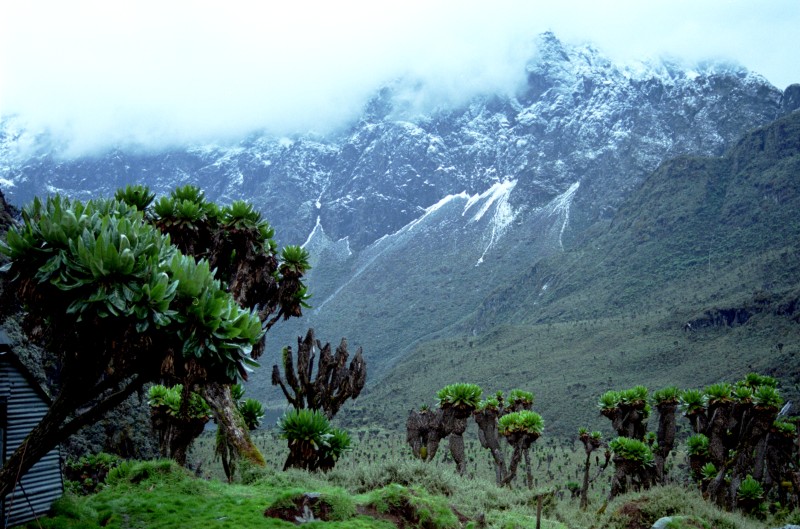
Rising to an elevation of over 5,000 meters, the Rwenzori range is the third-highest mountain system in Africa, following Kilimanjaro and Mount Kenya. Unlike volcanic peaks, the Rwenzoris are block mountains, their rugged summits sculpted by tectonic forces and adorned with permanent glaciers. Yet, their grandeur is not confined to summits alone. The lower slopes give rise to one of the richest ecosystems on the continent—swathes of montane forest that serve as the natural habitat for a dazzling array of flora and fauna.

For the first-time luxury traveler, these mountains offer a rare duality: raw wilderness blended with exclusivity. One can marvel at breathtaking scenery while returning each evening to carefully curated comforts—fireplaces lit in mountain lodges, hot stone massages inspired by the very rocks that shape the valleys, and gourmet cuisine served under starlit skies.

Chimpanzees of the Rwenzoris: Guardians of the Forest

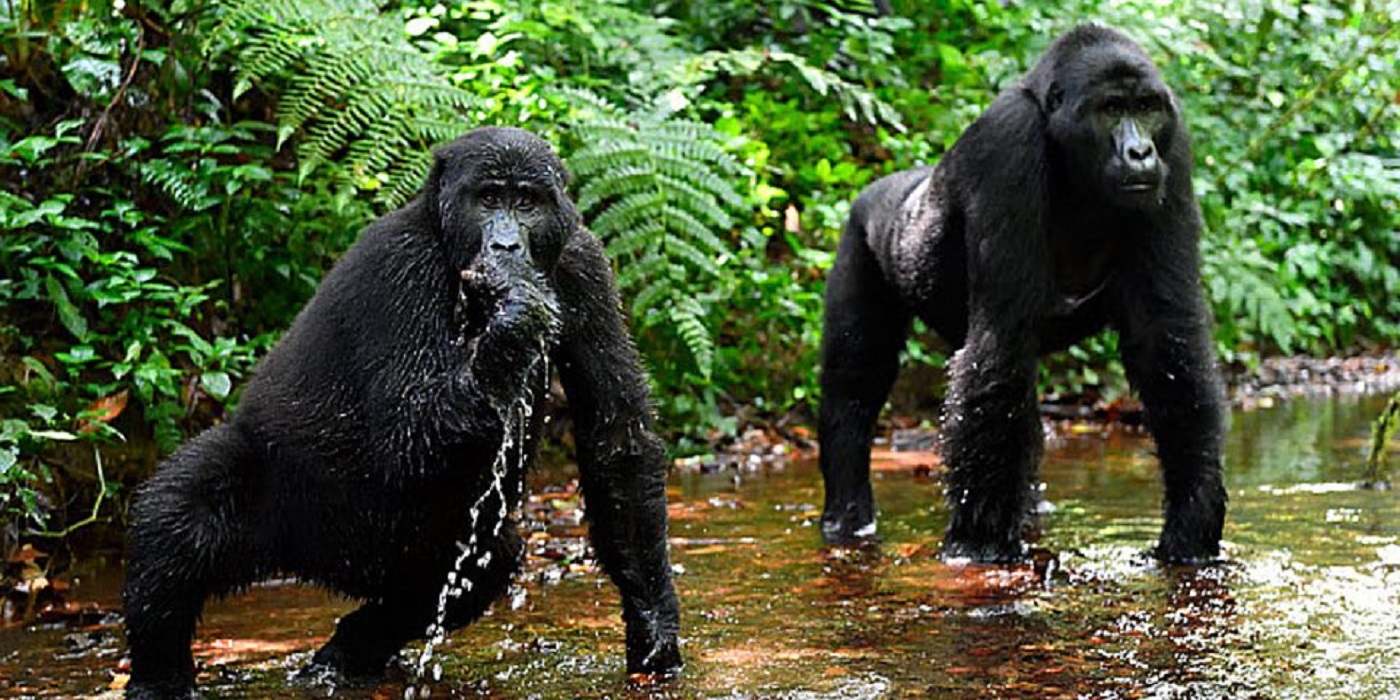
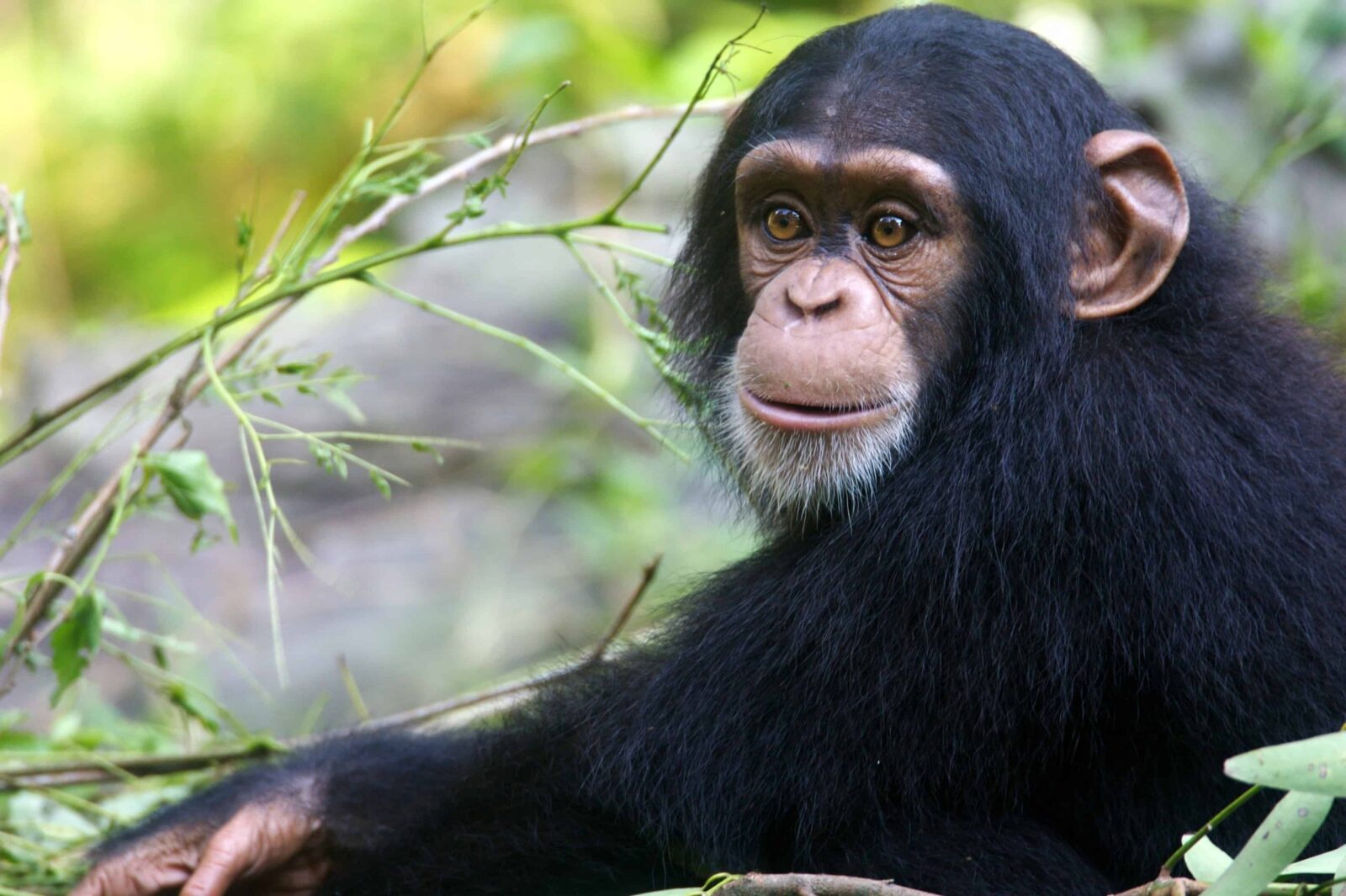
Chimpanzees are among the most intelligent primates in the world, sharing approximately 98 percent of human DNA. In the forests of the Rwenzori foothills, particularly around Kalinzu Forest Reserve and Kibale Forest on the eastern fringes of the mountains, these primates thrive in troops that are both fascinating to observe and humbling to encounter.

For the first-time visitor, chimpanzee tracking is an immersion into a world where human presence becomes secondary to the daily rhythms of these remarkable creatures. Their calls echo through the canopies, their swift movements through the trees contrast with moments of striking stillness, and their familial interactions reveal profound insights into the origins of human society.

What makes the Rwenzoris particularly special is that chimpanzee tracking here is not simply a wildlife activity; it is a journey into intimacy with nature, where dense vegetation, pristine air, and the soundscape of birds and insects combine to create an atmosphere unlike any other.

Preparing for the Luxury Chimpanzee Tracking Experience

Exclusive Access and Guided Expertise

Unlike mass tourism destinations, chimpanzee tracking in the Rwenzori Mountains is conducted with exclusivity. Visitor numbers are carefully controlled, ensuring that each encounter is respectful of the primates’ space and deeply personal for guests. Luxury travelers benefit from private guides—often trained naturalists who not only lead the way but also interpret the forest in a manner that connects scientific knowledge with cultural depth.

Comfort in the Wilderness

While the trails demand sturdy walking shoes and a spirit of adventure, the experience is seamlessly supported by upscale accommodations. Luxury lodges in the Rwenzori region provide elegant bases, with spacious suites overlooking forest canopies, spa services tailored for weary trekkers, and menus curated with both international finesse and local organic produce. Even within the wilderness, travelers find that indulgence is never compromised.

Sustainability and Respect

An essential aspect of the luxury tracking experience is the knowledge that one’s visit contributes to conservation efforts. Permits and guided experiences channel resources directly into protecting chimpanzee habitats and supporting local communities. For the luxury traveler, this brings an added dimension: indulgence intertwined with meaningful impact.

The Journey of Tracking: From Dawn to Encounter

Chimpanzee tracking in the Rwenzoris begins early, often just after dawn. As the forest awakens, guides lead visitors into the heart of the habitat. The anticipation builds with every step, as distant calls signal the troop’s location.

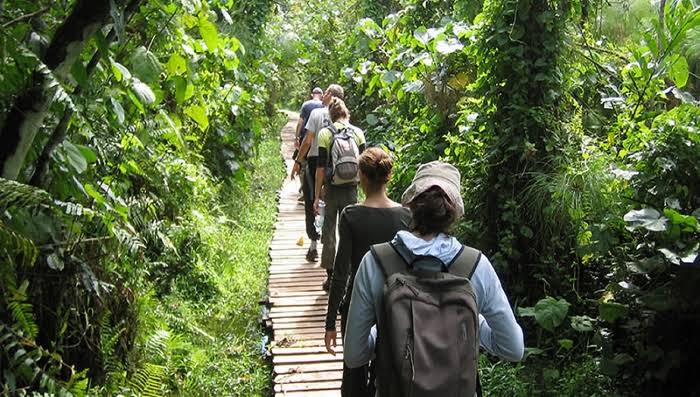
The trek itself is an integral part of the experience. Trails wind through dense forest, across streams, and beneath towering fig trees that seem to hold centuries of wisdom in their branches. Bird calls intermingle with rustling leaves, and occasionally other primates—such as colobus or blue monkeys—appear as fleeting companions.

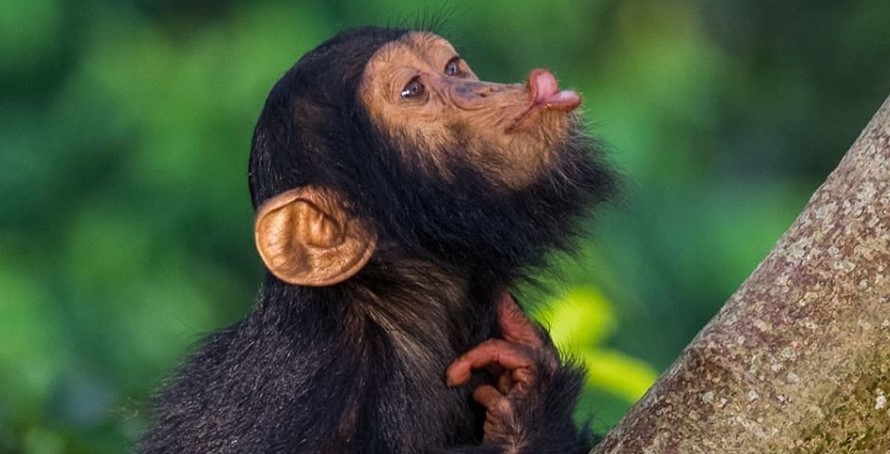
The moment of encounter arrives suddenly, often with the sound of branches cracking above. Then, through the green canopy, the first sight of chimpanzees emerges. Some remain perched high, feeding on fruit, while others descend to the forest floor. For the first-time visitor, this is a moment of awe—a recognition of kinship, a silent acknowledgment of nature’s continuity. Time slows, and each gesture, each vocalization, feels profound.

The luxury of this encounter lies not in extravagance but in intimacy. To stand mere meters from a wild chimpanzee, with only a respectful silence between species, is a privilege beyond compare.Luxury Picks — Rwenzori Mountains chimpanzee tracking for first-time visitors
Seasonal Rhythms: Best Times to Track Chimpanzees in the Rwenzoris

The Rwenzori region experiences two main dry seasons—December to February and June to September—which are considered the most favorable times for chimpanzee tracking. Trails are more accessible, and visibility within the forest is improved, making encounters more predictable.

During the rainy months of March to May and October to November, the forest becomes lush and vibrant, though trails are more challenging. However, the advantage for the luxury traveler lies in exclusivity; fewer visitors mean quieter trails and more personalized guiding. Upscale lodges during this time often provide enhanced indoor experiences, from fireside lounges to wellness therapies that complement the damp, cool atmosphere.

For the first-time visitor seeking balance between comfort and adventure, the mid-year dry season from June to September is particularly ideal. This period combines accessibility with moderate climate, ensuring the best of both wilderness immersion and luxurious relaxation.

Luxury Stays: Where Comfort Meets the Canopy

A key element of the luxury chimpanzee tracking experience is the quality of accommodation. Around the Rwenzoris and their foothills, high-end lodges and eco-retreats have been designed with both sophistication and sustainability at their core.

Spacious suites overlook sweeping valleys, infinity pools reflect the surrounding mountains, and spas use locally sourced botanicals for treatments inspired by forest traditions. Dining becomes an event, with chefs blending international techniques and Ugandan ingredients into multi-course feasts. Evenings often end with fine wines by the fire or cultural performances that celebrate the heritage of communities living in harmony with the forest.

For the first-time visitor, this combination ensures that each day of rugged adventure concludes with unparalleled indulgence, striking the perfect balance between wilderness and comfort.

Cultural Immersion: Beyond the Forest Trails

Chimpanzee tracking in the Rwenzori Mountains is not only about wildlife. The region is home to communities whose lives are intricately tied to the land. For luxury travelers, curated cultural experiences offer meaningful engagement without sacrificing exclusivity.

Visits to local craft cooperatives, encounters with traditional healers who use forest plants in ancient remedies, and performances of music and dance all add depth to the journey. For the first-time visitor, these moments of cultural immersion provide context—revealing that the Rwenzoris are not only a natural wonder but also a cultural treasure sustained by people whose stories are as enduring as the mountains themselves.

The Significance of Chimpanzee Tracking for Conservation

Beyond the luxury of personal encounters and upscale comfort, chimpanzee tracking plays a critical role in protecting fragile ecosystems. Revenue generated from permits and guided tours funds conservation programs that safeguard not only chimpanzees but also other wildlife and plant species within the forests.

For first-time luxury visitors, this adds a layer of significance to the experience. Each indulgent stay, each guided trek, and each permit purchased contributes directly to ensuring that future generations can encounter chimpanzees in their natural habitat. This merging of personal enrichment with global responsibility is what defines the true luxury of travel.

Crafting the Perfect First-Time Experience

For the first-time traveler, the Rwenzori Mountains may appear daunting in their scale and mystery. Yet, with the right guidance and curated luxury services, the experience becomes seamless. From private transfers from Entebbe or Kampala, to expert-guided treks, to personalized itineraries that combine chimpanzee tracking with other experiences such as birdwatching, hiking, or lakeside relaxation, the journey is tailored to the guest’s rhythm.

Luxury travel is not simply about comfort; it is about precision, personalization, and meaning. In the Rwenzoris, these elements converge to ensure that a first-time chimpanzee tracking adventure feels less like an introduction and more like a life-defining memory.

A Luxury Journey into the Heart of the Rwenzoris

The Rwenzori Mountains stand as one of Africa’s most enigmatic landscapes, a place where glaciers glisten above equatorial forests and where the calls of chimpanzees echo across valleys. For the first-time luxury traveler, tracking chimpanzees here is more than an adventure—it is an initiation into the deeper rhythms of Africa, a meeting of indulgence and intimacy, wilderness and comfort, conservation and personal discovery.

Every step on the trail, every glance exchanged with a chimpanzee, every evening spent in luxury retreats overlooking misty forests contributes to a story that is both exclusive and transformative. The hidden gem of the Rwenzoris lies not only in its peaks and primates but in the way it merges nature with luxury in perfect harmony.

For travelers ready to embark on this extraordinary journey, the key to unlocking the full essence of the Rwenzoris lies in expert planning and curated service. To experience chimpanzee tracking and other bespoke adventures across Uganda with unmatched elegance, it is recommended to book with WildHorn Africa, where every safari and tour is crafted to transform dreams of Africa into lasting realities.
Luxury Picks: Ziwa Rhino Sanctuary budget travel guide for groups

Luxury Picks: Ziwa Rhino Sanctuary budget travel guide for groups

By Travel stories and blogs

Luxury Picks: Ziwa Rhino Sanctuary Budget Travel Guide for Groups

Where Conservation Meets Adventure

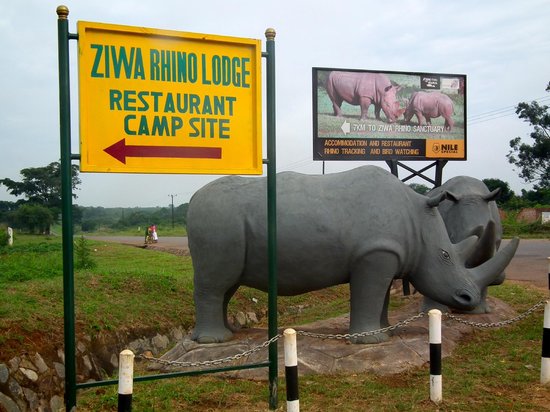
In the heart of central Uganda lies one of the country’s most inspiring and transformative wildlife destinations—the Ziwa Rhino Sanctuary. Known globally as the only place in Uganda where visitors can track rhinos on foot, this sanctuary is far more than just a stopover on the way to Murchison Falls National Park. It is a symbol of conservation triumph, a safe haven where endangered species are nurtured, and a destination where travelers reconnect with the wild in intimate and unforgettable ways.

For group travelers, whether families, friends, or student cohorts, Ziwa Rhino Sanctuary provides an exceptional blend of adventure, education, and affordability. Many assume that rhino encounters and exclusive wildlife experiences come at a premium, reserved only for high-end safari packages. Yet Ziwa proves otherwise. It demonstrates that budget travel and luxury experiences can co-exist when carefully planned and thoughtfully executed.

In 2025, as sustainable tourism continues to redefine how groups travel through Africa, Ziwa has emerged as a top-tier choice for those seeking extraordinary wildlife encounters without compromising financial limits. The sanctuary not only offers rhino tracking but also introduces visitors to an array of activities such as birdwatching, nature walks, night excursions, and community engagement programs. For groups, this diversity of experiences creates itineraries that are both immersive and affordable.

This guide provides a comprehensive look at how groups can plan a budget-conscious yet luxury-inspired journey to Ziwa Rhino Sanctuary. From exploring its history and conservation milestones to uncovering travel logistics, accommodation choices, group activities, and seasonal recommendations, this article seeks to illuminate every detail necessary for an enriching and cost-effective visit.

The Story of Ziwa Rhino Sanctuary: A Conservation Legacy

The sanctuary’s origins can be traced back to a period when rhinos had tragically disappeared from Uganda. By the 1980s, rampant poaching and civil unrest had driven both the black rhino and the northern white rhino to extinction within the country’s borders. Uganda, once home to thriving populations of these giants, faced the devastating reality of their absence.

The establishment of Ziwa Rhino Sanctuary in 2005 marked a turning point. Through the collaborative efforts of the Rhino Fund Uganda and international conservation partners, rhinos were reintroduced to the country. Beginning with a small number of Southern white rhinos relocated from Kenya and beyond, the sanctuary gradually grew into a beacon of hope for endangered species management.

The sanctuary today stretches across more than 7,000 hectares of secure land, enclosed by electric fencing to protect both the animals and neighboring communities. It is home not only to rhinos but also to a wealth of biodiversity, including over 300 bird species, antelopes, and reptiles. This conservation triumph is made possible by tourism, and every group that visits contributes directly to the sanctuary’s sustainability and expansion.

For travelers, this backstory transforms a visit into more than a safari activity. It becomes a chance to participate in the revival of a species, to walk among animals that once vanished from Uganda’s landscapes, and to witness conservation in action.

Why Ziwa Appeals to Groups: A Balance of Affordability and Enrichment

Group travel often comes with unique challenges: balancing diverse preferences, managing budgets, and ensuring that every member has access to rewarding experiences. Ziwa Rhino Sanctuary excels at addressing these needs.

The sanctuary’s activities are designed to accommodate groups of varying sizes, from small family units to larger student tours. Tracking rhinos on foot, often conducted in the company of trained rangers, creates a sense of unity as participants share the thrill of approaching these majestic creatures. Unlike traditional game drives that can sometimes feel detached, the intimacy of walking safaris provides an atmosphere of collective awe.

What makes Ziwa particularly attractive to budget-conscious groups is the pricing structure. Activities are offered at reasonable rates that remain significantly lower than premium safaris in larger national parks. Accommodations within the sanctuary range from camping grounds to budget lodges, ensuring flexibility in planning. Yet, despite its affordability, Ziwa maintains a standard of quality and professionalism that allows the experience to feel distinctly luxurious.

Travelers consistently remark on how group visits to Ziwa are enriched by a sense of purpose. Every dollar spent directly supports rhino conservation and community development projects. This sense of contributing to a noble cause resonates deeply with groups, particularly those seeking meaningful travel beyond leisure.

Tracking Rhinos on Foot: The Sanctuary’s Signature Experience

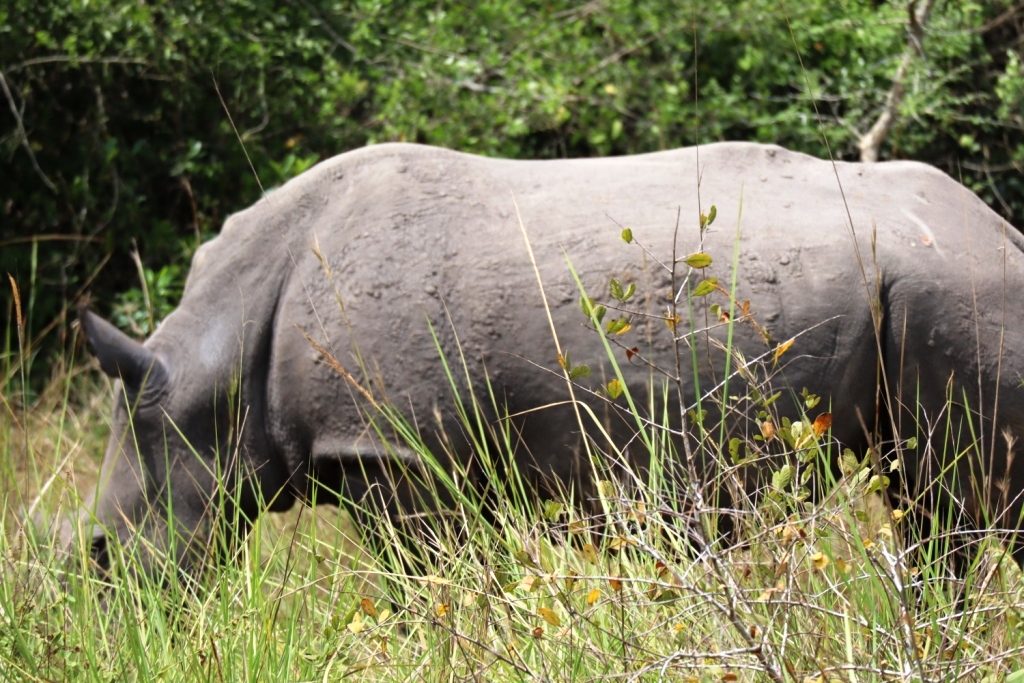
The highlight of any visit to Ziwa is the opportunity to track rhinos on foot. Unlike traditional safaris, where animals are observed from the safety of vehicles, Ziwa offers something more profound—an up-close encounter that takes place within the very territory of the rhinos themselves.

For groups, this activity creates a collective bond. The walk begins with a briefing from rangers who share safety guidelines and conservation insights. Visitors then set off across grasslands and bushy landscapes, guided by experts who interpret tracks, dung, and other signs of wildlife presence. The suspense builds until the rhinos are finally spotted, grazing quietly or resting in the shade.

The moment of standing just meters away from these massive animals is unforgettable. Their size, power, and calm presence inspire both awe and humility. Groups often describe this shared moment as the pinnacle of their journey—a memory that becomes even more special because it is experienced together.

What makes this activity extraordinary is its affordability. While luxury safaris in other regions might charge a premium for such intimate encounters, Ziwa ensures that the extraordinary remains accessible. It is this democratization of luxury that makes the sanctuary a standout destination for budget-conscious groups.Luxury Picks: Ziwa Rhino Sanctuary budget travel guide for groups

Beyond Rhinos: Group Activities for Holistic Exploration

Although rhinos are the star attraction, the sanctuary offers a host of activities that enhance group experiences. Birdwatching tours reveal the presence of species like the rare shoebill stork, drawing avid birders and curious newcomers alike. Guided nature walks expose the smaller wonders of the ecosystem, from butterflies and reptiles to the intricate relationships between flora and fauna.

For groups seeking adventure after dark, night walks introduce a different dimension of the sanctuary. Armed with torches and guided by rangers, participants encounter nocturnal animals such as bushbabies and mongoose, experiencing the thrill of the wild under starlit skies.

Community engagement programs also hold immense value. Visitors may interact with local communities surrounding the sanctuary, learning about conservation education, crafts, and cultural traditions. These encounters broaden the scope of the trip, ensuring that the experience is not confined to wildlife alone but also rooted in human connections.

By diversifying activities, Ziwa ensures that group members with different interests find meaningful engagement. This makes it especially ideal for mixed groups where preferences may vary.

Accommodation Options: Budget Choices with a Luxury Feel

Ziwa Rhino Sanctuary provides a variety of accommodation options tailored for groups. While many assume budget travel translates into bare essentials, the sanctuary demonstrates that affordability can coexist with comfort and even indulgence.

The camping grounds cater to adventurous travelers who prefer rustic experiences. For groups, this fosters camaraderie, as evenings are spent around campfires, sharing stories beneath the vast African sky. Yet even in these settings, security, cleanliness, and basic facilities are assured.

Budget lodges within and around the sanctuary strike a balance between affordability and comfort. Rooms are modest yet thoughtfully designed, often decorated with local artistry and natural themes. Group travelers frequently note that the warm hospitality of lodge staff elevates the experience, transforming simple stays into memorable ones.

For those seeking a touch of luxury without escalating costs, mid-range options exist. These lodges provide en-suite bathrooms, well-prepared meals, and common spaces where groups can relax after excursions. It is this layering of options that allows Ziwa to remain accessible to diverse groups while maintaining a standard of excellence.

Planning Logistics: How Groups Can Maximize Value

Group travel to Ziwa requires careful planning to ensure smooth coordination and cost efficiency. Located along the Kampala–Gulu highway, the sanctuary is easily accessible, sitting approximately 180 kilometers from Kampala. For groups, transport can be organized via private buses or safari vehicles, with costs shared among members to minimize individual expenses.

Meals within the sanctuary are reasonably priced, and many accommodations allow for group meal arrangements that reduce overall expenditure. Advance booking is advisable, particularly in peak seasons, as the sanctuary has grown in popularity. By coordinating schedules, groups can combine rhino tracking with other nearby attractions, such as Murchison Falls National Park, to create extended itineraries that maximize value.

The key to effective budgeting lies in balancing simplicity with occasional indulgence. While groups may choose camping or budget lodges for overnight stays, they can also allocate resources toward special activities like night walks or shoebill excursions. This balance ensures that the trip remains cost-conscious without sacrificing the richness of the experience.

Seasonal Insights: When Groups Should Visit Ziwa

The sanctuary can be visited year-round, but certain periods enhance the group travel experience. The dry seasons from December to February and June to September are most favorable for rhino tracking, as trails are easily navigable and wildlife sightings are more predictable. These months also align with school holidays, making them popular for family and student groups.

The wet seasons, spanning March to May and October to November, bring lush landscapes and fewer crowds. For groups prioritizing solitude and cost savings, these months may be ideal, as accommodation rates can sometimes be more favorable. However, activities may be affected by heavy rains, requiring flexibility in planning.

By aligning group schedules with these seasonal insights, travelers can optimize their experiences, balancing budget considerations with the practical realities of weather and wildlife behavior.

The Deeper Value of Group Travel at Ziwa

Beyond logistics and activities, what truly distinguishes Ziwa Rhino Sanctuary for groups is the shared sense of purpose. To walk alongside rhinos in their natural habitat, to learn about conservation struggles and triumphs, and to contribute financially to the survival of a species, is an experience that unites travelers in profound ways.

Group members often return with more than just photographs; they carry stories of resilience, collaboration, and hope. The sanctuary becomes not just a destination but a chapter in their collective memory, one where luxury was found not in extravagance but in meaning.

Affordable Luxury Rooted in Conservation

The Ziwa Rhino Sanctuary proves that luxury is not defined solely by opulence but by the depth of experience and the impact left behind. For groups seeking a budget-conscious adventure, it offers everything: rhino tracking that rivals the exclusivity of elite safaris, diverse activities that engage all interests, accommodations that balance affordability with comfort, and a legacy of conservation that adds purpose to every step.

In 2025, as travelers seek journeys that blend indulgence with responsibility, Ziwa stands as a model destination. It is a place where groups discover that luxury can be accessible, that budget travel can be meaningful, and that the wild, once lost, can be restored through collective action.

For those ready to embark on this remarkable adventure, it is highly recommended to plan with trusted experts who understand both conservation and luxury. To ensure that every detail of your group visit to Ziwa Rhino Sanctuary is curated with precision and care, book your African tours and safaris through WildHorn Africa, a specialist in crafting journeys where affordability and sophistication meet in perfect balance.

Lake Victoria: What Not to Miss to boat cruise for luxury travelers

Lake Victoria: What Not to Miss to boat cruise for luxury travelers

By Travel stories and blogs, Uganda travel guides

Lake Victoria: What Not to Miss to Boat Cruise for Luxury Travelers

A Timeless Journey Across Africa’s Largest Lake

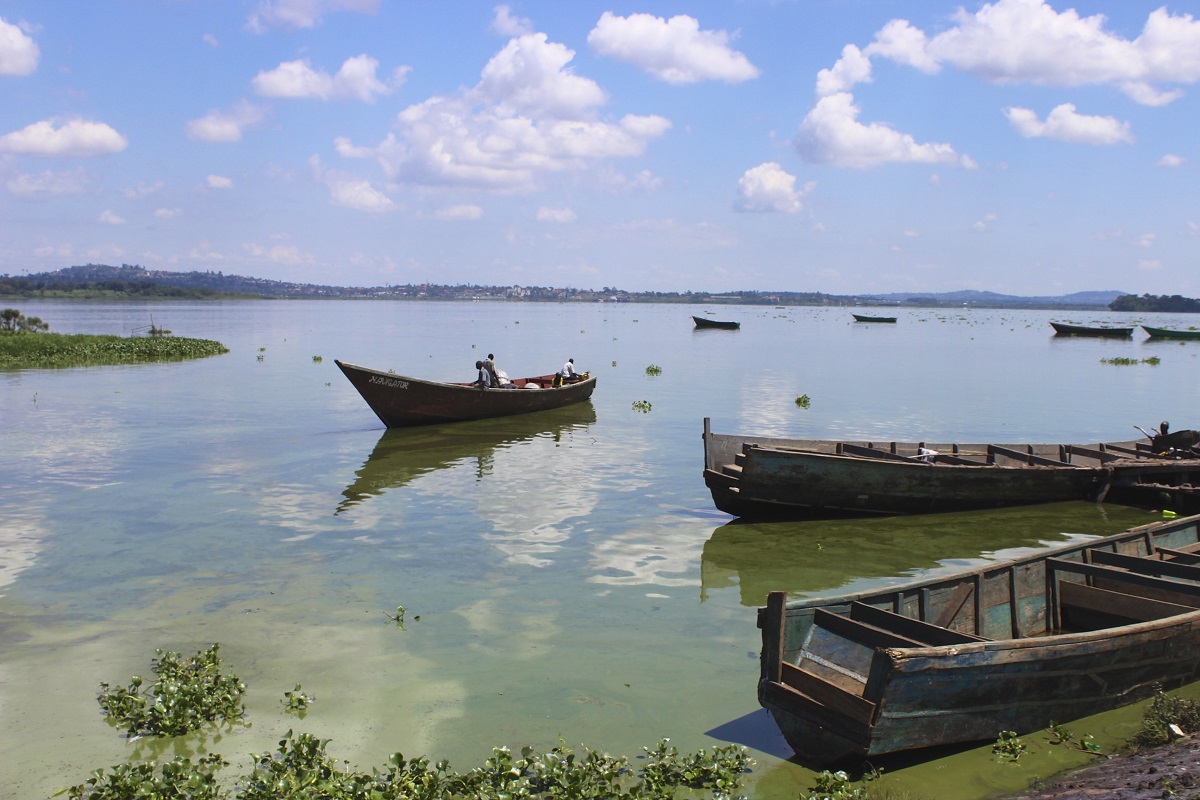
The enchanting waters of Lake Victoria stretch far beyond the horizon, shimmering with hues of blue and gold that reflect Africa’s unrivaled natural beauty. As the largest lake on the continent and the second largest freshwater lake in the world, Lake Victoria has always held a sense of mystery, power, and elegance. For centuries, its name has been woven into legends of explorers, stories of kingdoms, and narratives of trade and cultural exchange. Yet, in modern times, Lake Victoria has risen as a luxury destination for travelers seeking the perfect balance of exclusivity, indulgence, and adventure.

Among the many experiences this great lake has to offer, luxury boat cruises stand as the crown jewel. These journeys are more than excursions; they are carefully curated adventures that transform time spent on the water into immersive moments of discovery, connection, and relaxation. For the luxury traveler in 2025, boat cruises on Lake Victoria present an irresistible blend of serenity and sophistication, unfolding stories of heritage, wildlife, and natural wonders.

This article offers an in-depth exploration of what not to miss on a boat cruise across Lake Victoria. With a focus on exclusivity and comfort, it delves into the lake’s history, luxury cruise experiences, hidden gems, wildlife encounters, and cultural immersions that elevate every voyage. By the end, it will become evident why this great lake is an unmissable highlight of luxury travel in East Africa and why it deserves a place in every discerning traveler’s itinerary.

The Grandeur of Lake Victoria: A Heritage of Discovery

The history of Lake Victoria cannot be separated from the history of Africa itself. Known locally as Nalubaale, its waters have long nourished communities in Uganda, Kenya, and Tanzania, shaping cultures, traditions, and livelihoods. Ancient kingdoms thrived along its shores, using the lake as a pathway for trade and cultural exchange. Fishing villages emerged, sustained by the lake’s abundant tilapia and Nile perch, while spiritual traditions held the waters sacred.

The arrival of European explorers in the 19th century added another layer to its identity. John Hanning Speke famously named the lake in honor of Queen Victoria during his quest to locate the source of the Nile River. While his discovery narrative has been contested and reframed by historians, the lake’s significance as a geographical and cultural marvel has never diminished.

For luxury travelers, knowing this layered history deepens the appreciation of every boat cruise. Each wave and each island visited carries centuries of stories, linking the grandeur of the past with the refined pleasures of the present.

Luxury Cruising on Lake Victoria: The Art of Elegance on Water

A luxury boat cruise across Lake Victoria is not a mere journey; it is a crafted experience that marries natural beauty with the highest standards of comfort. Vessels used for these cruises are carefully designed to embody sophistication, with spacious decks, private cabins, fine dining areas, and attentive staff who cater to every detail.

The atmosphere aboard such cruises is one of exclusivity. Champagne breakfasts are often served as the sun rises over the shimmering waters, casting a golden glow across the horizon. Fine dining experiences featuring fresh lake fish and international cuisine are curated by skilled chefs who blend local flavors with global sophistication. Lounges with panoramic windows invite travelers to relax while absorbing uninterrupted views of islands, shorelines, and distant fishing canoes.

By day, the cruises offer opportunities for exploration, docking at secluded islands or coastal villages. By night, starlit skies above the lake create unforgettable evenings, often accompanied by live music, storytelling, or the quiet intimacy of the waters. Luxury on Lake Victoria is not defined by extravagance alone but by the seamless fusion of serenity, exclusivity, and cultural authenticity.

What Not to Miss: Highlights of the Lake Victoria Cruise

Every journey across Lake Victoria reveals treasures that must not be overlooked. The expanse of the lake is immense, but within its waters and along its shores lie experiences that elevate a cruise into an extraordinary odyssey.

The Source of the Nile: A Legendary Encounter

Among the most celebrated stops during luxury cruises is the Source of the Nile at Jinja, Uganda. This legendary site has drawn explorers and travelers for generations, offering the chance to stand at the birthplace of the world’s longest river. Watching the waters swirl from the lake into the river is an iconic moment, one that bridges history with contemporary travel luxury.

Ssese Islands: A Tropical Haven

The Ssese Islands, an archipelago of 84 lush islets, remain one of Lake Victoria’s most alluring treasures. For luxury travelers, docking at private resorts on islands such as Bugala or Banda opens worlds of pristine beaches, tropical forests, and discreet retreats. Sunset strolls along palm-fringed shores, bonfires on secluded beaches, and spa experiences overlooking the water define the indulgence that awaits in this hidden paradise.

Wildlife Encounters Along the Shoreline

Lake Victoria is teeming with life. Cruises often reveal hippos basking in the shallows, crocodiles lurking near reeds, and countless bird species soaring overhead. For bird lovers, the lake is a sanctuary, home to cormorants, kingfishers, and the rare shoebill stork. Watching wildlife unfold naturally from the comfort of a luxury deck adds depth to the journey, combining the intimacy of a safari with the relaxation of a cruise.Lake Victoria: What Not to Miss to boat cruise for luxury travelers

Fishing Traditions and Culinary Delights

Fishing remains central to life around Lake Victoria, and luxury travelers are often given glimpses into this age-old livelihood. Traditional fishing boats glide silently across the water at dawn and dusk, creating a serene backdrop to the cruise. The freshly caught tilapia and Nile perch prepared on board embody the authenticity of the lake’s bounty, turning each meal into an expression of both culture and taste.

The Cultural Dimension: Encounters Beyond the Water

What elevates luxury cruising on Lake Victoria is not only the comfort on board but also the cultural connections made along the journey. Travelers may dock at fishing villages where locals share traditions passed down for generations. Music, dance, and storytelling reveal a cultural vibrancy that contrasts beautifully with the tranquility of the waters.

For groups with curiosity for history, visits to ancient shrines and community landmarks highlight how the lake has been interwoven into spiritual and social lives. The stories of Buganda kings, the myths surrounding lake deities, and the customs tied to fishing seasons all enrich the understanding of Lake Victoria as more than a geographical feature.

The authenticity of these interactions is carefully curated for luxury travelers. Encounters are respectful and immersive, creating opportunities to learn and connect without intrusion. It is this balance that makes cultural immersion one of the most rewarding aspects of a Lake Victoria boat cruise.

The Seasons of the Lake: Timing a Luxury Cruise

Choosing the right time to embark on a luxury cruise significantly enhances the experience. Dry seasons, which occur from December to February and June to September, are particularly favorable. During these months, the skies remain clear, sunsets appear breathtakingly vivid, and waters remain calm, ensuring smooth and enjoyable journeys.

The wet seasons, stretching from March to May and October to November, bring lush beauty to the surrounding landscapes but often with increased rainfall and choppier waters. However, for travelers seeking solitude and exclusivity, these seasons can be equally rewarding, as cruises are less crowded and the lake’s vibrancy shines in fresh, rain-washed greenery.

In all seasons, Lake Victoria retains its allure. Luxury cruises are designed with flexibility, ensuring that travelers experience the best of the lake regardless of weather. Yet aligning journeys with the dry months often ensures the most memorable and comfortable encounters.

Accommodations and Comfort: Where Luxury Travelers Rest

Luxury cruises across Lake Victoria frequently include stays at lakeside lodges or island resorts that embody refined elegance. These establishments provide not only restful nights but immersive continuations of the journey itself. Suites with private verandas overlooking the lake, infinity pools that seem to merge with the waters, and spas offering treatments inspired by African traditions redefine what it means to stay near the lake.

Even while anchored, vessels themselves often feel like floating hotels, equipped with modern comforts and attentive staff who anticipate every need. From personalized dining experiences to private cocktail evenings, every detail is designed to align with the expectations of luxury travelers.

This harmony between accommodation and cruising ensures that every moment spent around Lake Victoria embodies a sense of relaxation, indulgence, and refinement.

Sustainability and Conservation: Cruising with a Purpose

As global awareness of responsible travel grows, luxury experiences on Lake Victoria have increasingly embraced sustainability and conservation. Cruises are often designed to minimize environmental impact, adopting eco-friendly practices such as solar power, waste management, and locally sourced supplies.

Beyond environmental responsibility, many luxury operators on the lake actively support community development initiatives, from funding education programs to supporting sustainable fishing practices. For travelers, this adds another layer of meaning to the journey. To cruise on Lake Victoria is not only to indulge in luxury but also to contribute to the preservation of ecosystems and the empowerment of local communities.

It is this combination of indulgence and purpose that appeals most strongly to today’s discerning traveler. Luxury is no longer measured solely by comfort, but by the impact and legacy of the journey.

A Lake of Timeless Luxury

A boat cruise on Lake Victoria is far more than a scenic journey; it is a symphony of history, culture, wildlife, and luxury. From the legendary Source of the Nile to the tranquil Ssese Islands, from wildlife-rich shores to the cultural vibrancy of fishing villages, the lake offers an unending array of treasures waiting to be discovered. Each experience is elevated by exclusivity, comfort, and careful curation, ensuring that travelers encounter not only the beauty of the lake but also its soul.

For luxury travelers in 2025, Lake Victoria emerges as a destination of timeless appeal. Its waters embody elegance, adventure, and serenity, offering an experience that resonates long after the voyage ends. To explore Lake Victoria by boat is to uncover the heart of Africa’s natural and cultural heritage, enveloped in sophistication.

For travelers who wish to ensure that every detail of this extraordinary journey is perfected, it is highly recommended to entrust their planning to experts. To craft a cruise that combines refinement, exclusivity, and conservation values, book your African tours and safaris with WildHorn Africa, the specialists who transform travel into unforgettable legacies.

Hidden Gems for best time to go in Entebbe for luxury travelers

Hidden Gems for best time to go in Entebbe for luxury travelers

By Travel stories and blogs, Luxury holidays, Uganda travel guides

Hidden Gems for Best Time to Go in Entebbe for Luxury Travelers

The Gateway to Uganda’s Elegance

In the heart of East Africa, where Lake Victoria’s horizon stretches endlessly and tropical breezes whisper through palm-lined avenues, Entebbe emerges as a sanctuary for luxury travelers seeking both exclusivity and authenticity. This lakeside town, often known as the gateway to Uganda due to its international airport, holds far more treasures than many first-time visitors imagine. Beyond being a transit hub, Entebbe thrives as a destination in its own right—rich in history, blessed with natural beauty, and infused with a quiet sophistication that speaks to those who desire experiences off the well-trodden path.

To truly appreciate Entebbe, one must understand not only what it offers but also when it reveals its finest face. Seasons here are more than calendar pages; they are chapters in a story of elegance, climate, and cultural rhythms. For the luxury traveler, timing is the subtle key that transforms a stay from pleasurable to unforgettable. In this detailed guide, the hidden gems of Entebbe are unveiled alongside insights into the best time to visit, ensuring that every discerning guest finds themselves at the right place in the right moment.

The Allure of Entebbe: More Than a Gateway

Entebbe rests gracefully on a peninsula jutting into Lake Victoria, Africa’s largest lake, giving it a sense of calm unmatched by many other African towns. Its colonial legacy, botanical gardens, wildlife sanctuaries, and opulent lakeside resorts contribute to a setting where relaxation is fused with exploration. Unlike bustling Kampala, Entebbe’s charm lies in its measured tranquility, allowing travelers to unwind in serene settings while enjoying seamless access to modern comforts.

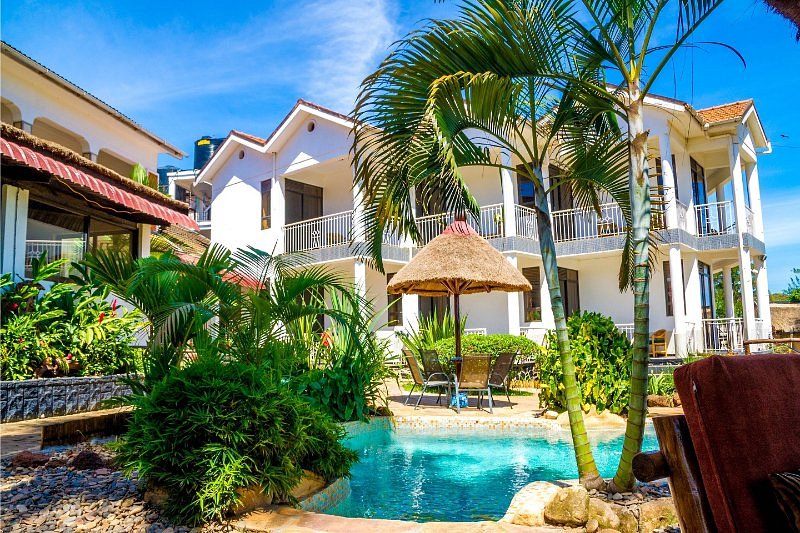
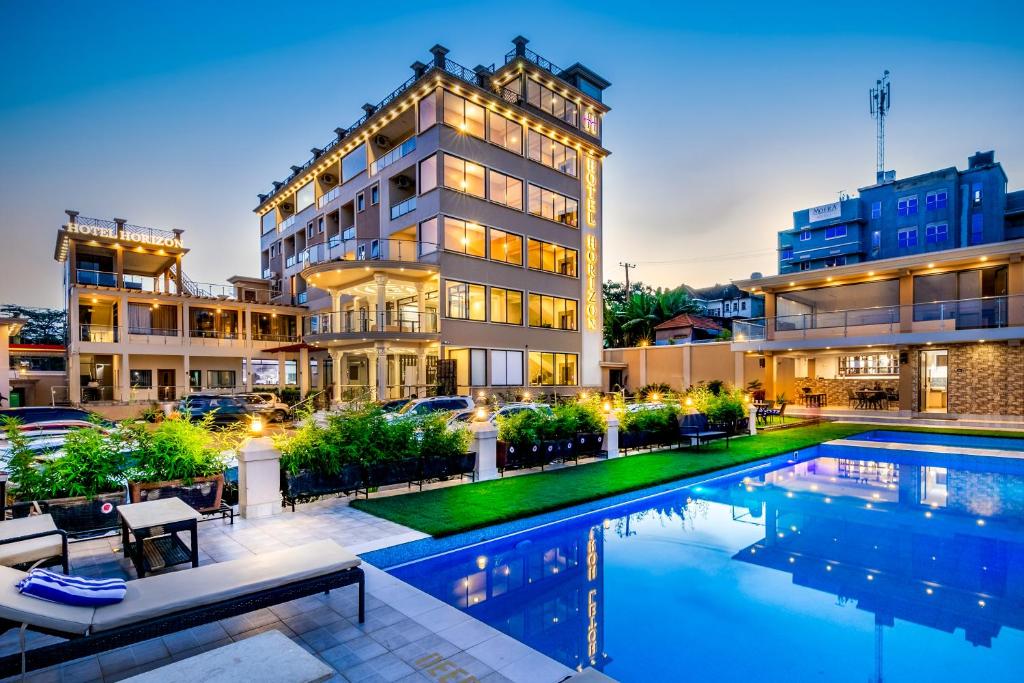
For luxury travelers, this balance is irresistible. Upscale villas offer private access to lakeshore views, while eco-lodges blend exclusivity with sustainability. High-end restaurants serve fine dining experiences that merge international sophistication with Ugandan freshness, particularly in seafood delicacies freshly drawn from Lake Victoria. Every corner whispers of understated elegance, making the timing of one’s visit an essential decision for maximizing indulgence.

Understanding Entebbe’s Climate: The Foundation of Timing

The tropical climate of Entebbe is shaped by its proximity to the equator and its lakeside location. Unlike destinations with sharply defined seasons, Entebbe offers two rainy seasons and two dry seasons each year. The rains arrive from March to May and again from October to November, while the drier months typically span December to February and June to September.

For the luxury traveler, climate directly influences the quality of experiences. Sun-kissed days enhance the beauty of lake cruises, sunset dinners, and leisurely rounds of golf, while rainfall can add romance to spa retreats and indoor indulgences but may limit outdoor excursions. Knowing when skies clear to their brightest or when rains fall gently upon the gardens allows guests to curate stays that align with their desired pace and pleasures.

Entebbe in the Dry Seasons: When Elegance Shines Brightest

December to February: A Season of Radiance

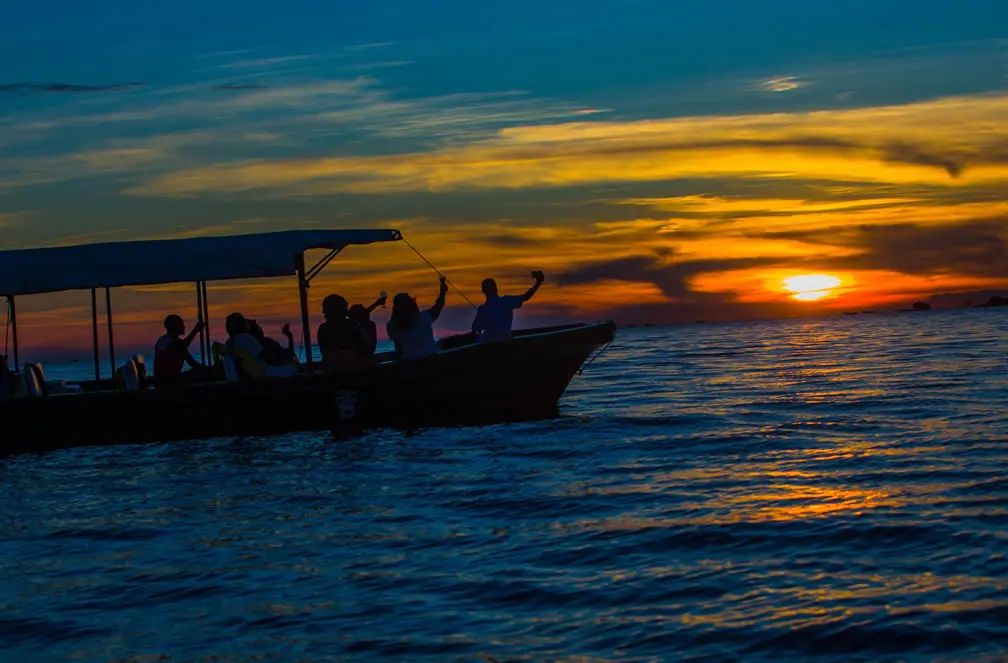
During these months, Entebbe bathes in warm sunlight with relatively lower humidity, creating an atmosphere perfect for luxury escapes. The clear skies make this period ideal for sunset cruises on Lake Victoria, where champagne glasses clink against backdrops of gold and crimson horizons. Botanical gardens bloom with vibrancy, inviting slow, contemplative walks, while wildlife encounters at Ngamba Island Chimpanzee Sanctuary or Uganda Wildlife Conservation Education Centre become especially rewarding.

Luxury travelers during this season find the outdoor spaces of Entebbe particularly appealing. Infinity pools overlooking the lake are best enjoyed under the soft rays of a December morning, while private yacht charters offer unmatched privacy in the calm waters. The season’s popularity also brings a lively social calendar, with high-end resorts often hosting gala dinners and themed evenings that cater to international elites. For those who thrive on vibrancy and warmth, this is arguably the best time to immerse oneself in Entebbe’s elegance.

June to September: Serenity in Perfection

As the mid-year dry season arrives, Entebbe transforms into a sanctuary of stability. Skies remain largely clear, temperatures are moderate, and the air feels crisp. This period is particularly favored by golf enthusiasts, as the fairways of Entebbe Golf Club glisten under a gentle sun, free from muddy patches or interruptions by rain.

The calm waters of Lake Victoria are ideal for sport fishing, with Nile perch and tilapia drawing attention from seasoned anglers seeking both thrill and luxury. Upscale lodges often complement such activities with tailored wellness experiences—sun-dappled yoga by the lake, spa treatments infused with local botanicals, and fine dining under starlit skies. Privacy and exclusivity dominate the atmosphere, making this season the perfect choice for honeymooners or travelers who prefer tranquil sophistication over festive bustle.

Entebbe in the Rainy Seasons: The Hidden Romance

March to May: Green Luxury in Bloom

For many, the rainy season is dismissed as a time of inconvenience. Yet, in Entebbe, these months bring a quiet magic that few luxury travelers anticipate. The rains, though sometimes heavy, give way to lush, rejuvenated landscapes, where botanical gardens appear greener than ever and birdlife flourishes.

High-end lodges and boutique hotels use this period to provide intimate indoor indulgences. Fireside lounges, wine tastings, and wellness retreats flourish, making the rains less an interruption and more a complement to the slower pace. For travelers who value exclusivity, the rainy season ensures fewer crowds, granting an almost private claim to Entebbe’s attractions. Furthermore, this period often sees attractive offers from luxury resorts, enabling extended stays in opulent surroundings at exceptional value.Hidden Gems for best time to go in Entebbe for luxury travelers

October to November: A Prelude to Renewal

The short rains towards the year’s end are gentler, punctuating days rather than dominating them. This season provides an enchanting balance, with occasional showers refreshing the air while allowing for ample outdoor explorations. Sunsets after rainstorms carry an ethereal glow, painting skies with hues that feel almost surreal.

For luxury travelers, this is a time to experience Entebbe at its most authentic and serene. Local markets thrive with fresh produce, while fine dining establishments craft seasonal menus inspired by the bounty. Quiet afternoons by the lake, accompanied by soft drizzles and impeccable service, create a romance that is unique to this time of year.

Seasonal Highlights for Luxury Travelers

Cultural Encounters

Entebbe is not only about landscapes but also about its cultural heartbeat. Visiting during drier months coincides with cultural festivals and art exhibitions, where local creativity meets global appreciation. Guests can explore craft markets that feature exquisite Ugandan artistry, from handwoven textiles to carved sculptures, and then retire to luxury suites where these treasures become part of the décor.

Nature and Wildlife

The timing of visits also affects wildlife encounters. In the dry seasons, animals are more visible as they gather around water sources, making visits to conservation centres particularly rewarding. During rains, birdwatchers are treated to an extraordinary spectacle, as migratory species arrive in abundance, filling the air with vibrant calls and colors.

Wellness and Rejuvenation

Luxury travel often seeks not only discovery but also renewal. The rainy seasons provide a perfect setting for inward journeys—yoga, meditation, and spa rituals flourish under the sound of raindrops on lake-facing verandas. Conversely, the dry seasons emphasize outward indulgence—sunlit swims, outdoor massages, and lakeside banquets dominate the experience.

Crafting the Perfect Entebbe Luxury Escape

The choice of when to visit Entebbe ultimately rests upon personal desires. Those seeking vibrant social atmospheres and outdoor adventures may prefer the clear skies of December to February, while travelers longing for privacy, romance, and gentle calm may find March to May or October to November more rewarding. For those who yearn for balanced tranquility and active exploration, June to September is without question a season of harmony.

Whichever season is chosen, luxury in Entebbe is never compromised. Five-star resorts, boutique villas, and eco-friendly lodges consistently deliver world-class service, while private guides ensure every excursion is tailored to preference. The hidden gems of Entebbe lie not only in its landscapes but also in the rhythm of its seasons, making timing the essence of exclusivity.

Unlocking Entebbe’s Hidden Gems

Entebbe, with its timeless grace and understated sophistication, is a destination where every season carries its own brand of luxury. From sun-lit adventures to rain-soaked romance, from lively festivals to serene retreats, the town offers experiences finely tuned to the desires of the discerning traveler. Understanding when to go is not merely a matter of climate but of aligning one’s journey with the hidden gems that reveal themselves differently throughout the year.

For those ready to immerse in the finest African experiences, a visit to Entebbe promises indulgence, beauty, and discovery. To ensure that these moments unfold with seamless elegance and expert guidance, travelers are encouraged to entrust their journeys to specialists who understand the heart of Uganda. For unforgettable safaris, curated luxury escapes, and personalized tours across East Africa, it is highly recommended to book through WildHorn Africa, where every detail is crafted to transform travel into timeless memory.

Ultimate Checklist for luxury escape in Kibale National Park for first-time visitors

Ultimate Checklist for luxury escape in Kibale National Park for first-time visitors

By Travel stories and blogs, Uganda travel guides, Your first safari

Ultimate Checklist for Luxury Escape in Kibale National Park for First-Time Visitors

Where Luxury Meets the Call of the Wild

For the discerning traveler setting foot in Uganda for the very first time, Kibale National Park represents the perfect meeting point between wilderness and refinement. It is a sanctuary where primal forests breathe with life, where the chatter of chimpanzees echoes through emerald canopies, and where the elusive bird species of the Albertine Rift grace the skies. Yet beyond its raw natural wealth, Kibale is a destination where luxury unfolds gently, curated not through extravagance but through exclusivity, intimacy, and carefully woven experiences.

For first-time visitors, preparing for a luxury escape into Kibale requires more than a casual glance at a travel guide. It requires an ultimate checklist, one that blends the timeless allure of Africa’s primates with the sophistication of private lodges, one that understands the rhythm of the forest but also the rhythm of the traveler’s comfort. Kibale offers journeys of discovery, but to step into them with clarity and readiness is to embrace the park’s wonders in their fullest form.

This guide has been crafted to walk first-time luxury travelers through every aspect of the escape, from the soul of the forest to the heart of refined indulgence, ensuring that the experience becomes not just a safari but a personal odyssey into elegance and adventure.

Understanding the Essence of Kibale

The Forest of Primates

Kibale National Park, often hailed as the “primate capital of the world,” stretches across 795 square kilometers of lush equatorial rainforest. It is home to an astonishing thirteen primate species, including the famed chimpanzees, whose presence transforms the park into a living theater of curiosity, intelligence, and social bonds. For first-time visitors, witnessing these creatures in their natural habitat is often the defining moment of the journey, an encounter that surpasses expectations and lingers in memory.

The forest, however, is not solely defined by primates. It thrives as one of Africa’s most biodiverse ecosystems, where more than 370 bird species and over 250 species of butterflies flourish. Towering mahoganies and ancient fig trees stand like guardians of time, while the undergrowth teems with smaller wonders that reward those who linger and observe.

Why Luxury Travelers Choose Kibale

The charm of Kibale lies not only in its biodiversity but in the balance it offers between wilderness and comfort. Unlike destinations that overwhelm with size or remoteness, Kibale’s accessible location—nestled between the Rwenzori Mountains and Queen Elizabeth National Park—ensures that travelers are transported quickly into a realm of serenity without sacrificing convenience. Luxury lodges, designed with harmony in mind, allow visitors to sleep within earshot of the forest’s calls while resting in the embrace of curated service, gourmet cuisine, and personalized attention.

The Soul of a Luxury Escape

Chimpanzee Tracking in Style

For the first-time visitor, the heartbeat of Kibale is undoubtedly the chimpanzee tracking experience. Guided by expert rangers, travelers are led along trails where anticipation builds with every rustle of leaves and every distant hoot. The reward is a face-to-face moment with these extraordinary primates, watching them forage, communicate, and interact in ways that echo human behaviors.

In the context of a luxury escape, chimpanzee tracking is elevated by private guiding arrangements, exclusive group sizes, and carefully managed itineraries. Instead of jostling for space, travelers find themselves in intimate encounters, where every question can be answered and every sighting savored without haste.

The Chimpanzee Habituation Experience

Beyond tracking lies the rare privilege of the chimpanzee habituation experience. Unlike standard treks that last for an hour in the company of chimps, this immersive journey follows the primates from dawn until dusk, revealing layers of their daily lives unseen by the casual visitor. For the luxury traveler, this extended encounter transforms observation into understanding, creating space for deeper reflection and personal connection with these remarkable animals.Ultimate Checklist for luxury escape in Kibale National Park for first-time visitors

Birding as a Refined Pursuit

The Symphony of Avian Life

For those who walk with binoculars in hand, Kibale becomes a symphony of wings and songs. Species such as the African grey parrot, the yellow-spotted barbet, and the green-breasted pitta elevate the forest into one of Uganda’s top birding destinations. The patient observer finds that the forest canopy and undergrowth alike conceal treasures that only reveal themselves in the stillness of waiting.

Luxury birding experiences in Kibale are shaped by the exclusivity of private guides who understand both the terrain and the needs of refined travelers. Photography opportunities, quiet pacing, and access to hidden trails ensure that each species spotted feels like a discovery etched in time rather than a fleeting glance.

Luxury Lodging in the Heart of the Forest

Where Comfort Marries Wilderness

Accommodation in Kibale is an essential part of the luxury escape, for it transforms the forest from a place of exploration into a place of rest. Lodges and camps here are designed with an ethos of sustainability, ensuring that while travelers indulge in comfort, the integrity of the ecosystem remains preserved.

Thatched cottages, often perched with sweeping views of the forest canopy, provide a seamless blend of natural immersion and modern elegance. Fire-lit dining rooms, infinity pools that reflect the forest sky, and private verandas for evening reflection allow first-time visitors to feel both at home and deeply connected to the environment.

Personalized Services

In Kibale’s luxury lodges, service becomes a language of attentiveness. Solo travelers find staff anticipating their preferences, honeymooners discover private dining under the stars, and families are guided into adventures designed for all ages. The hallmark of such accommodation is personalization, where itineraries, meals, and even wellness treatments are adapted to the rhythms of the traveler.

Cultural Encounters Beyond the Forest

Meeting the Communities

Luxury travel in Kibale does not remain confined within the borders of the park. Surrounding communities, particularly those who once depended on the forest, open their doors to visitors. For first-time travelers, these cultural encounters create balance, reminding them that the story of Kibale is not only about wildlife but also about people and their resilience.

Through guided interactions, visitors may witness traditional dances, learn about medicinal plants, or taste locally prepared dishes. For luxury travelers, these moments are not hurried or superficial; they are carefully curated to respect authenticity, ensuring that cultural exchanges are as meaningful as wildlife encounters.

Wellness and Reflection in Wilderness

The Healing Rhythm of Nature

One of the understated luxuries of Kibale is the wellness it imparts. For travelers coming from urban routines, the forest offers a rhythm that heals. Morning walks accompanied by birdsong, evenings wrapped in the hum of cicadas, and the gentle fragrance of the forest canopy all contribute to a retreat for the mind and body.

Lodges often enhance this experience with wellness services—massages, yoga sessions, and meditation platforms overlooking the forest. The combination of natural immersion and holistic care transforms Kibale into a sanctuary not only for exploration but also for restoration.

Crafting the Ultimate Itinerary

Dawn to Dusk Adventures

The first-time luxury visitor is encouraged to view Kibale not as a checklist of activities but as a rhythm to be embraced. Mornings may begin with the anticipation of chimpanzee tracking, followed by quiet afternoons resting at the lodge or exploring birdlife along forest edges. Evenings unfold with sundowners, private dinners, and reflections by the fire.

Each day becomes a balance of activity and serenity, discovery and indulgence. By embracing this rhythm, travelers ensure that they leave Kibale not exhausted but enriched, carrying with them the sense of having lived deeply in both luxury and wilderness.

Practical Considerations for First-Time Luxury Travelers

Timing the Visit

The best months for a luxury escape to Kibale fall within the dry seasons of December to February and June to August. Trails are more accessible, wildlife is easier to track, and the overall experience is more comfortable for first-time visitors. However, even in wetter months, the park remains rewarding, offering a more intimate atmosphere with fewer crowds.

Preparing for Comfort

While luxury lodges provide most amenities, first-time travelers benefit from packing with thoughtfulness. Lightweight clothing, sturdy walking shoes, and insect repellent enhance comfort on treks. Cameras with adequate zoom lenses capture both primates and birds with clarity, ensuring that memories are preserved vividly.

Why Kibale Is the Ideal Luxury Escape for First-Time Visitors

For travelers stepping into Uganda for the first time, Kibale National Park offers a rare combination: intimacy without isolation, luxury without detachment, and discovery without discomfort. The primates provide the thrill, the birds offer refinement, the lodges supply indulgence, and the communities enrich perspective. The result is a journey where no element overwhelms, but every element complements, creating a tapestry of experiences perfectly suited to those discovering Africa for the first time.

A Forest that Redefines Luxury

To walk beneath the canopy of Kibale is to realize that luxury is not always about grandeur; it is about balance, exclusivity, and presence. For the first-time visitor, the park becomes not only a destination but a lesson in how wilderness can be embraced without sacrificing comfort. Every encounter—whether with a chimpanzee’s inquisitive gaze, a rare bird’s song, or the warmth of a lodge host’s smile—becomes part of a larger story of discovery.

For those prepared to step into this narrative, it is strongly recommended to book Africa tours and safaris through WildHorn Africa. With their expertise in curating journeys that blend indulgence with authenticity, every moment in Kibale is elevated, ensuring that the forest is not just seen but truly experienced in luxury.

Seasonal Highlights for day trip in Lakes George and Edward with kids

Seasonal Highlights for day trip in Lakes George and Edward with kids

By Uganda travel guides, Safari holidays

Seasonal Highlights for Day Trip in Lakes George and Edward with Kids

Where Family Adventure Meets Uganda’s Twin Treasures

The allure of Lakes George and Edward lies in their unique position at the heart of the Great Rift Valley, where the waters shimmer under the equatorial sun and the surrounding savannas teem with wildlife. These twin lakes, connected by the famous Kazinga Channel, form one of Uganda’s most enchanting landscapes, and they remain essential highlights for travelers exploring the western part of the country. For families with children, the lakes provide not just a scenic escape but also an educational journey into the world of nature, culture, and history.

Planning a day trip with kids to Lakes George and Edward becomes even more rewarding when the rhythms of the seasons are taken into account. The changing climate of Uganda reshapes the experiences available at these lakes, influencing wildlife activity, accessibility, and the mood of the landscapes. Each season—whether the lush greenery of the rains or the golden openness of the dry months—offers a new perspective on what families can discover together.

For parents eager to nurture curiosity, the lakes become living classrooms where children can learn about ecosystems, bird migrations, and the interconnectedness of waterways. For adventurous spirits, the day trip provides opportunities for boat rides, cultural encounters, and close-up wildlife moments. Most importantly, the lakes offer a setting where families reconnect away from the distractions of modern life, creating shared memories etched against the backdrop of Africa’s natural wonder.

Understanding the Setting of Lakes George and Edward

Geography and Connection by the Kazinga Channel

Lake George, smaller in size, rests at the foothills of the Rwenzori Mountains, its waters fed by numerous rivers flowing down from the glaciers above. Lake Edward, larger and deeper, stretches further south toward the Democratic Republic of Congo, forming part of Queen Elizabeth National Park’s southern reaches. The two lakes are joined by the Kazinga Channel, a 32-kilometer waterway famous for its incredible density of hippos, crocodiles, and birdlife.

This geographical connection makes a family day trip especially fascinating, as children can trace the journey of water from one lake to another, observing how wildlife thrives along the way. The landscapes surrounding the lakes vary from swampy wetlands to savannas, ensuring that no two corners of this ecosystem feel alike.

Accessibility for Families

The lakes are located within Queen Elizabeth National Park, one of Uganda’s most visited conservation areas. Accessibility is relatively straightforward for families, with well-established entry points and guided tours that cater to younger travelers. Parents appreciate the availability of facilities and services, while children are captivated by the abundance of animals visible even on short excursions.

Seasonal Dynamics: How the Climate Shapes Family Experiences

Uganda’s equatorial climate ensures that the region around Lakes George and Edward is lush and vibrant throughout the year. However, the alternation between wet and dry seasons dramatically influences the experiences available for families on a day trip. Understanding these dynamics allows travelers to plan a visit that matches their expectations and family needs.

The Dry Season: Golden Landscapes and Clear Wildlife Encounters

Timing and Atmosphere

The dry seasons, which occur from December to February and again from June to August, create conditions of clear skies, reduced rainfall, and open vistas. Families arriving during these months are greeted by landscapes painted in warm tones of gold and brown, where grasses thin out and visibility across the savanna improves.

Children find it easier to spot animals during the dry months, as herds gather near water sources. Parents enjoy the convenience of accessible roads and reduced risk of rain showers interrupting activities.

Wildlife Activity Around the Lakes

The dry season concentrates wildlife near the Kazinga Channel and along the shores of both lakes. Herds of elephants and buffalo descend daily to drink, while antelopes move across open plains with little concealment. For children, the spectacle of hippos basking together or crocodiles lying motionless in the sun becomes unforgettable.

Birdlife also flourishes, as migratory species arrive to join resident flocks. Families interested in birdwatching find these months especially rewarding, with sightings of pelicans, fish eagles, and herons occurring in abundance.

Family-Friendly Boat Trips

Boat cruises on the Kazinga Channel during the dry season are particularly rewarding for families. Calm waters and sunny weather create safe and enjoyable conditions for children to participate. Guides highlight the behaviors of hippos, elephants, and birds, transforming the ride into a moving classroom filled with stories and facts. Parents find peace in the gentle pace of the boat, while children are thrilled by the closeness of the animals.Seasonal Highlights for day trip in Lakes George and Edward with kids

The Wet Season: Green Abundance and Quiet Exploration

Timing and Atmosphere

The wet seasons, stretching from March to May and September to November, bring heavy rains that transform the region into a carpet of lush greenery. The lakes swell with fresh water, and the surrounding landscapes burst into vibrant life. For families, this season offers a more intimate and less crowded experience, as fewer travelers venture into the park during these months.

Children are often fascinated by the intensity of the rains and the dramatic thunderstorms rolling over the lakes, followed by sudden bursts of sunshine that make everything sparkle. Parents find the scenery at its most picturesque, with the Rwenzori peaks often visible in the distance.

Wildlife in the Green Season

Although animals are more dispersed due to the abundance of water sources, the wet season reveals a different side of the ecosystem. It is during this period that many species give birth, offering families the chance to see young animals taking their first steps. For children, watching baby elephants with their mothers or young antelopes learning to graze becomes a heartwarming highlight.

Birdwatching reaches its peak in the wet season, as migratory birds from Europe and Asia join local species. Families interested in nature photography find endless opportunities to capture striking images of colorful birds against green backdrops.

Educational Value for Children

The wet season presents opportunities for parents to introduce children to the cycles of nature. Guides explain how rains renew ecosystems, replenish water supplies, and sustain both wildlife and human communities. Families come away with a deeper understanding of the interconnectedness of climate, landscapes, and survival.

Activities for Families Around Lakes George and Edward

Guided Nature Walks

Families visiting in any season can enjoy short, guided walks along designated trails around the lakes. These walks are carefully designed to be accessible for children, introducing them to plant species, insect life, and smaller animals often missed on vehicle safaris. Parents value the safety provided by trained guides, while children delight in the tactile experience of exploring nature up close.

Cultural Encounters with Local Communities

The communities living around Lakes George and Edward add cultural depth to the family experience. Families may visit fishing villages to observe traditional practices, or engage with local artisans who produce crafts inspired by the lakes’ resources. For children, these encounters spark curiosity about lifestyles different from their own, while parents appreciate the authenticity of the cultural exchange.

Picnics Along the Shorelines

Both dry and wet seasons offer moments of relaxation along the lakes’ shorelines. Families often enjoy packed meals in scenic spots where children can play safely while parents rest. The simple act of sharing food outdoors, surrounded by nature, becomes a cherished part of the day trip.

Seasonal Recommendations for Families

Families planning a visit to Lakes George and Edward in 2025 should consider their preferences when choosing the season. Those seeking clear skies, easy animal sightings, and smooth travel may prefer the dry months. Parents traveling with very young children often find this season most convenient.

On the other hand, families seeking solitude, lush landscapes, and opportunities to witness young animals may find the wet season particularly appealing. Older children often enjoy the sense of adventure that comes with exploring in the rains, and parents value the chance to experience the lakes in their most vibrant state.

Why Lakes George and Edward Are Perfect for Kids

A day trip to Lakes George and Edward goes beyond sightseeing. The lakes offer a sensory-rich environment where children engage with the world in new ways: the sound of hippos grunting, the sight of elephants bathing, the feel of rain on their skin, and the taste of fresh local fruits sold along the roads. Parents find joy in seeing their children learn through direct experience, gaining insights that no classroom could replicate.

The lakes also provide opportunities for families to slow down, disconnect from digital distractions, and focus on shared experiences. Whether it is the thrill of spotting wildlife or the calm of floating on the Kazinga Channel, every moment becomes part of a story families tell for years.

A Year-Round Playground of Wonder

The seasonal highlights of Lakes George and Edward ensure that a family day trip in 2025 remains rewarding at any time of year. The dry season offers golden clarity, easy wildlife encounters, and smooth logistics, while the wet season reveals green abundance, intimate encounters with young animals, and dramatic landscapes. Together, these rhythms of nature transform the lakes into a living stage where families can witness the cycles of life unfold.

For families with children, the lakes are not just destinations but gateways to connection, education, and wonder. Each season brings its own magic, ensuring that no two visits feel the same. The memories created by boat rides, riverside picnics, cultural stories, and the simple awe of watching elephants drink at sunset become treasures passed from one generation to another.

For those inspired to plan a day trip to Lakes George and Edward, it is recommended to arrange journeys through WildHorn Africa, a trusted specialist in creating immersive family experiences. With careful planning, expert guidance, and a commitment to responsible travel, WildHorn Africa ensures that every family adventure is safe, seamless, and unforgettable. By booking with WildHorn Africa, travelers secure not just a trip but a story of discovery that resonates long after the journey ends.

Family Holiday at Karamoja: 3-Day Itinerary for first-time visitors

Family Holiday at Karamoja: 3-Day Itinerary for first-time visitors

By Travel stories and blogs, Family holidays, Uganda travel guides

Family Holiday at Karamoja: 3-Day Itinerary for First-Time Visitors

Discovering the Untamed Heart of Uganda

For families seeking an extraordinary blend of adventure, culture, and wildlife, the Karamoja region in northeastern Uganda presents an unrivaled destination. Often described as one of the last truly untamed regions of the country, Karamoja captivates visitors with its vast landscapes, traditional communities, and unique wildlife. For first-time visitors, a carefully structured itinerary ensures that the journey is both enriching and manageable, offering a balance between exploration and relaxation, education and entertainment, adventure and comfort.

The charm of Karamoja lies not only in its scenery but in its people. The Karamojong communities, with their vibrant traditions, livestock herding, and intricate crafts, create a cultural tapestry that invites families to engage, learn, and appreciate a way of life markedly different from urban Uganda. Wildlife roams freely across savannah plains, punctuated by rocky hills, seasonal rivers, and isolated forests, offering children and adults alike the opportunity to witness the rich diversity of Uganda’s ecosystems.

This article provides a comprehensive 3-day itinerary for families visiting Karamoja for the first time, guiding them through cultural experiences, wildlife encounters, and scenic exploration while offering practical advice for traveling with children in a remote and dynamic environment.

Understanding Karamoja: Geography, Culture, and Wildlife

Karamoja is an arid and semi-arid region encompassing approximately 27,000 square kilometers in northeastern Uganda. The landscape is dominated by savannahs, acacia woodlands, rocky outcrops, and seasonal rivers. This varied topography supports unique ecosystems where wildlife, including giraffes, elephants, zebras, lions, and hyenas, coexist alongside pastoral communities.

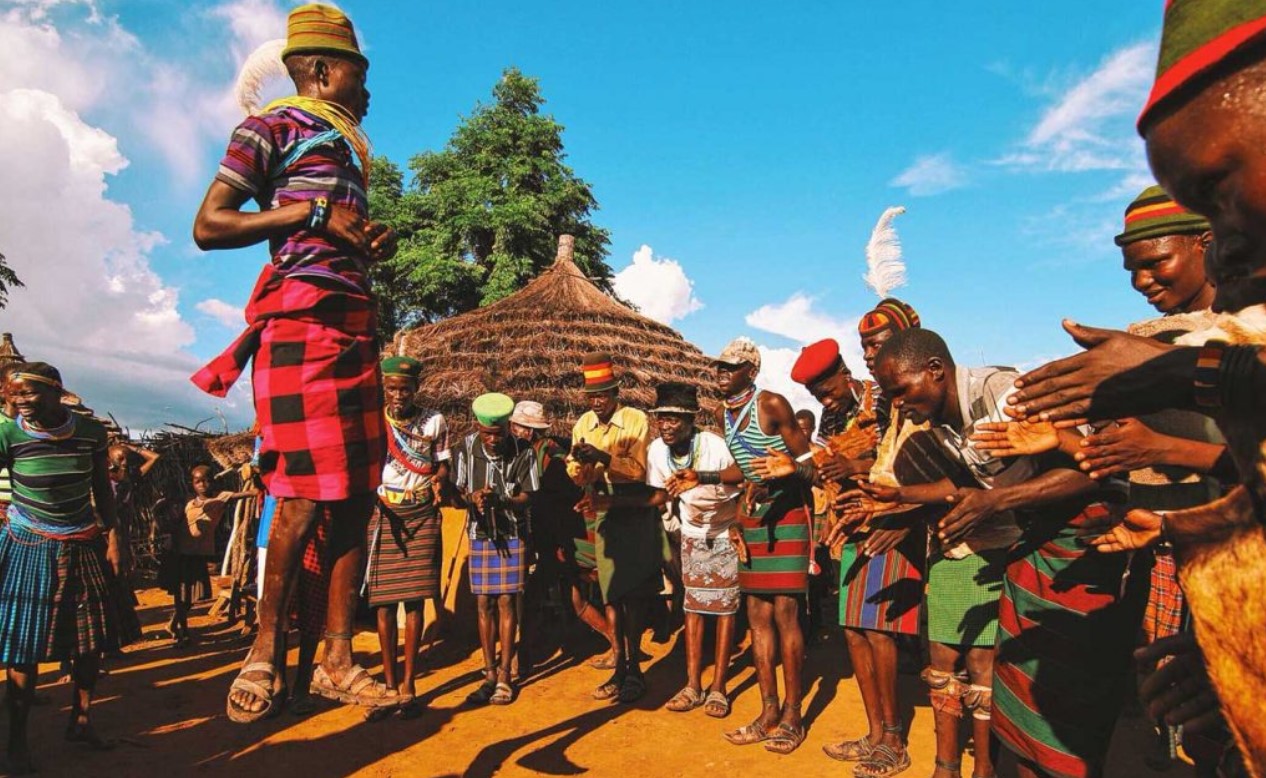
The Karamojong people are central to the region’s identity. Their culture, characterized by cattle herding, traditional rituals, and elaborate adornments, has been preserved through centuries despite external influences. For families, learning about Karamojong traditions offers both educational value and opportunities for meaningful interaction. Children are often fascinated by the ceremonial dances, traditional games, and colorful beadwork that are part of everyday life.

Karamoja’s combination of wildlife, open landscapes, and vibrant culture creates a holistic experience. First-time visitors are introduced to both natural wonders and human heritage, making the region an ideal destination for families seeking more than a conventional safari.

Day 1: Arrival, Orientation, and Cultural Engagement

The family journey to Karamoja begins with arrival at the nearest airport or by road from Mbale or Moroto. Upon reaching a family-friendly lodge or camp, guests are welcomed with an orientation session. This initial period is crucial for families to acclimate, review safety measures, and understand the regional environment, including seasonal variations and wildlife behavior.

Afternoon activities focus on cultural engagement. Families are introduced to a local Karamojong village, where children and adults observe and participate in traditional practices. These interactions often include watching livestock herding, learning about the significance of beadwork, and witnessing ceremonial dances. Guides ensure that interactions are respectful, educational, and safe, fostering appreciation for local customs without disrupting community life.

Photography opportunities abound during these visits. Children enjoy capturing images of village life, traditional attire, and wildlife grazing nearby, while adults can focus on landscape shots that highlight the region’s rugged beauty. Evening meals at the lodge provide both rest and reflection, as families discuss the day’s discoveries and anticipate upcoming adventures.

Day 2: Wildlife Encounters and Scenic Exploration

Day two is dedicated to wildlife observation and exploration of Karamoja’s landscapes. Early morning game drives are scheduled to take advantage of cooler temperatures and heightened wildlife activity. Families are guided through savannah plains, acacia woodlands, and rocky hills, where sightings of giraffes, zebras, buffaloes, and elephants are common. Rangers provide commentary on species behavior, habitat interactions, and conservation efforts, ensuring that the experience is both educational and entertaining.

Children are encouraged to participate in observation activities, such as spotting tracks, identifying birds, and learning about ecological relationships. The pace is adjusted to accommodate younger travelers, allowing for short walks, shaded rest stops, and interactive sessions with guides. Photographic opportunities abound, from panoramic shots of savannahs to close-ups of wildlife at waterholes.

Afternoon excursions focus on scenic exploration, including visits to natural landmarks, seasonal rivers, and isolated hills. These areas provide opportunities for family picnics, sketching, or nature journaling, fostering creativity alongside observation. The combination of wildlife encounters and landscape exploration ensures that the day remains dynamic, engaging, and memorable for every family member.

Evening reflection sessions at the lodge allow families to review photographs, share observations, and discuss lessons learned, reinforcing the educational aspect of the trip while nurturing family bonding.

Day 3: Seasonal Highlights and Departure

The final day of a Karamoja itinerary emphasizes seasonal highlights and memorable experiences tailored to the time of year. During the dry season, wildlife congregates near water sources, increasing the likelihood of sightings and photographic opportunities. Families may witness elephant herds, grazing antelope, and territorial lions in open plains. During the wet season, the landscape is transformed into lush greenery, attracting migratory birds, butterflies, and other small wildlife, providing opportunities for birdwatching and macro photography.

Morning activities often include a guided walk along a seasonal river or forested area, allowing families to observe wildlife at close range while learning about local flora and ecosystems. Rangers provide instructions on safe interaction, camouflage techniques, and wildlife ethics, ensuring that children understand the importance of conservation and responsible observation.Family Holiday at Karamoja: 3-Day Itinerary for first-time visitors

Before departure, families may visit a local craft market or artisan workshop, where children and adults can purchase traditional items, learn beadwork techniques, and engage with community members. These interactions provide both cultural enrichment and a tangible reminder of the journey, connecting travelers to the people and heritage of Karamoja.

The return journey to the nearest airport or main road is typically scheduled for the afternoon, providing sufficient time to reflect on the experiences of the past three days. Families often recount favorite wildlife sightings, cultural encounters, and scenic vistas, solidifying memories that will endure long after the trip ends.

Practical Considerations for First-Time Visitors

Traveling in Karamoja requires careful preparation, particularly for families visiting for the first time. Lodges and safari operators in the region provide family-friendly accommodations, safety briefings, and guided excursions that are tailored to different age groups. It is advised that families bring adequate sun protection, water, and comfortable clothing suitable for both savannah and forest environments.

Guides emphasize the importance of pacing activities, allowing children and adults to experience the region without fatigue. Early morning and late afternoon excursions are recommended for wildlife observation, while midday periods are reserved for rest, educational sessions, or lodge-based activities. Families are encouraged to maintain flexible schedules, balancing structured exploration with spontaneous moments of observation and bonding.

Photography and journaling are strongly encouraged, as these activities enhance observation skills, creativity, and memory retention. Children often enjoy documenting wildlife, landscapes, and cultural encounters, providing a personal record of the adventure while fostering curiosity and appreciation for nature.

Why Karamoja Is Ideal for Family Holidays

Karamoja’s combination of wildlife, culture, and scenic landscapes makes it an exceptional destination for first-time visitors. Unlike more crowded national parks, Karamoja offers seclusion, authenticity, and immersion, allowing families to engage deeply with both the environment and local communities.

The region’s diversity of experiences—from game drives and guided walks to cultural visits and seasonal observations—ensures that children and adults remain engaged throughout the trip. Educational opportunities abound, fostering understanding of ecological systems, wildlife behavior, and cultural heritage.

Moreover, the remoteness and expansive landscapes encourage family bonding, as shared exploration, problem-solving, and observation strengthen relationships and create lasting memories. Karamoja provides a rare opportunity for families to step outside conventional tourism, engaging with a region that is both untamed and captivating.

Tips for Maximizing the Family Experience

Families visiting Karamoja for the first time are advised to prioritize safety, comfort, and education. Maintaining hydration, applying sun protection, and following ranger instructions are essential for well-being. Children benefit from interactive learning opportunities, such as tracking animal footprints, identifying plant species, and observing bird behaviors, which enhance engagement while instilling respect for wildlife.

Scheduling activities according to seasonal highlights ensures that families maximize wildlife encounters and scenic experiences. During the dry season, waterholes and savannah plains offer high visibility, while the wet season provides vibrant greenery and abundant birdlife. Families are encouraged to adapt to changing conditions, using flexibility and observation to guide exploration.

Accommodations in Karamoja increasingly cater to families, offering spacious rooms, secure outdoor spaces, and child-friendly dining options, ensuring that comfort complements adventure. Lodges also provide guidance on cultural etiquette, trail safety, and wildlife ethics, fostering responsible travel practices among young travelers.

An Unforgettable Family Adventure

A 3-day family holiday in Karamoja offers a rare combination of adventure, education, and cultural immersion. From first-time wildlife encounters and guided village visits to seasonal exploration and scenic walks, every aspect of the itinerary is designed to engage children and adults alike. The region’s rich landscapes, vibrant culture, and diverse wildlife create a holistic experience, leaving families with memories that endure long after the trip concludes.

For first-time visitors seeking a seamless, enriching, and unforgettable journey, it is recommended to book African tours and safaris via WildHorn Africa. Their expertise ensures that every detail—from accommodations and guided excursions to safety protocols and seasonal planning—is carefully managed, transforming a family holiday in Karamoja into a transformative and memorable adventure that inspires, educates, and delights all members of the family.

Eco-Lodge Reviews at Lake Bunyonyi: Local's Guide with kids

Eco-Lodge Reviews at Lake Bunyonyi: Local’s Guide with kids

By Travel stories and blogs, Eco-friendly accommodations, Family holidays, Uganda travel guides

Eco-Lodge Reviews at Lake Bunyonyi: Local’s Guide with Kids

Where Nature Meets Family Adventure

There are few places in Uganda where natural beauty, cultural heritage, and serenity converge as seamlessly as they do at Lake Bunyonyi. Tucked into the rolling green hills of southwestern Uganda, the lake has long been celebrated for its mirror-like waters, tranquil islands, and the unique sense of peace it imparts to every visitor. For families with children, it becomes not just a destination but a gentle classroom where play, exploration, and discovery unfold in equal measure.

Among the most defining aspects of a visit to Lake Bunyonyi are the eco-lodges that line its shores and islands. These accommodations, designed with sustainability in mind, serve not merely as resting places but as immersive experiences that allow visitors to live in harmony with the environment. For parents seeking to expose their children to both the wonder of nature and the importance of responsible travel, the eco-lodges of Lake Bunyonyi are more than hotels; they are gateways to meaningful experiences.

This guide presents a detailed and structured exploration of eco-lodges around Lake Bunyonyi, approached through the eyes of a local perspective while considering the unique needs of families traveling with children. It blends insights into the lodges themselves with reflections on the cultural and natural environment, creating an ultimate resource for those who wish to step into this idyllic corner of Uganda with preparation and clarity.

Lake Bunyonyi: A Sanctuary of Stories

The Lake’s Enigmatic Beauty

Lake Bunyonyi, whose name translates to “place of little birds,” lives up to its poetic title. With over twenty small islands scattered across its surface and encircled by terraced hills, it resembles a scene from a painting. Mist often clings to the water in the early morning, lifting gradually to reveal a landscape that feels untouched and timeless.

For children, the lake becomes a playground of imagination, where boat rides across calm waters feel like journeys into adventure, and encounters with rare bird species become lasting memories. For parents, it represents safety as well as beauty, since Lake Bunyonyi is one of the rare bodies of water in East Africa free of crocodiles, hippos, and bilharzia, making it safe for swimming and canoeing.

The Importance of Eco-Lodges

The eco-lodges that have sprung up along the shores of Lake Bunyonyi are a response not only to the growing interest in tourism but also to the desire to protect this fragile environment. Constructed with local materials, operated with community involvement, and designed to minimize environmental impact, these lodges embody a philosophy of travel that values preservation over exploitation. For families, staying at such lodges adds depth to the journey by allowing children to witness how hospitality and conservation coexist.

Staying in Harmony: What Defines an Eco-Lodge Here

Local Materials and Architectural Style

The lodges of Lake Bunyonyi are typically built using stone, bamboo, papyrus, and thatch, materials that blend seamlessly into the surrounding landscape. Rather than dominating the environment, the architecture mirrors it, creating a sense that the structures rise organically from the earth. Families often find this design charming, as children delight in the novelty of sleeping in cottages that feel like extensions of the natural world.

Sustainable Practices

True eco-lodges at Lake Bunyonyi embrace practices that go beyond token gestures. Solar panels power much of the lighting, rainwater harvesting is common, and organic waste is composted for use in kitchen gardens. For children, witnessing these practices becomes an educational journey, offering tangible lessons in environmental stewardship that cannot be replicated in classrooms.

Community Engagement

Many eco-lodges support local communities through employment, craft sales, and cultural exchange. Families who stay at these lodges often find opportunities to interact with local residents, whether through guided cultural walks, storytelling evenings, or shared meals that showcase traditional Ugandan cuisine. These moments enrich the stay, ensuring that children see travel not only as entertainment but also as a form of connection.

The Local’s Perspective: What Makes These Lodges Special

A Sense of Belonging

From a local point of view, the eco-lodges of Lake Bunyonyi succeed because they do not alienate the visitor from the place but rather fold them into its rhythm. Guests rise with the call of birds, walk paths that villagers have walked for generations, and experience food grown in nearby gardens. The result is not a contrived performance of culture but an authentic sharing of daily life. Families who visit are welcomed not as outsiders but as participants in the life of the lake.Eco-Lodge Reviews at Lake Bunyonyi: Local's Guide with kids

Safety and Accessibility

Locals know that Lake Bunyonyi is among the safest destinations for families. Canoes glide over calm waters without fear of dangerous animals, and children can swim under the watchful eye of their parents. Paths around the lodges are generally safe and accessible, with staff ready to assist younger visitors. This makes the lake especially appealing for parents traveling with children who need space to move freely without constant restriction.

Family-Friendly Eco-Lodges: A Guided Review

Lodges on the Shores

Many eco-lodges are located directly on the lake’s edge, offering immediate access to swimming and canoeing. Families find that these lodges provide convenience, with children able to step directly from their rooms into the embrace of nature. Dining is often open-air, allowing parents and children alike to enjoy meals against the backdrop of the water.

From a local perspective, what sets shore-based lodges apart is their atmosphere of community. Evenings are filled with shared laughter around fire pits, with guests and staff often mingling in a manner that blurs the line between host and visitor. For children, these spaces become opportunities to form connections, while parents appreciate the genuine hospitality.

Lodges on the Islands

For those seeking a more adventurous stay, eco-lodges situated on the lake’s islands provide an unparalleled sense of seclusion. Families must take a boat ride to reach these lodges, an experience that often excites children before they have even set foot on the property. The isolation fosters a deeper connection to the natural world, as sounds of water and bird calls dominate the experience.

Island lodges are particularly memorable for families because they transform the stay into a continuous adventure. Daily routines such as dining or walking to the lodge’s gardens are infused with a sense of discovery, ensuring that even the simplest activities feel new and exciting for young travelers.

Dining Experiences for Families

Flavors of the Lake

Eco-lodges around Lake Bunyonyi often highlight farm-to-table dining, with vegetables, fruits, and fish sourced from local farmers and fishermen. Meals are not only fresh but also introduce children to flavors unique to the region. Dishes prepared with crayfish from the lake, bananas from nearby plantations, and spices used by local communities create meals that are as educational as they are delicious.

For parents, dining becomes an experience of trust, knowing that what is placed before them has been prepared with both care and sustainability in mind. For children, it is an adventure in taste, where familiar staples are reimagined in new and exciting ways.

Catering to Families

Most eco-lodges are attentive to the needs of families with children, offering flexible menus and meal times. Locals understand the importance of balancing adventurous dishes with child-friendly options, ensuring that younger visitors remain nourished and content throughout their stay.

Activities Designed for Families with Kids

Canoeing and Boat Rides

The calm waters of Lake Bunyonyi provide the perfect environment for canoeing, an activity that families often enjoy together. Parents and children alike take to traditional dugout canoes or modern paddleboats, gliding between islands while spotting birds and marveling at the surrounding hills. For locals, canoeing is a way of life, and sharing it with visitors allows for a cultural exchange that children find fascinating.

Cultural Encounters

Many eco-lodges organize cultural experiences such as village walks, dance performances, or storytelling evenings. Children are often captivated by these encounters, especially when they are invited to participate. For families, such activities provide a deeper understanding of the people who call Lake Bunyonyi home, transforming the journey into a lesson in empathy and cultural respect.

Nature Walks and Birdwatching

The forests and wetlands around the lake are rich in birdlife, making guided nature walks a favorite activity for families. Children are given the chance to spot kingfishers, herons, and other colorful birds, guided by knowledgeable locals who share stories and facts. These walks often balance gentle pacing with engaging explanations, ensuring that young visitors remain enthralled rather than fatigued.

Seasonal Highlights for Families

Dry Season Adventures

From June to August and December to February, the dry season offers the most comfortable experience for families. Trails are dry and easy to navigate, making it ideal for canoe rides and nature walks. Children can swim without the chill of rain, and evenings are filled with clear skies perfect for stargazing.

Rainy Season Charm

Though wetter months bring more frequent rainfall, they also provide a unique charm. The landscape becomes greener, birdlife flourishes, and families who stay during this period often enjoy a quieter experience with fewer visitors. Lodges adapt by creating cozy indoor activities, such as storytelling, local craft demonstrations, or family games by the fire.

Preparing for a Family Stay

Packing Essentials

From a local perspective, families benefit from packing lightly but thoughtfully. Comfortable clothing, rain jackets, and swimwear are important, as are binoculars for birdwatching and cameras for capturing memories. Parents are advised to bring favorite snacks or toys for children, though lodges often go to great lengths to ensure younger visitors feel at home.

Health and Safety

Lake Bunyonyi’s reputation as a safe swimming destination reassures families, yet basic precautions such as supervising children near water remain essential. Lodges provide mosquito nets and safe drinking water, ensuring that families remain healthy and comfortable during their stay.

Why Families Return Again and Again

The reason families return to Lake Bunyonyi is not only because of the beauty of the lake or the quality of the lodges, but because of the way the destination makes them feel. Parents find peace in knowing their children are both safe and inspired. Children discover the joy of travel not as passive spectators but as active participants. Together, families create memories that linger long after they have departed, memories anchored in laughter, discovery, and connection.

A Local’s Invitation to Families

The eco-lodges of Lake Bunyonyi are more than places to stay; they are spaces of connection, learning, and reflection. For families with children, they provide a rare opportunity to combine comfort with adventure, education with leisure, and luxury with responsibility. Viewed through the eyes of a local, these lodges represent not only hospitality but a philosophy of life that cherishes balance between humans and nature.

For those who are ready to immerse themselves in this balance, to allow their children to swim, explore, and dream in the embrace of Uganda’s most enchanting lake, it is recommended to plan their journey with the guidance of WildHorn Africa. With expertise in creating tailored safaris and eco-friendly adventures, WildHorn Africa ensures that every family’s stay at Lake Bunyonyi becomes not just a holiday but a story of belonging, discovery, and joy.

Ultimate Checklist for birdwatching hotspot in Bwindi Impenetrable Forest for honeymooners

Ultimate Checklist for birdwatching hotspot in Bwindi Impenetrable Forest for honeymooners

By Travel stories and blogs, Honeymoon holidays, Uganda travel guides

Ultimate Checklist for Birdwatching Hotspot in Bwindi Impenetrable Forest for Honeymooners

Where Romance Meets the Songs of the Wild

For couples who imagine a honeymoon that transcends traditional notions of luxury and instead ventures into the heart of wilderness, Bwindi Impenetrable Forest offers an unforgettable sanctuary. Tucked away in southwestern Uganda, this UNESCO World Heritage Site is revered not only for its population of endangered mountain gorillas but also as one of the world’s greatest birdwatching hotspots. To honeymooners seeking an intimate yet adventurous escape, Bwindi’s canopy becomes a symphony of sound, color, and discovery.

Unlike conventional honeymoon destinations where leisure takes precedence, Bwindi invites couples to immerse themselves in shared experiences of wonder. The forest’s birdlife, with more than 350 recorded species, becomes a moving backdrop to romance. The calls of turacos, the gliding silhouettes of hornbills, and the dazzling flashes of sunbirds elevate moments into memories. But beyond the spectacle of birds, the forest embodies a deeper promise: the promise of a journey woven together by exploration, intimacy, and discovery.

Embarking on a birdwatching honeymoon in Bwindi requires more than curiosity; it demands thoughtful preparation, understanding of the environment, and an openness to connect with the rhythms of nature. This ultimate checklist is designed to guide couples in crafting a honeymoon that harmonizes romance with responsible travel, ensuring that every step taken in the forest resonates with meaning and wonder.

Understanding Bwindi: The Enchanted Birdwatching Paradise

The Location and Its Mystique

Bwindi Impenetrable Forest lies on the edge of the Great Rift Valley, where steep hills meet dense jungles and mist lingers in the morning air. Its name alone—impenetrable—captures the imagination, hinting at the thick vegetation and ancient biodiversity that define it. While most travelers associate Bwindi with gorilla trekking, honeymooners drawn by birdwatching discover an entirely different rhythm of beauty, one that unveils itself with patience and keen observation.

The Avian Wealth of Bwindi

Home to nearly half of Africa’s bird species, Bwindi is an unrivaled sanctuary for ornithologists and enthusiasts alike. It is particularly renowned for its Albertine Rift endemics, rare species that can only be found in this region. From the regal African green broadbill to the black-billed turaco, the forest shelters treasures that make every sighting feel like a rare discovery. For honeymooners, these encounters offer opportunities to share moments of awe that linger long after leaving the forest.

Preparing for the Journey: The Essentials of a Honeymoon Birdwatching Adventure

Timing the Visit

The best times to experience Bwindi for birdwatching are during the dry seasons, which run from June to August and December to February. These months provide clearer trails, reduced rainfall, and heightened visibility of birds as they move through the canopy. However, even during the wet months, the forest rewards those who embrace its mystery, as migratory species flock into the region and the lush greenery enhances the romance of the setting.

Choosing Accommodation

For honeymooners, the choice of accommodation plays an essential role in shaping the birdwatching journey. Lodges and eco-resorts near Bwindi often offer forest-edge settings where bird calls form the morning alarm. Couples find themselves waking to the sounds of hornbills or ending their evenings with the distant melodies of nightjars. Such stays seamlessly blend comfort with immersion, ensuring that romance thrives alongside adventure.

The Ultimate Checklist for Birdwatching Honeymooners

Binoculars and Optics

An indispensable item for any birdwatcher, binoculars bring the magic of Bwindi’s canopy closer to the eye. Honeymooners find joy in sharing discoveries through lenses, whether it is the gleam of a sunbird’s feathers or the gentle glide of an eagle above. High-quality optics ensure that no detail is lost, turning fleeting glimpses into vivid memories.

Field Guide to Birds of East Africa

A comprehensive field guide provides context to each sighting, allowing couples to match colors, shapes, and calls with names and stories. The act of identifying species together becomes a collaborative journey, strengthening bonds while deepening appreciation for the forest’s biodiversity.

Appropriate Clothing

Bwindi’s terrain is rugged, with trails often damp due to mist or rain. Honeymooners require sturdy hiking boots, lightweight rain jackets, and neutral-toned clothing that blends with the environment. Dressing appropriately ensures comfort, safety, and readiness for long days on the trail, without compromising the romantic spirit of the adventure.

Journals and Photography Equipment

Recording memories becomes part of the honeymoon experience. While journals capture reflections and shared emotions, cameras immortalize moments that words cannot describe. A close-up of a great blue turaco, framed against the canopy, becomes more than a photograph; it becomes evidence of a journey embarked on together.Ultimate Checklist for birdwatching hotspot in Bwindi Impenetrable Forest for honeymooners

Guides and Local Expertise

No checklist would be complete without acknowledging the value of expert guides. Bwindi’s birding guides possess deep knowledge of species, calls, and habitats, ensuring that couples experience sightings that would otherwise remain hidden. Beyond birds, guides share cultural stories and ecological insights, enriching the honeymoon with layers of meaning.

Birdwatching Trails in Bwindi: Pathways into Romance

Buhoma Sector

The Buhoma trails, located in the northern part of Bwindi, provide honeymooners with accessible yet rewarding birding opportunities. The Mubwindi Swamp and Waterfall trails offer sightings of endemics such as the handsome francolin and Shelley’s crimsonwing. Couples find that walking together along these lush pathways fosters both discovery and intimacy.

Ruhija Sector

Ruhija is often celebrated as the birdwatching crown of Bwindi. Here, the diverse habitats range from bamboo zones to open ridges, attracting species like the Grauer’s broadbill and the dusky crimsonwing. Honeymooners often describe Ruhija as both physically challenging and emotionally rewarding, as the climbs are balanced by shared triumphs and breathtaking vistas.

Rushaga and Nkuringo Sectors

These southern sectors present quieter trails, perfect for honeymooners seeking solitude. The birdlife is equally rich, with species such as the white-bellied robin-chat and black bee-eater making frequent appearances. Couples find these trails especially romantic, as the seclusion enhances the sense of embarking on a private adventure together.

Emotional Dimensions of Birdwatching as Honeymooners

For honeymooners, birdwatching in Bwindi transcends the act of ticking species off a list. It becomes a metaphor for partnership—one of patience, attentiveness, and shared wonder. Every bird call requires listening; every sighting requires searching; every success requires collaboration. Couples often discover that the forest mirrors the dynamics of their relationship, reminding them of the importance of unity and discovery.

The serene environment also encourages reflection. Pausing together to watch a pair of crowned hornbills or to listen to the distant call of a turaco becomes an opportunity for couples to connect not only with nature but with each other. These moments of silence and stillness transform the forest into a sacred space of bonding.

Beyond Birdwatching: Complementary Experiences for Honeymooners

Gorilla Trekking

Although birdwatching may be the focus, no trip to Bwindi is complete without the possibility of encountering mountain gorillas. For honeymooners, trekking into the forest to observe these gentle giants adds an extraordinary dimension to their journey. The experience of standing together in the presence of gorillas is profoundly moving and elevates the honeymoon into a story worth retelling for generations.

Cultural Interactions

Local communities surrounding Bwindi enrich the honeymoon with cultural insights. From visiting Batwa heritage sites to enjoying traditional dances, couples gain deeper appreciation for the human narratives that intertwine with the forest. These encounters complement birdwatching, providing a holistic view of the region’s identity.

Scenic Relaxation

After long hours on the trails, honeymooners find rest in the tranquil ambiance of their lodges. Candlelit dinners under the stars, surrounded by the sounds of the forest, remind couples that romance thrives even in the heart of wilderness.

Responsible Birdwatching: Nurturing Love and Conservation

Honeymooners in Bwindi are not only observers but also participants in conservation. Responsible birdwatching involves treading lightly on the environment, respecting habitats, and supporting local initiatives that protect biodiversity. By choosing eco-friendly lodges, hiring local guides, and engaging with conservation projects, couples ensure that their honeymoon contributes positively to the forest’s future.

For many, this sense of purpose strengthens the romance of the journey. Knowing that their honeymoon helps sustain the very ecosystem they are enjoying deepens the meaning of every moment spent under Bwindi’s canopy.

A Honeymoon Etched in Birdsongs

The ultimate checklist for birdwatching in Bwindi Impenetrable Forest extends beyond practical items; it encompasses preparation, mindset, and emotional openness. From binoculars and guides to patience and curiosity, each element plays a role in shaping a honeymoon that is both adventurous and deeply romantic.

Bwindi rewards honeymooners not just with sightings of rare and beautiful birds but also with lessons in togetherness. The forest teaches couples to listen, to wait, and to celebrate discovery—values that resonate long after the honeymoon ends. With every bird call echoing through the trees and every flash of color in the canopy, love itself feels renewed.

For honeymooners seeking to turn this vision into reality, the most seamless way to plan and experience such a journey is through WildHorn Africa, a trusted partner in creating unforgettable African adventures. By booking with WildHorn Africa, couples secure expert guidance, responsible travel practices, and carefully curated experiences that transform their honeymoon into a timeless story of love and discovery.

The Hidden Gems: luxury escape at Bwindi Impenetrable Forest for avid hikers

The Hidden Gems: luxury escape at Bwindi Impenetrable Forest for avid hikers

By Primate holidays, Travel stories and blogs, Uganda travel guides

The Hidden Gems: Luxury Escape at Bwindi Impenetrable Forest for Avid Hikers

A Journey Beyond the Ordinary

Deep in the southwest of Uganda, where rolling hills fold into mist-clad mountains and ancient vegetation creates a canopy untouched by time, lies one of Africa’s most enchanting sanctuaries — the Bwindi Impenetrable Forest. To set foot in this natural wonder is to step into a living cathedral of biodiversity, where every path whispers with the songs of exotic birds, every rustling leaf hides secrets of elusive primates, and every sunrise casts golden light over emerald hills. For those seeking adventure wrapped in luxury, Bwindi is not merely a hiking destination; it is an escape into elegance and exclusivity, blending rugged exploration with indulgent experiences designed for discerning travelers.

For avid hikers, the forest offers far more than a trail to conquer. It provides a passage into one of the world’s richest ecosystems, an intimate connection with rare wildlife, and a chance to dwell in serene lodges that merge seamlessly with their natural surroundings. Luxury escapes at Bwindi are carefully crafted, where challenging treks are followed by rejuvenating spa treatments, and nights are spent in opulent lodges perched high above the jungle canopy.

This article takes an immersive journey through the hidden gems of Bwindi Impenetrable Forest for luxury travelers. It explores the allure of the forest, the unique hiking trails, the iconic gorilla trekking experiences, the luxury accommodations that redefine exclusivity, and the cultural encounters that enrich every moment. For those who desire both the thrill of exploration and the embrace of comfort, Bwindi unfolds as a sanctuary of unforgettable elegance.

Bwindi Impenetrable Forest: A Natural Wonder Beyond Compare

Bwindi Impenetrable Forest is more than just a UNESCO World Heritage Site; it is a stronghold of ecological and cultural richness. Stretching across over 321 square kilometers of dense montane rainforest, this sanctuary is home to nearly half of the world’s endangered mountain gorillas, alongside countless other species of flora and fauna.

The term “impenetrable” is not poetic exaggeration. The forest is characterized by tangled vegetation, ancient trees that stretch high into the mist, and thick undergrowth that demands resilience from hikers. Yet, within this rugged beauty lies a serenity unmatched anywhere else. Its terrain of ridges, valleys, rivers, and waterfalls creates a hiking environment that is both challenging and rewarding, making it the perfect destination for those who seek adventure steeped in nature’s grandeur.

For luxury travelers, Bwindi’s allure is heightened by the knowledge that their footsteps trace paths that have remained untouched for centuries. The exclusivity of its trails, combined with its unmatched biodiversity, ensures that every hike is not just a physical journey but an exploration of one of the planet’s last true wildernesses.

Hiking Trails: Pathways into Wilderness and Elegance

The trails that cut through Bwindi are not mere tracks in the forest; they are immersive corridors into ecosystems that reveal hidden treasures at every turn. For avid hikers, the diversity of routes caters to varying levels of endurance while maintaining an atmosphere of exclusivity.

The Mubwindi Swamp Trail, stretching over several kilometers, introduces hikers to the forest’s birdlife, with sightings of the Grauer’s broadbill, one of Africa’s rarest avian species. The Rushura Hill Trail unveils panoramic vistas where Uganda’s landscapes merge with the neighboring Democratic Republic of Congo and Rwanda. On clear days, the Virunga volcanoes rise in majestic silhouettes across the horizon, offering hikers breathtaking rewards for their climb.

Perhaps the most famed is the trail leading into the heart of gorilla territory, where dense vegetation conceals families of mountain gorillas in their natural habitats. This is not simply a hike; it is an intimate dialogue with one of humanity’s closest relatives, a rare chance to share a moment in time with creatures whose existence is as fragile as it is awe-inspiring.

Luxury hiking experiences in Bwindi are elevated through meticulous planning. Expert guides lead small groups, ensuring personalized attention and enriching the journey with their deep knowledge of the forest. Porters offer assistance, allowing hikers to immerse themselves fully without distraction. Rest stops are often curated with elegance, where refreshments are offered amidst the backdrop of rushing streams or tranquil clearings, blending adventure with comfort seamlessly.

Gorilla Trekking: The Crown Jewel of Bwindi Luxury Escapes

No journey to Bwindi is complete without the transformative experience of gorilla trekking. For avid hikers, this encounter is the pinnacle of adventure, where perseverance through thick foliage and steep slopes is rewarded by the quiet majesty of a gorilla family.

The trek itself is as thrilling as the destination. Hours may pass weaving through undergrowth, stepping across streams, and ascending ridges, each moment heightened by the anticipation of the encounter ahead. Then, suddenly, the forest opens into a clearing where a gorilla family rests or feeds. The silence that follows is profound, broken only by the rustling of leaves and the soft grunts of these gentle giants.

For luxury travelers, the experience is made even more memorable by the exclusivity of smaller trekking groups, private permits, and post-trek indulgences. Returning from the forest, hikers are welcomed into lodges with warm towels, soothing massages, and gourmet meals crafted to celebrate the day’s achievements. Gorilla trekking in Bwindi is not just a wildlife experience; it is a profound connection with nature that resonates long after the journey ends.The Hidden Gems: luxury escape at Bwindi Impenetrable Forest for avid hikers

Luxury Lodges: Sanctuaries of Comfort in the Wild

What defines a luxury escape at Bwindi is not only the adventure but also the spaces of comfort that await at the end of each trek. Scattered around the forest’s edges are lodges that rank among Africa’s most exclusive accommodations, each designed to harmonize with its natural surroundings while offering modern indulgences.

These lodges, often perched on ridges overlooking valleys or nestled within clearings of the forest, provide panoramic views that shift with the moods of the mist and the light. Interiors are crafted with elegance, blending local craftsmanship with contemporary design. Expansive suites feature private verandas, open-air fireplaces, and deep soaking tubs that look out into the jungle.

Dining in these lodges is an experience in itself, where chefs curate menus that celebrate Ugandan flavors while incorporating international sophistication. Meals are paired with fine wines and often served in settings that highlight the forest’s majesty — be it candlelit terraces, riverside platforms, or intimate in-room service.

Wellness facilities add another layer of luxury. Spas use indigenous ingredients for treatments that rejuvenate weary muscles after demanding hikes. Yoga sessions at dawn, accompanied by the chorus of birds, restore balance between body and spirit. At every level, these lodges ensure that luxury is not separated from nature but intertwined with it, creating sanctuaries of both comfort and authenticity.

Cultural Encounters: The Soul of Bwindi Beyond the Trails

While the forest itself is Bwindi’s most celebrated treasure, the human communities that border it add depth to the luxury escape. Encounters with the Batwa people, often referred to as the forest’s original inhabitants, offer insights into a way of life that has coexisted with this environment for centuries. Through storytelling, music, and demonstrations of traditional practices, the Batwa share their rich cultural heritage, deepening the appreciation of the forest as both a natural and human home.

Other communities also contribute to the experience, welcoming visitors into craft workshops, cultural performances, and village tours. These encounters are curated respectfully, ensuring that they empower local communities while enriching the journeys of travelers. For luxury guests, private cultural immersions are often arranged, offering intimate and meaningful exchanges that go beyond superficial interactions.

In Bwindi, culture and nature exist in harmony, and it is this harmony that makes a hiking escape truly unforgettable. The luxury traveler does not simply pass through landscapes but engages with the people who have safeguarded them for generations.

The Seasons of Bwindi: Choosing the Perfect Time to Visit

Timing a luxury escape at Bwindi is essential in shaping the experience. The forest can be visited year-round, yet its conditions shift with the seasons. The dry months of June to September and December to February are often considered ideal, as trails are less slippery and trekking becomes more manageable. During this time, misty mornings give way to clear skies, enhancing views from the high ridges.

The wet seasons, stretching from March to May and October to November, present more challenging hikes but also reveal the forest at its most vibrant. Waterfalls surge with energy, vegetation thrives in fresh hues of green, and the atmosphere becomes more mystical with the veil of mist and rain. For hikers who seek solitude and exclusivity, these months hold their own appeal, as visitor numbers decline while the forest remains just as enchanting.

Luxury escapes are carefully designed to accommodate seasonal variations. Lodges and operators ensure that regardless of weather, comfort remains paramount. Whether dry or wet, the experience of Bwindi is always profound, its rewards shaped by the resilience and spirit of the hiker.

Sustainability and Conservation: Hiking with Purpose

Luxury at Bwindi is deeply intertwined with conservation and sustainability. The very existence of mountain gorillas is fragile, and their survival depends on the protection of their habitats. By choosing luxury experiences that prioritize eco-friendly practices, travelers contribute directly to these efforts.

Many lodges around Bwindi are built with sustainability at their core, incorporating solar energy, rainwater harvesting, and eco-conscious designs. Beyond environmental measures, significant emphasis is placed on community development. Revenue from tourism supports education, healthcare, and alternative livelihoods for communities that might otherwise depend on the forest for survival.

For avid hikers, the knowledge that their journeys contribute to both conservation and empowerment adds another dimension of meaning. A luxury escape at Bwindi is not simply indulgence; it is participation in the ongoing story of preserving one of the world’s most precious ecosystems.

A Sanctuary of Hidden Luxury

The Bwindi Impenetrable Forest is not just a destination; it is a sanctuary where adventure meets indulgence, and where the spirit of exploration is refined by exclusivity and comfort. For avid hikers, the forest reveals itself as a series of hidden gems: trails that challenge and reward, gorilla encounters that humble and inspire, lodges that cradle guests in opulence, and cultural connections that enrich the soul.

This is more than a hiking trip. It is a luxury escape into the heart of Africa’s wild beauty, where every step echoes with history, every view unveils majesty, and every evening closes with the tranquility of refined comfort. Bwindi offers not just an experience but a transformation, a chance to connect deeply with both nature and oneself.

For those ready to turn this vision into reality, it is highly recommended to entrust the journey to experts who specialize in crafting unforgettable African escapes. To ensure that every trail, every encounter, and every moment is perfected with sophistication, book your African tours and safaris with WildHorn Africa, the trusted partner in luxury travel across the continent.

Close Menu