search
Visiting Uganda in February

Visiting Uganda in February

By Travel guides, Travel stories and blogs, Uganda best time to visit, Uganda travel guides, When to go

Visiting Uganda in February

A Month of Warm Skies, Wild Encounters, and Cultural Awakening

As winter chills grip much of the northern hemisphere, the heart of East Africa pulses with warmth, color, and vibrancy. Uganda in February stands as a luminous escape, offering travelers the promise of untamed wilderness, cultural depth, and natural beauty at its most generous. This is not just another month on the calendar—it is a window into a land that breathes with ancient rhythms and modern hope.

February is often regarded as one of the most rewarding times to explore Uganda, when the climate aligns perfectly with outdoor adventure, wildlife activity is at its peak, and cultural life flourishes under clear, golden skies. From the densely forested slopes of Bwindi to the shimmering savannahs of Murchison Falls, the country reveals its soul in full color.

But Uganda in February is more than a collection of scenic landscapes—it is a feeling. A sense of harmony between earth and sky, a pulse of celebration within communities, and an invitation to those who wish to see Africa not through screens or postcards, but with their own eyes and spirit.

February’s Climate: Dry, Clear, and Perfect for Exploration

February falls within Uganda’s short dry season, a climatic sweet spot that brings consistently warm temperatures, minimal rainfall, and blue, cloudless skies across most regions. With average daytime temperatures ranging between 25°C and 30°C (77°F to 86°F), and lower humidity levels than during the wetter months, this is a time when travel conditions are at their best.

The absence of heavy rains makes roads more accessible, trails safer for hiking, and river crossings easier to navigate. Safari vehicles can reach remote wildlife areas without obstruction, and trekking through forests becomes more enjoyable under dry, shaded canopies. The highlands around Kabale and Fort Portal offer particularly refreshing weather in February, with crisp morning air and cool, starry nights.

In the northern and eastern parts of the country, where temperatures can soar, the dry spell causes animals to congregate near rivers and watering holes, making game viewing highly productive. The Victoria Basin, which includes Kampala, Entebbe, and Jinja, remains temperate and breezy, especially near the lake shores.

Wildlife Encounters: February in the Wild

February is one of the most strategic months for wildlife safaris in Uganda. As water sources diminish slightly and vegetation thins, animals become more visible and easier to locate. In Queen Elizabeth National Park, herds of elephants and buffalo roam freely near the Kazinga Channel, where boat safaris allow for close, unobstructed encounters with hippos, crocodiles, and an astonishing variety of birdlife.

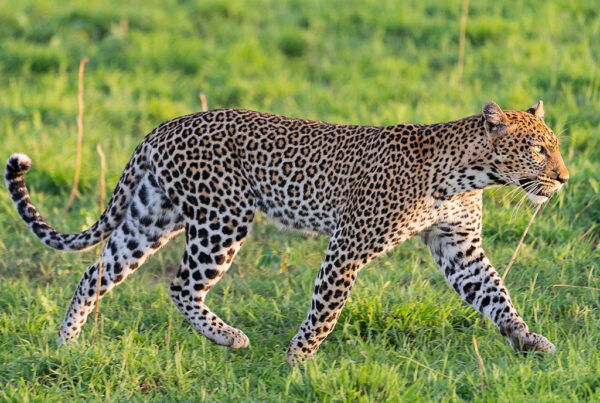
In Murchison Falls National Park, the landscape transforms into a living diorama of nature, with giraffes grazing beneath acacia trees and lions basking in the sun-drenched grasslands. This is also one of the best times for spotting elusive predators like leopards, which are more active and visible in the open savannah.

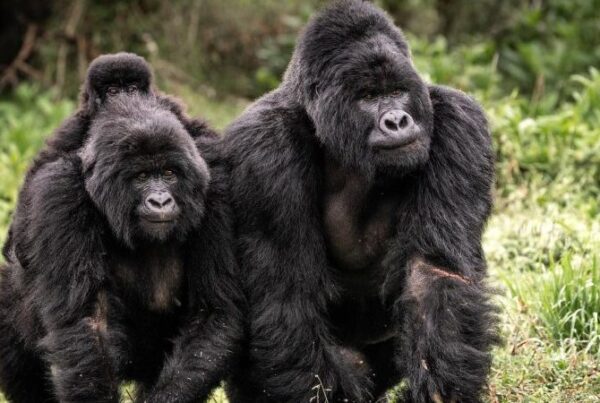
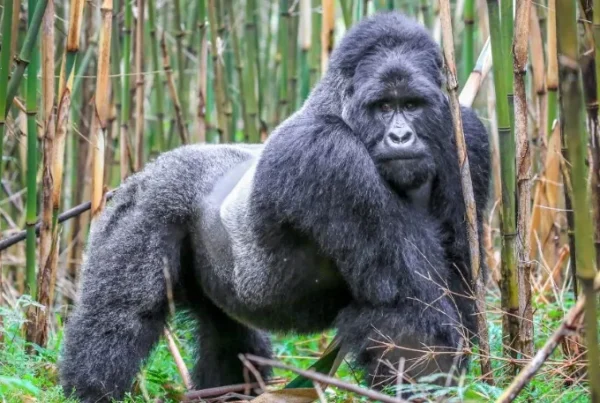
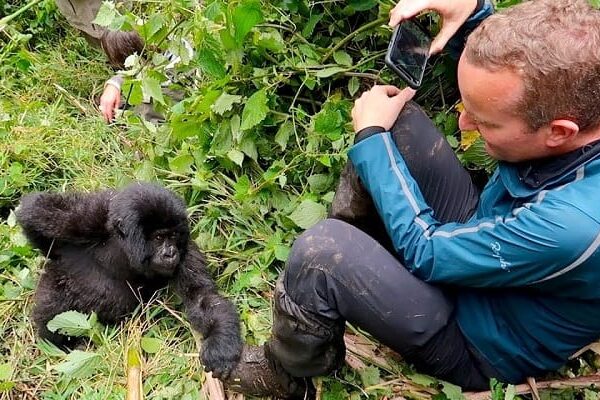
Perhaps the most iconic wildlife experience of all is gorilla trekking in Bwindi Impenetrable Forest, which reaches a near-optimal window in February. Dry trails reduce the physical challenge of the trek, while the gorillas themselves tend to remain in lower altitudes during this time, increasing the likelihood of shorter and more successful encounters. The chance to spend a quiet hour observing these majestic primates in their natural habitat becomes not just a highlight, but a memory etched for life.

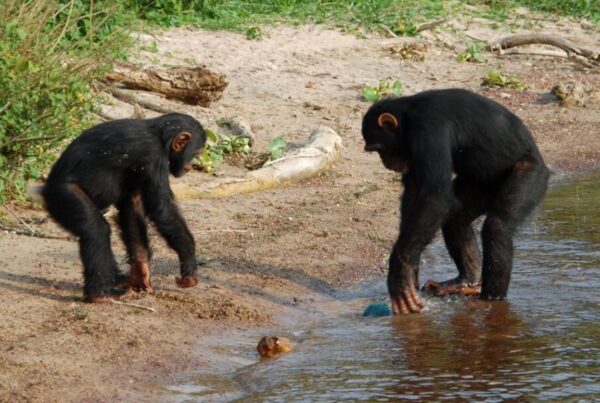
Chimpanzee trekking in Kibale Forest National Park also thrives during February. Troops are easier to track in the dry forest, and their playful interactions can be observed with greater clarity as the trees shed some of their foliage. Birdwatchers, too, find February especially rewarding, as migratory species pass through and endemic birds flourish in the forests and wetlands.

Cultural Richness and Community Life

While the wildlife may draw attention, the cultural richness of Uganda in February should not be overlooked. This is a time of transition for many communities, as schools resume full operation, agricultural cycles are reviewed, and traditional events are planned. In both urban and rural areas, visitors find themselves drawn into the rhythm of local life.

Traditional music and dance performances become more frequent during the dry season, particularly in cultural centers such as Kampala, Jinja, and Fort Portal. These events often showcase the diverse ethnic heritage of Uganda’s more than 50 tribes, each with its own language, customs, and art forms. February offers a unique chance to witness these expressions firsthand, whether at a formal performance or during an impromptu village celebration.

Markets during this period are especially vibrant, filled with fresh produce, crafts, spices, and handmade textiles. Conversations flow easily as vendors share not only their goods but their stories. For travelers interested in authentic interaction, this is a month when barriers tend to fall, and meaningful exchanges occur naturally.

In regions like Karamoja, the semi-nomadic lifestyle of the Karamojong people can be observed with respect and guided interpretation. Their relationship with the land, their livestock, and their ancestral practices offers an enriching counterpoint to the modern world.

Lakeside and Adventure Escapes

February’s dry and sunny weather also favors travelers seeking relaxation and outdoor adventure in Uganda’s aquatic landscapes. In Jinja, often referred to as the adventure capital of East Africa, February is a prime time for white-water rafting, kayaking, and tubing along the Nile. The water levels are favorable, safety conditions optimal, and the atmosphere energetic with local and international adrenaline seekers.

Lake Bunyonyi, near Kabale, remains a tranquil haven throughout the month, with its emerald islets, misty hills, and canoeing routes offering serenity and reflection. The calm waters of Lake Victoria are equally inviting, with opportunities for fishing, birdwatching, and island excursions under the sun.

For those drawn to the mountains, the Rwenzori Range and Mount Elgon are accessible for trekking and photography. The drier conditions make these highland routes more navigable, and the panoramic views from their slopes, especially at sunrise, are among the most dramatic in East Africa.

Festivals, Observances, and Events

Although February is not as event-filled as some later months, it still holds important cultural and spiritual observances. The Christian season of Lent sometimes begins in February, influencing the mood and practices of many communities. Church services become more contemplative, and pilgrimages are organized across denominations.

In Kampala and Entebbe, February marks the resumption of theatre productions, literary readings, and art exhibitions following the holiday lull. Venues such as the Uganda National Cultural Centre and the Afriart Gallery begin unveiling new programming for the year. For travelers interested in the creative scene, February provides an ideal opportunity to engage with Uganda’s growing arts movement.

Practical Travel Considerations

As one of the peak travel months, February demands a degree of preparation and foresight. Permits for gorilla trekking and popular lodges can sell out weeks in advance, and flights to safari destinations often operate on full schedules. Early booking is strongly encouraged, particularly for experiences that are regulated by conservation authorities.

Medical preparations should include the standard requirements for Uganda, such as a yellow fever certificate and malaria prophylaxis. The dry season reduces mosquito activity but does not eliminate it entirely. Travelers are advised to carry sunscreen, lightweight clothing, reusable water bottles, and walking shoes for outdoor activities.

Road travel remains efficient throughout the country, with major highways in good condition and domestic flights running reliably. Internet connectivity is stable in most urban areas and tourism zones, and mobile networks offer widespread coverage.

The Spirit of February: A Time of Freedom and Discovery

There is a quiet confidence that defines Uganda in February—a sense that nature, culture, and community are in alignment. It is a month that does not demand grandeur but offers it effortlessly. The sun rises earlier, the wildlife ventures farther, the people smile longer. Everything feels open and possible.

For the traveler, this is not simply an invitation to observe, but to participate. To stand at the edge of a crater lake and watch the sun dip below the hills. To share a dance in a village under the moonlight. To look into the intelligent eyes of a gorilla and feel humbled. February is when Uganda welcomes you not as a visitor, but as a witness to its truth.

Travel Uganda with Confidence — Choose WildHorn Africa

To experience the full depth of Uganda in February, it is essential to travel with those who know the land, honor its people, and protect its treasures. WildHorn Africa, a trusted leader in East African travel, offers curated journeys that unlock the essence of the Pearl of Africa.

With expert guides, customized itineraries, and a deep commitment to sustainability and cultural respect, WildHorn Africa ensures that every moment of your trip is safe, meaningful, and unforgettable. Whether your journey leads to the shadowed forests of Bwindi, the plains of Kidepo, or the banks of the Nile, WildHorn Africa is there to guide every step.

Let February be the month you meet Uganda. Book your African adventure with WildHorn Africa today—and walk into a world that will never leave your heart.

Where to stay on your trip to Murchison Falls?

Where to stay on your trip to Murchison Falls?

By Travel guides, Travel stories and blogs, Uganda travel guides

Where to Stay on Your Trip to Murchison Falls?

Murchison Falls National Park, the crown jewel of Uganda’s wildlife destinations, is a place where raw African wilderness meets breathtaking beauty. This legendary park, named after the thunderous waterfall that forces the Nile River through a narrow gorge, has long been an irresistible magnet for nature lovers, photographers, and adventurers. However, while the falls and the sweeping savannah landscapes dominate the imagination, an equally important decision shapes the quality of a visit—the choice of where to stay. Selecting the right accommodation can transform a trip into an unforgettable journey, allowing one to experience the heart of Uganda in comfort, style, and closeness to nature.

The Setting: Why Accommodation Matters in Murchison Falls

A visit to Murchison Falls is not just a wildlife encounter; it is a complete immersion into an ecosystem where every moment offers a spectacle. Hippos grunt from the Nile’s banks at night, lions roam the grasslands at dawn, and the air carries the distant rumble of cascading water. Staying within or near the park provides a privileged vantage point to experience these wonders. The strategic location of accommodations determines how early game drives can start, how long boat cruises can last, and how often the falls themselves can be admired. Being in the right place also allows the rhythms of nature to dictate the pace of each day, making the journey as much about the experience of staying as it is about the sights themselves.

The Charm of Riverside Lodges

For many visitors, the romance of Murchison Falls begins and ends with the Nile River. Several lodges are positioned along its banks, offering uninterrupted views of the water’s flow, with sunsets painting the sky in molten gold. These riverside havens are designed to provide comfort while keeping the environment’s authenticity intact. It is here that the soothing soundtrack of the river replaces the hum of city life, where mornings are welcomed by the distant cry of African fish eagles, and evenings bring starlit skies reflected in the slow-moving waters. Guests in these lodges often find themselves closer to the departure points for boat cruises to the falls or the delta, reducing travel time and maximizing opportunities for exploration.

The Elegance of Safari Lodges within the Park

Inside the boundaries of Murchison Falls National Park, exclusive safari lodges have been established to merge the thrill of the wild with the elegance of modern hospitality. Constructed with local materials and designed to blend seamlessly into the landscape, these lodges offer panoramic views of the plains, where elephants may be spotted grazing in the distance. By staying within the park, visitors benefit from immediate access to early morning game drives, when predators are most active and the light is perfect for photography. The isolation from outside settlements ensures a deep sense of connection to the wild, a feeling that is often hard to replicate elsewhere.

The Intimacy of Tented Camps

For those seeking a more primal connection with nature, tented camps provide an ideal balance between adventure and comfort. These accommodations allow guests to sleep under canvas roofs, with the night sounds of the savannah only a fabric wall away. Such camps are often set in carefully chosen locations to enhance wildlife viewing opportunities, sometimes attracting animals directly into the vicinity. Despite the rustic setting, these camps are often equipped with comfortable bedding, private bathrooms, and attentive service, making them a favorite for travelers who wish to experience authenticity without sacrificing essential comforts.

The Budget-Friendly Alternatives

Not every traveler to Murchison Falls arrives in search of luxury. Affordable guesthouses and mid-range lodges, often located just outside the park’s gates, cater to visitors who prefer to allocate more of their budget to activities rather than accommodation. While simpler in amenities, many of these places are run by warm and hospitable hosts who share invaluable local knowledge. Staying slightly outside the park may require earlier departures for game drives, but the savings allow for extended stays or additional excursions, such as visiting the nearby Budongo Forest for chimpanzee tracking.

The Unique Appeal of Eco-Lodges

In recent years, eco-lodges have gained prominence as a sustainable accommodation choice for Murchison Falls visitors. Built with environmentally friendly materials, powered by solar energy, and committed to conserving the park’s delicate ecosystem, these lodges appeal to travelers who wish to minimize their environmental footprint. The experience in an eco-lodge often includes guided nature walks, educational talks on conservation, and opportunities to engage with local communities. Staying in such a place allows guests to leave knowing that their presence has contributed positively to the preservation of Uganda’s natural heritage.

Proximity to Key Attractions

The location of accommodation in relation to Murchison Falls’ major attractions shapes the daily itinerary. Those near Paraa, in the heart of the park, are conveniently situated between the northern and southern banks of the Nile, allowing quick access to both game-rich savannahs and river-based activities. In contrast, accommodations near the southern entrance, such as those close to Kichumbanyobo Gate, provide easier access from Kampala and are ideal for combining visits to the falls with forest walks in Budongo. Visitors seeking to explore the Nile delta, where the river fans out into wetlands teeming with birdlife, often choose lodges positioned toward the northern reaches of the park.

The Role of Comfort in Wildlife Travel

Wildlife safaris are exhilarating but can also be physically demanding. Long drives under the African sun, hours spent observing animals, and the excitement of early mornings require a comfortable retreat at the day’s end. The quality of rest obtained during a safari directly impacts the enjoyment of the next day’s adventures. Comfortable beds, nourishing meals, and quiet surroundings allow travelers to rejuvenate, making accommodation not just a place to sleep, but a cornerstone of the entire experience.

Cultural Enrichment through Local Hospitality

Some accommodations around Murchison Falls weave local culture into their services, offering guests a chance to enjoy traditional Ugandan dishes, music, and dance. This form of hospitality adds depth to the trip, turning it into more than just a nature experience. Through such interactions, travelers gain insight into the lives of communities living alongside the park, creating memories that are as vivid as the wildlife encounters themselves.

Planning Ahead for the Best Stays

The popularity of Murchison Falls means that the best lodges and camps often become fully booked, especially during peak seasons between June and September and again in December to February. Early planning ensures that the desired type of accommodation—whether a riverside retreat, a tented camp, or an eco-lodge—is secured. By booking well in advance, visitors can also align their choice with specific activities, ensuring that no time is lost in transit and that every moment in this remarkable park is maximized.

Enhancing the Murchison Falls Experience

Choosing where to stay during a trip to Murchison Falls is more than a logistical consideration—it is a defining factor in the richness of the journey. The right accommodation provides not only a comfortable base but also an immersive environment that enhances every sight, sound, and scent of the wilderness. Whether embraced from the vantage point of a luxurious riverside veranda, a tent beneath the African stars, or a budget lodge humming with local charm, the magic of Murchison Falls is amplified by the place one calls home during the adventure.

To transform the dream of visiting Murchison Falls into a reality filled with exceptional moments, it is essential to combine thoughtful accommodation choices with expertly guided exploration. For travelers seeking the perfect balance of comfort, adventure, and cultural depth, Africa’s wonders await. These can be experienced most seamlessly by entrusting the journey to a knowledgeable and reputable tour operator.

For an unforgettable journey through Murchison Falls and beyond, Africa’s landscapes, wildlife, and cultures are best discovered through the expertise of WildHorn Africa, whose tailored tours and safaris ensure that every moment is as enriching as it is breathtaking.

When is the best time to visit Uganda

When is the best time to visit Uganda

By Travel guides, Travel stories and blogs, Uganda best time to visit, Uganda travel guides, When to go

When is the Best Time to Visit Uganda?
Unlocking the Seasons of the Pearl of Africa

Step Into a Land Where Every Season Tells a Story

Nestled in the heart of East Africa, Uganda is a country defined by its untamed wilderness, warm hospitality, and remarkable biodiversity. Often hailed as the “Pearl of Africa,” Uganda is more than just a travel destination—it is a place where nature thrives year-round and where each season unveils a unique charm. But for those planning a journey into this land of misty mountains, glacial lakes, savannahs teeming with wildlife, and gorilla-filled forests, one question naturally arises: When is the best time to visit Uganda?

Uganda’s proximity to the equator gifts it a pleasant tropical climate throughout the year, with temperatures rarely swinging into extremes. Yet despite its relatively stable weather, the country experiences distinct wet and dry seasons, each affecting travel, wildlife viewing, and landscape character in different ways. Understanding these seasonal nuances is essential for anyone seeking to experience Uganda in its full glory—whether it’s for gorilla trekking, bird watching, game drives, or cultural exploration.

The Climate of Uganda: A Tropical Balance

Uganda’s climate is shaped by its equatorial position, high elevation, and varied geography. It is a land blessed with consistently warm days, cool nights, and lush green landscapes that rarely fade into dryness, even in its driest months. Average daytime temperatures hover between 25°C and 29°C, with cooler nights especially in the highland areas such as Kabale, Fort Portal, and Bwindi.

The country experiences two primary wet seasons—from March to May and again from October to November. These months bring heavier rainfall, particularly in the southwestern and central regions. In contrast, the dry seasons, from December to February and June to September, are marked by clearer skies and more predictable weather, making them ideal for many outdoor activities.

The Dry Seasons: Prime Time for Exploration

The months of June to September and December to February are widely considered the best times to visit Uganda. These periods provide ideal conditions for safari adventures, gorilla and chimpanzee trekking, and landscape photography. Trails in forested parks such as Bwindi Impenetrable National Park and Mgahinga Gorilla National Park are more navigable, as the terrain remains firm and less slippery. Gorilla trekking during these months is less physically demanding and offers clearer visibility through the foliage.

During the dry season, wildlife viewing in savannah parks like Murchison Falls, Queen Elizabeth, and Kidepo Valley becomes even more rewarding. Animals tend to congregate near permanent water sources, increasing the chances of witnessing dramatic wildlife interactions. Grasslands are shorter, offering better sightlines for observing predators such as lions, leopards, and hyenas in action.

These months also coincide with the European winter, meaning international tourist arrivals increase slightly, particularly during the Christmas and summer holidays. However, Uganda’s parks are never overly crowded, and the experience remains intimate, personal, and close to nature.

The Wet Seasons: Lush, Wild, and Full of Life

While often overlooked, the rainy seasons from March to May and October to November bring their own magic. The landscapes transform into vibrant green mosaics, rivers swell with life, and forests echo with the calls of mating birds and primates. For birdwatchers, these months are a hidden gem, as migratory birds from Europe and northern Africa arrive, and breeding plumage makes for incredibly colorful sightings.

The Green Season, as it is sometimes referred to, also brings with it fewer tourists and more availability in lodges, often with reduced rates. This makes it an attractive period for budget-conscious travelers and photographers seeking dramatic skies and lush backdrops.

However, travel during this time does require a little more preparation. Roads in remote areas may become muddy, and trekking conditions can be more physically challenging. Yet for the seasoned explorer or the determined wildlife enthusiast, these months offer a deeper, quieter, and more immersive experience of Uganda.

Best Time for Gorilla Trekking: Timing the Ultimate Encounter

For many, gorilla trekking is the pinnacle of any Ugandan safari. These majestic creatures live in the mountainous forests of southwestern Uganda, where weather patterns tend to follow the national norm but with increased local rainfall due to the dense forest cover and altitude.

The optimal months for gorilla trekking are during the dry seasons—June to September and December to February. The trails are more manageable, and chances of uninterrupted viewing are higher. However, gorilla trekking is conducted year-round, and permits are not cheaper during the wet seasons. The rainforest can never be entirely dry, but with the right gear and attitude, tracking these gentle giants in the mist during the rainy season can be an equally soul-stirring adventure.

Best Time for Bird Watching: Avian Abundance Year-Round

Uganda is a world-renowned birding destination, home to over 1,060 species, including many endemic and rare birds. Birding in Uganda is excellent all year, but it peaks during the wet seasons, especially November and April, when migrant species arrive and breeding is in full swing.

During this period, birds display vibrant breeding plumage, and their behaviors become more dramatic and vocal. Wetlands, forest edges, and riverbanks become particularly active, making places like Mabamba Swamp, Bwindi, and Semuliki Forest ideal for birding excursions. For those targeting specific birds like the elusive Shoebill, dry seasons offer better access, but sightings are possible year-round in the right habitats.

Cultural Festivals and Local Experiences by Season

Uganda’s cultural richness adds yet another layer to seasonal travel. Traditional festivals, religious holidays, and cultural events take place throughout the year, providing opportunities for immersive local experiences. Events such as the Nyege Nyege Festival on the banks of the Nile in Jinja, usually held in September, attract international music lovers and cultural enthusiasts, blending modern Afro-beats with traditional Ugandan rhythm.

Visiting during national holidays or harvest seasons allows travelers to connect more intimately with Uganda’s diverse ethnic communities, whether through dance, food, or storytelling. The warmth of the Ugandan people is ever-present, regardless of the calendar.

High Season vs. Low Season: Navigating Tourist Traffic

Uganda, compared to many East African countries, remains a relatively uncrowded safari destination. The high seasons, aligning with the dry months, do see increased activity, especially in popular gorilla parks. It is advisable to book gorilla permits and accommodation several months in advance if traveling during this time.

The low seasons, falling within the wetter months, present opportunities for quiet travel, discounted rates, and more personalized safari experiences. For photographers, the diffused light and green landscapes create ideal conditions for capturing Uganda’s natural beauty.

A Land for All Seasons

Uganda’s beauty does not lie in perfection—it lies in wild authenticity. Whether the sky is clear or pregnant with rain, whether the grasslands are golden or emerald, Uganda always delivers unforgettable moments. One season may offer ease and comfort; another, raw adventure and intimacy. But every journey to Uganda, regardless of timing, promises to leave the traveler changed—awakened by nature and touched by the spirit of Africa.

Plan the Perfect Safari with WildHorn Africa

For those dreaming of stepping into this timeless wilderness, timing is important—but so is who you travel with. WildHorn Africa offers expert guidance, customized itineraries, and sustainable safari experiences tailored to your preferences and travel dates. Whether you seek the thrill of gorilla trekking, the calm of a boat cruise on the Nile, or the delight of discovering rare birds, WildHorn Africa ensures your journey is seamless, respectful, and deeply enriching.

Book your African safari with WildHorn Africa and discover that the best time to visit Uganda is when your heart is ready for the wild. Let the land, its people, and its seasons welcome you to a story that is unforgettable in any weather.

Uganda malaria and vaccinations

Uganda malaria and vaccinations

By Travel guides, Travel safety, Travel stories and blogs, Uganda travel guides

Uganda Malaria and Vaccinations
What Every Traveler Needs to Know Before Stepping into the Pearl of Africa

A Journey into the Wild, Safely Guided

Uganda, fondly known as the Pearl of Africa, remains one of the most enthralling destinations on the continent. Its mist-draped mountains, sprawling savannahs, and tropical rainforests create an unmatched canvas of natural beauty. Whether it is the intimate gaze of a mountain gorilla in Bwindi or the thunderous spectacle of Murchison Falls, Uganda rewards travelers with experiences both rare and profound.

Yet, as with any journey into the heart of the tropics, one essential question lingers for every health-conscious traveler: how can I stay safe and healthy while exploring Uganda? While Uganda is welcoming and vibrant, it lies within a region where malaria and certain infectious diseases are prevalent. A well-prepared traveler is not only informed but also protected—physically and mentally—for what lies ahead.

Understanding the malaria risk, necessary vaccinations, and recommended preventive health measures becomes not just a practical decision but an act of respect for both the traveler’s body and the environment they enter. Travel health is not merely a checklist; it is the first step in making the most of every unforgettable moment in Uganda.

Understanding Malaria in Uganda

Malaria remains the most significant health concern for travelers to Uganda. As a mosquito-borne disease caused by the Plasmodium parasite, malaria is transmitted through the bite of an infected Anopheles mosquito, which is most active during dusk and nighttime hours.

Uganda, with its tropical climate and lush landscapes, provides ideal breeding conditions for mosquitoes. While the risk of transmission is present throughout the country, it varies slightly with elevation and geography. Lowland regions and areas near water bodies generally pose higher risks, while higher-altitude zones such as parts of Kabale and southwestern Uganda may have comparatively lower incidence rates.

The symptoms of malaria can be mild to severe, often starting with fever, chills, headaches, and muscle aches. In extreme cases, if not treated promptly, malaria can become life-threatening. For travelers unfamiliar with the symptoms, early detection and access to treatment are critical.

In order to prevent infection, a proactive approach is required. The use of antimalarial medication before, during, and after travel is highly recommended. Options such as atovaquone-proguanil, doxycycline, or mefloquine are commonly prescribed, each with its own dosage guidelines and suitability based on medical history.

Insect bite prevention must also be considered part of everyday travel behavior. The application of insect repellents containing DEET or picaridin, the use of long-sleeved clothing during peak biting times, and sleeping under insecticide-treated bed nets significantly reduce the risk of bites. Accommodations across Uganda, especially those designed for tourists, often provide netting and other protective measures to ensure restful nights without unwelcome guests.

Yellow Fever Vaccination: A Mandatory Requirement

Among the most important health requirements for entry into Uganda is the yellow fever vaccination. As a country located within the endemic zone for yellow fever—a viral hemorrhagic disease transmitted by mosquitoes—Uganda has instituted a mandatory vaccination policy for all incoming travelers aged nine months and above.

Travelers are required to present a valid Yellow Fever Vaccination Certificate upon arrival at Entebbe International Airport or any official land border. Without this proof, entry can be denied, or in some cases, vaccination at the point of entry may be enforced, often at the traveler’s expense and potential delay.

The yellow fever vaccine is administered in a single dose and provides lifelong protection for most individuals. It is advised to receive the vaccine at least 10 days prior to travel, allowing sufficient time for the body to build immunity. Adverse reactions are rare, though travelers with compromised immune systems or specific medical conditions should consult a travel health specialist before receiving it.

Additional Recommended Vaccinations for Uganda

Beyond yellow fever, there are several highly recommended vaccinations for those traveling to Uganda. These vaccines are not always mandatory but serve as protective measures against infections that may be unfamiliar or uncommon in travelers’ countries of origin.

Hepatitis A and B remain two of the most commonly advised vaccinations. Hepatitis A is transmitted through contaminated food or water and is of particular concern when eating in informal settings or consuming raw produce. Hepatitis B, a bloodborne virus, can be contracted through unprotected sex or medical procedures involving contaminated needles.

Typhoid fever, caused by Salmonella bacteria found in tainted food or water, is also prevalent in some regions of Uganda. Travelers who plan to explore rural areas or indulge in street food are especially encouraged to vaccinate against typhoid, either through an injectable or oral form.

Tetanus, diphtheria, and pertussis (Tdap) are usually included in routine childhood immunizations but should be updated with a booster if the last dose was received more than ten years ago. These bacterial infections are preventable but can be severe if contracted during an injury or close exposure to infected individuals.

For extended stays or visits involving close contact with local wildlife and remote areas, the rabies vaccine is sometimes advised. Rabies, although rare in travelers, is fatal if untreated, and immediate post-exposure treatment may not be easily accessible in certain rural zones. This vaccine is especially recommended for veterinary professionals, researchers, and travelers undertaking long treks in conservation zones.

In light of the global pandemic, COVID-19 vaccination and proof of immunization or recent testing may be requested by health authorities, although current regulations continue to evolve and should be verified closer to travel dates.

Preparing for a Healthy Stay

Health preparedness for a trip to Uganda must go beyond vaccinations. Travelers should assemble a personal travel health kit, including malaria medication, oral rehydration salts, antiseptics, insect repellent, sun protection, and basic pain relief. Prescription medications should be carried in their original packaging, along with a copy of the prescription.

Safe food and water practices will also contribute greatly to staying healthy. Bottled or filtered water should be used for drinking and brushing teeth, while hot, freshly cooked meals are generally safer than raw or undercooked dishes. Though Uganda’s culinary offerings are rich and diverse, food hygiene awareness remains an important travel companion.

Access to medical care is available in major cities like Kampala and Entebbe, where private clinics and hospitals offer competent services for visitors. However, remote areas may lack advanced facilities, which makes travel insurance with emergency evacuation coverage not just advisable but essential.

Health Etiquette and Cultural Sensitivity

Traveling responsibly in Uganda includes respecting local health protocols, particularly in post-COVID-19 contexts. Hand hygiene, appropriate distancing when necessary, and the use of face masks in crowded settings may still be expected, especially in urban centers and medical facilities.

Ugandans are renowned for their hospitality and warmth, and showing consideration for public health norms is a gesture of mutual respect. A healthy traveler contributes not only to their own well-being but also to the communities they encounter, enhancing the cultural and interpersonal experience of the journey.

Experience Uganda With Confidence Through WildHorn Africa

A safe and enjoyable trip to Uganda begins with planning and expert guidance. While navigating vaccinations, malaria prevention, and regional health protocols may seem daunting, these preparations ensure that your time in Uganda is spent exploring—not recovering.

With WildHorn Africa, travelers are assured of professional, medically informed planning and comprehensive support from arrival to departure. Their team provides guidance on entry health requirements, offers recommendations on local clinics and pharmacies, and integrates safety measures into every customized itinerary.

By partnering with WildHorn Africa, travelers gain not just access to Uganda’s premier wildlife and cultural destinations, but also peace of mind, knowing that every aspect of their health and comfort has been carefully considered.

Book your safari or wildlife adventure today with WildHorn Africa, and step confidently into the wild heart of East Africa—fully protected, expertly guided, and endlessly inspired.

Visiting Uganda in April

Visiting Uganda in April

By Travel guides, Travel stories and blogs, Uganda best time to visit, Uganda travel guides, When to go

Visiting Uganda in April

Where the Rain Breathes Life into the Pearl of Africa

There is a certain rhythm that pulses through Uganda in April. It is a month where the land drinks deeply from the heavens, the skies awaken with dramatic beauty, and the soul of the country hums with quiet transformation. While many travelers are drawn to the dry seasons for convenience, those who journey to Uganda in April are welcomed into a world where raw authenticity replaces polish, and every horizon tells a story.

April in Uganda is not just a rainy month—it is a living, breathing experience of rebirth. With every drop of rainfall, the nation sheds the dusty remnants of the dry season and bursts into lush greenery. Forests grow thicker, rivers run bolder, and wildlife finds new rhythm in the abundance. To visit Uganda in April is to engage in the intimate conversation between earth and sky, where the land reveals itself in its truest, most untouched form.

This is a time for the traveler who is not deterred by the occasional downpour but is instead drawn to the drama of nature and the sincerity of rural life. It is a month where the land feels sacred, where culture is reenergized, and where adventure takes on a deeper meaning. Whether exploring misty mountains, witnessing the thunder of waterfalls, or walking alongside communities rooted in tradition, April offers the kind of travel that transcends sightseeing—it offers connection.

The Climate of April: Uganda’s Green Tapestry

April falls within Uganda’s first major rainy season, particularly affecting the southern, central, and western regions of the country. While some might perceive rain as an obstacle, in Uganda, it becomes part of the journey. Showers are usually concentrated in the early mornings and late afternoons, leaving windows of clear skies that reveal brilliant landscapes under soft, filtered sunlight.

Temperatures remain comfortable, rarely dropping below 20°C (68°F) and often reaching highs of 27°C (81°F), depending on elevation. Highland areas like Fort Portal, Kabale, and the Rwenzori region enjoy cooler breezes, adding a crisp freshness to hikes and outdoor activities. The rain is not punishing—it is refreshing, nurturing, and surprisingly invigorating. It enhances rather than interrupts.

The countryside comes to life with vibrant greenery, turning once-barren hillsides into rolling carpets of emerald. The red soils glisten under intermittent sunbeams, and dramatic cloud formations move across the sky, creating visual spectacles that photographers and nature lovers treasure.

Wildlife in April: A Different Kind of Safari

The rainfall in April reshapes the safari experience, offering a quieter, more intimate interaction with Uganda’s wildlife. While animal movements may shift due to the availability of water across the landscape, key parks such as Murchison Falls, Queen Elizabeth, and Lake Mburo remain accessible and teeming with life.

In Murchison Falls National Park, boat cruises along the Nile remain uninterrupted, and the falls themselves surge with renewed power. The sight of the mighty river forcing its way through the narrow gorge is intensified by the rains, creating thunderous mist and a spectacle of sound and spray.

Queen Elizabeth National Park becomes a paradise for birdwatchers during this period. The convergence of resident and migratory species paints the wetlands and savannahs in motion and color. The mating displays and nesting behaviors become more pronounced in April, offering visitors a chance to witness the full cycle of avian life.

For those seeking primate encounters, Bwindi Impenetrable Forest and Kibale Forest continue to offer unforgettable trekking experiences. The trails, although wetter and occasionally more challenging, provide an immersive experience under canopies dripping with dew and echoing with primate calls. Fewer visitors during this time mean gorilla and chimpanzee treks feel more exclusive and meditative. The mist, the silence, the depth of the forest—April delivers a sensory safari unlike any other.

Cultural Energy: Planting Season and Communal Life

Beyond the wild, Uganda’s heartbeat in April is found in its people. This month is deeply tied to agricultural cycles, especially in the rural heartlands. With the rains nourishing the soil, communities become active with planting—maize, beans, cassava, and groundnuts are all sown with hope and ancestral precision. Visitors venturing into villages during April are often invited to witness or even participate in these activities.

This is a time when communal labor becomes a cultural ritual, often accompanied by storytelling, drumming, and shared meals. Local markets buzz with the anticipation of harvests, and elders speak of rain not just as weather, but as spirit. Engaging with Uganda’s rural communities in April allows travelers to understand how deeply life is rooted in the land and how resilience and joy thrive even in muddy seasons.

In urban areas like Kampala, Jinja, and Mbale, the rain does little to slow life down. The arts scene, food culture, and nightlife continue with vibrancy. The cityscapes glisten in the rain, and cozy cafes, art galleries, and jazz lounges provide refuge and rhythm. Ugandans do not retreat from the rain—they move through it with energy and adaptability.

Natural Beauty Elevated: Lakes, Mountains, and Waterfalls

April turns Uganda into a natural paradise of saturated beauty. Lakes reflect the sky in more vivid tones, forests shimmer under the drizzle, and every landscape feels more alive. The Sipi Falls region, already known for its picturesque scenery, becomes a dramatic show of cascading water, thunderous drops, and panoramic trails. Hikes around Sipi are even more rewarding in April, with fewer crowds and heightened sensory immersion.

The Rwenzori Mountains, while challenging during the rainy season, become dreamlike in their cloud-wrapped mystique. For those with the endurance and guidance, this month offers an unmatched visual drama of snow-capped peaks, glacial valleys, and alpine meadows kissed by mist.

Even the tranquil waters of Lake Bunyonyi and Lake Victoria become mirror-like under moody April skies. Boat rides, island visits, and lakeside strolls feel deeply atmospheric, providing moments of peace and introspection for travelers seeking serenity.

Travel Practicalities: What to Expect in April

Traveling in Uganda in April requires an adaptable spirit and a respect for nature’s unpredictability. While some remote roads may become slippery and certain trails more physically demanding, major tourism routes remain open and functional. Lodges, safari camps, and guesthouses continue to operate, often with off-season discounts, making luxury more accessible.

Packing for April should include waterproof clothing, sturdy boots, insect repellent, and quick-drying garments. Camera protection is essential, as is patience—because the most stunning sights often follow just after the rain stops. It is in those golden moments, when the air clears and the land breathes freely, that Uganda shows her rarest beauty.

Medical precautions, such as vaccinations and malaria prophylaxis, remain important, but healthcare access is widespread in urban centers, and most reputable tour operators are well-equipped for the season’s needs.

Domestic travel by air remains largely unaffected, and tour guides with regional expertise ensure safe and timely transitions between destinations. The rains in April do not hinder—they enrich.

Why April Matters: Travel With Depth

Traveling to Uganda in April is not for the hurried tourist. It is for the one who seeks truth in the landscape, wisdom in the people, and wonder in the unexpected. This month teaches slowness, reverence, and openness. It allows space for reflection while still offering all the adventure Uganda is known for.

The green season, often overlooked, is actually the country’s most revealing chapter. The intimacy of wildlife encounters, the sincerity of cultural exchange, and the haunting beauty of rain-kissed land all conspire to create a travel experience that resonates long after the suitcase is unpacked.

Explore Uganda with WildHorn Africa

For those ready to uncover the hidden treasures of Uganda in April, there is no better guide than WildHorn Africa. With a deep understanding of Uganda’s seasonal rhythms, WildHorn Africa designs tours that are not just safe and comfortable, but transformative. Their local guides, eco-conscious practices, and personalized itineraries ensure that every traveler walks away with not just memories, but meaning.

Whether trekking gorillas in the rainforests, watching elephants roam beneath stormy skies, or sharing laughter with a farming family during planting season, WildHorn Africa provides the bridge between visitor and experience. In a month where nature tells her most profound stories, travel with a company that listens—and helps you listen too.

Book your April safari or cultural tour with WildHorn Africa and let the Pearl of Africa rain wonder on your soul.

Visiting Uganda in January

Visiting Uganda in January

By Travel guides, Travel stories and blogs, Uganda best time to visit, Uganda travel guides, When to go

Visiting Uganda in January

There is a unique calm that blankets Uganda in January: a soft rhythm that meanders around its emerald hills, glittering lakes, and endless savannas. The air is fresh, the skies golden, and the sounds of nature louder now that the festive season is over. This is not just another month on the calendar; this is a pass into Uganda’s purest form, where the warmth of the people, the abundance of the wildlife, and the tranquility of the landscapes merge together into one unforgettable experience.

Visiting Uganda in January is as good as seeing the Pearl of Africa in its most generous mood. It’s a month when the skies are often kind, the wildlife is at their most visible in all their glory, and the country strides in a steady, even welcoming, pace. For a traveler who yearns both for serenity and adventure, January offers a rare combination-clear skies for safaris, pleasant temperatures for gorilla trekking, and peace in the atmosphere across national parks and cultural towns.

This in-depth guide covers everything that makes January the perfect month to visit Uganda, from its climate and landscapes to the experiences that define this magical time of year. It also reveals why traveling with the right local experts-like WildHorn Africa-transforms a good safari into a truly great one, ensuring that every moment flows seamlessly from arrival to departure.

Visiting Uganda in January: A Month of Clarity and Warmth

January falls comfortably within Uganda’s dry season, which always ranges from the middle of December to February. The rains have retreated, leaving the greenery to glow under the equatorial sun. The air is crisp in the mornings and pleasantly warm through the day, with temperatures averaging from 25°C to 30°C in most areas. It gets cooler at night, which is ideal for campfires, dinner under the stars, and quiet nights in the wild.

Unlike the longer dry spell of June to September, January brings a gentle freshness with it. The landscapes are still green from the recent short rains, while the roads are dry enough to make traveling around the country pretty easy. The weather balances well: sunny but not hot, dry and yet alive with colors. This is therefore the best time for safaris, trekking, and cultural explorations.

Places like Bwindi Impenetrable National Park and Mgahinga Gorilla National Park have near-perfect conditions for trekking. Trails are less slippery, the forest canopy shimmers in filtered sunlight, and the chance of spotting gorillas at close quarters is very high. Meanwhile, across Queen Elizabeth National Park, Murchison Falls, and Lake Mburo, reduced rainfall sees wildlife congregate around water sources, offering top-notch game viewing.

For photography travelers, January’s light is a gift. Golden sunrises over the plains at dawn give way to soft pastel evenings that cast the savannas and wetlands in cinematic tones.

The Season of Wildlife Abundance

One of the greatest advantages of a January visit to Uganda is the concentration of wildlife in its national parks. The dry conditions drive animals to predictable watering points, where sightings are more consistent and rewarding.

In Queen Elizabeth National Park, elephants, buffaloes, and antelopes congregate along the Kazinga Channel, with hippos lazily basking in the sun on the riverbanks. The lions spend a good deal of the afternoon sprawled over the branches of acacia trees, while leopards emerge from their shaded refuges, awaiting the arrival of dusk. Bird life is equally stunning-skies filled with storks, egrets, pelicans, and migratory species from Europe and Asia that thrive in Uganda’s wetlands during this season.

Murchison Falls National Park, Uganda’s largest and most dramatic reserve, also shines in January. The thunderous falls are powerful after the rains, though the surrounding terrain is dry enough to ensure clear game drives. The northern savannas are teeming with giraffes, hartebeests, elephants, and lions, while the Nile itself becomes a theater of crocodiles, hippos, and colorful kingfishers. The combination of accessibility, wildlife density, and breathtaking landscapes makes this park an essential stop for January travelers.

Further south, the Rwenzori Mountains stand tall, their peaks glistening with ice under the clear skies. Though trekking these mountains is more demanding, January’s dry climate offers better visibility and safer conditions for hikers who crave challenge and beauty in equal measure.

Gorilla Trekking is best done in January.

No experience defines Uganda more than gorilla trekking, and January presents one of the finest windows in which to undertake this life-changing adventure. The mountain gorillas of Bwindi Impenetrable and Mgahinga live deep in misty forests where weather conditions can dramatically affect accessibility. During January, the ground remains firm, and the trekking routes are more accessible, making it easy to move smoothly through the dense foliage. Visiting Uganda in January

The atmosphere of the forest is enchanting in January, with morning mists hanging low between ancient trees, sunlight filtering through the canopy, and every rustle seeming to carry mystery. Finally, the trackers lead you to a gorilla family, and the experience becomes transformative. It feels intimate and, at once, humbling to see a silverback sit around in quiet dominance or a mother cradling her infant. The gorillas seem placid, unruffled, their black coats lustrous under the soft sun.

Besides comfort and visibility, January will also bring smaller trekking groups. The holiday rush has passed, and there are fewer crowds; space for personal reflection is more possible on the trek. It’s a time when travelers can truly immerse themselves in the forest’s silence and the gorillas’ grace.

Birdwatching Bliss

For avid birdwatchers, January is paradise found in Uganda. The “birding capital of Africa” boasts over 1,000 species, with this month ranking as one of the finest for both residents and the migratory ones. Wetlands, forests, and lakes attract flocks as far away as Northern Europe and the Arctic, turning Uganda into a living aviary.Visiting Uganda in January

During this time, the Mabamba Swamp gets particularly alive, offering an excellent chance of viewing one of the most sought-after birds on the continent-the elusive shoebill stork. Queen Elizabeth National Park’s Ishasha and Mweya sectors are alive with saddle-billed storks, bee-eaters, and herons, as one views cormorants and kingfishers gliding over mirror-like waters in Lake Bunyonyi.

The warm, dry air facilitates clear viewing conditions, while the low vegetation around many water bodies makes spotting easier. For photographers, this is a dream season: vibrant plumage meeting perfect light.

Cultural Encounters in the Heart of Uganda

As much as wildlife is the most famous attraction in Uganda, its cultural depth is equally captivating-and January gives just the right setting to realize it. With the festive season now winding up, communities settle back into daily life, allowing travelers to engage with authentic Ugandan culture beyond the spectacle of celebration.Visiting Uganda in January

In the west, the Bakiga and Batwa people of Bwindi invite visitors to their villages to share in their ancient culture. Commonly referred to as the “keepers of the forest,” the Batwa share stories about coexisting with nature through song, dance, and storytelling. Such interactions reveal a profound harmony between humans and environment-a defining characteristic that cuts across much of Ugandan identity.

Central Uganda, especially around Kampala and Jinja, hums with modern vibrancy combined with traditional charm. The capital is easygoing in January, with less traffic on the road after the holidays, and restaurants, craft markets, and art galleries buzzing with creative energy. Meanwhile, Jinja — the source of the Nile — becomes a haven for adventure seekers looking to raft, kayak, or simply unwind along the riverbanks in pleasant weather.

Every encounter during this period with Ugandans is warm. Their laughter and hospitality to travelers make them proud of their heritage, showing why the country is one of the friendliest on the African continent.

The Beauty of the Landscape

January reveals Uganda in its most photogenic form. The green hills of Kisoro shimmer beneath the sun, Lake Victoria sparkles calm, and the terraced farms of Kabale create a living patchwork of emerald and gold. Every journey-from red-dirt roads that wind through banana plantations to silhouettes of volcanoes along the Rwandan border-feels cinematic.

January’s clear skies offer uninterrupted views of Uganda’s most iconic landmarks: the Rwenzori Mountains, Mount Elgon, and the Virunga ranges, while sunsets bathe the plains in molten orange. For travelers who value scenic beauty as much as wildlife, this is the month that turns ordinary drives into breathtaking journeys.Visiting Uganda in January

Festivities and Local Life

Although January is the end of the festive period, the echoes of celebrations are still heard. The towns and villages stay abuzz, full of laughter, music, and hums of new beginnings. To Ugandans, January means renewal-a time to focus on family, faith, and new ambitions.

Travelers who come during this month often find themselves witnessing local events such as cultural performances, markets, and community gatherings. In the Buganda region, traditional drum dances and storytelling evenings give an insight into the country’s rich oral history. Even the smallest villages carry a pulse of joy, with kids playing outside and adults chatting under mango trees while the sun sets.

For those seeking to connect outside the tourist sphere, January offers chances for real cultural immersion — less hurried, more heartfelt.

The Advantage of Fewer Crowds

Another benefit of going to Uganda in January is the relative tranquility across most destinations. The peak festive rush of December has eased and the weather is still conducive. National parks, lodges, and even trekking trails feel more intimate. Game drives are conducted at an easy tempo, while gorilla treks are less crowded. Travelers have the privilege of enjoying unhurried experiences.

The reduced footfall also means more flexibility in accommodation and itinerary options. Many luxury lodges offer early-year specials, while boutique camps concentrate on personalized attention and comfort. Fewer vehicles translate to unobstructed views and uninterrupted moments with wildlife for photographers, which is a treasure for those chasing authenticity.

Practical Considerations

Although January falls within the dry season, travelers should still be prepared for any occurrence of Uganda’s unpredictable equatorial climate. Sudden showers may occur, mainly in areas with woods, but often don’t last and are refreshing. Light, breathable clothing, solid walking shoes, and sun protection are essential. Long-sleeved attire and gloves will allow you to navigate the thick vegetation comfortably while gorilla trekking.

Bookings by seasoned tour operators, like WildHorn Africa, ensure that everything, from transportation and park permits to accommodations, is set in a seamless manner. Their professionalism eliminates any guesswork, allowing the travelers to completely focus on their experience.

From the health point of view, travelers need to update their vaccinations and take any prescribed malaria prophylaxis. At higher altitudes, January’s weather makes mosquito activity relatively low, although precautions are always wise.

Why January Feels Different

There’s something indescribably charming about Uganda in January, beyond the realm of weather and landscapes. It is a month defined by renewal — of nature, of spirit, and of connection. The landscapes seem to breathe easier, the wildlife moves with purpose, and the people go about each day with optimism.

Every experience seems amplified: the roar of Murchison Falls seems louder, the mist of Bwindi thicker, and the song of the African fish eagle more poignant. Perhaps it is the clarity of the skies or the slower pace of the season, but Uganda during January carries a sense of balance that leaves a lasting impression.

This is the month when Uganda reveals its soul to those seeking not just adventure but meaning: a place of contrasts, a place of harmony, a place of quiet strength, and a place of gentle joy.

The Role of WildHorn Africa in Crafting the Perfect January Safari

A safari or tour in Uganda becomes truly effortless when guided by professionals who understand the land intimately. WildHorn Africa is one of the most trusted names in East African travel, crafting journeys that combine exploration with elegance and authenticity. Their local team ensures that every itinerary fits to the rhythm of January perfectly, balancing adventure with comfort, wildlife encounters with cultural experiences, and logistics with leisure. Whether tracking gorillas across misty forests, gliding along the Nile, or watching elephants at sunset, WildHorn Africa makes every detail seamless.

Their commitment to sustainability and community partnership ensures that your travel supports conservation and local livelihoods. This means traveling with WildHorn Africa will not only let you see Uganda but experience it with respect, understanding, and purpose. Conclusion: Uganda’s January Magic Visiting Uganda in January is like seeing it at its most graceful.

The days are golden, the nights cool, and the land alive with beauty. From gorilla forests to open plains, from tranquil lakes to cultural heartlands, Uganda during this month feels like a story slowly unfolding and lingers in your mind long after you’ve left. It is a time when the balance between nature and culture seems most palpable, a month when each sunrise ushers in the promise of adventure and each sunset whispers peace.

For travelers in search of authenticity, repose, and bonding, January offers Uganda at its best: vibrant, yet unhurried; wild, yet welcoming. Book your African safari or tour with WildHorn Africa as they guide you deep into the heart of Uganda this January, with deep local knowledge and a commitment to excellence in every moment. This is a journey into the Pearl of Africa, beginning in wonder, ending in memory.

Is it safe to visit Uganda during the elections?

By Travel guides, Travel safety, Travel stories and blogs, Uganda best time to visit, Uganda travel guides, When to go

Is It Safe to Visit Uganda During the Elections?

Unveiling the Truth Behind Travel and Democracy in the Pearl of Africa

Every few years, Uganda enters a period of heightened anticipation, reflection, and national introspection—its general elections. For travelers considering a visit during this politically significant time, a question naturally arises: Is it safe to visit Uganda during the elections? The answer, while layered with nuances, invites a closer look into the country’s political climate, cultural resilience, and the operational integrity of its tourism sector.

Uganda, known as the Pearl of Africa, boasts a magnetic charm that draws visitors to its lush landscapes, rare wildlife, and welcoming people. From the misty mountains of Bwindi to the thunderous beauty of Murchison Falls, the country offers a journey like no other. But as ballots are cast and political discourse intensifies, travelers must assess whether adventure and civic activity can coexist in harmony.

The truth lies not in alarmist headlines or simplistic assumptions, but in understanding the nature of Ugandan elections, the behavior of its institutions, and the lived realities of its people during these critical moments. This guide explores the safety of traveling to Uganda during elections with depth, honesty, and a commitment to clarity.

Understanding the Political Pulse of Uganda

The Republic of Uganda has held regular elections since the mid-1990s, following years of political instability and armed struggle. Under the stewardship of President Yoweri Museveni, who came to power in 1986, the country has experienced relative political continuity, albeit not without contention. Elections in Uganda are often spirited, highly publicized, and closely watched—both domestically and internationally.

Campaigns are usually marked by large rallies, media appearances, and mobilization at the grassroots level. Political parties—including the ruling National Resistance Movement (NRM) and opposition groups such as the National Unity Platform (NUP) and Forum for Democratic Change (FDC)—engage in robust competition. This political dynamism, while reflective of democratic progress, has at times led to tension in certain urban centers, particularly during presidential election years.

The Electoral Commission of Uganda, the institution responsible for organizing the elections, operates under constitutional mandate. While its impartiality has occasionally been questioned, it functions within a clearly defined legal framework. Observers from both African and international bodies are often present during elections to monitor transparency and fairness.

To understand the risks or lack thereof, it is essential to differentiate perceived threats from actual events and to recognize that not all parts of the country experience the same level of political activity or unrest.

Localized Disruptions Versus Nationwide Safety

During election periods, particularly within a week before and after the vote, Uganda may experience isolated incidents of unrest, most often concentrated in major cities such as Kampala, Jinja, Gulu, and Mbarara. These disruptions typically involve spontaneous protests, increased security presence, and traffic restrictions. However, such events are usually limited in scope and duration.

Rural areas and national parks—the backbone of Uganda’s tourism sector—remain largely unaffected. Travelers who choose to venture into safari destinations or cultural heritage sites during election seasons often find that these locations maintain their normal rhythm. Game drives, mountain gorilla treks, boat cruises, and community visits typically proceed as scheduled, even when political campaigns are in full swing.

The tourism sector in Uganda has demonstrated a remarkable level of resilience and adaptability. Tour operators, lodge owners, and transport providers are well-versed in navigating the political calendar and routinely make contingency plans to ensure visitor safety and comfort.

The Role of Security Forces and Public Order

A common feature of Ugandan elections is the visible deployment of security forces, including police, military, and specialized units. This presence is intended to prevent violence, deter criminal activity, and respond swiftly to potential disturbances. While such visibility might appear alarming to unfamiliar eyes, it does not necessarily signify imminent danger.

The state security apparatus operates under the directives of the Electoral Commission and the Ministry of Internal Affairs. Roadblocks, identity checks, and controlled movement in certain areas are standard procedures during election week, especially in the capital. Travelers are generally not targeted but are advised to cooperate with authorities, carry proper identification, and avoid politically charged gatherings.

Importantly, incidents involving foreign tourists during Ugandan elections are exceedingly rare. The Uganda Tourism Police, a unit specifically tasked with protecting visitors, operates across all regions and works closely with local tour operators. Coordination between tourism stakeholders and government bodies is robust, ensuring that visitors receive timely updates and assistance when needed.

Internet Blackouts, Communication, and Infrastructure

One of the unique challenges faced during past Ugandan elections has been the temporary shutdown of internet and social media platforms, particularly around election day and during the release of results. These actions, while controversial, are usually taken under the pretext of maintaining national security and preventing the spread of misinformation.

For travelers, such blackouts can be inconvenient but are rarely disruptive to physical movement or safety. Tour operators often resort to alternative means of communication such as satellite phones, local radio, or in-person coordination. Hotels, lodges, and tour drivers maintain internal communication systems to ensure smooth operations during these periods.

Despite temporary internet restrictions, telecommunication networks and banking services remain functional, especially in urban areas. ATMs, mobile money, and credit card facilities continue to operate, though carrying some local currency in cash form is always prudent during travel.

The Cultural Climate and Social Atmosphere

One of the most rewarding aspects of visiting Uganda—during elections or otherwise—is engaging with its vibrant communities. Ugandans are known for their hospitality, warmth, and openness, even during periods of political uncertainty. The average citizen is proud to share insights about the electoral process, traditions, and history, provided such discussions are approached respectfully.

Travelers may encounter political slogans, songs, campaign parades, and painted buildings showcasing party colors. These expressions should be seen as a celebration of democratic participation, not as warning signs. That said, foreigners are advised to observe rather than participate, refraining from expressing political opinions or affiliating with any side.

Democracy in Uganda, while evolving, is deeply tied to cultural identity. Visitors who travel with sensitivity and curiosity often find themselves welcomed into homes, marketplaces, and cultural gatherings—even during intense political periods.

Natural Attractions Unshaken by Politics

Uganda’s most iconic tourism experiences—gorilla tracking in Bwindi, chimpanzee treks in Kibale, and safaris in Queen Elizabeth or Kidepo National Park—remain operational during election seasons. These destinations are situated far from political hotspots and are managed by professional rangers and private concessionaires who prioritize visitor safety above all else.

The Uganda Wildlife Authority (UWA) maintains full operations during elections, and permits for trekking or park entry are issued without interruption. Roads to these destinations may be monitored by police but are rarely restricted unless a national emergency is declared.

The election season, particularly from January to March, also coincides with dry weather, making it one of the best times to explore the country’s stunning landscapes, birdlife, and adventure activities. The rivers flow steadily, the skies remain clear, and wildlife is easier to spot around water sources.

Planning and Traveling Responsibly

Traveling to Uganda during an election period should be done with informed caution, not fear. With the right guidance, visitors can enjoy the full spectrum of Uganda’s natural and cultural heritage while remaining insulated from the more sensitive aspects of political activity.

Reputable tour companies monitor developments closely and build flexibility into their itineraries. Local guides are equipped to reroute or reschedule plans in real time to avoid congestion or disturbances. It is advisable to share travel plans with your tour operator, remain reachable, and allow room for schedule adjustments.

The experience of witnessing a nation in civic motion—casting votes, debating ideas, and shaping leadership—is deeply human. For those willing to travel with awareness and humility, the rewards can be transformative.

Explore Uganda Confidently With WildHorn Africa

When navigating Uganda during such a pivotal period, one must travel not just with wonder, but with wisdom. This is why experienced, locally rooted operators are essential. WildHorn Africa, a leading tour and safari company, stands out for its professionalism, real-time adaptability, and deep understanding of Uganda’s dynamic environment.

Whether your journey leads to the mountain gorillas of Bwindi, the roaring Nile at Murchison Falls, or the cultural heartbeat of Buganda, WildHorn Africa ensures every aspect of your trip is seamless and safe—even during elections. With tailored itineraries, vetted accommodations, and expert local guides, your travel experience is not just protected—it is elevated.

Let Uganda astonish you—not just through its landscapes, but through the resilience and richness of its people. Book your journey with WildHorn Africa and discover the Pearl of Africa through eyes wide open and hearts well guided.

How to get to Uganda

How to get to Uganda

By Travel guides, Travel stories and blogs, Uganda travel guides

How to Get to Uganda
Unlocking the Pearl of Africa: Seamless Journeys to East Africa’s Best-Kept Secret

A Gateway to Wild Wonder

Uganda, often celebrated as the “Pearl of Africa,” is a land brimming with natural majesty, diverse cultures, and unforgettable wildlife experiences. From the mist-shrouded forests of Bwindi to the powerful cascades of Murchison Falls, Uganda beckons travelers with its raw beauty and unfiltered charm. However, before these breathtaking moments can be savored, an essential question arises for every potential traveler: how does one get to Uganda?

This question is more than a logistical inquiry—it is the first step in an unfolding adventure. Reaching Uganda is not simply about flights and highways; it is about entering a realm where nature reigns and culture thrives, where each arrival is the beginning of a transformative journey. With increasing global connectivity, improved infrastructure, and the dedication of local tourism partners, accessing Uganda has become more efficient, reliable, and immersive than ever.

International Entry Points: The Skyward Arrival

The most common and convenient way to reach Uganda is by air. The country’s primary international gateway is Entebbe International Airport (EBB), situated on the scenic shores of Lake Victoria, approximately 40 kilometers southwest of the capital city, Kampala. This airport has evolved into a well-equipped and modern facility, serving as the point of entry for the vast majority of international visitors.

A number of international carriers operate regular flights to Entebbe from major global hubs. Connections are available through prominent cities such as Amsterdam, Istanbul, Doha, Dubai, Addis Ababa, Nairobi, Kigali, Johannesburg, and Cairo. As a result, travelers from North America, Europe, the Middle East, and Asia can often reach Uganda with just one or two layovers.

Flights into Uganda typically land at Entebbe at various times throughout the day, offering flexible arrival windows. Upon landing, travelers are welcomed by a well-organized immigration and customs process. The atmosphere of the airport immediately reflects the country’s warm hospitality, with friendly staff and clear signage ensuring that visitors feel at ease.

Visa Requirements and Entry Formalities

For most travelers, a visa is required to enter Uganda. Fortunately, the process has been simplified through an electronic visa system that allows applicants to secure entry permits online prior to arrival. The Uganda e-Visa portal offers options for single-entry, multiple-entry, and even the East Africa Tourist Visa, which allows seamless movement between Uganda, Kenya, and Rwanda.

All travelers must present a valid passport with at least six months’ validity, along with confirmation of their visa approval (if pre-applied). Proof of yellow fever vaccination is also mandatory and is checked upon arrival. These measures ensure both safety and efficiency while reinforcing Uganda’s commitment to responsible tourism.

The entire entry experience at Entebbe International Airport is marked by professionalism and an eagerness to assist. For those arriving late at night, nearby airport hotels and dedicated meet-and-greet services are readily available, further easing the transition into the country.

Domestic Transfers and Getting Around

After entering Uganda, travelers will find a variety of transportation options for reaching their onward destinations. Given the diverse and widespread attractions across the country, internal travel is often a combination of domestic flights, road transfers, and guided tours.

Domestic air travel has become increasingly popular, particularly for those visiting remote regions such as Bwindi Impenetrable Forest or Kidepo Valley National Park. Regional airlines operate scheduled and charter flights from Entebbe and Kajjansi Airstrip (near Kampala) to smaller airstrips across the country. These flights drastically reduce travel time and offer spectacular aerial views of Uganda’s verdant landscape.

Alternatively, many travelers opt to explore Uganda by road, a mode of transport that allows for deeper immersion into local life and scenery. Roads have improved significantly over the years, especially those connecting major cities and national parks. Travel by 4×4 safari vehicles is common, with guided tours providing both comfort and expert narration. While certain rural routes can be rough, the sense of adventure and the sights along the way more than compensate for any bumps.

Public transport options such as buses and minibuses exist, but they are primarily suited for experienced or budget travelers familiar with the local environment. For those seeking a more structured experience, relying on a reputable tour operator is strongly recommended.

Land Borders and Regional Connections

While air travel remains the most efficient method of arrival, Uganda also shares borders with Kenya, Tanzania, Rwanda, South Sudan, and the Democratic Republic of Congo, making it accessible to overland travelers. Several official border crossings are open to tourists and cater to those journeying through East Africa on extended adventures.

From Kenya, the Busia and Malaba border posts are commonly used, linking travelers from Nairobi to Kampala via well-serviced roads. The southern border with Rwanda is accessible through Gatuna and Cyanika, often used by visitors traveling between the gorilla parks of both nations. From Tanzania, the Mutukula border in the southwest provides access to Uganda’s southern highlands, while the Elegu border post connects Uganda to South Sudan to the north.

Cross-border bus services operate between Uganda and its neighbors, providing affordable and scenic routes. The East African Tourist Visa further simplifies regional travel by allowing multiple entries into Uganda, Kenya, and Rwanda for a single fee, streamlining the logistics for adventurous travelers.

Preparing for the Journey: Health, Safety, and Customs

Uganda is a safe and welcoming destination, but certain travel preparations are necessary. As noted, yellow fever vaccination is mandatory, and travelers are also encouraged to consult health professionals regarding other vaccinations such as hepatitis A and B, typhoid, and malaria prophylaxis.

The country’s customs regulations are straightforward, with allowances for personal effects and duty-free items within reasonable limits. Import restrictions apply to firearms, certain medications, and prohibited substances. Travelers should ensure that they declare any valuables or large sums of currency to avoid complications.

Security at entry points is robust yet unobtrusive, with Ugandan authorities maintaining a visible but friendly presence. Tourist assistance desks at the airport provide useful information and can assist with onward transport or lodging inquiries.

Why the Journey is Part of the Experience

While reaching Uganda may involve multiple steps, every stage of the journey is imbued with anticipation and discovery. Whether arriving from the skies above Lake Victoria, crossing into the hills from Rwanda, or driving through the plains from Kenya, travelers are gradually immersed in a land that balances serenity with vitality.

The journey itself becomes a vital part of the Ugandan experience. The slow reveal of landscapes, the changing rhythms of culture, and the genuine warmth of the people serve as powerful introductions to what lies ahead. For many, this first encounter with Uganda forms a vivid memory long before the safaris or the gorilla treks even begin.

Traveling with Confidence Through WildHorn Africa

For those seeking to explore Uganda with comfort, efficiency, and insight, the importance of a trusted travel partner cannot be overstated. Navigating entry requirements, booking domestic flights, coordinating road transfers, and selecting the best routes requires local expertise and a deep understanding of traveler needs.

WildHorn Africa, a premier tour operator with years of experience, specializes in tailor-made safari experiences and seamless travel logistics. From airport pickups to park permits, from expert guides to luxury accommodations, WildHorn Africa ensures that your journey into Uganda is smooth, safe, and unforgettable.

With personalized itineraries designed around your interests and schedule, WildHorn Africa turns the question of “how to get to Uganda” into an easy decision—and your arrival into the beginning of an extraordinary adventure.

Book your African safari with WildHorn Africa today, and let your journey to the Pearl of Africa begin with clarity, ease, and excitement.

Birds in Uganda

Birds in Uganda

By Travel guides, Travel stories and blogs, Uganda travel guides

Birds in Uganda: Symphony of Wings in the Pearl of Africa

Where Feathers Paint the Skies of a Wild Paradise

In the heart of East Africa lies a land where the skies come alive with an astonishing diversity of birds. Uganda, aptly known as the “Pearl of Africa,” is not only home to lush landscapes and iconic wildlife, but also hosts one of the richest avian populations found anywhere on Earth. For passionate birders, conservationists, and travelers in search of rare and exotic sightings, Uganda is an unmissable destination. With over 1,060 recorded bird species, this small yet ecologically rich country has earned its title as Africa’s birding capital.

What makes Uganda so special for birdlife is its unique geographic position. It straddles the meeting point of the East African savannah, the West African tropical rainforest, and the Afro-montane ecosystems of the Albertine Rift. These overlapping ecological zones allow a staggering variety of birds to thrive across an impressive range of habitats—from misty mountains and deep rainforests to swamps, savannahs, crater lakes, and papyrus wetlands. Whether in flight above the Nile or perched deep in a forest canopy, birds here are not just abundant—they are magnificent.

A Sanctuary for Rare and Endemic Birds

Uganda’s birdlife includes some of the most sought-after and mysterious species in the world. The country’s forests and wetlands are home to birds found nowhere else on the planet, particularly those of the Albertine Rift Valley, a region known for its high levels of endemism. Birders travel from across the globe hoping to glimpse elusive species such as the African Green Broadbill, Rwenzori Turaco, or the shimmering Green-breasted Pitta, all of which can be found only in the montane forests of western Uganda.

In the swampy lowlands, the legendary Shoebill Stork rules the wetlands. This massive, prehistoric-looking bird, with its enormous shoe-shaped bill and piercing eyes, is one of Uganda’s most iconic avian attractions. Often spotted in places like Mabamba Swamp near Lake Victoria or in the Nile delta of Murchison Falls, the Shoebill is as strange as it is majestic. Its rarity and peculiar appearance make it one of the most prized sightings for birdwatchers visiting Africa.

Avian Richness in Uganda’s Protected Areas

The vast network of national parks, forest reserves, and wetlands in Uganda serves as prime birding territory. Each region presents a different avian dimension, shaped by its landscape and ecological character.

In Bwindi Impenetrable National Park, a UNESCO World Heritage Site, the dense afro-montane forest teems with over 350 bird species, including 23 Albertine Rift endemics. Here, birders find themselves immersed in an orchestra of calls and colors, with species such as the Short-tailed Warbler, Black Bee-eater, and Western Green Tinkerbird flitting through ancient canopies.

Queen Elizabeth National Park, known for its vast savannahs and crater lakes, offers a contrasting avifauna, where open skies reveal raptors, waterbirds, and savannah specialists. Along the Kazinga Channel, massive flocks of pelicans, African skimmers, and yellow-billed storks congregate, while overhead, the mighty African Fish Eagle lets out its unmistakable cry—an anthem to the wild.

Meanwhile, Murchison Falls National Park, bisected by the Nile, features a range of ecosystems that support an impressive diversity of birdlife. The riverbanks, forests, and dry plains echo with the calls of kingfishers, hornbills, and sunbirds, with the possibility of spotting the Shoebill along the Nile delta.

In the remote and untouched Kidepo Valley National Park, birding takes on an arid beauty. Here, species typically associated with the Horn of Africa and Sahel regions, such as the Karamoja Apalis, can be found. Kidepo also offers sightings of ostriches, vultures, and Secretary Birds, adding to its wild and isolated charm.

Wetlands: The Breeding Grounds of Avian Abundance

Uganda’s wetlands are perhaps the most underrated birding treasure in the country. Vast swamps and marshes act as critical breeding and feeding grounds for a multitude of birds, both resident and migratory. The Mabamba Swamp, a Ramsar-listed wetland west of Kampala, has become famous for its accessibility and its reputation as one of the most reliable places to spot the Shoebill.

Other wetlands, such as the Lutembe Bay Wetland System, Lake Opeta, and Lake Bisina, provide sanctuary to birds like the Papyrus Gonolek, White-winged Warbler, and Papyrus Canary—species that are tightly bound to these unique habitats. These fragile ecosystems play a vital role in both conservation and local livelihoods, making them key areas for community-based ecotourism and environmental awareness.

Bird Migration: Uganda as a Global Flyway Stopover

Uganda is also a significant hub for migratory birds, serving as a wintering ground for species escaping the cold of Europe and Asia. During the migration seasons, large numbers of waders, ducks, and passerines descend on Uganda’s wetlands and lakeshores. Species such as the Common Sandpiper, Eurasian Marsh Harrier, and Barn Swallow add to the already rich birdlist, turning the country into a global birdwatching hotspot during peak seasons.

These migratory patterns not only emphasize Uganda’s international conservation importance, but also its potential to support birding tourism year-round, with different seasons offering different sightings and behaviors.

Birding as a Tool for Conservation and Community Development

Birding in Uganda goes beyond observation—it has evolved into a powerful conservation and economic tool. Local communities around protected areas have embraced bird tourism as a sustainable livelihood. Trained local bird guides, many of whom come from indigenous backgrounds, now lead birding excursions and contribute valuable knowledge to both tourists and researchers.

Conservation organizations and national authorities have worked hand in hand to establish Important Bird Areas (IBAs), promote bird habitat protection, and train birding professionals, ensuring that Uganda remains not just a birdwatcher’s paradise, but a model for community-inclusive biodiversity protection.

This synergy between conservation and livelihood empowers communities to protect bird habitats, turning species like the Shoebill and African Green Broadbill into ambassadors for environmental stewardship.

Birding Infrastructure and Accessibility

Uganda’s growing birding infrastructure now includes birding trails, canopy walks, observation hides, and boat safaris, making birdwatching more accessible to travelers of all levels. From casual nature lovers to hardcore “twitchers,” Uganda provides safe, organized, and professional birding experiences.

Many lodges near protected areas now cater specifically to birders, offering early morning services, knowledgeable staff, and eco-friendly operations. Regions like Kibale, Budongo Forest, and Semuliki have established reputations as key birding destinations, often combining seamlessly with wildlife safaris and cultural tourism.

Uganda Offers a Birding Experience Like No Other

Few countries can match Uganda’s blend of bird diversity, habitat variety, and natural beauty. Here, birding does not occur in isolation—it is part of a broader journey through pristine rainforests, across dramatic landscapes, and among cultures that have coexisted with nature for centuries.

From the alpine moorlands of the Rwenzori Mountains to the lush wetlands of Lake Victoria, every moment in Uganda reveals a new winged wonder. Some birds dazzle with color, others with song, and still others with sheer rarity—but all contribute to an experience that feels deeply connected to the rhythms of the Earth.

Explore Uganda’s Avian Wonders with WildHorn Africa

For those ready to embark on a birding journey of a lifetime, the right partner makes all the difference. WildHorn Africa, a leader in curated African experiences, offers expertly guided birding safaris in Uganda that combine deep field knowledge with responsible travel practices.

Whether tracking Albertine Rift endemics in Bwindi, gliding through papyrus swamps in search of the Shoebill, or joining a multi-day birding circuit through Uganda’s diverse ecosystems, WildHorn Africa tailors each journey to suit both amateur enthusiasts and seasoned birders. Their commitment to conservation tourism ensures that every trip contributes to the protection of Uganda’s avian heritage.

Book your African tour and birding safari with WildHorn Africa, and witness Uganda’s skies unfold in a dazzling spectacle of wings, colors, and calls. Here, every bird sighting becomes a story—and every journey, a lifelong memory.

Visiting Uganda in March

Visiting Uganda in March

By Travel guides, Travel stories and blogs, Uganda best time to visit, Uganda travel guides, When to go

Visiting Uganda in March

A Gateway to Green: Where Rain Awakens the Wild and Culture Flourishes

March does not whisper in Uganda—it announces itself with bold skies, earthy scents, and the unmistakable rhythm of renewal. As the equator sun softens and clouds begin to gather, the landscape transforms from golden to green. Uganda in March emerges as a transitional masterpiece, where nature sheds its dry-season dust and replaces it with vitality and growth. It is a time when travelers seeking authenticity over predictability find themselves rewarded at every turn.

The third month of the year brings more than just a shift in weather; it brings life. The rains do not dampen the experience—they enhance it. Forests throb with birdsong, rivers swell with urgency, and traditional communities prepare for planting, guided by generations of ecological wisdom. This is the Uganda few speak of but many remember most vividly—raw, refreshing, and reverberating with soul.

For those unafraid of light rains and drawn to the subtler, deeper stories of the land, March is a poetic time to visit. It is less about clear skies and polished lodges, and more about immersion, intimacy, and insight. From gorilla trails shrouded in mist to coffee hills bursting with blossoms, Uganda in March invites the curious and the courageous.

The March Climate: A Season of Renewal

March marks the beginning of Uganda’s first rainy season, particularly in the southern and central regions. The showers are not constant downpours but rather intermittent, often falling in the early morning or late afternoon and quickly giving way to sunshine. This pattern creates a dynamic, moody atmosphere in the landscape, where lush vegetation returns in full force, water sources refill, and wildlife movements become intriguing to observe.

Temperatures remain warm and pleasant, with daytime averages ranging from 24°C to 28°C (75°F to 82°F), while nights cool comfortably. In elevated areas such as Kabale and Fort Portal, the breeze is noticeably crisp, adding a refreshing touch to evenings spent around a fire or on a veranda overlooking the mountains.

The rain may make some roads muddier and more difficult to navigate in remote regions, especially in the north and along the Albertine Rift. However, well-maintained routes to key parks and urban centers remain passable, and seasoned local guides ensure safe passage where needed. The rain does not close Uganda—it opens a different door.

Nature’s Awakening: Wildlife and Landscapes in March

While many safari-goers aim for the dry months, those who venture into Uganda’s national parks in March are met with a different kind of reward. The landscape comes alive in full color, the air carries the scent of blooming flora, and the soundscape is rich with birds, frogs, and distant primates calling through the canopy.

In Bwindi Impenetrable National Park, the famous mountain gorillas remain accessible, and the forest becomes even more enchanting under a gentle mist. Trails may be more slippery, but they lead through a storybook of biodiversity. The added challenge often results in more personal, less crowded treks, where one feels like a true explorer rather than a guest on a path well-worn.

Chimpanzee trekking in Kibale Forest is also active in March, though sightings can be slightly more unpredictable due to the abundance of fruit and forest coverage. However, the behavioral richness of the troops is on full display, with mating rituals, foraging, and social dynamics easily observable during this period.

In the savannah parks like Queen Elizabeth and Murchison Falls, the rains coax new grass from the earth, attracting grazers like antelope, elephants, and buffalo. Predators follow close behind, creating a theater of survival visible from safari vehicles and boat cruises. Birdwatchers, in particular, thrive during March, as both migratory and resident species display their vibrant plumage in courtship and nesting activities.

The iconic Nile River, running through Murchison Falls, becomes even more dramatic, with swollen waters rushing through narrow gorges and creating a powerful spectacle. The boat cruises to the base of the falls are especially scenic during this time, as waterfalls, hippos, and crocodiles form a tableau that is nothing short of cinematic.

Cultural Pulse: Agriculture, Tradition, and Spiritual Reflection

Uganda’s cultural fabric is closely tied to its seasons, and March plays a significant role in agricultural and spiritual life. With the onset of rains, farmers prepare their fields for planting, especially in rural areas where subsistence agriculture remains vital. The land is tilled, seeds are sown, and rituals are performed to honor the ancestors and ask for blessings.

Travelers visiting villages during this time often find themselves welcomed into these seasonal rhythms, whether by observing a planting ceremony, helping prepare local dishes from the first harvests, or simply listening to elders speak of rains past and the lessons they carried.

The spiritual atmosphere is equally rich. For Christian communities, March may include the observance of Lent or Easter preparations, depending on the calendar. Church services become more introspective, and communal prayers blend seamlessly with the sounds of rain on rooftops. For Muslims, the month occasionally overlaps with the sacred period of Ramadan, adding another layer of devotion and hospitality.

Urban areas such as Kampala and Entebbe do not slow down in March. The city streets pulse with energy, rain or shine, and cultural institutions begin unveiling new art exhibitions, theatre shows, and literary events as part of the year’s early programming. The fusion of tradition and modernity is most visible here, where ancestral drumming may be heard not far from electronic music and spoken word poetry.

Landscapes Reimagined: Highlands, Lakes, and Rain-Kissed Views

The natural beauty of Uganda, already legendary, reaches a unique crescendo in March. The Rwenzori Mountains, often called the “Mountains of the Moon,” become increasingly verdant, with moss-covered paths and alpine streams creating scenes reminiscent of tropical fairy tales. While multi-day treks may be more demanding due to rain, the experience is intensified in drama and isolation—ideal for seasoned hikers seeking solitude.

The Sipi Falls area near Mount Elgon becomes a cascading marvel during this season. The waterfalls are in full flow, their roar echoing across coffee farms and forest trails. Guided hikes through the surrounding hills reveal terraced gardens, vibrant flora, and panoramic views where clouds dance across valleys.

Lake Bunyonyi, often praised for its peaceful waters and hilly backdrop, takes on an ethereal quality in March. Early morning mists roll across the lake, revealing island silhouettes and birdlife in dramatic contrast. The tranquility of canoe rides and lakeside strolls is amplified in this season of rebirth.

Even the often-overlooked wetlands and papyrus swamps come alive with amphibians, insects, and a medley of birds that thrive in the flooded conditions. These ecosystems, vital to Uganda’s biodiversity, are best appreciated in the green months, when they show their full ecological complexity.

Practical Insights: Travel, Health, and Preparation

Visiting Uganda in March requires a slightly more flexible and prepared traveler’s mindset, but the rewards are deeply personal. While some lodges offer reduced rates during the shoulder season, the quality of service remains high, and popular attractions are less crowded, allowing for a more intimate and unhurried exploration.

Travelers are advised to bring lightweight rain gear, waterproof hiking boots, and insect repellent, especially for visits to forested areas. Medical precautions, including a yellow fever vaccination and malaria prophylaxis, remain essential.

Domestic travel within Uganda remains feasible and reliable in March. Major highways connecting Kampala to national parks and towns remain accessible, although some rural roads may become slippery. Experienced tour operators, especially those familiar with seasonal challenges, provide vehicles and guides equipped to handle the changing conditions with ease.

March in Uganda: A Journey for the Soul

To travel to Uganda in March is to step into a country that is alive with change, growth, and emotion. This is a month of listening—to the earth as it drinks the rain, to the farmers as they share their hopes, and to the forest as it breathes new life. It is not always neat, nor always convenient, but it is always real.

What March offers is more than scenic beauty—it offers meaning. The kind found in muddy boots after a trek, in the quiet moments before the rain begins, or in the eyes of a local child eager to tell their story. The experiences may be less predictable, but they are more profound.

The traveler who visits Uganda in March returns not only with photographs but with understanding. Not only with souvenirs, but with stories that stir long after departure. For those seeking more than just a vacation—for those seeking connection, rhythm, and revelation—this month stands apart.

Discover Uganda with WildHorn Africa

To uncover the hidden truths and timeless wonders of Uganda in March, one must travel with a partner that honors the land and its people. WildHorn Africa, a premier provider of custom African safaris and tours, offers deep local knowledge, responsible practices, and a commitment to unforgettable journeys.

Whether navigating the misty trails of Bwindi, cruising beneath the thunder of Murchison Falls, or sharing a fireside story in a remote village, WildHorn Africa ensures that each moment is safe, immersive, and meaningful. With experienced guides, tailored itineraries, and a love for authentic adventure, WildHorn Africa invites you to step beyond the ordinary.

Let March be your moment of discovery. Book your Ugandan journey today with WildHorn Africa—and walk into the wild with confidence and wonder.

Close Menu