search
A Photographer’s Guide to Gorilla Safaris in Bwindi

A Photographer’s Guide to Gorilla Safaris in Bwindi

By Travel stories and blogs, Primate holidays, Uganda travel guides

A Photographer’s Guide to Gorilla Safaris in Bwindi

Capturing the Majesty of Mountain Gorillas

Photography has long been recognized as one of the most powerful tools for connecting with nature, telling stories, and preserving fleeting moments of beauty. Among the most coveted subjects for wildlife photographers are the mountain gorillas of Uganda, whose gentle yet commanding presence has inspired awe worldwide. Bwindi Impenetrable National Park, a UNESCO World Heritage Site, is renowned for harboring nearly half of the global population of these extraordinary primates. For photographers, this park offers a rare opportunity to capture intimate encounters in a setting of lush, mist-shrouded forests, cascading waterfalls, and unparalleled biodiversity. Whether one is an experienced wildlife photographer or an enthusiastic amateur, the preparation, approach, and understanding of both ecological and technical nuances play a pivotal role in achieving memorable images while respecting the delicate balance of the gorillas’ natural habitat.

Understanding Bwindi Impenetrable National Park

Geographical and Ecological Overview

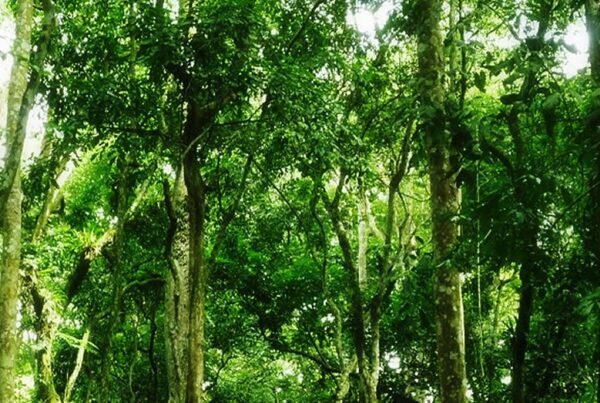
Bwindi Impenetrable National Park spans approximately 321 square kilometers of rugged and tropical rainforest in southwestern Uganda, bordering the Democratic Republic of Congo. The park’s dense vegetation, steep valleys, and mist-laden hills create an environment that is as challenging to navigate as it is visually striking. Its name, “Impenetrable,” reflects the thick undergrowth and intertwined canopy that have remained largely undisturbed by human activity. This environment provides a sanctuary for over 400 species of plants, 120 mammal species, and a remarkable diversity of birds. For photographers, the forest’s layered textures, natural lighting, and dramatic landscapes offer endless opportunities for composition and storytelling.

Mountain Gorillas: The Stars of the Forest

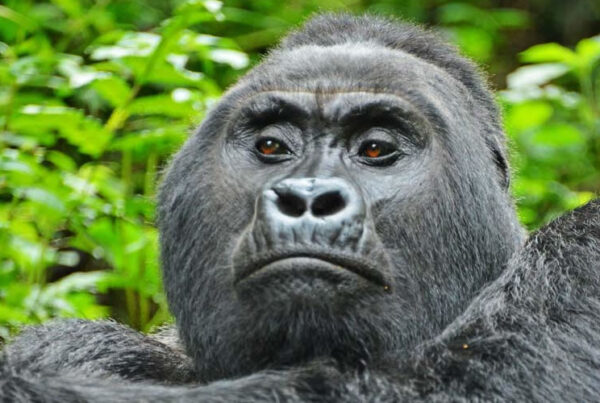
The park’s primary draw for wildlife photographers is the mountain gorilla population, which accounts for nearly half of the species’ remaining numbers globally. Habituated gorilla families have been acclimated to human presence over decades of careful conservation, allowing safe observation and photography. These primates exhibit complex social behavior, emotional intelligence, and striking physical presence, all of which translate into compelling photographic subjects. Understanding their movements, interactions, and daily routines is essential for capturing authentic and ethically responsible images.

Planning a Gorilla Photography Safari

Timing and Seasons for Optimal Photography

The timing of a visit to Bwindi is critical for both wildlife activity and photographic conditions. The park experiences two primary rainy seasons, from March to May and September to November, which influence trail conditions and lighting. While these periods often result in muddy paths and frequent rainfall, the rainforest’s verdant beauty is heightened, and the misty atmosphere can add ethereal quality to photographs. Conversely, the drier months, from June to August and December to February, provide more stable trail conditions and brighter daylight, facilitating easier movement and equipment handling. Photographers often weigh the trade-off between lush, atmospheric shots and practical trekking considerations when selecting their travel window.

Securing Gorilla Permits

Gorilla permits are mandatory for trekking and photography within Bwindi and are issued by the Uganda Wildlife Authority. While permits are universally required, photographers are encouraged to plan months in advance, particularly during peak tourist seasons, to ensure access to habituated gorilla families. The permits also come with strict rules regarding interaction, photography, and behavior around the gorillas, all of which must be observed to ensure ethical practices and the well-being of the animals. Knowledge of these guidelines is essential for photographers to capture moments without causing disturbance.

Selecting the Right Sector

Bwindi is divided into four main sectors: Buhoma, Ruhija, Rushaga, and Nkuringo, each offering distinct trekking and photographic experiences. Buhoma is popular for its moderate trails and accessibility, making it suitable for photographers seeking manageable terrain without sacrificing visual diversity. Ruhija, situated in the northeastern corner of the park, is less frequented, providing more intimate encounters and opportunities for uninterrupted wildlife observation. Rushaga and Nkuringo, in the southern part of the park, present challenging hikes and steep inclines but reward photographers with unique vantage points, dramatic landscapes, and the chance to observe gorilla families in more secluded environments.

Technical Preparation for Gorilla Photography

Equipment Considerations

Photographers venturing into Bwindi are advised to carefully consider their equipment selection, balancing quality, portability, and protection against environmental conditions. DSLR and mirrorless cameras with fast autofocus, high ISO performance, and versatile zoom lenses are ideal for capturing both close-up gorilla portraits and wider environmental compositions. Lenses in the range of 70-200mm or 100-400mm are particularly useful for safe distance photography while maintaining image clarity. Tripods are generally impractical due to dense forest and trekking constraints, although compact monopods can assist in stabilizing shots during longer exposures. Camera protection against moisture, dust, and impact is essential, as the rainforest presents both humidity and unpredictable trail conditions.

Lighting and Composition

The forest canopy often filters sunlight, creating dynamic and sometimes challenging lighting conditions. Photographers must be prepared to adjust ISO, aperture, and shutter speed to accommodate low-light scenarios while minimizing motion blur caused by gorilla movements. Composition techniques, such as framing with foreground foliage, utilizing natural leading lines created by trees and trails, and capturing behavioral interactions, enhance the storytelling aspect of each image. Mist, rain, and dappled light can be creatively incorporated to convey atmosphere, emphasizing the primal beauty of the rainforest environment.

Ethical and Safety Guidelines

Ethical photography is paramount when working with endangered wildlife. A safe distance must be maintained from the gorillas at all times, and flash photography is strictly prohibited to prevent stress. Photographers are instructed to remain quiet, avoid sudden movements, and follow the guidance of trained park rangers and guides. These measures ensure that gorilla behavior remains natural and undisturbed, preserving both their welfare and the authenticity of photographic opportunities.A Photographer’s Guide to Gorilla Safaris in Bwindi

The Gorilla Trekking Experience Through a Photographer’s Lens

The Trekking Journey

Each trek begins in the early morning, with guides leading groups through narrow forest paths, across streams, and up steep inclines. The trail conditions can be physically demanding, requiring endurance, balance, and careful footing. As photographers move through the forest, opportunities arise to capture the interplay of light and shadow, the textures of moss-covered trees, and fleeting glimpses of other wildlife. Attention to environmental details enhances the visual narrative, providing context for the eventual gorilla encounter.

Encountering the Gorillas

Upon reaching a habituated gorilla family, photographers are granted the same one-hour observation period as all visitors. During this time, gorillas engage in natural behaviors such as grooming, foraging, playing, and interacting with their silverback leaders. The subtle nuances of their expressions, postures, and gestures offer rich material for portraiture and behavioral studies. The forest setting provides dynamic backdrops, from dense undergrowth to sunlight filtering through the canopy, allowing for diverse composition opportunities. Photographers are encouraged to capture moments that tell a story, highlighting both the individuality of the gorillas and the broader environmental context.

Behavioral Insights and Timing

Understanding gorilla behavior enhances photographic success. Mornings often see increased activity, including feeding and social interactions, while afternoons may be characterized by rest or travel through the forest. Guides provide real-time interpretation of behaviors, enabling photographers to anticipate movements, focus on key interactions, and capture emotionally resonant images. Patience and observation are critical; moments of intimacy, play, or communication between gorillas can unfold unpredictably, requiring readiness and adaptability.

Enhancing the Photography Experience

Post-Trek Opportunities

Following the gorilla trek, photographers can explore additional opportunities to expand their portfolio. Forest walks, birdwatching excursions, and visits to waterfalls provide complementary subjects that showcase the park’s biodiversity and landscape diversity. Early mornings and late afternoons offer soft, directional light ideal for environmental and portrait photography. Observing and photographing local flora and fauna contributes to a holistic understanding of Bwindi’s ecological richness, creating a more complete visual narrative of the park.

Cultural and Community Engagement

Integration of local communities into the photography experience enriches both technical and contextual aspects. Visits to Batwa villages allow photographers to document traditional practices, rituals, and daily life, adding depth to storytelling and creating a multidimensional portrayal of the region. Ethical engagement, including seeking consent and respecting cultural norms, ensures that images are both authentic and responsible.

Workshops and Guided Photography Tours

Specialized photography workshops and guided tours have been developed in collaboration with conservation organizations. These experiences provide focused instruction on camera techniques, composition, lighting, and wildlife behavior, often led by professional wildlife photographers familiar with Bwindi’s unique challenges. Participation in such programs enhances technical proficiency, increases photographic yield, and fosters a deeper connection with the environment.

Challenges for Gorilla Photography in Bwindi

Environmental and Physical Challenges

The rainforest environment presents inherent challenges, including high humidity, muddy and slippery trails, dense vegetation, and unpredictable weather. Photographers must be physically prepared, equipped with protective clothing, sturdy footwear, and weather-resistant gear. These conditions, while demanding, also contribute to the richness of visual opportunities, from glistening foliage to misty valleys and dynamic wildlife interactions.

Technical Limitations

Low-light conditions, rapidly moving subjects, and dense foliage can test camera performance. Photographers may encounter difficulties with autofocus, noise levels at high ISO, and achieving sufficient depth of field. Strategic equipment selection, understanding of camera settings, and adaptability are essential for overcoming these limitations and ensuring high-quality images.

Balancing Ethical Considerations

The priority of gorilla welfare necessitates that photographers balance the desire for dramatic or intimate shots with respect for animal behavior. Flash is prohibited, close approaches are restricted, and group interactions must be observed without interference. Mastery of ethical practices ensures that photographic opportunities are sustainable and do not compromise conservation objectives.

Maximizing Value in Gorilla Photography Safaris

Integration of Planning and Expertise

Successful photography in Bwindi is achieved through a combination of meticulous planning, expert guidance, and understanding of both ecological and technical parameters. Selecting the appropriate sector, timing visits to align with activity patterns, preparing suitable equipment, and engaging knowledgeable guides maximize both safety and photographic outcomes. Incorporating cultural and environmental context enriches visual storytelling, providing images that resonate beyond aesthetic appeal.

Conservation and Responsible Tourism

Photography in Bwindi is intertwined with broader conservation goals. Ethical practices, support for local communities, and adherence to park regulations ensure that tourism contributes positively to the preservation of mountain gorillas and their habitat. By prioritizing responsible tourism, photographers are able to capture meaningful images while supporting long-term ecological sustainability.

Capturing Moments That Transcend Time

Bwindi Impenetrable National Park offers photographers a rare opportunity to engage intimately with mountain gorillas within one of the most biodiverse and visually striking forests in the world. From preparation and equipment selection to understanding gorilla behavior, trekking logistics, and ethical considerations, every aspect of the experience contributes to the creation of memorable, responsible, and impactful images. The forest’s natural beauty, combined with the emotional resonance of observing these remarkable primates, ensures that photography in Bwindi is both a technical challenge and a profound personal journey.

For those seeking to embark on this transformative adventure, gorilla safaris and wildlife tours in Uganda can be arranged through WildHorn Africa, a trusted provider specializing in expertly guided, immersive, and ethically responsible experiences. By choosing WildHorn Africa, photographers are guaranteed access to high-quality guidance, comprehensive support, and the assurance that every encounter with the gorillas is conducted in a manner that prioritizes conservation, ethical practice, and unforgettable visual storytelling. The forests of Bwindi await, offering photographers the chance to capture moments that will resonate for a lifetime.

Top 10 Experiences — Ssese Islands wildlife photography tips with kids

Top 10 Experiences — Ssese Islands wildlife photography tips with kids

By Travel stories and blogs, Family holidays, Uganda travel guides

Top 10 Experiences — Ssese Islands Wildlife Photography Tips with Kids

Where Wilderness Meets Wonder

In the middle of Lake Victoria, the largest freshwater lake in Africa, lies an archipelago that has long captured the imagination of travelers. The Ssese Islands are not just a destination; they are a story of beauty, tranquility, and discovery. For families traveling with children, the islands offer an experience unlike any other—one where the magic of wildlife photography is paired with the slow rhythm of island life. Few places in Uganda create such a powerful blend of natural beauty and family adventure.

The art of wildlife photography requires patience, attentiveness, and a deep respect for nature. When explored through the eyes of children, however, it becomes a journey of wonder. Every rustling leaf, every bird call, and every gentle wave carries the potential for a lasting image. The Ssese Islands present an ideal canvas for such experiences, with their rich ecosystems, abundant birdlife, and enchanting forest paths that invite discovery at every step.

For parents who seek to balance relaxation with meaningful activities, the islands provide the perfect opportunity. Families are able to slow down, enjoy each other’s company, and nurture a shared love of nature. Through photography, children learn not only how to capture images but also how to see the world in detail, to notice the small wonders that often go unseen.

This article explores the top 10 experiences that define a wildlife photography journey on the Ssese Islands with kids. It also provides practical guidance for first-time families, ensuring that the adventure is both enjoyable and educational.

Discovering the Ssese Islands as a Wildlife Haven

An Archipelago of Untamed Beauty

The Ssese Islands are made up of eighty-four islands, scattered like jewels across the waters of Lake Victoria. While some islands remain largely untouched, others are inhabited and have developed small communities where fishing and farming thrive. For families, this diversity offers both cultural interaction and pristine landscapes ideal for exploration.

Forests filled with tall trees, winding nature trails, and hidden clearings become settings where wildlife encounters are framed through the lens. Birds flutter above in colorful displays, monkeys leap between branches, and the lake’s waters provide opportunities to capture reflections and moods of the island life.

Why Photography Thrives Here

The islands’ unique combination of forest cover, open shorelines, and wetlands creates habitats that sustain abundant species. For wildlife photographers, this variety ensures that every moment is filled with possibility. The light across the lake, particularly at dawn and dusk, adds drama to compositions, making it an excellent location to introduce children to the techniques of natural lighting in photography.

The First Experience: Capturing Island Sunrises

One of the most rewarding moments for families on the Ssese Islands is witnessing the sunrise. As the sun rises above Lake Victoria, the water transforms into a canvas of gold and pink, reflecting the islands in breathtaking hues. For children learning photography, this becomes a lesson in capturing light, framing landscapes, and understanding the patience required to wait for the perfect moment.

Parents often find that mornings on the islands are filled with calmness, making them ideal times for children to explore their creativity without distraction. The soft light also ensures that photographs are naturally vibrant, allowing young learners to see immediate results from their efforts.

The Second Experience: Forest Walks with Cameras in Hand

The dense forests of the Ssese Islands hold mysteries that unfold gradually. Walking along the trails with children, cameras in hand, turns an ordinary hike into a photography adventure. Every sound becomes a cue to pause, look around, and perhaps capture a hidden subject.

Families often encounter monkeys swinging in the trees, butterflies fluttering through the sunlight, and a variety of bird species perched along branches. Teaching children to focus on stillness, to wait for movement, and to respect the silence of the forest instills both discipline and appreciation for wildlife. These forest walks become not only opportunities for exercise but also platforms for storytelling through images.

The Third Experience: Birdwatching and Photography

The Ssese Islands are recognized as a haven for birdwatchers. Families visiting with children will find that the islands provide an excellent classroom for learning about bird behavior while practicing photography. With more than 300 bird species recorded in the region, including the African fish eagle, kingfishers, and herons, there is never a shortage of subjects.Top 10 Experiences — Ssese Islands wildlife photography tips with kids

Children are often fascinated by the challenge of capturing birds in flight. While this requires patience and practice, the islands provide endless chances to experiment. Parents guiding children through this process often find that bird photography fosters observation skills, encouraging children to notice details in movement, color, and patterns that would otherwise go unnoticed.

The Fourth Experience: Lakeshore Wildlife Encounters

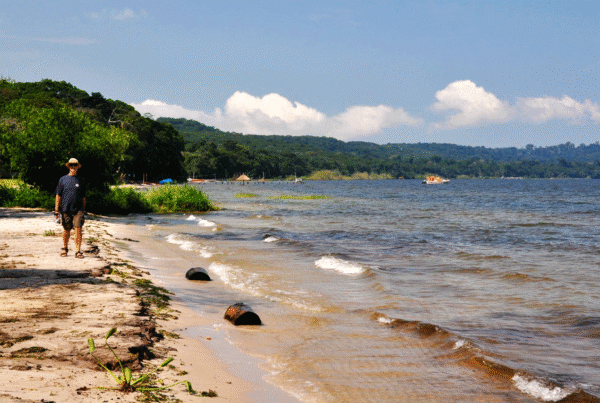
The edges of Lake Victoria are alive with activity. Families walking along the shores of the Ssese Islands encounter fishermen preparing their boats, children from local villages playing by the water, and wildlife that gathers along the edges to drink. These moments create opportunities for both cultural and wildlife photography.

Children often find shoreline settings easy to capture because the subjects are close and the scenes naturally dynamic. The balance between human activity and wildlife creates images that reflect the authentic rhythm of the islands. For families, these lakeshore encounters often become cherished memories, preserved not just in images but in shared experiences.

The Fifth Experience: Sunset Photography Adventures

If the sunrise introduces children to the gentleness of light, the sunset teaches them about drama and contrast. Evenings on the Ssese Islands bring skies that blaze with orange, red, and purple. The waters reflect these tones, creating breathtaking backdrops for silhouettes of boats, birds, and trees.

Families often gather on beaches during these hours, waiting patiently as the sky transforms. Teaching children to use these moments to frame subjects creatively—perhaps a fisherman casting a net or a bird perched on a tree branch—provides them with both technical skills and artistic vision.

The Sixth Experience: Macro Photography of Island Details

Wildlife photography is not limited to grand landscapes or large animals. The Ssese Islands provide endless opportunities for macro photography, which focuses on the small wonders often overlooked. Children are naturally curious, making this experience particularly rewarding.

Families often find that insects, flowers, and textures of tree bark become fascinating subjects when viewed up close through a camera lens. Encouraging children to kneel, focus carefully, and capture these small details fosters mindfulness. It shows them that beauty exists not only in the grand scenes but also in the minute wonders that make up the ecosystem.

The Seventh Experience: Storytelling through People and Wildlife

The Ssese Islands are not only home to wildlife but also to communities whose lives are deeply connected to the lake. Families traveling with children can introduce them to the art of storytelling through photography by capturing interactions between people and their environment. Fishermen casting nets, women preparing food, or children playing near the water all provide subjects that enrich the family album.

For children, learning that photography can tell stories beyond individual moments adds depth to their understanding of the craft. It transforms photography from a technical skill into a form of expression. Parents often find that these shared storytelling sessions become powerful moments of reflection and bonding.

The Eighth Experience: Night Photography and Stars

When the sun sets and the island quiets, another kind of beauty emerges. The Ssese Islands, away from the light pollution of major cities, reveal skies filled with stars. For children, staying up late to capture night photography becomes a thrilling adventure.

Parents guiding children in long-exposure techniques often find that this experience teaches patience in a unique way. Waiting for the camera to capture starlit skies or the gentle glow of moonlight on the lake instills a sense of awe. Night photography adds a magical dimension to the journey, expanding the horizons of what photography can capture.

The Ninth Experience: Island Boat Rides with Cameras

Exploring the Ssese Islands from the water offers new perspectives. Families who embark on boat rides discover that the lake provides endless photographic opportunities. Birds perched on reeds, fishermen casting nets, and reflections of the islands on the water’s surface all create captivating subjects.

Children often enjoy the movement of the boat and the sense of adventure that comes with being on the water. Teaching them how to stabilize cameras and anticipate movement turns the ride into both an adventure and a lesson. These boat rides create unforgettable experiences, blending excitement with creativity.

The Tenth Experience: Creating a Family Photography Album

The final and perhaps most rewarding experience of wildlife photography on the Ssese Islands is compiling the images into a family album. This activity allows children to reflect on their work, choose their favorite images, and tell stories about what they captured.

Parents often discover that reviewing photographs together strengthens family bonds. Each image becomes a memory, a shared story, and a lesson learned. The album becomes not just a collection of photographs but a testament to the family’s journey through the Ssese Islands.

Seasonal Considerations for Photography Families

The Ssese Islands experience a tropical climate with two main dry seasons—from December to February and June to August—and two wet seasons, from March to May and September to November. For wildlife photography, the dry seasons are particularly rewarding. Clear skies, gentle light, and accessible trails create ideal conditions for families with children.

The wet seasons, however, bring their own beauty. Lush greenery, dramatic skies, and reflections on rain-kissed surfaces add richness to photographs. Families traveling during these months often enjoy fewer crowds, allowing children to explore more freely.

Memories Framed by the Ssese Islands

The Ssese Islands are more than a destination; they are an experience of connection—connection to nature, to family, and to the art of photography. For parents traveling with children, the islands provide a rare opportunity to blend learning with adventure, to slow down and notice the details, and to nurture creativity together.

The top 10 experiences outlined here—from sunrises and forest walks to night skies and family albums—create a journey where wildlife photography becomes more than images; it becomes a language of love and discovery. Families leave the islands with more than photographs; they carry stories, lessons, and bonds that endure long after the trip ends.

For those inspired to embark on such a journey, it is recommended to plan and book African tours and safaris through WildHorn Africa. With expertise in crafting tailored family adventures, WildHorn Africa ensures that every moment on the Ssese Islands is framed not only through the lens of a camera but also through the heart of shared experience.

How to wildlife photography tips in Mabira Forest — Top Restaurants for honeymooners

How to wildlife photography tips in Mabira Forest — Top Restaurants for honeymooners

By Travel stories and blogs, Uganda travel guides

How to Wildlife Photography Tips in Mabira Forest — Top Restaurants for Honeymooners

Capturing Moments Where Love Meets Nature

In Uganda, where verdant landscapes stretch as far as the eye can see and wildlife thrives in near-pristine habitats, there exists a destination that combines romantic seclusion with unparalleled photographic opportunities. Mabira Forest, an expansive tropical rainforest located near the bustling city of Kampala, offers honeymooners a unique blend of adventure, intimacy, and creativity. Here, the subtle rustle of leaves, the sudden flight of a bird, and the glimmer of sunlight through the canopy provide endless opportunities to capture the natural world in motion.

For couples celebrating love, Mabira Forest provides more than a backdrop—it is an environment that encourages shared discovery and collaboration. Wildlife photography becomes a joint endeavor, where both partners can learn, experiment, and immortalize moments together. Complementing this natural allure, the region hosts a selection of top restaurants that cater to honeymooners seeking culinary excellence, romantic settings, and local flavors. The combination of forest adventure and fine dining ensures a holiday experience that nourishes both spirit and senses.

This article presents a comprehensive guide to wildlife photography in Mabira Forest, enriched with tips for capturing wildlife effectively, and seamlessly integrates a curated overview of top restaurants for honeymooners. It is designed to inspire couples to embrace both adventure and intimacy in one transformative journey.

Understanding Mabira Forest: Uganda’s Tropical Gem

Mabira Forest, spanning approximately 300 square kilometers, is one of Uganda’s largest remaining tropical rainforests. Its dense canopy, riverine corridors, and network of trails create a rich ecosystem that supports over 300 bird species, 97 butterfly species, and a diverse array of primates. The forest’s biodiversity provides a photographer’s paradise, offering the opportunity to capture everything from delicate sunbirds to elusive monkeys, dramatic tree ferns, and the intricate patterns of forest flora.

The forest is also home to several endangered species, including African Grey Parrots, crowned cranes, and forest duikers, which can be observed with patience and guidance. This makes Mabira not only a location for aesthetic photography but also an educational experience, where couples can learn to recognize species behavior, habitat interactions, and the subtle rhythms of a tropical ecosystem.

For honeymooners, Mabira’s proximity to Kampala allows for a convenient escape from urban life, while its seclusion ensures moments of privacy and reflection. Lodges and eco-camps located at the forest’s periphery provide intimate accommodations, often with panoramic views, cozy terraces, and tailored guiding services, enhancing both photographic and romantic experiences.

Wildlife Photography Tips: Maximizing Mabira’s Potential

Choosing the Right Equipment

For successful wildlife photography in Mabira Forest, understanding the environment and selecting appropriate gear is essential. Telephoto lenses, ranging from 200mm to 600mm, allow couples to capture elusive birds and mammals without disturbing their natural behavior. Tripods or monopods provide stability during low-light forest conditions, while lightweight cameras facilitate longer treks along forest trails.

Honeymooners are encouraged to consider dual setups—one partner capturing wide-angle landscape shots and the other focusing on detailed wildlife portraits. This not only diversifies the photographic collection but also creates a collaborative dynamic that enhances shared learning and enjoyment.

Timing and Light Considerations

Early mornings and late afternoons provide the most favorable lighting for photography. During these hours, the forest awakens with activity, animals are more visible, and sunlight filters through the canopy at angles that create depth and contrast in images. Midday, while less ideal for lighting, offers opportunities to photograph insects, flowers, and macro-level details that highlight the forest’s intricate textures.

Couples are advised to plan multiple short treks rather than a single long expedition, ensuring that energy levels remain high and photography remains effective. Patience is key, as forest wildlife often requires extended observation before the perfect shot can be captured.

Approaching Wildlife Responsibly

In Mabira Forest, maintaining a safe and ethical distance from wildlife is essential, both for safety and for the integrity of photographs. Guides often instruct couples on quiet movement, camouflage clothing, and non-intrusive positioning, allowing animals to behave naturally. This results in photographs that are both authentic and compelling, showcasing wildlife in their natural context.

Additionally, using natural features for framing—such as tree branches, foliage, and sunlit clearings—enhances composition and adds aesthetic depth. Couples are encouraged to experiment with foreground and background interplay, capturing moments where the environment interacts with the subject to tell a more complete story.

Capturing Behavior and Interaction

One of Mabira Forest’s most captivating aspects is the interaction among species. Bird pairs, feeding primates, and territorial displays provide dynamic subjects. Honeymooners can focus on behavioral photography, capturing not just the appearance of wildlife but the narrative of their activities. This requires observation, patience, and a willingness to wait for spontaneous moments that transform ordinary shots into compelling stories.

Using continuous shooting modes or high-speed capture facilitates the recording of flight patterns, jumps, and other rapid movements. Such techniques allow couples to build collections of images that convey both the beauty and the vitality of the forest ecosystem.

Day 1: Arrival and Introductory Walks

The honeymoon experience begins with arrival at Mabira Forest Eco-Camps or nearby lodges, where couples are welcomed with personalized orientation on forest trails, safety, and photographic opportunities. A short introductory walk along designated paths allows newcomers to acclimate, observe the forest structure, and familiarize themselves with common species such as yellow-throated greenbuls and African paradise flycatchers.

During this initial walk, guides introduce couples to basic photography techniques suited for the forest, including manual exposure adjustments, depth-of-field manipulation, and framing with natural elements. Evening relaxation often includes dinner at the lodge terrace, where the tranquil sounds of the forest—bird calls, rustling leaves, and distant primate chatter—provide a natural soundtrack to intimate conversations.

Day 2: Morning Birding and Afternoon Macro Photography

The second day begins before sunrise with a morning birding excursion, one of Mabira’s prime photography opportunities. Couples are guided through canopy trails where sunlight highlights the vibrant colors of sunbirds, turacos, and hornbills. The morning light creates dramatic shadows, enabling photographers to capture vivid details and dynamic compositions.

After lunch at the lodge, the afternoon is dedicated to macro photography, focusing on butterflies, insects, and forest flora. Mabira’s richness in micro-habitats offers infinite opportunities for close-up shots, emphasizing the textures, patterns, and colors that may be overlooked in broader landscape photography. Couples often collaborate, sharing ideas and experimenting with techniques to enhance both creativity and mutual engagement.

Evening reflection includes reviewing images together, providing opportunities for learning, discussion, and appreciation of shared artistic achievements.How to wildlife photography tips in Mabira Forest — Top Restaurants for honeymooners

Day 3: Deep Forest Exploration and Hidden Waterfalls

The third day is designed for deeper exploration, venturing into less-traveled sections of the forest where encounters with elusive species are more likely. Streams, small rivers, and hidden waterfalls provide both picturesque landscapes and wildlife attractants. Along these routes, couples may capture photographs of forest duikers, red-tailed monkeys, and the occasional leopard, as well as water-associated birds like kingfishers and wagtails.

Guides emphasize ethically timed photography, ensuring that couples can observe without disturbing wildlife. Afternoon rest periods allow for image review and preparation for late-afternoon sunset shots along riverbanks, where golden light enhances textures and shadows, producing captivating compositions.

Day 4: Birdwatching Focus and Romantic Picnic

By the fourth day, honeymooners are encouraged to focus on specific bird species, particularly endemics and rare sightings. Guided walks in canopy zones and forest edges facilitate observation of greenbuls, barbets, and hornbills, while the use of hideouts and natural blinds increases chances of close encounters without disruption.

Midday is reserved for a romantic forest picnic, where couples enjoy local Ugandan cuisine in a serene natural setting. This experience merges culinary delight with immersive observation, providing an intimate and memorable interlude between photography excursions. The combination of ambient sounds, lush greenery, and shared discovery reinforces both connection and creative inspiration.

Day 5: Morning Reflections and Top Restaurants for Honeymooners

The final day emphasizes reflection and relaxation. Early morning is dedicated to a short walk or light birding session, allowing couples to capture any last images while savoring the forest’s serenity. Later, departure is paired with a curated experience at top restaurants near Mabira and Kampala, where honeymooners can enjoy gourmet meals in romantic settings.

Restaurants offering local and international cuisine provide both aesthetic and culinary satisfaction. Settings often include terrace views, riverside tables, and intimate lighting, creating opportunities for shared moments that complement the adventure in Mabira Forest. Meals often feature freshly prepared Ugandan dishes, locally sourced ingredients, and seasonal specialties, ensuring that the gastronomic experience matches the richness of the photographic journey.

This combination of forest adventure and fine dining ensures that the honeymoon itinerary ends on a high note, where both nature and human creativity are celebrated.

Tips for Honeymooners: Balancing Photography and Romance

Maintaining a balance between wildlife photography and romantic engagement is key. Couples are advised to plan excursions with alternating periods of observation, photography, and shared reflection. Lightweight gear, portable tripods, and flexible schedules ensure that photography enhances rather than dominates the experience.

Guides and lodge staff often provide customized itineraries, including recommended trails, species highlights, and optimal lighting times. Couples are encouraged to embrace patience, spontaneity, and mutual support, transforming photography into both an art form and a vehicle for shared intimacy.

Why Mabira Forest Is Perfect for Honeymooners

Mabira Forest uniquely combines biodiversity, seclusion, and accessibility, making it ideal for couples seeking a blend of adventure, creativity, and intimacy. Wildlife encounters, birdwatching, and photographic opportunities provide intellectual and artistic engagement, while lodges and restaurants offer comfort, privacy, and culinary pleasure.

The forest’s natural rhythms create a backdrop for romance, where moments are shared, memories are captured, and love is celebrated alongside nature’s grandeur. For honeymooners who value both creativity and connection, Mabira Forest offers an unparalleled canvas.

An Immersive Journey of Love and Creativity

A honeymoon in Mabira Forest, framed by the practice of wildlife photography and complemented by visits to top romantic restaurants, is a journey that nourishes both mind and heart. From dawn choruses of birds to hidden waterfalls, from macro shots of butterflies to starlit dinners, every moment encourages observation, creativity, and intimacy.

To ensure that every aspect of the trip—from guided forest walks and photography assistance to accommodation and curated dining—is seamlessly arranged, it is recommended to book your African tours and safaris via WildHorn Africa. With their expertise, the Mabira Forest honeymoon becomes not merely a vacation but a transformative and unforgettable experience, combining adventure, romance, and artistic discovery.

Budget-Friendly Ideas for photography tour in Toro Kingdom for weekenders

Budget-Friendly Ideas for photography tour in Toro Kingdom for weekenders

By Travel stories and blogs, Uganda travel guides

Budget-Friendly Ideas for Photography Tour in Toro Kingdom for Weekenders

Capturing the Soul of Toro Through the Lens

In the rolling foothills of western Uganda, embraced by misty mountains and lush greenery, lies the Toro Kingdom, one of the country’s most picturesque cultural regions. Its landscapes are a canvas of natural splendor, while its royal heritage and vibrant traditions provide endless stories for the camera. For weekend travelers who wish to immerse themselves in cultural encounters and breathtaking scenery without overspending, the Toro Kingdom offers a photography tour that is as budget-friendly as it is unforgettable.

Photography here goes beyond the technical act of pressing a shutter. It becomes a dialogue between the traveler and the land, between history and modernity, between people and their stories. Whether it is the majestic Tooro Royal Palace overlooking Fort Portal, the crater lakes shimmering under the equatorial sun, or the candid moments of daily life in local markets, Toro reveals itself as a mosaic of visual opportunities. For weekenders with limited time and modest budgets, the challenge is not what to photograph, but how to structure a journey that captures the essence of this kingdom without unnecessary expense.

This guide unveils the best budget-friendly ideas for a weekend photography tour in Toro Kingdom, offering practical structure and cultural depth, while ensuring that every moment behind the lens resonates with meaning.

Understanding the Cultural and Visual Richness of Toro Kingdom

The Toro Kingdom is one of the four major traditional monarchies in Uganda, with its seat in Fort Portal, a town often referred to as the “tourism city of Uganda.” Founded in the nineteenth century, the kingdom carries a heritage that is deeply tied to the Batooro people, whose traditions, ceremonies, and identity remain central to the region’s cultural fabric.

For photographers, the kingdom presents a rare fusion of royal heritage and natural wonder. The palace of the Omukama, perched on Karuzika Hill, dominates the skyline, its round structure serving as a reminder of both continuity and resilience. Beyond the palace walls, crater lakes dot the landscape, the Rwenzori Mountains rise majestically in the distance, and tea plantations stretch across rolling hills. These varied sceneries form a natural studio where light, texture, and culture meet harmoniously.

The social life of the Toro people adds another dimension. Traditional dances, ceremonies, and even daily interactions in the vibrant markets of Fort Portal provide a wealth of candid moments for the observant lens. By appreciating the kingdom’s cultural and natural wealth, the visitor understands why a photography tour here is not merely about images but about stories etched in every frame.

The Best Time for a Weekend Photography Tour

Photography in Toro is influenced by weather, light, and activity. The dry months, from June to August and December to February, offer clearer skies and minimal rain, making them ideal for outdoor photography. Sunsets over crater lakes are particularly striking during these seasons, with golden light reflecting off the water.

However, the rainy seasons of March to May and September to November should not be overlooked. While photography during rain requires patience, the rewards are immense. The landscapes become lush, mist hangs romantically over the Rwenzori ranges, and reflections in puddles create abstract compositions. Budget travelers also find accommodation and transport more affordable during these off-peak seasons, allowing them to capture stunning images without straining their finances.

Timing the weekend around cultural ceremonies enhances the experience further. Traditional dances and royal events held at the palace create opportunities for cultural portraiture, where costumes, music, and ritual converge into visual stories. The best time is therefore not simply a matter of weather, but also of cultural vibrancy.

Structuring a Budget-Friendly Weekend Itinerary

A two-day or three-day weekend in Toro can be structured to maximize photographic opportunities while minimizing expenses. Careful planning allows the traveler to immerse in the kingdom’s highlights without overspending, and the limited timeframe encourages focus, guiding the lens towards moments of significance rather than superficial snapshots.

Day 1: Arrival and Immersion in Fort Portal

Arriving in Fort Portal marks the beginning of the photographic journey. The town itself is a treasure trove of subjects. Vibrant markets bustle with energy, their stalls overflowing with fruits, spices, and textiles. Capturing portraits here requires not only technical skill but also cultural sensitivity, since locals appreciate engagement before being photographed. Street photography thrives in these settings, where the interplay of color, texture, and human interaction tells the story of a living city.

Affordable guesthouses and budget lodges around Fort Portal provide practical accommodation without draining resources. Many of these establishments also offer stunning views of the surrounding hills, allowing sunset shots right from the balcony. The evening can be spent walking through the town, capturing the golden hour as the palace looms in the background, lit by the last rays of the sun.

Day 2: Royal Heritage and Crater Lakes

The second day centers on the royal and natural landmarks that define the Toro Kingdom. The Tooro Royal Palace on Karuzika Hill provides striking architectural and cultural subjects. The palace, rebuilt with modern touches after earlier destruction, retains its grandeur and symbolic importance. Photographs taken from the palace grounds capture sweeping views of Fort Portal, framed by distant mountains. With minimal entrance fees, budget travelers find the experience affordable yet deeply rewarding.

From the palace, a journey into the crater lakes begins. Lakes such as Nyinambuga and Nyinabulitwa shimmer with reflective beauty, surrounded by lush vegetation. These crater lakes, remnants of ancient volcanic activity, provide serene subjects for landscape photography. Simple shared transport or affordable boda boda rides make access possible even for those on tight budgets. The combination of wide-angle landscapes, macro shots of flora, and candid moments of locals fishing or walking the trails creates a diverse portfolio within a single day.

Evenings by the crater lakes are magical, with calm waters mirroring the sky. Capturing long-exposure shots of reflections or silhouettes of fishermen creates images that convey tranquility and timelessness. With affordable lakeside lodges offering budget meals and accommodation, travelers can spend the night immersed in nature without overspending.Budget-Friendly Ideas for photography tour in Toro Kingdom for weekenders

Day 3: Exploring Tea Plantations and the Rwenzori Views

For those extending the weekend to a third day, tea plantations provide another photographic dimension. The endless rows of green, shaped by the hands of workers, create patterns that delight the lens. Early morning shots capture mist hovering over the plantations, with workers beginning their day in rhythm with the land. Photographs here combine human labor and natural beauty, telling stories of both livelihood and landscape.

If time allows, a short excursion towards the Rwenzori foothills adds dramatic contrast to the weekend’s portfolio. Even without trekking deep into the mountains, viewpoints along the roads offer majestic perspectives of the snow-capped peaks rising above the clouds. Such images capture the grandeur of the kingdom’s natural guardians, completing a photography tour that embraces heritage, people, and landscapes.

Keeping Photography Affordable in Toro

Budget-conscious photography requires both creativity and practicality. Affordable accommodation in guesthouses, meals in small restaurants, and transport through shared taxis or boda bodas ensure that expenses remain minimal. Instead of costly professional gear, many stunning images can be captured with modest cameras or even high-quality smartphones, as long as attention is paid to light and composition.

Markets, royal grounds, and natural sites often charge only modest entrance fees, and in many cases, photography comes at no extra cost. Budget travelers can also avoid expensive guided tours by exploring independently, relying on local advice for directions and access. What matters most in photography is not equipment or extravagance but the ability to see, interpret, and tell stories through images.

Cultural Sensitivity and Respect Through the Lens

Photography in Toro Kingdom is not only about landscapes but also about people. Respect and sensitivity are essential, particularly when capturing portraits. Engaging with subjects, seeking permission, and showing genuine interest in their lives fosters trust and often leads to more authentic images. In cultural ceremonies, discretion and adherence to local customs preserve the dignity of the traditions being observed.

By approaching photography as a respectful exchange rather than a detached observation, the traveler gains not only better images but also deeper connections with the community. In Toro, where hospitality is central to culture, such connections often lead to invitations, conversations, and moments that enrich both the traveler and the subject.

The Emotional Experience of Photography in Toro

Beyond technical skill, photography in Toro Kingdom awakens an emotional dimension. The grandeur of the palace, the serenity of crater lakes, the vibrancy of markets, and the humility of daily life all converge to create moments that touch the heart as well as the eye. Each frame tells a story of resilience, beauty, and continuity.

Travelers often leave Toro not only with full memory cards but also with a renewed sense of connection to culture and landscape. The kingdom’s beauty is not fleeting; it lingers in the mind long after the journey ends, reminding the photographer that images are not just visual records but emotional imprints.

Capture Toro With WildHorn Africa

The Toro Kingdom offers a photography journey that is both visually rewarding and budget-friendly. For weekenders, it presents an opportunity to immerse in a landscape where tradition, royalty, and natural wonder coexist in harmony. A carefully structured weekend can unveil vibrant markets, regal palaces, tranquil crater lakes, and rolling plantations—all without exceeding modest budgets.

For travelers who seek to capture these moments with authenticity and depth, it is recommended that you book your African tours and safaris with WildHorn Africa. Their expertise in curating culturally sensitive and affordable itineraries ensures that every photograph taken is backed by meaningful encounters and smooth experiences. With WildHorn Africa, the Toro Kingdom becomes not just a destination to be photographed but a story to be lived, remembered, and shared.

Eco-Lodge Reviews at Lake Bunyonyi: Local's Guide with kids

Eco-Lodge Reviews at Lake Bunyonyi: Local’s Guide with kids

By Travel stories and blogs, Eco-friendly accommodations, Uganda travel guides

Eco-Lodge Reviews at Lake Bunyonyi: Local’s Guide with Kids

Where Nature Meets Family Adventure

Hidden within the lush, rolling hills of southwestern Uganda lies Lake Bunyonyi, often described as one of the most breathtaking natural gems in East Africa. Its name, meaning “place of many little birds,” reflects both its serenity and its extraordinary biodiversity. The lake, stretching across tranquil waters punctuated by 29 emerald islands, is not only a paradise for honeymooners and nature enthusiasts but also an unexpectedly perfect destination for families traveling with children.

Unlike many African lakes, Lake Bunyonyi is free of hippos, crocodiles, and bilharzia, making it safe for swimming, canoeing, and lakeside play. This unique characteristic instantly elevates it to a family-friendly sanctuary, where children can enjoy the outdoors without the looming concerns that often accompany wild waters in Africa. Yet the experience of Lake Bunyonyi becomes even more memorable when families stay at the region’s eco-lodges—accommodations that combine comfort, sustainability, and a sense of place that deeply resonates with both parents and children.

This local’s guide provides a detailed exploration of the eco-lodges at Lake Bunyonyi, carefully considering how they cater to families with children, while also reflecting on their environmental ethos and community connections. The review reveals not only where to stay but also how these lodges create meaningful, family-centered experiences woven into the rhythm of the lake’s beauty.

Lake Bunyonyi: A Family Destination with a Difference

Before diving into the reviews of eco-lodges, it is vital to understand why Lake Bunyonyi is such an appealing destination for families. The lake’s calm waters, dotted with small islands, create a natural playground that encourages exploration, storytelling, and bonding. Parents find peace in the safety of the environment, while children delight in canoe rides, island hopping, and discovering local folklore—such as tales of Punishment Island, where young women were once abandoned as a cultural sanction.

The climate of the region, cool and temperate due to its elevation at about 1,962 meters above sea level, offers a comfortable atmosphere for both adults and children, avoiding the fatigue often caused by extreme heat. The surrounding hills provide a dramatic backdrop for hikes suitable for families, while the birdlife—over 200 species recorded around the lake—creates endless fascination for curious young eyes.

Eco-lodges at Lake Bunyonyi emerge as natural complements to this family-friendly setting. They offer not only accommodation but also immersive experiences rooted in nature, sustainability, and cultural exchange.

Eco-Lodge Living: A Local Perspective

Eco-lodges around Lake Bunyonyi are more than mere places to rest. They embody a philosophy of living in harmony with the land, minimizing environmental impact, and fostering community engagement. For families with children, this philosophy translates into stays that are educational, enriching, and memorable.

From the perspective of a local, these lodges represent the region’s effort to preserve its pristine beauty while inviting visitors to experience it responsibly. They are typically built with local materials—bamboo, papyrus, and volcanic stone—and powered by renewable energy sources such as solar panels. Waste management practices are carefully observed, and food is often sourced directly from community farms.

Children staying at eco-lodges are introduced to a lifestyle where sustainability is not taught through lectures but experienced through daily living. They witness how solar energy lights the rooms, how rainwater is harvested for use, and how meals can be crafted from freshly picked garden produce. Such experiences create lasting impressions, offering lessons that extend beyond the vacation itself.

Seasonal Rhythms: When to Visit with Kids

The decision of when to visit Lake Bunyonyi greatly influences the eco-lodge experience. For families, the dry seasons of June to August and December to February are particularly favorable, as canoe rides, hikes, and island explorations can be enjoyed without the challenges of heavy rains. The dry season also enhances birdwatching opportunities, as species congregate along the shoreline in search of food.

However, the wet seasons of March to May and September to November should not be dismissed. During this time, the landscapes become more vibrant, with lush vegetation providing a magical atmosphere for families seeking tranquility. Children often enjoy the novelty of short tropical rains, followed by clear skies that open up opportunities for indoor games, storytelling by the fire, and cultural activities within the lodges.

Each season holds its own allure, ensuring that families can find rewarding experiences regardless of the time of year.

Review of Eco-Lodges: Family-Centered Stays

BirdNest Resort at Lake Bunyonyi

Among the eco-lodges at Lake Bunyonyi, BirdNest Resort stands out as a remarkable blend of comfort and ecological mindfulness. Its location directly on the lake’s shores provides panoramic views, which become an endless source of fascination for children who watch canoes glide past or birds skim the water’s surface.Eco-Lodge Reviews at Lake Bunyonyi: Local's Guide with kids

The lodge’s design reflects sustainable principles, yet it does not compromise on comfort. Spacious family rooms allow parents and children to stay together without crowding, while the open terraces create safe spaces for children to observe nature. Meals, prepared with locally sourced ingredients, are diverse enough to satisfy both adults and picky eaters, with options ranging from traditional Ugandan dishes to continental cuisine.

For children, the most captivating feature is undoubtedly the proximity to the lake. Supervised swimming and canoe rides create active experiences that contrast with passive screen time, instilling a sense of adventure. Parents find peace in the safety of the environment, while the staff’s warm hospitality ensures that children are not merely tolerated but actively welcomed.

Arcadia Lodges Bunyonyi

Arcadia Lodges offer another enriching family option. Nestled on elevated ground above the lake, they provide sweeping views that stretch across the water and islands. Families who stay here are often drawn to the sense of space, where children can roam in open gardens and parents can relax without constant concern for safety.

The eco-friendly construction of the lodges reflects local craftsmanship, creating an environment where children are exposed to authentic designs and materials. Activities are designed to integrate families into the surrounding community, including opportunities for children to engage in storytelling sessions with local guides, which blend folklore with education.

Meals at Arcadia are generous and prepared with an emphasis on freshness. Families often gather around communal dining spaces, where conversations with other travelers create bonds that extend beyond the vacation. For parents seeking both seclusion and connection, Arcadia provides a perfect balance.

Byoona Amagara Island Retreat

For families eager to immerse themselves deeply into eco-living, Byoona Amagara offers a distinctive island experience. Accessible only by boat, the retreat introduces children to the thrill of crossing the waters before even reaching their accommodation.

Constructed entirely from local materials and operated on eco-conscious principles, Byoona Amagara offers an authentic immersion into sustainability. Families stay in simple but comfortable geo-domes or cottages that encourage outdoor living, with sweeping views of the lake and its islands. Children often find fascination in the adventurous setting, where canoe rides, guided hikes, and nature walks become part of daily routines.

Meals here are entirely crafted from fresh produce sourced from local farmers and fishermen. Children experience not only the taste of fresh meals but also the story behind each dish, as staff eagerly share the origins of the food. The lodge also runs community initiatives, enabling children to understand how tourism can support education and local development.

Parents find Byoona Amagara to be a rare place where children are engaged not by artificial entertainment but by nature itself. It is an environment that replaces television screens with the sight of sunsets over the lake and replaces electronic games with canoe paddles and island trails.

Cultural Engagement for Families

Eco-lodge stays at Lake Bunyonyi are enriched by opportunities for families to engage in local culture. Children, in particular, benefit from interactions with community members, which provide insights into Ugandan traditions and ways of life.

Visits to nearby schools introduce children to peers, creating moments of cross-cultural connection that extend beyond superficial encounters. Craft workshops allow them to participate in making items such as baskets or beadwork, fostering creativity while learning about cultural heritage. Traditional dances and storytelling sessions around the fire become evenings of laughter, rhythm, and shared understanding.

For parents, these activities are meaningful not only as entertainment but as educational experiences that shape their children’s worldview. The cultural engagements create awareness of diversity, resilience, and the interconnectedness of global communities.

Educational Value for Children

Staying at eco-lodges around Lake Bunyonyi is inherently educational for children. Unlike traditional vacations that prioritize passive relaxation, eco-lodge experiences immerse young minds in lessons of sustainability, ecology, and cultural respect.

Children learn how to conserve water, why renewable energy matters, and how communities thrive through cooperation. They observe how birds interact with their environment, how fish sustain local diets, and how plants contribute to both medicine and food. These lessons are absorbed not as abstract concepts but as lived experiences, leaving impressions that outlast the holiday itself.

Parents often remark that their children return from Lake Bunyonyi with not only memories of canoe rides but also with questions about conservation, cultural differences, and ways they can make a positive impact at home.

Safety and Comfort for Families

One of the greatest concerns for parents traveling with children is safety. Eco-lodges at Lake Bunyonyi address this by creating environments where families feel secure without sacrificing authenticity. The absence of dangerous wildlife in the lake ensures that children can swim under supervision. Lodges are equipped with child-friendly amenities, while staff are attentive to the needs of young travelers.

Comfort is not compromised in the pursuit of sustainability. Rooms are cozy, meals are nourishing, and the natural serenity of the environment ensures that both children and parents find rest. For many families, the eco-lodge experience balances the thrill of adventure with the reassurance of safety and comfort.

Why Lake Bunyonyi Should Be on Your Family Bucket List

The eco-lodge experience at Lake Bunyonyi is far more than a stay; it is a journey into sustainability, culture, and family connection. For parents seeking a destination that combines safety, natural beauty, and educational value for children, the lake provides an unmatched setting.

Each eco-lodge, whether BirdNest, Arcadia, or Byoona Amagara, offers its own interpretation of hospitality rooted in ecological mindfulness and community engagement. Together, they create a tapestry of experiences where children learn, play, and grow while parents reconnect with nature and family bonds.

Lake Bunyonyi is not only Uganda’s most scenic lake but also a living classroom and sanctuary for families. To stay here is to witness the harmony between humans and nature, while leaving behind lasting memories etched in the laughter of children, the songs of birds, and the quiet lapping of waters against the shore.

For those inspired to make this journey, it is recommended that tours and safaris across Uganda be organized with expertise and care. To craft an itinerary that combines Lake Bunyonyi’s eco-lodge wonders with broader African adventures, consider booking through WildHorn Africa, a trusted partner in creating immersive, family-centered travel experiences.

How to mountain biking in Rwenzori Mountains — Safety Guide for solo travelers

How to mountain biking in Rwenzori Mountains — Safety Guide for solo travelers

By Travel stories and blogs, Travel guides, Uganda travel guides

How to Mountain Biking in Rwenzori Mountains — Safety Guide for Solo Travelers

Conquering the Mountains of the Moon

The Rwenzori Mountains, often called the Mountains of the Moon, stand as one of Africa’s most striking landscapes. Located on the western edge of Uganda, these majestic peaks rise dramatically into mist-shrouded skies, their glaciers feeding rivers that sustain countless communities. Known for their rugged beauty, alpine vegetation, and wildlife, the Rwenzoris are not only a destination for trekkers but also an emerging haven for mountain biking enthusiasts.

For solo travelers, the allure of pedaling through the Rwenzori ranges lies in the promise of freedom, challenge, and discovery. Yet the very elements that make mountain biking here so thrilling—the remoteness, the steep trails, and the unpredictable weather—also demand careful preparation. Safety is not a secondary thought but the foundation of every journey. This guide explores in depth how to mountain bike responsibly and securely in the Rwenzori Mountains, focusing on the unique needs of solo adventurers who seek both independence and protection.

Understanding the Terrain and Climate

The Rwenzori Mountains are not like any ordinary biking trail. Rising to over 5,000 meters, they are characterized by steep gradients, rocky paths, dense forests, and alpine zones. The terrain is demanding, often requiring a blend of cycling, pushing, and carrying. Solo travelers must recognize that biking here is not about speed but endurance and resilience.

The climate adds another layer of complexity. Rainfall is frequent, especially between March to May and September to November, turning trails into slippery mud tracks. During drier months, the paths become more accessible but still present challenges due to loose rocks and uneven ground. The mist that often settles on the peaks reduces visibility, making careful navigation essential. Solo bikers must adapt their pace and strategy to these conditions, ensuring that safety takes precedence over ambition.

Preparing Mentally and Physically for the Challenge

Mountain biking in the Rwenzoris is as much a mental endeavor as a physical one. Solo travelers are particularly vulnerable to fatigue, isolation, and unexpected obstacles. Preparation therefore involves building stamina, mental resilience, and problem-solving skills.

Physically, riders should train extensively on steep and rough terrains before embarking on the journey. Core strength, endurance, and balance are crucial, as the constant maneuvering on rocky trails places heavy demands on the body. Mentally, solo travelers must be prepared for solitude, knowing that hours may pass without encountering another rider. Embracing patience, persistence, and calm decision-making is vital, especially when unexpected difficulties such as sudden rainstorms or trail blockages arise.

The Importance of Equipment and Gear

Safety in the Rwenzoris begins with proper equipment. A mountain bike designed for rugged terrain, with strong suspension and durable tires, is indispensable. Riders must ensure that brakes are in top condition and that gear systems are reliable, as breakdowns in remote areas can be dangerous.

Protective gear is equally important. Helmets, gloves, padded clothing, and durable shoes provide essential protection. Rainproof jackets and layered clothing allow adaptation to the rapidly changing temperatures, while visibility gear ensures that bikers are seen in misty conditions. For solo travelers, carrying repair kits, first aid supplies, and sufficient food and water is not optional but mandatory. These preparations reduce the risks associated with isolation and ensure that even in challenging circumstances, safety remains intact.

Navigating the Trails Responsibly

The trails of the Rwenzori are a network of paths used by locals, porters, and adventurers. Some routes pass through villages, farmlands, and conservation zones, while others ascend into higher altitudes where vegetation thins and rocky landscapes dominate. Solo travelers must navigate with respect for both nature and community.

Maps and GPS devices are essential for orientation, but riders must also be prepared to ask for directions from locals. Respecting cultural practices and private lands is crucial, as the Rwenzoris are home to communities whose livelihoods are intertwined with the land. Riding responsibly—avoiding littering, staying on established paths, and slowing down near settlements—ensures that biking remains both safe and culturally sensitive.

Coping with Altitude and Weather Conditions

One of the unique challenges of the Rwenzori Mountains is the altitude. As bikers ascend beyond 2,500 meters, oxygen levels decrease, and the body begins to feel the strain. Symptoms such as headaches, dizziness, and fatigue are common. Solo travelers must learn to recognize these signs early, pacing themselves to avoid serious altitude sickness. Rest and hydration become essential tools for safety.

The weather adds unpredictability. Sudden rain showers can transform trails within minutes, while mist reduces visibility dramatically. Solo riders must exercise caution by reducing speed, finding safe shelter when storms break, and avoiding risky paths during heavy downpours. Planning rides around reliable weather forecasts and leaving sufficient daylight for completion further enhances safety.

Engaging with Local Communities

Safety for solo travelers in the Rwenzoris is not only about equipment and trails but also about human connections. The local Bakonzo people are known for their hospitality and deep knowledge of the mountains. Engaging with communities provides more than cultural insight—it offers security. Locals can provide guidance on trail conditions, safe passages, and areas to avoid.

Respectful interactions, such as purchasing local food or staying in community-run lodges, also create goodwill. For solo travelers, this goodwill can translate into support during unforeseen situations. Building these connections ensures that biking in the Rwenzoris is not an isolated endeavor but a shared journey rooted in respect and collaboration.

Managing Risks and Emergencies

Solo biking in remote mountain ranges inevitably carries risks. Mechanical failures, sudden weather changes, or minor injuries can escalate quickly without proper planning. Riders must have clear strategies for managing emergencies. Carrying a communication device, such as a satellite phone or a local SIM card with coverage in lower areas, ensures that help can be summoned when needed.

Knowledge of first aid is critical, particularly for treating wounds, sprains, or altitude-related symptoms. Solo travelers should also inform local guides, lodges, or park authorities of their intended routes and expected return times. This creates a safety net, ensuring that in case of delays, assistance can be organized. By anticipating risks rather than reacting to them, bikers transform uncertainty into manageable challenges.

Responsible Solo Travel and Conservation

The Rwenzori Mountains are recognized as a UNESCO World Heritage Site, valued for their biodiversity and cultural significance. Solo travelers hold the responsibility of ensuring that their adventures do not harm this fragile ecosystem. Riding on designated trails, avoiding damage to vegetation, and respecting wildlife are essential practices.

Conservation is not limited to the environment; it also includes supporting local initiatives that protect the mountains. Choosing operators and accommodations that prioritize sustainability ensures that tourism contributes positively to the region. Solo travelers who embrace these responsibilities not only safeguard their own safety but also leave the Rwenzoris better for future visitors.

A Solo Journey with Purpose and Caution

Mountain biking in the Rwenzori Mountains is a journey unlike any other, blending physical challenge, natural beauty, and cultural depth. For solo travelers, it offers the thrill of independence and the serenity of communion with some of Africa’s most awe-inspiring landscapes. Yet this independence must always be paired with caution, preparation, and respect.

Safety in the Rwenzoris comes from a balance—between ambition and patience, adventure and responsibility, solitude and community. With proper equipment, awareness of the terrain, respect for culture, and strategies for emergencies, solo travelers can navigate the mountains with confidence.

Ultimately, mountain biking here is not just about conquering trails but about connecting—to the land, to its people, and to oneself. For those ready to embrace this journey, it is recommended to plan responsibly through WildHorn Africa, whose expertise ensures that every adventure across Uganda and beyond is safe, sustainable, and unforgettable.

The-Complete-Guide-hiking-at-Arua-for-photographers

The Complete Guide: hiking at Arua for photographers

By Travel stories and blogs, Adventure holidays, Travel guides, Uganda travel guides

The Complete Guide: Hiking at Arua for Photographers

Where the Lens Meets the Landscape

In the northwestern corner of Uganda, where culture blends with untamed landscapes, Arua emerges as an uncharted paradise for photographers seeking hiking adventures. Known for its vibrant energy, sweeping savannahs, and culturally rich communities, Arua offers far more than just a passing stopover. For those who carry a camera and an adventurous spirit, it provides a destination where each step on a trail becomes an opportunity to capture textures, colors, and stories that cannot be recreated elsewhere.

Hiking in Arua is not only a physical journey but also a visual exploration. The region unfolds with undulating hills, open skies, hidden villages, and ecological diversity that invite photographers to frame both the grandeur of the land and the intimate details of daily life. Every path feels like a living canvas, and with the right perspective, photographs captured here transform into timeless narratives of Uganda’s northwestern beauty.

Why Arua Appeals to Photographers

The appeal of Arua lies in its ability to merge wilderness and culture. For photographers, the landscapes provide a natural backdrop that is both raw and captivating. The trails, often used by locals for daily movement, reveal hidden pockets of nature where birdlife thrives and traditional homesteads blend into the scenery. Unlike more commercial hiking destinations, Arua retains an untouched quality, allowing images to reflect authenticity rather than curated experiences.

Photographers find themselves immersed not only in the physical beauty of the environment but also in the rhythm of life that unfolds within it. Sunrises cast golden hues across rolling hills, while evenings are marked by vibrant skies fading into soft purples and blues. Such atmospheric shifts present endless opportunities for experimenting with light, shadows, and natural contrasts. In Arua, the story of the land becomes inseparable from the stories of its people, making each hike a layered narrative waiting to be captured through the lens.

Preparing for the Hiking Experience

Arua demands readiness from those who venture into its landscapes. For photographers, preparation extends beyond physical fitness to ensuring that equipment and creative vision align with the environment’s demands. Hikes often involve uneven terrain, moderate climbs, and stretches of open exposure to the sun, meaning that stamina plays as much of a role as technical skill.

Photography gear becomes a critical companion on these trails. Wide-angle lenses capture sweeping horizons, while telephoto options allow detailed framing of wildlife and cultural subjects. Lightweight tripods, protective gear for sudden weather changes, and sufficient storage space for images ensure that no moment is missed. Beyond equipment, patience is required, for Arua reveals its treasures gradually, rewarding those who linger long enough to notice small details—a child’s laughter echoing through a valley, a heron gliding across a wetland, or the textured patterns of traditional architecture.

The Hiking Trails of Arua

The trails in Arua are diverse, offering different perspectives on the region’s ecological and cultural wealth. Some routes lead across rolling savannahs dotted with acacia, where birdwatching opportunities abound. Others wind through hilly terrain that demands endurance but rewards hikers with panoramic views stretching into the distance. Along these trails, photographers encounter contrasts between wilderness and settlement, where fields of cassava or sorghum meet untamed grasslands.

The surrounding environment encourages photographers to frame both broad landscapes and intimate human interactions. Herds of cattle moving gracefully across open fields create striking images of harmony between humans and nature. Meanwhile, vibrant local markets along the outskirts of town introduce splashes of color, energy, and cultural richness that demand to be captured. Each trail feels distinct, yet they all converge on a central theme: Arua as a place where natural beauty and human resilience co-exist in balance.

Capturing Wildlife and Natural Details

For birding enthusiasts with cameras, Arua offers subtle yet rewarding experiences. Wetland patches, wooded areas, and riverine habitats support species ranging from kingfishers to egrets, each presenting opportunities for dynamic compositions. While the region may not boast the density of wildlife seen in Uganda’s major national parks, its quieter landscapes provide intimate encounters that feel more personal and authentic.

Photographers focusing on natural details also find endless inspiration in the textures of Arua. The rough bark of an old tree, the intricate lines of a leaf under the morning sun, and the ripples of water disturbed by a passing bird all offer opportunities for creative expression. Hiking here allows one to slow down, shifting perspective from grand vistas to the micro-worlds often overlooked. Through such details, the richness of Arua emerges in its subtleties as much as in its panoramas.

Intertwining Culture with Hiking

No hike in Arua is complete without encountering the cultural vibrancy of the region. Trails often pass near villages where daily life unfolds against scenic backdrops. For photographers, this provides an invaluable chance to document traditions, attire, and interactions that define the identity of the region. Respect and sensitivity are crucial when capturing such images, ensuring that subjects are portrayed with dignity and authenticity.

Markets become a favorite destination for many hikers with cameras. The colors of fresh produce, the movement of traders, and the hum of conversations create dynamic photographic opportunities. These human-centered scenes add depth to the photographic portfolio, ensuring that the narrative of Arua is not limited to its landscapes alone. Here, hiking transforms into a cultural exploration, reinforcing the idea that adventure is found as much in human connection as in natural scenery.

Timing and Lighting for Photographers

For photographers, timing defines the success of a hiking expedition. In Arua, mornings and evenings are particularly rewarding, with soft natural light enhancing both landscapes and portraits. The golden hour before sunrise paints the hills with warmth, while the fading light at dusk creates dramatic silhouettes and skies alive with color. Midday hiking remains valuable for documenting activity in markets or capturing the stark contrasts of bright sunlight, though care must be taken to manage exposure effectively.

Seasonal variations also play a role in shaping the photographic experience. During the rainy season, the landscapes take on a lush, green vibrancy, while dry periods highlight the earthy tones of savannahs and hills. Each season offers its own visual vocabulary, ensuring that no two hikes ever appear identical through the lens. For photographers, this variation provides ample reason to return to Arua at different times of year, each visit uncovering fresh perspectives.

Safety and Practical Considerations

Safety remains an integral aspect of hiking in Arua. Trails should be approached with proper footwear, hydration, and awareness of weather conditions. Photographers often carry additional equipment, making it essential to balance creativity with practicality. Protecting gear from dust, rain, and accidental damage is critical, as conditions can shift unexpectedly in northern Uganda.

Guides are invaluable companions on these hikes, providing both safety and insight. Their knowledge of routes, local communities, and wildlife enriches the experience, while their presence ensures that photographers can focus on their craft without unnecessary concerns. Respect for local customs and the environment must remain central, ensuring that each step taken contributes to a sustainable and harmonious relationship with the region.

Hiking as a Visual and Emotional Journey

Hiking in Arua offers more than physical exertion; it provides an opportunity for photographers to step into a space where landscapes, wildlife, and culture converge into a unified experience. Each trail reveals new layers of beauty, from sweeping horizons to intimate details, from vibrant markets to quiet encounters with nature. For photographers, Arua becomes a gallery of living moments, waiting to be framed, remembered, and shared.

This journey is not defined solely by the images captured but by the immersion into a land that rewards attentiveness and patience. It is an experience that combines the art of seeing with the discipline of hiking, reminding travelers that the best photographs are often born of authentic encounters.

For those seeking to transform their hiking adventures in Arua into seamless and unforgettable journeys, it is highly recommended to book Africa tours and safaris via WildHorn Africa, where expertise, local connections, and carefully curated itineraries ensure that every step on the trail becomes both safe and profoundly rewarding.

Murchison Falls National Park: One Week Plan to hiking for solo travelers

Murchison Falls National Park: One Week Plan to hiking for solo travelers

By Travel stories and blogs, Adventure holidays, Uganda travel guides

Murchison Falls National Park: One Week Plan to Hiking for Solo Travelers

Where Adventure Meets Solitude

For solo travelers in search of both adventure and serenity, Murchison Falls National Park stands as Uganda’s most iconic wilderness escape. The park, spanning vast savannahs, dense forests, and the dramatic Nile River, offers a setting where solitude transforms into discovery, and hiking becomes more than just a physical journey. With the thunderous roar of the falls as a centerpiece and trails weaving through diverse habitats, Murchison Falls provides the perfect backdrop for those traveling alone yet seeking profound connection with nature.

A one-week plan in this remarkable park allows solo adventurers to fully immerse themselves in the region’s landscapes, wildlife, and cultural encounters. Every sunrise and sunset introduces a new chapter in the story of exploration, and each step along a trail reveals vistas, details, and photographic opportunities that elevate the experience beyond mere sightseeing.

Why Murchison Falls is a Haven for Solo Travelers

The allure of Murchison Falls for solo travelers lies in its balance of tranquility and exhilaration. Unlike crowded destinations, the park grants individuals the rare luxury of engaging directly with nature in silence while also offering safe, guided hiking routes that bring reassurance to those exploring alone. The dramatic landscapes, from sweeping grasslands to riverine forests, invite personal reflection, making the journey inward as significant as the path underfoot.

Solo travelers often find comfort in the self-paced rhythm of hiking through Murchison Falls. There is no pressure to match another’s pace, no need to compromise on chosen routes, and every encounter with wildlife becomes a private memory. For many, this independence enhances both the adventure and the intimacy of the experience, transforming the park into a sanctuary for personal growth, creativity, and renewal.

Day 1: Arrival and First Impressions

The first day in Murchison Falls is best reserved for arrival, orientation, and an introduction to the vastness of the park. Solo travelers are welcomed by the expanses of savannah and the sight of the Nile slicing through the wilderness. The initial hours are often spent settling into accommodation, becoming familiar with the environment, and preparing mentally for the hiking adventures ahead.

As evening falls, the air cools and the park awakens with the distant calls of nocturnal creatures. This first night serves as a reminder of the wild rhythms that define Murchison Falls, offering solo travelers a sense of humility and anticipation for the days to come.

Day 2: Hiking to the Top of the Falls

The second day introduces the first major highlight of the one-week itinerary: the hike to the top of Murchison Falls. This trail, short but steep, offers unmatched drama. As hikers ascend, the sound of rushing water grows louder until the Nile reveals itself in its most ferocious display, squeezing through a narrow gorge and crashing down into the abyss below.

For solo travelers, this hike is both exhilarating and meditative. The view from the top, where mist rises from the churning waters, becomes a private spectacle. Photographers find this moment particularly rewarding, as the interplay of water, light, and rock creates images that embody both power and beauty.

Day 3: Savannah Trails and Wildlife Encounters

The third day unfolds on the expansive savannah trails that stretch across the northern sector of the park. Hiking here brings encounters with giraffes gracefully moving in herds, elephants wandering through the grasslands, and antelopes grazing in harmony. Lions may be glimpsed at a distance, their presence a reminder of the wild balance within this ecosystem.

For solo travelers, these encounters heighten the sense of vulnerability and awe, creating a deep respect for the interconnectedness of life within the park. The savannah trails are not only about witnessing wildlife but also about embracing silence, with only the crunch of footsteps on dry earth and the whisper of the wind for company.

Day 4: Exploring Riverine and Forest Trails

Day four introduces a shift from the open savannahs to the dense greenery along the Nile’s banks. Trails in these sections lead through forests alive with birdsong, primates, and lush undergrowth. Hikers encounter species such as baboons, black-and-white colobus monkeys, and an astonishing variety of birdlife, each adding layers of color and texture to the journey.

For photographers, the play of light filtering through the trees creates opportunities for creative framing, while the calls of unseen creatures enhance the atmosphere of mystery. Solo travelers are often struck by the contrast between the raw power of the falls and the gentle, almost secretive beauty of the forest, realizing that Murchison Falls National Park is a landscape of dualities.

Day 5: The Nile Delta and Wetland Hikes

The Nile Delta region, where the river fans out into wetlands before flowing into Lake Albert, provides a refreshing change of scenery on day five. Hiking near these wetlands offers views of rare species, most famously the elusive shoebill stork. The area’s quiet atmosphere and unique ecological features make it an ideal place for contemplative exploration.

Walking along the delta’s edges, solo travelers capture photographs of tranquil waters reflecting wide skies, while fishermen move quietly in traditional boats. The pace here slows, inviting reflection and appreciation of the subtler aspects of the natural world. This day often becomes one of the most memorable for those who enjoy balancing adventure with serenity.

Day 6: Cultural Encounters and Community Trails

Hiking in Murchison Falls is not limited to natural landscapes. Day six introduces cultural trails that lead solo travelers into nearby communities. Villages surrounding the park showcase traditional lifestyles, vibrant markets, and warm hospitality. Walking through these areas allows photographers to capture portraits, crafts, and daily life, providing a human dimension to the week’s journey.

These encounters remind solo travelers that the story of Murchison Falls is not written by nature alone but also by the people who live in harmony with the park. Respectful interactions add richness to the hiking experience, ensuring that the journey feels complete in its scope.

Day 7: Reflections and Farewell Hike

The final day of the itinerary is best spent revisiting a favored trail or choosing a shorter hike that allows time for reflection. Many solo travelers return to the top of the falls to witness the Nile one last time, while others prefer the quiet of forested paths. This final hike becomes less about exploration and more about personal connection, as the week’s experiences settle into memory.

Departing Murchison Falls after a week of hiking feels both rewarding and humbling. Solo travelers carry with them not only photographs but also a renewed sense of self, shaped by the wild beauty and silence of the park.

Safety and Practical Considerations for Solo Travelers

Hiking alone in Murchison Falls requires attention to safety and preparation. Guided hikes are strongly encouraged, as local guides provide expertise, knowledge of wildlife behavior, and reassurance in unfamiliar terrain. Proper footwear, hydration, and protective gear against both sun and rain are essential, as conditions can shift quickly.

For photographers traveling solo, extra care must be taken to balance equipment with mobility. Lightweight gear and protective coverings ensure that creativity is not compromised by environmental challenges. Respect for wildlife, adherence to park regulations, and awareness of personal limits remain central to a safe and rewarding experience.

A Journey of Solitude and Discovery

Murchison Falls National Park, with its sweeping savannahs, roaring waterfalls, and cultural encounters, offers solo travelers a destination where solitude becomes a gift rather than a challenge. A one-week hiking itinerary reveals the park in its many dimensions, from dramatic landscapes to intimate details, from untamed wilderness to human connection.

For photographers, writers, and adventurers alike, Murchison Falls provides more than just a backdrop; it becomes a transformative space where each step taken alone leads to deeper discovery. The week concludes not with an ending but with the beginning of a lasting relationship with Uganda’s wild north.

For those seeking to turn this vision into reality with comfort, expertise, and tailored itineraries, it is highly recommended to book Africa tours and safaris via WildHorn Africa, where every journey into the wild is crafted to be as safe, rewarding, and unforgettable as possible.

Lake Victoria Photography Tour: Photo Essay with limited time

Lake Victoria Photography Tour: Photo Essay with limited time

By Travel stories and blogs, Travel guides, Uganda travel guides

Lake Victoria Photography Tour: Photo Essay with Limited Time

Capturing the Essence of Africa’s Great Lake

Lake Victoria, the largest lake in Africa and the second-largest freshwater body in the world, offers an unmatched canvas for photographers seeking to document natural beauty, vibrant ecosystems, and cultural landscapes. For travelers with limited time, the challenge lies in capturing the lake’s essence efficiently while maintaining high-quality imagery that tells a compelling visual story. The expansive waters, bustling fishing communities, and diverse wildlife present both aesthetic and narrative opportunities, making a focused photography tour a rewarding endeavor for both professional and amateur photographers.

Time constraints demand careful planning, prioritization of key locations, and an understanding of lighting, composition, and local activity patterns, ensuring that each captured image conveys the richness of Lake Victoria’s environment and the life that surrounds it.

Understanding Lake Victoria as a Photography Destination

Lake Victoria’s vastness is mirrored by its ecological and cultural diversity. The lake is fringed by wetlands, papyrus swamps, sandy shores, and islands, each providing unique photographic opportunities. Birdlife is abundant, ranging from fish eagles and kingfishers to herons and jacanas, offering dynamic subjects for wildlife photography. Fishermen launching boats at dawn or returning at dusk create natural compositions that blend human activity with environmental storytelling.

The surrounding communities contribute significantly to the lake’s visual narrative. Markets along the shoreline, local crafts, and traditional fishing techniques provide cultural context, allowing photographers to capture the interplay between humans and nature. The lake’s moods shift dramatically throughout the day, from serene morning mist to sparkling midday light and dramatic sunsets, offering varied atmospheres within a limited timeframe.

Planning a Limited-Time Photography Tour

When time is restricted, prioritization and efficient route planning are essential. Early morning should be allocated to capturing wildlife and fishing activities, as this period offers soft light and heightened activity. Sunrise over the lake illuminates water surfaces, boats, and distant islands, providing opportunities for both wide-angle landscape shots and detailed compositions of daily routines.

Mid-morning can be reserved for exploring shoreline communities, capturing cultural interactions, and photographing markets, crafts, and local architecture. These images complement natural subjects, creating a holistic photo essay that reflects both ecological and human dimensions of Lake Victoria.

Late afternoon and sunset present critical opportunities for dramatic compositions. Golden light enhances textures, contrasts, and reflections, allowing photographers to frame the lake, islands, and silhouetted boats in visually compelling ways. Limited time emphasizes the importance of scouting vantage points in advance to reduce travel delays and maximize shooting opportunities.

Key Photography Locations

Certain locations along Lake Victoria are particularly photogenic and accessible, making them ideal for a compressed itinerary. Islands such as Ngamba and Damba, accessible by boat, offer opportunities to capture both wildlife and scenic landscapes, including waterbirds and primates in natural habitats. Lakeshore villages provide intimate insights into traditional fishing methods, boat construction, and local daily life, all contributing to the storytelling of the tour.

Wetlands and papyrus swamps along the lake’s edge attract abundant birdlife, including kingfishers, herons, and African jacanas. Photographing these species requires patient observation, quiet positioning, and knowledge of feeding or nesting habits. Combining habitat diversity with cultural elements ensures that even a limited-time tour results in a varied and rich photographic portfolio.

Techniques for Maximizing Limited Time

Photography on a tight schedule necessitates strategic techniques to ensure both efficiency and quality. Fast autofocus and versatile zoom lenses allow photographers to capture moving subjects without the need for frequent lens changes. Tripods or monopods can stabilize shots in low-light conditions or during slow shutter captures of reflections on water.

Composition strategies should focus on foreground, middle ground, and background elements to create depth. Leading lines formed by boats, piers, or waterways guide the viewer’s eye, while reflections and natural framing enhance aesthetic appeal. Pre-setting camera settings based on anticipated lighting conditions reduces downtime and ensures rapid adaptation to changing environments.

Ethical Considerations and Respect for Communities

Photography at Lake Victoria requires ethical engagement with both wildlife and local populations. Permission should be sought before photographing individuals, markets, or private property. Maintaining distance from nesting birds or feeding wildlife ensures that natural behaviors are not disrupted, preserving authenticity and conservation ethics.

Respecting cultural sensitivities fosters trust and allows photographers to capture genuine interactions. Engaging local guides not only aids navigation and safety but also provides insights into ecological patterns and cultural practices, enhancing the depth and accuracy of the photo essay.

Integrating Wildlife and Cultural Narratives

The strongest photo essays at Lake Victoria emerge from blending ecological and human narratives. Images of waterbirds in flight, fishers handling nets, and children playing along the lakeshore convey both visual beauty and cultural significance. Capturing interactions between people and the lake highlights its central role in sustaining livelihoods, while wildlife photography illustrates the ecological richness and conservation importance of the area.

Balancing natural and human elements requires careful observation and anticipation. Photographers are encouraged to document routine activities as well as spontaneous moments, creating a cohesive story that reflects the interdependence of humans and the environment.

Safety and Logistical Considerations

Even limited-time tours require careful planning for safety and efficiency. Travel arrangements should prioritize reliable transport to lakeshore points and islands, and boating safety protocols must be followed rigorously. Weather patterns, particularly wind and rain, should be monitored to avoid unsafe conditions on the water.

Carrying lightweight, durable gear, water, and protective clothing ensures mobility and comfort throughout the day. Photographers should remain aware of terrain, including slippery shores and uneven surfaces, to minimize risk while positioning for optimal compositions.

A Rich Photo Essay in Limited Time

Lake Victoria offers an extraordinary canvas for photographers, even when time is limited. By prioritizing key locations, aligning activities with natural light and wildlife behavior, and integrating cultural and ecological narratives, photographers can produce compelling images that reflect both the beauty and complexity of Africa’s great lake. Ethical practices, careful planning, and local engagement ensure that the tour is both productive and responsible.

For a seamless, expertly guided photography tour at Lake Victoria, it is recommended to book your Africa tours and safaris via WildHorn Africa, where logistical support, local knowledge, and tailored itineraries allow every moment—from sunrise reflections to lakeshore cultural interactions—to be captured safely, ethically, and memorably.

Mount Elgon: 5-Day Itinerary to honeymoon ideas for birders

Mount Elgon: 5-Day Itinerary to honeymoon ideas for birders

By Travel stories and blogs, Honeymoon holidays, Travel guides, Uganda travel guides

Mount Elgon: 5-Day Itinerary to Honeymoon Ideas for Birders

A Romantic Escape Amidst Avian Splendor

Mount Elgon, straddling the border between Uganda and Kenya, stands as one of East Africa’s most enchanting landscapes, offering towering peaks, misty forests, and cascading waterfalls. For newlyweds and couples seeking a combination of adventure and tranquility, this majestic mountain provides a unique setting for a honeymoon infused with birdwatching, photography, and intimate connection with nature. Beyond its dramatic terrain, Mount Elgon is celebrated for its rich avian diversity, hosting rare and endemic species that captivate both amateur and seasoned birders. A carefully crafted itinerary ensures that couples can explore its beauty at a comfortable pace, balancing romantic experiences with immersive encounters with Uganda’s avian treasures.

Understanding Mount Elgon as a Birding Destination

Mount Elgon’s landscapes encompass montane forests, bamboo zones, savannah grasslands, and crater lakes, creating a mosaic of habitats for an impressive variety of birds. Over 300 species have been recorded, including sunbirds, turacos, raptors, and specialized montane endemics such as the African green broadbill and the Mountain masked apalis. For honeymooning birders, the mountain offers the rare opportunity to combine wildlife observation with intimate experiences in serene, often secluded locations.

The mountain’s forests are alive with sounds, from dawn choruses to evening calls, providing a soundtrack for couples immersed in exploration. Photographers and birdwatchers alike are rewarded by the interplay of light and landscape, where mist-laden valleys and sunlit clearings create dramatic backdrops for both wildlife and candid moments shared between partners.

Day 1: Arrival and Settling In

The first day is dedicated to arrival and acclimatization. Couples are encouraged to arrive via Mbale or Kitale, the nearest towns with access to Mount Elgon National Park. Accommodation options range from eco-lodges nestled in the forest to boutique guesthouses with panoramic views of the surrounding valleys. These lodgings provide the perfect setting for couples to relax after travel, while evening walks near the lodge can reveal familiar resident species and offer early opportunities for bird photography.

Dining at sunset allows couples to enjoy the scenic panorama, with the sounds of forest birds in the background enhancing the sense of romantic seclusion. Early preparation, including unpacking gear and reviewing trail plans with park guides, ensures that subsequent days are focused on exploration and discovery rather than logistical concerns.

Day 2: Forest Trails and Montane Exploration

The second day is ideal for early morning forest walks, when avian activity is at its peak. Couples are guided through montane forests, where species such as the African emerald cuckoo, black-headed apalis, and various turacos can be observed foraging among the trees. The presence of a knowledgeable guide enhances both safety and the likelihood of sightings, particularly for shy or cryptic species.

Photographers are encouraged to capture the dynamic interplay of birds in their natural habitats, while also documenting intimate moments of shared discovery and quiet reflection. Midday can be reserved for relaxation or light trekking, exploring nearby waterfalls or bamboo zones where sunbirds and flycatchers abound. Late afternoon provides opportunities for photography as light filters through the canopy, highlighting textures and colors that are often overlooked during peak daylight.

Day 3: Crater Lakes and Waterbirds

The third day focuses on exploring Mount Elgon’s crater lakes and associated wetlands. These ecosystems attract a variety of water-dependent species, including kingfishers, herons, and reed warblers. Couples may enjoy quiet canoe rides or lakeside walks, observing birds while immersed in the serene landscape. The tranquil settings of crater lakes are perfect for romantic photography, capturing reflections of both wildlife and partners amidst the natural backdrop.

Walking trails along the lakes also provide opportunities to engage with local communities, observing traditional fishing practices and learning about sustainable resource management. These encounters deepen appreciation of the human-nature connection, offering cultural context that complements the avian-focused experience. Evening walks along the forest edge allow for sightings of nocturnal species, providing a sense of mystery and wonder that enriches the honeymoon experience.

Day 4: High-Altitude Trekking and Birding

Day four is reserved for higher-altitude exploration, including visits to the mountain’s peaks and moorlands. The trekking is moderate, allowing couples to enjoy breathtaking views while targeting montane bird species that prefer cooler, elevated zones. Raptors such as augur buzzards and mountain hawk-eagles dominate the skies, while ground-dwelling species, including francolins and forest rails, are observed along trails.

Photography opportunities are abundant, particularly in misty morning conditions where clouds and sunlight create ethereal lighting. Couples can plan intimate picnic spots with scenic overlooks, combining relaxation with bird observation. The sense of achievement from reaching higher altitudes adds a shared memory, enhancing the romantic aspect of the adventure.

Day 5: Community Engagement and Farewell

The final day integrates cultural experiences and reflective exploration. Visits to local communities allow couples to observe traditional crafts, farming practices, and social activities, providing additional photographic subjects and enriching the narrative of the trip. Birding opportunities remain present, particularly in farmland edges and small forest patches where seed-eating species, weavers, and hornbills can be observed.

Late afternoon is ideal for consolidating photographs, reviewing sightings, and enjoying quiet moments on lodge terraces or lakesides. The itinerary concludes with preparation for departure, ensuring that couples leave Mount Elgon with both visual records and lasting memories of shared adventure and discovery.

Practical Considerations for Honeymooning Birders

Couples are advised to plan logistics carefully, ensuring comfortable and safe travel to and within the park. Adequate clothing for variable temperatures, sturdy footwear, and layered attire for early mornings and high-altitude treks are essential. Equipment, including cameras, binoculars, and portable chargers, should be protected from moisture and rough handling.

Health precautions, such as malaria prophylaxis, insect repellent, and first-aid supplies, are critical, particularly for those venturing into forested or wetland areas. Maintaining hydration, balanced nutrition, and pacing of activities ensures that both partners can fully enjoy the birding and romantic aspects of the trip without fatigue or health concerns.

A Harmonious Blend of Romance and Nature

Mount Elgon provides a unique combination of adventure, serenity, and avian diversity, making it an ideal destination for honeymooning birders. By following a structured five-day itinerary, couples can balance exploration, photography, and romantic experiences, creating lasting memories in Uganda’s breathtaking landscapes. The mountain’s forests, crater lakes, highlands, and local communities offer a dynamic palette of opportunities for both observation and storytelling.

To ensure a seamless, safe, and enriching experience, it is recommended to book your Africa tours and safaris via WildHorn Africa, where expert guidance guarantees that each moment—from early morning birding to intimate sunsets—is maximized for adventure, photography, and shared discovery.

Close Menu