search
How to seasonal guide in Kidepo Valley National Park — Weekend Itinerary with kids

How to seasonal guide in Kidepo Valley National Park — Weekend Itinerary with kids

By Travel stories and blogs, Uganda travel guides

How to Seasonal Guide in Kidepo Valley National Park — Weekend Itinerary with Kids

An Untamed Wonderland for Families

Few destinations in East Africa offer a combination of raw wilderness, breathtaking landscapes, and family-friendly adventure like Kidepo Valley National Park in northeastern Uganda. Nestled near the borders of South Sudan and Kenya, this park is renowned for its remote beauty, wide-open savannahs, rugged hills, and abundant wildlife. For families seeking an escape from the ordinary, Kidepo presents an opportunity to witness the African wilderness in its purest form while creating shared memories that will endure a lifetime.

A weekend in Kidepo with children is not merely a trip; it is an immersion into an ecosystem that feels untamed yet remarkably accessible when guided correctly. From the gentle curiosity of young children spotting zebras for the first time to teenagers discovering the thrill of game drives, the park offers experiences that appeal to every age. However, its remoteness requires thoughtful planning, especially when traveling with kids, making a seasonal guide an essential tool for a successful and memorable visit.

This article explores the nuances of visiting Kidepo Valley National Park with children, offering a seasonal perspective and a practical weekend itinerary, while emphasizing safety, comfort, and engagement. It reveals the park’s hidden gems, the optimal times to visit, and the activities that allow families to experience Kidepo’s extraordinary wildlife, landscapes, and culture.

Understanding Kidepo Valley National Park

Kidepo Valley National Park is one of Uganda’s most remote and untouched parks. Its isolation has helped preserve the park’s biodiversity and pristine landscapes, offering families a unique glimpse into African wilderness largely unaltered by mass tourism. Unlike other national parks that are more commercialized, Kidepo retains a sense of authenticity, which makes every sighting, every trail, and every interaction with nature feel rare and profound.

Covering approximately 1,442 square kilometers, the park encompasses rolling plains, rugged mountains, seasonal rivers, and riverine forests. Wildlife thrives across these varied habitats, with more than 77 mammal species, including elephants, lions, cheetahs, hyenas, leopards, giraffes, and buffaloes. Kidepo is also a haven for bird enthusiasts, with over 475 bird species recorded, ranging from ostriches to vultures to the rare kori bustard.

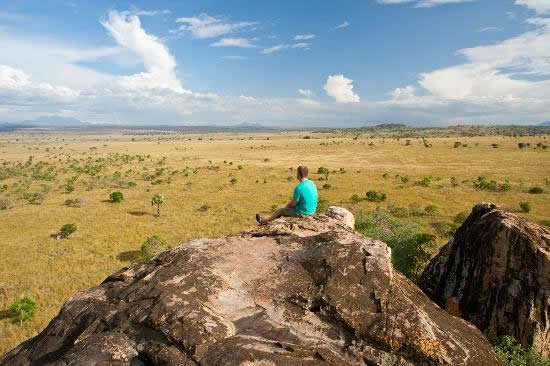
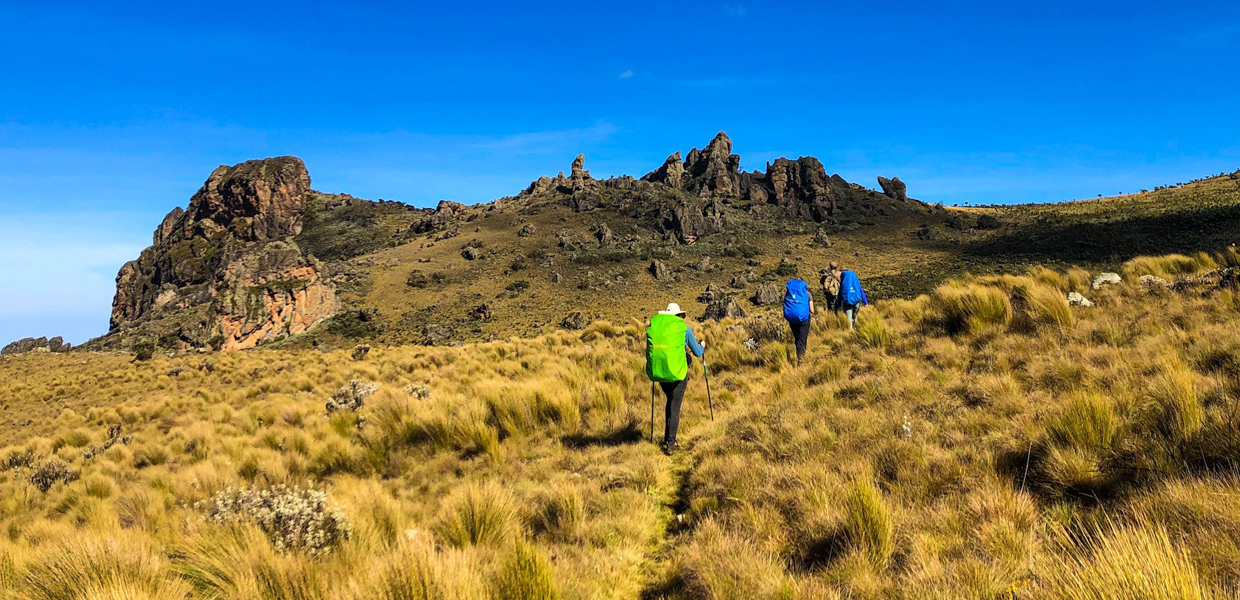
The park’s geography creates diverse ecosystems. The Narus Valley provides lush grazing grounds and waterholes that attract large herds of herbivores, while the Mathew’s Range offers rugged terrain ideal for mountain viewing and scenic photography. For families, this diversity allows both relaxed observation and immersive adventure, ensuring that children, parents, and extended family members all find activities suited to their interests and energy levels.

Seasonal Guide: When to Visit Kidepo with Kids

Understanding the seasonal patterns of Kidepo is crucial for families to plan a safe and enjoyable trip. The park experiences two main seasons: the dry season and the wet season, each offering distinct experiences.

During the dry season, which typically runs from December to February and again from June to August, wildlife congregates around rivers and waterholes, making sightings more predictable and rewarding. The weather is also milder, with lower humidity and clearer skies, allowing for longer excursions and more comfortable outdoor activities. This period is particularly suitable for families, as children can participate in longer game drives without the risk of intense rain or muddy tracks.

The wet season, occurring from March to May and September to November, transforms the park into a lush, green landscape. While some roads may become temporarily impassable, the wet season brings vibrant scenery, bird migrations, and the birth of new wildlife. For families with an interest in birdwatching, this is an ideal period, though travel planning must be meticulous to ensure safe passage across less accessible routes.

Seasonality also affects accommodation availability. Lodges and camps tend to book quickly during the dry season due to favorable conditions, while wet-season visits may offer more seclusion and lower rates, providing families a quieter, more intimate experience.

Day 1: Arrival and Afternoon Exploration

A weekend itinerary in Kidepo usually begins with arrival at Kidepo airstrip or via road from Kampala or Gulu. Families arriving by small aircraft can enjoy spectacular aerial views of the park’s landscapes, setting the stage for the adventure ahead. Upon arrival, transfer to a family-friendly lodge or camp is arranged, where staff assist with settling in and preparing for afternoon activities.

The first afternoon is best devoted to gentle exploration, allowing children to acclimate while observing wildlife in a safe environment. A guided walk near the lodge can introduce children to local flora and fauna, teaching them the basics of wildlife tracking, animal behavior, and conservation. Rangers often incorporate storytelling techniques, captivating young minds with tales of lions, elephants, and the park’s rich history.

Families are encouraged to enjoy the scenery while observing grazing animals, often visible even from lodge verandas. The slow pace of the first day allows both adults and children to rest after travel, while still engaging with the park’s natural wonders. Evening meals at the lodge are typically communal, offering both local Ugandan dishes and familiar comforts, creating a sense of routine and security for younger children.

Day 2: Full-Day Game Drive Adventure

The second day is the highlight of the weekend, as families embark on a full-day game drive through Kidepo’s savannahs and valleys. Departing at sunrise, the family is immersed in the park’s awakening energy. The early hours are ideal for spotting predators returning from nocturnal hunts, as well as elephants, buffalo, and giraffes grazing in the cool light.

Guides emphasize family participation, encouraging children to help spot animals, identify tracks, and ask questions about the ecosystem. The combination of observation and education ensures that children remain engaged throughout the day. Alongside game drives, several safe picnic spots are available, allowing families to enjoy lunch amid wildlife sightings, rivers, or scenic hilltops.

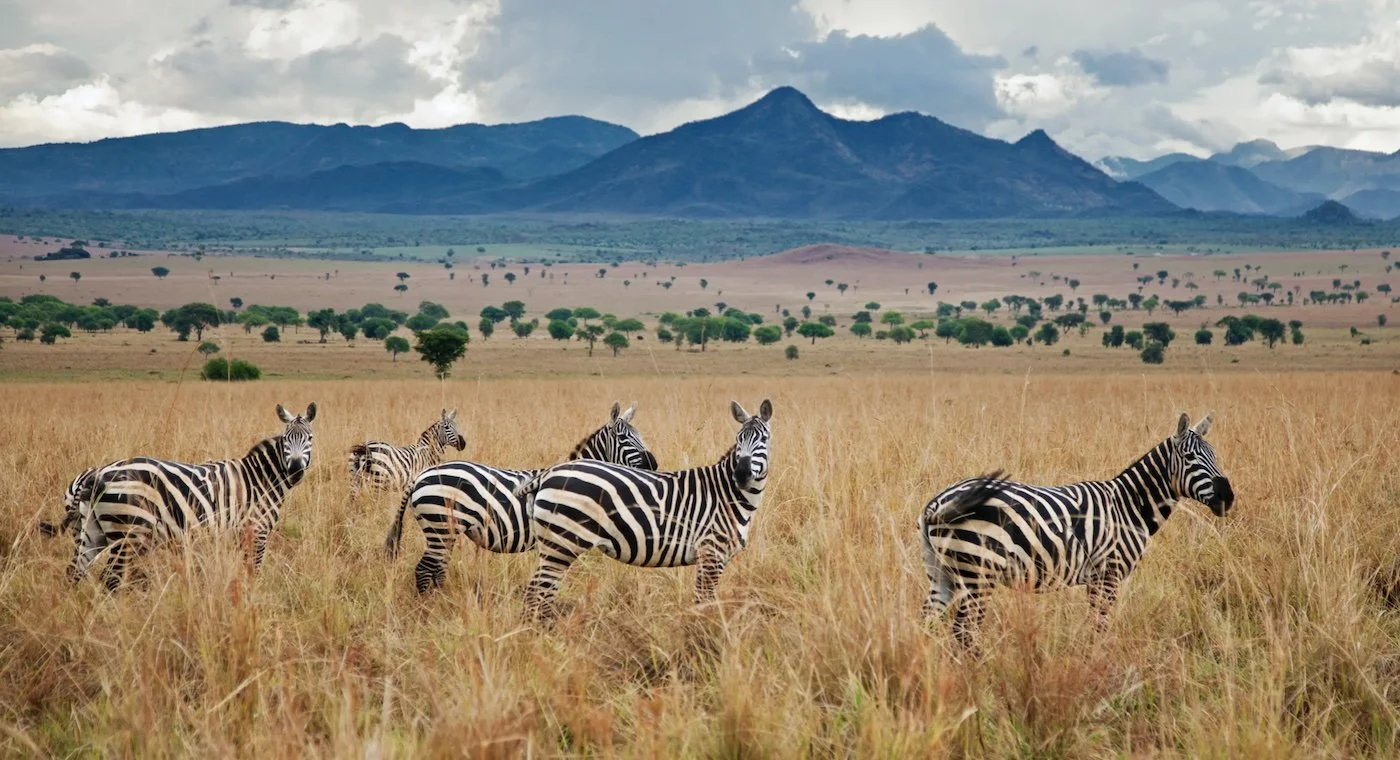
Afternoon excursions may include visits to Narus Valley, a wildlife hotspot where large herds congregate. Children often find excitement in the patterns of zebras and antelopes, while parents appreciate the opportunity for photography and learning about predator-prey dynamics. Rangers share insights about Kidepo’s conservation challenges, subtly teaching the next generation the importance of protecting natural habitats.

Late afternoon offers an opportunity for a short bush walk, supervised for safety, where families can observe smaller animals, birds, and unique plant species. This immersive approach balances excitement with education, ensuring that both children and adults take away meaningful experiences.How to seasonal guide in Kidepo Valley National Park — Weekend Itinerary with kids

Day 3: Cultural Engagement and Scenic Departure

The final day of a weekend itinerary is often reserved for cultural experiences and lighter activities, allowing families to connect with the human heritage of the region. Visits to local Karamojong villages introduce children to traditional lifestyles, crafts, and music. Children enjoy interactive sessions, such as beadwork, simple farming demonstrations, or storytelling about local legends. These interactions provide both educational value and cultural appreciation, deepening the family’s understanding of the region beyond its wildlife.

Families may also opt for a scenic drive to the Mathew’s Range, offering panoramic views of the park’s valleys and distant hills. Photographs taken here become treasured mementos, capturing both the landscape and the joy of shared experiences.

Lunch is typically enjoyed at the lodge or in designated picnic areas before families prepare for departure. Afternoon departures allow for reflection on the weekend, with children often recounting favorite moments while adults consider the logistical and emotional successes of the trip. Even as the family leaves Kidepo, the park’s combination of wildlife, landscapes, and cultural immersion leaves a lasting impression.

Tips for Traveling with Children

Traveling to Kidepo with children requires careful planning to ensure safety, comfort, and engagement. Lodges and safari operators now provide child-friendly vehicles, educational materials, and trained guides to facilitate a rewarding experience. Parents are advised to maintain hydration, provide sun protection, and schedule adequate rest periods to prevent fatigue during game drives and walks.

Seasonal considerations remain crucial; the dry season offers safer driving conditions, while the wet season emphasizes adaptability and careful route selection. Families are encouraged to pack lightweight clothing, binoculars, field guides, and basic first-aid kits, ensuring preparedness for all scenarios.

In addition to practical considerations, parents are encouraged to nurture curiosity and discussion. Questions asked by children about animals, ecology, and culture create learning opportunities and deepen the family’s collective experience. Kidepo’s remote environment also allows families to unplug from digital distractions, fostering genuine connection and observation.

Why Kidepo Valley is a Unique Family Destination

Kidepo Valley National Park is not merely a safari destination; it is an educational and transformative experience. Children develop awareness of ecological systems, appreciation for cultural diversity, and respect for wildlife. Parents find both relaxation and engagement, sharing discovery, conversation, and adventure with their children.

The park’s remote nature offers intimacy and authenticity, unmatched by more crowded national parks. Wildlife encounters feel personal and extraordinary, while cultural interactions provide insight into Uganda’s heritage. The seasonal guide ensures that families maximize their experience, selecting periods that align with wildlife behavior, weather conditions, and accessibility.

Every game drive, walk, and cultural interaction becomes part of a family narrative, creating memories that are both thrilling and instructive. The weekend itinerary demonstrates that even a short visit can be immersive, educational, and joyful, blending adventure with comfort and care.

A Weekend Adventure Worth Planning

A weekend family trip to Kidepo Valley National Park is a journey into one of Uganda’s most remarkable natural landscapes. From sunrise game drives and Nile-adjacent picnics to cultural encounters and scenic hilltop vistas, every moment in Kidepo becomes part of a shared story that educates, excites, and enriches.

For families seeking a combination of adventure, comfort, and meaningful engagement with both nature and culture, Kidepo Valley offers experiences that are both rare and transformative. Children learn, parents relax, and together, families create memories that will last a lifetime.

To ensure that every aspect of the trip—from accommodation and guided safaris to cultural visits and seasonal planning—is handled with expertise, it is strongly recommended to book African tours and safaris via WildHorn Africa. Their professional guidance transforms a weekend itinerary into a seamless, memorable adventure, ensuring that families leave Kidepo inspired, educated, and connected.
How to wildlife photography tips in Mabira Forest — Top Restaurants for honeymooners

How to wildlife photography tips in Mabira Forest — Top Restaurants for honeymooners

By Travel stories and blogs, Uganda travel guides

How to Wildlife Photography Tips in Mabira Forest — Top Restaurants for Honeymooners

Capturing Moments Where Love Meets Nature

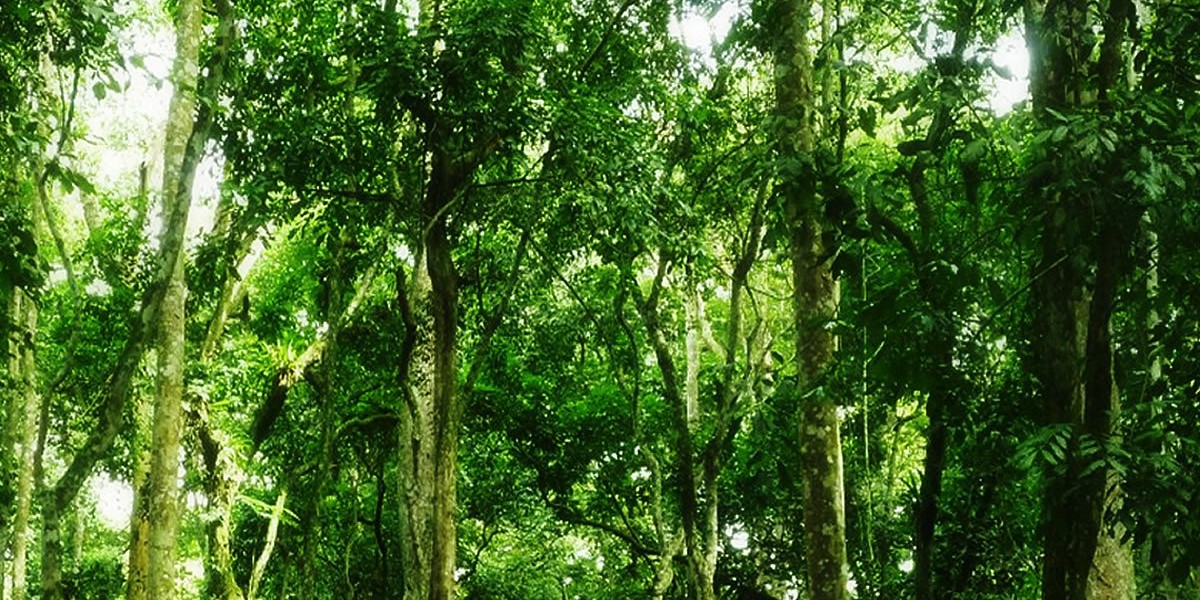
In Uganda, where verdant landscapes stretch as far as the eye can see and wildlife thrives in near-pristine habitats, there exists a destination that combines romantic seclusion with unparalleled photographic opportunities. Mabira Forest, an expansive tropical rainforest located near the bustling city of Kampala, offers honeymooners a unique blend of adventure, intimacy, and creativity. Here, the subtle rustle of leaves, the sudden flight of a bird, and the glimmer of sunlight through the canopy provide endless opportunities to capture the natural world in motion.

For couples celebrating love, Mabira Forest provides more than a backdrop—it is an environment that encourages shared discovery and collaboration. Wildlife photography becomes a joint endeavor, where both partners can learn, experiment, and immortalize moments together. Complementing this natural allure, the region hosts a selection of top restaurants that cater to honeymooners seeking culinary excellence, romantic settings, and local flavors. The combination of forest adventure and fine dining ensures a holiday experience that nourishes both spirit and senses.

This article presents a comprehensive guide to wildlife photography in Mabira Forest, enriched with tips for capturing wildlife effectively, and seamlessly integrates a curated overview of top restaurants for honeymooners. It is designed to inspire couples to embrace both adventure and intimacy in one transformative journey.

Understanding Mabira Forest: Uganda’s Tropical Gem

Mabira Forest, spanning approximately 300 square kilometers, is one of Uganda’s largest remaining tropical rainforests. Its dense canopy, riverine corridors, and network of trails create a rich ecosystem that supports over 300 bird species, 97 butterfly species, and a diverse array of primates. The forest’s biodiversity provides a photographer’s paradise, offering the opportunity to capture everything from delicate sunbirds to elusive monkeys, dramatic tree ferns, and the intricate patterns of forest flora.

The forest is also home to several endangered species, including African Grey Parrots, crowned cranes, and forest duikers, which can be observed with patience and guidance. This makes Mabira not only a location for aesthetic photography but also an educational experience, where couples can learn to recognize species behavior, habitat interactions, and the subtle rhythms of a tropical ecosystem.

For honeymooners, Mabira’s proximity to Kampala allows for a convenient escape from urban life, while its seclusion ensures moments of privacy and reflection. Lodges and eco-camps located at the forest’s periphery provide intimate accommodations, often with panoramic views, cozy terraces, and tailored guiding services, enhancing both photographic and romantic experiences.

Wildlife Photography Tips: Maximizing Mabira’s Potential

Choosing the Right Equipment

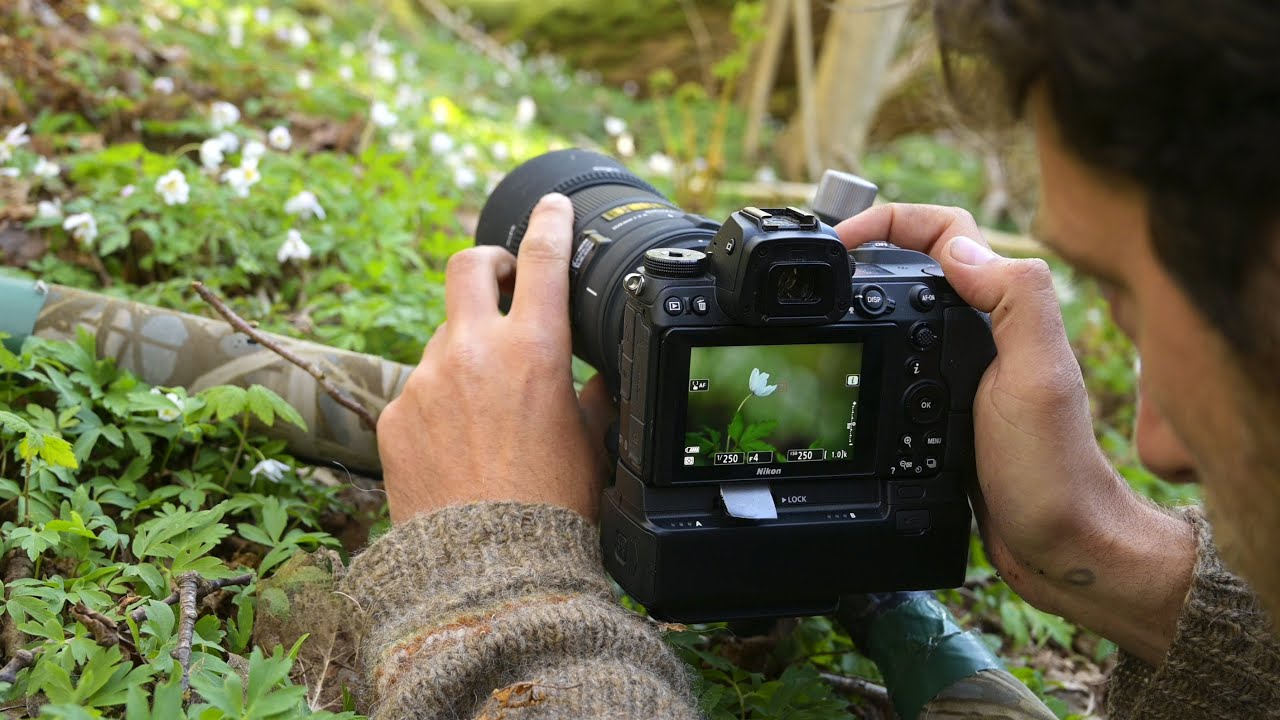
For successful wildlife photography in Mabira Forest, understanding the environment and selecting appropriate gear is essential. Telephoto lenses, ranging from 200mm to 600mm, allow couples to capture elusive birds and mammals without disturbing their natural behavior. Tripods or monopods provide stability during low-light forest conditions, while lightweight cameras facilitate longer treks along forest trails.

Honeymooners are encouraged to consider dual setups—one partner capturing wide-angle landscape shots and the other focusing on detailed wildlife portraits. This not only diversifies the photographic collection but also creates a collaborative dynamic that enhances shared learning and enjoyment.

Timing and Light Considerations

Early mornings and late afternoons provide the most favorable lighting for photography. During these hours, the forest awakens with activity, animals are more visible, and sunlight filters through the canopy at angles that create depth and contrast in images. Midday, while less ideal for lighting, offers opportunities to photograph insects, flowers, and macro-level details that highlight the forest’s intricate textures.

Couples are advised to plan multiple short treks rather than a single long expedition, ensuring that energy levels remain high and photography remains effective. Patience is key, as forest wildlife often requires extended observation before the perfect shot can be captured.

Approaching Wildlife Responsibly

In Mabira Forest, maintaining a safe and ethical distance from wildlife is essential, both for safety and for the integrity of photographs. Guides often instruct couples on quiet movement, camouflage clothing, and non-intrusive positioning, allowing animals to behave naturally. This results in photographs that are both authentic and compelling, showcasing wildlife in their natural context.

Additionally, using natural features for framing—such as tree branches, foliage, and sunlit clearings—enhances composition and adds aesthetic depth. Couples are encouraged to experiment with foreground and background interplay, capturing moments where the environment interacts with the subject to tell a more complete story.

Capturing Behavior and Interaction

One of Mabira Forest’s most captivating aspects is the interaction among species. Bird pairs, feeding primates, and territorial displays provide dynamic subjects. Honeymooners can focus on behavioral photography, capturing not just the appearance of wildlife but the narrative of their activities. This requires observation, patience, and a willingness to wait for spontaneous moments that transform ordinary shots into compelling stories.

Using continuous shooting modes or high-speed capture facilitates the recording of flight patterns, jumps, and other rapid movements. Such techniques allow couples to build collections of images that convey both the beauty and the vitality of the forest ecosystem.

Day 1: Arrival and Introductory Walks

The honeymoon experience begins with arrival at Mabira Forest Eco-Camps or nearby lodges, where couples are welcomed with personalized orientation on forest trails, safety, and photographic opportunities. A short introductory walk along designated paths allows newcomers to acclimate, observe the forest structure, and familiarize themselves with common species such as yellow-throated greenbuls and African paradise flycatchers.

During this initial walk, guides introduce couples to basic photography techniques suited for the forest, including manual exposure adjustments, depth-of-field manipulation, and framing with natural elements. Evening relaxation often includes dinner at the lodge terrace, where the tranquil sounds of the forest—bird calls, rustling leaves, and distant primate chatter—provide a natural soundtrack to intimate conversations.

Day 2: Morning Birding and Afternoon Macro Photography

The second day begins before sunrise with a morning birding excursion, one of Mabira’s prime photography opportunities. Couples are guided through canopy trails where sunlight highlights the vibrant colors of sunbirds, turacos, and hornbills. The morning light creates dramatic shadows, enabling photographers to capture vivid details and dynamic compositions.

After lunch at the lodge, the afternoon is dedicated to macro photography, focusing on butterflies, insects, and forest flora. Mabira’s richness in micro-habitats offers infinite opportunities for close-up shots, emphasizing the textures, patterns, and colors that may be overlooked in broader landscape photography. Couples often collaborate, sharing ideas and experimenting with techniques to enhance both creativity and mutual engagement.

Evening reflection includes reviewing images together, providing opportunities for learning, discussion, and appreciation of shared artistic achievements.How to wildlife photography tips in Mabira Forest — Top Restaurants for honeymooners

Day 3: Deep Forest Exploration and Hidden Waterfalls

The third day is designed for deeper exploration, venturing into less-traveled sections of the forest where encounters with elusive species are more likely. Streams, small rivers, and hidden waterfalls provide both picturesque landscapes and wildlife attractants. Along these routes, couples may capture photographs of forest duikers, red-tailed monkeys, and the occasional leopard, as well as water-associated birds like kingfishers and wagtails.

Guides emphasize ethically timed photography, ensuring that couples can observe without disturbing wildlife. Afternoon rest periods allow for image review and preparation for late-afternoon sunset shots along riverbanks, where golden light enhances textures and shadows, producing captivating compositions.

Day 4: Birdwatching Focus and Romantic Picnic

By the fourth day, honeymooners are encouraged to focus on specific bird species, particularly endemics and rare sightings. Guided walks in canopy zones and forest edges facilitate observation of greenbuls, barbets, and hornbills, while the use of hideouts and natural blinds increases chances of close encounters without disruption.

Midday is reserved for a romantic forest picnic, where couples enjoy local Ugandan cuisine in a serene natural setting. This experience merges culinary delight with immersive observation, providing an intimate and memorable interlude between photography excursions. The combination of ambient sounds, lush greenery, and shared discovery reinforces both connection and creative inspiration.

Day 5: Morning Reflections and Top Restaurants for Honeymooners

The final day emphasizes reflection and relaxation. Early morning is dedicated to a short walk or light birding session, allowing couples to capture any last images while savoring the forest’s serenity. Later, departure is paired with a curated experience at top restaurants near Mabira and Kampala, where honeymooners can enjoy gourmet meals in romantic settings.

Restaurants offering local and international cuisine provide both aesthetic and culinary satisfaction. Settings often include terrace views, riverside tables, and intimate lighting, creating opportunities for shared moments that complement the adventure in Mabira Forest. Meals often feature freshly prepared Ugandan dishes, locally sourced ingredients, and seasonal specialties, ensuring that the gastronomic experience matches the richness of the photographic journey.

This combination of forest adventure and fine dining ensures that the honeymoon itinerary ends on a high note, where both nature and human creativity are celebrated.

Tips for Honeymooners: Balancing Photography and Romance

Maintaining a balance between wildlife photography and romantic engagement is key. Couples are advised to plan excursions with alternating periods of observation, photography, and shared reflection. Lightweight gear, portable tripods, and flexible schedules ensure that photography enhances rather than dominates the experience.

Guides and lodge staff often provide customized itineraries, including recommended trails, species highlights, and optimal lighting times. Couples are encouraged to embrace patience, spontaneity, and mutual support, transforming photography into both an art form and a vehicle for shared intimacy.

Why Mabira Forest Is Perfect for Honeymooners

Mabira Forest uniquely combines biodiversity, seclusion, and accessibility, making it ideal for couples seeking a blend of adventure, creativity, and intimacy. Wildlife encounters, birdwatching, and photographic opportunities provide intellectual and artistic engagement, while lodges and restaurants offer comfort, privacy, and culinary pleasure.

The forest’s natural rhythms create a backdrop for romance, where moments are shared, memories are captured, and love is celebrated alongside nature’s grandeur. For honeymooners who value both creativity and connection, Mabira Forest offers an unparalleled canvas.

An Immersive Journey of Love and Creativity

A honeymoon in Mabira Forest, framed by the practice of wildlife photography and complemented by visits to top romantic restaurants, is a journey that nourishes both mind and heart. From dawn choruses of birds to hidden waterfalls, from macro shots of butterflies to starlit dinners, every moment encourages observation, creativity, and intimacy.

To ensure that every aspect of the trip—from guided forest walks and photography assistance to accommodation and curated dining—is seamlessly arranged, it is recommended to book your African tours and safaris via WildHorn Africa. With their expertise, the Mabira Forest honeymoon becomes not merely a vacation but a transformative and unforgettable experience, combining adventure, romance, and artistic discovery.

The 5-Day Itinerary: boat cruise at Toro Kingdom with kids

The 5-Day Itinerary: boat cruise at Toro Kingdom with kids

By Travel stories and blogs, Uganda travel guides

The 5-Day Itinerary: Boat Cruise at Toro Kingdom with Kids

Where Royalty Meets Adventure

When families begin dreaming of a holiday that blends cultural depth, natural beauty, and playful adventure, Uganda’s Toro Kingdom emerges as one of the most enchanting choices. This kingdom, situated in the western part of Uganda and centered around the picturesque town of Fort Portal, embodies a union of tradition and tranquility. Known for its green rolling hills, crater lakes, and rich cultural heritage, Toro is a destination where history thrives alongside modern discovery.

For families traveling with children, the attraction becomes even more compelling when the experience is woven around a carefully planned itinerary. A 5-day journey through the kingdom, punctuated by a serene boat cruise across its lakes, allows parents and children to immerse themselves not only in landscapes but also in stories of royalty, folklore, and ecological wonder. Unlike hurried tours, this itinerary is designed to accommodate families at a child-friendly pace, balancing exploration with relaxation and weaving learning into play.

The concept of a boat cruise with kids may initially seem unconventional, but in Toro it becomes an extraordinary experience. Here, waters shimmer against mountain backdrops, fishermen paddle dugout canoes, and birdlife animates the skies in a symphony of color and sound. On these waters, children encounter an environment that is not confined by textbooks or screens; instead, it unfolds before them in ripples, waves, and breezes. The Toro Kingdom transforms the family holiday into a journey of connection—between parents and children, between people and culture, and between humanity and nature.

This itinerary reveals not just where to go, but how to live and breathe Toro’s rhythm as a family. Over the course of five days, it tells a story of adventure, culture, laughter, and timeless memories.

Day 1: Arrival in the Kingdom of Toro

The first day in the Toro Kingdom sets the stage for what follows. Families often arrive in Fort Portal, a town celebrated for its cleanliness, order, and charming atmosphere. Nestled at the foot of the Rwenzori Mountains, Fort Portal acts as both a modern hub and a gateway into the kingdom’s cultural and natural wonders.

Parents and children begin their exploration with a gentle introduction to the town. The air is cooler here than in many parts of Uganda, and the scenery immediately conveys a sense of peace. After settling into accommodation, families can take slow walks through town, allowing children to stretch after travel while absorbing the welcoming nature of the locals.

The highlight of the first evening often involves a quiet orientation session. Children are told stories about the Toro Kingdom’s royal family, especially about the young king, Omukama Oyo Nyimba Kabamba Iguru Rukidi IV, who ascended the throne at an early age. The narrative sparks imagination, making children see that this kingdom is not just a destination but a place alive with fascinating people and legacies.

As the sun dips behind the Rwenzori peaks, families gather for dinner, often enjoying fresh local produce and mild dishes suitable for children. The night prepares everyone for the more immersive days ahead, with parents finding reassurance in the balance between cultural learning and child-friendly pacing.

Day 2: Cultural Immersion and Royal Legacies

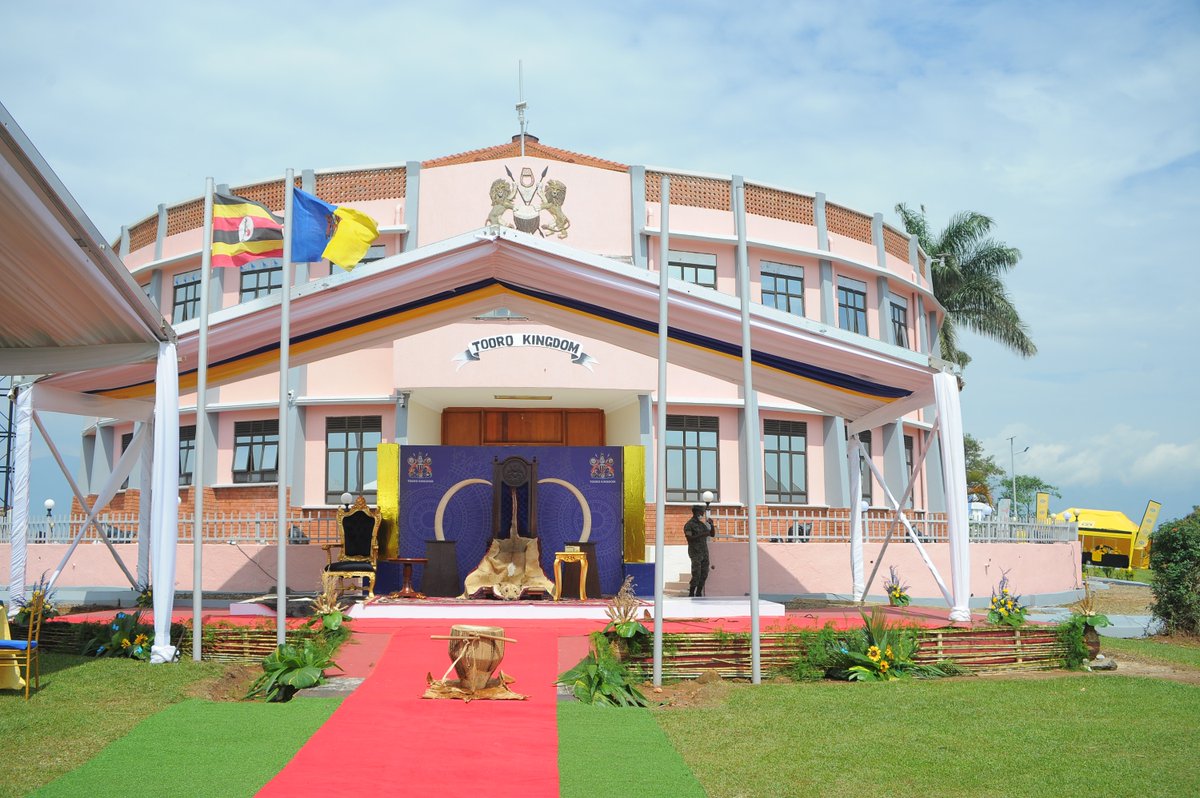
The second day unfolds as a cultural exploration of the kingdom itself. After breakfast, families embark on a visit to the Toro Royal Palace, perched on Karuzika Hill. Its architecture, crowned with a grand dome, captures the spirit of modernity infused with tradition. Children marvel at the grandeur, while parents appreciate the deeper history that resonates in the walls. Guides narrate the story of Toro’s independence, its royal lineage, and its continued relevance in modern Uganda.

What makes this experience unique for families is the manner in which children are engaged. Tales are simplified to spark their imagination, turning kings and queens into figures of adventure rather than distant historical characters. Interactive storytelling ensures that curiosity is not lost in formality. Parents, meanwhile, benefit from more detailed insights into the cultural resilience of Toro, learning how traditions have been maintained even amidst modernization.

The afternoon introduces families to cultural performances. Local dances accompanied by drums and flutes encourage children to participate, while parents are drawn into the infectious rhythms. The performance is not merely entertainment but a demonstration of cultural continuity. Photographs capture the joy of children laughing, attempting to mimic dances, and engaging with performers.

As the day closes, families retire with memories that establish a foundation of respect and fascination for the kingdom. This cultural immersion becomes the gateway through which the boat cruise and nature exploration in the following days are understood not just as leisure but as living expressions of Toro’s heritage.

Day 3: The Boat Cruise Experience on Toro’s Lakes

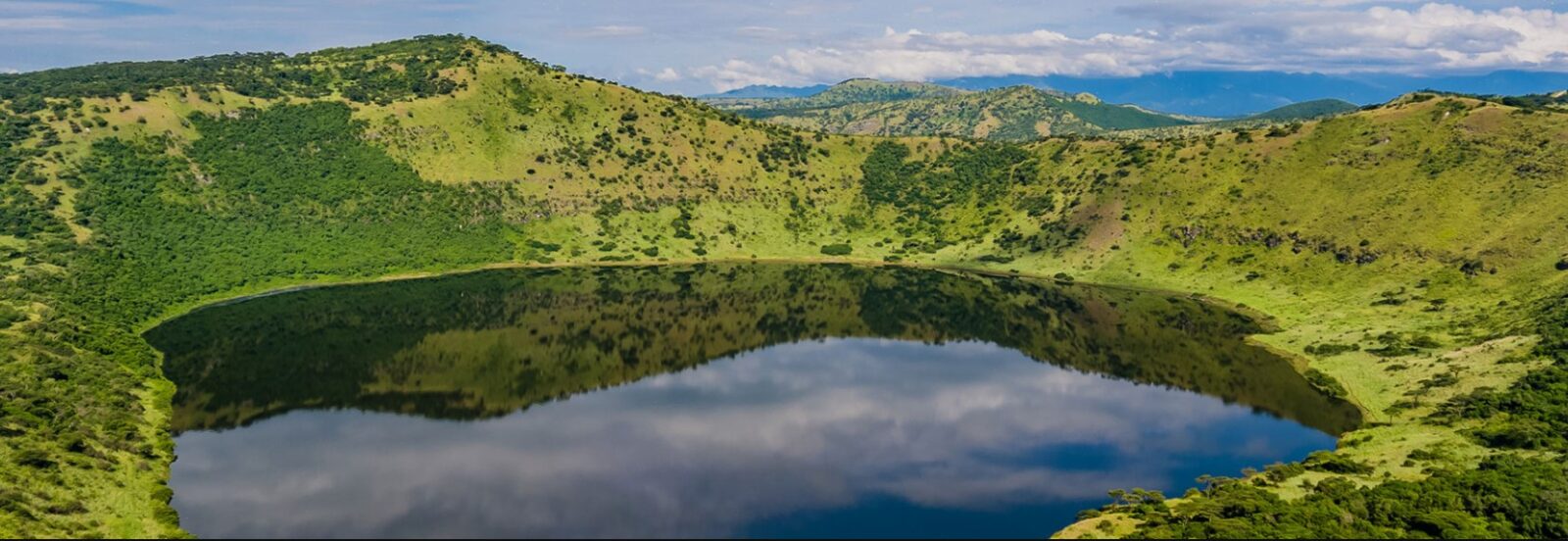
The third day brings the long-awaited highlight of the itinerary: the boat cruise. Toro is home to several crater lakes, including Lake Nyinambuga and Lake Nyamirima, which shimmer like mirrors in volcanic depressions. These lakes, framed by lush greenery and rolling hills, provide the ideal setting for families to embark on calm waters in boats that accommodate children safely.

The morning begins with an orientation about lake ecosystems, gently delivered so that even younger children can grasp the importance of conservation. Parents find satisfaction in the fact that this cruise is not only about leisure but also about education and environmental awareness.

As the boat glides across the water, children are mesmerized by the sense of floating in a natural amphitheater. They see kingfishers dart into the water, cormorants drying their wings, and sometimes fishermen paddling gracefully in dugout canoes. The boat ride introduces them to the symbiotic relationship between people and nature, where the lake provides food, livelihood, and cultural meaning.

Parents find the cruise romantic and relaxing, while children interpret it as an adventure akin to a storybook journey. Together, they photograph reflections of clouds on the lake, creating memories that are framed both by nature and by family bonds.

The boat stops at designated safe points where families disembark to explore lake shores, allowing children to run freely and touch the waters. The simplicity of splashing at the edge of a crater lake becomes one of the most cherished memories. Lunch is taken as a picnic, reinforcing the family-centered spirit of the day.

By evening, the cruise concludes, but its impressions linger. Parents feel rejuvenated, children remain animated by the day’s adventure, and the family carries with them images and stories that will be retold for years.The 5-Day Itinerary: boat cruise at Toro Kingdom with kids

Day 4: Nature Walks and Child-Friendly Exploration

While the boat cruise anchors the itinerary, the fourth day shifts focus toward land-based exploration that complements the water experience. Toro’s surroundings are rich with crater lakes, hills, and ecological trails that invite leisurely walks suitable for children.

Guided nature walks take families through banana plantations, coffee gardens, and local homesteads. Along the way, children learn about farming practices and interact with local families, discovering how communities live in harmony with their environment. Parents find meaning in these encounters, appreciating the resilience and hospitality of Toro’s people.

The walk often leads to elevated viewpoints from which crater lakes shimmer like jewels scattered across green terrain. These panoramic views offer perfect opportunities for family photographs that encapsulate the grandeur of the landscape. Children interpret the hills as playgrounds, while parents embrace them as metaphors for growth, endurance, and beauty.

The day also incorporates opportunities for wildlife encounters, particularly birdwatching. Toro is home to vibrant species that animate the skies and trees. For children, spotting a bird and learning its name becomes a game; for parents, it becomes a contemplative exercise in patience and observation. The shared activity bridges generations, creating moments of laughter and discovery.

By evening, families retreat to their lodges with a deeper understanding of Toro as both a cultural and natural haven. Parents find joy in knowing that the itinerary has not only entertained but also educated their children in subtle, enjoyable ways.

Day 5: Reflection, Play, and Farewell

The fifth day of the itinerary balances gentle reflection with child-centered play. Families spend the morning revisiting parts of Fort Portal, allowing children to explore shops and parents to collect crafts as souvenirs. There is time for leisurely meals that showcase Toro’s local cuisine, ensuring that the family carries with them both tangible and intangible memories.

The afternoon is dedicated to play and relaxation. Children enjoy open spaces where they can run freely, while parents take time to discuss the highlights of their journey. Families often share stories, recounting favorite moments such as the boat cruise, cultural dances, or nature walks. In doing so, they consolidate memories into narratives that will remain alive long after departure.

As the sun sets, families prepare to leave Toro. The journey home is marked not by sadness but by fulfillment. Parents feel content in having offered their children an experience that combined royal heritage, natural beauty, and meaningful adventure. Children, though perhaps unable to articulate the depth of their experience, carry impressions that will shape their appreciation for culture and nature as they grow.

The farewell to Toro is thus not an ending but a beginning—a launching point for future travels, deeper family bonds, and greater curiosity about the world.

A Royal Family Adventure

The 5-day itinerary in Toro Kingdom demonstrates that travel with children need not sacrifice depth, beauty, or cultural significance. By blending royal heritage, immersive cultural experiences, and the calm adventure of a boat cruise, families discover a destination that welcomes both adults and children with equal grace.

Toro proves that journeys are not defined by speed or extravagance but by balance. Its landscapes invite reflection, its culture sparks curiosity, and its waters offer tranquility. For parents, it provides reassurance that their children are engaged and inspired. For children, it offers adventure wrapped in learning, where history feels alive and nature feels playful.

Such an itinerary reveals that Toro Kingdom is more than a place to visit—it is a place to belong, even if only for a few days. The boat cruise experience, central to this journey, becomes both literal and symbolic: a voyage through waters that mirror the kingdom’s beauty, and a shared passage that strengthens the ties of family love.

To turn this dream into reality, families are encouraged to plan their tours with WildHorn Africa. As specialists in African safaris and cultural journeys, WildHorn Africa ensures that every detail of the Toro Kingdom experience is thoughtfully curated, safe for children, and deeply enriching. With them, families do not simply travel; they embark on adventures that unite hearts, nurture curiosity, and create memories that last a lifetime.

Bududa white water rafting for foodies.

Insider Tips — Bududa white water rafting for foodies

By Travel stories and blogs, Uganda travel guides

Insider Tips — Bududa White Water Rafting for Foodies

The Ultimate Adventure for Food Lovers

In the lush, verdant landscapes of eastern Uganda, Bududa District emerges as a destination that harmoniously blends adrenaline-pumping adventure with rich culinary experiences. Known primarily for its thrilling white water rafting opportunities, the region offers far more than a rush of rapids. For food enthusiasts, it presents a canvas of flavors, textures, and traditions waiting to be discovered. Traveling through Bududa, one becomes immersed in a region where the wild rivers carve through rolling hills, and local markets overflow with farm-fresh produce, aromatic spices, and traditional delicacies. For photographers, adventurers, and epicureans alike, a day on the rapids is complemented perfectly by an exploration of the region’s gastronomic treasures, creating an unparalleled sensory journey.

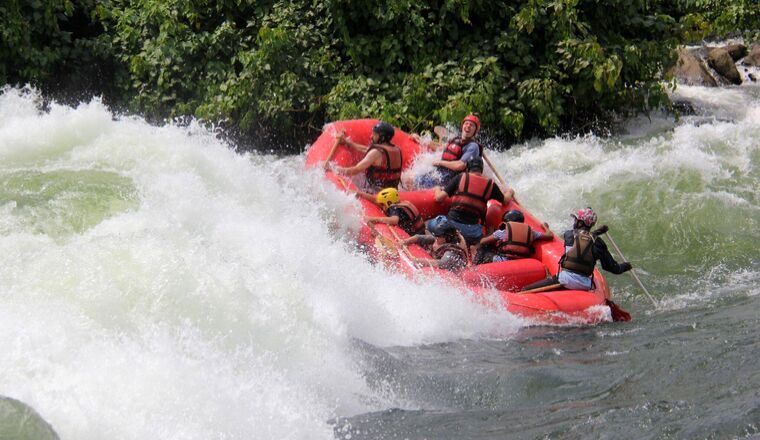
White water rafting in Bududa is not a mere sport; it is a passage through Uganda’s natural abundance and cultural richness. Each rapid conquered is paired with the anticipation of sampling authentic Bugisu cuisine, prepared with locally sourced ingredients and time-honored techniques. For travelers seeking an experience that combines thrills with taste, Bududa offers a uniquely compelling destination.

The Thrill of Bududa White Water Rafting

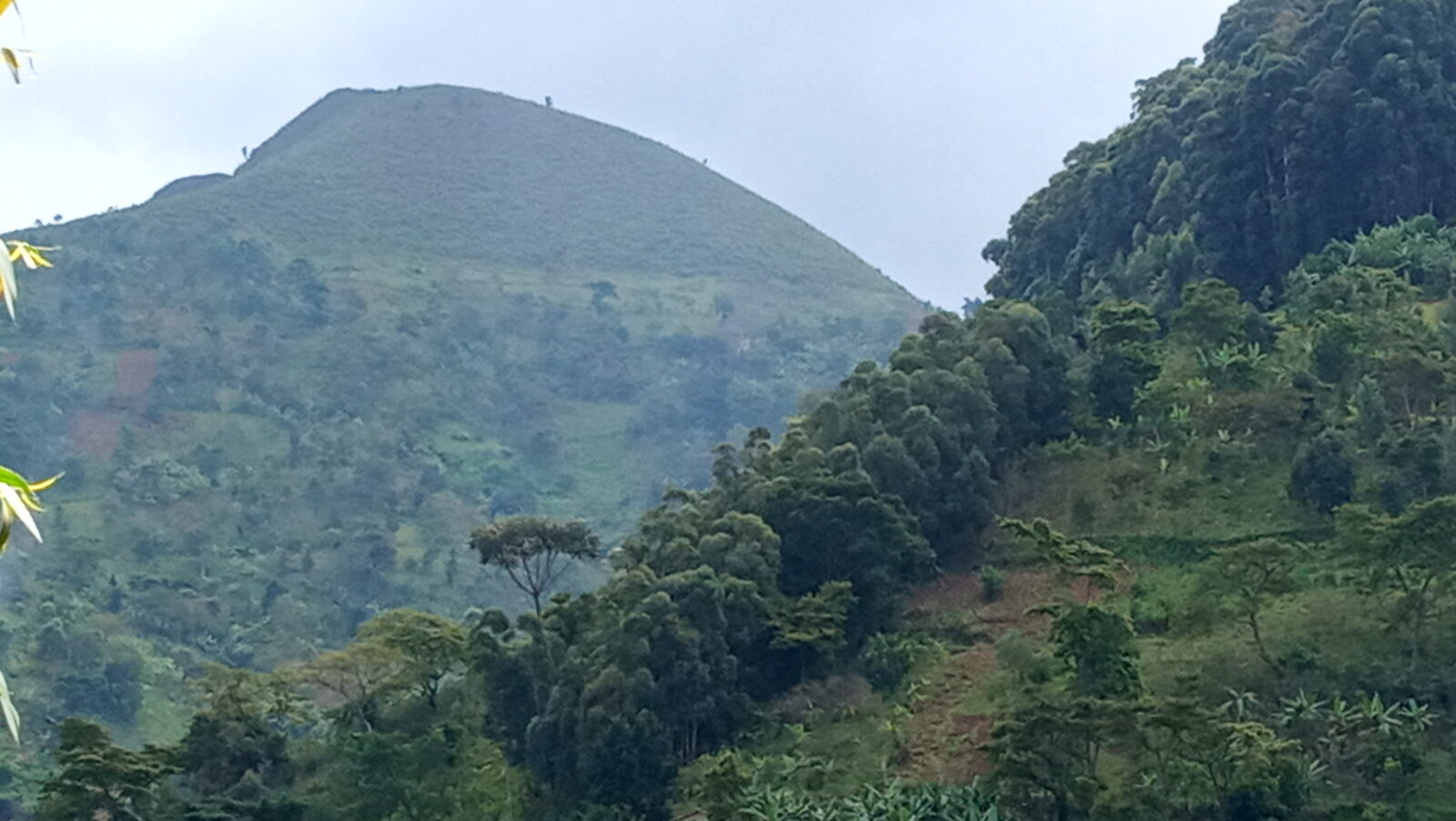
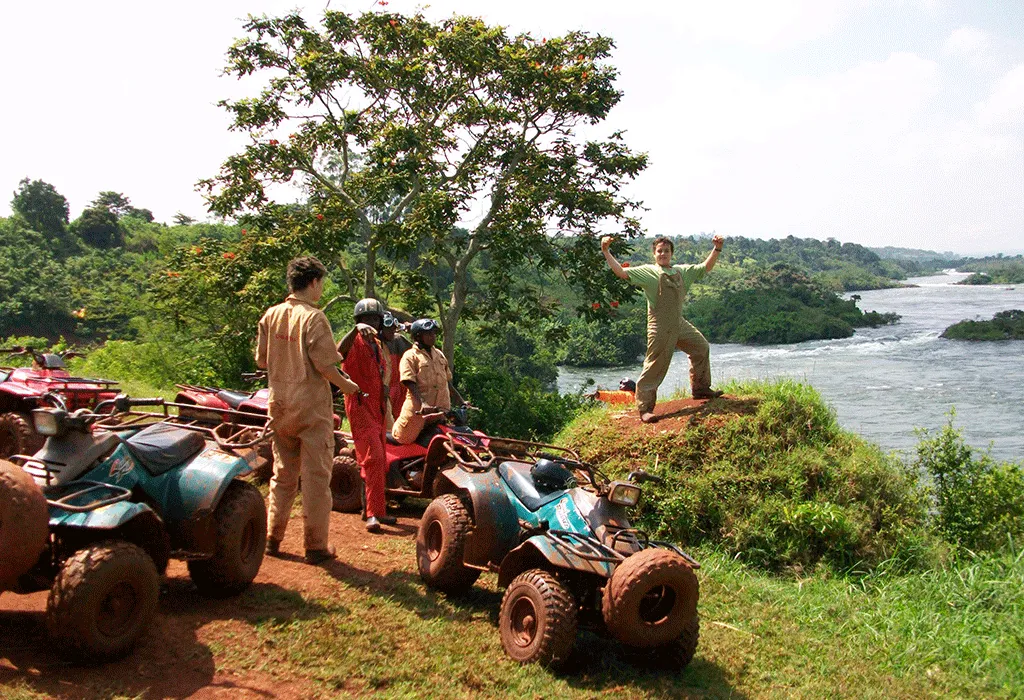
Bududa is carved by fast-flowing rivers originating from the slopes of Mount Elgon, whose dramatic escarpments create an ideal setting for white water rafting. The rapids vary in intensity, catering to both beginners and experienced rafters, while the surrounding landscapes provide a stunning backdrop for adventure photography. The rivers are framed by dense greenery, rolling hills, and misty valleys, offering a visual spectacle that is as captivating as the physical challenge of navigating the rapids.

The rafting experience is structured to balance safety and excitement. Guides with intimate knowledge of the rivers ensure that every maneuver is coordinated, allowing adventurers to focus on the thrill of the rapids while absorbing the scenic grandeur of eastern Uganda. Along the journey, natural pools and riverbanks serve as rest points, offering glimpses into local life and opportunities to photograph indigenous flora and fauna. The combination of adrenaline and serene landscapes creates a perfect metaphor for the culinary journey awaiting foodies in the region.

Bududa: A Culinary Haven Beyond the Rapids

While Bududa captivates visitors with its river adventures, the district is equally celebrated for its distinctive cuisine, deeply rooted in the agricultural bounty of the Mount Elgon region. Traditional dishes are prepared with fresh ingredients, often sourced from nearby farms or local markets. Food enthusiasts are invited to savor the flavors of matoke (steamed green bananas), rich groundnut sauces, and freshly harvested root vegetables. These meals are not only nourishing but also reflective of the cultural identity of the Bagisu people, who inhabit the district.

Local eateries, small family-run restaurants, and riverside kitchens provide a variety of dining experiences. Here, meals are often prepared with time-honored methods, including open-fire cooking, steaming, and slow simmering, preserving both flavor and authenticity. Each dish carries the story of its origins, and for food photographers, the presentation, vibrant colors, and textures offer endless opportunities for capturing culinary artistry.

Strategic Accommodation for Adventurers and Food Lovers

Choosing where to stay in Bududa profoundly affects both the rafting experience and the culinary exploration. Lodges and guesthouses in proximity to the rivers offer convenience for early morning rafting trips while providing access to local food markets and family-run restaurants. Rooms with scenic views of the rapids and surrounding hills create a tranquil environment for relaxation after a day of adventure.

Several boutique accommodations integrate local cuisine into their offerings, allowing travelers to sample traditional dishes without leaving the premises. This integration of adventure and culinary indulgence ensures that both adrenaline seekers and food enthusiasts are fully immersed in the region’s natural and cultural richness. For photographers, staying at strategically located lodges allows the capture of both dawn and dusk light over the rivers, enhancing visual storytelling with a harmonious blend of adventure and gastronomy.

Navigating the Rapids: Insider Tips for Photographers and Foodies

For those embarking on a white water rafting adventure, preparation is key. The rapids are best experienced in the early hours when the water flow is moderate, and the morning mist adds an ethereal quality to the landscapes. Safety gear, including life jackets and helmets, is mandatory, and guided tours ensure that each participant navigates the rapids confidently.

Photographers often find that capturing action on the river requires a blend of timing, positioning, and protective equipment. Waterproof camera cases and drones enable the recording of dynamic moments while ensuring equipment safety. Beyond technical considerations, observing the interplay of sunlight, water, and vegetation allows for stunning compositions that reflect the energy and serenity of Bududa simultaneously.

After the rafting adventure, exploring nearby villages and local markets provides a complementary experience. Photographers and food lovers can document the preparation of traditional dishes, the harvesting of fresh produce, and the interactions of local communities, weaving a comprehensive narrative of life along the rivers of Bududa.

Local Flavors: Culinary Experiences Not to Miss

A visit to Bududa offers a rare chance to indulge in culinary experiences deeply tied to local culture and geography. Street vendors and family-run kitchens prepare dishes such as sweet potatoes roasted over open fires, millet-based porridges, and seasonal fruits like jackfruit and pawpaw. Each dish is infused with flavors unique to the Mount Elgon region, often complemented by freshly brewed herbal teas or locally fermented beverages.

Meals are more than nourishment; they are a reflection of Bagisu traditions, community, and identity. Sampling these dishes provides insight into the daily life and rituals of the region while offering a feast for the senses. For food photographers, the vibrant colors, rustic presentation, and interactive cooking processes provide compelling visual narratives that enrich travel storytelling.Insider Tips — Bududa white water rafting for foodies

The Art of Food Photography in Bududa

Capturing the culinary essence of Bududa requires careful attention to light, composition, and context. Natural daylight from open-air kitchens enhances the vivid colors of fresh produce and prepared dishes. Close-up shots can reveal textures and details, such as the graininess of millet porridge or the sheen of groundnut sauce. Simultaneously, wider frames can document the preparation process, showing cooks at work and the communal atmosphere that defines Bagisu dining culture.

Photographers are encouraged to blend portraiture with food photography, capturing the people behind the dishes. This approach creates an immersive visual story that honors both the flavors and the human connections inherent in the culinary experience.

Cultural Interactions: Dining as an Experience

In Bududa, dining extends beyond taste to encompass cultural immersion. Meals are often shared communally, reflecting the social structure and values of local communities. Foodies who engage with local hosts find themselves invited into homes, observing and sometimes participating in cooking processes, gaining insights into traditional techniques passed down through generations.

This interaction provides opportunities for authentic photography, capturing the rhythms of daily life and the intimacy of shared meals. From stirring thick porridges over open flames to grinding spices with mortar and pestle, each moment offers a rich narrative that connects culinary exploration with cultural understanding.

Seasonal Variations: Timing Your Trip for Optimal Experience

The experience of white water rafting and culinary exploration in Bududa is influenced by seasonal changes. The rainy season enhances the river’s intensity, creating more challenging rapids and dramatic water flows, while the surrounding landscapes become lush and verdant. Conversely, the dry season allows for easier navigation of the rivers and access to certain local markets and villages that may be less accessible during heavy rains.

Seasonal fruits and vegetables also vary, affecting the culinary experience. Timing a trip to coincide with the harvest of particular crops can enhance both the gastronomic and photographic opportunities, providing an authentic taste of Bududa’s agricultural richness. Photographers can take advantage of the changing light, colors, and textures, ensuring that each image reflects the dynamic environment of the region.

Post-Rafting Relaxation and Culinary Exploration

After a day on the rapids, relaxation is an essential part of the Bududa experience. Lodges and riverside accommodations often offer spaces for reflection, photography, and culinary indulgence. Meals at these locations are prepared with care, emphasizing local flavors, fresh ingredients, and traditional techniques. Foodies are encouraged to engage with chefs and hosts, learning about preparation methods, ingredient selection, and cultural significance.

Evening meals are often complemented by local storytelling or music, enhancing the immersive experience. Photographers can capture these moments, creating a visual narrative that encompasses both adventure and the delights of regional cuisine.

A Destination Where Adventure Meets Culinary Excellence

Bududa District offers a unique fusion of white water adventure and gastronomic exploration, making it an exceptional destination for travelers seeking more than a conventional day trip. The rapids provide thrills and breathtaking scenery, while local culinary experiences offer rich insights into Bagisu culture and regional flavors. Strategic accommodation ensures access to both the rivers and local markets, enhancing the overall experience for photographers, food enthusiasts, and adventure seekers.

For those seeking to explore Bududa in its entirety—navigating rapids, capturing stunning landscapes, and indulging in authentic local cuisine—the journey is best undertaken with professional guidance. Tours organized through WildHorn Africa provide expert planning, insider access, and curated experiences that ensure both safety and immersion. Booking with WildHorn Africa guarantees a seamless and transformative adventure where the adrenaline of white water rafting is complemented by the flavors and traditions of Bududa, offering memories and photographs that will last a lifetime.

How to Get There: Source of the Nile cultural tour with kids

How to Get There: Source of the Nile cultural tour with kids

By Travel stories and blogs, Uganda travel guides

How to Get There: Source of the Nile Cultural Tour with Kids

A Family Adventure into Uganda’s Heart

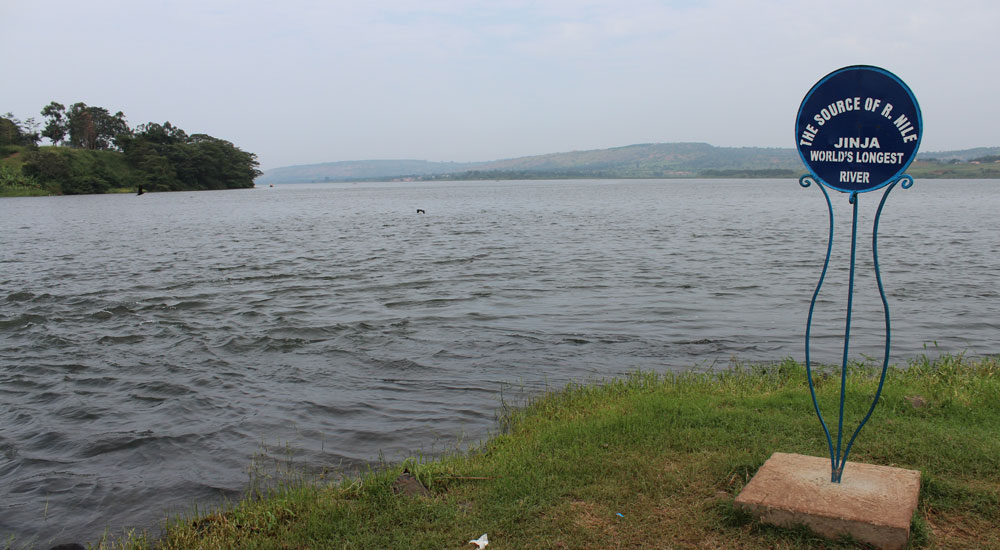
Few destinations in the world can rival the Source of the Nile for a family-oriented cultural and natural adventure. Situated in Jinja, Uganda, this iconic site marks the beginning of the world’s longest river, winding majestically through diverse landscapes and rich cultural history. For families traveling with children, a visit to the Nile offers more than scenic beauty; it provides an immersive educational experience where the worlds of history, culture, and adventure converge.

A cultural tour with kids along the Nile enables families to witness traditional practices, interact with local communities, and explore Uganda’s natural environment. The journey is as much about understanding the heritage of the Baganda and Basoga people as it is about observing the Nile itself. Planning a trip with children requires careful attention to logistics, accessibility, and activities that engage young minds while offering parents opportunities to appreciate the region’s history and beauty.

Why the Source of the Nile is Perfect for Families

The Source of the Nile holds both symbolic and educational significance. As the origin point of a river that spans multiple countries and continents, it embodies the interconnectedness of natural ecosystems and human civilizations. Families visiting the Nile are presented with an opportunity to explore Uganda’s history, traditional crafts, and vibrant riverine culture. Children can learn about the role of the Nile in trade, agriculture, and local folklore, turning a simple outing into a profound learning experience.

Moreover, the surrounding environment offers ample space for outdoor activities, making it suitable for children of all ages. Gentle riverbanks, guided boat excursions, and culturally themed villages provide both safety and engagement. Parents can appreciate the balance of adventure and education, ensuring that the family experience is both enriching and enjoyable.

Planning Your Family Cultural Tour

A well-planned trip to the Source of the Nile is essential to ensure that the needs of both adults and children are met. Travel logistics, accommodation, and activity planning must all be considered carefully. Jinja is accessible by road from major Ugandan cities, with Kampala being the most common starting point. Roads are generally in good condition, and the journey typically takes around three hours, offering scenic views of rural landscapes, rolling hills, and vibrant villages along the way.

For families, travel time should be balanced with rest breaks and opportunities to engage children with the environment. Observing roadside markets, interacting with local vendors, and discussing the daily lives of communities en route enriches the journey and provides learning moments for young travelers.

Accessible Routes to the Nile for Families

Several transportation options make the Source of the Nile accessible to families traveling with children. Private vehicles allow for flexible schedules and multiple stops, which is especially useful for parents managing young children. Organized tours provide structured itineraries, ensuring that both cultural and natural highlights are included without the stress of independent planning.

Public transport, though available, is less suited for families due to limited comfort and irregular schedules. The advantage of guided travel lies in the inclusion of local insights, ensuring that families not only reach the Nile but also experience its cultural significance and surrounding attractions. Guides often facilitate interactions with local artisans, storytellers, and community leaders, providing context that transforms the visit into a comprehensive cultural immersion.

Exploring the Nile with Children

Once at the Source, families can explore varied activities tailored to children’s curiosity and energy levels. Gentle boat rides along the river allow observation of flora and fauna while providing a serene introduction to the Nile. Parents can engage children in discussions about the river’s ecological importance, wildlife conservation, and its role in local livelihoods. These conversations help cultivate awareness and appreciation for environmental stewardship from an early age.

Walking trails along the riverbanks provide opportunities for exploration and photography, where children can spot birds, butterflies, and aquatic life. Interactive activities, such as feeding fish or learning about traditional fishing methods, allow kids to engage directly with local practices, creating both educational and memorable experiences.How to Get There: Source of the Nile cultural tour with kids

Cultural Highlights Around the Nile

A Source of the Nile cultural tour is incomplete without immersion into local communities and traditions. Families are encouraged to visit nearby villages, where children can observe and participate in craft making, music, and dance activities. Artisans demonstrate weaving, pottery, and beadwork, offering hands-on experiences that stimulate creativity and appreciation for Ugandan culture.

Traditional dances and storytelling sessions captivate children, combining entertainment with education. Parents gain insight into the social structure, history, and customs of communities living along the Nile. These interactions are conducted respectfully, with guides ensuring that families engage in meaningful and appropriate ways. By experiencing cultural practices firsthand, children develop a deeper understanding of heritage and community dynamics, enriching their travel experience.

Accommodation for Families

Selecting the right accommodation is critical for a comfortable and engaging family experience. Jinja offers a range of lodges, guesthouses, and hotels suitable for families. Many lodges provide riverfront rooms that allow direct access to the Nile, enabling families to enjoy morning and evening river views from the safety and comfort of their lodgings.

Accommodations often integrate family-friendly amenities such as spacious rooms, secure outdoor areas, and activity programs for children. Some lodges even offer cultural workshops, where children can participate in craft sessions, cooking demonstrations, and storytelling, allowing the family to combine comfort with immersive cultural learning.

Safety Considerations for Families

Traveling with children to the Nile requires attention to health, safety, and environmental considerations. Families are encouraged to bring sun protection, mosquito repellents, first aid kits, and sufficient hydration supplies. Supervision during river activities is essential, especially for younger children, as water currents can vary even along gentle stretches.

Guided tours often include trained personnel who ensure that activities are safe and educational. Safety briefings and structured itineraries minimize risks while allowing families to explore the river and surrounding areas confidently. This balance of safety and freedom allows children to engage fully with their environment without compromising their well-being.

Engaging Educational Activities for Children

A cultural tour along the Nile offers numerous hands-on learning opportunities. Children can explore local markets, observe traditional farming methods, and participate in environmental conservation activities. Guided sessions often include storytelling about the Nile’s history, wildlife, and the communities that rely on the river.

Interactive learning, such as crafting traditional items or sampling local foods under supervision, deepens children’s understanding of Ugandan culture. These experiences nurture curiosity, creativity, and global awareness, transforming a family vacation into an educational adventure that complements school learning.

Culinary Experiences for Families

Food forms an integral part of the Nile cultural experience. Local restaurants and lodges provide opportunities to taste traditional dishes, such as matoke, fish from the Nile, and seasonal fruits. Family participation in food preparation, under guidance, allows children to appreciate ingredients, cooking methods, and culinary traditions.

Meals are presented in settings that reflect the local culture, often combining communal dining with interactive explanations of dishes. These experiences provide not only nourishment but also cultural insight, allowing children to understand the role of food in Ugandan society and fostering cultural curiosity and appreciation.

Combining Sightseeing and Cultural Immersion

A successful Source of the Nile tour for families balances natural sightseeing with cultural engagement. Morning river excursions can be complemented by afternoon village visits or artisan workshops. Children can alternate between observing wildlife and participating in cultural activities, ensuring sustained engagement and enjoyment.

Parents can integrate photography and journaling into these experiences, allowing the family to document their journey. By combining multiple facets of exploration, the tour provides a holistic understanding of the Nile’s ecological, cultural, and social significance, making the trip both educational and memorable.

Seasonal Considerations for Planning

Timing a trip to the Nile can enhance the family experience. The dry season offers easier access to the riverbanks and cultural sites, while the rainy season transforms the landscape into a lush, vibrant environment. Seasonal festivals or community events add unique cultural dimensions, providing opportunities for families to witness traditional celebrations and performances.

Parents can plan itineraries to coincide with these periods, ensuring that both natural beauty and cultural vibrancy are optimized. Seasonal awareness also guides safety considerations, clothing choices, and activity planning, enhancing overall enjoyment and immersion.

An Enriching Family Journey

A cultural tour along the Source of the Nile offers families a unique blend of adventure, education, and cultural immersion. Children gain insight into Uganda’s history, wildlife, and traditions, while parents can appreciate the scenic landscapes and intricate cultural dynamics of communities along the river. By carefully planning transportation, accommodations, and activities, families can experience the Nile safely and meaningfully.

For those seeking a seamless, enriching, and family-friendly experience, booking tours and cultural excursions through WildHorn Africa is highly recommended. Their expertise in logistics, cultural engagement, and guided experiences ensures that families maximize both the educational and recreational aspects of a Nile tour. With WildHorn Africa, the journey becomes not only a weekend adventure but a memorable family experience, where the majestic river, cultural heritage, and shared learning create lasting memories.

The What Not to Miss: day trip at Arua for honeymooners

The What Not to Miss: day trip at Arua for honeymooners

By Travel stories and blogs, Honeymoon holidays, Uganda travel guides

The What Not to Miss: Day Trip at Arua for Honeymooners

Where Romance Meets the Heart of Northern Uganda

There are destinations that whisper romance through their charm, and then there are those that speak it loudly in every corner, every breeze, and every golden sunset. Among such places stands Arua, a town in northwestern Uganda that has long carried a reputation as both a vibrant crossroads of cultures and a serene retreat for couples searching for authenticity in their travels. For honeymooners, a day trip to Arua becomes more than just sightseeing; it evolves into an intimate exploration where love is celebrated amidst landscapes, traditions, and the rhythm of everyday life.

Often overshadowed by Uganda’s famous wildlife parks and mountain ranges, Arua remains a hidden gem, accessible yet undiscovered, waiting for those who yearn to step away from the usual paths of honeymoon tourism. The charm of Arua is found not only in its scenic views and welcoming climate but also in the vibrant energy of its people, its markets, and its cultural pulse that feels both exotic and warm.

A day spent in Arua as a honeymooner is not a hurried excursion; rather, it is an immersion into a lifestyle, a culture, and a space where two hearts can share laughter, reflection, and adventure. This article seeks to unfold the details of such a trip, offering insight into what not to miss, how to spend precious hours meaningfully, and why Arua deserves a special place in the romantic journey of newlyweds.

Understanding Arua: A Tapestry of Cultures and Landscapes

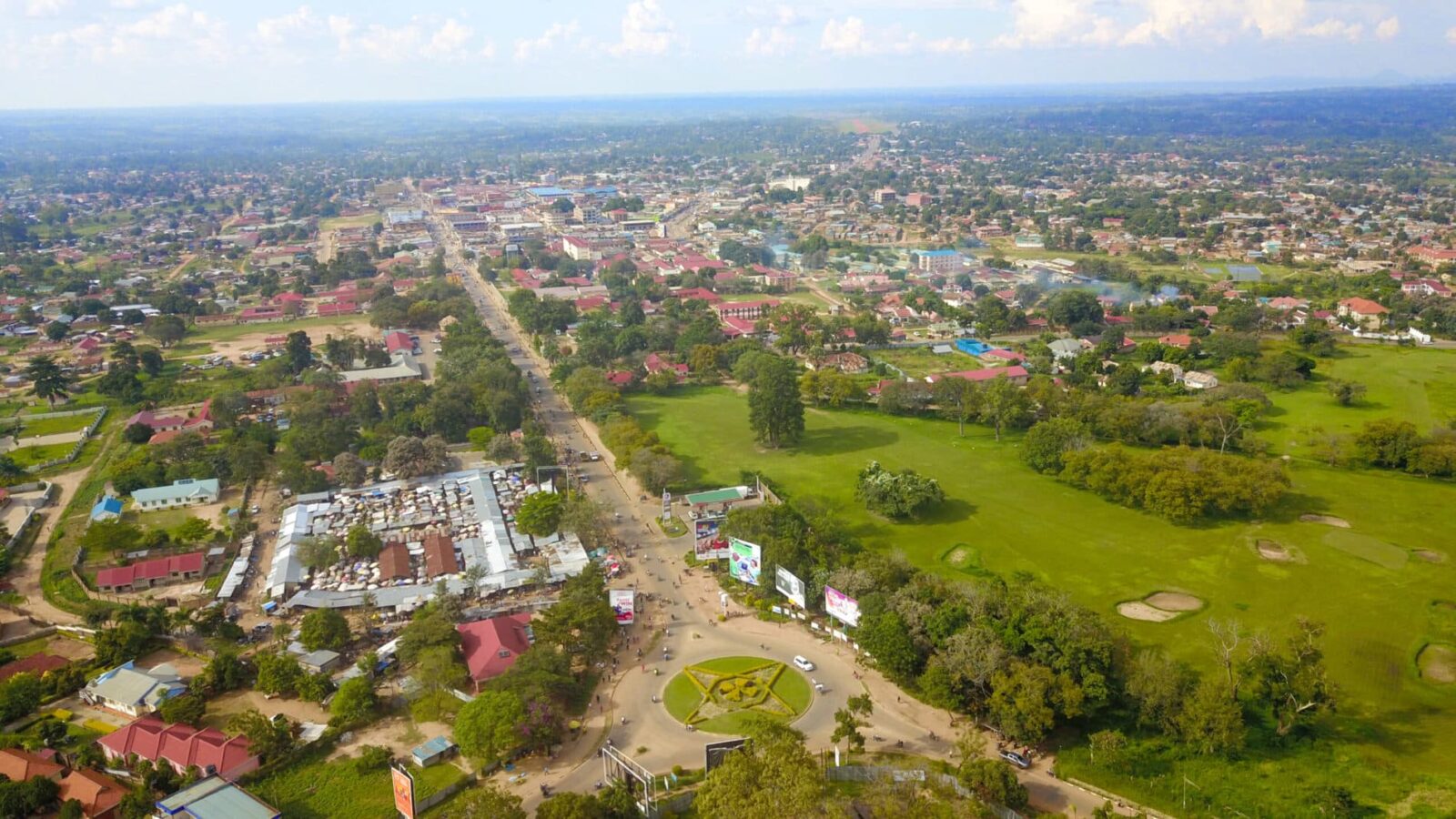
Arua is not just another Ugandan town; it is a meeting point of diverse identities, both geographical and cultural. Located near the borders of the Democratic Republic of Congo and South Sudan, Arua has for centuries been a hub of trade, cultural exchange, and migration. Its cosmopolitan energy is visible in its bustling streets, its open-air markets, and the mix of languages and traditions that enrich daily life.

For honeymooners, this cosmopolitan charm creates a sense of discovery. Walking hand in hand through the town’s streets, one feels not only the joy of companionship but also the delight of being surrounded by something larger than oneself—an entire culture alive and thriving. Beyond the town itself, the landscape of Arua unfolds in gentle hills, lush greenery, and distant horizons that become especially romantic during sunrise and sunset.

The climate further enhances the experience. Compared to the central and southern parts of Uganda, Arua enjoys slightly cooler temperatures, creating a refreshing atmosphere ideal for outdoor exploration. This climate, combined with the vibrancy of the surroundings, makes every step of a honeymoon day trip feel like it belongs in a love story.

The Morning: Awakening Romance with Local Charm

Every unforgettable day begins with a memorable morning, and in Arua, the day unfolds with a sense of promise. Honeymooners arriving early can begin their exploration in the town center, where breakfast is not just a meal but an introduction to the flavors and rhythms of the region. Local cafes offer rich Ugandan coffee, paired with freshly baked pastries or traditional chapati. Sharing such a simple breakfast while watching the town awaken provides a moment of intimacy, where the couple can pause and appreciate the journey they are beginning together.

After breakfast, a stroll through Arua’s central market becomes a fascinating experience. Unlike the tourist-heavy markets in larger cities, Arua’s market retains an authentic character. The stalls overflow with fresh produce, colorful fabrics, handwoven baskets, and traditional crafts. For honeymooners, walking together through the market becomes more than shopping—it becomes an exploration of identity and community. Each fabric design, each basket weave, tells a story, and these stories are shared in laughter, in curiosity, and in the joy of experiencing something new as a couple.

The morning also presents opportunities for light cultural engagement. Visiting local art shops or small cultural centers allows couples to learn about Alur and Lugbara traditions, which dominate the region. Watching artisans at work or listening to local musicians rehearse creates memories that linger long after the trip has ended.

Midday Adventures: The Allure of Scenic Escapes

As the morning energy blends into midday, the call of the landscapes outside the town becomes irresistible. A short drive from the center of Arua leads honeymooners into the surrounding countryside, where serenity replaces the bustle, and nature takes over the narrative.

One of the most memorable destinations for couples is the Arua Hill, a vantage point that offers sweeping views of the town and its surrounding landscapes. Standing together on this hill, with the wind gently brushing against their faces, couples are reminded of the vastness of the world and the smallness of worries in comparison. Such moments, spent gazing into the horizon, carry symbolic weight for honeymooners—it becomes an unspoken promise of facing the future together, side by side.The What Not to Miss: day trip at Arua for honeymooners

Another enchanting option is a visit to the Arua Golf Course, not necessarily for the game itself but for the serenity of its grounds. Couples often find quiet spots within the lush greenery to sit, converse, and reflect. The combination of leisure and intimacy creates an atmosphere that feels indulgent yet simple, allowing love to flourish without distraction.

For couples drawn to history and storytelling, Arua offers sites linked to its colonial past, including structures that once played central roles during the time of Uganda’s struggle for independence. Visiting these sites together allows honeymooners to connect not just with each other but also with the shared history of the land they are exploring.

Afternoon Bliss: Shared Meals and Local Encounters

The afternoon in Arua is the perfect time to slow down and indulge in the pleasures of food and conversation. A romantic lunch can be enjoyed at local restaurants that offer both traditional Ugandan meals and international cuisine. Dishes such as matoke, groundnut sauce, grilled tilapia, or roasted goat meat become culinary highlights. Sharing such meals enhances intimacy, as couples not only satisfy their appetite but also celebrate the act of discovering new flavors together.

Food in Arua carries more than taste; it carries identity. Honeymooners often find joy in asking chefs about the origins of the recipes or the significance of certain ingredients. In such exchanges, food becomes a form of cultural storytelling. Couples leave the table not just satisfied but enriched, having tasted both the flavors and the heritage of the region.

Afternoons also invite leisure. Walking again through the town, visiting craft shops, or sitting quietly in shaded gardens allows couples to pause. In these pauses, the honeymoon becomes more than scheduled activity—it becomes a rhythm of connection, laughter, and reflection. Even the simplicity of sipping cool drinks together while watching the life of the town unfold feels meaningful, precisely because it is shared.

Evening Magic: The Romance of Arua’s Twilight

As the day moves towards evening, Arua reveals its most romantic side. The skies turn golden, and the soft glow of twilight casts a spell on the landscapes. For honeymooners, this time is perhaps the most memorable. A drive or walk outside the town into the countryside allows couples to experience sunset views that remain etched in memory.

The countryside around Arua is dotted with fields and villages, where the hum of daily life slows down as the sun sets. Couples often find secluded spots to watch the sun dip beyond the horizon, hand in hand, as silence and beauty merge into one. These are the moments that define honeymoons—the moments when love feels timeless and nature becomes a witness to intimacy.

Returning to the town in the evening, couples can choose to enjoy a romantic dinner at a cozy restaurant or an outdoor venue where the evening breeze adds to the charm. The combination of candlelight, local dishes, and soft music provides the perfect conclusion to a day that has celebrated both exploration and companionship.

The Symbolism of Arua for Honeymooners

What makes Arua stand out as a honeymoon destination is not necessarily the grandeur of luxury resorts or the extravagance of curated tours. Instead, it is the simplicity and authenticity of the experience. For honeymooners, a day in Arua is about walking together in markets, discovering new flavors, watching sunsets, and engaging with cultures that welcome them warmly. It is about creating memories grounded in reality, where love is not framed by artificial backdrops but by the authenticity of life as it is lived in this unique part of Uganda.

The symbolism of such an experience cannot be overstated. Just as marriage is about sharing both the extraordinary and the ordinary, so too does Arua offer a day that balances wonder with simplicity. It teaches that love thrives not only in luxury but also in the small joys of shared discovery. For this reason, a honeymoon day trip to Arua feels not only enriching but also deeply symbolic of the journey ahead.

Why a Day Trip to Arua is Unforgettable

Many destinations promise romance, but few deliver it as naturally as Arua. The town’s mix of cultures, its warm climate, its accessible landscapes, and its welcoming people combine to create an atmosphere that feels both adventurous and safe. For honeymooners, this balance ensures that the day is not overshadowed by stress or uncertainty but instead flows naturally from morning to evening.

The day becomes unforgettable because it engages all senses. The sights of colorful markets and golden sunsets, the sounds of laughter and local music, the tastes of authentic Ugandan dishes, the touch of cool evening breezes, and the intangible sense of connection—all converge into a tapestry of memories that honeymooners carry with them long after the trip is over.

Begin the Journey of Love with Arua

In the world of honeymoon destinations, Arua may not yet appear on every glossy magazine cover or every travel brochure. But therein lies its magic. It remains authentic, vibrant, and untouched by excessive commercialization. For couples seeking a honeymoon experience that is unique, intimate, and filled with real connections, a day trip to Arua becomes not just a suggestion but a must.

This town offers the chance to begin marriage not with extravagance but with meaning, not with luxury alone but with authenticity. It is a destination where love is celebrated in markets, in hills, in sunsets, and in shared meals. It is where two hearts, having promised to journey together, find a landscape that reflects their promise back to them.

For honeymooners ready to explore the depths of romance in Uganda and beyond, the path is best traveled with expertise and care. To ensure that every detail is thoughtfully arranged and every moment is maximized, book your African tours and safaris with WildHorn Africa. With their guidance, Arua and the rest of Uganda will not just be places visited but experiences lived—experiences that turn honeymoons into timeless memories.

Kabaka's Palace Gorilla Trekking: 5-Day Itinerary for long-stay travelers

Kabaka’s Palace Gorilla Trekking: 5-Day Itinerary for long-stay travelers

By Travel stories and blogs, Uganda travel guides

Kabaka’s Palace Gorilla Trekking: 5-Day Itinerary for Long-Stay Travelers

A Journey into Royal Heritage and Pristine Wilderness

For travelers with time to explore Uganda’s cultural and natural treasures, a long-stay itinerary combining Kabaka’s Palace and gorilla trekking offers a transformative experience. Kabaka’s Palace, the traditional seat of the Buganda monarchy, stands as a testament to centuries of royal heritage, intricate architecture, and vibrant cultural practices. Meanwhile, gorilla trekking in the lush forests of southwestern Uganda provides a rare opportunity to observe one of the planet’s most endangered species in their natural habitat.

This carefully designed five-day itinerary caters to long-stay travelers seeking a balanced immersion in both cultural and ecological experiences, allowing for deep engagement, reflection, and sustainable exploration. By integrating royal history with wildlife adventure, travelers are afforded a nuanced understanding of Uganda’s diverse landscapes and societal traditions.

Day 1: Arrival and Introduction to Kabaka’s Palace

Upon arrival in Kampala, travelers are welcomed with hospitality reflective of Buganda traditions. The journey to Kabaka’s Palace offers a first encounter with Uganda’s vibrant urban and peri-urban landscapes, interspersed with glimpses of colonial-era architecture, bustling markets, and serene roadside vistas. The palace itself is characterized by grand structures, thatched roofs, and meticulously maintained grounds, each feature symbolizing historical and spiritual significance.

Upon arrival, a guided tour introduces visitors to the lineage of Buganda’s kings, ceremonial regalia, and architectural symbolism. Children and adults alike are engaged through storytelling and visual demonstrations, ensuring that the depth of history is accessible to all participants. The first day emphasizes acclimatization, cultural orientation, and understanding the rituals and heritage embedded within the palace complex.

Day 2: Cultural Immersion and Community Engagement

The second day is devoted to immersive cultural experiences surrounding Kabaka’s Palace. Travelers are introduced to the vibrant daily life of the Baganda community, exploring local markets, artisanal workshops, and traditional culinary practices. This day is structured to allow long-stay visitors to observe and participate actively in cooking sessions, craft demonstrations, and community rituals, deepening their understanding of Buganda’s societal framework.

Visitors can witness the preparation of traditional dishes such as matoke, groundnut sauce, and millet porridge, with opportunities to assist in safe and supervised cooking activities. Interaction with local musicians, dancers, and artisans enriches the cultural experience, emphasizing the interconnectedness of heritage, gastronomy, and social cohesion. The second day provides both leisure and learning, establishing a foundation for reflection before embarking on the more physically demanding gorilla trekking adventure.Kabaka's Palace Gorilla Trekking: 5-Day Itinerary for long-stay travelers

Day 3: Transfer to Gorilla Trekking Regions

Early on the third day, travelers commence the journey to southwestern Uganda, where Bwindi Impenetrable Forest and Mgahinga Gorilla National Park await. The transfer is often facilitated through comfortable vehicles equipped for long-distance travel, offering scenic views of rolling hills, terraced farmlands, and traditional homesteads. The route itself provides insight into rural life, agricultural practices, and local community structures along the way.

Upon arrival in the gorilla trekking region, travelers are introduced to their lodges or eco-luxury camps, designed to blend comfort with immersion in the natural environment. Evening sessions include orientation on gorilla behavior, trekking protocols, and safety measures. Guides provide educational briefings on primate ecology, conservation challenges, and research initiatives, ensuring that participants are well-prepared and aware of the ethical and ecological considerations involved in gorilla encounters.

Day 4: Gorilla Trekking and Forest Exploration

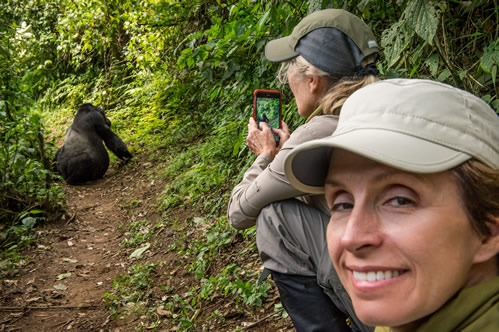
The fourth day constitutes the highlight of the itinerary: the gorilla trekking experience. Guided by experienced trackers, travelers navigate dense tropical forests, listening to the subtle sounds of the ecosystem while observing diverse flora and fauna. Tracking mountain gorillas is conducted with strict adherence to conservation guidelines, ensuring minimal disturbance to the primates and maximal safety for visitors.

Upon locating a gorilla family, travelers spend a designated period observing and photographing these majestic creatures, guided by naturalists who explain social behaviors, dietary patterns, and family dynamics. The experience is both humbling and educational, fostering a profound appreciation for wildlife conservation. Children, when accompanied by adults, are taught to remain quiet, patient, and respectful, ensuring that the encounter is both safe and impactful.

Beyond gorilla trekking, the day includes exploration of forest trails, birdwatching, and interaction with local flora. Knowledgeable guides provide commentary on endemic plant species, medicinal herbs, and ecological interdependencies, linking gorilla habitats to broader conservation efforts. The day concludes with relaxation at the lodge, reflecting on the rare privilege of observing one of the world’s most iconic endangered species in its natural setting.

Day 5: Cultural Reflection and Departure

The final day of the itinerary emphasizes reflection, cultural engagement, and preparation for departure. Travelers return toward Kampala or other departure points, stopping en route to visit community-based projects, small-scale farms, or local craft cooperatives. These interactions highlight sustainable tourism, economic empowerment, and the integration of cultural heritage with ecological stewardship.

Visitors can participate in concluding workshops, such as preparing traditional meals for local families or contributing to conservation education sessions for community youth. These experiences allow long-stay travelers to synthesize insights from both the cultural and ecological aspects of the trip, reinforcing the dual focus of the itinerary on heritage and conservation. The day concludes with transfer to accommodation or airport facilities, concluding a journey that has been both luxurious and profoundly meaningful.

Luxury Amenities and High-End Travel Considerations

Throughout the five-day itinerary, accommodations are selected to ensure maximum comfort, personalized service, and seamless integration with field activities. Lodges near gorilla trekking sites are designed with eco-friendly principles, offering spacious rooms, gourmet cuisine, and curated amenities such as guided nature walks and wellness services. Kabaka’s Palace experiences are complemented by high-end hospitality options that allow for private tours, exclusive cultural interactions, and comfortable transportation logistics.

Luxury travelers benefit from tailored arrangements including private guides, dedicated vehicles, and flexible scheduling to accommodate individual preferences and energy levels. The combination of personalized comfort with immersive cultural and ecological experiences ensures that long-stay visitors derive both satisfaction and meaning from each component of the itinerary.

Educational and Conservation Impact

A distinguishing feature of this itinerary is its focus on education and conservation impact. Gorilla trekking activities are structured to support local research initiatives, community conservation programs, and wildlife monitoring. Travelers are briefed on best practices, conservation policies, and the role of tourism in sustaining endangered species, providing a contextual understanding of ecological interdependence.

Similarly, cultural activities around Kabaka’s Palace emphasize heritage preservation, traditional knowledge, and community engagement, allowing travelers to witness how historical and contemporary practices coexist. The itinerary encourages reflective learning, ensuring that long-stay visitors gain a holistic perspective on Uganda’s natural and cultural wealth.

Photography, Documentation, and Immersive Storytelling

The itinerary is designed to maximize photography and documentation opportunities for travelers. The contrast between royal architecture, vibrant cultural ceremonies, and pristine forest landscapes provides rich material for visual storytelling. Photography sessions are conducted under the guidance of experts who ensure ethical practices, minimal wildlife disturbance, and cultural sensitivity.

Documentation of experiences, whether through journals, sketches, or digital media, enhances the reflective component of the itinerary. Travelers are encouraged to capture both the grandeur of Kabaka’s Palace and the intimacy of gorilla interactions, creating a comprehensive narrative that merges culture, heritage, and wildlife adventure.

Health and Safety Considerations

Long-stay travelers engaging in both palace visits and gorilla trekking are advised to follow precautionary health measures, including vaccinations, malaria prophylaxis, and adherence to hygiene standards. Safety protocols are implemented for trekking, forest exploration, and cultural activities, ensuring that travelers, guides, and local communities are protected.

Guided tours include briefings on behavior around wildlife, respect for sacred sites, and emergency procedures. Accommodations and transport arrangements prioritize traveler well-being, offering comfort, medical readiness, and professional oversight throughout the journey.

Sustainable and Ethical Travel Practices

This itinerary emphasizes responsible and ethical tourism. Gorilla trekking adheres to strict conservation guidelines, and interactions with local communities are conducted respectfully, ensuring that both heritage and ecosystems are preserved. Luxury travelers are encouraged to participate in sustainable practices, including supporting community initiatives, minimizing environmental impact, and respecting cultural norms.

By integrating ethical considerations into every aspect of the journey—from accommodations and transportation to field activities and cultural workshops—travelers contribute to long-term conservation and heritage preservation, enhancing the meaningfulness of their experience.

A Harmonious Blend of Culture, Nature, and Luxury

The five-day itinerary combining Kabaka’s Palace visits with gorilla trekking offers long-stay travelers an unparalleled immersion into Uganda’s cultural and ecological richness. From royal heritage to endangered wildlife, each day is designed to balance learning, adventure, reflection, and comfort. Travelers engage deeply with historical narratives, traditional practices, and conservation initiatives, creating a journey that is both luxurious and profoundly meaningful.

To ensure a seamless and enriching experience, bookings through WildHorn Africa are highly recommended. Their expertise in arranging high-end itineraries, coordinating cultural and ecological activities, and providing professional guidance ensures that travelers experience the finest blend of comfort, heritage, and wildlife adventure. With WildHorn Africa, a long-stay journey to Kabaka’s Palace and the gorilla habitats of southwestern Uganda transforms into a once-in-a-lifetime experience, where every moment is carefully curated for impact, engagement, and lasting memory.

Solo Traveler Guide — Kidepo Valley National Park festival guide for weekenders

Solo Traveler Guide — Kidepo Valley National Park festival guide for weekenders

By Travel stories and blogs, Uganda travel guides

Solo Traveler Guide — Kidepo Valley National Park Festival Guide for Weekenders

A Solo Adventure into Uganda’s Untamed Beauty

For travelers seeking a weekend escape filled with wildlife, culture, and unforgettable experiences, Kidepo Valley National Park stands as a premier destination. Located in the northeastern corner of Uganda, this remote park is renowned for its dramatic landscapes, diverse wildlife, and vibrant local festivals. For the solo traveler, Kidepo offers a combination of adventure and cultural immersion, presenting opportunities that few other destinations in East Africa can match.

Visiting Kidepo for a festival is an experience that merges nature with culture, allowing solo explorers to witness traditional dances, artisanal crafts, and local ceremonies amidst a backdrop of savannahs, hills, and winding rivers. This guide provides practical insights and insider knowledge, ensuring that weekenders can maximize both their time and experiences in this unique region while capturing memories that will last a lifetime.

Understanding Kidepo Valley National Park

Kidepo Valley National Park is often described as Uganda’s hidden gem, a place where wildlife roams freely across vast, open landscapes. The park spans over 1,400 square kilometers, encompassing rolling savannahs, rugged mountains, and seasonal rivers. Unlike more frequented parks, Kidepo offers solitude and exclusivity, making it particularly attractive for solo travelers seeking both adventure and reflection.

The park’s biodiversity is striking, hosting over 80 mammal species, including elephants, lions, leopards, and cheetahs, alongside more than 500 bird species. Its remoteness has preserved an ecosystem that remains largely undisturbed, providing photographers and wildlife enthusiasts with unparalleled opportunities for capturing raw and authentic encounters.

Kidepo’s festivals add another layer of appeal. These cultural events, often rooted in local traditions, showcase the artistry, music, and social dynamics of the Karamojong people. By attending a festival, solo travelers can engage with the community, learn about traditional practices, and experience the rhythms of life that have persisted in this region for centuries.

Solo Travel Considerations for Kidepo

Traveling solo in Kidepo requires careful planning. The region’s remoteness and limited infrastructure make logistics, timing, and safety considerations critical. Flights from Kampala to nearby airstrips, or carefully timed road transfers, are commonly used by weekenders seeking efficiency. Accommodations range from luxury lodges that blend comfort with the wilderness, to camping sites that offer immersive experiences under the African sky.

Solo travelers are encouraged to select accommodations that facilitate both independence and social interaction. Lodges with guided safari options and local cultural activities ensure safety while providing avenues to connect with other travelers and local hosts. Planning the itinerary to coincide with a festival adds a cultural dimension, transforming a routine weekend safari into a dynamic and enriching journey.

The Festivals of Kidepo: Culture Amidst the Wilderness

Kidepo’s festivals are often tied to seasonal cycles, agricultural milestones, and communal celebrations. Traditional dances, drumming, and ceremonial performances provide vibrant photo opportunities, while marketplaces offer insights into local craftsmanship, from beadwork to woven textiles. For the solo traveler, attending a festival allows direct engagement with the Karamojong people, creating moments of interaction and understanding that go beyond passive observation.

The timing of festivals often aligns with periods of wildlife abundance, allowing travelers to combine cultural immersion with safari excursions. The contrast between observing lions roaming the savannah and participating in energetic dance ceremonies highlights the unique duality of Kidepo as both a natural and cultural haven. Photographers benefit from the juxtaposition of motion, color, and light, capturing images that tell stories of tradition, landscape, and wildlife simultaneously.

Practical Tips for Weekenders

Maximizing a weekend trip to Kidepo requires efficiency. Travel routes are planned to optimize time, ensuring that both safari and festival experiences are fully realized. Early departures from Kampala or other major cities allow for morning safaris or festival previews upon arrival. Solo travelers are advised to engage with local guides, whose expertise enhances understanding of both the wildlife and cultural contexts, while also facilitating safer navigation in a remote region.

Packing considerations are influenced by the dual nature of the trip. Lightweight clothing suitable for the savannah climate, durable footwear for walking, and accessories for photography, such as binoculars and cameras, are essential. Additionally, personal safety items, sun protection, and hydration equipment ensure comfort and preparedness throughout the weekend.

Capturing Kidepo: Photography Insights

Kidepo Valley National Park offers incredible photographic opportunities, from dramatic landscapes and wildlife encounters to cultural ceremonies. Early mornings and late afternoons provide optimal lighting for capturing the golden hues of the savannah, the silhouettes of acacia trees, and the majestic profiles of roaming elephants. Festivals add dynamic motion and vibrant colors, presenting opportunities for both portrait and action photography.

Solo travelers are encouraged to blend wildlife and cultural photography, creating narratives that reflect the region’s interconnectedness. Techniques such as framing dancers against the backdrop of hills or capturing wildlife with a festival scene in the distance produce compelling images that convey both adventure and tradition. Respect for local customs and seeking consent when photographing community members is paramount, enhancing the authenticity of the captured moments.Solo Traveler Guide — Kidepo Valley National Park Festival Guide for Weekenders

Cultural Etiquette for Solo Travelers

Engaging respectfully with the Karamojong people enhances the festival experience and fosters meaningful connections. Travelers are encouraged to observe and participate where invited, while remaining mindful of sacred or private rituals. Understanding local norms regarding attire, photography, and interactions ensures that cultural exchanges are both positive and enriching.

Language barriers are often overcome through gestures, smiles, and guidance from local hosts. Solo travelers benefit from embracing curiosity, listening actively, and observing attentively, transforming a festival visit into a profound educational experience that deepens appreciation for Kidepo’s heritage.

Accommodation and Dining in Kidepo

Accommodations in Kidepo cater to varying preferences, from exclusive lodges with luxury amenities to eco-camps that immerse visitors in the wilderness. Solo travelers are encouraged to choose lodgings that facilitate early access to both wildlife excursions and festival venues. Some lodges also offer guided cooking experiences, where local chefs demonstrate the preparation of traditional Karamojong dishes, enriching the gastronomic dimension of the visit.

Dining experiences in Kidepo are characterized by the use of fresh, locally sourced ingredients, often prepared with traditional techniques. Meals are not merely sustenance but an extension of the cultural experience, providing opportunities to engage with flavors and cooking methods unique to the region. Solo travelers are encouraged to embrace communal dining where possible, enhancing the sense of connection and shared experience.

Combining Wildlife and Festival Adventures

The interplay between Kidepo’s natural environment and cultural festivals creates a unique itinerary potential. Morning and evening game drives offer glimpses of lions, giraffes, and elephants, while midday or evening festival activities provide immersion into music, dance, and communal celebration. Planning the weekend to balance both aspects ensures a rich, multifaceted experience.

Solo travelers often benefit from guided excursions, which enhance wildlife sightings and cultural understanding. Guides facilitate access to prime photographic locations, provide historical and ecological context, and ensure safety in remote areas. The combination of professional guidance with personal exploration allows for both structured and spontaneous experiences, enhancing the overall depth of the weekend adventure.

Health and Safety Considerations

Traveling solo in Kidepo requires attention to health and safety protocols, particularly given the park’s remote location. Vaccinations, mosquito precautions, and personal first aid are essential. Solo travelers are encouraged to maintain communication with lodge staff and guides, adhere to park regulations, and respect wildlife boundaries. Awareness of local conditions, including weather changes and terrain challenges, enhances both safety and enjoyment.

Travel insurance and contingency planning are recommended, providing peace of mind for solo adventurers. By preparing adequately, visitors can focus fully on the immersive experiences of wildlife observation and cultural engagement, confident in the knowledge that safety measures are in place.

Maximizing a Weekend Experience

For a weekend visit, strategic planning is essential to maximize the dual attractions of Kidepo. Early departures, coordinated guides, and well-chosen accommodations ensure that both safari and festival experiences are efficiently incorporated. Solo travelers benefit from pre-arranged itineraries that allow flexibility while maintaining structure, ensuring that no key moment is missed.

Photography schedules can be aligned with optimal lighting and festival performances, while meal times can be organized to sample local dishes without disruption to the itinerary. By balancing adventure, culture, and relaxation, the weekend transforms into a memorable, immersive experience that fully captures the essence of Kidepo Valley National Park.

A Weekend Worth Experiencing

Kidepo Valley National Park offers solo travelers an unparalleled blend of adventure, culture, and natural beauty. The park’s remote landscapes, diverse wildlife, and vibrant festivals provide experiences that are both thrilling and deeply enriching. Solo travelers who strategically plan their visit can enjoy wildlife encounters, cultural immersion, and culinary exploration, all within a carefully managed weekend itinerary.

To ensure a seamless and enriching experience, bookings and guided tours through WildHorn Africa are recommended. Their expertise in arranging safaris, coordinating festival access, and providing local insights guarantees that every solo traveler maximizes their time in Kidepo. With professional guidance, the weekend transforms into a truly immersive adventure, where memories of wildlife, culture, and festivals converge into a journey that is both unforgettable and deeply rewarding.

Mount Elgon Culinary Experiences: Budget-Friendly Ideas for culture lovers

Mount Elgon Culinary Experiences: Budget-Friendly Ideas for culture lovers

By Travel stories and blogs, Uganda travel guides

Mount Elgon Culinary Experiences: Budget-Friendly Ideas for Culture Lovers

A Culinary Adventure in Uganda’s Majestic Highlands

For travelers with a passion for culture and cuisine, Mount Elgon offers a unique combination of natural beauty, rich heritage, and gastronomic delights. Situated on the border of Uganda and Kenya, Mount Elgon is renowned not only for its towering peaks and verdant landscapes but also for the distinctive culinary traditions of the Bagisu and Sabiny communities who inhabit its slopes. For culture lovers seeking budget-friendly experiences, this region provides opportunities to explore authentic cuisine, interact with local artisans, and immerse oneself in traditional lifestyles without compromising on depth or authenticity.

A culinary journey in Mount Elgon goes beyond the simple act of tasting food. It is an exploration of heritage, agricultural practices, and community-based traditions that have been preserved for generations. From communal feasts prepared over open fires to fresh market produce and homegrown delicacies, every bite tells a story of local identity, resilience, and artistry. For travelers seeking meaningful experiences without a heavy financial burden, Mount Elgon presents an accessible, immersive, and memorable destination.

Understanding Mount Elgon’s Cultural Landscape

Mount Elgon is not merely a geological marvel; it is a cultural epicenter where local communities maintain centuries-old traditions. The Bagisu people, known for their circumcision ceremonies called Imbalu, and the Sabiny community, with their agricultural and ritual practices, create a rich tapestry of culture that deeply informs culinary traditions. Food in this region is closely tied to ritual, seasonality, and communal life, making every meal an opportunity to understand local customs and social structures.

Travelers are often struck by the connection between the land and the cuisine. Fresh produce is sourced from terraced farms, rivers provide freshwater fish, and traditional herbs and spices are grown in household gardens. For those with an interest in sustainable and farm-to-table practices, Mount Elgon offers an educational and sensory experience that emphasizes the interdependence of nature, culture, and gastronomy.

Budget-Friendly Accommodation Options

For culture lovers traveling on a budget, Mount Elgon offers a variety of accommodation options that balance comfort, accessibility, and local immersion. Guesthouses and homestays within villages provide opportunities for travelers to live among local families, observing culinary practices firsthand. Many of these lodgings are simple yet well-maintained, offering basic amenities alongside the chance to participate in daily routines, such as cooking, farming, and communal gatherings.

Camping sites within the foothills or at designated park locations offer another budget-friendly option. These sites allow travelers to connect with nature while remaining in proximity to local markets and communities. Staying in such accommodations encourages interaction with locals, enabling visitors to learn cooking techniques, understand ingredient sourcing, and observe traditional meal preparations in a natural and authentic context.

Exploring Local Markets and Ingredients

A central component of Mount Elgon culinary experiences is the local market visit. Markets are vibrant hubs of activity, where fresh vegetables, fruits, grains, and livestock are traded daily. Visitors can witness the intricate social networks that sustain these markets and gain insights into indigenous agricultural practices. Children, herbs, tubers, and legumes dominate the produce, while traditional seasonings, fermented foods, and homemade beverages highlight the diversity of local flavors.

Budget-conscious travelers are encouraged to purchase ingredients directly from vendors and participate in cooking sessions with local families. This approach not only reduces costs but also provides hands-on experience with preparation techniques, flavor combinations, and traditional culinary knowledge. Markets also offer opportunities for photography and storytelling, capturing the vibrancy of everyday life and the rhythms of community engagement.

Traditional Dishes to Experience

Mount Elgon’s culinary repertoire is deeply tied to the agriculture and heritage of its communities. Staple dishes such as matoke (steamed green bananas), millet porridge, roasted sweet potatoes, and groundnut stews form the foundation of daily meals. Each dish is prepared using methods passed down through generations, often involving open-fire cooking, steaming, and slow simmering.

For travelers on a budget, participating in these home-cooked meals provides both affordability and authenticity. Learning to prepare matoke with a local family, for example, allows visitors to observe the ritualistic aspects of meal preparation, such as communal peeling, steaming over banana leaves, and the careful balancing of spices and textures. Sampling locally brewed beverages, such as millet or sorghum beers, also enriches the cultural experience, offering insights into traditional fermentation techniques and social customs surrounding communal drinking.

Engaging with Local Culinary Practices

Beyond tasting, the Mount Elgon experience encourages active engagement with culinary traditions. Travelers can participate in planting, harvesting, and preparation processes, gaining a deeper understanding of seasonal cycles and local resource management. Activities such as pounding millet, roasting cassava, and preparing leafy vegetables provide hands-on learning opportunities that are both educational and culturally immersive.

This participatory approach is particularly valuable for culture lovers who wish to understand not only the flavors but also the cultural significance of meals. Foods are often linked to festivals, rites of passage, and communal events, making every cooking session a lesson in heritage. For budget-conscious travelers, these experiences are often more affordable than formal cooking classes while offering greater authenticity and meaningful interaction.Mount Elgon Culinary Experiences: Budget-Friendly Ideas for culture lovers

Budget Dining Experiences in Villages

Village-based dining experiences are ideal for travelers seeking to enjoy authentic cuisine at minimal cost. Local households frequently welcome visitors to share meals, offering a combination of traditional dishes, storytelling, and cultural insight. These meals are often prepared with ingredients sourced from the surrounding landscape, emphasizing freshness, sustainability, and communal effort.

Engaging in village dining allows travelers to witness social dynamics, such as the distribution of food, mealtime etiquette, and the roles of different family members in preparation. Children and adults alike can participate in simple tasks, such as stirring pots, arranging plates, or serving meals, fostering interaction and appreciation for local culinary customs. Meals are enhanced by the surrounding natural beauty, often enjoyed outdoors with views of terraced fields, rivers, or mountain slopes.

Culinary Festivals and Seasonal Celebrations

Mount Elgon hosts various cultural and culinary festivals, which are key opportunities for budget-conscious travelers to experience local cuisine in a communal setting. Festivals often celebrate harvests, agricultural milestones, or traditional rites, offering visitors the chance to sample a wide range of dishes prepared for large gatherings.

During these festivals, traditional dances, music, and storytelling accompany meals, providing a multisensory cultural immersion. Travelers can observe the preparation of special dishes, participate in communal cooking, and learn about the symbolic meaning of specific ingredients and recipes. Festivals also serve as excellent opportunities for photography, capturing vibrant colors, textures, and the lively spirit of local communities.

Educational Aspects of Culinary Tourism

Culinary tourism in Mount Elgon is not only about flavor; it also offers significant educational opportunities. Travelers gain insights into sustainable farming practices, food preservation techniques, and the nutritional value of indigenous crops. Children accompanying parents can engage in interactive learning, such as understanding plant cycles, observing animal husbandry, or participating in traditional cooking activities.

This educational dimension adds depth to the experience, allowing culture lovers to connect taste with knowledge, heritage, and ecological awareness. The integration of learning and engagement makes Mount Elgon an ideal destination for travelers who wish to expand their understanding of Ugandan culture while remaining budget-conscious.

Combining Hiking and Culinary Exploration

Mount Elgon’s culinary experiences are enriched by its natural environment. Hiking along trails provides opportunities to discover wild herbs, seasonal fruits, and edible plants traditionally used by local communities. Families and solo travelers alike can explore the landscape while learning how indigenous knowledge informs dietary practices.

Trails leading to caves, waterfalls, and forested areas often intersect with small farms or villages, enabling seamless integration of hiking and culinary exploration. Travelers can observe crop cultivation, participate in foraging activities, and even prepare simple meals using locally sourced ingredients during breaks, creating a holistic experience of nature and culture.

Sustainable and Community-Based Tourism

Budget-friendly culinary experiences in Mount Elgon are often part of community-based tourism initiatives, which benefit both visitors and local residents. Travelers contribute to the local economy by purchasing ingredients, paying modest fees for homestays, and participating in guided experiences. In return, communities share knowledge, culture, and traditional practices, creating a mutually beneficial exchange.

These initiatives prioritize sustainability and cultural preservation, ensuring that tourism supports local livelihoods without compromising heritage. Visitors gain insight into the role of food in social cohesion, agricultural sustainability, and cultural identity, deepening their understanding of the region beyond surface-level exploration.

Tips for Maximizing the Experience on a Budget

To maximize a Mount Elgon culinary adventure while remaining budget-conscious, travelers are encouraged to plan itineraries around local markets, homestays, and community-based cooking experiences. Early engagement with local guides can enhance access to authentic meals, seasonal produce, and cultural demonstrations. Participating in meal preparation not only reduces costs but also enriches understanding of local cuisine.

Photography, journaling, and sketching are additional ways to capture the essence of culinary experiences without incurring high costs. By focusing on hands-on interaction, cultural engagement, and observation, travelers can enjoy a full-bodied experience of Mount Elgon’s gastronomy without relying on expensive tours or restaurants.

A Cultural Feast for Budget Travelers

Mount Elgon offers a rich, authentic, and budget-friendly culinary experience for culture lovers seeking to explore Uganda’s highlands. From traditional village meals and local markets to community festivals and hiking-based foraging, every aspect of a visit combines heritage, flavor, and education. Travelers gain insight into agricultural practices, cooking techniques, and social customs, while immersing themselves in the breathtaking natural environment of the mountain region.

For those wishing to explore Mount Elgon fully while ensuring a seamless and enriching experience, tours and culinary excursions through WildHorn Africa are highly recommended. Their expertise in logistics, community engagement, and cultural immersion guarantees that travelers can enjoy authentic, hands-on culinary experiences while supporting local communities. With WildHorn Africa, Mount Elgon transforms into a destination where culture, cuisine, and budget-friendly travel converge, offering memories and experiences that linger long after the journey ends.

Family-Friendly Activities for game drive in Sipi Falls for birders

Family-Friendly Activities for game drive in Sipi Falls for birders

By Travel stories and blogs, Uganda travel guides

Family-Friendly Activities for Game Drive in Sipi Falls for Birders

Where Families and Birders Find Harmony

On the slopes of Mount Elgon, in eastern Uganda, lies one of Africa’s most enchanting destinations—Sipi Falls. Known for its majestic trio of cascading waterfalls, fertile coffee plantations, and sweeping highland views, Sipi has long drawn travelers seeking serenity and adventure. Yet, hidden within its landscapes is another dimension of discovery: the opportunity for families and birders to enjoy immersive activities that resemble the richness of a game drive experience.

Unlike the savannah parks of Uganda, where lions and elephants dominate the scene, Sipi Falls reveals a subtler wilderness, one woven with colorful birdlife, small mammals, butterflies, and cultural encounters. Families find here a sanctuary that balances adventure with safety, and birders discover an avian paradise where every hour offers new calls, feathers, and flight patterns. To engage in family-friendly game-drive-style explorations at Sipi is to unlock a world that delights children, educates parents, and excites seasoned ornithologists alike.

This article offers a comprehensive exploration of family-friendly activities for game drive experiences at Sipi Falls, focusing on seasonal highlights, birding treasures, and ways families can engage with the natural environment in profound yet accessible ways.

Understanding the Sipi Falls Landscape

The beauty of Sipi Falls cannot be separated from its setting. Rising at an altitude of about 1,775 meters above sea level, the area benefits from fertile volcanic soils, a temperate climate, and lush vegetation that supports a diversity of life. The three waterfalls—upper, middle, and lower—form the visual centerpiece, but beyond the roaring cascades lies a network of valleys, caves, forests, and farmlands that sustain birds, mammals, and people alike.

For families, this landscape is naturally inviting. The cooler climate makes outdoor exploration comfortable for children, while the relative absence of dangerous predators ensures that activities are safe. Birders, meanwhile, are rewarded with the presence of over 275 bird species recorded in the Mount Elgon region, many of which thrive in the habitats surrounding Sipi.

Exploring these landscapes is akin to embarking on a game drive—though not in a vehicle across vast plains, but on foot, by local transport, or through guided excursions that mimic the thrill of wildlife discovery.

Birding as the Heart of the Game Drive Experience

For birders, Sipi Falls is nothing short of a paradise. The region’s altitudinal range and varied habitats provide sanctuary for both forest specialists and highland species, making every exploration rewarding.

The call of the African blue flycatcher echoes in the forests, while the sight of a black-headed weaver weaving intricate nests along the rivers captivates children and adults alike. The region is also home to the Jackson’s francolin, taciturn turacos, tinkerbirds, and an array of sunbirds whose iridescent plumage glimmers like jewels under the morning light.

Family-friendly birding at Sipi Falls is enhanced by the fact that many species can be seen near farms, gardens, and trails, meaning even short walks with children yield rewarding sightings. Unlike some birding destinations where hours of trekking are required, Sipi allows birders to enjoy a steady rhythm of discovery suitable for all ages.

Family-Friendly Exploration: Activities That Mimic a Game Drive

Guided Nature Walks

Instead of the traditional game-drive vehicle, families at Sipi engage in guided nature walks that function as intimate safaris. Experienced guides lead families through forests, hillsides, and waterfall trails, pointing out birds, butterflies, and small mammals. Children find delight in spotting bright species like the scarlet-chested sunbird or listening to the comical chatter of hornbills.

These walks become more than birding expeditions; they evolve into family adventures where children learn to identify calls, track movements, and appreciate ecosystems. The slow pace ensures that everyone, from toddlers to teenagers, participates actively, transforming the walk into an interactive wildlife classroom.

Coffee Plantation Visits with Birding

The fertile slopes of Sipi Falls are famous for Arabica coffee, and plantation tours often double as birding adventures. As families are guided through the process of coffee cultivation—from planting to roasting—they simultaneously encounter an avian spectacle. Sunbirds dart among the coffee flowers, weavers perch on shade trees, and raptors circle above the hills.

For children, the combination of learning about coffee and spotting birds creates a multi-layered experience that blends culture, agriculture, and ecology. Parents find satisfaction in seeing their children engaged, while birders rejoice in the opportunity to add new species to their checklists without straying far from comfort.

Village Encounters and Cultural Birding

One of the most enriching aspects of a game-drive-style experience at Sipi is the opportunity to integrate cultural encounters with birdwatching. Families are welcomed into local villages, where they learn about Bugisu traditions, taste local foods, and listen to community stories. Birds are ever-present in these settings—perched on thatched rooftops, calling from banana groves, or soaring overhead.

This cultural birding allows children to understand that birds are not only part of natural landscapes but also embedded within human traditions. Local guides often share folklore linked to specific bird species, providing stories that captivate young minds while deepening the birding experience for seasoned enthusiasts. Family-Friendly Activities for game drive in Sipi Falls for birders

Hiking Trails as Family Game Drives

The hills around Sipi Falls offer numerous hiking trails that can be tailored for families. While some trails demand stamina, many shorter routes are perfect for children, offering gradual ascents and rewarding views. These hikes mimic a mini-game drive, with birds, butterflies, and sometimes small mammals appearing along the way.

Birders delight in spotting species such as the bronze sunbird or tropical boubou, while children are often fascinated by colorful butterflies and the playful chatter of vervet monkeys. Each step brings fresh discoveries, echoing the thrill of a savannah game drive where one never knows what lies beyond the next bend.

Waterfall Viewing as Wildlife Moments

The three waterfalls themselves are not merely scenic marvels but also birding hotspots. The spray-filled microhabitats near the falls attract unique species, including swifts and swallows that dart through the mist. Families, often mesmerized by the roar and beauty of the cascades, soon realize that the waterfalls double as stages for avian acrobatics.

Parents can relax as children enjoy the thrill of watching water plunge into deep pools while guides point out birds circling overhead. These shared moments blend awe, education, and recreation, forming memories that resonate long after the visit ends.

Canoeing on Mountain Streams

Though Sipi Falls is not a vast lake destination like Bunyonyi, its surrounding streams and rivers allow for short canoeing experiences that mimic the aquatic side of a game drive. Families can float gently along calm stretches, where birds such as kingfishers and herons dominate the waterside.

The slow pace ensures safety for children while offering birders front-row seats to some of the region’s most photogenic species. Canoeing becomes an act of peaceful exploration, where silence and observation reveal the hidden rhythms of Sipi’s waterways.

Seasonal Birding Highlights for Families

The Dry Season

From December to February and again June to August, the dry seasons provide families with clear skies, open trails, and high visibility for birding. Birds gather near water sources, making sightings frequent and rewarding. Raptors such as the augur buzzard are commonly seen gliding effortlessly above the cliffs.

For families, this season offers the reassurance of predictable weather, ensuring that outdoor activities can be planned with minimal disruption. Children enjoy the uninterrupted opportunities for swimming in safe streams, hiking, and picnicking, while birders revel in steady photographic opportunities.

The Wet Season

The rains that fall between March to May and September to November transform the Sipi landscape into a lush green paradise. This season corresponds with breeding activity for many birds, making it a particularly fascinating time for birders. Nests appear in trees, chicks can be seen learning to fly, and the forests come alive with songs.

Though trails may be slippery, the wet season offers unique experiences for families. Children often find joy in the novelty of sudden showers, while the mist around the waterfalls adds a magical touch to birding excursions. Parents who value fewer crowds also appreciate this season, as it offers a more intimate connection with both birds and landscapes.

Migratory Seasons

Between November and April, migratory species from Europe and Asia arrive, creating additional excitement for birders. Families are introduced to international visitors such as the barn swallow and sandpiper, expanding children’s understanding of how far birds travel. The migratory season transforms Sipi into a global crossroads, where local and foreign species coexist, reinforcing lessons of interconnectedness and adaptation.

Educational Value for Families

Engaging in birding and game-drive-style activities at Sipi Falls has profound educational benefits for children. Through guided walks, cultural encounters, and bird observations, young travelers gain lessons in ecology, conservation, and cultural diversity.

Parents often remark that their children return home with not only memories of waterfalls but also with newfound knowledge—how to identify a bird call, why forests matter, or how communities live sustainably with nature. These lessons, absorbed in the open classroom of Sipi’s landscapes, leave impressions far stronger than textbooks.

Comfort, Safety, and Family Reassurance

For families, the joy of exploration must always be balanced with safety and comfort. Sipi Falls, free of dangerous predators, offers precisely this reassurance. Guides ensure that walks and hikes remain suitable for children, while the cool climate prevents fatigue.

Accommodation in nearby eco-lodges complements these experiences by providing safe spaces for families to rest after their explorations. Meals are fresh, rooms are cozy, and the hospitality of local hosts ensures that children are welcomed warmly, not as distractions but as honored guests.

Birding Photography as Family Storytelling

One of the most rewarding aspects of birding at Sipi is the opportunity for photography, which becomes a form of family storytelling. Parents and children capture moments of discovery—the shimmer of a sunbird, the splash of a waterfall, or the smile of a guide pointing to a rare species.

These images become more than souvenirs; they serve as narratives that families revisit, sparking conversations about conservation, culture, and the adventures they shared. For birders, photography at Sipi also enriches their records, offering images framed not only by birds but by family bonds.

Conservation and Responsibility

Every family-friendly activity at Sipi Falls carries an underlying message of conservation. The region’s communities are deeply involved in preserving bird habitats and natural resources, recognizing that tourism and conservation are inseparable. Families who visit contribute directly to this mission, ensuring that children learn about the responsibilities of travel.

Whether through eco-lodge stays, guided walks, or cultural exchanges, each activity reinforces the idea that enjoying nature also means protecting it. Parents find satisfaction in knowing that their family’s adventure leaves behind a positive footprint.

Why Sipi Falls Should Be on Your Family Birding List

The family-friendly game drive experiences at Sipi Falls redefine what it means to explore Uganda with children and birders in mind. From guided nature walks to cultural birding, from seasonal highlights to educational immersion, the region offers a unique combination of safety, beauty, and discovery.

For birders, Sipi provides an unparalleled opportunity to observe species in diverse habitats without strenuous effort. For families, it offers activities that entertain, educate, and create memories rooted in both nature and culture. The waterfalls, the birds, the trails, and the villages together weave an experience that is as enriching for a child as it is for a seasoned birder.

Sipi Falls deserves a place on every family’s bucket list, not only for its natural wonders but also for the lessons it imparts—lessons of connection, respect, and harmony with the world. To transform this vision into reality, it is recommended that your African journeys be guided by experts who understand the delicate balance between family needs and birding aspirations. For immersive tours and safaris across Uganda and beyond, consider booking through WildHorn Africa, a trusted companion in crafting journeys that inspire, educate, and transform.

Close Menu