search
Family-Friendly Chimp Tracking Safaris in Kibale

Family-Friendly Chimp Tracking Safaris in Kibale

By Travel stories and blogs, Family holidays, Primate holidays, Uganda travel guides

Family-Friendly Chimp Tracking Safaris in Kibale

An Unforgettable Wildlife Adventure for All Ages

Kibale National Park, situated in western Uganda, is widely regarded as the epicenter of primate diversity in East Africa. Beyond its rich biodiversity, the park has been increasingly recognized as a prime destination for family-friendly wildlife adventures, particularly chimpanzee tracking safaris. These safaris offer a unique blend of educational enrichment, outdoor adventure, and ecological immersion, making them suitable for participants of varying ages and interests.

Family-friendly chimp tracking safaris in Kibale are designed to allow children, teenagers, and adults to experience the thrill of observing wild chimpanzees in their natural habitat, while simultaneously fostering an understanding of rainforest ecology, conservation, and the importance of sustainable tourism. The appeal of these safaris lies in their ability to combine physical activity, guided interpretation, and cultural engagement, creating transformative experiences that leave lasting impressions on participants.

This guide explores the nuances of family-friendly chimp tracking safaris in Kibale, covering safety considerations, educational opportunities, wildlife encounters, seasonal timing, logistical planning, and the integration of complementary activities. By understanding these components, families can maximize the value of their safari while contributing positively to conservation and community development.

Understanding Family-Friendly Chimp Tracking

The Unique Appeal of Chimpanzees

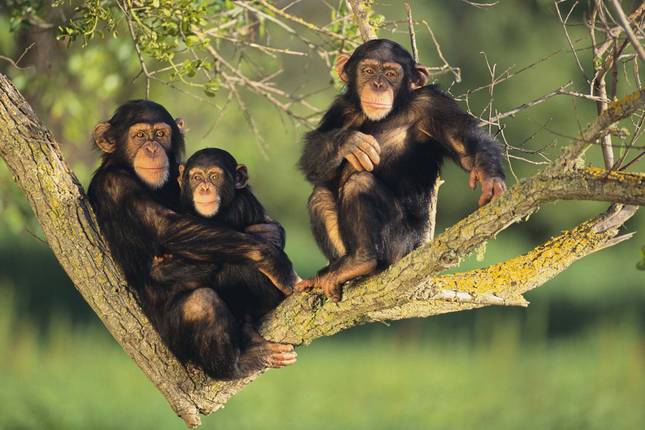
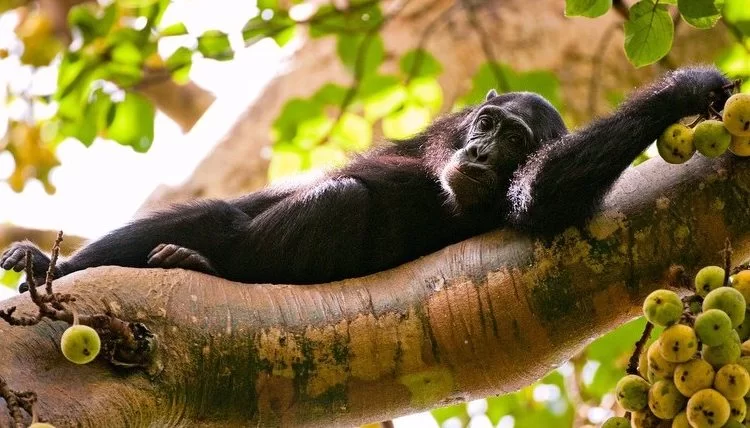
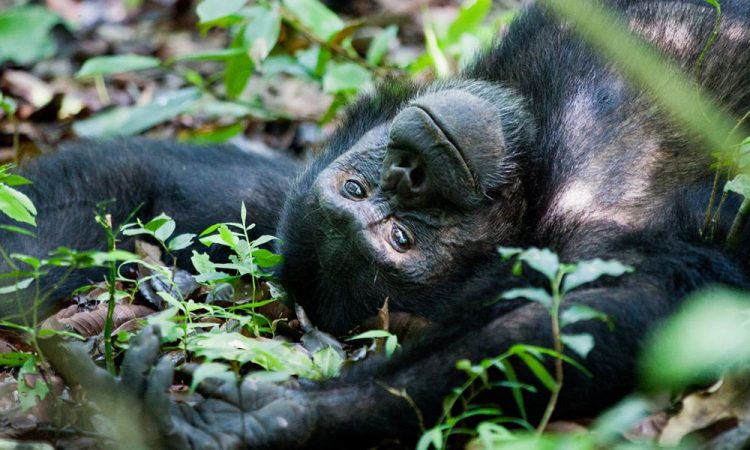
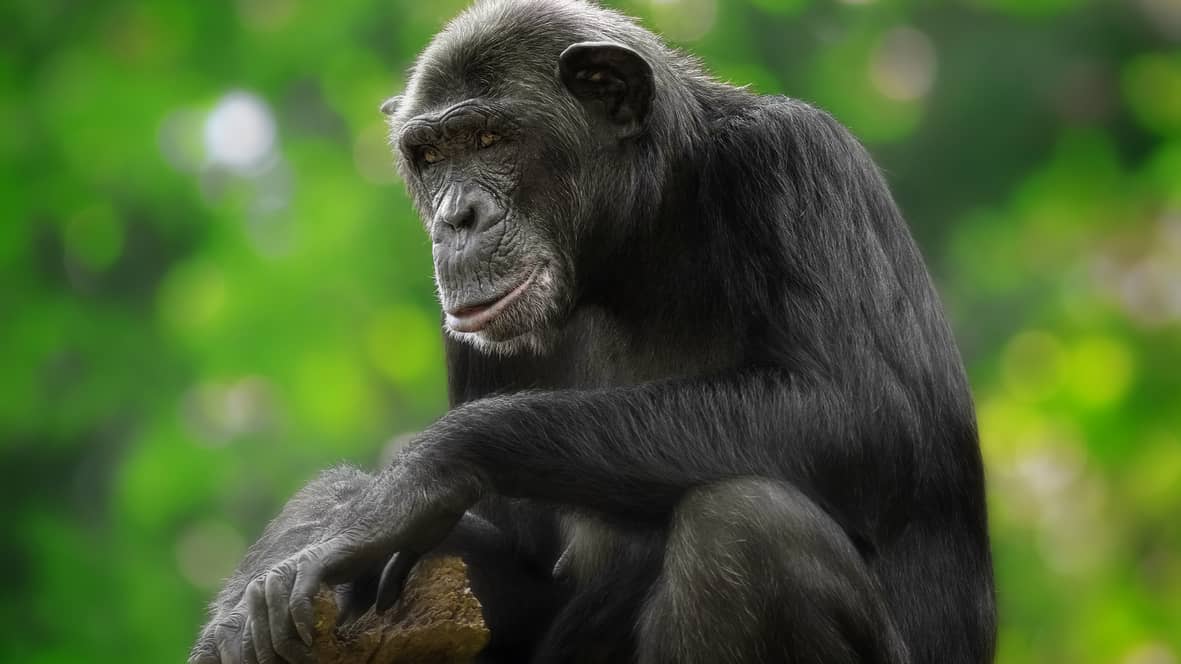
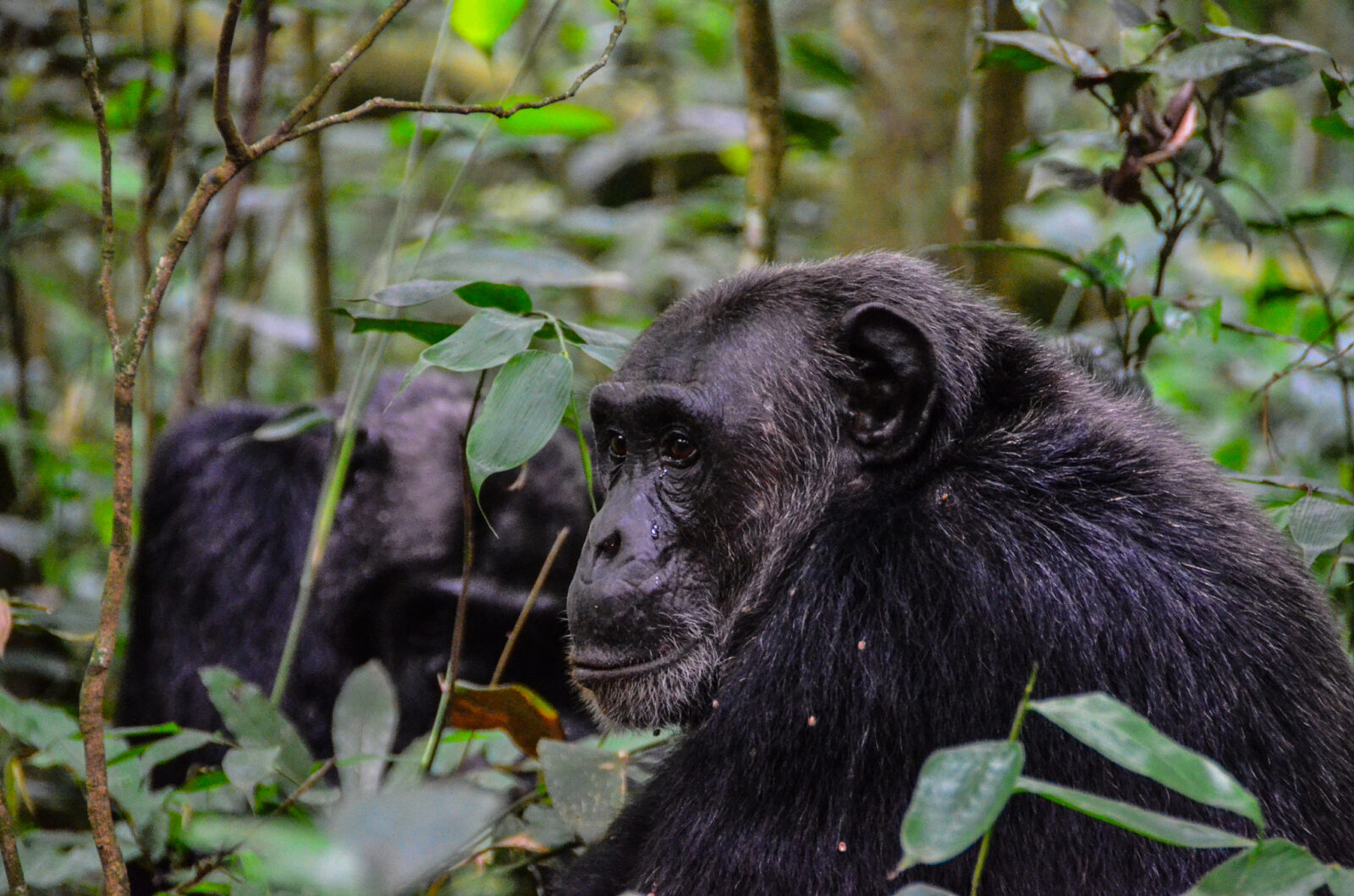
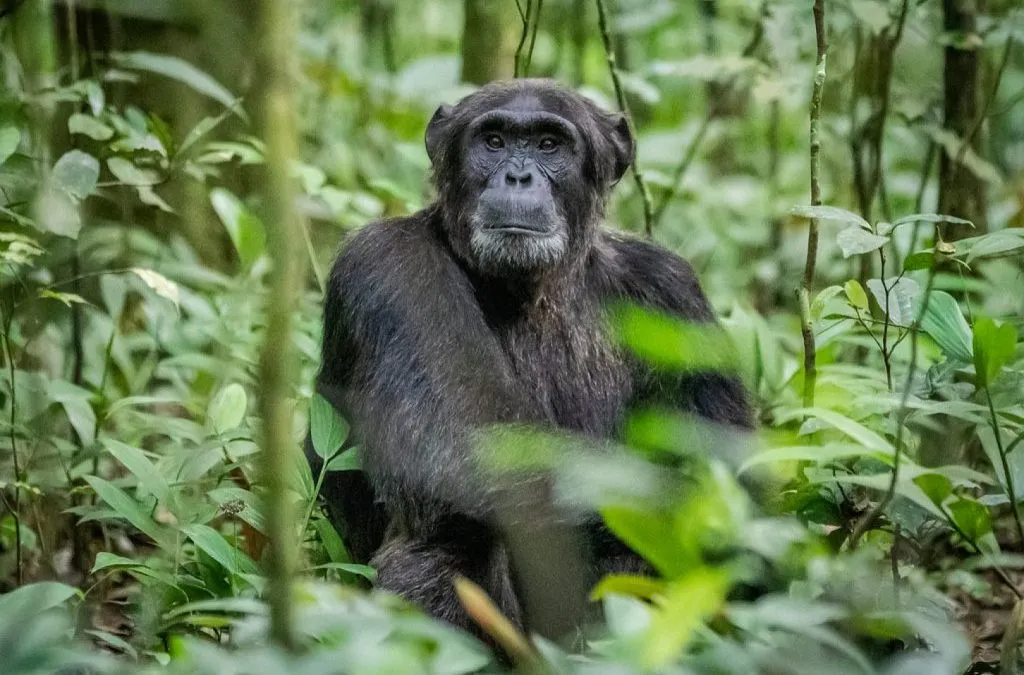
Chimpanzees are highly social and intelligent primates, exhibiting behaviors such as tool use, grooming, communication, and complex social interactions. Their activity patterns, which include feeding, foraging, nesting, and play, are observable throughout the day, providing opportunities for families to witness authentic wildlife behaviors. Children and adults alike are captivated by chimpanzee antics, including playful interactions among juveniles, territorial displays by adult males, and the cooperative problem-solving skills of social groups.

Observing chimpanzees also serves an educational purpose, as guides explain behaviors in the context of ecological roles, evolutionary significance, and conservation challenges. Through structured interpretation, participants gain a deeper appreciation for the intelligence, vulnerability, and social dynamics of our closest animal relatives.

Adaptations for Families

Family-friendly chimp tracking safaris are tailored to accommodate varied ages, fitness levels, and attention spans. Trails are chosen for accessibility, minimizing steep climbs or challenging terrain, while the pace of walks is moderated to ensure safety and comfort. Group sizes are often smaller for family units, allowing guides to provide personalized attention, explain behaviors, and answer questions. In addition, educational materials, interactive activities, and storytelling techniques are incorporated to engage children and adolescents, transforming the experience into a multi-sensory learning adventure.

Preparing for a Family Chimp Tracking Safari

Safety Considerations

Safety is paramount in family-oriented safaris. Chimpanzees are wild animals, and adherence to park guidelines, ranger instructions, and ethical viewing distances is strictly enforced. Participants are briefed on behavior protocols, such as avoiding sudden movements, refraining from shouting, and maintaining minimum distances, ensuring both human and primate safety. For children, supervision by parents and guides is essential, and age restrictions for participation are often established to balance educational value with safety.

Health and comfort considerations include appropriate footwear, sun protection, insect repellents, and hydration. Families are encouraged to dress in lightweight, breathable clothing, and to carry small daypacks containing snacks, water, and personal necessities. Pre-visit medical consultation and awareness of park-specific regulations contribute to a safe and enjoyable experience.

Logistical Preparation

Planning a family-friendly safari involves selecting accommodation, transportation, permits, and guided services. Lodges near Kibale offer family rooms, communal dining options, and recreational facilities that cater to children and adolescents. Transportation from Kampala or other major towns is arranged to minimize travel fatigue, often including stops for meals and sightseeing. Chimpanzee tracking permits must be secured in advance, and guides are selected based on experience with both primate tracking and family engagement.

Equipment and Essentials

Photography equipment, binoculars, and educational tools enhance the safari experience. Children benefit from field guides, activity booklets, and interactive observation tools, allowing them to record observations, sketch wildlife, and engage in structured learning. Adult participants often use cameras with telephoto lenses, while families share spotting equipment to promote cooperative engagement and shared discovery.

Wildlife Experiences for Families

Chimpanzee Observation

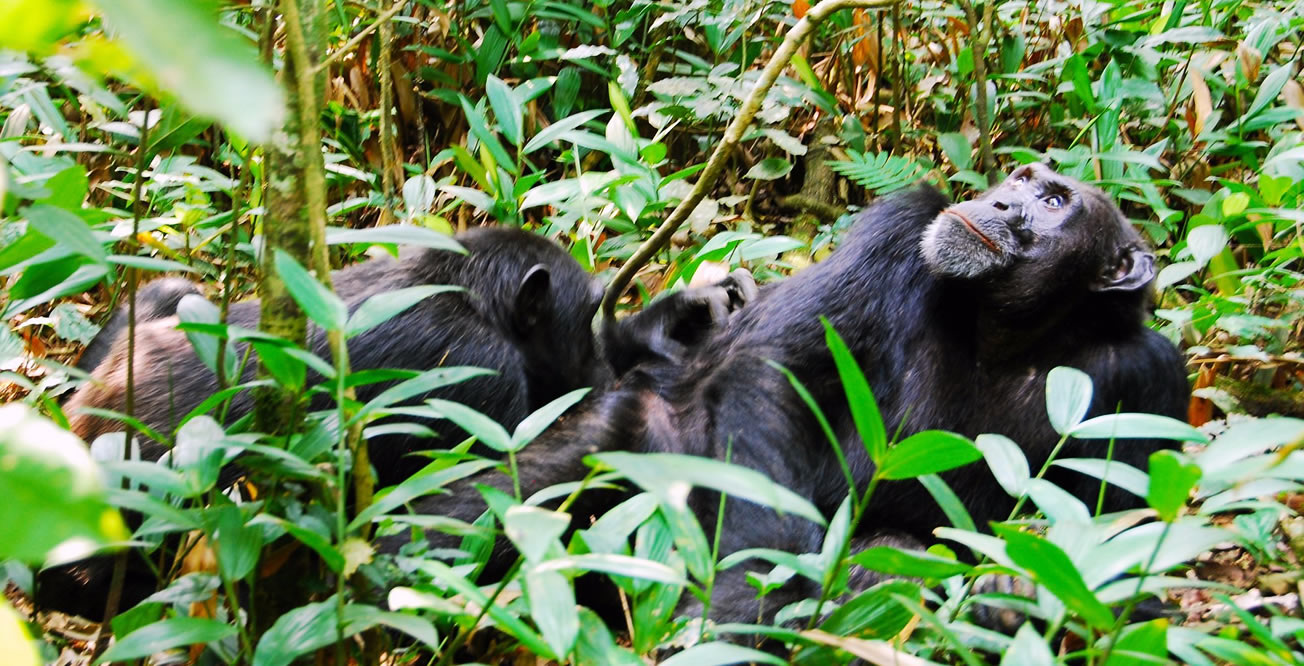
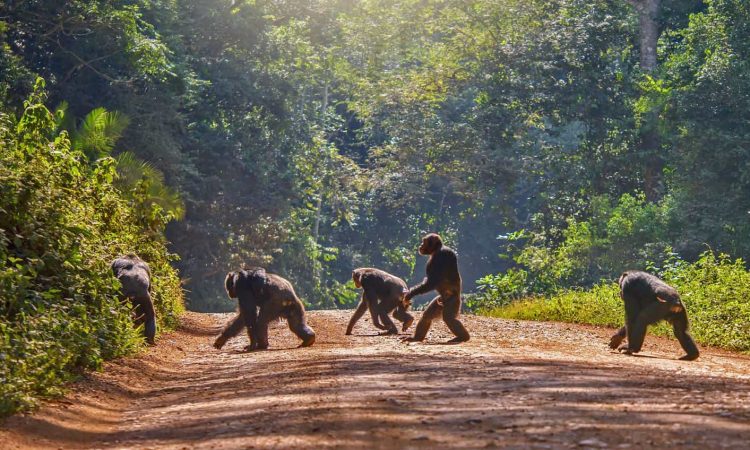
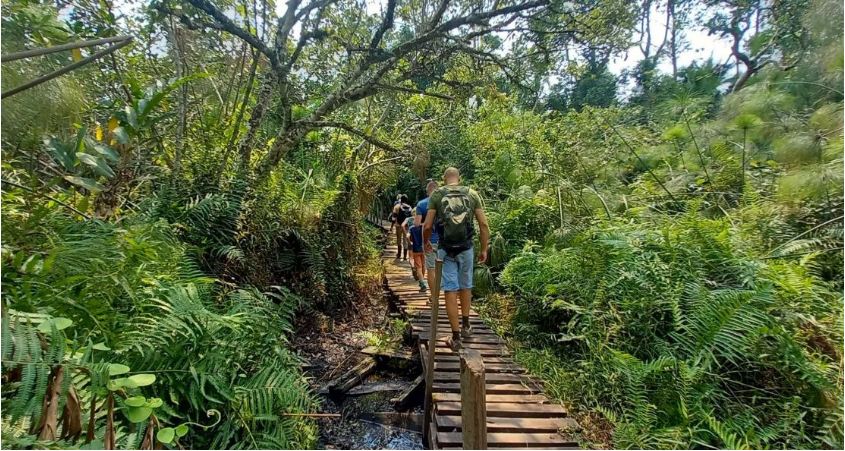
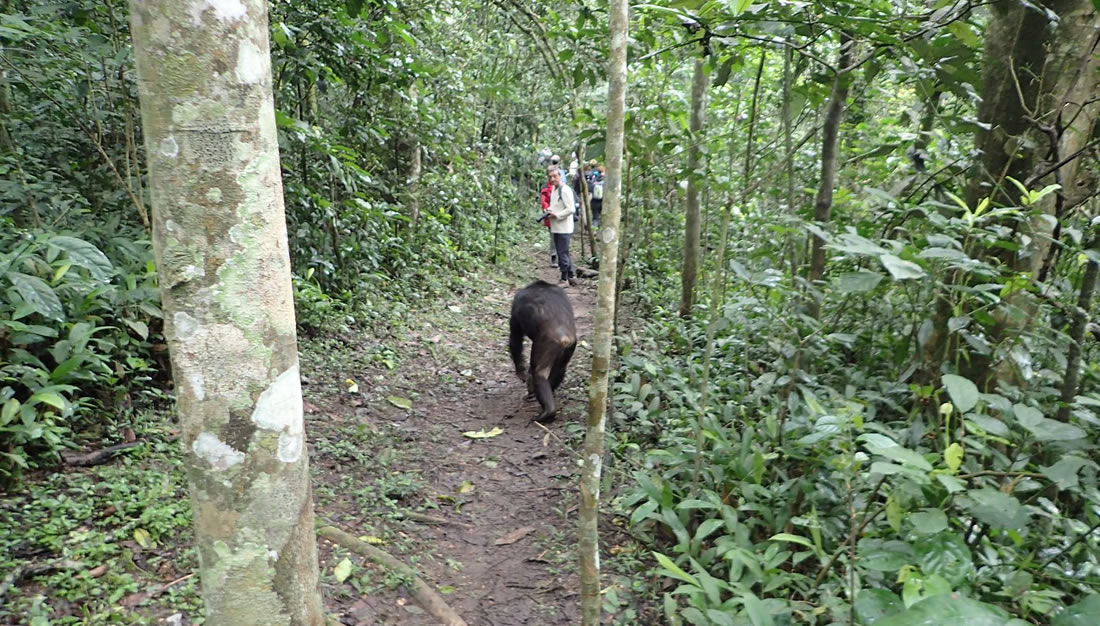
The central highlight of the safari is the chimpanzee tracking experience, typically conducted in the morning when chimpanzees are most active. Guides lead participants through forest trails, pointing out signs of chimpanzee presence, such as broken branches, nests, footprints, and feeding sites. Upon locating a group, families observe chimps from a safe distance, noting behaviors such as feeding, grooming, vocalizations, and social play.

These encounters provide educational insights, with guides explaining social hierarchies, family structures, communication methods, and the significance of tool use. Children are often fascinated by young chimps, whose playful behavior mirrors human juvenile interactions, fostering empathy and understanding of wildlife conservation needs.Family-Friendly Chimp Tracking Safaris in Kibale
Encountering Other Primates

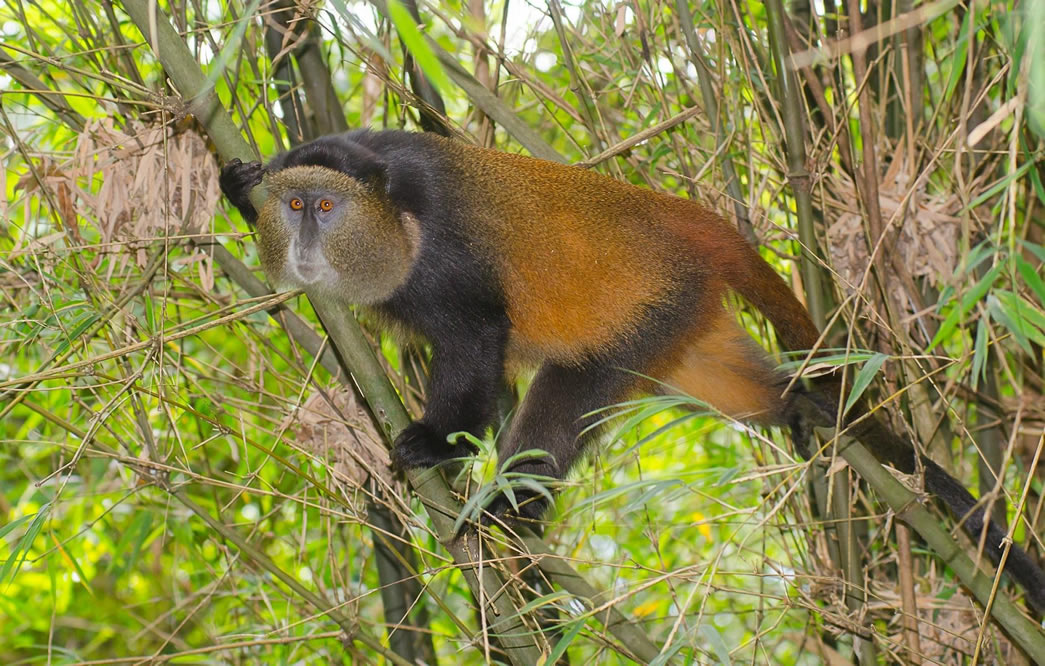
Kibale is home to 13 primate species beyond chimpanzees, including red-tailed monkeys, black-and-white colobus monkeys, L’Hoest’s monkeys, and olive baboons. These species provide additional observation opportunities, particularly for families whose children may have shorter attention spans. Guides highlight differences in diet, social structure, and locomotion, reinforcing ecological and evolutionary lessons while enhancing wildlife literacy.

Birds, Reptiles, and Small Mammals

Birdwatching is seamlessly integrated into family safaris, with over 370 species inhabiting Kibale. Guides point out colorful sunbirds, turacos, hornbills, and raptors, explaining feeding strategies, migration patterns, and ecological roles. Small mammals such as duikers, civets, and nocturnal species are occasionally spotted, and reptiles like chameleons and forest snakes are highlighted for their adaptive behaviors. These observations allow families to witness biodiversity at multiple ecological levels, promoting holistic ecological understanding.

Educational Value of Family Safaris

Environmental Awareness

Family-oriented chimp tracking safaris foster environmental consciousness, as participants learn about forest ecosystems, species interactions, and human impacts on wildlife. Children develop an appreciation for biodiversity, conservation challenges, and the importance of ethical behavior in natural settings. Adults gain insights into sustainable tourism, community-based conservation, and ecological stewardship, reinforcing family engagement in responsible environmental practices.

Interactive Learning

Educational activities are embedded within the safari experience, including nature walks, guided discussions, wildlife sketching, and observation journals. These activities encourage active participation, critical thinking, and reflective learning. Children are prompted to ask questions, make observations, and connect ecological knowledge with real-world conservation challenges, creating a hands-on learning environment that extends beyond the forest visit.

Cultural Integration

Family safaris often incorporate interactions with local communities, including visits to Bakiga or Batwa villages. Children and adults learn about traditional ecological knowledge, sustainable livelihoods, and cultural practices linked to forest stewardship. These experiences foster cross-cultural understanding, empathy, and appreciation for human-nature relationships, enhancing the educational depth of the safari.

Seasonal Considerations for Families

Optimal Timing

Chimpanzee activity and forest accessibility vary seasonally, affecting the quality of wildlife encounters and comfort of participants. The dry seasons, typically from June to August and December to February, provide easier trail conditions and higher visibility for tracking. Wet seasons increase trail slipperiness but offer heightened opportunities to observe lush vegetation, breeding behaviors, and seasonal insect activity. Families are advised to select travel periods based on both ecological considerations and comfort levels.

Climate and Weather

Temperature, rainfall, and humidity influence daily schedules, clothing, and equipment needs. Family-friendly safari itineraries are designed to maximize wildlife sightings while minimizing exposure to adverse conditions, ensuring that participants remain comfortable and engaged. Guides adjust walking routes, timing, and rest breaks according to weather, optimizing both safety and enjoyment.

Complementary Activities for Families

Nature Walks and Guided Forest Tours

In addition to chimp tracking, guided nature walks introduce children to forest ecology, plant identification, and ecological interactions. These walks are paced to accommodate younger participants, incorporating storytelling, games, and hands-on learning. Such activities reinforce concepts of biodiversity, adaptation, and conservation, creating memorable educational experiences.

Night Walks and Nocturnal Observation

Older children and teenagers may participate in controlled night walks, observing nocturnal primates, insects, amphibians, and other nocturnal species. Nighttime exploration introduces families to the hidden dynamics of the forest, expanding ecological awareness and encouraging curiosity about adaptive behaviors in low-light environments.

Birdwatching and Photography

Birdwatching and wildlife photography are integrated into family safaris, promoting observation skills, patience, and artistic expression. Guided sessions teach participants how to identify species, interpret calls, and capture images ethically, fostering responsible engagement with wildlife and habitat.

Community Engagement and Educational Visits

Visits to local schools, cultural centers, and community conservation projects enable families to witness practical conservation initiatives. Children gain exposure to sustainable livelihoods, such as beekeeping, eco-craft production, and forest management practices, reinforcing the connection between ecological knowledge and human well-being.

Logistics and Planning

Accommodation Options

Lodges near Kibale cater to family needs, offering spacious rooms, family suites, and communal facilities. Amenities are designed to support children and adults alike, including dining services, recreational spaces, and guided activity planning. Proximity to trailheads reduces travel time, allowing families to focus on immersion in wildlife experiences.

Transportation and Access

Families typically travel to Kibale from Kampala or other major towns by private vehicles or guided tours. Transport arrangements are planned to minimize fatigue and ensure safety, with rest stops and scenic viewpoints incorporated for comfort and engagement.

Guided Expertise

Professional guides with expertise in primate behavior, family engagement, and eco-tourism are essential for maximizing safari experiences. Guides ensure ethical wildlife interactions, educational interpretation, and logistical coordination, creating a seamless and enriching experience for family participants.

A Transformative Family Experience

Family-friendly chimp tracking safaris in Kibale National Park offer a unique convergence of wildlife observation, education, adventure, and cultural immersion. Participants experience firsthand the richness of primate behavior, forest biodiversity, and ecological interactions, while learning the importance of ethical engagement, conservation, and community stewardship.

For families seeking a safe, engaging, and educational safari experience in Uganda, it is recommended that arrangements be made through WildHorn Africa. Their expertise ensures access to expert guides, family-friendly accommodations, ethical wildlife encounters, and comprehensive logistical support, transforming a chimp tracking safari in Kibale into an unforgettable journey that inspires conservation awareness, environmental stewardship, and a lasting appreciation for Uganda’s natural heritage.
Photography Safari in Kibale National Park

Photography Safari in Kibale National Park

By Travel stories and blogs, Family holidays, Primate holidays, Safari holidays, Special offers, Uganda travel guides

Photography Safari in Kibale National Park

Capturing the Wild Through the Lens

In the heart of western Uganda, Kibale National Park has emerged as a sanctuary not only for wildlife enthusiasts but also for photographers seeking to capture the essence of primate behavior, avian diversity, and tropical forest landscapes. With its dense rainforest, rolling hills, and a high concentration of chimpanzees and other primates, the park presents an unparalleled canvas for nature photography. A photography safari in Kibale offers the opportunity to document intimate moments of wildlife interaction, vibrant forest flora, and the intricate rhythms of a tropical ecosystem.

Photography in Kibale extends beyond aesthetic appreciation; it requires a nuanced understanding of wildlife behavior, ecological patterns, light conditions, and compositional techniques. The park’s dynamic environment challenges photographers to adapt to shifting weather, forest density, and animal movements, transforming a safari into a study of patience, observation, and technical skill. Moreover, ethical considerations regarding human presence, wildlife disturbance, and habitat preservation are central to responsible photographic practices in the park.

This guide explores photography safari opportunities in Kibale National Park, detailing prime subjects, technical strategies, seasonal considerations, logistics, ethical practices, and immersive experiences that enhance both visual storytelling and ecological understanding.

The Photographic Appeal of Kibale

Chimpanzees as Dynamic Subjects

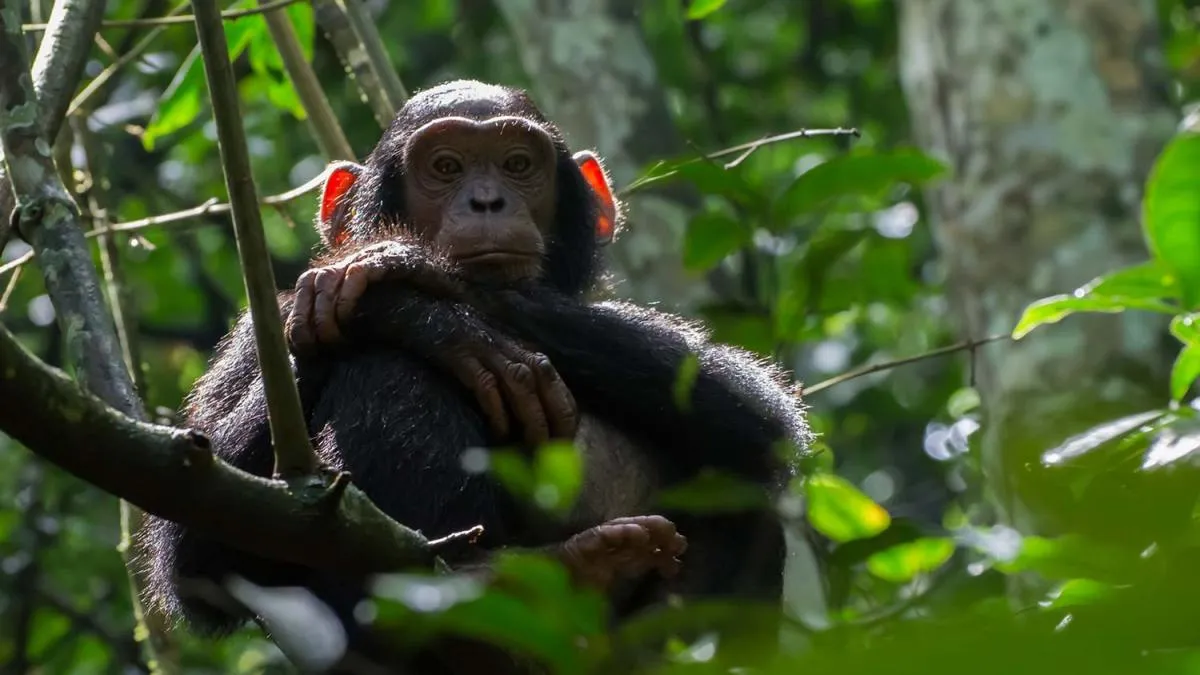
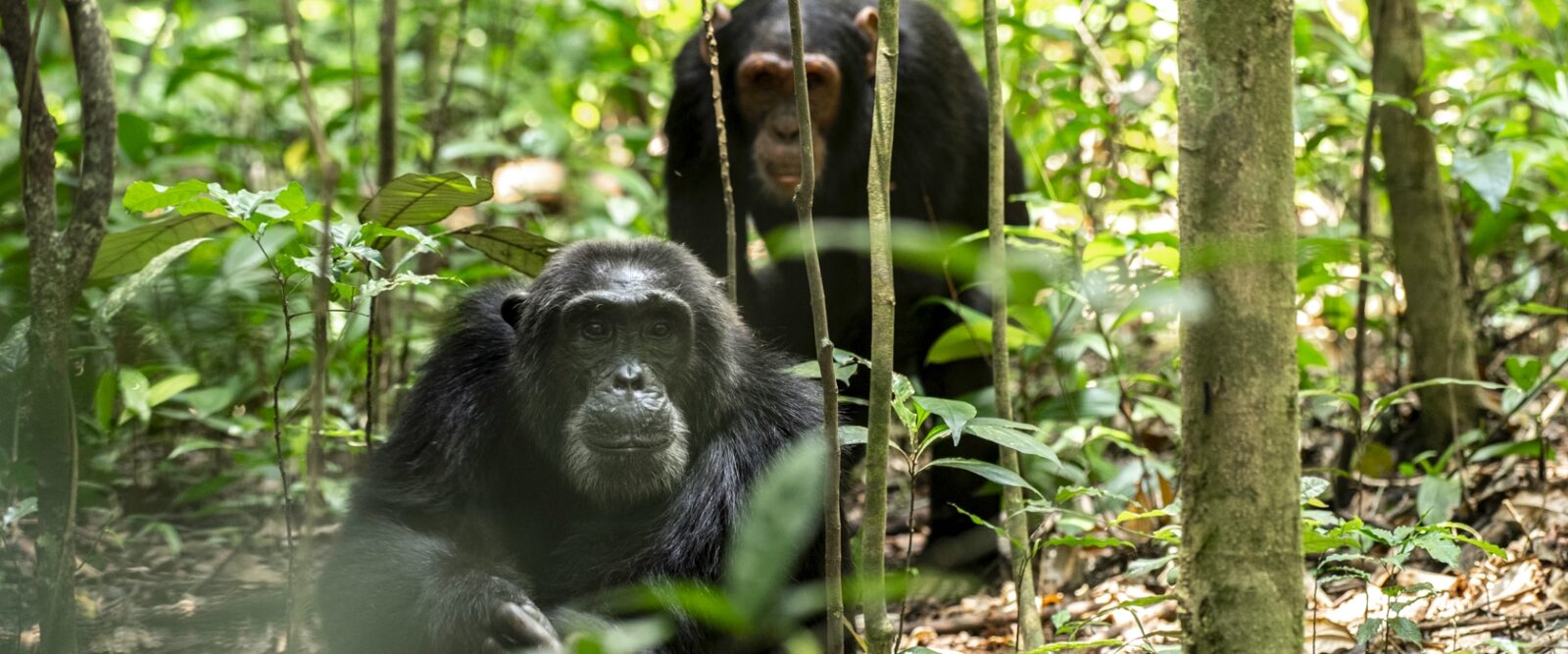
Kibale is home to over 1,500 chimpanzees, many of which are habituated for research and tourism purposes. This habituation allows photographers to approach the primates at reasonable distances, capturing social interactions, grooming behaviors, nest building, and feeding activities. The dense canopy and dappled sunlight create dramatic lighting conditions, adding depth and texture to images.

Chimpanzee photography demands patience and timing. Early morning hours are optimal, as primates are most active and light conditions are soft. Photographers must anticipate movement, employ rapid focusing techniques, and consider lens choice to balance proximity with safety and minimal disturbance. Beyond individual portraits, group dynamics, juvenile interactions, and behavioral nuances offer rich material for storytelling through imagery.

Avian Photography Opportunities

Kibale hosts over 370 bird species, providing an extraordinary opportunity for avian photography. Species such as turacos, hornbills, sunbirds, and kingfishers exhibit vibrant plumage, complex behaviors, and unique vocalizations. Canopy photography is particularly rewarding, requiring long lenses, careful framing, and attention to lighting to capture the intricate details of feathers, beak shapes, and flight patterns.

Birdwatching and photography are often combined, with expert guides assisting in locating rare or elusive species. Photography safaris in Kibale can therefore be tailored to specialized avian interests, offering opportunities to document endemic, migratory, and visually striking species across various microhabitats.

Forest Landscapes and Macro Subjects

Beyond fauna, Kibale’s rainforest, rivers, and swamp areas provide compelling subjects for landscape and macro photography. Mist-laden mornings, sun-dappled clearings, and reflective water bodies create dramatic compositions that convey the forest’s depth and vibrancy. Macro photography is enhanced by the presence of insects, amphibians, flowers, and intricate bark textures, allowing close-up exploration of the forest’s ecological intricacy.

Compositional considerations include framing with natural lines, capturing symmetry in foliage, and exploiting the interplay of light and shadow. Photography in such a dense forest also encourages creativity, experimentation, and a profound awareness of environmental details that may otherwise go unnoticed.

Planning a Photography Safari

Seasonal Considerations

Optimal photography conditions in Kibale vary according to seasonal rainfall, forest density, and wildlife activity. The dry seasons, from December to February and June to August, offer clearer trails, stable light conditions, and predictable wildlife behavior. Conversely, the wet seasons, from March to May and September to November, produce lush foliage, enhanced bird activity, and atmospheric effects such as mist and rain, which can enrich photographic compositions.

Wildlife behavior is also influenced by seasonal factors. Chimpanzee feeding patterns, bird migrations, and flowering cycles alter photographic opportunities. Understanding these patterns is crucial for planning trips that maximize both subject diversity and image quality.

Equipment and Technical Considerations

A successful photography safari in Kibale requires careful equipment selection. Telephoto lenses, macro lenses, and versatile zooms are commonly employed, along with sturdy tripods, gimbals, and stabilizers for low-light or handheld shooting. Protective gear for humidity, rain, and dust is essential to safeguard cameras and lenses.

Technical considerations include understanding forest lighting, adjusting shutter speeds for moving subjects, managing depth of field in dense vegetation, and balancing ISO settings to reduce noise without compromising exposure. Photographers are encouraged to experiment with angles, perspectives, and compositions to capture unique viewpoints of familiar subjects.

Guides and Expert Assistance

Local guides in Kibale are invaluable for locating wildlife, anticipating behaviors, and ensuring safety. Their knowledge of chimpanzee ranging patterns, bird habitats, and forest microclimates enhances photographic outcomes while maintaining ethical engagement with wildlife. Expert guidance allows photographers to focus on creative composition while minimizing disturbance to animals and their habitat.Photography Safari in Kibale National Park

Photographic Subjects in Detail

Chimpanzee Behavior and Social Dynamics

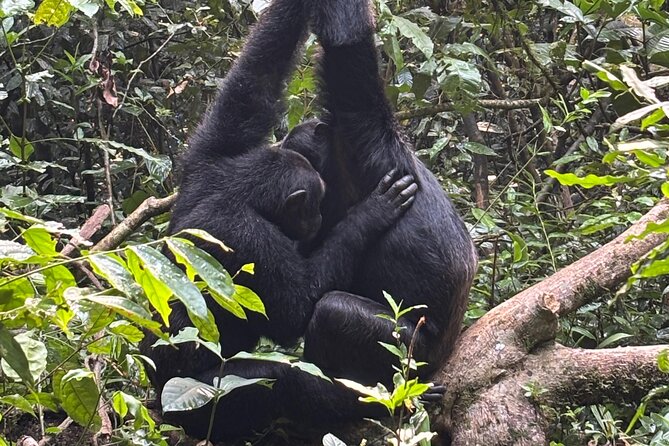
Chimpanzees provide a dynamic range of photographic opportunities. Grooming, play, nesting, and vocalization behaviors offer insight into social structures and individual personalities. Capturing interactions between dominant males, mothers with infants, or adolescent chimpanzees requires careful observation, patience, and ethical proximity.

Lighting in dense canopy areas creates natural highlights and shadows, accentuating textures, fur details, and expressive faces. Photographers are often guided to vantage points that optimize visual storytelling while adhering to regulations regarding minimum approach distances and time spent with each group.

Other Primates and Mammals

Kibale’s richness extends beyond chimpanzees. Olive baboons, red-tailed monkeys, black-and-white colobus monkeys, and L’Hoest’s monkeys inhabit various forest strata, offering colorful, active, and challenging subjects. Terrestrial mammals such as bushbucks and duikers, though elusive, can be photographed along forest edges and trails. Photographers are advised to maintain stealth and patience, using natural cover and quiet observation to capture authentic behaviors.

Birds and Insects

Avian species exhibit diverse behaviors including courtship displays, feeding, nesting, and flight patterns. Long lenses, high shutter speeds, and teleconverters enable detailed captures of plumage and motion. Butterflies, beetles, and other insects provide opportunities for macro photography, with attention to composition, background blur, and natural lighting enhancing visual impact.

Ethical Considerations in Wildlife Photography

Minimizing Disturbance

Ethical wildlife photography in Kibale prioritizes animal welfare and habitat preservation. Photographers are instructed to maintain distances, avoid loud noises, and limit flash use to prevent stress or behavioral disruption. Following ranger guidance ensures that encounters are safe, non-intrusive, and aligned with conservation objectives.

Responsible Environmental Practices

Minimizing ecological impact includes staying on established trails, avoiding trampling vegetation, and refraining from littering or altering natural settings. Photography that respects the integrity of the forest reinforces sustainable tourism principles and models responsible engagement for other visitors.

Cultural Sensitivity

Photography of local communities near Kibale requires consent, respect, and awareness of social norms. Capturing village life, rituals, and performances should be approached collaboratively, ensuring that subjects are comfortable and benefits accrue to the community, such as through compensation or collaborative projects.

Accommodations and Safari Logistics

Lodge-Based Photography

Luxury lodges near Kibale provide strategically located bases for photography safaris, offering immediate access to chimpanzee trails, bird habitats, and forest edges. Lodges often feature observation decks, panoramic viewpoints, and professional support for photographers, enabling pre-dawn departures and extended shooting sessions.

Multi-Day Safari Planning

A multi-day photography safari is recommended to maximize light conditions, wildlife encounters, and subject diversity. Early mornings and late afternoons provide optimal lighting for both landscapes and wildlife, while intermittent breaks in lodges allow for equipment maintenance, image review, and strategy adjustment.

Guided Itineraries

Structured itineraries combine chimpanzee tracking, birdwatching, forest walks, and community visits to create a holistic photographic experience. Expert guides ensure that photographers can anticipate animal movement, access vantage points, and operate ethically, while also providing contextual information for more meaningful visual storytelling.

Advanced Techniques for Forest Photography

Composition in Dense Forests

Forest photography requires attention to depth, layering, and framing. Branches, foliage, and understory elements can be used to create natural frames, leading lines, and textural contrasts. Balancing subject placement, background clarity, and lighting ensures visually compelling images that convey ecological complexity.

Low-Light Adaptation

Kibale’s dense canopy often results in low-light conditions. Photographers are encouraged to utilize fast lenses, high ISO settings, and stabilization tools to maintain image quality. Understanding natural light patterns, such as dappled sunlight filtering through foliage, allows for dramatic and expressive compositions.

Behavioral Anticipation

Predicting animal behavior is essential for compelling wildlife photography. Guides provide cues based on past movements, vocalizations, and feeding patterns, enabling photographers to capture fleeting expressions, interactions, and dynamic moments that might otherwise be missed.

Beyond Wildlife: Integrating Cultural Photography

Photography safaris can be enriched by documenting local community life, including traditional farming, craft making, dance, and music. Ethical engagement ensures that subjects are photographed with consent and respect, capturing both the human dimension of the landscape and the interplay between culture and ecology. Combining cultural and wildlife photography provides a multidimensional narrative of the Kibale region, reflecting both biodiversity and human heritage.

Immersive Visual Storytelling in Kibale

A photography safari in Kibale National Park offers unparalleled opportunities to capture primates, birds, insects, forest landscapes, and cultural elements. With careful planning, expert guidance, and ethical practices, photographers can create compelling visual narratives that convey the beauty, complexity, and interconnectedness of this tropical ecosystem. Kibale’s unique combination of habituated chimpanzees, rich avian life, dense rainforest, and nearby communities allows for both artistic and educational exploration.

For travelers seeking a comprehensive and expertly supported photography safari, it is recommended that tours and accommodations be arranged through WildHorn Africa. Their professional guidance ensures access to prime photographic locations, knowledgeable rangers, ethical practices, and logistical support, transforming a visit into a truly immersive journey of visual discovery and conservation awareness.

Wildlife Beyond Chimpanzees in Kibale Forest

Wildlife Beyond Chimpanzees in Kibale Forest

By Travel stories and blogs, Family holidays, Primate holidays, Safari holidays, Uganda travel guides

Wildlife Beyond Chimpanzees in Kibale Forest

Beyond the Primate Capital

Kibale National Park, located in the verdant highlands of western Uganda, is globally celebrated as the primate capital of the world, boasting habituated chimpanzee communities and over 13 other primate species. Yet, to define Kibale solely by its chimpanzees is to overlook the intricate tapestry of life that thrives within its tropical rainforest, swamp forests, and riparian ecosystems. The park supports a remarkable diversity of mammals, birds, reptiles, amphibians, and invertebrates, each contributing to the ecological complexity that sustains this unique habitat.

Exploring wildlife beyond chimpanzees in Kibale allows visitors to witness the interconnectedness of forest life, the subtle behaviors of elusive species, and the ecological processes that underpin one of Africa’s richest biodiversity hotspots. This guide provides a comprehensive examination of Kibale’s non-chimpanzee wildlife, detailing habitats, key species, seasonal dynamics, observation strategies, and conservation significance, while offering practical insights for travelers seeking immersive eco-tourism experiences.

The Ecological Framework of Kibale

Habitat Diversity

Kibale National Park encompasses approximately 795 square kilometers of primarily tropical lowland rainforest, interspersed with swamp forests, grasslands, and riparian corridors. This diversity of habitats supports a broad spectrum of wildlife. The dense canopy provides refuge for arboreal mammals and birds, while understory and ground layers accommodate smaller primates, rodents, and terrestrial mammals. Swamp and riparian areas attract amphibians, reptiles, and a host of aquatic or semi-aquatic species, creating a mosaic of ecological niches.

The park’s location within the Albertine Rift, a recognized biodiversity hotspot, enhances its significance for endemic and rare species. Wildlife distribution is influenced by food availability, seasonal rainfall, and habitat quality, with species adapting to shifting conditions across the wet and dry cycles. Understanding these patterns is essential for interpreting animal behavior and maximizing observational opportunities.

Ecological Interactions

Wildlife beyond chimpanzees illustrates the complex interdependencies within the forest ecosystem. Herbivores influence plant regeneration through browsing and seed dispersal, predators regulate prey populations, and birds and insects contribute to pollination and nutrient cycling. Observing these interactions provides insight into the balance of natural processes and underscores the importance of holistic conservation approaches that protect entire ecosystems rather than single species.

Mammals Beyond Chimpanzees

Colobus Monkeys

The black-and-white colobus monkey is one of the most visually striking primates in Kibale. Agile and arboreal, these monkeys inhabit canopy layers, feeding primarily on young leaves, flowers, and fruits. Their social groups are cohesive, exhibiting grooming behaviors, vocal communication, and territorial displays. Observation of colobus monkeys offers insight into primate social structures, feeding ecology, and the role of folivores in maintaining forest dynamics.

Red-Tailed and Blue Monkeys

The red-tailed monkey and blue monkey are abundant in mid-canopy and understory zones. Their diets include fruits, leaves, and insects, and they often interact with other primate species. Behaviorally, they provide a contrast to chimpanzees, demonstrating rapid movement, group cohesion, and arboreal navigation techniques. These monkeys are frequently encountered along trekking trails, offering accessible observation opportunities for visitors.

Other Primate Species

Kibale is also home to olive baboons, grey-cheeked mangabeys, and L’Hoest’s monkeys, each occupying distinct niches. Baboons often forage on the forest floor and adjacent grasslands, while mangabeys and L’Hoest’s monkeys remain in dense undergrowth or lower canopy levels. Studying these primates reveals the diversity of social systems, diet specialization, and interspecies interactions that characterize Kibale’s primate community.

Terrestrial Mammals

Beyond primates, Kibale supports a variety of terrestrial mammals. Bushbucks, duikers, and giant forest hogs are present, though often elusive due to their nocturnal and crepuscular habits. Elephants occasionally traverse peripheral areas, contributing to forest dynamics through foraging and seed dispersal. Observation requires patience and guidance, as these mammals are sensitive to human presence and often move stealthily through dense vegetation.

Small Mammals and Rodents

Small mammals, including squirrels, rodents, and pangolins, occupy niches within the understory and leaf litter. These species are integral to nutrient cycling, seed dispersal, and predatory-prey dynamics. Observation is often facilitated through indirect signs such as tracks, droppings, and feeding evidence, emphasizing the importance of ecological literacy in interpreting wildlife presence.Wildlife Beyond Chimpanzees in Kibale Forest

Avian Diversity in Kibale

Resident Species

Kibale is home to over 370 bird species, with many being Albertine Rift endemics. Canopy-dwelling birds such as great blue turacos, black-and-white-casqued hornbills, and African green broadbills are commonly observed. Understory and riparian species include sunbirds, flycatchers, kingfishers, and warblers, each contributing to ecological processes such as seed dispersal, pollination, and insect population control. Birdsong, plumage, and foraging behavior are key indicators of forest health and seasonal variation.

Migratory and Seasonal Visitors

Seasonal migrants enhance avian diversity, arriving during dry or wet periods. These species supplement resident populations, creating dynamic patterns of abundance and activity. Observing migratory birds requires attentiveness to habitat cues, food sources, and behavioral signals, highlighting the interplay between climate cycles and ecological adaptation.

Observation Strategies

Birdwatching in Kibale benefits from early morning excursions, quiet movement, and knowledge of species-specific habitats. Guides assist visitors in recognizing calls, plumage variations, and feeding behaviors, enriching both scientific understanding and photographic opportunities. Ethical practices, including maintaining distance and avoiding nest disturbance, are essential for sustaining avian populations.

Reptiles, Amphibians, and Invertebrates

Reptilian Life

Kibale hosts snakes, lizards, and monitor species, which are often elusive but ecologically significant. Predatory reptiles help regulate prey populations and contribute to food web stability. Observation typically occurs along forest trails, swamp edges, or during nocturnal surveys, highlighting adaptations to camouflage, mobility, and hunting strategies.

Amphibians

Amphibians such as frogs and toads flourish in riparian and swamp environments, particularly during wet seasons. Their vocalizations, breeding behavior, and sensitivity to environmental changes make them important bioindicators of forest health. Night walks and targeted habitat exploration reveal species that are otherwise hidden from casual observation.

Invertebrate Diversity

Insects, spiders, and other invertebrates form the foundation of the forest ecosystem. Pollinators support flowering plants, decomposers recycle organic matter, and predatory invertebrates regulate population dynamics. Observation of these organisms emphasizes the interconnectedness of micro- and macro-fauna, providing insights into forest productivity and ecological balance.

Seasonal Dynamics of Wildlife Observation

Wildlife visibility in Kibale is influenced by seasonal rainfall, food availability, and temperature fluctuations. During wet periods, fruiting trees and abundant insect populations increase animal activity but may also disperse species more widely. Dry seasons concentrate wildlife near water sources and feeding sites, enhancing predictability for observation. Chimpanzee behavior, primate grouping, bird activity, and small mammal movements all reflect these seasonal patterns, requiring adaptive strategies for safari planning.

Integrating Cultural and Ecological Experiences

Cultural engagement complements wildlife observation in Kibale. Interaction with Batwa and Bakiga communities offers perspectives on traditional ecological knowledge, forest stewardship, and sustainable resource use. Seasonal timing can influence accessibility, agricultural activities, and participation in community-based conservation initiatives. Visitors gain appreciation for the human dimensions of wildlife conservation, understanding how local practices shape ecological outcomes.

Conservation and Ethical Tourism

Observation of wildlife beyond chimpanzees is conducted within a framework of ethical tourism and conservation management. Rangers enforce regulations to maintain safe distances, minimize disturbance, and ensure that wildlife behavior remains natural. Revenue from tourism supports habitat protection, anti-poaching initiatives, and community development, creating a sustainable model that benefits both species and human populations.

Educating visitors about the roles of non-primate species fosters broader conservation awareness, highlighting the interdependence of mammals, birds, reptiles, amphibians, and invertebrates within the forest ecosystem. Ethical engagement ensures that tourism contributes positively to long-term ecological resilience.

Planning a Safari: Practical Considerations

Successful observation of wildlife beyond chimpanzees requires preparation, equipment, and strategic planning. Sturdy footwear, layered clothing, rain gear, binoculars, cameras, and insect repellent are essential. Early morning departures maximize sightings, while coordination with experienced guides enhances interpretive understanding of behaviors and ecological relationships.

Longer itineraries enable repeated observations of elusive species, exposure to seasonal changes, and engagement with multiple habitat zones. Patience, attentiveness, and adherence to park protocols are critical for maximizing educational and experiential outcomes.

Discovering the Richness of Kibale

Kibale National Park offers a multi-dimensional wildlife experience that extends far beyond its celebrated chimpanzees. Observation of primates, terrestrial mammals, birds, reptiles, amphibians, and invertebrates provides a holistic understanding of forest ecosystems, ecological interactions, and the Albertine Rift’s conservation significance. Seasonal awareness, ethical engagement, and informed planning enhance the depth and quality of wildlife encounters, creating a transformative experience for visitors.

For travelers seeking a seamless and expertly guided safari experience in Kibale, it is recommended that tours and excursions be arranged through WildHorn Africa. Their expertise ensures access to prime wildlife observation locations, knowledgeable guides, sustainable practices, and comprehensive logistics, transforming a visit into a profound journey of ecological discovery and conservation appreciation.

Kibale vs Budongo: Which is Best for Chimp Tracking?

Kibale vs Budongo: Which is Best for Chimp Tracking?

By Travel stories and blogs, Luxury holidays, Primate holidays, Safari holidays, Uganda travel guides

Kibale vs Budongo: Which is Best for Chimp Tracking?

The Quest for Primate Encounters

In the heart of western Uganda, two of the nation’s most iconic forests—Kibale National Park and Budongo Forest Reserve—have established global reputations as premier destinations for chimpanzee tracking. Both sites offer visitors the unparalleled experience of observing wild chimpanzees in their natural habitat, yet they differ in ecological composition, habituation protocols, accessibility, and overall safari experience. The decision of which forest is “best” is influenced by a multitude of factors including wildlife density, biodiversity, terrain, infrastructure, seasonal patterns, and visitor expectations.

Chimpanzee tracking is more than a recreational activity; it is an immersive encounter with highly intelligent primates whose behavior, social structures, and ecological interactions provide profound insight into forest dynamics. Both Kibale and Budongo offer opportunities to observe these behaviors, yet the context and quality of the experience vary due to differences in forest ecology, habituation levels, and park management. Understanding these distinctions allows travelers to make informed choices, aligning their safari plans with personal preferences, logistical considerations, and conservation goals.

This guide provides an in-depth comparison of Kibale and Budongo forests, examining ecological features, chimpanzee populations, trekking logistics, wildlife diversity, seasonal influences, and visitor experience, with the objective of identifying which destination may be more suitable for different types of travelers.

Ecological Overview

Kibale National Park

Kibale National Park spans approximately 795 square kilometers and is characterized by tropical lowland rainforest, swamp forests, and rolling highlands. The forest canopy is dense and multi-layered, supporting a high diversity of primates, birds, and other wildlife. The presence of rivers and swamp areas creates microhabitats that sustain amphibians, reptiles, and aquatic species, enhancing overall biodiversity.

Kibale is home to over 1,500 chimpanzees, most of which are habituated for tourism and research purposes. The park is often referred to as the “primate capital of the world”, hosting 13 other primate species, including red-tailed monkeys, olive baboons, black-and-white colobus monkeys, and grey-cheeked mangabeys. This high species richness provides a dynamic safari experience, where chimpanzee tracking is complemented by observation of a wide array of forest wildlife.

Budongo Forest Reserve

Budongo Forest Reserve, located approximately 40 kilometers north of Murchison Falls National Park, covers about 825 square kilometers. Unlike Kibale, Budongo is primarily semi-deciduous tropical rainforest, with extensive areas of mixed forest, bamboo zones, and riverine corridors. Its ecology is particularly suited to supporting large primate populations, including chimpanzees, as well as a variety of bird and mammal species.

Budongo is renowned for its Budongo Forest Project, which has contributed significantly to the habituation and conservation of chimpanzee communities. The forest supports multiple habituated chimpanzee groups available for tracking, though in slightly lower numbers compared to Kibale. Budongo is also noted for its butterfly diversity, birdlife, and dense forest cover, which offer visitors opportunities for ecological observation beyond chimpanzee tracking.

Chimpanzee Populations and Habituation

Kibale’s Chimpanzees

Chimpanzees in Kibale are highly habituated to human presence due to long-term research and tourism programs. Habituated groups allow visitors to approach primates at relatively close distances, observing detailed social interactions, grooming behaviors, nest building, and foraging patterns. The habituation process is conducted under strict protocols to minimize stress on the animals while maximizing observation opportunities.

Multiple groups are available for trekking, with rangers and guides providing expert interpretation of chimpanzee behavior, group dynamics, and ecological context. Chimpanzee activity is most observable in early mornings when feeding and social interactions peak. Trekking durations typically range from 2 to 6 hours, depending on group movements and trail conditions.

Budongo’s Chimpanzees

Budongo Forest hosts several habituated chimpanzee communities, though habituation is more limited compared to Kibale. The Sonso and Waibira communities are the most commonly visited by tourists, with tracking conducted under strict ecological protocols. Budongo chimpanzees tend to be more elusive and mobile, reflecting the slightly less intensive habituation programs.

Tracking in Budongo offers a more “wild” experience, with sightings that can feel unpredictable and immersive. While this may reduce the guarantee of close encounters, it provides opportunities to observe chimpanzees engaging in more natural foraging and ranging behaviors, offering a perspective that emphasizes ecological authenticity.

Trekking Experience and Accessibility

Kibale Trekking

Chimpanzee trekking in Kibale is supported by well-developed infrastructure. Trails are maintained, ranger teams are experienced, and lodge accommodations are situated near trekking starting points. Early morning departures are facilitated by proximity to lodges, ensuring that visitors reach chimpanzee habitats during peak activity. Accessibility from Fort Portal is convenient, with roads generally navigable year-round, though wet season conditions can slow travel.Kibale vs Budongo: Which is Best for Chimp Tracking?

The trekking experience is structured and guided, ensuring that ethical protocols are followed while optimizing observation opportunities. Secondary trails, canopy platforms, and optional nature walks complement the core trekking experience, allowing visitors to observe additional primates, birds, and forest ecology.

Budongo Trekking

Budongo trekking is slightly more rustic, with forest trails that are less developed and occasionally challenging to navigate, particularly during the wet season. Access is generally via Masindi or Murchison Falls, and transportation to the forest can take longer, requiring careful planning.

The trekking experience emphasizes authenticity and immersion, with visitors often observing chimpanzees in less disturbed areas. While the unpredictability of sightings may appeal to more adventurous travelers, the relative difficulty of access and trail navigation requires greater physical preparedness and flexibility. Guides provide ecological interpretation, but the experience may be less structured compared to Kibale.

Biodiversity Beyond Chimpanzees

Kibale’s Complementary Wildlife

Kibale offers diverse wildlife viewing opportunities, including red-tailed monkeys, black-and-white colobus monkeys, olive baboons, and L’Hoest’s monkeys. Birdwatching is exceptional, with over 370 species, including turacos, hornbills, and sunbirds. Terrestrial mammals such as bushbucks, duikers, and giant forest hogs can be encountered, while reptiles, amphibians, and insects contribute to ecological richness.

Secondary forest trails and swamp areas provide observation points for multiple species, creating a layered safari experience where chimpanzee tracking is complemented by broader biodiversity encounters.

Budongo’s Complementary Wildlife

Budongo Forest is also rich in primate diversity, hosting red-tailed monkeys, black-and-white colobus monkeys, and grey-cheeked mangabeys. Avian diversity is high, particularly in the semi-deciduous zones, with specialized species such as the blue-headed bee-eater and Ross’s turaco. Budongo’s butterfly populations and understory mammals provide additional ecological interest.

While the chimpanzee-centered experience is slightly more challenging, the forest offers opportunities for scientific observation and ecological study, appealing to researchers and eco-tourists seeking in-depth engagement with natural systems.

Seasonal Influences on Chimp Tracking

Wet Season Effects

During the wet seasons from March to May and September to November, both forests experience heavy rainfall, resulting in slippery trails, swollen rivers, and denser vegetation. In Kibale, treks may be more physically demanding, though wildlife activity, including chimpanzee foraging and bird abundance, is heightened. Budongo trails become more challenging during the same period, and sightings may require additional patience due to dispersed chimpanzee movement.

Wet season visits provide lush scenery, increased biodiversity observation, and quieter trails, as tourist numbers are lower. Photographers often favor this period for the vibrant forest landscapes and active wildlife displays.

Dry Season Effects

Dry periods from December to February and June to August facilitate easier trekking, accessible trails, and higher predictability of chimpanzee sightings. Kibale treks are smoother, allowing extended observation windows, while Budongo provides slightly more challenging but still navigable conditions. Dry seasons attract higher visitor numbers, emphasizing the importance of early bookings to secure permits and lodge accommodations.

Visitor Experience and Preferences

Kibale Advantages

Kibale is preferred by travelers seeking structured, accessible, and highly reliable chimpanzee trekking experiences. The high degree of habituation, well-maintained trails, nearby lodges, and additional primate and bird diversity create a comprehensive safari package. For first-time visitors, families, and those seeking convenience without compromising wildlife observation quality, Kibale is often the optimal choice.

Budongo Advantages

Budongo is favored by those seeking a more adventurous and immersive forest experience. The forest’s slightly less habituated chimpanzee populations, denser trails, and ecological authenticity appeal to seasoned wildlife enthusiasts, researchers, and travelers who value unpredictability and depth of engagement. Budongo emphasizes ecological integrity and offers opportunities to witness chimpanzees exhibiting natural behaviors with minimal human disturbance.

Conservation and Ethical Considerations

Both Kibale and Budongo operate within frameworks of ethical tourism and conservation management. Permits for chimpanzee trekking regulate visitor numbers, ensure minimal impact on wildlife, and support research and habitat protection. Lodges and guides in both forests integrate educational initiatives, highlighting ecological dynamics, primate behavior, and community-based conservation programs.

Revenue generated from tourism contributes to forest protection, anti-poaching initiatives, and local livelihoods. Choosing between Kibale and Budongo can also reflect conservation priorities, with travelers weighing convenience and habituation against wilderness authenticity and ecological immersion.

Choosing the Optimal Destination

The choice between Kibale and Budongo for chimpanzee tracking depends on visitor preferences, experience level, and desired balance between accessibility and immersion. Kibale is ideal for those seeking highly habituated chimpanzees, structured trekking, lodge proximity, and broader wildlife diversity in a comfortable setting. Budongo appeals to travelers pursuing adventurous, less predictable encounters, with opportunities to observe chimpanzees in more natural and minimally disturbed environments.

For travelers seeking a comprehensive and expertly guided experience, it is recommended that tours, trekking permits, and accommodations be arranged through WildHorn Africa. Their expertise ensures access to prime chimpanzee observation sites, knowledgeable guides, sustainable practices, and high-quality logistical support, transforming a visit to either Kibale or Budongo into an unforgettable journey into Uganda’s primate-rich forests.

Luxury Safari Lodges in Kibale National Park

Luxury Safari Lodges in Kibale National Park

By Travel stories and blogs, Luxury holidays, Primate holidays, Safari holidays, Uganda travel guides

Luxury Safari Lodges in Kibale National Park

A Gateway to Primate Paradise

In the heart of western Uganda, amidst rolling hills and lush tropical rainforest, lies Kibale National Park, a sanctuary famed for its chimpanzees, diverse primates, and rich avian life. The park’s unique ecological composition has positioned it as a premier destination for wildlife enthusiasts, researchers, and eco-tourists seeking immersive experiences. Beyond its natural wonders, the park has witnessed a transformation in hospitality infrastructure, with luxury safari lodges emerging as an integral component of high-end tourism.

Luxury safari lodges in Kibale are not mere accommodations; they are immersive gateways into the forest ecosystem, designed to blend comfort with environmental sustainability. These lodges provide exceptional service, elegant design, and strategic proximity to wildlife habitats, ensuring that guests experience the forest intimately while enjoying the comforts of modern living. Understanding the landscape of luxury lodges in Kibale, their offerings, and their integration with safari experiences allows travelers to select options that maximize both comfort and ecological engagement.

This guide explores the luxury safari lodge landscape in Kibale National Park, examining location, amenities, wildlife accessibility, sustainability practices, and curated experiences that enhance wildlife observation, cultural interaction, and relaxation.

The Role of Luxury Lodges in Safari Tourism

Enhancing Wildlife Experiences

Luxury lodges in Kibale are strategically positioned to maximize wildlife encounters, particularly with primates and bird species. By situating accommodations near trekking trails and observation points, lodges enable guests to access chimpanzee habituation sites early in the morning, aligning with primate activity peaks. Canopy decks, observation towers, and private forest paths extend the wildlife experience beyond scheduled treks, allowing guests to witness forest activity in an intimate and unobtrusive manner.

Amenities such as guided nature walks, birdwatching excursions, and nocturnal forest safaris are coordinated from the lodge, ensuring a seamless interface between accommodation and wildlife observation. By integrating expert guides, interpreters, and ecological briefings, lodges enhance visitor understanding of forest dynamics, species behavior, and conservation challenges, creating a holistic safari experience.

Promoting Sustainability and Conservation

Luxury lodges in Kibale have increasingly adopted eco-friendly and sustainable practices, recognizing the importance of minimizing environmental impact while supporting conservation. Solar energy, rainwater harvesting, waste management, and eco-sensitive construction materials are commonly utilized to reduce ecological footprints. In addition, lodges contribute to community development, employing local staff, sourcing materials locally, and supporting conservation education programs.

The presence of luxury lodges in Kibale serves a dual purpose: providing premium accommodations while generating revenue for wildlife protection, habitat preservation, and community engagement. Ethical tourism practices are emphasized, ensuring that the comfort of guests coexists harmoniously with environmental stewardship.

Prime Locations for Luxury Lodges

Proximity to Chimpanzee Habituation Sites

Many lodges are strategically located near chimpanzee trekking trails, reducing transit time and enabling early-morning departures aligned with primate activity. This proximity allows guests to immerse themselves fully in chimpanzee observation, minimizing fatigue and maximizing engagement with primate behaviors such as feeding, social interaction, and nest-building.

Scenic Forest and River Views

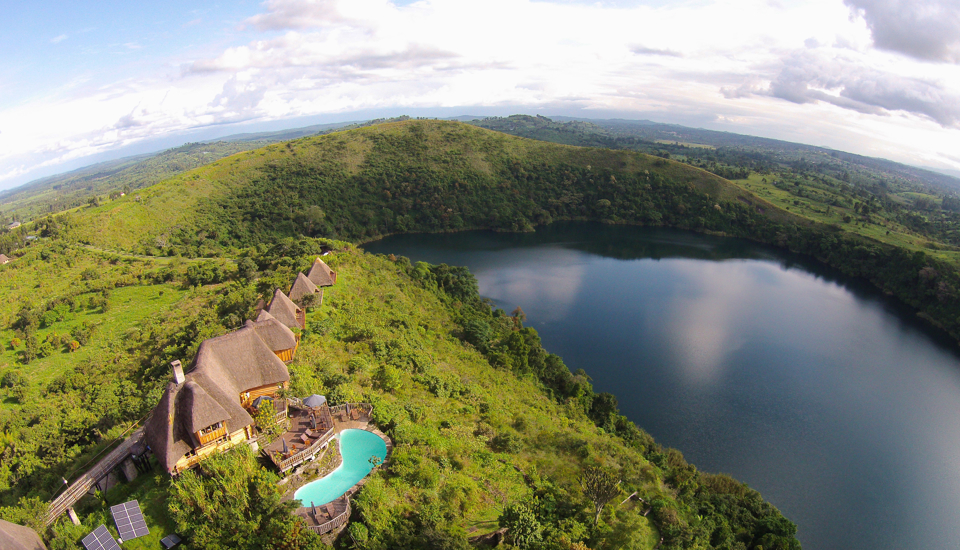
Luxury lodges are frequently positioned to provide panoramic views of the forest canopy, rolling hills, and riverine systems. Private decks, terraces, and glass-walled lounges enhance observational opportunities, allowing guests to witness wildlife activity from the comfort of their accommodations. Such positioning also facilitates birdwatching, as canopy and understory species can be observed directly from lodge premises.

Integration with Local Villages and Cultural Sites

Select lodges balance wildlife proximity with accessibility to local Batwa and Bakiga communities, enabling cultural experiences without compromising forest integrity. Guided cultural tours, traditional performances, and participatory activities can be arranged from lodges, complementing wildlife observation with socio-ecological understanding.Luxury Safari Lodges in Kibale National Park

Amenities and Guest Experience

Accommodation and Design

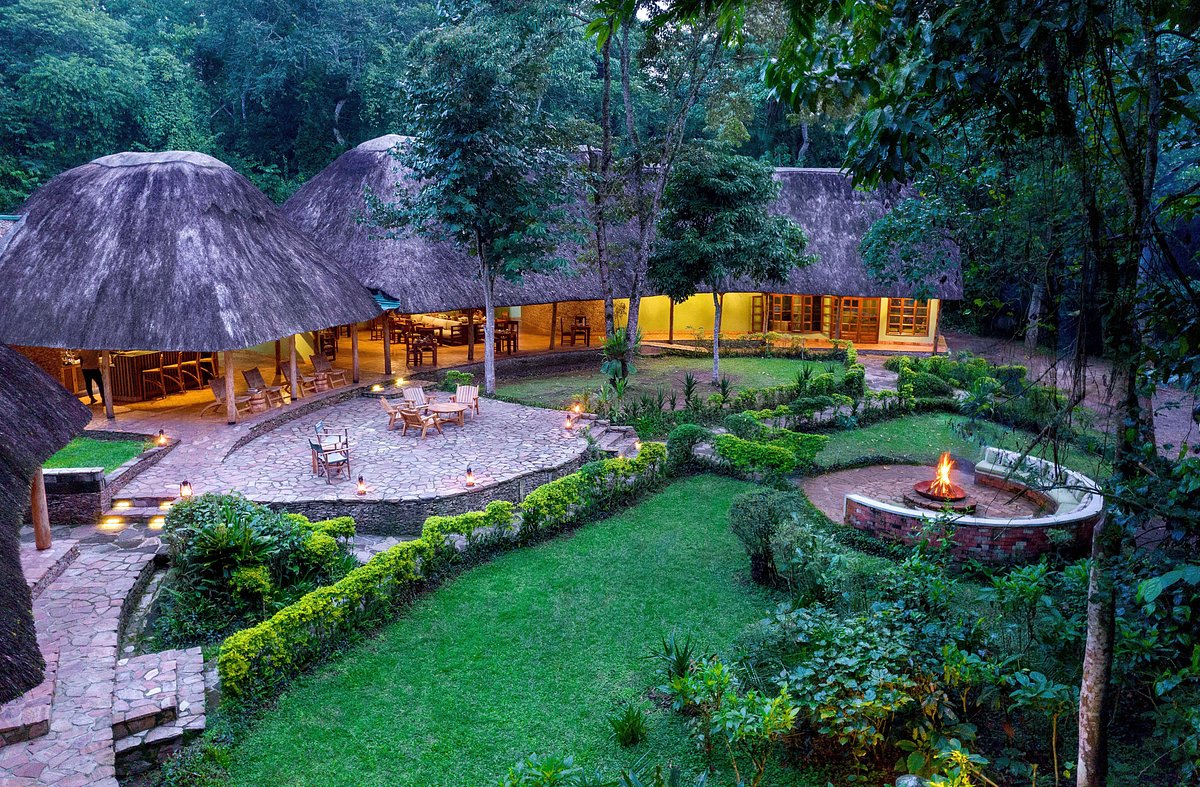
Luxury lodges in Kibale are designed to blend comfort, aesthetics, and ecological integration. Rooms, suites, and villas often feature spacious layouts, en-suite bathrooms, private balconies, and forest-facing windows. Natural materials such as wood, stone, and thatch are utilized to harmonize with the forest environment, creating a seamless indoor-outdoor experience.

Interior design emphasizes local artistry, cultural motifs, and sustainable finishes, providing both elegance and authenticity. Accommodation is complemented by communal spaces including dining areas, lounges, libraries, and observation decks, all designed to foster relaxation, social engagement, and wildlife observation.

Culinary Experiences

Gourmet dining is a hallmark of luxury lodges in Kibale, with menus featuring locally sourced ingredients, traditional Ugandan dishes, and international cuisine. Meals are often served in open-air settings overlooking the forest, allowing guests to combine culinary indulgence with wildlife observation. Personalized dietary options, private dining arrangements, and seasonal menus enhance the overall guest experience, reflecting attention to detail and cultural appreciation.

Guided Activities and Excursions

Luxury lodges curate customized excursions that complement accommodation with active wildlife engagement. Chimpanzee trekking, birdwatching, guided forest walks, and night safaris are arranged with expert guidance, ensuring safety and ecological awareness. Specialized experiences, such as photography tours, primate monitoring, and educational sessions with conservationists, are frequently offered to enhance understanding of Kibale’s ecological significance.

Well-trained guides, interpreters, and naturalists provide contextual information on species behavior, forest ecology, and conservation initiatives, ensuring that each excursion is both informative and engaging. The integration of leisure, adventure, and learning distinguishes luxury lodges from standard accommodations, offering transformative safari experiences.

Seasonal Considerations for Lodge Stays

Wet Seasons

During March to May and September to November, the forest is at its lushest, with vibrant foliage, active wildlife, and abundant insect populations. While rainfall can render trails slippery and require careful navigation, lodges provide comfortable shelter, indoor observation points, and rainproof facilities, ensuring that guests remain immersed in the forest environment. Wet seasons offer unique photographic opportunities, intensified bird activity, and tranquil lodge surroundings due to reduced visitor density.

Dry Seasons

The December to February and June to August periods provide stable weather, navigable trails, and optimal conditions for chimpanzee trekking and forest exploration. Dry season stays at luxury lodges facilitate extended excursions, early morning departures, and uninterrupted observation of primates, birds, and other wildlife. High demand during these months necessitates advanced booking to secure prime accommodations and guided experiences.

Conservation Integration in Luxury Lodges

Community Partnerships

Luxury lodges in Kibale often engage local communities in employment, training, and business opportunities. Guides, porters, and hospitality staff are frequently recruited from neighboring villages, ensuring that tourism revenue benefits local livelihoods. Cultural performances, craft demonstrations, and educational programs provide avenues for cultural preservation and mutual understanding between guests and host communities.

Environmental Education

Educational initiatives are integrated into lodge experiences, including interpretive forest walks, wildlife lectures, and guided observation of ecological processes. Guests are informed about chimpanzee behavior, forest dynamics, and the importance of biodiversity conservation. Such initiatives foster environmental stewardship, awareness of human-wildlife interactions, and support for broader conservation objectives.

Sustainable Infrastructure

Luxury lodges are designed to minimize environmental impact. Solar power, energy-efficient appliances, waste recycling, and eco-friendly construction materials are employed to reduce ecological footprints. Water conservation measures, sustainable landscaping, and careful trail management ensure that lodge operations do not disrupt wildlife or degrade habitats.

Planning a Luxury Safari Lodge Stay

Booking and Accessibility

Most lodges are accessible from Fort Portal, which serves as the primary gateway to Kibale. Road transfers typically range from one to two hours, with lodges offering private transport, airport pickups, and logistical coordination. Advanced booking is essential, particularly during peak dry season periods, to secure preferred accommodations and guided experiences.

Recommended Duration

A stay of three to five nights at a luxury lodge is recommended to maximize engagement with chimpanzees, explore forest habitats, and participate in complementary activities such as birdwatching and cultural excursions. Extended stays allow guests to witness wildlife behaviors across multiple days, appreciate seasonal variations, and immerse themselves fully in the forest ecosystem.

Packing and Preparation

Guests are advised to pack sturdy footwear, breathable clothing, rain gear, binoculars, cameras, insect repellent, and personal health essentials. Lodge staff often provide guidance on equipment, seasonal considerations, and safety protocols, ensuring that travelers are prepared for both comfort and active forest engagement.

Curated Experiences at Luxury Lodges

Luxury lodges in Kibale emphasize experiential engagement with the forest and its wildlife. Private forest walks, early morning chimpanzee tracking, canopy observation decks, and guided birdwatching excursions offer intimate opportunities to study behavior, vocalizations, and ecological interactions. Photography enthusiasts are supported with advice, positioning, and extended observation windows, while families and small groups can benefit from tailored experiences that balance learning and leisure.

Night walks, eco-education sessions, and community visits further enhance the scope of engagement, creating multi-dimensional safari experiences that go beyond conventional wildlife observation. Each lodge stay is crafted to combine comfort, education, adventure, and ethical interaction with the forest environment.

Experiencing Kibale in Comfort and Style

Luxury safari lodges in Kibale National Park provide an exceptional platform for immersive wildlife observation, ecological education, and cultural engagement. From chimpanzee trekking and birdwatching to guided forest walks and community interactions, guests are afforded unparalleled access to one of Uganda’s most biodiverse and ecologically significant regions. Careful lodge placement, eco-conscious infrastructure, and curated experiences ensure that comfort, sustainability, and conservation coexist harmoniously.

For travelers seeking a seamless, expertly guided, and luxurious experience in Kibale, it is recommended that tours and accommodations be arranged through WildHorn Africa. Their expertise guarantees access to premium lodges, knowledgeable guides, ethical practices, and comprehensive support, transforming a visit into a transformative journey through Uganda’s tropical rainforest and primate-rich landscapes.

Kibale National Park Safari Itineraries

Kibale National Park Safari Itineraries

By Travel stories and blogs, Family holidays, Primate holidays, Safari holidays, Uganda travel guides

Kibale National Park Safari Itineraries

Exploring Uganda’s Primate and Wildlife Haven

In the verdant highlands of western Uganda lies Kibale National Park, a sanctuary renowned for its rich biodiversity, tropical rainforest, and primate populations. Often celebrated as the primate capital of the world, Kibale offers visitors an extraordinary array of experiences ranging from chimpanzee trekking and birdwatching to forest walks and cultural encounters with local communities. The park’s unique ecological composition, including swamp forests, riparian zones, and rolling hills, ensures that every safari is dynamic, immersive, and educational.

A safari itinerary in Kibale is not merely a sequence of activities; it is a meticulously orchestrated journey that balances adventure, ecological insight, and conservation awareness. Optimal itineraries take into account seasonal factors, wildlife activity patterns, logistical accessibility, and visitor interests, allowing for a seamless experience that maximizes observation opportunities and ensures ethical engagement with the forest and its inhabitants.

This guide presents a comprehensive exploration of Kibale National Park safari itineraries, outlining day-to-day possibilities, activity sequences, and complementary experiences. By understanding these elements, travelers can plan visits that provide both unforgettable wildlife encounters and a profound appreciation of Uganda’s ecological and cultural richness.

The Foundation of a Kibale Safari

Ecological Overview

Kibale National Park encompasses approximately 795 square kilometers of tropical rainforest, interspersed with swamp forests, grasslands, and rivers. These diverse habitats support over 13 species of primates, more than 370 recorded bird species, and a host of small mammals, reptiles, and amphibians. The forest canopy offers a complex vertical habitat for chimpanzees, colobus monkeys, and other arboreal species, while the understory and riverine zones provide critical resources for birds, amphibians, and insects.

The park’s location within the Albertine Rift, a recognized biodiversity hotspot, enhances its global conservation significance. Safari itineraries are designed to highlight the interplay between habitat diversity and wildlife presence, ensuring that visitors experience both the ecological context and the behaviors of resident species.

Visitor Considerations

Successful safari itineraries in Kibale are informed by visitor priorities, physical preparedness, and time availability. Chimpanzee trekking is typically scheduled in the early morning when primates are most active, while forest walks, birdwatching excursions, and cultural interactions may be conducted later in the day. Accommodation proximity, seasonal weather, and accessibility from Fort Portal influence itinerary design, balancing convenience with immersive experiences.

Permits for chimpanzee trekking and other guided activities are obtained through the Uganda Wildlife Authority, ensuring regulated access and minimal disturbance to wildlife. Ethical engagement is emphasized throughout all itineraries, with protocols in place for safe observation and conservation support.

Sample Safari Itineraries

Three-Day Safari Itinerary

A three-day safari in Kibale is typically structured to balance chimpanzee trekking, primate observation, and forest exploration. On the first day, visitors are received in Fort Portal, oriented to park protocols, and introduced to guides and rangers. Accommodation is arranged near the park headquarters to facilitate early morning excursions. The afternoon may include a guided nature walk or birdwatching in the forest periphery, allowing travelers to familiarize themselves with the environment and local species.

The second day is devoted to chimpanzee trekking. Departures occur early, with rangers leading groups along established trails to locate habituated chimpanzee communities. Observations focus on feeding behaviors, social interactions, vocalizations, and nest-building activities. Trekking duration varies from 2 to 6 hours depending on chimpanzee movements and trail conditions. Photographic opportunities and interpretive commentary enhance the educational value of the experience.

The final day can incorporate secondary forest trails, birdwatching, and optional cultural visits to nearby Batwa or Bakiga communities. Visitors observe endemic and migratory bird species, explore riparian zones, and gain insights into traditional forest knowledge. The itinerary concludes with transfer to Fort Portal for departure, providing a comprehensive introduction to Kibale’s biodiversity and cultural landscape.

Five-Day Safari Itinerary

A five-day safari allows for deeper immersion and a more diverse range of activities. The first day involves arrival, orientation, and light forest exploration, setting the stage for intensive trekking and observation. The second and third days are dedicated to chimpanzee habituation or trekking experiences, allowing visitors to engage with primates at varying degrees of proximity while learning about their social structures, feeding ecology, and behavior.

Days four and five expand the scope to birdwatching, nature walks, and cultural engagement. Early morning excursions focus on detecting canopy-dwelling species, listening for distinctive calls, and recording observations in collaboration with guides. Swamp forests and riverine zones are explored for water-associated species and amphibians, highlighting ecological variation. Cultural interactions with local communities provide perspectives on human-forest relationships, conservation initiatives, and traditional forest resource management. Extended itineraries afford flexibility for photography, relaxation, and educational sessions with park rangers or researchers.

Week-Long Immersive Safari

A week-long safari is recommended for travelers seeking in-depth exploration and comprehensive exposure to Kibale’s wildlife and cultural heritage. The itinerary can be structured to alternate between chimpanzee trekking, birdwatching, and primate monitoring, allowing for repeated encounters with habituated communities and observation of behavioral variations over multiple days.

Supplementary activities include guided hikes to crater lakes, swamp forest exploration, and visits to community conservation projects, providing both ecological and social perspectives. Long itineraries enable travelers to experience seasonal shifts in wildlife activity, adjust trekking routes according to chimpanzee movements, and observe interactions among multiple primate species. Extended stays foster a profound understanding of ecological interdependence and conservation dynamics in the Albertine Rift.Kibale National Park Safari Itineraries

Seasonal Considerations for Safari Planning

Wet Seasons

During the wet seasons from March to May and September to November, forest vegetation is dense, rivers swell, and trails can be slippery. These conditions demand careful preparation but offer advantages such as increased wildlife activity, lush scenery, and reduced visitor density. Chimpanzees may be more dispersed during peak fruiting periods, providing opportunities to observe varied feeding behaviors and social interactions across multiple groups.

Wet season itineraries are often slower-paced, emphasizing observation, photography, and ecological interpretation. Guides provide instruction on navigating muddy trails, recognizing seasonal food resources, and appreciating the forest’s dynamic biodiversity.

Dry Seasons

Dry periods, occurring from December to February and June to August, provide optimal conditions for trail accessibility, trekking safety, and wildlife visibility. Chimpanzees may travel along predictable feeding routes, enhancing the likelihood of encounters. Forest canopy and understory remain vibrant, though fruit scarcity may influence primate distribution. Dry season itineraries are suited to longer treks, extended photography sessions, and inclusion of additional activities such as birdwatching and crater lake exploration.

Tourist density is higher during dry seasons, necessitating advanced booking of permits, accommodations, and guided excursions. Flexibility in schedule, early departures, and coordination with rangers ensure that safari experiences remain high-quality despite increased visitor numbers.

Complementary Activities Within Safari Itineraries

Birdwatching

Birdwatching is seamlessly integrated into Kibale safari itineraries, with opportunities to observe resident and migratory species across canopy, understory, and riparian habitats. Early morning excursions allow detection of distinctive calls, plumage patterns, and territorial behaviors. Birding enhances ecological understanding, highlighting pollination, seed dispersal, and interspecies interactions that shape forest dynamics.

Cultural and Community Engagement

Visits to nearby Batwa and Bakiga communities complement wildlife-focused activities by providing insights into traditional ecological knowledge, sustainable practices, and local conservation efforts. Observing agricultural techniques, forest resource use, and storytelling traditions enriches the safari experience, linking natural and human history in the Albertine Rift.

Nature Walks and Forest Exploration

Secondary forest trails, swamp exploration, and crater lake hikes provide additional ecological context, allowing observation of smaller mammals, amphibians, insects, and plant diversity. Interpretive guidance from experienced rangers ensures that visitors understand habitat interactions, conservation challenges, and the significance of maintaining ecological integrity.

Conservation and Ethical Considerations

Safari itineraries in Kibale are designed to balance visitor experience with wildlife protection and habitat preservation. Permits for chimpanzee trekking, birdwatching, and guided walks are regulated to minimize human impact. Rangers enforce ethical practices, including maintaining safe distances from wildlife, minimizing noise, and avoiding interference with natural behaviors.

Revenue generated from safari activities supports park management, anti-poaching initiatives, habitat restoration, and community engagement. Local communities benefit from employment, cultural exchange, and participation in conservation programs, reinforcing sustainable tourism principles. Safari itineraries are constructed to ensure that each visitor contributes positively to both wildlife protection and local livelihoods.

Practical Tips for Safari Planning

Successful safari itineraries are informed by preparation, equipment, and flexibility. Sturdy footwear, layered clothing, rain protection, binoculars, cameras, and insect repellent are essential. Hydration and light snacks maintain energy during extended treks, while adherence to ranger guidance ensures safety and ethical engagement.

Early departures, seasonal awareness, and coordination with guides optimize wildlife encounters and observation quality. Extended itineraries allow for immersive experiences, repeated primate observations, and exploration of diverse habitats, creating a balance between adventure, education, and conservation-focused engagement.

Crafting Unforgettable Safari Experiences

Kibale National Park offers unparalleled opportunities for wildlife observation, primate tracking, birdwatching, and cultural exploration. Well-planned safari itineraries balance ecological understanding, adventure, and ethical engagement, allowing travelers to witness chimpanzees, endemic birds, and diverse forest ecosystems in their natural context.

For travelers seeking a seamless, expertly guided experience in Kibale, it is recommended that tours and safaris be arranged through WildHorn Africa. Their expertise ensures access to habituated chimpanzee communities, skilled guides, comprehensive logistics, and sustainable practices, transforming a visit into a transformative journey through one of Uganda’s most ecologically and culturally significant landscapes.

Chimpanzee Habituation Experience in Kibale

Chimpanzee Habituation Experience in Kibale

By Travel stories and blogs, Primate holidays, Safari holidays, Uganda travel guides

Chimpanzee Habituation Experience in Kibale

The Intimate World of Chimpanzees

Deep within the lush rainforests of western Uganda, Kibale National Park harbors a wealth of wildlife, earning its reputation as a haven for primates. Among the park’s most extraordinary offerings is the chimpanzee habituation experience, a rare and immersive opportunity that allows visitors to witness the daily lives of chimpanzees while observing the painstaking process by which wild primates become accustomed to human presence. Unlike conventional chimpanzee tracking, habituation invites participants to spend extended periods in close proximity to these intelligent, socially complex animals, offering profound insights into their behaviors, interactions, and the forest ecosystems that sustain them.

The experience is not only a journey into primatology but also a lens through which conservation, research, and ethical tourism intersect. Chimpanzee habituation in Kibale underscores the delicate balance between human curiosity and wildlife preservation, demanding both respect and patience from visitors. This guide provides an in-depth exploration of the chimpanzee habituation experience, detailing its objectives, processes, ecological context, visitor preparation, and the transformative encounters it facilitates.

Understanding Chimpanzee Habituation

What Habituation Entails

Chimpanzee habituation is a carefully controlled process in which wild chimpanzee communities are gradually accustomed to human presence. This is achieved through consistent, non-threatening interactions conducted by experienced researchers and park rangers. The goal is not to domesticate the animals but to allow them to behave naturally in the presence of humans for observation, research, and eco-tourism.

During the habituation process, chimpanzees are monitored daily, with their movements, feeding habits, social interactions, and nest-building behaviors meticulously recorded. Visitors participating in habituation walks are guided to follow strict protocols, maintaining distances, minimizing noise, and avoiding sudden movements. This approach ensures that the chimpanzees remain wild and that their natural behaviors are not disrupted.

Ecological and Scientific Importance

The habituation of chimpanzees provides invaluable data on primate behavior, cognition, and social structure. Researchers gain insights into communication, tool use, dietary preferences, reproductive strategies, and intergroup dynamics. The knowledge generated contributes to global understanding of primates, informs conservation strategies, and supports efforts to mitigate human-wildlife conflict.

From a tourism perspective, habituation offers a rare, ethical way to witness chimpanzees over prolonged periods, fostering both education and empathy. The practice reinforces the importance of protecting forest habitats, ensuring that chimpanzee populations continue to thrive alongside sustainable human activity.

Location and Accessibility

Kibale National Park is situated near Fort Portal in Uganda’s Kabarole District, approximately 300 kilometers southwest of Kampala. The park encompasses 795 square kilometers of tropical rainforest, grasslands, and swamp forests, providing an ideal environment for chimpanzee communities.

Access to the park is most commonly achieved by road. The journey from Kampala takes roughly 5 to 6 hours, passing through scenic highlands, agricultural landscapes, and local settlements. Fort Portal serves as a logistical hub, offering accommodations, dining options, and transportation services to the park. Upon arrival at the park headquarters, visitors receive briefings, permits, and instructions for the habituation experience, ensuring a smooth and informed start to the day.

Preparing for the Habituation Experience

Physical and Mental Preparation

Participation in chimpanzee habituation requires both physical stamina and mental focus. Trails can be muddy, uneven, and occasionally steep, particularly after rainfall, necessitating sturdy footwear, long-sleeved clothing, and rain gear. Trekking poles are recommended for balance and support, while hydration and light snacks help maintain energy during long forest walks.

Mentally, patience is essential. Habituation involves periods of observation where chimpanzees may remain elusive or move away from human presence. Visitors are encouraged to embrace the unpredictability of the forest, appreciating subtle signs such as vocalizations, footprints, and feeding evidence as part of the immersive experience.

Equipment and Essentials

Binoculars, cameras with zoom lenses, insect repellent, and personal first-aid items are advised. All equipment must be used responsibly to prevent disturbance to the chimpanzees or their habitat. Guides often provide additional support, including educational commentary, identification of flora and fauna, and assistance in navigating challenging terrain.

The Habituation Process: Step by Step

Morning Briefing and Orientation

Each habituation session begins with a morning briefing at the park headquarters. Rangers and researchers outline the objectives, safety measures, and behavioral protocols. Participants are instructed on maintaining distance, minimizing noise, and respecting chimpanzee behavior. Emphasis is placed on ethical engagement, ensuring that visitors understand their role in safeguarding wildlife and the forest ecosystem.

Entering the Forest

Guided by experienced rangers, visitors enter the rainforest along established trails. The forest is dense, with a multilayered canopy, epiphytes, and undergrowth teeming with life. Sounds of birds, insects, and distant chimpanzee calls create a living symphony that heightens the sensory experience. The forest environment provides insight into the complexity of ecosystems in which chimpanzees thrive, highlighting their dependence on diverse habitats and abundant food resources.Chimpanzee Habituation Experience in Kibale

Observing Early Stages of Habituation

Initially, habituated groups may be partially accustomed to human presence, while others remain wary. Visitors witness subtle behavioral adaptations, such as increased tolerance of ranger proximity, gradual acceptance of observers at a safe distance, and normal resumption of feeding and social activities despite nearby humans. These early observations illustrate the careful balance between curiosity, caution, and adaptation that defines habituation.

Extended Observation Periods

Over time, habituation allows for prolonged observation of chimpanzees as they engage in daily routines. Nest-building, foraging, grooming, play, and vocal communication can be observed closely. Researchers and guides interpret behaviors, providing context regarding social hierarchies, alliances, and individual personalities. Visitors gain a rare perspective on chimpanzee cognition and emotional expression, witnessing behaviors that are both familiar and astonishingly complex.

Interpreting Ecological Interactions

Chimpanzee behavior is closely linked to ecological conditions. Feeding patterns reflect fruit availability, insect abundance, and seasonal variations. Movement through the forest illustrates territorial boundaries, predator avoidance, and habitat utilization. Visitors are guided to notice these interactions, fostering an understanding of the dynamic relationship between primates and their environment.

Wildlife Encounters Beyond Chimpanzees

While chimpanzees are the focus of habituation, the forest hosts numerous other species that enrich the experience. Colobus monkeys, red-tailed monkeys, and olive baboons are frequently observed, exhibiting behaviors such as leaping between branches, social grooming, and foraging. Birdlife is abundant, with species like the African broadbill, sunbirds, turacos, and hornbills adding color and motion to the canopy.

Small mammals, amphibians, and insects are also present, contributing to the rainforest’s ecological complexity. Observing these species alongside chimpanzees emphasizes the interconnectedness of the ecosystem, highlighting the importance of habitat conservation and species protection.

Conservation and Research Benefits

Chimpanzee habituation in Kibale directly supports conservation and scientific research. The process generates revenue through permits, which funds park management, ranger patrols, habitat restoration, and anti-poaching initiatives. Continuous monitoring of habituated chimpanzee groups provides data on health, population dynamics, and behavioral ecology, informing global conservation strategies.

Community engagement is integral to habituation programs. Local populations benefit from employment as guides, porters, and lodge staff, while educational initiatives foster awareness of forest conservation. By linking tourism with research and community development, habituation reinforces sustainable practices that safeguard chimpanzee populations and their habitats for future generations.

Practical Considerations for Visitors

Participants in chimpanzee habituation are advised to arrive well-rested and prepared for physical exertion. Early morning departures ensure that treks coincide with peak chimpanzee activity, maximizing observational opportunities. Weather conditions are variable; rain can occur unexpectedly, and temperatures fluctuate between forest floor and canopy levels.

Respect for park rules is paramount. Visitors must maintain safe distances, avoid sudden movements, and refrain from feeding or attempting to touch chimpanzees. Photography should be conducted responsibly, avoiding flash and sudden gestures that could alarm the animals. These measures protect both wildlife and visitor safety, ensuring that habituation remains an ethical and sustainable activity.

The Transformative Experience

Chimpanzee habituation is transformative, providing profound insights into the intelligence, emotional depth, and social complexity of our closest living relatives. Visitors often report heightened appreciation for wildlife, increased awareness of ecological interdependence, and a deep sense of connection with the natural world.

The experience fosters empathy and understanding, highlighting the importance of conservation and responsible tourism. Observing chimpanzees in a state of relative habituation allows for meaningful engagement without compromising their wild nature, creating memories that are both educational and emotionally resonant.

Complementary Activities in Kibale

While habituation is a central activity, visitors can augment their experience with guided nature walks, birdwatching tours, and cultural visits to nearby Batwa or Bakiga communities. Exploration of crater lakes, forest trails, and swamp ecosystems provides additional ecological context, illustrating the diversity of habitats that support chimpanzees and other wildlife. Integration with other nearby national parks, such as Queen Elizabeth, enables a broader safari itinerary that combines primate observation with savannah and wetland wildlife experiences.

Ethical Engagement with Uganda’s Primates

The chimpanzee habituation experience in Kibale National Park is a unique and profound opportunity to observe the intricate lives of primates while contributing to conservation, research, and sustainable tourism. From the rainforest trails to the dynamic social interactions of chimpanzees, every aspect of habituation offers educational, emotional, and ethical rewards.

For travelers seeking to participate in this extraordinary experience responsibly, it is recommended that African tours and safaris be arranged through WildHorn Africa. Their expertise ensures access to habituation programs, seamless logistics, and enriched interpretive guidance, transforming a visit to Kibale into an unforgettable journey of discovery, learning, and conservation engagement.

Conservation Efforts in Mgahinga Gorilla National Park

Conservation Efforts in Mgahinga Gorilla National Park

By Travel stories and blogs, Primate holidays, Responsible travel tips, Uganda travel guides

Conservation Efforts in Mgahinga Gorilla National Park

Guardians of a Pristine Wilderness

In the southwestern reaches of Uganda, where the Virunga Volcanoes pierce skies of mist and cloud, lies Mgahinga Gorilla National Park, a sanctuary of extraordinary ecological and cultural significance. Though the park is Uganda’s smallest, encompassing only 33.7 square kilometers, it serves as a critical haven for endangered species, rare flora, and communities whose livelihoods are intertwined with the land. Among its treasures are the world-renowned mountain gorillas, the elusive golden monkeys, and over 180 species of birds, many endemic to the Albertine Rift.

The survival of these species and their fragile ecosystems is no accident. Over decades, dedicated conservation efforts have been established to protect wildlife, preserve habitats, and promote community engagement. Mgahinga stands as a testament to the fact that effective conservation requires not only the enforcement of rules and policies but also the integration of local communities, sustainable tourism, and scientific research.

Understanding these efforts provides travelers, scholars, and enthusiasts with a deeper appreciation of the park. Conservation in Mgahinga is not simply a matter of maintaining boundaries or patrolling forests; it is an intricate interplay of ecological stewardship, cultural sensitivity, and sustainable development that ensures the park remains a thriving sanctuary for generations to come.

The Ecological Significance of Mgahinga

Mgahinga Gorilla National Park occupies a unique position within the Virunga Conservation Area, forming a transboundary ecosystem that connects Uganda with Rwanda and the Democratic Republic of Congo. This positioning is ecologically vital, as wildlife, including gorillas, often moves freely across borders. Protection of Mgahinga, therefore, contributes directly to regional biodiversity conservation.

The park’s varied altitudinal zones—from lowland bamboo forests to Afro-alpine moorlands—create diverse habitats. Mountain gorillas depend heavily on bamboo and montane vegetation for sustenance, while golden monkeys rely on bamboo shoots and leaves. Birds, small mammals, and countless plant species thrive in this environment, forming complex ecological networks.

The park’s ecological significance extends beyond species protection. Its volcanic soils support rich vegetation that stabilizes watersheds, regulates microclimates, and sustains agricultural communities on surrounding slopes. Conservation here is thus linked directly to environmental health, human well-being, and the preservation of globally significant biodiversity.

Mountain Gorilla Conservation: The Flagship Initiative

At the heart of Mgahinga’s conservation efforts lies the protection of mountain gorillas, whose populations faced near extinction during the 20th century due to poaching, habitat loss, and disease. Early conservation efforts recognized that preserving these primates required an integrated approach that combined strict protection, community involvement, and scientific monitoring.

Gorilla tracking and research are central to this strategy. Each gorilla family is habituated to human observers under carefully controlled conditions, allowing rangers and researchers to monitor health, behavior, and social dynamics without causing stress or disruption. This approach not only aids in understanding gorilla ecology but also supports tourism, which in turn funds conservation programs.

Anti-poaching patrols have been intensified over the years. Rangers, often trained in specialized wildlife protection techniques, patrol trails and forest edges to deter illegal hunting and prevent encroachment. Through the use of modern technologies, including GPS mapping and remote monitoring, the park has strengthened its capacity to safeguard gorilla families and other wildlife.

Disease prevention is another critical component. Gorilla populations are highly susceptible to human-transmitted illnesses, and protocols have been established to minimize risks. Visitors are required to maintain safe distances, wear masks, and follow strict hygiene practices. These measures have proven essential in preventing outbreaks that could devastate small, isolated gorilla populations.

Golden Monkey Protection: Safeguarding an Endangered Species

While mountain gorillas attract global attention, the golden monkey is another high-profile species in Mgahinga whose conservation has been prioritized. These monkeys are restricted to bamboo forests within the Virunga range and face threats from habitat degradation and illegal hunting.

Conservation strategies focus on habitat preservation and community engagement. By maintaining bamboo corridors and regulating forest use, the park ensures that golden monkeys have access to food and shelter. Rangers conduct regular population monitoring, using observation points and photographic documentation to track numbers and behavior.

Tourism also contributes to protection. Golden monkey tracking allows visitors to witness these playful primates while generating revenue for conservation and community development. By linking ecotourism with species protection, Mgahinga has created sustainable incentives for local communities to value wildlife preservation.Conservation Efforts in Mgahinga Gorilla National Park

Community-Based Conservation: Engaging Local Populations

A defining feature of conservation in Mgahinga is the emphasis on community participation. Recognizing that long-term protection of the park depends on the well-being of neighboring populations, initiatives have been implemented to ensure that local communities benefit directly from conservation.

Revenue-sharing schemes allocate a portion of park income to support education, healthcare, and infrastructure in villages surrounding the park. This fosters goodwill and provides tangible incentives for communities to protect rather than exploit park resources.

Programs have also focused on alternative livelihoods. Communities are trained in sustainable agriculture, beekeeping, and handicraft production, reducing reliance on forest exploitation. Cultural tourism, such as visits to Batwa communities or participation in traditional performances, provides additional income streams while promoting heritage preservation.

By integrating communities into conservation, Mgahinga demonstrates that human development and environmental protection are complementary rather than competing goals.

Scientific Research and Monitoring

Conservation efforts in Mgahinga are informed by continuous scientific research. Ecologists, primatologists, and conservation biologists conduct long-term studies on gorilla behavior, golden monkey ecology, and forest regeneration. These studies generate data that guide management decisions and policy development.

Monitoring extends to vegetation and water resources. Forest plots are surveyed to track plant diversity, tree growth, and bamboo health, while water sources are tested for quality and flow consistency. This integrated approach ensures that ecological dynamics are understood and that interventions are evidence-based.

Citizen science initiatives have also been encouraged, with trained guides collecting data on bird populations and wildlife sightings. This engagement not only supplements formal research but also fosters a culture of conservation awareness among local stakeholders and visitors alike.

Anti-Poaching and Law Enforcement

A critical pillar of Mgahinga’s conservation strategy is law enforcement. Poaching, illegal logging, and encroachment threaten the delicate balance of the park’s ecosystems. Rangers are equipped with training, technology, and authority to prevent and respond to violations.

Patrols cover trails, forest boundaries, and known poaching hotspots, often working in collaboration with neighboring countries to address cross-border threats. Drones, GPS tracking, and communication networks enhance patrol efficiency, allowing rapid response to incursions or emergencies.

Community reporting systems also play a role. Villagers are encouraged to report illegal activity, with confidentiality and incentives provided. By combining enforcement with community engagement, the park creates a multi-layered approach that enhances effectiveness and sustainability.

Habitat Restoration and Reforestation

Over decades of human activity, parts of the Virunga ecosystem faced degradation due to agriculture, firewood collection, and settlement. Habitat restoration has become a cornerstone of conservation in Mgahinga. Reforestation programs target degraded slopes, replacing non-native or cleared vegetation with indigenous trees and bamboo.

Restored habitats provide critical corridors for gorillas, golden monkeys, and other species, ensuring that animals can move freely between feeding and nesting areas. These efforts also stabilize soils, prevent erosion, and maintain watershed integrity, linking ecological restoration with community resilience.

Educational programs accompany reforestation, teaching schoolchildren and community groups the importance of trees, forest health, and biodiversity. In this way, conservation extends beyond immediate protection to instill long-term environmental stewardship.

Ecotourism as a Conservation Tool

Tourism is not merely an economic activity in Mgahinga; it is a central instrument of conservation. Gorilla trekking, golden monkey tracking, bird watching, and hiking in the Virunga highlands generate revenue that sustains park management, funds community initiatives, and supports scientific research.

Luxury and mid-range lodges alike integrate sustainability into operations, with eco-friendly accommodations minimizing environmental impact. Visitor guidelines reinforce responsible behavior, from maintaining safe distances from wildlife to minimizing waste.

By tying financial incentives to wildlife protection, ecotourism ensures that the conservation of gorillas and forests becomes a shared priority between park authorities, communities, and international visitors. It creates a model where the survival of species is directly linked to human engagement and support.

Education and Awareness Programs

Conservation in Mgahinga extends to education and awareness, targeting both local communities and visitors. Schools are engaged with programs that teach children about wildlife, forests, and environmental stewardship, cultivating the next generation of conservationists.

Workshops for farmers, community leaders, and local entrepreneurs emphasize sustainable land use, biodiversity protection, and alternative livelihoods. Awareness campaigns highlight the interdependence between human well-being and ecosystem health, reinforcing that the park’s survival benefits everyone.

Visitors also receive briefings before treks, learning not only about gorillas and golden monkeys but also about the broader ecological and social context. This knowledge fosters respect, appreciation, and advocacy among tourists, amplifying the impact of conservation beyond park boundaries.

Challenges and Future Directions

Despite successes, conservation in Mgahinga faces ongoing challenges. Human population pressures, climate change, and cross-border threats remain persistent concerns. Deforestation, encroachment for agriculture, and potential disease transmission continue to test management strategies.

Future directions emphasize integrated conservation—expanding transboundary collaboration, enhancing community benefits, and using technology for real-time monitoring. Strengthening partnerships with international conservation organizations ensures that the park remains resilient in the face of evolving threats.

Research priorities include understanding climate change impacts on gorilla habitats, assessing population genetics, and monitoring forest regeneration. By remaining adaptive and evidence-based, Mgahinga’s conservation framework continues to evolve to meet both ecological and human needs.

A Model of Integrated Conservation

Mgahinga Gorilla National Park exemplifies the complexity, challenge, and promise of modern conservation. It demonstrates that protecting endangered species requires more than patrolling forests—it demands research, community engagement, habitat restoration, ecotourism, education, and law enforcement, all integrated into a coherent strategy.

Through sustained efforts, the park has safeguarded mountain gorillas, golden monkeys, rare birds, and fragile ecosystems. Communities have become partners rather than adversaries, ecotourism has become a tool rather than a threat, and scientific knowledge has informed adaptive management. Mgahinga stands as a living testament to what can be achieved when conservation is holistic, inclusive, and forward-thinking.

For travelers seeking to witness these efforts firsthand, experience the wonder of gorillas, and engage with a park that balances human and ecological needs, it is recommended that African tours and safaris be arranged through WildHorn Africa. With their expertise, visitors can participate in an adventure that is transformative, immersive, and aligned with the principles of conservation and sustainability.

Chimpanzee Tracking in Kibale National Park: A Complete Guide

Chimpanzee Tracking in Kibale National Park: A Complete Guide

By Travel stories and blogs, Primate holidays, Safari holidays, Uganda travel guides

Chimpanzee Tracking in Kibale National Park: A Complete Guide

The Allure of Uganda’s Primate Paradise

In the heart of Uganda’s lush western highlands lies Kibale National Park, a sanctuary renowned for its primate diversity and verdant landscapes. Often referred to as the “primate capital of the world”, Kibale is home to over 13 species of primates, with chimpanzees as its most celebrated residents. The forested expanse of approximately 795 square kilometers provides a sanctuary where these intelligent and socially complex creatures thrive amidst tropical rainforest, swamp forests, and grassland clearings.

Chimpanzee tracking in Kibale National Park offers an extraordinary opportunity for visitors to observe our closest living relatives in their natural habitat. Unlike watching chimpanzees in captivity, tracking in Kibale allows for the experience of witnessing their behaviors—nest building, foraging, grooming, and social interactions—in the wild. The process is not only an adventure but a profound window into the complexity of primate societies and the intricate ecosystems that support them.

This guide provides a comprehensive overview of chimpanzee tracking in Kibale, exploring the park’s ecology, planning considerations, trekking routes, wildlife encounters, conservation context, and practical advice for travelers. By understanding the process in depth, visitors can maximize both safety and enjoyment while contributing to the ongoing protection of these remarkable primates.

Location and Accessibility

Kibale National Park is situated in western Uganda, near the town of Fort Portal in Kabarole District. The park is accessible by road from major Ugandan cities, with Kampala being the most common starting point. The journey covers roughly 300 kilometers southwest of the capital, typically taking 5 to 6 hours by road, depending on traffic and weather conditions. Roads are generally well-maintained, though mountainous terrain near the park can introduce winding stretches requiring careful navigation.

Fort Portal serves as a gateway town, providing accommodation, dining, and logistical support for visitors preparing for chimpanzee tracking. From Fort Portal, the park’s headquarters and designated trailheads are accessible via short drives, where permits and ranger briefings are conducted before treks begin.

For travelers seeking time efficiency, private vehicles, 4×4 safari vans, and organized tour transfers are preferred. The park is also reachable from Queen Elizabeth National Park, forming part of a larger western Uganda safari circuit that allows integration of primate trekking with wildlife safaris in savannah and wetlands ecosystems.

Ecological Significance of Kibale National Park

Kibale is ecologically remarkable, supporting tropical rainforest, swamps, grasslands, and riparian forests. These habitats are home to chimpanzees, colobus monkeys, baboons, and numerous other primates. The diversity of flora and fauna is attributed to the park’s location within the Albertine Rift, a biodiversity hotspot recognized for high levels of endemism.

The forest canopy provides a complex vertical habitat, allowing species to occupy distinct ecological niches. Chimpanzees primarily use the upper and mid-canopy for foraging, while smaller primates navigate lower branches and forest floor vegetation. The park’s rivers and swamp forests sustain amphibians, birds, and mammals, contributing to a dynamic ecosystem in which chimpanzees are both predators and seed dispersers.

By preserving Kibale, Uganda maintains critical corridors for wildlife movement and genetic exchange between primate populations, ensuring long-term ecological resilience. The park’s biodiversity also supports research and eco-tourism, linking conservation with education and sustainable economic development.

Chimpanzee Behavior and Social Structure

Chimpanzees are highly intelligent, social animals living in fission-fusion communities, typically numbering 50 to 100 individuals. Within these groups, smaller subgroups may travel and forage independently, merging with others at various times. Hierarchies are established, with dominant males exerting influence over group dynamics, but cooperation, grooming, and play are central to social cohesion.

Chimpanzee tracking allows observation of these behaviors firsthand. Feeding is a dominant activity, with chimpanzees consuming fruits, leaves, seeds, and occasionally insects. Nest-building for night-time rest is observed in tall trees, demonstrating remarkable ingenuity and adaptation to the forest environment. Vocalizations, gestures, and facial expressions convey complex communication, providing visitors with insights into primate intelligence and emotional expression.

Understanding these behaviors is essential for ethical tracking. Rangers ensure that visitors maintain appropriate distances, minimize noise, and follow strict protocols, allowing chimpanzees to act naturally while preventing stress or disease transmission.

Planning a Chimpanzee Trek

Permits and Timing

Chimpanzee tracking in Kibale is regulated, requiring permits issued by the Uganda Wildlife Authority (UWA). Permits are typically purchased in advance and are limited per day to minimize human impact on chimpanzee groups. Prices vary for residents and international visitors, with permits granting guided access to habituated chimpanzee communities.

Trekking is conducted in the morning when primates are most active. Early starts are recommended, with park rangers providing briefings on trail protocols, safety measures, and wildlife etiquette. Preparation includes hydration, appropriate clothing, and readiness for variable weather conditions, particularly in rainforest environments prone to sudden rainfall.

Physical Preparation and Fitness

Chimpanzee tracking ranges in difficulty from moderate to challenging, depending on terrain and group locations. Trails wind through dense forests, across swampy areas, and up gentle slopes, requiring stamina, agility, and balance. Visitors are advised to wear sturdy walking shoes or boots with good grip, layered clothing, and rain protection. Trekking poles may assist in navigating muddy or uneven sections.

Physical fitness contributes to enjoyment and safety, as treks may last 2 to 6 hours depending on chimpanzee movements. Breaks are incorporated for hydration, observation, and photography, ensuring that both visitors and wildlife are minimally disturbed.Chimpanzee Tracking in Kibale National Park: A Complete Guide

The Trekking Experience: Step by Step

Orientation and Ranger Briefing

Upon arrival at the designated trailhead, visitors are briefed by trained rangers who provide instructions on maintaining distance, minimizing noise, and recognizing chimpanzee behaviors. Safety measures and emergency procedures are discussed, ensuring that the trek proceeds smoothly. Guides also provide insights into forest ecology, species identification, and the conservation context of the chimpanzees.

Entering the Forest

The trek begins along well-established trails through tropical rainforest. The forest canopy is dense, with light filtering through epiphytes, vines, and towering trees. Sounds of birds, insects, and distant chimpanzee calls create an immersive natural environment. Rangers lead the group, alert to chimpanzee movements, potential hazards, and ecological features of interest.

Locating Chimpanzee Communities

Chimpanzees are located based on ranger knowledge, previous sightings, and daily tracking reports. Habituated communities are accustomed to human observers but remain cautious. Upon sighting, groups are observed from a safe distance, typically 7 meters or more, to prevent disturbance. Activities such as feeding, grooming, or nest-building provide intimate glimpses into chimpanzee life, often lasting an hour before rangers guide visitors back along the trail.

Observing and Photographing

Observation emphasizes patience and respect. Visitors are encouraged to remain quiet, avoid sudden movements, and photograph wildlife responsibly. The forest setting provides dynamic opportunities for capturing behaviors, social interactions, and environmental context. Rangers provide interpretive commentary, enriching understanding of chimpanzee ecology, intelligence, and social complexity.

Flora and Fauna Along the Trail

While chimpanzees are the focal point, trekking in Kibale exposes visitors to a diverse array of wildlife. Other primates, including red-tailed monkeys, black-and-white colobus, and olive baboons, are frequently encountered. Birds such as the African green broadbill, African pitta, and various sunbirds add color and movement to the experience.

The forest flora is equally remarkable. Giant fig trees, mahogany, and ironwood provide structural canopy, while ferns, orchids, and ground-level plants support insect and small mammal populations. Streams and swampy areas sustain amphibians and provide drinking sources for wildlife. Every step reveals interactions between species, illustrating the intricate web of life in Kibale’s rainforest.

Conservation and Ethical Considerations

Chimpanzee tracking is intertwined with conservation and research objectives. The presence of visitors generates revenue that funds park management, ranger patrols, and anti-poaching initiatives. Permits are limited to reduce human impact, and strict hygiene protocols prevent disease transmission to primates, who are highly susceptible to human-borne pathogens.

Research programs in Kibale monitor chimpanzee health, social dynamics, and habitat conditions, guiding management decisions and informing global scientific understanding. Community engagement ensures that surrounding populations benefit from tourism, reducing pressures on forest resources and fostering support for conservation initiatives.

Safety and Practical Tips

Visitors are advised to carry water, light snacks, insect repellent, and first-aid essentials. Clothing should be long-sleeved and layered to adapt to humidity and temperature fluctuations. Rain gear is recommended, as tropical rainfall is frequent. Rangers ensure adherence to safety protocols, including maintaining distance from wildlife and remaining on designated trails.

Photography should respect chimpanzee welfare, avoiding flash and sudden movements. Patience and attentiveness maximize both safety and the opportunity for meaningful observation.

Complementary Activities in Kibale

Beyond chimpanzee tracking, visitors can engage in guided nature walks, birdwatching excursions, and community visits to learn about local Batwa or Bakiga cultures. These activities complement primate observation, providing a holistic understanding of Kibale’s ecological and cultural context. Trails lead to crater lakes, scenic viewpoints, and swamp forests, offering additional perspectives on the rainforest ecosystem.

Integration with other national parks, such as Queen Elizabeth or Bwindi, allows for extended safari circuits, combining primate trekking with savannah wildlife observation, gorilla tracking, and scenic exploration of Uganda’s diverse landscapes.

A Transformative Encounter

Chimpanzee tracking in Kibale National Park is more than a tourist activity; it is an immersive experience in intelligence, social complexity, and ecological interdependence. Observing these remarkable primates in their natural habitat deepens understanding of evolution, behavior, and conservation challenges. Every trek emphasizes patience, respect, and appreciation for the delicate balance that sustains life in Uganda’s rainforest.

For travelers seeking to experience chimpanzee tracking safely, responsibly, and comprehensively, it is recommended that African tours and safaris be arranged through WildHorn Africa. Their expertise ensures access to habituated chimpanzee communities, seamless logistics, and enriched educational experiences, making the journey in Kibale both transformative and unforgettable.

Hiking Mount Gahinga: A Guide for Trekkers

Hiking Mount Gahinga: A Guide for Trekkers

By Travel stories and blogs, Adventure holidays, Safari holidays, Uganda travel guides

Hiking Mount Gahinga: A Guide for Trekkers

Where Volcanoes Whisper to the Sky

In the far reaches of southwestern Uganda, a land of mystery and wonder unfolds, where clouds gather in silence above towering peaks and emerald forests guard secrets of ancient times. This is the land of the Virunga Volcanoes, a chain of majestic giants straddling Uganda, Rwanda, and the Democratic Republic of Congo. Among them rises Mount Gahinga, a dormant volcano of extraordinary beauty and intrigue, whose slopes cradle stories of nature, resilience, and adventure.

Though often overshadowed by its larger counterparts, Sabinyo and Muhabura, Mount Gahinga offers trekkers one of the most rewarding and intimate hiking experiences in East Africa. Its name, which means “pile of stones” in the local language, echoes both its physical form and the symbolic strength of the communities that thrive at its base. To hike Mount Gahinga is to traverse bamboo forests alive with golden monkeys, to ascend into misty montane woodlands, and to stand in awe before a summit crater where alpine vegetation paints the sky.

For trekkers seeking more than physical challenge, hiking Mount Gahinga delivers a profound journey into the heart of the Virunga highlands. It is a trail that blends adventure with cultural discovery, ecological wonder with spiritual reflection. Here, the mountain is not merely a geographical entity but a living presence that rewards patience, endurance, and curiosity.

Location and Setting: The Jewel of Mgahinga Gorilla National Park

Mount Gahinga forms part of Mgahinga Gorilla National Park, Uganda’s smallest national park yet one of its most diverse and enchanting. Located in Kisoro District at Uganda’s southwestern frontier, the park covers just 33.7 square kilometers, but within this compact area lie ecosystems of immense ecological value. Gahinga rises to an altitude of about 3,474 meters above sea level, standing between Mount Muhabura to the east and Mount Sabinyo to the west.

The mountain’s strategic location in the Virunga Conservation Area creates an ecological continuum with Rwanda’s Volcanoes National Park and Congo’s Virunga National Park. Wildlife moves freely across these borders, and the habitats are seamlessly connected, making Gahinga part of a transboundary sanctuary for gorillas, golden monkeys, and an array of bird species.

Trekkers who journey here are immersed not only in Uganda’s landscapes but also in a regional mosaic of cultures, histories, and natural wonders. This geographical positioning gives Mount Gahinga a unique character, where every step carries echoes from across three nations and where the summit becomes a vantage point of international horizons.

Historical and Cultural Significance

Beyond its physical majesty, Mount Gahinga is woven deeply into the cultural fabric of the Batwa and Bakiga peoples. For the Batwa, who once thrived as forest dwellers and hunter-gatherers, Gahinga and its bamboo forests were vital sources of food, shelter, and spiritual grounding. The mountain and its caves held sacred importance, serving as spaces for rituals, storytelling, and communion with ancestral spirits.

Today, though the Batwa no longer live in the forest, their heritage endures through cultural trails and storytelling. Hiking Mount Gahinga often brings encounters with Batwa guides who share their deep ecological knowledge, pointing out medicinal plants, edible roots, and animal tracks that once guided their survival. This cultural dimension adds depth to the trekking experience, transforming it from a mere physical endeavor into a journey through memory and identity.

For the Bakiga and Bafumbira communities living in the highlands, Mount Gahinga also represents resilience. Terraced farmlands climb its lower slopes, testifying to generations of adaptation to challenging terrains. Songs, dances, and oral traditions surrounding the mountain reflect both reverence and interdependence. Thus, every trekker ascending Gahinga participates in a silent dialogue with the communities that hold it dear.

The Hiking Experience: From Bamboo to Alpine Heights

The Trailhead at Ntebeko

Hiking Mount Gahinga begins at the Ntebeko Visitor Center, the main gateway into Mgahinga Gorilla National Park. Here, trekkers are welcomed by park rangers who provide orientation, safety instructions, and guidance for the journey ahead. The atmosphere at the trailhead is charged with anticipation, as mist swirls over the peaks and the sound of distant bird calls filters through the air.

The ascent is typically a six to eight-hour round trip, depending on pace, weather conditions, and time spent at the summit. While considered moderate compared to the more challenging climbs of Sabinyo or Muhabura, Gahinga’s hike demands stamina, patience, and respect for high-altitude conditions.

Through the Bamboo Zone

The first segment of the hike winds through a dense bamboo forest, a habitat that shelters the park’s famous golden monkeys. Their playful movements and vibrant golden-orange fur often catch the eye of observant trekkers. The bamboo zone, found at altitudes between 2,200 and 2,800 meters, also hosts birds such as the Dusky Turtle Dove and the White-starred Robin, creating a lively soundscape that accompanies the steady rhythm of footsteps.

This section of the trail is shaded and relatively gentle, making it a perfect introduction to the hike. Yet beneath its calm beauty lies ecological importance, as bamboo provides essential resources for gorillas and other wildlife.

The Montane Forests

Beyond the bamboo, the trail enters the montane forest zone, where towering trees, moss-covered branches, and a profusion of ferns and lichens create a mystical atmosphere. The air grows cooler, and the trail steeper, requiring measured effort. Here, the vegetation thickens, and occasional clearings reveal glimpses of the volcanic peaks above.

Birdlife becomes abundant, with species such as the Rwenzori Turaco flashing crimson wings across the canopy, while sunbirds dart among flowers. This section reminds trekkers that hiking Gahinga is as much about immersion in biodiversity as it is about reaching the summit.

The Alpine Moorlands

As altitude increases, the forest gives way to alpine moorland vegetation, where giant lobelias and groundsels dominate the landscape. These surreal plants, adapted to extreme conditions, appear almost otherworldly, turning the slopes into a botanical wonderland. The climb here is steeper, and the air thinner, but the dramatic scenery inspires resilience.

The silence of the highlands is profound, broken only by wind and the occasional call of a mountain bird. Every step carries a sense of approaching the pinnacle of both landscape and personal endurance.

The Summit Crater

Reaching the summit of Mount Gahinga is an unforgettable reward. At its top lies a giant swampy crater, stretching about 180 meters in diameter and covered with alpine vegetation. Mist drifts across its surface, and the tranquility is striking, as though the crater were a secret kept by the mountain.

From the summit, panoramic views extend across Uganda, Rwanda, and the Democratic Republic of Congo. On clear days, trekkers may see the chain of Virunga Volcanoes unfolding in grandeur, their peaks piercing the sky in solemn majesty. Standing here, the sense of being on a geographical and cultural crossroads becomes palpable, as horizons blur into shared landscapes.Hiking Mount Gahinga: A Guide for Trekkers

Flora and Fauna Encounters

Hiking Mount Gahinga offers more than physical achievement; it opens a portal into the ecological wealth of the Virunga region. The mountain shelters diverse flora and fauna adapted to its altitudinal zones.

In the bamboo and montane forests, golden monkeys and occasionally mountain gorillas may be encountered. While gorilla tracking is a separate activity requiring special permits, their presence highlights the importance of Gahinga as part of the gorillas’ range. Small mammals such as duikers and bushbucks also inhabit the slopes, though sightings are less common.

The birdlife is particularly rich, with over 180 species recorded in the park. Trekkers may glimpse Albertine Rift endemics like the Rwenzori Batis, Regal Sunbird, or Dusky Crimsonwing. The higher moorlands add botanical diversity, with giant lobelias standing like sentinels above the mist.

Every ecological encounter deepens the trekking experience, reminding visitors that the mountain is a living ecosystem where each plant, bird, and animal contributes to its vitality.

Challenges and Rewards of the Trek

Hiking Mount Gahinga is not without its challenges. The steep sections demand endurance, and the high altitude can cause fatigue or shortness of breath. Weather conditions are unpredictable, with sudden rains and mists reducing visibility and making trails slippery. Sturdy boots, layered clothing, and determination are essential companions.

Yet these challenges are balanced by profound rewards. The solitude of the trail allows reflection, while the beauty of the bamboo forests and alpine moorlands inspires awe. Reaching the summit brings not only physical accomplishment but also emotional fulfillment, as trekkers stand amidst volcanic majesty and gaze upon landscapes that stretch across nations.

For many, the greatest reward lies not in the summit itself but in the journey—the laughter shared with guides, the songs of birds at dawn, the whispers of wind through bamboo, and the resilience discovered within.

Best Time to Hike Mount Gahinga

Mount Gahinga can be hiked throughout the year, though conditions vary by season. The dry months from June to August and December to February offer the most favorable conditions, with clearer skies, drier trails, and enhanced visibility. These months are particularly recommended for trekkers seeking panoramic views at the summit.

The rainy seasons from March to May and September to November bring challenges of muddy trails, heavy mists, and slippery slopes. However, they also transform the landscapes into lush green havens, with intensified bird activity and abundant flowers. Trekkers who venture during the rains often encounter fewer crowds, experiencing the mountain in greater solitude.

Ultimately, the choice of season depends on the balance between comfort and adventure sought by the trekker.

Cultural Encounters Along the Journey

Hiking Mount Gahinga also brings opportunities for cultural immersion. Many treks are enriched by interactions with Batwa guides, whose ecological knowledge turns the journey into a living classroom. Stories of ancestral practices, songs performed in caves, and demonstrations of survival skills weave culture seamlessly into the adventure.

Trekkers may also extend their journeys to nearby villages, where Bakiga and Bafumbira families welcome visitors into homesteads. Here, traditional meals are shared, dances performed, and stories exchanged, creating bonds of humanity that complement the majesty of the mountain.

These cultural encounters remind hikers that Gahinga is not only a natural monument but also a cultural landscape, where people and mountain have been bound together for generations.

Preparing for the Hike

Preparation is crucial for a successful hike. Physical readiness ensures endurance for steep ascents, while mental resilience helps overcome unpredictable conditions. Essential gear includes waterproof boots, layered clothing, rain jackets, gloves, and walking sticks. Early starts maximize daylight and wildlife encounters, while carrying sufficient water and snacks sustains energy.

Equally important is the presence of local guides and rangers, whose expertise ensures safety and enriches the journey. Their knowledge of flora, fauna, and cultural heritage transforms the hike into an educational and meaningful experience.

The Timeless Call of Mount Gahinga

To hike Mount Gahinga is to enter a realm where natural beauty and cultural heritage converge in breathtaking harmony. The journey from bamboo forests alive with golden monkeys to alpine moorlands crowned by a crater summit offers not only physical challenge but also emotional and spiritual enrichment. The mountain’s slopes tell stories of resilience, biodiversity, and human connection, creating an adventure that transcends ordinary trekking.

In Mgahinga Gorilla National Park, Gahinga stands as a symbol of both ecological wonder and cultural identity. For trekkers seeking a journey that is as intimate as it is awe-inspiring, Gahinga offers an unforgettable path through landscapes of timeless majesty.

For those inspired to undertake this extraordinary adventure, it is recommended that African tours and safaris be arranged through WildHorn Africa, a trusted partner in crafting authentic, seamless, and transformative journeys. With their expertise, hiking Mount Gahinga becomes not only a trek but a life-changing encounter with the heart of the Virunga highlands.

Close Menu