search
Rushaga Sector

Rushaga Sector

By Travel stories and blogs, Luxury holidays, Primate holidays, Safari holidays, Uganda travel guides

Rushaga Sector: Heart of Uganda’s Gorilla Wilderness

An Invitation to Untamed Splendor

In the southwestern reaches of Uganda, where mist-laden forests and rolling hills converge in serene majesty, lies Rushaga Sector, a destination where the wonders of nature are preserved in their most authentic form. Unlike the well-trodden paths of conventional tourism, Rushaga offers a tranquil sanctuary where the forest’s ancient rhythms dominate and the presence of wildlife evokes both awe and humility. Within its boundaries, life moves at the pace of the forest itself, revealing intricate ecological interconnections and a rich cultural heritage that has endured for centuries.

Rushaga has become synonymous with mountain gorilla conservation, attracting travelers from across the globe who seek more than mere observation—they yearn for a profound connection with one of the planet’s most endangered species. Beyond its wildlife, the sector embodies a successful model of community-led tourism, where local populations actively participate in preserving their environment while sharing cultural knowledge and traditions with visitors. Each journey through Rushaga is therefore both a natural and cultural immersion, demonstrating the delicate balance between ecological protection and human engagement that defines Uganda’s most treasured landscapes.

Location and Geographical Overview

Rushaga Sector is situated in Kanungu District, forming the southern corridor of Bwindi Impenetrable National Park, one of Uganda’s most biodiverse and ecologically significant protected areas. Its strategic location at the southern edge of the forest renders it an essential entry point for gorilla trekking expeditions, offering access to a landscape characterized by dense montane forests, steep hills, and deep valleys carved by centuries of flowing rivers. The sector’s elevation varies significantly, creating microclimates that support diverse flora and fauna, many species of which exist nowhere else in the world.

The terrain of Rushaga is both challenging and captivating, with narrow trails meandering through thick vegetation, offering glimpses of waterfalls, moss-covered rocks, and ancient tree canopies. This rugged geography has historically limited extensive settlement, allowing the forest to thrive relatively undisturbed. The sector also forms a critical ecological corridor connecting Bwindi to neighboring forested regions in Rwanda and the Democratic Republic of Congo, ensuring the survival of species that require extensive ranges for foraging and breeding.

Historical and Cultural Context

The historical narrative of Rushaga is inseparable from the forest that envelopes it and the communities that inhabit its periphery. For centuries, the Batwa people, recognized as the original forest dwellers, have maintained a profound connection to the ecosystem. Their knowledge of medicinal plants, tracking of wildlife, and intimate understanding of forest ecology has been integral to both survival and the preservation of local biodiversity.

With the establishment of Bwindi Impenetrable National Park, the Batwa and other local communities were gradually relocated, creating complex challenges regarding cultural continuity and land use. Despite these disruptions, the Batwa community in Rushaga has retained its identity through music, dance, storytelling, and artisanal crafts, which continue to be shared with visitors. These cultural exchanges provide a living bridge between past and present, offering travelers not just observation but participation in a heritage that has endured through resilience and adaptation.

The Bakiga and Bafumbira communities, who inhabit the surrounding hills, have also contributed to the cultural landscape of Rushaga. Their terraced farms, tea plantations, and small-scale subsistence agriculture exemplify sustainable land management practices, reflecting centuries of adaptation to the region’s steep slopes. Rituals, communal festivals, and traditional knowledge reinforce a strong sense of place and environmental stewardship, integrating cultural practices with ecological awareness.

Ecological Significance and Biodiversity

Rushaga Sector is internationally recognized for its remarkable biodiversity. As part of Bwindi Impenetrable National Park, it provides essential habitat for the endangered mountain gorilla, accounting for a significant proportion of the global population. The forest’s dense canopy, abundant food sources, and protected environment make it a haven for gorillas, whose behavior, social structures, and familial bonds fascinate researchers and visitors alike.

The sector’s biodiversity extends beyond gorillas. Forest elephants, golden monkeys, chimpanzees, and numerous antelope species inhabit its depths, while rare bird species fill the skies with vibrant colors and songs. The flora is equally diverse, comprising endemic orchids, medicinal plants, and towering hardwoods that sustain the forest’s intricate ecological web. Seasonal variations influence flowering, fruiting, and animal movements, creating a dynamic ecosystem that continues to be studied for its scientific and conservation value.

Conservation efforts in Rushaga emphasize ecosystem integrity rather than solely species protection. Initiatives include anti-poaching patrols, habitat restoration, and community engagement programs that promote sustainable land use. The sector’s role in water catchment, carbon sequestration, and soil preservation highlights its broader environmental significance, extending its impact well beyond the boundaries of Bwindi.

Gorilla Trekking: An Unparalleled Encounter

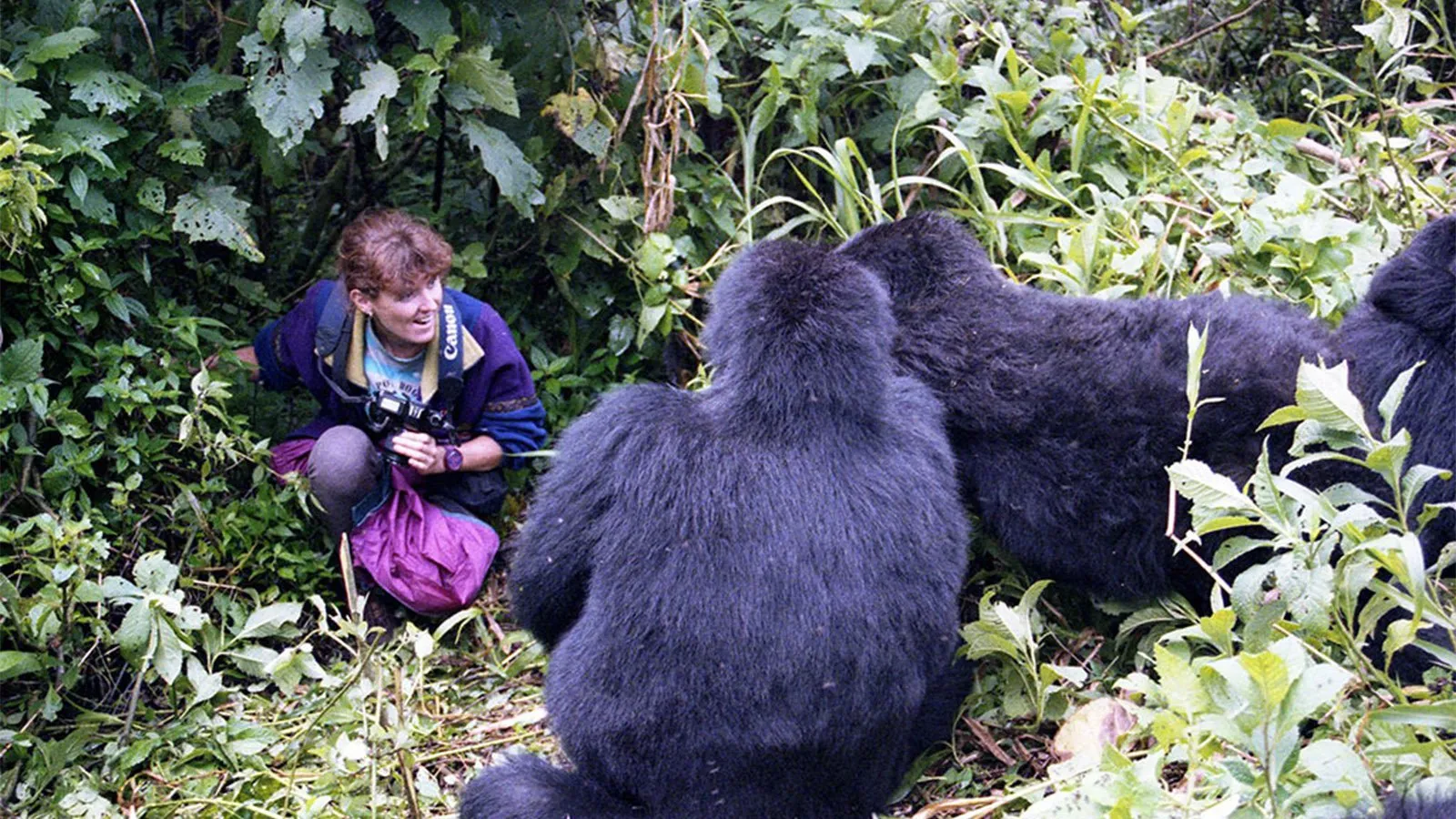
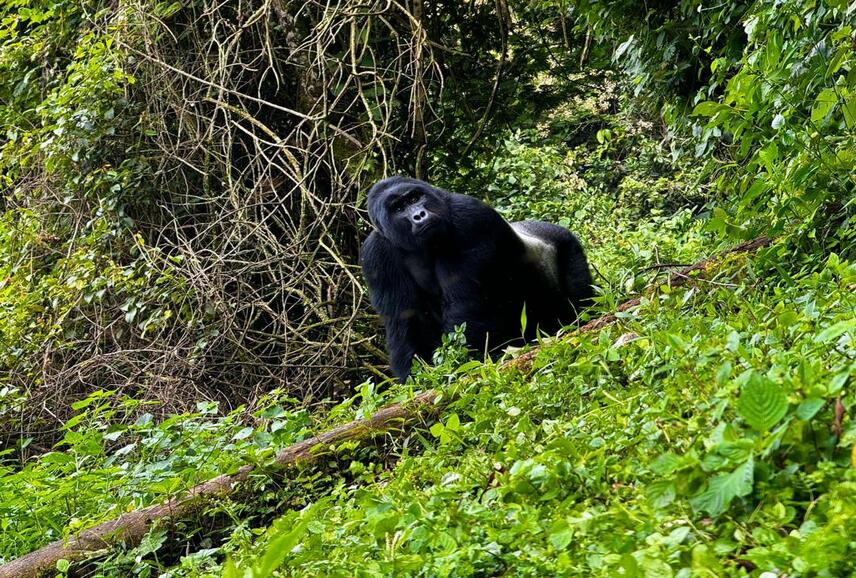
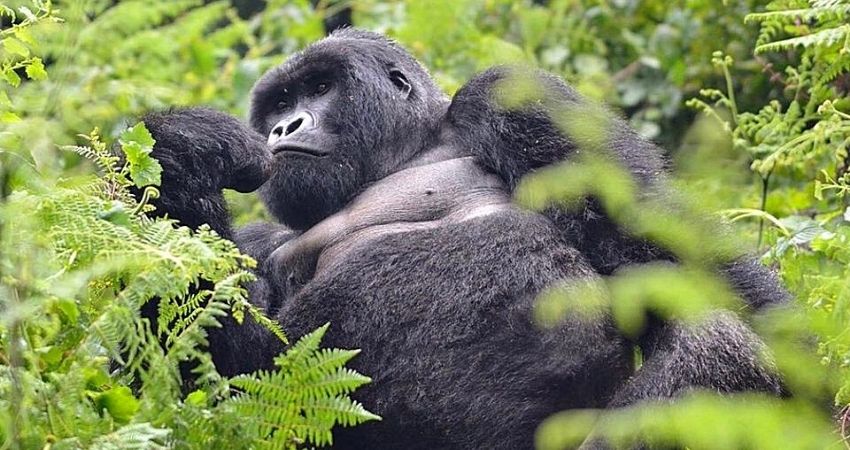
The defining attraction of Rushaga Sector is undoubtedly gorilla trekking, an immersive experience that is as demanding physically as it is rewarding emotionally. Trekkers are guided through dense vegetation by skilled rangers, sometimes hiking for hours before encountering a gorilla family. The first glimpse of a silverback or infant gorilla evokes a sense of profound respect and connection, underscoring the delicate balance between human presence and wildlife conservation.Rushaga Sector
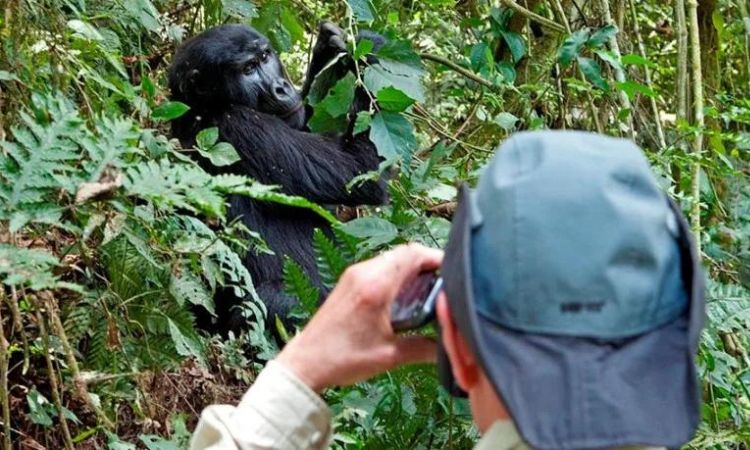
Treks are meticulously regulated to minimize impact on the gorillas and their habitat. Visitor numbers are limited, and strict guidelines govern behavior during encounters, ensuring the preservation of natural behaviors and forest integrity. The experience is transformative, often leaving a lasting impression on travelers and inspiring ongoing support for conservation initiatives. Through gorilla trekking, Rushaga exemplifies responsible tourism, where visitors are engaged not merely as spectators but as contributors to the sustainability of one of the planet’s most fragile ecosystems.

Community Engagement and Sustainable Tourism

In Rushaga Sector, community involvement is integral to conservation and tourism. Programs such as the Rushaga Gorilla Community Camp have been established to ensure that tourism revenues directly benefit local populations. Employment opportunities, skill training, and revenue-sharing initiatives contribute to improved healthcare, education, and infrastructure within the surrounding villages, reinforcing the link between conservation success and community welfare.

Tourism activities extend beyond wildlife observation, offering cultural immersion through home visits, traditional music and dance performances, and artisan workshops. Visitors participate in banana beer brewing, basket weaving, and local culinary preparation, deepening their appreciation for the human dimension of the forested landscape. Such interactions ensure that tourism is mutually beneficial, fostering understanding, respect, and sustainable economic growth within the sector.

Educational programs are also embedded within Rushaga’s tourism framework. Schools and youth groups are involved in forest monitoring, environmental awareness campaigns, and biodiversity documentation, cultivating a generation of informed custodians committed to the protection of their natural heritage. By intertwining education, conservation, and cultural engagement, Rushaga has become a model for holistic, community-centered tourism.

Hiking, Nature Walks, and Scenic Exploration

The terrain of Rushaga Sector offers extensive opportunities for hiking and nature exploration. Trails meander through mist-covered valleys, alongside rivers, and over undulating hills, providing panoramic views of Bwindi’s forested expanses. Hikes reveal hidden waterfalls, rare orchids, and endemic bird species, transforming each journey into a multifaceted encounter with nature.

Guided walks are rich in ecological and cultural insights, with interpretive guides explaining plant uses, wildlife behavior, and the historical significance of specific landscapes. The physical challenges posed by the sector’s steep trails are offset by the sense of immersion in one of the world’s most unique ecosystems. Each step along the forest floor reinforces the interconnectedness of species and the delicate balance that sustains life within the sector. These excursions further underscore the value of experiential learning, where travelers gain knowledge, appreciation, and inspiration from direct engagement with the environment.

Climate and Optimal Visiting Periods

Rushaga Sector experiences a tropical montane climate, with relatively consistent temperatures moderated by elevation. Two primary rainy seasons, from March to May and September to November, bring heavy rainfall that transforms the forest into a lush, verdant paradise. However, these periods also present challenges for trekking, as trails become slippery and rivers may swell.

The dry seasons, from June to August and December to February, are preferred for trekking due to more stable weather and clearer forest visibility. Temperature variations are influenced by altitude, with cooler conditions experienced at higher elevations, particularly in early mornings and evenings. Despite seasonal fluctuations, every visit offers distinct opportunities to observe wildlife behavior, flowering patterns, and the dynamic interplay between climate and forest ecology. Preparation for sudden weather changes is advised, as the sector’s microclimates can shift rapidly, even within a single day.

Accommodation and Visitor Experience

Accommodation in Rushaga Sector is designed to integrate seamlessly with the environment while offering comfort and cultural immersion. Lodges and community camps utilize sustainable construction materials, solar energy, and waste reduction practices to minimize ecological impact. The Rushaga Gorilla Community Camp exemplifies this approach, providing well-appointed lodging that benefits the local community while maintaining close proximity to trekking trails and cultural sites.

Hospitality in Rushaga emphasizes personalized, immersive experiences. Guests are often welcomed with traditional ceremonies, locally sourced refreshments, and opportunities to engage with artisans and farmers. Dining experiences frequently feature fresh, organic produce sourced from nearby farms, reinforcing the connection between ecological sustainability and daily life. This careful integration of comfort, culture, and conservation ensures that accommodation is not merely functional but transformative, fostering a deeper appreciation for both the forest and the communities that steward it.

Challenges and Conservation Initiatives

Despite its protected status, Rushaga Sector faces ongoing challenges. Human-wildlife conflict, deforestation, poaching, and pressures from population growth threaten ecological stability. Climate change introduces additional risks, potentially affecting rainfall patterns, forest composition, and gorilla habitats.

In response, a range of integrated conservation measures has been implemented. Collaborative programs between the Uganda Wildlife Authority, NGOs, and local communities focus on habitat restoration, anti-poaching patrols, environmental education, and research initiatives. Local engagement remains central, as communities participate in monitoring wildlife, enforcing sustainable farming practices, and promoting eco-tourism. These combined efforts ensure that conservation is inclusive, adaptive, and sustainable, safeguarding Rushaga’s ecological and cultural heritage for future generations.

Rushaga as a Destination of Distinction

Rushaga Sector represents a unique convergence of nature, culture, and conservation. Its mist-shrouded forests, endangered gorillas, and vibrant communities create a destination that is both captivating and transformative. Visitors are immersed in landscapes that have remained largely unaltered for centuries, while simultaneously engaging with traditions and initiatives that exemplify sustainable human-environment interaction.

Every visit to Rushaga is an opportunity to witness the extraordinary, from the quiet majesty of gorillas in their natural habitat to the enduring resilience of communities dedicated to conservation. The sector embodies a vision of tourism that is ethical, enriching, and deeply connected to place.

For travelers seeking an unforgettable experience, booking tours and safaris with WildHorn Africa ensures expert guidance, sustainable practices, and meaningful engagement with both wildlife and local communities. Through WildHorn Africa, every journey into Rushaga Sector becomes not only a personal adventure but also a contribution to the preservation of Uganda’s extraordinary natural and cultural heritage.
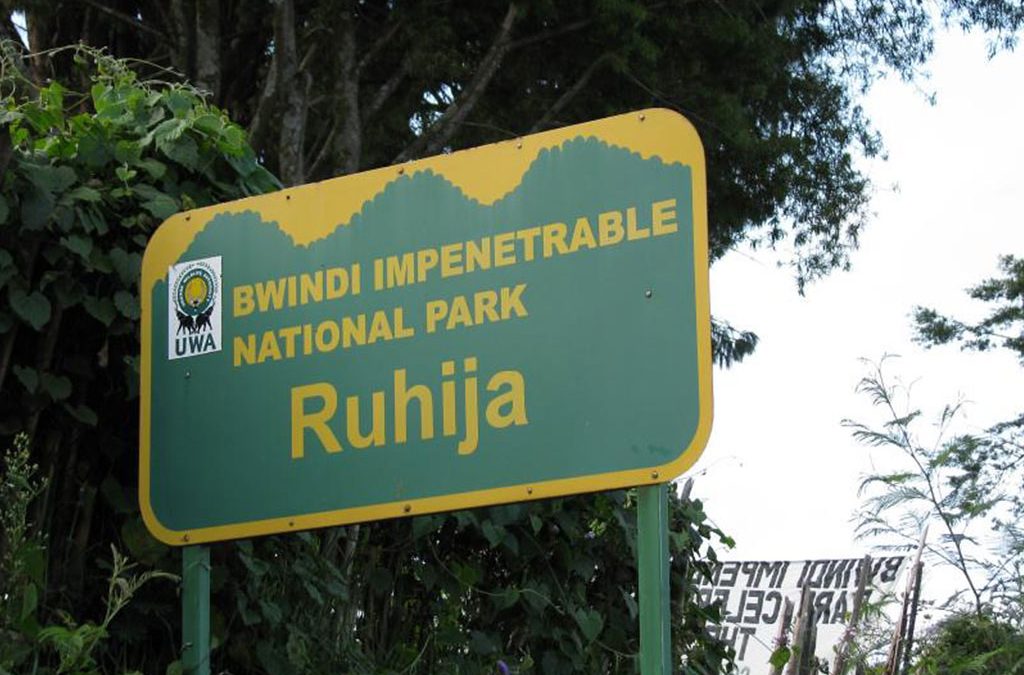
Ruhija Sector

Ruhija Sector

By Travel stories and blogs, Luxury holidays, Primate holidays, Safari holidays, Uganda travel guides

Ruhija Sector: The Hidden Gem of Uganda’s Gorilla Heartland

Entering the Realm of Wilderness

In the remote highlands of southwestern Uganda, where mist curls over rolling hills and ancient forests stretch as far as the eye can see, lies Ruhija Sector, a sanctuary where nature reigns supreme and the rhythm of the forest is felt in every breath. Often less frequented than other entry points into Bwindi Impenetrable National Park, Ruhija has earned a reputation as a serene and exclusive destination for travelers who seek an intimate experience with one of Africa’s most iconic species—the endangered mountain gorilla. The sector’s tranquil beauty is coupled with a profound ecological and cultural significance, making it an area where the preservation of biodiversity and human tradition intersect seamlessly.

Ruhija’s landscape is defined by steep, mist-covered mountains, dense montane forests, and winding streams that traverse the valleys below. The air is thick with the scent of wet earth and flowering trees, while the chorus of endemic birds and distant primate calls creates an ambiance that is both mystical and invigorating. This is a place where adventure and reflection converge, offering travelers an opportunity to witness the raw majesty of the forest while engaging with the local communities whose lives are intertwined with the land.

Geographical Context and Location

Ruhija Sector is situated in Kanungu District, forming the eastern corridor of Bwindi Impenetrable National Park, a UNESCO World Heritage Site recognized for its exceptional biodiversity. The sector occupies higher elevations than some other entry points, creating a cooler and often mist-laden environment that is ideal for the forest’s diverse flora and fauna. Its geographic positioning within the Virunga volcanic belt results in rugged terrain, with steep ridges, deep valleys, and a network of streams that sustain both the forest ecosystem and human settlements.

The sector’s relative isolation has preserved much of its natural integrity, as human settlement is limited by the challenging terrain. Small communities are dispersed along the hillsides, their livelihoods closely tied to subsistence agriculture, tea cultivation, and eco-tourism initiatives. The area’s unique topography also creates distinct microclimates, which support a wide variety of plant and animal species. These geographic and climatic factors contribute to Ruhija’s standing as a critical corridor for wildlife movement, particularly for species that rely on large, connected habitats for survival.

Historical and Cultural Significance

The history of Ruhija Sector is deeply rooted in the forest that surrounds it and in the people who have called it home for centuries. The Batwa pygmies, often referred to as the original inhabitants of Bwindi, maintained a symbiotic relationship with the forest, relying on it for sustenance, shelter, and cultural practices. Their intimate knowledge of medicinal plants, wildlife tracking, and forest ecology has been passed down through generations and continues to inform modern conservation strategies within the sector.

Following the establishment of Bwindi Impenetrable National Park, the Batwa were relocated, creating complex challenges related to cultural preservation and land access. Despite these disruptions, their traditions endure, expressed through music, dance, storytelling, and artisanal crafts. Visitors to Ruhija are afforded rare opportunities to experience these cultural practices firsthand, providing an immersive connection to a heritage that has been shaped by centuries of coexistence with the forest.

In addition to the Batwa, the Bakiga and Bafumbira communities inhabit the surrounding hills, practicing terrace farming and cultivating crops such as bananas, tea, and coffee. These communities have adapted their agricultural practices to the steep and challenging terrain, demonstrating a sustainable relationship between human activity and ecological preservation. Festivals, rituals, and communal practices are closely tied to the natural cycles of the land, reinforcing the cultural significance of environmental stewardship.

Biodiversity and Ecological Importance

Ruhija Sector is globally recognized for its extraordinary biodiversity. The sector serves as a vital habitat for the endangered mountain gorilla, with several habituated families residing within its forests. The dense montane forest provides abundant food sources and safe breeding grounds, ensuring the survival of this critically endangered species. Observing gorillas in their natural habitat offers a unique insight into their social structures, communication patterns, and familial bonds, revealing a world that is at once familiar and profoundly wild.

The sector is also home to a wide variety of other wildlife. Chimpanzees, golden monkeys, forest elephants, and several antelope species inhabit the forests, while numerous endemic and migratory bird species populate the canopy. Rare plant species, including orchids and medicinal herbs, thrive in the sector’s microclimates, contributing to its status as a global biodiversity hotspot. Seasonal changes influence flowering, fruiting, and animal behavior, creating a dynamic and ever-changing ecosystem that continues to attract researchers and conservationists from around the world.

Conservation efforts within Ruhija prioritize ecosystem-wide sustainability. Anti-poaching patrols, habitat restoration projects, and community engagement programs are implemented to maintain the integrity of the forest. The sector also plays a crucial role in regional environmental stability, contributing to water catchment, soil preservation, and carbon sequestration, thereby impacting both local and global ecological health.

Gorilla Trekking: A Transformational Experience

Gorilla trekking in Ruhija Sector is a life-altering experience that demands physical endurance, patience, and reverence for nature. Trekkers navigate through steep terrain under the guidance of experienced rangers, often traversing mist-covered valleys and thick undergrowth before encountering a gorilla family. The initial sight of a silverback or an infant gorilla elicits a profound sense of connection, humility, and wonder, highlighting the importance of protecting these magnificent creatures and their habitats.Ruhija Sector

Trekking is carefully regulated to minimize human impact on the gorillas and their environment. Visitor numbers are limited, and strict behavioral guidelines are enforced, ensuring that interactions remain safe and minimally intrusive. The experience is not merely observational; it is a deep engagement with the living ecosystem, where travelers witness social interactions, foraging behavior, and even playful dynamics among gorilla groups. Such encounters foster a lasting awareness of conservation and an appreciation for the delicate balance required to sustain the species in the wild.

Community Involvement and Sustainable Tourism

Sustainable tourism is at the heart of Ruhija’s conservation model. The sector’s local communities are actively involved in tourism initiatives, ensuring that economic benefits are distributed equitably and that cultural heritage is preserved. Community camps and lodges, such as the Ruhija Gorilla Community Camp, offer employment opportunities, skill development, and direct revenue to local residents, thereby enhancing livelihoods while fostering a strong sense of stewardship over the forest.

Tourism activities extend beyond wildlife observation. Guests are invited to participate in cultural experiences, including traditional music and dance, artisanal craft demonstrations, and visits to local farms. Through these interactions, visitors gain a deeper understanding of the interconnectedness of culture, ecology, and community well-being, while communities are empowered to maintain their traditions and benefit economically.

Educational programs further enhance the sector’s conservation efforts. Youth and schools are involved in environmental awareness campaigns, biodiversity monitoring, and reforestation projects. This active engagement cultivates a generation of informed custodians who are invested in preserving Ruhija’s ecological and cultural legacy for future generations.

Hiking and Nature Exploration

Ruhija Sector offers extensive opportunities for hiking and immersive nature walks. Trails traverse mist-shrouded hills, alongside rivers and waterfalls, and through dense forests, providing panoramic views of the surrounding landscape. These excursions allow travelers to observe the subtleties of the forest ecosystem, from rare plant species to intricate animal behaviors.

Guided walks are enriched with interpretive information about the flora, fauna, and cultural history of the region. The physical demands of trekking steep trails are offset by the immersive experience of moving silently through one of the world’s most pristine ecosystems. Each hike reinforces the interconnectedness of species and habitats, providing both education and inspiration. Visitors gain an appreciation for the complexity of ecological relationships and the importance of sustainable interaction with the environment.

Climate and Best Times to Visit

Ruhija Sector experiences a tropical montane climate, characterized by cool temperatures due to its high elevation. Rainfall occurs primarily in two main seasons, from March to May and September to November, transforming the forest into a lush, vibrant landscape. While these periods are visually stunning, trekking conditions can be challenging due to muddy trails and swollen rivers.

The dry seasons, from June to August and December to February, are ideal for trekking, offering more stable trails and enhanced visibility within the forest. Temperature variations can be significant between day and night, particularly at higher elevations, requiring travelers to prepare for sudden shifts in weather. Despite these variations, every season offers unique opportunities to observe wildlife behavior, flowering patterns, and ecological processes, ensuring that Ruhija remains a compelling destination year-round.

Accommodation and Visitor Experience

Accommodation in Ruhija Sector is designed to harmonize with the natural environment while providing comfort and cultural immersion. Eco-lodges and community camps utilize sustainable construction materials, solar energy, and waste management practices, minimizing environmental impact while enhancing visitor experience. The Ruhija Gorilla Community Camp exemplifies this approach, offering comfortable lodging, access to trekking trails, and opportunities for cultural engagement.

Hospitality in Ruhija emphasizes personalized service and authentic experiences. Visitors are welcomed with traditional greetings, locally sourced refreshments, and chances to interact with artisans and farmers. Dining experiences feature fresh, organic produce sourced from the surrounding hills, reinforcing the connection between ecological sustainability and local livelihoods. Accommodation in Ruhija is therefore not merely functional but transformative, providing guests with a holistic understanding of the interplay between culture, environment, and conservation.

Challenges and Conservation Efforts

Despite its protected status, Ruhija Sector faces ongoing ecological and social challenges. Human-wildlife conflict, deforestation, poaching, and the pressures of population growth pose risks to both biodiversity and community well-being. Climate change adds further uncertainty, potentially altering rainfall patterns, forest composition, and gorilla habitats.

Conservation strategies in Ruhija are multifaceted, combining scientific research, community engagement, and policy enforcement. Anti-poaching patrols, habitat restoration, and biodiversity monitoring are complemented by educational initiatives that involve local schools and youth groups. The active participation of communities ensures that conservation is inclusive, adaptive, and sustainable, safeguarding both the forest and its human inhabitants for generations to come.

Ruhija as a Premier Ecotourism Destination

Ruhija Sector represents a unique convergence of natural beauty, biodiversity, and cultural heritage. Its mist-laden hills, endangered gorillas, and resilient communities create a destination that is both awe-inspiring and transformative. Visitors are immersed in landscapes that have remained largely unchanged for centuries, while also engaging with local populations who exemplify sustainable living and environmental stewardship.

Every experience in Ruhija, from gorilla trekking to cultural interactions and hiking adventures, fosters a deeper understanding of the delicate balance between human activity and ecological preservation. For travelers seeking an authentic and meaningful encounter with one of Uganda’s most remarkable regions, booking tours and safaris through WildHorn Africa ensures expert guidance, responsible tourism practices, and direct support for conservation and community development. Through WildHorn Africa, every journey into Ruhija Sector becomes not only a personal adventure but also a contribution to the long-term preservation of Uganda’s extraordinary natural and cultural heritage.
Mountain gorilla

Mountain gorilla

By Travel stories and blogs, Honeymoon holidays, Luxury holidays, Primate holidays, Rwanda travel guides, Safari holidays, Uganda travel guides

Mountain Gorilla: The Majestic Guardian of Africa’s Volcanoes

Witnessing the Giants of the Misty Mountains

High in the mist-laden forests of the Virunga volcanic mountains and the Bwindi Impenetrable Forest, a living legend quietly thrives, embodying both strength and vulnerability. The Mountain Gorilla (Gorilla beringei beringei), one of the most iconic and endangered primates on the planet, captivates all who are fortunate enough to observe it in its natural habitat. Revered for its imposing physical presence, intricate social structure, and profound intelligence, this subspecies represents the delicate balance of Africa’s highland ecosystems.

Despite its powerful stature and adaptability, the Mountain Gorilla has been critically threatened by human encroachment, habitat destruction, poaching, and disease. Conservation efforts over the last several decades have become a model for wildlife protection, demonstrating how careful management and community involvement can sustain populations in the wild. Understanding the Mountain Gorilla in depth reveals insights into behavior, ecology, and the broader implications of biodiversity preservation.

Taxonomy and Subspecies

The Mountain Gorilla is a subspecies of the Eastern Gorilla (Gorilla beringei), distinct from the Western Gorilla (Gorilla gorilla). Within the Eastern Gorilla species, two subspecies are recognized: the Mountain Gorilla and the Eastern Lowland Gorilla (Gorilla beringei graueri).

Mountain Gorillas are primarily distributed in high-altitude forests along the borders of Rwanda, Uganda, and the Democratic Republic of Congo. Genetic studies have confirmed their close relationship with the Eastern Lowland Gorilla, yet significant differences in habitat adaptation, body morphology, and social behavior distinguish this subspecies. These distinctions are reflected in their dense fur, smaller but powerful builds, and behavioral adaptations to high-altitude, cooler climates.

Physical Characteristics

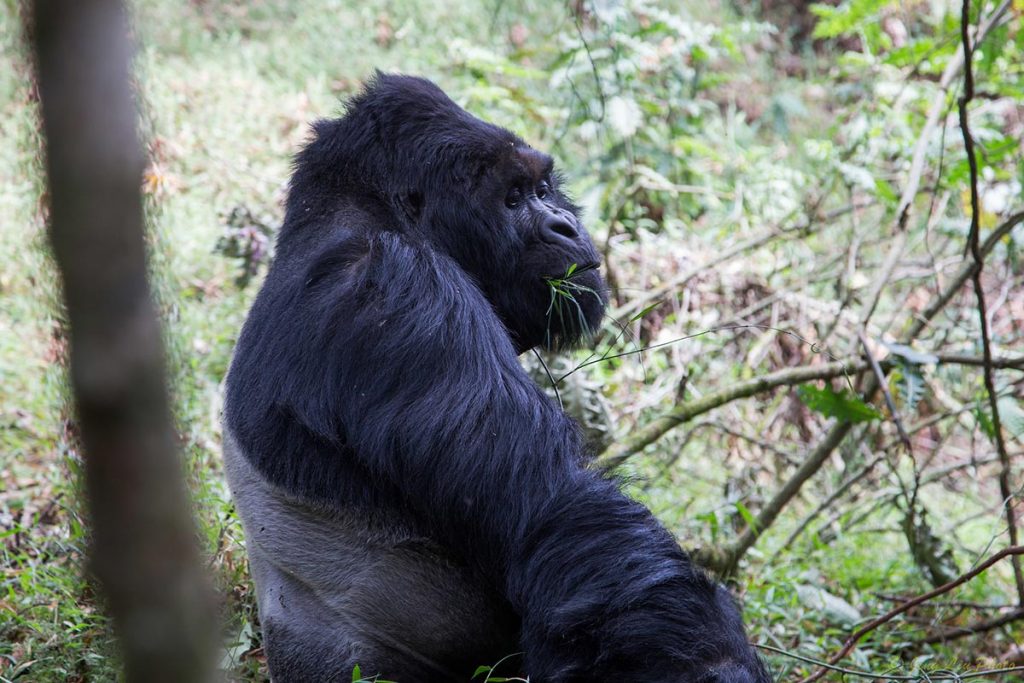
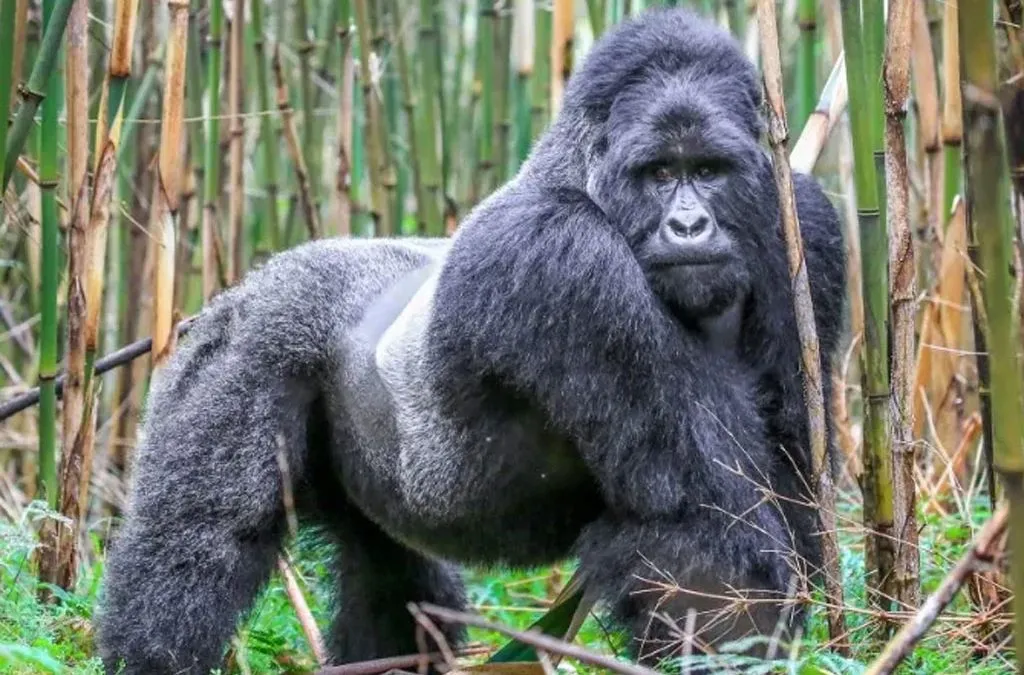
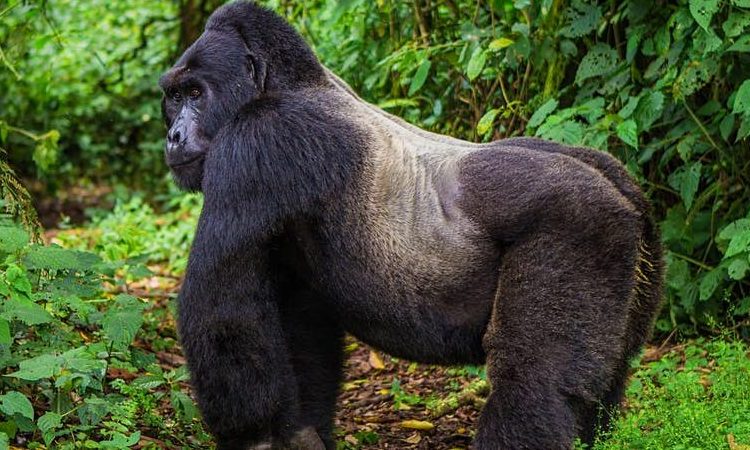
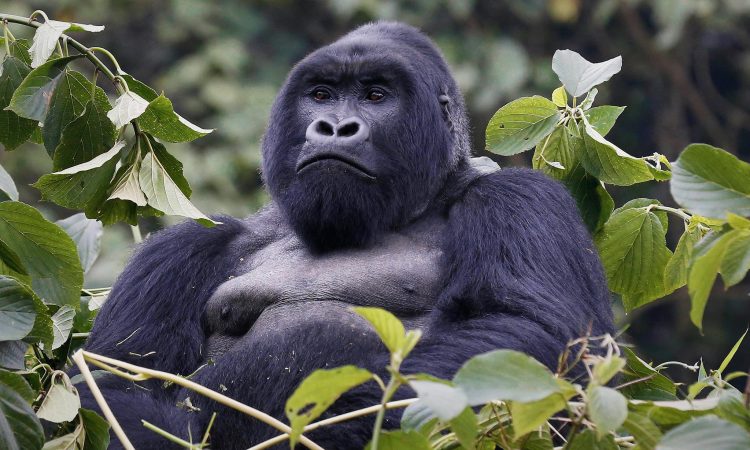
The Mountain Gorilla is notable for its robust physique and dense fur, adaptations that allow survival in cold, montane environments. Adult males, known as silverbacks due to the characteristic silvery hair along their backs, can weigh between 160 and 220 kilograms and stand approximately 1.7 to 1.85 meters tall when upright. Females are smaller, averaging 90 to 100 kilograms, yet display remarkable strength and endurance.

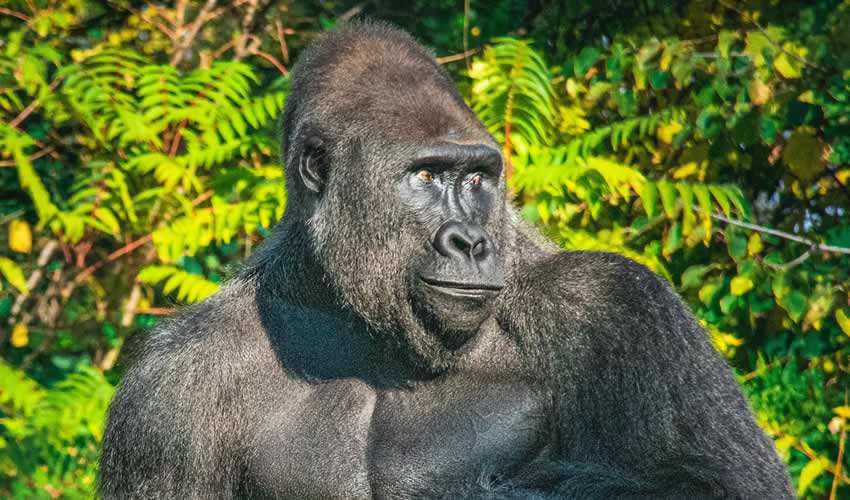
Facial features are expressive, with deep-set eyes, broad noses, and prominent brow ridges. Dense black fur covers most of the body, with additional hair protecting extremities from cold temperatures and heavy rainfall. Limbs are muscular and long, enabling knuckle-walking, climbing, and occasional bipedal posturing. Hands and feet are dexterous, supporting manipulation of vegetation, nest-building, and social interaction. The overall physical structure of the Mountain Gorilla reflects both dominance and environmental adaptation, allowing it to thrive in challenging, high-altitude terrains.

Habitat and Geographic Distribution

Mountain Gorillas are confined to high-altitude tropical forests, generally ranging from 2,200 to 4,300 meters above sea level. Their distribution is concentrated in the Virunga Massif, spanning Rwanda, Uganda, and the Democratic Republic of Congo, and in the Bwindi Impenetrable Forest in Uganda. These forests are characterized by thick vegetation, bamboo groves, high rainfall, and frequent mists, creating an environment rich in food resources and natural shelter.

The montane forests provide a variety of plant species, including shrubs, herbs, bamboo shoots, and fruiting trees. Seasonal changes in temperature, rainfall, and food availability influence gorilla foraging patterns and troop movements. Habitat fragmentation and human activity, including agriculture and settlements, have historically restricted the range of Mountain Gorillas, making protected areas and national parks essential for their survival. Despite these challenges, this subspecies has shown remarkable resilience and adaptability within these highland ecosystems.

Social Structure and Behavior

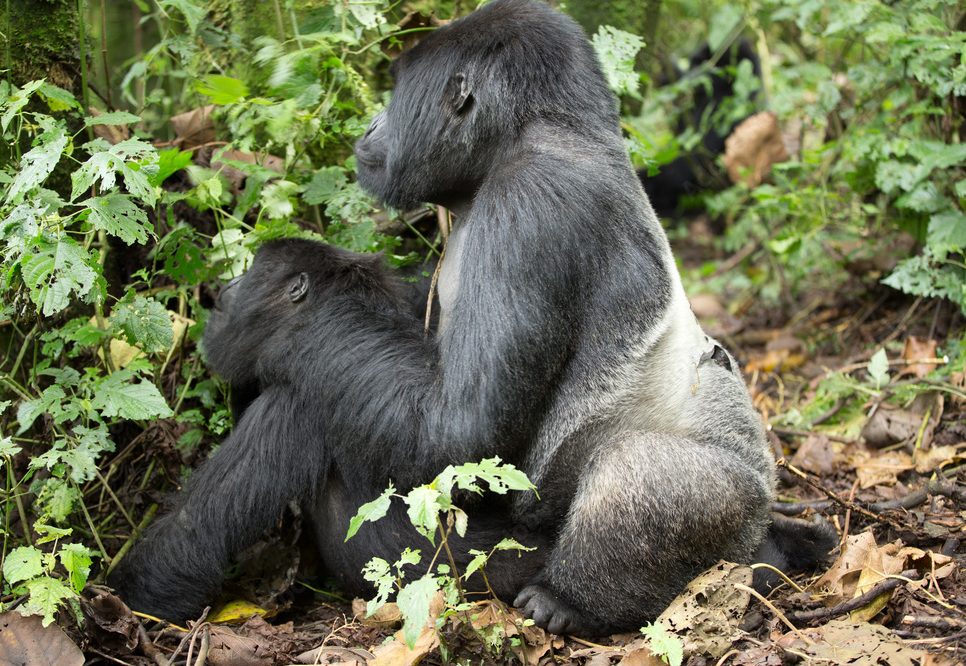
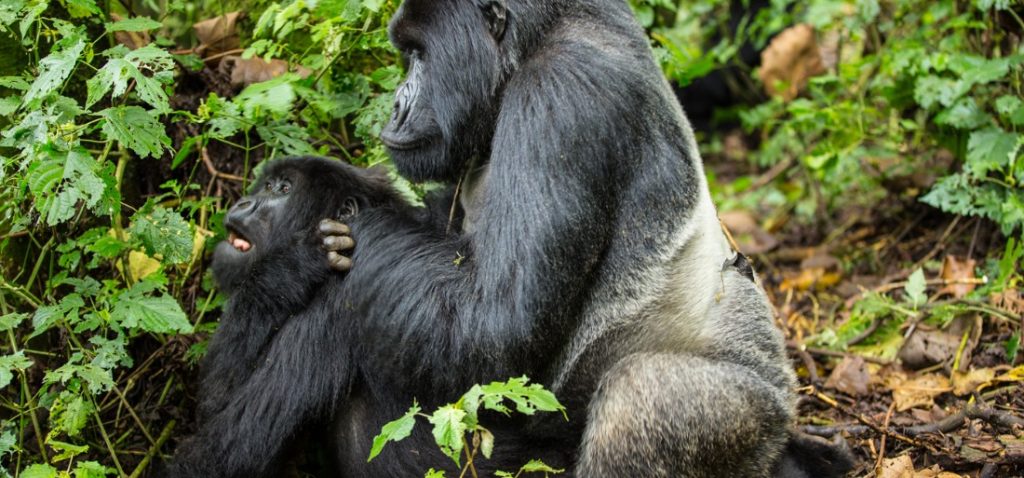
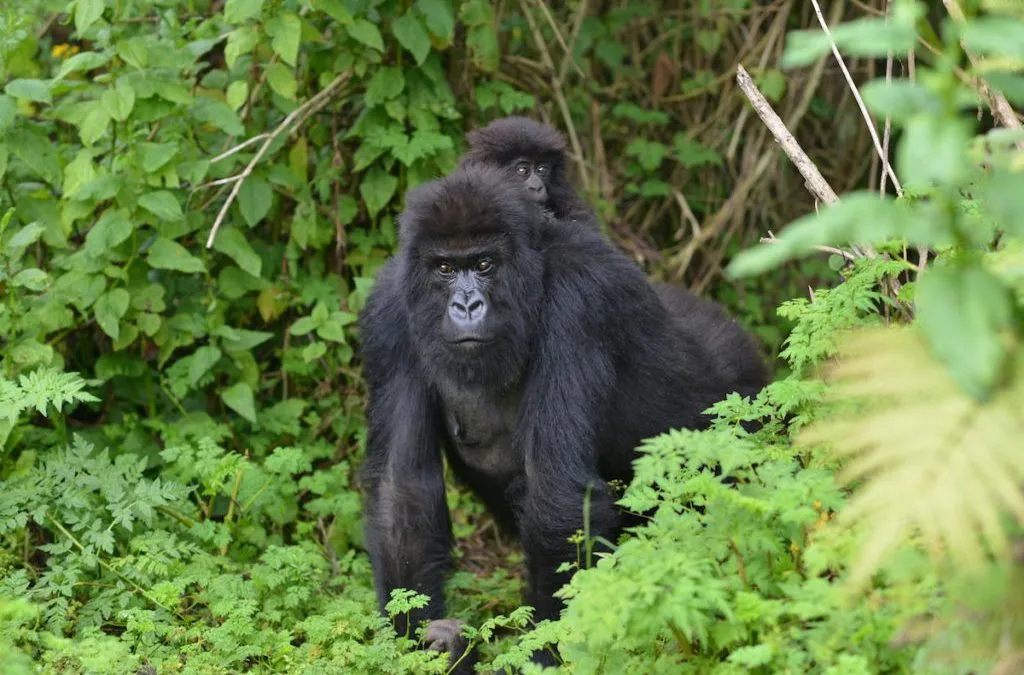
Mountain Gorillas exhibit complex social organization, with troops typically led by a dominant silverback. The silverback assumes responsibility for protection, conflict mediation, and leadership, maintaining cohesion within the group. Troops usually consist of several adult females, their offspring, and subordinate males, known as blackbacks, who have not yet attained dominance.

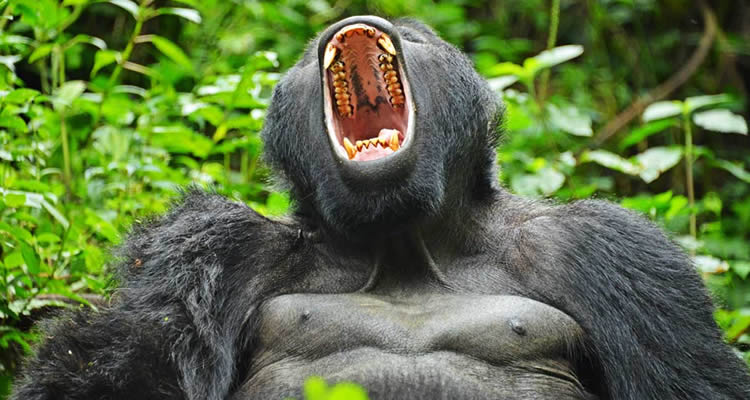
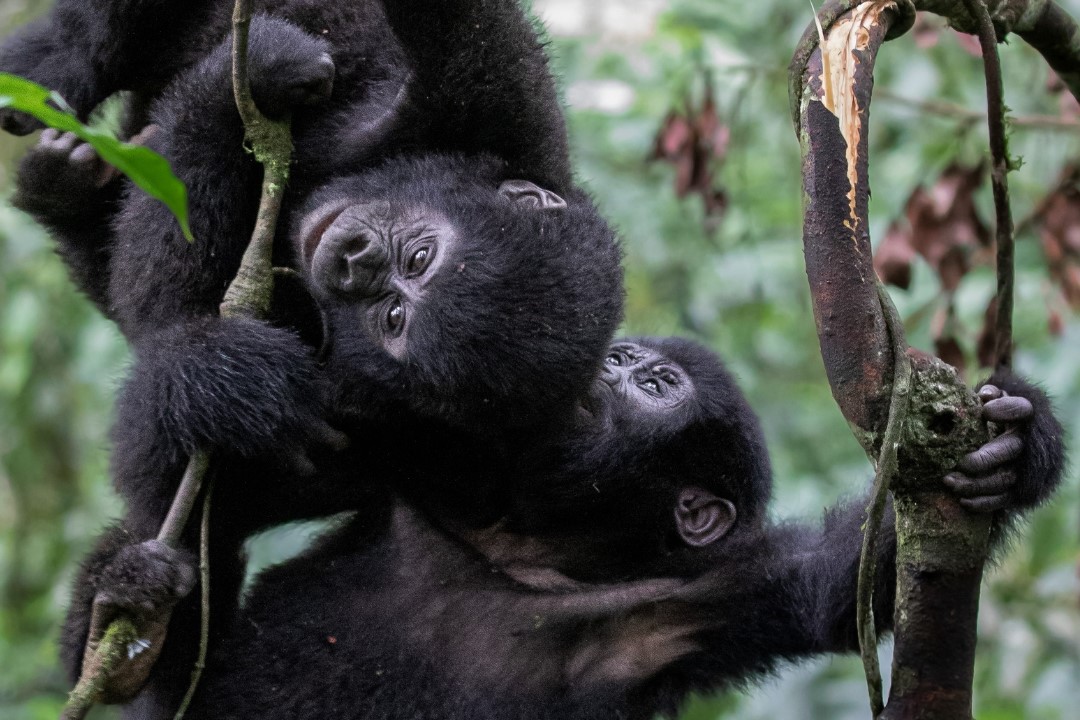
Behavior is highly social and adaptive. Grooming serves multiple purposes, including hygiene, tension reduction, and social bonding. Juvenile play promotes physical development, cognitive growth, and social learning. Communication is achieved through vocalizations, facial expressions, gestures, and chest-beating. Grunts, roars, and hoots signal threats, assert dominance, or express contentment, while non-verbal cues allow subtle coordination within the group. Nest-building, performed nightly, demonstrates intelligence and planning. Mountain Gorillas construct sleeping platforms from leaves and branches, sometimes on the ground and occasionally in trees, reflecting behavioral adaptability and learned social practices.

Diet and Feeding Habits

The Mountain Gorilla is primarily herbivorous, consuming a variety of vegetation including leaves, stems, shoots, bark, and occasionally fruits when available. Bamboo is a critical component of the diet in certain regions, providing both nutrition and seasonal consistency. Foraging behavior involves strategic movement across the forest floor to access food sources, which can extend several kilometers per day depending on seasonal availability.

Feeding behavior contributes significantly to forest ecology. Seed dispersal by Mountain Gorillas facilitates forest regeneration, while selective feeding influences plant composition and distribution. Their interaction with the forest promotes biodiversity, supporting other wildlife and maintaining ecosystem stability. The dietary habits of Mountain Gorillas are closely linked to seasonal and ecological cycles, demonstrating their intricate relationship with the high-altitude forest environment.

Reproduction and Life Cycle

Reproductive behavior in Mountain Gorillas is closely tied to social hierarchy. Females reach sexual maturity between eight and ten years, while males mature later, attaining full silverback status after twelve years. The dominant silverback typically monopolizes mating within the group, ensuring reproductive success and troop stability.

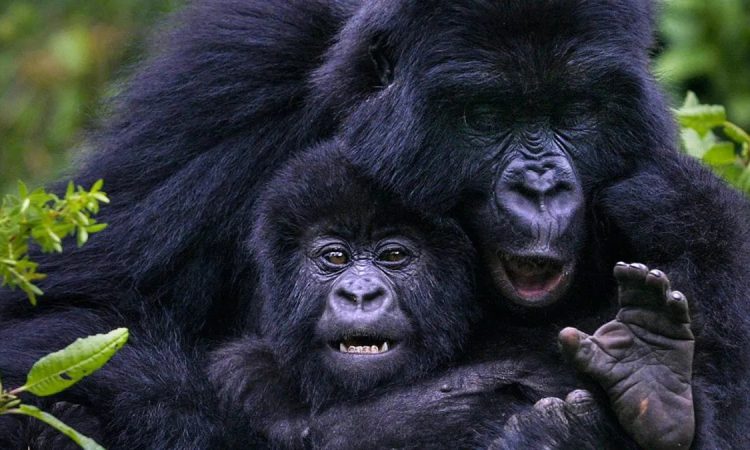
Gestation lasts approximately 8.5 months, producing a single infant. Twin births are rare and carry significant survival challenges. Infants rely on maternal care for several years, gradually learning essential skills such as foraging, nest-building, and social interaction. Juveniles acquire behaviors through observation, interaction, and play, preparing them for adult roles within their social units. Lifespan in the wild averages 35 to 40 years, although disease, poaching, and habitat disturbance may reduce longevity.Mountain gorilla

Communication and Intelligence

The Mountain Gorilla exhibits advanced cognitive abilities, reflected in complex communication, problem-solving, and social awareness. Vocalizations, including grunts, roars, and chest-beating, are used to signal danger, assert dominance, or convey contentment. Facial expressions, gestures, and body postures enhance communication, allowing subtle coordination within troops.

Tool use has been observed occasionally, including manipulation of sticks and vegetation for foraging or nest construction. Memory, learning, and problem-solving skills are well-documented, demonstrating high intelligence and social sophistication. These cognitive abilities highlight both the adaptability of Mountain Gorillas and the ethical responsibility of humans to protect and study them in their natural habitat.

Conservation Status and Threats

The Mountain Gorilla is classified as Endangered by the International Union for Conservation of Nature (IUCN), though populations have shown a gradual increase due to intensive conservation measures. Threats include habitat destruction, human encroachment, poaching, and disease transmission. Human-induced environmental changes have historically restricted their range and fragmented populations, making protection within national parks essential.

Poaching, although reduced through stringent law enforcement, remains a threat, often driven by bushmeat hunting and the illegal wildlife trade. Human diseases, particularly respiratory infections, pose additional risks, especially given the genetic similarity between humans and gorillas. Conservation strategies focus on habitat protection, anti-poaching patrols, veterinary interventions, and community engagement to ensure sustainable coexistence. Ecotourism has emerged as a pivotal tool, providing both funding and public awareness while promoting responsible human-gorilla interaction.

Ecological Importance

Mountain Gorillas play a critical ecological role as keystone species in montane forest ecosystems. Their feeding and ranging behaviors influence plant composition, seed dispersal, and forest regeneration. By interacting with vegetation and creating microhabitats, they support numerous other species, including insects, birds, and small mammals.

The health of Mountain Gorilla populations serves as an indicator of forest ecosystem integrity. Their decline would disrupt ecological balance, highlighting the interdependence between wildlife, habitat, and human activity. Protecting Mountain Gorillas ensures the preservation of biodiversity, ecosystem services, and the resilience of high-altitude forests.

Human Interaction and Cultural Significance

Local communities have maintained complex relationships with Mountain Gorillas, ranging from cultural reverence to conflict over land and resources. In some regions, gorillas are regarded as sacred, embodying strength, wisdom, and resilience. Traditional ecological knowledge has informed conservation efforts, offering insights into behavior, habitat use, and ecological needs.

Tourism has transformed human-gorilla interactions, with gorilla trekking becoming a cornerstone of sustainable wildlife tourism. Guided experiences allow visitors to observe gorillas in their natural habitat while generating economic benefits and funding conservation initiatives. Strict protocols are followed to minimize stress, prevent disease transmission, and ensure ethical engagement with wildlife.

The Future of the Mountain Gorilla

The future of the Mountain Gorilla relies on continued conservation action, international cooperation, and sustained public awareness. Strategies include habitat preservation, anti-poaching enforcement, veterinary care, and community involvement. Scientific research remains essential for monitoring populations, understanding behavior, and implementing effective conservation interventions.

Global support is critical, as Mountain Gorillas are emblematic of highland biodiversity and forest ecosystem health. Their protection safeguards both species and habitat, contributing to broader conservation goals and inspiring future generations to value and protect Africa’s natural heritage.

Experiencing Mountain Gorillas in the Wild

Observing Mountain Gorillas in their natural habitat is an unparalleled experience. Guided treks through Volcanoes National Park in Rwanda, Bwindi Impenetrable Forest in Uganda, or the Virunga National Park in the Democratic Republic of Congo allow visitors to witness social interactions, feeding behavior, and ecological roles. The presence of a silverback leading his troop, juveniles engaging in play, and the subtle social dynamics of families leaves a profound and lasting impression.

Responsible tourism protocols ensure minimal impact on gorilla health and behavior while fostering education and conservation awareness. Visitors gain a deep appreciation for the intelligence, social complexity, and majesty of Mountain Gorillas, while directly supporting conservation efforts and local communities.

Conclusion

The Mountain Gorilla is a symbol of strength, intelligence, and ecological significance in Africa’s montane forests. Its survival is intricately linked to habitat protection, responsible human interaction, and sustained conservation initiatives. These majestic primates not only embody the beauty of Africa’s wildlife but also serve as indicators of ecosystem health and biodiversity.

For travelers seeking an unforgettable wildlife experience, guided tours and safaris offer the opportunity to witness Mountain Gorillas in their natural environment. By booking with reputable providers such as WildHorn Africa, visitors can experience these extraordinary creatures while contributing directly to conservation, ensuring that the legacy of the Mountain Gorilla endures for generations to come.

Silverback gorilla trekking in Mgahinga

Silverback gorilla trekking in Mgahinga

By Travel stories and blogs, Luxury holidays, Primate holidays, Safari holidays, Uganda travel guides

Silverback Gorilla Trekking in Mgahinga

Into the Realm of the Mountain Giants

High in the mist-covered mountains of southwestern Uganda, where volcanic peaks rise dramatically against the sky and ancient forests whisper secrets of time immemorial, a rare and extraordinary experience unfolds. It is here, in Mgahinga Gorilla National Park, that the world of the silverback gorilla reveals itself to those willing to journey into its domain. Trekking in this landscape is not simply an activity; it is a profound communion with the wild, a passage through rugged terrain that leads to an intimate encounter with one of nature’s most awe-inspiring creatures.

Unlike any other safari experience, silverback gorilla trekking in Mgahinga is defined not by observation from a distance but by proximity that stirs the soul. The moment when the dense undergrowth parts to reveal the powerful figure of a silverback gorilla is a moment of silence, reverence, and recognition. It is a meeting between species that transcends the ordinary, an exchange of presence that leaves an indelible mark upon the heart.

The journey to this encounter demands patience, endurance, and respect. Yet it rewards with memories beyond measure: the sight of a silverback guiding his family, the playful innocence of young gorillas, and the quiet dignity of a landscape that has nurtured life for millennia. Mgahinga, though Uganda’s smallest national park, holds within it an experience vast in meaning, one that resonates far beyond the forest itself.

Mgahinga Gorilla National Park: The Crown of the Virungas

Mgahinga Gorilla National Park, though covering only 33.7 square kilometers, is part of the great Virunga Conservation Area, a chain of volcanoes stretching across Uganda, Rwanda, and the Democratic Republic of Congo. Its landscape is dominated by three extinct volcanoes—Mount Muhabura, Mount Gahinga, and Mount Sabyinyo—each rising in grandeur, their slopes cloaked in vegetation that shifts dramatically with altitude.

The park’s habitats are as diverse as they are breathtaking. At the lower elevations, montane forests thrive, giving way to bamboo groves where gorillas often feed. Higher still, the Afro-alpine moorlands spread like carpets across the upper slopes, dotted with giant lobelias and everlasting flowers. This variety of ecosystems supports not only gorillas but also golden monkeys, forest elephants, and an astonishing array of bird species, making Mgahinga a jewel of biodiversity.

The park holds cultural significance as well. It is home to the Batwa people, an indigenous group who once lived as forest dwellers and hunters. Their connection to the land remains a vital part of Mgahinga’s identity, offering visitors a glimpse into a way of life shaped by centuries of coexistence with the forest. Thus, trekking in Mgahinga is never solely about wildlife; it is also an immersion into a cultural and natural tapestry that few places on earth can match.

The Silverback Gorilla: Guardian and Leader of the Highlands

The silverback gorilla is more than a symbol of wilderness. He is the heart of his family and the guardian of the highland forests. His name derives from the distinctive silver-gray saddle of hair that appears on his back as he matures, usually around the age of twelve. Beyond his striking appearance, the silverback embodies strength, leadership, and deep familial responsibility.

Weighing up to 180 kilograms, with immense muscular power, the silverback is an imposing presence. Yet his role is not defined by aggression but by protection and guidance. He decides when the group travels, where they forage, and how they respond to potential threats. His leadership is rooted in authority tempered by care, ensuring the safety of mothers, juveniles, and infants under his watch.

The duality of the silverback’s nature is striking. He can unleash thunderous displays—beating his chest, vocalizing with power, and charging to deter intruders. Yet he can also be seen gently cradling infants, allowing them to climb upon him, or tolerating the playful antics of adolescents. This balance of might and tenderness is what makes the silverback a figure of profound reverence.

For those fortunate enough to trek in Mgahinga, the encounter with the silverback is transformative. His gaze, steady and unflinching, carries recognition that feels deeply human, bridging the divide between species. It is in this gaze that many visitors describe a sense of kinship, a realization of shared ancestry and mutual vulnerability.

Preparing for the Trek: Anticipation and Readiness

The journey to meet the silverback begins long before the forest is entered. A gorilla trekking permit, issued by the Uganda Wildlife Authority, must be secured in advance. The limited number of permits ensures minimal disturbance to the gorillas and underscores the park’s commitment to conservation.

On the morning of the trek, visitors assemble at the park headquarters, where trained rangers provide a thorough briefing. Guidelines are emphasized: the minimum distance to maintain, the limited one-hour viewing period, and the necessity of avoiding direct eye contact or sudden movements. Health precautions are vital, as gorillas are highly susceptible to human-borne illnesses.

Physical readiness is essential. The trails are steep, often muddy, and sometimes tangled with vegetation. Altitude adds to the challenge, with elevations ranging from 2,227 to over 4,000 meters. Porters are available, and their assistance not only eases the trek but also contributes directly to local livelihoods.

Beyond physical preparation lies emotional readiness. The anticipation builds with every step into the forest, each rustle of bamboo or distant call of a bird intensifying the sense of entering another world. The trek is not simply about reaching the gorillas but about surrendering to the rhythm of the forest, allowing it to guide, challenge, and prepare the heart for the encounter to come.

The Trekking Experience: Steps Toward the Silverback

The trek itself unfolds like a narrative written by the forest. The beginning is marked by the crunch of boots on volcanic soil, the filtered sunlight streaming through the canopy, and the symphony of birds echoing across the slopes. The forest is alive, its every sound hinting at hidden movement, its every scent carrying the promise of discovery.

Guides and trackers lead the way, reading the forest with expertise. Signs of the gorillas’ passage appear—broken bamboo, nests from the night before, or fresh droppings. The tension builds as the trail narrows, the vegetation thickens, and the air grows heavier with anticipation.Silverback gorilla trekking in Mgahinga

Then, as though orchestrated by fate, the silverback appears. His form rises above the undergrowth, his silver mantle gleaming in the light. Around him, his family moves with quiet purpose—mothers nursing infants, juveniles tumbling in play, and adolescents imitating their leader’s gestures. The scene is one of harmony under the watchful eye of the silverback.

For one hour, visitors are allowed to remain in this world. Cameras capture images, yet no photograph can replicate the feeling of standing in that moment. The air feels charged, the silence profound, and the recognition in the silverback’s gaze unforgettable. It is a communion that words can only attempt to describe, an experience etched into memory long after the trek concludes.

Challenges and Triumphs on the Trail

Trekking in Mgahinga is not without challenges. The slopes of the Virunga volcanoes are steep, the bamboo forests slippery after rain, and the unpredictability of gorilla movements often requires patience and persistence. Fatigue, altitude, and shifting weather test the resolve of every trekker.

Yet these very challenges elevate the encounter. The silverback is not reached easily, nor should he be. The effort required imbues the meeting with meaning, transforming it into a triumph of perseverance. Each drop of sweat, each step over tangled roots, and each moment of waiting becomes part of the story, enriching the memory of the encounter.

The forest itself offers rewards along the way—panoramic views from volcanic ridges, glimpses of golden monkeys leaping through bamboo, and the haunting beauty of mist weaving through the canopy. The trek is a journey as remarkable as the destination.

Conservation: A Legacy of Protection

The survival of silverback gorillas in Mgahinga is not accidental but the result of decades of conservation efforts. Once critically endangered, mountain gorillas have seen gradual population recovery thanks to collaborative initiatives that involve governments, conservation organizations, and local communities.

Revenue from gorilla trekking permits forms the backbone of these efforts. Funds are directed toward anti-poaching patrols, veterinary interventions, and habitat restoration. Equally important, a portion of the revenue supports local communities, providing schools, health facilities, and infrastructure that reinforce the value of gorilla conservation.

Community engagement has been transformative. Former poachers have become guides and porters, their livelihoods now tied to the very animals they once threatened. The Batwa people, displaced from their ancestral forests, have found a role in tourism by sharing their cultural heritage and knowledge of the land.

Despite progress, challenges persist. Population pressure, agricultural expansion, and the threat of disease remain ever-present. The silverback’s survival depends on continued commitment, not only from conservationists but from every visitor who enters the forest. By trekking responsibly and supporting sustainable tourism, travelers contribute directly to the protection of these magnificent creatures.

Cultural and Spiritual Resonance of the Trek

Trekking to meet the silverback in Mgahinga is more than a biological or recreational experience. It carries cultural and spiritual dimensions that enrich its meaning. To the Batwa, gorillas are not merely animals but guardians of the forest, beings woven into stories and traditions that affirm the interconnectedness of life.

For visitors, the encounter resonates on a deeper emotional plane. The silverback becomes a mirror reflecting human values of leadership, family, and resilience. The silence of the mountains, the mist that veils the peaks, and the steady gaze of the gorilla create an atmosphere of solemnity that many describe as spiritual.

In this setting, the boundary between human and wild blurs. The trek becomes a pilgrimage, a reminder of shared origins, and a call to responsibility. The silverback is not only a creature to be admired but a symbol of the fragile balance upon which the future of nature depends.

Best Time for Silverback Gorilla Trekking in Mgahinga

While Mgahinga can be visited throughout the year, the dry seasons from June to August and from December to February offer the most favorable trekking conditions. Trails are more accessible during these months, though the mountain climate remains unpredictable, and sudden showers are always possible.

During the wetter months of March to May and September to November, trekking becomes more demanding due to slippery trails and thicker vegetation. Yet these months hold their own charm, with the forest at its greenest and the experience often shared with fewer fellow visitors.

Ultimately, the season matters less than the journey itself. The silverback’s presence transcends weather and time, ensuring that every trek, regardless of conditions, carries its own unique rewards.

A Journey Beyond Wilderness

Silverback gorilla trekking in Mgahinga is not an ordinary safari. It is a profound journey into the heart of the wild, a test of endurance and reverence that culminates in one of the most extraordinary encounters on earth. To stand in the presence of a silverback is to be reminded of nature’s power, fragility, and beauty.

The silverback, guardian of the highlands, embodies resilience and leadership. His presence is both humbling and inspiring, a living testament to the importance of conservation and the shared bond between humanity and the natural world.

For those who dream of this encounter, the path to Mgahinga awaits. To ensure a journey that is guided with expertise, enriched with cultural depth, and carried out with respect for both people and nature, it is highly recommended that African tours and safaris be booked with WildHorn Africa, a trusted partner dedicated to creating unforgettable experiences while safeguarding the treasures of the continent.

Silverback gorilla trekking in Volcanoes

Silverback gorilla trekking in Volcanoes

By Travel stories and blogs, Luxury holidays, Primate holidays, Rwanda travel guides, Safari holidays

Silverback Gorilla Trekking in Volcanoes

Into the Mist of Giants

Deep in the volcanic highlands of Rwanda, where rolling slopes rise into mist-draped peaks and forests echo with the whispers of ancient life, there exists one of the most extraordinary encounters on earth. It is here, in the emerald embrace of Volcanoes National Park, that the magnificent silverback gorilla reigns supreme. To embark on a journey through these forests is not merely to observe wildlife but to enter a living story of strength, survival, and profound connection.

The silverback gorilla, a creature whose sheer presence commands both respect and awe, stands as guardian and leader of his family. He embodies resilience yet radiates gentleness, reminding humankind of the balance between authority and care. For those who seek to immerse themselves in the most profound expression of wilderness, silverback gorilla trekking in Volcanoes offers an experience that transcends ordinary travel. It is an encounter where the heart beats in rhythm with the forest and where the human spirit rediscovers its kinship with nature.

The Setting: Volcanoes National Park, Rwanda’s Sacred Highlands

Nestled in the northwestern corner of Rwanda, Volcanoes National Park forms part of the greater Virunga Conservation Area, a transboundary ecosystem shared with Uganda and the Democratic Republic of Congo. Spanning 160 square kilometers, the park is dominated by five colossal volcanoes: Karisimbi, Bisoke, Sabyinyo, Gahinga, and Muhabura. Their slopes, blanketed in bamboo forests, Hagenia woodlands, and alpine meadows, provide the sanctuary where the endangered mountain gorilla thrives.

Established in 1925 as Africa’s very first national park, Volcanoes has long been a global symbol of conservation. It gained international recognition through the pioneering work of Dian Fossey, whose groundbreaking research on gorillas transformed both scientific understanding and public awareness. Through her dedication, the plight of the mountain gorilla was brought to the world’s attention, inspiring decades of protective measures that continue to safeguard their future.

The park is not only a refuge for gorillas but also a reservoir of biodiversity. Golden monkeys leap among the bamboo, forest elephants move silently through the trees, and over two hundred bird species fill the skies with color and song. Yet despite this richness, it is the gorilla that reigns as the undisputed icon of Volcanoes, drawing travelers from across the globe into the heart of its misty forests.

The Silverback: Guardian of the Highlands

The central figure of the gorilla family, the silverback, commands an authority that is unmistakable. As a male gorilla matures, the fur on his back gradually turns a striking silver, symbolizing the transition from youth into leadership. With this change comes responsibility, for the silverback assumes the role of protector, decision-maker, and guide for his troop.

The silverback’s physical presence is both commanding and graceful. He may weigh up to 200 kilograms, his immense strength capable of bending bamboo with ease. Yet his dominance is not defined solely by power. It is expressed through guardianship, patience, and wisdom. He leads his family to feeding grounds, mediates disputes, and shields them from danger. His authority is rooted not in fear but in trust, for his troop follows him because he has proven himself capable of care as much as of command.

For those who trek into Volcanoes National Park, the encounter with a silverback is the pinnacle of the journey. To stand within meters of this magnificent creature is to experience a connection that words scarcely convey. His deep, contemplative gaze reflects not only intelligence but also a quiet recognition, a moment where human and gorilla acknowledge one another in silent understanding.

Preparing for the Journey: Permits, Briefings, and Readiness

The privilege of silverback gorilla trekking is carefully regulated to ensure both the safety of the gorillas and the quality of the visitor experience. Access is granted only through trekking permits issued by the Rwanda Development Board. These permits are limited in number, reflecting a strict policy of conservation that prioritizes the welfare of the gorillas above mass tourism.

The day of the trek begins at the park headquarters in Kinigi. Visitors gather in the early morning, the air filled with anticipation. Before the journey commences, detailed briefings are given by experienced guides. These instructions emphasize the principles of respect and responsibility: maintaining a safe distance, limiting interaction to one hour, and observing gorillas without interference. The guidelines are not restrictions but expressions of care, protecting the gorillas from stress and disease while ensuring that the encounter remains ethical and sustainable.

The trek itself requires physical readiness. The trails are carved into volcanic slopes, often steep, slippery, and cloaked in dense vegetation. Rainfall can transform paths into muddy rivers, while altitude adds a further challenge for those unaccustomed to thinner air. Porters, drawn from local communities, play an essential role in assisting visitors, carrying equipment and providing support. Their presence symbolizes the vital link between conservation and livelihoods, demonstrating how gorilla tourism uplifts surrounding communities.

Mental preparation is equally important. The journey is unpredictable, for gorillas roam freely through their habitat. A family may be located within an hour’s walk, or it may take six hours of trekking through demanding terrain before they are found. Patience becomes a virtue, reminding trekkers that this is not a performance but a genuine encounter with wild creatures in their domain.

The Trekking Experience: Meeting the Silverback in the Wild

As the trek progresses, the forest envelops visitors in its living embrace. The air grows heavy with the fragrance of wet earth and fresh bamboo, while birds and insects weave a constant background chorus. Guides read the signs of the forest with practiced eyes: chewed bamboo stalks, nests woven from leaves, and fresh dung signal the proximity of gorillas.

Then, at last, the moment arrives. Through the foliage, a gorilla family emerges, each member absorbed in its natural rhythms. Mothers cradle infants tenderly against their chests, juveniles engage in playful chases, and adolescents test their strength through mock battles. Amid this vibrant activity sits the silverback, his massive frame radiating calm authority.Silverback gorilla trekking in Volcanoes

The one hour of observation becomes a mosaic of unforgettable impressions. A silverback may rise to his full height, chest beating in a resonant display of strength that echoes through the trees. A curious juvenile may venture near, only to be gently redirected by the watchful gaze of the leader. Every action, whether subtle or dramatic, becomes a testament to the harmony of gorilla society and the profound wisdom of its leader.

The silence shared in these moments is profound. Cameras may capture images, but no technology can truly encapsulate the intensity of the encounter. It is not a spectacle but a communion, a fleeting hour where the boundary between species dissolves and a sense of kinship emerges.

The Challenges of the Trail: Testing Strength and Spirit

Silverback gorilla trekking in Volcanoes is as demanding as it is rewarding. The volcanic terrain presents steep ascents, tangled vegetation, and shifting soils that challenge even seasoned trekkers. Rain can fall without warning, turning trails into slippery climbs and soaking every layer of clothing. The mist, though atmospheric, often conceals paths, adding a further test of navigation.

Yet it is these very challenges that elevate the experience. The unpredictability of the journey mirrors the wildness of the gorillas themselves. No two treks are the same, and no guarantee is given of how long or how difficult the search will be. The journey demands endurance, patience, and determination, ensuring that the eventual reward feels deeply earned.

Every obstacle faced along the trail becomes part of the story, a testament to the willingness to embrace the hardships of wilderness in exchange for a single, unforgettable hour in the presence of a silverback.

Conservation Success: Rwanda’s Legacy of Protection

The survival of mountain gorillas is one of conservation’s greatest triumphs. Once pushed to the brink of extinction, their population has steadily increased, largely due to Rwanda’s pioneering efforts.

The revenue generated from trekking permits is reinvested into conservation programs, supporting anti-poaching patrols, veterinary services, and habitat restoration. A significant portion is also allocated to local communities, funding schools, clinics, and infrastructure. This model of shared benefit ensures that gorillas are not only protected but celebrated as vital partners in regional prosperity.

Local communities have become integral to this success. Formerly reliant on forest resources for survival, they now participate directly in conservation through employment, cultural programs, and sustainable enterprises. The gorillas, once seen as vulnerable outsiders, have become respected neighbors and sources of livelihood.

Yet vigilance remains essential. Climate change, disease, and land pressure continue to threaten the delicate balance. The future of the silverback, though brighter than in decades past, still depends on global commitment to protection and responsible tourism.

The Cultural and Spiritual Dimension of the Trek

Beyond ecology, silverback gorilla trekking in Volcanoes carries profound cultural resonance. The Virunga Mountains have long been regarded as sacred by local communities, their peaks woven into myths and traditions. Gorillas are often seen not merely as animals but as symbols of strength, guardianship, and unity with the forest.

For visitors, the trek often transcends the physical into the spiritual. The mist-shrouded volcanoes, the hushed silence of the forest, and the solemn presence of the silverback create an atmosphere of reverence. In those moments of quiet observation, the encounter becomes less about seeing and more about being—an immersion into a deeper truth about humanity’s relationship with the natural world.

The gorilla, particularly the silverback, emerges as a teacher. His leadership reflects patience and responsibility, his strength tempered by gentleness, his role anchored in care for family and community. These lessons resonate far beyond the forest, inspiring visitors to reflect on their own values and responsibilities.

Seasons of Trekking: When to Embark on the Journey

Gorilla trekking in Volcanoes National Park is possible throughout the year, though the experience varies with the seasons. The dry seasons, from June to September and from December to February, are considered ideal. Trails are more stable, vegetation is less dense, and the chances of clear views are greater.

The rainy seasons, from March to May and from October to November, bring heavier challenges. Trails become muddied, rainfall can be persistent, and treks demand greater stamina. Yet these months also reveal the forest in its most vibrant state, bursting with lush greenery and alive with the songs of birds. For some, the challenge of rain adds to the sense of adventure, offering solitude in the absence of larger crowds.

Ultimately, the choice of season shapes the experience but does not diminish it. Rain or shine, the encounter with a silverback retains its transformative power.

A Pilgrimage to the Heart of Nature

Silverback gorilla trekking in Volcanoes National Park is more than an activity; it is a journey into the essence of wilderness, leadership, and kinship. It is an encounter that strips away the noise of modern life, replacing it with the quiet rhythm of the forest and the profound gaze of a creature who embodies both power and peace.

Rwanda has created not only a sanctuary for gorillas but also a legacy of conservation that benefits communities, protects biodiversity, and inspires the world. The story of Volcanoes is one of resilience, a living proof that dedication and vision can reverse the tide of extinction.

For the traveler, the trek becomes a pilgrimage. It is not simply about witnessing gorillas but about rediscovering the human place within nature’s great design. The memory of standing before a silverback endures as a lifelong reminder of humility, responsibility, and shared existence.

And for those who dream of embarking on such life-changing journeys, it is recommended that tours and safaris across Africa be entrusted to WildHorn Africa, whose commitment to authentic and transformative experiences ensures that every step taken in the wild echoes with respect, wonder, and discovery.

Silverback gorilla trekking Mgahinga

Silverback gorilla trekking Mgahinga

By Travel stories and blogs, Luxury holidays, Primate holidays, Safari holidays, Uganda travel guides

Silverback Gorilla Trekking Mgahinga

A Call from the Misty Highlands

At the edge of Uganda’s southwestern frontier, where ancient volcanic peaks rise majestically and clouds weave veils of mystery across the slopes, lies Mgahinga Gorilla National Park, a sanctuary where earth and sky seem to meet in solemn embrace. Within this dramatic landscape, the extraordinary experience of silverback gorilla trekking in Mgahinga awaits—a journey that draws adventurers into the heart of one of nature’s most powerful and moving encounters.

Unlike ordinary wildlife safaris, trekking through Mgahinga is not about observation from a distance. It is about entering the silverback’s domain, following winding trails through bamboo forests, volcanic craters, and montane woodlands until, suddenly, the forest stirs with life and the towering figure of a silverback gorilla emerges. The moment is both humbling and electrifying. It is as though the wilderness itself has opened its arms to reveal its guardian and its heart.

To those who undertake this journey, the silverback is not merely a gorilla. He is a leader, a protector, and a living symbol of resilience. His presence redefines what it means to connect with the wild, blending raw power with profound gentleness. The trek becomes a rite of passage, a test of endurance and spirit, and a reminder of humanity’s place in the greater story of life.

Mgahinga Gorilla National Park: A Jewel of the Virunga Range

Nestled within the Virunga Mountain Range, Mgahinga Gorilla National Park is Uganda’s smallest national park, covering only 33.7 square kilometers. Yet what it lacks in size, it more than compensates for in grandeur and significance. Shared across the borders of Uganda, Rwanda, and the Democratic Republic of Congo, this volcanic chain forms one of the most biologically rich and visually striking landscapes in Africa.

The park’s terrain is dominated by three extinct volcanoes—Mount Muhabura, Mount Sabyinyo, and Mount Gahinga—each cloaked in lush vegetation that shifts dramatically with altitude. From lowland forests to bamboo groves, from montane woodlands to Afro-alpine zones, the diversity of habitats supports an astonishing variety of flora and fauna.

Among these natural wonders, the mountain gorilla reigns supreme. In Mgahinga, trekkers are given the rare privilege of meeting the Nyakagezi gorilla family, a group led by a formidable silverback whose leadership ensures stability and harmony within the troop. The family’s relatively stable home range within the park makes it a particularly rewarding destination for those seeking intimate encounters.

Mgahinga is not just about gorillas. It is a crossroads of nature and culture, home to the Batwa pygmies, an indigenous people whose ancestral ties to the forest stretch back centuries. To trek in Mgahinga is therefore to journey not only into the realm of gorillas but into the living heritage of Africa’s ancient highlands.

The Silverback Gorilla: Master of the Highlands

A silverback gorilla is the mature male leader of a gorilla family, distinguished by the silver-gray saddle of hair that adorns his back. Weighing up to 180 kilograms, with a broad chest, muscular arms, and a presence that dominates the forest, the silverback commands attention and respect. His role, however, goes beyond physical power.

The silverback is the family’s protector, strategist, and decision-maker. He leads his group in search of food, safeguards them from threats, and maintains social harmony within the troop. His authority is respected, but it is not absolute. It is earned through acts of care, wisdom, and responsibility.

The paradox of the silverback lies in his dual nature. He can unleash thunderous displays of dominance—beating his chest, roaring, and charging when danger looms—yet he can also be seen gently cradling infants or allowing young gorillas to climb playfully upon him. This balance of strength and tenderness is what makes the silverback not just a leader but a symbol of guardianship and resilience.

For trekkers, to stand in the presence of such a figure is profoundly moving. The gaze of a silverback is deep and unflinching, carrying a recognition that transcends species. It is a moment when the barriers of language and biology seem to fall away, replaced by a silent communion of kinship and respect.

Preparing for the Trek: Anticipation and Readiness

The journey to meet the silverback in Mgahinga begins with careful preparation. A gorilla trekking permit, regulated by the Uganda Wildlife Authority, is required. These permits are limited in number, ensuring that the gorillas are not overwhelmed by human presence and that conservation efforts are maintained at the highest standards.

On the morning of the trek, visitors gather at the park headquarters for a detailed briefing. Rangers outline the rules of conduct, emphasizing the importance of maintaining a safe distance, minimizing noise, and respecting the one-hour time limit allowed with the gorillas. Health precautions are also highlighted, as gorillas are highly susceptible to human-borne diseases.

Physical readiness is essential. The trails in Mgahinga weave through steep volcanic slopes, tangled vegetation, and at times slippery bamboo groves. Altitude adds to the challenge, with the park ranging from 2,227 to over 4,127 meters above sea level. Stamina, patience, and determination become the traveler’s true companions.

Yet the trek is not merely a physical endeavor. It is equally an emotional and spiritual preparation. The anticipation of meeting the silverback stirs excitement, while the solemnity of entering his realm evokes reverence. Each step becomes part of a pilgrimage into one of the last strongholds of the wild.

The Trekking Experience: Into the Silverback’s Domain

The trekking experience in Mgahinga unfolds like a story written by the forest itself. The first chapters are marked by the rhythm of footsteps on soft earth, the rustle of bamboo, and the chorus of birds. The forest is alive with movement and sound—the chatter of golden monkeys, the distant call of a turaco, the flutter of butterflies through shafts of sunlight.

Hours may pass in search, guided by expert trackers who follow signs of the gorillas’ recent presence: bent bamboo shoots, nests from the previous night, or fresh dung. Then, as though scripted by fate, the moment arrives. The trackers signal quietly, and the forest holds its breath.Silverback gorilla trekking Mgahinga

Suddenly, the silverback emerges. His form towers above the undergrowth, his back glistening silver in the filtered light. Around him, the family moves with ease, mothers nursing infants, juveniles tumbling in playful abandon, adolescents mimicking their leader’s gestures. The scene is one of harmony, overseen by the steady authority of the silverback.

For one unforgettable hour, trekkers are absorbed into this world. The silverback may glance briefly, his eyes holding both caution and calm, acknowledging the presence of visitors without hostility. Cameras may capture images, but no photograph can truly convey the weight of that gaze, the aura of power balanced with serenity. It is a moment that lingers in memory long after the forest is left behind.

Challenges and Rewards of Mgahinga Trekking

Trekking in Mgahinga is not without challenges. The volcanic slopes can be unforgiving, the bamboo forests dense and slippery, and sudden mountain rains capable of transforming paths into rivers of mud. Fatigue, altitude, and the unpredictability of gorilla movements add to the difficulty.

Yet it is precisely these challenges that make the encounter so deeply rewarding. The effort, the endurance, and the perseverance forge a sense of achievement that amplifies the awe of standing before a silverback. The forest itself offers countless rewards along the way—sweeping vistas from volcanic ridges, encounters with rare bird species, and the haunting beauty of a landscape shaped by both fire and time.

The triumph of the trek is not only in seeing the silverback but in earning the encounter. The journey becomes part of the memory, woven into the fabric of the experience.

Conservation: Safeguarding the Future of Silverbacks

The survival of silverback gorillas in Mgahinga is a testament to the success of dedicated conservation efforts. Once pushed to the brink of extinction, mountain gorillas have seen gradual population recovery thanks to the collaboration of governments, conservation organizations, and local communities.

Revenue from trekking permits plays a crucial role. Funds support anti-poaching patrols, veterinary interventions, and habitat protection. Equally important, a portion of the revenue is shared with surrounding communities, ensuring that local people benefit directly from conservation. Schools, clinics, and infrastructure projects testify to the positive impact of gorilla tourism.

Community involvement has been transformative. The Batwa, once forest dwellers, have been integrated into tourism initiatives, offering cultural experiences and sharing their ancestral knowledge with visitors. Former poachers have become guides and porters, their livelihoods now tied to the survival of the gorillas they once threatened.

Despite these achievements, challenges remain. Population growth, habitat encroachment, and the ever-present threat of disease require constant vigilance. The silverback’s survival depends not only on conservation policy but on the continued commitment of humanity to safeguard the natural world.

Cultural and Spiritual Dimensions of Mgahinga

Gorilla trekking in Mgahinga is not only a biological encounter but also a cultural and spiritual journey. To the Batwa, gorillas embody the spirit of the forest, guardians whose presence ensures balance within nature. Traditional stories describe them as wise beings, revered for their strength and resilience.

For visitors, the encounter resonates on a profound emotional level. The silverback becomes more than a gorilla; he becomes a mirror reflecting values of leadership, family, and unity. The trek invites reflection on humanity’s relationship with nature, reminding us of our shared origins and our shared responsibilities.

The misty volcanoes, the silence of the bamboo forests, and the solemn gaze of the silverback create an atmosphere that transcends the ordinary. Many describe the experience as spiritual, a communion with the wild that stirs both reverence and humility.

Best Time to Experience Silverback Trekking in Mgahinga

Mgahinga can be visited year-round, yet the dry seasons—from June to August and from December to February—offer the most favorable conditions. Trails are more accessible during these months, though rain remains a possibility in this highland climate.

During the wetter months of March to May and September to November, trekking becomes more challenging due to muddy conditions, but the forest takes on a lush vibrancy, and the chances of solitude are higher as fewer visitors arrive.

Regardless of the season, the encounter remains unparalleled. The silverback is not bound by weather or calendar, and each trek carries its own unique rewards.

A Journey Beyond Wilderness

Silverback gorilla trekking in Mgahinga is not an ordinary adventure; it is a profound pilgrimage into the heart of the wild. It is a journey across volcanic slopes and bamboo groves, a test of endurance, and an encounter with one of the most powerful yet gentle beings on earth.

At its core lies the silverback, the guardian of the highlands, whose life embodies resilience, leadership, and unity. To meet him is to stand in the presence of nature’s grandeur distilled into a single being, to experience humility in the face of majesty, and to leave with a renewed sense of connection to the living world.

For those who dream of this extraordinary encounter, the path to Mgahinga awaits. To ensure that the journey is guided with expertise, enriched with cultural depth, and carried out with respect for conservation, it is strongly recommended to book African tours and safaris with WildHorn Africa, a trusted partner in unlocking the wonders of the continent and safeguarding the future of its majestic silverbacks.

Silverback Gorilla Sex, Mating

Silverback Gorilla Sex, Mating, Reproduction

By Travel stories and blogs, Congo travel guides, Gabon travel guides, Luxury holidays, Primate holidays, Rwanda travel guides, Safari holidays, Uganda travel guides

Silverback Gorilla Sex and Mating| Silverback Gorilla Reproduction and Social Mating Behaviour

In the dense, mist-covered mountains of Central and East Africa, a quiet drama unfolds daily — one that defines the structure, strength, and survival of gorilla society. The silverback gorilla, the awe-inspiring leader of his family, is not just a symbol of power; he is also the architect of continuity within his troop. His role in reproduction and mating extends far beyond dominance — it is tied to the very essence of gorilla survival, emotional intelligence, and evolutionary adaptation.

Understanding how silverback gorillas reproduce, bond, and maintain social harmony opens a window into one of nature’s most complex social systems. It is a subject not of sensationalism but of science and reverence — one that highlights the balance between instinct and emotion, strength and tenderness, leadership and legacy.

The Silverback: Guardian, Leader, and Patriarch

The term “silverback” refers to an adult male gorilla, typically over twelve years of age, whose dark hair has begun to turn silver across the back — a striking physical marker of maturity and authority. Within gorilla society, the silverback serves as both protector and patriarch, guiding his group (called a “troop” or “family”) through every facet of daily life, from foraging and resting to conflict resolution and reproductive organization.

Each troop can range from five to thirty individuals, often composed of one dominant silverback, several females, juveniles, and infants. Occasionally, a younger male (a “blackback”) remains within the group as a subordinate, assisting in protection or eventually leaving to establish his own troop.

The reproductive dynamics within these families revolve around the dominant silverback, whose authority is maintained through physical strength, charisma, and the trust of his females. His mating rights are not enforced purely through aggression but through complex social bonds that ensure both affection and stability within the group.

Female Choice and Courtship Dynamics

Contrary to the perception that male dominance alone determines reproduction, research into gorilla behaviour reveals that female choice plays a crucial role in mating dynamics. Female gorillas, upon reaching sexual maturity (usually between 8 and 10 years old), exhibit selective preference when choosing partners.

In many cases, females will choose to remain with or join a silverback whose leadership qualities are evident — one who offers protection, stability, and social harmony. This behaviour suggests an evolutionary strategy: choosing a partner who provides safety for offspring increases the chances of long-term survival for both mother and infant.

Courtship, while subtle compared to that seen in many primates, involves nuanced communication. Body language, gentle touches, prolonged eye contact, and soft vocalizations form part of a repertoire of social bonding behaviours. These gestures signify trust and willingness rather than dominance alone.

Unlike fleeting reproductive encounters, gorilla relationships — particularly in species such as the mountain gorilla — often involve lasting bonds built on mutual recognition, comfort, and companionship.

The Reproductive Cycle and Mating Season

Unlike some animal species that breed seasonally, gorillas do not have a fixed mating season. Females experience estrous cycles similar to humans, typically lasting around 28 to 33 days, with a fertile period during which conception is possible.

When a female enters estrus, she signals her readiness to the silverback through specific behavioural cues — approaches, physical gestures, and changes in scent and posture. The silverback, though dominant, responds with remarkable sensitivity, often showing patience and gentleness during interactions.

Mating behaviour, when observed scientifically, is guided by hormonal synchronization and social context rather than mere instinct. It is a process rooted in trust, hierarchy, and familiarity, ensuring that reproduction supports the troop’s long-term cohesion rather than creating conflict or instability.

Gestation, Birth, and Parental Care

Once conception occurs, the gestation period for gorillas lasts approximately 8.5 months, closely resembling that of humans. A female typically gives birth to one infant, though twins are rare but possible. Newborn gorillas are fragile, weighing around two kilograms, and are entirely dependent on maternal care.

The mother-infant bond is one of the most profound relationships in gorilla society. For the first six months, the infant remains clutched to its mother’s chest, feeding exclusively on milk and relying on her warmth, heartbeat, and protection. As the infant grows, it begins to explore cautiously, venturing only a few steps away before returning to the safety of its mother’s arms.

Throughout this period, the silverback plays a protective and supervisory role. Although he does not directly participate in infant care, his presence ensures safety from predators or rival males. Over time, infants develop strong attachments to the silverback, often climbing onto his back or following him during daily movements — a testament to his role as both father figure and protector.

Social Stability and Mating Rights

The stability of a gorilla troop depends heavily on the social order maintained by the silverback. His dominance is rarely questioned outright, as his authority stems from both physical prowess and social competence.

When females within the group conceive and raise offspring, the continuity of the troop’s genetic line becomes entwined with the silverback’s leadership. His role is not limited to reproduction; it encompasses mediation, peacekeeping, and ensuring that resources are shared equitably.

Challenges from younger males, however, can disrupt this harmony. Blackbacks — maturing males within or outside the troop — occasionally attempt to attract females or challenge the dominant silverback. Such confrontations can lead to displays of strength, chest-beating, and vocal roars. These contests rarely end in fatality but are critical in maintaining social balance and evolutionary fitness.

When a new silverback successfully takes over a troop, it can result in infanticide, a tragic but natural behaviour intended to eliminate offspring not sired by the new leader, thereby returning females to estrus sooner. Though seemingly brutal, such behaviour reflects the harsh logic of natural selection, ensuring that the dominant male’s genetic lineage prevails.

Emotional Intelligence and Bonding

What makes gorilla reproductive and social behaviour extraordinary is not only its structure but its emotional depth. Gorillas are highly sentient beings, capable of experiencing affection, jealousy, grief, and joy. Their reproductive systems are governed as much by emotion and empathy as by biology.

Observers have noted affectionate interactions between silverbacks and their mates — grooming, gentle embraces, and moments of shared rest. These behaviours are not strictly reproductive; they are relational, fostering trust and reducing tension within the troop.

Female gorillas, too, exhibit remarkable loyalty and companionship toward their silverback. They often comfort him after displays of aggression or remain close during moments of rest, showing that emotional connection, not fear, sustains their bonds.

The raising of infants further strengthens these relationships. As offspring mature, the troop becomes a network of shared responsibility, where lessons in social behaviour, hierarchy, and empathy are passed down through observation and imitation.12 day uganda primates and wildlfe ad like

Differences Between Mountain, Eastern Lowland, and Western Lowland Gorillas

The nuances of reproductive behaviour vary among gorilla subspecies. Mountain gorillas (Gorilla beringei beringei), found in Uganda’s Bwindi Impenetrable and Mgahinga National Parks, exhibit cohesive family units led by a single dominant silverback. Their smaller troop size fosters deep, long-term relationships.

Eastern lowland gorillas (Gorilla beringei graueri), found mainly in the Democratic Republic of Congo, live in slightly larger groups and may exhibit multiple male hierarchies where subordinate males occasionally reproduce.

Western lowland gorillas (Gorilla gorilla gorilla) show even more variation, with looser group structures and higher instances of female transfer between troops. This diversity illustrates how gorilla social systems have evolved in response to environmental pressures, resource availability, and population density.

Conservation Implications of Reproductive Behaviour

The reproductive strategies of gorillas have direct implications for conservation. Given their slow reproductive rate — typically one infant every four to six years per female — population recovery is fragile.

Poaching, habitat destruction, and disease outbreaks such as Ebola have dramatically affected gorilla populations. The death of a single dominant silverback can destabilize an entire troop, leaving females and infants vulnerable to external threats or dispersion.

Conservation efforts therefore focus not just on protecting individual animals but on preserving family structures and the social continuity vital for successful reproduction. National parks in Uganda, such as Bwindi Impenetrable and Mgahinga Gorilla National Parks, implement strict monitoring and protection programs that safeguard both the gorillas and their natural social environments.

The Human Parallel: Empathy and Understanding

Studying gorilla reproduction and social behaviour offers profound insight into our own evolutionary journey. Gorillas share approximately 98% of their DNA with humans, making them one of our closest relatives. Their social organization, emotional intelligence, and parental care mirror many human traits.

Understanding the reproductive behaviour of silverbacks helps demystify the concept of dominance and reveals the balance between power and empathy. The silverback’s leadership is not maintained through fear but through responsibility — a trait that resonates with the human experience of family, protection, and continuity.

Silverback Gorilla Sex, Mating

The Role of Responsible Tourism

Tourism plays an integral role in supporting gorilla conservation, particularly in Uganda. Gorilla trekking experiences in Bwindi and Mgahinga not only generate revenue for conservation but also foster global awareness about the delicate dynamics of gorilla reproduction and social life.

Tourists witnessing gorillas in their natural habitat observe a living testament to coexistence and cooperation. The silverback’s quiet vigilance, the mother’s tenderness, and the playfulness of young gorillas reflect a society balanced in harmony.

By adhering to ethical tourism practices — maintaining respectful distances, limiting group sizes, and supporting sustainable operators — travellers contribute directly to the protection of gorillas and their future generations.

The Legacy of the Silverback

The story of the silverback gorilla is not one of dominance alone. It is a story of guardianship — a saga of leadership tempered by compassion. His role in reproduction ensures the survival of his lineage, but his influence extends beyond genetics. He shapes the values of his troop, instilling lessons of unity, care, and endurance.

Each new birth within a gorilla family represents more than the continuation of a species; it symbolizes the triumph of nature’s design — the persistence of life through balance, respect, and adaptation.

The silverback stands not as a symbol of brute strength but as a reminder that true power lies in the ability to nurture, protect, and lead with wisdom.

The Call to Witness This Wonder

Few experiences compare to watching a gorilla family move gracefully through the forest — the silverback guiding from behind, the mothers carrying infants on their backs, and the youngsters tumbling through the vines. It is a moment that humbles the spirit and stirs the heart, reminding us of our shared ancestry and responsibility.

To experience this connection firsthand, travellers are invited to book their Africa tours and safaris with WildHorn Africa, a leading curator of authentic gorilla trekking and East African safari adventures. With expert guides, ethical practices, and deep commitment to conservation, WildHorn Africa ensures every journey contributes to the protection of these magnificent beings and the habitats that sustain them.

Embark on a journey that transcends tourism — a journey into the living story of the silverback gorilla, where leadership, life, and love intertwine beneath the canopy of Africa’s ancient forests.

Gorilla Trekking in Mgahinga: What to Expect

Gorilla Trekking in Mgahinga: What to Expect

By Travel stories and blogs, Luxury holidays, Primate holidays, Safari holidays, Uganda travel guides

Gorilla Trekking in Mgahinga: What to Expect

The Call of the Gorillas

Hidden in the misty folds of southwestern Uganda, where volcanoes kiss the skies and dense montane forests whisper with ancient secrets, lies Mgahinga Gorilla National Park. This small but profound park, part of the great Virunga Conservation Area, is one of the most enchanting places on earth to encounter the endangered mountain gorillas. Trekking in Mgahinga is more than a mere wildlife activity; it is a journey into the soul of nature, an opportunity to stand in the silent presence of giants whose existence is delicately balanced between survival and extinction.

The allure of gorilla trekking here lies in its intimacy and exclusivity. Unlike the more frequented Bwindi Impenetrable Forest, Mgahinga offers a quieter, more personal experience where the trek is not only about finding gorillas but also about immersing oneself in an environment sculpted by fire, time, and life itself. Visitors often arrive with questions: What should be expected? How challenging is the trek? What emotions arise in the company of a gorilla family? The answers lie in the journey itself, and in the stories the forest whispers with each step taken into its shadows.

The Mystique of Mgahinga Gorilla National Park

Mgahinga is Uganda’s smallest national park, covering a modest 34 square kilometers, yet its ecological and cultural significance far surpasses its size. Nestled within the Virunga Mountain Range, the park is crowned by three iconic extinct volcanoes: Mount Muhabura, Mount Gahinga, and Mount Sabyinyo. These towering guardians rise dramatically, their slopes cloaked in bamboo forests, montane woodland, and afro-alpine vegetation, creating a sanctuary not only for gorillas but also for golden monkeys, forest elephants, and a rich variety of birds.

What makes Mgahinga truly distinctive is its position within the tri-border region of Uganda, Rwanda, and the Democratic Republic of Congo. The gorillas that reside here roam freely across these political boundaries, embodying the essence of nature’s disregard for human-made borders. The park is part of the wider Virunga Conservation Area, a transboundary haven that shelters nearly half of the world’s remaining mountain gorillas.

The sense of mystique in Mgahinga arises not just from its wildlife but also from its cultural heritage. For centuries, the Batwa pygmies, one of Africa’s oldest indigenous tribes, lived in these forests as hunter-gatherers. Their knowledge of the land and its spirits adds an almost mythical depth to the trekking experience, as visitors retrace paths that once served as lifelines for these forest dwellers.

Preparing for the Trek: Physical and Emotional Readiness

Before one even sets foot on the trail, the journey to Mgahinga demands a preparation that is both physical and emotional. Trekking through volcanic terrain at high altitudes requires stamina, and though the trek lengths vary, they can extend for hours, depending on the gorilla family’s location on any given day. The park rangers ensure that participants are briefed, emphasizing safety, respect for wildlife, and the environmental ethics of trekking.

The anticipation builds in the early morning hours when trekkers gather at the Ntebeko Visitor Center. It is here that guides explain the day’s trek, the behavior of gorillas, and the regulations that must be followed. One of the most important aspects is the one-hour rule, which allows trekkers to spend no more than sixty minutes with the gorillas once they are located. This limitation is not to deny visitors but to safeguard the gorillas, protecting them from stress and overexposure to human presence.

Emotionally, the trek demands humility and patience. The gorillas may be deep within bamboo thickets or high up on volcanic slopes, and reaching them is never guaranteed. This unpredictability is what transforms the trek from a mere activity into a profound pilgrimage—one where the reward is not only the sighting of gorillas but also the lessons of resilience, silence, and endurance that the forest imparts along the way.

The Trekking Experience: Into the Gorilla Realm

As the trek begins, the forest reveals itself in layers. The lower slopes are dominated by thick bamboo stands, their hollow stems rattling softly in the wind, while higher up, the vegetation transforms into dense afro-montane forest. The air is crisp, scented with earth and moss, and the occasional birdcall pierces the quiet. Each step feels like a movement deeper into a realm where time flows differently, governed not by human schedules but by the rhythms of nature.

The silverback gorilla, the mighty leader of the family, is the primary figure that trekkers long to behold. In Mgahinga, the habituated Nyakagezi family, known for its relatively large size and playful juveniles, provides the most consistent encounters. This family has a fascinating history of wandering across borders, but in recent years it has chosen to make Mgahinga its stable home, offering visitors reliable opportunities for interaction.

The moment of first sighting is transformative. A sudden rustle, the breaking of bamboo stems, and then the unmistakable presence of gorillas appear. The silverback may be seen lounging in a clearing, his immense frame radiating calm authority, while mothers cradle their infants, and youngsters tumble in playful abandon. The forest grows silent except for the sounds of gorillas chewing, communicating through low grunts, or occasionally beating their chests in displays of power.

To stand just meters away from these beings, connected to humanity by 98% of DNA, is to feel a kinship that transcends species. Their eyes, intelligent and expressive, reflect emotions familiar to our own—curiosity, caution, affection, and even mischief. It is in this moment that trekkers often realize the true meaning of conservation, for the survival of gorillas is not merely an ecological duty but a shared responsibility of kinship.

Challenges and Rewards of Gorilla Trekking

Trekking in Mgahinga is not without its challenges. The rugged volcanic terrain can test even seasoned hikers, with steep ascents, slippery trails, and the unpredictability of weather. Mist can descend suddenly, cloaking the forest in near darkness, while rain can turn paths into muddy streams. Yet, these challenges are inseparable from the rewards, for it is through endurance that the experience gains its profound depth.

The greatest reward is not simply in seeing the gorillas but in earning the encounter. Every drop of sweat, every breathless climb, and every stumble on the trail transforms into a memory once the gorillas are finally found. The forest itself becomes a reward too, offering moments of unexpected beauty: a dazzling sunbeam piercing the canopy, the haunting cry of a turaco, or the delicate bloom of an alpine flower.

The reward also carries a sense of purposeful contribution. Gorilla trekking is not an exploitative activity; the permit fees collected directly support conservation and community development. By trekking, visitors contribute to the protection of these endangered giants and the empowerment of local communities whose livelihoods are interwoven with the survival of the forest.

Conservation and Community: The Broader Impact

Gorilla trekking in Mgahinga is inseparable from the larger story of conservation. The mountain gorilla, once on the brink of extinction, has made a slow but steady recovery thanks to dedicated conservation efforts. The Uganda Wildlife Authority, in collaboration with international partners, has implemented strict regulations, anti-poaching patrols, and veterinary interventions to safeguard gorilla populations.

Equally vital is the involvement of local communities. Revenue from trekking permits is shared with communities, funding schools, health clinics, and infrastructure that improve lives and reduce dependence on destructive practices such as logging or poaching. The Batwa community, once evicted from the forest, is now increasingly included in tourism initiatives, offering cultural encounters that preserve their traditions while providing alternative livelihoods.

The broader impact of gorilla trekking extends beyond Uganda. The survival of mountain gorillas is a global victory, a testament to what can be achieved when conservation is prioritized. Each visitor who treks in Mgahinga becomes part of this story, carrying away not just memories but also a deeper awareness of the fragile interconnectedness of life.Gorilla Trekking in Mgahinga: What to Expect

What Awaits Beyond Gorillas: The Diversity of Mgahinga

Though gorillas are the undeniable highlight, Mgahinga offers much more for those willing to explore further. The park is also a sanctuary for the rare golden monkeys, small primates with striking golden-orange fur and playful temperaments. Trekking to see them provides a contrasting experience to gorilla tracking, highlighting the park’s biodiversity.

For adventurous spirits, climbing the park’s volcanoes presents unforgettable challenges and rewards. Mount Muhabura, the highest of the three, rewards climbers with panoramic views stretching to Rwanda and the Democratic Republic of Congo. Mount Sabyinyo, whose jagged peaks form a natural tri-border point, offers the thrill of standing in three countries at once. Each hike unveils landscapes of incredible beauty, from crater lakes to alpine meadows.

Birdwatchers find paradise here too, with over 180 species recorded, including the regal crowned crane, Rwenzori turaco, and handsome francolin. The diversity of habitats ensures that every corner of the park holds a surprise, reinforcing Mgahinga’s identity as more than just a gorilla destination—it is a tapestry of life.

The Spiritual and Emotional Resonance of Trekking

Perhaps the most enduring aspect of gorilla trekking in Mgahinga is not physical but spiritual. Visitors often describe a profound sense of connection, humility, and even transformation after the encounter. In the silence of the forest, with gorillas moving gracefully within their natural world, one realizes the fragility of life and the strength of coexistence.

The trek becomes an inner journey, an act of reflection as much as exploration. The struggles of the gorillas mirror humanity’s own struggles for survival, security, and harmony. The sight of a mother protecting her infant, or a silverback safeguarding his family, resonates with universal values of love, responsibility, and leadership. These lessons endure long after the trek is over, carried home as intangible yet powerful souvenirs.

Best Time to Trek and Practical Considerations

While Mgahinga can be visited year-round, the dry seasons, from June to August and December to February, are generally considered the best times for trekking. Trails are less slippery, visibility is clearer, and the chances of comfortable trekking are higher. However, the forest’s unpredictability means that rain showers can occur even during the dry months, so preparedness is essential.

Permits are limited and must be secured in advance through the Uganda Wildlife Authority or reputable tour operators. Accommodation options range from luxury lodges with stunning volcano views to community-run guesthouses that immerse visitors in local culture. Whatever the choice, the hospitality of the Ugandan people enriches the journey, making every moment welcoming and warm.

A Journey Beyond Expectation

Gorilla trekking in Mgahinga is an experience that transcends the ordinary. It is not simply about seeing gorillas; it is about immersing in a landscape of wonder, engaging with a narrative of survival, and contributing to a cause larger than oneself. The challenges of the trek fade quickly, replaced by memories of gazes exchanged with gorillas, of mist rolling over volcanic peaks, and of the quiet realization that nature’s grandeur is both humbling and uplifting.

What one should expect is not just a wildlife encounter but a life encounter. To walk in Mgahinga’s forests is to step into a story written by time, resilience, and coexistence. The gorillas are its main characters, but every tree, bird, and cloud contributes to the unfolding drama.

For those who dream of experiencing the heart of Africa, where wilderness remains pure and encounters are profoundly intimate, Mgahinga is a destination beyond compare. To ensure that this journey is seamless, enriching, and guided by experts who understand both the land and its spirit, it is highly recommended to book your African tours and safaris with WildHorn Africa, a trusted partner in unlocking the magic of the continent.

Silverback Gorilla

Silverback Gorilla

By Travel stories and blogs, Congo travel guides, Gabon travel guides, Luxury holidays, Primate holidays, Uganda travel guides

Silverback Gorilla

The Majestic King of the Forest

Amid the mist-laden mountains of central and eastern Africa, where towering forests and volcanic landscapes shape the horizon, dwells one of the most powerful yet gentle beings of the natural world—the silverback gorilla. Known as the leader and protector of gorilla families, the silverback commands respect not only for his immense strength but also for his wisdom, tenderness, and extraordinary sense of responsibility. To witness a silverback in his natural habitat is to encounter a living emblem of nature’s grandeur and complexity, a creature whose very presence embodies authority yet radiates profound calm.

The fascination with silverback gorillas goes far beyond their physical strength. They are symbols of family, unity, and survival, guiding their groups—called troops or families—through dense forests while maintaining peace and order within their communities. Their silvered backs, a striking feature that emerges with age and maturity, are more than mere physical traits; they represent the culmination of a gorilla’s journey into leadership.

To understand the silverback gorilla is to delve into a narrative where power meets compassion, and where one of humanity’s closest relatives reveals what it means to be a true guardian of life.

The Identity of the Silverback Gorilla

The silverback is not a separate species but the adult male gorilla who has reached a stage of maturity marked by the growth of silver-gray hair along his back and hips. This transformation usually occurs between the ages of 12 and 15 years, signaling both physical maturity and social authority. Standing up to 1.8 meters tall and weighing over 180 kilograms, a silverback is a formidable figure, his sheer size enough to intimidate potential threats.

Yet behind this imposing frame lies a creature of remarkable gentleness. Silverbacks are not defined solely by aggression or dominance; they are also providers, decision-makers, and nurturers. Their role is multifaceted, blending physical protection with emotional stability. Every action taken by a silverback—from where the family forages to how disputes are resolved—shapes the survival and well-being of the troop.

Taxonomy and Subspecies: The Silverback’s Place in the Animal Kingdom

Silverbacks belong to the species Gorilla, which is divided into two main species: the eastern gorilla and the western gorilla. Each species is further divided into subspecies. The eastern gorilla includes the mountain gorilla (Gorilla beringei beringei) and the eastern lowland gorilla (Gorilla beringei graueri), while the western gorilla includes the western lowland gorilla (Gorilla gorilla gorilla) and the Cross River gorilla (Gorilla gorilla diehli).

Among these, the mountain gorilla is perhaps the most iconic, especially within the misty forests of Uganda, Rwanda, and the Democratic Republic of Congo. In each of these subspecies, the silverback emerges as the unquestioned leader. Though subtle differences exist in size, habitat, and behavior, the role of the silverback as protector and guide is universal.

Physical Characteristics: The Power and Symbolism of the Silverback

The silverback gorilla is distinguished by a unique blend of strength and elegance. Muscular arms, which are longer than their legs, grant them immense power for climbing, foraging, and defending their families. Their hands and feet resemble those of humans, complete with fingernails and opposable thumbs, a constant reminder of the evolutionary kinship between gorillas and humans.

The most striking feature, however, is the silver saddle of hair that runs across their backs. This feature emerges with maturity and is both a sign of dominance and a marker of experience. To the gorilla family, the silverback is the leader, and this distinctive marking ensures that his authority is visually recognized.

Beneath the physical traits lies a physiology adapted for strength and endurance. A silverback’s chest is broad, his canines sharp and capable of delivering powerful bites, and his lungs strong enough to sustain him in high-altitude environments where oxygen is thinner. Despite this arsenal of physical attributes, silverbacks rarely display aggression unnecessarily; instead, they prefer calm authority and resort to displays of strength only when absolutely required.Silverback Gorilla

The Role of the Silverback: Protector, Leader, and Father

The silverback’s role in gorilla society is far more complex than that of a dominant male. He is the central figure around whom the entire group revolves. His responsibilities are extensive, encompassing protection from predators, mediation of conflicts, and decision-making regarding movement and feeding sites.

As a protector, the silverback stands between his family and danger. Leopards, although rare, pose threats, as do human intrusions into gorilla habitats. In such moments, the silverback’s formidable size and courage are revealed through chest-beating, vocalizations, and, if necessary, physical confrontation. His presence alone often deters threats, for few creatures are willing to challenge such authority.

Beyond protection, the silverback is also a nurturer. He is often observed cradling infants, allowing young ones to play on his broad back, or comforting distressed members of the group. This blend of tenderness and strength underscores the essence of his leadership, where authority is balanced with compassion.

Decision-making rests heavily on the silverback’s shoulders. He determines when the family wakes, where they forage, when they rest, and where they nest at night. Every choice reflects his deep knowledge of the forest, acquired through years of experience. His leadership is not enforced through constant displays of dominance but through trust and respect earned from the group.

Social Structure: The Gorilla Family

Gorillas are deeply social animals, and their lives are organized within family groups that may include up to thirty members, though smaller groups are more common. At the heart of these groups stands the silverback, supported by adult females, juveniles, and infants. In some cases, younger blackback males remain in the group under the mentorship of the dominant silverback until they reach maturity and venture out to form their own families.

The cohesion of the family is a testament to the silverback’s role. He maintains peace by settling disputes, often using displays of dominance to prevent fights from escalating. Female gorillas rely on his authority for stability, while young gorillas depend on his protection and guidance as they learn the ways of the forest.

This structure is not rigid but dynamic. When a silverback grows old or is challenged by a younger male, leadership may shift. However, transitions are often peaceful, for the underlying priority remains the survival and well-being of the group rather than personal rivalry.

Behavior and Communication: The Language of Authority

The silverback gorilla communicates through a rich system of vocalizations, gestures, and expressions. Over twenty different sounds have been recorded, ranging from low grunts that indicate reassurance to loud roars that signal alarm. Chest-beating, one of the most iconic displays, is not merely a show of aggression but also a means of communication, announcing strength, warning rivals, or rallying the family.

Facial expressions are equally important. A silverback’s gaze, posture, and subtle movements convey dominance, calmness, or alertness. Through these non-verbal cues, he maintains harmony within the group, ensuring that order is preserved without constant conflict.

What is most remarkable is the silverback’s restraint. Despite his immense power, he often chooses patience over force, teaching by example and guiding his family through subtle leadership rather than fear.

Diet and Daily Life: The Provider of the Family

The silverback’s role as provider extends into the dietary habits of the group. Gorillas are primarily herbivorous, feeding on leaves, shoots, stems, fruits, and occasionally small invertebrates. Each day, the family moves across the forest in search of food, guided by the silverback’s knowledge of seasonal abundance.

Their foraging patterns reflect a balance between sustenance and conservation. Gorillas rarely overexploit a particular area, instead moving systematically to allow vegetation to regenerate. This behavior highlights the silverback’s role not only as a provider but also as a steward of the forest, ensuring that his family’s needs are met without destroying the very environment that sustains them.

Daily routines are structured around feeding, resting, and social interactions. The silverback maintains vigilance throughout, his presence ensuring that peace prevails and that young gorillas can play freely without fear.

Reproduction and Family Continuity

Silverbacks also play a crucial role in reproduction and the continuity of their family lines. As the dominant male, the silverback typically has exclusive breeding rights within the group. His genetic contribution ensures stability, and his protective nature guarantees the safety of infants.

Female gorillas, drawn to his authority and strength, remain loyal, and their offspring benefit from the security of his leadership. Infants, born after a gestation period of about eight and a half months, are carried by their mothers but often find comfort in the presence of the silverback. It is not uncommon to witness young ones climbing onto his back or resting against him, confident in his protective embrace.

Through reproduction, the silverback not only ensures the continuation of his lineage but also strengthens the stability of the troop, as each new generation carries forward the values of unity, protection, and resilience.

Threats and Conservation: The Silverback’s Fight for Survival

Despite their strength, silverback gorillas face numerous threats that endanger their survival. Habitat loss due to agriculture, logging, and human settlement reduces their living space. Poaching, though less common today, still poses dangers, while diseases transmitted by humans can devastate populations.

Climate change also threatens the ecosystems that gorillas depend upon, altering food availability and increasing competition for resources. In this context, the silverback’s role as protector becomes even more poignant, for he not only shields his family from natural predators but also faces the broader threat of human encroachment.

Conservation efforts have, however, brought hope. International collaboration, strict anti-poaching laws, and the promotion of eco-tourism have contributed to a slow but steady increase in gorilla populations. Trekking programs in Uganda, Rwanda, and the Democratic Republic of Congo provide financial incentives for conservation while creating global awareness of the gorilla’s plight.

The survival of silverbacks and their families symbolizes what can be achieved when humanity recognizes its responsibility toward nature. Each encounter with a silverback in the wild is a testament to the success of conservation, a reminder that fragile species can endure if given protection and respect.

Cultural and Symbolic Significance

Beyond the forests, the silverback gorilla has captured human imagination for centuries. To many cultures, he represents strength, wisdom, and guardianship. His image has been woven into folklore, art, and even modern conservation movements as a symbol of the delicate balance between power and responsibility.

The fascination with silverbacks is not only about their biological significance but also about the values they embody. They remind humanity of leadership rooted in service, of authority balanced with compassion, and of the possibility of harmony within communities.

Experiencing the Silverback: Encounters in the Wild

For travelers and nature enthusiasts, encountering a silverback in his natural habitat is a life-altering experience. Within the misty mountains of Bwindi, Mgahinga, Volcanoes National Park, or Virunga, the trek through dense forests culminates in a moment of silent awe when the silverback appears. His presence transforms the atmosphere, commanding respect yet exuding serenity.

To observe him guiding his family, to lock eyes with his intelligent gaze, or to hear the deep resonance of his chest-beat is to connect with nature at its most profound level. Such encounters are not mere wildlife sightings but spiritual experiences, reminding us of our shared origins and responsibilities toward the living world.

The Legacy of the Silverback

The story of the silverback gorilla is a story of strength, leadership, and survival. It is the story of a being whose life embodies the essence of guardianship, whose decisions ensure the safety of his family, and whose existence reflects the resilience of nature itself.

What should be expected in understanding the silverback is not merely admiration for his power but a deeper appreciation of his role as a leader, nurturer, and protector. His life demonstrates that true authority is not enforced by fear but earned through service, wisdom, and compassion.

For those who seek to experience this majesty firsthand, Africa offers the rare opportunity to walk among these giants and witness their world with reverence. Such journeys are best entrusted to experts who combine deep knowledge of the land with a passion for conservation. To ensure that this experience is unforgettable and responsibly guided, it is highly recommended to book your Africa tours and safaris with WildHorn Africa, a trusted partner in unveiling the wonders of the continent.

silverback gorilla trekking in Bwindi

silverback gorilla trekking in Bwindi

By Travel stories and blogs, Luxury holidays, Primate holidays, Safari holidays, Uganda travel guides

Silverback Gorilla Trekking in Bwindi

Meeting the Kings of the Forest

High in the mist-covered mountains of southwestern Uganda, where the canopy forms an unbroken sea of green and ancient forests guard secrets untold, a once-in-a-lifetime journey awaits—silverback gorilla trekking in Bwindi Impenetrable National Park. This is not merely an adventure; it is an immersion into one of the most extraordinary wildlife encounters on earth, a meeting with the mighty silverback gorillas whose presence embodies both strength and serenity.

To step into Bwindi’s dense rainforest is to enter a world shaped by time, resilience, and coexistence. The thick vegetation, the symphony of birds, the distant calls of primates, and the heavy scent of damp earth prepare the soul for a moment that cannot be forgotten—the instant when a silverback gorilla emerges from the shadows, towering yet composed, leading his family with authority that is both commanding and compassionate.

Visitors arrive with expectations of witnessing gorillas, but what they find is far deeper: an understanding of leadership in its purest form, a connection to one of humanity’s closest relatives, and a profound sense of humility before the guardians of Bwindi’s forests.

Bwindi Impenetrable National Park: The Sanctuary of Giants

Designated a UNESCO World Heritage Site, Bwindi is more than a national park; it is a living relic of Africa’s primeval forests. Covering 331 square kilometers, its terrain is rugged, its slopes steep, and its vegetation astonishingly dense. The park lies within the Albertine Rift, one of the most biologically diverse regions in the world, hosting more than 350 bird species, 120 mammal species, and countless plants found nowhere else on earth.

Among this staggering biodiversity, the mountain gorillas stand as the park’s greatest treasure. Nearly half of the world’s remaining mountain gorillas live here, making Bwindi the epicenter of gorilla trekking tourism. The park is divided into four regions—Buhoma, Ruhija, Rushaga, and Nkuringo—each offering access to habituated gorilla families and each providing a unique gateway into the heart of the forest.

Bwindi’s forest has often been described as impenetrable, and indeed, the word captures its essence. Massive mahoganies, tangled vines, moss-covered rocks, and dense undergrowth create a living labyrinth where only the most patient and resilient can persevere. Yet it is within this labyrinth that the silverback gorilla thrives, and it is here that trekkers are invited to share in a story of survival and majesty.

The Silverback Gorilla: Leader and Protector

The silverback gorilla is not a different species but rather the mature male gorilla who has reached a stage of physical and social dominance. Between the ages of twelve and fifteen, the hair on his back and hips turns to a striking silver-gray, marking his transition into leadership. His size is immense, often reaching up to 180 kilograms, his arms longer than his legs, his chest broad and powerful.

Yet the essence of a silverback lies not only in his strength but in his responsibility. He is the central figure of his troop, the decision-maker and protector who guides his family through the forest. His authority is unquestioned, his every movement followed by mothers, juveniles, and infants who depend on his wisdom for survival.

The silverback embodies a paradox—capable of unleashing fearsome displays of power when threatened, yet equally capable of the gentlest acts of care. Infants are often seen climbing onto his back, young ones play near his protective presence, and females rely on his strength to keep harmony within the group. Leadership among silverbacks is not enforced by fear but by trust and respect, qualities that resonate deeply with those who are privileged to observe them in the wild.

Preparing for the Trek: Readiness of Body and Spirit

The journey to meet a silverback gorilla in Bwindi begins long before entering the forest. Visitors are required to obtain permits, strictly regulated to ensure the protection of the gorillas and to limit human impact. On the morning of the trek, participants gather at the designated trailhead for a briefing led by Uganda Wildlife Authority rangers. Here, rules are emphasized, particularly the one-hour time limit allowed with the gorillas, a measure designed to minimize stress and potential disease transmission.

Physically, the trek demands endurance. Bwindi’s terrain is steep and unpredictable, with trails that may require climbing, sliding, or wading through thick vegetation. The altitude, which ranges from 1,160 to over 2,600 meters, adds to the challenge. Emotionally, the trek requires patience and humility. Gorillas do not move according to human schedules, and reaching them may take hours of determined effort.

It is this unpredictability that transforms the trek from a simple excursion into a true pilgrimage. Each step is a commitment to the journey, each obstacle an initiation, and the eventual encounter a reward of immeasurable worth.

The Trekking Experience: Into the Realm of Gorillas

Once the forest opens and the trackers signal the proximity of a gorilla family, anticipation rises sharply. The sounds of breaking bamboo, the soft grunts of communication, or the sudden glimpse of black fur through the foliage herald the climax of the journey.

Then, without warning, the silverback appears. His presence dominates the clearing, his immense body covered in thick hair, his silvered back glistening in the dappled light. Around him, the family carries on with daily life—mothers cradling infants, juveniles chasing each other in playful abandon, and adolescents mimicking their leader’s chest-beating displays.

For an hour, humans are absorbed into their world. The air is charged with awe, silence often falling as eyes meet across the divide of species. The silverback may glance briefly, his deep gaze holding both curiosity and calm, as though recognizing the kinship that unites primates across millennia. Cameras may capture images, but the true essence of the moment lives in memory and emotion.

This encounter redefines the meaning of wilderness. It is no longer about observation but about communion, about sharing space with beings who mirror human values of family, leadership, and survival.silverback gorilla trekking in Bwindi

The Challenges and Triumphs of Bwindi Trekking

The trek through Bwindi is challenging. Trails are often steep, rains can transform the forest floor into slippery mud, and humidity clings heavily to every breath. Leeches, thorns, and dense undergrowth add to the demands of the journey. Yet it is precisely these challenges that make the eventual encounter so rewarding.

The triumph of the trek is not only in reaching the gorillas but in earning the encounter. The sweat, fatigue, and perseverance become part of the memory, blending into the awe of finally standing before a silverback. Beyond the gorillas themselves, the forest reveals its treasures along the way: a dazzling butterfly, the haunting cry of a turaco, or the sudden flash of a monkey leaping through the canopy.

Each trek is unique, shaped by the forest, the gorillas, and the journey itself. No two experiences are alike, yet all share the common thread of transformation, for those who enter Bwindi rarely leave unchanged.

Conservation: Protecting the Silverback’s Future

The survival of silverback gorillas in Bwindi is the result of intense conservation efforts. Once classified as critically endangered, mountain gorillas have seen gradual population increases thanks to strict protection and community involvement. Gorilla trekking plays a crucial role in this success story. Revenue from permits funds conservation projects, anti-poaching patrols, and veterinary interventions, while a portion is shared with local communities.

Community participation is essential. Villages surrounding Bwindi benefit from tourism, with schools, clinics, and infrastructure developed through shared revenue. Former poachers now serve as guides and porters, their livelihoods transformed by the very gorillas they once hunted.

Despite these successes, challenges remain. Habitat loss, human population pressures, and the threat of disease continue to endanger gorillas. The silverback’s resilience is matched only by the fragility of his existence, reminding humanity that his survival depends on continued vigilance and collective responsibility.

Cultural Significance of Gorillas in Uganda

In Uganda, gorillas are more than wildlife; they are symbols of national pride and cultural heritage. To the communities living near Bwindi, gorillas represent strength, guardianship, and the interconnectedness of life. Traditional stories often describe them as wise beings who embody the spirit of the forest.
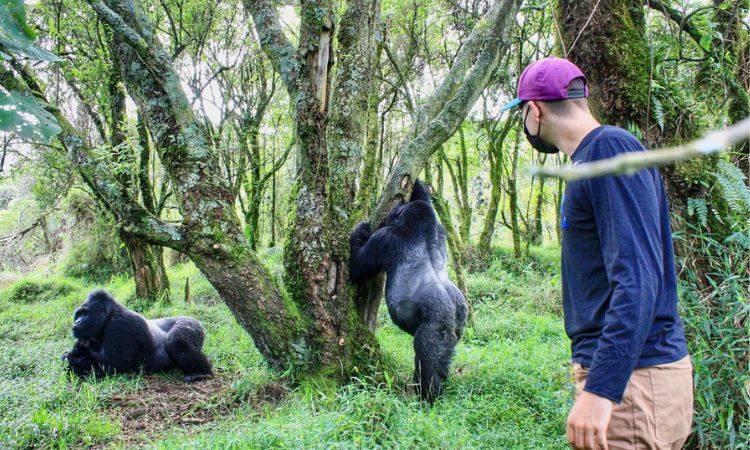
On a global scale, silverbacks have become icons of conservation, embodying the struggle to preserve biodiversity in a rapidly changing world. Their image inspires movements, campaigns, and advocacy, reminding humanity of its responsibility to protect the natural wonders that remain.

Best Times for Trekking and Practical Considerations

Bwindi welcomes visitors throughout the year, yet the dry seasons from June to August and from December to February are considered ideal. During these months, trails are more accessible, and trekking is somewhat easier, though the forest’s tropical climate ensures that rain remains a possibility at any time.

Permits are limited to ensure sustainable tourism and must be secured in advance. Accommodation ranges from luxurious lodges with panoramic views of the forest to modest guesthouses run by local communities, each providing a different perspective of life around Bwindi. Regardless of choice, the hospitality of Ugandans ensures warmth and welcome, enriching the journey beyond the forest itself.

The Emotional and Spiritual Dimensions of Trekking

To encounter a silverback gorilla in Bwindi is not merely to witness wildlife but to engage in a profound emotional experience. Visitors often describe feelings of humility, reverence, and even transformation. The gaze of a silverback carries a weight that transcends biology; it is as though the forest itself peers back, reminding humanity of its place within the web of life.

The trek also resonates on a spiritual level. The misty atmosphere, the silence of the gorillas, and the deep connection felt in their presence evoke reflections on leadership, family, and coexistence. The silverback becomes more than a gorilla; he becomes a teacher, offering lessons on strength balanced with compassion and authority guided by care.

A Journey Beyond Expectation

Silverback gorilla trekking in Bwindi is not simply an activity but a transformative experience. It is a journey into one of the last strongholds of wild beauty, a test of endurance, and a communion with beings whose survival mirrors humanity’s responsibility toward nature. The trek challenges the body, stirs the spirit, and leaves memories that endure a lifetime.

At its heart stands the silverback, a leader whose life embodies the values of guardianship, resilience, and unity. To witness him is to glimpse the grandeur of nature distilled into a single being, to understand leadership in its most primal and profound form, and to feel the humility of standing before a giant who protects not only his family but the very spirit of the forest.

For those who dream of this extraordinary encounter, the path to Bwindi awaits. To ensure that the journey is seamless, enriching, and guided by experts who combine knowledge with passion for conservation, it is strongly recommended to book your African tours and safaris with WildHorn Africa, a trusted partner in unlocking the wonders of the continent and safeguarding the future of its majestic silverbacks.

Close Menu