
Unforgettable Safari Experience: Okavango Delta as Africa’s Most Intimate Wilderness
An unforgettable safari experience: Okavango Delta is defined not by spectacle alone, but by intimacy, rhythm, and immersion. The Okavango Delta is unlike any other safari destination on Earth. Instead of rivers flowing into the sea, the Okavango spreads gently into the Kalahari sands, creating a vast inland delta where water, wildlife, and people coexist in a fragile, seasonal balance. This rare phenomenon shapes a safari experience that feels personal, fluid, and deeply connected to natural cycles.
To enter the Okavango Delta is to step into a living ecosystem governed by floodwaters, wildlife movement, and silence. It is a place where safari vehicles share space with dugout canoes, where birdsong replaces engine noise, and where days unfold according to light and water rather than clocks. The Okavango does not overwhelm; it envelops. This quality is what elevates it into one of Africa’s most unforgettable safari experiences.
Understanding the Okavango Delta’s Unique Geography
The Okavango Delta exists because of a geographical contradiction. Fed by rains falling hundreds of kilometers away in the Angolan highlands, the Okavango River travels south before dispersing into the flat sands of northern Botswana. Instead of continuing onward, the water fans outward, creating a vast mosaic of channels, lagoons, islands, and floodplains.
This phenomenon gives rise to one of the world’s richest wetlands in an otherwise arid region. Seasonal flooding transforms dry land into lush habitat, attracting wildlife in extraordinary concentrations. The delta’s ever-changing nature ensures that no two visits are identical, reinforcing its reputation as an unforgettable safari experience.
The Ecological Significance of the Okavango Delta
The Okavango Delta is recognized globally as a critical ecosystem due to its biodiversity and intact natural processes. It supports large populations of elephants, buffalo, antelope, predators, and a remarkable variety of birdlife. Importantly, the delta functions without dams or major human alteration, allowing ecological systems to operate freely.
This ecological integrity is central to the Okavango’s appeal. Wildlife behavior here is natural rather than conditioned, and movement patterns are dictated by water availability rather than infrastructure. For safari travelers, this translates into encounters that feel genuine, unpredictable, and deeply rewarding.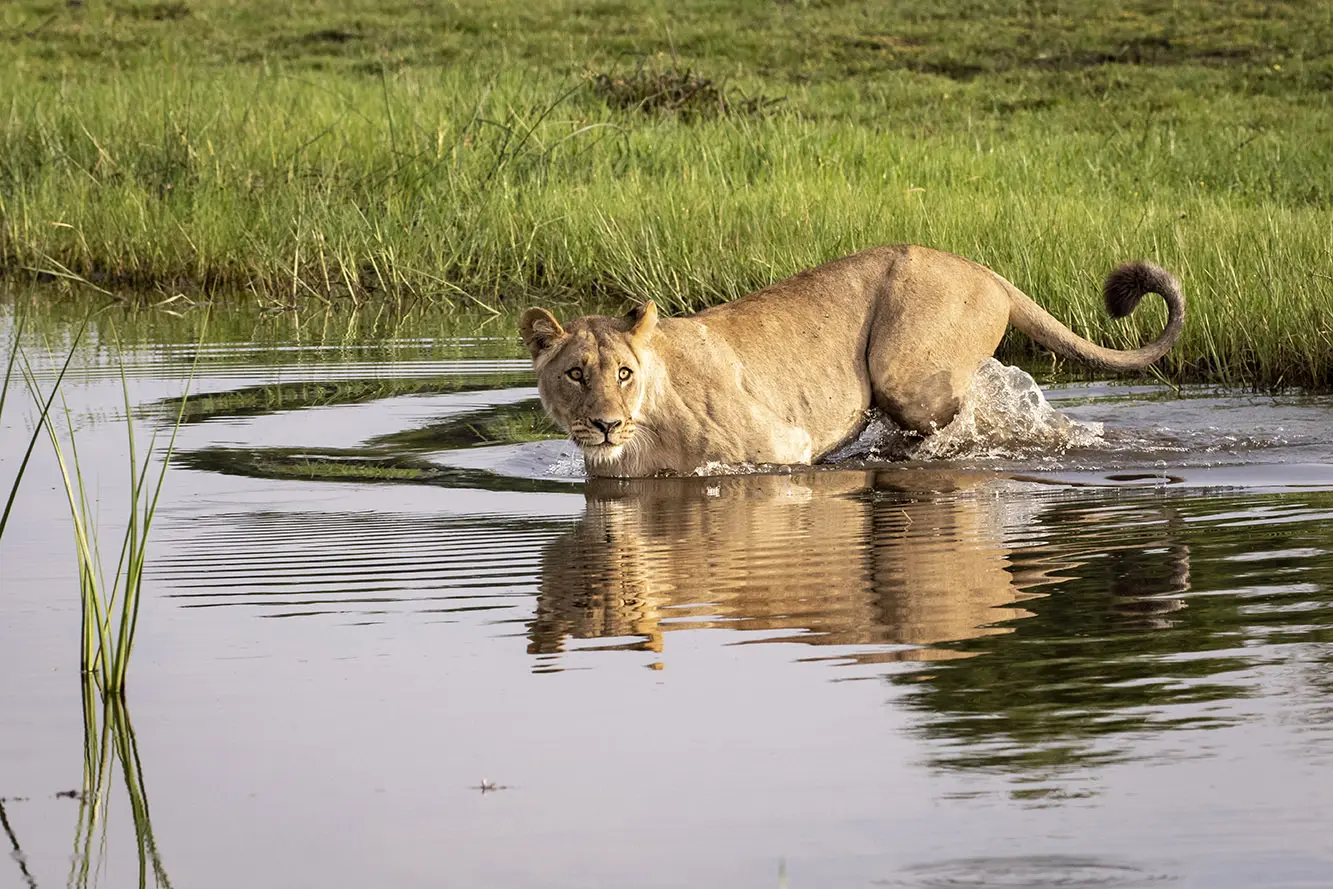
Why the Okavango Delta Delivers an Unforgettable Safari Experience
The Okavango Delta offers something increasingly rare in modern travel: solitude without isolation. Visitor numbers are carefully managed through low-density camps and strict conservation policies. This ensures that wildlife encounters occur without crowds, noise, or competition.
The sense of exclusivity is not manufactured through luxury alone but through space and silence. Game drives may unfold without encountering another vehicle for hours. Mokoro excursions glide through channels where only water lilies and birds are present. This quiet immersion allows travelers to feel like participants in the ecosystem rather than observers on its edge.
The Role of Water in Shaping the Safari Experience
Water is the defining element of the Okavango safari. Seasonal floods arrive between May and August, transforming the delta into a watery labyrinth. During this period, wildlife congregates along channels and islands, creating exceptional viewing opportunities.
Unlike traditional savannah safaris, the Okavango experience is multidimensional. Game drives are complemented by water-based activities that offer different perspectives on wildlife. Watching elephants swim between islands or antelope leap through flooded plains adds layers of depth to the safari experience.
Mokoro Safaris as a Signature Okavango Experience
One of the most distinctive aspects of an unforgettable safari experience in the Okavango Delta is the mokoro safari. These traditional dugout canoes, now often crafted from sustainable materials, are guided silently through narrow waterways by skilled local polers.
The mokoro experience strips safari travel down to its essentials. There is no engine, no rush, and no barrier between traveler and environment. Wildlife encounters occur at close range, often accompanied only by the sound of water moving through reeds. This intimacy fosters a heightened awareness that few other safari experiences can match.
Walking Safaris and Ground-Level Connection
Walking safaris are another defining element of the Okavango Delta experience. Led by highly trained guides, these excursions allow travelers to engage with the environment at a human pace. Tracks, plants, and subtle signs of wildlife presence become central to the narrative.
Walking through the delta enhances understanding of scale and vulnerability. Being on foot fosters respect for the ecosystem and sharpens sensory awareness. These experiences often become highlights because they transform abstract wilderness into tangible reality.
Game Drives in a Predator-Rich Landscape
While water defines the delta, land-based game drives remain an essential component of the safari. The Okavango supports healthy populations of lions, leopards, cheetahs, wild dogs, and hyenas. Predator encounters here are particularly compelling because they unfold within complex terrain shaped by islands and channels.
Game drives are conducted with patience rather than pursuit. Guides prioritize behavior over proximity, allowing scenes to develop naturally. This approach reinforces the Okavango’s reputation as a destination for thoughtful, immersive wildlife observation.
Elephants and the Okavango Identity
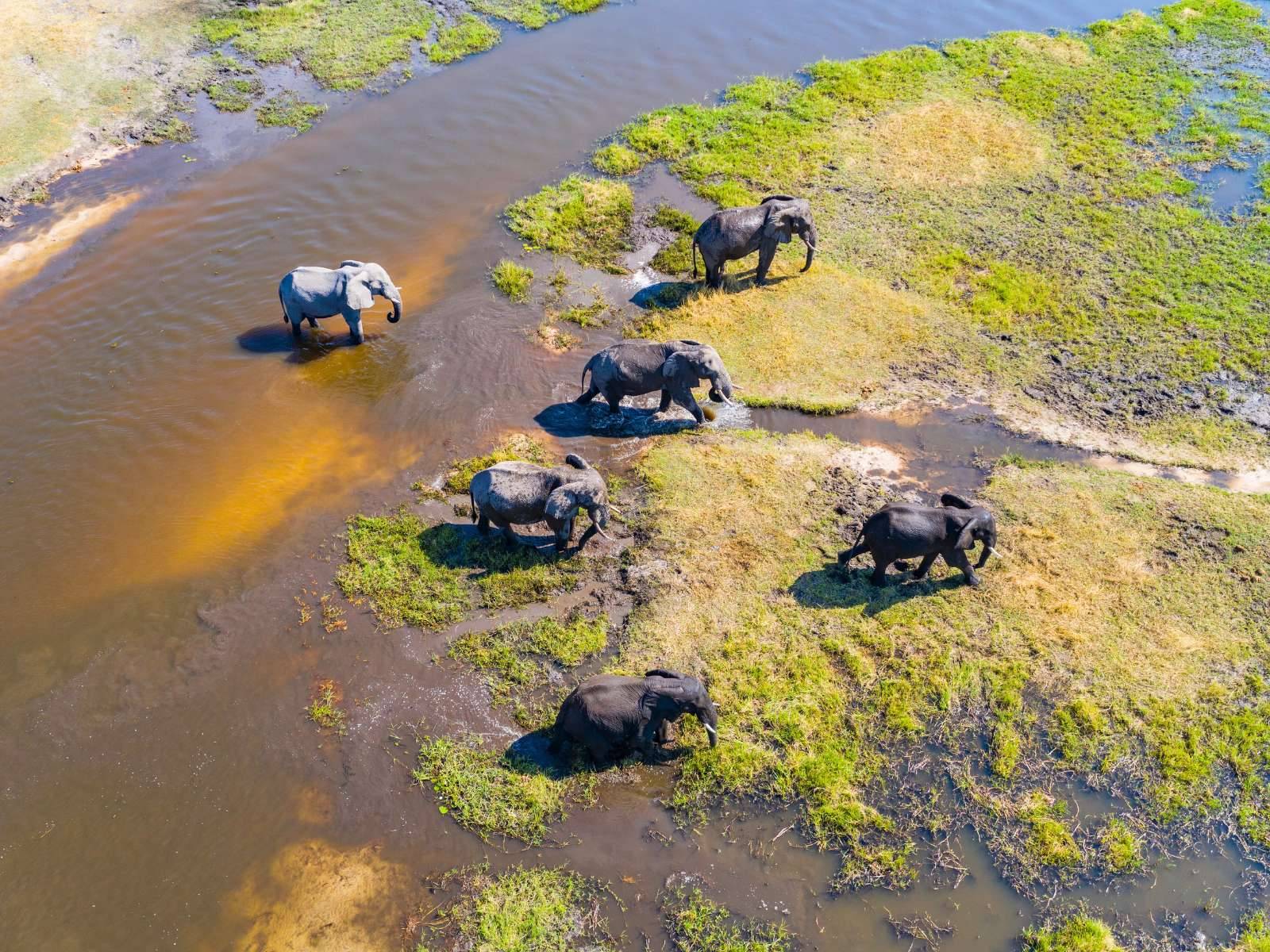
Elephants are central to the Okavango Delta’s identity. Botswana is home to the largest elephant population in Africa, and the delta provides crucial dry-season refuge. Observing these animals in water-rich environments offers unique behavioral insights, from swimming and bathing to feeding on aquatic vegetation.
Elephant encounters in the Okavango often feel deeply emotional due to their frequency and context. Watching entire herds move through flooded plains underscores the importance of water and space in sustaining wildlife populations.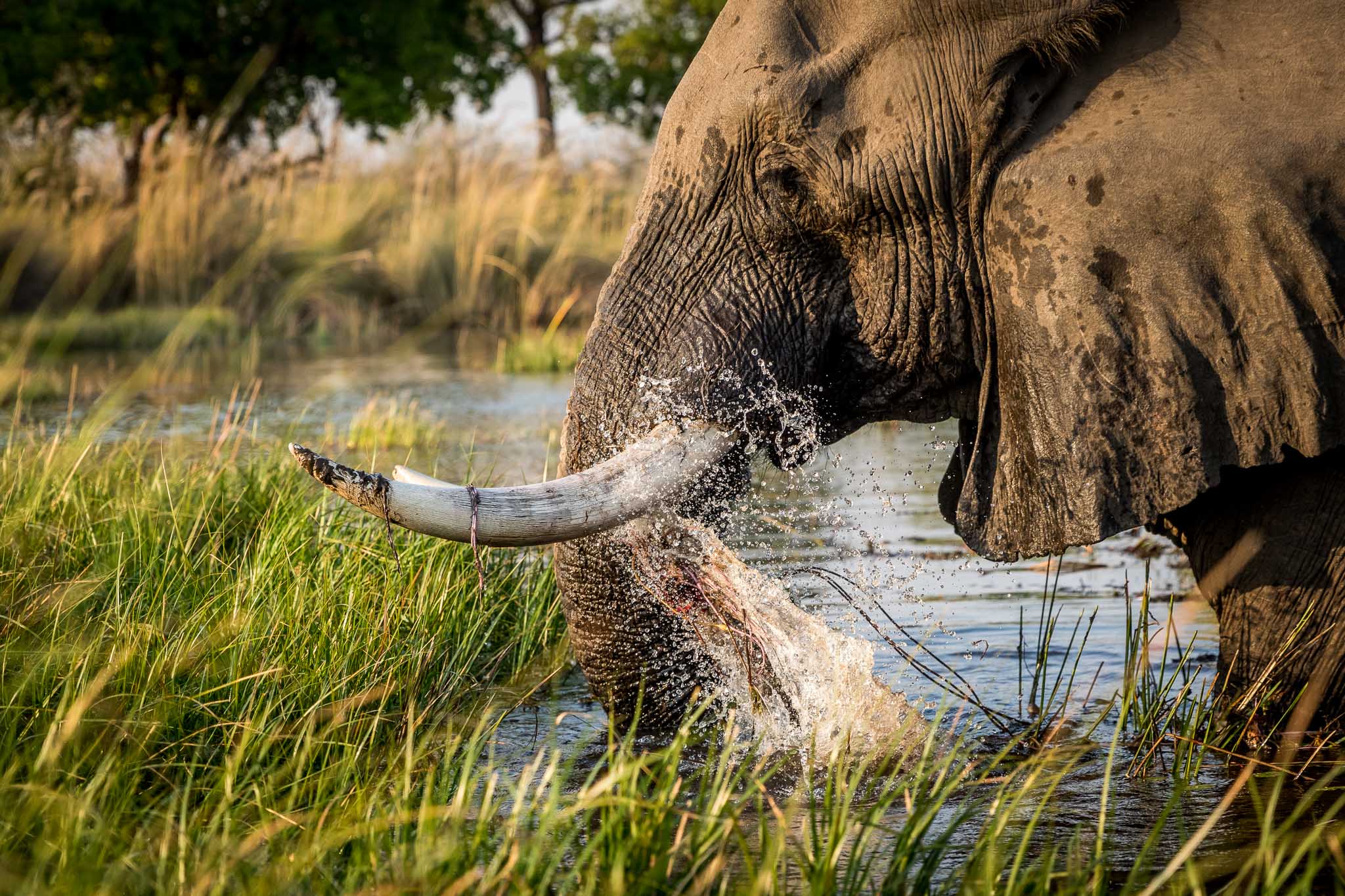
Birdlife and the Delta’s Aerial Dimension
Birdlife in the Okavango Delta adds a vibrant layer to the safari experience. Over 400 bird species inhabit the region, including kingfishers, herons, eagles, and migratory species drawn by seasonal abundance.
Birding here is not a niche activity but an integral part of the experience. The interplay between water, vegetation, and avian life creates constant visual and auditory interest. For many travelers, bird encounters provide moments of calm that balance the intensity of larger wildlife sightings.
Seasonality and Timing the Okavango Safari
The Okavango Delta offers distinct experiences depending on the time of year. Flood season brings water-based activities and concentrated wildlife around islands. The dry season emphasizes game drives and predator action as animals cluster near remaining water sources.
Understanding seasonality is crucial for crafting an unforgettable safari experience. Each period offers advantages, and the delta’s adaptability ensures high-quality encounters year-round. This seasonal variation encourages repeat visits, as each trip reveals different facets of the ecosystem.
Accommodation Philosophy in the Okavango Delta
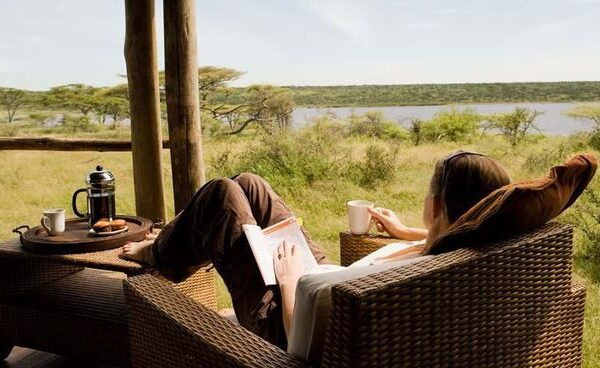
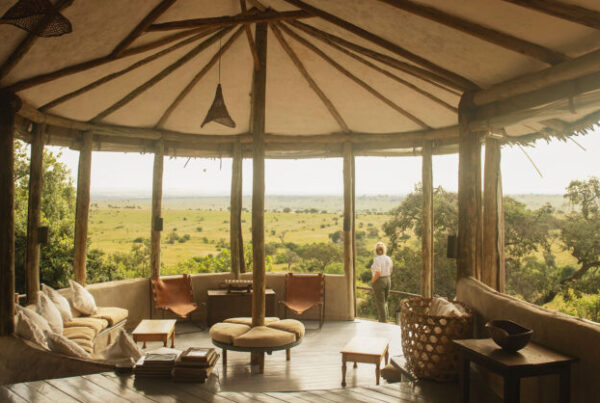
Accommodation in the Okavango Delta is designed to complement rather than dominate the environment. Camps are typically small, often accommodating fewer than twenty guests. This scale enhances privacy, reduces environmental impact, and allows for personalized service.
Luxury here is understated and purposeful. Comfort is provided without excess, ensuring that attention remains focused on the surrounding wilderness. The result is an atmosphere where refinement enhances experience rather than distracting from it.
The Importance of Expert Guiding
Guides are the backbone of the Okavango safari experience. Their knowledge extends beyond species identification to include ecology, behavior, and cultural context. Many guides are deeply connected to the delta, bringing generational knowledge and personal insight to each excursion.
Expert guiding transforms encounters into narratives, connecting individual sightings to broader ecological patterns. This depth of interpretation is essential to delivering an unforgettable safari experience.
Cultural Dimensions of the Okavango Experience
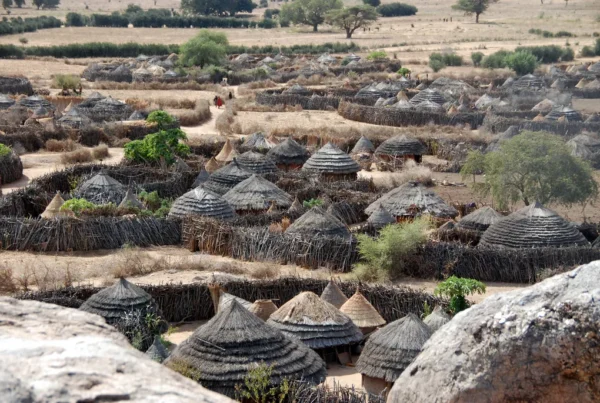
While the Okavango is primarily celebrated for its wilderness, human presence remains an important part of its story. Local communities have lived alongside the delta for generations, developing sustainable ways of interacting with the environment.
Cultural elements may be subtle, reflected in guiding traditions, storytelling, and conservation partnerships. These connections add human depth to the safari experience, reminding travelers that preservation is a shared responsibility.
Conservation and Responsible Tourism in the Delta
The Okavango Delta’s protection depends heavily on responsible tourism. Strict regulations govern camp placement, visitor numbers, and activity types. Tourism revenue supports conservation efforts and community livelihoods, creating incentives for long-term preservation.
Travelers participating in an Okavango safari contribute directly to these efforts. This knowledge adds ethical significance to the journey, enhancing its emotional and intellectual value.
Photography and Visual Storytelling
The Okavango Delta offers extraordinary opportunities for photography, defined by soft light, reflective water, and dynamic wildlife interactions. The landscape’s openness allows for creative composition, while water elements add depth and texture.
However, photography here is often secondary to experience. The delta encourages presence over documentation, allowing moments to be fully lived rather than merely captured.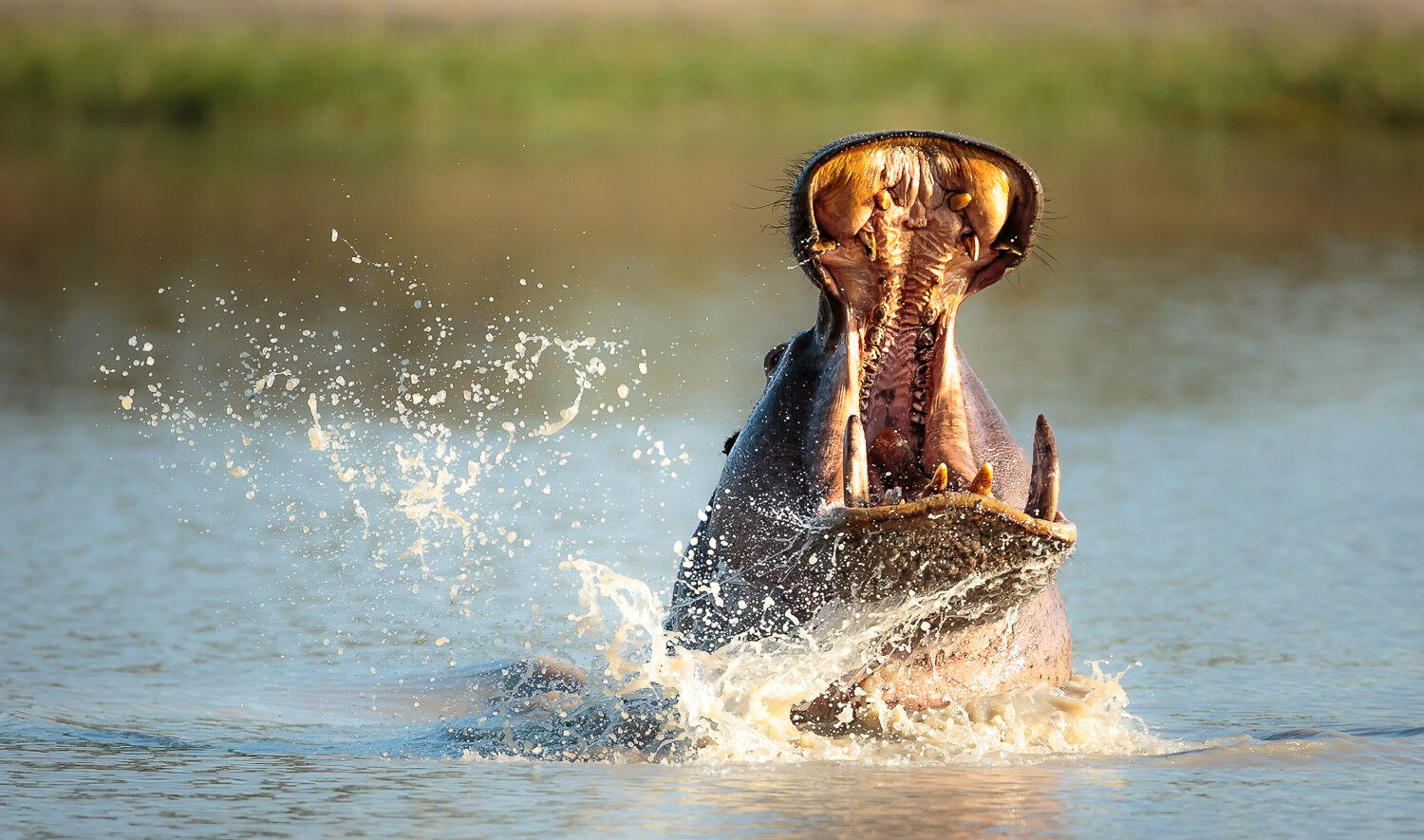
The Emotional Impact of Silence and Space
One of the most profound aspects of the Okavango Delta is its silence. Away from urban noise and crowds, the delta offers acoustic clarity that heightens awareness. Sounds become meaningful, whether the splash of a fish or the distant call of a bird.
This quiet fosters introspection and emotional grounding. Many travelers describe the delta as restorative, offering mental clarity that persists long after departure.
Who the Okavango Safari Is Best Suited For
An unforgettable safari experience in the Okavango Delta appeals to travelers who value depth, patience, and authenticity. It suits honeymooners seeking intimacy, wildlife enthusiasts drawn to ecological integrity, and seasoned safari-goers seeking refinement over novelty.
Physical demands are moderate, and itineraries can be tailored to different comfort levels. The delta’s flexibility ensures accessibility without compromising experience quality.
The Okavango Delta Compared to Other Safari Destinations
What sets the Okavango apart from other safari regions is its balance of abundance and restraint. Wildlife density is high, yet encounters remain unpressured. Luxury exists, yet never overshadows nature. Access is limited, yet welcoming.
This equilibrium creates an experience that feels rare and precious. The Okavango does not attempt to impress through scale alone; it captivates through harmony.
Emotional Legacy of an Unforgettable Safari Experience
Travelers often leave the Okavango Delta changed. The combination of silence, water, wildlife, and space fosters reflection and perspective. Memories formed here are not defined solely by sightings but by feelings of connection and calm.
These emotional impressions endure, shaping how travelers perceive wilderness and their role within it.
Planning an Unforgettable Safari Experience in the Okavango Delta
Successful planning involves understanding seasonality, selecting appropriate camps, and allowing sufficient time for immersion. Short visits can feel rushed; longer stays reveal the delta’s layered character.
Expert planning ensures that logistics support rather than disrupt the experience, allowing the Okavango to unfold naturally.
The Okavango Delta as a Benchmark for Safari Travel
Globally, the Okavango Delta stands as a benchmark for what safari travel can be when conservation, community, and experience align. It demonstrates that luxury and responsibility are not opposing concepts but complementary ones.
An unforgettable safari experience in the Okavango Delta is not about excess or adventure alone. It is about presence, balance, and respect for one of Earth’s most remarkable ecosystems.
Unforgettable Safari Experience: Okavango Delta as a Journey Beyond Travel
Ultimately, the Okavango Delta offers more than a safari. It offers perspective. Time spent here reframes expectations, reminding travelers that true luxury lies in space, silence, and authenticity.
An unforgettable safari experience in the Okavango Delta becomes a reference point, a memory against which other journeys are measured. It is not simply visited; it is felt, remembered, and carried forward.