search
Top 10 Places To Visit Along the Kenya Coast

Top 10 Places To Visit Along the Kenya Coast

By Kenya travel guides, Travel guides, Travel stories and blogs

Top 10 Places to Visit Along the Kenya Coast

Where Timeless Swahili Culture Meets Turquoise Waters and Tropical Majesty

Welcome to the Coastal Jewel of East Africa

Few destinations along the eastern edge of the African continent captivate the heart and soul quite like the Kenya Coast. This magnificent stretch, where the warm waters of the Indian Ocean kiss sun-drenched beaches, has long enchanted travelers seeking more than just sand and sea. Here, centuries of Swahili culture, Arab influence, maritime trade, and natural beauty blend seamlessly into a coastal paradise teeming with charm, mystery, and elegance.

The Kenya Coast is not merely a vacation destination—it is a living, breathing experience. Beneath the gentle sway of palms, amid the call to prayer from ancient minarets, and across waters dotted with wooden dhows, a rhythm emerges that is distinctly coastal, profoundly East African, and undeniably timeless. With every stop along this idyllic corridor, stories unfold—of sultans and sailors, of sacred ruins and spice markets, of coral reefs bursting with color, and of people whose warmth is as inviting as the tropical climate itself.

Those who venture beyond Nairobi or the safari plains into this coastal world discover a Kenya that hums with both vibrant culture and tranquil beauty. The top ten destinations presented here reflect the finest that this shore has to offer—from UNESCO World Heritage towns to secluded islands and shimmering marine parks. Whether a lover of history, a seeker of serenity, or a curious explorer, the Kenya Coast promises to leave an imprint on the soul.

Mombasa – The Historic Heartbeat of Coastal Kenya

Every journey along the Kenya Coast begins, in one way or another, with Mombasa, the country’s second-largest city and its coastal gateway. This bustling port, rich in centuries of Swahili, Arab, and Portuguese influence, tells tales through crumbling architecture and the bustle of spice-laden streets. Nowhere is this more evident than in Old Town, a maze of narrow alleys where intricately carved doors, coral stone houses, and ancient mosques stand frozen in time.

The Fort Jesus Museum, a UNESCO World Heritage Site, dominates the city’s historic narrative. Built by the Portuguese in the 16th century, the fort has since witnessed waves of conquests, revolts, and reinvention. Today, it draws in visitors who wish to connect with the maritime history of the East African coast.

Mombasa is not all history, however. It also boasts a modern spirit—with vibrant markets, a dynamic nightlife, and nearby beaches like Nyali and Bamburi, offering relaxation after the city’s sensory overload. It is a city where contrasts live harmoniously—a perfect prelude to the coastal voyage ahead.

Diani Beach – The Crown Jewel of Coastal Luxury

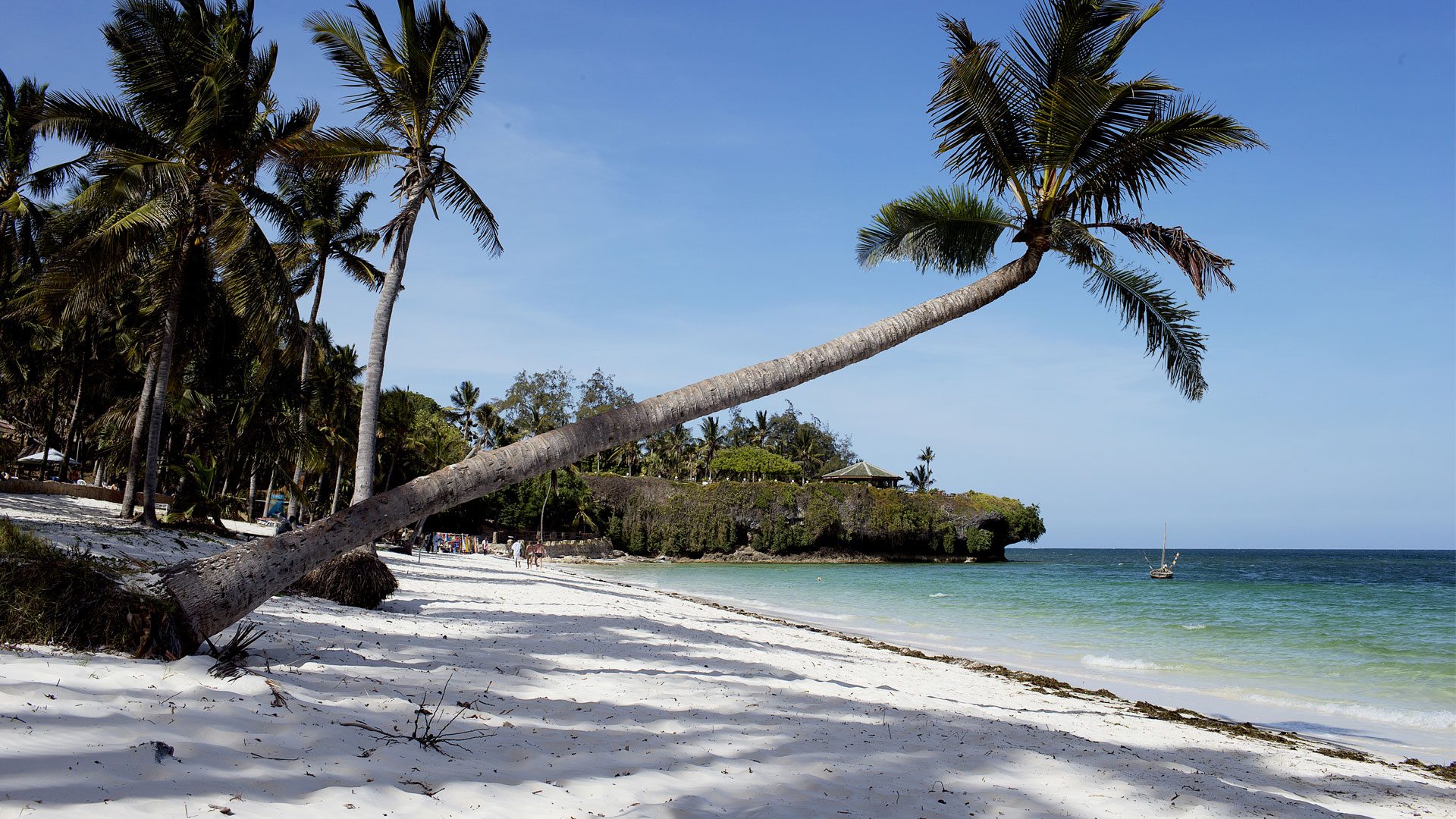
Located south of Mombasa, Diani Beach unfolds as a tropical dream sculpted into reality. Its powdery white sands stretch endlessly along the azure ocean, fringed by coconut palms and luxury resorts that merge seamlessly with nature. Renowned for its sheer beauty, Diani offers more than just aesthetic pleasure. Here, world-class kitesurfing, snorkeling, and deep-sea fishing add thrills to the tranquil setting.

Diani’s coral reefs, part of the Kisite-Mpunguti Marine Park system, shimmer with aquatic life. Dolphins are frequently spotted just offshore, while glass-bottom boats reveal colorful underwater landscapes without requiring one to get wet. Inland, the Colobus Conservation Centre protects the endangered colobus monkey species, highlighting the area’s environmental sensitivity and eco-conscious spirit.

For those seeking privacy, elegance, and a balance of leisure with light adventure, Diani remains Kenya’s most refined coastal escape—welcoming, polished, and effortlessly captivating.

Lamu – A Timeless Swahili Island

Tucked away to the north, the Lamu Archipelago is a realm that time almost forgot. The crown of this archipelago, Lamu Island, is an exquisitely preserved enclave of Swahili heritage. With its donkeys instead of cars, its winding alleys, and its coral stone buildings with wooden balconies, Lamu feels like a page lifted from an ancient manuscript.

Lamu Old Town, another UNESCO World Heritage Site, exudes charm and cultural significance. It is one of the oldest continuously inhabited towns in East Africa, its legacy shaped by centuries of Islamic, Persian, and Indian influences. The island is also a spiritual center, hosting religious festivals and centuries-old mosques.

Beaches such as Shela, on the island’s eastern edge, stretch with pristine simplicity, perfect for reflective walks or serene sunsets. Life in Lamu is unhurried and contemplative. Travelers are not merely tourists here—they become temporary citizens of a place that honors its past while welcoming the future with quiet grace.

Watamu – A Coastal Eden of Marine Treasures

North of Mombasa, the tranquil town of Watamu emerges as a blend of environmental paradise and cultural richness. At the heart of its charm is the Watamu Marine National Park, a protected sanctuary of coral gardens, mangrove forests, and sea turtle nesting sites. Snorkeling and diving in these clear waters reveal a kaleidoscope of marine biodiversity, from reef fish to whale sharks.

Adjacent to the marine park lies the Arabuko-Sokoke Forest, East Africa’s largest coastal forest and a vital ecological habitat for rare bird and butterfly species. For those drawn to cultural heritage, the nearby ruins of Gedi—an ancient Swahili town abandoned in the 17th century—offer a hauntingly beautiful glimpse into the region’s mysterious past.

Watamu’s charm lies in its holistic allure. It is both a place of ecological wonder and cultural reflection, where the sea whispers stories older than memory, and every corner offers both peace and intrigue.

Malindi – The Confluence of Cultures and Coastline

Once a flourishing Swahili port and now a beloved retreat for both local and international visitors, Malindi sits proudly as a town of rich contrasts. The blend of African, Arab, and Italian cultures makes for a unique flavor—reflected in its cuisine, architecture, and easygoing lifestyle.

Historic sites such as the Vasco da Gama Pillar remind visitors of the town’s strategic maritime significance during the Age of Discovery. Meanwhile, its white-sand beaches and coral reefs continue to draw water sports enthusiasts and leisure seekers alike.

Beyond its shorelines, the Marafa Depression—commonly known as Hell’s Kitchen—offers a striking geological spectacle, where eroded sandstone formations blaze red and gold in the African sun. Malindi is a destination that keeps unfolding—a place where past and present continually meet by the ocean’s edge.

Tana River Delta – A Wilderness of Water and Wildlife

Where the mighty Tana River empties into the Indian Ocean lies one of Kenya’s most ecologically rich and least explored landscapes—the Tana River Delta. This mosaic of wetlands, mangroves, floodplains, and beaches hosts a remarkable diversity of birdlife, mammals, and aquatic species.

Visitors to this region find themselves immersed in authentic wilderness. River cruises reveal hippos wallowing near banks lined with papyrus reeds. Bird watchers marvel at rare migratory species. Traditional fishing communities, living in harmony with the rhythms of tide and river, provide opportunities for cultural exchange.

Far from the tourist trail, the delta remains one of Kenya’s best-kept secrets—a haven for those seeking off-the-grid exploration wrapped in natural beauty and rich biodiversity.

Chale Island – A Sanctuary of Romance and Nature

Off the southern coast, Chale Island emerges like a whispered promise of seclusion and serenity. Known as Kenya’s only private island resort, it is wrapped in lush forest and surrounded by a coral reef lagoon, making it an intimate getaway for couples, honeymooners, and nature lovers.

Chale’s unique appeal lies in its fusion of eco-luxury and spirituality. Traditional Swahili architecture blends with sustainability practices, while healing rituals, yoga sessions, and spa treatments offer rejuvenation. Whether kayaking in mangroves, snorkeling among reef fish, or simply watching the tides from a thatched suite, visitors find their sense of time altered—replaced by the rhythms of sea and soul.

Funzi Island – The Hidden Paradise of the South Coast

Quiet and untouched, Funzi Island lies just south of Diani, accessible by traditional dhow. It remains a sanctuary for those seeking true coastal authenticity, far removed from modernity. Here, visitors witness tidal creeks winding through mangrove forests, local fishermen casting nets at dawn, and pristine beaches untouched by mass tourism.

The highlight of a visit is often a trip through the Funzi Creek, where dolphins and rare birds abound, and where the beauty of unspoiled nature is allowed to reign. Cultural interactions with the island’s Swahili inhabitants add depth and understanding to the natural wonders. Funzi is not just a place—it is a feeling of being gently held by the ancient and enduring coast.

Msambweni – The Quintessence of Coastal Seclusion

Ending the journey along the Kenya Coast, Msambweni delivers what few places still can—pure coastal solitude. Located south of Diani, it is known for its exclusive villas, silent beaches, and unobstructed views of the Indian Ocean. Here, luxury is measured not by abundance, but by privacy, peace, and space to breathe.

The area’s charm lies in its understated elegance. Private homes and lodges are often built into the cliffs or nestled among palms, ensuring views that stretch into infinity. With minimal development, Msambweni retains the true essence of the coast—refined, relaxed, and reverent to nature’s design.

Plan Your Kenya Coast Journey with WildHorn Africa

The Kenya Coast is not just a line on a map—it is a world of its own, alive with stories, colors, tastes, and textures. From the fortified walls of Mombasa to the drifting sands of Lamu, from the coral reefs of Watamu to the silent coves of Msambweni, every location invites not just a visit but a relationship.

Crafting an itinerary that flows with the natural, cultural, and historical pulse of the coast is an art best left to those who know the land intimately. WildHorn Africa, with its deep regional expertise and commitment to excellence, offers more than just tour planning—it offers curated experiences that honor both the traveler’s dreams and the land’s authenticity.

For those ready to walk the Swahili shorelines, sail its ancient waters, and dream beneath its star-filled skies, WildHorn Africa stands ready to guide the journey. Let every moment along the Kenya Coast be planned with precision, passion, and purpose—by those who know it best.
Top 10 Best Luxury Hwange Safari Lodges & Camps

Top 10 Best Luxury Hwange Safari Lodges & Camps

By Travel guides, Travel stories and blogs, Zimbabwe travel guides

Top 10 Best Luxury Hwange Safari Lodges & Camps

Where Wilderness Meets World-Class Elegance

Hwange’s Wild Secret: Africa’s Last Great Elephant Paradise

In the golden heart of western Zimbabwe, where endless savannahs melt into ancient teak forests and sun-scorched pans stretch beyond the horizon, lies one of Africa’s most awe-inspiring conservation triumphs—Hwange National Park. Once a royal hunting ground, today it stands proudly as Zimbabwe’s largest and most iconic protected area, offering over 14,000 square kilometres of unspoiled wilderness. It is a sanctuary to the continent’s densest population of elephants, a mosaic of diverse ecosystems, and a paradise for safari lovers who seek wild authenticity blended with understated opulence.

While wildlife is undoubtedly the star, Hwange’s luxury lodges and camps elevate the experience beyond expectations. These exclusive retreats offer not just five-star comfort but also a profound intimacy with nature. Whether gazing over a waterhole from a private plunge pool or listening to the distant roar of lions while wrapped in handwoven linens, guests are immersed in both elegance and elemental Africa.

The Nature of Luxury in Hwange

Luxury in Hwange is defined not by urban extravagance but by a rarer kind of richness—the richness of space, silence, and soul-stirring encounters. Each of the lodges and camps across the park has been designed not merely to accommodate, but to create a seamless dialogue between environment and experience. From canvas-clad suites overlooking floodplains to stone lodges tucked beneath ancient trees, every property on this list blends design with sustainability, comfort with conservation, and indulgence with authenticity.

What distinguishes Hwange further is the diversity of experiences on offer. Game drives reveal lions, leopards, cheetahs, buffalo, and the celebrated elephant herds that often number in the hundreds. Bush walks introduce the intricacies of smaller life—tracks, dung beetles, medicinal plants—while stargazing and cultural encounters deepen the connection between visitor and landscape. All of this unfolds from a base of world-class accommodation, where service is discreet, cuisine is artfully prepared, and every detail speaks to refined wilderness living.

Somalisa Camp: The Flagship of Elegance

Regarded as one of Hwange’s premier luxury camps, Somalisa Camp stands in the heart of a private concession, offering unfiltered access to both open plains and acacia islands. The camp is known for its elephant-frequented waterhole, where guests often watch giants drink just metres away from the plunge pool or firepit deck. The suites combine modern amenities with classic safari design—copper bathtubs, wood-burning fireplaces, and solar-powered lighting. The attention to eco-sensitivity, from waste recycling to solar power integration, has made Somalisa not just a retreat, but a leader in luxury sustainable tourism.

Linkwasha Camp: Where Modern Meets Wild

One of Hwange’s most contemporary safari offerings, Linkwasha Camp brings striking architectural design to the timeless African bush. With floor-to-ceiling glass walls and wide open decks, each tented suite offers panoramic views of the surrounding plains. The interior design blends clean, minimalistic lines with warm textiles and African motifs. Here, luxury is defined by simplicity, silence, and light. The camp’s location on a private concession near Ngamo Plains ensures superb game viewing year-round, while the lodge’s pool, library, and fire pit invite quiet moments of reflection in between thrilling safaris.

Nehimba Lodge: Where Elephants Are Neighbours

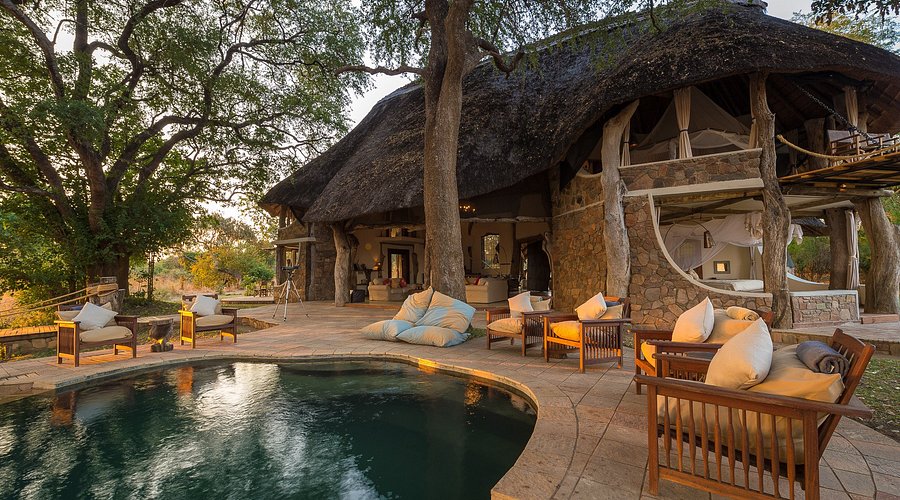
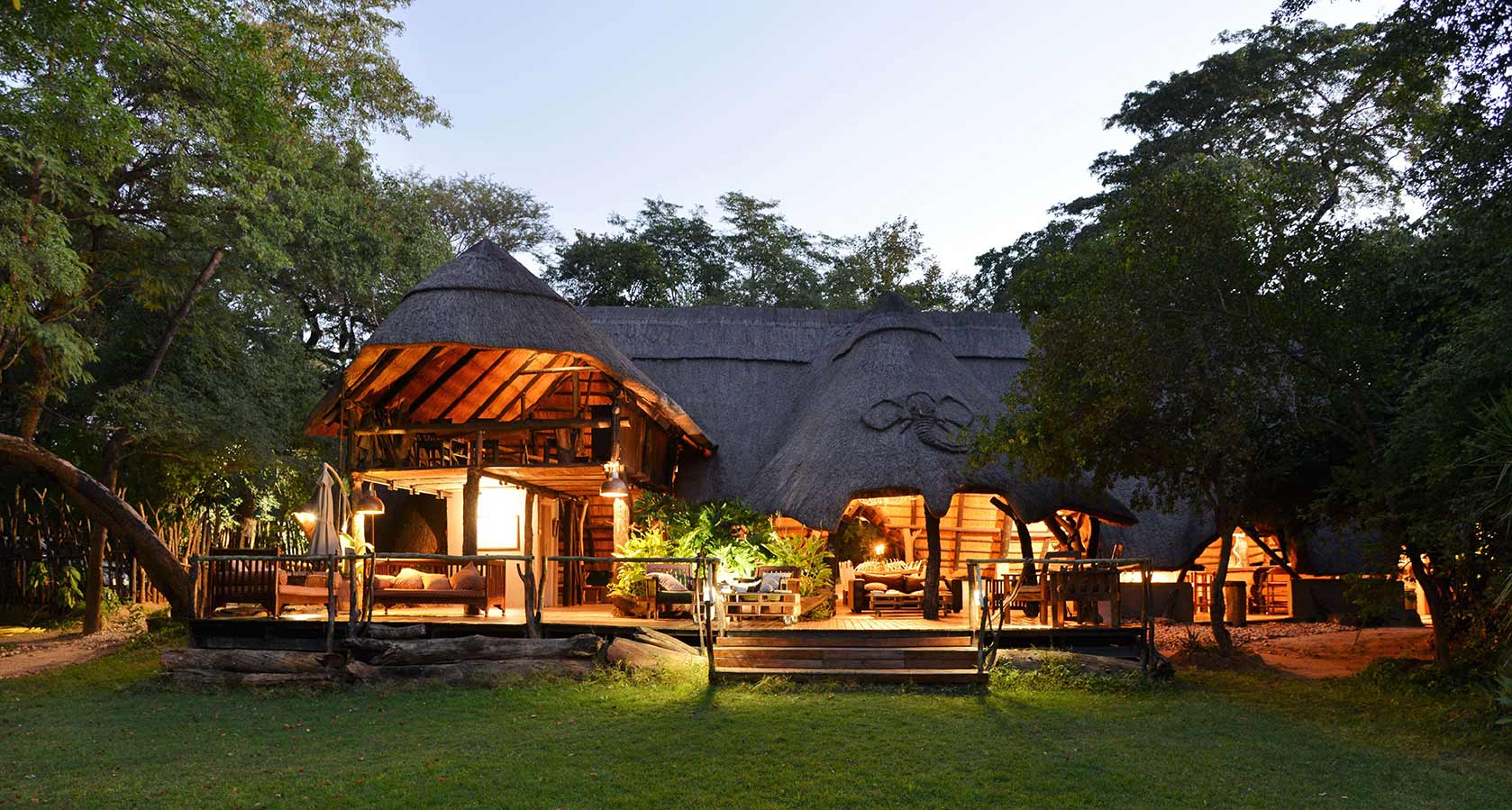
Hidden deep within the northern teak forests of Hwange, Nehimba Lodge is built around a natural waterhole that attracts herds of elephants so frequently, they are often found drinking from the swimming pool. That closeness to nature defines the guest experience here. The lodge offers thatched chalets elevated on teak decks, each with an open-air shower and commanding views of the surrounding bush. The atmosphere is warm, rustic, and intimate, with attentive staff creating a homely yet indulgent atmosphere. Night drives and guided walks add depth to the safari adventure.

The Hide Safari Camp: A Hwange Institution

With a legacy of excellence and a reputation built over decades, The Hide Safari Camp continues to set the standard for immersive, yet luxurious, safari stays. Located on the eastern edge of the park, this family-run camp features spacious tented suites with classic decor and private verandas. One of its standout features is the underground photographic hide, positioned right at the waterhole, offering an unobstructed view of animals from ground level. Dinners beneath baobabs, morning bush walks, and an impeccable guiding team ensure that the experience here is as personal as it is professional.

Davison’s Camp: Remote Comfort and Untouched Beauty

Tucked away in the private Linkwasha Concession, Davison’s Camp remains one of the most authentic and best-value luxury options in Hwange. Its traditional safari tents exude charm, while the service remains attentive and heartfelt. This is a camp for those who value wildlife above glamour, though without sacrificing comfort. Game viewing is superb, particularly in the dry season when large herds congregate at waterholes. The intimate camp size and strong emphasis on conservation enhance the sense of connection between guest and wilderness.

Bomani Tented Lodge: Luxury with a Community Heart

Located near the southeastern border of Hwange, on a private concession outside the park, Bomani Tented Lodge offers a perfect blend of seclusion, comfort, and cultural immersion. Raised platforms and thatched roofs bring a sense of traditional elegance, while large glass windows invite the landscape indoors. What sets Bomani apart is its proximity to local communities, which enables unique cultural visits, school tours, and storytelling evenings. The lodge’s dedication to both wildlife conservation and local empowerment reflects a luxury that gives back as much as it offers.

Camelthorn Lodge: Forest Serenity and Architectural Grace

Nestled in a grove of mature camelthorn trees, Camelthorn Lodge offers a unique architectural style, with stone villas replacing traditional canvas tents. Each forest villa features floor-to-ceiling windows, fireplaces, private courtyards, and en-suite bathrooms. This is a lodge built for year-round comfort, especially during the cooler months. Located near the Ngamo Plains, game viewing is exceptional, and the lodge offers direct access to the Ngamo Railway Siding Elephant Hide, a raised platform perfect for intimate wildlife photography. Here, safari elegance meets true bush originality.

Little Makalolo: Intimacy on the Plains

For travellers seeking an intimate, small-camp safari experience, Little Makalolo offers just six tented suites, each beautifully appointed with en-suite bathrooms and outdoor showers. The camp overlooks a busy waterhole that draws a steady stream of wildlife, making in-camp sightings frequent and thrilling. Despite its size, the service is five-star, and the guiding is top-tier. With access to a private concession, night drives and walking safaris offer a more comprehensive and adventurous take on Hwange. The experience is quiet, personal, and profoundly memorable.

Verney’s Camp: A New Classic in a Timeless Wilderness

Among Hwange’s newer luxury entries, Verney’s Camp has quickly earned admiration for its location in a secluded part of the park. Set within a beautiful teak forest and overlooking a natural pan, the camp was designed to tread lightly on the land, with solar-powered energy and eco-conscious practices. Each tented suite feels more like a boutique hideaway than a traditional safari tent. Guests often enjoy morning coffee to the soundtrack of francolins calling and elephants moving through misty grasslands. The understated elegance of the camp, paired with the genuine hospitality of its staff, marks it as a rising star.

A Journey That Leaves a Legacy

Hwange’s luxury lodges and camps are more than just places to stay—they are places that tell stories. Stories of elephants arriving at dusk, of lion tracks in the sand at dawn, of guides whose eyes read the bush like a book, and of chefs who plate the soul of Zimbabwe in every dish. Each lodge offers a different chapter in the same wild novel, one defined by nature’s rhythm and man’s reverent touch.

The blend of wilderness and world-class hospitality has created in Hwange a destination that is both grounding and transcendent. It is not only one of Africa’s premier safari parks but a refuge for those who seek meaning and beauty, comfort and adventure, in equal measure.

For those longing to experience this untamed corner of Africa in ultimate style, it is strongly encouraged to book their safari through WildHorn Africa. With expert knowledge, curated itineraries, and privileged partnerships with Hwange’s finest lodges, WildHorn Africa ensures that every journey becomes a seamless and unforgettable masterpiece of African travel. Whether you’re chasing elephants at twilight or sipping wine beneath a canvas of stars, let WildHorn Africa be the gateway to your Hwange story.

Guide to Visiting Mafia Island (Tanzania) – All You Need To Know

Guide to Visiting Mafia Island (Tanzania) – All You Need To Know

By Tanzania travel guides, Travel guides, Travel stories and blogs

Guide to Visiting Mafia Island (Tanzania) – All You Need To Know

An Island Whose Name Sparks Curiosity

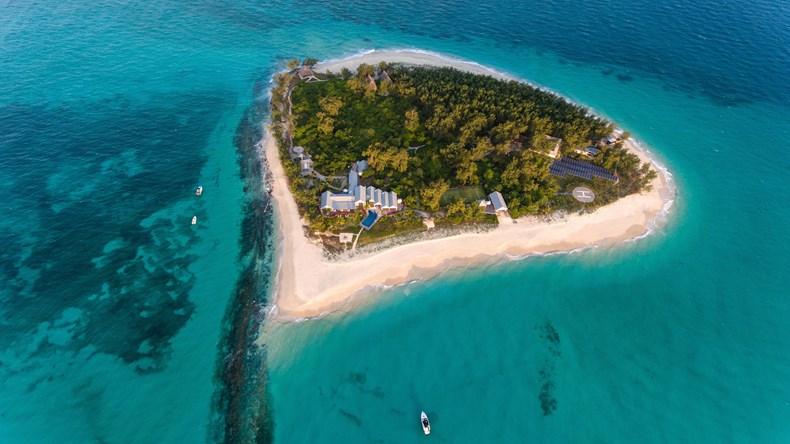
It is often assumed that the Indian Ocean has surrendered all its secrets, yet a quieter melody is still being played on the coral-fringed shores of Mafia Island. Situated approximately 120 kilometres south of Dar es Salaam and embraced by warm, plankton-rich currents, the island has long been celebrated for its raw authenticity, vibrant marine life, and uncluttered beaches. The sensation of stepping onto its small airstrip is regularly described as an awakening; time, it is said, is slowed, and daily routines are reset to the rhythm of tides and trade winds. A visit is therefore embraced not merely as a holiday but as an immersion in a living cultural and ecological mosaic.

Setting and Historical Resonance

A landscape shaped by ancient coral uplift has been fused with centuries of Swahili, Omani, German, and British influence, leaving ruins, mosques, and colonial-era buildings scattered between coconut groves and mango trees. The legendary trading settlement of Kua on nearby Juani Island was once controlled by sultans whose wealth was drawn from ivory, spices, and gold. Those ruins can still be explored, and their silent archways continue to be caressed by monsoon breezes carrying echoes of sailors’ voices. Because the island remained relatively remote after Tanzanian independence, a distinctive coastal culture has been preserved, and traditional wooden dhows are still built and sailed along the shoreline.

Journeying to the Archipelago

Access has been traditionally viewed as part of the adventure itself. The swiftest approach is achieved by light aircraft, with scheduled flights from Dar es Salaam that usually require no more than thirty minutes, a duration preferred by most visitors because the crossing of the Rufiji Delta is afforded spectacular perspective from the air. Upon arrival at Kilindoni, transfers are generally arranged by individual lodges, while three-wheeled tuk-tuks and shared dalla-dallas provide economical connections to the eastern village of Utende where the celebrated Mafia Island Marine Park begins.

Timing the Escape

Climate patterns dictate two rainy seasons: the shorter showers between November and December and the longer deluge from late March through May. The drier spell from late July to mid-October has been favoured by photographers for its golden light and calm seas. The calendar’s most coveted window, however, spans October to March, when migratory whale sharks are lured by plankton blooms to feed in the shallow channel west of the island. During this period, morning excursions are arranged by locally licensed operators whose skippers have sensibly adopted a code that prohibits touching, flash photography, and engine revving near these gentle giants.

Accommodation and Essential Expenses

A lodging spectrum ranges from family-run guest houses in Kilindoni to eco-chic beach lodges and boutique tented camps on the protected shorelines of Utende and Chole Bay. Because every bed situated within marine park boundaries confers privileged entry to coral gardens only minutes from the beach, a conservation fee is collected daily. The charge, administered by the Tanzania Marine Parks Authority, is funnelled directly into reef-monitoring patrols, turtle-nest surveillance, and community outreach programmes, which means that each overnight stay is aligned with tangible ecological benefit.

Exploring the Marine Park

Established in 1995, the Mafia Island Marine Park has been praised for balancing community fisheries with strict no-take zones that harbour over 400 fish species, myriad hard and soft corals, and regular turtle nesting sites. Divers are routinely astonished by the dramatic walls of Kinasi Pass, where schools of barracuda swirl beyond gorgonian fans, while snorkellers glide above bommies only five metres deep—granting even novice swimmers encounters with clownfish, leaf scorpionfish, and hawksbill turtles. Because currents can become swift on spring tides, dives are planned in concert with the lunar cycle, and surface intervals are often spent picnicking on sand-banks that appear briefly before being reclaimed by the sea. Conservation guidelines suggest reef-safe sunscreen, controlled buoyancy, and camera strobes rather than continuous lights to protect delicate polyps.

Beyond the Reef: Land and Culture

The interior of Mafia Island is traversed by dirt tracks where baobab silhouettes watch over cassava fields, and visits to subsistence farms are arranged by guides who translate discussions on coconut tapping and traditional medicine. Birdlife, including Madagascar bee-eaters, is observed at dawn along mangrove creeks, while sunset dhow cruises are arranged on request. On neighbouring Chole Island, centuries-old limestone warehouses are smothered by strangler figs, their roots weaving a tapestry of Swahili architecture and coastal jungle; evening ghost crabs skitter across pathways as flying foxes wheel overhead. Respectful photography is encouraged only after consent has been sought, since elders remain custodians of oral histories linking these ruins to the wider Indian Ocean trade network.

Practical Matters

Entry visas can be secured online prior to arrival or upon landing at Julius Nyerere International Airport; a single-entry permit currently carries a cost for most nationalities. Yellow fever proof is rarely requested unless travellers have transited endemic countries, but hepatitis A vaccination and antimalarial prophylaxis are recommended, even though no local malaria cases have been reported in recent years. Electrical sockets follow the British three-pin standard, and reliable Wi-Fi is still confined to mid- and top-tier lodges, rendering offline maps and pre-downloaded e-readers sensible preparations. Cash withdrawals are limited to a solitary ATM in Kilindoni, and transactions within the park are predominantly conducted in Tanzanian shillings or U.S. dollars. Mobile coverage is patchy; therefore, arrangements with drivers and dive shops are best confirmed a day in advance.

Responsible Footprints

Because ecosystems remain fragile, footwear free of sand and disinfected gear are encouraged before boarding boats, reducing the risk of invasive species. Single-use plastics have been officially banned, and refill stations have been installed at airports and reception desks. Gifts for schools are appreciated but are asked to be channelled through registered NGOs to ensure equitable distribution. Photographs of children should always be taken only after parental permission, a practice that has been formally requested by community leaders.

Departing Reflections

A journey across Mafia Island is remembered as a study in contrasts: sun-drenched decks giving way to cool depths where whale sharks glide; tangled mangroves bordering dusty villages where Swahili melodies drift from radio speakers; fortified coral walls standing silent while freedivers drift silently past. The pace is unforced, and the experience is defined not by itineraries checked but by moments absorbed—an orange dawn observed through dhow sails, a reef discovered by torchlight, a spice-scented curry tasted under lantern glow. In leaving, travellers often remark that the island has not so much been visited as entrusted for a brief time, its rhythms laid upon their own.

It is therefore fitting that future explorations of this maritime sanctuary are planned with specialists whose relationships with local guides, lodge owners, and conservation bodies are both longstanding and harmonious. For that reason, it is confidently recommended that Africa tours and safaris be booked through WildHornAfrica, where bespoke itineraries are crafted, logistics are seamlessly handled, and every encounter with Mafia Island’s magic is elevated from memorable to truly transformational.

Africa’s Best Safari Country

Africa’s Best Safari Country 2026

By Travel guides, Travel stories and blogs

Africa’s Best Safari Country 2026

Where Wilderness Wears a Crown

Africa, a continent known for its diverse cultures, landscapes, and wildlife, is home to the most evocative safari destinations on Earth. Yet, in this great mosaic of natural wonder, one country rises above the rest—not merely for the scope of its wilderness, but for the unmatched safari experience it offers. With an intoxicating blend of raw beauty, biodiversity, and conservation-first philosophies, Zambia has come to be regarded as Africa’s best safari country. This distinction is not casually earned; it is a title forged through commitment to authenticity, sustainable tourism, and an immersive connection between traveler and terrain.

The Wild Heart of Africa: Why Zambia Reigns Supreme

Zambia is not the most famous name in African tourism, and that is precisely its strength. In an age where over-tourism threatens to dilute the magic of many iconic parks, Zambia remains a sanctuary of solitude and discovery. Its remote national parks, untouched floodplains, and game-rich valleys remain largely free from crowds, allowing for a safari that feels personal, unfiltered, and deeply rewarding.

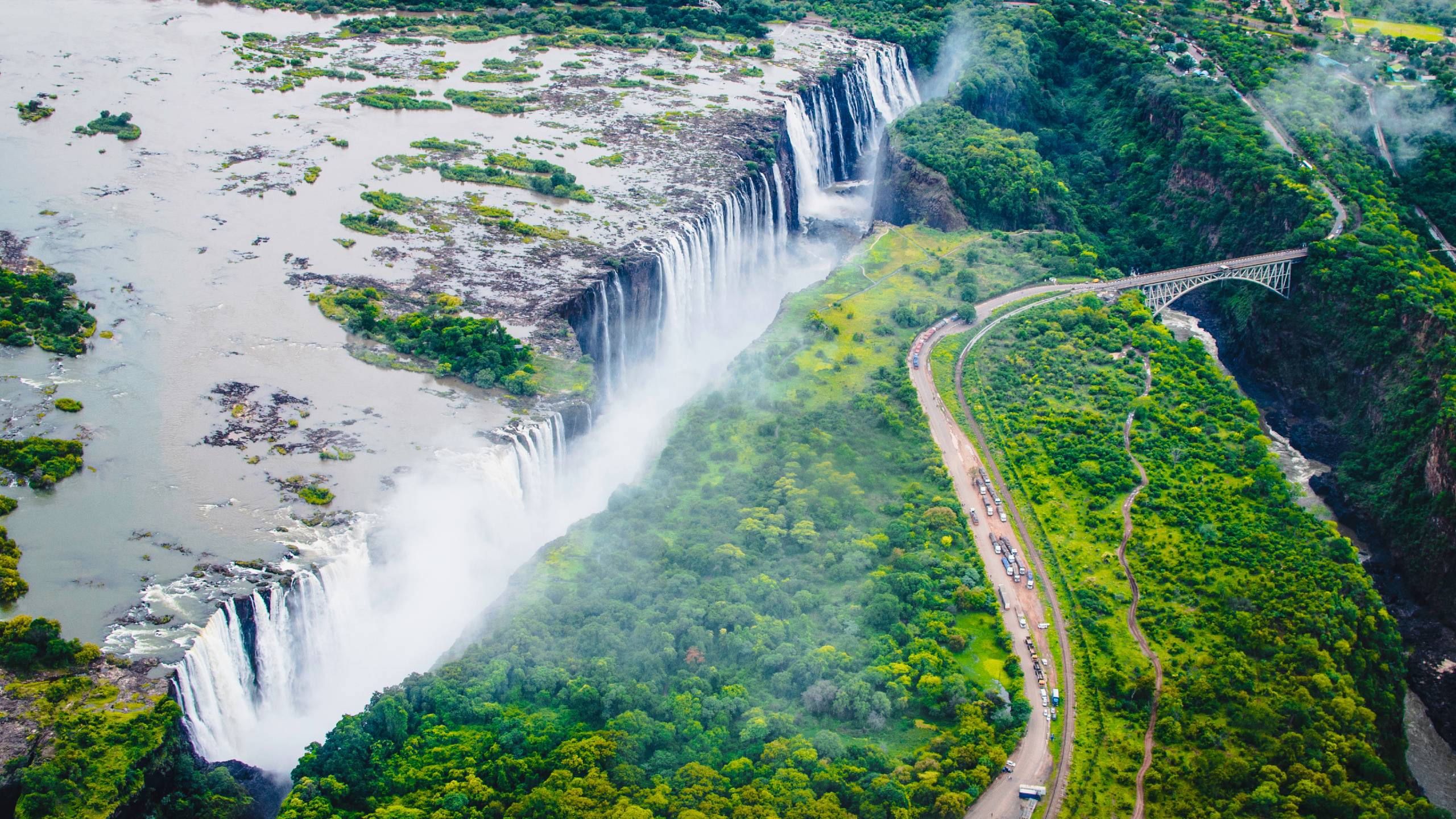
This is a land defined by contrasts—the thunderous roar of Victoria Falls and the delicate ripple of the Luangwa River; the vast openness of the Kafue wetlands and the dense riverine forests of the Lower Zambezi. Together, these regions host an astonishing variety of ecosystems that support a rich array of species, including the Big Five and some of the rarest antelope and birdlife on the continent. What sets Zambia apart, however, is not simply the wildlife itself but the way in which that wildlife is experienced.

A Safari of the Mind and Spirit

Nowhere else is the notion of a “walking safari” so deeply rooted as in Zambia. It was here that the practice was born, pioneered by legendary guides who believed that the only way to truly understand the bush was to walk through it. Today, that philosophy persists, creating a safari that speaks not only to the eyes but to the soul. There is something transformative about tracking lion footprints in the sand, hearing the call of a distant leopard, or observing elephants from behind a curtain of mopane trees—on foot, quietly, reverently.

Beyond walking safaris, Zambia also offers exceptional water-based experiences. Canoeing down the Zambezi or exploring the quiet channels of the Kafue in a boat provides a wholly different perspective, allowing travelers to witness aquatic life, bird species, and riverfront mammals in their element. The blend of terrestrial and aquatic safari activities here is unrivaled, giving depth to each journey.

A Commitment to Conservation and Community

In many parts of Africa, tourism can be extractive, benefiting a few while eroding the environment. Zambia has resisted this trend through a consistent emphasis on community-based conservation. Safaris here are conducted with a deep awareness of their ecological footprint, and many lodges and camps are involved directly in supporting anti-poaching efforts, habitat restoration, and education projects.

What makes the Zambian model unique is how it integrates local communities as stakeholders. Many safari operations are either co-managed with or employ significant numbers of local staff. Guests, while enjoying exceptional comfort, are often invited to learn about the customs and lives of the communities that border the parks. This sense of ethical immersion strengthens the safari experience and ensures that it contributes meaningfully to the region.

Exclusivity Without Excess

Luxury in Zambia is of a different breed. It is not measured in chandeliers or marble floors, but in space, silence, and sincerity. Lodges are tucked into remote corners, designed to harmonize with nature rather than dominate it. Guests are treated to world-class service, yes, but also to the luxury of time and attention—to wake up with the sunrise, to linger at a lion sighting without interruption, to dine under an open sky lit by starlight alone.

Because Zambia’s safari offerings are not mass-produced, each journey feels tailor-made. Whether one chooses to stay in an opulent riverside tented camp or a more rustic mobile safari setup, the same thread runs through the experience: authenticity over artifice.

Lower Zambezi, South Luangwa, and Kafue: A Triad of Natural Wonder

Zambia’s claim to the safari crown rests heavily on the strength of its holy trinity of national parks. The Lower Zambezi National Park offers dramatic escarpments, elephant herds crossing the river in twilight, and canoe safaris that bring travelers close to crocodiles and hippos in their natural habitat. Here, the wild flows with elegance.

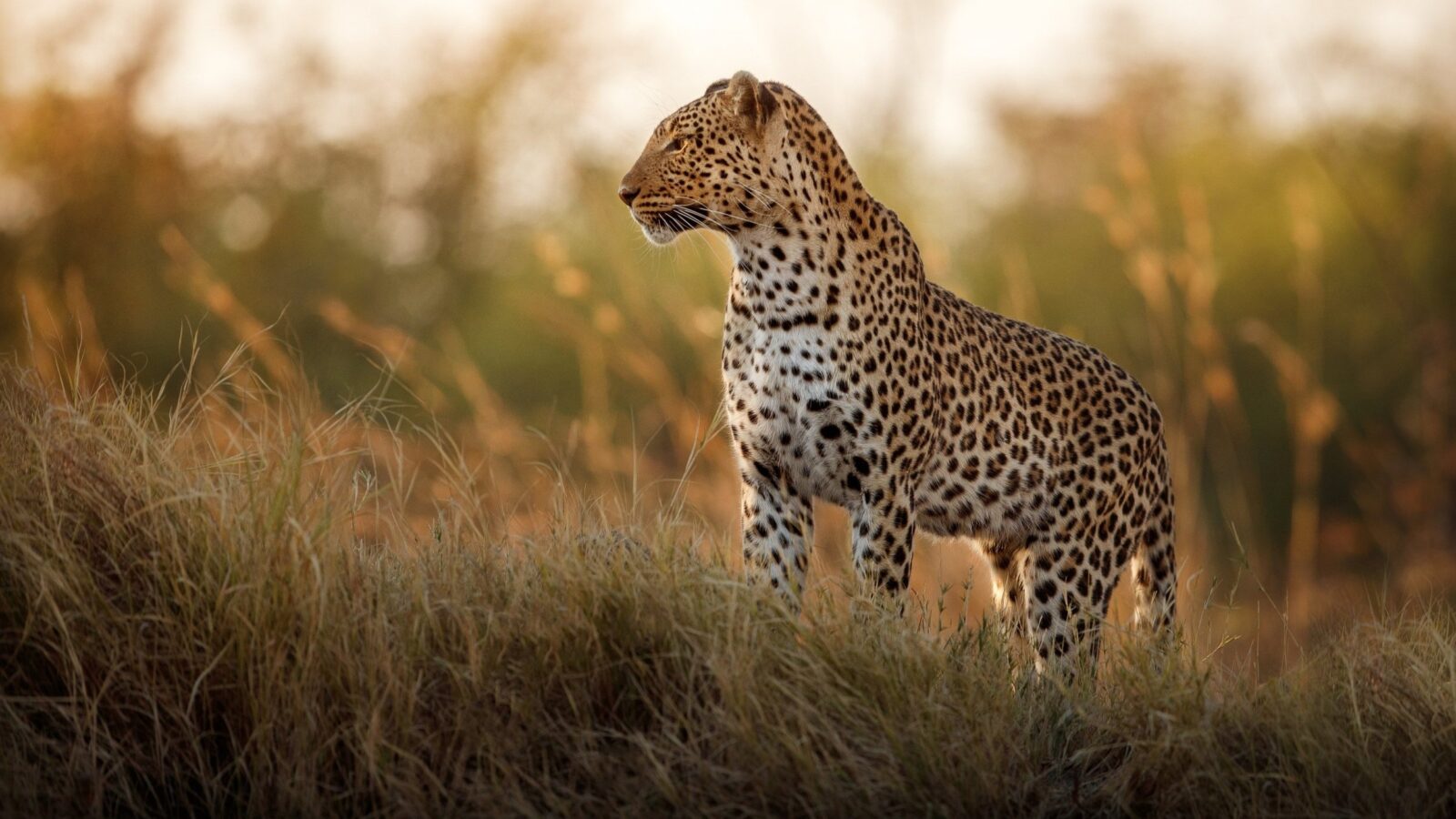
The South Luangwa National Park, often called the birthplace of the walking safari, presents a hauntingly beautiful landscape where leopards prowl among ebony trees and wild dogs run across open plains. It is a place of primal rhythms and exhilarating encounters.

Then there is Kafue, one of the largest and most underrated parks in Africa. Its Busanga Plains burst with birdlife and predator-prey drama, its waterways teem with mystery, and its remoteness makes every moment feel like a discovery.

These parks, while individually unique, collectively offer a diverse safari tapestry that no other single African country can quite replicate. Each ecosystem is distinct, each journey a new chapter.

The Traveler’s Reward: A Safari That Gives Back

The ultimate testament to Zambia’s position as Africa’s best safari country lies in how travelers feel upon leaving. There is an overwhelming sense of enrichment—not only from the wildlife seen but from the connections made. One leaves not just with photographs, but with understanding; not just with memories, but with meaning.

There is also the satisfaction of knowing that one’s presence has had a positive impact. With so many safari operators focused on sustainability, every visit contributes to conservation goals, supports local economies, and helps preserve the wildness that makes Zambia so unique.

Make Your African Safari a Journey of a Lifetime with WildHorn Africa

To explore Zambia—and indeed, Africa—with the depth it deserves, one must travel with an expert guide. WildHorn Africa is a trusted partner for those seeking not just a safari, but a transformation. Through curated itineraries, deep regional knowledge, and an unwavering commitment to client satisfaction, WildHorn Africa crafts experiences that echo long after the journey ends.

Whether your heart yearns for the rustle of elephant grass, the splash of hippos in the Zambezi, or the call of a fish eagle over the Luangwa, let WildHorn Africa lead the way. Every safari is an invitation to wonder—and there is no better host than those who know the soul of Africa. Book your African safari with WildHorn Africa and let the wild welcome you home.

Botswana vs South Africa: Which Is Better for an African Safari?

Botswana vs South Africa: Which Is Better for an African Safari?

By Botswana travel guides, South Africa travel guides, Travel guides, Travel stories and blogs

Botswana vs South Africa: Which Is Better for an African Safari?

The Ultimate Safari Dilemma: Botswana or South Africa?

When the quest for the quintessential African safari experience arises, two countries consistently dominate conversations among wildlife enthusiasts: Botswana and South Africa. Each offers a wealth of diverse ecosystems, rich wildlife populations, and a tapestry of cultural experiences. Yet, deciding which destination offers the superior safari is a nuanced matter that hinges on numerous factors including wildlife density, landscape diversity, accessibility, accommodation styles, and conservation philosophies. A comprehensive examination reveals that both countries provide exceptional safari opportunities, but in markedly different ways.

Botswana’s Wilderness: Pristine, Remote, and Exclusive

Botswana has garnered a reputation as Africa’s premier destination for untouched wilderness and exclusive safari experiences. The country’s vast and largely unspoiled landscapes are dominated by iconic regions such as the Okavango Delta, Moremi Game Reserve, and Chobe National Park. These areas are characterized by sprawling floodplains, dense woodlands, and intricate waterways that sustain some of the highest concentrations of wildlife on the continent.

The safari experience in Botswana is often defined by intimacy with nature and low-impact tourism. Visitor numbers are deliberately kept low to minimize ecological disturbance, resulting in smaller camps and a more personalized approach. This strategy fosters unparalleled wildlife encounters where animals are less habituated to human presence, enhancing the sense of wildness.

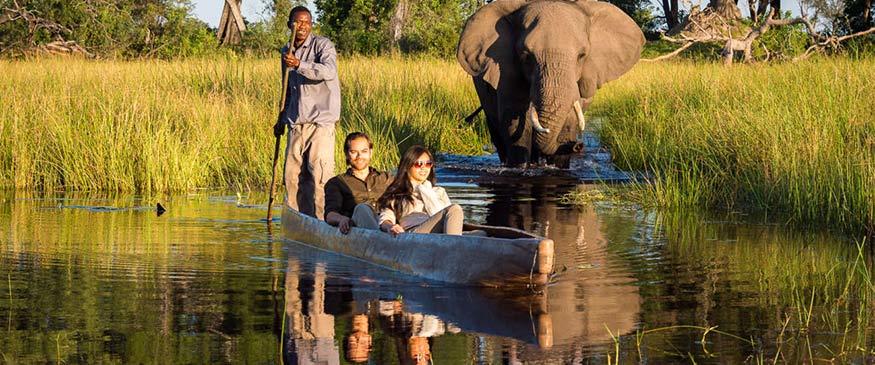
The Okavango Delta stands as a hallmark of Botswana’s safari appeal. The seasonal floods create a dynamic ecosystem that supports vast herds of elephants, buffalo, hippos, and a rich variety of predators. The use of traditional mokoro canoes allows for silent exploration of waterways, providing perspectives on wildlife rarely possible elsewhere. These unique modes of travel underscore Botswana’s commitment to maintaining the integrity of its natural habitats.

South Africa’s Safari Diversity: Accessibility and Infrastructure

South Africa offers a different safari paradigm, distinguished by its accessibility, developed infrastructure, and diversity of ecosystems. The country boasts numerous renowned parks such as Kruger National Park, Addo Elephant National Park, and the private reserves within the Greater Kruger area. These parks provide a wide array of safari experiences, ranging from self-drive tours to luxury lodge stays and guided walking safaris.

Kruger National Park, one of Africa’s largest and most visited reserves, epitomizes South Africa’s accessible safari model. The park’s extensive network of roads and camps enables visitors to tailor their experience according to preferences and budgets. The presence of the Big Five—lion, leopard, elephant, buffalo, and rhino—is reliably guaranteed, alongside a vast spectrum of other mammals, birds, and reptiles.

The broader range of accommodation options in South Africa, from budget campsites to five-star lodges, makes it an ideal destination for first-time safari-goers and families. The country’s well-established tourism infrastructure, including international airports and road networks, further enhances its appeal as a convenient safari destination.Botswana vs South Africa: Which Is Better for an African Safari?

Wildlife Encounters: Comparing Concentrations and Diversity

Botswana’s low-density tourism model results in wildlife encounters that are often more intimate and unhurried. Herds of elephants in Chobe and the Okavango Delta are among the largest on the continent, and sightings of predators such as lions and wild dogs are frequent. The emphasis on guided safaris by vehicle, boat, and foot ensures that wildlife is encountered in varied and often exclusive contexts.

South Africa’s Kruger and surrounding reserves offer high game visibility and diversity, partly due to the park’s vast size and varied habitats. The density of tourists, however, means that wildlife has adapted to human presence, sometimes resulting in less ‘wild’ encounters. Yet, the advantage lies in the consistency and accessibility of sightings, often enhanced by a wide selection of guided activities including night drives and bush walks.

Conservation and Community Involvement

Both Botswana and South Africa have embraced conservation, but their approaches reveal distinct priorities. Botswana’s government has prioritized the protection of large wilderness areas with an emphasis on anti-poaching and habitat preservation. Community-based natural resource management programs involve local populations in wildlife stewardship, fostering sustainable benefits and minimizing conflicts.

South Africa combines national park management with a significant private reserve sector. The involvement of private conservancies has led to innovative conservation models, including intensive anti-poaching measures and eco-tourism developments. Community engagement is critical, especially in areas adjacent to parks where livelihoods are linked to conservation outcomes. This balance of public and private involvement creates a robust conservation landscape.

Cultural Experiences and Tourism Infrastructure

South Africa offers a rich array of cultural and touristic amenities alongside its safari options. Cities such as Johannesburg and Cape Town provide gateways to safaris combined with world-class dining, historical sites, and vibrant cultural experiences. This diversity appeals to travelers seeking a blend of urban sophistication and wildlife adventure.

Botswana’s tourism is more singularly focused on wilderness and nature. Cultural interactions occur primarily in rural villages and through community-led tourism initiatives. While less urbanized, the authenticity and tranquility of these experiences complement the deep connection to the natural environment.

Which Safari Is Better? A Matter of Preference and Priorities

The determination of which destination is better for an African safari depends fundamentally on the traveler’s expectations and values. Botswana excels in offering exclusive, immersive wilderness experiences with minimal crowds, ideal for those seeking profound encounters with nature and wildlife. South Africa provides a versatile, accessible, and culturally rich safari experience, catering to a broader range of travelers including families and those new to safaris.

In essence, Botswana is best suited for those who prioritize wilderness solitude, ecological authenticity, and luxury safari camps set deep in nature. South Africa caters well to visitors desiring convenience, variety, and integration with broader travel itineraries that include cultural and urban elements.

Planning Your Safari Journey with WildHorn Africa

For those inspired to explore the rich safari offerings of either Botswana or South Africa, expert guidance and tailored planning are invaluable. Booking your African tours and safaris through WildHorn Africa ensures access to curated itineraries, reputable operators, and a commitment to responsible tourism. Every detail, from logistics to guiding expertise, is handled with precision to deliver a seamless, memorable safari adventure.

Whether your heart is set on the remote waterways of Botswana or the diverse ecosystems of South Africa, WildHorn Africa will help craft a journey that reflects your personal safari dreams while honoring Africa’s majestic wildlife heritage.

Top 10 Best South Luangwa Luxury Safari Lodges & Camps

Top 10 Best South Luangwa Luxury Safari Lodges & Camps

By Travel guides, Travel stories and blogs, Zambia travel guides

Top 10 Best South Luangwa Luxury Safari Lodges & Camps

Where Untamed Africa Meets Refined Wilderness Comfort

The Wild Soul of Zambia – A Sanctuary of Pure Safari

Tucked within Zambia’s eastern border, South Luangwa National Park rises as a beacon of Africa’s most authentic safari experience. Often described by seasoned travellers and naturalists as one of the last great wildlife sanctuaries, this park unfolds along the meandering Luangwa River in a display of raw wilderness unmatched in diversity and intensity. Known for its dense populations of elephants, leopards, lions, and over 400 species of birds, South Luangwa doesn’t merely offer safaris—it delivers intimate encounters with the wild, draped in the golden tones of untouched Africa.

What makes this destination particularly exceptional is not only the wildlife spectacle but the refined way in which it is presented. Luxury lodges and camps in South Luangwa have been crafted to exist in harmony with the environment. They offer secluded indulgence, impeccable service, and architectural designs that melt into the landscape. In these havens, guests are not shielded from the bush—they are invited into it, immersed without intrusion, pampered without pretense.

A Haven for Those Who Seek More Than a Safari

Travel to South Luangwa is not defined merely by ticking off sightings from a checklist, but by the soulful interplay of nature and silence, of adventure and serenity. This is the cradle of the walking safari, pioneered here decades ago, and still practiced today under the guidance of expert rangers and trackers. Night drives bring to life the bush’s hidden nocturnal rhythm, while sunrises reveal dust trails kicked up by buffalo herds and a mosaic of predator footprints near the riverbanks.

The luxury camps and lodges scattered across this magical ecosystem have been developed with a fierce respect for both conservation and cultural integrity. They are not isolated from the world—they are deeply tied to it, investing in community development, anti-poaching programs, and sustainable tourism. Guests who choose to stay at these properties are not only indulging in high-end experiences; they are participating in the preservation of Africa’s heartbeat.

Time + Tide Chinzombo – A Modern Safari Icon

Considered by many as the crown jewel of South Luangwa, Time + Tide Chinzombo is an award-winning lodge that redefines what it means to experience Africa in comfort. Designed by renowned architects Silvio Rech and Lesley Carstens, this property blends open-plan luxury with earthy textures, offering a setting where one can feel both royal and wild. Set on a private bend of the Luangwa River, the lodge offers expansive views of grazing wildlife, especially elephants crossing the water at dusk. Private plunge pools, canvas walls, and immersive game activities make every moment a study in contrast—raw wilderness seen from a place of elegance.

Puku Ridge – Elevated Bush Sophistication

Sitting atop a low ridge overlooking a permanent floodplain, Puku Ridge delivers some of the finest wildlife viewing directly from your suite. It has been carefully rebuilt with sustainability and exclusivity at its core. The interiors are plush, adorned with local materials, and designed to maximize natural airflow, negating the need for artificial cooling. The experience here flows with tailored game drives, gourmet cuisine, and an unbroken silence that only nature can command. From the private decks and outdoor showers, guests can often witness lions on the prowl or giraffes ambling by—a private theatre of nature played beneath the stars.

Shawa Luangwa – Community-Rooted, Luxury-Raised

Crafted in collaboration with legendary guide Jacob Shawa, this lodge captures the soul of ethical tourism. Shawa Luangwa blends barefoot luxury with strong conservation principles. Elevated tents offer panoramic views of the river, where crocodiles bask and herons hunt. The lodge has a strong community backbone, supporting local employment and education. Each safari drive is led with knowledge honed through decades, often featuring rare sightings like wild dogs or carmine bee-eaters in full colour. It is a place where luxury meets legacy, where every footprint left is thoughtful and gentle.

Mfuwe Lodge – Gateway to the Wild

As the park’s most accessible luxury lodge, Mfuwe Lodge provides the perfect landing spot for first-time visitors and returning adventurers alike. It is famous for its charismatic visitors—a family of elephants that pass through the reception annually to feast on wild mangoes growing in the courtyard. The lodge itself is a lush retreat, with thatched chalets nestled around lagoons where hippos grunt and antelope gather. Massage treatments, gourmet meals, and a sun-kissed swimming pool make the lodge as much a sanctuary as the park itself. It offers a seamless transition from civilisation to savannah, all orchestrated with grace and poise.

Tena Tena – A Seasonal Gem of Wild Privacy

Seasonally rebuilt each year with natural materials, Tena Tena translates to “temporary home”—but the memories forged here last a lifetime. Located in a remote sector of South Luangwa, this camp is intimate, featuring only a few guest tents shaded by mature mahogany trees. The design is organic, the hospitality deeply personalized. Leopard sightings are especially common in this region, and walking safaris are a daily ritual. With the Luangwa River curving nearby and fig trees standing sentinel, Tena Tena is an invitation into Africa’s quieter, more contemplative side.

Lion Camp – Wildlife Front and Centre

Located in the northern reaches of the park, Lion Camp offers superb access to one of South Luangwa’s richest wildlife areas. The lodge is solar-powered and raised on wooden walkways, minimizing its environmental impact while maximizing its views. Suites are elegant yet understated, designed to feel open and connected to the surroundings. Here, lion sightings are almost expected, and the drama of predator and prey often unfolds within view of the camp’s main deck. Dining under open skies and sleeping to the sounds of lions roaring in the distance become part of a rhythm that is both ancient and intimate.

Kafunta River Lodge – Timeless Safari Charm

With classic safari architecture and a commitment to excellence, Kafunta River Lodge combines comfort with an authentic bush atmosphere. The natural hot springs on site offer guests a unique way to unwind after game drives, while the elevated lounge area gives sweeping views across the floodplain. The camp’s private pontoon crossing provides access to more remote areas of the park, ensuring sightings that are less crowded and more exclusive. Every moment here, from lantern-lit dinners to the thrill of a distant lion call, is wrapped in quiet luxury and soft adventure.

Chikunto Safari Lodge – Boutique Brilliance

Situated on a scenic bend of the Luangwa River, Chikunto Safari Lodge is a boutique haven that caters to the discerning traveller. Its canvas and stone suites are accented by modern African design, while the central infinity pool adds a cooling touch to hot afternoons. The lodge’s elevated decks provide perfect vantage points for sunsets that melt into the river like brushstrokes of fire and gold. The game drives here are unhurried, the guides encyclopedic in their knowledge, and the atmosphere personal—crafted to feel more like a home than a hotel.

Bilimungwe Bushcamp – Earthy Luxury in Remote Solitude

Surrounded by towering mahoganies and built around three natural waterholes, Bilimungwe Bushcamp embodies the magic of immersion. It is a place where guests can sit quietly on their private decks and watch animals gather, oblivious to the eyes upon them. The camp’s rustic charm is elevated by refined details, and its guiding is among the best in the region. Night safaris here are legendary, revealing the shy yet essential nocturnal life of the bush. The camp proves that true luxury lies not in opulence but in proximity to the untouched.

A Journey of the Soul, Not Just the Senses

What binds all these luxury camps and lodges together is not merely their elegance or service standards, but their shared reverence for nature. Each property allows its guests to step into the pages of a living story—one written not in ink, but in paw prints, sunsets, and shared laughter around the fire. South Luangwa invites travellers to reconnect with the world as it once was, to touch the primal rhythm that still pulses through the veins of Africa.

For those who seek more than just travel, who yearn for transformative moments crafted in wild places, there is only one way to ensure every detail is cared for, every journey curated with passion and precision. Guests are wholeheartedly encouraged to book their Africa tours and safaris through WildHorn Africa—a trusted expert dedicated to designing bespoke, responsible, and deeply rewarding adventures across the continent’s most extraordinary landscapes.

Top 8 Good-value Accommodations in Zimbabwe

Top 8 Good-value Accommodations in Zimbabwe

By Travel guides, Travel stories and blogs, Zimbabwe travel guides

Top 8 Good-Value Accommodations in Zimbabwe

Zimbabwe’s Hidden Gem: Affordable Stays Amid Untamed Beauty

In the heart of southern Africa lies a country where dramatic landscapes, legendary wildlife encounters, and ancient culture converge in raw and breathtaking form—Zimbabwe, a destination that remains one of Africa’s most authentic and inspiring safari frontiers. While its iconic sites like Victoria Falls, Hwange National Park, and Mana Pools have long captured the imaginations of global travelers, the notion that quality safari experiences in Zimbabwe must come at a premium has begun to fade. A new generation of good-value accommodations has emerged—lodges, guesthouses, and safari camps that combine comfort, location, and experience at prices that don’t overshadow the wild itself.

Those seeking the perfect blend of affordability and immersion will find that Zimbabwe is not only about dramatic scenery and Big Five encounters but also about staying in places where warm hospitality meets purposeful design, and where travelers can engage deeply with nature without the need for extravagance. The list of options is not only extensive but also diverse, ranging from eco-friendly bush camps to rustic riverside lodges, each offering its own unique entry into the Zimbabwean experience.

Hwange National Park: Staying Close to the Elephant Highway

In the west of Zimbabwe, Hwange National Park opens up as a colossal stretch of savannah, woodland, and acacia forest. Recognized for its vast herds of elephants and exceptional predator sightings, Hwange draws safari-goers eager to witness wildlife in one of Africa’s richest and least crowded ecosystems. Fortunately, it also offers access to some of the continent’s most well-priced bush accommodations, where rustic charm and genuine safari experiences are favored over luxury excess.

These accommodations are often nestled along seasonal waterholes or within private concessions that border the park, allowing for guided game drives and bush walks in complete solitude. Thoughtfully designed chalets and tented camps with en-suite facilities provide privacy and comfort without detaching guests from the environment. Solar-powered energy systems and rainwater harvesting are increasingly becoming the norm, reflecting the eco-conscious approach that many of these budget-friendly lodges adopt.

The experience in Hwange is further enriched by interactions with local guides whose bushcraft knowledge and storytelling bring the land alive. Guests are not just passive observers but participants in the rhythm of the wild, where dusk brings the roars of lions and mornings echo with the cries of fish eagles.

Victoria Falls: Budget-Friendly Beauty Near the Smoke That Thunders

Any exploration of Zimbabwe would be incomplete without witnessing the colossal spectacle of Victoria Falls, known locally as Mosi-oa-Tunya—”The Smoke That Thunders.” Although Victoria Falls is often associated with high-end resorts, a variety of affordable lodges, boutique inns, and guesthouses cater to those seeking value without sacrificing comfort or location.

Set within walking distance or a short drive from the falls, these accommodations offer thoughtfully curated rooms with traditional Zimbabwean decor, lush tropical gardens, and communal spaces where travelers from around the globe share stories over sundowners. Many include breakfast, swimming pools, and concierge services that assist with organizing adrenaline-inducing activities like white-water rafting, bungee jumping, or scenic flights above the gorge—all at significantly lower package rates than the high-end properties.

The cultural vibrancy of Victoria Falls town, with its artisan markets and music-filled evenings, is accessible and welcoming to guests at every price point, making this an ideal base for those who wish to blend natural wonder with community exploration.

Matobo Hills: Spiritual Encounters in Affordable Serenity

Located just outside Bulawayo, the granite peaks and spiritual presence of Matobo Hills offer a more tranquil and introspective form of Zimbabwean adventure. The region, steeped in cultural, spiritual, and ecological significance, is home to ancient rock art, sacred caves, and rhino tracking experiences that defy the commercial safari template.

Affordable accommodations here are often family-run lodges and guesthouses set within natural rock formations. These establishments blend into the environment with adobe walls, thatched roofs, and open-air verandas that reveal expansive views across the rolling hills. While modest in scale, they provide authentic comfort, personalized service, and proximity to the lesser-traveled paths that wind through the Matobo National Park.

The emphasis in this area is on slow exploration—walking safaris with experienced trackers, guided tours into ancient San caves, and evenings spent under clear starlit skies. For travelers in search of meaning as well as value, the Matobo region delivers an experience that is emotionally resonant and spiritually rejuvenating.

Eastern Highlands: Misty Forests and Mountain Escapes

For those captivated by cooler climates, rolling green valleys, and a slower pace, the Eastern Highlands of Zimbabwe offer a serene contrast to the savannahs of the west. This mountainous region, which includes Nyanga, Bvumba, and Chimanimani, is revered for its mist-shrouded trails, waterfalls, and birdlife, as well as its selection of rustic, affordable accommodation that appeals to hikers, honeymooners, and solo wanderers alike.

Stone cottages, forest lodges, and colonial-style inns dot the landscape, many of them offering self-catering options and warm fireplaces. The emphasis here is on quiet immersion—days spent hiking to hidden pools, exploring tea plantations, or birdwatching in indigenous forests, followed by cozy evenings beside crackling hearths.

With far fewer visitors than the country’s flagship parks, the Eastern Highlands are an ideal retreat for those who value solitude, affordability, and dramatic natural beauty.

Lake Kariba: Remote Retreats with Exceptional Value

Stretching along Zimbabwe’s northern border, Lake Kariba presents one of the most dramatic inland water bodies in Africa. Here, houseboat safaris, lakeside chalets, and eco-lodges offer access to fishing, boating, and wildlife viewing in a setting both remote and restorative.

The accommodations along Kariba’s shores vary from charming family lodges to floating houseboats that provide multi-day cruises along the lake’s edge. These experiences are surprisingly affordable, with many options including meals, excursions, and guided fishing trips. The value lies in the immersion and intimacy—waking to the splash of hippos beneath the deck, dining under the open sky, and watching herds of elephants gather on the lake’s edge at sunset.

For travelers willing to venture slightly off the beaten path, Kariba’s accommodations deliver high reward at a fraction of the price charged in more commercial safari circuits.

Gonarezhou: Untouched Wilderness and Low-Cost Luxury

In the remote southeast lies Gonarezhou National Park, a name meaning “Place of Elephants,” where travelers can experience a truly wild and uncommercialized wilderness safari. Due to its isolation, Gonarezhou has been less developed than other parks, resulting in a landscape that feels untouched and raw.

Community-based lodges and semi-permanent bush camps provide low-cost alternatives to luxury safari camps, while still offering direct access to game-rich plains, river systems, and cliffs that host raptors and nesting birds. The sense of solitude here is unmatched, with accommodations blending into the terrain and emphasizing sustainability and conservation.

Visitors will often find themselves completely alone on game drives or walking safaris, guided by rangers deeply invested in preserving this rare habitat. The value in Gonarezhou lies not just in its price point but in the depth of its wildness, offering an experience that is hard to replicate anywhere else.

Authentic Travel Without the Luxury Price Tag

Zimbabwe’s range of good-value accommodations proves that unforgettable travel experiences do not require indulgent spending. From the edge of Victoria Falls to the silence of Gonarezhou’s cliffs, each region opens its arms to travelers who seek connection, authenticity, and access to Africa’s raw beauty. These stays represent more than just a place to sleep—they offer a way to engage meaningfully with nature, culture, and conservation.

Rather than merely observing from afar, guests are invited to become part of the landscape, to wake with the birdsong, and to share stories around fire-lit bomas with those who know the bush best.

Book Your Zimbabwe Adventure with WildHorn Africa

For those ready to discover Zimbabwe’s beauty through experiences that balance cost and authenticity, it is highly recommended that all travel be arranged through WildHorn Africa. With expertise in crafting tailor-made itineraries and deep connections to local communities and camps, WildHorn Africa ensures that every journey is seamless, ethical, and unforgettable. From bush trails to riverside retreats, let WildHorn Africa guide your path through Zimbabwe’s hidden gems—where value meets wildness in perfect harmony.

10 Best-value Luxury Rwanda Safari Lodges & Camps

10 Best-value Luxury Rwanda Safari Lodges & Camps

By Rwanda travel guides, Travel guides, Travel stories and blogs

Top 10 Best‑Value Luxury Rwanda Safari Lodges & Camps
Where Pristine Wilderness Meets Savvy Comfort in the Heart of Africa

A Gateway to High-Altitude Elegance and Wildlife Nuance

Rwanda’s transformation into a premiere safari destination goes far beyond gorilla trekking. Its landscape now supports a collection of lodges and camps that harmoniously blend luxury with authenticity, and conservation with comfort. These properties are not merely places to rest—they are carefully curated retreats designed to maximize value while minimizing environmental impact. From the misty slopes of Volcanoes National Park to the open savannah of Akagera, Rwanda’s best‑value luxury lodges invite guests into experiences that are as meaningful as they are memorable.

What distinguishes these accommodations is not just their scenery or creature comforts, but the ethos they uphold—enabling access without compromise, offering immersive wildlife encounters, and supporting local communities through every booking.

Bisate Lodge – Volcanoes National Park’s Green Luxury Pioneer

Set on a reforested volcanic ridge, Bisate Lodge comprises just six domed villas, each perched to command panoramic views of the Virunga volcanoes and the surrounding rainforest. Built with local materials—lava stone, reclaimed timber, thatch—and guided by sustainable architecture, the lodge is both elegant and discreet. Wildlife sightings occasionally include elephants or monkeys grazing in the lodge’s rewilded gardens. Though built for high-end travelers, Bisate delivers remarkable value given its personalized service, reforestation mission, and proximity to gorilla trek starting points. It is an eco‑luxury experience that does justice to its breathtaking setting

Singita Kwitonda Lodge & Kataza House – Sophisticated Seclusion on the Volcano Edge

Operating on 178 acres adjacent to Volcanoes National Park, Singita Kwitonda Lodge and its private Kataza House villa offer modern elegance with deep ecological and social responsibility. Only eight luxury suites are available, each featuring indoor‑outdoor fireplaces, heated plunge pools, and veranda fireplaces. The villa includes private staff and gourmet dining. Singita integrates high-end design with a conservation-first model. For travelers seeking maximum luxury with conservation impact, Kwitonda represents exceptional value in Rwanda’s gorilla circuit

Sabyinyo Silverback Lodge – Community‑Owned Elegance with Ethos

Built from local stone on Rwanda’s foothills, Sabyinyo Silverback Lodge was Rwanda’s first community-owned luxury lodge. Operated by Governors’ Camp Collection, profits fund local education, health, and conservation initiatives. The ten cottages offer fireplaces, spacious verandas, and stunning volcano views—all while fostering authentic engagement with Batwa and Musanze communities. Guests benefit not only from luxury surroundings but from knowing their stay supports sustainable local development

One&Only Gorilla’s Nest – Jungle Chic and Immersive Luxury

Located at the base of Volcanoes National Park in a forested setting, One&Only Gorilla’s Nest defines refined wildlife accommodation in Rwanda. With 21 suites and a few villas, the lodge blends modern Rwandan architecture with serene ambiance—fireplaces, forest-based spa treatments, and guides dedicated to gorilla and golden monkey treks. Dining is inspired by local ingredients, and the property’s seamless integration into the forest creates a deeply restorative retreat that remains surprisingly unpretentious—value found in intention and quality

Ruzizi Tented Lodge – Akagera’s Sustainable Lakeside Retreat

On the shore of Lake Ihema, within Akagera National Park, Ruzizi Tented Lodge offers nine luxury canvas tents elevated on wooden platforms. Built entirely with local, eco-friendly materials and operating on solar power, composting toilets, and plastic‑free systems, it provides an immersive bush-luxury experience that supports Akagera’s rewilding success. Guests may see hippos grunting at night and lions or rhinos within a private concession—value is found in the combination of comfort, sustainability, and wildlife access

Wilderness Magashi Camp – High-End Sampling of Akagera’s Revival

Recently launched in northern Akagera, Magashi Camp is the only high‑end lodge in this rapidly recovering park. With just six elegant raised tents overlooking Lake Rwanyakazinga, it enjoys exclusive access to a 60 km² wilderness concession where off-road driving, walking safaris, and evening game drives are allowed. Meals served lakeside and guides who know the rhinos and lions intimately create a value‑rich alternative to more crowded savannah destinations

Nyungwe House by One&Only – Rainforest Retreat with Forest Views

On the edge of Nyungwe Forest National Park, One&Only Nyungwe House is embedded in a working tea plantation, overlooking the ancient jungle. Featuring modern African décor with Imigongo art accents, 22 suites, wellness spa, infinity pool, and nature-driven dining, the property presents exceptional value for visitors exploring chimp trekking, canopy walks, and birding. Its eco-luxury proposition is rare in this less-visited, biodiversity-rich region

Virunga Lodge – Volcano Panorama and Quiet Restoration

Perched above Lakes Burera and Ruhondo, Virunga Lodge comprises ten cottages made from local stone and wood. Its location offers sweeping views of multiple Virunga volcanoes and tea estates. With rooms featuring private terraces and fireplaces, and amenities like heated pools, spa treatments, and guided hiking, the property strikes a balance between luxury and serenity. Virunga represents value in scenic seclusion and refined design

Five Volcanoes Boutique Hotel – Boutique Value at Volcanoes’s Gateway

Just outside the park gate in Ruhengeri/Musanze, Five Volcanoes Boutique Hotel offers ten spacious suites built with lava stone, private verandas, and lush gardens. Though simpler than high-end escapes up the hill, it is perfect for savvy travelers seeking luxury proximity to gorilla trekking without the premium price tag. Its pool, terrace views, and creative Indian-inspired meals make it exceptional value for location and comfort

Nyungwe Top View Hill Hotel – Scenic Luxury for Chimp Trekking

Overlooking Nyungwe Forest and Lake Kivu from its hilltop, Nyungwe Top View Hill Hotel delivers panoramic views, warm hospitality, and well-appointed stone chalets with fireplaces and private balconies. Activities include chimp tracking, canopy walks, and birding. Though not ultra-luxury, it represents well-judged value with scenic elevation and rainforest immersion for those exploring southern Rwanda.

Where Value and Legacy Intersect

Each of these ten lodges and camps offers something distinctive—whether it’s unrivaled volcano views, sustainable design, proximity to gorillas, or community impact. They share a commitment to providing a high‑end safari experience that supports Rwanda’s conservation and cultural values without inflating costs; guests receive immersive comfort, wildlife access, and peace of mind that their stay contributes to something meaningful.

Start Your Rwanda Safari With WildHorn Africa

For travelers seeking exceptional value combined with luxury, sustainability, and wildlife immersion, WildHorn Africa designs bespoke Rwanda itineraries tailored to individual interests. Whether trekking gorillas from Bisate Lodge, exploring Nyungwe from One&Only House, or tracking rhinos in Akagera via Magashi Camp, each journey is crafted to balance experience, ethos, and ease.

Book your Rwanda safari with WildHorn Africa to experience safe, seamless, and soulful travel—where value becomes a statement, and luxury an act of conservation.

Top 10 Best Luxury Chobe Safari Lodges & Camps

Top 10 Best Luxury Chobe Safari Lodges & Camps

By Botswana travel guides, Travel guides, Travel stories and blogs

Top 10 Best Luxury Chobe Safari Lodges & Camps

Unveiling the Heart of African Wilderness

Tucked along the northern reaches of Botswana, where the borders of Namibia, Zambia, Zimbabwe, and Botswana almost touch, Chobe National Park emerges as a shimmering jewel in the African safari crown. Revered for its enormous elephant populations, breathtaking riverine landscapes, and exhilarating game drives, this iconic wilderness area sets the stage for a once-in-a-lifetime safari experience. But for the discerning traveler, the destination alone is only part of the story. Luxury, comfort, and immersive natural beauty must converge to create something unforgettable. That essence is captured in the finest luxury safari lodges and camps in Chobe. These exclusive retreats redefine what it means to connect with Africa’s soul, offering the wild on one hand and uncompromised elegance on the other.

The Prestige of Chobe’s Safari Hospitality

Luxury in the African bush is a concept born not just from plush bedding or gourmet cuisine, but from authenticity, solitude, and seamless service in remote grandeur. In Chobe, the lodges and camps are defined by their ability to balance ecological consciousness with refined indulgence. Whether perched above the glistening Chobe River or hidden deep within teak forests and savanna, each lodge tells a unique story of place, tradition, and luxury. These havens offer unfiltered access to wildlife, with elephants meandering past suites, lions roaring in the distance at dusk, and hippos wallowing just beyond private decks.

Chobe Game Lodge: The Crown Jewel of Riverside Sophistication

With a legacy as the only permanent lodge within Chobe National Park, Chobe Game Lodge remains an icon of eco-conscious luxury. Overlooking a dramatic stretch of the Chobe River, this lodge has been at the forefront of responsible tourism, championing sustainability with a fully electric safari fleet and a predominantly female guiding team. The interiors whisper elegance, with Moorish architecture, wooden decks, and river-facing suites offering uninterrupted wildlife viewing from the comfort of private plunge pools. Fine dining is offered under star-drenched skies, and wildlife drives are conducted in near silence—allowing nature’s sounds to reign supreme.

Ngoma Safari Lodge: Where Panoramas and Privacy Converge

Perched on the edge of the Chobe Forest Reserve, Ngoma Safari Lodge is a masterclass in panoramic indulgence. With only a handful of thatched suites carved into a cliffside, every room commands sweeping views of the seasonal floodplains below—often teeming with elephants and antelope. Here, luxury is expressed through authentic African design, private pools, and personalized service, ensuring guests feel both pampered and intimately connected with their environment. The lodge’s location outside the park gates allows for exclusive cultural interactions and night drives, further enriching the safari narrative.

Sanctuary Chobe Chilwero: Elevated Views and Unrivaled Elegance

The word Chilwero means “place of high view” in the local Setswana language, and Sanctuary Chobe Chilwero lives up to its name with dramatic river vistas from every corner of the property. Just minutes from the Kasane gate, this lodge melds colonial charm with ultra-modern comforts. Suites are vast, air-conditioned, and come with indoor-outdoor bathrooms and large verandas. The culinary offering here rivals that of fine urban establishments, with multi-course menus and vintage wine pairings. A full-service spa and one of the few wine cellars in the bush make this a perfect retreat for luxury seekers.

Zambezi Queen: A Floating Safari Dream

For those who wish to float through their safari, the Zambezi Queen offers an unrivaled water-based luxury experience. Cruising the Chobe River, this elegant vessel provides ever-changing views of the riverside drama—elephants swimming, crocodiles basking, and fish eagles soaring. Each suite features floor-to-ceiling windows and private balconies, turning every moment into a cinematic encounter with nature. Fine dining, open-air lounges, and sunset cocktails on the top deck elevate the entire experience into a fusion of indulgence and discovery.

Muchenje Safari Lodge: Boutique Solitude on the Western Fringe

Secluded and exclusive, Muchenje Safari Lodge is set on the less-traveled western boundary of Chobe, offering a more private and immersive safari. With expansive chalets overlooking the river and Caprivi floodplains, the lodge feels both grand and intimate. Guided walks, village visits, and both land and river-based game activities diversify the guest experience. Here, the absence of crowds enhances the sense of tranquility and connection with the land.

Belmond Savute Elephant Lodge: A Drama-Filled Savannah Escape

Situated in the remote Savute region, part of the larger Chobe ecosystem, Belmond Savute Elephant Lodge places guests in the heart of predator country. Known for dramatic lion and hyena interactions and vast elephant herds, the Savute plains are legendary. The lodge, fully refurbished with climate-conscious design, offers luxury tents on raised platforms, each featuring outdoor showers and a front-row seat to the wild. The lodge’s watering hole attracts an array of game, offering thrilling spectacles just steps away from the dining deck.

Ghoha Hills Savuti Lodge: A Sanctuary Among the Hills

Nestled atop the Ghoha Hills within the Savute area, Ghoha Hills Savuti Lodge blends exclusivity with sweeping aerial views of the African bush. Solar-powered and committed to low-impact tourism, the lodge is as much about sustainability as it is about luxury. Elevated walkways connect luxurious canvas tents to a central dining and pool area, while activities focus on game-rich drives and cultural insights. The experience here is refined, yet intimate—a hidden gem for those seeking luxury far from the usual crowds.

Chobe Safari Lodge: Gateway to the Wilderness

One of the most accessible luxury lodges in the region, Chobe Safari Lodge lies on the banks of the Chobe River, adjacent to the town of Kasane. Though larger in scale than some of its boutique counterparts, it maintains a high standard of luxury with modern rooms, riverside suites, and family-friendly amenities. The lodge serves as a launchpad for both boat cruises and land-based game drives, offering flexibility for travelers seeking a comprehensive safari package without sacrificing comfort.

Jackalberry Chobe: Understated Wilderness Luxury

Positioned within a private concession bordering Chobe, Jackalberry Chobe is characterized by its minimalist elegance and warm hospitality. The camp’s location offers privileged access to wildlife corridors, and the setting encourages guests to slow down and savor the rhythm of nature. Tented suites boast copper bathtubs, private decks, and calming earth-toned interiors, while the common areas encourage storytelling under lantern light. The experience is quietly luxurious, with the wild constantly whispering at your door.

Kubu Lodge: Timeless Charm in a Riverside Eden

Set beneath towering trees along the Chobe River’s edge, Kubu Lodge is a family-owned property where luxury meets legacy. The chalets, crafted from wood and stone, open out to lawns visited by warthogs and mongooses, while the river flows endlessly beyond. While not as overtly lavish as others, Kubu Lodge’s charm lies in its authenticity, attention to detail, and peaceful setting. The lodge’s commitment to conservation and community support enhances the emotional resonance of every stay.

A Final Whisper from the Wild

In the wild heart of Botswana, where untamed beauty unfolds with every sunrise and every river bend hides a new surprise, the luxury lodges of Chobe serve not just as accommodation but as portals to the soul of Africa. They offer not only opulent settings but also rare encounters—eye-level elephant standoffs, lion prides on the move, birds ablaze with color and song, and moments of profound solitude beneath an infinite sky.

To truly know Chobe is to feel its pulse, to embrace its rhythm, and to surrender to its untamed magic—all while being wrapped in the finest fabrics of comfort and care. For travelers yearning to explore this wilderness in style, the promise of these lodges is one of transformation and memory.

Those ready to experience the grandeur of Chobe at its most majestic are invited to embark on their African odyssey with the expert guidance of WildHorn Africa. Through carefully curated safari packages, personalized service, and unmatched destination knowledge, WildHorn Africa ensures that every journey through Chobe becomes an unforgettable chapter in a traveler’s life story. Book your safari today and step into a world where wild meets wonder.

Top 5 Best Tanzania Itinerary Ideas

Top 5 Best Tanzania Itinerary Ideas

By Tanzania travel guides, Travel guides, Travel stories and blogs

Top 5 Best Tanzania Itinerary Ideas

Crafting Life-Changing Journeys Through East Africa’s Greatest Landscapes

Unveiling Tanzania: A Tapestry of Wild Beauty and Cultural Majesty

When the mind drifts toward the soul of Africa, it is often Tanzania that emerges in technicolor splendor—a land where raw wilderness collides with ancient culture, and where every journey is steeped in wonder. Known for its iconic wildlife safaris, pristine coastlines, towering mountains, and deeply-rooted tribal traditions, Tanzania is not simply a destination; it is a profoundly transformative experience waiting to be lived.

Yet, while Tanzania offers a dazzling variety of attractions, its very diversity can overwhelm the unseasoned traveler. Mountains, craters, islands, lakes, and legendary national parks—all vie for attention. Without a thoughtfully structured itinerary, the beauty and complexity of Tanzania can become scattered impressions rather than a cohesive story. That is why crafting the right itinerary becomes not only important but essential to truly capture the essence of this mesmerizing country.

What follows is an exploration of the top five best itinerary ideas in Tanzania—each one uniquely designed to showcase the country’s richest offerings while appealing to different types of travelers. Whether one seeks immersive wildlife experiences, luxurious relaxation, authentic cultural encounters, or a seamless blend of it all, there exists a route through Tanzania to match every dream. And behind every perfect itinerary lies meticulous planning, local insight, and a deep understanding of the land’s hidden rhythms.

The Ultimate Northern Circuit Safari – Serengeti, Ngorongoro, Tarangire, and Lake Manyara

At the very heart of Tanzania’s safari fame lies the northern circuit, a world-renowned collection of spectacular game parks that seamlessly unfold into one epic journey. This itinerary begins in Arusha, often used as the stepping stone into wild Africa. From here, the route takes travelers into the elephant-rich lands of Tarangire National Park, where ancient baobabs loom large and predator-prey interactions are a daily spectacle.

From Tarangire, the journey continues to Lake Manyara, a shimmering alkaline lake known for its tree-climbing lions, pink flamingos, and lush groundwater forests. Despite its smaller size, the park offers extraordinary ecological diversity, offering a peaceful pause before plunging into the volcanic grandeur of the Ngorongoro Crater. As the world’s largest intact caldera, the crater is home to one of the densest concentrations of wildlife anywhere in Africa. Descending into it feels like entering an ancient, self-contained kingdom of nature.

But the true crescendo of this itinerary is reached in the Serengeti—Tanzania’s crown jewel, and arguably the most iconic safari destination on Earth. Depending on the time of year, the Great Migration may steal the spotlight, but even beyond this spectacle, the Serengeti stuns with its endless golden plains, powerful lion prides, elegant cheetahs, and grazing herds that stretch to the horizon. Luxurious tented camps and lodges are scattered strategically to ensure immersive comfort in the wild. The Northern Circuit itinerary is perfect for first-time visitors seeking a full and unforgettable safari introduction to Tanzania’s natural marvels.

Beach to Bush Elegance – Zanzibar and Selous (Nyerere National Park)

Few countries in the world offer the chance to effortlessly blend paradise-island calm with untamed safari adventure, but Tanzania does it with finesse. This itinerary reverses the typical safari-first route by beginning with a deep breath on the idyllic island of Zanzibar. Here, time slows as turquoise waters lap white-sand beaches, and dhow sails dance across the horizon. Stone Town offers a maze of Swahili-Arab heritage, bustling markets, and rooftop cafes that glow under golden sunsets.

After surrendering to the rhythms of island life, a short flight transports travelers into the wilderness of Nyerere National Park, formerly known as Selous Game Reserve. As one of Africa’s largest protected areas, it remains an untamed jewel of the south, far from the crowds that sometimes touch the northern parks. Here, the Rufiji River snakes through palm groves and savannah, offering a unique safari experience by both boat and vehicle. Travelers encounter elephants bathing, hippos bellowing, and lions stalking beneath rustling acacias—all in quiet, undisturbed elegance.

This itinerary is best suited to travelers seeking both luxury and tranquility, offering deep rejuvenation followed by the thrill of raw, private wilderness. The contrast between ocean serenity and safari intensity makes for an exquisite balance, particularly appealing to honeymooners or couples celebrating a life milestone.

The Great Migration Expedition – Following Nature’s Greatest Journey

For travelers seeking a once-in-a-lifetime wildlife spectacle, few experiences rival the thunderous movement of over 1.5 million wildebeest, accompanied by zebra, gazelle, and their ever-present predators, across the Serengeti-Mara ecosystem. This itinerary is entirely crafted around chasing the Great Migration, requiring both seasonal precision and strategic accommodation placement to guarantee front-row access to nature’s grandest drama.

Depending on the month of travel, the itinerary may begin in the Ndutu region of the southern Serengeti, where calving season brings a surge of life—and danger—as newborns take their first steps among prowling predators. As the seasons shift, the journey continues northward, where the Grumeti River crossings provide nail-biting encounters with massive crocodiles and frantic stampedes. By mid-year, the Mara River crossings near the Kenyan border erupt into violent beauty, as panicked herds brave deep waters under the watchful eyes of lions and crocodiles alike.

Accommodation on this journey ranges from mobile migration camps that move with the herds to permanent lodges perched above the plains. Expert guides, open vehicles, and a flexible pace ensure travelers are always at the heart of the action. For wildlife photographers, seasoned safari-goers, or those wanting to witness the rawest expressions of life and death, this itinerary offers a deeply moving connection to the cycle of survival.

Highlands, History, and Culture – Kilimanjaro, Usambara, and Maasai Country

Not every Tanzania adventure must center around game drives. For those drawn to people, culture, and mountain air, an itinerary through the highlands offers an enriching alternative or complement to safari. The journey begins in Moshi or Arusha, near the base of the legendary Mount Kilimanjaro. Whether summiting Africa’s tallest peak or simply hiking its verdant foothills, the mountain offers both challenge and grandeur.

From Kilimanjaro, the itinerary may continue through the Maasai Steppe, where travelers engage with semi-nomadic communities whose lives still revolve around cattle, ceremony, and oral tradition. Authentic village visits allow for immersive cultural exchanges—stories around fires, spear-throwing lessons, and the rhythmic pulse of Maasai dance.

Further east, the Usambara Mountains rise unexpectedly, cloaked in rainforest and cloud mist. Known for their biodiversity and colonial-era towns, these mountains offer walking trails, botanical gardens, and local tea farms. Lodges built into the forest hillsides offer calm and comfort, ideal for slowing down and soaking in Tanzania’s lesser-known but profoundly beautiful inland world.

This itinerary is ideal for culturally curious travelers or those wanting to go beyond the typical safari path. The emotional depth and human connections made along the way often leave the most enduring impressions.

Southern Explorer Circuit – Ruaha and Katavi Wilderness

For the seasoned explorer who craves true isolation and wild authenticity, the southern and western circuits of Tanzania unveil a realm where few tread. This itinerary begins in Ruaha National Park, a place of baobabs and blood-red earth where lion prides and wild dogs roam with astonishing confidence. With few visitors and vast tracts of land, Ruaha provides a sense of primal solitude—safaris conducted in silence except for the sounds of nature.

From Ruaha, adventurous travelers are flown further west into Katavi National Park, one of Africa’s last great wildernesses. Dry-season months reveal massive concentrations of hippos, buffalo, and elephants clustered around dwindling water sources. It is a place where the human footprint feels almost nonexistent. The absence of crowds, paired with luxurious yet discreet camps, transforms every encounter into something private, powerful, and pure.

This itinerary is not for the casual tourist, but for those who have tasted Africa and now seek to discover its rawest edges. It is a journey into the heart of untouched wilderness—a place where the wild still reigns supreme.

Begin Your Journey with WildHorn Africa

As diverse and magical as Tanzania is, navigating its best offerings requires more than a guidebook or generic travel plan. Crafting an itinerary that flows with the land’s natural rhythms and reveals its true soul demands deep expertise, logistical finesse, and a passion for creating transformative travel.

Whether planning a honeymoon in Zanzibar, a family safari in the Serengeti, or a solo cultural odyssey through the highlands, WildHorn Africa stands ready as the ideal partner. With unparalleled regional knowledge, handpicked guides, and a commitment to authentic, ethical, and luxurious travel experiences, WildHorn Africa turns every itinerary into an unforgettable life chapter.

To ensure your Tanzanian adventure unfolds seamlessly—from first step to final sunset—your journey should begin with WildHorn Africa. Let the land’s stories be told not only through landscapes and wildlife but through the precision of a perfectly planned safari.

Close Menu