search
Semuliki National Park Hiking: Best Time to Visit for honeymooners

Semuliki National Park Hiking: Best Time to Visit for honeymooners

By Travel stories and blogs, Safari holidays, Uganda travel guides

Semuliki National Park Hiking: Best Time to Visit for honeymooners

A Honeymoon Beyond the Ordinary

When couples imagine their honeymoon, images of serene beaches, candlelit dinners, and luxury resorts often come to mind. Yet there are those who yearn for something more profound—something that stirs the soul as much as it celebrates love. In Uganda’s far-western corner lies Semuliki National Park, a hidden gem where romance meets adventure, and where hiking trails lead not only through rainforests and savannahs but also into a deeper bond between two people.

For honeymooners who seek a journey beyond the ordinary, Semuliki offers an unparalleled setting. Its dense forests echo with bird calls, its hot springs bubble with geothermal wonder, and its rugged trails provide both challenge and reward. Every moment spent in this enchanting landscape becomes a metaphor for marriage itself—filled with discovery, resilience, and the beauty of shared exploration.

But when should a couple embark on such a journey? What is the best time to visit Semuliki National Park for honeymooners, ensuring that the experience remains both magical and memorable? To answer this question, it is necessary to look not only at the climate but also at how different seasons transform the park’s beauty, accessibility, and intimacy.

Understanding the Romance of Semuliki National Park

A Landscape of Untamed Beauty

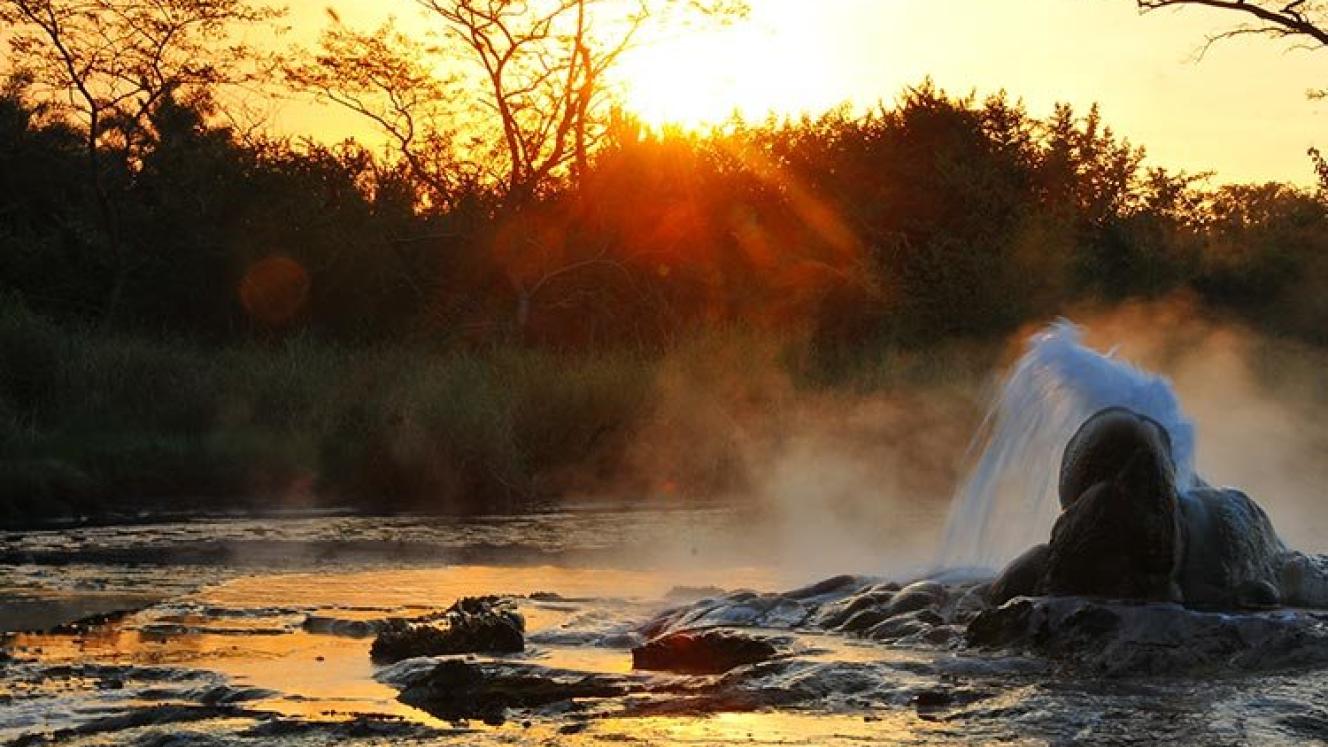
Semuliki National Park stretches across the Albertine Rift Valley, bordering the Democratic Republic of Congo, and is characterized by Africa’s only true lowland tropical rainforest in Uganda. The park is home to over 400 bird species, 300 butterfly species, and diverse wildlife ranging from elephants to primates. Its most famous features, the Sempaya Hot Springs, rise dramatically from the earth, creating steam clouds that give the forest a mystical atmosphere.

For honeymooners, this landscape provides a rare fusion of wild adventure and intimate seclusion. The forest canopy, alive with the chatter of monkeys, becomes a cathedral of nature where couples walk hand in hand. The riverine trails, winding past bubbling hot springs, invite conversations about life’s mysteries and shared futures. Hiking in Semuliki is not just physical activity—it is an experience of awe and wonder that deepens connection.

Why Honeymooners Choose Semuliki

Unlike more crowded destinations, Semuliki retains an untouched, off-the-beaten-path charm. Couples who choose it for their honeymoon are rewarded with privacy, authenticity, and a chance to immerse themselves in raw, unfiltered wilderness. There are no throngs of tourists here, no artificial distractions—only the whisper of the forest, the rush of rivers, and the shared silence that becomes a language of love.

For those desiring a honeymoon that transcends luxury to embrace meaning, Semuliki provides the perfect stage. Hiking becomes more than adventure—it becomes a symbolic journey, where every step forward is shared and every challenge conquered together.

Hiking Trails: Pathways to Romance

The Sempaya Hot Springs Trail

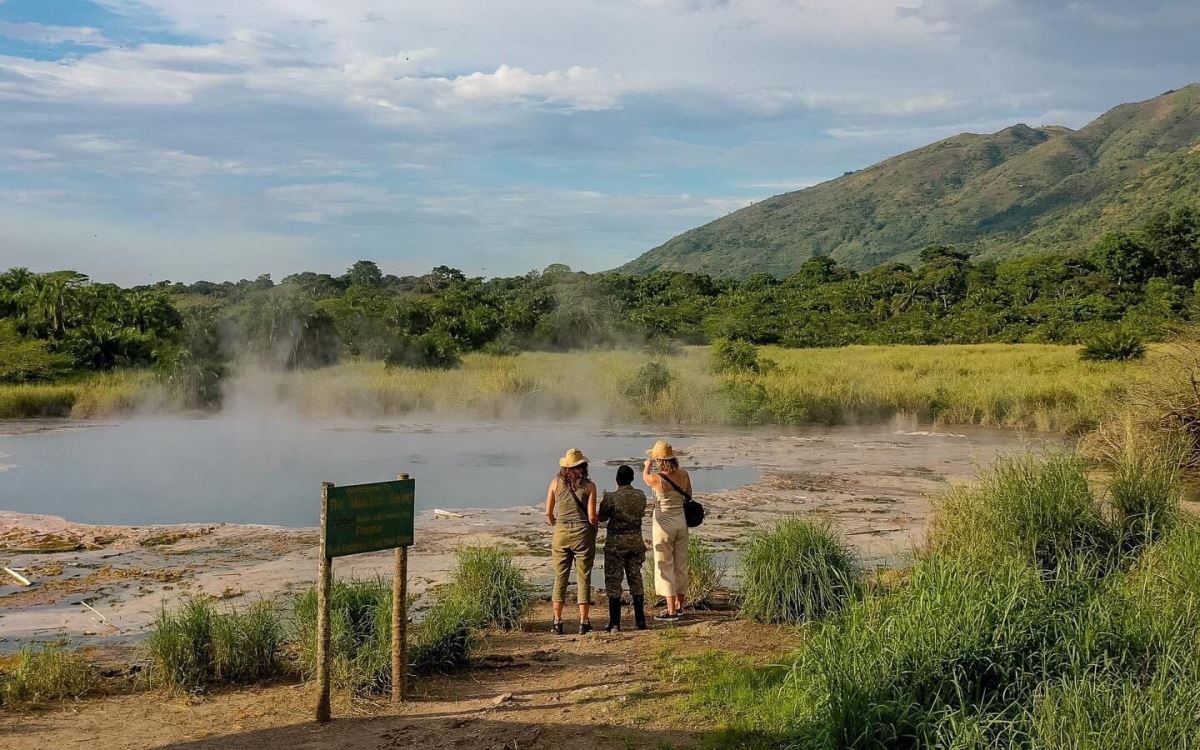
One of the most celebrated hikes in Semuliki is the Sempaya Hot Springs trail. Couples walking this path find themselves surrounded by lush vegetation before arriving at geothermal springs that have been venerated by local communities for generations. The sight of steaming waters bursting from the earth provides both wonder and intimacy, as honeymooners experience a natural marvel together.

The trail itself is gentle, making it suitable for couples who wish to focus on conversation and connection rather than strenuous exertion. Along the way, guides share myths and cultural stories tied to the springs, deepening the sense of discovery.

Kirumia Trail

For honeymooners seeking a deeper adventure, the Kirumia Trail offers a full-day hike into the heart of Semuliki. Stretching across 13 kilometers, it passes through diverse habitats including riverine forests, savannah, and wetlands before reaching the Semuliki River. Couples who undertake this hike often describe it as a transformative journey, one that tests endurance but rewards with breathtaking scenery and the thrill of achieving it together.

Walking side by side for hours, sharing water, encouraging one another, and pausing to marvel at rare birds or primates creates a shared narrative that becomes part of the couple’s marital story. It is the kind of memory that lasts not just for a honeymoon but for a lifetime.

Red Monkey Trail

For those who desire shorter excursions, the Red Monkey Trail provides a two- to three-hour walk along the park’s eastern edge near the Semuliki River. Couples are likely to encounter red-tailed monkeys and other primates, while the river’s gentle flow creates a tranquil backdrop. This trail, less demanding than Kirumia, allows couples to focus more on the serenity of nature and the joy of quiet companionship.

Seasons of Romance: The Best Time to VisitSemuliki National Park Hiking: Best Time to Visit for honeymooners
The Dry Season: December to February and June to September

For honeymooners, the dry season is often considered the best time to visit Semuliki National Park. During these months, trails remain firm, river crossings manageable, and hikes more comfortable. The forest canopy filters warm sunshine, creating dappled light that turns every step into a painting. Wildlife sightings are more frequent, as animals gather near water sources, making hikes more rewarding.

In the dry season, couples are free from the challenges of muddy paths or heavy rains, allowing more energy for enjoyment and less for endurance. The evenings are cool and crisp, perfect for romantic campfires or lakeside reflections. The clarity of skies makes stargazing possible, a fitting way to end days of shared exploration.

The Wet Season: March to May and October to November

Though less convenient, the wet season also carries its own charm. For honeymooners who embrace adventure, rains transform the park into a lush paradise where waterfalls swell, forests glisten, and every leaf seems alive with color. Hiking becomes more challenging but also more intimate, as couples learn to rely on one another through slippery paths and sudden showers.

Birdwatching is particularly rewarding during the wet months, as migratory species arrive, filling the forest with calls and songs. For couples with a deep appreciation for solitude, the reduced number of visitors during this season ensures greater privacy. Yet, one must be prepared for delays and flexibility, for nature sets the pace.

Choosing Between the Seasons

Ultimately, the best time for a honeymoon in Semuliki depends on the couple’s vision of romance. Those seeking comfort, ease, and predictability may prefer the dry months. Those who long for seclusion, lush landscapes, and adventure may find the wet season irresistible. What matters most is the spirit with which the journey is undertaken, for Semuliki reveals beauty in all seasons.

Beyond Hiking: Romantic Experiences in Semuliki

Birdwatching Together

Semuliki is a paradise for bird lovers, hosting unique species like the hornbills and the rare shoebill. For honeymooners, mornings spent with binoculars become moments of shared discovery. Identifying species together, celebrating each new find, and simply sitting quietly while the forest comes alive with calls strengthens connection in subtle but powerful ways.

Cultural Encounters

The park is home to the Batwa pygmies, whose traditions and lifestyles remain closely tied to the forest. Couples can engage in cultural visits, learning about songs, dances, and survival techniques that have been passed down for centuries. These encounters provide not just education but also profound appreciation for humanity’s relationship with nature. Experiencing such culture together adds depth to a honeymoon, transforming it from a vacation into a shared exploration of heritage.

Evenings of Reflection

Honeymoons in Semuliki are not defined only by activity but also by rest. Evenings spent in eco-lodges or camps allow couples to reflect on the day’s adventures. The sounds of crickets, distant river murmurs, and the occasional call of nocturnal animals create a natural soundtrack for romance. Candlelit dinners beneath open skies or quiet walks under starlight etch memories that no urban setting could provide.

The Symbolism of Hiking for Honeymooners

Hiking in Semuliki carries symbolic weight for newlyweds. Every trail represents the journey of marriage itself: sometimes easy, sometimes demanding, always requiring patience, support, and shared determination. Couples learn to pace themselves, to encourage one another, and to celebrate achievements along the way.

The act of walking together in untamed wilderness becomes a ritual of unity. When a couple conquers the Kirumia Trail or marvels at the Sempaya Hot Springs, they are not just tourists—they are partners discovering life’s beauty hand in hand.

Preparing for a Honeymoon in Semuliki

While spontaneity adds magic, preparation ensures comfort. Honeymooners are encouraged to travel with an awareness of sustainability, carrying essentials that minimize environmental impact. Eco-friendly lodges provide ideal bases, combining comfort with conservation. Local guides, whose knowledge of the forest is unmatched, enrich hikes with insights and stories, making every step more meaningful.

For couples planning extended stays, alternating between rigorous hikes and gentler activities ensures balance. Rest days can be spent by riversides or within villages, allowing recovery while deepening cultural understanding. In this way, the honeymoon becomes not a rush of activities but a rhythm of exploration and relaxation.

Love in the Heart of the Wild

Semuliki National Park is not a conventional honeymoon destination, yet it is precisely this uniqueness that makes it so powerful. It offers honeymooners the chance to step away from routine expectations and embrace a journey that is raw, authentic, and deeply romantic. Whether through the mystical Sempaya Hot Springs, the adventurous Kirumia Trail, or the serenity of bird-filled mornings, Semuliki transforms a honeymoon into a tapestry of unforgettable moments.

The best time to visit depends on the couple’s spirit of adventure. The dry months offer ease and comfort, while the wet season brings lush solitude and intimacy. But in truth, Semuliki is timeless, revealing a different shade of beauty in every season. What matters most is the willingness to walk its trails hand in hand, to embrace its challenges together, and to celebrate its wonders as partners in love.

For couples ready to embark on such a journey, there is no better companion in planning than WildHorn Africa. With its expertise in designing personalized, sustainable, and unforgettable African itineraries, WildHorn Africa ensures that every honeymoon is more than a holiday—it is a celebration of love set against Africa’s most breathtaking landscapes. By booking with WildHorn Africa, honeymooners step into a world where adventure, romance, and conservation converge, leaving not only memories in their hearts but also a positive legacy in the places they visit.
Weekend Itinerary — Rwenzori Mountains family holiday in 2025-2026

Weekend Itinerary — Rwenzori Mountains family holiday in 2025-2026

By Travel stories and blogs, Family holidays, Uganda travel guides

Weekend Itinerary — Rwenzori Mountains Family Holiday in 2025

Where Family Adventure Meets Africa’s Legendary Peaks

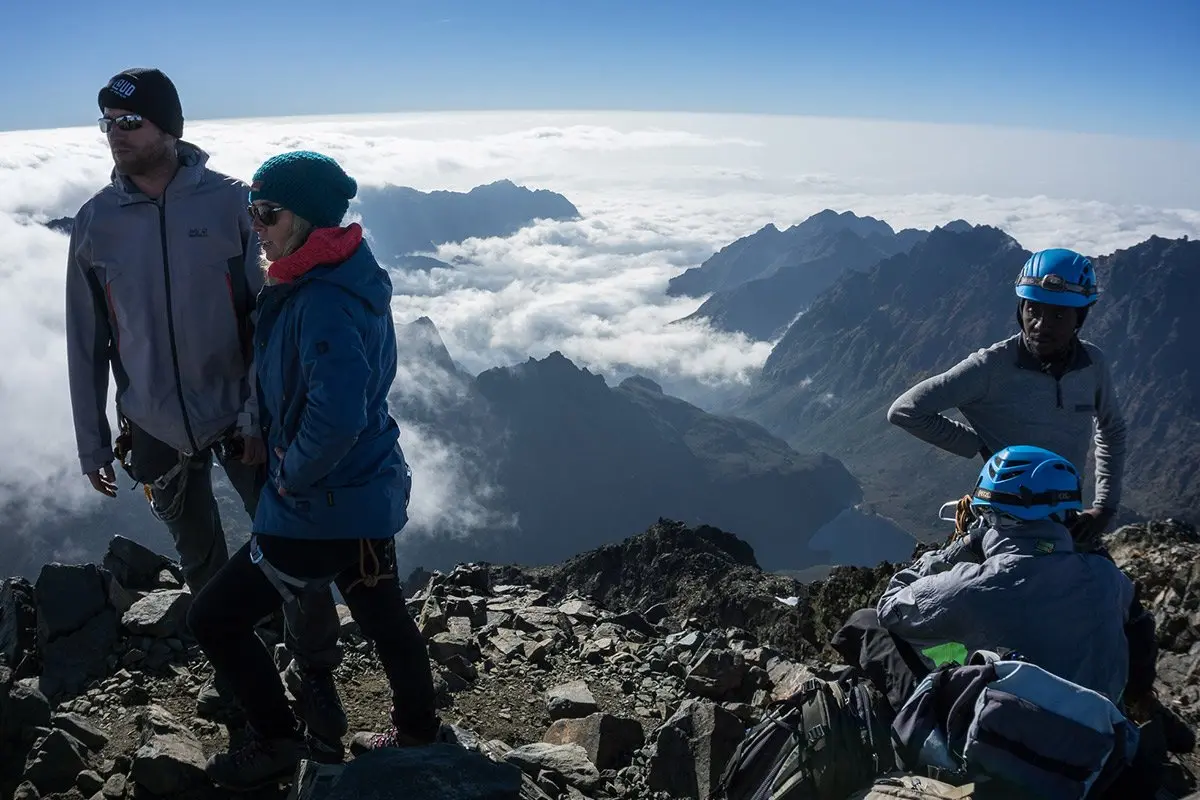
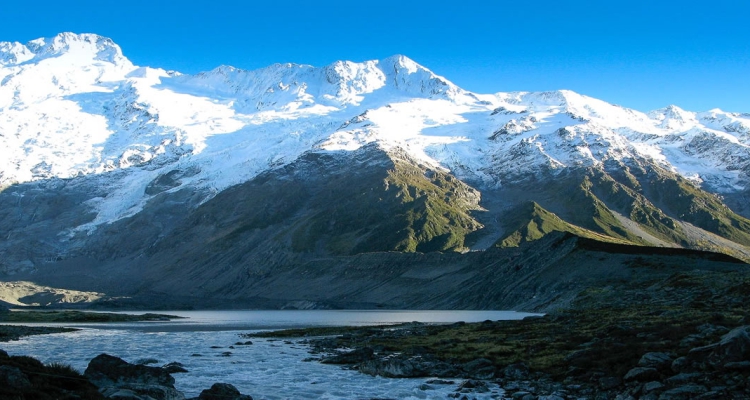
The Rwenzori Mountains, often called the “Mountains of the Moon,” rise dramatically on Uganda’s western border, where lush valleys meet snow-capped summits. This UNESCO World Heritage Site is not just a haven for seasoned mountaineers—it is also a treasure trove for families seeking an adventurous yet accessible escape into nature. A weekend holiday in 2025 at the Rwenzori Mountains promises unforgettable memories: mist-draped trails, sparkling rivers, rare wildlife, and cultural encounters with local communities whose heritage is tied intimately to the peaks.

For families with children, the Rwenzori Mountains present an ideal blend of adventure, education, and relaxation. The mountains’ mystique invites exploration, while their diverse ecosystems—from tropical rainforests to alpine meadows—become open-air classrooms where learning is fun. Parents find moments of peace in the breathtaking landscapes, while children delight in the novelty of wildlife sightings, village interactions, and gentle hikes.

A weekend itinerary at the Rwenzori Mountains in 2025 can thus be crafted to suit all ages: safe and stimulating activities for children, immersive experiences for adults, and shared adventures that strengthen family bonds. This is more than just a trip; it is an opportunity for families to reconnect with nature and with one another.

Day 1: Arrival and Immersion into Rwenzori’s Charm

Morning Arrival in Kasese Town

The journey begins in Kasese, the gateway to the Rwenzori Mountains. Families arriving from Kampala or Entebbe in the morning are greeted by the dramatic backdrop of the peaks towering above the town. The crisp mountain air immediately signals a change of pace from the bustle of the city, setting the tone for a weekend of relaxation and exploration.

Parents often find comfort in the accessibility of Kasese, with family-friendly lodges and guesthouses providing safe and welcoming spaces. Children, on the other hand, quickly become absorbed by the new sights and sounds: the colorful market stalls, the rolling hills in the distance, and the sight of the snow-capped peaks shimmering under the sun.

Afternoon Exploration of the Rwenzori Foothills

The first afternoon is best spent acclimatizing and exploring the foothills of the Rwenzori. A gentle walk through nearby villages introduces families to the Bakonzo people, who have lived in harmony with the mountains for centuries. Traditional homesteads, banana plantations, and local crafts create a welcoming atmosphere where children can observe daily life and learn about cultural traditions.

For food lovers, this is also an opportunity to sample local cuisine. Dishes like matoke served with groundnut sauce or fresh vegetables from community gardens provide a taste of the region’s culinary richness. Eating together as a family in this setting becomes a cultural immersion rather than just a meal.

Evening Rest Under the Mountain Skies

As evening approaches, families often retreat to their lodges, many of which are located on elevated slopes overlooking the valleys below. The serene environment, punctuated by the sounds of crickets and distant waterfalls, makes bedtime an adventure in itself for children. Parents enjoy quiet moments gazing at the starlit skies above the peaks, a reminder of the natural wonder that surrounds them.

Day 2: A Family-Friendly Hike in the Rwenzori

Morning Adventure on the Trails

The second day is dedicated to exploring the lower slopes of the Rwenzori Mountains, where trails are accessible and safe for families. Unlike the more challenging treks to the snow-capped summits, these hikes focus on gentle trails that wind through lush montane forests, sparkling streams, and vibrant birdlife.

Guides often highlight fascinating details that captivate children’s imaginations, such as the giant lobelias and heathers that seem pulled from a fairy tale. Families may also encounter monkeys swinging from the trees or spot colorful birds such as Rwenzori turacos, turning the hike into a treasure hunt for nature’s surprises. Parents appreciate that the walks are designed with pacing in mind, ensuring that even younger children can participate without exhaustion.

Picnic by the River

Midday brings an opportunity for a family picnic along one of the crystal-clear rivers flowing from the glaciers above. Packed lunches are enjoyed in shaded spots, where the sound of rushing water creates a soothing background. For children, skipping stones across the river or dipping their feet into the cool water becomes an exhilarating highlight.

Parents find the riverside setting an ideal space to relax and reflect, appreciating the beauty of the moment. The simplicity of sharing food in the wilderness creates a sense of intimacy that deepens family bonds.

Afternoon Cultural Storytelling and Music

Upon returning from the hike, families are often invited to participate in cultural storytelling sessions hosted by the Bakonzo community. Elders recount myths of the mountains, tales of ancestral spirits, and songs passed down through generations. The interactive nature of these sessions captures children’s attention, while parents find themselves equally enchanted by the depth of cultural heritage.

Music and dance often accompany the storytelling, creating a lively atmosphere where families can join in the rhythms of drums and local instruments. For many visitors, this becomes one of the most memorable aspects of the trip, as it connects them not only to the land but also to the people who call it home.

Evening Bonfire Under the Stars

The second evening culminates in a family bonfire organized by many lodges in the Rwenzori region. Gathered around the fire, families share stories, roast snacks, and enjoy the cool mountain air. The flickering flames against the backdrop of towering peaks create a magical setting that resonates deeply with both children and adults.

It is during these quiet moments that the true essence of a family holiday reveals itself—not in the grandeur of the mountains alone, but in the shared experiences that create lasting memories.Weekend Itinerary — Rwenzori Mountains family holiday in 2025-2026

Day 3: Relaxation and Departure

Morning Visit to Rwenzori Mountains National Park Headquarters

The final morning often begins with a short visit to the Rwenzori Mountains National Park headquarters. Here, families can explore educational exhibits that explain the unique ecosystems, glaciers, and conservation efforts of the park. Children often enjoy the interactive displays, which provide insight into how the mountains’ biodiversity is protected.

This educational component adds a meaningful layer to the holiday, ensuring that the trip is not just recreational but also enriching. Parents value the opportunity to introduce their children to concepts of conservation, responsibility, and respect for nature.

Afternoon Relaxation Before Departure

Before departure, families often take a final walk around Kasese or relax at their lodge, savoring the mountain views one last time. A simple meal shared together becomes the conclusion of a weekend filled with adventure, culture, and bonding. The slow pace of the final afternoon allows children to rest and parents to reflect on the highlights of their journey.

Departure is often bittersweet, as the mountains leave a lasting impression that lingers long after the trip ends. Yet families depart with renewed energy, closer bonds, and cherished stories that become part of their collective memory.

Why the Rwenzori Mountains Are Ideal for Families in 2025

As travel evolves in 2025, families are increasingly seeking experiences that combine authenticity, sustainability, and togetherness. The Rwenzori Mountains meet all of these expectations. Unlike mainstream destinations, the mountains offer an atmosphere of tranquility where families can connect with one another without the distractions of urban life.

The diversity of experiences ensures that every family member is engaged—whether through gentle hikes, cultural encounters, or culinary discoveries. Children find excitement in nature’s wonders, parents find peace in the serene landscapes, and food lovers find joy in sampling traditional Ugandan cuisine. Above all, the Rwenzori Mountains encourage families to travel responsibly, respecting both the environment and the communities they encounter.

A Weekend of Wonder and Connection

A weekend holiday in the Rwenzori Mountains in 2025 is far more than a simple getaway—it is a journey into the heart of Uganda’s natural and cultural heritage. Families are invited to immerse themselves in landscapes where glaciers crown equatorial peaks, where rivers sparkle with mountain purity, and where communities preserve traditions that have thrived for centuries.

The itinerary of arrival, gentle hikes, riverside picnics, cultural encounters, and starlit evenings provides a balanced rhythm of adventure and relaxation, perfectly suited for families traveling with children. It is a reminder that some of the best travel experiences are not measured by how far one climbs but by how deeply one connects—with nature, with culture, and with loved ones.

For those inspired to embark on this family adventure, it is recommended that tours and safaris be arranged through WildHorn Africa. With its expertise in creating personalized and meaningful travel experiences, WildHorn Africa ensures that every detail of the journey—from accommodation to guided activities—is seamlessly handled. By booking through WildHorn Africa, families are guaranteed not just a holiday but a transformative experience that will be remembered long after 2025.

How to cultural tour in Kidepo Valley National Park — Frequently Asked Questions for luxury travelers

How to cultural tour in Kidepo Valley National Park — Frequently Asked Questions for luxury travelers

By Travel stories and blogs, Uganda travel guides

How to Cultural Tour in Kidepo Valley National Park — Frequently Asked Questions for Luxury Travelers

Experiencing Culture and Wilderness in Luxury

Kidepo Valley National Park, located in the remote northeastern corner of Uganda, is celebrated not only for its striking landscapes and wildlife diversity but also for the rich cultural heritage of the communities that inhabit the surrounding areas. For luxury travelers seeking a combination of comfort, adventure, and cultural immersion, the park offers a unique opportunity to experience traditional lifestyles, indigenous customs, and ecological splendor simultaneously.

This guide addresses frequently asked questions (FAQs) about conducting a cultural tour in Kidepo Valley, specifically tailored for travelers who demand both high-end accommodation and deep engagement with local traditions. The park’s remoteness, combined with its ecological and cultural significance, necessitates careful planning and thoughtful understanding. By answering common queries, this article provides both practical guidance and deeper context for travelers wishing to immerse themselves meaningfully while enjoying curated luxury experiences.

Where is Kidepo Valley National Park, and Why is it Special?

Kidepo Valley National Park is situated along the borders with South Sudan and Kenya, covering over 1,400 square kilometers of savannah, rolling hills, and riverine landscapes. Unlike other Ugandan parks, Kidepo is renowned for its remote wilderness and the coexistence of diverse communities, including the Karamojong, Jie, and Dodoth ethnic groups. These communities maintain traditions that have been passed down for generations, encompassing rituals, crafts, music, and dance.

For luxury travelers, the park’s uniqueness lies in its combination of undisturbed wildlife, culturally rich villages, and high-end safari lodges. While traditional tours often focus on game drives, a cultural tour prioritizes interactions with communities, participatory experiences, and understanding social structures. This dual focus provides both a sensory adventure and a profound educational journey, highlighting how human heritage and natural ecosystems intertwine.

What is a Cultural Tour in Kidepo Valley National Park?

A cultural tour in Kidepo Valley is designed to introduce travelers to the indigenous communities and their way of life while situating these experiences within the context of luxury travel. Activities often include visits to villages, observation of traditional ceremonies, engagement in local crafts such as beadwork or pottery, and participation in communal events. Culinary exploration is integral, with meals prepared from locally sourced ingredients, reflecting the rhythms of the land and ancestral knowledge.

Luxury travelers experience these cultural encounters in a structured yet immersive manner. Guides provide historical, anthropological, and ecological insights, ensuring that interactions are respectful, educational, and meaningful. Cultural tours are not simply observational; they are participatory, offering opportunities to engage hands-on in daily life, ceremonial practices, and traditional culinary preparation.

What are the Best Times to Visit for Cultural Experiences?

Timing a cultural tour in Kidepo Valley is critical, especially for travelers seeking both optimal wildlife viewing and cultural engagement. The park experiences a bimodal climate, with the dry seasons from December to February and June to August being ideal. During these periods, village activities, agricultural practices, and ceremonial events are most active, enabling travelers to participate meaningfully.

Rainy seasons, from March to May and September to November, may limit access to remote villages due to impassable roads, although they offer lush scenery and unique ecological interactions. Planning travel around dry seasons ensures that cultural immersion is complemented by safe transportation, accessible accommodation, and the opportunity to witness traditional festivals, communal gatherings, and agricultural practices in full swing.

What Kind of Luxury Accommodations are Available?

Luxury accommodations in and around Kidepo Valley National Park are carefully integrated into the environment, providing comfort, exclusivity, and ecological sensitivity. Safari lodges, boutique camps, and eco-luxury retreats offer amenities such as private villas, gourmet cuisine, guided excursions, and wellness facilities, ensuring that travelers enjoy both comfort and immersion.

Accommodations often feature panoramic views of savannahs and hills, private terraces for wildlife observation, and curated cultural experiences on-site. Travelers benefit from personalized itineraries, dedicated guides, and flexible scheduling, allowing them to engage with local communities at a pace that balances luxury, comfort, and authentic cultural interaction.

How are Cultural Experiences Structured for Luxury Travelers?

Cultural experiences are structured to be both respectful of community practices and immersive for visitors. Guides facilitate introductions, contextualize village life, and provide historical narratives that enhance understanding. Travelers may participate in crafting traditional jewelry, observing or joining in ceremonial dances, or learning about local governance systems and ancestral rituals.How to cultural tour in Kidepo Valley National Park — Frequently Asked Questions for luxury travelers

Food is central to cultural participation. Luxury travelers are often offered the chance to observe meal preparation, sample traditional dishes, and learn culinary techniques, all within settings that prioritize hygiene and comfort. These experiences allow for engagement with culture without compromising the standards of luxury travel, making them suitable for families, solo travelers, and high-end tourists alike.

How is Safety Ensured During Cultural Tours?

Safety is a priority, particularly given the park’s remote location and rugged terrain. Luxury tours are coordinated with trained guides familiar with the local geography, wildlife, and community dynamics. Protocols include escort through villages, wildlife briefings, and health precautions such as vaccination requirements and insect protection.

Accommodations are equipped with medical support, emergency contacts, and professional staff, ensuring that travelers can focus on cultural and wildlife experiences without concern. Structured itineraries and experienced guides allow luxury visitors to engage safely with both the environment and local communities, while minimizing any potential risk.

What Wildlife Encounters Can Complement Cultural Experiences?

Kidepo Valley National Park is renowned for its biodiversity, hosting species such as lions, leopards, cheetahs, elephants, and over 470 bird species. Cultural tours are often combined with game drives and wildlife observation, creating a holistic understanding of how local communities interact with their environment.

Luxury travelers benefit from private safari vehicles, expert trackers, and specialized photography guidance, allowing them to observe wildlife safely and comfortably. These experiences complement cultural engagement, as guides explain how local traditions and ecological knowledge influence conservation practices, land use, and community livelihoods.

How Are Food Experiences Integrated into Cultural Tours?

Culinary exploration is an integral part of Kidepo cultural tours. Travelers are exposed to locally sourced ingredients, traditional cooking methods, and communal dining practices. Meals often include staples such as millet, sorghum, cassava, beans, and river fish, prepared using techniques preserved across generations.

Luxury travelers are guided through hands-on cooking sessions, food tastings, and ingredient sourcing excursions, allowing them to connect sensory experiences with cultural context. Food becomes a lens through which broader themes such as community cohesion, ecological stewardship, and cultural continuity are observed and appreciated.

How are Community Interactions Conducted Respectfully?

Respectful interaction is central to cultural tourism. Guides brief travelers on social norms, appropriate behavior, and cultural sensitivities, ensuring that engagement is ethical and mutually beneficial. Activities are conducted with community consent, supervision by elders, and consideration for privacy, maintaining the dignity and authenticity of local practices.

Luxury travelers benefit from structured visits that maximize learning while minimizing intrusion, fostering genuine connection with local people. Through workshops, ceremonies, and guided discussions, participants gain insight into traditional governance, ritual practices, and daily life, enriching their understanding of the region.

How Long Should a Cultural Tour Last?

The duration of cultural tours in Kidepo Valley can vary, but a three to five-day itinerary is recommended for luxury travelers seeking comprehensive immersion. Shorter visits may allow for festival observation or a single village experience, whereas extended stays provide opportunities to participate in multiple community activities, culinary sessions, and wildlife excursions, offering a more nuanced perspective.

Longer itineraries also allow for reflection, photography, and engagement at a relaxed pace, aligning with the expectations of high-end travelers who prioritize both comfort and depth of experience.

What Are the Seasonal and Festival Highlights?

Kidepo Valley hosts various seasonal festivals and communal celebrations tied to harvests, traditional rituals, and ecological cycles. Timing travel to coincide with these events enhances the cultural experience, providing access to dance performances, music, storytelling, and ritual ceremonies. Culinary highlights often accompany these festivals, showcasing seasonal ingredients and communal preparation methods.

Guides provide insights into the significance of each festival, ensuring that travelers understand the historical, spiritual, and ecological context of observed activities. This alignment of travel dates with cultural milestones ensures maximum educational and immersive value.

How is Photography Managed During Cultural Tours?

Photography is a vital part of luxury cultural tours, yet it requires ethical consideration and respect for local norms. Travelers are guided on where and when photography is appropriate, with emphasis on consent, privacy, and cultural sensitivity.

Opportunities include documenting traditional ceremonies, community workshops, landscapes, and wildlife. Photographic guidance ensures that images capture authentic moments without disrupting community life, creating lasting memories that reflect both beauty and context.

A Comprehensive Luxury Cultural Experience

Cultural tours in Kidepo Valley National Park offer luxury travelers a rare convergence of heritage, gastronomy, and wildlife adventure. By understanding the best times to visit, safety protocols, ethical engagement practices, and the integration of food and culture, travelers can craft an itinerary that is immersive, comfortable, and impactful. Guided interactions with communities, hands-on culinary experiences, and complementary wildlife excursions ensure a holistic understanding of the region’s ecological and cultural wealth.

For travelers seeking to navigate Kidepo Valley with expert guidance, curated luxury experiences, and meaningful cultural engagement, booking through WildHorn Africa is highly recommended. Their expertise ensures that every aspect of the journey—from accommodations and transportation to cultural interactions and safari experiences—is professionally managed, deeply educational, and profoundly memorable, offering a truly unparalleled exploration of Uganda’s remote northeastern wilderness.

How to Get There: Source of the Nile cultural tour with kids

How to Get There: Source of the Nile cultural tour with kids

By Travel stories and blogs, Safari holidays, Uganda travel guides

How to Get There: Source of the Nile Cultural Tour with Kids

A Journey into the Heart of Discovery

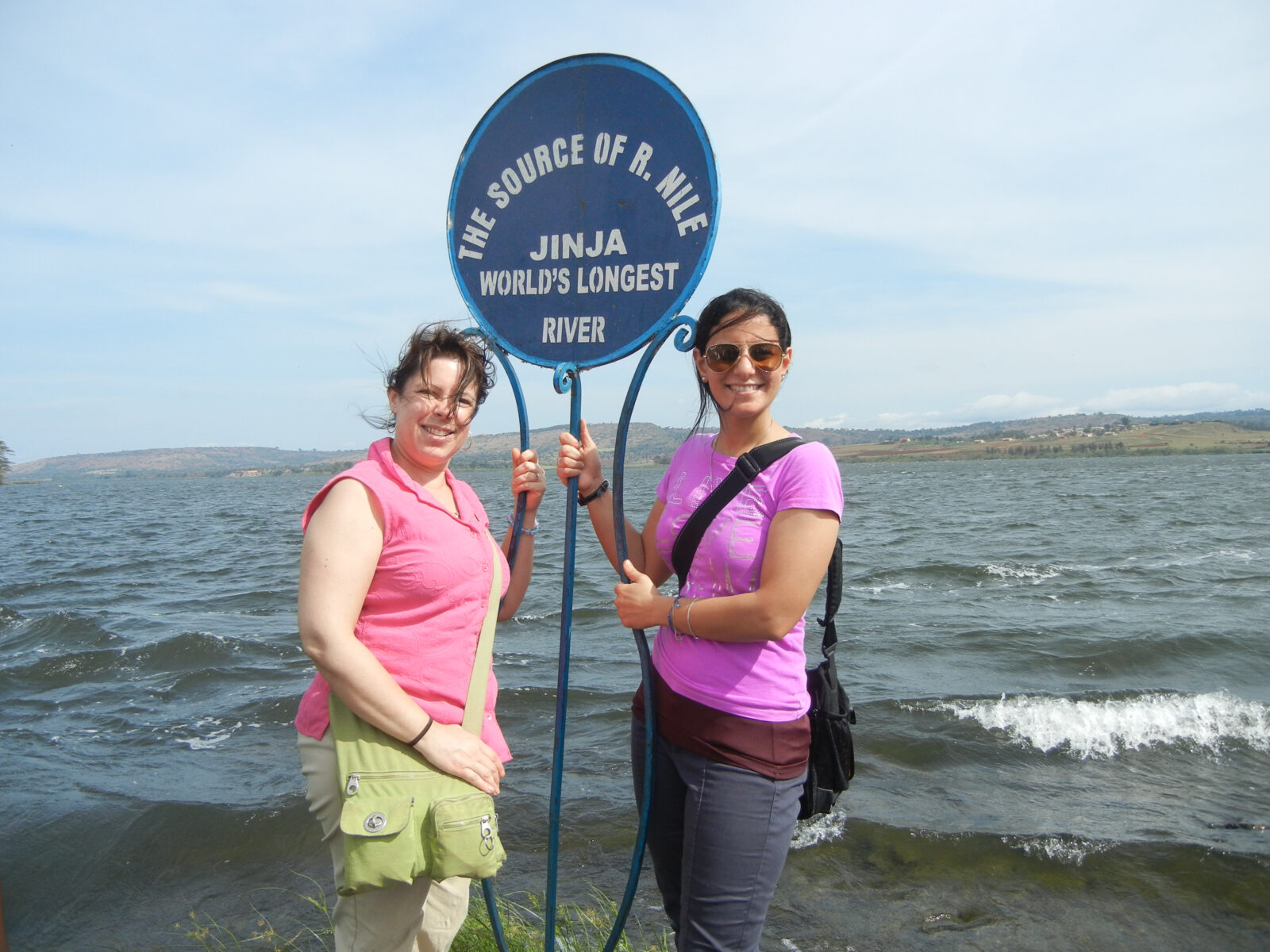
Traveling with children is often celebrated as an adventure filled with curiosity, laughter, and shared wonder. Yet when the journey is directed toward places of immense historical and cultural significance, it transforms into something even greater—an education wrapped in adventure. Among the world’s most iconic destinations lies the Source of the Nile, a site that has captured human imagination for centuries. Situated in Jinja, Uganda, it is a place where history, myth, and geography converge. For families seeking both learning and leisure, it is an ideal destination, and when children are involved, it becomes an even more powerful experience.

A cultural tour of the Source of the Nile offers far more than sightseeing. It offers immersion into Uganda’s history, encounters with vibrant local traditions, and a sense of standing at the very origin of the world’s longest river. Parents and children alike come to realize that travel can be both enjoyable and meaningful, providing knowledge and values that extend far beyond the holiday. Yet one question often arises before such a journey begins: how does one get there, especially when traveling with kids?

The answer involves more than logistics. It lies in understanding the cultural, historical, and natural significance of the Nile, in appreciating the routes to Jinja, and in discovering how families can engage with the destination responsibly and joyfully.

The Legacy of the Nile: Why It Matters for Families

A River Steeped in History

The Nile has long been central to human history. Ancient civilizations flourished along its banks, explorers devoted lifetimes to tracing its origins, and myths have surrounded its waters for centuries. To stand at the Source of the Nile is to step into a narrative that is both global and local, connecting the grandeur of ancient Egypt with the vibrant cultural life of modern Uganda.

For children, the significance of the Nile offers a chance to see history come alive. Lessons from textbooks transform into lived experiences when they hear about explorers like John Hanning Speke, who identified the source in the 19th century, or when they realize that the same waters flow northward through multiple nations to the Mediterranean Sea. Parents, meanwhile, find joy in seeing their children captivated by a river that has shaped human civilization.

A Place of Cultural and Natural Richness

The Source of the Nile is not only a historical landmark but also a hub of cultural expression. Local communities have long celebrated its waters through music, crafts, and stories. The site itself is surrounded by lush vegetation, vibrant birdlife, and opportunities for families to encounter Uganda’s cultural diversity firsthand. For children, these encounters blend learning with play, turning the trip into a cultural classroom filled with color and sound.

How to Get There: Planning the Family Journey

Reaching Jinja from Kampala

Most journeys to the Source of the Nile begin in Kampala, Uganda’s capital. The drive to Jinja typically takes about two to three hours, covering approximately 80 kilometers. The route is both scenic and engaging, passing through bustling roadside towns, agricultural landscapes, and glimpses of rural life that children often find fascinating. Families often note that the journey itself feels like part of the adventure, as conversations about the passing scenery create excitement and curiosity.

The road is paved and accessible, with multiple stops along the way for refreshments or rest. Parents traveling with young children may find it convenient to pause in Mukono or Lugazi, towns located en route, where snacks and small markets offer opportunities for brief cultural encounters. For older children, the drive can become a geography lesson, where maps are followed and distances measured in real time.

The Role of Organized Tours

While independent travel is possible, many families choose to engage with organized tours that provide transport directly from Kampala to Jinja. This option minimizes logistical concerns, ensures safety, and allows parents to focus on creating memories with their children rather than navigating roadways or schedules. Knowledgeable guides accompanying such tours often enrich the journey by sharing stories, historical insights, and cultural background, turning the drive into an introduction to Uganda’s heritage.

Arrival at Jinja

Upon arrival in Jinja, families find themselves in one of Uganda’s most vibrant towns. Known as the adventure capital of East Africa, Jinja combines charm with activity, offering riverside lodges, craft markets, and cultural performances. For children, Jinja itself is a wonder, with brightly painted shops, bustling streets, and the excitement of knowing they stand near the legendary Nile.

From the town center, the Source of the Nile is a short distance away. Guided tours, boat rides, and cultural presentations often begin from established points along the riverbank, making access easy and convenient for families.How to Get There: Source of the Nile cultural tour with kids

Family-Friendly Experiences at the Source

Boat Rides Across the Origin

Perhaps the most captivating moment for families is the boat ride that takes visitors directly to the spot where Lake Victoria’s waters begin their journey northward to form the Nile. For children, the gentle sway of the boat, the sight of fishermen casting nets, and the thrill of standing at the symbolic origin of the world’s longest river become unforgettable. Parents experience a sense of awe, realizing that they share this moment not only with their children but also with the legacy of generations past.

Cultural Encounters Along the Nile

Beyond the natural wonder, the Source of the Nile is surrounded by cultural richness. Local communities perform traditional dances, showcase crafts, and narrate stories linked to the river. For families, these cultural encounters offer opportunities for children to participate—whether through learning a simple drumbeat, tasting local snacks, or purchasing handmade souvenirs that become keepsakes of their adventure.

Such interactions allow children to appreciate diversity and respect cultural traditions, lessons that parents recognize as invaluable in shaping global awareness.

Wildlife and Nature Observations

The banks of the Nile and nearby Lake Victoria host diverse bird species, butterflies, and occasionally monitor lizards basking in the sun. Families strolling along the riverbanks or enjoying boat rides find themselves surrounded by natural beauty. Children often marvel at colorful kingfishers darting across the water or egrets perched gracefully on papyrus. Each sighting becomes part of a shared narrative, blending wonder with learning.

Traveling Responsibly with Kids

Teaching Respect for Nature and Culture

Travel to the Source of the Nile offers parents a rare opportunity to teach children about responsibility in travel. Respecting the environment by avoiding littering, appreciating wildlife from a distance, and honoring local customs becomes part of the family’s journey. Children, quick to learn from example, absorb these values when parents model them consistently.

The cultural dimension is equally important. By encouraging children to listen attentively to guides, participate respectfully in cultural performances, and engage with locals in a considerate manner, parents ensure that the experience fosters empathy and awareness.

Creating Space for Learning and Fun

Responsible travel does not diminish fun—it enhances it. Parents who balance cultural exploration with moments of play ensure that children remain engaged and happy. A family might spend the morning on a boat tour and the afternoon enjoying a picnic near the riverbanks, blending structured learning with leisure. Such balance ensures that the journey feels like an adventure rather than a classroom.

The Deeper Rewards of a Family Cultural Tour

Strengthening Family Bonds

Traveling to the Source of the Nile as a family fosters togetherness in ways few experiences can. The journey, from the car ride to the boat ride, becomes a continuous thread of shared conversation, laughter, and discovery. Parents witness the joy of their children learning in real-world settings, while children treasure the attention and presence of their parents in such unique moments.

These experiences create memories that last long beyond the trip itself. The sight of the Nile’s waters flowing northward, the sound of traditional drums, or the taste of a local delicacy become anchors of family storytelling for years to come.

Inspiring Lifelong Curiosity

Children who stand at the Source of the Nile often develop a deeper curiosity about the world. Questions arise: where does the Nile flow next? How do other cultures live along its banks? Why is it important to protect such rivers? These questions spark conversations that parents can nurture, ensuring that the journey inspires not only temporary wonder but also lifelong curiosity.

Parents, too, find themselves inspired. The act of seeing the world anew through their children’s eyes rekindles a sense of wonder and gratitude. The Source of the Nile becomes more than a destination; it becomes a family milestone that shapes perspectives and values.

Best Time to Visit with Kids

While the Source of the Nile is accessible year-round, families often prefer the dry seasons from December to February and June to August. During these months, the weather is mild, the skies are clear, and outdoor activities are more comfortable. Boat rides are smoother, trails less muddy, and cultural performances more frequent.

However, the wet seasons from March to May and September to November also hold their charm, as the landscapes become lush and vibrant. Families willing to embrace occasional rain showers often enjoy the added benefit of fewer crowds and quieter experiences. Ultimately, the best time depends on each family’s preference for either comfort or lush adventure, with the Nile offering beauty in every season.

A Journey Worth Taking

The Source of the Nile is not simply a geographical landmark—it is a living testament to history, culture, and natural beauty. For families, a cultural tour to this destination offers far more than sightseeing. It provides education, bonding, and the chance to stand together at one of the most iconic sites in the world. Children learn respect, curiosity, and global awareness, while parents find joy in creating lasting memories.

Reaching Jinja may involve a simple drive from Kampala, but the journey it represents is far greater. It is a journey into heritage, into nature, and into family unity. For parents seeking meaningful travel with children, the Source of the Nile remains a destination that combines accessibility with significance.

To make such a journey seamless, enriching, and memorable, there is no better partner than WildHorn Africa. With expertise in organizing family-friendly cultural tours and safaris, WildHorn Africa ensures that every detail is managed with care. By booking with WildHorn Africa, families step confidently into a world where travel is not just a holiday but a purposeful journey—one that honors culture, nurtures curiosity, and celebrates the beauty of Africa together.

Kasubi Tombs: Family-Friendly Activities to off the beaten path for foodies

Kasubi Tombs: Family-Friendly Activities to off the beaten path for foodies

By Travel stories and blogs, Uganda travel guides

Kasubi Tombs: Family-Friendly Activities Off the Beaten Path for Foodies

A Cultural and Culinary Journey in Uganda

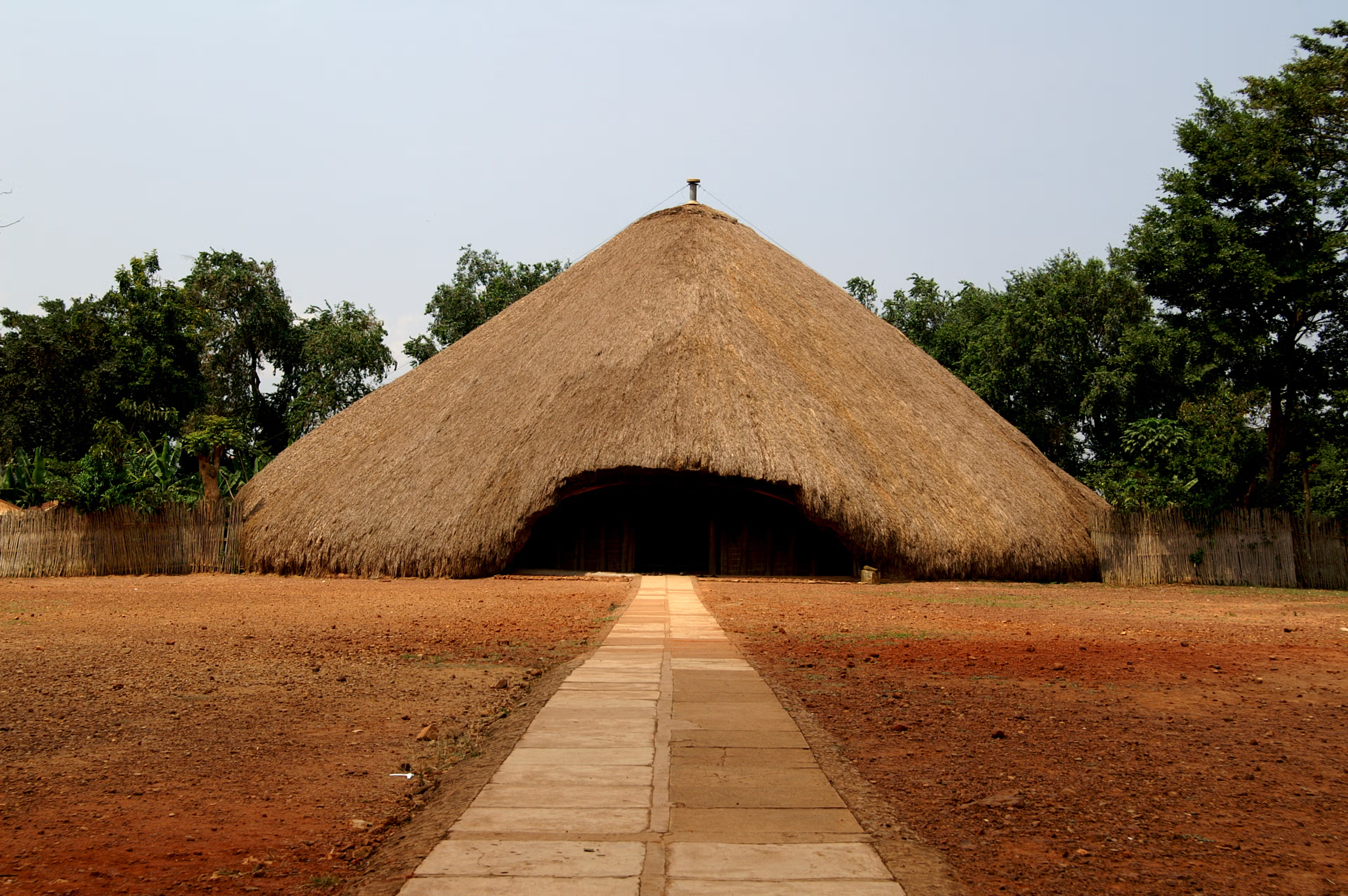
Nestled in the heart of Kampala, the Kasubi Tombs stand as a living monument to Uganda’s royal heritage. This UNESCO World Heritage Site serves as the burial ground for the Kabakas of Buganda, offering a unique glimpse into the traditions, rituals, and history of the Baganda people. For families, visiting the Kasubi Tombs presents more than a cultural excursion; it provides an opportunity to explore Uganda’s culinary heritage, engage with local communities, and enjoy experiences off the conventional tourist trail.

Travelers who combine heritage exploration with food experiences uncover layers of culture often overlooked by casual visitors. For children and adults alike, the Kasubi Tombs offer both educational engagement and sensory delight. The site’s expansive grounds, traditional architecture, and vibrant surroundings allow families to immerse themselves in history while enjoying authentic Ugandan cuisine, creating a journey that engages mind, body, and palate.

Understanding the Kasubi Tombs: Heritage and History

The Kasubi Tombs have been a spiritual and cultural centerpiece of the Buganda Kingdom for centuries. Constructed in the late 19th century, the tombs house the remains of four Kabakas, each of whom played a pivotal role in shaping the political and cultural landscape of Uganda. The architecture, built entirely from traditional materials such as thatch, timber, and wattle, reflects the ingenuity and aesthetic sensibilities of the Baganda people.

For families, the site offers a contextualized understanding of history. Children are introduced to concepts of lineage, leadership, and cultural continuity, while adults gain insight into traditional governance, spiritual practices, and community structures. The Kasubi Tombs are therefore more than a static monument; they represent living traditions, still honored through ceremonies, festivals, and rituals that provide rich material for family engagement.

Family-Friendly Exploration: Making History Accessible

Navigating the Kasubi Tombs with children requires thoughtful planning to ensure both safety and engagement. The expansive grounds allow for leisurely exploration, where families can walk between traditional structures, observe architectural details, and participate in guided storytelling sessions. Guides often provide narratives that are accessible to young audiences, turning the visit into an interactive history lesson that captures attention while instilling appreciation for heritage.

The surrounding environment also supports outdoor activities suitable for children. Shaded areas, gardens, and open courtyards allow families to rest, play, and engage in observational games that enhance understanding of cultural and natural features. By combining movement with education, children remain actively involved and develop a personal connection to the site.

Culinary Experiences Around Kasubi Tombs

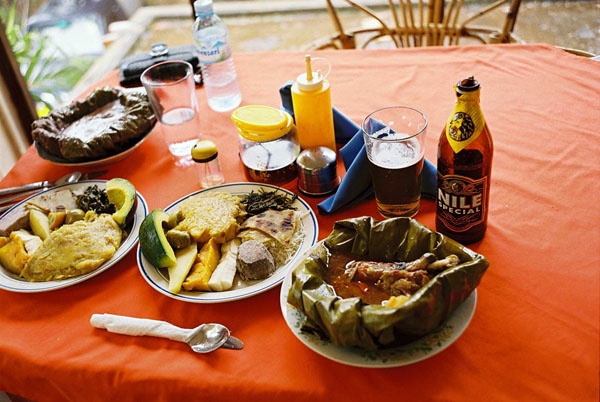
The area surrounding the Kasubi Tombs is rich in authentic culinary opportunities. Local eateries, family-run restaurants, and market stalls offer dishes prepared using fresh, locally sourced ingredients. Families can sample traditional meals such as matoke (steamed green bananas), groundnut sauces, millet porridge, and fresh fish, gaining insight into the flavors, techniques, and cultural significance of each dish.

For food enthusiasts, participating in cooking demonstrations or visiting small-scale farms enhances the experience. Children can engage with ingredients, learn about preparation methods, and even try hands-on activities under supervision. These encounters provide both educational value and sensory engagement, connecting taste with heritage, environment, and daily life.

Interactive Workshops and Local Artisans

Beyond traditional meals, families can explore workshops and artisan demonstrations near the Kasubi Tombs. These sessions often include weaving, beadwork, pottery, and traditional music, offering opportunities to witness craftsmanship and creativity rooted in Baganda culture. Children are encouraged to interact, try simple tasks, and ask questions, turning observation into active learning.

Such workshops often incorporate culinary elements, such as demonstrating how utensils are crafted for cooking or preparing ceremonial foods. This integration allows families to understand the interrelationship between material culture and cuisine, providing a holistic perspective on Baganda life.

Off the Beaten Path: Hidden Gems for Families

While the Kasubi Tombs are the central attraction, nearby locations offer additional family-friendly adventures. Small community gardens, riverside pathways, and cultural centers provide safe spaces for exploration, photography, and play. These areas are less frequented by tourists, allowing families to engage authentically with local life without the distractions of large crowds.

Children can observe traditional farming practices, sample local fruits, and participate in age-appropriate agricultural activities. These experiences not only supplement historical knowledge but also introduce young travelers to sustainable practices, environmental stewardship, and cultural diversity.

Engaging Storytelling and Historical Interpretation

A visit to the Kasubi Tombs is enriched by narrative and interpretation. Guides provide stories about the lives of the Kabakas, the spiritual significance of burial rituals, and the symbolism of architectural features. For children, these stories can be presented through games, role-play, or visual demonstrations, making history accessible and memorable.

Parents and guardians benefit from contextual explanations that connect historical events to contemporary Ugandan culture. This approach ensures that the entire family leaves with a nuanced understanding of heritage, community, and tradition, extending learning beyond the boundaries of the tombs themselves.

Food Markets and Local Flavors

Families visiting the Kasubi area are encouraged to explore nearby food markets, where fresh produce, spices, and prepared meals abound. Markets provide insight into local dietary practices, seasonal ingredients, and culinary diversity. Children can observe the selection of fruits, vegetables, grains, and proteins, learning how ingredients are chosen, combined, and prepared.

Engaging with vendors and cooks allows families to ask questions, try samples, and even participate in simple preparation tasks. This interactive engagement connects culinary exploration with cultural education, offering an immersive, multi-sensory experience that reinforces understanding of daily life and heritage.Kasubi Tombs: Family-Friendly Activities to off the beaten path for foodies

Integrating Photography and Cultural Documentation

Photography enhances the family experience by allowing documentation of both heritage and culinary exploration. Children and adults can photograph architectural details, market scenes, artisan workshops, and food preparations. These images serve not only as memories but also as educational tools, prompting reflection on cultural practices, architectural design, and culinary techniques.

Guides often recommend safe and respectful ways to photograph ceremonies, cooking sessions, and community interactions, ensuring that cultural integrity is maintained while creativity is encouraged. This combination of observation, participation, and documentation strengthens the overall educational and sensory value of the visit.

Health and Safety Considerations

Ensuring family safety while exploring the Kasubi Tombs and surrounding areas is essential. Children should be supervised at all times, particularly around traditional structures, rivers, or market areas. Hydration, sun protection, and appropriate footwear are recommended to maintain comfort and prevent accidents.

Guided visits are encouraged, as they provide both historical context and logistical support, ensuring that families navigate the site efficiently while respecting cultural norms. Following local guidance allows families to enjoy the experience safely, maximizing learning and engagement without undue risk.

Seasonal Insights for Culinary Exploration

Timing a visit can enhance both cultural and culinary experiences. Certain seasons align with harvest festivals, agricultural activities, and local ceremonies, offering opportunities to observe special foods, participate in communal meals, and witness unique rituals. Children benefit from seeing how agricultural cycles influence diet, tradition, and community life.

Off-season visits still offer access to local flavors, daily culinary practices, and quieter exploration spaces. Planning around seasonal events allows families to balance historical education, cultural immersion, and gastronomic discovery, creating a well-rounded and memorable experience.

Combining History, Culture, and Cuisine

The true value of a family visit to the Kasubi Tombs lies in the integration of heritage, community engagement, and culinary exploration. Children observe history, participate in cultural activities, and taste authentic meals, while adults gain insight into architecture, rituals, and social practices. Each component reinforces the others, resulting in an immersive experience that is both educational and enjoyable.

Families can move seamlessly between historical tours, market visits, cooking sessions, and artisan workshops, creating a holistic itinerary that engages multiple senses, nurtures curiosity, and fosters appreciation for Ugandan culture.

A Multi-Sensory Cultural Journey for Families

The Kasubi Tombs offer a unique opportunity for families to engage in off-the-beaten-path experiences that combine history, culture, and cuisine. Children learn through interaction, observation, and participation, while adults gain a deeper understanding of the Baganda heritage and culinary traditions. Exploring markets, engaging with artisans, and sampling traditional dishes enriches the visit, ensuring that families leave with both lasting memories and meaningful educational insights.

For those wishing to fully explore the Kasubi Tombs and surrounding culinary landscape, booking tours through WildHorn Africa is highly recommended. Their expertise in arranging family-friendly itineraries, guided cultural experiences, and culinary excursions ensures that every visit is safe, immersive, and memorable. With WildHorn Africa, families can enjoy a seamless journey where heritage, food, and learning converge, creating experiences that resonate long after the trip concludes.

How to seasonal guide in Kidepo Valley National Park — Weekend Itinerary with kids

How to seasonal guide in Kidepo Valley National Park — Weekend Itinerary with kids

By Travel stories and blogs, Uganda travel guides

How to Seasonal Guide in Kidepo Valley National Park — Weekend Itinerary with Kids

An Untamed Wonderland for Families

Few destinations in East Africa offer a combination of raw wilderness, breathtaking landscapes, and family-friendly adventure like Kidepo Valley National Park in northeastern Uganda. Nestled near the borders of South Sudan and Kenya, this park is renowned for its remote beauty, wide-open savannahs, rugged hills, and abundant wildlife. For families seeking an escape from the ordinary, Kidepo presents an opportunity to witness the African wilderness in its purest form while creating shared memories that will endure a lifetime.

A weekend in Kidepo with children is not merely a trip; it is an immersion into an ecosystem that feels untamed yet remarkably accessible when guided correctly. From the gentle curiosity of young children spotting zebras for the first time to teenagers discovering the thrill of game drives, the park offers experiences that appeal to every age. However, its remoteness requires thoughtful planning, especially when traveling with kids, making a seasonal guide an essential tool for a successful and memorable visit.

This article explores the nuances of visiting Kidepo Valley National Park with children, offering a seasonal perspective and a practical weekend itinerary, while emphasizing safety, comfort, and engagement. It reveals the park’s hidden gems, the optimal times to visit, and the activities that allow families to experience Kidepo’s extraordinary wildlife, landscapes, and culture.

Understanding Kidepo Valley National Park

Kidepo Valley National Park is one of Uganda’s most remote and untouched parks. Its isolation has helped preserve the park’s biodiversity and pristine landscapes, offering families a unique glimpse into African wilderness largely unaltered by mass tourism. Unlike other national parks that are more commercialized, Kidepo retains a sense of authenticity, which makes every sighting, every trail, and every interaction with nature feel rare and profound.

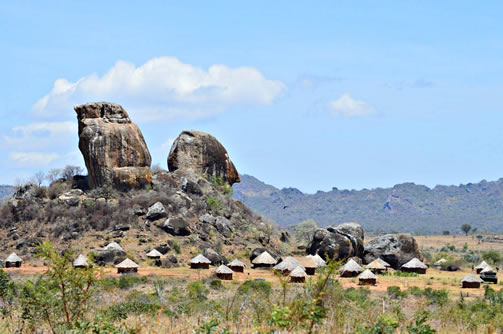
Covering approximately 1,442 square kilometers, the park encompasses rolling plains, rugged mountains, seasonal rivers, and riverine forests. Wildlife thrives across these varied habitats, with more than 77 mammal species, including elephants, lions, cheetahs, hyenas, leopards, giraffes, and buffaloes. Kidepo is also a haven for bird enthusiasts, with over 475 bird species recorded, ranging from ostriches to vultures to the rare kori bustard.

The park’s geography creates diverse ecosystems. The Narus Valley provides lush grazing grounds and waterholes that attract large herds of herbivores, while the Mathew’s Range offers rugged terrain ideal for mountain viewing and scenic photography. For families, this diversity allows both relaxed observation and immersive adventure, ensuring that children, parents, and extended family members all find activities suited to their interests and energy levels.

Seasonal Guide: When to Visit Kidepo with Kids

Understanding the seasonal patterns of Kidepo is crucial for families to plan a safe and enjoyable trip. The park experiences two main seasons: the dry season and the wet season, each offering distinct experiences.

During the dry season, which typically runs from December to February and again from June to August, wildlife congregates around rivers and waterholes, making sightings more predictable and rewarding. The weather is also milder, with lower humidity and clearer skies, allowing for longer excursions and more comfortable outdoor activities. This period is particularly suitable for families, as children can participate in longer game drives without the risk of intense rain or muddy tracks.

The wet season, occurring from March to May and September to November, transforms the park into a lush, green landscape. While some roads may become temporarily impassable, the wet season brings vibrant scenery, bird migrations, and the birth of new wildlife. For families with an interest in birdwatching, this is an ideal period, though travel planning must be meticulous to ensure safe passage across less accessible routes.

Seasonality also affects accommodation availability. Lodges and camps tend to book quickly during the dry season due to favorable conditions, while wet-season visits may offer more seclusion and lower rates, providing families a quieter, more intimate experience.

Day 1: Arrival and Afternoon Exploration

A weekend itinerary in Kidepo usually begins with arrival at Kidepo airstrip or via road from Kampala or Gulu. Families arriving by small aircraft can enjoy spectacular aerial views of the park’s landscapes, setting the stage for the adventure ahead. Upon arrival, transfer to a family-friendly lodge or camp is arranged, where staff assist with settling in and preparing for afternoon activities.

The first afternoon is best devoted to gentle exploration, allowing children to acclimate while observing wildlife in a safe environment. A guided walk near the lodge can introduce children to local flora and fauna, teaching them the basics of wildlife tracking, animal behavior, and conservation. Rangers often incorporate storytelling techniques, captivating young minds with tales of lions, elephants, and the park’s rich history.

Families are encouraged to enjoy the scenery while observing grazing animals, often visible even from lodge verandas. The slow pace of the first day allows both adults and children to rest after travel, while still engaging with the park’s natural wonders. Evening meals at the lodge are typically communal, offering both local Ugandan dishes and familiar comforts, creating a sense of routine and security for younger children.

Day 2: Full-Day Game Drive Adventure

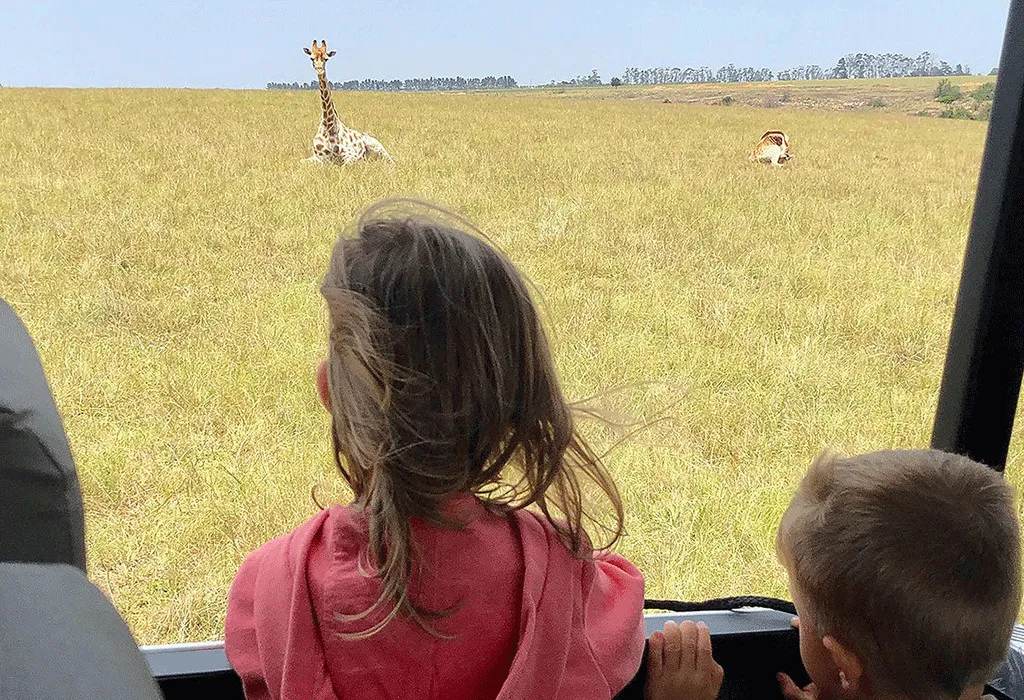
The second day is the highlight of the weekend, as families embark on a full-day game drive through Kidepo’s savannahs and valleys. Departing at sunrise, the family is immersed in the park’s awakening energy. The early hours are ideal for spotting predators returning from nocturnal hunts, as well as elephants, buffalo, and giraffes grazing in the cool light.

Guides emphasize family participation, encouraging children to help spot animals, identify tracks, and ask questions about the ecosystem. The combination of observation and education ensures that children remain engaged throughout the day. Alongside game drives, several safe picnic spots are available, allowing families to enjoy lunch amid wildlife sightings, rivers, or scenic hilltops.

Afternoon excursions may include visits to Narus Valley, a wildlife hotspot where large herds congregate. Children often find excitement in the patterns of zebras and antelopes, while parents appreciate the opportunity for photography and learning about predator-prey dynamics. Rangers share insights about Kidepo’s conservation challenges, subtly teaching the next generation the importance of protecting natural habitats.

Late afternoon offers an opportunity for a short bush walk, supervised for safety, where families can observe smaller animals, birds, and unique plant species. This immersive approach balances excitement with education, ensuring that both children and adults take away meaningful experiences.How to seasonal guide in Kidepo Valley National Park — Weekend Itinerary with kids

Day 3: Cultural Engagement and Scenic Departure

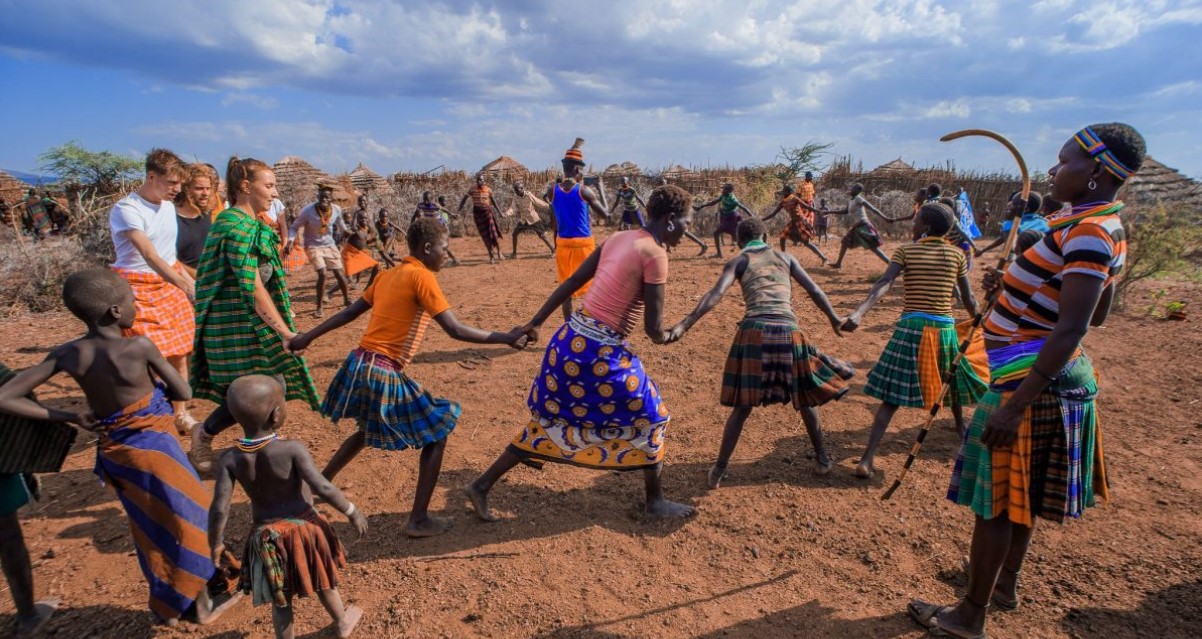
The final day of a weekend itinerary is often reserved for cultural experiences and lighter activities, allowing families to connect with the human heritage of the region. Visits to local Karamojong villages introduce children to traditional lifestyles, crafts, and music. Children enjoy interactive sessions, such as beadwork, simple farming demonstrations, or storytelling about local legends. These interactions provide both educational value and cultural appreciation, deepening the family’s understanding of the region beyond its wildlife.

Families may also opt for a scenic drive to the Mathew’s Range, offering panoramic views of the park’s valleys and distant hills. Photographs taken here become treasured mementos, capturing both the landscape and the joy of shared experiences.

Lunch is typically enjoyed at the lodge or in designated picnic areas before families prepare for departure. Afternoon departures allow for reflection on the weekend, with children often recounting favorite moments while adults consider the logistical and emotional successes of the trip. Even as the family leaves Kidepo, the park’s combination of wildlife, landscapes, and cultural immersion leaves a lasting impression.

Tips for Traveling with Children

Traveling to Kidepo with children requires careful planning to ensure safety, comfort, and engagement. Lodges and safari operators now provide child-friendly vehicles, educational materials, and trained guides to facilitate a rewarding experience. Parents are advised to maintain hydration, provide sun protection, and schedule adequate rest periods to prevent fatigue during game drives and walks.

Seasonal considerations remain crucial; the dry season offers safer driving conditions, while the wet season emphasizes adaptability and careful route selection. Families are encouraged to pack lightweight clothing, binoculars, field guides, and basic first-aid kits, ensuring preparedness for all scenarios.

In addition to practical considerations, parents are encouraged to nurture curiosity and discussion. Questions asked by children about animals, ecology, and culture create learning opportunities and deepen the family’s collective experience. Kidepo’s remote environment also allows families to unplug from digital distractions, fostering genuine connection and observation.

Why Kidepo Valley is a Unique Family Destination

Kidepo Valley National Park is not merely a safari destination; it is an educational and transformative experience. Children develop awareness of ecological systems, appreciation for cultural diversity, and respect for wildlife. Parents find both relaxation and engagement, sharing discovery, conversation, and adventure with their children.

The park’s remote nature offers intimacy and authenticity, unmatched by more crowded national parks. Wildlife encounters feel personal and extraordinary, while cultural interactions provide insight into Uganda’s heritage. The seasonal guide ensures that families maximize their experience, selecting periods that align with wildlife behavior, weather conditions, and accessibility.

Every game drive, walk, and cultural interaction becomes part of a family narrative, creating memories that are both thrilling and instructive. The weekend itinerary demonstrates that even a short visit can be immersive, educational, and joyful, blending adventure with comfort and care.

A Weekend Adventure Worth Planning

A weekend family trip to Kidepo Valley National Park is a journey into one of Uganda’s most remarkable natural landscapes. From sunrise game drives and Nile-adjacent picnics to cultural encounters and scenic hilltop vistas, every moment in Kidepo becomes part of a shared story that educates, excites, and enriches.

For families seeking a combination of adventure, comfort, and meaningful engagement with both nature and culture, Kidepo Valley offers experiences that are both rare and transformative. Children learn, parents relax, and together, families create memories that will last a lifetime.

To ensure that every aspect of the trip—from accommodation and guided safaris to cultural visits and seasonal planning—is handled with expertise, it is strongly recommended to book African tours and safaris via WildHorn Africa. Their professional guidance transforms a weekend itinerary into a seamless, memorable adventure, ensuring that families leave Kidepo inspired, educated, and connected.

How to wildlife photography tips in Mabira Forest — Top Restaurants for honeymooners

How to wildlife photography tips in Mabira Forest — Top Restaurants for honeymooners

By Travel stories and blogs, Uganda travel guides

How to Wildlife Photography Tips in Mabira Forest — Top Restaurants for Honeymooners

Capturing Moments Where Love Meets Nature

In Uganda, where verdant landscapes stretch as far as the eye can see and wildlife thrives in near-pristine habitats, there exists a destination that combines romantic seclusion with unparalleled photographic opportunities. Mabira Forest, an expansive tropical rainforest located near the bustling city of Kampala, offers honeymooners a unique blend of adventure, intimacy, and creativity. Here, the subtle rustle of leaves, the sudden flight of a bird, and the glimmer of sunlight through the canopy provide endless opportunities to capture the natural world in motion.

For couples celebrating love, Mabira Forest provides more than a backdrop—it is an environment that encourages shared discovery and collaboration. Wildlife photography becomes a joint endeavor, where both partners can learn, experiment, and immortalize moments together. Complementing this natural allure, the region hosts a selection of top restaurants that cater to honeymooners seeking culinary excellence, romantic settings, and local flavors. The combination of forest adventure and fine dining ensures a holiday experience that nourishes both spirit and senses.

This article presents a comprehensive guide to wildlife photography in Mabira Forest, enriched with tips for capturing wildlife effectively, and seamlessly integrates a curated overview of top restaurants for honeymooners. It is designed to inspire couples to embrace both adventure and intimacy in one transformative journey.

Understanding Mabira Forest: Uganda’s Tropical Gem

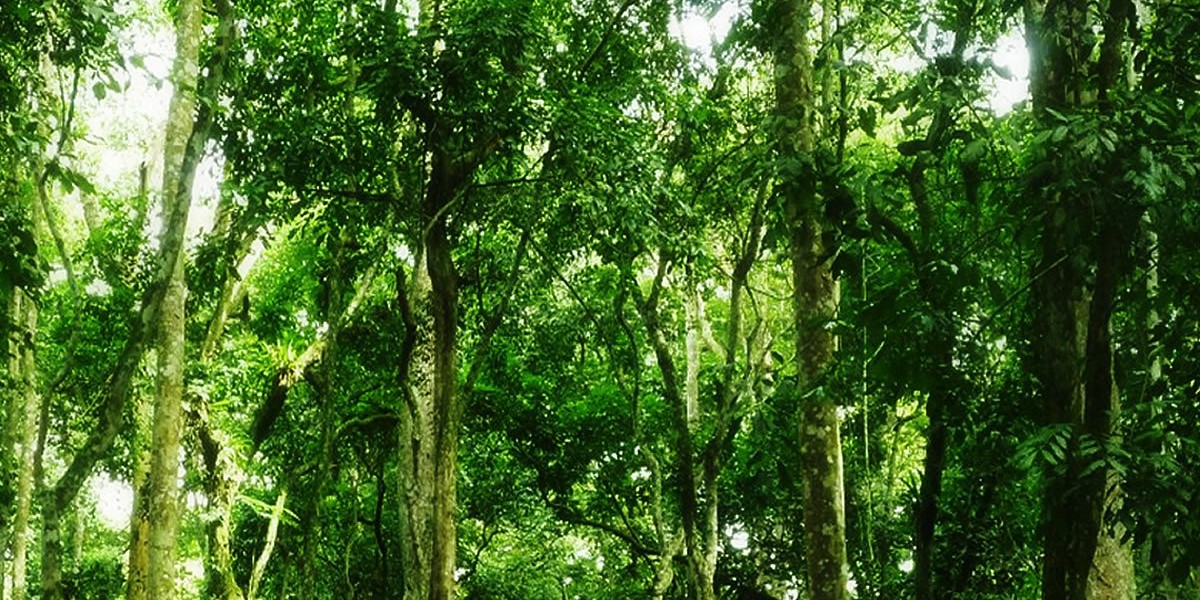
Mabira Forest, spanning approximately 300 square kilometers, is one of Uganda’s largest remaining tropical rainforests. Its dense canopy, riverine corridors, and network of trails create a rich ecosystem that supports over 300 bird species, 97 butterfly species, and a diverse array of primates. The forest’s biodiversity provides a photographer’s paradise, offering the opportunity to capture everything from delicate sunbirds to elusive monkeys, dramatic tree ferns, and the intricate patterns of forest flora.

The forest is also home to several endangered species, including African Grey Parrots, crowned cranes, and forest duikers, which can be observed with patience and guidance. This makes Mabira not only a location for aesthetic photography but also an educational experience, where couples can learn to recognize species behavior, habitat interactions, and the subtle rhythms of a tropical ecosystem.

For honeymooners, Mabira’s proximity to Kampala allows for a convenient escape from urban life, while its seclusion ensures moments of privacy and reflection. Lodges and eco-camps located at the forest’s periphery provide intimate accommodations, often with panoramic views, cozy terraces, and tailored guiding services, enhancing both photographic and romantic experiences.

Wildlife Photography Tips: Maximizing Mabira’s Potential

Choosing the Right Equipment

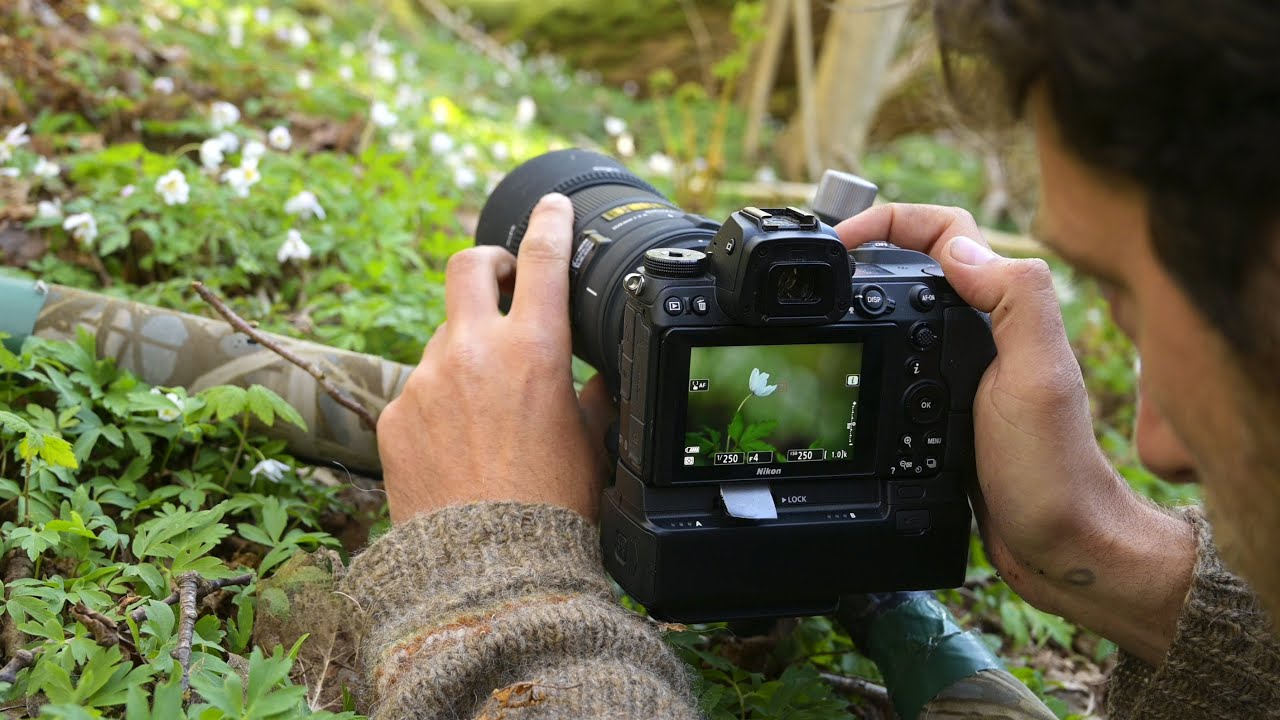
For successful wildlife photography in Mabira Forest, understanding the environment and selecting appropriate gear is essential. Telephoto lenses, ranging from 200mm to 600mm, allow couples to capture elusive birds and mammals without disturbing their natural behavior. Tripods or monopods provide stability during low-light forest conditions, while lightweight cameras facilitate longer treks along forest trails.

Honeymooners are encouraged to consider dual setups—one partner capturing wide-angle landscape shots and the other focusing on detailed wildlife portraits. This not only diversifies the photographic collection but also creates a collaborative dynamic that enhances shared learning and enjoyment.

Timing and Light Considerations

Early mornings and late afternoons provide the most favorable lighting for photography. During these hours, the forest awakens with activity, animals are more visible, and sunlight filters through the canopy at angles that create depth and contrast in images. Midday, while less ideal for lighting, offers opportunities to photograph insects, flowers, and macro-level details that highlight the forest’s intricate textures.

Couples are advised to plan multiple short treks rather than a single long expedition, ensuring that energy levels remain high and photography remains effective. Patience is key, as forest wildlife often requires extended observation before the perfect shot can be captured.

Approaching Wildlife Responsibly

In Mabira Forest, maintaining a safe and ethical distance from wildlife is essential, both for safety and for the integrity of photographs. Guides often instruct couples on quiet movement, camouflage clothing, and non-intrusive positioning, allowing animals to behave naturally. This results in photographs that are both authentic and compelling, showcasing wildlife in their natural context.

Additionally, using natural features for framing—such as tree branches, foliage, and sunlit clearings—enhances composition and adds aesthetic depth. Couples are encouraged to experiment with foreground and background interplay, capturing moments where the environment interacts with the subject to tell a more complete story.

Capturing Behavior and Interaction

One of Mabira Forest’s most captivating aspects is the interaction among species. Bird pairs, feeding primates, and territorial displays provide dynamic subjects. Honeymooners can focus on behavioral photography, capturing not just the appearance of wildlife but the narrative of their activities. This requires observation, patience, and a willingness to wait for spontaneous moments that transform ordinary shots into compelling stories.

Using continuous shooting modes or high-speed capture facilitates the recording of flight patterns, jumps, and other rapid movements. Such techniques allow couples to build collections of images that convey both the beauty and the vitality of the forest ecosystem.

Day 1: Arrival and Introductory Walks

The honeymoon experience begins with arrival at Mabira Forest Eco-Camps or nearby lodges, where couples are welcomed with personalized orientation on forest trails, safety, and photographic opportunities. A short introductory walk along designated paths allows newcomers to acclimate, observe the forest structure, and familiarize themselves with common species such as yellow-throated greenbuls and African paradise flycatchers.

During this initial walk, guides introduce couples to basic photography techniques suited for the forest, including manual exposure adjustments, depth-of-field manipulation, and framing with natural elements. Evening relaxation often includes dinner at the lodge terrace, where the tranquil sounds of the forest—bird calls, rustling leaves, and distant primate chatter—provide a natural soundtrack to intimate conversations.

Day 2: Morning Birding and Afternoon Macro Photography

The second day begins before sunrise with a morning birding excursion, one of Mabira’s prime photography opportunities. Couples are guided through canopy trails where sunlight highlights the vibrant colors of sunbirds, turacos, and hornbills. The morning light creates dramatic shadows, enabling photographers to capture vivid details and dynamic compositions.

After lunch at the lodge, the afternoon is dedicated to macro photography, focusing on butterflies, insects, and forest flora. Mabira’s richness in micro-habitats offers infinite opportunities for close-up shots, emphasizing the textures, patterns, and colors that may be overlooked in broader landscape photography. Couples often collaborate, sharing ideas and experimenting with techniques to enhance both creativity and mutual engagement.

Evening reflection includes reviewing images together, providing opportunities for learning, discussion, and appreciation of shared artistic achievements.How to wildlife photography tips in Mabira Forest — Top Restaurants for honeymooners

Day 3: Deep Forest Exploration and Hidden Waterfalls

The third day is designed for deeper exploration, venturing into less-traveled sections of the forest where encounters with elusive species are more likely. Streams, small rivers, and hidden waterfalls provide both picturesque landscapes and wildlife attractants. Along these routes, couples may capture photographs of forest duikers, red-tailed monkeys, and the occasional leopard, as well as water-associated birds like kingfishers and wagtails.

Guides emphasize ethically timed photography, ensuring that couples can observe without disturbing wildlife. Afternoon rest periods allow for image review and preparation for late-afternoon sunset shots along riverbanks, where golden light enhances textures and shadows, producing captivating compositions.

Day 4: Birdwatching Focus and Romantic Picnic

By the fourth day, honeymooners are encouraged to focus on specific bird species, particularly endemics and rare sightings. Guided walks in canopy zones and forest edges facilitate observation of greenbuls, barbets, and hornbills, while the use of hideouts and natural blinds increases chances of close encounters without disruption.

Midday is reserved for a romantic forest picnic, where couples enjoy local Ugandan cuisine in a serene natural setting. This experience merges culinary delight with immersive observation, providing an intimate and memorable interlude between photography excursions. The combination of ambient sounds, lush greenery, and shared discovery reinforces both connection and creative inspiration.

Day 5: Morning Reflections and Top Restaurants for Honeymooners

The final day emphasizes reflection and relaxation. Early morning is dedicated to a short walk or light birding session, allowing couples to capture any last images while savoring the forest’s serenity. Later, departure is paired with a curated experience at top restaurants near Mabira and Kampala, where honeymooners can enjoy gourmet meals in romantic settings.

Restaurants offering local and international cuisine provide both aesthetic and culinary satisfaction. Settings often include terrace views, riverside tables, and intimate lighting, creating opportunities for shared moments that complement the adventure in Mabira Forest. Meals often feature freshly prepared Ugandan dishes, locally sourced ingredients, and seasonal specialties, ensuring that the gastronomic experience matches the richness of the photographic journey.

This combination of forest adventure and fine dining ensures that the honeymoon itinerary ends on a high note, where both nature and human creativity are celebrated.

Tips for Honeymooners: Balancing Photography and Romance

Maintaining a balance between wildlife photography and romantic engagement is key. Couples are advised to plan excursions with alternating periods of observation, photography, and shared reflection. Lightweight gear, portable tripods, and flexible schedules ensure that photography enhances rather than dominates the experience.

Guides and lodge staff often provide customized itineraries, including recommended trails, species highlights, and optimal lighting times. Couples are encouraged to embrace patience, spontaneity, and mutual support, transforming photography into both an art form and a vehicle for shared intimacy.

Why Mabira Forest Is Perfect for Honeymooners

Mabira Forest uniquely combines biodiversity, seclusion, and accessibility, making it ideal for couples seeking a blend of adventure, creativity, and intimacy. Wildlife encounters, birdwatching, and photographic opportunities provide intellectual and artistic engagement, while lodges and restaurants offer comfort, privacy, and culinary pleasure.

The forest’s natural rhythms create a backdrop for romance, where moments are shared, memories are captured, and love is celebrated alongside nature’s grandeur. For honeymooners who value both creativity and connection, Mabira Forest offers an unparalleled canvas.

An Immersive Journey of Love and Creativity

A honeymoon in Mabira Forest, framed by the practice of wildlife photography and complemented by visits to top romantic restaurants, is a journey that nourishes both mind and heart. From dawn choruses of birds to hidden waterfalls, from macro shots of butterflies to starlit dinners, every moment encourages observation, creativity, and intimacy.

To ensure that every aspect of the trip—from guided forest walks and photography assistance to accommodation and curated dining—is seamlessly arranged, it is recommended to book your African tours and safaris via WildHorn Africa. With their expertise, the Mabira Forest honeymoon becomes not merely a vacation but a transformative and unforgettable experience, combining adventure, romance, and artistic discovery.

The 5-Day Itinerary: boat cruise at Toro Kingdom with kids

The 5-Day Itinerary: boat cruise at Toro Kingdom with kids

By Travel stories and blogs, Uganda travel guides

The 5-Day Itinerary: Boat Cruise at Toro Kingdom with Kids

Where Royalty Meets Adventure

When families begin dreaming of a holiday that blends cultural depth, natural beauty, and playful adventure, Uganda’s Toro Kingdom emerges as one of the most enchanting choices. This kingdom, situated in the western part of Uganda and centered around the picturesque town of Fort Portal, embodies a union of tradition and tranquility. Known for its green rolling hills, crater lakes, and rich cultural heritage, Toro is a destination where history thrives alongside modern discovery.

For families traveling with children, the attraction becomes even more compelling when the experience is woven around a carefully planned itinerary. A 5-day journey through the kingdom, punctuated by a serene boat cruise across its lakes, allows parents and children to immerse themselves not only in landscapes but also in stories of royalty, folklore, and ecological wonder. Unlike hurried tours, this itinerary is designed to accommodate families at a child-friendly pace, balancing exploration with relaxation and weaving learning into play.

The concept of a boat cruise with kids may initially seem unconventional, but in Toro it becomes an extraordinary experience. Here, waters shimmer against mountain backdrops, fishermen paddle dugout canoes, and birdlife animates the skies in a symphony of color and sound. On these waters, children encounter an environment that is not confined by textbooks or screens; instead, it unfolds before them in ripples, waves, and breezes. The Toro Kingdom transforms the family holiday into a journey of connection—between parents and children, between people and culture, and between humanity and nature.

This itinerary reveals not just where to go, but how to live and breathe Toro’s rhythm as a family. Over the course of five days, it tells a story of adventure, culture, laughter, and timeless memories.

Day 1: Arrival in the Kingdom of Toro

The first day in the Toro Kingdom sets the stage for what follows. Families often arrive in Fort Portal, a town celebrated for its cleanliness, order, and charming atmosphere. Nestled at the foot of the Rwenzori Mountains, Fort Portal acts as both a modern hub and a gateway into the kingdom’s cultural and natural wonders.

Parents and children begin their exploration with a gentle introduction to the town. The air is cooler here than in many parts of Uganda, and the scenery immediately conveys a sense of peace. After settling into accommodation, families can take slow walks through town, allowing children to stretch after travel while absorbing the welcoming nature of the locals.

The highlight of the first evening often involves a quiet orientation session. Children are told stories about the Toro Kingdom’s royal family, especially about the young king, Omukama Oyo Nyimba Kabamba Iguru Rukidi IV, who ascended the throne at an early age. The narrative sparks imagination, making children see that this kingdom is not just a destination but a place alive with fascinating people and legacies.

As the sun dips behind the Rwenzori peaks, families gather for dinner, often enjoying fresh local produce and mild dishes suitable for children. The night prepares everyone for the more immersive days ahead, with parents finding reassurance in the balance between cultural learning and child-friendly pacing.

Day 2: Cultural Immersion and Royal Legacies

The second day unfolds as a cultural exploration of the kingdom itself. After breakfast, families embark on a visit to the Toro Royal Palace, perched on Karuzika Hill. Its architecture, crowned with a grand dome, captures the spirit of modernity infused with tradition. Children marvel at the grandeur, while parents appreciate the deeper history that resonates in the walls. Guides narrate the story of Toro’s independence, its royal lineage, and its continued relevance in modern Uganda.

What makes this experience unique for families is the manner in which children are engaged. Tales are simplified to spark their imagination, turning kings and queens into figures of adventure rather than distant historical characters. Interactive storytelling ensures that curiosity is not lost in formality. Parents, meanwhile, benefit from more detailed insights into the cultural resilience of Toro, learning how traditions have been maintained even amidst modernization.

The afternoon introduces families to cultural performances. Local dances accompanied by drums and flutes encourage children to participate, while parents are drawn into the infectious rhythms. The performance is not merely entertainment but a demonstration of cultural continuity. Photographs capture the joy of children laughing, attempting to mimic dances, and engaging with performers.

As the day closes, families retire with memories that establish a foundation of respect and fascination for the kingdom. This cultural immersion becomes the gateway through which the boat cruise and nature exploration in the following days are understood not just as leisure but as living expressions of Toro’s heritage.

Day 3: The Boat Cruise Experience on Toro’s Lakes

The third day brings the long-awaited highlight of the itinerary: the boat cruise. Toro is home to several crater lakes, including Lake Nyinambuga and Lake Nyamirima, which shimmer like mirrors in volcanic depressions. These lakes, framed by lush greenery and rolling hills, provide the ideal setting for families to embark on calm waters in boats that accommodate children safely.

The morning begins with an orientation about lake ecosystems, gently delivered so that even younger children can grasp the importance of conservation. Parents find satisfaction in the fact that this cruise is not only about leisure but also about education and environmental awareness.

As the boat glides across the water, children are mesmerized by the sense of floating in a natural amphitheater. They see kingfishers dart into the water, cormorants drying their wings, and sometimes fishermen paddling gracefully in dugout canoes. The boat ride introduces them to the symbiotic relationship between people and nature, where the lake provides food, livelihood, and cultural meaning.

Parents find the cruise romantic and relaxing, while children interpret it as an adventure akin to a storybook journey. Together, they photograph reflections of clouds on the lake, creating memories that are framed both by nature and by family bonds.

The boat stops at designated safe points where families disembark to explore lake shores, allowing children to run freely and touch the waters. The simplicity of splashing at the edge of a crater lake becomes one of the most cherished memories. Lunch is taken as a picnic, reinforcing the family-centered spirit of the day.

By evening, the cruise concludes, but its impressions linger. Parents feel rejuvenated, children remain animated by the day’s adventure, and the family carries with them images and stories that will be retold for years.The 5-Day Itinerary: boat cruise at Toro Kingdom with kids

Day 4: Nature Walks and Child-Friendly Exploration

While the boat cruise anchors the itinerary, the fourth day shifts focus toward land-based exploration that complements the water experience. Toro’s surroundings are rich with crater lakes, hills, and ecological trails that invite leisurely walks suitable for children.

Guided nature walks take families through banana plantations, coffee gardens, and local homesteads. Along the way, children learn about farming practices and interact with local families, discovering how communities live in harmony with their environment. Parents find meaning in these encounters, appreciating the resilience and hospitality of Toro’s people.

The walk often leads to elevated viewpoints from which crater lakes shimmer like jewels scattered across green terrain. These panoramic views offer perfect opportunities for family photographs that encapsulate the grandeur of the landscape. Children interpret the hills as playgrounds, while parents embrace them as metaphors for growth, endurance, and beauty.

The day also incorporates opportunities for wildlife encounters, particularly birdwatching. Toro is home to vibrant species that animate the skies and trees. For children, spotting a bird and learning its name becomes a game; for parents, it becomes a contemplative exercise in patience and observation. The shared activity bridges generations, creating moments of laughter and discovery.

By evening, families retreat to their lodges with a deeper understanding of Toro as both a cultural and natural haven. Parents find joy in knowing that the itinerary has not only entertained but also educated their children in subtle, enjoyable ways.

Day 5: Reflection, Play, and Farewell

The fifth day of the itinerary balances gentle reflection with child-centered play. Families spend the morning revisiting parts of Fort Portal, allowing children to explore shops and parents to collect crafts as souvenirs. There is time for leisurely meals that showcase Toro’s local cuisine, ensuring that the family carries with them both tangible and intangible memories.

The afternoon is dedicated to play and relaxation. Children enjoy open spaces where they can run freely, while parents take time to discuss the highlights of their journey. Families often share stories, recounting favorite moments such as the boat cruise, cultural dances, or nature walks. In doing so, they consolidate memories into narratives that will remain alive long after departure.

As the sun sets, families prepare to leave Toro. The journey home is marked not by sadness but by fulfillment. Parents feel content in having offered their children an experience that combined royal heritage, natural beauty, and meaningful adventure. Children, though perhaps unable to articulate the depth of their experience, carry impressions that will shape their appreciation for culture and nature as they grow.

The farewell to Toro is thus not an ending but a beginning—a launching point for future travels, deeper family bonds, and greater curiosity about the world.

A Royal Family Adventure

The 5-day itinerary in Toro Kingdom demonstrates that travel with children need not sacrifice depth, beauty, or cultural significance. By blending royal heritage, immersive cultural experiences, and the calm adventure of a boat cruise, families discover a destination that welcomes both adults and children with equal grace.

Toro proves that journeys are not defined by speed or extravagance but by balance. Its landscapes invite reflection, its culture sparks curiosity, and its waters offer tranquility. For parents, it provides reassurance that their children are engaged and inspired. For children, it offers adventure wrapped in learning, where history feels alive and nature feels playful.

Such an itinerary reveals that Toro Kingdom is more than a place to visit—it is a place to belong, even if only for a few days. The boat cruise experience, central to this journey, becomes both literal and symbolic: a voyage through waters that mirror the kingdom’s beauty, and a shared passage that strengthens the ties of family love.

To turn this dream into reality, families are encouraged to plan their tours with WildHorn Africa. As specialists in African safaris and cultural journeys, WildHorn Africa ensures that every detail of the Toro Kingdom experience is thoughtfully curated, safe for children, and deeply enriching. With them, families do not simply travel; they embark on adventures that unite hearts, nurture curiosity, and create memories that last a lifetime.

Bududa white water rafting for foodies.

Insider Tips — Bududa white water rafting for foodies

By Travel stories and blogs, Uganda travel guides

Insider Tips — Bududa White Water Rafting for Foodies

The Ultimate Adventure for Food Lovers

In the lush, verdant landscapes of eastern Uganda, Bududa District emerges as a destination that harmoniously blends adrenaline-pumping adventure with rich culinary experiences. Known primarily for its thrilling white water rafting opportunities, the region offers far more than a rush of rapids. For food enthusiasts, it presents a canvas of flavors, textures, and traditions waiting to be discovered. Traveling through Bududa, one becomes immersed in a region where the wild rivers carve through rolling hills, and local markets overflow with farm-fresh produce, aromatic spices, and traditional delicacies. For photographers, adventurers, and epicureans alike, a day on the rapids is complemented perfectly by an exploration of the region’s gastronomic treasures, creating an unparalleled sensory journey.

White water rafting in Bududa is not a mere sport; it is a passage through Uganda’s natural abundance and cultural richness. Each rapid conquered is paired with the anticipation of sampling authentic Bugisu cuisine, prepared with locally sourced ingredients and time-honored techniques. For travelers seeking an experience that combines thrills with taste, Bududa offers a uniquely compelling destination.

The Thrill of Bududa White Water Rafting

Bududa is carved by fast-flowing rivers originating from the slopes of Mount Elgon, whose dramatic escarpments create an ideal setting for white water rafting. The rapids vary in intensity, catering to both beginners and experienced rafters, while the surrounding landscapes provide a stunning backdrop for adventure photography. The rivers are framed by dense greenery, rolling hills, and misty valleys, offering a visual spectacle that is as captivating as the physical challenge of navigating the rapids.

The rafting experience is structured to balance safety and excitement. Guides with intimate knowledge of the rivers ensure that every maneuver is coordinated, allowing adventurers to focus on the thrill of the rapids while absorbing the scenic grandeur of eastern Uganda. Along the journey, natural pools and riverbanks serve as rest points, offering glimpses into local life and opportunities to photograph indigenous flora and fauna. The combination of adrenaline and serene landscapes creates a perfect metaphor for the culinary journey awaiting foodies in the region.

Bududa: A Culinary Haven Beyond the Rapids

While Bududa captivates visitors with its river adventures, the district is equally celebrated for its distinctive cuisine, deeply rooted in the agricultural bounty of the Mount Elgon region. Traditional dishes are prepared with fresh ingredients, often sourced from nearby farms or local markets. Food enthusiasts are invited to savor the flavors of matoke (steamed green bananas), rich groundnut sauces, and freshly harvested root vegetables. These meals are not only nourishing but also reflective of the cultural identity of the Bagisu people, who inhabit the district.

Local eateries, small family-run restaurants, and riverside kitchens provide a variety of dining experiences. Here, meals are often prepared with time-honored methods, including open-fire cooking, steaming, and slow simmering, preserving both flavor and authenticity. Each dish carries the story of its origins, and for food photographers, the presentation, vibrant colors, and textures offer endless opportunities for capturing culinary artistry.

Strategic Accommodation for Adventurers and Food Lovers

Choosing where to stay in Bududa profoundly affects both the rafting experience and the culinary exploration. Lodges and guesthouses in proximity to the rivers offer convenience for early morning rafting trips while providing access to local food markets and family-run restaurants. Rooms with scenic views of the rapids and surrounding hills create a tranquil environment for relaxation after a day of adventure.

Several boutique accommodations integrate local cuisine into their offerings, allowing travelers to sample traditional dishes without leaving the premises. This integration of adventure and culinary indulgence ensures that both adrenaline seekers and food enthusiasts are fully immersed in the region’s natural and cultural richness. For photographers, staying at strategically located lodges allows the capture of both dawn and dusk light over the rivers, enhancing visual storytelling with a harmonious blend of adventure and gastronomy.

Navigating the Rapids: Insider Tips for Photographers and Foodies

For those embarking on a white water rafting adventure, preparation is key. The rapids are best experienced in the early hours when the water flow is moderate, and the morning mist adds an ethereal quality to the landscapes. Safety gear, including life jackets and helmets, is mandatory, and guided tours ensure that each participant navigates the rapids confidently.

Photographers often find that capturing action on the river requires a blend of timing, positioning, and protective equipment. Waterproof camera cases and drones enable the recording of dynamic moments while ensuring equipment safety. Beyond technical considerations, observing the interplay of sunlight, water, and vegetation allows for stunning compositions that reflect the energy and serenity of Bududa simultaneously.

After the rafting adventure, exploring nearby villages and local markets provides a complementary experience. Photographers and food lovers can document the preparation of traditional dishes, the harvesting of fresh produce, and the interactions of local communities, weaving a comprehensive narrative of life along the rivers of Bududa.

Local Flavors: Culinary Experiences Not to Miss

A visit to Bududa offers a rare chance to indulge in culinary experiences deeply tied to local culture and geography. Street vendors and family-run kitchens prepare dishes such as sweet potatoes roasted over open fires, millet-based porridges, and seasonal fruits like jackfruit and pawpaw. Each dish is infused with flavors unique to the Mount Elgon region, often complemented by freshly brewed herbal teas or locally fermented beverages.

Meals are more than nourishment; they are a reflection of Bagisu traditions, community, and identity. Sampling these dishes provides insight into the daily life and rituals of the region while offering a feast for the senses. For food photographers, the vibrant colors, rustic presentation, and interactive cooking processes provide compelling visual narratives that enrich travel storytelling.Insider Tips — Bududa white water rafting for foodies

The Art of Food Photography in Bududa

Capturing the culinary essence of Bududa requires careful attention to light, composition, and context. Natural daylight from open-air kitchens enhances the vivid colors of fresh produce and prepared dishes. Close-up shots can reveal textures and details, such as the graininess of millet porridge or the sheen of groundnut sauce. Simultaneously, wider frames can document the preparation process, showing cooks at work and the communal atmosphere that defines Bagisu dining culture.

Photographers are encouraged to blend portraiture with food photography, capturing the people behind the dishes. This approach creates an immersive visual story that honors both the flavors and the human connections inherent in the culinary experience.

Cultural Interactions: Dining as an Experience

In Bududa, dining extends beyond taste to encompass cultural immersion. Meals are often shared communally, reflecting the social structure and values of local communities. Foodies who engage with local hosts find themselves invited into homes, observing and sometimes participating in cooking processes, gaining insights into traditional techniques passed down through generations.

This interaction provides opportunities for authentic photography, capturing the rhythms of daily life and the intimacy of shared meals. From stirring thick porridges over open flames to grinding spices with mortar and pestle, each moment offers a rich narrative that connects culinary exploration with cultural understanding.

Seasonal Variations: Timing Your Trip for Optimal Experience

The experience of white water rafting and culinary exploration in Bududa is influenced by seasonal changes. The rainy season enhances the river’s intensity, creating more challenging rapids and dramatic water flows, while the surrounding landscapes become lush and verdant. Conversely, the dry season allows for easier navigation of the rivers and access to certain local markets and villages that may be less accessible during heavy rains.

Seasonal fruits and vegetables also vary, affecting the culinary experience. Timing a trip to coincide with the harvest of particular crops can enhance both the gastronomic and photographic opportunities, providing an authentic taste of Bududa’s agricultural richness. Photographers can take advantage of the changing light, colors, and textures, ensuring that each image reflects the dynamic environment of the region.

Post-Rafting Relaxation and Culinary Exploration

After a day on the rapids, relaxation is an essential part of the Bududa experience. Lodges and riverside accommodations often offer spaces for reflection, photography, and culinary indulgence. Meals at these locations are prepared with care, emphasizing local flavors, fresh ingredients, and traditional techniques. Foodies are encouraged to engage with chefs and hosts, learning about preparation methods, ingredient selection, and cultural significance.

Evening meals are often complemented by local storytelling or music, enhancing the immersive experience. Photographers can capture these moments, creating a visual narrative that encompasses both adventure and the delights of regional cuisine.

A Destination Where Adventure Meets Culinary Excellence

Bududa District offers a unique fusion of white water adventure and gastronomic exploration, making it an exceptional destination for travelers seeking more than a conventional day trip. The rapids provide thrills and breathtaking scenery, while local culinary experiences offer rich insights into Bagisu culture and regional flavors. Strategic accommodation ensures access to both the rivers and local markets, enhancing the overall experience for photographers, food enthusiasts, and adventure seekers.

For those seeking to explore Bududa in its entirety—navigating rapids, capturing stunning landscapes, and indulging in authentic local cuisine—the journey is best undertaken with professional guidance. Tours organized through WildHorn Africa provide expert planning, insider access, and curated experiences that ensure both safety and immersion. Booking with WildHorn Africa guarantees a seamless and transformative adventure where the adrenaline of white water rafting is complemented by the flavors and traditions of Bududa, offering memories and photographs that will last a lifetime.

How to family holiday in Rwenzori Mountains National Park — Solo Traveler Guide for adventure seekers

How to family holiday in Rwenzori Mountains National Park — Solo Traveler Guide for adventure seekers

By Travel stories and blogs, Adventure holidays, Uganda travel guides

How to Family Holiday in Rwenzori Mountains National Park — Solo Traveler Guide for Adventure Seekers

The Call of the Mountains

There are places in the world that are not just destinations but awakenings, landscapes that stir a longing for something greater than the everyday. Among such places stands the Rwenzori Mountains National Park in western Uganda, often called the “Mountains of the Moon.” Rising majestically between Uganda and the Democratic Republic of Congo, this UNESCO World Heritage Site is a sanctuary of snow-capped peaks, glacial valleys, exotic vegetation, and wildlife found nowhere else on earth. To speak of Rwenzori is to speak of mystery, endurance, and discovery.

Yet the park is not only the realm of seasoned mountaineers; it has quietly become a destination that welcomes diverse travelers, whether families searching for shared adventure or solo explorers craving solitude and self-discovery. The idea of a family holiday in Rwenzori Mountains National Park may sound ambitious, even daunting. Likewise, the notion of a solo traveler venturing into this wilderness might seem intimidating at first. But with careful planning, the right mindset, and an understanding of the park’s rhythm, both experiences transform into journeys of growth, connection, and profound memory.

This article seeks to provide a detailed exploration of how to craft a family-friendly holiday in the Rwenzoris while also offering insight into the perspective of the solo adventurer, particularly those drawn by the thrill of challenge and the serenity of unbroken wilderness. The duality of the Rwenzoris—the warmth of shared family moments on one side and the raw adventure for independent seekers on the other—is what makes the park a rare jewel.

Understanding the Rwenzori Mountains National Park

Before venturing into how families and solo travelers can experience the park, it is essential to understand what the Rwenzori Mountains represent. Stretching for approximately 120 kilometers, the mountain range forms a natural border between Uganda and the Democratic Republic of Congo. Its highest peak, Mount Stanley’s Margherita Peak, rises to 5,109 meters, making it the third-highest mountain in Africa. Unlike the more frequently climbed Kilimanjaro or Mount Kenya, the Rwenzoris are known for their challenging terrain, glaciers, and unpredictable weather.

Beyond mountaineering, the park is renowned for its unique flora zones—from bamboo forests to giant lobelias and everlasting flowers—making it a living laboratory of ecological marvels. Wildlife thrives in the valleys and forests, with primates, forest elephants, duikers, and more than 217 recorded bird species. For families, these become natural classrooms for children, while for solo travelers, they become symbols of untamed wilderness and ecological wonder.

The park is not merely a geographical entity; it is deeply embedded in cultural lore. The Bakonzo people, who live around the mountain foothills, hold the peaks sacred, believing them to be the dwelling place of gods and spirits. Their traditions and stories provide depth to the experience, reminding every visitor that the Rwenzoris are as spiritual as they are physical.

Family Holiday in the Rwenzoris: Redefining Togetherness

The idea of a family holiday in the Rwenzoris might initially be perceived as unconventional. Parents may wonder if children can handle the altitude or if activities will align with their pace. Yet, contrary to such concerns, the park offers numerous experiences designed for varied abilities, ensuring families create memories grounded in both discovery and bonding.

A family holiday here begins in Kasese, the nearest town, where preparations can be made. Families can choose accommodation at the foothills, ranging from eco-lodges to mid-range hotels, many of which are equipped to host children. From these bases, day trips into the park or shorter treks can be organized, avoiding the more strenuous expeditions meant for advanced climbers.

Children delight in the variety of environments. The lower slopes, covered in Montane forests, are perfect for nature walks where families spot monkeys, birds, and rare plants. Rangers lead guided trails that focus on storytelling, explaining how each tree, flower, or bird plays a role in the ecosystem. For parents, these trails balance adventure with safety, while for children, they spark imagination and curiosity.

Picnics by streams, gentle hikes through bamboo zones, and evenings spent by the fire under the starlit skies become defining features of such a holiday. The Rwenzoris allow families to step away from technology-driven lives and instead embrace conversation, play, and reflection. Each day feels like a chapter in a shared story, where challenges are faced together and discoveries are celebrated as a unit.How to family holiday in Rwenzori Mountains National Park — Solo Traveler Guide for adventure seekers

Solo Traveler in the Rwenzoris: A Journey of Self-Discovery

For the solo adventurer, the Rwenzori Mountains hold a different promise. The solitude of the trails, the unpredictability of the weather, and the sheer physical demands of the terrain provide the ultimate test of resilience. Unlike group or family expeditions, a solo traveler often experiences the park in an intensely personal way, where every step becomes a dialogue between self and nature.

The trails leading to Margherita Peak require technical skills, endurance, and patience. Solo travelers often join ranger-guided groups for safety, but even within such groups, the journey remains deeply individual. Long hours of trekking through bogs, crossing glacial rivers, and ascending icy cliffs challenge both body and spirit. Each obstacle overcome becomes a testament to inner strength.

For solo travelers who may not wish to attempt the high peaks, shorter treks along the Central Circuit offer rich experiences without extreme difficulty. These treks still provide opportunities to witness giant heathers, valley glaciers, and breathtaking landscapes. The solitude allows space for reflection, making the Rwenzoris a haven for those seeking not just adventure but also clarity and personal transformation.

The evenings in mountain huts or camps provide time for writing, reading, or simply listening to the silence broken only by the wind or distant animal calls. It is in these moments that solo travelers often feel most connected to the wilderness, experiencing the timeless stillness that the Rwenzoris embody.

Adventure in the Rwenzoris: Balancing Thrill and Safety

Whether traveling as a family or solo, adventure in the Rwenzoris requires preparation and awareness. The park is known for its boggy terrain, heavy rains, and sudden weather shifts. Families with children are encouraged to remain on designated shorter trails, ensuring safety and enjoyment without unnecessary risk. Rangers, trained in both guiding and education, ensure that families are accompanied by knowledgeable companions throughout.

For solo travelers, safety lies in discipline. Hiring experienced guides, joining authorized expeditions, and respecting the limits of one’s ability become critical. While the allure of scaling peaks is strong, the Rwenzoris demand humility; the mountain decides what it allows each visitor to achieve. This balance between thrill and respect is what makes every adventure here meaningful.

Both families and solo travelers benefit from the park’s infrastructure of camps, huts, and ranger posts, which provide essential rest and safety points. Meals are often shared with guides and fellow trekkers, turning even solitary journeys into opportunities for companionship. The unpredictability of the Rwenzoris ensures that no two experiences are alike, but what remains constant is the deep sense of accomplishment felt by all who enter.

Cultural Connections: Meeting the Bakonzo People

A holiday in the Rwenzoris, whether as a family or solo, would be incomplete without engaging with the Bakonzo people, who inhabit the mountain foothills. Known for their resilience and hospitality, the Bakonzo live in harmony with the challenging environment, farming on terraced slopes and practicing traditions that reflect a profound relationship with the mountains.

Families often visit villages where children interact with their local peers, discovering games, songs, and stories that transcend cultural boundaries. Parents appreciate the chance to learn about traditional farming practices, food preparation, and weaving, all of which reflect sustainable living.

For solo travelers, engaging with the Bakonzo offers companionship and insight, breaking the isolation of solitary treks with moments of cultural exchange. Listening to elders recount legends of the mountain gods or sharing meals in homesteads enriches the overall experience, reminding visitors that adventure is not just about landscapes but also about people.

The cultural connection grounds the entire journey, giving depth to the wilderness exploration. It frames the Rwenzoris not just as a natural wonder but as a living cultural landscape where spirituality, livelihood, and resilience intertwine.

The Transformative Power of the Rwenzoris

Every journey into the Rwenzoris leaves a mark. Families often return home with stronger bonds, having shared challenges and triumphs that deepen their sense of togetherness. Children who encounter nature in such raw form develop a lifelong appreciation for conservation and cultural diversity. Parents find satisfaction in having exposed their families to experiences beyond the ordinary, planting seeds of adventure and resilience.

Solo travelers emerge transformed in other ways. The solitude of the Rwenzoris strips away distractions, forcing introspection and resilience. Many return with renewed confidence, clarity of thought, and a profound connection to the natural world. The hardships faced along the way are remembered not as obstacles but as turning points in personal growth.

The Rwenzori Mountains National Park thus becomes more than a holiday destination; it becomes a teacher, a mirror, and a sanctuary. Whether one travels with loved ones or alone, the park offers experiences that resonate long after departure.

The Mountains Await

To holiday in the Rwenzori Mountains National Park is to step into a world where beauty and challenge merge, where every trail holds a lesson, and where both families and solo travelers can discover something extraordinary. For families, it is an opportunity to create timeless memories together, embracing the outdoors in ways that nurture curiosity and connection. For solo travelers, it is a journey into the heart of self and nature, a quest for adventure that awakens inner strength and clarity.

The mountains call differently to every traveler, but they call nonetheless. Their glaciers, forests, and stories stand as an invitation to explore, to learn, and to be transformed. To answer that call with confidence, one needs the guidance of experts who understand both the wilderness and the traveler’s needs.

For those ready to embark on such an unforgettable journey, the path is clear. Book your African tours and safaris with WildHorn Africa, where every detail is thoughtfully curated, safety is prioritized, and the spirit of adventure is honored. With their expertise, the Rwenzori Mountains will not just be visited—they will be experienced, embraced, and remembered forever.

Close Menu