search
Cross River gorilla

Cross River gorilla

By Travel stories and blogs, Congo travel guides, Gabon travel guides, Primate holidays, Safari holidays

Cross River Gorilla: Africa’s Rarest Great Ape

The Hidden Treasure of West Africa

In the mist-covered forests and rugged hills along the Nigeria-Cameroon border, one of the world’s rarest great apes quietly persists, its existence known to only a few dedicated conservationists. The Cross River Gorilla (Gorilla gorilla diehli), a subspecies of the Western Gorilla, embodies the fragility and resilience of nature in the face of human encroachment. This elusive primate, distinguished by its unique physical and behavioral traits, represents not only a critical element of biodiversity but also the challenges inherent in protecting endangered species in a rapidly changing environment.

Despite its small population and fragmented habitat, the Cross River Gorilla survives with remarkable adaptability. Its story is one of both vulnerability and hope, highlighting the importance of rigorous conservation efforts, scientific research, and sustainable human engagement with Africa’s forests. Understanding the Cross River Gorilla in depth provides insight into one of the most extraordinary yet endangered species of great apes on the planet.

Taxonomy and Subspecies

The Cross River Gorilla is classified as a subspecies of the Western Gorilla (Gorilla gorilla), one of two subspecies of the Western species, the other being the Western Lowland Gorilla (Gorilla gorilla gorilla). Its scientific designation, Gorilla gorilla diehli, reflects both its taxonomic distinction and its geographically restricted range.

This subspecies is differentiated from the Western Lowland Gorilla by smaller body size, subtle morphological distinctions in facial features, and certain behavioral adaptations suited to its fragmented, mountainous habitat. Genetic studies have revealed unique DNA markers, underscoring the importance of the Cross River Gorilla as a distinct conservation priority. Its limited range, highly fragmented populations, and extremely small numbers make this subspecies one of the rarest and most vulnerable great apes in the world.

Physical Characteristics

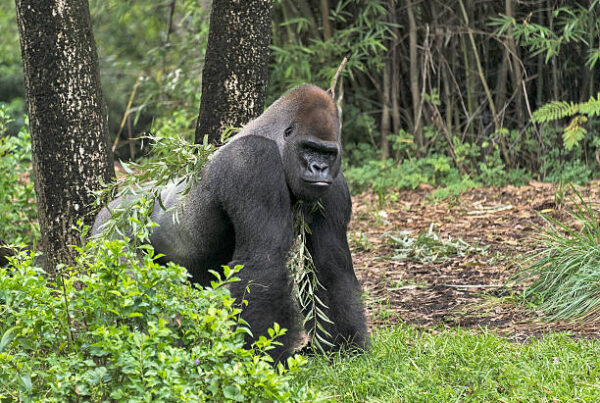
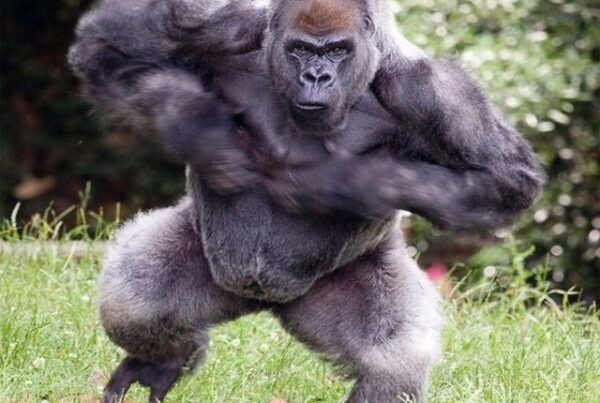
Cross River Gorillas are smaller and less robust than their Western Lowland counterparts, with adult males typically weighing between 140 to 160 kilograms and standing up to 1.7 meters tall. Females are lighter, averaging 60 to 80 kilograms. Despite their relatively smaller size, they retain the muscular build characteristic of gorillas, with long, powerful arms adapted for climbing and knuckle-walking.

Facial features are distinctive, with a narrower nose and slightly higher forehead, giving the gorilla an appearance uniquely adapted to its environment. Fur coloration is generally dark brown to black, with occasional lighter highlights on the chest or forehead. Silverbacks, adult males over twelve years of age, develop the characteristic silvery hair along their backs, signaling maturity and social dominance. The physical adaptations of the Cross River Gorilla reflect both their arboreal tendencies and their ability to traverse rugged, hilly terrain in search of food and shelter.

Habitat and Geographic Distribution

The Cross River Gorilla inhabits a narrow and fragmented range spanning the border region between southeastern Nigeria and western Cameroon. Its habitat consists of montane and lowland tropical forests, including thick rainforest, secondary forests, and heavily vegetated hillsides. Areas such as the Afi Mountain Wildlife Sanctuary, Mbe Mountains, Takamanda National Park, and contiguous forests across the Nigeria-Cameroon border serve as critical refuges for this subspecies.

These forests are characterized by high humidity, frequent rainfall, and diverse vegetation types, including fruiting trees, shrubs, bamboo thickets, and swampy patches. Such vegetation provides both sustenance and shelter, allowing gorillas to survive despite habitat fragmentation and human pressures. Seasonal fluctuations in food availability and water resources influence ranging patterns, forcing Cross River Gorillas to adapt their foraging strategies and travel across challenging terrain to meet nutritional and social needs.

Population Status and Conservation Challenges

The Cross River Gorilla is recognized as Critically Endangered by the International Union for Conservation of Nature (IUCN). Current estimates suggest that fewer than 300 individuals remain in the wild, making it the rarest subspecies of gorilla on Earth. Population fragmentation, caused by deforestation, agricultural expansion, logging, and infrastructure development, isolates groups and limits genetic exchange. This isolation increases vulnerability to inbreeding, reduces population resilience, and heightens the risk of local extinctions.

Poaching remains a significant threat despite legal protections. Bushmeat hunting, incidental trapping, and conflicts with local communities have historically led to population declines. Additionally, disease, including respiratory infections transmitted from humans, poses a constant risk, especially in small, isolated populations where mortality events can have devastating effects. Political instability, limited enforcement capacity, and competition for land resources further complicate conservation efforts, making coordinated, cross-border action essential for the survival of this subspecies.

Social Structure and Behavior

Cross River Gorillas live in small, cohesive social groups, often led by a dominant silverback. Troops typically consist of several adult females, their offspring, and occasionally subordinate males. Group sizes are smaller than those of Western Lowland Gorillas, a likely adaptation to the limited and fragmented habitat in which they reside.

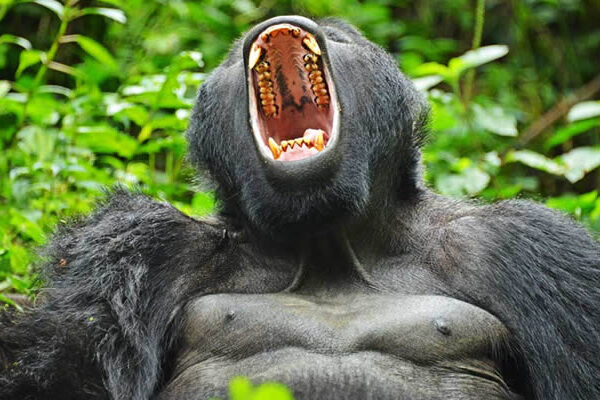
Behavioral patterns reflect both social complexity and environmental adaptation. Grooming maintains social cohesion, strengthens bonds, and reduces tension, while play among juveniles fosters physical, cognitive, and social development. Communication relies on a combination of vocalizations, facial expressions, gestures, and body postures. Chest-beating, grunts, and hoots serve to assert dominance, signal danger, or communicate contentment, while subtle gestures facilitate intricate social interactions.

Nest-building, a daily ritual, is performed on both the ground and in trees, depending on safety, terrain, and vegetation density. Nests are constructed from leaves and branches, reflecting problem-solving ability, planning, and social learning. The behavior of Cross River Gorillas demonstrates a delicate balance between social structure and adaptation to an environment shaped by fragmentation and human presence.

Diet and Feeding Ecology

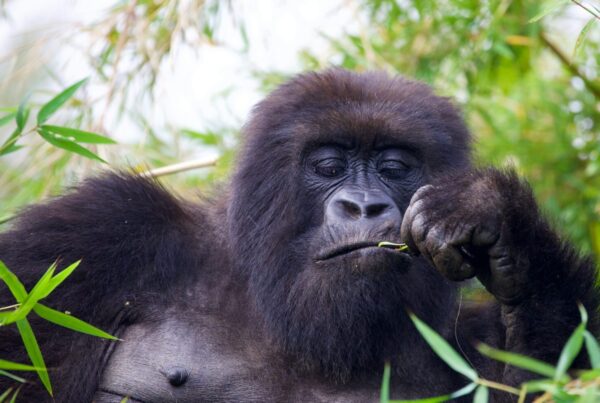
The diet of the Cross River Gorilla is primarily herbivorous, including leaves, stems, shoots, fruits, seeds, and occasionally flowers. Fruit consumption is highly dependent on seasonal availability, while herbaceous plants and swamp vegetation provide consistent nutritional support. In times of scarcity, gorillas may increase their reliance on fibrous vegetation, demonstrating dietary flexibility essential for survival in fragmented habitats.

Foraging behavior often involves travel across several kilometers, particularly when food sources are dispersed. During foraging, Cross River Gorillas facilitate forest regeneration through seed dispersal, contributing to ecological stability and plant diversity. The species’ feeding habits also create microhabitats, supporting a variety of other organisms, including insects and small mammals, emphasizing the ecological significance of this critically endangered primate.

Reproduction and Life Cycle

Reproductive patterns in Cross River Gorillas are closely tied to social hierarchy and troop dynamics. Females reach sexual maturity between eight and ten years, while males attain silverback status between twelve and fifteen years. The dominant male typically controls mating opportunities within the group, maintaining genetic lineage and group stability.Cross River gorilla

Gestation lasts approximately 8.5 months, resulting in the birth of a single infant. Twin births are rare and present significant survival challenges. Infants rely heavily on maternal care during the early years, gradually learning foraging techniques, social behavior, and environmental navigation from their mothers and other troop members. Juveniles acquire critical skills through observation, interaction, and play, preparing them for future adult roles within their social groups. Lifespan in the wild is estimated at 35 to 40 years, although external pressures such as poaching, disease, and habitat fragmentation frequently reduce survival rates.

Communication and Cognitive Abilities

Cross River Gorillas exhibit advanced cognitive abilities, evidenced by complex communication, problem-solving skills, and social awareness. Vocalizations, including grunts, hoots, roars, and chest-beating, convey information about danger, dominance, and social intent. Non-verbal communication through gestures, postures, and facial expressions complements vocal signals, facilitating nuanced interactions within troops.

Tool use, although less frequently observed than in chimpanzees, has been documented, including the manipulation of sticks to test water depth, access food, or construct feeding platforms. Observations indicate memory, learning, and empathy, underscoring the intelligence of this subspecies. These cognitive traits highlight the ethical responsibility of humans to protect and study Cross River Gorillas in their natural habitat.

Conservation Efforts and Strategies

The survival of the Cross River Gorilla depends on rigorous conservation strategies, cross-border cooperation, and sustained international support. Protected areas such as Takamanda National Park, Afi Mountain Wildlife Sanctuary, and contiguous forest reserves in Nigeria and Cameroon serve as critical refuges. Conservation measures include anti-poaching patrols, habitat restoration projects, ecological monitoring, and community engagement programs.

Cross-border collaboration is particularly essential due to the species’ fragmented range. Conservation organizations work with governments, local communities, and researchers to maintain habitat connectivity, monitor populations, and enforce wildlife protection laws. Ecotourism, when carefully managed, has become an important tool for raising awareness, generating funding, and incentivizing local communities to participate in gorilla protection efforts.

Ecological Role and Significance

The Cross River Gorilla serves as a keystone species, playing a critical role in forest ecosystems. Through seed dispersal, vegetation consumption, and habitat modification, these gorillas contribute to forest regeneration and biodiversity maintenance. Their feeding and movement patterns influence plant composition, create microhabitats, and support numerous other species within their ecosystems.

Declines in Cross River Gorilla populations have significant ecological consequences, including disrupted seed dispersal, reduced plant diversity, and diminished forest health. Protecting this subspecies ensures the maintenance of critical ecosystem functions, benefiting both wildlife and human populations that depend on forest resources for sustenance and livelihoods.

Human Interaction and Cultural Importance

Local communities have long interacted with Cross River Gorillas, balancing reverence with practical considerations. In some cultures, gorillas are considered sacred, symbolic of strength, intelligence, and resilience. Traditional ecological knowledge has informed conservation strategies, providing insight into behavior, diet, and habitat utilization.

Tourism has created new opportunities for human engagement, particularly through guided gorilla trekking and wildlife observation in protected areas. Such experiences foster appreciation for wildlife, generate economic benefits for local communities, and support conservation programs. Strict guidelines ensure minimal disturbance to gorillas, emphasizing ethical interaction and responsible observation.

The Future of the Cross River Gorilla

The future of the Cross River Gorilla is precarious, reliant on continued conservation action, international cooperation, and public awareness. Strategies must address habitat protection, anti-poaching enforcement, disease prevention, and the promotion of ecological connectivity between fragmented populations. Scientific research remains essential to monitor populations, study behavior, and implement evidence-based conservation strategies.

Global awareness and funding support are critical, as the Cross River Gorilla represents not only a unique subspecies but also a flagship species for forest conservation in West Africa. Ensuring its survival safeguards forest integrity, biodiversity, and ecological processes, highlighting the broader importance of protecting this rare primate.

Experiencing Cross River Gorillas in the Wild

For travelers and wildlife enthusiasts, observing Cross River Gorillas offers an unparalleled and transformative experience. Guided treks through sanctuaries such as Afi Mountain Wildlife Sanctuary or Takamanda National Park allow visitors to witness the social interactions, feeding behavior, and ecological role of these elusive primates.

Strict protocols are enforced to minimize stress and disease transmission, ensuring that gorillas remain unharmed. Responsible tourism provides educational and emotional benefits, while generating vital support for conservation initiatives. Visitors gain a profound appreciation for the intelligence, social complexity, and beauty of Cross River Gorillas, reinforcing the imperative to protect them and their fragile habitats.

Conclusion

The Cross River Gorilla stands as one of the rarest and most remarkable primates on Earth, embodying resilience, intelligence, and ecological significance. Its survival is intimately linked to habitat protection, conservation initiatives, and responsible human engagement. The preservation of this subspecies safeguards forest ecosystems, promotes biodiversity, and underscores the urgent need for global awareness and action.

For those seeking a unique and unforgettable wildlife experience, guided tours and safaris provide an opportunity to witness the elusive Cross River Gorilla in its natural environment. By booking through reputable providers such as WildHorn Africa, visitors can observe these extraordinary primates while contributing directly to conservation efforts, ensuring that future generations may continue to marvel at the rarest great ape in Africa.

Western lowland gorilla

Western lowland gorilla

By Travel stories and blogs, Congo travel guides, Gabon travel guides, Primate holidays, Safari holidays

Western Lowland Gorilla: The Gentle Giants of Africa’s Rainforests

A Glimpse into the Heart of the Forest

In the lush, dense rainforests of Central Africa, where sunlight filters through thick canopies and the air is alive with the sounds of wildlife, a remarkable primate navigates its complex environment with quiet majesty. The Western Lowland Gorilla (Gorilla gorilla gorilla), the most widespread and numerous of the great apes, commands both fascination and reverence. Known for its intelligence, social complexity, and immense physical presence, this subspecies serves as a symbol of the delicate balance between wildlife and the environment.

Despite their strength and adaptability, Western Lowland Gorillas face an array of threats, including habitat destruction, poaching, disease, and human encroachment. The rainforest, their primary habitat, is increasingly fragmented, exposing these gorillas to new pressures that challenge their survival. Their story is not merely one of natural wonder but a reflection of the urgent need for conservation and sustainable engagement with Africa’s natural heritage. Understanding the Western Lowland Gorilla in depth is essential to appreciating its ecological significance, behavioral complexity, and the role it plays in maintaining forest ecosystems.

Taxonomy and Subspecies

The Western Lowland Gorilla is a subspecies of the Western Gorilla (Gorilla gorilla), which is distinguished from the Eastern Gorilla (Gorilla beringei) by morphological, behavioral, and genetic traits. Within the Western species, two subspecies are recognized: the Western Lowland Gorilla (Gorilla gorilla gorilla) and the Cross River Gorilla (Gorilla gorilla diehli).

The Western Lowland Gorilla inhabits lowland tropical forests and swamp regions across Cameroon, Gabon, the Republic of Congo, Equatorial Guinea, and parts of Angola and the Central African Republic. It is distinguished by slightly smaller size and lighter build compared to its Cross River and Eastern relatives, adaptations that facilitate movement and foraging within dense, swampy forests. Despite these differences, Western Lowland Gorillas share remarkable intelligence, social sophistication, and emotional depth, making them one of the most captivating species of great apes in the world.

Physical Characteristics

Western Lowland Gorillas are impressive in both size and strength, displaying a robust musculature and striking physical features. Adult males, commonly referred to as silverbacks due to the silver hair that develops along their backs with age, can weigh between 140 to 200 kilograms and reach heights of 1.7 to 1.85 meters when standing upright. Females are smaller, averaging around 70 to 90 kilograms, yet they exhibit agility and strength necessary for navigating complex forest terrains and caring for offspring.

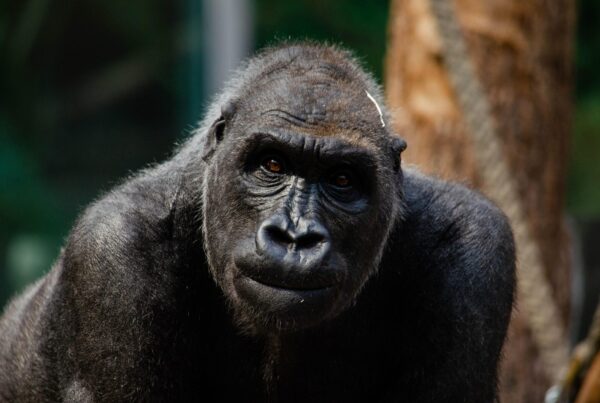
Facial features are expressive, with deep-set eyes, broad nostrils, and a prominent brow ridge that communicates emotion and social intention. The fur is typically dark brown to black, sometimes with reddish highlights on the forehead and shoulders, providing subtle camouflage within the forest understory. Limbs are long and powerful, adapted for knuckle-walking and occasional climbing, while hands and feet are dexterous, enabling manipulation of vegetation and tools. The overall physical structure supports both dominance and adaptability in a demanding rainforest environment.

Habitat and Geographic Distribution

The habitat of the Western Lowland Gorilla is predominantly lowland tropical rainforest, though swamp forests, secondary forests, and mixed forest-savanna regions are also utilized. These habitats are characterized by high rainfall, humidity, and dense vegetation, creating abundant food resources and natural shelter. The Western Lowland Gorilla occupies regions spanning Cameroon, Gabon, Equatorial Guinea, the Republic of Congo, and parts of the Central African Republic and Angola.

These forests provide a diversity of vegetation, including fruiting trees, herbaceous plants, bamboo thickets, and swamp vegetation, which collectively sustain gorilla populations. Seasonal fluctuations influence food availability, prompting gorillas to adapt their foraging strategies and ranging behavior accordingly. Forest fragmentation, caused by logging, mining, and agricultural expansion, has increasingly isolated populations, creating barriers to movement, limiting genetic exchange, and heightening vulnerability to disease. Despite these challenges, the Western Lowland Gorilla has demonstrated remarkable resilience and adaptability, navigating both pristine and secondary forests to fulfill its ecological needs.

Social Structure and Behavior

Western Lowland Gorillas live in complex social groups known as troops or bands, which are typically led by a dominant silverback. This male assumes responsibility for protecting the group, mediating conflicts, and ensuring social cohesion. Troops generally consist of multiple adult females, their offspring, and subordinate males, known as blackbacks, who have yet to establish independent territories or ascend to silverback status.

Behavior within these troops is highly structured yet adaptive. Grooming is a fundamental social activity, strengthening bonds, reducing tension, and maintaining hygiene. Juvenile play serves multiple functions, including the development of motor skills, cognitive abilities, and social competencies essential for adulthood. Vocalizations, ranging from grunts and barks to chest-beating and roars, convey alarm, assert dominance, or signal contentment, while gestures and facial expressions complement these signals, facilitating nuanced communication. Daily nest-building activities demonstrate both ingenuity and learning, as gorillas construct sleeping platforms from leaves and branches, either on the ground or in trees, depending on environmental conditions.

Diet and Feeding Patterns

Western Lowland Gorillas are predominantly herbivorous, though omnivorous tendencies are occasionally observed. Their diet includes leaves, stems, fruits, seeds, bark, and flowers, with dietary composition influenced by seasonal availability. Fruit consumption is particularly high in areas where fruiting trees are abundant, while swamp vegetation and herbaceous plants provide essential nutrients during periods of scarcity.

Foraging behavior is strategic and often involves travel across several kilometers to locate specific food resources. By consuming and dispersing seeds, Western Lowland Gorillas contribute to forest regeneration and maintain plant diversity. Their feeding activity, combined with nest-building and movement through the forest, creates microhabitats that benefit other wildlife species, emphasizing their role as a keystone species in maintaining ecological balance.

Reproduction and Life Cycle

Reproduction in Western Lowland Gorillas is closely linked to social hierarchy. Females typically reach sexual maturity between eight and ten years, while males mature later, achieving full silverback status around 12 to 15 years. The dominant silverback usually controls mating within the troop, ensuring the propagation of his genes and the stability of the group.

Gestation lasts approximately 8.5 months, resulting in the birth of a single infant. Twin births are rare and pose significant survival challenges. Infants rely heavily on maternal care for the first several years of life, gradually learning foraging, nesting, and social behaviors from their mothers and other troop members. Juveniles develop motor skills, social strategies, and cognitive abilities through observation, interaction, and play. Lifespan in the wild is estimated at 35 to 40 years, although threats such as poaching, disease, and habitat loss frequently reduce survival rates.

Communication and Intelligence

The intelligence of Western Lowland Gorillas is evident in their communication, problem-solving skills, and social interactions. Vocalizations, including grunts, hoots, barks, and roars, serve specific functions such as signaling danger, asserting dominance, or expressing contentment. Non-verbal communication, including facial expressions, gestures, and body postures, enhances group coordination and conveys nuanced social messages.Western lowland gorilla

Observations of tool use, though less frequent than in chimpanzees, demonstrate adaptability and innovation. Gorillas have been seen using sticks to test water depth, strip leaves for bedding, or access otherwise unreachable food. Their cognitive abilities, including memory, learning, and empathy, reflect complex intelligence and an advanced understanding of their environment, emphasizing the ethical imperative to protect and study these primates.

Conservation Status and Threats

The Western Lowland Gorilla is classified as Critically Endangered by the International Union for Conservation of Nature (IUCN). Populations have declined dramatically due to poaching, habitat destruction, disease, and political instability within their range countries. Poaching, primarily for bushmeat, remains a major threat, while logging, mining, and agricultural expansion contribute to habitat fragmentation, reducing genetic diversity and isolating populations.

Ebola outbreaks have devastated many Western Lowland Gorilla populations, wiping out entire troops and complicating conservation efforts. Human disease transmission further threatens gorilla health, particularly in regions of increased human activity. Conservation initiatives, including the establishment of protected areas such as Nouabalé-Ndoki National Park in the Republic of Congo and Minkébé National Park in Gabon, have been implemented to safeguard populations. Anti-poaching patrols, habitat restoration projects, research, and community engagement programs are vital components of these efforts.

Ecotourism has become a critical tool for conservation, generating funding, employment, and international awareness. Gorilla trekking programs are carefully managed to minimize stress and disease transmission, allowing visitors to observe these primates in their natural habitat while supporting local economies and conservation initiatives.

Ecological Importance

Western Lowland Gorillas serve as keystone species within tropical rainforest ecosystems. Their feeding, nesting, and ranging behaviors influence forest structure, plant diversity, and species interactions. Through seed dispersal, they contribute directly to forest regeneration and plant propagation, while their movement through the forest creates microhabitats utilized by insects, small mammals, and other wildlife.

The decline of Western Lowland Gorillas would have cascading ecological consequences, disrupting forest composition, reducing biodiversity, and affecting ecosystem services such as carbon storage and water regulation. Protecting this subspecies ensures the stability of tropical forests and maintains the broader ecological balance upon which both wildlife and human populations depend.

Human Interaction and Cultural Relevance

Local communities have historically maintained a complex relationship with Western Lowland Gorillas, ranging from reverence and cultural symbolism to conflicts over land and resources. In some cultures, gorillas are considered sacred and symbolic of strength, wisdom, and resilience. Traditional ecological knowledge has informed conservation strategies, providing critical insight into gorilla behavior, diet, and habitat use.

Tourism has reshaped human-gorilla interactions, with gorilla trekking offering an opportunity for observation and education. These experiences foster appreciation for wildlife, support local economies, and provide funding for conservation programs. Strict guidelines ensure that human presence does not harm gorillas, emphasizing respect, observation, and ethical engagement with wildlife.

The Future of the Western Lowland Gorilla

The survival of the Western Lowland Gorilla depends on continued conservation action, international cooperation, and public awareness. Strategies must address habitat protection, anti-poaching enforcement, disease prevention, and community involvement. Scientific research provides critical insight into behavior, genetics, and ecology, informing interventions to enhance population resilience.

Global support is essential, as Western Lowland Gorillas serve as ambassadors for forest conservation and biodiversity. Their preservation safeguards not only a remarkable species but also the integrity of tropical ecosystems critical for climate regulation, biodiversity, and human livelihoods. Immediate and sustained action is required to ensure that these gentle giants continue to thrive in the wild.

Experiencing Western Lowland Gorillas in the Wild

For travelers and wildlife enthusiasts, observing Western Lowland Gorillas in their natural habitat offers a transformative experience. Guided tours through protected forests provide an intimate view of gorilla behavior, social interactions, and ecological importance. The presence of a silverback leading a troop, juveniles engaging in play, and the subtle dynamics of family interactions leaves a lasting impression on visitors.

Responsible tourism practices are implemented to minimize disturbance and reduce disease transmission, ensuring that gorilla populations remain protected. By participating in guided experiences, visitors contribute directly to conservation efforts while gaining a profound appreciation for the complexity, intelligence, and beauty of these remarkable primates.

Conclusion

The Western Lowland Gorilla stands as a symbol of strength, intelligence, and ecological importance within Africa’s tropical forests. Its survival is intrinsically linked to habitat protection, sustainable human engagement, and global conservation efforts. These gentle giants highlight the delicate interplay between wildlife and ecosystems, serving as both guardians and indicators of forest health.

For travelers seeking to witness the extraordinary life of Western Lowland Gorillas, guided tours and safaris provide an unparalleled opportunity. By booking through reputable providers such as WildHorn Africa, visitors can experience these magnificent creatures in their natural environment while supporting critical conservation initiatives. A journey into Africa’s rainforests promises unforgettable encounters, where every observation of the Western Lowland Gorilla reinforces the majesty, intelligence, and fragility of the natural world.

Silverback gorilla appearance

Silverback gorilla appearance

By Travel stories and blogs, Congo travel guides, Gabon travel guides, Luxury holidays, Primate holidays, Rwanda travel guides, Safari holidays, Uganda travel guides

Silverback Gorilla Appearance

The Majesty of the Silverback

In the shadowed forests of Central Africa, where mist drapes ancient trees and the echoes of nature reverberate through dense canopies, there exists a figure whose presence commands both awe and reverence. The silverback gorilla is not merely a creature of strength but a living embodiment of resilience, intelligence, and the profound complexity of wildlife. To observe the silverback is to witness a harmonious blend of power and gentleness, a testament to evolutionary mastery and the delicate balance of life within tropical forests.

The appearance of the silverback, distinct from its younger counterparts and female members of the troop, carries a wealth of information about its age, status, health, and lineage. Every feature, from the sweeping curve of its brow to the silvering of its fur, communicates stories of survival, social hierarchy, and adaptation. Scholars, conservationists, and travelers alike have been captivated by its form, and a careful study of the silverback’s appearance offers insights into the broader dynamics of gorilla society and the challenges faced in their preservation.

This article explores the physical characteristics of the silverback gorilla in exhaustive detail, from its muscular frame and facial structure to its unique markings and expressive gestures. It examines not only what is visible to the eye but also the functional significance of each trait, highlighting how nature has sculpted this primate to thrive in one of the planet’s most demanding environments.

The Overall Form: Size, Structure, and Posture

A silverback gorilla’s appearance is immediately striking due to its massive frame and upright posture. Adult males are significantly larger than females and younger males, with a height often reaching 1.7 to 1.8 meters when standing fully erect, and a weight ranging from 140 to 200 kilograms. This sheer size conveys authority within the troop and is a primary factor in social hierarchy.

The skeletal structure supports both strength and mobility. Broad shoulders, robust ribcages, and powerful limbs are characteristic, allowing the silverback to navigate steep, uneven forest terrain while displaying feats of strength when necessary. Muscles are pronounced, particularly in the arms and chest, reflecting adaptations for climbing, foraging, and occasional displays of dominance. Despite their bulk, silverbacks possess a grace in movement, capable of both deliberate, measured steps and sudden bursts of speed when chasing intruders or interacting with juveniles.

Posture plays a critical role in appearance and communication. While quadrupedal locomotion is typical during travel—known as knuckle-walking—the silverback can stand or briefly walk bipedally to assert presence or scan its surroundings. The upright stance enhances its visual dominance and is often employed during interactions with other males or potential threats.

The Fur: Texture, Coloration, and the Signature Silver

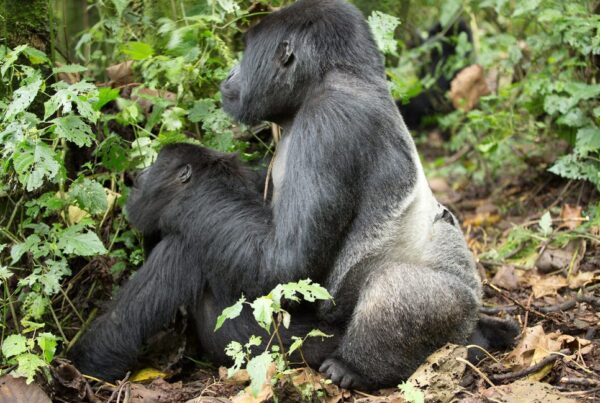
One of the most defining characteristics of a mature male gorilla is the silvering of the back, from which the name “silverback” is derived. This silver hair emerges gradually with age, typically between 12 and 15 years, signaling maturity and the assumption of leadership within the troop. The silvering often begins at the shoulders and extends down the back, creating a striking contrast with the otherwise black or dark brown fur that covers most of the body.

The fur itself is dense, coarse, and water-resistant, an adaptation to the humid, often rainy environments of tropical montane forests. It serves both protective and insulative functions, shielding the gorilla from cold temperatures at high elevations while providing some defense against insect bites and abrasions. Variations in fur color, texture, and thickness can indicate health, nutritional status, or seasonal adaptation. For instance, a healthy silverback exhibits a glossy sheen, whereas patches of dull or thinning hair may signal illness, stress, or malnutrition.

The contrast between silver and black is visually dramatic and serves social and ecological purposes. Within the troop, silverbacks are easily distinguishable, reinforcing their role as leaders. In the dense undergrowth, the color patterns may also play a subtle role in camouflage, allowing the silverback to navigate the forest with relative discretion when not engaged in displays of dominance.

The Head and Face: Intelligence and Expression

The head of the silverback gorilla is large and well-proportioned, with a prominent sagittal crest that develops with age. This ridge of bone along the top of the skull supports the attachment of large jaw muscles, enabling the gorilla to process fibrous plant material efficiently. The forehead is sloped rather than vertical, framing deep-set eyes that convey intelligence, emotion, and situational awareness.

Facial features are highly expressive, allowing the silverback to communicate subtle moods and intentions without vocalization. Brow ridges, lip movements, and subtle shifts in the eyes signal dominance, submission, curiosity, or reassurance. The nose is broad, with flared nostrils capable of detecting scents critical for foraging and social communication. Cheek pads, or flanges, may be present in some subspecies, though they are more common in Bornean orangutans; in gorillas, the robust facial musculature primarily supports feeding and social signaling.

The eyes, dark and reflective, are often described as conveying a depth of understanding and emotion that parallels human experience. Observers report a mixture of curiosity, vigilance, and empathy in the gaze of a silverback. This visual intelligence complements physical strength, ensuring that dominance within the troop is maintained through both action and perception.

Limbs and Hands: Power and DexteritySilverback gorilla appearance

The limbs of the silverback are among its most powerful attributes. The arms are longer than the legs, a proportion that facilitates knuckle-walking and climbing. Musculature is particularly developed in the deltoids, biceps, and forearms, reflecting the physical demands of travel, nest-building, and interactions within the troop.

Hands are both strong and dexterous. Fingers are long and flexible, allowing the silverback to grasp branches, manipulate food, and engage in delicate grooming of troop members. The opposable thumbs permit precise control, while the broad palms support weight-bearing during locomotion. Feet, although adapted for grasping rather than walking, provide stability on uneven terrain and play a role in climbing, climbing, and maintaining balance on steep slopes.

Functionality and appearance converge in the limbs. A silverback’s posture, stride, and gestures communicate authority and confidence, while each movement reflects adaptations honed over millennia for survival in dense forests and mountainous regions.

Torso and Chest: Strength Manifested

The torso of the silverback is a visual testament to strength. Broad shoulders taper to a robust waist, forming a V-shaped silhouette that communicates physical dominance. The chest is expansive and muscular, with well-developed pectorals supporting both upper body strength and chest-beating behavior, which is critical for communication within the troop and display of authority.

Ribcage structure accommodates large lungs, supporting sustained physical activity at high altitudes and during extended treks through rugged terrain. Abdominal musculature, though partially obscured by fur, is firm and functional, providing core stability that enhances climbing and rapid locomotion. This combination of skeletal robustness and muscular definition defines much of the silverback’s imposing appearance while underpinning behaviors essential for leadership and protection.

Distinguishing Features and Individual Markings

Despite shared characteristics, each silverback possesses unique traits that allow identification by both humans and other gorillas. Scars, fur patterns, nose prints, and facial asymmetries serve as markers of individuality. These features are often shaped by past encounters with rivals, predators, or environmental challenges.

Nose prints, in particular, function similarly to human fingerprints. The ridges and patterns are distinctive and can be used by researchers to track individual gorillas over time. Scars from territorial disputes or accidental injuries reveal the silverback’s history within the troop and offer insights into social dynamics and resilience. Even subtle variations in fur texture or color provide clues to age, health, and environmental adaptation.

Functional Significance of Appearance

The appearance of the silverback is not solely aesthetic; every aspect serves a purpose. Muscular build ensures survival in challenging terrain and protection of the troop. Facial expressiveness facilitates nuanced communication and conflict resolution. Fur density and coloration contribute to thermoregulation and social recognition. Even the signature silver on the back signals maturity and establishes social hierarchy.

In essence, the silverback’s appearance reflects a delicate balance between biological necessity and social function, demonstrating how evolution has optimized the species for both environmental adaptation and complex social life.

The Silverback in Observation and Conservation

Understanding the appearance of the silverback is critical not only for biological study but also for conservation efforts. Recognizing age, sex, health status, and individual traits enables researchers and park authorities to monitor populations, detect signs of stress or disease, and manage habitat protection effectively.

For visitors on gorilla treks in Uganda, Rwanda, or the Democratic Republic of Congo, the silverback’s appearance provides both aesthetic and educational insight. Observing the combination of strength, gentleness, and social signaling enhances appreciation for the species while underscoring the importance of responsible and ethical tourism.

Conservation programs benefit when the visual cues of silverbacks are carefully documented, allowing long-term studies that inform policy and habitat management. The appearance of each individual becomes a story in itself, linking science, education, and the broader goals of species preservation.

Witnessing the Power of Form

The silverback gorilla’s appearance is a remarkable synthesis of strength, intelligence, and evolutionary design. From its muscular build and silvered fur to its expressive face and dexterous limbs, every aspect communicates a blend of authority, adaptability, and care for its family. The form of the silverback reflects both the demands of the natural environment and the intricacies of social life, making each encounter a profound lesson in resilience and balance.

For travelers who aspire to witness this majestic creature in the wild, the forests of Central Africa provide a rare opportunity. The experience of observing a silverback up close is transformative, fostering deep respect for wildlife and an enduring awareness of conservation challenges.

For those wishing to undertake such life-changing journeys, tours and safaris across Africa can be expertly arranged through WildHorn Africa, a trusted provider committed to ethical wildlife experiences, conservation education, and immersive encounters that honor both the creatures of the wild and the people who protect them.

Silverback Gorilla Sex, Mating

Silverback Gorilla Sex, Mating, Reproduction

By Travel stories and blogs, Congo travel guides, Gabon travel guides, Luxury holidays, Primate holidays, Rwanda travel guides, Safari holidays, Uganda travel guides

Silverback Gorilla Sex and Mating| Silverback Gorilla Reproduction and Social Mating Behaviour

In the dense, mist-covered mountains of Central and East Africa, a quiet drama unfolds daily — one that defines the structure, strength, and survival of gorilla society. The silverback gorilla, the awe-inspiring leader of his family, is not just a symbol of power; he is also the architect of continuity within his troop. His role in reproduction and mating extends far beyond dominance — it is tied to the very essence of gorilla survival, emotional intelligence, and evolutionary adaptation.

Understanding how silverback gorillas reproduce, bond, and maintain social harmony opens a window into one of nature’s most complex social systems. It is a subject not of sensationalism but of science and reverence — one that highlights the balance between instinct and emotion, strength and tenderness, leadership and legacy.

The Silverback: Guardian, Leader, and Patriarch

The term “silverback” refers to an adult male gorilla, typically over twelve years of age, whose dark hair has begun to turn silver across the back — a striking physical marker of maturity and authority. Within gorilla society, the silverback serves as both protector and patriarch, guiding his group (called a “troop” or “family”) through every facet of daily life, from foraging and resting to conflict resolution and reproductive organization.

Each troop can range from five to thirty individuals, often composed of one dominant silverback, several females, juveniles, and infants. Occasionally, a younger male (a “blackback”) remains within the group as a subordinate, assisting in protection or eventually leaving to establish his own troop.

The reproductive dynamics within these families revolve around the dominant silverback, whose authority is maintained through physical strength, charisma, and the trust of his females. His mating rights are not enforced purely through aggression but through complex social bonds that ensure both affection and stability within the group.

Female Choice and Courtship Dynamics

Contrary to the perception that male dominance alone determines reproduction, research into gorilla behaviour reveals that female choice plays a crucial role in mating dynamics. Female gorillas, upon reaching sexual maturity (usually between 8 and 10 years old), exhibit selective preference when choosing partners.

In many cases, females will choose to remain with or join a silverback whose leadership qualities are evident — one who offers protection, stability, and social harmony. This behaviour suggests an evolutionary strategy: choosing a partner who provides safety for offspring increases the chances of long-term survival for both mother and infant.

Courtship, while subtle compared to that seen in many primates, involves nuanced communication. Body language, gentle touches, prolonged eye contact, and soft vocalizations form part of a repertoire of social bonding behaviours. These gestures signify trust and willingness rather than dominance alone.

Unlike fleeting reproductive encounters, gorilla relationships — particularly in species such as the mountain gorilla — often involve lasting bonds built on mutual recognition, comfort, and companionship.

The Reproductive Cycle and Mating Season

Unlike some animal species that breed seasonally, gorillas do not have a fixed mating season. Females experience estrous cycles similar to humans, typically lasting around 28 to 33 days, with a fertile period during which conception is possible.

When a female enters estrus, she signals her readiness to the silverback through specific behavioural cues — approaches, physical gestures, and changes in scent and posture. The silverback, though dominant, responds with remarkable sensitivity, often showing patience and gentleness during interactions.

Mating behaviour, when observed scientifically, is guided by hormonal synchronization and social context rather than mere instinct. It is a process rooted in trust, hierarchy, and familiarity, ensuring that reproduction supports the troop’s long-term cohesion rather than creating conflict or instability.

Gestation, Birth, and Parental Care

Once conception occurs, the gestation period for gorillas lasts approximately 8.5 months, closely resembling that of humans. A female typically gives birth to one infant, though twins are rare but possible. Newborn gorillas are fragile, weighing around two kilograms, and are entirely dependent on maternal care.

The mother-infant bond is one of the most profound relationships in gorilla society. For the first six months, the infant remains clutched to its mother’s chest, feeding exclusively on milk and relying on her warmth, heartbeat, and protection. As the infant grows, it begins to explore cautiously, venturing only a few steps away before returning to the safety of its mother’s arms.

Throughout this period, the silverback plays a protective and supervisory role. Although he does not directly participate in infant care, his presence ensures safety from predators or rival males. Over time, infants develop strong attachments to the silverback, often climbing onto his back or following him during daily movements — a testament to his role as both father figure and protector.

Social Stability and Mating Rights

The stability of a gorilla troop depends heavily on the social order maintained by the silverback. His dominance is rarely questioned outright, as his authority stems from both physical prowess and social competence.

When females within the group conceive and raise offspring, the continuity of the troop’s genetic line becomes entwined with the silverback’s leadership. His role is not limited to reproduction; it encompasses mediation, peacekeeping, and ensuring that resources are shared equitably.

Challenges from younger males, however, can disrupt this harmony. Blackbacks — maturing males within or outside the troop — occasionally attempt to attract females or challenge the dominant silverback. Such confrontations can lead to displays of strength, chest-beating, and vocal roars. These contests rarely end in fatality but are critical in maintaining social balance and evolutionary fitness.

When a new silverback successfully takes over a troop, it can result in infanticide, a tragic but natural behaviour intended to eliminate offspring not sired by the new leader, thereby returning females to estrus sooner. Though seemingly brutal, such behaviour reflects the harsh logic of natural selection, ensuring that the dominant male’s genetic lineage prevails.

Emotional Intelligence and Bonding

What makes gorilla reproductive and social behaviour extraordinary is not only its structure but its emotional depth. Gorillas are highly sentient beings, capable of experiencing affection, jealousy, grief, and joy. Their reproductive systems are governed as much by emotion and empathy as by biology.

Observers have noted affectionate interactions between silverbacks and their mates — grooming, gentle embraces, and moments of shared rest. These behaviours are not strictly reproductive; they are relational, fostering trust and reducing tension within the troop.

Female gorillas, too, exhibit remarkable loyalty and companionship toward their silverback. They often comfort him after displays of aggression or remain close during moments of rest, showing that emotional connection, not fear, sustains their bonds.

The raising of infants further strengthens these relationships. As offspring mature, the troop becomes a network of shared responsibility, where lessons in social behaviour, hierarchy, and empathy are passed down through observation and imitation.12 day uganda primates and wildlfe ad like

Differences Between Mountain, Eastern Lowland, and Western Lowland Gorillas

The nuances of reproductive behaviour vary among gorilla subspecies. Mountain gorillas (Gorilla beringei beringei), found in Uganda’s Bwindi Impenetrable and Mgahinga National Parks, exhibit cohesive family units led by a single dominant silverback. Their smaller troop size fosters deep, long-term relationships.

Eastern lowland gorillas (Gorilla beringei graueri), found mainly in the Democratic Republic of Congo, live in slightly larger groups and may exhibit multiple male hierarchies where subordinate males occasionally reproduce.

Western lowland gorillas (Gorilla gorilla gorilla) show even more variation, with looser group structures and higher instances of female transfer between troops. This diversity illustrates how gorilla social systems have evolved in response to environmental pressures, resource availability, and population density.

Conservation Implications of Reproductive Behaviour

The reproductive strategies of gorillas have direct implications for conservation. Given their slow reproductive rate — typically one infant every four to six years per female — population recovery is fragile.

Poaching, habitat destruction, and disease outbreaks such as Ebola have dramatically affected gorilla populations. The death of a single dominant silverback can destabilize an entire troop, leaving females and infants vulnerable to external threats or dispersion.

Conservation efforts therefore focus not just on protecting individual animals but on preserving family structures and the social continuity vital for successful reproduction. National parks in Uganda, such as Bwindi Impenetrable and Mgahinga Gorilla National Parks, implement strict monitoring and protection programs that safeguard both the gorillas and their natural social environments.

The Human Parallel: Empathy and Understanding

Studying gorilla reproduction and social behaviour offers profound insight into our own evolutionary journey. Gorillas share approximately 98% of their DNA with humans, making them one of our closest relatives. Their social organization, emotional intelligence, and parental care mirror many human traits.

Understanding the reproductive behaviour of silverbacks helps demystify the concept of dominance and reveals the balance between power and empathy. The silverback’s leadership is not maintained through fear but through responsibility — a trait that resonates with the human experience of family, protection, and continuity.

Silverback Gorilla Sex, Mating

The Role of Responsible Tourism

Tourism plays an integral role in supporting gorilla conservation, particularly in Uganda. Gorilla trekking experiences in Bwindi and Mgahinga not only generate revenue for conservation but also foster global awareness about the delicate dynamics of gorilla reproduction and social life.

Tourists witnessing gorillas in their natural habitat observe a living testament to coexistence and cooperation. The silverback’s quiet vigilance, the mother’s tenderness, and the playfulness of young gorillas reflect a society balanced in harmony.

By adhering to ethical tourism practices — maintaining respectful distances, limiting group sizes, and supporting sustainable operators — travellers contribute directly to the protection of gorillas and their future generations.

The Legacy of the Silverback

The story of the silverback gorilla is not one of dominance alone. It is a story of guardianship — a saga of leadership tempered by compassion. His role in reproduction ensures the survival of his lineage, but his influence extends beyond genetics. He shapes the values of his troop, instilling lessons of unity, care, and endurance.

Each new birth within a gorilla family represents more than the continuation of a species; it symbolizes the triumph of nature’s design — the persistence of life through balance, respect, and adaptation.

The silverback stands not as a symbol of brute strength but as a reminder that true power lies in the ability to nurture, protect, and lead with wisdom.

The Call to Witness This Wonder

Few experiences compare to watching a gorilla family move gracefully through the forest — the silverback guiding from behind, the mothers carrying infants on their backs, and the youngsters tumbling through the vines. It is a moment that humbles the spirit and stirs the heart, reminding us of our shared ancestry and responsibility.

To experience this connection firsthand, travellers are invited to book their Africa tours and safaris with WildHorn Africa, a leading curator of authentic gorilla trekking and East African safari adventures. With expert guides, ethical practices, and deep commitment to conservation, WildHorn Africa ensures every journey contributes to the protection of these magnificent beings and the habitats that sustain them.

Embark on a journey that transcends tourism — a journey into the living story of the silverback gorilla, where leadership, life, and love intertwine beneath the canopy of Africa’s ancient forests.

Silverback Gorilla

Silverback Gorilla

By Travel stories and blogs, Congo travel guides, Gabon travel guides, Luxury holidays, Primate holidays, Uganda travel guides

Silverback Gorilla

The Majestic King of the Forest

Amid the mist-laden mountains of central and eastern Africa, where towering forests and volcanic landscapes shape the horizon, dwells one of the most powerful yet gentle beings of the natural world—the silverback gorilla. Known as the leader and protector of gorilla families, the silverback commands respect not only for his immense strength but also for his wisdom, tenderness, and extraordinary sense of responsibility. To witness a silverback in his natural habitat is to encounter a living emblem of nature’s grandeur and complexity, a creature whose very presence embodies authority yet radiates profound calm.

The fascination with silverback gorillas goes far beyond their physical strength. They are symbols of family, unity, and survival, guiding their groups—called troops or families—through dense forests while maintaining peace and order within their communities. Their silvered backs, a striking feature that emerges with age and maturity, are more than mere physical traits; they represent the culmination of a gorilla’s journey into leadership.

To understand the silverback gorilla is to delve into a narrative where power meets compassion, and where one of humanity’s closest relatives reveals what it means to be a true guardian of life.

The Identity of the Silverback Gorilla

The silverback is not a separate species but the adult male gorilla who has reached a stage of maturity marked by the growth of silver-gray hair along his back and hips. This transformation usually occurs between the ages of 12 and 15 years, signaling both physical maturity and social authority. Standing up to 1.8 meters tall and weighing over 180 kilograms, a silverback is a formidable figure, his sheer size enough to intimidate potential threats.

Yet behind this imposing frame lies a creature of remarkable gentleness. Silverbacks are not defined solely by aggression or dominance; they are also providers, decision-makers, and nurturers. Their role is multifaceted, blending physical protection with emotional stability. Every action taken by a silverback—from where the family forages to how disputes are resolved—shapes the survival and well-being of the troop.

Taxonomy and Subspecies: The Silverback’s Place in the Animal Kingdom

Silverbacks belong to the species Gorilla, which is divided into two main species: the eastern gorilla and the western gorilla. Each species is further divided into subspecies. The eastern gorilla includes the mountain gorilla (Gorilla beringei beringei) and the eastern lowland gorilla (Gorilla beringei graueri), while the western gorilla includes the western lowland gorilla (Gorilla gorilla gorilla) and the Cross River gorilla (Gorilla gorilla diehli).

Among these, the mountain gorilla is perhaps the most iconic, especially within the misty forests of Uganda, Rwanda, and the Democratic Republic of Congo. In each of these subspecies, the silverback emerges as the unquestioned leader. Though subtle differences exist in size, habitat, and behavior, the role of the silverback as protector and guide is universal.

Physical Characteristics: The Power and Symbolism of the Silverback

The silverback gorilla is distinguished by a unique blend of strength and elegance. Muscular arms, which are longer than their legs, grant them immense power for climbing, foraging, and defending their families. Their hands and feet resemble those of humans, complete with fingernails and opposable thumbs, a constant reminder of the evolutionary kinship between gorillas and humans.

The most striking feature, however, is the silver saddle of hair that runs across their backs. This feature emerges with maturity and is both a sign of dominance and a marker of experience. To the gorilla family, the silverback is the leader, and this distinctive marking ensures that his authority is visually recognized.

Beneath the physical traits lies a physiology adapted for strength and endurance. A silverback’s chest is broad, his canines sharp and capable of delivering powerful bites, and his lungs strong enough to sustain him in high-altitude environments where oxygen is thinner. Despite this arsenal of physical attributes, silverbacks rarely display aggression unnecessarily; instead, they prefer calm authority and resort to displays of strength only when absolutely required.Silverback Gorilla

The Role of the Silverback: Protector, Leader, and Father

The silverback’s role in gorilla society is far more complex than that of a dominant male. He is the central figure around whom the entire group revolves. His responsibilities are extensive, encompassing protection from predators, mediation of conflicts, and decision-making regarding movement and feeding sites.

As a protector, the silverback stands between his family and danger. Leopards, although rare, pose threats, as do human intrusions into gorilla habitats. In such moments, the silverback’s formidable size and courage are revealed through chest-beating, vocalizations, and, if necessary, physical confrontation. His presence alone often deters threats, for few creatures are willing to challenge such authority.

Beyond protection, the silverback is also a nurturer. He is often observed cradling infants, allowing young ones to play on his broad back, or comforting distressed members of the group. This blend of tenderness and strength underscores the essence of his leadership, where authority is balanced with compassion.

Decision-making rests heavily on the silverback’s shoulders. He determines when the family wakes, where they forage, when they rest, and where they nest at night. Every choice reflects his deep knowledge of the forest, acquired through years of experience. His leadership is not enforced through constant displays of dominance but through trust and respect earned from the group.

Social Structure: The Gorilla Family

Gorillas are deeply social animals, and their lives are organized within family groups that may include up to thirty members, though smaller groups are more common. At the heart of these groups stands the silverback, supported by adult females, juveniles, and infants. In some cases, younger blackback males remain in the group under the mentorship of the dominant silverback until they reach maturity and venture out to form their own families.

The cohesion of the family is a testament to the silverback’s role. He maintains peace by settling disputes, often using displays of dominance to prevent fights from escalating. Female gorillas rely on his authority for stability, while young gorillas depend on his protection and guidance as they learn the ways of the forest.

This structure is not rigid but dynamic. When a silverback grows old or is challenged by a younger male, leadership may shift. However, transitions are often peaceful, for the underlying priority remains the survival and well-being of the group rather than personal rivalry.

Behavior and Communication: The Language of Authority

The silverback gorilla communicates through a rich system of vocalizations, gestures, and expressions. Over twenty different sounds have been recorded, ranging from low grunts that indicate reassurance to loud roars that signal alarm. Chest-beating, one of the most iconic displays, is not merely a show of aggression but also a means of communication, announcing strength, warning rivals, or rallying the family.

Facial expressions are equally important. A silverback’s gaze, posture, and subtle movements convey dominance, calmness, or alertness. Through these non-verbal cues, he maintains harmony within the group, ensuring that order is preserved without constant conflict.

What is most remarkable is the silverback’s restraint. Despite his immense power, he often chooses patience over force, teaching by example and guiding his family through subtle leadership rather than fear.

Diet and Daily Life: The Provider of the Family

The silverback’s role as provider extends into the dietary habits of the group. Gorillas are primarily herbivorous, feeding on leaves, shoots, stems, fruits, and occasionally small invertebrates. Each day, the family moves across the forest in search of food, guided by the silverback’s knowledge of seasonal abundance.

Their foraging patterns reflect a balance between sustenance and conservation. Gorillas rarely overexploit a particular area, instead moving systematically to allow vegetation to regenerate. This behavior highlights the silverback’s role not only as a provider but also as a steward of the forest, ensuring that his family’s needs are met without destroying the very environment that sustains them.

Daily routines are structured around feeding, resting, and social interactions. The silverback maintains vigilance throughout, his presence ensuring that peace prevails and that young gorillas can play freely without fear.

Reproduction and Family Continuity

Silverbacks also play a crucial role in reproduction and the continuity of their family lines. As the dominant male, the silverback typically has exclusive breeding rights within the group. His genetic contribution ensures stability, and his protective nature guarantees the safety of infants.

Female gorillas, drawn to his authority and strength, remain loyal, and their offspring benefit from the security of his leadership. Infants, born after a gestation period of about eight and a half months, are carried by their mothers but often find comfort in the presence of the silverback. It is not uncommon to witness young ones climbing onto his back or resting against him, confident in his protective embrace.

Through reproduction, the silverback not only ensures the continuation of his lineage but also strengthens the stability of the troop, as each new generation carries forward the values of unity, protection, and resilience.

Threats and Conservation: The Silverback’s Fight for Survival

Despite their strength, silverback gorillas face numerous threats that endanger their survival. Habitat loss due to agriculture, logging, and human settlement reduces their living space. Poaching, though less common today, still poses dangers, while diseases transmitted by humans can devastate populations.

Climate change also threatens the ecosystems that gorillas depend upon, altering food availability and increasing competition for resources. In this context, the silverback’s role as protector becomes even more poignant, for he not only shields his family from natural predators but also faces the broader threat of human encroachment.

Conservation efforts have, however, brought hope. International collaboration, strict anti-poaching laws, and the promotion of eco-tourism have contributed to a slow but steady increase in gorilla populations. Trekking programs in Uganda, Rwanda, and the Democratic Republic of Congo provide financial incentives for conservation while creating global awareness of the gorilla’s plight.

The survival of silverbacks and their families symbolizes what can be achieved when humanity recognizes its responsibility toward nature. Each encounter with a silverback in the wild is a testament to the success of conservation, a reminder that fragile species can endure if given protection and respect.

Cultural and Symbolic Significance

Beyond the forests, the silverback gorilla has captured human imagination for centuries. To many cultures, he represents strength, wisdom, and guardianship. His image has been woven into folklore, art, and even modern conservation movements as a symbol of the delicate balance between power and responsibility.

The fascination with silverbacks is not only about their biological significance but also about the values they embody. They remind humanity of leadership rooted in service, of authority balanced with compassion, and of the possibility of harmony within communities.

Experiencing the Silverback: Encounters in the Wild

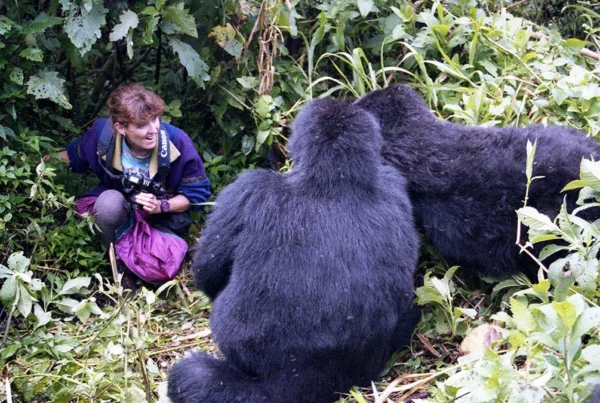
For travelers and nature enthusiasts, encountering a silverback in his natural habitat is a life-altering experience. Within the misty mountains of Bwindi, Mgahinga, Volcanoes National Park, or Virunga, the trek through dense forests culminates in a moment of silent awe when the silverback appears. His presence transforms the atmosphere, commanding respect yet exuding serenity.

To observe him guiding his family, to lock eyes with his intelligent gaze, or to hear the deep resonance of his chest-beat is to connect with nature at its most profound level. Such encounters are not mere wildlife sightings but spiritual experiences, reminding us of our shared origins and responsibilities toward the living world.

The Legacy of the Silverback

The story of the silverback gorilla is a story of strength, leadership, and survival. It is the story of a being whose life embodies the essence of guardianship, whose decisions ensure the safety of his family, and whose existence reflects the resilience of nature itself.

What should be expected in understanding the silverback is not merely admiration for his power but a deeper appreciation of his role as a leader, nurturer, and protector. His life demonstrates that true authority is not enforced by fear but earned through service, wisdom, and compassion.

For those who seek to experience this majesty firsthand, Africa offers the rare opportunity to walk among these giants and witness their world with reverence. Such journeys are best entrusted to experts who combine deep knowledge of the land with a passion for conservation. To ensure that this experience is unforgettable and responsibly guided, it is highly recommended to book your Africa tours and safaris with WildHorn Africa, a trusted partner in unveiling the wonders of the continent.

Gabon Travel Advice

Gabon Travel Advice

By Gabon travel guides

Gabon Travel Advice

Gabon stands as one of Africa’s last great wilderness frontiers, a country where dense equatorial rainforests meet sweeping savannahs, mangrove-lined coasts, and remote national parks teeming with wildlife rarely encountered elsewhere on the continent. Travellers who arrive in Gabon are often struck by the country’s extraordinary quietness, the abundance of untouched landscapes, and the sense of discovery that characterises nearly every journey. Much of Gabon remains forested and sparsely populated, allowing nature to dominate both visually and ecologically. It is a country where endangered species such as forest elephants, lowland gorillas, giant pangolins, and mandrills still roam vast protected regions, where leatherback turtles nest on wild Atlantic beaches, and where whales migrate along the coast during specific months of the year. This natural wealth has shaped Gabon’s emerging identity as a conservation-driven destination, with a tourism model centred around sustainability, science, and immersive wilderness experiences.

Gabon offers something rare in modern tourism: a feeling of stepping into landscapes that have remained largely untouched for thousands of years. National parks such as Loango, Ivindo, Lopé, and Pongara create opportunities for travellers to witness unique ecosystems that cannot be found elsewhere. Loango’s now-famous “surfing hippos,” forest buffalo grazing near the ocean, and the possibility of encountering gorillas in pristine forests have captured global fascination. Yet beyond its wildlife, Gabon’s cultural rhythms offer another dimension to travel. Traditional communities, coastal villages, and urban centres such as Libreville provide insight into the country’s artistic traditions, music, cuisine, and contemporary lifestyle. Travellers soon discover that Gabon blends wild landscapes with modern comforts, creating a destination suited for those curious about conservation, tropical biodiversity, and culturally grounded exploration.

Quick Facts

Gabon is located on the west coast of Central Africa, bordered by Equatorial Guinea, Cameroon, and the Republic of the Congo. The country spans an area of approximately 267,000 square kilometres, much of which is covered by dense equatorial forest that forms part of the wider Congo Basin. The population remains relatively small compared to the landmass, contributing to Gabon’s sense of space and natural dominance. Libreville serves as the capital and largest city, situated along the Atlantic coastline. The official language is French, although indigenous languages such as Fang, Myene, and Bapounou are widely spoken across different regions. The country operates using the Central African CFA franc, which is shared with several neighbouring nations and stabilised through a regional monetary arrangement.

Gabon is often described as a stable and peaceful country within Central Africa, known for its commitment to protecting natural habitats. Over ten percent of its landmass is designated as national parks, a unique achievement in African conservation. The nation’s population is concentrated primarily in urban areas, while much of the interior remains wild and lightly inhabited. These foundational facts allow travellers to better understand Gabon’s geographical, linguistic, and cultural framework before exploring its diverse landscapes.

Geography and Climate

Gabon’s geography is dominated by its equatorial rainforest, representing one of the most pristine sections of the Congo Basin. These forests are critical to global biodiversity and climate regulation, containing vast carbon stocks and serving as habitats for countless species of plants and animals. Coastal plains stretch along the Atlantic Ocean, where lagoons, estuaries, and mangroves create important breeding grounds for fish, turtles, and migratory birds. Inland, the terrain rises into forested hills, plateaus, and savannah zones, with the Ogooué River flowing across the country as its major waterway. The river and its tributaries form lifelines for both wildlife and local communities, shaping ecosystems that vary dramatically from one region to another.

Gabon experiences an equatorial climate, characterised by high humidity, abundant rainfall, and consistent temperatures throughout the year. The average daytime temperature ranges from twenty-four to thirty degrees Celsius, although coastal breezes often moderate the heat near Libreville and Port-Gentil. The country has two main rainy seasons and two dry seasons. The long rainy season typically spans from February to May, bringing heavy downpours that refresh the forests and raise river levels. The short rainy season occurs around October and November. The dry seasons run from June to September and from December to January. The long dry season is considered the most comfortable for travel, offering reduced humidity and easier access to remote regions. These climatic patterns are essential for travellers to understand, particularly when planning wildlife-focused journeys or exploring forested areas where seasonal conditions influence accessibility, wildlife behaviour, and logistical arrangements.

Passports and VisasGabon Travel Advice

Travellers entering Gabon are required to hold a passport with at least six months of validity from the date of entry and at least one or two blank pages for stamps. Visa requirements apply to most international travellers, although Gabon has implemented an e-visa system designed to simplify the arrival process. The e-visa can be obtained online prior to travel and is generally valid for thirty days, with extensions possible through local immigration offices. Travellers should ensure that their e-visa approval letter is printed and carried during travel, as it may be requested by immigration officials. Some nationalities are exempt from visa requirements or may obtain visas upon arrival, but such policies are subject to change, making it prudent to verify all regulations before departure.

Proof of onward travel, hotel reservations, and financial means for the duration of the stay may be requested at border control. Travellers entering Gabon through Libreville’s Léon-Mba International Airport generally find immigration procedures orderly, although processing times can vary depending on arrival volume. Those crossing into Gabon by land from neighbouring countries should ensure they are familiar with the specific requirements of the entry point they plan to use, as visa-on-arrival services may not be available everywhere.

Health

Health preparation is an important part of travelling to Gabon, particularly because of its equatorial climate, dense forests, and presence of tropical diseases. A yellow fever vaccination is mandatory for entry, and travellers must carry their vaccination certificate, as it is frequently checked at immigration. Beyond this requirement, travellers should consult a travel health specialist before departure to determine recommended vaccinations, which may include hepatitis A, typhoid, tetanus, and hepatitis B. Depending on the travel itinerary, additional vaccines or precautionary medications may be advised.

Gabon is a malaria-risk region, especially in forested and coastal areas, making preventative medication and insect protection essential. Mosquito nets, long-sleeved clothing for evenings, and insect repellent form important components of personal protection. Drinking bottled, purified, or filtered water is recommended, and care should be taken when consuming raw foods unless from trusted sources. Facilities in Libreville and Port-Gentil provide modern medical care, but remote destinations such as national parks or rural communities may have limited healthcare options. Travellers with ongoing medical conditions should bring all necessary medication in original pharmacy packaging along with prescriptions or physician letters to avoid complications during customs or in case of replacement needs.

Heat and humidity can affect travellers unaccustomed to equatorial conditions. Hydration, sun protection, and pacing activities are important, especially during wildlife walks or forest treks where shade may be limited. Gabon is also home to stinging insects, tropical plants, and wildlife species whose habitats may overlap with trekking routes. Travellers are advised to follow guide instructions closely during forest excursions, as guides possess extensive knowledge of safe pathways, wildlife behaviour, and environmental hazards.

Insurance

Comprehensive travel insurance forms a vital component of planning a trip to Gabon, given the country’s remote wilderness areas, the potential challenges of forest terrain, and the limited medical infrastructure outside major cities. Insurance should cover emergency medical care, evacuation, and repatriation, especially for travellers visiting national parks where the nearest medical facilities may be far away. Gabon’s tourism experiences often involve activities such as forest treks, boat excursions, and extended wildlife viewing in challenging environments, making it essential that insurance policies include adventure or nature-based travel.

Insurance should also cover travel delays, lost baggage, and trip cancellations, as flights to and within Gabon sometimes experience schedule changes due to weather, operational adjustments, or seasonal factors. Visitors engaging in gorilla trekking, whale watching, and coastal excursions should ensure that their policies explicitly cover these experiences. A well-chosen insurance plan provides peace of mind and ensures that travellers can enjoy Gabon’s extraordinary wilderness without undue concern over unforeseen circumstances.

Money

Gabon uses the Central African CFA franc (XAF), a stable currency shared with several Central African countries. The currency is readily accessible in cities through banks, ATMs, and currency exchange offices. While ATMs are available in Libreville, Port-Gentil, and some regional centres, travellers should not rely exclusively on them when exploring remote areas, particularly national parks where banking facilities are limited or nonexistent. Cash remains important for local purchases, small vendors, tips, and rural expenses. Credit cards are accepted in major hotels, upscale restaurants, and some service providers, but many mid-range and local establishments prefer cash.

It is recommended to carry a combination of CFA francs in small and medium denominations, especially when travelling outside urban centres. Foreign currencies such as US dollars or euros may be accepted by certain tourism operators, though travellers should verify these arrangements in advance. Exchanging money at authorised banks ensures compliance with local regulations and avoids potential issues with unofficial exchange services. Budgeting for national park entry fees, guided tours, transport, and meals is essential, particularly in destinations where tourism services operate in specialized formats that require advance planning and structured payments.

Tipping

Tipping is appreciated in Gabon and serves as a meaningful way to acknowledge high-quality service from guides, hotel staff, drivers, and boat operators. While not obligatory, tipping forms part of the hospitality culture and contributes to the livelihoods of many individuals in the tourism industry. Travellers who spend time in national parks or remote camps will find that staff work diligently to provide comfortable and safe experiences under challenging environmental conditions. Tipping guides and wildlife trackers is particularly common, as these professionals possess specialized skills that enhance the quality of wildlife encounters. Having small denominations of CFA francs readily available helps facilitate tipping throughout the journey.

Travel Destinations

Gabon’s travel destinations offer extraordinary depth and variety, ranging from pristine rainforests to Atlantic beaches, savannahs, and riverine landscapes. Loango National Park is perhaps the most renowned of Gabon’s parks, celebrated for its rich wildlife, including elephants, buffalo, and primates that roam freely between forest and coastline. Its beaches serve as nesting grounds for leatherback turtles, while offshore waters attract humpback whales during migration season. Loango’s unusual combination of forest and ocean makes it one of the most distinctive wildlife destinations in Africa, providing safari experiences unlike those found elsewhere.

Ivindo National Park is another major attraction, home to the spectacular Kongou Falls and Langoué Bai, a natural forest clearing where elephants, gorillas, and other species gather. These bais offer travellers a rare opportunity to observe wildlife from specially designed platforms that allow for quiet, prolonged viewing. The park’s rivers, dense forests, and rich biodiversity make it a favourite destination for naturalists and adventurous travellers.

Lopé National Park represents a transitional zone where forest meets savannah, creating a mosaic of ecosystems that support both forest and savannah species. The region is notable for mandrill migrations, one of the most impressive primate phenomena in Africa. The Lopé region also contains archaeological sites that reveal ancient patterns of human settlement.

Pongara National Park, situated near Libreville, provides easier access to mangroves, forest landscapes, and beaches where turtles nest. Its proximity to the capital makes it a popular destination for short excursions, while still offering a wild and peaceful environment. In addition to the parks, Libreville itself serves as a vibrant introduction to Gabonese urban culture, with its markets, coastal promenades, art scenes, and restaurants offering insight into modern Gabonese life.

How to Get There

Most international travellers arrive in Gabon through Léon-Mba International Airport in Libreville, which serves as the country’s primary aviation gateway. The airport receives flights from regional and international carriers, connecting Gabon to Europe, North Africa, and other African nations. Port-Gentil also has an airport that receives domestic flights and limited international connections. Once in Gabon, domestic flights, road transfers, and boat services provide access to various destinations, although travel logistics often require careful planning due to the remoteness of many national parks.

Travel between parks such as Loango, Ivindo, or Lopé typically involves multi-stage transfers combining road, river, and air transport. Operators and lodges usually arrange these logistics due to the complexity of accessing wilderness regions. Roads in urban areas are generally paved, while rural roads may be affected by seasonal rains and require four-wheel-drive vehicles. Boats remain an essential mode of transportation within certain parks, particularly those accessible only by river.

Travellers arriving overland from neighbouring countries should ensure they enter through designated border crossings with the necessary documents. Domestic travel in Gabon is greatly enhanced by working with experienced tour operators who understand the terrain, park regulations, cultural considerations, and transportation requirements unique to the country.

Best Time to Visit

The best time to visit Gabon depends on the type of experience travellers seek. The long dry season, from June to September, is considered the optimal period for most journeys. During this time, humidity decreases, wildlife becomes more visible, and travel conditions improve across forest trails, roads, and waterways. This period also aligns with the whale-watching season along Gabon’s coastline, when humpback whales migrate through the area. Travellers exploring Loango may also have improved opportunities to see forest elephants and other wildlife at clearings or along beaches.

The short dry season, occurring around December and January, also offers favourable travel conditions. The rainy seasons, particularly the long rains from February to May, bring heavy downpours that intensify the beauty of Gabon’s forests but may limit accessibility in certain regions. Nonetheless, the rainy season presents superb opportunities for birdwatching and for appreciating the full vibrancy of equatorial forests. Travel during the rainy months is possible with proper planning, though itineraries may require flexibility.

Understanding seasonal changes helps travellers select the period that best aligns with their interests, whether focused on wildlife, photography, festival travel, or coastal experiences. Gabon remains a compelling destination year-round for those drawn to wild, atmospheric landscapes and authentic ecological immersion.

Close Menu