search
Things You Need To Know Before Climbing Mt Meru in Tanzania

Things You Need To Know Before Climbing Mt Meru in Tanzania

By Tanzania travel guides, Travel guides, Travel stories and blogs

Things You Need To Know Before Climbing Mt Meru in Tanzania

Discover the Untamed Majesty of Mount Meru

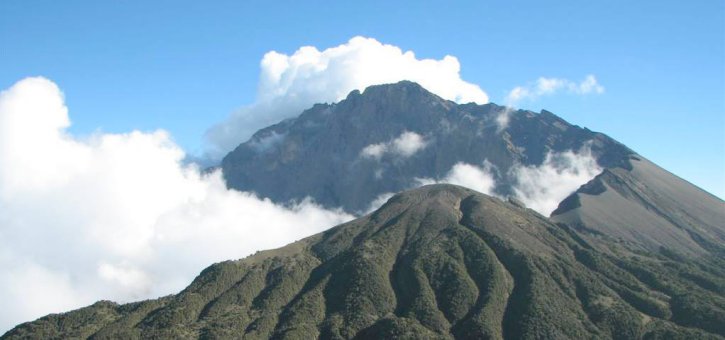
Rising dramatically to an altitude of 4,562 meters, Mount Meru stands as Tanzania’s second highest peak and an exhilarating challenge for trekkers seeking an alternative to the famed Kilimanjaro. Nestled within the Arusha National Park, Mount Meru offers a unique blend of stunning volcanic landscapes, diverse ecosystems, and rich wildlife. The climb provides a less crowded, yet equally rewarding adventure with panoramic views and a striking sense of wilderness. However, before embarking on this journey, several crucial factors must be understood to ensure a safe, enjoyable, and successful ascent.

Understanding the Physical and Environmental Challenges

Mount Meru’s ascent is characterized by significant altitude gain over a relatively short distance, requiring both physical endurance and careful acclimatization. The trail passes through varied climatic zones, starting from lush montane forests teeming with wildlife, ascending through moorlands and alpine zones to reach the stark summit crater. These transitions demand flexibility from trekkers, who must be prepared for fluctuating temperatures, ranging from warm forested valleys to freezing, windy summit conditions.

The terrain itself varies from well-trodden paths to rugged, volcanic rock fields that may present slippery and uneven footing. Hiking boots with good ankle support and grip are essential. Furthermore, the high altitude poses risks of acute mountain sickness (AMS), which can manifest through headaches, dizziness, nausea, and fatigue. Understanding the symptoms and adopting a slow, steady pace with adequate hydration and rest days is critical in preventing serious complications.

The Importance of Permits and Park Regulations

Access to Mount Meru requires official permits issued by Tanzanian park authorities, as the mountain is located within a protected national park. These permits are essential for both environmental conservation and visitor safety. Climbing without permits is prohibited and monitored by park rangers who enforce strict regulations.

Guided climbs are strongly encouraged and, in some cases, mandatory, as local guides are familiar with the routes, altitude challenges, and safety protocols. The presence of guides not only enhances safety but also enriches the experience through knowledgeable interpretations of the mountain’s geology, flora, fauna, and cultural significance. The park authorities also regulate group sizes and camping locations to minimize environmental impact and preserve the fragile ecosystem.

Optimal Timing and Weather Conditions for the Climb

The best time to climb Mount Meru falls within Tanzania’s dry seasons, from late June to October and from late December to February. During these periods, weather conditions are more stable with reduced rainfall, clearer skies, and milder temperatures, improving visibility and trail safety.

Outside these windows, heavy rains can render trails slippery and difficult, while dense clouds may obscure the spectacular views. The summit is often cold, with possible frost and strong winds, even during the dry season. Therefore, appropriate layering and weatherproof gear are indispensable. Climbers should also be prepared for sudden weather changes and consult local weather forecasts prior to departure.

Essential Gear and Preparation for the Trek

Preparation for Mount Meru’s climb involves assembling suitable equipment tailored to a multi-day trek in variable conditions. Clothing should include moisture-wicking base layers, insulating mid-layers, and waterproof outer shells. Thermal gloves, hats, and buff scarves are important to guard against the cold at higher altitudes.

Camping equipment such as sturdy tents, sleeping bags rated for cold temperatures, and sleeping mats are usually provided by reputable tour operators, though confirming this beforehand is advised. Trekking poles may alleviate strain on knees during steep ascents and descents. Adequate sun protection, including sunscreen and sunglasses, is vital due to high UV exposure at altitude.

Physical conditioning prior to the climb cannot be overstated. Cardiovascular endurance, leg strength, and flexibility should be developed through regular hiking, walking, or aerobic exercises. Mental preparedness, patience, and determination are equally important given the mountain’s challenges.

Wildlife and Natural Wonders Along the Route

Mount Meru’s route through Arusha National Park provides the rare opportunity to witness diverse wildlife in proximity to a high-altitude trek. Early sections of the trail pass through forests inhabited by colobus monkeys, blue monkeys, elephants, and a variety of bird species. The presence of larger mammals such as giraffes, buffalo, and even lions has been documented, though sightings are less frequent.

The volcanic crater at the summit is a striking natural feature, with fumaroles and mineral deposits offering insights into the mountain’s geological history. From the peak, expansive views extend across the plains, revealing distant Mount Kilimanjaro and the Serengeti ecosystem on clear days. This natural panorama rewards the exertions of the climb with awe-inspiring beauty.

Acclimatization Strategies and Health Considerations

Proper acclimatization is a critical component of a successful Mount Meru ascent. The relatively rapid altitude gain necessitates a deliberate climbing pace with regular rest stops and hydration to allow the body to adjust. Spending a night at the saddle camp, situated at approximately 3,600 meters, is recommended to reduce the risk of altitude sickness before attempting the summit.

Nutrition during the trek should focus on balanced meals rich in carbohydrates and proteins to maintain energy levels. It is advisable to carry a basic medical kit, including medications for altitude sickness, pain relief, and gastrointestinal issues. Climbers with pre-existing health conditions should consult healthcare professionals prior to the trek.

Environmental Responsibility and Sustainable Tourism

Mount Meru’s fragile ecosystems demand responsible tourism practices. Climbers and operators are encouraged to follow Leave No Trace principles, minimizing waste, avoiding disturbance to wildlife, and adhering to designated trails and campsites. Conservation efforts in Arusha National Park are supported by park fees and permits, contributing to habitat protection and local community benefits.

Engagement with local guides and porters not only supports the economy but also fosters cultural exchange and respect for indigenous knowledge. Ethical tourism enhances the overall experience while ensuring that Mount Meru remains a pristine destination for future generations.

Preparing for an Unforgettable Adventure

Climbing Mount Meru offers an extraordinary blend of adventure, natural beauty, and wildlife discovery. Success on this challenging trek depends on thorough preparation, respect for the mountain’s demands, and adherence to park regulations. With proper acclimatization, suitable gear, and expert guidance, the climb can be both safe and immensely rewarding.

Plan Your Mount Meru Expedition with WildHorn Africa

For those eager to undertake the climb of Mount Meru, professional planning and local expertise are invaluable. Booking your Tanzania tours and safaris through WildHorn Africa ensures access to experienced guides, comprehensive support, and thoughtfully designed itineraries. WildHorn Africa’s commitment to sustainable and authentic travel guarantees that every step on Mount Meru will be part of a seamless, inspiring African adventure.
Can You Climb Kilimanjaro Without a Guide?

Can You Climb Kilimanjaro Without a Guide?

By Tanzania travel guides, Travel guides, Travel stories and blogs

Can You Climb Kilimanjaro Without a Guide?

The Allure of Kilimanjaro: Africa’s Roof Beckons

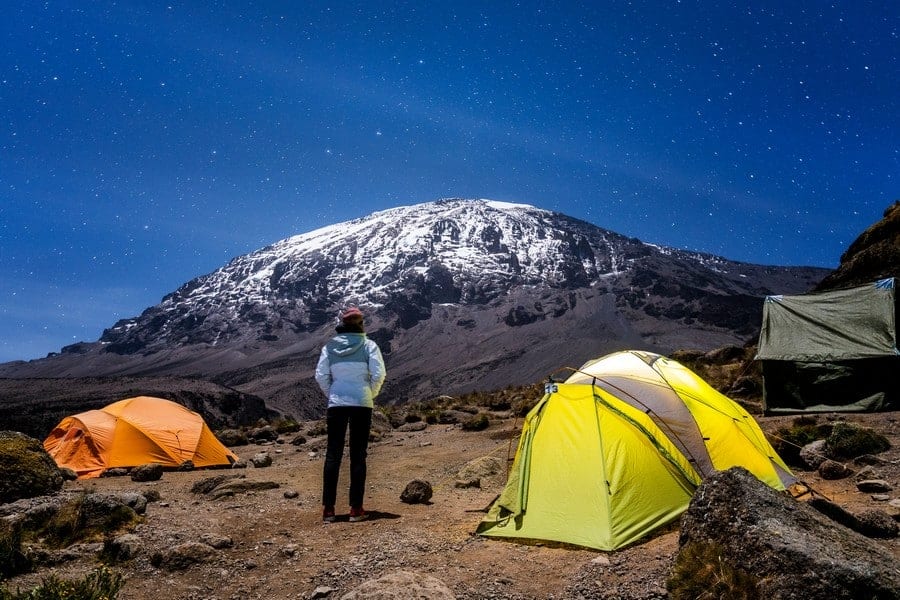
Standing majestically at 5,895 meters, Mount Kilimanjaro is Africa’s highest peak and one of the world’s most iconic trekking destinations. The allure of reaching the summit, known as Uhuru Peak, draws adventurers from all corners of the globe. The mountain’s diverse climatic zones—from lush rainforests to arctic deserts—offer a uniquely challenging and rewarding experience. Yet, a question often posed by eager climbers is whether it is possible to climb Kilimanjaro without a guide. This inquiry invites an in-depth examination of the mountain’s regulations, safety considerations, and the overall logistics involved in such an endeavor.

Kilimanjaro’s Official Regulations: The Mandatory Guide Requirement

From the outset, it must be understood that Tanzanian authorities have implemented strict rules regarding the ascent of Kilimanjaro. Since 2013, it has been mandatory for all climbers to use licensed guides and employ local porters. This policy was established to improve safety, reduce environmental impact, and boost the local economy by providing employment opportunities for residents.

The regulations require that climbers are accompanied by guides who are trained in mountain safety, altitude sickness management, and first aid. Additionally, porters are hired to carry equipment and supplies, reducing the physical strain on climbers and ensuring the sustainable management of the trails. Attempting to climb without a guide is illegal and not supported by the Kilimanjaro National Park authorities. Thus, the concept of climbing Kilimanjaro independently has been officially disallowed, emphasizing the critical role played by professional support teams.

Safety Considerations: Why Guides Are Indispensable

The ascent of Kilimanjaro presents serious physical and environmental challenges that justify the presence of experienced guides. Altitude sickness, which can escalate rapidly and become life-threatening, remains a primary concern. Guides are trained to recognize early symptoms and take appropriate action, including recommending acclimatization strategies or descent.

Moreover, the mountain’s variable weather conditions, rugged terrain, and sometimes limited visibility can complicate navigation and increase risks of injury or disorientation. The expertise of guides, who know the routes intimately and monitor the health and progress of their clients, is essential in mitigating these risks.

Rescue operations on Kilimanjaro require coordination and local knowledge, which guides are equipped to provide. Without their presence, the response to emergencies would be delayed and less effective, potentially endangering lives. Therefore, the enforcement of mandatory guiding ensures a safer experience for all climbers.

Logistical Complexities and Local Knowledge

Beyond safety, the logistics of climbing Kilimanjaro demand thorough preparation and local expertise. Routes vary in length, difficulty, and scenery, including popular paths such as Marangu, Machame, Lemosho, and Rongai. Guides tailor the itinerary based on the climber’s fitness, acclimatization needs, and weather forecasts, optimizing the chances of success.

Porters facilitate the transport of heavy gear, food supplies, and camping equipment, allowing climbers to focus on their ascent without excessive burden. The coordination of camp setups, meal preparation, and waste management is managed by the support team, preserving the fragile mountain environment.

In the absence of guides and porters, climbers would need to assume full responsibility for carrying loads, navigating unfamiliar terrain, and organizing daily logistics, greatly increasing the difficulty and risk. The advantage of local knowledge and experience is therefore indispensable and cannot be overstated.

The Cultural and Ethical Dimensions of Guided Kilimanjaro Climbs

The mandatory use of guides also aligns with ethical and cultural considerations. Kilimanjaro is not merely a natural landmark but a symbol deeply embedded in Tanzanian heritage. Employing guides and porters supports local communities by providing fair wages and promoting responsible tourism practices.

Many operators emphasize fair treatment of porters, ensuring that their workload, accommodation, and health are managed with care. This approach not only preserves the dignity of those involved but also enhances the overall sustainability of climbing Kilimanjaro.

Climbers who attempt to circumvent these systems risk contributing to unsafe working conditions and environmental degradation. Therefore, adherence to regulations and respect for local customs underpin the ethos of a responsible Kilimanjaro expedition.

Practical Alternatives and Preparation for Aspiring Climbers

While climbing without a guide is prohibited, climbers are encouraged to engage actively in their expedition by selecting experienced operators who prioritize personalized service and education. Guides often share valuable insights into the mountain’s ecology, geology, and cultural significance, enriching the journey.

Preparation for the climb should include physical conditioning, acclimatization planning, and appropriate gear selection, all of which are supported and enhanced by the guidance team. The mountain’s challenges are formidable, but with professional support, success rates are significantly higher and experiences more rewarding.

Furthermore, climbers can choose routes and packages that match their preferred style—whether intimate small-group treks, luxury camping, or classic adventure tours. In every case, the partnership with guides is central to the achievement of summiting Kilimanjaro safely and memorably.

Debunking Common Myths About Independent Climbing

Despite the clear regulations, some myths about independent climbing persist. Occasionally, private climbers attempt to summit Kilimanjaro without guides by avoiding official checkpoints or booking illegal tours. Such actions expose individuals to legal penalties, increased safety hazards, and lack of emergency support.

It must be emphasized that Kilimanjaro is neither a simple hike nor a mountain that can be approached casually. The risks of altitude sickness, unpredictable weather, and difficult terrain make the presence of trained guides essential. These professionals are not mere escorts but guardians of climbers’ wellbeing.

Therefore, any notion that Kilimanjaro can or should be climbed without a guide is not supported by facts, legal frameworks, or best practice in mountaineering.

The Guided Climb Is the Only Viable Path

In summary, the climbing of Mount Kilimanjaro without a guide is neither legally permissible nor advisable due to stringent Tanzanian regulations, safety imperatives, and the complex nature of the ascent. The presence of skilled guides and dedicated porters ensures not only the physical security of climbers but also the preservation of the mountain’s delicate environment and the support of local communities.

Choosing a reputable operator with experienced guides enhances the likelihood of a successful summit and enriches the overall experience with education and cultural immersion. The mountain’s challenges demand respect, preparation, and professional support.

Book Your Kilimanjaro Adventure with WildHorn Africa

For those determined to conquer Africa’s highest peak, booking through WildHorn Africa guarantees access to trusted guides, ethical practices, and expertly organized safaris and tours. WildHorn Africa’s commitment to safety, sustainability, and local empowerment makes it the ideal partner for an unforgettable Kilimanjaro journey. Every step toward Uhuru Peak becomes a shared triumph when supported by professionals who understand the mountain’s demands and its magic.

Prepare to ascend with confidence, guided by expertise and driven by the spirit of adventure.

10 of the Best Ngorongoro Crater Lodges & Camps

10 of the Best Ngorongoro Crater Lodges & Camps

By Tanzania travel guides, Travel guides, Travel stories and blogs

10 of the Best Ngorongoro Crater Lodges & Camps
Experience Untamed Luxury at the Edge of the World’s Greatest Caldera

A Gateway into Eden: Why Ngorongoro Crater Is Africa’s Crown Jewel

Tucked in the heart of Tanzania’s volcanic highlands, the Ngorongoro Crater stands as a living Eden, an ancient caldera teeming with life, legend, and breathtaking beauty. Often referred to as the “eighth wonder of the world,” this UNESCO World Heritage Site is not only Africa’s largest intact volcanic caldera but also one of the most biologically diverse wildlife havens on the planet. Over 25,000 animals, including the Big Five, roam freely within its sunken walls, making it one of the most extraordinary safari destinations known to humankind.

But the wonder of Ngorongoro extends beyond its dramatic landscapes and thriving ecosystems. Perched along the crater’s rim and nestled within its surrounding forests and savannahs are some of Africa’s most exclusive and architecturally stunning safari lodges and camps. Each offers a different lens through which to experience the magic of this place—be it through panoramic views, unmatched privacy, deep cultural immersion, or sustainable luxury.

The following collection of ten carefully chosen lodges and camps represents the pinnacle of safari accommodation near the Ngorongoro Crater, where the wild dances with opulence and where every sunrise holds the promise of ancient adventure.

Ngorongoro Crater Lodge: The Jewel in the Crown

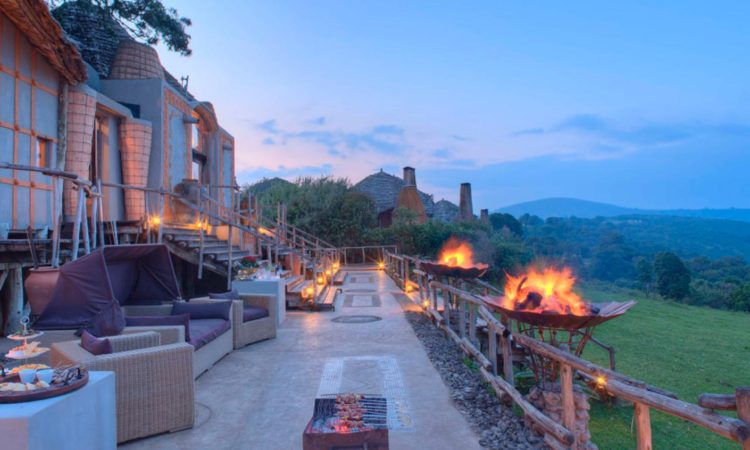
Known globally as one of the most luxurious lodges in Africa, Ngorongoro Crater Lodge by &Beyond is often described as Maasai-meets-Versailles. Positioned right on the crater’s edge, this architectural marvel combines ornate chandeliers, gilded mirrors, and velvet fabrics with traditional African artistry and materials. The result is a surreal blend of regal elegance and wilderness intimacy.

From every suite, breathtaking views of the crater unfold in sweeping cinematic glory. Butler service ensures every guest’s comfort is tended to with precision, while gourmet meals are crafted with local ingredients and global flair. The lodge’s commitment to conservation and community engagement adds further depth to its already commanding presence.

This lodge has not simply been built to accommodate—it has been designed to awe, to elevate, and to connect its guests with the surrounding landscape in profound and lasting ways.

The Highlands: A Dome Above the Clouds

Further from the crater rim yet uniquely positioned on the slopes of the Olmoti Volcano, The Highlands by Asilia Africa offers an experience both pioneering and immersive. Its geodesic domes, inspired by traditional Maasai bomas, are unlike any other accommodation in Tanzania. Each offers panoramic glass fronts, wood-burning stoves, and en-suite bathrooms with hot showers—all set within a lush forest teeming with wildlife.

Guests at The Highlands enjoy unmatched seclusion, cultural excursions into Maasai communities, and hikes to the nearby Olmoti and Empakaai craters. It’s a sanctuary for travelers who seek a deeper, quieter encounter with both nature and heritage, far from the conventional safari route.

The experience here is both futuristic and timeless—a gentle merging of innovation, culture, and environmental sensitivity.

Lemala Ngorongoro Tented Camp: Elegance in the Mist

Situated in a forest of ancient acacia trees near the Lemala Gate, Lemala Ngorongoro Tented Camp offers luxurious bush living with the advantage of being one of the closest access points to the crater floor. This proximity allows for early morning descents into the caldera, ensuring guests are among the first to witness its awakening splendor.

Canvas tents, thoughtfully appointed with plush bedding, wooden furnishings, and en-suite bathrooms, provide a warm and intimate base. Meals are served in a charming mess tent, and evenings are spent around a fire, sharing stories beneath a canopy of stars. Despite its rustic appearance, this camp delivers exceptional comfort while staying true to its wilderness roots.

The Lemala experience is steeped in authenticity, intimacy, and a deep respect for the environment that surrounds it.

Neptune Ngorongoro Luxury Lodge: A Taste of Tranquil Sophistication

Nestled in lush gardens and a tropical forest reserve, Neptune Ngorongoro Luxury Lodge provides a secluded, serene escape just a short drive from the crater gate. Built with volcanic stone and thatched roofs, its suites exude rustic elegance while offering expansive living spaces, fireplaces, and private terraces.

The lodge prides itself on its holistic wellness approach, offering spa treatments, organic cuisine sourced from its own farm, and an atmosphere of quiet contemplation. As the mist rolls in each evening, the property becomes enveloped in a mystical calm that invites reflection and renewal.

This lodge is for those who seek peaceful luxury, fine hospitality, and a deeper connection with nature’s rhythms.

Sanctuary Ngorongoro Crater Camp: Heartbeat of the Wilderness

Tucked within a forested pocket on the crater rim, Sanctuary Ngorongoro Crater Camp offers a more classic, canvas-based safari experience infused with thoughtful touches of modern luxury. Its intimate size ensures personalized service, while its location guarantees some of the shortest drive times to the crater floor.

The tents feature comfortable beds, flush toilets, and bucket showers—paying homage to traditional safari adventures while maintaining high standards of convenience. The camp’s proximity to wildlife and its immersive guiding experiences bring guests closer to the soul of the Ngorongoro ecosystem.

Every aspect of this camp has been carefully designed to immerse guests in a more visceral, authentic safari—one that evokes the romance of Africa’s golden age of exploration.

Gibb’s Farm: A Legacy of Harmony and Hospitality

Located near Karatu and offering a convenient base for crater excursions, Gibb’s Farm is more than a lodge—it’s a working organic farm, a historical retreat, and a sanctuary for the soul. Established in the 1920s, the farmstead has evolved into one of East Africa’s most cherished hospitality icons, renowned for its service, cuisine, and community involvement.

Cottages nestled within lush gardens offer fireplaces, soaking tubs, and verandas with sweeping valley views. Guests are invited to participate in farm activities, hike nearby trails, or simply indulge in farm-to-table meals that celebrate local flavors and global technique.

Gibb’s Farm resonates with a timeless rhythm—a slow, grounding luxury that whispers instead of shouts.

Entamanu Ngorongoro: Raw and Refined on the Rim

Poised on a remote section of the crater rim, Entamanu Ngorongoro by Nomad Tanzania brings together raw beauty and refined minimalism. Its structures are designed to withstand the elements, with interiors that mirror the colors and textures of the surrounding landscapes.

Entamanu is known for its immersive guiding, cultural authenticity, and commitment to low-impact tourism. The lodge offers front-row views of both sunrise and sunset over the crater, giving guests the rare gift of witnessing the caldera’s full cycle of light and life.

Here, luxury is measured not by extravagance, but by the rare privilege of solitude, silence, and unfiltered nature.

Crater Forest Tented Lodge: Hidden in the Highlands

A little further from the crater rim, Crater Forest Tented Lodge offers a rustic, eco-conscious retreat nestled within a highland coffee plantation. Elevated walkways connect the spacious tents, each with private balconies that offer dramatic views of the surrounding forest and distant crater rim.

The lodge prides itself on sustainability, utilizing solar power, rainwater harvesting, and local sourcing for its operations. Its remote setting makes it ideal for birdwatchers, hikers, and those who wish to experience a slower, more meditative pace.

Crater Forest Tented Lodge stands as a quiet reminder that safari luxury can also be modest, meaningful, and deeply restorative.

Ngorongoro Sopa Lodge: Panoramic Access and Family-Friendly Comfort

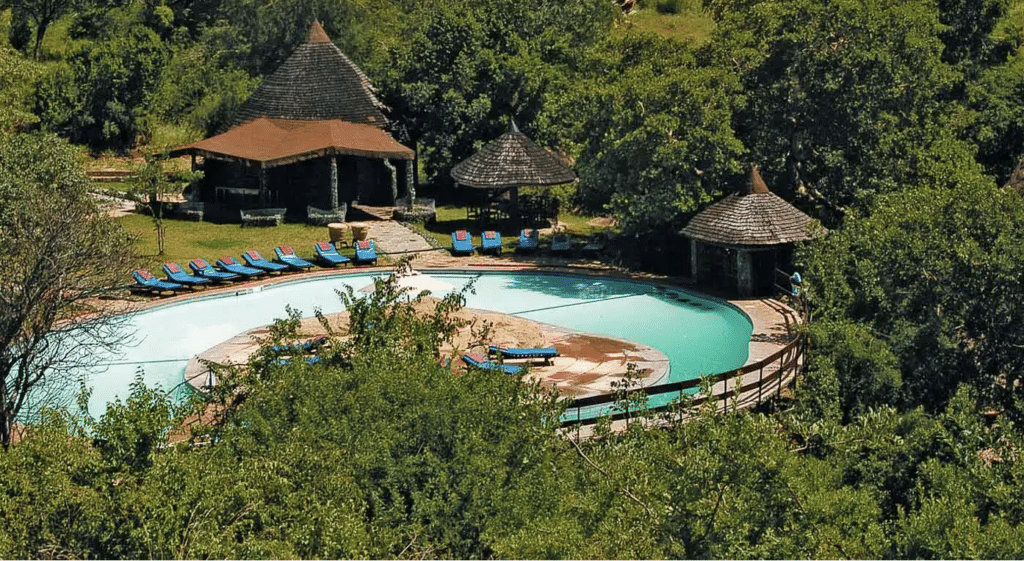
Uniquely positioned on the eastern rim of the crater, Ngorongoro Sopa Lodge enjoys some of the most sweeping views of the caldera and one of the easiest descent routes into the crater floor. Its architectural design mirrors traditional African motifs, while its spacious rooms, infinity pool, and family-friendly amenities make it a favorite among travelers of all ages.

The lodge blends affordability with accessibility without compromising on comfort. It remains one of the most enduringly popular choices for first-time visitors seeking a balance between panoramic beauty and practical convenience.

Your Journey Into Ngorongoro Awaits with WildHorn Africa

The Ngorongoro Crater remains one of Africa’s most extraordinary safari destinations, a place where ancient geological wonder meets contemporary luxury and untamed wildlife. Choosing the right lodge or camp is about more than comfort—it’s about shaping the emotional and experiential arc of your journey.

Whether one desires opulent decadence, rustic immersion, or serene solitude, WildHorn Africa curates tailor-made experiences that align seamlessly with each traveler’s dream. With unmatched local insight, sustainable partnerships, and a passion for excellence, WildHorn Africa transforms a safari into a life-defining memory.

To walk the rim of Ngorongoro is to gaze into the heart of creation. To descend into its depths is to encounter nature in its most raw and radiant form. And to do so with the care and expertise of WildHorn Africa is to ensure every moment is as extraordinary as the land itself.

Book your Ngorongoro Crater safari through WildHorn Africa—and experience Tanzania like never before.

Top 10 Best Zanzibar Luxury Beach Resorts & Hotels

Top 10 Best Zanzibar Luxury Beach Resorts & Hotels

By Tanzania travel guides, Travel guides, Travel stories and blogs

Top 10 Best Zanzibar Luxury Beach Resorts & Hotels
Where the Swahili Coast Meets the Pinnacle of Coastal Indulgence

Zanzibar: The Crown Jewel of the Indian Ocean

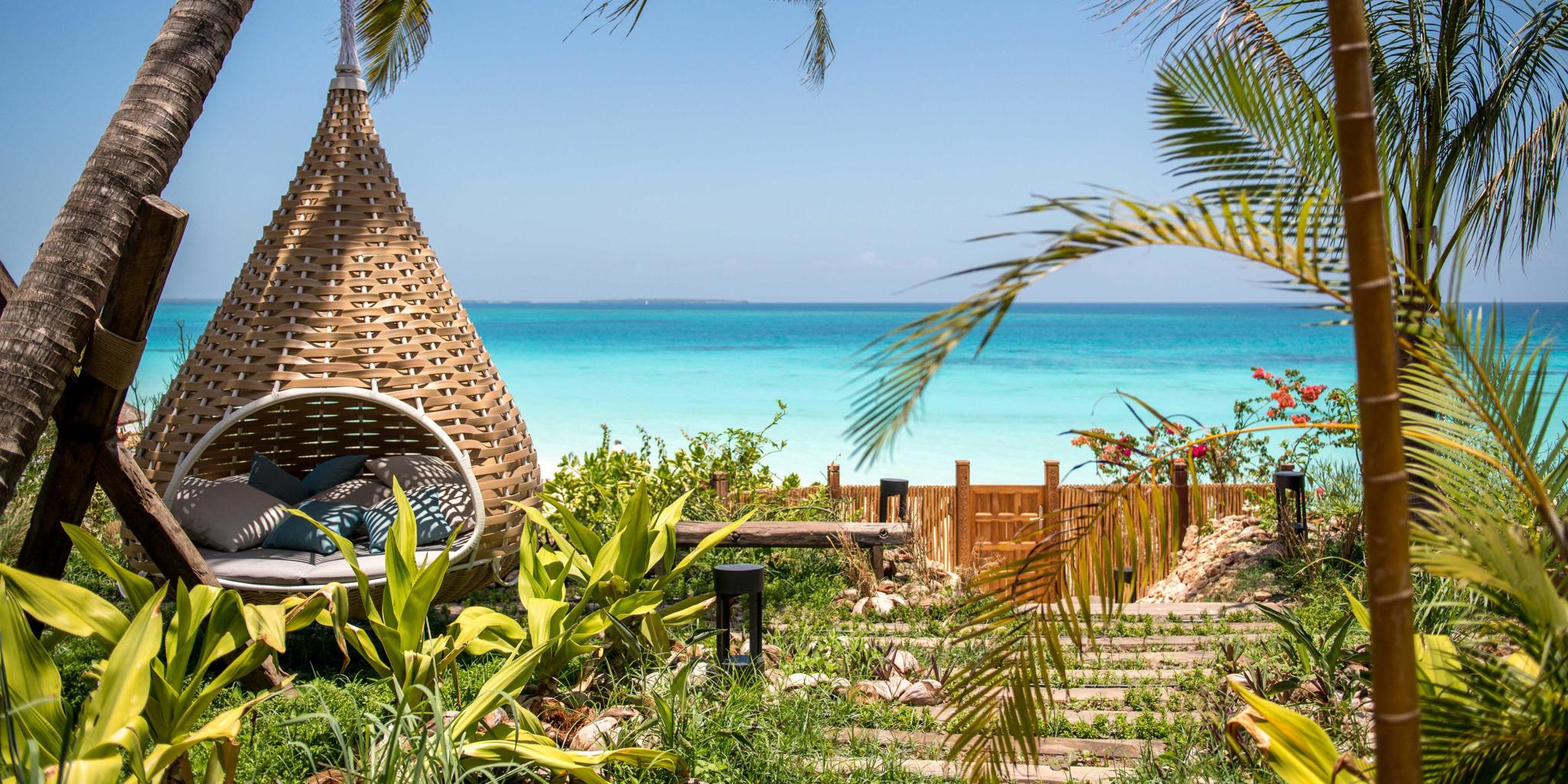
Tucked just off the coast of mainland Tanzania, Zanzibar has long captured the imaginations of travelers, traders, and explorers. This fabled archipelago, once a hub for spice merchants and sultans, now stands as one of Africa’s most coveted luxury beach destinations. Here, centuries-old Swahili culture blends seamlessly with coral white sands, turquoise waters, and whispering palm trees. But beyond its postcard-perfect beauty lies something far more profound: an atmosphere of unhurried elegance, sensory richness, and intimate barefoot luxury that few places in the world can replicate.

For travelers drawn to indulgence without losing sight of authenticity, Zanzibar’s luxury beach resorts and hotels offer more than just opulent escapes. They serve as sanctuaries for renewal, cultural immersion, and refined taste. From the spice-scented courtyards of Stone Town to the sun-drenched shores of Nungwi and Paje, Zanzibar’s most exclusive properties have been designed not just to shelter guests—but to stir them. Below, a curated journey into the top 10 best luxury beach resorts and hotels in Zanzibar, where paradise is not just imagined, but lived.

The Palatial Splendor of Zuri Zanzibar

Set on the northern edge of the island, Zuri Zanzibar presents a bold interpretation of eco-luxury. Nestled along a private stretch of pristine beach in Kendwa, this resort is often praised for its stylish, contemporary African design, lush tropical gardens, and a philosophy of sustainability that enhances rather than interrupts the surrounding ecosystem. Each villa and bungalow has been crafted with local materials, blending coastal modernism with Swahili charm.

Guests find themselves immersed in curated tranquility, with sunset yoga sessions, signature spice-infused cuisine, and a private beach where the tide never pulls away the shoreline. The use of solar energy, desalinated water systems, and community partnerships positions Zuri not just as a luxury resort, but a responsible beacon of tourism excellence. From the turquoise serenity of its infinity pool to the intimacy of its candle-lit dining under the stars, the Zuri experience redefines barefoot elegance.

Essque Zalu Zanzibar: A Grand Ode to the Ocean

Positioned at the northern tip of the island in Nungwi, Essque Zalu Zanzibar has become renowned for its dramatic architecture, including its iconic high-pitched thatch roof and panoramic views across the Indian Ocean. The resort invites its guests into expansive suites and villas, many with private plunge pools, nestled along quiet coastal walkways shaded by palms and fragrant frangipani trees.

The on-site art gallery, world-class spa, and curated gastronomy experiences all combine to create a multi-sensory luxury escape. Essque Zalu’s setting on a natural lagoon allows for uninterrupted swimming and water activities year-round, offering a perfect balance of relaxation and vibrant marine adventure. Here, indulgence takes the form of thoughtful curation—from locally sourced furnishings to the rhythms of live Swahili music drifting across the water at dusk.

Baraza Resort and Spa: Timeless Swahili Royalty

On the soft sands of Bwejuu beach lies a resort that transports its guests back in time, without ever compromising on contemporary comfort. Baraza Resort and Spa stands as a living tribute to the opulence of the Omani-Swahili Sultanate era, with gold-threaded linens, intricately carved archways, and majestic chandeliers that echo a regal past. Suites and villas open out onto private plunge pools and shaded courtyards, cloaked in aromatic gardens and ocean breezes.

The award-winning Frangipani Spa offers a haven of Eastern and Ayurvedic therapies, while the culinary experience is rooted in Zanzibar’s famed spice culture. Candle-lit Swahili feasts and coral reef snorkeling excursions define a stay where luxury meets cultural storytelling. Baraza is not merely a destination; it is an encounter with the soul of Zanzibar—rich, aromatic, and timeless.

The Residence Zanzibar: Where Isolation Becomes Indulgence

Sprawling across a 32-hectare estate on the southwest coast, The Residence Zanzibar embodies the very spirit of tropical seclusion. Each of its private pool villas offers unmatched space, lush landscaping, and direct beach access, ideal for honeymooners or families seeking both intimacy and grandeur. Interiors echo classic colonial elegance with subtle Swahili touches, while butler service ensures that every whim is anticipated.

Guests may rise to the sound of Indian Ocean waves and enjoy horseback rides along the beach or sailing excursions on a traditional dhow. The spa, located in the heart of a tropical garden, offers organic treatments inspired by ancient healing traditions. With a philosophy rooted in personalized service and barefoot luxury, The Residence is an invitation to fully retreat from the outside world.

Xanadu Villas & Retreat: Architectural Poetry in Paje

Xanadu Villas & Retreat on the island’s southeast coast redefines the concept of boutique luxury. Each villa is a distinct architectural masterpiece, some with rooftop plunge pools, others with spiraling staircases and private beachfront dining areas. The level of privacy and artistry here is unmatched, appealing to those with a taste for the extraordinary and one-of-a-kind.

With a philosophy centered on deep relaxation and high-end personalization, Xanadu provides private chefs, wellness treatments, and curated island experiences. The surrounding beaches of Paje are also known for kite-surfing and marine life, allowing guests to alternate between extreme serenity and active exploration. It is where luxury becomes intimate, and nature becomes theatre.

Tulia Zanzibar Unique Beach Resort: Designed for Dreamers

Tulia, located near Pongwe Beach, is a sanctuary of vivid imagination and heartfelt hospitality. Recognized for its colorful design, sea-facing villas, and exceptional service, the resort emphasizes a playful yet refined atmosphere. A private water slide flows into the resort pool, while luxury extends through wellness menus, curated excursions, and personalized attention.

With a no-children policy, Tulia offers adults a tranquil escape where the soundscape is dominated by waves, birdsong, and laughter over oceanfront dinners. The gardens bloom with tropical abundance, and each villa includes handcrafted details that reflect the island’s artistic soul. It is a dreamscape designed to surprise and soothe.

Matemwe Retreat: A Cliffside Coastal Romance

Perched above the coral-fringed coastline of Matemwe, the Retreat is a collection of four exclusive villas that offer total seclusion and sublime views. Each villa includes a private rooftop with a plunge pool, a personal butler, and the luxury of total discretion. It is a preferred hideaway for couples, writers, and those seeking spiritual rest.

The main lodge and adjoining spa blend in seamlessly with the coastal environment, offering locally sourced cuisine and rejuvenating body therapies. Days at Matemwe unfold in slow, beautiful rhythms—early morning ocean swims, hammock naps, and evenings under constellations. This is luxury that speaks in hushed tones, honoring nature and privacy in perfect measure.

Zanzibar White Sand Luxury Villas & Spa: Harmonizing with the Elements

Located in the wind-kissed coastal village of Paje, this eco-luxury resort is built around a deep respect for natural elements. Solar-powered villas are scattered across acres of lush vegetation, each with private pools, shaded terraces, and pathways that lead to the open beach. The design ethos is modern yet grounded, allowing nature to take the lead.

The in-house restaurant offers an exquisite fusion of international and Swahili cuisine, with a wine cellar that surprises even the most discerning guests. The spa, hidden among sand dunes, invites holistic healing through massages, steam rituals, and herbal infusions. For those who believe true luxury lies in ecological balance, Zanzibar White Sand delivers a harmonious retreat.

Kilindi Zanzibar: Where Architecture Meets the Ocean

Once designed for a Scandinavian royal, Kilindi Zanzibar stands as a beacon of coastal architecture and barefoot sophistication. Its 15 white-domed pavilions are spread across 50 acres of lush gardens and beach, each one oriented toward ocean views and complete privacy. The open-air bathrooms and rainfall showers amplify the experience of living in rhythm with the sea.

The resort is all-inclusive, but never ordinary—offering personalized menus, private beach dinners, and an infinity pool that seems to merge with the horizon. Kilindi’s philosophy revolves around space, serenity, and subtlety, creating an atmosphere of elevated tranquility where every detail has been considered.

The Soul of Zanzibar Lies in Its Shoreline Retreats

Across the white sands of Zanzibar’s coasts, luxury takes many forms—bold architecture, silent privacy, rich heritage, and ecological elegance. Each of these resorts and hotels represents more than accommodation; they are gateways into a deeper Zanzibar, where culture, nature, and comfort exist in perfect symphony.

Whether drawn to the regal ambiance of Baraza, the modern artistry of Xanadu, or the serene seclusion of Matemwe, the choice becomes less about comparison and more about alignment with one’s own rhythm and dream. The Indian Ocean is not merely a backdrop—it is a companion, a mirror, and a whispering storyteller.

Begin Your Journey with WildHorn Africa

Planning a Zanzibar escape is best entrusted to experts who understand the island’s many faces. With WildHorn Africa, travelers are offered tailor-made journeys that capture the essence of Zanzibar’s luxury, its cultural nuance, and natural grandeur. Each itinerary is thoughtfully crafted to reflect the traveler’s desires—whether that means serene solitude, cultural immersion, or lavish celebration.

To experience Zanzibar beyond the ordinary, to feel the wind in your soul and the ocean at your doorstep, book your African beach and safari adventure through WildHorn Africa. This is where your story of coastal luxury begins.

Best Places and Tourist Attractions To Visit in and Around Mombasa

Best Places and Tourist Attractions To Visit in and Around Mombasa

By Tanzania travel guides, Travel guides, Travel stories and blogs

Best Places and Tourist Attractions To Visit in and Around Mombasa
Discovering the Coastal Pearl of Kenya Through Its Rich Culture, Coastal Magic, and Timeless Adventures

The Allure of Mombasa: Where Culture Meets the Indian Ocean

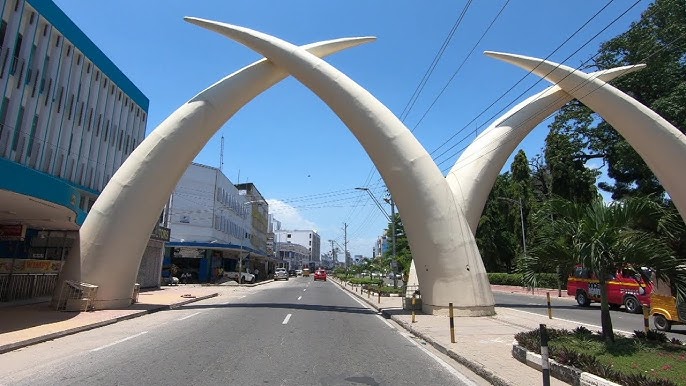
Nestled along the sun-soaked Kenyan coastline, Mombasa stands as a captivating blend of African, Arab, Asian, and European influences. This ancient port city, with its winding alleys, ornate architecture, and vibrant Swahili culture, has for centuries mesmerized travelers, traders, and explorers. Set against the breathtaking backdrop of the Indian Ocean, Mombasa is not merely a destination—it is an experience sculpted by time, tide, and the tenacity of its people.

The city’s unique rhythm is carried in the breeze that rustles through the palms, in the chants of local markets, in the distant calls to prayer echoing from minarets, and in the waves that gently kiss its white sand shores. Rich in history, teeming with life, and blessed with a strategic geographical position, Mombasa is both the heartbeat of coastal Kenya and the gateway to some of East Africa’s most awe-inspiring attractions. From heritage-rich Old Town to stunning marine parks, from sacred forests to luxurious beach resorts, every turn in and around Mombasa reveals a deeper layer of beauty, mystery, and wonder.

Fort Jesus: A Sentinel of Stone and Story

Constructed by the Portuguese in the 16th century, Fort Jesus remains one of Mombasa’s most iconic historical landmarks. With its strategic positioning along the harbor, it once served as a bastion of colonial power and a site of fierce battles between European and Arab forces. Today, its formidable walls house a museum that chronicles Mombasa’s storied past, including its role in the spice trade, slavery, and the wider Swahili Coast’s cultural evolution. Visitors walk through ancient battlements, peer into dungeons, and examine archaeological artifacts that breathe life into centuries of maritime history.

The fort, a UNESCO World Heritage Site, symbolizes more than military strategy; it tells of resistance, convergence, and resilience. Overlooking the turquoise waters of the harbor, it invites travelers to imagine a time when ships laden with goods and stories docked at its feet, shaping the multicultural identity that Mombasa cherishes to this day.

Old Town: A Labyrinth of Culture and Craft

Adjacent to Fort Jesus lies the enigmatic Old Town of Mombasa, a compact maze of narrow streets lined with crumbling coral stone buildings, intricately carved doors, and vibrant balconies. Steeped in Swahili, Arab, Indian, and Portuguese influence, this district is not just an architectural wonder; it is a living museum of cultural symbiosis.

Visitors meander through aromatic spice shops, bustling cafes, curio stores, and mosques that whisper ancient prayers. Every alley and archway holds a secret waiting to be uncovered, whether in the form of an antique Swahili chest, a calligraphed Arabic scripture, or a bowl of steaming biryani served with age-old warmth. The town’s authenticity remains uncompromised, offering an immersive plunge into a way of life that has endured for generations.

Haller Park: A Lush Rebirth from Quarry to Paradise

Once a desolate limestone quarry, Haller Park has been miraculously transformed into a thriving ecological sanctuary, showcasing the power of environmental restoration. Located just north of the city, it serves as a refuge for giraffes, hippos, zebras, and a variety of bird species, offering visitors a tranquil, green escape from Mombasa’s urban buzz.

The park’s shaded trails lead through palm groves, lily-strewn ponds, and rehabilitated woodlands. As monkeys chatter in the canopy and crocodiles bask in the sun, one cannot help but marvel at how desolation has been turned into vibrancy. Educational, serene, and deeply inspiring, Haller Park speaks to the soul of conservation and ecological redemption.

Mombasa Marine National Park: A Submerged Eden

Just off the coast lies the Mombasa Marine National Park, an underwater sanctuary teeming with coral reefs, colorful fish, and seagrass beds. Accessible by traditional dhows or glass-bottom boats, the park opens a window into a world of extraordinary biodiversity and aquatic charm.

Snorkelers and divers are treated to dazzling coral gardens, schools of angelfish and parrotfish, and occasional sightings of dolphins and sea turtles. The gentle waves of the Indian Ocean carry more than marine life—they carry stories of coexistence between people and the sea, of fishermen guided by moonlight and of communities whose lives are intrinsically linked to the ocean’s rhythm.

The protected status of the park ensures that this marine gem remains unspoiled for generations to come, making it a must-visit for eco-conscious travelers and ocean lovers alike.

Nyali and Diani Beaches: Where Luxury Meets Natural Splendor

For those seeking idyllic shores and world-class leisure, the beaches of Nyali and Diani provide unmatched coastal experiences. Nyali, just minutes from central Mombasa, offers a more urban escape, dotted with elegant resorts, fine restaurants, and art galleries that showcase coastal Kenya’s creative spirit. The beach itself is a soft expanse of white sand that glows beneath the tropical sun, inviting both relaxation and adventure.

Further south, Diani Beach emerges as a true paradise on Earth. Its azure waters, swaying palms, and gentle tides make it one of the most celebrated beaches on the continent. Visitors can enjoy kitesurfing, camel rides, sunset cruises, or simply laze in the shade of palm trees while sipping fresh coconut juice. The atmosphere is luxurious yet laid-back, making Diani a perfect blend of serenity and sophistication.

Mamba Village and Bombolulu: Cultural Depth and Community Craftsmanship

To truly grasp the cultural heart of Mombasa, visits to Mamba Village and Bombolulu Workshops offer unparalleled insight. Mamba Village, the largest crocodile farm in East Africa, provides educational tours that delve into the biology and behavior of these fascinating reptiles. Beyond the exhibits, beautifully landscaped gardens and camel rides add to the immersive experience.

Not far from there, Bombolulu Workshops, run by the Association for the Physically Disabled of Kenya, serves as a shining example of inclusive community empowerment through art. Here, skilled artisans with disabilities produce intricate jewelry, textiles, and leather crafts. The center doubles as a cultural complex with traditional homesteads, tribal dances, and storytelling sessions. Visitors leave not just with souvenirs but with a deeper appreciation for Mombasa’s human spirit and social progress.

Shimba Hills National Reserve: Untamed Beauty Beyond the Shoreline

A short drive inland from Mombasa leads to the verdant landscapes of Shimba Hills National Reserve, a hidden gem often overshadowed by Kenya’s more famous parks. Rolling hills, waterfalls, and rich biodiversity make this sanctuary a refreshing contrast to the coast. The rare sable antelope roams freely here, alongside elephants, leopards, and a diverse range of birds and butterflies.

Shimba Hills offers cooler air, panoramic vistas of the coastline, and a deeper connection to Kenya’s wild and untouched side. For travelers seeking a more secluded encounter with nature, this reserve offers an exquisite off-the-beaten-path experience.

Mtwapa Creek and Kilifi: Coastal Secrets Waiting to Be Explored

North of Mombasa, Mtwapa Creek and Kilifi beckon with a more laid-back, bohemian energy. Mtwapa is a vibrant fishing town known for its nightlife, water sports, and mangrove-lined estuaries. The creek is perfect for dhow excursions at sunset, as the sky melts into hues of gold and crimson over still waters.

Kilifi, further north, is emerging as a hub for sustainable tourism and cultural expression. With its colonial architecture, tidal bridge, and the ancient Mnarani Ruins nearby, Kilifi offers both historical intrigue and stunning natural beauty. It is here that the magic of the coast quietly lingers, undisturbed and inviting.

Plan Your Coastal Kenyan Escape with WildHorn Africa

For travelers who yearn to go beyond the brochure and experience Mombasa’s diverse offerings in their most authentic form, WildHorn Africa provides expertly curated safari and coastal itineraries that connect you to the soul of Kenya. Whether it’s navigating the coral reefs of the marine park, tracing Swahili culture through Old Town, or relaxing on a private beachside villa in Diani, WildHorn Africa ensures every journey is enriched with purpose, luxury, and local connection.

From planning seamless logistics to offering access to hidden gems, WildHorn Africa redefines travel across East Africa—not as passive sightseeing, but as an intimate exploration of land, life, and legacy.

Book your African adventure with WildHorn Africa today, and let the magic of Mombasa guide your journey.

Serengeti vs Kruger. Which Is Better for an African Safari?

Serengeti vs Kruger. Which Is Better for an African Safari?

By South Africa travel guides, Tanzania travel guides, Travel guides, Travel stories and blogs

Serengeti vs Kruger: Which Is Better for an African Safari?

Embarking on the Ultimate African Safari Showdown

The quest for the ultimate African safari experience often leads travelers to two iconic destinations: the vast plains of the Serengeti National Park in Tanzania and the sprawling wilderness of Kruger National Park in South Africa. Each park holds a revered place in the hearts of wildlife enthusiasts, boasting exceptional biodiversity and unforgettable landscapes. However, the question arises: which is better for an African safari? This inquiry demands a thorough exploration of their unique attributes, wildlife encounters, accessibility, accommodations, and overall safari experiences.

The Serengeti: A Timeless Wilderness of Endless Horizons

The Serengeti, meaning “endless plains” in the Maasai language, is a symbol of Africa’s wild heart and is celebrated worldwide for its dramatic ecosystems and natural spectacles. The park’s landscape is dominated by sweeping grasslands, scattered acacia trees, and rocky kopjes that punctuate the horizon. The Serengeti’s claim to fame is its role in the legendary Great Migration, an epic annual movement of over a million wildebeest, accompanied by hundreds of thousands of zebras and gazelles, traversing vast distances in search of fresh grazing.

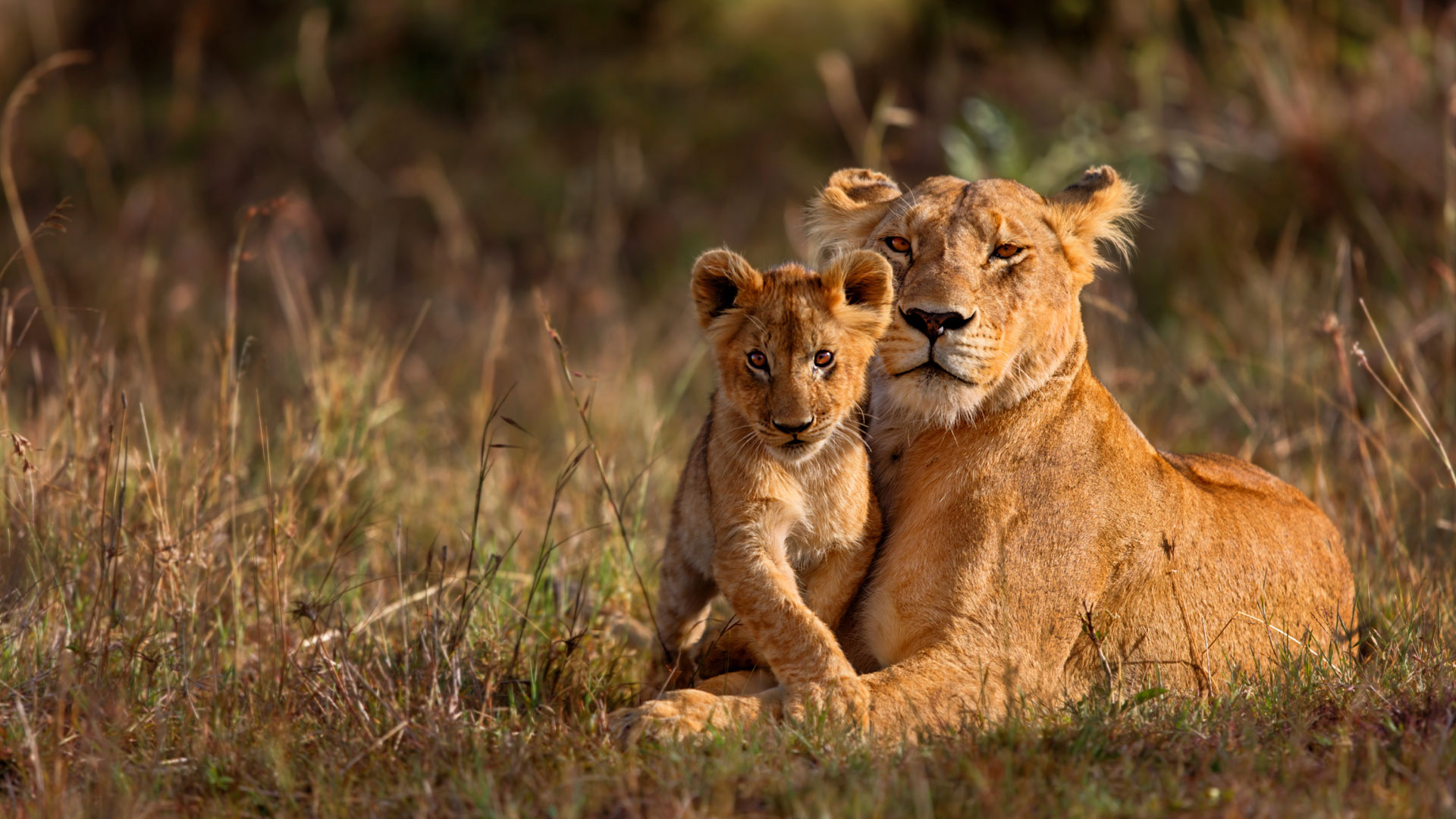
This phenomenon creates a dynamic environment where predators and prey interact in a continuous cycle of survival and renewal. The park’s abundant predator populations—including lions, cheetahs, leopards, and hyenas—offer thrilling safari encounters rarely matched elsewhere. The Big Five are found within the Serengeti, but the park is also home to an astonishing array of other species, from elephants and giraffes to rare African wild dogs.

Kruger National Park: South Africa’s Premier Wildlife Sanctuary

In contrast, Kruger National Park offers a different safari narrative, characterized by its exceptional size, diversity, and accessibility. Spanning nearly 20,000 square kilometers, Kruger is one of Africa’s largest game reserves, with an infrastructure developed for self-drive safaris and a wide range of accommodation options. The park is renowned for the sheer variety of habitats it contains, ranging from dense bushveld to open savannah, supporting an immense variety of flora and fauna.

Kruger’s Big Five populations are well-established and frequently observed by visitors. Beyond the famous five, Kruger is noted for its high numbers of bird species, reptiles, and smaller mammals, offering a comprehensive wildlife experience. Its reputation for excellent visitor facilities and relative ease of access makes it an attractive choice for both first-time and experienced safari travelers.

Wildlife Encounters: A Comparative View

When comparing wildlife sightings, the Serengeti’s advantage lies in its raw wilderness and unparalleled concentrations of migratory animals. The spectacle of the migration, where vast herds cross crocodile-infested rivers and predators hunt in the open, offers dramatic photographic opportunities and intense wildlife viewing. The Serengeti’s vast size means that game drives often involve covering significant distances to locate animals, emphasizing the park’s unspoiled nature.

Kruger, on the other hand, provides consistently reliable game viewing due to its well-distributed water sources and dense network of roads. Game sightings are often more frequent and easier to arrange in Kruger, with animals habituated to the presence of vehicles. The park’s varied habitats allow for observation of a broad range of species, including elusive nocturnal creatures, which can be experienced during guided night drives.

Accessibility and Infrastructure: Convenience Versus Adventure

Accessibility plays a crucial role in the safari experience. The Serengeti, while iconic, is relatively remote, requiring a combination of international flights, domestic transfers, and often light aircraft flights into airstrips within the park. Roads are typically unpaved, and travel times between camps and viewing sites can be lengthy. This remoteness contributes to the Serengeti’s untouched atmosphere but also demands a greater time commitment and budget.

Kruger National Park’s accessibility is facilitated by its proximity to major South African cities such as Johannesburg and Pretoria. Well-maintained tarred roads crisscross the park, allowing visitors to explore via self-drive or guided tours. The availability of various lodging options—from basic campsites to luxury lodges—caters to a wide range of travelers. This infrastructure makes Kruger a convenient destination for shorter safaris and those seeking more comfort.

Accommodation and Safari Styles: Luxury or Rugged Authenticity?

The Serengeti’s lodges and tented camps are often positioned to offer immersive wilderness experiences with stunning views and direct access to prime wildlife viewing areas. Many accommodations emphasize eco-friendly designs that blend into the environment, with an emphasis on exclusivity and personalized service. The sense of being deeply connected to nature is a hallmark of a Serengeti safari.

In Kruger, the accommodation spectrum is broad, ranging from public rest camps managed by the park authority to privately operated luxury lodges. This range ensures that safaris can be tailored to diverse preferences and budgets. The public camps offer essential amenities and easy access to key wildlife areas, while private lodges provide exclusive game drives, gourmet cuisine, and spa services. This versatility appeals to families, solo travelers, and groups alike.

Cultural and Scenic Dimensions: Beyond Wildlife

While both parks are wildlife-centric, the cultural and scenic experiences differ significantly. The Serengeti’s proximity to Maasai communities allows for cultural interactions that enrich the safari narrative. The backdrop of the Ngorongoro Conservation Area, with its dramatic crater and rich biodiversity, adds to the region’s scenic allure.

Kruger is part of the larger Greater Limpopo Transfrontier Park, which encompasses neighboring reserves in Mozambique and Zimbabwe, offering cross-border safari options. The region’s history, from ancient rock art sites to colonial heritage, complements the wildlife experience. Additionally, the surrounding South African tourism infrastructure provides access to other attractions such as the Panorama Route and wine regions.

Conservation and Sustainability Efforts

Both parks have been focal points for conservation, but the approaches reflect their contexts. Serengeti’s conservation emphasizes protection of migratory corridors and preservation of vast ecosystems, with global partnerships playing a key role. Anti-poaching initiatives and community-based conservation are critical in safeguarding species like the rhino and wild dog.

Kruger, governed by South African National Parks, implements advanced technology in anti-poaching efforts, including aerial surveillance and sniffer dogs. Community outreach and employment within the park promote local involvement. Sustainability in tourism operations is a growing priority, ensuring that the park’s natural and cultural resources remain viable for future generations.

Final Considerations: Which Safari Destination Is Better?

The decision between Serengeti and Kruger as the better safari destination depends largely on the traveler’s priorities and expectations. Serengeti appeals to those seeking a wilder, more remote adventure, driven by the spectacle of migration and vast landscapes. The safari experience here is more about the primal rhythms of nature and less about convenience.

Kruger, by contrast, offers a more accessible, versatile, and comfortable safari, suitable for a wide range of travelers, including families and self-drive enthusiasts. The park’s infrastructure, diversity of wildlife, and ease of access make it ideal for those who desire a well-rounded and less logistically complex safari.

Both destinations promise remarkable encounters with Africa’s iconic wildlife, but the choice will ultimately depend on personal preferences for adventure, comfort, wildlife density, and cultural context.

Plan Your Unforgettable African Safari with WildHorn Africa

For those inspired to explore either the Serengeti or Kruger and to immerse themselves in the wonders of Africa’s wildlife, the guidance of expert safari planners is invaluable. Booking tours and safaris through WildHorn Africa guarantees a seamless experience, with carefully crafted itineraries, knowledgeable guides, and a commitment to sustainable tourism. Whether the desire is to witness the thunderous migration of the Serengeti or the abundant game of Kruger, WildHorn Africa offers unparalleled support to ensure that every moment of the journey is extraordinary and responsibly conducted.

Your African safari adventure, rich in memories and wildlife wonders, awaits.

Top 10 Best Tarangire National Park Safari Camps & Lodges

Top 10 Best Tarangire National Park Safari Camps & Lodges

By Tanzania travel guides, Travel guides, Travel stories and blogs

Top 10 Best Tarangire National Park Safari Camps & Lodges
Where Wilderness Meets Timeless Luxury in Northern Tanzania

A Hidden Gem in East Africa’s Safari Crown

Tucked in the shadows of its more famous northern neighbors—Serengeti and Ngorongoro—Tarangire National Park remains one of Tanzania’s best-kept secrets, captivating those who seek solitude, raw beauty, and unmatched wildlife spectacle. This park, stretching over 2,850 square kilometers, unfolds like an ancient storybook, filled with massive baobab trees, golden savannahs, and an astonishing density of elephants.

Unlike the well-trodden paths of its more renowned counterparts, Tarangire offers a quieter, more intimate safari experience, drawing in those in search of authenticity and charm. And within this pristine landscape lies a collection of exceptional safari lodges and camps, each blending effortlessly with its environment while providing uncompromising luxury and connection to nature.

To explore Tarangire is to wander through a dreamscape. But to stay in the right place is to feel its soul. Below is an in-depth journey into the top 10 best-value luxury safari lodges and camps in Tarangire National Park, where location, comfort, service, and immersion have been seamlessly woven into unforgettable experiences.

A Sanctuary of Elegance: Chem Chem Lodge

Located in the wildlife-rich corridor between Lake Manyara and Tarangire, Chem Chem Lodge represents the very essence of slow safari philosophy. Privacy, exclusivity, and stillness define the experience here, where eight elegantly appointed suites stretch across a vast private concession. Framed by ancient acacia trees and overlooking Lake Burunge, the lodge invites guests to awaken to the soft sound of birdsong and distant lion calls, far from crowds and distractions.

A sense of timeless luxury pervades the lodge, where every detail—from vintage décor to gourmet dining—speaks of refined taste. The emphasis is on connecting with nature at a personal pace. Bush walks, sunrise hot air ballooning, and conservation-led interactions with local communities enrich the soul, while the expansive suites and spa restore the body. Chem Chem is not just a place to sleep—it is a sanctuary where Africa whispers its secrets.

Intimate Bush Luxury: Tarangire Treetops by Elewana

Rising above the woodland canopy on the edge of Tarangire, Tarangire Treetops offers a rare perspective of the African wilderness. Elevated, open-fronted treehouse suites—each perched on platforms wrapped around massive baobab or marula trees—blend rustic design with luxurious features. At dusk, the glowing amber sky is mirrored in the lodge’s infinity pool, while elephants often gather at the lodge’s waterhole just meters away.

This lodge is celebrated for its exceptional service and immersive atmosphere. Candlelit bush dinners, nocturnal game drives, and the soft hum of nocturnal life beneath your feet make this a haven for romantics and adventurers alike. Time slows, senses awaken, and guests are embraced by the quiet grandeur of Tarangire’s wild heart.

Raw and Remote Beauty: Oliver’s Camp by Asilia

Tucked deep within the remote southern region of the park, Oliver’s Camp offers a purist’s safari experience wrapped in understated luxury. This location is celebrated for its rich game density and minimal vehicle traffic, creating an unspoiled setting ideal for wildlife enthusiasts, photographers, and those seeking raw immersion.

The camp consists of spacious canvas suites with indoor and outdoor showers, positioned to capture the movement of wildlife and the songs of nature. Days unfold with thrilling walking safaris and off-road game drives, while evenings are best spent around the campfire sharing stories beneath the African sky. The camp’s close ties to conservation and community initiatives ensure that every guest experience also leaves a positive legacy.

Exclusive Serenity: Little Chem Chem

On a private concession bordering Tarangire, Little Chem Chem offers an elegant yet authentic tented experience. Often described as “a place where time slows down”, this intimate camp focuses on privacy, with just a handful of luxurious tents spaced generously apart. Wildlife roams freely through the concession, and the rhythms of nature set the tone for each day.

Days are shaped by tailored, low-impact safari experiences, including photographic safaris, conservation walks, and rare lion tracking excursions. Evenings feature sundowners overlooking the lake, gourmet dining under lantern light, and the distant trumpeting of elephants in the dark. Guests leave not only rested but profoundly connected to the wild.

Classic Safari Atmosphere: Sanctuary Swala Camp

Sanctuary Swala is situated in one of the most secluded areas of Tarangire, surrounded by giant acacia trees and frequented by herds of elephants, leopards, and lions. Each of the camp’s canvas pavilions is tastefully decorated, combining vintage safari character with sleek modern amenities. An infinity pool, fine dining restaurant, and attentive butler service elevate the experience into pure indulgence.

Wildlife viewing here feels deeply personal. Whether watching elephants gather at the waterhole from the privacy of your tent or spotting lions on a guided game drive, every moment at Sanctuary Swala is delivered with refined comfort and intuitive service, making it an exceptional base for exploring Tarangire’s quieter corners.

Hidden Oasis: Mbali Mbali Tarangire River Camp

Overlooking the Tarangire River, Mbali Mbali Tarangire River Camp is positioned on the park’s boundary, allowing both uninterrupted views of wildlife and easy access to key safari zones. Elevated tented suites, some with private plunge pools, provide stunning river vistas and immersion into Tarangire’s seasonal drama.

The camp offers exceptional value without compromising on quality, blending sustainable practices with personalized attention. Elephants, buffaloes, and antelope are frequently seen from the main deck, and the proximity to the Silale Swamps makes this an ideal base during the dry season when game viewing is at its peak.

Wild Seclusion: Kuro Tarangire by Nomad Tanzania

Nomad Tanzania’s Kuro Tarangire Camp represents the epitome of discreet bush elegance. Set in a remote, game-rich zone near the Tarangire River, the camp is designed with a light ecological footprint and a strong focus on sustainable luxury. Tented suites merge seamlessly with the landscape, and the overall aesthetic is organic, earthy, and calming.

Game drives, guided walks, and cultural visits to nearby communities are curated with care and authenticity. What sets Kuro apart is its commitment to conservation and community involvement, making each guest an active participant in preserving Tarangire’s wild beauty.

Affordable Luxury: Lake Burunge Tented Lodge

Positioned on the western border of Tarangire National Park, Lake Burunge Tented Lodge offers spacious, elevated tents with sweeping views of the lake and the park beyond. The lodge provides affordable comfort and exceptional access to game drive routes, making it ideal for travelers seeking value without compromising experience.

Activities include cultural excursions to nearby villages and guided nature walks in addition to traditional game drives. As flamingos gather along the lake’s edge and giraffes stroll past the veranda, the lodge delivers serenity, wildlife, and cultural connection in one complete package.

Eco-Immersion: Baobab Tented Camp

Baobab Tented Camp sits in one of the park’s most scenic and wildlife-dense areas, surrounded by towering baobab trees and within reach of key wildlife migration routes. The camp is built around eco-friendly principles, using solar power, local materials, and minimal fencing to allow free animal movement and authentic wilderness feel.

Guests enjoy well-appointed tents, warm hospitality, and delicious local cuisine, often under the stars. The focus here is on reconnecting with nature and appreciating Tarangire’s rhythm. Sunrises are quiet and golden, evenings are filled with distant hyena calls, and each day ends with a sense of wonder.

Elegant Simplicity: Maweninga Camp

Perched on a granite kopje with panoramic views over Tarangire and Lake Burunge, Maweninga Camp boasts one of the most breathtaking locations in the park. Its elevated tented suites blend rustic charm with contemporary touches, and the camp’s strategic position allows for exceptional sunsets and stargazing.

Game drives from Maweninga explore both Tarangire’s southern expanse and the quieter northern corridors, offering diverse ecosystems and fewer crowds. Evenings are marked by the glow of lanterns and the soft crackle of firewood, as guests gather to reflect on the day’s sightings.

Where Wilderness Meets Indulgence

Each of these top Tarangire safari lodges and camps tells a different story—of landscape, philosophy, and experience. Whether nestled among baobabs or perched by rivers, whether polished with high-end luxury or rooted in sustainable simplicity, they all offer more than a place to sleep. They offer a window into one of Africa’s richest ecosystems, and a front-row seat to its timeless drama.

Tarangire National Park may not always appear on the first page of a traveler’s bucket list, but once experienced, it leaves a mark deeper than most. Elephants lumbering beneath baobabs, lions stalking the tall grass, and the quiet hush of a lantern-lit dinner in the wild—these moments define Tarangire. But to truly live them, the right lodge can elevate them into legend.

Start Your Safari Journey with WildHorn Africa

Planning a journey to Tarangire requires insight, care, and an understanding of the land’s nuances. With WildHorn Africa, travelers are assured seamless planning, personalized service, and handpicked lodges that reflect the soul of safari. Whether it’s a private family retreat, a romantic escape, or a solo expedition into the heart of the wild, WildHorn Africa designs experiences that resonate long after the dust settles.

To awaken your senses and walk the untamed trails of Tarangire with confidence, book your Tanzania safari with WildHorn Africa—where luxury, wilderness, and authenticity converge in perfect harmony.

10 Best Things to Do in and Around Moshi, Tanzania

10 Best Things to Do in and Around Moshi, Tanzania

By Tanzania travel guides, Travel guides, Travel stories and blogs

10 Best Things to Do in and Around Moshi, Tanzania
Where the Shadows of Kilimanjaro Conceal Endless Wonders

Welcome to Moshi: Tanzania’s Hidden Gem beneath the Great Mountain

In the northeastern corner of Tanzania, where the fertile plains stretch toward the jagged silhouette of Africa’s tallest mountain, a town both vibrant and understated quietly waits to be explored. Moshi, nestled at the foot of the iconic Mount Kilimanjaro, is far more than just a base camp for climbers. It is a cultural, historical, and natural treasure trove, where every path reveals a new adventure and every experience unfolds with authentic African charm.

Unlike the bustle of Arusha or the chaos of larger cities, Moshi thrives on a more intimate scale. The pace here is measured, the people warmly hospitable, and the surrounding landscapes breathtaking in their variety. From the thrill of volcanic trails to the serenity of hidden waterfalls, from immersive cultural encounters to encounters with untamed wildlife, Moshi offers a spectrum of experiences that surprise and delight even the most seasoned travelers.

As the gateway to Kilimanjaro, it is often hurriedly passed through by those seeking the summit. Yet, those who pause and linger are rewarded with a region rich in character, nature, and tradition. The following are the ten best things to do in and around Moshi—not merely activities, but transformative experiences that etch themselves into memory.

Climbing the Mythical Mount Kilimanjaro

At the heart of every Moshi itinerary lies the magnetic presence of Mount Kilimanjaro, Africa’s highest peak and the world’s tallest free-standing mountain. Rising to 5,895 meters, it dominates not just the skyline, but the spirit of the town itself. While the mountain can be admired from the town’s cafes, gardens, and rooftops, the true essence of Kilimanjaro can only be felt on its trails.

Climbing Kilimanjaro is more than a physical challenge—it is a spiritual undertaking, a test of endurance and willpower, traversing through five ecological zones, from dense rainforest to alpine desert and, finally, to the ice-capped summit. Routes such as Machame, Lemosho, and Marangu have each drawn adventurers seeking the moment when dawn breaks over Uhuru Peak, bathing the world in golden silence.

Even for those not climbing to the summit, shorter hikes on the lower slopes or nature walks through the rainforest offer an intimate taste of the mountain’s majesty, often accompanied by glimpses of monkeys, exotic birds, and towering ancient trees.

Exploring the Culture of the Chagga People

Beneath the grandeur of Kilimanjaro lies the cultural heart of Moshi: the land of the Chagga people, who have inhabited the slopes of the mountain for centuries. Their traditions, customs, and stories are deeply entwined with the environment, and learning about them provides a deeper understanding of life on and around the mountain.

Visits to Chagga villages unveil the intricacies of daily life, from traditional banana farming and coffee cultivation to age-old culinary practices. In these communities, hand-dug caves once used for protection during tribal conflicts still remain, offering insight into the region’s layered past. Guided tours often include storytelling sessions, local dances, and hands-on involvement in coffee preparation—from bean to cup—a process deeply symbolic to the Chagga people.

This cultural immersion is not merely observational; it is participatory, sincere, and profoundly human.

Unwinding at Materuni Waterfalls

Just a short drive from Moshi, tucked within the green folds of the mountain’s foothills, the Materuni Waterfalls cascade with ethereal grace. These falls, nearly 90 meters tall, are surrounded by dense tropical vegetation, creating a natural amphitheater of sound and mist.

The journey to Materuni requires a short trek through Chagga farmlands and lush forest trails. Along the way, travelers are greeted with panoramic views of the Kilimanjaro massif, village children calling cheerfully from fields, and a variety of endemic flora. The reward is an invigorating swim in the crystal-clear plunge pool below the falls—a moment of serenity that contrasts beautifully with the energetic hike.

Nearby coffee farms add another dimension to the experience, offering tastings and stories that further ground visitors in the richness of the land.

Relaxing in the Kikuletwa Hot Springs

Also known as Chemka Hot Springs, these turquoise pools in the middle of a semi-arid landscape provide a surreal escape from the dust and heat. Fed by underground volcanic springs, the waters remain delightfully warm, clear, and inviting year-round.

Surrounded by fig trees and the chatter of monkeys, the Kikuletwa Hot Springs offer both recreation and relaxation. Rope swings, submerged tree roots, and shaded picnic spots create a playful, rejuvenating atmosphere. Despite their off-the-beaten-path location, they have become a cherished detour for those seeking a therapeutic dip in naturally filtered geothermal waters.

The drive itself, through villages and savannah, offers a window into rural Tanzanian life and sets the tone for an unhurried, authentic adventure.

Discovering Local Flavors at Moshi’s Markets

To understand a town’s soul, one must visit its markets—and Moshi’s central market delivers a vivid portrait of Tanzanian life in full color and aroma. The narrow walkways brim with fresh produce, handcrafted wares, spices, and textiles, while vendors call out in Swahili, smiling broadly at foreign curiosity.

Exploring the market is a sensory feast. The scent of ripe mangoes mingles with roasted maize and grilled meat. The hum of commerce fills the air, and the rhythm of life unfolds in its most unfiltered form. Traditional herbalists, cobblers, and seamstresses work side by side in an open-air mosaic of enterprise and community.

Sampling street food—from roasted plantains to beef skewers—completes this deep dive into local identity, ensuring that the flavors of Moshi linger long after departure.

Witnessing Sunrise or Sunset over Kilimanjaro

Few experiences compare to watching the sun break or retreat behind the peak of Mount Kilimanjaro. Whether viewed from a rooftop bar in Moshi town or from the nearby countryside, the mountain’s shifting hues create an atmosphere of reverence and awe.

In the early morning, as the mist lifts and the glaciers catch the first light, Kilimanjaro glows with a quiet majesty. At dusk, its silhouette becomes a shadow against fiery skies. These moments are often accompanied by a stillness that encourages reflection—a rare kind of peace found only in nature’s grandest settings.

These scenes are not curated or scripted. They simply happen, each day, as if reminding travelers that the greatest beauty requires no fanfare.

Biking through Rural Landscapes

Cycling tours around Moshi offer a unique and environmentally friendly way to explore the surrounding region. Winding through coffee plantations, banana groves, and rustic villages, these excursions allow for spontaneous encounters and unfiltered views of rural life.

The trails, often guided by local cyclists, showcase the gentle rhythms of Tanzanian countryside, where goats graze beneath acacia trees and women carry harvests on their heads with effortless grace. Depending on the route, the journey may pass through wildlife corridors, community farms, or even cultural heritage sites.

This slower pace reveals the subtleties that are often missed by cars or buses—moments of real connection with the land and its people.

Visiting Rau Forest Reserve

On the outskirts of Moshi lies the lesser-known but ecologically significant Rau Forest, a remnant of once-vast indigenous woodlands. Though modest in size, the reserve harbors unique biodiversity, including blue monkeys, bush babies, and an array of bird species.

Walking trails weave beneath towering fig trees and strangler vines, occasionally opening into sun-dappled clearings. For those seeking a quieter, more contemplative nature experience, Rau Forest offers a beautiful contrast to the high drama of Kilimanjaro and the savannah.

Educational initiatives within the forest also highlight conservation efforts, local reforestation programs, and the cultural significance of certain sacred trees to the Chagga people.

Adventuring at Lake Chala

Perched on the border between Tanzania and Kenya, Lake Chala is a volcanic caldera filled with sapphire-blue water and surrounded by ancient crater walls. It feels worlds away from the towns and highways of Kilimanjaro.

Swimming in the lake is permitted, though its deep waters demand caution. Kayaking and lakeside hiking are popular alternatives, offering different perspectives of this unique ecosystem. Wildlife, including baboons and monitor lizards, often make appearances along the shore.

The tranquility of Lake Chala, punctuated by bird calls and gentle breezes, provides a perfect finale or retreat from the more strenuous parts of a Tanzanian journey.

Making the Most of Your Moshi Experience with WildHorn Africa

Though Moshi is often seen as merely a gateway to Mount Kilimanjaro, its surroundings offer a rich canvas of adventure, culture, and natural beauty waiting to be explored. From the misty trails of its waterfalls to the ancient traditions of the Chagga people, from geothermal springs to volcanic lakes, this region reveals itself slowly, generously, and with unmistakable authenticity.

For travelers ready to embrace the full depth of Moshi’s experiences, it is recommended that their Tanzanian journey be entrusted to the seasoned professionals of WildHorn Africa. With a deep knowledge of the region and a passion for creating unforgettable, sustainable safaris, WildHorn Africa ensures that each itinerary is more than a trip—it is a story worth telling for a lifetime.

To begin your adventure in Moshi and beyond, booking your African tours and safaris through WildHorn Africa will not only elevate the experience, but also connect you with the soul of Tanzania in a way few others can.

Top 9 Best Things To Do in Arusha

Top 9 Best Things To Do in Arusha

By Tanzania travel guides, Travel guides, Travel stories and blogs

Top 9 Best Things To Do in Arusha
Explore the Beating Heart of Tanzania’s Northern Safari Circuit

The Gateway to Adventure Awaits

Nestled at the foothills of Mount Meru, with the majestic Mount Kilimanjaro watching over from a distance, Arusha is far more than just a stopover for safari-goers. It is a vibrant city rich in culture, brimming with history, and surrounded by awe-inspiring landscapes. Often referred to as the safari capital of Tanzania, Arusha serves as the launchpad into the country’s northern circuit of legendary national parks—Serengeti, Ngorongoro, Tarangire, and Lake Manyara. But to pass through Arusha without truly exploring it would be to miss out on the essence of what Tanzania offers beyond the wilderness.

This energetic city and its lush highland surroundings invite travelers into a world where tradition meets modernity, and where nature and culture coexist harmoniously. From bustling markets to serene coffee plantations, from museums that echo Tanzania’s complex past to natural wonders that ignite the imagination, Arusha delivers a layered and enriching travel experience.

Immersing in the Pulse of Local Life at Arusha Central Market

To understand Arusha, one must first walk through its beating heart: the Arusha Central Market. This sprawling, colorful, and chaotic marketplace is a sensory explosion. Here, the scent of spices mingles with the aroma of fresh tropical fruits, the chatter of vendors rises like song, and handwoven fabrics wave in the breeze like vibrant flags.

It is within this environment that the culture of the city is most vividly felt. Locals haggle and barter not only as a transaction but as an art form. This is the ideal place to discover the rich culinary ingredients of Tanzania, from cassava and maize to fiery chili and aromatic cardamom. But the market offers more than goods—it offers a window into the rhythm of daily life, revealing a city that lives with purpose and passion.

Discovering Tanzania’s Story at the Arusha Declaration Museum

Beyond its economic activity, Arusha holds a pivotal place in Tanzania’s historical and political landscape. Nowhere is this more evident than at the Arusha Declaration Museum, where the legacy of President Julius Nyerere and the country’s struggle for unity and independence is preserved with dignity and depth.

This museum is not a sterile hall of facts; it is a monument to a vision. Exhibits capture the essence of the Arusha Declaration of 1967, which outlined the principles of African socialism, self-reliance, and social justice. Visitors are guided through the formative stages of Tanzania’s identity, gaining a deeper understanding of the philosophies that shaped a nation. It is a thought-provoking experience, reminding guests that travel is not only about the places one sees but also the ideologies and histories that shape them.

A Glimpse into the Wild at Arusha National Park

Just a short drive from the city center lies one of Tanzania’s most underrated treasures: Arusha National Park. While often overlooked in favor of the larger parks to the west, this protected area presents a microcosm of Tanzania’s diverse ecosystems. It is a place where wildlife and mountain scenery converge in breathtaking harmony.

Towering above the park is Mount Meru, Africa’s fifth-highest peak and a striking, lesser-known alternative to Mount Kilimanjaro. The park’s landscapes range from alpine forests and crater lakes to open savannahs dotted with giraffes, zebras, and colobus monkeys. Canoe safaris on Momella Lakes, guided walking safaris with armed rangers, and scenic hikes to waterfalls allow for a more intimate engagement with nature—an experience rooted in serenity and immersion rather than scale.

Wandering Through the Cultural Heritage Centre

Art, identity, and craftsmanship converge at the Cultural Heritage Centre, a landmark that stands as both a gallery and a celebration of Africa’s rich artistic traditions. Shaped like a giant drum and shield, the structure itself is an architectural ode to African heritage. Inside, a curated treasure trove of paintings, sculptures, beadwork, and tribal artifacts awaits.

This is not a conventional tourist shop. It is a cultural journey, with pieces representing the expressions of more than 120 Tanzanian tribes. The center also serves as a vital platform for local and regional artists to showcase and preserve their heritage. Visitors do not merely view art—they connect with stories, legacies, and the deeply personal voices of creators.

Ascending Mount Meru for the Ultimate Climb

For those seeking high-altitude adventure, Mount Meru offers an exhilarating yet often underappreciated trekking experience. Rising to 4,566 meters above sea level, it may not rival Kilimanjaro’s fame, but it boasts its own dramatic beauty and biodiversity. The climb unfolds through dense rainforests, moorlands, and alpine deserts, each ecosystem offering distinct flora and fauna.

Unlike Kilimanjaro, Meru’s trails are quieter, its camps more secluded, and the vistas arguably more dramatic—particularly the sunrise over the crater rim, illuminating the plains far below. Climbers are often rewarded with sightings of buffalos, giraffes, and even leopards on the lower slopes. Beyond the physical challenge, the trek becomes a spiritual ascent, a slow and silent communion with the mountain and one’s inner resilience.

Experiencing the Aroma and Tradition of Arusha’s Coffee Plantations

Arusha’s surrounding highlands are blessed with fertile volcanic soil, making them ideal for growing some of East Africa’s finest Arabica coffee. Hidden among the green hills are numerous family-owned coffee estates, where the journey from bean to cup is revealed in rich, aromatic detail.

Visitors to these plantations are guided through the entire process—from harvesting and roasting to grinding and brewing, often followed by freshly prepared cups enjoyed amidst the plantations. But more than a caffeine fix, these tours offer insight into sustainable farming practices, generational knowledge, and the livelihood of local communities. The coffee tells a story—not just of beans, but of place, patience, and people.

Connecting with Indigenous Traditions at a Maasai Village

While Arusha is modernizing rapidly, its soul remains deeply intertwined with indigenous cultures, particularly the Maasai people, whose presence in the region stretches back generations. A visit to a Maasai boma (village) offers a respectful and meaningful opportunity to understand their way of life, spiritual beliefs, and enduring traditions.

Guests are welcomed with song and dance, led through traditional huts, and introduced to the customs of cattle keeping, beadwork, and oral storytelling. It is an experience that emphasizes cultural exchange over tourism, allowing for authentic conversations and moments of connection that transcend language. The dignity of the Maasai culture remains intact, and visitors leave not just informed, but transformed.

Exploring Meserani Snake Park and the Hidden Wonders of Reptilian Life

One of Arusha’s more unique attractions, the Meserani Snake Park, lies just outside the city and offers a fascinating—and often misunderstood—look at Africa’s reptiles. Home to an array of venomous and non-venomous snakes, crocodiles, lizards, and tortoises, the park educates visitors about the crucial ecological roles these creatures play.

Beyond the reptiles, the park hosts a small but informative Maasai cultural museum, as well as offering camel rides and birdwatching in the surrounding area. It’s a place where fear is replaced by knowledge, and where the intricate web of life—scaly, feathered, or fanged—is celebrated in full.

Unwinding with Local Cuisine and Rooftop Views in Arusha City

After a day of exploration, the best way to conclude is to relax in one of Arusha’s rooftop lounges or garden restaurants, where panoramic views stretch to the mountains and the city hums gently below. Dining in Arusha is an experience in itself, blending Swahili spices, Arab influences, and fresh, locally sourced ingredients.

From grilled nyama choma to fragrant pilau and freshly pressed sugarcane juice, every meal becomes a cultural discovery. Restaurants and cafés in Arusha provide not only sustenance but space to reflect—to absorb the vitality of the city, the memories of adventure, and the quiet excitement of what lies ahead.

Let Arusha Be the Beginning of Your African Story

To explore Arusha is to touch the many faces of Tanzania—its natural grandeur, its historical depth, its cultural pride, and its modern-day vibrancy. It is not merely a departure point for safaris; it is a destination of depth and discovery. Whether standing on the slopes of Meru, sipping coffee on a misty plantation, or exchanging smiles with Maasai elders, one realizes that Arusha holds within it the essence of the African spirit.

Book Your Arusha Adventure with WildHorn Africa

For travelers seeking not just a trip, but a transformative African journey, look no further than WildHorn Africa. With unmatched expertise, tailored experiences, and a passion for authentic exploration, WildHorn Africa turns your dreams into expertly crafted realities.

From Arusha’s soulful streets to the plains of Serengeti, from highland coffee fields to ancient cultural encounters, let WildHorn Africa guide you through every unforgettable moment.

Start your East African adventure with WildHorn Africa—where every journey tells a story.

Best Parks & Game Reserves for a Safari Near Mombasa, Kenya

Best Parks & Game Reserves for a Safari Near Mombasa, Kenya

By Tanzania travel guides, Travel guides, Travel stories and blogs

Best Parks & Game Reserves for a Safari Near Mombasa, Kenya. A Wild Frontier Just Beyond the Beach. In the minds of many, Mombasa conjures images of pristine beaches, turquoise waters, and centuries-old Swahili heritage. Yet, hidden just beyond its coastal calm lies a land of raw beauty and ecological spectacle—an untamed wilderness where lions roam under acacia canopies and elephants bathe in red dust. This unexpected duality transforms Mombasa into a rare jewel, where tranquil coastlines blend seamlessly with thrilling safari experiences, creating an unforgettable tapestry of adventure and serenity.

The idea of escaping beach loungers for the sound of crunching bush underfoot might seem improbable for the uninitiated, but those who venture inland from Mombasa discover that some of Kenya’s most remarkable safari destinations are within surprisingly easy reach. These parks and game reserves are not only teeming with life but also offer a deeply immersive experience—less commercialized and often more intimate than the northern counterparts more commonly known to international travelers.

Here, the wilderness remains authentic, the encounters raw and unfiltered, and the memories etched with the kind of intensity that only Africa’s wild heart can offer.

Tsavo East National Park – Where Red Dust Meets Timeless Grandeur

Among Kenya’s most legendary conservation areas, Tsavo East National Park emerges as a formidable expanse of rugged wilderness just a few hours inland from Mombasa. Revered for its massive herds of red-dusted elephants and unbroken savannah horizons, it offers a scale and solitude that resonates with those seeking more than mere sightings—a journey into the pulse of the African bush itself.

This park, one of the oldest in the country, spreads out over vast plains, interrupted by dramatic geological features such as the Yatta Plateau—the longest lava flow in the world. The Galana River snakes through the landscape, drawing life to its banks in scenes that are both tranquil and dramatic. Lions, buffalo, giraffes, zebras, and hippos populate this arena of nature, while over 500 bird species decorate the skies and thickets.

In Tsavo East, nature dictates the rhythm. Every game drive feels like a raw encounter with Earth’s oldest narratives. This is not a place of manicured lodges and tamed wilderness; it is the Africa of dreams and documentaries—wide, wild, and wonderfully unpredictable.

Tsavo West National Park – A Theater of Contrast and Mystery

While Tsavo East boasts openness and simplicity, Tsavo West National Park is a place of layered beauty, where volcanic landscapes, emerald springs, and rocky outcrops offer a more dramatic and moody version of wilderness. Located southwest of Mombasa, this park presents terrain that is far more varied, making every moment of exploration a visual and emotional journey.

The park is perhaps most famed for Mzima Springs, where underground aquifers erupt to the surface in crystal-clear pools that shelter hippos, crocodiles, and shoals of fish visible through underwater viewing chambers. Surrounding these springs are dense riverine forests, a stark contrast to the arid bushland that dominates elsewhere.

Game viewing in Tsavo West is more of a treasure hunt than a parade. Wildlife sightings can be more elusive due to the thick vegetation and hilly terrain, but each sighting feels earned and personal. The Shetani Lava Flow, a massive black river of hardened lava, speaks to the park’s volcanic past, adding a prehistoric ambiance to the landscape. Leopards prowl in the shadows, and elephants emerge suddenly from the forest, their presence both majestic and humbling.

For those who seek a more textured and mysterious safari, Tsavo West stands as an evocative counterpart to its eastern sibling.

Shimba Hills National Reserve – A Jungle in the Sky

Just a short drive from Mombasa’s coastal strip, Shimba Hills National Reserve presents a unique, forested safari experience set atop rolling hills that overlook the Indian Ocean. The climate is cooler, the air saturated with the scent of damp earth and ancient foliage. This reserve offers an unexpected shift from the typical safari terrain, favoring thick vegetation, forest glades, and panoramic vistas.

Known as the last sanctuary of Kenya’s rare sable antelope, Shimba Hills offers a quiet, almost meditative encounter with nature. Elephants are common residents here, navigating the thick undergrowth with surprising grace. Birdlife is abundant, and the symphony of cicadas and birdsong fills the air with a constant reminder of life hidden within the foliage.

Walking trails lead to Sheldrick Falls, a hidden cascade reached through a guided trek beneath the forest canopy. This human-scale safari experience stands in contrast to the vehicle-based explorations of Tsavo, offering tactile immersion and introspection—a chance to hear one’s heartbeat sync with the rhythm of the forest.

Taita Hills Wildlife Sanctuary – Where Luxury Meets Conservation

Adjacent to the Tsavo ecosystem lies the Taita Hills Wildlife Sanctuary, a privately managed reserve that exemplifies the harmonious blend of ecological protection and luxurious safari living. This sanctuary may be smaller in scale, but its significance is mighty. As a crucial wildlife corridor, it shelters diverse species while providing a more controlled and refined safari experience.

The landscape is gently undulating, rising into hills that provide panoramic views of the surrounding wilderness. Wildlife sightings are frequent and intimate. Elephants, lions, giraffes, zebras, and an impressive array of bird species are commonly encountered. Elevated lodges with panoramic decks allow for wildlife viewing from the comfort of elegant suites, often while sipping morning coffee or enjoying a sunset drink.

The sanctuary’s commitment to conservation and community development adds an ethical layer to the experience. Night drives and walking safaris are permitted, offering perspectives rarely available in national parks. For those seeking both comfort and purpose in their safari, Taita Hills becomes a destination of choice.

Arabuko Sokoke Forest Reserve – A Coastal Tapestry of Biodiversity

Northeast of Mombasa near the town of Malindi lies a lesser-known treasure—Arabuko Sokoke Forest Reserve. As the largest surviving fragment of coastal forest in East Africa, this biodiversity hotspot is not defined by big game but by rare species, delicate ecosystems, and astonishing ecological variety.

Arabuko Sokoke serves as a vital habitat for endangered birds like the Clarke’s weaver and Sokoke scops owl, and mammals such as the golden-rumped elephant shrew. The forest is a patchwork of distinct habitats, each supporting a different suite of flora and fauna. Exploration is done primarily on foot, guided by local experts who unveil the secrets hidden beneath the dense canopy.

For nature enthusiasts, researchers, and photographers, this reserve offers an intimate view of East Africa’s fragile coastal ecosystems. It is a place of stillness and subtlety, where the drama lies in detail and discovery.

Why a Safari Near Mombasa Is Worth Every Mile

The idea of combining Kenya’s coast with a world-class safari may once have seemed logistically or thematically challenging, but the truth is quite the opposite. The parks and reserves within reach of Mombasa present a compelling invitation to explore a side of Kenya that is as wild as it is welcoming. From the raw expanses of Tsavo to the mist-cloaked heights of Shimba Hills, and from the conservation-minded luxury of Taita Hills to the biodiversity of Arabuko Sokoke, every destination reveals a new facet of the country’s natural story.

These safaris are not just detours from beach vacations; they are deep, soul-stirring journeys into landscapes where the pulse of the wild can still be felt without compromise. They offer travelers the chance to trade sandals for safari boots, even if only for a few days, and return to the coast with stories that are far more than snapshots.

Start Your Journey with WildHorn Africa

For those ready to explore the extraordinary wilderness that surrounds Kenya’s coastal capital, there exists a guiding hand to shape the perfect adventure. WildHorn Africa specializes in curating tailored safaris that celebrate both the grandeur and the subtlety of this stunning region. With a deep respect for nature, expert knowledge of the terrain, and a passion for authentic storytelling, WildHorn Africa transforms trips into experiences that linger long after the journey ends.

Whether you dream of tracking elephants in Tsavo, wandering forest trails in Shimba Hills, or relaxing at a sanctuary overlooking vast plains, trust that WildHorn Africa will lead you there—with care, integrity, and the kind of insight that only comes from living and breathing the African wild.

To plan your next African adventure and unlock the secrets of safari near Mombasa, book confidently with WildHorn Africa—where every journey begins with wonder and ends in awe.

Close Menu