search
Best time to go Bird Watching in Uganda?

Best time to go Bird Watching in Uganda?

By Travel guides, Uganda travel guides, When to go

Best time to go Bird Watching in Uganda?

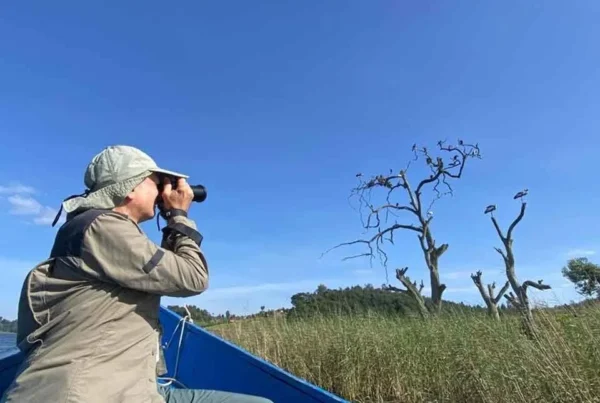
Bird watching in Uganda can be enjoyed throughout the year, but the dry seasons, which fall between December and February and again from June to September, are generally considered the most favorable. During these months, the weather is more predictable, trails are easier to navigate, and visibility in forests and wetlands is clearer. Bird species are also more concentrated around water sources, making sightings along rivers, lakes, and channels particularly rewarding. For photographers, the dry months offer brighter skies and ideal lighting conditions for capturing Uganda’s vibrant birdlife.

The wet seasons, from March to May and October to November, bring their own unique advantages for birders. These months coincide with the arrival of migratory species from Europe and northern Africa, which greatly increases the diversity of birds present. Forest habitats such as Bwindi and Kibale flourish with food, encouraging breeding and nesting activity that provides exceptional opportunities to observe rare behaviors. While trails may become muddy and travel more challenging, the lush green landscapes and abundance of birds make this period especially rewarding for dedicated birdwatchers.

Ultimately, the best time depends on the preferences of the traveler. Those seeking comfort and ease of movement may prefer the dry seasons, while enthusiasts eager for migratory sightings and breeding activity may find the wet months irresistible. Regardless of when one visits, Uganda’s incredible avian diversity ensures that bird watching remains a deeply fulfilling experience throughout the year.

Best time to go Bird Watching in Uganda?

Crafting the Perfect Itinerary

The beauty of Uganda lies in its year-round accessibility, but the optimal experience depends on aligning interests with seasonal nuances. For wildlife lovers, the dry months of June through August and December through February are ideal. Those captivated by color, solitude, and renewal may find March to May and October to November more rewarding. Each region of Uganda carries its own rhythm and character, making it essential to balance one’s journey across forests, savannahs, highlands, and lakes.

For travelers seeking to transform these recommendations into a tailor-made adventure, it is strongly encouraged to book Africa tours and safaris through WildHorn Africa, a trusted expert in curating immersive, seamless, and unforgettable experiences across Uganda and beyond. With WildHorn Africa, every month becomes the perfect time to explore, connect, and rediscover the wonders of travel through the eyes of a land that never ceases to amaze.

The best time to visit is generally considered to be during the dry season, when weather conditions are more pleasant and travel is less likely to be disrupted, typically based on your preferred destinations. During this period, landscapes are at their most vibrant, wildlife sightings are more frequent, and activities can be enjoyed with greater ease. While visits are possible year-round, choosing this window is often recommended to ensure the most rewarding and comfortable experience.

WhatsApp

Grandeur

Experience the grandeur of Africa with WildHorn Africa, where every safari is designed to showcase the continent’s breathtaking landscapes and majestic wildlife.

24/7 support

Enjoy peace of mind with 24/7 support from WildHorn Africa, ensuring expert assistance before, during, and after your safari adventure.

Safety

Your safety is our top priority at WildHorn Africa, with expertly guided safaris and trusted partners ensuring a secure and worry-free adventure.

Price-quality ratio

WildHorn Africa offers exceptional price-quality ratio, delivering top-tier safari experiences at competitive rates without compromising on comfort.

Best time to go Game Drives & Big Five in Uganda?

Best time to go Game Drives & Big Five in Uganda?

By Travel guides, Uganda travel guides, When to go

Best time to go Game Drives & Big Five in Uganda?

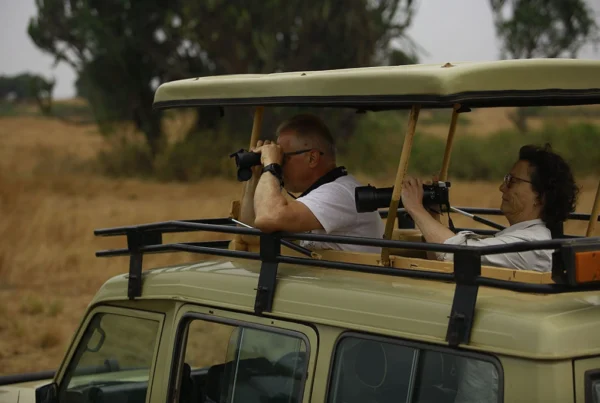
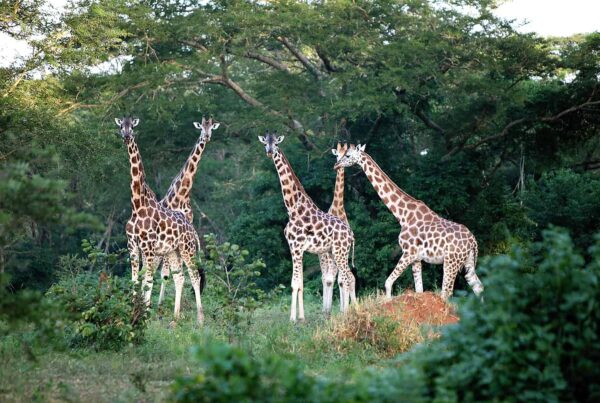
The Best time to go Game Drives & Big Five in Uganda is generally during the dry seasons, which fall between December and February, and again from June to September. During these months, the vegetation is less dense, and animals tend to gather around permanent water sources, making them easier to spot on the open savannahs. Roads within the national parks are also more accessible, ensuring that game drives are smoother and more rewarding. This period is particularly ideal for spotting large herds of elephants, buffalo, and antelope, as well as predators like lions and leopards that take advantage of the abundance of prey.

The rainy seasons, which stretch from March to May and October to November, create a different kind of safari experience. While game drives can be more challenging due to muddy tracks and thicker vegetation, the landscapes are beautifully lush, and birdlife is at its peak. For travelers who do not mind the occasional downpour, this season can be equally rewarding, as many animals give birth during this period, offering unique sightings of young wildlife. Photographers especially favor the rainy months, when the parks are at their greenest and dramatic skies enhance the beauty of the landscapes.

Ultimately, the choice of when to go depends on the type of safari experience a traveler seeks. The dry season guarantees easier game viewing and a higher chance of spotting all members of the Big Five, while the rainy season offers tranquility, fewer crowds, and a more immersive connection to Uganda’s wilderness. Regardless of the season, Uganda’s national parks such as Murchison Falls, Queen Elizabeth, and Kidepo Valley never fail to deliver extraordinary game drive adventures.

When to visit Uganda

Best time to go Game Drives & Big Five in Uganda?

Crafting the Perfect Itinerary

The beauty of Uganda lies in its year-round accessibility, but the optimal experience depends on aligning interests with seasonal nuances. For wildlife lovers, the dry months of June through August and December through February are ideal. Those captivated by color, solitude, and renewal may find March to May and October to November more rewarding. Each region of Uganda carries its own rhythm and character, making it essential to balance one’s journey across forests, savannahs, highlands, and lakes.

For travelers seeking to transform these recommendations into a tailor-made adventure, it is strongly encouraged to book Africa tours and safaris through WildHorn Africa, a trusted expert in curating immersive, seamless, and unforgettable experiences across Uganda and beyond. With WildHorn Africa, every month becomes the perfect time to explore, connect, and rediscover the wonders of travel through the eyes of a land that never ceases to amaze.

The best time to visit is generally considered to be during the dry season, when weather conditions are more pleasant and travel is less likely to be disrupted, typically based on your preferred destinations. During this period, landscapes are at their most vibrant, wildlife sightings are more frequent, and activities can be enjoyed with greater ease. While visits are possible year-round, choosing this window is often recommended to ensure the most rewarding and comfortable experience.

WhatsApp

Grandeur

Experience the grandeur of Africa with WildHorn Africa, where every safari is designed to showcase the continent’s breathtaking landscapes and majestic wildlife.

24/7 support

Enjoy peace of mind with 24/7 support from WildHorn Africa, ensuring expert assistance before, during, and after your safari adventure.

Safety

Your safety is our top priority at WildHorn Africa, with expertly guided safaris and trusted partners ensuring a secure and worry-free adventure.

Price-quality ratio

WildHorn Africa offers exceptional price-quality ratio, delivering top-tier safari experiences at competitive rates without compromising on comfort.

Best time to go chimpanzee habituation in Uganda?

Best time to go chimpanzee habituation in Uganda?

By Travel guides, Uganda travel guides, When to go

Best time to go chimpanzee habituation in Uganda?

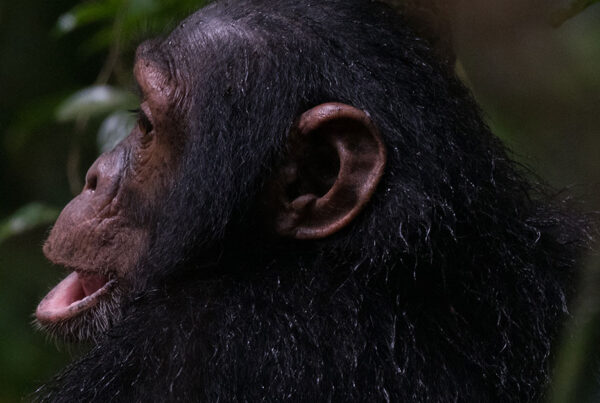
The best time to enjoy chimpanzee habituation in Uganda is during the dry seasons, which typically occur between June to September and December to February. These months are considered the most favorable because the forest trails are drier, making the long treks less strenuous and more enjoyable. With less rain, visibility is also improved, increasing the chances of spotting chimpanzees as they move across the forest canopy. The dry season is also Uganda’s peak tourism period, meaning that facilities and lodges are fully operational, and travelers can combine their habituation adventure with other safari activities across the country.

That said, the wet seasons from March to May and October to November also present unique opportunities for chimpanzee habituation. During these months, the forest is at its most lush and vibrant, offering breathtaking scenery that enriches the trekking experience. Chimpanzees often have abundant food during this time, which reduces their movements and can sometimes make them easier to locate. Fewer tourists visit the parks in the wet season, giving those who do a more exclusive and intimate experience with the forest and its wildlife. The quieter atmosphere allows travelers to feel more connected to nature, despite the added challenge of muddy trails.

Ultimately, chimpanzee habituation is available throughout the year, and the best time to go depends largely on personal preference. Visitors seeking comfort, easier trekking, and broader safari opportunities may prefer the dry seasons, while those who value solitude, lush forest scenery, and unique photographic opportunities may find the wet seasons equally rewarding. Regardless of timing, the experience of spending extended hours with wild chimpanzees as they are gradually accustomed to human presence remains one of the most remarkable wildlife adventures Uganda has to offer.

Best time to go chimpanzee habituation in Uganda?

Crafting the Perfect Itinerary

The beauty of Uganda lies in its year-round accessibility, but the optimal experience depends on aligning interests with seasonal nuances. For wildlife lovers, the dry months of June through August and December through February are ideal. Those captivated by color, solitude, and renewal may find March to May and October to November more rewarding. Each region of Uganda carries its own rhythm and character, making it essential to balance one’s journey across forests, savannahs, highlands, and lakes.

For travelers seeking to transform these recommendations into a tailor-made adventure, it is strongly encouraged to book Africa tours and safaris through WildHorn Africa, a trusted expert in curating immersive, seamless, and unforgettable experiences across Uganda and beyond. With WildHorn Africa, every month becomes the perfect time to explore, connect, and rediscover the wonders of travel through the eyes of a land that never ceases to amaze.

The best time to visit is generally considered to be during the dry season, when weather conditions are more pleasant and travel is less likely to be disrupted, typically based on your preferred destinations. During this period, landscapes are at their most vibrant, wildlife sightings are more frequent, and activities can be enjoyed with greater ease. While visits are possible year-round, choosing this window is often recommended to ensure the most rewarding and comfortable experience.

WhatsApp

Grandeur

Experience the grandeur of Africa with WildHorn Africa, where every safari is designed to showcase the continent’s breathtaking landscapes and majestic wildlife.

24/7 support

Enjoy peace of mind with 24/7 support from WildHorn Africa, ensuring expert assistance before, during, and after your safari adventure.

Safety

Your safety is our top priority at WildHorn Africa, with expertly guided safaris and trusted partners ensuring a secure and worry-free adventure.

Price-quality ratio

WildHorn Africa offers exceptional price-quality ratio, delivering top-tier safari experiences at competitive rates without compromising on comfort.

When is the best time to go chimpanzee tracking in Uganda?

When is the best time to go chimpanzee tracking in Uganda?

By Uganda best time to visit, When to go

When is the best time to go chimpanzee tracking in Uganda?

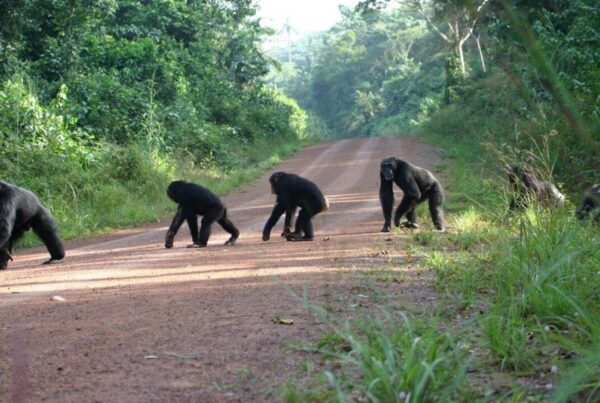
The best time to go chimpanzee tracking in Uganda is generally during the dry seasons, which run from June to September and December to February. During these months, the forest trails are less muddy and easier to navigate, making trekking more comfortable and enjoyable. Visibility is also better as the forest is less dense, allowing for clearer views of chimpanzees moving through the trees. These dry months coincide with Uganda’s peak tourism season, so trekkers can expect lively safari destinations and a wider range of complementary activities such as game drives and boat cruises.

While the dry season offers ideal trekking conditions, the wet seasons from March to May and October to November also have their unique advantages. Though trails can become slippery and more challenging, the forests are at their most lush and vibrant, creating breathtaking scenery. Food is more abundant during these months, and chimpanzees tend to stay closer to the trail networks, increasing the likelihood of closer encounters. For travelers who prefer quieter experiences with fewer crowds, the wet season provides a more intimate connection with Uganda’s rainforests and their wildlife.

Ultimately, chimpanzee tracking in Uganda can be enjoyed throughout the year, as the activity is not restricted by season. The choice of when to visit depends on personal preference for comfort, scenery, and crowd levels. Dry seasons guarantee easier trekking and broader safari options, while wet seasons deliver rich landscapes, fewer tourists, and sometimes more rewarding sightings. Regardless of timing, the opportunity to observe chimpanzees in their natural habitat is always a remarkable and unforgettable experience.

When to visit Uganda

When is the best time to go chimpanzee tracking in Uganda?

Crafting the Perfect Itinerary

The beauty of Uganda lies in its year-round accessibility, but the optimal experience depends on aligning interests with seasonal nuances. For wildlife lovers, the dry months of June through August and December through February are ideal. Those captivated by color, solitude, and renewal may find March to May and October to November more rewarding. Each region of Uganda carries its own rhythm and character, making it essential to balance one’s journey across forests, savannahs, highlands, and lakes.

For travelers seeking to transform these recommendations into a tailor-made adventure, it is strongly encouraged to book Africa tours and safaris through WildHorn Africa, a trusted expert in curating immersive, seamless, and unforgettable experiences across Uganda and beyond. With WildHorn Africa, every month becomes the perfect time to explore, connect, and rediscover the wonders of travel through the eyes of a land that never ceases to amaze.

The best time to visit is generally considered to be during the dry season, when weather conditions are more pleasant and travel is less likely to be disrupted, typically based on your preferred destinations. During this period, landscapes are at their most vibrant, wildlife sightings are more frequent, and activities can be enjoyed with greater ease. While visits are possible year-round, choosing this window is often recommended to ensure the most rewarding and comfortable experience.

WhatsApp

Grandeur

Experience the grandeur of Africa with WildHorn Africa, where every safari is designed to showcase the continent’s breathtaking landscapes and majestic wildlife.

24/7 support

Enjoy peace of mind with 24/7 support from WildHorn Africa, ensuring expert assistance before, during, and after your safari adventure.

Safety

Your safety is our top priority at WildHorn Africa, with expertly guided safaris and trusted partners ensuring a secure and worry-free adventure.

Price-quality ratio

WildHorn Africa offers exceptional price-quality ratio, delivering top-tier safari experiences at competitive rates without compromising on comfort.

Winter in Uganda (December – February)

Winter in Uganda (December – February)

By Uganda best time to visit, When to go

Winter in Uganda (December – February)

The Warm Heart of Africa’s Coolest Season

While much of the Northern Hemisphere shivers under frosty skies and snow-draped landscapes, Uganda in winter reveals a completely different kind of seasonal charm. From December to February, the country enters a dry, sunlit period that many consider the ideal window for exploration. There are no heavy coats, no biting winds, and certainly no snow here. Instead, there are golden savannahs shimmering in the sun, forest trails alive with the sound of primates, and a country bathed in warmth and vitality.

Uganda’s equatorial position means it doesn’t experience winter in the traditional sense, yet this season carries a distinct atmospheric clarity and natural rhythm that mirrors the best aspects of a temperate winter. The air is cooler in the highlands, the skies are bluer than ever, and the wildlife is at its most visible. For travelers seeking an escape from northern chills, this season offers not just refuge but rejuvenation, revealing a country alive, unfiltered, and welcoming.

Why This Time: Uganda’s Prime Safari Season

December through February represents the heart of Uganda’s dry season, a time when the rains have retreated, and the terrain becomes more accessible. Roads in national parks are in excellent condition, hiking trails in mountainous regions are firm, and long drives through the countryside offer smooth and scenic travel. The weather pattern during this time is characterized by low humidity, abundant sunshine, and cool evenings, creating ideal conditions for adventure and exploration.

Crucially, this is a time when wildlife is easiest to spot. As natural water sources dry up, animals congregate around the remaining lakes, rivers, and manmade watering holes. This concentration of wildlife means game drives become incredibly productive, with elephants, buffalo, giraffes, lions, and leopards frequently seen in the open. The clearer skies also provide perfect light for photography, with golden hours stretching long over the landscape.

Beyond the safari plains, forest expeditions become more rewarding. Trails in dense jungles such as Bwindi and Kibale are less slippery, reducing trekking difficulty and improving access to gorilla and chimpanzee habitats. For birdwatchers, the season welcomes several migratory species, adding to Uganda’s already staggering avian diversity.

With many travelers from Europe and North America seeking to escape their winters, Uganda experiences a rise in tourism during this time, yet the country’s wide open spaces and well-managed conservation areas ensure that experiences remain personal and uncrowded.

Where to Go During This Time: Uganda at Its Most Revealing

The winter months reveal Uganda at its clearest and most photogenic. In the southwest, the famous Bwindi Impenetrable National Park becomes a beacon for those seeking one of the most transformative wildlife experiences on earth: trekking with mountain gorillas. With fewer obstructions on the trails and the chance of rain minimal, the forest becomes easier to navigate. Sightings of gorilla families are as frequent as they are breathtaking, especially when the mid-morning sun filters through the canopy.

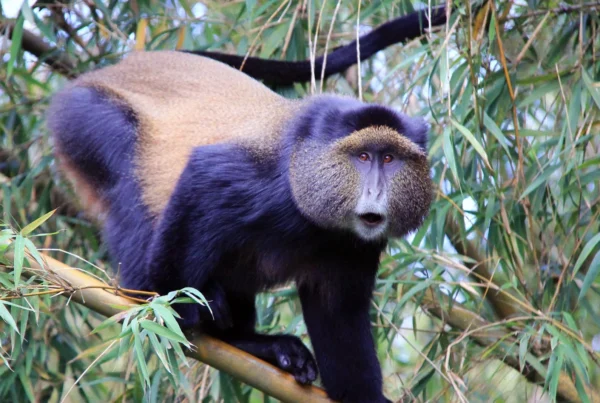
Nearby, Mgahinga Gorilla National Park also offers a quieter but equally compelling experience. Situated along the Virunga volcanic range, this park is home not only to gorillas but also to golden monkeys, and offers volcano hiking routes with panoramic views into Rwanda and the Democratic Republic of Congo.

To the northwest, Murchison Falls National Park is in full splendor. Here, the mighty Nile River forces its way through a narrow gorge, plunging with thunderous power and mist into the valley below. Wildlife sightings near the falls are excellent in winter, and boat safaris become a highlight, offering close encounters with hippos, crocodiles, and the occasional basking monitor lizard.

In Queen Elizabeth National Park, the combination of open savannah, crater lakes, and dense forests provides a landscape as varied as the animals it shelters. Tree-climbing lions continue to fascinate visitors in the Ishasha sector, while the Kazinga Channel, teeming with life, becomes a top location for boat-based wildlife viewing.

For untouched beauty and unmatched seclusion, Kidepo Valley National Park in the northeast stands out. With its wide grasslands, rugged terrain, and isolated setting, it becomes a haven for those seeking authentic wilderness without the crowds. Herds of antelope dash across the open plains, and birds of prey wheel high above in the dry sky.

Even the cities shine during this time. In Kampala, the energy is high with cultural festivals, music performances, and urban markets bustling with crafts and cuisine. On the banks of the Nile in Jinja, the mild weather makes it the perfect time to raft the rapids, explore historical sites, or simply relax by the river’s edge with a view of the Source of the Nile.

Things to Do: An Invitation to the Wild and the Wonder

Winter in Uganda is a season built for exploration. Gorilla trekking is at its peak in both Bwindi and Mgahinga, with weather conditions favoring longer hikes and better visibility. These treks, conducted in small groups and led by expert trackers, result in some of the most profound encounters a traveler can experience. Observing a silverback up close or watching juveniles play under the watchful gaze of their mothers in the crisp morning air offers moments that linger in the memory for a lifetime.

Chimpanzee tracking in Kibale Forest is similarly rewarding. The forest’s cooling shade, dry ground, and high primate concentration make it ideal for spotting chimps as they move across the forest floor, leap between branches, or communicate with their iconic calls. The ecosystem is rich, and sightings of red colobus, black-and-white colobus, and L’Hoest’s monkeys are common.

Classic game drives take on new life during this period. In Murchison, Queen Elizabeth, and Lake Mburo National Parks, wildlife is active and visible. Predators use the dry terrain to their advantage, while grazers flock to water points, creating dynamic scenes for observers. The roads are more accessible, and the lack of tall grass makes spotting easier.

Birding tours take flight during this time, as both endemic and migratory birds populate Uganda’s wetlands, forests, and savannahs. With over 1,000 species recorded, including the rare shoebill stork, the season becomes a paradise for ornithologists and casual bird lovers alike.

Adventure seekers can turn to white-water rafting, kayaking, quad biking, and bungee jumping in Jinja, where the cool, dry weather amplifies the thrill. For a slower pace, Lake Bunyonyi and Ssese Islands offer gentle canoeing, cultural village visits, and lakeside relaxation beneath clear skies.

Cultural exploration flourishes as well, with tribal performances, dance ceremonies, and historical tours occurring throughout the country. This is also the season for community-based tourism, where visitors can stay in villages, join in farming or craft-making activities, and engage meaningfully with Uganda’s rich social tapestry.

A Different Kind of Winter

There is something poetic about experiencing winter through a different lens—where instead of snowflakes, one is greeted by butterflies flitting over sunlit paths; instead of icy silence, the chatter of monkeys and birds fills the air. Uganda during this time invites travelers to reimagine the very definition of winter. It is not a time of retreat here. It is a time of celebration, movement, color, and life.

The sun warms the earth without scorching it. The evenings cool without chilling. The balance is perfect. Travelers often remark not just on the beauty of the landscapes or the abundance of wildlife, but on how alive they feel while exploring Uganda during this season. It is a time that nourishes the body and rekindles the spirit.

There is an authenticity to winter in Uganda that cannot be replicated elsewhere. It is a season where nature and culture merge in harmony, where stillness meets thrill, and where every day feels like a discovery waiting to happen.

Book Your Journey Through the Wild

For those ready to trade snow for sun and routine for revelation, Uganda’s winter offers an unmatched invitation to explore. And there is no better way to navigate this extraordinary season than with the guidance of experts who understand its rhythm. Book your Africa tours and safaris with WildHorn Africa, and allow the wild heart of Uganda to shape a journey unlike any other.

Autumn in Uganda (Sep – Nov)

Autumn in Uganda (Sep – Nov)

By Travel stories and blogs, Uganda best time to visit, Uganda travel guides, When to go

Autumn in Uganda (Sep – Nov)

The Second Rainfall, the First Awakening

As the equatorial sun shifts in its golden arc and the earth releases its late-year sigh, Uganda in autumn begins to hum with a quiet energy that is both refreshing and soul-stirring. The months between September and November are often associated with the second rainy season, yet far from deterring visitors, this time marks a uniquely intimate and transformative period in the country’s natural and cultural calendar. In much of the temperate world, autumn is seen as a time of slowing down, of golden leaves and cooling breezes. But in Uganda, it is a season of reawakening, where rains fall not to end a cycle, but to breathe life back into one.

This is a land where the skies become a canvas of brooding clouds and silver light, where the air is charged with anticipation, and where nature performs a quieter, more profound kind of drama. Far from being a shoulder season, autumn in Uganda is a time for those who seek the raw textures of Africa, unvarnished, lush, and alive.

Why This Time: A Lush and Living Canvas

The September to November window in Uganda aligns with the short rains, a less intense but highly influential weather pattern that nourishes the land without the prolonged downpours of the earlier season. This rain is not disruptive; rather, it arrives in measured, rhythmic bursts, followed by stretches of sunshine that warm the freshly watered earth. The result is a landscape that flourishes with life and vibrancy, from rejuvenated grasslands to flowering trees and swelling rivers.

This time also coincides with a secondary breeding period for many species. Birdlife, already diverse in Uganda, reaches a spectacular crescendo as both resident and migratory birds engage in courtship, nesting, and display. The forest canopies of Kibale, the papyrus-lined edges of Lake Albert, and the wetlands near Mabamba burst into color and song, offering an unparalleled birdwatching spectacle.

From a tourism standpoint, this period offers excellent value. With fewer travelers in-country, the experience becomes more personal and immersive, especially for those drawn to wildlife photography, cultural interaction, and slow travel. Roads remain accessible, and accommodations offer off-peak rates while maintaining high levels of service.

Where to Go During This Time: Nature in Its Prime

Autumn invites a rediscovery of Uganda’s iconic destinations under a softer, more nuanced light. In Bwindi Impenetrable Forest, the rains bring a freshness that makes the trekking trails more vibrant. Though trekking may involve some mud and mist, the rewards are immense: gorilla families active and healthy, surrounded by thick, emerald growth and accompanied by the atmospheric sounds of a rainforest in motion. These encounters during the rainy season are often quieter and more intimate, as fewer groups are out on the trails.

In Queen Elizabeth National Park, the seasonal transition sparks the return of migratory birds and rejuvenates the Kazinga Channel, attracting large numbers of animals to its banks. Elephant herds can be seen in the open fields, and Uganda kob engage in rutting displays, their horns clashing beneath dramatic skies. The Mweya Peninsula, with its sweeping views and rich biodiversity, becomes a focal point for photographers and naturalists.

For a more remote experience, Semuliki National Park, located in the western Rift Valley, becomes rich with life during this time. Known for its hot springs, lowland rainforest, and Congo biome species, the park offers a rare taste of Central African ecology within Uganda’s borders. The seasonal rains highlight the park’s uniqueness, enhancing both biodiversity and ambiance.

In the east, the slopes of Mount Elgon are at their most verdant, offering easier treks and fewer crowds. Waterfalls cascade with renewed force, coffee farms hum with post-harvest activity, and the nearby Sipi Falls are at their most photogenic. Cultural tours with the Bagisu and Sebei peoples offer meaningful interactions during their seasonal festivals and rituals.

Things to Do: Follow the Rain to Its Wonders

Autumn in Uganda is best experienced not by resisting the rain, but by walking with it, embracing the transformation it brings. Gorilla trekking continues in both Bwindi and Mgahinga, with many visitors finding the mistier, greener trails to be more atmospheric and emotionally impactful. The shorter daylight hours and frequent cloud cover cast a mood that many find more intimate, adding gravitas to every encounter.

Birdwatching becomes truly world-class, with countless species in breeding plumage and heightened activity. Sites like Bigodi Wetland Sanctuary, Mabira Forest, and Lake Mburo National Park become showcases of color and call. The elusive shoebill continues to haunt the Mabamba Swamp, and endemic species such as the fox’s weaver may be glimpsed with the help of knowledgeable local guides.

Cultural tourism flourishes in this season as communities mark agricultural cycles, harvests, and spiritual observances. Traditional ceremonies, storytelling sessions, and dance performances take on deeper meaning in the context of seasonal change. From the Buganda Kingdom’s royal protocols to the Batwa people’s forest rituals, autumn reveals the rhythms that tie land, people, and history.

Boat excursions on the Nile and in Lake Victoria’s inlets are serene and scenic in the softer light, with the water mirroring the shifting sky. The Rwenzori Mountains, though challenging, offer treks that unveil dramatic cloud formations, wildflower blooms, and crystal-clear alpine streams, making for an unforgettable, albeit slightly wet, mountaineering experience.

A Time for Travelers, Not Tourists

Autumn in Uganda is not for those chasing postcards or polished itineraries. It is for those who value raw, unedited experiences, who understand that rain is not an inconvenience but a gift that reveals the pulse of the land. It is a time for reflective travel, for immersion rather than observation, and for encounters that go beyond the lens and into the heart.

There is something deeply spiritual about standing in a rainforest while soft rains fall, hearing the chatter of monkeys above and the distant call of a turaco. Or watching a child laugh as thunder rolls over the horizon, unbothered by the wet earth beneath their feet. These are the moments that remain long after passports are stamped and luggage unpacked.

For those willing to walk through puddles, to watch storms pass from a lodge veranda, and to witness the natural world in its most honest form, Uganda in autumn offers a profound kind of beauty—not glossy, but grounding; not scripted, but sincere.

Book Your Journey Through the Wild

To explore this rich, rain-washed season with guides who understand its nuances and celebrate its gifts, there is one name to trust. Book your Africa tours and safaris with WildHorn Africa, where the changing skies of Uganda become the backdrop for journeys filled with life, meaning, and unforgettable stories.

Close Menu