search
Parks and Reserves in Uganda

Parks and Reserves in Uganda

By Travel stories and blogs, Uganda travel guides, Where to go

Parks and Reserves in Uganda: Exploring the Untamed Pearl of Africa

NATIONAL PARKS

WILDLIFE RESERVES

A Land Where Wilderness Roars Loudest

Tucked away in the heart of East Africa lies Uganda, a country of astonishing biodiversity, raw natural beauty, and a magnetic allure for nature lovers. Often overshadowed by its more famed neighbors, Uganda remains one of Africa’s best-kept safari secrets. Its national parks and reserves, though lesser known, host some of the most captivating wildlife spectacles and diverse landscapes found anywhere on the continent. From the snow-capped peaks of the Rwenzori Mountains to the roaring waterfalls of Murchison and the primal depths of Bwindi Impenetrable Forest, Uganda’s protected areas offer a mosaic of life that is both pristine and soul-stirring.

Uganda’s Conservation Network: A Vision Rooted in Wilderness

The story of Uganda’s parks and reserves is not just one of tourism, but of deep conservation values and ecological importance. The country is home to ten national parks and over a dozen wildlife reserves, each managed to preserve the region’s endangered ecosystems, protect native flora and fauna, and support sustainable tourism that benefits local communities.

This network of protected lands plays a pivotal role in maintaining regional biodiversity. Uganda lies at the crossroads of East African savannahs and Central African rainforests, creating a unique ecological overlap that hosts a remarkable range of species. In these habitats thrive over 1,000 bird species, nearly 350 mammal species, including half of the world’s remaining mountain gorillas, chimpanzees, lions, elephants, and a plethora of smaller creatures.

The Iconic Parks That Define Uganda’s Wilderness

Among Uganda’s vast conservation lands, certain parks stand out—not just for their wildlife, but for their awe-inspiring settings, cultural heritage, and the life-changing experiences they offer.

Bwindi Impenetrable National Park, a UNESCO World Heritage Site, is arguably Uganda’s crown jewel. Known globally for its population of mountain gorillas, it draws primate enthusiasts and researchers alike. Trekking through the ancient misty forest, visitors are led by expert trackers deep into the undergrowth where gorilla families go about their day, unbothered by human presence. Few experiences on Earth match the intensity and intimacy of locking eyes with a wild silverback in his domain. The forest is also a stronghold of biodiversity, teeming with rare butterflies, endemic birds, and ancient tree species.

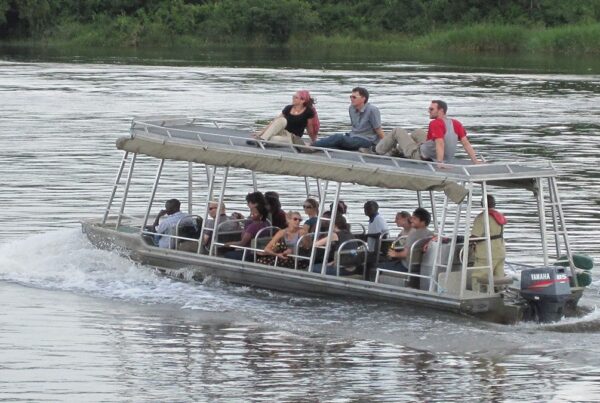
In the north, Murchison Falls National Park boasts an entirely different spectacle. The Nile, Africa’s longest river, thunders through a narrow gorge only seven meters wide, exploding into a cascade of mist and rainbow-hued spray. Below the falls, the river fans out into a delta that nourishes a rich plain, attracting herds of elephants, giraffes, and buffaloes, as well as hippos and crocodiles in its waters. Game drives here are complemented by river safaris that bring visitors remarkably close to the wildlife.

Queen Elizabeth National Park, stretching along the Albertine Rift Valley, is a mosaic of grassland savannah, crater lakes, and swampy channels. This diversity makes it one of the most species-rich parks in East Africa. Tree-climbing lions in Ishasha, a rare and curious behavior, are a highlight. The Kazinga Channel, which connects Lake George and Lake Edward, offers boat cruises that glide past dense concentrations of hippos, water birds, and shoreline-dwelling mammals.

A Haven for Primates and Predators

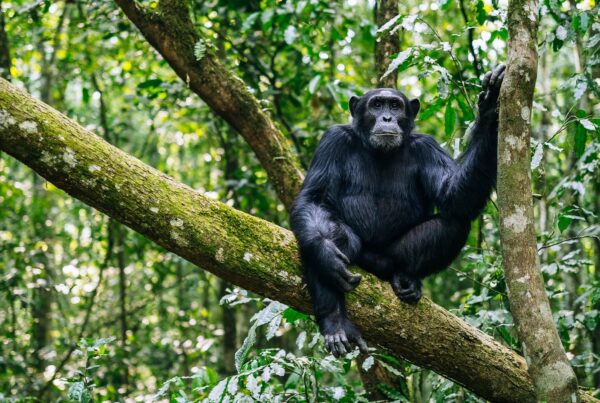
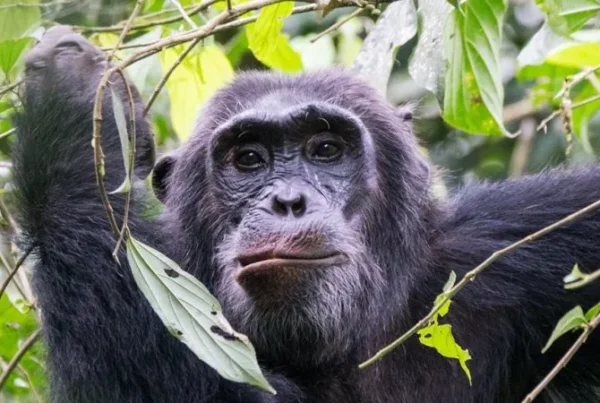
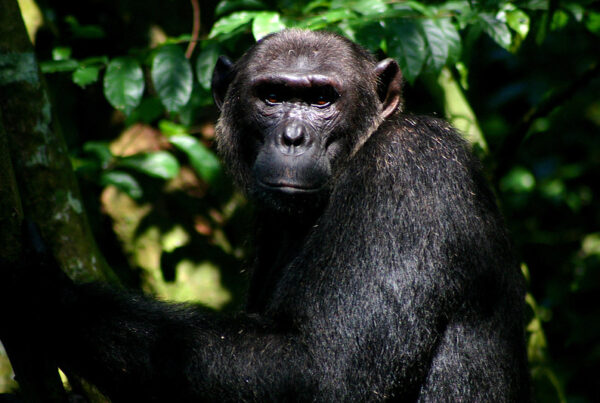
Uganda’s allure extends beyond its megafauna. The country is one of the few in the world where it is possible to track chimpanzees in the wild. In Kibale National Park, travelers embark on forest treks through tangled fig trees and echoing canopies to observe the complex social lives of chimpanzee troops. These intelligent primates, closely related to humans, are known for their vocalizations, tool use, and expressive behavior.

Meanwhile, Kidepo Valley National Park, lying far to the northeast, offers a wilder, more remote safari experience. Here, the wilderness remains largely untouched by mass tourism. The open plains and rugged mountains resemble a timeless Eden where cheetahs, lions, and leopards roam freely. It is also the best place in Uganda to see ostriches and large herds of Cape buffalo, often set against fiery sunsets and golden grasses.

Reserves and Wetlands: The Unsung Sanctuaries

Beyond the national parks, Uganda’s wildlife reserves and wetland systems contribute immensely to its conservation ethos. These lesser-known sites offer solitude, birdwatching opportunities, and immersion in untouched landscapes.

Semuliki Wildlife Reserve and the adjoining Semuliki National Park represent a transition zone between the dense Congo Basin forests and the East African grasslands. The reserve is one of Uganda’s most important areas for birdlife, hosting species rarely seen elsewhere on the continent, including the elusive shoebill stork.

Ziwa Rhino Sanctuary, though not a natural reserve in the traditional sense, plays a crucial role in Uganda’s rhino reintroduction efforts. After being wiped out in the 1980s due to poaching and conflict, white rhinos are now being bred and protected here, with hopes of re-establishing wild populations in national parks in the future. Walking safaris through Ziwa allow visitors to observe these prehistoric-looking giants on foot, under expert guidance.

Uganda’s Wetlands and Birding Havens

Uganda is also globally recognized as a birding paradise, with sites like Mabamba Swamp, Echuya Forest Reserve, and the Sango Bay area drawing ornithologists from around the world. Mabamba, in particular, is revered as a top location to spot the shoebill, a prehistoric-looking bird that is both mysterious and captivating. These wetlands are not just vital for biodiversity—they play a key role in flood regulation, climate balance, and the livelihoods of local fishing communities.

Community Involvement and Cultural Heritage

One of the most distinguishing features of Uganda’s conservation strategy is its emphasis on community participation. Protected areas are often managed with input from indigenous groups, including the Batwa, who once lived in the forests of Bwindi and Mgahinga. These communities are now engaged in eco-tourism, guiding services, and cultural conservation programs, offering visitors a deeper understanding of the human-nature connection that defines this region.

Cultural tourism has grown alongside wildlife tourism, allowing travelers to interact with traditional villages, witness local dances, and learn ancestral practices that have long coexisted with nature. This blend of wildlife experiences and cultural immersion makes Uganda a multi-dimensional destination, where conservation and culture walk hand in hand.

The Timeless Allure of Uganda’s Wild Heart

To journey through Uganda’s parks and reserves is to take a step back into a world where nature dominates, where silence is broken only by the trumpet of elephants or the haunting calls of chimpanzees. It is a world where every dawn promises adventure and every dusk, a new story etched into the fabric of the wild.

Uganda doesn’t overwhelm with commercialism or crowded vistas. Instead, it humbles with authenticity, inviting those who seek true wilderness to come and listen—not just with ears, but with the soul. Each park tells its own story, each reserve guards its own secret. And those who venture here leave not just with photographs, but with a changed perspective.

Start Your Journey with WildHorn Africa

For travelers ready to experience the full spectrum of Uganda’s natural wonders, choosing the right guide is essential. WildHorn Africa, with its deep local knowledge, responsible safari ethics, and personalized service, is the ideal partner for your African adventure. Whether you dream of gorilla trekking, lion tracking, birdwatching, or simply soaking in the serenity of a sunset over the savannah, WildHorn Africa will craft a journey as unforgettable as the land itself.

Book your African safari through WildHorn Africa and step into the wilderness with confidence, wonder, and respect for the untamed beauty that is Uganda.

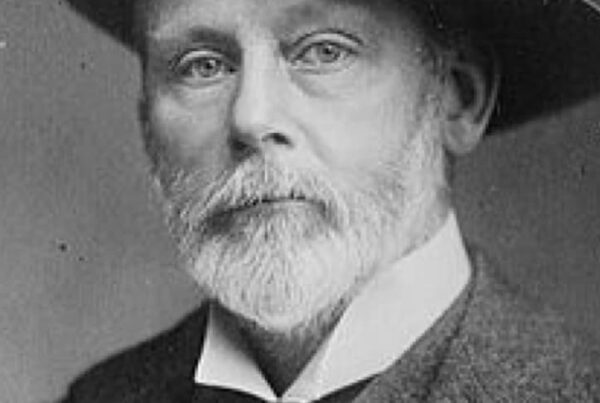
Frederick Courteney Selous

Frederick Courteney Selous

By Tanzania places to visit, Tanzania travel guides, Travel guides, Travel stories and blogs, Where to go


Frederick Courteney Selous: The Man Who Became a Legend of the African WildernessExplorer, hunter, conservationist, and soldier — the name Selous resonates through African history like the roar of a lion across the plains.

Introduction

When we speak of Africa’s early days of exploration and colonial ambition, few names command the same awe and reverence as Frederick Courteney Selous. His life was not just one of adventure — it was a tapestry woven with courage, discovery, and the profound wilderness spirit of Africa.

Often regarded as the prototype for H. Rider Haggard’s famous character Allan Quatermain, Selous was more than a hunter. He was a naturalist, a chronicler of African geography and wildlife, and eventually, a war hero. His influence on how the world came to view Africa cannot be overstated.

In this article, we journey through the life and legacy of this remarkable man — an icon of Africa’s past and an early voice in the realm of wildlife conservation.

Early Life and African Dreams of Frederick Courteney Selous

Born for the Wild

Frederick Courteney Selous was born on December 31, 1851, in London, into a well-to-do family. From a young age, he displayed a fierce fascination with nature, animals, and the wild. His inspiration came from reading tales of African exploration and hunting, and by his early twenties, Selous had already made up his mind — he was heading to Africa.

Arrival in Africa

In 1871, at just 20 years old, Selous arrived in South Africa. With little money and no fixed employment, he began making his way north toward the vast, untamed wilderness of Matabeleland (in present-day Zimbabwe). His goal? To become an elephant hunter — one of the most dangerous yet lucrative ventures of the time.

Hunter Turned Naturalist

The Great Elephant Hunter

Selous spent nearly two decades traversing Southern Africa, becoming one of the most respected elephant hunters of the age. But unlike many of his contemporaries, he approached his work with method and ethics. He was known for his marksmanship, stamina, and extraordinary bush skills.

However, as the years passed, he began to witness firsthand the devastation that unchecked hunting could cause. This realization slowly transformed him from hunter to advocate for conservation.

Scientific Contributions

Selous documented his expeditions and observations in meticulous detail. His writings, including his most famous book “A Hunter’s Wanderings in Africa” (1881), are still referenced today for their accuracy and descriptive depth. These accounts earned him respect from scientists, geographers, and naturalists across Europe.

In 1893, Selous was awarded the prestigious Founder’s Medal by the Royal Geographical Society for his extensive mapping and exploration of the Zambezi and Matabele regions.

Legacy in Conservation

Early Voice for Wildlife Protection

Selous was a paradox of his time — a hunter who grew to become one of the earliest advocates for the protection of African wildlife. He saw that the immense elephant herds were dwindling, and he called for regulated hunting and habitat preservation decades before such ideas became mainstream.

Selous Game Reserve

Perhaps the greatest testament to his legacy is the Selous Game Reserve in southern Tanzania, named in his honor. Spanning over 50,000 square kilometers, it remains one of the largest and most unspoiled protected areas in Africa and is a UNESCO World Heritage Site.

Service in War

British Intelligence and the First World War

Though in his sixties by the time World War I broke out, Selous volunteered to serve in British East Africa as part of the British intelligence service. He became a captain in the 25th Frontiersmen Battalion of the Royal Fusiliers and participated in grueling campaigns against German forces in Tanzania.

Final Stand and Death

On January 4, 1917, near the Rufiji River in Tanzania, Selous was killed by a German sniper. He was 65. His grave lies near where he fell, marked by a simple stone — a quiet memorial in the land he loved so dearly.

Cultural Influence and Global Recognition

Selous’s fame was widespread even in his own lifetime. H. Rider Haggard, author of King Solomon’s Mines, based his character Allan Quatermain on Selous. His adventures were widely published in European and American newspapers, and even today, his name evokes images of rugged exploration and untamed Africa.

Museums in London and Harare house many of his personal effects, trophies, and journals, keeping his story alive for new generations.

A Timeless Legacy

Frederick Courteney Selous was more than a hunter. He was a man of vision who loved Africa deeply and recognized the need to protect its unique heritage. His transformation from trophy hunter to conservationist reflects the changing human relationship with nature — from exploitation to stewardship.

His life serves as a bridge between the colonial past and the conservation future, reminding us that with knowledge, respect, and humility, we can help protect the wild places that still remain.

Embark on Your Own African Adventure with WildHorn Africa

Inspired by the legendary stories of Africa’s pioneers? Walk in their footsteps and witness the wonders they once did. Whether you seek wildlife encounters, cultural immersion, or the thrill of the unknown, WildHorn Africa is your gateway to unforgettable safari experiences.

Our custom tours are designed with both adventure and conservation in mind, allowing you to explore the same wild landscapes that enchanted explorers like Selous — ethically, sustainably, and in style.

Contact WildHorn Africa today to begin planning your once-in-a-lifetime safari into the heart of Africa.


Sempaya Hot Springs in Semuliki: A Must-See Attraction

Sempaya Hot Springs in Semuliki: A Must-See Attraction

By Travel stories and blogs, Family holidays, Luxury holidays, Safari holidays, Uganda travel guides, Where to go

Sempaya Hot Springs in Semuliki: A Must-See Attraction

Nature’s Fiery Wonder in the Heart of the Rainforest

Deep within Uganda’s Semuliki National Park, hidden among towering rainforest trees and mist-filled valleys, lies one of the most extraordinary natural wonders in East Africa—the Sempaya Hot Springs. Known for their steaming geysers, bubbling pools, and cultural significance, these hot springs are more than geological curiosities. They are an iconic symbol of the park, drawing visitors with their blend of mystery, science, and legend.

To witness the hot springs is to step into a world where the earth seems alive, constantly exhaling its fiery breath into the forest air. The springs hiss and bubble with untamed energy, shooting plumes of steam into the canopy and boiling water that seems to defy the lush greenery surrounding it. Few places in Uganda create such a powerful contrast between fire and water, between the serenity of the rainforest and the raw force of geothermal activity.

The Sempaya Hot Springs are not only a breathtaking sight but also a destination layered with meaning. They serve as cultural landmarks for the communities that have lived in the Semuliki Valley for centuries, they act as habitats for specialized plant life and micro-organisms, and they provide visitors with unforgettable encounters that blend science, legend, and natural beauty.

Exploring these hot springs is therefore more than a casual stop; it is an immersion into one of Uganda’s most captivating and spiritually charged attractions.

Location and Setting: A Jewel in Semuliki National Park

The Sempaya Hot Springs are located within Semuliki National Park, in the Bundibugyo District of western Uganda. The park itself lies at the base of the Rwenzori Mountains, along the floor of the Albertine Rift Valley. It stretches across about 220 square kilometers, dominated by lowland tropical rainforest that extends into the Congo Basin.

The springs are situated in the park’s Sempaya area, about a 30-minute drive from the park headquarters at Ntandi. This section of the park is easily accessible via well-maintained forest trails, offering visitors the chance to immerse themselves in lush vegetation before encountering the dramatic spectacle of geothermal energy.

The surroundings of the hot springs are characterized by dense rainforest, where towering mahogany and ironwood trees intermingle with vines, shrubs, and ferns. The air here is humid, carrying the earthy scent of the forest mixed with the unmistakable tang of sulfur. It is an environment that feels both primeval and alive, as though the earth’s earliest days are preserved in its steaming pools and thick vegetation.

Geological Formation: The Science Behind the Spectacle

The Sempaya Hot Springs are the result of geothermal activity linked to the tectonic dynamics of the Rift Valley. The Albertine Rift, part of the larger East African Rift System, is a region of immense geological activity where the earth’s crust is slowly being pulled apart. As a result, subterranean heat escapes through fissures, heating underground water reservoirs and forcing them to the surface as boiling springs.

The springs manifest in two distinct sites: the male hot spring, locally called Bintente, and the female hot spring, known as Nyasimbi. Both differ in form and scale, yet each illustrates the immense geothermal forces shaping this region.

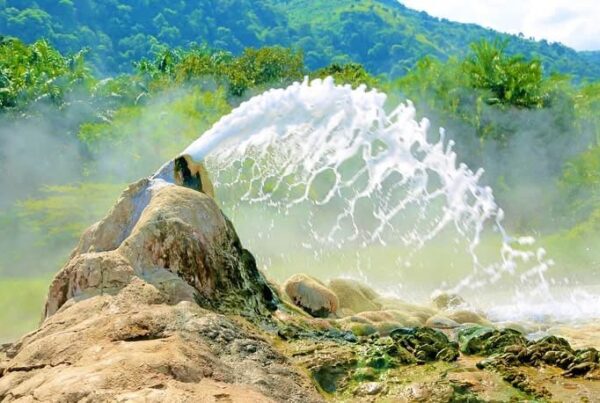
The male spring is a large pool, calm on the surface but fiercely hot beneath, with water temperatures recorded at over 100 degrees Celsius. The female spring is more dramatic, jetting boiling water up to two meters into the air, creating a perpetual plume of steam that can be seen rising above the forest canopy from a distance.

Geologically, these springs represent a constant interaction between tectonic activity, underground water systems, and surface ecosystems. Their presence underscores the living, breathing nature of the earth beneath Uganda, a reminder that even beneath lush forests, powerful geological forces are always at work.

The Male and Female Hot Springs: A Tale of Two Wonders

Visitors to the Sempaya area are always introduced to the springs as the male and the female hot springs, a distinction that combines natural science with cultural symbolism.

The male spring, Bintente, is located in a swampy clearing, its broad pool shrouded in mist. Though less dramatic in its surface activity, the male spring is no less impressive in scale, covering a large area and exuding intense heat. The water here appears deceptively calm, yet it is boiling hot beneath its placid surface.

The female spring, Nyasimbi, is the most iconic. Nestled deeper in the forest, this geyser-like feature sends scalding water gushing upward with continuous energy. Jets of water and steam hiss loudly, creating a dramatic spectacle that commands attention. Visitors often marvel at the sheer force of Nyasimbi, which seems to symbolize the dynamic power of nature itself.

The naming of the springs as male and female reflects traditional beliefs among the local communities, who view them as embodying fertility, life, and spiritual presence. This cultural interpretation enriches the scientific marvel, turning the springs into not just geological features, but sacred entities with stories and symbolism that resonate across generations.Sempaya Hot Springs in Semuliki: A Must-See Attraction

Cultural Significance: Legends and Beliefs

The Sempaya Hot Springs are deeply embedded in the traditions of the local Bamba and Bakonzo communities. For centuries, they have been regarded as sacred places where ancestral spirits dwell. The local names themselves—Bintente and Nyasimbi—are tied to legends that explain their origins and significance.

According to local folklore, the male spring is linked to a tale of a man who disappeared while searching for food, believed to have been taken by spirits into the earth. The female spring, on the other hand, is associated with a woman who came to search for her missing husband but was herself consumed by the same supernatural forces. These stories, though varied in detail across communities, all emphasize themes of fertility, creation, and the interconnectedness of life and nature.

Traditionally, the springs have been sites of ritual and prayer. Offerings were made to appease spirits believed to reside in the springs, seeking blessings of fertility, good harvests, and protection from misfortune. Even today, some community members hold the springs in spiritual reverence, and cultural guides are eager to share the legends that continue to keep these traditions alive.

The blending of cultural mythology with the springs’ natural spectacle adds a profound dimension to visiting Sempaya. For travelers, it is not only a journey to witness geothermal wonder but also an opportunity to connect with stories that reflect humanity’s enduring relationship with the natural world.

Activities and Visitor Experience

A visit to the Sempaya Hot Springs is designed as a holistic experience that combines walking, nature immersion, storytelling, and visual spectacle. Guided walks from the park headquarters take visitors through lush forest trails, where encounters with monkeys, birds, and butterflies enrich the journey.

The trail to the male hot spring is relatively short and accessible, leading into a swamp clearing where the steaming pool emerges dramatically from the vegetation. Continuing deeper into the forest, the path to the female hot spring is slightly longer, winding through dense greenery before opening onto the geyser’s steaming clearing.

At the springs themselves, the experience is multisensory. The sight of steaming jets, the hiss of escaping gases, the pungent sulfur smell, and the humid heat create an atmosphere that feels otherworldly. Visitors are often encouraged to participate in the age-old tradition of boiling eggs or plantains in the scalding waters, a practice that connects modern tourism with local heritage.

Photography is another highlight, with the billowing steam against the backdrop of rainforest offering dramatic contrasts. Guides enrich the experience with cultural stories, scientific explanations, and historical anecdotes, ensuring that visitors leave not only with memories but with knowledge.

Ecological Importance: More than Just Spectacle

Though the Sempaya Hot Springs are primarily known as attractions, their ecological role cannot be overlooked. The geothermal waters create micro-habitats where specialized plants, algae, and bacteria thrive. These organisms are adapted to extreme heat, contributing to biodiversity in unique ways.

The surrounding swamp and rainforest also benefit from the constant presence of warm water, which influences microclimates in the immediate vicinity. Bird species, amphibians, and insects often concentrate around these habitats, creating hotspots of ecological activity.

Scientists consider geothermal ecosystems such as Sempaya important for research, as they provide insights into how life adapts to extreme conditions and may even hold clues to the origins of life on earth. Thus, the hot springs are not only visually impressive but also ecologically and scientifically significant.

Best Time to Visit: Seasons of the Springs

The Sempaya Hot Springs can be visited year-round, but the experience varies with the seasons. The dry seasons, from December to February and June to September, are ideal for visitors who prefer accessible trails and clear visibility. During these months, forest paths are less muddy, and the springs’ dramatic steam rises clearly into the dry air.

The wet seasons, from March to May and October to November, transform the surrounding forest into a lush, vibrant landscape. Though trails may become slippery and challenging, the rains amplify the rainforest’s vitality, and the contrast between heavy rainfall and steaming hot springs creates an even more dramatic spectacle.

Ultimately, the choice depends on individual preference. Birders and naturalists may favor the wet season for the abundance of life it brings, while those seeking ease of movement and clearer photography may prefer the dry months. Regardless of season, the springs remain a highlight of any visit to Semuliki.

The Sempaya Experience within the Larger Semuliki Adventure

While the Sempaya Hot Springs stand as the centerpiece attraction of Semuliki National Park, they are best appreciated as part of the broader park experience. Visitors who journey to the springs often combine their visit with birdwatching, as the park is home to over 400 species, many of them endemic to the Congo Basin. Nature walks, primate tracking, and cultural encounters with the Batwa and Bamba communities add further depth.

In this sense, the springs are both a climax and a gateway—a singular wonder that introduces travelers to the complexity and richness of Semuliki. By anchoring the experience of geothermal marvels within the broader context of rainforest ecology and human culture, the Sempaya Hot Springs become more than a tourist stop; they become a story of interconnection between earth, life, and people.

A Must-See Attraction in Uganda’s Wilderness

The Sempaya Hot Springs are not merely pools of boiling water. They are the beating heart of Semuliki National Park, a symbol of nature’s raw energy and cultural depth. Rising steam against the rainforest canopy, tales of spirits and fertility, the thrill of boiling eggs in scalding waters, and the scientific wonder of geothermal forces all converge to make this attraction truly unforgettable.

For travelers seeking authentic and enriching experiences, the springs represent a rare chance to witness one of Uganda’s most unique natural wonders. They encapsulate the essence of Semuliki—mysterious, powerful, and deeply rooted in both ecological and cultural significance.

To explore the Sempaya Hot Springs is to uncover a hidden treasure of Uganda, a place where the earth reveals its fiery soul and where humanity’s stories intertwine with the rhythms of nature. It is an experience that resonates long after the steam has faded into the forest air.

For those wishing to immerse themselves in this spectacle, to explore the springs alongside the birdlife, primates, and communities of Semuliki, the most rewarding way is through expert guidance. For a seamless and memorable safari across Uganda’s wilderness, it is highly recommended to book your Africa tours and safaris with WildHorn Africa, a trusted partner in unveiling the continent’s most extraordinary wonders.

Where to go Nature Walks & Hiking in Uganda?

Where to go Nature Walks & Hiking in Uganda?

By Travel guides, Uganda travel guides, Where to go

Where to go Nature Walks & Hiking in Uganda?

Uganda, often referred to as the “Pearl of Africa,” is blessed with diverse landscapes that make it an excellent destination for nature walks and hiking. From lush rainforests and rolling savannahs to towering volcanic peaks, the country offers something for every level of adventurer. Popular hiking spots include the Rwenzori Mountains, also known as the “Mountains of the Moon,” where trekkers can experience snow-capped peaks and alpine vegetation. For those seeking a moderate adventure, Mount Elgon National Park provides scenic trails leading to waterfalls, caves, and the world’s largest caldera. These treks not only challenge the body but also reward hikers with stunning panoramas and unique ecosystems.

In addition to mountain treks, Uganda is home to many scenic nature walks that bring travelers closer to its rich biodiversity. The Mabira Forest Reserve, located between Kampala and Jinja, offers guided forest walks where visitors can spot rare bird species, butterflies, and primates. In the western part of the country, Kibale National Park is famous for chimpanzee tracking, but it also offers tranquil forest walks where you can experience the beauty of one of Africa’s richest primate habitats. Meanwhile, Lake Mburo National Park provides guided walking safaris that allow visitors to encounter zebras, antelopes, and giraffes on foot—an experience that connects you deeply with nature.

For travelers looking for a mix of culture and scenery, Mount Moroto and the Karamoja region in northeastern Uganda present unique hiking opportunities. Treks here not only traverse rugged mountains and savannah landscapes but also introduce visitors to the traditional lifestyles of the Karamojong people. Similarly, nature walks around Bwindi Impenetrable Forest offer breathtaking experiences as you explore dense jungle trails, often used for gorilla trekking. Whether you seek challenging climbs or gentle guided walks, Uganda’s trails promise unforgettable encounters with wildlife, culture, and landscapes that are as diverse as they are beautiful.

Where to go Nature Walks & Hiking in Uganda?

Rwenzori Mountains National Park

Hiking in Rwenzori Mountains National Park is a thrilling adventure through snow-capped peaks, glacier valleys, and unique alpine vegetation. Trekkers can conquer Africa’s third-highest peak, Mount Stanley, or enjoy shorter scenic routes showcasing waterfalls and rare plant species. The park offers an unforgettable blend of challenging trails, breathtaking landscapes, and rich biodiversity.

Mount Elgon National Park

Mount Elgon National Park is a hiker’s paradise, famous for its vast landscapes, waterfalls, caves, and the world’s largest volcanic caldera. Trails here range from gentle nature walks to multi-day treks that lead to Wagagai Peak (4,321m), rewarding climbers with sweeping views of Uganda and Kenya. Along the way, adventurers encounter diverse wildlife, bird species, and lush vegetation, making it a perfect destination for both nature lovers and mountaineers.

Queen elizabeth national park

Queen Elizabeth National Park offers more than just game drives—it is also a wonderful place for guided nature walks and hiking. Visitors can explore the Kyambura Gorge, often called the “Valley of Apes,” where treks lead through lush forests home to chimpanzees and colorful birds. Other popular walking spots include the Mweya Peninsula and the Maramagambo Forest, where hikers enjoy close encounters with primates, butterflies, and crater lakes set against stunning savannah backdrops.

Kibale National Park

Kibale National Park is renowned as the primate capital of the world, making its nature walks and hikes truly exceptional. The park’s guided forest walks (Bigodi wetland) take visitors deep into lush tropical rainforest, where they can track chimpanzees and spot up to 13 different primate species alongside hundreds of bird species. With its serene trails, rich biodiversity, and opportunities for cultural encounters in nearby villages, Kibale offers one of Uganda’s most immersive hiking and nature walk experiences.

Mabira Forest

Mabira Forest is a serene rainforest located between Kampala and Jinja, ideal for nature walks and day hikes. Its well-marked trails wind through dense forest, where visitors can spot a variety of bird species, butterflies, and primates in their natural habitat. The forest also features streams, picnic spots, and viewpoints, making it a perfect escape for those seeking a peaceful walk close to nature.

The best time to visit is generally considered to be during the dry season, when weather conditions are more pleasant and travel is less likely to be disrupted, typically based on your preferred destinations. During this period, landscapes are at their most vibrant, wildlife sightings are more frequent, and activities can be enjoyed with greater ease. While visits are possible year-round, choosing this window is often recommended to ensure the most rewarding and comfortable experience.

WhatsApp

Grandeur

Experience the grandeur of Africa with WildHorn Africa, where every safari is designed to showcase the continent’s breathtaking landscapes and majestic wildlife.

24/7 support

Enjoy peace of mind with 24/7 support from WildHorn Africa, ensuring expert assistance before, during, and after your safari adventure.

Safety

Your safety is our top priority at WildHorn Africa, with expertly guided safaris and trusted partners ensuring a secure and worry-free adventure.

Price-quality ratio

WildHorn Africa offers exceptional price-quality ratio, delivering top-tier safari experiences at competitive rates without compromising on comfort.

Where to go Bird Watching in Uganda?

Where to go Bird Watching in Uganda?

By Travel guides, Uganda travel guides, Where to go

Where to go Bird Watching in Uganda?

Uganda’s diverse landscapes offer some of the richest bird watching opportunities in Africa, with habitats ranging from dense forests to vast savannahs and expansive wetlands. The Bwindi Impenetrable National Park is a premier destination for forest birding, harboring over 350 species including 23 Albertine Rift endemics that cannot be found outside this region. Species such as the regal sunbird, the dusky crimsonwing, and the handsome francolin thrive here, while the forest canopy echoes with the calls of turacos and barbets. Bwindi’s rugged trails demand patience and endurance, yet the rewards for birders are extraordinary.

In the open savannahs and wetlands of Queen Elizabeth National Park, bird watching takes on a different character, with over 600 recorded species making it one of the richest birding areas in East Africa. The shores of the Kazinga Channel reveal a dazzling variety of waterbirds, including pelicans, kingfishers, and African skimmers, while the Ishasha plains host large raptors, vultures, and storks soaring above the grasslands. The sheer range of habitats within the park ensures a dynamic and rewarding birding experience that is both varied and spectacular.

For those seeking Uganda’s most iconic bird, the prehistoric-looking shoebill stork, the Mabamba Bay Wetland near Entebbe offers the most reliable sightings. This papyrus-fringed swamp is also home to numerous herons, weavers, and swamp flycatchers, making it a paradise for wetland birders. Beyond Mabamba, Murchison Falls National Park with its Nile River habitats, and Kibale National Park, known for both primates and unique bird species such as the green-breasted pitta, provide additional highlights. Together, these destinations ensure that bird watching in Uganda is never monotonous, with each region offering a distinctive glimpse into the country’s avian wealth.

Where to go Bird Watching in Uganda?

Queen Elizabeth National Park

Kazinga Channel Boat Cruise
This is one of the park’s top highlights. The Kazinga Channel is home to one of Africa’s highest concentrations of hippos, as well as Nile crocodiles, elephants, buffaloes, and abundant birdlife. The cruise lasts about 2 hours and offers close-up wildlife encounters and excellent photography opportunities.

Murchison Falls National Park

Boat safaris along the Nile River are commonly included in private holidays and honeymoon holidays, allowing for close-up views of hippos, crocodiles, and the powerful Murchison Falls itself. Photography holidays and birding holidays are especially well suited to the park, given the diversity of habitats and over 450 bird species found within.

Mabamba Swamp

Mabamba Swamp is most famously known as one of the best places on the continent to observe the shoebill stork, a rare and prehistoric-looking bird that has become the symbol of Uganda’s birding holidays. Standing up to five feet tall with piercing yellow eyes and a massive, shoe-shaped bill, the shoebill inspires awe and fascination among all who encounter it.

Lake Mburo National Park

Boat Safari on Lake Mburo
A boat cruise on Lake Mburo offers a tranquil way to see hippos, crocodiles, and an abundance of waterbirds such as: African fish eagles, Malachite kingfishers, African finfoot, and Pied kingfishers.

The cruise also provides great views of the park’s shoreline and aquatic vegetation.

Lake Bunyonyi

Lake Bunyonyi offers a uniquely rich spectrum of experiences that cater to the soul, the mind, and the body. For those who seek stillness and solitude, the lake’s quiet bays and silent mornings provide the ideal setting for meditation, reading, or simply absorbing nature’s peace.

Canoeing across the lake in traditional dugout canoes is one of the most iconic experiences. Gliding over the mirror-like water in silence, navigating through mist and past fluttering birds, brings a sense of connection that few places can offer.

The best time to visit is generally considered to be during the dry season, when weather conditions are more pleasant and travel is less likely to be disrupted, typically based on your preferred destinations. During this period, landscapes are at their most vibrant, wildlife sightings are more frequent, and activities can be enjoyed with greater ease. While visits are possible year-round, choosing this window is often recommended to ensure the most rewarding and comfortable experience.

WhatsApp

Grandeur

Experience the grandeur of Africa with WildHorn Africa, where every safari is designed to showcase the continent’s breathtaking landscapes and majestic wildlife.

24/7 support

Enjoy peace of mind with 24/7 support from WildHorn Africa, ensuring expert assistance before, during, and after your safari adventure.

Safety

Your safety is our top priority at WildHorn Africa, with expertly guided safaris and trusted partners ensuring a secure and worry-free adventure.

Price-quality ratio

WildHorn Africa offers exceptional price-quality ratio, delivering top-tier safari experiences at competitive rates without compromising on comfort.

Where to go boat safaris in Uganda?

Where to go boat safaris in Uganda?

By Travel guides, Uganda travel guides, Where to go

Where to go boat safaris in Uganda?

Uganda offers several iconic destinations where boat safaris reveal the country’s breathtaking natural beauty and thriving wildlife. The Kazinga Channel in Queen Elizabeth National Park stands as one of the most celebrated locations, stretching nearly 40 kilometers to connect Lake Edward with Lake George. This natural waterway is renowned for harboring one of the world’s largest concentrations of hippos, alongside abundant crocodiles basking on the banks and herds of elephants and buffalo that frequent the shoreline. For bird lovers, the Kazinga Channel is equally rewarding, with hundreds of species visible in a single excursion, making it one of the richest birding spots in East Africa.

Further north, the Nile River in Murchison Falls National Park provides an entirely different spectacle. Here, boat safaris journey along the legendary river toward the base of the falls, where the Nile forces itself through a narrow gorge in a thunderous display of power. Along the way, the waters teem with hippos, crocodiles, and waterbirds, while the banks attract elephants, giraffes, and antelopes seeking to drink. The dramatic climax of this trip is the approach to the roaring Murchison Falls, where the sheer force of the river crashing into the rocks offers a humbling reminder of nature’s raw power.

For a quieter and more intimate experience, Lake Mburo National Park offers boat trips across its scenic waters, where hippos and crocodiles thrive alongside an exceptional diversity of birds, including the African finfoot and the fish eagle. Its smaller size and tranquil setting allow for a less crowded, more personal encounter with nature. Beyond the national parks, Lake Victoria—the largest lake in Africa—adds a cultural and exploratory dimension to boat safaris. Excursions here may include visits to fishing villages, trips to the Ssese Islands, or scenic journeys across the expansive waters. Together, these destinations ensure that every boat safari in Uganda is distinct, combining wildlife, scenery, and cultural discovery in unforgettable ways.

Where to go boat safaris in Uganda?

Queen Elizabeth National Park

Kazinga Channel Boat Cruise
This is one of the park’s top highlights. The Kazinga Channel is home to one of Africa’s highest concentrations of hippos, as well as Nile crocodiles, elephants, buffaloes, and abundant birdlife. The cruise lasts about 2 hours and offers close-up wildlife encounters and excellent photography opportunities.

Murchison Falls National Park

Boat safaris along the Nile River are commonly included in private holidays and honeymoon holidays, allowing for close-up views of hippos, crocodiles, and the powerful Murchison Falls itself. Photography holidays and birding holidays are especially well suited to the park, given the diversity of habitats and over 450 bird species found within.

Mabamba Swamp

Mabamba Swamp is most famously known as one of the best places on the continent to observe the shoebill stork, a rare and prehistoric-looking bird that has become the symbol of Uganda’s birding holidays. Standing up to five feet tall with piercing yellow eyes and a massive, shoe-shaped bill, the shoebill inspires awe and fascination among all who encounter it.

Lake Mburo National Park

Boat Safari on Lake Mburo
A boat cruise on Lake Mburo offers a tranquil way to see hippos, crocodiles, and an abundance of waterbirds such as: African fish eagles, Malachite kingfishers, African finfoot, and Pied kingfishers.

The cruise also provides great views of the park’s shoreline and aquatic vegetation.

Lake Bunyonyi

Lake Bunyonyi offers a uniquely rich spectrum of experiences that cater to the soul, the mind, and the body. For those who seek stillness and solitude, the lake’s quiet bays and silent mornings provide the ideal setting for meditation, reading, or simply absorbing nature’s peace.

Canoeing across the lake in traditional dugout canoes is one of the most iconic experiences. Gliding over the mirror-like water in silence, navigating through mist and past fluttering birds, brings a sense of connection that few places can offer.

The best time to visit is generally considered to be during the dry season, when weather conditions are more pleasant and travel is less likely to be disrupted, typically based on your preferred destinations. During this period, landscapes are at their most vibrant, wildlife sightings are more frequent, and activities can be enjoyed with greater ease. While visits are possible year-round, choosing this window is often recommended to ensure the most rewarding and comfortable experience.

WhatsApp

Grandeur

Experience the grandeur of Africa with WildHorn Africa, where every safari is designed to showcase the continent’s breathtaking landscapes and majestic wildlife.

24/7 support

Enjoy peace of mind with 24/7 support from WildHorn Africa, ensuring expert assistance before, during, and after your safari adventure.

Safety

Your safety is our top priority at WildHorn Africa, with expertly guided safaris and trusted partners ensuring a secure and worry-free adventure.

Price-quality ratio

WildHorn Africa offers exceptional price-quality ratio, delivering top-tier safari experiences at competitive rates without compromising on comfort.

Where to go chimpanzee habituation in Uganda?

Where to go chimpanzee habituation in Uganda?

By Uganda travel guides, Where to go

Where to go chimpanzee habituation in Uganda?

Where to go chimpanzee habituation in Uganda?

Uganda is renowned for offering some of the most immersive chimpanzee habituation experiences in Africa, with Kibale Forest National Park being the top destination. This lush rainforest, often called the primate capital of Africa, is home to a high concentration of chimpanzees and a remarkable diversity of other primate species. In Kibale, habituation programs allow visitors to spend an entire day with chimpanzee communities as they gradually become accustomed to human presence. This extended interaction provides rare opportunities to observe social behavior, tool use, and family dynamics in a natural setting, making the experience both educational and unforgettable.

Further north, Budongo Forest Reserve offers a quieter and equally rewarding habituation experience. Known for its towering mahogany trees and less crowded trails, Budongo allows travelers to engage with chimpanzees in a more intimate and peaceful environment. The habituation process here focuses on carefully acclimating wild chimpanzee groups to human observers, providing unique insights into their daily lives while ensuring minimal disturbance. Alongside chimpanzees, Budongo’s forests are alive with monkeys, birds, and other wildlife, creating a rich and immersive rainforest adventure.

Both Kibale and Budongo present distinct advantages for chimpanzee habituation in Uganda. Kibale offers greater accessibility and higher chances of encountering multiple chimpanzee groups in one day, while Budongo provides a serene setting ideal for travelers seeking solitude and deeper wildlife immersion. Together, these destinations showcase Uganda’s dedication to conservation and responsible wildlife tourism, allowing visitors to contribute to research and habitat protection while forging unforgettable connections with one of our closest primate relatives.

Where to go chimpanzee habituation in Uganda?

Kibale National Park

Kibale National Park is one of Uganda’s premier safari destinations, world-renowned for its dense tropical rainforest, extraordinary biodiversity, and unmatched chimpanzee trekking experiences. Often referred to as the “Primate Capital of the World”, Kibale is a must-visit for nature lovers and wildlife enthusiasts exploring western Uganda.

Budongo Forest

Deep in the heart of northwestern Uganda, where the vast savannah of Murchison Falls National Park meets the lush embrace of the Albertine Rift, lies one of the most biologically rich and ecologically significant rainforests in East Africa—Budongo Forest. Known for its towering mahogany trees, abundant wildlife, and profound scientific history, Budongo remains one of Uganda’s best-kept secrets.

The best time to visit is generally considered to be during the dry season, when weather conditions are more pleasant and travel is less likely to be disrupted, typically based on your preferred destinations. During this period, landscapes are at their most vibrant, wildlife sightings are more frequent, and activities can be enjoyed with greater ease. While visits are possible year-round, choosing this window is often recommended to ensure the most rewarding and comfortable experience.

WhatsApp

Grandeur

Experience the grandeur of Africa with WildHorn Africa, where every safari is designed to showcase the continent’s breathtaking landscapes and majestic wildlife.

24/7 support

Enjoy peace of mind with 24/7 support from WildHorn Africa, ensuring expert assistance before, during, and after your safari adventure.

Safety

Your safety is our top priority at WildHorn Africa, with expertly guided safaris and trusted partners ensuring a secure and worry-free adventure.

Price-quality ratio

WildHorn Africa offers exceptional price-quality ratio, delivering top-tier safari experiences at competitive rates without compromising on comfort.

Where to go chimpanzee tracking in Uganda?

Where to go chimpanzee tracking in Uganda?

By Travel guides, Where to go

Where to go chimpanzee tracking in Uganda?

Uganda offers some of the most exceptional chimpanzee tracking experiences in Africa, with lush rainforests providing the perfect habitat for these remarkable primates. Kibale Forest National Park, often referred to as the primate capital of Africa, is the most popular destination for chimpanzee encounters. Home to the highest density of chimpanzees in East Africa, Kibale allows visitors to spend extended hours observing them in their natural environment. The forest is rich with biodiversity, hosting over 13 primate species and hundreds of bird species, making each tracking expedition a truly immersive wildlife experience.

Kalinzu Forest Reserve, located near Queen Elizabeth National Park, provides a more intimate and less crowded alternative for chimpanzee tracking. This forest reserve is celebrated for its well-maintained trails and the habituated chimpanzee communities that allow visitors close yet safe encounters. Treks through Kalinzu also offer opportunities to observe other primates, including red-tailed monkeys and black-and-white colobus monkeys, while enjoying the serene beauty of its tropical canopy. The experience is both educational and conservation-focused, giving insight into primate behavior while supporting ongoing protection efforts.

In addition to Kibale and Kalinzu, Budongo Forest and Kyambura Gorge present unique chimpanzee tracking opportunities in western Uganda. Budongo Forest, with its ancient mahogany trees and extensive trail network, is ideal for researchers and wildlife enthusiasts seeking a quieter, less visited environment. The forest is also known for its rich birdlife and other primates, enhancing the safari experience. Kyambura Gorge, located within Queen Elizabeth National Park, offers a dramatic landscape for tracking chimpanzees, where a narrow rainforest canyon lies amidst the open savannah. Here, trekkers are rewarded with the rare combination of spectacular scenery and fascinating primate behavior, making it a must-visit for those exploring Uganda’s diverse wildlife.

Where to go chimpanzee tracking in Uganda?

Kibale National Park

Kibale National Park is one of Uganda’s premier safari destinations, world-renowned for its dense tropical rainforest, extraordinary biodiversity, and unmatched chimpanzee trekking experiences. Often referred to as the “Primate Capital of the World”, Kibale is a must-visit for nature lovers and wildlife enthusiasts exploring western Uganda.

Kalinzu Forest

Hidden in the mist-clad highlands of western UgandaKalinzu Forest stands as a mesmerizing testament to the power of nature to heal, awaken, and astonish. This forest, dense with centuries-old trees, cloaked in veils of morning fog, and alive with the haunting calls of primates and birds, is one of the last great natural treasures in East Africa.

Budongo Forest

Deep in the heart of northwestern Uganda, where the vast savannah of Murchison Falls National Park meets the lush embrace of the Albertine Rift, lies one of the most biologically rich and ecologically significant rainforests in East Africa—Budongo Forest. Known for its towering mahogany trees, abundant wildlife, and profound scientific history, Budongo remains one of Uganda’s best-kept secrets.

Kyambura Gorge

Kyambura Gorge is more than a geographical marvel; it is a sanctuary of unique ecosystems, a vital conservation area, and a magnet for travelers seeking intimate encounters with Uganda’s most fascinating wildlife. Understanding its location, best visiting times, activities, and surrounding attractions reveals why it remains one of Uganda’s hidden gems.

The best time to visit is generally considered to be during the dry season, when weather conditions are more pleasant and travel is less likely to be disrupted, typically based on your preferred destinations. During this period, landscapes are at their most vibrant, wildlife sightings are more frequent, and activities can be enjoyed with greater ease. While visits are possible year-round, choosing this window is often recommended to ensure the most rewarding and comfortable experience.

WhatsApp

Grandeur

Experience the grandeur of Africa with WildHorn Africa, where every safari is designed to showcase the continent’s breathtaking landscapes and majestic wildlife.

24/7 support

Enjoy peace of mind with 24/7 support from WildHorn Africa, ensuring expert assistance before, during, and after your safari adventure.

Safety

Your safety is our top priority at WildHorn Africa, with expertly guided safaris and trusted partners ensuring a secure and worry-free adventure.

Price-quality ratio

WildHorn Africa offers exceptional price-quality ratio, delivering top-tier safari experiences at competitive rates without compromising on comfort.

Kyambura Gorge

Kyambura Gorge

By Uganda places to visit, Where to go

Kyambura Gorge

Kyambura Gorge is more than a geographical marvel; it is a sanctuary of unique ecosystems, a vital conservation area, and a magnet for travelers seeking intimate encounters with Uganda’s most fascinating wildlife. Understanding its location, best visiting times, activities, and surrounding attractions reveals why it remains one of Uganda’s hidden gems.

Kyambura Gorge

packages

Get inspired by our trip ideas to Kyambura Gorge

Where is Kyambura Gorge located?

Kyambura Gorge is situated in the eastern sector of Queen Elizabeth National Park, one of Uganda’s premier wildlife reserves. Stretching nearly 100 kilometers across western Uganda, the park is celebrated for its vast savannahs, volcanic craters, and shimmering lakes. Within this diverse landscape, Kyambura Gorge emerges as a remarkable contrast—a deep fissure formed by ancient geological activity and erosion from the Kyambura River.

The gorge itself extends for about 16 kilometers, plunging to depths of nearly 100 meters. It is covered in a dense tropical forest, nourished by the river that meanders through its base. Its location in the heart of Queen Elizabeth National Park makes it easily accessible to travelers exploring the region, while still maintaining an atmosphere of seclusion and mystery. From the gorge, panoramic views extend to the Rwenzori Mountains, often shrouded in mist, and to the volcanic craters scattered across the savannah plains, creating an otherworldly setting for exploration.

When is the best time to go to Kyambura Gorge?

The best time to visit Kyambura Gorge is largely dictated by Uganda’s climate, which is generally warm and tropical, with two distinct rainy and dry seasons. The dry seasons, occurring between December to February and June to September, are considered ideal for exploration. During these months, the forest trails within the gorge are more manageable, and chimpanzee tracking experiences tend to be more rewarding, as the primates are easier to locate in the drier vegetation.

The rainy seasons, spanning March to May and October to November, transform the gorge into a lush green paradise, with intensified bird activity and a vibrant atmosphere. However, trails can become slippery and challenging, requiring more physical stamina. For travelers seeking the most comfortable conditions for trekking and wildlife viewing, the dry months are highly recommended. Yet, the rainy seasons offer equally unique opportunities for those who enjoy verdant landscapes and fewer tourist crowds.

Things to do while at Kyambura Gorge?

A journey into Kyambura Gorge is often described as a descent into a lost world, and the activities available allow visitors to immerse themselves in both adventure and discovery. The most renowned experience in the gorge is chimpanzee tracking, a thrilling expedition where trekkers follow expert guides into the forest to locate habituated chimpanzee groups. Unlike the open savannah safaris of the rest of Queen Elizabeth National Park, the gorge offers a more intimate, up-close wildlife experience. Observing chimpanzees as they feed, groom, and communicate provides a rare glimpse into the behavioral complexity of our closest relatives.

Beyond chimpanzees, nature walks through the gorge are equally captivating. The winding trails reveal hidden waterfalls, scenic river crossings, and towering tree canopies. The gorge is also a haven for bird enthusiasts, with species such as the African finfoot, kingfishers, and bee-eaters thriving along the riverbanks. Every corner of the gorge seems alive with movement and sound, creating a sensory safari unlike any other in Uganda.

Photography is another rewarding pursuit within Kyambura Gorge. The play of light filtering through the dense forest canopy, combined with the contrast between the gorge and the surrounding savannah, creates striking visuals. Visitors often find themselves pausing simply to absorb the atmosphere, where every detail feels untouched and timeless.

Where to stay while at Kyambura Gorge?

The area surrounding Kyambura Gorge offers a range of accommodations that complement the natural beauty of Queen Elizabeth National Park. Luxury lodges provide breathtaking views of the Rift Valley escarpment, crater lakes, and the expansive savannahs, while mid-range and budget options allow travelers to enjoy comfortable stays closer to the park’s attractions.

Notably, eco-lodges situated near the gorge emphasize conservation and sustainability, blending seamlessly into the environment while offering modern amenities. Staying within or around the gorge area enhances the safari experience, as early morning excursions and evening relaxation unfold against the dramatic backdrop of the Rift Valley and the sounds of nocturnal wildlife. The choice of accommodation adds an important dimension to the journey, allowing visitors to connect more deeply with the wilderness.

How to get to Kyambura Gorge?

Reaching Kyambura Gorge is relatively straightforward, as it lies within Queen Elizabeth National Park, one of Uganda’s most accessible safari destinations. From Kampala, Uganda’s capital, the drive to the park takes approximately six to seven hours, covering around 400 kilometers via the Kampala–Mbarara–Kasese highway. Along the way, travelers are treated to picturesque scenery, including rolling hills, plantations, and glimpses of Lake Mburo National Park.

For those seeking quicker access, domestic flights are available from Entebbe International Airport to Kasese Airstrip, which lies close to Queen Elizabeth National Park. From there, a short drive leads to the gorge. Once inside the park, well-maintained roads connect the gorge to other attractions, making it an easy addition to a broader safari itinerary. The combination of accessibility and remoteness ensures that while the gorge is not difficult to reach, it retains a sense of exclusivity and adventure.

Wildlife and attractions at Kyambura Gorge

While chimpanzees are the crown jewel of Kyambura Gorge, the canyon teems with an extraordinary variety of wildlife. Troops of red-tailed monkeys, black-and-white colobus monkeys, and baboons can often be seen navigating the canopy and riverbanks. The gorge also shelters hippos that wallow in the river’s pools, as well as antelopes that occasionally venture into the forest.

Birdlife is another highlight, with over 300 recorded species. From the majestic crowned eagle soaring above the cliffs to the delicate sunbirds hidden among the blossoms, birdwatching here is as rewarding as in any part of the park.

Beyond the gorge, Queen Elizabeth National Park offers a wealth of attractions. Game drives on the Kasenyi plains reveal lions, elephants, and Uganda kob grazing on the vast savannah. The Kazinga Channel, linking Lake Edward and Lake George, provides one of the best boat safari experiences in Africa, with enormous congregations of hippos and crocodiles. Crater lakes scattered across the park add geological intrigue, while the backdrop of the Rwenzori Mountains enhances the park’s dramatic scenery. Visiting Kyambura Gorge in combination with these attractions ensures a diverse and comprehensive safari experience.

destination ad like package to kyambura
Together We Build your dream holiday
Customize your experience
Customize

Kyambura Gorge

lodges

Where to stay on your trip to Kyambura Gorge?

Kyambura Gorge

monthly guide

General Climate

January in Kyambura Gorge is warm and dry, with plenty of sunshine and minimal rainfall. The trails are firm and easy to navigate.

This is one of the peak times for chimpanzee tracking, as visibility in the forest is excellent and wildlife tends to be more concentrated near the river.

General Climate

February continues the dry season, with high daytime temperatures but cooler evenings. Rainfall is rare, keeping conditions favorable for trekking.

It is a great month for photographers, as clear skies and bright light enhance the contrast between the lush gorge and the golden savannah above.

General Climate

March marks the start of the long rainy season, with heavier showers and humid conditions inside the gorge. Trails may become slippery.

Despite the rain, the gorge becomes vibrantly green, and birdwatchers enjoy heightened activity, with many migratory species present.

General Climate

April is typically the wettest month, with persistent rains and high humidity. Temperatures remain warm but the forest is at its lushest.

For travelers who enjoy solitude, April offers fewer crowds and a chance to experience the gorge in its most pristine, rain-nourished state.

General Climate

Rainfall remains frequent in May, though showers are often shorter and interspersed with sunshine. The gorge is still very green and full of life.

Chimpanzee tracking is possible, and the dense vegetation creates a dramatic atmosphere, ideal for nature lovers seeking raw wilderness.

General Climate

June ushers in the dry season, with cooler, drier weather and reduced humidity. Trails are easier to walk, and the gorge feels refreshing.

This is an excellent time for trekking and wildlife viewing, as animals are more predictable in their movements around water sources.

General Climate

July remains dry, with pleasant daytime temperatures and cool mornings. The forest is less dense, offering better visibility.

Travelers enjoy one of the best times for chimpanzee tracking, and the likelihood of seeing them is very high. Safari conditions across Queen Elizabeth National Park are also at their best.

General Climate

August stays dry, with comfortable temperatures and very little rainfall. The forest canopy is more open, and the gorge is easy to explore.

It is a prime month for combining chimpanzee tracking in the gorge with game drives on the Kasenyi plains, making it perfect for longer safari itineraries.

General Climate

September is still part of the dry season, though light showers may begin towards the end of the month. Temperatures remain warm.

This is one of the most reliable months for chimpanzee sightings, while bird activity remains strong, giving travelers a well-rounded safari experience.

General Climate

October signals the return of the short rains, with increased humidity and more frequent showers, though not as intense as in April.

The gorge is revitalized by the rains, creating a fresh, green landscape. It is a rewarding time for birdwatchers and those seeking fewer crowds.

General Climate

November experiences moderate rainfall, with alternating showers and sunshine. The forest is thick and buzzing with life.

This month offers beautiful, dramatic scenery and a quieter atmosphere, making it ideal for travelers who want a more personal, immersive experience.

General Climate

December is the beginning of the short dry season, with warm days, clear skies, and occasional light showers.

The festive season attracts travelers, making it a lively time to visit. Conditions are perfect for trekking, wildlife photography, and combining the gorge with other attractions in Queen Elizabeth National Park.

Grandeur

Experience the grandeur of Africa with WildHorn Africa, where every safari is designed to showcase the continent’s breathtaking landscapes and majestic wildlife.

24/7 support

Enjoy peace of mind with 24/7 support from WildHorn Africa, ensuring expert assistance before, during, and after your safari adventure.

Safety

Your safety is our top priority at WildHorn Africa, with expertly guided safaris and trusted partners ensuring a secure and worry-free adventure.

Price-quality ratio

WildHorn Africa offers exceptional price-quality ratio, delivering top-tier safari experiences at competitive rates without compromising on comfort.

Muteesa II Stadium Wankulukuku

Muteesa II Stadium Wankulukuku

By Uganda places to visit, Where to go

Muteesa II Stadium Wankulukuku: The Pulse of Buganda’s Football Heartbeat

In the vibrant theater of Ugandan sports, culture, and tradition, Muteesa II Stadium Wankulukuku stands as a monument of historical reverence and athletic passion. Reverberating with the chants of loyal football fans, steeped in the legacy of Buganda’s monarchy, and intimately connected to the evolution of Uganda’s sports culture, this stadium is more than a mere venue—it is a sanctuary where the identity of a people is expressed in vibrant, communal harmony.

Named in honor of Sir Edward Muteesa II, the 35th Kabaka of Buganda and the first President of Uganda, the stadium reflects not only the region’s royal lineage but also the unbreakable bond between sport, sovereignty, and national pride. Within its walls, generations have gathered to witness not just games, but moments that have shaped Uganda’s contemporary identity.

Location: Rooted in the Cultural Soil of Kampala’s Suburbs

Muteesa II Stadium is located in Wankulukuku, a densely populated suburb in Rubaga Division, on the western outskirts of Kampala, Uganda’s capital. Nestled within a tapestry of residential homes, bustling markets, and grassroots football academies, the stadium is a central fixture in a community that breathes sport and tradition in equal measure.

Its location is symbolic, for Rubaga Division is also home to some of Uganda’s most important cultural and religious sites, including Rubaga Cathedral and Kabaka’s Lake. This proximity to Buganda’s heritage further enriches the stadium’s significance as a hub not only of sports but of identity and communal belonging. In the shadow of regal hills and royal memories, Wankulukuku offers an authentic connection to Uganda’s past and present.

How to Get There: Traversing the Path to a Legendary Arena

Reaching Muteesa II Stadium is relatively straightforward for both locals and international visitors. The journey typically begins from Kampala City Centre, located approximately 8 kilometers away. Several routes lead to Wankulukuku, but the most common is via Nakawuka Road or Kabusu Road, both of which connect to Wankulukuku Road, guiding travelers directly to the stadium gates.

Public transport options are widely available, especially commuter taxis (matatus) operating from New Taxi Park or Kisenyi Bus Terminal, which travel toward the Rubaga-Mutundwe area. Motorbike taxis (boda-bodas) provide a quicker, more direct route, particularly during peak hours when traffic congestion becomes a factor.

For those arriving from Entebbe International Airport, the drive to the stadium spans roughly an hour, depending on traffic conditions. The route offers a glimpse of Kampala’s urban rhythm, from high-rise business centers to the vibrant neighborhoods that cradle the capital city.

Attractions: A Stadium Steeped in Royalty and Roars

What distinguishes Muteesa II Stadium is not merely its concrete seating or grass-covered pitch—it is the rich tapestry of Buganda heritage and Uganda’s football history that animates every match, chant, and celebration that takes place within its boundaries. The stadium was inaugurated in the early 1990s and has since served as a sacred home ground for Express FC, one of Uganda’s oldest and most decorated football clubs.

Express FC, affectionately known as the “Red Eagles,” draws thousands of fans every season, many of whom share generational ties with the club. The stadium has therefore become a spiritual home for supporters whose allegiance to their team is akin to a sacred duty. The atmosphere during match days is one of euphoric energy, rich in songs, drums, vuvuzelas, and the unmistakable scent of fried street food that drifts through the stands.

The naming of the stadium after Sir Edward Muteesa II adds another layer of reverence. As a Kabaka and former President, Muteesa II represents a bridge between monarchical traditions and modern statehood. His legacy continues to inspire both political thought and cultural pride, making the stadium not only a sports ground but also a cultural shrine.

Beyond football, the stadium has also hosted political rallies, religious gatherings, youth festivals, and charity tournaments, reinforcing its role as a versatile arena for community development and national dialogue.

Things to Do: Immersive Engagement with Local Life

A visit to Muteesa II Stadium offers more than the thrill of football—it provides a profound encounter with Uganda’s grassroots culture. On match days, the environment becomes a lively carnival. Vendors line the streets selling roasted maize, grilled meats, cold drinks, and club merchandise. Traditional drummers, dancers, and enthusiastic fans contribute to an atmosphere that is festive, raw, and intensely real.

Attending a live game immerses visitors in the unfiltered passion of Ugandan football. The rhythmic chants of the fans, the vibrant club colors, and the palpable tension on the field create an emotional crescendo unmatched by more commercial stadium experiences. It is here that sport returns to its elemental form—a communal expression of joy, struggle, hope, and identity.

During non-match days, visitors often find the surrounding area bustling with training sessions, community sports initiatives, and informal matches by youth teams. Observing or participating in these activities allows travelers to witness how football in Uganda is not just entertainment—it is a way of life.

For the culturally curious, Wankulukuku’s proximity to traditional landmarks in Rubaga presents an opportunity to deepen one’s understanding of Buganda’s royal institutions. A day spent exploring Rubaga Cathedral, Kabaka’s Palace, and Muteesa II Stadium provides a holistic narrative of faith, royalty, and resilience.

Best Time to Visit: Timing the Roar of the Red Eagles

The optimal time to visit Muteesa II Stadium aligns with Uganda’s football season, which typically runs from September to May. These months see frequent league matches, local derbies, and regional tournaments, ensuring that the stadium pulses with activity. The Express FC vs SC Villa derby, in particular, is among the most anticipated fixtures and draws massive crowds with electric energy.

For the most comfortable visit, the dry seasons—spanning December to February and June to August—offer ideal weather conditions. These months provide clear skies, easier transportation, and greater visibility for those seeking to explore the stadium grounds and neighboring attractions.

Visitors aiming to experience cultural events or religious gatherings held within the stadium should consult local schedules, as these vary throughout the year but often align with public holidays and community celebrations.

A Living Legacy of Sport and Sovereignty

Muteesa II Stadium is more than a venue; it is an emblem of Buganda’s pride and Uganda’s sporting soul. It is a place where the voices of the people converge, not only to celebrate goals scored but to affirm shared values of community, heritage, and unity. Its walls, though made of brick and steel, resonate with stories of passion, loyalty, and leadership.

In an age of hyper-commercialized sports, Wankulukuku remains authentic and human, reminding every visitor that the true spirit of sport lies not in luxury boxes or digital screens, but in the collective heartbeat of the fans and the community that surrounds it.

Explore Uganda with WildHorn Africa

To experience places like Muteesa II Stadium—where history, culture, and raw passion collide—travel must be guided by more than maps. It requires the insight of those who understand the rhythm of Uganda’s soul.

That is why WildHorn Africa is the ideal companion for your African journey. From cultural heritage tours in Kampala to wild safaris across the savannah, WildHorn Africa crafts bespoke travel experiences that capture the continent’s depth and diversity.

Book your Africa tours and safaris through WildHorn Africa, and let the power, pride, and people of Uganda welcome you into stories that will stay with you for a lifetime. Whether you’re standing at the edge of a football pitch or gazing across the Nile, your adventure begins here—with purpose, with wonder, and with WildHorn.

Close Menu