search
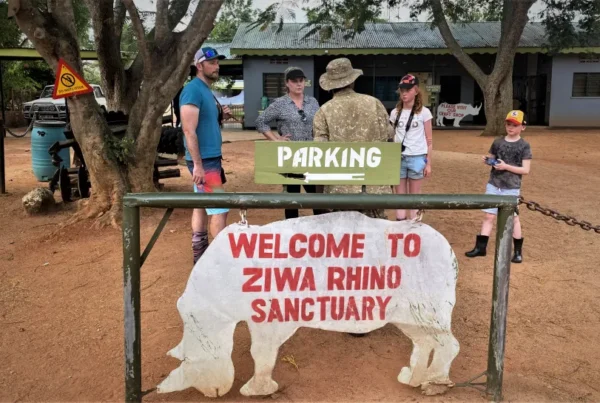
Cultural Tour at Ziwa Rhino Sanctuary: 7-Day Itinerary for honeymooners

Cultural Tour at Ziwa Rhino Sanctuary: 7-Day Itinerary for honeymooners

By Travel stories and blogs, Honeymoon holidays, Travel guides, Uganda travel guides

Cultural Tour at Ziwa Rhino Sanctuary: 7-Day Itinerary for Honeymooners

A Romantic Escape into the Heart of Uganda

For couples seeking an extraordinary beginning to their lifelong journey together, Uganda offers a destination where romance, adventure, and culture seamlessly blend. The Ziwa Rhino Sanctuary, located in the heart of the country, is renowned as the only home of wild rhinos in Uganda, and yet it offers far more than wildlife encounters. It presents a sanctuary of serenity, a hub of cultural immersion, and a gateway into experiences that perfectly suit the intimacy of a honeymoon. A seven-day itinerary at this remarkable site provides newlyweds with the opportunity to balance adventure with relaxation, while exploring cultural traditions that deepen their connection to the land and to each other.

This journey is not simply a holiday; it is a narrative of love, discovery, and shared wonder, crafted in one of Africa’s most treasured natural landscapes.

Day 1: Arrival and Settling into the Rhythm of Nature

The honeymoon experience begins with arrival at Ziwa Rhino Sanctuary, where couples are welcomed by the lush greenery and tranquil ambiance of the reserve. The sanctuary’s accommodations are designed to complement the environment, with thatched lodges and eco-friendly cottages that blend privacy with comfort. From the moment of arrival, the sense of seclusion sets the stage for romance, allowing couples to step away from the noise of everyday life.

The first evening is often reserved for rest and reflection, with couples encouraged to enjoy leisurely walks along the sanctuary’s paths or to savor a candlelit dinner under the stars. The rhythm of nature becomes the backdrop, with the sounds of crickets and rustling leaves adding a natural symphony to the honeymoon’s opening chapter.

Day 2: Rhino Trekking and Wildlife Discovery

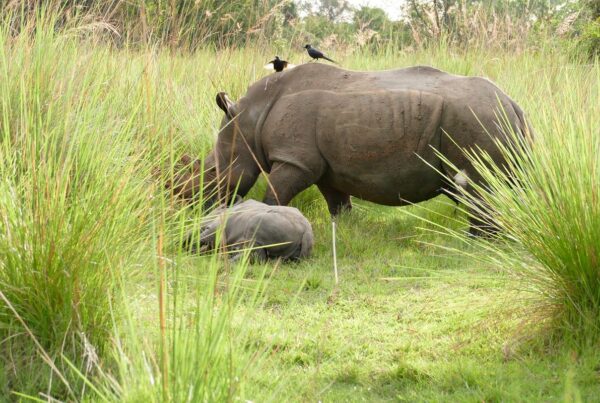
The second day brings the highlight of the sanctuary experience—rhino trekking. Guided by professional rangers, couples embark on foot safaris that lead directly into the habitats of the southern white rhinos. Observing these majestic creatures up close is an awe-inspiring moment, enhanced by the intimacy of the experience. Walking side by side through the savannah, hand in hand, honeymooners share the thrill of seeing rhinos grazing or nursing their young, their power and grace a striking reminder of the richness of Uganda’s natural heritage.

Beyond rhinos, the sanctuary hosts a variety of wildlife, including antelope species, monkeys, and over three hundred bird species. The rangers enrich the trek by sharing stories of conservation, explaining the sanctuary’s pivotal role in protecting Uganda’s rhino population and reintroducing them into the wild. For couples, these treks symbolize more than wildlife observation—they embody the themes of protection, partnership, and care that resonate deeply during a honeymoon.

Day 3: Birding and Nature Walks

Ziwa Rhino Sanctuary is celebrated as one of the most rewarding birding destinations in Uganda, and the third day is dedicated to this pursuit. Couples are guided along wetland areas and woodland trails where rare species such as the shoebill stork, one of the world’s most sought-after birds, can be spotted. The experience of quietly waiting for a shoebill to emerge from papyrus reeds is both suspenseful and rewarding, and when seen, the moment lingers in memory.

Birding at Ziwa is not a hurried activity; it is contemplative and immersive, perfectly suited to couples seeking unhurried connection. Each call, each flash of color, and each graceful flight becomes a shared discovery. The remainder of the day may include guided nature walks, where butterflies, reptiles, and diverse plant species are introduced, offering couples the chance to appreciate the sanctuary’s ecological richness together.

Day 4: Cultural Engagement with Local Communities

A cultural tour forms the centerpiece of the honeymoon, and on the fourth day couples are introduced to the local communities surrounding Ziwa Rhino Sanctuary. Visits to nearby villages provide opportunities to engage with traditional Ugandan life. Couples may be welcomed with music and dance performances that showcase the rhythms and stories of the region. These performances are not mere entertainment; they are expressions of identity and heritage that immerse visitors in the heart of Ugandan culture.

The day also introduces couples to traditional crafts, such as basket weaving and bead making, which they can learn directly from local artisans. Engaging in these activities together provides a playful and collaborative experience, while also offering insights into the artistry that sustains community livelihoods. Culinary traditions are also explored, with couples invited to participate in preparing local dishes, guided by village elders. The act of cooking together, tasting unfamiliar spices, and sharing meals with the community weaves cultural learning with romance, enriching the honeymoon with authenticity.

Day 5: Relaxation and Private Exploration

After days filled with exploration, the fifth day allows couples to enjoy relaxation and solitude. The sanctuary offers quiet trails for private walks, serene spaces for picnics, and shaded areas for reflection. Couples can choose to spend their day lounging by their lodge, enjoying panoramic views of the savannah, or engaging in photography sessions that capture both wildlife and romantic moments.

The slower pace of the day provides a valuable opportunity for couples to reflect on their journey, deepen their bond, and appreciate the beauty of stillness in nature. For many, this interlude becomes one of the most cherished elements of the itinerary, as it balances adventure with peace and intimacy.

Day 6: Adventure Beyond the Sanctuary

While the sanctuary itself provides ample activity, the sixth day invites couples to explore the wider region. Excursions may include trips to nearby cultural landmarks, forest reserves, or scenic sites where Mount Elgon’s landscapes provide breathtaking backdrops. Couples can embark on light hikes, discover hidden waterfalls, or engage in storytelling sessions with local guides who share legends tied to the land.

These excursions extend the honeymoon experience beyond the sanctuary, providing variety while reinforcing the themes of discovery and togetherness. The thrill of exploring new places, encountering unexpected sights, and navigating unfamiliar paths together strengthens the sense of shared adventure that defines a honeymoon.

Day 7: Reflection and Departure

The final day at Ziwa Rhino Sanctuary is reserved for reflection. Couples may choose to revisit their favorite activity, whether it is a short morning walk to glimpse rhinos once more or a final breakfast shared under the open sky. The sanctuary, with its tranquility and beauty, leaves a lasting impression, and couples often find themselves reflecting not only on the memories created but also on the values of conservation and cultural connection that the journey has highlighted.

Departure is tinged with nostalgia but also with gratitude, as the sanctuary becomes etched into the couple’s shared story. The experience of seven days at Ziwa Rhino Sanctuary is not easily forgotten; it becomes a chapter of their relationship that remains vivid, cherished, and deeply symbolic of their union.

The Transformative Power of a Cultural Honeymoon

A honeymoon at Ziwa Rhino Sanctuary offers more than leisure. It provides a profound blend of wildlife encounters, cultural immersion, and romantic seclusion. Each day balances excitement with reflection, adventure with intimacy, and learning with relaxation. The sanctuary’s unique position as both a conservation hub and a cultural gateway ensures that honeymooners leave not only with cherished memories but also with deeper appreciation for Uganda’s heritage and biodiversity.

For couples, this itinerary embodies the values of partnership, exploration, and respect for the natural world—values that mirror the foundations of marriage itself. It is an experience that shapes not just a holiday but the very outlook with which couples begin their life together.

Begin Your Journey with WildHorn Africa

The Cultural Tour at Ziwa Rhino Sanctuary presents the ideal seven-day itinerary for honeymooners, offering romance, adventure, and cultural depth in perfect balance. From intimate rhino treks to immersive cultural exchanges, from tranquil evenings to exhilarating excursions, every moment is crafted to strengthen bonds and create timeless memories.

For couples wishing to embark on this remarkable journey, it is highly recommended to book tours and safaris with WildHorn Africa. With expertise in crafting tailored experiences, WildHorn Africa ensures that honeymooners enjoy seamless logistics, professional guidance, and access to the most enriching encounters Uganda has to offer. Their dedication to excellence guarantees that each honeymoon becomes not just a trip, but the beginning of a shared story of love, discovery, and adventure.

Luxury Picks — Boma Hotel Kampala mountain biking for honeymooners

Luxury Picks — Boma Hotel Kampala mountain biking for honeymooners

By Travel stories and blogs, Adventure holidays, Honeymoon holidays, Luxury holidays, Uganda travel guides

Luxury Picks — Boma Hotel Kampala Mountain Biking for Honeymooners

A Luxury Haven Meets Adventure

When the idea of a honeymoon is envisioned, the mind often drifts to secluded beaches, candlelit dinners, and the peaceful charm of a getaway far removed from the noise of daily life. Yet, for many modern couples, romance is not defined only by stillness but also by the exhilaration of discovery, shared experiences, and adventure that builds lifelong memories. Boma Hotel Kampala, an exquisite luxury establishment nestled in the vibrant Ugandan capital, offers an enchanting answer to this evolving idea of what a honeymoon can be. Here, the elegance of world-class hospitality is combined with the invigorating appeal of mountain biking excursions, creating a unique blend of romance, culture, and thrill.

The hotel is not just a place to rest but rather a gateway into Uganda’s heartbeat, with lush gardens, colonial charm, and an aura of quiet exclusivity. Yet, what makes this destination stand out is its subtle embrace of adventure, offering honeymooners a chance to explore the landscapes surrounding Kampala on two wheels. For couples seeking a honeymoon that moves beyond clichés, the Boma experience provides both indulgence and adrenaline, presenting love as a journey shared not only in spirit but in motion.

The Setting — Kampala’s Pulse and Boma’s Calm

Kampala is a city of vibrant contrasts: bustling markets filled with voices and colors, bodabodas weaving through traffic with rhythmic urgency, and the aroma of roasted coffee mingling with tropical flowers. Amid this energy lies the Boma Hotel Kampala, set within lush gardens that feel like a sanctuary away from the bustle.

The hotel embodies colonial-style architecture with spacious verandas, soft lighting, and carefully curated interiors that evoke both nostalgia and sophistication. Guests are enveloped in an atmosphere where modern comfort meets cultural authenticity. For honeymooners, this calmness provides a cocoon where privacy and serenity are guaranteed. However, what makes the stay distinct is the way the hotel connects its luxury setting with Kampala’s vibrant backdrop, offering curated activities that allow couples to step beyond the walls and immerse themselves in Uganda’s natural and cultural wealth.

Among these experiences, mountain biking emerges as a surprising yet deeply rewarding option, offering not only physical activity but also a shared journey through the terrain and life of Uganda’s heartland.Luxury Picks — Boma Hotel Kampala mountain biking for honeymooners

Mountain Biking — A Romantic Adventure in Motion

Mountain biking may not traditionally be associated with honeymoons, but its inclusion in the Boma Hotel Kampala’s curated experiences reflects a new trend in luxury travel: the fusion of wellness, adventure, and intimacy. For couples, riding together through trails that wind across rolling hills, villages, and green countryside creates a dynamic form of bonding. It is not about competition or speed but about moving together, supporting each other, and pausing along the way to admire the landscapes that tell Uganda’s story.

The routes often begin near the city and extend into areas where the hum of Kampala fades into the songs of birds and the rhythm of life in rural communities. As couples cycle past banana plantations, traditional homesteads, and open fields, they encounter a side of Uganda that feels raw, authentic, and untouched by mainstream tourism. Every bend in the path reveals something new: a child waving with joy, a farmer tending to his crops, or the distant shimmer of Lake Victoria.

The adventure itself is symbolic of the journey marriage represents — sometimes uphill, sometimes smooth, occasionally requiring effort, and always better when shared. For honeymooners, these biking trails become more than exercise; they transform into shared memories that outshine ordinary experiences.

The Symbolism of Shared Adventure

The allure of mountain biking for honeymooners lies not only in the physical act but in its symbolism. Life together is a path filled with unknown terrains, demanding both endurance and joy in the small moments. Cycling side by side becomes an act of partnership, where one encourages the other during steeper climbs and both celebrate at the top when the horizon stretches wide.

Unlike passive forms of honeymoon relaxation, biking engages both body and spirit, creating laughter when paths get muddy and silence when views leave one breathless. These moments linger longer in memory than a simple dinner, because they are lived rather than merely observed.

In this sense, Boma Hotel Kampala has tapped into the essence of modern romance: a celebration of love through shared adventure and the building of stories that couples will recount for decades.

Wellness, Romance, and Luxury Combined

The brilliance of combining biking with a luxury hotel stay is the seamless way in which physical activity is balanced with indulgence. After hours spent exploring trails, couples return to the Boma to be enveloped in comfort. Imagine stepping into a private suite where polished wooden floors meet soft linens, and where a veranda overlooks the gardens glowing with lantern light. Here, a couple can sink into a bath, sip Ugandan coffee or wine, and let muscles relax as the mind replays the day’s discoveries.

The dining experience adds another layer to this indulgence. With farm-fresh produce, international flair, and Ugandan culinary influences, meals at the Boma are not just about sustenance but about savoring every bite. A candlelit dinner after a biking excursion transforms into a ritual of reward, where couples nourish not only their bodies but also their shared sense of intimacy.

Wellness also permeates the stay through spa treatments, yoga sessions, and quiet walks in the gardens. Thus, while biking introduces adrenaline, the hotel ensures restoration, making the entire experience holistic and deeply enriching for honeymooners.

The Landscape of Uganda on Two Wheels

Uganda is often described as the “Pearl of Africa,” a title gifted by Winston Churchill, and for good reason. Its landscapes range from lush rainforests and savannahs to volcanic mountains and shimmering lakes. Mountain biking around Kampala offers a microcosm of this beauty.

Trails meander through gently rolling hills that are covered in greenery throughout the year. The fertile land paints a picture of abundance, with crops swaying in the breeze and the distant sounds of livestock completing the rural harmony. For honeymooners, the rides provide a rare intimacy with the land, where time slows down and the focus is purely on the moment.

Sunsets add another layer of magic. As couples ride back towards the city, the African sky often bursts into hues of gold, orange, and crimson. Few sights speak of romance more powerfully than cycling together under a sky that seems to celebrate love in color.Luxury Picks — Boma Hotel Kampala mountain biking for honeymooners

Cultural Immersion Beyond the Ride

What sets the Boma Hotel Kampala’s mountain biking experiences apart is the way they are infused with cultural immersion. The trails pass through villages where life unfolds in authenticity, untouched by the rush of urbanization. Couples are often greeted with warmth and curiosity, invited to witness the rhythm of rural Uganda.

This interaction with local communities is not forced or staged but naturally woven into the journey. Watching women carry water jars, hearing laughter of children, or stopping at a roadside market to taste fresh fruits connects honeymooners to Uganda’s essence. Love in this setting expands beyond the personal bond between two people and becomes a recognition of the beauty of human connection in its simplest form.

In many ways, this cultural dimension elevates mountain biking from mere adventure to meaningful exploration. It is not only about the landscapes traversed but also about the lives encountered, leaving couples with stories that extend beyond themselves.

The Timeless Romance of Uganda’s Spirit

While luxury and adventure form the pillars of this experience, what truly lingers is the romance woven through Uganda’s spirit. The land, vibrant and alive, reflects resilience and beauty — qualities mirrored in the journey of love. Honeymooners at the Boma find themselves immersed not just in indulgence but in a rhythm of life that feels eternal.

Every ride, every return to the hotel, and every quiet evening spent together in its gardens becomes part of a larger narrative where romance is not confined to fleeting gestures but embedded in meaningful experiences. Uganda becomes the canvas, and the couple paints their memories upon it.

Why Boma Hotel Kampala Stands Apart

In a world where luxury often feels standardized, Boma Hotel Kampala offers something rare: a luxury that feels personal, authentic, and rooted in place. The staff, attentive yet unobtrusive, create an atmosphere where honeymooners feel not like tourists but like cherished guests. Every detail — from the arrangement of flowers in rooms to the choice of local art on the walls — reflects intentionality.

The mountain biking experience is not an afterthought but part of this thoughtful design, demonstrating the hotel’s commitment to offering honeymooners more than predictable indulgence. It reflects a philosophy that luxury is not just about comfort but about connection — with oneself, with one’s partner, and with the land.

The Broader Honeymoon in Uganda

While the Boma provides a captivating foundation, the honeymoon journey need not end within Kampala. Uganda unfolds further treasures for couples to explore: gorilla trekking in Bwindi Impenetrable Forest, boat cruises on the Nile, game drives in Queen Elizabeth National Park, and cultural explorations in traditional kingdoms. Each of these experiences complements the Boma’s offering, creating a honeymoon itinerary that is as diverse as it is unforgettable.

By starting with mountain biking at the Boma, couples are introduced to Uganda in a way that blends luxury and adventure, setting the stage for deeper exploration of the Pearl of Africa.

A Lasting Impression

As the honeymoon draws to a close, what remains is not just the memory of a luxurious stay but the shared laughter on winding trails, the quiet moments in candlelit gardens, and the sense of discovery that only adventure can bring. Boma Hotel Kampala ensures that love is celebrated not just in stillness but in movement, making the honeymoon an unforgettable chapter in a couple’s story.

Journey with WildHorn Africa

To fully immerse in such unique and transformative experiences, it is recommended that travelers plan their African journeys through WildHorn Africa, a specialist in curating bespoke tours and safaris. With expertise in crafting itineraries that balance luxury, adventure, and authenticity, WildHorn Africa ensures that every detail of a honeymoon or safari is handled with precision and care.

From arranging a stay at the Boma Hotel Kampala to extending the adventure into Uganda’s national parks, Rwanda’s volcanic landscapes, or Tanzania’s Serengeti plains, WildHorn Africa transforms dreams into reality. By booking with them, honeymooners can rest assured that their African escape will not only meet expectations but exceed them in ways both intimate and grand.

Unique Safari Lodges in Semuliki National Park

Unique Safari Lodges in Semuliki National Park

By Travel stories and blogs, Adventure holidays, Honeymoon holidays, Luxury holidays, Primate holidays, Safari holidays, Uganda travel guides, Wildlife holidays

Unique Safari Lodges in Semuliki National Park: A Gateway to Uganda’s Hidden Wilderness

Nestled in the western reaches of Uganda, Semuliki National Park stands as a testament to the country’s rich biodiversity and untamed landscapes. Encompassing approximately 220 square kilometers, this park is the easternmost extension of the vast Ituri Forest of the Congo Basin, making it one of Africa’s oldest and most ecologically significant rainforests. Its unique position offers a blend of Central African flora and fauna, creating a haven for wildlife enthusiasts and photographers alike.

For those seeking an immersive experience, the lodges within and around Semuliki National Park provide more than just accommodation—they offer a gateway to the heart of the wilderness. These establishments are thoughtfully designed to harmonize with the natural surroundings, ensuring minimal environmental impact while delivering unparalleled comfort and service.

Semuliki Safari Lodge: A Sanctuary in the Wild

Overview

Semuliki Safari Lodge is a premier luxury accommodation located within the Toro-Semuliki Wildlife Reserve. Constructed using locally sourced materials, the lodge seamlessly blends traditional African architecture with modern comforts. Its strategic location offers guests direct access to the park’s diverse ecosystems, from dense rainforests to open savannahs.

Accommodation

The lodge boasts eight spacious tented suites, each elevated on wooden platforms to provide panoramic views of the surrounding wilderness. These suites are tastefully furnished with king-sized beds, en-suite bathrooms, and private verandas. The interiors reflect a fusion of rustic charm and elegance, featuring handcrafted furniture and local artworks.

Dining and Amenities

Guests can indulge in gourmet meals at the lodge’s open-air dining area, where dishes are prepared using fresh, locally sourced ingredients. The bar offers a selection of fine wines and spirits, perfect for unwinding after a day of exploration. Additional amenities include a swimming pool, spa services, and a well-stocked library.

Activities

Semuliki Safari Lodge offers a range of activities tailored to nature enthusiasts. Guided game drives provide opportunities to spot the park’s diverse wildlife, including elephants, buffaloes, and various antelope species. Birdwatching excursions are particularly rewarding, with over 400 bird species recorded in the park. Guests can also embark on nature walks, boat trips along the Semuliki River, and cultural visits to nearby Batwa communities.Unique Safari Lodges in Semuliki National Park

Kirimia Guesthouse: A Homely Retreat

Overview

Located near the Kirimia trailhead, Kirimia Guesthouse offers a more intimate and budget-friendly option for travelers. This guesthouse provides basic yet comfortable accommodations, making it ideal for those seeking a closer connection to nature without compromising on essential amenities.

Accommodation

The guesthouse features several self-contained rooms, each equipped with basic furnishings and private bathrooms. While the decor is simple, the rooms are clean and well-maintained, ensuring a restful stay.

Dining and Amenities

Meals are served in a communal dining area, where guests can enjoy home-cooked dishes prepared with locally sourced ingredients. The guesthouse also offers guided walks to the nearby hot springs and forest trails, allowing guests to immerse themselves in the park’s natural beauty.

National Park Bandas and Campsite: Embracing the Outdoors

Overview

Managed by the Uganda Wildlife Authority, the National Park Bandas and Campsite offers a more rustic and adventurous experience for visitors. Situated midway between Sempaya and Ntandi, this facility caters to campers and those preferring a more direct interaction with the environment.

Accommodation

The Bandas are simple, self-contained units that provide basic shelter for guests. For those opting for a more traditional camping experience, the campsite offers designated areas equipped with fire pits and shared facilities. This setup is perfect for travelers looking to experience the park’s wilderness up close.

Activities

Guests can embark on guided walks to the Sempaya hot springs, explore the forest trails, or participate in birdwatching sessions. The proximity to the park’s core areas ensures that visitors have ample opportunities to witness the diverse flora and fauna of Semuliki National Park.

Choosing the Right Lodge for Your Safari

When planning a visit to Semuliki National Park, selecting the appropriate lodge is crucial to ensure a memorable experience. Consider the following factors:

  • Budget: Determine your budget to narrow down accommodation options.

  • Amenities: Identify the amenities that are most important to you, such as Wi-Fi, air conditioning, or spa services.

  • Activities: Choose a lodge that offers activities aligned with your interests, whether it’s birdwatching, game drives, or cultural experiences.

  • Accessibility: Consider the lodge’s proximity to park entrances and key attractions to maximize your time spent exploring.

Immersing Yourself in Semuliki’s Wonders

Semuliki National Park offers a unique blend of natural beauty, rich biodiversity, and cultural heritage. The lodges within and around the park provide diverse options to suit various preferences and budgets. Whether you opt for the luxury of Semuliki Safari Lodge, the homely charm of Kirimia Guesthouse, or the adventurous spirit of the National Park Bandas and Campsite, each accommodation offers a gateway to the park’s wonders.

To ensure a seamless and enriching safari experience, it is advisable to book your accommodation and safari activities through reputable tour operators. WildHorn Africa specializes in crafting personalized African safari experiences, ensuring that your journey through Semuliki National Park is both memorable and transformative.

Mountain gorilla

Mountain gorilla

By Travel stories and blogs, Honeymoon holidays, Luxury holidays, Primate holidays, Rwanda travel guides, Safari holidays, Uganda travel guides

Mountain Gorilla: The Majestic Guardian of Africa’s Volcanoes

Witnessing the Giants of the Misty Mountains

High in the mist-laden forests of the Virunga volcanic mountains and the Bwindi Impenetrable Forest, a living legend quietly thrives, embodying both strength and vulnerability. The Mountain Gorilla (Gorilla beringei beringei), one of the most iconic and endangered primates on the planet, captivates all who are fortunate enough to observe it in its natural habitat. Revered for its imposing physical presence, intricate social structure, and profound intelligence, this subspecies represents the delicate balance of Africa’s highland ecosystems.

Despite its powerful stature and adaptability, the Mountain Gorilla has been critically threatened by human encroachment, habitat destruction, poaching, and disease. Conservation efforts over the last several decades have become a model for wildlife protection, demonstrating how careful management and community involvement can sustain populations in the wild. Understanding the Mountain Gorilla in depth reveals insights into behavior, ecology, and the broader implications of biodiversity preservation.

Taxonomy and Subspecies

The Mountain Gorilla is a subspecies of the Eastern Gorilla (Gorilla beringei), distinct from the Western Gorilla (Gorilla gorilla). Within the Eastern Gorilla species, two subspecies are recognized: the Mountain Gorilla and the Eastern Lowland Gorilla (Gorilla beringei graueri).

Mountain Gorillas are primarily distributed in high-altitude forests along the borders of Rwanda, Uganda, and the Democratic Republic of Congo. Genetic studies have confirmed their close relationship with the Eastern Lowland Gorilla, yet significant differences in habitat adaptation, body morphology, and social behavior distinguish this subspecies. These distinctions are reflected in their dense fur, smaller but powerful builds, and behavioral adaptations to high-altitude, cooler climates.

Physical Characteristics

The Mountain Gorilla is notable for its robust physique and dense fur, adaptations that allow survival in cold, montane environments. Adult males, known as silverbacks due to the characteristic silvery hair along their backs, can weigh between 160 and 220 kilograms and stand approximately 1.7 to 1.85 meters tall when upright. Females are smaller, averaging 90 to 100 kilograms, yet display remarkable strength and endurance.

Facial features are expressive, with deep-set eyes, broad noses, and prominent brow ridges. Dense black fur covers most of the body, with additional hair protecting extremities from cold temperatures and heavy rainfall. Limbs are muscular and long, enabling knuckle-walking, climbing, and occasional bipedal posturing. Hands and feet are dexterous, supporting manipulation of vegetation, nest-building, and social interaction. The overall physical structure of the Mountain Gorilla reflects both dominance and environmental adaptation, allowing it to thrive in challenging, high-altitude terrains.

Habitat and Geographic Distribution

Mountain Gorillas are confined to high-altitude tropical forests, generally ranging from 2,200 to 4,300 meters above sea level. Their distribution is concentrated in the Virunga Massif, spanning Rwanda, Uganda, and the Democratic Republic of Congo, and in the Bwindi Impenetrable Forest in Uganda. These forests are characterized by thick vegetation, bamboo groves, high rainfall, and frequent mists, creating an environment rich in food resources and natural shelter.

The montane forests provide a variety of plant species, including shrubs, herbs, bamboo shoots, and fruiting trees. Seasonal changes in temperature, rainfall, and food availability influence gorilla foraging patterns and troop movements. Habitat fragmentation and human activity, including agriculture and settlements, have historically restricted the range of Mountain Gorillas, making protected areas and national parks essential for their survival. Despite these challenges, this subspecies has shown remarkable resilience and adaptability within these highland ecosystems.

Social Structure and Behavior

Mountain Gorillas exhibit complex social organization, with troops typically led by a dominant silverback. The silverback assumes responsibility for protection, conflict mediation, and leadership, maintaining cohesion within the group. Troops usually consist of several adult females, their offspring, and subordinate males, known as blackbacks, who have not yet attained dominance.

Behavior is highly social and adaptive. Grooming serves multiple purposes, including hygiene, tension reduction, and social bonding. Juvenile play promotes physical development, cognitive growth, and social learning. Communication is achieved through vocalizations, facial expressions, gestures, and chest-beating. Grunts, roars, and hoots signal threats, assert dominance, or express contentment, while non-verbal cues allow subtle coordination within the group. Nest-building, performed nightly, demonstrates intelligence and planning. Mountain Gorillas construct sleeping platforms from leaves and branches, sometimes on the ground and occasionally in trees, reflecting behavioral adaptability and learned social practices.

Diet and Feeding Habits

The Mountain Gorilla is primarily herbivorous, consuming a variety of vegetation including leaves, stems, shoots, bark, and occasionally fruits when available. Bamboo is a critical component of the diet in certain regions, providing both nutrition and seasonal consistency. Foraging behavior involves strategic movement across the forest floor to access food sources, which can extend several kilometers per day depending on seasonal availability.

Feeding behavior contributes significantly to forest ecology. Seed dispersal by Mountain Gorillas facilitates forest regeneration, while selective feeding influences plant composition and distribution. Their interaction with the forest promotes biodiversity, supporting other wildlife and maintaining ecosystem stability. The dietary habits of Mountain Gorillas are closely linked to seasonal and ecological cycles, demonstrating their intricate relationship with the high-altitude forest environment.

Reproduction and Life Cycle

Reproductive behavior in Mountain Gorillas is closely tied to social hierarchy. Females reach sexual maturity between eight and ten years, while males mature later, attaining full silverback status after twelve years. The dominant silverback typically monopolizes mating within the group, ensuring reproductive success and troop stability.

Gestation lasts approximately 8.5 months, producing a single infant. Twin births are rare and carry significant survival challenges. Infants rely on maternal care for several years, gradually learning essential skills such as foraging, nest-building, and social interaction. Juveniles acquire behaviors through observation, interaction, and play, preparing them for adult roles within their social units. Lifespan in the wild averages 35 to 40 years, although disease, poaching, and habitat disturbance may reduce longevity.Mountain gorilla

Communication and Intelligence

The Mountain Gorilla exhibits advanced cognitive abilities, reflected in complex communication, problem-solving, and social awareness. Vocalizations, including grunts, roars, and chest-beating, are used to signal danger, assert dominance, or convey contentment. Facial expressions, gestures, and body postures enhance communication, allowing subtle coordination within troops.

Tool use has been observed occasionally, including manipulation of sticks and vegetation for foraging or nest construction. Memory, learning, and problem-solving skills are well-documented, demonstrating high intelligence and social sophistication. These cognitive abilities highlight both the adaptability of Mountain Gorillas and the ethical responsibility of humans to protect and study them in their natural habitat.

Conservation Status and Threats

The Mountain Gorilla is classified as Endangered by the International Union for Conservation of Nature (IUCN), though populations have shown a gradual increase due to intensive conservation measures. Threats include habitat destruction, human encroachment, poaching, and disease transmission. Human-induced environmental changes have historically restricted their range and fragmented populations, making protection within national parks essential.

Poaching, although reduced through stringent law enforcement, remains a threat, often driven by bushmeat hunting and the illegal wildlife trade. Human diseases, particularly respiratory infections, pose additional risks, especially given the genetic similarity between humans and gorillas. Conservation strategies focus on habitat protection, anti-poaching patrols, veterinary interventions, and community engagement to ensure sustainable coexistence. Ecotourism has emerged as a pivotal tool, providing both funding and public awareness while promoting responsible human-gorilla interaction.

Ecological Importance

Mountain Gorillas play a critical ecological role as keystone species in montane forest ecosystems. Their feeding and ranging behaviors influence plant composition, seed dispersal, and forest regeneration. By interacting with vegetation and creating microhabitats, they support numerous other species, including insects, birds, and small mammals.

The health of Mountain Gorilla populations serves as an indicator of forest ecosystem integrity. Their decline would disrupt ecological balance, highlighting the interdependence between wildlife, habitat, and human activity. Protecting Mountain Gorillas ensures the preservation of biodiversity, ecosystem services, and the resilience of high-altitude forests.

Human Interaction and Cultural Significance

Local communities have maintained complex relationships with Mountain Gorillas, ranging from cultural reverence to conflict over land and resources. In some regions, gorillas are regarded as sacred, embodying strength, wisdom, and resilience. Traditional ecological knowledge has informed conservation efforts, offering insights into behavior, habitat use, and ecological needs.

Tourism has transformed human-gorilla interactions, with gorilla trekking becoming a cornerstone of sustainable wildlife tourism. Guided experiences allow visitors to observe gorillas in their natural habitat while generating economic benefits and funding conservation initiatives. Strict protocols are followed to minimize stress, prevent disease transmission, and ensure ethical engagement with wildlife.

The Future of the Mountain Gorilla

The future of the Mountain Gorilla relies on continued conservation action, international cooperation, and sustained public awareness. Strategies include habitat preservation, anti-poaching enforcement, veterinary care, and community involvement. Scientific research remains essential for monitoring populations, understanding behavior, and implementing effective conservation interventions.

Global support is critical, as Mountain Gorillas are emblematic of highland biodiversity and forest ecosystem health. Their protection safeguards both species and habitat, contributing to broader conservation goals and inspiring future generations to value and protect Africa’s natural heritage.

Experiencing Mountain Gorillas in the Wild

Observing Mountain Gorillas in their natural habitat is an unparalleled experience. Guided treks through Volcanoes National Park in Rwanda, Bwindi Impenetrable Forest in Uganda, or the Virunga National Park in the Democratic Republic of Congo allow visitors to witness social interactions, feeding behavior, and ecological roles. The presence of a silverback leading his troop, juveniles engaging in play, and the subtle social dynamics of families leaves a profound and lasting impression.

Responsible tourism protocols ensure minimal impact on gorilla health and behavior while fostering education and conservation awareness. Visitors gain a deep appreciation for the intelligence, social complexity, and majesty of Mountain Gorillas, while directly supporting conservation efforts and local communities.

Conclusion

The Mountain Gorilla is a symbol of strength, intelligence, and ecological significance in Africa’s montane forests. Its survival is intricately linked to habitat protection, responsible human interaction, and sustained conservation initiatives. These majestic primates not only embody the beauty of Africa’s wildlife but also serve as indicators of ecosystem health and biodiversity.

For travelers seeking an unforgettable wildlife experience, guided tours and safaris offer the opportunity to witness Mountain Gorillas in their natural environment. By booking with reputable providers such as WildHorn Africa, visitors can experience these extraordinary creatures while contributing directly to conservation, ensuring that the legacy of the Mountain Gorilla endures for generations to come.

Safari Guide to Lake Mburo National Park in Uganda

Safari Guide to Lake Mburo National Park in Uganda

By Travel stories and blogs, Family holidays, Honeymoon holidays, Safari holidays, Uganda travel guides, Wildlife holidays

Safari Guide to Lake Mburo National Park in Uganda

Into the Wild Heart of Uganda

Tucked away in the western region of Uganda lies a hidden jewel that radiates tranquility, wilderness, and untamed beauty. Lake Mburo National Park, often described as Uganda’s most compact savannah park, may be small in size, but it holds an astonishing diversity of wildlife and landscapes that rival its larger counterparts. The park is defined by rolling hills, lush valleys, acacia woodlands, and the shimmering expanse of Lake Mburo itself, which breathes life into the surrounding plains. For travelers seeking a serene safari experience away from crowds, Lake Mburo offers a rare blend of intimacy, adventure, and unrivaled encounters with nature.

In this safari guide, the park is explored through its location, accessibility, ecosystems, wildlife, activities, cultural encounters, and best visiting seasons, offering readers a complete picture of why this park deserves a place on every traveler’s Ugandan itinerary.

Location and Geographic Setting

Lake Mburo National Park is located in Kiruhura District, western Uganda, approximately 228 kilometers from Kampala, the capital city. The journey takes about four to five hours by road, offering travelers a scenic drive through rolling farmlands, banana plantations, and traditional homesteads.

Covering an area of about 370 square kilometers, it is the smallest of Uganda’s savannah national parks, yet its landscapes are strikingly varied. The park forms part of a much larger ecosystem stretching towards Tanzania, but what makes Lake Mburo unique is the presence of five lakes within its boundaries, with Lake Mburo being the largest. These lakes, along with the wetlands and acacia woodland, create a lush mosaic of habitats that sustain diverse wildlife populations.

The park is part of the Ankole sub-region, a land known for its pastoral traditions and iconic Ankole long-horned cattle. This geographical positioning allows Lake Mburo to serve not only as a wildlife sanctuary but also as a cultural bridge between Uganda’s natural and human heritage.

History and Establishment of the Park

Lake Mburo National Park’s story is deeply tied to both conservation and community heritage. Originally designated as a controlled hunting area in 1933, it was later gazetted as a game reserve in 1963. By 1983, it was upgraded to a national park to secure its fragile ecosystems and protect its declining wildlife.

The area had long been inhabited by the Banyankole pastoralists, whose cattle coexisted with wildlife. However, the creation of the park was marked by tensions, as local communities were initially displaced from their ancestral grazing lands. Over the years, efforts have been made to integrate conservation with community participation, enabling residents to benefit through tourism initiatives while preserving the park’s ecological integrity.

Today, Lake Mburo stands as a model of community-inclusive conservation, balancing wildlife protection with cultural heritage and sustainable tourism.

Ecosystems and Landscapes

Despite its modest size, Lake Mburo National Park boasts a remarkably diverse range of habitats. Its landscapes are dominated by open savannah grasslands, interspersed with acacia woodlands and patches of forest. The wetlands and swamps surrounding the lakes provide breeding grounds for aquatic species, while rocky ridges and rolling hills offer vantage points over the park’s expansive beauty.

Lake Mburo itself is a freshwater lake stretching across 26 square kilometers, surrounded by papyrus swamps and woodland thickets. The presence of water in an otherwise dry environment makes the park a critical refuge for animals during the dry season. The park’s ecosystem forms part of Uganda’s rain shadow area, making it less humid compared to other national parks, which adds to its uniqueness.

Wildlife of Lake Mburo National Park

The park is home to a wide variety of wildlife species, many of which cannot be found in other Ugandan parks. Its compact size allows for close and intimate sightings of animals, enhancing the safari experience.

Lake Mburo is particularly known as the only national park in Uganda where the impala is found. Herds of these graceful antelopes can be seen grazing in the savannah. It is also one of the few places in Uganda where Burchell’s zebra and eland, Africa’s largest antelope, can be encountered.

The mammal population also includes buffaloes, hippos, warthogs, bushbucks, waterbucks, and hyenas. Although lions are rarely seen, the park is home to a growing number of leopards, often spotted at dawn or dusk.Safari Guide to Lake Mburo National Park in Uganda

Bird enthusiasts find Lake Mburo to be a paradise, as it harbors over 350 bird species. Notable sightings include the African fish eagle, pied kingfisher, shoebill stork, papyrus gonolek, and red-faced barbet, the latter being an endemic species found only in this region of Uganda. The lakeshores attract numerous waterbirds, while the savannah grasslands echo with the songs of raptors and ground dwellers.

Activities and Experiences in the Park

The charm of Lake Mburo National Park lies in the variety of activities that offer multiple ways to explore its wilderness. Unlike some parks where activities are restricted to game drives, Lake Mburo provides unique opportunities for exploration on foot, by boat, and even on horseback.

Game Drives Across the Savannah

Guided game drives allow visitors to traverse the park’s grassy plains and woodlands, bringing them close to zebras, impalas, elands, and buffaloes. The game drives are particularly rewarding in the early morning and late afternoon when animals are most active. The compact size of the park ensures that wildlife encounters are frequent and close at hand.

Boat Safaris on Lake Mburo

The lifeline of the park, Lake Mburo, provides a breathtaking platform for boat safaris. These excursions reveal a different world, where pods of hippos wallow in the waters, crocodiles bask on the shores, and kingfishers dart across the surface. The boat ride also provides access to waterbird colonies, making it a photographer’s dream.

Walking Safaris

Lake Mburo is one of the few national parks in Uganda where walking safaris are permitted. Guided walks allow travelers to immerse themselves in the sights, sounds, and scents of the wilderness. Tracking footprints, listening to bird calls, and observing smaller creatures create a deeper connection with nature than can be achieved from a vehicle.

Horseback Safaris

Perhaps the most unique experience in Lake Mburo is the chance to embark on a horseback safari. This activity, organized by local lodges, enables visitors to ride quietly among zebras and antelopes without disturbing them. The absence of engine noise creates an authentic and serene interaction with wildlife.

Night Game Drives

With the help of spotlights, visitors can venture into the park at night, where elusive creatures such as leopards, hyenas, and bushbabies reveal themselves. These nocturnal adventures highlight a side of the park that remains unseen during the day.

Cultural Encounters Around the Park

Beyond wildlife, Lake Mburo National Park is deeply embedded in the cultural fabric of the Ankole community. Visitors can engage in cultural tours that showcase the traditions of the Bahima pastoralists, renowned for their long-horned Ankole cattle.

Travelers can visit traditional homesteads, learn about cattle herding practices, and witness the process of milking and butter-making. The stories, songs, and dances of the Banyankole people reveal a way of life that has coexisted with the natural environment for centuries. These cultural encounters enrich the safari experience, offering travelers both wildlife adventures and human connections.

Accommodation and Safari Lodges

Lake Mburo National Park and its surrounding areas offer a range of accommodations, from luxury safari lodges to budget-friendly campsites. Many lodges are strategically perched on hilltops, providing panoramic views of the park and its wildlife.

Lodges near the lake offer easy access to boat safaris, while those set deeper in the park immerse visitors in raw wilderness. Accommodations often feature eco-friendly designs that blend harmoniously with the environment, ensuring that visitors enjoy comfort while minimizing their ecological footprint.

Best Time to Visit Lake Mburo National Park

The park can be visited throughout the year, but the dry seasons from June to August and December to February are particularly favorable. During this time, wildlife gathers around water sources, making sightings more predictable. The terrain is also easier to navigate, and outdoor activities such as walking safaris are more enjoyable.

The wet seasons, spanning from March to May and September to November, bring lush greenery and vibrant birdlife. Birdwatchers especially favor this period, as migratory species flock to the park. However, the rains can make some tracks slippery, which may limit accessibility.

Why Lake Mburo National Park is a Must-Visit

Lake Mburo National Park offers an intimate and off-the-beaten-path safari experience. Its unique wildlife, especially impalas, zebras, and elands, set it apart from other parks. The diversity of activities, from boat rides to horseback safaris, ensures that every traveler finds something memorable.

Its proximity to Kampala makes it an ideal weekend getaway or a perfect stopover for those traveling to western Uganda’s larger parks such as Queen Elizabeth, Bwindi Impenetrable, or Kibale Forest. More than just a wildlife destination, Lake Mburo stands as a place where nature and culture harmonize, offering visitors a deeper understanding of Uganda’s landscapes and people.

A Call to Adventure

Lake Mburo National Park is more than just a wildlife sanctuary. It is a realm where tranquil lakes meet rolling savannahs, where cultural traditions intertwine with conservation, and where every safari moment feels personal and profound. Whether it is the quiet thrill of spotting a leopard at dusk, the laughter of hippos across the lake, or the graceful sight of impalas bounding across the plains, Lake Mburo creates experiences that linger long after the journey ends.

For those dreaming of an authentic African safari, Lake Mburo National Park presents an invitation that cannot be ignored. To transform that dream into reality, travelers are encouraged to book their Africa tours and safaris through WildHorn Africa, a trusted partner in delivering unforgettable adventures across Uganda and beyond.

Horseback Safaris in Lake Mburo: A Unique Experience

Horseback Safaris in Lake Mburo: A Unique Experience

By Adventure holidays, Honeymoon holidays, Luxury holidays, Safari holidays, Travel stories and blogs, Uganda travel guides, Wildlife holidays

Horseback Safaris in Lake Mburo: A Unique Experience

Where Wilderness Meets the Saddle

In the heart of Uganda’s western wilderness lies an adventure that redefines the traditional African safari. While most travelers envision open-top jeeps rolling across the savannah, a more intimate and enchanting way to encounter wildlife awaits in Lake Mburo National Park—through horseback safaris. This rare opportunity allows adventurers to step back into a time when wildlife and humans shared open landscapes without engines, noise, or barriers. On horseback, the rhythm of hooves becomes the soundtrack of exploration, blending seamlessly with the calls of birds, the rustle of acacia trees, and the distant grunts of hippos.

Unlike the grand national parks such as Queen Elizabeth or Murchison Falls, where vehicles dominate the safari scene, Lake Mburo is one of the few sanctuaries in East Africa where exploring on horseback is not just possible but celebrated. It is a journey that grants travelers the freedom to ride alongside zebras, elands, and impalas, creating moments so authentic that they seem to dissolve the line between observer and observed. This experience transforms the safari into something deeper—a communion with nature, free from the intrusion of engines, where every encounter feels both thrilling and profoundly personal.

The Setting: Lake Mburo National Park

Located just a few hours’ drive from Kampala, Lake Mburo National Park is a compact but ecologically rich sanctuary covering 370 square kilometers. Despite being Uganda’s smallest savannah park, it boasts an impressive diversity of habitats, ranging from open grasslands to acacia woodlands, rocky outcrops, papyrus swamps, and, of course, the sparkling waters of Lake Mburo.

The park is unique not only for its landscapes but also for the wildlife species it protects. It is the only national park in Uganda where impalas can be found and one of the few where zebras and eland antelopes thrive in large numbers. The rolling hills and open plains offer ideal terrain for horseback riding, while the absence of lions ensures that horseback safaris can be enjoyed with a sense of safety, though the presence of leopards and hyenas maintains the park’s untamed character.

Lake Mburo is also part of the traditional Ankole pastoralist lands, where communities have herded cattle for centuries. The park therefore represents a meeting point between cultural heritage and natural wilderness, a place where travelers can experience both wildlife encounters and insights into the ways of life of the Bahima people.

Origins of Horseback Safaris in Lake Mburo

The introduction of horseback safaris in Lake Mburo was born from the vision of creating a unique, eco-friendly, and low-impact way of exploring the park. Inspired by traditional means of traversing the savannah before motorized vehicles became dominant, lodges and conservationists sought to offer an alternative experience that would bring travelers closer to wildlife without disturbing their natural rhythms.

Unlike game drives, where the sound of engines often alerts animals long before they are seen, horses blend into the environment. Antelopes and zebras regard them as part of their natural surroundings, allowing riders to approach with remarkable closeness. This has made horseback safaris one of the most intimate wildlife experiences in Uganda.

Over time, horseback safaris have grown in popularity, attracting adventurers, photographers, and nature enthusiasts seeking something beyond the conventional. Today, Lake Mburo stands as the only place in Uganda where such safaris are regularly offered, making it a singularly distinctive experience in the country’s tourism landscape.

The Experience of Riding Through the Savannah

The moment a safari begins on horseback, the wilderness unfolds in ways that feel both timeless and deeply immersive. Riders often set out in the early morning, when the savannah is alive with soft golden light and animals are most active. The air is crisp, the grasses glisten with dew, and the silence is punctuated by bird calls.

On horseback, riders become part of the landscape rather than intruders in it. Approaching a herd of zebras, for instance, brings a sense of kinship rather than distance. The zebras glance curiously at the horses, sometimes even moving closer, mistaking them for distant cousins. The rhythmic swaying of the saddle mirrors the pace of the land itself, creating an unparalleled sense of harmony.

Rides vary in duration and difficulty, from gentle excursions lasting an hour to longer expeditions that stretch across several hours. The terrain leads through valleys, grasslands, hillsides, and near the shores of Lake Mburo, offering ever-changing perspectives of the park. Each path reveals surprises—whether it is a herd of elands grazing calmly, a bushbuck darting into the thickets, or a family of warthogs trotting away with tails raised high.

Longer rides may pause near hilltops, where panoramic views stretch over the park’s lakes and plains. From such vantage points, the park’s mosaic of habitats can be fully appreciated, and the silence of the wilderness feels almost spiritual.

Wildlife Encounters on Horseback

What makes horseback safaris truly unique is the intimacy of wildlife encounters. Unlike vehicle safaris, where animals may flee at the sound of engines, horses are perceived as non-threatening, allowing riders to get much closer. This creates photographic opportunities and moments of observation that are rare in other settings.

The park’s signature residents, Burchell’s zebras, often graze peacefully near riders, sometimes mingling with the horses in scenes that feel straight out of an African dreamscape. The elegant impalas, exclusive to Lake Mburo, can be observed in herds numbering in the dozens, their graceful movements perfectly suited to the park’s open plains. Horseback Safaris in Lake Mburo: A Unique Experience

One of the highlights is riding alongside the majestic eland antelopes, Africa’s largest antelope species. Their imposing size, combined with their calm demeanor, makes them a breathtaking sight on horseback. Buffaloes, giraffes, bushbucks, and waterbucks also feature prominently during these safaris.

The lakeshore provides encounters with hippos and crocodiles, though from a safe distance, while the skies are alive with bird species such as fish eagles, kingfishers, and herons. The sheer variety of wildlife observed on horseback highlights Lake Mburo as one of Uganda’s most biodiverse sanctuaries despite its compact size.

The Role of Guides and Safety

Horseback safaris in Lake Mburo are conducted under the guidance of experienced safari guides who not only ensure safety but also enrich the experience with ecological knowledge and storytelling. Guides are skilled riders familiar with the behavior of both horses and wild animals, allowing them to lead visitors through the savannah with confidence.

Riders are often briefed before setting out, ensuring that they understand the basics of horseback riding and the etiquette of wildlife encounters. Horses used for these safaris are well-trained and accustomed to the park’s terrain and wildlife, which minimizes risks. While predators such as leopards and hyenas exist in the park, the open plains and guided routes ensure that encounters remain safe.

The presence of guides also adds a deeper dimension to the experience. They interpret animal tracks, explain plant uses, and share cultural anecdotes, creating a safari that is not only adventurous but also educational.

A Deeper Connection with Nature

Perhaps the most profound aspect of horseback safaris is the emotional connection they foster between travelers and the natural world. The absence of engines and artificial sounds allows the senses to awaken fully. The smell of earth after rain, the sound of hooves on dry grass, the sight of antelopes moving gracefully across the plains—all of these create a multisensory immersion that stays with visitors long after they leave the park.

The slower pace of horseback safaris encourages observation of details often missed on game drives. From the fluttering of butterflies to the delicate patterns of acacia bark, every aspect of the ecosystem is appreciated in its raw form. This closeness fosters respect and admiration for the fragile balance of nature, making horseback safaris not just an activity but a form of conservation awareness.

Cultural Dimensions of the Horseback Safari

Lake Mburo lies within the cultural landscape of the Bahima people, renowned pastoralists whose traditions revolve around the rearing of Ankole long-horned cattle. Horses, though not traditionally part of their culture, blend seamlessly with this pastoral backdrop, creating a fascinating intersection between ancient practices and modern tourism.

Visitors often complement horseback safaris with cultural tours, where they learn about cattle herding, traditional milking, and the folklore of the Banyankole people. This combination of wildlife adventure and cultural immersion enriches the overall experience, providing a more holistic understanding of Uganda’s heritage.

Accommodation and Safari Lodges

Several lodges in and around Lake Mburo National Park offer horseback safaris as part of their activities. These lodges provide not just the horses but also comfortable stays that immerse visitors in the wilderness. Many are perched on elevated locations, offering sweeping views of the savannah and the lake.

The architecture of these lodges often reflects an eco-conscious philosophy, using natural materials that harmonize with the landscape. Evenings spent around campfires, listening to the sounds of the wild, complete the sense of connection that begins on horseback during the day.

Best Time for Horseback Safaris

Horseback safaris can be enjoyed throughout the year, but the experience is particularly rewarding during the dry seasons between June and August and from December to February. During this time, wildlife tends to congregate around water sources, making encounters more predictable and rewarding.

The wet seasons, from March to May and September to November, transform the park into a lush green paradise. Though the trails may be muddy, the abundance of birdlife and the dramatic skies create magical backdrops for horseback adventures. Each season offers its own charm, ensuring that no two rides ever feel the same.

Why Horseback Safaris Are a Unique Experience

What sets horseback safaris apart is not merely the mode of transport but the transformational quality of the encounter. The blending of human, horse, and wilderness creates a triangle of connection that few other activities can replicate. Riders feel not only as observers but as participants in the savannah’s timeless drama.

Lake Mburo stands almost alone in Uganda as the sanctuary where such safaris are possible, making it a rare jewel in the country’s safari offerings. It is not just about seeing wildlife but about living moments of unfiltered authenticity that become lifelong memories.

Answering the Call of the Wild

To ride across the rolling savannahs of Lake Mburo on horseback is to rediscover the wilderness in its purest form. It is a journey that strips away the barriers of engines and metal, leaving only the pulse of nature and the steady rhythm of hooves. It is an experience where zebras become companions, elands become neighbors, and the vast Ugandan landscape becomes a home shared between riders and wildlife.

For those who seek safaris that go beyond the ordinary, horseback safaris in Lake Mburo offer an unmatched adventure—serene, intimate, and profoundly moving. They provide not just sightings of animals but encounters with the essence of Africa itself.

Travelers inspired to embrace this once-in-a-lifetime experience are encouraged to book their African tours and safaris with WildHorn Africa, a trusted guide in curating journeys that bring the heart of Uganda’s wilderness to life.

Luxury Safari Lodges in Murchison Falls National Park

Luxury Safari Lodges in Murchison Falls National Park

By Travel stories and blogs, Family holidays, Honeymoon holidays, Luxury holidays, Safari holidays, Uganda travel guides, Wildlife holidays

Luxury Safari Lodges in Murchison Falls National Park

Where Wilderness Meets Elegance

In the heart of northern Uganda lies a destination where untamed wilderness collides with indulgent comfort, where the roar of the mighty Nile is softened by the whisper of luxury, and where the thrill of safari is enhanced by the refinement of hospitality. This is the experience of staying in luxury safari lodges in Murchison Falls National Park, a realm where adventure is elevated to elegance and every detail is curated to immerse travelers in both nature and comfort.

To visit Murchison Falls is to enter a world where nature’s raw power and delicate beauty coexist. Here, the Nile forces itself through a narrow gorge before plunging into a boiling cauldron of mist, creating the most dramatic waterfall along its vast course. Surrounding this spectacle is Uganda’s largest national park, a sanctuary teeming with wildlife, from the mighty elephant to the elusive leopard, from grazing herds of antelope to the calls of over four hundred bird species. Yet, while the wilderness stretches endlessly, it is within the luxury lodges that the safari experience transcends mere exploration.

These lodges, carefully placed within or around the park, are more than accommodations. They are sanctuaries of refinement, architectural marvels blending seamlessly with the environment, and havens of relaxation where guests can retreat after thrilling days on game drives, boat cruises, or hot air balloon safaris. A stay in such lodges redefines safari, offering an extraordinary balance between immersion in the wild and indulgence in comfort.

The Allure of Luxury in the Wilderness

The appeal of luxury safari lodges in Murchison Falls National Park lies not only in their promise of comfort but also in their ability to connect guests deeply with the wilderness. Each lodge is designed to offer exclusivity, privacy, and intimacy with nature, ensuring that travelers feel at once enveloped by the wild and shielded from its harsher elements.

From private verandas overlooking the Nile to infinity pools set against endless savannahs, the lodges are built to magnify the natural spectacle without overwhelming it. The architecture often draws inspiration from traditional African aesthetics, utilizing natural materials such as wood, stone, and thatch to create harmony with the environment. Yet, inside, the rooms and suites are adorned with modern luxuries—plush bedding, elegant furnishings, and state-of-the-art amenities—ensuring that the wilderness can be enjoyed without sacrificing refinement.

The exclusivity of these lodges also ensures that the guest-to-staff ratio remains intimate, resulting in attentive and personalized service. Guests are not simply hosted; they are guided through curated experiences, dining prepared to their preference, and moments tailored to their journey. It is this delicate balance of immersion and indulgence that makes luxury lodging in Murchison Falls a quintessential part of the safari adventure.

Strategic Locations: Views Beyond Compare

The positioning of luxury lodges within and around Murchison Falls National Park is as intentional as it is spectacular. Many lodges are situated along the banks of the River Nile, affording guests unrivaled vistas of the world’s longest river. From the comfort of their suites, travelers can watch pods of hippos surfacing, crocodiles basking in the sun, and elephants crossing the shallows, all from the safety and serenity of their verandas.

Others are placed near the savannah plains of the northern sector, where the density of wildlife is greatest. Here, mornings begin with the sounds of lions in the distance or giraffes wandering past the lodge grounds. Some lodges are nestled in forested areas, providing an atmosphere of seclusion where the air is filled with birdsong and the rustle of primates moving through the canopy.

It is this strategic placement that elevates the experience. Guests are not merely staying in a room but rather inhabiting the wilderness itself, with the lodge acting as a seamless extension of the safari journey. Whether overlooking the Nile’s dramatic flow, the golden savannahs, or the lush forests, each location delivers a view that is unmatched and unforgettable.

The Lodge Experience: Where Comfort Meets Adventure

The rhythm of life in luxury safari lodges is structured to harmonize with the pulse of the wild. Mornings often begin before dawn, with guests gathering for tea or coffee before embarking on game drives into the heart of the park. The return to the lodge is met with lavish breakfasts, offering everything from freshly baked pastries to tropical fruits and hearty cooked meals.

Afternoons bring opportunities for relaxation, whether by reclining on a shaded veranda, swimming in an infinity pool, or indulging in a spa treatment inspired by local traditions. The lodges become sanctuaries of rest, allowing guests to restore energy before venturing out again for evening drives or boat cruises along the Nile.

Dining in luxury safari lodges is an experience of its own. Many lodges offer alfresco settings where meals are served under the stars, accompanied by the distant calls of nocturnal animals. Chefs craft menus that combine international cuisine with local flavors, utilizing fresh ingredients sourced from nearby farms and markets. Fine wines, cocktails, and Ugandan coffee complement the culinary journey, making dining as memorable as the safari itself.

Nights are spent in absolute tranquility, with suites designed for comfort while maintaining a sense of connection to the wild. Canvas tents with wooden floors and en-suite bathrooms, chalets perched above the river, or cottages surrounded by forest—all provide seclusion while ensuring guests remain enveloped by the sounds and sensations of nature.Luxury Safari Lodges in Murchison Falls National Park

Wildlife at the Doorstep

Perhaps the most enchanting aspect of luxury safari lodges in Murchison Falls is the constant presence of wildlife. Unlike urban hotels where separation from nature is absolute, these lodges are immersed within living ecosystems. It is not uncommon to wake to the sight of elephants grazing nearby or to find hippos wandering close to the riverbank at night.

Birdlife thrives around the lodges, with species ranging from the colorful bee-eaters to the majestic fish eagles often spotted right from lodge verandas. Primates such as baboons and vervet monkeys occasionally make their presence known, adding to the sense that one is residing not merely near the wild but within it.

This close proximity ensures that the safari experience does not begin and end with excursions but rather continues seamlessly throughout one’s stay. Every moment, whether at the pool, in the dining area, or on the veranda, is imbued with the essence of the wild.

Sustainability and Conservation in Luxury Lodging

A defining feature of many luxury safari lodges in Murchison Falls is their commitment to sustainability and conservation. Recognizing the fragility of the ecosystems in which they operate, these lodges often embrace eco-friendly practices that minimize environmental impact while supporting the surrounding communities.

Solar power is frequently used to reduce reliance on fossil fuels, while rainwater harvesting and water recycling systems ensure that precious resources are preserved. Many lodges are constructed with locally sourced materials, and their designs prioritize harmony with the environment rather than disruption.

Equally important are community initiatives supported by these lodges. Local employment is prioritized, cultural experiences are promoted, and conservation projects are funded to ensure that both people and wildlife benefit from tourism. Guests are therefore not only indulging in luxury but also participating in responsible travel that sustains the very wilderness they have come to admire.

The Ideal Time to Experience Luxury in Murchison Falls

While luxury lodges operate throughout the year, the experience can vary with the seasons. The dry seasons between December and February, as well as June to September, are particularly favored for wildlife viewing. During these months, animals concentrate around water sources, the vegetation is less dense, and the weather is generally more predictable.

The wet seasons, from March to May and October to November, transform the park into a lush paradise. Birdlife becomes especially abundant, and the landscapes glow with vibrant greenery. Lodges during this time feel even more secluded, as visitor numbers tend to be lower, offering a more exclusive atmosphere. Regardless of the season, the standard of comfort in luxury lodges remains consistently high, ensuring that each stay is memorable and rewarding.

The Bucket List Appeal of Luxury Lodging

Staying in a luxury safari lodge in Murchison Falls is not merely an accommodation choice; it is an experience in itself, one that transforms a safari into a journey of elegance, reflection, and indulgence. It represents the pinnacle of what African hospitality can offer, blending the raw beauty of the wilderness with the sophistication of modern comfort.

For many, this is a bucket list experience, a once-in-a-lifetime opportunity to inhabit the intersection of wild adventure and refined living. It is where morning coffee is accompanied by the sight of elephants, where starlit dinners are set against the soundtrack of roaring lions, and where every moment feels suspended in time.

Elevating the Safari with WildHorn Africa

The luxury safari lodges of Murchison Falls National Park offer travelers an unparalleled blend of adventure and indulgence. They allow visitors to immerse themselves fully in the wild while enjoying the comforts and elegance of world-class hospitality. From breathtaking locations along the Nile to architectural marvels that blend seamlessly into the landscape, these lodges redefine the meaning of safari.

For those ready to transform their African journey into something extraordinary, it is strongly recommended that travel be arranged through WildHorn Africa, a specialist in curating unforgettable safaris. With their expertise, every detail of the lodge stay and safari experience is carefully crafted to exceed expectations. Through WildHorn Africa, the untamed beauty of Murchison Falls meets the unmatched elegance of luxury lodging, ensuring memories that endure for a lifetime.

The Mighty Murchison Falls: Uganda’s Most Powerful Waterfall

The Mighty Murchison Falls: Uganda’s Most Powerful Waterfall

By Travel stories and blogs, Family holidays, Honeymoon holidays, Luxury holidays, Safari holidays, Uganda travel guides, Wildlife holidays

The Mighty Murchison Falls: Uganda’s Most Powerful Waterfall

Where the Nile Roars with Untamed Power

In the northwestern heart of Uganda lies a spectacle of nature so commanding and so unforgettable that it has been called one of the greatest natural wonders of Africa. Known as Murchison Falls, this waterfall is celebrated not only as the most powerful cascade on the continent but also as a place where the Victoria Nile demonstrates its unrelenting force. Here, the river narrows from a broad channel into a gorge scarcely seven meters wide, plunging with a thunderous roar into a churning cauldron below. The result is a breathtaking collision of sound, mist, and raw energy that has captivated explorers, scientists, and travelers for generations.

Murchison Falls is more than a waterfall; it is a symbol of the untamed wilderness of Uganda, a centerpiece of its largest national park, and a natural phenomenon that defines the character of the Nile itself. Surrounded by rolling savannahs, riverine forests, and rich biodiversity, it creates an experience that blends dramatic scenery with abundant wildlife. For those who set foot in this park, the memory of the falls becomes inseparable from the memory of Africa itself.

This guide unravels the history, geology, wildlife, cultural heritage, and travel opportunities surrounding Murchison Falls, offering an immersive journey into the soul of Uganda’s most powerful natural wonder.

The Historical Significance of Murchison Falls

The story of Murchison Falls stretches back through centuries of discovery and legend. Long before foreign explorers marveled at the power of the Nile’s narrowest passage, the falls were revered by local communities. The people who lived near the river viewed it not only as a source of life but also as a place of mystical strength, where ancestral spirits were believed to reside in the mist and thunder.

In the nineteenth century, during the age of exploration, the falls entered global awareness through the travels of Sir Samuel Baker. It was Baker who named the falls after Sir Roderick Murchison, a geologist and president of the Royal Geographical Society. His writings described the extraordinary power of the cascade, ensuring that Murchison Falls became a landmark on the map of Africa’s natural wonders.

In the years that followed, the area gained prominence as a conservation zone, eventually being designated as Murchison Falls National Park in 1952. Though the park has faced challenges such as poaching and political instability, it has endured as Uganda’s oldest and largest protected reserve, with the falls remaining its defining centerpiece.

The Geology Behind the Power

The unique geological features of Murchison Falls contribute to its awe-inspiring spectacle. The Nile, flowing from Lake Victoria through Lake Kyoga, reaches this point after traversing hundreds of kilometers. At Murchison, the river, swollen with immense volume, is forced through a gorge only seven meters wide, creating a pressure so immense that the water explodes downward with a force unmatched anywhere in the world.

The fall itself drops around forty-three meters, yet it is not the height that makes it extraordinary but rather the sheer power compressed into such a narrow space. Millions of liters surge through the gorge each second, producing a continuous thunder that reverberates across the surrounding cliffs and valleys. The mist that rises forms rainbows when touched by sunlight, adding a magical aura to the drama of water and rock.

This combination of narrow gorge, dramatic plunge, and immense river volume distinguishes Murchison Falls from other waterfalls of the world, placing it in a class of its own.

The Falls as the Heart of the National Park

Murchison Falls is not isolated; it lies at the core of a much larger ecological masterpiece. The falls bisect the Murchison Falls National Park, a vast expanse of over 3,800 square kilometers. The Nile, after crashing through the gorge, continues its journey towards Lake Albert, creating a riverine ecosystem that supports some of Africa’s most iconic wildlife.

The northern banks of the park are dominated by savannah grasslands, home to elephants, giraffes, buffalo, and predators such as lions and leopards. The southern region is defined by woodlands and the Budongo Forest, which shelters primates including chimpanzees and colobus monkeys. Together, these contrasting habitats create a living mosaic of landscapes and species.

The falls, therefore, serve as both a geographical centerpiece and a symbolic heart. They define the rhythm of the ecosystem, provide life to the riverbanks, and attract visitors whose journeys sustain conservation efforts.

Wildlife Encounters Around the Falls

The presence of the Nile and the fertile plains that stretch beyond it make Murchison Falls National Park one of the most wildlife-rich areas in Uganda. Travelers who venture here are rewarded with scenes that embody the very essence of the African wilderness.

Along the riverbanks, hippos wallow in large pods, their grunts echoing across the water, while crocodiles bask on sandy shores, awaiting unsuspecting prey. Elephants are frequently observed drinking or bathing in the shallows, their massive forms silhouetted against the setting sun. The savannah plains beyond reveal giraffes feeding gracefully on acacia trees, buffalo moving in formidable herds, and antelopes grazing in open fields.

Predators add intensity to the experience. Lions patrol the grasslands, sometimes seen stalking kob or lying in wait beneath shaded thickets. Leopards remain more elusive but may be spotted draped elegantly across tree branches. Hyenas, both solitary and in clans, wander through the night, adding their eerie calls to the symphony of the dark.

The avian world is no less spectacular. Over 450 bird species inhabit the park, including the sought-after shoebill stork, an ancient-looking bird whose presence fascinates birdwatchers from across the globe. Kingfishers, bee-eaters, fish eagles, and herons contribute to the diversity, making the falls and their surrounding wetlands a paradise for ornithology.

Experiencing the Falls: From Below and Above

To truly appreciate the might of Murchison Falls, it must be experienced from multiple perspectives. From below, the boat cruise along the Nile offers a journey that builds in anticipation. The river appears serene at first, carrying the traveler past islands, hippos, crocodiles, and waterbirds. As the boat moves upstream, the sound grows louder, and the spray of water becomes visible in the distance. The final view, where the cascade erupts between rocky cliffs, is a scene of overwhelming power and beauty.The Mighty Murchison Falls: Uganda’s Most Powerful Waterfall

From above, the hike to the top of the falls provides an entirely different perspective. The trail winds upwards, accompanied by the thunder of water and the rising mist. At the summit, the sight of the Nile compressing into the narrow gorge before its violent descent is nothing short of breathtaking. Standing at this vantage point, the force of nature can be felt beneath one’s feet, and the immensity of the falls becomes undeniable.

The dual experience—serenity from below and intensity from above—captures the essence of Murchison Falls as both majestic and ferocious.

Cultural Heritage Around the Falls

The landscape surrounding Murchison Falls is not only a sanctuary for wildlife but also a home for people whose traditions and stories are intertwined with the river. Communities such as the Banyoro and Alur have long lived in the region, sustaining themselves through fishing, farming, and cultural practices passed through generations.

Traditional songs and dances celebrate the river as a source of life, while local folklore attributes spiritual significance to the roaring falls. Visitors who engage with these communities gain not only entertainment but also understanding of the delicate relationship between humans and the wilderness. Cultural experiences complement the natural beauty, ensuring that a journey to Murchison Falls becomes more than a safari; it becomes a meeting of worlds.

Conservation Challenges and Successes

The history of Murchison Falls National Park has been marked by both decline and recovery. During the turbulent decades of the twentieth century, poaching and political instability caused severe reductions in populations of elephants, rhinos, and other species. Yet conservation efforts in recent years have achieved remarkable results. Anti-poaching patrols, community engagement, and tourism revenue have all contributed to the revival of wildlife numbers.

Today, elephants roam the savannahs in healthy herds, giraffes have been successfully reintroduced, and rhino conservation initiatives outside the park hold promise for future reintroduction. The resilience of the ecosystem reflects the determination of conservationists and the role of visitors whose presence helps finance protective measures.

Sustainability remains a central theme. The balance between tourism and preservation requires careful management. Travelers who choose responsible operators contribute directly to the safeguarding of Murchison Falls and its surrounding wilderness.

Best Time to Visit Murchison Falls

The experience of Murchison Falls changes with the seasons. The dry months, from December to February and June to September, offer the most favorable conditions for game viewing and river excursions. During these times, wildlife congregates near water sources, and the roads remain more accessible.

The wet seasons, from March to May and October to November, transform the landscape into lush greenery. Birdlife becomes especially vibrant, with migratory species joining the resident populations. Though rain may challenge accessibility, the falls themselves appear even more dramatic, swollen with seasonal waters and producing thunderous displays of power.

Each season offers unique rewards, and the choice of timing depends on whether travelers seek the clarity of the dry season or the vibrancy of the rains.

Accommodation Around the Falls

Visitors to Murchison Falls are presented with a wide range of accommodation options that reflect the diversity of experiences available. Luxury lodges positioned along the Nile provide sweeping views, elegant rooms, and curated safari experiences. Mid-range lodges and tented camps balance comfort with authenticity, while budget campsites immerse travelers directly into the wilderness with the sounds of nature as their nightly companion.

What unites all accommodation choices is the atmosphere of the wild. Nights in the park are filled with the distant roars of lions, the grunts of hippos, and the chorus of insects, creating an environment where every sense is engaged and the presence of wilderness is undeniable.

Murchison Falls in Comparison with Other African Waterfalls

While Africa is home to several iconic waterfalls, including the towering Victoria Falls on the Zambezi and the sprawling Kalambo Falls on the Tanzania-Zambia border, Murchison distinguishes itself not by height or width but by power. No other waterfall channels such an immense volume of water through such a narrow space, making it the most powerful waterfall on the continent.

This uniqueness ensures that Murchison Falls holds a special place in Africa’s natural heritage. It is not only a wonder of Uganda but a wonder of the world, attracting those who seek to witness the raw might of nature.

Planning a Journey to the Mighty Falls

Reaching Murchison Falls is both accessible and rewarding. Located around 300 kilometers from Kampala, the park can be reached by road in five to seven hours, passing through scenic countryside and towns along the way. Domestic flights to airstrips such as Pakuba and Chobe provide quicker access for those with limited time.

Once in the park, ferries across the Nile connect different regions, and guided excursions ensure safe and enriching exploration. Whether by road, air, or river, the journey to the falls becomes a prelude to the grandeur that awaits.

The Eternal Thunder of the Nile

Murchison Falls stands as the most powerful waterfall in Africa, a place where the Nile demonstrates its might in a way that is both terrifying and mesmerizing. It is a natural wonder that defies comparison, blending scenic beauty, wildlife abundance, cultural richness, and historical significance into an unforgettable experience.

The thunder of the falls echoes not only across the cliffs of Uganda but also across the memories of those who stand before it. For travelers seeking to witness the ultimate expression of nature’s force, Murchison Falls offers an encounter that resonates long after departure.

To ensure that such an extraordinary journey is both seamless and deeply rewarding, it is advised that travelers plan their adventure with WildHorn Africa, a tour provider renowned for expertise, commitment to sustainability, and passion for delivering authentic safari experiences. With WildHorn Africa, the journey to Murchison Falls transforms into more than a trip; it becomes a story of connection with the raw and mighty heart of Uganda.

How to Combine Queen Elizabeth with Gorilla Trekking Safaris

How to Combine Queen Elizabeth with Gorilla Trekking Safaris

By Travel stories and blogs, Family holidays, Honeymoon holidays, Luxury holidays, Primate holidays, Safari holidays, Uganda travel guides, Wildlife holidays

How to Combine Queen Elizabeth with Gorilla Trekking Safaris

A Journey Beyond Boundaries

Among the treasures that crown Uganda as the Pearl of Africa, few experiences are as captivating as the combination of a wildlife safari in Queen Elizabeth National Park and the once-in-a-lifetime adventure of gorilla trekking in the misty forests of the country’s southwest. These two experiences, though distinct in character, weave together a journey that embodies the essence of African exploration—untamed wilderness, breathtaking landscapes, and encounters with some of the planet’s most iconic species.

To witness the majesty of lions, elephants, and hippos in Queen Elizabeth, and then to stand face-to-face with the gentle giants of Bwindi Impenetrable Forest or Mgahinga Gorilla National Park, is to experience the full spectrum of Uganda’s natural heritage. The rhythm of open savannahs meets the mystery of dense jungles, and the thrill of game drives merges with the intimacy of trekking through emerald forests.

The union of these two experiences does not happen by chance; it is a carefully crafted journey, guided by geography, logistics, and the desire for immersion. Understanding how Queen Elizabeth National Park can be seamlessly combined with gorilla trekking is the key to unlocking a safari that is both comprehensive and transformative.

The Allure of Queen Elizabeth National Park

Queen Elizabeth National Park is not merely a stop on a safari itinerary but a destination that encapsulates the grandeur of Uganda’s landscapes and biodiversity. Stretching across the western arm of the Great Rift Valley, the park is defined by sweeping savannah plains, volcanic crater lakes, dense forests, and the shimmering waters of the Kazinga Channel. Within this mosaic of ecosystems thrives an extraordinary array of wildlife.

The park is home to more than 95 mammal species and over 600 species of birds, making it one of the most biodiverse protected areas in Africa. Large herds of elephants wander the plains, lions patrol the grasslands, and hippos wallow in vast numbers along the channel. The southern Ishasha sector adds another layer of fascination, being home to the rare tree-climbing lions that lounge in fig trees, a phenomenon found in only a handful of places worldwide.

To explore Queen Elizabeth is to immerse oneself in the heartbeat of Africa’s wilderness. Game drives, boat safaris, and chimpanzee tracking in Kyambura Gorge offer experiences that awaken both adventure and reflection. It is the perfect prologue to the deeper journey that awaits in Uganda’s mist-shrouded forests.

The Mystique of Gorilla Trekking

While the savannahs of Queen Elizabeth reveal the drama of wildlife on open plains, the forests of Bwindi Impenetrable National Park and Mgahinga Gorilla National Park conceal one of the world’s most intimate and awe-inspiring encounters—the meeting with mountain gorillas.

Gorilla trekking is not a passive experience but an active journey. Trails wind through dense vegetation, steep hillsides, and misty undergrowth, demanding resilience and patience. Yet, the reward transcends effort. To find a family of gorillas, to sit in their presence as they feed, groom, and nurture one another, is to glimpse a mirror of human emotion in the wild. The gaze of a silverback conveys strength and protection, while the playfulness of infants reflects joy unbounded by time.

The experience is regulated with strict conservation measures, ensuring that only a limited number of permits are issued each day. This exclusivity preserves the fragile habitats and minimizes human impact while granting each trekker an encounter that feels deeply personal. In the silence of the forest, with the sound of rustling leaves and the sight of these giants only meters away, an indelible bond is formed.How to Combine Queen Elizabeth with Gorilla Trekking Safaris

Geography and Connectivity Between Destinations

One of the most compelling reasons to combine Queen Elizabeth National Park with gorilla trekking lies in their geographical proximity. Positioned in western Uganda, Queen Elizabeth acts as a natural midpoint between Kibale Forest to the north and Bwindi Impenetrable National Park to the south. This location creates a seamless corridor for safaris that flow from savannah to jungle without requiring lengthy diversions.

The southern Ishasha sector of Queen Elizabeth directly borders Bwindi, allowing travelers to drive from the open plains of lion country into the dense mountain forests within a matter of hours. This connectivity makes it possible to enjoy a morning game drive in Ishasha, searching for tree-climbing lions, and to arrive in Bwindi by afternoon, ready for the gorilla trek the following day.

Alternatively, travelers may access Bwindi via the northern Buhoma sector after exploring the Mweya Peninsula or the Kazinga Channel in Queen Elizabeth. The road journeys themselves are part of the experience, revealing Uganda’s landscapes in all their variety—rolling hills, terraced farmlands, crater lakes, and bustling villages that bring cultural depth to the natural beauty.

Designing the Perfect Safari Combination

The success of combining Queen Elizabeth with gorilla trekking lies in the careful structuring of an itinerary that allows both depth and flow. Typically, travelers begin their journey in Entebbe or Kampala, flying into Uganda’s international gateway before embarking on the road or air transfer to Queen Elizabeth National Park. Here, the rhythm of the safari begins, with game drives, boat cruises, and exploration of crater lakes providing immersion into Uganda’s biodiversity.

After two to three days of savannah exploration, the journey transitions southward toward Bwindi. The drive through Ishasha provides opportunities for additional wildlife sightings, particularly the famed tree-climbing lions. By the time the misty hills of Bwindi are reached, the pace of the safari changes from expansive landscapes to intimate forests.

A minimum of two nights in Bwindi is often recommended, allowing for the gorilla trek and, for those with endurance, a second trek to encounter another family group. Each trek is unique, as the gorillas are not confined to predictable patterns, and every sighting reveals new behaviors and dynamics.

The itinerary may then be concluded with either a return to Entebbe or an extension to other destinations such as Lake Bunyonyi, Kibale Forest, or Murchison Falls National Park, depending on time and preference. The structure ensures that the safari unfolds like a story, beginning with the drama of open plains, climaxing in the intimacy of gorilla encounters, and closing with the serenity of Uganda’s highlands.

The Role of Flights and Transfers

While road journeys provide scenic immersion, air travel has increasingly become an option for travelers seeking efficiency. Domestic flights operate between Entebbe and airstrips near Queen Elizabeth National Park, such as Mweya or Kasese, as well as near Bwindi, such as Kihihi or Kisoro. These flights reduce travel time significantly, making it possible to maximize time in the parks themselves rather than on the road.

A popular option involves flying to Kasese for Queen Elizabeth, exploring the park for several days, and then transferring by road through Ishasha to Bwindi. Alternatively, flights may connect directly between Kasese and Kihihi, bridging the two destinations with ease. The availability of these connections ensures that safaris can be tailored to suit both adventurous travelers who prefer the road and those who value efficiency and comfort.

Lodging Options: From Savannah Luxury to Forest Retreats

Accommodation plays a pivotal role in shaping the safari experience. In Queen Elizabeth National Park, luxury lodges such as Mweya Safari Lodge, Kyambura Gorge Lodge, Ishasha Wilderness Camp, and Elephant Plains Lodge offer a blend of comfort and immersion. From infinity pools overlooking the Kazinga Channel to tented camps along the Ntungwe River, each lodge reflects a different dimension of wilderness living.

In Bwindi, the atmosphere shifts from sweeping plains to secluded forest retreats. Lodges such as Buhoma Lodge, Clouds Mountain Gorilla Lodge, Mahogany Springs, and Nkuringo Bwindi Gorilla Lodge provide havens of tranquility at the edge of the impenetrable forest. Their design often mirrors the natural surroundings, with wooden chalets, fireplaces, and views that capture the essence of the misty hills.

The transition from the luxury of savannah lodges to the intimacy of forest retreats creates a contrast that enriches the journey. Guests experience the vast openness of one ecosystem and the enclosed mystery of another, yet the thread of comfort and attentive service remains constant throughout.

Conservation Significance of the Combination

The combination of Queen Elizabeth and gorilla trekking is not only a journey of exploration but also one of contribution. Both parks are critical strongholds of biodiversity, and tourism plays a central role in their protection. Gorilla trekking permits, for example, directly fund conservation initiatives and support community development projects around Bwindi and Mgahinga. Similarly, the revenue generated from safaris in Queen Elizabeth contributes to wildlife protection and habitat preservation.

Travelers who combine the two destinations thus become part of a broader narrative of conservation. By choosing to explore both savannah and forest, they support initiatives that safeguard lions, elephants, gorillas, and countless other species. The journey transforms into more than personal discovery—it becomes a statement of solidarity with the landscapes and communities that define Uganda’s heritage.

Cultural Enrichment Along the Way

Another dimension of combining Queen Elizabeth with gorilla trekking lies in the cultural encounters woven into the journey. The road between the two destinations traverses villages, farms, and marketplaces, where glimpses into daily life reveal Uganda’s rich cultural tapestry.

Near Bwindi, the Batwa communities, who were once forest dwellers, share their heritage through storytelling, music, and dance. These encounters provide context for the landscapes being explored, reminding travelers that conservation is not only about wildlife but also about the people who share these lands. In Queen Elizabeth, visits to local fishing villages along the Kazinga Channel highlight the interdependence of communities and ecosystems.

Such cultural elements enrich the safari, offering depth beyond the spectacle of wildlife. They create connections that endure, as travelers leave not only with memories of lions and gorillas but also with stories of resilience, tradition, and shared humanity.

A Journey of Harmony and Contrast

To combine Queen Elizabeth National Park with gorilla trekking safaris is to embark on a journey that captures the essence of Uganda’s wilderness. It is a journey of harmony and contrast, where the vast plains of the savannah meet the shadowed depths of the forest, and where the roar of lions is complemented by the silent gaze of gorillas.

The practical ease of connectivity, the richness of experiences, and the balance between adventure and intimacy make this combination one of the most rewarding safari itineraries in Africa. It offers travelers the chance to encounter Uganda in its full diversity, from the drama of game drives to the intimacy of forest treks, from sweeping crater lakes to mist-shrouded mountains.

For those seeking to experience this unparalleled blend of safari and primate adventure, it is strongly recommended that Africa tours and safaris be arranged through WildHorn Africa. With expertise in crafting seamless itineraries and a commitment to excellence, WildHorn Africa ensures that every journey through Queen Elizabeth and the gorilla forests becomes a story not only of exploration but of transformation.

3-Day Honeymoon Fly in Zanzibar Ndutu with Hot Balloon

3-Day Honeymoon Fly in Zanzibar Ndutu with Hot Balloon

By Honeymoon holidays, Luxury holidays, Safari holidays, Tanzania trip ideas, Wildlife holidays
From $2,585  per person  (USD)

3-Day Honeymoon Fly in Zanzibar Ndutu with Hot Balloon

3-Day Honeymoon Fly in Zanzibar Ndutu with Hot Balloon

This 3-day fly-in safari starts and concludes in Zanzibar, offering the perfect opportunity to explore the Southern Serengeti during the dramatic calving season. The journey takes you through key parks along the Northern Circuit, with two nights based in Ndutu. From December to March, the vast southern plains of the Serengeti come alive as thousands of wildebeest and zebras gather to give birth, creating one of nature’s most extraordinary wildlife events.

3-Day Honeymoon Fly in Zanzibar Ndutu with Hot Balloon

itinerary

Book this tour or craft your own experience

    Had a great trip with wild horn Africa when I visited volcano National park for 3days the experience was unforgettable,great memories and all thanks goes to our guide #Guma Kenny from Wildhorn Africa

    Neymar Imran

    I enjoyed my time with wildhorn Africa in kenya at Naivasha National part for 4 days had a great experience with different wild life with a help of our guide Juma

    Butumwa Djarumuzi

    Included

    • Park fees (For non-residents)
    • Hot air balloon safari
    • All activities (Unless labeled as optional)
    • All accommodation (Unless listed as upgrade)
    • A professional driver/guide
    • All transportation (Unless labeled as optional)
    • All flights during the tour
    • All Taxes/VAT
    • Meals (As specified in the day-by-day section)
    • Drinks (As specified in the day-by-day section)

    Excluded

    • International flights (From/to home)
    • Round-trip airport transfer
    • Additional accommodation before and at the end of the tour
    • Tips (Tipping guideline US$20.00 pp per day)
    • Personal items (Souvenirs, travel insurance, visa fees, etc.)

    The best time to visit is generally considered to be during the dry season, when weather conditions are more pleasant and travel is less likely to be disrupted, typically based on your preferred destinations. During this period, landscapes are at their most vibrant, wildlife sightings are more frequent, and activities can be enjoyed with greater ease. While visits are possible year-round, choosing this window is often recommended to ensure the most rewarding and comfortable experience.

    WhatsApp

    Featured Headlines

    AllAboutAbout UsAdventure holidaysBotswanaBotswana places to visitBotswana travel guidesBucket list holidaysCongoCongo places to visitCongo travel guidesContact UsDestinationsEco-friendly accommodationsEgyptEgypt travel guidesEthiopiaEthiopia travel guidesExperiencesFamily holidaysGabonGabon travel guidesGet inspiredGroup holidaysHoliday typesHoneymoon holidaysJoin our teamKenyaKenya travel guidesKenya trip ideasLuxury holidaysMadagascarMadagascar travel guidesMalawiMalawi travel guidesMozambiqueMozambique travel guidesNamibiaNamibia accommodationsNamibia places to visitNamibia travel guidesNamibia trip ideasOff the beaten track holidaysPrimate holidaysRefer a friendResponsible travel tipsRwandaRwanda travel guidesRwanda trip ideasSafari holidaysSouth AfricaSouth Africa best time to visitSouth Africa travel guidesSouth Africa trip ideasSouth SudanSouth Sudan places to visitSpecial offersSustainable travelTanzaniaTanzania places to visitTanzania travel guidesTanzania trip ideasTravel guidesTravel safetyTravel stories and blogsUgandaUganda accommodationsUganda best time to visitUganda places to visitUganda travel guidesUganda trip ideasWhen to goWhere to goWildlife holidaysYour first safariZambiaZambia places to visitZambia travel guidesZimbabweZimbabwe places to visitZimbabwe travel guides
    Close Menu