search
How to Reach Kidepo Valley National Park from Kampala

How to Reach Kidepo Valley National Park from Kampala

By Travel stories and blogs, Safari holidays, Uganda travel guides, Wildlife holidays

How to Reach Kidepo Valley National Park from Kampala

Journey to Uganda’s Hidden Wilderness

Kidepo Valley National Park, located in the remote northeastern corner of Uganda, is often described as the country’s most untouched and spectacular safari destination. Its isolation has preserved an authenticity that is increasingly rare in modern safari tourism. From the expansive savannahs to the dramatic rocky mountains, and from rare wildlife encounters to encounters with vibrant Karamojong culture, Kidepo is a sanctuary that rewards those willing to traverse the distance from Uganda’s bustling capital, Kampala.

The journey to Kidepo is more than a simple transfer from point A to point B; it is an adventure in itself, a transition from urban life to a wild, untamed landscape. Travelers seeking to explore this hidden gem must navigate significant distances, varying terrains, and sometimes unpredictable conditions. Understanding the routes, transport options, and logistical considerations is essential to ensure a safe, comfortable, and rewarding experience. This article provides a comprehensive guide to reaching Kidepo Valley National Park from Kampala, examining road travel, air travel, seasonal considerations, and preparatory recommendations for a seamless journey into Uganda’s wild northeast.

Geography and Distance: Understanding the Terrain

Kidepo Valley National Park is situated approximately 520 kilometers northeast of Kampala. Its location, bordering South Sudan to the north and Kenya to the east, positions it as one of Uganda’s most remote national parks. The terrain between Kampala and Kidepo varies significantly, transitioning from urban infrastructure to rolling hills, semi-arid plains, and eventually the rugged landscapes of Karamoja.

This geographic context is vital for planning the journey. Travelers must account for long distances, the condition of rural roads, and the relative scarcity of services along certain stretches. The park’s remoteness, while contributing to its appeal, also requires careful preparation, making route planning and timing critical components of the travel experience.

Road Travel from Kampala: The Overland Adventure

The overland journey from Kampala to Kidepo is an experience that immerses travelers in the changing landscapes of Uganda. The primary route typically follows the Kampala–Mbale–Moroto corridor, covering approximately 520 kilometers and requiring an average travel time of 10 to 12 hours under favorable conditions.

The journey begins with the urban sprawl of Kampala, transitioning into rolling hills and fertile farmlands as the road passes through districts such as Soroti and Mbale. These regions offer glimpses of rural Ugandan life, with small towns, agricultural fields, and market centers lining the road. Beyond Mbale, the landscape becomes progressively semi-arid, reflecting the unique environment of the Karamoja region, where Kidepo is located.

Road conditions in Uganda can be variable. While major highways are paved and maintained, secondary and rural roads may be uneven, with potholes and occasional washouts, especially during the rainy season. For overland travel to Kidepo, 4×4 vehicles are highly recommended to navigate rough patches, rocky terrain, and seasonal river crossings safely. Travel times may extend during periods of heavy rainfall, and flexibility is advised to accommodate unforeseen delays.

Along the route, travelers may pass through towns such as Moroto and Narus, which serve as gateways to Kidepo Valley National Park. These towns provide opportunities for rest stops, refueling, and essential provisions before entering the more isolated areas closer to the park. Guides familiar with the route and local conditions are invaluable, ensuring that the journey is both safe and informative, as they share insights into local culture, geography, and wildlife.

Air Travel: A Faster, More Comfortable Option

For travelers seeking to minimize travel time and avoid the challenges of road travel, air travel provides a convenient and increasingly popular alternative. Domestic flights operate from Kampala’s Entebbe International Airport to airstrips near Kidepo Valley National Park, significantly reducing the journey to approximately one to two hours.

Flights are often scheduled with smaller aircraft, offering aerial views of Uganda’s diverse landscapes. From the air, travelers can observe the contrast between lush central regions, semi-arid northeast, and the rugged mountains surrounding Kidepo. Upon landing at local airstrips, transfers by 4×4 vehicles are typically arranged to reach lodges and safari camps within the park.

Air travel not only saves time but also enhances comfort and accessibility, particularly for those with limited schedules or who prefer to avoid extended overland travel. Coordination with safari operators and advance booking are advised, as flights are often limited and subject to weather conditions, particularly during the rainy season when visibility can be affected.

Seasonal Considerations: Planning Around Weather and Terrain

The timing of travel from Kampala to Kidepo significantly influences both road and air travel. During the dry season, roads are more accessible, rivers are lower, and travel times are generally predictable. This period is ideal for those planning overland safaris, as vehicles can navigate rural tracks with relative ease, and wildlife viewing en route becomes more straightforward.How to Reach Kidepo Valley National Park from Kampala
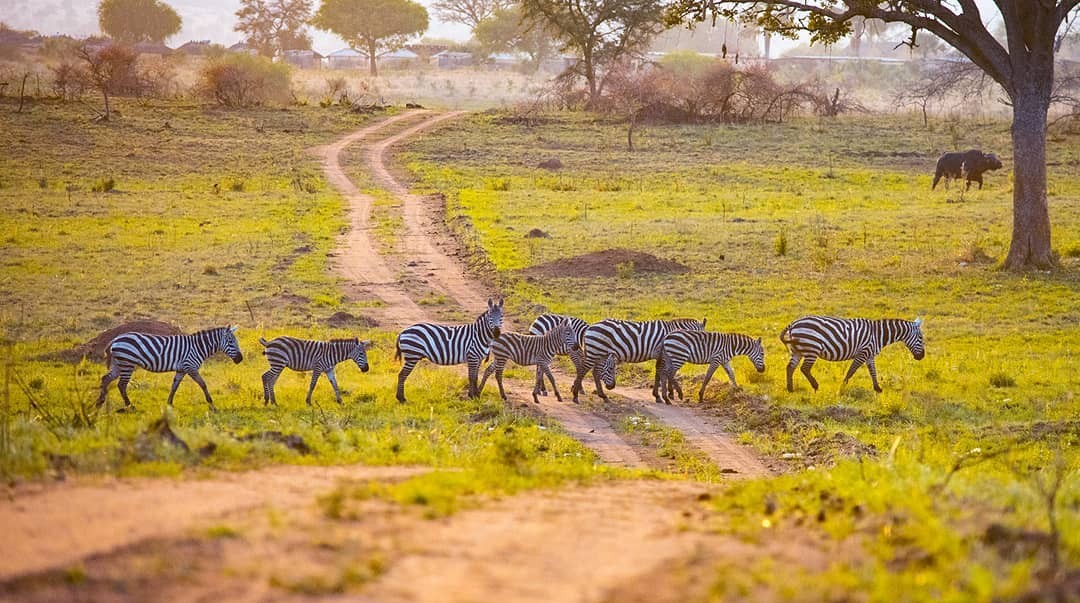
Conversely, during the wet season, which occurs from March to May and September to November, travel conditions can be challenging. Heavy rains can render some secondary roads impassable, particularly those crossing rivers or areas with poor drainage. Air travel may also be affected by cloud cover and storms, necessitating flexibility in scheduling and contingency planning. Despite these challenges, the wet season offers dramatic scenery, vibrant landscapes, and opportunities to witness the park in its lushest, most vibrant state.

Accommodation and Logistics Along the Route

For overland travelers, planning overnight stops along the route enhances comfort and ensures a manageable pace. Towns such as Mbale and Moroto provide accommodation options ranging from basic lodges to more refined hotels, allowing travelers to rest before continuing toward Kidepo. These stops also facilitate vehicle checks, refueling, and supply replenishment, critical considerations given the park’s remote location.

Travelers are encouraged to prepare essentials such as water, snacks, medical supplies, and navigation tools. While local services are available along major towns, resources become scarce as the journey progresses toward the park, making preparation a key factor in a successful trip. Experienced safari guides often provide logistical support, ensuring vehicles are equipped and travelers are briefed on road conditions, wildlife encounters, and cultural sensitivities.

Cultural Insights: Traveling Through Karamoja

The journey from Kampala to Kidepo is not only a physical transition but also a cultural one. The Karamoja region, through which travelers pass, is home to the Karamojong people, who have inhabited this semi-arid landscape for centuries. Travelers may observe traditional homesteads, livestock herding, and vibrant local markets along the way.

Interactions with local communities provide context for understanding the region’s heritage, lifestyle, and relationship with the land. Respectful engagement is encouraged, as cultural practices and traditional norms are deeply rooted. Guides play a critical role in facilitating these experiences, offering explanations and ensuring that encounters are conducted sensitively and safely.

Wildlife Encounters En Route

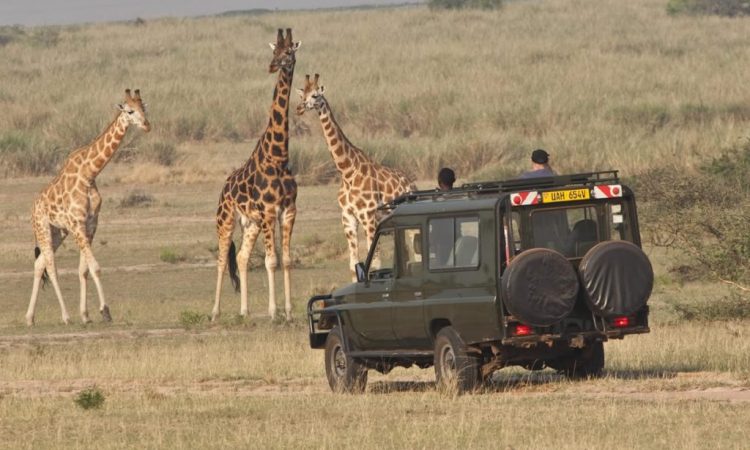
Even before reaching Kidepo Valley National Park, wildlife can be observed along certain stretches of the journey. Savannas and semi-arid regions may host antelopes, monkeys, and bird species, providing early glimpses of the biodiversity that awaits within the park. Travelers may also witness the seasonal movement of animals, particularly during the dry months when wildlife is concentrated around water sources. These encounters enhance anticipation and set the stage for the immersive safari experience that Kidepo promises.Safety and Travel Tips

Traveling to Kidepo requires careful consideration of safety and preparation. Reliable transportation, preferably 4×4 vehicles for overland journeys, is essential. Travelers should be briefed on road conditions, seasonal challenges, and emergency procedures. Access to medical facilities is limited in the region, making first aid supplies and contingency planning vital.

Travelers are advised to carry identification, travel permits, and necessary documents, particularly when crossing regional boundaries or accessing park areas. Coordination with local authorities, guides, and safari operators ensures compliance with regulations and enhances the overall safety and enjoyment of the journey.

Arrival at Kidepo Valley National Park

Upon arrival, the transition from journey to safari is immediate. The park’s landscape opens with rolling plains, rocky outcrops, and the iconic mountains that define Kidepo’s scenery. Lodges and camps within or near the park provide accommodations that blend comfort with immersion in the wilderness, allowing travelers to experience wildlife and natural beauty at close range.

Game drives, walking safaris, and cultural interactions become accessible immediately, facilitated by guides who are intimately familiar with the park’s geography, wildlife, and cultural context. This seamless integration of travel and safari ensures that the journey from Kampala culminates in a rich and rewarding exploration of Uganda’s hidden gem.

Planning the Perfect Journey

Reaching Kidepo Valley National Park from Kampala is a journey that demands preparation, patience, and a spirit of adventure. Whether undertaken by road or air, the journey is an essential component of the safari experience, offering insights into Uganda’s landscapes, culture, and wildlife along the way.

For travelers seeking a comprehensive, seamless, and expertly guided experience, the services of professional safari operators are invaluable. Every aspect, from transport arrangements and accommodation logistics to wildlife tracking and cultural engagement, can be facilitated to ensure a safe and memorable journey.

To explore Kidepo Valley National Park with ease, comfort, and expert guidance, book your Africa tours and safaris with WildHorn Africa, a trusted provider dedicated to creating immersive, responsible, and unforgettable journeys into one of Uganda’s most remote and spectacular wilderness areas.

A Photographer’s Paradise: Capturing Murchison Falls National Park.

A Photographer’s Paradise: Capturing Murchison Falls National Park

By Travel stories and blogs, Family holidays, Luxury holidays, Safari holidays, Special offers, Uganda travel guides, Wildlife holidays

A Photographer’s Paradise: Capturing Murchison Falls National Park

Where Every Frame Tells a Story

In the heart of northern Uganda, where the River Nile surges through a narrow gorge before plunging in a thunderous cascade, a landscape of unparalleled beauty and raw power unfolds. This is Murchison Falls National Park, a sanctuary where wildlife thrives amidst dramatic rivers, lush savannahs, and verdant forests. For photographers, it is more than a destination; it is a living canvas, where every moment, every angle, and every encounter holds the potential for a perfect shot.

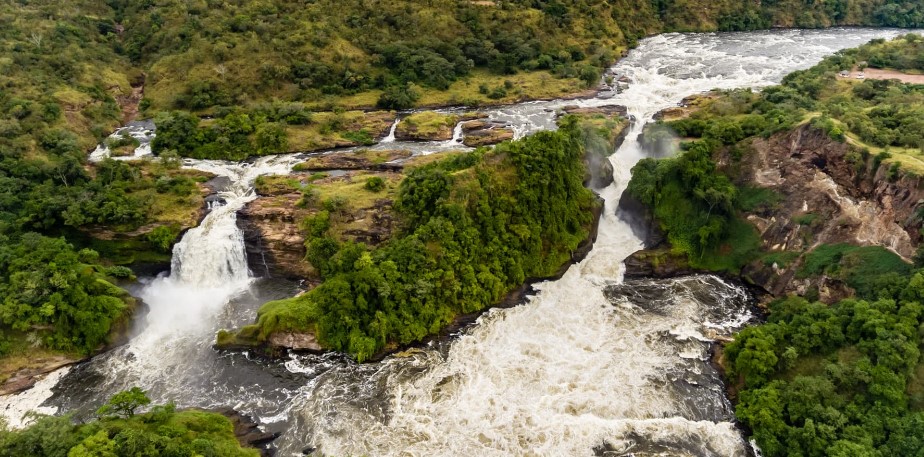
The park’s iconic waterfall, which forces the Nile through a seven-meter-wide chasm before descending into a mist-filled pool, serves as both subject and backdrop for countless photographic opportunities. Yet Murchison Falls is more than its waterfall. The park’s ecosystems host an extraordinary diversity of wildlife, from elephants and lions to hippos and crocodiles, while over 450 bird species provide bursts of color and movement that challenge even the most skilled photographer. Capturing the essence of this park requires understanding not only composition and light but also the rhythms of wildlife and the nuances of Uganda’s climate.

This guide explores the art of photographing Murchison Falls National Park, covering the best locations, techniques, timing, and equipment, offering photographers—from enthusiasts to professionals—a comprehensive roadmap for capturing this East African paradise.

Understanding the Landscape: The Foundation for Photography

To capture Murchison Falls successfully, it is essential to first understand the landscape. The park encompasses savannah plains, riverine forests, wetlands, and the dramatic Nile Gorge. Each ecosystem provides different photographic opportunities and challenges.

The savannah plains, stretching across the northern and southern sectors, are ideal for wide-angle shots that showcase large herds of elephants, buffaloes, and Uganda kobs against sweeping horizons. Early mornings and late afternoons produce soft, golden light, enhancing the warm tones of the grass and accentuating shadows.

Riverine forests and wetlands offer intimate and dynamic compositions, where birds, primates, and smaller mammals can be photographed in their natural habitats. Here, patience is rewarded, as shafts of sunlight penetrate the canopy, illuminating subjects in a natural spotlight.

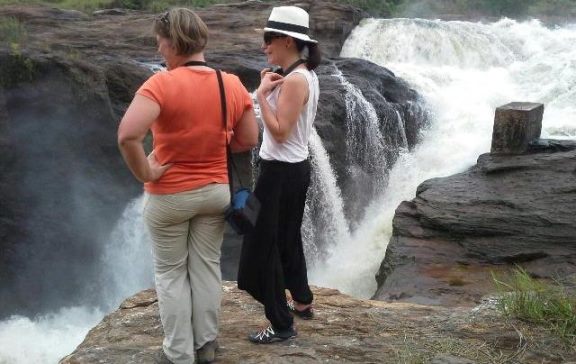
The Nile Gorge and Murchison Falls themselves demand dramatic perspectives, with mist, water flow, and rock formations creating both technical challenges and artistic possibilities. The contrast between the power of falling water and the serenity of the surrounding forest provides a narrative of energy and tranquility, which can be captured through careful framing, exposure adjustments, and timing.

Timing Your Photography: Seasons and Light

In photography, timing is crucial. In Murchison Falls, the dry and wet seasons influence both wildlife behavior and photographic conditions. The dry season, from December to February and June to September, allows for easier access to roads and game drives, making wildlife more concentrated near permanent water sources. This results in clearer compositions and higher probabilities of capturing iconic animals such as lions, giraffes, and elephants in natural, unobstructed settings.

The wet season, from March to May and October to November, transforms the park into a lush green haven. The challenge of photographing animals in denser foliage is offset by vibrant colors, flowing rivers, and increased activity among birds and smaller species. Migratory birds arrive during these months, offering unparalleled opportunities for ornithological photography.

The golden hours of early morning and late afternoon are critical for all seasons. Low-angle light creates dramatic contrasts, highlights textures in the landscape, and provides soft illumination for wildlife, reducing harsh shadows and overexposure. Midday light, while harsher, can be used creatively to capture the sparkle of the Nile or the mist rising from Murchison Falls.

Wildlife Photography: Patience and Precision

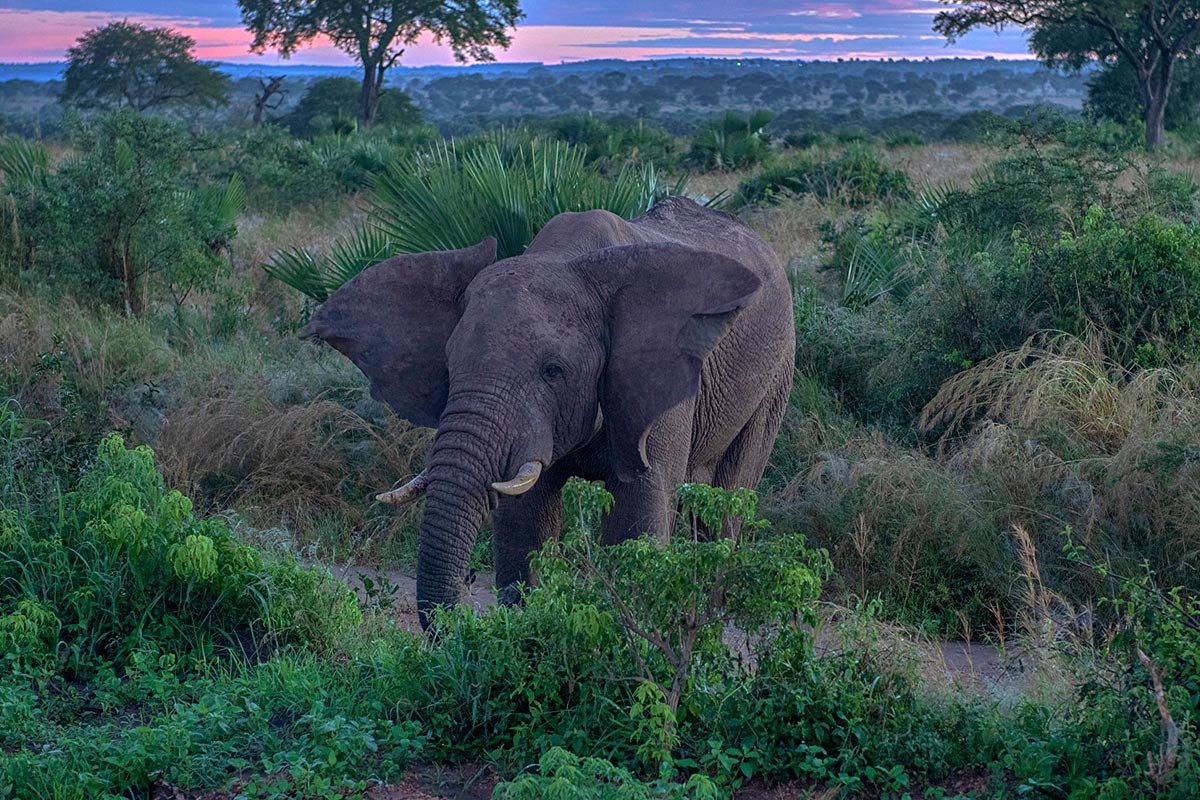
Murchison Falls’ wildlife is abundant and diverse, making it a paradise for photographers seeking both grandeur and subtlety. Elephants, often observed in large herds, provide dramatic opportunities when photographed against open plains or silhouetted at sunset. Lions and leopards require stealth and timing, as they are most active during early mornings and late evenings.

Smaller species, such as Uganda kobs, hartebeests, and warthogs, offer opportunities for dynamic action shots, capturing movement and social interactions. Primates, including baboons and vervet monkeys, can be found in forested areas, allowing photographers to practice framing and depth of field to highlight individual behaviors within the group.

Bird photography is particularly rewarding, as the park hosts over 450 species. Raptors, waterfowl, and colorful passerines provide both action and detail shots. The shoebill stork, one of Uganda’s most iconic birds, presents a coveted subject, best captured in its wetland habitats during calm mornings when the bird is stationary and reflective waters enhance the composition.A Photographer’s Paradise: Capturing Murchison Falls National Park.

Techniques for Capturing the Falls and River Landscapes

Murchison Falls and the Nile Gorge are dynamic subjects that require specific techniques. Long exposure photography can transform the torrent of falling water into a silky, ethereal effect, while careful use of filters can balance exposure between bright skies and darker riverbanks. Wide-angle lenses are recommended for capturing the scale of the gorge and surrounding landscapes, emphasizing the contrast between the immense waterfall and the smaller, yet vibrant, details of the flora and fauna.

Aerial photography via drones or hot air balloons provides a unique vantage point, allowing for panoramic compositions that reveal the interplay between the river, wildlife, and vegetation. Balloon safaris are particularly effective during dry seasons, when visibility is optimal and animals are concentrated in easily observable areas.

Equipment Considerations

Photographers visiting Murchison Falls are advised to bring versatile equipment to accommodate diverse subjects. Telephoto lenses, ideally 300mm or longer, are essential for wildlife photography, allowing close-up shots without disturbing animals. Wide-angle lenses, ranging from 14mm to 35mm, are recommended for landscapes, river vistas, and waterfall compositions.

Tripods are crucial for long exposures and low-light conditions, especially near the falls or during early morning and late evening game drives. Filters, including polarizers and neutral density filters, help manage glare, enhance color saturation, and allow for creative exposure effects.

Drones can offer aerial perspectives, though their use must comply with park regulations and local laws. Backup batteries and memory cards are strongly advised, as the abundance of photographic opportunities can quickly deplete resources.

Composition and Storytelling

Effective wildlife and landscape photography requires more than technical skill—it requires storytelling. Murchison Falls provides abundant material to weave narratives: a lion surveying the plains at sunrise, hippos submerged in the calm river, or elephants drinking along the Nile at dusk. The key is to consider foreground, midground, and background, using natural elements such as trees, rocks, and water reflections to create depth and context.

Capturing behavior is as important as capturing beauty. Documenting hunting sequences, social interactions among elephants, or bird feeding behaviors adds life to images and provides insight into the ecosystems within the park. The interplay of light, movement, and environment is central to creating compelling photographs that convey both the grandeur and subtlety of the African wilderness.

Lodges and Photography Access

Strategically located lodges enhance photographic opportunities. Many luxury and mid-range lodges are positioned along the River Nile, providing sunrise and sunset vistas directly from accommodations. These lodges often offer guided excursions tailored for photographers, including early morning boat cruises, specialized game drives, and access to hidden viewpoints near Murchison Falls.

The combination of expert guides, lodge proximity, and infrastructure ensures that photographers can maximize their time in the field, capturing fleeting wildlife moments and dynamic landscapes without compromising safety or comfort.

Conservation and Ethical Photography

Ethical considerations are paramount in photographing Murchison Falls. Maintaining distance from wildlife, avoiding disturbance during critical behaviors such as feeding or breeding, and respecting park regulations are essential. Photography should enhance appreciation of the environment rather than interfere with it.

Many lodges and safari operators actively support conservation initiatives, encouraging guests to engage responsibly with wildlife and local communities. Ethical photography not only preserves the park’s integrity but also ensures that future visitors can experience the same abundance and beauty.

Planning Your Photographic Safari

A successful photographic safari in Murchison Falls requires meticulous planning. Selecting the best season, understanding animal behavior, coordinating accommodations, and hiring knowledgeable guides all contribute to the quality of the photographic experience. The dry season may favor wide-angle shots of large mammals, while the wet season enhances birding and lush landscape photography.

Photographers should allocate sufficient time for early morning and late afternoon excursions, allowing for soft light and dynamic animal activity. Boat cruises and hot air balloon safaris provide complementary perspectives, expanding the range of subjects and angles available for capture.

Immortalizing the Wild

Murchison Falls National Park is more than a destination; it is a photographer’s paradise, where every frame tells a story of power, grace, and ecological diversity. From the roaring falls to the sweeping savannahs, from intimate wildlife interactions to dramatic river landscapes, the park offers endless opportunities to capture the essence of Africa.

To ensure a seamless and enriching experience, it is highly recommended to book safaris through WildHorn Africa. With expertise in crafting personalized photographic itineraries, guided excursions, and access to prime locations, WildHorn Africa allows photographers to focus on their craft while experiencing the unparalleled beauty of Murchison Falls. Through their guidance, every moment in the park can be transformed into a striking visual narrative that will be cherished for a lifetime.

Wildlife of Kidepo: What You’ll See on Safari

Wildlife of Kidepo: What You’ll See on Safari

By Travel stories and blogs, Family holidays, Luxury holidays, Safari holidays, Uganda travel guides, Wildlife holidays

Wildlife of Kidepo: What You’ll See on Safari

The Untamed Symphony of Kidepo

Nestled in the remote northeastern corner of Uganda lies a sanctuary where nature unfolds in its purest form. Kidepo Valley National Park, often described as Uganda’s most untouched wilderness, offers an encounter with Africa that feels raw, unmediated, and profoundly moving. Unlike the more frequented national parks, Kidepo’s seclusion has preserved a rare authenticity, creating a safari experience where every sighting feels personal, every encounter unforgettable.

Within this hidden gem, wildlife thrives against a backdrop of majestic savannahs, rocky mountains, and meandering rivers. The park is a living mosaic of ecosystems, where predators roam freely, herbivores graze peacefully, and birds fill the sky with a kaleidoscope of color. This article explores the rich biodiversity of Kidepo, offering a window into the extraordinary species that inhabit this remote corner of Uganda, and providing insight into what visitors can expect during a safari in this untamed land.

Geography and Habitat: Nature’s Perfect Stage

The abundance of wildlife in Kidepo is intimately linked to its unique geography. The park spans over 1,400 square kilometers, bordered by South Sudan to the north and Kenya to the east, creating an isolated ecosystem that has been protected from the pressures of mass tourism and human encroachment. Its terrain is diverse, ranging from flat savannahs to rugged hills and mountains, with the Imatong and Kidepo ranges forming dramatic backdrops to open plains.

Rivers, such as the Narus and Kidepo, flow through these landscapes, providing essential water sources for both wildlife and local pastoralist communities. Seasonal variations in rainfall create a dynamic environment, where dry periods concentrate animals near permanent waterholes, while the wet season transforms the plains into lush pastures teeming with life. This mosaic of habitats allows a wide array of species to coexist, making Kidepo one of the most ecologically diverse regions in Uganda.

Predators of Kidepo: The Kings and Queens of the Savannah

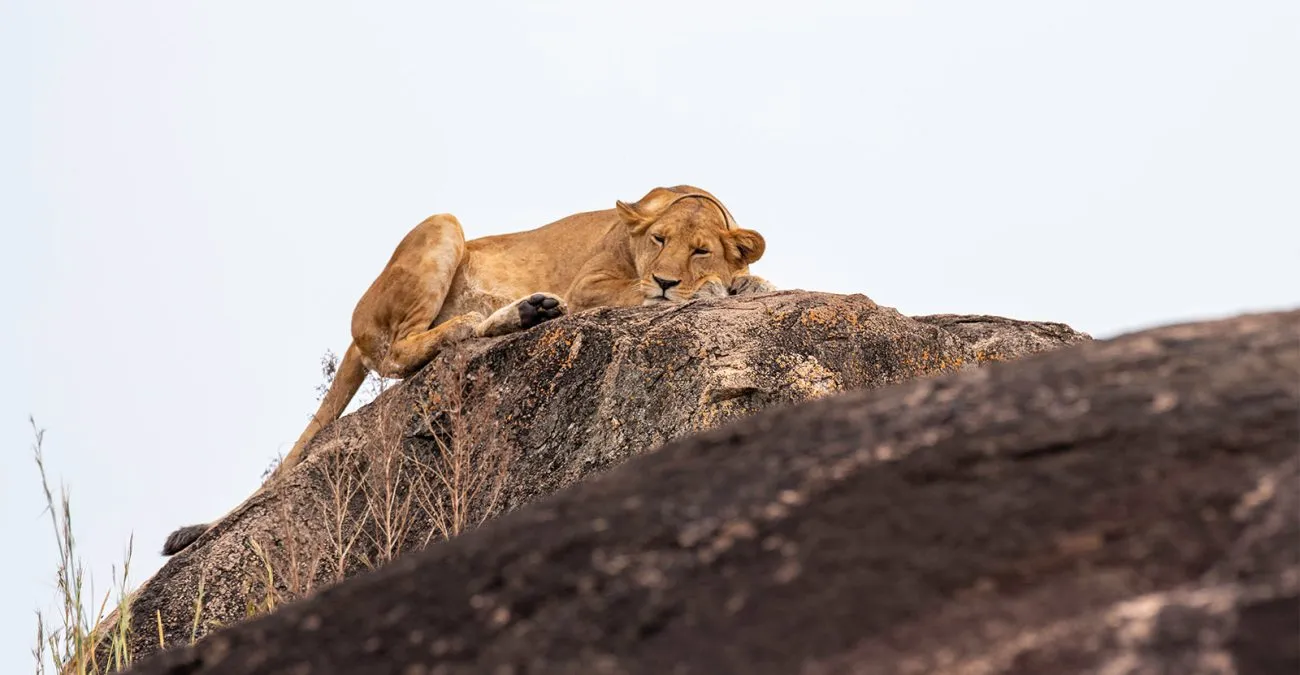
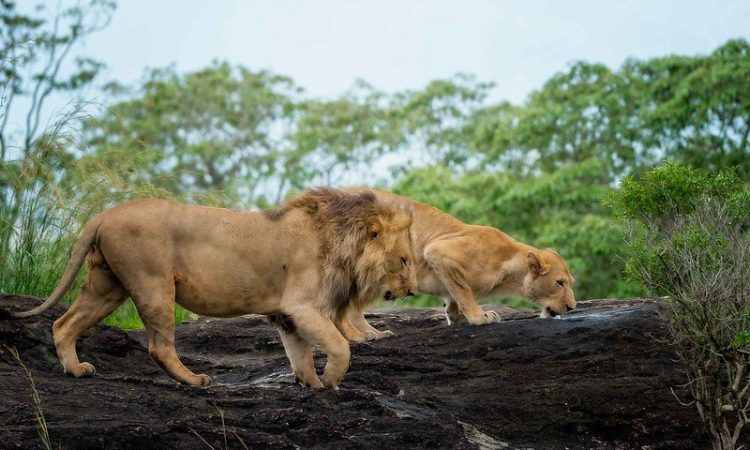
The predator population in Kidepo is a testament to the park’s thriving wilderness. Lions are among the most iconic of these inhabitants, roaming the savannahs with a sense of authority and grace. Lion prides are often observed during early morning or late afternoon, their movements deliberate as they patrol their territory. Encounters with these magnificent cats are considered the pinnacle of any safari experience in Kidepo, as the animals are largely undisturbed by human presence, allowing natural behaviors to be observed authentically.

Leopards are also present, though more elusive and primarily nocturnal. Their stealth and adaptability have allowed them to thrive in the rocky outcrops and dense woodland areas of the park. A sighting of a leopard, often perched on a tree or stalking prey, is considered a rare and exhilarating experience, a true highlight for wildlife enthusiasts and photographers alike.

Cheetahs, celebrated for their speed and elegance, inhabit the open plains of Kidepo. These predators are observed hunting during the cooler hours of the day, relying on their exceptional agility and keen eyesight. Hyenas, both spotted and striped varieties, contribute to the predator hierarchy, their scavenging and hunting behaviors playing a critical role in maintaining ecological balance. Each predator in Kidepo demonstrates the delicate interplay of survival, strategy, and adaptation that defines life in the wild.Wildlife of Kidepo: What You’ll See on Safari

Herbivores and Grazers: The Heartbeat of the Plains

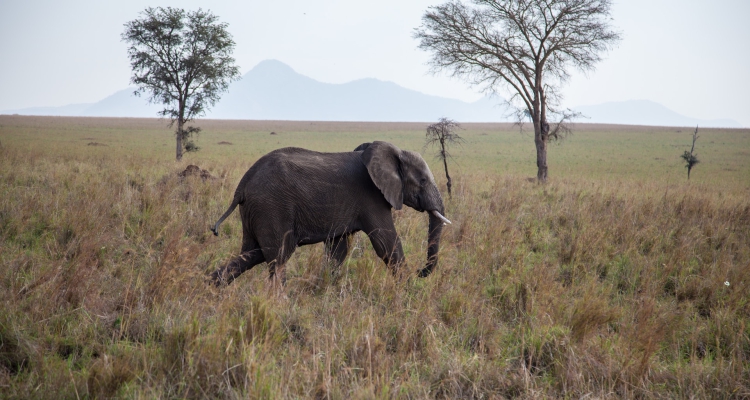
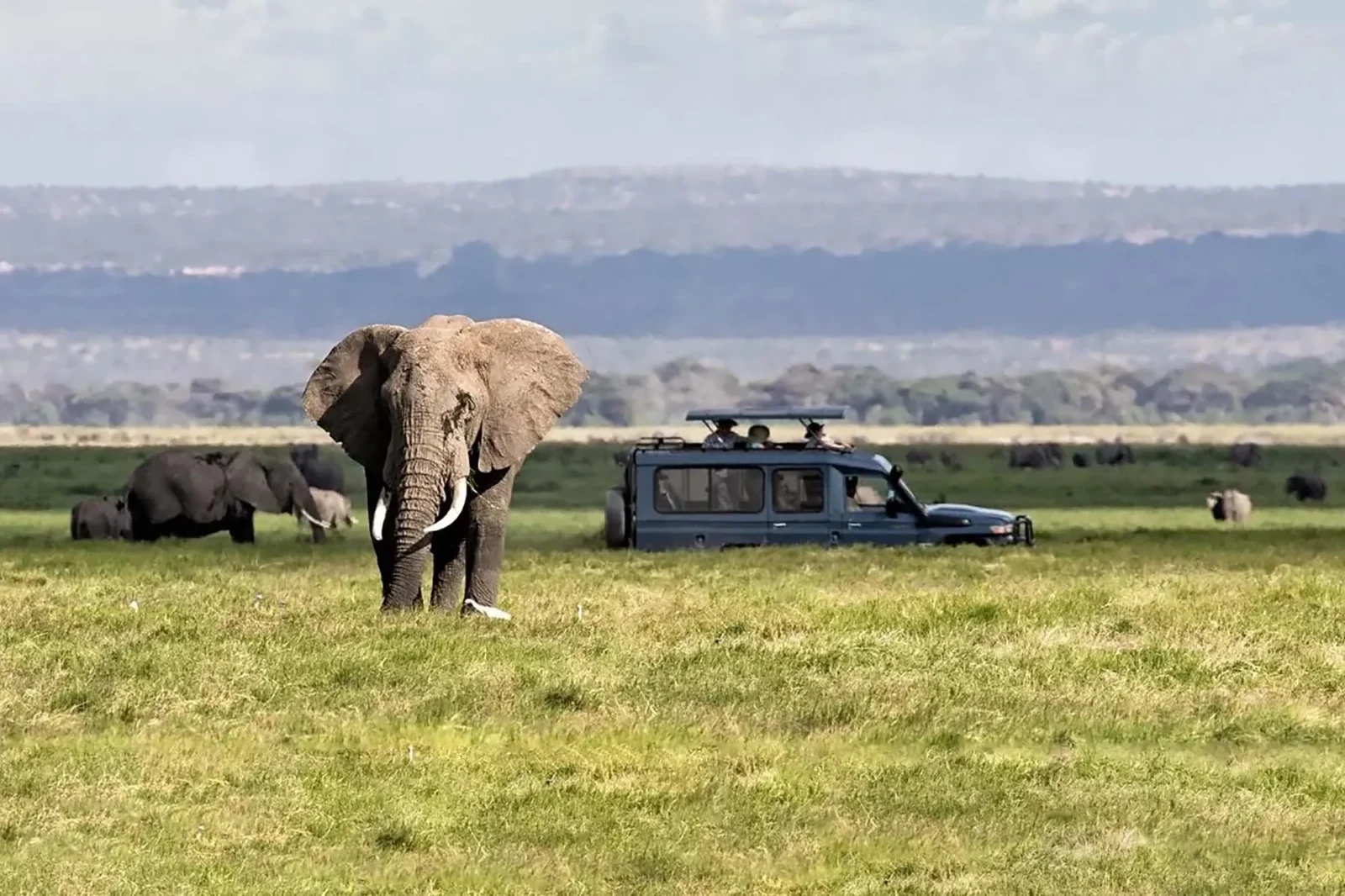
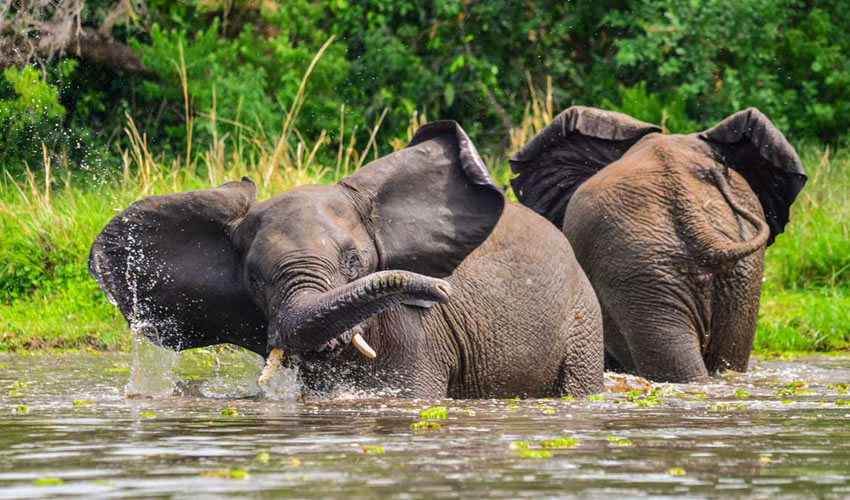
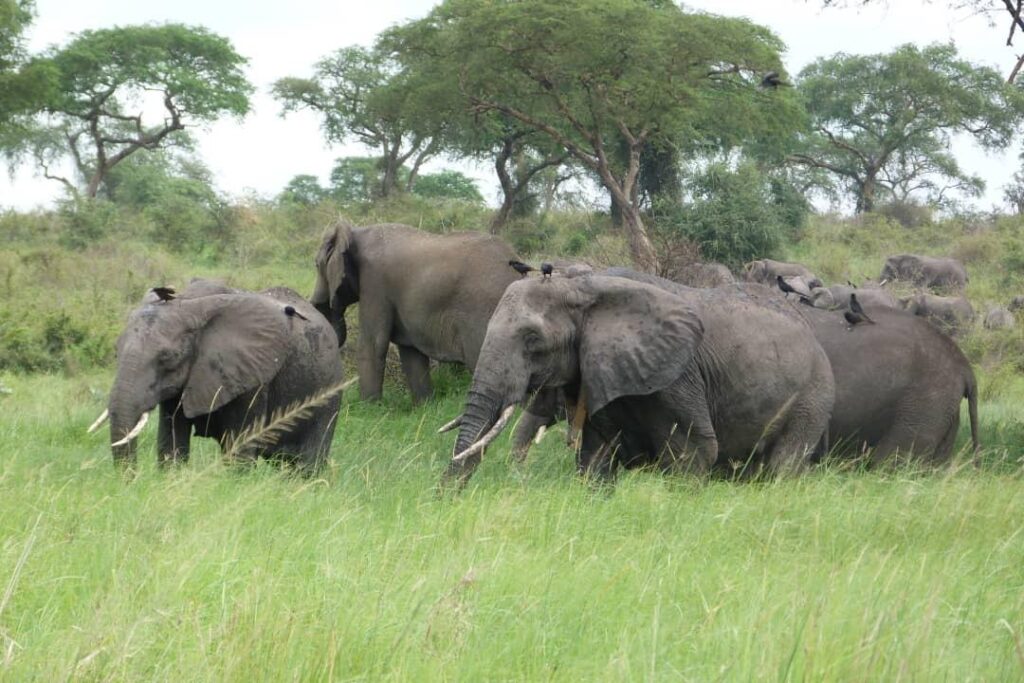
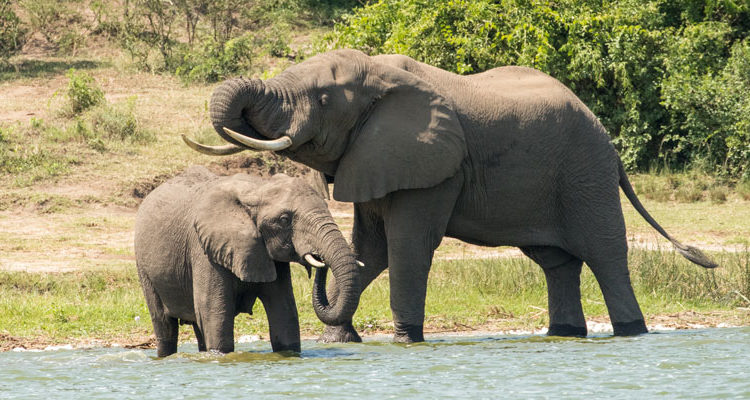
The herbivore population in Kidepo forms the backbone of its ecosystem, supporting predators and maintaining the health of the environment. Elephants traverse the plains in quiet majesty, often in small family groups, their presence a reminder of Africa’s grandeur and resilience. These giants are most often seen near rivers and waterholes, where their movements shape the landscape and influence the distribution of other species.

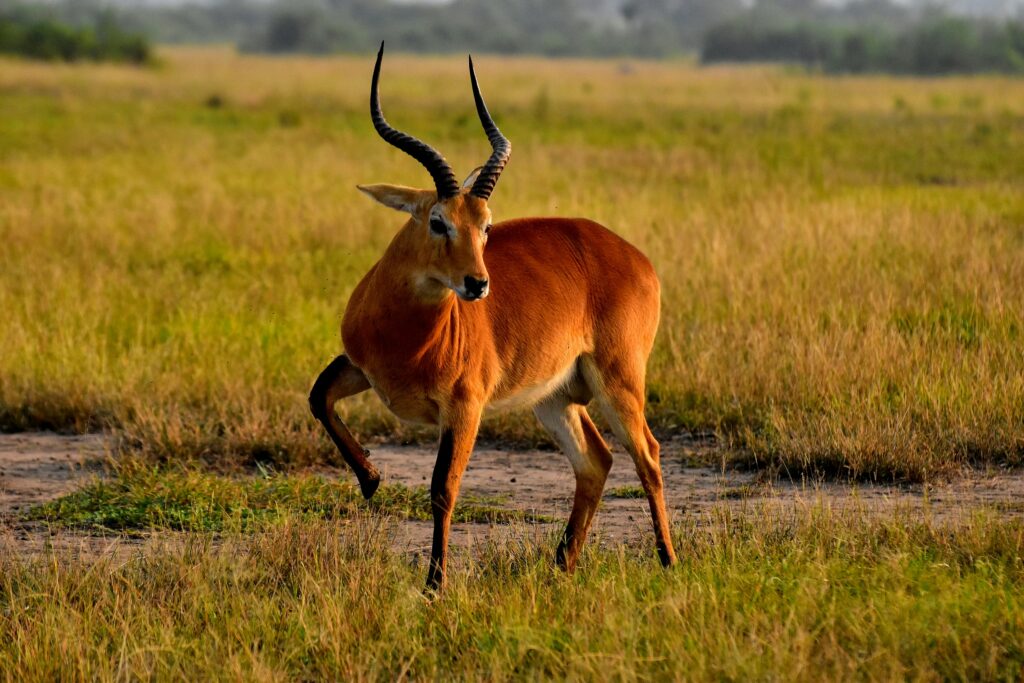
Buffalo herds, formidable and social, wander the savannah with a slow but deliberate pace. Their interactions are governed by complex social structures, and their grazing patterns are essential in maintaining the balance between vegetation growth and predator dynamics. Giraffes, with their towering necks and graceful strides, feed on acacia trees and offer striking visual spectacles against the park’s golden plains. Zebras and antelopes, including species such as hartebeest, oribi, and the endemic Uganda kob, add vibrancy and dynamism to the landscape, their movements creating a rhythm that resonates across the savannah.

The presence of rare species such as the African wild dog further underscores the ecological significance of Kidepo. These elusive predators are rarely seen, yet their survival is indicative of a well-preserved habitat, where competition, predation, and biodiversity are carefully balanced.

Avian Diversity: The Skies Alive with Color

Kidepo’s wildlife is not limited to land-based species; its skies are alive with remarkable birdlife. Over 475 species have been recorded, making it a haven for ornithologists and enthusiasts. Large raptors, such as martial eagles and secretary birds, patrol the skies and plains, while smaller species add splashes of color and movement.

The carmine bee-eater, with its vivid red plumage, is often observed near riverbanks, diving and swooping with remarkable agility. Hornbills, starlings, and weavers populate the woodlands, their behaviors reflecting complex social structures and ecological interactions. Seasonal migration patterns bring additional diversity, with birds arriving from distant regions to exploit the park’s rich resources. The presence of these species enhances the safari experience, providing opportunities for both observation and photography, and emphasizing the interconnectedness of Kidepo’s ecosystem.

Aquatic and Nocturnal Wildlife: Hidden Dimensions

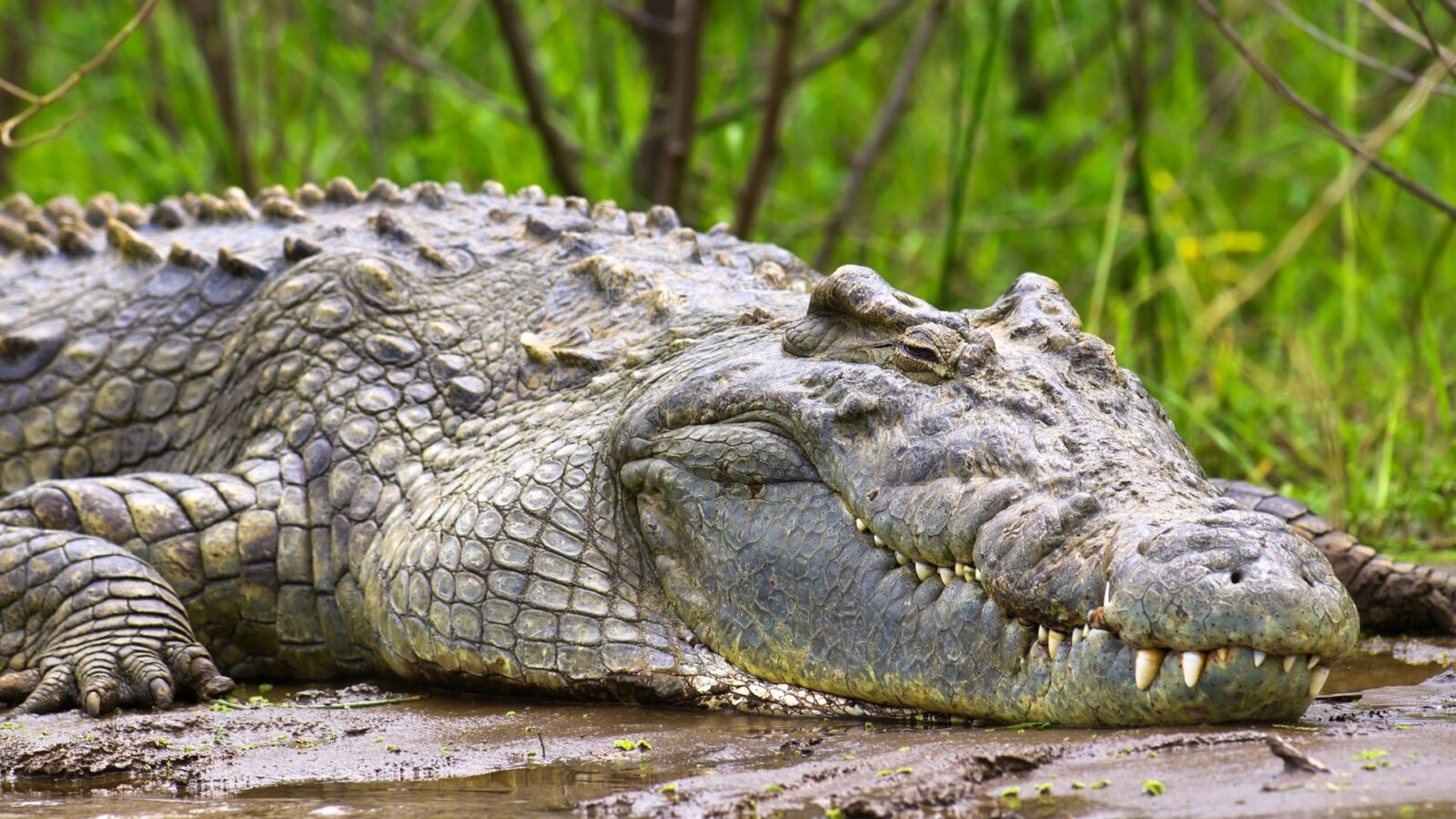
While much attention is often given to large terrestrial animals, Kidepo’s rivers and seasonal water sources support a variety of aquatic life. Crocodiles and hippos inhabit deeper pools, their behaviors largely hidden during daylight hours but critical in shaping the riparian ecosystems. These water-based species contribute to the park’s food chains and influence the distribution of other wildlife, particularly herbivores that rely on water access.

Nocturnal wildlife adds an additional layer of intrigue. Small mammals, owls, and nocturnal predators emerge under the cover of darkness, creating a hidden world that complements daytime safari observations. Night drives in Kidepo allow visitors to witness this dimension of wildlife behavior, providing a holistic understanding of the park’s biodiversity and ecological complexity.

Interactions Between Species: Nature’s Delicate Balance

One of the most remarkable aspects of Kidepo’s wildlife is the interplay between species. Predator-prey dynamics are observed in real time, with lions, leopards, and cheetahs influencing the movement and behavior of herbivores. Elephants, through their grazing and migration patterns, alter the vegetation structure, which in turn affects the availability of resources for smaller herbivores and birds. These interactions are a testament to the intricate web of life that sustains Kidepo’s wilderness.

Symbiotic relationships are also observed, particularly among bird species and large mammals. Oxpeckers feeding on ticks from buffalo and giraffes exemplify the mutual benefits that arise from close ecological connections. These subtle behaviors, often overlooked by casual observers, enrich the safari experience, revealing the complexity and intelligence of nature in action.

Cultural Context: Wildlife and Human Coexistence

The presence of wildlife in Kidepo is inseparable from the region’s cultural heritage. The Karamojong communities have coexisted with the park’s wildlife for centuries, developing pastoralist practices that respect the rhythms of nature. Livestock grazing is carefully managed to minimize conflicts with wild herbivores, and local knowledge contributes to conservation efforts by tracking animal movements and monitoring species health.

Visitors often gain insight into this harmonious coexistence through guided tours and cultural experiences. Traditional stories, rituals, and practices highlight a worldview in which humans are part of, rather than separate from, the natural world. This perspective deepens the appreciation of Kidepo’s wildlife, framing every encounter as part of a broader narrative of ecological and cultural interdependence.

Safari Experiences: Observation and Immersion

The wildlife of Kidepo is best experienced through immersive safari activities. Game drives, conducted by skilled guides, provide opportunities to observe large predators, herbivores, and birds in their natural habitats. Walking safaris allow for closer observation of tracks, signs, and smaller species, offering a more intimate connection with the environment.

Photography in Kidepo is particularly rewarding due to the park’s light, landscapes, and diversity of species. Early mornings and late afternoons provide soft, golden lighting, enhancing both the aesthetic quality and the emotional impact of wildlife encounters. Every moment spent observing the animals is enriched by the knowledge that these interactions occur in an environment largely untouched by human interference.

Night drives offer a contrasting experience, revealing the nocturnal habits of predators, small mammals, and insects. The sounds of the night—roaring lions, rustling grasses, and distant calls of nocturnal birds—create an immersive soundscape that complements the visual splendor of the park. These experiences collectively ensure that every visitor engages with the full spectrum of Kidepo’s wildlife.

Conservation and Preservation: Protecting the Legacy

The thriving wildlife of Kidepo is a direct result of ongoing conservation efforts. Anti-poaching initiatives, habitat management, and collaboration with local communities have ensured that the park remains a sanctuary for threatened and endangered species. The African wild dog, cheetah, and certain bird species benefit directly from these protective measures, highlighting the importance of sustained and informed conservation practices.

Education and community engagement are central to Kidepo’s preservation strategy. By fostering awareness and stewardship among local populations, the park ensures that wildlife remains a valued resource rather than a source of conflict. This approach safeguards the ecological integrity of Kidepo, allowing future generations to experience the same richness of wildlife that visitors witness today.

Why Kidepo is Unique: A Safari Unlike Any Other

Kidepo Valley National Park distinguishes itself from other safari destinations through its combination of isolation, biodiversity, and authenticity. While other parks may offer frequent sightings of common species, Kidepo provides rare encounters, a sense of wilderness, and an environment where human presence is minimal. Every safari here is shaped by the unpredictability of the wild, creating experiences that are both thrilling and deeply moving.

The diversity of habitats, from open plains to rocky hills, ensures that every species can be observed in its natural context. The combination of predators, herbivores, birds, and aquatic life creates a comprehensive and interconnected ecosystem, offering visitors the opportunity to witness the full complexity of African wildlife in one location.

Experiencing Kidepo’s Wildlife

Kidepo Valley National Park represents the pinnacle of Uganda’s natural heritage, offering an unparalleled window into the continent’s wild heart. From majestic predators and gentle giants to vibrant birdlife and elusive nocturnal species, every aspect of the park’s wildlife contributes to an experience that is immersive, educational, and profoundly inspiring.

For travelers seeking a safari that transcends ordinary expectations, Kidepo provides a rare opportunity to engage with nature in its purest form. The park’s isolation, coupled with its ecological richness, ensures that every encounter feels intimate, authentic, and memorable.

To fully explore and appreciate the wildlife of Kidepo, book your Africa tours and safaris with WildHorn Africa, a trusted partner dedicated to crafting immersive, responsible, and unforgettable journeys. Their expertise allows travelers to experience the extraordinary wildlife of Kidepo while supporting the conservation of this remarkable natural treasure.

Guide to Fishing Safaris on the Nile in Murchison Falls

Guide to Fishing Safaris on the Nile in Murchison Falls

By Travel stories and blogs, Adventure holidays, Family holidays, Luxury holidays, Safari holidays, Special offers, Uganda travel guides

A Guide to Fishing Safaris on the Nile in Murchison Falls

Casting into the Heart of Africa

There are few places in the world where adventure, wilderness, and water meet in such a powerful embrace as along the River Nile in Uganda’s Murchison Falls National Park. Here, where the world’s longest river surges through a narrow gorge before exploding into a thunderous cascade, lies one of Africa’s most thrilling yet often overlooked experiences—fishing safaris on the Nile.

Fishing in Murchison is not a casual pastime. It is a journey into the primal forces of nature, where the angler’s patience is tested by waters alive with some of the world’s most formidable freshwater fish. The mighty Nile perch, often weighing over 100 kilograms, lurks in these depths, daring those with courage to pit their strength against its relentless power. Alongside it thrive catfish of monstrous size, tilapia, and tigerfish, creating a fishing arena unlike any other.

Yet a fishing safari here is not only about the catch. It is a profound immersion into the wild rhythms of Uganda. The banks of the river teem with hippos basking in the sun, crocodiles lazing in the shallows, and elephants coming to drink. Overhead, fish eagles circle and swoop, their cries echoing across the water. Every cast, every moment, is infused with the raw essence of the African wilderness.

This guide delves deeply into the world of fishing safaris on the Nile at Murchison Falls, unveiling the history, the techniques, the species, the seasons, and the unparalleled experience that awaits those who seek to conquer the waters of this legendary river.

The Legacy of Fishing on the Nile

Fishing on the Nile is steeped in a legacy as ancient as civilization itself. The Nile has been a lifeline for communities for thousands of years, feeding kingdoms and shaping cultures. Ancient Egyptians revered the river not only as a source of sustenance but also as a sacred gift from the gods, teeming with life.

In the modern era, Murchison Falls has become a renowned destination for sport fishing, attracting adventurers from across the globe. Tales of legendary catches—Nile perch of staggering weight and catfish of monstrous size—have elevated this region to iconic status among anglers. It is not unusual for fishing enthusiasts to recount their battles with fish that dragged boats or snapped rods, stories that echo the drama of this powerful river.

The legacy is one of endurance and respect. To fish the Nile is to engage with history, to touch waters that have nourished civilizations, and to embrace the challenge of a river that is both bountiful and formidable.

The River Setting: Nature’s Arena

The setting of fishing safaris in Murchison Falls National Park is unlike any other. The River Nile cuts through the heart of the park, forming a lifeline of water amid vast savannahs, dense forests, and rolling grasslands. At the center of this dramatic landscape stands the Murchison Falls, where the river is squeezed through a gorge only seven meters wide before crashing down in a thunderous plunge.

Fishing is typically conducted along the riverbanks downstream of the falls and in various stretches where the current eases and the waters deepen. These sections provide perfect conditions for Nile perch and catfish, which thrive in the oxygenated waters and rocky pools. Anglers find themselves casting lines while surrounded by the calls of wildlife, the snorts of hippos, and the rustling of elephants along the shores.

It is a setting that is both exhilarating and humbling, where the river becomes both ally and adversary. The constant presence of wildlife adds layers of unpredictability and wonder, reminding anglers that they are part of a much larger wilderness system.

The Prize Catch: Nile Perch and Beyond

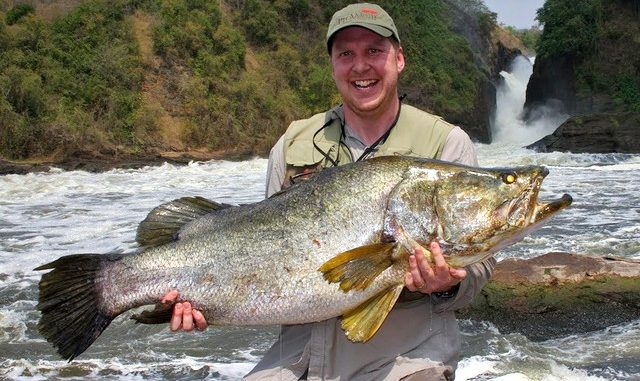
The undisputed star of fishing safaris in Murchison Falls is the Nile perch. Known for its size and strength, this giant can grow to over two meters in length and weigh more than 100 kilograms. Landing one is a feat of endurance, requiring not only strength but also skill and patience. The fight between angler and perch is legendary, with stories of hour-long battles where the outcome remains uncertain until the very end.

But the Nile perch is not the only prize. The river is also home to catfish of enormous proportions, some weighing up to 50 kilograms. These bottom-dwelling giants provide a different kind of challenge, testing the resilience of both tackle and angler. Tigerfish, with their razor-sharp teeth and aggressive strikes, add excitement and unpredictability, while tilapia provide a lighter but rewarding catch.

Each species presents a unique challenge and thrill, ensuring that fishing safaris on the Nile are never monotonous. Whether chasing the legendary perch, wrestling with catfish, or marveling at the ferocity of tigerfish, every cast holds the promise of adventure.Guide to Fishing Safaris on the Nile in Murchison Falls

The Techniques: How Fishing is Done

Fishing on the Nile at Murchison Falls demands both traditional skill and modern technique. Anglers typically employ two main approaches: casting and trolling.

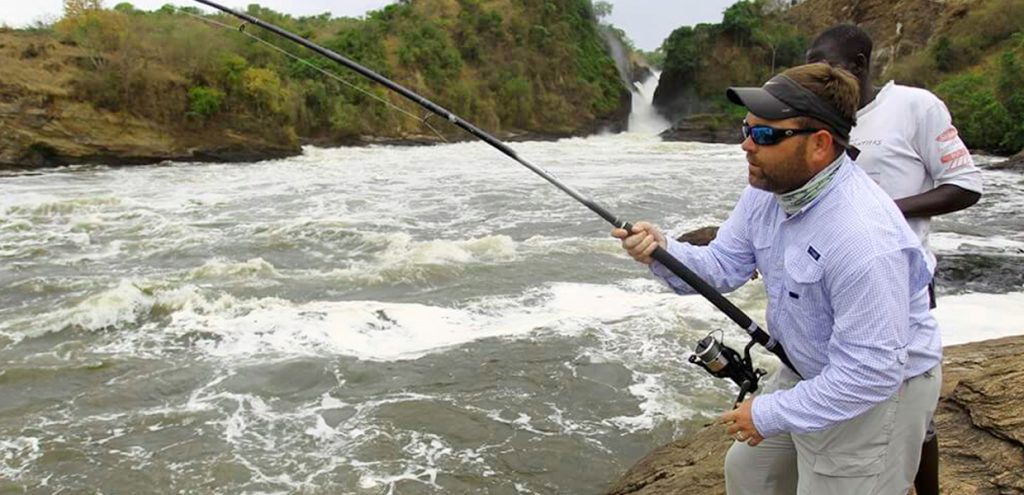
Casting involves standing along the rocky banks or fishing platforms and hurling lures or baited hooks into the turbulent waters where fish often lurk. It is an intimate method, requiring precision and patience as the lure dances in the current, tempting the giants below.

Trolling, on the other hand, involves fishing from boats that slowly move through deeper sections of the river. Lures are dragged behind, mimicking the movement of prey. This method covers more ground and is particularly effective in reaching the larger Nile perch that patrol the depths.

Both methods require sturdy equipment, for the fish of the Nile are no ordinary opponents. Rods must withstand immense pressure, reels must hold strong, and lines must be heavy-duty. The moment a giant Nile perch strikes, the river becomes a battlefield, testing the resolve of the angler and the strength of the gear.

The Seasons: Best Time for Fishing

Fishing in Murchison Falls can be enjoyed year-round, but certain seasons offer better conditions and higher chances of success. The dry seasons, running from December to February and June to September, are considered the best. During these months, the water levels are lower, visibility improves, and fish are more concentrated in specific areas.

The wet seasons, from March to May and October to November, bring heavier rains and rising water levels. While fishing is still possible, the challenge increases as the river swells and the currents become stronger. However, the lush landscapes and abundance of birdlife during these months provide their own allure.

Ultimately, the choice of season depends on the balance between challenge and comfort. Dedicated anglers often relish the unpredictability of the wet season, while others prefer the relative ease and higher success rates of the dry months.

The Safari Dimension: More than Fishing

A fishing safari in Murchison Falls is not confined to the river alone. It is part of a larger safari experience that encompasses the richness of the entire park. After a morning on the river, anglers often embark on game drives, exploring the savannahs where lions, leopards, elephants, giraffes, and buffalo roam.

Boat cruises to the base of Murchison Falls offer another perspective, where the sheer force of the waterfall can be experienced up close, and wildlife such as crocodiles and hippos are seen in abundance. Birdwatchers are equally enthralled, with over 450 species recorded in the park, from the iconic shoebill stork to colorful kingfishers.

This blend of fishing and safari creates an adventure unlike any other, where each day is filled with variety. The exhilaration of battling a Nile perch can be followed by the serenity of watching giraffes at sunset or the majesty of elephants crossing the plains.

Safety and Responsibility

Fishing on the Nile requires a deep respect for both the river and its inhabitants. The waters are home not only to fish but also to hippos and crocodiles, whose presence demands constant vigilance. Professional guides ensure that anglers remain safe, offering instruction, supervision, and support throughout the experience.

Equally important is the commitment to sustainability. Many lodges and operators practice catch-and-release fishing, particularly for Nile perch, ensuring that the species continues to thrive in these waters. Anglers are encouraged to respect regulations, use proper equipment, and prioritize the health of the fish and the ecosystem.

This balance between adventure and responsibility ensures that fishing safaris remain sustainable, allowing future generations to share in the thrill of casting into the waters of the Nile.

The Lodge Experience: Luxury and Adventure Combined

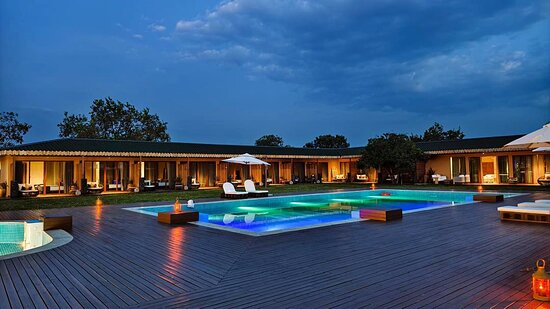
The fishing safari experience is elevated by the comfort and elegance of the lodges and camps that line the Nile. These accommodations range from luxury lodges with sweeping river views to intimate tented camps that immerse guests in the sounds of the wild.

After a long day battling the giants of the river, guests return to lodges where fine dining, comfortable suites, and serene settings await. Stories of the day’s battles are shared around campfires, accompanied by the distant roar of the falls and the nocturnal calls of the wild.

The combination of thrilling adventure by day and indulgent relaxation by night makes fishing safaris in Murchison Falls truly exceptional.

A Journey Beyond the Catch

Fishing safaris on the Nile in Murchison Falls National Park are not merely about the act of fishing. They are about immersing oneself in a setting where nature’s drama unfolds with every moment, where the thrill of the catch is matched by the majesty of the landscape, and where adventure is deepened by the presence of Africa’s greatest wildlife.

To cast a line in these waters is to engage with history, to test one’s strength against legendary fish, and to embrace the wild spirit of Uganda. It is an experience that lingers long after the rods are packed away, leaving memories as powerful as the falls themselves.

For travelers seeking not just a fishing trip but an unforgettable African safari, it is strongly recommended to plan the journey through WildHorn Africa. With expertise in crafting personalized experiences, WildHorn Africa ensures that every detail—from fishing expeditions to wildlife safaris and luxury lodge stays—is perfectly arranged. With their guidance, the Nile becomes more than a river; it becomes a stage for adventure, elegance, and lifelong memories.

Murchison Falls vs Kidepo Valley: Which Safari is Right for You?

Murchison Falls vs Kidepo Valley: Which Safari is Right for You?

By Travel stories and blogs, Family holidays, Luxury holidays, Safari holidays, Uganda travel guides, Wildlife holidays

Murchison Falls vs Kidepo Valley: Which Safari is Right for You?

The Ultimate Ugandan Safari Dilemma

Uganda, often referred to as the Pearl of Africa, is home to some of the continent’s most spectacular wildlife destinations. Among these, Murchison Falls National Park and Kidepo Valley National Park stand out for their unique ecosystems, diverse wildlife populations, and immersive safari experiences. Yet choosing between these two iconic parks is not always straightforward. Each offers distinct landscapes, wildlife encounters, and adventure opportunities, and the decision hinges on personal preferences, travel style, seasonal considerations, and desired intensity of experience.

Murchison Falls, dominated by the mighty Nile River and its cascading falls, combines riverine and savannah ecosystems, creating a dramatic backdrop for game drives, boat cruises, birdwatching, and photography. Kidepo Valley, in contrast, is a remote, untamed wilderness, characterized by arid savannahs, rugged mountains, and intimate wildlife encounters far from crowds. Understanding the differences, advantages, and unique features of each park is essential for crafting an itinerary that aligns with both expectations and interests.

This guide examines the landscape, wildlife, accessibility, accommodation, and safari experiences offered by Murchison Falls and Kidepo Valley, providing readers with a comprehensive comparison to determine which safari destination best suits their aspirations.

Landscapes and Ecosystems

Murchison Falls National Park is defined by diverse terrain. The northern savannah plains stretch across rolling hills, punctuated by woodland patches and seasonal waterholes. The River Nile carves a dramatic gorge, culminating in the spectacular Murchison Falls, where water is forced through a narrow seven-meter-wide channel before plunging into a mist-filled pool. Wetlands, riverine forests, and escarpments provide additional habitats, supporting a wide range of wildlife species. This variety of ecosystems allows for multi-faceted safari experiences, from boat-based wildlife viewing to traditional game drives and walking excursions.

Kidepo Valley National Park, by contrast, is defined by remoteness and rugged wilderness. Located in northeastern Uganda, it is composed of open savannahs, grassy plains, acacia-studded hills, and the dramatic peaks of the Imatong Mountains. Seasonal rivers, ephemeral wetlands, and rocky outcrops shape the landscape, creating distinct microhabitats for wildlife. The park’s isolation from major urban centers and minimal tourist infrastructure results in a sense of untouched wilderness, where wildlife roams freely with little human interference.

The landscapes of the two parks dictate the type of photographic opportunities, game drive experiences, and overall safari ambiance. Murchison Falls offers dramatic river vistas and dense wildlife clusters, while Kidepo Valley provides expansive, open vistas and intimate encounters with fewer tourists.

Wildlife Diversity and Viewing Opportunities

Wildlife is the centerpiece of any safari, and both parks excel in unique ways. Murchison Falls supports an abundant and diverse population of large mammals. Elephants, lions, giraffes, buffaloes, and Uganda kobs populate the northern savannahs, while hippos and crocodiles dominate the Nile River and wetlands. Predators, including lions and leopards, are regularly encountered, particularly near water sources. Birdlife is equally impressive, with over 450 species recorded, ranging from raptors and waterfowl to the elusive shoebill stork.

Kidepo Valley, though smaller and more remote, offers exceptionally intimate wildlife encounters. Large herds of elephants, buffaloes, and oribi graze peacefully in the open plains, while predators such as lions, cheetahs, and leopards can be spotted hunting or resting in secluded areas. Kidepo is renowned for its populations of African wild dogs, a species rarely seen elsewhere in Uganda. Birdwatchers also benefit from the park’s diversity, with over 400 species recorded, including raptors and unique arid-zone birds.

The key difference lies in density and accessibility. In Murchison Falls, wildlife is often concentrated near water sources, making sightings frequent and predictable. In Kidepo Valley, wildlife is dispersed across vast plains, offering fewer but more exclusive and undisturbed encounters, ideal for travelers seeking solitude and authenticity.

Safari Experiences and Activities

Murchison Falls offers a wide range of safari activities that appeal to diverse interests. Game drives in the northern savannahs allow for the observation of large herds and predator-prey interactions, while boat cruises along the Nile provide unique perspectives of the falls, riverine wildlife, and bird species. Walking safaris and guided nature walks allow for detailed study of flora, smaller mammals, and birdlife, while hot air balloon safaris offer panoramic aerial views of the Nile, the falls, and surrounding landscapes. The combination of water-based and land-based experiences ensures a dynamic and varied safari.Murchison Falls vs Kidepo Valley: Which Safari is Right for You?

Kidepo Valley emphasizes remote exploration and adventure. Game drives are conducted across wide plains and rugged hills, often without encountering other tourists. Walking safaris offer the chance to track wildlife on foot, observe birds in their natural habitats, and experience the park’s landscapes intimately. Cultural visits to local Karamojong communities can be incorporated, providing insights into traditional lifestyles, rituals, and crafts. The remoteness of Kidepo creates a sense of untamed wilderness, where encounters with wildlife feel personal and unmediated.

For photographers, Murchison Falls provides dramatic compositions of waterfalls, rivers, and abundant wildlife, while Kidepo Valley offers pristine landscapes, uninterrupted vistas, and candid wildlife behavior. Both parks demand patience and attentiveness, but the resulting images differ in style—Murchison emphasizing grandeur and dynamism, Kidepo emphasizing intimacy and authenticity.

Accessibility and Travel Considerations

Accessibility is a significant factor when choosing between the two parks. Murchison Falls is relatively easy to reach from Kampala, with a drive of approximately 5-6 hours or short domestic flights to nearby airstrips. Roads within the park are generally navigable, particularly in the dry season, allowing for organized game drives and boat excursions with minimal logistical challenges.

Kidepo Valley, in contrast, is remote and rugged, located over 500 kilometers from Kampala. Access requires domestic flights to Moroto or via long overland journeys on rough roads, making it less accessible for travelers with limited time or preference for comfort. The remoteness, however, enhances its appeal for adventurous travelers seeking isolation, uninterrupted wilderness, and authentic encounters with wildlife and local communities.

Seasonal considerations also affect access. During the wet season, certain roads in Kidepo may become difficult to navigate, while Murchison Falls remains largely accessible due to established infrastructure and proximity to major towns.

Accommodation Options

Murchison Falls offers a wide range of accommodation choices, from luxury lodges overlooking the Nile and falls to mid-range lodges and tented camps. Many lodges provide inclusive safari packages, guided excursions, and amenities designed for comfort and convenience. This accessibility enhances the appeal for families, first-time safari-goers, and photographers seeking multiple vantage points.

Kidepo Valley’s accommodations are fewer and more rustic, consisting primarily of tented camps and lodges integrated into the natural landscape. These lodges prioritize eco-friendly design, seclusion, and proximity to wildlife, offering an immersive experience at the expense of certain comforts. Travelers to Kidepo must be prepared for simpler infrastructure, limited connectivity, and self-sufficiency, making it ideal for those seeking adventure rather than luxury.

Seasonal and Wildlife Timing Considerations

Both parks offer distinct experiences depending on the season. In Murchison Falls, the dry season (December–February, June–September) concentrates wildlife near permanent water sources, improving visibility and photographic opportunities. The wet season brings lush greenery, flowing rivers, and migratory birds, enhancing birdwatching and landscape photography but potentially complicating access to some areas.

Kidepo Valley’s wildlife is highly visible during the dry season, when animals gather near water points, while the wet season disperses wildlife across the plains and increases vegetation density. The dry season also ensures that roads and trails remain passable, crucial for both game drives and walking safaris.

Comparing the Safari Experience: Luxury vs Wilderness

Murchison Falls is often described as a versatile safari destination, offering adventure, comfort, and photographic opportunities. The combination of riverine and savannah landscapes allows for a variety of activities suitable for families, photographers, and first-time safari-goers. Its infrastructure, lodges, and guided experiences provide a structured yet immersive safari.

Kidepo Valley, by contrast, embodies untamed wilderness and solitude. Its remoteness, sparse tourism, and expansive landscapes appeal to travelers seeking an authentic African experience, where wildlife encounters are intimate, and the sense of adventure is heightened. Kidepo demands adaptability and resilience, rewarding those who prioritize raw experiences over luxury or convenience.

Choosing the Right Safari

The choice between Murchison Falls and Kidepo Valley ultimately depends on personal preferences, time availability, and desired safari style. Murchison Falls is ideal for travelers seeking a balance of comfort, diverse activities, and concentrated wildlife encounters, with opportunities for photography, boat excursions, and cultural experiences. Kidepo Valley appeals to those seeking solitude, adventure, and intimate encounters with wildlife in a pristine, remote wilderness.

For travelers who wish to explore either or both parks while ensuring a seamless and responsible safari experience, booking through WildHorn Africa is highly recommended. Their expertise in itinerary planning, guided excursions, and sustainable tourism practices ensures that visitors maximize wildlife encounters, capture unforgettable moments, and contribute positively to Uganda’s conservation efforts. By choosing WildHorn Africa, every safari becomes not only an adventure but a meaningful connection with Uganda’s natural and cultural heritage.

Murchison Falls National Park Safari Itinerary Ideas

Murchison Falls National Park Safari Itinerary Ideas

By Travel stories and blogs, Family holidays, Luxury holidays, Safari holidays, Uganda travel guides, Wildlife holidays

Murchison Falls National Park Safari Itinerary Ideas

Embarking on an Epic Ugandan Adventure

Few experiences in Africa match the thrill, diversity, and sheer grandeur of a safari in Murchison Falls National Park. Located in the northern region of Uganda, this national park spans over 3,840 square kilometers, where the River Nile roars through a narrow gorge, crashing into a thunderous pool below, and a vast mosaic of savannahs, woodlands, and wetlands hosts an extraordinary diversity of wildlife. From the iconic African elephant to elusive leopards, from Nile crocodiles basking on riverbanks to the shoebill stork gliding silently over wetlands, the park offers an immersive encounter with nature’s most dramatic spectacles.

Planning a safari here requires a strategic approach, balancing travel logistics, seasonal conditions, wildlife visibility, and activities to create an itinerary that maximizes both adventure and comfort. This guide provides detailed safari itinerary ideas, designed for first-time visitors, seasoned explorers, photographers, families, and luxury travelers alike, ensuring that every moment in Murchison Falls National Park becomes an unforgettable journey.

Understanding the Park: Geography and Wildlife

Murchison Falls National Park is divided into distinct ecosystems, each offering unique experiences. The northern sector is dominated by open savannahs and woodland areas, making it ideal for game drives and encounters with large herds of elephants, buffaloes, and Uganda kobs. Predators such as lions and leopards are also frequently sighted here, particularly near water sources.

The southern sector encompasses the dramatic Nile River corridor, wetlands, and the famous Murchison Falls gorge. This area is a hotspot for birdlife, including over 450 species, and provides opportunities for boat safaris, fishing excursions, and photography of crocodiles, hippos, and riverine landscapes. The gorge itself is a focal point, offering both visual grandeur and adventure as visitors approach the falls via boat or viewpoint trails.

Understanding these divisions allows travelers to structure itineraries according to interests, whether they prioritize big game, birding, photography, or a combination of experiences.

Suggested Itinerary: Three-Day Safari

A three-day safari in Murchison Falls is suitable for travelers with limited time yet seeking a comprehensive experience. On the first day, arrival and orientation are essential. Guests typically reach the park via road from Kampala, a journey that allows glimpses of northern Uganda’s scenic landscapes. After settling in at a lodge or tented camp along the Nile, an evening game drive can introduce travelers to the park’s wildlife, including grazing antelopes, elephants moving towards water, and predators beginning their nocturnal routines.

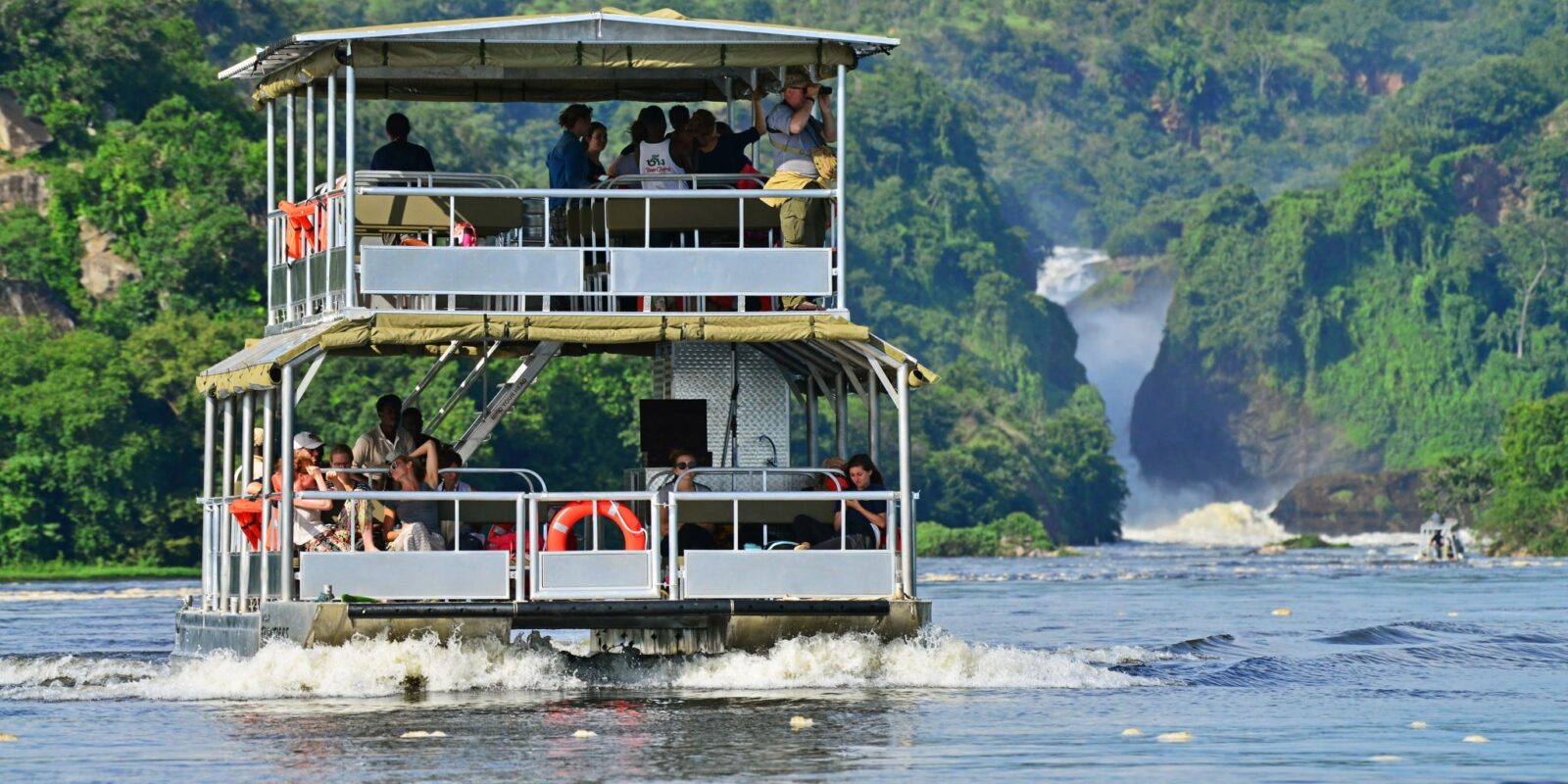
The second day is ideally dedicated to a boat cruise along the Nile, approaching the base of Murchison Falls. This provides a unique vantage point of the waterfall while offering close encounters with hippos, crocodiles, and abundant birdlife. The afternoon may be spent on a guided game drive, exploring the northern savannahs, where large mammals congregate near permanent waterholes. Photography opportunities abound, particularly during the golden hours of late afternoon.

The third day can focus on walking safaris or optional fishing expeditions, offering intimate experiences with smaller wildlife and bird species. The return journey provides time for reflective observation, capturing final images, and experiencing the sounds and serenity of the park before departure. This condensed itinerary provides a balance of boat, game drive, and immersive exploration suitable for first-time visitors.

Suggested Itinerary: Five-Day Safari

A five-day safari allows for a deeper exploration of the park’s diversity. The first day mirrors the three-day itinerary, including arrival, lodge check-in, and an evening game drive. The second day can be dedicated entirely to a morning and afternoon game drive in the northern sector, ensuring multiple sightings of large herds, predators, and rare species such as the African rock python or serval cat.

Day three emphasizes the Nile boat cruise, reaching the base of Murchison Falls and exploring the surrounding riverine ecosystems. Guides often point out hippos partially submerged, crocodiles basking in the sun, and exotic birds including herons, storks, and the shoebill. This immersive encounter combines both wildlife observation and photographic opportunities.

Day four can incorporate fishing safaris, walking excursions, or cultural visits to nearby communities. Fishing along the Nile is a unique activity, where anglers can encounter Nile perch, catfish, and tilapia in their natural habitat. Walking safaris reveal smaller mammals, bird species, and plant life often overlooked during vehicle-based drives. Cultural interactions provide insight into local Ugandan life, showcasing traditional crafts, agricultural practices, and community conservation initiatives.

The fifth day may involve a final game drive or river excursion before departure. This longer itinerary allows travelers to witness both the savannahs and river ecosystems extensively, providing a holistic safari experience that balances adventure, relaxation, and photography.Murchison Falls National Park Safari Itinerary Ideas

Suggested Itinerary: Seven-Day Safari

A week-long safari provides the ultimate immersive experience, suitable for wildlife enthusiasts, photographers, and families seeking a comprehensive exploration. Early days focus on arrival, lodge orientation, and introductory game drives in both the northern and southern sectors, acclimatizing visitors to park conditions.

The central days emphasize diverse activities: boat cruises to the falls, extended game drives covering remote areas, walking safaris in riverine and woodland habitats, and optional fishing or birding excursions. Hot air balloon safaris may also be included during dry seasons, offering panoramic aerial views of the Nile, savannahs, and Murchison Falls themselves. These flights provide extraordinary photographic perspectives, particularly at sunrise when light and mist combine to create dramatic compositions.

Midweek, a dedicated photography day can be planned, allowing travelers to focus on elusive species such as leopards, shy antelopes, and rare birds. Guided instruction may be provided, optimizing composition, exposure, and framing for both professionals and enthusiasts. Cultural interactions and village visits can be integrated in the afternoons, offering depth and context to the safari experience.

The concluding days involve reflective game drives, final boat excursions, and leisure time at lodges, ensuring that travelers depart having experienced the park’s full spectrum—from its dramatic waterfalls and wildlife-rich savannahs to its riverine ecosystems and intimate cultural encounters.

Seasonal Considerations in Planning

The timing of a safari greatly influences the design of an itinerary. The dry season (December to February and June to September) is optimal for road accessibility, wildlife sightings, and photographic clarity. Animals congregate around permanent water sources, making game drives particularly productive. Boat cruises are also safer and more scenic, with lower river turbulence enhancing visibility of aquatic life.

During the wet season (March to May and October to November), roads may become challenging due to rain, but the park transforms into a lush, vibrant paradise. Birdwatching opportunities increase, wetlands swell, and migratory species arrive, enriching photography and observation. Lodges may offer lower rates, and fewer visitors provide a more intimate safari experience, though guides and itineraries must be adjusted for road conditions and wildlife dispersion.

Itineraries should therefore be flexible, with expert guides from operators like WildHorn Africa tailoring experiences to match seasonal conditions, ensuring maximum safety, comfort, and wildlife encounters.

Tailoring Itineraries to Specific Interests

Murchison Falls caters to diverse interests, and itineraries can be customized accordingly. Photography-focused safaris may prioritize early morning and late afternoon drives, boat cruises, and hot air balloon flights to capture optimal lighting and wildlife behavior. Birding itineraries emphasize wetlands, riverbanks, and forested areas, timed to coincide with peak migratory periods.

Families may benefit from itineraries that balance wildlife viewing with comfortable lodge stays, interactive cultural experiences, and shorter game drives suitable for children. Adventure travelers may prioritize walking safaris, fishing expeditions, and off-the-beaten-path excursions to remote areas of the park.

By incorporating preferences and physical capabilities, itineraries can maximize enjoyment while ensuring safety and minimizing fatigue. Expert guidance is invaluable in designing these customized safari experiences.

Lodging and Accommodation Planning

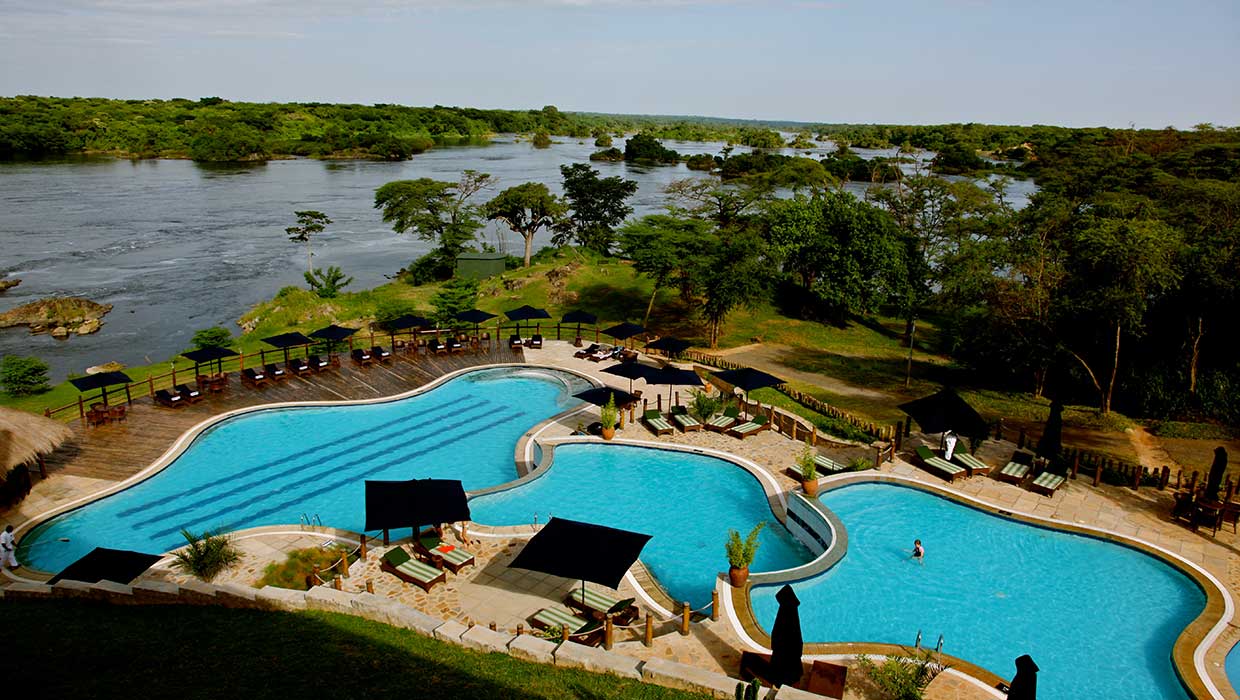
Lodges and camps in Murchison Falls are strategically positioned to provide access to prime wildlife areas and scenic river vistas. Luxury lodges along the Nile offer comfort, fine dining, and panoramic views, while mid-range lodges and tented camps provide immersive experiences closer to wildlife and natural surroundings.

Accommodation choice affects itinerary planning. Lodges in the northern sector facilitate extended game drives in savannah habitats, while those along the river enhance boat cruise experiences, fishing safaris, and access to Murchison Falls viewpoints. Many lodges offer inclusive packages with guided excursions, cultural visits, and optional activities, simplifying itinerary planning for visitors.

Crafting Your Unforgettable Safari

Murchison Falls National Park offers a wealth of experiences for travelers seeking adventure, wildlife encounters, photography, and cultural immersion. Effective safari itineraries combine game drives, boat cruises, walking safaris, fishing, birding, and optional hot air balloon flights, tailored to seasonal conditions, interests, and available time. Whether a three-day condensed safari or a week-long immersive journey, every itinerary can be crafted to balance exploration, relaxation, and observation, ensuring that the park’s dramatic landscapes and wildlife encounters are fully appreciated.

For travelers seeking expertly designed safari itineraries, accommodations, and guided experiences, it is highly recommended to book through WildHorn Africa. With deep knowledge of Murchison Falls, personalized planning, and commitment to excellence, WildHorn Africa ensures that every safari becomes not only possible but truly unforgettable. By entrusting the details to experts, travelers can focus on the majesty of the park, capturing memories and photographs that will last a lifetime.

Conservation Efforts in Murchison Falls National Park

Conservation Efforts in Murchison Falls National Park

By Travel stories and blogs, Safari holidays, Uganda travel guides, Wildlife holidays

Conservation Efforts in Murchison Falls National Park

Protecting Uganda’s Natural Legacy

In northern Uganda, where the River Nile roars through a narrow gorge and the iconic Murchison Falls crashes with relentless power, a treasure of biodiversity thrives. Murchison Falls National Park, Uganda’s largest and one of its most diverse protected areas, is home to elephants, lions, giraffes, hippos, crocodiles, and over 450 bird species. Yet this remarkable wildlife sanctuary is not immune to the pressures of human encroachment, poaching, habitat loss, and climate change.

Conservation in Murchison Falls has evolved from basic protection to a sophisticated network of initiatives encompassing anti-poaching measures, community engagement, ecological research, and sustainable tourism practices. Understanding these efforts provides insight into how Uganda preserves its natural heritage while balancing ecological integrity with human development. For visitors, recognizing the impact of these efforts enhances appreciation of every wildlife encounter and scenic vista.

This guide explores the conservation strategies, partnerships, and successes that sustain Murchison Falls, highlighting the essential role of sustainable tourism and the vital contributions of organizations, local communities, and international stakeholders.

Historical Context: The Genesis of Conservation

Murchison Falls National Park was established in 1952, initially as a game reserve to protect the northern savannahs and the Nile corridor from excessive hunting. Its early conservation strategy relied on strict protection and regulation of hunting practices, with minimal engagement with surrounding communities. Over time, it became clear that protection alone was insufficient, as poaching, illegal settlements, and agricultural expansion threatened wildlife and habitats.

By the 1990s, the Uganda Wildlife Authority (UWA) had assumed stewardship of the park, implementing structured management plans and modernizing conservation strategies. This shift recognized that effective conservation must integrate ecological science, law enforcement, sustainable tourism, and community participation. Today, Murchison Falls is a model of holistic conservation, balancing wildlife protection, ecosystem management, and socio-economic development.

Anti-Poaching Initiatives

Poaching has historically posed the greatest threat to large mammals in Murchison Falls. Elephants, in particular, were targeted for their ivory, while lions and other predators faced persecution due to conflict with humans. Conservation efforts have focused on strengthening law enforcement, with rangers trained in advanced anti-poaching techniques, equipped with modern surveillance technologies, and organized into rapid response units.

Patrols are conducted daily across critical zones, monitoring for signs of illegal activity and ensuring that wildlife corridors remain intact. Community scouts, often recruited from local villages, supplement these patrols by providing intelligence and fostering trust between conservation authorities and surrounding populations. Collaboration with law enforcement agencies ensures that arrests and prosecutions are carried out, creating a deterrent effect for would-be poachers.

Modern anti-poaching efforts also utilize technology, including drone surveillance, GPS tracking, and camera traps, which monitor animal movements and detect intrusions in real-time. These tools have dramatically improved the ability to protect endangered species and ensure that critical habitats remain undisturbed.

Wildlife Monitoring and Research

Scientific research and monitoring underpin the conservation strategies in Murchison Falls. Ecologists, biologists, and park rangers systematically track population trends, migration patterns, and predator-prey dynamics to inform adaptive management. Elephants, for instance, are monitored using GPS collars to understand their movement patterns, habitat preferences, and interactions with local communities.

Research extends to bird populations, aquatic ecosystems, and plant biodiversity, which are equally important for maintaining ecological balance. The shoebill stork, for example, has been the subject of detailed studies to determine nesting patterns and habitat requirements, enabling targeted protection of wetland areas.

By integrating research with practical conservation measures, park management ensures that interventions are data-driven and effective, addressing both immediate threats and long-term ecological challenges. Visitors benefit from these efforts by experiencing wildlife in natural, thriving habitats that reflect sustainable ecological management.Conservation Efforts in Murchison Falls National Park

Habitat Restoration and Ecosystem Management

Conservation in Murchison Falls is not limited to protecting wildlife but also involves restoring and managing habitats. Degraded savannahs, riverbanks, and wetlands are rehabilitated through tree planting, invasive species control, and the maintenance of natural fire regimes. These measures preserve critical ecological processes, such as nutrient cycling, water purification, and flood regulation, which are essential for both wildlife and human communities.

Riverine forests along the Nile are particularly vulnerable to deforestation and erosion. Conservation teams work to stabilize riverbanks, replant indigenous tree species, and monitor hydrological changes, ensuring that the river ecosystem continues to support hippos, crocodiles, fish species, and migratory birds. Wetland restoration is a key focus, providing breeding grounds for birds and maintaining water quality that sustains both wildlife and local communities.

Community Engagement and Benefit Sharing

A cornerstone of Murchison Falls’ conservation success is community involvement. Local populations live in proximity to the park and rely on land and natural resources for subsistence. Historically, conflicts arose over livestock predation, crop damage, and restrictions on resource use. To address these challenges, conservation initiatives have emphasized education, livelihood support, and participatory management.

Community-based programs include the promotion of eco-tourism ventures, beekeeping, sustainable agriculture, and handicraft production, providing alternative income sources while reducing dependence on poaching and habitat destruction. Revenue from park fees and tourism is shared with local communities, creating tangible incentives for conservation. Schools, health clinics, and water projects funded through these initiatives strengthen the relationship between communities and the park, fostering a culture of stewardship and pride in preserving Uganda’s natural heritage.

Sustainable Tourism and Safaris

Tourism is a key component of conservation in Murchison Falls. Well-managed safari operations generate revenue for park management and provide financial incentives for wildlife protection. Guided game drives, boat cruises, birdwatching tours, and photographic safaris are conducted under strict environmental guidelines, ensuring minimal impact on the ecosystem.

Luxury lodges and mid-range camps are designed with eco-friendly principles, including water conservation, waste management, and renewable energy use. Tourist behavior is regulated through education, emphasizing safe distances from wildlife, restricted areas, and adherence to park rules. Sustainable tourism thus becomes a powerful tool, allowing visitors to experience the park while supporting ongoing conservation efforts.

WildHorn Africa, for instance, works closely with UWA to ensure that safari itineraries contribute positively to conservation, balancing adventure with ecological responsibility. By choosing responsible tour operators, travelers help sustain funding for ranger patrols, habitat restoration, and community programs.

Species-Specific Conservation Programs

Several species in Murchison Falls require focused attention due to vulnerability or ecological significance. Elephants, for example, face risks from poaching and habitat fragmentation. Targeted programs include anti-poaching patrols, community awareness campaigns, and translocation where necessary to ensure genetic diversity and population stability.

Hippos and crocodiles, while abundant, are monitored to prevent human-wildlife conflict along the Nile. Predators such as lions are tracked to maintain balanced ecosystems, preventing overpopulation of prey species and ensuring the integrity of the savannah food chain. Rare and endemic species, including the shoebill and African rock python, are given special protection, with habitats safeguarded and research informing management decisions.

International Partnerships and Funding

Conservation in Murchison Falls is strengthened by international partnerships. Organizations such as the World Wildlife Fund, African Wildlife Foundation, and various research institutions provide funding, technical expertise, and global advocacy. These collaborations support anti-poaching initiatives, ecological monitoring, and capacity building for park staff.

Funding also facilitates infrastructure improvements, including ranger stations, monitoring equipment, and visitor facilities. By combining local management with international support, Murchison Falls achieves a balance of ecological integrity, operational efficiency, and global recognition as a premier conservation site.

Challenges and Future Outlook

Despite successes, Murchison Falls faces ongoing challenges. Human population growth, agricultural expansion, and climate variability continue to exert pressure on the park’s ecosystems. Poaching, while reduced, remains a threat, particularly to elephants. Balancing tourism growth with environmental protection is an ongoing concern, requiring careful planning and enforcement.

Future conservation strategies focus on expanding wildlife corridors, enhancing community-based initiatives, and implementing climate-adaptive management. Technology, research, and international collaboration will continue to play critical roles in ensuring that Murchison Falls remains a thriving sanctuary for wildlife and a model of sustainable conservation.

Safeguarding Uganda’s Natural Heritage

Murchison Falls National Park stands as a testament to effective conservation, scientific management, and community collaboration. From anti-poaching patrols and habitat restoration to community engagement and sustainable tourism, every aspect of conservation is carefully integrated to preserve the park’s ecological integrity. Wildlife thrives, rivers flow unimpeded, and ecosystems remain balanced, offering visitors an authentic and immersive African safari experience.

For travelers wishing to explore Murchison Falls while contributing positively to its protection, booking safaris through WildHorn Africa is highly recommended. By partnering with responsible operators, visitors not only gain expert-guided access to the park’s diverse landscapes and wildlife but also support the ongoing conservation efforts that ensure this natural wonder will endure for generations. Every visit becomes a meaningful contribution to Uganda’s environmental legacy, reinforcing the vital connection between tourism, conservation, and community empowerment.

Best Time to Visit Murchison Falls for Wildlife Safaris

Best Time to Visit Murchison Falls for Wildlife Safaris

By Travel stories and blogs, Family holidays, Luxury holidays, Safari holidays, Uganda travel guides, Wildlife holidays

Best Time to Visit Murchison Falls for Wildlife Safaris

Discovering the Rhythm of Uganda’s Wilderness

The essence of a successful safari is not measured solely by the presence of wildlife, but by the harmony between season, landscape, and animal behavior. In Murchison Falls National Park, where the Nile bursts through a narrow gorge and thunders into a mist-filled pool, timing is everything. To witness the park’s rich tapestry of life at its peak, to see elephants, lions, giraffes, and countless birds in their most active moments, requires an understanding of its cycles, its rains, and its sunlit rhythms.

Murchison Falls, Uganda’s largest national park, sprawls across 3,840 square kilometers, offering a diversity of ecosystems, from open savannahs and riverine forests to woodland groves and wetlands. Its iconic waterfall, the Murchison Falls, slices through the landscape with unyielding power, creating a dramatic backdrop for wildlife encounters. For first-time visitors and seasoned safari-goers alike, knowing the best time to explore this wilderness can transform a trip into an unforgettable journey.

This guide delves into the interplay between seasonal variations, wildlife visibility, climate patterns, and optimal safari experiences in Murchison Falls, helping travelers plan their journey with precision and purpose.

Understanding Murchison Falls’ Climate

Murchison Falls experiences a tropical climate, heavily influenced by its location near the equator and the course of the Nile River. Temperatures are generally warm year-round, ranging from 21°C to 33°C, with minimal variation, making the park accessible at almost any time. However, the pattern of rainfall and dry periods plays a decisive role in determining wildlife behavior, road accessibility, and overall safari quality.

Two main seasons are observed: the wet season and the dry season. The wet season occurs in two peaks: from March to May and October to November. During these months, the park becomes lush and verdant. Rivers swell, vegetation flourishes, and birds breed in abundance. While this is an enchanting period for nature photography and birding, the heavy rains can make certain roads and trails less accessible for game drives.

The dry season, occurring from December to February and June to September, offers clearer skies, reduced vegetation, and concentrated wildlife around permanent water sources. This season is often considered the ideal window for traditional wildlife safaris, as animals are easier to spot and photographic opportunities are enhanced by unobstructed views.

Wildlife Patterns and Seasonal Behavior

Wildlife visibility in Murchison Falls is closely tied to water availability and vegetation density. During the wet season, rivers overflow and temporary pools form across the savannah. While this creates spectacular scenery, it disperses animals, making sightings more challenging. Hippos and crocodiles are abundant in river channels, while elephants may roam deeper into the woodlands in search of fresh foliage. Predators such as lions and leopards tend to be less active during daylight hours, conserving energy in the dense cover.

In contrast, the dry season sees animals congregating near major water sources, including the Nile and the park’s smaller rivers and wetlands. Elephants and buffalo herds form impressive congregations, while predators like lions and leopards are often spotted near these gatherings, providing some of the most iconic safari photography opportunities. The dry season also allows for easier tracking of elusive species such as giraffes, Uganda kobs, and hartebeests, whose grazing patterns become more predictable.

Birdlife, one of Murchison Falls’ most celebrated features, is abundant year-round, with seasonal variations offering unique highlights. During the wet season, migratory species increase diversity, while the dry season enhances visibility of resident species such as the shoebill stork, palm-nut vulture, and African fish eagle.

The Dry Season: Optimal Safari Conditions

The dry months from December to February and June to September are widely regarded as the best time for traditional wildlife safaris. Roads are accessible, allowing game drives to explore the northern and southern sectors of the park without hindrance. The open grasslands improve visibility, providing unobstructed views of elephants, buffaloes, lions, giraffes, and other iconic species.

During these months, the Nile’s flow is steady but less turbulent, making boat cruises along the river especially rewarding. Hippos, crocodiles, and waterbirds congregate along the riverbanks, creating spectacular scenes for wildlife photographers. Additionally, the reduced foliage in the dry season allows for dramatic vistas of the Murchison Falls themselves, emphasizing the contrast between the roaring waters and the surrounding savannah.

Temperatures are warm but bearable, and mornings and evenings provide the perfect light for game viewing and photography. The dry season also aligns with most hot air balloon safaris, giving travelers an opportunity to soar above the park while enjoying clear skies and panoramic views.Best Time to Visit Murchison Falls for Wildlife Safaris

The Wet Season: Lush Landscapes and Birding Excellence

While the dry season is preferred for large mammal viewing, the wet season offers its own distinctive advantages. From March to May and October to November, the park’s landscapes are transformed into a verdant paradise. Grasses and shrubs flourish, flowers bloom, and temporary pools create ideal conditions for bird breeding and aquatic wildlife activity.

Birding enthusiasts are particularly drawn to this period. Migratory species increase the diversity of sightings, while resident birds become more active and easier to photograph in the abundant foliage. Waterfowl such as herons, storks, and jacanas thrive in flooded wetlands, while raptors are frequently seen circling above the savannah and riverine forests.

Fishing safaris along the Nile can also be productive during the wet season, as rising water levels stimulate fish activity. However, heavy rainfall can occasionally limit access to certain fishing locations and make roads challenging for vehicles, emphasizing the need for expert guides and proper planning.

Special Safari Activities by Season

Murchison Falls offers a variety of safari experiences beyond traditional game drives, many of which are affected by seasonal changes. Hot air balloon safaris are typically scheduled in the dry season, when wind conditions are most favorable and visibility is excellent. The bird’s-eye view of the park during this time highlights the interplay between the river, savannah, and forested areas, creating once-in-a-lifetime photographic opportunities.

Boat cruises along the Nile, leading to the base of Murchison Falls, are particularly rewarding in both seasons. In the dry season, the concentration of hippos, crocodiles, and waterbirds is high, providing spectacular sightings. In the wet season, the scenery becomes lush and dramatic, with swollen rivers and vibrant greenery offering a different, equally breathtaking perspective.

Fishing safaris are affected by water levels and flow, with certain species such as Nile perch more active during stable river conditions. Anglers planning trips during the wet season may face challenging currents but can enjoy the river at its most dynamic, while the dry season offers easier navigation and concentrated fish populations.

Planning Around Visitor Traffic

Seasonal variations also influence the crowd levels within Murchison Falls National Park. The dry season coincides with peak tourist periods, meaning lodges, camps, and popular safari routes can be busier. Early bookings are recommended to secure premium accommodations, particularly luxury lodges along the Nile.

In contrast, the wet season sees fewer visitors, creating a more exclusive and intimate safari experience. Lodges may offer lower rates, and game drives are less crowded, though travel logistics require careful planning due to muddy roads and occasional river overflows. For travelers seeking a balance between wildlife sightings and solitude, the shoulder months between dry and wet seasons can provide optimal conditions.

Choosing the Right Time for Your Safari

Selecting the best time to visit Murchison Falls depends on the type of safari experience desired. If the primary goal is to witness big game in high visibility conditions, the dry season is ideal. For those who prioritize birding, lush landscapes, and solitude, the wet season offers unmatched beauty and diversity.

Luxury travelers and photographers often plan trips to coincide with sunrise or sunset game drives in the dry season, when lighting conditions enhance the dramatic vistas of the Nile, the savannah, and the iconic Murchison Falls. Families and casual travelers may prefer the wet season for fewer crowds and a serene connection to nature.

Regardless of season, expert guides from reputable operators ensure that travelers experience the park safely and meaningfully. Knowledge of animal patterns, access routes, and seasonal behavior enhances the safari, making every trip memorable.

The Role of Expert Guides and Safari Operators

Maximizing the experience of Murchison Falls requires the guidance of experienced safari operators. Guides provide invaluable insight into seasonal wildlife behavior, optimal viewing times, and hidden spots for photography and observation. Their expertise ensures that visitors experience the park safely, efficiently, and respectfully.

Operators also assist with accommodations, whether luxury lodges, mid-range camps, or mobile safari tents. Seasonal knowledge helps match visitors with the right lodging and activities to optimize the safari experience, balancing comfort with access to wildlife.

Expert planning is especially important during the wet season when certain roads or trails may be inaccessible, and during peak wildlife congregation in the dry season when early reservations are critical.

Timing Your Journey for Maximum Impact

The best time to visit Murchison Falls National Park is determined by a combination of climate, wildlife behavior, and personal priorities. The dry season from December to February and June to September offers unparalleled conditions for large mammal sightings, clear landscapes, and high-quality photography. The wet season from March to May and October to November offers lush scenery, extraordinary birding opportunities, and a more intimate, tranquil safari experience.

Regardless of timing, Murchison Falls delivers a safari that is both spectacular and transformative, where the roar of the falls, the majesty of elephants, and the diversity of birdlife create memories that endure a lifetime. For those wishing to ensure that every detail of the trip is optimized, it is highly recommended that travel arrangements be made through WildHorn Africa. With expert guidance, personalized itineraries, and a commitment to excellence, every safari in Murchison Falls becomes not only possible but truly unforgettable.

Wildlife Safari on the Nile in Murchison Falls

Wildlife Safari on the Nile in Murchison Falls

By Travel stories and blogs, Family holidays, Luxury holidays, Safari holidays, Uganda travel guides, Wildlife holidays

Wildlife Safari on the Nile in Murchison Falls

A River That Holds the Soul of the Wilderness

There are rivers that carve landscapes, rivers that sustain civilizations, and rivers that whisper legends. Yet, among them, the Nile River stands unparalleled, not merely as the world’s longest river but as a lifeline of stories, cultures, and ecosystems that stretch across continents. Nowhere does the Nile speak more powerfully to the soul of the wild than within Murchison Falls National Park, where it crashes through a narrow gorge to create the most powerful waterfall on Earth. Here, the river becomes more than a current of water; it transforms into the stage of a wildlife safari unlike any other in Africa.

The wildlife safari on the Nile in Murchison Falls is an experience where land and water merge into one. It is not confined to the savannah plains nor restricted to forest pathways. Instead, it flows with the river, unveiling dramas of survival, moments of serenity, and spectacles of nature that unfold against the eternal backdrop of rushing waters and endless horizons. Every bend of the Nile within the park reveals a new chapter: pods of hippos grunting in unison, crocodiles basking with prehistoric stillness, elephants descending majestically to drink, and birds filling the skies with vibrant motion.

This is not an ordinary safari. It is an encounter with a river that commands reverence, a wilderness that thrives along its banks, and a waterfall that symbolizes both destruction and renewal. To embark on a Nile safari in Murchison Falls is to step into the heartbeat of Africa, where each moment tells a story written by the river itself.

The River That Defines Murchison Falls

To understand the wildlife safari on the Nile, one must first appreciate the river’s role in shaping the identity of Murchison Falls National Park. Flowing from Lake Victoria, the Nile journeys northward, carving its way through Uganda in a relentless rhythm that has defined ecosystems and cultures for millennia. When it reaches the park, it divides the land into contrasting habitats: the northern banks dominated by savannah grasslands and the southern regions covered in woodland and forest.

At the heart of the park, the river narrows dramatically into a six-meter gorge before exploding in a thunderous cascade to form Murchison Falls. This force of water, compressed and released with extraordinary power, not only defines the park’s name but also influences the patterns of life around it. The spray nourishes riverine vegetation, the flow creates fertile banks, and the constant supply of water ensures the survival of countless species.

Thus, the Nile is not simply a river within the park; it is the lifeblood of Murchison Falls, the foundation upon which the entire safari experience rests.

Wildlife Along the Nile: A Symphony of Species

The Nile provides a gathering place for some of Africa’s most iconic wildlife. Unlike the savannah drives, where animals are often spotted in the distance, the safari along the river brings travelers face to face with the raw intimacy of life at the water’s edge.

Pods of hippos dominate the river, their massive bodies submerged by day while only eyes and ears betray their presence above water. Their grunts form a constant chorus, sometimes humorous, sometimes intimidating, but always unforgettable. At dusk, these giants emerge to graze on the floodplains, transforming the riverbanks into living pastures.

Crocodiles, survivors of prehistoric ages, line the sandy shores. Motionless in the sun, they appear like statues, yet with terrifying swiftness they remind travelers of their predatory nature. Watching one slip silently into the water is to witness a moment of quiet menace that only the Nile can create.

Elephants descend in majesty, their movements deliberate as they drink, bathe, or cross the river in groups. The sight of these creatures moving through the currents is one of the most stirring spectacles of a Nile safari, symbolizing both the power of nature and the grace of its inhabitants.

Buffalo graze along the banks, giraffes feed at the edges of acacia groves, and antelope species such as waterbucks and Uganda kob make regular appearances. These animals are not seen in isolation but as part of the greater rhythm of life that pulses along the Nile.

Above, the skies belong to birds. African fish eagles call with piercing cries that echo across the waters, while kingfishers dart with flashes of color. Herons, egrets, and cormorants populate the banks, and the elusive shoebill stork—prehistoric in appearance and rare in occurrence—lurks among the papyrus swamps. With over 450 species recorded in the park, the birdlife along the Nile transforms every safari into a vibrant pageant of color and sound.

The Iconic Boat Safari: A Journey on the Water

If the game drive defines the land safari, the boat safari along the Nile defines the river safari. It is perhaps the most immersive way to experience the wildlife of Murchison Falls, combining the thrill of close encounters with the serenity of drifting upon a historic river.

As the boat glides upstream toward the base of Murchison Falls, passengers are transported into an unfolding drama. Hippos surface alongside the vessel, crocodiles bask unbothered on the banks, and elephants appear like guardians of the shoreline. The boat moves slowly, allowing time for observation, photography, and reflection. Unlike the urgency of a vehicle safari, the river cruise unfolds in a rhythm dictated by the Nile itself.

The climax of this journey is the approach to the base of Murchison Falls. Here, the river’s calm expanse is suddenly transformed into churning rapids as water hurtles toward the narrow gorge. The roar of the falls grows louder, the spray fills the air, and the sheer force of nature becomes palpable. It is a moment that transcends wildlife observation and ventures into the spiritual realm of awe.Wildlife Safari on the Nile in Murchison Falls

The Delta Safari: Where River Meets Lake

While the upstream journey toward the falls is the most popular, the downstream safari to the Nile Delta offers an equally remarkable experience. Here, the river fans out as it approaches Lake Albert, creating vast wetlands that serve as vital habitats for both animals and birds.

The delta is particularly famed for sightings of the shoebill stork, a rare and extraordinary bird that draws birdwatchers from across the world. The wetlands also attract flocks of pelicans, geese, and countless migratory species.

Mammals are abundant in this region, with elephants frequently seen in the reeds, hippos scattered across the channels, and crocodiles lurking in the shallows. The sheer expanse of the delta creates an atmosphere of abundance and tranquility, offering a contrast to the dramatic energy of the falls.

The Role of the Nile in Predator-Prey Drama

The Nile is not only a place of peaceful coexistence but also a stage for the timeless drama of predator and prey. Crocodiles lie in wait for unsuspecting animals that approach the water’s edge. Lions, though more associated with savannah hunting, are occasionally drawn to the riverbanks, where they ambush prey in the cover of reeds.

Birds of prey add to this spectacle. Fish eagles swoop down to snatch unsuspecting fish, while vultures circle above, awaiting opportunities created by predation. Even the hippos, though primarily herbivorous, are known for their aggression, creating moments of unexpected tension in the river’s daily rhythms.

The Nile safari thus reveals the wilderness in its rawest form—life and death entwined in a cycle that has endured for millennia.

Morning, Afternoon, and Sunset on the River

The experience of the Nile safari changes with the time of day. In the morning, the river is wrapped in mist, and the wildlife stirs into activity. Birds call in great numbers, and hippos grunt as they retreat from night feeding to daytime refuge in the water.

By afternoon, the sun casts a brilliant light across the water, illuminating the grandeur of elephants and buffalo along the banks. The stillness of the midday heat creates moments of serenity, where the rhythm of the river slows into contemplative calm.

As evening approaches, the Nile transforms once more. A sunset cruise is among the most enchanting experiences of Murchison Falls. The sky ignites in shades of orange, red, and purple, reflected upon the waters as silhouettes of giraffes, elephants, or flocks of birds pass before the setting sun. The river becomes not only a habitat but a canvas of nature’s artistry.

Cultural Dimensions of the Nile Safari

The Nile safari is not only about wildlife; it is also deeply connected to the cultures that have lived along its banks for centuries. Local communities regard the river as a source of life, a provider of food, and a link to spiritual traditions. Fishing remains an essential livelihood, while myths and stories surrounding the river enrich the cultural tapestry of the region.

Travelers on safari often encounter these cultural elements, whether through guided interactions with local people or through the recognition that the river serves both nature and humanity. The Nile safari thus becomes not only an ecological journey but also a cultural one, connecting visitors to the human dimensions of the landscape.

Conservation and Sustainability Along the Nile

The preservation of the Nile safari experience depends upon ongoing conservation efforts. The challenges of poaching, habitat loss, and climate change threaten the delicate balance of the ecosystem. Yet, the commitment of conservation organizations, government agencies, and local communities has ensured that Murchison Falls remains a sanctuary of wildlife.

Tourism plays a vital role in these efforts. Every traveler who embarks on a Nile safari contributes directly to conservation through park fees, employment opportunities, and community projects. The sustainability of the Nile safari is therefore a shared responsibility, ensuring that future generations can continue to experience the river’s wonders.

Where River, Wilderness, and Wonder Converge

The wildlife safari on the Nile in Murchison Falls is among the most extraordinary experiences Africa can offer. It is not confined to land nor limited to the observation of animals alone. Instead, it is an immersion into a world where river and wilderness merge, where the roar of a waterfall and the stillness of a hippo pod create a symphony of contrasts.

The Nile safari reveals the essence of Murchison Falls National Park: its diversity, its power, and its timeless beauty. To drift upon the river is to feel the pulse of life itself, to witness both the grandeur and the subtleties of nature, and to understand why this place holds a revered place in the story of Africa.

For those who dream of experiencing the Nile in its most authentic form, it is recommended to plan the journey with WildHorn Africa, a trusted provider of safaris that blend expertise, comfort, and authenticity. With WildHorn Africa, the safari on the Nile becomes not merely a journey but a profound encounter with the eternal wilderness of Uganda.

Luxury Safari Lodges in Murchison Falls National Park

Luxury Safari Lodges in Murchison Falls National Park

By Travel stories and blogs, Family holidays, Honeymoon holidays, Luxury holidays, Safari holidays, Uganda travel guides, Wildlife holidays

Luxury Safari Lodges in Murchison Falls National Park

Where Wilderness Meets Elegance

In the heart of northern Uganda lies a destination where untamed wilderness collides with indulgent comfort, where the roar of the mighty Nile is softened by the whisper of luxury, and where the thrill of safari is enhanced by the refinement of hospitality. This is the experience of staying in luxury safari lodges in Murchison Falls National Park, a realm where adventure is elevated to elegance and every detail is curated to immerse travelers in both nature and comfort.

To visit Murchison Falls is to enter a world where nature’s raw power and delicate beauty coexist. Here, the Nile forces itself through a narrow gorge before plunging into a boiling cauldron of mist, creating the most dramatic waterfall along its vast course. Surrounding this spectacle is Uganda’s largest national park, a sanctuary teeming with wildlife, from the mighty elephant to the elusive leopard, from grazing herds of antelope to the calls of over four hundred bird species. Yet, while the wilderness stretches endlessly, it is within the luxury lodges that the safari experience transcends mere exploration.

These lodges, carefully placed within or around the park, are more than accommodations. They are sanctuaries of refinement, architectural marvels blending seamlessly with the environment, and havens of relaxation where guests can retreat after thrilling days on game drives, boat cruises, or hot air balloon safaris. A stay in such lodges redefines safari, offering an extraordinary balance between immersion in the wild and indulgence in comfort.

The Allure of Luxury in the Wilderness

The appeal of luxury safari lodges in Murchison Falls National Park lies not only in their promise of comfort but also in their ability to connect guests deeply with the wilderness. Each lodge is designed to offer exclusivity, privacy, and intimacy with nature, ensuring that travelers feel at once enveloped by the wild and shielded from its harsher elements.

From private verandas overlooking the Nile to infinity pools set against endless savannahs, the lodges are built to magnify the natural spectacle without overwhelming it. The architecture often draws inspiration from traditional African aesthetics, utilizing natural materials such as wood, stone, and thatch to create harmony with the environment. Yet, inside, the rooms and suites are adorned with modern luxuries—plush bedding, elegant furnishings, and state-of-the-art amenities—ensuring that the wilderness can be enjoyed without sacrificing refinement.

The exclusivity of these lodges also ensures that the guest-to-staff ratio remains intimate, resulting in attentive and personalized service. Guests are not simply hosted; they are guided through curated experiences, dining prepared to their preference, and moments tailored to their journey. It is this delicate balance of immersion and indulgence that makes luxury lodging in Murchison Falls a quintessential part of the safari adventure.

Strategic Locations: Views Beyond Compare

The positioning of luxury lodges within and around Murchison Falls National Park is as intentional as it is spectacular. Many lodges are situated along the banks of the River Nile, affording guests unrivaled vistas of the world’s longest river. From the comfort of their suites, travelers can watch pods of hippos surfacing, crocodiles basking in the sun, and elephants crossing the shallows, all from the safety and serenity of their verandas.

Others are placed near the savannah plains of the northern sector, where the density of wildlife is greatest. Here, mornings begin with the sounds of lions in the distance or giraffes wandering past the lodge grounds. Some lodges are nestled in forested areas, providing an atmosphere of seclusion where the air is filled with birdsong and the rustle of primates moving through the canopy.

It is this strategic placement that elevates the experience. Guests are not merely staying in a room but rather inhabiting the wilderness itself, with the lodge acting as a seamless extension of the safari journey. Whether overlooking the Nile’s dramatic flow, the golden savannahs, or the lush forests, each location delivers a view that is unmatched and unforgettable.

The Lodge Experience: Where Comfort Meets Adventure

The rhythm of life in luxury safari lodges is structured to harmonize with the pulse of the wild. Mornings often begin before dawn, with guests gathering for tea or coffee before embarking on game drives into the heart of the park. The return to the lodge is met with lavish breakfasts, offering everything from freshly baked pastries to tropical fruits and hearty cooked meals.

Afternoons bring opportunities for relaxation, whether by reclining on a shaded veranda, swimming in an infinity pool, or indulging in a spa treatment inspired by local traditions. The lodges become sanctuaries of rest, allowing guests to restore energy before venturing out again for evening drives or boat cruises along the Nile.

Dining in luxury safari lodges is an experience of its own. Many lodges offer alfresco settings where meals are served under the stars, accompanied by the distant calls of nocturnal animals. Chefs craft menus that combine international cuisine with local flavors, utilizing fresh ingredients sourced from nearby farms and markets. Fine wines, cocktails, and Ugandan coffee complement the culinary journey, making dining as memorable as the safari itself.

Nights are spent in absolute tranquility, with suites designed for comfort while maintaining a sense of connection to the wild. Canvas tents with wooden floors and en-suite bathrooms, chalets perched above the river, or cottages surrounded by forest—all provide seclusion while ensuring guests remain enveloped by the sounds and sensations of nature.Luxury Safari Lodges in Murchison Falls National Park

Wildlife at the Doorstep

Perhaps the most enchanting aspect of luxury safari lodges in Murchison Falls is the constant presence of wildlife. Unlike urban hotels where separation from nature is absolute, these lodges are immersed within living ecosystems. It is not uncommon to wake to the sight of elephants grazing nearby or to find hippos wandering close to the riverbank at night.

Birdlife thrives around the lodges, with species ranging from the colorful bee-eaters to the majestic fish eagles often spotted right from lodge verandas. Primates such as baboons and vervet monkeys occasionally make their presence known, adding to the sense that one is residing not merely near the wild but within it.

This close proximity ensures that the safari experience does not begin and end with excursions but rather continues seamlessly throughout one’s stay. Every moment, whether at the pool, in the dining area, or on the veranda, is imbued with the essence of the wild.

Sustainability and Conservation in Luxury Lodging

A defining feature of many luxury safari lodges in Murchison Falls is their commitment to sustainability and conservation. Recognizing the fragility of the ecosystems in which they operate, these lodges often embrace eco-friendly practices that minimize environmental impact while supporting the surrounding communities.

Solar power is frequently used to reduce reliance on fossil fuels, while rainwater harvesting and water recycling systems ensure that precious resources are preserved. Many lodges are constructed with locally sourced materials, and their designs prioritize harmony with the environment rather than disruption.

Equally important are community initiatives supported by these lodges. Local employment is prioritized, cultural experiences are promoted, and conservation projects are funded to ensure that both people and wildlife benefit from tourism. Guests are therefore not only indulging in luxury but also participating in responsible travel that sustains the very wilderness they have come to admire.

The Ideal Time to Experience Luxury in Murchison Falls

While luxury lodges operate throughout the year, the experience can vary with the seasons. The dry seasons between December and February, as well as June to September, are particularly favored for wildlife viewing. During these months, animals concentrate around water sources, the vegetation is less dense, and the weather is generally more predictable.

The wet seasons, from March to May and October to November, transform the park into a lush paradise. Birdlife becomes especially abundant, and the landscapes glow with vibrant greenery. Lodges during this time feel even more secluded, as visitor numbers tend to be lower, offering a more exclusive atmosphere. Regardless of the season, the standard of comfort in luxury lodges remains consistently high, ensuring that each stay is memorable and rewarding.

The Bucket List Appeal of Luxury Lodging

Staying in a luxury safari lodge in Murchison Falls is not merely an accommodation choice; it is an experience in itself, one that transforms a safari into a journey of elegance, reflection, and indulgence. It represents the pinnacle of what African hospitality can offer, blending the raw beauty of the wilderness with the sophistication of modern comfort.

For many, this is a bucket list experience, a once-in-a-lifetime opportunity to inhabit the intersection of wild adventure and refined living. It is where morning coffee is accompanied by the sight of elephants, where starlit dinners are set against the soundtrack of roaring lions, and where every moment feels suspended in time.

Elevating the Safari with WildHorn Africa

The luxury safari lodges of Murchison Falls National Park offer travelers an unparalleled blend of adventure and indulgence. They allow visitors to immerse themselves fully in the wild while enjoying the comforts and elegance of world-class hospitality. From breathtaking locations along the Nile to architectural marvels that blend seamlessly into the landscape, these lodges redefine the meaning of safari.

For those ready to transform their African journey into something extraordinary, it is strongly recommended that travel be arranged through WildHorn Africa, a specialist in curating unforgettable safaris. With their expertise, every detail of the lodge stay and safari experience is carefully crafted to exceed expectations. Through WildHorn Africa, the untamed beauty of Murchison Falls meets the unmatched elegance of luxury lodging, ensuring memories that endure for a lifetime.

Close Menu