search
Horseback Safaris in Lake Mburo: A Unique Experience

Horseback Safaris in Lake Mburo: A Unique Experience

By Adventure holidays, Honeymoon holidays, Luxury holidays, Safari holidays, Travel stories and blogs, Uganda travel guides, Wildlife holidays

Horseback Safaris in Lake Mburo: A Unique Experience

Where Wilderness Meets the Saddle

In the heart of Uganda’s western wilderness lies an adventure that redefines the traditional African safari. While most travelers envision open-top jeeps rolling across the savannah, a more intimate and enchanting way to encounter wildlife awaits in Lake Mburo National Park—through horseback safaris. This rare opportunity allows adventurers to step back into a time when wildlife and humans shared open landscapes without engines, noise, or barriers. On horseback, the rhythm of hooves becomes the soundtrack of exploration, blending seamlessly with the calls of birds, the rustle of acacia trees, and the distant grunts of hippos.

Unlike the grand national parks such as Queen Elizabeth or Murchison Falls, where vehicles dominate the safari scene, Lake Mburo is one of the few sanctuaries in East Africa where exploring on horseback is not just possible but celebrated. It is a journey that grants travelers the freedom to ride alongside zebras, elands, and impalas, creating moments so authentic that they seem to dissolve the line between observer and observed. This experience transforms the safari into something deeper—a communion with nature, free from the intrusion of engines, where every encounter feels both thrilling and profoundly personal.

The Setting: Lake Mburo National Park

Located just a few hours’ drive from Kampala, Lake Mburo National Park is a compact but ecologically rich sanctuary covering 370 square kilometers. Despite being Uganda’s smallest savannah park, it boasts an impressive diversity of habitats, ranging from open grasslands to acacia woodlands, rocky outcrops, papyrus swamps, and, of course, the sparkling waters of Lake Mburo.

The park is unique not only for its landscapes but also for the wildlife species it protects. It is the only national park in Uganda where impalas can be found and one of the few where zebras and eland antelopes thrive in large numbers. The rolling hills and open plains offer ideal terrain for horseback riding, while the absence of lions ensures that horseback safaris can be enjoyed with a sense of safety, though the presence of leopards and hyenas maintains the park’s untamed character.

Lake Mburo is also part of the traditional Ankole pastoralist lands, where communities have herded cattle for centuries. The park therefore represents a meeting point between cultural heritage and natural wilderness, a place where travelers can experience both wildlife encounters and insights into the ways of life of the Bahima people.

Origins of Horseback Safaris in Lake Mburo

The introduction of horseback safaris in Lake Mburo was born from the vision of creating a unique, eco-friendly, and low-impact way of exploring the park. Inspired by traditional means of traversing the savannah before motorized vehicles became dominant, lodges and conservationists sought to offer an alternative experience that would bring travelers closer to wildlife without disturbing their natural rhythms.

Unlike game drives, where the sound of engines often alerts animals long before they are seen, horses blend into the environment. Antelopes and zebras regard them as part of their natural surroundings, allowing riders to approach with remarkable closeness. This has made horseback safaris one of the most intimate wildlife experiences in Uganda.

Over time, horseback safaris have grown in popularity, attracting adventurers, photographers, and nature enthusiasts seeking something beyond the conventional. Today, Lake Mburo stands as the only place in Uganda where such safaris are regularly offered, making it a singularly distinctive experience in the country’s tourism landscape.

The Experience of Riding Through the Savannah

The moment a safari begins on horseback, the wilderness unfolds in ways that feel both timeless and deeply immersive. Riders often set out in the early morning, when the savannah is alive with soft golden light and animals are most active. The air is crisp, the grasses glisten with dew, and the silence is punctuated by bird calls.

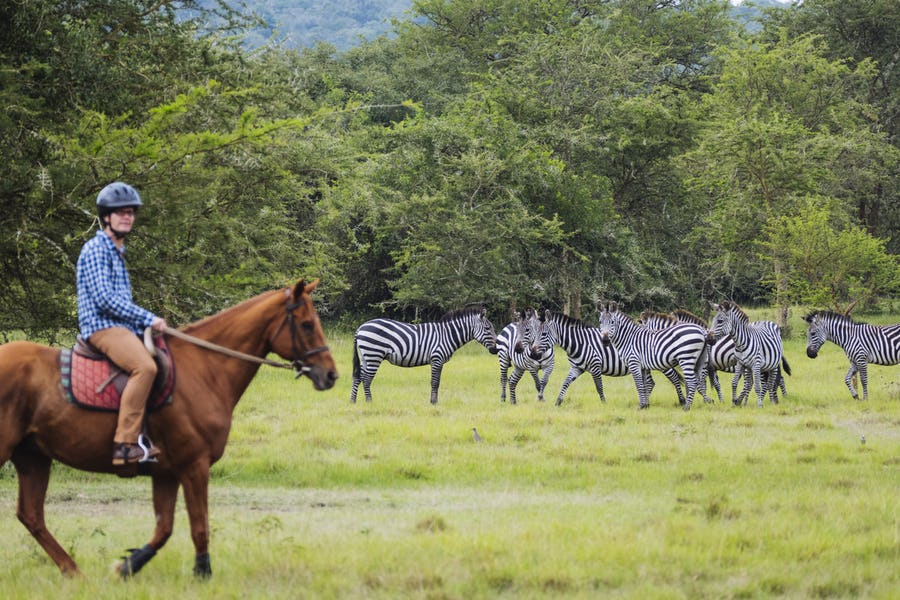
On horseback, riders become part of the landscape rather than intruders in it. Approaching a herd of zebras, for instance, brings a sense of kinship rather than distance. The zebras glance curiously at the horses, sometimes even moving closer, mistaking them for distant cousins. The rhythmic swaying of the saddle mirrors the pace of the land itself, creating an unparalleled sense of harmony.

Rides vary in duration and difficulty, from gentle excursions lasting an hour to longer expeditions that stretch across several hours. The terrain leads through valleys, grasslands, hillsides, and near the shores of Lake Mburo, offering ever-changing perspectives of the park. Each path reveals surprises—whether it is a herd of elands grazing calmly, a bushbuck darting into the thickets, or a family of warthogs trotting away with tails raised high.

Longer rides may pause near hilltops, where panoramic views stretch over the park’s lakes and plains. From such vantage points, the park’s mosaic of habitats can be fully appreciated, and the silence of the wilderness feels almost spiritual.

Wildlife Encounters on Horseback

What makes horseback safaris truly unique is the intimacy of wildlife encounters. Unlike vehicle safaris, where animals may flee at the sound of engines, horses are perceived as non-threatening, allowing riders to get much closer. This creates photographic opportunities and moments of observation that are rare in other settings.

The park’s signature residents, Burchell’s zebras, often graze peacefully near riders, sometimes mingling with the horses in scenes that feel straight out of an African dreamscape. The elegant impalas, exclusive to Lake Mburo, can be observed in herds numbering in the dozens, their graceful movements perfectly suited to the park’s open plains. Horseback Safaris in Lake Mburo: A Unique Experience
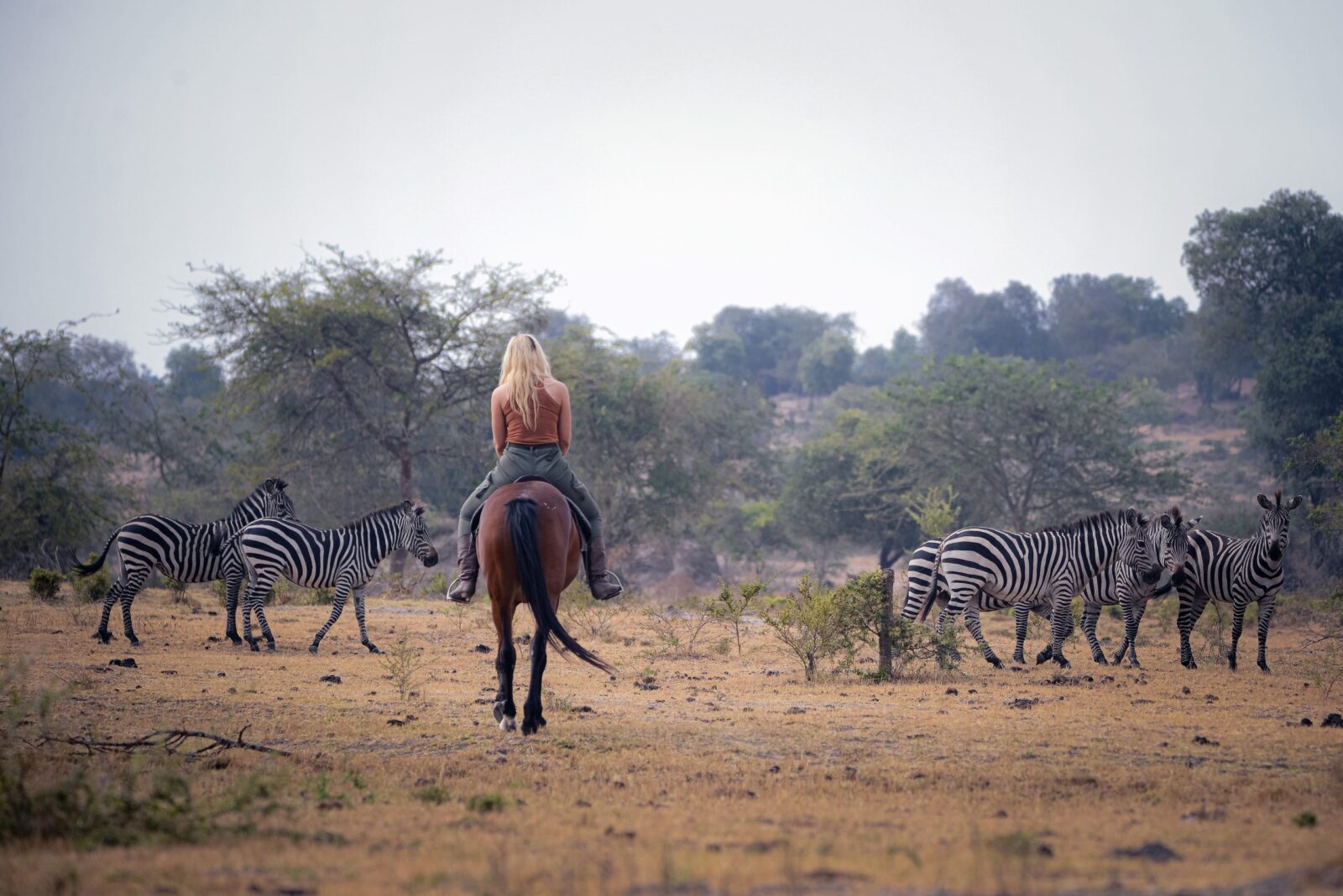
One of the highlights is riding alongside the majestic eland antelopes, Africa’s largest antelope species. Their imposing size, combined with their calm demeanor, makes them a breathtaking sight on horseback. Buffaloes, giraffes, bushbucks, and waterbucks also feature prominently during these safaris.

The lakeshore provides encounters with hippos and crocodiles, though from a safe distance, while the skies are alive with bird species such as fish eagles, kingfishers, and herons. The sheer variety of wildlife observed on horseback highlights Lake Mburo as one of Uganda’s most biodiverse sanctuaries despite its compact size.

The Role of Guides and Safety

Horseback safaris in Lake Mburo are conducted under the guidance of experienced safari guides who not only ensure safety but also enrich the experience with ecological knowledge and storytelling. Guides are skilled riders familiar with the behavior of both horses and wild animals, allowing them to lead visitors through the savannah with confidence.

Riders are often briefed before setting out, ensuring that they understand the basics of horseback riding and the etiquette of wildlife encounters. Horses used for these safaris are well-trained and accustomed to the park’s terrain and wildlife, which minimizes risks. While predators such as leopards and hyenas exist in the park, the open plains and guided routes ensure that encounters remain safe.

The presence of guides also adds a deeper dimension to the experience. They interpret animal tracks, explain plant uses, and share cultural anecdotes, creating a safari that is not only adventurous but also educational.

A Deeper Connection with Nature

Perhaps the most profound aspect of horseback safaris is the emotional connection they foster between travelers and the natural world. The absence of engines and artificial sounds allows the senses to awaken fully. The smell of earth after rain, the sound of hooves on dry grass, the sight of antelopes moving gracefully across the plains—all of these create a multisensory immersion that stays with visitors long after they leave the park.

The slower pace of horseback safaris encourages observation of details often missed on game drives. From the fluttering of butterflies to the delicate patterns of acacia bark, every aspect of the ecosystem is appreciated in its raw form. This closeness fosters respect and admiration for the fragile balance of nature, making horseback safaris not just an activity but a form of conservation awareness.

Cultural Dimensions of the Horseback Safari

Lake Mburo lies within the cultural landscape of the Bahima people, renowned pastoralists whose traditions revolve around the rearing of Ankole long-horned cattle. Horses, though not traditionally part of their culture, blend seamlessly with this pastoral backdrop, creating a fascinating intersection between ancient practices and modern tourism.

Visitors often complement horseback safaris with cultural tours, where they learn about cattle herding, traditional milking, and the folklore of the Banyankole people. This combination of wildlife adventure and cultural immersion enriches the overall experience, providing a more holistic understanding of Uganda’s heritage.

Accommodation and Safari Lodges

Several lodges in and around Lake Mburo National Park offer horseback safaris as part of their activities. These lodges provide not just the horses but also comfortable stays that immerse visitors in the wilderness. Many are perched on elevated locations, offering sweeping views of the savannah and the lake.

The architecture of these lodges often reflects an eco-conscious philosophy, using natural materials that harmonize with the landscape. Evenings spent around campfires, listening to the sounds of the wild, complete the sense of connection that begins on horseback during the day.

Best Time for Horseback Safaris

Horseback safaris can be enjoyed throughout the year, but the experience is particularly rewarding during the dry seasons between June and August and from December to February. During this time, wildlife tends to congregate around water sources, making encounters more predictable and rewarding.

The wet seasons, from March to May and September to November, transform the park into a lush green paradise. Though the trails may be muddy, the abundance of birdlife and the dramatic skies create magical backdrops for horseback adventures. Each season offers its own charm, ensuring that no two rides ever feel the same.

Why Horseback Safaris Are a Unique Experience

What sets horseback safaris apart is not merely the mode of transport but the transformational quality of the encounter. The blending of human, horse, and wilderness creates a triangle of connection that few other activities can replicate. Riders feel not only as observers but as participants in the savannah’s timeless drama.

Lake Mburo stands almost alone in Uganda as the sanctuary where such safaris are possible, making it a rare jewel in the country’s safari offerings. It is not just about seeing wildlife but about living moments of unfiltered authenticity that become lifelong memories.

Answering the Call of the Wild

To ride across the rolling savannahs of Lake Mburo on horseback is to rediscover the wilderness in its purest form. It is a journey that strips away the barriers of engines and metal, leaving only the pulse of nature and the steady rhythm of hooves. It is an experience where zebras become companions, elands become neighbors, and the vast Ugandan landscape becomes a home shared between riders and wildlife.

For those who seek safaris that go beyond the ordinary, horseback safaris in Lake Mburo offer an unmatched adventure—serene, intimate, and profoundly moving. They provide not just sightings of animals but encounters with the essence of Africa itself.

Travelers inspired to embrace this once-in-a-lifetime experience are encouraged to book their African tours and safaris with WildHorn Africa, a trusted guide in curating journeys that bring the heart of Uganda’s wilderness to life.
Guide to Fishing Safaris on the Nile in Murchison Falls

Guide to Fishing Safaris on the Nile in Murchison Falls

By Travel stories and blogs, Adventure holidays, Family holidays, Luxury holidays, Safari holidays, Special offers, Uganda travel guides

A Guide to Fishing Safaris on the Nile in Murchison Falls

Casting into the Heart of Africa

There are few places in the world where adventure, wilderness, and water meet in such a powerful embrace as along the River Nile in Uganda’s Murchison Falls National Park. Here, where the world’s longest river surges through a narrow gorge before exploding into a thunderous cascade, lies one of Africa’s most thrilling yet often overlooked experiences—fishing safaris on the Nile.

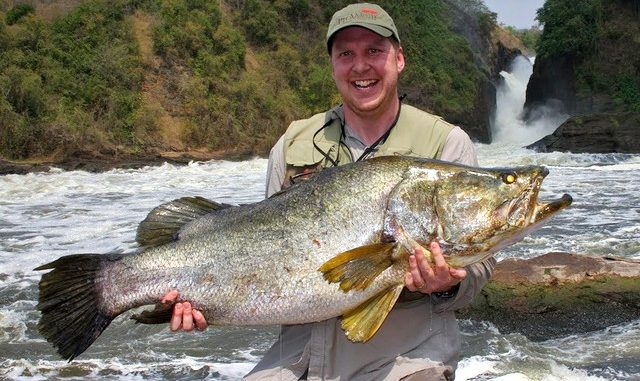
Fishing in Murchison is not a casual pastime. It is a journey into the primal forces of nature, where the angler’s patience is tested by waters alive with some of the world’s most formidable freshwater fish. The mighty Nile perch, often weighing over 100 kilograms, lurks in these depths, daring those with courage to pit their strength against its relentless power. Alongside it thrive catfish of monstrous size, tilapia, and tigerfish, creating a fishing arena unlike any other.

Yet a fishing safari here is not only about the catch. It is a profound immersion into the wild rhythms of Uganda. The banks of the river teem with hippos basking in the sun, crocodiles lazing in the shallows, and elephants coming to drink. Overhead, fish eagles circle and swoop, their cries echoing across the water. Every cast, every moment, is infused with the raw essence of the African wilderness.

This guide delves deeply into the world of fishing safaris on the Nile at Murchison Falls, unveiling the history, the techniques, the species, the seasons, and the unparalleled experience that awaits those who seek to conquer the waters of this legendary river.

The Legacy of Fishing on the Nile

Fishing on the Nile is steeped in a legacy as ancient as civilization itself. The Nile has been a lifeline for communities for thousands of years, feeding kingdoms and shaping cultures. Ancient Egyptians revered the river not only as a source of sustenance but also as a sacred gift from the gods, teeming with life.

In the modern era, Murchison Falls has become a renowned destination for sport fishing, attracting adventurers from across the globe. Tales of legendary catches—Nile perch of staggering weight and catfish of monstrous size—have elevated this region to iconic status among anglers. It is not unusual for fishing enthusiasts to recount their battles with fish that dragged boats or snapped rods, stories that echo the drama of this powerful river.

The legacy is one of endurance and respect. To fish the Nile is to engage with history, to touch waters that have nourished civilizations, and to embrace the challenge of a river that is both bountiful and formidable.

The River Setting: Nature’s Arena

The setting of fishing safaris in Murchison Falls National Park is unlike any other. The River Nile cuts through the heart of the park, forming a lifeline of water amid vast savannahs, dense forests, and rolling grasslands. At the center of this dramatic landscape stands the Murchison Falls, where the river is squeezed through a gorge only seven meters wide before crashing down in a thunderous plunge.

Fishing is typically conducted along the riverbanks downstream of the falls and in various stretches where the current eases and the waters deepen. These sections provide perfect conditions for Nile perch and catfish, which thrive in the oxygenated waters and rocky pools. Anglers find themselves casting lines while surrounded by the calls of wildlife, the snorts of hippos, and the rustling of elephants along the shores.

It is a setting that is both exhilarating and humbling, where the river becomes both ally and adversary. The constant presence of wildlife adds layers of unpredictability and wonder, reminding anglers that they are part of a much larger wilderness system.

The Prize Catch: Nile Perch and Beyond

The undisputed star of fishing safaris in Murchison Falls is the Nile perch. Known for its size and strength, this giant can grow to over two meters in length and weigh more than 100 kilograms. Landing one is a feat of endurance, requiring not only strength but also skill and patience. The fight between angler and perch is legendary, with stories of hour-long battles where the outcome remains uncertain until the very end.

But the Nile perch is not the only prize. The river is also home to catfish of enormous proportions, some weighing up to 50 kilograms. These bottom-dwelling giants provide a different kind of challenge, testing the resilience of both tackle and angler. Tigerfish, with their razor-sharp teeth and aggressive strikes, add excitement and unpredictability, while tilapia provide a lighter but rewarding catch.

Each species presents a unique challenge and thrill, ensuring that fishing safaris on the Nile are never monotonous. Whether chasing the legendary perch, wrestling with catfish, or marveling at the ferocity of tigerfish, every cast holds the promise of adventure.Guide to Fishing Safaris on the Nile in Murchison Falls

The Techniques: How Fishing is Done

Fishing on the Nile at Murchison Falls demands both traditional skill and modern technique. Anglers typically employ two main approaches: casting and trolling.

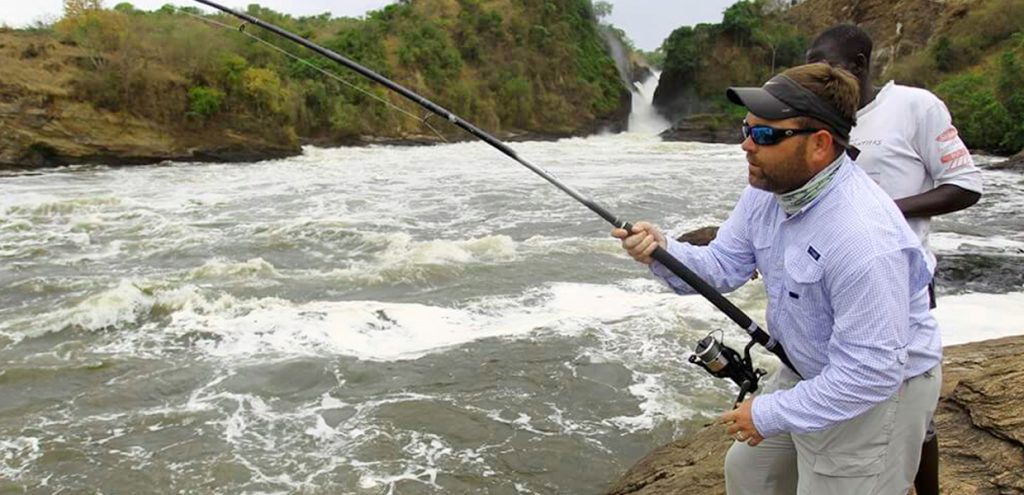
Casting involves standing along the rocky banks or fishing platforms and hurling lures or baited hooks into the turbulent waters where fish often lurk. It is an intimate method, requiring precision and patience as the lure dances in the current, tempting the giants below.

Trolling, on the other hand, involves fishing from boats that slowly move through deeper sections of the river. Lures are dragged behind, mimicking the movement of prey. This method covers more ground and is particularly effective in reaching the larger Nile perch that patrol the depths.

Both methods require sturdy equipment, for the fish of the Nile are no ordinary opponents. Rods must withstand immense pressure, reels must hold strong, and lines must be heavy-duty. The moment a giant Nile perch strikes, the river becomes a battlefield, testing the resolve of the angler and the strength of the gear.

The Seasons: Best Time for Fishing

Fishing in Murchison Falls can be enjoyed year-round, but certain seasons offer better conditions and higher chances of success. The dry seasons, running from December to February and June to September, are considered the best. During these months, the water levels are lower, visibility improves, and fish are more concentrated in specific areas.

The wet seasons, from March to May and October to November, bring heavier rains and rising water levels. While fishing is still possible, the challenge increases as the river swells and the currents become stronger. However, the lush landscapes and abundance of birdlife during these months provide their own allure.

Ultimately, the choice of season depends on the balance between challenge and comfort. Dedicated anglers often relish the unpredictability of the wet season, while others prefer the relative ease and higher success rates of the dry months.

The Safari Dimension: More than Fishing

A fishing safari in Murchison Falls is not confined to the river alone. It is part of a larger safari experience that encompasses the richness of the entire park. After a morning on the river, anglers often embark on game drives, exploring the savannahs where lions, leopards, elephants, giraffes, and buffalo roam.

Boat cruises to the base of Murchison Falls offer another perspective, where the sheer force of the waterfall can be experienced up close, and wildlife such as crocodiles and hippos are seen in abundance. Birdwatchers are equally enthralled, with over 450 species recorded in the park, from the iconic shoebill stork to colorful kingfishers.

This blend of fishing and safari creates an adventure unlike any other, where each day is filled with variety. The exhilaration of battling a Nile perch can be followed by the serenity of watching giraffes at sunset or the majesty of elephants crossing the plains.

Safety and Responsibility

Fishing on the Nile requires a deep respect for both the river and its inhabitants. The waters are home not only to fish but also to hippos and crocodiles, whose presence demands constant vigilance. Professional guides ensure that anglers remain safe, offering instruction, supervision, and support throughout the experience.

Equally important is the commitment to sustainability. Many lodges and operators practice catch-and-release fishing, particularly for Nile perch, ensuring that the species continues to thrive in these waters. Anglers are encouraged to respect regulations, use proper equipment, and prioritize the health of the fish and the ecosystem.

This balance between adventure and responsibility ensures that fishing safaris remain sustainable, allowing future generations to share in the thrill of casting into the waters of the Nile.

The Lodge Experience: Luxury and Adventure Combined

The fishing safari experience is elevated by the comfort and elegance of the lodges and camps that line the Nile. These accommodations range from luxury lodges with sweeping river views to intimate tented camps that immerse guests in the sounds of the wild.

After a long day battling the giants of the river, guests return to lodges where fine dining, comfortable suites, and serene settings await. Stories of the day’s battles are shared around campfires, accompanied by the distant roar of the falls and the nocturnal calls of the wild.

The combination of thrilling adventure by day and indulgent relaxation by night makes fishing safaris in Murchison Falls truly exceptional.

A Journey Beyond the Catch

Fishing safaris on the Nile in Murchison Falls National Park are not merely about the act of fishing. They are about immersing oneself in a setting where nature’s drama unfolds with every moment, where the thrill of the catch is matched by the majesty of the landscape, and where adventure is deepened by the presence of Africa’s greatest wildlife.

To cast a line in these waters is to engage with history, to test one’s strength against legendary fish, and to embrace the wild spirit of Uganda. It is an experience that lingers long after the rods are packed away, leaving memories as powerful as the falls themselves.

For travelers seeking not just a fishing trip but an unforgettable African safari, it is strongly recommended to plan the journey through WildHorn Africa. With expertise in crafting personalized experiences, WildHorn Africa ensures that every detail—from fishing expeditions to wildlife safaris and luxury lodge stays—is perfectly arranged. With their guidance, the Nile becomes more than a river; it becomes a stage for adventure, elegance, and lifelong memories.

Diving

Diving

By Travel guides

Diving in Africa: Explore the Continent’s Hidden Underwater Worlds

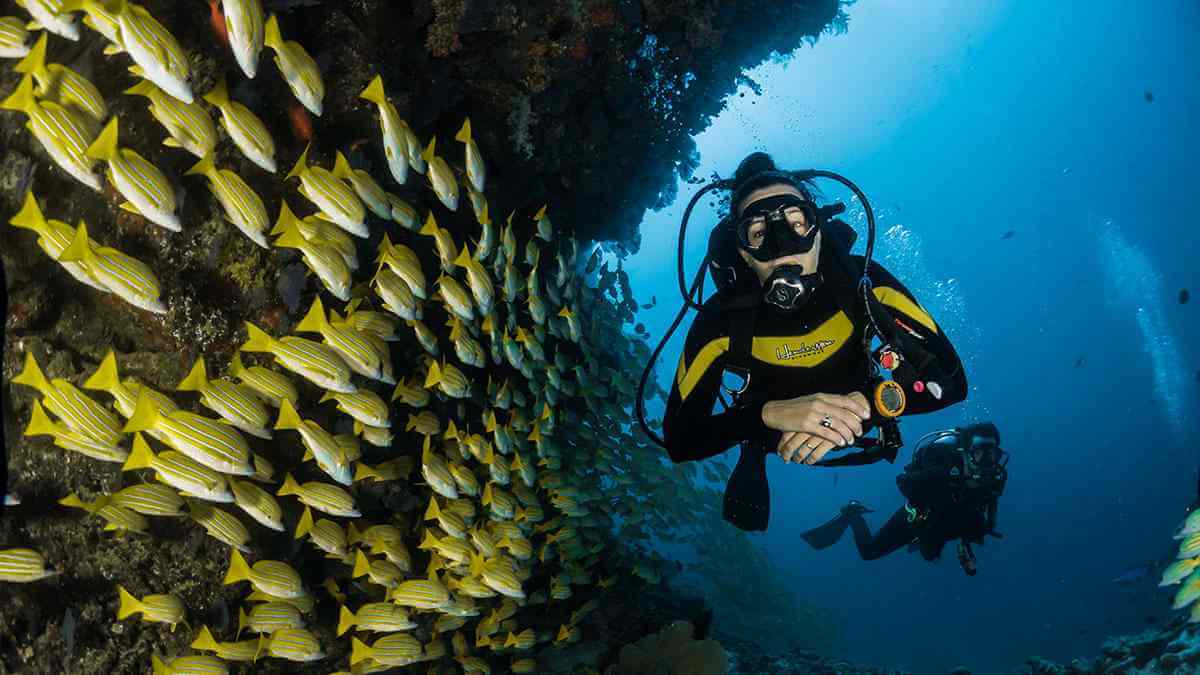
Diving in Africa offers some of the world’s most spectacular and diverse underwater experiences. From vibrant coral reefs and dramatic drop-offs to historic shipwrecks and marine megafauna encounters, Africa’s coastline and offshore islands are a paradise for scuba divers. Whether you’re a seasoned diver or just starting out, Africa has something to suit every level of experience and every kind of underwater dream.

Why Dive in Africa?

Biodiversity: Africa’s waters host thousands of marine species—many of them endemic or rare.

Warm waters: Tropical and subtropical temperatures make for comfortable diving year-round.

Pristine dive sites: Many dive spots are uncrowded and well-preserved.

Variety of experiences: Wreck diving, reef diving, drift dives, cave dives, and shark encounters all in one continent.

Top Diving Destinations in Africa

1. Zanzibar – Tanzania
A diver’s paradise in the Indian Ocean with warm, clear waters and rich marine life.

Highlights: Coral gardens, reef fish, sea turtles, dolphins, and occasional whale sharks

Top sites: Mnemba Atoll, Leven Bank, Tumbatu Island

Best time: July to October and December to March

2. Red Sea – Egypt
Famed for its clear visibility, colorful reefs, and dramatic wall dives.

Highlights: Coral reefs, hammerhead sharks, dolphins, and historic wrecks like the SS Thistlegorm

Top sites: Ras Mohammed, Brothers Islands, Dahab’s Blue Hole

Best time: March to May and September to November

3. Tofo – Mozambique
A hotspot for large marine life and excellent visibility.

Highlights: Manta rays, whale sharks, humpback whales (in season), reef fish

Top sites: Manta Reef, Amazon Reef, Giant’s Castle

Best time: May to November

4. Sodwana Bay – South Africa
South Africa’s premier diving destination with rich coral reefs and big marine encounters.

Highlights: Turtles, rays, reef sharks, rare fish species, and seasonal humpback whales

Top sites: Two Mile Reef, Five Mile Reef, Seven Mile Reef

Best time: April to September

5. Seychelles
Crystal-clear waters and abundant marine life await in this Indian Ocean island nation.

Highlights: Coral reefs, eagle rays, reef sharks, and granite rock formations

Top sites: Shark Bank, Brissare Rocks, Ennerdale Wreck

Best time: March to May and September to November

6. Mauritius
Diving in Mauritius offers volcanic caves, coral reefs, and warm, calm waters.

Highlights: Reef fish, turtles, dolphins, and wreck diving

Top sites: Cathedral, Stella Maru Wreck, Snake Reef

Best time: November to May

What to Expect on a Dive Trip

Dive centers: Well-equipped with experienced instructors and PADI/SSI-certified guides

Boat or shore dives: Depending on the location and site

Full-day or half-day excursions with 2 to 3 dives per trip

Rental gear available: Wetsuits, BCDs, regulators, fins, and masks

Marine conservation efforts: Many operators are involved in reef protection and research

What to Pack for Your Diving Trip

Certification card (if certified)

Logbook or dive computer

Personal mask and snorkel (recommended for comfort)

Reef-safe sunscreen

Rashguard or wetsuit (if not renting)

Underwater camera or GoPro

Dry bag for gear

Towel and change of clothes

Can Beginners Dive in Africa?

Absolutely. Many African dive destinations offer:

PADI Open Water certification courses

Introductory dives for first-timers with no prior experience

Snorkeling options for non-divers who still want to explore marine life

Dive into the Blue with WildHorn Africa
Whether you’re looking to explore coral gardens off Zanzibar, drift dive with mantas in Mozambique, or discover ancient shipwrecks in the Red Sea, WildHorn Africa can arrange unforgettable diving experiences tailored to your level and interest.

Get in touch with WildHorn Africa today to plan your diving adventure and discover the treasures hidden beneath Africa’s waves.

Horse riding

Horse riding

By Travel guides

Horse Riding Safaris in Africa: Explore the Wild on Horseback

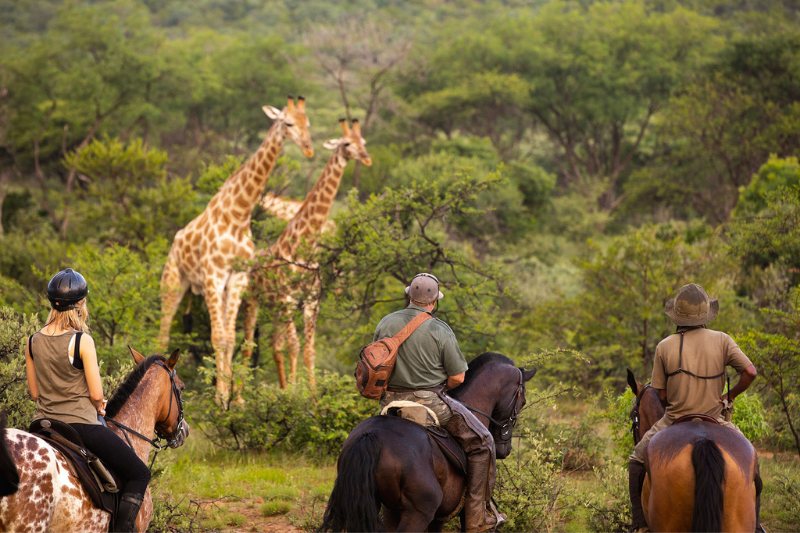
Horse riding in Africa offers a rare and exhilarating way to explore the wilderness. Unlike the rumble of a safari vehicle, a horse allows you to move quietly through nature, getting closer to wildlife and soaking in the landscape at a gentler pace. Whether you’re trotting beside giraffes in Kenya, galloping across the Makgadikgadi salt pans in Botswana, or meandering through vineyards in South Africa, horse riding safaris connect you deeply with Africa’s wild beauty.

Why Choose a Horse Riding Safari?

Intimate wildlife encounters: Horses don’t startle animals the way vehicles or people on foot might. You can often ride within safe, respectful distances of zebras, antelope, giraffes, and more.

Quiet and eco-friendly: Riding is silent and leaves minimal environmental impact.

Off the beaten track: Reach areas that vehicles can’t access.

Unmatched sense of freedom: Cantering across open plains or through woodlands on horseback is a thrilling, unforgettable experience.

Top Horse Riding Destinations in Africa

1. Okavango Delta – Botswana
Arguably the most famous destination for horseback safaris in Africa.

Experience: Ride through wetlands, floodplains, and mopane forests while spotting elephants, buffalo, and lechwe.

Best for: Intermediate to advanced riders

Season: May to October (dry season)

2. Masai Mara – Kenya
Ride alongside herds of zebra and wildebeest on the open savannah.

Experience: Mobile tented camps, expert guides, and the chance to ride with big game.

Best for: Experienced riders only

Season: July to October (Great Migration) or Jan–Mar

3. Laikipia Plateau – Kenya
A quieter alternative to the Mara with excellent wildlife and beautiful landscapes.

Experience: Family-run lodges and private conservancies offering multi-day rides or short hacks.

Suitable for: All levels (depending on operator)

4. Lake Mburo – Uganda
One of the only places in Uganda where you can do a horseback safari.

Experience: Ride among zebras, impalas, and buffalo with sweeping views of acacia woodlands.

Best for: Beginner to intermediate riders

Season: Year-round

5. Waterberg – South Africa
A great destination for beginners and families.

Experience: Malaria-free, accessible lodges with well-trained horses. Wildlife includes giraffes, zebras, and antelope.

Best for: All levels

Season: May to September (dry, cool weather)

6. Damaraland – Namibia
For the adventurous rider, explore desert landscapes with dramatic rock formations and ancient petroglyphs.

Experience: Multi-day rides through remote wilderness, possible sightings of desert elephants and oryx.

Best for: Experienced riders

Season: April to October

What to Expect on a Horse Safari

Daily rides: Between 3 to 6 hours, often with picnic lunches in the bush

Mobile or lodge-based: Sleep in luxury camps or ride between different lodges

Support crew: Camp staff and chefs take care of logistics so you can focus on the ride

Small groups: Personalized experiences, usually 4–8 riders per trip

Qualified guides: All rides are led by professional horseback guides with deep knowledge of the area and animals

What to Pack for a Horseback Safari

Riding boots or comfortable closed shoes

Riding helmet (often provided, but check with operator)

Long-sleeved, lightweight shirts and riding trousers

Sunscreen, sunglasses, and hat

Insect repellent

Reusable water bottle

Small camera or phone with pouch

Personal medical kit (include blister plasters!)

Warm layers for early mornings and evenings

Who Can Join a Horse Riding Safari?

Riders should be comfortable at walk, trot, and canter (for most multi-day safaris)

Beginners are welcome at certain lodges and destinations

Minimum age varies—typically 12+ for multi-day rides, younger for lodge-based hacks

Weight limits usually apply (often around 85–95 kg / 187–209 lbs)

Ride into the Wild with WildHorn Africa

Whether you’re a novice wanting a short bush hack or an expert rider chasing the thrill of cantering beside zebras, WildHorn Africa can tailor a horse riding experience that suits your style and skill level. We partner with trusted operators across the continent to ensure safety, comfort, and unforgettable memories.

Get in touch with WildHorn Africa today and saddle up for the horseback safari of a lifetime—where every hoofbeat takes you deeper into the heart of Africa.

hot air balloon rides

hot air balloon rides

By Travel guides

Hot Air Balloon Rides: A Magical Safari from the Skies

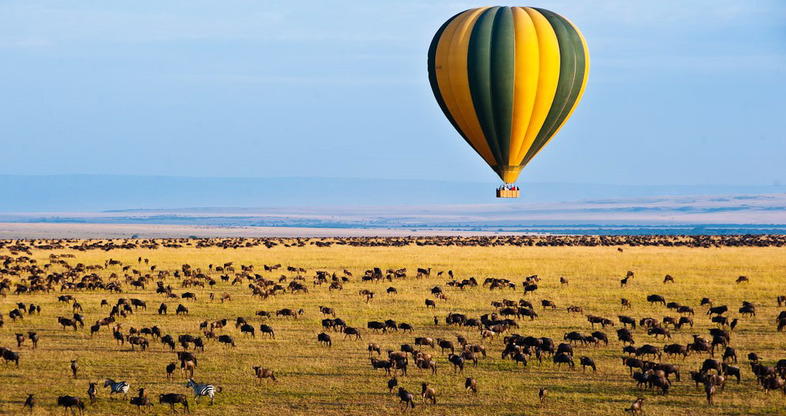
Imagine soaring silently above the savannah at sunrise, the cool morning air on your face, and the golden light revealing herds of wildebeest, elephants, and antelope below. A hot air balloon ride offers one of the most unforgettable safari experiences—blending adventure, breathtaking scenery, and panoramic wildlife viewing in a way that simply can’t be matched on the ground.

Whether you’re drifting above the vast plains of the Serengeti or the winding waterways of the Okavango Delta, a hot air balloon safari delivers a once-in-a-lifetime perspective of Africa’s natural beauty.

What Happens During a Hot Air Balloon Safari?

Your balloon safari begins before dawn. Guests are collected from their lodge or camp and driven to the launch site, where the balloon is being inflated. After a safety briefing from the pilot, you’ll climb into the basket and begin your ascent just as the sun rises.

The ride typically lasts about 1 hour, depending on wind conditions. The pilot controls altitude using the balloon’s burners, allowing you to float at treetop level or soar higher for sweeping views of the landscape. Wildlife sightings may include giraffes, elephants, zebras, lions, wildebeests, and large bird flocks—all seen from an entirely new angle.

After landing, you’ll be treated to a champagne breakfast in the bush—a longstanding ballooning tradition—complete with fresh coffee, eggs, fruits, and other delicacies served in a scenic outdoor setting.

Best Locations for Hot Air Balloon Safaris in Africa

Balloon safaris are offered in select national parks and reserves known for their wide-open spaces and rich wildlife populations. Top destinations include:

Serengeti National Park (Tanzania):
Arguably the most famous location for balloon rides, especially during the Great Migration when millions of wildebeest and zebra cross the plains.

Masai Mara National Reserve (Kenya):
A classic ballooning destination offering stunning views of wildlife, rivers, and rolling hills.

Queen Elizabeth National Park (Uganda):
Offers a unique perspective of savannahs, wetlands, and the Kazinga Channel.

Murchison Falls National Park (Uganda):
One of the few places in Uganda where you can combine a hot air balloon ride with sightings of lions, elephants, giraffes, and even the powerful Nile River.

Okavango Delta (Botswana):
Seasonal balloon safaris offer a bird’s-eye view of lush floodplains, lagoons, and the incredible wildlife that thrives in this UNESCO-listed wetland.

Sossusvlei (Namibia):
Fly over towering red sand dunes and desert landscapes—ideal for photography and scenery lovers.

What to Expect

Peaceful Flight: No engine noise—just the occasional blast of the burner and the soft breeze guiding your path.

Spectacular Scenery: See the land in a whole new light, with uninterrupted 360° views.

Wildlife Sightings: Spot herds, predators, and birds from above, depending on the location and time of year.

Professional Guides: Pilots are experienced and licensed, and every detail is handled with safety in mind.

Bush Breakfast: Land to a gourmet meal in the wilderness, often with sparkling wine to toast the experience.

What to Pack and Wear

To ensure a comfortable and enjoyable balloon safari, bring:

Warm Layers: Early mornings can be cold. Wear a fleece or windbreaker, and layer up.

Sturdy Footwear: Closed shoes are best for uneven terrain during takeoff and landing.

Hat and Sunglasses: Protect yourself from sun and heat as the day warms up.

Camera or Smartphone: Don’t forget to capture the views—but keep gear secure during flight.

Binoculars: For spotting wildlife in the distance.

Who Can Take a Balloon Safari?

Most balloon companies have age and height restrictions—typically children under 6 are not allowed, and passengers must be able to stand for the duration of the flight. People with mobility issues or pregnancy are generally advised not to fly for safety reasons.

Why Add a Hot Air Balloon Ride to Your Safari?

A hot air balloon ride transforms your safari into something truly extraordinary. It’s a romantic, peaceful, and visually stunning adventure—perfect for honeymooners, photographers, and anyone looking to experience Africa from a different perspective.

It may be a premium activity, but for the memories and the sheer magic of floating above wild Africa, it’s well worth the investment.

Plan Your Balloon Safari with WildHorn Africa

Let WildHorn Africa arrange your dream hot air balloon ride—whether it’s drifting above the Serengeti’s migration herds or catching sunrise over the Masai Mara. From personalized pick-up to a champagne breakfast in the bush, we’ll ensure a smooth and unforgettable experience.

Contact WildHorn Africa today to include a hot air balloon safari in your next African adventure. The sky is waiting.

Close Menu