search
What’s the weather like month-by-month across Uganda?

What’s the weather like month-by-month across Uganda?

By Travel stories and blogs, Uganda travel guides

What’s the weather like month-by-month across Uganda? Uganda Weather by Month | Climate and Best Travel Seasons Explained

There is something profoundly magnetic about Uganda’s climate — a soft balance between tropical warmth and cool mountain breeze, between rain-drenched mornings and sunlit afternoons. Few destinations in the world enjoy such consistent beauty throughout the year. Whether you find yourself watching the mist curl above Bwindi’s gorilla forests, sailing across Lake Victoria’s glimmering expanse, or feeling the heat rise from the savannah plains of Murchison Falls, Uganda’s weather seems almost designed for exploration.

Yet, to truly appreciate the rhythm of travel across this equatorial paradise, one must understand how its seasons shift month by month. Uganda does not have the classic four seasons known in temperate zones; instead, it breathes in cycles of wet and dry periods, each influencing its landscapes, wildlife, and travel experiences differently.

This in-depth guide explores Uganda’s weather month-by-month, revealing how temperature, rainfall, and regional variations shape the traveler’s journey. By understanding these climatic nuances, you can plan safaris, treks, and cultural experiences with precision — and fall even deeper in love with the country known as the Pearl of Africa.

Understanding Uganda’s Climate: The Equatorial Balance

Uganda’s location astride the Equator gives it one of the most stable climates in Africa. Temperatures remain relatively consistent throughout the year, averaging between 20°C and 30°C (68°F–86°F) in most regions. However, elevation plays a crucial role in shaping the local climate.

The southern regions, home to Kampala, Entebbe, and Lake Victoria, are humid and warm, while the western highlands, where Bwindi, Kibale, and Fort Portal lie, experience cooler and mistier conditions. The northern plains toward Kidepo and Gulu are hotter and drier, while the Rwenzori Mountains — the famed “Mountains of the Moon” — bring alpine chill and frequent rainfall.

Rainfall defines Uganda’s climatic rhythm. The country experiences two major rainy seasons — one from March to May and another from September to November — interspersed with drier intervals ideal for safaris and trekking. But even during rainy months, Uganda’s weather rarely becomes inhospitable; showers often fall briefly and are followed by bright sunshine.

This dependable rhythm makes Uganda a year-round destination — yet each month carries its own atmosphere, mood, and magic.

January: The Dry Season’s Golden Calm

January is one of Uganda’s driest and warmest months, marking the heart of the first dry season. Sunshine dominates much of the country, and the landscapes take on a golden hue as vegetation thins across the savannahs of Queen Elizabeth National Park and Murchison Falls.

Temperatures average around 28°C (82°F) in the central and southern regions, while the highlands of Bwindi and Mgahinga stay cooler, hovering near 20°C (68°F). With minimal rain, roads remain accessible, rivers calm, and wildlife viewing exceptional. Animals gather around permanent water sources, making them easier to spot during game drives.

For travelers, January represents clarity — crisp air, open skies, and the perfect conditions for gorilla trekking, boat safaris, and photography. It is also a time when Uganda’s birdlife dazzles in full color, especially as migratory species fill the wetlands around Lake Mburo and the Kazinga Channel.

Evenings tend to be warm, ideal for outdoor dining or cultural performances. Yet, travelers should still carry light jackets, as the highland areas cool significantly after sunset.

February: Warmth, Visibility, and Vibrant Life

February continues the dry spell with similar warmth and reliable sunshine. It is one of the best months for safari and adventure travel, as dust settles and skies turn deep blue — perfect for photography.

Wildlife visibility peaks in February. The dry grasslands of Kidepo Valley National Park teem with elephants, giraffes, and lions moving gracefully through sparse vegetation. The reduced water availability in the wild concentrates animals around rivers and waterholes, allowing extraordinary sightings during both morning and afternoon drives.

In the western region, forested parks like Kibale National Park offer easier trekking conditions for chimpanzee tracking. The trails remain dry and accessible, and the forest canopy glows with light filtering through lush green leaves.

Temperatures remain high, averaging 27°C–32°C (80°F–89°F) in lowland regions. The air is drier, making hydration essential during daytime excursions. February’s stillness captures the essence of Uganda’s dry season — golden light, peaceful landscapes, and abundant wildlife.

March: The First Raindrops of Renewal

By March, subtle changes ripple across Uganda’s weather. The first signs of the long rainy season appear, especially in central and western regions. Skies grow heavier with clouds in the afternoons, and sporadic showers begin to refresh the earth.

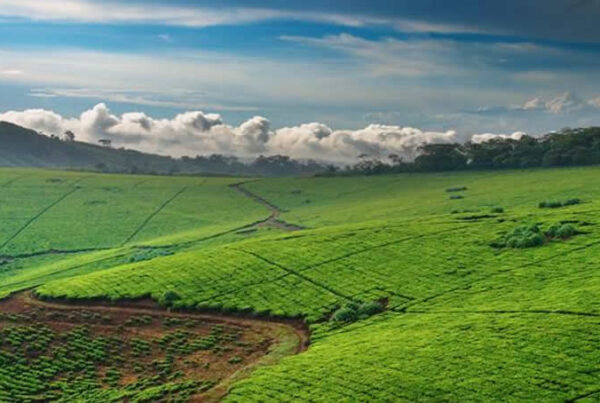
Though rainfall increases, mornings remain bright and warm. The showers tend to be brief yet intense, followed by clear skies that bring a glistening freshness to the scenery. The arrival of rain transforms the savannah into a burst of green, and flowers begin to bloom across the hillsides.

Wildlife remains visible, and gorilla trekking continues uninterrupted in Bwindi and Mgahinga. However, trails may become slippery, requiring proper trekking gear and caution. Photographers find this month especially captivating — the contrast between dark clouds and vivid greenery adds drama to every shot.

March embodies transition — the gentle beginning of nature’s renewal, when the first rains breathe life back into Uganda’s landscapes.

April: Rain, Renewal, and Rejuvenation

April is traditionally one of Uganda’s wettest months, with steady rainfall across much of the country. The skies open frequently, rejuvenating vegetation and filling rivers and lakes. Though some roads in remote areas may become muddy, most main routes remain navigable thanks to improving infrastructure.

Rain showers, though frequent, are rarely all-day events. Mornings often begin clear, while afternoons bring dramatic downpours that cool the air and wash the dust from the land. The result is a landscape at its most lush and vibrant — forests glisten, flowers bloom, and waterfalls roar with renewed vigor.

In national parks, animals roam freely in their freshly green habitats, though their distribution becomes wider due to abundant water. This creates more adventurous safari experiences, where each sighting feels like a reward of patience and persistence.

Gorilla trekking remains possible and particularly rewarding during this time. The misty atmosphere adds a mystical aura to the forests, making encounters with the gorillas even more intimate and surreal. For travelers who embrace nature’s rhythms, April is a time of authenticity and immersion — Uganda in its purest, most elemental form.

May: The Last Breath of the Long Rains

May marks the gradual end of the long rainy season. The frequency of rain begins to decline, yet the land remains lush and rejuvenated. The countryside is painted in deep greens, and the air feels fresh, carrying the scent of damp earth and wildflowers.

Temperatures stabilize around 25°C (77°F), creating a cooler, more comfortable atmosphere. The tourist crowds remain minimal, making May an excellent month for those seeking solitude in Uganda’s natural wonders.

Birdwatchers, in particular, find this period magical. Wetlands and forests overflow with activity, and nesting species display brilliant plumage. Mabamba Swamp, near Entebbe, becomes a sanctuary for the elusive shoebill stork, one of Africa’s most sought-after birding icons.

While occasional showers persist, the roads continue to dry, and safaris regain ease. May embodies transition and tranquility — a time when Uganda exhales after months of rain, revealing a landscape reborn and radiant.

June: The Beginning of the Dry Season and Peak Safari Time

June ushers in the second dry season, one of Uganda’s most popular travel periods. The rains recede, leaving behind landscapes that shimmer under clear skies and soft golden light. The air becomes crisp, and humidity drops, offering near-perfect travel conditions across all regions.

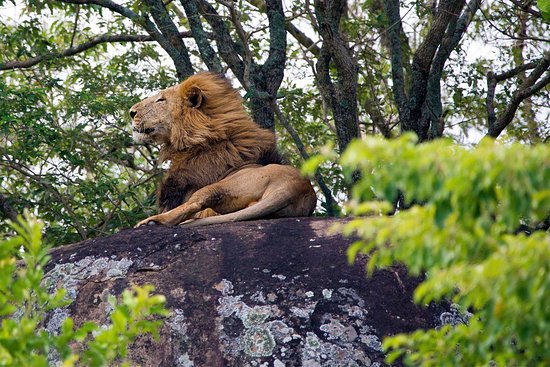
The savannahs of Queen Elizabeth, Murchison Falls, and Lake Mburo National Parks burst with wildlife activity. With diminishing water sources, animals congregate near rivers and watering holes, making game drives exceptionally rewarding. Lions bask on rock outcrops, elephants move in family herds, and hippos crowd the shallows of the Nile.

In Bwindi and Mgahinga, gorilla trekking reaches peak season. Trails are dry, visibility excellent, and the mountain air invigorating. The highlands of Fort Portal and Rwenzori bask in crisp sunshine, perfect for hiking and photography.

Temperatures during June average 24°C–28°C (75°F–82°F), with cooler nights in elevated regions. The pleasant climate and increased accessibility make June an ideal month for first-time visitors seeking comfort without compromise.

July: Cool, Clear, and Perfect for Adventure

July is another peak month for travelers to Uganda. It continues the dry spell, bringing some of the best weather conditions of the year. The skies remain largely cloudless, and rainfall is scarce across the country.

This is a time for explorers and photographers. The light is gentle yet abundant, illuminating the rolling plains and distant hills in brilliant tones. Visibility across the national parks is at its best, with crisp air and minimal haze.

In the western highlands, mornings begin cool and misty, while afternoons warm comfortably. Gorilla trekking is particularly popular during July, with dry trails and consistent wildlife activity.

Cultural festivals also thrive during this season. Kampala and Jinja come alive with music, art, and food events, celebrating Uganda’s dynamic spirit. The combination of favorable climate and lively atmosphere makes July both adventurous and immersive — a month where nature and culture intertwine seamlessly.

What’s the weather like month-by-month across Uganda?August: Cool Winds and Continuing Clarity

August remains part of Uganda’s long dry season, though occasional localized showers begin to appear toward the end of the month. The cool, pleasant temperatures make it an ideal period for long overland safaris, especially for travelers combining multiple destinations.

The landscapes retain their golden tones, and wildlife sightings remain abundant. With vegetation thinning further, predators become more visible — lions lounging in the heat, leopards resting in tree branches, and hyenas roaming the plains at dusk.

In northern Uganda, particularly around Kidepo Valley, August represents the essence of wilderness — dramatic skies, open plains, and silence broken only by the call of distant herds.

The mild weather also favors boat safaris on the Nile or the Kazinga Channel, where hippos and crocodiles bask lazily under soft light. For adventure enthusiasts, rafting and kayaking in Jinja reach their exhilarating best under dry skies.

August embodies balance — warmth without discomfort, serenity without stillness. It is Uganda at its most confident and photogenic.

September: The Return of Rain and Renewal

September signals the gradual arrival of Uganda’s short rainy season, particularly in the southern and western regions. Rainfall increases toward the end of the month, though showers remain sporadic and interspersed with sunny intervals.

The landscapes, parched by months of dryness, begin to revive. Grasses grow again, and flowers bloom, painting the savannah in patches of green and gold. The rejuvenation brings a renewed vibrancy to wildlife activity.

In Bwindi, gorilla trekking continues, though trekkers may encounter light rain and muddy trails. The misty forest atmosphere, however, adds a magical touch to the experience, softening the light and enriching photography opportunities.

September remains warm, averaging 26°C (79°F), and with fewer crowds than peak season, it offers a tranquil, authentic experience for travelers seeking depth rather than speed.

October: Short Rains and Soothing Ambience

October deepens the short rainy season, bringing consistent rainfall across most regions. Yet, Uganda’s rains rarely linger; mornings often dawn bright, and afternoon showers refresh the landscape before giving way to golden sunsets.

This month exudes softness — a rhythm of renewal and serenity. The countryside glows in emerald hues, and waterfalls flow stronger. Birdlife thrives, particularly around wetlands and forested areas, making October one of the best months for birdwatching safaris.

Temperatures remain mild and comfortable, rarely exceeding 28°C (82°F). Safari experiences continue to be rewarding, though some unpaved roads may require patience due to occasional flooding.

For photographers, October offers a painter’s palette of contrast — dark clouds against glowing savannahs, mist over lakes, and light filtering through rain-soaked leaves. It is a poetic month, inviting those who appreciate Uganda’s deeper moods.

November: The Last Showers Before Dryness Returns

November carries the final wave of the short rains. The showers persist but begin tapering toward the month’s end, leaving behind moist air and gleaming landscapes.

The combination of softened light and rejuvenated greenery makes it an ideal time for capturing Uganda’s natural beauty in full color. The vegetation bursts with life, and animal sightings remain strong, particularly around permanent water sources.

This is also an excellent month for cultural travel. Local festivities celebrate harvests and thanksgiving, filling cities and towns with music, dance, and culinary delight.

Temperatures rise slightly, hovering between 25°C and 30°C (77°F–86°F). The end of November often hints at the approaching dry season, with clearer skies and longer sunny spells emerging once again.

November’s atmosphere is one of reflection — the earth exhaling after nourishment, readying itself for another cycle of warmth and vitality.

December: Festive Sun and Safari Delight

December marks the return of the dry season and the festive spirit that sweeps across Uganda. Skies clear, humidity drops, and landscapes shimmer under golden sunlight. It is one of the most popular months for both local and international travelers.

Wildlife viewing peaks again as animals congregate around rivers and lakes. The roads are dry, making overland safaris smooth and accessible. Gorilla trekking flourishes under bright, cool mornings and crisp forest air.

Cities and towns buzz with celebration as the year draws to a close. Kampala’s nightlife and Jinja’s lakeside parties become lively hubs of joy and togetherness. Temperatures remain warm but balanced, averaging 27°C (81°F).

December captures Uganda’s essence — radiant, joyful, and inviting. It is a month of abundance, both in nature and in spirit, where the country shines brightest.

Conclusion: Uganda’s Timeless Rhythm of Climate

Uganda’s weather is not just a pattern of temperatures and rains — it is a living rhythm that defines life itself. Each month brings its own beauty and personality, from January’s golden plains to April’s emerald renewal and August’s calm skies. The consistency of the equatorial climate ensures that no month ever truly excludes travel; rather, each offers a distinct flavor of discovery.

Whether you seek the clarity of the dry season or the fertility of the rains, Uganda rewards presence — a chance to witness how the land breathes, transforms, and renews itself.

To experience this harmony firsthand, it is recommended to book your Africa tours and safaris with WildHorn Africa, a trusted operator renowned for crafting journeys that honor both adventure and sustainability. With their expert guidance, you can explore Uganda’s landscapes in any season — confidently, comfortably, and consciously.

Because in Uganda, every month is a masterpiece, and every change in weather is an invitation to experience the Pearl of Africa anew.

Best Time to Visit Bwindi for Gorilla Safaris

Best Time to Visit Bwindi for Gorilla Safaris

By Travel stories and blogs, Primate holidays, Uganda travel guides

Best Time to Visit Bwindi for Gorilla Safaris

Timing the Encounter of a Lifetime

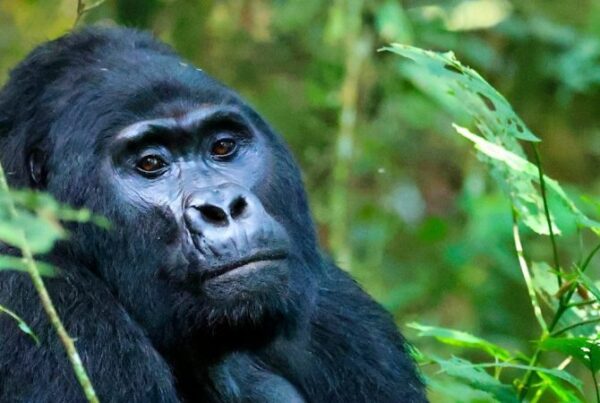
Few wildlife experiences rival the heart-pounding moment of standing a few meters away from a massive silverback gorilla or watching a playful infant tumble through tangled vines in the misty heart of Uganda. This breathtaking experience unfolds only in a handful of places on Earth, and Bwindi Impenetrable National Park has long stood as the crown jewel of gorilla trekking destinations. Yet, as with all great journeys, timing is everything.

Choosing the best time to visit Bwindi for gorilla safaris can shape not only the comfort of the trek but also the quality of the wildlife encounter. Bwindi’s dense rainforest is a world of shifting weather patterns, changing vegetation cycles, and varied seasonal rhythms. Its beauty is never diminished, yet the visitor’s experience transforms depending on when the journey is undertaken. Rain may turn trails into slippery puzzles, while sunshine may bathe the forest in golden light. Each season brings opportunities and challenges that must be carefully considered.

The significance of timing goes beyond weather and logistics. It touches conservation, cultural interactions, and even the soul of the adventure. Understanding when to embark on a Bwindi gorilla safari ensures that travelers not only see gorillas but also immerse themselves in the full majesty of Uganda’s wild heart.

Understanding Bwindi’s Climate and Seasons

The Tropical Heart of Uganda

Bwindi Impenetrable National Park sits within the Albertine Rift in southwestern Uganda, a region renowned for its biodiversity and ecological richness. The park’s climate is heavily influenced by its equatorial location and its varied altitudes, which range from 1,160 to 2,600 meters above sea level. These factors combine to create a humid, misty, and cool environment that differs from many other African safari destinations.

The forest’s climate is defined by two main wet seasons and two relatively drier periods. Rainfall is common throughout the year, yet its intensity and frequency vary. Unlike arid savannas where weather cycles are predictable, Bwindi remains an ever-changing rainforest, where sun and rain often share the same day. Recognizing the rhythm of these patterns is central to determining the best time to visit.

Rainy Seasons in Bwindi

Bwindi experiences two distinct rainy seasons. The first extends from March to May, while the second runs from September to November. During these months, the park receives heavier rainfall, often in sudden downpours. Trails can become challenging, rivers swell, and the forest floor grows muddy and slippery. Trekking during these times demands resilience and strong preparation.

Yet, the rainy seasons carry their own rewards. The forest bursts into intense green, flowers bloom in abundance, and food sources become plentiful for gorillas. Groups of gorillas tend to remain closer to their nesting areas since vegetation is easily accessible. For the adventurous traveler, the rainy season can offer intimate and rewarding sightings, though physical challenges increase.

Dry Seasons in Bwindi

The relatively drier months occur from June to August and from December to February. Rain is less frequent, trails are more manageable, and trekking becomes more comfortable. These months are considered the peak seasons for gorilla safaris, attracting the largest number of visitors. Visibility in the forest is often improved, and the trekking routes, though still challenging, are less muddy and slippery.

The dry seasons also coincide with school holidays in many parts of the world, making them the busiest times for international tourism. Gorilla permits are in extremely high demand, and securing them requires booking several months in advance. For travelers who prioritize comfort and accessibility, these months are often considered the best time to visit Bwindi.

The Dry Season: A Popular Choice

Comfort and Accessibility

The dry season months—June to August and December to February—provide the most favorable conditions for trekking. Visitors find that hiking through Bwindi’s steep slopes and dense undergrowth is more manageable when rainfall is minimal. Trails remain challenging but less treacherous, allowing trekkers to focus more on the experience and less on the difficulty of footing.

The lower chance of heavy rain means that cameras and other gear can be used with less risk of damage. Photography becomes more rewarding as gorillas are often observed without the constant distraction of falling rain. For many, this combination of better trekking conditions and clearer visibility makes the dry season an attractive choice.

Peak Season and Competition for Permits

However, the dry season comes with its challenges. Because it is the most popular period for gorilla safaris, permits sell out quickly, often months in advance. Accommodations, too, are in higher demand, with lodges filling up early. The increased number of visitors creates a sense of bustle in Bwindi’s entry points, though groups entering the forest remain limited to ensure conservation standards are upheld.

For travelers seeking solitude or a less crowded experience, the popularity of the dry season may feel overwhelming. Yet for many, the reward of favorable trekking conditions outweighs the need to navigate higher competition for permits and lodges.

The Rainy Season: A Hidden Gem

Challenges of Trekking in the Rains

Visiting Bwindi during the rainy seasons in March to May or September to November presents a different set of conditions. Heavy rains transform trails into slippery routes, demanding greater physical endurance. Rivers and streams swell, bridges can be more precarious, and the risk of muddy clothing and wet gear is heightened. Trekkers may also find that their progress slows, as steep ascents become harder to navigate.

For some, these challenges are discouraging. Yet, for others, the unpredictability of the rainy season is embraced as part of the adventure. A trek through the rains is a reminder that Bwindi is a living, breathing forest that cannot be fully tamed.

Rewards of Visiting During the Wet Months

Despite the challenges, the rainy season has significant advantages. Gorilla families often remain closer to accessible areas of the forest since food sources such as fruits, leaves, and shoots are abundant. This can result in shorter treks, with less distance required to reach the gorillas.

The forest itself is at its most vibrant, with lush greenery and a renewed sense of life. Birdwatchers find the rainy seasons particularly rewarding, as migratory species flock to Bwindi during these months. Photographers, too, benefit from the dramatic backdrops created by mist, rain, and the rich saturation of the forest’s colors.

Another notable advantage is reduced competition. Fewer tourists choose to visit during these months, meaning that permits are easier to obtain and accommodations are more readily available. For those who value solitude, the rainy season offers a quieter, more intimate experience of Bwindi.Best Time to Visit Bwindi for Gorilla Safaris

Month-by-Month Breakdown of Bwindi’s Seasons

January and February

These months fall within the short dry season, offering favorable trekking conditions. Trails are generally easier to navigate, and gorilla sightings are reliable. Visitor numbers are high, and advance bookings are essential.

March, April, and May

The first long rainy season begins in March, reaching its peak in April. Trekking is more physically demanding, yet sightings remain consistent. Gorilla families tend to stay nearby, reducing trekking times. For those willing to embrace the rain, these months offer rewarding encounters with fewer crowds.

June, July, and August

The long dry season begins in June and lasts through August. These months are the most popular for gorilla safaris, with excellent trekking conditions and clear skies. High demand means that permits and accommodations must be reserved well in advance.

September, October, and November

The second rainy season arrives, with October typically experiencing the heaviest downpours. Trails grow slippery, yet the forest comes alive in dramatic ways. Birding is at its peak, and the fewer visitors create an intimate atmosphere in the park.

December

The rains taper off, giving way to the short dry season. December sees a rise in visitors due to the holiday season, with trekking conditions again improving. Gorilla safaris during this time are highly sought after, combining festive travel with one of the world’s most unique wildlife encounters.

Other Considerations in Choosing the Best Time

Wildlife and Vegetation Cycles

The gorillas of Bwindi are not confined to fixed areas. Their movements are influenced by vegetation cycles, availability of food, and social dynamics. During the wet seasons, food is abundant, and gorillas often remain in accessible locations. In drier months, they may move farther in search of fresh vegetation, sometimes extending trekking times.

Travelers must prepare for both possibilities, recognizing that timing influences not only comfort but also the likelihood of shorter or longer treks.

Cultural Experiences and Festivals

Visiting Bwindi is not solely about gorilla trekking. The communities surrounding the park, including the Batwa and Bakiga, offer cultural encounters that enrich the safari. Uganda’s broader cultural calendar includes festivals and events that may coincide with travel plans. Aligning a visit with these cultural highlights can add depth to the safari experience.

Costs and Availability

The cost of gorilla permits remains consistent year-round, but the availability of permits varies greatly depending on the season. Accommodations may offer lower rates during the rainy seasons, making these months attractive for budget-conscious travelers. Conversely, dry-season prices are higher due to demand. Timing, therefore, has financial implications that travelers should weigh carefully.

The Verdict: When Should You Go?

Determining the best time to visit Bwindi for gorilla safaris depends on individual priorities. For those who prioritize comfortable trekking conditions, clearer trails, and optimal visibility, the dry seasons from June to August and December to February are the most suitable. For travelers who value solitude, lush vegetation, shorter treks, and vibrant birdlife, the rainy seasons from March to May and September to November hold unmatched appeal.

There is no bad time to visit Bwindi. Each season carries its own character, challenges, and rewards. The forest, timeless in its beauty, offers gorilla encounters year-round. What changes is not the availability of the gorillas but the experience that surrounds the encounter.

Choosing the Time for a Lifetime Memory

Visiting Bwindi Impenetrable National Park is less about a simple journey and more about entering a living, breathing wilderness where time moves in harmony with nature’s rhythms. To decide when to go is to align personal expectations with the reality of the forest’s seasons. The dry months provide comfort and accessibility, while the wet months deliver intimacy and vibrancy.

No matter the season, the moment a gorilla is seen—whether under a bright sunbeam or through a curtain of rain—becomes unforgettable. Preparation, flexibility, and an open heart ensure that the journey into Bwindi leaves travelers forever transformed.

For those ready to embark on this extraordinary adventure, expert guidance is invaluable. By booking with WildHorn Africa, every detail—from securing scarce permits to arranging comfortable lodges and guiding cultural encounters—is handled with care. With their unmatched expertise, travelers can focus on what matters most: the awe-inspiring experience of standing in the presence of mountain gorillas in the misty forests of Bwindi, a journey that resonates for a lifetime.

When is the best time of year to visit Uganda?

When is the best time of year to visit Uganda?

By Uganda travel guides, Travel stories and blogs

When Is the Best Time of Year to Visit Uganda? | Complete Uganda Travel Seasons Guide 2026

Few destinations on the African continent hold as much natural and cultural allure as Uganda, the “Pearl of Africa.” From the misty mountains of Bwindi, where endangered mountain gorillas thrive, to the shimmering expanses of Lake Victoria and the sweeping savannah plains of Murchison Falls and Queen Elizabeth National Park, Uganda embodies the beauty of East Africa in its purest form. Yet one of the most frequent questions travelers ask when planning their journey is, When is the best time of year to visit Uganda?

The truth is that Uganda’s appeal stretches across the calendar. Its equatorial location and diverse ecosystems create a relatively mild climate year-round, making it possible to explore the country almost any month of the year. Still, understanding the variations in weather patterns, wildlife behavior, and travel conditions across different seasons can significantly enhance your experience. Whether your interest lies in gorilla trekking, birdwatching, photography, or cultural exploration, each period of the year brings its own rhythm, colors, and sensations.

This detailed guide explores the nuances of Uganda’s seasons, providing insights on weather, park accessibility, wildlife highlights, and travel logistics—helping you choose the perfect time to embark on your adventure with confidence and clarity.

Understanding Uganda’s Climate: The Equatorial Advantage

Uganda’s location on the equator gives it one of the most favorable climates in Africa. It does not experience the extreme temperature swings seen in many other parts of the continent. Instead, the weather remains relatively consistent throughout the year, defined more by rainfall patterns than temperature changes.

The country’s altitude, ranging from about 900 meters in the lowlands to over 5,000 meters in the Rwenzori Mountains, creates microclimates that add variety to travel experiences. Days are typically warm, with average daytime temperatures between 24°C and 30°C (75°F–86°F), while nights are cooler and comfortable, particularly in highland regions such as Kabale, Fort Portal, and Bwindi.

Rainfall determines the distinct travel seasons, and Uganda generally has two rainy periods: the long rains from March to May and the short rains from late October to November. The dry seasons, which fall between June and September and again from December to February, are considered the best for outdoor adventures, wildlife observation, and trekking activities.When is the best time of year to visit Uganda?

The Dry Season (June to September): The Prime Time for Exploration

The period between June and September is often referred to as Uganda’s peak travel season, and for good reason. This stretch of the year combines favorable weather, excellent wildlife sightings, and manageable road conditions across the country.

During this time, the landscapes of western Uganda, where most of the country’s national parks are located, are lush but not waterlogged. The reduced rainfall creates ideal conditions for gorilla and chimpanzee trekking, as forest trails are less slippery and visibility in the dense vegetation improves. The misty hills of Bwindi Impenetrable Forest and Mgahinga National Park are particularly magical in the mornings, as the first light cuts through the haze to reveal the silhouettes of mountain gorillas moving quietly among the foliage.

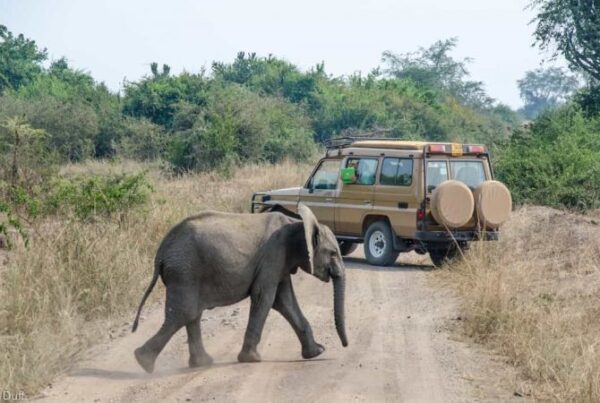
Wildlife enthusiasts visiting savannah parks such as Queen Elizabeth National Park, Murchison Falls National Park, and Lake Mburo National Park will find this season especially rewarding. The thinning vegetation and limited water sources draw animals toward rivers and waterholes, making them easier to spot. Elephants, buffaloes, lions, leopards, and antelopes congregate near the Nile in Murchison Falls or along the Kazinga Channel in Queen Elizabeth National Park, offering spectacular photographic opportunities.

This dry period is also considered one of the best times for birdwatching, particularly for resident species. Clear skies, calm winds, and open visibility make identifying and photographing birds effortless. While migratory birds typically arrive later in the year, the diversity of Uganda’s resident birdlife—over 1,000 recorded species—ensures a rewarding experience even in the middle of the dry season.

The Short Dry Season (December to February): Warm Days and Perfect Views

The second dry season, running from December through February, is another excellent time to visit Uganda. The weather is warm and relatively dry across most regions, though temperatures can rise slightly higher, especially in the northern and central parts of the country.

For those seeking a holiday escape, this period coincides with the festive season, making it popular among international travelers and Ugandans alike. Safari lodges and national parks often experience higher visitor numbers, creating a lively and social atmosphere across destinations.

In Bwindi and Mgahinga, gorilla trekking conditions remain favorable, while Kibale National Park offers unforgettable chimpanzee tracking experiences. Photographers favor this period for its golden light, minimal haze, and clear mountain vistas—especially in regions like the Rwenzoris and Mount Elgon.

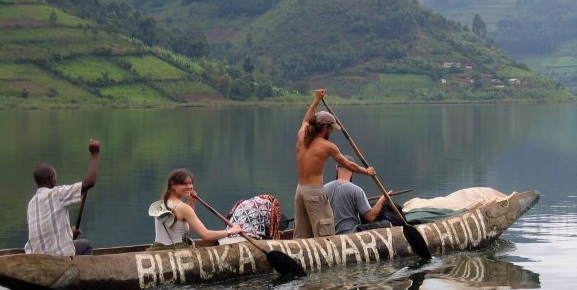
Additionally, Lake Bunyonyi and Lake Victoria offer tranquil retreats for travelers seeking relaxation after a safari or trekking expedition. The serene weather allows for uninterrupted lake cruises, canoe rides, and cultural visits to nearby islands. The clear skies also make it one of the best times to experience Uganda’s breathtaking sunsets—an unforgettable spectacle of color over the African horizon.

The Long Rainy Season (March to May): Lush Landscapes and Intimate Experiences

While the March to May period is considered Uganda’s wettest season, it should not deter travelers from visiting. For those seeking a quieter, more immersive experience, this time of year holds unique rewards. The rain transforms Uganda’s landscapes into vibrant tapestries of green, with wildflowers blooming and rivers swelling to their fullest.

During the long rains, the countryside comes alive in a way that feels deeply authentic. Waterfalls thunder at full force, and the air carries the crisp scent of wet earth and vegetation. Although travel can be slower due to occasional muddy roads and heavier showers, the rains often fall in short bursts followed by bright sunshine, allowing activities to resume with minimal disruption.

This is also the low season, meaning there are fewer tourists in the parks. Lodges and tour operators often offer discounted rates, creating opportunities for more affordable luxury safaris. Gorilla trekking permits are easier to secure, and the intimate atmosphere in the forests enhances the feeling of connection with nature.

Wildlife viewing remains good, though animals may be more dispersed due to the abundance of water and vegetation. However, for photographers and nature lovers, the rich hues and dramatic skies of the rainy season provide an extraordinary canvas for visual storytelling.

In addition, this period marks the beginning of bird breeding season, making it particularly rewarding for birdwatchers. Vibrant plumage and mating displays can be observed across wetlands, forests, and savannahs, offering exceptional opportunities to witness the life cycles of Uganda’s avian residents.

The Short Rainy Season (October to November): The Transition of Seasons

The short rains between late October and November bring a gentle return of moisture to Uganda’s landscapes after the long dry months. The rains are lighter and less persistent than those earlier in the year, making travel feasible while reviving the countryside’s greenery.

For travelers who appreciate tranquility, this period provides the perfect balance between favorable weather and minimal crowds. Parks remain accessible, and wildlife sightings are still excellent, as many animals linger near residual water sources from the previous dry months.

This season also marks the arrival of migratory birds from Europe and Asia, adding to Uganda’s already impressive avifaunal diversity. The wetlands of Mabamba Swamp, Murchison Falls, and Lake Mburo become havens for bird enthusiasts seeking rare sightings such as the shoebill stork, African skimmer, and various warblers and swallows.

In cultural terms, October and November coincide with several local festivals and harvest celebrations, offering travelers the chance to engage with Ugandan traditions firsthand. The blend of lush scenery, cultural vibrancy, and wildlife abundance makes this transitional season an underrated gem for those willing to embrace a little rain for greater rewards.When is the best time of year to visit Uganda?

Regional Variations: Uganda’s Microclimates and What They Mean for Travelers

Although Uganda’s climate is generally predictable, conditions can vary considerably from one region to another. Understanding these microclimates helps travelers fine-tune their itineraries and manage expectations for each destination.

The western region, home to Bwindi, Queen Elizabeth, and Kibale National Parks, enjoys moderate rainfall and cooler temperatures due to higher altitudes. The dry seasons here are ideal for trekking and safaris, while the wet seasons bring misty mornings and lush green vistas.

In contrast, the northern region, which includes Kidepo Valley National Park, experiences a more arid climate with lower rainfall levels. Kidepo is accessible year-round, but its landscapes are most dramatic and teeming with wildlife during the dry months from December to March.

The central and eastern regions, encompassing Kampala, Jinja, and Mount Elgon, maintain a tropical climate with regular rainfall throughout the year, though it is less intense than in the west. The best time to visit these regions is during the drier months when activities like white-water rafting on the Nile or hiking Mount Elgon are less affected by weather interruptions.

The southern region, particularly around Lake Victoria, experiences slightly higher humidity levels due to its proximity to water bodies. Rain showers here are frequent but short-lived, often giving way to sunshine within hours. This makes it possible to enjoy both adventure and relaxation without significant disruption.

Gorilla Trekking and Seasonal Considerations

For many visitors, gorilla trekking is the pinnacle of their Ugandan journey. The experience of standing mere meters away from a family of mountain gorillas in the wild is profoundly moving and unforgettable. The timing of your visit can influence the comfort and accessibility of this adventure.

The dry seasons (June to September and December to February) are the most popular for trekking. Trails are drier, less slippery, and easier to navigate. Visibility is better, and photography conditions are ideal. However, due to high demand, permits for these months often sell out quickly, so early booking is essential.

During the rainy seasons, the trekking experience takes on a different but equally enchanting character. The forests are denser and more atmospheric, with mist swirling through the canopy and gorillas sometimes venturing closer to lower altitudes. The rain may make the trek more challenging, but it also brings solitude and an intensified connection with nature. For travelers seeking exclusivity and depth, the rainy season can be profoundly rewarding.

Cultural and Festival Seasons: The Human Rhythm of Uganda

Beyond weather patterns and wildlife migrations, Uganda’s best time to visit can also be defined by its cultural calendar. Throughout the year, communities across the country celebrate traditional festivals, music events, and cultural gatherings that provide an authentic window into Ugandan life.

In January, the year often begins with cultural showcases in Kampala and traditional New Year festivities that highlight dance, drumming, and culinary traditions. Around June and July, local communities in the western region host harvest celebrations and music events that coincide with peak tourism periods, offering travelers opportunities for cultural immersion.

December marks another festive peak, with Christmas celebrations taking on a unique Ugandan flavor—vibrant, communal, and filled with song. Visiting Uganda during this time allows travelers to experience the warmth of local hospitality at its most expressive.

By aligning travel dates with these cultural moments, visitors can experience Uganda not just as a landscape but as a living, breathing tapestry of people and traditions.

Practical Considerations: Prices, Accessibility, and Crowds

Seasonal variations also affect the practical aspects of travel such as pricing, accommodation availability, and visitor numbers. The peak seasons (June to September and December to February) typically bring higher prices and greater demand for lodges, especially near major parks. Booking well in advance is advisable during these months.

Conversely, the low seasons (March to May and October to November) offer attractive discounts on accommodations, tours, and even gorilla trekking permits. For budget-conscious travelers or those seeking a more private experience, these months provide an ideal compromise between value and adventure.

Road accessibility improves significantly during dry periods, making travel between destinations faster and smoother. In the rainy seasons, travel times may increase, but with the help of experienced guides and well-equipped vehicles, even the most remote areas remain reachable.

Choosing the Best Time Based on Your Interests

Ultimately, the best time to visit Uganda depends on what you wish to experience. Adventure seekers, wildlife photographers, and trekkers often prefer the dry months, while nature lovers and cultural enthusiasts may favor the lush rainy periods for their richness and intimacy.

Each season tells a different story. In the dry season, Uganda reveals its crisp outlines and cinematic drama. In the rains, it whispers in shades of green and mist, unveiling its tender and poetic side. There is no single “perfect” time—only moments that align best with each traveler’s passion and pace.

Conclusion: A Year-Round Treasure Waiting to Be Discovered

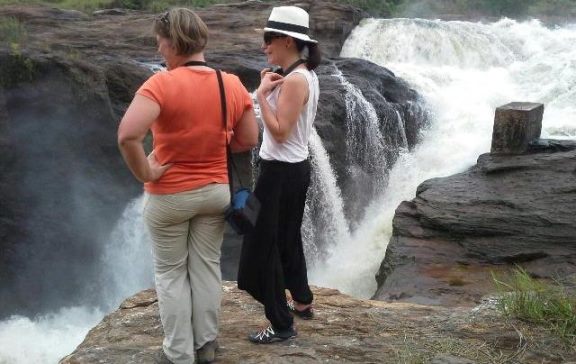
In the grand rhythm of nature, Uganda is a destination without an off-season. Every month holds its own magic, shaped by rain and sunshine, movement and stillness. Whether it is the call of the shoebill echoing across the wetlands, the thundering roar of Murchison Falls after the rains, or the golden stillness of a sunset over Queen Elizabeth’s plains, Uganda reveals beauty in every phase of the year.

For first-time travelers and seasoned explorers alike, planning the right time to visit Uganda is about more than weather—it is about harmony with the land and the experiences you seek. With careful timing and thoughtful guidance, your journey will unfold seamlessly, filled with discovery, connection, and awe.

To make your adventure even more effortless and rewarding, travelers are encouraged to book their Africa tours and safaris with WildHorn Africa. With expert guides, personalized itineraries, and deep local knowledge, WildHorn Africa ensures that every journey across Uganda is safe, enriching, and unforgettable—crafted to capture the timeless spirit of the Pearl of Africa.

Seasonal Guide at Lake Bunyonyi: Top Restaurants for luxury travelers

Seasonal Guide at Lake Bunyonyi: Top Restaurants for luxury travelers

By Travel stories and blogs, Uganda travel guides

Seasonal Guide at Lake Bunyonyi: Top Restaurants for Luxury Travelers

Dining in the Heart of Uganda’s Most Enchanting Lake

The still waters of Lake Bunyonyi, framed by terraced hillsides and dotted with over twenty scenic islands, have long enchanted travelers seeking both tranquility and cultural richness. Known as the “Lake of Little Birds,” this natural masterpiece is more than just a breathtaking destination for canoe rides and serene retreats. For luxury travelers, Lake Bunyonyi also unfolds as a culinary journey, where fine dining meets seasonal abundance, and where restaurants craft menus that celebrate both Ugandan heritage and global sophistication.

To dine here is to be immersed in a story written by the seasons. The freshness of ingredients, the artistry of chefs, and the ambiance of lakeside settings merge into a tapestry that reflects the rhythms of nature. Each restaurant becomes more than a venue; it is an experience where taste, atmosphere, and service intertwine. This seasonal guide to Lake Bunyonyi’s top restaurants explores how luxury travelers can navigate the dining scene throughout the year, indulging in both timeless flavors and contemporary elegance.

Understanding Lake Bunyonyi’s Seasons and Their Impact on Dining

The unique setting of Lake Bunyonyi in southwestern Uganda means that its dining experiences are deeply tied to the changing seasons. While Uganda as a whole does not experience harsh winters or extreme summers, it does alternate between wet and dry seasons, each influencing the availability of produce, the style of cooking, and the ambiance of restaurants.

During the dry seasons—from June to September and from December to February—travelers encounter crisp mornings and clear skies. The culinary scene flourishes with fresh harvests of vegetables, fruits, and grains from the terraced hillsides, often incorporated into restaurant menus. The lakeside atmosphere is especially enchanting, as open-air terraces are favored for dining under star-filled skies.

The wet seasons—from March to May and October to November—bring a different kind of charm. The landscape transforms into vibrant green, and while rains may encourage more indoor dining, chefs embrace the abundance of fresh produce nurtured by the rains. Soups, slow-cooked meats, and warm stews often appear on menus, offering both comfort and indulgence. Luxury restaurants along Lake Bunyonyi adapt seamlessly, creating experiences that are intimate, seasonal, and attuned to the moods of the environment.

The Art of Seasonal Luxury: Why Timing Matters

For a luxury traveler, dining at Lake Bunyonyi is never a mere transaction but a carefully choreographed performance. Timing becomes crucial, not only for securing reservations at the most exclusive restaurants but also for experiencing the peak of seasonal flavors.

In the dry season, the abundance of sunshine allows restaurants to design alfresco dining spaces. Guests often enjoy sunset dinners where light reflects off the lake, transforming each meal into a spectacle. Freshly grilled fish from the lake becomes a signature dish, often paired with tropical fruits like passionfruit, pineapples, and bananas that thrive in this season.

In contrast, the wet season inspires menus that lean toward heartier fare. Restaurants highlight dishes such as roasted goat, chicken stews with peanut sauce, and slow-braised beef paired with root vegetables. Luxury travelers who visit during this time discover an atmosphere of intimacy, as candlelit dining rooms provide shelter from the rhythmic sound of rain on thatched roofs. Far from being limiting, the season enriches the culinary narrative of Lake Bunyonyi, ensuring that no two visits ever feel the same.

Lake Bunyonyi’s Top Luxury Restaurants: Seasonal Signatures

Among the restaurants that have established themselves as the pinnacle of fine dining around Lake Bunyonyi, certain names consistently rise to prominence. These establishments are defined not only by their sophisticated menus but also by their ability to adapt to seasonal variations.

At lakeside properties, the use of fresh lake fish becomes a unifying theme. Restaurants craft delicate fillets of tilapia or smoked fish platters, often presented with locally sourced herbs and vegetables. During the rainy season, fish soups and curries are enriched with aromatic spices, offering warmth and depth. In contrast, dry-season menus highlight grilled preparations served with crisp salads and fresh fruit garnishes.

Internationally influenced restaurants at boutique lodges add another layer of refinement. Here, European culinary techniques blend seamlessly with Ugandan ingredients. Chefs may present handmade pastas with locally grown mushrooms in the rainy season or chilled tropical fruit desserts in the dry season, all served in spaces that marry rustic charm with contemporary luxury.

For luxury travelers, these top-tier establishments offer consistency in excellence while still surprising with seasonal creativity. Dining by the lake’s edge becomes a journey not only of taste but of time, with menus that shift in rhythm with the seasons themselves.

Atmosphere and Ambiance: Dining Beyond the Plate

What sets luxury dining at Lake Bunyonyi apart is not only the cuisine but also the ambiance of place. Each restaurant frames the lake differently, crafting atmospheres that amplify the sensory experience.

During the dry season, terraces are alive with laughter and the sparkle of wine glasses under starlit skies. The stillness of the lake acts as a mirror, reflecting lantern light and firelit hues. The air carries scents of roasted meats, grilled vegetables, and ripe fruits, drawing guests into a feast for the senses.Seasonal Guide at Lake Bunyonyi: Top Restaurants for luxury travelers

In the rainy season, the mood transforms. Rain tapping gently on rooftops becomes a soothing soundtrack, as interiors glow with warmth. Fireplaces crackle, and the intimacy of enclosed dining rooms encourages slower meals and deeper conversation. The shifting atmosphere ensures that every visit to Lake Bunyonyi’s restaurants feels unique, a new interpretation of luxury shaped by the season.

Culinary Craftsmanship: Local Ingredients, Global Standards

Lake Bunyonyi’s culinary scene thrives on the integration of local ingredients with international finesse. Luxury restaurants in the region embrace farm-to-table philosophies, sourcing produce directly from local farmers and fishermen. This ensures freshness while also supporting the surrounding community.

The dry season brings an abundance of fruits such as passionfruit, avocado, and papaya, which are often incorporated into both savory and sweet dishes. Chefs design refreshing cocktails with fresh fruit infusions, and salads are elevated with vibrant, locally grown produce.

During the rainy season, attention shifts toward root vegetables, beans, and grains, which form the backbone of hearty, slow-cooked meals. Chefs take pride in showcasing indigenous Ugandan staples like matoke (green bananas), millet bread, and groundnut sauce, often reimagined with a modern twist to appeal to luxury palates.

This fusion of authenticity and innovation ensures that dining at Lake Bunyonyi is never generic. Each meal is a celebration of place, time, and season, offering flavors that are both deeply rooted and globally inspired.

The Luxury Traveler’s Seasonal Experience

Luxury travel is as much about personalized experience as it is about physical comfort. At Lake Bunyonyi, restaurants elevate seasonal dining through tailored services designed to match the rhythms of travel.

In the dry season, luxury travelers are often invited to private lakeside dinners where tables are set on secluded decks, illuminated only by lanterns and the moonlight. Chefs curate tasting menus that highlight the freshest catch of the day, paired with wines chosen to complement the evening’s flavors.

During the rainy season, personalized experiences may include indoor gourmet dinners by the fireplace, with menus that lean into warmth and richness. A chef’s table experience might allow guests to interact directly with culinary artists, gaining insight into how local ingredients are transformed into international masterpieces.

By aligning these offerings with the seasons, restaurants ensure that luxury travelers feel both indulged and immersed, no matter the timing of their visit.

Pairing the Seasons with Lake Bunyonyi’s Activities

The seasonal dining experience at Lake Bunyonyi is enriched further when paired with activities that align with the rhythms of the year.

In the dry season, mornings often begin with scenic canoe rides or guided hikes along the terraced hillsides. Upon returning, luxury travelers may find brunch prepared on an open deck, featuring tropical fruit platters and freshly brewed Ugandan coffee. The afternoon might transition into a lakeside lunch of grilled tilapia followed by a leisurely evening of sunset dining.

In the rainy season, mornings may be dedicated to cultural excursions, with visits to local villages and storytelling sessions. Returning to the warmth of a restaurant, travelers indulge in hearty soups and stews. Afternoon rain showers provide a natural prelude to slow, elegant dinners where the ambiance of rain adds to the sense of romance and exclusivity.

The intertwining of activities and dining ensures that each season provides a holistic luxury experience, where cuisine and exploration harmonize seamlessly.

Why Luxury Travelers Return to Lake Bunyonyi’s Culinary Scene

Many destinations offer beautiful landscapes or fine dining, but few combine both with the intimacy and exclusivity found at Lake Bunyonyi. Luxury travelers often return not only for the serenity of the lake but also for the dining experiences that transform with the seasons.

Each visit feels like an entirely new journey. A traveler who dined on a sunlit terrace with fresh grilled fish and fruit cocktails in July will find an entirely different experience when returning in November, where candlelit interiors host steaming bowls of aromatic stews. This sense of evolution makes dining at Lake Bunyonyi not static but dynamic, encouraging return visits that never feel repetitive.

Seasons of Flavor at Uganda’s Lake of Little Birds

Dining at Lake Bunyonyi is more than a meal; it is a passage through seasons, where the rhythm of nature orchestrates flavors, atmospheres, and memories. Luxury travelers are invited into experiences where every plate reflects both local heritage and international artistry, and where each season unveils a different side of indulgence. From open-air dinners on lakeside terraces during the dry season to intimate, firelit meals during the rains, the culinary journey here is as enchanting as the landscape itself.

For those seeking to immerse themselves in this seasonal luxury while also exploring the broader wonders of Uganda, careful planning is essential. The expertise of seasoned travel specialists ensures that every dining experience is matched seamlessly with exploration, comfort, and cultural depth. To transform your journey into an unforgettable tapestry of flavors, landscapes, and memories, it is recommended that you book your Africa tours and safaris with WildHorn Africa, whose dedication to luxury travel guarantees that each season at Lake Bunyonyi becomes a timeless indulgence.

Semuliki National Park Hiking: Best Time to Visit for honeymooners

Semuliki National Park Hiking: Best Time to Visit for honeymooners

By Travel stories and blogs, Safari holidays, Uganda travel guides

Semuliki National Park Hiking: Best Time to Visit for honeymooners

A Honeymoon Beyond the Ordinary

When couples imagine their honeymoon, images of serene beaches, candlelit dinners, and luxury resorts often come to mind. Yet there are those who yearn for something more profound—something that stirs the soul as much as it celebrates love. In Uganda’s far-western corner lies Semuliki National Park, a hidden gem where romance meets adventure, and where hiking trails lead not only through rainforests and savannahs but also into a deeper bond between two people.

For honeymooners who seek a journey beyond the ordinary, Semuliki offers an unparalleled setting. Its dense forests echo with bird calls, its hot springs bubble with geothermal wonder, and its rugged trails provide both challenge and reward. Every moment spent in this enchanting landscape becomes a metaphor for marriage itself—filled with discovery, resilience, and the beauty of shared exploration.

But when should a couple embark on such a journey? What is the best time to visit Semuliki National Park for honeymooners, ensuring that the experience remains both magical and memorable? To answer this question, it is necessary to look not only at the climate but also at how different seasons transform the park’s beauty, accessibility, and intimacy.

Understanding the Romance of Semuliki National Park

A Landscape of Untamed Beauty

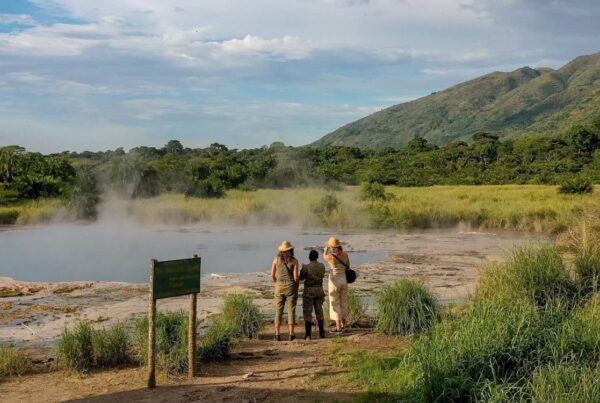
Semuliki National Park stretches across the Albertine Rift Valley, bordering the Democratic Republic of Congo, and is characterized by Africa’s only true lowland tropical rainforest in Uganda. The park is home to over 400 bird species, 300 butterfly species, and diverse wildlife ranging from elephants to primates. Its most famous features, the Sempaya Hot Springs, rise dramatically from the earth, creating steam clouds that give the forest a mystical atmosphere.

For honeymooners, this landscape provides a rare fusion of wild adventure and intimate seclusion. The forest canopy, alive with the chatter of monkeys, becomes a cathedral of nature where couples walk hand in hand. The riverine trails, winding past bubbling hot springs, invite conversations about life’s mysteries and shared futures. Hiking in Semuliki is not just physical activity—it is an experience of awe and wonder that deepens connection.

Why Honeymooners Choose Semuliki

Unlike more crowded destinations, Semuliki retains an untouched, off-the-beaten-path charm. Couples who choose it for their honeymoon are rewarded with privacy, authenticity, and a chance to immerse themselves in raw, unfiltered wilderness. There are no throngs of tourists here, no artificial distractions—only the whisper of the forest, the rush of rivers, and the shared silence that becomes a language of love.

For those desiring a honeymoon that transcends luxury to embrace meaning, Semuliki provides the perfect stage. Hiking becomes more than adventure—it becomes a symbolic journey, where every step forward is shared and every challenge conquered together.

Hiking Trails: Pathways to Romance

The Sempaya Hot Springs Trail

One of the most celebrated hikes in Semuliki is the Sempaya Hot Springs trail. Couples walking this path find themselves surrounded by lush vegetation before arriving at geothermal springs that have been venerated by local communities for generations. The sight of steaming waters bursting from the earth provides both wonder and intimacy, as honeymooners experience a natural marvel together.

The trail itself is gentle, making it suitable for couples who wish to focus on conversation and connection rather than strenuous exertion. Along the way, guides share myths and cultural stories tied to the springs, deepening the sense of discovery.

Kirumia Trail

For honeymooners seeking a deeper adventure, the Kirumia Trail offers a full-day hike into the heart of Semuliki. Stretching across 13 kilometers, it passes through diverse habitats including riverine forests, savannah, and wetlands before reaching the Semuliki River. Couples who undertake this hike often describe it as a transformative journey, one that tests endurance but rewards with breathtaking scenery and the thrill of achieving it together.

Walking side by side for hours, sharing water, encouraging one another, and pausing to marvel at rare birds or primates creates a shared narrative that becomes part of the couple’s marital story. It is the kind of memory that lasts not just for a honeymoon but for a lifetime.

Red Monkey Trail

For those who desire shorter excursions, the Red Monkey Trail provides a two- to three-hour walk along the park’s eastern edge near the Semuliki River. Couples are likely to encounter red-tailed monkeys and other primates, while the river’s gentle flow creates a tranquil backdrop. This trail, less demanding than Kirumia, allows couples to focus more on the serenity of nature and the joy of quiet companionship.

Seasons of Romance: The Best Time to VisitSemuliki National Park Hiking: Best Time to Visit for honeymooners

The Dry Season: December to February and June to September

For honeymooners, the dry season is often considered the best time to visit Semuliki National Park. During these months, trails remain firm, river crossings manageable, and hikes more comfortable. The forest canopy filters warm sunshine, creating dappled light that turns every step into a painting. Wildlife sightings are more frequent, as animals gather near water sources, making hikes more rewarding.

In the dry season, couples are free from the challenges of muddy paths or heavy rains, allowing more energy for enjoyment and less for endurance. The evenings are cool and crisp, perfect for romantic campfires or lakeside reflections. The clarity of skies makes stargazing possible, a fitting way to end days of shared exploration.

The Wet Season: March to May and October to November

Though less convenient, the wet season also carries its own charm. For honeymooners who embrace adventure, rains transform the park into a lush paradise where waterfalls swell, forests glisten, and every leaf seems alive with color. Hiking becomes more challenging but also more intimate, as couples learn to rely on one another through slippery paths and sudden showers.

Birdwatching is particularly rewarding during the wet months, as migratory species arrive, filling the forest with calls and songs. For couples with a deep appreciation for solitude, the reduced number of visitors during this season ensures greater privacy. Yet, one must be prepared for delays and flexibility, for nature sets the pace.

Choosing Between the Seasons

Ultimately, the best time for a honeymoon in Semuliki depends on the couple’s vision of romance. Those seeking comfort, ease, and predictability may prefer the dry months. Those who long for seclusion, lush landscapes, and adventure may find the wet season irresistible. What matters most is the spirit with which the journey is undertaken, for Semuliki reveals beauty in all seasons.

Beyond Hiking: Romantic Experiences in Semuliki

Birdwatching Together

Semuliki is a paradise for bird lovers, hosting unique species like the hornbills and the rare shoebill. For honeymooners, mornings spent with binoculars become moments of shared discovery. Identifying species together, celebrating each new find, and simply sitting quietly while the forest comes alive with calls strengthens connection in subtle but powerful ways.

Cultural Encounters

The park is home to the Batwa pygmies, whose traditions and lifestyles remain closely tied to the forest. Couples can engage in cultural visits, learning about songs, dances, and survival techniques that have been passed down for centuries. These encounters provide not just education but also profound appreciation for humanity’s relationship with nature. Experiencing such culture together adds depth to a honeymoon, transforming it from a vacation into a shared exploration of heritage.

Evenings of Reflection

Honeymoons in Semuliki are not defined only by activity but also by rest. Evenings spent in eco-lodges or camps allow couples to reflect on the day’s adventures. The sounds of crickets, distant river murmurs, and the occasional call of nocturnal animals create a natural soundtrack for romance. Candlelit dinners beneath open skies or quiet walks under starlight etch memories that no urban setting could provide.

The Symbolism of Hiking for Honeymooners

Hiking in Semuliki carries symbolic weight for newlyweds. Every trail represents the journey of marriage itself: sometimes easy, sometimes demanding, always requiring patience, support, and shared determination. Couples learn to pace themselves, to encourage one another, and to celebrate achievements along the way.

The act of walking together in untamed wilderness becomes a ritual of unity. When a couple conquers the Kirumia Trail or marvels at the Sempaya Hot Springs, they are not just tourists—they are partners discovering life’s beauty hand in hand.

Preparing for a Honeymoon in Semuliki

While spontaneity adds magic, preparation ensures comfort. Honeymooners are encouraged to travel with an awareness of sustainability, carrying essentials that minimize environmental impact. Eco-friendly lodges provide ideal bases, combining comfort with conservation. Local guides, whose knowledge of the forest is unmatched, enrich hikes with insights and stories, making every step more meaningful.

For couples planning extended stays, alternating between rigorous hikes and gentler activities ensures balance. Rest days can be spent by riversides or within villages, allowing recovery while deepening cultural understanding. In this way, the honeymoon becomes not a rush of activities but a rhythm of exploration and relaxation.

Love in the Heart of the Wild

Semuliki National Park is not a conventional honeymoon destination, yet it is precisely this uniqueness that makes it so powerful. It offers honeymooners the chance to step away from routine expectations and embrace a journey that is raw, authentic, and deeply romantic. Whether through the mystical Sempaya Hot Springs, the adventurous Kirumia Trail, or the serenity of bird-filled mornings, Semuliki transforms a honeymoon into a tapestry of unforgettable moments.

The best time to visit depends on the couple’s spirit of adventure. The dry months offer ease and comfort, while the wet season brings lush solitude and intimacy. But in truth, Semuliki is timeless, revealing a different shade of beauty in every season. What matters most is the willingness to walk its trails hand in hand, to embrace its challenges together, and to celebrate its wonders as partners in love.

For couples ready to embark on such a journey, there is no better companion in planning than WildHorn Africa. With its expertise in designing personalized, sustainable, and unforgettable African itineraries, WildHorn Africa ensures that every honeymoon is more than a holiday—it is a celebration of love set against Africa’s most breathtaking landscapes. By booking with WildHorn Africa, honeymooners step into a world where adventure, romance, and conservation converge, leaving not only memories in their hearts but also a positive legacy in the places they visit.

Kasubi Tombs Best Time To Go: One Week Plan on a budget

Kasubi Tombs Best Time To Go: One Week Plan on a budget

By Travel stories and blogs, Uganda travel guides

Kasubi Tombs Best Time To Go: One Week Plan on a Budget

Stepping Into Uganda’s Living Heritage

Rising gracefully from the hills of Kampala, the Kasubi Tombs stand as one of Uganda’s most treasured cultural sites, a place where history, spirituality, and architecture intertwine to narrate the story of the Buganda Kingdom. Declared a UNESCO World Heritage Site, this sacred ground is far more than an architectural marvel—it is a living museum of Buganda identity, a royal burial ground, and a spiritual center. For travelers drawn to heritage tourism, the tombs offer a rare opportunity to engage with traditions that have been carefully preserved for centuries.

Planning a journey to Kasubi requires more than a casual visit. The experience deepens when it is woven into a structured plan that allows time not only to explore the site itself but also to absorb the rhythm of Kampala and the surrounding landscapes. For travelers seeking to experience the tombs on a budget while still enjoying the richness of Ugandan culture, a one-week itinerary offers the perfect balance between affordability and immersion. To maximize the experience, understanding the best time to go is essential, since seasons, cultural festivals, and weather conditions influence both the site’s atmosphere and the traveler’s journey.

This guide takes you step by step through the most suitable times to visit the Kasubi Tombs, while providing a practical yet enriching one-week plan tailored for those traveling on a budget.

Understanding the Historical Significance of the Kasubi Tombs

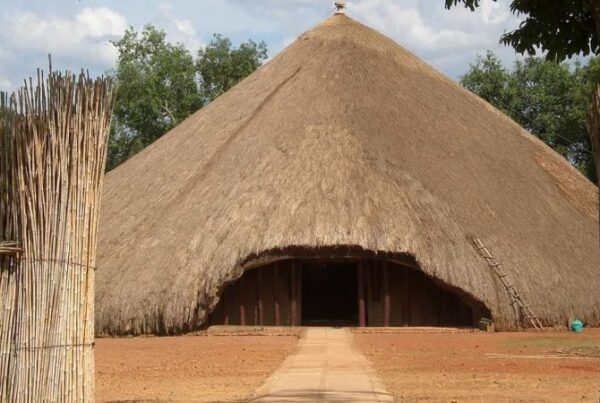
The Kasubi Tombs are more than a physical space—they are the spiritual heart of Buganda. Established in the late nineteenth century, the site became the burial ground for four Buganda kings, known as the Kabakas, making it a sacred royal site of immense cultural significance. The central structure, built primarily from organic materials such as reeds, thatch, and timber, stands as a testament to indigenous craftsmanship and traditional Ganda architecture.

This vast hut, known locally as Muzibu Azaala Mpanga, represents the cosmos in Buganda belief. Its circular design and layers of symbolism offer insight into how the Baganda perceive life, continuity, and ancestry. A visit here does not only involve viewing architecture but also entering a realm where spiritual practices are still active. Rituals and ceremonies are regularly performed, sustaining the sacredness of the tombs as a living heritage site rather than a static monument.

The Best Time to Visit the Kasubi Tombs

Timing plays a critical role in shaping the Kasubi experience. Weather patterns, cultural activities, and visitor flow all determine the atmosphere of the site.

Uganda experiences two main dry seasons: December to February and June to August. These months are generally regarded as the best times for cultural exploration. The weather is mild, skies are clearer, and the likelihood of rain disrupting travel is significantly lower. For visitors planning to walk through the compound, observe traditional architecture, and take guided tours, these periods offer optimal comfort.

However, the rainy seasons of March to May and September to November should not be dismissed entirely. During these months, the landscape around the tombs turns lush and vibrant, giving the compound a serene atmosphere. Budget travelers often find these months attractive, as accommodation and transport rates can be more affordable due to reduced tourist traffic. Those who are comfortable with occasional showers may discover a quieter and more intimate experience at the tombs.

Equally significant are cultural festivals and royal commemorations. The Buganda Kingdom holds annual events where music, dance, and rituals transform the tombs into vibrant cultural theaters. Attending during these celebrations provides a profound glimpse into Buganda traditions, making timing not only a matter of weather but also cultural engagement.

Structuring a One-Week Plan on a Budget

A carefully structured week in Kampala centered around the Kasubi Tombs allows visitors to balance cultural exploration, relaxation, and affordability. Traveling on a budget does not require compromising depth of experience. Instead, it encourages immersion into authentic local life, where small eateries, shared transportation, and local markets enrich the traveler’s perspective.

Day 1: Arrival and Settling into Kampala

The first day of the journey is best devoted to arrival, acclimatization, and orientation. Budget accommodation options in Kampala range from modest guesthouses to backpacker hostels, many of which provide a homely atmosphere and opportunities to meet fellow travelers. Spending the evening exploring a local market or tasting street food offers an inexpensive yet fulfilling introduction to Uganda’s capital.

Day 2: Introduction to Kampala’s Cultural Landscape

Before diving directly into the Kasubi Tombs, the second day may be used to gain context by exploring Kampala’s other cultural landmarks. The Uganda Museum provides historical background that enriches understanding of Buganda traditions. A visit to the Lubiri, the Buganda Royal Palace, also prepares travelers for the tombs by situating them within the broader Buganda monarchy. Meals in local restaurants, where traditional dishes like matoke, beans, and groundnut sauce are served at modest prices, keep expenses low while deepening the cultural encounter.

Day 3: Visiting the Kasubi Tombs

The third day is devoted entirely to the Kasubi Tombs. Guided tours, often led by custodians of the site, explain not only the architectural design but also the spiritual importance of the tombs. Stories of the Kabakas buried here and the symbolism behind every detail of the structure create a profound narrative that lingers long after departure. Budget travelers often find that entrance fees are affordable, and the value of the guided experience is immense.Kasubi Tombs Best Time To Go: One Week Plan on a budget

Spending time in the compound without rushing allows the visitor to observe the rhythms of the site. The serenity, the rituals, and the sense of history create an atmosphere where time seems to stand still. Photographs capture the physical beauty, but it is the intangible aura of reverence that makes the day unforgettable.

Day 4: Exploring Surrounding Communities

The fourth day expands the journey beyond the tombs into the communities that surround Kampala. Engaging with local craftspeople, visiting markets, and observing daily life provides insight into how Buganda culture thrives in contemporary contexts. Affordable transportation such as boda bodas (motorcycle taxis) or shared taxis allows for budget-friendly exploration. Meals in roadside eateries, often consisting of Rolex or grilled meat, keep expenses minimal while immersing visitors in authentic Ugandan flavors.

Day 5: A Day at Lake Victoria

A short trip to Lake Victoria on the fifth day balances cultural immersion with natural relaxation. Budget boat rides and lakeside dining offer an opportunity to enjoy the vast waters while staying within modest spending limits. The tranquility of the lake complements the spiritual depth of the Kasubi Tombs, allowing visitors to reflect on the journey so far.

Day 6: Deepening the Cultural Connection

Returning to Kampala, the sixth day can be devoted to attending cultural performances, many of which showcase Buganda dances and music. Some cultural centers in Kampala offer affordable evening performances that celebrate Uganda’s diverse traditions. These performances, though modestly priced, provide immense cultural enrichment, rounding out the week with vibrant energy.

Day 7: Reflection and Departure

The final day is devoted to reflection, light exploration, and preparation for departure. Time may be spent revisiting a favorite market or café, purchasing local crafts, or simply strolling through the city. This quieter day ensures that the journey ends with calmness and clarity, allowing the visitor to depart with lasting memories.

Traveling on a Budget in Kampala

Affordability in Kampala is attainable without sacrificing depth of experience. Accommodation in budget guesthouses, meals in local restaurants, and transportation through shared taxis or boda bodas keep costs low. Markets provide not only inexpensive food but also a chance to interact with locals and experience Kampala beyond its touristic façade.

Budget travel also encourages deeper cultural engagement. Instead of dining in upscale hotels, visitors find themselves eating alongside locals, learning how daily life unfolds in Uganda’s capital. Instead of relying on private cars, shared transport creates opportunities for interaction and observation. This immersion is not only cost-effective but also enriching, transforming the journey into a living classroom of culture and tradition.

Cultural Etiquette and Respect at the Kasubi Tombs

Visiting the Kasubi Tombs requires sensitivity and respect. As a sacred site, it is governed by traditions that must be observed. Modest dress, respectful silence, and adherence to guidelines given by custodians ensure that the visitor honors the sanctity of the tombs. Photography, while allowed in certain areas, may be restricted in others, especially during rituals.

Respecting these customs enhances the experience by allowing the traveler to step into the cultural and spiritual rhythm of the place rather than merely observing from a distance. This respectful engagement is part of what makes a journey to Kasubi transformative.

The Emotional Resonance of the Kasubi Tombs

Perhaps the most profound aspect of the Kasubi Tombs lies in the emotional connection it evokes. Visitors often describe a sense of calm, reverence, and timelessness that permeates the site. The tombs are not static monuments but living symbols of Buganda continuity, embodying both history and the present.

Walking through the compound, one feels the weight of centuries of leadership, tradition, and spirituality. It is not only the architecture that impresses but the atmosphere of reverence. The experience lingers long after leaving, making the Kasubi Tombs one of Uganda’s most memorable cultural encounters.

Experiencing Kasubi With WildHorn Africa

A visit to the Kasubi Tombs is more than a cultural excursion—it is a journey into the heart of Buganda identity, a chance to walk in the footsteps of kings, and an opportunity to connect with Uganda’s spiritual heritage. Timing the visit well, whether during the dry seasons for comfort or during cultural festivals for vibrancy, ensures that the experience is maximized. A thoughtfully structured one-week plan makes it possible to explore not only the tombs but also the rich cultural and natural offerings of Kampala and its surroundings, even on a budget.

For travelers eager to immerse themselves in this unforgettable journey, it is recommended that you book your African tours and safaris through WildHorn Africa. With their expertise, the Kasubi Tombs and Uganda’s broader cultural landscape are revealed in depth, authenticity, and respect. Every moment becomes more than sightseeing—it becomes an experience of heritage, connection, and discovery.

Best Time to Visit for game drive in Kibale National Park for avid hikers

Best Time to Visit for game drive in Kibale National Park for avid hikers

By Travel stories and blogs, Primate holidays, Travel guides, Uganda travel guides

Best Time to Visit for Game Drive in Kibale National Park for Avid Hikers

The Call of Kibale’s Wilderness

The heart of Uganda beats strongest in its wilderness, and nowhere is this more evident than in Kibale National Park, a lush haven renowned for its primate population, vibrant birdlife, and breathtaking landscapes. For the avid hiker and passionate safari-goer, Kibale is more than just a park; it is an immersive journey into one of Africa’s most treasured ecosystems. While chimpanzee tracking has long been the park’s signature activity, its enchanting game drives and forest trails offer remarkable opportunities to experience both wildlife encounters and the tranquility of untouched nature. Yet, like any destination that depends heavily on seasonal rhythms, the timing of a visit is a decisive factor that shapes the entire experience. Understanding the best time to embark on a game drive and hiking adventure in Kibale National Park is therefore crucial for travelers eager to maximize every moment of their expedition.

The Climate and Seasonal Rhythms of Kibale

The climatic rhythm of Kibale National Park mirrors that of most equatorial forests, defined not by dramatic temperature swings but by alternating wet and dry seasons. Nestled in western Uganda, near Fort Portal, the park experiences warm daytime temperatures ranging between 24 to 30 degrees Celsius, with cooler evenings that dip to around 14 to 18 degrees Celsius. This pleasant climate makes hiking feasible almost year-round, but the degree of comfort, accessibility of trails, and density of wildlife sightings vary greatly with the rains.

The dry seasons, stretching from December to February and again from June to September, are often considered the most favorable periods for hiking and game drives. The forest floor remains relatively firm, the trails are less slippery, and the tall grasses that sometimes obscure wildlife thin out, making animal sightings more frequent. Conversely, the wet seasons, occurring from March to May and from late September to November, drench the park with heavy rains that breathe life into its lush vegetation but also complicate the logistics of exploration. While this time may pose challenges for trekkers, it reveals a different kind of charm in Kibale, with verdant growth, blooming flowers, and increased bird activity.

Hiking in the Dry Season, A Time of Ease and Discovery

For hikers seeking ease and safety on the trails, the dry season is often regarded as the golden window. The footpaths meandering through Kibale’s forests remain more navigable, allowing for long hours of exploration without the constant risk of slipping in mud. The sunlight filtering through the canopies illuminates the forest floor, creating a spectacular play of shadows and light that heightens the immersive experience. Game drives conducted during these months are often rewarded with increased wildlife visibility, as animals such as forest elephants, buffalos, and bushbucks emerge more openly in search of waterholes that remain accessible.

The dry months are also ideal for avid hikers who intend to extend their treks beyond the usual chimpanzee tracking trails. The Kibale crater lakes region, with its rolling hills and scenic volcanic formations, can be explored more thoroughly in this season. Long treks across this landscape become less exhausting when not compounded by the humidity and challenges of wet, sticky mud. The presence of primates, particularly red colobus monkeys, grey-cheeked mangabeys, and black-and-white colobus, is heightened by their greater activity in the warmth of clear mornings.

The Wet Season, A Wilderness in Full Bloom

While many travelers instinctively shy away from wet-season travel, Kibale offers a unique invitation for those who wish to experience the forest in its most intimate and authentic state. The rains breathe vigor into the park’s vegetation, turning the forest into an emerald sanctuary of thick foliage and cascading streams. Hikers who brave this season encounter a setting that is raw and deeply enchanting, albeit more physically demanding. The trails become slick, requiring careful navigation, and game drives may demand greater patience due to animals retreating into the thick undergrowth.

Yet for the passionate hiker, this challenge is matched by rare rewards. The wet season marks the arrival of migratory birds, making it an excellent period for ornithologists and photography enthusiasts. The vibrant plumage of species like the African pitta and great blue turaco adds color to the misty green backdrop. Furthermore, primates remain highly active, and the chimps—though sometimes elusive—can still be tracked with the guidance of skilled rangers. For those who seek a deeper connection with nature, the solitude offered by fewer tourists in the wet season creates a more personal and meditative hiking experience.

Balancing Wildlife Sightings with Hiking Comfort

Choosing the best time to visit Kibale National Park ultimately depends on whether the visitor values comfort in hiking conditions or the richness of seasonal biodiversity. The dry season guarantees better conditions for long hikes and more accessible game drives, ensuring less fatigue and greater safety. The wet season, though more demanding, reveals an intensity of ecological beauty unmatched by any other time, with flourishing vegetation, abundant birdlife, and a sense of exclusivity.

For hikers who are avid explorers of both wildlife and landscapes, the June to September period is often regarded as the optimal balance, offering a compromise between accessibility and abundance of sightings. This time coincides with Uganda’s broader tourism peak, ensuring that accommodations and safari services are fully operational. However, those who seek solitude, unhurried exploration, and a chance to witness the forest’s renewal may find the months of April and November unexpectedly rewarding, despite the challenges presented by rains.

The Role of Game Drives in a Hiker’s Journey

Although Kibale is most celebrated for its primate encounters on foot, game drives play a complementary role in completing the hiker’s journey. The savanna-forest mosaic on the park’s fringes provides a landscape where terrestrial animals thrive. Buffaloes, duikers, and occasionally elephants can be sighted, while the birdlife along swampy stretches enhances the diversity of the experience. When conducted in the dry season, these drives unfold seamlessly, as the roads remain firm and traversable. In the wet months, they transform into more unpredictable adventures, often requiring skilled guiding and a flexible schedule.

For hikers who wish to combine strenuous forest treks with more relaxed wildlife viewing, game drives act as a counterbalance, allowing time for recovery while still immersing in the park’s rich biodiversity. Understanding the best time to engage in these drives is therefore as essential as planning for the hikes themselves, and aligning them with seasonal conditions ensures that no aspect of Kibale’s beauty is missed.

A Timeless Call to the Wild

Kibale National Park is a place where the rhythm of nature dictates the traveler’s journey, and the decision of when to visit shapes every memory created along its trails. For avid hikers, the dry season presents the most reliable and comfortable conditions, while the wet season offers unmatched vibrancy and solitude. Both periods hold unique treasures, and the choice between them lies in the balance between physical comfort and the desire for raw, untamed encounters with nature.

Whichever season is chosen, one truth remains constant: Kibale’s forest is alive with secrets waiting to be discovered. The whispering canopies, the calls of primates echoing through the trees, and the thrill of a game drive through its mosaic landscapes form a tapestry of experiences that linger long after the journey ends.

For travelers ready to embark on this unforgettable adventure, the expertise of a trusted safari operator ensures that every detail is seamlessly arranged. Booking your African tours and safaris through WildHorn Africa guarantees not only professional guidance but also the opportunity to experience Kibale National Park at its fullest, in whichever season you choose to heed the forest’s timeless call.

Top 10 Experiences: Mgahinga Gorilla National Park seasonal guide for birders

Top 10 Experiences: Mgahinga Gorilla National Park seasonal guide for birders

By Travel stories and blogs, Travel guides, Uganda travel guides

Top 10 Experiences: Mgahinga Gorilla National Park Seasonal Guide for Birders

Where the Skies Sing with Life

Tucked away in the extreme southwest corner of Uganda lies a mystical wilderness where mountains pierce the clouds, bamboo forests whisper with the wind, and vibrant birdcalls echo through the valleys. Mgahinga Gorilla National Park, though smaller than many of Uganda’s protected areas, is a sanctuary of unmatched richness for birders. Its diverse habitats—ranging from montane forests to alpine zones—create a paradise where birdlife flourishes in every season.

For birdwatchers, Mgahinga is not simply a destination but a living stage where some of Africa’s most fascinating avian performers can be seen against dramatic volcanic backdrops. With more than 180 recorded bird species, including Albertine Rift endemics, the park offers opportunities that shift with the turning of the seasons. This seasonal guide unveils ten experiences that birders should not miss, ensuring that every visit—whether in the lush rains or the bright dry months—becomes a deeply rewarding adventure.

January to March: The Season of Clear Skies and Vibrant Song

At the start of the year, Mgahinga greets visitors with cool mornings and clear views of the Virunga volcanoes. For birders, these months bring an abundance of activity, as the park resonates with the calls of species marking their territories. Forest trails reveal Rwenzori turacos, their crimson wings flashing vividly as they glide from branch to branch.

The dry conditions make trekking easier, and birders often find themselves rewarded with sightings of the Dusky Crimsonwing, one of the most sought-after Albertine Rift endemics. The interplay of bright sunshine and lush greenery sets the perfect stage for bird photography, allowing birders to capture species in striking detail. For groups, this season creates harmony, as sightings are frequent and energy levels are sustained without the challenge of heavy rain.

April to May: The Reign of the Rains

As April arrives, so do the rains, transforming Mgahinga into a carpet of green. For birders, this is a season of patience and resilience. The trails grow slippery, and mist often rolls through the valleys, yet the reward lies in the sheer abundance of life. Birds respond to the rains with heightened breeding activity, making their plumage brighter and their calls more pronounced.

The elusive Kivu Ground Thrush is often encountered during these months, and the Mountain Yellow Warbler becomes a familiar sight in the forest undergrowth. Although the weather may test determination, this season is one of discovery, as rarer species emerge, less disturbed by heavy tourist numbers. For serious birders, April and May offer unmatched opportunities to deepen field records and observe behaviors that remain hidden during drier months.

June to August: The Golden Season for Birders

With the rains subsiding, Mgahinga ushers in its most popular birding season. Clear skies, moderate temperatures, and manageable trails combine to create near-perfect conditions. Birders find the forests alive with movement, as both resident species and migratory birds fill the canopy with activity.

This period often reveals the striking Blue-headed Sunbird, feeding actively among flowering plants, while the Collared Apalis moves nimbly through the mid-canopy. Treks to higher altitudes, though challenging, reward birders with sightings of the Scarlet-tufted Sunbird, which frequents the alpine zones near the summit of Mount Gahinga and Mount Sabinyo. The combination of accessibility and abundance makes this season ideal for both casual observers and professional ornithologists.

September to November: The Return of Rains and Rare Encounters

As the short rains arrive, Mgahinga shifts once more into a realm of mist and renewal. Birders visiting during these months are greeted by fresh foliage and heightened breeding activity, particularly among smaller forest birds. The rains, though less intense than those in April, still demand careful preparation, yet they enrich the birding experience with sightings of species less commonly observed in other months.

The Ruwenzori Batis, with its sharp black-and-white plumage, is often encountered in the mid-altitude forests, while the White-starred Robin adds a splash of color to the undergrowth. The quieter tourist season ensures that birders enjoy more intimate encounters with both the birds and the solitude of the park, making this time particularly attractive for those seeking a more meditative experience.

December: A Month of Celebration and Abundance

December brings with it the drier season once again, coinciding with holiday periods when many travelers make their way to Mgahinga. For birders, this is a time when the park becomes a festive stage, with mixed flocks of species moving together in search of food. Trails are easily navigated, and opportunities for photography abound.

Notable sightings often include the Olive Pigeon perched in the high branches and the Yellow-crowned Canary singing cheerfully from open glades. The vibrancy of December birding, combined with the festive energy of the season, makes it a particularly rewarding time for groups and families seeking shared experiences in the wild.

Trekking Through Habitats: From Bamboo to Alpine Zones

Across all seasons, Mgahinga’s unique habitats shape the birding experience. The bamboo forests are home to the Dusky Turtle Dove and the Striped Breasted Tit, while the montane woodlands harbor rarities like the Red-throated Alethe. Higher up, alpine vegetation provides opportunities to spot species rarely seen elsewhere, such as the Lagden’s Bush-shrike.

For birders, each habitat becomes a world of its own, with seasonal changes influencing which species dominate the scene. This variety ensures that no two visits to Mgahinga are ever the same, as the interplay of weather, vegetation, and migration constantly reshapes the avian tapestry.

The Role of Seasons in Migratory Patterns

One of the great rewards of birding in Mgahinga lies in observing not just resident species but also migratory patterns. During certain months, Palearctic migrants join the resident birdlife, creating moments of surprise for keen observers. Species such as the Black Kite and European Bee-eater make seasonal appearances, adding diversity to checklists.

The timing of these migrations highlights the importance of planning visits with seasonal awareness. Birders who align their trips with migratory windows not only increase their chances of varied sightings but also gain deeper insight into the interconnectedness of global ecosystems.

Cultural Layers: Birding Beyond Birds

While the primary attraction may be the birds themselves, Mgahinga also offers cultural dimensions that enrich the birding experience. The Batwa community, once forest dwellers, share knowledge of the land that deepens the understanding of bird habitats. Local guides, often raised in the shadow of the Virunga volcanoes, bring cultural narratives that connect bird behavior to broader ecological and social stories.

Seasonal festivals and community markets in the Kisoro area add another layer to birding trips, as travelers find themselves immersed not only in the calls of birds but also in the rhythms of local life. This fusion of culture and ecology ensures that birding at Mgahinga is never a narrow pursuit but part of a broader journey into heritage and identity.

Practical Insights for Seasonal Birding

Though each season brings distinct advantages, preparation remains the thread that unites successful birding experiences. Dry months favor lightweight clothing and wide-brimmed hats, while rainy months require waterproof boots and ponchos. Insect repellent, binoculars, and cameras are essentials regardless of the time of year.

Group dynamics also play an important role, as the pace and enjoyment of birding are determined by collective preparedness. Guides recommend early starts, as mornings often present the most active bird activity. Regardless of season, patience, attentiveness, and respect for the environment remain the core essentials for birders seeking meaningful encounters.

Seasons of Endless Song

Every season at Mgahinga Gorilla National Park unveils a different chapter in the story of birdlife. From the vibrant calls of January to the lush breeding activity of April, from the golden clarity of June to the festive abundance of December, birders are assured that their journey will always reveal something extraordinary. The park is not merely a destination but a timeless stage where the skies themselves seem to sing.

For those eager to transform birdwatching dreams into reality, careful planning with a trusted safari expert is the key to unlocking these seasonal wonders. To ensure that every trek, every sighting, and every moment is guided with expertise, travelers are encouraged to book their African adventures with WildHorn Africa. With their commitment to detail and authenticity, each season at Mgahinga becomes not just a visit, but an unforgettable story etched in the memory of every birder.

Murchison falls national park in November

Murchison falls national park in November

By Travel guides, Travel stories and blogs, Uganda best time to visit, Uganda travel guides, When to go

Murchison Falls National Park in November: A Symphony of Rain, Life, and Wilderness

November in Murchison Falls National Park is a month of sensory abundance—a time when nature unleashes its full palette of colors, sounds, and scents. The second rainy season is at its peak, and the park’s sweeping savannas, riverbanks, and woodlands wear a mantle of deep, emerald green. Every inch of the land seems alive, nourished by the generous rains and bathed in an atmosphere that feels both serene and powerful. The River Nile, the park’s heart and lifeline, flows with renewed force, sending its waters cascading dramatically through the narrow gorge at Murchison Falls, creating plumes of mist that rise like smoke from the heart of the wilderness.

To be in the park in November is to witness nature’s grand performance at its most dynamic. The skies are painted with shifting cloud formations, the air carries the earthy scent of wet soil and blooming acacias, and the chorus of wildlife reaches a lively crescendo. While the rains may be frequent, they are far from a deterrent—they are the very force that breathes life into the land, shaping the experiences of all who venture here in this season.

The Climate of November: Lush Abundance in the Heart of the Rains

November sits firmly within the short rainy season, bringing consistent showers to the park. These rains, often falling in the afternoons or evenings, leave the mornings fresh and crisp, making early safaris particularly rewarding. Average daytime temperatures hover around 21°C to 29°C, offering a pleasantly warm climate that is tempered by the cooling effect of the rains.

The landscape becomes a living canvas during this month. The savannas glisten under the soft light after a downpour, trees burst with fresh foliage, and the grasslands sway gently in the wind, heavy with new life. The Nile, now fuller and more energetic, enhances the park’s dramatic beauty, its waters shimmering in silver under cloudy skies. Rain clouds often give way to sudden bursts of sunshine, creating moments of golden brilliance that photographers cherish.

Wildlife in November: Feeding, Breeding, and Thriving

November is a month of plenty for the wildlife of Murchison Falls. The grazers, from herds of Uganda kobs to stately elephants, take full advantage of the abundance of fresh grass and water. They roam more freely, spreading across the park’s vast expanses rather than clustering around permanent water sources as they do in the dry season. This dispersal may require a bit more patience from visitors, but it makes each sighting feel intimate and rewarding.

Predators are equally active. Lions stalk the open plains, their golden coats blending seamlessly with the wet grasses, while leopards slip silently through the greener thickets in search of prey. The rains bring out an explosion of smaller life forms as well—frogs, insects, and reptiles thrive in the wetter conditions, providing an essential food source for many bird species.

For bird enthusiasts, November is one of the most rewarding months to visit. Migratory birds from Europe and Asia arrive in full force, joining the already rich resident population. The park’s skies, trees, and riverbanks come alive with the vivid colors and calls of countless species, from the striking Abyssinian ground hornbill to the graceful African skimmer. The combination of rain-washed skies and fresh vegetation creates ideal conditions for bird photography.

Safari Activities in November: Immersion in the Green Season

Game drives in November are quieter in terms of visitor numbers, allowing for a more personal connection with the wilderness. While some tracks may be muddy, most remain accessible, and the wet ground muffles the sound of vehicles, enabling closer approaches to wildlife. The northern bank’s open savannas are particularly scenic, their rich green hues contrasting against the dark, rain-laden skies.

Boat cruises on the Nile during November are truly spectacular. The riverbanks, now at their lushest, host a variety of animals and birds drawn to the life-giving waters. Hippos wallow in the swollen channels, crocodiles bask when the sun emerges, and elephants can often be seen drinking or splashing along the edges. Approaching the base of Murchison Falls by boat at this time is an awe-inspiring experience, as the river surges through the gorge with unmatched power, its roar echoing across the surrounding cliffs.

For those who venture on guided nature walks or forest treks, November offers a rich sensory experience. The Budongo Forest, home to chimpanzees and other primates, thrives in the wet season. The forest floor is carpeted with fresh growth, the canopy drips with rainwater, and the calls of chimpanzees echo through the misty undergrowth. Tracking these intelligent primates in such lush surroundings heightens the sense of adventure and immersion in the wild.

The Appeal of November: A Wilder, More Authentic Experience

One of the most compelling reasons to visit Murchison Falls National Park in November is the absence of large tourist crowds. The park feels more secluded, the encounters more personal, and the landscapes more untouched. The rainy season adds a raw, authentic edge to the safari experience, reminding visitors that this is a living, breathing ecosystem that thrives on seasonal rhythms.

The photographic opportunities are exceptional. Animals are often framed by strikingly green backgrounds, rain droplets glisten on leaves, and dramatic cloudscapes add depth to every scene. Sunsets after a day of showers are particularly breathtaking, with the clouds catching the last light in shades of gold, pink, and purple, mirrored in the calm stretches of the Nile.

The sounds of the park also change in November. The patter of rain on leaves, the distant rumble of thunder, and the amplified calls of birds and frogs create a natural symphony that is unlike any other time of year. Every step, every turn of the head, offers something new to see, hear, or feel.

Murchison Falls in November: Nature at Full Strength

In November, the essence of Murchison Falls National Park is magnified. The waterfall itself is at its most formidable, its waters swollen by upstream rains and surging through the gorge with raw power. The spray rises high into the air, creating fleeting rainbows when sunlight breaks through the clouds. The Albert Nile stretches wide and glistening, feeding the life that thrives along its banks.

The park’s varied habitats—savanna, woodland, wetland, and forest—are all invigorated by the rains, making the diversity of life even more apparent. From the sweeping open plains dotted with grazing antelope to the shadowed depths of the forest alive with primates and birds, November delivers the full spectrum of Murchison’s natural wonders.

November’s Magic with WildHorn Africa

November in Murchison Falls National Park is not just a month—it is an experience of nature in its most vibrant, untamed form. The rains breathe life into every corner of the park, the wildlife thrives in abundance, and the landscapes become a vivid portrait of Africa’s ecological richness. For those seeking a safari that goes beyond the ordinary, where every moment feels alive with discovery, November is a truly rewarding choice.

To unlock the full potential of this season, booking Africa tours and safaris with WildHorn Africa ensures that every detail is thoughtfully planned and expertly guided. Their deep understanding of seasonal wildlife behavior, intimate knowledge of the park’s landscapes, and commitment to authentic, memorable experiences guarantee that your November journey through Murchison Falls will be as enriching as it is unforgettable. With WildHorn Africa, this green-season adventure becomes not just a visit, but a personal chapter in the timeless story of Africa’s wild heart.

Murchison falls national park in August

Murchison falls national park in August

By Travel guides, Travel stories and blogs, Uganda best time to visit, Uganda travel guides, When to go

Murchison Falls National Park in August: Nature’s Grand Performance in the Heart of Uganda

August in Murchison Falls National Park is a time when the wild plains and the great River Nile conspire to create an unforgettable stage for Africa’s most captivating spectacles. The air is dry and crisp, the skies are vast and uninterrupted, and the landscape is alive with the rhythmic pulse of survival. Wildlife congregates in staggering numbers near the life-giving waters, predators patrol the golden grasslands with calculated precision, and the mighty Murchison Falls roars with timeless authority. It is a month when the park’s energy is palpable—when every sunrise seems to promise a story, and every evening closes with a scene only nature could script.

Climate and Atmosphere: The Dry Season in Full Command

August falls squarely within Uganda’s long dry season, a period defined by bright sunshine, minimal rainfall, and refreshingly cool mornings that slowly warm into pleasantly hot afternoons. The air is clear and free of humidity, allowing visitors to enjoy unobstructed views across the park’s sweeping savannas and rolling hills. Roads and game tracks remain dry and accessible, enabling safaris to reach even the most remote corners of the park without difficulty.

Vegetation has thinned considerably by August, leaving open vistas that make wildlife viewing exceptionally easy. Grasslands are low and sparse, allowing the eye to travel far in search of movement. The permanent waters of the Nile and Lake Albert have become magnets for wildlife, concentrating life into narrow corridors and setting the stage for thrilling encounters. Even the evenings are inviting, with soft breezes carrying the distant calls of nocturnal creatures through the cool air.

Wildlife Concentration and Activity: A Photographer’s Paradise

By August, the park’s wildlife has adjusted entirely to the scarcity of scattered water sources. Herds of elephants, often numbering in the dozens, descend to the Nile’s edge in late mornings and afternoons, their massive silhouettes mirrored in the still water. Buffaloes gather in large numbers, their movements stirring flocks of birds into the air, while giraffes roam in elegant clusters across the dry plains. Uganda kobs, waterbucks, and Jackson’s hartebeests graze cautiously, ever aware of the predators that thrive during this season.

Predator sightings are at their most reliable in August. Lions lounge openly in the sun, conserving their strength for the cooler hours when hunting becomes easier. Leopards use the cover of acacia groves to stalk prey, while hyenas patrol the peripheries in search of opportunities. The lack of thick grass forces prey into open ground, which not only increases visibility for tourists but also creates heightened tension in predator-prey interactions—a true highlight for safari-goers.

Birdlife remains vibrant, with the park’s resident species putting on a striking display. The African fish eagle’s distinctive call echoes over the river, while kingfishers, bee-eaters, and herons find abundant feeding opportunities along the Nile’s banks. The combination of concentrated wildlife and golden dry-season light turns every game drive and boat cruise into a photographic treasure hunt.

Safari Experiences in August: Immersive Encounters with the Wild

August offers some of the finest safari conditions in Murchison Falls National Park. Morning game drives begin under skies brushed with delicate hues of dawn, revealing the park in its most tranquil yet alert state. With the coolness of early day, animals are active and visible, moving across open spaces in search of food and water. The northern sector’s vast plains offer exceptional opportunities to witness herds moving together, while the southern woodlands provide a contrasting environment rich with secretive wildlife.

Boat cruises along the Nile in August are particularly rewarding. The river becomes a lifeline, and every bend reveals drama—hippos wallowing in close-knit pods, crocodiles basking in the sun with jaws agape, and elephants crossing shallow waters with their young. The journey upstream toward the base of the falls builds anticipation until the moment the Nile’s entire force is channeled through the narrow 7-meter gorge, exploding into a spectacle of mist and thunder.

Guided nature walks, made easier by dry trails, provide an intimate perspective on the park’s ecosystems. From learning about traditional plant uses to spotting the subtle signs of animal movements, these walks uncover details that game drives might miss. Cultural encounters with nearby communities add further depth to the August experience, connecting the traveler to the human heritage that surrounds this wilderness.

The Appeal of August: Why This Month Stands Out

August’s charm lies in its predictability and abundance. The weather offers stability, ensuring that planned safaris proceed without the disruptions of rain or muddy tracks. Wildlife is highly concentrated along the Nile, creating a density of encounters that maximizes viewing opportunities. For photographers, the soft, angled light of early mornings and late afternoons bathes the landscapes and animals in warm tones, making every frame striking.

The month also carries a sense of raw intensity. With limited water away from the river, every wildlife sighting feels like a glimpse into the critical balance of life and survival in the African wilderness. Visitors can witness elephants interacting playfully at the water’s edge, predators stalking under the cover of dusk, and large flocks of birds gathering in harmonious chaos—all set against the backdrop of Murchison Falls’ eternal roar.

August in Murchison with WildHorn Africa

To visit Murchison Falls National Park in August is to step into a living documentary of African wildlife at its most vivid. The dry season’s clarity strips the landscape to its essentials, leaving the drama of nature exposed in every direction. From the gathering of giants at the Nile’s edge to the thundering heart of the falls themselves, August offers a safari experience that is both visually stunning and emotionally stirring.

For travelers seeking to unlock the full potential of this remarkable month, it is highly recommended that Africa tours and safaris be arranged through WildHorn Africa. With deep local expertise, thoughtfully designed itineraries, and a commitment to creating immersive, responsible travel experiences, WildHorn Africa ensures that every guest encounters the August magic of Murchison Falls in its purest form. Under their guidance, the heart of Uganda’s most iconic park will not just be visited—it will be lived.

Close Menu