search
10 Best-value Luxury Bwindi Safari Lodges & Camps

10 Best-value Luxury Bwindi Safari Lodges & Camps

By Travel guides, Travel stories and blogs, Uganda travel guides

10 Best-Value Luxury Bwindi Safari Lodges & Camps: Experience Gorilla Trekking in Unmatched Comfort

Where Luxury Meets Pristine Wilderness

Bwindi Impenetrable Forest, located in southwestern Uganda, is renowned worldwide for its rare mountain gorillas and awe-inspiring biodiversity. As one of Africa’s most coveted safari destinations, Bwindi offers travelers the once-in-a-lifetime opportunity to trek alongside these gentle giants, witnessing intimate moments of wildlife behavior in their natural habitat. This extraordinary experience is increasingly sought by discerning travelers who expect not only unforgettable wildlife encounters but also luxury accommodations that provide comfort, exclusivity, and immersive cultural interactions.

In recent years, Bwindi has seen a remarkable development of lodges and camps that successfully combine high-end hospitality with sustainable tourism practices. The balance of ecological responsibility and world-class service ensures that visitors can experience the magic of the forest without compromising the delicate environment or local communities. The concept of “best-value luxury” in Bwindi captures this dual promise: opulence that respects nature, all while maintaining accessibility to a broader range of travelers.

This article explores ten of the best-value luxury lodges and camps in Bwindi, providing deeper insights into what sets each apart, how they harmonize with the forest’s rhythms, and why they represent a compelling choice for travelers in 2025 and beyond.

1. Mahogany Springs Lodge: Elevated Elegance in the Heart of Bwindi

Mahogany Springs Lodge exemplifies elevated luxury nestled within the forest’s embrace. Perched on the edge of the impenetrable forest, the lodge offers panoramic views of the surrounding hills and valleys. The accommodation is crafted with local materials, blending seamlessly into the environment while providing modern comforts such as en-suite bathrooms, fine dining, and personalized service.

Guests are treated to an array of activities beyond gorilla trekking, including guided forest walks, birdwatching, and cultural visits to nearby Batwa communities. Mahogany Springs’ commitment to community empowerment and conservation enhances its appeal, making it a lodge where luxury is harmonized with purpose.

2. Clouds Mountain Gorilla Lodge: Boutique Luxury Amidst Nature

Clouds Mountain Gorilla Lodge is recognized for its intimate, boutique-style hospitality. Located at the forest’s edge, the lodge offers an exclusive atmosphere with just a handful of cottages designed to maximize privacy and connection to nature. The décor combines rustic charm with contemporary elegance, ensuring that comfort is never sacrificed.

The culinary experience at Clouds is noteworthy, featuring locally sourced ingredients and a variety of international dishes. The lodge’s expert guides are deeply knowledgeable about Bwindi’s ecology and wildlife, enriching every moment of the safari. This lodge stands out as an exceptional value for travelers seeking personalized, luxury immersion.

3. Buhoma Lodge: A Family-Friendly Luxury Escape

Buhoma Lodge is renowned for its warm hospitality and spacious accommodations that cater especially to families and groups. Its location near the Buhoma Gorilla Tracking sector makes it ideal for those looking to combine convenience with comfort. The thatched cottages offer privacy and a cozy atmosphere, enhanced by wooden decks overlooking lush gardens.

The lodge facilitates a variety of activities designed for all ages, from gorilla trekking to community visits and cultural performances. Buhoma Lodge’s approach to blending luxury with accessibility provides an excellent value proposition for families embarking on a Bwindi safari.

4. Engagi Lodge: A Secluded Sanctuary of Sophistication

Engagi Lodge sits within a private forest reserve adjacent to Bwindi, offering guests a more secluded and exclusive experience. The architectural style reflects modern African aesthetics, with spacious tents and stone cottages that incorporate natural elements. Each accommodation features luxurious en-suite facilities, private verandas, and views of the verdant forest.

A standout feature of Engagi is its dedication to conservation education, with guests invited to participate in tree planting and wildlife monitoring initiatives. This lodge offers a refined, tranquil setting where the luxury of privacy meets the authenticity of ecological stewardship.

5. Clouds Bwindi Lodge: Luxury Reimagined in the Forest Canopy

Distinct from its similarly named counterpart, Clouds Bwindi Lodge is perched high above the forest floor, offering a dramatic vantage point over Bwindi’s mist-shrouded valleys. Elevated walkways and treehouse-style rooms make this lodge an architectural marvel, enabling guests to feel enveloped by the forest.

The design merges comfort with adventure, featuring modern amenities while encouraging guests to connect deeply with the environment. Luxury is expressed here through unique spatial experiences and impeccable service, making it an unforgettable place to stay during gorilla safaris.

6. Silverback Lodge: An Eco-Conscious Luxury Experience

Silverback Lodge prides itself on being both luxurious and environmentally conscious. Located near Buhoma village, the lodge integrates eco-friendly technologies such as solar power and rainwater harvesting, minimizing its ecological footprint. Its spacious rooms offer comfort with local craftsmanship decorating the interiors.

The lodge promotes cultural exchanges with the local communities and supports gorilla conservation projects. Visitors can expect a rich blend of luxury, learning, and environmental respect, all at a value that reflects ethical travel priorities.

7. Gorilla Safari Lodge: Comfort with Cultural Connection

Situated near the Buhoma sector, Gorilla Safari Lodge offers comfortable accommodations coupled with immersive cultural experiences. Guests are invited to engage with the Batwa pygmy community, learning about their traditions and challenges. The lodge’s setting in lush gardens provides a peaceful retreat after intensive trekking days.

With emphasis on personalized service and educational programming, Gorilla Safari Lodge provides an excellent balance of comfort, culture, and conservation focus, making it a great value for travelers who want more than just wildlife sightings.

8. Nkuringo Bwindi Gorilla Lodge: Exclusive Luxury at the Forest’s Edge

Nkuringo Bwindi Gorilla Lodge is located at the forest’s southwestern edge and is often praised for its exclusivity and intimate atmosphere. The lodge offers stunning views of the forest and the surrounding hills, with elegantly furnished cottages that blend local architectural styles and modern amenities.

This lodge is ideal for travelers who seek a peaceful sanctuary after their gorilla treks and who appreciate high standards of service and fine dining. Nkuringo stands as a strong contender in Bwindi’s best-value luxury category due to its combination of privacy, comfort, and immersion.

9. Rushaga Gorilla Camp: Wilderness Meets Comfort

Rushaga Gorilla Camp is a luxury tented camp situated near the Rushaga sector, known for its spacious tents and exceptional comfort. The camp’s location deep in the forest region offers guests a sense of adventure coupled with the amenities expected of a high-end safari.

Guests can expect attentive service, gourmet meals, and expert-guided activities. The camp’s rustic elegance appeals to travelers looking to combine the romance of camping with the reassurance of luxury standards. It offers one of the best values for travelers seeking an authentic forest experience without sacrificing comfort.

10. Clouds Lodge Bwindi: Elevated Luxury with Environmental Stewardship

Another gem in the Bwindi landscape is Clouds Lodge Bwindi, which emphasizes environmental stewardship and cultural sensitivity while providing luxurious accommodations. The lodge’s structure harmonizes with the forest canopy, offering spectacular views and a calming atmosphere.

With a strong commitment to sustainable tourism, this lodge incorporates solar energy, waste reduction programs, and community engagement projects. It represents a luxury safari experience that honors the environment and supports local livelihoods, making it an exceptional value choice.

Secure Your Bwindi Luxury Safari with WildHorn Africa

Bwindi’s unparalleled beauty and the profound experience of gorilla trekking demand accommodations that reflect the significance of the journey. These ten best-value luxury lodges and camps embody the fusion of comfort, ecological responsibility, cultural respect, and unforgettable wildlife encounters. Choosing one of these properties ensures that your safari will be not only luxurious but also meaningful and sustainable.

To unlock the full potential of a Bwindi safari, expert guidance and personalized planning are essential. For travelers ready to embark on this extraordinary adventure, WildHorn Africa offers bespoke safari packages tailored to individual needs and aspirations. With WildHorn Africa’s deep local knowledge and commitment to responsible tourism, your journey into Bwindi’s magical forest will be seamlessly orchestrated, allowing you to focus entirely on the wonder of the wild.

The Complete Guide: gorilla trekking at Bwindi Impenetrable Forest in 2025-2026

The Complete Guide: gorilla trekking at Bwindi Impenetrable Forest in 2025-2026

By Travel stories and blogs, Adventure holidays, Bucket list holidays, Luxury holidays, Primate holidays, Safari holidays, Uganda travel guides

The Complete Guide: gorilla trekking at Bwindi Impenetrable Forest in 2025-2026.

A Journey into the Heart of the Wild

There are few experiences in the world that embody the true essence of adventure and intimacy with nature more profoundly than gorilla trekking. In 2025, as travel evolves toward deeper, more meaningful encounters, Bwindi Impenetrable Forest in Uganda remains the pinnacle of such journeys. Nestled in the southwestern corner of the country, this UNESCO World Heritage Site stands as one of the last sanctuaries of the critically endangered mountain gorilla, a species whose resilience and beauty continue to inspire travelers and conservationists alike.

To step into Bwindi is to embrace a wilderness so rich and untouched that its very name, impenetrable, evokes mystery and awe. Towering trees, tangled vines, and dense undergrowth conceal not only gorillas but also countless other species, from forest elephants and chimpanzees to hundreds of bird species that make this one of Africa’s most celebrated ecosystems. For the modern traveler, and especially for those seeking luxury escapes, gorilla trekking here in 2025 is more than an activity — it is a profound dialogue with nature, a chance to witness life in its rawest and most vulnerable form, and a commitment to responsible, transformative travel.

This guide offers an in-depth exploration of everything one needs to know, from the history and ecology of Bwindi to the logistics, seasons, and luxury touches that elevate the experience.

Bwindi Impenetrable Forest — A Living Tapestry of Biodiversity

Spanning over 321 square kilometers, Bwindi is part of the Albertine Rift Valley, one of the most biologically diverse regions on earth. Its altitude ranges from 1,160 to 2,607 meters, creating a mosaic of habitats that sustain a vast range of flora and fauna. Ancient by any standard, this forest has stood for more than 25,000 years, surviving geological upheavals and climate shifts to become a sanctuary of resilience.

Beyond gorillas, Bwindi shelters more than 120 mammal species, 350 bird species, and an array of butterflies and reptiles. Its flora is equally rich, with over 200 tree species and 100 fern species. The forest is not simply a backdrop for trekking; it is a vibrant world where every step reveals layers of ecological wonder.

To the people of Uganda, Bwindi is more than wilderness. It is a cultural and spiritual heritage, linked to the Batwa pygmies, indigenous forest dwellers whose ancestral ties to the land run deep. For the traveler in 2025, encountering Bwindi means entering a living tapestry where conservation, culture, and biodiversity weave a story far greater than any one trek.The Complete Guide: gorilla trekking at Bwindi Impenetrable Forest in 2025-2026

Mountain Gorillas — The Beating Heart of Bwindi

The mountain gorilla (Gorilla beringei beringei) is the undeniable star of Bwindi. Unlike lowland gorillas found in other parts of Africa, mountain gorillas cannot survive in captivity, making encounters in the wild their only possibility. An estimated population of around 1,050 mountain gorillas exists globally, with nearly half residing in Bwindi.

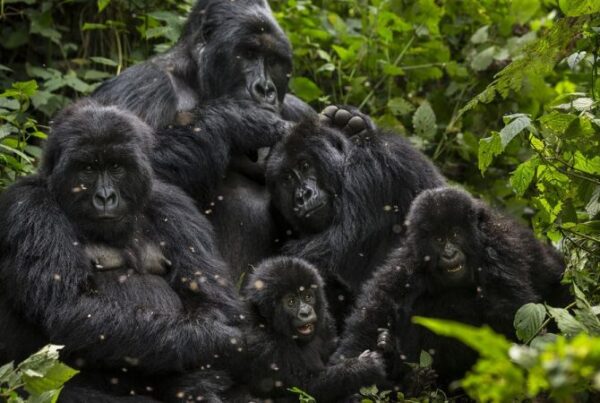
These creatures are organized into habituated groups, each led by a dominant silverback who commands authority with strength and wisdom. Their social structures, behaviors, and familial bonds often mirror those of humans, deepening the sense of kinship felt during encounters. Watching them groom one another, play, or forage in the forest underscores both their vulnerability and their resilience.

By 2025, conservation efforts in Uganda have achieved remarkable success. Gorilla numbers have steadily risen thanks to strict protection, community engagement, and tourism revenues reinvested into preservation. For travelers, this means that every permit purchased contributes directly to ensuring the survival of these magnificent primates.

Preparing for Gorilla Trekking in 2025

A trek in Bwindi is no casual stroll; it is an immersive experience demanding physical readiness, patience, and an open spirit. The trails often involve steep climbs, thick undergrowth, and unpredictable weather. Yet these very challenges form part of the luxury of the experience, for what is rare and demanding is often the most rewarding.

In 2025, preparations begin long before setting foot in the forest. Gorilla trekking permits, regulated by the Uganda Wildlife Authority, remain limited to protect the animals and their habitat. Securing these permits well in advance is essential, especially during peak seasons. Each trek is carefully structured, with groups limited to a small number of visitors accompanied by expert rangers and trackers.

The luxury traveler benefits from personalized support — private briefings, expert guides, and curated itineraries that ensure the experience unfolds seamlessly. Whether through specialized gear, concierge assistance, or wellness preparations, the emphasis is on maximizing comfort without diminishing authenticity.

The Trekking Experience — Step by Step

The day of the trek begins at dawn. Guests gather at designated starting points within Bwindi’s four trekking sectors — Buhoma, Ruhija, Rushaga, and Nkuringo. Each sector offers unique terrain, habituated groups, and perspectives on the forest.

After an orientation led by rangers, groups set off into the dense undergrowth. The trek may last from one hour to several, depending on the gorillas’ movements. Paths are carved through thick vegetation, often requiring determination and endurance. Yet every pause brings encounters with other wildlife — birds darting through the canopy, butterflies gliding in dappled sunlight, or the occasional glimpse of monkeys swinging through branches.

And then comes the moment of arrival. The first sight of a gorilla group is indescribable. A silverback may sit calmly, surveying his family with quiet authority. Females may nurse their young, while juveniles tumble in playful mischief. Cameras click, but silence often dominates, as travelers realize they are in the presence of something profoundly rare.

Visits are restricted to one hour to minimize disturbance, yet that hour feels timeless. It is not a performance staged for human eyes but a glimpse into the authentic rhythm of gorilla life. Luxury here is not in gilded surroundings but in the privilege of intimacy with the wild.

Seasons and Timing — When to Visit in 2025

Uganda’s climate allows gorilla trekking year-round, but the dry seasons from June to September and December to February are generally preferred. During these months, trails are more manageable, visibility is higher, and the likelihood of prolonged rain is reduced.

The wet seasons, spanning March to May and October to November, present more challenges — muddy trails, slippery slopes, and heavier rainfall. Yet they also bring advantages: lush greenery, fewer visitors, and often more affordable rates for accommodation. For photographers, the soft light of the rainy season offers unparalleled opportunities.

In 2025, the choice of timing depends not only on logistics but also on intention. Those seeking comfort and ease may prefer dry months, while those craving intimacy and atmosphere may find the wet season more rewarding. Luxury operators increasingly tailor experiences to match these preferences, ensuring that each traveler’s vision of the trek is fulfilled.

Luxury Lodges — Refined Sanctuaries at the Edge of Wilderness

No guide to gorilla trekking would be complete without acknowledging the luxury lodges that frame the experience. Nestled near each sector of Bwindi, these lodges combine world-class hospitality with a deep respect for the environment.

Architectural designs often mirror the forest, with stone, wood, and thatch blending into the landscape. Interiors balance rustic charm with refined comfort — private decks overlooking mist-covered valleys, spa treatments using local botanicals, and gourmet dining that celebrates both Ugandan flavors and international sophistication.

For the luxury traveler, these lodges are not mere accommodations but sanctuaries of restoration. After hours in the forest, they provide space to reflect, relax, and rejuvenate. Evenings often feature storytelling around a fire, private dinners under starlit skies, or wellness rituals that reconnect body and spirit.

Photography and Memory-Making

Gorilla trekking in 2025 is as much about creating memories as it is about living the moment. Photography plays a central role, yet capturing gorillas in dense forest requires skill and awareness. Low light, movement, and the need for discretion present challenges that reward patience and preparation.

Beyond gorillas, the forest itself offers endless subjects. The textures of ancient trees, the iridescence of birds, and the play of light through the canopy create images as captivating as the animals themselves. For luxury travelers, professional photography guides are often available, ensuring that each frame reflects both artistry and authenticity.

Yet the most profound memories often transcend photographs. They reside in the silence when gorilla eyes meet human eyes, in the sound of rain dripping through the canopy, or in the collective breath held as a silverback moves past. These moments, though difficult to capture on film, remain etched in the traveler’s spirit.The Complete Guide: gorilla trekking at Bwindi Impenetrable Forest in 2025-2026

Conservation and Responsibility

By 2025, gorilla trekking is inseparable from the narrative of conservation. Every permit purchased contributes to the protection of gorillas and the empowerment of surrounding communities. Revenues fund anti-poaching patrols, veterinary interventions, and habitat preservation. Equally significant, they support education, healthcare, and livelihoods for local people, ensuring that conservation is not seen as an external imposition but as a shared benefit.

Luxury travel plays a crucial role here. High-value, low-impact tourism ensures that fewer visitors create greater contributions. Travelers are increasingly aware that their indulgence must also be responsibility, and operators emphasize eco-conscious practices — from minimizing plastic to supporting reforestation projects.

For the traveler in 2025, the greatest luxury is knowing that their presence safeguards rather than exploits. Gorilla trekking becomes not only an encounter with wildlife but a commitment to a global conservation legacy.

The Role of Culture — The Batwa Experience

While gorillas dominate attention, the cultural dimension of Bwindi is equally enriching. The Batwa pygmies, once forest dwellers, now engage visitors through cultural encounters that preserve and share their heritage. Storytelling, dance, and demonstrations of traditional forest survival skills provide insight into a way of life intricately tied to the land.

For luxury travelers, private and respectful interactions with the Batwa offer depth beyond wildlife. They remind visitors that conservation is not only about animals but also about people whose identities are woven into the forest. The photo essay of Bwindi, therefore, is incomplete without the human story.

Beyond the Trek — Expanding the Journey

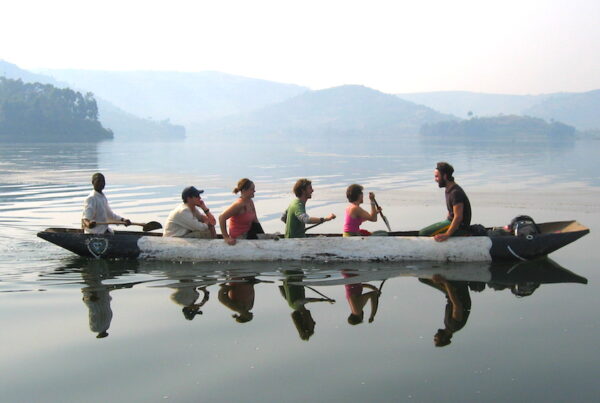
Though gorilla trekking is the centerpiece, Bwindi offers more. Nature walks, birding expeditions, and waterfall hikes provide additional layers of exploration. The surrounding regions — Lake Bunyonyi with its island-studded waters, or Queen Elizabeth National Park with its savannah wildlife — complement the forest experience, creating itineraries of remarkable diversity.

Luxury travelers often craft journeys that begin with urban indulgence in Kampala, flow into the wilderness of Bwindi, and conclude with serene relaxation by Uganda’s lakes or rivers. In 2025, travel is less about isolated activities and more about holistic narratives that engage mind, body, and spirit.

The Lasting Legacy of Bwindi in 2025

When the trek ends and travelers leave Bwindi, what remains is more than photographs or stories. It is a profound transformation. To look into the eyes of a gorilla is to recognize kinship, to feel humility, and to understand the fragile interconnectedness of life. The impenetrable forest, though dense and challenging, reveals truths about resilience, patience, and beauty that linger long after departure.

For the luxury traveler, this legacy is not indulgence alone but meaning. Bwindi in 2025 stands not just as a destination but as a pilgrimage of the heart, where the rarest of wildlife encounters becomes a mirror reflecting our shared humanity.

Curated Gorilla Safaris with WildHorn Africa

For those ready to embrace the ultimate luxury escape into the wild, WildHorn Africa offers unmatched expertise in curating gorilla trekking journeys. From securing permits and arranging private guides to selecting lodges that balance indulgence with authenticity, WildHorn Africa ensures that every step of the journey is elevated to perfection.

With a commitment to sustainability and cultural respect, their itineraries transform gorilla trekking into more than an excursion — they become transformative experiences where luxury and conservation walk hand in hand. By booking with WildHorn Africa, travelers not only secure the best logistical support but also ensure their presence contributes meaningfully to the protection of gorillas and the empowerment of local communities.

In 2025, Bwindi Impenetrable Forest awaits with its timeless secrets and unforgettable encounters. And with WildHorn Africa, every trek becomes a story of luxury, responsibility, and discovery that will define a lifetime of travel memories.

silverback gorilla trekking in Bwindi

silverback gorilla trekking in Bwindi

By Travel stories and blogs, Luxury holidays, Primate holidays, Safari holidays, Uganda travel guides

Silverback Gorilla Trekking in Bwindi

Meeting the Kings of the Forest

High in the mist-covered mountains of southwestern Uganda, where the canopy forms an unbroken sea of green and ancient forests guard secrets untold, a once-in-a-lifetime journey awaits—silverback gorilla trekking in Bwindi Impenetrable National Park. This is not merely an adventure; it is an immersion into one of the most extraordinary wildlife encounters on earth, a meeting with the mighty silverback gorillas whose presence embodies both strength and serenity.

To step into Bwindi’s dense rainforest is to enter a world shaped by time, resilience, and coexistence. The thick vegetation, the symphony of birds, the distant calls of primates, and the heavy scent of damp earth prepare the soul for a moment that cannot be forgotten—the instant when a silverback gorilla emerges from the shadows, towering yet composed, leading his family with authority that is both commanding and compassionate.

Visitors arrive with expectations of witnessing gorillas, but what they find is far deeper: an understanding of leadership in its purest form, a connection to one of humanity’s closest relatives, and a profound sense of humility before the guardians of Bwindi’s forests.

Bwindi Impenetrable National Park: The Sanctuary of Giants

Designated a UNESCO World Heritage Site, Bwindi is more than a national park; it is a living relic of Africa’s primeval forests. Covering 331 square kilometers, its terrain is rugged, its slopes steep, and its vegetation astonishingly dense. The park lies within the Albertine Rift, one of the most biologically diverse regions in the world, hosting more than 350 bird species, 120 mammal species, and countless plants found nowhere else on earth.

Among this staggering biodiversity, the mountain gorillas stand as the park’s greatest treasure. Nearly half of the world’s remaining mountain gorillas live here, making Bwindi the epicenter of gorilla trekking tourism. The park is divided into four regions—Buhoma, Ruhija, Rushaga, and Nkuringo—each offering access to habituated gorilla families and each providing a unique gateway into the heart of the forest.

Bwindi’s forest has often been described as impenetrable, and indeed, the word captures its essence. Massive mahoganies, tangled vines, moss-covered rocks, and dense undergrowth create a living labyrinth where only the most patient and resilient can persevere. Yet it is within this labyrinth that the silverback gorilla thrives, and it is here that trekkers are invited to share in a story of survival and majesty.

The Silverback Gorilla: Leader and Protector

The silverback gorilla is not a different species but rather the mature male gorilla who has reached a stage of physical and social dominance. Between the ages of twelve and fifteen, the hair on his back and hips turns to a striking silver-gray, marking his transition into leadership. His size is immense, often reaching up to 180 kilograms, his arms longer than his legs, his chest broad and powerful.

Yet the essence of a silverback lies not only in his strength but in his responsibility. He is the central figure of his troop, the decision-maker and protector who guides his family through the forest. His authority is unquestioned, his every movement followed by mothers, juveniles, and infants who depend on his wisdom for survival.

The silverback embodies a paradox—capable of unleashing fearsome displays of power when threatened, yet equally capable of the gentlest acts of care. Infants are often seen climbing onto his back, young ones play near his protective presence, and females rely on his strength to keep harmony within the group. Leadership among silverbacks is not enforced by fear but by trust and respect, qualities that resonate deeply with those who are privileged to observe them in the wild.

Preparing for the Trek: Readiness of Body and Spirit

The journey to meet a silverback gorilla in Bwindi begins long before entering the forest. Visitors are required to obtain permits, strictly regulated to ensure the protection of the gorillas and to limit human impact. On the morning of the trek, participants gather at the designated trailhead for a briefing led by Uganda Wildlife Authority rangers. Here, rules are emphasized, particularly the one-hour time limit allowed with the gorillas, a measure designed to minimize stress and potential disease transmission.

Physically, the trek demands endurance. Bwindi’s terrain is steep and unpredictable, with trails that may require climbing, sliding, or wading through thick vegetation. The altitude, which ranges from 1,160 to over 2,600 meters, adds to the challenge. Emotionally, the trek requires patience and humility. Gorillas do not move according to human schedules, and reaching them may take hours of determined effort.

It is this unpredictability that transforms the trek from a simple excursion into a true pilgrimage. Each step is a commitment to the journey, each obstacle an initiation, and the eventual encounter a reward of immeasurable worth.

The Trekking Experience: Into the Realm of Gorillas

Once the forest opens and the trackers signal the proximity of a gorilla family, anticipation rises sharply. The sounds of breaking bamboo, the soft grunts of communication, or the sudden glimpse of black fur through the foliage herald the climax of the journey.

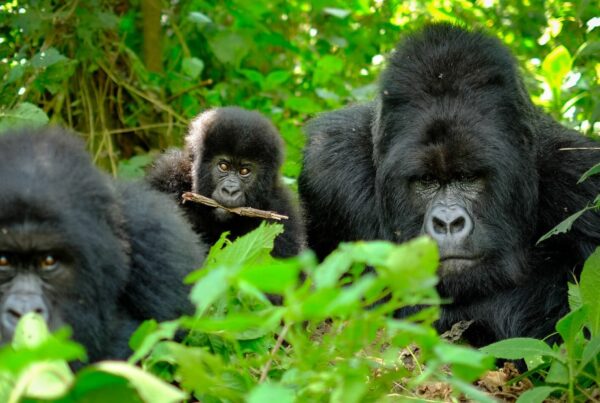
Then, without warning, the silverback appears. His presence dominates the clearing, his immense body covered in thick hair, his silvered back glistening in the dappled light. Around him, the family carries on with daily life—mothers cradling infants, juveniles chasing each other in playful abandon, and adolescents mimicking their leader’s chest-beating displays.

For an hour, humans are absorbed into their world. The air is charged with awe, silence often falling as eyes meet across the divide of species. The silverback may glance briefly, his deep gaze holding both curiosity and calm, as though recognizing the kinship that unites primates across millennia. Cameras may capture images, but the true essence of the moment lives in memory and emotion.

This encounter redefines the meaning of wilderness. It is no longer about observation but about communion, about sharing space with beings who mirror human values of family, leadership, and survival.silverback gorilla trekking in Bwindi

The Challenges and Triumphs of Bwindi Trekking

The trek through Bwindi is challenging. Trails are often steep, rains can transform the forest floor into slippery mud, and humidity clings heavily to every breath. Leeches, thorns, and dense undergrowth add to the demands of the journey. Yet it is precisely these challenges that make the eventual encounter so rewarding.

The triumph of the trek is not only in reaching the gorillas but in earning the encounter. The sweat, fatigue, and perseverance become part of the memory, blending into the awe of finally standing before a silverback. Beyond the gorillas themselves, the forest reveals its treasures along the way: a dazzling butterfly, the haunting cry of a turaco, or the sudden flash of a monkey leaping through the canopy.

Each trek is unique, shaped by the forest, the gorillas, and the journey itself. No two experiences are alike, yet all share the common thread of transformation, for those who enter Bwindi rarely leave unchanged.

Conservation: Protecting the Silverback’s Future

The survival of silverback gorillas in Bwindi is the result of intense conservation efforts. Once classified as critically endangered, mountain gorillas have seen gradual population increases thanks to strict protection and community involvement. Gorilla trekking plays a crucial role in this success story. Revenue from permits funds conservation projects, anti-poaching patrols, and veterinary interventions, while a portion is shared with local communities.

Community participation is essential. Villages surrounding Bwindi benefit from tourism, with schools, clinics, and infrastructure developed through shared revenue. Former poachers now serve as guides and porters, their livelihoods transformed by the very gorillas they once hunted.

Despite these successes, challenges remain. Habitat loss, human population pressures, and the threat of disease continue to endanger gorillas. The silverback’s resilience is matched only by the fragility of his existence, reminding humanity that his survival depends on continued vigilance and collective responsibility.

Cultural Significance of Gorillas in Uganda

In Uganda, gorillas are more than wildlife; they are symbols of national pride and cultural heritage. To the communities living near Bwindi, gorillas represent strength, guardianship, and the interconnectedness of life. Traditional stories often describe them as wise beings who embody the spirit of the forest.

On a global scale, silverbacks have become icons of conservation, embodying the struggle to preserve biodiversity in a rapidly changing world. Their image inspires movements, campaigns, and advocacy, reminding humanity of its responsibility to protect the natural wonders that remain.

Best Times for Trekking and Practical Considerations

Bwindi welcomes visitors throughout the year, yet the dry seasons from June to August and from December to February are considered ideal. During these months, trails are more accessible, and trekking is somewhat easier, though the forest’s tropical climate ensures that rain remains a possibility at any time.

Permits are limited to ensure sustainable tourism and must be secured in advance. Accommodation ranges from luxurious lodges with panoramic views of the forest to modest guesthouses run by local communities, each providing a different perspective of life around Bwindi. Regardless of choice, the hospitality of Ugandans ensures warmth and welcome, enriching the journey beyond the forest itself.

The Emotional and Spiritual Dimensions of Trekking

To encounter a silverback gorilla in Bwindi is not merely to witness wildlife but to engage in a profound emotional experience. Visitors often describe feelings of humility, reverence, and even transformation. The gaze of a silverback carries a weight that transcends biology; it is as though the forest itself peers back, reminding humanity of its place within the web of life.

The trek also resonates on a spiritual level. The misty atmosphere, the silence of the gorillas, and the deep connection felt in their presence evoke reflections on leadership, family, and coexistence. The silverback becomes more than a gorilla; he becomes a teacher, offering lessons on strength balanced with compassion and authority guided by care.

A Journey Beyond Expectation

Silverback gorilla trekking in Bwindi is not simply an activity but a transformative experience. It is a journey into one of the last strongholds of wild beauty, a test of endurance, and a communion with beings whose survival mirrors humanity’s responsibility toward nature. The trek challenges the body, stirs the spirit, and leaves memories that endure a lifetime.

At its heart stands the silverback, a leader whose life embodies the values of guardianship, resilience, and unity. To witness him is to glimpse the grandeur of nature distilled into a single being, to understand leadership in its most primal and profound form, and to feel the humility of standing before a giant who protects not only his family but the very spirit of the forest.

For those who dream of this extraordinary encounter, the path to Bwindi awaits. To ensure that the journey is seamless, enriching, and guided by experts who combine knowledge with passion for conservation, it is strongly recommended to book your African tours and safaris with WildHorn Africa, a trusted partner in unlocking the wonders of the continent and safeguarding the future of its majestic silverbacks.

Silverback gorilla trekking Bwindi

Silverback gorilla trekking Bwindi

By Travel stories and blogs, Luxury holidays, Primate holidays, Safari holidays, Uganda travel guides

Silverback Gorilla Trekking Bwindi

Into the Heart of the Mist

In the ancient forests of southwestern Uganda, where rolling hills meet impenetrable green canopies and mist clings to the treetops, lies one of the world’s greatest wildlife encounters—silverback gorilla trekking in Bwindi Impenetrable National Park. This UNESCO World Heritage Site, often described as “the place of darkness” because of its thick vegetation, is home to nearly half of the world’s remaining mountain gorillas. Within this dense wilderness lives the legendary silverback gorilla, the dominant leader of gorilla families and a figure both feared and revered for his strength, wisdom, and guardianship.

To embark on a trek in Bwindi is to step into a world where time slows down, where each step on a forest trail draws one closer to an encounter that transcends the ordinary. It is not simply about seeing gorillas; it is about immersing oneself in the rhythm of the forest, surrendering to the unpredictability of nature, and finally standing in awe before a silverback who commands his troop with silent authority. The trek itself is challenging, the terrain rugged and unforgiving, yet the rewards are profound. The anticipation of encountering a silverback and his family fills the air with a tension that can only be described as electric, for few experiences in life compare to being in the presence of such majestic beings.

Bwindi Impenetrable National Park: The Sanctuary of Giants

Bwindi stretches across 331 square kilometers of montane rainforest, occupying steep ridges and valleys that form part of the Albertine Rift. Unlike any other forest in East Africa, Bwindi’s vegetation is so dense and ancient that it earned the name “Impenetrable.” Its biodiversity is staggering, harboring over 120 species of mammals, 350 species of birds, and more than 200 species of butterflies. Yet among all these, the mountain gorillas stand supreme, drawing thousands of visitors who seek a glimpse of their elusive lives.

The park is divided into four trekking regions: Buhoma, Ruhija, Rushaga, and Nkuringo. Each region offers unique access to habituated gorilla families, and each has its own charm. Whether one begins in the lively village atmosphere of Buhoma or the rugged, remote slopes of Nkuringo, the ultimate destination remains the same—the gorillas themselves.

Bwindi’s altitude ranges between 1,160 and 2,607 meters, creating a variety of microclimates. Trails snake through tangled vines, moss-draped trees, and fern-filled valleys, offering trekkers not just a wildlife encounter but also an immersion into one of the most pristine ecosystems left on earth.

The Silverback Gorilla: King of Bwindi

Within each gorilla family in Bwindi, the silverback reigns supreme. His role as protector, leader, and father makes him the cornerstone of gorilla society. The transformation from a blackback (a younger male) to a silverback occurs between the ages of 12 and 15, when the black hair on his back turns to a striking silver-gray. This change is more than physical—it is symbolic of maturity, authority, and responsibility.

The silverback is entrusted with every decision that ensures the survival of his troop. He determines where the group feeds, when it rests, and where it nests at night. In times of danger, he is the shield, placing himself between his family and threats. Despite his towering size, often weighing over 180 kilograms, his leadership is not defined by violence but by restraint. He nurtures infants, allows juveniles to play on his back, and ensures harmony within the group.

To encounter a silverback in Bwindi is to meet the essence of gorilla existence. His calm eyes reflect wisdom, his chest-beating resonates with authority, and his presence commands respect from all members of the troop and from the humans who are privileged to watch him.

The Trekking Experience: Journey Through the Forest

Trekking in Bwindi begins in the early morning. Trekkers gather at designated trailheads for a briefing conducted by Uganda Wildlife Authority rangers. This briefing explains the rules, safety precautions, and etiquette required in the forest. The most important guideline is the one-hour rule, which limits the time spent with a gorilla family to sixty minutes, safeguarding the gorillas from stress and overexposure to human contact.

As the trek commences, the forest swallows trekkers whole. The air is cool, heavy with the scent of damp earth, and alive with bird calls and the rustling of primates in the canopy. Trails may rise sharply up ridges or descend steeply into valleys, often slippery with moss and rain. The journey can last from one hour to several, depending on where the gorillas are located that day. Each step demands perseverance, yet the environment offers countless rewards: sunlight piercing through the canopy, the colorful flutter of butterflies, or the haunting cry of a turaco echoing across the forest.

When the trackers signal the nearness of gorillas, anticipation rises. The sounds of snapping bamboo and low grunts fill the air. Suddenly, there he is—the silverback, perhaps lounging in a clearing or feeding on foliage. His massive form radiates dominance, yet his movements are deliberate, measured, and calm. Around him, mothers cradle their infants, juveniles tumble in playful chases, and adolescents mimic chest-beating with endearing clumsiness.

The hour spent in their presence passes swiftly, leaving behind a mixture of awe, humility, and gratitude. No photograph or video can fully capture the intensity of locking eyes with a silverback, of recognizing in him the deep kinship that links humanity and gorillas.Silverback gorilla trekking Bwindi

Challenges and Rewards of Trekking in Bwindi

The journey into Bwindi is not for the faint-hearted. The steep terrain, unpredictable weather, and dense vegetation test one’s endurance. Rain can fall suddenly, turning trails into muddy paths, while mist may obscure visibility. For some, the altitude brings additional challenges, slowing their pace and testing their stamina.

Yet every challenge deepens the reward. The moment the gorillas are found, the struggles of the trail fade into insignificance. The hardship endured becomes part of the memory, enriching the sense of achievement. Beyond the gorillas, the forest itself rewards trekkers with moments of breathtaking beauty—giant mahogany trees towering above, delicate orchids clinging to moss, or the flash of a colorful bird darting through the undergrowth.

The greatest reward, however, is intangible. It is the emotional impact of being near gorillas, of feeling their presence in the silence of the forest. It is the realization that these creatures, so strong yet so vulnerable, continue to survive because of the conservation efforts supported by visitors who trek into their world.

Conservation and the Future of Silverbacks in Bwindi

The silverbacks of Bwindi are survivors of a fragile legacy. Once on the brink of extinction, mountain gorilla numbers have risen slowly thanks to intensive conservation measures. Strict protection, continuous monitoring, and international support have safeguarded their future. Gorilla trekking plays a vital role in this conservation success. The permits purchased by visitors generate significant revenue, which directly funds conservation initiatives and supports local communities.

Local involvement has proven essential. A portion of the revenue is shared with nearby communities, funding schools, health centers, and infrastructure. This system transforms gorillas from vulnerable wildlife into valued neighbors whose survival brings tangible benefits. Communities that once depended on hunting or logging now find livelihoods in tourism, guiding, and hospitality.

Nevertheless, threats persist. Habitat loss, climate change, and disease remain pressing challenges. The survival of silverbacks depends on continued commitment to conservation and the recognition that their fate is intertwined with humanity’s responsibility to protect biodiversity.

Cultural Significance of Silverbacks in Uganda

The silverback gorilla holds deep symbolic meaning in Uganda and the wider Great Lakes region. To local communities, the gorilla represents strength, protection, and unity. Stories and legends passed down through generations often portray gorillas as guardians of the forest, beings of wisdom and resilience.

Modern conservation has further elevated the silverback into an icon of Uganda’s natural heritage. Today, the gorilla is not only a biological treasure but also a cultural ambassador, drawing global attention to the richness of Ugandan landscapes and traditions. The silverback has become a bridge between nature and humanity, embodying the spirit of guardianship and survival.

Practical Considerations: Best Times and Preparation

Bwindi can be visited year-round, but the dry seasons—from June to August and from December to February—are generally preferred for trekking. During these months, trails are more navigable, though occasional rain showers remain possible in this tropical environment. The wetter months, while more challenging, also offer lush greenery and fewer tourists, creating a sense of deeper intimacy with the forest.

Permits for trekking are limited and must be booked well in advance through the Uganda Wildlife Authority or reputable operators. Accommodation near the trekking regions ranges from luxury lodges to community guesthouses, each offering unique perspectives on the park and its surroundings. Regardless of the choice, Ugandan hospitality ensures warmth and welcome throughout the journey.

Beyond Gorillas: Bwindi’s Rich Diversity

Though silverback gorilla trekking is the pinnacle of Bwindi’s attractions, the park offers much more for those who linger. Birdwatchers are enthralled by the presence of over 350 species, including Albertine Rift endemics such as the Rwenzori turaco and the handsome francolin. Butterflies, some endemic to the forest, add flashes of color along trails.

Cultural encounters with the Batwa community provide insight into the ancient relationship between humans and the forest. The Batwa, once forest dwellers, share their traditions, dances, and stories, offering visitors a deeper understanding of the land’s heritage. For those seeking further adventure, forest walks, waterfall trails, and scenic hikes unveil the park’s many layers of beauty.

The Emotional and Spiritual Resonance of Trekking

Perhaps the greatest impact of silverback gorilla trekking in Bwindi lies in the emotional resonance it creates. Visitors often leave with a profound sense of humility, having stood in the presence of creatures whose lives mirror human values of family, protection, and care. The silverback, with his strength and tenderness, embodies leadership in its purest form.

The experience also carries a spiritual dimension. The mist-laden forest, the silence of the gorillas, and the deep gaze of a silverback awaken reflections on humanity’s place in nature. The trek becomes not just an adventure but a pilgrimage, a reminder of the interconnectedness of life and the responsibility to protect it.

A Journey Worth Taking

Silverback gorilla trekking in Bwindi is more than a wildlife encounter. It is a journey of discovery, a test of endurance, and an immersion into one of the last great strongholds of wild beauty. To expect only gorillas is to underestimate the experience, for Bwindi offers far more—an exploration of resilience, of culture, and of the timeless connection between humans and nature.

The silverback stands at the heart of this journey, a guardian of the forest whose strength ensures the survival of his family and whose presence inspires reverence. To see him is to witness nature’s grandeur distilled into a single being, and to be reminded of the fragile yet enduring bond between people and the wild.

For travelers who dream of experiencing this extraordinary encounter, it is essential to journey with guides who combine expertise, care, and a deep respect for conservation. To make this dream seamless and unforgettable, it is highly recommended to book your African tours and safaris with WildHorn Africa, a trusted partner dedicated to unveiling the wonders of the continent while ensuring that the magic of Bwindi and its silverbacks endures for generations to come.

How to Combine Lake Mburo with Gorilla Trekking Safaris

How to Combine Lake Mburo with Gorilla Trekking Safaris

By Travel stories and blogs, Family holidays, Luxury holidays, Primate holidays, Safari holidays, Uganda travel guides, Wildlife holidays

How to Combine Lake Mburo with Gorilla Trekking Safaris

The Ultimate Ugandan Safari Experience

For travelers seeking a comprehensive Ugandan safari adventure, combining Lake Mburo National Park with gorilla trekking in Bwindi Impenetrable Forest or Mgahinga Gorilla National Park offers a multifaceted experience. This approach blends classic savannah wildlife viewing with the rare and intimate encounter with mountain gorillas, providing a balanced journey that appeals to wildlife enthusiasts, photographers, and adventure seekers alike.

Lake Mburo, with its rolling savannahs, lakeshore vistas, and diverse fauna, offers a softer, accessible safari experience, ideal for acclimatization and warm-up before the challenging yet rewarding trek into gorilla habitats. Gorilla trekking, on the other hand, immerses travelers in dense montane forests, presenting an unparalleled opportunity to witness primate behavior, social structures, and family dynamics in one of the world’s most biodiverse regions. By combining these two experiences, travelers are able to explore Uganda’s remarkable ecological range, from open plains and wetlands to mist-shrouded forests and volcanic landscapes.

This article explores how to strategically combine a Lake Mburo safari with gorilla trekking, detailing logistics, itinerary planning, travel considerations, wildlife encounters, and the benefits of engaging with expert tour operators such as WildHorn Africa.

Understanding Lake Mburo National Park

Lake Mburo, located in western Uganda near Mbarara, is Uganda’s smallest savannah park, yet it offers remarkable biodiversity and scenic variety. Its landscapes consist of rolling hills, open grasslands, acacia woodlands, papyrus swamps, and rocky outcrops, creating habitats for zebras, impalas, elands, hippos, and a plethora of bird species.

The park’s accessibility makes it particularly suitable for travelers who are preparing for more strenuous activities such as gorilla trekking. Game drives in Lake Mburo are flexible and family-friendly, allowing visitors to acclimatize to safari conditions, practice wildlife photography, and observe African fauna in a relatively relaxed setting.

Activities available in Lake Mburo include guided game drives, walking safaris, cycling tours, and boat excursions. Each activity provides an intimate interaction with the environment and introduces travelers to Uganda’s conservation efforts, including wildlife protection programs and community engagement initiatives. By starting a Ugandan safari in Lake Mburo, visitors can ease into the country’s terrain and climate, preparing both physically and mentally for the demanding gorilla trekking experience.

Preparing for Gorilla Trekking

Gorilla trekking, conducted primarily in Bwindi Impenetrable Forest and Mgahinga Gorilla National Park, is a physically demanding activity that requires preparation and endurance. Trails are often steep, muddy, and densely vegetated, with altitudes ranging from 1,160 to 2,600 meters above sea level. Trekkers must be prepared to navigate uneven terrain, thick undergrowth, and unpredictable weather conditions, particularly during the wet seasons.

Permits are mandatory for gorilla trekking and must be secured in advance due to high demand and limited availability. Guides, who are highly trained in gorilla behavior, forest navigation, and safety, accompany each group to ensure a safe and controlled encounter. These experts also provide ecological and behavioral insights, enriching the experience and highlighting the importance of conservation.

Physical preparation is advisable for trekkers, including moderate cardiovascular exercise, strength training, and hiking practice. Appropriate clothing, sturdy footwear, gloves, and rain gear are essential, along with hydration packs, insect repellents, and lightweight backpacks. By preparing adequately, travelers maximize both comfort and safety while ensuring minimal disturbance to gorilla groups.

Strategic Itinerary Planning

Combining Lake Mburo with gorilla trekking requires careful itinerary planning to optimize time, reduce travel fatigue, and enhance the overall safari experience. Most itineraries begin in Lake Mburo due to its location near Mbarara and its accessibility from Kampala or Entebbe International Airport. A typical schedule involves two to three days in Lake Mburo, followed by travel to Bwindi or Mgahinga for the gorilla trekking component.

While in Lake Mburo, early morning game drives, walking safaris, and boat excursions provide exposure to zebras, antelopes, hippos, and abundant birdlife. Accommodation at family-friendly or mid-range lodges ensures comfort and recovery, preparing travelers for the physical demands of trekking. After completing the Lake Mburo segment, the journey continues southwest, often passing through scenic tea plantations, rolling hills, and volcanic highlands before reaching the gorilla habitats.

By structuring the safari in this manner, travelers are able to transition from open savannah ecosystems to dense montane forests gradually, improving acclimatization and enhancing the ability to enjoy each unique environment.

Wildlife Encounters: From Savannah to Forest

Lake Mburo provides a classic African safari experience, where zebras, impalas, elands, warthogs, and various predators can be observed in their natural habitats. Walking safaris allow closer encounters, emphasizing tracking skills, footprint identification, and ecological interpretation. Birds such as African fish eagles, kingfishers, herons, and shoebills add avian diversity to photographic opportunities.

Gorilla trekking introduces travelers to entirely different wildlife interactions. Mountain gorillas live in tightly-knit family groups, displaying social behaviors, hierarchical structures, and nurturing interactions. Observing silverbacks, mothers, infants, and juveniles in the dense forest provides rare insights into primate behavior and the dynamics of endangered species. Other forest inhabitants, including monkeys, duikers, forest birds, and an array of endemic flora, complement the trekking experience.How to Combine Lake Mburo with Gorilla Trekking Safaris

The juxtaposition of wildlife experiences—from the open plains and lakeshores of Lake Mburo to the intimate, misty forests of Bwindi or Mgahinga—creates a multidimensional understanding of Uganda’s biodiversity, emphasizing both ecological contrasts and conservation priorities.

Travel Logistics and Accessibility

Traveling between Lake Mburo and the gorilla trekking regions requires careful consideration of road conditions, transportation options, and timing. The drive from Lake Mburo to Bwindi typically takes six to eight hours, traversing Mbarara, Kabale, and Kanungu districts, offering scenic vistas of the western highlands and agricultural landscapes. Roads may be rough in certain stretches, so reliable transportation and experienced drivers are essential.

Lodges near Bwindi or Mgahinga provide proximity to trekking trailheads, minimizing early morning travel. This allows trekkers to begin expeditions at dawn, when gorillas are most active, and return comfortably to lodges for rest and meals. Combining professional guides for both Lake Mburo and gorilla trekking ensures continuity in wildlife interpretation, safety standards, and logistical efficiency.

Seasonal Considerations

Both Lake Mburo and gorilla trekking areas experience distinct seasonal variations that affect wildlife visibility, trail conditions, and travel comfort. Dry seasons, from June to August and December to February, offer more reliable road conditions, easier trekking, and higher visibility for game drives and photography. Wildlife tends to congregate around water sources, providing predictable sightings in Lake Mburo.

Wet seasons, from March to May and September to November, present challenges due to muddy trails and slippery terrain in gorilla habitats. However, these months also bring lush vegetation, vibrant bird activity, and increased chances of observing newborn wildlife, adding educational and photographic value. Season selection should balance physical demands, wildlife preferences, and travel convenience.

Safety and Preparedness

Safety is a priority when combining a Lake Mburo safari with gorilla trekking. In Lake Mburo, guides emphasize safe distances from wildlife, responsible vehicle behavior, and adherence to park regulations. Gorilla trekking requires strict observance of rules, including maintaining one-to-three meters distance from gorillas, limiting group size, and avoiding direct eye contact or loud noises.

Travelers are advised to carry first aid kits, water, snacks, and communication devices, as well as wear suitable clothing and sturdy footwear. Guides are trained in emergency protocols, wildlife behavior, and environmental hazards, ensuring a controlled and secure experience. By following these guidelines, travelers can enjoy both safari environments safely and respectfully.

Photography Opportunities Across Ecosystems

Combining Lake Mburo with gorilla trekking provides exceptional photographic diversity. In Lake Mburo, zebras and antelopes can be captured against golden plains, lakeshores, and acacia-studded horizons, while birds and small mammals offer close-up subjects for nature photography. Sunrise and sunset lighting enhances the richness of colors and textures, making game drives particularly rewarding for photographers.

Gorilla trekking shifts the photographic challenge to low-light, dense forest conditions. Capturing gorilla behavior, infant interactions, and forest panoramas requires careful attention to exposure, focus, and composition. Telephoto lenses are essential for capturing intimate moments without disturbing wildlife, while wide-angle shots can contextualize the gorillas within their lush, mountainous habitat. The combination of open savannah photography and dense forest imagery ensures a comprehensive portfolio of Uganda’s ecological diversity.

Accommodation Considerations

Lodges and tented camps in both Lake Mburo and gorilla regions cater to comfort, accessibility, and safety. In Lake Mburo, family-friendly and mid-range lodges provide private rooms, communal spaces, and proximity to game drives. In Bwindi or Mgahinga, lodges near trekking trailheads offer easy access for dawn departures, with amenities such as hot water, electricity, and guided interpretive services.

Selecting accommodations that balance comfort, location, and affordability ensures that travelers can enjoy both safari components without fatigue or logistical challenges. Many lodges also support eco-friendly practices and community engagement, aligning the safari experience with conservation objectives.

Combining Educational and Cultural Experiences

A combined Lake Mburo and gorilla trekking safari offers educational enrichment through wildlife observation, guided interpretation, and cultural encounters. Visitors can learn about species behavior, ecological interdependence, conservation challenges, and human-wildlife interactions. Cultural visits to Banyankole communities near Lake Mburo or Batwa communities near Bwindi provide insight into traditional livelihoods, land stewardship, and local conservation initiatives.

Children and adults alike benefit from these experiences, fostering environmental awareness, ethical tourism practices, and appreciation of Uganda’s cultural diversity.

The Comprehensive Ugandan Safari

Combining Lake Mburo with gorilla trekking offers a holistic and unforgettable safari experience, encompassing open savannahs, lakeshores, rolling hills, and dense montane forests. Travelers encounter zebras, antelopes, hippos, and a wide array of bird species, followed by an intimate and rare glimpse into the lives of mountain gorillas.

This combination allows for gradual acclimatization, diverse photographic opportunities, educational enrichment, and safe, guided exploration. Families, photographers, and wildlife enthusiasts alike can enjoy a seamless journey across Uganda’s most remarkable landscapes. For travelers seeking expert guidance, seamless logistics, and transformative experiences, booking Africa tours and safaris with WildHorn Africa ensures a professionally organized, safe, and immersive adventure that combines the best of Lake Mburo and gorilla trekking.

6-Day Bwindi NP, Queen Elizabeth, Kibale & Lake Bunyonyi

6-Day Bwindi NP, Queen Elizabeth, Kibale & Lake Bunyonyi

By Bucket list holidays, Family holidays, Primate holidays, Safari holidays, Uganda trip ideas, Wildlife holidays
From $2,526  per person  (USD)

6-Day Bwindi NP, Queen Elizabeth, Kibale & Lake Bunyonyi

6-Day Bwindi NP, Queen Elizabeth, Kibale & Lake Bunyonyi

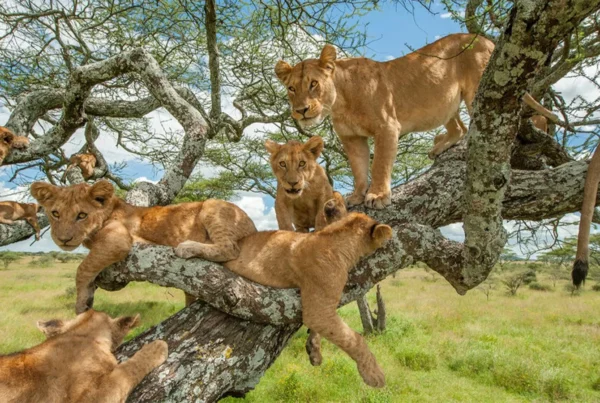
With Wildhorn Africa, you’ll journey through the heart of western Uganda, exploring Kibale Forest, Queen Elizabeth National Park, and Bwindi Impenetrable National Park, before concluding at the peaceful Lake Bunyonyi. Experience the thrill of tracking wild chimpanzees in Kibale, spotting elephants and the rare tree-climbing lions in Queen Elizabeth, and coming face-to-face with the endangered mountain gorillas in Bwindi. Finally, unwind at Lake Bunyonyi, where misty hills and scattered islands create the perfect backdrop for a tranquil end to your safari.

6-Day Bwindi NP, Queen Elizabeth, Kibale & Lake Bunyonyi

itinerary

Book this tour or craft your own experience

    Had a great trip with wild horn Africa when I visited volcano National park for 3days the experience was unforgettable,great memories and all thanks goes to our guide #Guma Kenny from Wildhorn Africa

    Neymar Imran

    I enjoyed my time with wildhorn Africa in kenya at Naivasha National part for 4 days had a great experience with different wild life with a help of our guide Juma

    Butumwa Djarumuzi

    Included

    • Park fees(For non-residents)
    • Gorilla permits(One per person, non-resident)
    • Chimp permits(One per person, non-resident)
    • All activities(Unless labeled as optional)
    • All accommodation(Unless listed as upgrade)
    • A professional driver/guide
    • All transportation(Unless labeled as optional)
    • All Taxes/VAT
    • Roundtrip airport transfer
    • Meals(As specified in the day-by-day section)
    • Drinking water(On all days)

    Excluded

    • International flights(From/to home)
    • Additional accommodation before and at the end of the tour
    • Tips(Tipping guideline US$10.00 pp per day)
    • Personal items(Souvenirs, travel insurance, visa fees, etc.)
    • Government imposed increase of taxes and/or park fees

    The best time to visit is generally considered to be during the dry season, when weather conditions are more pleasant and travel is less likely to be disrupted, typically based on your preferred destinations. During this period, landscapes are at their most vibrant, wildlife sightings are more frequent, and activities can be enjoyed with greater ease. While visits are possible year-round, choosing this window is often recommended to ensure the most rewarding and comfortable experience.

    WhatsApp

    Featured Headlines

    AllAboutAbout UsAdventure holidaysBotswanaBotswana places to visitBotswana travel guidesBucket list holidaysCongoCongo places to visitCongo travel guidesContact UsDestinationsEco-friendly accommodationsEgyptEgypt travel guidesEthiopiaEthiopia travel guidesExperiencesFamily holidaysGabonGabon travel guidesGet inspiredGroup holidaysHoliday typesHoneymoon holidaysJoin our teamKenyaKenya travel guidesKenya trip ideasLuxury holidaysMadagascarMadagascar travel guidesMalawiMalawi travel guidesMozambiqueMozambique travel guidesNamibiaNamibia accommodationsNamibia places to visitNamibia travel guidesNamibia trip ideasOff the beaten track holidaysPrimate holidaysRefer a friendResponsible travel tipsRwandaRwanda travel guidesRwanda trip ideasSafari holidaysSouth AfricaSouth Africa best time to visitSouth Africa travel guidesSouth Africa trip ideasSouth SudanSouth Sudan places to visitSpecial offersSustainable travelTanzaniaTanzania places to visitTanzania travel guidesTanzania trip ideasTravel guidesTravel safetyTravel stories and blogsUgandaUganda accommodationsUganda best time to visitUganda places to visitUganda travel guidesUganda trip ideasWhen to goWhere to goWildlife holidaysYour first safariZambiaZambia places to visitZambia travel guidesZimbabweZimbabwe places to visitZimbabwe travel guides
    5-Day Bwindi, Lake Bunyonyi & Queen

    5-Day Bwindi, Lake Bunyonyi & Queen Elizabeth Safari

    By Adventure holidays, Primate holidays, Safari holidays, Uganda trip ideas, Wildlife holidays
    From $2,132  per person  (USD)

    5-Day Bwindi, Lake Bunyonyi & Queen Elizabeth Safari

    5-Day Bwindi, Lake Bunyonyi & Queen

    Discover the very best of Uganda on this 5-day safari with Wildhorn Africa, exploring Queen Elizabeth National Park, Bwindi Impenetrable Forest, and Lake Bunyonyi. Enjoy thrilling game drives and a boat safari along the Kazinga Channel, venture into Bwindi’s dense rainforest for an unforgettable mountain gorilla trek, and unwind on the peaceful shores of Lake Bunyonyi. Your journey concludes with a scenic transfer to Kigali, Rwanda, wrapping up a perfect blend of wildlife adventure and relaxation.

    5-Day Bwindi, Lake Bunyonyi & Queen Elizabeth Safari

    itinerary

    Book this tour or craft your own experience

      Had a great trip with wild horn Africa when I visited volcano National park for 3days the experience was unforgettable,great memories and all thanks goes to our guide #Guma Kenny from Wildhorn Africa

      Neymar Imran

      I enjoyed my time with wildhorn Africa in kenya at Naivasha National part for 4 days had a great experience with different wild life with a help of our guide Juma

      Butumwa Djarumuzi

      Included

      • Park fees(For non-residents)
      • Gorilla permits(One per person, non-resident)
      • All activities(Unless labeled as optional)
      • All accommodation(Unless listed as upgrade)
      • A professional driver/guide
      • All transportation(Unless labeled as optional)
      • All Taxes/VAT
      • Roundtrip airport transfer
      • Meals(As specified in the day-by-day section)
      • Drinking water(On all days)

      Excluded

      • International flights(From/to home)
      • Additional accommodation before and at the end of the tour
      • Tips(Tipping guideline US$10.00 pp per day)
      • Personal items(Souvenirs, travel insurance, visa fees, etc.)
      • Government imposed increase of taxes and/or park fees
      • Some meals(As specified in the day-by-day section)

      The best time to visit is generally considered to be during the dry season, when weather conditions are more pleasant and travel is less likely to be disrupted, typically based on your preferred destinations. During this period, landscapes are at their most vibrant, wildlife sightings are more frequent, and activities can be enjoyed with greater ease. While visits are possible year-round, choosing this window is often recommended to ensure the most rewarding and comfortable experience.

      WhatsApp

      Featured Headlines

      AllAboutAbout UsAdventure holidaysBotswanaBotswana places to visitBotswana travel guidesBucket list holidaysCongoCongo places to visitCongo travel guidesContact UsDestinationsEco-friendly accommodationsEgyptEgypt travel guidesEthiopiaEthiopia travel guidesExperiencesFamily holidaysGabonGabon travel guidesGet inspiredGroup holidaysHoliday typesHoneymoon holidaysJoin our teamKenyaKenya travel guidesKenya trip ideasLuxury holidaysMadagascarMadagascar travel guidesMalawiMalawi travel guidesMozambiqueMozambique travel guidesNamibiaNamibia accommodationsNamibia places to visitNamibia travel guidesNamibia trip ideasOff the beaten track holidaysPrimate holidaysRefer a friendResponsible travel tipsRwandaRwanda travel guidesRwanda trip ideasSafari holidaysSouth AfricaSouth Africa best time to visitSouth Africa travel guidesSouth Africa trip ideasSouth SudanSouth Sudan places to visitSpecial offersSustainable travelTanzaniaTanzania places to visitTanzania travel guidesTanzania trip ideasTravel guidesTravel safetyTravel stories and blogsUgandaUganda accommodationsUganda best time to visitUganda places to visitUganda travel guidesUganda trip ideasWhen to goWhere to goWildlife holidaysYour first safariZambiaZambia places to visitZambia travel guidesZimbabweZimbabwe places to visitZimbabwe travel guides
      Bwindi gorilla trekking

      Bwindi gorilla trekking

      By Travel guides, Uganda travel guides

      Bwindi Gorilla Trekking

      Introduction

      Hidden within the misty embrace of southwestern Uganda lies Bwindi Impenetrable National Park, a mystical realm where ancient forests cloak steep hills and deep valleys. This UNESCO World Heritage Site is one of the most biologically diverse landscapes on Earth, but it is most celebrated for hosting more than half of the world’s remaining mountain gorillas. Trekking here is not just a wildlife excursion—it is a profound, almost spiritual journey into the heart of one of Africa’s last untouched wildernesses. The air is rich with the scent of damp earth and foliage, and every footstep carries the thrill of knowing that at any moment, the forest may reveal its most majestic inhabitants.

      Bwindi’s gorilla trekking experience has been described as life-changing by countless travelers. The sheer intimacy of standing a few meters away from a wild gorilla family, watching the silverback’s commanding presence, the mothers’ gentle care, and the infants’ playful mischief, creates a deep connection that transcends ordinary tourism. Here, conservation is not a distant concept—it is felt in every heartbeat of the jungle and in every careful step taken along its ancient trails.

      Where to Go

      Bwindi Impenetrable National Park covers more than 321 square kilometers of dense rainforest, bamboo stands, and montane vegetation. It is divided into four main sectors: Buhoma, Ruhija, Rushaga, and Nkuringo. Each sector offers distinct trekking routes, landscapes, and gorilla families to track, ensuring that no two experiences are exactly alike.

      The Buhoma sector, located in the northern part of the park, is the original trailhead where gorilla trekking began in Uganda in 1993. It is renowned for its accessibility and its proximity to well-established lodges and cultural encounters with the Bakiga and Batwa communities. Ruhija, situated in the east, offers a quieter and more remote experience, favored by those seeking less crowded trails and spectacular birdwatching opportunities. Rushaga, in the south, boasts the highest number of habituated gorilla families, making it a popular choice for those hoping to secure a permit even during peak seasons. Nkuringo, also in the south, is known for its physically demanding treks, rewarding adventurers with panoramic views of the Virunga Volcanoes and the lush Bwindi valleys.

      Each trekking location within Bwindi is carefully managed to ensure the well-being of the gorillas and the quality of the visitor experience. Only eight permits per gorilla family are issued daily, underscoring the exclusivity and conservation-minded approach of Uganda’s gorilla tourism.

      How to Get There

      Reaching Bwindi Impenetrable National Park is part of the adventure itself. The park lies about 8–10 hours by road from Kampala or Entebbe, with routes winding through the scenic highlands of southwestern Uganda. The journey offers glimpses of terraced hills, banana plantations, and bustling rural towns, providing a rich cultural backdrop even before arrival at the park’s gates.

      Travelers seeking a faster option can opt for domestic flights from Entebbe International Airport or Kajjansi Airfield to Kihihi or Kisoro airstrips, which are located near the park’s northern and southern sectors respectively. These flights cut travel time to about 1–2 hours, offering stunning aerial views of the Albertine Rift Valley and the surrounding landscapes. From the airstrips, short road transfers lead directly to the trekking trailheads.

      Whether arriving by road or air, visitors are required to report to the Uganda Wildlife Authority offices for a briefing before the trek begins. This ensures that every participant understands the trekking guidelines, the behavior expected around the gorillas, and the importance of maintaining the park’s delicate ecological balance.

      The Gorilla Trekking Experience

      The trek into Bwindi’s forest begins early in the morning, guided by experienced rangers and trackers who have spent years studying the movements and behaviors of the gorilla families. The trails may range from gentle slopes to steep, slippery inclines, often requiring hours of hiking through thick vegetation. The unpredictability of the trek—both in distance and terrain—adds to the sense of adventure and anticipation.

      When the gorillas are finally encountered, a strict one-hour observation period begins. This rule, enforced to protect the gorillas from human-borne diseases and undue stress, transforms every moment into something precious. The silverback may sit calmly, observing the visitors with wise, deep-set eyes, while juveniles tumble playfully in the undergrowth. Infants cling to their mothers, occasionally casting curious glances toward the human guests. Every rustle of leaves, every grunt or chest beat, feels like a piece of the forest’s living heartbeat.

      Gorilla trekking in Bwindi is not only a thrilling encounter but also a direct contribution to conservation. A significant portion of the permit fees goes toward the protection of the gorillas, the preservation of their habitat, and the support of surrounding communities. This integrated approach has helped increase gorilla populations and fostered a spirit of shared guardianship among local people.

      Other Things to Do in Bwindi

      While gorilla trekking is undoubtedly the highlight of any visit to Bwindi, the park and its surroundings offer a wealth of additional experiences. Nature walks through the forest unveil hidden waterfalls, centuries-old fig trees, and a chorus of bird calls from over 350 recorded species. Bwindi is also a sanctuary for rare primates such as the L’Hoest’s monkey and the black-and-white colobus.

      Cultural encounters with the Batwa people, the forest’s original inhabitants, provide a deeper understanding of the land’s history and traditions. Visitors can learn about traditional hunting techniques, medicinal plant use, and ancient songs and dances that echo the Batwa’s intimate connection to the forest.

      For those seeking panoramic vistas, guided hikes to the Nkuringo or Ruhija ridges reveal sweeping views of the Virunga Volcanoes and the shimmering expanse of Lake Edward. In the evenings, the cool mountain air and the forest’s symphony of nocturnal sounds create an atmosphere of pure serenity.

      Best Time to Visit

      Gorilla trekking in Bwindi is possible throughout the year, but the dry seasons, from June to September and December to February, are generally considered the best times to visit. During these months, the trails are less muddy and easier to navigate, and the weather is more predictable.

      The wet seasons, occurring from March to May and October to November, present a different kind of beauty, as the forest bursts into lush, vibrant growth. Although trekking may be more challenging due to slippery trails, the reward is a quieter experience with fewer tourists and a heightened sense of intimacy with the forest.

      No matter the season, Bwindi’s weather can be unpredictable due to its altitude and dense vegetation. Visitors are advised to dress in layers, carry waterproof clothing, and wear sturdy trekking boots to ensure comfort and safety throughout the adventure.

      A Journey Worth Taking

      Bwindi gorilla trekking is more than a wildlife experience—it is an encounter that leaves a lasting mark on the heart and mind. The sight of a silverback leading his family through the undergrowth, the gentle sounds of gorilla infants at play, and the awe of standing within arm’s reach of one of humanity’s closest relatives create a memory that defies time.

      Every permit purchased, every respectful step taken in the forest, contributes to the survival of these magnificent creatures and the preservation of one of the planet’s most precious ecosystems. For travelers seeking a truly transformative adventure, few experiences rival the call of Bwindi’s misty hills and the gaze of its mountain gorillas.

      For those ready to embark on this unforgettable journey, it is highly recommended to book your Africa tours and safaris through WildHorn Africa, a trusted expert in crafting immersive, responsible, and life-changing travel experiences across the continent.

      Where to stay on your gorilla trekking in Uganda?

      Where to stay on your gorilla trekking in Uganda?

      By Travel guides, Uganda travel guides

      Where to stay on your gorilla trekking in Uganda?

      Accommodation for gorilla trekking in Uganda is provided in a range of styles, ensuring that every type of traveler finds a suitable place to stay. Lodges and camps in Bwindi Impenetrable National Park and Mgahinga Gorilla National Park are often selected as part of bucket list holidays, offering direct access to the trekking starting points. Many are included in curated adventure holidays or wildlife holidays, where proximity to the forest enhances the experience. Whether booked as private holidays, group holidays, or family holidays, these stays are positioned to blend comfort with the excitement of exploring the gorilla habitats.

      From eco-lodges surrounded by dense forest to opulent retreats, options are available for every preference. Luxury holidays often feature elegant tented camps or private villas & accommodations holidays, providing exclusivity and personalized service. Travelers choosing cultural holidays, birding holidays, or climbing & hiking holidays frequently select lodges that also allow easy access to other attractions in the region. For those seeking remote seclusion, off the beaten holidays offer intimate stays far from crowds, while honeymoon holidays, solo holidays, and special holidays can be designed with privacy, romance, or personal milestones in mind.

      While gorilla trekking remains the central focus, many accommodations are chosen to complement other activities. Some travelers combine their stay with serene beach holidays on Lake Victoria or continue on to neighboring countries for the dramatic wildebeest migration holidays. Photographers on photography holidays often prefer lodges with panoramic views of forested hills, while primate holidays may involve multiple nights near areas known for chimpanzee and golden monkey tracking. However the itinerary is arranged, the choice of where to stay during gorilla trekking in Uganda plays a vital role in shaping a journey that is both memorable and deeply connected to Africa’s wild beauty.

      The best time to visit is generally considered to be during the dry season, when weather conditions are more pleasant and travel is less likely to be disrupted, typically based on your preferred destinations. During this period, landscapes are at their most vibrant, wildlife sightings are more frequent, and activities can be enjoyed with greater ease. While visits are possible year-round, choosing this window is often recommended to ensure the most rewarding and comfortable experience.

      WhatsApp

      Grandeur

      Experience the grandeur of Africa with WildHorn Africa, where every safari is designed to showcase the continent’s breathtaking landscapes and majestic wildlife.

      24/7 support

      Enjoy peace of mind with 24/7 support from WildHorn Africa, ensuring expert assistance before, during, and after your safari adventure.

      Safety

      Your safety is our top priority at WildHorn Africa, with expertly guided safaris and trusted partners ensuring a secure and worry-free adventure.

      Price-quality ratio

      WildHorn Africa offers exceptional price-quality ratio, delivering top-tier safari experiences at competitive rates without compromising on comfort.

      Clouds Mountain Gorilla Lodge

      Clouds Mountain Gorilla Lodge

      By Eco-friendly accommodations, Uganda accommodations

      Clouds Mountain Gorilla Lodge: Where the Earth Touches the Sky and Gorillas Roam Below

      High on the mist-veiled ridges of southern Uganda, overlooking vast valleys and volcanic peaks, stands a sanctuary unlike any other—Clouds Mountain Gorilla Lodge. Perched on the highest point of the Bwindi Impenetrable Forest, this exquisite retreat offers not only front-row access to one of the world’s rarest wildlife encounters—mountain gorilla trekking—but also an experience that lifts the spirit as surely as it elevates the body.

      Clouds is not merely a lodge—it is an emotional ascent. A place where the raw power of nature, the grace of human hospitality, and the silent majesty of gorillas converge to create an unforgettable safari for the soul. Here, the boundary between earth and sky blurs, and travelers discover something rare in both wildlife and within themselves: stillness, perspective, and awe.

      A Remote Throne Above the Forest: Location

      Clouds Mountain Gorilla Lodge is situated in Nkuringo, a remote sector on the southern edge of Bwindi Impenetrable National Park, a UNESCO World Heritage Site that shelters nearly half of the world’s remaining mountain gorilla population. Sitting at an altitude of over 2,000 meters above sea level, the lodge commands breathtaking views of the Virunga Volcanoes, the Albertine Rift Valley, and the rolling forest canopy that spills into Rwanda and the Democratic Republic of Congo beyond.

      The lodge’s location is strategic not only for its views but for its unparalleled proximity to the Nkuringo gorilla trekking trailhead—just a short walk from the property. This gives guests the rare advantage of avoiding long vehicle transfers and being among the first to venture into the forest each morning. The trail winds down steep ridges into the heart of the forest, where silverbacks lead their families through vines, ferns, and filtered light.

      The elevation provides more than just a panorama; it creates an atmosphere where clouds drift through your bedroom, where evenings are crisp and fireplaces glow warmly, and where the immensity of the wilderness below is matched only by the quiet grandeur of the stars above.

      Elevated Elegance in the Clouds: Facilities and Design

      Clouds Mountain Gorilla Lodge redefines the concept of rustic luxury. Designed with intention and artistic vision, the lodge is a collaboration between conservationists, architects, and the local community, ensuring that every element of comfort is rooted in authenticity and purpose.

      The lodge features private cottages constructed from locally sourced volcanic stone, each thoughtfully spaced for privacy and designed to embrace the surrounding views. Inside, the cottages feel more like highland homes than safari accommodations. Soaring ceilings, exposed timber beams, and oversized windows create a sense of space and light. Handwoven rugs, traditional textiles, and original artwork from Uganda’s leading contemporary artists adorn the walls, creating a subtle fusion of culture and comfort.

      Each cottage is fitted with a fireplace, where a crackling fire is lit each evening to warm the high-altitude chill. The en-suite bathrooms offer walk-in showers, plush towels, and eco-sensitive amenities. Personal butlers attend to each guest with warm precision, from lighting fires and delivering morning coffee, to preparing hot water bottles and arranging evening sundowners.

      The main lodge building includes a beautifully curated lounge, bar, dining room, and library. Floor-to-ceiling windows frame views of the volcanoes, and a spacious veranda allows guests to dine or relax in the open air. Meals are elegant yet hearty, often made from locally grown organic produce, and served with careful attention to detail. Every bite is a celebration of local flavor and global refinement.

      What truly sets Clouds apart is the sense of spiritual calm that permeates the property. From the hand-carved furniture to the soft echoes of the forest below, the entire lodge whispers luxury with a conscience—a rare place where serenity feels both intimate and expansive.

      Encounters with Giants and Soulful Journeys: Things to Do

      The crown jewel of any stay at Clouds Mountain Gorilla Lodge is undoubtedly the mountain gorilla trekking experience. Nkuringo is home to several habituated gorilla families, and treks from this sector are among the most scenic and physically rewarding. The journey into the forest is not merely a hike—it is a pilgrimage. With each step, anticipation builds. And when the moment finally arrives, when you lock eyes with a gorilla in the undergrowth—so close you can hear its breath—time slows, and the wild stirs something ancient within.

      Guides, trackers, and rangers—all trained with exceptional skill and knowledge—lead guests through the forest’s complex ecosystems, sharing insights on gorilla behavior, forest ecology, and conservation efforts. The trek may take between one and five hours depending on the family’s location, and the experience is both humbling and transformative.

      Beyond gorilla trekking, guests can embark on guided nature walks along the ridge, offering birdwatching, botanical discoveries, and uninterrupted views of the rift valley below. The River Ivy walk, a serene route along ancient trails and homesteads, immerses visitors in the daily rhythms of rural life, with encounters that feel genuine and respectfully curated.

      Cultural visits to local Batwa communities provide powerful glimpses into the history of the forest’s original inhabitants. These experiences, handled with sensitivity and partnership, reveal traditional dances, crafts, and storytelling that speak to the deep symbiosis between people and nature.

      The lodge also offers massage and wellness treatments for guests needing relaxation after trekking. These are delivered in-room or on the cottage terrace, with birdsong and the rustling breeze serving as natural soundtracks.

      Seasons Above the Clouds: Best Time to Visit

      While Bwindi Impenetrable Forest is a year-round destination, the most favorable conditions for gorilla trekking occur during the dry seasons, from June to August and December to February. During these months, trails are drier, forest visibility is better, and treks tend to be less physically demanding. These windows also offer more stable weather for photography and a higher likelihood of panoramic views from the lodge’s lofty setting.

      The wet seasons, from March to May and September to November, bring their own form of beauty. The forest becomes denser, greener, and alive with new growth. Birdlife flourishes, and the air feels cooler and fresher. Though trails can be more slippery and sightings slightly more elusive, the dramatic weather patterns often reward photographers and solitude seekers with atmospheric magic.

      The elevation of Clouds Mountain Gorilla Lodge ensures that temperatures remain moderate year-round, though guests should be prepared for cool mornings and evenings—particularly in the wet months. Regardless of the season, the experience of watching mist rise from the forest while sipping hot coffee from your veranda remains unforgettable.

      Where Conservation Meets Comfort

      Clouds Mountain Gorilla Lodge is more than a haven for travelers; it is a pillar of conservation and community development. Operated in partnership with the African Wildlife Foundation and the Nkuringo Conservation and Development Foundation, the lodge directs a portion of its revenue into local health, education, and reforestation projects.

      Employment at the lodge is drawn directly from nearby villages, and staff are not only professionally trained, but deeply proud to share their land and culture. Every guest who stays at Clouds contributes to protecting the forest, the gorillas, and the communities that coexist with them. It is a rare model of sustainable tourism that delivers genuine impact without compromising on luxury.

      A Place to Breathe, To Witness, To Belong

      Clouds Mountain Gorilla Lodge is not defined merely by its amenities or location, but by the emotion it evokes. It is a place where the scale of the world is recalibrated—not in skyscrapers, but in the quiet presence of a silverback gorilla, the endless sky over the Virungas, and the stillness of clouds moving through the trees.

      It is where adventure meets introspection. Where the silence of the mountains speaks louder than words. Where luxury is measured not in excess, but in intention, immersion, and grace.

      For the discerning traveler, this lodge offers a rare invitation—not just to see the wild, but to feel part of it. To descend into the forest with reverence and return to the clouds with wonder.

      Start Your Journey the Right Way—with WildHorn Africa

      A destination as remote, refined, and resonant as Clouds Mountain Gorilla Lodge deserves careful, personalized planning. To ensure your journey is seamless from arrival to departure—and rich in both discovery and impact—it is highly recommended to book your gorilla trekking adventure through WildHorn Africa.

      With unmatched expertise in East African safaris, a commitment to ethical travel, and a talent for designing tailor-made experiences, WildHorn Africa ensures that every element of your itinerary—from gorilla permits and luxury lodges to cultural interactions and conservation visits—is managed with precision and passion.

      Let WildHorn Africa take you above the canopy, into the clouds, and face-to-face with the gentle giants of Bwindi. The journey of a lifetime starts here.

      Close Menu