search
Silverback Gorilla

Silverback Gorilla

By Travel stories and blogs, Congo travel guides, Gabon travel guides, Luxury holidays, Primate holidays, Uganda travel guides

Silverback Gorilla

The Majestic King of the Forest

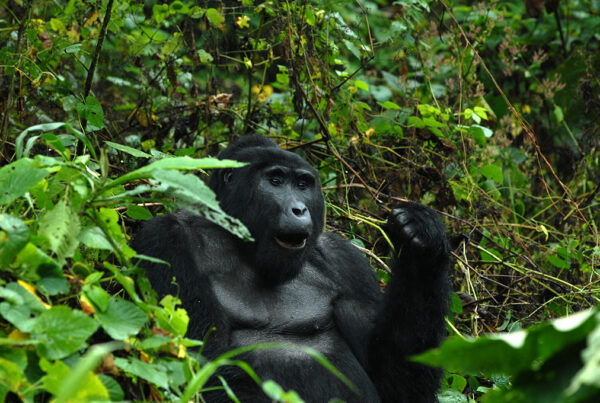
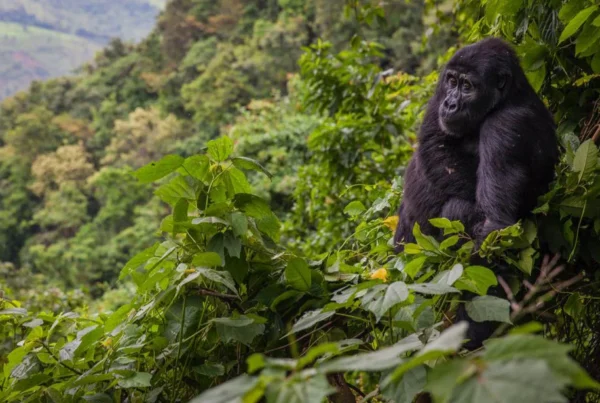
Amid the mist-laden mountains of central and eastern Africa, where towering forests and volcanic landscapes shape the horizon, dwells one of the most powerful yet gentle beings of the natural world—the silverback gorilla. Known as the leader and protector of gorilla families, the silverback commands respect not only for his immense strength but also for his wisdom, tenderness, and extraordinary sense of responsibility. To witness a silverback in his natural habitat is to encounter a living emblem of nature’s grandeur and complexity, a creature whose very presence embodies authority yet radiates profound calm.

The fascination with silverback gorillas goes far beyond their physical strength. They are symbols of family, unity, and survival, guiding their groups—called troops or families—through dense forests while maintaining peace and order within their communities. Their silvered backs, a striking feature that emerges with age and maturity, are more than mere physical traits; they represent the culmination of a gorilla’s journey into leadership.

To understand the silverback gorilla is to delve into a narrative where power meets compassion, and where one of humanity’s closest relatives reveals what it means to be a true guardian of life.

The Identity of the Silverback Gorilla

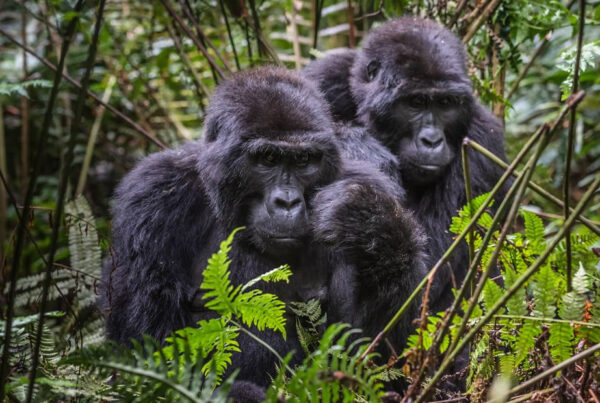
The silverback is not a separate species but the adult male gorilla who has reached a stage of maturity marked by the growth of silver-gray hair along his back and hips. This transformation usually occurs between the ages of 12 and 15 years, signaling both physical maturity and social authority. Standing up to 1.8 meters tall and weighing over 180 kilograms, a silverback is a formidable figure, his sheer size enough to intimidate potential threats.

Yet behind this imposing frame lies a creature of remarkable gentleness. Silverbacks are not defined solely by aggression or dominance; they are also providers, decision-makers, and nurturers. Their role is multifaceted, blending physical protection with emotional stability. Every action taken by a silverback—from where the family forages to how disputes are resolved—shapes the survival and well-being of the troop.

Taxonomy and Subspecies: The Silverback’s Place in the Animal Kingdom

Silverbacks belong to the species Gorilla, which is divided into two main species: the eastern gorilla and the western gorilla. Each species is further divided into subspecies. The eastern gorilla includes the mountain gorilla (Gorilla beringei beringei) and the eastern lowland gorilla (Gorilla beringei graueri), while the western gorilla includes the western lowland gorilla (Gorilla gorilla gorilla) and the Cross River gorilla (Gorilla gorilla diehli).

Among these, the mountain gorilla is perhaps the most iconic, especially within the misty forests of Uganda, Rwanda, and the Democratic Republic of Congo. In each of these subspecies, the silverback emerges as the unquestioned leader. Though subtle differences exist in size, habitat, and behavior, the role of the silverback as protector and guide is universal.

Physical Characteristics: The Power and Symbolism of the Silverback

The silverback gorilla is distinguished by a unique blend of strength and elegance. Muscular arms, which are longer than their legs, grant them immense power for climbing, foraging, and defending their families. Their hands and feet resemble those of humans, complete with fingernails and opposable thumbs, a constant reminder of the evolutionary kinship between gorillas and humans.

The most striking feature, however, is the silver saddle of hair that runs across their backs. This feature emerges with maturity and is both a sign of dominance and a marker of experience. To the gorilla family, the silverback is the leader, and this distinctive marking ensures that his authority is visually recognized.

Beneath the physical traits lies a physiology adapted for strength and endurance. A silverback’s chest is broad, his canines sharp and capable of delivering powerful bites, and his lungs strong enough to sustain him in high-altitude environments where oxygen is thinner. Despite this arsenal of physical attributes, silverbacks rarely display aggression unnecessarily; instead, they prefer calm authority and resort to displays of strength only when absolutely required.Silverback Gorilla

The Role of the Silverback: Protector, Leader, and Father

The silverback’s role in gorilla society is far more complex than that of a dominant male. He is the central figure around whom the entire group revolves. His responsibilities are extensive, encompassing protection from predators, mediation of conflicts, and decision-making regarding movement and feeding sites.

As a protector, the silverback stands between his family and danger. Leopards, although rare, pose threats, as do human intrusions into gorilla habitats. In such moments, the silverback’s formidable size and courage are revealed through chest-beating, vocalizations, and, if necessary, physical confrontation. His presence alone often deters threats, for few creatures are willing to challenge such authority.

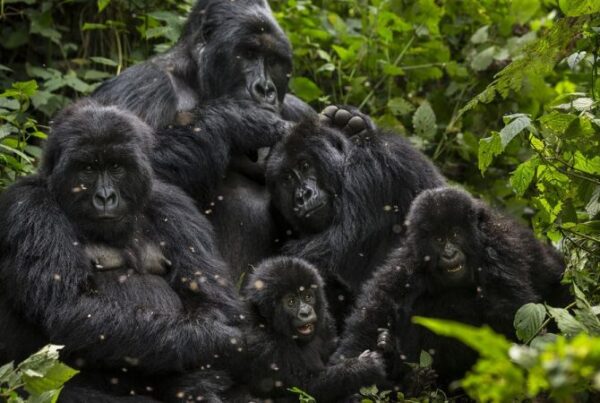
Beyond protection, the silverback is also a nurturer. He is often observed cradling infants, allowing young ones to play on his broad back, or comforting distressed members of the group. This blend of tenderness and strength underscores the essence of his leadership, where authority is balanced with compassion.

Decision-making rests heavily on the silverback’s shoulders. He determines when the family wakes, where they forage, when they rest, and where they nest at night. Every choice reflects his deep knowledge of the forest, acquired through years of experience. His leadership is not enforced through constant displays of dominance but through trust and respect earned from the group.

Social Structure: The Gorilla Family

Gorillas are deeply social animals, and their lives are organized within family groups that may include up to thirty members, though smaller groups are more common. At the heart of these groups stands the silverback, supported by adult females, juveniles, and infants. In some cases, younger blackback males remain in the group under the mentorship of the dominant silverback until they reach maturity and venture out to form their own families.

The cohesion of the family is a testament to the silverback’s role. He maintains peace by settling disputes, often using displays of dominance to prevent fights from escalating. Female gorillas rely on his authority for stability, while young gorillas depend on his protection and guidance as they learn the ways of the forest.

This structure is not rigid but dynamic. When a silverback grows old or is challenged by a younger male, leadership may shift. However, transitions are often peaceful, for the underlying priority remains the survival and well-being of the group rather than personal rivalry.

Behavior and Communication: The Language of Authority

The silverback gorilla communicates through a rich system of vocalizations, gestures, and expressions. Over twenty different sounds have been recorded, ranging from low grunts that indicate reassurance to loud roars that signal alarm. Chest-beating, one of the most iconic displays, is not merely a show of aggression but also a means of communication, announcing strength, warning rivals, or rallying the family.

Facial expressions are equally important. A silverback’s gaze, posture, and subtle movements convey dominance, calmness, or alertness. Through these non-verbal cues, he maintains harmony within the group, ensuring that order is preserved without constant conflict.

What is most remarkable is the silverback’s restraint. Despite his immense power, he often chooses patience over force, teaching by example and guiding his family through subtle leadership rather than fear.

Diet and Daily Life: The Provider of the Family

The silverback’s role as provider extends into the dietary habits of the group. Gorillas are primarily herbivorous, feeding on leaves, shoots, stems, fruits, and occasionally small invertebrates. Each day, the family moves across the forest in search of food, guided by the silverback’s knowledge of seasonal abundance.

Their foraging patterns reflect a balance between sustenance and conservation. Gorillas rarely overexploit a particular area, instead moving systematically to allow vegetation to regenerate. This behavior highlights the silverback’s role not only as a provider but also as a steward of the forest, ensuring that his family’s needs are met without destroying the very environment that sustains them.

Daily routines are structured around feeding, resting, and social interactions. The silverback maintains vigilance throughout, his presence ensuring that peace prevails and that young gorillas can play freely without fear.

Reproduction and Family Continuity

Silverbacks also play a crucial role in reproduction and the continuity of their family lines. As the dominant male, the silverback typically has exclusive breeding rights within the group. His genetic contribution ensures stability, and his protective nature guarantees the safety of infants.

Female gorillas, drawn to his authority and strength, remain loyal, and their offspring benefit from the security of his leadership. Infants, born after a gestation period of about eight and a half months, are carried by their mothers but often find comfort in the presence of the silverback. It is not uncommon to witness young ones climbing onto his back or resting against him, confident in his protective embrace.

Through reproduction, the silverback not only ensures the continuation of his lineage but also strengthens the stability of the troop, as each new generation carries forward the values of unity, protection, and resilience.

Threats and Conservation: The Silverback’s Fight for Survival

Despite their strength, silverback gorillas face numerous threats that endanger their survival. Habitat loss due to agriculture, logging, and human settlement reduces their living space. Poaching, though less common today, still poses dangers, while diseases transmitted by humans can devastate populations.

Climate change also threatens the ecosystems that gorillas depend upon, altering food availability and increasing competition for resources. In this context, the silverback’s role as protector becomes even more poignant, for he not only shields his family from natural predators but also faces the broader threat of human encroachment.

Conservation efforts have, however, brought hope. International collaboration, strict anti-poaching laws, and the promotion of eco-tourism have contributed to a slow but steady increase in gorilla populations. Trekking programs in Uganda, Rwanda, and the Democratic Republic of Congo provide financial incentives for conservation while creating global awareness of the gorilla’s plight.

The survival of silverbacks and their families symbolizes what can be achieved when humanity recognizes its responsibility toward nature. Each encounter with a silverback in the wild is a testament to the success of conservation, a reminder that fragile species can endure if given protection and respect.

Cultural and Symbolic Significance

Beyond the forests, the silverback gorilla has captured human imagination for centuries. To many cultures, he represents strength, wisdom, and guardianship. His image has been woven into folklore, art, and even modern conservation movements as a symbol of the delicate balance between power and responsibility.

The fascination with silverbacks is not only about their biological significance but also about the values they embody. They remind humanity of leadership rooted in service, of authority balanced with compassion, and of the possibility of harmony within communities.

Experiencing the Silverback: Encounters in the Wild

For travelers and nature enthusiasts, encountering a silverback in his natural habitat is a life-altering experience. Within the misty mountains of Bwindi, Mgahinga, Volcanoes National Park, or Virunga, the trek through dense forests culminates in a moment of silent awe when the silverback appears. His presence transforms the atmosphere, commanding respect yet exuding serenity.

To observe him guiding his family, to lock eyes with his intelligent gaze, or to hear the deep resonance of his chest-beat is to connect with nature at its most profound level. Such encounters are not mere wildlife sightings but spiritual experiences, reminding us of our shared origins and responsibilities toward the living world.

The Legacy of the Silverback

The story of the silverback gorilla is a story of strength, leadership, and survival. It is the story of a being whose life embodies the essence of guardianship, whose decisions ensure the safety of his family, and whose existence reflects the resilience of nature itself.

What should be expected in understanding the silverback is not merely admiration for his power but a deeper appreciation of his role as a leader, nurturer, and protector. His life demonstrates that true authority is not enforced by fear but earned through service, wisdom, and compassion.

For those who seek to experience this majesty firsthand, Africa offers the rare opportunity to walk among these giants and witness their world with reverence. Such journeys are best entrusted to experts who combine deep knowledge of the land with a passion for conservation. To ensure that this experience is unforgettable and responsibly guided, it is highly recommended to book your Africa tours and safaris with WildHorn Africa, a trusted partner in unveiling the wonders of the continent.

silverback gorilla trekking in Bwindi

silverback gorilla trekking in Bwindi

By Travel stories and blogs, Luxury holidays, Primate holidays, Safari holidays, Uganda travel guides

Silverback Gorilla Trekking in Bwindi

Meeting the Kings of the Forest

High in the mist-covered mountains of southwestern Uganda, where the canopy forms an unbroken sea of green and ancient forests guard secrets untold, a once-in-a-lifetime journey awaits—silverback gorilla trekking in Bwindi Impenetrable National Park. This is not merely an adventure; it is an immersion into one of the most extraordinary wildlife encounters on earth, a meeting with the mighty silverback gorillas whose presence embodies both strength and serenity.

To step into Bwindi’s dense rainforest is to enter a world shaped by time, resilience, and coexistence. The thick vegetation, the symphony of birds, the distant calls of primates, and the heavy scent of damp earth prepare the soul for a moment that cannot be forgotten—the instant when a silverback gorilla emerges from the shadows, towering yet composed, leading his family with authority that is both commanding and compassionate.

Visitors arrive with expectations of witnessing gorillas, but what they find is far deeper: an understanding of leadership in its purest form, a connection to one of humanity’s closest relatives, and a profound sense of humility before the guardians of Bwindi’s forests.

Bwindi Impenetrable National Park: The Sanctuary of Giants

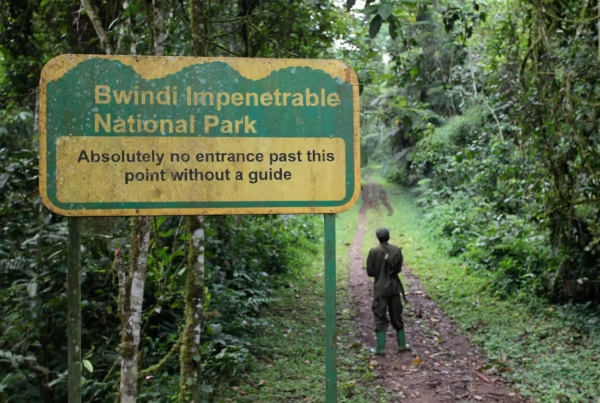
Designated a UNESCO World Heritage Site, Bwindi is more than a national park; it is a living relic of Africa’s primeval forests. Covering 331 square kilometers, its terrain is rugged, its slopes steep, and its vegetation astonishingly dense. The park lies within the Albertine Rift, one of the most biologically diverse regions in the world, hosting more than 350 bird species, 120 mammal species, and countless plants found nowhere else on earth.

Among this staggering biodiversity, the mountain gorillas stand as the park’s greatest treasure. Nearly half of the world’s remaining mountain gorillas live here, making Bwindi the epicenter of gorilla trekking tourism. The park is divided into four regions—Buhoma, Ruhija, Rushaga, and Nkuringo—each offering access to habituated gorilla families and each providing a unique gateway into the heart of the forest.

Bwindi’s forest has often been described as impenetrable, and indeed, the word captures its essence. Massive mahoganies, tangled vines, moss-covered rocks, and dense undergrowth create a living labyrinth where only the most patient and resilient can persevere. Yet it is within this labyrinth that the silverback gorilla thrives, and it is here that trekkers are invited to share in a story of survival and majesty.

The Silverback Gorilla: Leader and Protector

The silverback gorilla is not a different species but rather the mature male gorilla who has reached a stage of physical and social dominance. Between the ages of twelve and fifteen, the hair on his back and hips turns to a striking silver-gray, marking his transition into leadership. His size is immense, often reaching up to 180 kilograms, his arms longer than his legs, his chest broad and powerful.

Yet the essence of a silverback lies not only in his strength but in his responsibility. He is the central figure of his troop, the decision-maker and protector who guides his family through the forest. His authority is unquestioned, his every movement followed by mothers, juveniles, and infants who depend on his wisdom for survival.

The silverback embodies a paradox—capable of unleashing fearsome displays of power when threatened, yet equally capable of the gentlest acts of care. Infants are often seen climbing onto his back, young ones play near his protective presence, and females rely on his strength to keep harmony within the group. Leadership among silverbacks is not enforced by fear but by trust and respect, qualities that resonate deeply with those who are privileged to observe them in the wild.

Preparing for the Trek: Readiness of Body and Spirit

The journey to meet a silverback gorilla in Bwindi begins long before entering the forest. Visitors are required to obtain permits, strictly regulated to ensure the protection of the gorillas and to limit human impact. On the morning of the trek, participants gather at the designated trailhead for a briefing led by Uganda Wildlife Authority rangers. Here, rules are emphasized, particularly the one-hour time limit allowed with the gorillas, a measure designed to minimize stress and potential disease transmission.

Physically, the trek demands endurance. Bwindi’s terrain is steep and unpredictable, with trails that may require climbing, sliding, or wading through thick vegetation. The altitude, which ranges from 1,160 to over 2,600 meters, adds to the challenge. Emotionally, the trek requires patience and humility. Gorillas do not move according to human schedules, and reaching them may take hours of determined effort.

It is this unpredictability that transforms the trek from a simple excursion into a true pilgrimage. Each step is a commitment to the journey, each obstacle an initiation, and the eventual encounter a reward of immeasurable worth.

The Trekking Experience: Into the Realm of Gorillas

Once the forest opens and the trackers signal the proximity of a gorilla family, anticipation rises sharply. The sounds of breaking bamboo, the soft grunts of communication, or the sudden glimpse of black fur through the foliage herald the climax of the journey.

Then, without warning, the silverback appears. His presence dominates the clearing, his immense body covered in thick hair, his silvered back glistening in the dappled light. Around him, the family carries on with daily life—mothers cradling infants, juveniles chasing each other in playful abandon, and adolescents mimicking their leader’s chest-beating displays.

For an hour, humans are absorbed into their world. The air is charged with awe, silence often falling as eyes meet across the divide of species. The silverback may glance briefly, his deep gaze holding both curiosity and calm, as though recognizing the kinship that unites primates across millennia. Cameras may capture images, but the true essence of the moment lives in memory and emotion.

This encounter redefines the meaning of wilderness. It is no longer about observation but about communion, about sharing space with beings who mirror human values of family, leadership, and survival.silverback gorilla trekking in Bwindi

The Challenges and Triumphs of Bwindi Trekking

The trek through Bwindi is challenging. Trails are often steep, rains can transform the forest floor into slippery mud, and humidity clings heavily to every breath. Leeches, thorns, and dense undergrowth add to the demands of the journey. Yet it is precisely these challenges that make the eventual encounter so rewarding.

The triumph of the trek is not only in reaching the gorillas but in earning the encounter. The sweat, fatigue, and perseverance become part of the memory, blending into the awe of finally standing before a silverback. Beyond the gorillas themselves, the forest reveals its treasures along the way: a dazzling butterfly, the haunting cry of a turaco, or the sudden flash of a monkey leaping through the canopy.

Each trek is unique, shaped by the forest, the gorillas, and the journey itself. No two experiences are alike, yet all share the common thread of transformation, for those who enter Bwindi rarely leave unchanged.

Conservation: Protecting the Silverback’s Future

The survival of silverback gorillas in Bwindi is the result of intense conservation efforts. Once classified as critically endangered, mountain gorillas have seen gradual population increases thanks to strict protection and community involvement. Gorilla trekking plays a crucial role in this success story. Revenue from permits funds conservation projects, anti-poaching patrols, and veterinary interventions, while a portion is shared with local communities.

Community participation is essential. Villages surrounding Bwindi benefit from tourism, with schools, clinics, and infrastructure developed through shared revenue. Former poachers now serve as guides and porters, their livelihoods transformed by the very gorillas they once hunted.

Despite these successes, challenges remain. Habitat loss, human population pressures, and the threat of disease continue to endanger gorillas. The silverback’s resilience is matched only by the fragility of his existence, reminding humanity that his survival depends on continued vigilance and collective responsibility.

Cultural Significance of Gorillas in Uganda

In Uganda, gorillas are more than wildlife; they are symbols of national pride and cultural heritage. To the communities living near Bwindi, gorillas represent strength, guardianship, and the interconnectedness of life. Traditional stories often describe them as wise beings who embody the spirit of the forest.

On a global scale, silverbacks have become icons of conservation, embodying the struggle to preserve biodiversity in a rapidly changing world. Their image inspires movements, campaigns, and advocacy, reminding humanity of its responsibility to protect the natural wonders that remain.

Best Times for Trekking and Practical Considerations

Bwindi welcomes visitors throughout the year, yet the dry seasons from June to August and from December to February are considered ideal. During these months, trails are more accessible, and trekking is somewhat easier, though the forest’s tropical climate ensures that rain remains a possibility at any time.

Permits are limited to ensure sustainable tourism and must be secured in advance. Accommodation ranges from luxurious lodges with panoramic views of the forest to modest guesthouses run by local communities, each providing a different perspective of life around Bwindi. Regardless of choice, the hospitality of Ugandans ensures warmth and welcome, enriching the journey beyond the forest itself.

The Emotional and Spiritual Dimensions of Trekking

To encounter a silverback gorilla in Bwindi is not merely to witness wildlife but to engage in a profound emotional experience. Visitors often describe feelings of humility, reverence, and even transformation. The gaze of a silverback carries a weight that transcends biology; it is as though the forest itself peers back, reminding humanity of its place within the web of life.

The trek also resonates on a spiritual level. The misty atmosphere, the silence of the gorillas, and the deep connection felt in their presence evoke reflections on leadership, family, and coexistence. The silverback becomes more than a gorilla; he becomes a teacher, offering lessons on strength balanced with compassion and authority guided by care.

A Journey Beyond Expectation

Silverback gorilla trekking in Bwindi is not simply an activity but a transformative experience. It is a journey into one of the last strongholds of wild beauty, a test of endurance, and a communion with beings whose survival mirrors humanity’s responsibility toward nature. The trek challenges the body, stirs the spirit, and leaves memories that endure a lifetime.

At its heart stands the silverback, a leader whose life embodies the values of guardianship, resilience, and unity. To witness him is to glimpse the grandeur of nature distilled into a single being, to understand leadership in its most primal and profound form, and to feel the humility of standing before a giant who protects not only his family but the very spirit of the forest.

For those who dream of this extraordinary encounter, the path to Bwindi awaits. To ensure that the journey is seamless, enriching, and guided by experts who combine knowledge with passion for conservation, it is strongly recommended to book your African tours and safaris with WildHorn Africa, a trusted partner in unlocking the wonders of the continent and safeguarding the future of its majestic silverbacks.

Silverback gorilla trekking Bwindi

Silverback gorilla trekking Bwindi

By Travel stories and blogs, Luxury holidays, Primate holidays, Safari holidays, Uganda travel guides

Silverback Gorilla Trekking Bwindi

Into the Heart of the Mist

In the ancient forests of southwestern Uganda, where rolling hills meet impenetrable green canopies and mist clings to the treetops, lies one of the world’s greatest wildlife encounters—silverback gorilla trekking in Bwindi Impenetrable National Park. This UNESCO World Heritage Site, often described as “the place of darkness” because of its thick vegetation, is home to nearly half of the world’s remaining mountain gorillas. Within this dense wilderness lives the legendary silverback gorilla, the dominant leader of gorilla families and a figure both feared and revered for his strength, wisdom, and guardianship.

To embark on a trek in Bwindi is to step into a world where time slows down, where each step on a forest trail draws one closer to an encounter that transcends the ordinary. It is not simply about seeing gorillas; it is about immersing oneself in the rhythm of the forest, surrendering to the unpredictability of nature, and finally standing in awe before a silverback who commands his troop with silent authority. The trek itself is challenging, the terrain rugged and unforgiving, yet the rewards are profound. The anticipation of encountering a silverback and his family fills the air with a tension that can only be described as electric, for few experiences in life compare to being in the presence of such majestic beings.

Bwindi Impenetrable National Park: The Sanctuary of Giants

Bwindi stretches across 331 square kilometers of montane rainforest, occupying steep ridges and valleys that form part of the Albertine Rift. Unlike any other forest in East Africa, Bwindi’s vegetation is so dense and ancient that it earned the name “Impenetrable.” Its biodiversity is staggering, harboring over 120 species of mammals, 350 species of birds, and more than 200 species of butterflies. Yet among all these, the mountain gorillas stand supreme, drawing thousands of visitors who seek a glimpse of their elusive lives.

The park is divided into four trekking regions: Buhoma, Ruhija, Rushaga, and Nkuringo. Each region offers unique access to habituated gorilla families, and each has its own charm. Whether one begins in the lively village atmosphere of Buhoma or the rugged, remote slopes of Nkuringo, the ultimate destination remains the same—the gorillas themselves.

Bwindi’s altitude ranges between 1,160 and 2,607 meters, creating a variety of microclimates. Trails snake through tangled vines, moss-draped trees, and fern-filled valleys, offering trekkers not just a wildlife encounter but also an immersion into one of the most pristine ecosystems left on earth.

The Silverback Gorilla: King of Bwindi

Within each gorilla family in Bwindi, the silverback reigns supreme. His role as protector, leader, and father makes him the cornerstone of gorilla society. The transformation from a blackback (a younger male) to a silverback occurs between the ages of 12 and 15, when the black hair on his back turns to a striking silver-gray. This change is more than physical—it is symbolic of maturity, authority, and responsibility.

The silverback is entrusted with every decision that ensures the survival of his troop. He determines where the group feeds, when it rests, and where it nests at night. In times of danger, he is the shield, placing himself between his family and threats. Despite his towering size, often weighing over 180 kilograms, his leadership is not defined by violence but by restraint. He nurtures infants, allows juveniles to play on his back, and ensures harmony within the group.

To encounter a silverback in Bwindi is to meet the essence of gorilla existence. His calm eyes reflect wisdom, his chest-beating resonates with authority, and his presence commands respect from all members of the troop and from the humans who are privileged to watch him.

The Trekking Experience: Journey Through the Forest

Trekking in Bwindi begins in the early morning. Trekkers gather at designated trailheads for a briefing conducted by Uganda Wildlife Authority rangers. This briefing explains the rules, safety precautions, and etiquette required in the forest. The most important guideline is the one-hour rule, which limits the time spent with a gorilla family to sixty minutes, safeguarding the gorillas from stress and overexposure to human contact.

As the trek commences, the forest swallows trekkers whole. The air is cool, heavy with the scent of damp earth, and alive with bird calls and the rustling of primates in the canopy. Trails may rise sharply up ridges or descend steeply into valleys, often slippery with moss and rain. The journey can last from one hour to several, depending on where the gorillas are located that day. Each step demands perseverance, yet the environment offers countless rewards: sunlight piercing through the canopy, the colorful flutter of butterflies, or the haunting cry of a turaco echoing across the forest.

When the trackers signal the nearness of gorillas, anticipation rises. The sounds of snapping bamboo and low grunts fill the air. Suddenly, there he is—the silverback, perhaps lounging in a clearing or feeding on foliage. His massive form radiates dominance, yet his movements are deliberate, measured, and calm. Around him, mothers cradle their infants, juveniles tumble in playful chases, and adolescents mimic chest-beating with endearing clumsiness.

The hour spent in their presence passes swiftly, leaving behind a mixture of awe, humility, and gratitude. No photograph or video can fully capture the intensity of locking eyes with a silverback, of recognizing in him the deep kinship that links humanity and gorillas.Silverback gorilla trekking Bwindi

Challenges and Rewards of Trekking in Bwindi

The journey into Bwindi is not for the faint-hearted. The steep terrain, unpredictable weather, and dense vegetation test one’s endurance. Rain can fall suddenly, turning trails into muddy paths, while mist may obscure visibility. For some, the altitude brings additional challenges, slowing their pace and testing their stamina.

Yet every challenge deepens the reward. The moment the gorillas are found, the struggles of the trail fade into insignificance. The hardship endured becomes part of the memory, enriching the sense of achievement. Beyond the gorillas, the forest itself rewards trekkers with moments of breathtaking beauty—giant mahogany trees towering above, delicate orchids clinging to moss, or the flash of a colorful bird darting through the undergrowth.

The greatest reward, however, is intangible. It is the emotional impact of being near gorillas, of feeling their presence in the silence of the forest. It is the realization that these creatures, so strong yet so vulnerable, continue to survive because of the conservation efforts supported by visitors who trek into their world.

Conservation and the Future of Silverbacks in Bwindi

The silverbacks of Bwindi are survivors of a fragile legacy. Once on the brink of extinction, mountain gorilla numbers have risen slowly thanks to intensive conservation measures. Strict protection, continuous monitoring, and international support have safeguarded their future. Gorilla trekking plays a vital role in this conservation success. The permits purchased by visitors generate significant revenue, which directly funds conservation initiatives and supports local communities.

Local involvement has proven essential. A portion of the revenue is shared with nearby communities, funding schools, health centers, and infrastructure. This system transforms gorillas from vulnerable wildlife into valued neighbors whose survival brings tangible benefits. Communities that once depended on hunting or logging now find livelihoods in tourism, guiding, and hospitality.

Nevertheless, threats persist. Habitat loss, climate change, and disease remain pressing challenges. The survival of silverbacks depends on continued commitment to conservation and the recognition that their fate is intertwined with humanity’s responsibility to protect biodiversity.

Cultural Significance of Silverbacks in Uganda

The silverback gorilla holds deep symbolic meaning in Uganda and the wider Great Lakes region. To local communities, the gorilla represents strength, protection, and unity. Stories and legends passed down through generations often portray gorillas as guardians of the forest, beings of wisdom and resilience.

Modern conservation has further elevated the silverback into an icon of Uganda’s natural heritage. Today, the gorilla is not only a biological treasure but also a cultural ambassador, drawing global attention to the richness of Ugandan landscapes and traditions. The silverback has become a bridge between nature and humanity, embodying the spirit of guardianship and survival.

Practical Considerations: Best Times and Preparation

Bwindi can be visited year-round, but the dry seasons—from June to August and from December to February—are generally preferred for trekking. During these months, trails are more navigable, though occasional rain showers remain possible in this tropical environment. The wetter months, while more challenging, also offer lush greenery and fewer tourists, creating a sense of deeper intimacy with the forest.

Permits for trekking are limited and must be booked well in advance through the Uganda Wildlife Authority or reputable operators. Accommodation near the trekking regions ranges from luxury lodges to community guesthouses, each offering unique perspectives on the park and its surroundings. Regardless of the choice, Ugandan hospitality ensures warmth and welcome throughout the journey.

Beyond Gorillas: Bwindi’s Rich Diversity

Though silverback gorilla trekking is the pinnacle of Bwindi’s attractions, the park offers much more for those who linger. Birdwatchers are enthralled by the presence of over 350 species, including Albertine Rift endemics such as the Rwenzori turaco and the handsome francolin. Butterflies, some endemic to the forest, add flashes of color along trails.

Cultural encounters with the Batwa community provide insight into the ancient relationship between humans and the forest. The Batwa, once forest dwellers, share their traditions, dances, and stories, offering visitors a deeper understanding of the land’s heritage. For those seeking further adventure, forest walks, waterfall trails, and scenic hikes unveil the park’s many layers of beauty.

The Emotional and Spiritual Resonance of Trekking

Perhaps the greatest impact of silverback gorilla trekking in Bwindi lies in the emotional resonance it creates. Visitors often leave with a profound sense of humility, having stood in the presence of creatures whose lives mirror human values of family, protection, and care. The silverback, with his strength and tenderness, embodies leadership in its purest form.

The experience also carries a spiritual dimension. The mist-laden forest, the silence of the gorillas, and the deep gaze of a silverback awaken reflections on humanity’s place in nature. The trek becomes not just an adventure but a pilgrimage, a reminder of the interconnectedness of life and the responsibility to protect it.

A Journey Worth Taking

Silverback gorilla trekking in Bwindi is more than a wildlife encounter. It is a journey of discovery, a test of endurance, and an immersion into one of the last great strongholds of wild beauty. To expect only gorillas is to underestimate the experience, for Bwindi offers far more—an exploration of resilience, of culture, and of the timeless connection between humans and nature.

The silverback stands at the heart of this journey, a guardian of the forest whose strength ensures the survival of his family and whose presence inspires reverence. To see him is to witness nature’s grandeur distilled into a single being, and to be reminded of the fragile yet enduring bond between people and the wild.

For travelers who dream of experiencing this extraordinary encounter, it is essential to journey with guides who combine expertise, care, and a deep respect for conservation. To make this dream seamless and unforgettable, it is highly recommended to book your African tours and safaris with WildHorn Africa, a trusted partner dedicated to unveiling the wonders of the continent while ensuring that the magic of Bwindi and its silverbacks endures for generations to come.

How to Combine Queen Elizabeth with Gorilla Trekking Safaris

How to Combine Queen Elizabeth with Gorilla Trekking Safaris

By Travel stories and blogs, Family holidays, Honeymoon holidays, Luxury holidays, Primate holidays, Safari holidays, Uganda travel guides, Wildlife holidays

How to Combine Queen Elizabeth with Gorilla Trekking Safaris

A Journey Beyond Boundaries

Among the treasures that crown Uganda as the Pearl of Africa, few experiences are as captivating as the combination of a wildlife safari in Queen Elizabeth National Park and the once-in-a-lifetime adventure of gorilla trekking in the misty forests of the country’s southwest. These two experiences, though distinct in character, weave together a journey that embodies the essence of African exploration—untamed wilderness, breathtaking landscapes, and encounters with some of the planet’s most iconic species.

To witness the majesty of lions, elephants, and hippos in Queen Elizabeth, and then to stand face-to-face with the gentle giants of Bwindi Impenetrable Forest or Mgahinga Gorilla National Park, is to experience the full spectrum of Uganda’s natural heritage. The rhythm of open savannahs meets the mystery of dense jungles, and the thrill of game drives merges with the intimacy of trekking through emerald forests.

The union of these two experiences does not happen by chance; it is a carefully crafted journey, guided by geography, logistics, and the desire for immersion. Understanding how Queen Elizabeth National Park can be seamlessly combined with gorilla trekking is the key to unlocking a safari that is both comprehensive and transformative.

The Allure of Queen Elizabeth National Park

Queen Elizabeth National Park is not merely a stop on a safari itinerary but a destination that encapsulates the grandeur of Uganda’s landscapes and biodiversity. Stretching across the western arm of the Great Rift Valley, the park is defined by sweeping savannah plains, volcanic crater lakes, dense forests, and the shimmering waters of the Kazinga Channel. Within this mosaic of ecosystems thrives an extraordinary array of wildlife.

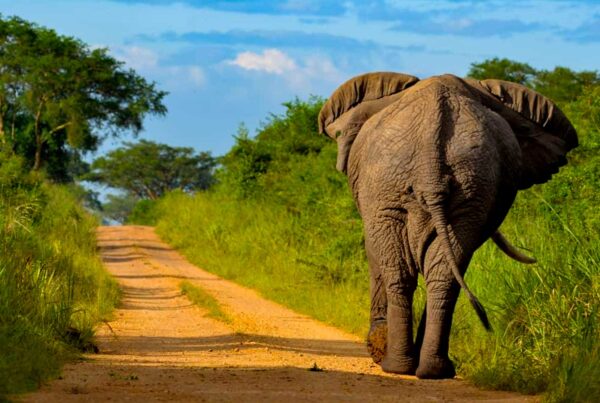
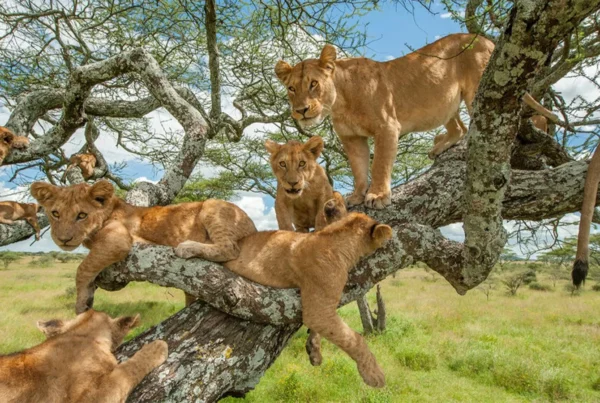
The park is home to more than 95 mammal species and over 600 species of birds, making it one of the most biodiverse protected areas in Africa. Large herds of elephants wander the plains, lions patrol the grasslands, and hippos wallow in vast numbers along the channel. The southern Ishasha sector adds another layer of fascination, being home to the rare tree-climbing lions that lounge in fig trees, a phenomenon found in only a handful of places worldwide.

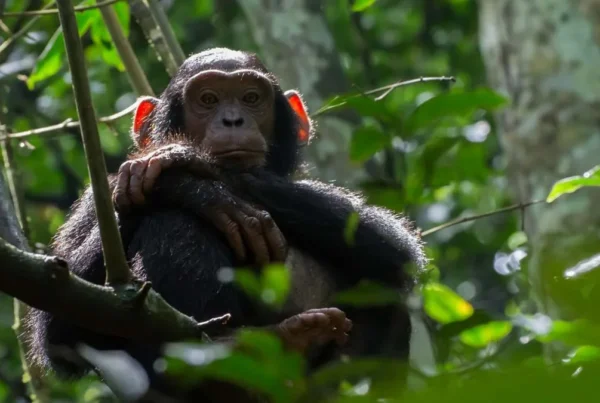
To explore Queen Elizabeth is to immerse oneself in the heartbeat of Africa’s wilderness. Game drives, boat safaris, and chimpanzee tracking in Kyambura Gorge offer experiences that awaken both adventure and reflection. It is the perfect prologue to the deeper journey that awaits in Uganda’s mist-shrouded forests.

The Mystique of Gorilla Trekking

While the savannahs of Queen Elizabeth reveal the drama of wildlife on open plains, the forests of Bwindi Impenetrable National Park and Mgahinga Gorilla National Park conceal one of the world’s most intimate and awe-inspiring encounters—the meeting with mountain gorillas.

Gorilla trekking is not a passive experience but an active journey. Trails wind through dense vegetation, steep hillsides, and misty undergrowth, demanding resilience and patience. Yet, the reward transcends effort. To find a family of gorillas, to sit in their presence as they feed, groom, and nurture one another, is to glimpse a mirror of human emotion in the wild. The gaze of a silverback conveys strength and protection, while the playfulness of infants reflects joy unbounded by time.

The experience is regulated with strict conservation measures, ensuring that only a limited number of permits are issued each day. This exclusivity preserves the fragile habitats and minimizes human impact while granting each trekker an encounter that feels deeply personal. In the silence of the forest, with the sound of rustling leaves and the sight of these giants only meters away, an indelible bond is formed.How to Combine Queen Elizabeth with Gorilla Trekking Safaris

Geography and Connectivity Between Destinations

One of the most compelling reasons to combine Queen Elizabeth National Park with gorilla trekking lies in their geographical proximity. Positioned in western Uganda, Queen Elizabeth acts as a natural midpoint between Kibale Forest to the north and Bwindi Impenetrable National Park to the south. This location creates a seamless corridor for safaris that flow from savannah to jungle without requiring lengthy diversions.

The southern Ishasha sector of Queen Elizabeth directly borders Bwindi, allowing travelers to drive from the open plains of lion country into the dense mountain forests within a matter of hours. This connectivity makes it possible to enjoy a morning game drive in Ishasha, searching for tree-climbing lions, and to arrive in Bwindi by afternoon, ready for the gorilla trek the following day.

Alternatively, travelers may access Bwindi via the northern Buhoma sector after exploring the Mweya Peninsula or the Kazinga Channel in Queen Elizabeth. The road journeys themselves are part of the experience, revealing Uganda’s landscapes in all their variety—rolling hills, terraced farmlands, crater lakes, and bustling villages that bring cultural depth to the natural beauty.

Designing the Perfect Safari Combination

The success of combining Queen Elizabeth with gorilla trekking lies in the careful structuring of an itinerary that allows both depth and flow. Typically, travelers begin their journey in Entebbe or Kampala, flying into Uganda’s international gateway before embarking on the road or air transfer to Queen Elizabeth National Park. Here, the rhythm of the safari begins, with game drives, boat cruises, and exploration of crater lakes providing immersion into Uganda’s biodiversity.

After two to three days of savannah exploration, the journey transitions southward toward Bwindi. The drive through Ishasha provides opportunities for additional wildlife sightings, particularly the famed tree-climbing lions. By the time the misty hills of Bwindi are reached, the pace of the safari changes from expansive landscapes to intimate forests.

A minimum of two nights in Bwindi is often recommended, allowing for the gorilla trek and, for those with endurance, a second trek to encounter another family group. Each trek is unique, as the gorillas are not confined to predictable patterns, and every sighting reveals new behaviors and dynamics.

The itinerary may then be concluded with either a return to Entebbe or an extension to other destinations such as Lake Bunyonyi, Kibale Forest, or Murchison Falls National Park, depending on time and preference. The structure ensures that the safari unfolds like a story, beginning with the drama of open plains, climaxing in the intimacy of gorilla encounters, and closing with the serenity of Uganda’s highlands.

The Role of Flights and Transfers

While road journeys provide scenic immersion, air travel has increasingly become an option for travelers seeking efficiency. Domestic flights operate between Entebbe and airstrips near Queen Elizabeth National Park, such as Mweya or Kasese, as well as near Bwindi, such as Kihihi or Kisoro. These flights reduce travel time significantly, making it possible to maximize time in the parks themselves rather than on the road.

A popular option involves flying to Kasese for Queen Elizabeth, exploring the park for several days, and then transferring by road through Ishasha to Bwindi. Alternatively, flights may connect directly between Kasese and Kihihi, bridging the two destinations with ease. The availability of these connections ensures that safaris can be tailored to suit both adventurous travelers who prefer the road and those who value efficiency and comfort.

Lodging Options: From Savannah Luxury to Forest Retreats

Accommodation plays a pivotal role in shaping the safari experience. In Queen Elizabeth National Park, luxury lodges such as Mweya Safari Lodge, Kyambura Gorge Lodge, Ishasha Wilderness Camp, and Elephant Plains Lodge offer a blend of comfort and immersion. From infinity pools overlooking the Kazinga Channel to tented camps along the Ntungwe River, each lodge reflects a different dimension of wilderness living.

In Bwindi, the atmosphere shifts from sweeping plains to secluded forest retreats. Lodges such as Buhoma Lodge, Clouds Mountain Gorilla Lodge, Mahogany Springs, and Nkuringo Bwindi Gorilla Lodge provide havens of tranquility at the edge of the impenetrable forest. Their design often mirrors the natural surroundings, with wooden chalets, fireplaces, and views that capture the essence of the misty hills.

The transition from the luxury of savannah lodges to the intimacy of forest retreats creates a contrast that enriches the journey. Guests experience the vast openness of one ecosystem and the enclosed mystery of another, yet the thread of comfort and attentive service remains constant throughout.

Conservation Significance of the Combination

The combination of Queen Elizabeth and gorilla trekking is not only a journey of exploration but also one of contribution. Both parks are critical strongholds of biodiversity, and tourism plays a central role in their protection. Gorilla trekking permits, for example, directly fund conservation initiatives and support community development projects around Bwindi and Mgahinga. Similarly, the revenue generated from safaris in Queen Elizabeth contributes to wildlife protection and habitat preservation.

Travelers who combine the two destinations thus become part of a broader narrative of conservation. By choosing to explore both savannah and forest, they support initiatives that safeguard lions, elephants, gorillas, and countless other species. The journey transforms into more than personal discovery—it becomes a statement of solidarity with the landscapes and communities that define Uganda’s heritage.

Cultural Enrichment Along the Way

Another dimension of combining Queen Elizabeth with gorilla trekking lies in the cultural encounters woven into the journey. The road between the two destinations traverses villages, farms, and marketplaces, where glimpses into daily life reveal Uganda’s rich cultural tapestry.

Near Bwindi, the Batwa communities, who were once forest dwellers, share their heritage through storytelling, music, and dance. These encounters provide context for the landscapes being explored, reminding travelers that conservation is not only about wildlife but also about the people who share these lands. In Queen Elizabeth, visits to local fishing villages along the Kazinga Channel highlight the interdependence of communities and ecosystems.

Such cultural elements enrich the safari, offering depth beyond the spectacle of wildlife. They create connections that endure, as travelers leave not only with memories of lions and gorillas but also with stories of resilience, tradition, and shared humanity.

A Journey of Harmony and Contrast

To combine Queen Elizabeth National Park with gorilla trekking safaris is to embark on a journey that captures the essence of Uganda’s wilderness. It is a journey of harmony and contrast, where the vast plains of the savannah meet the shadowed depths of the forest, and where the roar of lions is complemented by the silent gaze of gorillas.

The practical ease of connectivity, the richness of experiences, and the balance between adventure and intimacy make this combination one of the most rewarding safari itineraries in Africa. It offers travelers the chance to encounter Uganda in its full diversity, from the drama of game drives to the intimacy of forest treks, from sweeping crater lakes to mist-shrouded mountains.

For those seeking to experience this unparalleled blend of safari and primate adventure, it is strongly recommended that Africa tours and safaris be arranged through WildHorn Africa. With expertise in crafting seamless itineraries and a commitment to excellence, WildHorn Africa ensures that every journey through Queen Elizabeth and the gorilla forests becomes a story not only of exploration but of transformation.

8-Day Bwindi National Park, L Bunyonyi, Queen Elizabeth

8-Day Bwindi National Park, L Bunyonyi, Queen Elizabeth

By Family holidays, Primate holidays, Safari holidays, Uganda trip ideas, Wildlife holidays
From $3,586  per person  (USD)

8-Day Bwindi National Park, L Bunyonyi, Queen Elizabeth

8-Day Bwindi National Park, L Bunyonyi, Queen Elizabeth

This safari with Wildhorn Africa showcases some of Uganda’s most breathtaking tourism destinations. Journey through Lake Bunyonyi, Bwindi Impenetrable National Park, Queen Elizabeth National Park, Kibale National Park, and Murchison Falls National Park. Trek into the misty Bwindi forest for an unforgettable encounter with mountain gorillas, experience thrilling chimpanzee tracking in the lush Kibale rainforest, and enjoy scenic boat cruises along Uganda’s spectacular lakes, rivers, and channels. Truly, a warm welcome awaits you in Uganda – the Pearl of Africa.

8-Day Bwindi National Park, L Bunyonyi, Queen Elizabeth

itinerary

Book this tour or craft your own experience

    Had a great trip with wild horn Africa when I visited volcano National park for 3days the experience was unforgettable,great memories and all thanks goes to our guide #Guma Kenny from Wildhorn Africa

    Neymar Imran

    I enjoyed my time with wildhorn Africa in kenya at Naivasha National part for 4 days had a great experience with different wild life with a help of our guide Juma

    Butumwa Djarumuzi

    Included

    • Park fees(For non-residents)
    • Gorilla permits(One per person, non-resident)
    • Chimp permits(One per person, non-resident)
    • All activities(Unless labeled as optional)
    • All accommodation(Unless listed as upgrade)
    • A professional driver/guide
    • All transportation(Unless labeled as optional)
    • All Taxes/VAT
    • Roundtrip airport transfer
    • Meals(As specified in the day-by-day section)

    Excluded

    • International flights(From/to home)
    • Additional accommodation before and at the end of the tour
    • Tips(Tipping guideline US$10.00 pp per day)
    • Personal items(Souvenirs, travel insurance, visa fees, etc.)
    • Government imposed increase of taxes and/or park fees
    • Some meals(As specified in the day-by-day section)
    • Drinks (Beverages)

    The best time to visit is generally considered to be during the dry season, when weather conditions are more pleasant and travel is less likely to be disrupted, typically based on your preferred destinations. During this period, landscapes are at their most vibrant, wildlife sightings are more frequent, and activities can be enjoyed with greater ease. While visits are possible year-round, choosing this window is often recommended to ensure the most rewarding and comfortable experience.

    WhatsApp

    Featured Headlines

    AllAboutAbout UsAdventure holidaysBotswanaBotswana places to visitBotswana travel guidesBucket list holidaysCongoCongo places to visitCongo travel guidesContact UsDestinationsEco-friendly accommodationsEgyptEgypt travel guidesEthiopiaEthiopia travel guidesExperiencesFamily holidaysGabonGabon travel guidesGet inspiredGroup holidaysHoliday typesHoneymoon holidaysJoin our teamKenyaKenya travel guidesKenya trip ideasLuxury holidaysMadagascarMadagascar travel guidesMalawiMalawi travel guidesMozambiqueMozambique travel guidesNamibiaNamibia accommodationsNamibia places to visitNamibia travel guidesNamibia trip ideasOff the beaten track holidaysPrimate holidaysRefer a friendResponsible travel tipsRwandaRwanda travel guidesRwanda trip ideasSafari holidaysSouth AfricaSouth Africa best time to visitSouth Africa travel guidesSouth Africa trip ideasSouth SudanSouth Sudan places to visitSpecial offersSustainable travelTanzaniaTanzania places to visitTanzania travel guidesTanzania trip ideasTravel guidesTravel safetyTravel stories and blogsUgandaUganda accommodationsUganda best time to visitUganda places to visitUganda travel guidesUganda trip ideasWhen to goWhere to goWildlife holidaysYour first safariZambiaZambia places to visitZambia travel guidesZimbabweZimbabwe places to visitZimbabwe travel guides
    7-Day Bwindi, Kibale & Queen Elizabeth NP Mid-Range Tour

    7-Day Bwindi, Kibale & Queen Elizabeth NP Mid-Range Tour

    By Bucket list holidays, Primate holidays, Safari holidays, Uganda trip ideas, Wildlife holidays
    From $3,058  per person  (USD)

    7-Day Bwindi, Kibale & Queen Elizabeth NP Mid-Range Tour

    7-Day Bwindi, Kibale & Queen Elizabeth NP Mid-Range Tour

    This 7-day safari in Uganda with Wildhorn Africa takes you deep into the country’s most iconic wilderness areas. Begin in Kibale Forest, where you’ll track wild chimpanzees and explore the Bigodi Wetland Sanctuary on a guided walk. Continue to Queen Elizabeth National Park for classic game drives, a scenic boat cruise along the Kazinga Channel, and the chance to spot the famous tree-climbing lions of the Ishasha sector. The adventure culminates in Bwindi Impenetrable Forest, where you’ll set out on an unforgettable trek to encounter endangered mountain gorillas in their natural habitat.

    7-Day Bwindi, Kibale & Queen Elizabeth NP Mid-Range Tour

    itinerary

    Book this tour or craft your own experience

      Had a great trip with wild horn Africa when I visited volcano National park for 3days the experience was unforgettable,great memories and all thanks goes to our guide #Guma Kenny from Wildhorn Africa

      Neymar Imran

      I enjoyed my time with wildhorn Africa in kenya at Naivasha National part for 4 days had a great experience with different wild life with a help of our guide Juma

      Butumwa Djarumuzi

      Included

      • Park fees(For non-residents)
      • Gorilla permits(One per person, non-resident)
      • Chimp permits(One per person, non-resident)
      • All activities(Unless labeled as optional)
      • All accommodation(Unless listed as upgrade)
      • A professional driver/guide
      • All transportation(Unless labeled as optional)
      • All Taxes/VAT
      • Roundtrip airport transfer
      • Meals(As specified in the day-by-day section)
      • Drinking water(On all days)

      Excluded

      • International flights(From/to home)
      • Additional accommodation before and at the end of the tour
      • Tips(Tipping guideline US$10.00 pp per day)
      • Personal items(Souvenirs, travel insurance, visa fees, etc.)
      • Government imposed increase of taxes and/or park fees
      • Some meals(As specified in the day-by-day section)

      The best time to visit is generally considered to be during the dry season, when weather conditions are more pleasant and travel is less likely to be disrupted, typically based on your preferred destinations. During this period, landscapes are at their most vibrant, wildlife sightings are more frequent, and activities can be enjoyed with greater ease. While visits are possible year-round, choosing this window is often recommended to ensure the most rewarding and comfortable experience.

      WhatsApp

      Featured Headlines

      AllAboutAbout UsAdventure holidaysBotswanaBotswana places to visitBotswana travel guidesBucket list holidaysCongoCongo places to visitCongo travel guidesContact UsDestinationsEco-friendly accommodationsEgyptEgypt travel guidesEthiopiaEthiopia travel guidesExperiencesFamily holidaysGabonGabon travel guidesGet inspiredGroup holidaysHoliday typesHoneymoon holidaysJoin our teamKenyaKenya travel guidesKenya trip ideasLuxury holidaysMadagascarMadagascar travel guidesMalawiMalawi travel guidesMozambiqueMozambique travel guidesNamibiaNamibia accommodationsNamibia places to visitNamibia travel guidesNamibia trip ideasOff the beaten track holidaysPrimate holidaysRefer a friendResponsible travel tipsRwandaRwanda travel guidesRwanda trip ideasSafari holidaysSouth AfricaSouth Africa best time to visitSouth Africa travel guidesSouth Africa trip ideasSouth SudanSouth Sudan places to visitSpecial offersSustainable travelTanzaniaTanzania places to visitTanzania travel guidesTanzania trip ideasTravel guidesTravel safetyTravel stories and blogsUgandaUganda accommodationsUganda best time to visitUganda places to visitUganda travel guidesUganda trip ideasWhen to goWhere to goWildlife holidaysYour first safariZambiaZambia places to visitZambia travel guidesZimbabweZimbabwe places to visitZimbabwe travel guides
      5-Day Bwindi, Lake Bunyonyi & Queen

      5-Day Bwindi, Lake Bunyonyi & Queen Elizabeth Safari

      By Adventure holidays, Primate holidays, Safari holidays, Uganda trip ideas, Wildlife holidays
      From $2,132  per person  (USD)

      5-Day Bwindi, Lake Bunyonyi & Queen Elizabeth Safari

      5-Day Bwindi, Lake Bunyonyi & Queen

      Discover the very best of Uganda on this 5-day safari with Wildhorn Africa, exploring Queen Elizabeth National Park, Bwindi Impenetrable Forest, and Lake Bunyonyi. Enjoy thrilling game drives and a boat safari along the Kazinga Channel, venture into Bwindi’s dense rainforest for an unforgettable mountain gorilla trek, and unwind on the peaceful shores of Lake Bunyonyi. Your journey concludes with a scenic transfer to Kigali, Rwanda, wrapping up a perfect blend of wildlife adventure and relaxation.

      5-Day Bwindi, Lake Bunyonyi & Queen Elizabeth Safari

      itinerary

      Book this tour or craft your own experience

        Had a great trip with wild horn Africa when I visited volcano National park for 3days the experience was unforgettable,great memories and all thanks goes to our guide #Guma Kenny from Wildhorn Africa

        Neymar Imran

        I enjoyed my time with wildhorn Africa in kenya at Naivasha National part for 4 days had a great experience with different wild life with a help of our guide Juma

        Butumwa Djarumuzi

        Included

        • Park fees(For non-residents)
        • Gorilla permits(One per person, non-resident)
        • All activities(Unless labeled as optional)
        • All accommodation(Unless listed as upgrade)
        • A professional driver/guide
        • All transportation(Unless labeled as optional)
        • All Taxes/VAT
        • Roundtrip airport transfer
        • Meals(As specified in the day-by-day section)
        • Drinking water(On all days)

        Excluded

        • International flights(From/to home)
        • Additional accommodation before and at the end of the tour
        • Tips(Tipping guideline US$10.00 pp per day)
        • Personal items(Souvenirs, travel insurance, visa fees, etc.)
        • Government imposed increase of taxes and/or park fees
        • Some meals(As specified in the day-by-day section)

        The best time to visit is generally considered to be during the dry season, when weather conditions are more pleasant and travel is less likely to be disrupted, typically based on your preferred destinations. During this period, landscapes are at their most vibrant, wildlife sightings are more frequent, and activities can be enjoyed with greater ease. While visits are possible year-round, choosing this window is often recommended to ensure the most rewarding and comfortable experience.

        WhatsApp

        Featured Headlines

        AllAboutAbout UsAdventure holidaysBotswanaBotswana places to visitBotswana travel guidesBucket list holidaysCongoCongo places to visitCongo travel guidesContact UsDestinationsEco-friendly accommodationsEgyptEgypt travel guidesEthiopiaEthiopia travel guidesExperiencesFamily holidaysGabonGabon travel guidesGet inspiredGroup holidaysHoliday typesHoneymoon holidaysJoin our teamKenyaKenya travel guidesKenya trip ideasLuxury holidaysMadagascarMadagascar travel guidesMalawiMalawi travel guidesMozambiqueMozambique travel guidesNamibiaNamibia accommodationsNamibia places to visitNamibia travel guidesNamibia trip ideasOff the beaten track holidaysPrimate holidaysRefer a friendResponsible travel tipsRwandaRwanda travel guidesRwanda trip ideasSafari holidaysSouth AfricaSouth Africa best time to visitSouth Africa travel guidesSouth Africa trip ideasSouth SudanSouth Sudan places to visitSpecial offersSustainable travelTanzaniaTanzania places to visitTanzania travel guidesTanzania trip ideasTravel guidesTravel safetyTravel stories and blogsUgandaUganda accommodationsUganda best time to visitUganda places to visitUganda travel guidesUganda trip ideasWhen to goWhere to goWildlife holidaysYour first safariZambiaZambia places to visitZambia travel guidesZimbabweZimbabwe places to visitZimbabwe travel guides
        3-Day Bwindi Luxury Safari

        3-Day Bwindi Impenetrable National Park Luxury Safari

        By Luxury holidays, Primate holidays, Uganda trip ideas
        From $3,287  per person  (USD)

        3-Day Bwindi Impenetrable National Park Luxury Safari

        3-Day Bwindi Luxury Safari

        The 3-Day Gorilla Tracking Safari with Wildhorn Africa takes you to Bwindi Impenetrable National Park in southwestern Uganda, within the Kisoro region—home to more than half of the world’s remaining mountain gorillas. Here, you’ll have the rare opportunity to trek through the dense forest and spend a magical hour observing these gentle giants in their natural habitat, maintaining a safe distance of about 8 meters.

        3-Day Bwindi Impenetrable National Park Luxury Safari

        itinerary

        Book this tour or craft your own experience

          Had a great trip with wild horn Africa when I visited volcano National park for 3days the experience was unforgettable,great memories and all thanks goes to our guide #Guma Kenny from Wildhorn Africa

          Neymar Imran

          I enjoyed my time with wildhorn Africa in kenya at Naivasha National part for 4 days had a great experience with different wild life with a help of our guide Juma

          Butumwa Djarumuzi

          Included

          • Park fees(For non-residents)
          • Gorilla permits(One per person, non-resident)
          • All activities(Unless labeled as optional)
          • All accommodation(Unless listed as upgrade)
          • A professional driver/guide
          • All transportation(Unless labeled as optional)
          • All Taxes/VAT
          • Roundtrip airport transfer
          • Meals(As specified in the day-by-day section)
          • Drinking water(On all days)

          Excluded

          • International flights(From/to home)
          • Additional accommodation before and at the end of the tour
          • Tips(Tipping guideline US$10.00 pp per day)
          • Personal items(Souvenirs, travel insurance, visa fees, etc.)
          • Government imposed increase of taxes and/or park fees

          The best time to visit is generally considered to be during the dry season, when weather conditions are more pleasant and travel is less likely to be disrupted, typically based on your preferred destinations. During this period, landscapes are at their most vibrant, wildlife sightings are more frequent, and activities can be enjoyed with greater ease. While visits are possible year-round, choosing this window is often recommended to ensure the most rewarding and comfortable experience.

          WhatsApp

          Featured Headlines

          AllAboutAbout UsAdventure holidaysBotswanaBotswana places to visitBotswana travel guidesBucket list holidaysCongoCongo places to visitCongo travel guidesContact UsDestinationsEco-friendly accommodationsEgyptEgypt travel guidesEthiopiaEthiopia travel guidesExperiencesFamily holidaysGabonGabon travel guidesGet inspiredGroup holidaysHoliday typesHoneymoon holidaysJoin our teamKenyaKenya travel guidesKenya trip ideasLuxury holidaysMadagascarMadagascar travel guidesMalawiMalawi travel guidesMozambiqueMozambique travel guidesNamibiaNamibia accommodationsNamibia places to visitNamibia travel guidesNamibia trip ideasOff the beaten track holidaysPrimate holidaysRefer a friendResponsible travel tipsRwandaRwanda travel guidesRwanda trip ideasSafari holidaysSouth AfricaSouth Africa best time to visitSouth Africa travel guidesSouth Africa trip ideasSouth SudanSouth Sudan places to visitSpecial offersSustainable travelTanzaniaTanzania places to visitTanzania travel guidesTanzania trip ideasTravel guidesTravel safetyTravel stories and blogsUgandaUganda accommodationsUganda best time to visitUganda places to visitUganda travel guidesUganda trip ideasWhen to goWhere to goWildlife holidaysYour first safariZambiaZambia places to visitZambia travel guidesZimbabweZimbabwe places to visitZimbabwe travel guides
          Bwindi gorilla trekking

          Bwindi gorilla trekking

          By Travel guides, Uganda travel guides

          Bwindi Gorilla Trekking

          Introduction

          Hidden within the misty embrace of southwestern Uganda lies Bwindi Impenetrable National Park, a mystical realm where ancient forests cloak steep hills and deep valleys. This UNESCO World Heritage Site is one of the most biologically diverse landscapes on Earth, but it is most celebrated for hosting more than half of the world’s remaining mountain gorillas. Trekking here is not just a wildlife excursion—it is a profound, almost spiritual journey into the heart of one of Africa’s last untouched wildernesses. The air is rich with the scent of damp earth and foliage, and every footstep carries the thrill of knowing that at any moment, the forest may reveal its most majestic inhabitants.

          Bwindi’s gorilla trekking experience has been described as life-changing by countless travelers. The sheer intimacy of standing a few meters away from a wild gorilla family, watching the silverback’s commanding presence, the mothers’ gentle care, and the infants’ playful mischief, creates a deep connection that transcends ordinary tourism. Here, conservation is not a distant concept—it is felt in every heartbeat of the jungle and in every careful step taken along its ancient trails.

          Where to Go

          Bwindi Impenetrable National Park covers more than 321 square kilometers of dense rainforest, bamboo stands, and montane vegetation. It is divided into four main sectors: Buhoma, Ruhija, Rushaga, and Nkuringo. Each sector offers distinct trekking routes, landscapes, and gorilla families to track, ensuring that no two experiences are exactly alike.

          The Buhoma sector, located in the northern part of the park, is the original trailhead where gorilla trekking began in Uganda in 1993. It is renowned for its accessibility and its proximity to well-established lodges and cultural encounters with the Bakiga and Batwa communities. Ruhija, situated in the east, offers a quieter and more remote experience, favored by those seeking less crowded trails and spectacular birdwatching opportunities. Rushaga, in the south, boasts the highest number of habituated gorilla families, making it a popular choice for those hoping to secure a permit even during peak seasons. Nkuringo, also in the south, is known for its physically demanding treks, rewarding adventurers with panoramic views of the Virunga Volcanoes and the lush Bwindi valleys.

          Each trekking location within Bwindi is carefully managed to ensure the well-being of the gorillas and the quality of the visitor experience. Only eight permits per gorilla family are issued daily, underscoring the exclusivity and conservation-minded approach of Uganda’s gorilla tourism.

          How to Get There

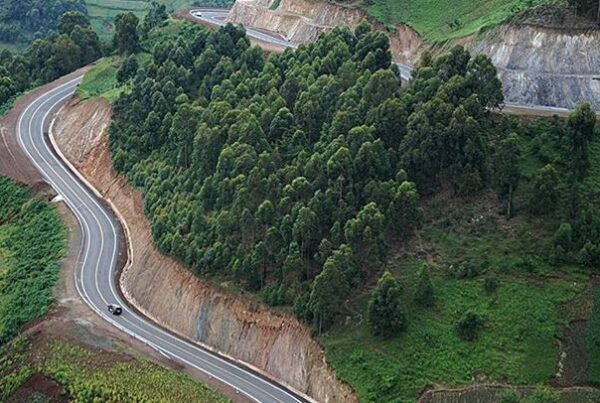
          Reaching Bwindi Impenetrable National Park is part of the adventure itself. The park lies about 8–10 hours by road from Kampala or Entebbe, with routes winding through the scenic highlands of southwestern Uganda. The journey offers glimpses of terraced hills, banana plantations, and bustling rural towns, providing a rich cultural backdrop even before arrival at the park’s gates.

          Travelers seeking a faster option can opt for domestic flights from Entebbe International Airport or Kajjansi Airfield to Kihihi or Kisoro airstrips, which are located near the park’s northern and southern sectors respectively. These flights cut travel time to about 1–2 hours, offering stunning aerial views of the Albertine Rift Valley and the surrounding landscapes. From the airstrips, short road transfers lead directly to the trekking trailheads.

          Whether arriving by road or air, visitors are required to report to the Uganda Wildlife Authority offices for a briefing before the trek begins. This ensures that every participant understands the trekking guidelines, the behavior expected around the gorillas, and the importance of maintaining the park’s delicate ecological balance.

          The Gorilla Trekking Experience

          The trek into Bwindi’s forest begins early in the morning, guided by experienced rangers and trackers who have spent years studying the movements and behaviors of the gorilla families. The trails may range from gentle slopes to steep, slippery inclines, often requiring hours of hiking through thick vegetation. The unpredictability of the trek—both in distance and terrain—adds to the sense of adventure and anticipation.

          When the gorillas are finally encountered, a strict one-hour observation period begins. This rule, enforced to protect the gorillas from human-borne diseases and undue stress, transforms every moment into something precious. The silverback may sit calmly, observing the visitors with wise, deep-set eyes, while juveniles tumble playfully in the undergrowth. Infants cling to their mothers, occasionally casting curious glances toward the human guests. Every rustle of leaves, every grunt or chest beat, feels like a piece of the forest’s living heartbeat.

          Gorilla trekking in Bwindi is not only a thrilling encounter but also a direct contribution to conservation. A significant portion of the permit fees goes toward the protection of the gorillas, the preservation of their habitat, and the support of surrounding communities. This integrated approach has helped increase gorilla populations and fostered a spirit of shared guardianship among local people.

          Other Things to Do in Bwindi

          While gorilla trekking is undoubtedly the highlight of any visit to Bwindi, the park and its surroundings offer a wealth of additional experiences. Nature walks through the forest unveil hidden waterfalls, centuries-old fig trees, and a chorus of bird calls from over 350 recorded species. Bwindi is also a sanctuary for rare primates such as the L’Hoest’s monkey and the black-and-white colobus.

          Cultural encounters with the Batwa people, the forest’s original inhabitants, provide a deeper understanding of the land’s history and traditions. Visitors can learn about traditional hunting techniques, medicinal plant use, and ancient songs and dances that echo the Batwa’s intimate connection to the forest.

          For those seeking panoramic vistas, guided hikes to the Nkuringo or Ruhija ridges reveal sweeping views of the Virunga Volcanoes and the shimmering expanse of Lake Edward. In the evenings, the cool mountain air and the forest’s symphony of nocturnal sounds create an atmosphere of pure serenity.

          Best Time to Visit

          Gorilla trekking in Bwindi is possible throughout the year, but the dry seasons, from June to September and December to February, are generally considered the best times to visit. During these months, the trails are less muddy and easier to navigate, and the weather is more predictable.

          The wet seasons, occurring from March to May and October to November, present a different kind of beauty, as the forest bursts into lush, vibrant growth. Although trekking may be more challenging due to slippery trails, the reward is a quieter experience with fewer tourists and a heightened sense of intimacy with the forest.

          No matter the season, Bwindi’s weather can be unpredictable due to its altitude and dense vegetation. Visitors are advised to dress in layers, carry waterproof clothing, and wear sturdy trekking boots to ensure comfort and safety throughout the adventure.

          A Journey Worth Taking

          Bwindi gorilla trekking is more than a wildlife experience—it is an encounter that leaves a lasting mark on the heart and mind. The sight of a silverback leading his family through the undergrowth, the gentle sounds of gorilla infants at play, and the awe of standing within arm’s reach of one of humanity’s closest relatives create a memory that defies time.

          Every permit purchased, every respectful step taken in the forest, contributes to the survival of these magnificent creatures and the preservation of one of the planet’s most precious ecosystems. For travelers seeking a truly transformative adventure, few experiences rival the call of Bwindi’s misty hills and the gaze of its mountain gorillas.

          For those ready to embark on this unforgettable journey, it is highly recommended to book your Africa tours and safaris through WildHorn Africa, a trusted expert in crafting immersive, responsible, and life-changing travel experiences across the continent.

          Where to go to gorilla trekking in Uganda

          Where to go to gorilla trekking in Uganda?

          By Travel guides, Uganda travel guides

          Where to go to gorilla trekking in Uganda?

          Where to go to gorilla trekking in Uganda?

          In Uganda, gorilla trekking is carried out in two remarkable destinationsBwindi Impenetrable National Park and Mgahinga Gorilla National Park — both found in the country’s scenic southwestern highlands. These pristine rainforests have been placed among the world’s most coveted bucket list holidays, drawing visitors from across the globe to witness endangered mountain gorillas in their natural habitat. The experience is often incorporated into adventure holidays or wildlife holidays, offering travelers the chance to combine the thrill of trekking with the beauty of Uganda’s landscapes. Whether arranged as private holidays, group holidays, or family holidays, the journey delivers rare encounters and unforgettable memories.

          The regions where gorilla trekking is undertaken also provide opportunities to weave in other forms of travel. Many itineraries are designed to combine the trek with cultural holidays in nearby communities, birding holidays in Uganda’s rich avian habitats, or climbing & hiking holidays in the Rwenzori or Virunga ranges. For those seeking extra comfort, luxury holidays and private villas & accommodations holidays offer refined stays, while more adventurous travelers may opt for off the beaten holidays into remote, unspoiled corners of the country. The allure extends to honeymoon holidays, solo holidays, and special holidays, ensuring that each journey is tailored to the traveler’s style and occasion.

          Though famous for gorillas, Uganda’s trekking destinations are often paired with other African adventures. Some visitors choose beach holidays along Lake Victoria’s tranquil islands before or after their trek, while others extend their travels to neighboring countries for the legendary wildebeest migration holidays. Photographers are drawn to the region for photography holidays, capturing the drama of wildlife and the lush forest scenery, while primate holidays expand the experience to include chimpanzee and golden monkey tracking. No matter how it is planned, the places chosen for gorilla trekking in Uganda remain at the heart of Africa’s most memorable and transformative travel experiences.

          Where to go to gorilla trekking in Uganda?

          Bwindi Impenetrable National Park

          Nestled in the southwestern corner of Uganda, Bwindi Impenetrable National Park is one of Africa’s most biologically diverse rainforests and a UNESCO World Heritage Site. Famed for being home to almost half of the world’s remaining mountain gorilla population, Bwindi offers an unforgettable experience for nature lovers, adventure seekers, and wildlife enthusiasts.

          Mgahinga Gorilla National Park

          Tucked away in the southwestern corner of Uganda, Mgahinga Gorilla National Park is a hidden gem for travelers seeking a more intimate and scenic mountain gorilla trekking experience. Although smaller and lesser-known than its neighbor Bwindi, Mgahinga holds its own with its dramatic volcanic landscapes, cultural richness, and unique wildlife encounters.

          The best time to visit is generally considered to be during the dry season, when weather conditions are more pleasant and travel is less likely to be disrupted, typically based on your preferred destinations. During this period, landscapes are at their most vibrant, wildlife sightings are more frequent, and activities can be enjoyed with greater ease. While visits are possible year-round, choosing this window is often recommended to ensure the most rewarding and comfortable experience.

          WhatsApp

          Grandeur

          Experience the grandeur of Africa with WildHorn Africa, where every safari is designed to showcase the continent’s breathtaking landscapes and majestic wildlife.

          24/7 support

          Enjoy peace of mind with 24/7 support from WildHorn Africa, ensuring expert assistance before, during, and after your safari adventure.

          Safety

          Your safety is our top priority at WildHorn Africa, with expertly guided safaris and trusted partners ensuring a secure and worry-free adventure.

          Price-quality ratio

          WildHorn Africa offers exceptional price-quality ratio, delivering top-tier safari experiences at competitive rates without compromising on comfort.

          Close Menu