search
Shambe National Park

Shambe National Park

By South Sudan places to visit, Where to go

Shambe National Park is one of South Sudan’s lesser-known protected areas, located in the central region of the country along the western banks of the White Nile River. The park spans approximately 620 square kilometers and is distinguished by its wetlands, floodplains, and seasonally flooded grasslands. These ecosystems support an abundance of birdlife and aquatic species, making Shambe a valuable conservation area and a hidden treasure for ecotourism potential. Despite its low profile on the international tourism map, Shambe National Park plays an important role in the country’s ecological network and water systems.

Brief History of Shambe National Park

Shambe National Park was gazetted in the 1980s during the time of Sudan’s centralized government. It was primarily established to protect the wetland ecosystems that are influenced by the seasonal flooding of the White Nile, as well as to safeguard migratory bird habitats and fish breeding grounds. However, the park has long struggled with limited resources, insufficient conservation management, and lack of infrastructure.

Decades of civil conflict and neglect further isolated the park from development and international conservation efforts. Since South Sudan gained independence in 2011, there has been renewed interest in reactivating and revitalizing protected areas such as Shambe, but progress remains slow due to logistical and political challenges.

What to Do at Shambe National Park

Shambe National Park offers unique experiences for travelers who appreciate nature in its raw, untouched form. The park’s extensive wetlands and riverine systems create an ideal environment for birdwatching, particularly during the migratory seasons when large numbers of waterbirds arrive. Species commonly observed include pelicans, herons, storks, kingfishers, and various ducks.

The floodplains also serve as feeding grounds for hippos and crocodiles, which can be spotted in and around the waterways. Fishing and boat-based excursions along the Nile are possible for those interested in exploring the park’s aquatic side, although such activities currently require self-arrangement and permission from local authorities. Due to the park’s current undeveloped status, wildlife sightings are unpredictable, but the region’s natural beauty and solitude provide a tranquil and immersive experience.

How to Get to Shambe National Park

Reaching Shambe National Park involves a combination of road and river travel, as it lies in a relatively remote area near the town of Mangalla in central South Sudan. The most common route starts in Juba, the capital, from where travelers can drive northwards toward Mangalla, located roughly 100 kilometers away.

From there, access to the park typically requires coordination with local guides or river transport along the White Nile. Given the condition of roads, especially during the rainy season, and the absence of formal entry points or signage, advance planning is essential. It is strongly recommended to consult with local tourism authorities or conservation partners familiar with the area before making travel arrangements.

Accommodations at Shambe National Park

Accommodation in and around Shambe National Park is currently minimal. There are no established lodges, campsites, or tourist facilities within the park’s boundaries. Travelers are advised to seek lodging in nearby towns such as Mangalla or return to Juba for more reliable options. In the absence of formal tourism infrastructure, camping is a possibility for those equipped for self-sufficient travel, though this should only be undertaken with the necessary permissions and security awareness.

The development of eco-lodges and ranger stations has been discussed as part of future conservation plans, but tangible progress has yet to be made. Until such facilities are in place, visits to Shambe remain best suited to adventurous travelers, researchers, or conservationists working on field-based projects.

Ecological Importance and Conservation Status

Shambe National Park holds significant ecological value as a wetland ecosystem within the Nile Basin. It provides critical breeding and feeding grounds for numerous aquatic bird species, as well as habitat for fish, amphibians, and semi-aquatic mammals. The floodplain dynamics of the park support nutrient cycling and sediment distribution that benefit surrounding agriculture and fisheries.

However, conservation challenges persist. Human encroachment, unregulated fishing, and the impacts of climate change have altered water flow and seasonal flooding patterns. Additionally, the absence of a formal management plan, trained rangers, and monitoring systems makes the park vulnerable to habitat degradation. International conservation organizations have expressed interest in collaborating with South Sudanese authorities to strengthen wetland protection and restore Shambe’s ecological health.

Shambe National Park remains one of South Sudan’s most underappreciated natural areas, offering a serene yet undeveloped wilderness experience. While its infrastructure is lacking, the park’s ecological richness, particularly its birdlife and wetland systems, holds enormous potential for conservation and low-impact tourism. With careful planning, investment in eco-tourism, and community engagement, Shambe could become a key destination for ornithologists, researchers, and travelers seeking to explore South Sudan’s riverine landscapes. Its future success will depend on both national support and international partnerships aimed at protecting this vital corner of the Nile ecosystem.

Southern National Park

Southern National Park

By South Sudan places to visit, Where to go

Southern National Park is one of the largest and least explored protected areas in South Sudan. Covering an impressive area of over 23,000 square kilometers, the park lies in the southwestern region of the country, bordered by the Boma Plateau to the east and the Congo Basin to the west. It is characterized by vast grasslands, savannahs, wetlands, gallery forests, and river systems that provide diverse habitats for a wide range of wildlife. Despite its ecological richness, Southern National Park remains largely untouched by mass tourism and is considered a frontier destination for conservation and eco-tourism.

Brief History of Southern National Park

Southern National Park was officially gazetted during the colonial era in 1939, making it one of the earliest protected areas in Sudan at the time. It was established primarily to preserve the rich biodiversity of the region and protect migratory corridors of large mammal populations. During the decades of civil conflict in Sudan and later in South Sudan, the park suffered from a lack of management, infrastructure collapse, and unregulated hunting.

However, its remoteness helped shield large tracts of habitat from severe degradation. With the formation of South Sudan as an independent nation in 2011, new conservation interest has emerged to rehabilitate and develop the park as part of the country’s national strategy for protected areas and biodiversity conservation.

What to Do at Southern National Park

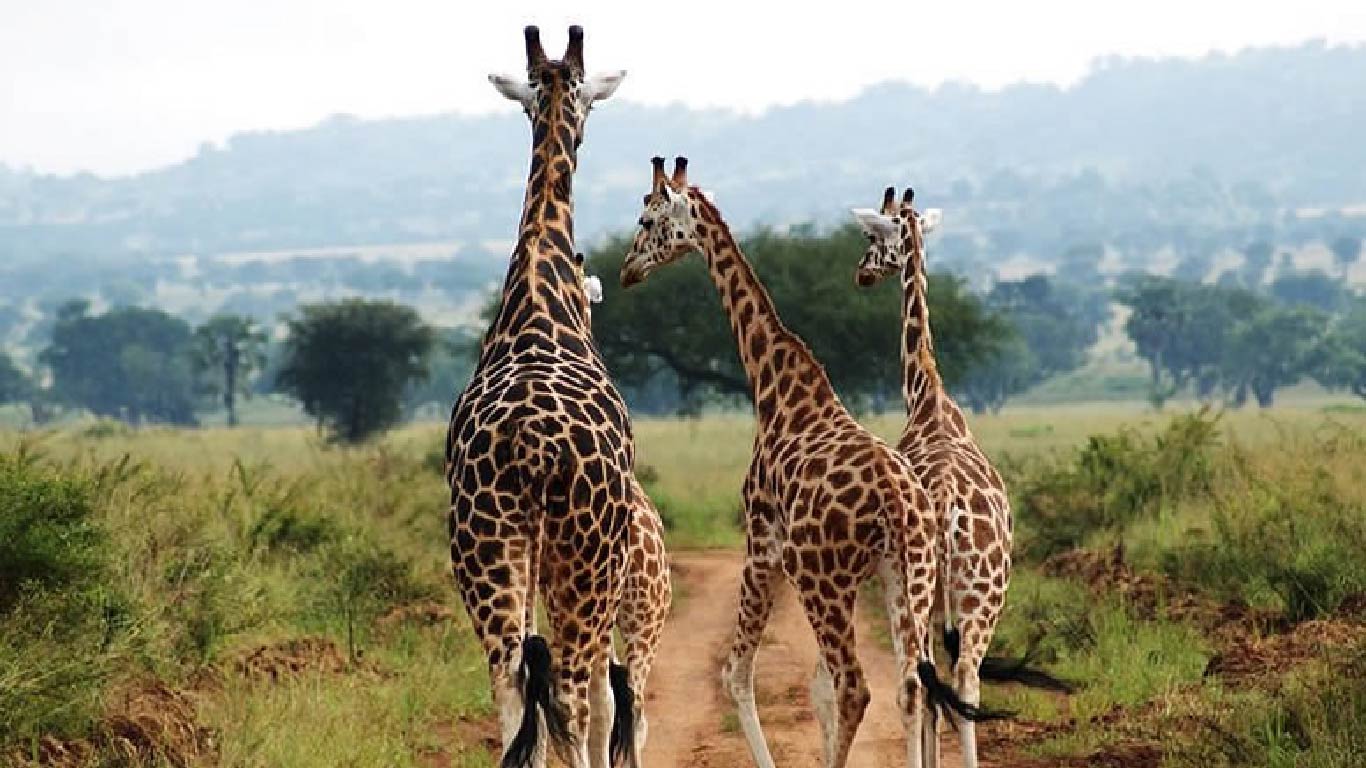
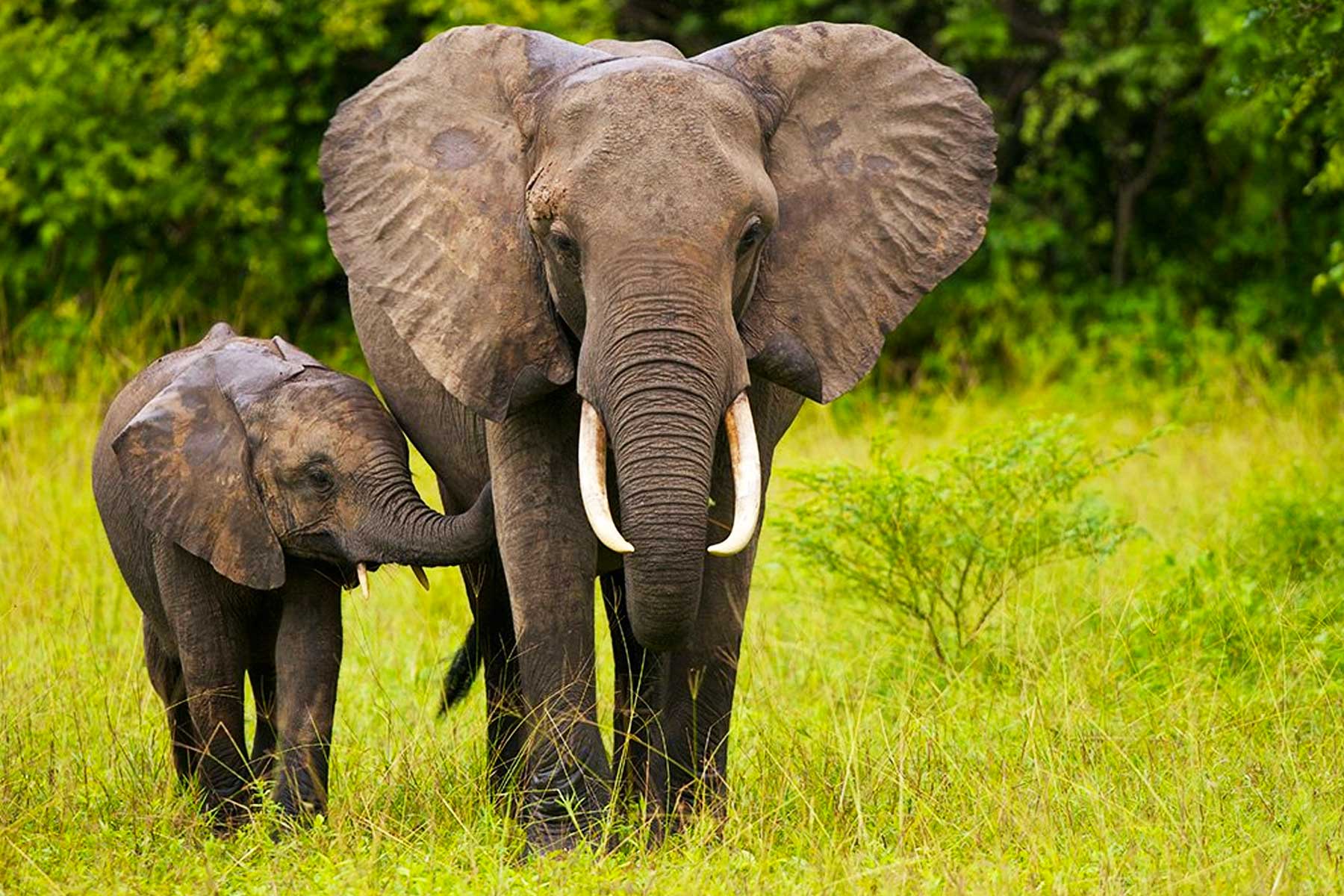
Visiting Southern National Park offers a sense of adventure and discovery, as the area is still largely undeveloped for tourism. The park is a haven for wildlife enthusiasts, birdwatchers, and researchers. Among the species that can be observed are elephants, giraffes, buffaloes, hippos, warthogs, bushbucks, and waterbucks. It is also believed to host predators like lions and leopards, though sightings are rare due to the dense vegetation and the park’s vast size.

The wetlands and river systems—particularly the Sue, Gel, and Ibba Rivers—are excellent spots for birdwatching, with numerous migratory and resident bird species including herons, kingfishers, storks, and African fish eagles. For those interested in cultural heritage, the area surrounding the park is home to diverse ethnic groups such as the Azande and Baka, whose traditions and knowledge systems are closely tied to the forest and savannah ecosystems.

How to Get to Southern National Park

Access to Southern National Park is one of the major challenges facing its development as a tourist destination. The park is located in Western Equatoria State, with the nearest major town being Yambio, which lies about 100 kilometers to the west of the park’s boundary. From Juba, the capital city of South Sudan, the journey to Yambio takes approximately one to two days by road, depending on the condition of the roads and the season.

During the rainy season, travel becomes particularly difficult due to flooding and poor road surfaces. Domestic flights are available to Yambio from Juba, and arrangements can then be made by road to reach the park. Given the remote location, visitors are advised to plan their journey with the help of experienced local operators and to check the latest security and weather updates before traveling.

Accommodations at Southern National Park

Tourist accommodation within Southern National Park is extremely limited, reflecting the park’s undeveloped status. There are currently no established lodges or camps inside the park, but basic accommodation can be found in nearby towns such as Yambio and Maridi. These options typically include guesthouses and mission-run facilities that cater primarily to NGOs and government officials working in the region.

For adventurous travelers, camping within or near the park may be possible, although all necessary gear, food, and water must be brought along. Efforts have been proposed to develop eco-lodges and ranger stations in strategic locations, particularly near river systems and wildlife hotspots, but these projects remain in the planning phase. Any visit to Southern National Park should be arranged through official channels to ensure safety and logistical support.

Wildlife and Conservation Significance

Southern National Park holds immense ecological value due to its size and diversity of habitats. It forms part of the greater Sudano-Guinean biome and includes a mosaic of ecosystems from lowland rainforest and papyrus swamps to open woodland and savannah. The park is particularly important as a corridor for migratory wildlife and as a refuge for species threatened elsewhere in the region.

Conservationists believe that Southern National Park could support viable populations of species that are declining in other parts of Africa, such as the African wild dog and the giant eland. The area’s wetlands also play a critical role in hydrological regulation and carbon sequestration. However, threats such as poaching, deforestation, and unregulated agriculture continue to challenge its ecological integrity. Collaborative conservation efforts, including community engagement and transboundary ecosystem planning, are essential for ensuring the park’s long-term survival.

Southern National Park is one of South Sudan’s most promising natural treasures. Its immense size, biodiversity, and relatively undisturbed habitats make it a conservation priority and a potential eco-tourism gem. While challenges related to infrastructure, access, and security remain significant, the park offers a rare opportunity for adventurous travelers, researchers, and conservationists to experience a truly wild and remote part of Africa. With thoughtful investment and strategic planning, Southern National Park could emerge as a symbol of South Sudan’s commitment to protecting its natural heritage for future generations.

Nimule NP

Nimule National Park

By South Sudan places to visit, Where to go

Nimule National Park is South Sudan’s most accessible and arguably most scenic national park, uniquely situated along the country’s southern border with Uganda. Encompassing approximately 410 square kilometers, the park is named after the nearby town of Nimule and is framed by the White Nile River as it descends from the Ugandan highlands into the South Sudanese plains.

Known for its dramatic granite outcrops, lush riverine vegetation, and diverse wildlife, Nimule offers one of the best prospects for eco-tourism development in the country. Its location along a major transportation corridor and its relatively stable security environment have positioned it as a gateway for South Sudan’s nascent tourism industry.

Brief History of Nimule National Park

Established in 1954 during the colonial era of Anglo-Egyptian Sudan, Nimule National Park is one of the oldest protected areas in South Sudan. The park was initially gazetted to protect the rich biodiversity found along the Nile and its surrounding savannahs, particularly its significant population of elephants. During the long years of civil war that plagued Sudan and, later, South Sudan, the park suffered from neglect, poaching, and habitat degradation.

However, its close proximity to Uganda and its geographic isolation from the worst conflict zones allowed it to retain much of its ecological integrity. Since South Sudan’s independence in 2011, efforts have been made by conservation groups and government agencies to rehabilitate the park and explore its potential for tourism, wildlife research, and community conservation.

What to Do at Nimule National Park

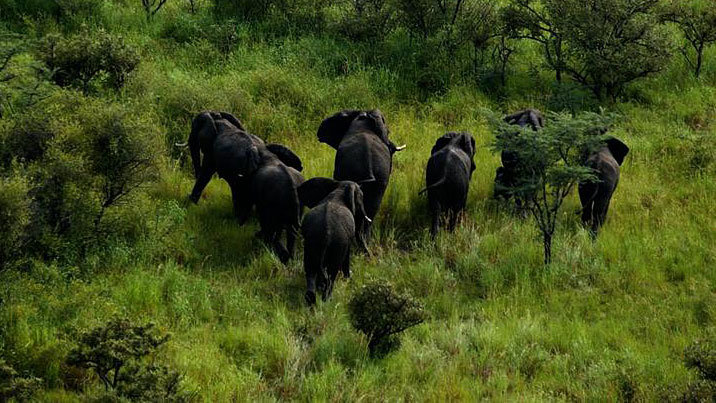
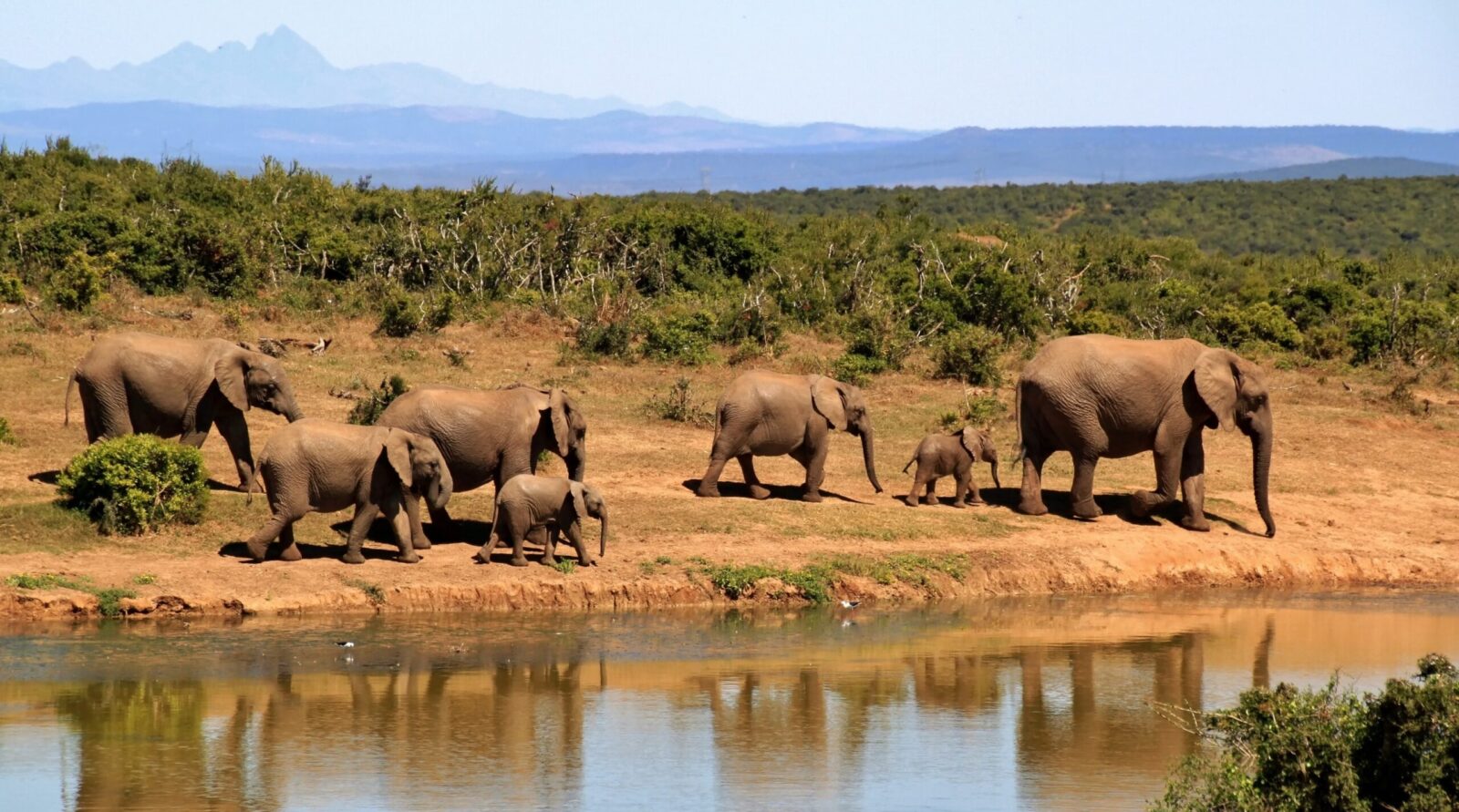
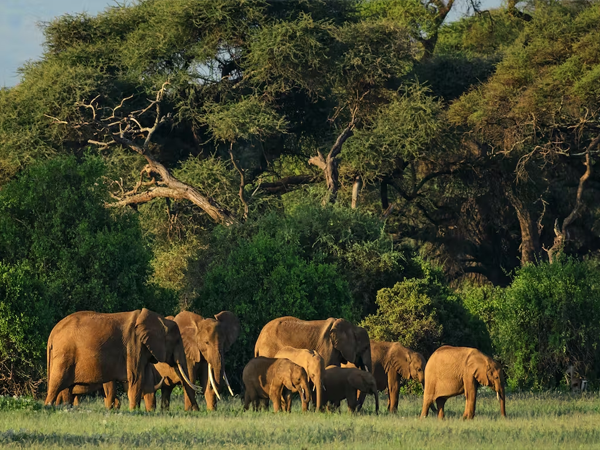
Nimule offers a rewarding experience for those interested in wildlife viewing, scenic landscapes, and cultural encounters. The park is home to a variety of wildlife species including elephants, hippos, crocodiles, buffaloes, warthogs, and several antelope species such as bushbuck and Uganda kob. Although lion sightings are rare, leopards and hyenas are occasionally spotted.

The White Nile River, which forms a natural boundary within the park, is a focal point for wildlife activity and provides opportunities for riverbank game viewing and birdwatching. A highlight of any visit to Nimule is the dramatic Fula Rapids, a series of roaring cascades along the Nile that provide both a visual spectacle and a habitat for aquatic birds.

The granite hills that dot the landscape offer hiking opportunities and panoramic views of the park. Cultural tourism is also possible, with visits to the local Madi communities who inhabit the surrounding area and maintain traditional practices tied to the landscape.

How to Get to Nimule National Park

Nimule National Park is the easiest park to access in South Sudan, thanks to its location along the major Juba–Nimule Highway. The park lies approximately 190 kilometers south of Juba, the capital city, and the drive usually takes around three to four hours, depending on road conditions. The highway is fully paved and well-maintained, making it one of the few reliable road routes in the country.

For international visitors, it is possible to reach Nimule via Uganda, entering through the Elegu border post and continuing just a few kilometers to the park’s entrance. This makes the park an excellent choice for cross-border tours involving both Uganda and South Sudan. Transport should always be arranged in advance, ideally with a tour operator familiar with the region, and visitors should monitor travel advisories for up-to-date security information.

Accommodations at Nimule National Park

While tourism infrastructure in Nimule remains basic, there are several lodging options available in and around the town of Nimule. These include guesthouses, small hotels, and NGO-run accommodations that cater to aid workers and travelers. Most facilities offer modest comfort with essentials such as clean rooms, mosquito nets, and running water. Within the park itself, there are designated camping areas, although visitors must bring their own equipment and supplies.

There have been discussions about establishing eco-lodges and more formal tourist accommodations inside the park, but these plans are still in early development. Visitors looking for higher comfort levels often base themselves in Gulu or Kitgum in northern Uganda and make day trips across the border, although this arrangement requires careful coordination with local authorities on both sides.

Wildlife and Conservation Significance

Nimule National Park holds great ecological importance, especially as a refuge for elephants and other wildlife species whose populations have suffered greatly due to poaching and habitat loss elsewhere in the region. Its location along the White Nile River enhances its biodiversity by supporting aquatic ecosystems and providing a year-round water source for wildlife. The park also acts as a migration corridor between Uganda and South Sudan, making it crucial for transboundary conservation efforts.

Conservation organizations have initiated community-based projects to reduce human-wildlife conflict and promote sustainable resource use among neighboring villages. These initiatives, though still limited, are vital for the long-term survival of the park’s biodiversity. Nimule’s potential for low-impact eco-tourism, paired with its cultural richness and scenic landscapes, positions it as a model for future conservation-led development in South Sudan.

Nimule National Park stands out as a beacon of hope and opportunity within South Sudan’s protected area network. Its stunning natural beauty, relative accessibility, and wildlife diversity make it an ideal destination for adventurous travelers and conservation-minded visitors. While challenges such as limited infrastructure and security remain, the park’s potential is immense. With continued investment in conservation and tourism, Nimule could become a flagship park, demonstrating how nature and community can thrive together in a post-conflict setting.

Bandingilo National Park

Bandingilo National Park

By South Sudan places to visit, Where to go

Bandingilo National Park, also referred to as Badingilo, is one of South Sudan’s most remarkable conservation areas. Located in the Equatoria region, near the capital city of Juba, this expansive protected area covers roughly 10,000 square kilometers and plays a critical role in preserving the biodiversity of the White Nile floodplain ecosystem. Although still relatively undeveloped in terms of tourism infrastructure, Bandingilo is globally significant for its wildlife, especially its role in hosting the second-largest terrestrial mammal migration in the world.

Brief History of Bandingilo National Park

Bandingilo National Park was officially established in 1992 during the time when South Sudan was still part of the larger Republic of Sudan. The primary objective behind the park’s creation was to protect the region’s vital migratory corridors, rich savannahs, seasonal wetlands, and unique wildlife populations. Following South Sudan’s independence in 2011, Bandingilo became part of the newly sovereign nation’s network of national parks and protected areas.

Unfortunately, years of civil unrest, political instability, and underdevelopment hindered conservation efforts and kept the park largely off the radar for international tourism. In recent years, however, there has been renewed interest from conservation NGOs and local authorities to restore and promote Bandingilo’s ecological importance, laying the groundwork for future eco-tourism and wildlife preservation efforts.

What to Do at Bandingilo National Park

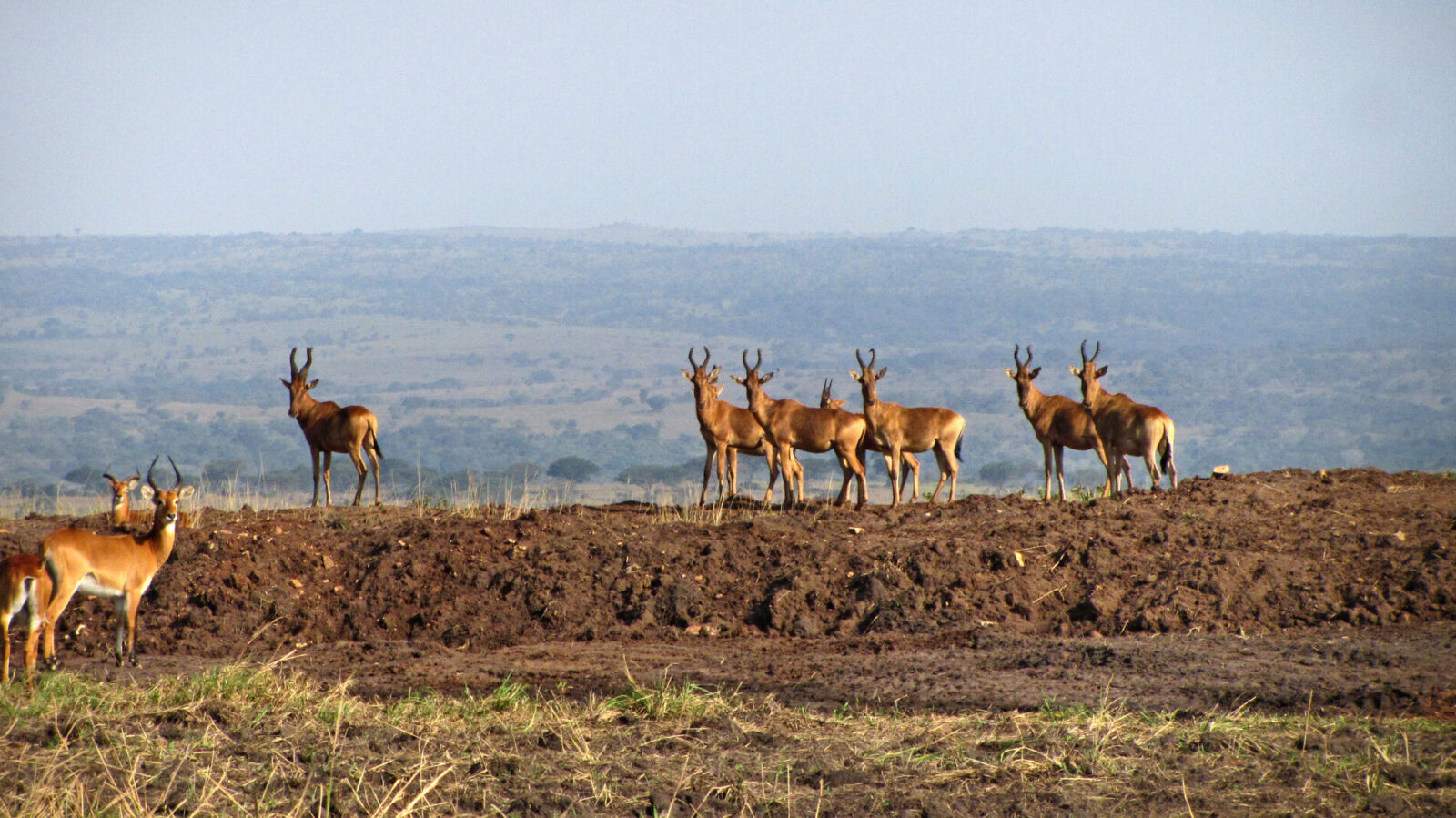
Though still in its early stages as a tourist destination, Bandingilo offers intrepid travelers a rare opportunity to witness one of nature’s greatest spectacles—the annual migration of vast herds of antelope, including white-eared kob, tiang, and Mongalla gazelle. This incredible phenomenon, often overlooked on the global stage, involves over a million animals traversing the open plains and floodplains of Bandingilo and its neighboring parks in a seasonal search for water and grazing land.

The migration rivals the Serengeti in size and ecological significance but remains one of the least disturbed and least observed events of its kind. Beyond the migration, the park is home to elephants, giraffes, lions, leopards, buffalo, warthogs, and spotted hyenas, making it a potential Big Game safari destination in the future. For birdwatchers, the wetlands and acacia woodlands attract a diverse range of birdlife, from wading birds and storks to raptors and endemic species. Bandingilo also offers meaningful cultural experiences for those interested in visiting the local communities, such as the Mundari, Bari, and Dinka people, whose livelihoods and traditions are closely tied to the natural environment.Bandingilo National Park

How to Get to Bandingilo National Park

Access to Bandingilo National Park is relatively convenient compared to many other remote parks in South Sudan. The park lies about 85 kilometers east of Juba, the nation’s capital, making it reachable by road in approximately two to three hours under favorable conditions. The journey requires a four-wheel-drive vehicle, especially during the rainy season when roads can become difficult to navigate.

While public infrastructure remains underdeveloped, travelers can also explore the possibility of arranging private charters or logistical support through conservation organizations working in the region. Due to the country’s security context, it is highly recommended that all travel be planned through registered tour operators or in coordination with NGOs operating within South Sudan.

Accommodations at Bandingilo National Park

Tourism infrastructure within Bandingilo National Park is currently minimal, and there are no established safari lodges or hotels within the park boundaries. Visitors who wish to explore the park should come fully prepared for basic camping, as wilderness campsites are the only available option in most cases. These require self-sufficiency in terms of tents, supplies, food, and water, as there are no formal facilities provided.

In some instances, research stations or NGO field camps may be able to offer temporary accommodations for visiting researchers, conservationists, or authorized guests. For travelers preferring more conventional lodging, staying in Juba is the most practical option. The capital city offers a selection of mid-range to high-end hotels and guesthouses, which can serve as a base for day trips or short excursions into the park until more tourism-friendly infrastructure is developed in the area.

Wildlife and Conservation Significance

Bandingilo National Park is a cornerstone of South Sudan’s natural heritage and a critical piece in the puzzle of East African biodiversity conservation. Its vast floodplains, open savannahs, and acacia woodlands form a mosaic of habitats that support a wide range of flora and fauna, many of which are threatened or vulnerable due to habitat loss and poaching. The park’s importance is magnified by its role in the massive antelope migration that stretches into Boma National Park and across the border into Ethiopia’s Gambella National Park.

This transboundary migration sustains predator-prey dynamics and supports ecological processes vital to the region’s health. Despite its natural wealth, Bandingilo faces several challenges, including illegal poaching, unregulated cattle grazing, encroachment, and limited conservation capacity. However, ongoing efforts by international NGOs, community-based organizations, and the South Sudan Wildlife Service are slowly beginning to strengthen protection and awareness. Community engagement is a critical component of these efforts, as sustainable conservation cannot succeed without the involvement and support of local people whose lives are intertwined with the land.

Bandingilo National Park remains one of Africa’s least explored and most underrated protected areas, yet it holds extraordinary ecological and cultural value. Its immense landscapes, extraordinary migration, and potential for community-based conservation make it a beacon of hope for the future of sustainable tourism in South Sudan. While challenges remain, the park is a hidden gem awaiting responsible discovery, offering a frontier safari experience for those willing to venture off the beaten path.

Boma NP

Boma National Park

By South Sudan places to visit, Where to go

Boma National Park is one of the largest and least-explored protected areas in South Sudan. Encompassing approximately 22,800 square kilometers, it borders Ethiopia to the east and forms part of the Boma-Jonglei landscape, a globally significant ecosystem. Boma is home to one of the largest wildlife migrations in the world, involving hundreds of thousands of antelope.

Despite limited infrastructure, Boma National Park offers immense potential for conservation, research, and future eco-tourism in East Africa.

Brief History of Boma National Park

Boma National Park was established in 1986 by the Sudanese government, before South Sudan’s independence in 2011. It was created primarily to protect the massive white-eared kob migration, one of Africa’s greatest but least-known wildlife spectacles.

After decades of civil war and instability, conservation efforts are gradually being revived by local authorities, the South Sudanese Wildlife Service, and international NGOs like the African Parks Network and Wildlife Conservation Society (WCS).

What to Do at Boma National Park

Although tourism is currently minimal due to limited infrastructure and security challenges, Boma’s landscape offers immense adventure and discovery for scientists, conservationists, and intrepid explorers.

1. Witness the Antelope Migration
Every year, millions of:

White-eared kob

Mongalla gazelles

Tiang (a type of topi)

migrate across Boma and into the Zeraf and Nile floodplains, rivaling the famous wildebeest migration of the Serengeti. It’s one of the world’s largest terrestrial wildlife migrations, largely unknown to the public.

2. Wildlife Watching
Beyond the migration, Boma is home to:

Elephants

Lions

Leopards

Buffalo

Giraffes

Hartebeests

Baboons and colobus monkeys

Spotting wildlife requires time and patience due to the park’s size and remoteness.Boma National Park

3. Birding
The park’s varied habitats support over 400 bird species, including:

Saddle-billed storks

African fish eagles

Secretary birds

Vultures and hornbills

4. Cultural Encounters
The park is traditionally inhabited by indigenous communities, including the Anuak, Murle, and Toposa peoples. Visitors can learn about their pastoralist lifestyles, music, and customs (with proper community consent and guides).

How to Get to Boma National Park

Access to Boma National Park is limited and requires careful logistical planning.

From Juba (South Sudan’s capital):
Fly to Pibor or Boma Airstrip (charter flights required)

Drive via 4×4 vehicles to park headquarters or designated wildlife areas

Note: Due to ongoing development and occasional instability, all travel must be arranged with experienced guides or organizations like WCS or African Parks.

Accommodations at Boma National Park

Currently, there are no formal tourist lodges in Boma National Park. Accommodation options include:

1. Research Camps
Operated by conservation organizations like WCS; offer basic lodging and logistics for researchers and conservation personnel.

2. Camping
Wilderness camping is possible with proper permits and a guide. Visitors must bring all supplies and prepare for complete self-sufficiency.

3. Nearby Settlements
Basic guesthouses may be available in Boma town, but amenities are limited. Plans for eco-lodges are in discussion for future tourism growth.

Wildlife and Conservation Significance

Boma National Park is part of one of Africa’s most critical conservation landscapes and is increasingly recognized as a priority for global biodiversity efforts.

Key Conservation Highlights:
White-eared kob migration involves more than 1.3 million antelope

Home to Africa’s “hidden Serengeti” with spectacular wilderness

Protects critical corridors for elephants, giraffes, and carnivores

Supports wetlands, grasslands, and savannah forests vital to carbon storage and climate resilience

Efforts by organizations like African Parks and WCS aim to:

Train and support local rangers

Engage communities in wildlife management

Monitor migratory routes with satellite and aerial data

Why Visit or Support Boma National Park?

Witness one of the largest antelope migrations on Earth

Support community-led conservation and post-conflict restoration

Explore South Sudan’s untapped natural beauty

Help protect a globally significant ecosystem for future generations

Boma National Park remains one of Africa’s last great frontiers—a vast, untamed land brimming with wildlife and potential. Though it is currently best suited for research and conservation efforts, Boma holds incredible promise for sustainable tourism, ecological research, and regional development.

Close Menu