search
Semuliki National Park Safari Itinerary Ideas

Semuliki National Park Safari Itinerary Ideas

By Travel stories and blogs, Adventure holidays, Primate holidays, Safari holidays, Uganda travel guides

Semuliki National Park Safari Itinerary Ideas

Semuliki National Park, nestled in the remote Bwamba County of Bundibugyo District in western Uganda, offers an unparalleled adventure experience. Often overshadowed by more renowned parks, Semuliki stands as a testament to Africa’s rich biodiversity and cultural heritage. This park, established in 1993, is a sanctuary for a myriad of species, many of which are rare or endemic to the region. Its significance is underscored by its designation as a UNESCO Biosphere Reserve, highlighting its global ecological importance.

Day 1: Journey to Semuliki National Park

Departure from Kampala

The adventure begins with an early morning departure from Kampala, Uganda’s bustling capital. Travelers embark on a scenic drive through the verdant countryside, passing by the bustling town of Mityana and the serene landscapes of Fort Portal. The journey offers glimpses of rural Ugandan life, with lush plantations and traditional homesteads dotting the landscape. Upon reaching Fort Portal, a brief stop allows for refreshments and a chance to stretch before continuing the journey towards Semuliki.

Arrival and Check-in

Upon arrival at Semuliki National Park, guests check into their chosen accommodations. Options range from luxury lodges to more modest guesthouses, each offering a unique experience. The lodges are strategically located to provide easy access to the park’s main attractions, ensuring that guests can immerse themselves in the natural beauty and tranquility of the area.

Evening Game Drive

As dusk falls, guests embark on a guided night game drive. Equipped with spotlights, the safari vehicle traverses the park’s trails in search of nocturnal wildlife. This is an opportunity to observe species that are elusive during daylight hours, such as leopards, bush babies, and various nocturnal birds. The night air is filled with the sounds of the forest, creating an atmosphere of mystery and excitement.

Day 2: Exploration of Semuliki’s Wonders

Morning Chimpanzee Trekking

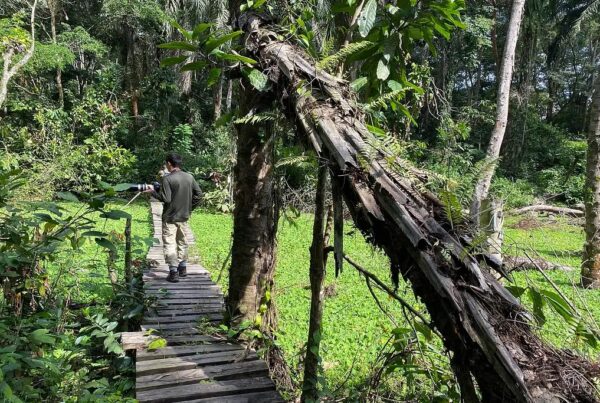
The day begins with an early breakfast before heading to the park’s headquarters for a briefing on chimpanzee trekking guidelines. Accompanied by experienced guides, guests venture into the forest in search of chimpanzee troops. The trek offers insights into the behavior and social structures of these intelligent primates, as well as the opportunity to observe other wildlife and plant species that inhabit the forest. The dense canopy and rich biodiversity make each moment in the forest a discovery.

Afternoon Game DriveSemuliki National Park Safari Itinerary Ideas

After a leisurely lunch, guests embark on an afternoon game drive. The park’s diverse habitats support a wide range of wildlife, including forest elephants, buffaloes, and various antelope species. Bird enthusiasts will find delight in the park’s avian diversity, with over 400 bird species recorded, including the rare hornbills and the elusive shoebill stork. The game drive offers ample opportunities for photography and wildlife observation.

Visit to Sempaya Hot Springs

In the late afternoon, a visit to the Sempaya Hot Springs is scheduled. The hot springs are a geological wonder, with boiling geysers that shoot steam and hot water into the air. The male spring, Bintente, has a diameter of 12 meters, while the female spring, Nyasimbi, is a boiling geyser that can reach temperatures of up to 103°C. Local traditions involve cooking food in the hot springs, adding a cultural dimension to the visit.

Day 3: Cultural Immersion and Departure

Batwa Cultural Experience

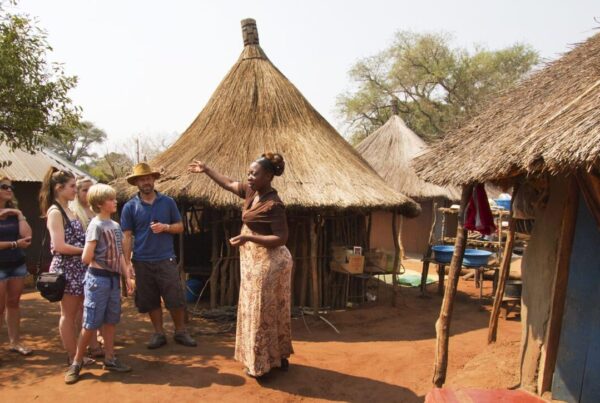
The final day offers a cultural immersion experience with the Batwa community. The Batwa, often referred to as the “Pygmies,” are indigenous people who have historically lived in the forests. Visitors have the opportunity to learn about their traditional lifestyles, including hunting techniques, medicinal plant knowledge, and cultural rituals. This interaction provides a deeper understanding of the human connection to the forest and the challenges faced by indigenous communities in a changing world.

Return Journey

After the cultural experience, guests begin their journey back to Kampala. The drive retraces the scenic route, offering a final opportunity to absorb the landscapes and rural life of western Uganda. Upon arrival in Kampala, the safari concludes, leaving guests with memories of a unique and enriching adventure.

Extended Itinerary Options

4-Day Safari: Deeper Exploration

For those seeking a more in-depth experience, a 4-day safari allows for additional activities and relaxation. The extra day can be utilized for extended game drives, additional cultural interactions, or simply unwinding at the lodge. This extended itinerary provides a more leisurely pace, ensuring that guests can fully immerse themselves in the park’s offerings.

5-Day Safari: Combination with Kibale National Park

A 5-day safari combines the wonders of Semuliki with the primate-rich Kibale National Park. After exploring Semuliki, guests travel to Kibale for chimpanzee trekking and a visit to the Bigodi Wetland Sanctuary. This combination offers a diverse range of experiences, from forest treks to wetland birdwatching, enriching the overall safari experience.

Semuliki National Park offers a unique blend of wildlife, culture, and natural beauty, making it a must-visit destination for adventurous travelers. Whether on a short 3-day itinerary or an extended safari, visitors are guaranteed an enriching experience that connects them with the heart of Africa.

For those planning to explore the wonders of Semuliki and beyond, consider booking your Africa tours and safaris through WildHorn Africa. Their expert guides and tailored itineraries ensure that your journey through Uganda’s natural treasures is both seamless and memorable.

The Tale of the African Life

The Tale of the African Life

By Get inspired

The Tale of the African Life

A Journey Beyond the Safari

Beyond the call of the wild and the rhythm of the drums lies another heartbeat of Africa — its people. The Tell of the African Life invites travelers to step into the rhythm of everyday existence across the continent’s heartlands — from sun-drenched villages to misty highlands where life moves with the steady pulse of tradition.

This experience opens the door to a world where stories are not just told, but lived — around the fireside, in the market, in the laughter of children, and in the hands of artisans shaping heritage from earth, fiber, and color. It’s a celebration of simplicity, resilience, and the unspoken beauty of daily life that defines the African spirit.

The Tale of the African Life

Village Encounters: The Pulse of Authentic Africa

In the villages scattered across Uganda, Rwanda, Tanzania, and Kenya, life flows with grace and community. Guests are welcomed like family — greeted with songs, dancing, and the warm smiles that Africa is known for.

You’ll walk dusty footpaths alongside children carrying water pots, sit under shade trees where elders tell age-old tales, and learn how time bends to the rhythm of nature rather than the clock. Visitors can join locals in harvesting crops, milking cows at sunrise, cooking over open fires, or weaving baskets whose patterns tell stories of ancestry and identity.

These moments invite travelers to shed the rush of modern life and rediscover connection — with nature, with people, and with the self.

The African Woman: Keeper of Culture and Life

To experience African life fully is to understand the heartbeat of the African woman — strong, nurturing, and endlessly graceful. She is the guardian of tradition, the builder of homes, and the silent force that sustains communities.

Women travelers will find this part of the journey deeply touching and eye-opening. You’ll spend time with village women in their daily routines — fetching water at dawn, tending gardens, preparing traditional meals, grinding millet, braiding hair, or making crafts from natural fibers.

In the cool of the evening, women gather to share laughter, songs, and wisdom passed down through generations. These interactions go beyond observation; they are immersive, allowing visitors to learn through participation. Travelers may join in cooking local dishes like matoke, posho, ugali, or millet bread, learn traditional dance, or even try their hand at basket weaving or pottery.

Through this exchange, women from around the world connect — sharing the universal language of strength, motherhood, resilience, and community. It’s a heartfelt encounter that bridges continents and awakens admiration for the rhythm of womanhood in Africa.

A Day in the Village

Morning mist gives way to the sound of roosters, the pounding of maize, and the laughter of children on their way to school. Days begin early and are filled with activity — tending to crops, herding cattle, preparing meals, or gathering firewood from the nearby hills.

Guests are encouraged to take part: walk to the fields, learn traditional farming techniques, help prepare lunch with the family, or sit with the blacksmith or craftsman to observe time-honored skills. As the day fades, the community gathers — sometimes for storytelling, sometimes for song — as the sun dips behind the acacia trees.

This is not a performance. It’s real life — an open invitation to understand Africa not as a destination, but as a living, breathing home.

The Tale of the African Life

Cultural Expressions and Community Craft

Each village is a tapestry of colors and crafts. Visitors may explore local markets where handmade jewelry, drums, baskets, and fabrics come alive in a symphony of texture and meaning. Every piece tells a story — of the maker, the tribe, and the spirit of creativity that flows through African culture.

Workshops can be arranged for travelers who wish to learn traditional crafts — from banana-fiber art in Uganda, beadwork in Kenya, to hand-woven kitenge cloths and cow-horn carving. These are not just souvenirs; they are symbols of connection, memory, and respect for local artistry.

The Tale of the African Life

The Fireside Stories

Evenings in the village come alive under a sky scattered with stars. Gathered around the fire, you’ll listen to tales of ancestors, heroes, and myths that shaped the African worldview. Storytelling is an art form — blending wisdom, humor, and life lessons that reveal the community’s soul.

Through song and dance, travelers become part of the story, finding joy in rhythm and motion. These are the moments that linger — simple, pure, and unforgettable.

Sustainability and Respect

Participating in The Tell of the African Life is not only about cultural immersion but also about giving back. Visits are designed to support community development, education, and women’s initiatives. A portion of each visit contributes to local projects — from clean water access to skill training programs — ensuring that the experience benefits the people who share their homes and hearts with travelers.

Respect for culture, tradition, and the environment stands at the core of this journey. Travelers are encouraged to engage with openness, humility, and gratitude.

Why Experience the Tale of the African Life

This isn’t a tour — it’s an exchange. It’s where curiosity meets culture, and travelers become storytellers themselves. You’ll return home with memories etched not only in photographs but in the friendships and lessons shared along the way.

For those who wish to go beyond safaris and see Africa through its people — this experience is the soul of travel.

The Tale of the African Life

The Tale of the African Life Explore More

African Women

African women shape communities, traditions, and modern life.
https://www.africawildlifesafaris.net/african-women/

African Village Tours

Authentic traditions, daily life, and cultural experiences.
https://www.africawildlifesafaris.net/african-village-tours/

African Village Tour Experience

Culture, tradition, and connection on a journey guided by WildHorn Africa.
https://www.africawildlifesafaris.net/african-village-tour-experience/

Experience African Villages

Traditions, hospitality, music, and daily rhythms across Africa with WildHorn Africa.
https://www.africawildlifesafaris.net/experience-african-villages/

Village Tours

Traditions, community life, and cultural heritage across Africa.
https://www.africawildlifesafaris.net/village-tours/

Experience Africa Village Lifestyle

Community life, traditions, and daily rhythms with WildHorn Africa.
https://www.africawildlifesafaris.net/experience-africa-village-lifestyle/

The Soul of Africa

Authentic African culture, traditions, and hospitality with WildHorn Africa.
https://www.africawildlifesafaris.net/the-soul-of-africa/

Beyond the Safari

Village tours, authentic traditions, daily life, and culture with WildHorn Africa.
https://www.africawildlifesafaris.net/beyond-the-safari/

Enough Talk, Let's Build Something Together

The Tale of the African Life

FAQS

What is an African village tour?

An African village tour is a guided cultural experience that allows travelers to visit traditional communities and learn about local lifestyles, customs, crafts, and heritage. Unlike typical safari activities, village tours focus on people — their history, daily routines, and cultural expressions. You’ll often interact directly with villagers, witness traditional dances, cooking, farming, and storytelling, offering an authentic glimpse into rural African life.

What can I expect during a typical village experience?

During a village experience, expect a warm welcome, often with songs or dances, followed by a walk through the community. You may visit local homesteads, schools, and craft workshops, learn about traditional medicine, or take part in cooking or farming activities. Some tours include demonstrations of basket weaving, pottery, or beer brewing. Each visit ends with time for questions, photos, and sometimes shared meals with the locals.

Are African village tours respectful to local cultures?

Yes — when organized responsibly. Wildhorn Africa partners directly with local leaders and ensure that visits are community-approved and beneficial. Ethical village tours emphasize cultural exchange rather than spectacle. Travelers are encouraged to engage respectfully, ask permission before taking photos, and approach the experience with an open heart and genuine curiosity.

How do local communities benefit from village tours?

Village tours contribute to sustainable tourism by generating direct income for local families and community projects. Fees paid by visitors often support schools, clean water initiatives, or women’s cooperatives. Additionally, these experiences preserve traditional crafts and knowledge that might otherwise fade, ensuring cultural continuity and empowerment through tourism.

What should I wear or bring on a village tour?

Dress modestly and comfortably, as many African villages are conservative. Light breathable clothing, closed shoes, and a hat are ideal. Bring bottled water, sunscreen, and small cash for local purchases like handmade crafts or souvenirs. A notebook for cultural insights and a camera (used respectfully) can also be great companions.

Are village tours suitable for children or families?

Absolutely. Village tours are educational and enriching for travelers of all ages. Children enjoy participating in drumming sessions, dance performances, or trying traditional games. Families often find these tours a wonderful way to connect across cultures and show young ones the importance of community, resilience, and shared humanity.

How long does a village tour usually last?

The duration varies depending on the location and itinerary. Short tours may last one to two hours, while immersive experiences can extend half a day or even overnight. Multi-day cultural homestays are available in some regions, where guests live with host families and fully engage in daily village life.

Which countries offer the best African village experiences?

Authentic village tours can be found across East and Southern Africa — particularly in Uganda, Rwanda, Kenya, Tanzania, Zambia, and South Africa. For instance, Uganda’s Batwa and Bakiga communities offer incredible cultural trails near Bwindi, while Maasai villages in Kenya and Tanzania showcase timeless pastoral traditions. Each region offers its own distinctive rhythm, language, and way of life.

How do I choose a responsible tour operator for a village visit?

Choose a licensed operator that works directly with the community, ensures fair compensation, and respects cultural boundaries. Look for operators that promote sustainability, limit group sizes, and provide cultural orientation before visits. Brands like Wildhorn Africa are known for supporting authentic, ethical, and community-led experiences that truly empower the locals you meet.

Walking with the Locals

Authentic community tours in Africa. Cultural traditions, daily life, and heartfelt hospitality.
https://www.africawildlifesafaris.net/walking-with-the-locals/

From Market Days to Moonlit Nights

Authentic community tours. Markets, music, and moonlit nights filled with tradition and connection.
https://www.africawildlifesafaris.net/from-market-days-to-moonlit-nights/

Living Traditions

Authentic cultural tours. Discover music, dance, storytelling, and heritage with WildHorn Africa
https://www.africawildlifesafaris.net/living-traditions/

Contact us for available packages and itineraries.

Get Inspired by Africa with WildHorn Africa

Get Inspired

By Uncategorized
Book Your Safari Now
Get Inspired by Africa Wildlife Safaris

Where to Go

Africa is a vast and diverse continent, and each region offers something unique. From the rolling savannahs of the Masai Mara to the lush rainforests of Bwindi Impenetrable Forest, and from the remote salt pans of Botswana to the misty mountains of Rwanda, your safari destination sets the tone for your experience. At WildHorn Africa, we help you choose where to go based on your interests — whether that’s tracking gorillas in Uganda, following the Great Wildebeest Migration, or exploring off-the-beaten-path national parks that promise solitude and authenticity.

When to Go

Timing your safari is key to maximizing your experience. Different regions of Africa have distinct seasons, wildlife movements, and weather patterns that influence when to go. For instance, the dry season in East Africa, typically from June to October, is ideal for Big Five game viewing, while the rainy seasons bring lush scenery and fewer crowds. Whether you’re looking for peak wildlife action, birdwatching opportunities, or budget-friendly travel windows, WildHorn Africa offers expert guidance to help you plan your trip at the perfect time of year.

Read More
Together We Build your dream holiday

Customize your experience

Customize

Special Offers

Your dream safari doesn’t have to come at a high price. WildHorn Africa regularly features special offers, seasonal discounts, and exclusive travel packages designed to help you experience more for less. From reduced rates on luxury lodges in Serengeti to discounted gorilla trekking permits in Rwanda, our offers provide incredible value without compromising on quality. Stay up to date with our current promotions and let us help you discover Africa in a way that’s both affordable and extraordinary.

Your First Safari

If you’re planning your first safari, you’re in for an experience like no other. WildHorn Africa specializes in welcoming first-time safari-goers, offering clear guidance, honest advice, and expertly planned itineraries that ensure comfort, safety, and adventure. From understanding what to pack, to knowing what to expect on a game drive, we walk you through every step. Whether you’re a solo traveler, a couple, or a family, we’ll create a safari that fits your pace and preferences, making your first journey to Africa truly unforgettable.

Read More

Travel Guides

Our travel guides are designed to help you make informed decisions and prepare with confidence. From detailed park overviews and packing tips to visa information and wildlife viewing calendars, WildHorn Africa’s curated guides cover all aspects of safari planning. Whether you’re heading to Kenya’s Amboseli National Park, Tanzania’s Ngorongoro Crater, or the hidden trails of Nyungwe Forest, our expert insights will help you travel smarter and explore deeper.

Travel Blog and Stories

There’s no better way to get inspired than through real stories from the wild. On the WildHorn Africa blog, you’ll find vivid tales of adventure, wildlife encounters, and cultural moments that bring Africa to life. Read firsthand accounts of walking safaris in Zambia, helicopter tours over Victoria Falls, and early morning treks in search of endangered primates. Our blog isn’t just content — it’s a celebration of the journeys that connect people to Africa’s soul.

Read More

Talk to an expert. Let's craft you a memorable holiday package.

Close Menu