search
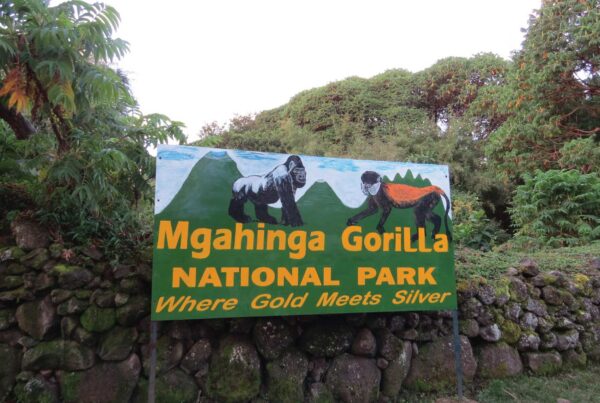
Mgahinga Gorilla National Park

Mgahinga Gorilla National Park

By Uganda places to visit, Where to go

Tucked away in the southwestern corner of Uganda, Mgahinga Gorilla National Park is a hidden gem for travelers seeking a more intimate and scenic mountain gorilla trekking experience. Although smaller and lesser-known than its neighbor Bwindi, Mgahinga holds its own with its dramatic volcanic landscapes, cultural richness, and unique wildlife encounters.

Brief History of Mgahinga Gorilla National Park

Mgahinga Gorilla National Park was gazetted in 1991 as part of Uganda’s effort to protect the endangered mountain gorilla and the rich biodiversity of the Virunga Mountains. Covering just 33.7 square kilometers, it is Uganda’s smallest national park, but it forms part of the much larger Virunga Conservation Area, which spans across Uganda, Rwanda, and the Democratic Republic of the Congo.

The park’s conservation history includes the displacement of indigenous Batwa communities, who once lived as forest dwellers in harmony with the environment. Today, efforts are being made to involve them in tourism and cultural preservation.

Location and Landscape of Mgahinga Gorilla National Park

Mgahinga lies in Kisoro District, bordering Rwanda’s Volcanoes National Park and the Democratic Republic of the Congo’s Virunga National Park. The park is situated within the Virunga Mountain range, encompassing three dramatic, extinct volcanoes:

Mount Muhabura (4,127 m) – the highest and most prominent peak.

Mount Gahinga (3,474 m) – from which the park gets its name.

Mount Sabinyo (3,645 m) – known as the “Old Man’s Teeth” due to its jagged peaks and views into three countries.

This volcanic terrain, along with lush bamboo forests and montane vegetation, creates a unique ecosystem supporting mountain gorillas, golden monkeys, and a host of bird species.

What to Do at Mgahinga Gorilla National Park

1. Gorilla Trekking
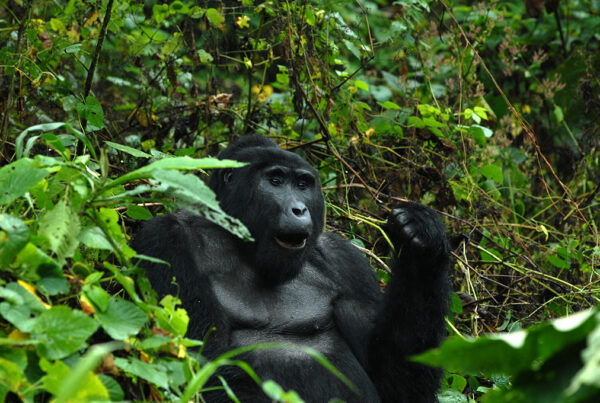
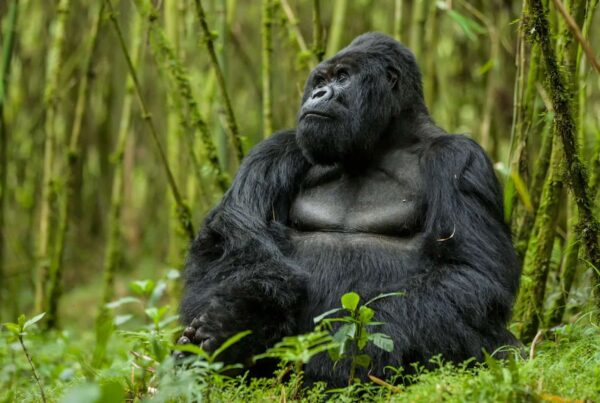
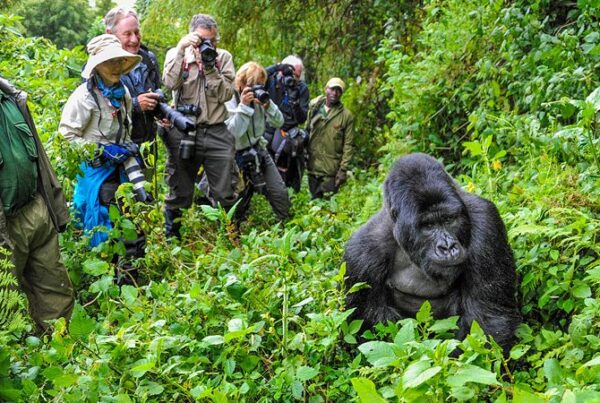
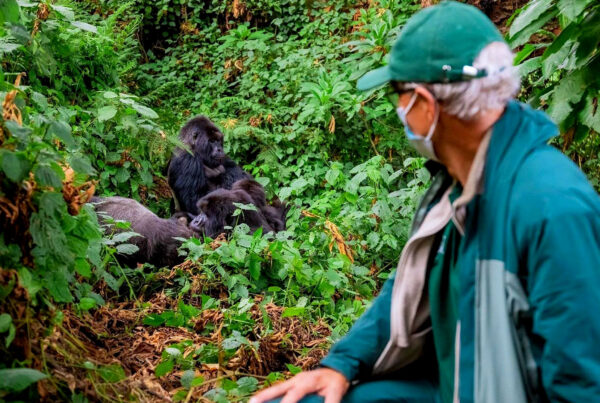
Mgahinga is home to the Nyakagezi Gorilla Family, a well-habituated and mobile group. Gorilla trekking here is less crowded than in Bwindi, offering a more exclusive and scenic experience. Permits are limited and easier to secure, making it ideal for last-minute travel plans.

2. Golden Monkey Tracking
One of the park’s signature activities, golden monkey tracking allows visitors to observe these endangered primates in their natural habitat. Found only in the Virunga region, these playful creatures are highly photogenic and unique to Mgahinga in Uganda.

3. Volcano Hiking
Adventurous travelers can climb any of the three volcanoes:

Mount Muhabura – a full-day, strenuous hike with panoramic views.

Mount Sabinyo – a rugged trail leading to the tripoint border of Uganda, Rwanda, and DRC.

Mount Gahinga – the easiest of the three, passing through beautiful bamboo forest.

4. Batwa Cultural Trail
Take a guided walk with Batwa elders, who share their forest traditions, hunting skills, and spiritual beliefs. The trail ends at a sacred Garama Cave, once a Batwa refuge. This immersive experience highlights the need for indigenous inclusion in conservation.

5. Bird Watching
Mgahinga hosts over 180 bird species, including Albertine Rift endemics like the Ruwenzori Turaco, Crowned Hornbill, and Black Kite. Birding trails wind through bamboo forests and montane woodland.

How to Get to Mgahinga Gorilla National Park

By Road:
From Kampala/Entebbe, the drive is about 9–10 hours (540 km), via Kabale and Kisoro. A 4×4 vehicle is recommended for the mountainous roads near the park.

From Bwindi Impenetrable National Park, it takes about 2–3 hours depending on the sector.

By Air:
Daily flights are available from Entebbe International Airport to Kisoro Airstrip, followed by a 45-minute drive to the park. Flights are operated by Aerolink Uganda and other local carriers.

From Kigali, Rwanda, the drive to Mgahinga via the Cyanika border takes about 3–4 hours, making it a convenient option for travelers combining Rwanda and Uganda.

Accommodations at Mgahinga Gorilla National Park

Though fewer in number than Bwindi, lodges near Mgahinga provide comfortable stays with breathtaking mountain views.

Luxury:
Mount Gahinga Lodge – Eco-luxury lodge with cozy cottages, solar power, and local community integration.

Mid-range:
Traveler’s Rest Hotel, Kisoro – Historic hotel once frequented by primatologist Dian Fossey.

Ichumbi Gorilla Lodge, Kisoro – Comfortable and well-reviewed, with great access to Mgahinga.

Budget:
Amajambere Iwacu Community Camp – Community-run lodging near the park gate.

Virunga Campsite & Backpackers – Budget-friendly with tented options and local cuisine.

Whether you’re tracking gorillas on misty mountain slopes, spotting golden monkeys in bamboo forests, or climbing dormant volcanoes, Mgahinga Gorilla National Park offers a raw, authentic wilderness experience. It’s a must-visit for travelers who want to explore Uganda’s lesser-trodden paths while enjoying unmatched scenic beauty and cultural depth.

Bwindi Impenetrable National Park

Bwindi Impenetrable National Park

By Uganda places to visit, Where to go

Nestled in the southwestern corner of Uganda, Bwindi Impenetrable National Park is one of Africa’s most biologically diverse rainforests and a UNESCO World Heritage Site. Famed for being home to almost half of the world’s remaining mountain gorilla population, Bwindi offers an unforgettable experience for nature lovers, adventure seekers, and wildlife enthusiasts.

Brief History of Bwindi Impenetrable National Park

Bwindi Impenetrable National Park was officially established in 1991 to protect the endangered mountain gorillas and other unique biodiversity found in the area. Prior to its gazetting, it was known as the Bwindi Impenetrable Forest Reserve, created in 1942. The park covers an area of 331 square kilometers and sits at the junction of the Albertine Rift and the Congo Basin, creating a rich ecosystem that has remained largely unchanged for thousands of years.

Its designation as a UNESCO World Heritage Site in 1994 was based on its exceptional biodiversity and the global importance of conserving mountain gorillas. Over time, conservation efforts, scientific research, and community tourism programs have helped protect the park while supporting local communities.

Sectors of Bwindi Impenetrable National Park

Bwindi is divided into four main sectors, each offering unique gorilla trekking experiences, landscapes, and accommodation options:

1. Buhoma Sector (North)
Located in the northern part of the park, Buhoma was the first sector to open for gorilla trekking in 1993. It is the most accessible and popular sector, with a well-developed tourism infrastructure. Buhoma is home to several habituated gorilla families and offers a variety of nature walks and community visits.

2. Ruhija Sector (East)
Ruhija is known for its stunning views, high-altitude trails, and rich birdlife. It is a quieter sector with fewer crowds, ideal for bird watchers and those seeking a more tranquil trekking experience. Gorilla families here include Bitukura, Oruzogo, and Kyaguriro.

3. Rushaga Sector (South)
Rushaga has the highest number of habituated gorilla families and is the only sector offering the Gorilla Habituation Experience. Located close to Lake Mutanda and Kisoro town, it provides a great mix of trekking opportunities and scenic beauty.

4. Nkuringo Sector (Southwest)
Nkuringo is situated on higher terrain, making the treks more challenging but also more rewarding with panoramic views. It is ideal for adventurous travelers and offers excellent cultural experiences with the local communities.

Each sector has its own park headquarters where gorilla trekking begins, and it’s important to choose accommodations in the same sector as your gorilla permit.

What to Do at Bwindi Impenetrable National Park

1. Gorilla Trekking
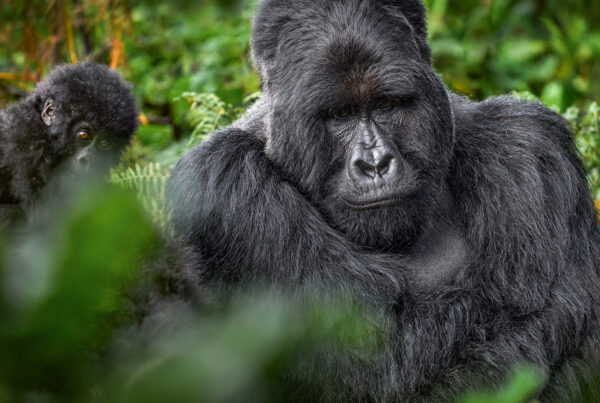
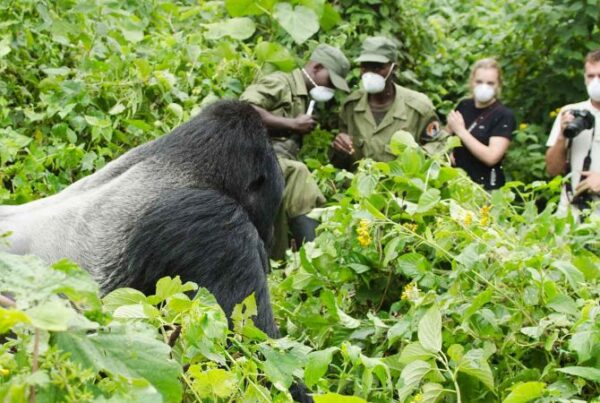
The highlight of any visit to Bwindi is gorilla trekking. The park is home to over 20 habituated gorilla families, spread across its four sectors. Treks can last anywhere from 2 to 8 hours depending on the location of the gorilla group, and visitors get to spend one magical hour observing these gentle giants in their natural habitat.

2. Gorilla Habituation Experience
For those looking for a more immersive encounter, the gorilla habituation experience allows you to spend up to 4 hours with a semi-habituated gorilla family. This activity is only available in the Rushaga sector and is guided by researchers and trackers.

3. Bird Watching
Bwindi is a birdwatcher’s paradise, boasting over 350 bird species, including 23 Albertine Rift endemics such as the African Green Broadbill, Shelley’s Crimsonwing, and Grauer’s Rush Warbler. Birding trails can be found in Buhoma and Ruhija.

4. Cultural Encounters
Engage with the local Batwa pygmies, the original inhabitants of the forest. Cultural visits offer insights into their traditional forest lifestyle, music, dance, and storytelling.

5. Nature Walks and Hiking
There are several well-maintained trails such as the Munyanga River Trail, Waterfall Trail, and Ivy River Trail, which provide opportunities to explore the forest’s incredible flora, butterflies, monkeys, and scenic waterfalls.

6. Community and Village Walks
Experience life in the surrounding communities by participating in village walks, where you can visit schools, tea plantations, local crafts centers, and traditional healers.

How to Get to Bwindi Impenetrable National Park

Bwindi can be accessed both by road and air, depending on your travel preference and starting point.

By Road:
From Kampala or Entebbe: The journey takes about 8–10 hours, passing through towns like Mbarara and Kabale. A 4×4 vehicle is recommended due to the terrain.

From Queen Elizabeth National Park: A scenic drive of approximately 3–5 hours via the Ishasha sector, which is famous for its tree-climbing lions.

From Kigali, Rwanda: A popular route for travelers combining Uganda and Rwanda safaris. The drive takes about 4–5 hours to cross into Uganda via the Cyanika or Katuna border.

By Air:
Domestic flights are available from Entebbe International Airport to Kihihi (for Buhoma and Ruhija) or Kisoro (for Rushaga and Nkuringo). Flights take about 1 hour, followed by a 1–2-hour drive to your lodge.

Accommodations at Bwindi Impenetrable National Park

Bwindi offers a wide range of accommodations to suit different budgets and preferences, located in or near its four sectors.

Buhoma Sector:
Luxury: Bwindi Lodge, Mahogany Springs Lodge

Mid-range: Silverback Lodge, Haven Lodge Buhoma

Budget: Buhoma Community Rest Camp

Ruhija Sector:
Luxury: Ruhija Gorilla Safari Lodge

Mid-range: Bakiga Lodge

Budget: Broadbill Forest Camp

Rushaga Sector:
Luxury: Four Gorillas Lodge, Clouds Mountain Gorilla Lodge

Mid-range: Gorilla Safari Lodge

Budget: Rushaga Gorilla Camp

Nkuringo Sector:
Luxury: Nkuringo Bwindi Gorilla Lodge

Mid-range: Mutanda Lake Resort

Budget: Bwindi Backpackers Lodge

Most lodges offer gorgeous views of the forest, warm hospitality, and services such as guided walks, packed lunches, and transfers to the park headquarters.

Whether you’re embarking on a life-changing gorilla trek or soaking in the rich culture and biodiversity, Bwindi Impenetrable National Park is a destination like no other. It’s a true testament to Uganda’s commitment to conservation and sustainable tourism—offering visitors a rare chance to connect with nature in one of the most pristine rainforests on the planet.

Close Menu