search
Murchison Falls National Park: One Week Plan to hiking for solo travelers

Murchison Falls National Park: One Week Plan to hiking for solo travelers

By Travel stories and blogs, Adventure holidays, Uganda travel guides

Murchison Falls National Park: One Week Plan to Hiking for Solo Travelers

Where Adventure Meets Solitude

For solo travelers in search of both adventure and serenity, Murchison Falls National Park stands as Uganda’s most iconic wilderness escape. The park, spanning vast savannahs, dense forests, and the dramatic Nile River, offers a setting where solitude transforms into discovery, and hiking becomes more than just a physical journey. With the thunderous roar of the falls as a centerpiece and trails weaving through diverse habitats, Murchison Falls provides the perfect backdrop for those traveling alone yet seeking profound connection with nature.

A one-week plan in this remarkable park allows solo adventurers to fully immerse themselves in the region’s landscapes, wildlife, and cultural encounters. Every sunrise and sunset introduces a new chapter in the story of exploration, and each step along a trail reveals vistas, details, and photographic opportunities that elevate the experience beyond mere sightseeing.

Why Murchison Falls is a Haven for Solo Travelers

The allure of Murchison Falls for solo travelers lies in its balance of tranquility and exhilaration. Unlike crowded destinations, the park grants individuals the rare luxury of engaging directly with nature in silence while also offering safe, guided hiking routes that bring reassurance to those exploring alone. The dramatic landscapes, from sweeping grasslands to riverine forests, invite personal reflection, making the journey inward as significant as the path underfoot.

Solo travelers often find comfort in the self-paced rhythm of hiking through Murchison Falls. There is no pressure to match another’s pace, no need to compromise on chosen routes, and every encounter with wildlife becomes a private memory. For many, this independence enhances both the adventure and the intimacy of the experience, transforming the park into a sanctuary for personal growth, creativity, and renewal.

Day 1: Arrival and First Impressions

The first day in Murchison Falls is best reserved for arrival, orientation, and an introduction to the vastness of the park. Solo travelers are welcomed by the expanses of savannah and the sight of the Nile slicing through the wilderness. The initial hours are often spent settling into accommodation, becoming familiar with the environment, and preparing mentally for the hiking adventures ahead.

As evening falls, the air cools and the park awakens with the distant calls of nocturnal creatures. This first night serves as a reminder of the wild rhythms that define Murchison Falls, offering solo travelers a sense of humility and anticipation for the days to come.

Day 2: Hiking to the Top of the Falls

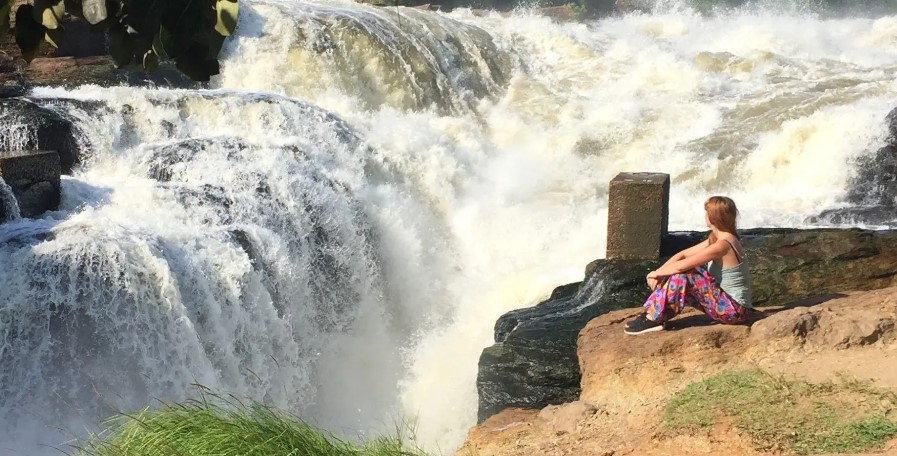
The second day introduces the first major highlight of the one-week itinerary: the hike to the top of Murchison Falls. This trail, short but steep, offers unmatched drama. As hikers ascend, the sound of rushing water grows louder until the Nile reveals itself in its most ferocious display, squeezing through a narrow gorge and crashing down into the abyss below.

For solo travelers, this hike is both exhilarating and meditative. The view from the top, where mist rises from the churning waters, becomes a private spectacle. Photographers find this moment particularly rewarding, as the interplay of water, light, and rock creates images that embody both power and beauty.

Day 3: Savannah Trails and Wildlife Encounters

The third day unfolds on the expansive savannah trails that stretch across the northern sector of the park. Hiking here brings encounters with giraffes gracefully moving in herds, elephants wandering through the grasslands, and antelopes grazing in harmony. Lions may be glimpsed at a distance, their presence a reminder of the wild balance within this ecosystem.

For solo travelers, these encounters heighten the sense of vulnerability and awe, creating a deep respect for the interconnectedness of life within the park. The savannah trails are not only about witnessing wildlife but also about embracing silence, with only the crunch of footsteps on dry earth and the whisper of the wind for company.

Day 4: Exploring Riverine and Forest Trails

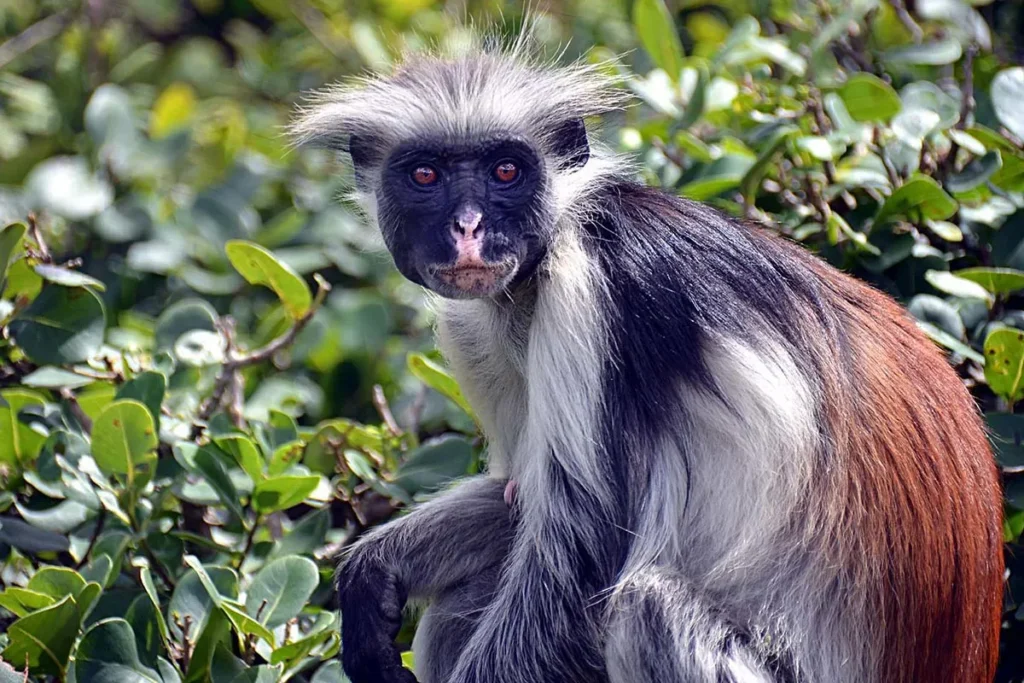
Day four introduces a shift from the open savannahs to the dense greenery along the Nile’s banks. Trails in these sections lead through forests alive with birdsong, primates, and lush undergrowth. Hikers encounter species such as baboons, black-and-white colobus monkeys, and an astonishing variety of birdlife, each adding layers of color and texture to the journey.

For photographers, the play of light filtering through the trees creates opportunities for creative framing, while the calls of unseen creatures enhance the atmosphere of mystery. Solo travelers are often struck by the contrast between the raw power of the falls and the gentle, almost secretive beauty of the forest, realizing that Murchison Falls National Park is a landscape of dualities.

Day 5: The Nile Delta and Wetland Hikes

The Nile Delta region, where the river fans out into wetlands before flowing into Lake Albert, provides a refreshing change of scenery on day five. Hiking near these wetlands offers views of rare species, most famously the elusive shoebill stork. The area’s quiet atmosphere and unique ecological features make it an ideal place for contemplative exploration.

Walking along the delta’s edges, solo travelers capture photographs of tranquil waters reflecting wide skies, while fishermen move quietly in traditional boats. The pace here slows, inviting reflection and appreciation of the subtler aspects of the natural world. This day often becomes one of the most memorable for those who enjoy balancing adventure with serenity.

Day 6: Cultural Encounters and Community Trails

Hiking in Murchison Falls is not limited to natural landscapes. Day six introduces cultural trails that lead solo travelers into nearby communities. Villages surrounding the park showcase traditional lifestyles, vibrant markets, and warm hospitality. Walking through these areas allows photographers to capture portraits, crafts, and daily life, providing a human dimension to the week’s journey.

These encounters remind solo travelers that the story of Murchison Falls is not written by nature alone but also by the people who live in harmony with the park. Respectful interactions add richness to the hiking experience, ensuring that the journey feels complete in its scope.

Day 7: Reflections and Farewell Hike

The final day of the itinerary is best spent revisiting a favored trail or choosing a shorter hike that allows time for reflection. Many solo travelers return to the top of the falls to witness the Nile one last time, while others prefer the quiet of forested paths. This final hike becomes less about exploration and more about personal connection, as the week’s experiences settle into memory.

Departing Murchison Falls after a week of hiking feels both rewarding and humbling. Solo travelers carry with them not only photographs but also a renewed sense of self, shaped by the wild beauty and silence of the park.

Safety and Practical Considerations for Solo Travelers

Hiking alone in Murchison Falls requires attention to safety and preparation. Guided hikes are strongly encouraged, as local guides provide expertise, knowledge of wildlife behavior, and reassurance in unfamiliar terrain. Proper footwear, hydration, and protective gear against both sun and rain are essential, as conditions can shift quickly.

For photographers traveling solo, extra care must be taken to balance equipment with mobility. Lightweight gear and protective coverings ensure that creativity is not compromised by environmental challenges. Respect for wildlife, adherence to park regulations, and awareness of personal limits remain central to a safe and rewarding experience.

A Journey of Solitude and Discovery

Murchison Falls National Park, with its sweeping savannahs, roaring waterfalls, and cultural encounters, offers solo travelers a destination where solitude becomes a gift rather than a challenge. A one-week hiking itinerary reveals the park in its many dimensions, from dramatic landscapes to intimate details, from untamed wilderness to human connection.

For photographers, writers, and adventurers alike, Murchison Falls provides more than just a backdrop; it becomes a transformative space where each step taken alone leads to deeper discovery. The week concludes not with an ending but with the beginning of a lasting relationship with Uganda’s wild north.

For those seeking to turn this vision into reality with comfort, expertise, and tailored itineraries, it is highly recommended to book Africa tours and safaris via WildHorn Africa, where every journey into the wild is crafted to be as safe, rewarding, and unforgettable as possible.
Hiking Mount Gahinga: A Guide for Trekkers

Hiking Mount Gahinga: A Guide for Trekkers

By Travel stories and blogs, Adventure holidays, Safari holidays, Uganda travel guides

Hiking Mount Gahinga: A Guide for Trekkers

Where Volcanoes Whisper to the Sky

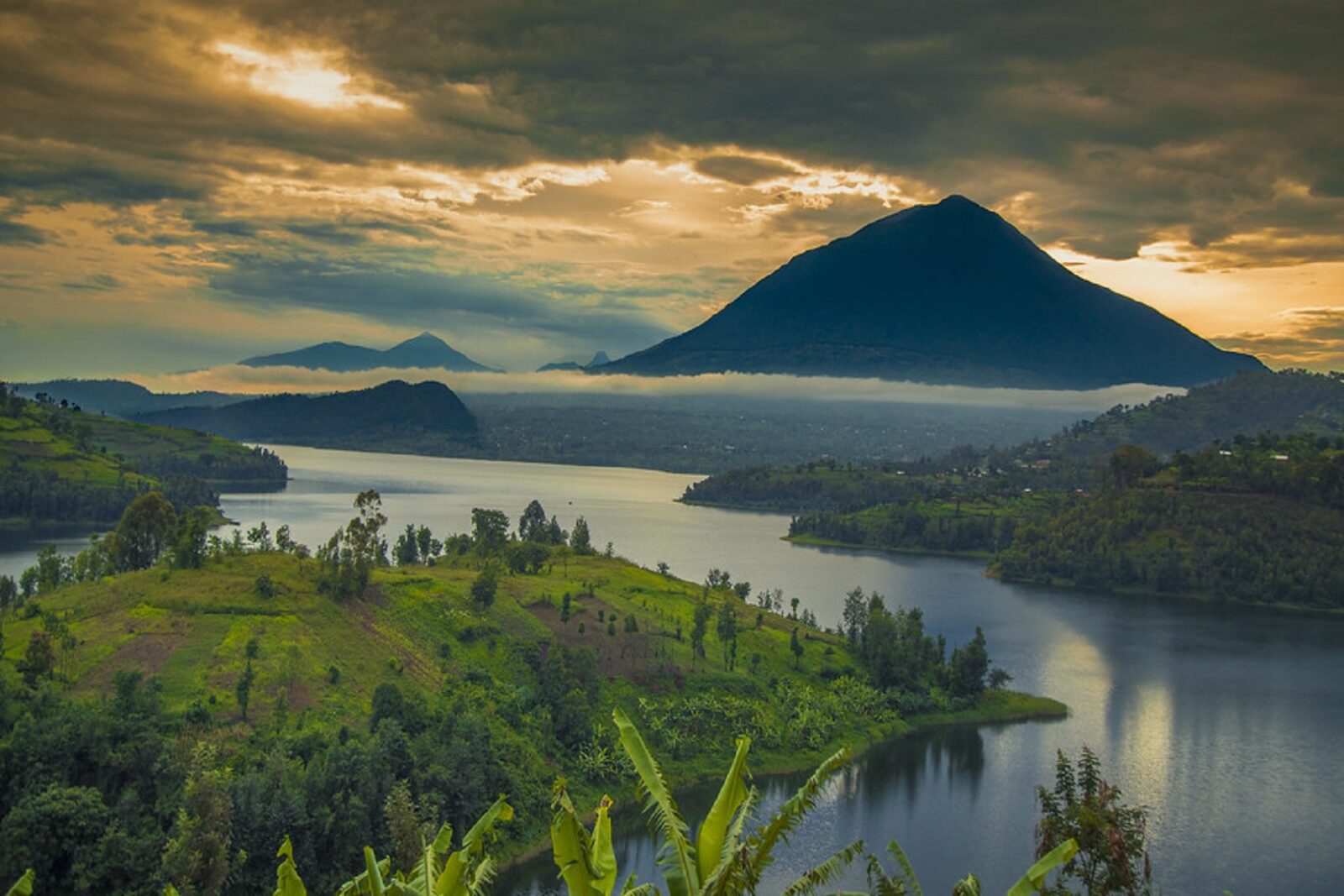
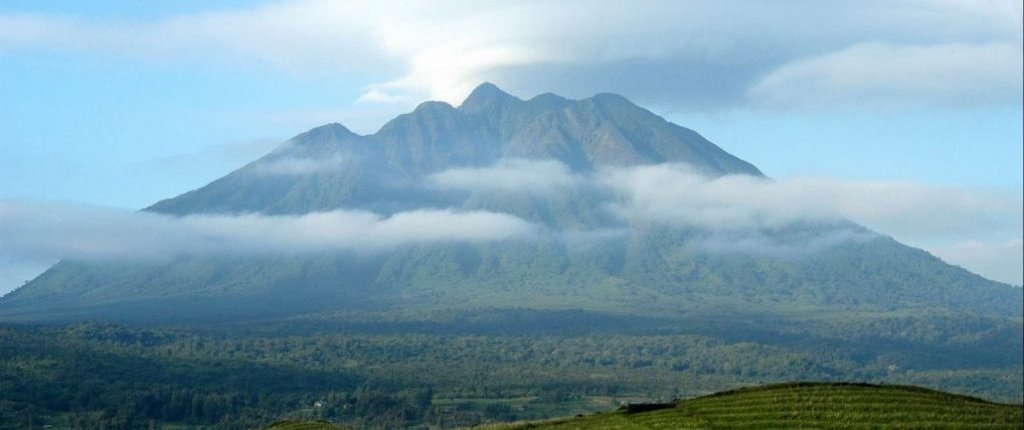
In the far reaches of southwestern Uganda, a land of mystery and wonder unfolds, where clouds gather in silence above towering peaks and emerald forests guard secrets of ancient times. This is the land of the Virunga Volcanoes, a chain of majestic giants straddling Uganda, Rwanda, and the Democratic Republic of Congo. Among them rises Mount Gahinga, a dormant volcano of extraordinary beauty and intrigue, whose slopes cradle stories of nature, resilience, and adventure.

Though often overshadowed by its larger counterparts, Sabinyo and Muhabura, Mount Gahinga offers trekkers one of the most rewarding and intimate hiking experiences in East Africa. Its name, which means “pile of stones” in the local language, echoes both its physical form and the symbolic strength of the communities that thrive at its base. To hike Mount Gahinga is to traverse bamboo forests alive with golden monkeys, to ascend into misty montane woodlands, and to stand in awe before a summit crater where alpine vegetation paints the sky.

For trekkers seeking more than physical challenge, hiking Mount Gahinga delivers a profound journey into the heart of the Virunga highlands. It is a trail that blends adventure with cultural discovery, ecological wonder with spiritual reflection. Here, the mountain is not merely a geographical entity but a living presence that rewards patience, endurance, and curiosity.

Location and Setting: The Jewel of Mgahinga Gorilla National Park

Mount Gahinga forms part of Mgahinga Gorilla National Park, Uganda’s smallest national park yet one of its most diverse and enchanting. Located in Kisoro District at Uganda’s southwestern frontier, the park covers just 33.7 square kilometers, but within this compact area lie ecosystems of immense ecological value. Gahinga rises to an altitude of about 3,474 meters above sea level, standing between Mount Muhabura to the east and Mount Sabinyo to the west.

The mountain’s strategic location in the Virunga Conservation Area creates an ecological continuum with Rwanda’s Volcanoes National Park and Congo’s Virunga National Park. Wildlife moves freely across these borders, and the habitats are seamlessly connected, making Gahinga part of a transboundary sanctuary for gorillas, golden monkeys, and an array of bird species.

Trekkers who journey here are immersed not only in Uganda’s landscapes but also in a regional mosaic of cultures, histories, and natural wonders. This geographical positioning gives Mount Gahinga a unique character, where every step carries echoes from across three nations and where the summit becomes a vantage point of international horizons.

Historical and Cultural Significance

Beyond its physical majesty, Mount Gahinga is woven deeply into the cultural fabric of the Batwa and Bakiga peoples. For the Batwa, who once thrived as forest dwellers and hunter-gatherers, Gahinga and its bamboo forests were vital sources of food, shelter, and spiritual grounding. The mountain and its caves held sacred importance, serving as spaces for rituals, storytelling, and communion with ancestral spirits.

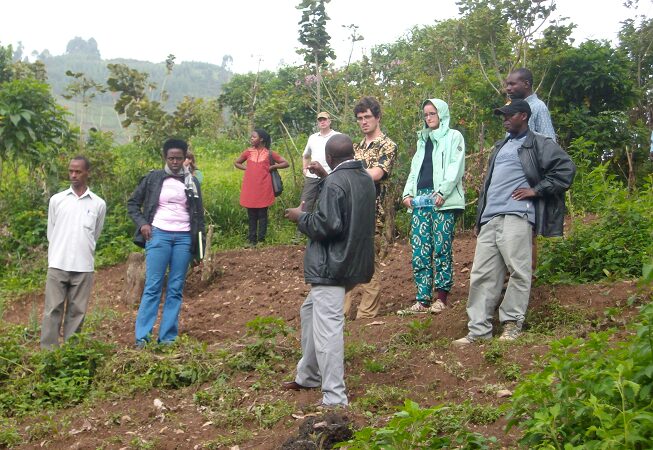
Today, though the Batwa no longer live in the forest, their heritage endures through cultural trails and storytelling. Hiking Mount Gahinga often brings encounters with Batwa guides who share their deep ecological knowledge, pointing out medicinal plants, edible roots, and animal tracks that once guided their survival. This cultural dimension adds depth to the trekking experience, transforming it from a mere physical endeavor into a journey through memory and identity.

For the Bakiga and Bafumbira communities living in the highlands, Mount Gahinga also represents resilience. Terraced farmlands climb its lower slopes, testifying to generations of adaptation to challenging terrains. Songs, dances, and oral traditions surrounding the mountain reflect both reverence and interdependence. Thus, every trekker ascending Gahinga participates in a silent dialogue with the communities that hold it dear.

The Hiking Experience: From Bamboo to Alpine Heights

The Trailhead at Ntebeko

Hiking Mount Gahinga begins at the Ntebeko Visitor Center, the main gateway into Mgahinga Gorilla National Park. Here, trekkers are welcomed by park rangers who provide orientation, safety instructions, and guidance for the journey ahead. The atmosphere at the trailhead is charged with anticipation, as mist swirls over the peaks and the sound of distant bird calls filters through the air.

The ascent is typically a six to eight-hour round trip, depending on pace, weather conditions, and time spent at the summit. While considered moderate compared to the more challenging climbs of Sabinyo or Muhabura, Gahinga’s hike demands stamina, patience, and respect for high-altitude conditions.

Through the Bamboo Zone

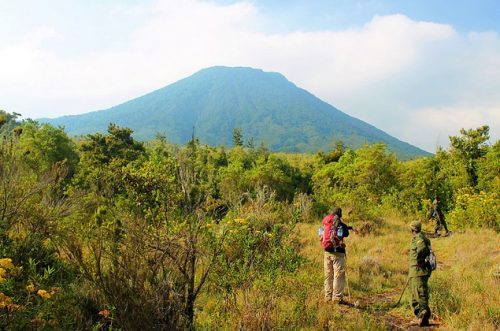
The first segment of the hike winds through a dense bamboo forest, a habitat that shelters the park’s famous golden monkeys. Their playful movements and vibrant golden-orange fur often catch the eye of observant trekkers. The bamboo zone, found at altitudes between 2,200 and 2,800 meters, also hosts birds such as the Dusky Turtle Dove and the White-starred Robin, creating a lively soundscape that accompanies the steady rhythm of footsteps.

This section of the trail is shaded and relatively gentle, making it a perfect introduction to the hike. Yet beneath its calm beauty lies ecological importance, as bamboo provides essential resources for gorillas and other wildlife.

The Montane Forests

Beyond the bamboo, the trail enters the montane forest zone, where towering trees, moss-covered branches, and a profusion of ferns and lichens create a mystical atmosphere. The air grows cooler, and the trail steeper, requiring measured effort. Here, the vegetation thickens, and occasional clearings reveal glimpses of the volcanic peaks above.

Birdlife becomes abundant, with species such as the Rwenzori Turaco flashing crimson wings across the canopy, while sunbirds dart among flowers. This section reminds trekkers that hiking Gahinga is as much about immersion in biodiversity as it is about reaching the summit.

The Alpine Moorlands

As altitude increases, the forest gives way to alpine moorland vegetation, where giant lobelias and groundsels dominate the landscape. These surreal plants, adapted to extreme conditions, appear almost otherworldly, turning the slopes into a botanical wonderland. The climb here is steeper, and the air thinner, but the dramatic scenery inspires resilience.

The silence of the highlands is profound, broken only by wind and the occasional call of a mountain bird. Every step carries a sense of approaching the pinnacle of both landscape and personal endurance.

The Summit Crater

Reaching the summit of Mount Gahinga is an unforgettable reward. At its top lies a giant swampy crater, stretching about 180 meters in diameter and covered with alpine vegetation. Mist drifts across its surface, and the tranquility is striking, as though the crater were a secret kept by the mountain.

From the summit, panoramic views extend across Uganda, Rwanda, and the Democratic Republic of Congo. On clear days, trekkers may see the chain of Virunga Volcanoes unfolding in grandeur, their peaks piercing the sky in solemn majesty. Standing here, the sense of being on a geographical and cultural crossroads becomes palpable, as horizons blur into shared landscapes.Hiking Mount Gahinga: A Guide for Trekkers

Flora and Fauna Encounters

Hiking Mount Gahinga offers more than physical achievement; it opens a portal into the ecological wealth of the Virunga region. The mountain shelters diverse flora and fauna adapted to its altitudinal zones.

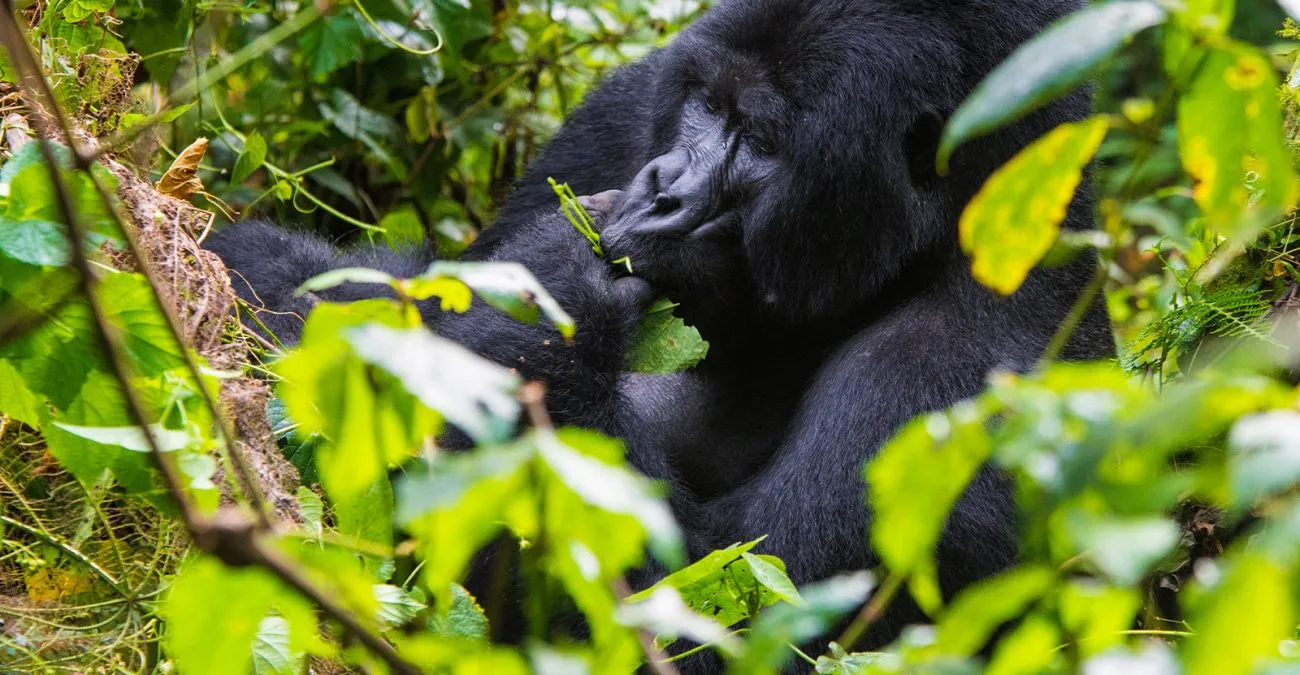
In the bamboo and montane forests, golden monkeys and occasionally mountain gorillas may be encountered. While gorilla tracking is a separate activity requiring special permits, their presence highlights the importance of Gahinga as part of the gorillas’ range. Small mammals such as duikers and bushbucks also inhabit the slopes, though sightings are less common.

The birdlife is particularly rich, with over 180 species recorded in the park. Trekkers may glimpse Albertine Rift endemics like the Rwenzori Batis, Regal Sunbird, or Dusky Crimsonwing. The higher moorlands add botanical diversity, with giant lobelias standing like sentinels above the mist.

Every ecological encounter deepens the trekking experience, reminding visitors that the mountain is a living ecosystem where each plant, bird, and animal contributes to its vitality.

Challenges and Rewards of the Trek

Hiking Mount Gahinga is not without its challenges. The steep sections demand endurance, and the high altitude can cause fatigue or shortness of breath. Weather conditions are unpredictable, with sudden rains and mists reducing visibility and making trails slippery. Sturdy boots, layered clothing, and determination are essential companions.

Yet these challenges are balanced by profound rewards. The solitude of the trail allows reflection, while the beauty of the bamboo forests and alpine moorlands inspires awe. Reaching the summit brings not only physical accomplishment but also emotional fulfillment, as trekkers stand amidst volcanic majesty and gaze upon landscapes that stretch across nations.

For many, the greatest reward lies not in the summit itself but in the journey—the laughter shared with guides, the songs of birds at dawn, the whispers of wind through bamboo, and the resilience discovered within.

Best Time to Hike Mount Gahinga

Mount Gahinga can be hiked throughout the year, though conditions vary by season. The dry months from June to August and December to February offer the most favorable conditions, with clearer skies, drier trails, and enhanced visibility. These months are particularly recommended for trekkers seeking panoramic views at the summit.

The rainy seasons from March to May and September to November bring challenges of muddy trails, heavy mists, and slippery slopes. However, they also transform the landscapes into lush green havens, with intensified bird activity and abundant flowers. Trekkers who venture during the rains often encounter fewer crowds, experiencing the mountain in greater solitude.

Ultimately, the choice of season depends on the balance between comfort and adventure sought by the trekker.

Cultural Encounters Along the Journey

Hiking Mount Gahinga also brings opportunities for cultural immersion. Many treks are enriched by interactions with Batwa guides, whose ecological knowledge turns the journey into a living classroom. Stories of ancestral practices, songs performed in caves, and demonstrations of survival skills weave culture seamlessly into the adventure.

Trekkers may also extend their journeys to nearby villages, where Bakiga and Bafumbira families welcome visitors into homesteads. Here, traditional meals are shared, dances performed, and stories exchanged, creating bonds of humanity that complement the majesty of the mountain.

These cultural encounters remind hikers that Gahinga is not only a natural monument but also a cultural landscape, where people and mountain have been bound together for generations.

Preparing for the Hike

Preparation is crucial for a successful hike. Physical readiness ensures endurance for steep ascents, while mental resilience helps overcome unpredictable conditions. Essential gear includes waterproof boots, layered clothing, rain jackets, gloves, and walking sticks. Early starts maximize daylight and wildlife encounters, while carrying sufficient water and snacks sustains energy.

Equally important is the presence of local guides and rangers, whose expertise ensures safety and enriches the journey. Their knowledge of flora, fauna, and cultural heritage transforms the hike into an educational and meaningful experience.

The Timeless Call of Mount Gahinga

To hike Mount Gahinga is to enter a realm where natural beauty and cultural heritage converge in breathtaking harmony. The journey from bamboo forests alive with golden monkeys to alpine moorlands crowned by a crater summit offers not only physical challenge but also emotional and spiritual enrichment. The mountain’s slopes tell stories of resilience, biodiversity, and human connection, creating an adventure that transcends ordinary trekking.

In Mgahinga Gorilla National Park, Gahinga stands as a symbol of both ecological wonder and cultural identity. For trekkers seeking a journey that is as intimate as it is awe-inspiring, Gahinga offers an unforgettable path through landscapes of timeless majesty.

For those inspired to undertake this extraordinary adventure, it is recommended that African tours and safaris be arranged through WildHorn Africa, a trusted partner in crafting authentic, seamless, and transformative journeys. With their expertise, hiking Mount Gahinga becomes not only a trek but a life-changing encounter with the heart of the Virunga highlands.

Hiking Mount Muhabura in Mgahinga Gorilla National Park

Hiking Mount Muhabura in Mgahinga Gorilla National Park

By Travel stories and blogs, Adventure holidays, Family holidays, Safari holidays, Uganda travel guides

Hiking Mount Muhabura in Mgahinga Gorilla National Park

The Call of the Virunga Giant

Rising majestically above the lush landscapes of southwestern Uganda, Mount Muhabura commands attention as the highest peak in Mgahinga Gorilla National Park. Its summit, standing at approximately 4,127 meters above sea level, pierces the clouds and offers panoramic views that stretch across Uganda, Rwanda, and the Democratic Republic of Congo. This dormant volcano, part of the renowned Virunga Volcanoes, has long captivated adventurers, naturalists, and trekkers seeking both challenge and unparalleled beauty.

Hiking Mount Muhabura is not merely an excursion but a profound journey through varied ecosystems, from dense bamboo forests to afro-alpine moorlands, all of which harbor unique wildlife and endemic species. Every step along its slopes is imbued with ecological, cultural, and geological significance, making the climb as intellectually rewarding as it is physically demanding. For those drawn to the extraordinary, the Muhabura trek promises encounters with mountain gorillas’ habitats, golden monkeys, and landscapes shaped over millennia by volcanic activity.

This guide provides a comprehensive exploration of Mount Muhabura trekking, detailing its routes, ecological significance, preparation, and the transformative experience it offers.

Location and Geographical Significance

Mount Muhabura is strategically located in Kisoro District, forming the eastern boundary of Mgahinga Gorilla National Park. Its name, meaning “The Guide” in the local Rukiga language, reflects its role as a landmark in the region, guiding travelers across the highlands of southwestern Uganda. The mountain is part of the Virunga Conservation Area, a transboundary network of protected areas that connect Uganda, Rwanda, and Congo, providing continuity for wildlife and ecological processes.

Its slopes descend into rich bamboo forests, while its upper reaches are dominated by afro-alpine vegetation and rugged volcanic scree. The mountain’s crater, filled with a swampy depression at the summit, adds to its geological fascination and serves as an ecological niche for high-altitude flora. Muhabura’s position between Mount Sabinyo to the west and Rwanda’s volcanoes to the east ensures that its ecological corridors remain critical for the movement of wildlife, including gorillas and golden monkeys.

Historical and Cultural Context

Muhabura has long been revered by local communities, particularly the Batwa, Bakiga, and Bafumbira peoples. For the Batwa, who traditionally lived in and around the forests, the mountain was a source of sustenance, spiritual connection, and medicinal plants. Rituals were performed on its slopes, and its caves served as sacred sites where ancestral spirits were honored.

For the Bakiga and Bafumbira, Muhabura represented both challenge and sustenance. Terraced farming on its lower slopes demonstrated ingenuity in adapting to volcanic soils and steep gradients. Folktales and songs about the mountain have been passed down through generations, embedding Muhabura deeply into the region’s cultural consciousness.

Visitors who hike Muhabura today are not only engaging with a physical landscape but also traversing a living cultural narrative. Knowledge of local history, customs, and ecological practices enriches the trekking experience, allowing a profound appreciation of how humans and nature have coexisted in these highlands.

The Trekking Experience: Routes and Terrain

Trailhead and Initial Ascent

Hiking Mount Muhabura typically begins at the Ntebeko or Mgahinga Park Headquarters, where rangers provide orientation, permits, and briefing on safety protocols. The climb is classified as challenging, requiring a reasonable level of physical fitness, endurance, and acclimatization to high-altitude conditions.

The initial section of the trail passes through bamboo forests, a habitat crucial for golden monkeys. The forest floor is often soft with fallen leaves, and the air carries the earthy scent of moss and damp wood. The bamboo provides both ecological significance and natural shelter, and hikers are often treated to the sight of golden monkeys leaping gracefully among the stalks.

This part of the hike is gradual, allowing trekkers to warm up while observing small mammals and diverse birdlife. Instructors advise careful footing, as rain can make the trails slippery and uneven.

Montane Forests and Steep Gradients

Beyond the bamboo, the trail transitions into montane forests, where moss-draped trees, ferns, and epiphytes dominate. Here, the terrain becomes steeper, and trekkers encounter occasional clearings that offer breathtaking views of the Virunga peaks. Golden monkeys may be spotted feeding on bamboo shoots or fruits, and the songs of endemic birds provide a natural soundtrack for the climb.

The montane forests play an essential ecological role, acting as water catchments and providing habitat for diverse wildlife. The physical challenge of climbing through this zone is balanced by the immersion in a rich, living ecosystem that exemplifies the beauty and resilience of Uganda’s highlands.

Afro-Alpine Moorlands and Summit Approach

Above 3,200 meters, afro-alpine moorlands dominate the landscape. Giant lobelias, groundsels, and hardy shrubs create a surreal, almost otherworldly environment. The trail becomes steeper and rockier, demanding careful footing and frequent rest breaks. The air grows thinner, and the cold intensifies, emphasizing the importance of layered clothing and proper preparation.

The final approach to the summit crater is the most strenuous segment. Hikers ascend volcanic scree slopes, navigating loose stones and steep gradients. The crater itself, partially filled with swampy vegetation, presents a dramatic, tranquil contrast to the arduous climb. Upon reaching the summit, trekkers are rewarded with panoramic views of three countries, the Virunga chain, and the forests below. Clear days reveal Rwanda’s Lake Burera and Congo’s distant highlands, making the ascent a visual and emotional triumph.Hiking Mount Muhabura in Mgahinga Gorilla National Park

Flora and Fauna Along the Trail

Muhabura’s slopes host remarkable biodiversity. In the bamboo and montane zones, the endangered golden monkey thrives, while occasional sightings of duikers, bushbucks, and other small mammals add to the encounter. Birdwatchers may identify Rwenzori turacos, Dusky Crimsonwings, and other Albertine Rift endemics.

At higher altitudes, afro-alpine species adapted to cold, thin air dominate. Giant lobelias and groundsels not only contribute to the mountain’s visual appeal but also serve as indicators of ecosystem health. Lichens, mosses, and ferns create microhabitats for invertebrates and smaller organisms. Conservation and trekking are therefore intertwined, with visitors encouraged to respect habitats while enjoying the richness of life along the trail.

Physical and Mental Preparation

Mount Muhabura is a demanding climb, requiring both physical fitness and mental endurance. Pre-trek preparation is advised, including cardiovascular training, leg strengthening, and practice on uneven terrain. Hikers are encouraged to acclimatize by spending time at higher altitudes in the days preceding the trek.

Mental preparation is equally important. The trail can be physically exhausting, and sudden weather changes may introduce additional stress. Maintaining a steady pace, conserving energy, and focusing on breathing are strategies recommended by guides. Persistence, patience, and respect for the mountain’s power are essential components of a successful ascent.

Gear and Equipment

Trekking Mount Muhabura requires specific equipment tailored to high-altitude, wet, and variable conditions. Durable, waterproof hiking boots with ankle support are essential, complemented by gaiters to prevent mud or debris from entering. Layered clothing—including moisture-wicking base layers, insulating fleeces, and waterproof outer jackets—is advised to adapt to changing weather.

Backpacks should accommodate water, snacks, rain covers, cameras, and personal items. Trekking poles provide stability on steep or loose terrain, reducing strain on knees and improving balance. Gloves, hats, and warm socks protect extremities, while binoculars enhance wildlife observation. Emergency and first-aid supplies are recommended, particularly for high-altitude conditions where minor injuries or altitude-related issues can become significant.

Best Time to Climb Mount Muhabura

Mount Muhabura can be climbed throughout the year, though conditions vary seasonally. The dry months from June to August and December to February offer clear skies, stable trails, and optimal visibility from the summit. These periods are preferred by trekkers seeking panoramic photography opportunities and minimal interruptions from rainfall.

The rainy seasons from March to May and September to November bring challenges of slippery trails, mist, and reduced visibility. However, they also transform the landscape into vibrant green, with rivers and waterfalls at their fullest. Fewer visitors during these months provide a sense of solitude, making the climb more intimate and reflective.

Safety Protocols and Ranger Support

Climbing Mount Muhabura is undertaken with the guidance of trained park rangers, who ensure both visitor safety and wildlife protection. Rangers provide orientation, trail assistance, and emergency response if necessary. Gorilla and golden monkey habitats are strictly regulated to prevent disturbances, and protocols ensure that human interaction does not compromise ecological integrity.

Safety measures include maintaining a safe distance from wildlife, adhering to trail markers, wearing masks near gorilla zones, and following instructions regarding sudden weather events. These precautions enhance both visitor experience and conservation outcomes.

The Transformative Experience

Beyond physical challenge, hiking Mount Muhabura offers a transformative journey. The climb engages the body, mind, and senses, while the summit instills a profound sense of accomplishment and connection with nature. Observing the interplay of ecosystems, the resilience of wildlife, and the scale of the Virunga Volcanoes fosters reflection on humanity’s place within the natural world.

Cultural engagement with local guides and communities enriches the experience further, emphasizing the interconnectedness of humans and the environment. The trek becomes a narrative of endurance, discovery, and reverence, leaving an enduring impression on every participant.

A Journey Worth Every Step

Mount Muhabura stands as both a challenge and a reward, a gateway to adventure, ecological insight, and cultural immersion. Its trails wind through bamboo forests, montane woodlands, and afro-alpine moorlands, culminating in a summit that offers unparalleled panoramic views. Every aspect of the trek, from preparation to ascent, fosters a deeper appreciation of Mgahinga Gorilla National Park’s ecological and cultural significance.

For travelers inspired to undertake this extraordinary climb, it is recommended that African tours and safaris be booked via WildHorn Africa, a trusted partner in curating seamless, safe, and transformative experiences. With their expertise, hiking Mount Muhabura becomes more than a physical achievement—it becomes a journey into the heart of Africa’s wild beauty, history, and enduring spirit.

Where to go Nature Walks & Hiking in Uganda?

Where to go Nature Walks & Hiking in Uganda?

By Travel guides, Uganda travel guides, Where to go

Where to go Nature Walks & Hiking in Uganda?

Uganda, often referred to as the “Pearl of Africa,” is blessed with diverse landscapes that make it an excellent destination for nature walks and hiking. From lush rainforests and rolling savannahs to towering volcanic peaks, the country offers something for every level of adventurer. Popular hiking spots include the Rwenzori Mountains, also known as the “Mountains of the Moon,” where trekkers can experience snow-capped peaks and alpine vegetation. For those seeking a moderate adventure, Mount Elgon National Park provides scenic trails leading to waterfalls, caves, and the world’s largest caldera. These treks not only challenge the body but also reward hikers with stunning panoramas and unique ecosystems.

In addition to mountain treks, Uganda is home to many scenic nature walks that bring travelers closer to its rich biodiversity. The Mabira Forest Reserve, located between Kampala and Jinja, offers guided forest walks where visitors can spot rare bird species, butterflies, and primates. In the western part of the country, Kibale National Park is famous for chimpanzee tracking, but it also offers tranquil forest walks where you can experience the beauty of one of Africa’s richest primate habitats. Meanwhile, Lake Mburo National Park provides guided walking safaris that allow visitors to encounter zebras, antelopes, and giraffes on foot—an experience that connects you deeply with nature.

For travelers looking for a mix of culture and scenery, Mount Moroto and the Karamoja region in northeastern Uganda present unique hiking opportunities. Treks here not only traverse rugged mountains and savannah landscapes but also introduce visitors to the traditional lifestyles of the Karamojong people. Similarly, nature walks around Bwindi Impenetrable Forest offer breathtaking experiences as you explore dense jungle trails, often used for gorilla trekking. Whether you seek challenging climbs or gentle guided walks, Uganda’s trails promise unforgettable encounters with wildlife, culture, and landscapes that are as diverse as they are beautiful.

Where to go Nature Walks & Hiking in Uganda?

Rwenzori Mountains National Park

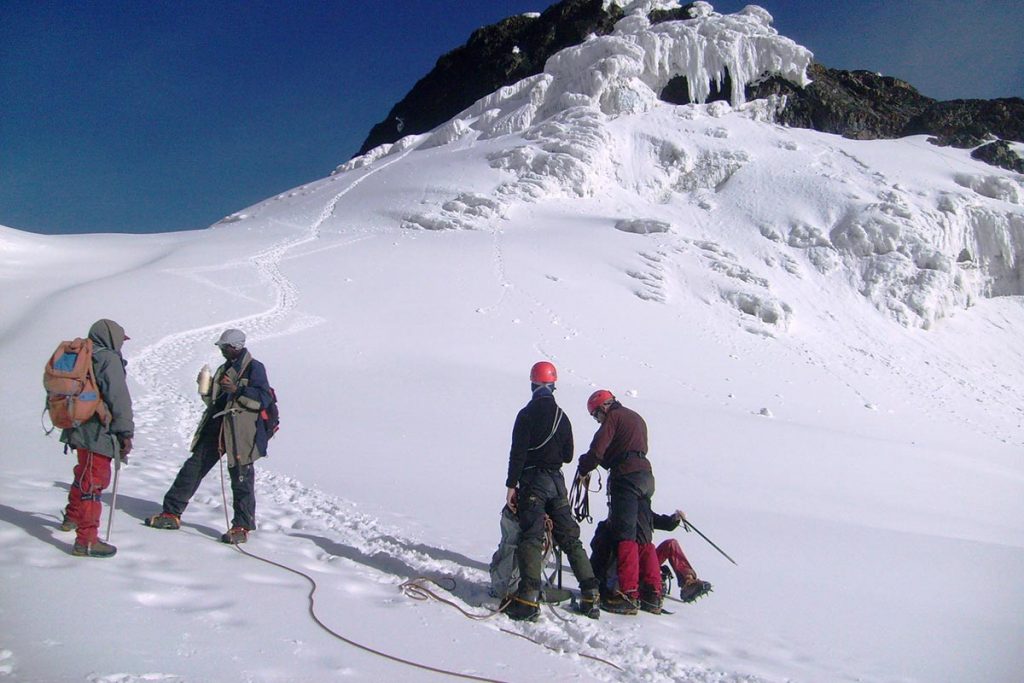
Hiking in Rwenzori Mountains National Park is a thrilling adventure through snow-capped peaks, glacier valleys, and unique alpine vegetation. Trekkers can conquer Africa’s third-highest peak, Mount Stanley, or enjoy shorter scenic routes showcasing waterfalls and rare plant species. The park offers an unforgettable blend of challenging trails, breathtaking landscapes, and rich biodiversity.

Mount Elgon National Park

Mount Elgon National Park is a hiker’s paradise, famous for its vast landscapes, waterfalls, caves, and the world’s largest volcanic caldera. Trails here range from gentle nature walks to multi-day treks that lead to Wagagai Peak (4,321m), rewarding climbers with sweeping views of Uganda and Kenya. Along the way, adventurers encounter diverse wildlife, bird species, and lush vegetation, making it a perfect destination for both nature lovers and mountaineers.

Queen elizabeth national park

Queen Elizabeth National Park offers more than just game drives—it is also a wonderful place for guided nature walks and hiking. Visitors can explore the Kyambura Gorge, often called the “Valley of Apes,” where treks lead through lush forests home to chimpanzees and colorful birds. Other popular walking spots include the Mweya Peninsula and the Maramagambo Forest, where hikers enjoy close encounters with primates, butterflies, and crater lakes set against stunning savannah backdrops.

Kibale National Park

Kibale National Park is renowned as the primate capital of the world, making its nature walks and hikes truly exceptional. The park’s guided forest walks (Bigodi wetland) take visitors deep into lush tropical rainforest, where they can track chimpanzees and spot up to 13 different primate species alongside hundreds of bird species. With its serene trails, rich biodiversity, and opportunities for cultural encounters in nearby villages, Kibale offers one of Uganda’s most immersive hiking and nature walk experiences.

Mabira Forest

Mabira Forest is a serene rainforest located between Kampala and Jinja, ideal for nature walks and day hikes. Its well-marked trails wind through dense forest, where visitors can spot a variety of bird species, butterflies, and primates in their natural habitat. The forest also features streams, picnic spots, and viewpoints, making it a perfect escape for those seeking a peaceful walk close to nature.

The best time to visit is generally considered to be during the dry season, when weather conditions are more pleasant and travel is less likely to be disrupted, typically based on your preferred destinations. During this period, landscapes are at their most vibrant, wildlife sightings are more frequent, and activities can be enjoyed with greater ease. While visits are possible year-round, choosing this window is often recommended to ensure the most rewarding and comfortable experience.

WhatsApp

Grandeur

Experience the grandeur of Africa with WildHorn Africa, where every safari is designed to showcase the continent’s breathtaking landscapes and majestic wildlife.

24/7 support

Enjoy peace of mind with 24/7 support from WildHorn Africa, ensuring expert assistance before, during, and after your safari adventure.

Safety

Your safety is our top priority at WildHorn Africa, with expertly guided safaris and trusted partners ensuring a secure and worry-free adventure.

Price-quality ratio

WildHorn Africa offers exceptional price-quality ratio, delivering top-tier safari experiences at competitive rates without compromising on comfort.

Rwenzori Mountains National Park

Rwenzori Mountains National Park

By Uganda places to visit, Where to go

Rwenzori Mountains National Park is one of Uganda’s most spectacular and less-traveled destinations, known for its mystical beauty, alpine peaks, and challenging hiking routes. Nicknamed the “Mountains of the Moon,” the Rwenzori Mountains are a UNESCO World Heritage Site and home to Africa’s third-highest peak, Margherita Peak (5,109 meters), on Mount Stanley.

Brief History of Rwenzori Mountains National Park

The Rwenzori region has long been shrouded in legend and mystique. Early geographers, including Ptolemy in 150 AD, referred to the mountains as the source of the Nile. In 1906, Italian explorer Luigi di Savoia became the first European to climb and map the highest peaks.

The park was officially established in 1991 and declared a UNESCO World Heritage Site in 1994, recognized for its exceptional natural beauty and ecological significance. Despite past threats from political instability, conservation efforts have helped restore and protect its pristine ecosystems.

What to Do at Rwenzori Mountains National Park

1. Mountain Trekking and Climbing
The Rwenzori Mountains offer some of the most challenging and rewarding treks in Africa. The Central Circuit Trail (7–9 days) and the Kilembe Trail are the main trekking routes. Climbers can summit:

Margherita Peak on Mount Stanley

Mount Speke and Mount Baker

Treks pass through five distinct vegetation zones, from tropical rainforest to snow-capped peaks, offering dramatic scenery and diverse wildlife.

2. Nature Walks
For visitors not aiming for the peaks, guided nature walks through the lower slopes provide a gentler introduction to the park’s beauty. Trails around Ruboni, Turaco View, and Bwamba Pass are ideal for birdwatching and cultural encounters.

3. Bird Watching
With over 217 bird species, Rwenzori is a birder’s paradise. Notable species include:

Rwenzori turaco

Malachite sunbird

Barred long-tailed cuckoo

Golden-winged sunbird

Many species here are Albertine Rift endemics and are best seen in the montane forest zone.

4. Cultural Encounters
Visitors can explore the traditions of the Bakonzo people, who live at the foot of the mountains. Community-guided walks include storytelling, traditional music, farming practices, and visits to local homesteads.

How to Get to Rwenzori Mountains National Park

By Road:
The park is located near Kasese town, about 375 km from Kampala.

The journey takes approximately 6–7 hours by road via Fort Portal or Mbarara.

By Air:
Chartered flights are available from Entebbe International Airport to Kasese Airstrip, which is about 10 km from the park’s entrance.

Accommodations at Rwenzori Mountains National Park

There are several lodging options in and around Kasese and the nearby villages like Ruboni and Kilembe.

Budget & Mid-Range:
Ruboni Community Camp – Affordable and community-run, offering great views and cultural experiences.

Equator Snow Lodge – A comfortable mid-range lodge near the Kilembe trailhead.

Rwenzori Trekkers Hostel – Budget-friendly and ideal for climbers using the Kilembe Trail.

Upmarket Options (in Kasese or nearby areas):
Sandton Hotel Kasese

Springs International Hotel

Best Time to Visit

The best time to trek the Rwenzori Mountains is during the dry seasons:

June to August

December to February

These periods offer more stable weather and safer hiking conditions, though temperatures in the high altitudes can still be cold year-round.

Why Visit Rwenzori Mountains National Park?

To summit Africa’s third-highest peak

To experience rare alpine vegetation including giant lobelias and heathers

For its breathtaking glacial landscapes, waterfalls, and moss-draped forests

To enjoy authentic cultural tourism and off-the-beaten-path adventure

Rwenzori Mountains National Park is a must-visit for adventurous travelers seeking a unique, immersive experience in one of Africa’s most beautiful and least-explored mountain ranges. Whether you’re a serious climber or a nature enthusiast, the park offers unmatched beauty, rich biodiversity, and cultural depth in the heart of western Uganda.

Close Menu