search
Kasubi Tombs: Family-Friendly Activities to off the beaten path for foodies

Kasubi Tombs: Family-Friendly Activities to off the beaten path for foodies

By Off the beaten track holidays, Travel stories and blogs, Uganda travel guides

Kasubi Tombs: Family-Friendly Activities Off the Beaten Path for Foodies

Where Heritage Meets Flavor

In the heart of Kampala, Uganda’s bustling capital, lies a site that holds both cultural prestige and spiritual significance—the Kasubi Tombs. Known as the burial grounds of the Buganda kings, or Kabakas, this UNESCO World Heritage Site is often described as the soul of Buganda culture. It is revered for its traditional architecture, rich oral histories, and its embodiment of cultural identity. Yet beyond its sacred significance, the Kasubi Tombs have evolved into a destination that speaks to more than history. For travelers seeking authentic, family-friendly adventures, the site opens a window into an extraordinary blend of culture, community, and even culinary traditions.

For families traveling with children, the experience of visiting Kasubi Tombs can be both educational and engaging, revealing a side of Uganda that is often hidden behind mainstream attractions. At the same time, for food lovers, the destination offers an immersive gateway into Buganda’s traditional cuisine, making it a unique point of interest off the beaten path. Here, history and gastronomy intertwine, creating opportunities for storytelling, tasting, and exploration that unite generations.

Kasubi Tombs is therefore not just a heritage site—it is a living, breathing space where culture is celebrated through rituals, crafts, and meals. Families can journey through its spiritual corridors while simultaneously savoring its culinary heart, making it a destination that embodies both reverence and delight.

Understanding the Significance of Kasubi Tombs

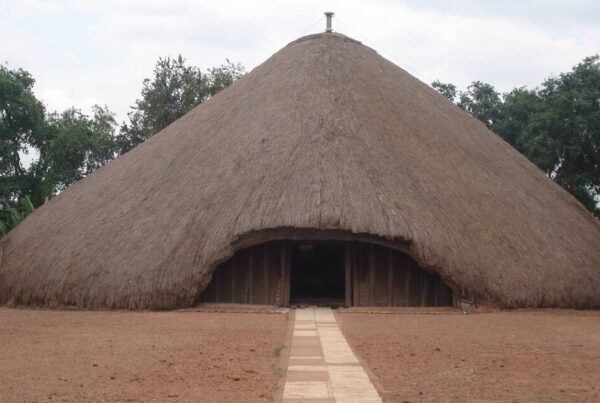
The Kasubi Tombs are more than a burial site; they are the ultimate symbol of Buganda identity. Constructed originally in 1882 as a palace for Kabaka Muteesa I, the site was later converted into the royal burial grounds and has since hosted the remains of four Kabakas. The central building, known as Muzibu Azaala Mpanga, is built entirely from natural materials such as thatch, reeds, and wood, showcasing traditional Ganda architecture in its most authentic form.

For families, the visit is an opportunity to connect with Uganda’s past in ways that transcend textbooks. Children can see and feel the construction techniques, listen to oral histories shared by local guides, and understand the profound respect Buganda society holds for its monarchs. It is a place where architecture becomes storytelling, and rituals become living lessons.

At the same time, the site functions as a cultural and spiritual hub for the community. Rituals, ceremonies, and traditional practices are still carried out here, offering visitors the chance to experience Buganda culture not as something preserved in a museum but as a thriving heritage. This atmosphere of authenticity makes it particularly enriching for families traveling together, as each member, from parent to child, can find meaning in the shared exploration.

A Family-Friendly Experience in a Sacred Space

One might assume that a royal burial ground would be too solemn for children, but the Kasubi Tombs provide a surprisingly engaging experience for younger visitors. Guides at the site are often skilled storytellers who bring Buganda legends to life through tales of kings, queens, and traditional rituals. These stories capture children’s imaginations, creating both entertainment and education.

The spacious grounds and traditional huts offer children the opportunity to move around freely while still respecting the sanctity of the site. Families often find that their visit naturally becomes a shared journey of discovery, with parents and children learning side by side. The sense of curiosity that comes with stepping into a sacred, centuries-old site blends beautifully with the wonder of hearing stories rooted in oral tradition.

The hands-on nature of the experience also appeals to children. The intricate thatching, the reed decorations, and the crafts displayed at the site provide opportunities for close observation and interactive learning. It becomes less of a history lesson and more of an immersive family adventure.

Off the Beaten Path: The Culinary Connection

What many visitors overlook is that the Kasubi Tombs are situated within a community deeply tied to Buganda traditions, including its culinary heritage. For foodies traveling with families, this becomes an added dimension of exploration. The area around Kasubi introduces visitors to local markets, roadside eateries, and community kitchens that reveal the authentic flavors of Buganda cuisine.

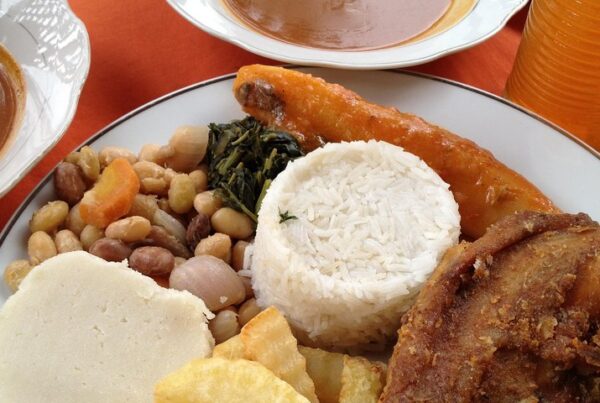
Traditional foods such as matoke, a staple made from steamed green bananas, are often served in banana leaves, enhancing their flavor while preserving cultural authenticity. Families can also sample luwombo, a traditional dish where meat, groundnut paste, or beans are slow-cooked in banana leaves, creating a rich and smoky taste. For adventurous eaters, sampling katogo, a hearty breakfast dish combining bananas with beef or beans, becomes a memorable experience.Kasubi Tombs: Family-Friendly Activities to off the beaten path for foodies

Children are often delighted by the novelty of tasting foods prepared in ways so different from what they may know, while adults appreciate the depth of tradition embodied in each dish. Food becomes the medium through which culture is tasted and remembered. This culinary angle ensures that a visit to Kasubi Tombs is not confined to historical exploration but extends into sensory delight.

Culinary Demonstrations and Storytelling Through Food

Families who arrange guided experiences often find that culinary demonstrations can be included as part of their visit. Local women sometimes showcase the process of preparing traditional Buganda meals, turning cooking into a cultural performance. The use of banana leaves, the grinding of groundnuts, or the steaming of matoke becomes a visual narrative, connecting food to identity.

For food lovers, such experiences deepen the appreciation of how meals are tied to rituals, celebrations, and even mourning practices within Buganda culture. Children, too, are captivated by the interactive process, whether through tasting small portions, watching the wrapping of food, or learning how certain ingredients are grown and harvested.

In this sense, Kasubi Tombs becomes more than a place of history—it transforms into a holistic cultural classroom where architecture, rituals, and food intersect. It is a place where stories are not only told but tasted, turning cultural preservation into a multi-sensory adventure.

The Atmosphere of Community and Family Engagement

The community surrounding the Kasubi Tombs is as integral to the experience as the site itself. Families visiting are often welcomed into an atmosphere of warmth and hospitality. Vendors nearby sell crafts, foods, and drinks, allowing visitors to engage directly with locals who maintain these traditions.

Children can interact with local artisans, observing basket weaving, pottery making, and even simple craft demonstrations. Parents, meanwhile, often find joy in conversations with elders who share their memories of the site, enriching the visit with lived experiences. These interactions ground the experience in everyday life, offering perspectives that cannot be gained from guidebooks alone.

For foodies, these community connections open doors to authentic meals prepared in local kitchens rather than commercial restaurants. Eating alongside community members becomes a way of not just tasting but also belonging, even if only for a short while.

Practical Considerations for Families Visiting Kasubi Tombs

Visiting a sacred site with children naturally raises questions about appropriateness and practicality. The Kasubi Tombs, however, are highly accommodating to families. Clear pathways, guided tours, and open grounds ensure that families can move around comfortably.

Respect for cultural norms is essential. Families are advised to dress modestly, particularly when entering the sacred areas, and to encourage children to listen attentively to guides. Photography is often allowed but should always be done with respect, particularly in ritual spaces.

Food experiences around the site are generally safe and family-friendly. Local vendors take pride in preparing meals fresh, and guides often recommend trusted locations where families can enjoy authentic Buganda dishes without concern. With these practicalities considered, the visit becomes smooth, enjoyable, and enriching for all ages.

The Blend of Education, Culture, and Gastronomy

What sets Kasubi Tombs apart from many other attractions in Kampala is its ability to combine multiple layers of experience into one visit. For families, it becomes an educational excursion where children encounter Uganda’s history not as a static narrative but as a living culture. For food lovers, it is a culinary adventure that reveals the flavors of Buganda cuisine in its most authentic forms.

This blend creates a holistic travel experience that resonates deeply with travelers seeking off-the-beaten-path journeys. Unlike commercialized tourist spots, Kasubi Tombs and its surrounding community offer authenticity, intimacy, and the sense of stepping into a world that is both sacred and welcoming.

A Journey of Flavor and Heritage

The Kasubi Tombs stand as a symbol of Uganda’s cultural soul, but they also offer far more than historical significance. For families, it is a destination that combines education with wonder, turning storytelling and exploration into shared memories. For food lovers, it is a gateway into Buganda’s culinary traditions, where every dish becomes an expression of history and identity. Together, these elements make Kasubi Tombs a unique place where heritage and flavor meet.

To experience this journey in a way that is seamless and enriching, travelers are encouraged to plan their visit with experts who understand both the cultural significance and the culinary depth of the site. WildHorn Africa, with its dedication to creating meaningful African travel experiences, ensures that visitors to Kasubi Tombs enjoy not only the sacred stories but also the unforgettable flavors of Buganda life. Booking your tours and safaris through WildHorn Africa guarantees that your family adventure is guided by expertise, authenticity, and care.

Kasubi Tombs: Best Time to Visit to culinary experiences with limited time

Kasubi Tombs: Best Time to Visit to culinary experiences with limited time

By Travel stories and blogs, Uganda travel guides

Kasubi Tombs: Best Time to Visit to Culinary Experiences with Limited Time

Standing as a symbol of Uganda’s regal past, the Kasubi Tombs rise not only as a UNESCO World Heritage Site but as a sanctuary where history, spirituality, and culture converge. Located on the hills of Kampala, this sacred burial ground of the Buganda kings is more than just an architectural wonder. It is a living museum where traditions continue to breathe, where rituals and ceremonies unfold, and where the spirit of Uganda’s largest kingdom is preserved with reverence. For travelers with limited time, the Kasubi Tombs offer an opportunity to experience Uganda’s heritage within hours, leaving an imprint as profound as multi-day safaris or lengthy explorations.

Yet, what many do not realize is that the experience does not end at the gates of this cultural landmark. Surrounding the Kasubi Tombs, Kampala opens its arms with a rich culinary landscape that reflects the pulse of Ugandan life. The city’s food culture, steeped in tradition yet influenced by global flavors, offers a feast that complements the historical exploration. This combination of history and cuisine allows even a short visit to Uganda’s capital to become an immersion into both the tangible and the sensory heritage of the nation.

Thus, for travelers constrained by time yet eager for depth, the question arises: When is the best time to visit the Kasubi Tombs, and how can culinary experiences be woven into the journey? This article delves into the answers, offering a structured pathway to understanding the rhythm of this landmark and its culinary surroundings, all tailored to those with limited hours to spend yet an unlimited curiosity to explore.

Understanding the Kasubi Tombs

The Kasubi Tombs serve as the burial ground for four Kabakas (kings) of Buganda and members of the royal family. The site, originally a palace built in 1882 by Kabaka Mutesa I, was later transformed into a spiritual resting place, embodying both political authority and cultural continuity. At the center of the complex stands the Muzibu Azaala Mpanga, a monumental thatched structure that serves as the main tomb house.

The design is not accidental but deeply symbolic. The circular layout, the towering thatch roof, and the reed walls all reflect Buganda cosmology. Even the materials—grass, reeds, bark cloth, and wood—are imbued with meaning, symbolizing the connection between the earthly and the spiritual.

Visiting the tombs allows one to step into the legacy of Buganda, experiencing not only architecture but also oral traditions, rituals, and the guardianship of the site by the Nalinya, the spiritual custodian of the tombs. In this way, the Kasubi Tombs are more than a heritage site—they are a living cultural institution.

The Best Time to Visit the Kasubi Tombs

Travelers with limited schedules must time their visits wisely to maximize both cultural immersion and culinary exploration. The dry seasons, which occur from December to February and June to August, are particularly favorable. During these months, Kampala enjoys relatively stable weather, with less rainfall to interrupt travel or outdoor exploration. The grounds of the Kasubi Tombs are easier to navigate, and the city’s markets and restaurants bustle with activity, providing ideal conditions for combining heritage with gastronomy.

Visiting during the morning hours allows for a quieter, more reflective experience within the tombs before the day’s busier crowds arrive. Mornings also coincide with the opening of nearby local markets, where fresh produce is laid out in colorful abundance. This synchronicity creates the perfect bridge between cultural exploration and culinary adventure.

For those visiting during the rainy seasons of March to May or September to November, the tombs remain accessible but with more frequent showers. Interestingly, these months bring lush greenery around Kampala, and the culinary scene reflects seasonal harvests—avocados, mangoes, and jackfruit dominate menus, offering a uniquely Ugandan seasonal taste. Thus, while the dry season offers convenience, the wet season enriches the culinary journey.

Culinary Experiences Around the Kasubi Tombs

Visiting the Kasubi Tombs is not an isolated event; it is part of a wider Kampala experience that pulses with flavor. For travelers who must condense their exploration into a single day or even a few hours, food becomes the perfect companion to culture. Around the tombs, the city offers a range of culinary experiences that reflect the identity of Uganda itself.

The most immediate connection is found in the local food markets. Owino Market, Nakawa Market, and Nakasero Market showcase Uganda’s agricultural richness. Here, one finds matoke piled in generous stacks, cassava roots freshly harvested, groundnuts in baskets, and the fragrant aroma of roasted maize filling the air. These markets are not simply trading spaces but cultural theatres where food, commerce, and social life intertwine.

Beyond the markets, Kampala’s eateries and restaurants add layers to the culinary narrative. Traditional Buganda meals, such as malewa (a delicacy made from smoked bamboo shoots) and luwombo (a stew often cooked in banana leaves), are celebrated for their authenticity. Travelers pressed for time often find joy in sampling these dishes, which require little introduction yet offer deep cultural immersion.Kasubi Tombs: Best Time to Visit to Culinary Experiences with Limited Time

Equally enticing is Uganda’s street food culture, which thrives along Kampala’s busy roads. Rolex—a rolled chapati stuffed with eggs, vegetables, and sometimes meat—has become the city’s iconic fast meal, embodying the ingenuity of Ugandan street chefs. For the traveler leaving the Kasubi Tombs and moving into the bustle of Kampala, grabbing a Rolex becomes both a practical and cultural act. It is quick, flavorful, and deeply rooted in local identity.

The Fusion of History and Taste

What makes the combination of the Kasubi Tombs and Kampala’s food scene so remarkable is the fusion of history and taste. The Tombs tell the story of Buganda’s kingship, authority, and spiritual traditions, while the surrounding culinary landscape tells the story of its people, their creativity, and their daily life. Together, they form a complete picture of Ugandan identity.

Imagine leaving the solemn and symbolic atmosphere of the Muzibu Azaala Mpanga and entering a nearby restaurant that serves traditional Buganda cuisine. The flavors—rich stews, matoke, groundnut sauces—become sensory reflections of the history just witnessed. The transition from the tombs to the table is seamless, turning a short visit into a multidimensional journey.

This interplay between heritage and cuisine is what makes the Kasubi Tombs a unique destination for travelers with limited time. Even in a matter of hours, one can touch both the intangible traditions of kingship and the tangible tastes of Uganda’s living culture.

Maximizing Limited Time

For travelers whose time in Kampala is short, structuring the day becomes essential. Beginning with a morning visit to the Kasubi Tombs ensures a reflective, less crowded exploration. After absorbing the cultural weight of the tombs, the late morning or afternoon can be devoted to culinary experiences. Kampala’s markets and restaurants are conveniently close, allowing for easy transition between heritage and gastronomy.

Even with limited time, one can achieve a balance: spiritual immersion at the tombs, followed by culinary delight in the city. The experience does not demand long itineraries but rather careful planning and an openness to engage with both history and flavor. By approaching the Kasubi Tombs not as a stand-alone attraction but as part of a broader cultural-culinary experience, travelers ensure that every moment, however limited, becomes rich in meaning.

Seasonal Flavors and Cultural Significance

The best time to visit the Kasubi Tombs is also influenced by Uganda’s seasonal food cycles. During the dry seasons, harvests of maize, beans, and bananas dominate, providing the base for many Ugandan meals. Restaurants and local markets during this time offer hearty and filling foods that reflect abundance.

During the rainy seasons, however, a different culinary palette emerges. Fruits such as jackfruit, papaya, and mangoes become more prominent, adding freshness and vibrancy to meals. This seasonal shift not only affects the taste of Kampala but also deepens the understanding of Uganda’s relationship with its land. For the traveler who visits the tombs during these months, the culinary journey is enriched by the season’s bounty, turning a limited stay into a broader exploration of nature’s rhythm.

The Deeper Connection Between Food and Heritage

Food and heritage are inseparable in Uganda, and nowhere is this more evident than in a combined visit to the Kasubi Tombs and Kampala’s culinary scene. The tombs preserve the memory of kings and traditions that shaped Buganda, while the cuisine carries forward the daily practices of its people. Together, they narrate a single story: one of continuity, identity, and cultural pride.

When travelers with limited time choose to combine these experiences, they gain more than just a passing glance at Uganda. They receive a layered understanding, one that speaks not only through architecture and ritual but also through taste and aroma. The Kasubi Tombs provide the cultural framework, and the food gives it substance, creating a journey that lingers far beyond the hours spent.

The Perfect Union of Time, Culture, and Flavor

The Kasubi Tombs are more than a landmark; they are the spiritual and cultural heartbeat of Uganda’s Buganda Kingdom. For those with limited time, visiting them provides an immediate and profound connection to the nation’s heritage. Yet when paired with Kampala’s vibrant culinary landscape, the experience expands into something even greater—an immersion into both the solemn traditions of kingship and the lively creativity of Uganda’s kitchens.

Whether visited during the dry season, when weather eases exploration, or during the rainy season, when culinary bounty flourishes, the Kasubi Tombs and Kampala’s food culture form a perfect union. For travelers who seek depth in short hours, this combination offers the very best of Uganda in concentrated form: history that speaks through monuments and identity that speaks through flavor.

Those planning to embark on such an unforgettable journey should entrust their travels to experts who craft seamless experiences across Uganda. It is therefore recommended to book your African tours and safaris through WildHorn Africa, ensuring that every detail of your cultural and culinary journey—from the Kasubi Tombs to the streets of Kampala—is designed to leave a lasting impression.

Kasubi Tombs

Kasubi Tombs

By Uganda places to visit, Where to go


Kasubi Tombs

Where Kings Sleep in Eternity: Kasubi Tombs

Hidden within the rolling hills of Kampala, Uganda’s vibrant capital, lies a sacred site of profound cultural and historical significance — the Kasubi Tombs. This UNESCO World Heritage Site is far more than a burial ground. It is a spiritual and political epicenter for the Baganda people, the largest ethnic group in Uganda. Serving as the final resting place of four kings (locally known as Kabakas) of the Buganda Kingdom, Kasubi is both a living museum and a symbol of Ugandan identity.

What makes this site truly remarkable is its architectural grandeur, which is not defined by opulence but by authenticity and cultural ingenuity. Entirely constructed using organic materials such as reed, wood, and thatch, the tombs embody a building tradition that has been passed down through centuries. These sacred structures echo a spiritual resonance, preserving the legacy and authority of one of Africa’s oldest monarchies. Those who step into the Kasubi Tombs are not just entering a site of history — they are entering a realm where time stands still, tradition breathes, and heritage speaks in whispers of earth and wood.

Location

The Kasubi Tombs are located approximately five kilometers from the heart of Kampala, Uganda’s bustling capital. Set atop Kasubi Hill in the Lubaga Division, this location was deliberately chosen by Kabaka Muteesa I in 1882, not only for its geographical prominence but also for its spiritual significance. The elevated setting provides sweeping views of the surrounding city and landscape, a feature deemed important in Buganda cosmology where ancestral spirits are believed to reside in high places.

The site’s central placement within the city also reflects its importance as a historical axis. The Kasubi Tombs are not isolated ruins; they are integrated into the daily spiritual and cultural life of the Baganda people, drawing local worshippers, traditionalists, and royal family members. Despite its urban context, the site retains a serene and meditative atmosphere, shielded by lush banana groves and traditional fences that seem to hold the past in place.

How to Get There

Reaching the Kasubi Tombs is straightforward and accessible for both local and international travelers. From central Kampala, the site can be accessed within 15 to 20 minutes by car or bodaboda (motorbike taxi), a popular mode of transport in Uganda. Visitors arriving via Entebbe International Airport can reach the tombs within an hour, depending on traffic conditions, through Entebbe Road and the Kampala Northern Bypass.

Those relying on public transportation can opt for the ubiquitous minibus taxis, locally known as matatus, which follow designated routes throughout the city. Disembarking near Kasubi market, one can take a short uphill walk to the main gate. For travelers unfamiliar with local navigation, hiring a private guide or arranging transportation through a registered tour operator is recommended for a smoother and more enriching experience.

Attractions

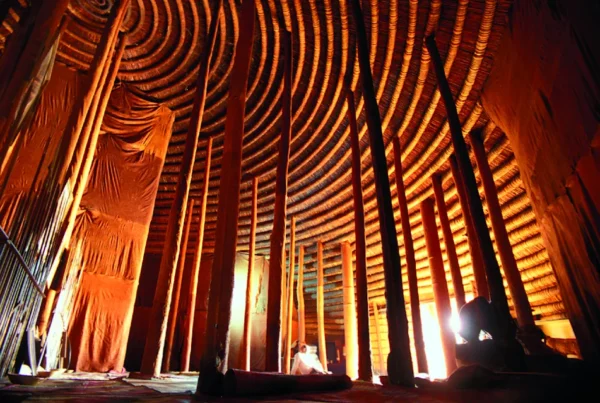
The centerpiece of the Kasubi Tombs is the Muzibu Azaala Mpanga, the monumental structure where the four Kabakas — Muteesa I, Mwanga II, Daudi Chwa II, and Muteesa II — are buried. This magnificent dome is considered one of the largest thatched structures in the world. Its architectural style represents a synthesis of traditional Ganda design and spiritual symbolism. The large circular hut is supported by wooden poles wrapped in bark cloth, with a thatched roof meticulously maintained by traditional artisans.

Visitors are often struck by the powerful aura that permeates the tomb’s interior. The sacred area where the kings are buried is hidden behind bark-cloth partitions, accessible only to selected royal custodians. This exclusivity adds to the mystique and reverence of the site, underscoring its spiritual importance.

Surrounding the main tomb are smaller structures and houses inhabited by members of the royal family and spiritual guardians. A visit also offers a glimpse into royal regalia, including spears, drums, shields, and ceremonial garments preserved within the tomb’s museum section. These artifacts serve not just as decorative items, but as visual testimonies of Buganda’s political evolution and the strength of its monarchy.

Things to Do

A visit to the Kasubi Tombs is more than a tour; it is an immersion into the soul of the Buganda Kingdom. Guided tours are available and are highly recommended, as they are often conducted by heritage custodians or individuals with deep knowledge of Ganda culture and history. Through these narratives, visitors gain insight into royal burial rituals, ancestral worship, and the symbolic meanings embedded in the tomb’s layout and decorations.

Photography is permitted in designated areas, and many travelers take the opportunity to capture the intricate details of the thatched roof, traditional motifs, and verdant surroundings. For those interested in spiritual experiences, participating in quiet meditation near the sacred structure can be profoundly moving.

Engagements with local artisans can also be arranged, especially those who are involved in the restoration and upkeep of the tombs. These interactions provide a hands-on perspective of traditional building techniques and the labor of love required to maintain a structure built without cement or nails.

On certain days, traditional ceremonies and cultural performances take place within the site, offering a vibrant spectacle of drumming, dance, and storytelling. Such occasions provide a rare opportunity to witness living traditions that are typically reserved for internal community events.

Best Time to Visit

Uganda’s climate is generally favorable for travel throughout the year, but the best time to visit the Kasubi Tombs is during the dry seasons — from December to February and June to August. During these periods, the pathways within the tombs remain dry, the air is fresh, and the natural surroundings appear particularly vibrant under the sun.

Visiting in the dry season also offers better conditions for photography and outdoor exploration. However, the site remains open during the rainy seasons, and the weather typically features brief showers rather than prolonged storms. It is advisable to wear comfortable shoes, modest clothing, and carry a light jacket or umbrella, particularly when visiting during the transitional months.

Cultural events and royal rituals are often held on specific dates tied to the Buganda calendar, so it is beneficial to consult with a local tour operator or check community bulletins to align your visit with any major ceremonies. Such events are not merely tourist spectacles, but genuine communal gatherings that provide a rare window into Ganda spiritual life and social order.

Preserving Heritage: A Site Reborn

The resilience of the Kasubi Tombs speaks volumes about the spirit of the Buganda people. In 2010, the site suffered a devastating fire that destroyed the main tomb structure. However, through collective efforts involving local artisans, international partners, and the Ugandan government, the restoration process has not only aimed to rebuild but to preserve the authenticity and sacredness of the site. UNESCO’s involvement ensured that traditional techniques remained central to the reconstruction, and today, the tombs stand once more as a symbol of pride, memory, and hope.

The Kasubi Tombs are more than just a tourist attraction. They are an affirmation of cultural endurance and a bridge between Uganda’s pre-colonial past and its contemporary aspirations. Each thatch, each drum, and each whisper of wind through the reeds tells the story of a people who have never lost sight of where they come from.

Plan Your Journey with WildHorn Africa

Whether you are a cultural enthusiast, a history lover, or a traveler searching for authentic African heritage, the Kasubi Tombs offer a profound and moving experience that will linger in your memory long after your visit. For seamless and professionally curated tours across Uganda and beyond, it is highly recommended that you plan your journey with WildHorn Africa.

With in-depth regional knowledge, passionate guides, and a commitment to sustainable tourism, WildHorn Africa ensures that your African safari is not only unforgettable but also respectful of the land and its stories. From the ancient tombs of Kampala to the wild plains of the Serengeti, let your adventure be guided by experts who truly understand the spirit of Africa.


Close Menu