search
Uganda Primate holidays

Uganda Primate holidays

By Uganda travel guides

Uganda Primate Holidays
Uncover the Secrets of the Forest With the World’s Most Enchanting Creatures

Uganda Primate Holidays: Into the Wild Heart of Primate Paradise

Deep in the green folds of East Africa lies a land where the forests hum with life, the trees sway with hidden movement, and the air resonates with calls that have echoed for millennia. That land is Uganda—a country that offers not only incredible scenic diversity, but also the greatest primate tracking experiences on the African continent. For travelers seeking raw nature, scientific fascination, and soul-stirring encounters, Uganda primate holidays promise an unforgettable immersion into the world of our closest animal relatives.

Home to over 20 primate species, including more than half of the planet’s remaining mountain gorillas, Uganda holds an unmatched reputation among conservationists, naturalists, and curious adventurers alike. The country’s lush tropical rainforests and montane woodlands harbor species that are rare, endangered, elusive, and astonishingly intelligent. Here, visitors walk ancient forest paths, guided by expert trackers, in search of gorillas, chimpanzees, golden monkeys, and countless other unique species, all thriving in their natural habitats.

Uganda’s primate holidays are not passive safaris. They are emotional, physical, and intellectual journeys—walks into the past, mirrors into ourselves, and glimpses into the future of wildlife conservation. And they are always intimate, often life-changing.

Where to Go: Into Uganda’s Primate-Rich Forests

The primate riches of Uganda are spread across several key forests and national parks, each offering a distinctive encounter with specific species and ecological environments.

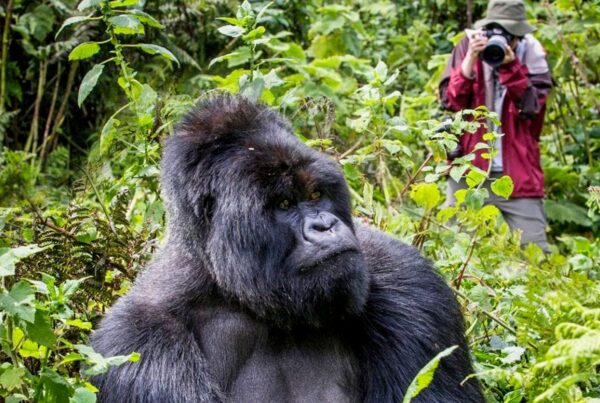
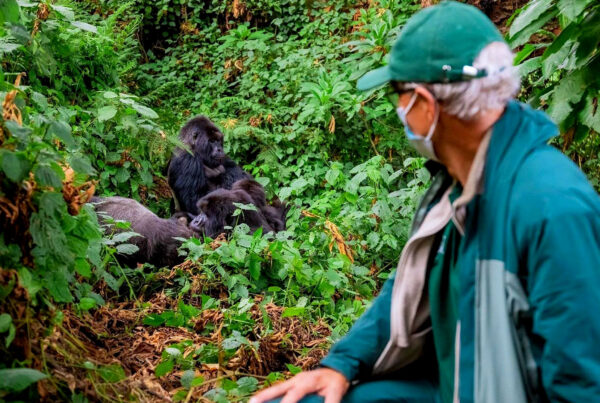
The most celebrated primate destination is Bwindi Impenetrable National Park, a UNESCO World Heritage Site and sanctuary for the critically endangered mountain gorilla. Hidden within its dense undergrowth and steep ridges live nearly half of the world’s mountain gorilla population. Gorilla trekking in Bwindi is the centerpiece of any primate holiday, drawing travelers from across the globe for the rare privilege of observing gorilla families in their natural home. Each trek is tightly regulated, ensuring both conservation and exclusivity, with only a small group permitted to spend a single hour with a gorilla group each day.

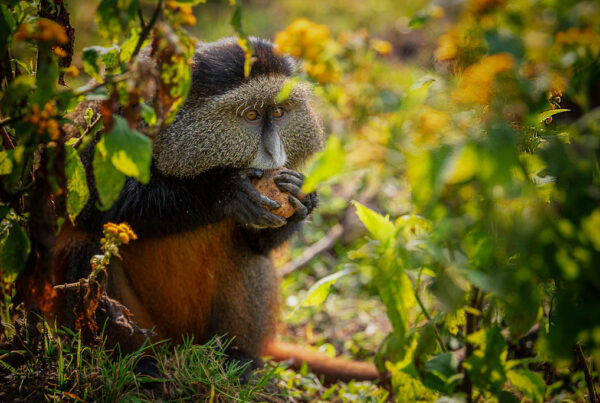
Just south of Bwindi, Mgahinga Gorilla National Park offers a quieter alternative for gorilla trekking, but with its own special draw—the golden monkey, a strikingly beautiful primate endemic to the Albertine Rift. Found only in the bamboo forests of the Virunga volcanoes, golden monkeys dazzle with their acrobatics, vivid colors, and spirited curiosity. Mgahinga is the only place in Uganda where these monkeys can be tracked, making it a key stop on any comprehensive primate itinerary.

Further north, the thick canopies of Kibale National Park are regarded as the primate capital of the world. With an astounding 13 species of primates, Kibale offers an unparalleled variety of sightings. Its most famous residents are the chimpanzees, whose complex social behavior, vocalizations, and tool use have long fascinated scientists. Chimpanzee tracking in Kibale is widely regarded as the most accessible and rewarding in East Africa. The park also hosts grey-cheeked mangabeys, red colobus monkeys, L’Hoest’s monkeys, and bush babies, among others, adding layers of diversity and ecological depth.

Other notable primate habitats include Budongo Forest Reserve, known for its research-based chimpanzee tracking and towering mahogany trees, and Kyambura Gorge, a dramatic “lost valley” within Queen Elizabeth National Park where a small group of habituated chimpanzees resides in a sunken forest, creating an eerily beautiful atmosphere for primate viewing.

Why Go: A Deeper Connection With Nature

What sets Uganda’s primate holidays apart is not just the richness of species, but the intensity of the encounters. Observing primates in the wild—unconfined and behaving as they have for millennia—is not simply a sighting. It is an experience that awakens empathy, challenges perspective, and reconnects us with the natural world in a deeply personal way.

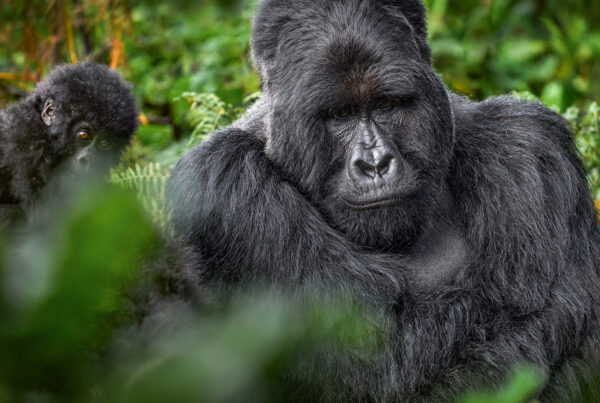
Mountain gorillas, for instance, are striking not only in their physical presence but in their behavior—parenting, nurturing, playing, even mourning—so reminiscent of our own. Their gaze is intelligent and direct, evoking recognition rather than fear. Standing in the forest with them, mere meters away, is an encounter that silences even the most seasoned traveler.

Chimpanzees, in contrast, are dynamic and expressive. Their communities are hierarchical, vocal, and constantly active. To follow them through the undergrowth, hearing their whoops, screams, and drumming on buttress roots, is to step into a world that is not quite human, but not far removed either.

Even lesser-known species—like the golden monkeys or black-and-white colobus—bring their own charm and intrigue. Their agility, curiosity, and social structures add texture and color to every trek, transforming simple forest walks into journeys of discovery.

Uganda’s approach to primate tourism is also rooted in conservation ethics. Strict trekking regulations, community involvement, and revenue-sharing with local populations ensure that tourism directly supports the protection of primates and their habitats, while also empowering the people who live alongside them.

Things to Do: More Than Just Watching

A Uganda primate holiday is primarily focused on trekking and tracking, but the experiences go far beyond observation.

Gorilla trekking in Bwindi or Mgahinga requires preparation, stamina, and patience. Treks can last anywhere from one to six hours depending on the location of the gorilla family. The reward—spending one full hour observing a gorilla group at close range—is worth every step. Those seeking an even deeper experience can opt for the Gorilla Habituation Experience, which offers a rare opportunity to spend up to four hours with a semi-habituated group alongside researchers and rangers.

Chimpanzee tracking in Kibale or Budongo is a more dynamic pursuit. Chimps are active, fast, and often vocal, making the treks more kinetic and interactive. Full-day habituation experiences are also available, giving visitors more time to witness complex behaviors, social dynamics, and forest life.

Golden monkey tracking in Mgahinga offers a shorter, more playful hike through bamboo forests, ideal for photographers and those interested in rare and endemic species.

Beyond trekking, forest walks offer insight into the broader ecosystem—birds, butterflies, reptiles, and medicinal plants all come into focus under the guidance of knowledgeable rangers. Night walks can reveal nocturnal primates, including bush babies and pottos, while visits to research stations offer chances to learn from scientists working on the frontlines of primate conservation.

Cultural activities, such as visiting Batwa communities near Bwindi or forest-edge villages, deepen understanding of the human-wildlife relationship and how conservation efforts are intertwined with cultural preservation.

Best Time to Visit: Timing Your Trek

Uganda’s primate experiences are available year-round, but seasonal conditions can influence both logistics and comfort. The dry seasons, typically from June to August and December to February, are widely regarded as the best times for trekking. Trails are less slippery, visibility is clearer, and the likelihood of uninterrupted tracking increases.

However, the wet seasons—especially March to May and September to November—offer their own advantages. The forests during this time are incredibly lush, and photographic opportunities are often enhanced by dramatic light and vibrant foliage. The chances of securing gorilla permits on short notice are also higher, and some lodges offer seasonal discounts, which can be ideal for budget-conscious travelers.

Packing: Prepared for the Forest

Primate trekking requires practical, lightweight gear suited for hiking in humid, often unpredictable forest conditions. Sturdy waterproof hiking boots, lightweight long trousers, and long-sleeved shirts are essential for protection against insects, plants, and weather. Rain jackets, gardening gloves for grip, insect repellent, and a good daypack with water and snacks are highly recommended.

For photographers and wildlife enthusiasts, a zoom lens, binoculars, and spare memory cards will be invaluable. Lodges often provide walking sticks and porters, and layers are helpful due to changing temperatures between forest floors and higher elevations.

Comfort is still very much a priority. Uganda’s upscale lodges offer exceptional service, hot showers, spa treatments, and gourmet dining, making every return from a muddy trek a chance to rest in luxury.

A Journey Into the Primate Kingdom

Uganda is not simply a destination; it is a living museum of evolution, a sanctuary for creatures that have shaped our understanding of life, consciousness, and kinship. A primate holiday here is an invitation to step out of the ordinary and into the extraordinary, where the line between observer and participant blurs in the dappled light of the rainforest.

Whether locking eyes with a gorilla, trailing chimps through the canopy, or marveling at a troop of golden monkeys bounding through bamboo, visitors leave Uganda changed—not just entertained, but enlightened.

For those ready to walk paths few others tread and to encounter nature at its most profound, it is highly recommended to book your Africa tours and safaris with WildHorn Africa. As specialists in immersive and ethical wildlife experiences, they craft journeys that go beyond sightseeing to become lifelong memories—rich in learning, rooted in respect, and always unforgettable.

Chimpanzee Tracking in Uganda

Chimpanzee Tracking in Uganda

By Travel guides, Uganda travel guides

Chimpanzee Tracking in Uganda 

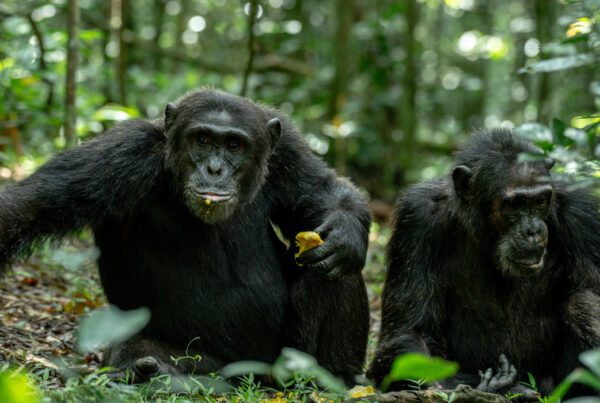
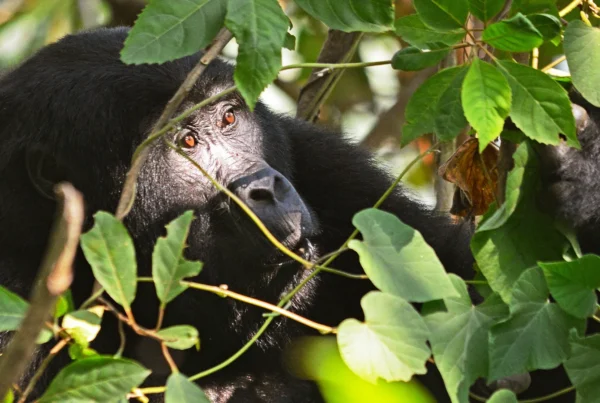
In the mist-laced jungles and sun-dappled canopies of Uganda, a singular thrill awaits those who venture deep into its ancient forests. Chimpanzee tracking is not just an expedition; it is an intimate encounter with our evolutionary relatives, a visceral experience that bridges the human-animal divide. As their eyes meet yours through the tangled green, the connection feels less like observation and more like recognition.

Uganda, often lauded for its mountain gorilla safaris, is equally a sanctuary for one of the world’s most intelligent and expressive primates. In fact, it holds the reputation as East Africa’s premier destination for those seeking chimpanzee encounters in the wild. With its diverse ecosystems and well-managed conservation efforts, the country offers some of the most reliable and ethical primate tracking opportunities found anywhere on the continent.

Why to Go

Chimpanzees (Pan troglodytes) are not just another species to observe; they are beings of remarkable intelligence, emotion, and social complexity. Capable of tool use, problem-solving, and nuanced vocal communication, they exist in communities marked by drama, playfulness, alliances, and even political maneuvering. Observing them in their natural habitat is to witness a mirror of ourselves, shaped not by concrete cities but by ancient trees and the rhythms of the wild.

Uganda is home to over 5,000 chimpanzees, with Kibale Forest National Park considered the beating heart of chimpanzee tracking in Africa. With a tracking success rate above 90%, Kibale is unrivaled in its consistency and biodiversity. The forest, thick with figs, mahoganies, and swampy grasslands, supports thirteen primate species in total, making it the most primate-rich area on the continent.

Also notable are Kyambura Gorge in Queen Elizabeth National Park, Budongo Forest near Murchison Falls, and Kalinzu Forest Reserve. Each location offers its own flavor of experience, from the surreal gorge descents into Kyambura’s sunken rainforest to the drier, towering mahogany trails of Budongo. These varied environments allow travelers to engage not just with chimpanzees, but with the ecological richness and subtle beauty of Uganda’s wilderness.

Key Tracking Destinations

Uganda has earned its reputation as the primate capital of Africa, and chimpanzee tracking is available in several iconic locations:

Kibale National Park stands as the premier destination, often referred to as the world’s primate haven. Home to over 1,500 chimpanzees, the park offers the highest success rate for sightings, making it a favorite among travelers. Guided walks here provide not only encounters with chimpanzees but also opportunities to spot red colobus monkeys, L’Hoest’s monkeys, and countless bird species.

Budongo Forest, located near Murchison Falls National Park, is another remarkable site, known for its towering mahogany trees and large chimpanzee community. The forest’s expansive trails give visitors a sense of immersion in a pristine wilderness, with encounters that feel raw and authentic.

Kyambura Gorge, tucked within Queen Elizabeth National Park, provides a contrasting experience. Nicknamed the “Valley of Apes,” this dramatic gorge is a lush oasis carved into an otherwise savannah-dominated landscape. Tracking chimpanzees here carries an added sense of adventure, as the setting is both unusual and visually stunning.

Each of these destinations has its own charm, and together they ensure that chimpanzee tracking is accessible and diverse across Uganda’s safari circuit.

How to Get There

Chimpanzee tracking begins with access, and in Uganda, that journey is both straightforward and enriching. Entebbe International Airport, located near the capital Kampala, serves as the main gateway. From here, domestic travel branches out via well-maintained road networks or short chartered flights.

To reach Kibale Forest, one can take a scenic drive through the tea-covered highlands of western Uganda to the town of Fort Portal, a cultural and logistical base for most visitors. This road journey, though several hours long, offers views of crater lakes, traditional villages, and the Rwenzori Mountains that rise like ghosts on the horizon.

From Fort Portal, the entrance to Kibale lies a short distance away, and the day begins early. Trekkers gather for a briefing led by Uganda Wildlife Authority rangers, who explain the guidelines, history of the chimpanzee groups, and forest etiquette. Habituated chimpanzee communities are visited under strict regulation to ensure minimal impact, with trackers and researchers often heading out hours before to locate the groups.

The trek itself can range from thirty minutes to several hours, depending on the movement of the chimpanzees. Unlike gorillas, chimps are more dynamic, agile, and elusive. The reward, however, is immense. Suddenly the trees erupt with movement, a chorus of hoots fills the canopy, and you are surrounded by a drama of swinging limbs, alpha calls, maternal tenderness, and juvenile mischief. Cameras click, hearts race, and the air thickens with an unmistakable sense of wonder.

The Tracking Experience

Chimpanzee tracking usually begins with a briefing from park rangers, who explain forest etiquette, safety protocols, and conservation importance. Groups are then guided into the forest, often for two to four hours, depending on the movement of the chimpanzees.

Once the troop is found, visitors spend up to one hour observing them in their natural routines—feeding on fruits, grooming each other, playing, or engaging in vocal communication. The soundscape of a chimpanzee troop is unforgettable: loud hoots, pant-hoots, and drumming on tree trunks reverberate through the forest, creating an atmosphere of vibrant energy.

Unlike other wildlife encounters, chimpanzee tracking is deeply interactive. The primates often react to human presence with curiosity, glances, and sometimes displays, reminding visitors that they are not passive subjects but active participants in the forest drama.

Other Things to Do

While the chimps are the stars, Uganda does not dim the lights elsewhere. In and around Kibale, numerous activities await the curious traveler. The Bigodi Wetland Sanctuary, located just outside the park, offers community-run birding and wildlife walks that reveal over 200 species of birds, otters, monkeys, and rare swamp plants. The sanctuary’s boardwalks and local guides make it an accessible and informative complement to the more rugged forest trek.

Nearby, the crater lakes region provides an almost dreamlike landscape for hiking, canoeing, and cultural tours. Hills rise steeply around ancient volcanic lakes, and the quiet villages nestled along the shores offer authentic hospitality. Guided walks between lakes, banana plantations, and artisanal shops introduce visitors to the slower, reflective rhythms of rural Ugandan life.

For those heading toward Murchison Falls National Park after visiting Budongo Forest, classic savannah safaris come into play. Game drives yield sightings of lions, giraffes, elephants, and buffalo, while a boat cruise to the dramatic falls showcases the power of the Nile. The juxtaposition of chimpanzee tracking and big-game viewing creates a diverse and fulfilling itinerary.

Best Time to Visit

Chimpanzee tracking is available all year, but the optimal times fall within the dry seasons of December to February and June to August. During these periods, trails are less slippery, visibility is higher, and forest treks become more predictable in duration and difficulty.

That said, the wet seasons between March to May and September to November have their own appeal. The forests are at their greenest, and chimpanzees often remain closer to the starting points as fruit becomes more abundant near the forest edge. These months also offer more solitude, as fewer tourists visit, providing a more intimate experience with nature.

Regardless of the season, preparation is essential. Trekkers should wear sturdy boots, long trousers, and carry rain gear. A sense of patience, curiosity, and humility enhances the experience, as the forest is not a zoo but a living world of its own rhythms and rules.

A Trek That Transforms

Chimpanzee tracking in Uganda does not just linger in photographs. It roots itself deeper—in the memory, in the understanding, and in the consciousness. To see such emotion in a creature’s eyes, to witness the delicate bonds of grooming, to hear the collective chorus that echoes across treetops—these are experiences that gently shift how one views the natural world.

Uganda, with its layered ecosystems and deep commitment to conservation, offers more than an escape. It offers a reckoning with what we share with the wild. Each trek helps fund conservation, support local communities, and foster a world where humans and chimpanzees can coexist. In this delicate balance lies the true power of ecotourism: transformation not just for the traveler, but for the land itself.

Travel with Confidence

For those ready to walk beneath cathedral-like forests and meet eyes with beings who reflect our own, Uganda is calling. To experience it at its most immersive and ethically guided, trust those who know the terrain, the people, and the pulse of the jungle. Book your Africa tours and safaris with WildHorn Africa, where every journey becomes a story, and every encounter opens a door to something greater.

Let the forest speak. Let the chimps teach. Let WildHorn Africa lead you there.

Together We Build your dream holiday
Customize your experience
Customize

Kibale National Park

Kibale National Park is one of Uganda’s premier safari destinations, world-renowned for its dense tropical rainforest, extraordinary biodiversity, and unmatched chimpanzee trekking experiences.

Kalinzu Forest

Hidden in the mist-clad highlands of western UgandaKalinzu Forest stands as a mesmerizing testament to the power of nature to heal, awaken, and astonish.

Budongo Forest

Deep in the heart of northwestern Uganda, where the vast savannah of Murchison Falls National Park meets the lush embrace of the Albertine Rift, lies one of the most biologically rich and ecologically significant rainforests in East Africa—Budongo Forest.

Kyambura Gorge

Kyambura Gorge is more than a geographical marvel; it is a sanctuary of unique ecosystems, a vital conservation area, and a magnet for travelers seeking intimate encounters with Uganda’s most fascinating wildlife.

Grandeur

Experience the grandeur of Africa with WildHorn Africa, where every safari is designed to showcase the continent’s breathtaking landscapes and majestic wildlife.

24/7 support

Enjoy peace of mind with 24/7 support from WildHorn Africa, ensuring expert assistance before, during, and after your safari adventure.

Safety

Your safety is our top priority at WildHorn Africa, with expertly guided safaris and trusted partners ensuring a secure and worry-free adventure.

Price-quality ratio

WildHorn Africa offers exceptional price-quality ratio, delivering top-tier safari experiences at competitive rates without compromising on comfort.

Gorilla Trekking in Uganda

Gorilla Trekking in Uganda

By Travel guides, Uganda travel guides

Gorilla Trekking in Uganda 

In a world increasingly defined by speed and screens, there still exist corners of the Earth where time slows, silence speaks, and the gaze of another species reveals something profoundly human. Gorilla trekking in Uganda is not simply an excursion; it is a journey into a living Eden. It is where the dense mist rises from emerald valleys, and ancient rainforests pulse with secrets whispered by the wind through leaves. Here, amidst towering trees and tangled vines, one of the rarest encounters in the natural world awaits: standing mere meters away from a family of wild mountain gorillas.

Uganda is one of only three countries on the planet where these endangered creatures live in their natural habitat, and it is the only country that combines high biodiversity, cultural richness, and accessibility with such profound ecological integrity. Gorilla trekking in this East African gem is more than a bucket-list item—it is a life-altering experience etched in the minds of those privileged enough to share in it.

Why Go

The mountain gorilla, known scientifically as Gorilla beringei beringei, teeters on the brink of extinction, with just over 1,000 individuals remaining globally. Uganda is home to more than half of this population, spread across the thick forests of Bwindi Impenetrable National Park and Mgahinga Gorilla National Park. These protected areas are part of the Virunga Massif and the Albertine Rift—regions recognized as some of the most biologically diverse ecosystems on Earth.

What draws travelers from across the globe to Uganda’s jungles is not simply the act of seeing a gorilla. It is the depth of the encounter. After hours of guided trekking through challenging terrain, often involving steep inclines, slippery paths, and dense undergrowth, visitors are rewarded with a precious 60-minute window in which to quietly observe a habituated gorilla family. It is a sacred silence, broken only by the sounds of the forest and the gentle grunts or playful gestures of a species whose emotional expressions so closely mirror our own.

Unlike traditional safaris where distance is often a barrier, gorilla trekking places one face-to-face with emotion, intelligence, and primal connection. Infants tumble through the ferns, juveniles test their strength, and dominant silverbacks command presence with dignified calm. There is no fence, no glass, only the raw, unscripted reality of shared space.

This intimacy is made possible by decades of careful conservation, where selected gorilla families have undergone habituation—an extensive process whereby these wild animals gradually learn to tolerate human presence without losing their natural behaviors. The result is an encounter that feels authentic yet deeply respectful, orchestrated not for spectacle but for stewardship.

How to Get There

Reaching the gorilla trekking parks of Uganda is part of the adventure. Most international travelers arrive through Entebbe International Airport, situated near the capital city, Kampala. From there, travelers can choose between domestic flights to nearby airstrips such as Kisoro or Kihihi, or embark on a scenic road trip spanning 8 to 10 hours to reach the trekking regions.

The roads, while winding and occasionally rugged, weave through some of Uganda’s most stunning landscapes: lush tea plantations, mist-shrouded hills, bustling rural towns, and vibrant markets. The journey itself becomes a cultural and sensory immersion, offering insight into Uganda’s soul long before the trek even begins.

Once at the park, orientation begins early in the morning at designated visitor centers. Guests are grouped into small parties of no more than eight, each assigned to a specific gorilla family. Accompanied by armed rangers and skilled trackers, the trek begins—its length and difficulty determined by the gorillas’ location that day. Some encounters may take just an hour of hiking, while others require up to five.

Regardless of the path taken, the anticipation builds with every step. Each bend in the trail carries the possibility of discovery, and when the trackers finally signal the presence of a gorilla family, a silence settles in, almost reverent. Cameras are drawn. Hearts quicken. And then the forest parts to reveal beings of such stature and soul that the world momentarily stops.

Other Things to Do

Though gorilla trekking is undeniably the centerpiece, Uganda is not a one-note destination. Within proximity to both Bwindi and Mgahinga, travelers can delve into an array of other remarkable experiences. Birdwatchers will find paradise here, with Bwindi alone hosting over 350 bird species, many of them endemic to the Albertine Rift.

Cultural encounters enrich the region’s appeal. Visits to the Batwa pygmy communities, the original forest dwellers of the area, provide insight into ancient lifestyles, storytelling traditions, and music that echo through generations. Such experiences deepen the connection between people, place, and conservation.

For the adventurous, hiking the Virunga volcanoes in Mgahinga or exploring the Bwindi forest trails opens up breathtaking views, hidden waterfalls, and botanical wonders. Lake Bunyonyi, just a short drive from the trekking zones, offers serene respite with canoe rides, island hopping, and cultural immersions along its terraced shores.

Meanwhile, Uganda’s other national parks—Queen Elizabeth, Murchison Falls, and Kidepo Valley—offer traditional game drives where elephants, lions, leopards, and countless other species roam free. Thus, a trip centered on gorilla trekking easily transforms into a comprehensive East African safari, diverse in experience and rich in reward.

Best Time to Visit

Gorilla trekking in Uganda is available year-round, but the best conditions are typically found during the dry seasons, which span December to February and June to August. During these months, the trails are less muddy, visibility improves, and the overall trekking experience becomes more manageable.

However, traveling in the shoulder months of March to May or September to November also has its merits. Fewer visitors mean more intimate group sizes and greater permit availability. The forests during these times are particularly lush and photogenic, with frequent sightings of young gorilla infants born during the previous wet season.

Importantly, Uganda’s equatorial climate means that rain is always a possibility. Trekkers should come prepared with proper gear, sturdy boots, and a willingness to embrace the unpredictable nature of true wilderness travel. It is precisely this unpredictability that makes the experience so authentic and fulfilling.

A Trek That Transforms

To describe gorilla trekking in Uganda as a tourist activity is to diminish its essence. It is, in truth, a pilgrimage—one that awakens a sense of humility and wonder. The sight of a silverback gently cradling its infant, the knowing eyes of a mother gorilla meeting yours across a curtain of leaves, the laughter that erupts as a juvenile tumbles through the undergrowth—these are not fleeting moments. They are markers of a deeper understanding.

In an age where humanity often feels detached from the natural world, trekking through Uganda’s forests becomes a bridge—connecting not just species but souls. It is a reminder that preservation is not about numbers or laws alone. It is about relationships, respect, and the will to protect what is precious.

For those who seek meaning in their journeys, Uganda delivers not only memories but purpose.

Travel with Confidence

For those ready to answer the call of the wild and witness one of Earth’s most extraordinary spectacles, the path leads to Uganda. And the best way to walk it is with those who know it intimately. Book your Africa tours and safaris with WildHorn Africa, where every trek is thoughtfully curated, every guide deeply knowledgeable, and every encounter crafted to echo for a lifetime.

Let the forest speak to you. Let Uganda change you. Let WildHorn Africa lead the way.

Together We Build your dream holiday
Customize your experience
Customize

Bwindi gorilla trekking

Hidden within the misty embrace of southwestern Uganda lies Bwindi Impenetrable National Park, a mystical realm where

Mgahinga gorilla trekking

Mgahinga Gorilla National Park. Though modest in size compared to its renowned neighbor, Bwindi, this park is a crown jewel of conservation

Grandeur

Experience the grandeur of Africa with WildHorn Africa, where every safari is designed to showcase the continent’s breathtaking landscapes and majestic wildlife.

24/7 support

Enjoy peace of mind with 24/7 support from WildHorn Africa, ensuring expert assistance before, during, and after your safari adventure.

Safety

Your safety is our top priority at WildHorn Africa, with expertly guided safaris and trusted partners ensuring a secure and worry-free adventure.

Price-quality ratio

WildHorn Africa offers exceptional price-quality ratio, delivering top-tier safari experiences at competitive rates without compromising on comfort.

10-Day Uganda Wildlife and Primates Safari Tour

10 Day Uganda Wildlife and Primates Safari Tour

By Primate holidays, Safari holidays, Uganda trip ideas, Wildlife holidays
From $3,746 per person  (USD)

10 Day Uganda Wildlife and Primates Safari Tour

10-Day Uganda Wildlife and Primates Safari Tour

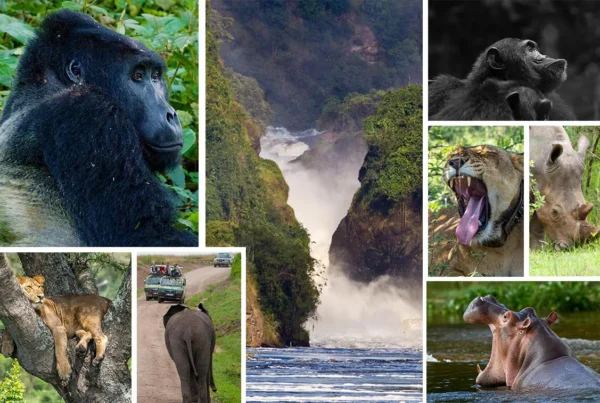
Safaris in Uganda include tracking gorillas in the Bwindi woods, chimps in the Kyambura Gorge, rhinos at the Ziwa Rhino Sanctuary, and game drives in Murchison and Queen Elizabeth National Parks. Many kinds of animals, like mountain gorillas, chimpanzees, cows, lions, leopards, hyenas, waterbucks, elephants, bushbucks, Uganda kobs, giraffes, zebras, Nile crocodiles, hippos, and beautiful bird species, can be seen on this safari.

Embark on an extraordinary journey through the heart of East Africa with the 10 Day Uganda Wildlife and Primates Safari Tour, where unforgettable encounters with nature are crafted across Uganda’s most iconic landscapes.

This immersive itinerary is designed to showcase the country’s rich biodiversity, beginning with exhilarating game drives in Murchison Falls and Queen Elizabeth National Parks, where elephants, lions, giraffes, and hippos can be spotted roaming the savannah. The mighty Nile River is crossed, and a boat cruise to the base of Murchison Falls is enjoyed, offering breathtaking views and excellent wildlife sightings along the banks.

Deeper into Uganda’s lush forests, close encounters with endangered primates are made possible. In Kibale Forest National Park, chimpanzees are tracked in their natural habitat, while the world-famous Bwindi Impenetrable Forest sets the stage for a life-changing mountain gorilla trekking experience. The journey is rounded out with scenic relaxation at Lake Bunyonyi and opportunities for cultural interaction with local communities. Comfortable lodges, expert guides, and seamless logistics are provided throughout, ensuring that every moment of this 10-day safari is filled with awe, discovery, and deep connection to Uganda’s wild beauty.

10 Day Uganda Wildlife and Primates Safari Tour

Arrival at Entebbe International Airport

When you get to Entebbe International Airport, a Safari guide will be there to greet you and tell you about Uganda, which is seen as the beauty of Africa. After that, you’ll be taken to the place you booked to stay. If you got to Uganda early, you will have a ride around the city of Kampala in the late afternoon. You can expect trips to places like the Kasubi tomb, the Uganda Museum, the Namugongo Martyrs Shrine, and more. You’ll go back to your place to stay and get enough rest.

Transfer to Murchison Falls National Park

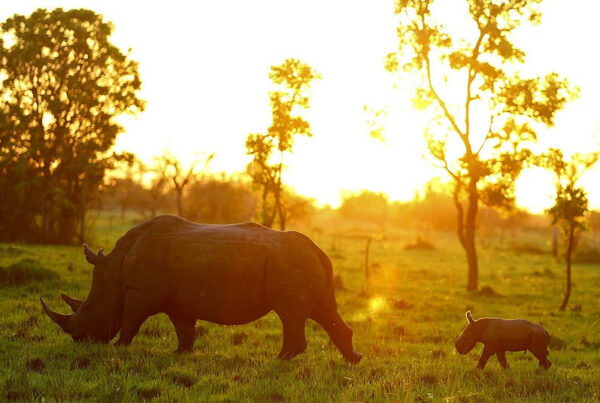
After breakfast, you will drive north to the famous Murchison Falls National Park. You will stop in Masindi for lunch and then at the Ziwa Rhino Sanctuary to see the rare rhinos that live there and are protected there. Murchison Falls National Park will be your next stop. With an area of 3,840 square kilometers, Murchison Falls is Uganda’s biggest and best-protected wildlife area. You can see how beautiful the falls are by going to the top of them. Here, the river squeezes through a 7-meter-wide valley after being more than 1 km wide. It then drops with a thunderous roar, creating a rainbow of water spray that is one of the many beautiful things about the Nile River. Eat and take a break.


Murchison Falls National Park Game Drives

After an early, tasty breakfast, you’ll go on an adventure in the northern part, which is home to many grassland animals. On this game drive, you can take great pictures of elephants, lions, Uganda kobs, cows, giraffes, waterbucks, hippos, and more. If you’re lucky, you might even see lions, as well as many types of birds.

After lunch, you will go on a two-hour boat ride to the base of the Murchison Falls. There, huge amounts of water rush out of the small gorge and make a huge, thunderous sound. There will be a lot of water birds and mammals, like hippos and crocodiles, to see on this boat ride. After a short evening game drive, you will head back to the camp for dinner and some rest.

Transfer to Kibale National Park

In the morning, have breakfast and then go to Kibale National Park. After lunch at Fort Portal, you’ll continue with a view of the Rwenzori Mountains. A nature walk with a guide through the Bigodi wetland refuge to see different kinds of birds, butterflies, and primates. Bigodi is where you will have dinner and stay the night.

Chimpanzee Trekking and Bigodi Swamp Walk

Chimpanzees, Kibale National Park’s most famous residents, will be tracked today. Chimpanzees are our closest living cousins with 98% human genes. They live in 21 African countries but are most visible in Uganda due of its high population. About 5,000 wild chimpanzees live in Uganda. Many well-maintained pathways are used for chimpanzee trekking.

You can take a guided stroll through Bigodi wetlands after tracking. This activity takes you to the Bigodi Wetlands Sanctuary, home to 8 primates, 200 birds, and several reptiles. The 2- to 3-hour trek lets you see various animals, but the Great Blue Turaco is the highlight.

Transfer to Queen Elizabeth National Park

Queen Elizabeth National Park in southwestern Uganda is a popular tourist destination. The second largest park in the country sits at the base of the Rwenzori Mountains, near to Lake Edward and Lake George, which are united by the Kazinga canal. Savannah, bushland, wetlands, and lush forests make this reserve one of the most diverse. Visit Queen Elizabeth National Park’s 200 kilometers of well-maintained game viewing paths on your first game drive. We recommend being alert and proactive on your game drive to help the ranger spot more animals. More than 10,000 buffalo, 5000 hippos, and 2500 elephants live in its grasslands and shorelines. You can ask your guide to seek for certain birdlife or wildlife in your car with a trained ranger who knows the park and its residents.

Game Drive and Boat Cruise in Queen Elizabeth National Park

After breakfast, you’ll travel on a long morning game drive at 6:30 a.m. to view the sunrise, catch up with the early risers, and seek for elephant, buffalo, lion, waterbuck, leopard, Uganda kob, warthog, and other park animals. You will witness more hippos than you can imagine on a boat safari around the Kazinga Channel in the afternoon after lunch. Other animals gather to the waterhole to drink or wash. Visitors can observe buffalos, crocodiles, bathing elephants, and gorgeous birds. This will be a tour highlight. As you return to the lodge after the boat safari, you will do a short twilight wildlife drive.


Transfer to Bwindi Forest via Ishasha Sector for Tree-Climbing Lions

Today, wake up early and drive to Bwindi Impenetrable Forest through the Ishasha region in the southern part of Queen Elizabeth. This is the best time to see tree-climbing lions, which are common in this area. You are going to keep going and eat lunch on the way. In the evening, you will go on a community walk to learn about Batwa and Pygmy culture and have fun. At the lodge of your choice, you will have food and rest.

Gorilla Trekking in Bwindi Forest and Batwa Trail Experience

After breakfast, you will go to the park offices to learn more about tracking gorillas. The rangers will then lead you into the lush forest. Very lucky people may be able to see the amazing Bwindi giants in just two hours or even less. It is very overwhelming to be able to see these peaceful animals up close. After going on the gorilla trek, you will go back to the camp for lunch. You can take it easy at the camp all night.


Drive Back to Kampala City or Entebbe

After breakfast, you’ll head back to Kampala, stopping in Mbarara for lunch on the way. You’ll get to Kampala late in the afternoon and take a tour of the city. You will be taken straight to the airport for your flight home, or you will be taken to your hotel if you don’t leave this evening.


Included

  • Park fees(For non-residents)
  • Gorilla permits(One per person, non-resident)
  • Chimp permits(One per person, non-resident)
  • All activities(Unless labeled as optional)
  • All accommodation(Unless listed as upgrade)
  • A professional driver/guide
  • All transportation(Unless labeled as optional)
  • All Taxes/VAT
  • Roundtrip airport transfer
  • Meals(As specified in the day-by-day section)
  • Drinking water(On all days)

Excluded

  • International flights(From/to home)
  • Additional accommodation before and at the end of the tour
  • Tips(Tipping guideline US$10.00 pp per day)
  • Personal items(Souvenirs, travel insurance, visa fees, etc.)
  • Government imposed increase of taxes and/or park fees

Featured Headlines

AllAboutAbout UsAdventure holidaysBotswanaBotswana places to visitBotswana travel guidesBucket list holidaysCongoCongo places to visitCongo travel guidesContact UsDestinationsEco-friendly accommodationsEgyptEgypt travel guidesEthiopiaEthiopia travel guidesExperiencesFamily holidaysGabonGabon travel guidesGet inspiredGroup holidaysHoliday typesHoneymoon holidaysJoin our teamKenyaKenya travel guidesKenya trip ideasLuxury holidaysMadagascarMadagascar travel guidesMalawiMalawi travel guidesMozambiqueMozambique travel guidesNamibiaNamibia accommodationsNamibia places to visitNamibia travel guidesNamibia trip ideasOff the beaten track holidaysPrimate holidaysRefer a friendResponsible travel tipsRwandaRwanda travel guidesRwanda trip ideasSafari holidaysSouth AfricaSouth Africa best time to visitSouth Africa travel guidesSouth Africa trip ideasSouth SudanSouth Sudan places to visitSpecial offersSustainable travelTanzaniaTanzania places to visitTanzania travel guidesTanzania trip ideasTravel guidesTravel safetyTravel stories and blogsUgandaUganda accommodationsUganda best time to visitUganda places to visitUganda travel guidesUganda trip ideasWhen to goWhere to goWildlife holidaysYour first safariZambiaZambia places to visitZambia travel guidesZimbabweZimbabwe places to visitZimbabwe travel guides
Gorilla and wildlife safaris

Gorilla and wildlife safaris

By Travel guides

Gorilla and Wildlife Safaris: Africa’s Most Powerful Encounters

Where the Wild Still Reigns (Gorilla and wildlife safaris)

Imagine standing in silence, heart pounding, eyes locked with a 500-pound silverback gorilla, its presence commanding and gentle all at once. Now picture yourself on an open plain, the sun dipping below the horizon as a pride of lions stirs to life. Gorilla and wildlife safaris offer the ultimate African adventure—a rare combination of primate encounters deep in the rainforest and the iconic big game spectacles of the savannah. These journeys blend the raw, emotional intimacy of gorilla trekking with the expansive thrill of tracking elephants, leopards, and buffalo under vast African skies.

This isn’t a typical vacation. It’s a calling for those who crave the untamed. For those who seek something primal, personal, and real. It’s a journey across ecosystems and species, through rainforests and grasslands, where every moment pulses with life and every encounter leaves a permanent mark on your soul. Gorilla and wildlife safaris aren’t just trips—they are transformations.

Gorilla and wildlife safaris #Gorilla and wildlife safaris Gorilla and wildlife safaris

The Unmatched Experience of Gorilla Trekking

Deep in the montane forests of Uganda, Rwanda, and the Democratic Republic of Congo, mountain gorillas live free, wild, and protected. Found nowhere else on Earth, these critically endangered great apes share nearly 98% of our DNA. They live in tightly bonded families, led by dominant silverbacks, whose wisdom and power guide their troop’s every move. Watching them is like peering into a forgotten mirror of ourselves.

The experience begins long before you meet them. After an early morning briefing, you’ll enter the forest with an expert team of rangers and trackers. These guides follow signs most would never notice—a broken twig, a fresh nest, distant vocalizations—until you reach the gorilla family. The trek itself may take minutes or hours, through thick vines, slippery slopes, and dense foliage. But every step brings you closer to an unforgettable connection.

When the moment comes and the gorillas emerge, everything else fades. For a full hour, you’re a guest in their world. You’ll witness mothers tenderly nursing their young, juveniles tumbling in play, and the silverback surveying all with calm authority. There is no cage, no glass, no barrier. Just you, the forest, and these magnificent beings. The silence shared in that space speaks more than words ever could.

The Thrill of Classic African Safaris (Gorilla and wildlife safaris)

After the intimacy of the rainforest, the savannah awaits with its epic drama. Africa’s great plains, from Uganda’s Queen Elizabeth National Park to Tanzania’s Serengeti, offer a different kind of spectacle—open, vast, and breathtaking in scale. Here, your senses are ignited not by quiet stillness but by motion, color, and sound. Herds of elephants move in unison across golden plains. Giraffes stretch toward acacia trees. Lions prowl in the tall grass while zebras and antelopes remain alert to every sound.

What makes a wildlife safari so exhilarating is the unpredictability. Every game drive is a new adventure, guided by the rhythm of nature. One day you may follow leopard tracks at dawn, and the next, watch hippos wallow in muddy pools beneath a blazing sunset. Your vehicle becomes a moving observatory, your camera an extension of your awe, and your guide a storyteller, reading the landscape with unmatched expertise.

Uganda, often called the Pearl of Africa, is unique in its ability to offer both gorilla trekking and classic safari experiences in a single itinerary. One day you’re eye-to-eye with a gorilla in Bwindi Impenetrable Forest; the next, you’re cruising the Kazinga Channel watching elephants drink as crocodiles sunbathe nearby. It’s this blend of intimacy and scale, forest and savannah, that makes gorilla and wildlife safaris the most complete adventure on the continent.

The Conservation Story Behind the Adventure

What sets gorilla and wildlife safaris apart is not just their grandeur, but their purpose. These experiences are rooted in conservation, sustainability, and community empowerment. Every permit purchased to track gorillas contributes directly to protecting these endangered animals and the ecosystems they call home. It funds anti-poaching patrols, veterinary interventions, and long-term research vital to their survival.

Beyond gorillas, wildlife tourism fuels the protection of Africa’s iconic species—elephants, rhinos, lions, and more—by creating financial incentives for their survival. Where wildlife thrives, tourism flourishes. Where tourism flourishes, communities benefit. Schools are built, jobs are created, and local people become guardians of the very ecosystems tourists come to see.

In Uganda and Rwanda especially, conservation success stories are unfolding. Gorilla populations are increasing, thanks to the responsible tourism model that limits visitor numbers, enforces strict behavior guidelines, and channels income back into the community. By choosing to go on a gorilla and wildlife safari, you become a part of this story—not just a witness to nature’s wonders, but a participant in their preservation.

Cultural Connections Along the Way

A true African safari is not just about the animals—it’s about the people. Throughout your journey, you’ll meet communities that have lived in harmony with the wild for generations. From the Batwa pygmies, the original forest dwellers of southwestern Uganda, to village artisans and traditional dancers, cultural encounters add rich context to your adventure.

These are not staged performances, but genuine moments of exchange, where storytelling, music, and craftsmanship reveal the human side of Africa’s wild places. By engaging with local culture, you gain a deeper appreciation for the land and a clearer understanding of the challenges and triumphs of conservation in action.

Planning Your Safari: Choosing the Right Path

Organizing a gorilla and wildlife safari requires careful planning and the guidance of experienced professionals. Permits for gorilla trekking are limited and must be secured months in advance. National parks and game reserves vary in their ecosystems, wildlife density, and travel logistics. Understanding the best times to visit, the physical demands of each trek, and the accommodations available is crucial to crafting a journey that matches your interests and comfort level.

Uganda offers perhaps the most versatile itinerary, combining gorilla trekking in Bwindi or Mgahinga with game drives in Queen Elizabeth, Murchison Falls, and Kidepo Valley National Parks. Rwanda, with its luxury-focused approach, allows travelers to pair gorilla trekking in Volcanoes National Park with wildlife viewing in Akagera National Park. Each destination has its strengths, and the best safaris are those tailored to your desires—whether you seek rugged adventure, photographic opportunities, or immersive cultural experiences.

Why This Journey Changes You Forever

What separates gorilla and wildlife safaris from other forms of travel is the depth of impact they leave behind. It’s not just about seeing animals; it’s about feeling something ancient stir within you. When you walk through the same forest paths as gorillas or hear a lion’s roar ripple through the night air, you remember that we are not separate from nature—we are part of it.

These encounters invite humility, curiosity, and gratitude. They reconnect us to a world that still breathes on its own terms. They open our eyes to beauty, our hearts to wonder, and our minds to responsibility. And once you’ve seen Africa in this way, it never really leaves you.

Book Your Unforgettable Safari with WildHorn Africa

To experience the true magic of gorilla and wildlife safaris, trust your journey to those who know the land intimately. WildHorn Africa specializes in crafting exceptional, responsible, and deeply personal African travel experiences. With their expert knowledge, passion for conservation, and commitment to local communities, WildHorn Africa ensures that every step of your adventure is meaningful, seamless, and unforgettable.

From securing your permits to arranging world-class guides and accommodations, WildHorn Africa takes care of the details so you can focus on the moments that matter most. Whether you’re dreaming of a quiet hour with a mountain gorilla or the heart-racing excitement of tracking lions across the plains, your perfect safari begins here.

Book your Africa tours and safaris with WildHorn Africa today—and step into a world where the wild is still truly wild, and every encounter is a story worth telling. Gorilla and wildlife safaris

Gorilla and wildlife safaris #Gorilla and wildlife safaris Gorilla and wildlife safaris

Recommended Tour Packages

Gorillas and Wildlife Safaris

6-Day Volcanoes, Bwindi, Lake Bunyonyi, Queen and Kibale
6 Days+ from $2,717
https://www.africawildlifesafaris.net/destinations/uganda/6-day-volcanoes-bwindi-lake-bunyo/
7-Day Rwanda Wild Safari, Akagera, Volcanoes & Lake Kivu
7 Days+ from $2,998
https://www.africawildlifesafaris.net/destinations/rwanda/7-day-rwanda-wild-safari-akagera/
7-Day Volcanoes National Park Adventure
7 Days+ from $5,500
https://www.africawildlifesafaris.net/destinations/rwanda/7-day-volcanoes-national-park/
10-Day Uganda & Rwanda – Gorillas, Wildlife & Volcanoes
10 Days+ from $3,399
https://www.africawildlifesafaris.net/destinations/rwanda/10-day-uganda-rwanda-gorillas/
5-Day Bwindi, Lake Bunyonyi & Queen Elizabeth Safari
5 Days+ from $2,132
https://www.africawildlifesafaris.net/destinations/uganda/5-day-bwindi-lake-bunyonyi-queen/
6-Day Bwindi NP, Queen Elizabeth, Kibale & Lake Bunyonyi
6 Days+ from $2,526
https://www.africawildlifesafaris.net/destinations/uganda/6-day-bwindi-np-queen-elizabeth/
7-Day Bwindi, Kibale & Queen Elizabeth NP Mid-Range Tour
7 Days+ from $3,058
https://www.africawildlifesafaris.net/destinations/uganda/7-day-bwindi-kibale-queen/
8-Day Bwindi National Park, L Bunyonyi, Queen Elizabeth
8 Days+ from $3,586
https://www.africawildlifesafaris.net/destinations/uganda/8-day-bwindi-national-park-bunyonyi/
Customize Your Visit To Africa
Primate tracking tours

Primate tracking tours

By Travel guides

Primate Tracking Tours: A Journey into the Wild Heart of Africa

Face to Face with the Wild

There are few experiences on Earth as profoundly moving and intellectually enriching as coming face to face with a wild primate in its natural habitat. Primate tracking tours are not just about observing animals—they are about reconnecting with our evolutionary cousins in some of the planet’s most biodiverse and untouched environments. As you follow expert guides through ancient rainforests and misty mountain slopes, each footstep brings you closer to extraordinary encounters with gorillas, chimpanzees, golden monkeys, and other rare primates that call Africa home.

This is not a zoo visit. It is an expedition that requires patience, respect, and an adventurous spirit. It is a sensory immersion into a living world where primates swing through the trees, vocalize their presence, and live complex social lives, mirroring our own in astonishing ways. Whether you’re tracking gorillas in Uganda, chimpanzees in Tanzania, or golden monkeys in Rwanda, every moment spent in their presence leaves a permanent mark on the soul.

Primate tracking tours #Primate tracking tours Primate tracking tours

The Diversity of Africa’s Primates: More Than Just Gorillas

When most people think of primate tracking in Africa, their minds immediately go to mountain gorillas, and for good reason. These great apes, found only in the high-altitude forests of Uganda, Rwanda, and the Democratic Republic of Congo, are the crown jewel of African primate tourism. But Africa’s primate diversity extends far beyond gorillas, offering a rich tapestry of species, each with its own ecological story and behavioral intrigue.

In Uganda’s Kibale Forest National Park, you can track chimpanzees, our closest living relatives, whose expressive faces and complex social dynamics provide a striking mirror into human evolution. Trekking through the forest, you’ll hear their loud hoots and screeches echo through the canopy before catching sight of them grooming, playing, or skillfully cracking nuts with tools.

Rwanda’s Volcanoes National Park not only offers world-famous gorilla tracking but also the opportunity to observe golden monkeys, vibrant and acrobatic creatures that leap through the bamboo forests in coordinated groups. These endangered primates, found only in the Virunga massif, provide an enchanting and more playful contrast to the somber majesty of the gorillas.

In Tanzania’s Gombe Stream and Mahale Mountains, the names synonymous with Jane Goodall’s pioneering research, chimpanzees live freely in one of the most pristine natural laboratories in the world. Here, the tracking experience is as much about retracing scientific history as it is about watching the primates themselves.

The Primate Tracking Experience: Trekking Through Untamed Beauty

Primate tracking tours are far more than safaris; they are deep jungle expeditions guided by skilled trackers and rangers with intimate knowledge of the forest and its inhabitants. Every morning begins with a briefing, where you’ll learn about the particular species you’ll be tracking, the safety protocols, and the unique behaviors to look out for. From there, you set out—sometimes on footpaths, often off-trail—into the dense rainforest ecosystems that have sheltered primates for millennia.

The trek can range from a gentle walk to an intense climb, depending on the location of the group and the terrain. These forests are alive with sound—bird calls, rustling leaves, distant primate chatter—and the air is rich with the scent of earth, vegetation, and moisture. This environment is not just a backdrop but an active part of the experience. You’ll pass towering fig trees, vines hanging like natural bridges, and the occasional evidence of elephant or buffalo activity.

Eventually, after navigating slopes, mud, and the unpredictability of the wild, you reach the primate group. Whether it’s a family of gorillas relaxing in the underbrush, a chimpanzee troop hunting or foraging, or golden monkeys darting above you, the feeling is indescribable. You are a guest in their world, and for one sacred hour, you get to observe them up close—free, intelligent, and emotionally expressive.

Why Primate Tracking Matters: Conservation Through Connection

Primate tracking is not just a recreational activity—it is a crucial pillar of primate conservation. Every permit purchased supports national park operations, anti-poaching units, veterinary teams, and community outreach programs. In regions where economic opportunities are scarce, the revenue generated by responsible tourism provides local communities with sustainable income and an incentive to protect wildlife habitats.

For many local communities, the value of a living gorilla, chimpanzee, or monkey has become far greater than any short-term gain from logging or hunting. Schools, clinics, clean water projects, and jobs all benefit directly from primate tourism. This model of conservation works because it links environmental protection with human development—a win for people and wildlife alike.

Moreover, primate tracking plays an essential role in raising global awareness. Visitors return home as ambassadors for conservation, deeply moved by what they’ve witnessed and motivated to support preservation efforts through donations, advocacy, or further engagement.

Planning the Perfect Primate Tracking Tour (Primate tracking tours)

A successful primate tracking experience begins with thoughtful planning. Choosing the right destination is crucial. If your heart is set on gorillas, Bwindi Impenetrable National Park or Volcanoes National Park are ideal. For those fascinated by chimps, Kibale Forest, Gombe Stream, or Nyungwe Forest are top choices. Each destination has its own climate, trekking difficulty, and wildlife diversity, so understanding your own preferences and fitness level helps match you to the best experience.

Permits are limited and must be booked in advance. The cost varies by country, with Rwanda’s gorilla permits being the highest, reflecting its investment in high-end, low-impact tourism. Regardless of cost, the experience is invaluable, and the funds are essential to maintaining conservation integrity.

Timing also matters. The dry seasons—typically from June to September and December to February—offer the best trekking conditions, with less mud and better visibility. However, the rainy seasons can be magical too, as forests become lush, and crowds are fewer, offering a more intimate experience.

Packing appropriately is key. Waterproof hiking boots, rain jackets, long trousers, gloves, and insect repellent are all necessities. But perhaps more important than any gear is your mindset. Patience, respect, and a deep sense of curiosity will carry you further than any hiking pole.

Why Primate Tracking Will Change You

People often speak of Africa changing them, and nowhere is this more true than in the quiet presence of a wild primate. Their eyes, so filled with intelligence and emotion, reflect something ancient and shared. Watching a gorilla cradle her infant, a chimpanzee solve a problem, or a monkey leap from branch to branch with joyful abandon is to witness life in its most authentic and undisturbed form.

You leave the forest not only with memories and photographs but with a renewed perspective. You become more attuned to the fragility of ecosystems, more aware of your place in the natural world, and more committed to preserving the beauty and complexity of life on Earth. This is the deeper gift of primate tracking tours—not just the thrill of the moment, but the lifelong transformation they inspire.

Book Your Primate Adventure with WildHorn Africa

If you’re ready to embark on the journey of a lifetime, there’s no better partner to guide your primate tracking adventure than WildHorn Africa. With an unwavering commitment to ethical tourism, conservation, and personalized service, WildHorn Africa offers expertly curated experiences across Uganda, Rwanda, Tanzania, and beyond.

From securing permits and arranging luxury or mid-range accommodations, to providing knowledgeable guides and seamless logistics, WildHorn Africa ensures that your tour is not only unforgettable but also responsible. Their deep local partnerships and conservation-forward ethos make them a trusted choice for travelers who care about impact as much as experience.

Book your Africa tours and safaris with WildHorn Africa today—and take the first step toward an encounter that will change your life forever. Primate tracking tours

Primate tracking tours #Primate tracking tours Primate tracking tours

Recommended Tour Packages

Primate tracking tours.

3-Day Rwanda Gorillas and Golden Monkeys Tour
3 Days+ from $3,575
https://www.africawildlifesafaris.net/destinations/rwanda/3-day-rwanda-gorillas-and-golden/
3-Day Bwindi National Park Luxury Safari
3 Days+ from $3,287
https://www.africawildlifesafaris.net/destinations/uganda/3-day-bwindi-luxury-safari/
4-Day Luxury Gorilla & Golden Monkey Mgahinga
4 Days+ from $7,662
https://www.africawildlifesafaris.net/destinations/uganda/4-day-luxury-gorilla-golden-monkey/
4-Day Rwanda Gorilla and Golden Monkey Trekking Tour
4 Days+ from $2,387
https://www.africawildlifesafaris.net/destinations/rwanda/4-day-rwanda-gorilla-and-golden/
5-Day Rwanda Gorillas and Chimpanzee Tour
5 Days+ from $3,410
https://www.africawildlifesafaris.net/destinations/rwanda/5-day-rwanda-gorillas-and-chimpanzee/
11-Day Primates of the Great Rift Valley Safari, Uganda
11 Days+ from $16,999
https://www.africawildlifesafaris.net/destinations/uganda/11-day-primates-of-the-great-rift/
Customize Your Visit To Africa
Gorilla Trekking

Gorilla Trekking

By Travel guides

Step Into the Mist: Face to Face With Giants of the Forest. Deep in the emerald heart of Africa’s ancient rainforests, a rare and humbling encounter awaits—Gorilla Trekking. This is not a typical safari; it’s a life-altering journey into the misty mountains of Uganda, Rwanda, and the Democratic Republic of the Congo, where endangered mountain gorillas dwell in tight-knit family groups. Trekking to see these majestic primates in their natural habitat is both a privilege and a powerful reminder of our connection to the wild.


What is Gorilla Trekking?

Gorilla trekking involves hiking through rugged, often mountainous terrain to locate and spend time with a habituated family of mountain gorillas. These treks are led by experienced guides and rangers who track the gorillas’ movements daily. Once found, visitors are allowed a maximum of one hour to observe and photograph the group—an hour that often leaves a lifelong impression.

Where to Go Gorilla Trekking

Uganda – Bwindi Impenetrable Forest & Mgahinga Gorilla National Park

Uganda is home to nearly half of the world’s remaining mountain gorillas. The Bwindi Impenetrable National Park offers the most trekking routes and habituated families, while Mgahinga provides a more intimate experience within the Virunga Mountains.

Rwanda – Volcanoes National Park

Rwanda’s Volcanoes National Park is renowned for its accessibility, short trek durations, and high-quality trekking infrastructure. It is ideal for travelers seeking a premium, well-organized encounter with the gorillas.

Democratic Republic of the Congo – Virunga National Park

The DRC offers a more adventurous and remote trekking experience in Virunga National Park, Africa’s oldest national park. Though more rugged, it offers the chance to encounter fewer tourists and wilder settings.

Gabon – Loango National Park

Gabon offers a distinct experience with western lowland gorillas in Loango National Park, one of Africa’s best-kept secrets. Here, gorilla trekking combines coastal landscapes, mangrove forests, and savannahs, where gorillas, elephants, and even surfing hippos roam freely. Unlike the Virunga range, Gabon’s gorillas are habituated in flatter, more humid terrain, providing a low-altitude, tropical forest adventure for the intrepid explorer.

Best Time for Gorilla Trekking

Gorilla trekking is possible year-round, but the dry seasons from June to September and December to February are considered the best times. Trails are less muddy and more manageable, though gorilla sightings are excellent in all seasons due to daily tracking.

Gorilla Trekking Permits

A permit is required to participate in a gorilla trek. Permit costs vary by country:

  • Rwanda: $1,500 per person
  • Uganda: $800 per person
  • DR Congo: Around $450 per person

Permits should be booked well in advance, especially during peak travel seasons, as daily availability is limited to ensure minimal disruption to the gorillas.

What to Expect During the Trek

Treks typically begin early in the morning with a briefing at the park headquarters. Visitors are divided into small groups and assigned to different gorilla families based on fitness levels and trekking preferences. The hike may last anywhere from 30 minutes to over 6 hours, depending on the gorillas’ location. Once found, observers are required to maintain a safe distance, remain quiet, and avoid sudden movements. The experience is guided, respectful, and deeply emotional.

Physical Requirements and Preparation

Gorilla trekking demands a moderate level of physical fitness. The terrain is steep, slippery, and often at high altitudes. Good hiking boots, long trousers, gloves, rain gear, and a walking stick are essential. Porters are available and highly recommended—they assist with backpacks and help navigate the difficult terrain, while also supporting local communities.

Why Gorilla Trekking Matters

Mountain gorillas are critically endangered, with fewer than 1,100 individuals left in the wild. Tourism plays a vital role in their protection. Revenue from permits funds conservation, anti-poaching patrols, veterinary care, and community projects that reduce human-wildlife conflict. When you trek to see gorillas, you are not only experiencing something extraordinary—you are also helping to preserve one of the world’s rarest species.


Gorilla trekking is more than an adventure—it’s an invitation into the sacred realm of one of our closest relatives, a chance to witness the wild in its most raw and breathtaking form.


Close Menu