search
Luxury Picks — Rwenzori Mountains chimpanzee tracking for first-time visitors

Luxury Picks — Rwenzori Mountains chimpanzee tracking for first-time visitors

By Travel stories and blogs, Adventure holidays, Primate holidays, Uganda travel guides

Luxury Picks — Rwenzori Mountains Chimpanzee Tracking for First-Time Visitors

Where Luxury Meets Wilderness in Uganda’s Peaks

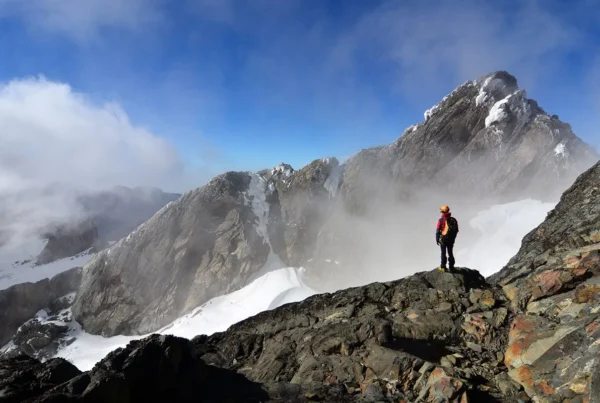
The Rwenzori Mountains, often referred to as the “Mountains of the Moon,” rise dramatically along Uganda’s western frontier, cloaked in mist, mystery, and allure. This UNESCO World Heritage Site has long fascinated explorers, mountaineers, and naturalists alike. Yet, for the first-time luxury traveler, the Rwenzoris are not only a spectacle of snow-capped peaks and glacial valleys but also a sanctuary for rare wildlife encounters—most notably, the enchanting chimpanzees that inhabit its lush forests.

For those embarking on their first journey into Uganda’s mountain wilderness, chimpanzee tracking in the Rwenzori foothills presents a unique fusion of adventure and indulgence. Unlike traditional safari experiences on vast savannah plains, here the adventure unfolds within a canvas of towering trees, cascading waterfalls, and hidden trails that whisper of ancient times. What elevates this experience further is the availability of luxury lodges, exclusive guiding services, and private experiences that transform rugged exploration into an elegant expedition.

This guide unveils the full tapestry of what it means to track chimpanzees in the Rwenzori Mountains as a first-time visitor. It explores not only the thrill of encountering our closest relatives in the wild but also the rhythms of the mountains, the comfort of upscale retreats, and the best times to embark on this transformative journey.

The Majesty of the Rwenzori Mountains

Rising to an elevation of over 5,000 meters, the Rwenzori range is the third-highest mountain system in Africa, following Kilimanjaro and Mount Kenya. Unlike volcanic peaks, the Rwenzoris are block mountains, their rugged summits sculpted by tectonic forces and adorned with permanent glaciers. Yet, their grandeur is not confined to summits alone. The lower slopes give rise to one of the richest ecosystems on the continent—swathes of montane forest that serve as the natural habitat for a dazzling array of flora and fauna.

For the first-time luxury traveler, these mountains offer a rare duality: raw wilderness blended with exclusivity. One can marvel at breathtaking scenery while returning each evening to carefully curated comforts—fireplaces lit in mountain lodges, hot stone massages inspired by the very rocks that shape the valleys, and gourmet cuisine served under starlit skies.

Chimpanzees of the Rwenzoris: Guardians of the Forest

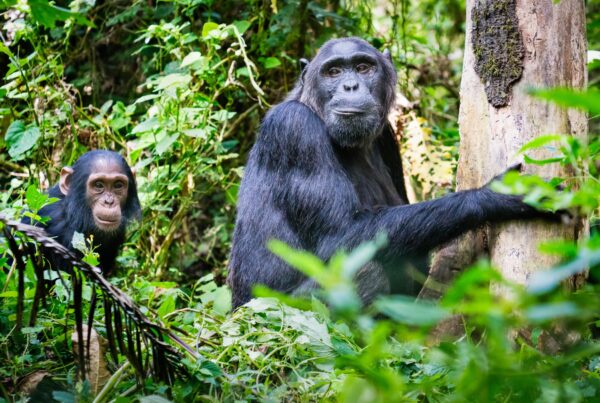
Chimpanzees are among the most intelligent primates in the world, sharing approximately 98 percent of human DNA. In the forests of the Rwenzori foothills, particularly around Kalinzu Forest Reserve and Kibale Forest on the eastern fringes of the mountains, these primates thrive in troops that are both fascinating to observe and humbling to encounter.

For the first-time visitor, chimpanzee tracking is an immersion into a world where human presence becomes secondary to the daily rhythms of these remarkable creatures. Their calls echo through the canopies, their swift movements through the trees contrast with moments of striking stillness, and their familial interactions reveal profound insights into the origins of human society.

What makes the Rwenzoris particularly special is that chimpanzee tracking here is not simply a wildlife activity; it is a journey into intimacy with nature, where dense vegetation, pristine air, and the soundscape of birds and insects combine to create an atmosphere unlike any other.

Preparing for the Luxury Chimpanzee Tracking Experience

Exclusive Access and Guided Expertise

Unlike mass tourism destinations, chimpanzee tracking in the Rwenzori Mountains is conducted with exclusivity. Visitor numbers are carefully controlled, ensuring that each encounter is respectful of the primates’ space and deeply personal for guests. Luxury travelers benefit from private guides—often trained naturalists who not only lead the way but also interpret the forest in a manner that connects scientific knowledge with cultural depth.

Comfort in the Wilderness

While the trails demand sturdy walking shoes and a spirit of adventure, the experience is seamlessly supported by upscale accommodations. Luxury lodges in the Rwenzori region provide elegant bases, with spacious suites overlooking forest canopies, spa services tailored for weary trekkers, and menus curated with both international finesse and local organic produce. Even within the wilderness, travelers find that indulgence is never compromised.

Sustainability and Respect

An essential aspect of the luxury tracking experience is the knowledge that one’s visit contributes to conservation efforts. Permits and guided experiences channel resources directly into protecting chimpanzee habitats and supporting local communities. For the luxury traveler, this brings an added dimension: indulgence intertwined with meaningful impact.

The Journey of Tracking: From Dawn to Encounter

Chimpanzee tracking in the Rwenzoris begins early, often just after dawn. As the forest awakens, guides lead visitors into the heart of the habitat. The anticipation builds with every step, as distant calls signal the troop’s location.

The trek itself is an integral part of the experience. Trails wind through dense forest, across streams, and beneath towering fig trees that seem to hold centuries of wisdom in their branches. Bird calls intermingle with rustling leaves, and occasionally other primates—such as colobus or blue monkeys—appear as fleeting companions.

The moment of encounter arrives suddenly, often with the sound of branches cracking above. Then, through the green canopy, the first sight of chimpanzees emerges. Some remain perched high, feeding on fruit, while others descend to the forest floor. For the first-time visitor, this is a moment of awe—a recognition of kinship, a silent acknowledgment of nature’s continuity. Time slows, and each gesture, each vocalization, feels profound.

The luxury of this encounter lies not in extravagance but in intimacy. To stand mere meters from a wild chimpanzee, with only a respectful silence between species, is a privilege beyond compare.Luxury Picks — Rwenzori Mountains chimpanzee tracking for first-time visitors

Seasonal Rhythms: Best Times to Track Chimpanzees in the Rwenzoris

The Rwenzori region experiences two main dry seasons—December to February and June to September—which are considered the most favorable times for chimpanzee tracking. Trails are more accessible, and visibility within the forest is improved, making encounters more predictable.

During the rainy months of March to May and October to November, the forest becomes lush and vibrant, though trails are more challenging. However, the advantage for the luxury traveler lies in exclusivity; fewer visitors mean quieter trails and more personalized guiding. Upscale lodges during this time often provide enhanced indoor experiences, from fireside lounges to wellness therapies that complement the damp, cool atmosphere.

For the first-time visitor seeking balance between comfort and adventure, the mid-year dry season from June to September is particularly ideal. This period combines accessibility with moderate climate, ensuring the best of both wilderness immersion and luxurious relaxation.

Luxury Stays: Where Comfort Meets the Canopy

A key element of the luxury chimpanzee tracking experience is the quality of accommodation. Around the Rwenzoris and their foothills, high-end lodges and eco-retreats have been designed with both sophistication and sustainability at their core.

Spacious suites overlook sweeping valleys, infinity pools reflect the surrounding mountains, and spas use locally sourced botanicals for treatments inspired by forest traditions. Dining becomes an event, with chefs blending international techniques and Ugandan ingredients into multi-course feasts. Evenings often end with fine wines by the fire or cultural performances that celebrate the heritage of communities living in harmony with the forest.

For the first-time visitor, this combination ensures that each day of rugged adventure concludes with unparalleled indulgence, striking the perfect balance between wilderness and comfort.

Cultural Immersion: Beyond the Forest Trails

Chimpanzee tracking in the Rwenzori Mountains is not only about wildlife. The region is home to communities whose lives are intricately tied to the land. For luxury travelers, curated cultural experiences offer meaningful engagement without sacrificing exclusivity.

Visits to local craft cooperatives, encounters with traditional healers who use forest plants in ancient remedies, and performances of music and dance all add depth to the journey. For the first-time visitor, these moments of cultural immersion provide context—revealing that the Rwenzoris are not only a natural wonder but also a cultural treasure sustained by people whose stories are as enduring as the mountains themselves.

The Significance of Chimpanzee Tracking for Conservation

Beyond the luxury of personal encounters and upscale comfort, chimpanzee tracking plays a critical role in protecting fragile ecosystems. Revenue generated from permits and guided tours funds conservation programs that safeguard not only chimpanzees but also other wildlife and plant species within the forests.

For first-time luxury visitors, this adds a layer of significance to the experience. Each indulgent stay, each guided trek, and each permit purchased contributes directly to ensuring that future generations can encounter chimpanzees in their natural habitat. This merging of personal enrichment with global responsibility is what defines the true luxury of travel.

Crafting the Perfect First-Time Experience

For the first-time traveler, the Rwenzori Mountains may appear daunting in their scale and mystery. Yet, with the right guidance and curated luxury services, the experience becomes seamless. From private transfers from Entebbe or Kampala, to expert-guided treks, to personalized itineraries that combine chimpanzee tracking with other experiences such as birdwatching, hiking, or lakeside relaxation, the journey is tailored to the guest’s rhythm.

Luxury travel is not simply about comfort; it is about precision, personalization, and meaning. In the Rwenzoris, these elements converge to ensure that a first-time chimpanzee tracking adventure feels less like an introduction and more like a life-defining memory.

A Luxury Journey into the Heart of the Rwenzoris

The Rwenzori Mountains stand as one of Africa’s most enigmatic landscapes, a place where glaciers glisten above equatorial forests and where the calls of chimpanzees echo across valleys. For the first-time luxury traveler, tracking chimpanzees here is more than an adventure—it is an initiation into the deeper rhythms of Africa, a meeting of indulgence and intimacy, wilderness and comfort, conservation and personal discovery.

Every step on the trail, every glance exchanged with a chimpanzee, every evening spent in luxury retreats overlooking misty forests contributes to a story that is both exclusive and transformative. The hidden gem of the Rwenzoris lies not only in its peaks and primates but in the way it merges nature with luxury in perfect harmony.

For travelers ready to embark on this extraordinary journey, the key to unlocking the full essence of the Rwenzoris lies in expert planning and curated service. To experience chimpanzee tracking and other bespoke adventures across Uganda with unmatched elegance, it is recommended to book with WildHorn Africa, where every safari and tour is crafted to transform dreams of Africa into lasting realities.

Weekend Itinerary — Rwenzori Mountains family holiday in 2025-2026

Weekend Itinerary — Rwenzori Mountains family holiday in 2025-2026

By Travel stories and blogs, Family holidays, Uganda travel guides

Weekend Itinerary — Rwenzori Mountains Family Holiday in 2025

Where Family Adventure Meets Africa’s Legendary Peaks

The Rwenzori Mountains, often called the “Mountains of the Moon,” rise dramatically on Uganda’s western border, where lush valleys meet snow-capped summits. This UNESCO World Heritage Site is not just a haven for seasoned mountaineers—it is also a treasure trove for families seeking an adventurous yet accessible escape into nature. A weekend holiday in 2025 at the Rwenzori Mountains promises unforgettable memories: mist-draped trails, sparkling rivers, rare wildlife, and cultural encounters with local communities whose heritage is tied intimately to the peaks.

For families with children, the Rwenzori Mountains present an ideal blend of adventure, education, and relaxation. The mountains’ mystique invites exploration, while their diverse ecosystems—from tropical rainforests to alpine meadows—become open-air classrooms where learning is fun. Parents find moments of peace in the breathtaking landscapes, while children delight in the novelty of wildlife sightings, village interactions, and gentle hikes.

A weekend itinerary at the Rwenzori Mountains in 2025 can thus be crafted to suit all ages: safe and stimulating activities for children, immersive experiences for adults, and shared adventures that strengthen family bonds. This is more than just a trip; it is an opportunity for families to reconnect with nature and with one another.

Day 1: Arrival and Immersion into Rwenzori’s Charm

Morning Arrival in Kasese Town

The journey begins in Kasese, the gateway to the Rwenzori Mountains. Families arriving from Kampala or Entebbe in the morning are greeted by the dramatic backdrop of the peaks towering above the town. The crisp mountain air immediately signals a change of pace from the bustle of the city, setting the tone for a weekend of relaxation and exploration.

Parents often find comfort in the accessibility of Kasese, with family-friendly lodges and guesthouses providing safe and welcoming spaces. Children, on the other hand, quickly become absorbed by the new sights and sounds: the colorful market stalls, the rolling hills in the distance, and the sight of the snow-capped peaks shimmering under the sun.

Afternoon Exploration of the Rwenzori Foothills

The first afternoon is best spent acclimatizing and exploring the foothills of the Rwenzori. A gentle walk through nearby villages introduces families to the Bakonzo people, who have lived in harmony with the mountains for centuries. Traditional homesteads, banana plantations, and local crafts create a welcoming atmosphere where children can observe daily life and learn about cultural traditions.

For food lovers, this is also an opportunity to sample local cuisine. Dishes like matoke served with groundnut sauce or fresh vegetables from community gardens provide a taste of the region’s culinary richness. Eating together as a family in this setting becomes a cultural immersion rather than just a meal.

Evening Rest Under the Mountain Skies

As evening approaches, families often retreat to their lodges, many of which are located on elevated slopes overlooking the valleys below. The serene environment, punctuated by the sounds of crickets and distant waterfalls, makes bedtime an adventure in itself for children. Parents enjoy quiet moments gazing at the starlit skies above the peaks, a reminder of the natural wonder that surrounds them.

Day 2: A Family-Friendly Hike in the Rwenzori

Morning Adventure on the Trails

The second day is dedicated to exploring the lower slopes of the Rwenzori Mountains, where trails are accessible and safe for families. Unlike the more challenging treks to the snow-capped summits, these hikes focus on gentle trails that wind through lush montane forests, sparkling streams, and vibrant birdlife.

Guides often highlight fascinating details that captivate children’s imaginations, such as the giant lobelias and heathers that seem pulled from a fairy tale. Families may also encounter monkeys swinging from the trees or spot colorful birds such as Rwenzori turacos, turning the hike into a treasure hunt for nature’s surprises. Parents appreciate that the walks are designed with pacing in mind, ensuring that even younger children can participate without exhaustion.

Picnic by the River

Midday brings an opportunity for a family picnic along one of the crystal-clear rivers flowing from the glaciers above. Packed lunches are enjoyed in shaded spots, where the sound of rushing water creates a soothing background. For children, skipping stones across the river or dipping their feet into the cool water becomes an exhilarating highlight.

Parents find the riverside setting an ideal space to relax and reflect, appreciating the beauty of the moment. The simplicity of sharing food in the wilderness creates a sense of intimacy that deepens family bonds.

Afternoon Cultural Storytelling and Music

Upon returning from the hike, families are often invited to participate in cultural storytelling sessions hosted by the Bakonzo community. Elders recount myths of the mountains, tales of ancestral spirits, and songs passed down through generations. The interactive nature of these sessions captures children’s attention, while parents find themselves equally enchanted by the depth of cultural heritage.

Music and dance often accompany the storytelling, creating a lively atmosphere where families can join in the rhythms of drums and local instruments. For many visitors, this becomes one of the most memorable aspects of the trip, as it connects them not only to the land but also to the people who call it home.

Evening Bonfire Under the Stars

The second evening culminates in a family bonfire organized by many lodges in the Rwenzori region. Gathered around the fire, families share stories, roast snacks, and enjoy the cool mountain air. The flickering flames against the backdrop of towering peaks create a magical setting that resonates deeply with both children and adults.

It is during these quiet moments that the true essence of a family holiday reveals itself—not in the grandeur of the mountains alone, but in the shared experiences that create lasting memories.Weekend Itinerary — Rwenzori Mountains family holiday in 2025-2026

Day 3: Relaxation and Departure

Morning Visit to Rwenzori Mountains National Park Headquarters

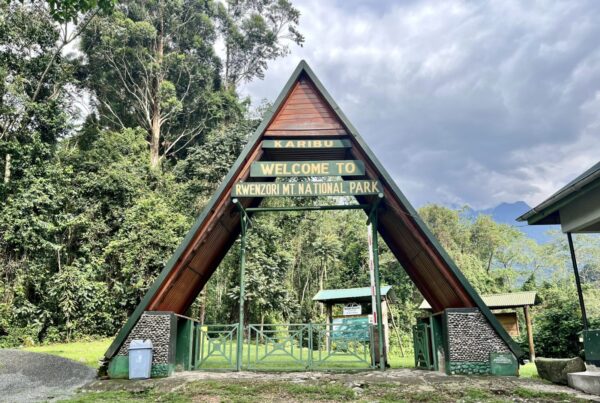
The final morning often begins with a short visit to the Rwenzori Mountains National Park headquarters. Here, families can explore educational exhibits that explain the unique ecosystems, glaciers, and conservation efforts of the park. Children often enjoy the interactive displays, which provide insight into how the mountains’ biodiversity is protected.

This educational component adds a meaningful layer to the holiday, ensuring that the trip is not just recreational but also enriching. Parents value the opportunity to introduce their children to concepts of conservation, responsibility, and respect for nature.

Afternoon Relaxation Before Departure

Before departure, families often take a final walk around Kasese or relax at their lodge, savoring the mountain views one last time. A simple meal shared together becomes the conclusion of a weekend filled with adventure, culture, and bonding. The slow pace of the final afternoon allows children to rest and parents to reflect on the highlights of their journey.

Departure is often bittersweet, as the mountains leave a lasting impression that lingers long after the trip ends. Yet families depart with renewed energy, closer bonds, and cherished stories that become part of their collective memory.

Why the Rwenzori Mountains Are Ideal for Families in 2025

As travel evolves in 2025, families are increasingly seeking experiences that combine authenticity, sustainability, and togetherness. The Rwenzori Mountains meet all of these expectations. Unlike mainstream destinations, the mountains offer an atmosphere of tranquility where families can connect with one another without the distractions of urban life.

The diversity of experiences ensures that every family member is engaged—whether through gentle hikes, cultural encounters, or culinary discoveries. Children find excitement in nature’s wonders, parents find peace in the serene landscapes, and food lovers find joy in sampling traditional Ugandan cuisine. Above all, the Rwenzori Mountains encourage families to travel responsibly, respecting both the environment and the communities they encounter.

A Weekend of Wonder and Connection

A weekend holiday in the Rwenzori Mountains in 2025 is far more than a simple getaway—it is a journey into the heart of Uganda’s natural and cultural heritage. Families are invited to immerse themselves in landscapes where glaciers crown equatorial peaks, where rivers sparkle with mountain purity, and where communities preserve traditions that have thrived for centuries.

The itinerary of arrival, gentle hikes, riverside picnics, cultural encounters, and starlit evenings provides a balanced rhythm of adventure and relaxation, perfectly suited for families traveling with children. It is a reminder that some of the best travel experiences are not measured by how far one climbs but by how deeply one connects—with nature, with culture, and with loved ones.

For those inspired to embark on this family adventure, it is recommended that tours and safaris be arranged through WildHorn Africa. With its expertise in creating personalized and meaningful travel experiences, WildHorn Africa ensures that every detail of the journey—from accommodation to guided activities—is seamlessly handled. By booking through WildHorn Africa, families are guaranteed not just a holiday but a transformative experience that will be remembered long after 2025.

How to mountain biking in Rwenzori Mountains — Safety Guide for solo travelers

How to mountain biking in Rwenzori Mountains — Safety Guide for solo travelers

By Travel stories and blogs, Travel guides, Uganda travel guides

How to Mountain Biking in Rwenzori Mountains — Safety Guide for Solo Travelers

Conquering the Mountains of the Moon

The Rwenzori Mountains, often called the Mountains of the Moon, stand as one of Africa’s most striking landscapes. Located on the western edge of Uganda, these majestic peaks rise dramatically into mist-shrouded skies, their glaciers feeding rivers that sustain countless communities. Known for their rugged beauty, alpine vegetation, and wildlife, the Rwenzoris are not only a destination for trekkers but also an emerging haven for mountain biking enthusiasts.

For solo travelers, the allure of pedaling through the Rwenzori ranges lies in the promise of freedom, challenge, and discovery. Yet the very elements that make mountain biking here so thrilling—the remoteness, the steep trails, and the unpredictable weather—also demand careful preparation. Safety is not a secondary thought but the foundation of every journey. This guide explores in depth how to mountain bike responsibly and securely in the Rwenzori Mountains, focusing on the unique needs of solo adventurers who seek both independence and protection.

Understanding the Terrain and Climate

The Rwenzori Mountains are not like any ordinary biking trail. Rising to over 5,000 meters, they are characterized by steep gradients, rocky paths, dense forests, and alpine zones. The terrain is demanding, often requiring a blend of cycling, pushing, and carrying. Solo travelers must recognize that biking here is not about speed but endurance and resilience.

The climate adds another layer of complexity. Rainfall is frequent, especially between March to May and September to November, turning trails into slippery mud tracks. During drier months, the paths become more accessible but still present challenges due to loose rocks and uneven ground. The mist that often settles on the peaks reduces visibility, making careful navigation essential. Solo bikers must adapt their pace and strategy to these conditions, ensuring that safety takes precedence over ambition.

Preparing Mentally and Physically for the Challenge

Mountain biking in the Rwenzoris is as much a mental endeavor as a physical one. Solo travelers are particularly vulnerable to fatigue, isolation, and unexpected obstacles. Preparation therefore involves building stamina, mental resilience, and problem-solving skills.

Physically, riders should train extensively on steep and rough terrains before embarking on the journey. Core strength, endurance, and balance are crucial, as the constant maneuvering on rocky trails places heavy demands on the body. Mentally, solo travelers must be prepared for solitude, knowing that hours may pass without encountering another rider. Embracing patience, persistence, and calm decision-making is vital, especially when unexpected difficulties such as sudden rainstorms or trail blockages arise.

The Importance of Equipment and Gear

Safety in the Rwenzoris begins with proper equipment. A mountain bike designed for rugged terrain, with strong suspension and durable tires, is indispensable. Riders must ensure that brakes are in top condition and that gear systems are reliable, as breakdowns in remote areas can be dangerous.

Protective gear is equally important. Helmets, gloves, padded clothing, and durable shoes provide essential protection. Rainproof jackets and layered clothing allow adaptation to the rapidly changing temperatures, while visibility gear ensures that bikers are seen in misty conditions. For solo travelers, carrying repair kits, first aid supplies, and sufficient food and water is not optional but mandatory. These preparations reduce the risks associated with isolation and ensure that even in challenging circumstances, safety remains intact.

Navigating the Trails Responsibly

The trails of the Rwenzori are a network of paths used by locals, porters, and adventurers. Some routes pass through villages, farmlands, and conservation zones, while others ascend into higher altitudes where vegetation thins and rocky landscapes dominate. Solo travelers must navigate with respect for both nature and community.

Maps and GPS devices are essential for orientation, but riders must also be prepared to ask for directions from locals. Respecting cultural practices and private lands is crucial, as the Rwenzoris are home to communities whose livelihoods are intertwined with the land. Riding responsibly—avoiding littering, staying on established paths, and slowing down near settlements—ensures that biking remains both safe and culturally sensitive.

Coping with Altitude and Weather Conditions

One of the unique challenges of the Rwenzori Mountains is the altitude. As bikers ascend beyond 2,500 meters, oxygen levels decrease, and the body begins to feel the strain. Symptoms such as headaches, dizziness, and fatigue are common. Solo travelers must learn to recognize these signs early, pacing themselves to avoid serious altitude sickness. Rest and hydration become essential tools for safety.

The weather adds unpredictability. Sudden rain showers can transform trails within minutes, while mist reduces visibility dramatically. Solo riders must exercise caution by reducing speed, finding safe shelter when storms break, and avoiding risky paths during heavy downpours. Planning rides around reliable weather forecasts and leaving sufficient daylight for completion further enhances safety.

Engaging with Local Communities

Safety for solo travelers in the Rwenzoris is not only about equipment and trails but also about human connections. The local Bakonzo people are known for their hospitality and deep knowledge of the mountains. Engaging with communities provides more than cultural insight—it offers security. Locals can provide guidance on trail conditions, safe passages, and areas to avoid.

Respectful interactions, such as purchasing local food or staying in community-run lodges, also create goodwill. For solo travelers, this goodwill can translate into support during unforeseen situations. Building these connections ensures that biking in the Rwenzoris is not an isolated endeavor but a shared journey rooted in respect and collaboration.

Managing Risks and Emergencies

Solo biking in remote mountain ranges inevitably carries risks. Mechanical failures, sudden weather changes, or minor injuries can escalate quickly without proper planning. Riders must have clear strategies for managing emergencies. Carrying a communication device, such as a satellite phone or a local SIM card with coverage in lower areas, ensures that help can be summoned when needed.

Knowledge of first aid is critical, particularly for treating wounds, sprains, or altitude-related symptoms. Solo travelers should also inform local guides, lodges, or park authorities of their intended routes and expected return times. This creates a safety net, ensuring that in case of delays, assistance can be organized. By anticipating risks rather than reacting to them, bikers transform uncertainty into manageable challenges.

Responsible Solo Travel and Conservation

The Rwenzori Mountains are recognized as a UNESCO World Heritage Site, valued for their biodiversity and cultural significance. Solo travelers hold the responsibility of ensuring that their adventures do not harm this fragile ecosystem. Riding on designated trails, avoiding damage to vegetation, and respecting wildlife are essential practices.

Conservation is not limited to the environment; it also includes supporting local initiatives that protect the mountains. Choosing operators and accommodations that prioritize sustainability ensures that tourism contributes positively to the region. Solo travelers who embrace these responsibilities not only safeguard their own safety but also leave the Rwenzoris better for future visitors.

A Solo Journey with Purpose and Caution

Mountain biking in the Rwenzori Mountains is a journey unlike any other, blending physical challenge, natural beauty, and cultural depth. For solo travelers, it offers the thrill of independence and the serenity of communion with some of Africa’s most awe-inspiring landscapes. Yet this independence must always be paired with caution, preparation, and respect.

Safety in the Rwenzoris comes from a balance—between ambition and patience, adventure and responsibility, solitude and community. With proper equipment, awareness of the terrain, respect for culture, and strategies for emergencies, solo travelers can navigate the mountains with confidence.

Ultimately, mountain biking here is not just about conquering trails but about connecting—to the land, to its people, and to oneself. For those ready to embrace this journey, it is recommended to plan responsibly through WildHorn Africa, whose expertise ensures that every adventure across Uganda and beyond is safe, sustainable, and unforgettable.

Luxury Picks — Rwenzori Mountains chimpanzee tracking for first-time visitors

Luxury Picks — Rwenzori Mountains chimpanzee tracking for first-time visitors

By Primate holidays, Travel guides, Travel stories and blogs, Uganda travel guides, Your first safari

Luxury Picks — Rwenzori Mountains Chimpanzee Tracking for First-Time Visitors

Stepping into a World of Wonder

In the heart of western Uganda, where cloud-capped peaks rise dramatically against the sky and dense forests echo with the calls of primates, lies one of Africa’s most enchanting wildernesses—the Rwenzori Mountains. Known as the “Mountains of the Moon,” this UNESCO World Heritage Site has captivated explorers for centuries with its snow-capped peaks, glacier-fed rivers, and lush biodiversity. For first-time visitors, the experience becomes even more profound when luxury travel meets adventure, and the forest reveals its most charismatic inhabitants—the chimpanzees.

In 2025, chimpanzee tracking in the Rwenzori Mountains has emerged as a premier activity for discerning travelers. It offers an unmatched blend of exploration, exclusivity, and intimacy with nature. Unlike typical safaris, this journey is immersive, requiring visitors to step into the ancient forest on foot, guided by expert trackers who follow the signs, calls, and movements of these intelligent primates. For those seeking a refined yet adventurous introduction to Uganda’s wild beauty, the Rwenzori Mountains provide a sanctuary where luxury and wilderness intertwine seamlessly.

The Location and Allure of the Rwenzori Mountains

The Rwenzori Mountains straddle the border between Uganda and the Democratic Republic of Congo, rising majestically to over 5,000 meters above sea level. Their towering glaciers and alpine vegetation have long been a source of fascination, but beyond the peaks lies an extraordinary ecological wealth. The lower slopes of the mountains are cloaked in thick montane forests, home to a remarkable array of wildlife, including the elusive chimpanzees.

The park spans nearly 1,000 square kilometers, encompassing diverse habitats from bamboo forests and mossy valleys to heathlands and glacial lakes. This incredible variation in altitude and ecosystems makes the Rwenzoris a haven for primates, birds, and rare plant species that exist nowhere else on earth. The chimpanzees of the Rwenzoris, often overshadowed by the fame of mountain gorillas elsewhere in Uganda, present first-time visitors with an equally captivating and dynamic encounter.

Journeying to the Rwenzoris in Luxury

Reaching the Rwenzori Mountains is an adventure in itself, yet modern infrastructure has made the journey accessible without compromising comfort. Visitors usually begin at Entebbe International Airport, where charter flights or scheduled domestic services carry them to Kasese, the nearest town to the park. From there, private transfers arranged by luxury operators whisk guests into the heart of the Rwenzori foothills.

For those preferring overland routes, scenic drives unfold through rolling tea plantations, crater lakes, and vibrant towns, making the approach to the mountains as rewarding as the destination itself. Luxury solo travelers and groups alike are offered tailored experiences, from private drivers to personalized schedules, ensuring that every moment is defined by comfort and exclusivity.

Chimpanzee Tracking in the Rwenzori Mountains

The core of this journey lies in the unforgettable experience of chimpanzee tracking. Unlike viewing wildlife from afar, chimpanzee tracking is participatory, requiring trekkers to follow trails, listen to forest calls, and interpret signs left behind by the primates.

The day begins with an early morning briefing by seasoned guides, who share insights about chimpanzee behavior, forest ecology, and conservation rules. Treks then unfold into the dense canopy, where the air is alive with birdsong and the rustling of unseen creatures. With every step, anticipation builds until the unmistakable pant-hoots and shrill calls of chimpanzees echo through the trees.

The moment of encounter is extraordinary. To watch chimpanzees in their natural setting is to witness intelligence and social complexity at play. Families groom each other with affection, youngsters swing energetically through branches, and dominant males assert their presence with dramatic displays. Visitors are allowed to spend precious time observing these behaviors, gaining a profound sense of connection that transcends ordinary travel experiences.

Attractions Beyond the Chimpanzees

While chimpanzee tracking is the highlight, the Rwenzori Mountains offer a wealth of attractions that elevate the journey. The forests themselves are a paradise for birdwatchers, with over 200 species recorded, including rare endemics such as the Rwenzori turaco and the handsome francolin. For those seeking variety, the park also harbors other primates like the blue monkey, black-and-white colobus, and L’Hoest’s monkey, each adding vibrancy to the trek.

Beyond wildlife, the sheer drama of the landscape cannot be overlooked. Alpine meadows, giant lobelias, waterfalls cascading into deep valleys, and the snow-capped summits above create an awe-inspiring setting. For travelers with time, guided nature walks and cultural encounters with the Bakonzo people reveal the rhythms of life around the mountains, where traditions and myths are deeply tied to the peaks.

Luxury Stays in the Shadow of the Peaks

For first-time visitors, luxury accommodation plays a vital role in shaping the Rwenzori experience. A growing number of boutique lodges and high-end retreats are now found near the park, offering panoramic views of the mountains while providing all the comforts of modern hospitality. Spacious cottages, eco-conscious designs, and fine dining menus curated with local and international flavors ensure that each evening is a retreat in itself.

After long treks in the forest, returning to a warm lodge with attentive staff, private verandas, and wellness amenities such as spas and hot stone massages creates a balance of adventure and indulgence. For solo travelers, the intimate scale of these lodges fosters a sense of belonging, while for couples or small groups, privacy and exclusivity are prioritized.

Best Time for First-Time Visitors

Timing is central to maximizing the experience. The dry seasons from December to February and June to September are most favorable, as trails remain more navigable and wildlife encounters are less hindered by heavy rains. However, the Rwenzoris maintain a unique microclimate, and showers can occur even in the dry season, lending the forest its rich green vibrancy.

For birdwatchers and keen naturalists, the wetter months of March to May and October to November offer heightened activity, with migratory species joining resident flocks. The choice ultimately depends on personal preference, but luxury services are always tailored to ensure that first-time visitors remain comfortable in any season.

Conservation and Responsible Travel

Central to chimpanzee tracking in the Rwenzoris is the commitment to conservation and responsible tourism. Permit fees directly fund wildlife protection, anti-poaching patrols, and community development projects. Strict rules are in place to safeguard both visitors and chimpanzees, including maintaining safe distances, limiting group sizes, and ensuring that diseases are not transmitted between humans and primates.

Luxury travel, when aligned with sustainability, becomes a powerful tool for conservation. By choosing high-end operators who prioritize eco-friendly practices and community engagement, first-time visitors contribute to preserving the fragile ecosystems of the Rwenzori Mountains while also empowering the local communities that coexist with the park.

Preparing for the Experience

For those embarking on their first chimpanzee tracking safari, preparation enhances the journey. While treks are manageable for most travelers, moderate fitness levels are advantageous, as trails can be steep and the altitude noticeable. Essentials include waterproof clothing, sturdy hiking boots, and high-quality binoculars for detailed wildlife viewing.

Fortunately, luxury travel packages ensure that many logistical concerns are taken care of, from permit reservations to the provision of expert guides and private transfers. The solo traveler is afforded peace of mind, while groups benefit from seamless coordination that allows focus to remain on discovery and indulgence.

A Luxury Introduction to the Wild Heart of Africa

For first-time visitors, the Rwenzori Mountains provide a rare opportunity to blend adventure with luxury. The chance to walk among ancient forests, to listen to the calls of chimpanzees, and to rest in refined comfort against the backdrop of snow-capped peaks is a journey unlike any other. Here, nature reveals its secrets slowly, rewarding patience with extraordinary encounters and unforgettable memories.

To begin this journey is to step into the wild heart of Africa, where personal exploration is balanced with conservation and luxury. The Rwenzori Mountains invite first-time travelers not just to witness, but to immerse, reflect, and connect deeply with both wilderness and culture.

For those ready to embark on this extraordinary adventure, it is highly recommended that Africa tours and safaris be arranged through WildHorn Africa, a trusted specialist in crafting luxury journeys that ensure exclusivity, authenticity, and unforgettable encounters across Uganda and beyond.

Mount Elgon vs Rwenzori: Which Trekking Adventure to Choose?

Mount Elgon vs Rwenzori: Which Trekking Adventure to Choose?

By Travel stories and blogs, Adventure holidays, Uganda travel guides

Mount Elgon vs Rwenzori: Which Trekking Adventure to Choose?

The Call of Uganda’s Mountains

Uganda, often celebrated as the “Pearl of Africa,” is a land where mountains rise majestically over lush valleys, lakes glisten under equatorial sunshine, and wildlife roams in unspoiled habitats. Among its most dramatic natural wonders stand Mount Elgon in the east and the Rwenzori Mountains in the west. Both present world-class trekking opportunities, each offering unique landscapes, ecosystems, and cultural encounters. For adventurers planning their next great climb, the question often arises: Mount Elgon or Rwenzori—which trekking adventure should be chosen?

To answer this, one must go beyond the surface and explore the deeper contrasts. Mount Elgon, with its ancient volcanic caldera, promises a gentler trek filled with biodiversity and cultural immersion. The Rwenzori Mountains, also known as the “Mountains of the Moon,” challenge trekkers with rugged alpine climbs, glaciers, and dramatic peaks. Both are UNESCO-listed treasures and both embody the essence of Uganda’s natural splendor, yet they differ in character, difficulty, and experience.

This guide delves into the landscapes, climate, wildlife, culture, trekking routes, and practical considerations of each mountain, offering a rich and structured comparison to help travelers decide which journey calls most strongly to their spirit.

Understanding the Geographic Context

Mount Elgon: The Ancient Volcano of the East

Rising on Uganda’s eastern frontier with Kenya, Mount Elgon is an extinct volcano estimated to be over 24 million years old, making it one of Africa’s oldest highland formations. Once towering higher than Kilimanjaro, erosion has softened its profile, but its immense size remains unmatched—its caldera, stretching over 60 kilometers in diameter, is the largest in the world. The Ugandan side of Mount Elgon lies within Mount Elgon National Park, a sanctuary of forests, caves, waterfalls, and moorlands.

Rwenzori Mountains: The Glaciated Giants of the West

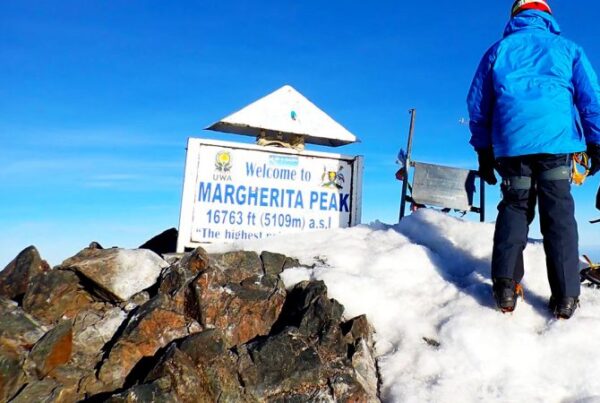
In contrast, the Rwenzori Mountains straddle the border between Uganda and the Democratic Republic of Congo. Unlike Mount Elgon, these are not volcanic in origin but were formed through tectonic uplift. Their peaks, capped with snow and glaciers despite lying near the equator, reach extraordinary heights. Mount Stanley, the highest of the Rwenzori peaks, rises to 5,109 meters, making it Africa’s third-highest mountain after Kilimanjaro and Mount Kenya. Protected as Rwenzori Mountains National Park, this UNESCO World Heritage Site is renowned for its glaciers, alpine meadows, and extraordinary plant life that seems transported from a prehistoric era.

Landscape and Scenery

The Allure of Mount Elgon’s Gentle Slopes

Mount Elgon’s landscape is defined by its caldera, vast moorlands, and cascading waterfalls. Its slopes are carpeted with montane forests, home to bamboo thickets, olive trees, and dense vegetation where primates swing between branches. Ascending higher, the scenery transforms into heath and moorland zones, adorned with giant groundsels and lobelias. At the caldera rim, trekkers are rewarded with panoramic views across Uganda and Kenya, a reminder of the mountain’s once fiery geological past.

The highlight of Mount Elgon is not just reaching a peak but the journey through its diverse habitats. With multiple waterfalls such as Sipi Falls on its foothills, caves formed by lava flows, and vast highland plains, the mountain offers a scenic variety unmatched by many ranges.

The Dramatic Drama of the Rwenzori Range

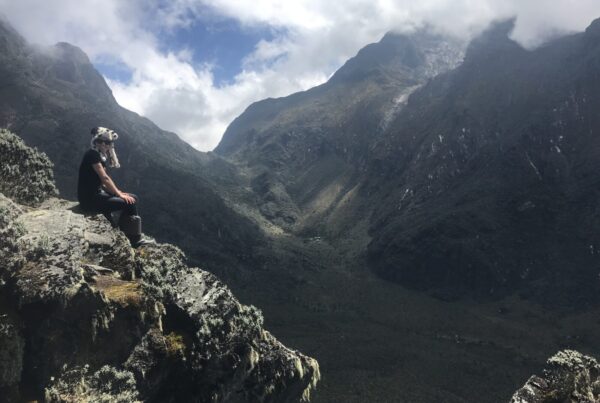
The Rwenzori landscape is altogether more dramatic. As one ascends, dense tropical rainforests give way to mist-covered bamboo forests, moss-laden heather zones, and finally to surreal alpine meadows filled with giant groundsels and lobelias rising like sentinels. Above these zones lies the ultimate prize: the glaciated peaks of Mount Stanley, Mount Speke, and Mount Baker, their snowfields gleaming under the equatorial sun.

Unlike Elgon’s gentler slopes, the Rwenzoris are steep and rugged, with deep valleys carved by glacial streams. Their atmosphere is otherworldly—often shrouded in mist, with looming cliffs and frozen lakes creating a sense of remote wilderness that feels untouched by time.

Climate and Trekking Seasons

Mount Elgon’s Temperate Climates

Due to its relatively lower altitude, Mount Elgon experiences a milder climate compared to the Rwenzoris. Temperatures on the slopes average between 15°C and 23°C, with nights cooling significantly at higher elevations. Rainfall is distributed across the year, though the dry seasons from June to August and December to February offer the best trekking conditions. Trails remain navigable, and the surrounding landscapes, whether verdant or sunlit, enhance the trekking experience.Mount Elgon vs Rwenzori: Which Trekking Adventure to Choose?

Rwenzori’s Harsh but Rewarding Conditions

Trekking the Rwenzoris, however, requires preparation for harsher conditions. Temperatures vary greatly depending on altitude, dropping below freezing at higher elevations where glaciers dominate. Rainfall is frequent, as the range captures moisture from the Congo Basin, creating wet conditions almost year-round. The drier months of June to August and December to February provide more favorable trekking conditions, but trekkers must still be prepared for mud, snow, and fog.

This challenging climate is part of the Rwenzori’s mystique. The struggle against weather and terrain makes the eventual sight of glaciers or peaks deeply rewarding.

Trekking Routes and Difficulty

Trekking Mount Elgon: Accessible and Diverse

Mount Elgon’s treks are considered more accessible, making them ideal for both novice trekkers and seasoned adventurers. Popular routes include the Sasa Trail, which provides a direct though steep ascent, the Sipi Trail, which is longer but more gradual, and the Piswa Trail, known for its scenic views. Treks typically last from three to seven days depending on the route and chosen pace.

The highest point, Wagagai Peak at 4,321 meters, is attainable without technical climbing equipment. The altitude, while significant, rarely induces severe mountain sickness, and the trails are less demanding compared to other African peaks. This makes Mount Elgon particularly appealing to those seeking a rewarding mountain trek without extreme difficulty.

Trekking the Rwenzori: A Test of Endurance

In contrast, the Rwenzori Mountains demand endurance, resilience, and technical ability. The most famous trek, the Central Circuit, takes about seven to nine days, leading climbers through diverse vegetation zones to the peaks. The Kilembe Trail is another route, offering longer treks with scenic variations.

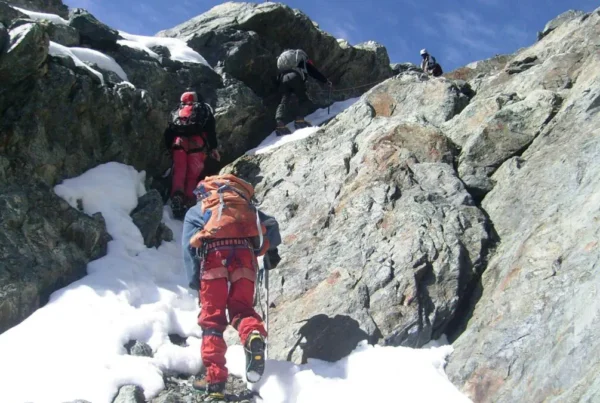
Climbing Mount Stanley’s Margherita Peak requires technical equipment such as ropes, crampons, and ice axes, as trekkers must cross glaciers and navigate steep ascents. The challenges of mud, altitude, and cold add to the difficulty, making the Rwenzori trek suitable only for those with good fitness and determination. Yet, it is precisely these hardships that make the experience legendary.

Wildlife and Biodiversity

Mount Elgon’s Rich Ecosystems

Mount Elgon National Park is a biodiversity hotspot, hosting over 300 bird species, including the endangered lammergeyer. Its forests shelter primates such as colobus monkeys and blue monkeys, while antelopes, forest elephants, and buffaloes roam its slopes. The caves within the park are frequented by elephants mining for salt, a rare behavior that fascinates scientists and visitors alike.

The mountain’s varied vegetation zones, from montane forests to moorlands, sustain an extraordinary array of flora and fauna. For nature enthusiasts, trekking Mount Elgon offers not only mountain views but also abundant encounters with wildlife and birdlife.

Rwenzori’s Unique Alpine Species

The Rwenzori Mountains also boast incredible biodiversity, though adapted to harsher alpine environments. The lower slopes are home to chimpanzees, L’Hoest’s monkeys, and forest elephants, while higher zones showcase the surreal botanical giants for which the range is famous. Plants such as giant lobelias and groundsels create landscapes that resemble prehistoric gardens.

Birdlife thrives here too, with over 200 recorded species, many endemic to the Albertine Rift. The combination of unique flora and fauna with the dramatic terrain makes the Rwenzoris one of the most distinctive ecosystems on the continent.

Cultural Encounters

Mount Elgon’s Bagisu and Sabiny Traditions

The cultural dimension of trekking Mount Elgon is profound. The mountain is home to the Bagisu and Sabiny peoples, whose traditions and lifestyles enrich the trekking experience. The Bagisu, also known as the Bamasaba, are famed for their Imbalu circumcision ceremonies, which symbolize the transition of boys into manhood. Visitors trekking during these ceremonies often witness colorful rituals filled with song, dance, and communal celebration.

Coffee farming also thrives on Elgon’s slopes, with Arabica beans cultivated in fertile volcanic soils. Coffee tours complement trekking, offering insights into agricultural practices and community livelihoods. These cultural immersions deepen the sense of connection between visitors and the mountain’s people.

Rwenzori’s Bakonzo and Their Mountain Heritage

The Rwenzori Mountains are home to the Bakonzo people, who have long held the peaks as sacred. Their traditions, songs, and oral histories reflect a profound connection to the mountains, which are seen as abodes of spirits. Many local guides hail from Bakonzo communities, and their knowledge of the terrain is indispensable for trekkers.

Engaging with the Bakonzo offers not only logistical support but also cultural enrichment, as their stories and practices contextualize the mystical aura of the Rwenzoris.

Accessibility and Logistics

Mount Elgon: Easier to Reach

Mount Elgon’s accessibility is a strong advantage. Located about 235 kilometers from Kampala, Uganda’s capital, it can be reached in roughly five to six hours by road. The town of Mbale serves as a base, with nearby Sipi Falls providing accommodation and pre-trek acclimatization opportunities. Permits and guides can be arranged locally, and the park infrastructure supports trekking with well-maintained trails and campsites.

Rwenzori: Remote but Rewarding

Reaching the Rwenzori Mountains requires a longer journey, about 400 kilometers from Kampala to Kasese or Kilembe, taking roughly eight to ten hours by road. The remoteness adds to the sense of adventure but requires greater planning. Permits, technical equipment, and experienced guides are essential, particularly for those aiming to summit Margherita Peak. Despite the logistical demands, the reward of standing amid the equatorial glaciers is beyond compare.

Choosing Between Mount Elgon and Rwenzori

Deciding between Mount Elgon and the Rwenzori Mountains ultimately depends on personal goals, fitness levels, and desired experiences.

Mount Elgon offers accessibility, moderate trekking difficulty, rich biodiversity, and deep cultural immersion. It suits those who wish to enjoy mountain trekking without extreme physical demands, while still experiencing breathtaking landscapes and wildlife.

The Rwenzori Mountains cater to the adventurous spirit seeking a challenging expedition. With glaciers, high peaks, and otherworldly landscapes, they provide one of the most demanding yet rewarding trekking experiences in Africa. This trek is for those prepared to endure hardships in pursuit of standing on Africa’s third-highest summit.

Two Mountains, One Choice of Spirit

Mount Elgon and the Rwenzori Mountains stand as Uganda’s twin guardians of adventure, each with a unique voice. Elgon whispers with gentleness, inviting trekkers to explore vast calderas, waterfalls, and cultural rhythms. The Rwenzori roars with drama, testing endurance with glaciers and steep ascents in an untamed wilderness.

To choose between them is not merely to select a destination but to align with a personal spirit of adventure. Whether the choice falls upon Elgon’s accessible beauty or Rwenzori’s formidable grandeur, the experience will leave indelible memories of Uganda’s mountains.

For travelers seeking to transform choice into experience, it is recommended to arrange treks through WildHorn Africa, a trusted specialist in African safaris and mountain expeditions. With expert planning, cultural connections, and deep knowledge of Uganda’s landscapes, WildHorn Africa ensures that the journey—whether on Elgon’s slopes or Rwenzori’s peaks—becomes not just a trek but a life-defining adventure.

26 DAY UGANDA’S GRAND HIKING TOUR

26 Day Uganda’s Grand Hiking Tour

By Adventure holidays, Uganda trip ideas
From $3,850  per person  (USD)

12-Day Gorillas Chimps Wildlife Epic Uganda Safari

26 Day Uganda’s Grand Hiking Tour: From Volcanic Highlands to Glacial Peaks

This unforgettable hiking adventure takes you through Uganda’s most iconic highland and mountain landscapes, including the glacier-capped Rwenzori Mountains, the vast caldera of Mount Elgon, the scenic waterfalls of Sipi, the volcanic peaks of Mgahinga, and the rugged ranges of Moroto, Napak, and Kadam in Karamoja. Best experienced during the dry seasons from June to August or December to February, the journey begins and ends at Entebbe International Airport, offering a seamless start to one of East Africa’s most diverse trekking expeditions.

Designed for avid trekkers and lovers of rugged landscapes, the 26-Day Uganda’s Grand Hiking Tour: From Volcanic Highlands to Glacial Peaks offers a rare and immersive journey through East Africa’s most dramatic terrain.

Over nearly four weeks, participants are guided through a curated circuit of Uganda’s iconic mountain ranges—where ancient volcanoes, cascading waterfalls, and untamed wilderness meet cultural depth. Each leg of the tour has been carefully paced to balance physical challenge with moments of rest and local immersion. From the vast caldera of Mount Elgon and the misty trails of Sipi Falls, to the remote, untamed ridgelines of Moroto, Napak, and Kadam in the Karamoja region, trekkers are led through a lesser-traveled yet profoundly rewarding side of the country.

The journey is brought to a powerful climax with a multi-day ascent into the glacial Rwenzori Mountains—Africa’s legendary “Mountains of the Moon”—culminating at Margherita Peak, the continent’s third-highest summit. Throughout the expedition, accommodations are arranged in lodges, guesthouses, and mountain huts, while logistics, guiding, and park entry are seamlessly managed by local experts. Offered during Uganda’s optimal dry seasons, the route has been crafted for those seeking not only physical adventure, but also the raw beauty and quiet remoteness of East Africa’s highlands. This is a trail where footprints are few, but the rewards are immense.

26 Day Uganda’s Grand Hiking Tour

Arrival for Best of Uganda Safari

Upon arrival at Entebbe International Airport, a warm welcome will be extended by a professional guide from WildHorn Africa, followed by a comfortable transfer to your hotel in either Entebbe or Kampala. The soothing breeze from Lake Victoria, Africa’s largest lake, will offer a refreshing introduction to Uganda. A restful evening will be enjoyed in preparation for the thrilling journey that begins the following day.

Rhino Tracking at Ziwa Rhino Sanctuary

An early breakfast will be followed by a scenic drive to Murchison Falls National Park, marking the beginning of an exciting adventure. Along the way, a stop will be made at Ziwa Rhino Sanctuary to enjoy an unforgettable rhino tracking experience. The journey will then continue toward the park, culminating in a visit to the top of Murchison Falls, where the mighty Nile River dramatically squeezes through a narrow 7-meter gorge, creating a powerful and awe-inspiring cascade right before your eyes. This experience is seamlessly arranged by WildHorn Africa.

Murchison Falls National Park Game Drive

Murchison Falls National Park, Uganda’s largest and most expansive conservation area, offers some of the most rewarding game viewing experiences in the country. Following an early breakfast, the day will begin with a game drive along the northern banks of the Nile River, where sightings of giraffes, elephants, hartebeests, buffaloes, lions, leopards, and an array of bird species can be anticipated. Witnessing wildlife in their natural environment—feeding, nurturing their young, and interacting within their herds—is a truly remarkable experience.

Later in the afternoon, the adventure continues with a tranquil boat safari along the River Nile. This relaxing cruise presents additional chances to observe wildlife and birds from a unique perspective. The journey culminates at the base of the spectacular Murchison Falls, famously known as the ‘Devil’s Cauldron,’ where the river explodes through a narrow gorge with immense power. Such a dramatic and exclusive river safari experience can only be encountered in Uganda and is thoughtfully organized by WildHorn Africa.

Transfer to Kibale Forest National Park

The journey today will lead to Kibale National Park, widely regarded as the primate capital of East Africa and the renowned home of chimpanzees. This lush forest sanctuary shelters 13 different primate species, with chimpanzee tracking being the highlight of the experience. As the drive unfolds, breathtaking scenery will be enjoyed, including glimpses of charming rural villages, bustling local markets, and abundant birdlife along the way. The day’s travel will be accompanied by a packed lunch or a meal stop in a town en route, all thoughtfully arranged by WildHorn Africa.

Chimpanzee Trekking in Kibale Forest National Park

Kibale National Park, celebrated as the primate capital of East Africa, offers a truly enriching chimpanzee trekking experience. This adventure leads deep into the heart of a vibrant tropical forest, crossing gentle streams and winding trails. Along the way, encounters with red-tailed monkeys, black-and-white colobus monkeys, colorful butterflies, and a chorus of birds calling from the treetops may be enjoyed. With expert guidance from a professional WildHorn Africa guide, chimpanzees will be carefully located, allowing for memorable photography and the chance to observe their natural behavior as they interact, feed, and play.

Following the trek and a refreshing lunch, an optional visit to Bigodi Village and its renowned swamp may be arranged, time permitting. This wetland area is celebrated for its remarkable diversity of bird species and primates, adding another layer of ecological richness to the day’s experience.

Transfer to Queen Elizabeth National Park

After breakfast, the journey will proceed to Queen Elizabeth National Park, offering scenic views of crater lakes and the majestic Rwenzori Mountain Ranges along the way. Upon entering the park, a brief game drive will be enjoyed en route to the lodge, setting the stage for an afternoon filled with remarkable wildlife encounters.

Following lunch, a serene boat cruise along the Kazinga Channel will be experienced, providing a relaxed yet immersive opportunity to observe wildlife. The channel’s banks are teeming with birdlife, while crocodiles and elephants are often seen along the shoreline. This scenic excursion, arranged by WildHorn Africa, also presents excellent opportunities for photography in the heart of Uganda’s most biodiverse landscape.

Wildlife Safari in Queen Elizabeth National Park

As the day begins, wildlife can be observed in their natural social structures—families, clans, and groups—moving freely through the vast landscapes, offering a striking contrast to those seen in confined zoo environments. A guided game drive across the Kasenyi plains will be undertaken in open-roof safari vehicles, allowing unobstructed views of the park’s rich biodiversity.

The journey will then continue to the Ishasha sector, famously known for its unique population of tree-climbing lions. With the assistance of experienced rangers, efforts will be made to locate these elusive predators lounging in fig or acacia trees. Lunch will be enjoyed as a picnic in the wild or served at the lodge, depending on the day’s timing and conditions, with all arrangements seamlessly managed by WildHorn Africa.

Expedition To Bwindi Impenetrable Forest National Park

The journey today will lead to the majestic home of the gentle giants—Bwindi Impenetrable Forest. This rewarding drive winds through the stunning Kigezi Highlands, renowned for their dramatic terraced hills and breathtaking scenery. Depending on the arrival time, lunch will either be enjoyed en route or served at the lodge upon check-in.

Accommodation will be provided within or near the boundaries of the dense forest, offering a peaceful and immersive environment ideal for rest and rejuvenation. This serene setting, arranged by WildHorn Africa, provides the perfect atmosphere to unwind and prepare for the unforgettable gorilla trekking experience awaiting the following day.

Gorilla Trekking in Uganda

The most anticipated moment of the safari will unfold with an encounter with the magnificent mountain gorillas in Bwindi Impenetrable National Park. This ancient rainforest, teeming with biodiversity, is home to a wide variety of birds, butterflies, primates, and other forest-dwelling mammals. Accompanied by an experienced guide and park ranger from WildHorn Africa, the trek will lead deep into the lush terrain in search of these rare and powerful creatures.

Eventually, a face-to-face meeting with the gorillas will be experienced—an awe-inspiring and emotional connection with one of the world’s most endangered primates. The trek can vary in duration, ranging from one to eight hours, depending on the gorillas’ location. However, once located, visitors are granted one unforgettable hour to observe and photograph these gentle giants in their natural habitat. For those who opt not to participate in gorilla tracking, optional activities such as a cultural village walk or a short guided forest excursion may be arranged to ensure an enriching day.

Golden Monkey trekking in Mgahinga national park

An early morning departure from Bwindi will lead to Mgahinga Gorilla National Park, a scenic journey of approximately two hours. Upon arrival, golden monkey trekking will commence—a unique experience offering the chance to encounter this rare and endemic primate species found only in the Virunga volcanic region. The trek winds through the lush bamboo forests and diverse vegetation of Mgahinga, including distinctive flora such as giant lobelia.

Guided by an experienced ranger from WildHorn Africa, insights into the park’s ecological significance, history, and rich biodiversity will be shared throughout the trek. The entire experience typically lasts between two to three hours, after which a return to your reserved accommodation will provide a comfortable and restful overnight stay.

Lake Mburo National Park for Wildlife

The journey to Lake Mburo National Park will unfold through scenic countryside marked by rolling landscapes, plantations, and rural farms. Along the way, a visit will be made to a cultural museum showcasing the traditional lifestyles and heritage of the local communities in the region. Lunch or a picnic will be enjoyed at a selected restaurant en route.

Arrival at the park is expected later in the afternoon, followed by a peaceful boat excursion on Lake Mburo. This experience, thoughtfully arranged by WildHorn Africa, provides an ideal opportunity to take in the park’s natural beauty from the water while observing its vibrant birdlife and aquatic wildlife.

Transfer to Entebbe

Following an early breakfast, a game drive will be conducted within Lake Mburo National Park, offering one last chance to spot wildlife in this picturesque savannah setting. The journey will then continue toward Entebbe, including a stop at the iconic Equator line for a brief visit and photo opportunity. Lunch will be enjoyed along the way before proceeding to the airport, with arrival scheduled for the afternoon. All arrangements will be smoothly handled by WildHorn Africa.

Included

  • Park fees (For non-residents)
  • Gorilla permits (One per person, non-resident)
  • Chimp permits (One per person, non-resident)
  • All activities (Unless labeled as optional)
  • All accommodation (Unless listed as upgrade)
  • A professional driver/guide
  • All transportation (Unless labeled as optional)
  • All Taxes/VAT
  • Roundtrip airport transfer
  • Meals (As specified in the day-by-day section)
  • Drinking water(On all days)

Excluded

  • International flights (From/to home)
  • Additional accommodation before and at the end of the tour
  • Tips (Tipping guideline US$10.00 pp per day)
  • Personal items (Souvenirs, travel insurance, visa fees, etc.)
  • Government imposed increase of taxes and/or park fees

The best time to visit is generally considered to be during the dry season, when weather conditions are more pleasant and travel is less likely to be disrupted, typically based on your preferred destinations. During this period, landscapes are at their most vibrant, wildlife sightings are more frequent, and activities can be enjoyed with greater ease. While visits are possible year-round, choosing this window is often recommended to ensure the most rewarding and comfortable experience.

WhatsApp

General Climate

  • Southern Africa is hot and wet—great for lush landscapes but not ideal for wildlife spotting.

  • East Africa is dry and sunny—excellent for safaris and beach holidays.

  • North Africa (e.g., Egypt) is pleasantly cool.

Why: Peak of the dry season; excellent for wildlife viewing, especially in the Maasai Mara and Amboseli. Also great beach weather along the coast.

General Climate

  • Similar to January. East Africa remains dry and ideal for travel.
  • Southern Africa continues to experience summer rains.

Why: Calving season in the southern Serengeti; predators are active. Good weather in Zanzibar for beach lovers.

General Climate

  • Wettest month in East Africa; not ideal for safaris.

  • Southern Africa is still rainy, but the tail end of the wet season.

  • North Africa heats up quickly.

Why: Warm but not oppressively hot. Ideal for exploring ancient sites like Luxor, Aswan, and the Pyramids.

General Climate

  • Rain begins in East Africa.
  • Southern Africa starts to transition, with some rains still occurring.
  • Egypt begins warming up.

Why: Great for gorilla trekking in Bwindi before the heavier rains. Cooler weather in the mountains and fewer crowds.

General Climate

  • Peak dry season in East and Southern Africa—excellent for game viewing.

  • Nights can be cold in desert regions.

Why: Outstanding game viewing in the Okavango Delta during the annual flood. Dry and comfortable weather.

General Climate

  • Dry season in most regions of East and Southern Africa.

  • Cooler temperatures and clearer skies.

Why: Prime safari season begins. Victoria Falls is still in full flow, and wildlife viewing improves as vegetation thins out.

General Climate

  • Prime dry season continues in East and Southern Africa.

  • Cooler temperatures in the highlands.

Why: Cool, dry, and clear. Perfect time for dramatic desert landscapes, wildlife viewing in Etosha, and exploring Sossusvlei.

General Climate

  • End of rainy season in East Africa—landscapes are lush.

  • Southern Africa becomes cooler and drier—a sign of great safaris to come.

Why: Dry season begins; ideal time to see lemurs and other endemic wildlife. Also good for trekking and photography.

General Climate

  • Dry season continues but temperatures start to rise.

  • Wildlife congregates around water sources.

Why: One of the best months for game viewing in Hwange National Park and visiting Victoria Falls with good flow and visibility.

General Climate

  • Hot and dry across most of Africa.

  • Late dry season—excellent for spotting wildlife.

Why: Great for safaris in Kruger and start of wildflower bloom in the Western Cape. Also good time for whale watching along the coast.

General Climate

  • Rain returns to East Africa (short rains).

  • Southern Africa sees rising temperatures.

  • Still good wildlife viewing in some places before the rains fully begin.

Why: Short rainy season, but still accessible for gorilla trekking. Lush green scenery and fewer tourists.

General Climate

  • Warm and wet in Southern Africa.

  • East Africa enjoys another dry spell (short dry season).

  • North Africa is cool and dry.

Why: Dry season starts; ideal for historical sites, Simien Mountains trekking, and experiencing Timket preparations.

Featured Headlines

AllAboutAbout UsAdventure holidaysBotswanaBotswana places to visitBotswana travel guidesBucket list holidaysCongoCongo places to visitCongo travel guidesContact UsDestinationsEco-friendly accommodationsEgyptEgypt travel guidesEthiopiaEthiopia travel guidesExperiencesFamily holidaysGabonGabon travel guidesGet inspiredGroup holidaysHoliday typesHoneymoon holidaysJoin our teamKenyaKenya travel guidesKenya trip ideasLuxury holidaysMadagascarMadagascar travel guidesMalawiMalawi travel guidesMozambiqueMozambique travel guidesNamibiaNamibia accommodationsNamibia places to visitNamibia travel guidesNamibia trip ideasOff the beaten track holidaysPrimate holidaysRefer a friendResponsible travel tipsRwandaRwanda travel guidesRwanda trip ideasSafari holidaysSouth AfricaSouth Africa best time to visitSouth Africa travel guidesSouth Africa trip ideasSouth SudanSouth Sudan places to visitSpecial offersSustainable travelTanzaniaTanzania places to visitTanzania travel guidesTanzania trip ideasTravel guidesTravel safetyTravel stories and blogsUgandaUganda accommodationsUganda best time to visitUganda places to visitUganda travel guidesUganda trip ideasWhen to goWhere to goWildlife holidaysYour first safariZambiaZambia places to visitZambia travel guidesZimbabweZimbabwe places to visitZimbabwe travel guides
Rwenzori hiking tours

Rwenzori hiking tours

By Travel guides, Uganda travel guides

Rwenzori Hiking Tours: Conquer the Mystical Mountains of the Moon

Where Legends Rise with the Mist (Rwenzori hiking tours)

Hidden in the heart of East Africa, on the border between Uganda and the Democratic Republic of Congo, stands one of Africa’s most spellbinding natural wonders—the Rwenzori Mountains, often referred to as the “Mountains of the Moon.” Unlike the more frequently visited volcanic peaks of Mount Kilimanjaro or Mount Kenya, the Rwenzoris are shrouded in an aura of mystery, enchantment, and raw, untamed wilderness. Rwenzori hiking tours are not ordinary treks—they are epic journeys through Afro-alpine zones, glacier-capped summits, and a UNESCO World Heritage Site that feels almost otherworldly.

The Rwenzori range is Africa’s third highest mountain massif, home to Margherita Peak, which towers at 5,109 meters above sea level. What sets these mountains apart is not just their altitude, but their unique biodiversity, rare vegetation zones, and the sense that you are venturing into an ancient, living realm. To hike the Rwenzori is to follow in the footsteps of explorers, naturalists, and adventurers seeking the sublime, the remote, and the transcendent.

Rwenzori hiking tours #Rwenzori hiking tours Rwenzori hiking tours

A Distinctive Wilderness Unlike Any Other

The Rwenzori Mountains National Park is a sanctuary of dramatic contrasts. As you ascend, the landscape morphs dramatically from tropical rainforest to bamboo forest, heather zones, moss-draped moorlands, and finally to icy alpine glaciers. This vertical diversity creates a rich ecological tapestry teeming with endemic plant species, exotic birds, and elusive wildlife.

Unlike most mountains that boast a singular summit or a linear climb, the Rwenzoris are a labyrinth of peaks, valleys, lakes, and glaciers, offering a multi-day trekking experience that is as mentally engaging as it is physically challenging. Trails wind through pristine environments barely touched by modern civilization, providing solitude and serenity rarely found elsewhere.

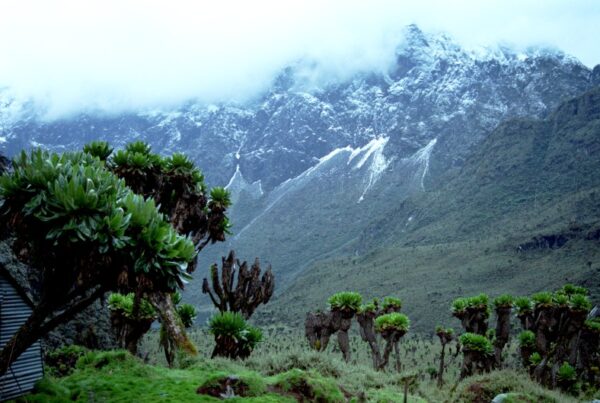
The unique plant life is one of the most striking features of the Rwenzoris. Giant lobelias, towering heathers, and massive groundsel trees dominate the higher altitudes, creating an almost alien-like scenery. The mist that often cloaks the mountains adds an ethereal, almost mystical dimension to every step of the hike.

The Adventure of Altitude and Endurance

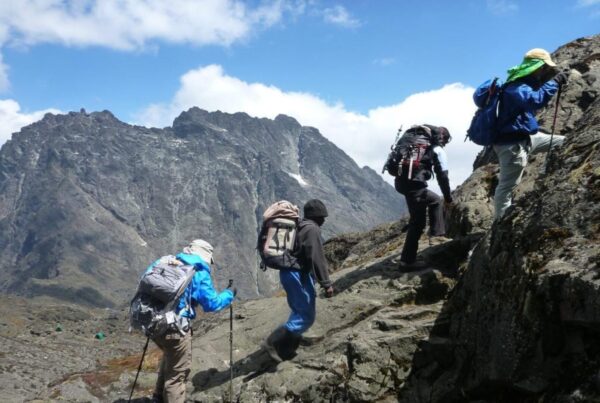
A Rwenzori hiking tour is an endurance challenge that rewards the determined with awe-inspiring views and profound self-discovery. Most treks range from 6 to 10 days, depending on the route and pace. The most popular route, the Central Circuit Trail, offers a comprehensive loop through the heart of the mountain range, culminating at Margherita Peak for those who wish to summit.

This trek is not just about reaching the top; it is a pilgrimage through elemental forces. One day you’re navigating slippery boardwalks through boggy valleys, the next you’re clambering over rock outcrops as alpine mist swirls around your boots. Each camp along the route provides a place to rest and reconnect with fellow trekkers, all united by the shared rhythm of the trail.

Altitude acclimatization is essential. The climb is rigorous and demands a combination of physical fitness, mental fortitude, and proper preparation. But for those who commit, the Rwenzori offers an experience that is more rewarding, more secluded, and more spiritually enriching than most mainstream mountain adventures.

An Ecological Wonderland (Rwenzori hiking tours)

The Rwenzori Mountains are recognized as one of the most significant biodiversity hotspots in Africa. The range supports over 70 mammal species and 217 bird species, including several that are endemic or endangered. From the shy Rwenzori turaco to the playful blue monkey, life thrives in surprising and resilient forms across the altitudinal zones.

The region’s glaciers and alpine wetlands also play a crucial role in sustaining water systems across Uganda and beyond. These mountains are a vital natural resource for both ecological balance and local communities. Hiking here is more than just recreation—it is a journey through a fragile, invaluable ecosystem that deserves reverence and protection.

For conservation-conscious travelers, the Rwenzoris present an opportunity to witness firsthand the impacts of climate change, particularly the melting glaciers, which are diminishing year by year. Trekking with awareness becomes an act of solidarity with the environment, a reminder of our shared responsibility to protect such natural marvels.

Cultural Immersion and Community Impact

Beyond the natural beauty, the Rwenzori region is home to the Bakonzo people, a resilient and culturally rich community with a deep connection to the mountains. As you begin and end your trek in villages such as Kilembe or Nyakalengijo, you’ll encounter the warm hospitality and storytelling traditions that are integral to this region.

Participating in a Rwenzori hiking tour provides not only adventure for travelers but tangible benefits for local communities. Many trekking operations collaborate directly with village cooperatives, employing local guides, porters, and cooks. Your journey contributes to sustainable development by supporting education, healthcare, and conservation efforts across the region.

Travelers often leave with more than memories of peaks and passes—they gain insight into mountain life, traditional farming, local folklore, and the symbiotic relationship between people and the land.

The Best Time to Trek the Rwenzori Mountains

Timing your Rwenzori adventure is essential for a successful experience. The dry seasons, typically from December to February and June to August, are the most favorable for hiking. During these periods, trails are less slippery, river crossings are safer, and visibility improves dramatically, especially near the peaks.

However, the unpredictable nature of mountain weather means you should always be prepared for sudden rain, cold winds, and mist. Proper gear and expert guidance are critical. Partnering with a knowledgeable and reputable tour operator ensures that your safety, comfort, and enjoyment are maximized throughout the hike.

Why the Rwenzori Experience is Worth Every Step

The Rwenzori Mountains are not about flashy tourism or easy triumphs. They are about authentic, soul-stirring exploration. They ask something of you—your energy, your focus, your humility—but they give so much more in return. Every ridgeline offers a new perspective. Every waterfall echoes with timelessness. Every glacier, still clinging to the equator, speaks of nature’s paradoxes and power.

This is not a destination for the casual sightseer. This is a place for those who want to test themselves against nature, who want to walk ancient paths in silence and reverence, who want their breath taken not only by the altitude but by the sheer majesty of what surrounds them.

Begin Your Rwenzori Adventure with WildHorn Africa

To fully appreciate the challenge, beauty, and soul of the Rwenzori Mountains, you need more than a map—you need a dedicated team of professionals who know these mountains intimately. That is why your journey should begin with WildHorn Africa, a trusted name in African adventure travel.

With years of experience, expert guides, carefully designed itineraries, and a strong commitment to ethical tourism, WildHorn Africa ensures your Rwenzori hiking tour is seamless, safe, and unforgettable. Whether you’re a seasoned trekker or a passionate explorer seeking your next big adventure, WildHorn Africa customizes every detail to meet your needs and exceed your expectations.

Choose to travel with purpose, hike with heart, and discover the true spirit of Africa’s Mountains of the Moon. Book your Rwenzori hiking tour and other Africa safaris through WildHorn Africa today, and step into a world where nature’s wonders and human resilience meet at the highest peaks.

Rwenzori hiking tours #Rwenzori hiking tours Rwenzori hiking tours

Packages

Recommended Tour Packages

Rwenzori Hiking Tours

3-Day Honeymoon Fly in Zanzibar Ndutu with Hot Balloon
3 Days+ from $2,585
https://www.africawildlifesafaris.net/destinations/tanzania/3-day-honeymoon-fly-in-zanzibar/
5-Day Great Migration Fly in from Zanzibar
5 Days+ from $2,800
https://www.africawildlifesafaris.net/destinations/tanzania/5-day-great-migration-fly-in/
6-Day Serengeti National Park & Zanzibar
6 Days+ from $1,881
https://www.africawildlifesafaris.net/destinations/tanzania/6-day-serengeti-national-park/
8-Day Beach Safari Zanzibar and Lake Manyara
8 Days+ from $2,393
https://www.africawildlifesafaris.net/destinations/tanzania/8-day-beach-safari-zanzibar/
9-Day Best of Tanzania Safari and Zanzibar Beaches
9Days+ from $2,574
https://www.africawildlifesafaris.net/destinations/tanzania/9-day-best-of-tanzania-safari-and/
10-Day Stone Town & Zanzibar Sand & Selous Safari
10 Days+ from $2,066
https://www.africawildlifesafaris.net/destinations/tanzania/10-day-stone-town-zanzibar-sand/
10-Day Nyerere National Park and Zanzibar Adventure
10 Days+ from $4,799
https://www.africawildlifesafaris.net/destinations/tanzania/10-day-nyerere-national-park-and/
11-Day Tanzania Safari with Zanzibar Beach Break
11 Days+ from $12,299
https://www.africawildlifesafaris.net/destinations/tanzania/11-day-tanzania-safari-with-zanzibar/
Customize Your beach vacation
Close Menu